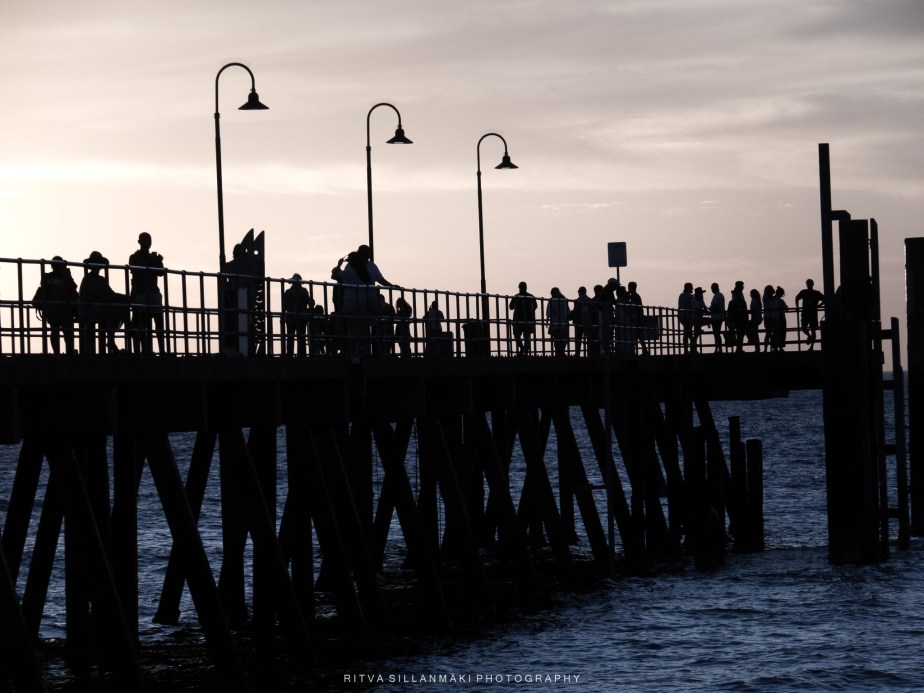
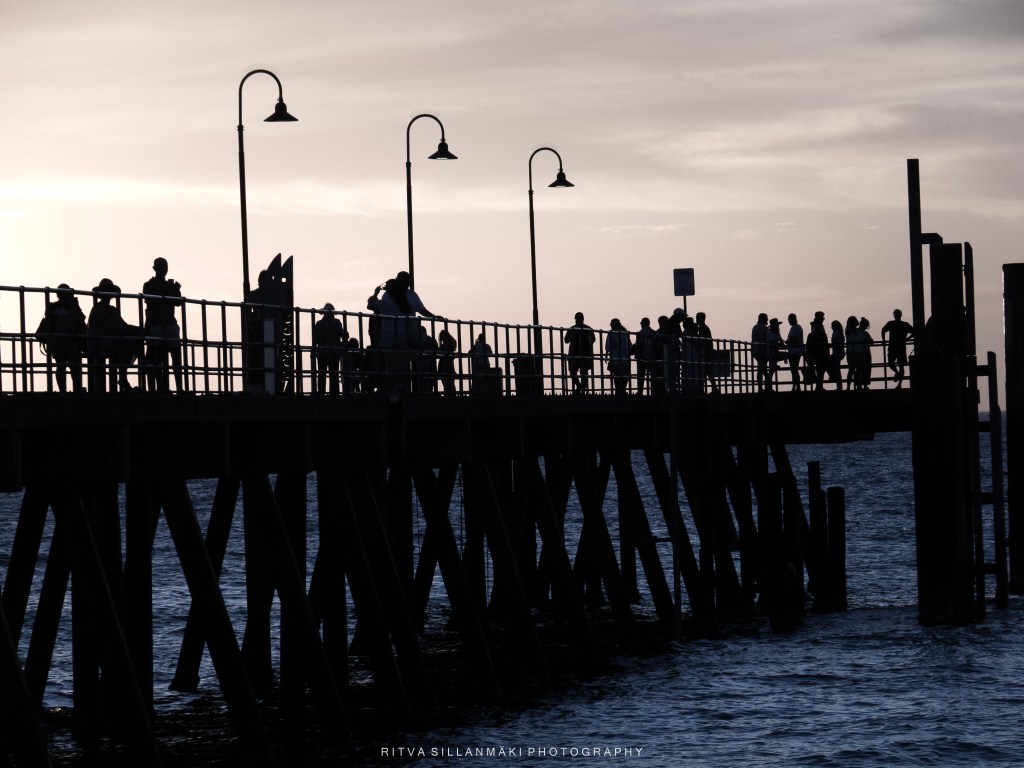
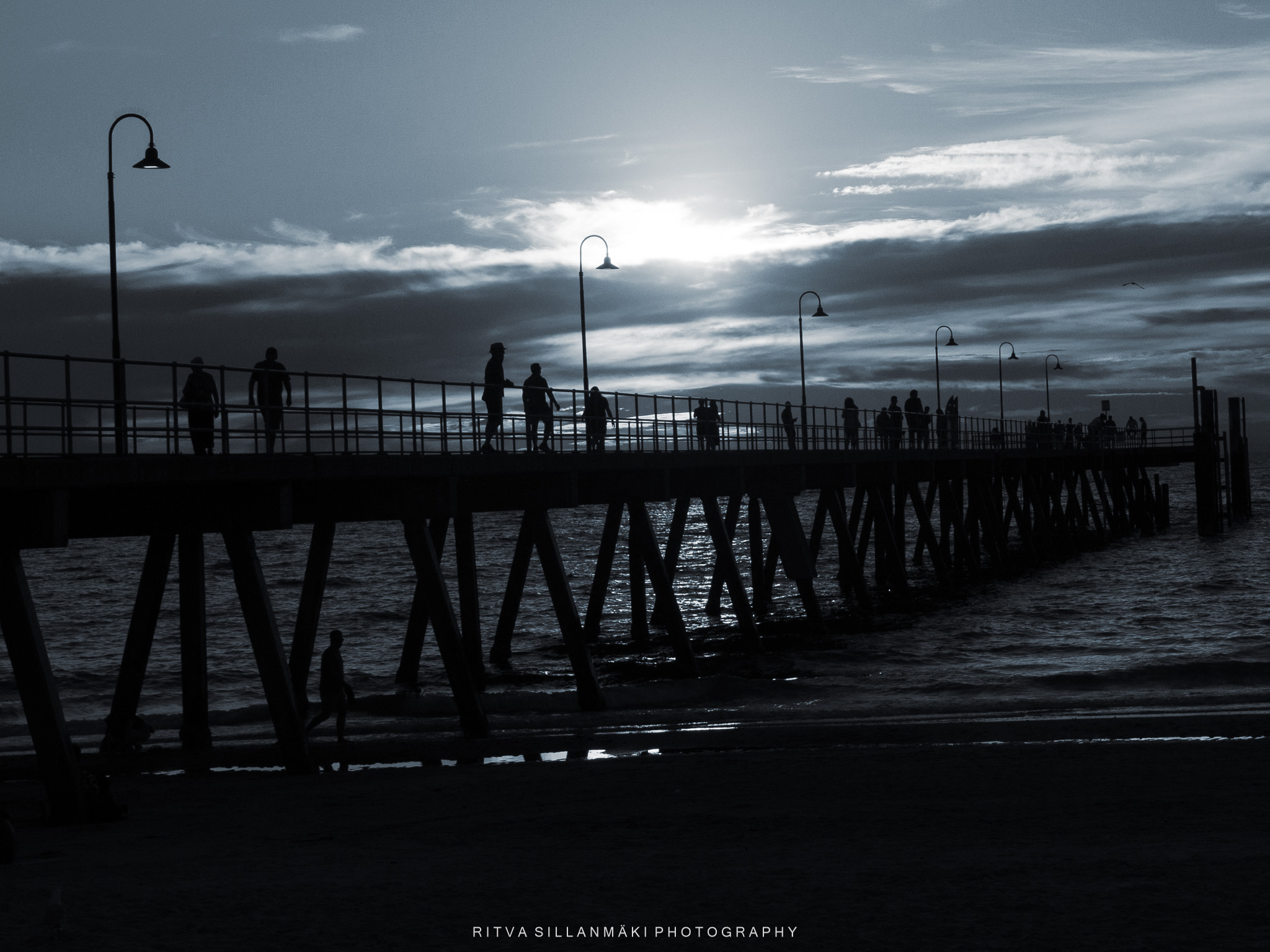
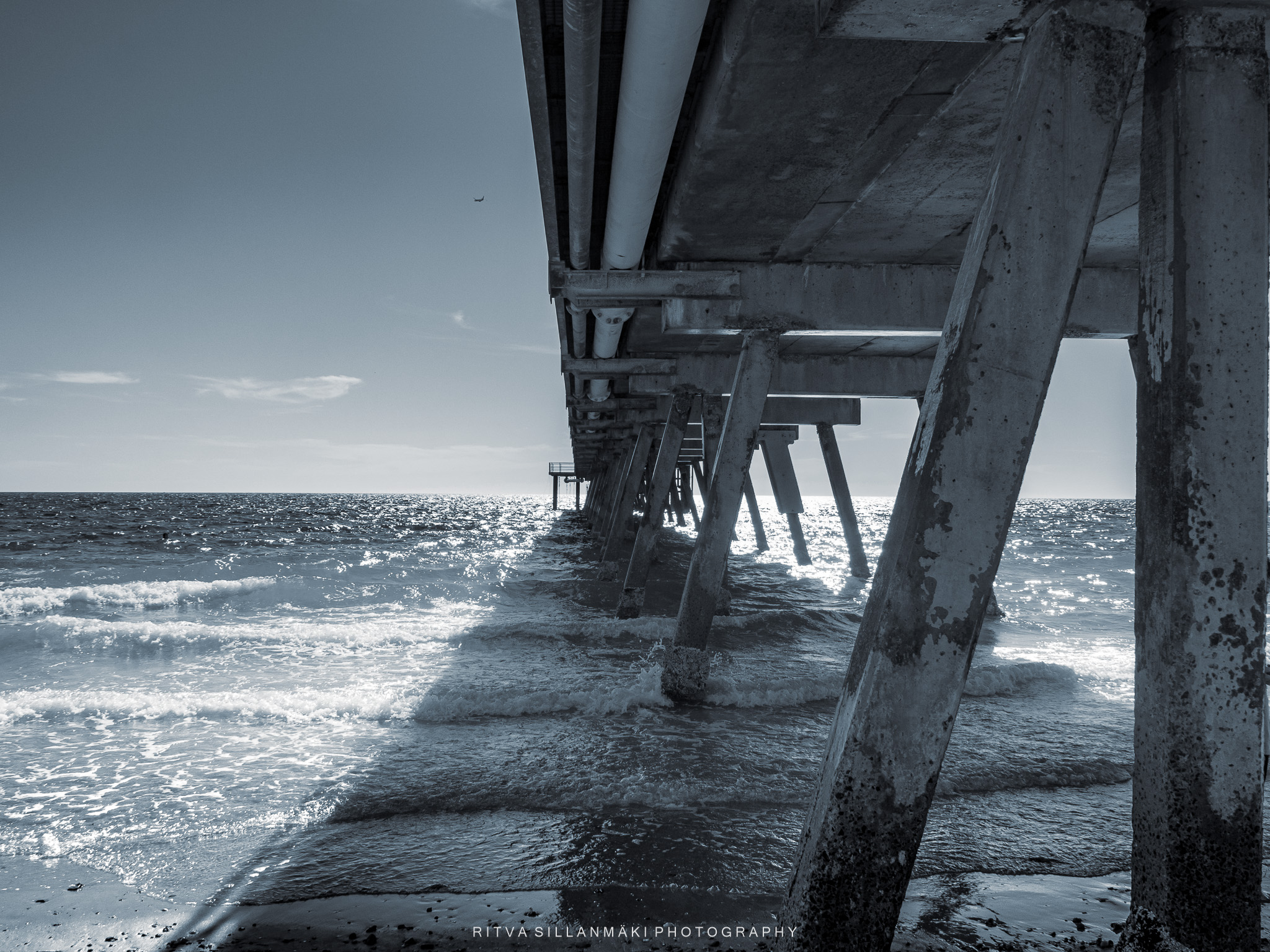
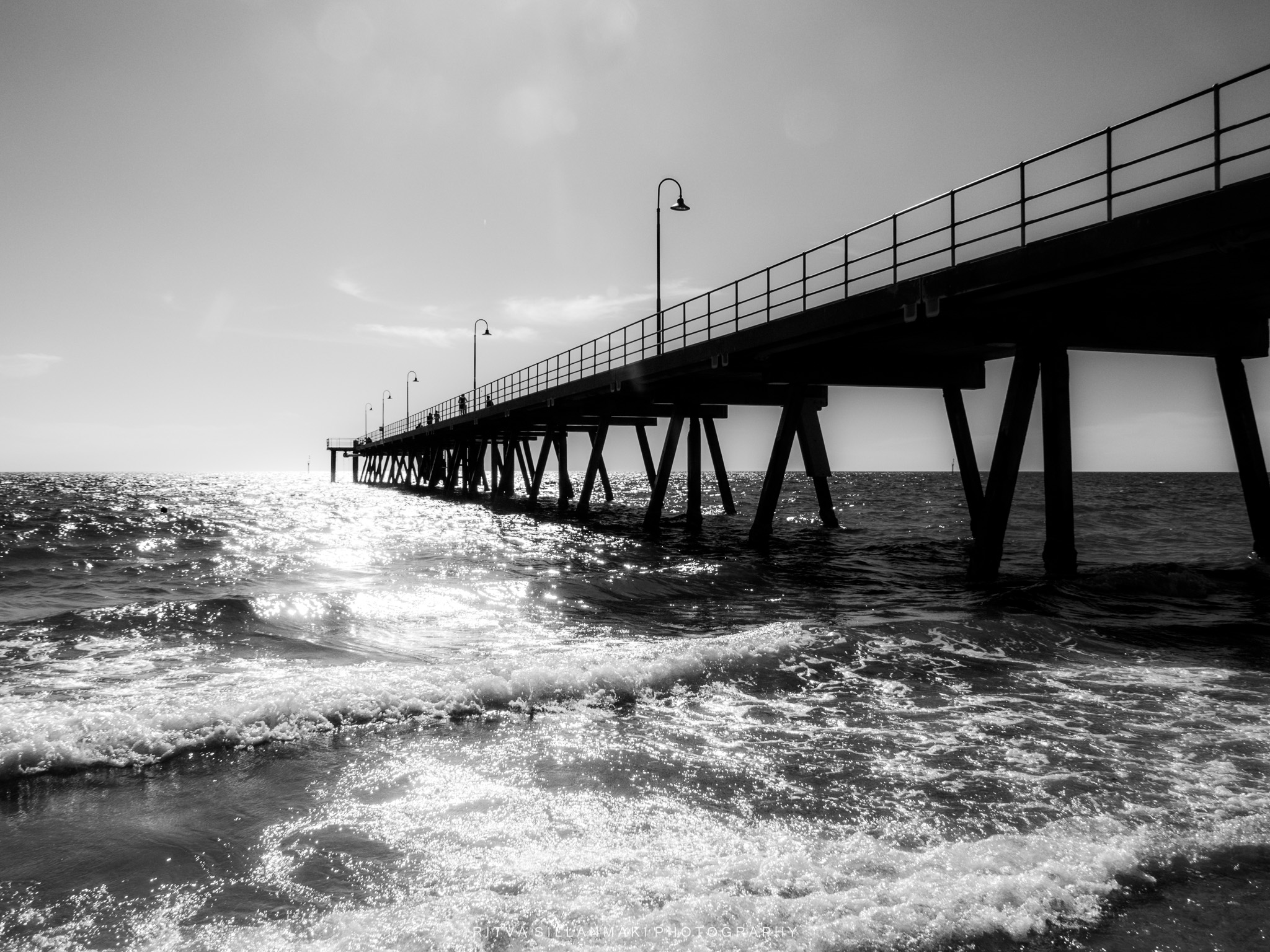
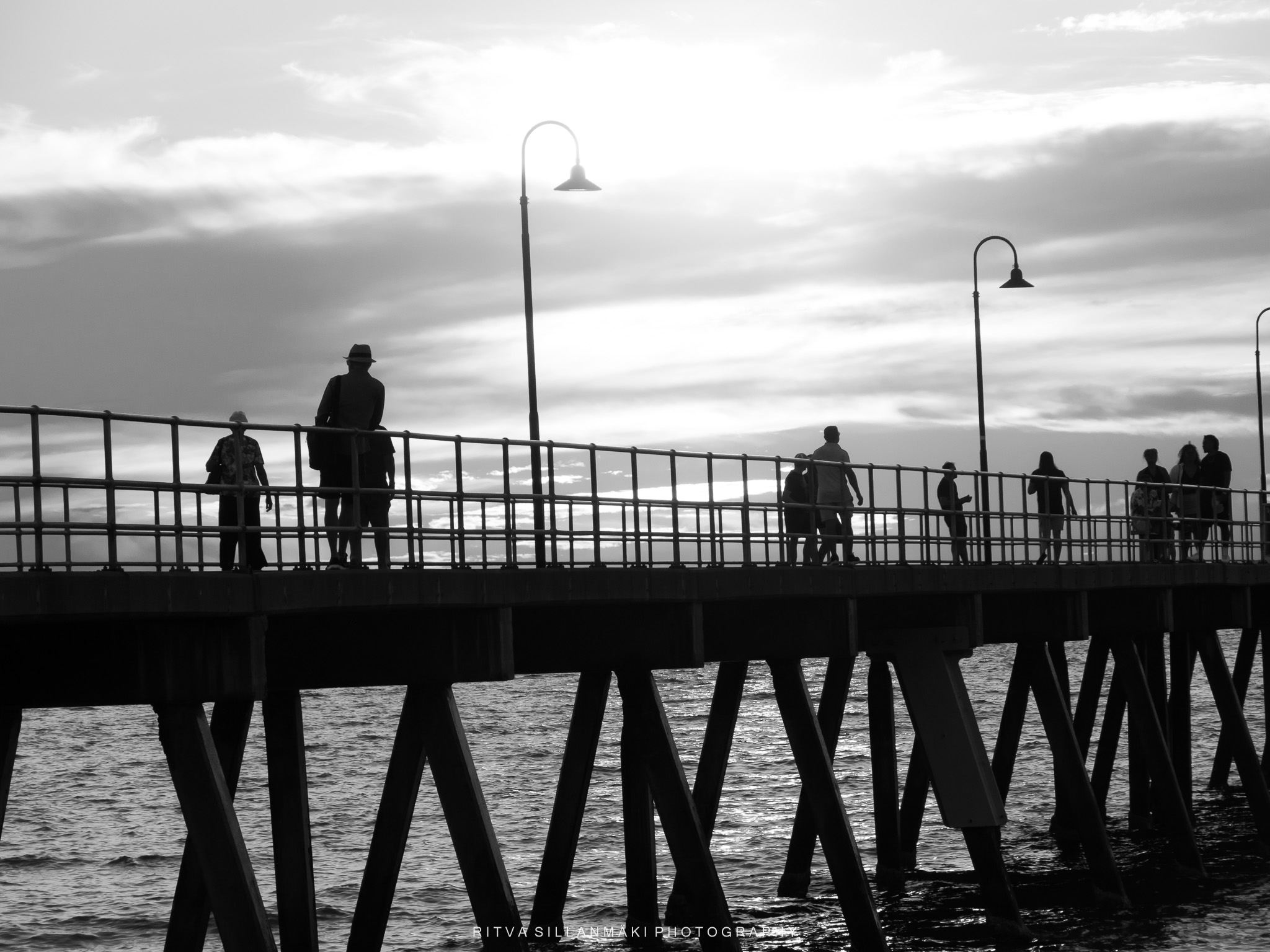
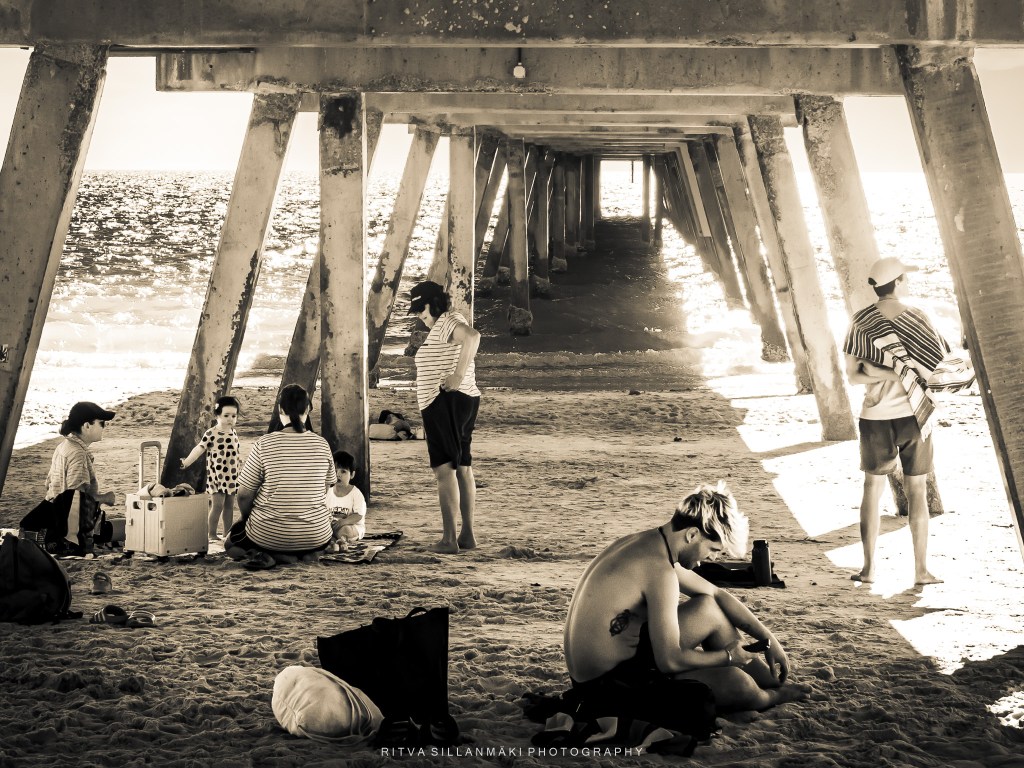
This week I have been very busy editing photos, and as I love monochrome and black and white images, I took some time to try different styles from our wonderful visit to Glenelg Beach in South Australia.
Glenelg beach pier
The Pier there provided great opportunities for photography, largely due to the striking contrasts between light and shadow, which are essential in monochrome photography. I experimented with various angles and compositions to capture the essence of the scene, highlighting the elegant lines of the architecture against the raw natural beauty of the beach.
These images reflect not only the stunning vistas but also the unique atmosphere of the location. These are my contributions this week for Leanne’s Monochrome Madness.
Photography is drawing with light and this week’s Silhouette challenge firmly shows us that. A silhouette is about bringing together contrasts of a well-lit background against a dark subject, making the subject’s shape and outline as the main point of focus. A silhouette balances what the viewer sees alongside the darker toned facets of the subject that are intentionally kept hidden from the light.
Silhouettes are a great way to tell a story while leaving it up to the imagination of the viewer – there aren’t visible features to express emotion, so your viewer will fill in details depending on the context of the image – use this to direct your viewer’s line of thinking.
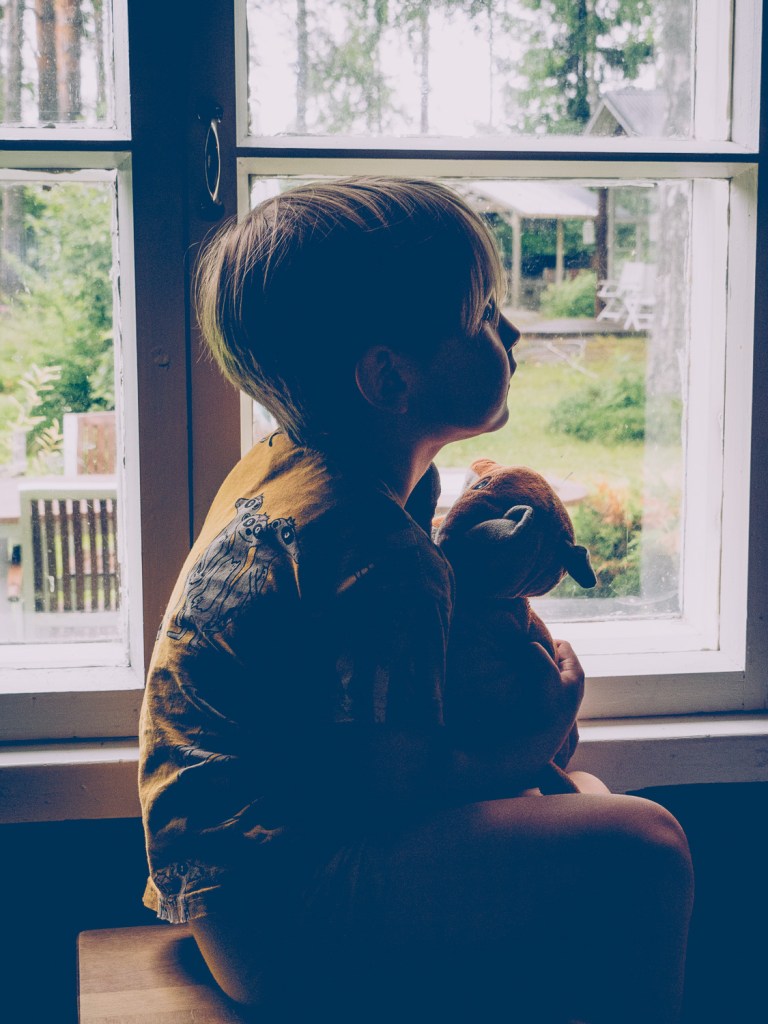
Waiting for the rain to stop
This is a lesson in exposure, composition and creativity all coming together. While silhouettes are outline.. Portraits, Still Life, Architecture and Nature typically make for good silhouette genres.
Silhouettes can often convey some kind of mystic story. By leaving the details in the dark, the story becomes compelling and the viewer is more engaged with the picture.
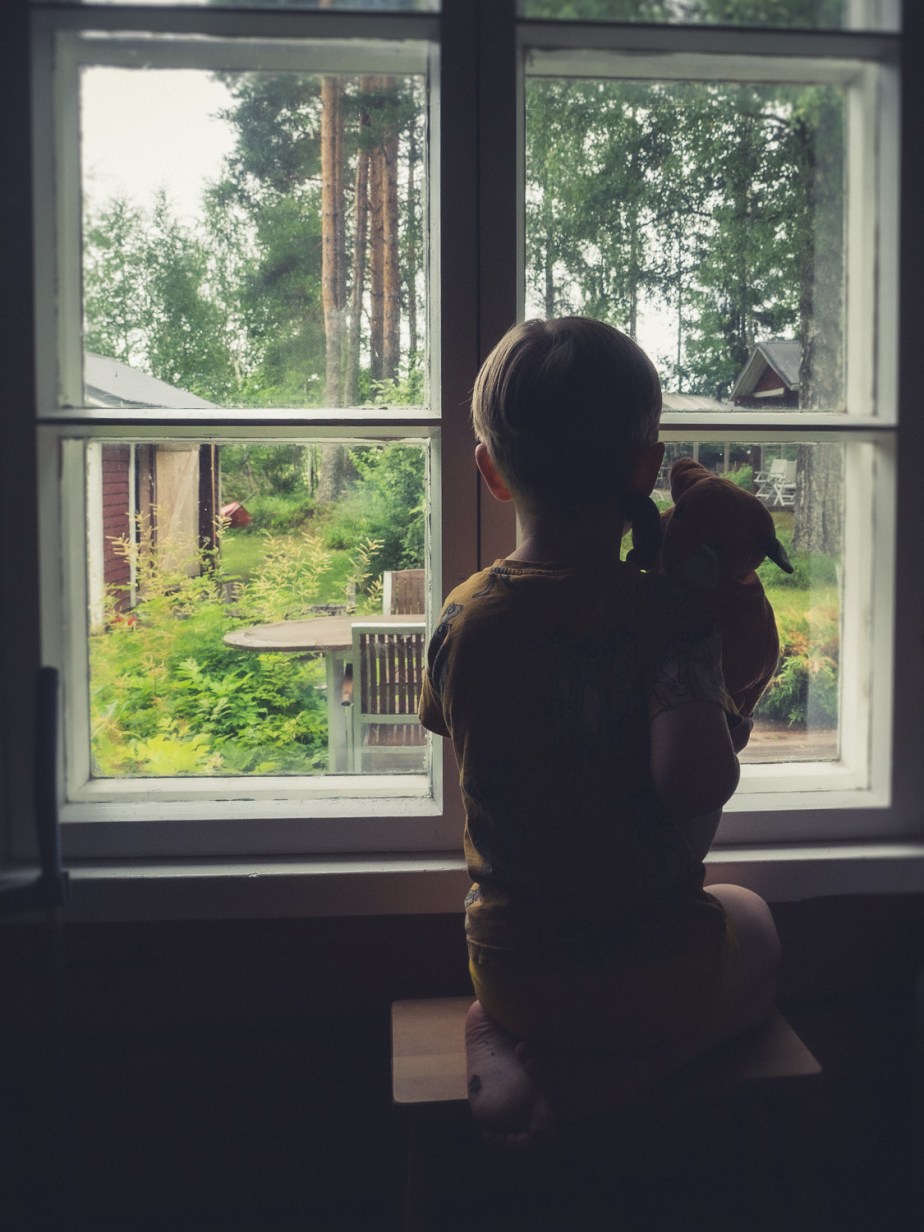
A boy and a fox
I was nearly ready to cheat, until my youngest grandson said he would let me take a photo of him. It was a rainy day and he sat by the window with a cuddly fox. Here was my opportunity to capture a silhouette
Photography is drawing with light and this week’s Silhouette challenge firmly shows us that. A silhouette is about bringing together contrasts of a well-lit background against a dark subject, making the subject’s shape and outline as the main point of focus. A silhouette balances what the viewer sees alongside the darker toned facets of the subject that are intentionally kept hidden from the light.
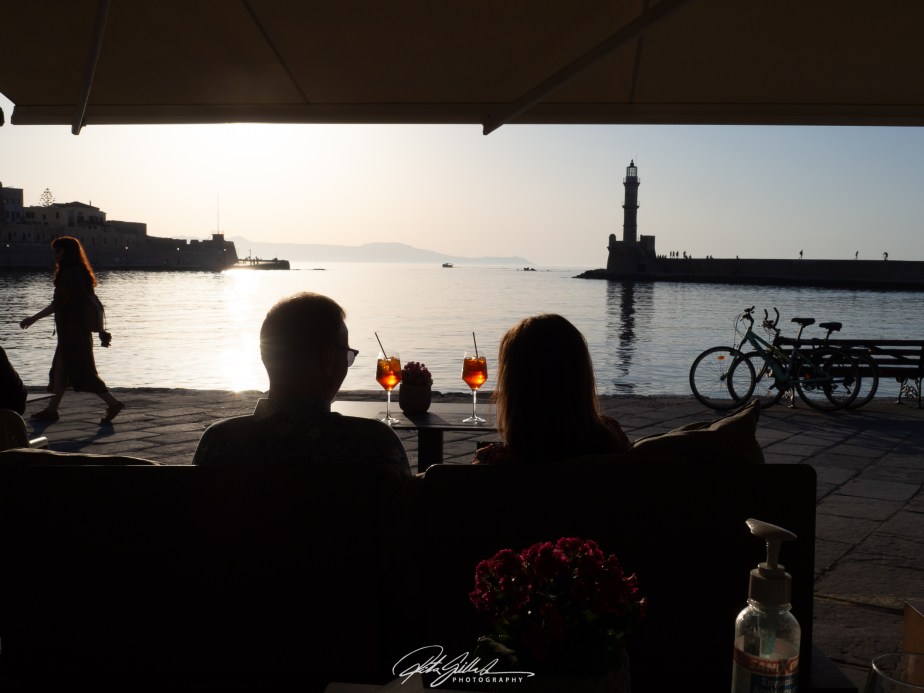
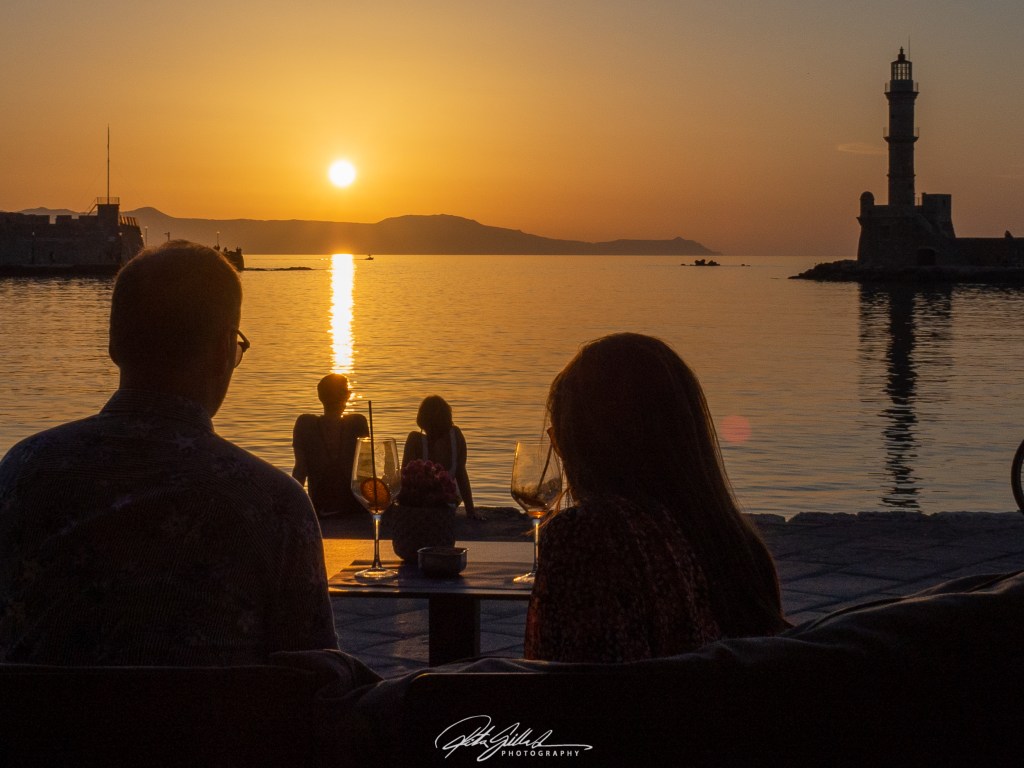
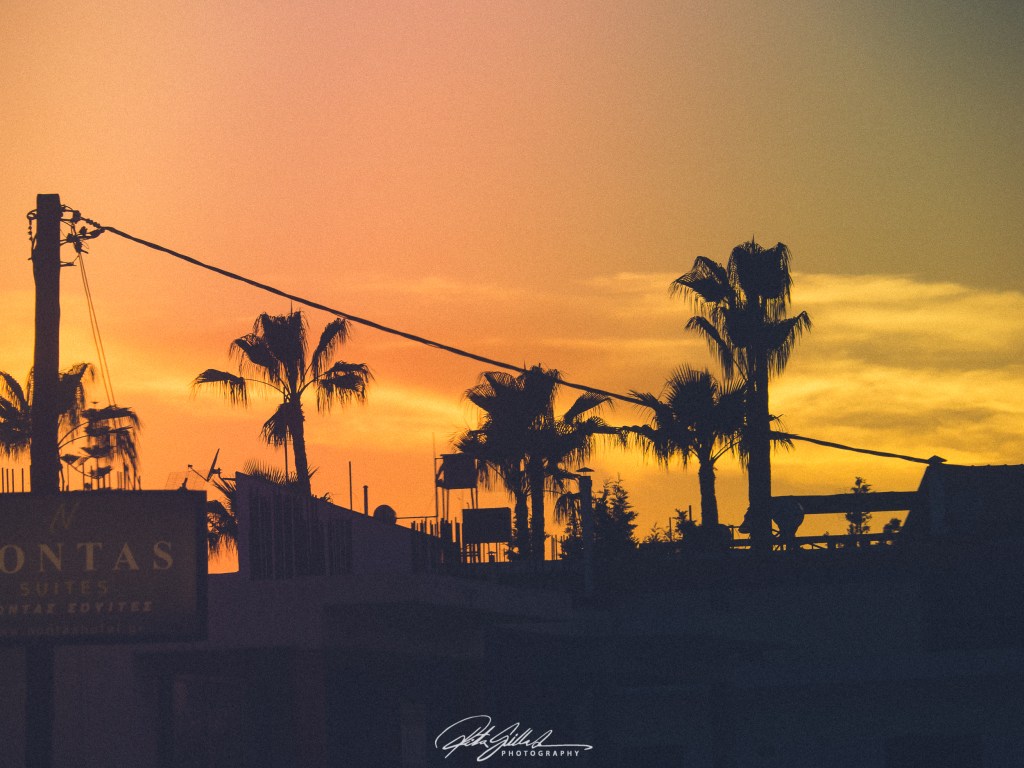
People waiting for sunset in Crete
Silhouettes are a great way to tell a story while leaving it up to the imagination of the viewer – there aren’t visible features to express emotion, so your viewer will fill in details depending on the context of the image – use this to direct your viewer’s line of thinking.
waiting for the sunset
This is a lesson in exposure, composition and creativity all coming together. While silhouettes are commonly shot in the day and at golden / blue hours, you can absolutely shoot silhouettes at night too. This will work best when the object being shot is recognizable through their well-defined shape and outline.. Portraits, Still Life, Architecture and Nature typically make for good silhouette genres.
Silhouettes can often convey some kind of mystic story. By leaving the details in the dark, the story becomes compelling and the viewer is more engaged with the picture.
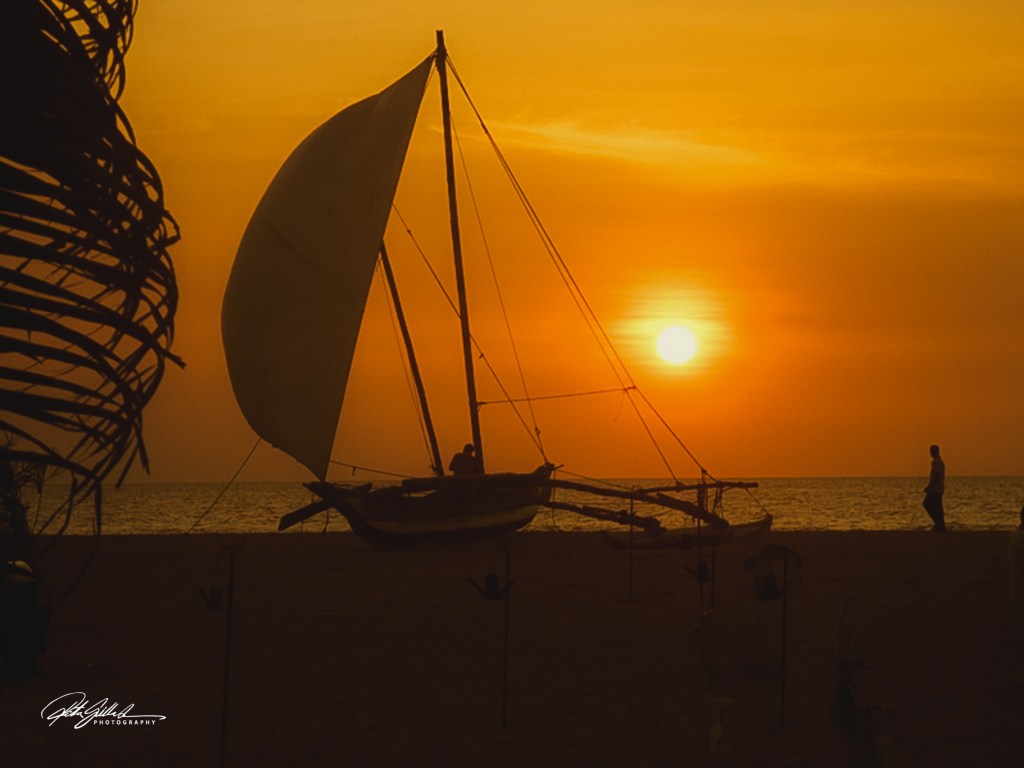
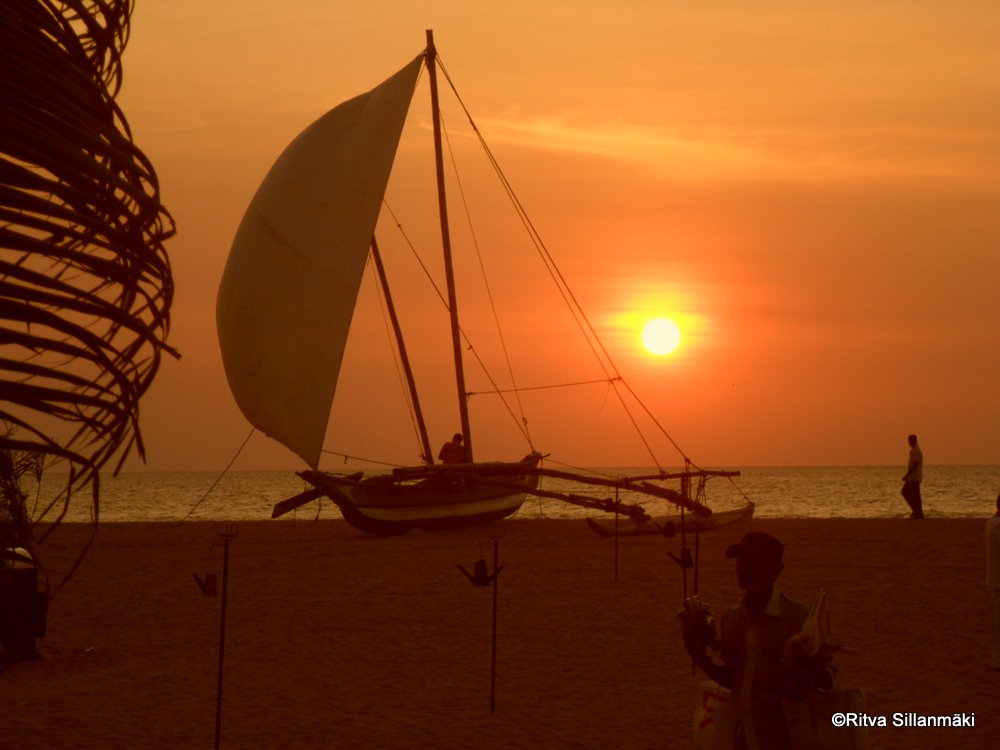
Sailing at sunset
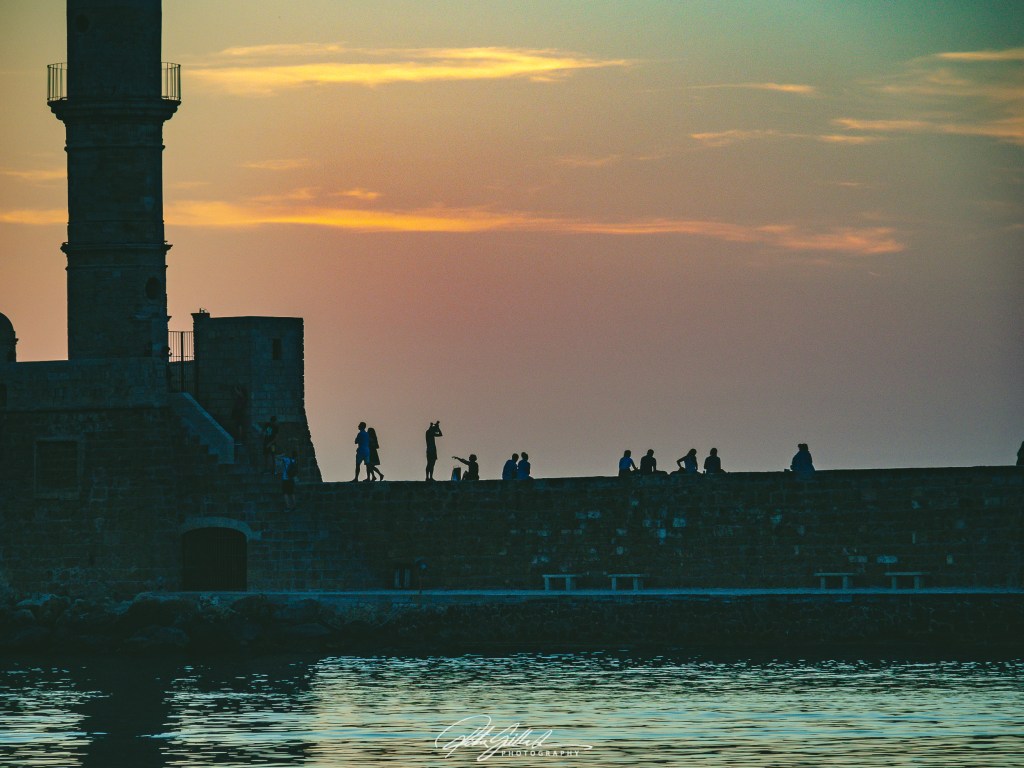
I would have loved to use these shots I took at Crete as they would have suited this challenge perfectly, but no, still I think they are great examples of silhouette! But I will have to come up with something new for the challenge or I could cheat… no, I won’t do that.
Waiting
Palm trees at sunset
TIPS:
Background Choice: Very often, we blur out the background and pay less attention to it. Here, pay a little extra attention to your choice of background. Make it contrast with the shape of your main subject.
Narrow Aperture: Shoot with a relatively narrow aperture of f/8 or higher to reduce the amount of light falling on your sensor, getting great Depth Of Field and also reducing chromatic aberrations especially if you’re shooting into the light.
Metering: We want to “trick” our camera into intentionally under-exposing the subject. So use spot metering or expose for the background.
Post-processing: Use software wisely – in post processing, it’s generally helpful to boost the contrast in your image, add more saturation, and increase the blacks slightly to improve a silhouette shot.
Not much editing was needed here, it was a really warm sunset in yellows and oranges. Sea, Sailboat, sunset, that is a picture made of. Warm regards to all 🙂
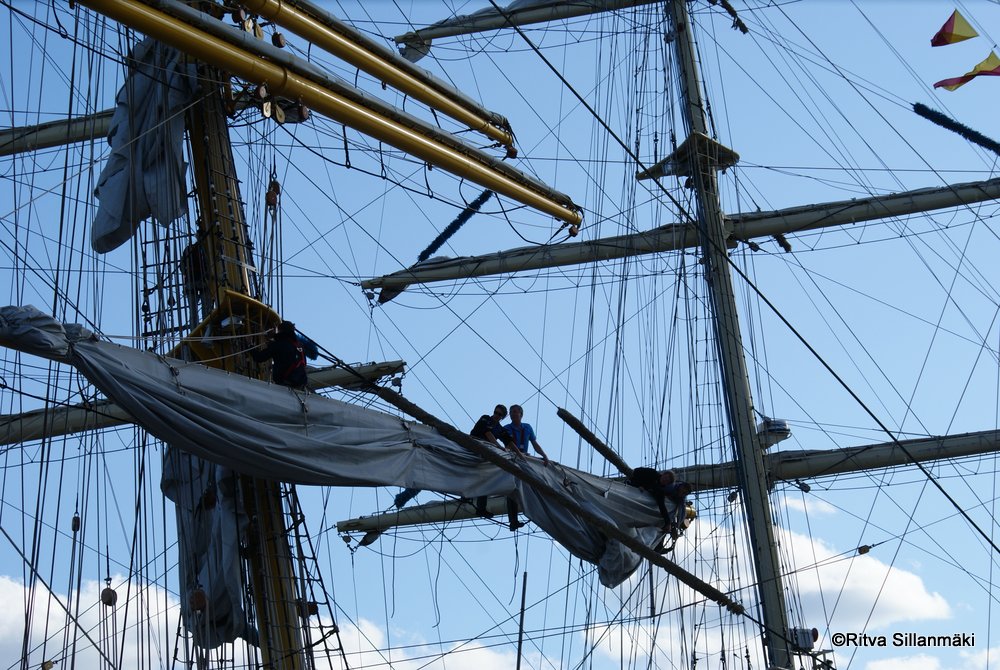
I have thousands of pictures like most of us, but it was kind of hard to find silhouettes from them. And if I was smart I would only post one, but as I did find few – I am going to share more that a few ( I know its three) So I’ll have few titles – people, boats, trees










 Ritva Sillanmäki Photography