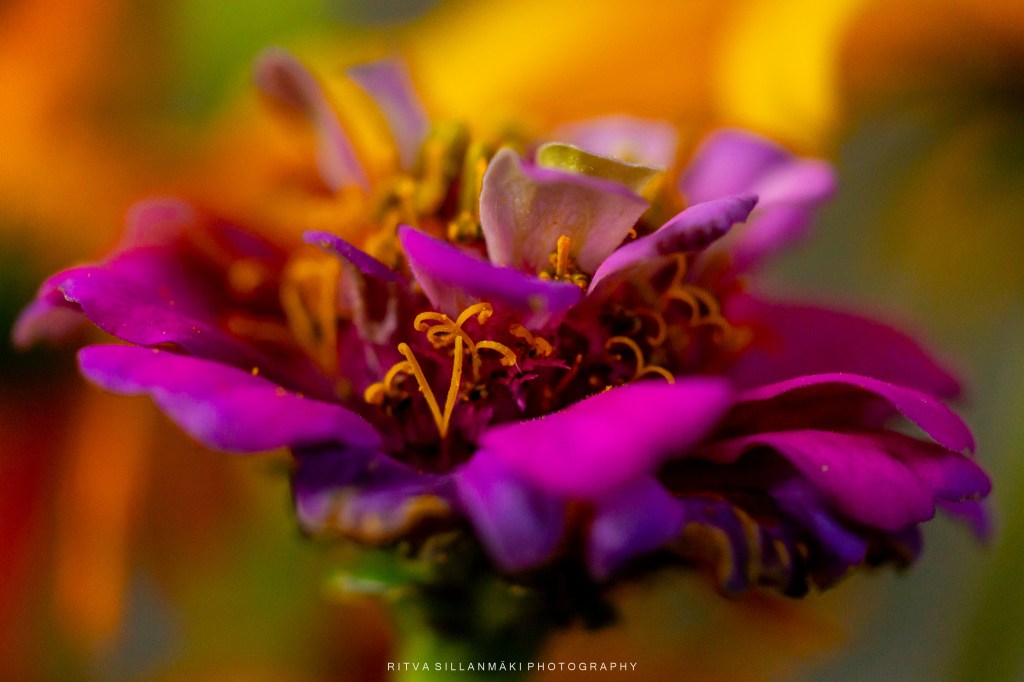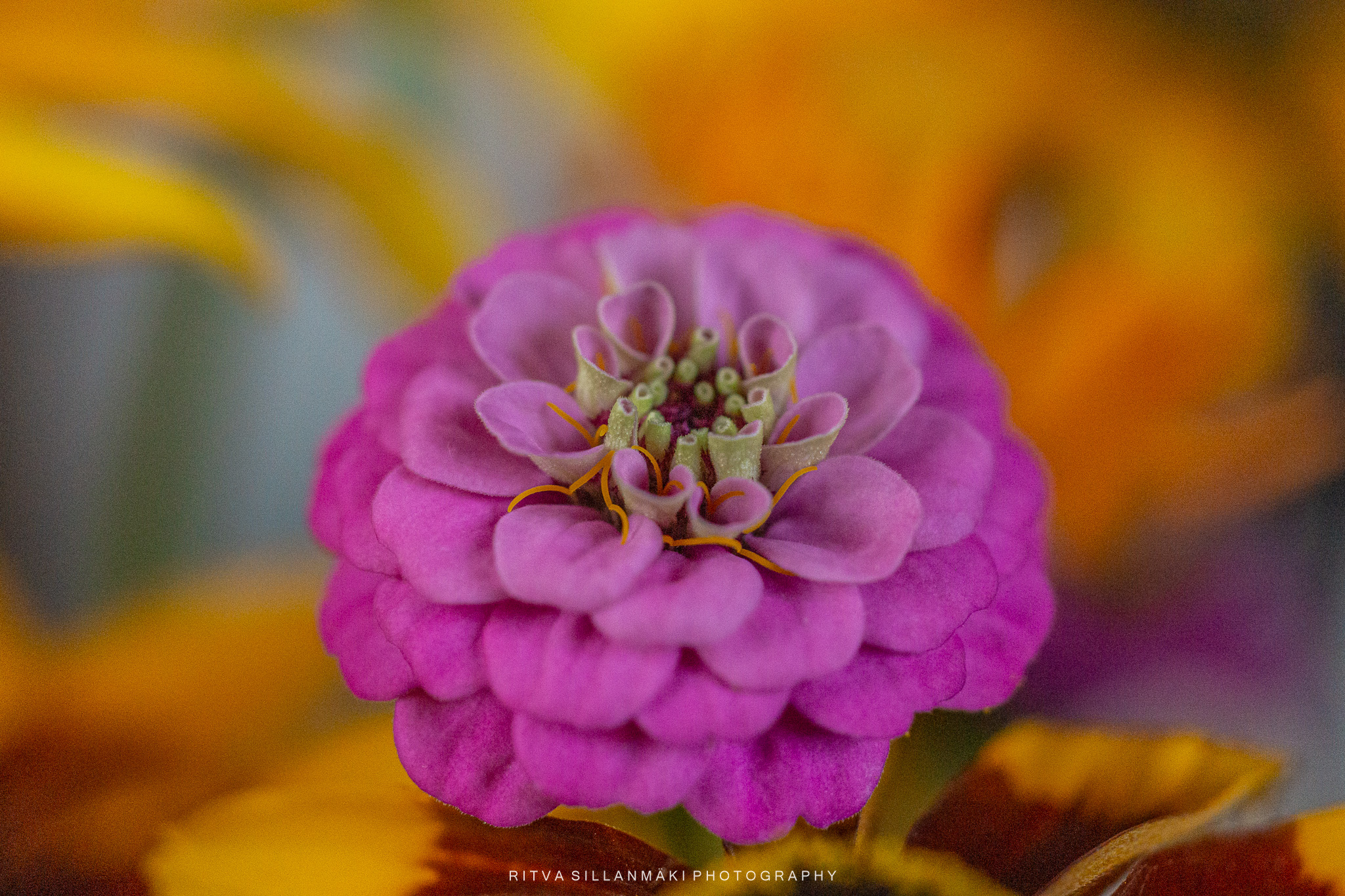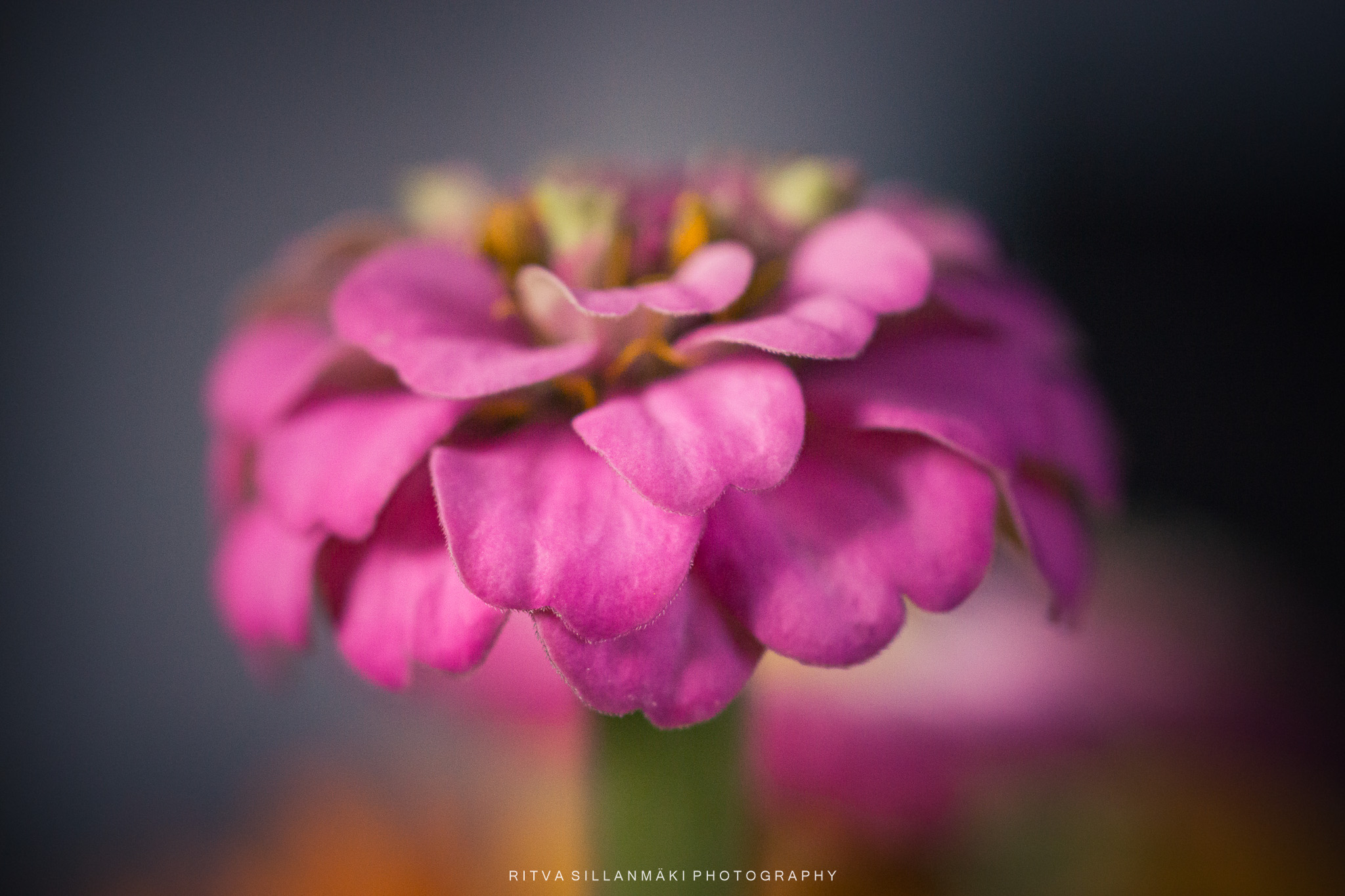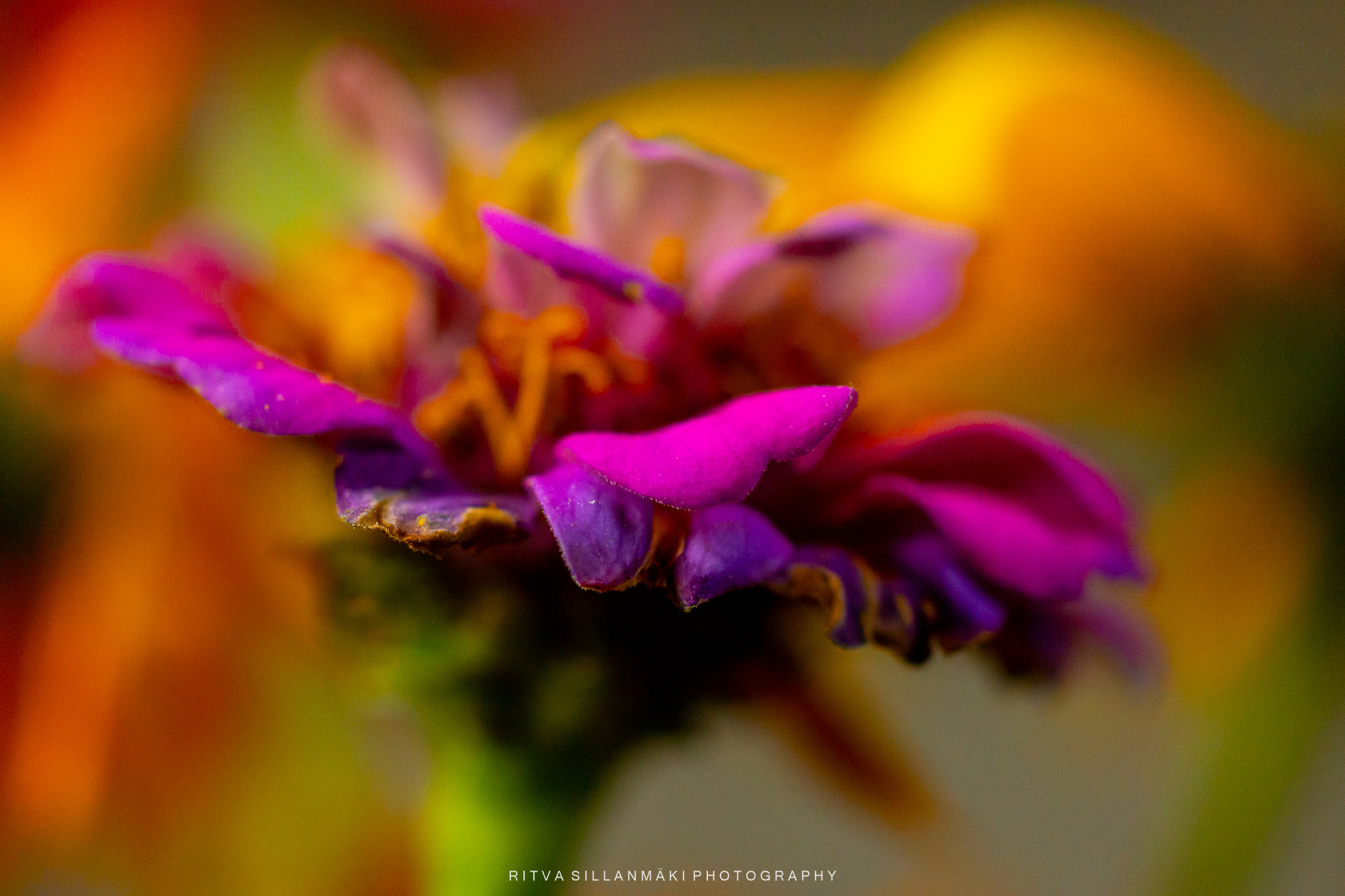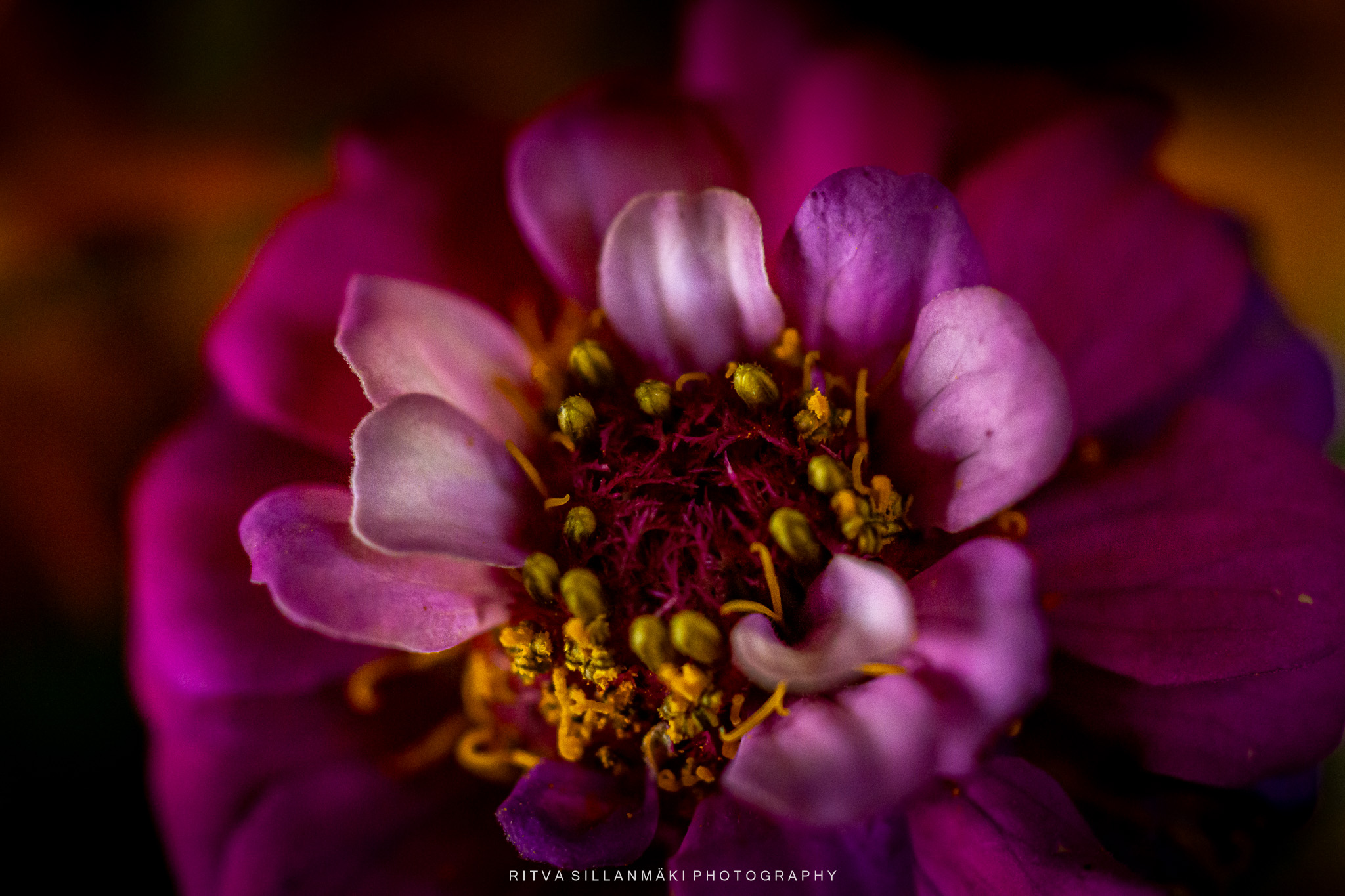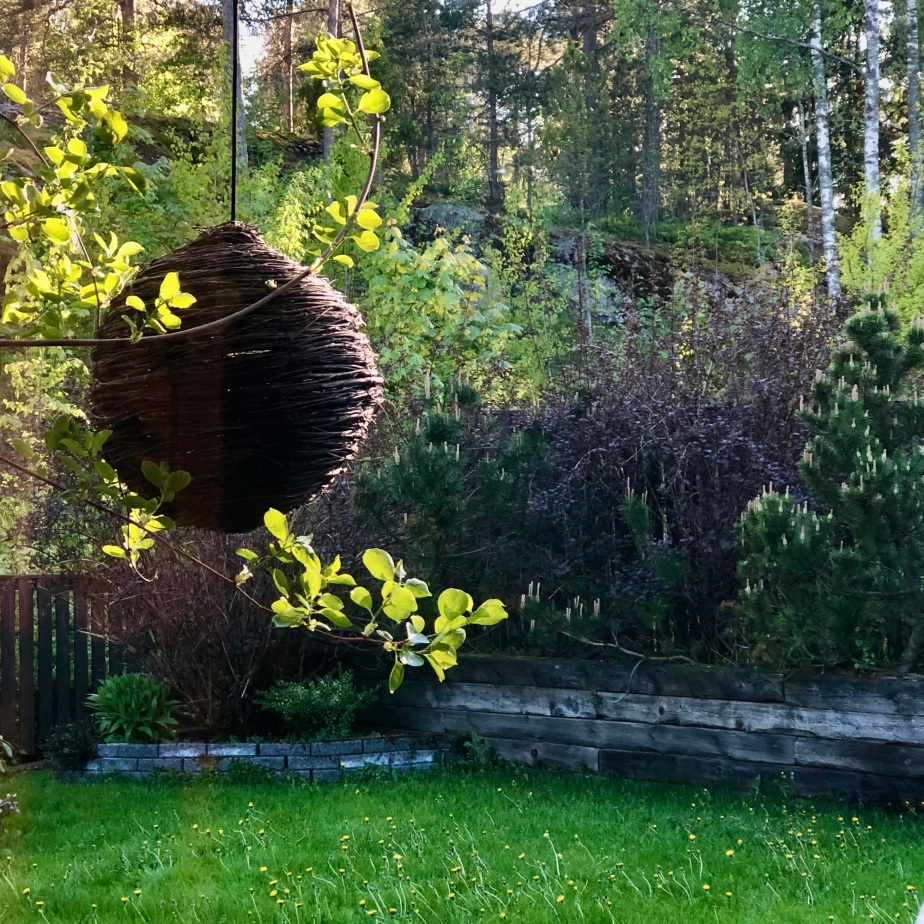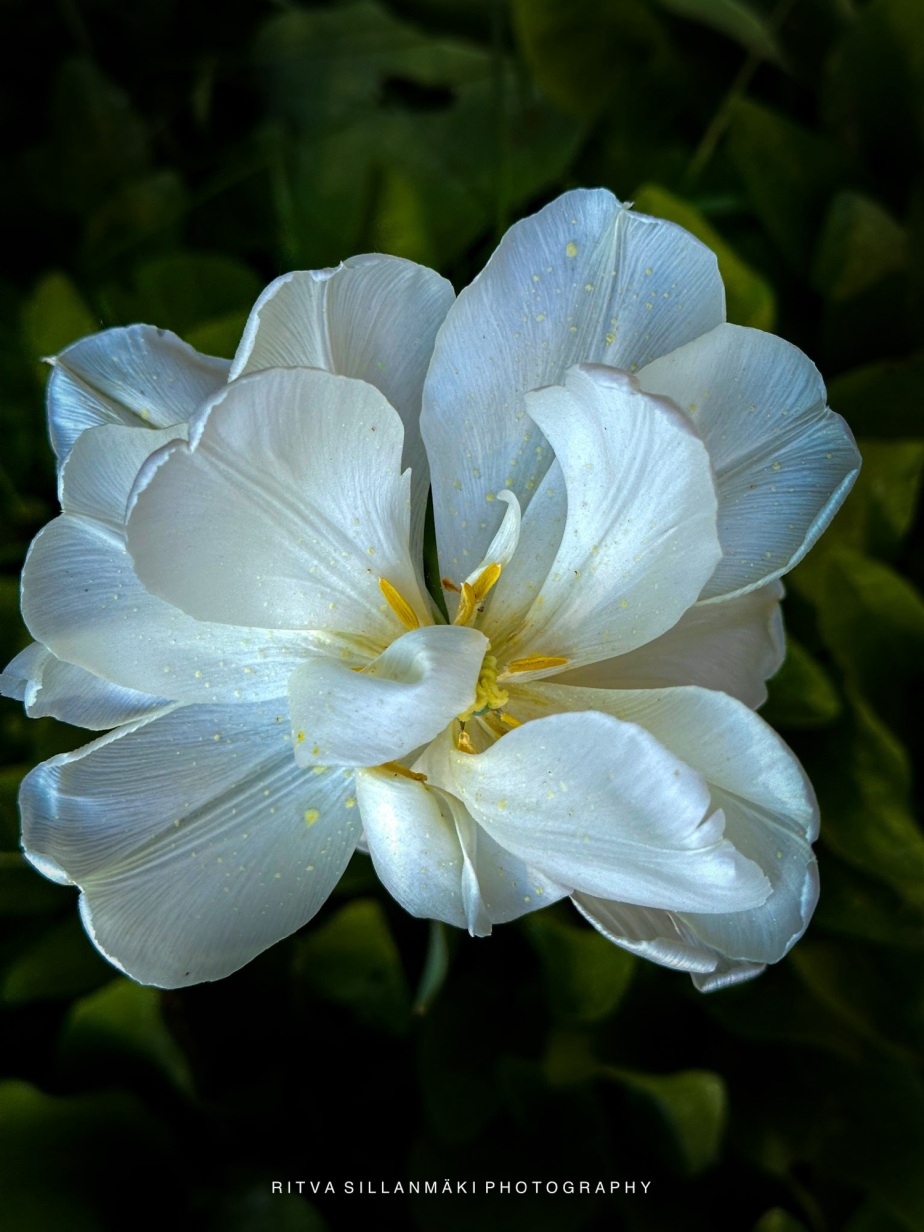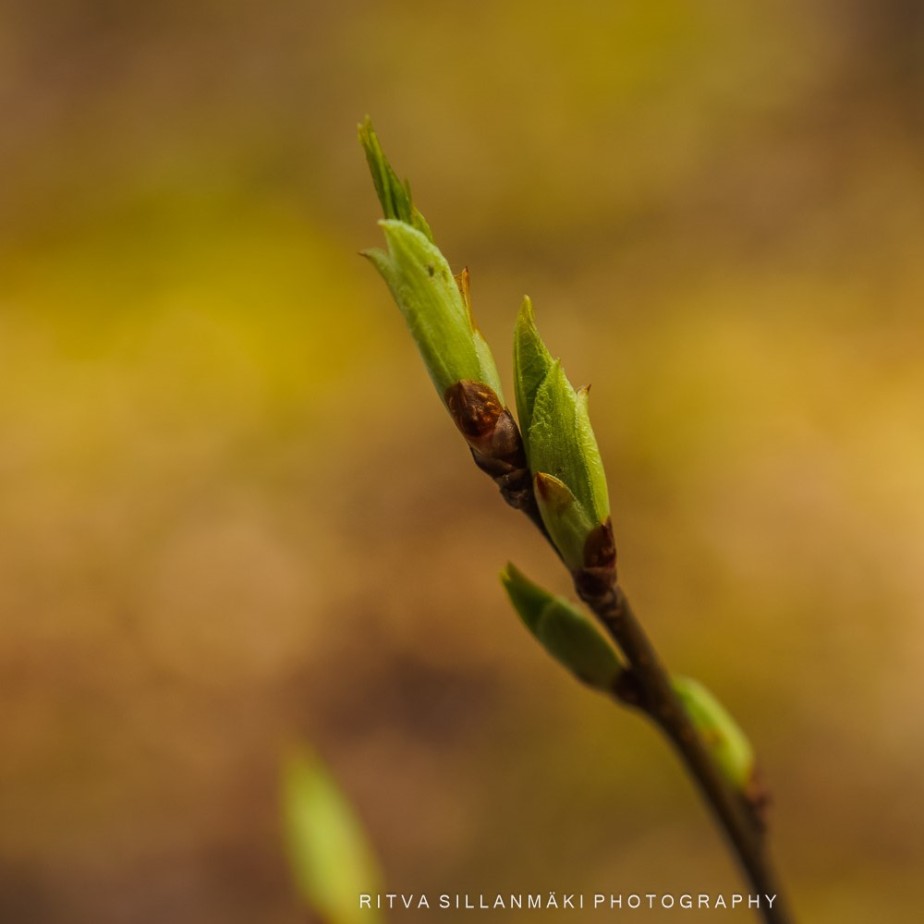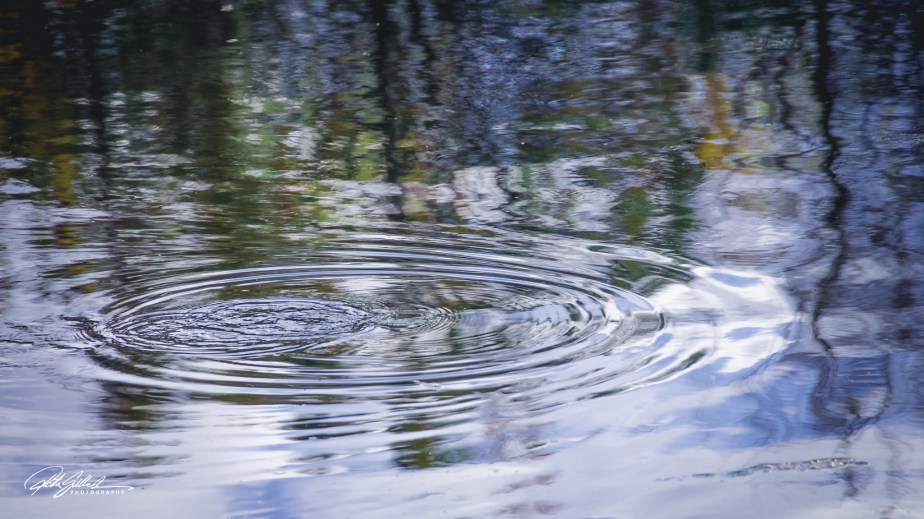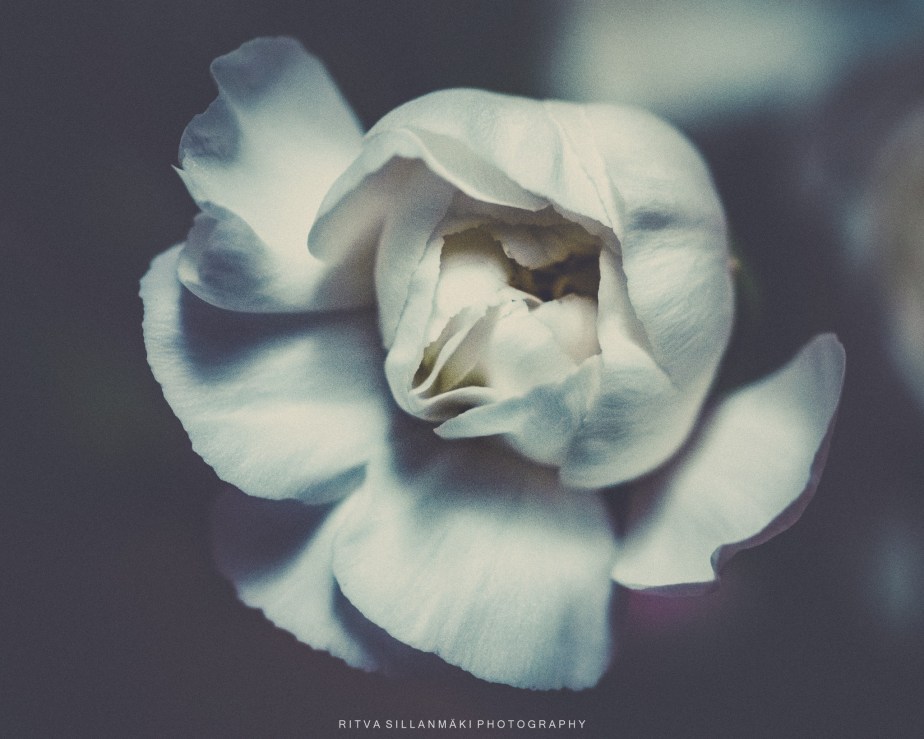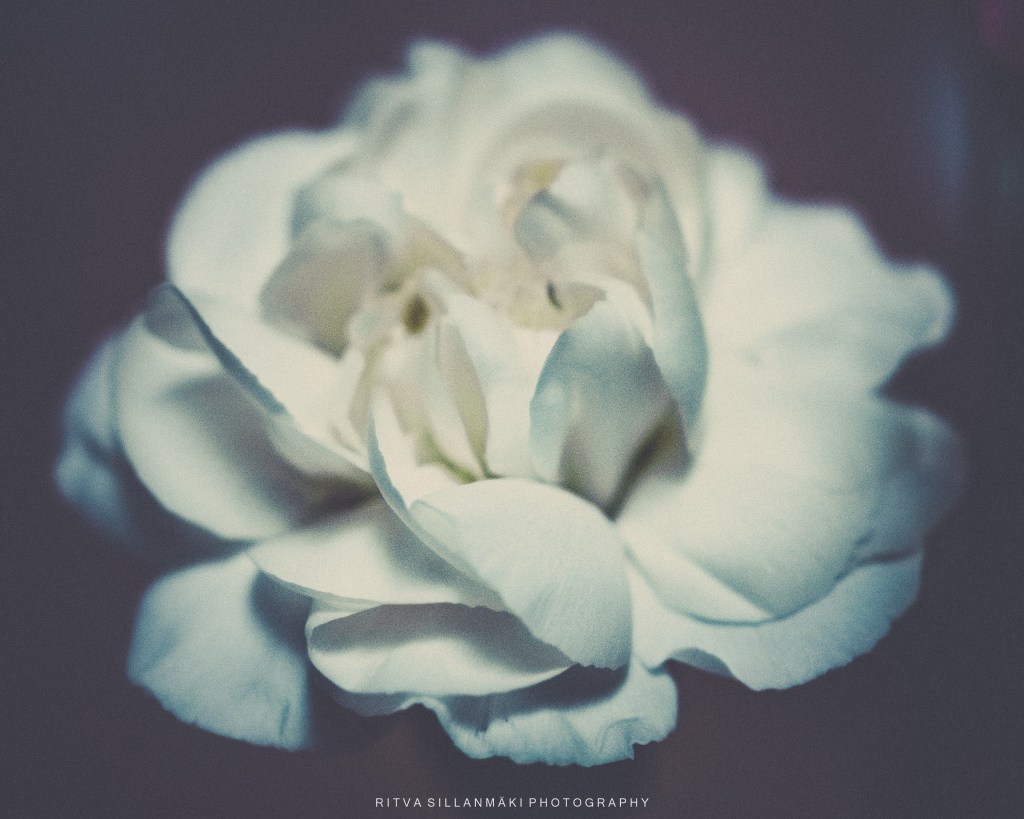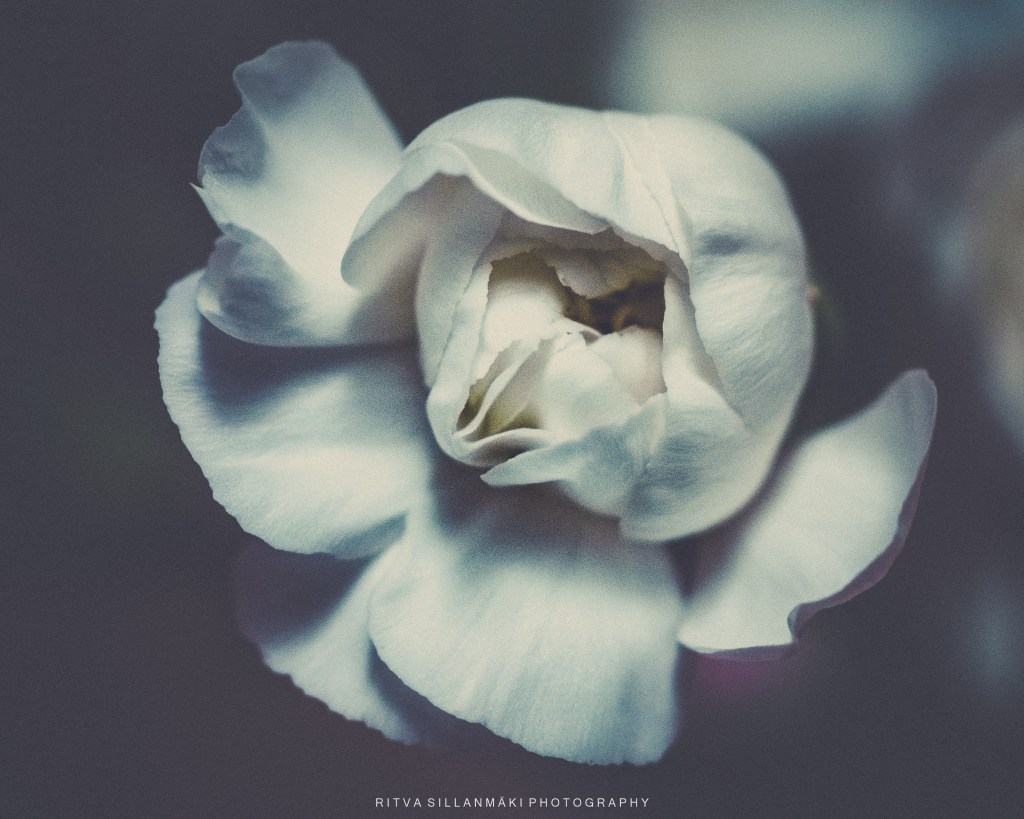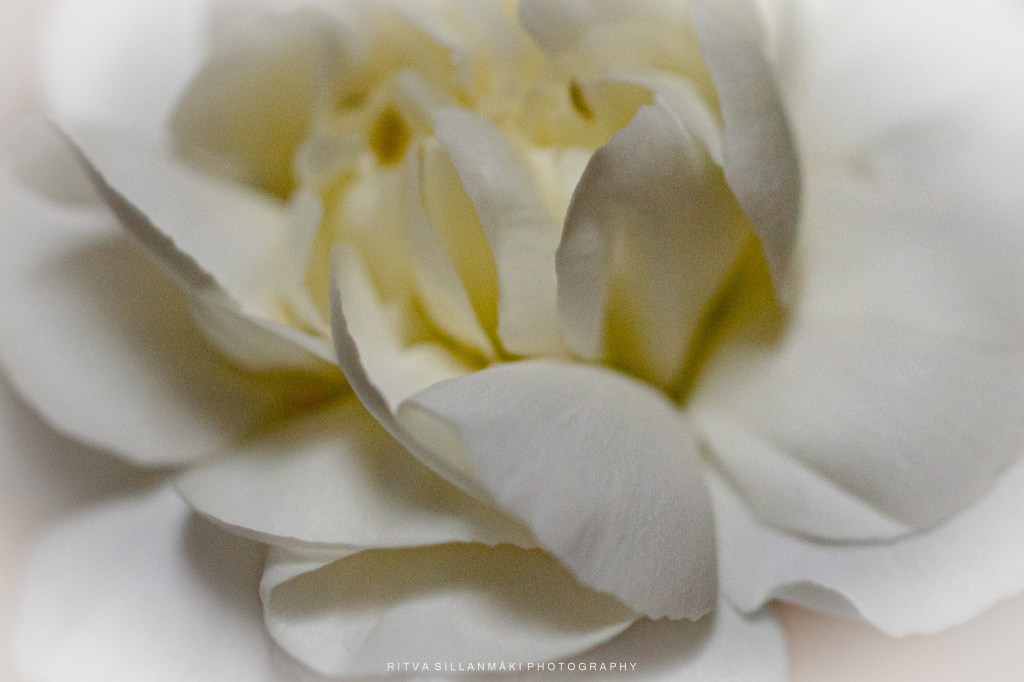
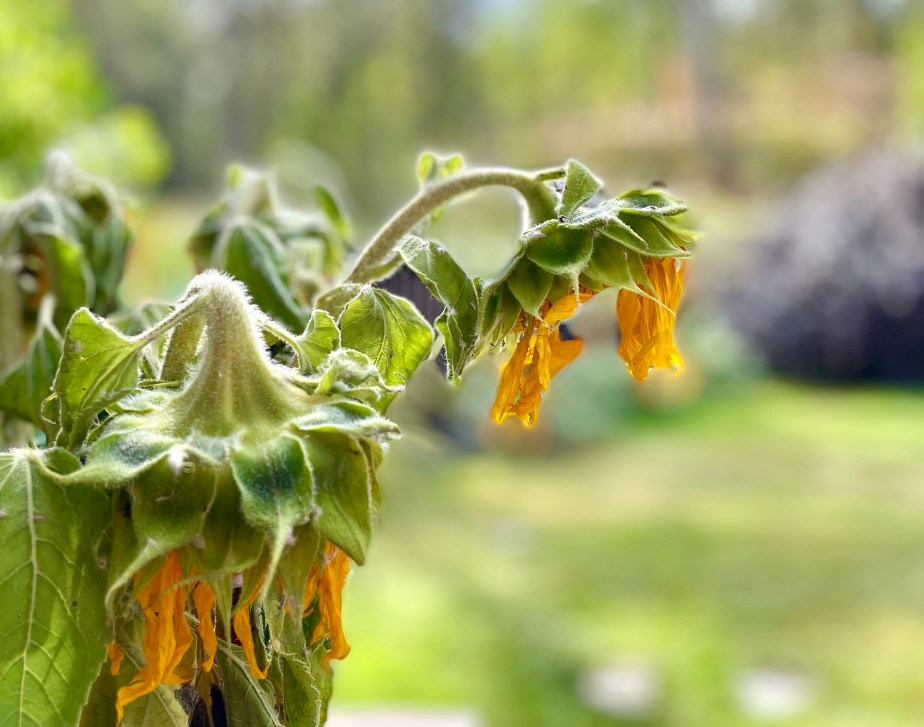
Here is Rebecca’s link for #SquareFlower and our blogger friends
Linked to Six Word Saturday at Debbie’s here
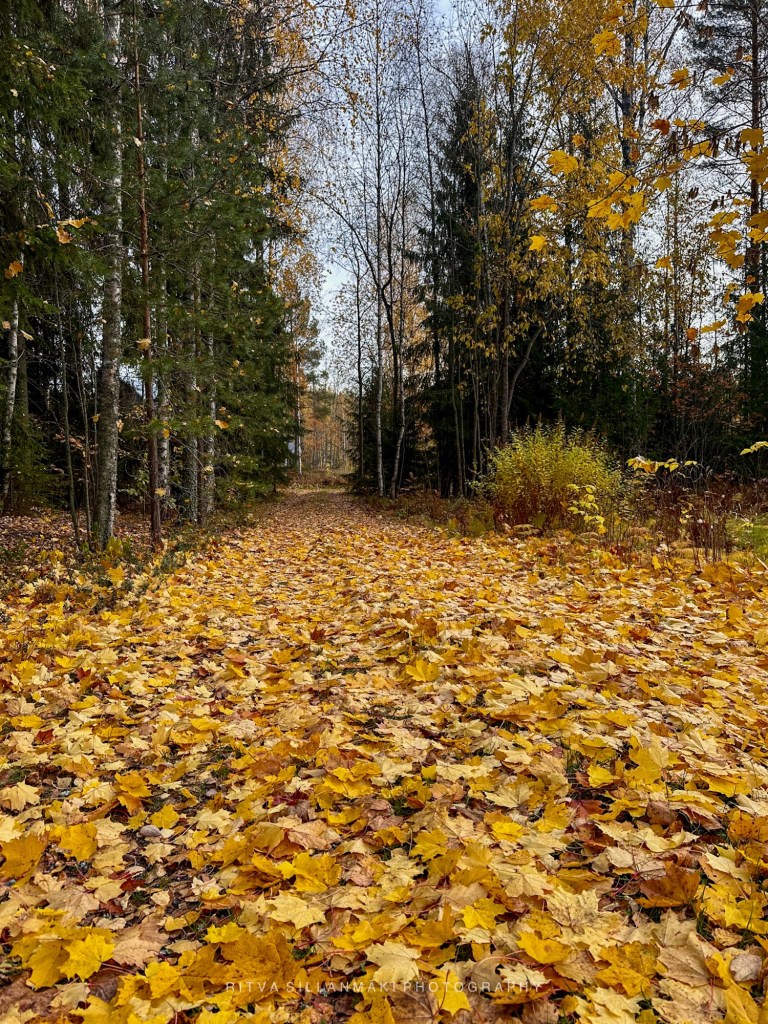
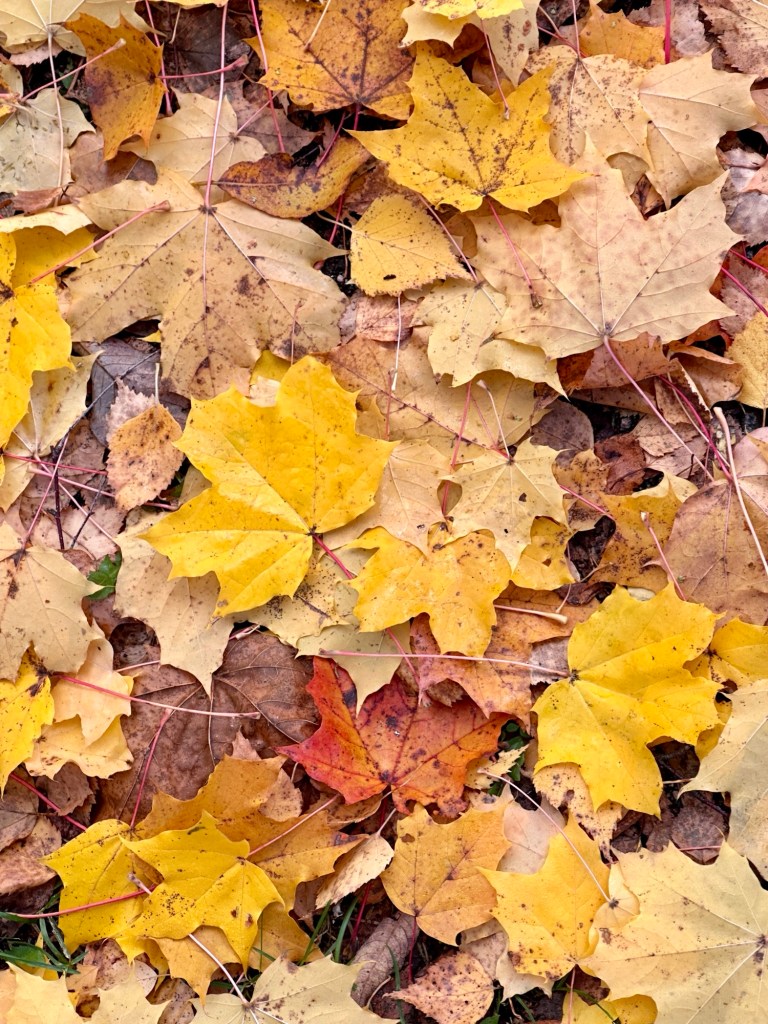
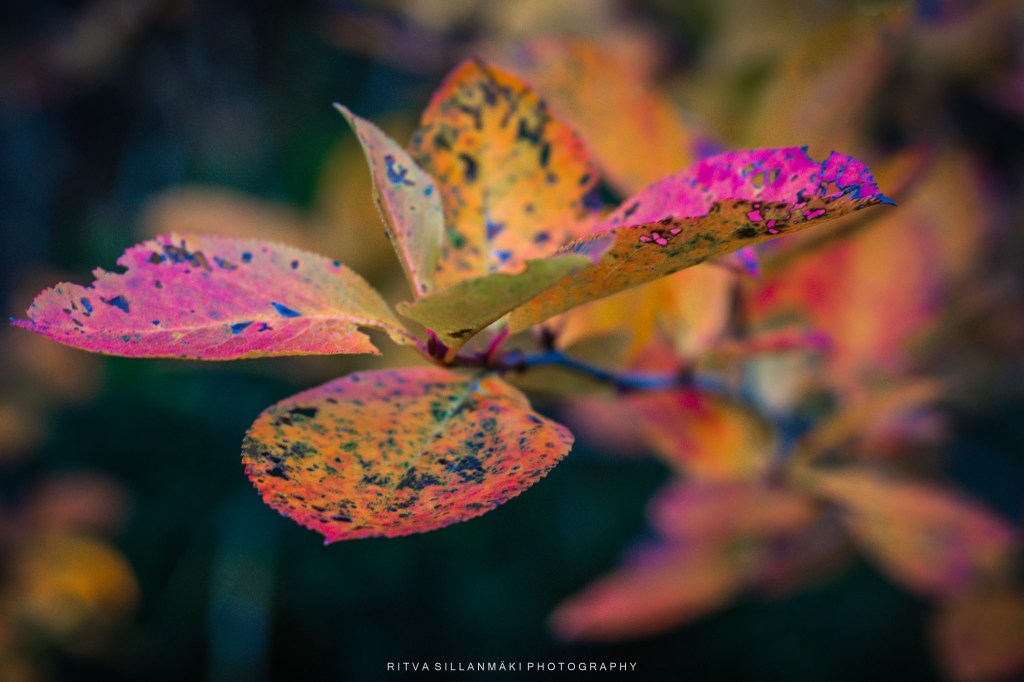
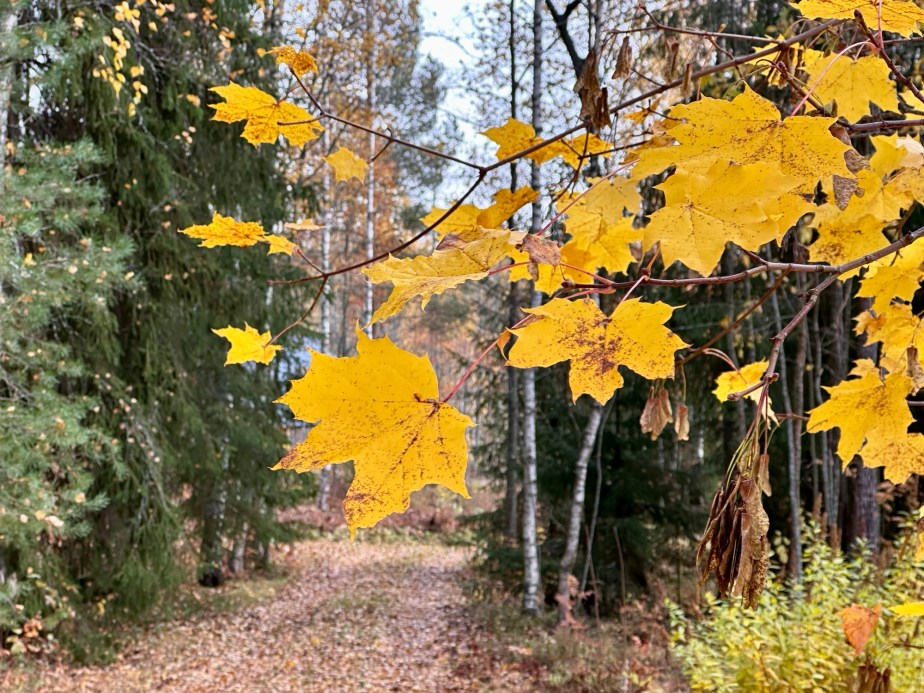
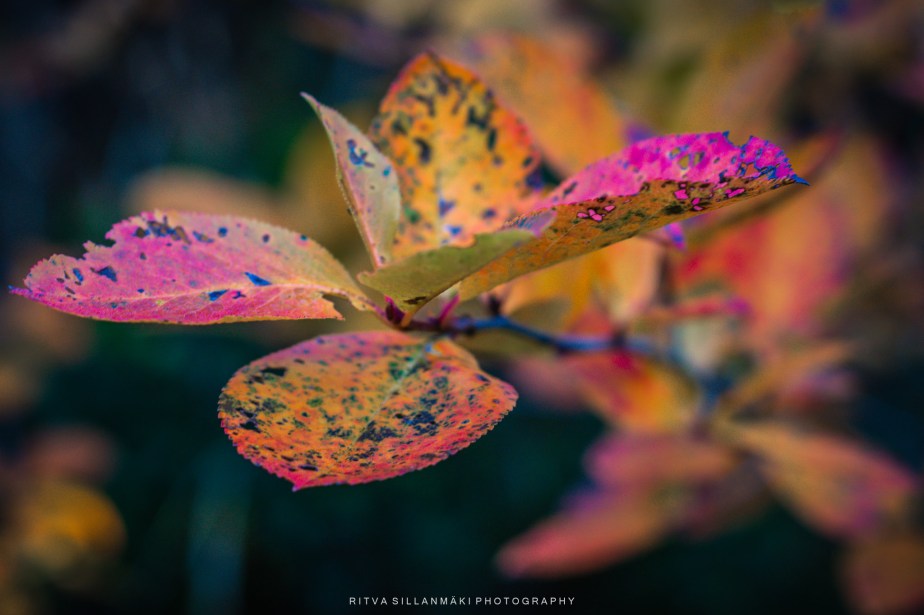
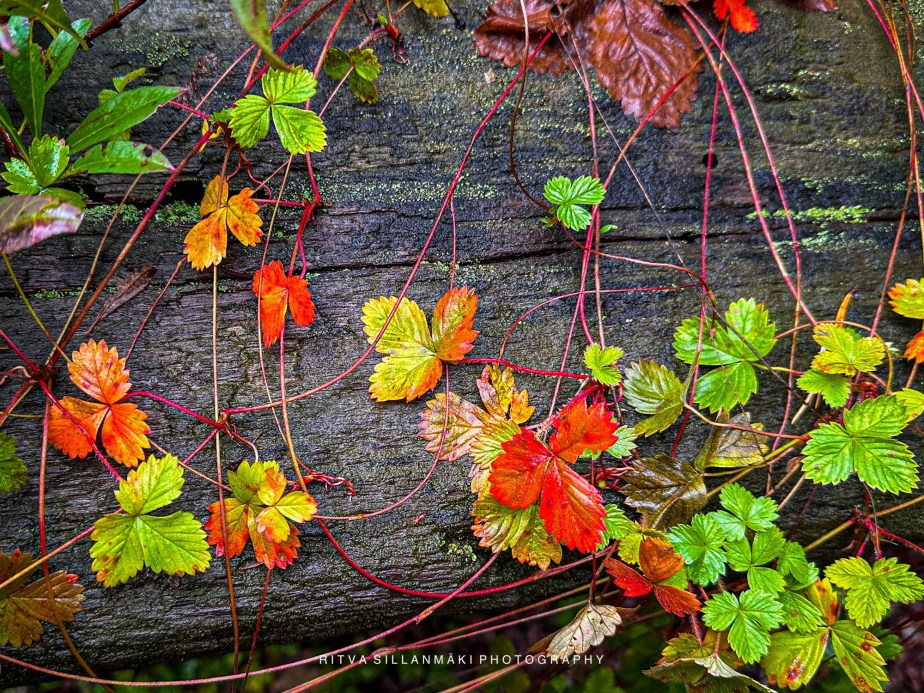
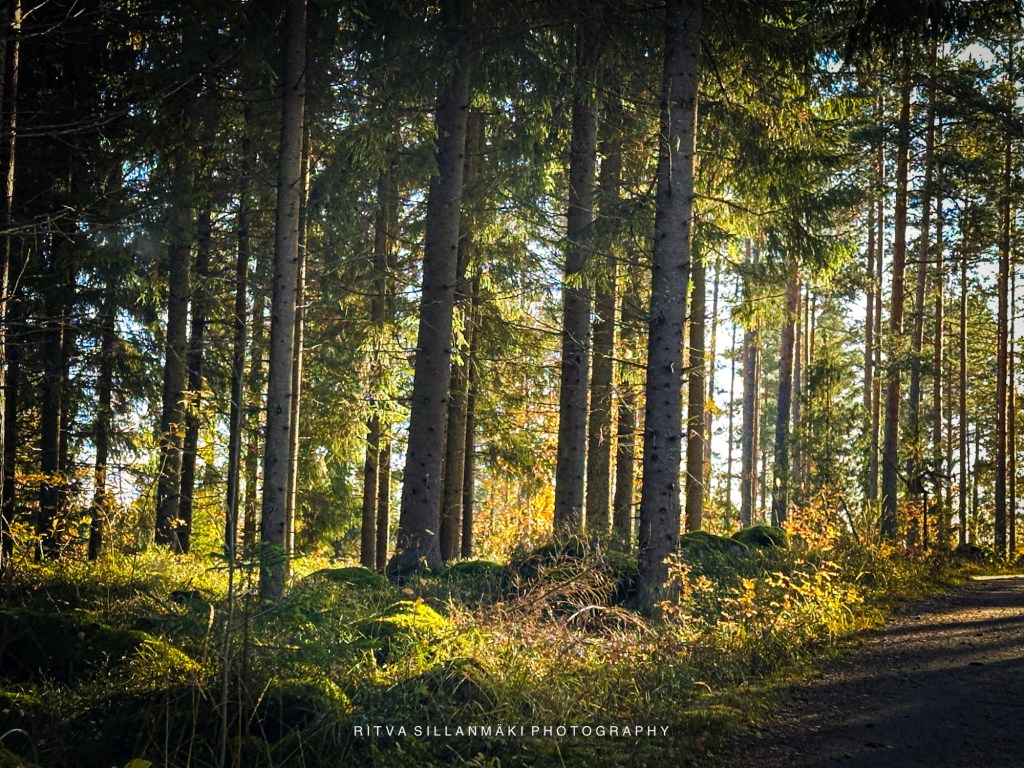
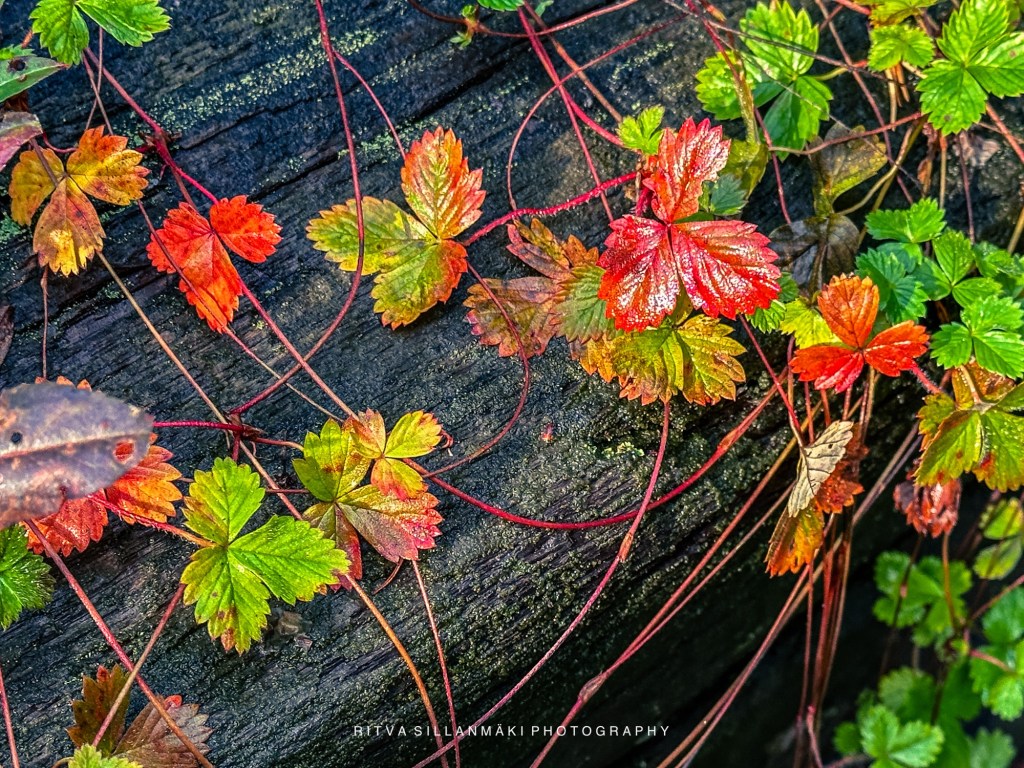
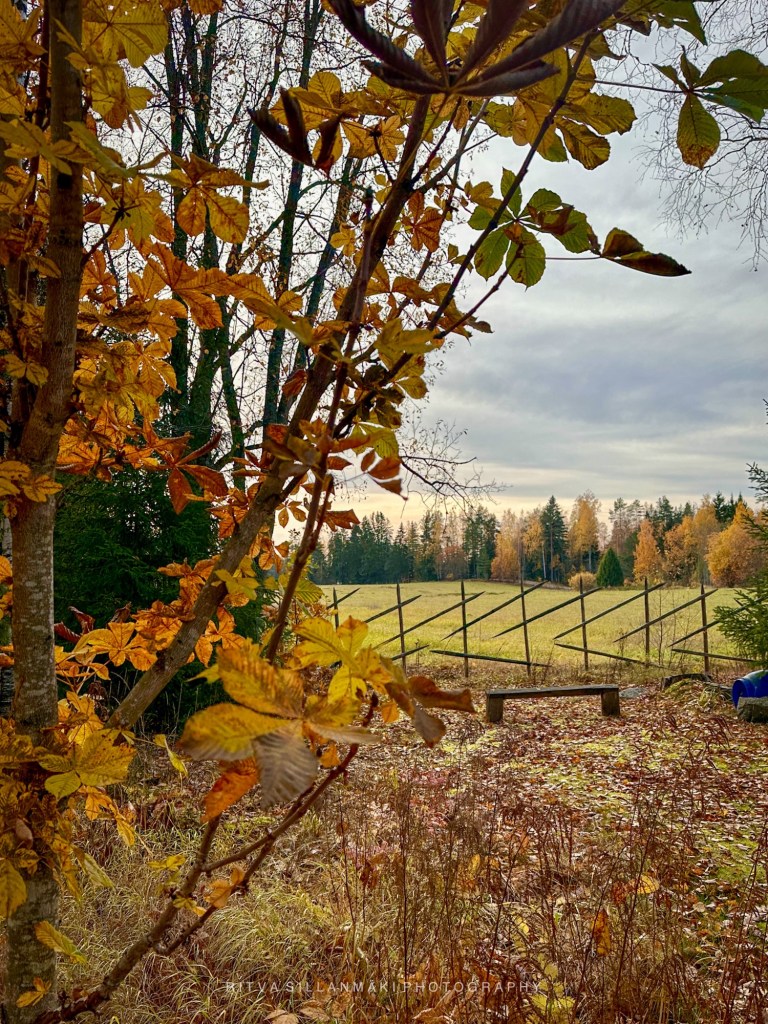
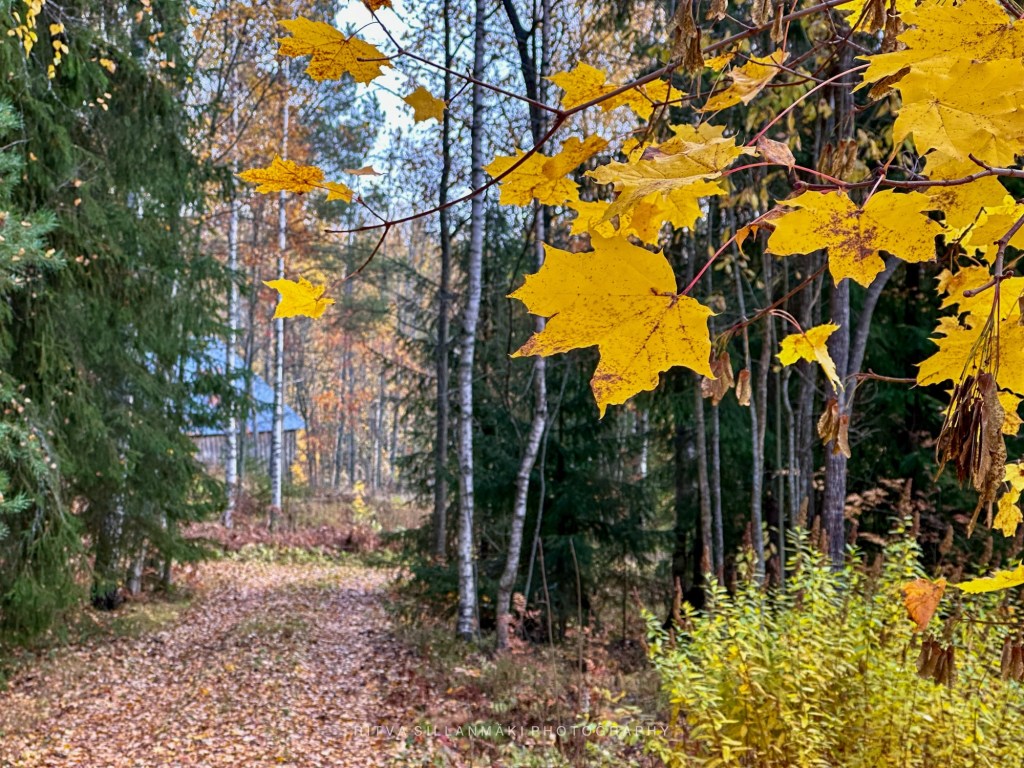
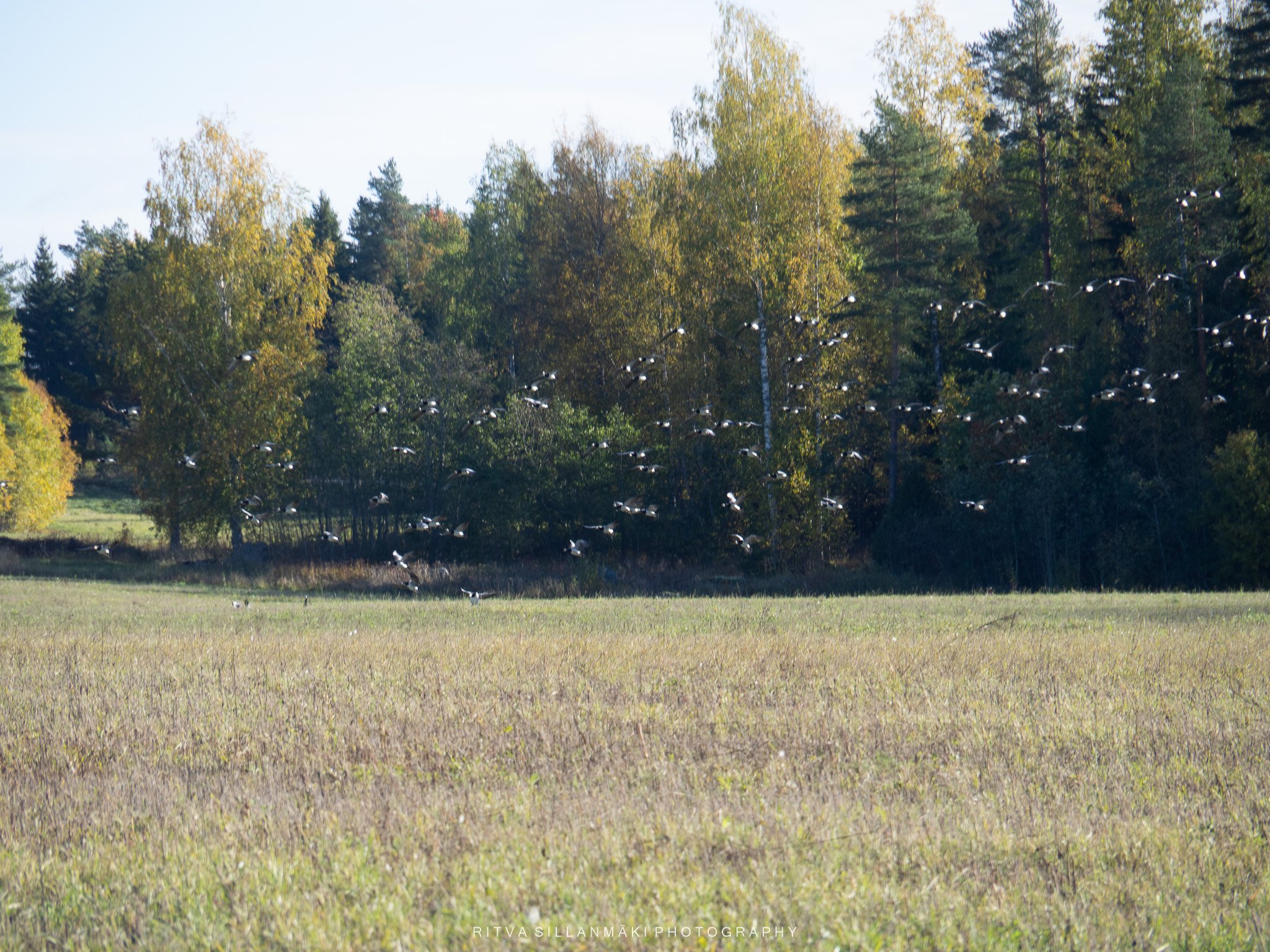
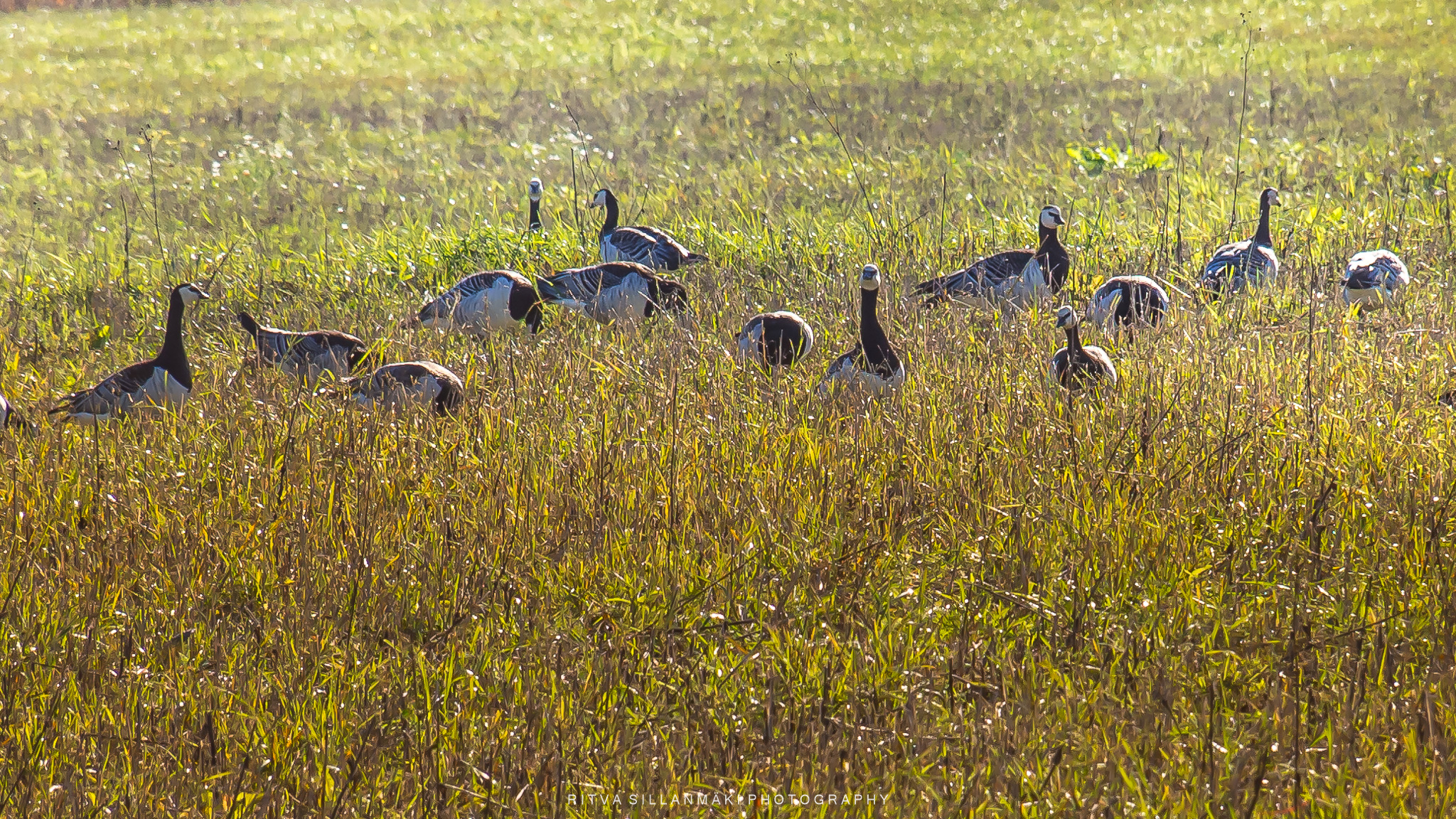
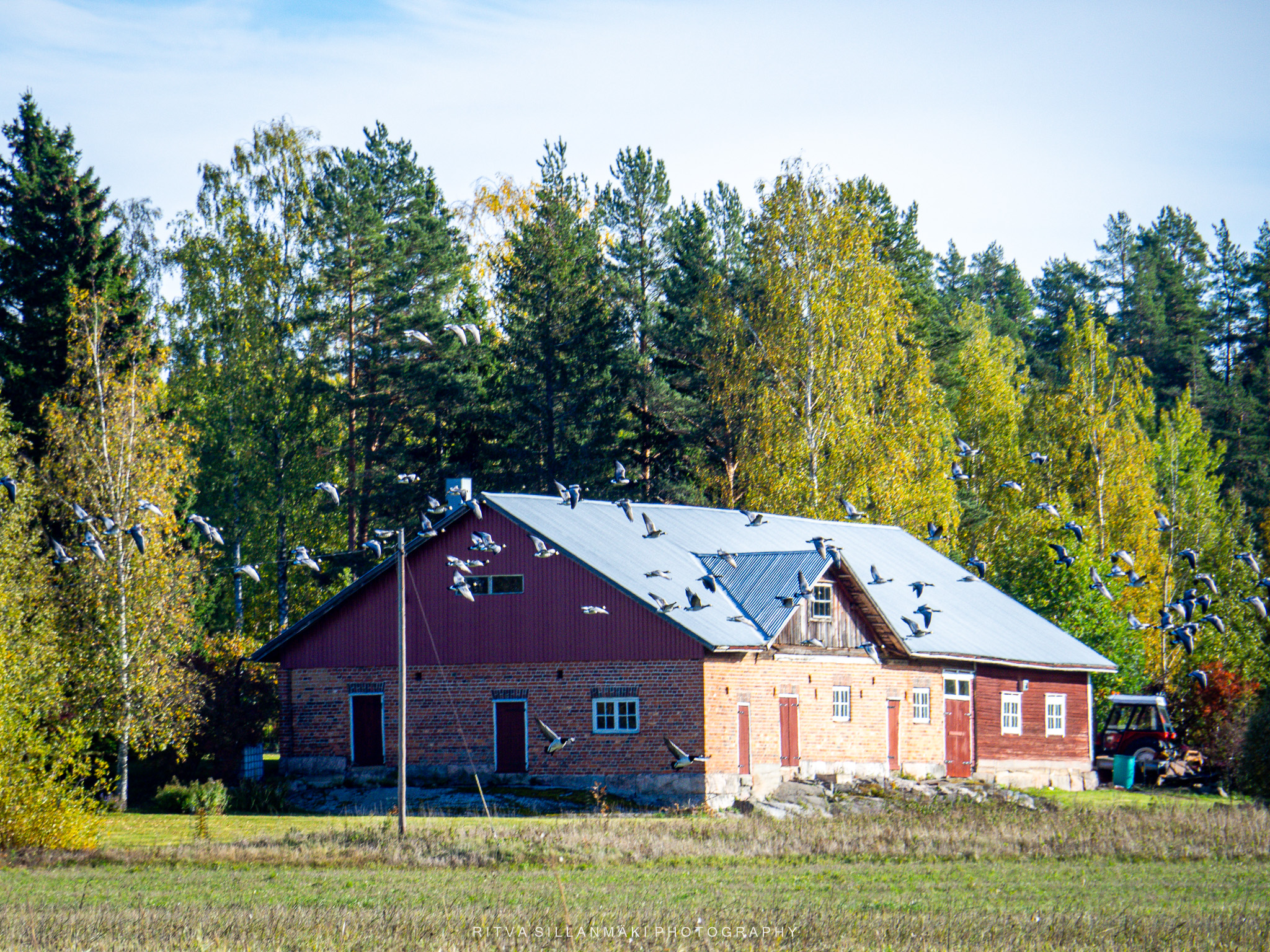
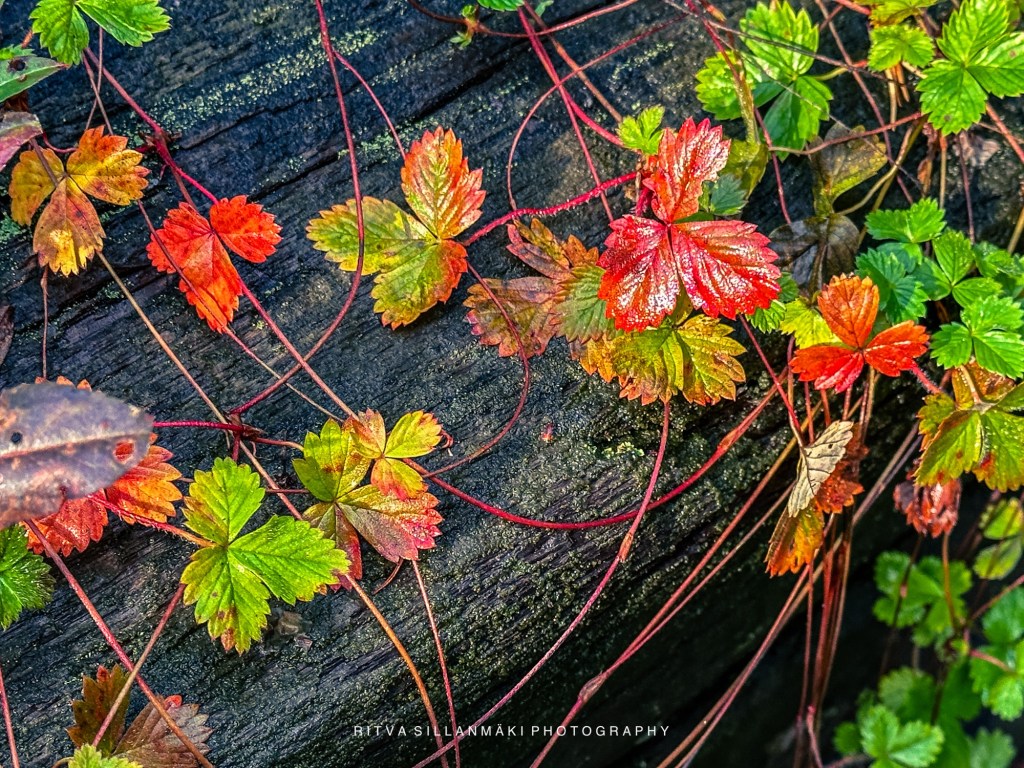
Last weekend I was trying to capture the gathering of the Canadian geese that were getting ready to migrate at a nearby field, and as I was waiting for them to start flying, I took some shots of the autumn colors that painted the landscape in warm hues of orange, yellow, and crimson.
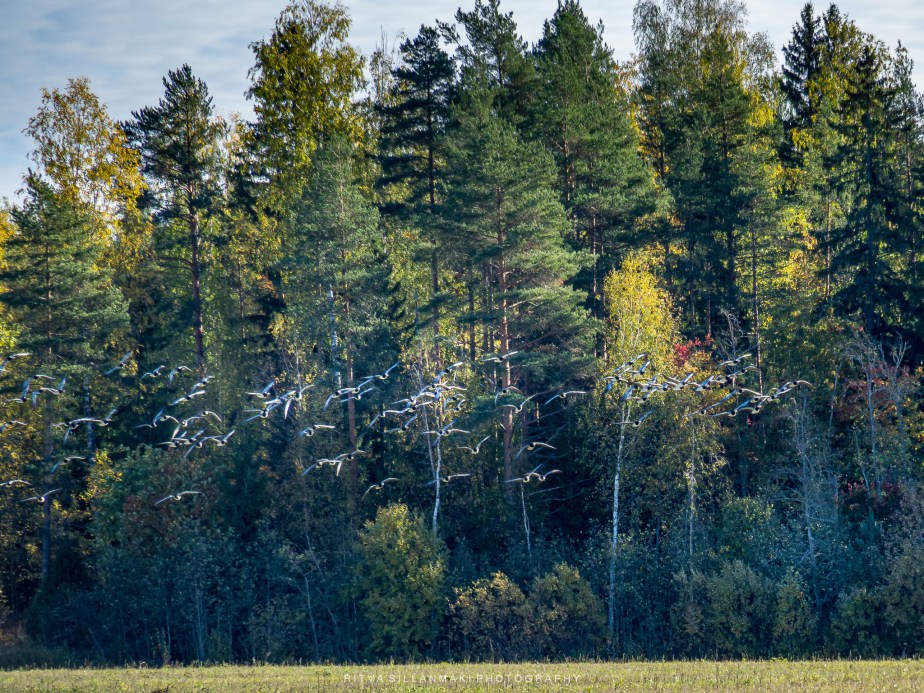
The crisp air was filled with the loud sound of honking. While I eagerly anticipated the moment when the geese would take to the skies in a formation, I took in the beauty surrounding me, snapping photos of the sun filtering through the trees and illuminating the colorful foliage. Unfortunately, I was forced to leave abruptly as some farming equipment needed the whole road to maneuver, leaving me with only a few shots of the birds not even that good one, but since I took them I am also sharing them, just because 🙂





Posted for Cee’s Flower of the Day
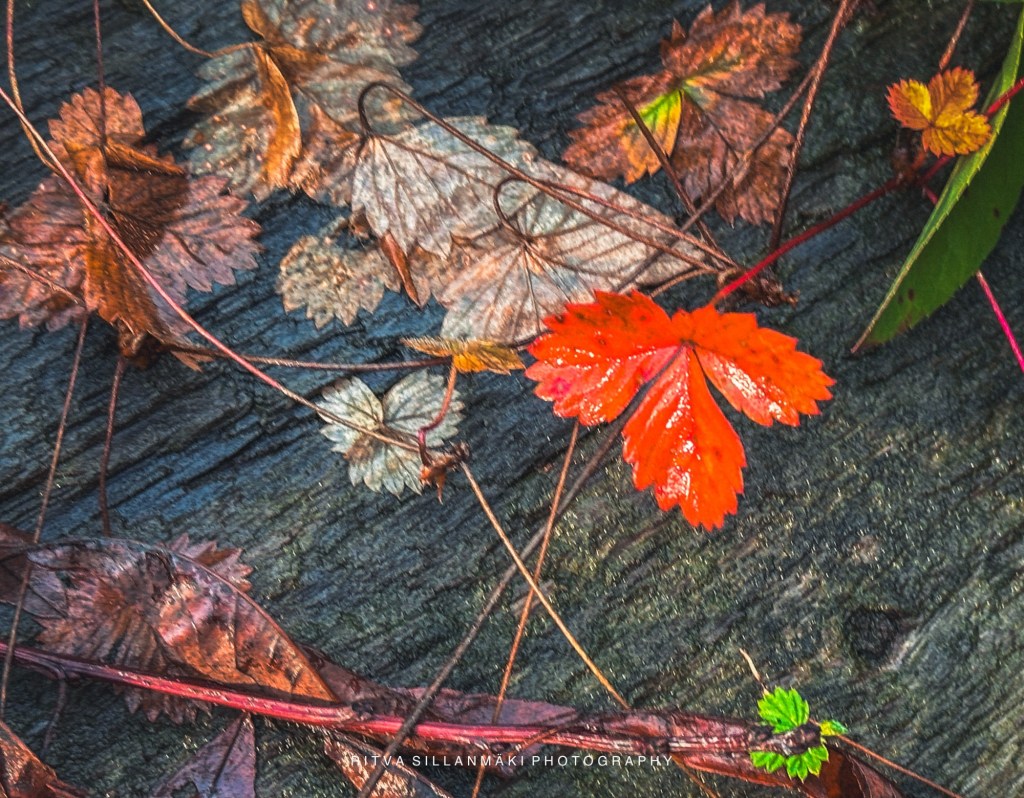
I took these today between the rain showers we have been having all day.
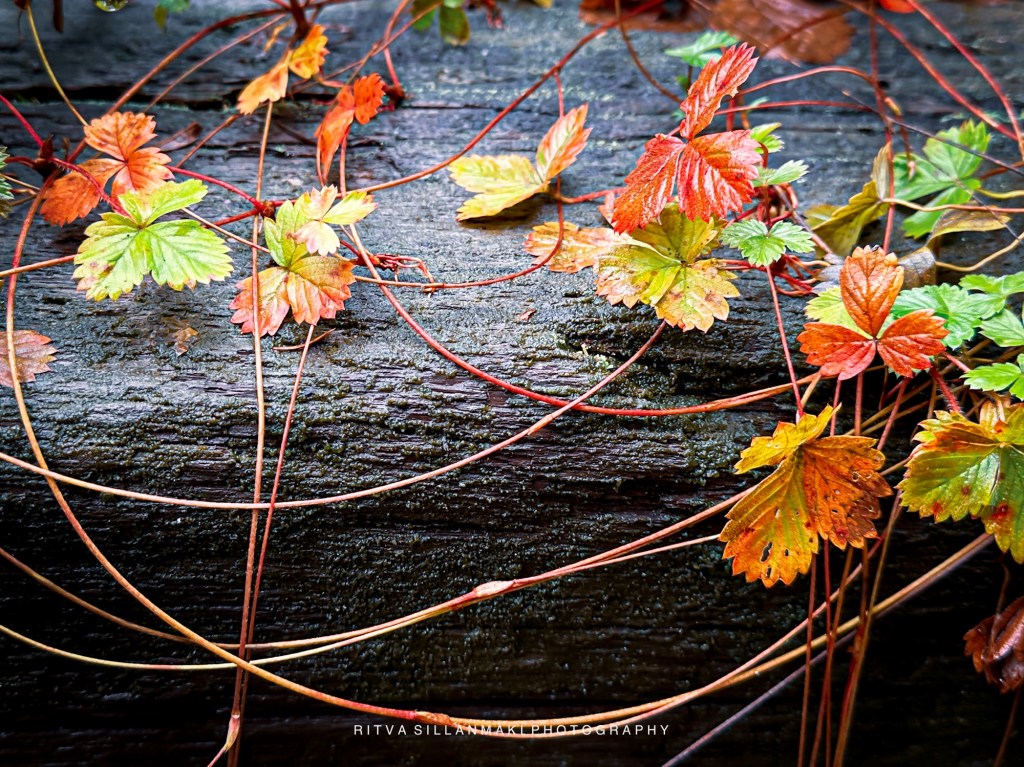
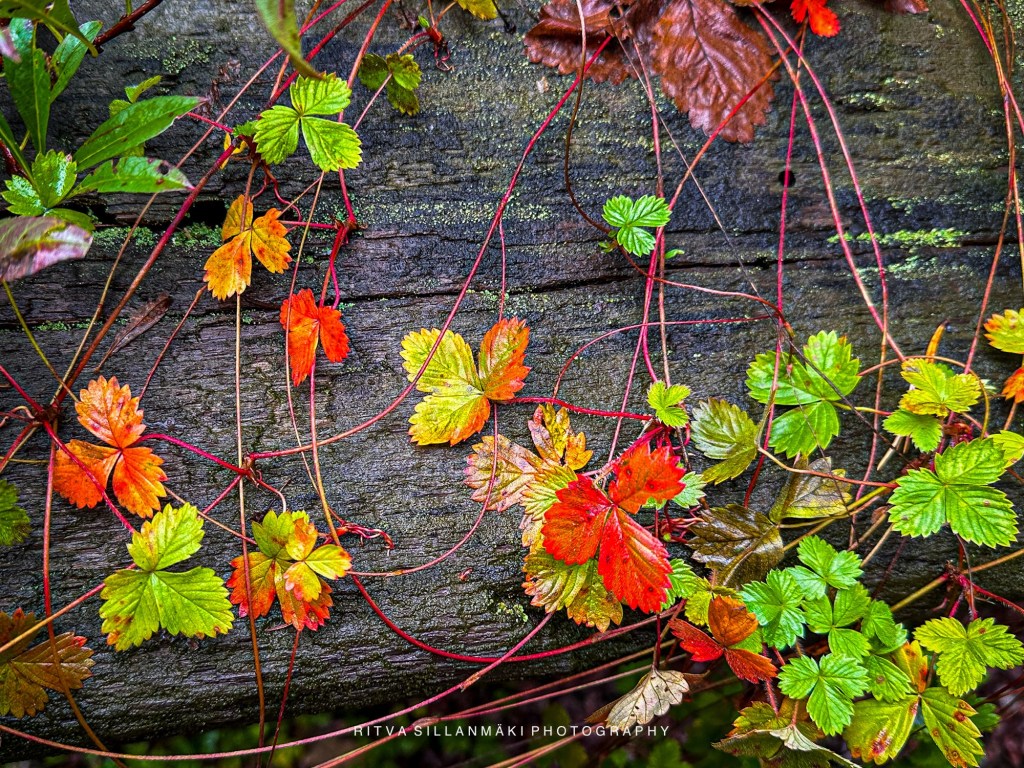

Posted for Cee’s Flower of the Day
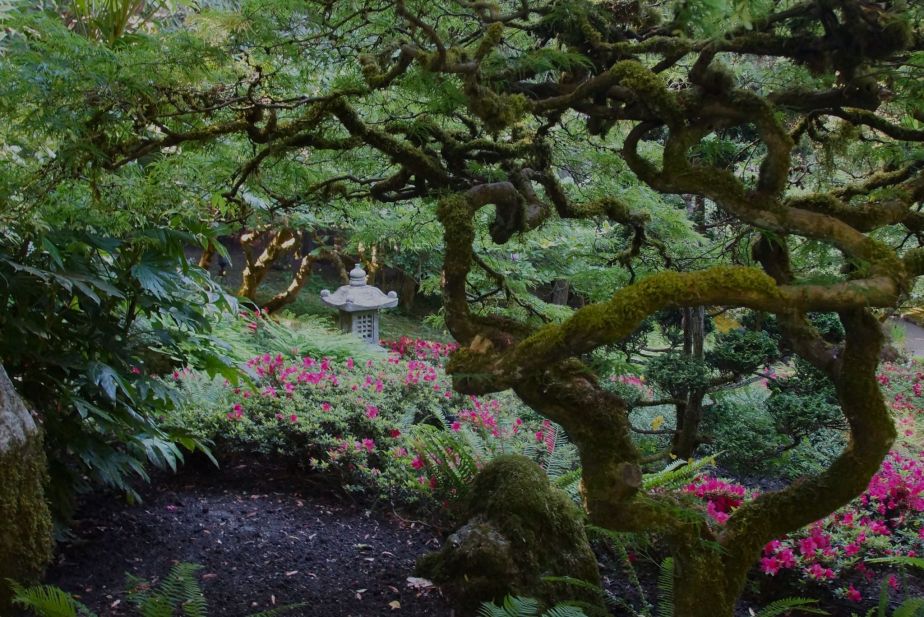
I’ve always enjoyed a walk in a garden, camera on hand. What’s in a garden ? a state of mind? I have noticed when I visit a garden I tend to focus on details instead of the whole view of the garden.
Flowers always make people better, happier, and more helpful; they are sunshine, food and medicine for the soul. ~Luther Burbank
Now, the photos can speak for themselves – no words needed.
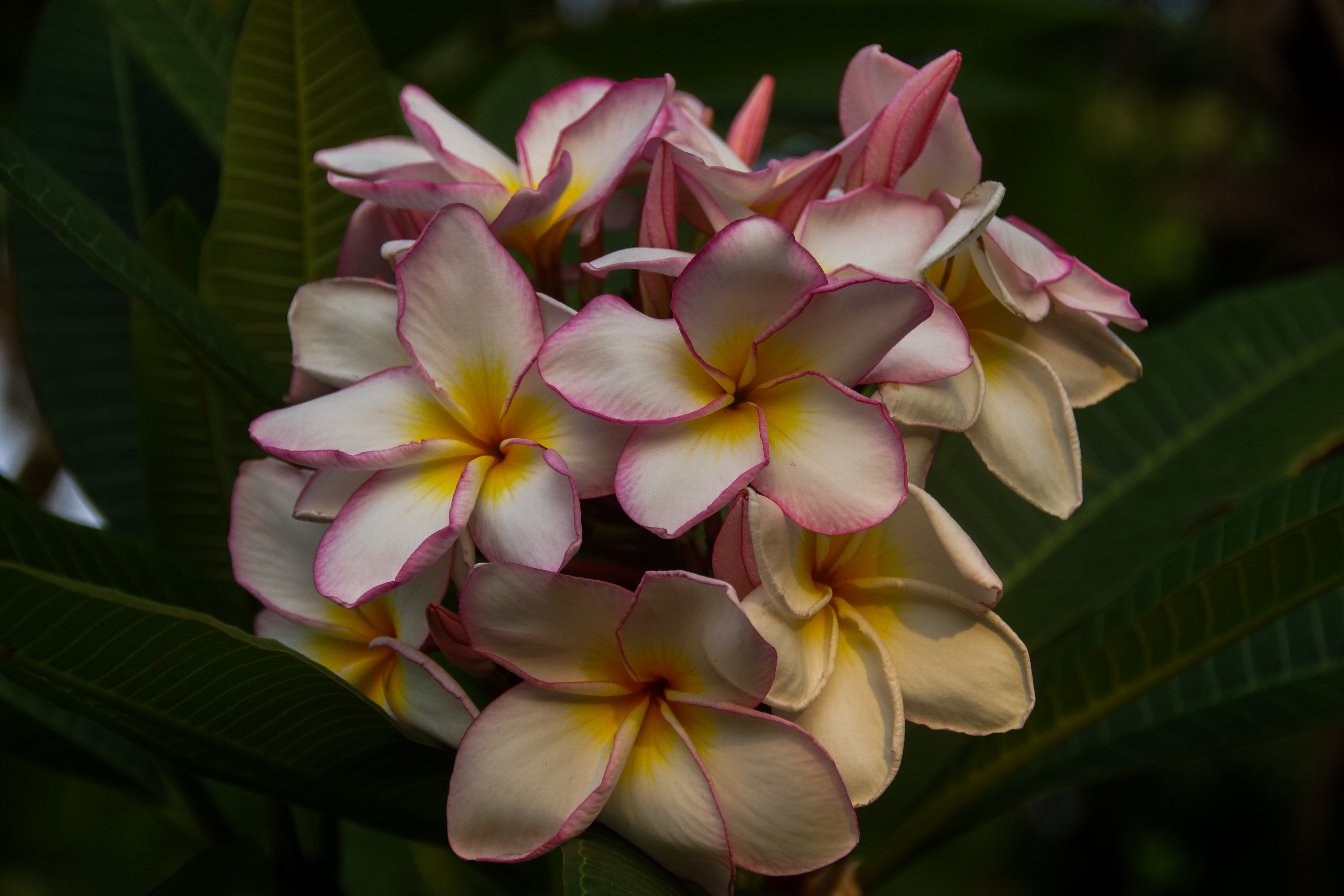
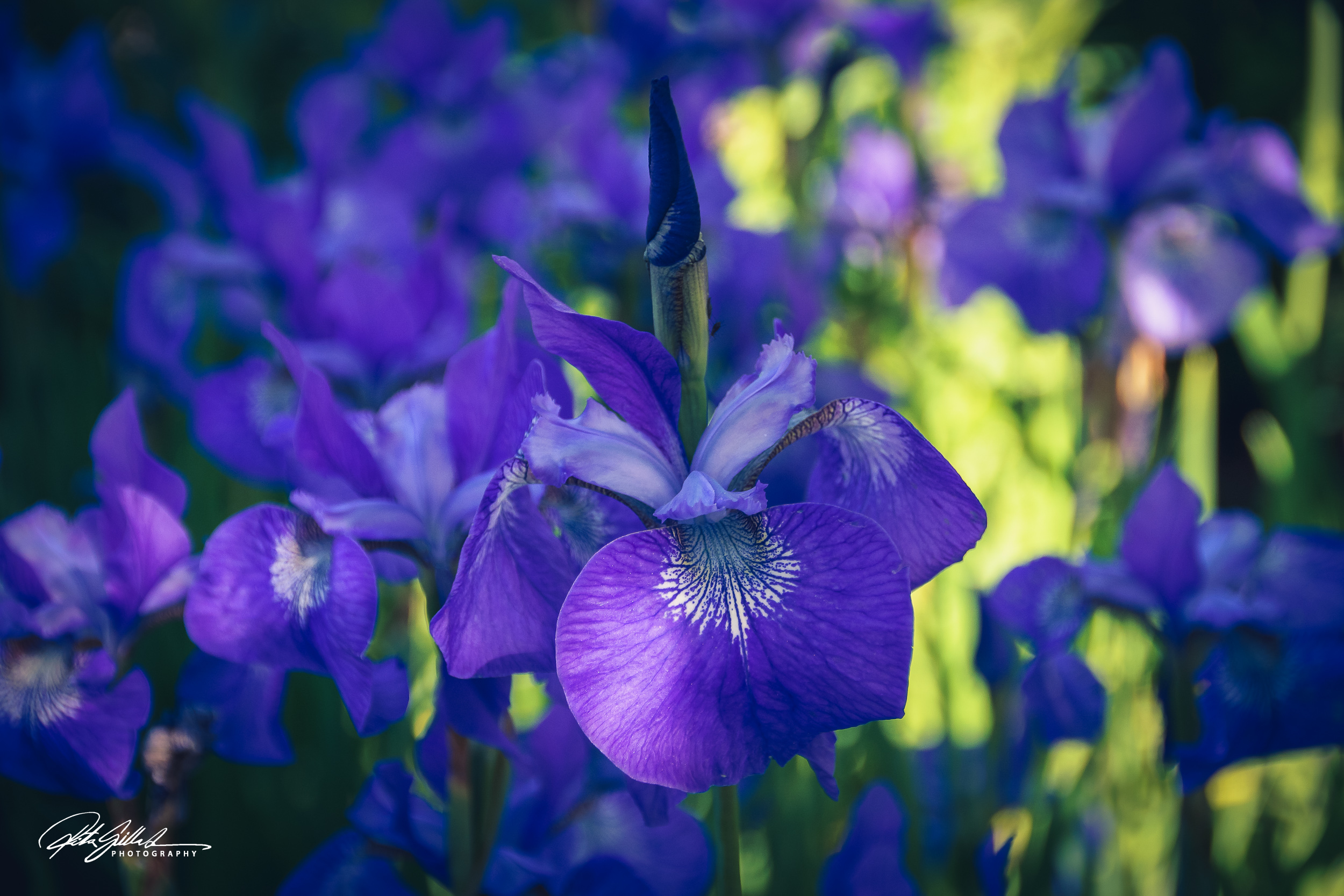

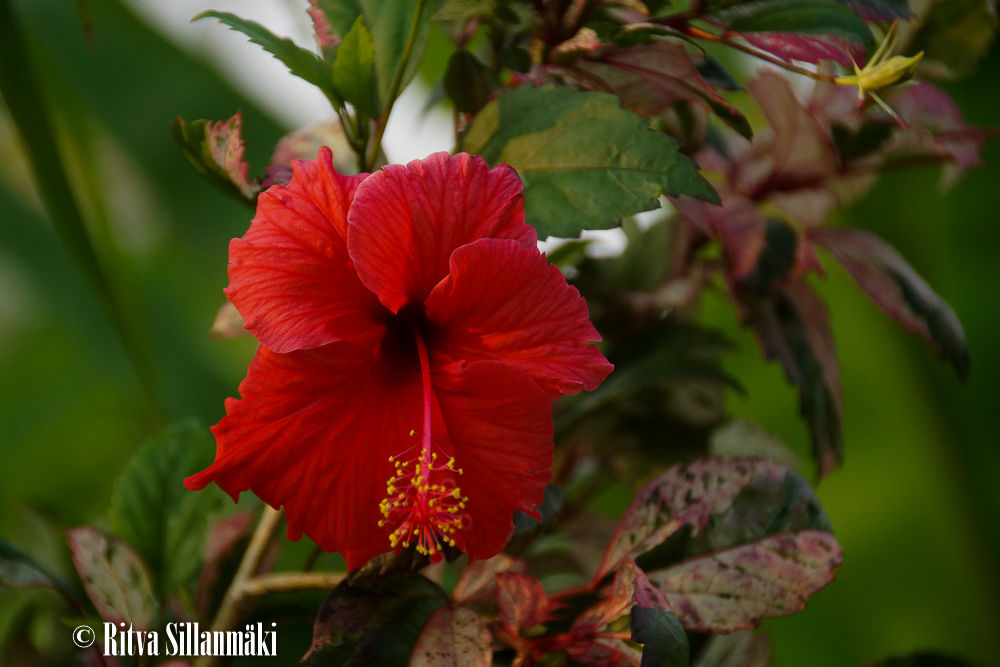
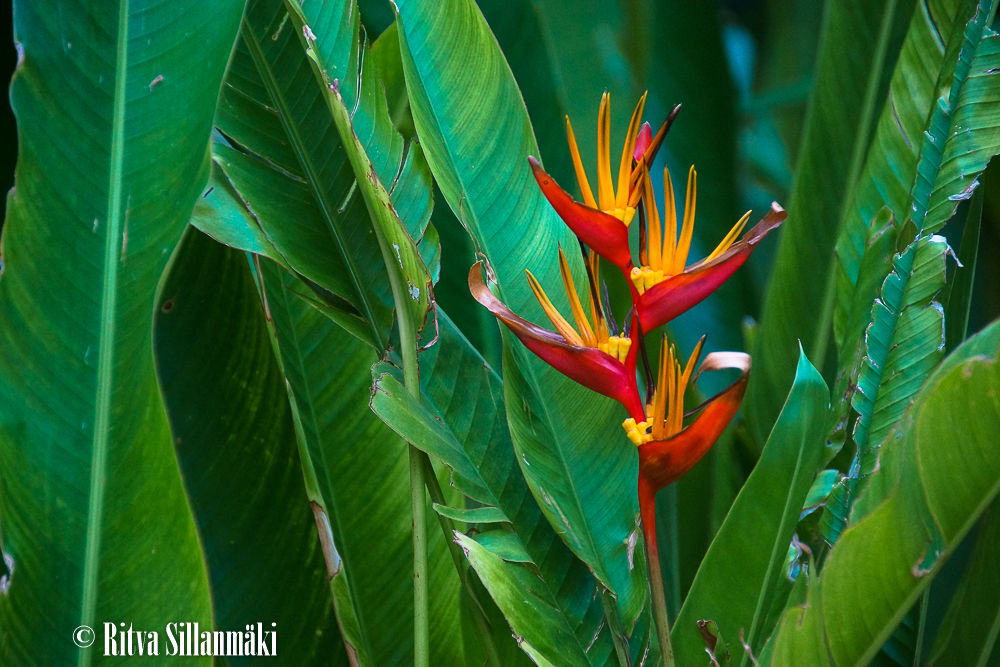
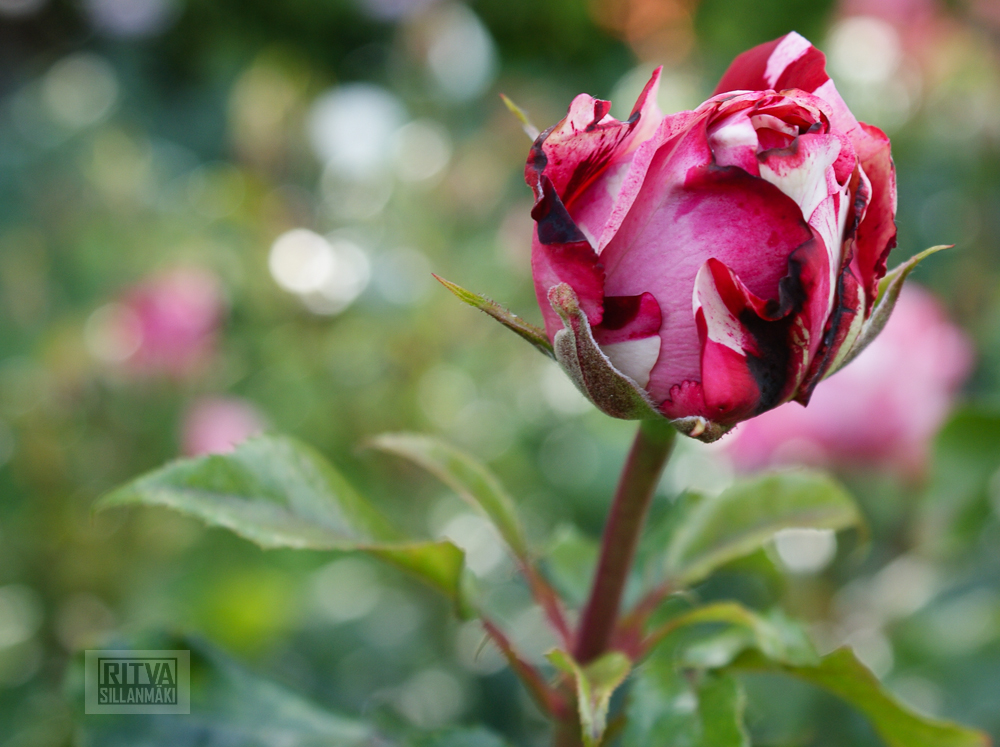
And in my garden I find this to be true: A good garden may have some weeds. ~Thomas Fuller
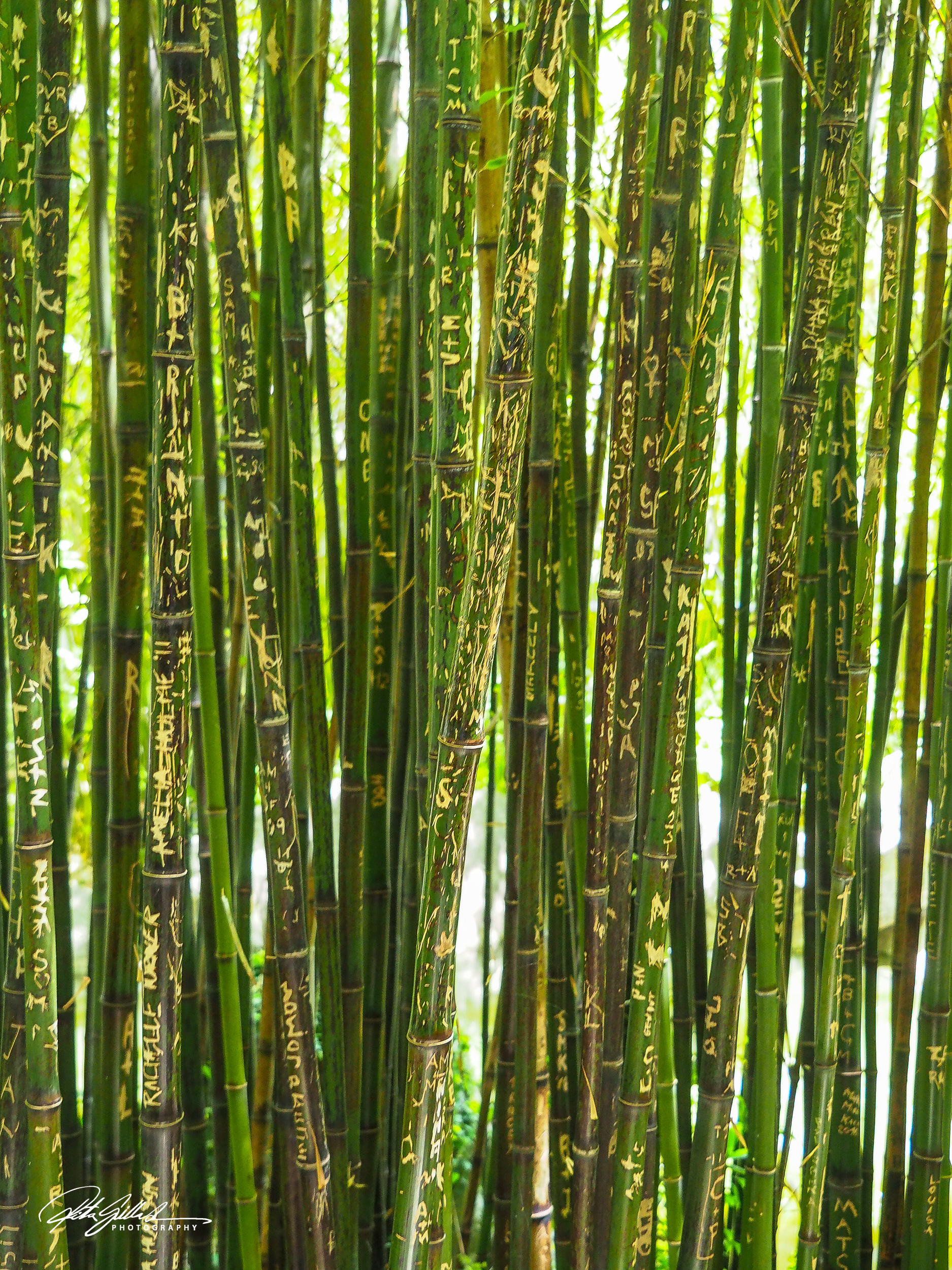
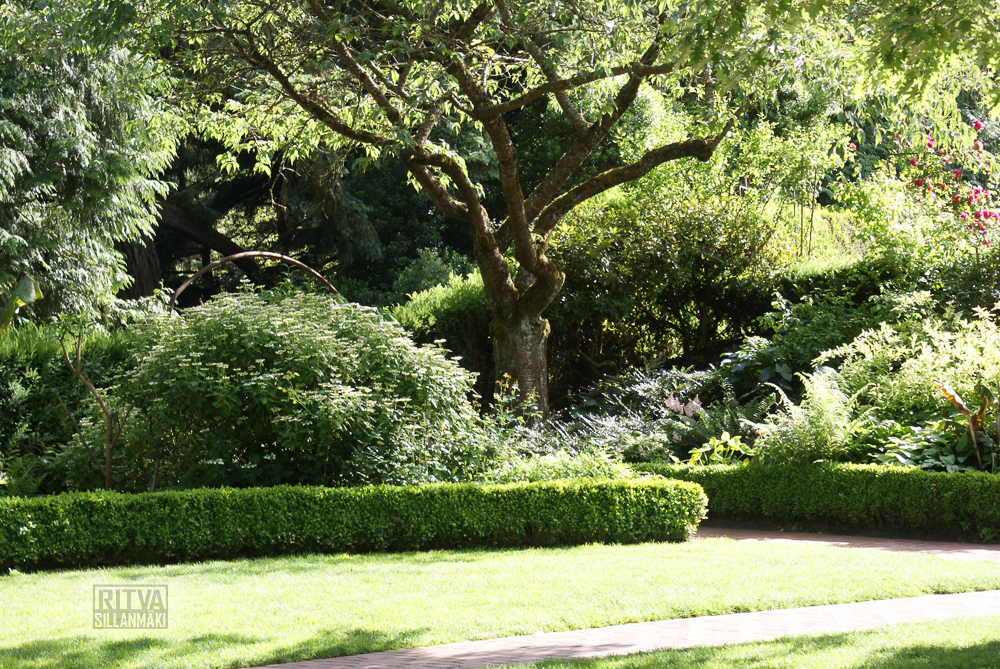
Vancouver island garden -The Butchart Gardens
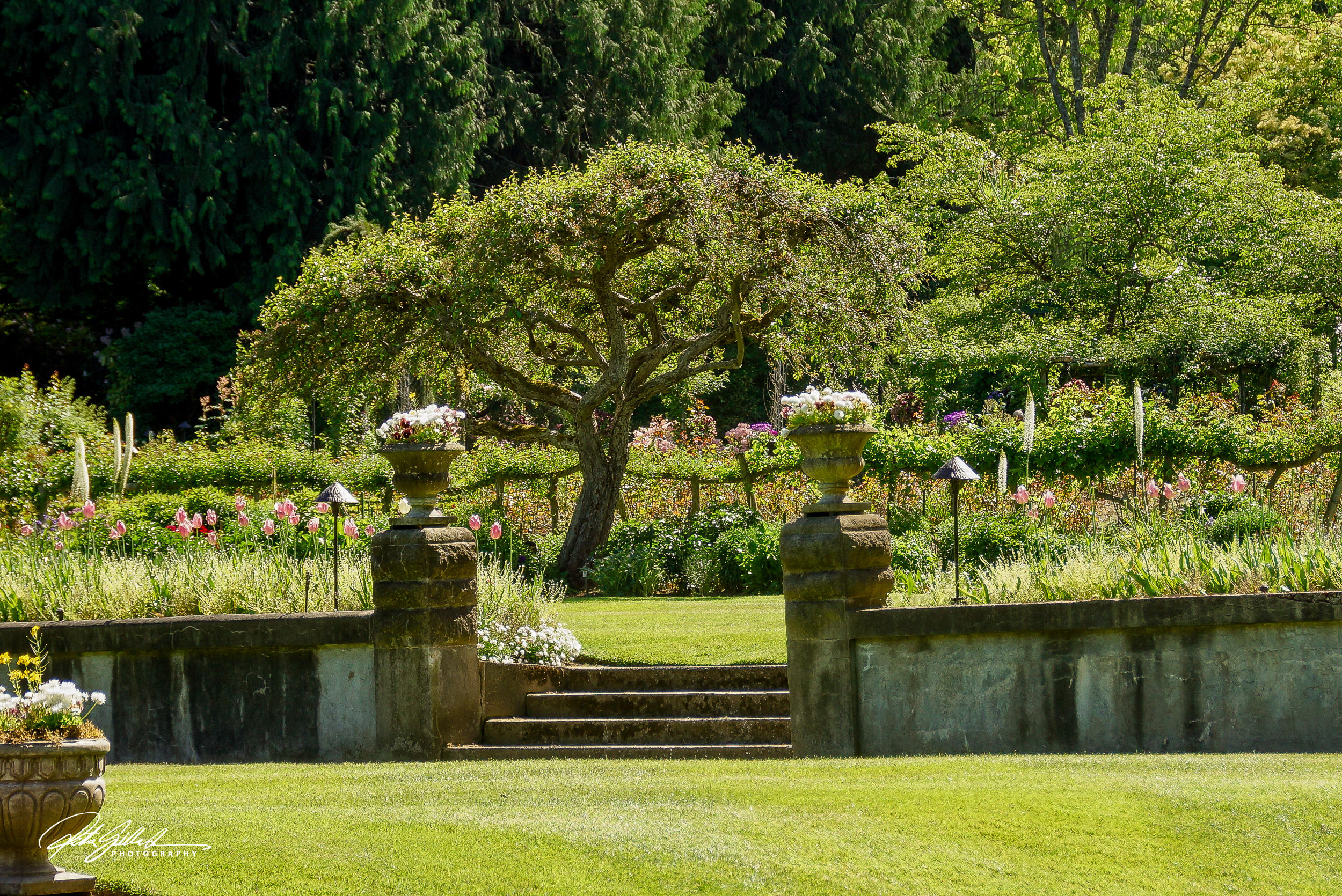

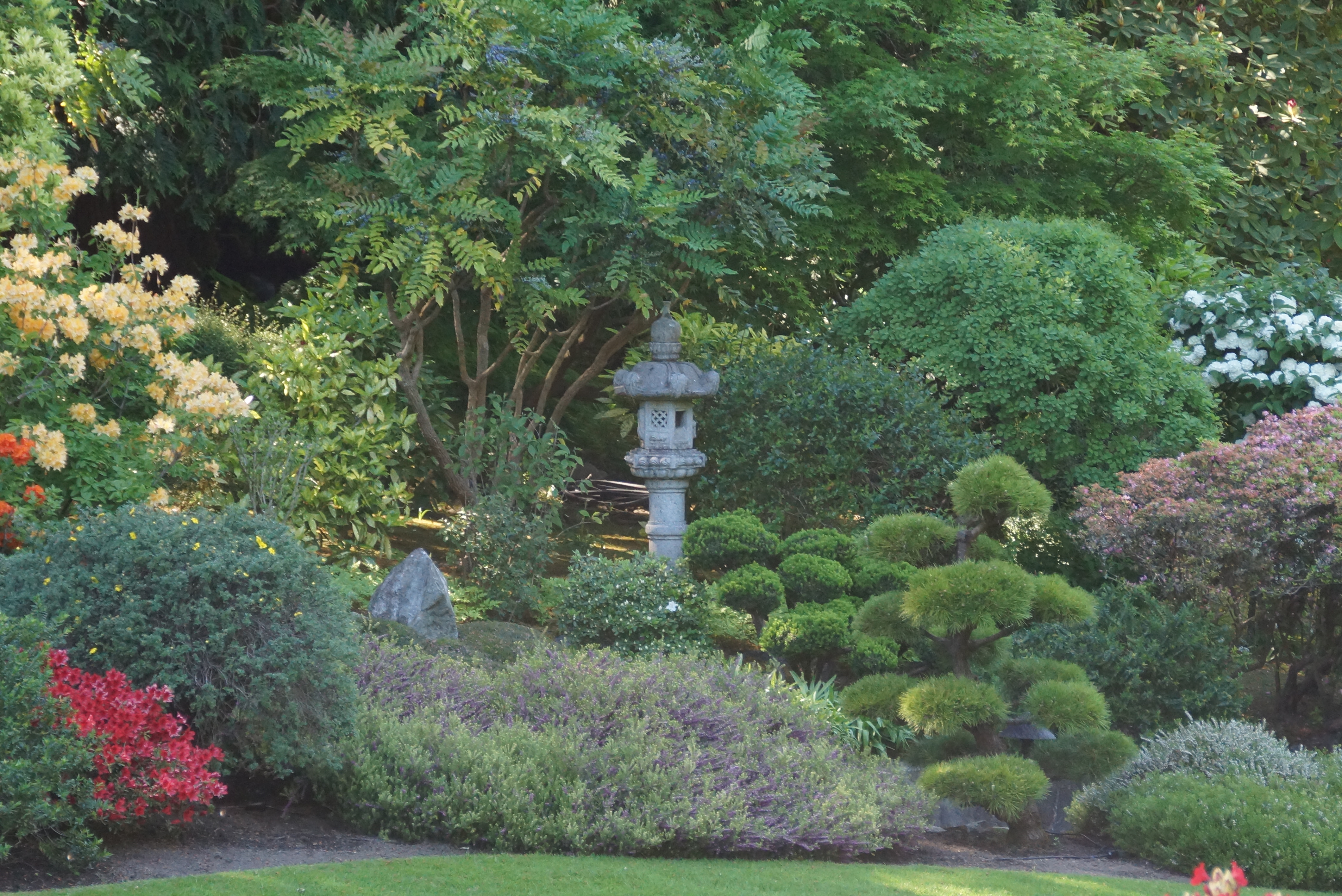
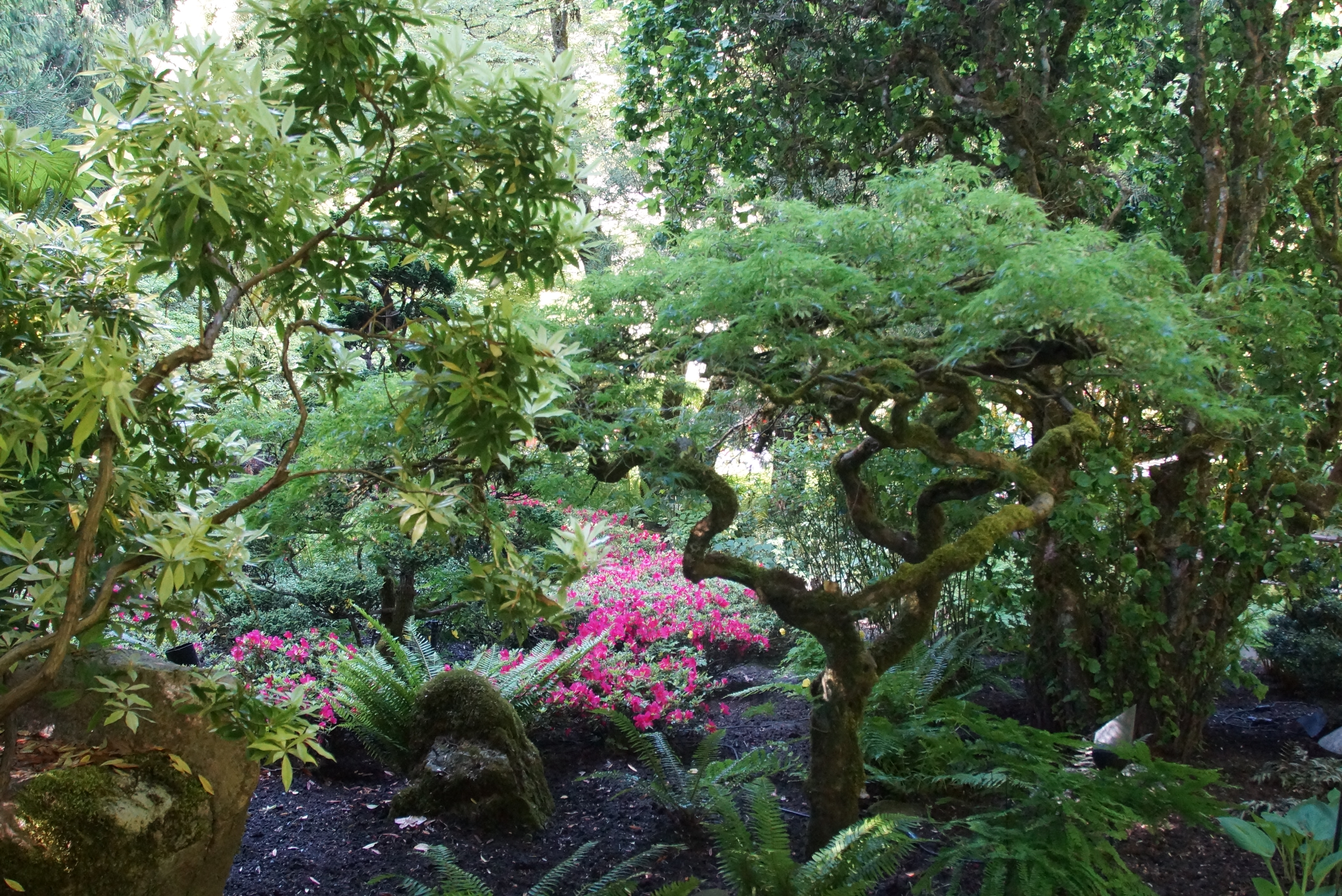
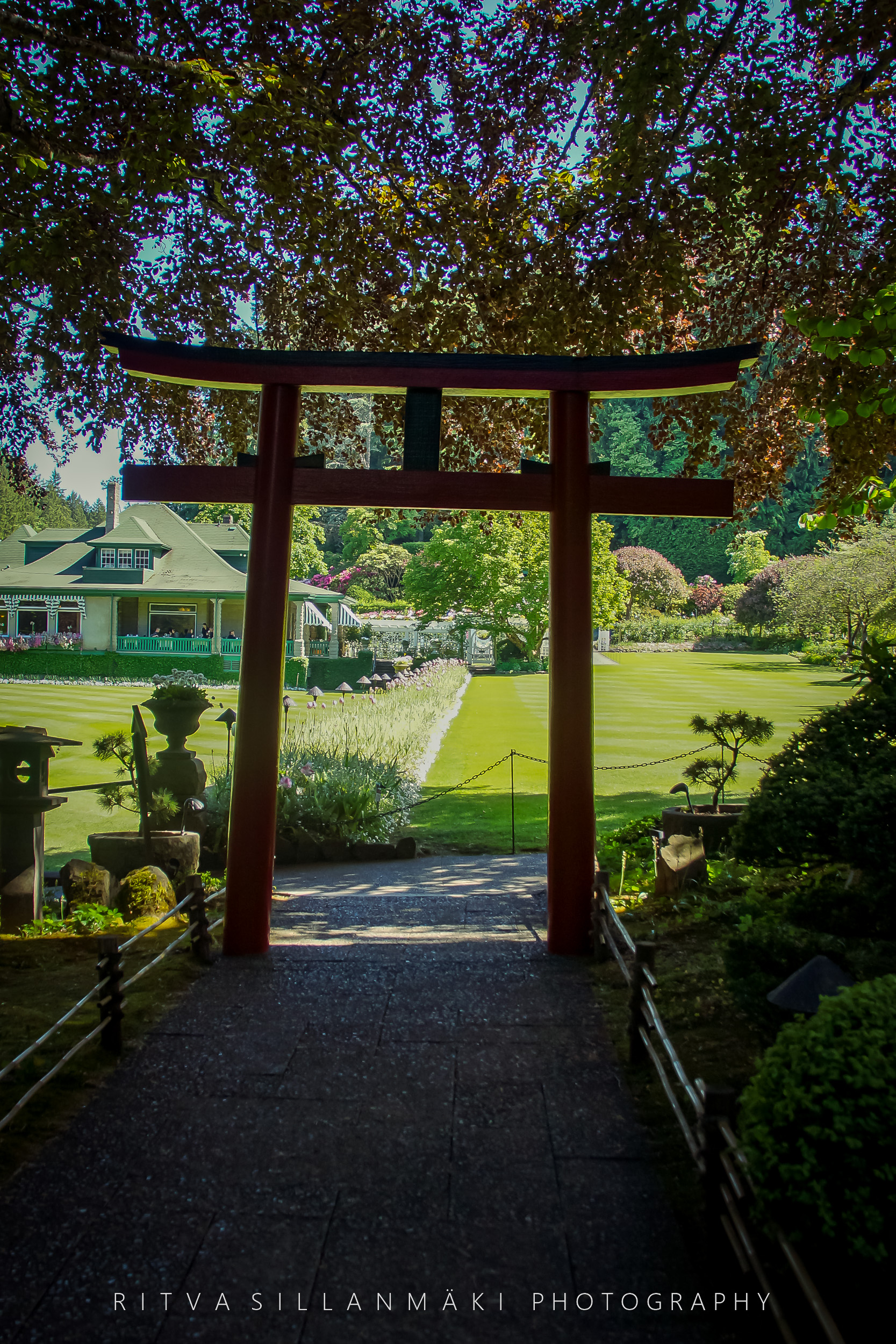
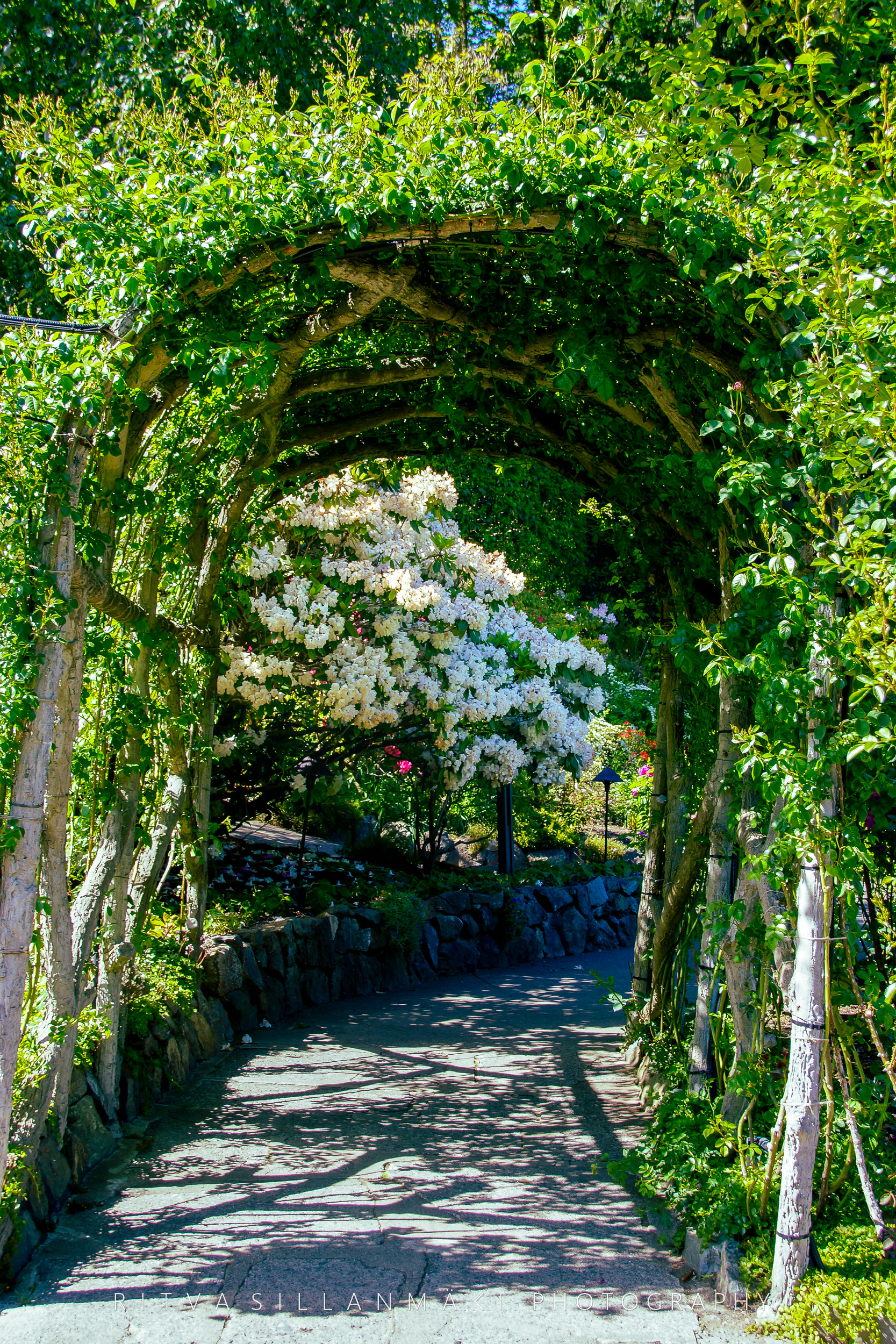
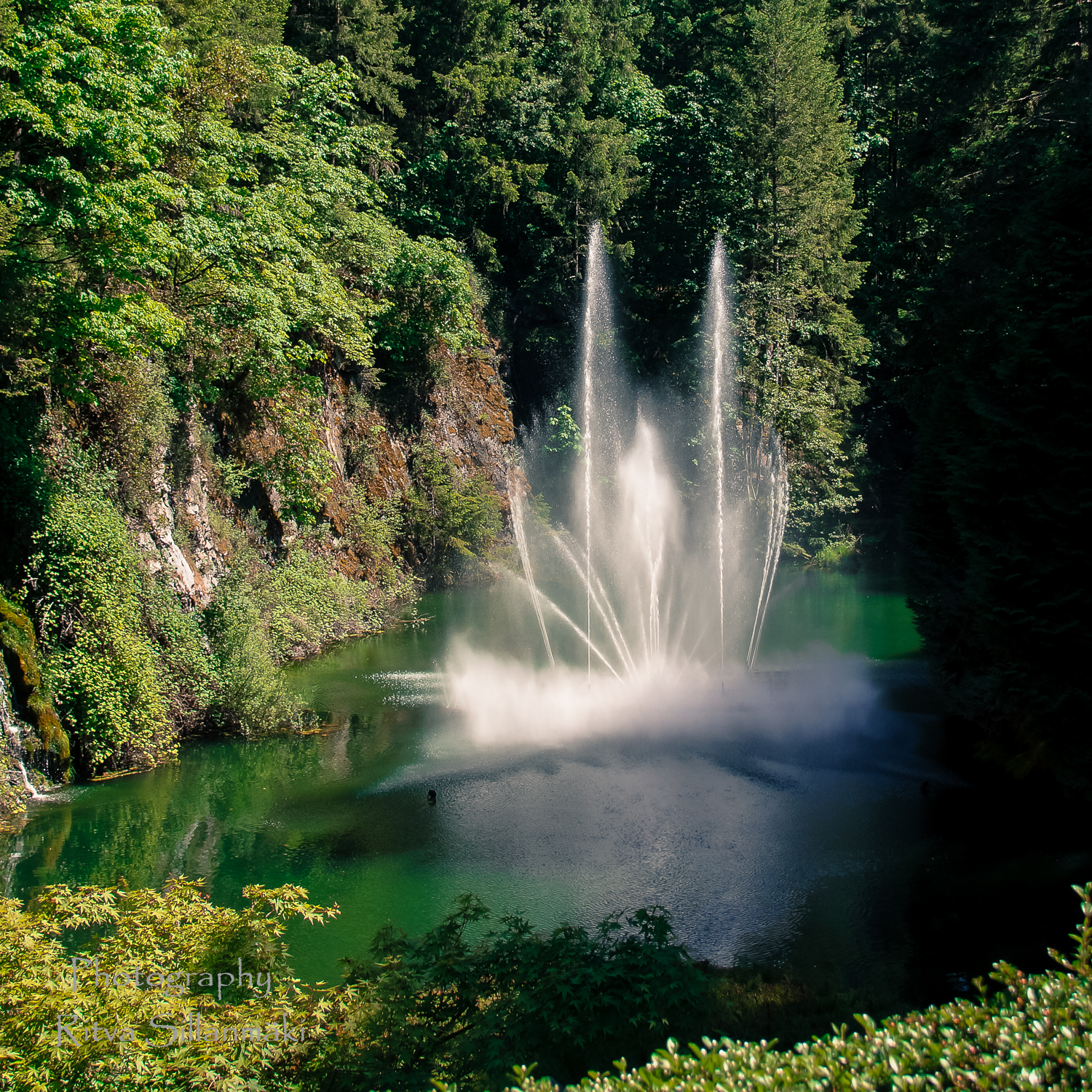
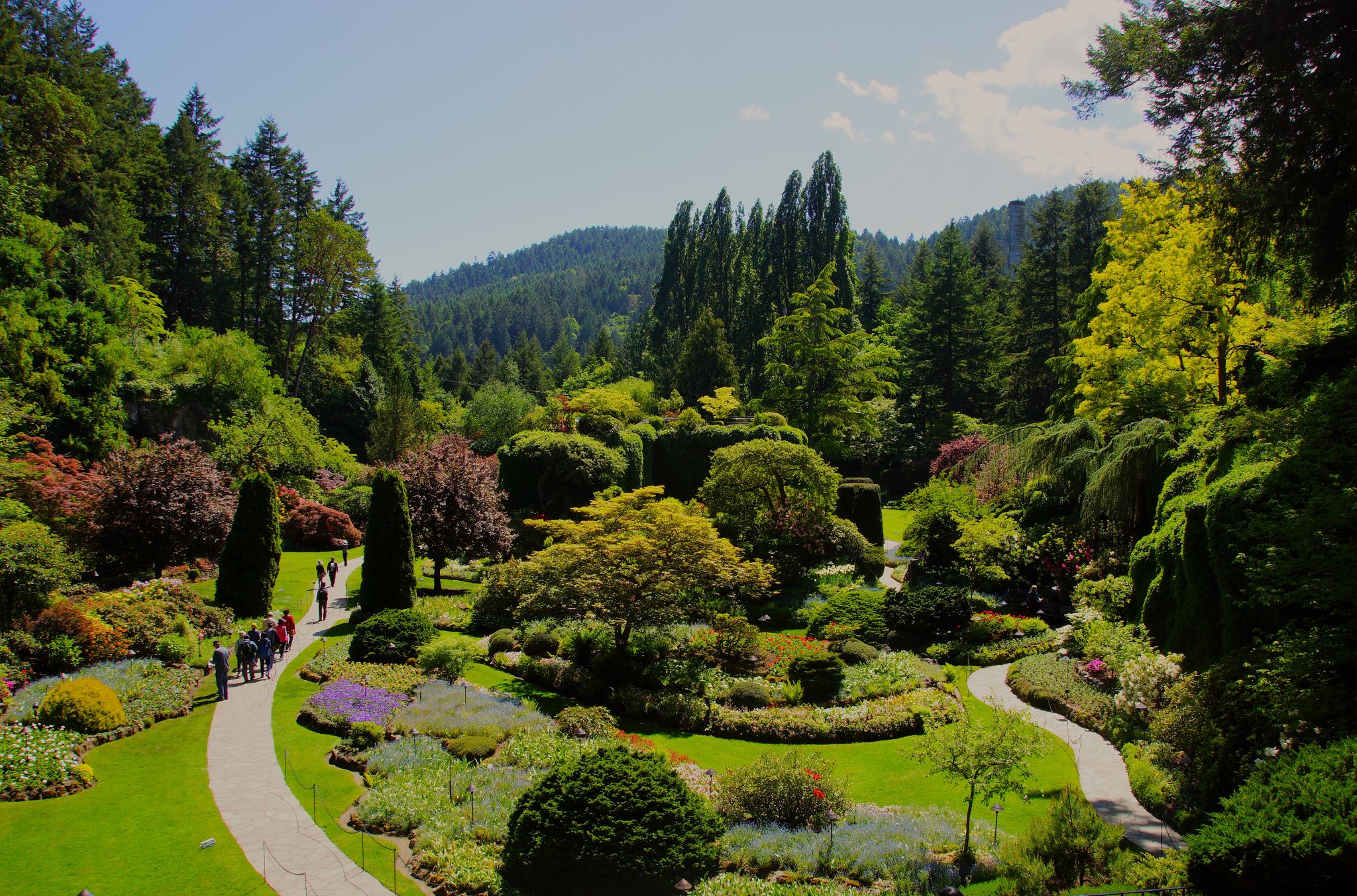
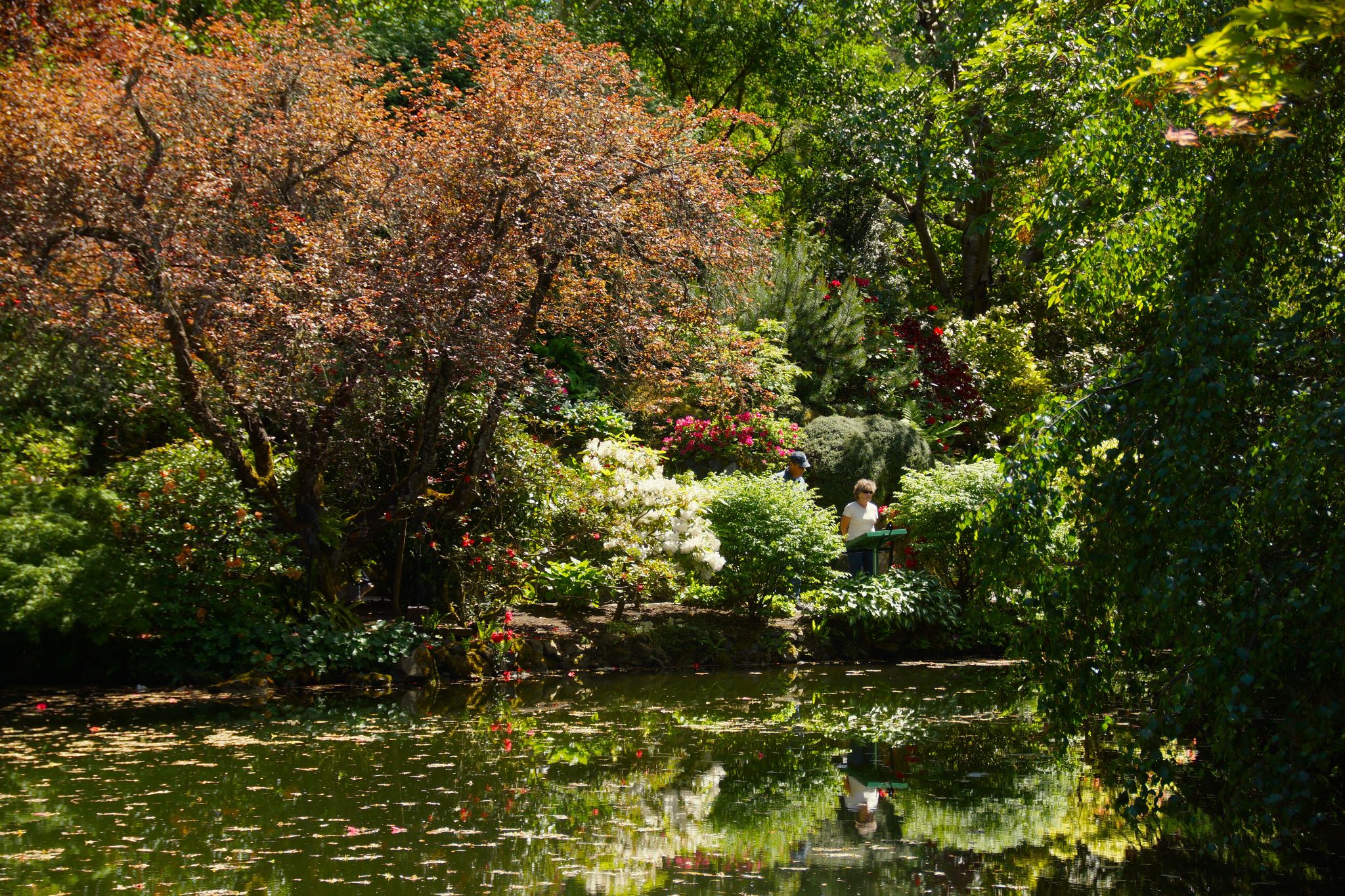
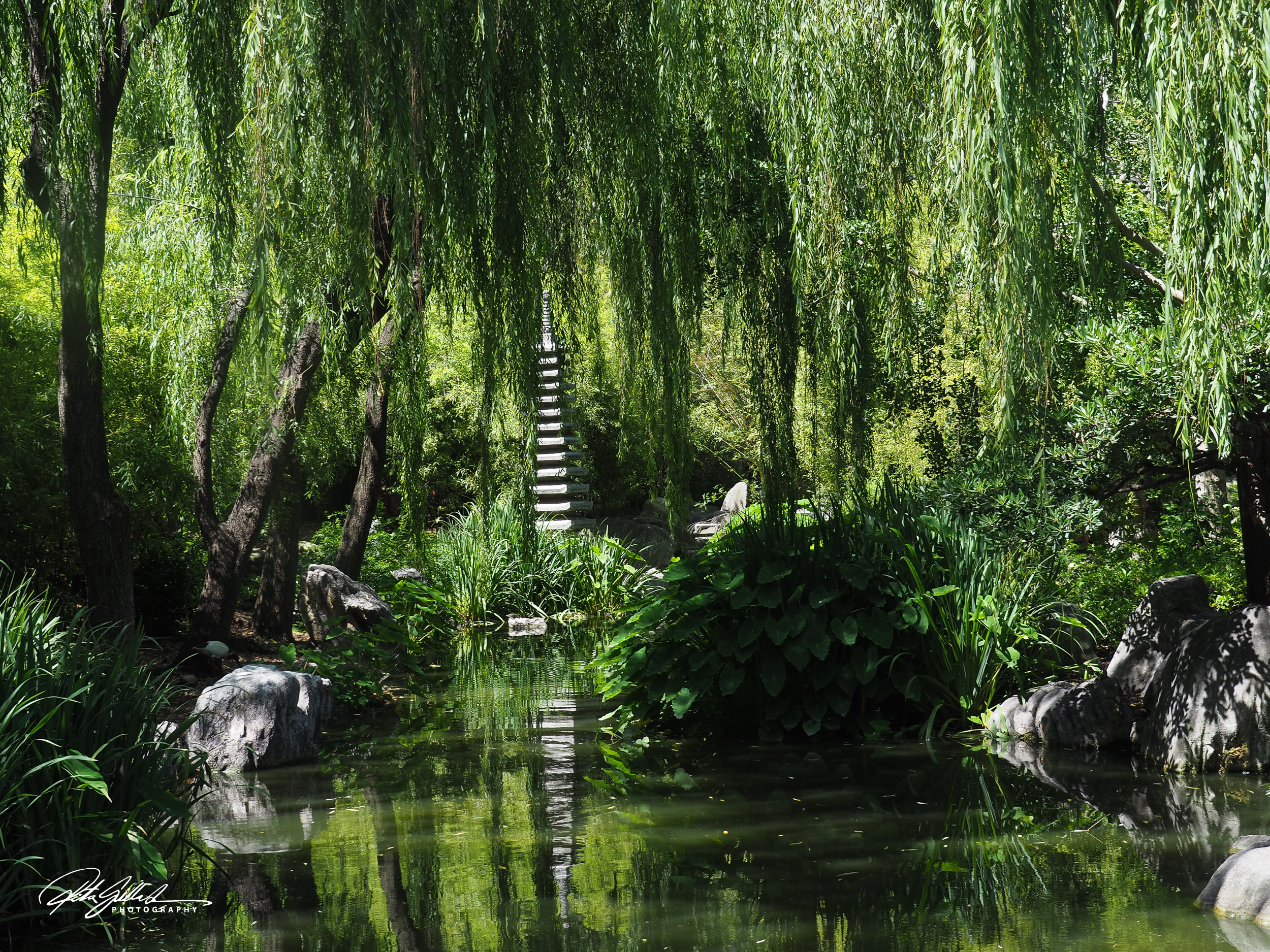
Chinese friendship garden in Sydney
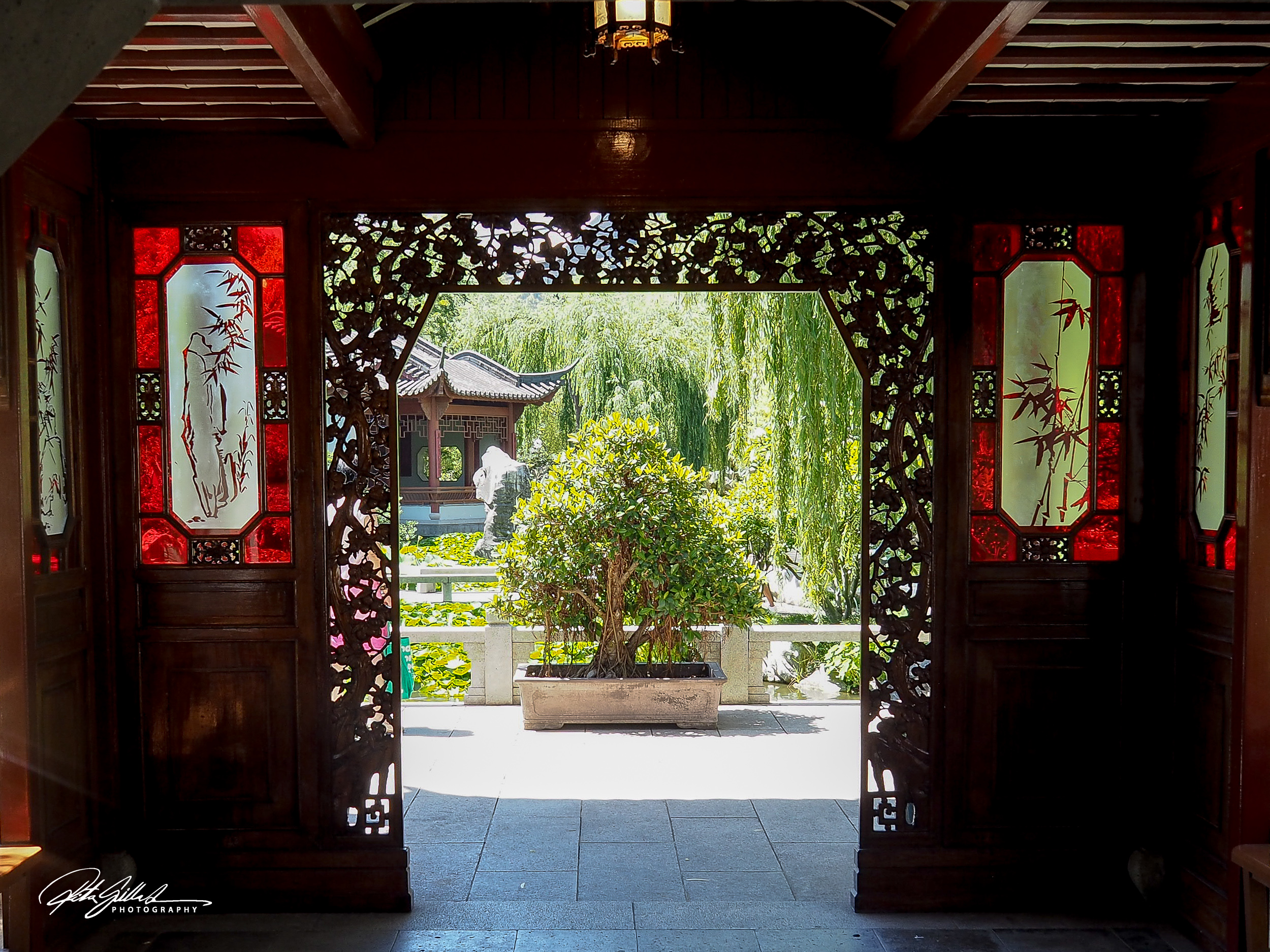
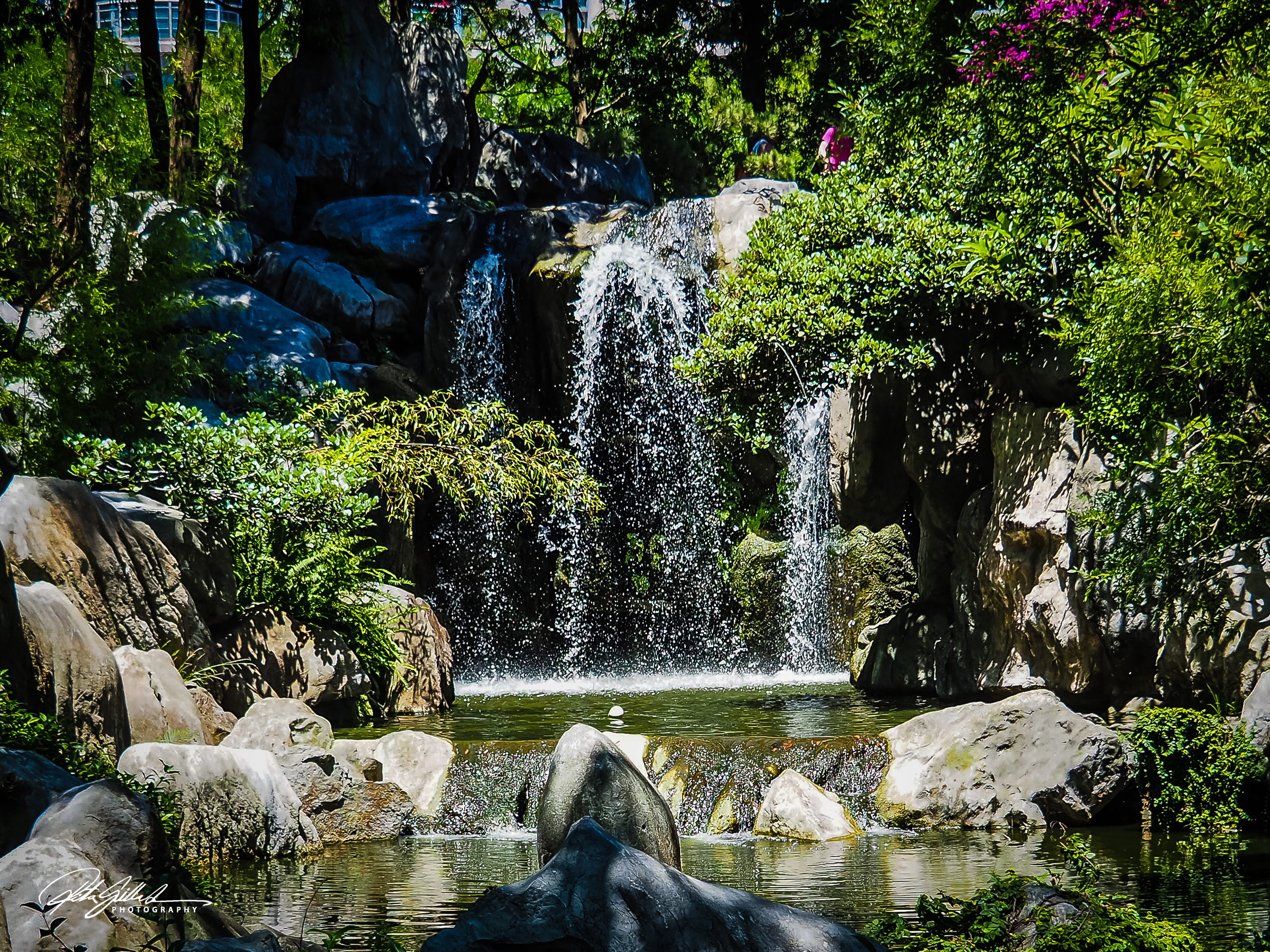
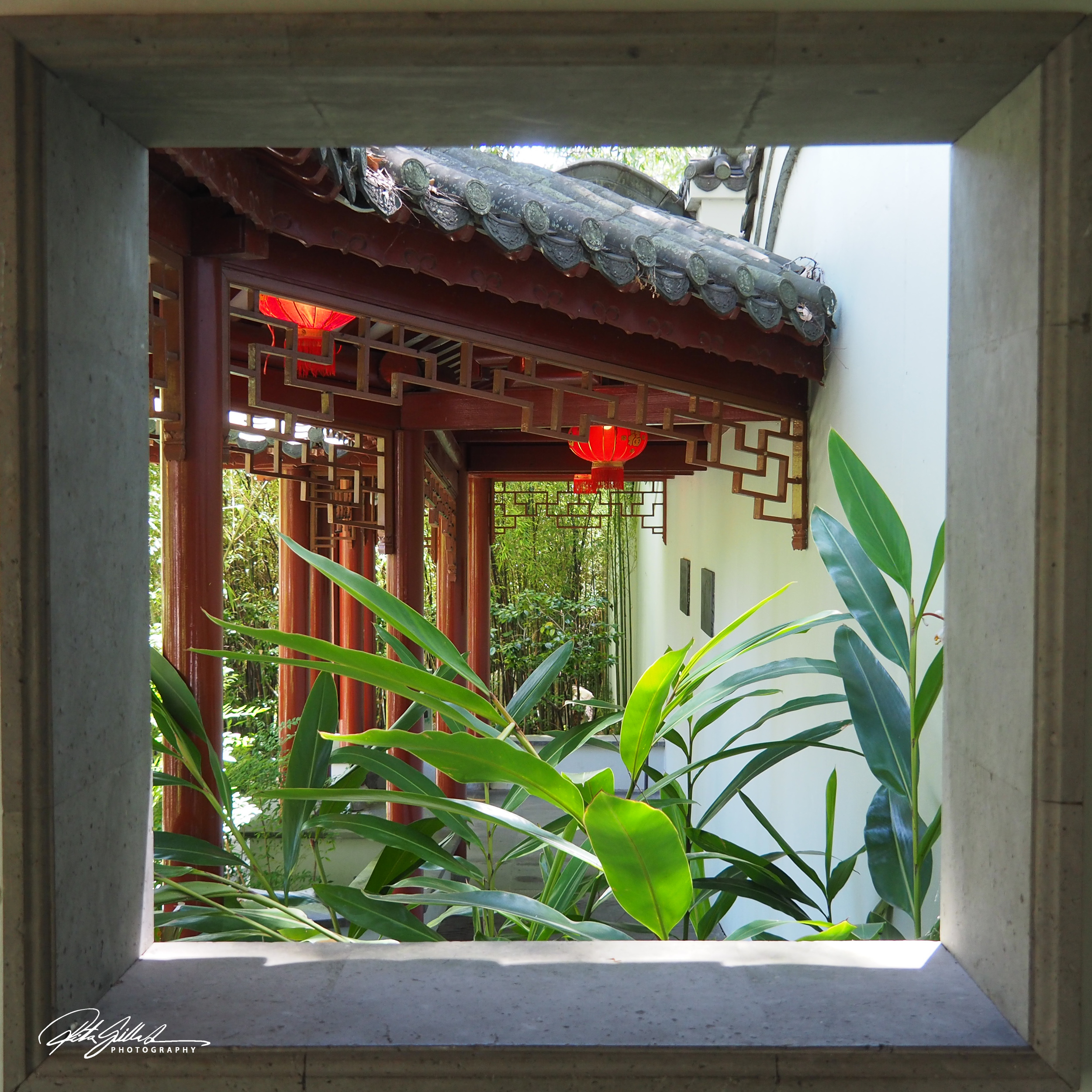
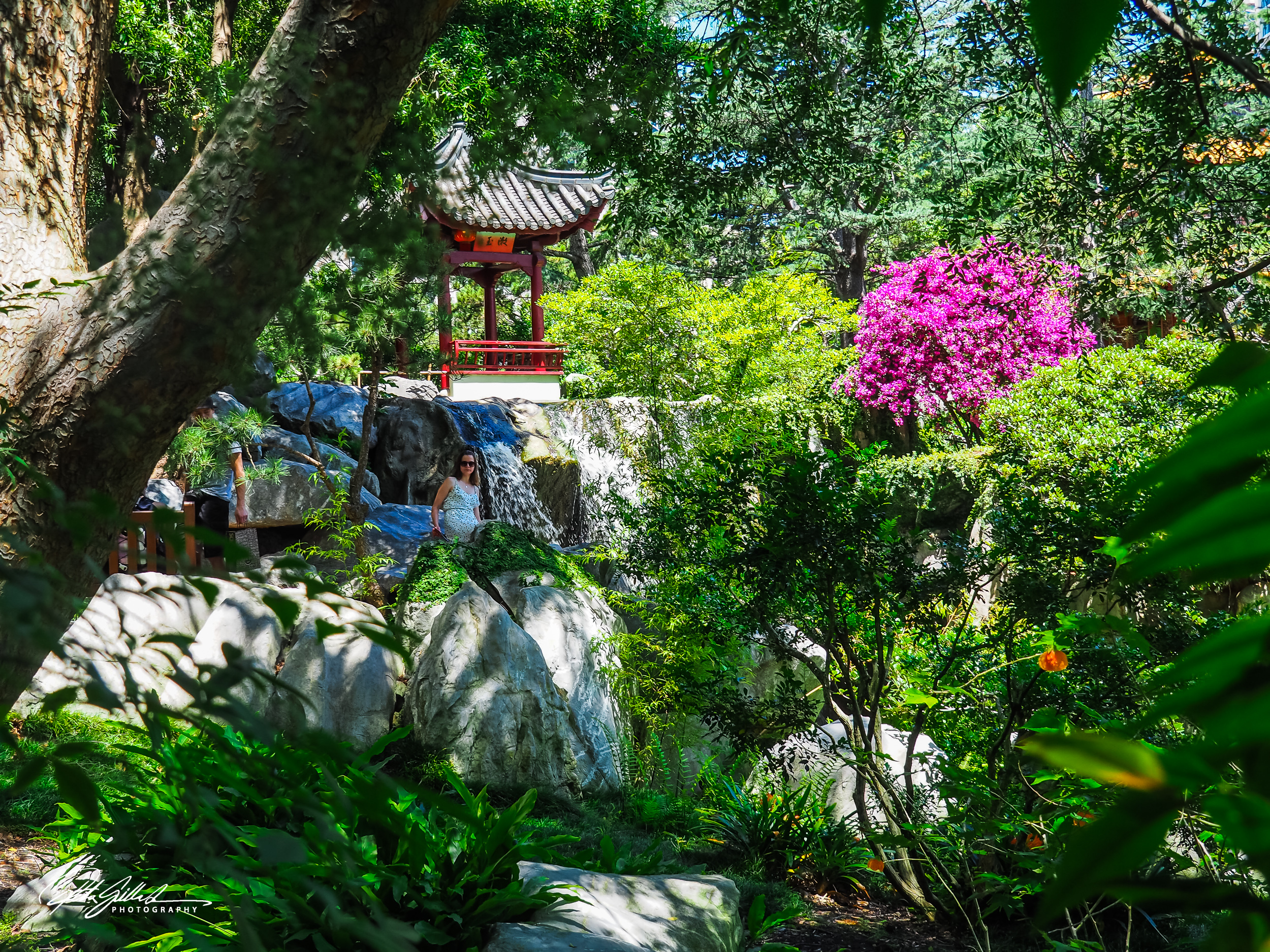
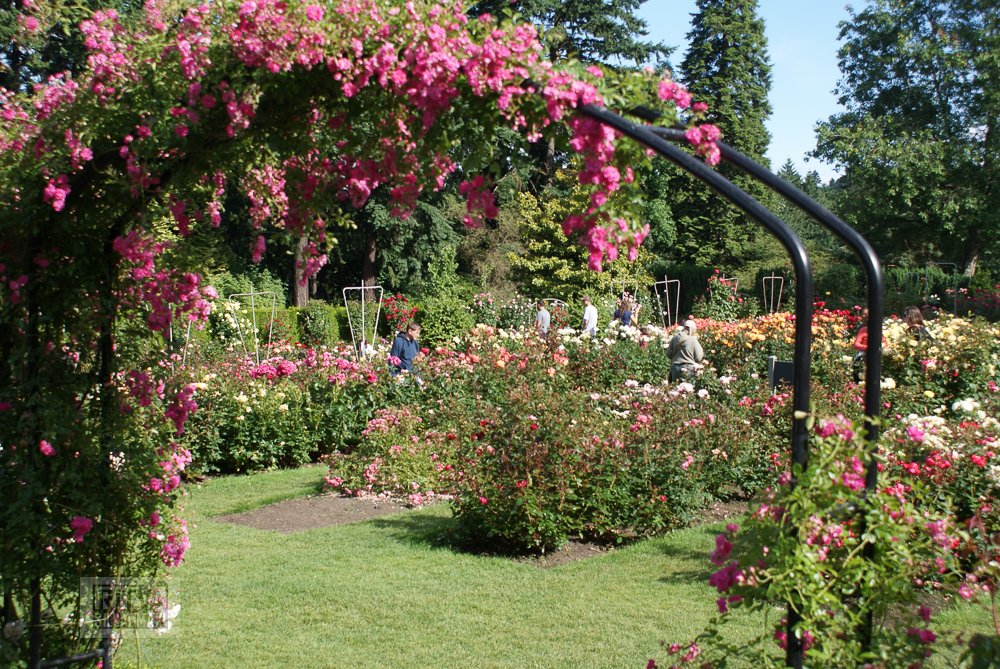
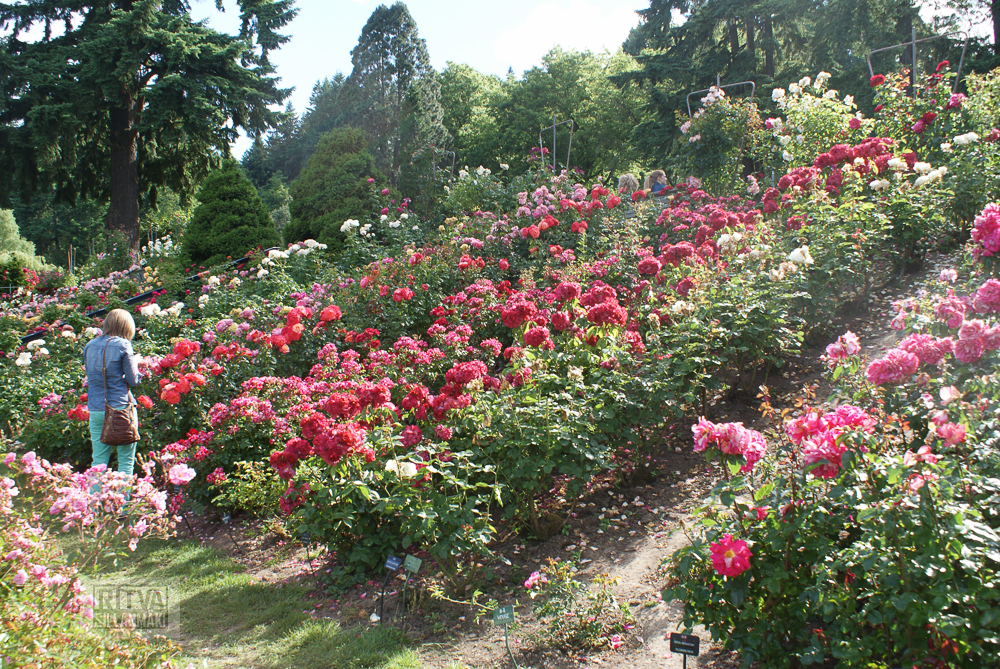
Rose gardens in Vancouver and Portland ,Seattle
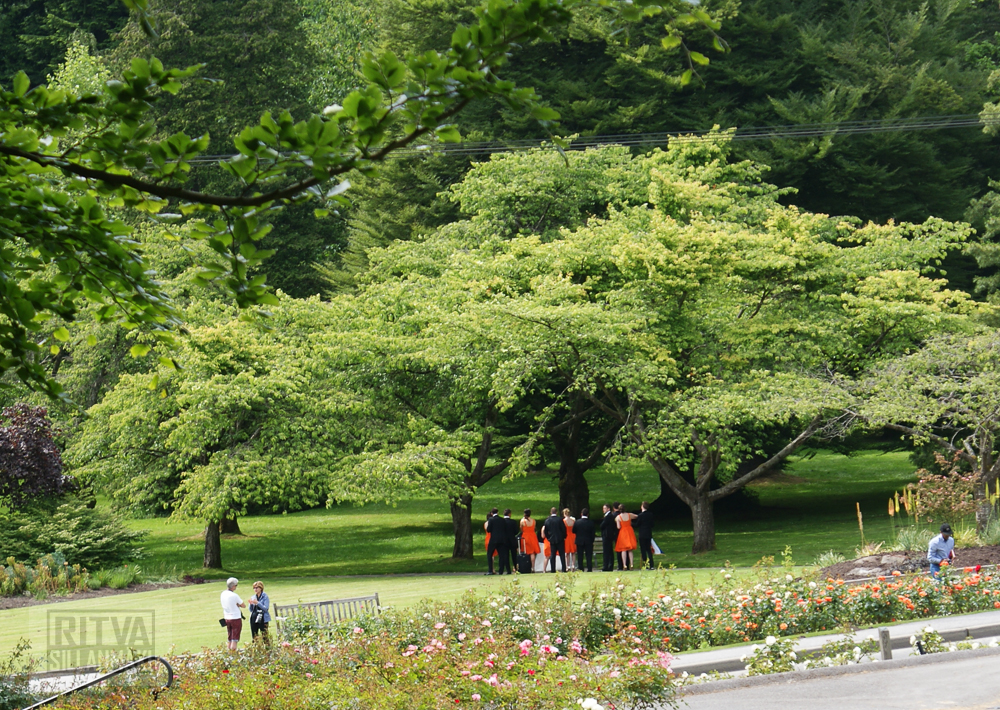

Thank you, Ann-Christine, for hosting this challenge have a look at her wonderful site and join us. Remember to link back to her original post and to tag Lens-Artists so we can find you.

Last week Patti left us cross-eyed in a fantastic challenge of Zigzags. I loved how many ways we could look at this theme.
Next week is Sofia’s to host so I invite you to drop by her blog on Saturday 17th August and see what she is up to. Until then, keep on smiling.
If you want to know more about the Lens-Artists Challenge, please click here.
Posted for Ann-Christine’s Lens-Artists Challenge

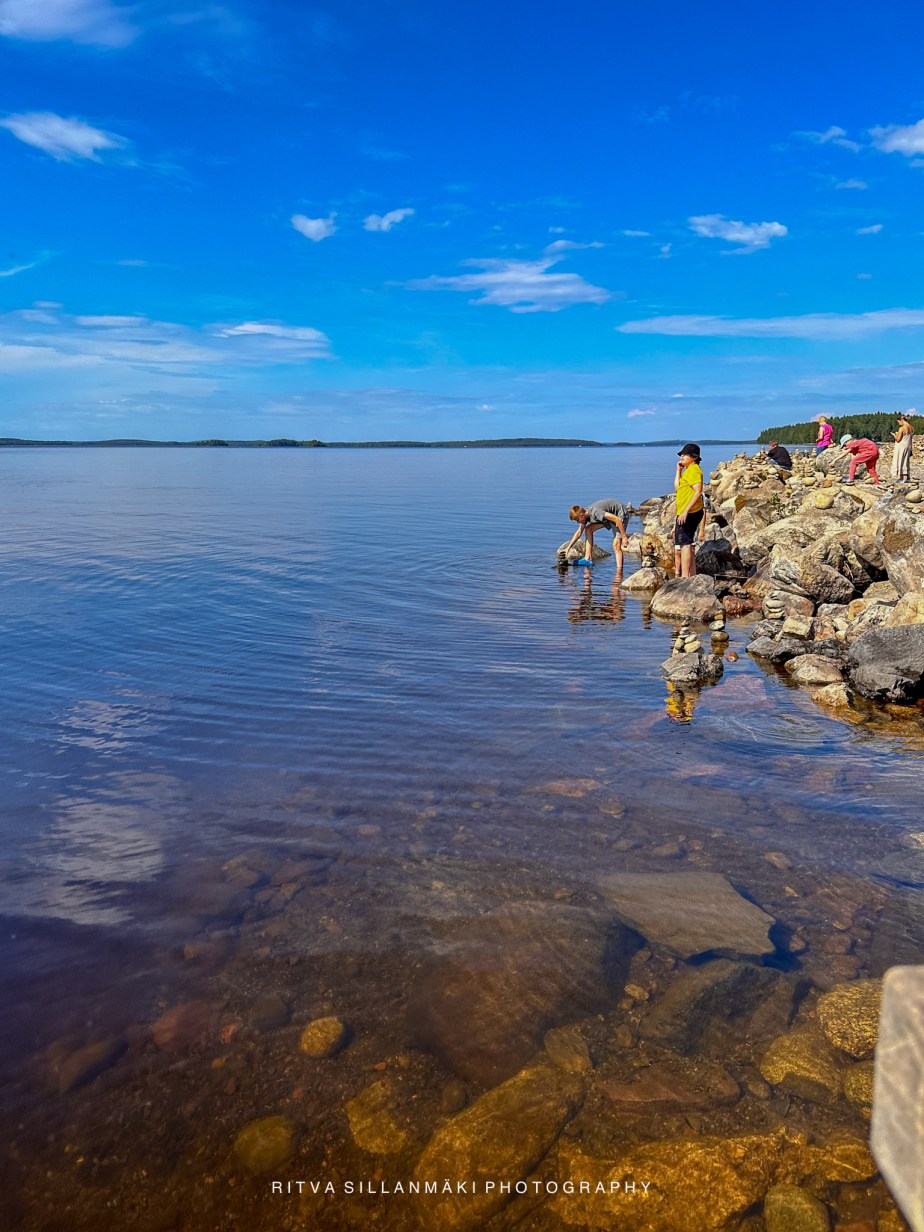
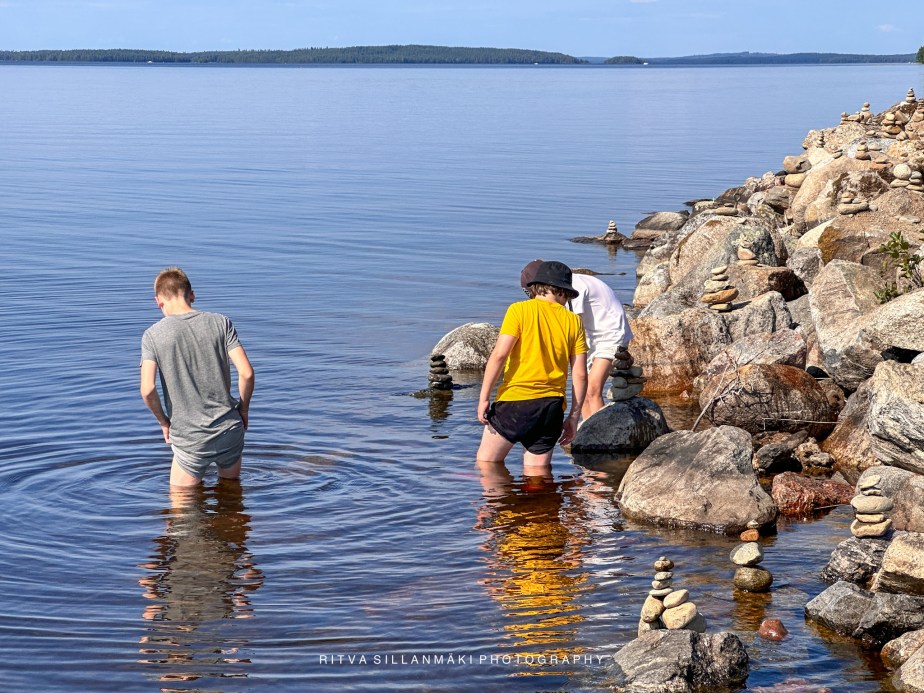
Photos taken at Pulkkilanharju by the lake Päijänne.
Pulkkilanharju, which serves as the southeast gateway to the National park, is a truly captivating natural wonder that beckons visitors with its stunning vistas. The highest point on the island offers panoramic views over Lake Päijänne’s largest expanse, Tehinselkä, creating a mesmerizing sight that never fails to leave a lasting impression on all who behold it.
As for Lake Päijänne itself, it is truly a marvel of nature. Spanning an area of approximately 23,204 hectares, or 232 square kilometers, this vast expanse is dotted with around 2,690 picturesque islands, each adding to the lake’s allure. The remarkable expanse of Päijänne forms part of the Kymijoki watershed and ranks as Finland’s deepest lake, with an astounding maximum depth of 95 meters. Furthermore, the lake boasts an extensive coastline that stretches for 2,200 kilometers, showcasing the stunning natural beauty and providing ample opportunities for exploration and recreation.
Päijänne’s status as the second largest lake in Finland only adds to its significance, drawing in locals and tourists alike to marvel at the awe-inspiring splendor of this natural gem. Whether it’s the tranquil shores, the diverse flora and fauna, or the potential for water-based activities, Lake Päijänne stands as a testament to the incomparable beauty of the Finnish landscape.
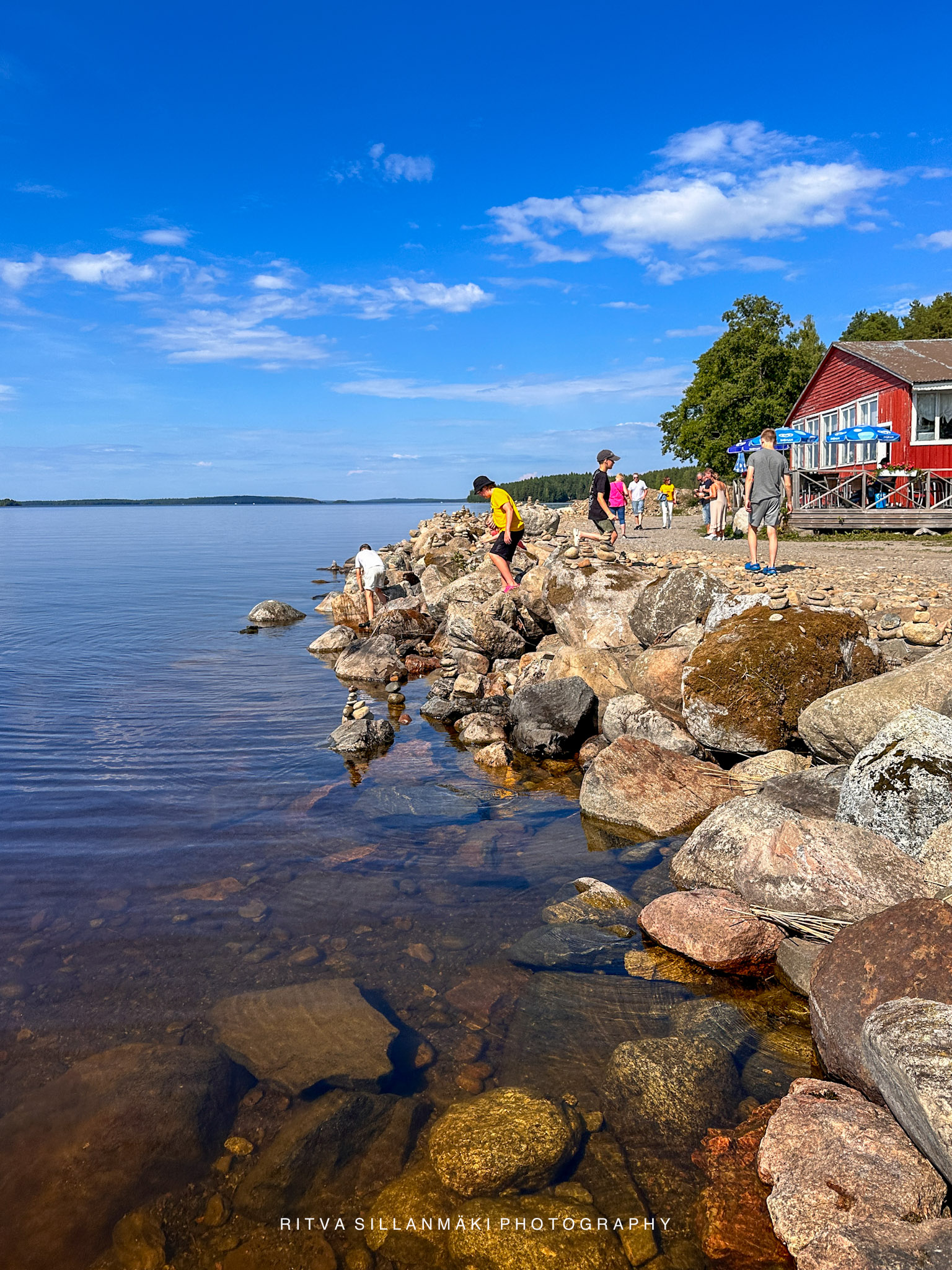
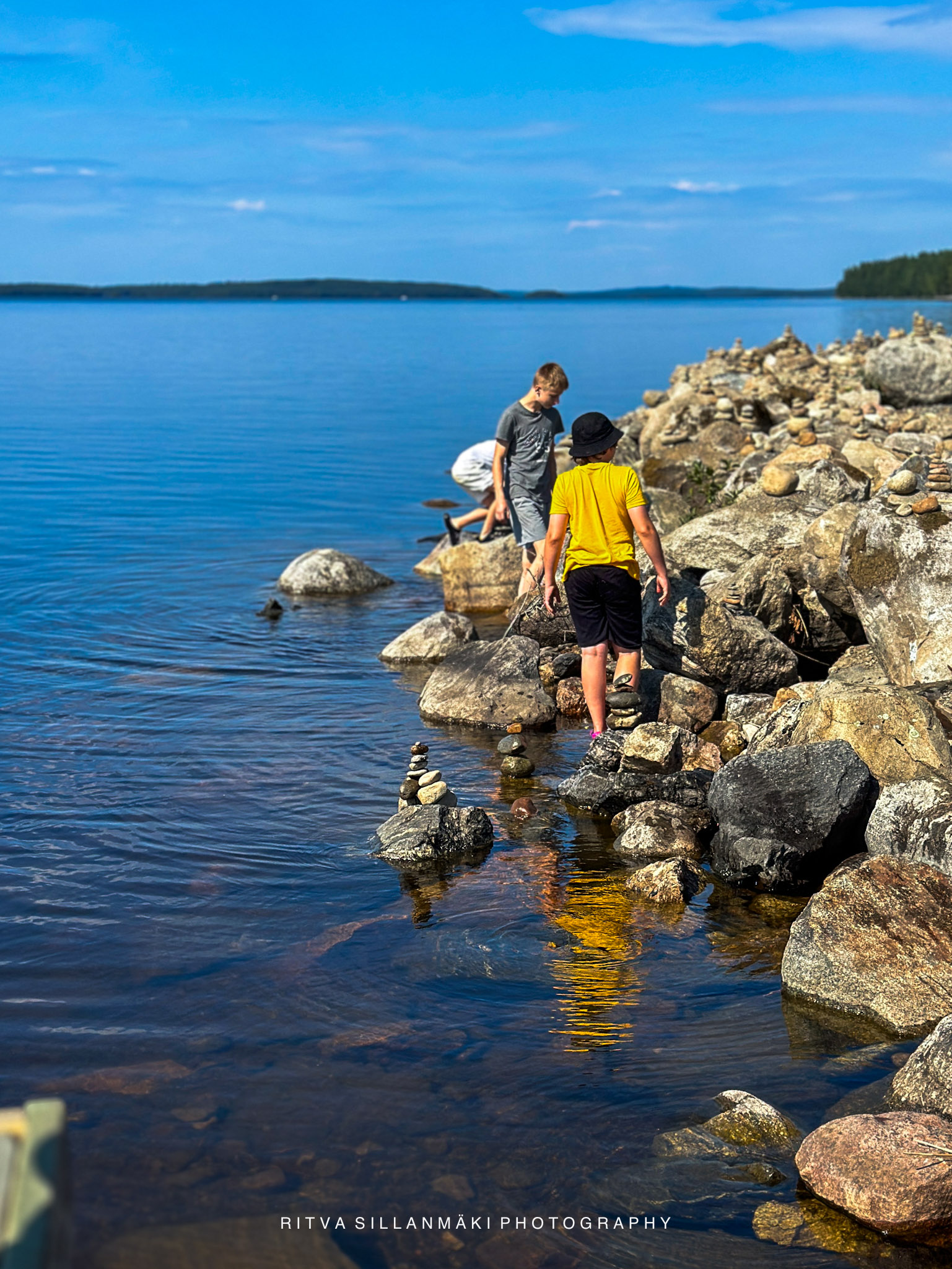
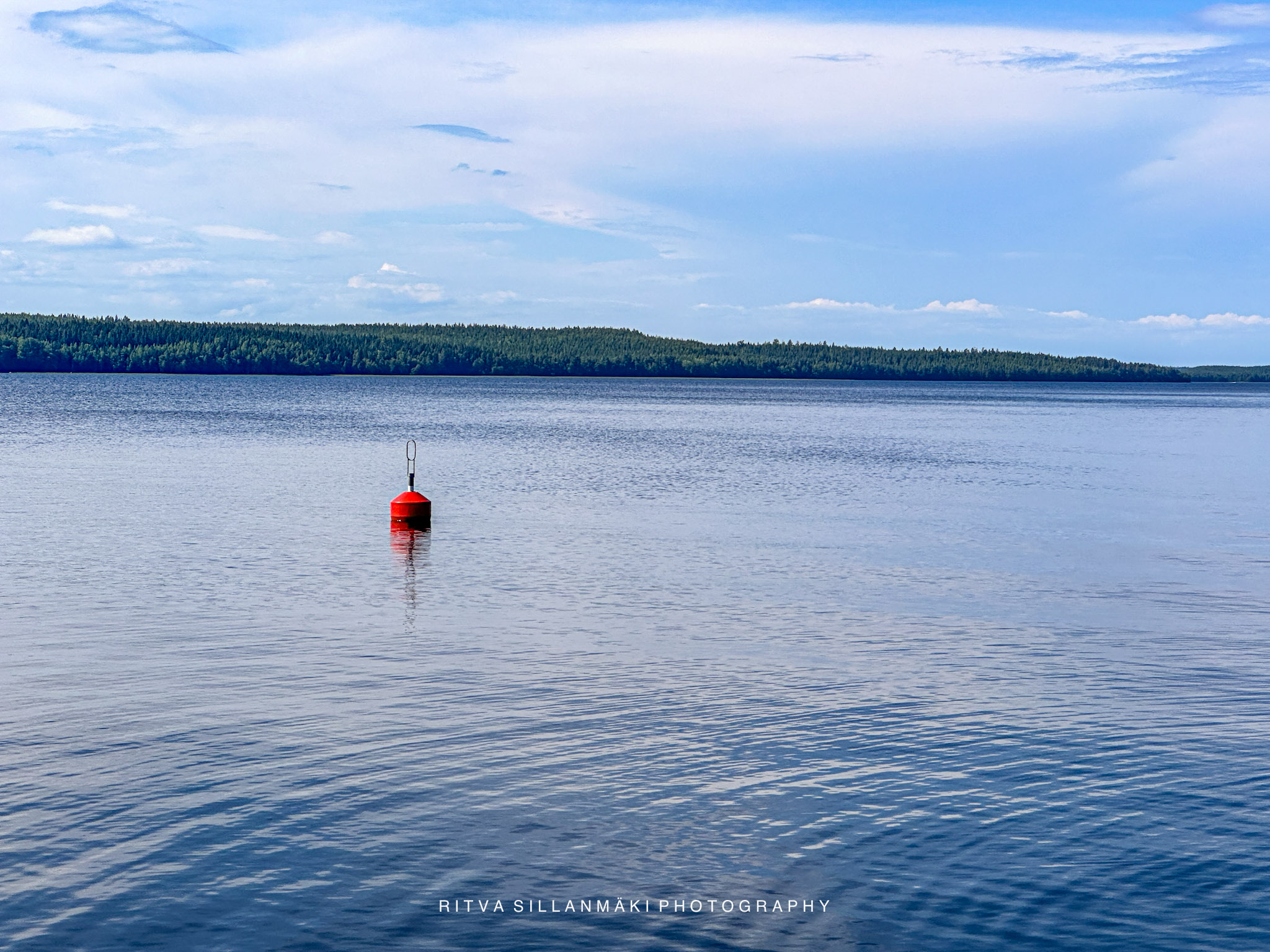
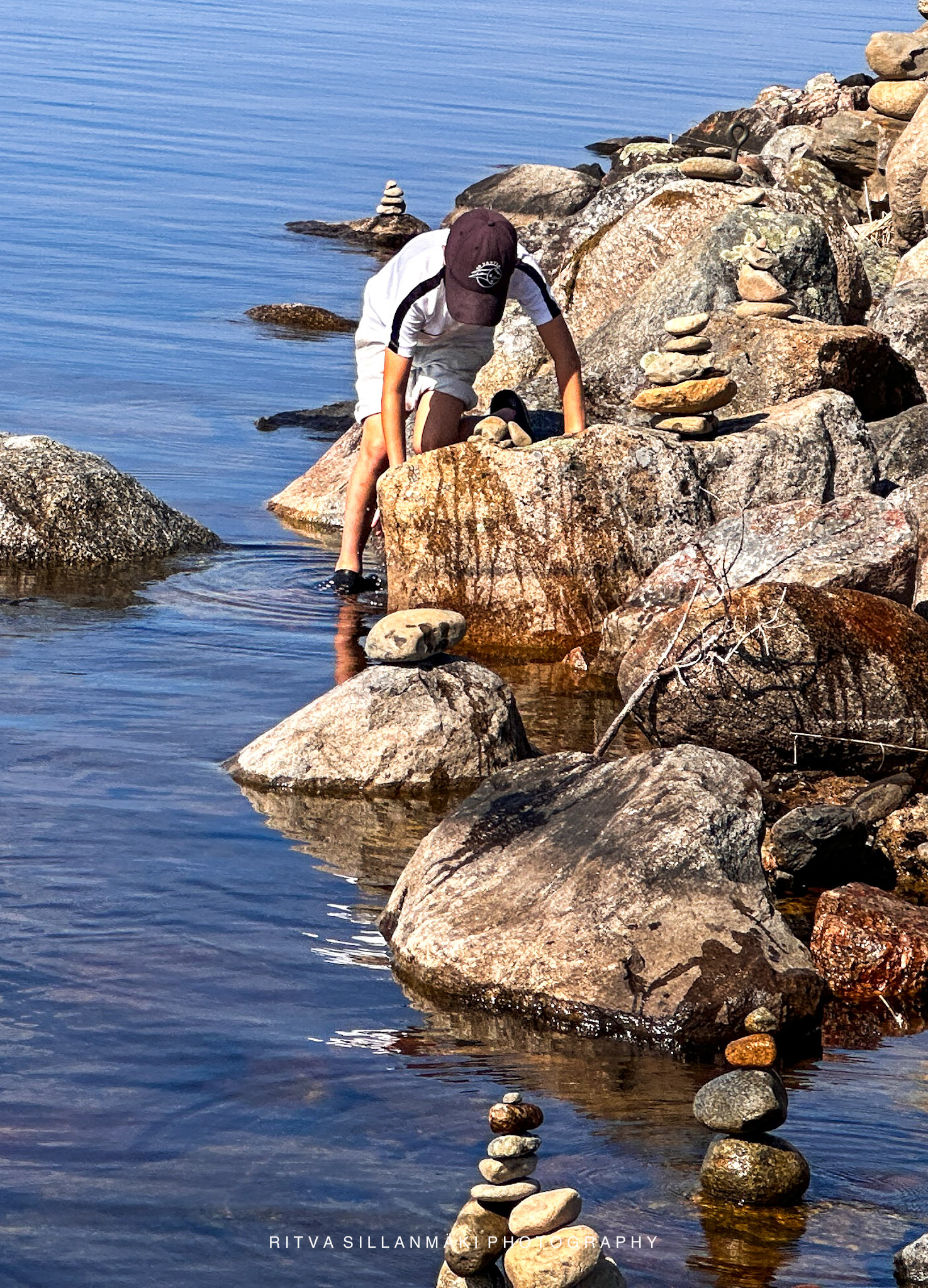
For Debbie’s Six Words Saturday. So many more words this week.
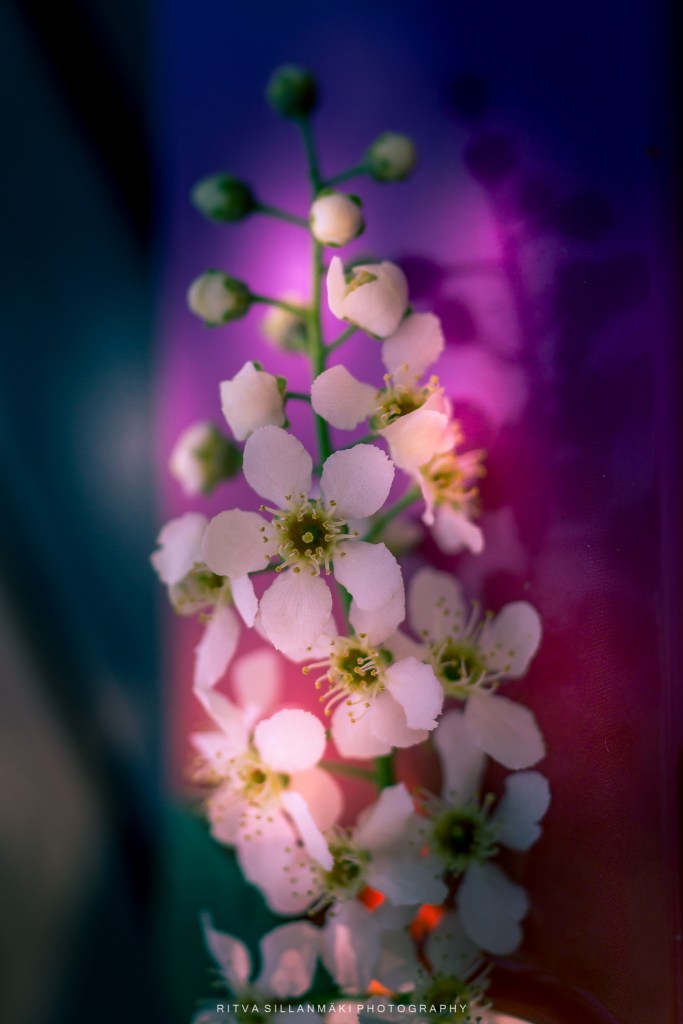
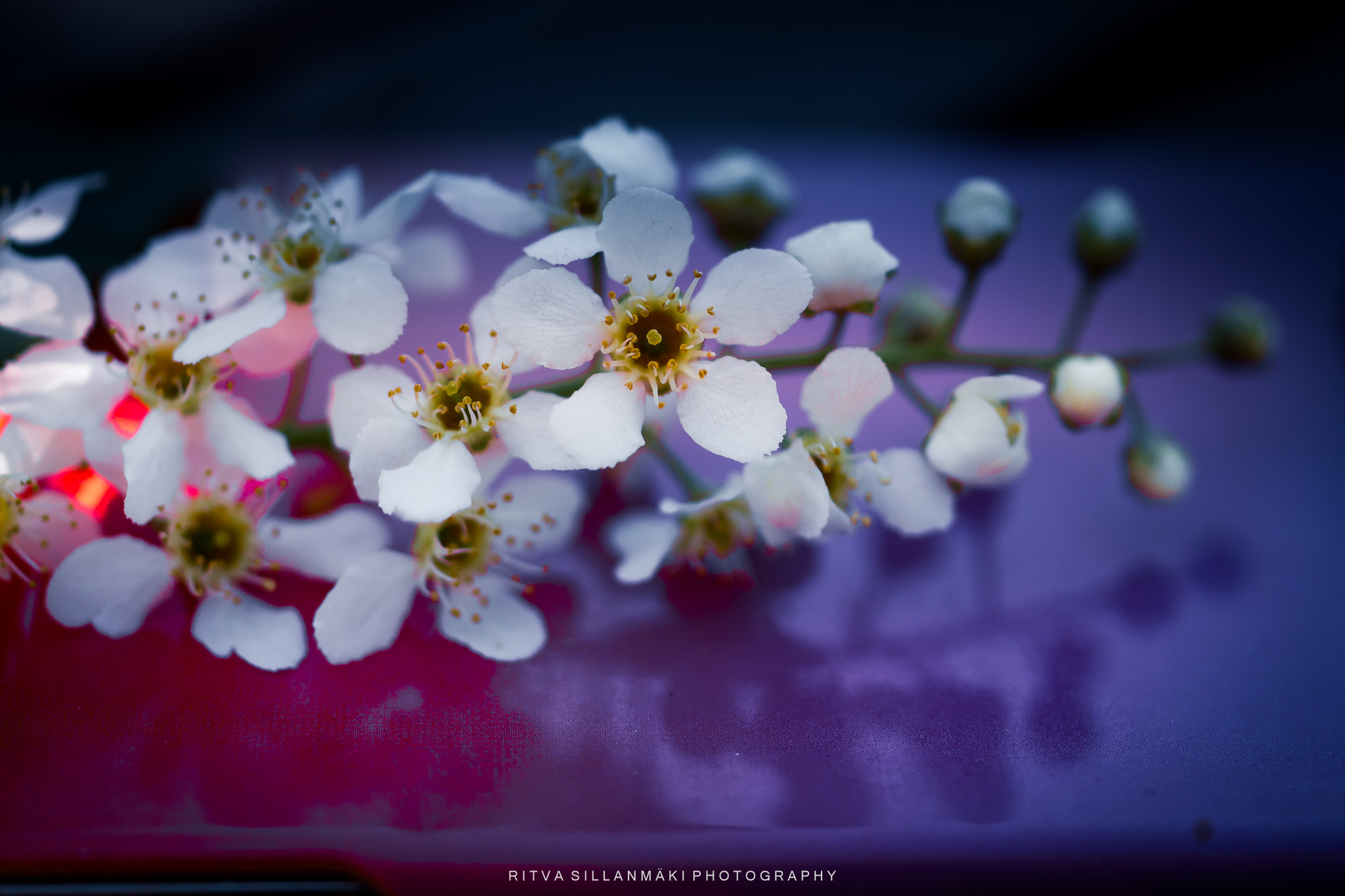
The back of my mobile phone was the background for these colorful images, I obviously was not busy as I took time to try different things with these flowers
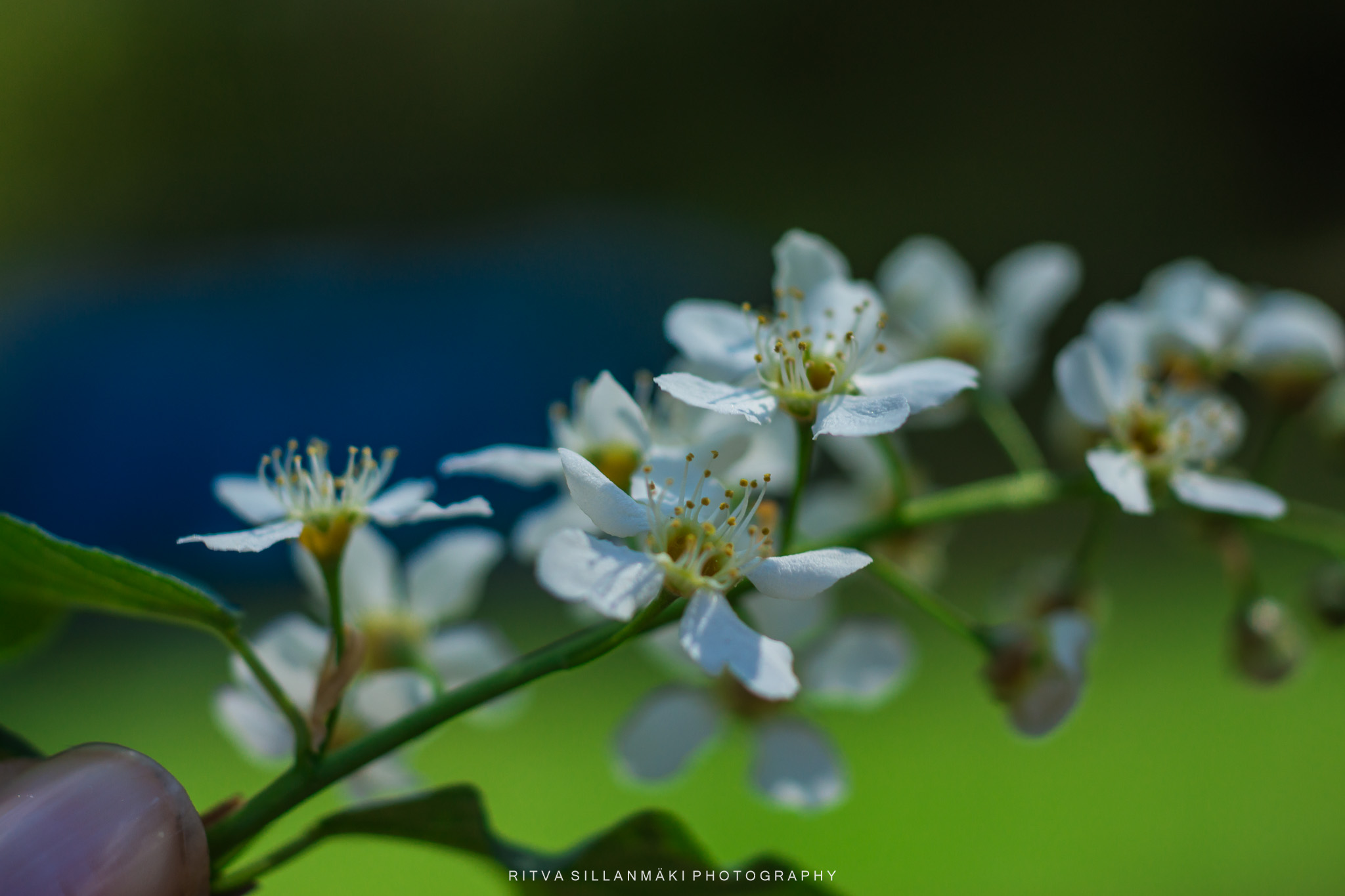
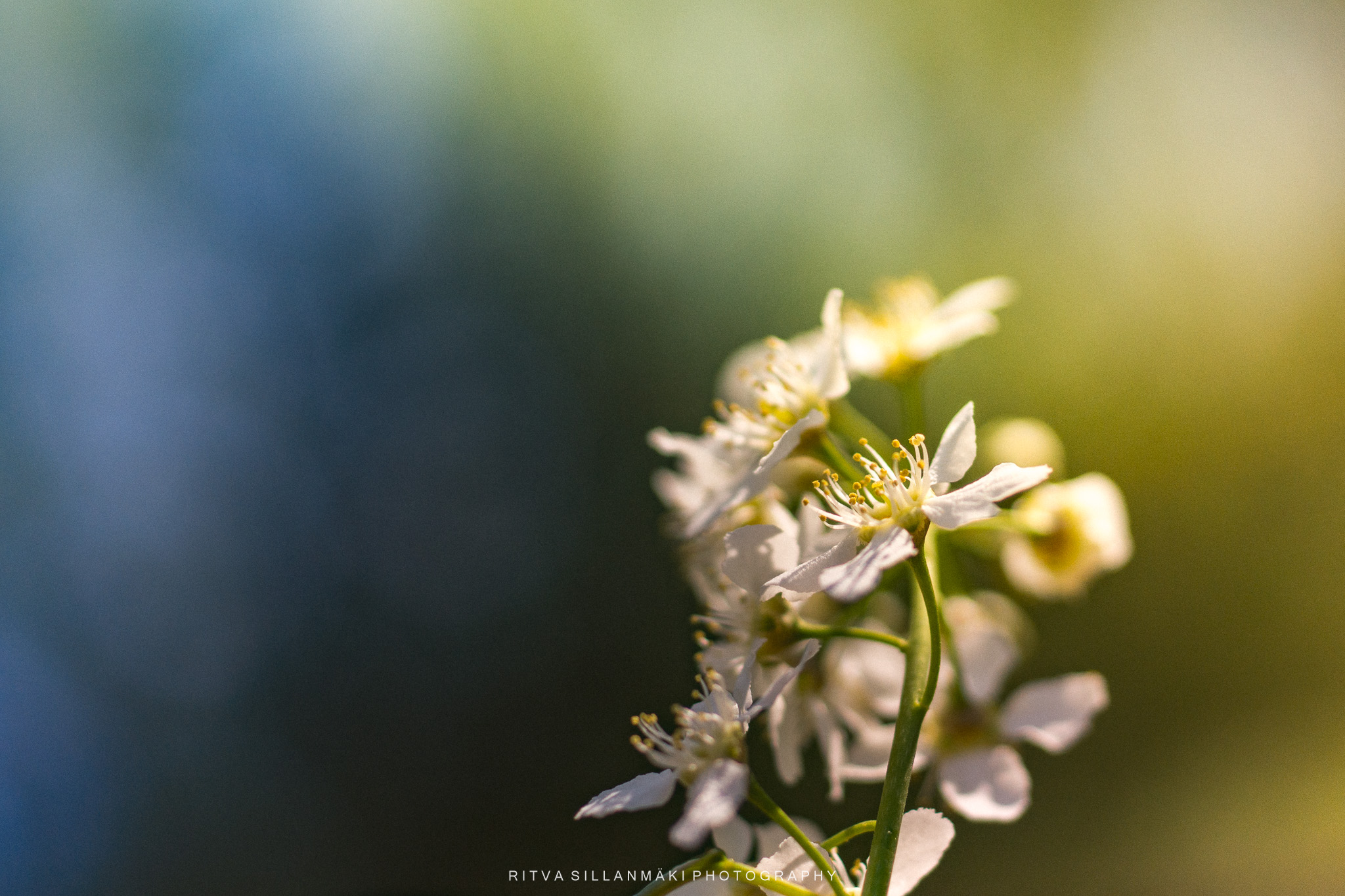
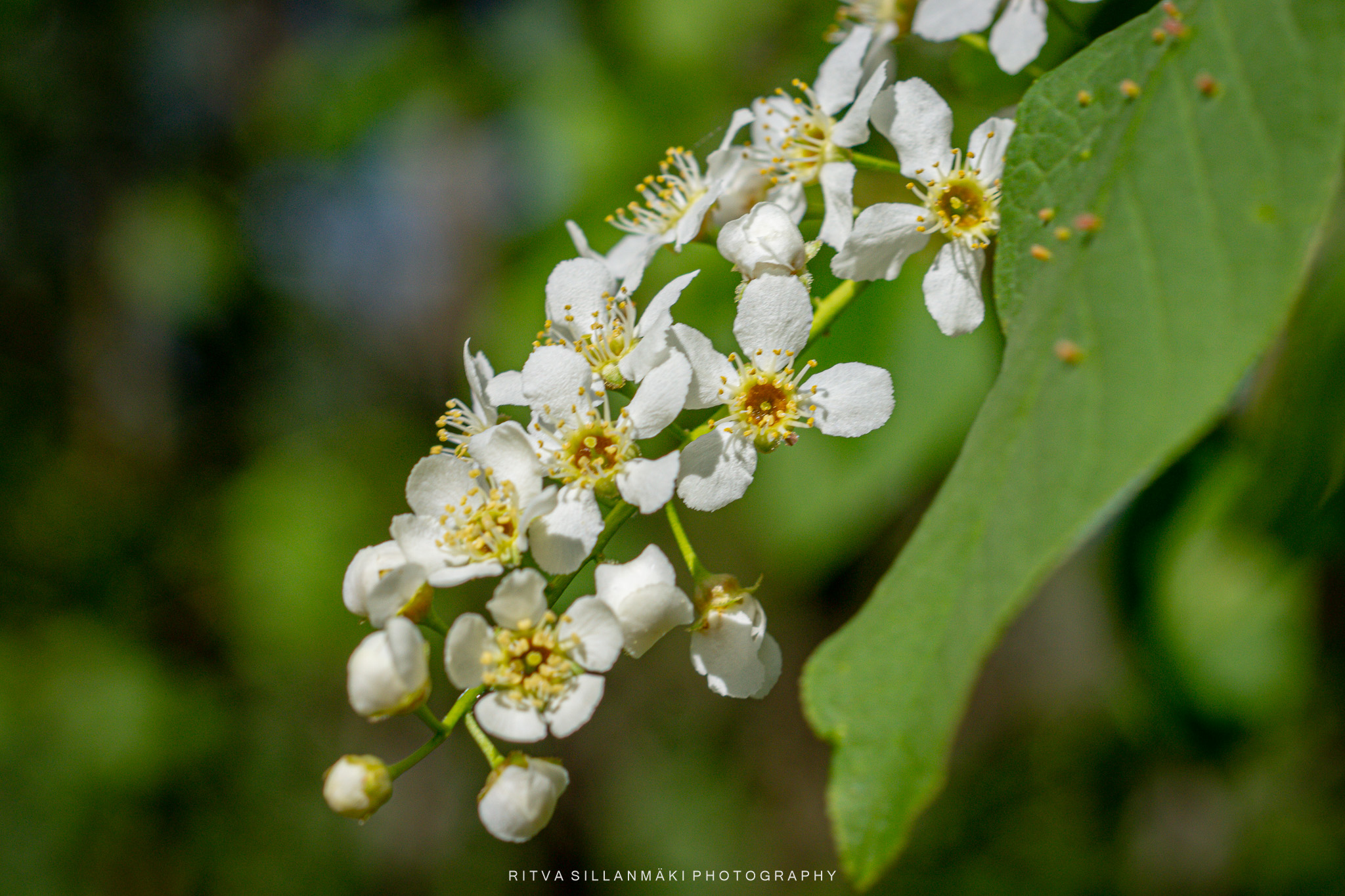
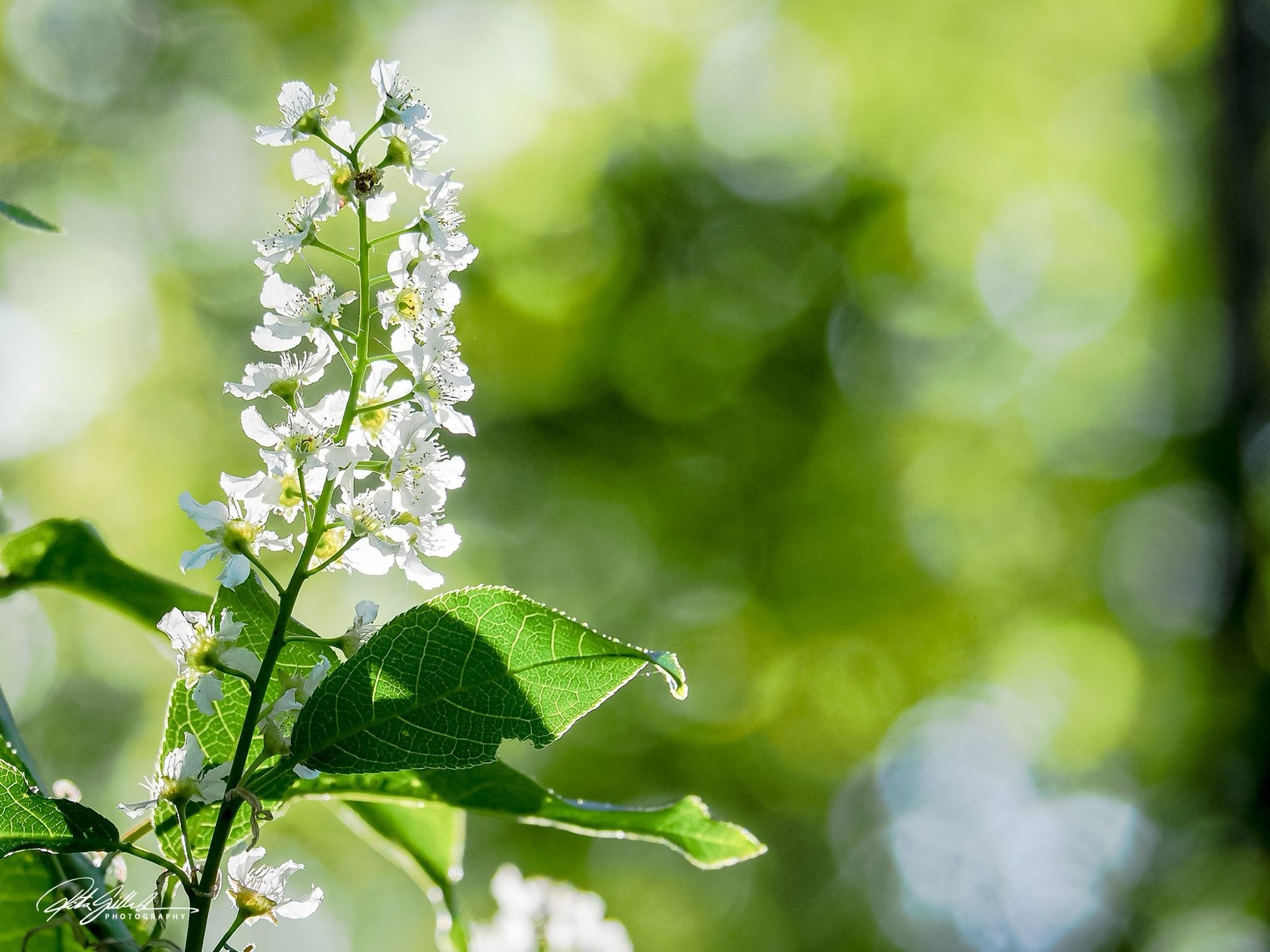
Bird cherry flowers showily in early summer. The heavy-scented flowers attract insects, especially flies and bees. Black fruits of the bird cherry are bitter-sweet. They can be used for making tasty liqueur, or for dyeing wool as they yield a pale lilac shade. Also called European bird cherry, Hackberry
click to enlarge
I have to admit that lately I have been a lazy photographer, and most of the time I’ve taken photos with my mobile. I have two previous posts about the beauty of summer nights and these were taken the same night. I took these first, then went to get my camera to take better shots of the moon. The iPhone has a great camera, with a RAW option, and you can get great photos with it; even the zoom is okay. But you can also edit and crop the images as a way of enhancing it.
It’s amazing how much the technology in smartphones has advanced, allowing us to capture stunning images without the need for additional equipment. The convenience of having a powerful camera always at hand has certainly made me rely more on my mobile for photography. Despite its compact size, the iPhone truly delivers remarkable image quality, especially in low light conditions. The ability to edit and refine the pictures directly on the device further adds to the appeal of mobile photography, providing a convenient way to enhance the visual impact of the captured moments.
The color of the sky, clouds and mist set such a beautiful view, that I only slightly edited the contrast and light in Lightroom app – nature did the rest.


Whispers of Birch
Birch trees stand sentinel, white and tall, Their leaves a verdant canopy, a gentle sprawl. Mist weaves through their trunks, a spectral dance, As dusk paints the sky in hues of chance.
The evening cradles them in twilight’s hark. Silhouettes against the canvas of fading light, They sway, entwined, in nature’s quiet rite. And there, where fog and foliage converge, A sacred silence settles—a tranquil surge.
So let us linger here, beneath their boughs, Where time suspends, and dreams are allowed. In this ethereal embrace, we find our place, As birch and fog weave magic, leaving no trace.


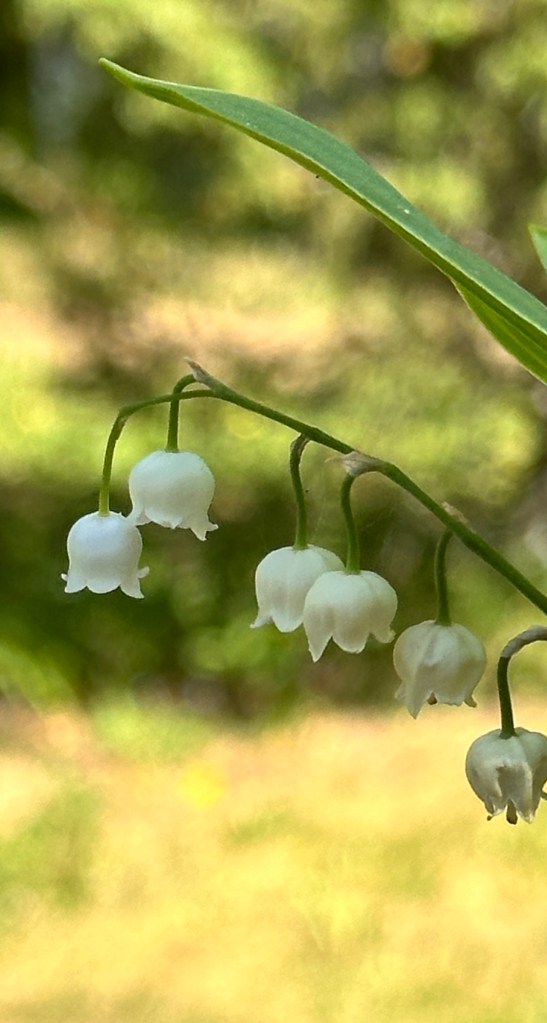
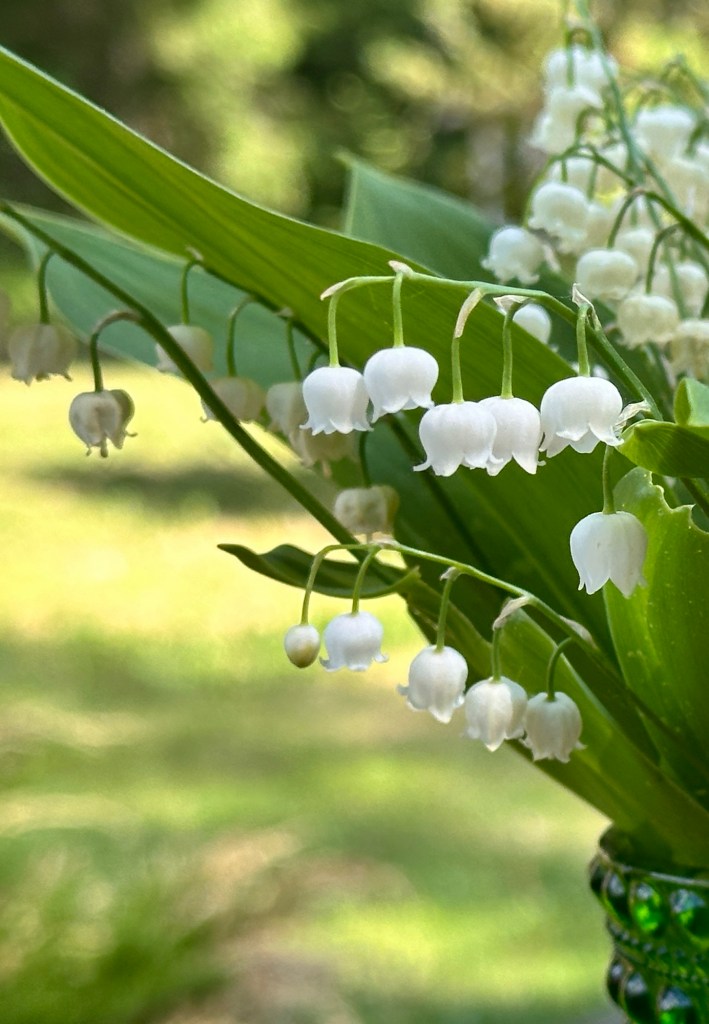
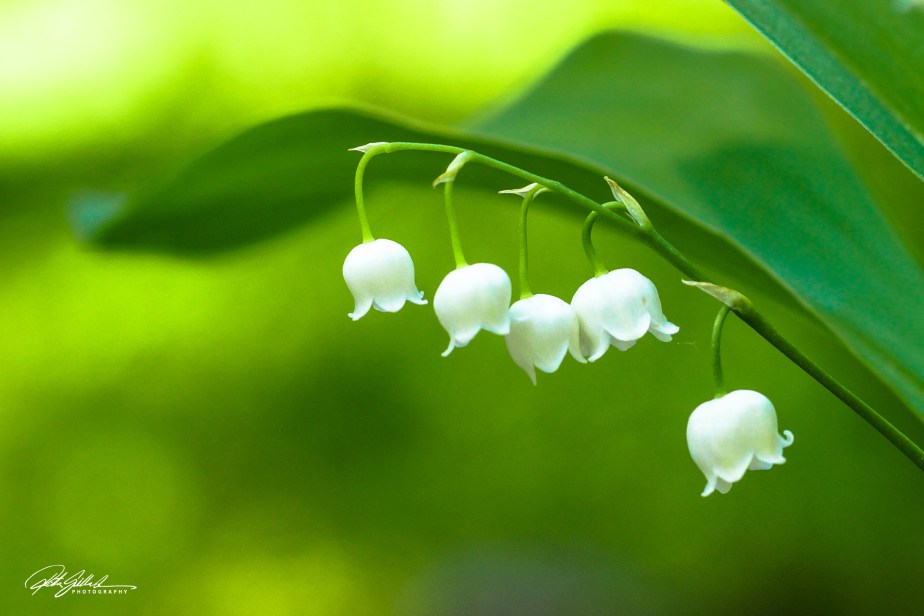
Lilies of the valley are so beautiful and delicate, and yes also poisonous
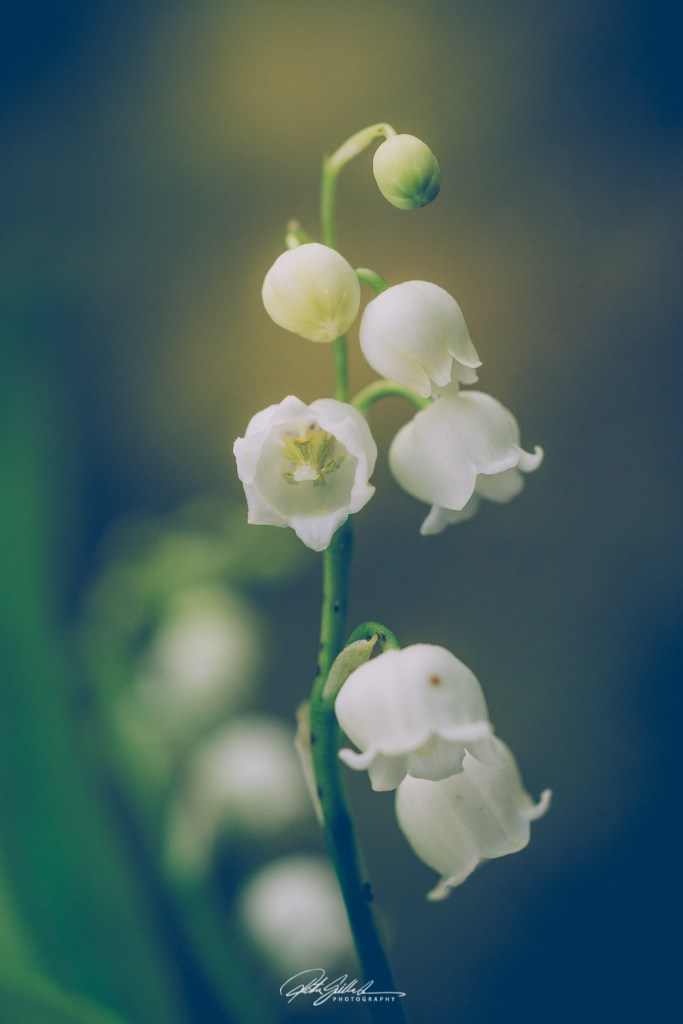
We have reached the end of Becky’s Squares photo challenge, I was distracted by starting a full time job in the middle of it and stopped posting even if I had good intentions to follow the month through. Thanks for this challenge Becky.
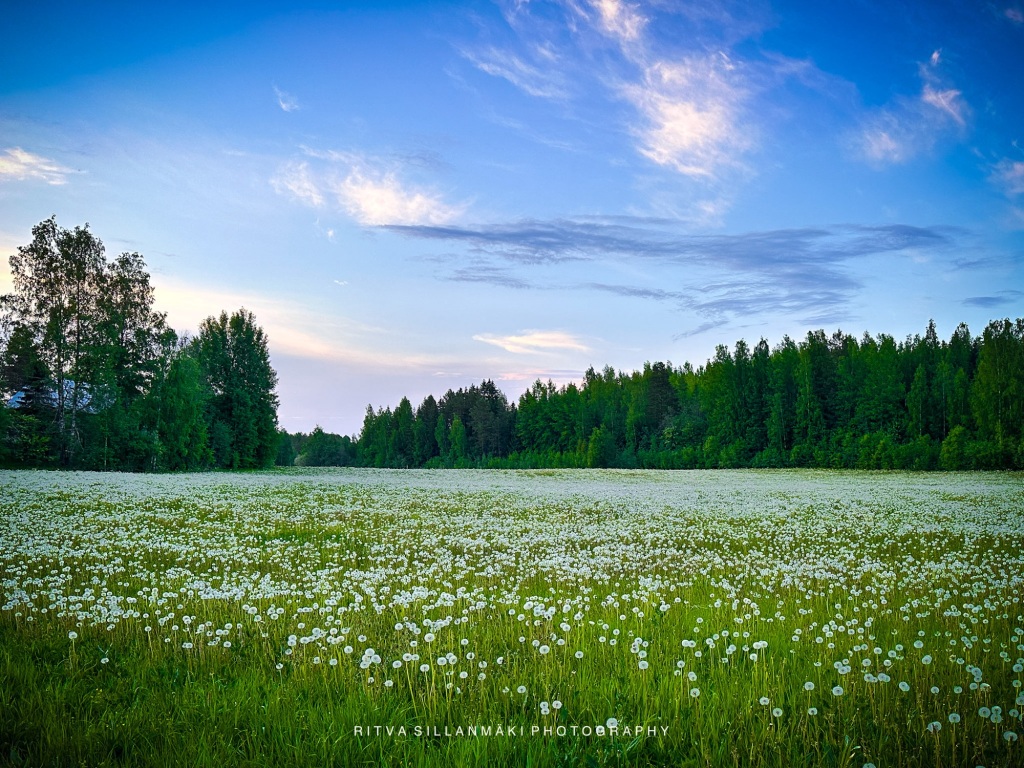
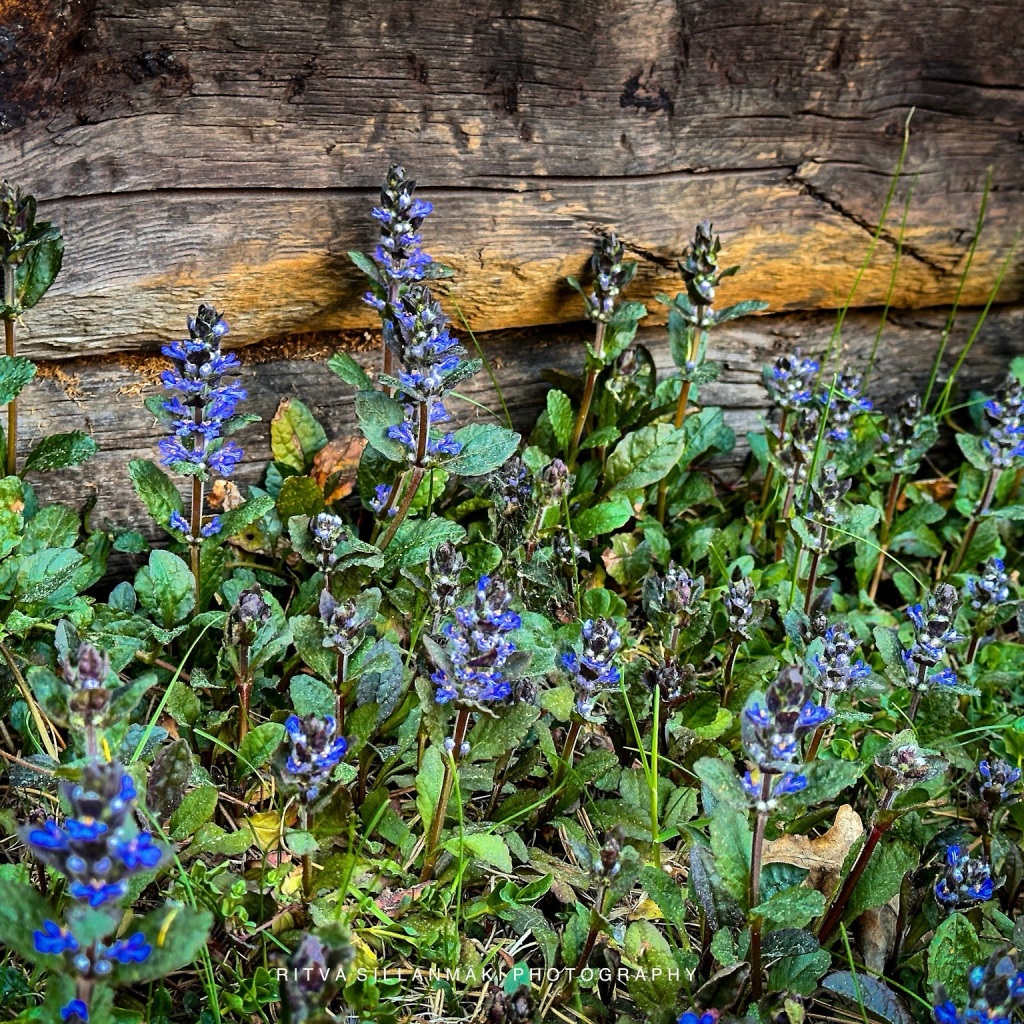
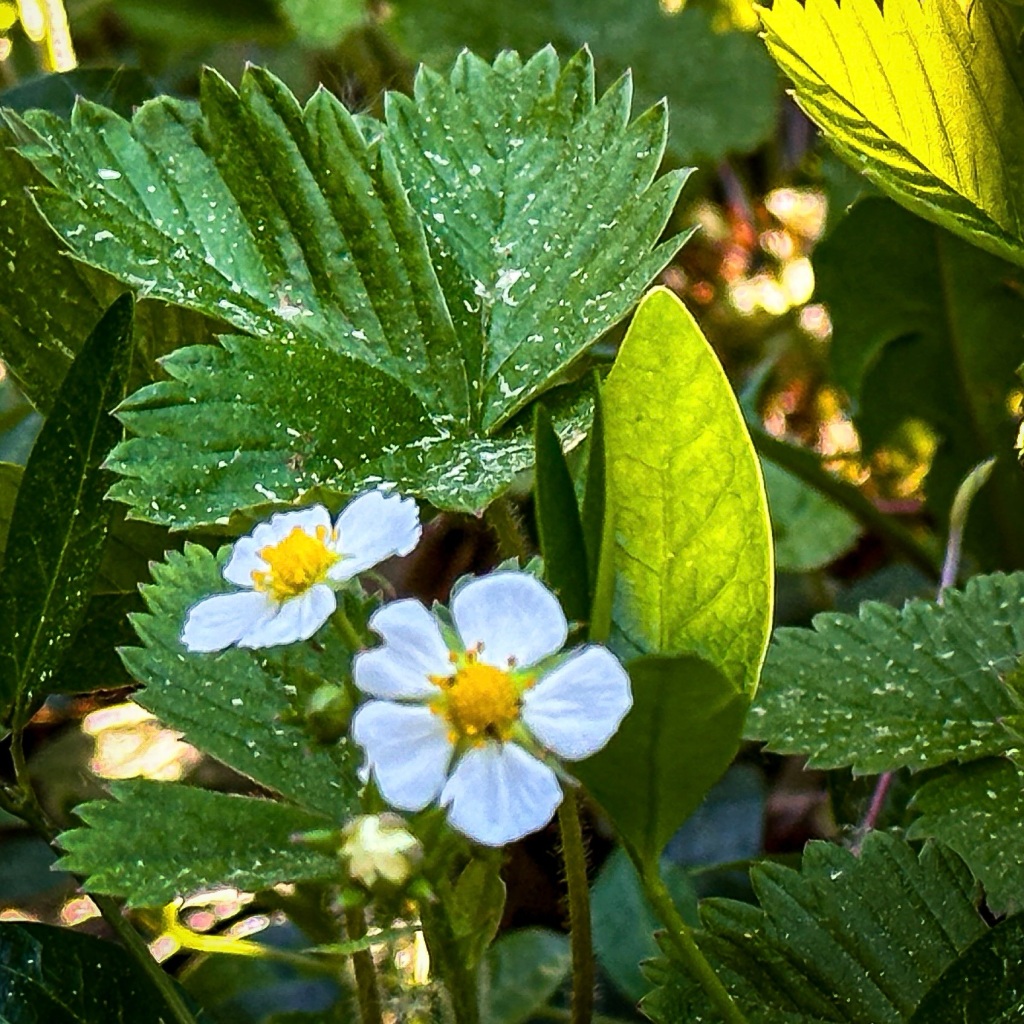
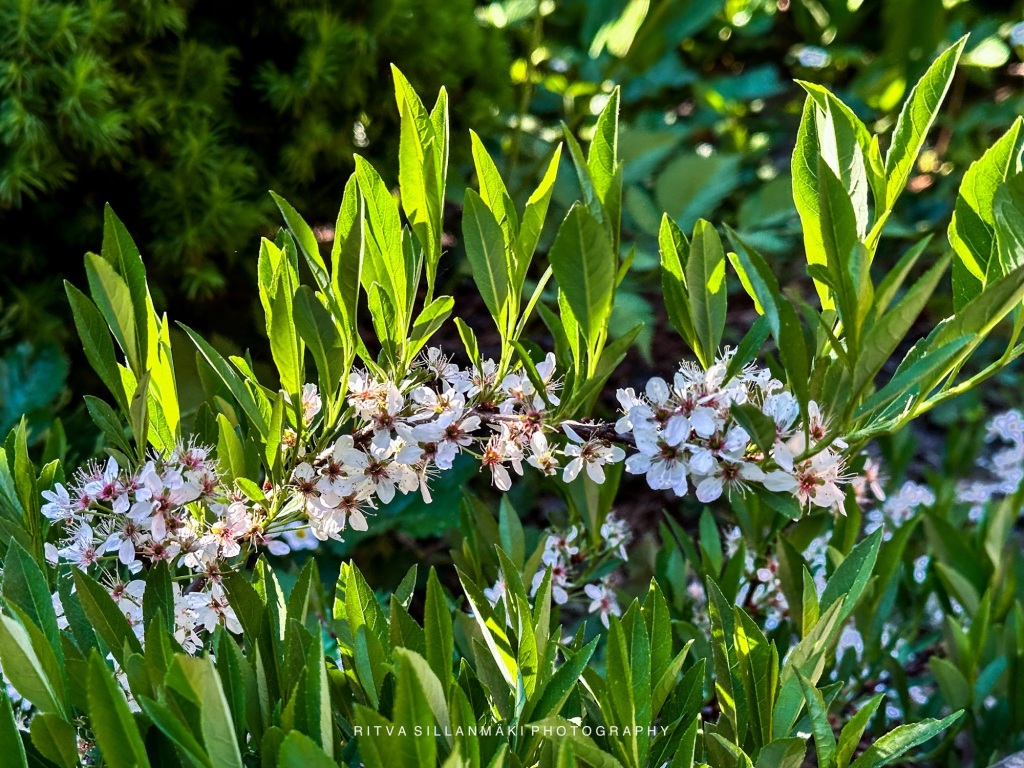
Lens-Artists #301 – Floral hosted by Sofia wrote: I sincerely believe it to be difficult to have photo of a flower that is not beautiful. But for this challenge, I’d like us to think of how we either capture them or how we process the image afterwards.
First I would like to say all my photos for this post are from past week. Somehow it feels like this year we skipped spring all together, we got summer temperatures now and all the flowers are in bloom at the same time. Most of them I’ve taken with my mobile, because last week I felt the camera’s to the summer house in the belief that there would be nothing to photograph, I was wrong. Everything seemed to bloom overnight. and to the how I capture them – mostly close-ups.
I have now real angle this week, my mind is all overloaded with new things and NUMBERs – my least favorite thing .
First here is a look at one tulip. I took a these few days apart, from different directions and I did some editing with lightroom app on my mobile.
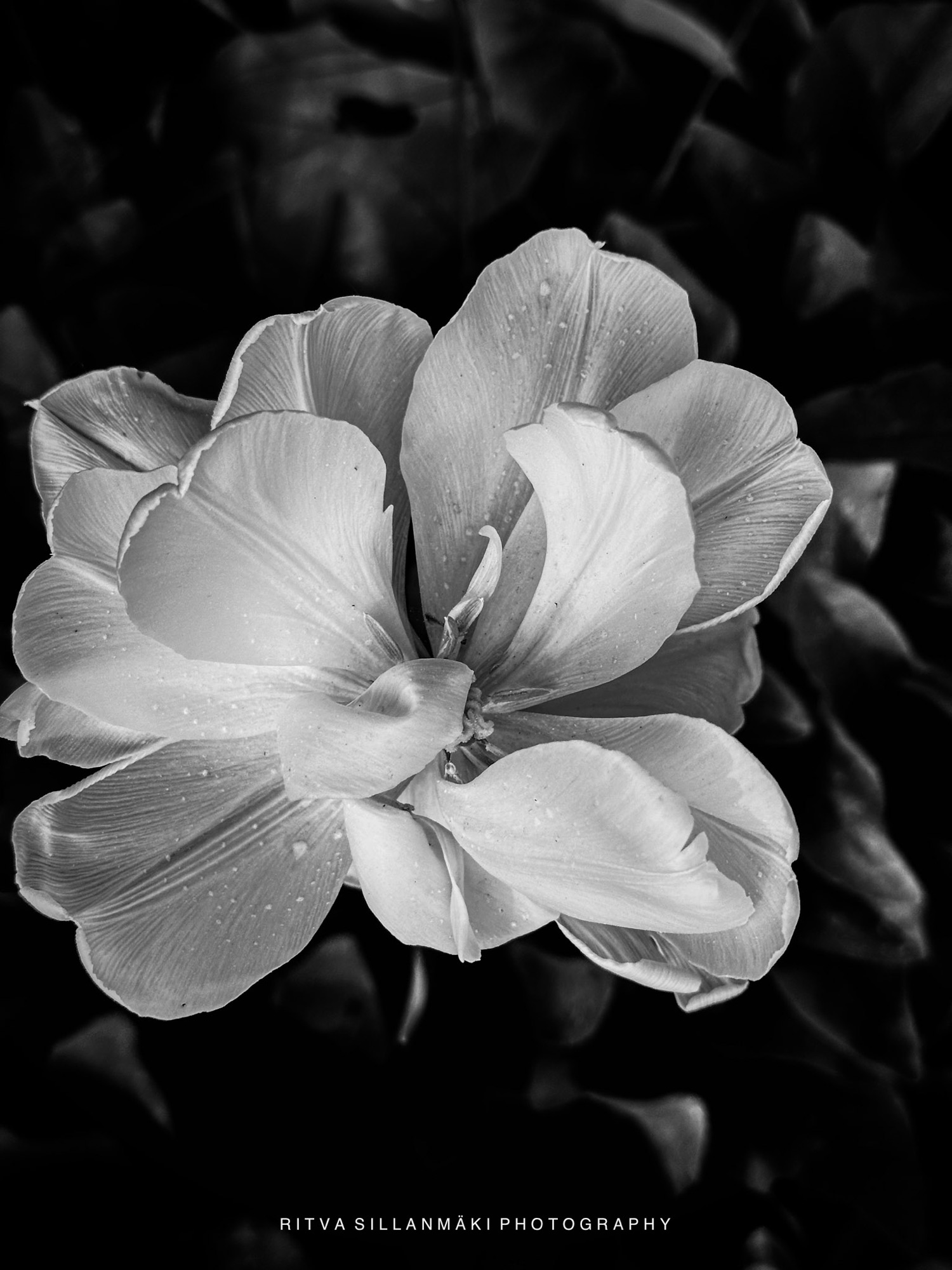
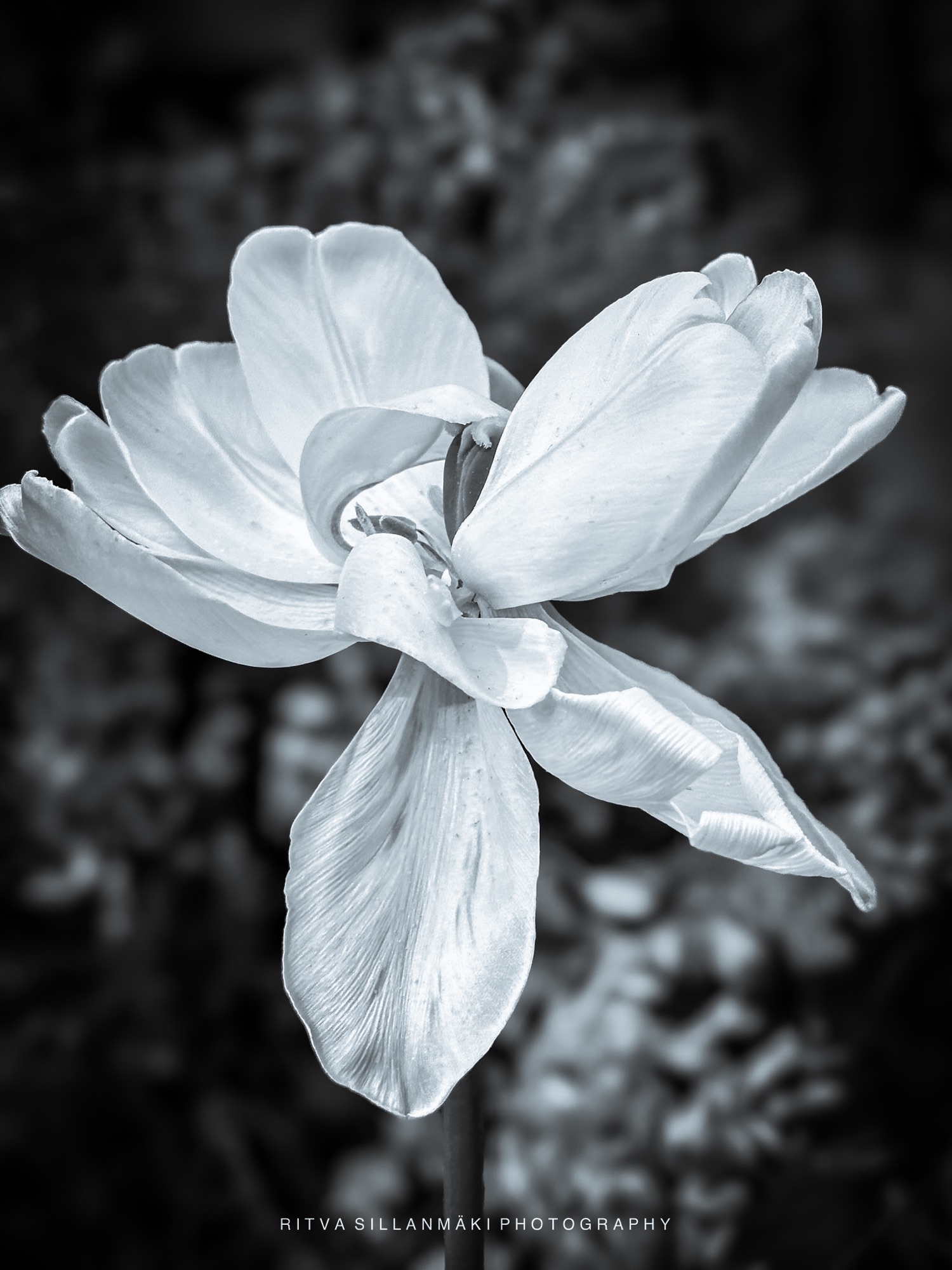
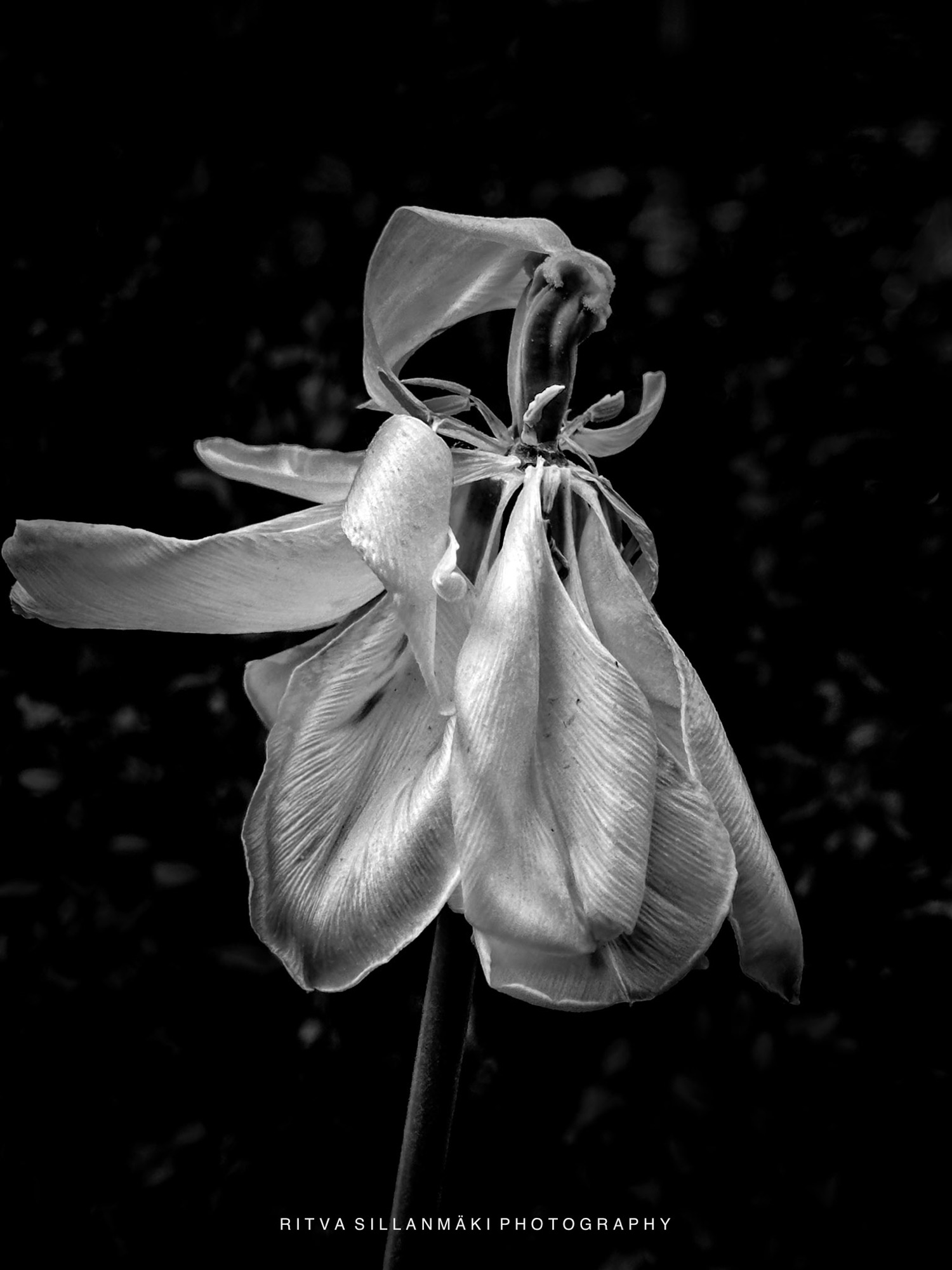
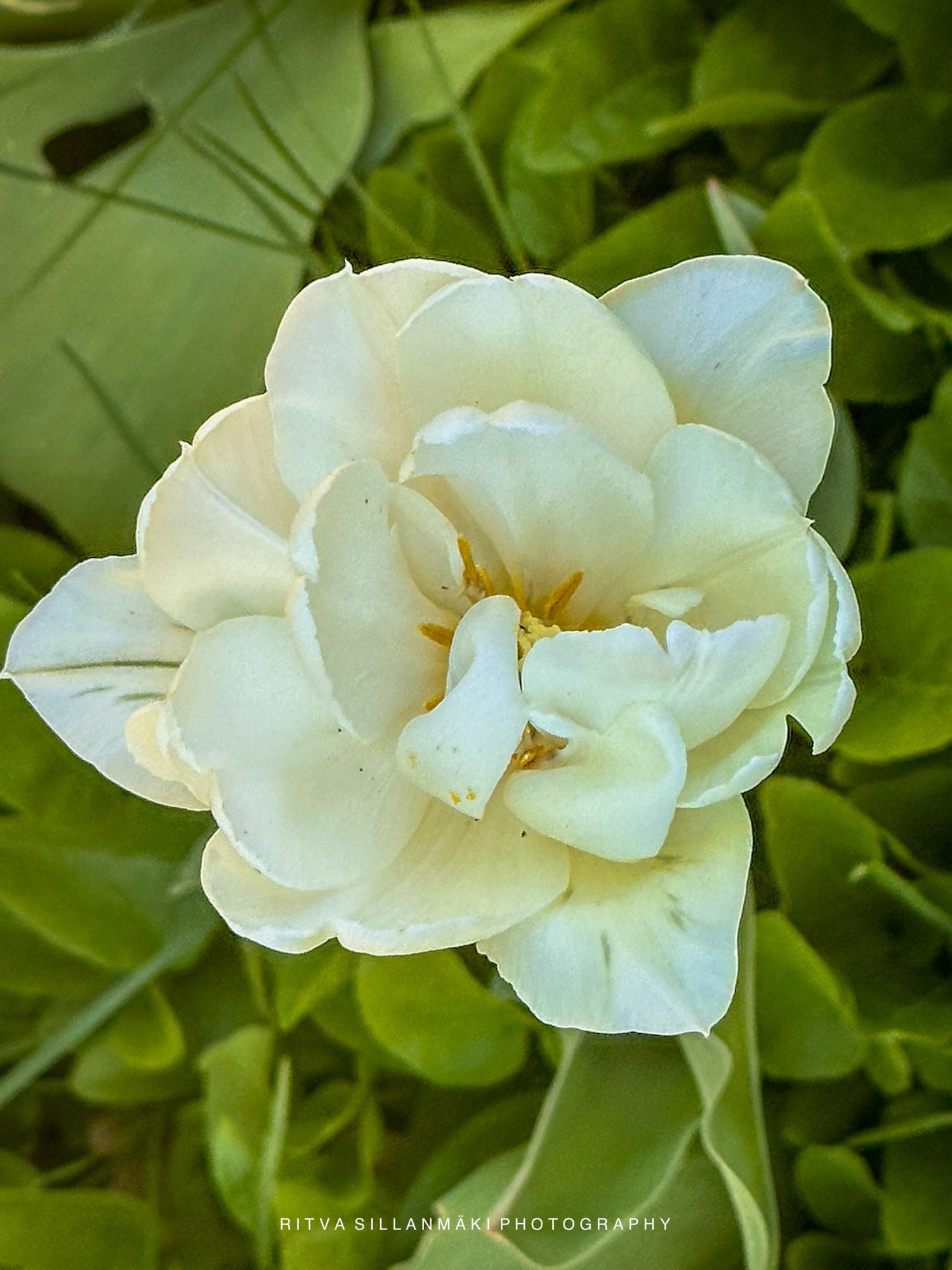
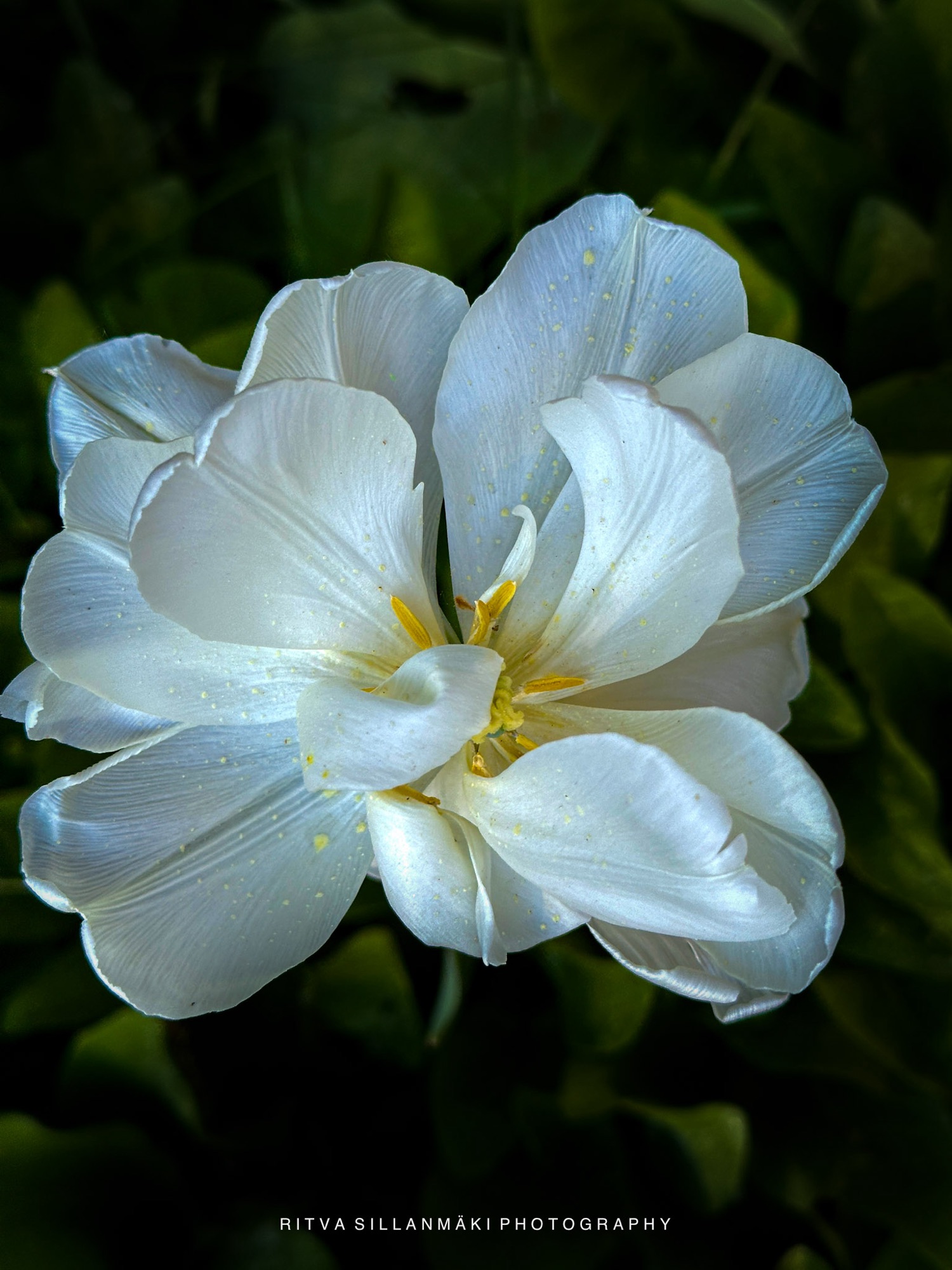
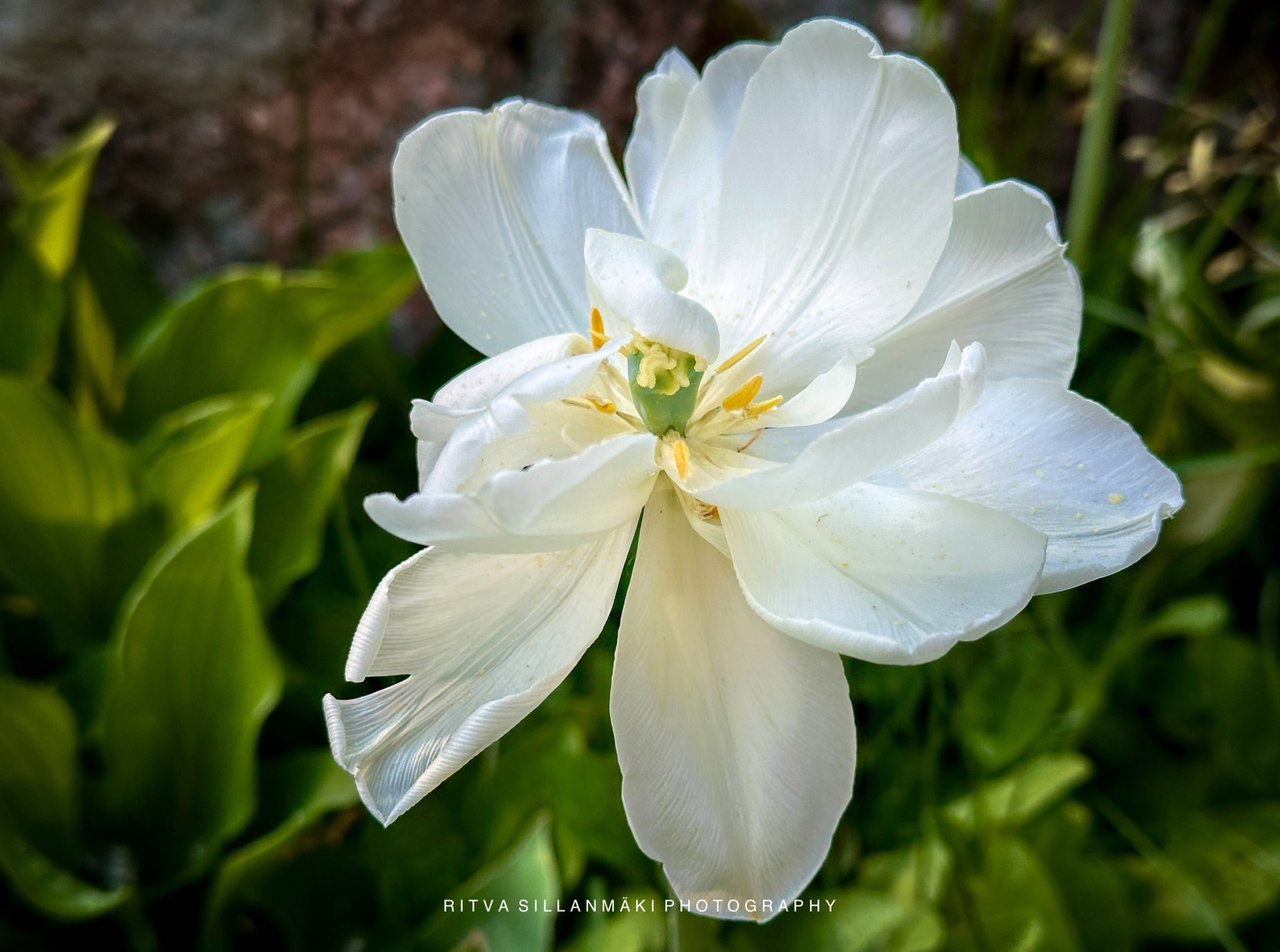
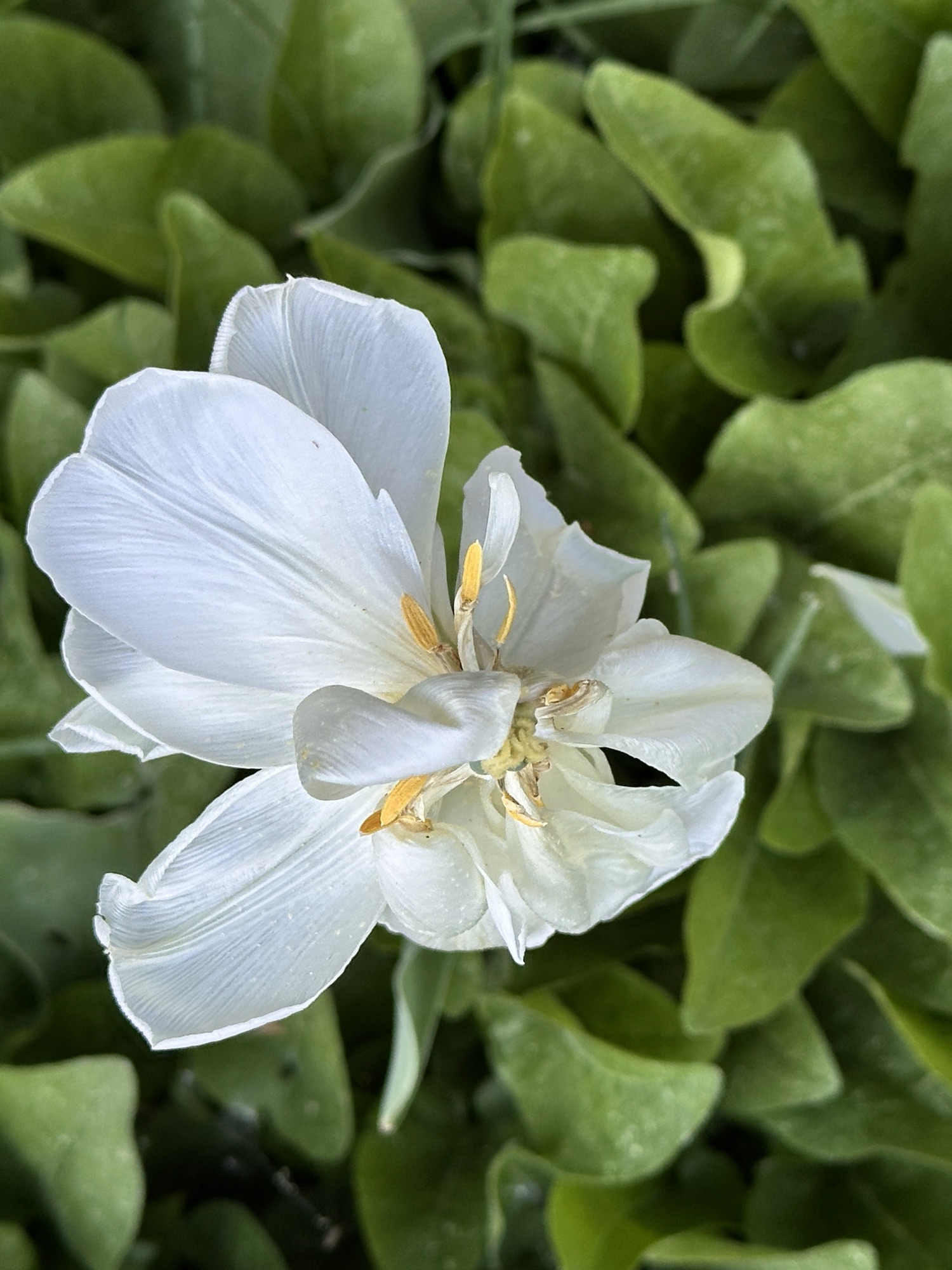
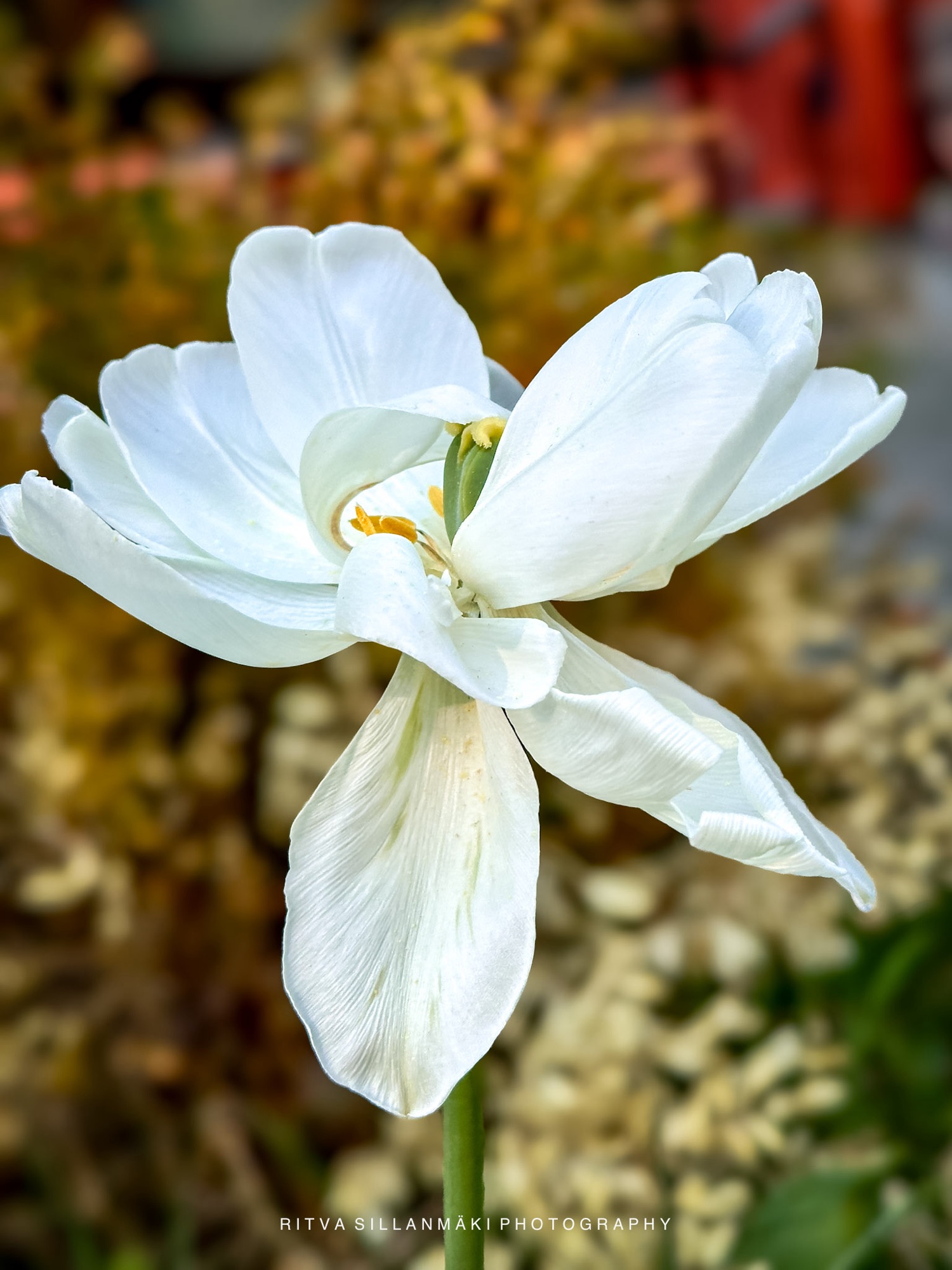
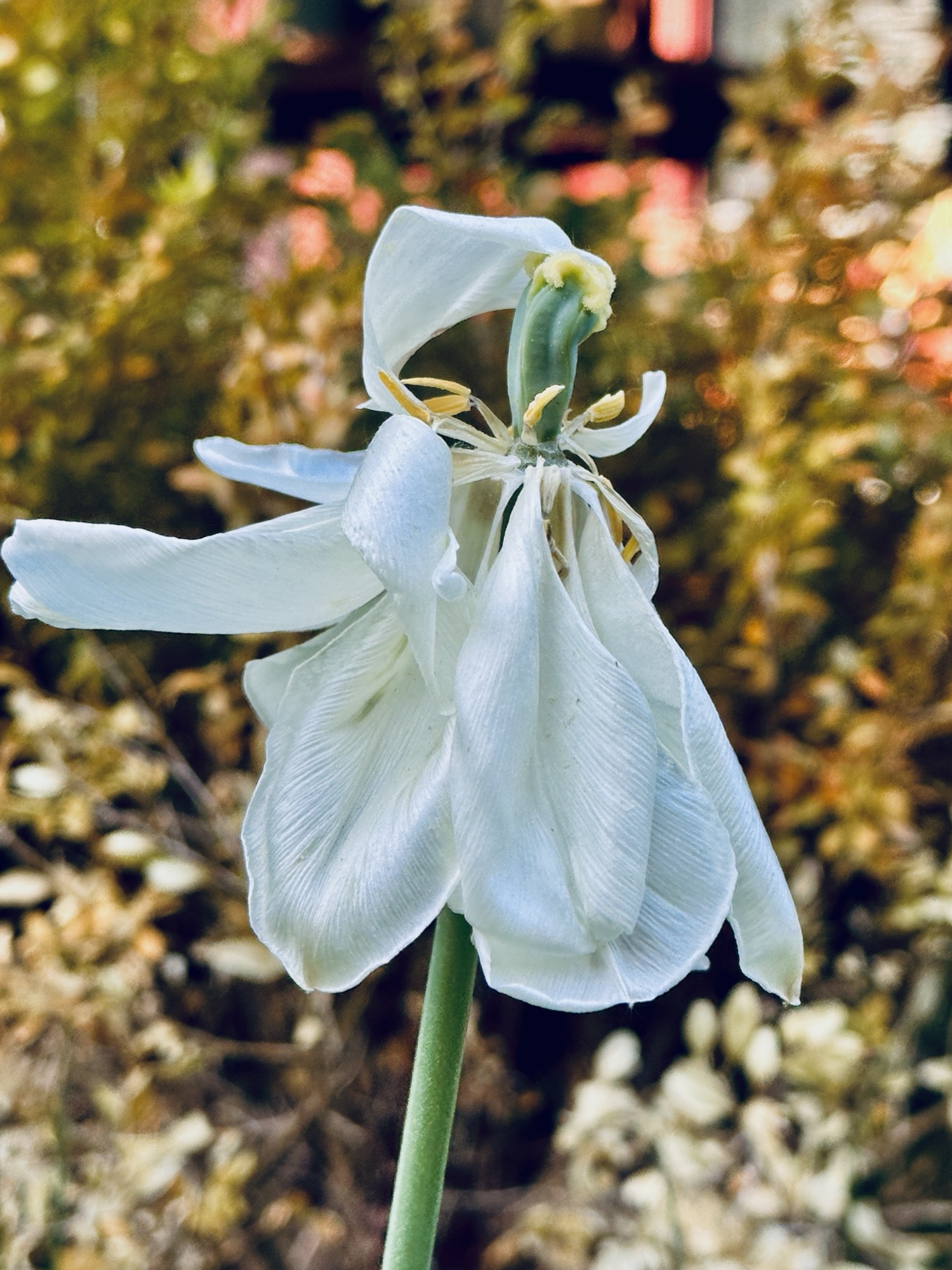
The apple tree blossoms beautifully just few days ago and now the really warm weather , not at all normal at this time of the year has wilted them.
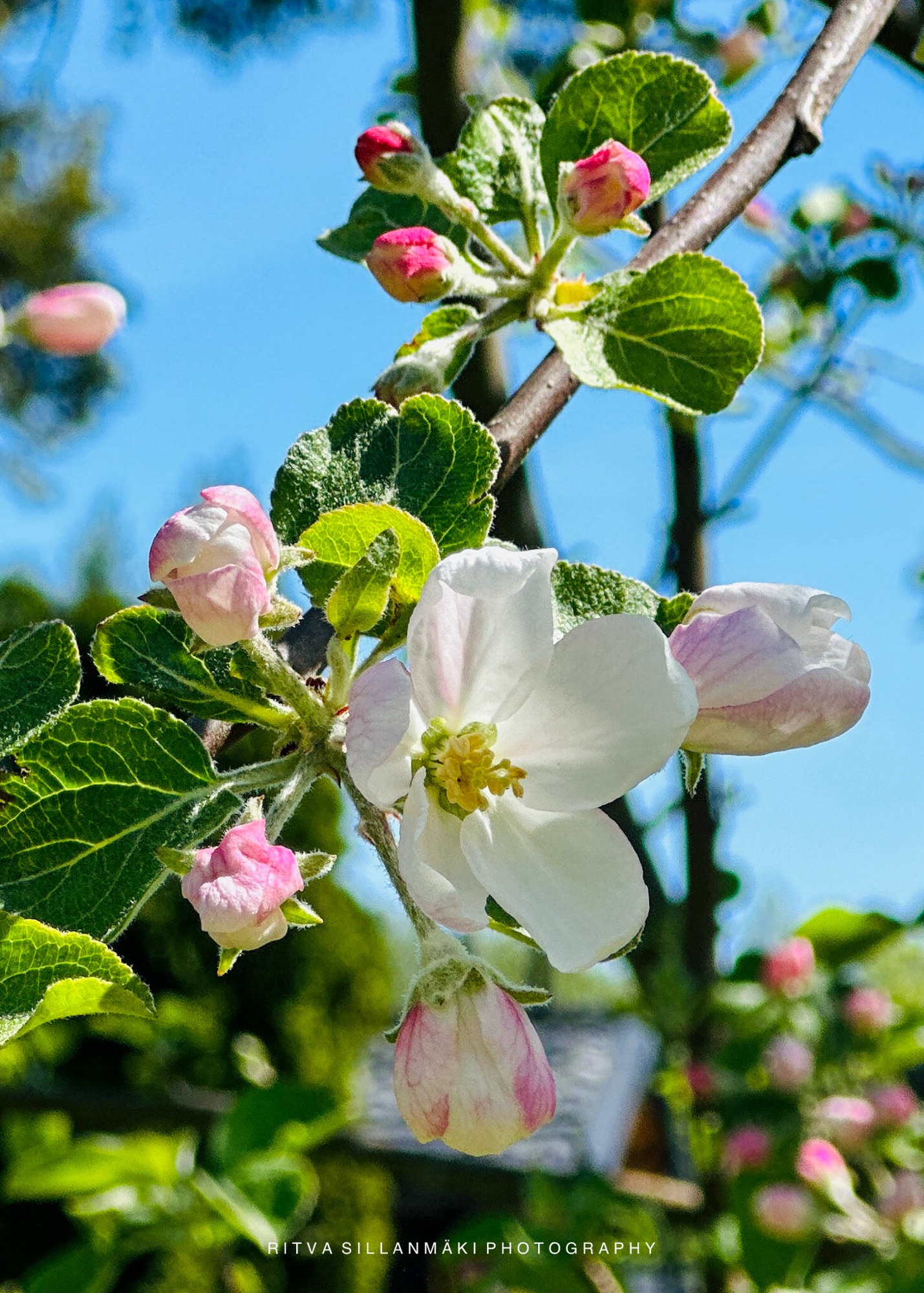

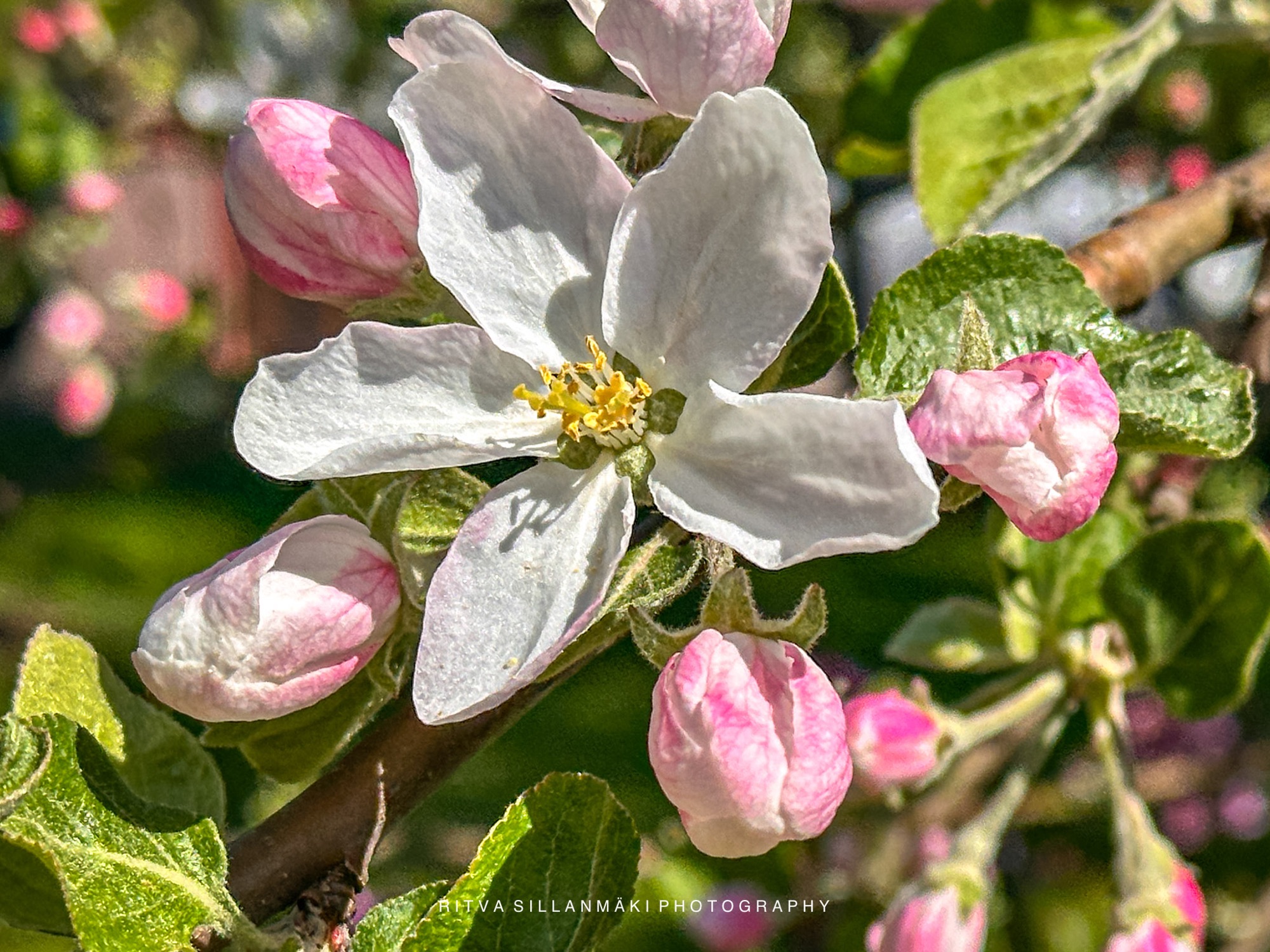
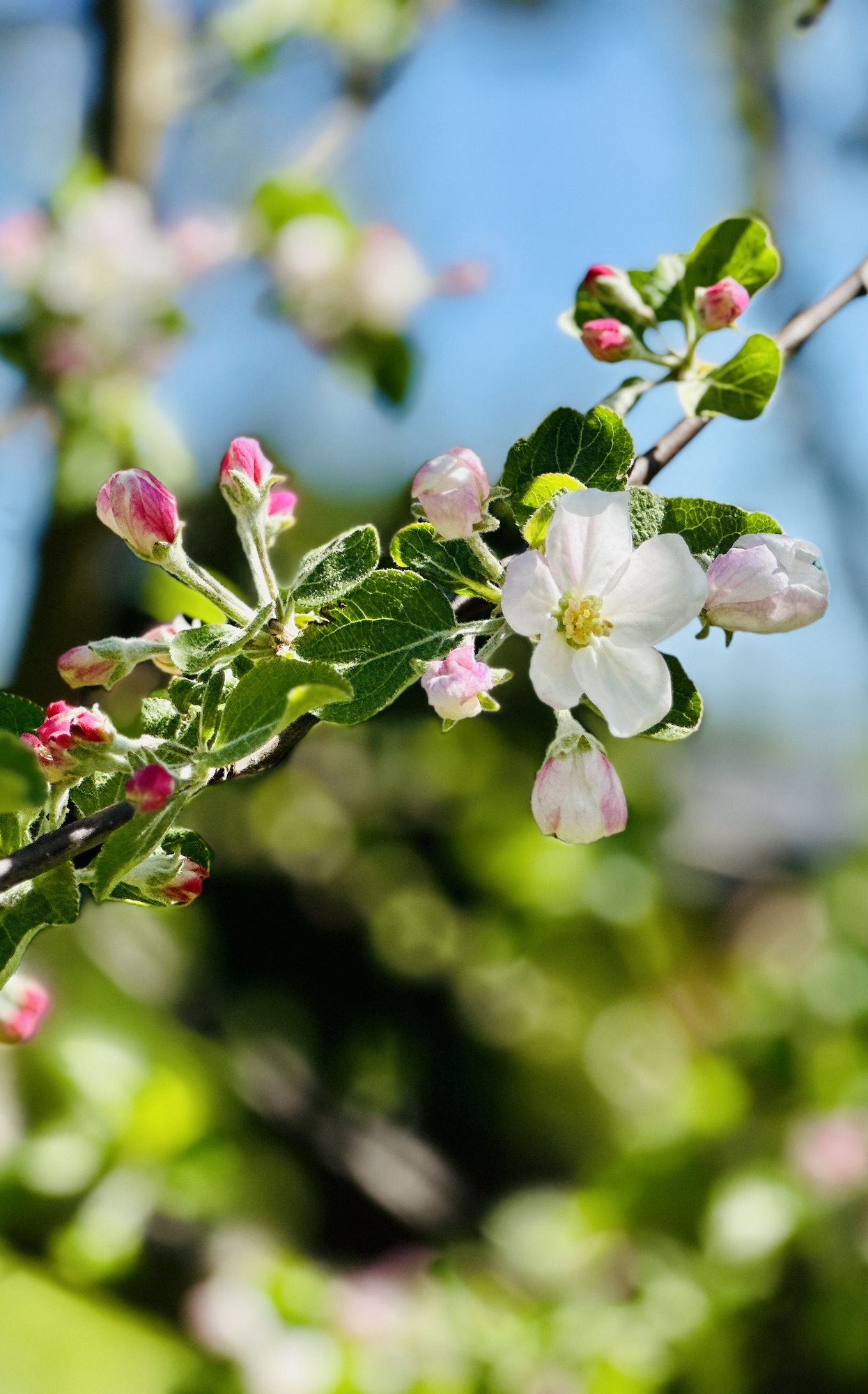
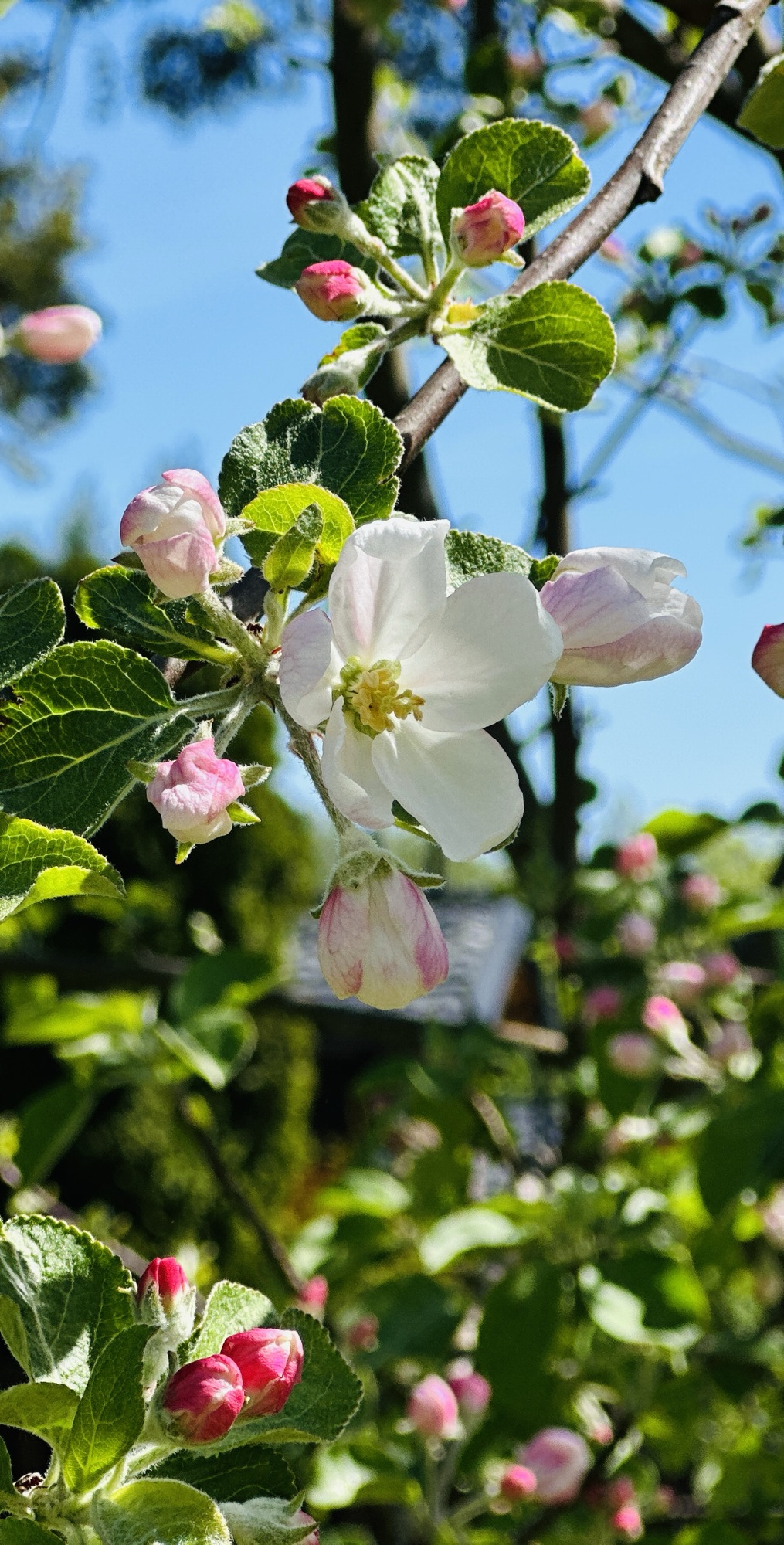
random flowers-
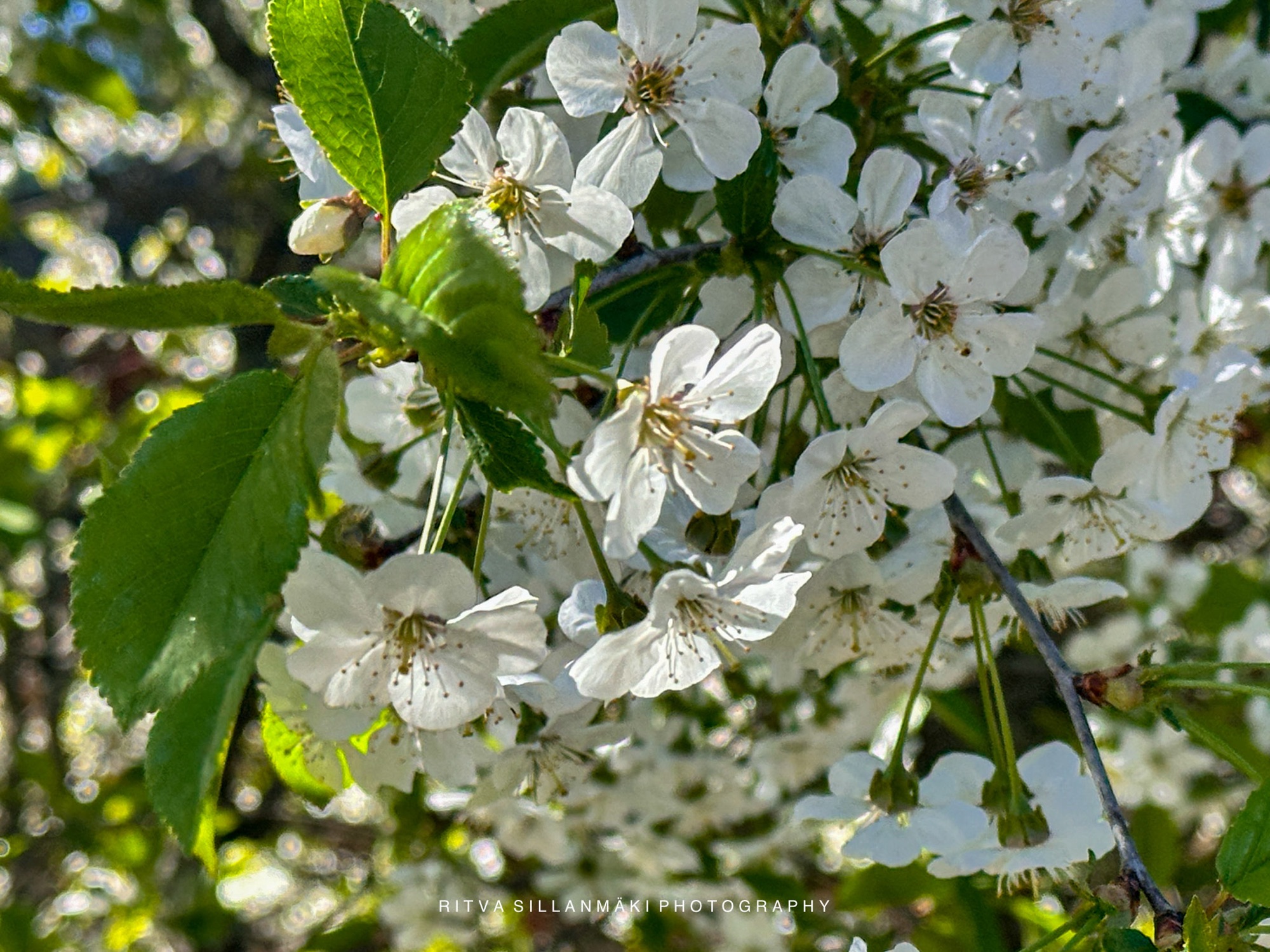
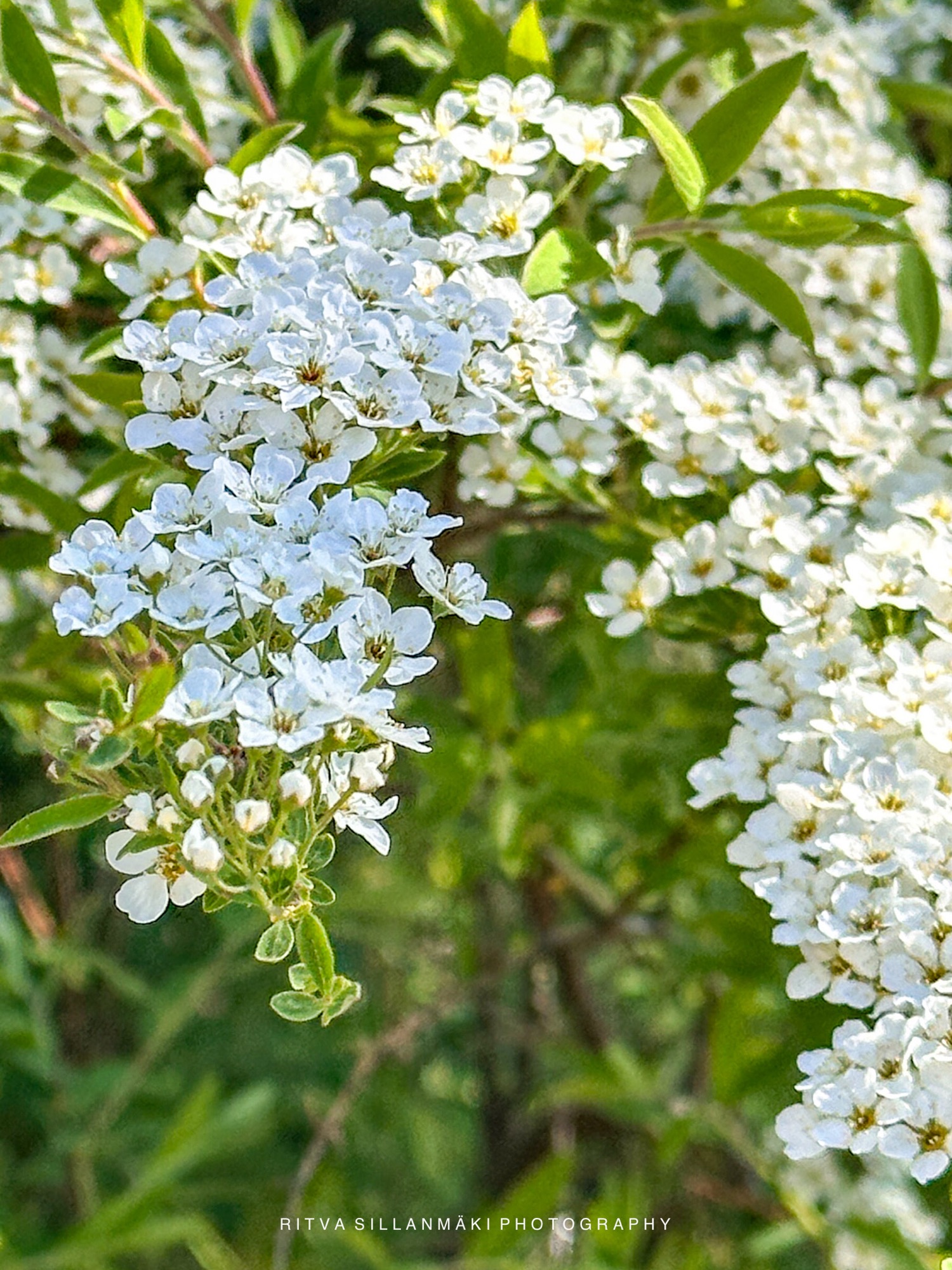
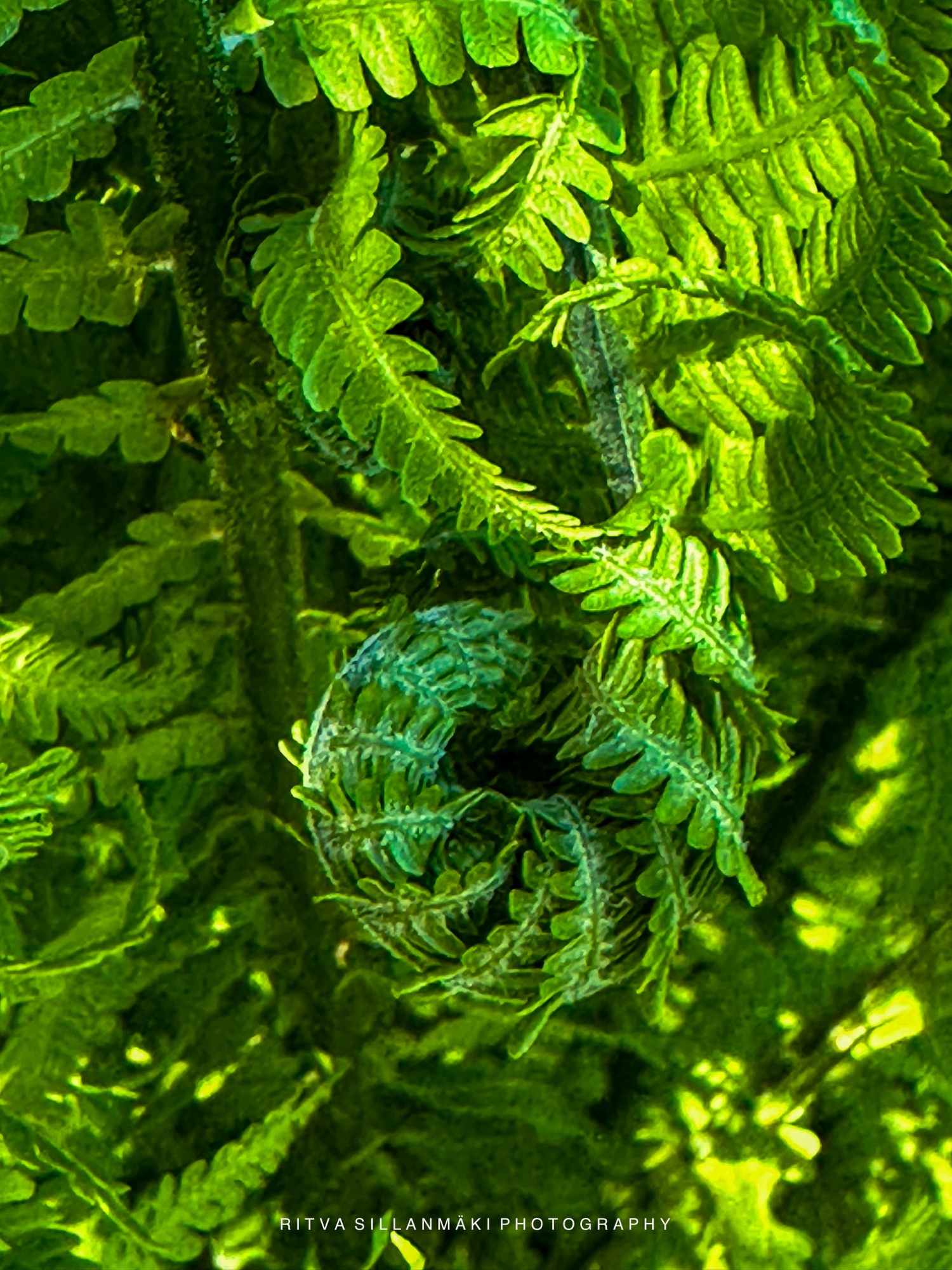
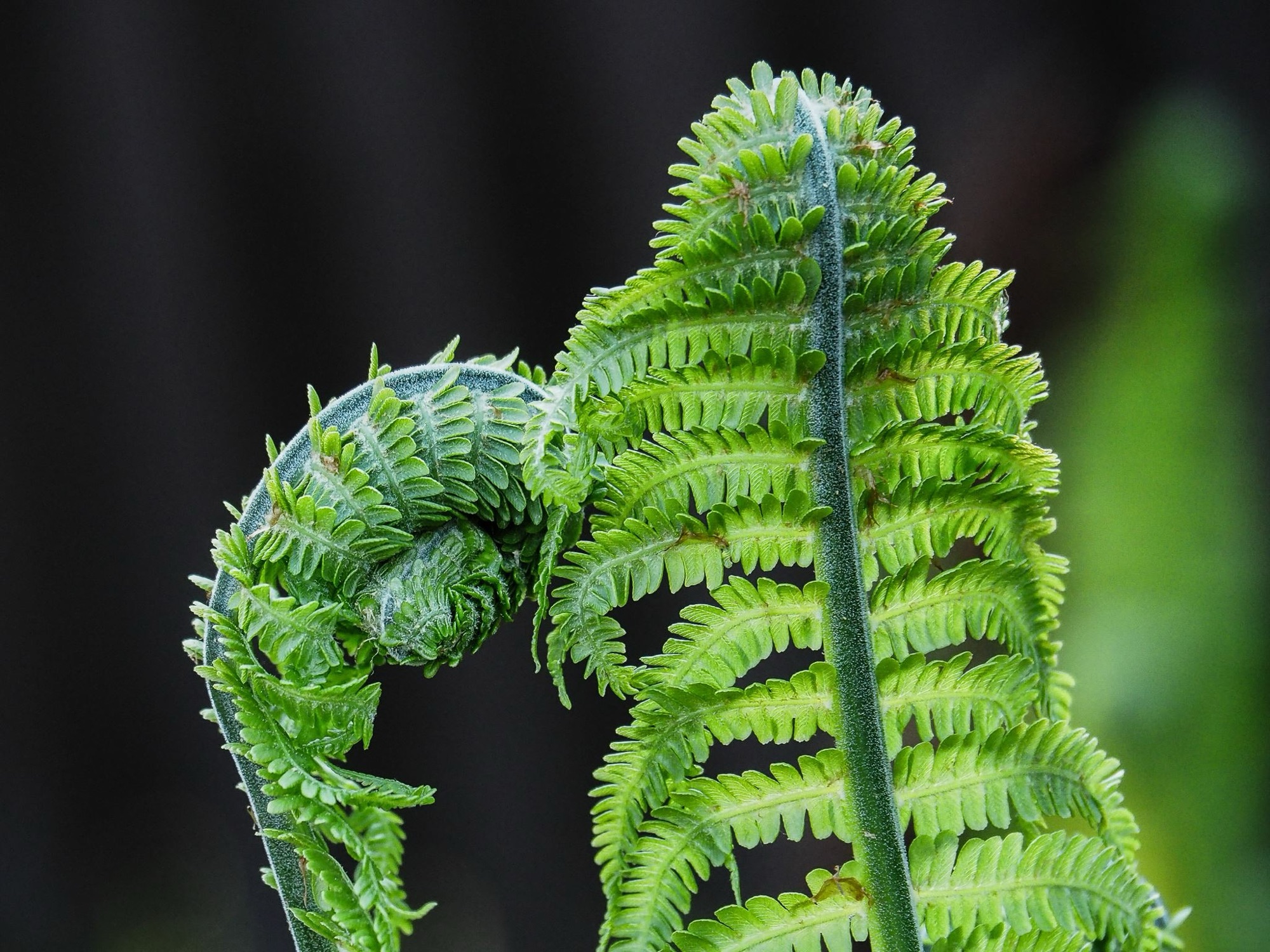
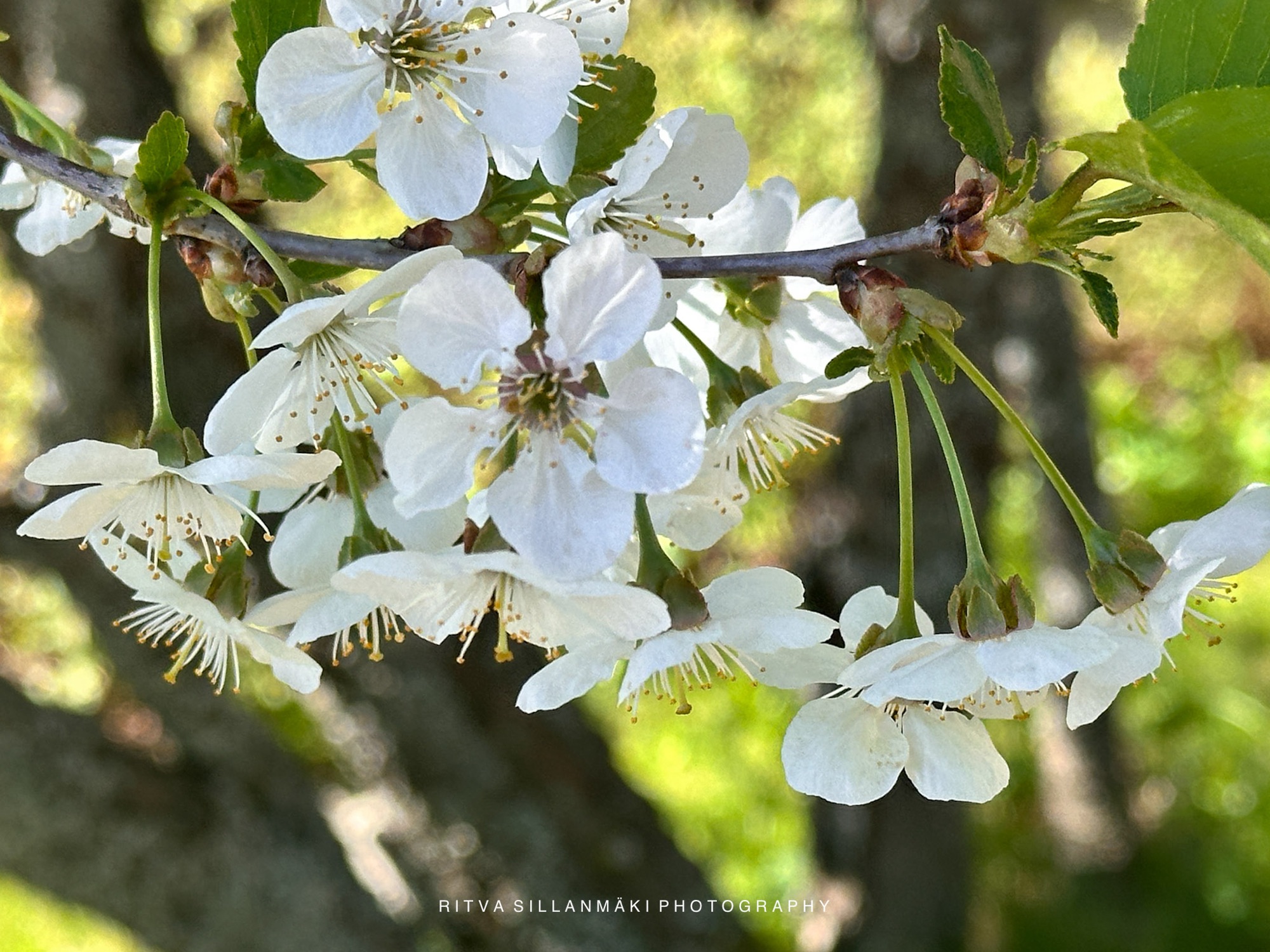
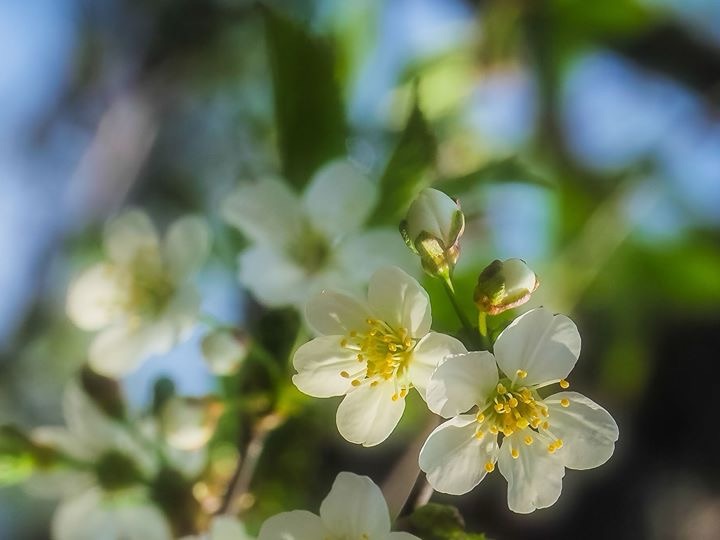
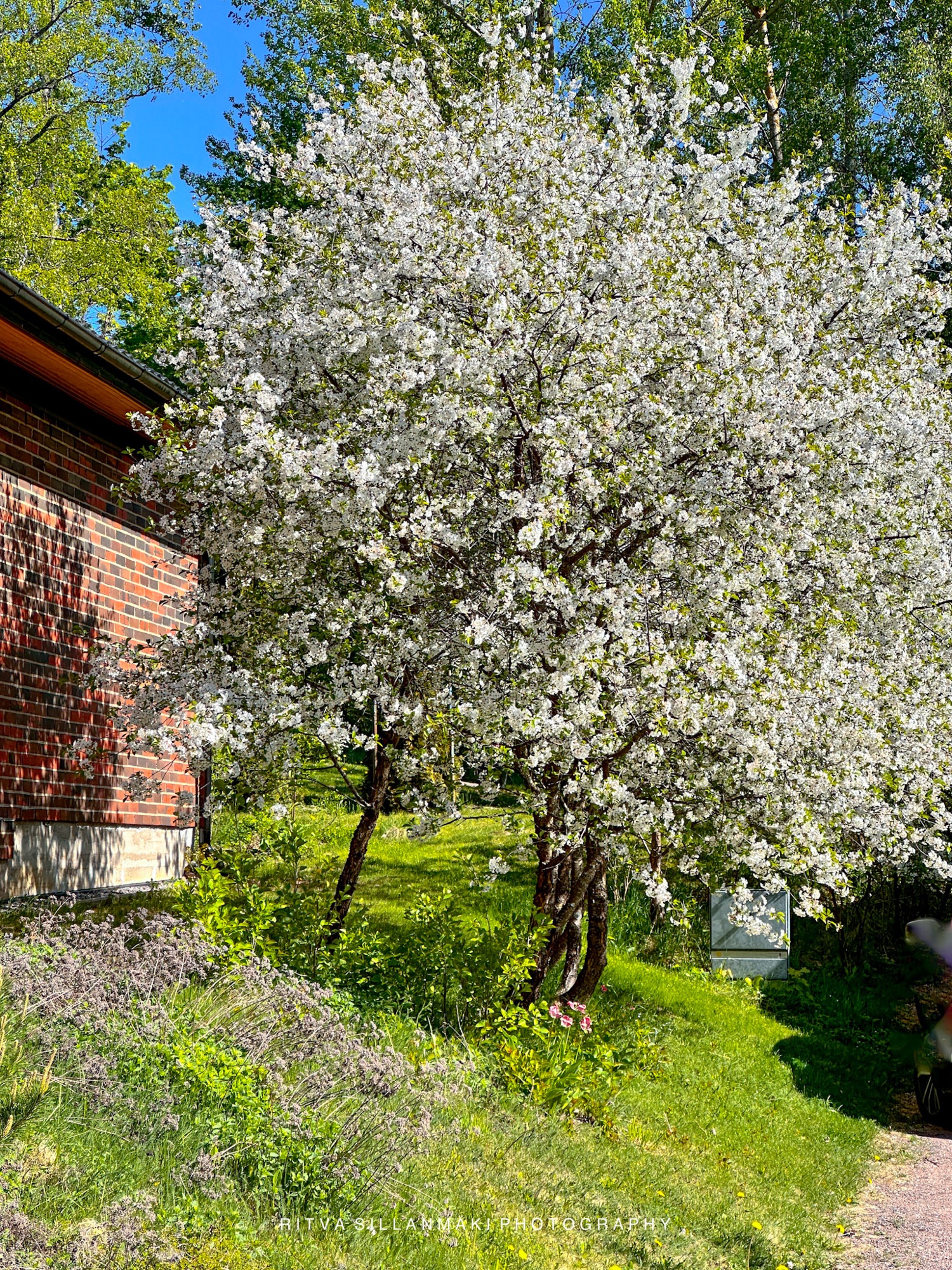
Last week Ann-Christine challenged us with the Delicate things, her recent travels to Japan gave us wonderful inspiration. I loved all your examples and how varied they were. This is what makes these challenges so interesting, we all think in different ways and that makes us grow as photographers.
Next week is John’s turn to lead, so please visit his unique site to see what he’s up to, I am sure looking forward to it.
If you want more information on the Lens-Artist Challenge, please click here.
Becky’s Squares photo challenge has returned. I sadly thought so some time back, but now it appears that it is really back.
This month’s theme is Renew. Or Burgeoning. Or Moving Forward. Or Reconstructing. You get the idea
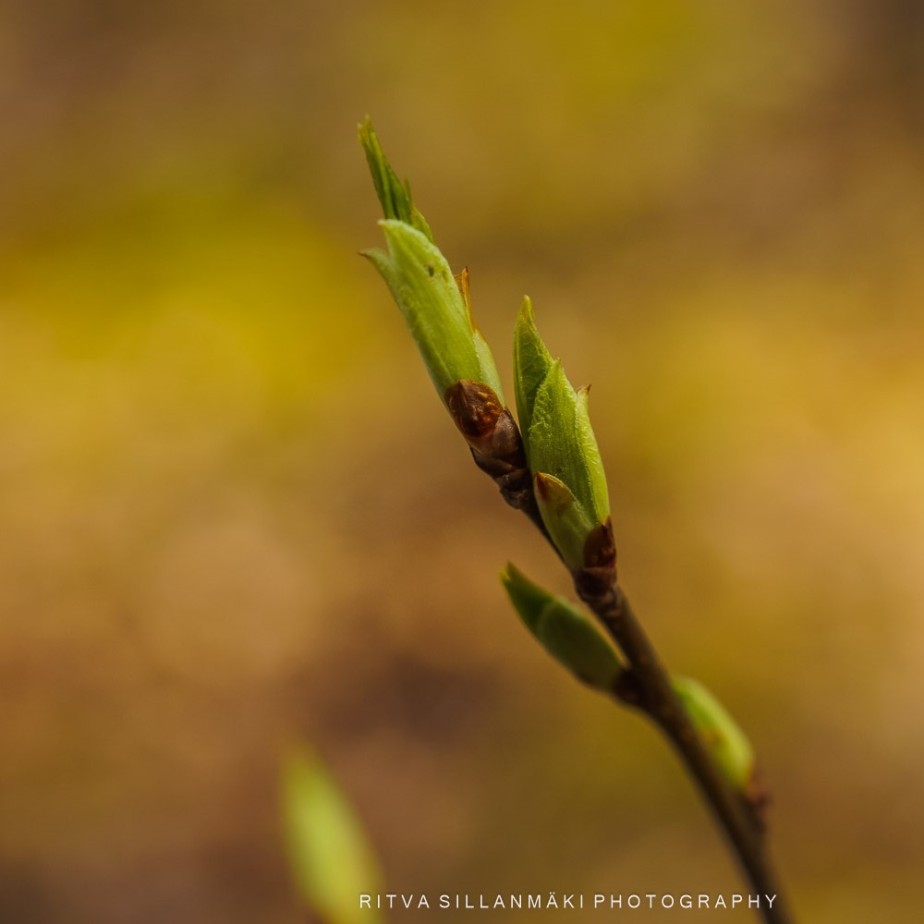

Debbies Six Word Saturday
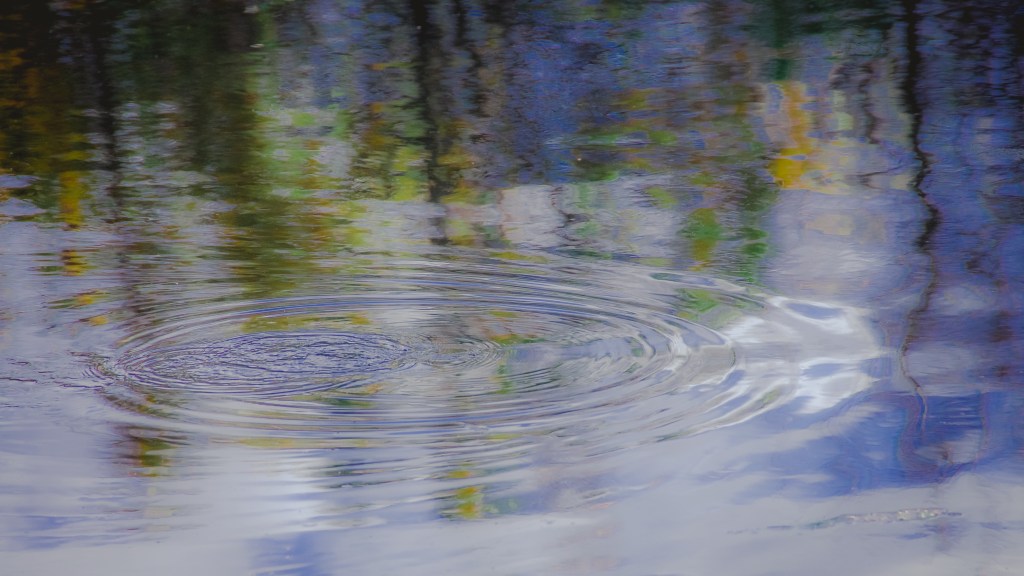
I used less clarity and texture in the image below and it turned out more like a painting.
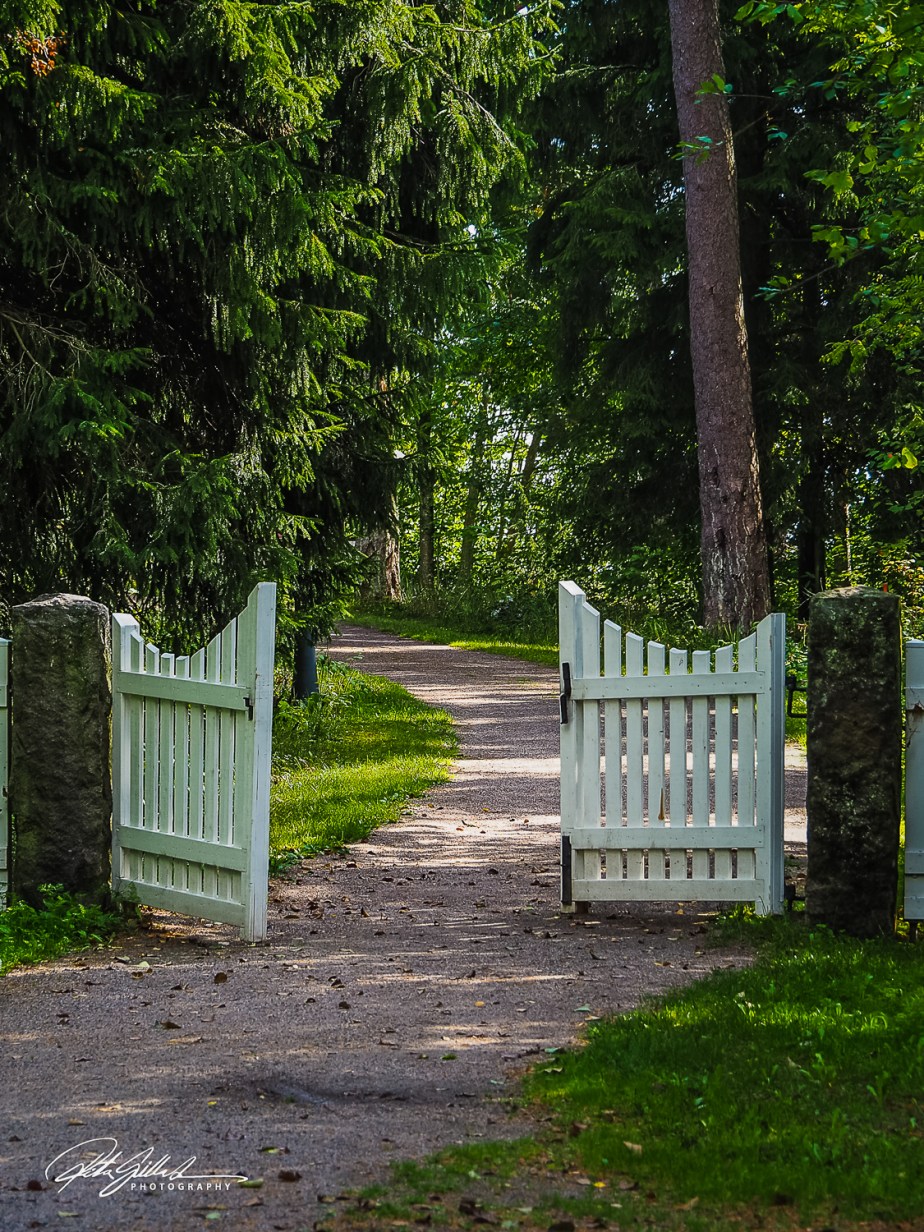
As I stepped through the open white gates, the gentle rustle of leaves greeted me like a whispered invitation from nature itself. The path ahead, wound invitingly into the embrace of the forest. Sunlight filtered through the canopy, casting dappled shadows that danced beneath my feet. With each breath, I inhaled the earthy scent of damp moss and fresh pine that filled the air, feeling a sense of peace as I ventured further into this verdant sanctuary.
The gates, their paint weathered by seasons, stood as sentinels between the mundane world and the enchantment beyond.
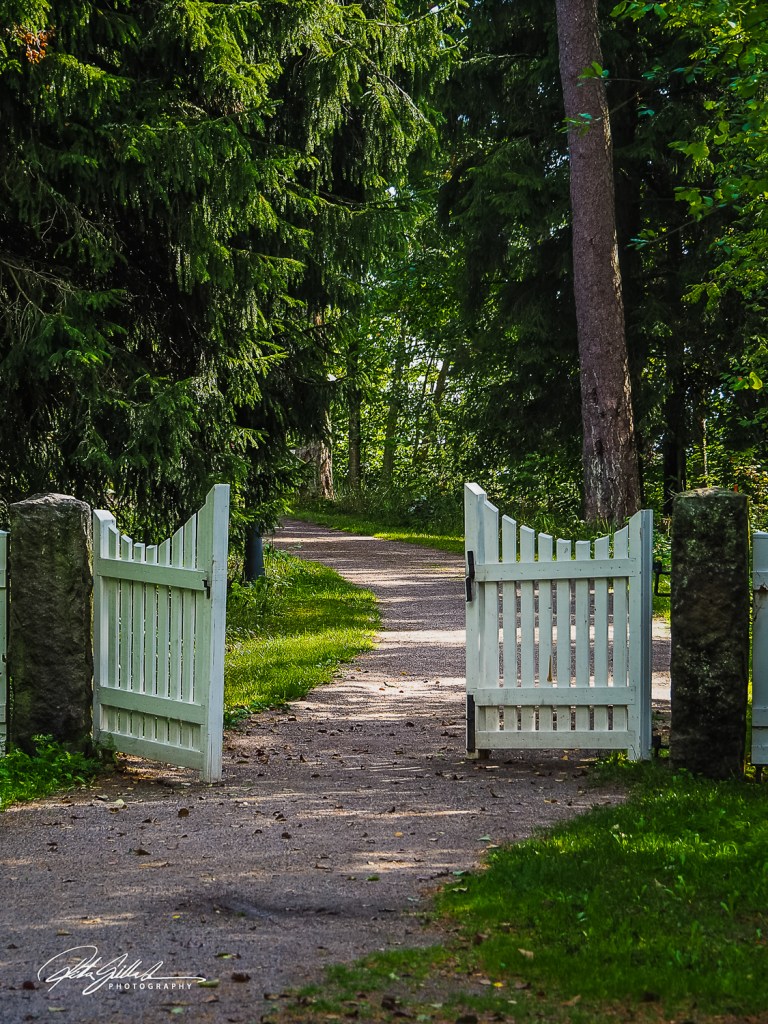
As I walked, the forest enveloped me. Tall trees stretched their limbs toward the sky, their leaves forming a mosaic of green and gold. Birds flitted overhead, their songs weaving a delicate tapestry of sound. I followed the path deeper, each step revealed something new: a gnarled tree with roots that seemed to reach into the very heart of the earth. The forest remained still. I felt changed. The air tasted sweeter, the colors more vivid.
As I retraced my steps, I vowed to return. For this forest held more than beauty; it held magic. And so, with the rustle of leaves as my companion, I walked back through the gates, carrying with me the memory of a place where reality and enchantment intertwined.
Posted for Cee’s Which Way Challenge
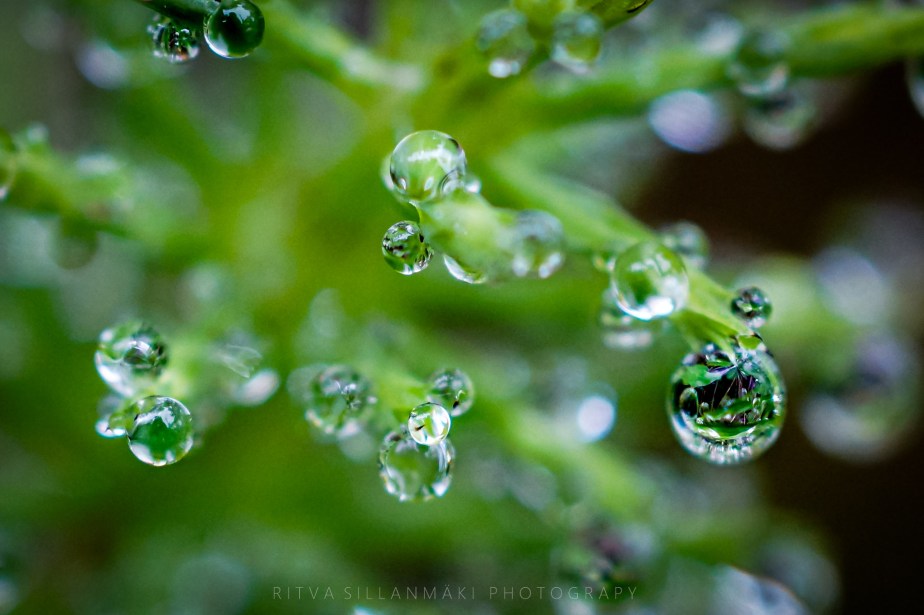
In the quiet dawn, dew-kissed leaves awaken. Each droplet, a crystal globe, clings to the verdant tapestry of life.

Whispers of renewal, as morning breath stirs the air.
Hold on, even when gravity tugs. Reflect, for within each drop lies a universe.
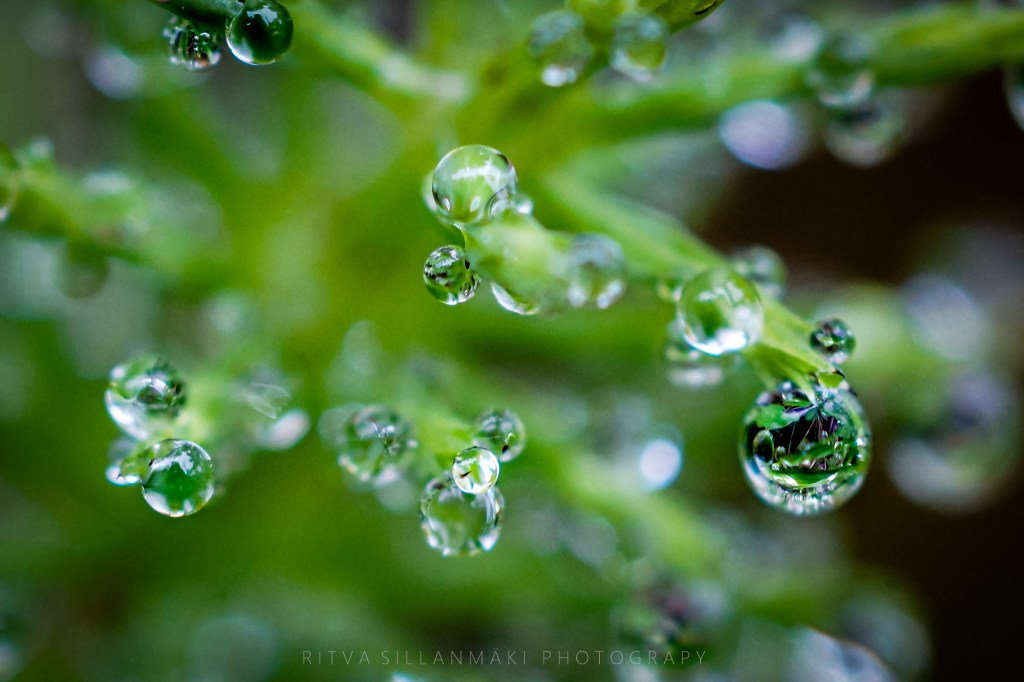
In the quiet dawn, dew-kissed leaves awaken. Each droplet, a crystal globe, clings to the verdant tapestry of life.
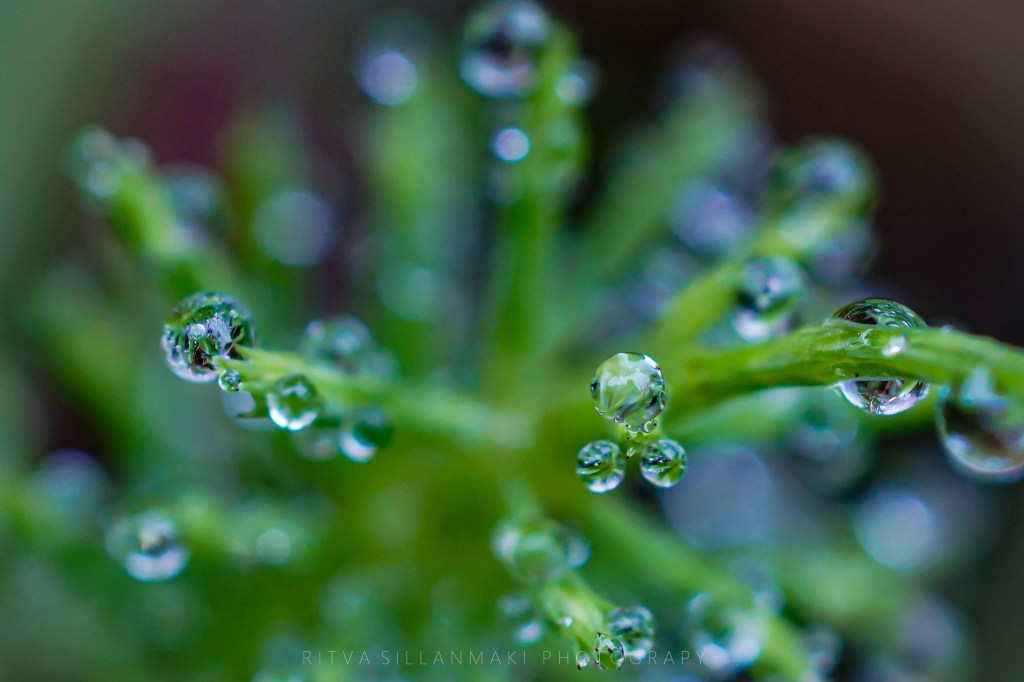
Within these glistening orbs, secrets unfold, And so they linger, these liquid gems, In this delicate dance, they teach us, an ethereal moment, freezing time in dew-kissed splendor.
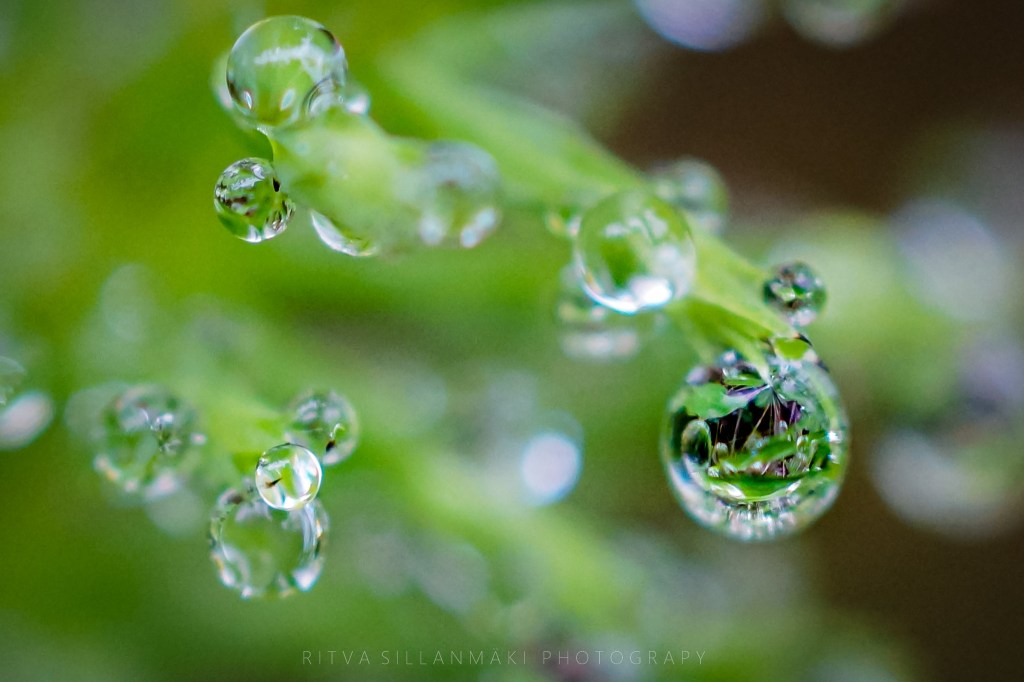
CFFC: Things that are Wet
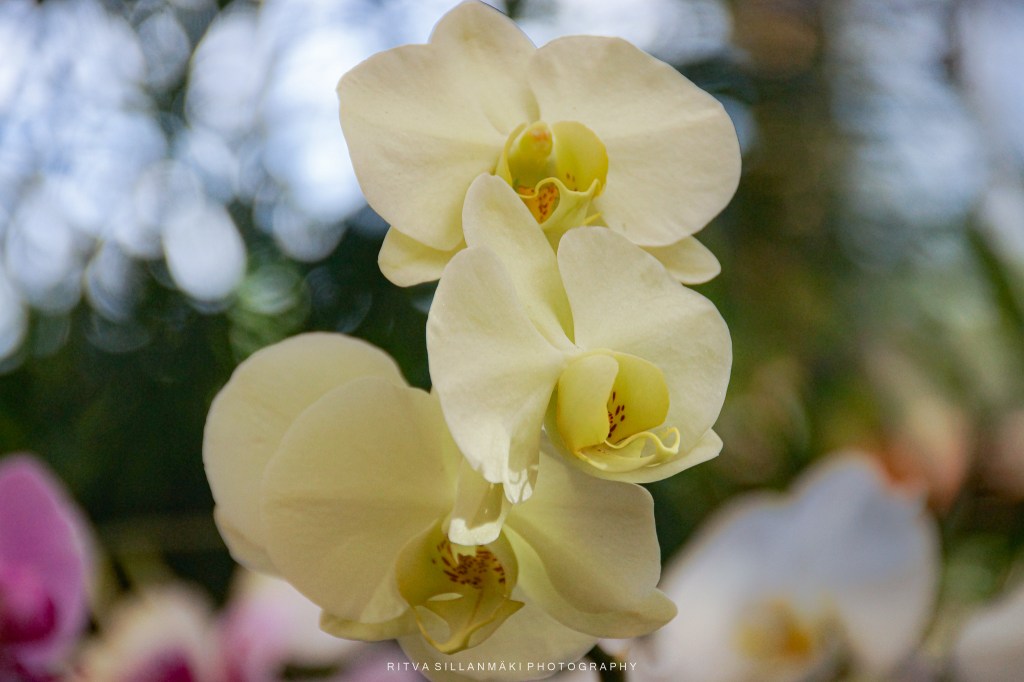
Posted for Cee’s Flower of the Day
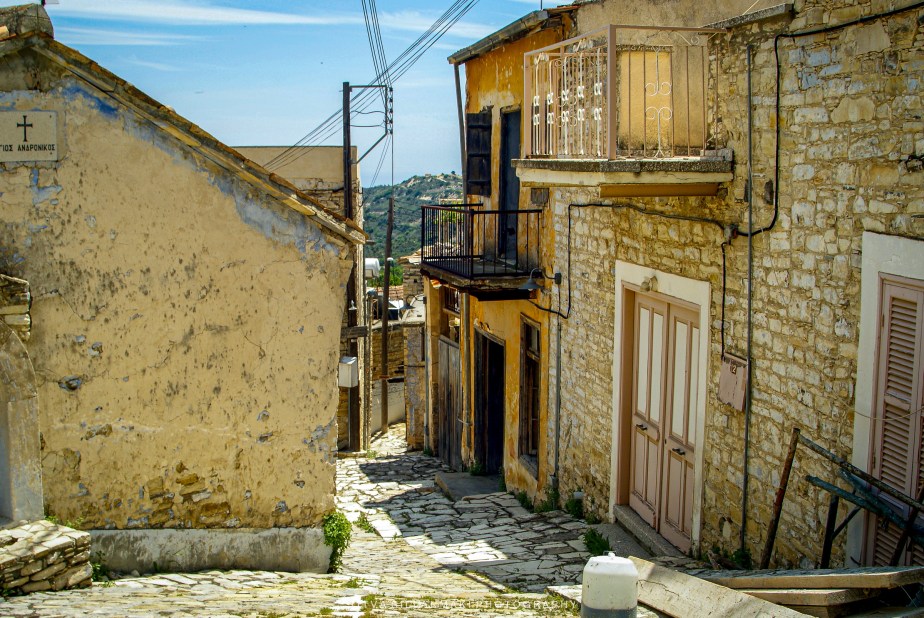
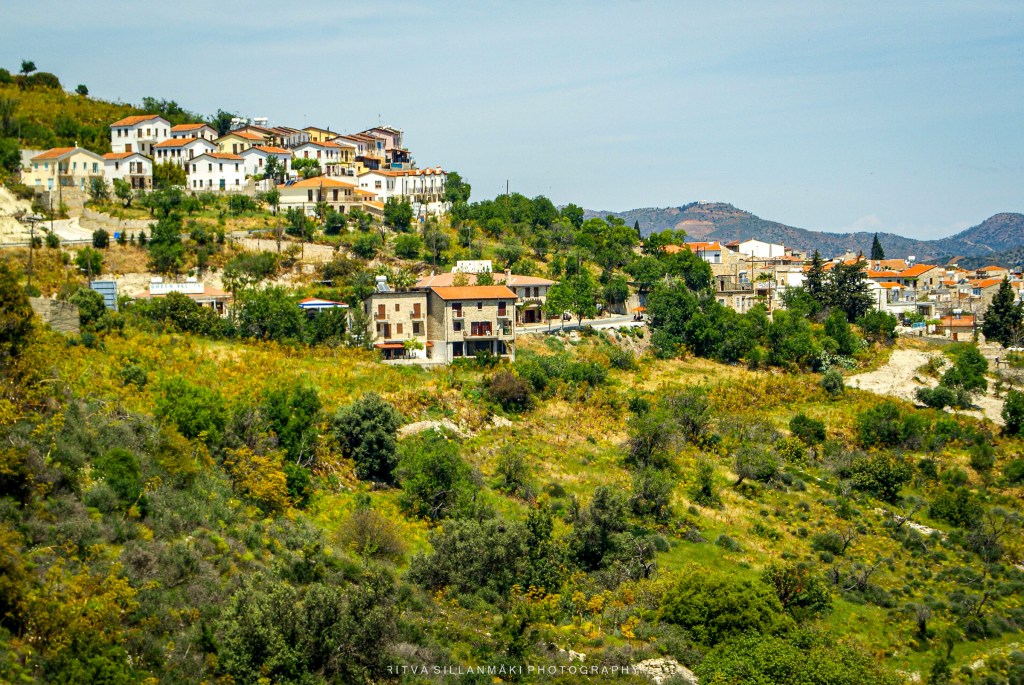
Some years back we visited the hilly village of Lefkara is divided into Pano Lefkara and Kato Lefkara , and is famous worldwide for its old-school crafts of lace embroidery and intricate silverwork. The village sits at the base of the Troodos Mountains in the southeast, at an altitude of 650 meters above sea level.

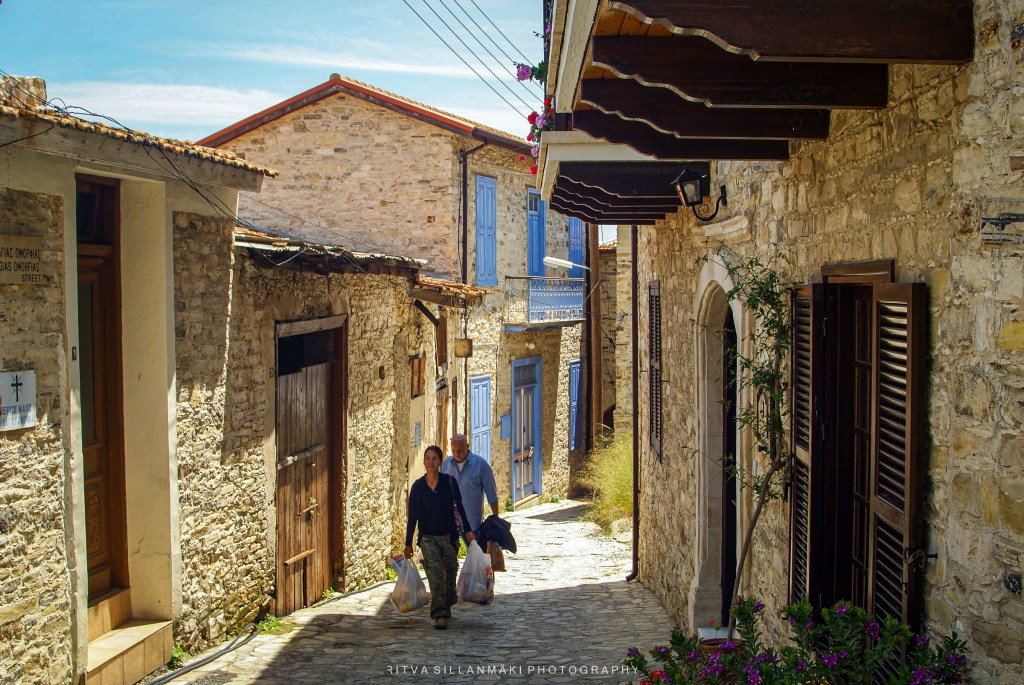
Wandering the beautiful alleys of the tiny village reveals good examples of the area’s architecture: houses built with horizontal layers of limestone interspersed with pebbles. It is one of the few villages in Cyprus where the houses are built almost entirely of local white stone, which contrasts beautifully with the terra cotta roofs. The picturesque quality of the village’s architectural style is further enhanced by the charming cobblestone streets and colorful flower-filled gardens that adorn the pathways. Walking through these alleys feels like stepping back in time, as each building tells a story of the village’s rich history and unique craftsmanship. The harmonious blend of natural materials and traditional design creates a timeless allure.
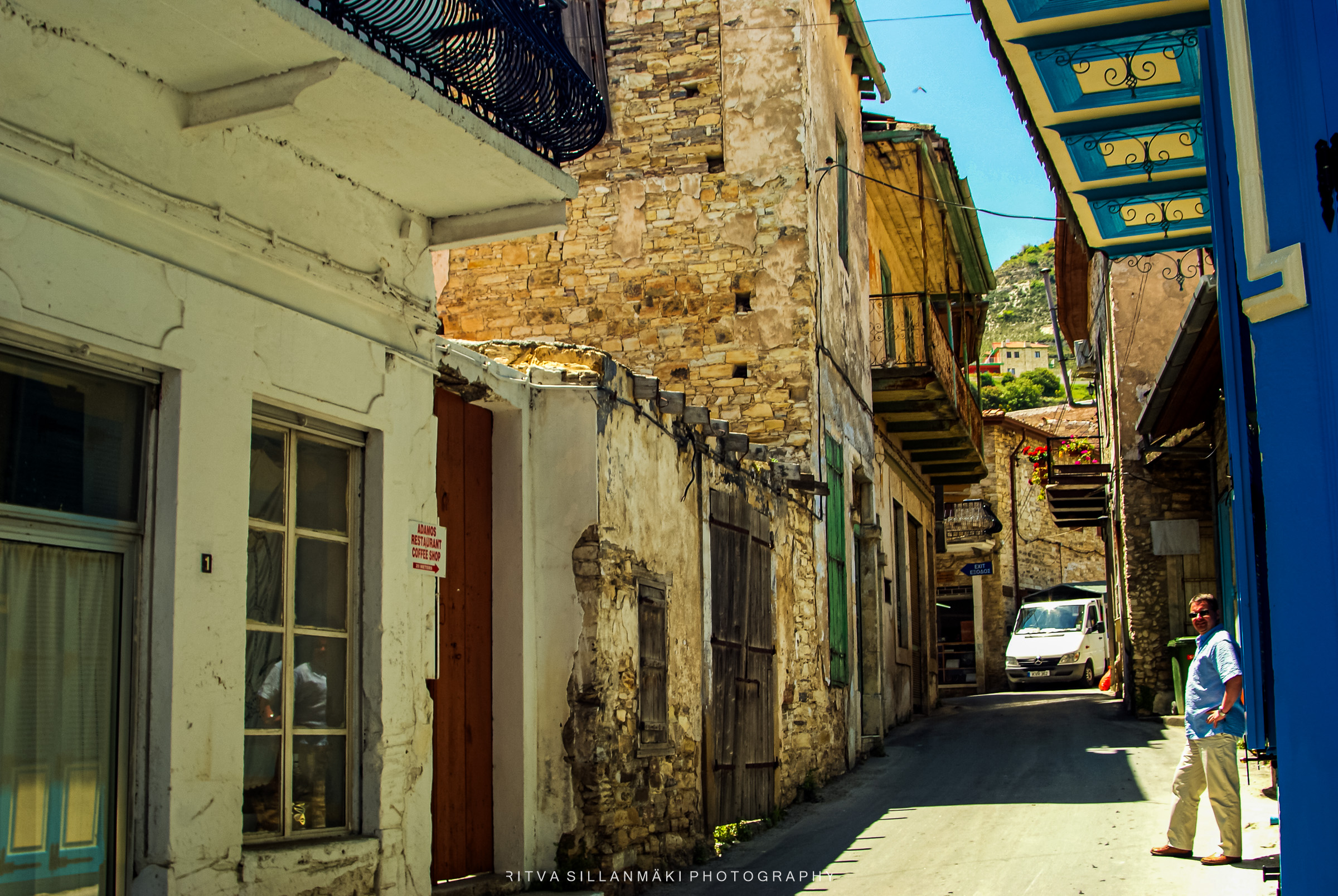
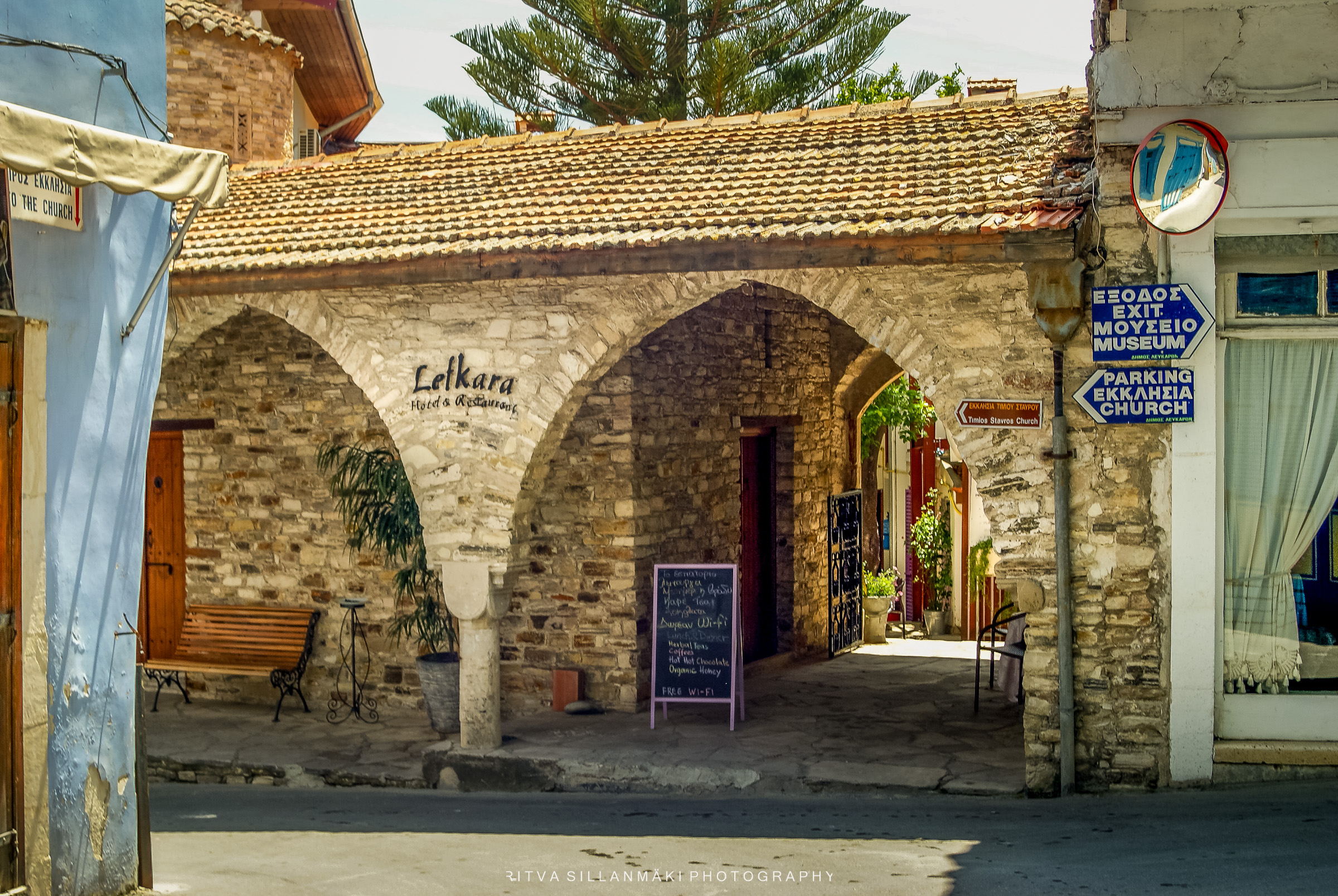
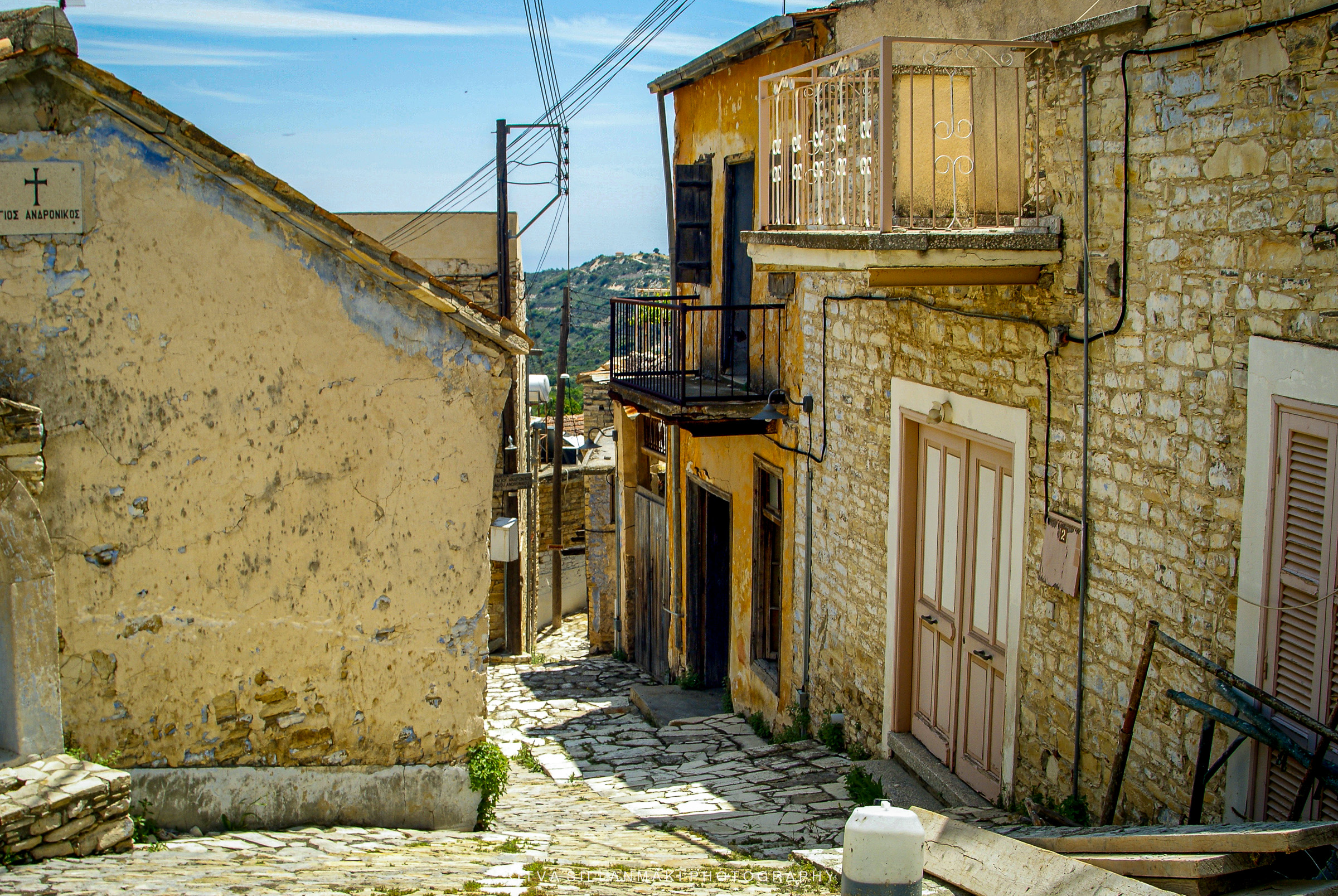

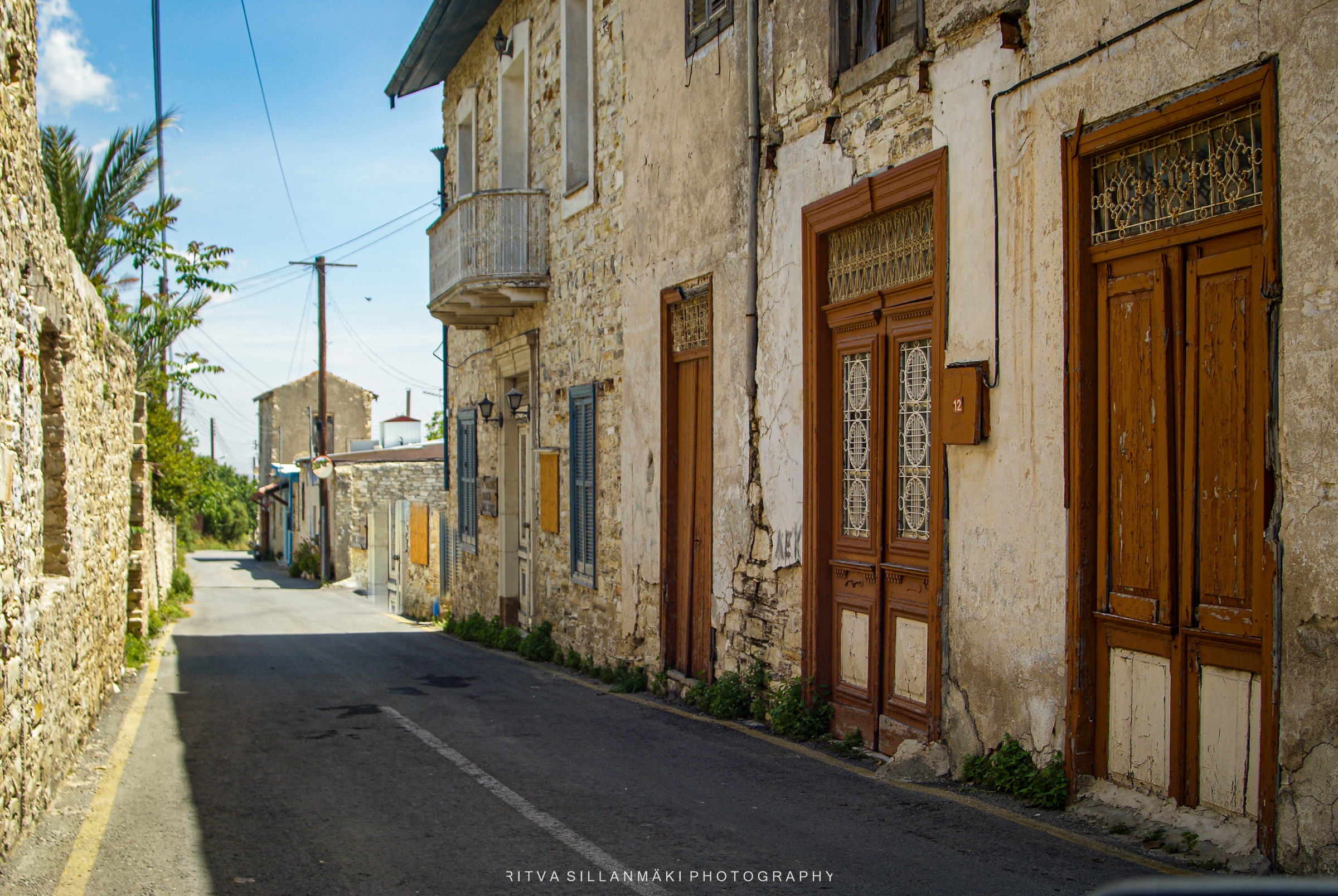
The houses here are not those of farmers but the homes of merchants and artisans. The houses are stone-built, some with doorways providing glimpses of flower-filled and vine-covered courtyards, while others are two-storey colour washed residences with balconies and intricately patterned tiled floors.
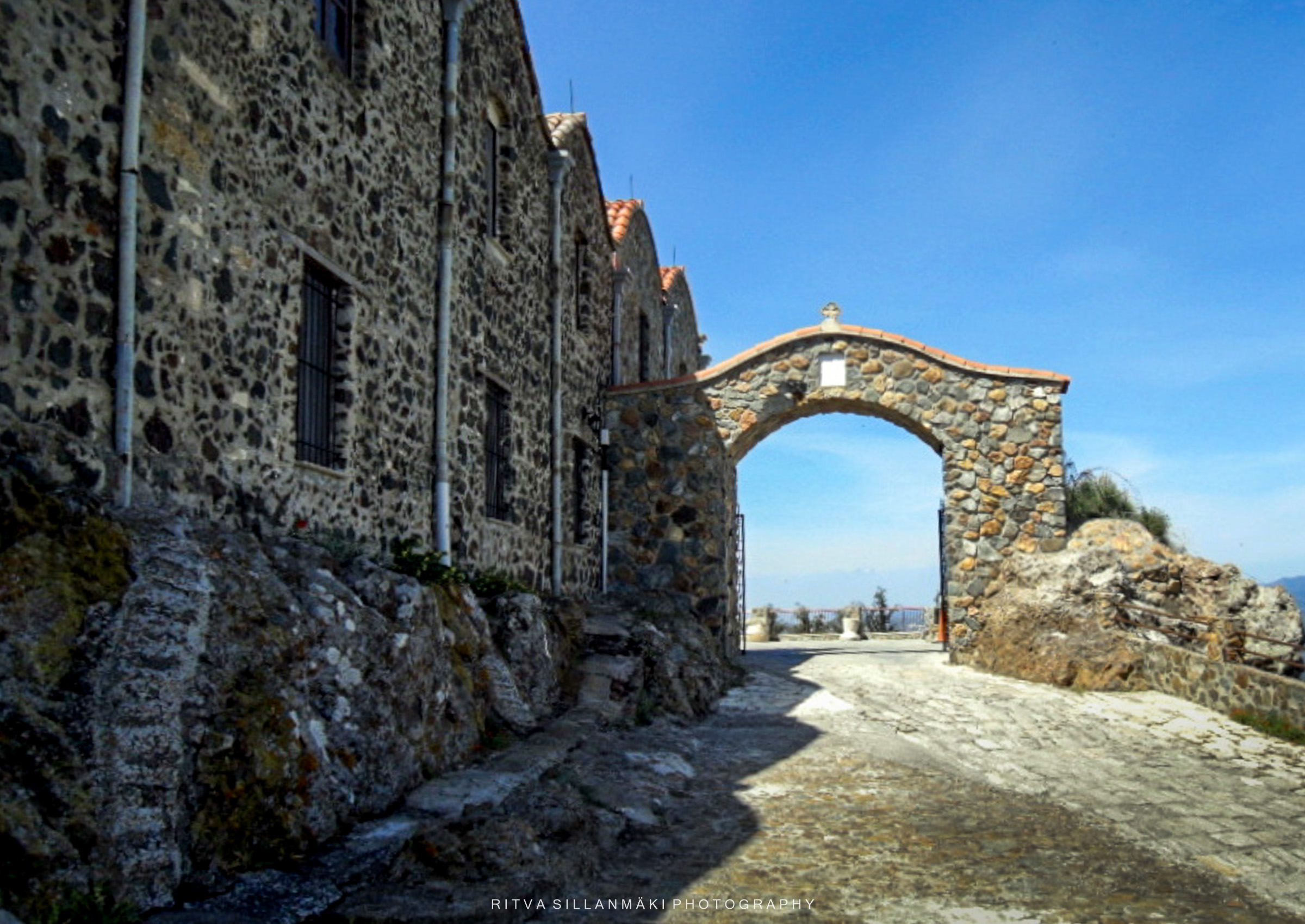
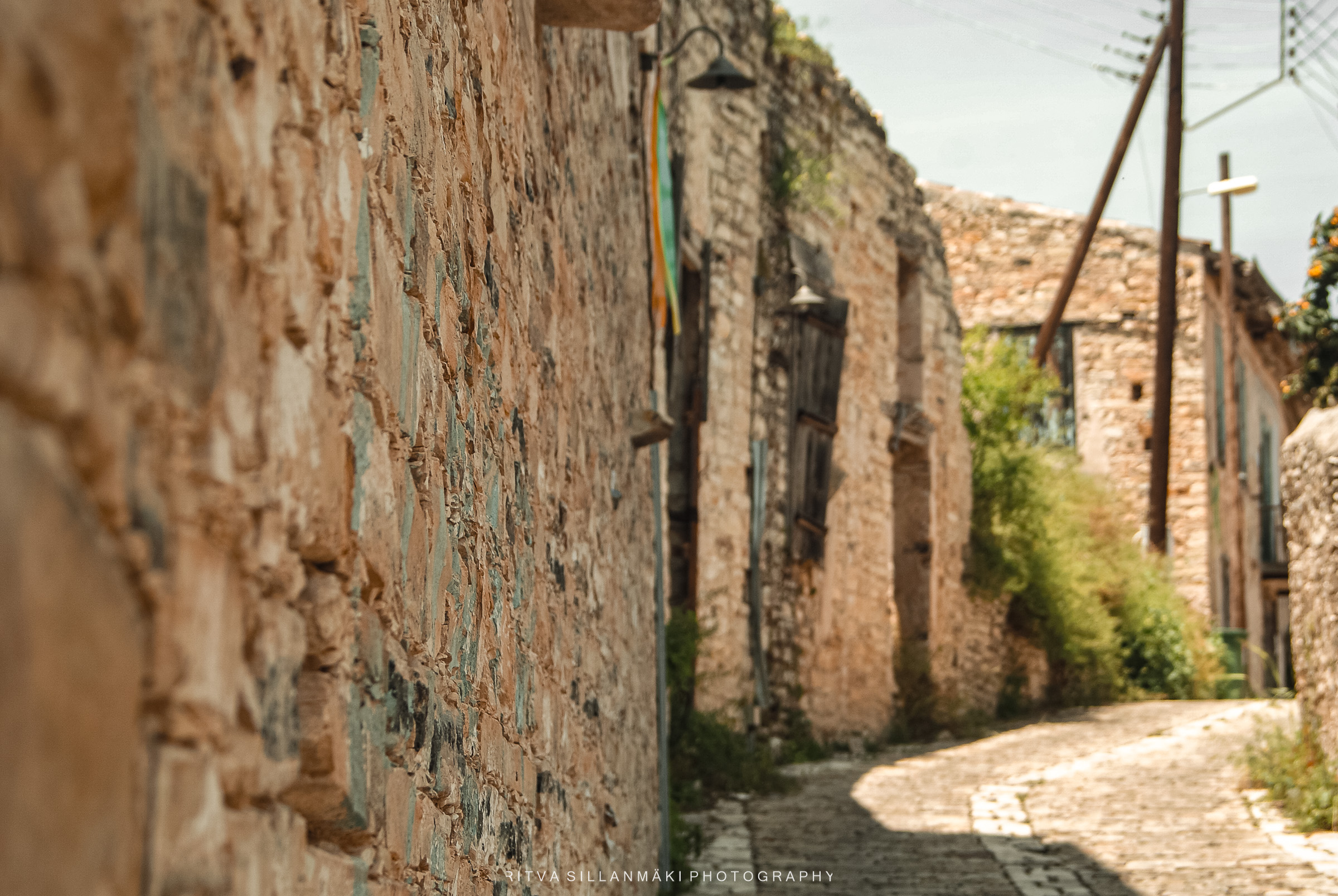

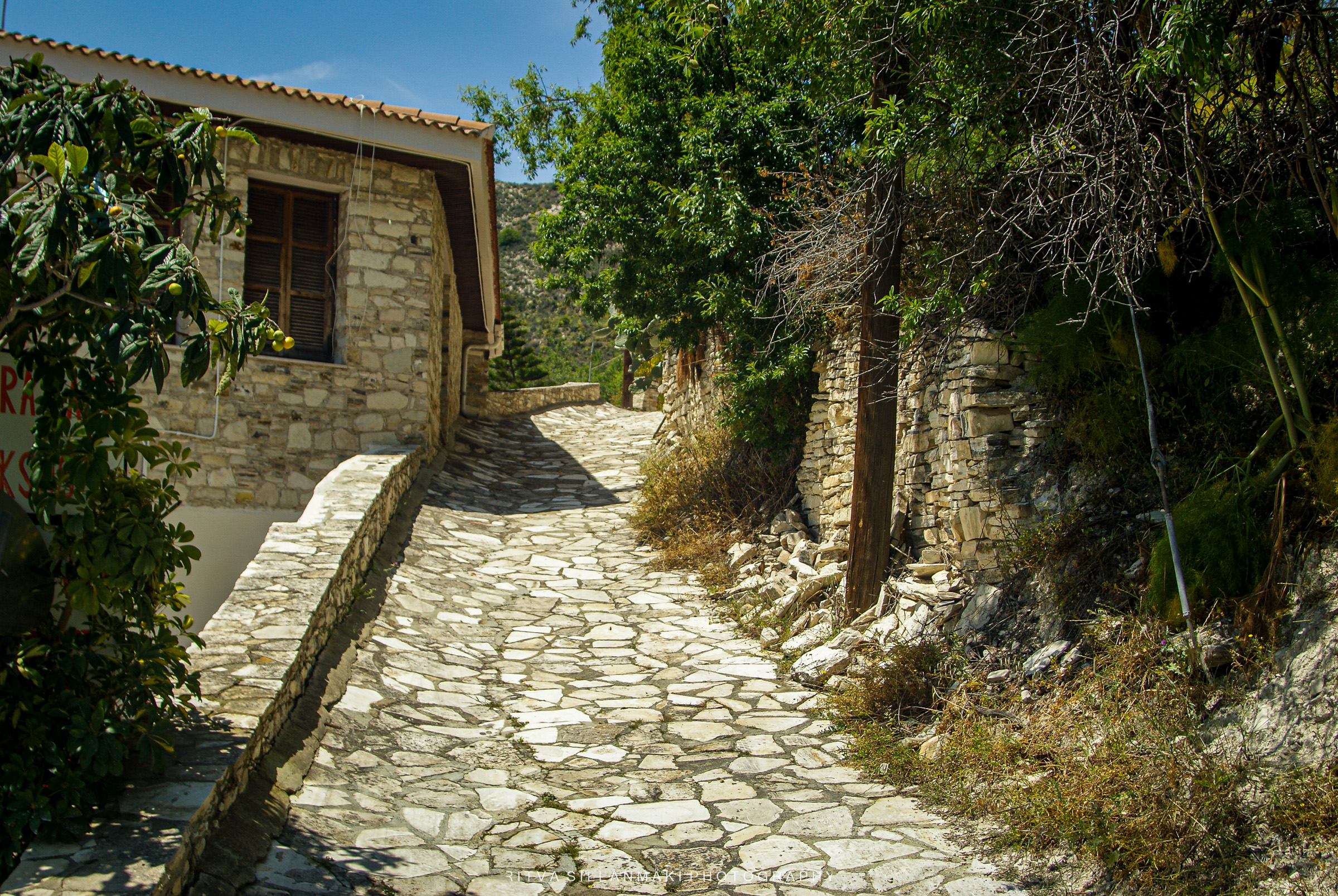
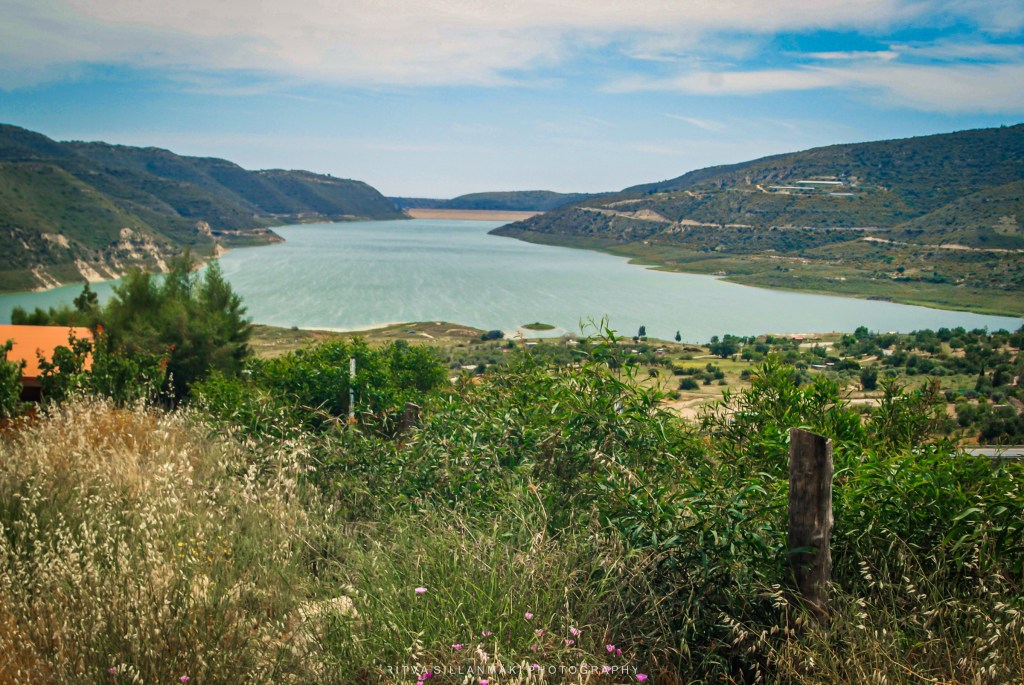
Posted for Cee’s Which Way Challenge
We had a few days of spring, so I took advantage of the opportunity to capture the mandatory photos of snowbells. As one of the first flowers of spring, they symbolize new beginnings, hope, rebirth, and the ability to overcome challenges. The sight of these delicate blooms filled me with hope and positivity.

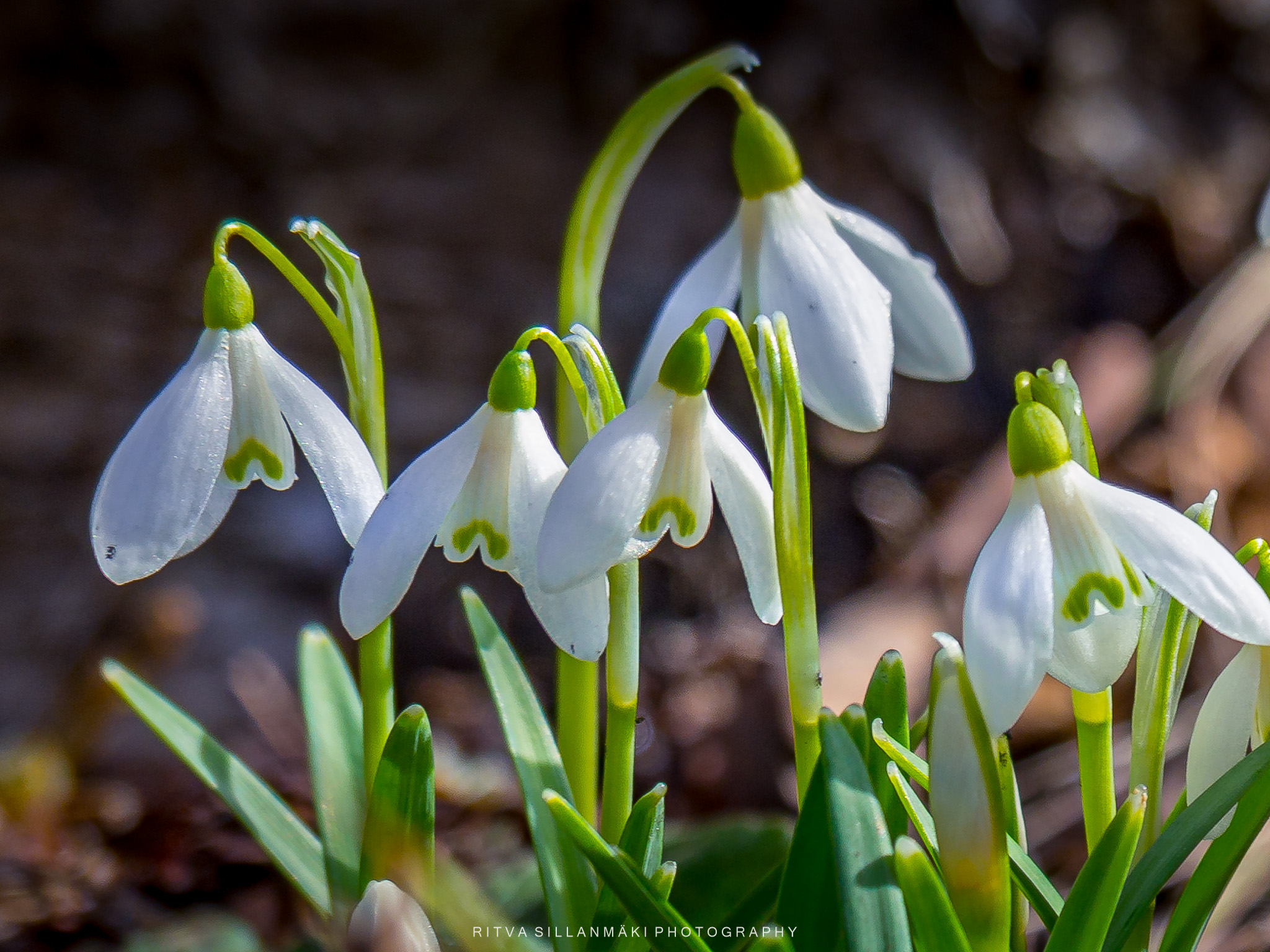


However, nature had a surprise in store for us – a fresh coat of snow arrived just two days ago. Despite the unexpected turn of events, I seized the opportunity to capture the enchanting snow-covered landscape. It’s fascinating how the same scene can take on a different, yet equally captivating, appearance with a layer of snow.

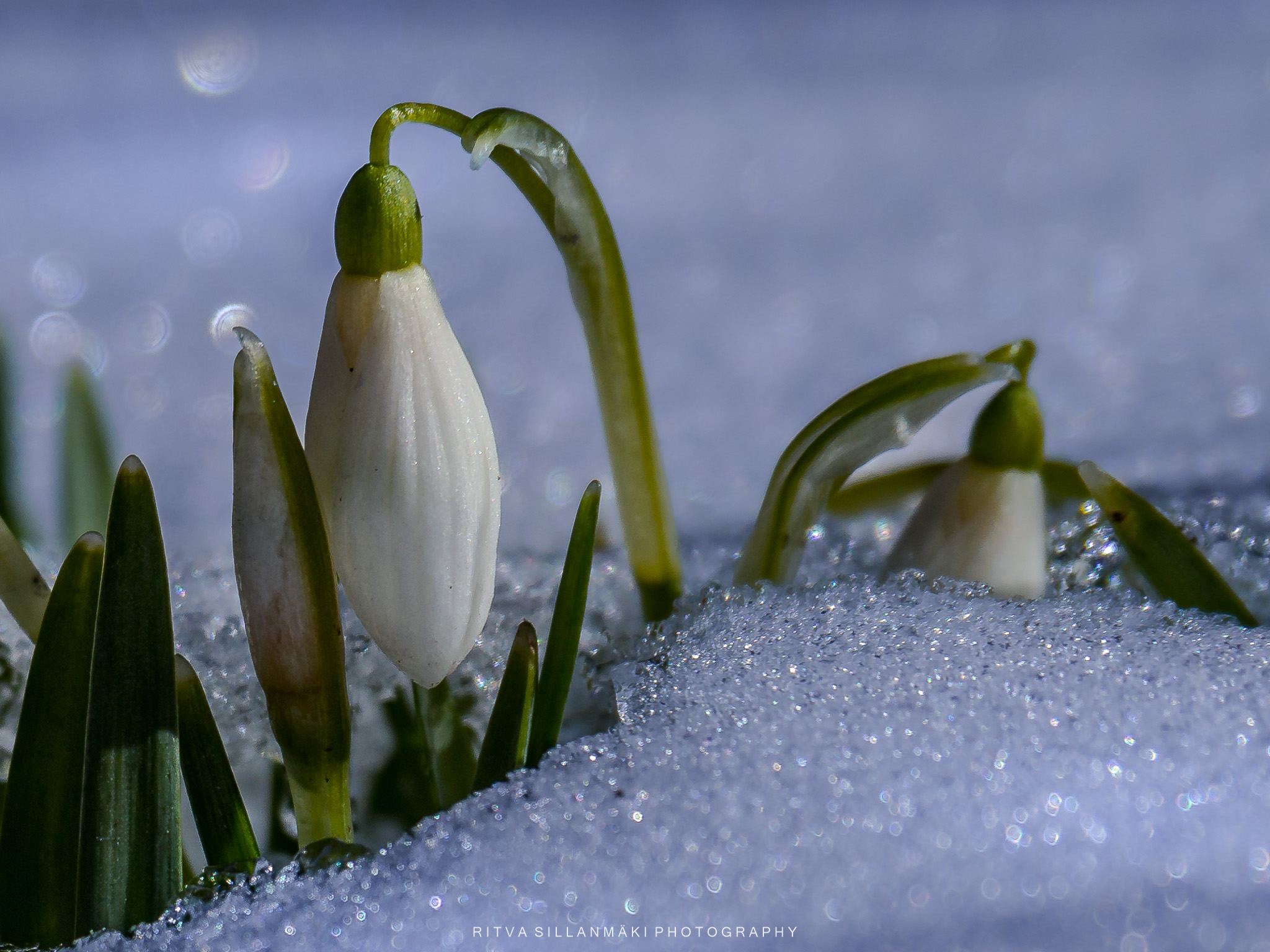
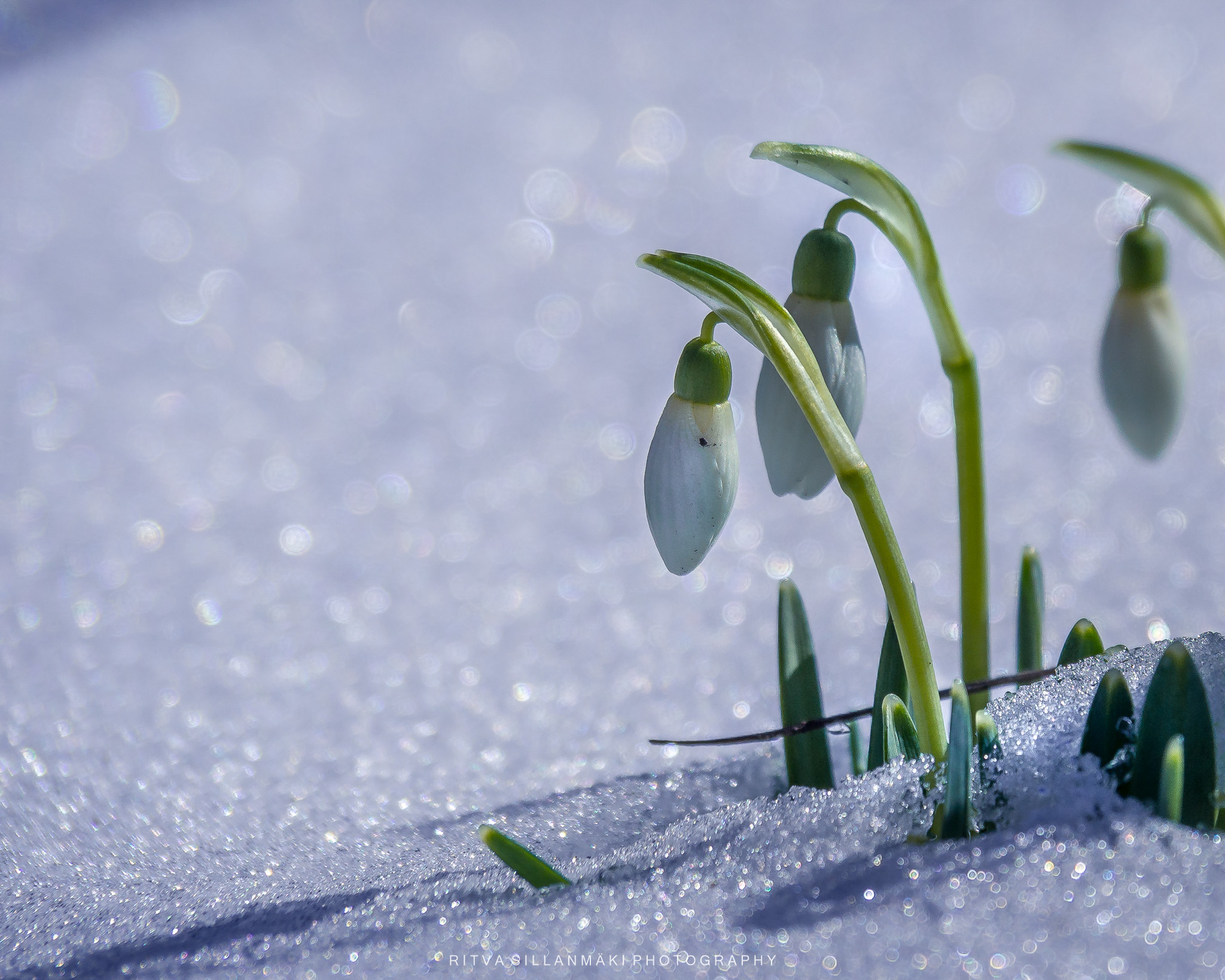
As I’m writing this, a snow blizzard rages outside. While witnessing a snow blizzard at this time of year wasn’t what I had in mind, it’s a poignant reminder of nature’s unpredictability and the beauty it holds, even in the midst of unexpected circumstances.
Posted for Cee’s Midweek Madness Challenge
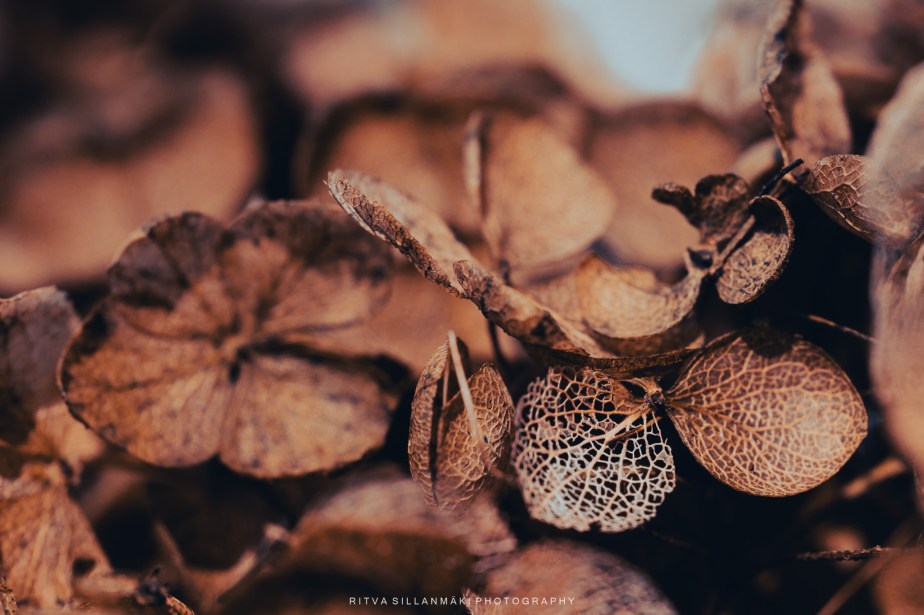
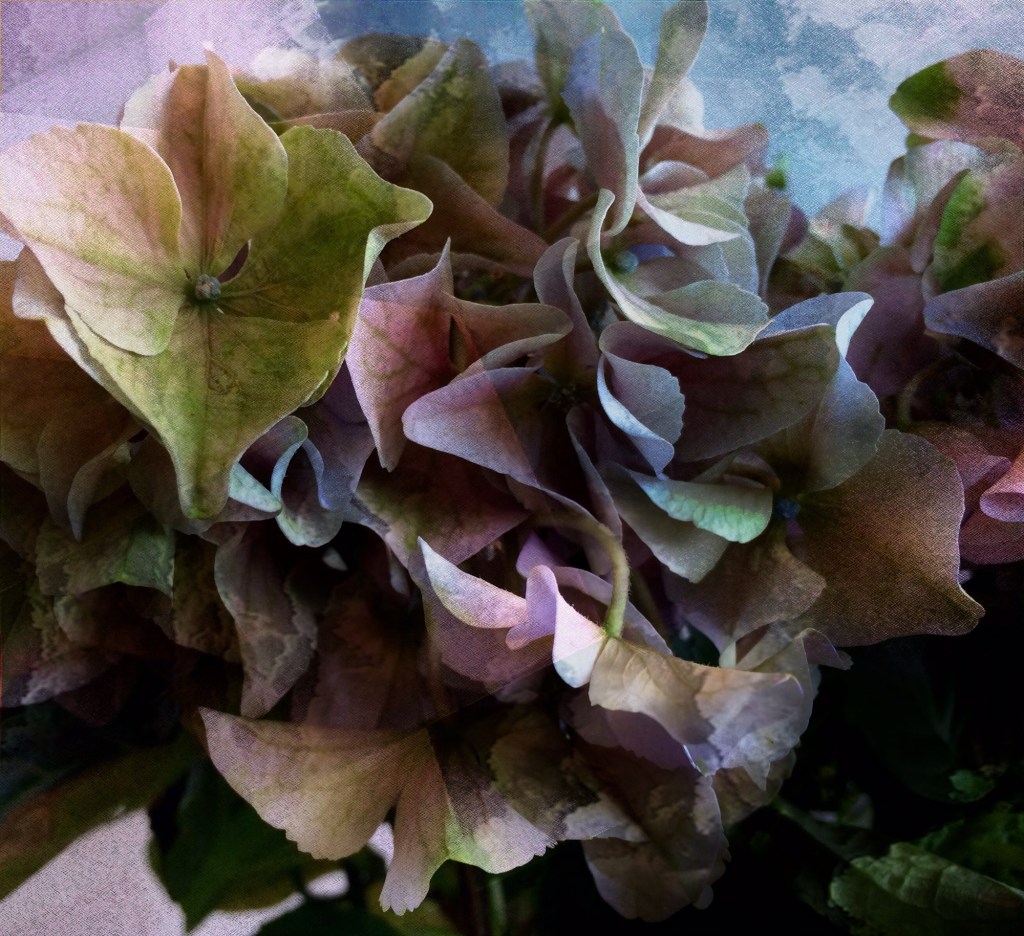
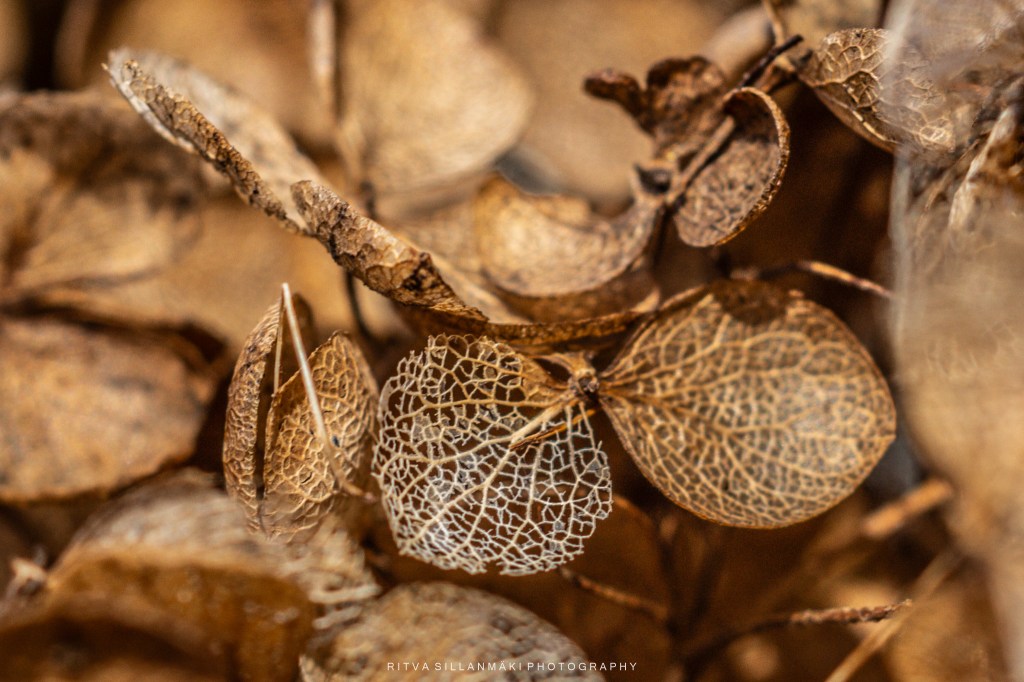
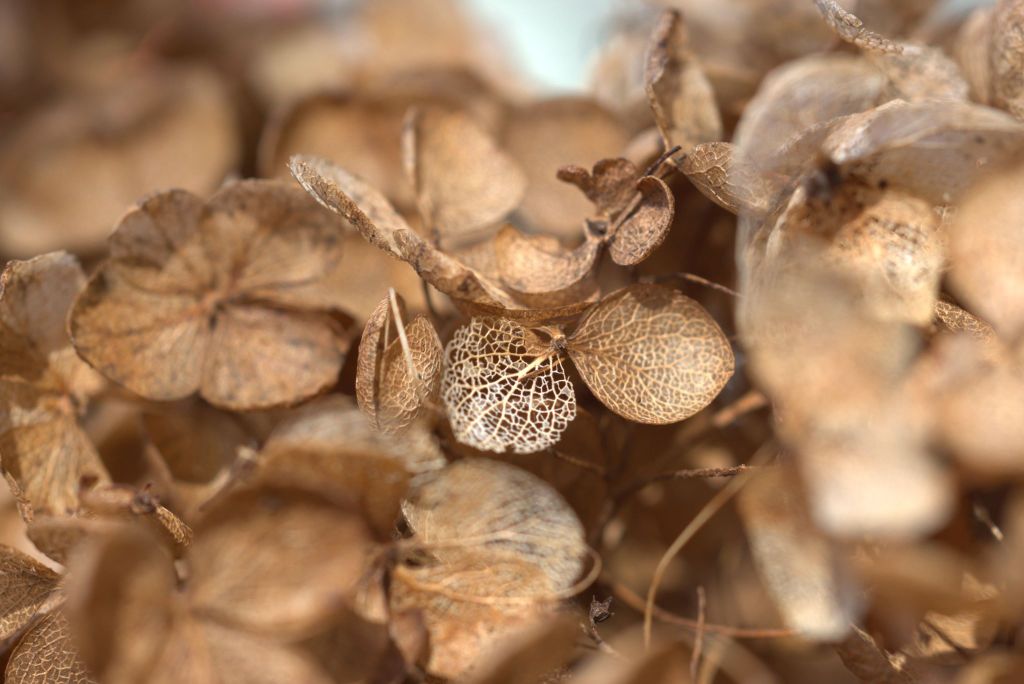
The delicate beauty of hydrangea petals as they slowly deteriorate during the winter months is truly captivating. The intricate lace-like patterns that emerge from this natural process are a testament to the mesmerizing transformation that nature undergoes throughout the seasons. It’s truly remarkable how something as fleeting as the delicate decay of flower petals can create such a stunning visual display.
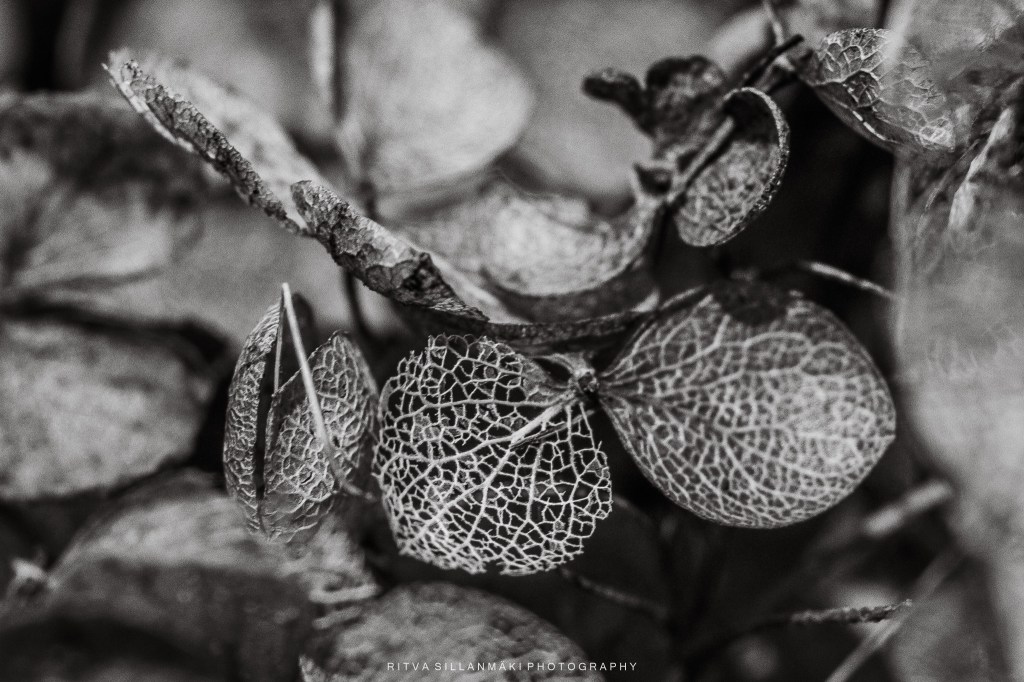
I love trying to bring it out details in my edits. If you are not familiar me as a photographer, I love the editing process. The framing of the subject and capturing the mood and details. Mostly, I do my best to stay true to the subject, just to enhance it a bit. Sometimes, well quite often I take artistic liberty when editing. I often convert the images to black and white as I find it it brings the essential part to focus. Or I play with the tone of the photos. Both styles shown in this post.
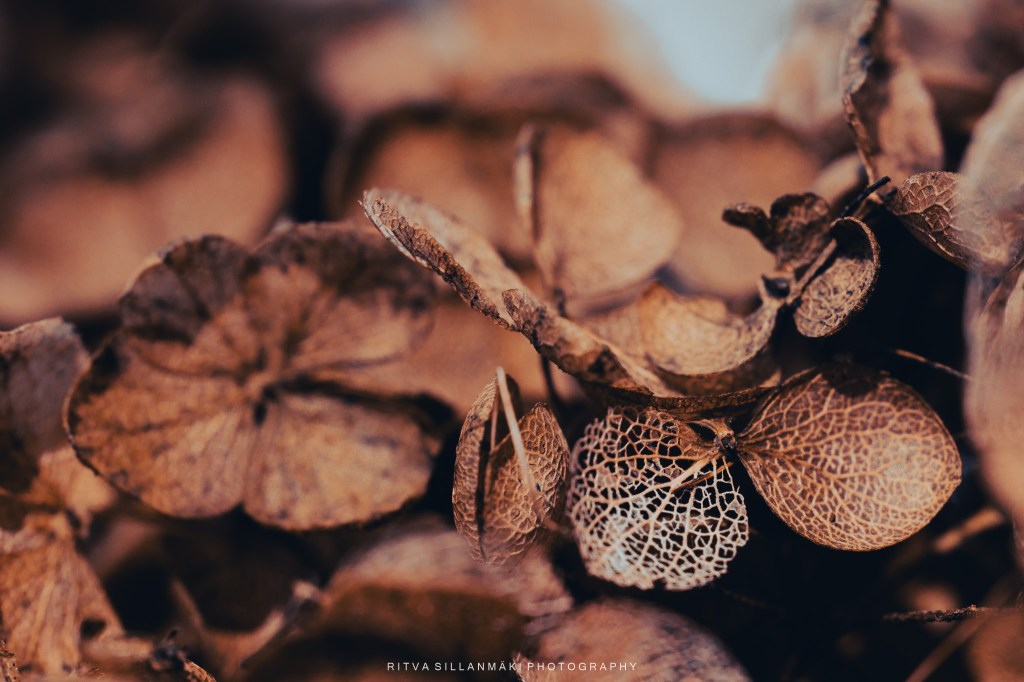
The last two images are true to what I saw. The last image is the original RAW shot, no edits. Above it is a a cropped and slightly edited version and on the top you see how I played with the image.
Posted for Cee’s Flower of the Day
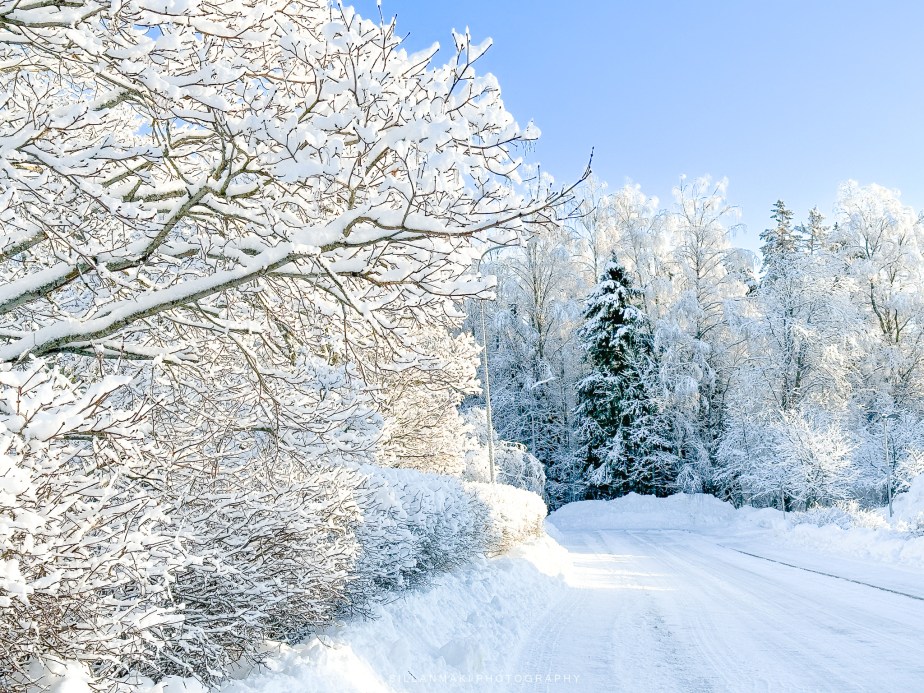
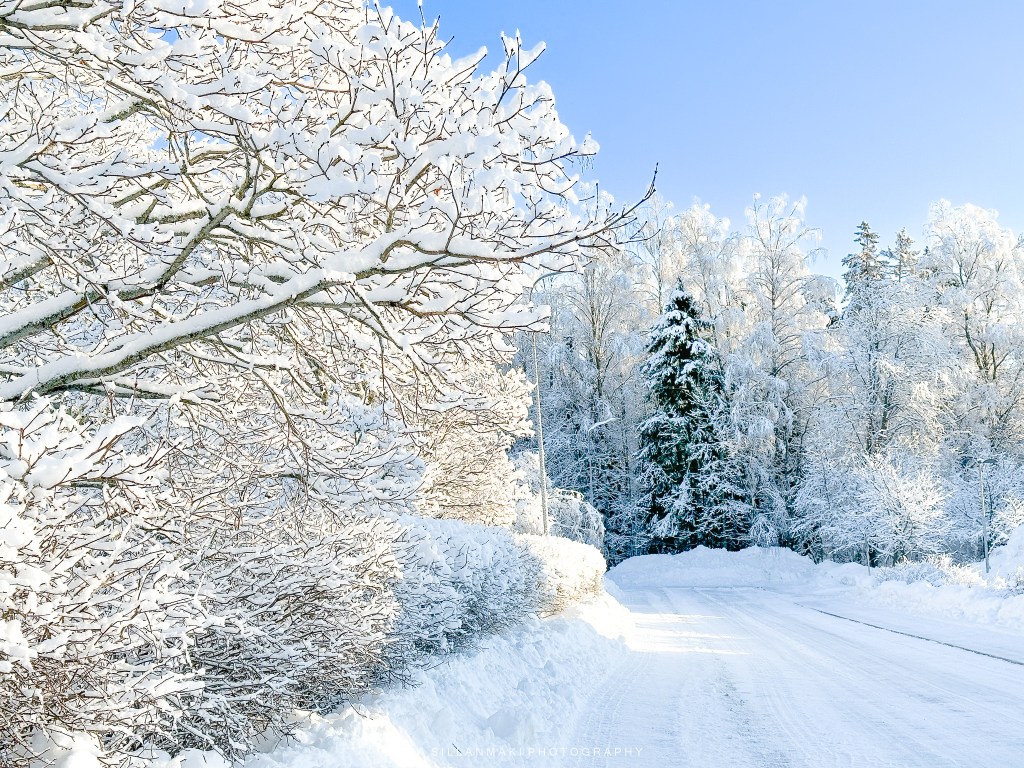
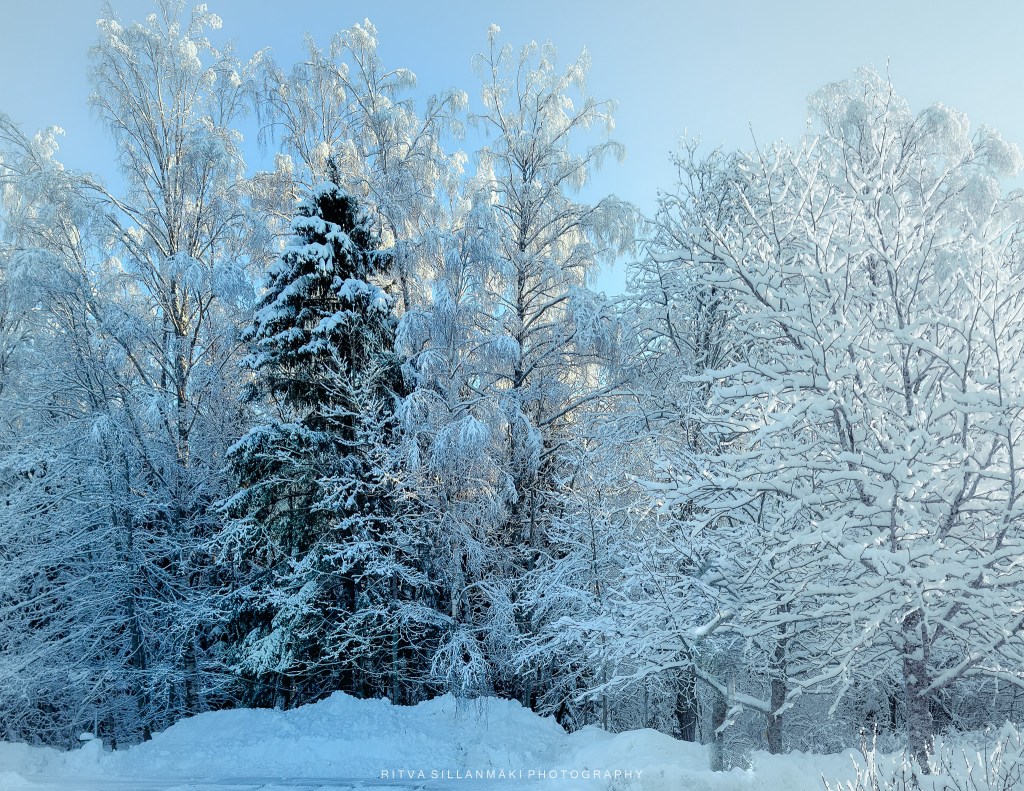
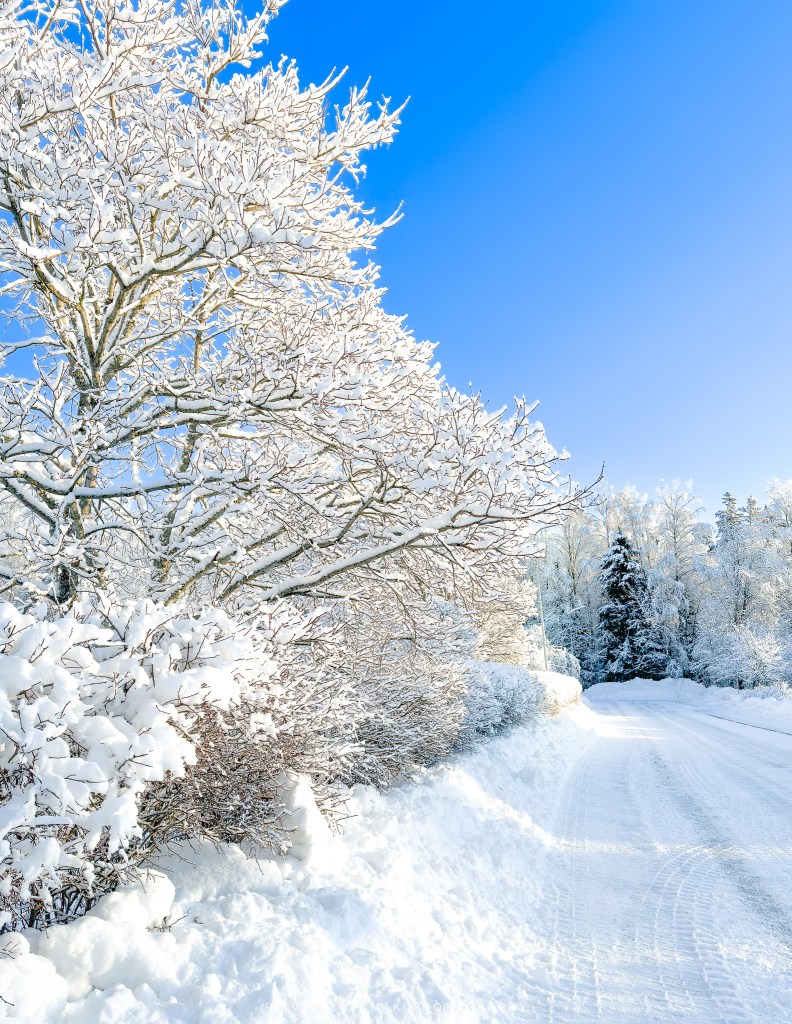
Last day of year 2023 was sunny and cold here where I live, the temperature -13C /10F and no wind, so it wasn’t all that bad. Even though I do not like winter, sometimes it looks really beautiful. The way the sunlight glistened off the snow-covered branches filled the whole landscape with a magical glow. I couldn’t resist taking a walk and admiring the picturesque scenery. The crisp air made everything feel so serene and peaceful, almost as if the world had slowed down just for a moment. Sometimes, despite the cold, winter has a way of enchanting us with its natural beauty.
With these pictures I wish you all the best for 2024!
I took a short stroll to capture a cell pic for John’s Cellpic Sunday . I got few nice shots, but these are the ones I chose to post here. Most likely I will post few later on.
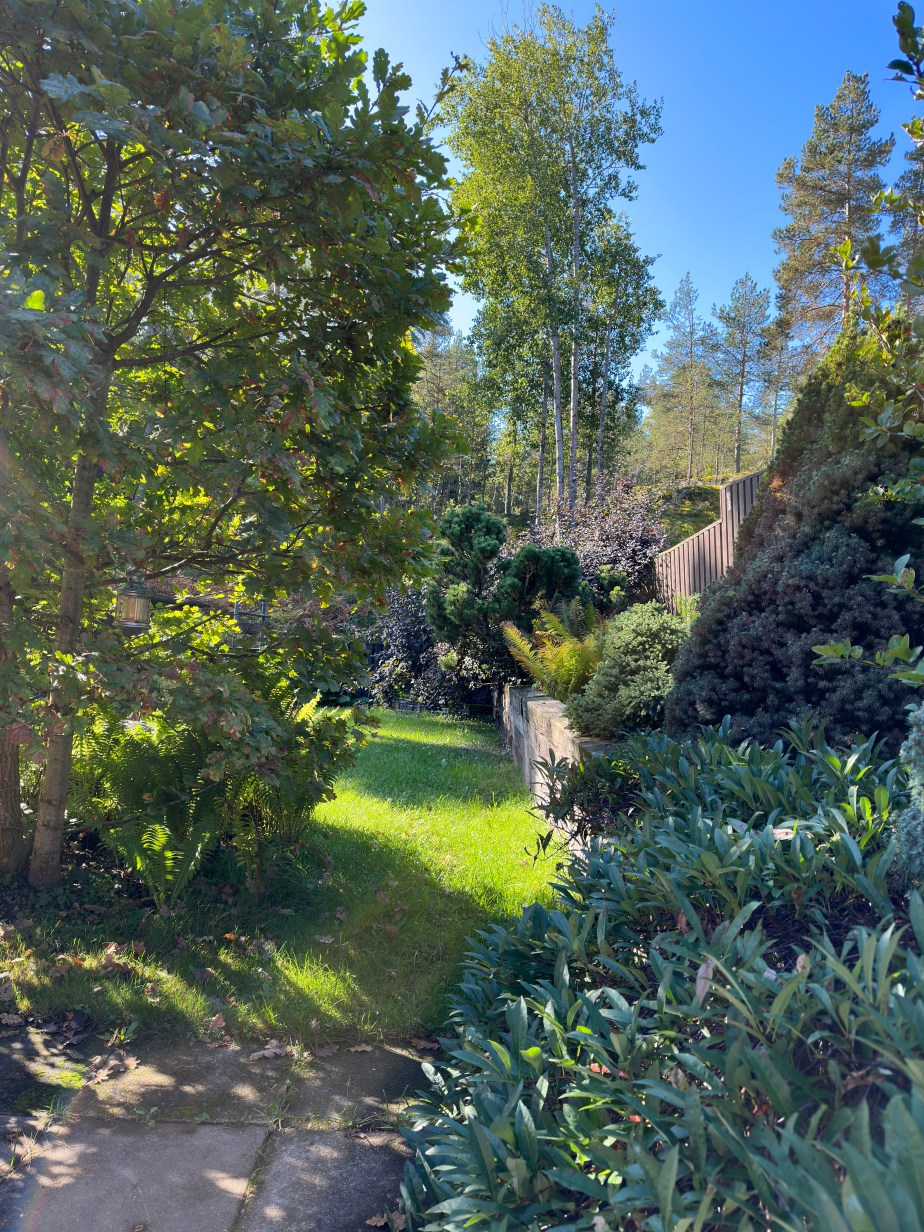
September has been rather rainy, but today we have blue skies and lovely comfortable temperatures . I am enjoying my backyard and the sunshine