I do not know my plants, if they are pretty that is mostly enough information for me. I googled this flower and flower enthusiasts may appreciate this.
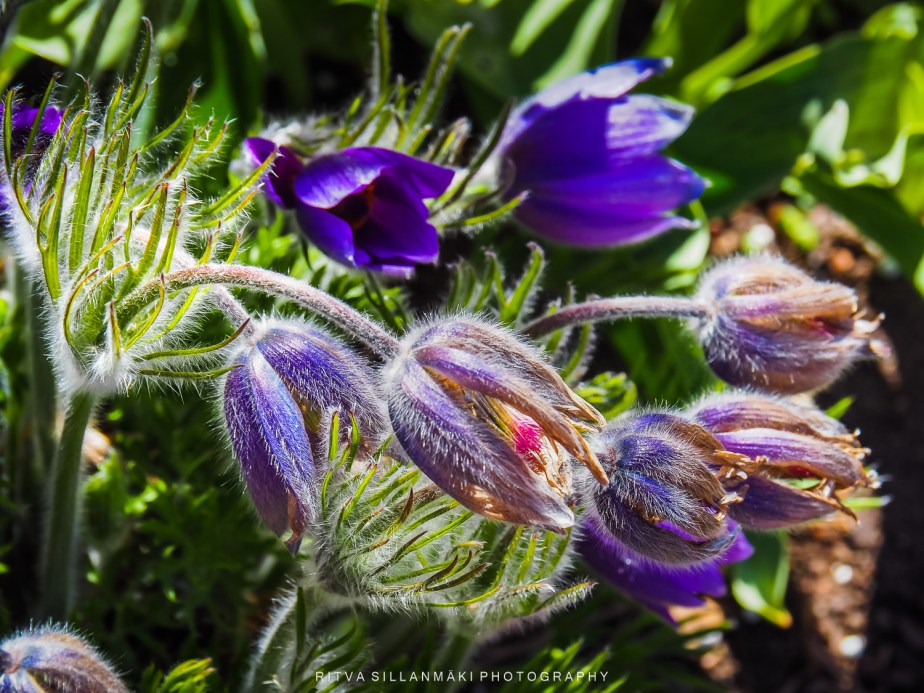
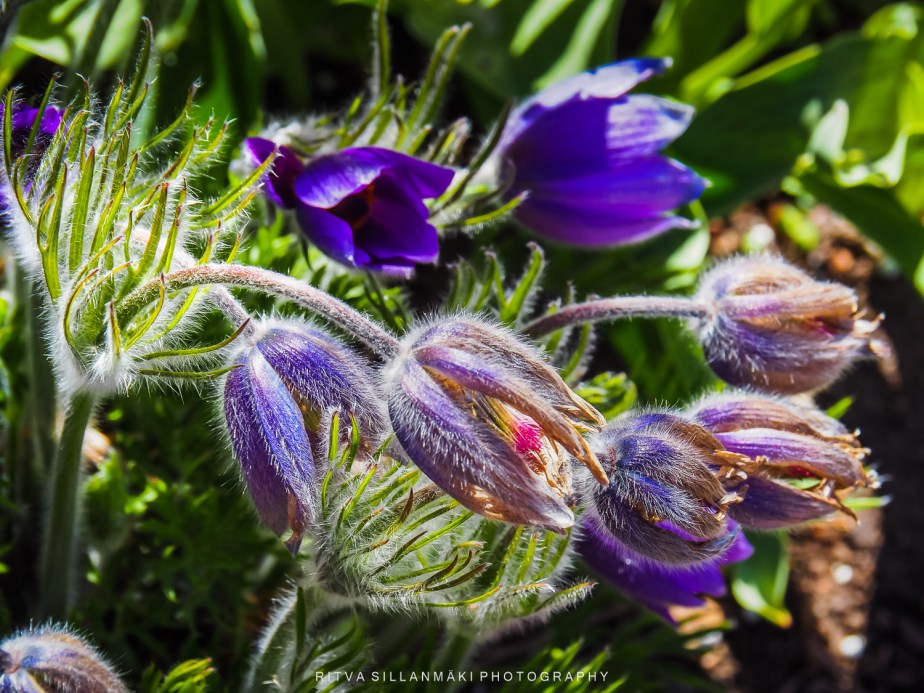
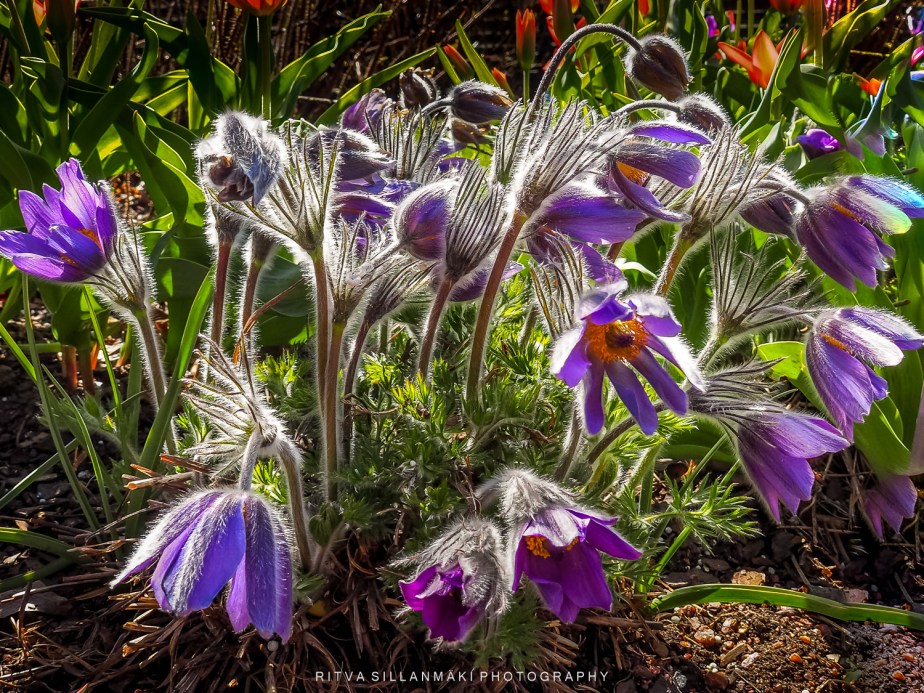
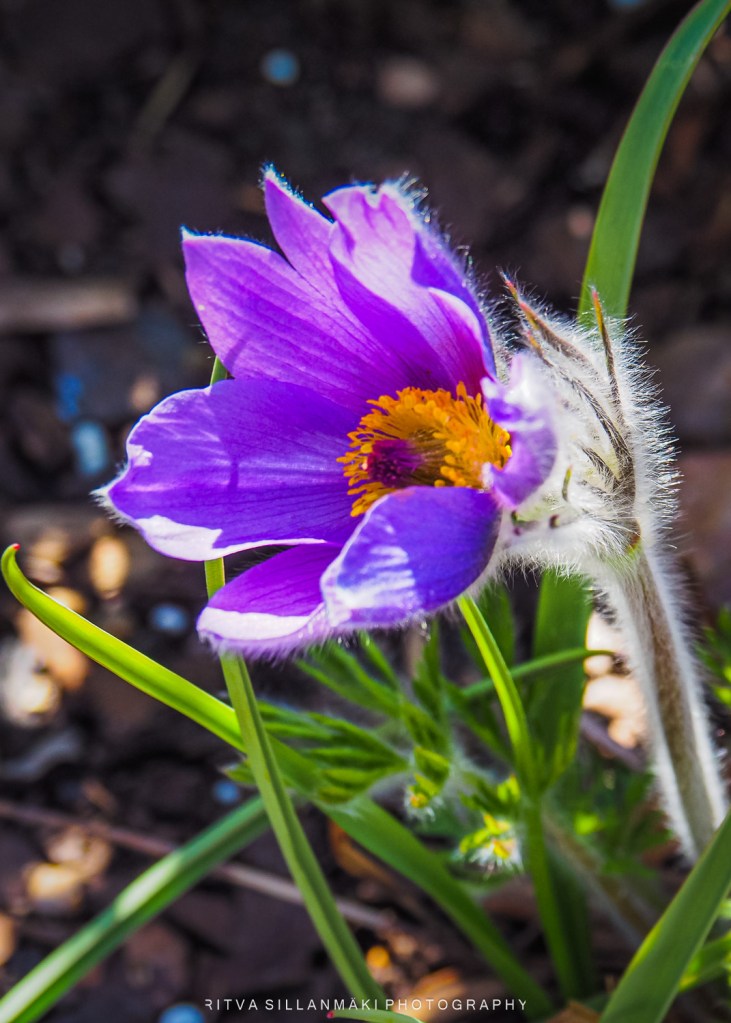
The image displays the plant known as the common pasque flower (Pulsatilla vulgaris), also referred to as the Eastern pasque flower (Pulsatilla patens) in some contexts. Key characteristics of the plant: Form: It is a perennial herb with a short, upright rootstock. Height: The plant typically grows 5 to 25 cm tall.Flower: The flowers are radial to bell-shaped, purplish-blue, and 5.5–8.5 cm wide. They bloom early in spring, often in April or May, as one of the first perennials to flower. Leaves: Basal leaves are stalked and develop after flowering. The stem leaves form a whorl below the flower. Habitat: It grows in dry heathlands and is also a popular ornamental garden plant. Status: In Finland, the species had disappeared from the wild but has reappeared in some locations. The Eastern pasque flower is a protect in Finland
These were photographed at the Botanical garden last spring.
Close-up of the common pasque flower (Pulsatilla vulgaris) showcasing its distinct purplish-blue blooms and velvety buds.A common pasque flowers (Pulsatilla vulgaris) in bloom, showcasing their purplish-blue petals and fuzzy stems.
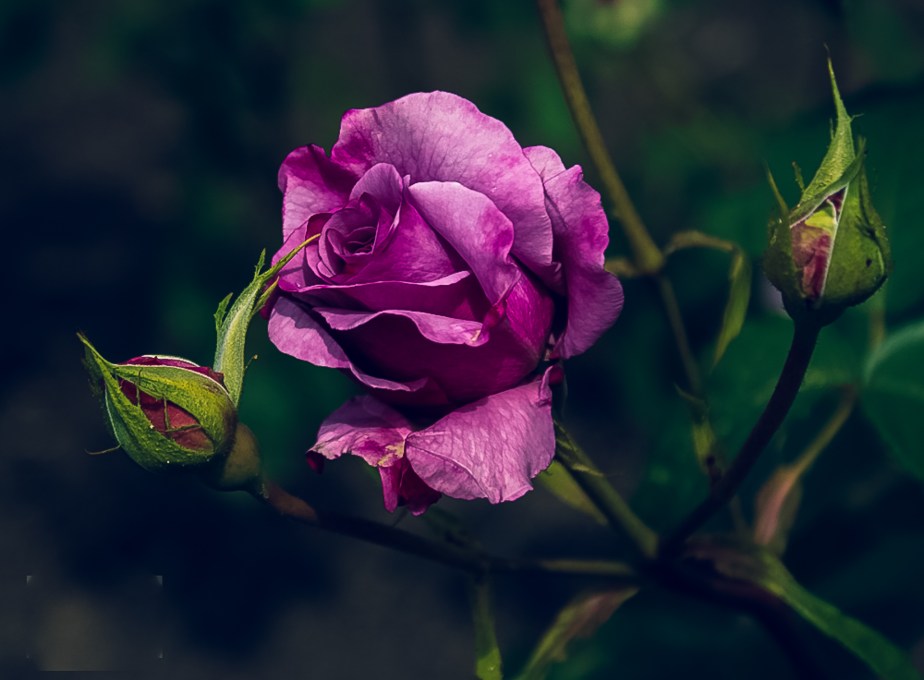
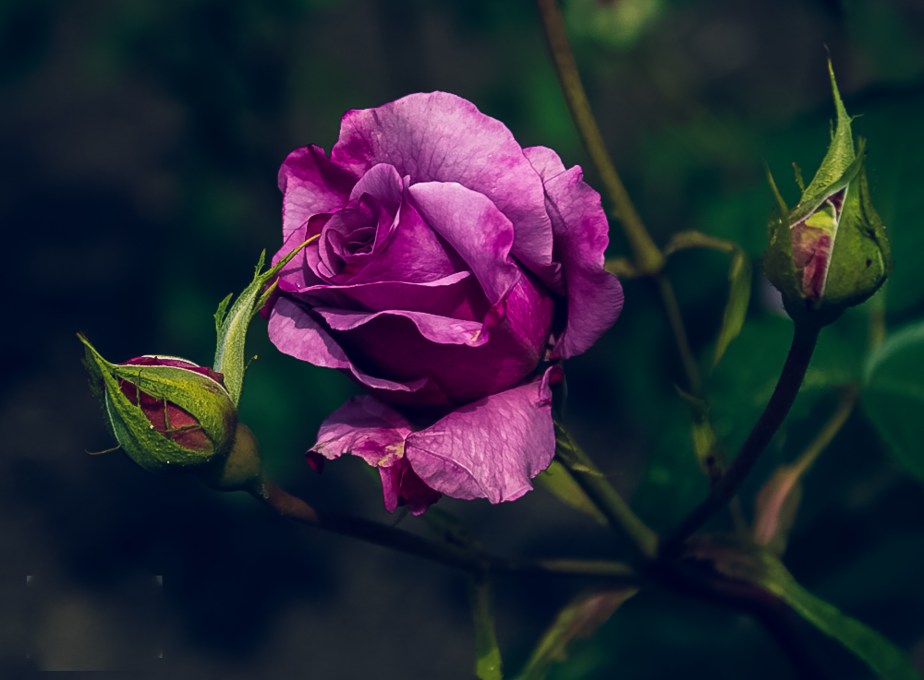
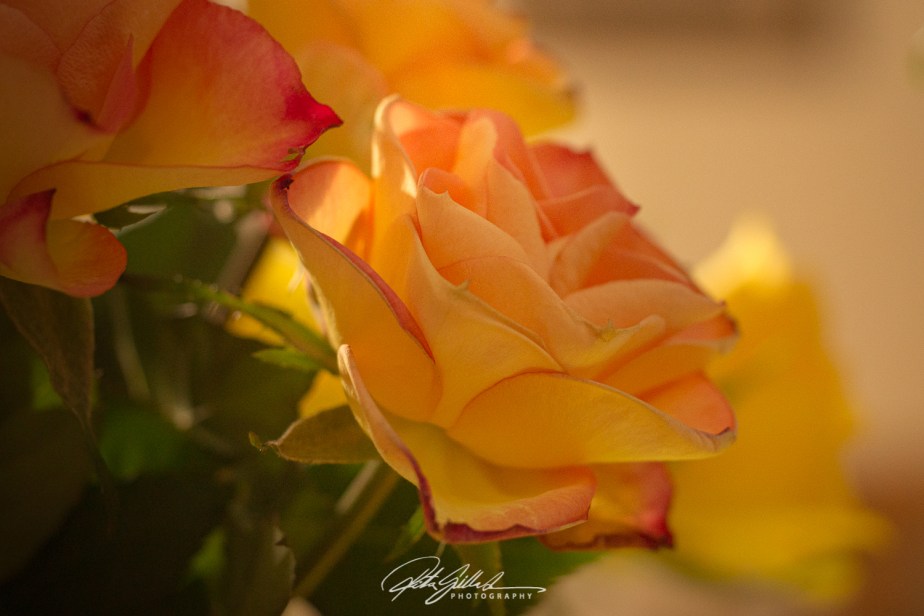
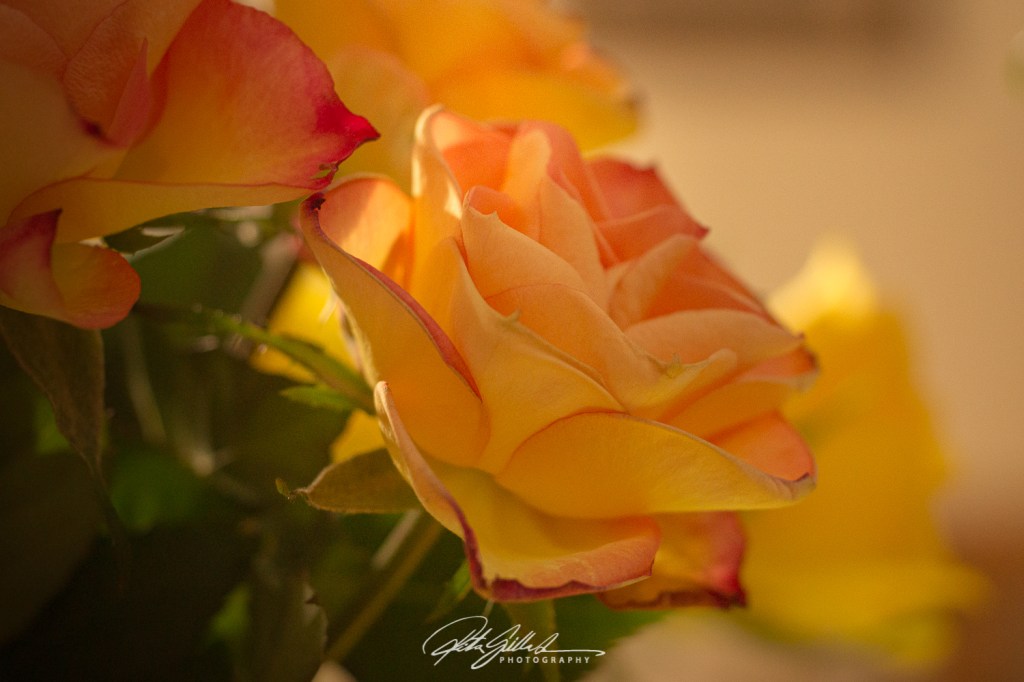
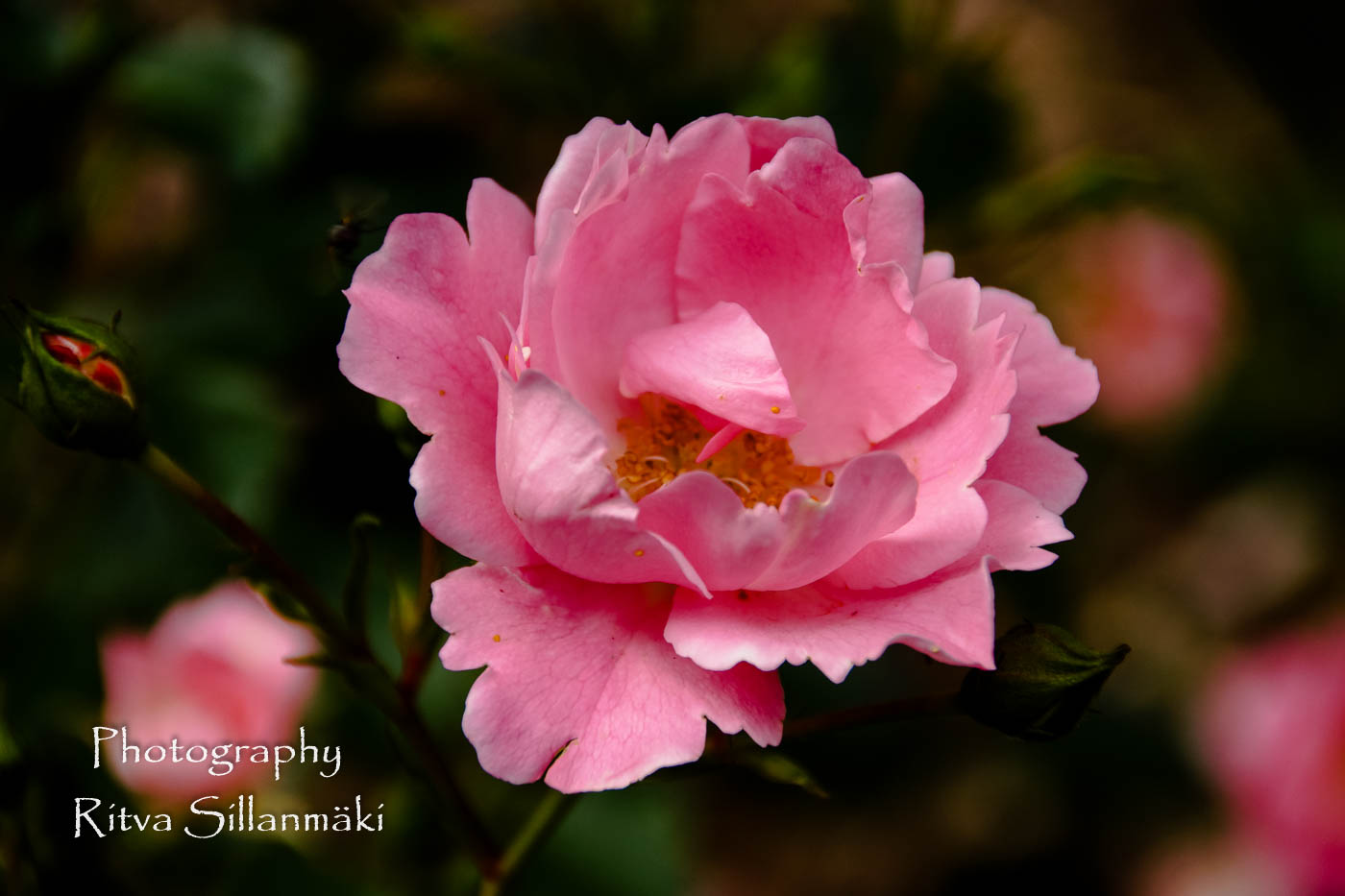
Let’s kick of the year 2026 for The Flower Hour with a beautiful rose from my archives, showcasing its lively petals. Flowers, they offer us beauty and joy. Particularly during this season when they are so often found only in bouquets, so expect posts of past summer photos,
A vibrant purple rose in full bloom, accompanied by budding roses – nature’s beauty.
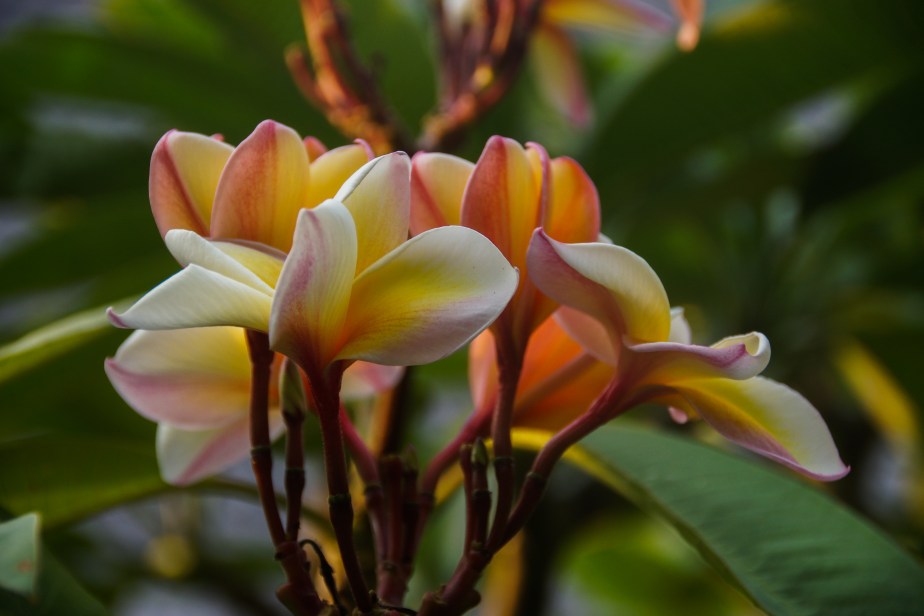
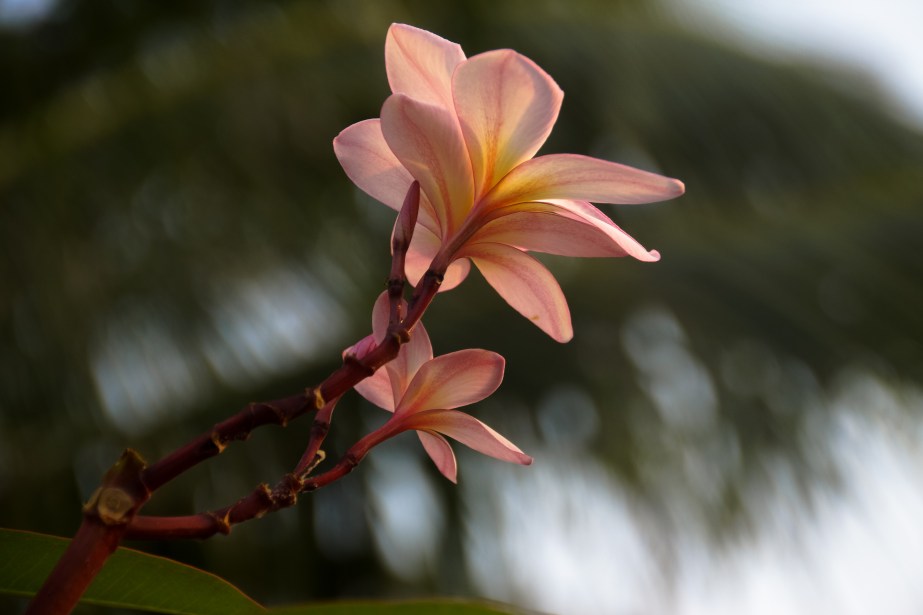
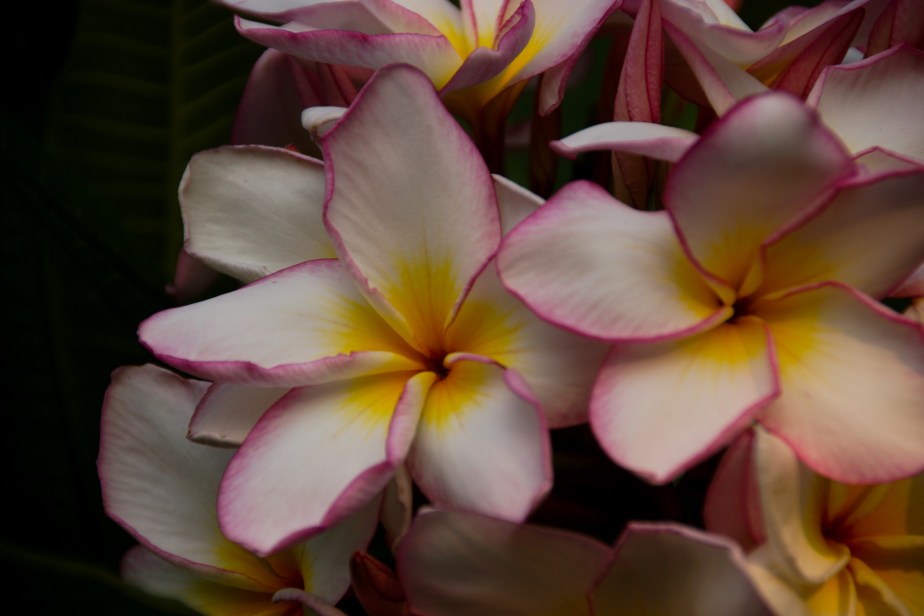
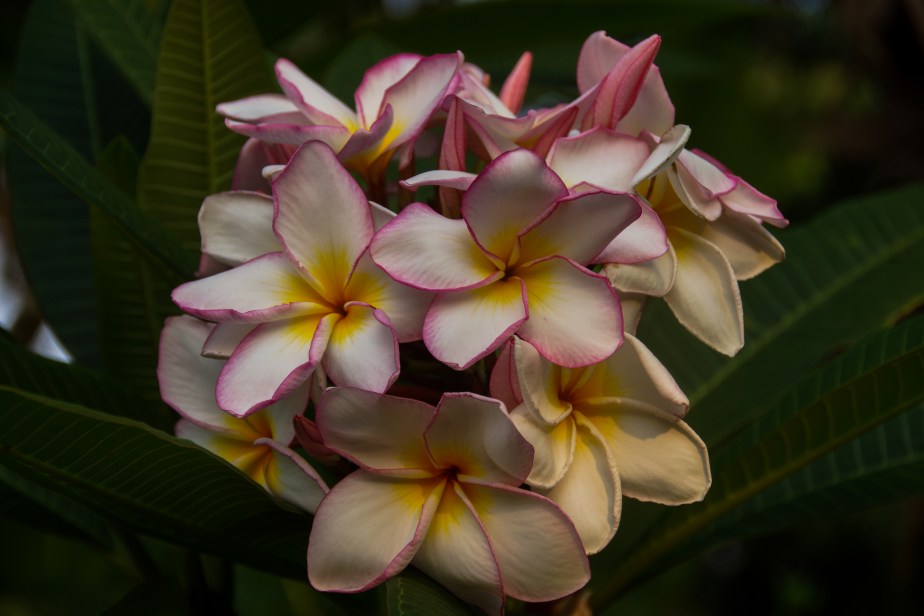
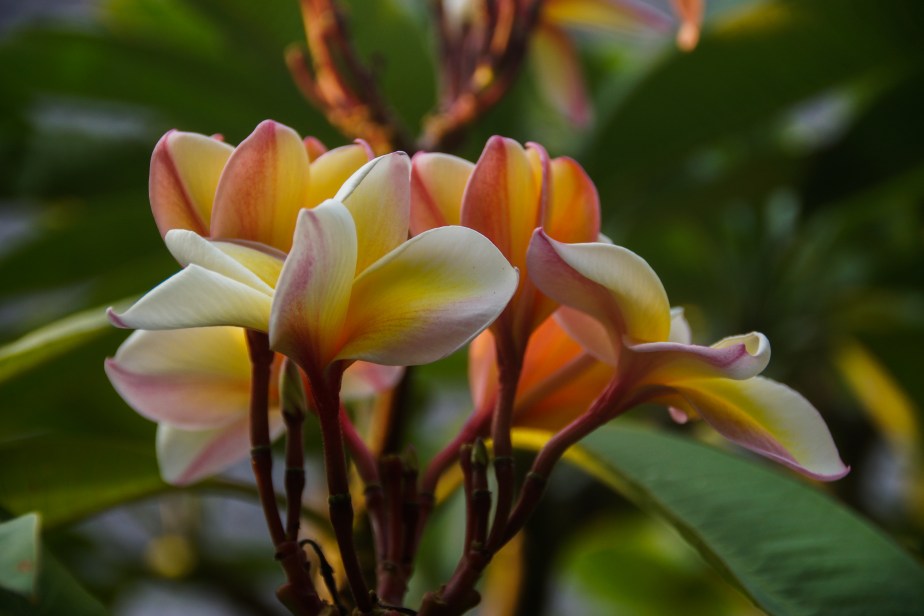
For this week’s edition of The Flower Hour, I present to you images of the flower commonly referred to as Plumeria or Frangipani. These exquisite and aromatic blooms are a delight for all the senses and carry a plethora of cultural significances from tropical regions across the globe. Plumeria is frequently incorporated into various celebrations and ceremonies, as it symbolically represents love, devotion, and beauty. They exhibit a wide array of colors, ranging from gentle pinks and whites to vivid yellows and reds.
A close-up of pink Frangipani (Plumeria) flowers, their delicate petals and vibrant colors.
Close-up of vibrant Plumeria flowers with pink edges and yellow centers.
Close-up of Plumeria flowers and their vibrant beauty.
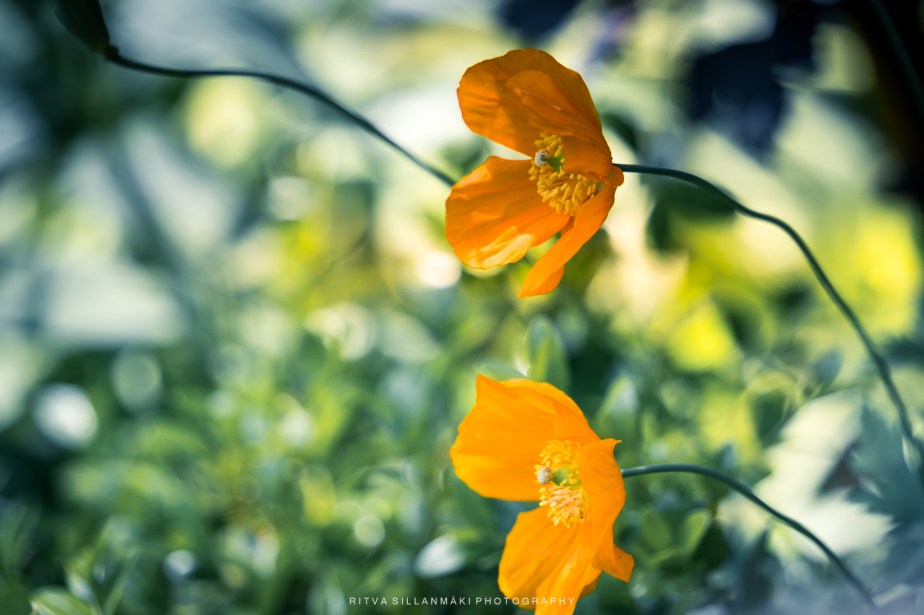
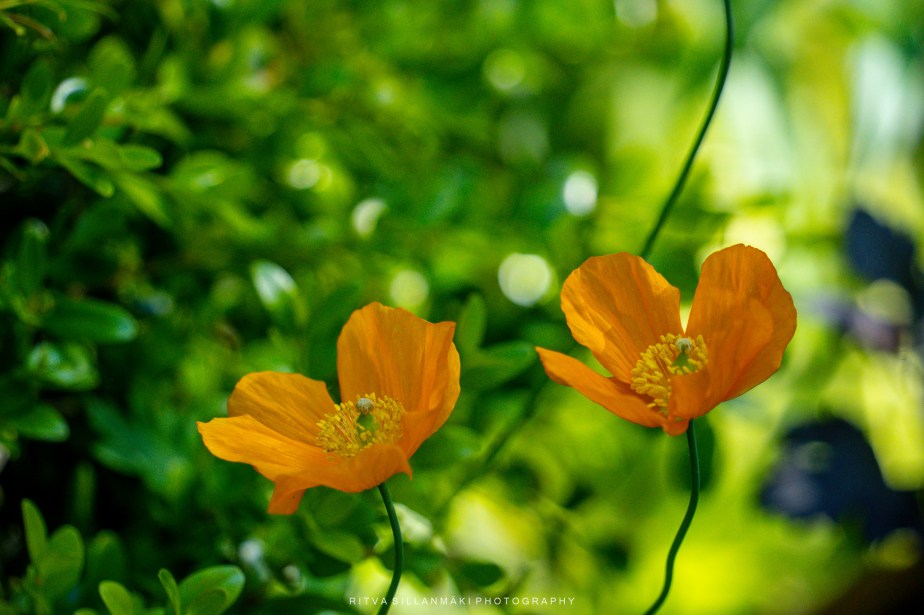
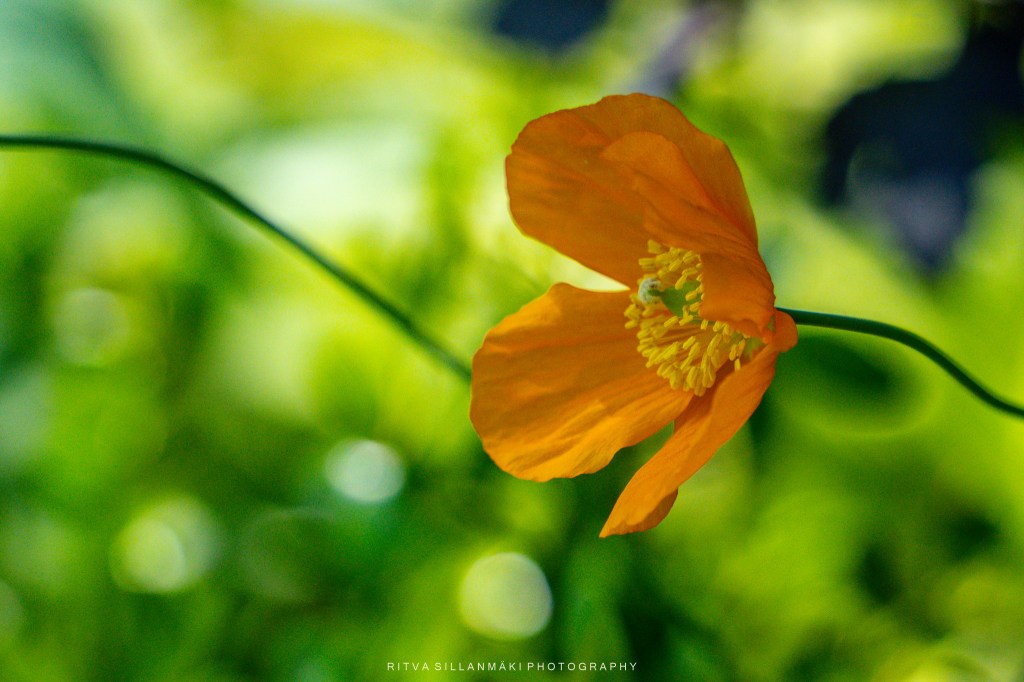
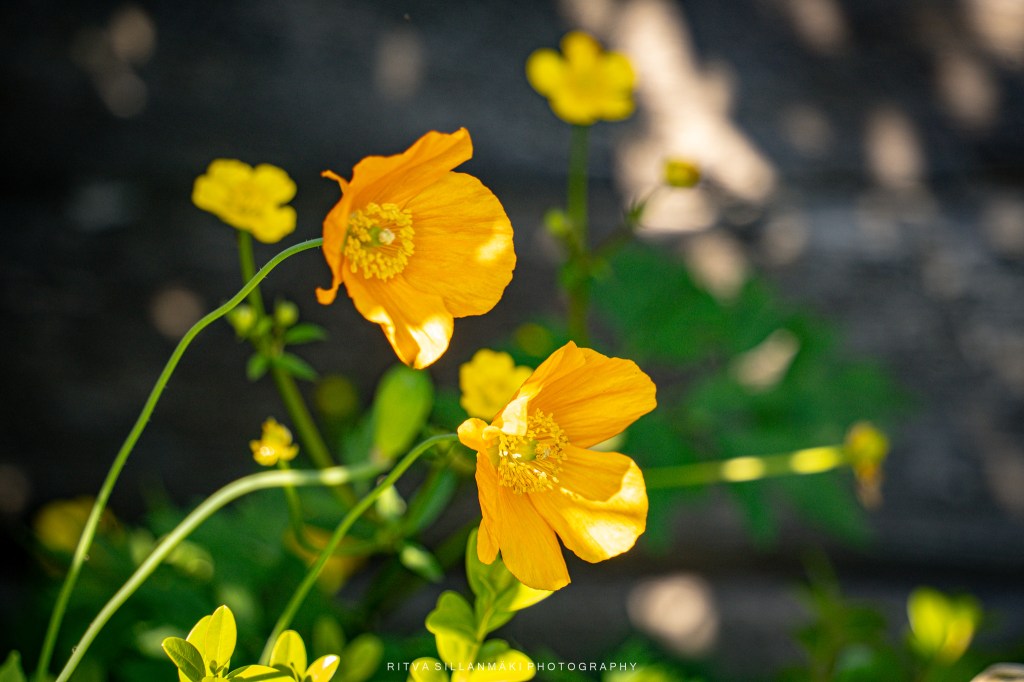
Unexpectedly, the two vibrant orange poppy blooms brightened my garden, their cheerful colors radiating joy against the lush greenery surrounding them. I was thrilled to see them, as they infused the flowerbed with a sense of happiness and vitality. It felt like nature had presented me with a wonderfully delightful surprise.
vibrant orange poppy flowers against a lush green background. orange poppy
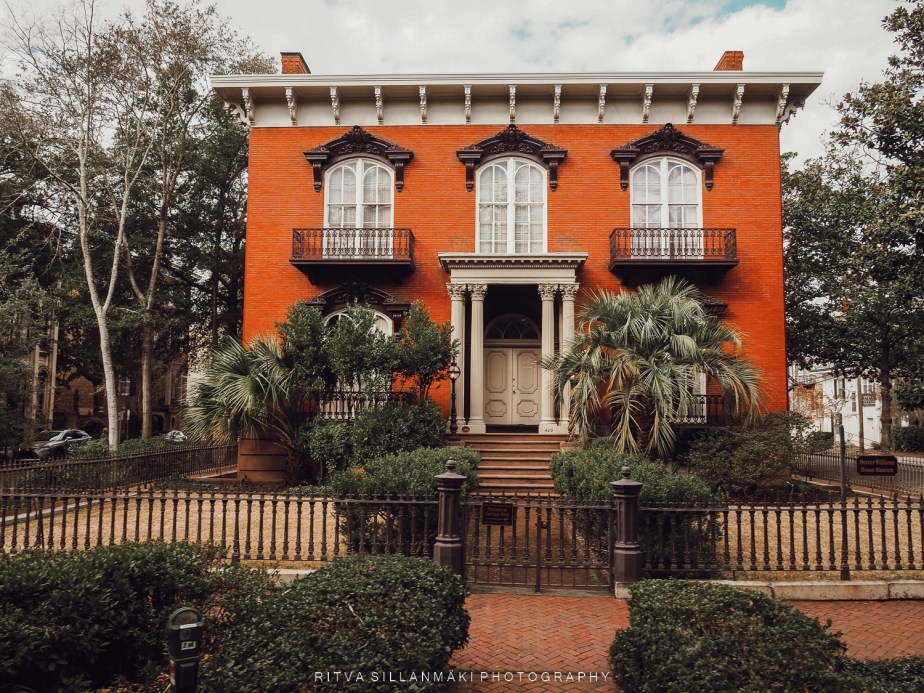
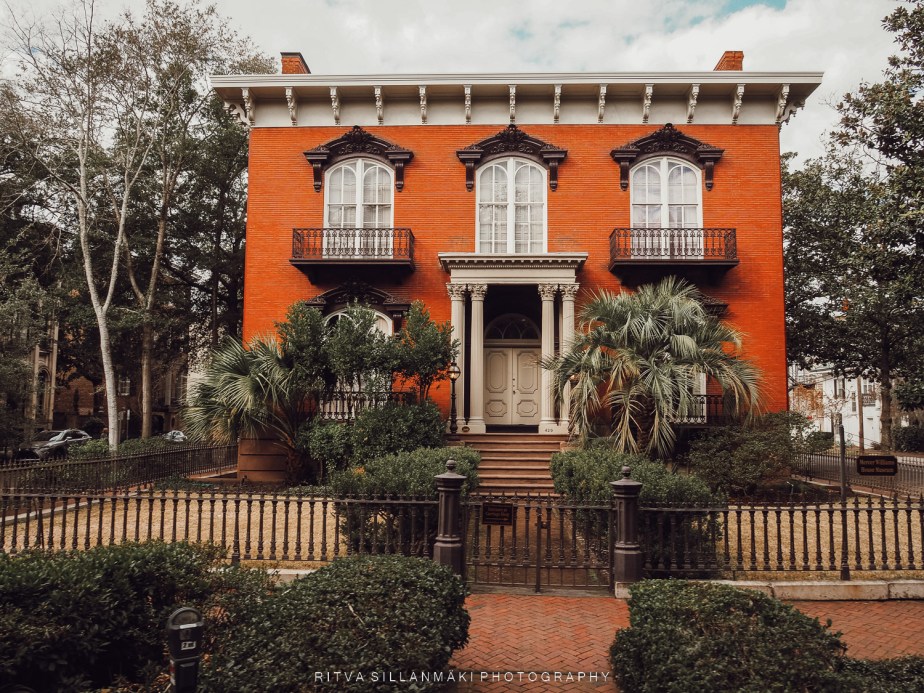
Grand house in Savannah – The Mercer-Williams House
The Mercer-Williams House was meticulously designed for General Hugh W. Mercer, who was the great-grandfather of celebrated songwriter Johnny Mercer, adding a unique layer of cultural significance to the residence. The ambitious construction began in 1860, showcasing architectural aspirations of the time, but it was subsequently interrupted by the tumultuous events of the Civil War, which not only halted progress but also left its imprint on the history of the structure. After several years of delay and considerable upheaval, the house was eventually completed in 1868, following General Mercer’s decision to sell the unfinished structure to John R. Wilder, an influential local businessman. Thus, in a twist of fate, no Mercer ever actually lived in the house that bears their name, creating a fascinating narrative about legacy and ownership. In Savannah, the majority of historic homes echo this tradition, often using the name of the home’s original family alongside that of the most prominent family, establishing a rich tapestry of historical narratives that delight visitors and residents alike, inviting them to explore the stories that shaped the city. This is what I found out about his house when I googled it.
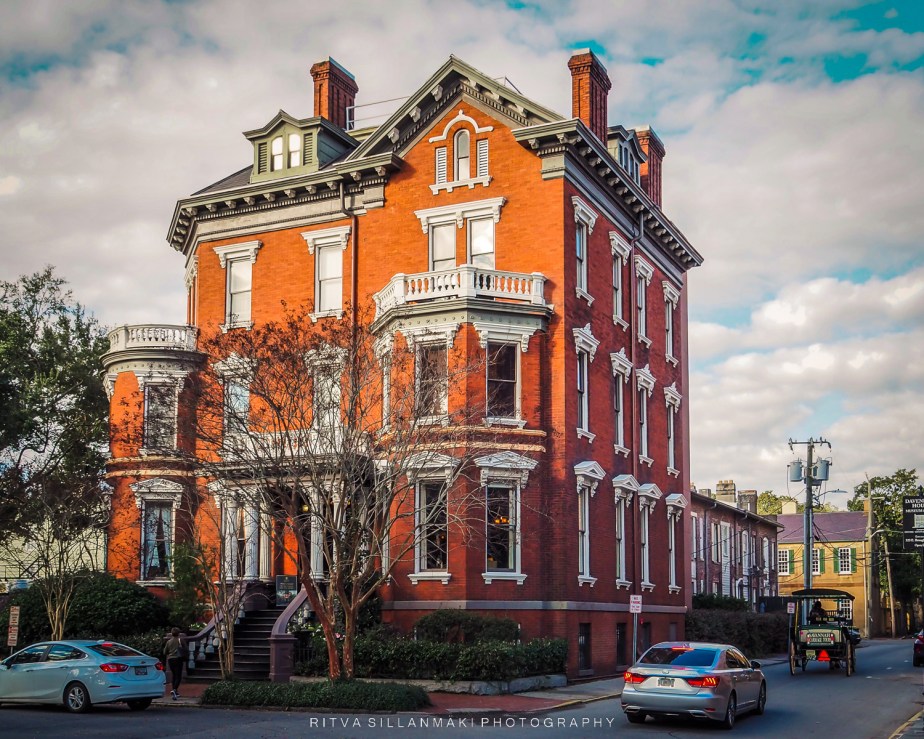
Savannah – the Kehoe house at the corner of the street is supposed to be haunted.
The Kehoe House is an exquisitely restored 1892 Renaissance Revival mansion in Savannah’s Historic District. The Kehoe House was built in 1892 by William Kehoe, a successful iron foundry owner. The home’s architectural style is Queen Anne Revival. Its exterior stairway, balustrades, window treatments, fluted columns and capitals, fences and gates are all cast iron, a tribute to the iron foundry’s excellence in pattern making and casting.
These are for Thursday Doors, as I was revisiting my images from Savannah. Surprisingly I have so many doors and buildings to share from that visit. I will start with these two houses. I have previously posted them, but there is a good chance you have missed those posts.
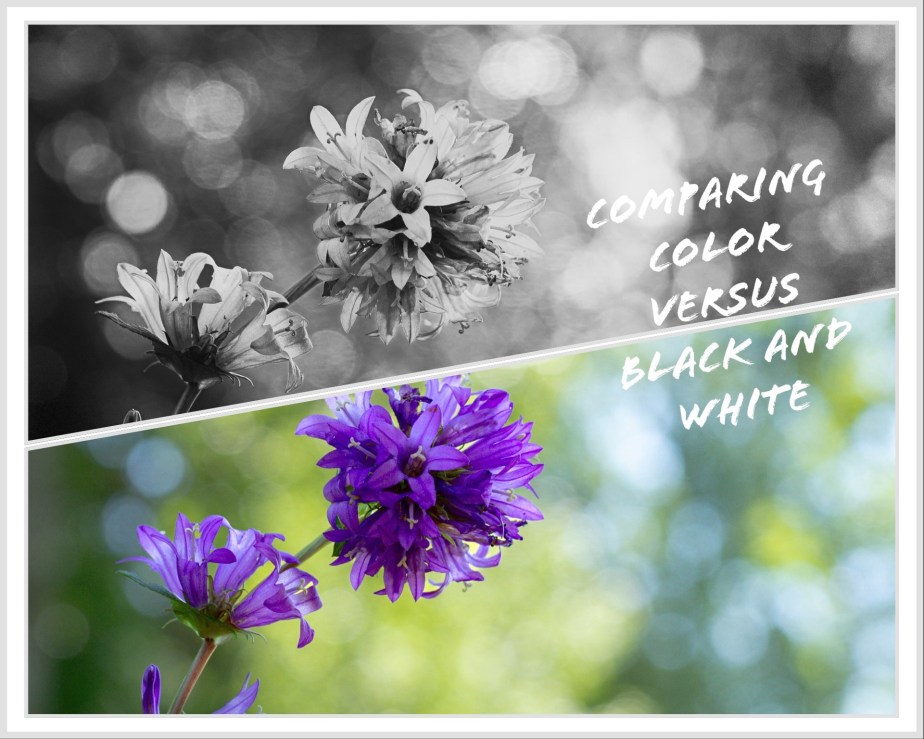
This challenge is a cool chance to dive into how using color versus black & white photography can totally change your selected images. Patti from P.A. Moed Creative Exploration in Wordsand Pictures invites us to join on this inspiring journey, as her awesome post gives us some solid tips on tackling the challenge! By exploring the feelings that different color vibes can bring out, you’ll see how certain shades can really capture the energy of a moment, while black & white shots can help showcase textures and contrasts, making your storytelling deeper.
So, the deal is to share pairs of the same image in both color and black & white. She asked us to keep it to just 3 pairs, which was pretty tricky since picking only three that really showed what I was going for was tough. But after thinking it through, I managed to do it! The photos I picked really show off the differences in vibe, texture, and light between the two styles. It’s so cool to see how color brings warmth and life, while black & white gives off this classic feel and a deeper emotional punch. I’m also diving into how the editing choices play into each shot—without color, you really focus on the shapes and forms, while bright colors change the whole energy. So, what do you think? Are you more into the timeless charm of black & white, or do you like the rich colors more?
Finally, use the lens-artists tag and leave a link your post to Patti’s original post.
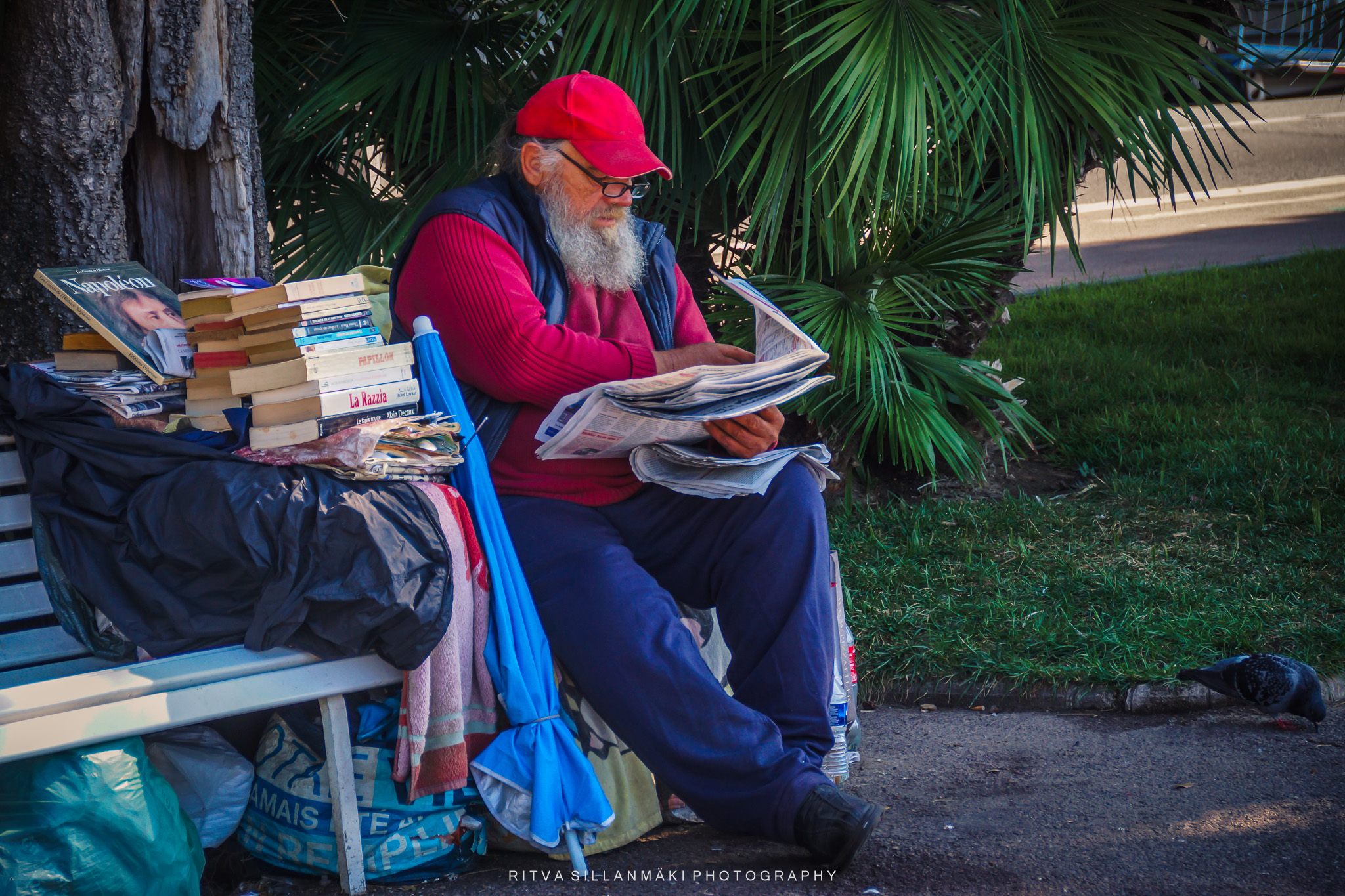
Reading the news
This man seated on a bench by the road, engrossed in reading a newspaper while surrounded by his books in France captured my attention. He is dressed in striking red and blue hues, and the light blue umbrella beside him, along with the collection of books and garbage bags. The color version certainly stands out more, whereas the black and white rendition conveys a more subdued ambiance—maintaining the focus on the individual reading rather than the surrounding elements. Furthermore, the intended message plays a crucial role—what do I wish to communicate through this image? If the objective is to emphasize the man, the black and white option is preferable; however, if I aim to highlight the environment as well, the color version would be better.
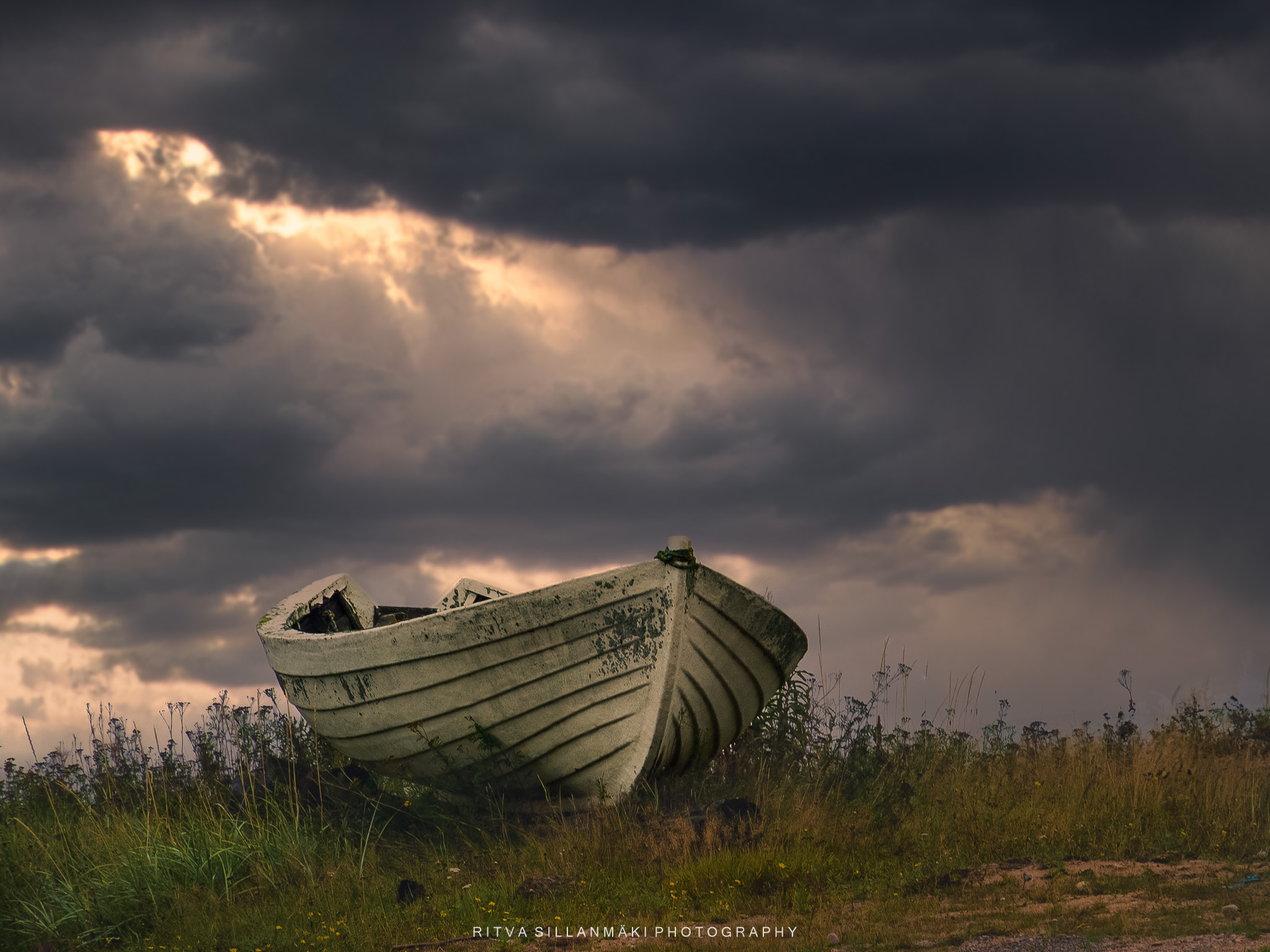
A rowing boat on the shore in Hailuoto
This boat image I chose showcases the clouds that give texture, creating a dynamic backdrop for the scene. The boat itself is minimalistic and weathered, adding a sense of history and character, which contributes to its roughness, ultimately enhancing its appeal, at least in a photograph. The editing process, I have found, is not the same for each variant; it is not a direct transition of color into a Black and White version. They are edited differently for distinct emotional and visual impacts. I think whenever you transition to black and white, you need to look at the image from a new perspective, considering what elements you choose to highlight. The color version conveys more about the time of day and the mood, which is more subdued; while in the black and white version, the boat emerges as the main focal point. Interestingly, for some reason, I made the mood lighter, almost brighter, in that version, contrasting with my usual tendency to render black and white images darker and moodier, utilizing more contrast. I like this version for its unique interpretation, but still, I find myself leaning towards the color variant due to its vibrant storytelling and emotional resonance. Analyzing both versions makes me appreciate the nuances involved in editing, as each choice not only alters the visual presentation but also shifts the narrative context within the photograph.
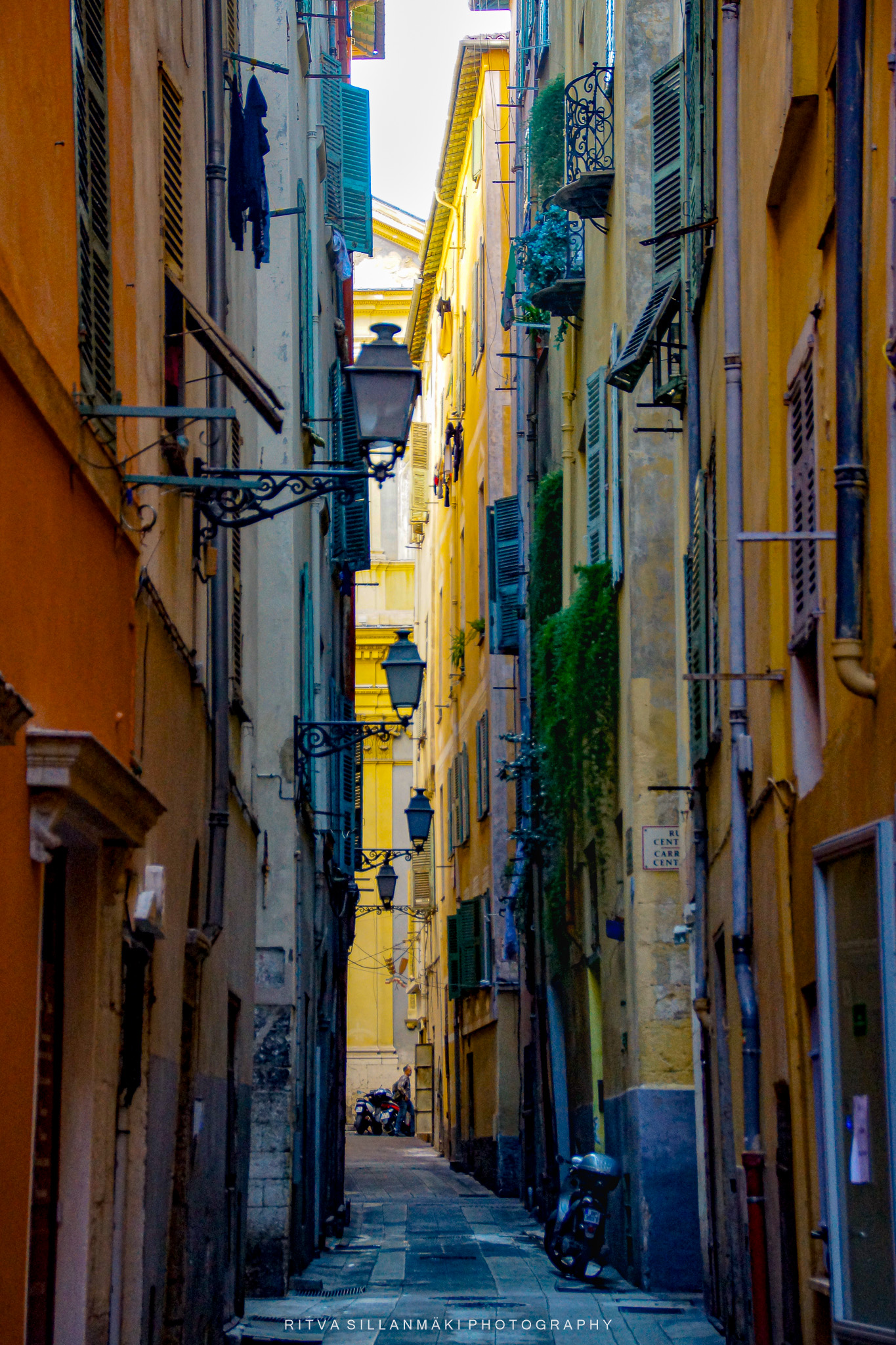
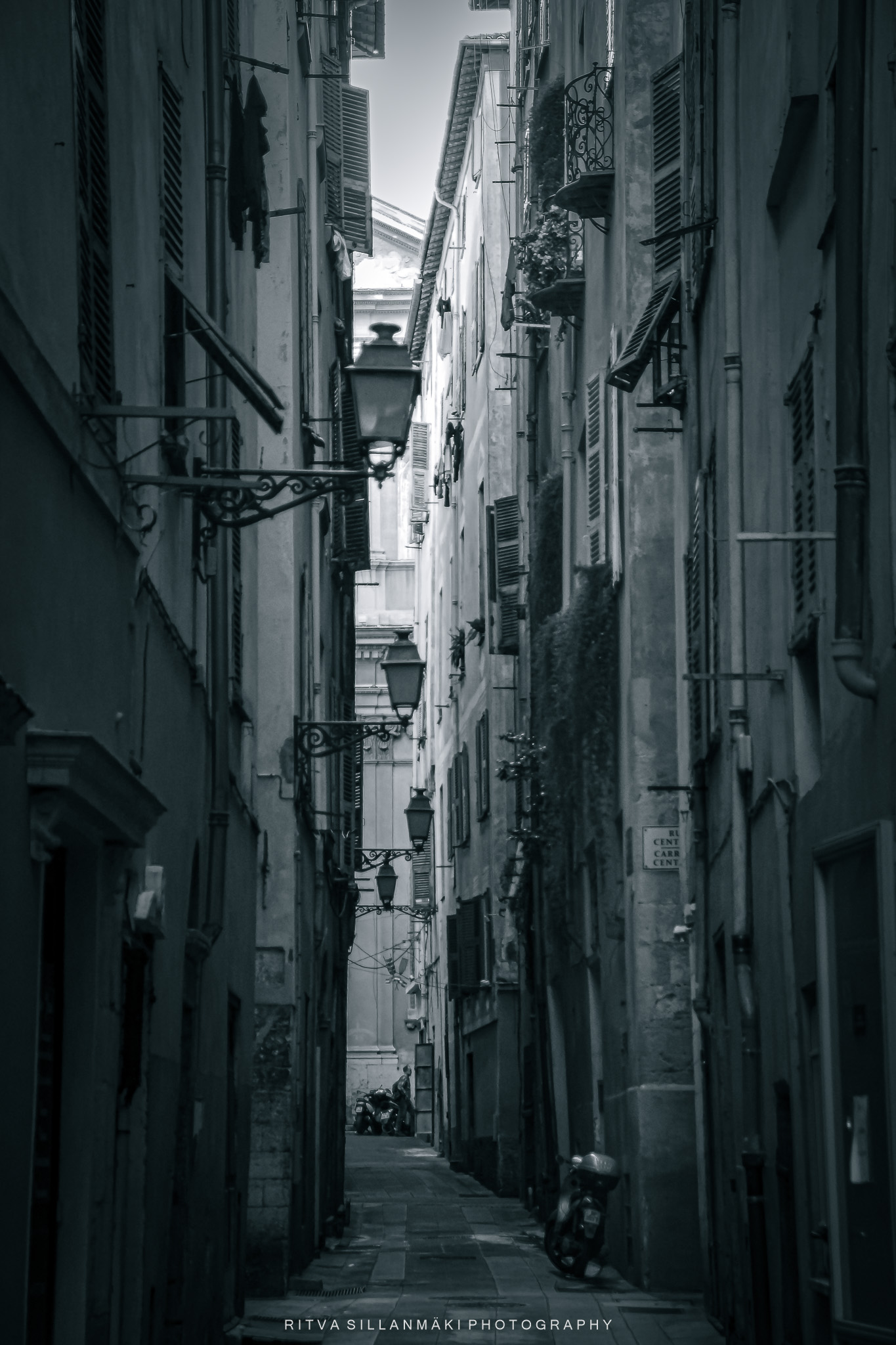
Alleyway in France
This is a charming alleyway in Nice, France, flanked by tall buildings that are closely positioned and adorned with a variety of vibrant colors. Numerous windows, some ajar, feature shutters, while ornate street lamps are gracefully mounted on the walls, capturing my attention with their charm. A cobblestone pathway extends toward a brighter area in the distance, where a few motorbikes are parked, creating a leading line that draws you in. The buildings exhibit beautiful shades of yellow, orange, and beige, with hints of lush greenery visible on the walls and balconies. The overall atmosphere is lively and inviting, evoking a sense of adventure in this historic city. The narrowness of the alley, combined with the height of the buildings, fosters a feeling of intimacy and warmth, while the bright colors and light at the alley’s end enhance its welcoming nature. All of this truly appeals to me.
Conversely, the black and white color scheme imparts a classic, nostalgic quality that emphasizes the textures and architectural details of the structures, showcasing their timeless beauty. This image is noteworthy as it encapsulates the essence of an old European town, characterized by its narrow streets and rich historical architecture in a remarkable way. Despite the absence of color and the quiet demeanor of the alley, the scene conveys a contemplative mood, fostering feelings of solitude and introspection. I find myself captivated by both the vibrant colors and the elegance of the black and white aesthetic—each offers a distinct allure that enhances the character of this alley. Yeah, black and white … for this one.
Last week we got to enjoy beautiful cuddly cats and dogs and some other wilder animals also. Are you a cat or a dog person these were all a joy to see, thanks Tina for this sweet theme, loved it.
Next week, Ann-Christine returns with her first new challenge for the year. It will go live at noon EST in the USA. Tune in to find out another exciting challenge.
Don’t forget to use the “lens-artists” hashtag when creating your post so we can easily find it in the Reader and linking it to original post.Please see this page to learn more about the Lens-Artists Challenge and its history
PS. I am still on vacation so my participation is very limited at the moment.
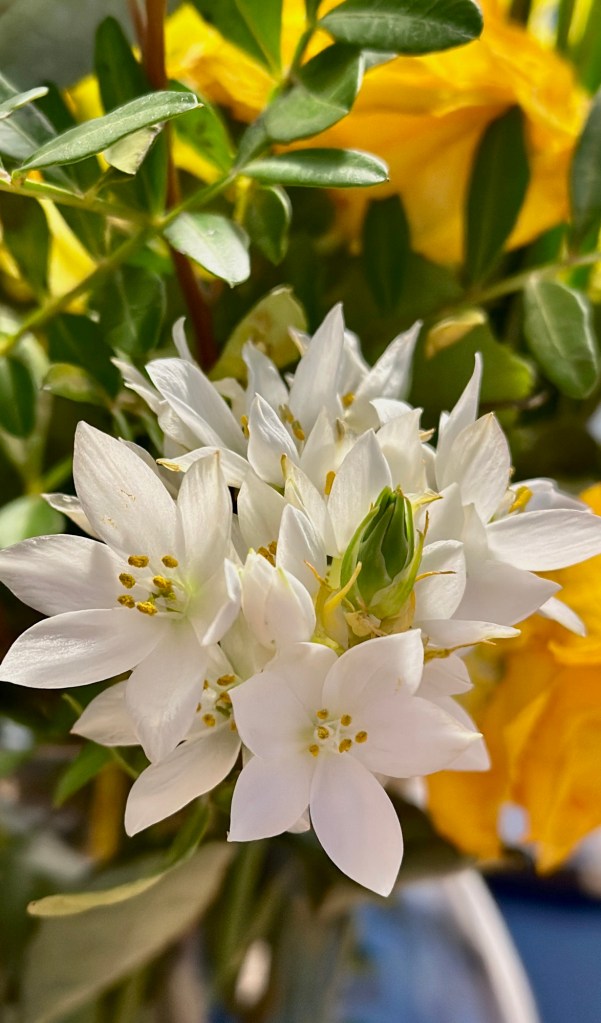
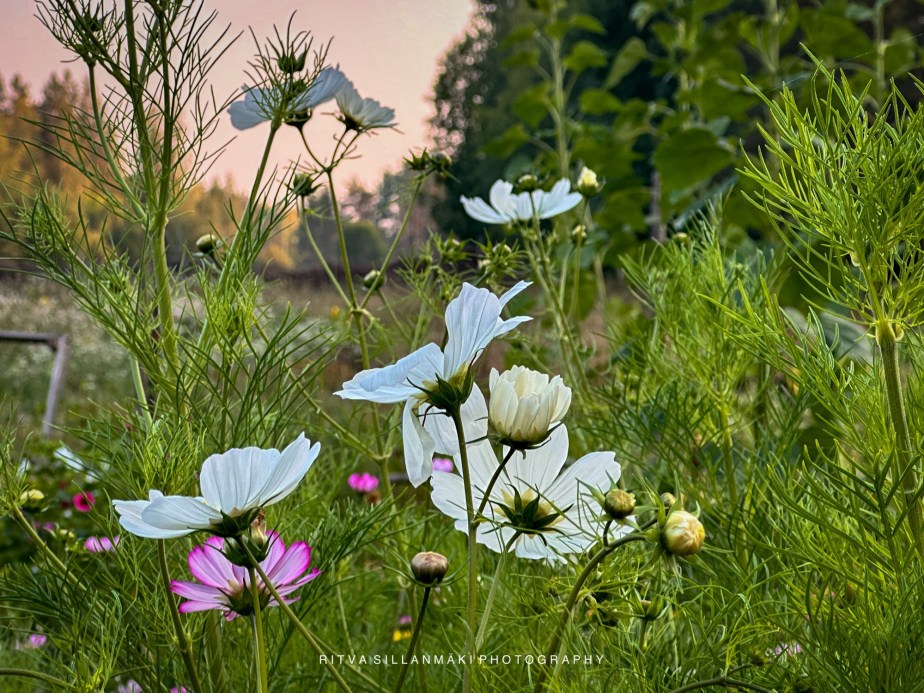
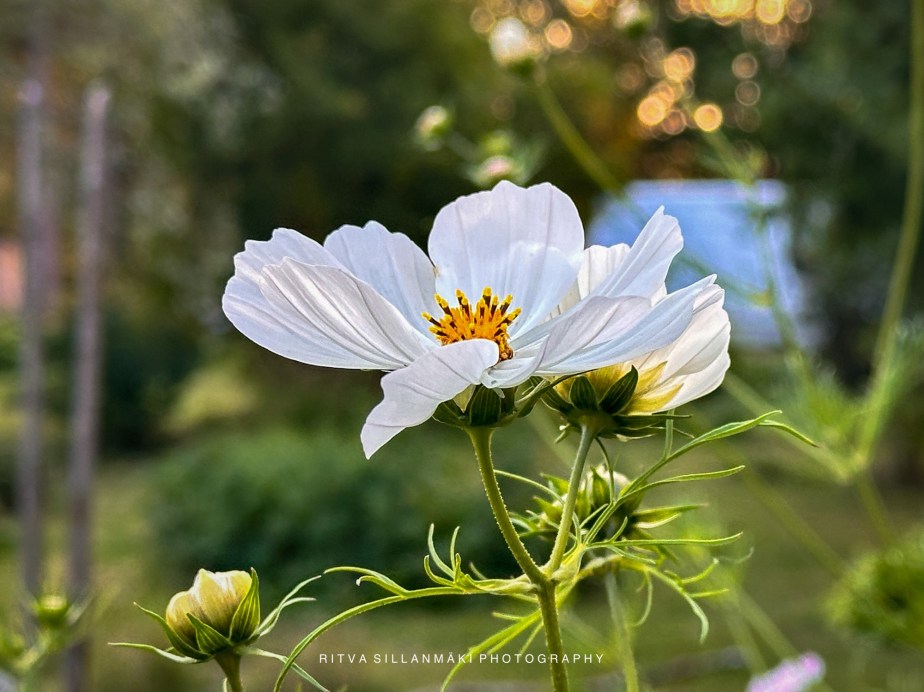
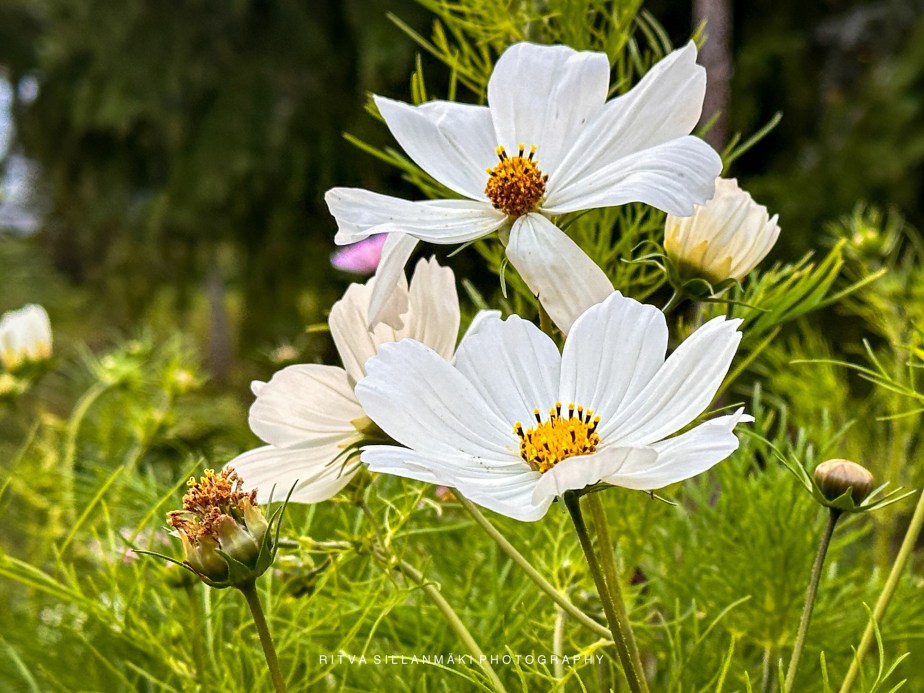
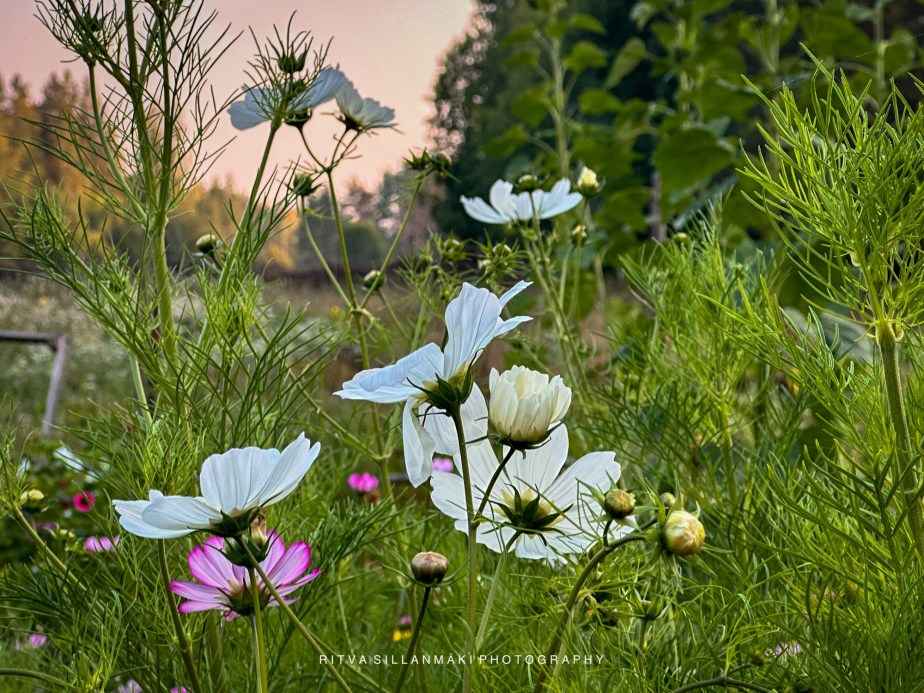
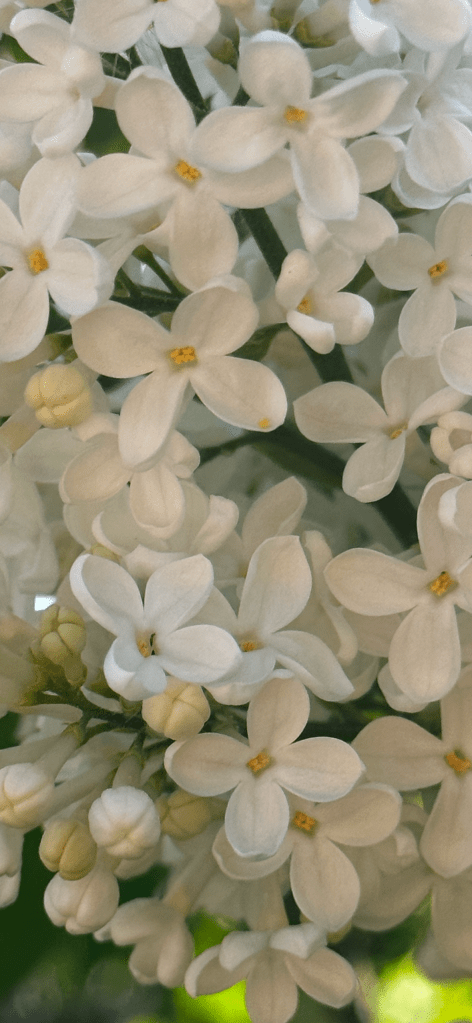
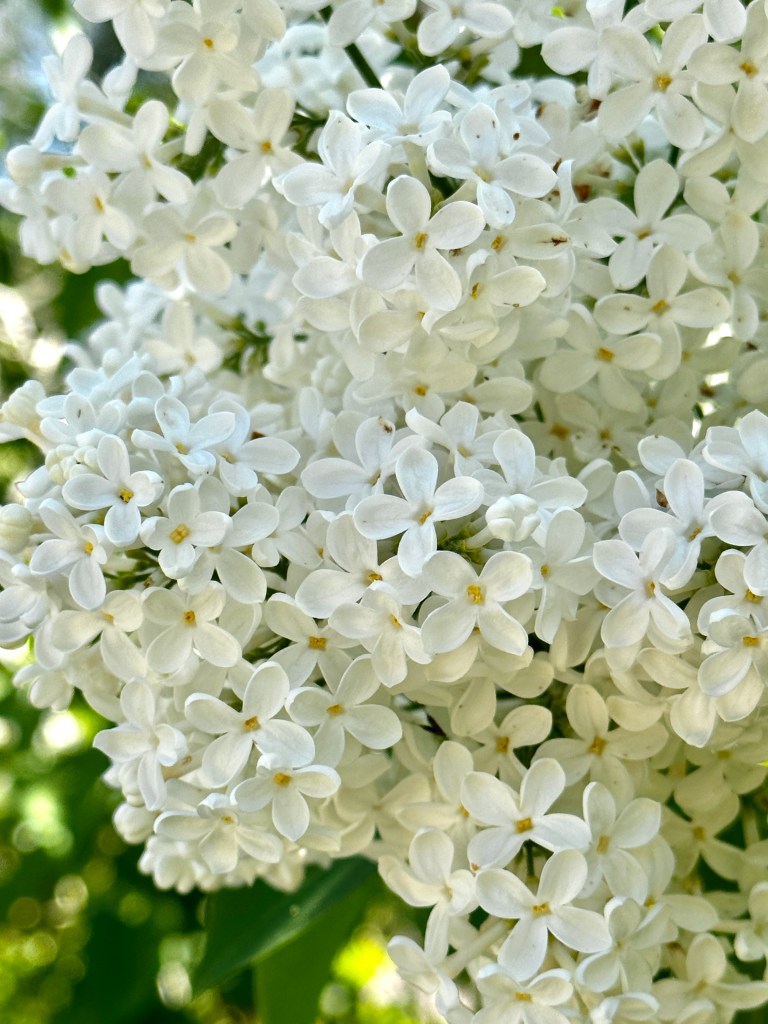
I posted these beautiful garden cosmos flowers yesterday on Instagram, but I realized I haven’t shared them here yet, so here we are. The garden cosmos, also known as Mexican aster or cosmea, belongs to the species Cosmos bipinnatus, and it never fails to captivate with its delicate charm. Each petal of this dainty flower reflects a pure, pristine white, and simplicity. Its slender stems and feathery foliage gracefully complement the blooms.
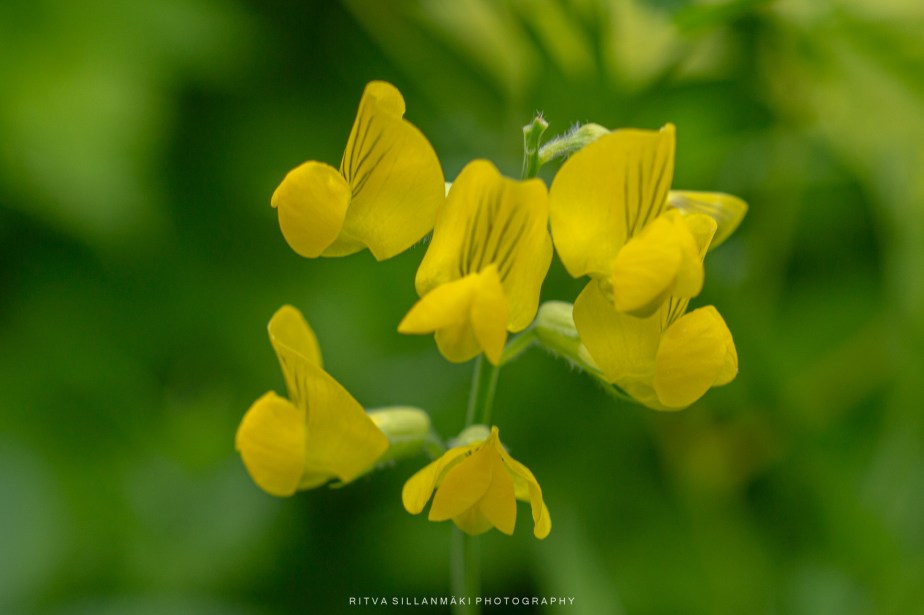
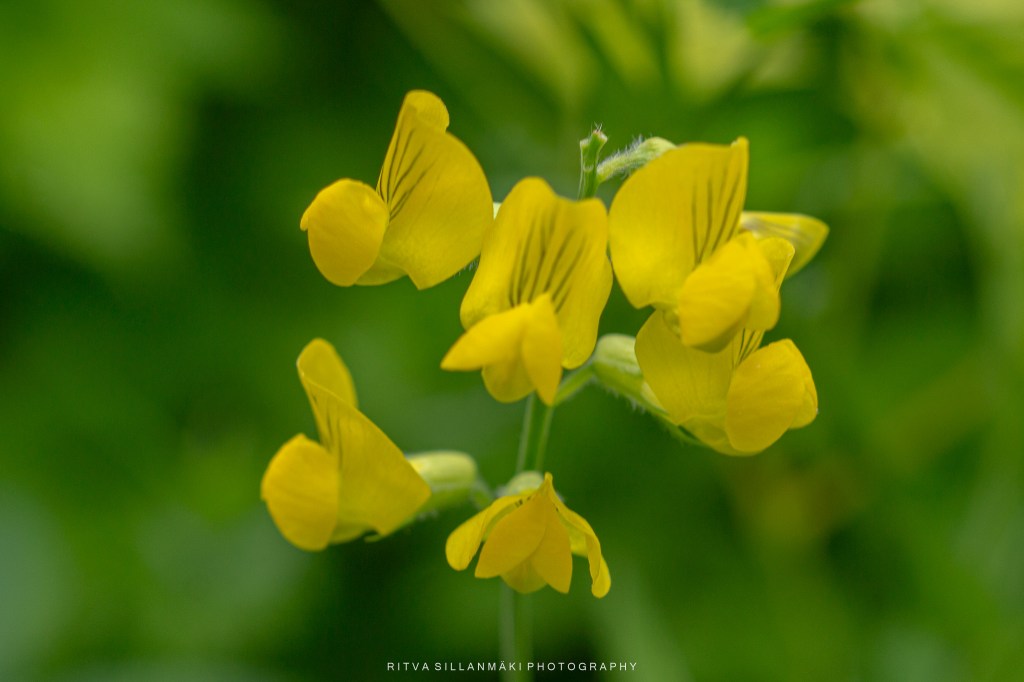
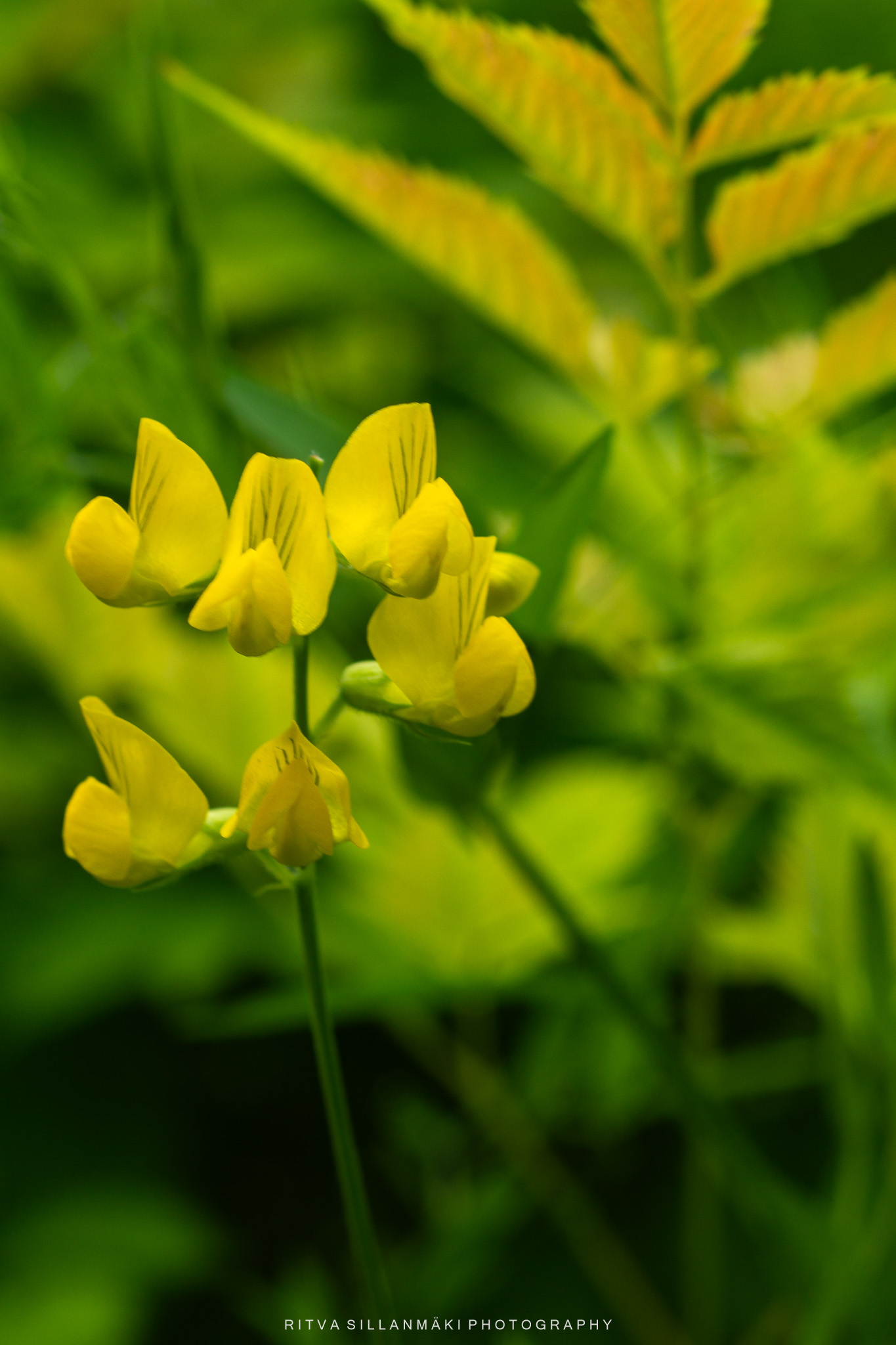
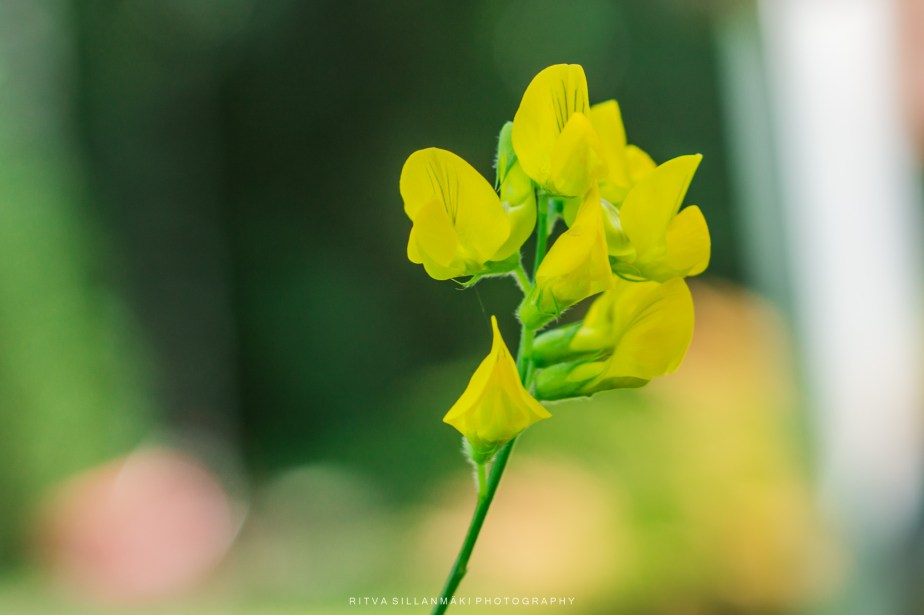
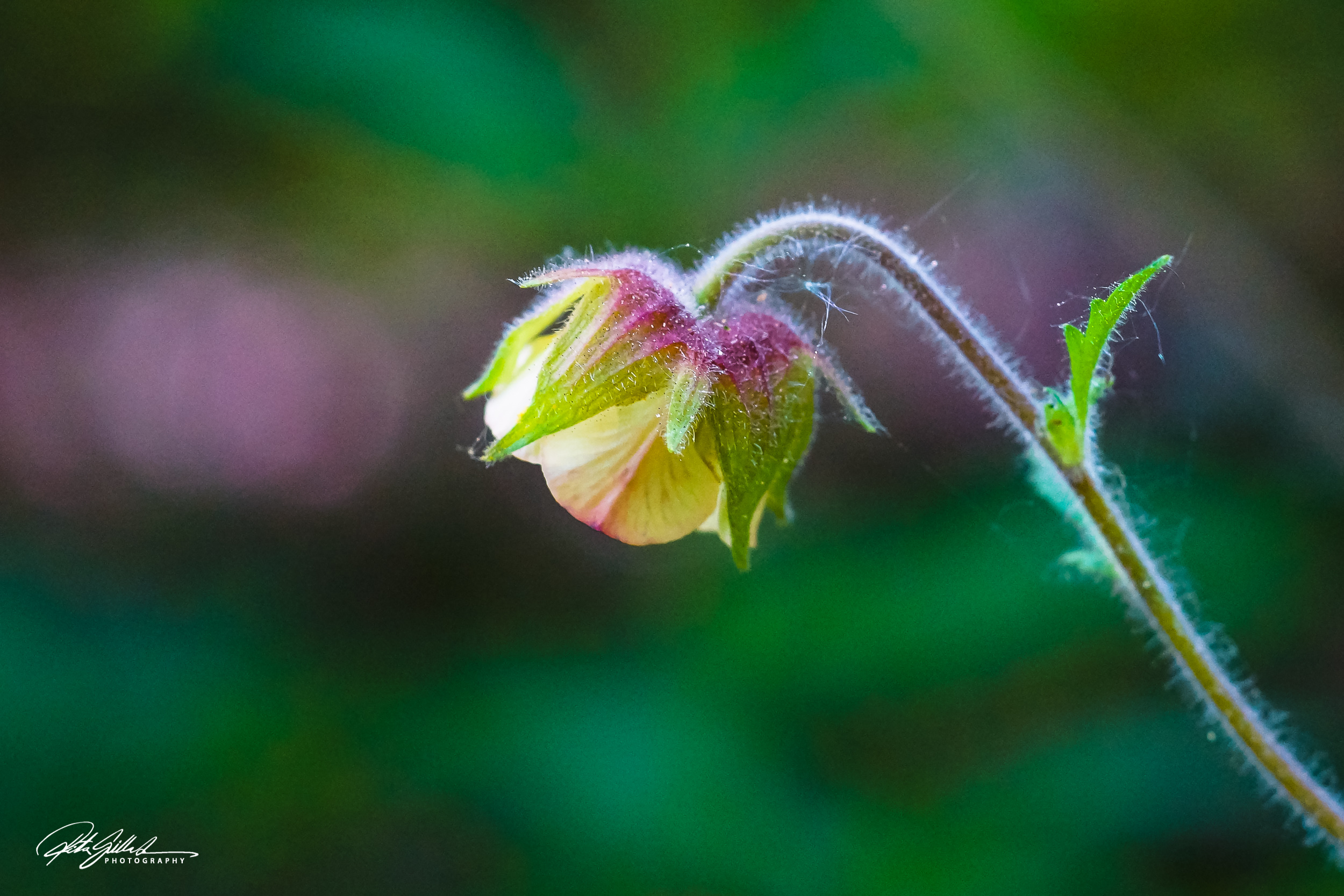
Meadow vetchling’s Finnish names( niittynätkelmä) often involve animals, and in the past it has been dedicated to mice, rats, dogs and hares, not to mention birds and grasshoppers. Other old names emphasise what is perhaps its most apparent quality: its glowing yellow flowers.
Despite its many names, meadow vetchling has never been an important nutritional or medicinal plant, although it has probably been a useful fodder plant. Its many names probably mean that it has been common and visible.
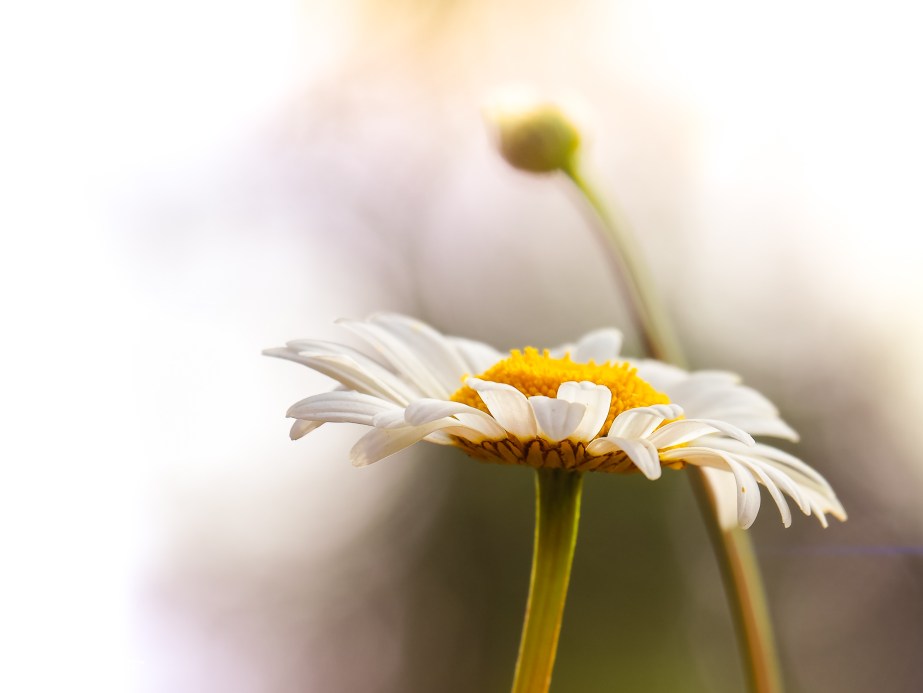
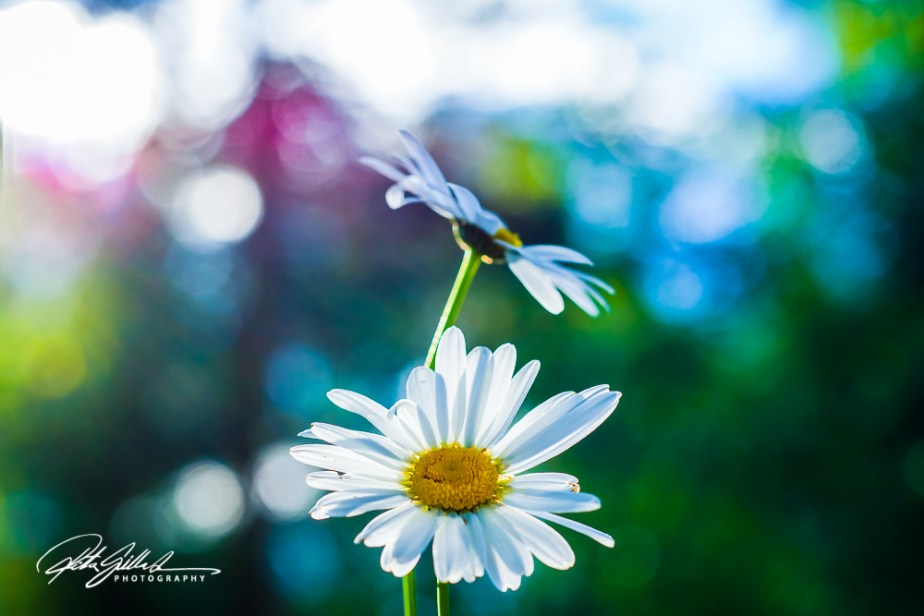
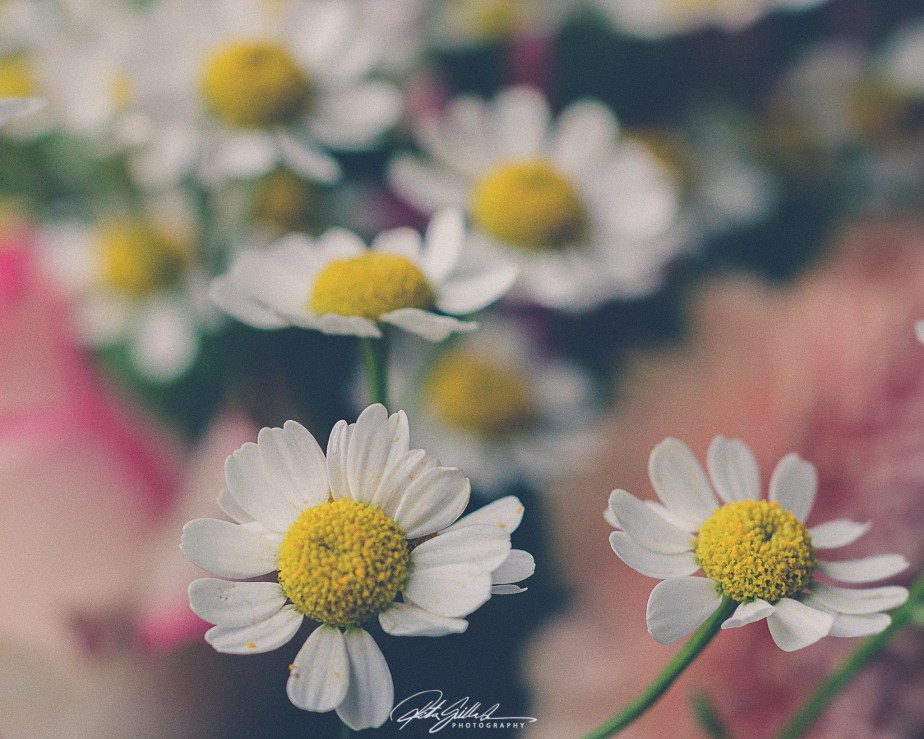
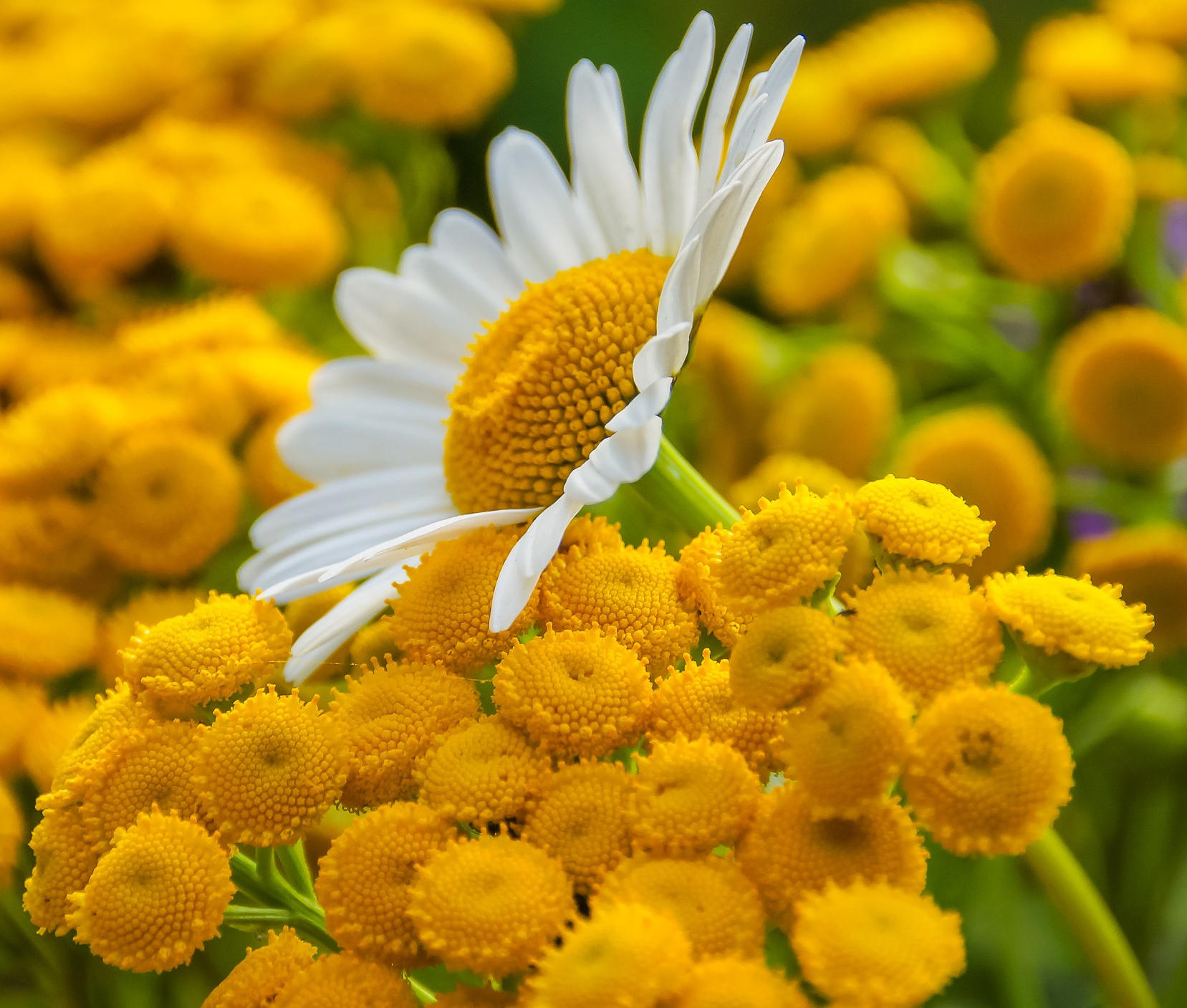
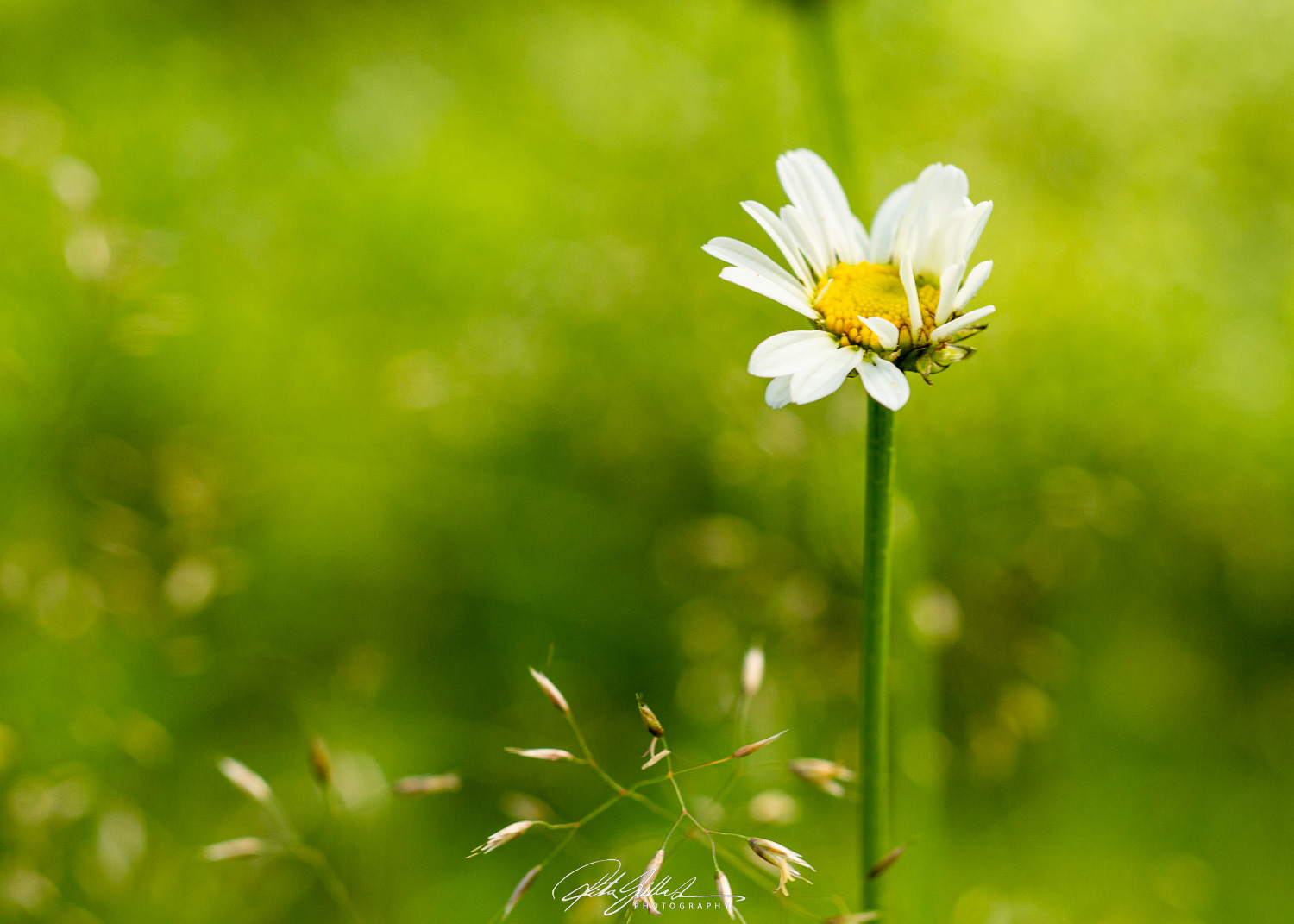
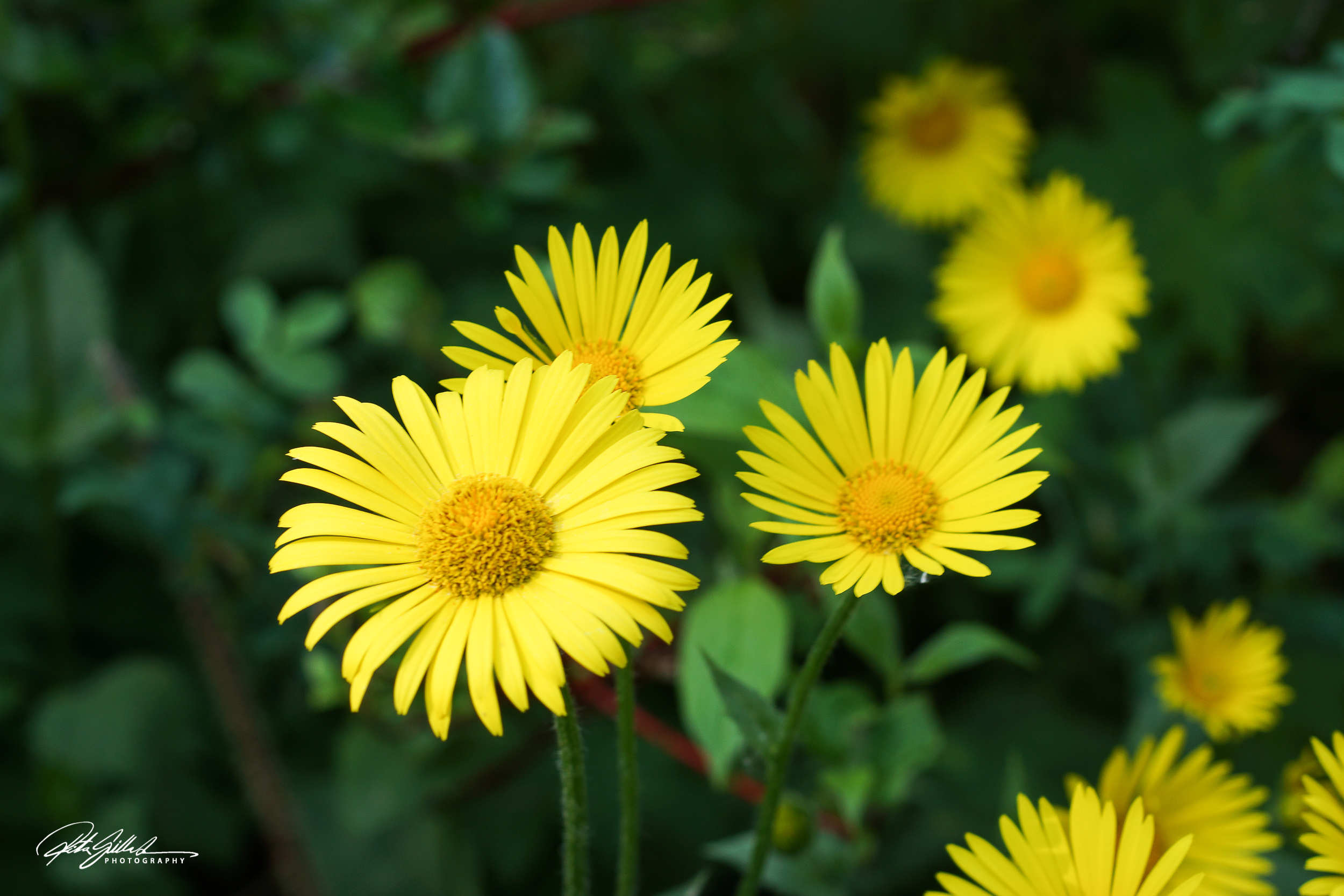
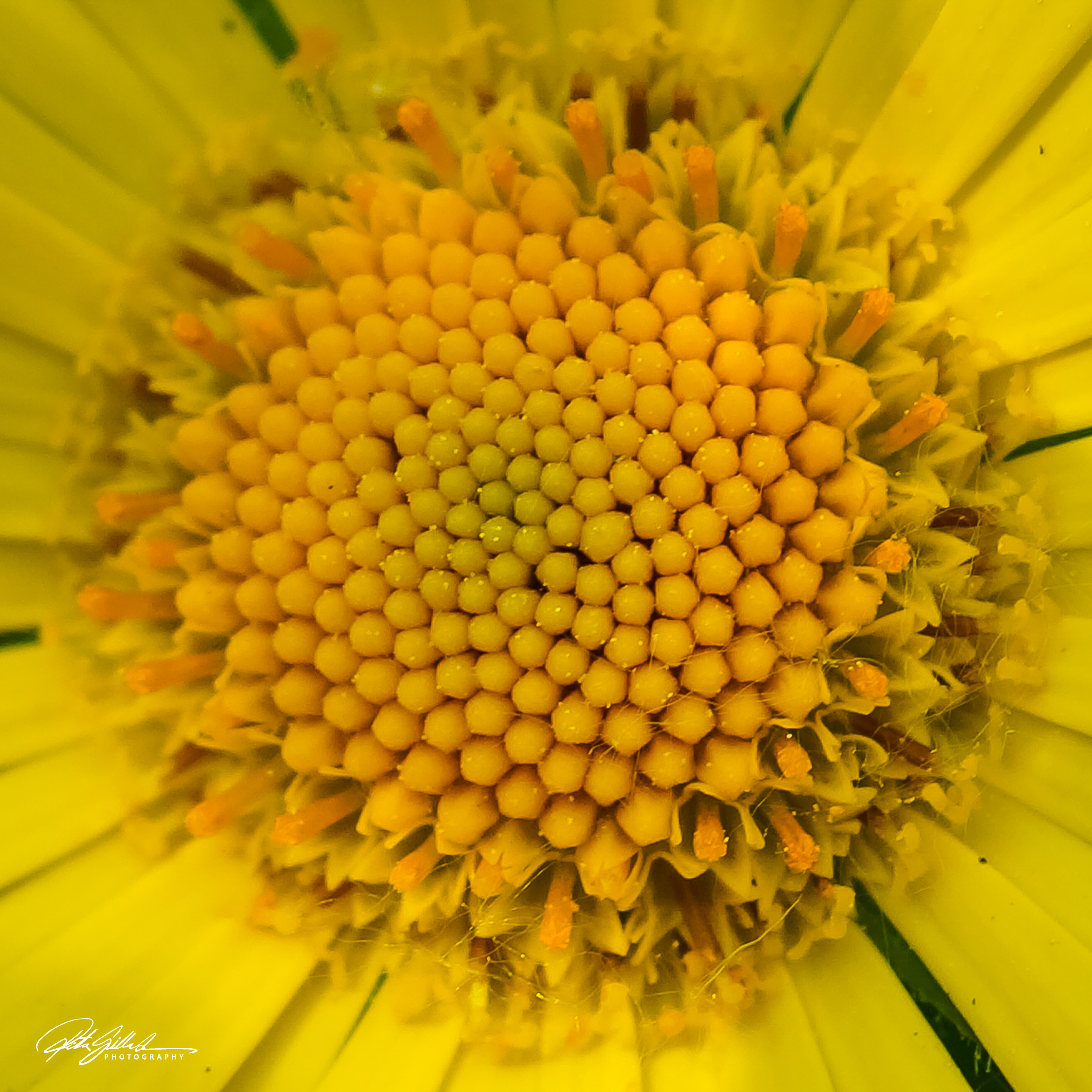
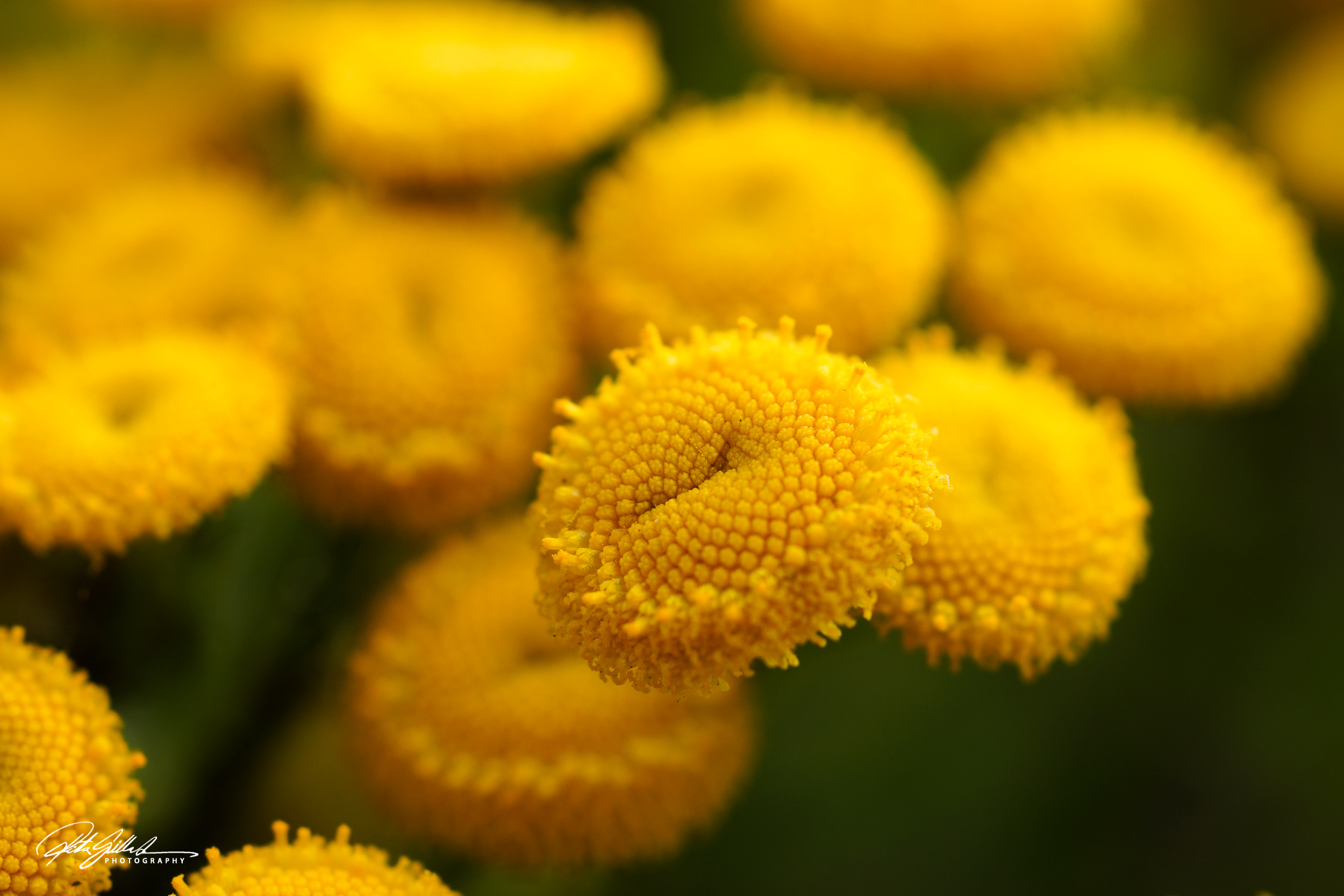
That’s what I am calling this flower, even though when I googled it could also be Mayweed. It is pretty, that’s enough for me, one of my favorite flowers, it is sunny. Brings summer to mind.
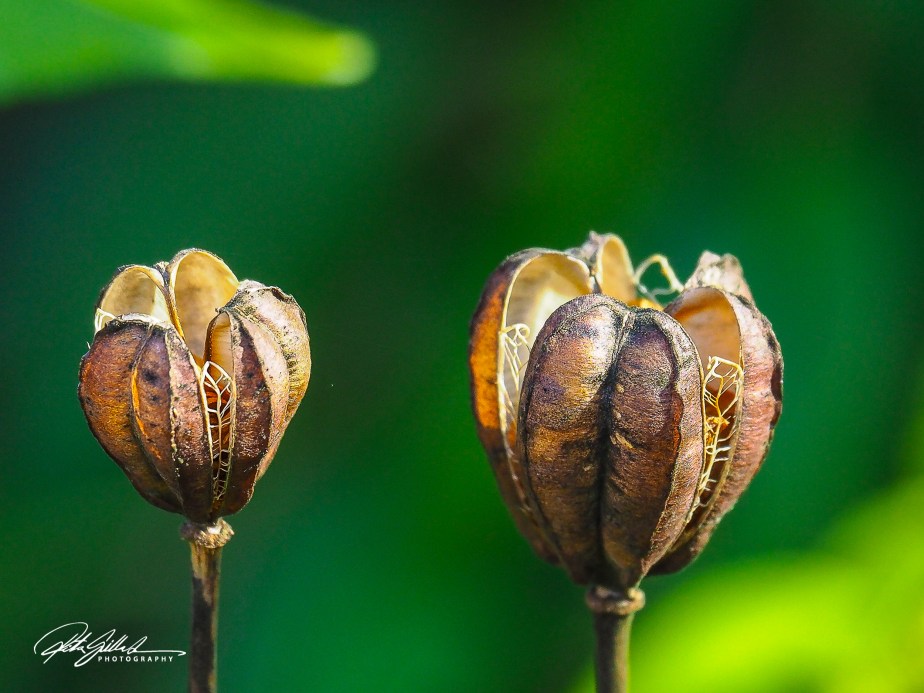
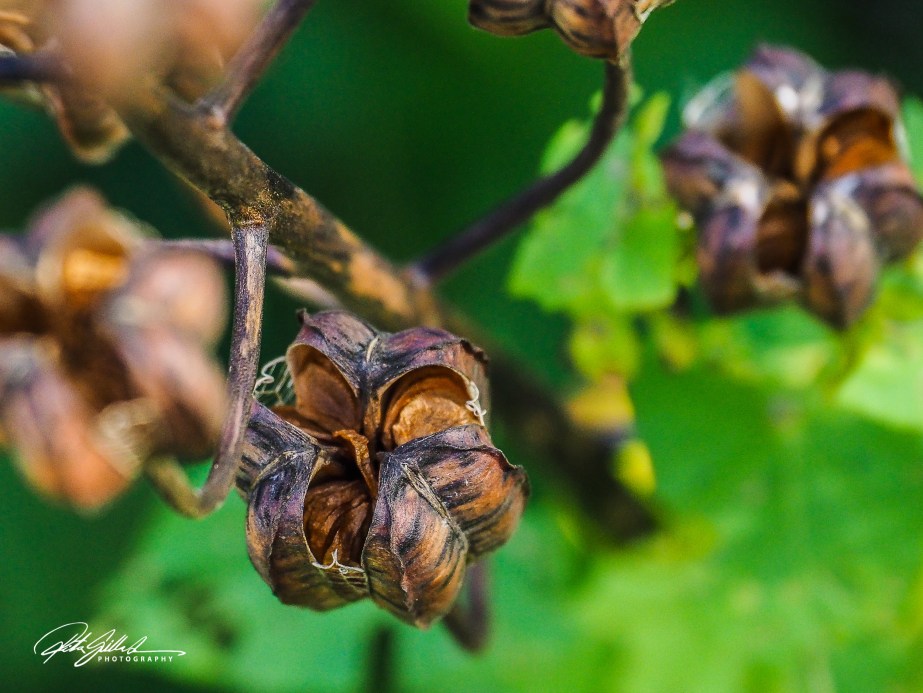
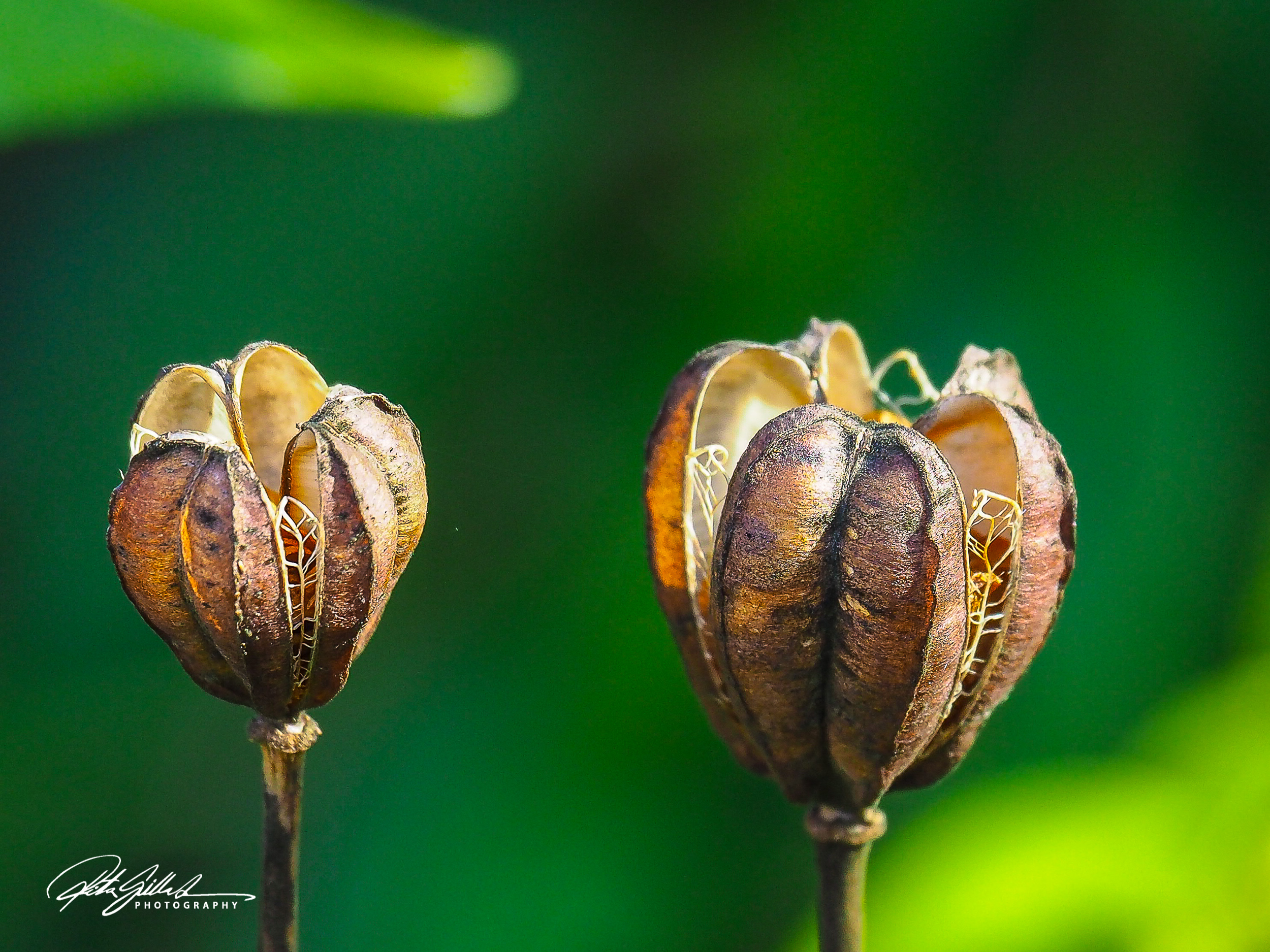
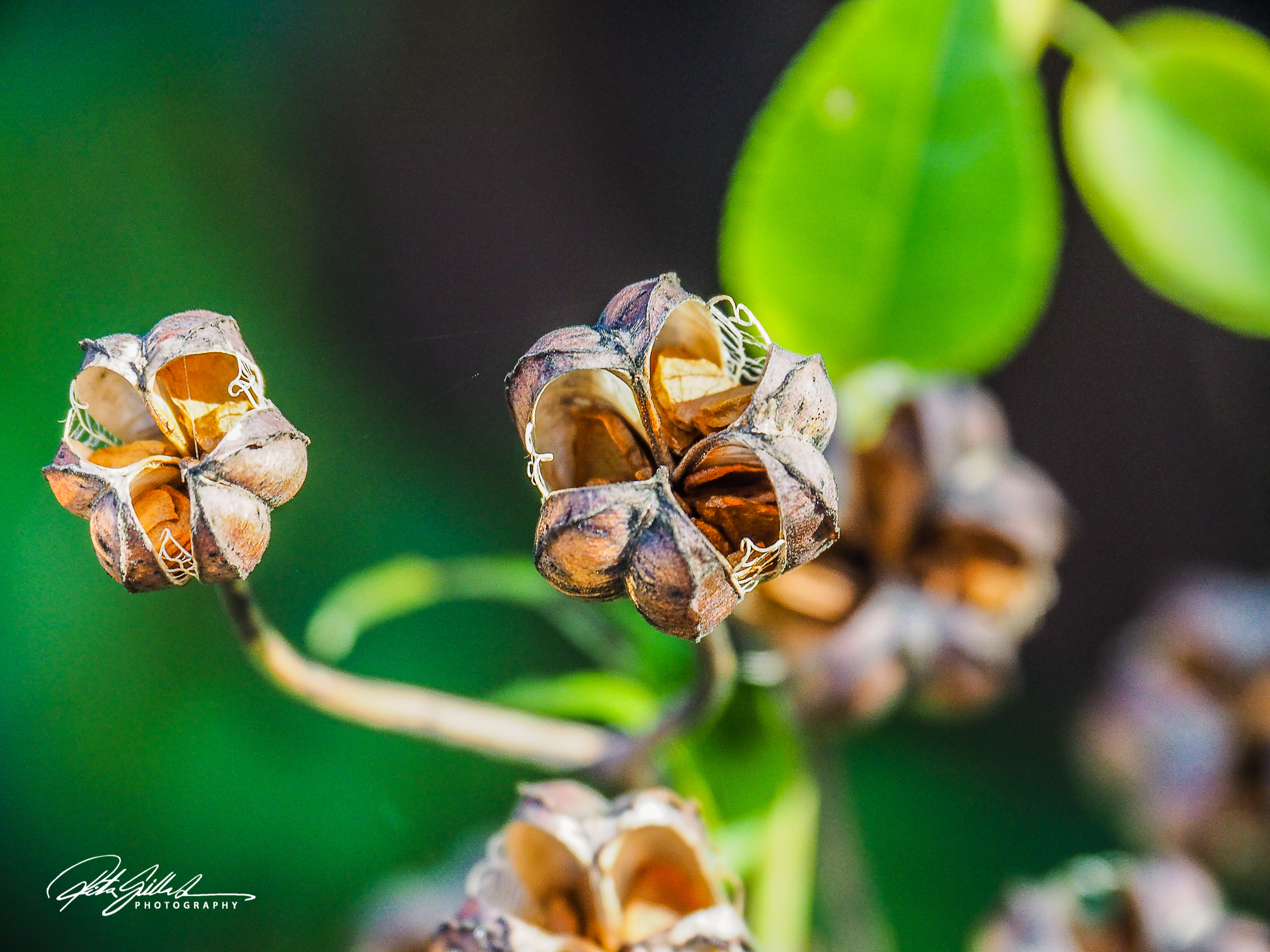
Today my choice is not actually a flower, but an empty core of Turk’s cap lily or Martagon lily.
core of Turk’s cap lily
Martagon lilyhas a long history as a garden plant: it has possibly been known in Sweden since the Middle Ages and in Finland since the 19th century.
After flowering the downward curve of the flower-stalks is reversed and the capsules end up in an erect position. After withering the rigid stem supports the fruits under the snow – martagon lily sticks out during the winter. As the wind blows the seeds rattle against the dry walls of the capsule until they fall out in a hard enough snowstorm.
This morning when I saw the title of Leanne Cole’s blog post Losing a blogging friend and remembering Bren. Leanne wrote: When you look at Bren’s blog you can see a lot of flowers, she loved them too. I have put together some of my flowers in memory of her and hope you can do the same.
I got to know Bren for a short time, but she came across as caring, and encouraging person. Flowers for her memory.
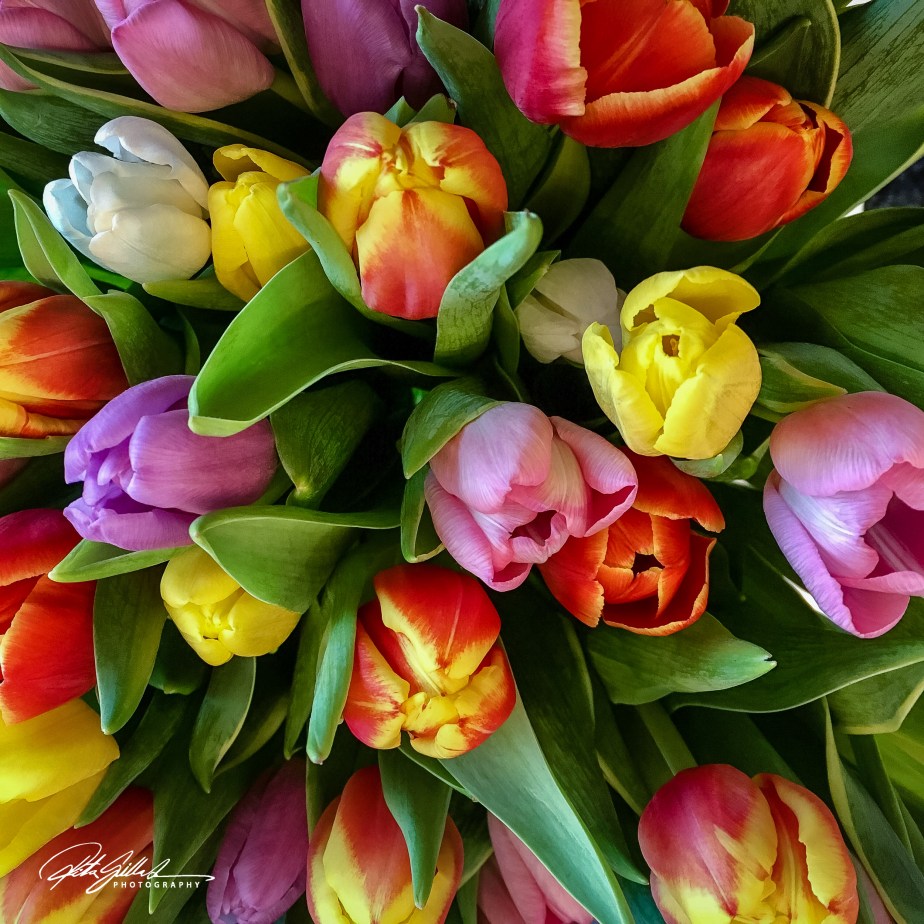
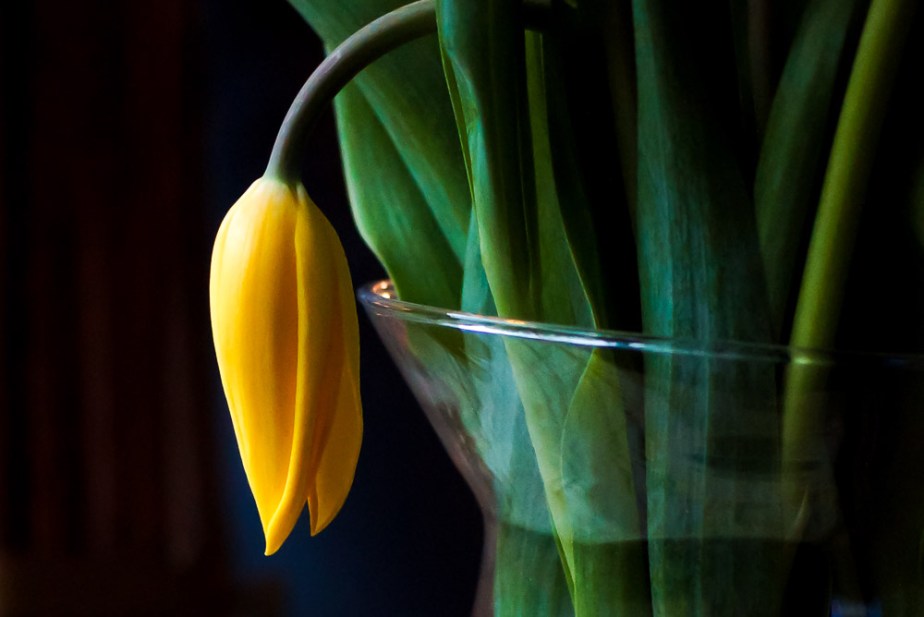
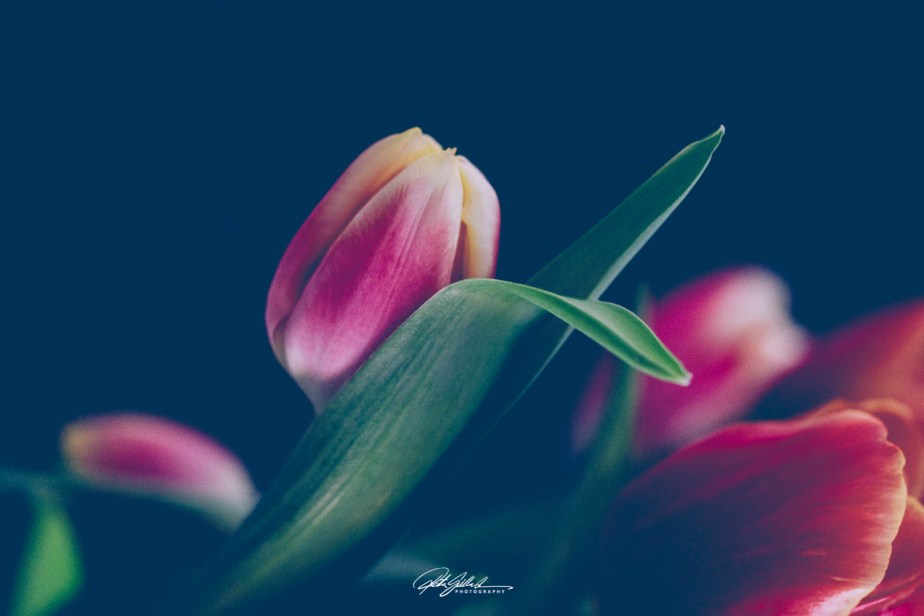
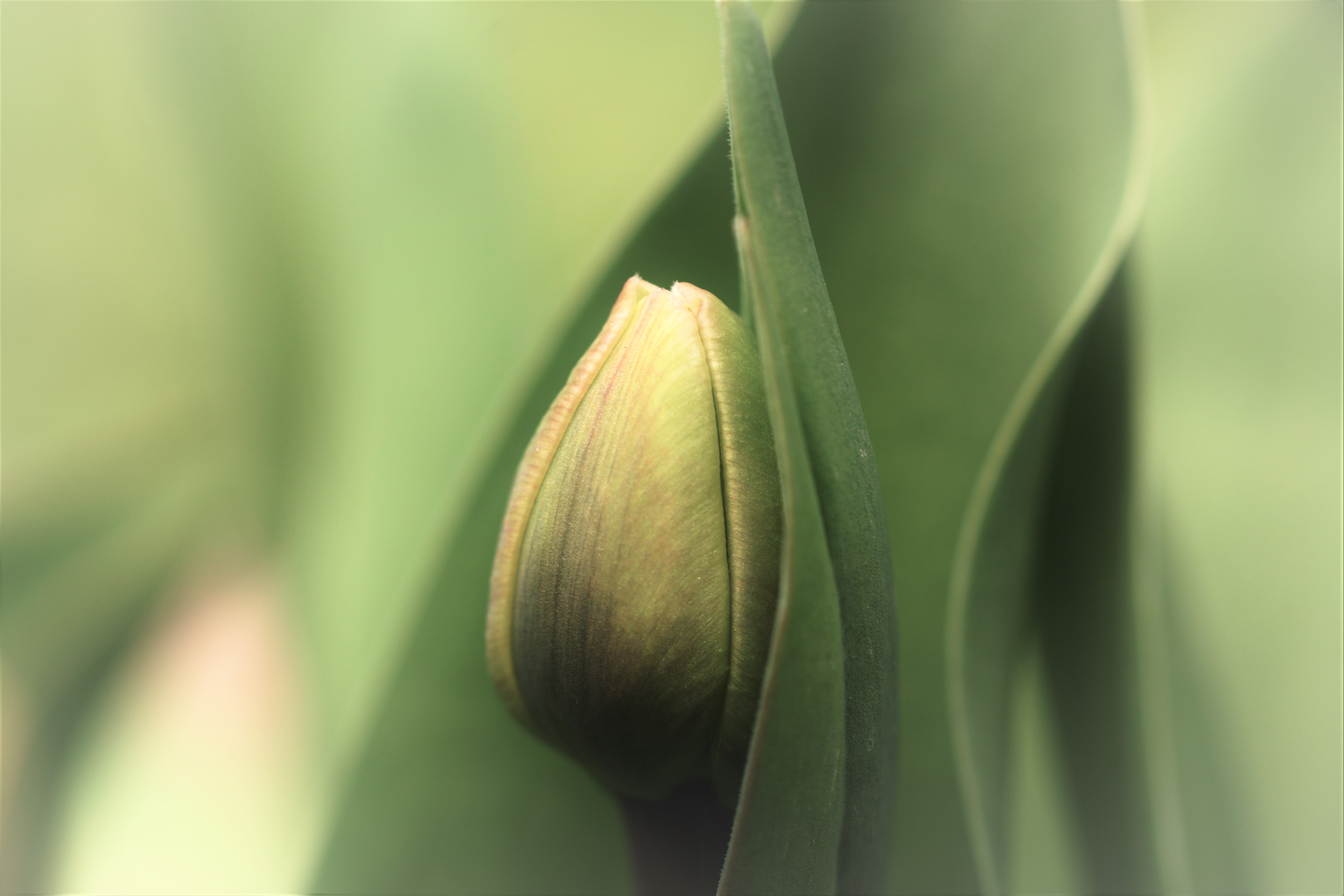
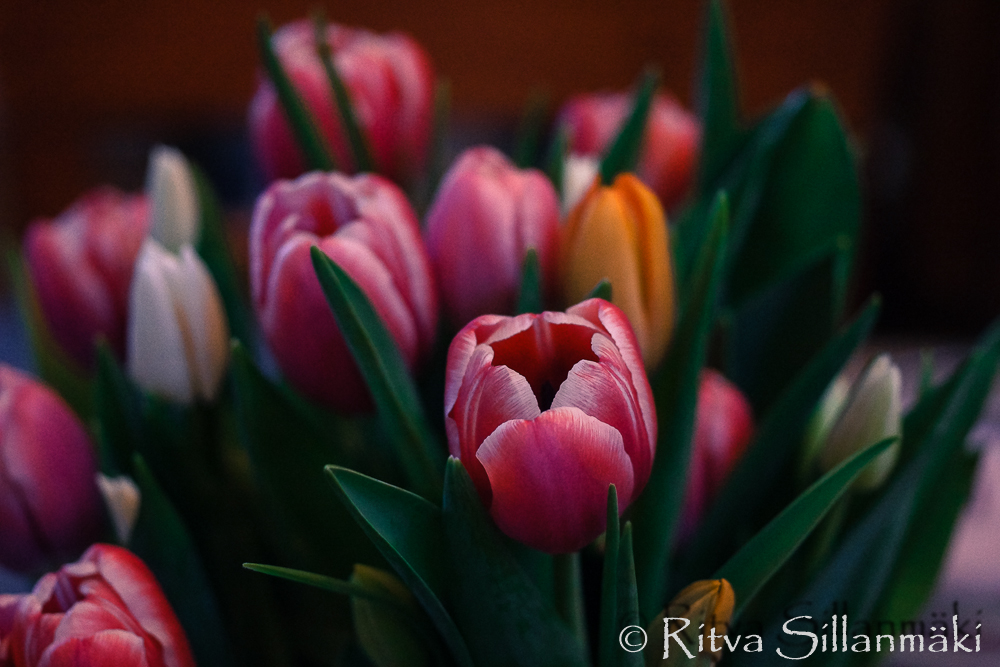
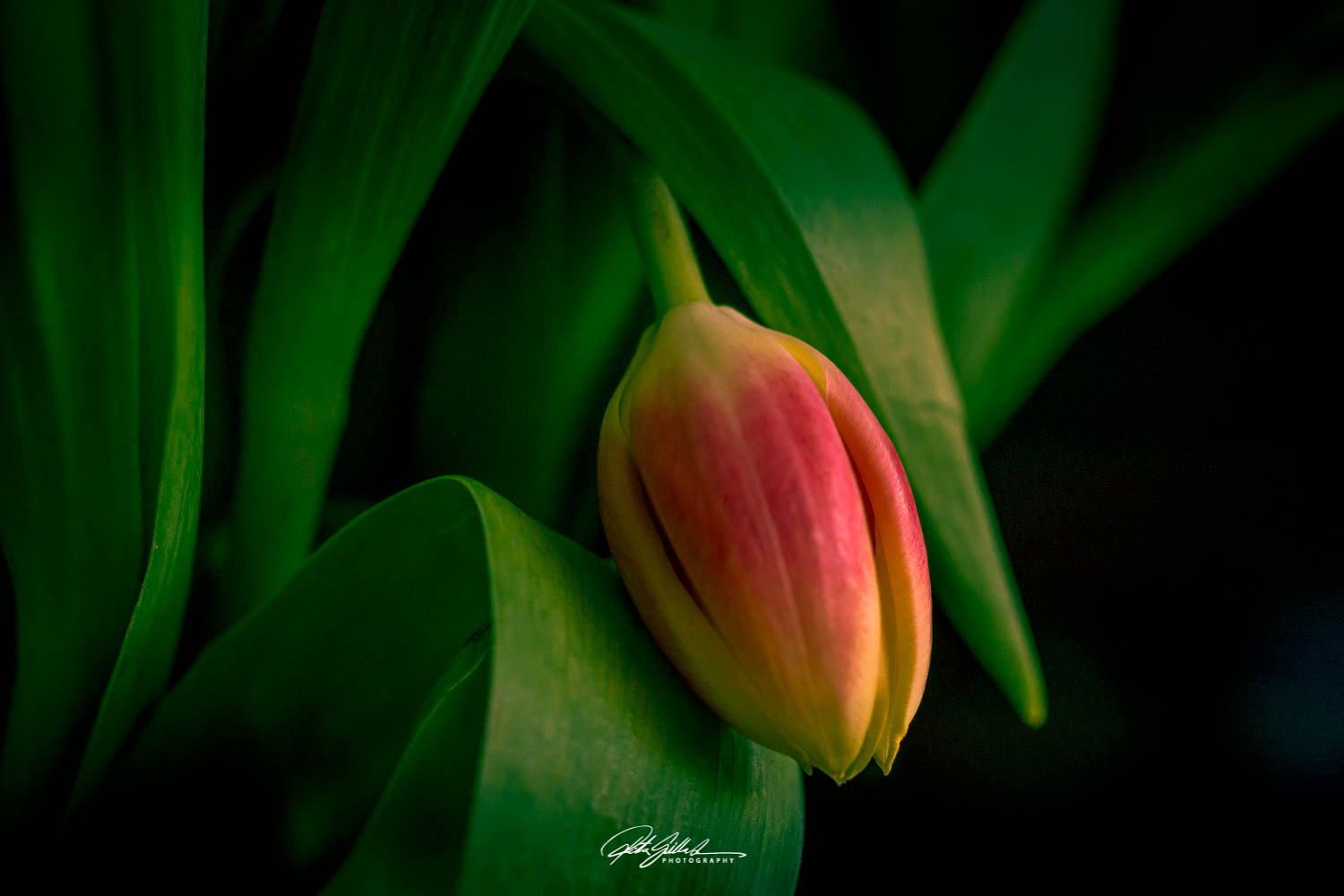
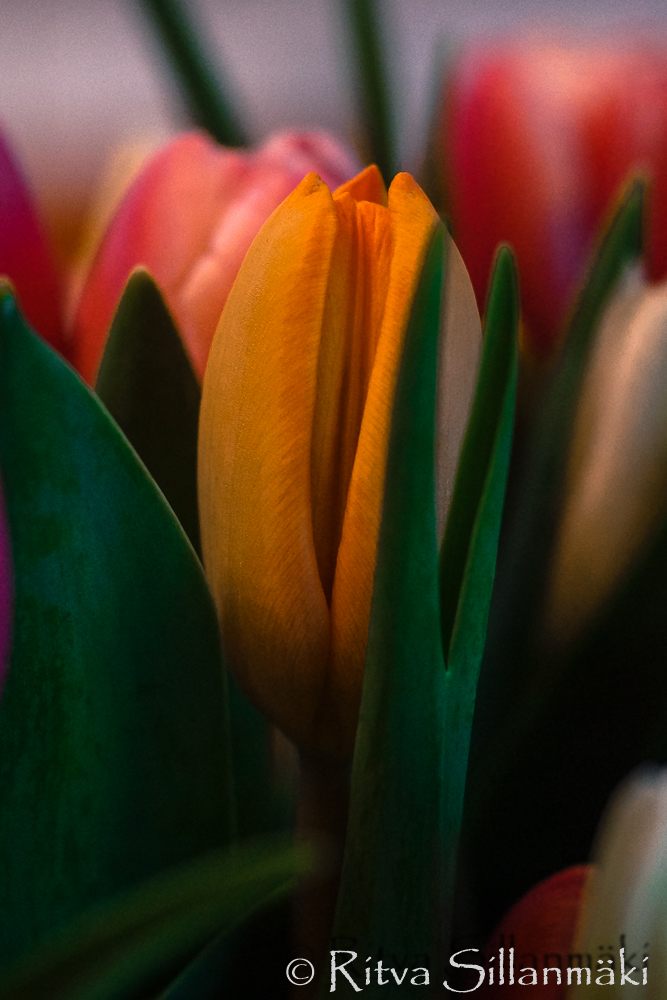
Since I am sharing close-ups , I’ve decided also to participated in Cee’s Flower of the Day challenge. This time the T letter is also is attached to it 🙂 Tulips. The stylish and graceful Tulip is always elegant. it Is a delight.
Look around and we’ll see something we take for granted – color. Our wonderful world is filled with it, so this week we’re asking you to Choose A Color. Make that color the theme and inspiration behind your image. Colors evoke moods and feelings – how you choose to compose and use them is what will guide the viewer through the image.
Choosing to focus on a single color in particular is both creative and good use of light, contrast and saturation is what can make or break an image. Pick a color and make it the dominant and outstanding and leave no doubt about which color you wanted to make the main point of your shot.
I am having huge problems with my computer, so much that I need to buy a new one, so these are old shots that I have here already used in my previous posts over the years. I am not able to access my computer files, or additional hard drives to add photos or load new ones from the camera disk. I am able to access the internet for now, so I am using these here this week.
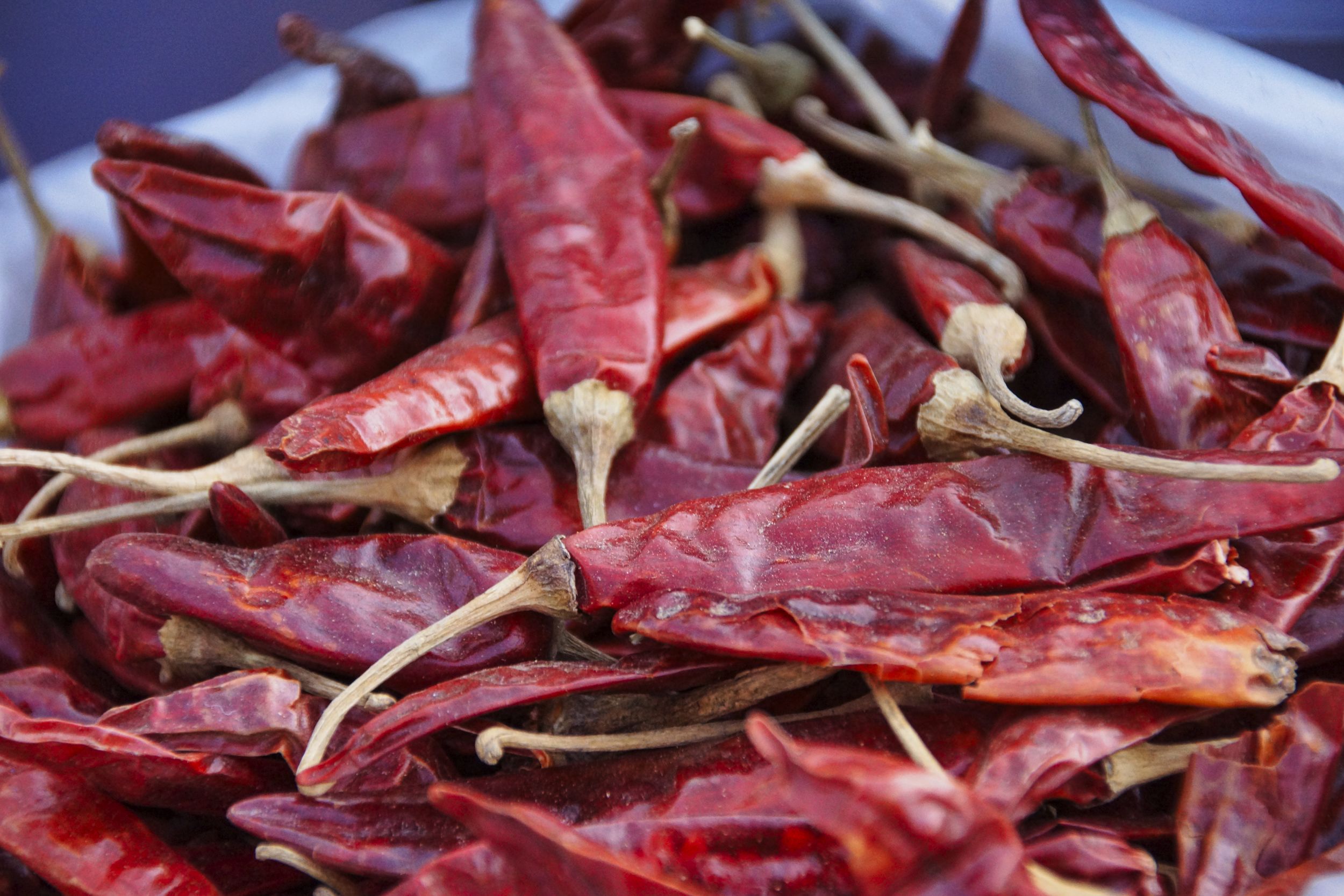
Think landscapes of rolling green hills, or food shots of red chilli peppers or the all encompassing golden color at sunset – there’s a noticeable dominant color there and that’s what we’re looking for.
orange
Green
Composition: Compose your shot so there’s no doubt as to which color you’re trying to use. Think about any emotions or moods your photo can evoke and bring that to the forefront. You could use a lot of negative space to direct interest to your subject or go in full-tilt and fill the frame
Lighting: Lighting and shadows add depth to an image and can change an image dramatically. An underlit and underexposed image brings to mind a different mood than a bright, well-lit one.
White Balance: . Using and adjusting white balance while taking your photos will be valuable
Contrast: If there are multiple colors and shades in your image, ensure that there’s one that’s visibly up front and recognizable – it contrasts and stands out from the other shades and tone of the image.
Post-processing: Feel free to go nuts with post-processing and editing to render some cool color effects. But remember, less is more.
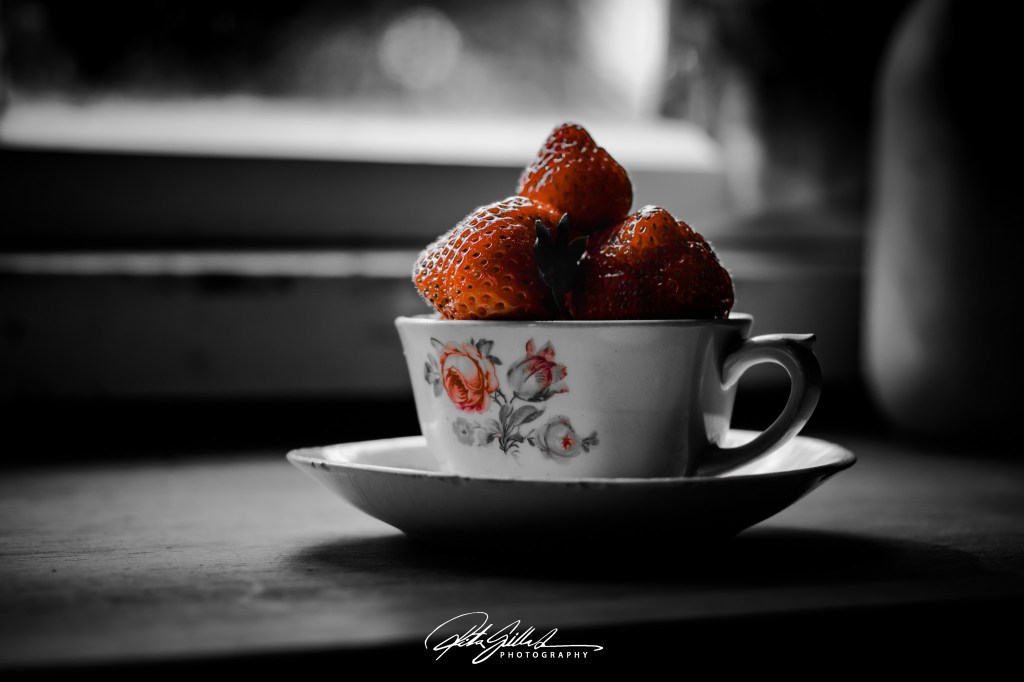
This time around, we want you to look closer at a Single Focal Point. This is not a technical challenge, it’s more compositional in nature – guide your viewer’s eye to a distinct part of your image. There are a number of ways that this can be done – depth of field can make it so a subject is in focus while almost everything else is blurred; or you could use negative space and a minimalist composition to draw in the viewer to one part of the image. Sometimes you can also use light as a frame to guide the viewer’s perspective to your subject – think spotlight and light shaping.
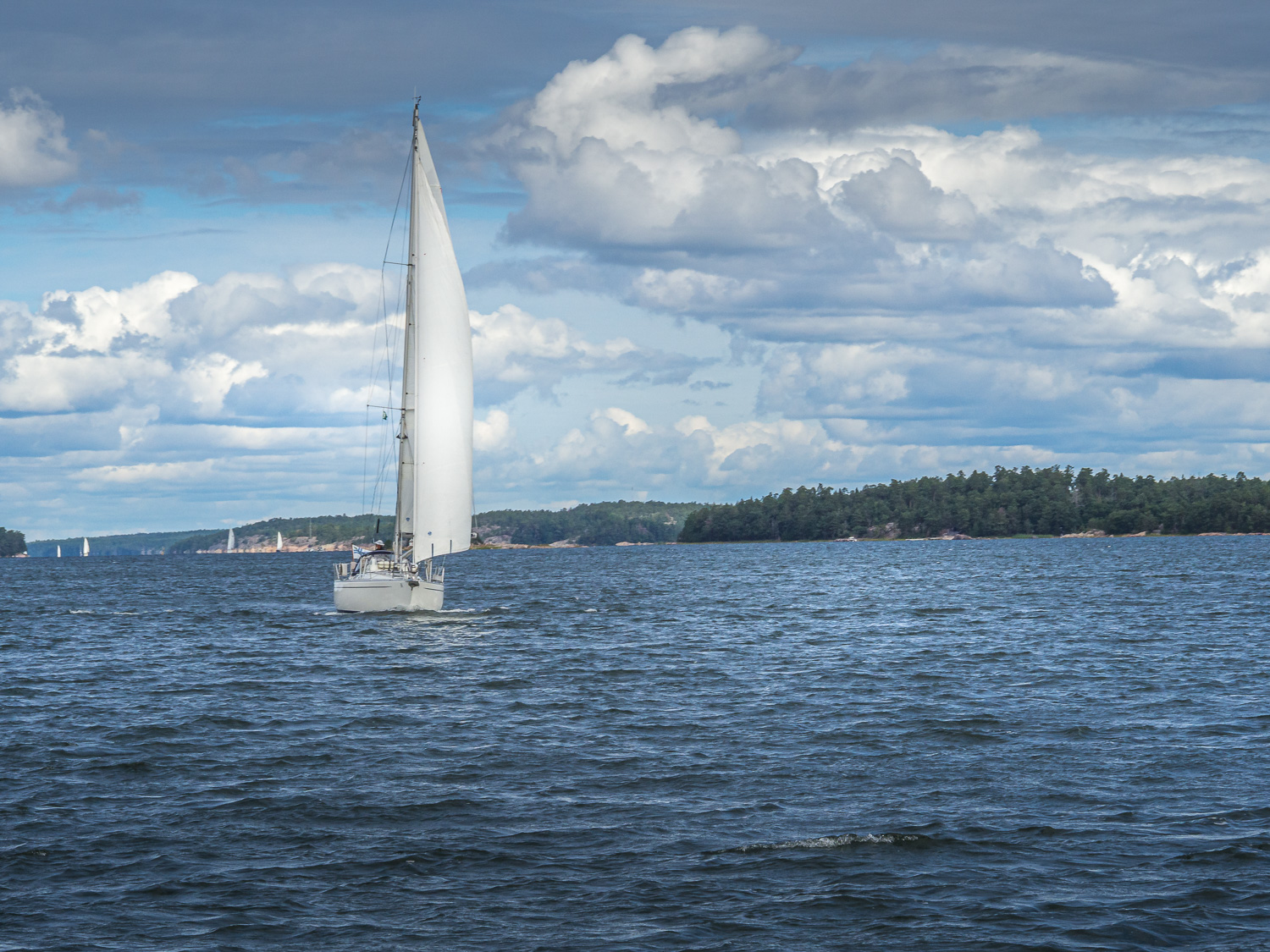
These photos I took from a car ferry while on my way to visit a small island of Högsåra were one of my ideas to this topic. Strong Focal Point: This is pretty much the crux of the challenge – but it matters the most: choose a strong focal point that’s easily identifiable as the main point of interest of your shot.
It’s all about tuning out the distractions and taking your viewer to the exact spot in your image you want their eyes to well… focus on. You might also want to consider getting some help from your editing software with vignettes, color pops and contrast to make your desired subject stand out. Even better, use a combination of these techniques and other skills to get this challenge sorted.
Depth Of Field: Use a shallow depth of field to isolate your subject. You might also want to consider getting some help from your editing software with vignettes, color pops and contrast to make your desired subject stand out. Even better, use a combination of these techniques and other skills to get this challenge sorted. That’s what I tried here with my strawberry shots.
Leading Lines: Think of using leading lines to guide the viewer to your intended point of interest.
Leading Lines to guide the viewer to your intended point of interest in mind I took these images of old buildings and this lush road. Consider using some sort of frames to bring in the watcher’s attention – a window, slats of a fence or some tree branches; shooting through something can also work to steer attention to your focal point.
Color Contrast: Contrasting colors help the eye to easily differentiate the subject from the background
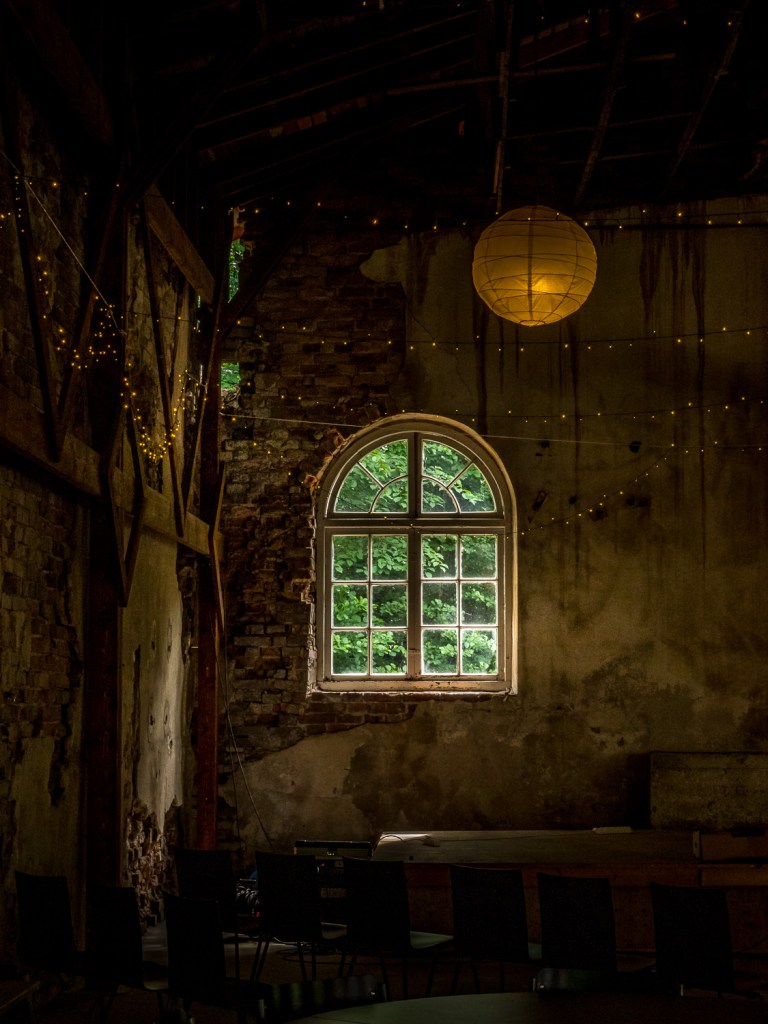
I had this n mind when I took this image from an old mill window in Mathildedal, contrasting colors help the eye to easily differentiate the subject from the background.
This week, we’re looking to shoot a Common Object. And isn’t that what photography is all about, really? Taking the mundane and shining a different light on it. Highlighting an object or scene that we normally pass by with no notice, and making it something special.
Think about all the common objects you can see around you right this moment – a bottle, socks, a pen, eggs, coffee mugs, perfume vapor, cell phone – the list of subjects you have this week are endless.
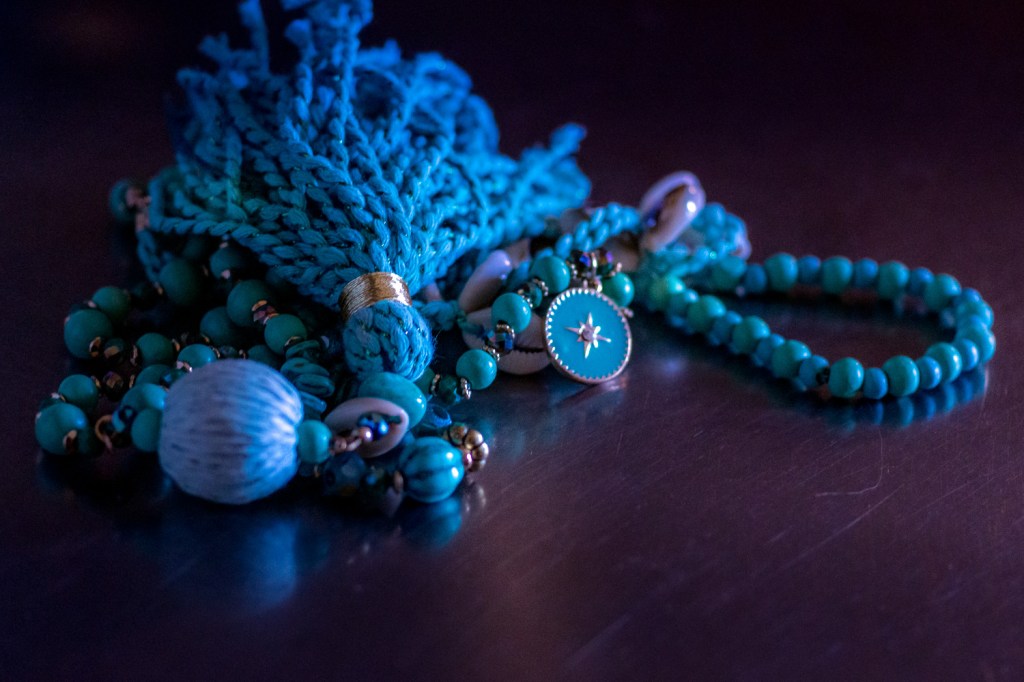
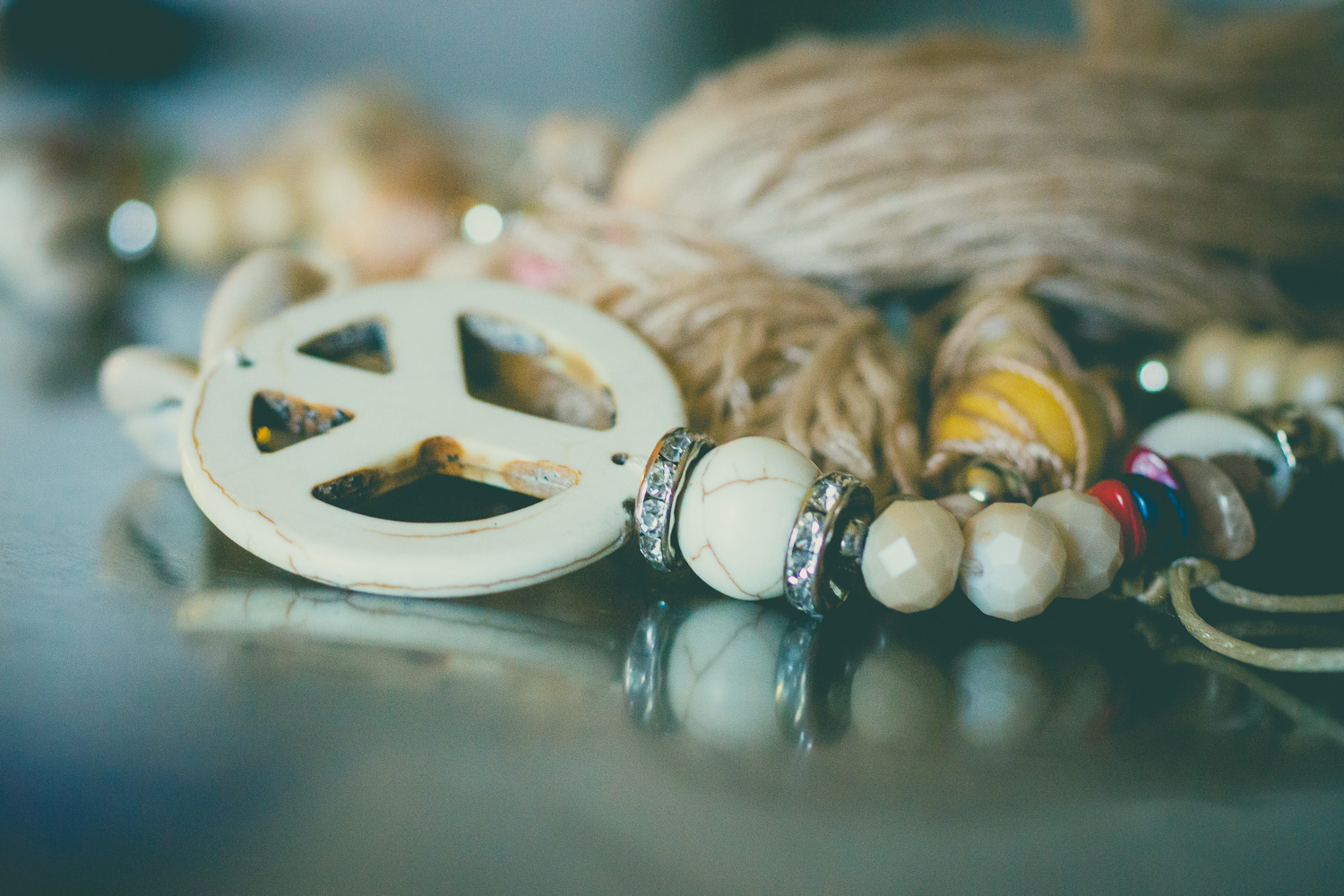
beads
I once again left this to the last minute, being on holiday it is all about being lazy, or not if you are married to a man who needs something done every day. So this week we have re-arranged our sauna / guest room furniture, got rid of some stuff, bought some new to replace the old one. Re arranges the kitchen cabinets, put up new shelfs. We gave a away a car load of old furniture to be recycled to a flee market. A car load of stuff to the be recycle center. Busy with ordinary, common objects, but it never crossed my mind to take photos. Today, last day to give in the submission I took some photos of common objects.
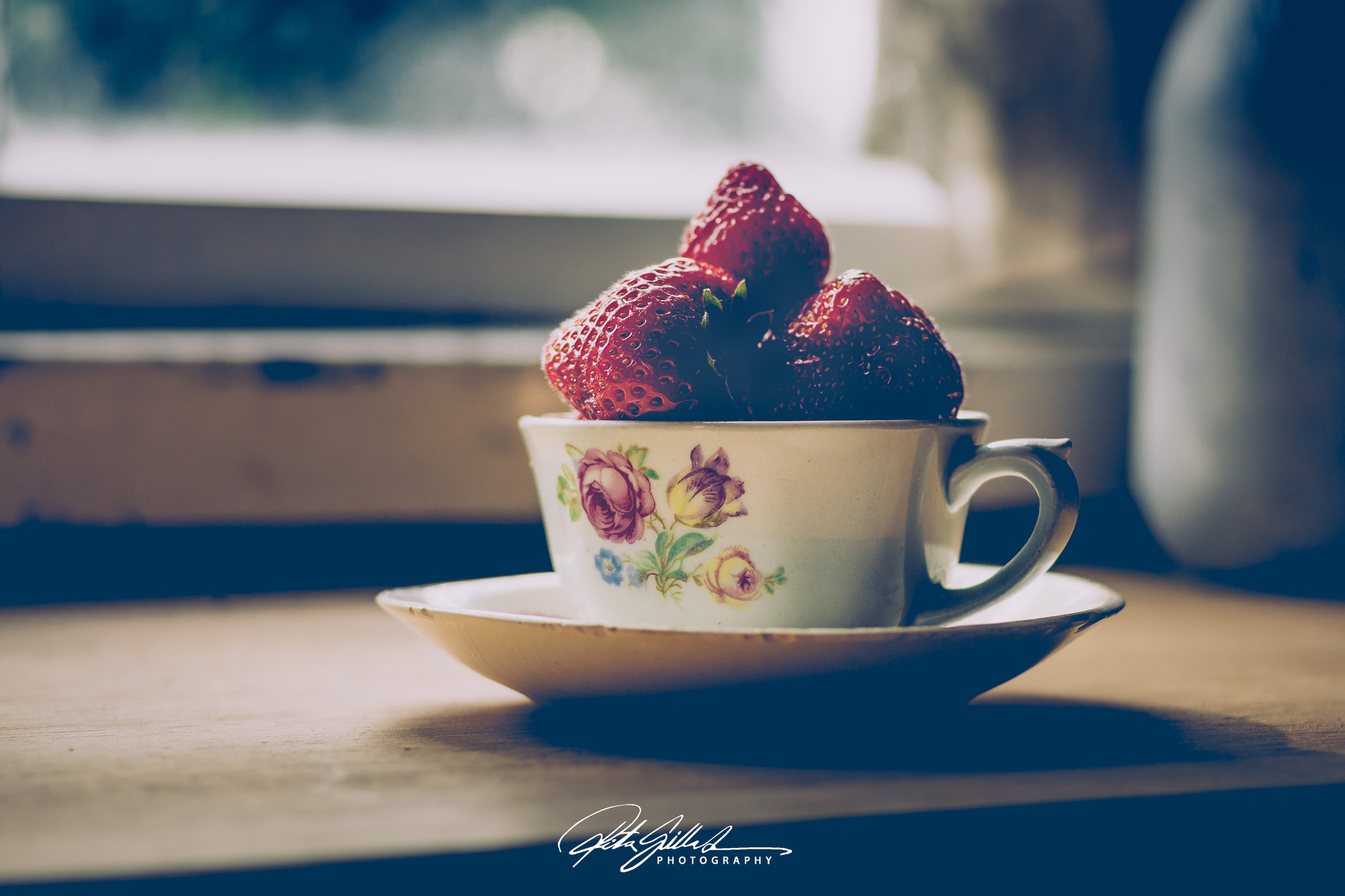
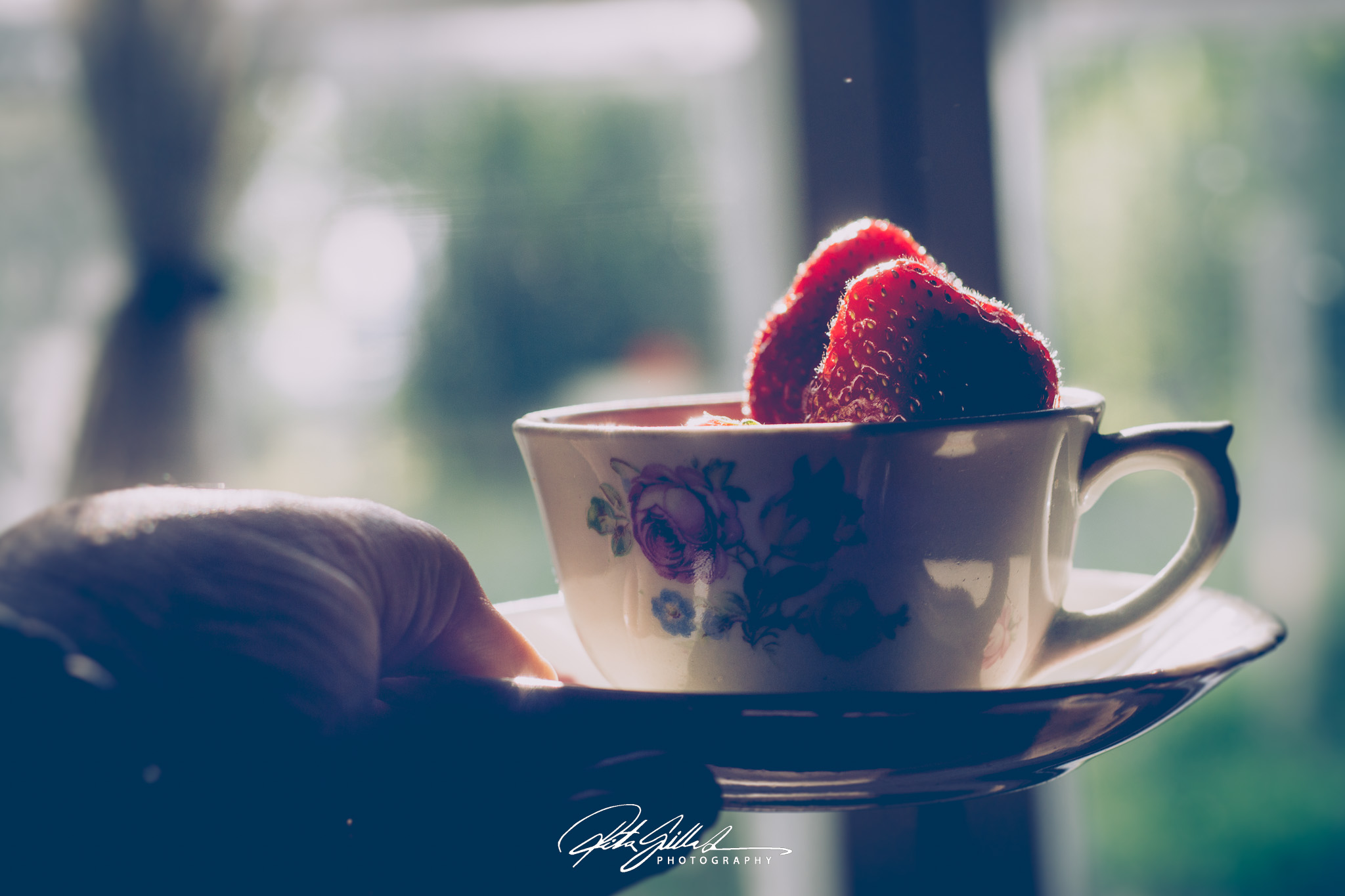
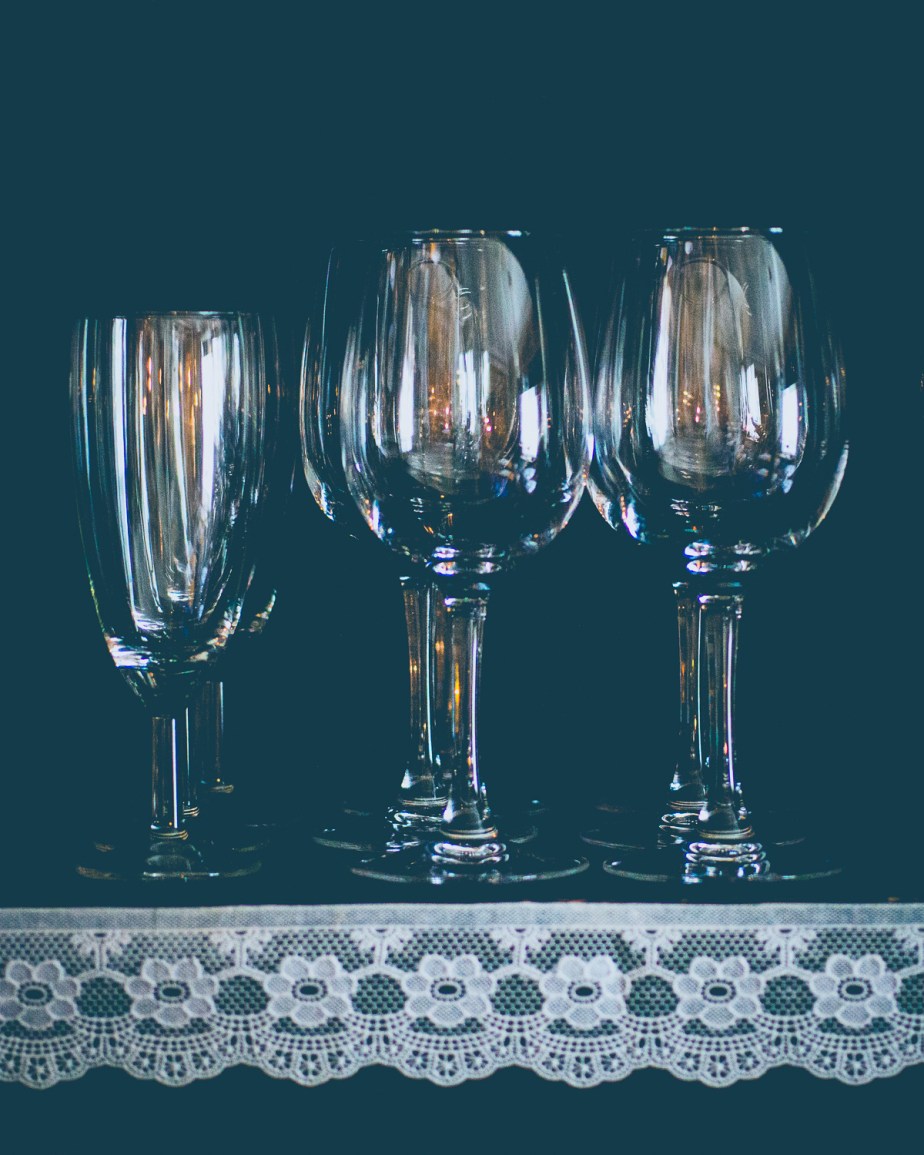
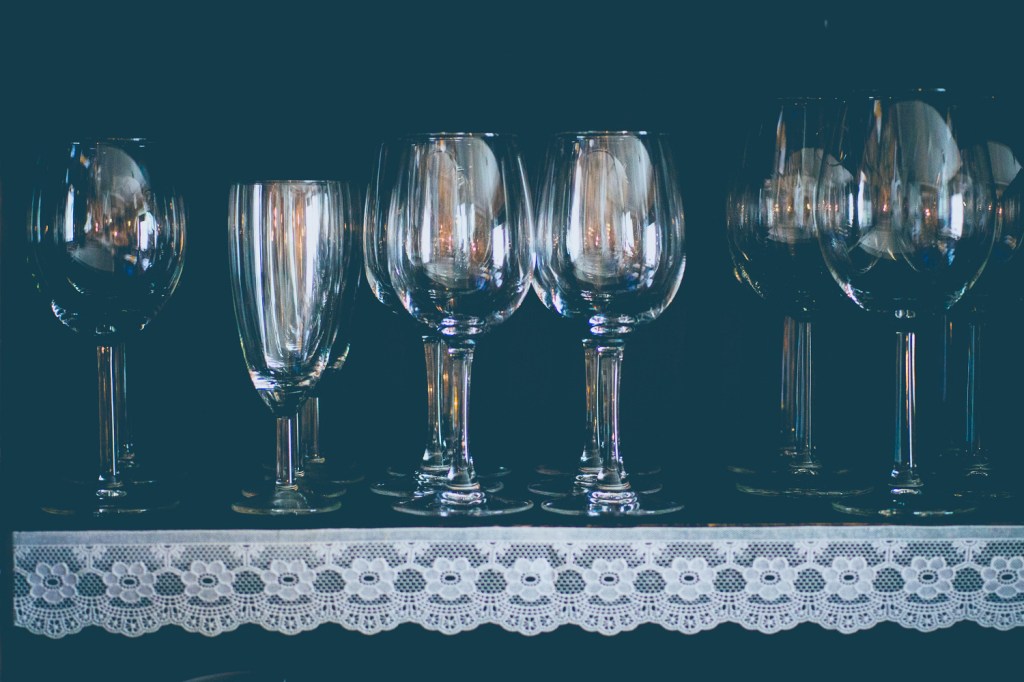
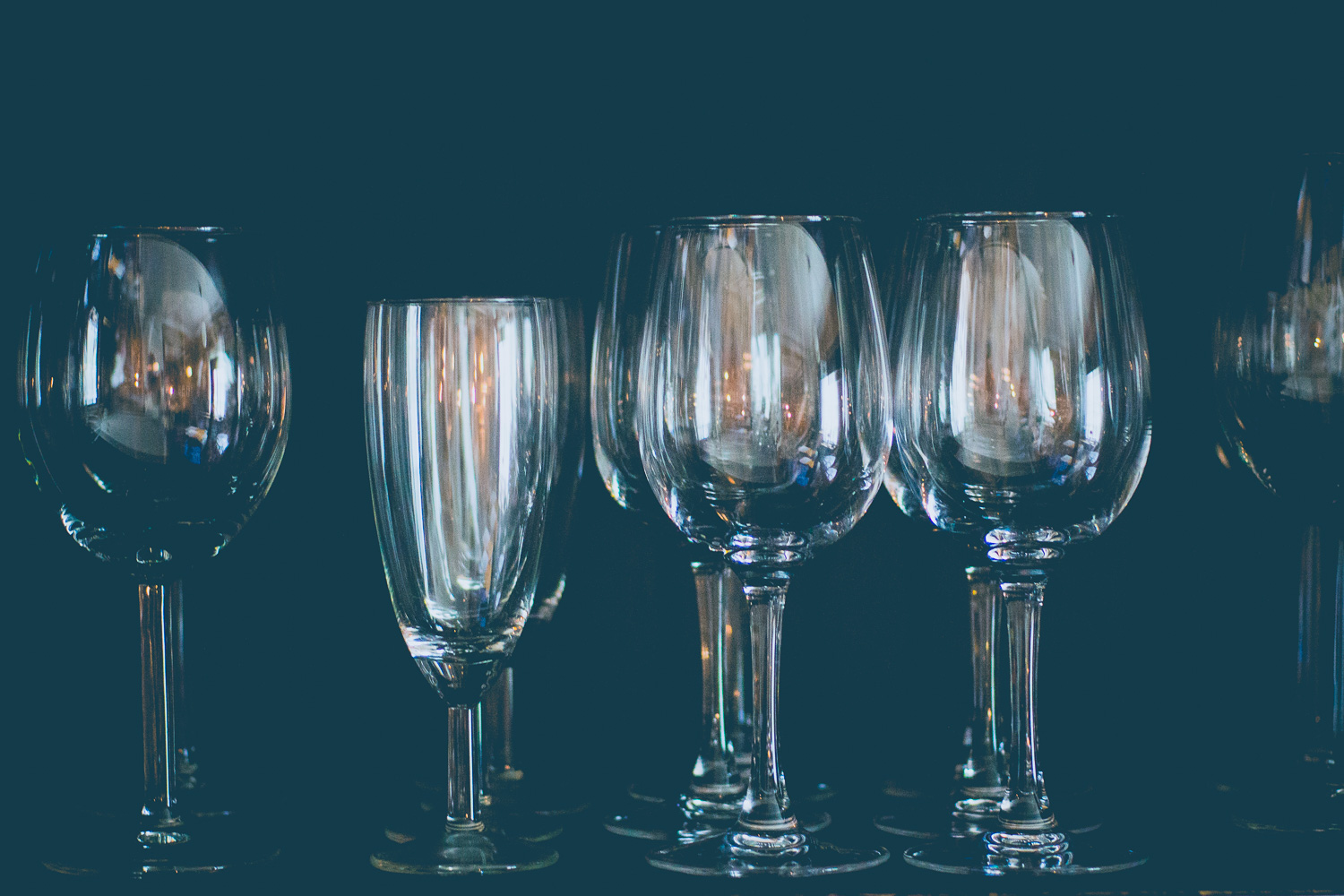
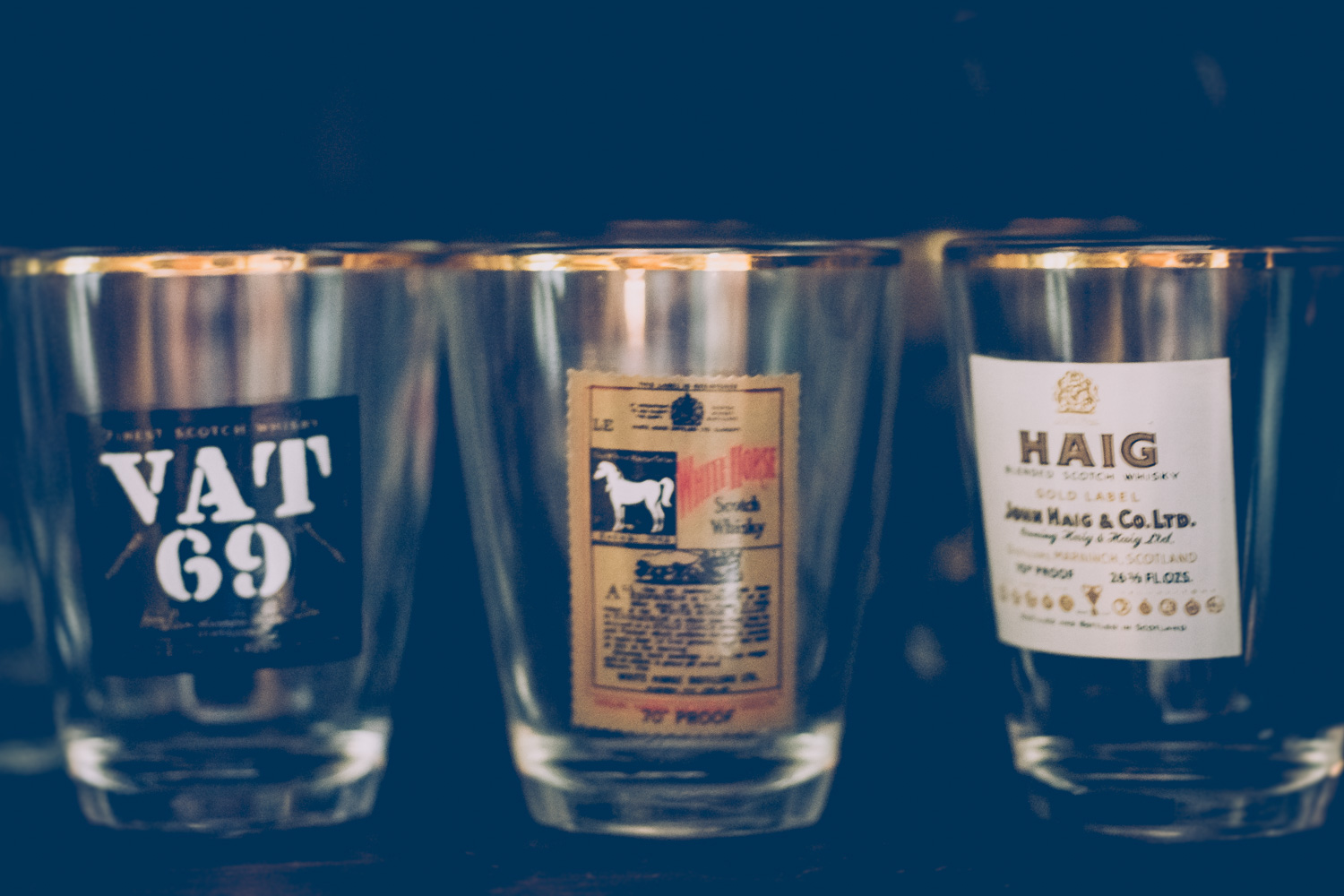
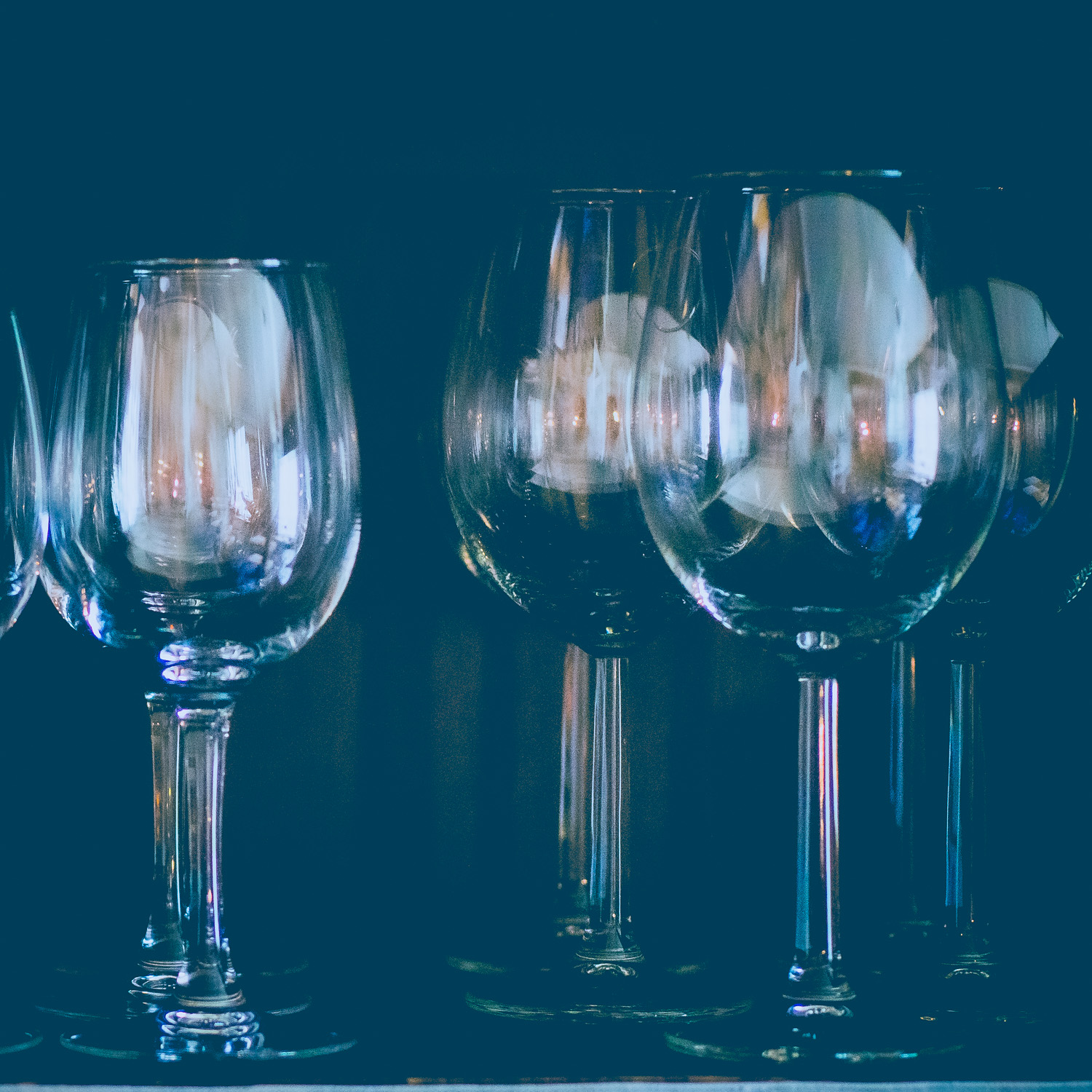
I often wear costume jewelry, so common to me. I drink coffee, wine and my hubby enjoys whisky. These are some finds from the cottage. Also these old glasses I found whilst our cleaning spree.
Now the challenge is to simply make the ordinary look extra ordinary, or at least photographed well. You could try focusing on a particular detail or texture. Or perhaps show how you use it in your day-to-day life. Tell a story about how something mundane and ordinary can be a valuable part of your day.
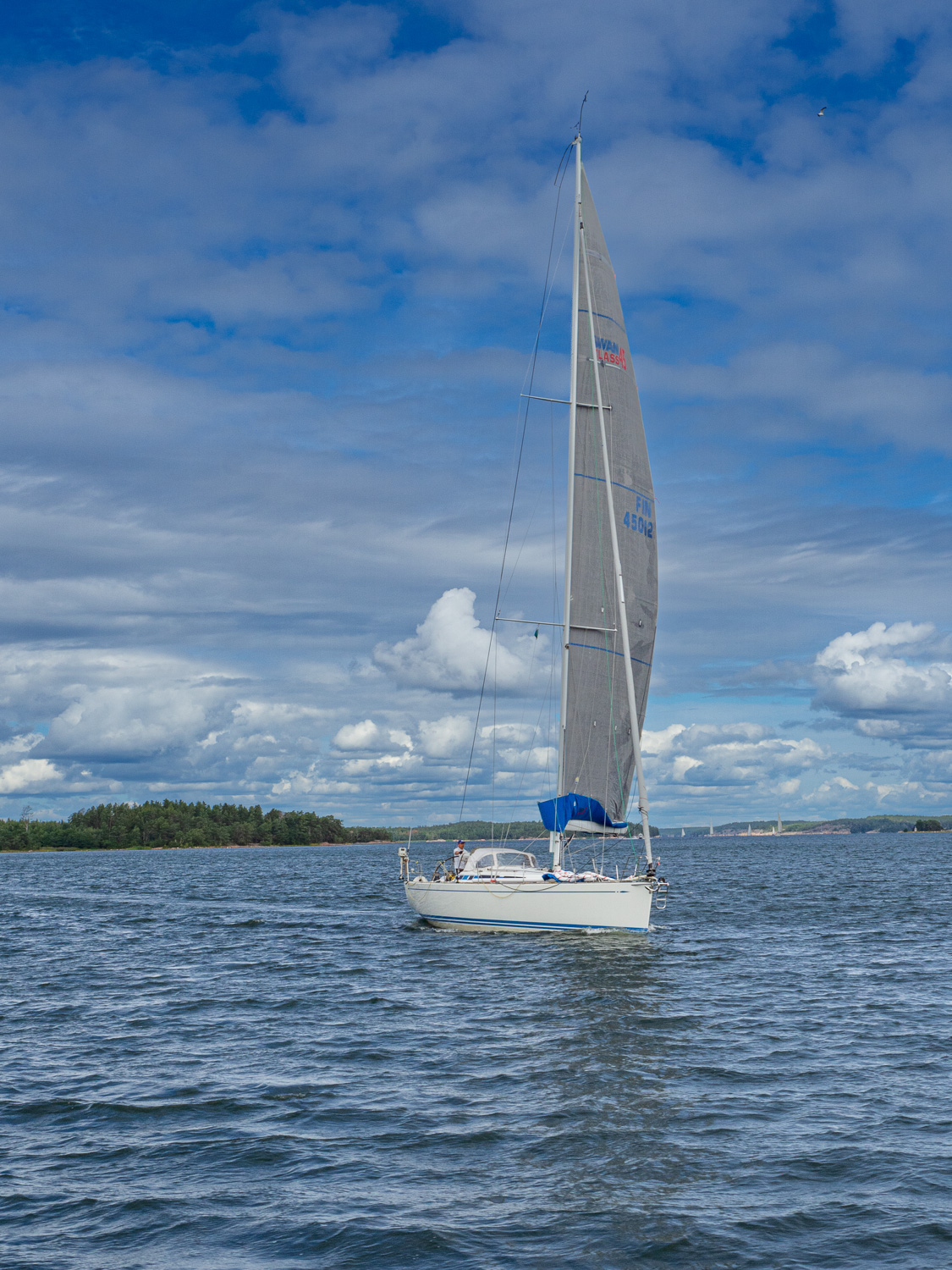
Sailing at sunset
what is life with a occasional glass of wine or a cup of coffee
Old coffee cups
TIPS:
Selection: Start at the very beginning – pick an object that speaks to you – whether it’s your car keys that you pick up everyday, or the chef’s knife you use to prep dinner.
Composition: Arrange things how you want them – the great thing about common objects is that you can arrange them as you see fit; you’re not restricted by an inability to pick things up and move them around.
Tones & Colors: The overall look and feel of the colors in an image evoke different senses and emotions – do pay attention to the composition of colors and overall tones in your image, in terms of being complementary or adding contrast.
Balance: This is all about the visual weight- obviously, larger objects that fill the frame are meant to hold the viewer’s attention the most. Certain items can add nuance and help balance a frame without taking away from the main subject.
Photography is drawing with light and this week’s Silhouette challenge firmly shows us that. A silhouette is about bringing together contrasts of a well-lit background against a dark subject, making the subject’s shape and outline as the main point of focus. A silhouette balances what the viewer sees alongside the darker toned facets of the subject that are intentionally kept hidden from the light.
Silhouettes are a great way to tell a story while leaving it up to the imagination of the viewer – there aren’t visible features to express emotion, so your viewer will fill in details depending on the context of the image – use this to direct your viewer’s line of thinking.
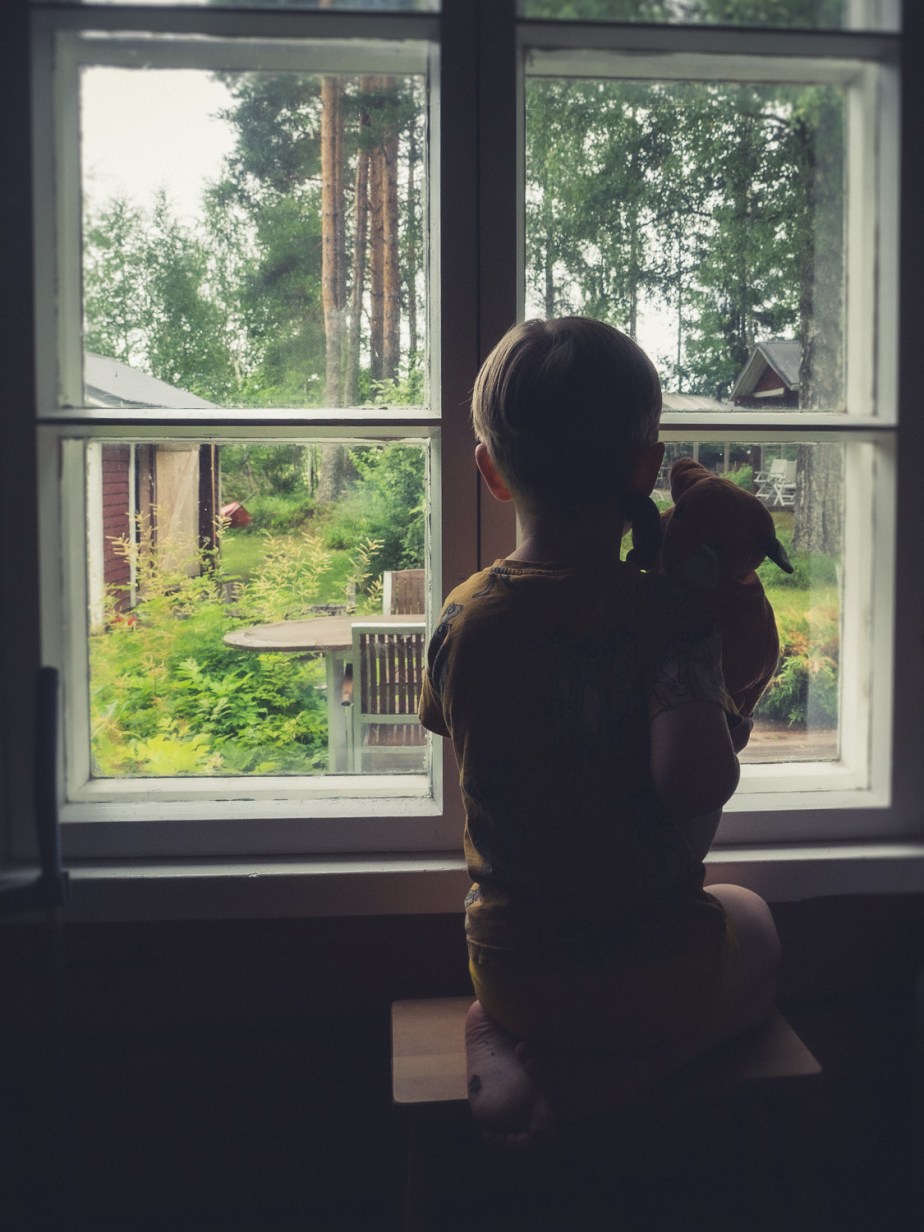
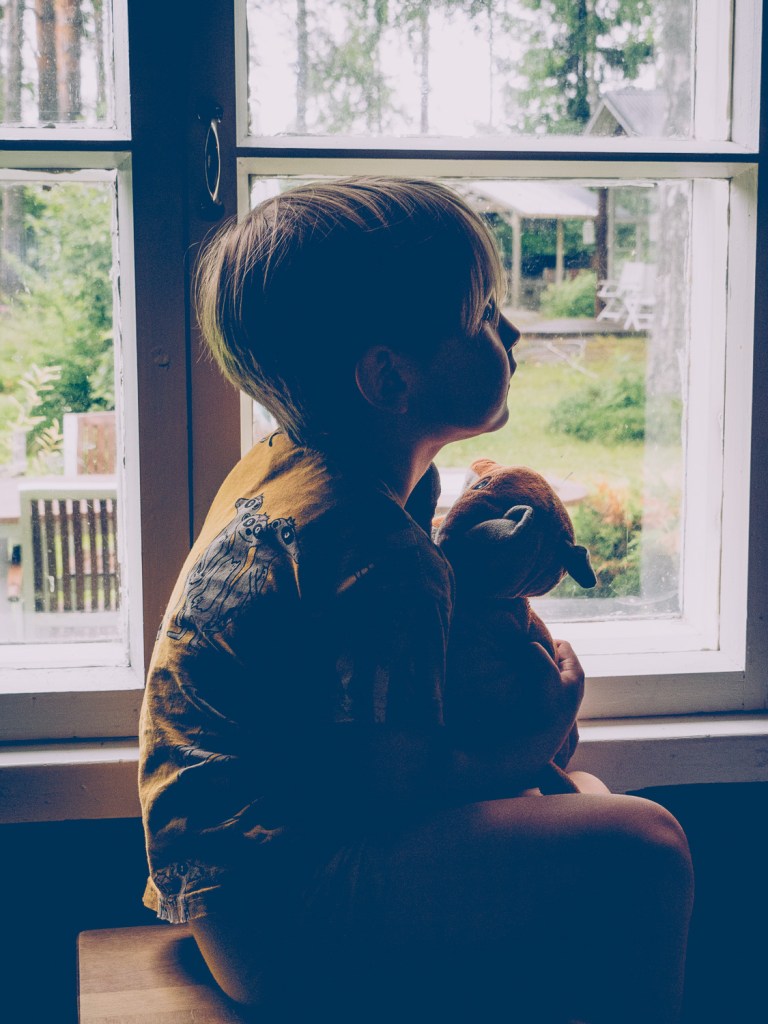
Waiting for the rain to stop
This is a lesson in exposure, composition and creativity all coming together. While silhouettes are outline.. Portraits, Still Life, Architecture and Nature typically make for good silhouette genres.
Silhouettes can often convey some kind of mystic story. By leaving the details in the dark, the story becomes compelling and the viewer is more engaged with the picture.
A boy and a fox
I was nearly ready to cheat, until my youngest grandson said he would let me take a photo of him. It was a rainy day and he sat by the window with a cuddly fox. Here was my opportunity to capture a silhouette












































 Ritva Sillanmäki Photography