I know I’m being a bit boring by sharing these old re-edited photos for Dan’s Thursday Doors, but honestly, I’m fresh out of new material right now. I can’t wait for the weather to warm up so I can get out there and soak it all in! I’m hoping to wander through the neighborhoods, looking for unique buildings and those interesting doors that seem to hold secrets of the past, and even present. I most likely will also photograph the vibrant colors and fresh blooms along the way. I will the my camera out, and maybe discover architectural gems that tell their own stories.
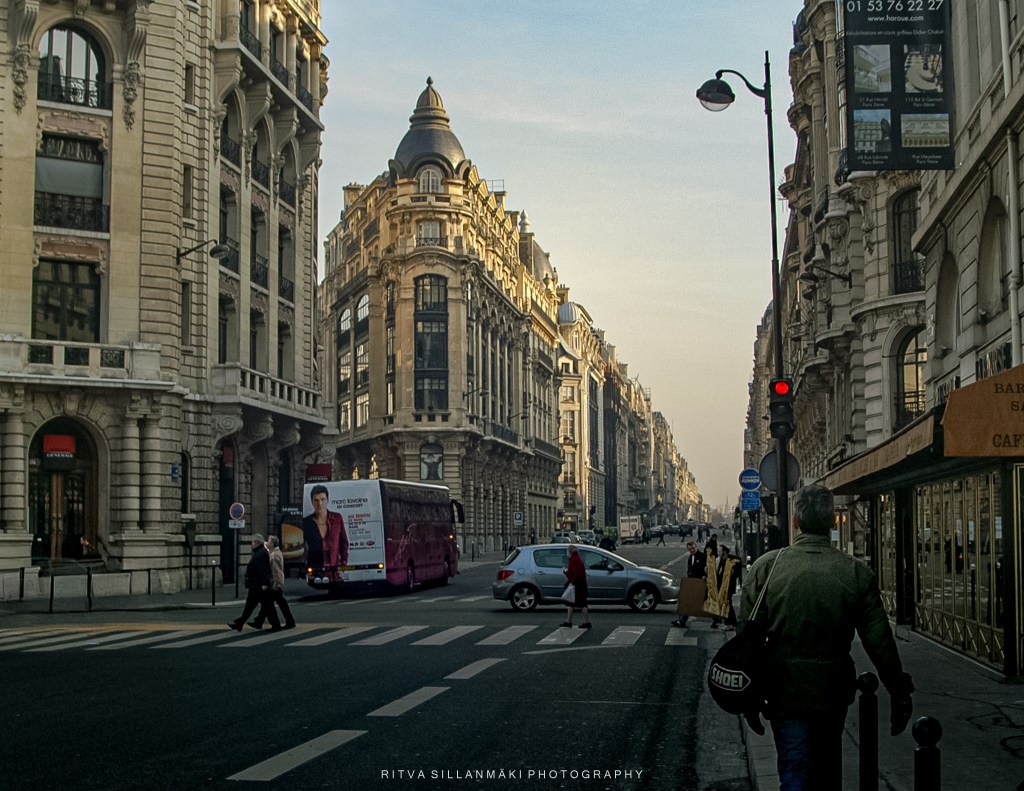
In the picture, there is a traditional French building that represents typical Parisian architecture.
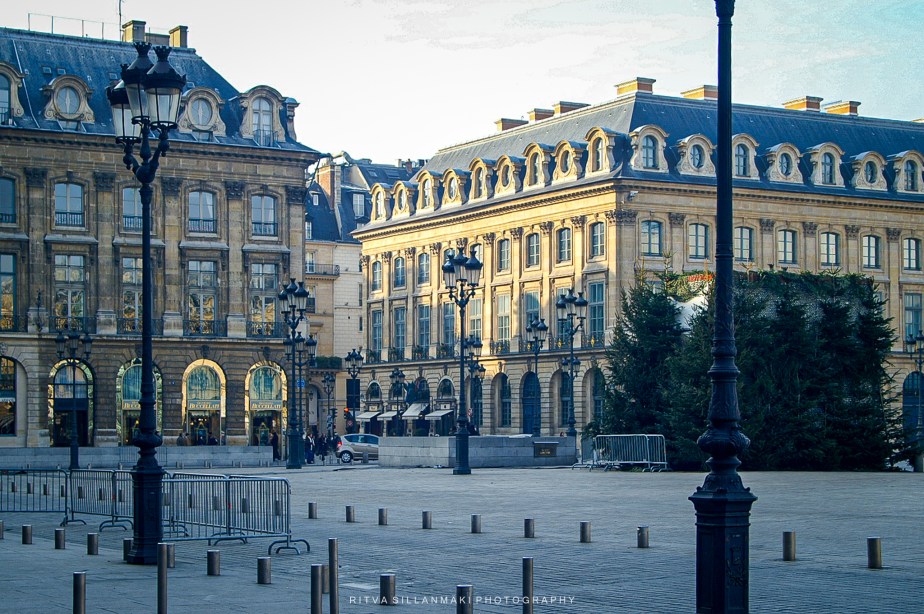
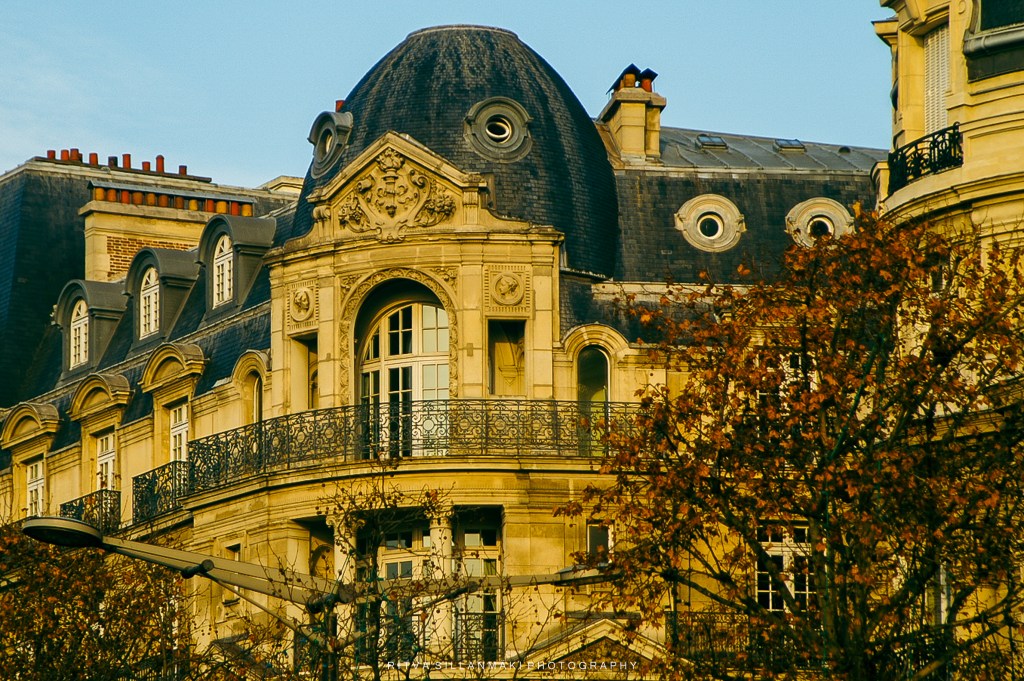
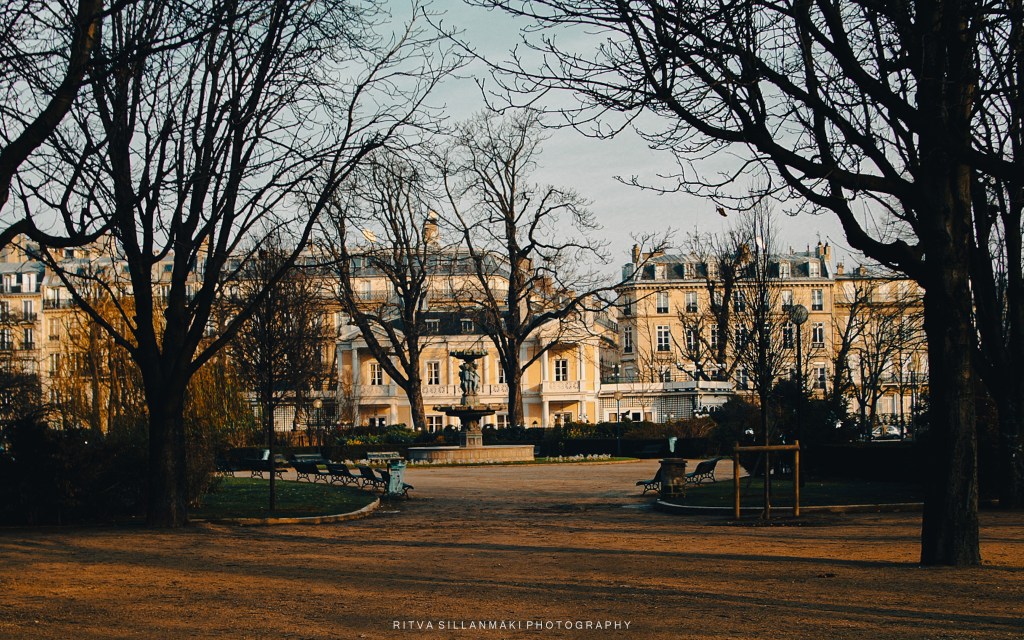
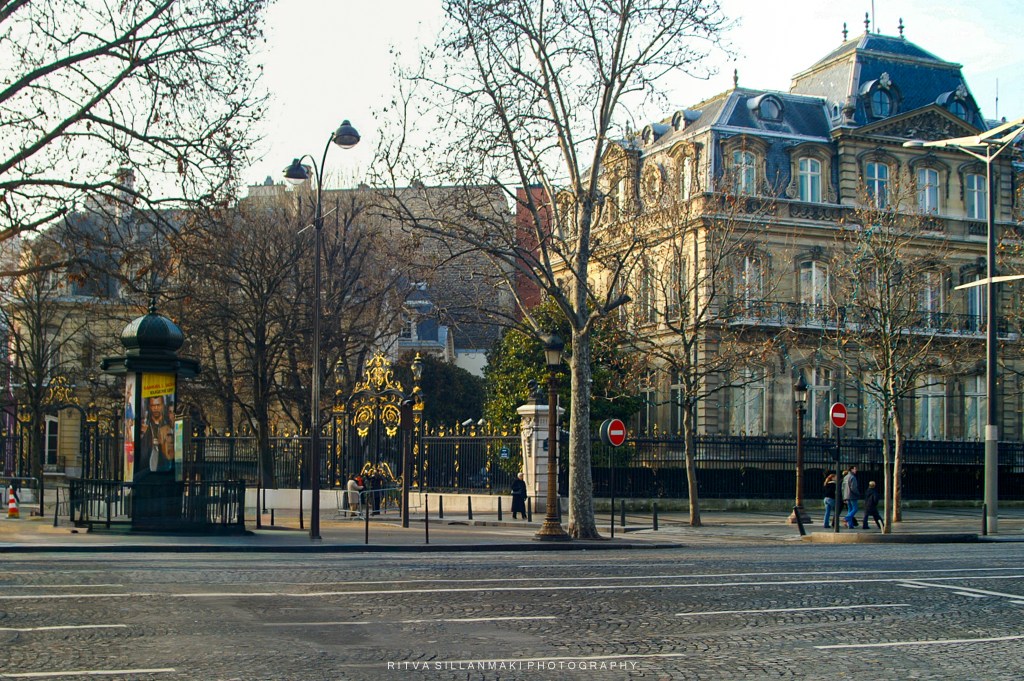
Well I could mark some locations in Paris for you but not all, and as these are taken in 2006, much has changed. The first one I am not able to name. By the way these were taken in the month of January.
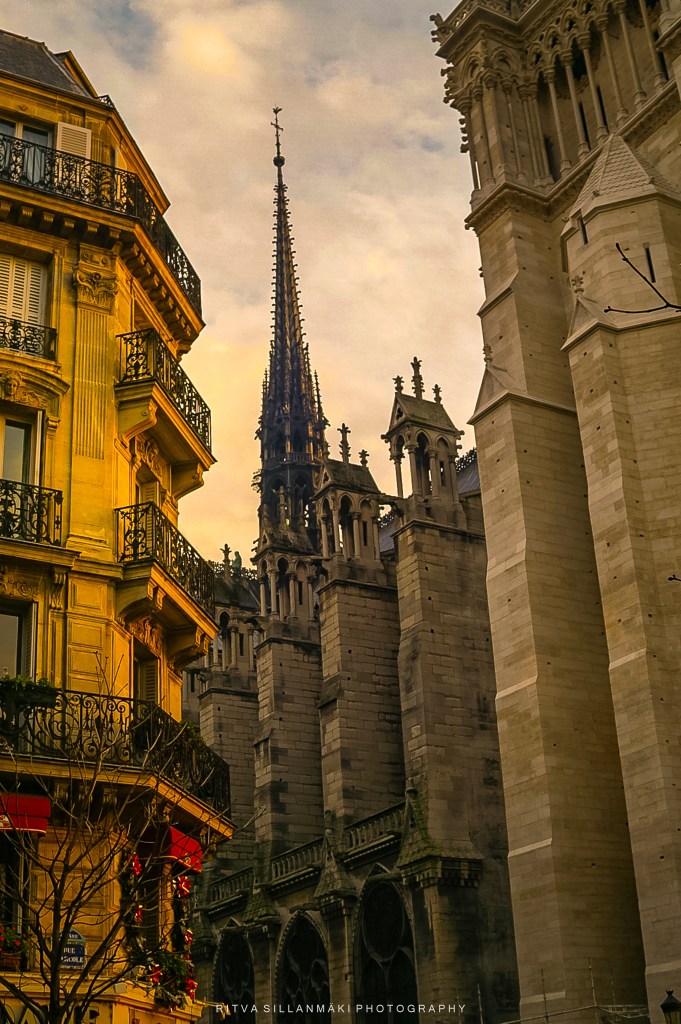
For one, the reconstructed spire of Notre-Dame cathedral in Paris, with a design identical to the 1859 version designed by architect Eugène Viollet-le-Duc, is among the elements of the landmark to be reconstructed following the devastating fire in 2019. The rebuilt spire is topped with a recreation of the original cross, as well as a golden rooster designed by architect Philippe Villeneuve, who is leading the renovation works.
Scenic view of a Paris park showcasing elegant architecture framed by bare trees.
the historic Hôtel Marcel Dassault building located at the Rond-Point des Champs-Élysées square in Paris.
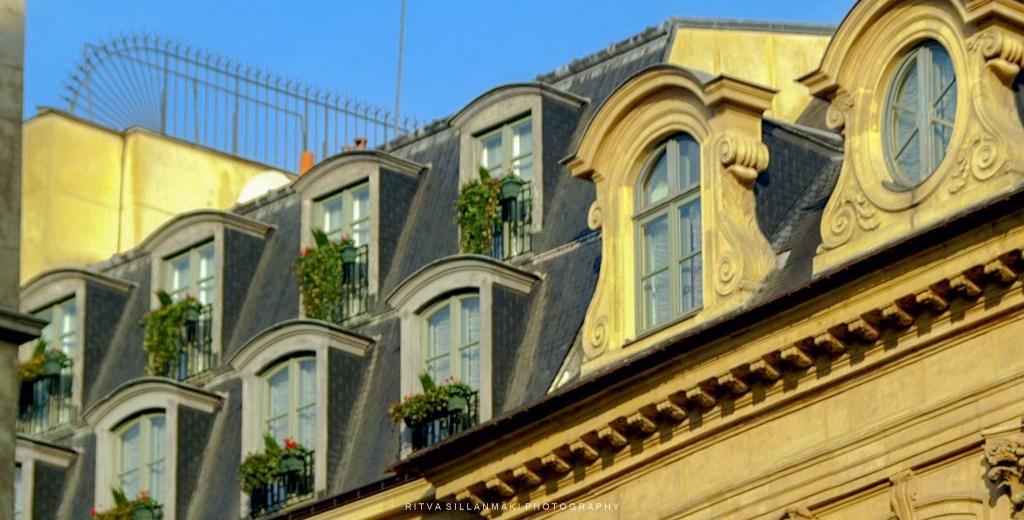
Close-up of classic Parisian architecture featuring intricate windows and charming rooftop details.
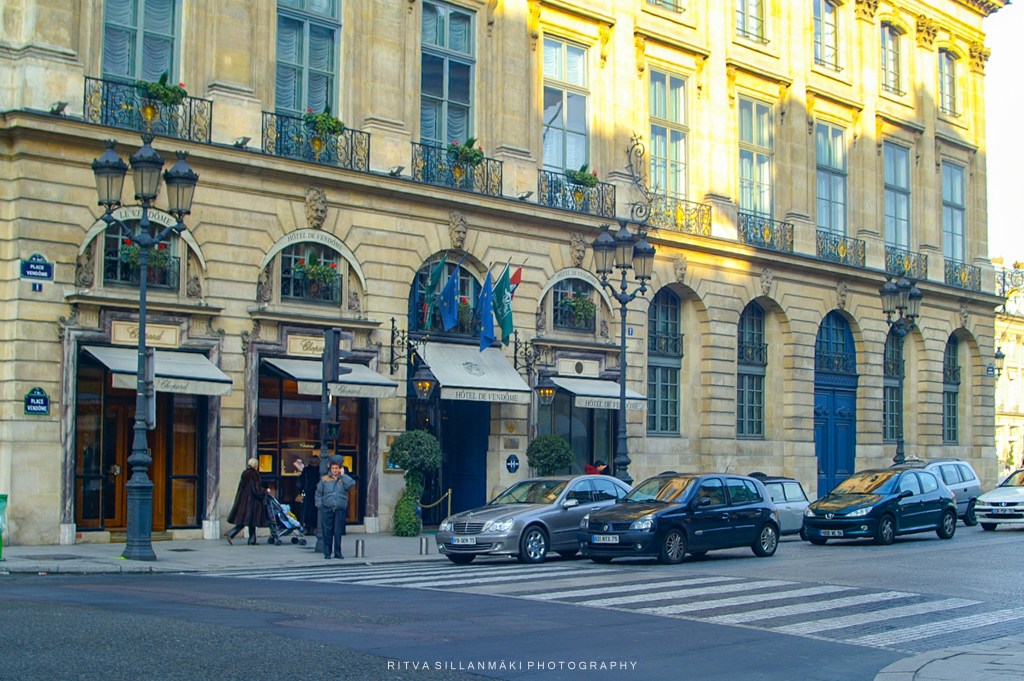
The elegant façade of Hôtel de Vendôme in Place Vendôme, Paris, showcasing classic Parisian architecture.
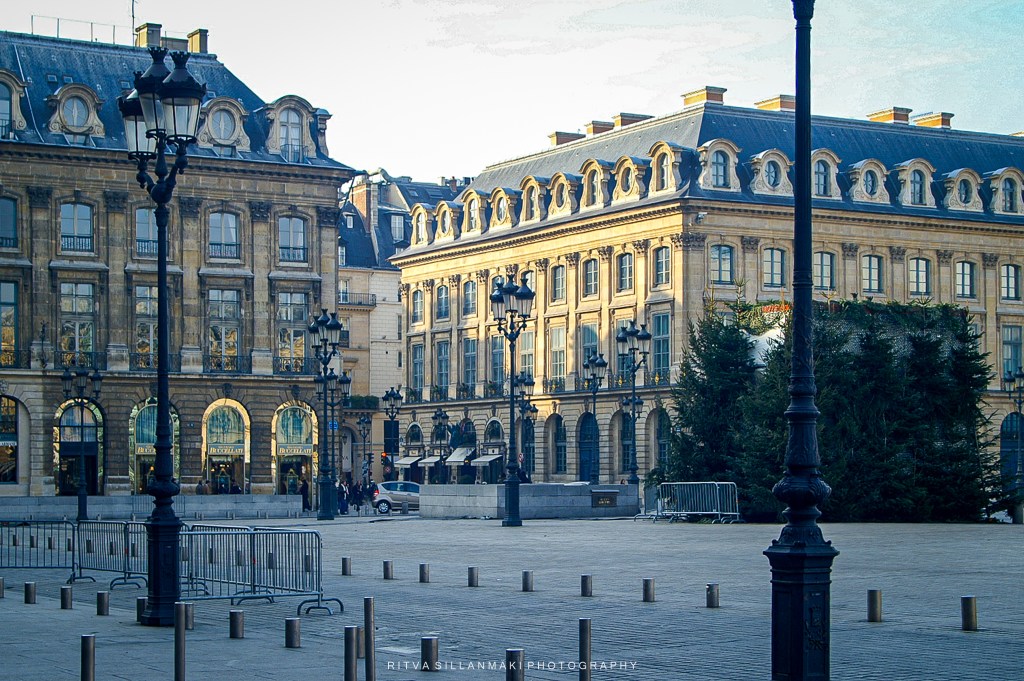
View of Place Vendôme square in Paris, showcasing its iconic architecture and elegance.
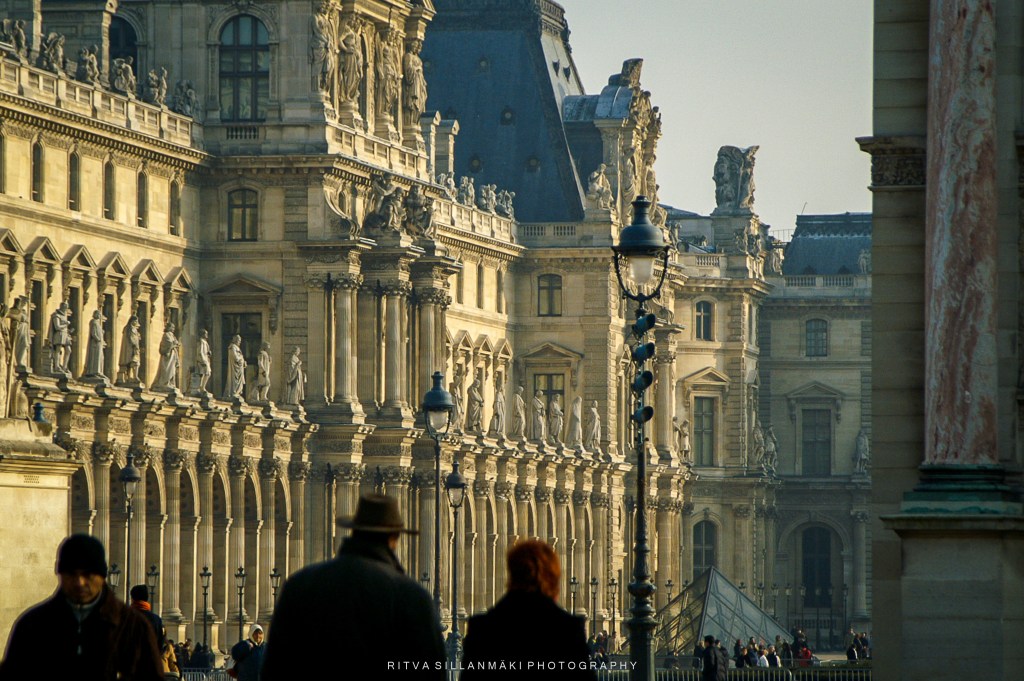
Stunning view of the ornate architecture at the Louvre, showcasing classic Parisian style.
The Rue Réaumur in Paris, featuring skillfully crafted historical buildings.
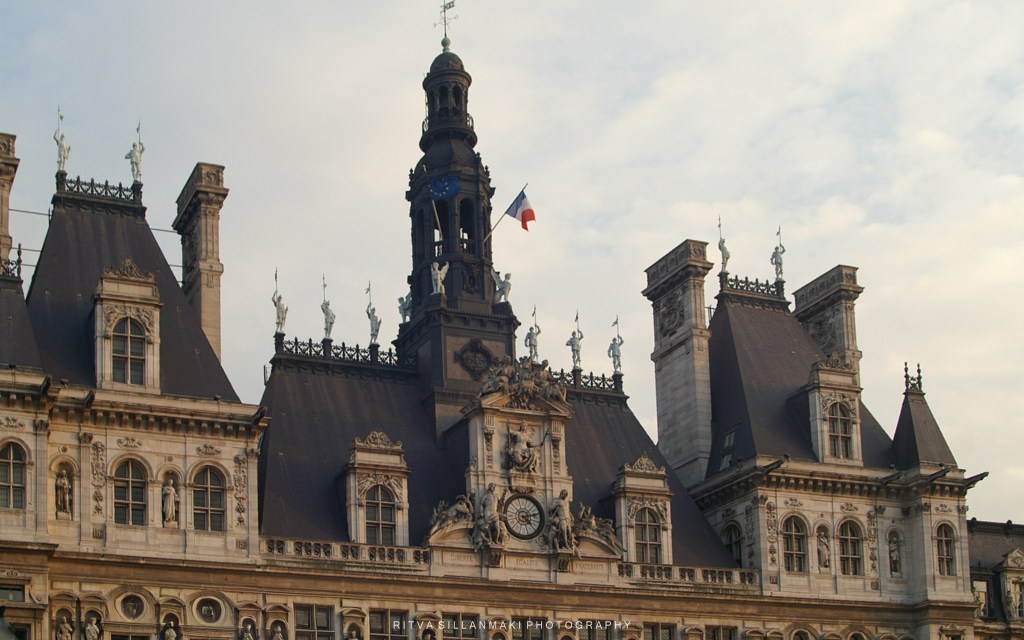
A close-up view of the ornate architecture of the Paris City Hall, showcasing its impressive spires and sculptures.
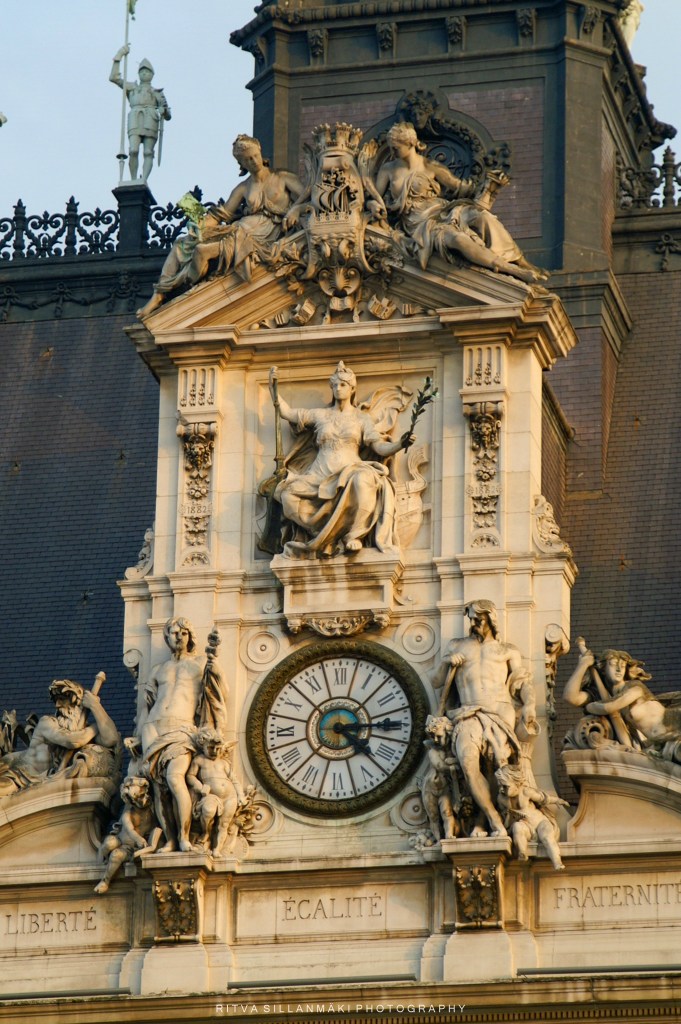
Close-up of the intricate architectural details of the clock and sculptures at Paris City Hall, highlighting its historical significance and artistic craftsmanship.
View of traditional Parisian architecture alongside the iconic Notre-Dame Cathedral spire at sunset.
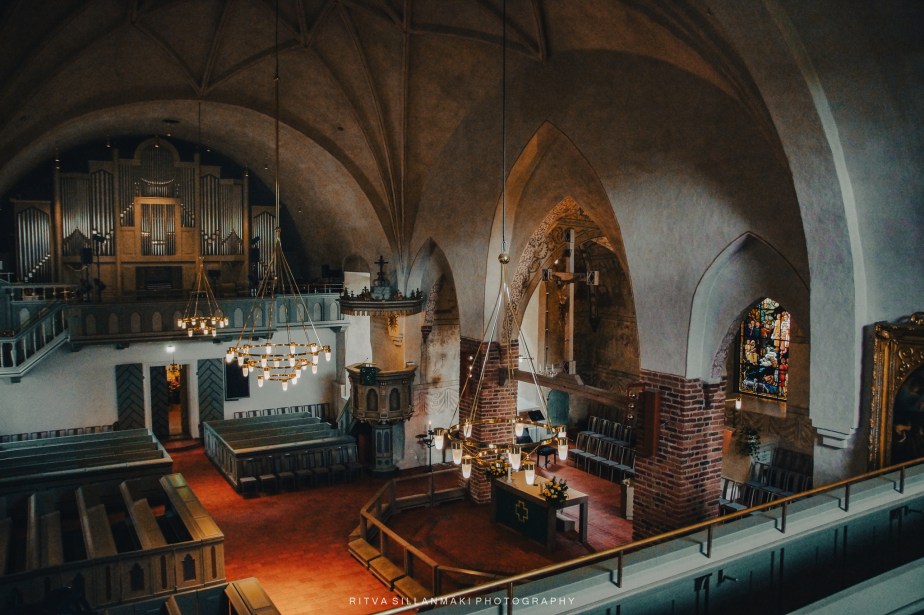
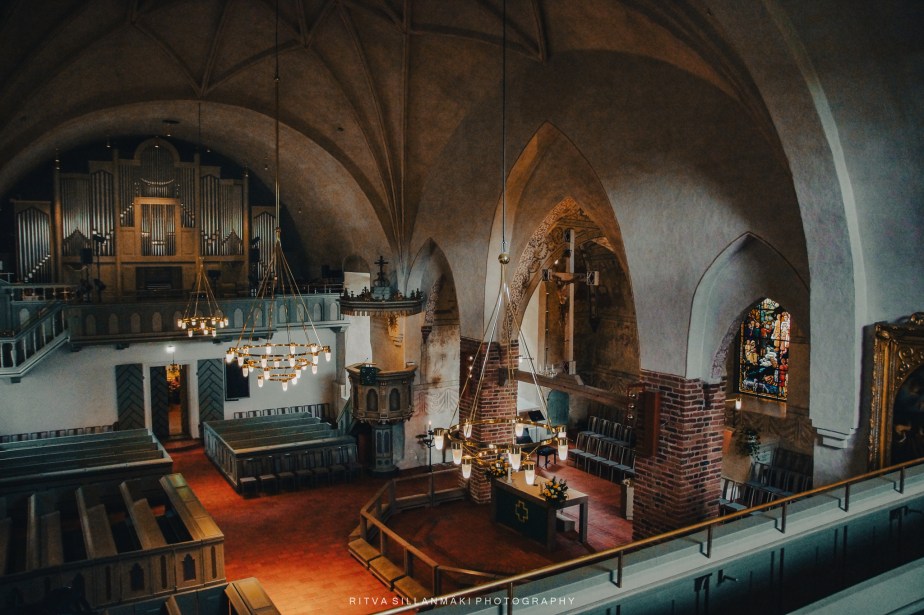
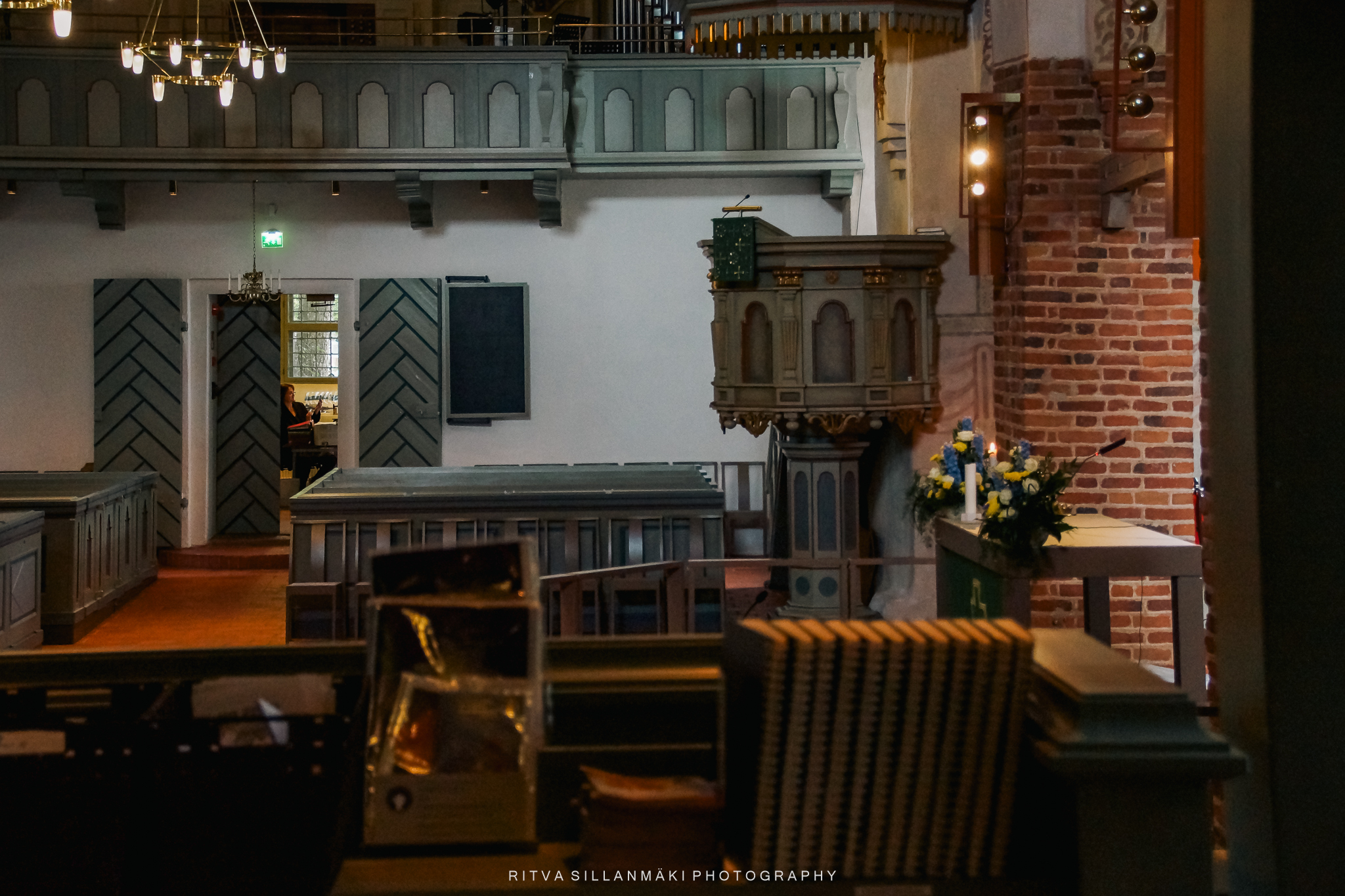
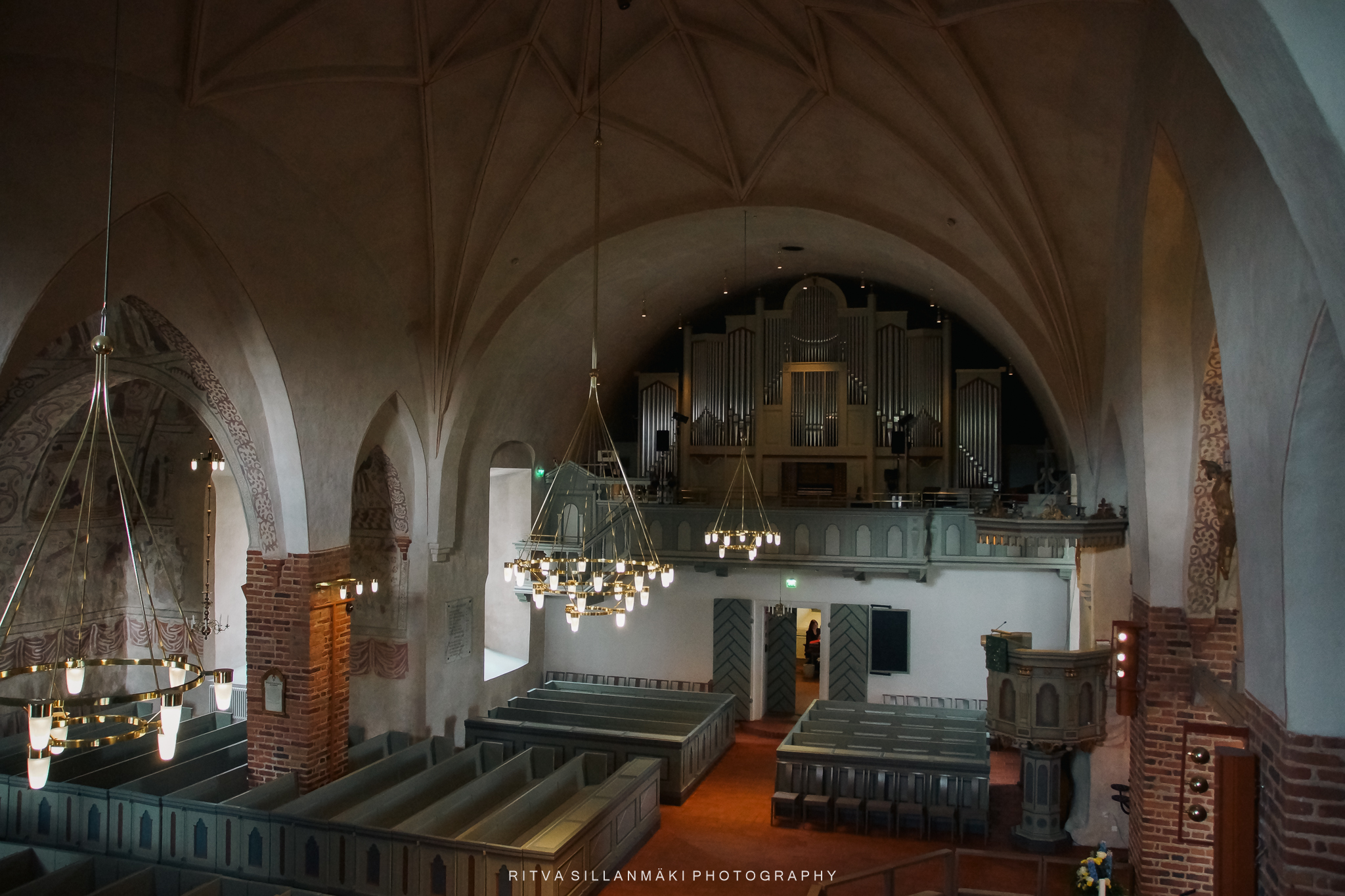
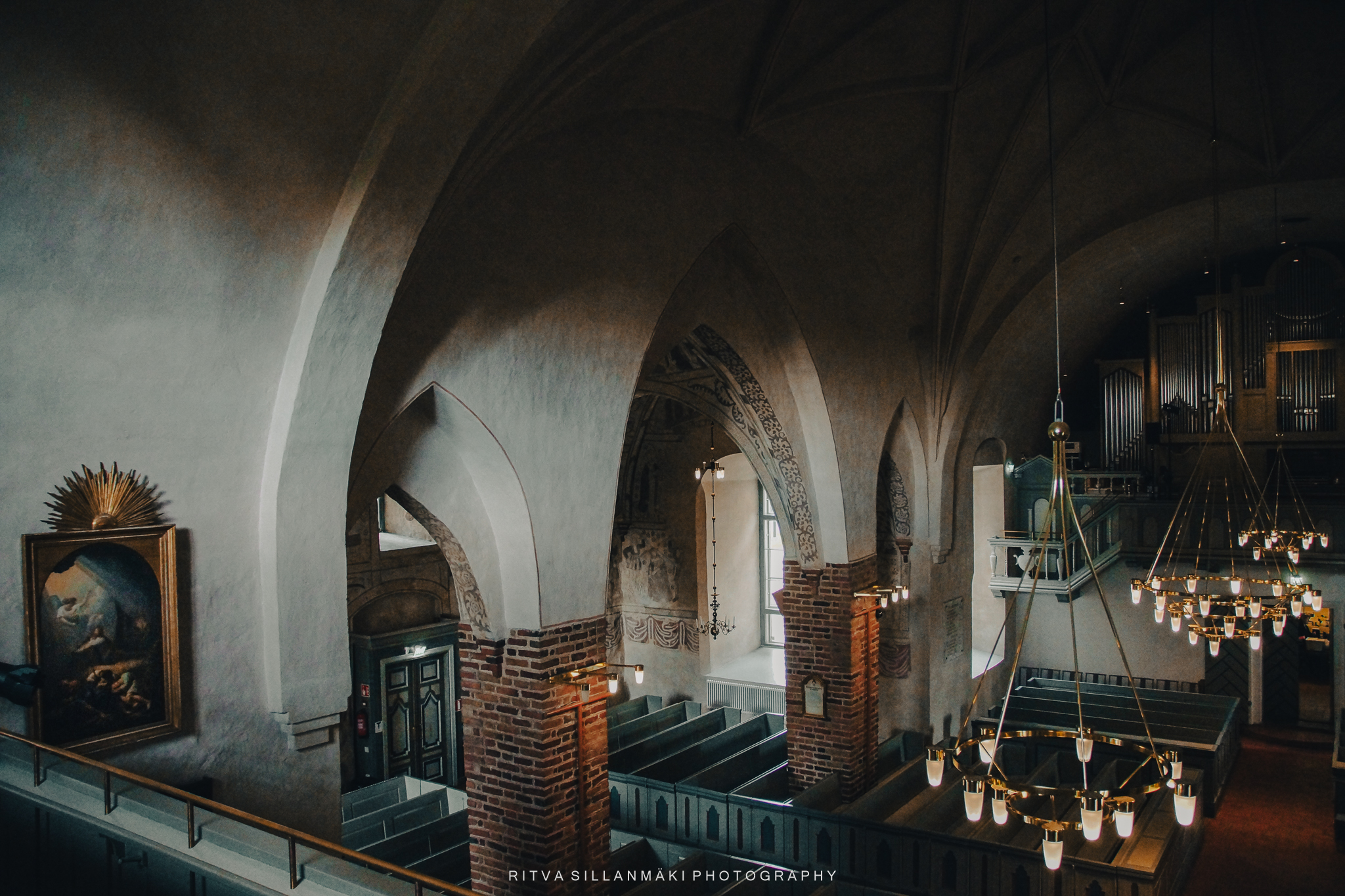
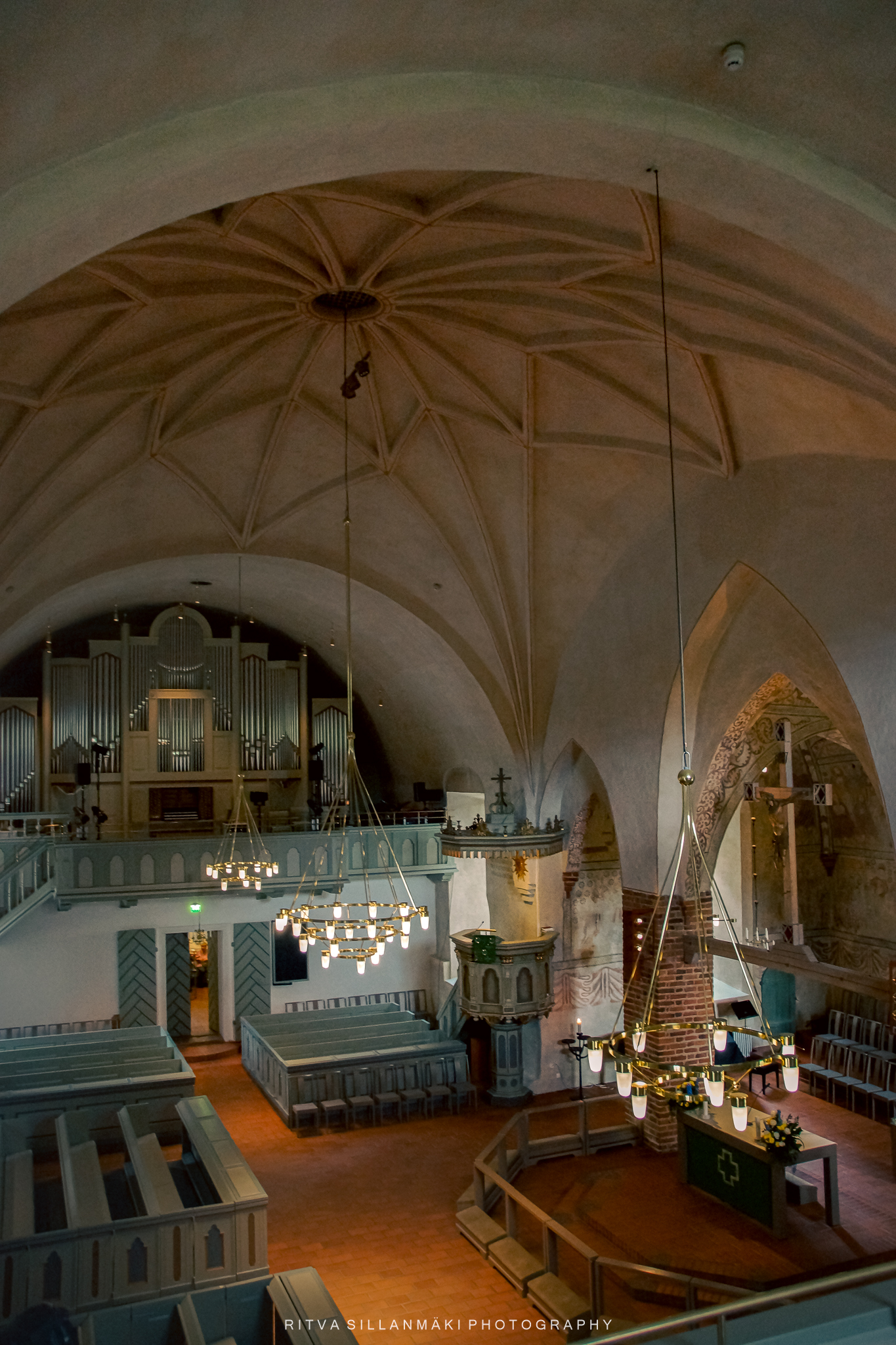
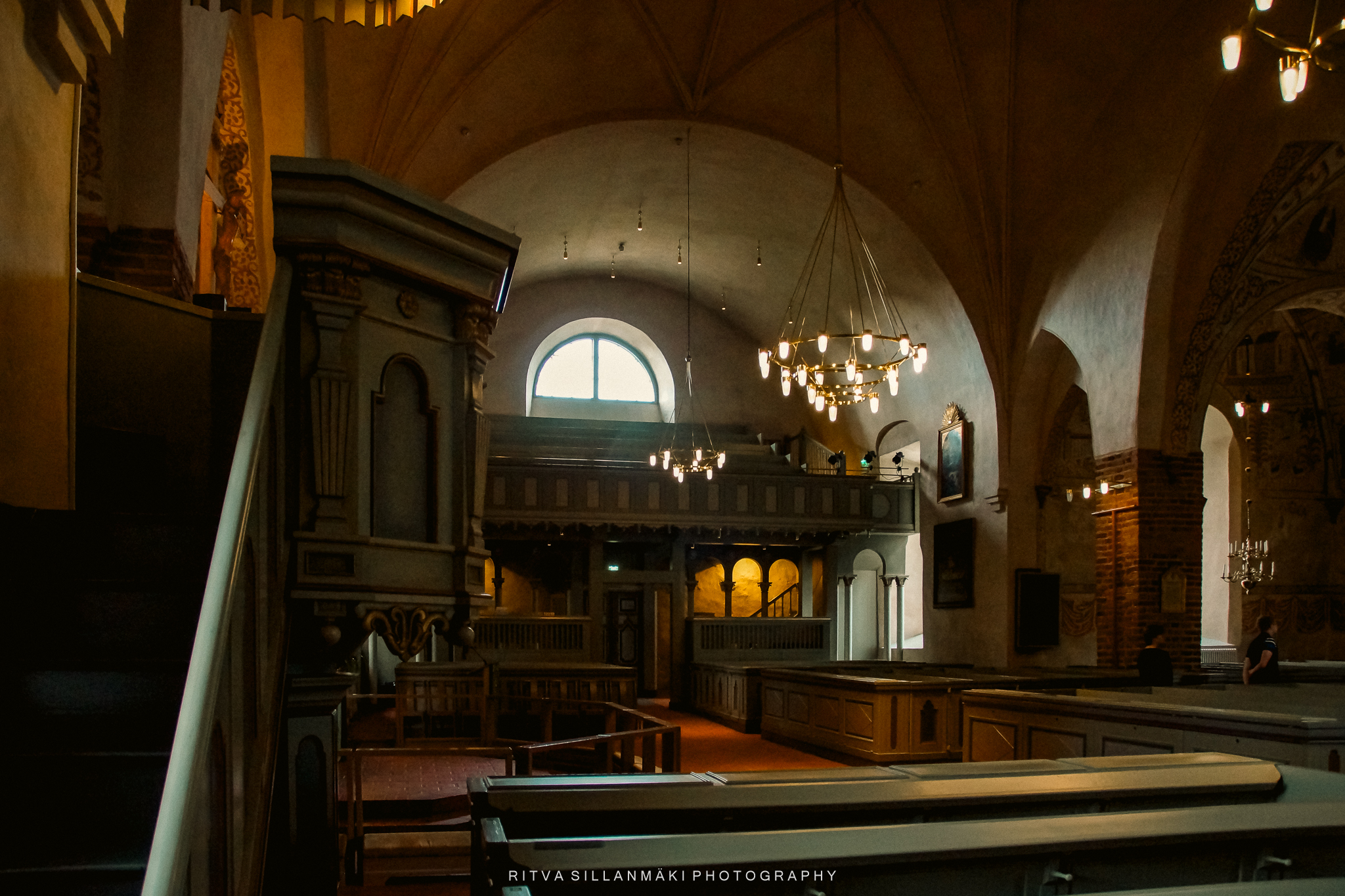
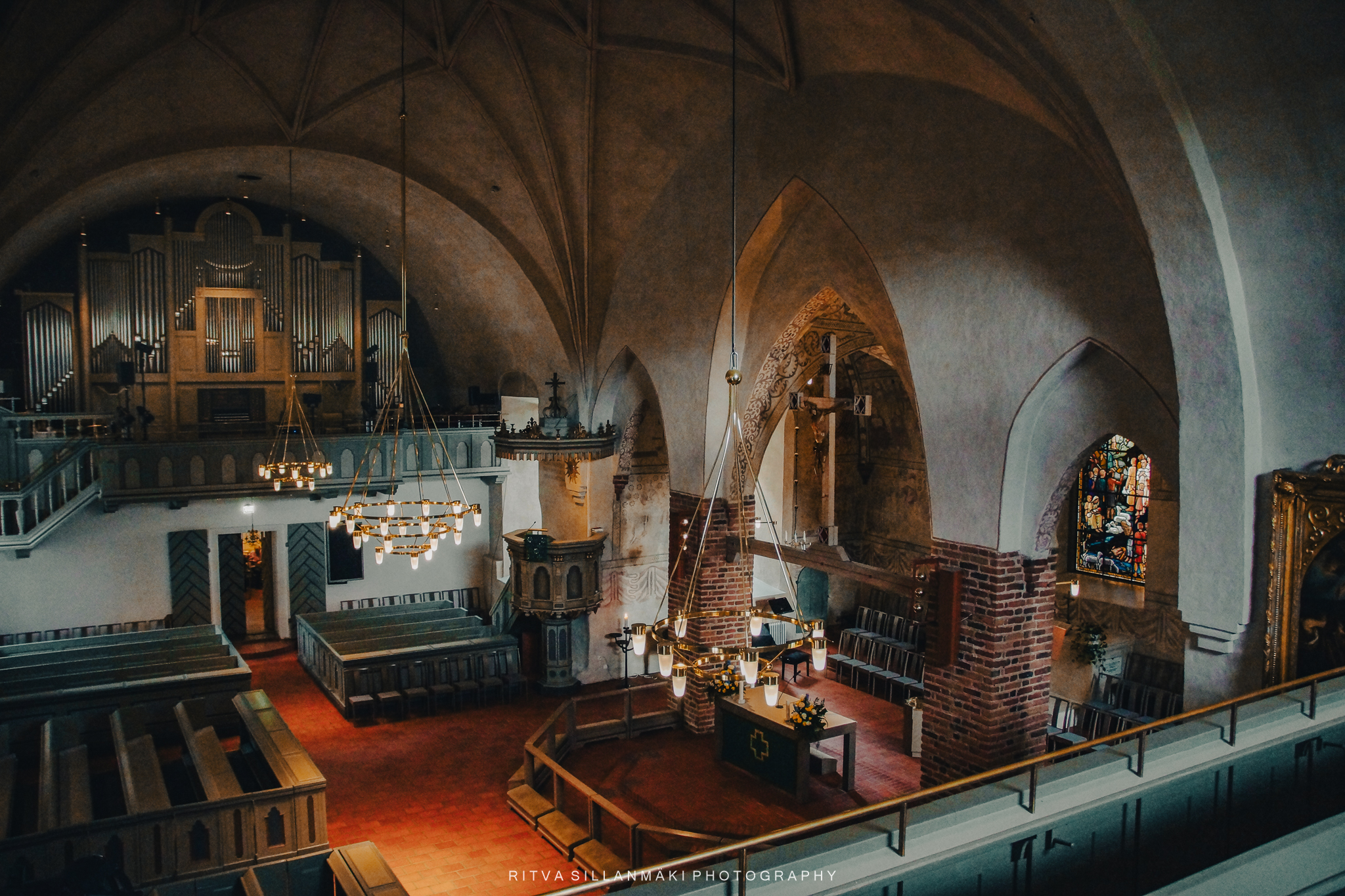
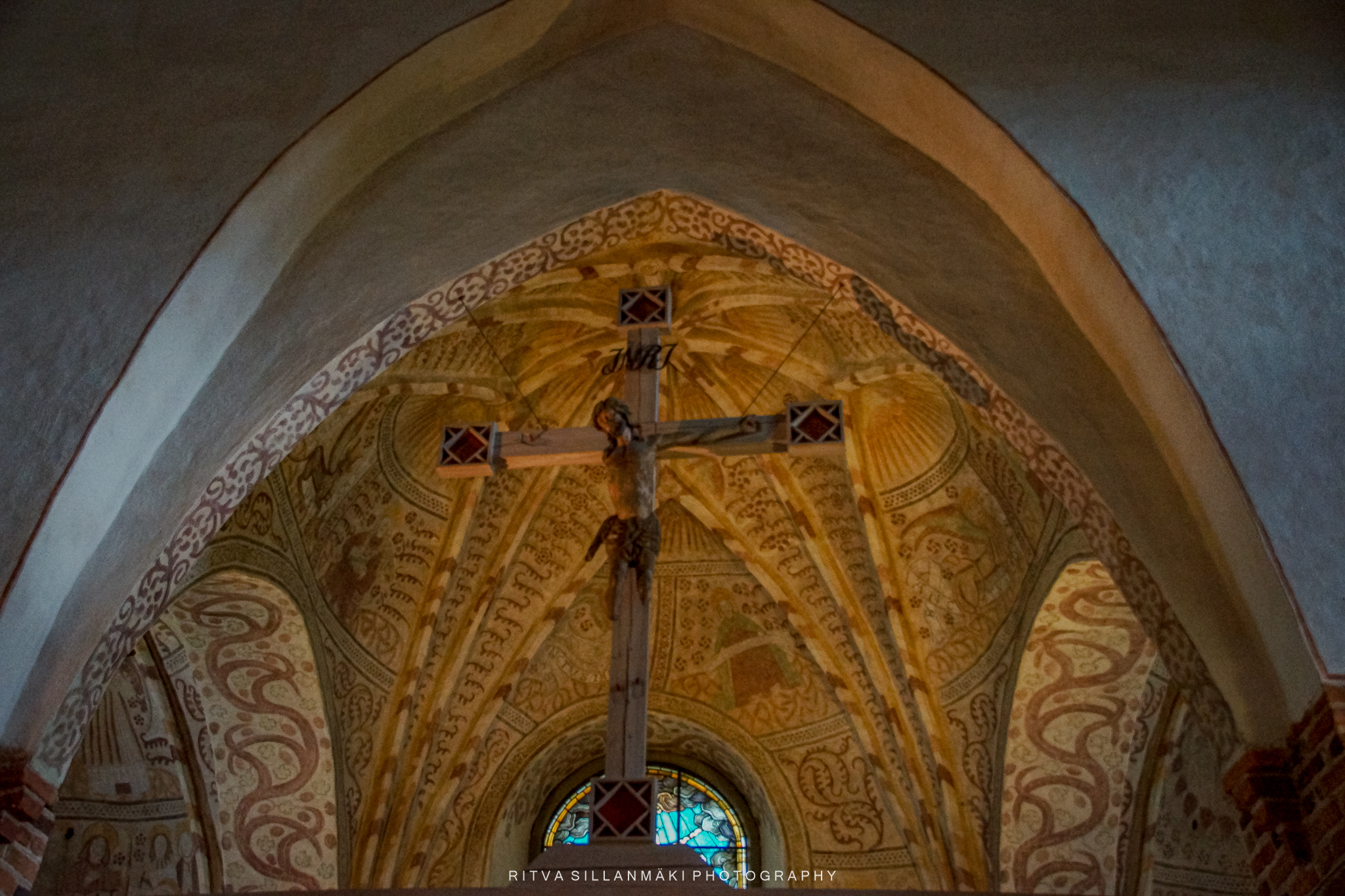
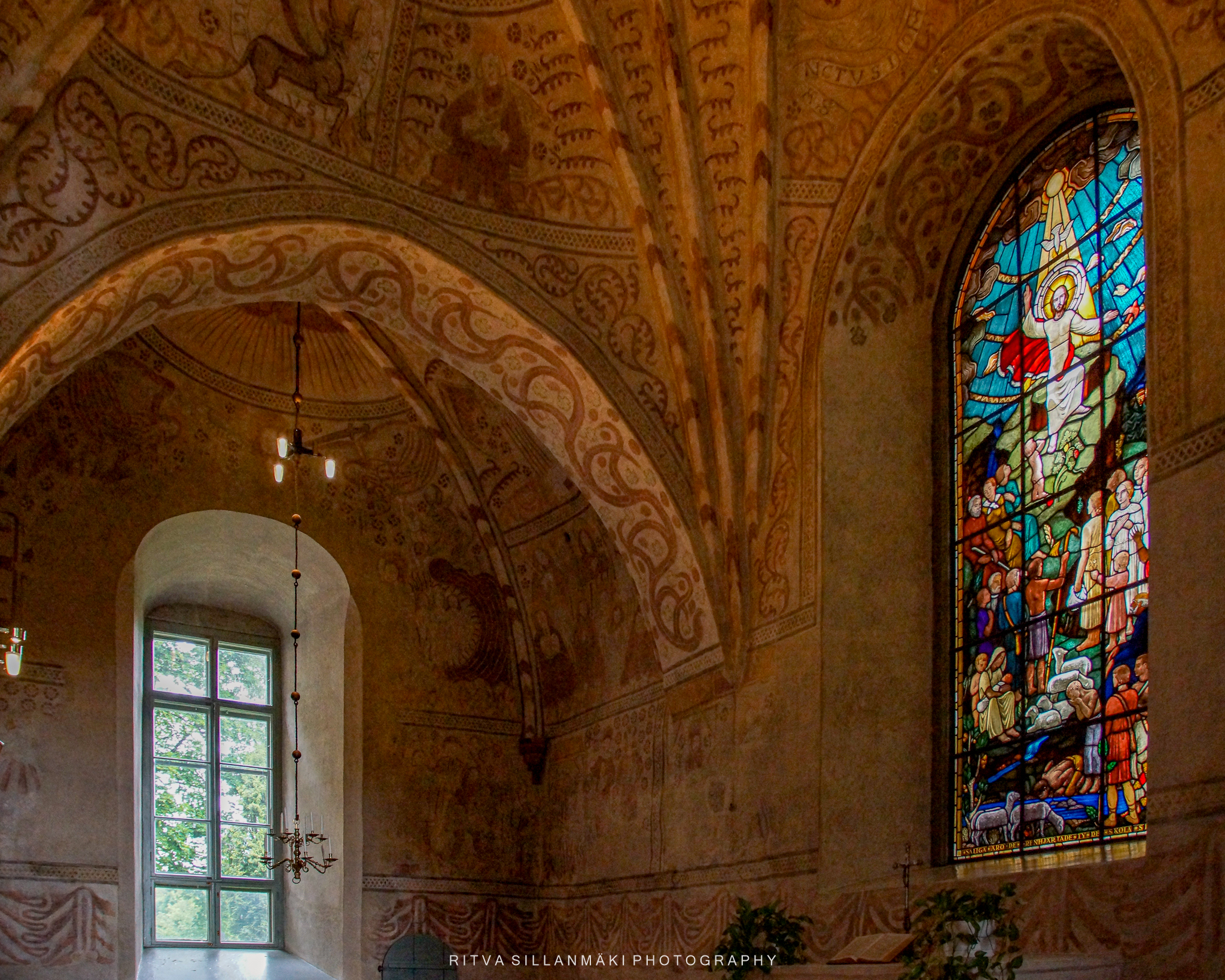
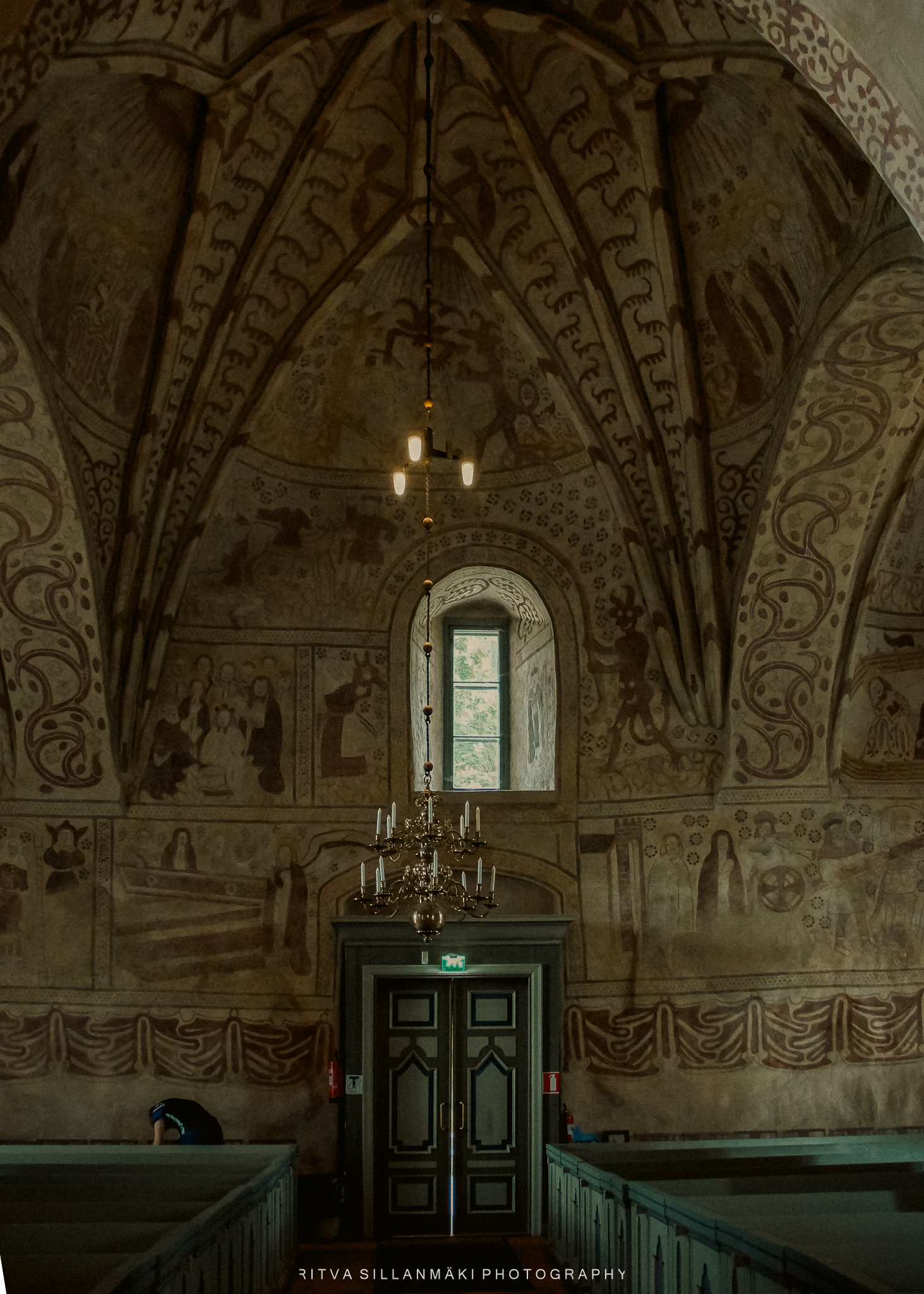
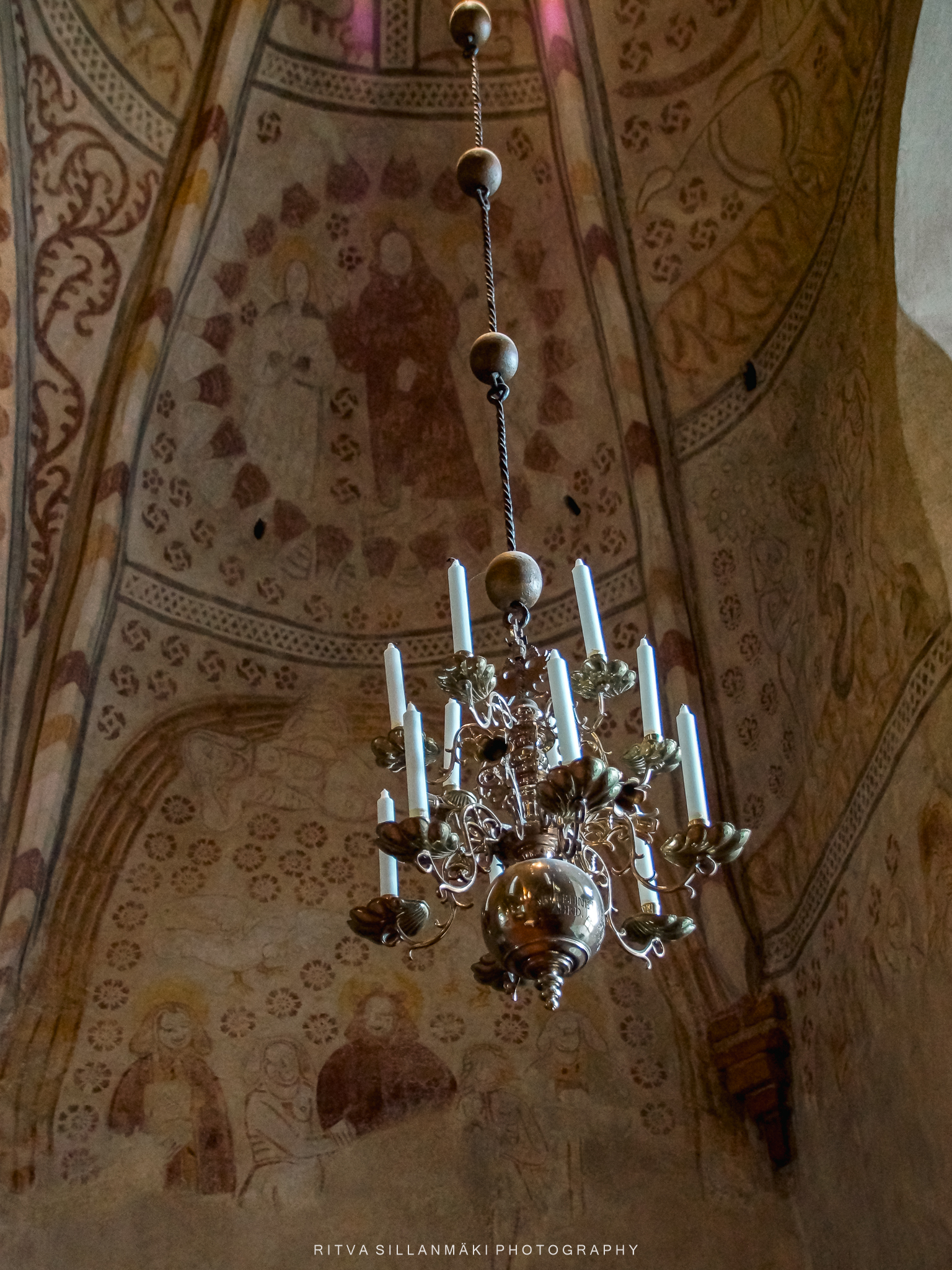
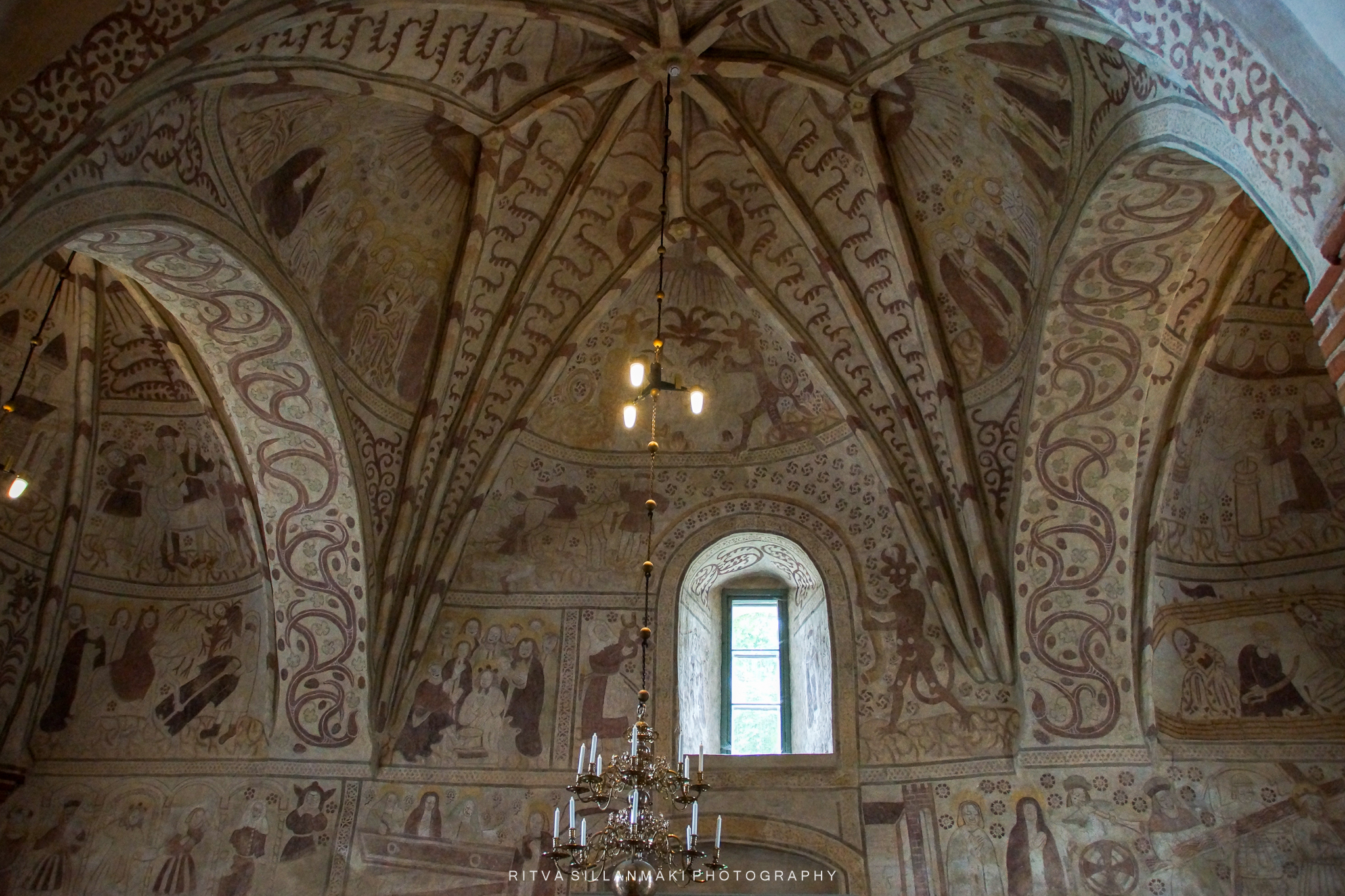
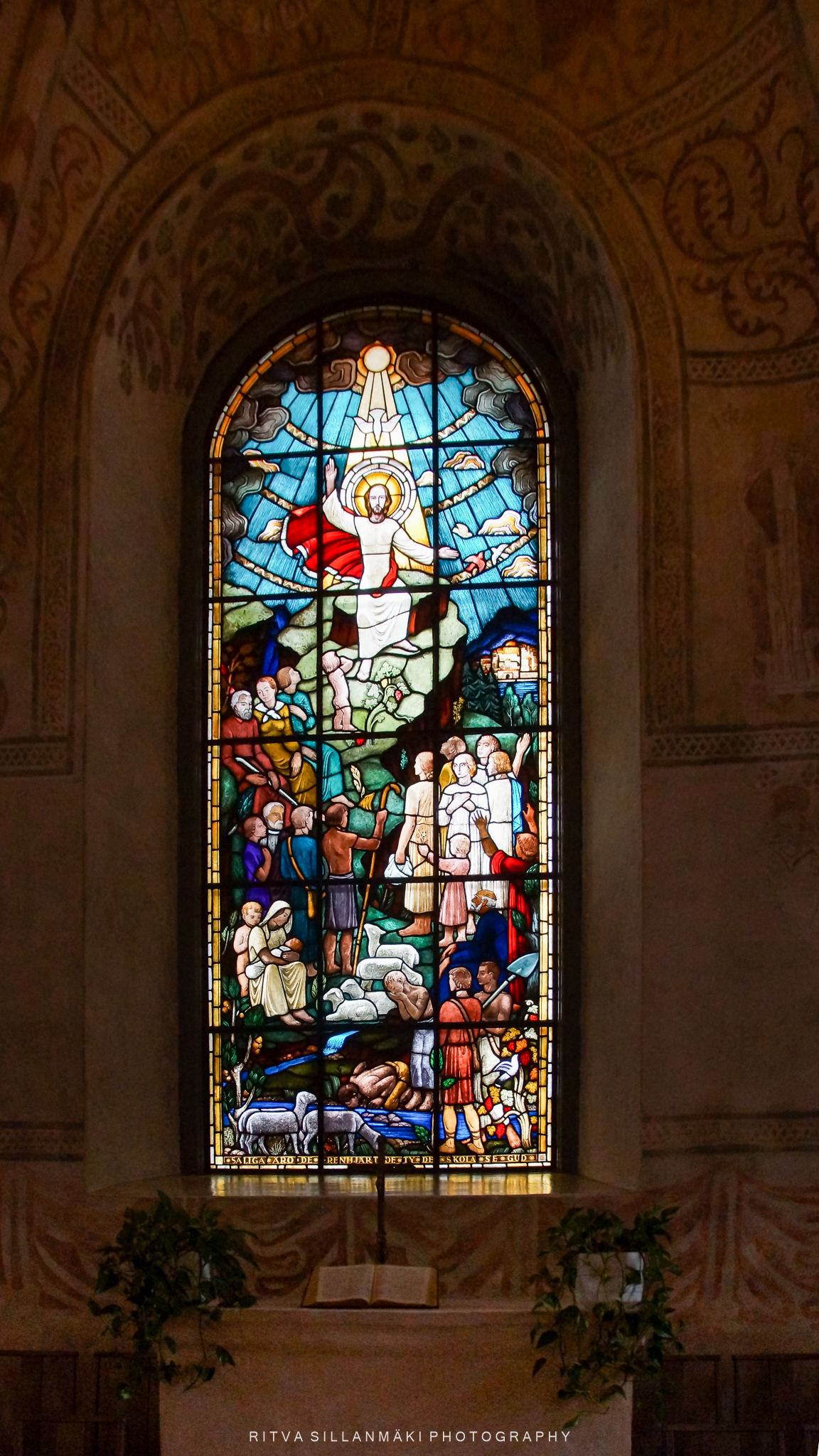
Here are some more images from this old church and a link to more information of Espoo Cathedral .
I have additional images taken, but I plan to share them separately, as I think these particular ones align well with Dan’s theme. I’m aware that people often overlook images when there are too many of them, which has been a common mistake in many of my earlier posts. I really strive to thoughtfully select and limit the number of images I include. Hopefully, I can keep the attention and ensure that every image adds value to the story, creating a more deliberate and enjoyable experience as they explore the content.
The church was crafted in the late 15th century by an anonymous “Espoo master” and constructed between 1485 and 1490 under his guidance. The only remnants of the medieval structure are the eastern and western sections of the nave. The armory was dismantled from 1804 to 1806, and several other portions of the church, including the original sacristy, were taken apart between 1821 and 1823 when the edifice was transformed into a larger cruciform layout.
Click the galleries to see the photos more clearly, that is if you are looking at them on your computer as most of my followers are, I saw in the stats that the number is 82% ☺
The vaults and walls of the older sections of the cathedral feature murals, predominantly painted in the 1510s, showcasing both biblical narratives and scenes from everyday life. These paintings were concealed in the 18th century due to perceptions of being “crude and superstitious,” but were exposed and restored during renovations in 1931. The current campanile of the cathedral was finalized in 1767, with its upper section remodeled between 1868 and 1869.
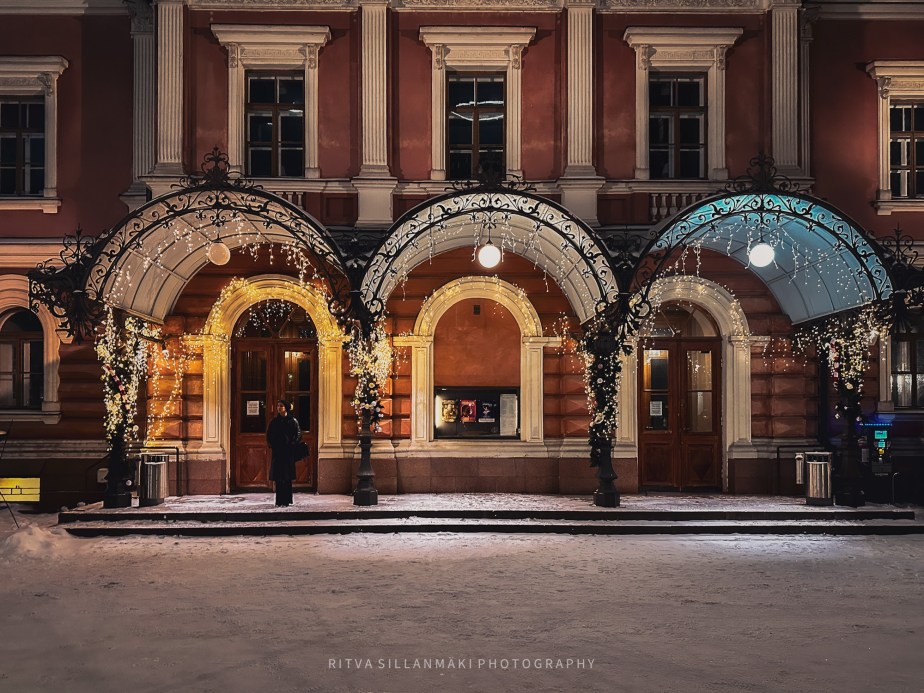
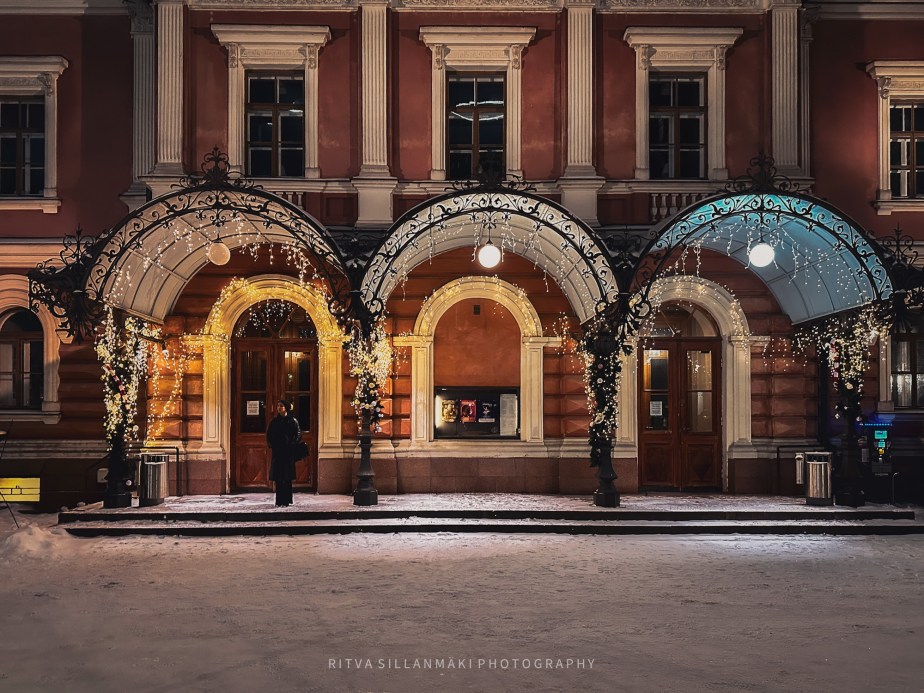
We were delighted to find parking by the Alexander Theatre as all the streets were packed with cars due to LUX Helsinki, which we also came to see. So obviously I was going to take a photograph of it, for some reason I thought I might have use for it. This building has been a cornerstone of Helsinki’s cultural scene. Today, it provides outstanding facilities for various events, including concerts, theatrical productions, and dance performances, making it an ideal venue for visiting groups.
The beautifully illuminated entrance of the Alexander Theatre, a significant cultural venue in Helsinki, adorned with festive decorations and snow.
A brief history of the building:
In the early decades of the 1800s, theatre troupes from Sweden, Estonia and Russia and also from Italy and Germany visited Helsinki. But this changed when Nikolai Adlerberg became the Governor General of Finland and established a Russian Theatre with a grant he organised from the Tsar’s funds.
Construction began in April 1876 and was completed in 1879. Originally the AlexanderTheatre was to serve the local Russian garrison. The bricks for the decorative building were transported all the way from Åland. The National Theatre and Opera companies moved to the building in 1918 and the National Opera remained on the premises until 1993, when they moved to the new Opera House on the Toolo bay. For this reason, AlexanderTheatre, the Old Opera House, is an important part of Finnish cultural history. Text from AlexanderTheatre page.
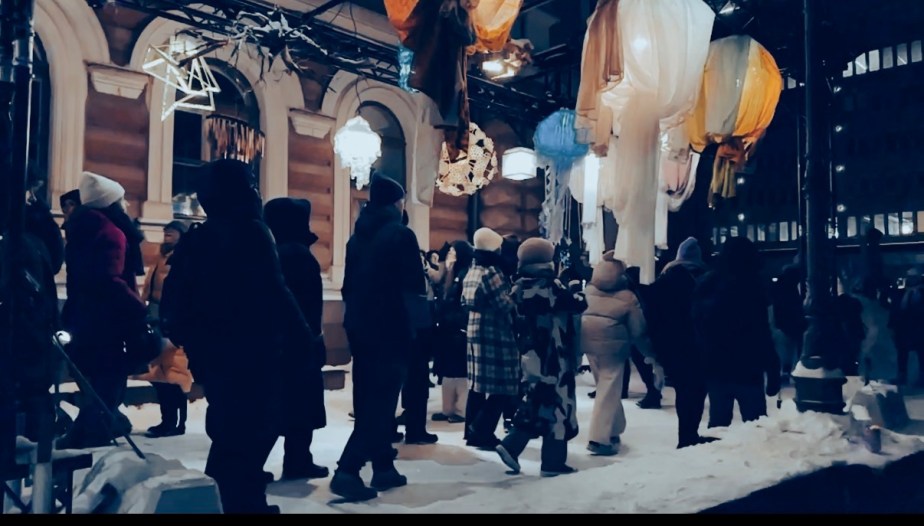
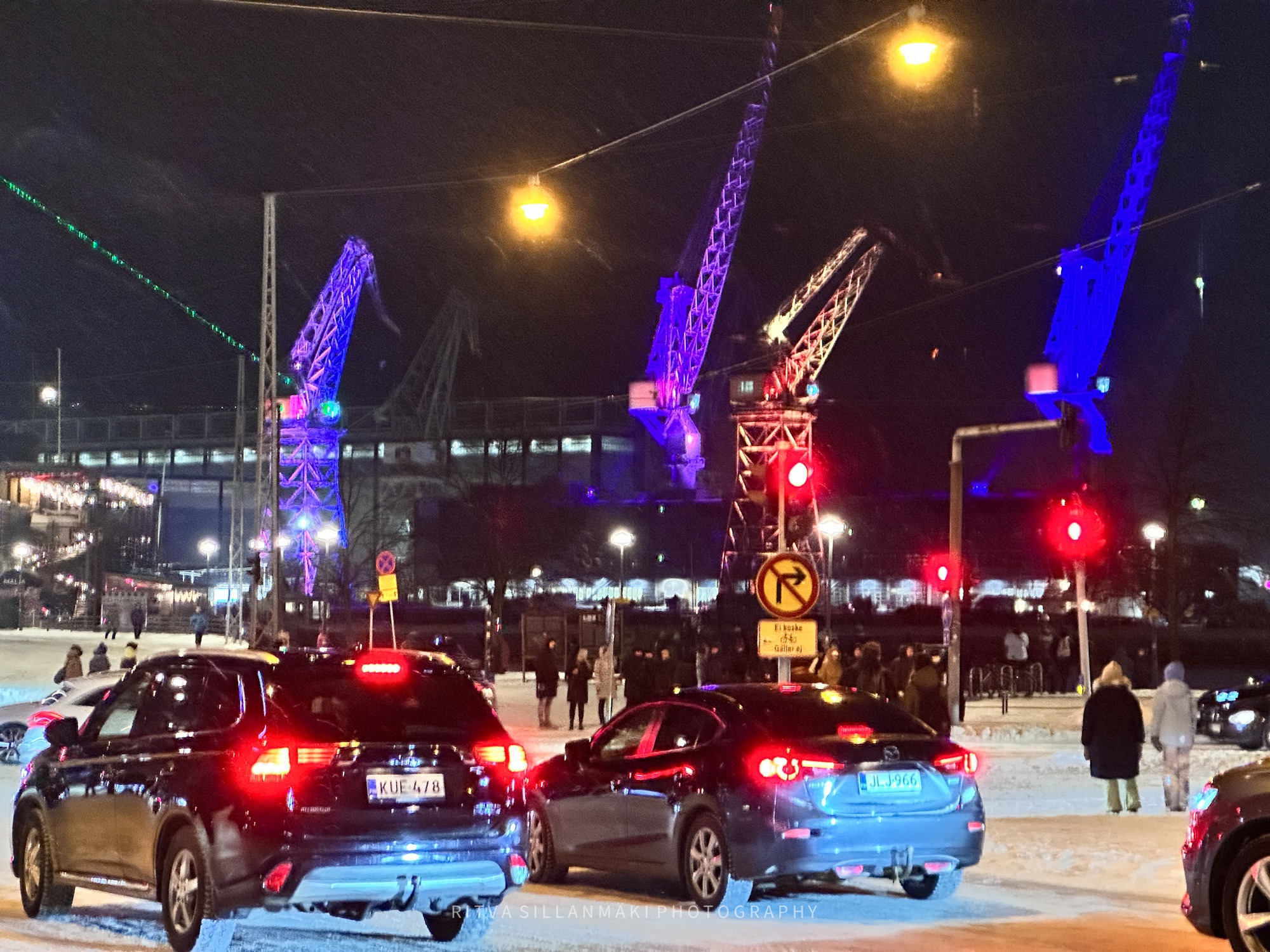
People enjoying the festive atmosphere at LUX Helsinki, with colorful decorations hanging above them.
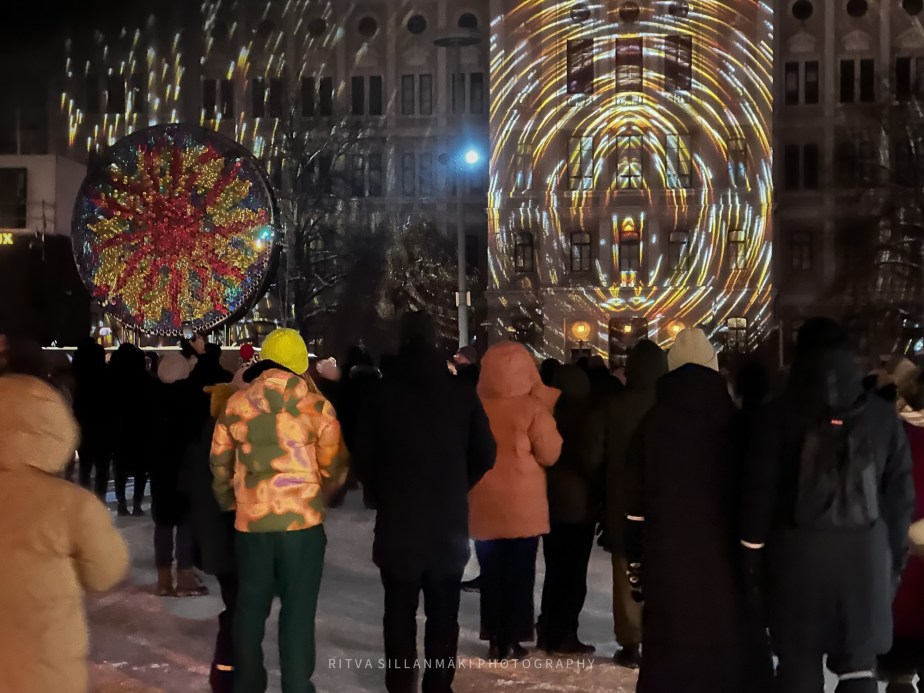
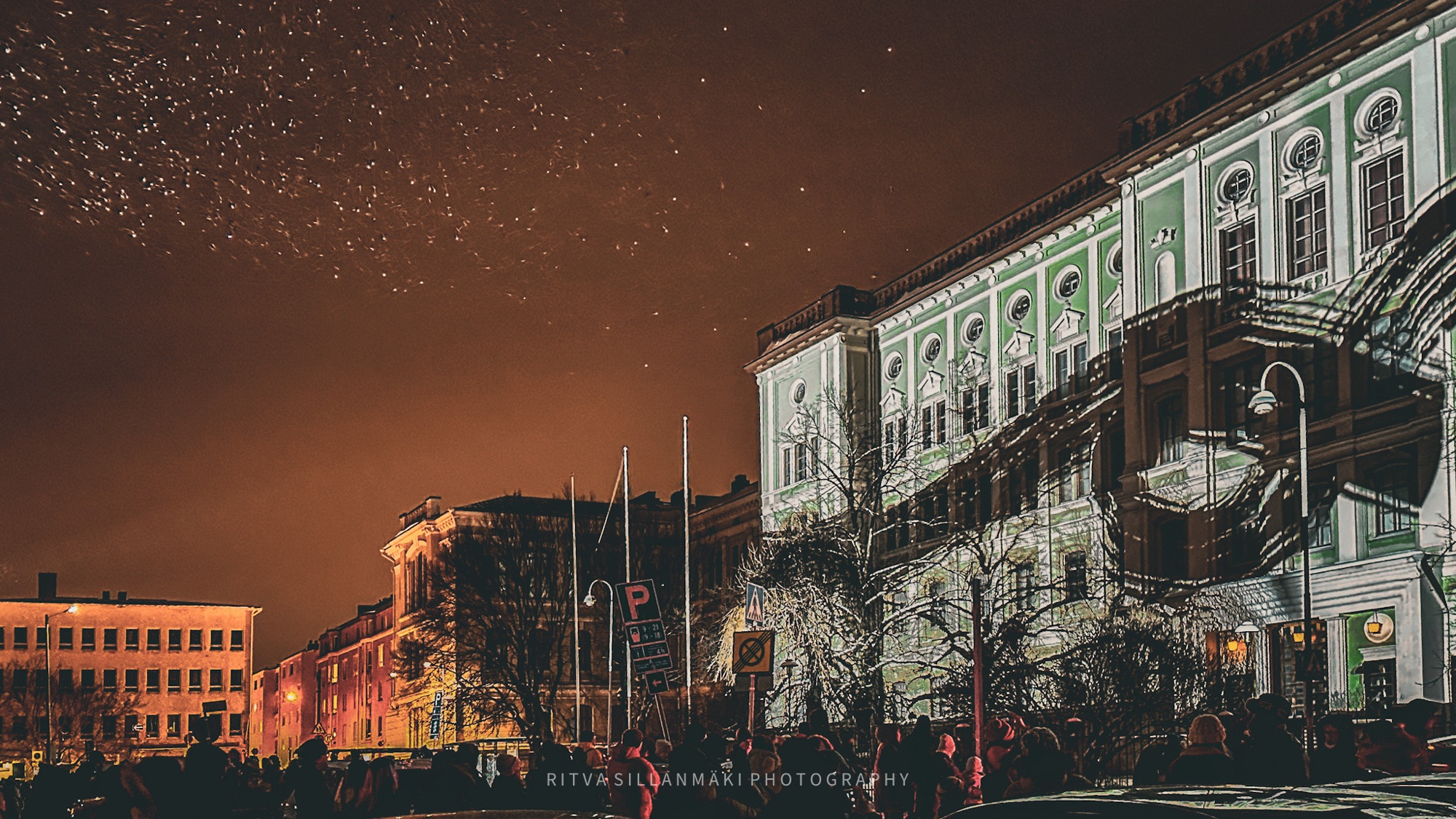
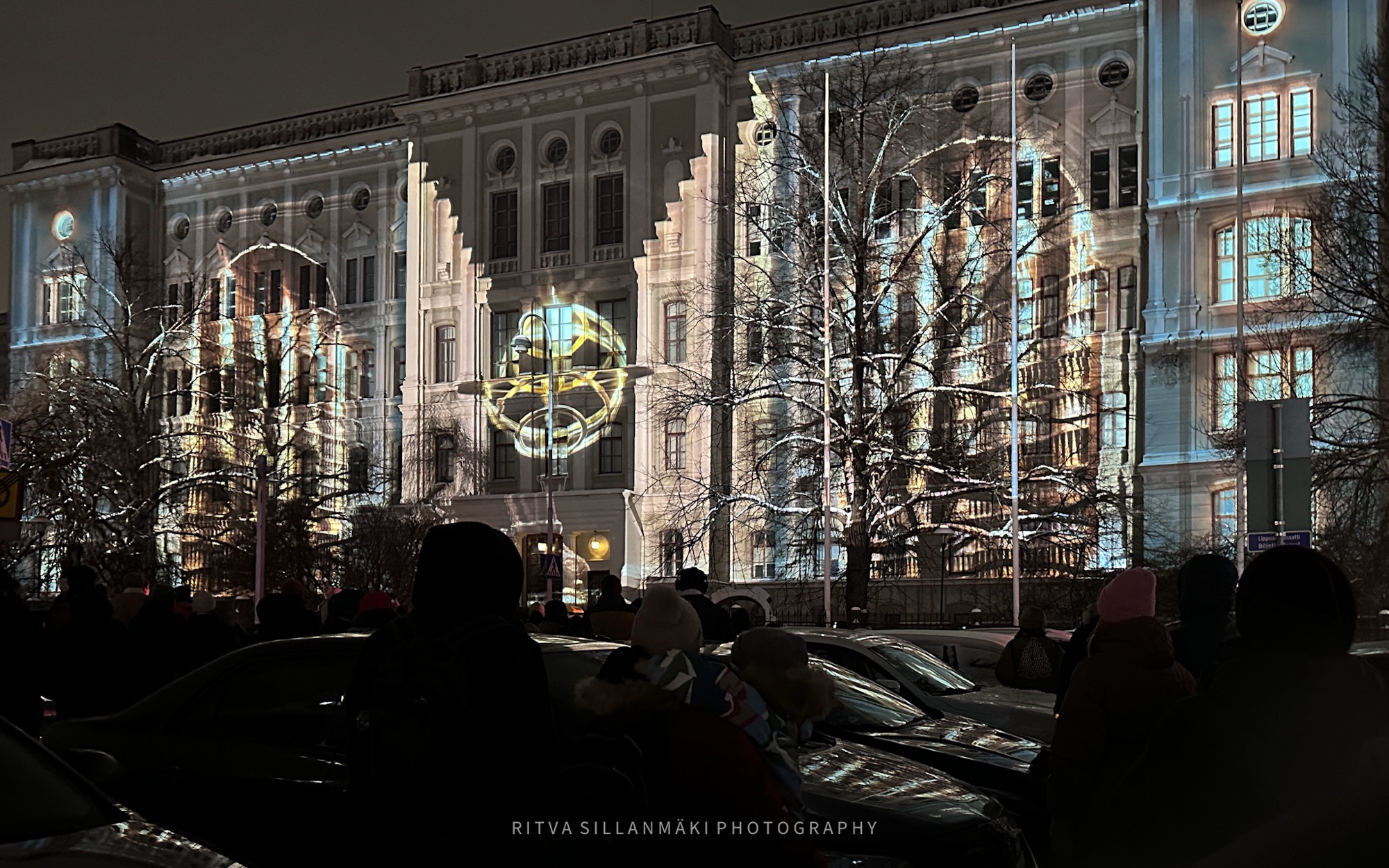
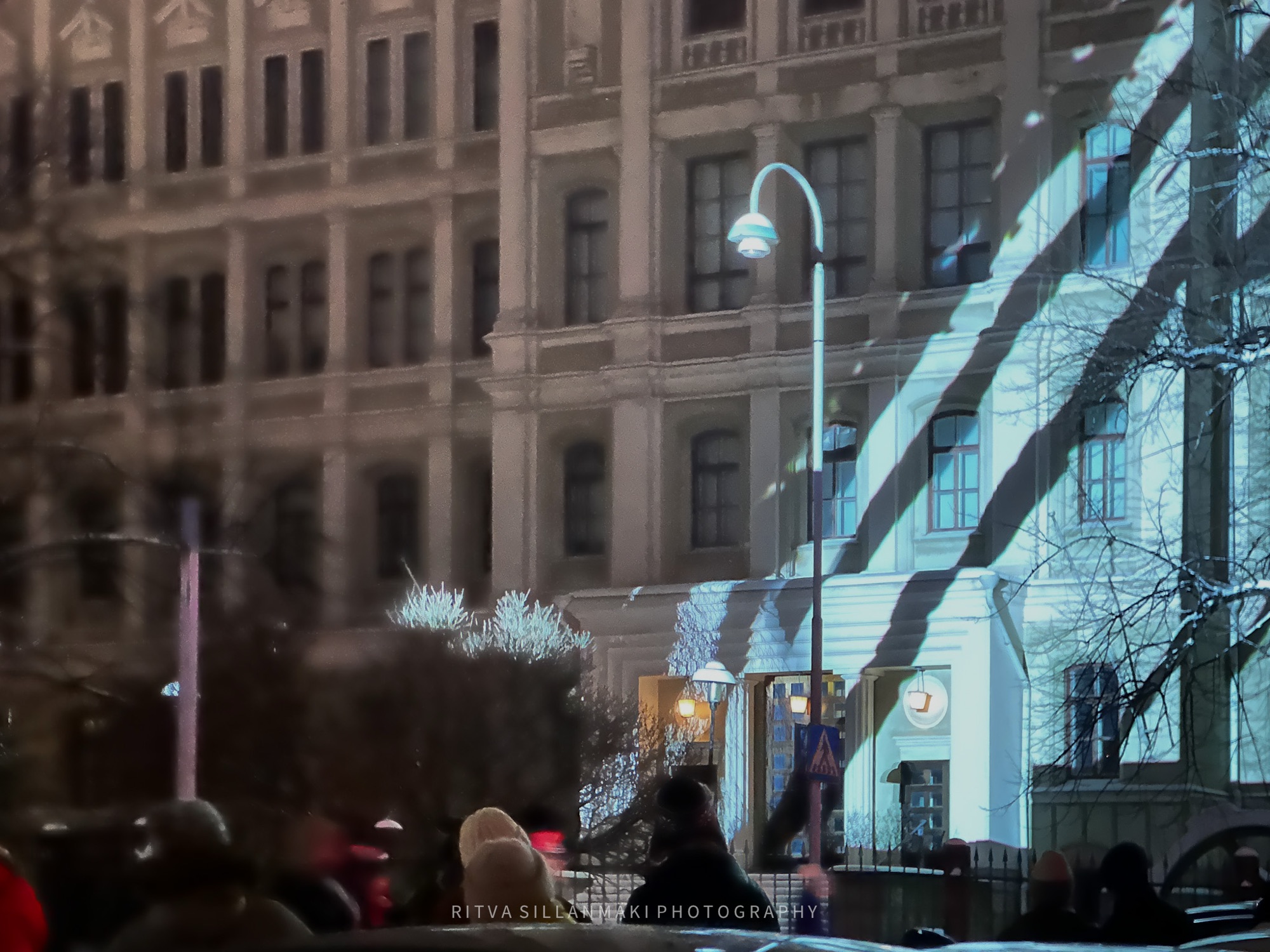
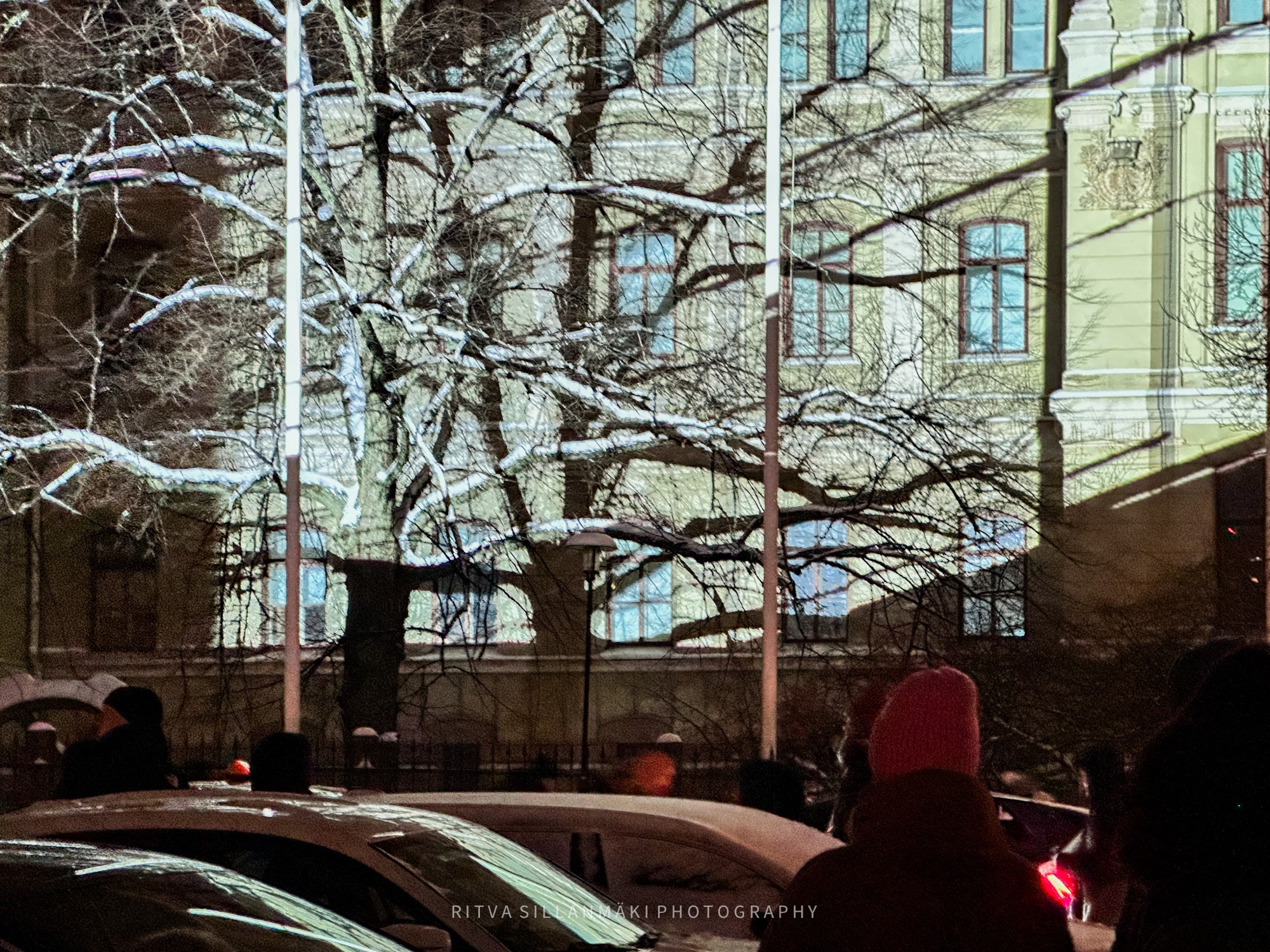
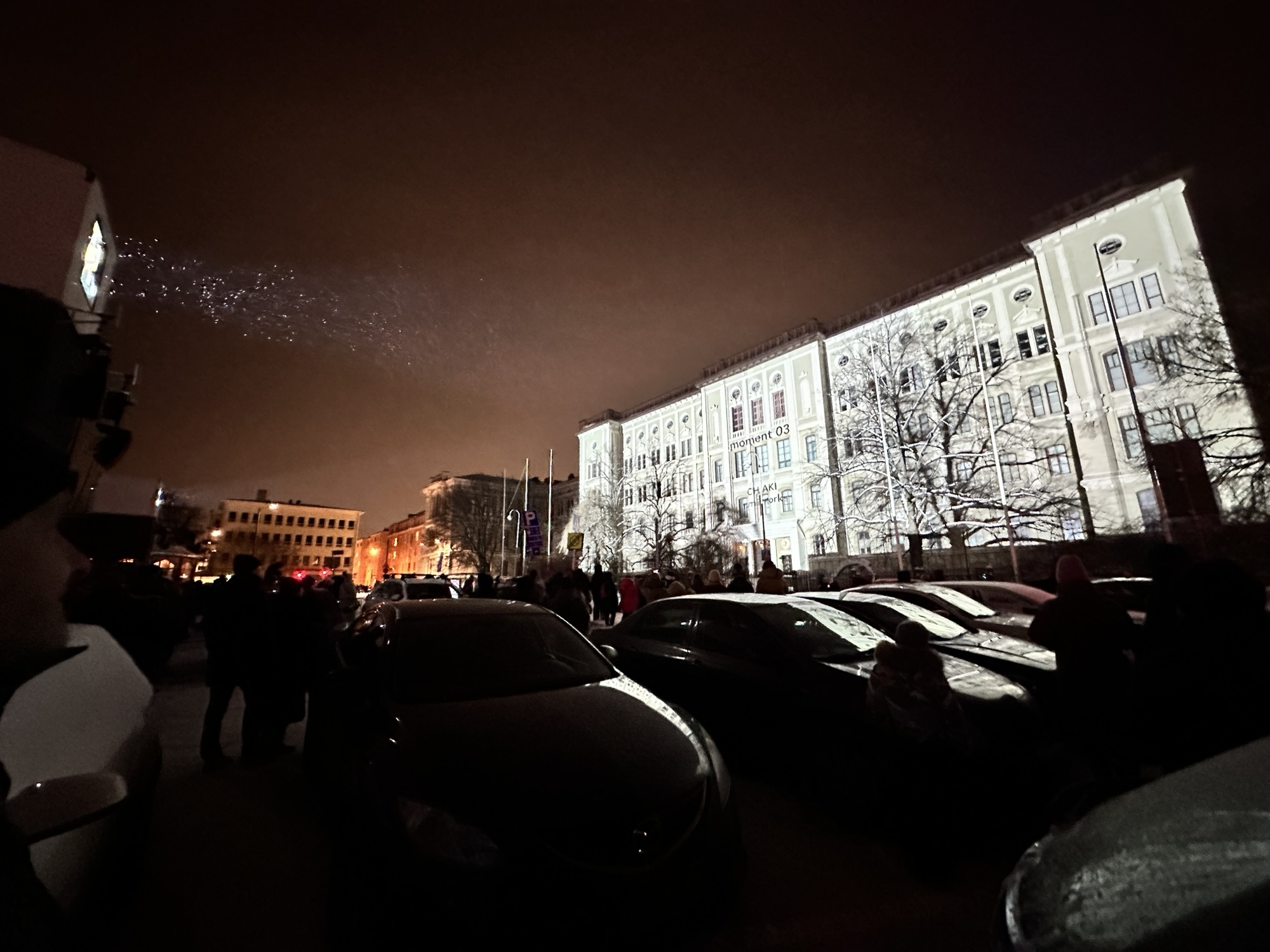
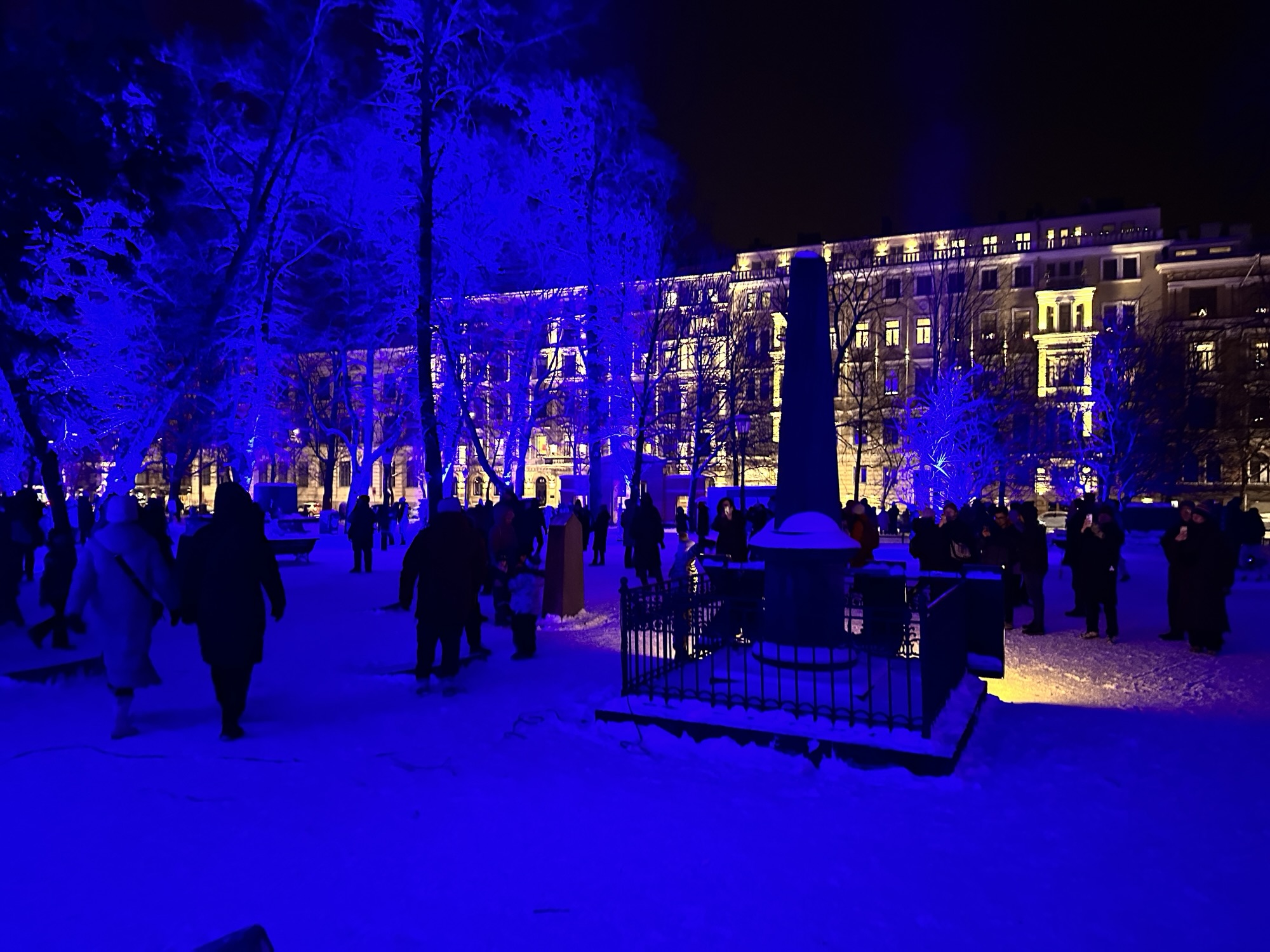
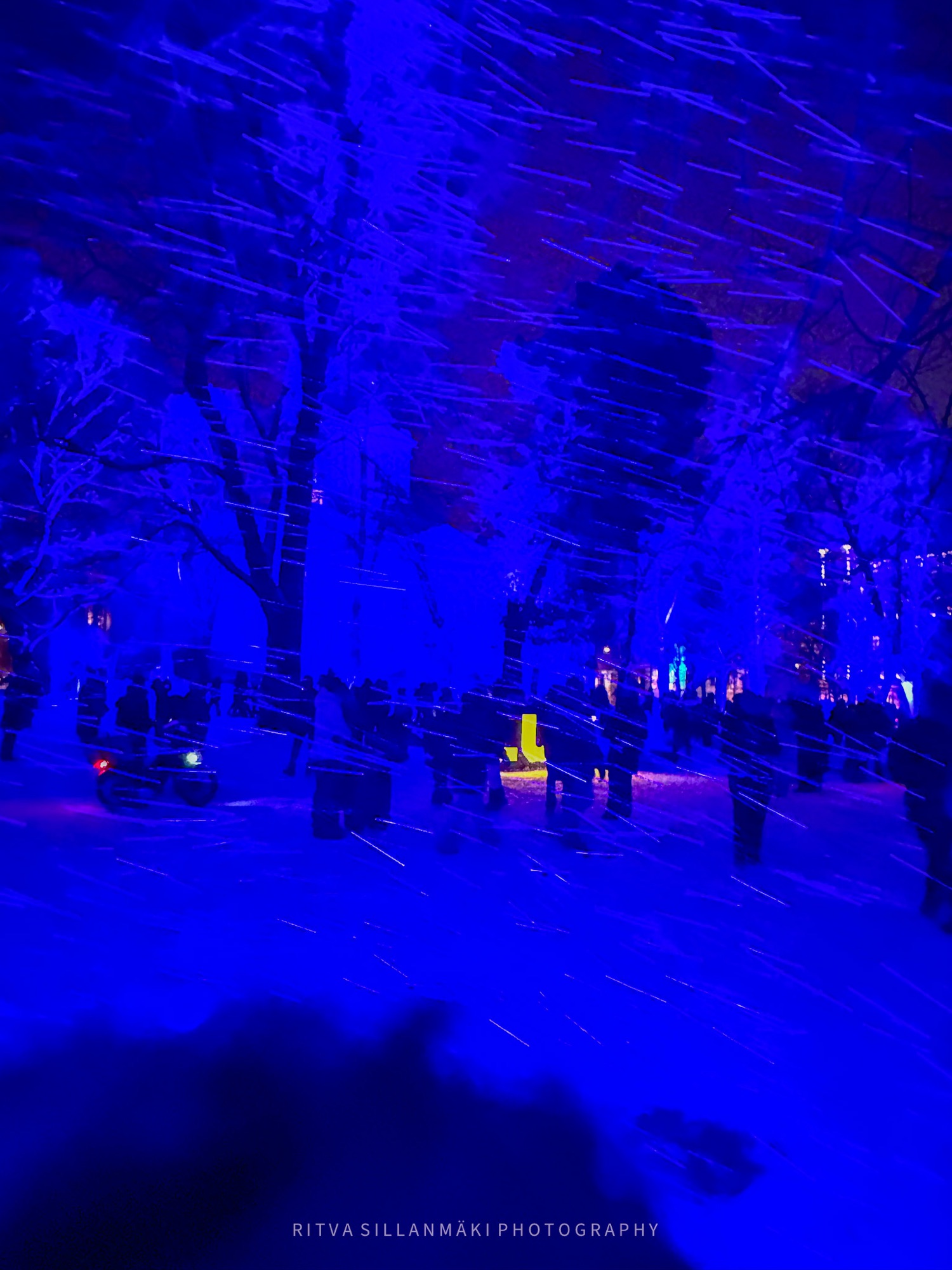
Last weekend, I attended the LUX Helsinki 2026 festival, which attracted large crowds despite the cold weather. Dressing appropriately helped, but my fingers did get really cold while taking the photos. Five of the twenty installations were situated near Hietalahti Market Hall.
Visitors admire a colorful light display during LUX Helsinki 2026 on a chilly Sunday evening.
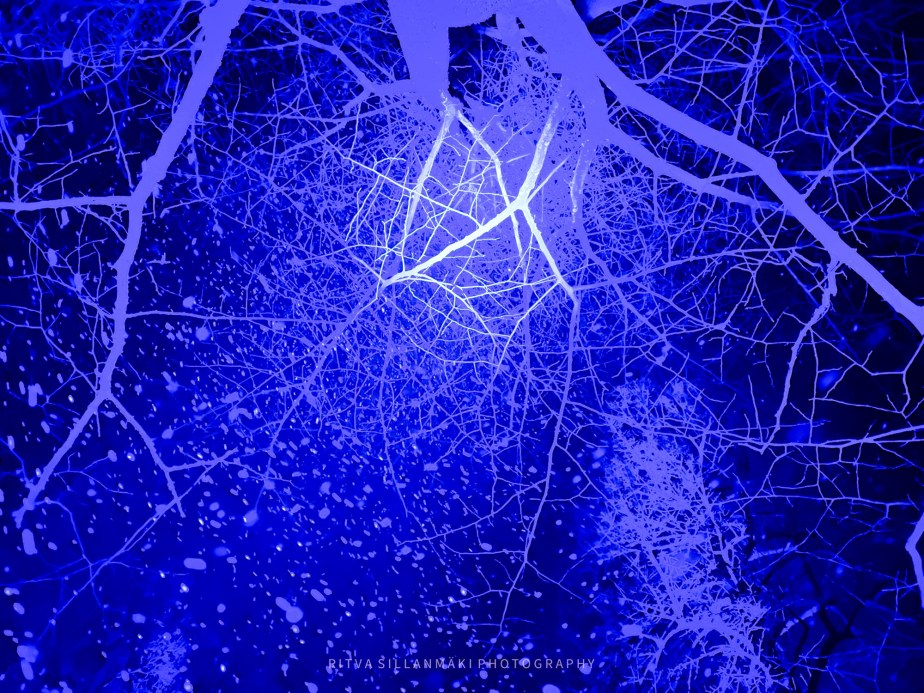
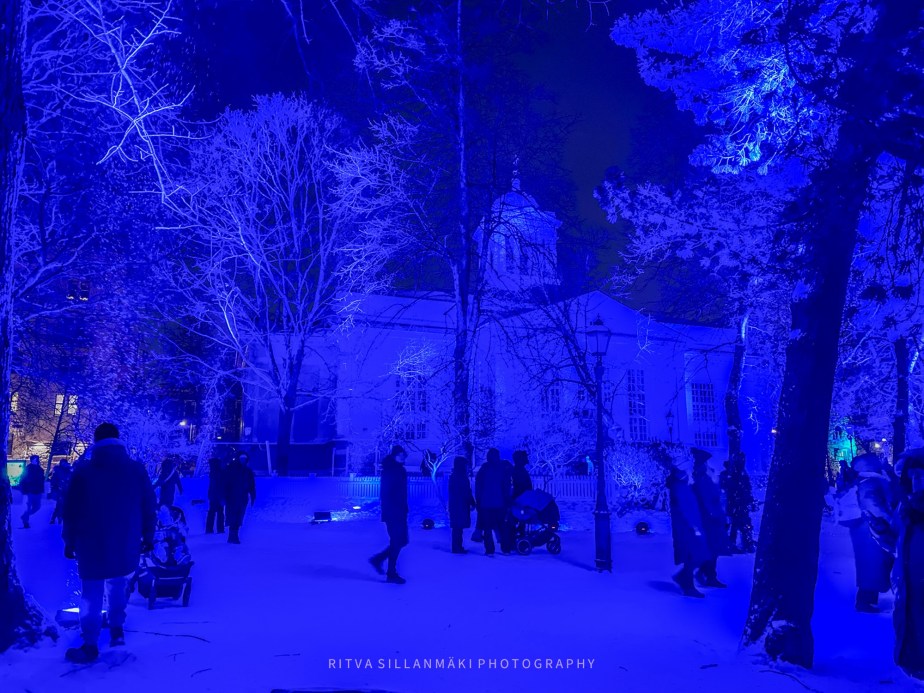
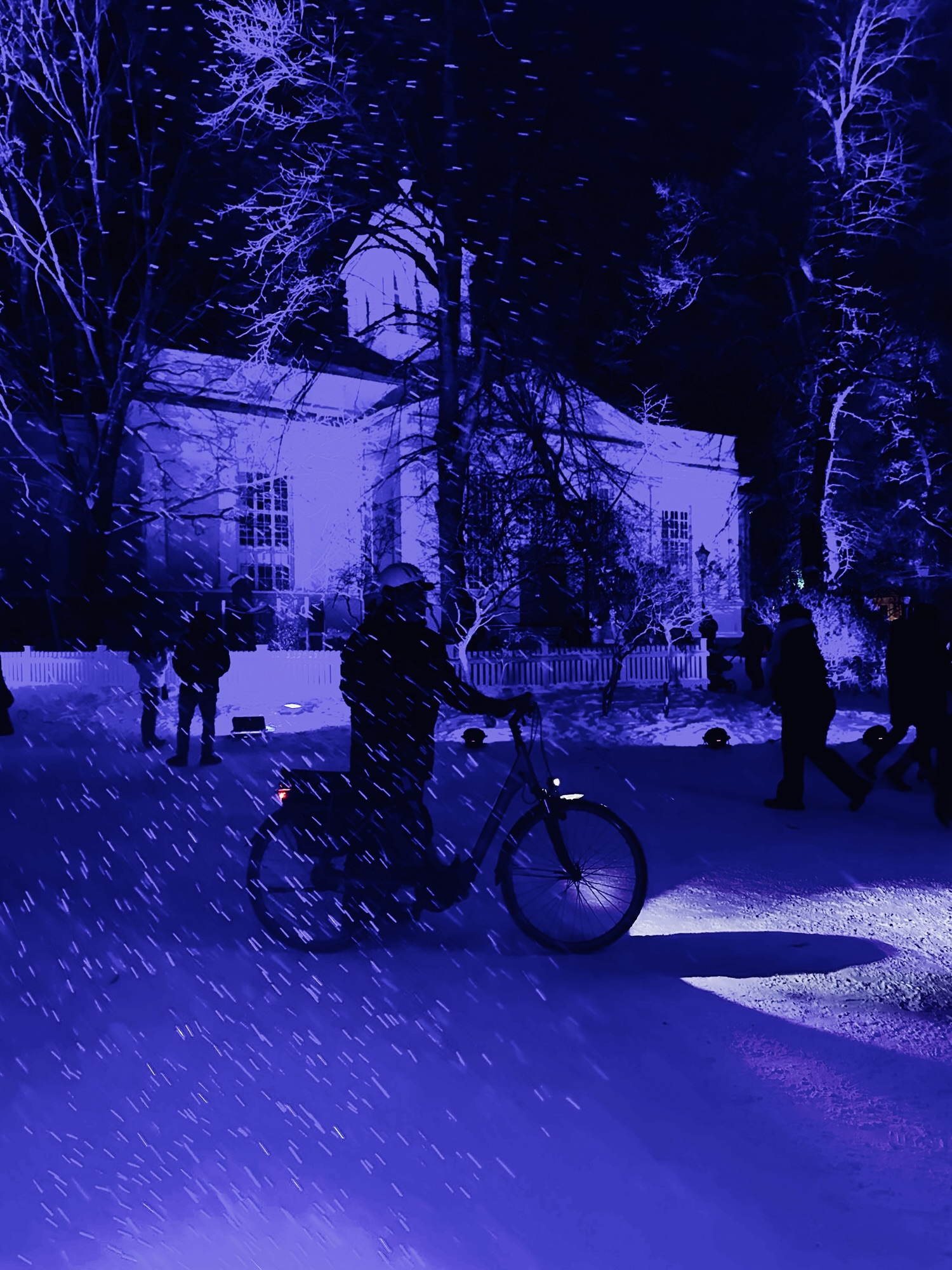
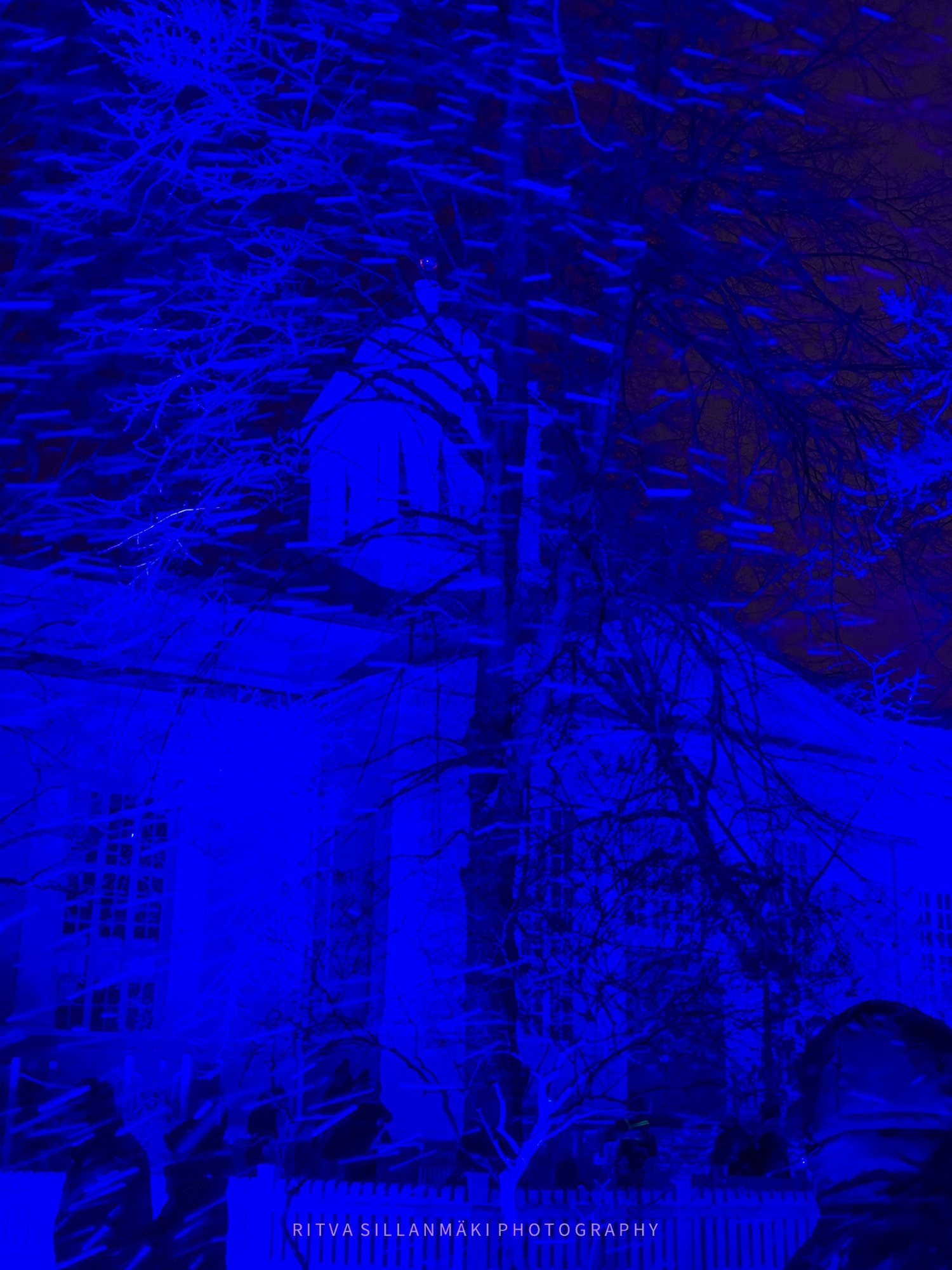
Visitors explore the enchanting snowy landscape illuminated by blue lights at LUX Helsinki 2026.
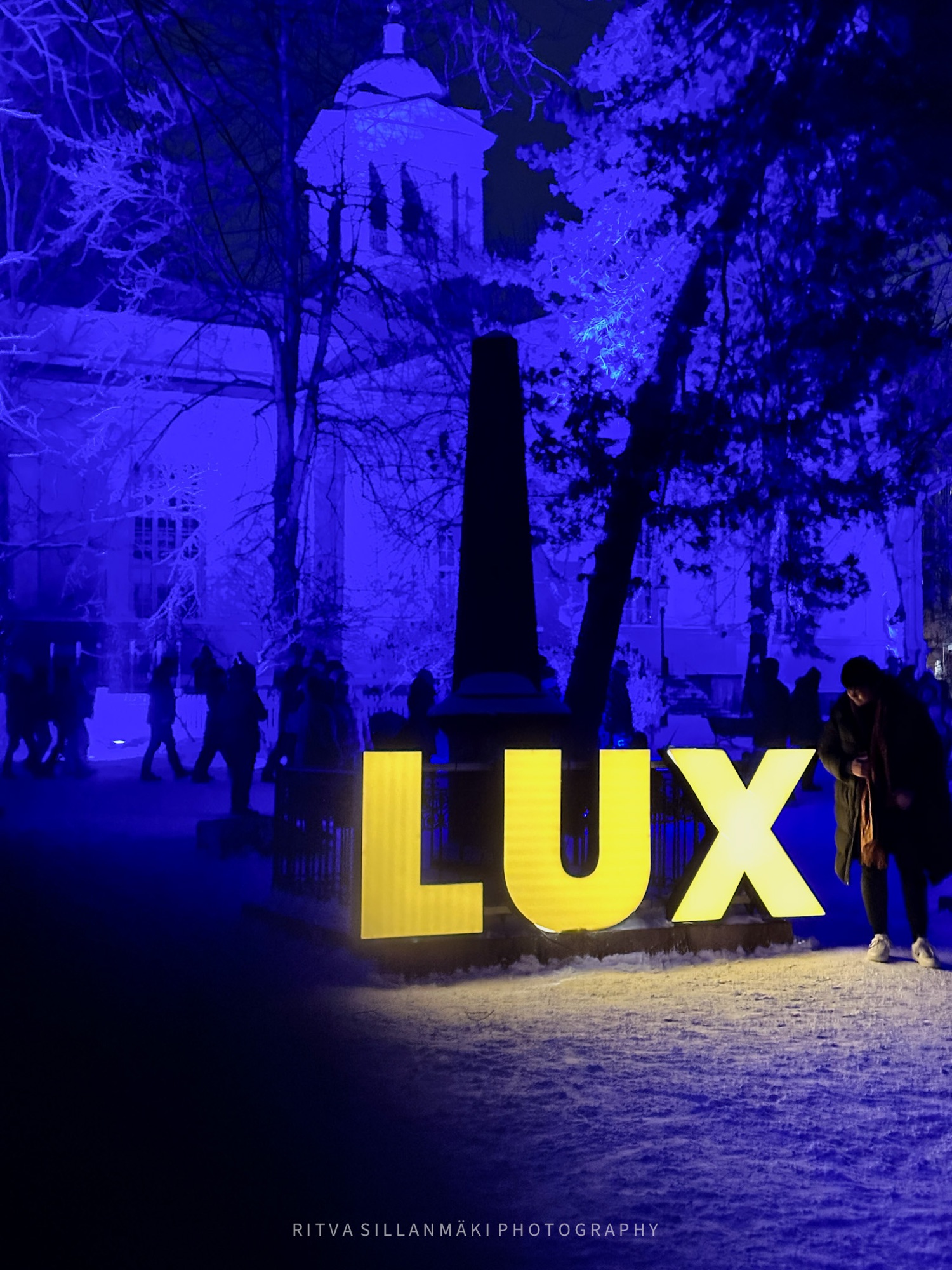
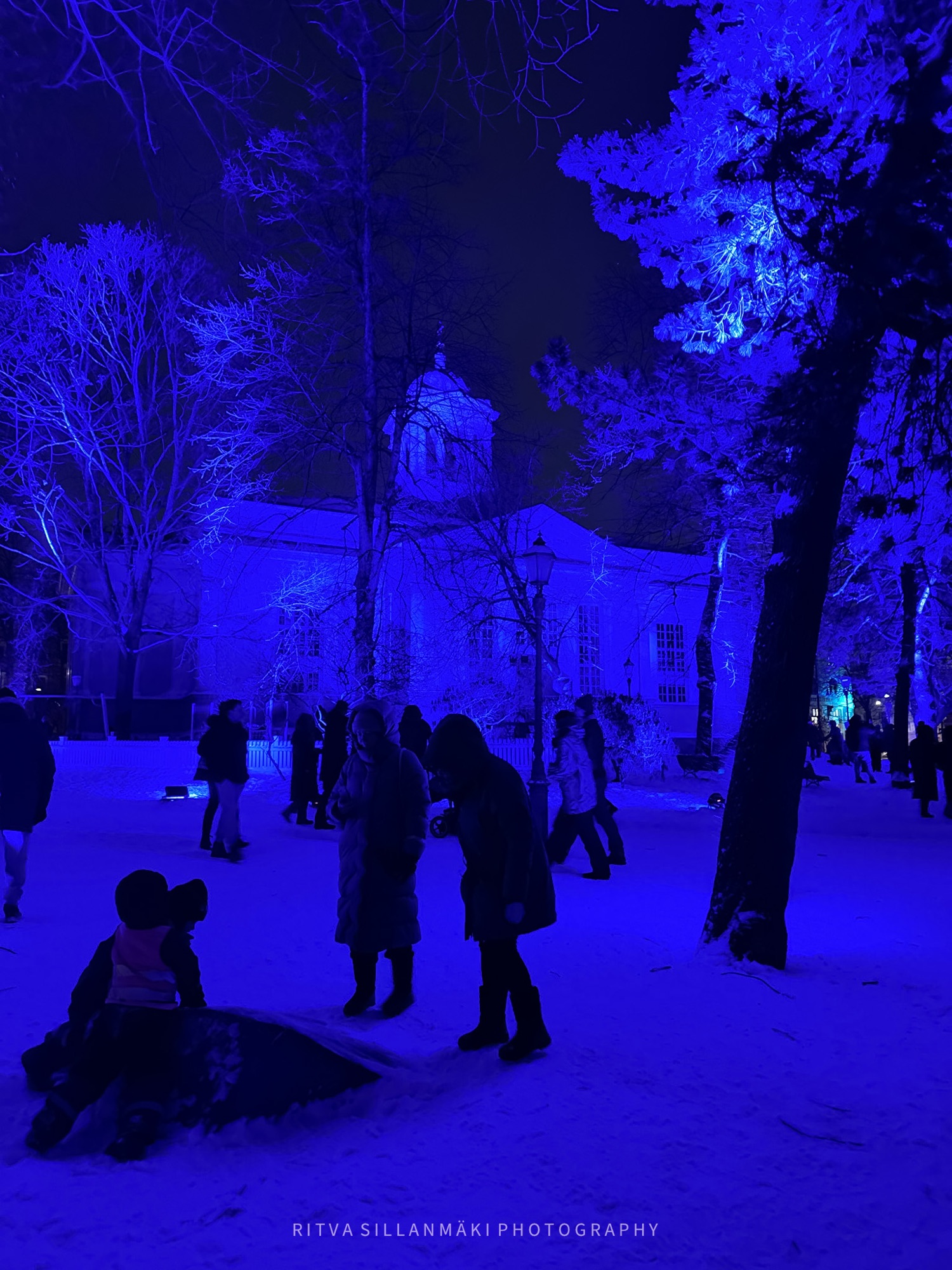
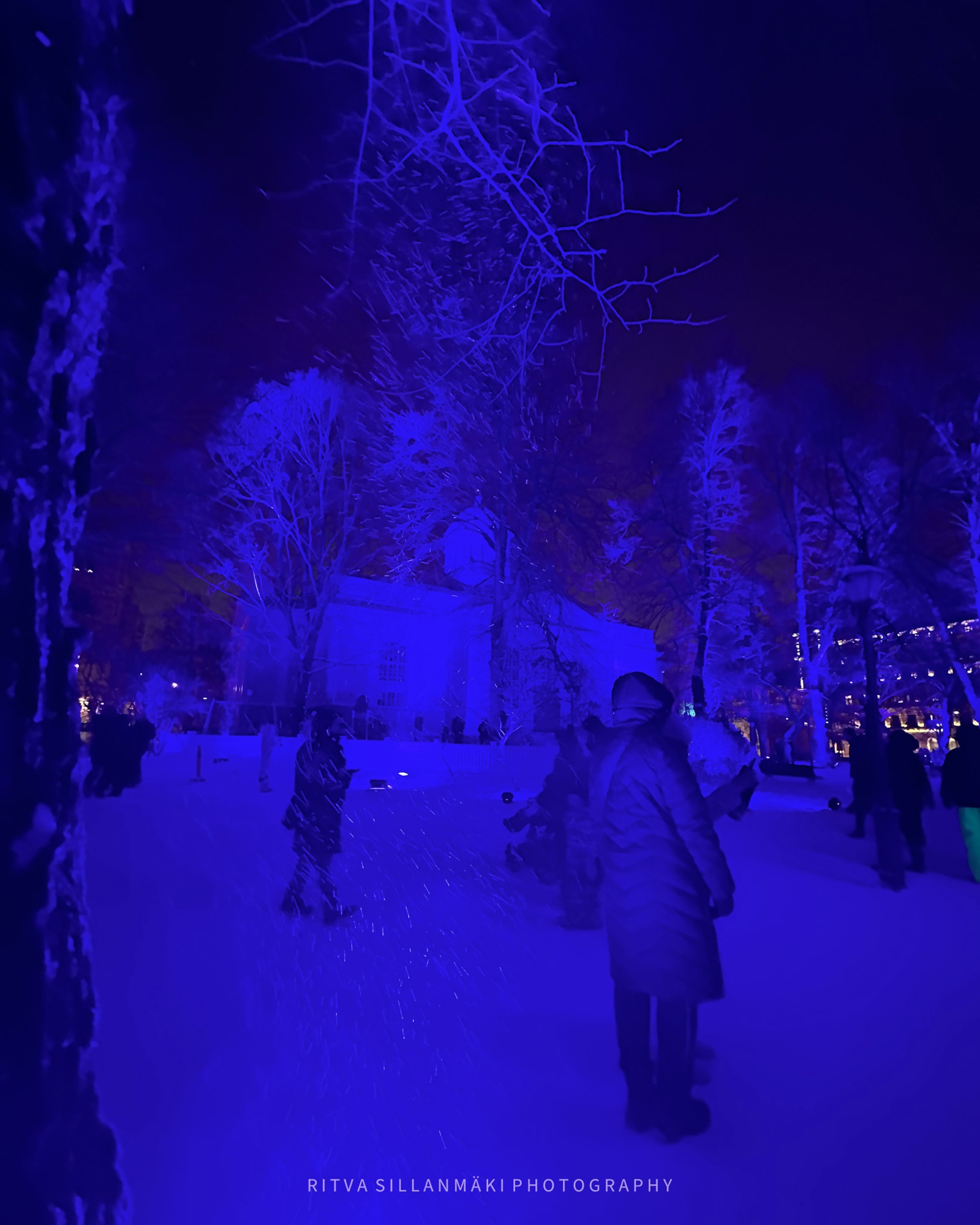
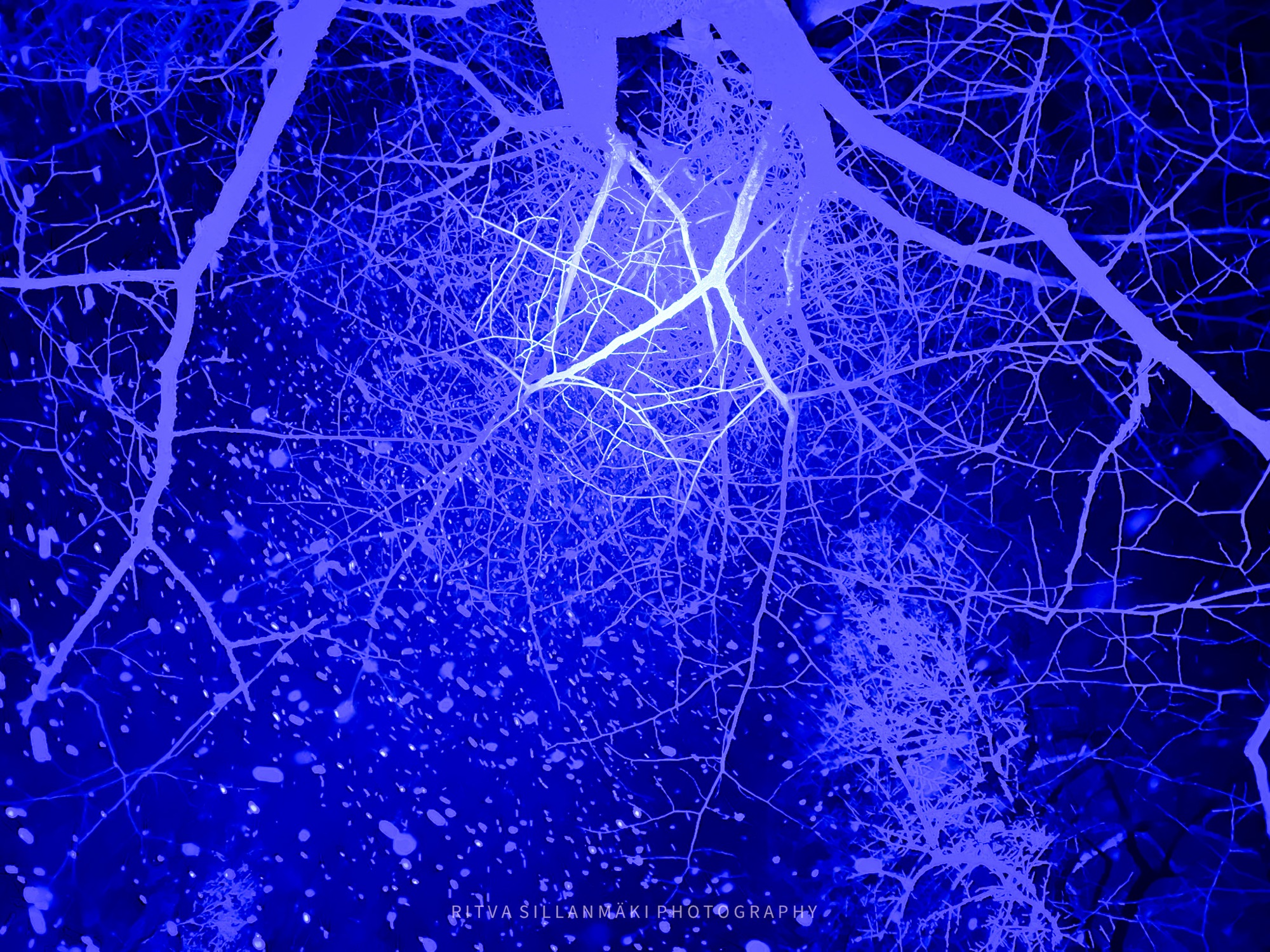
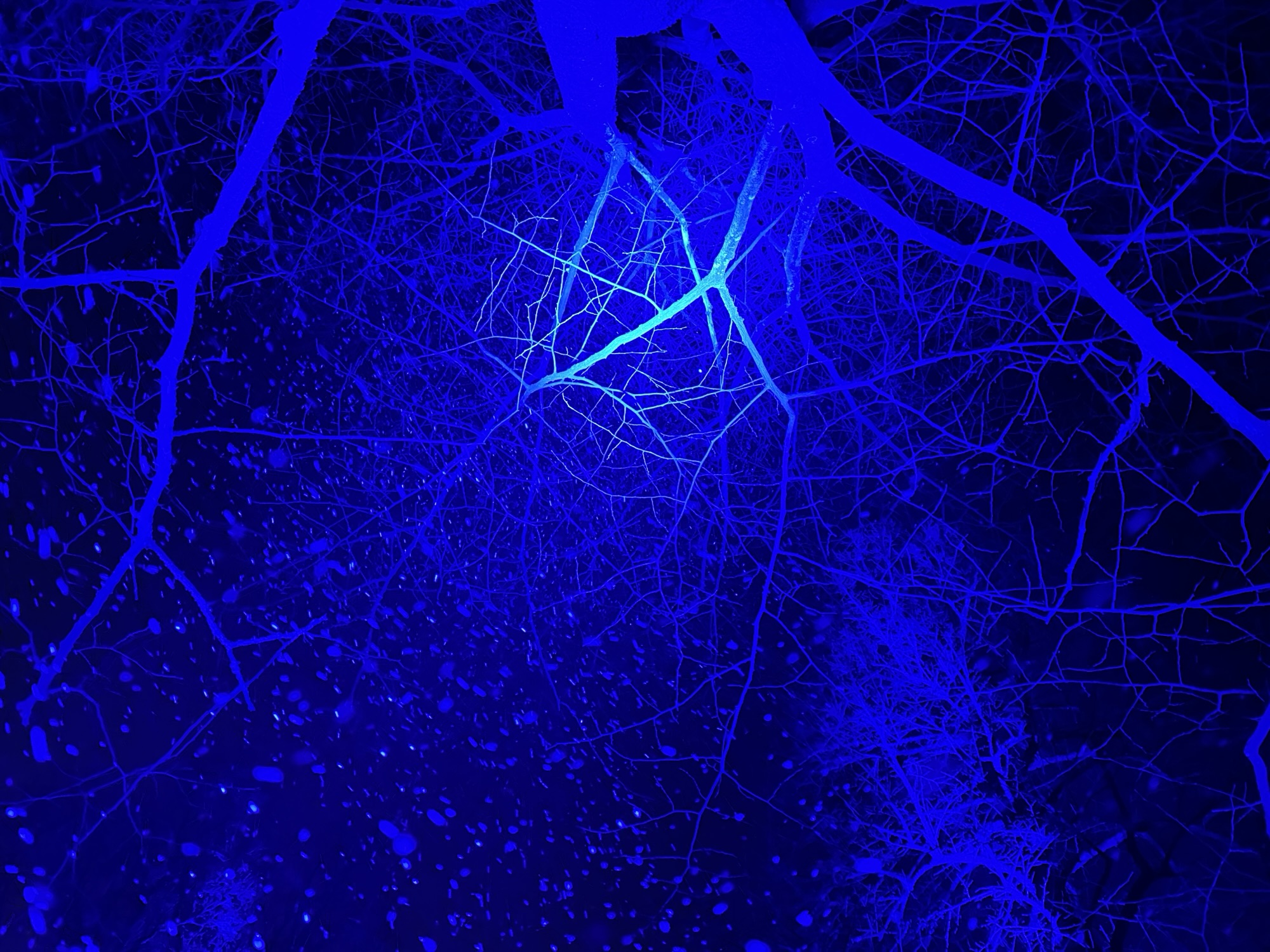
The event featured colorful light displays, particularly at the eerily beautiful Old Church Park, also known as the “Plague Park” due to its historical significance. The Blue light and snow made the place look a bit eerie. It is also known as the “Plague Park” (Ruttopuisto), as victims of the plague in 1710 were buried alongside the church. The gravestones in the Old Church Park remind of the history of cemeteries in this part of town. The park is home to the second oldest church in Helsinki and remains a popular destination within the city center, blending art and history.
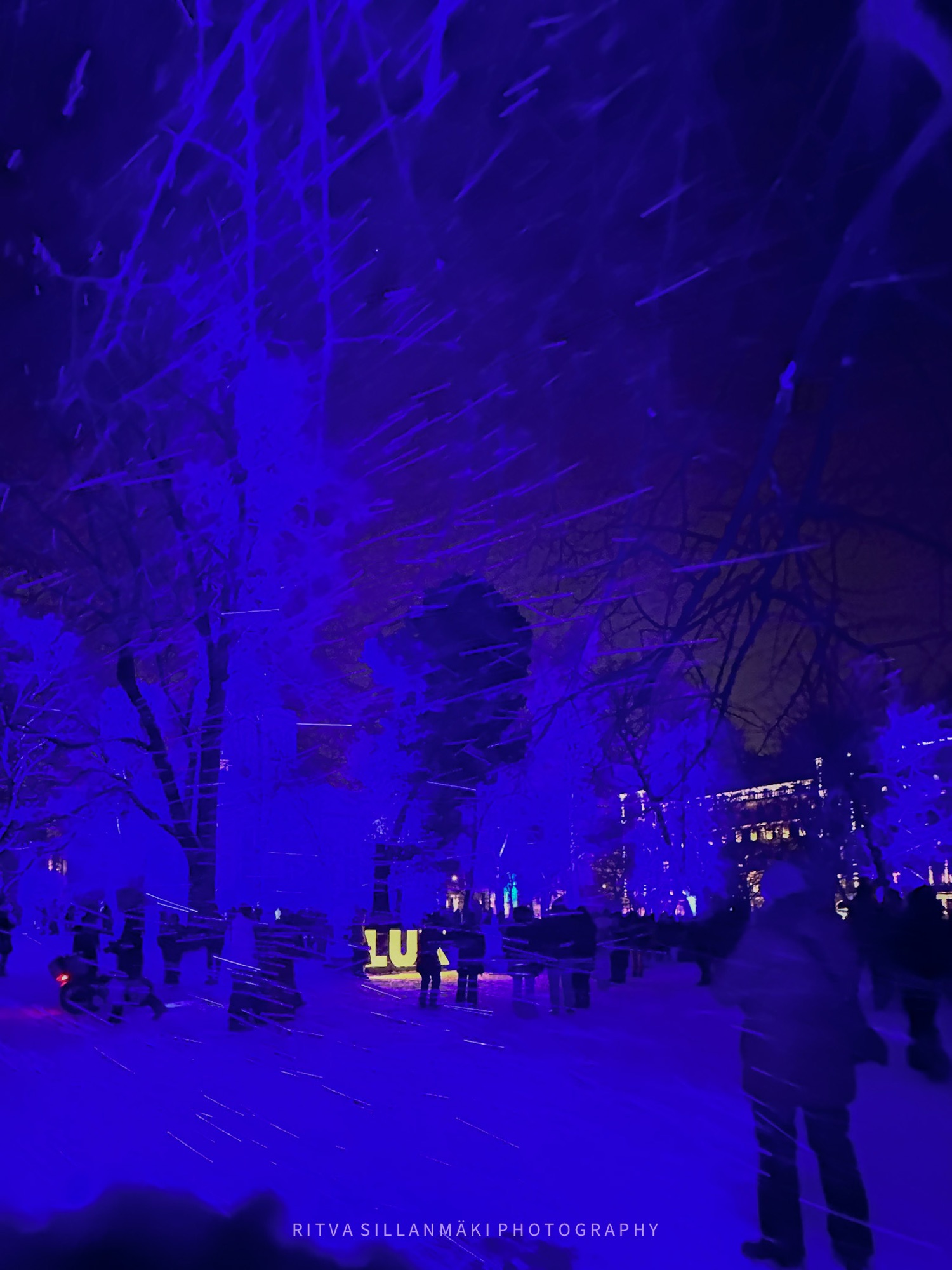
Visitors enjoying the LUX Helsinki 2026 light festival, surrounded by art installations on a snowy evening.
This morning I started to look for photos of doors, Now it’s 5 PM, and I found myself completely immersed in editing photos from years back, particularly from my visits to the Espoo Cathedral, which is currently closed for renovations but is expected to be back in use by 2027. The intricate architecture and historical significance of this beautiful structure captivate me, making the editing process both a nostalgic experience. I will post those sorted photos soon.
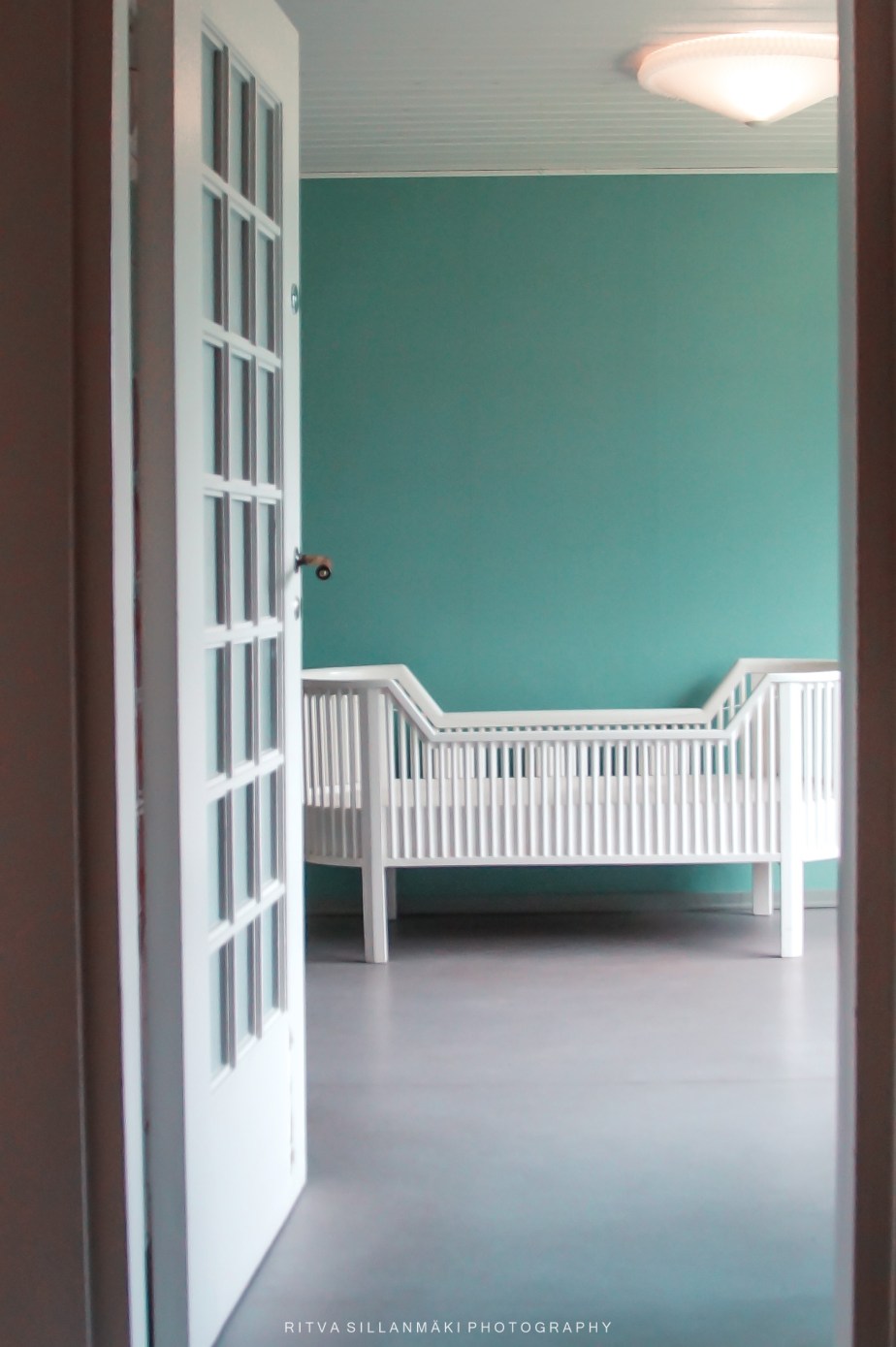
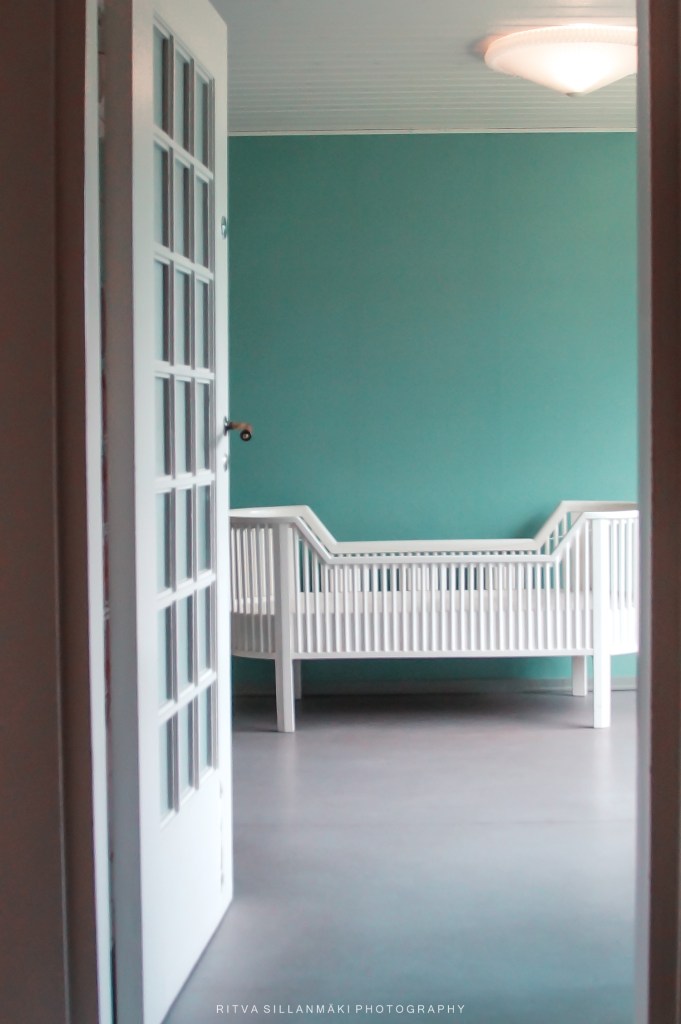
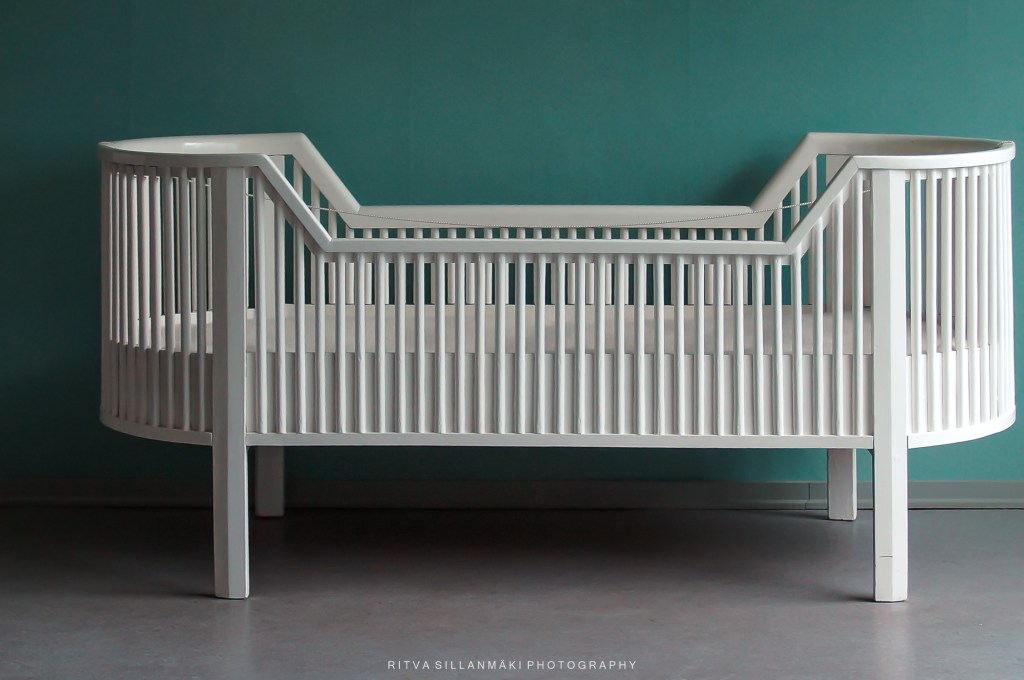
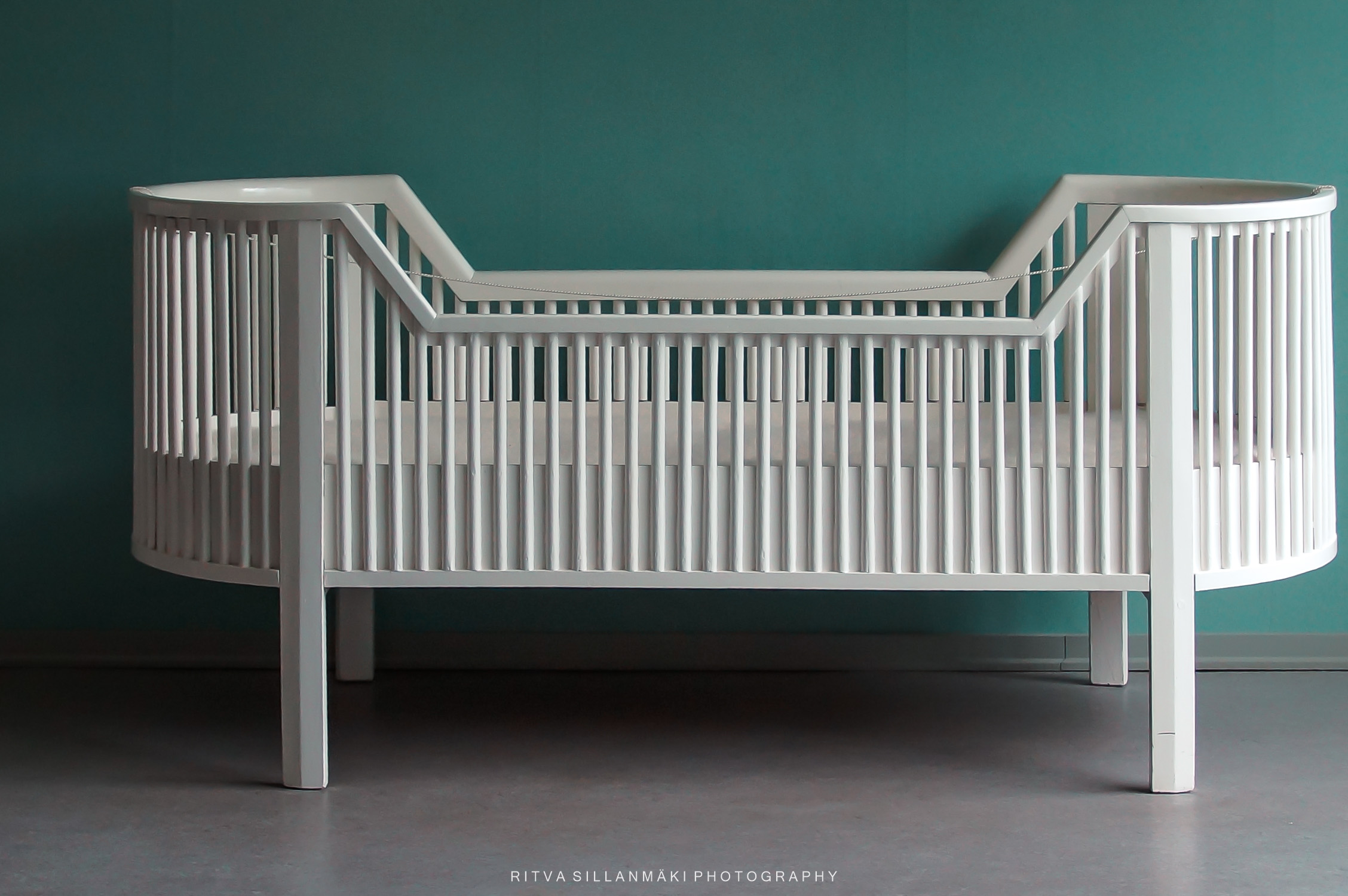
These are not from there. These are from the interior of Hvitträsk, just a small detail from a children’s room that truly captures the essence of early 20th-century design. I love the design of this child’s bed made of wood, crafted in 1905 by the renowned designer Eliel Saarinen. The bed showcases a thoughtful blend of functionality and artistry, ensuring comfort for the child while also serving as a beautiful piece of furniture.
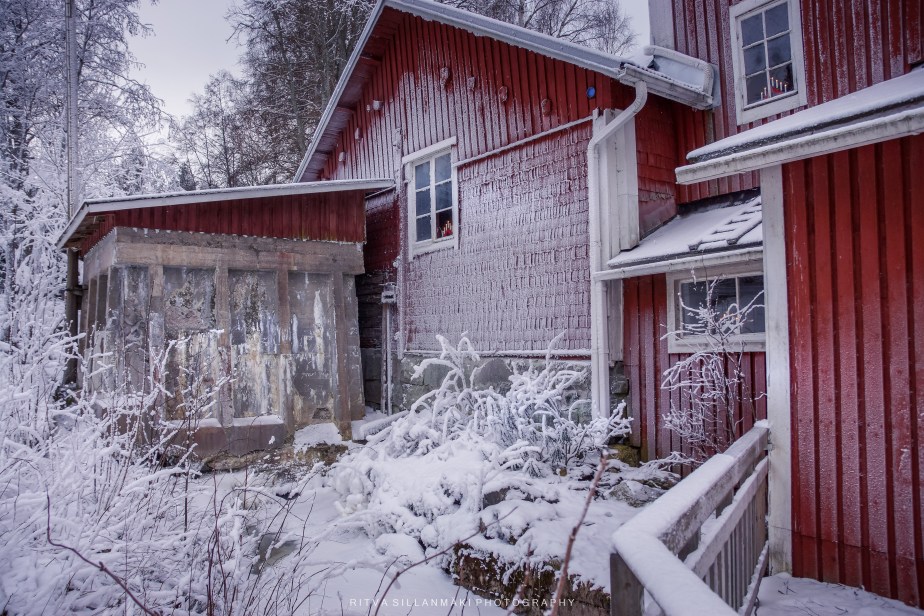
The numerous mills in the rapids of the lakes on the northern side of the Salpausselkä in Nastola have been significant since the 16th century, and the current building stock forms cohesive and temporally as well as functionally layered entities in picturesque locations. The mills in the rapids represent early industrial buildings, to which the residences of the millers have also been connected.
The Kumian mills are located by the shore of Lake Salajärvi at a place where a river divides the narrow isthmus between Lake Salajärvi and Isokukkanen. The older wooden mill building dates back to the 1890s, while the tall flour mill building is from the 1930s.
The Kumian flour mill was designed in 1933 at the East Häme agricultural society. Later, similar tall flour mills were built, either as electric or steam mills. The mill became the most popular in Nastola and the nearby municipalities, significantly contributing to the spread of wheat cultivation in the area. A groats mill and a shaving planing machine operated in connection with the mill. Milling activities ceased in 1964.
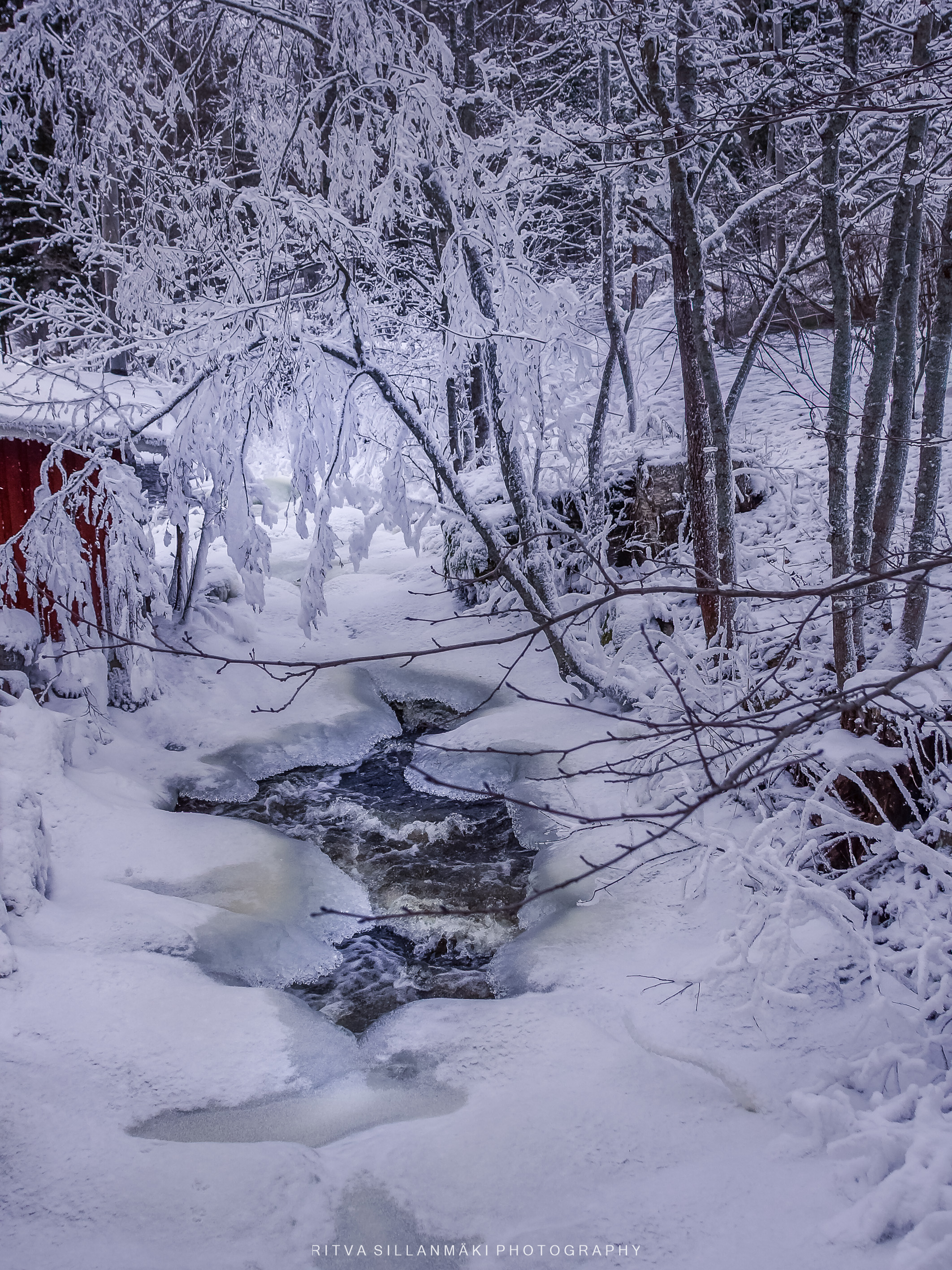
A red mill surrounded by snow-covered trees and a flowing stream.
I am still and for many more days viewing my archives and editing my images from 2012 Riga. I am going to find many windows and doors in these photographs to share with you.
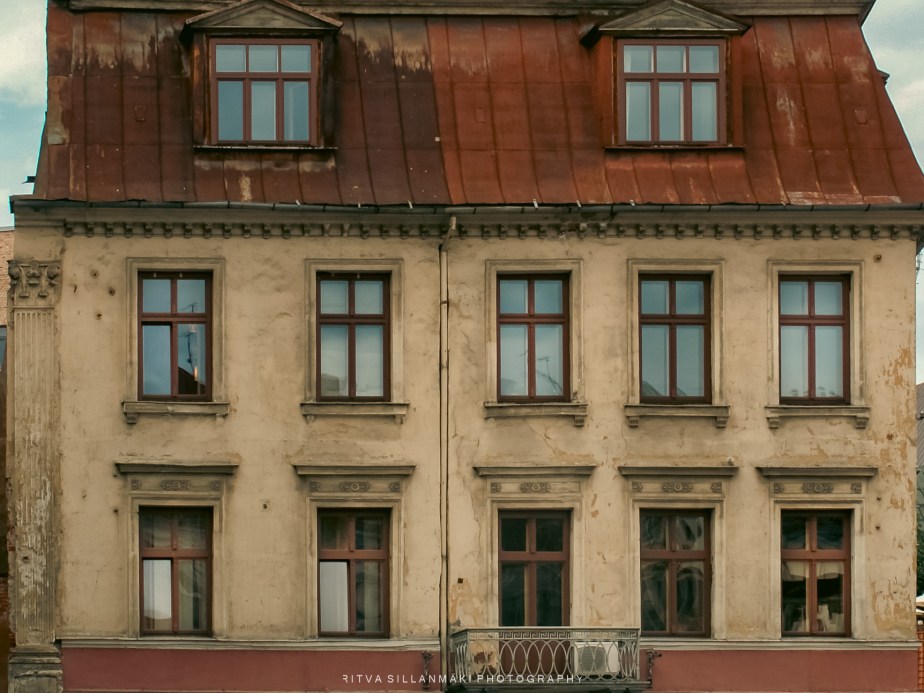
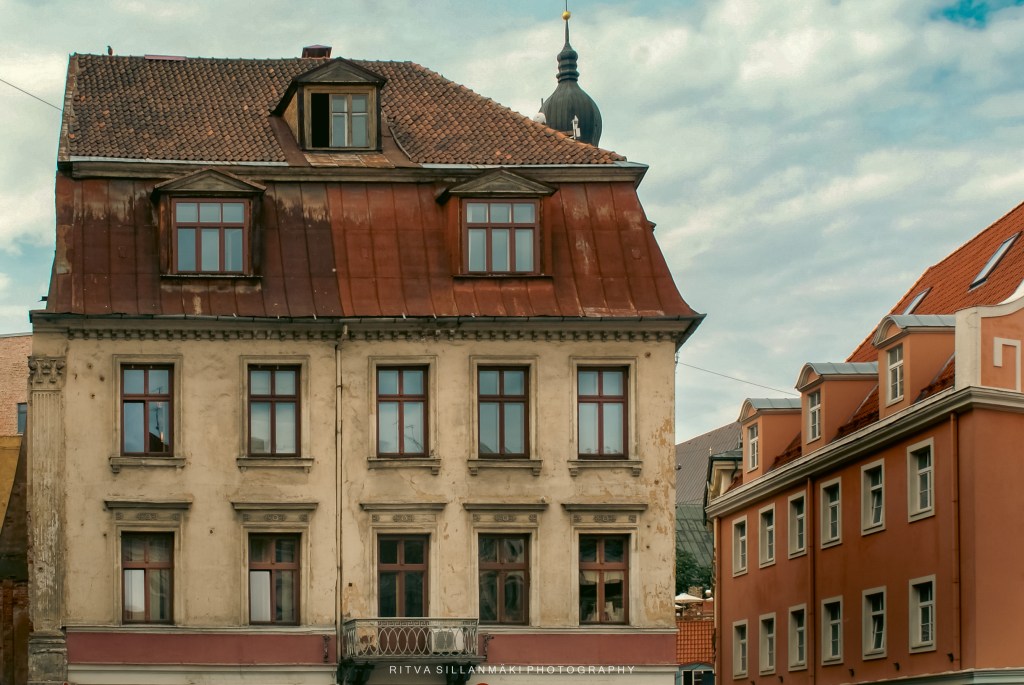
This image is of an aged European-style architecture under a partly cloudy sky, representing a cityscape in Riga, Latvia. The design reflects an older historic urban setting, featuring a small balcony on the lower level of the main building, while a dark spire or dome can be observed peeking above the primary roofline against the sky.
An aged European-style building in Riga, Latvia, a weathered facade with a distinctive copper roof and intricate window designs.
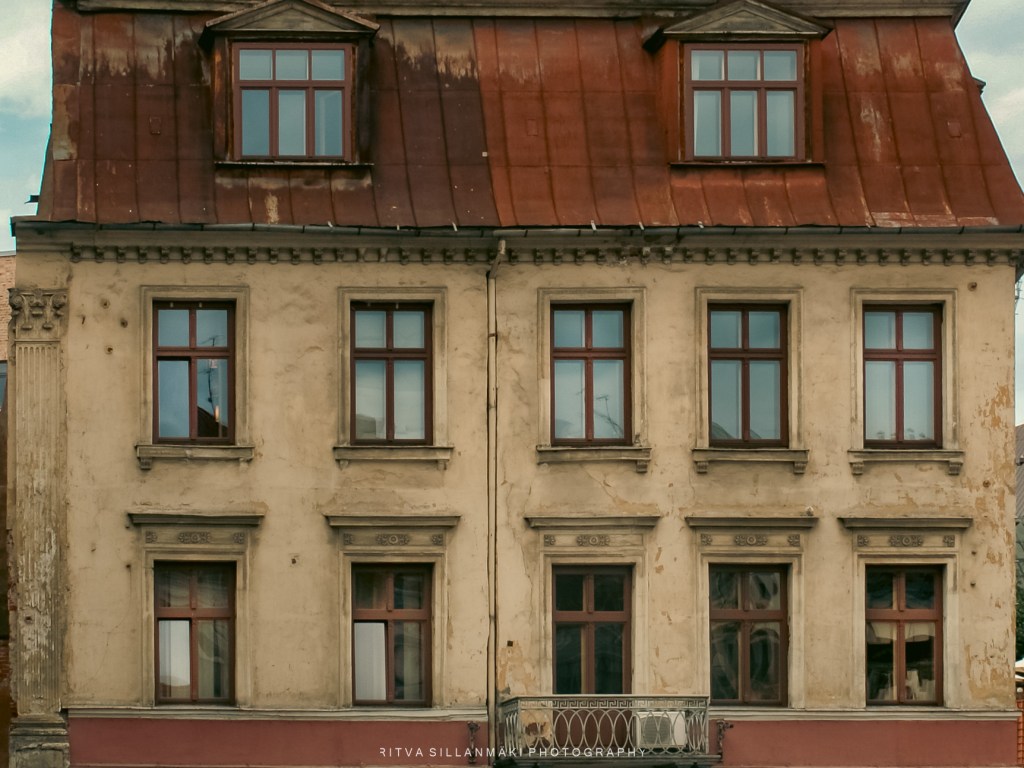
A historic structure in Riga features a distinctive copper roof and intricately designed windows. Its facade is adorned with 11 elaborate windows that accentuate the architectural elegance of the building. A tall, prominent structure occupies the left and center of the scene, showcasing a weathered pale yellow or beige exterior with numerous rows of windows framed in red. The roof comprises a blend of red tiles and rusted reddish-brown metal sheeting, complete with several dormer windows.
To the right, a smaller structure boasts a lively orange facade and a red-tiled roof.
A close-up view of a historic building in Riga, its weathered facade and 11 red-framed windows.
Presenting this week’s edition of Monday Window, brought to you by Brian, renowned from Bushboy.
I am continuing my houses and doors and windows for Dans Thursday Doors. Looking back I am sad that we only had time to stay for two days.
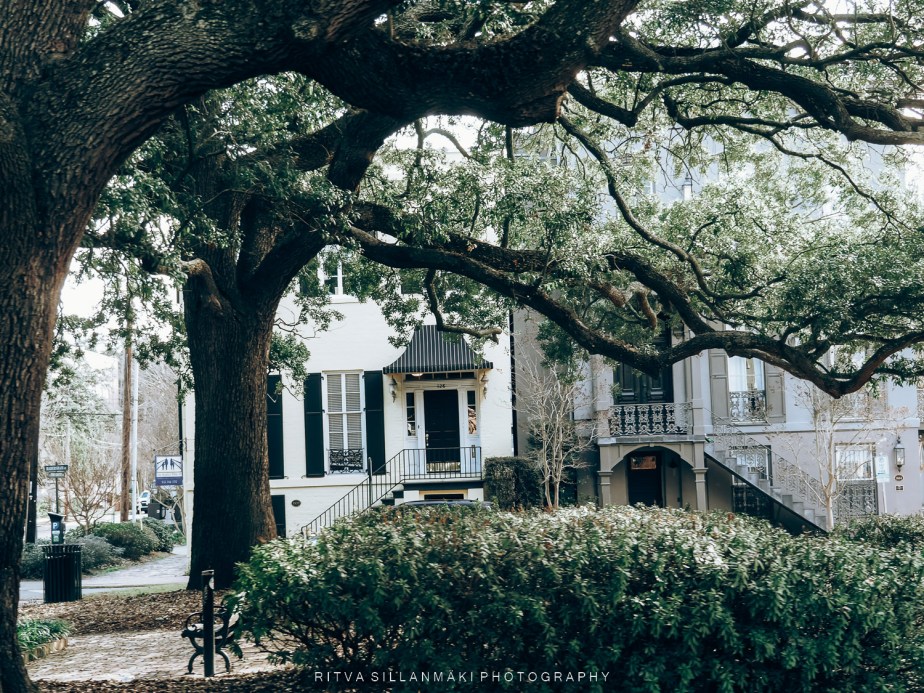
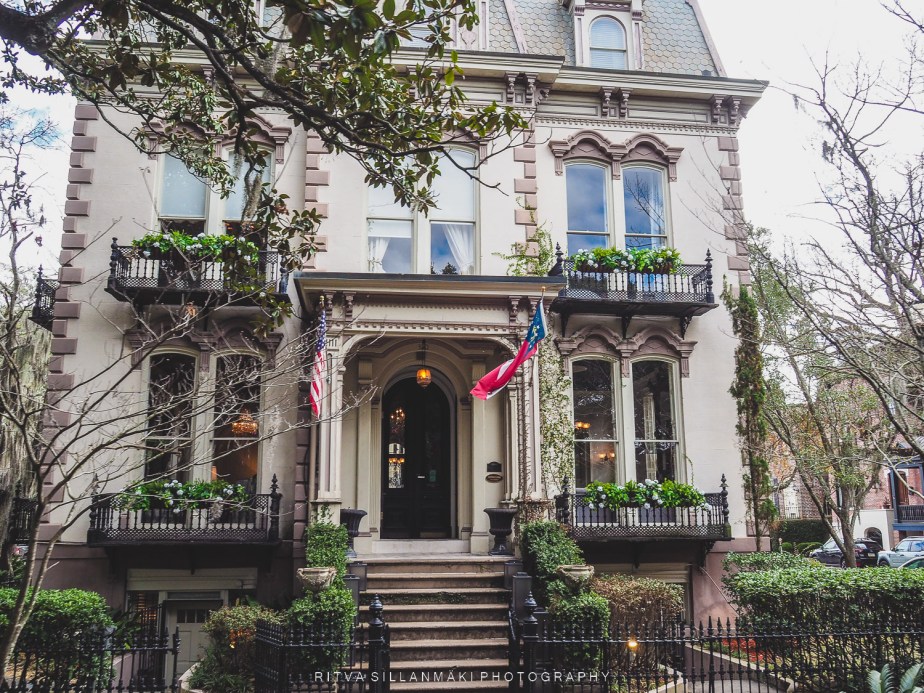
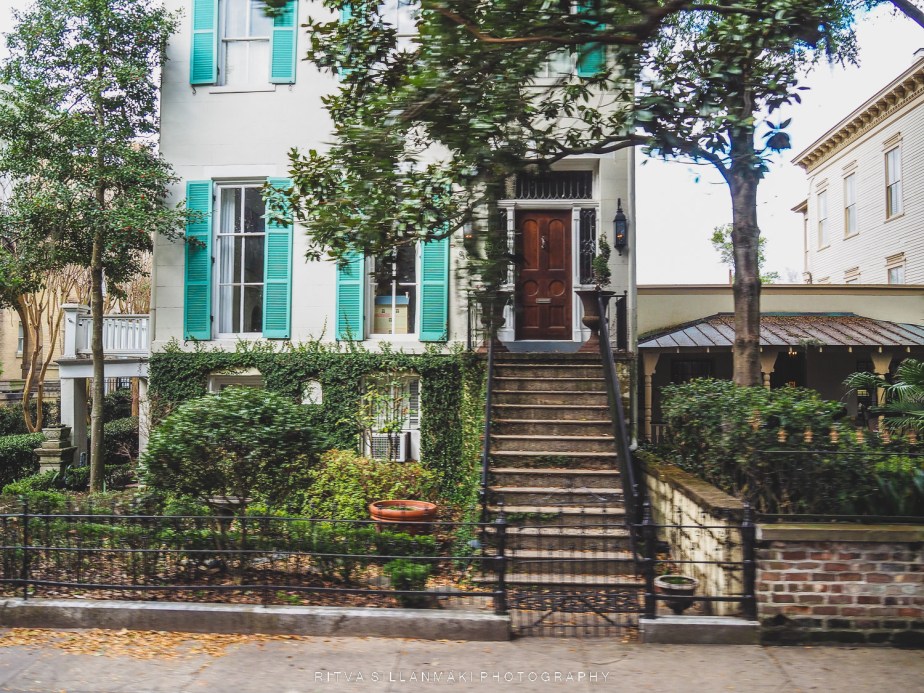
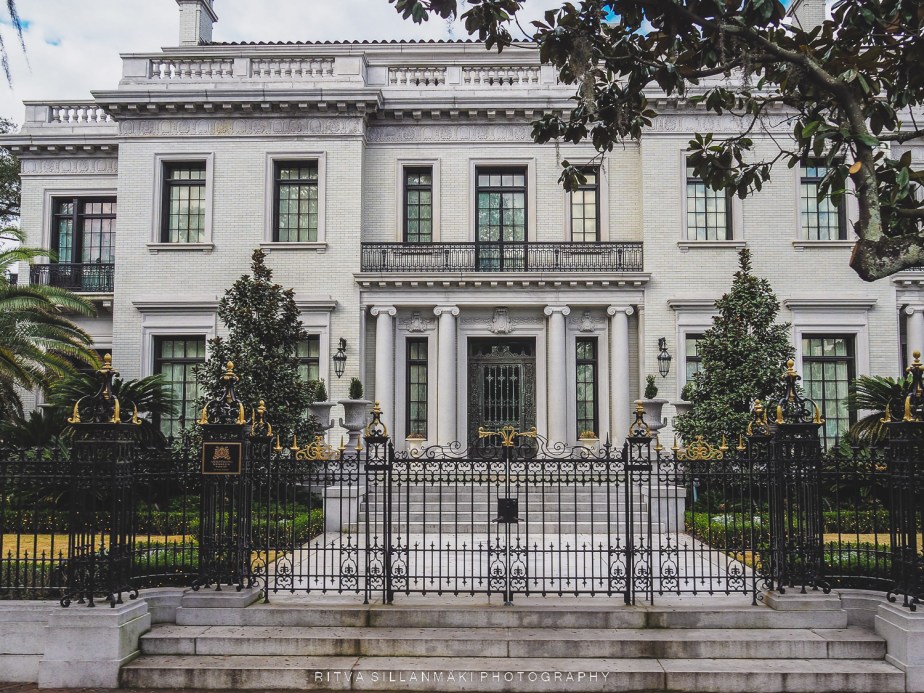
I don’t know the name of this house, but I like how it’s framed by the tree.The historic mansion constructed in 1873, once the center of Savannah’s elite social life and depicted in ‘Midnight in the Garden of Good and Evil.’ the Hamilton-Turner house
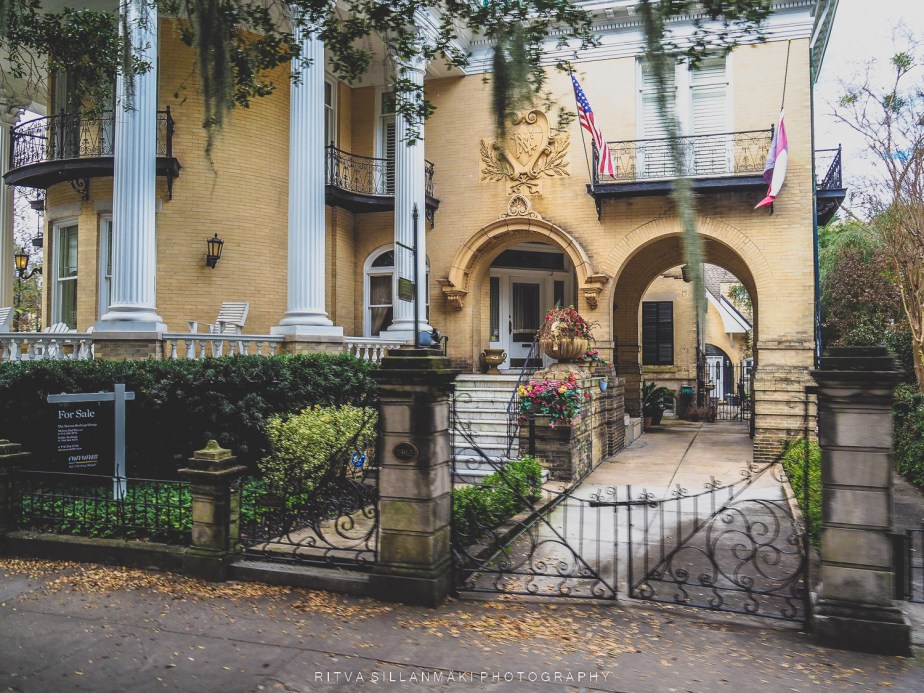
Constructed in 1873 by notable local entrepreneur and alderman Samuel Pugh Hamilton, who was referred to as “The Lord of Lafayette Square,” this private mansion emerged as a centerpiece for Savannah’s social activities, its magnificent architecture and interiors adding a sense of opulence to the numerous gatherings of the elite. When it became the first residence in Savannah to harness electricity, residents flocked to witness the enchanting glow of electric light shining through its windows. Over a century later, John Berendt’s book “Midnight in the Garden of Good and Evil” highlighted the lively parties hosted by Joe Odom, who once oversaw the estate. Years afterward, the Inn made a memorable appearance in the film adaptation of the same title directed by Clint Eastwood, featuring stars Kevin Spacey and John Cusack.
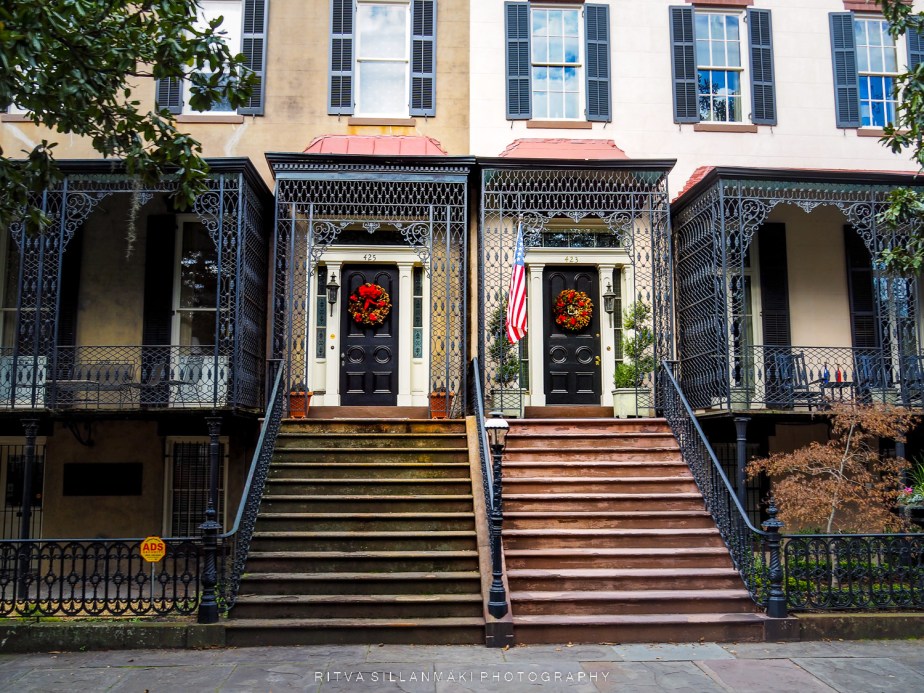
An example of the ornate ironwork found in Savannah.No name, but nice shutters and door and a blurry ironworks
We saw so many wonderful old buildings in Savannah, each telling a unique story through its intricate designs and rich history. I am continuing to showcase some of the buildings we looked at, with their beautifully preserved facades and charming details that transport you back in time. I love old towns, where every corner reveals a piece of the past, and the buildings that are done so beautifully resonate with a sense of nostalgia. As a fan of old architecture, I appreciate not just the aesthetic appeal but also the craftsmanship that has endured for generations, making each structure a testament to the talent of those who built them. Exploring these historic gems is like taking a stroll through time.
This was one of them, the Hamilton-Turner Inn. Located on Lafayette Square in the Historic District of Savannah, Georgia, it is supposed to be one of the city’s most historic luxury inns that captures the style of the Old South. Originally built in 1873 as a private home, the Hamilton-Turner Inn boasts a distinctive French Empire-style architectural design and is filled with original interior elements that will transport you back 150 years.
The Hamilton-Turner Inn, a historic luxury inn in Savannah, Georgia, showcasing distinctive French Empire architecture.
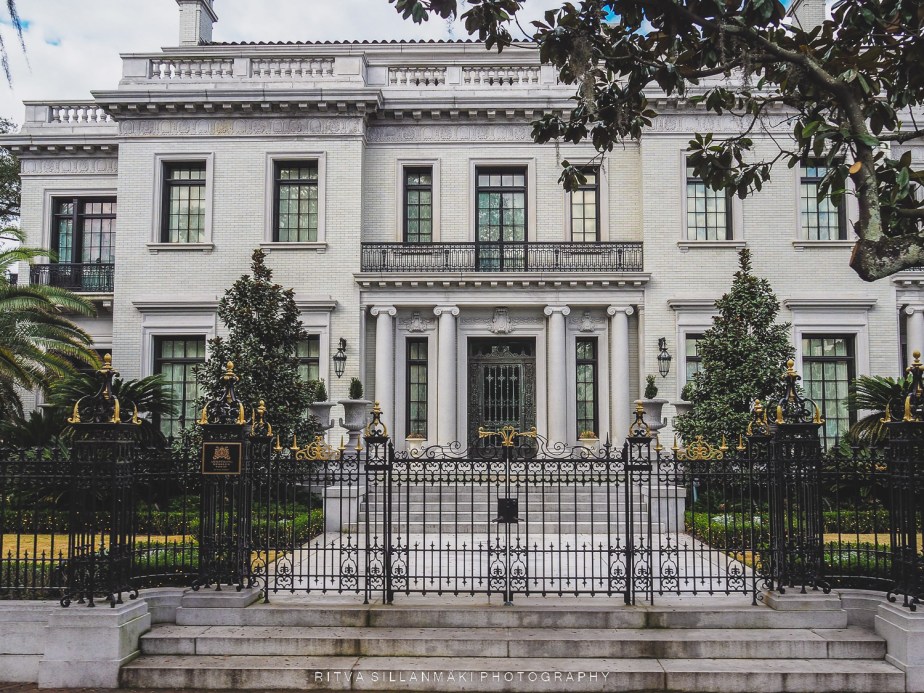
The Kessler Armstrong Mansion, an impressively Italian Renaissance Revival home, was built in 1919 by the prominent George Ferguson Armstrong and designed by the renowned Beaux Arts architect, Henrik Wallin. This stunning residence, characterized by its intricate detailing and grand architectural features, showcases the elegance and artistry of its era. As the only house of its kind in Savannah listed in the authoritative A Field Guide to American Houses, it stands out not just for its aesthetic appeal but also for its rich history. This is a testament to architectural excellence and historical significance, serving as a captivating reminder of the cultural heritage of the region. I did some googling to tell you this.
The Kessler Armstrong Mansion showcases Italian Renaissance Revival architecture, featuring intricate details and grandeur that reflect Savannah’s rich cultural heritage.
The simplest definition Anne could find: Resilience refers to the ability to successfully adapt to stressors, maintaining psychological well-being in the face of adversity. It’s the ability to “bounce back” from difficult experiences. So I am starting with that.
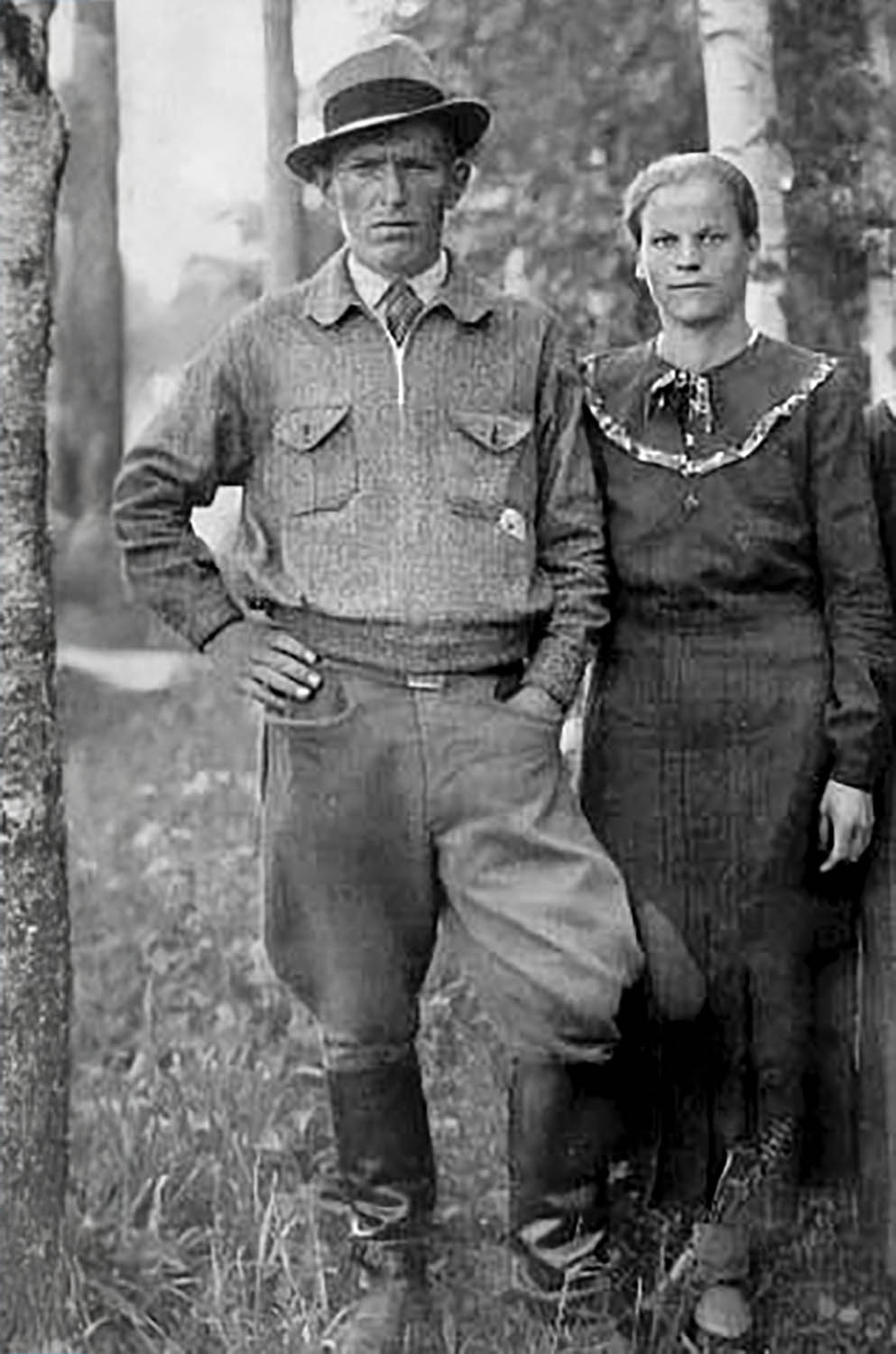
My parents and grandparents experienced the second world war, a tumultuous period that indelibly altered the fabric of their lives. It left marks on them and the generation after them, shaping our family narratives in ways that were often unspoken yet profoundly felt. I know it was not a topic discussed in my family, but you could feel the effects of it in the subtle choices they made, the silences they kept, and the values they instilled in us. My father’s family had to evacuate their home in Karelia a couple of times during the war, tearing them away from their roots and forcing them to start anew in unfamiliar places. This constant upheaval forged a resilience within them, yet it also tugged at their hearts, as they navigated life with memories of a homeland left behind. In the end, their area in Karelia, Kaukola, was also handed over to the Soviet Union in World War II, a historical pivot that not only stole their land but also altered the thread of their national identity, leaving a legacy of both loss and survival that continues to resonate within our family today.
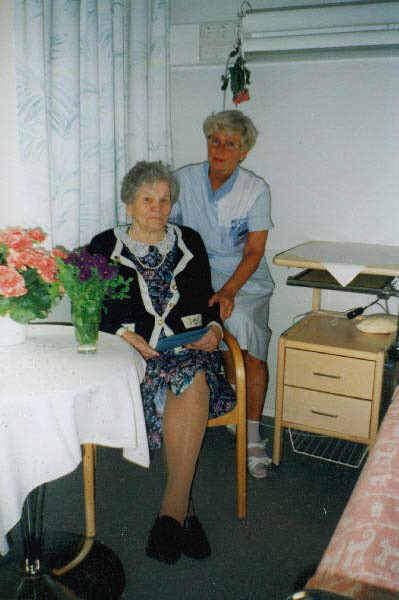
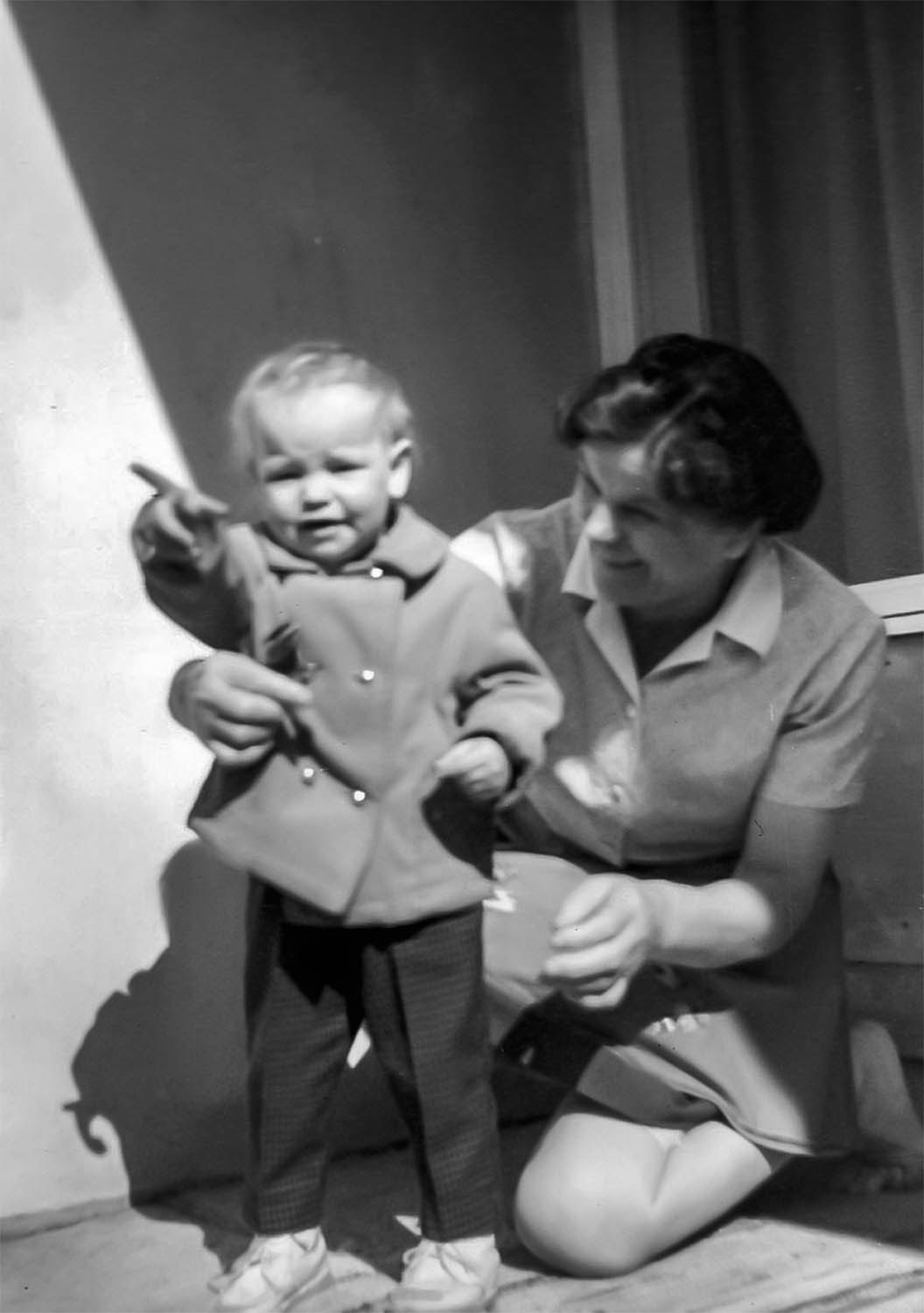
The photos, first my Grandmother at the age of 90 in her nursing home, me and her. the last one is of her with my grandfather.
Resilience, my father’s mother, had four children but lost two young daughters during the war and faced the challenge of losing two husbands. My grandfather tragically died in the war, leaving her to raise their children alone. Despite these hardships, she showed great strength. Sadly, she also lost my aunt and father at the age of fifty, creating a deep void in her life. Her journey continued with the loss of her second husband, who also died too soon. Yet, she survived them all and passed away peacefully at ninety, embodying resilience and love throughout her life.
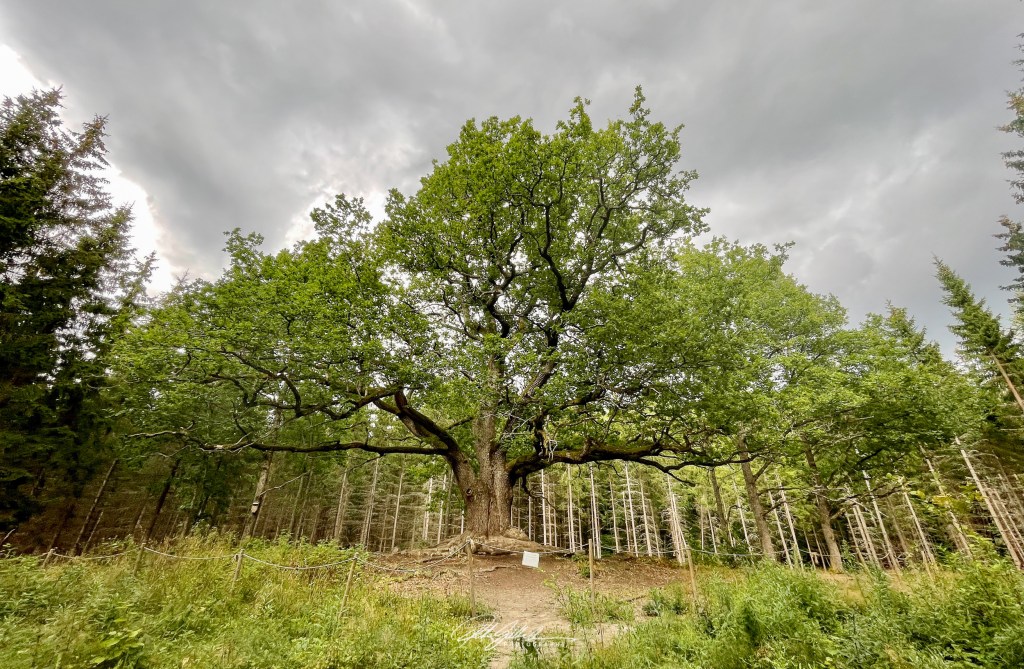
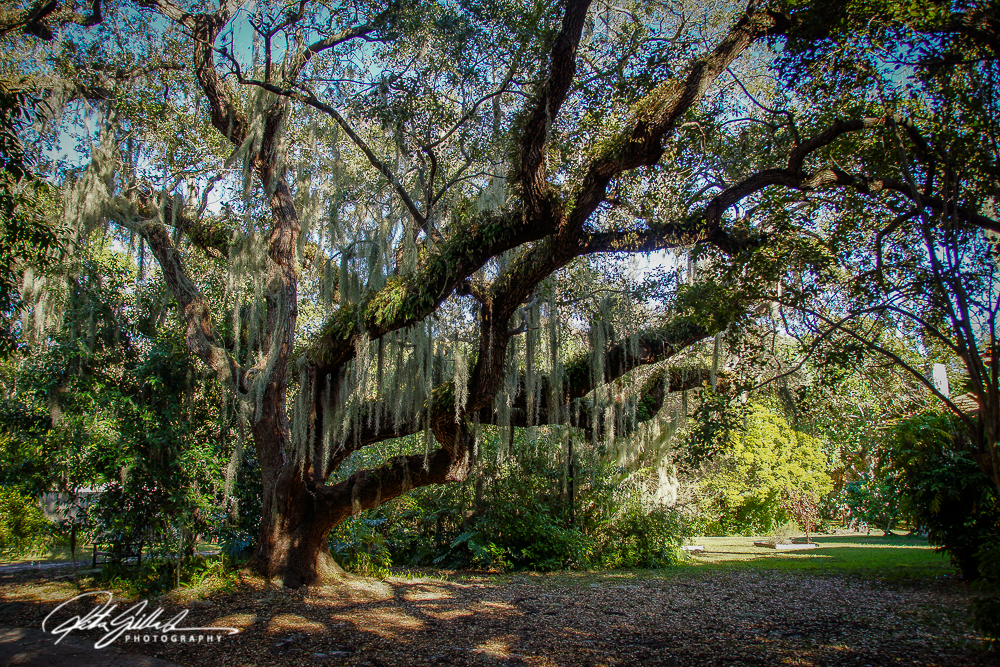
This Oak tree is named Paavolan tammi – it is about 350-400 years old, standing tall as a testament to tnature’s resilience. I have seen older trees in Sequoia National Park, where the giants reach impressive heights and possess centuries of history etched into their bark, but as Anne has already posted a photo of one of those magnificent trees, I will share this beautiful example from Finland instead. The Paavolan tammi, with its sprawling branches and dense foliage, not only offers a habitat for various wildlife, but it also serves as a serene spot for visitors looking to connect with nature. Each knot and twist in its trunk tells a story of the seasons it has weathered, making it a remarkable symbol of endurance and strength.
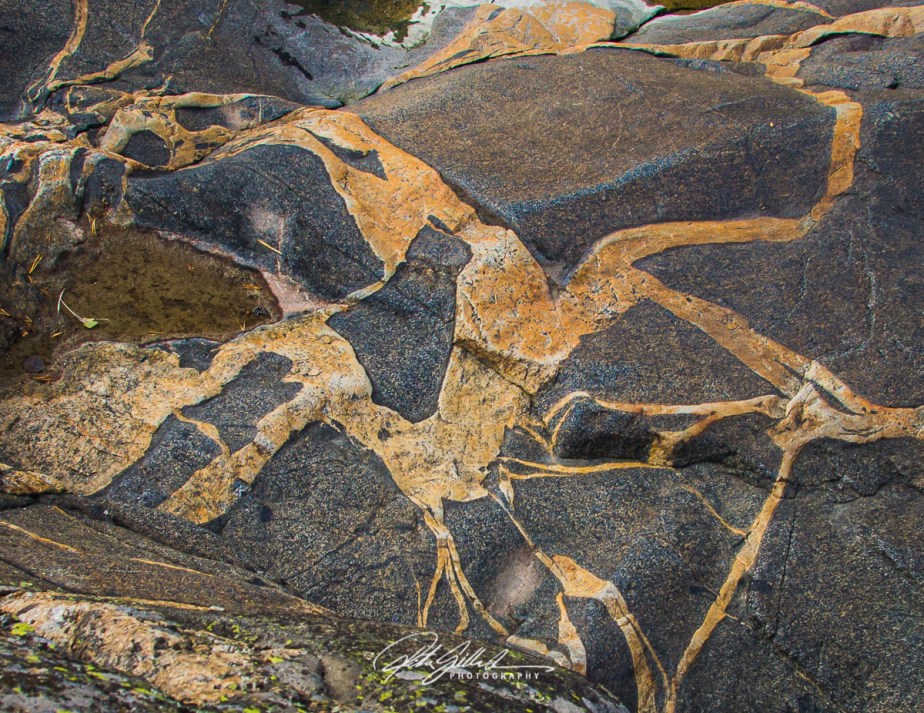
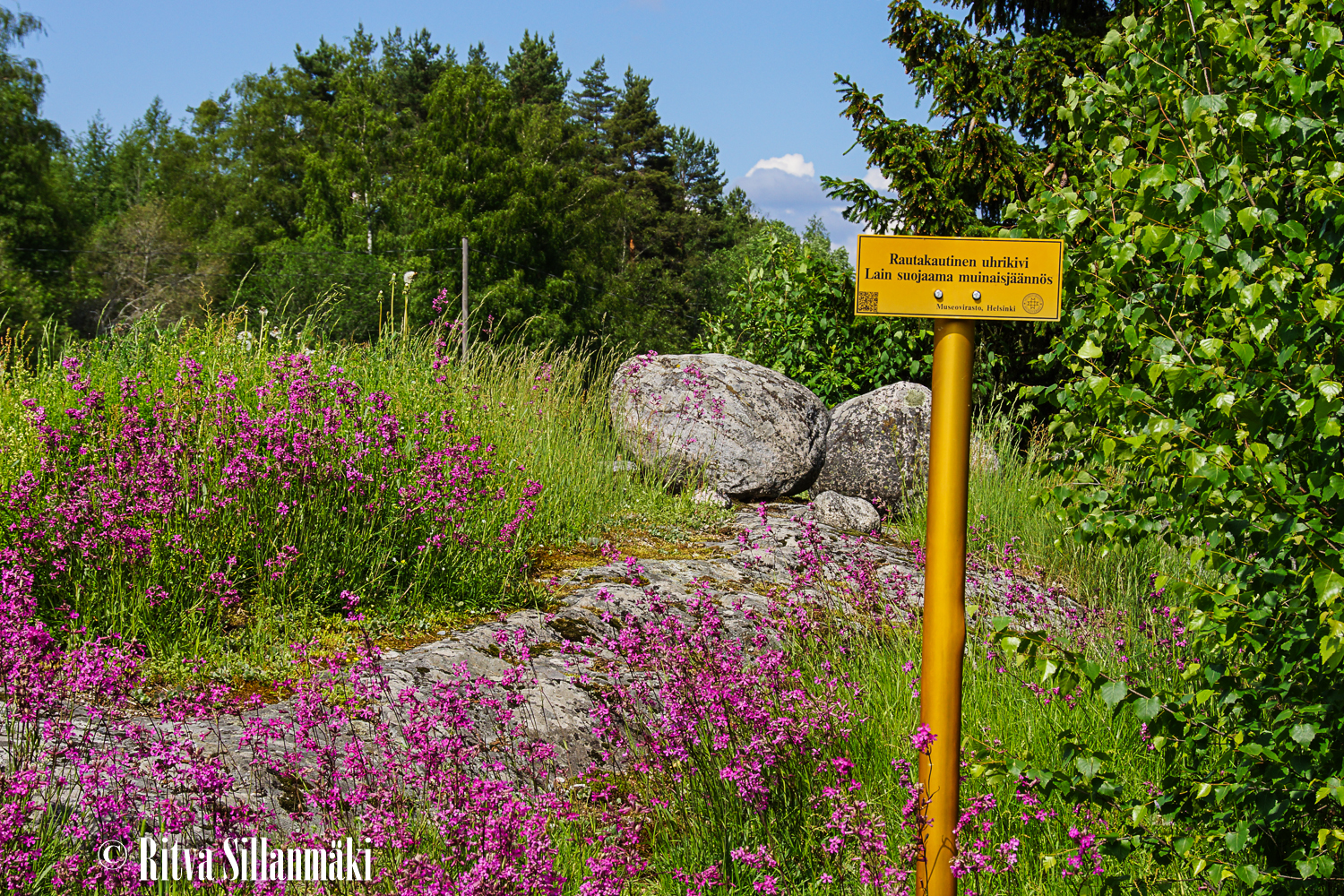
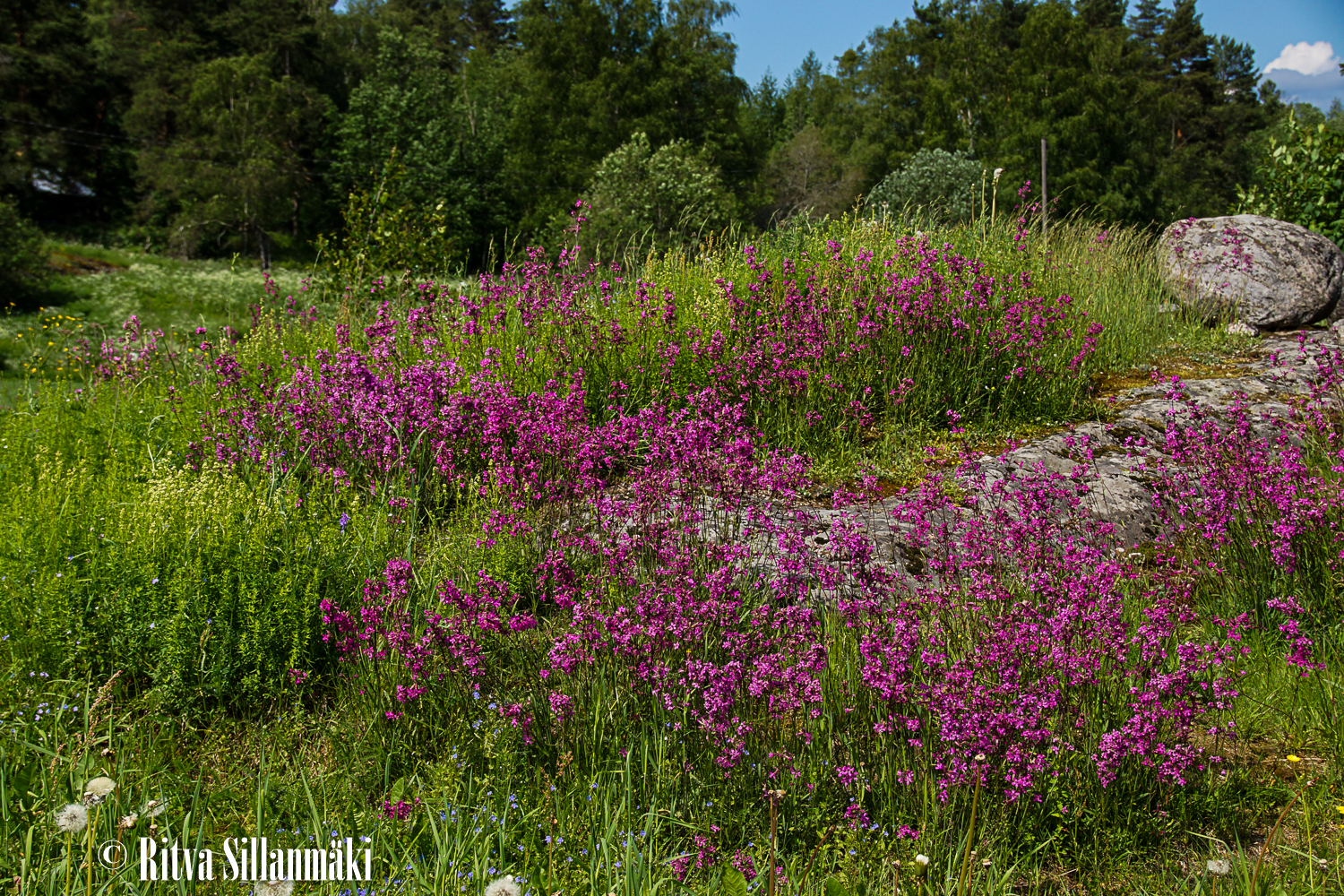
The bedrock in Finland is old and strong, a testament to the Earth’s geological history, and in many places, it looks like artwork sculpted by nature itself. Displaying a stunning array of colors and textures, these ancient rocks tell stories of the forces that shaped the land over eons. The intricate patterns formed by erosion and natural processes create a surreal landscape that captivates anyone who ventures through the Finnish wilderness. This natural artwork serves not only as a visual feast but also as a reminder of the enduring power of the elements and the beauty that can emerge from the passage of time.
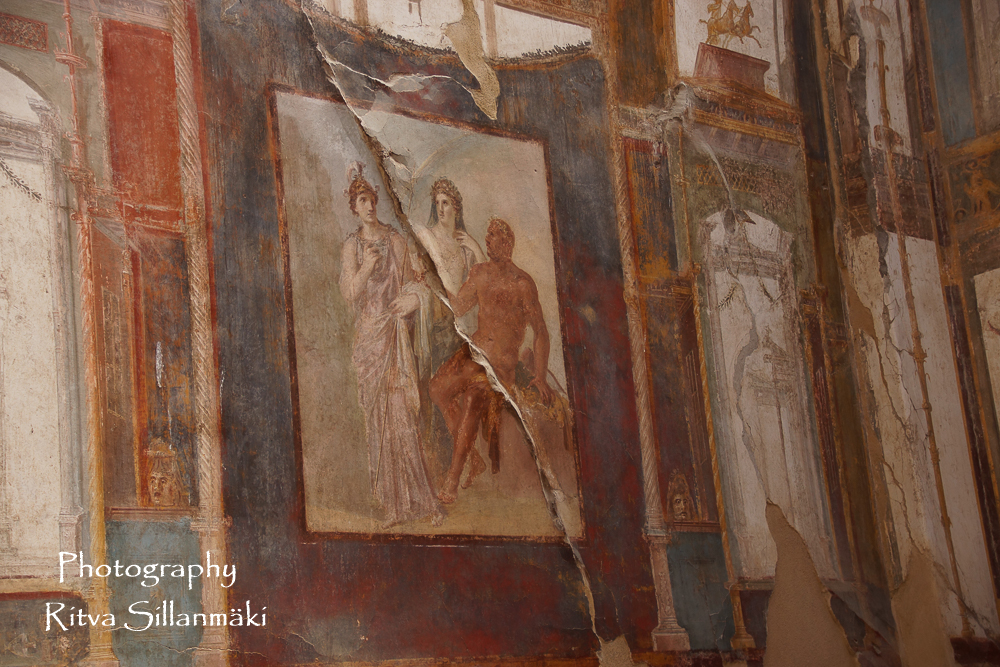
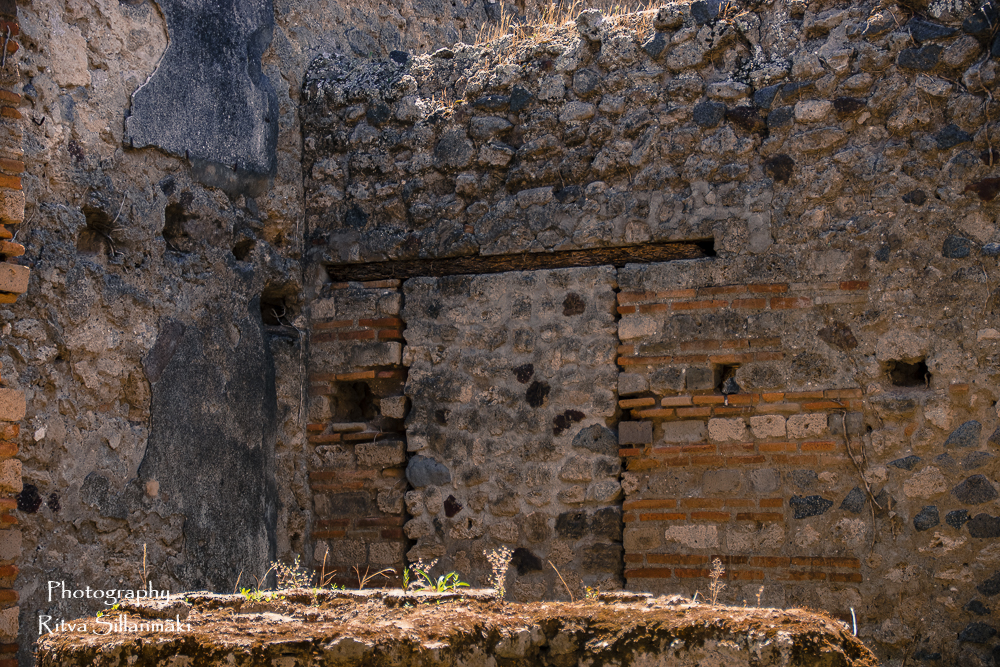
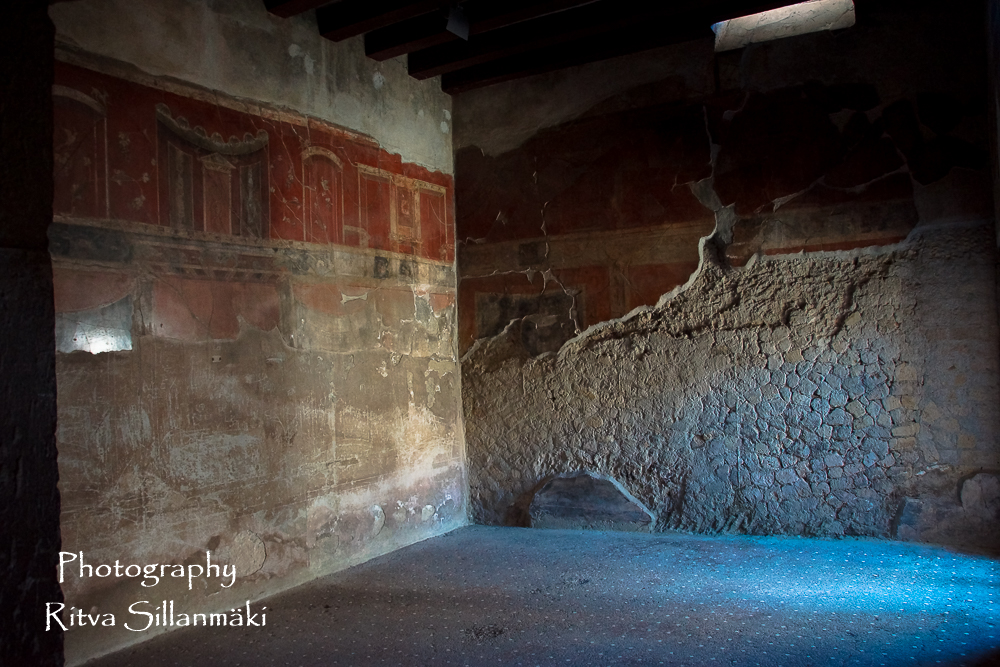
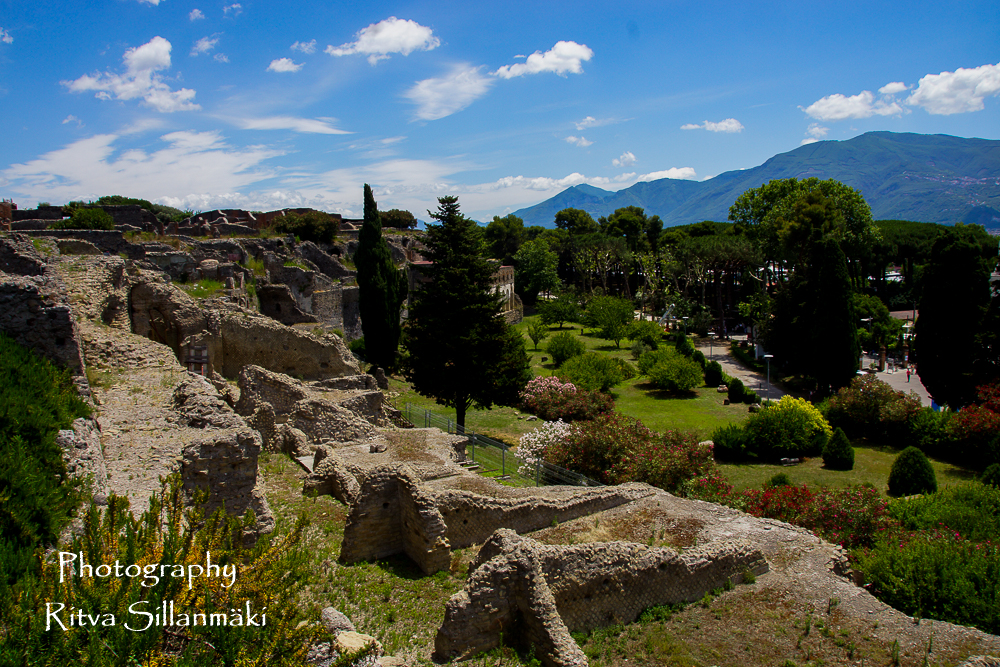
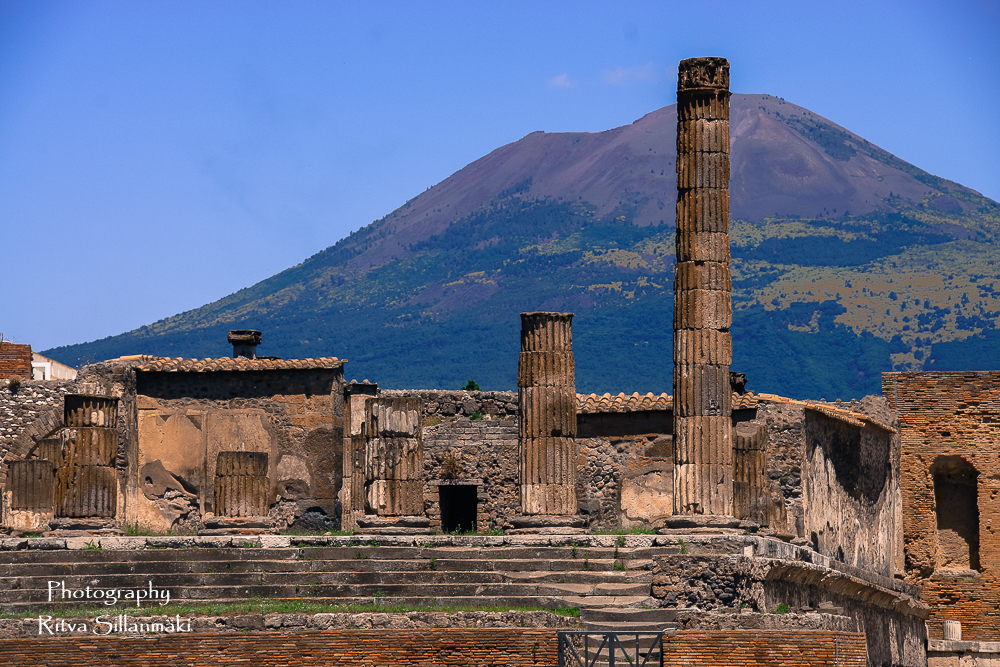
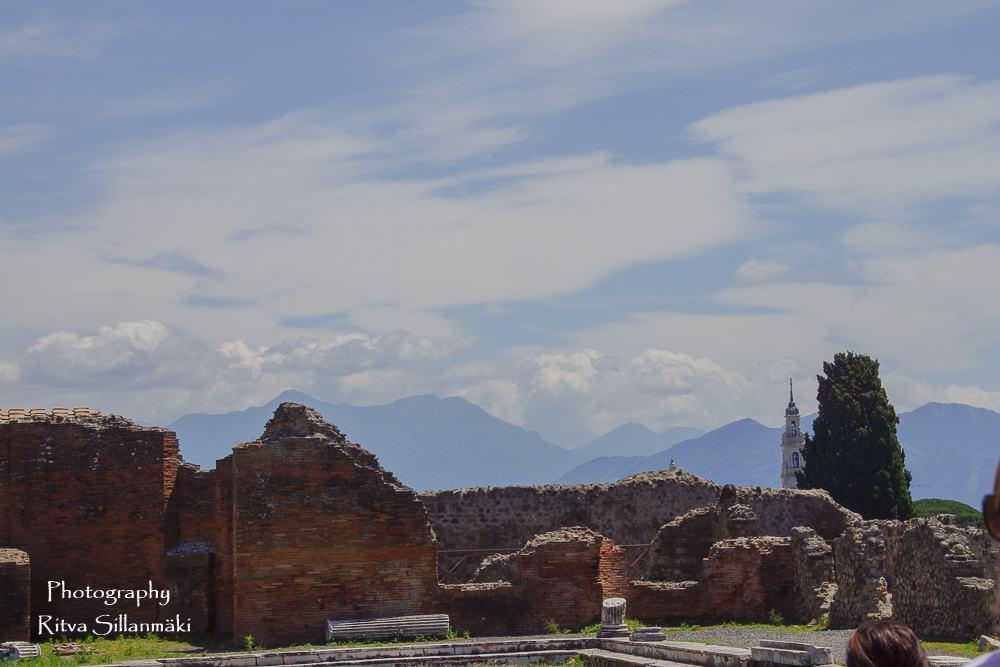
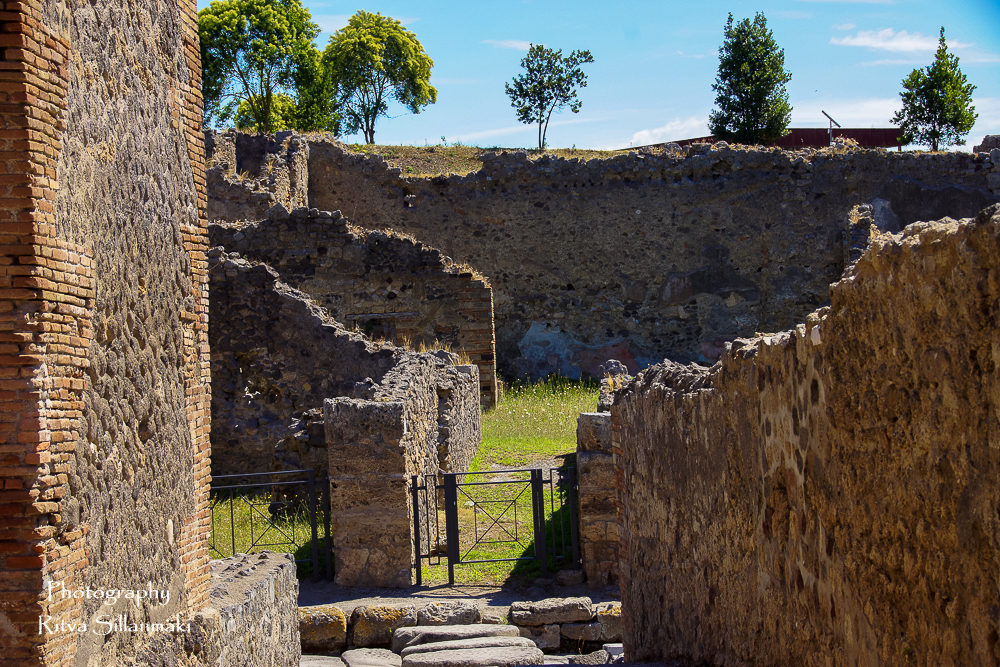
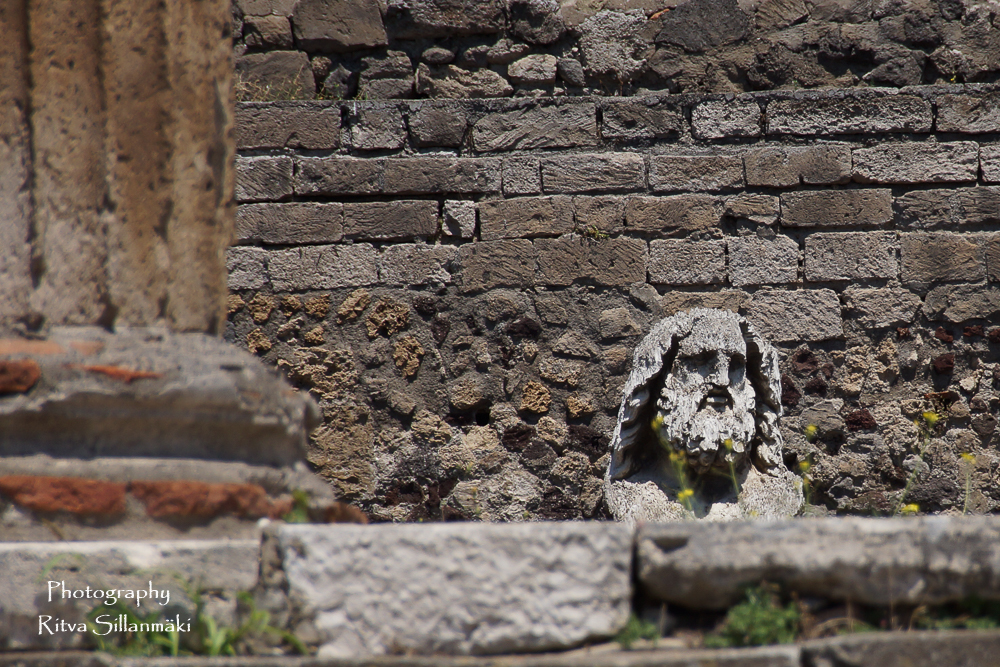
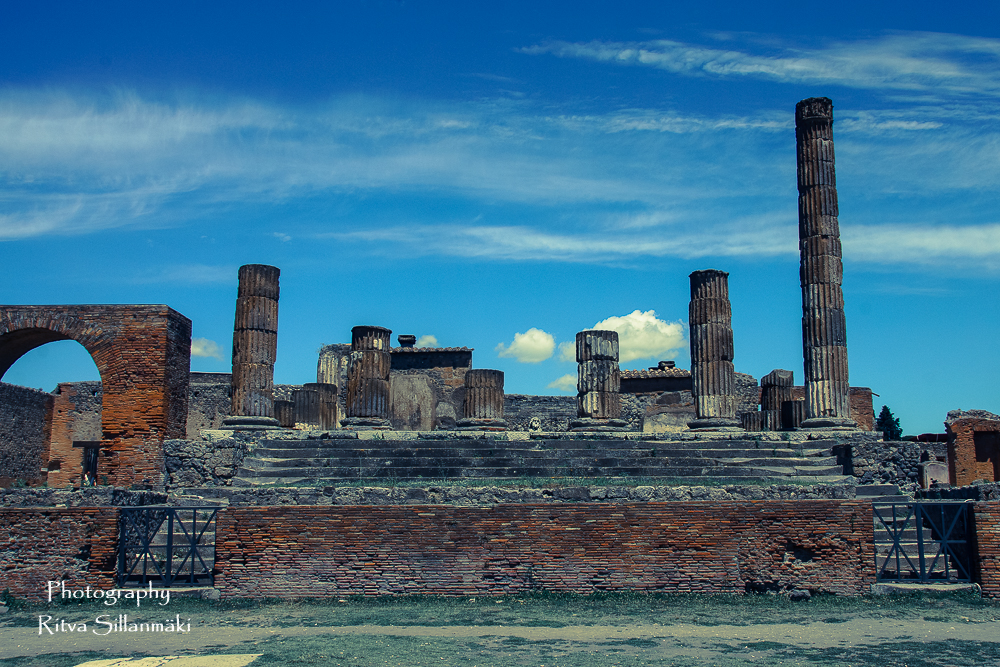
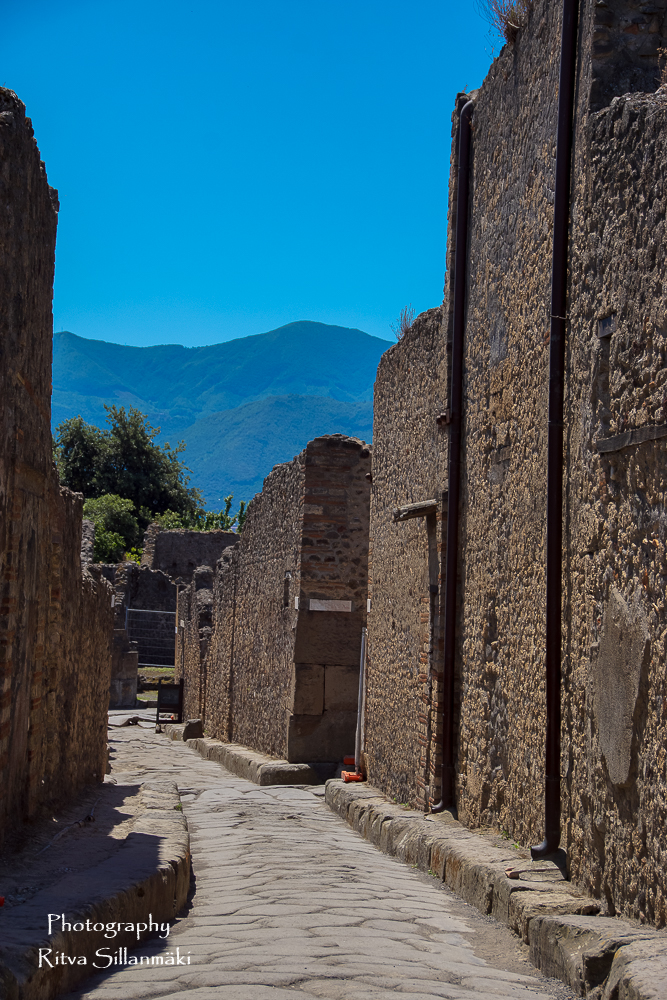
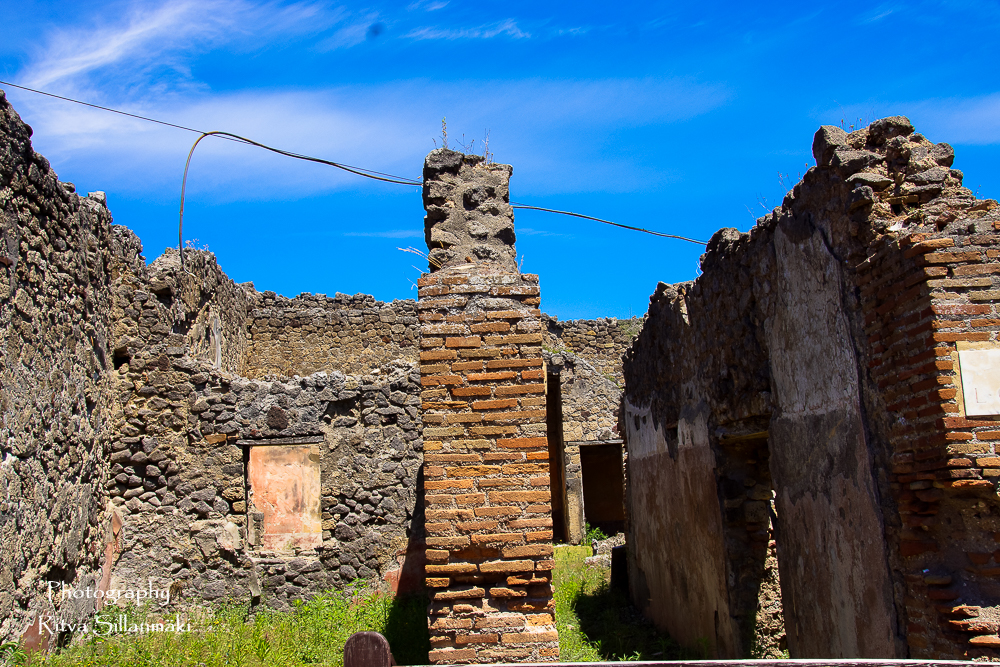
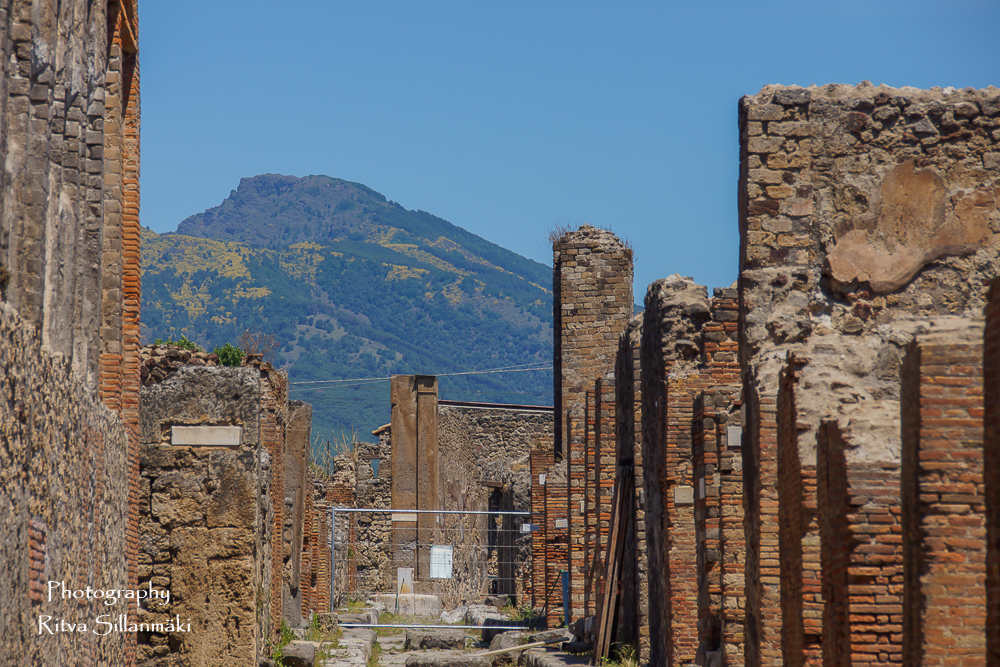
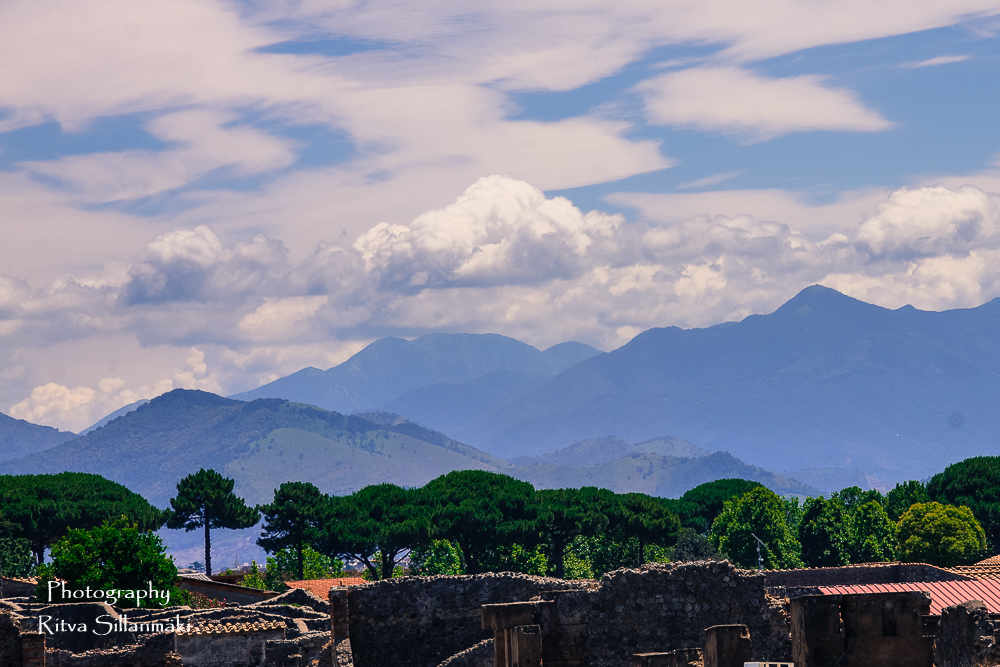
History – Herculaneum and Pompeii, so much resilience. These ancient cities, buried by the catastrophic eruption of Mount Vesuvius in 79 AD, stand as remarkable testaments to human endurance and adaptability. The vibrant artifacts and well-preserved architecture unearthed from the ash reveal not only the daily lives of the inhabitants but also their remarkable capacity to endure and rebuild after such a devastating event. In their ruins, we find stories of loss, survival, and the indomitable spirit to overcome the adversities faced in the wake of disaster. The resilience of Herculaneum and Pompeii continues to inspire us, reminding us of our shared history and the lessons learned from past tragedies.
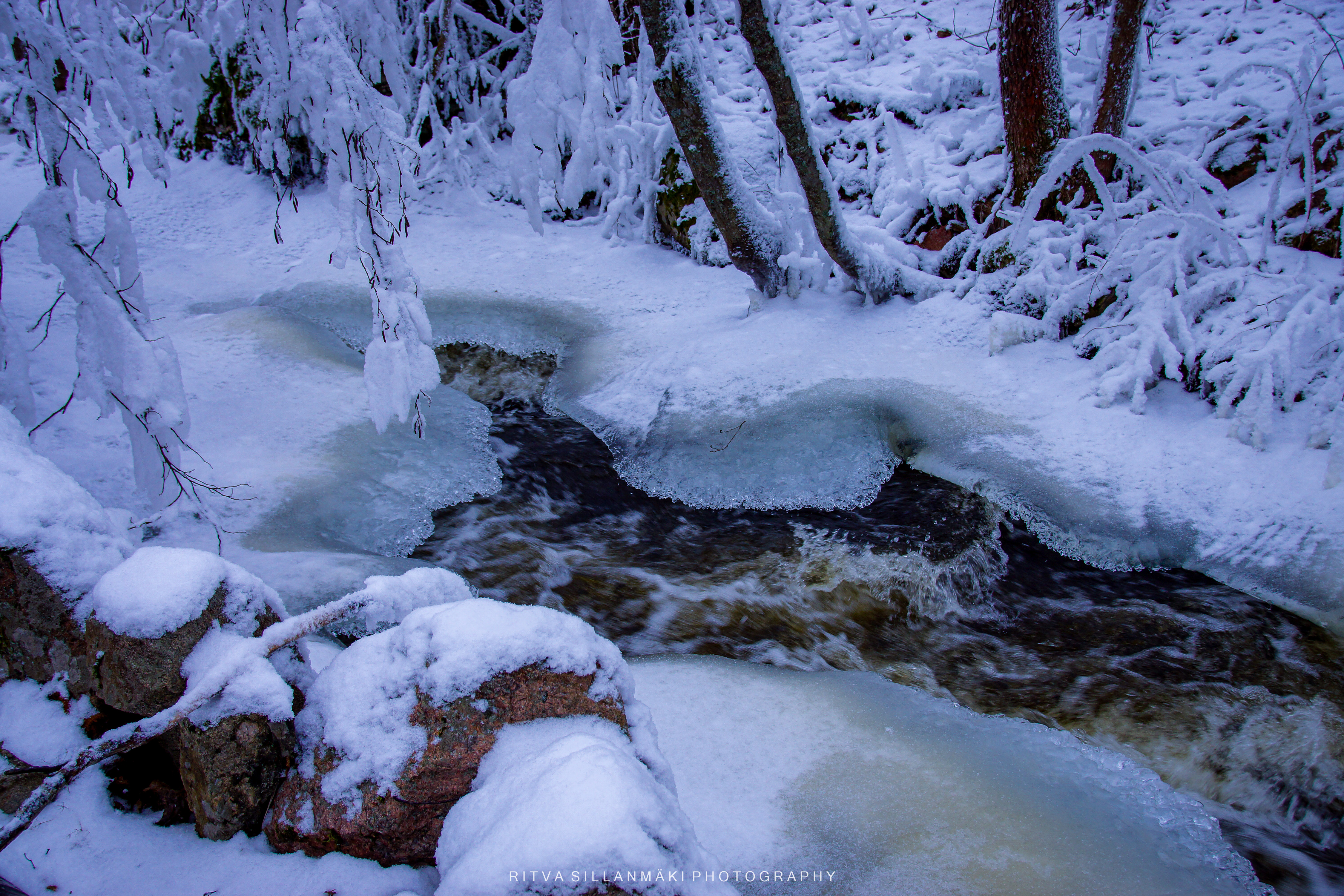
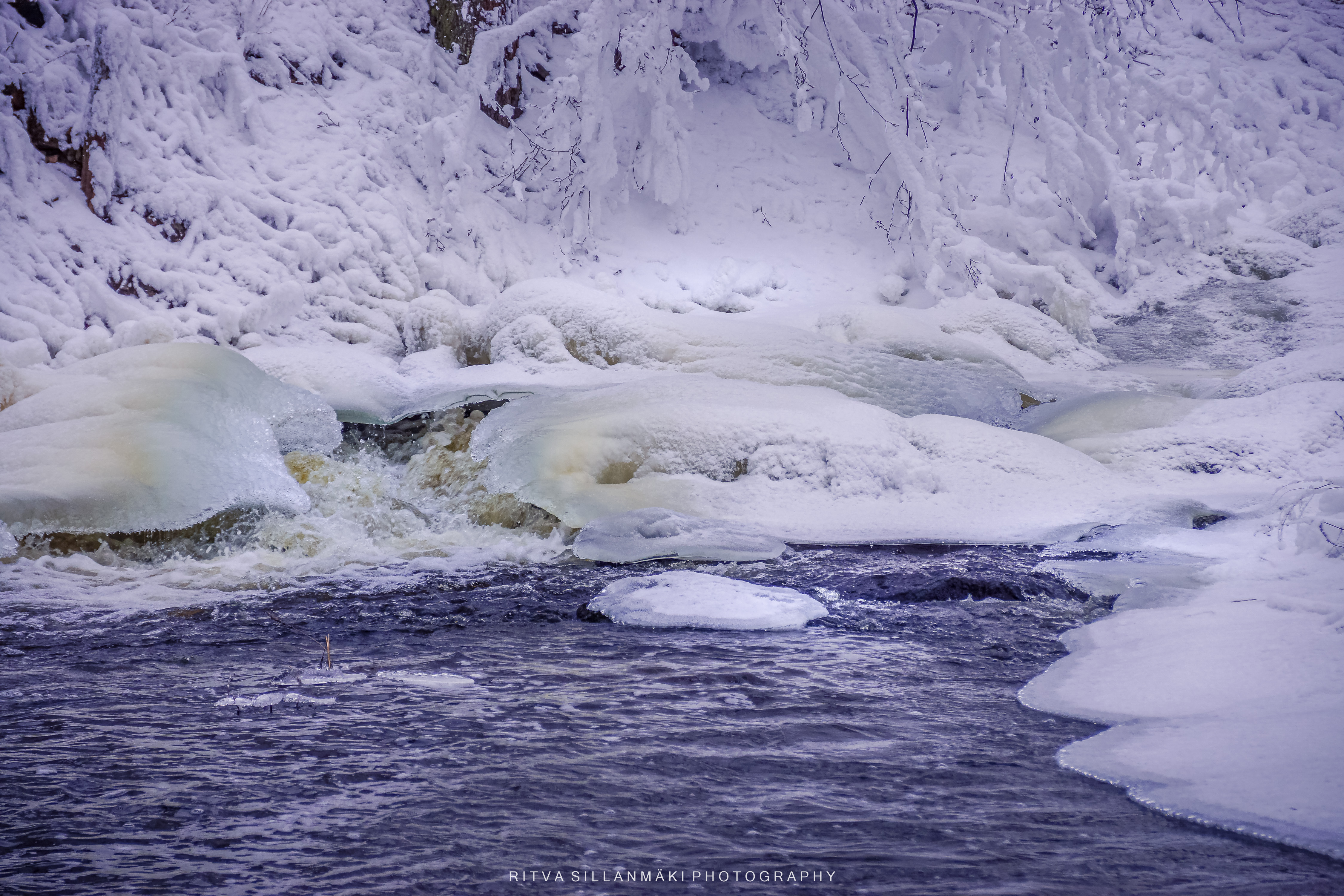
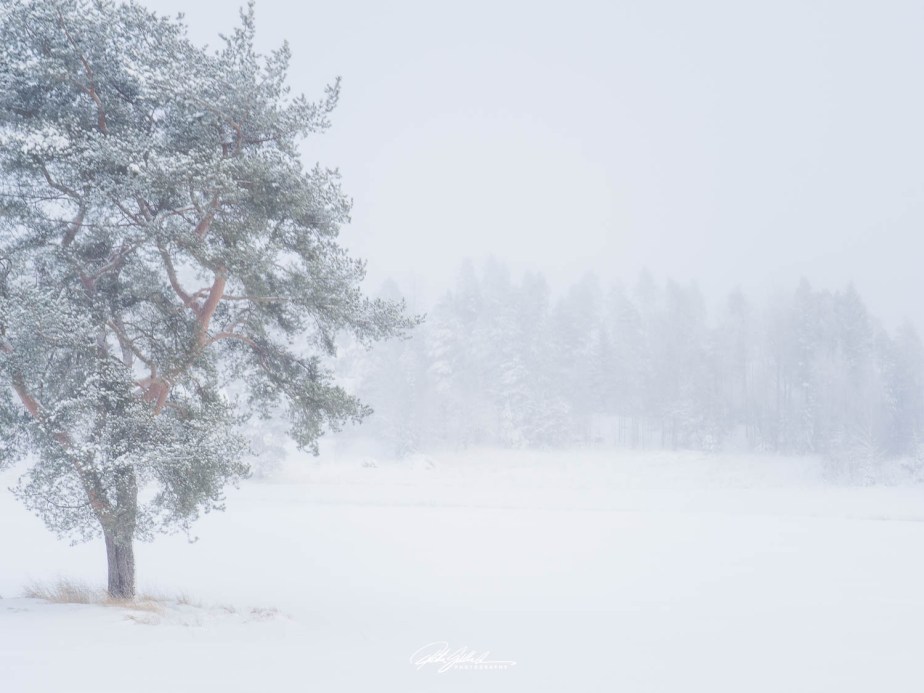
I want to thank Anne for her topic that had me thinking about about my families history, peoples and nature’s resilience. If nothing else these topics gives us the opportunity to think of certain qualities of us humans. One thing I think we Finns have is a resiliency to endure darkness and cold weather (featured image) 🙂
Next week I will host the challenge, I hope you will join me then, until then sunny regards despite whatever the weather is 🙂 in your neighborhood.
Outside of the city and into the country in Monochrome Madness was the Leanne’s post this week. Since it is a great topic, I decided to follow her lead.
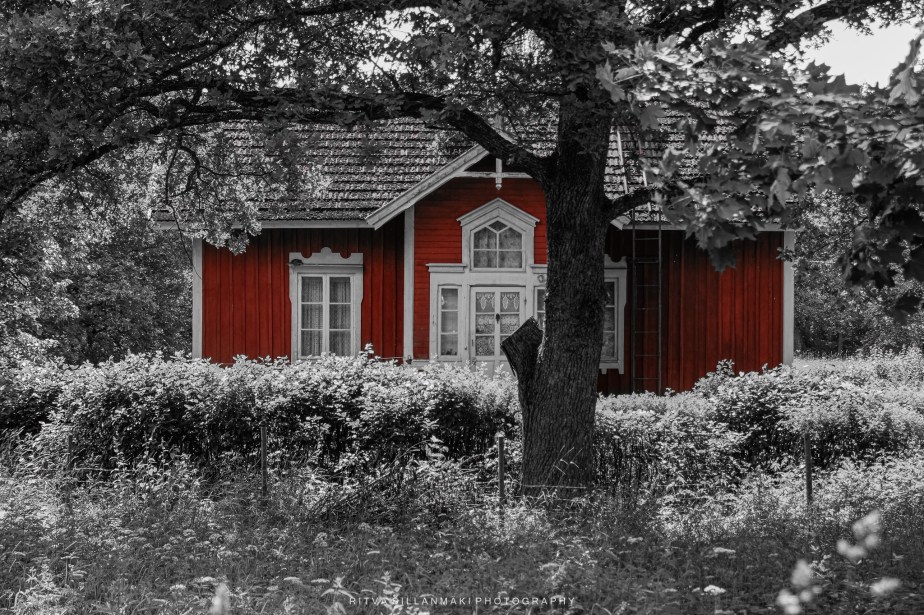
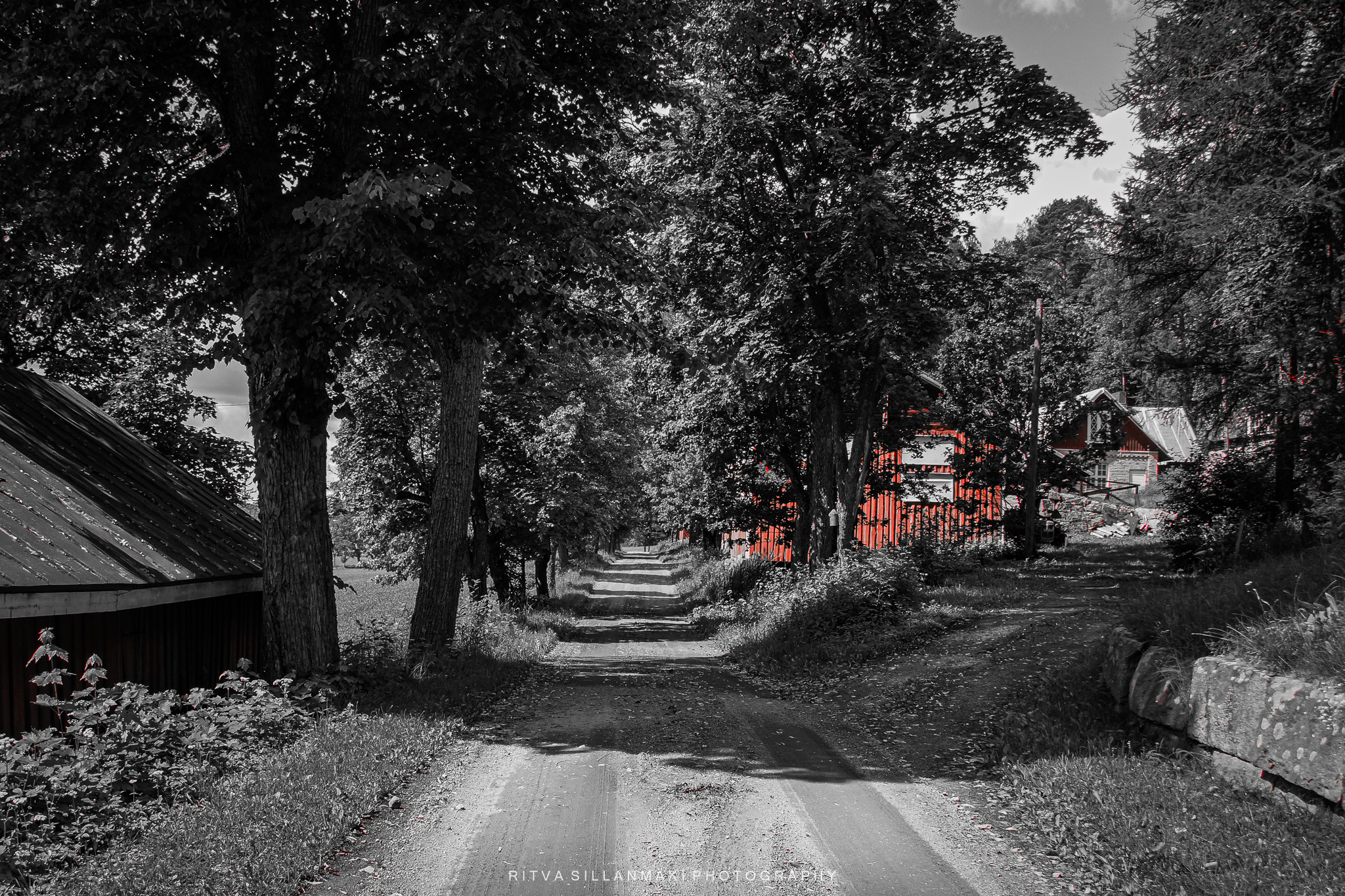
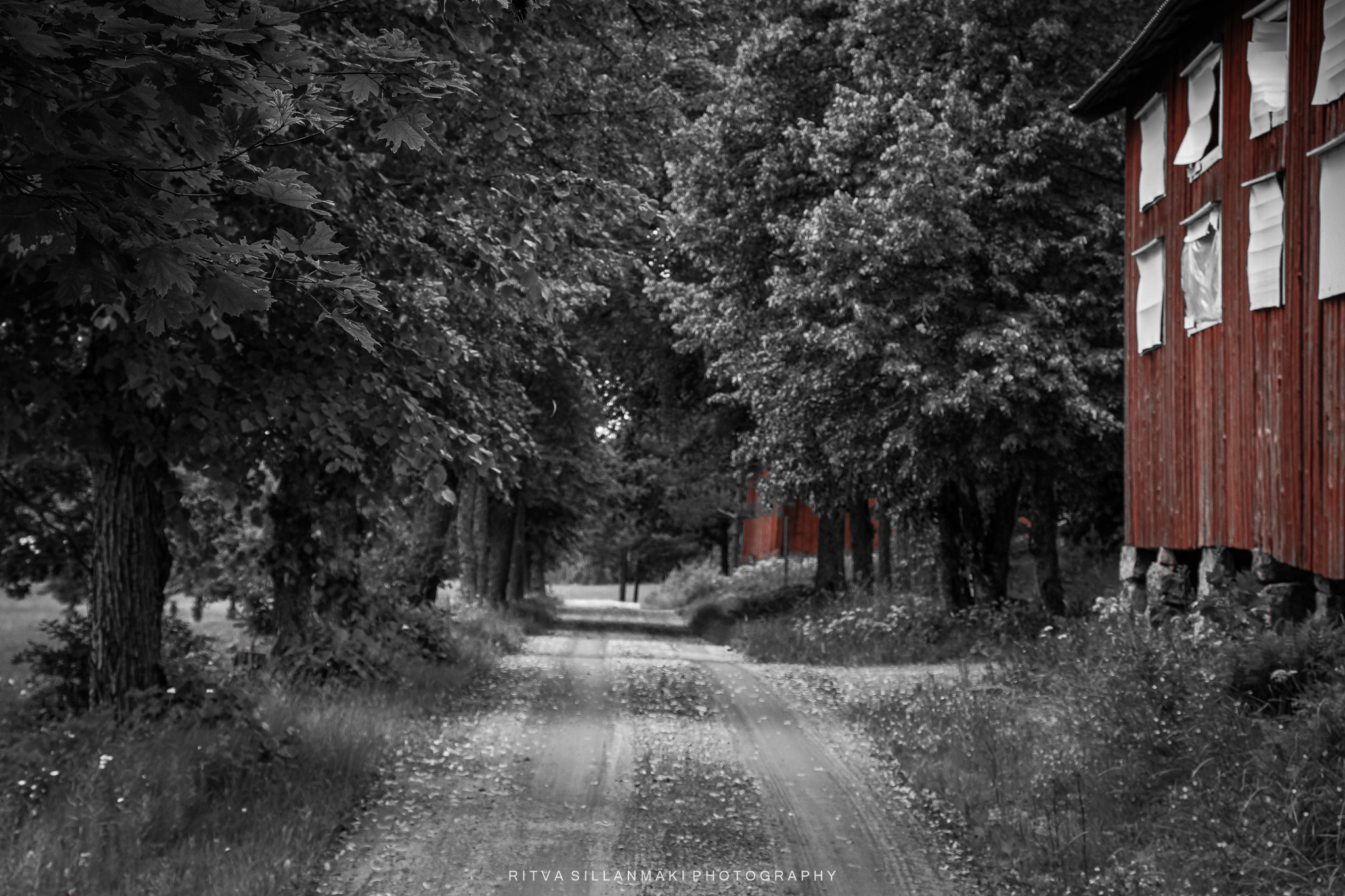
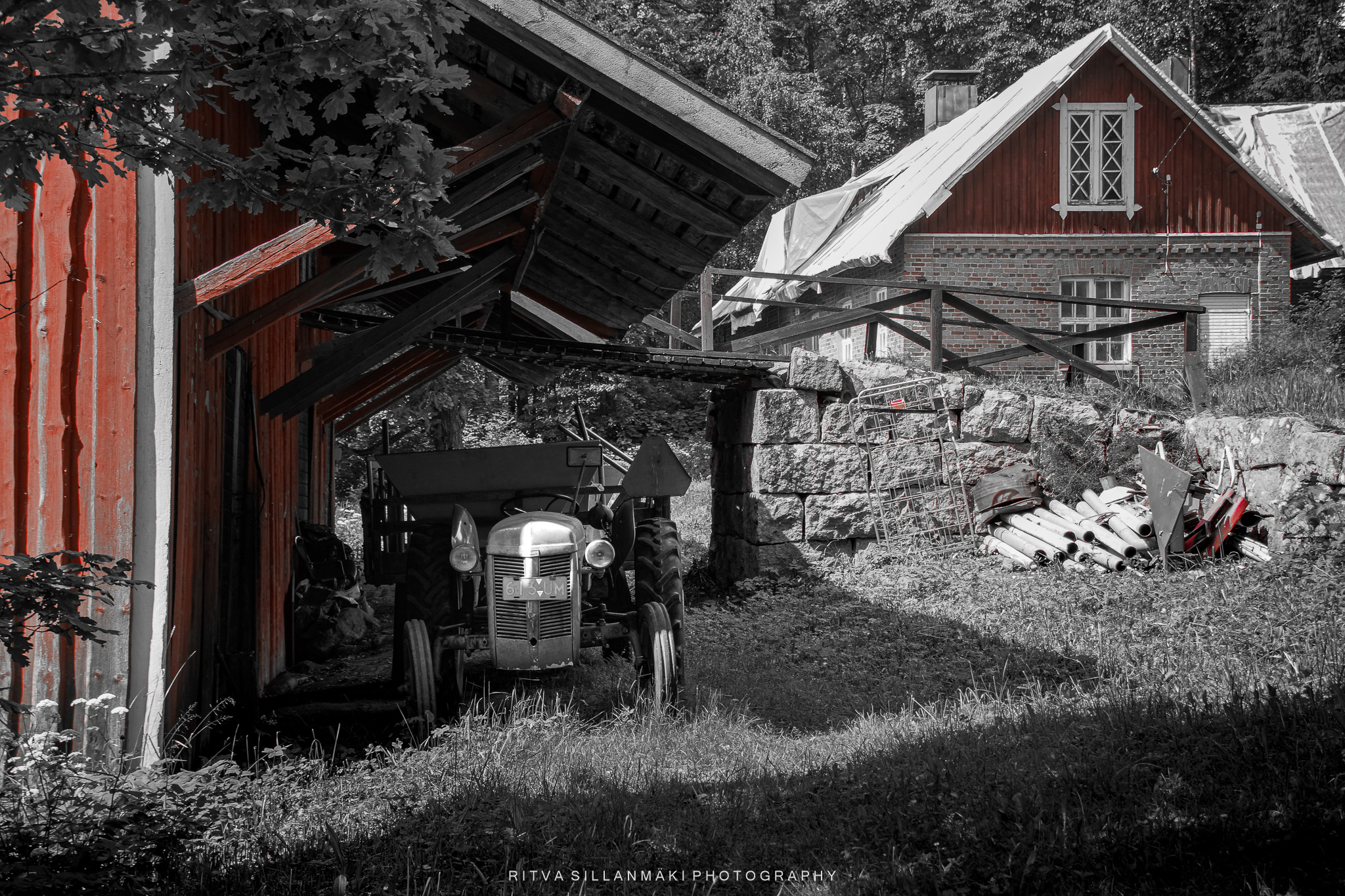
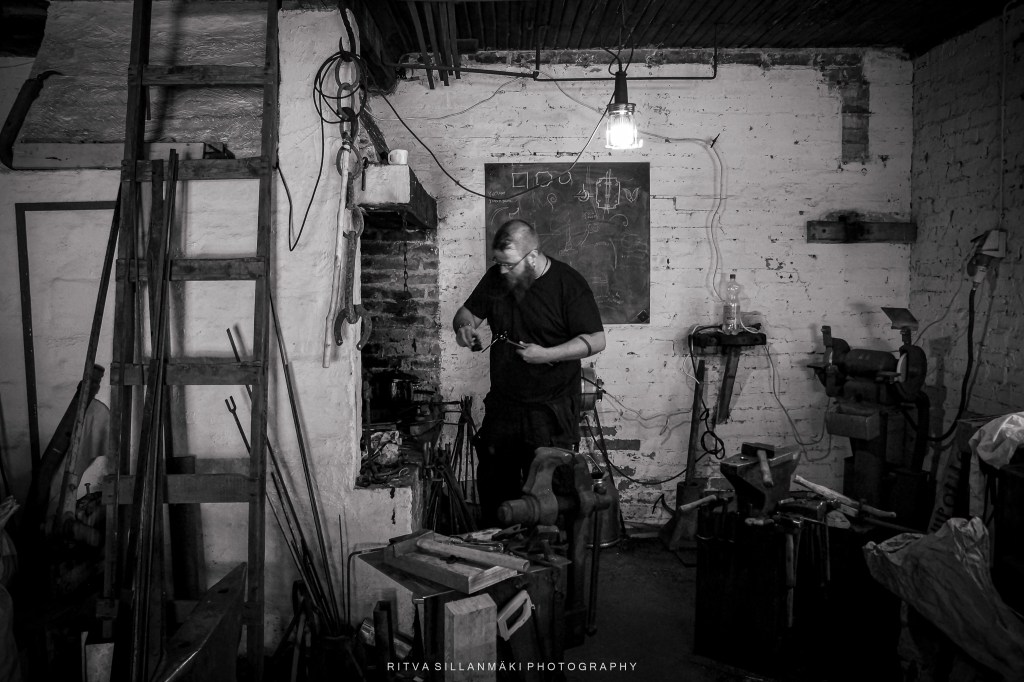
Visiting the local blacksmith a few years back the photos have a sense of nostalgia and tranquility. As I walked through the idyllic countryside, the sight of the red cottages against the backdrop of green fields was truly enchanting. The gravel roads, weathered by time, led the way . The old trees, with their gnarled branches and thick canopies, stood as silent guardians of the road, offering shade and a sense of wisdom to the travelers passing by. It was a scene that seemed to be frozen in time. And as a profession a blacksmith is a dying breed.
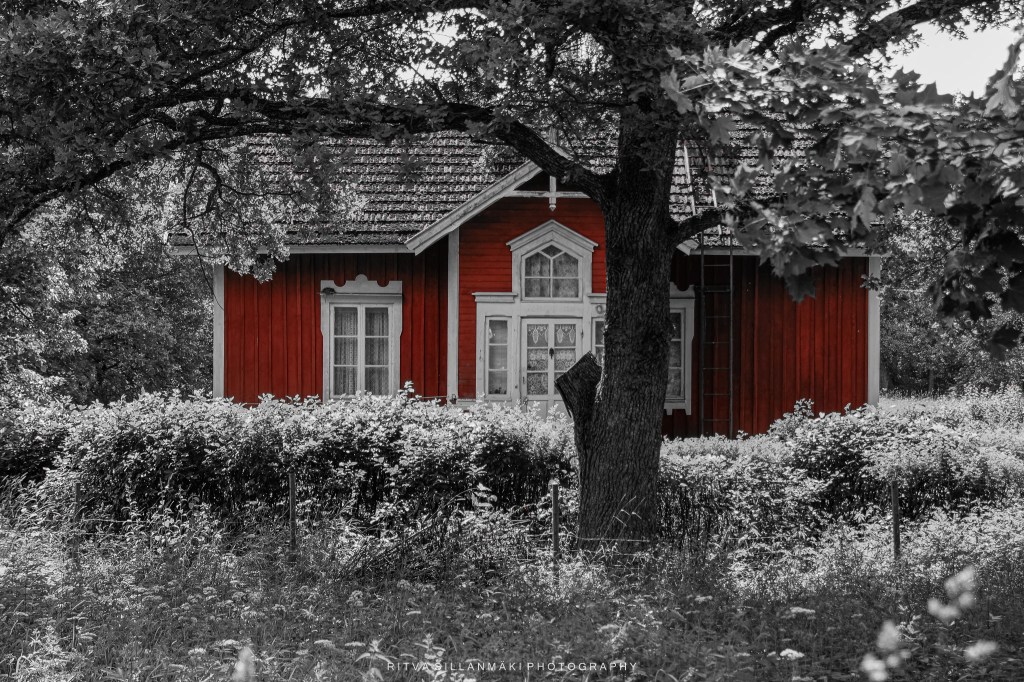
I do love black and white photography, but this time I left the red buildings as is because they are so in the heart of Finnish countryside. A traditional Finnish falu red log house in is so common. The Finnish expression punainen tupa ja perunamaa, “a red cottage and a potato patch”, referring to idyllic home and life, is a direct allusion to a country house painted in falu red.
Falu red – Punamulta : is a permeable red paint commonly used on wooden cottages and barns in Finland, Sweden, and Norway.
Trying to capture Christmas spirit at a church concert in Mikael Agricola Church. Theme still being Blue anf white
Mikael Agricola Church (Finnish: Mikael Agricolan kirkko, is a Lutheran church located in the Punavuori district of Helsinki, Finland. It was designed by Lars Sonck and built between 1933 and 1935. The church was inaugurated on 14 April 1935.
The church is made of red bricks. The tower of the church is 97 meters high, the top reaching up to 103 meters above sea level. The 30-meter spike of the tower can be retracted if necessary as it fits inside the tower structure. This was done in the Winter War and the Continuation War so that the tower wouldn’t act as a navigational aid to enemy bombers.
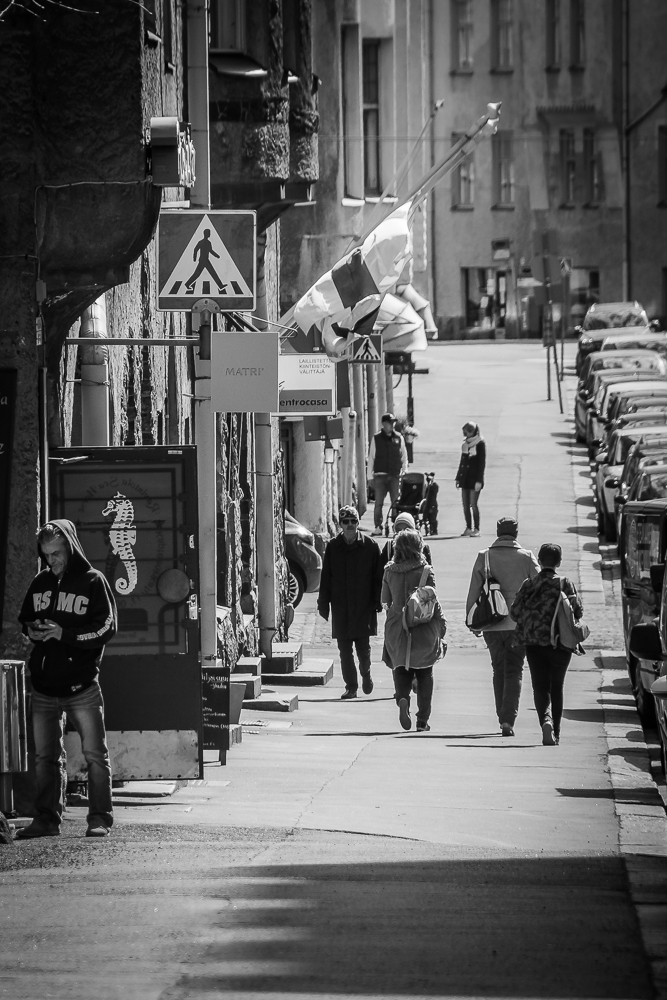
Street photography at Kapteeninkatu in Helsinki. The Finnish flag was Half-mast for our former President Mauno Koivisto who had passed away the day before. I have photos in color and Monochrome, for some reason they appeal to me in street photography. What your opinion about it?
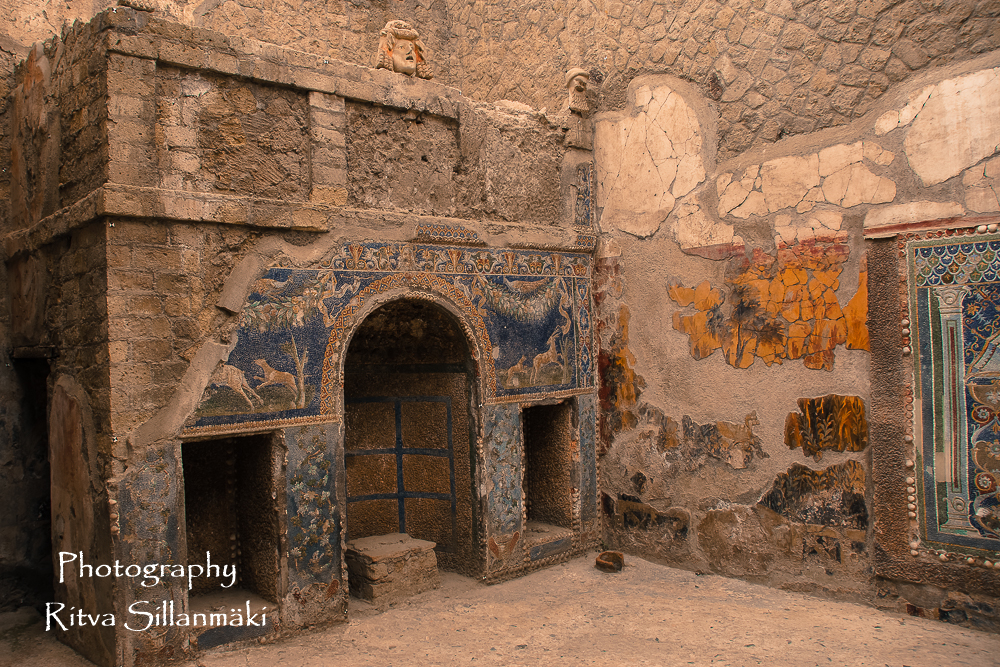
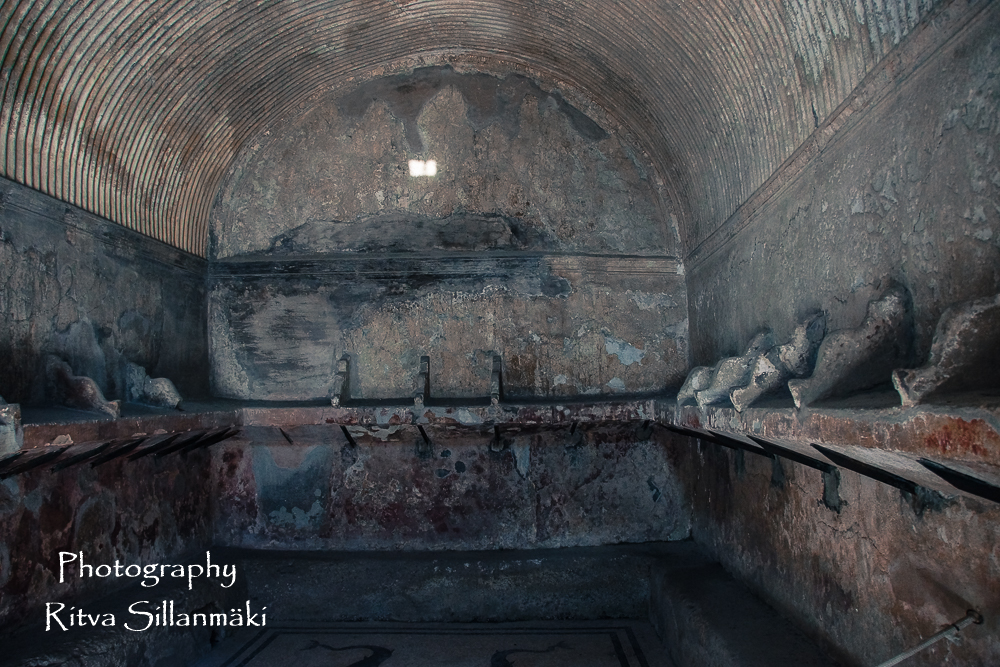
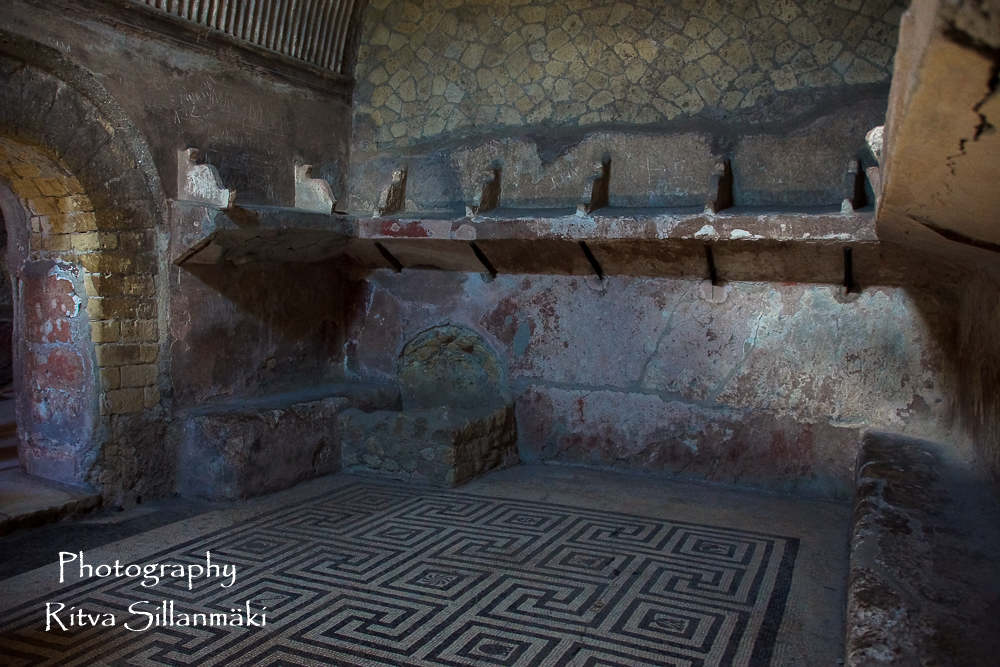
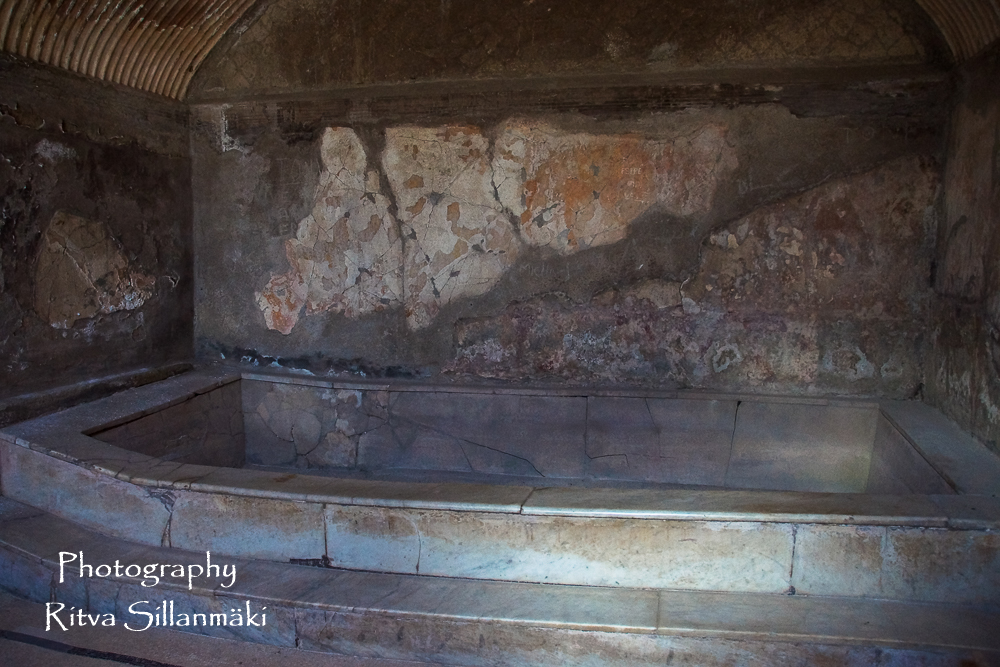
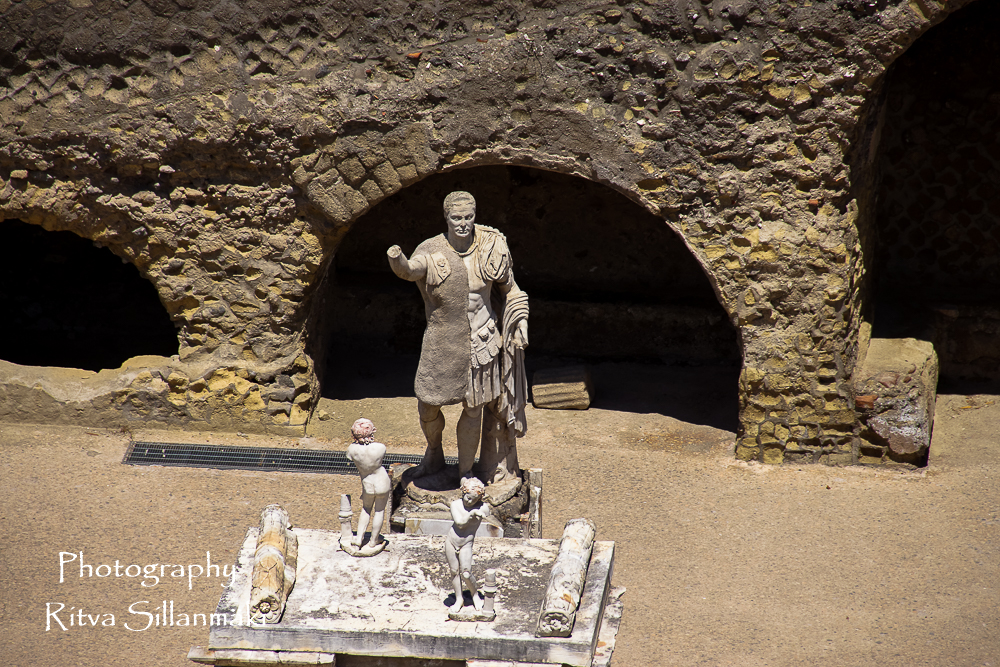
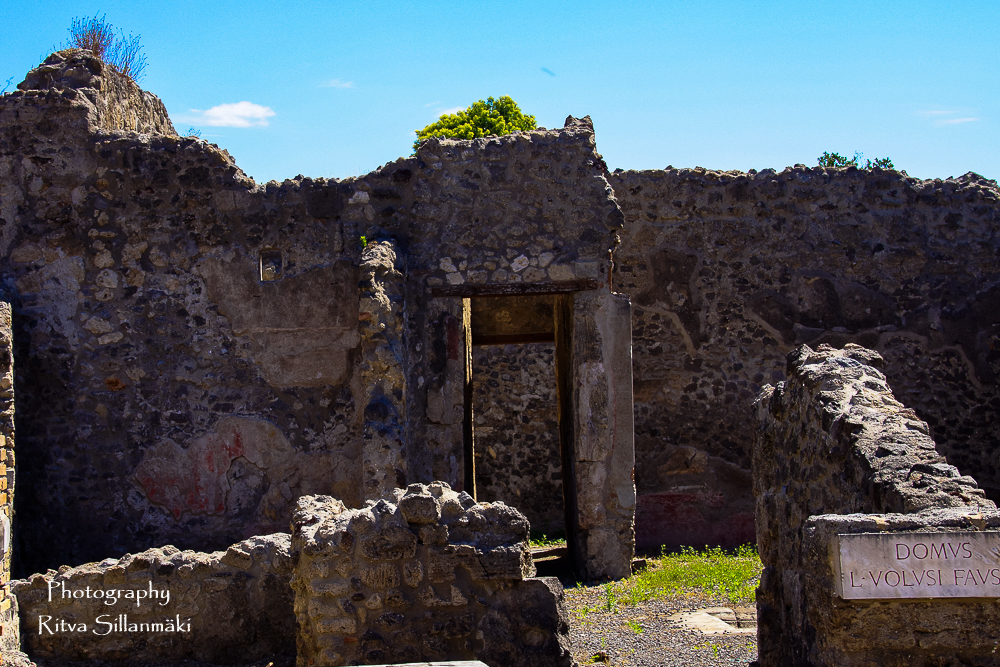
The Central Thermae were bath houses built around the first century AD. Bath houses were very common at that time, especially in Pompeii and Herculaneum. Per common practice, there were two different bath areas, one for men and the other for women. These houses were extremely popular, attracting many visitors daily. This cultural hub was also home to several works of art, which can be found in various areas of the Central Thermae site.
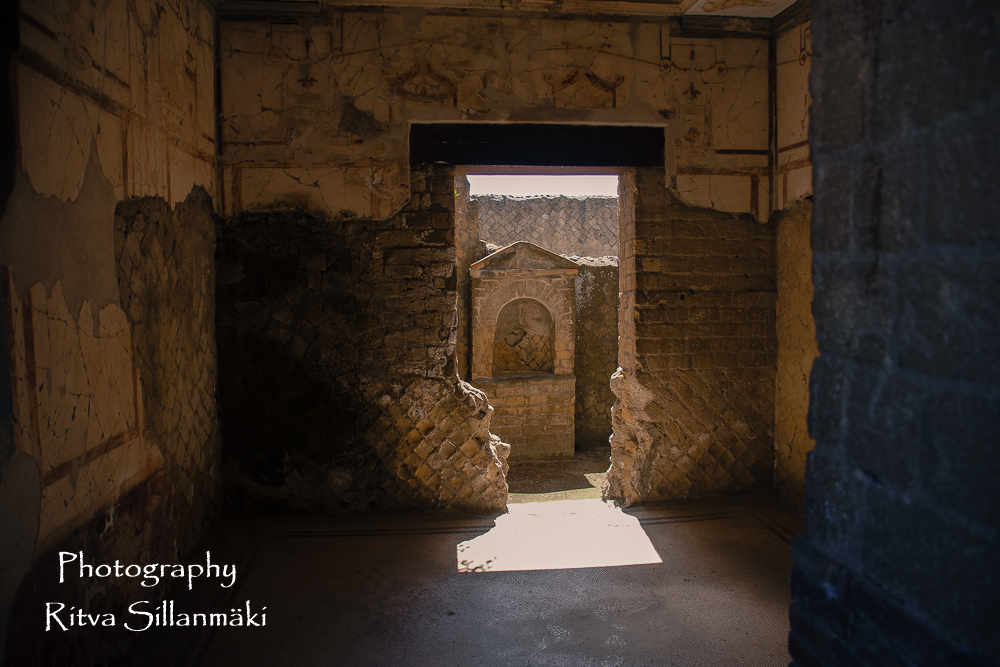
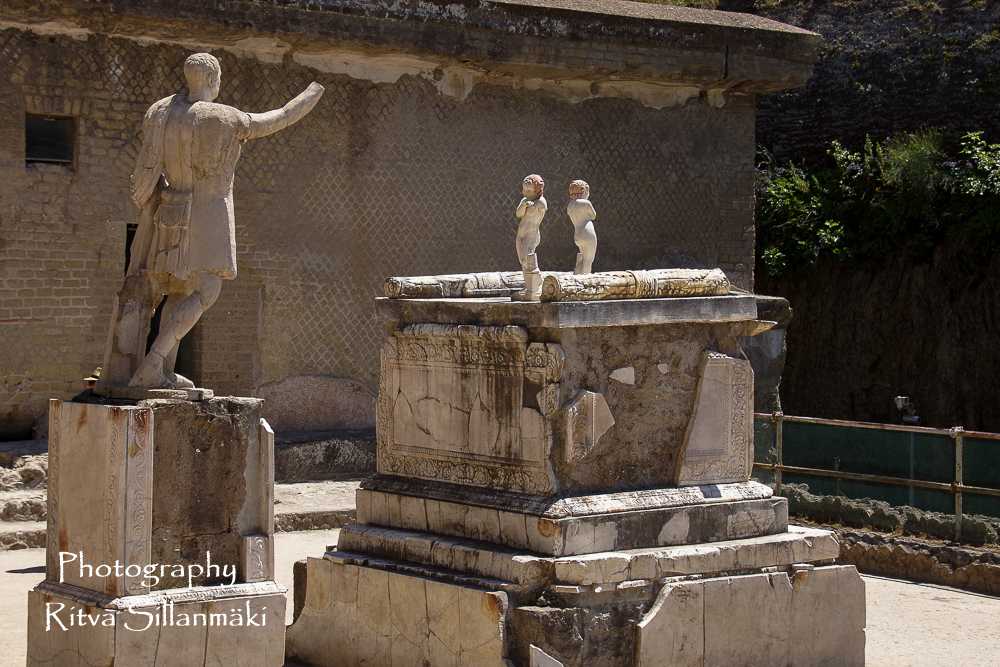
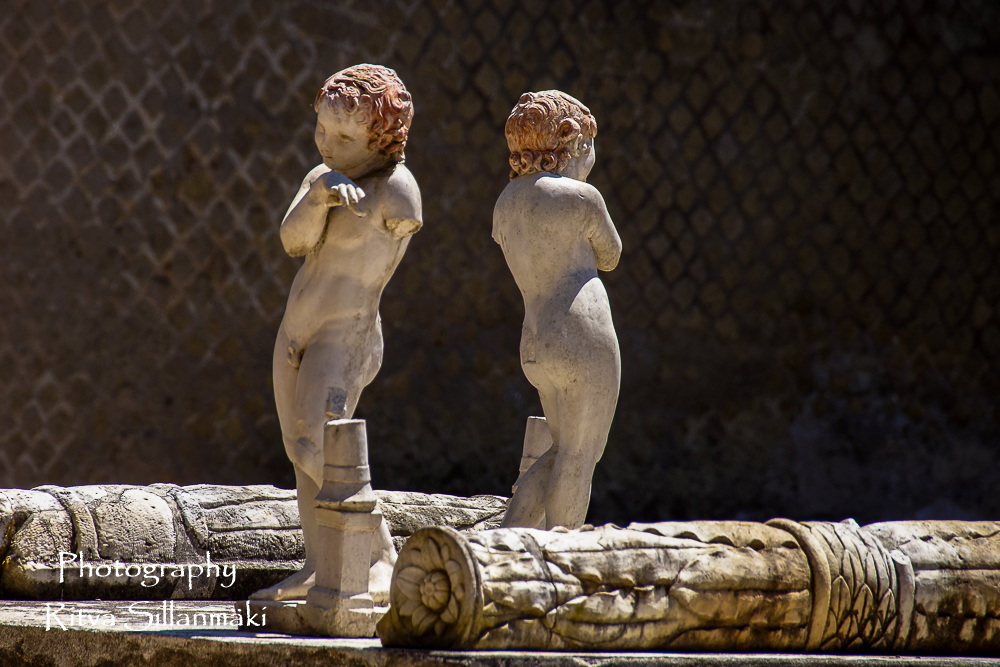
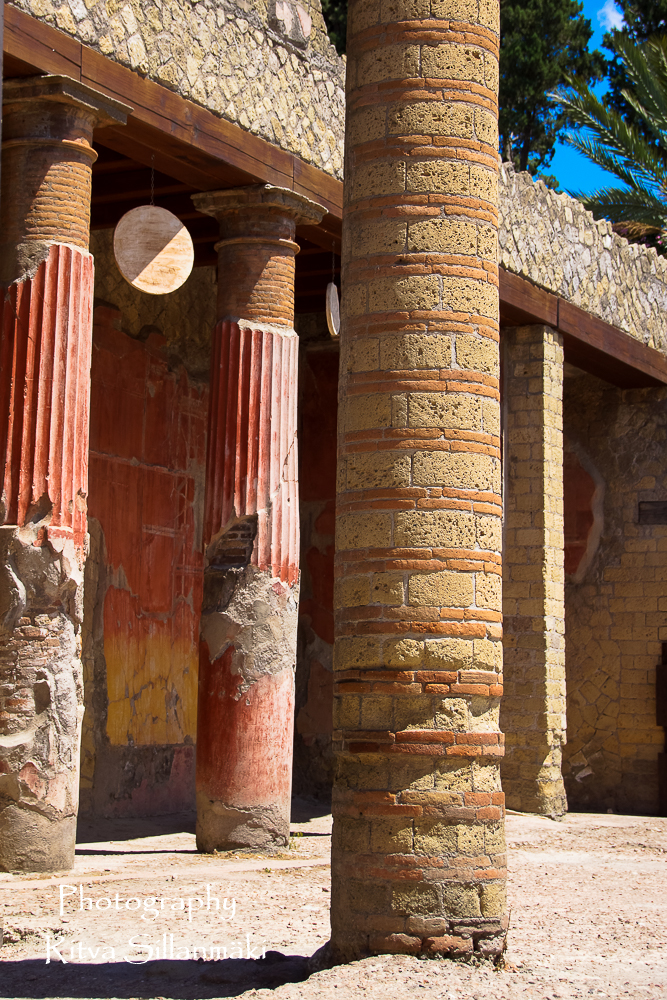
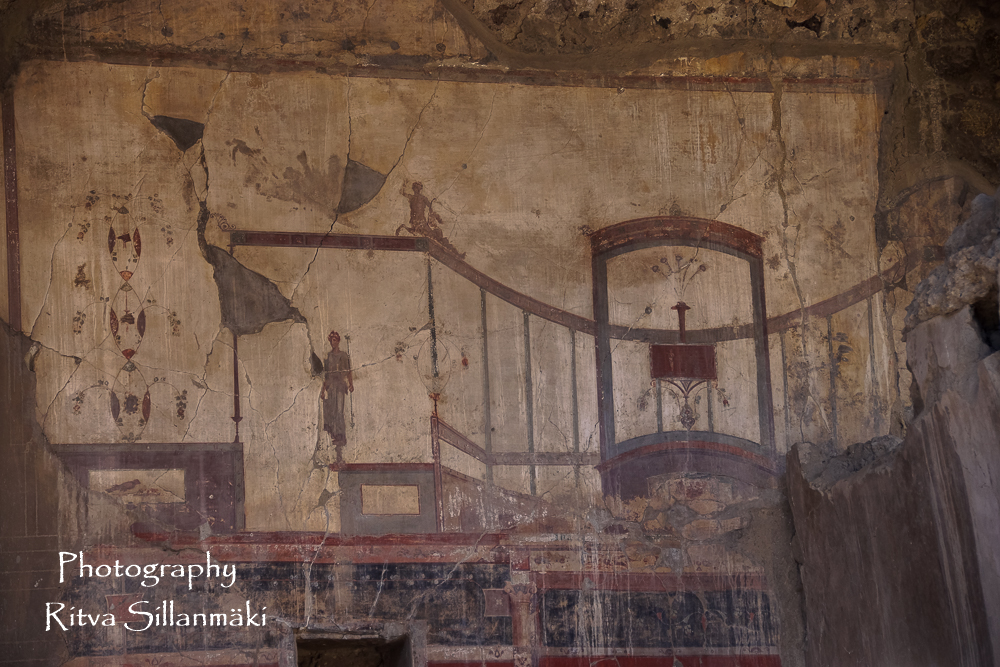
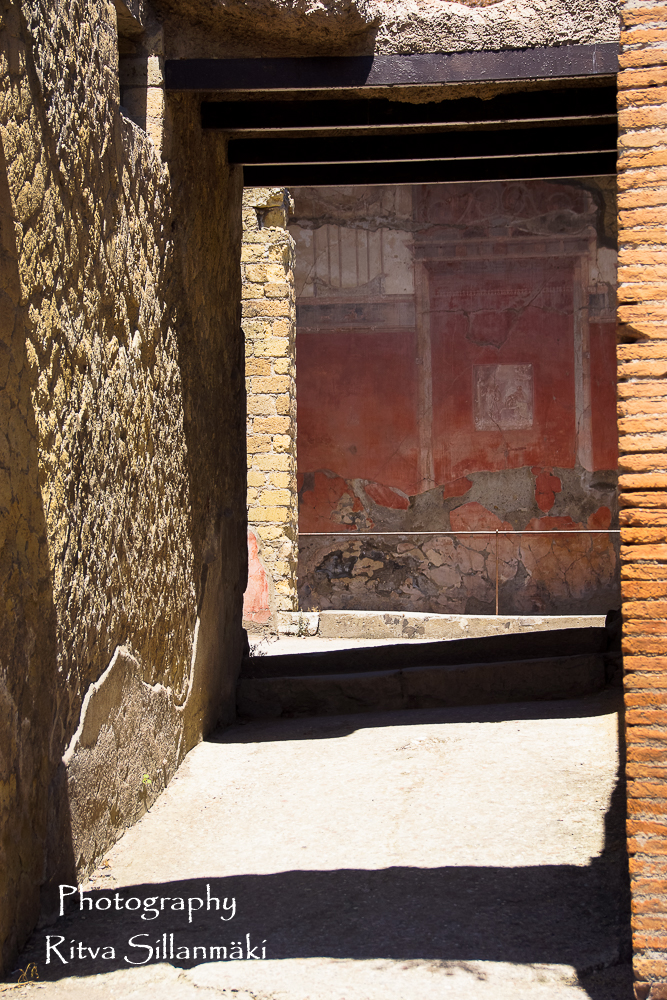
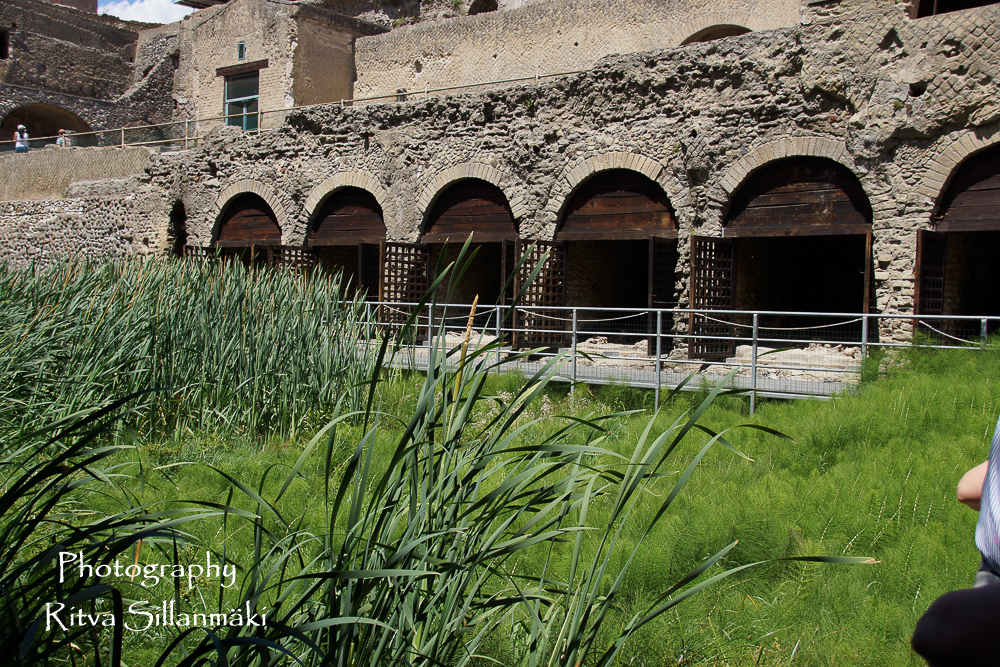
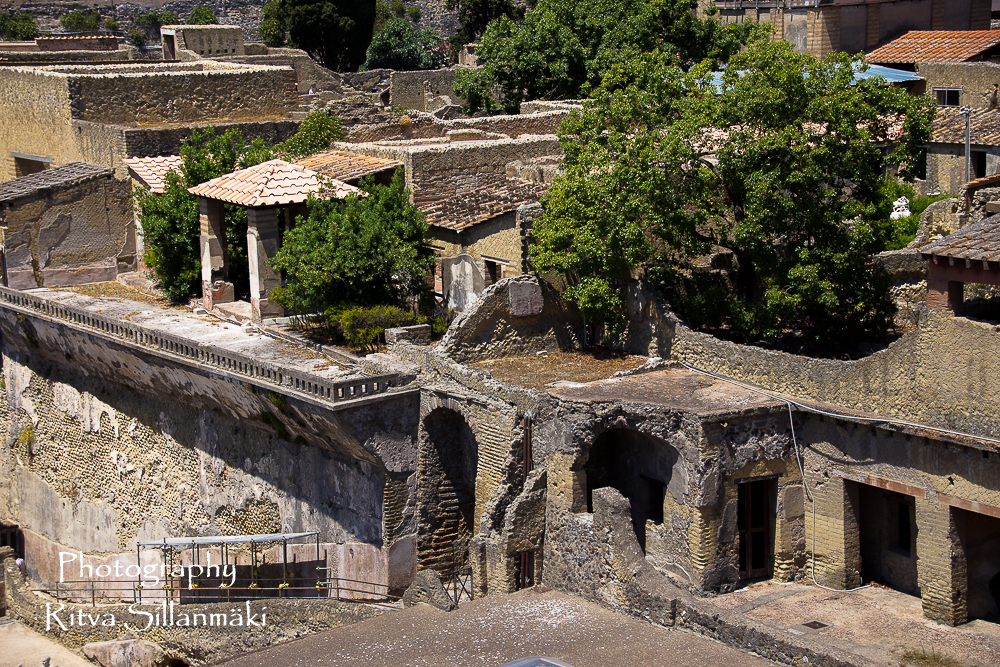
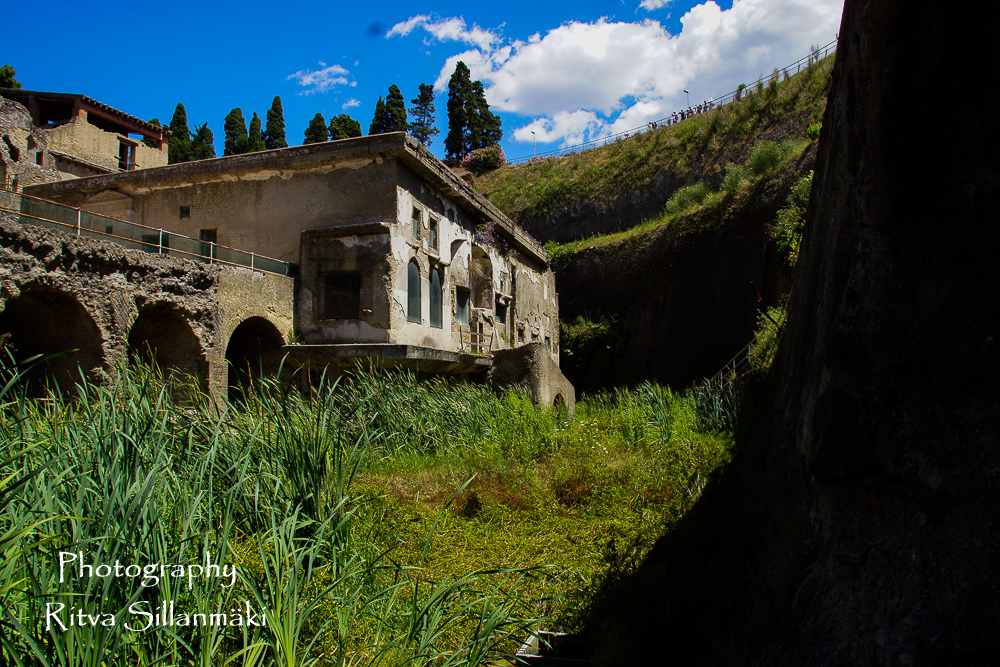
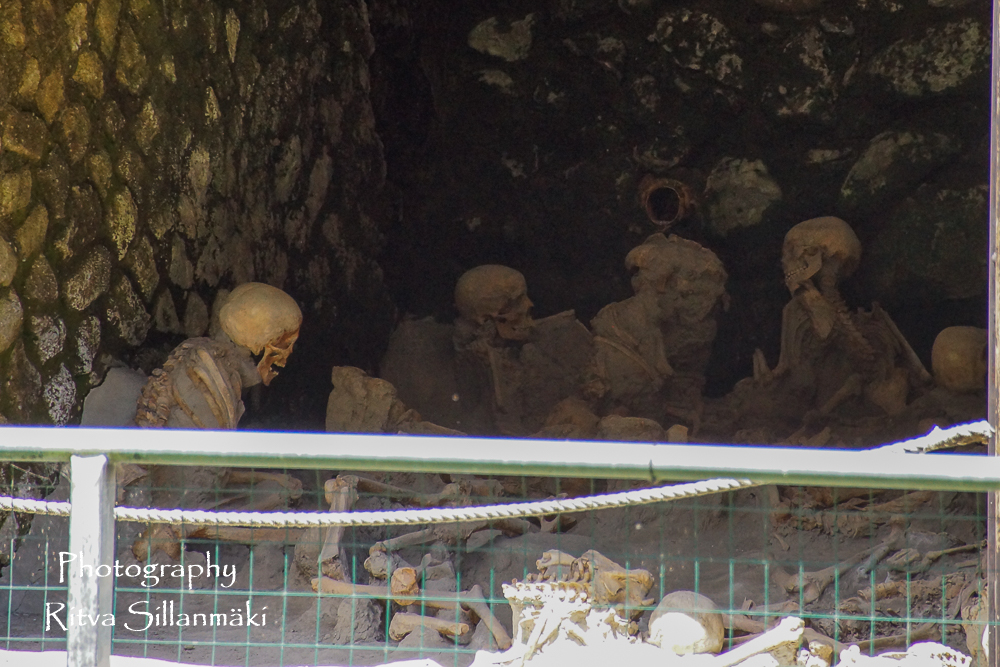
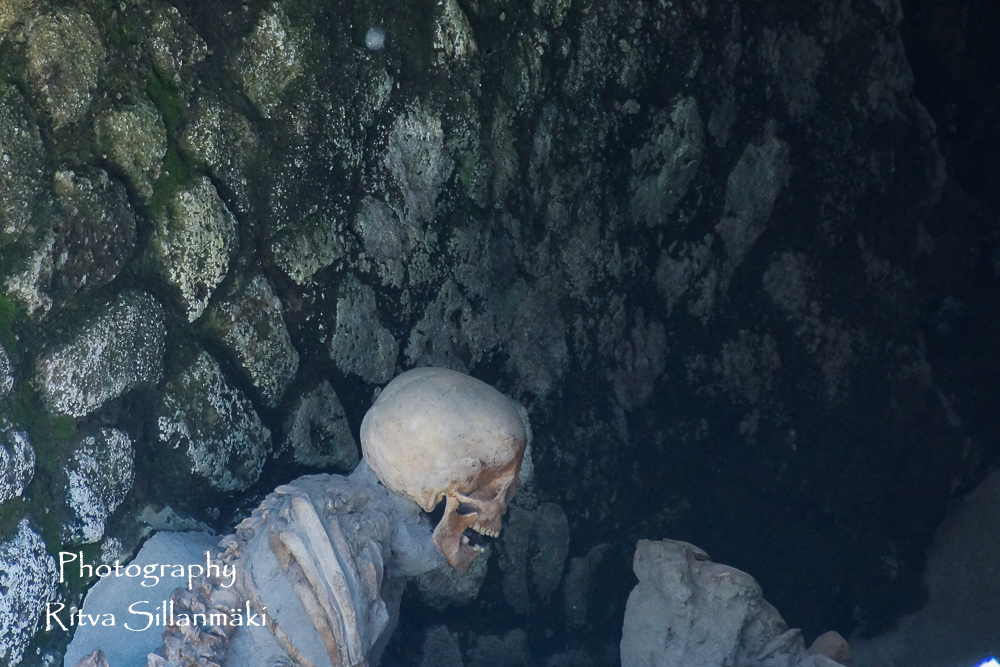
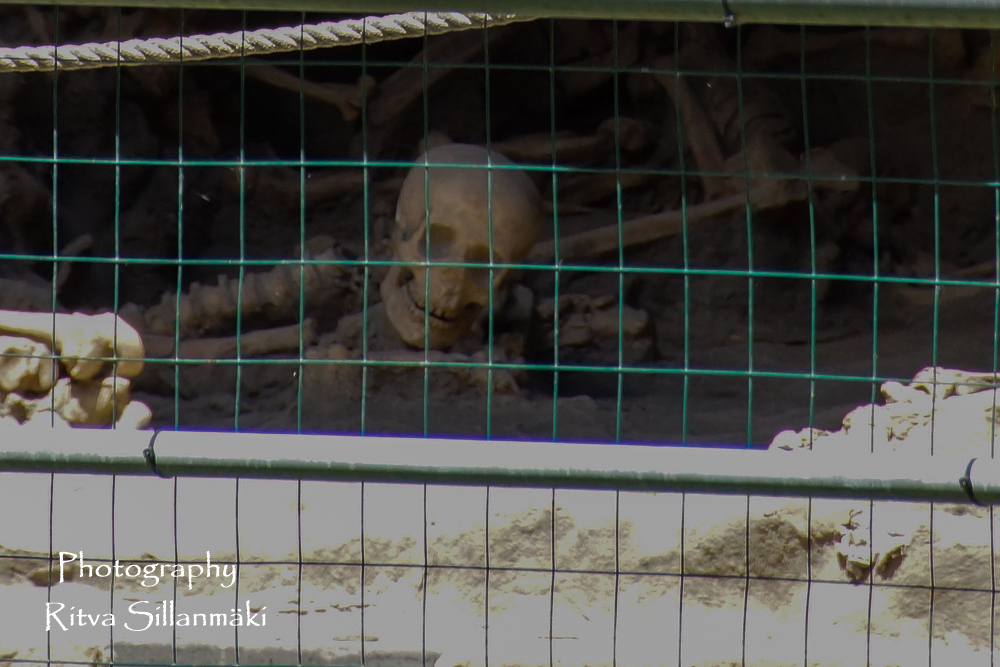
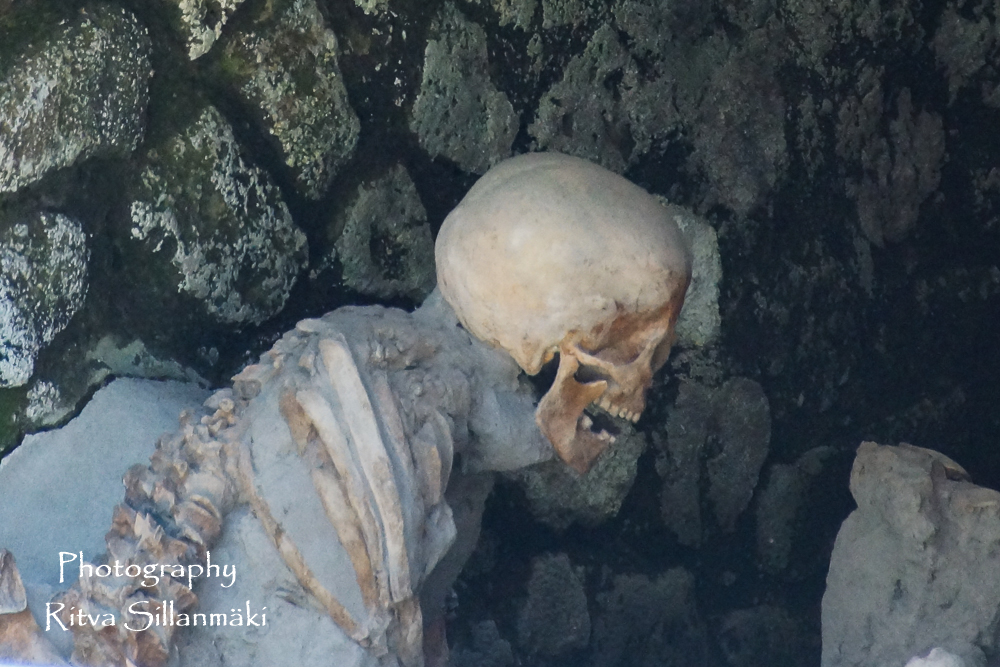
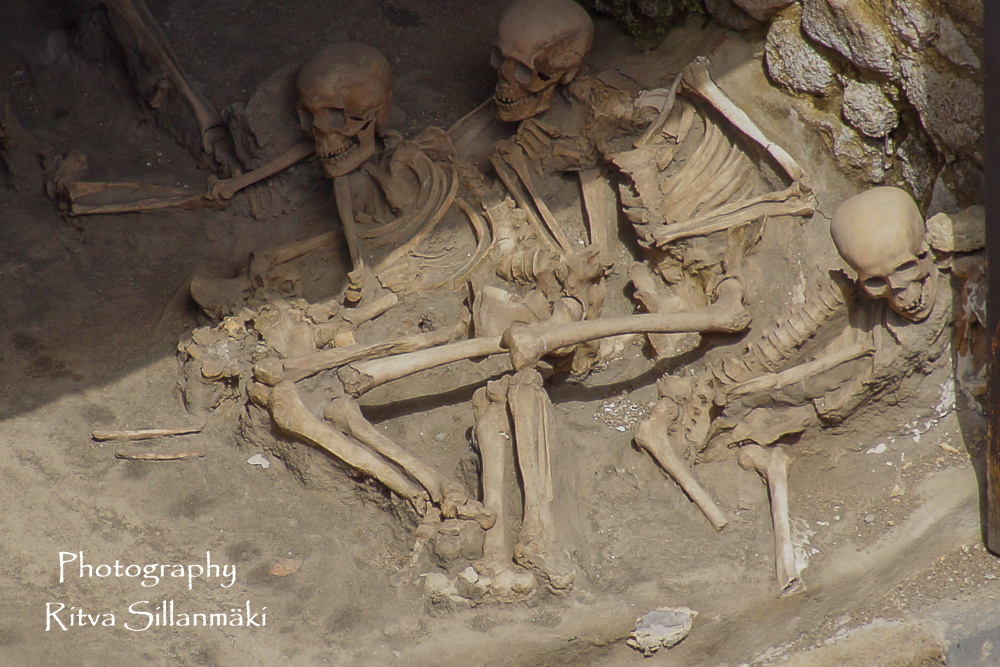
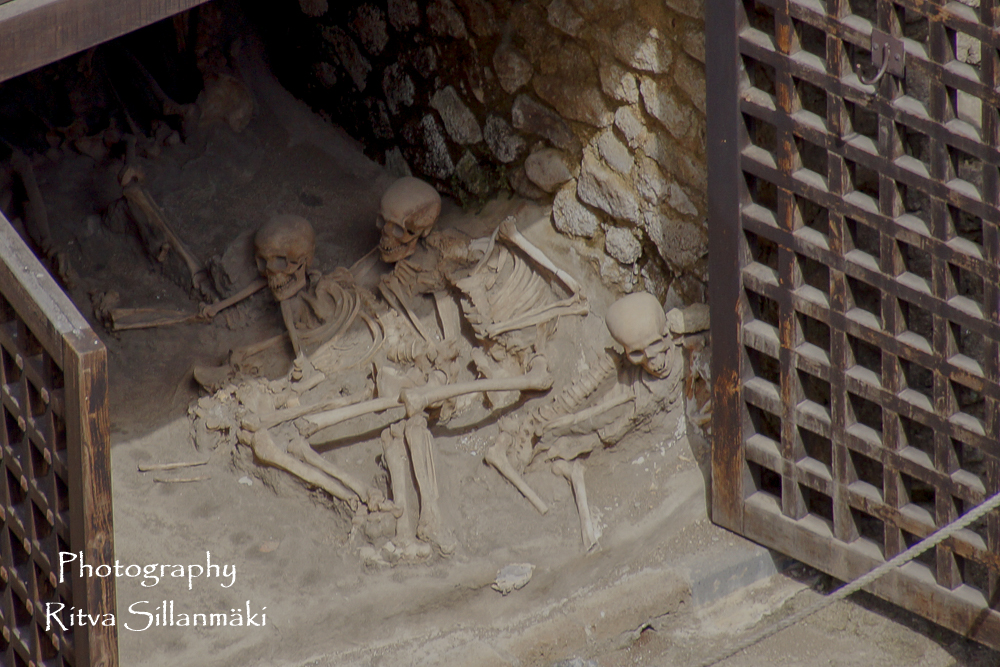
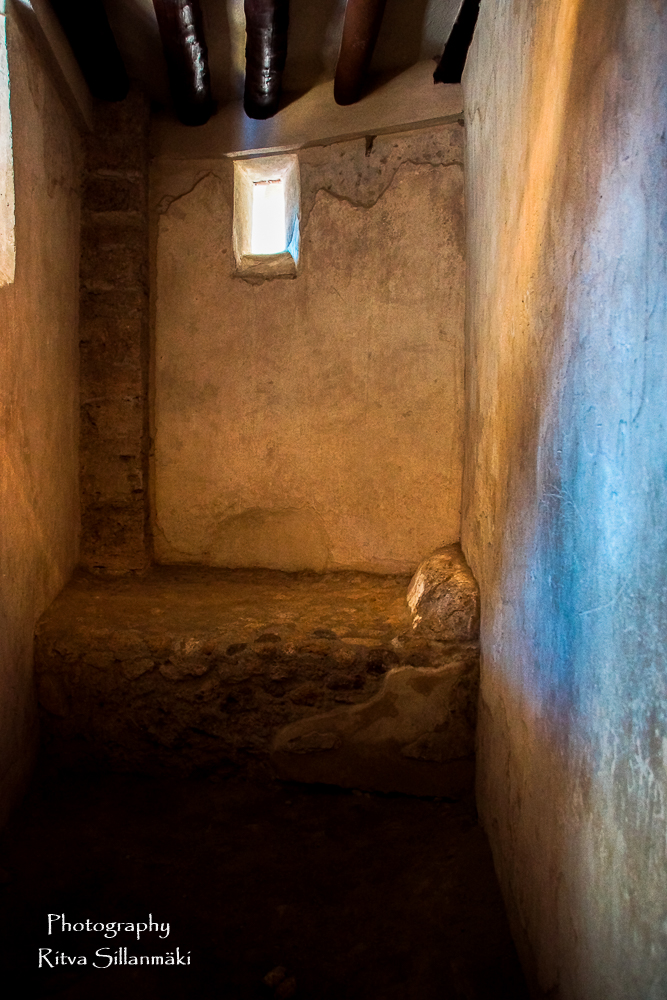
Herculaneum was an ancient Roman town destroyed by volcanic pyroclastic flows in 79 AD. Its ruins are located in the commune of Ercolano, Campania, Italy.s a UNESCO World Heritage Site, it is famous as one of the few ancient cities that can now be seen in much of its original splendour, as well as for having been lost, along with Pompeii, in the eruption of Mount Vesuvius in AD 79 that buried it. Unlike Pompeii, the deep pyroclastic material which covered it preserved wooden and other organic-based objects such as roofs, beds, doors, food and even some 300 skeletons which were surprisingly discovered in recent years along the seashore. Here are few shots seen when entering the the site and The “Boat houses” where skeletons were found.
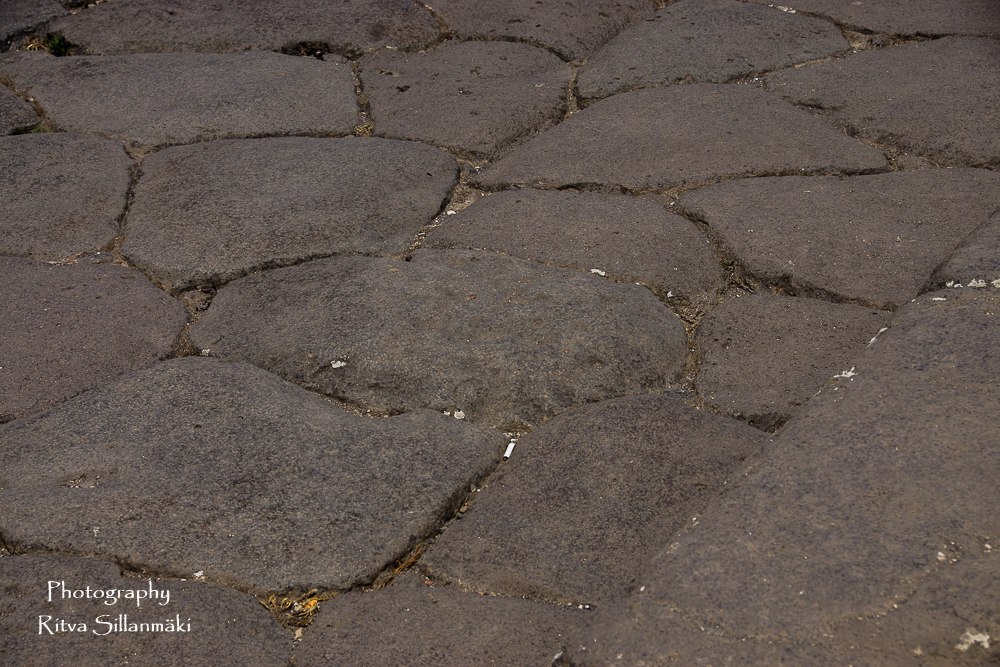
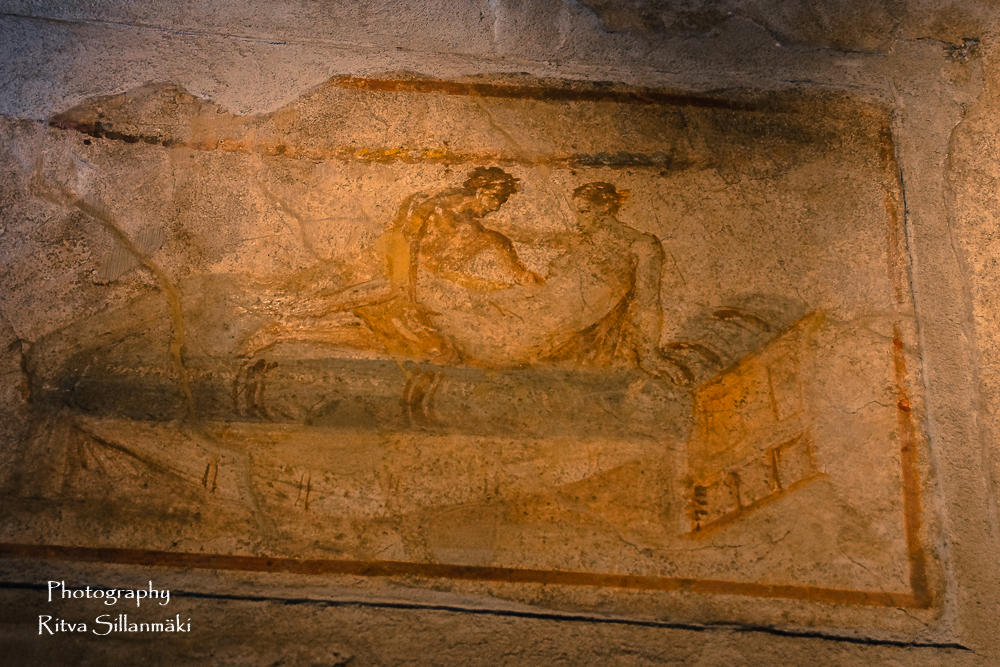
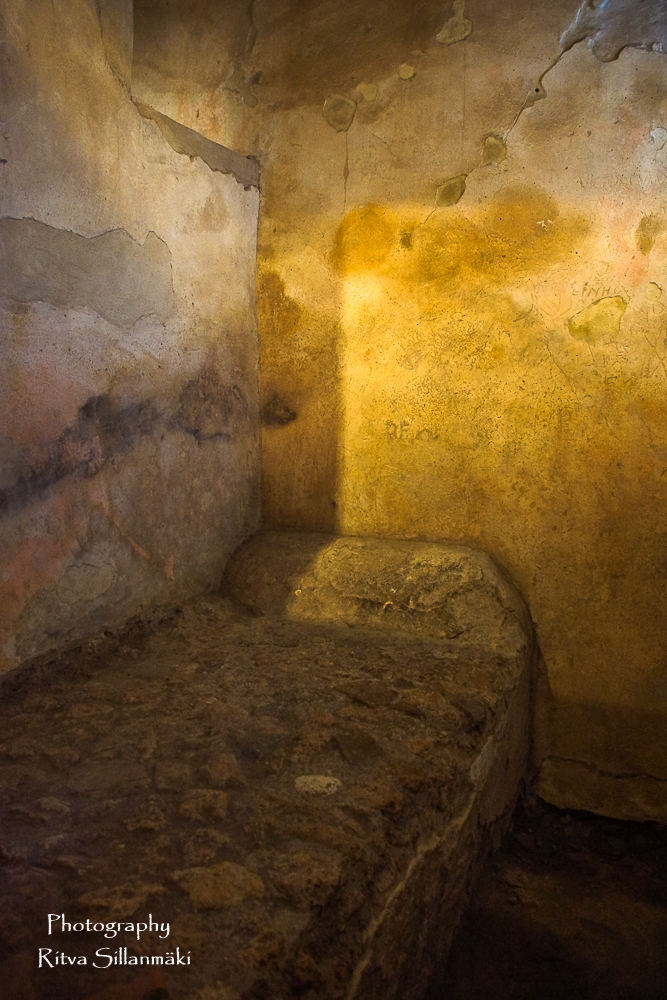
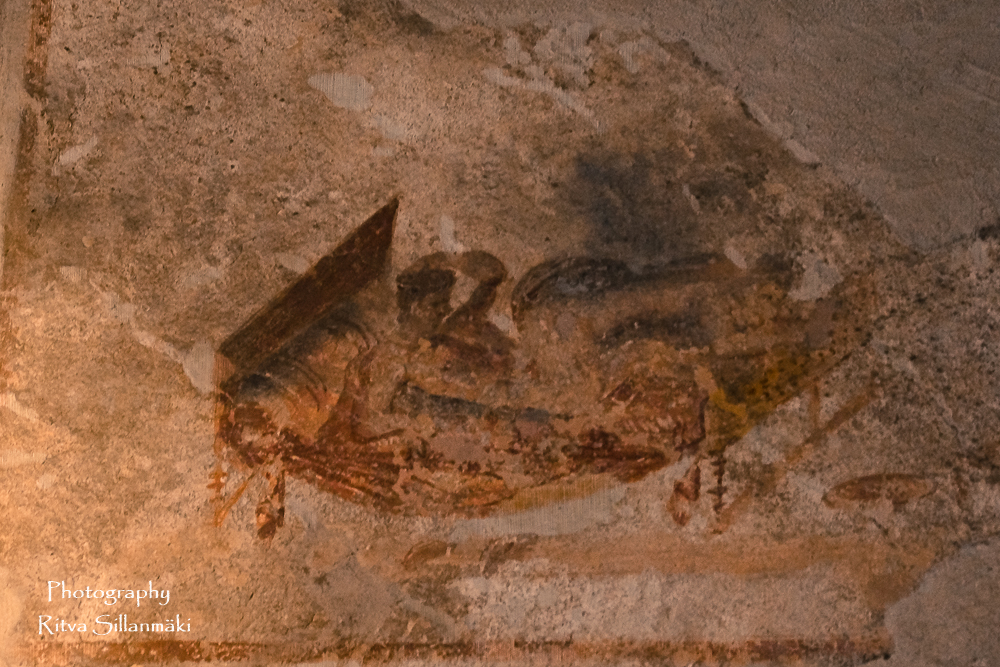
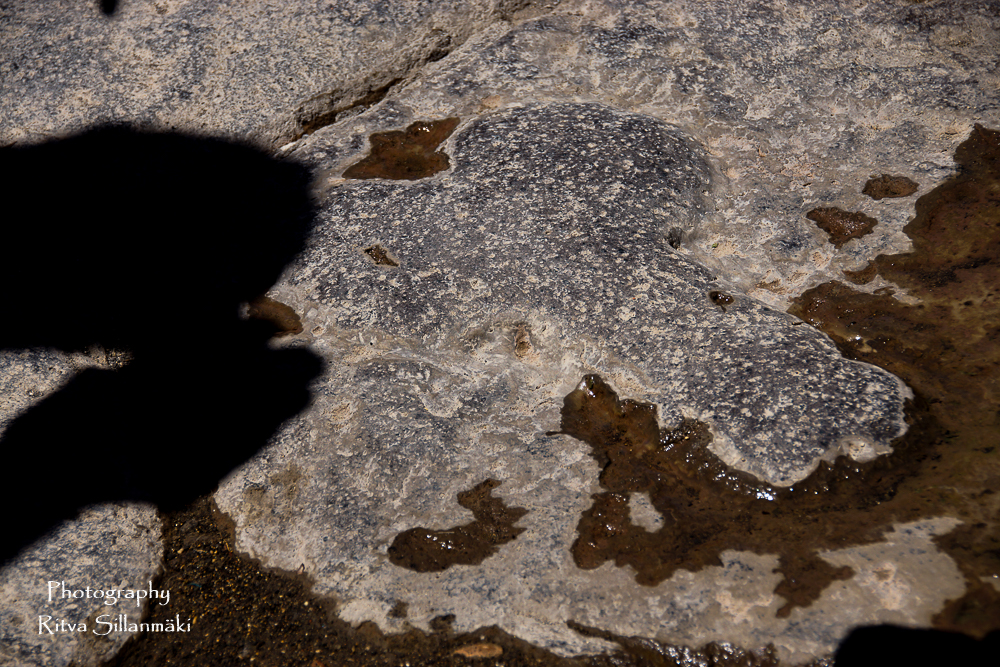
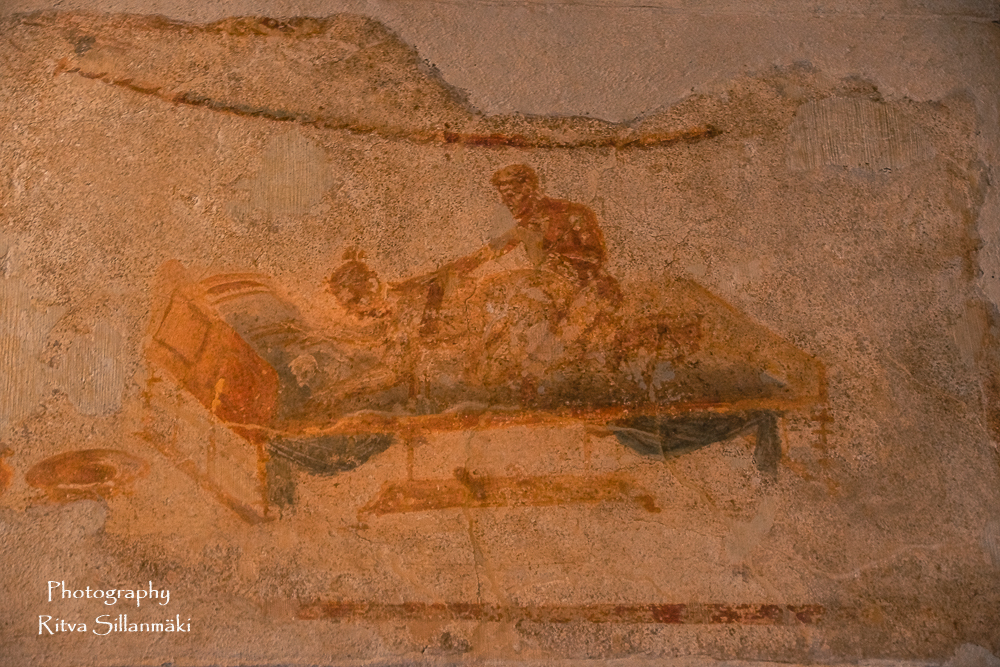
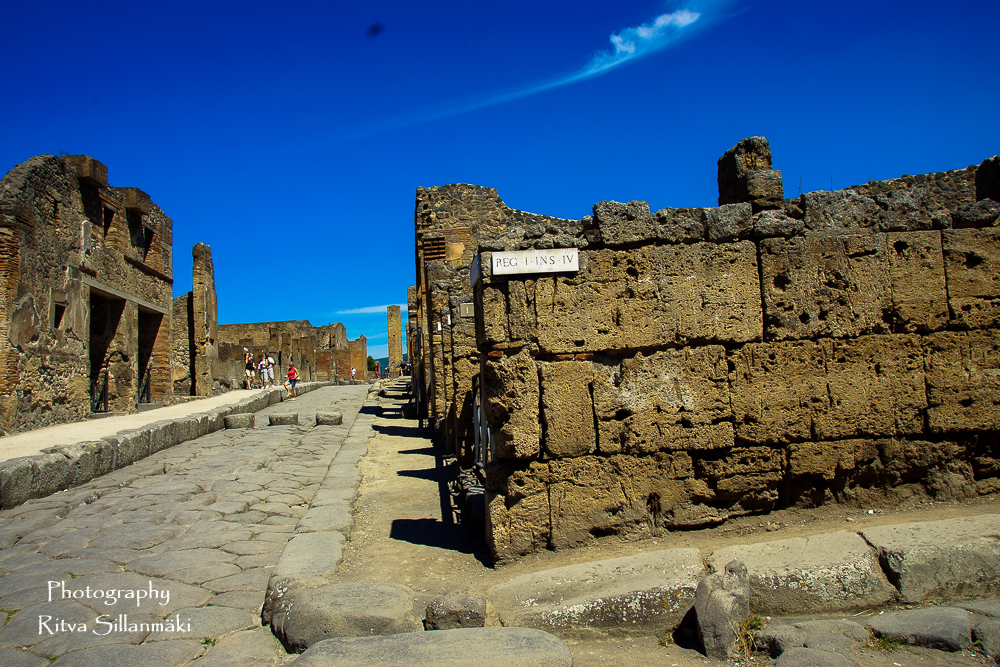
As we walked on the pebble roads, you could find signs carved in to the stoens showing the way to the gentlemans club…on the wall tou could see pictures of services provided. Conveniently next to the brothel was a doctor’s office
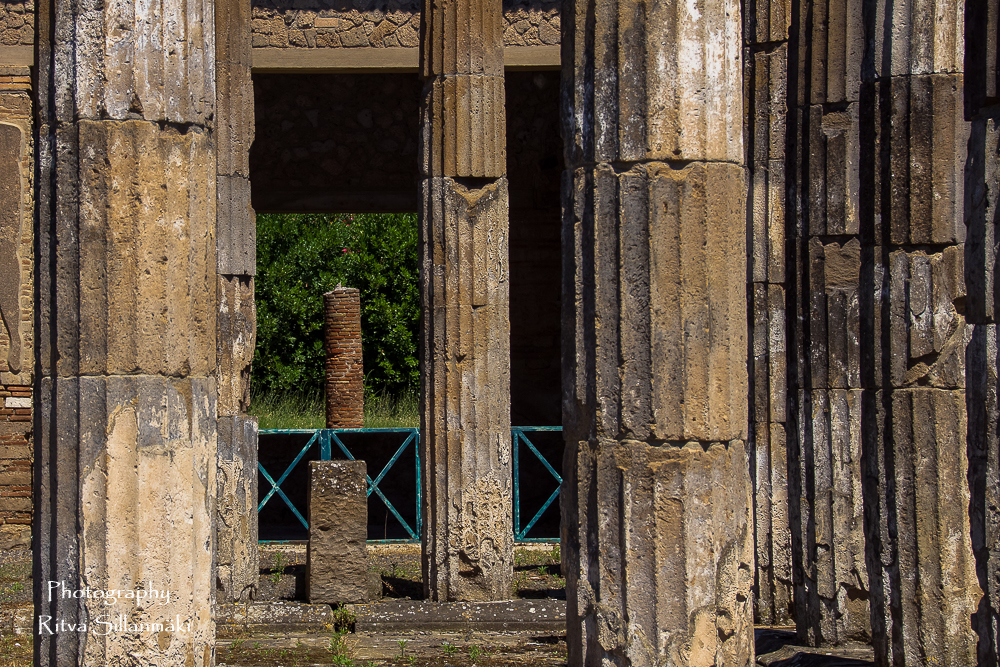
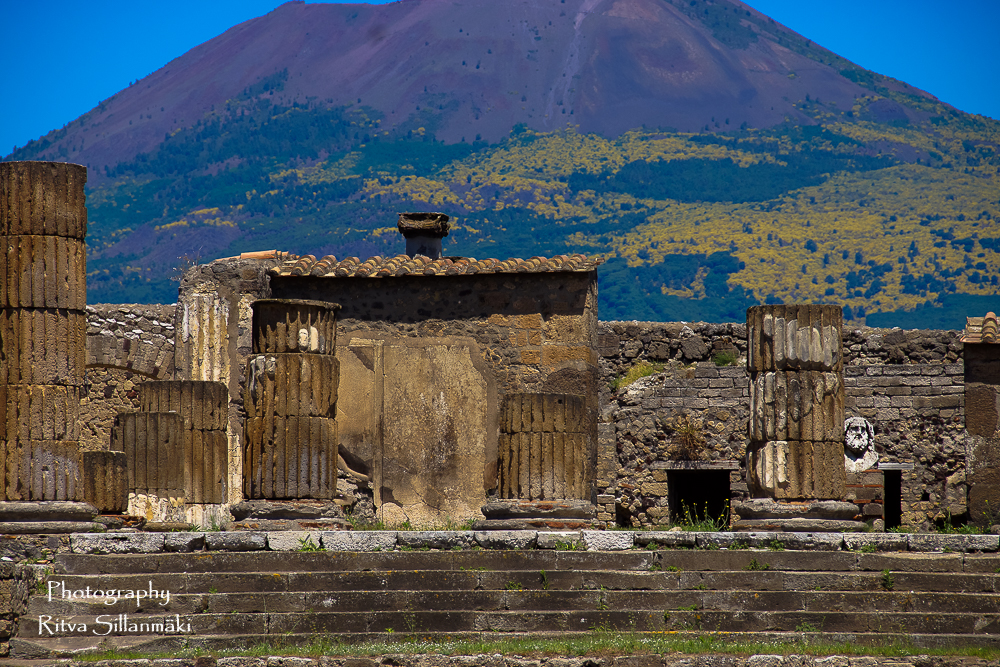
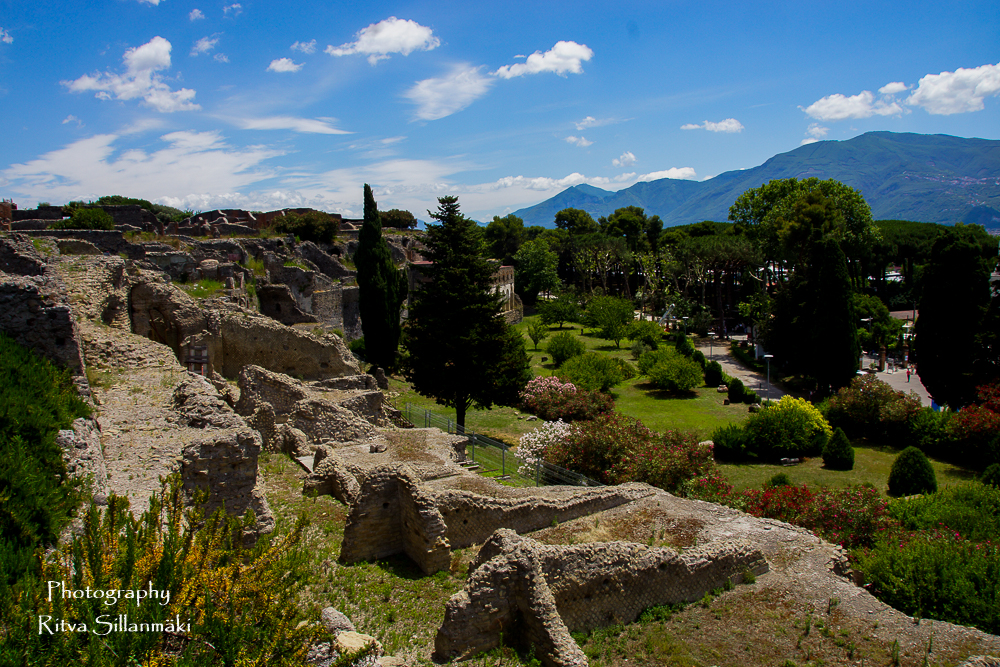
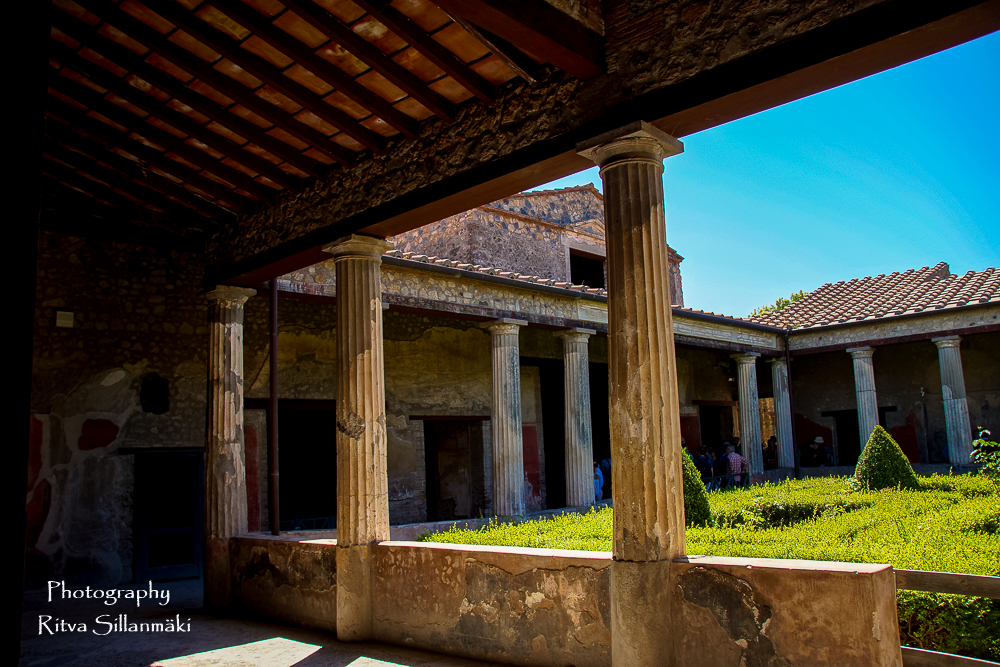
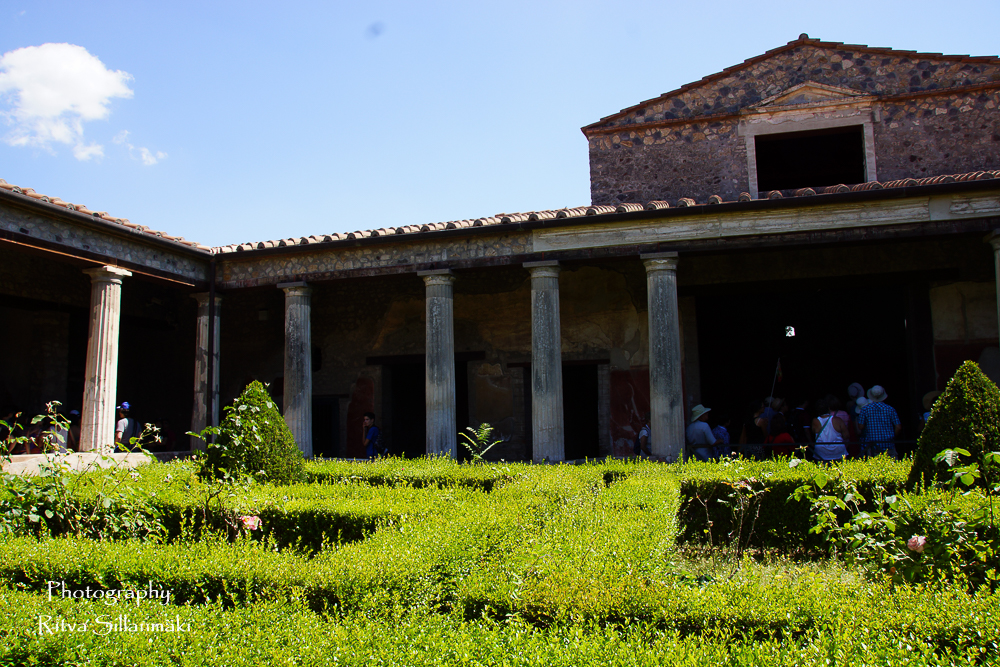
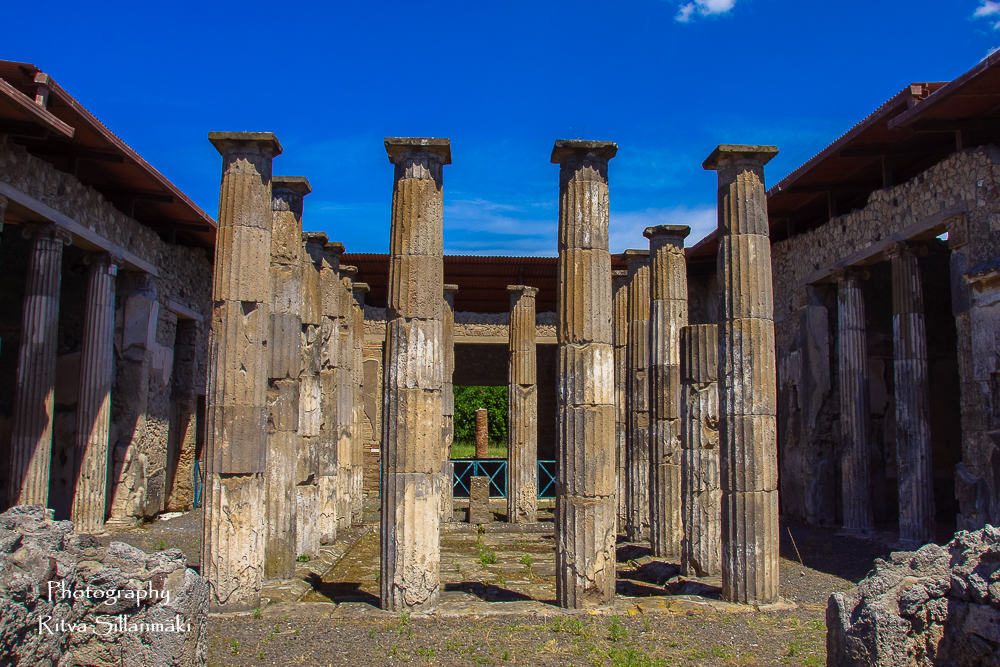
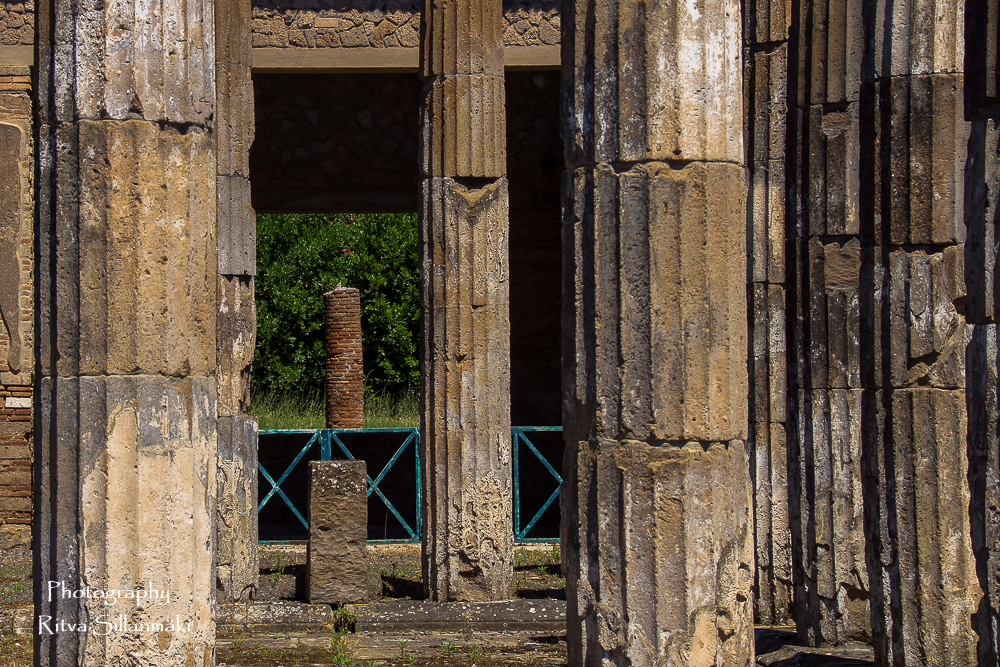
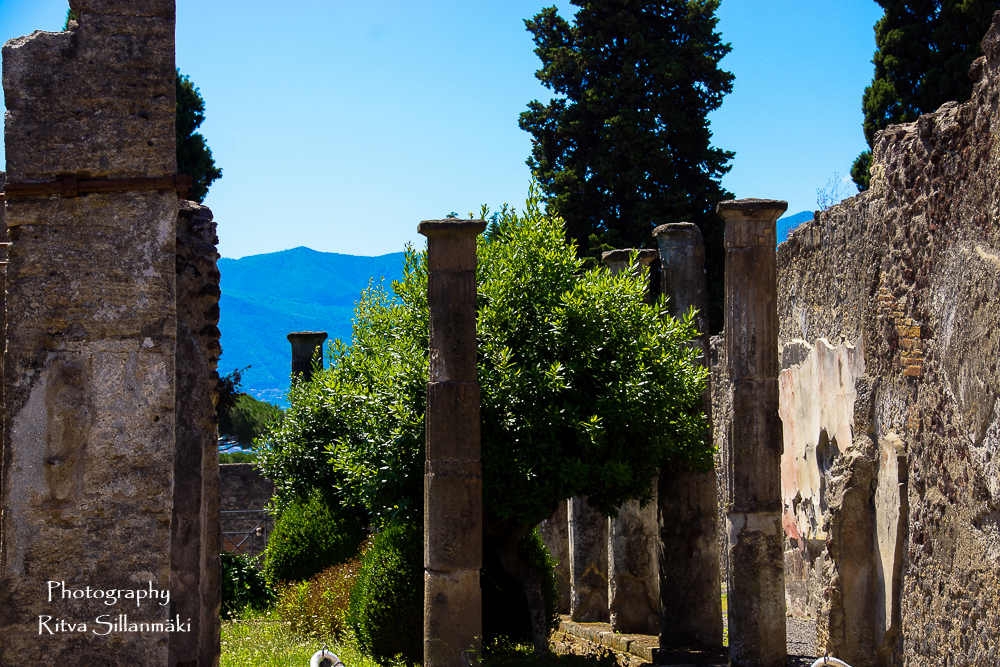
I visited Pompei last summer and I then posted few photos, but as I am on a roll with travel photos I will post few post of how I saw the place, what caught my attention. These are over all photos, the place is huge and it is quite amazing how it has persevered time.
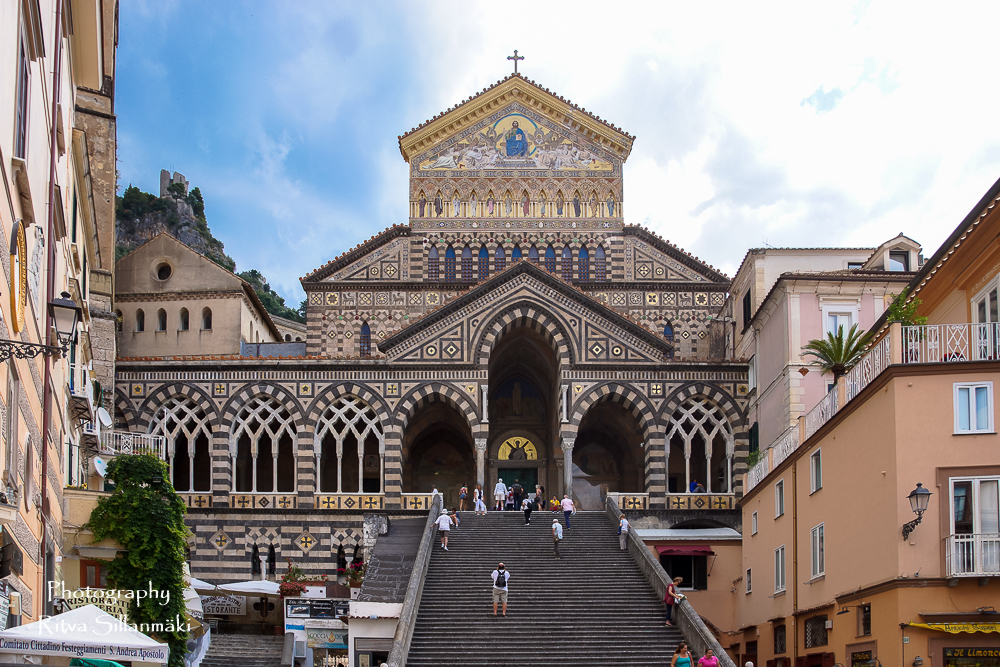
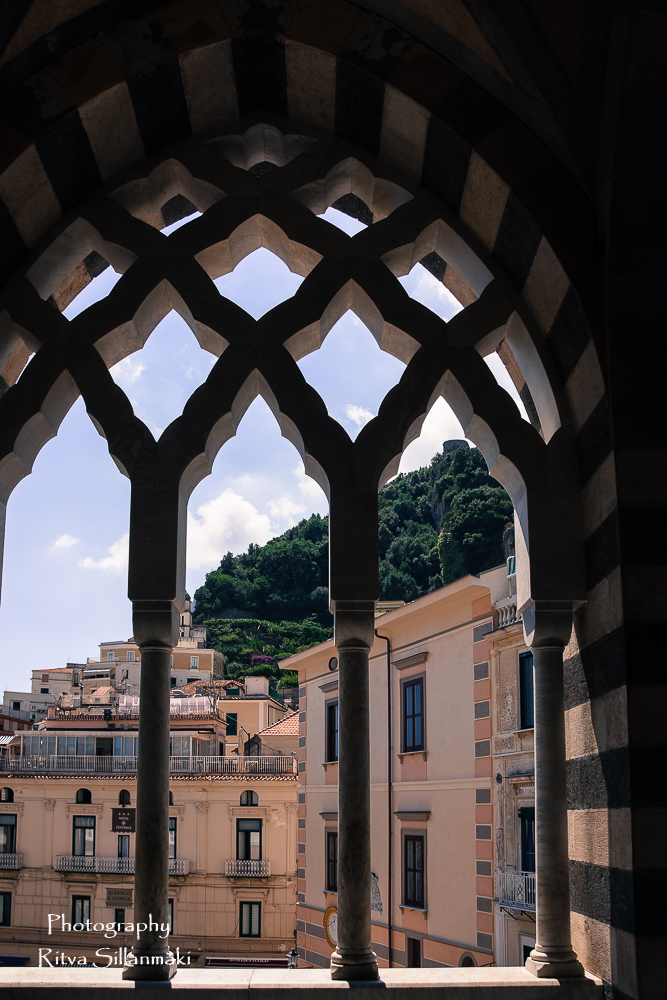
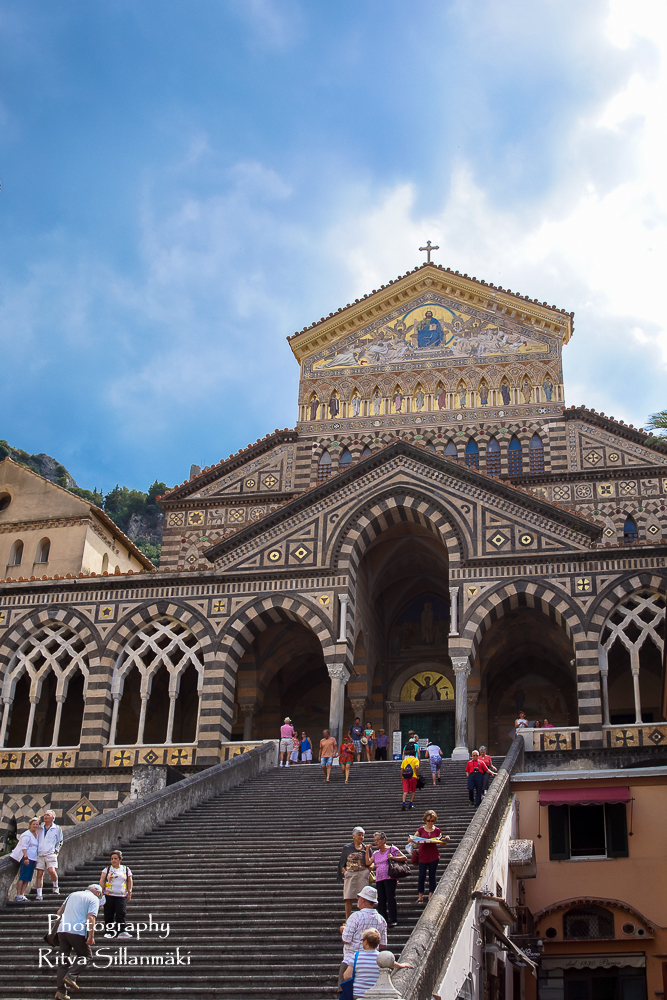
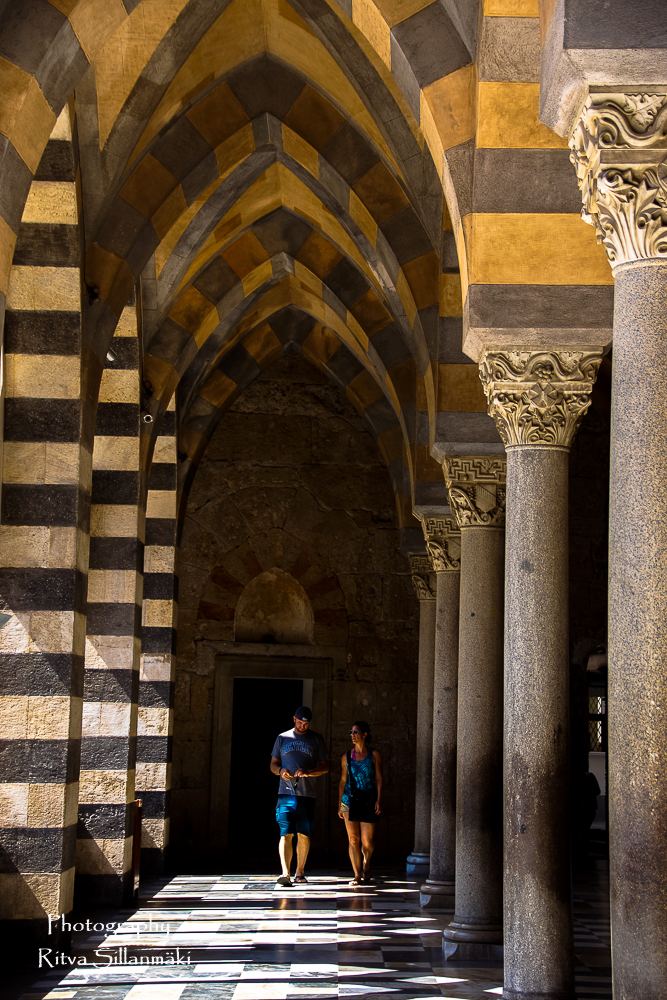
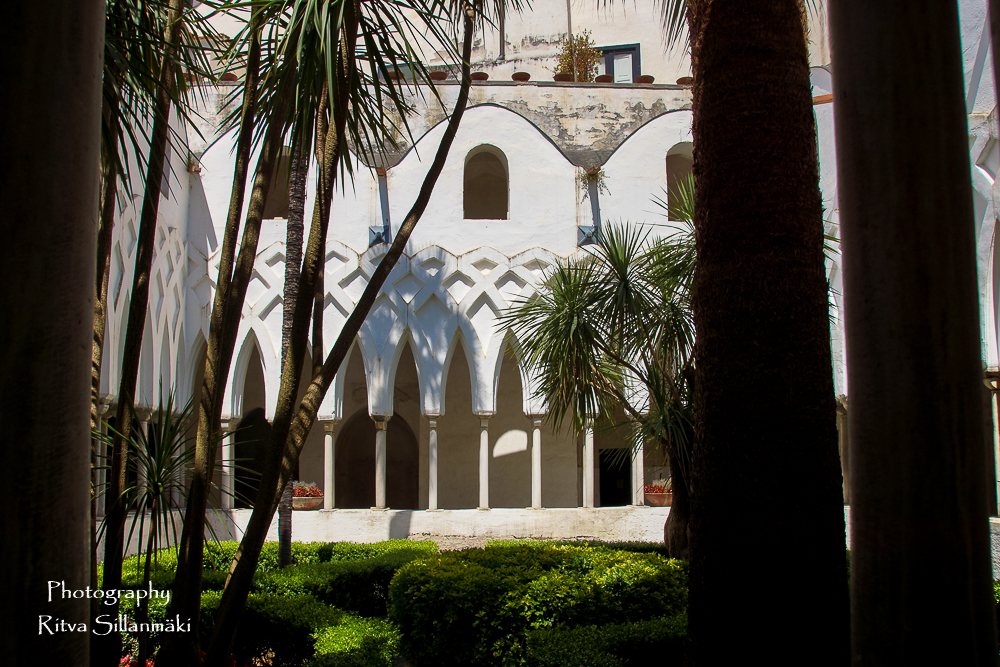
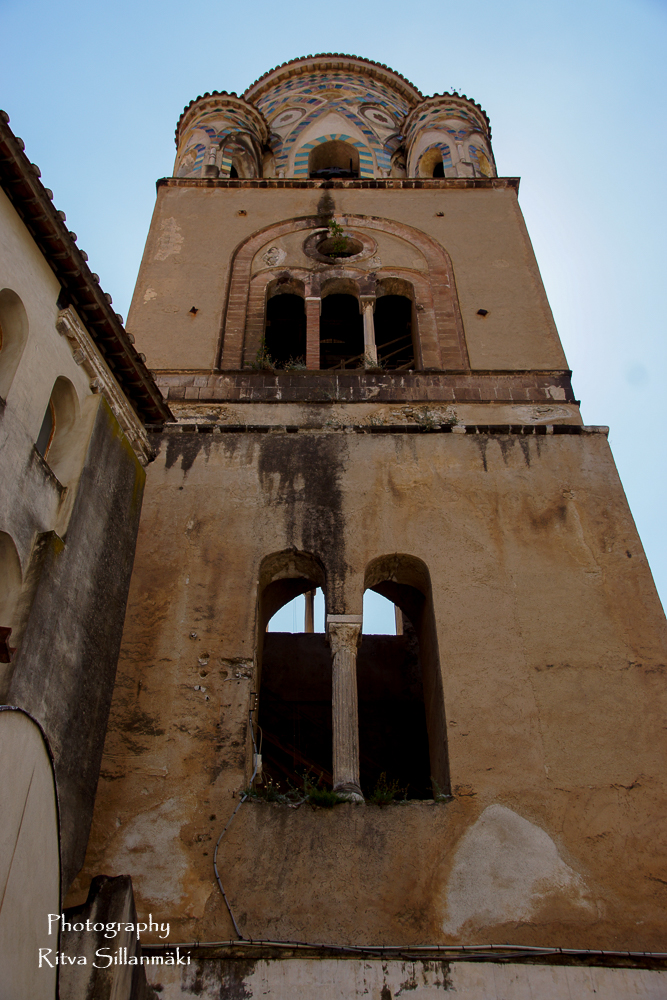
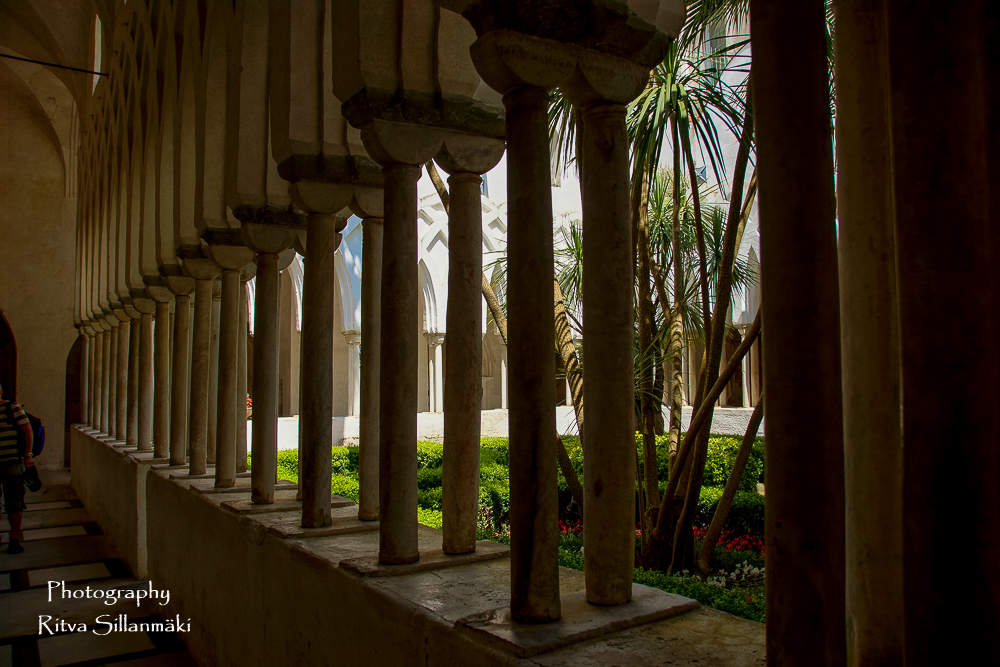
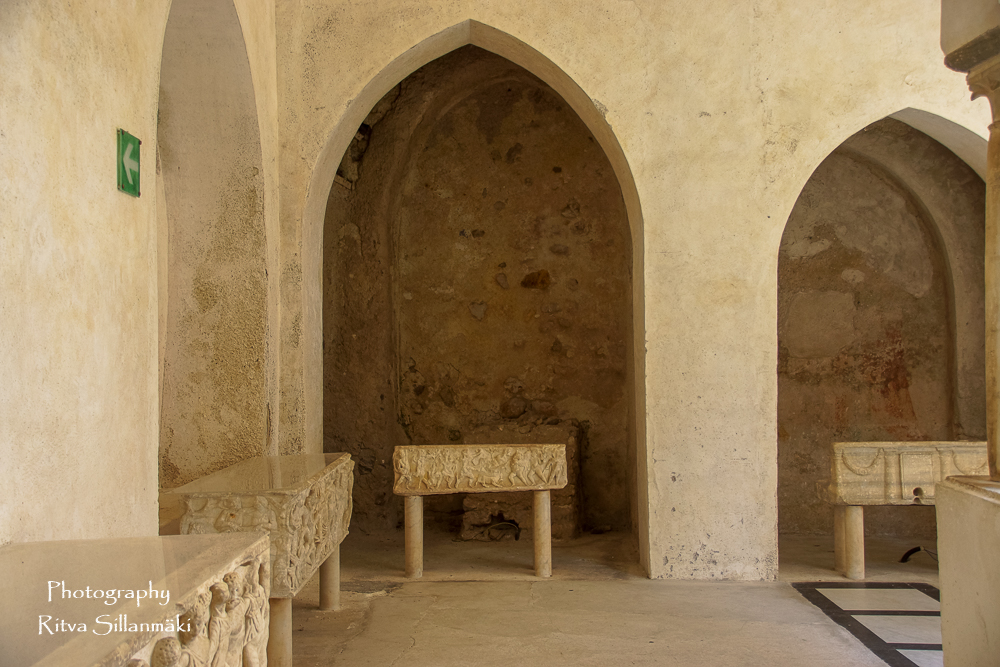
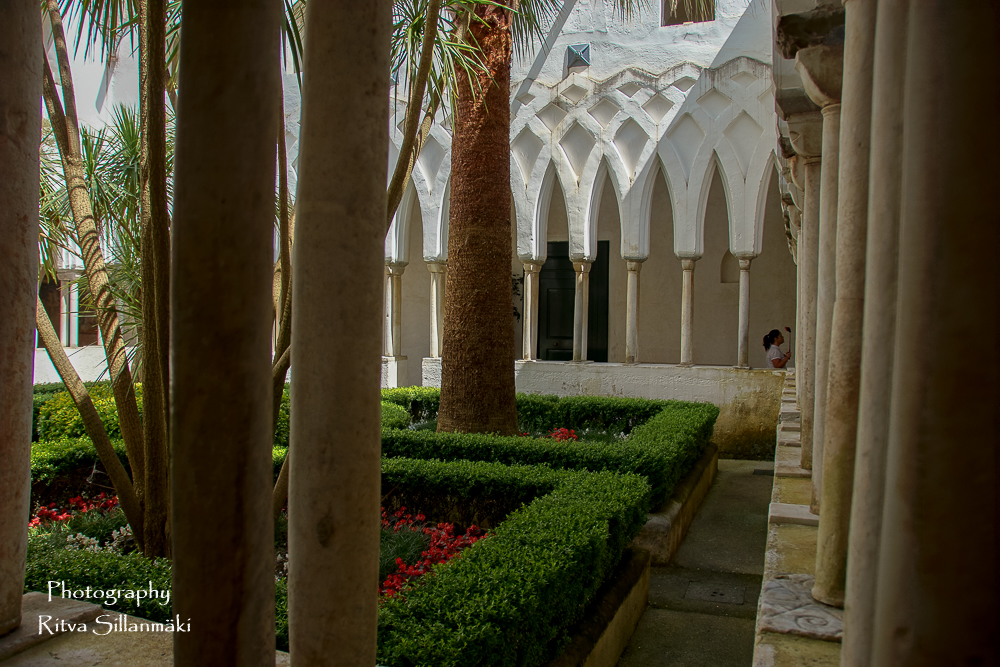
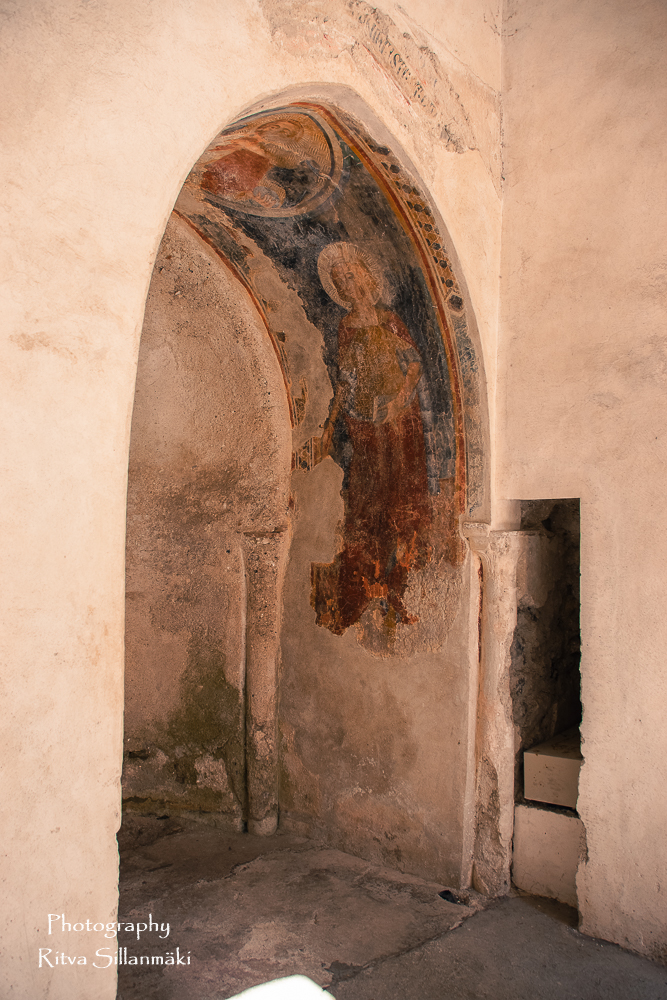
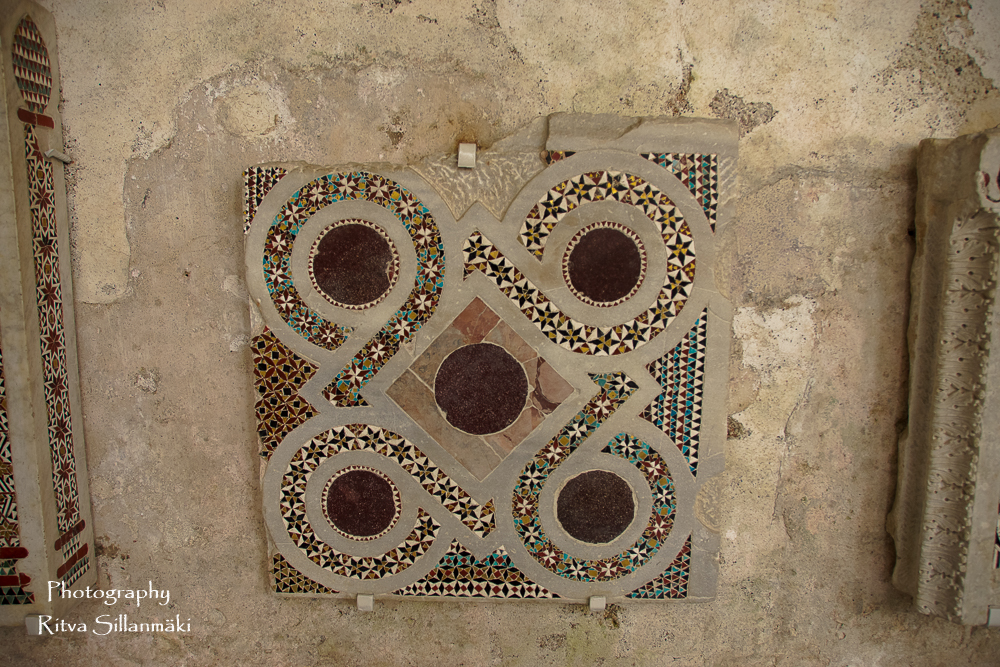
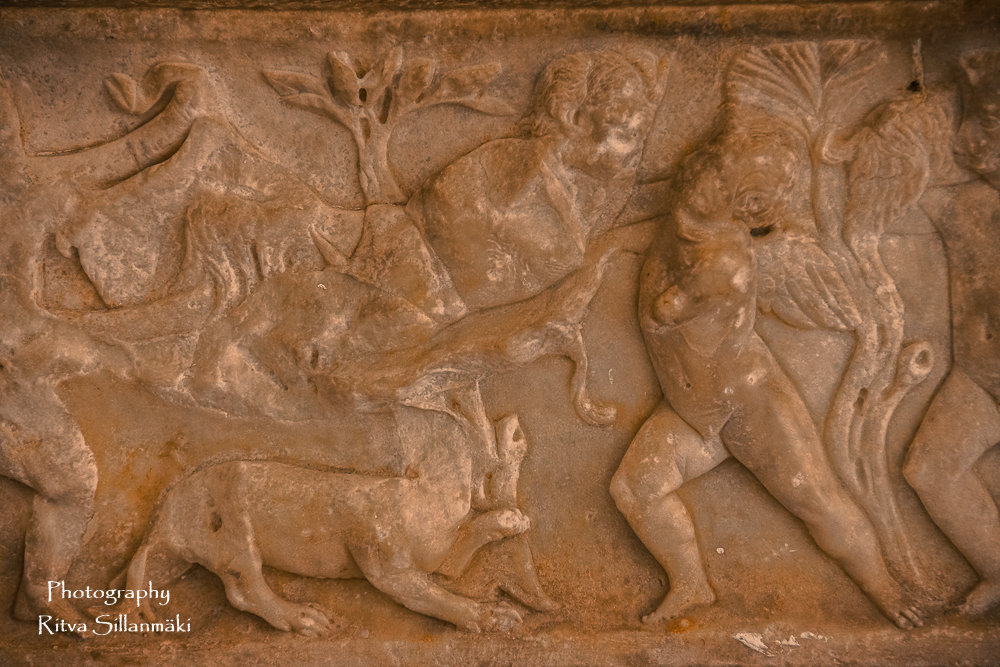
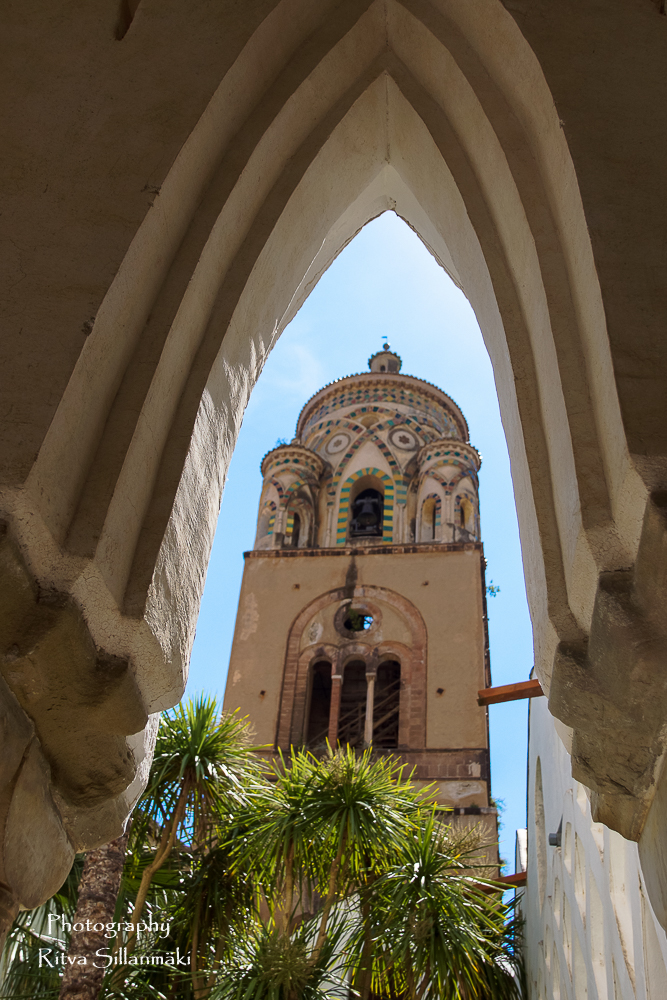
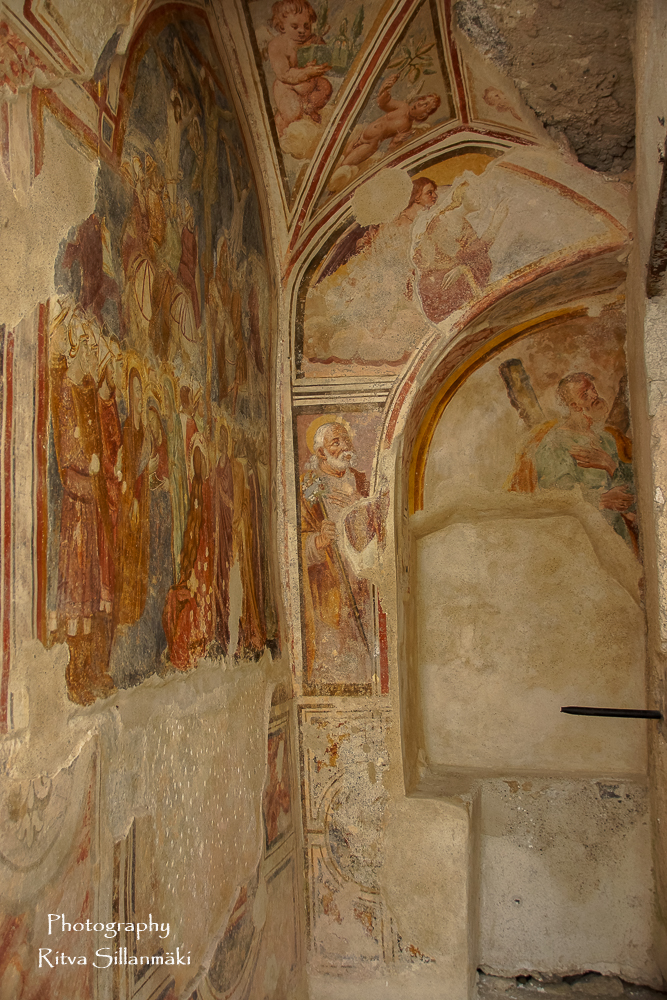
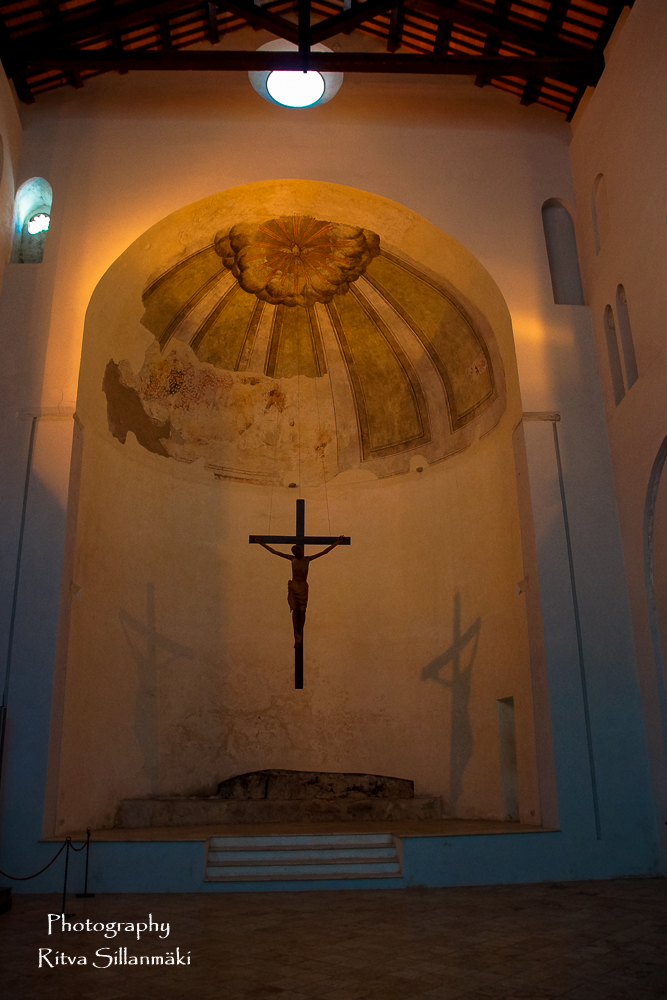
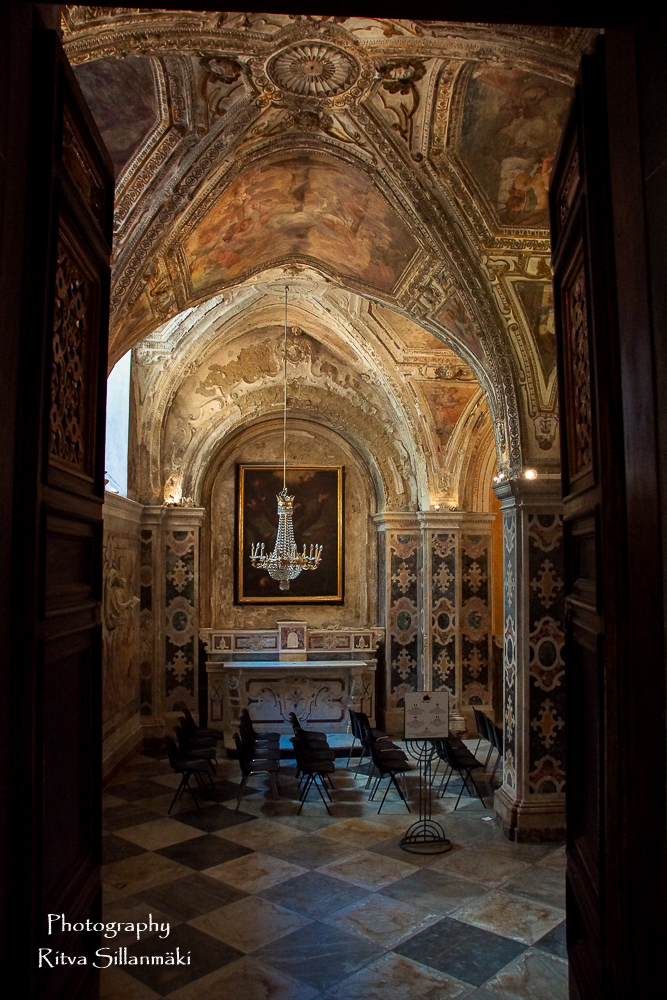
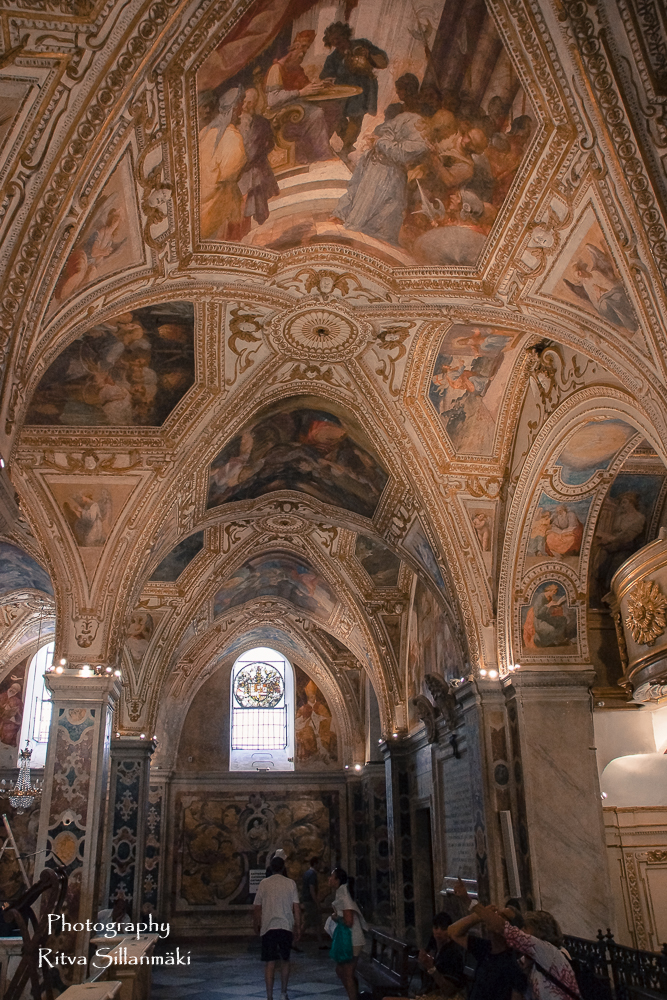
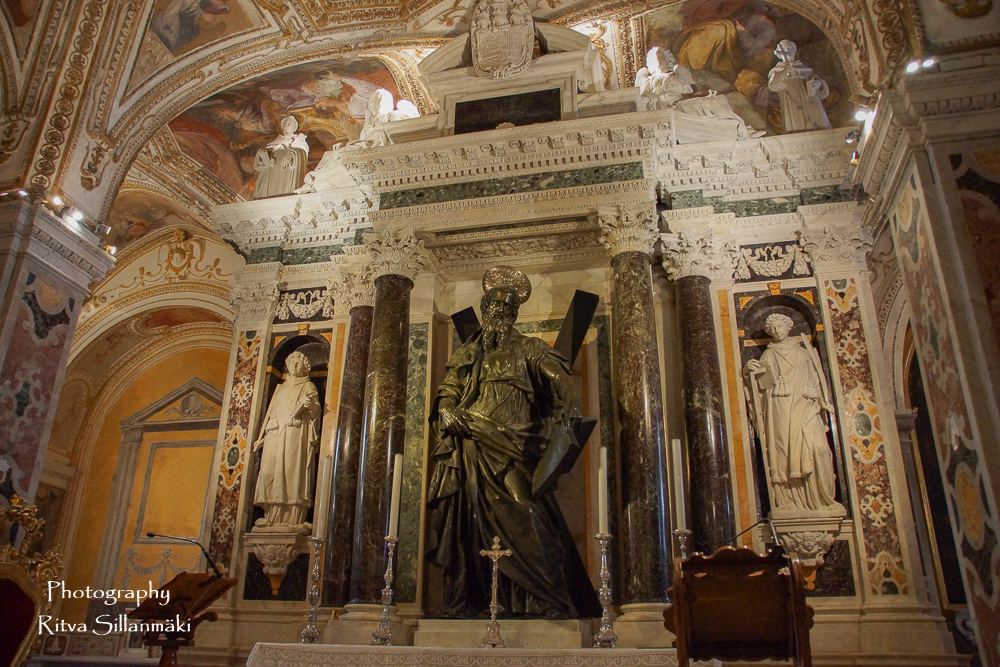
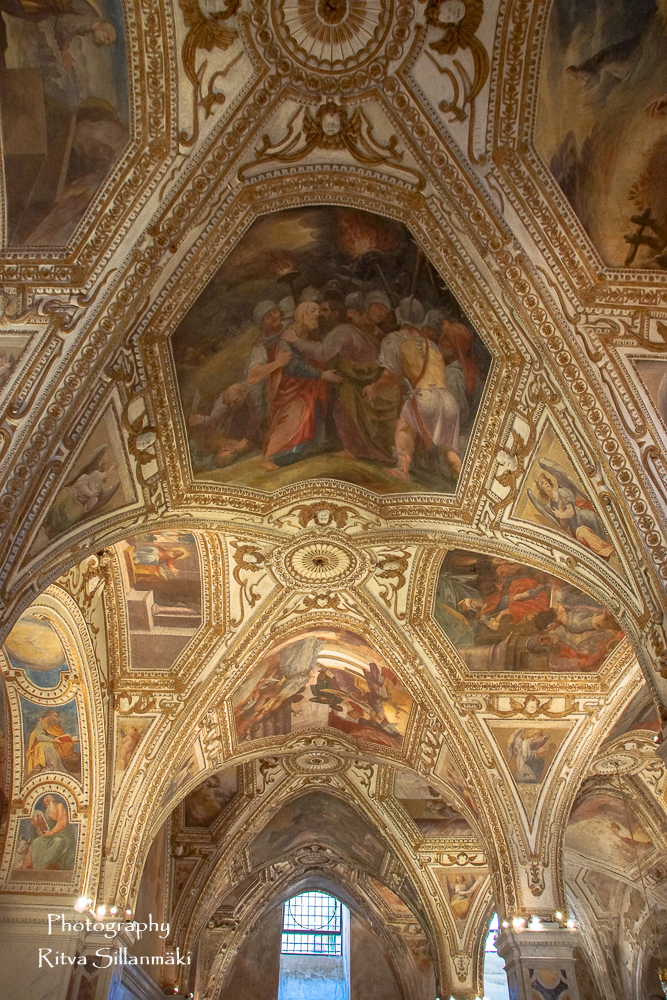
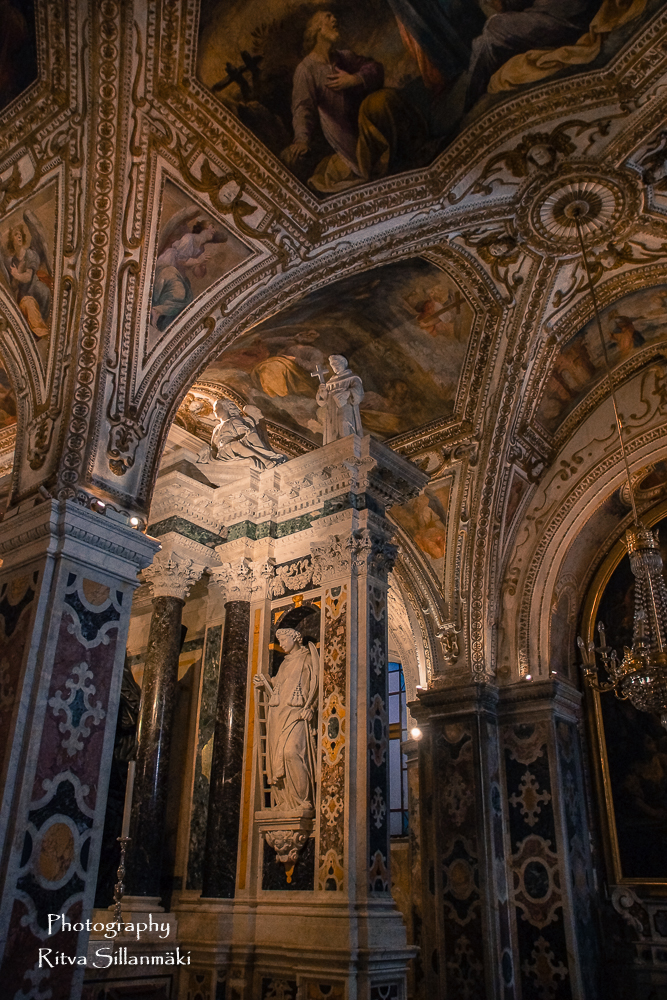
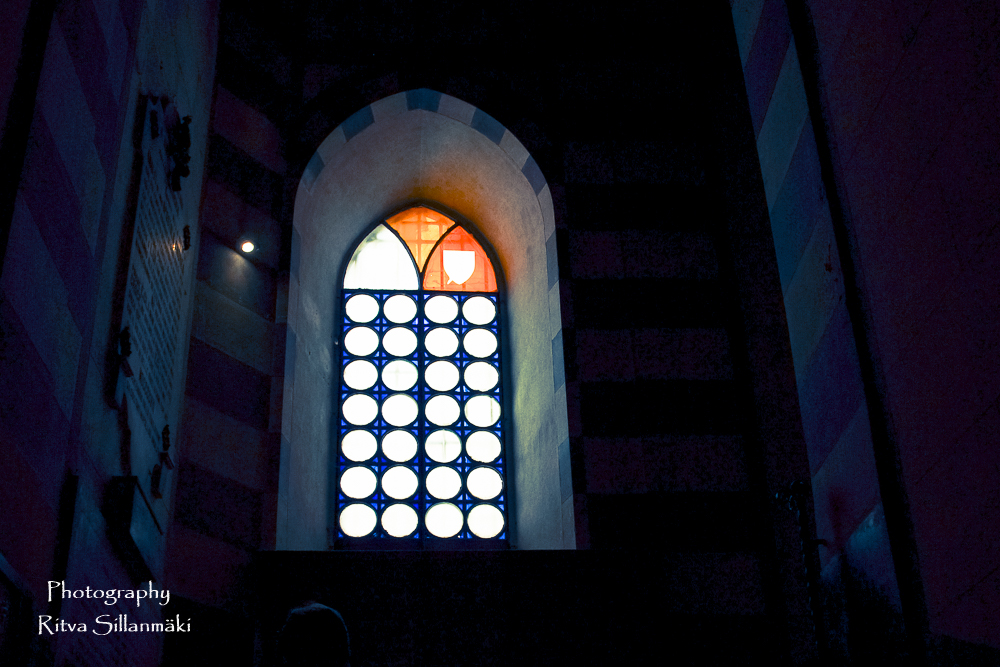
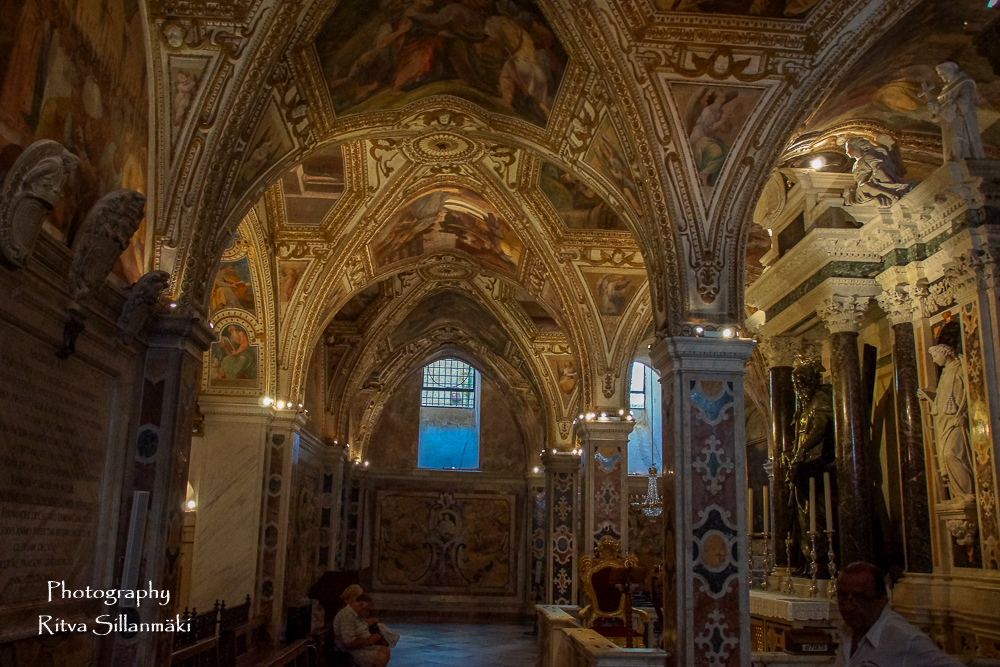
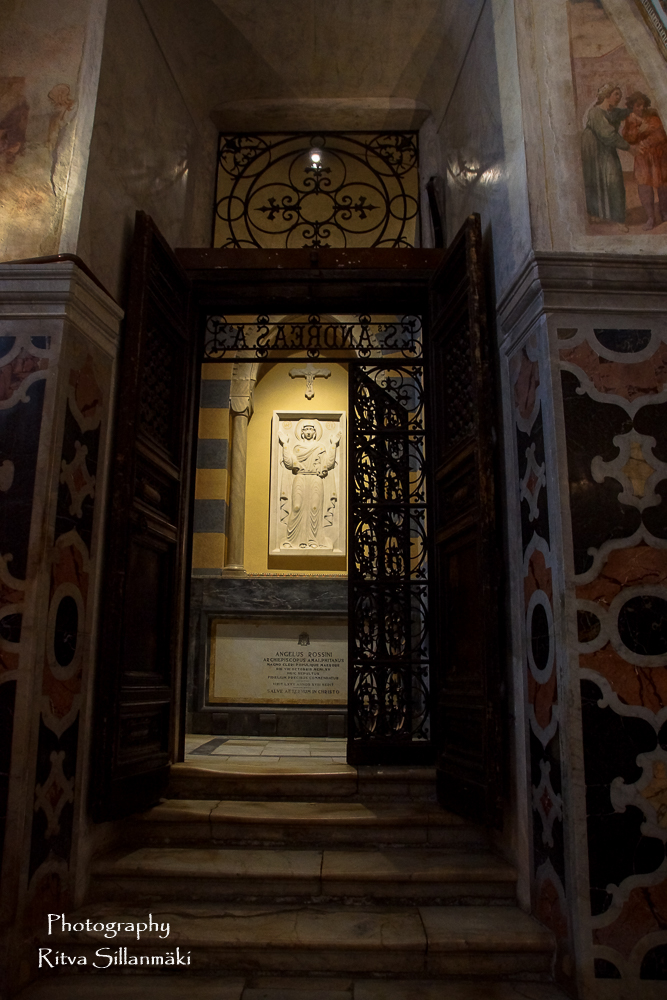
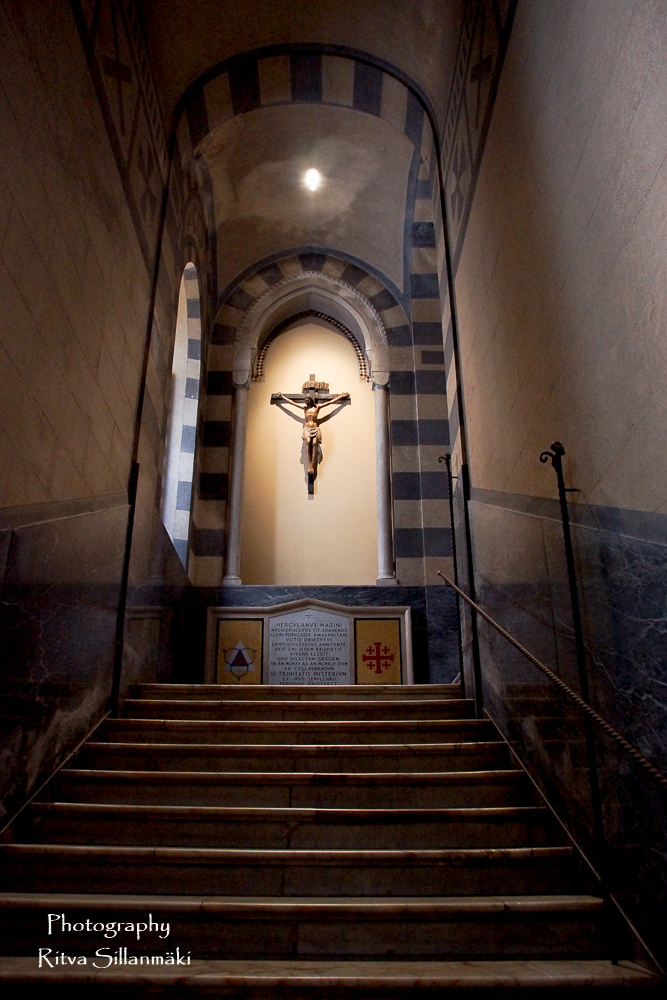
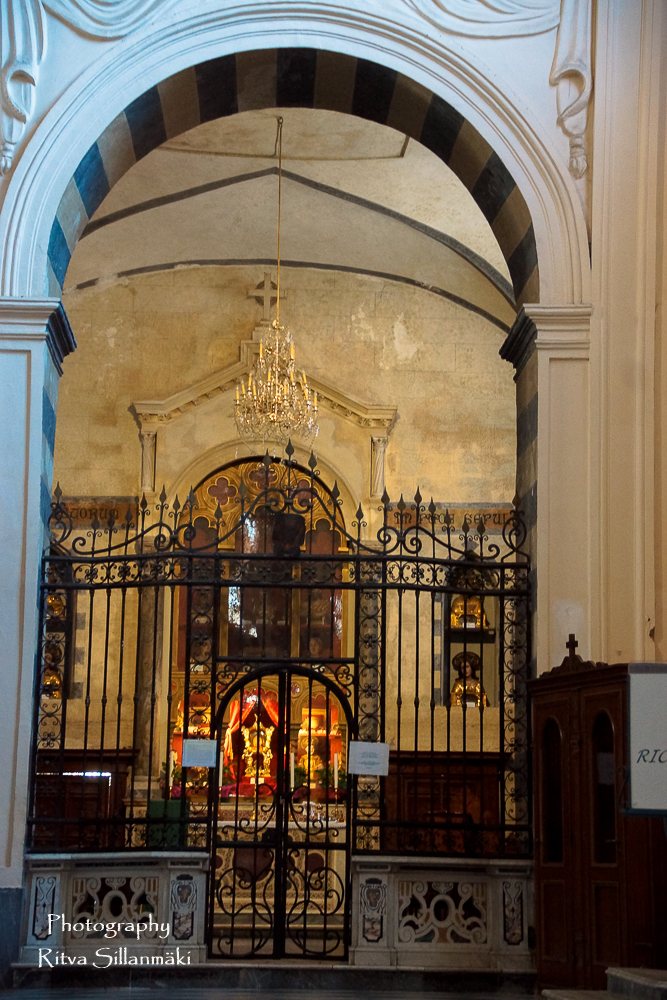
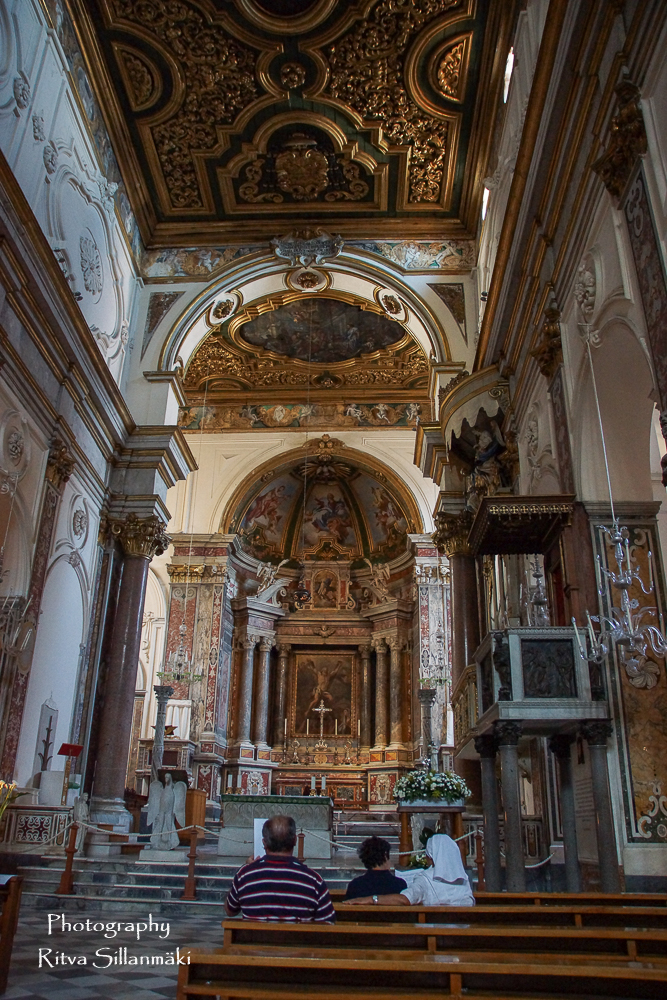
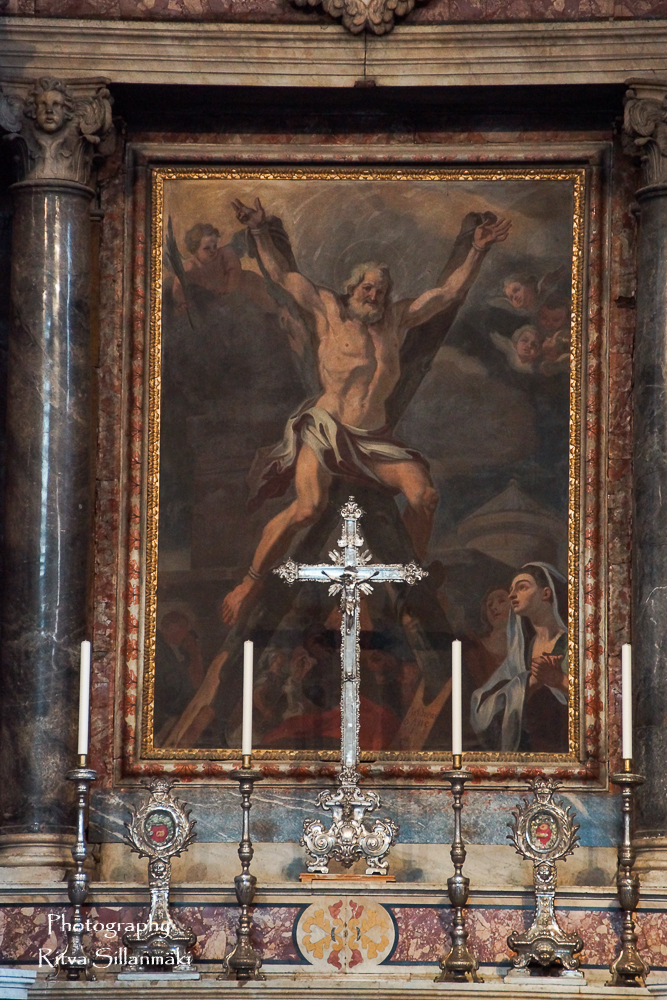
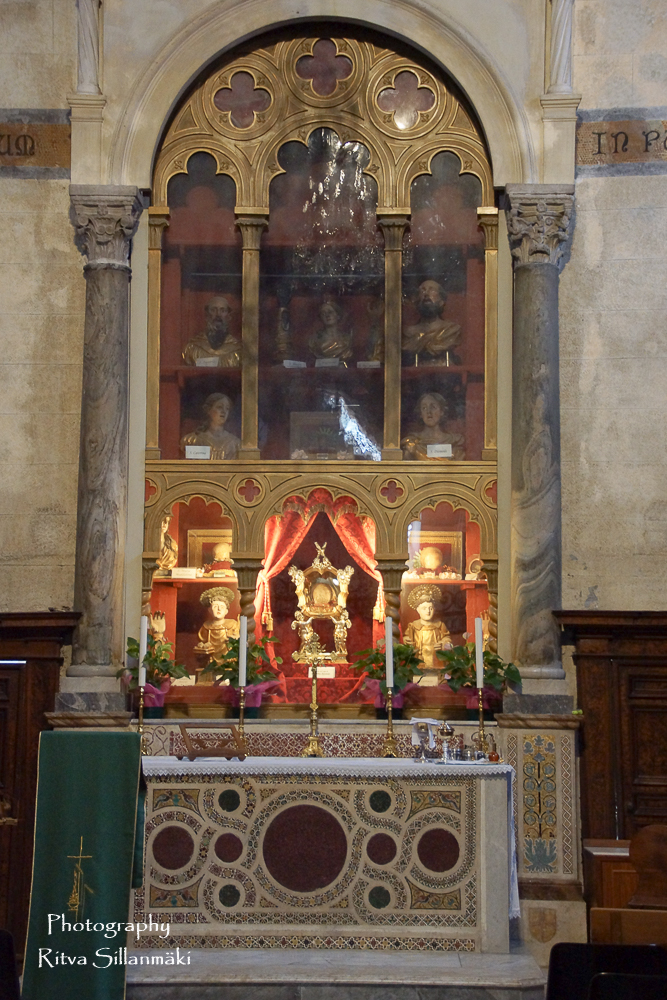
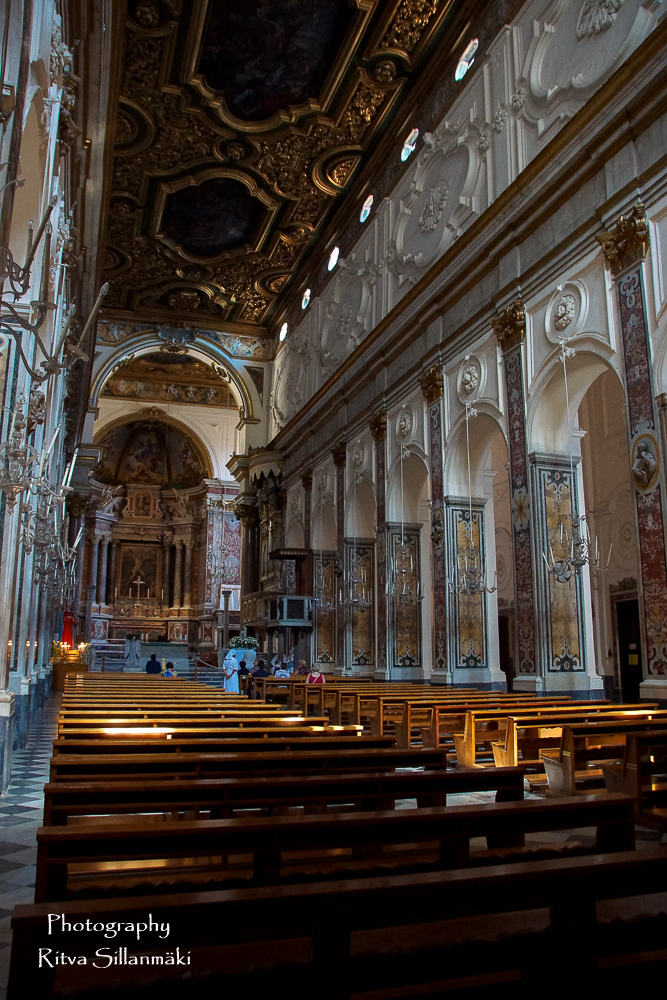
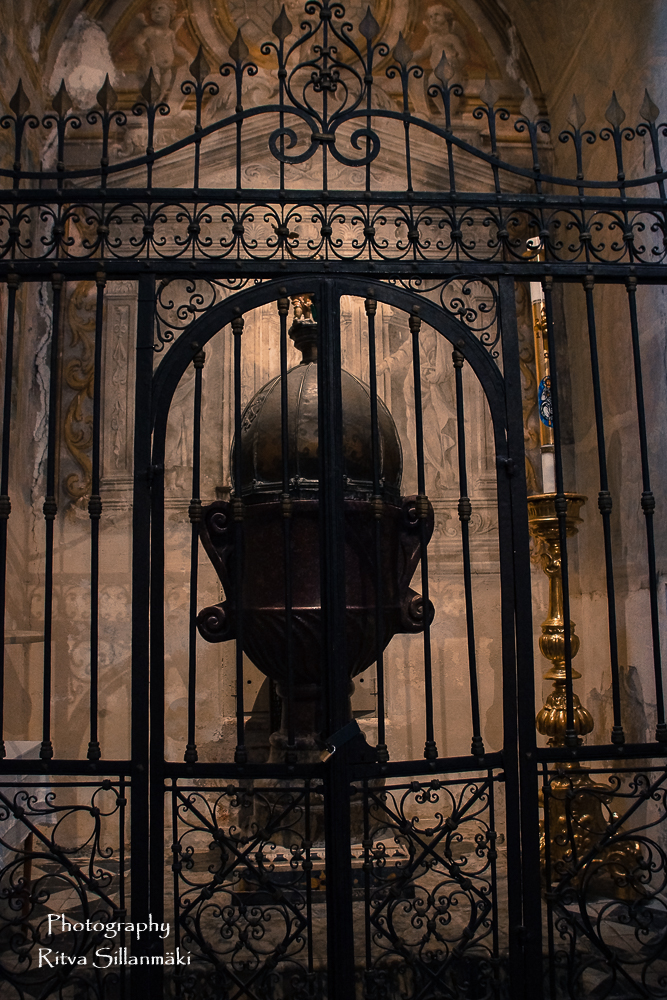
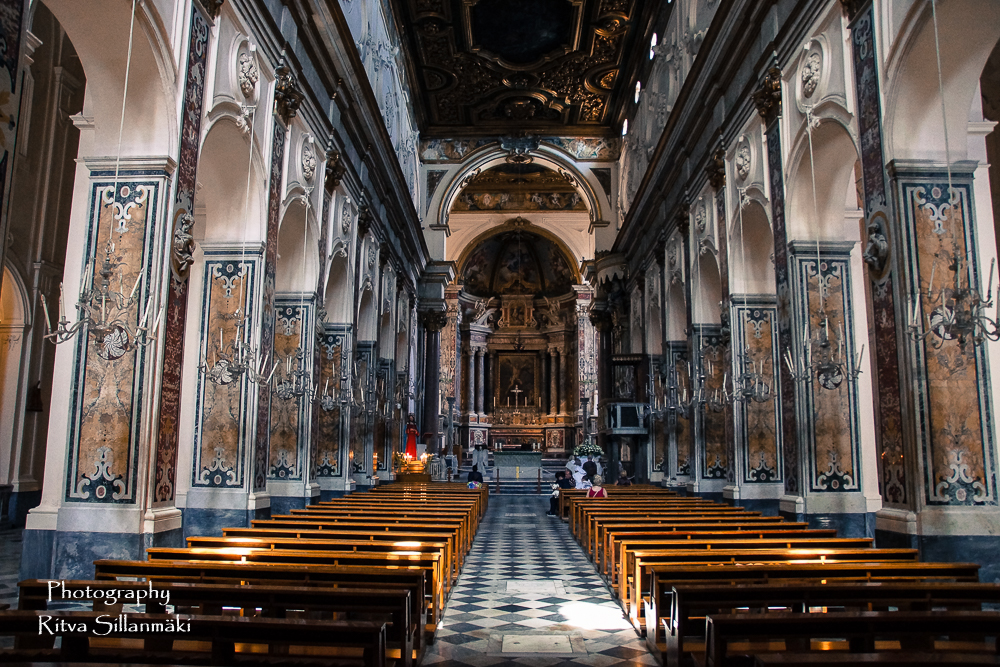
Here are my take of the Amalfi Cathedral (Italian: Cattedrale di Sant’Andrea/Duomo di Amalfi) is a 9th-century Roman Catholic structure in the Piazza del Duomo, Amalfi, Italy. It is dedicated to the Apostle Saint Andrew. Predominantly of Arab-Norman Romanesque[citation needed] architectural style, it has been remodeled several times, adding Romanesque, Byzantine, Gothic, and Baroque elements. The cathedral includes the adjoining 9th century Basilica of the Crucifix. Leading from the basilica are steps into the Crypt of St. Andrew.
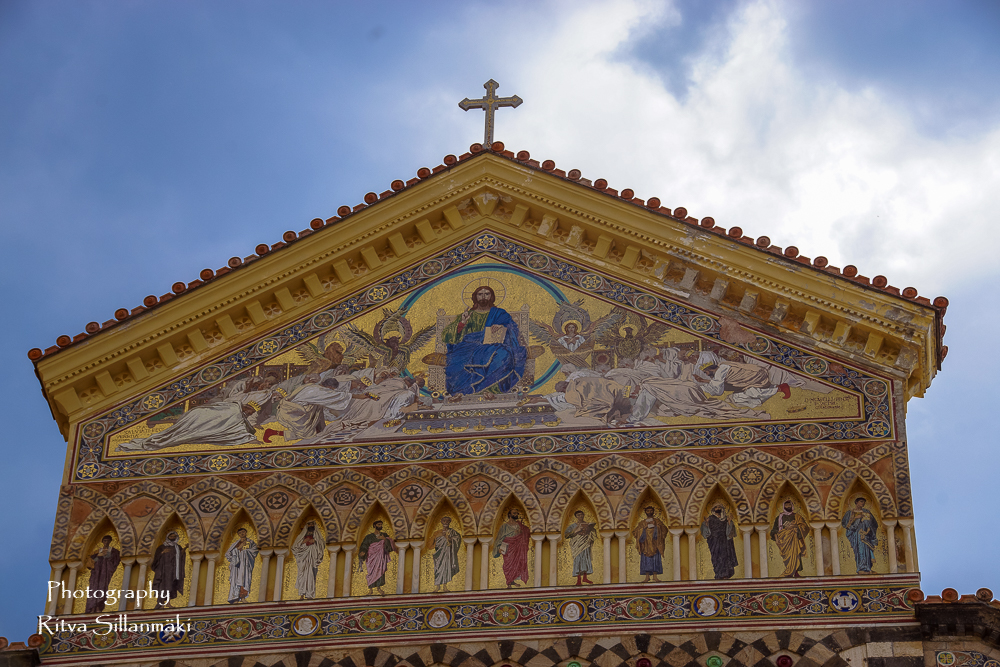
The front facade was rebuilt in 1891 after the original one collapsed. It is of striped marble and stone with open arches that have lace detailing not commonly found in Italian sacred architecture while the tiled cupola is quite common amongst churches of the area. The tympanum’s mosaics portray “The triumph of Christ” in a work created by Domenico Morelli and whose original designs are retained in the Town Hall.Sixty-two steps, wide and steep, lead up to the doors The structure includes four small towers of Arab architectural type that are adorned with arches and are covered with majolica tiles. During times of war, the bell tower was purposed for defense.
The garden contains colonnades, arches and sculptures. (text Wikipedia)
Summer holidays for us this year means spending time at our summer-house and making so visits to nearby towns, getting to know and see some the local sights. Tourist visit these places so maybe we should also refresh our knowledge of some of the beautiful places in Finland. This is our forh place so far, few more to go .
Porvoo is Finland’s second oldest town, a beautiful city full of history. The timeless and unique atmosphere in Old Porvoo attracts travellers from all over the world.Six towns were established in Finland during the Middle Ages. Some of them grew to be towns without any official order having been issued. This was the case with Porvoo, which got the town rights after Turku in the 14th century.
You can read about the History from the link if interested.























 Ritva Sillanmäki Photography