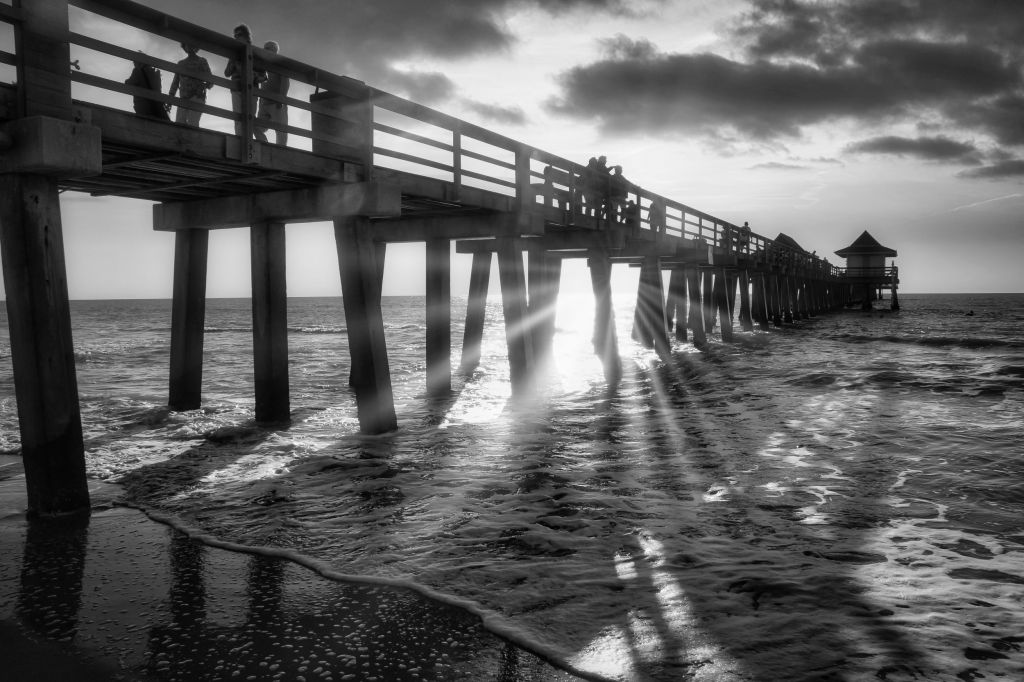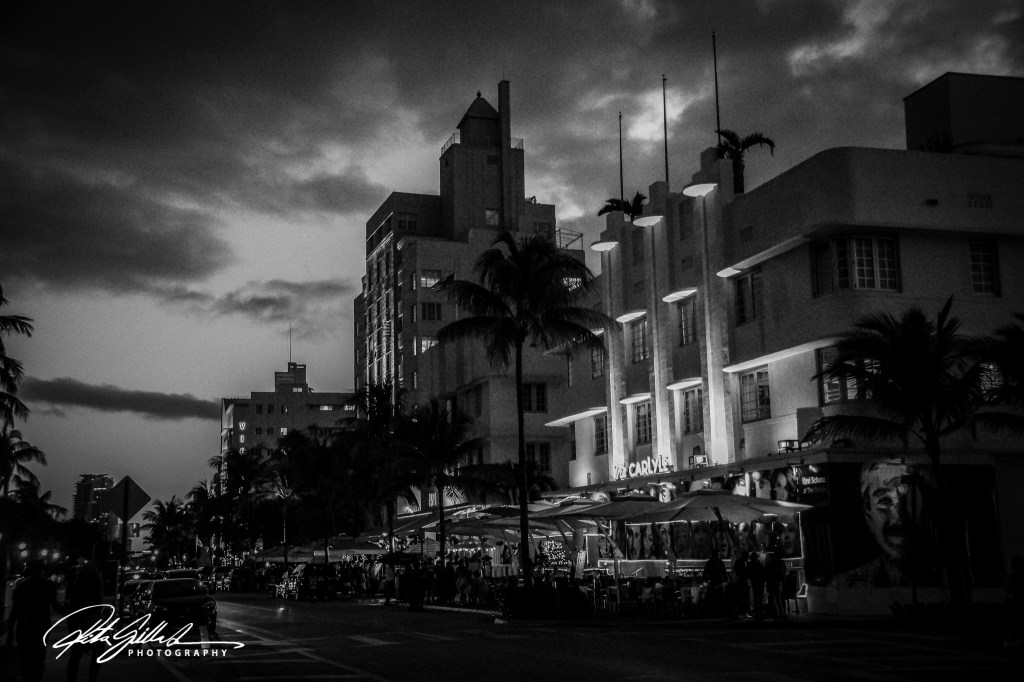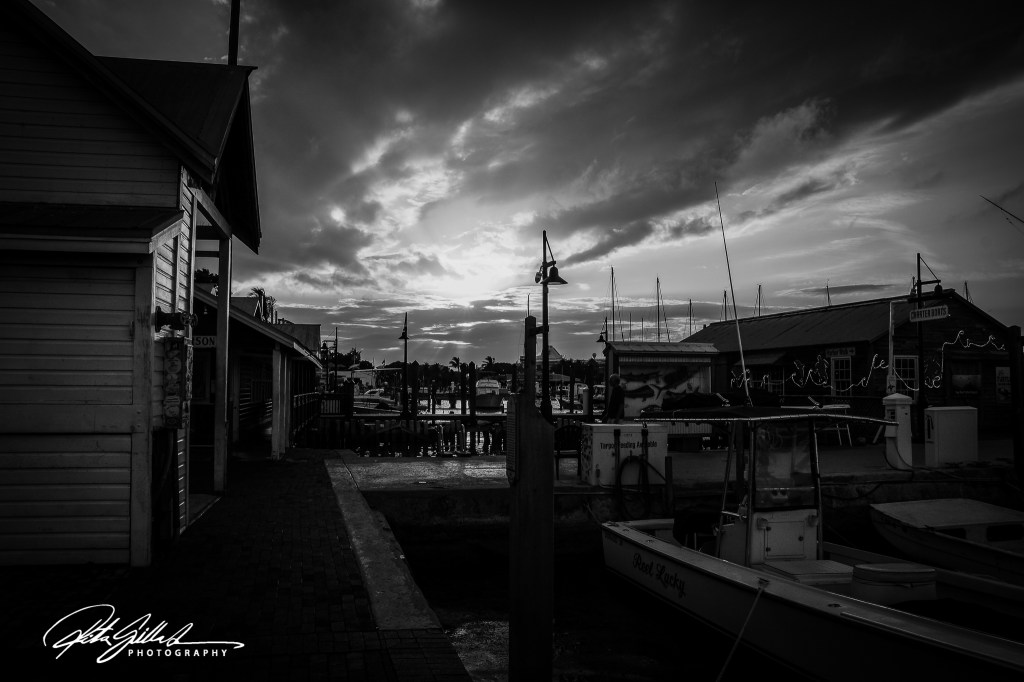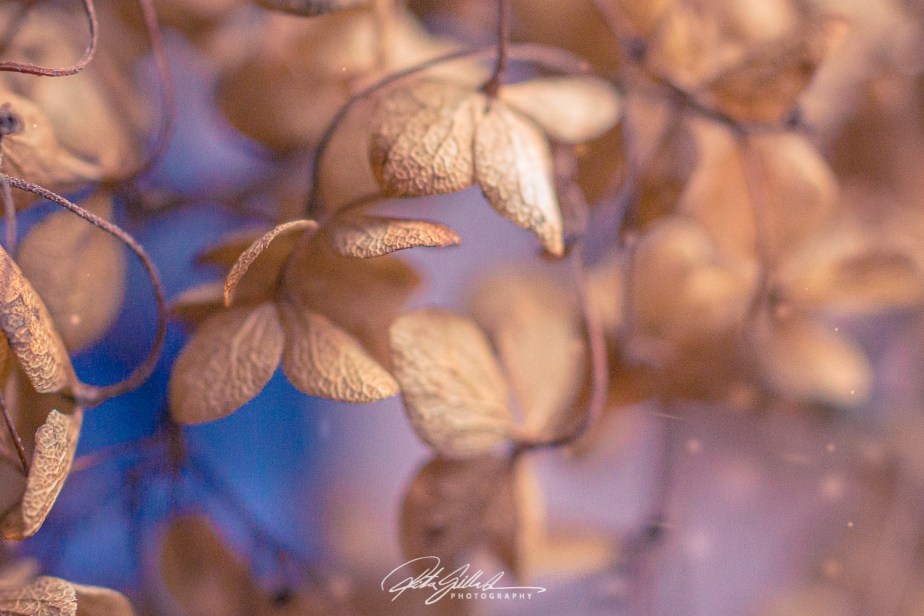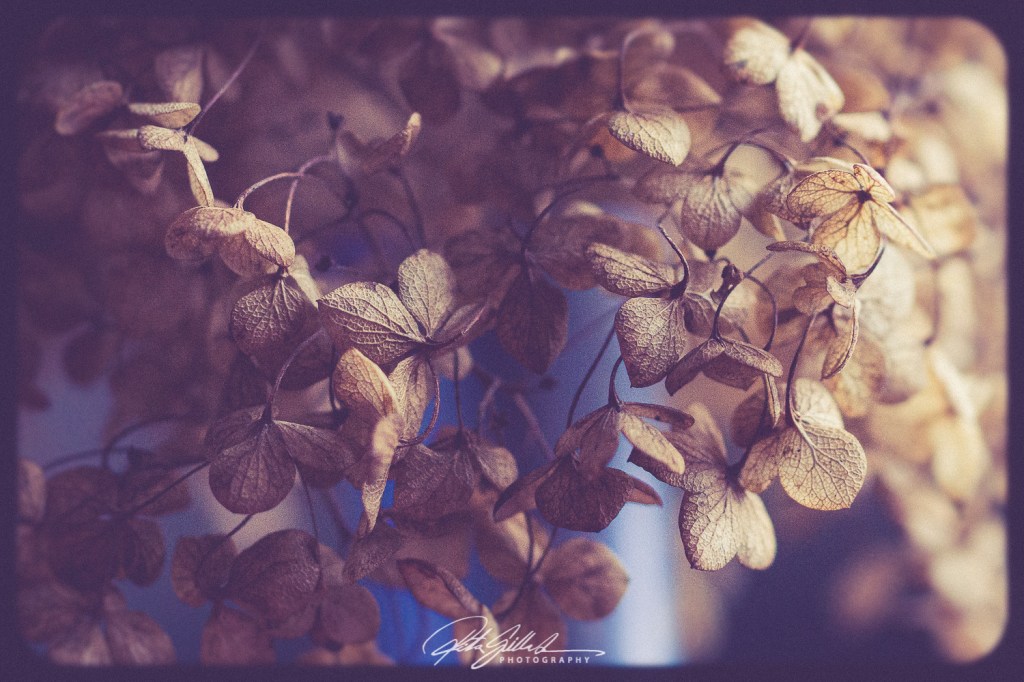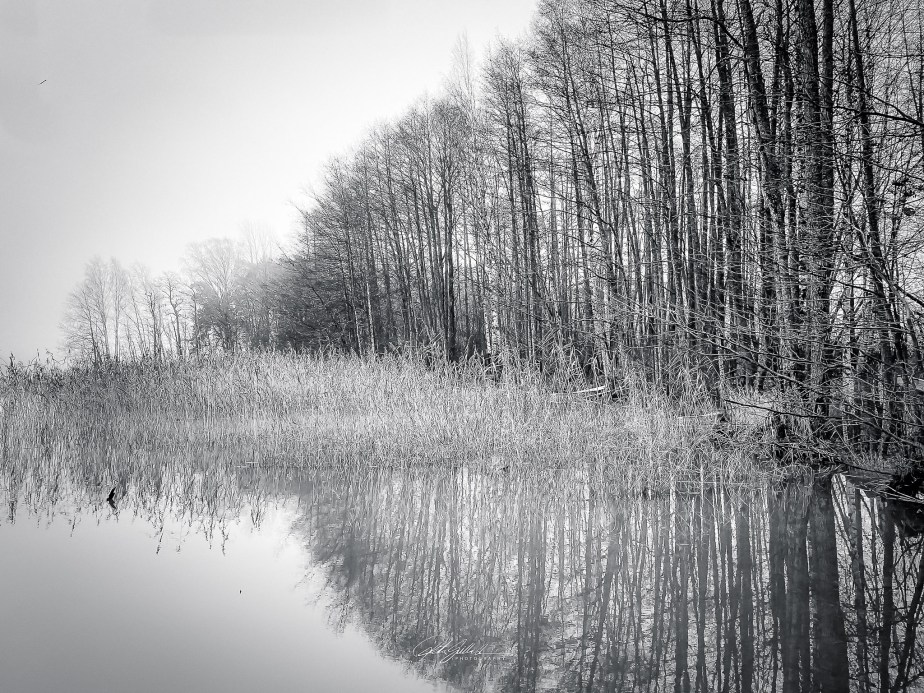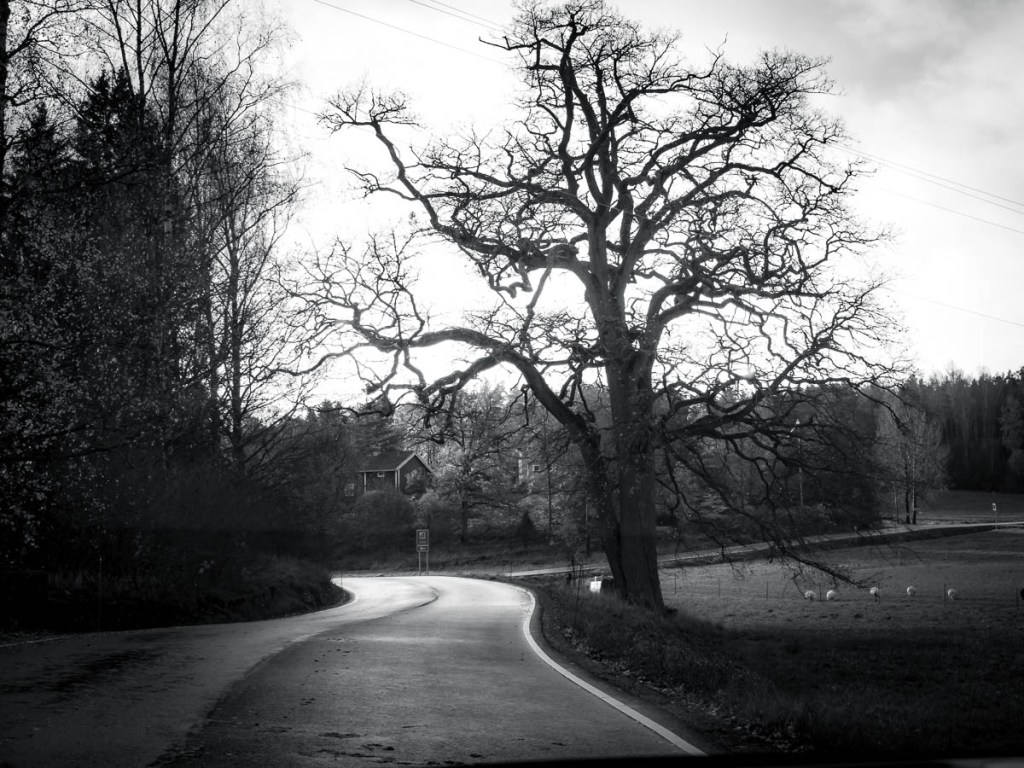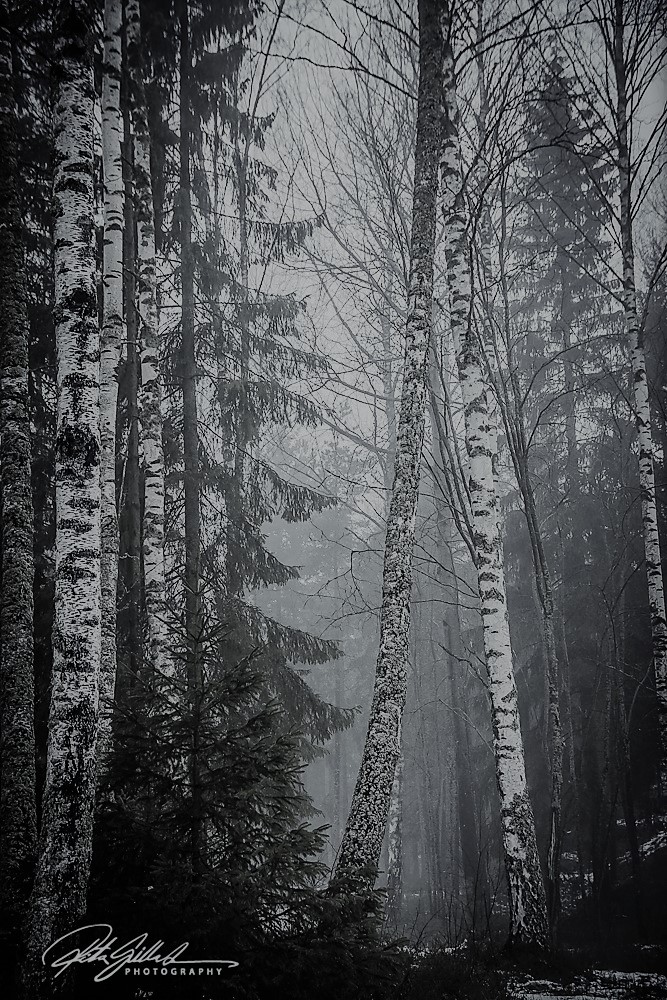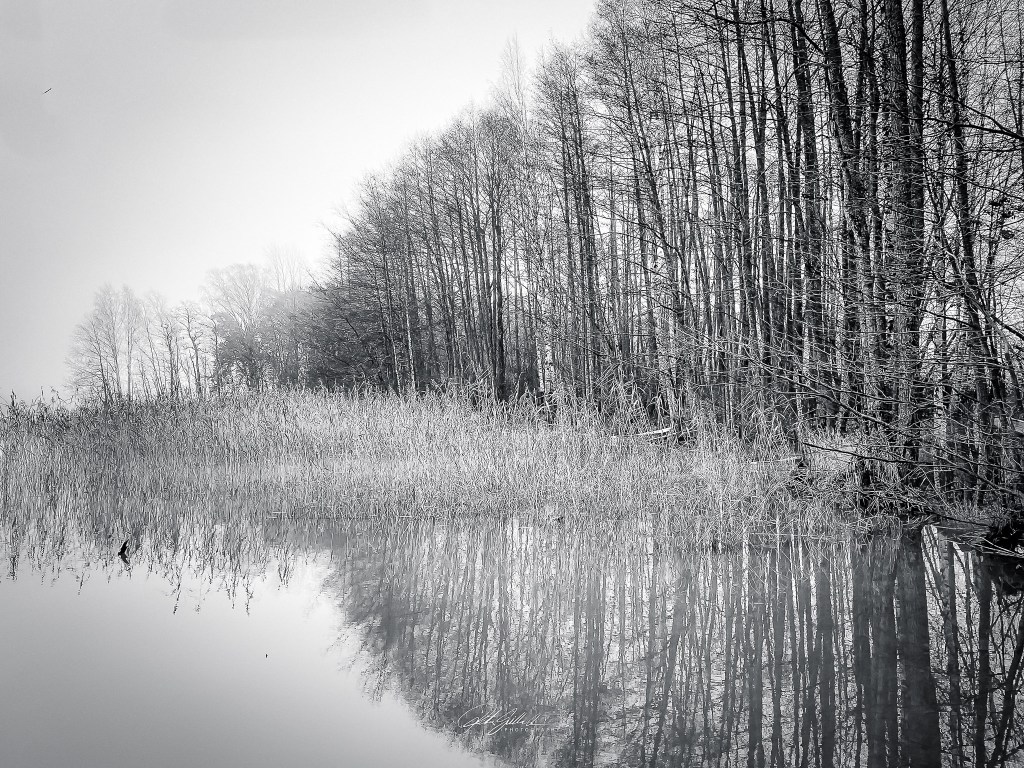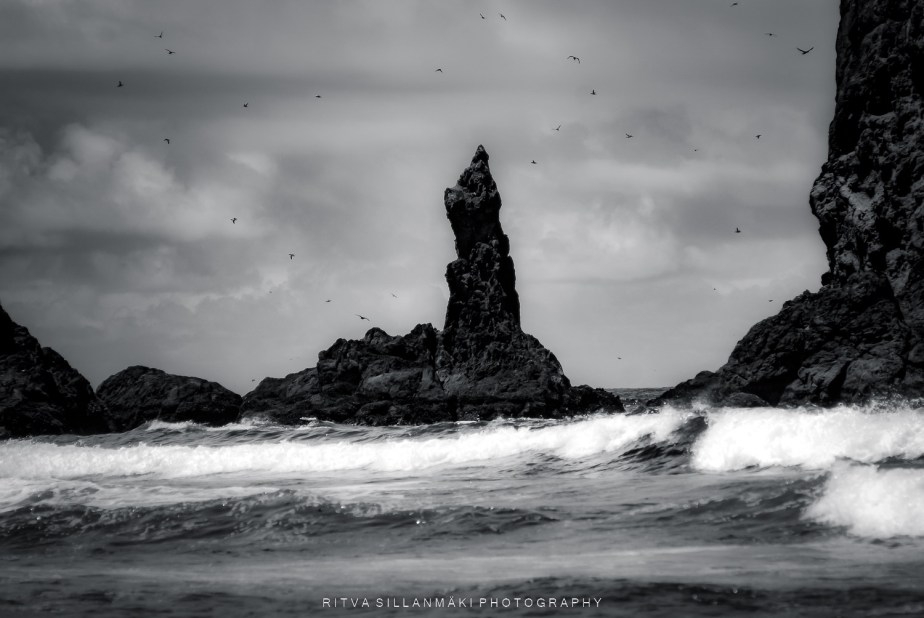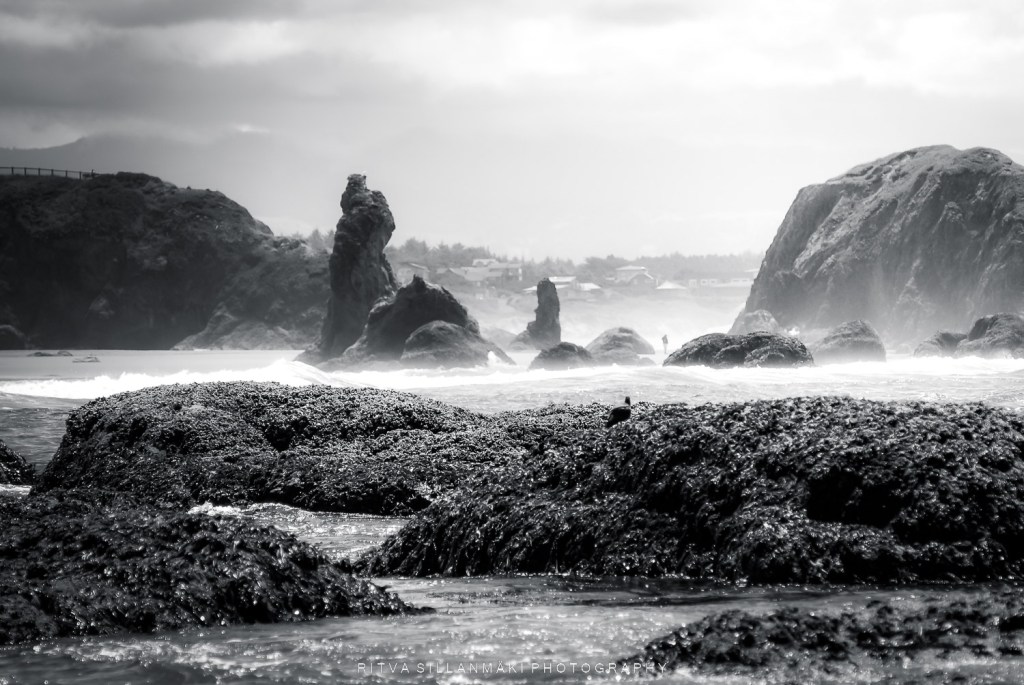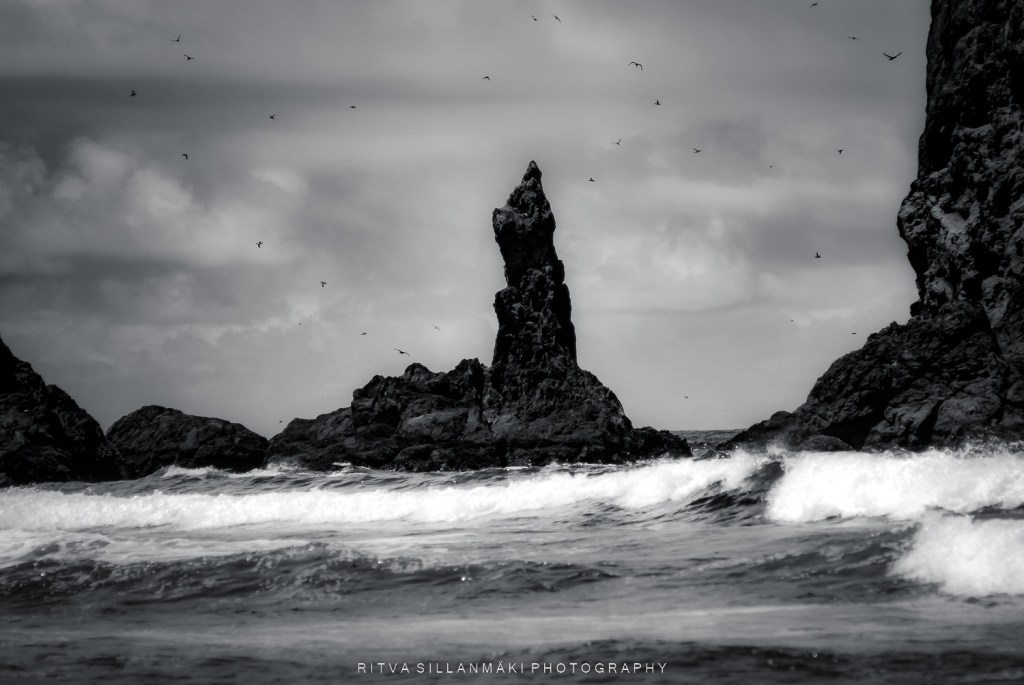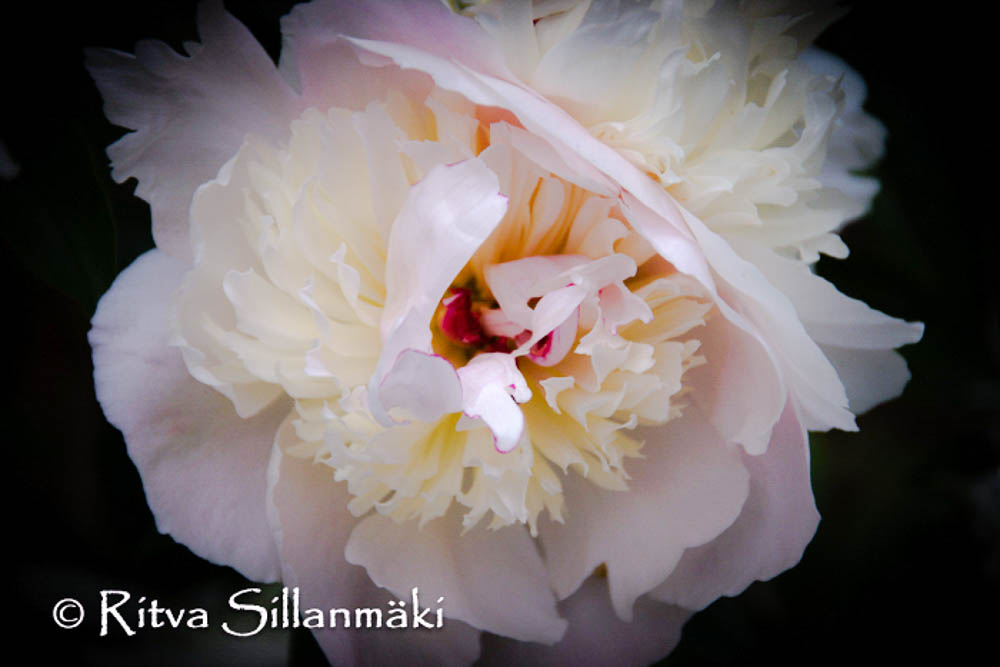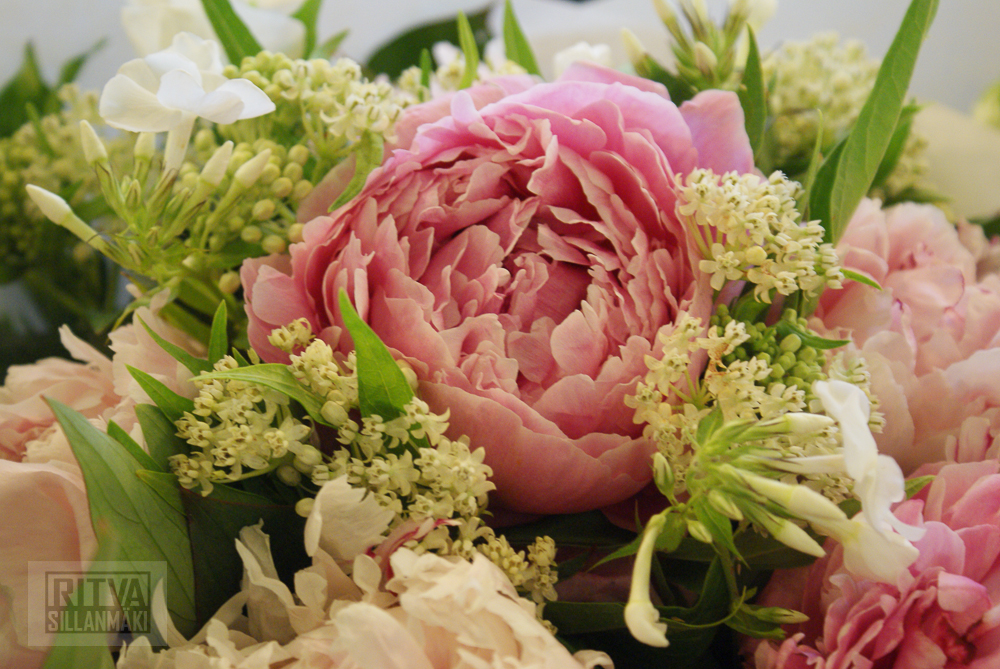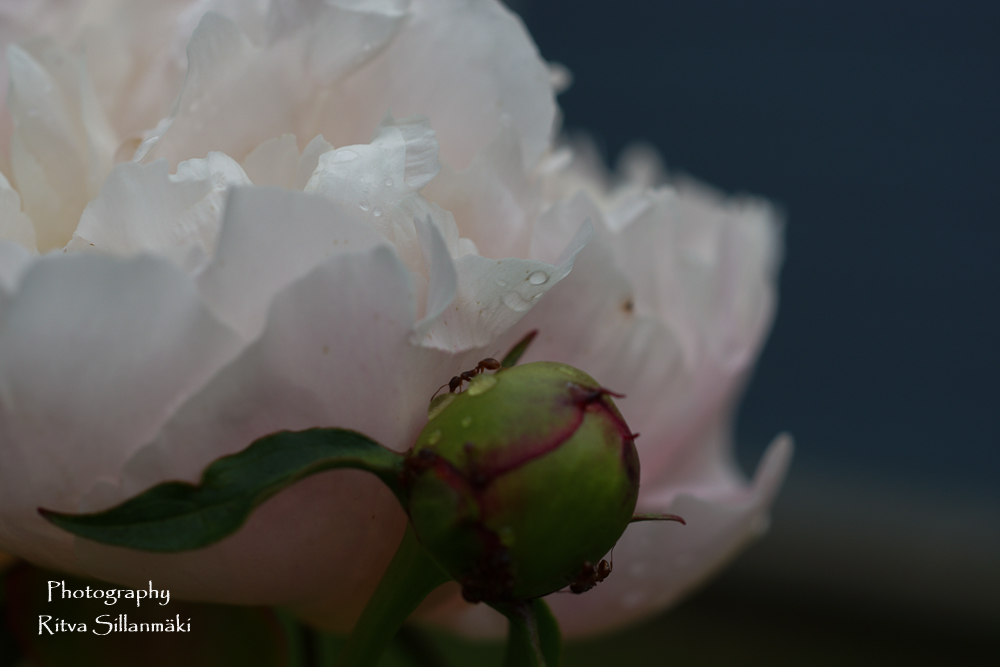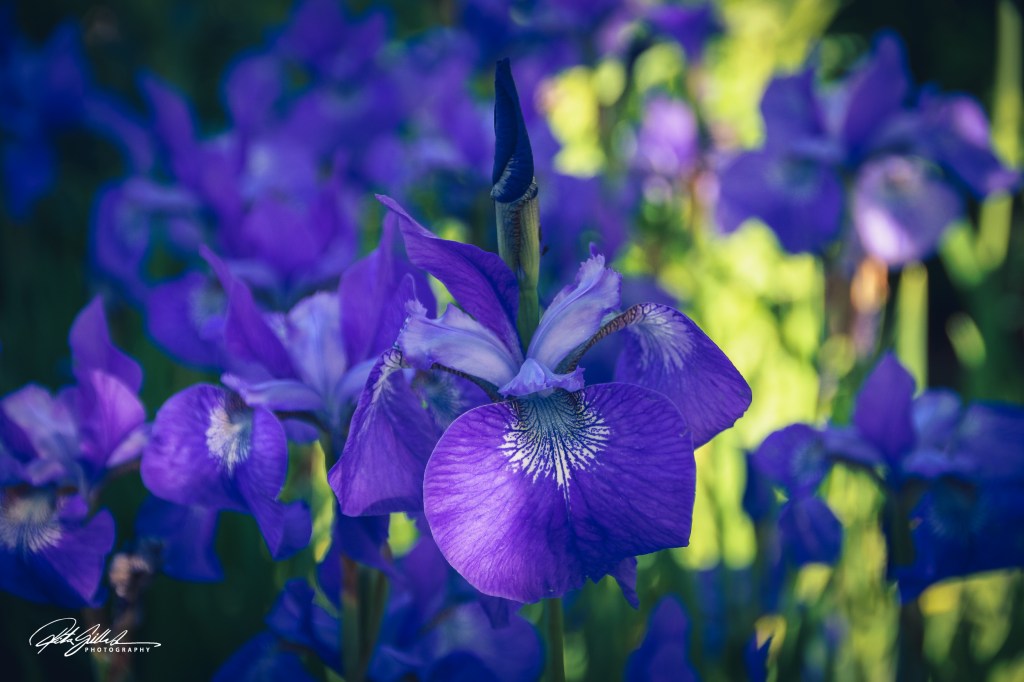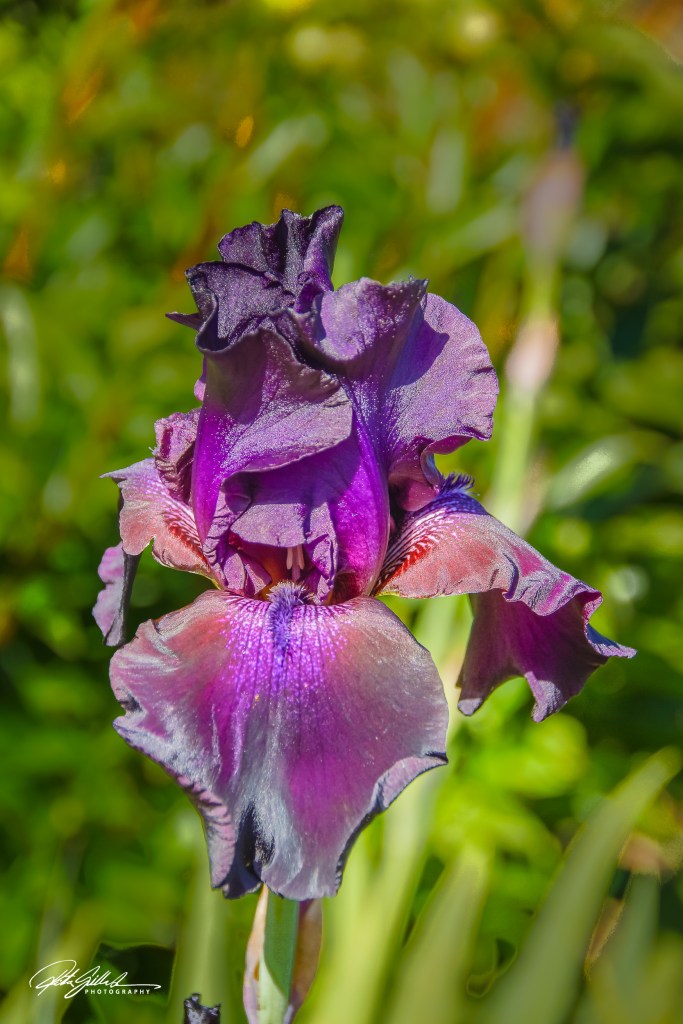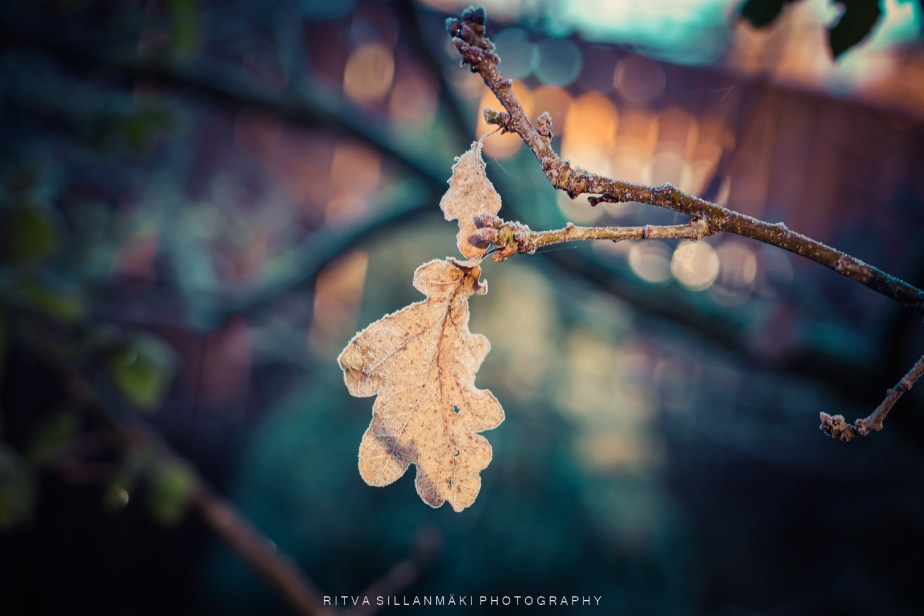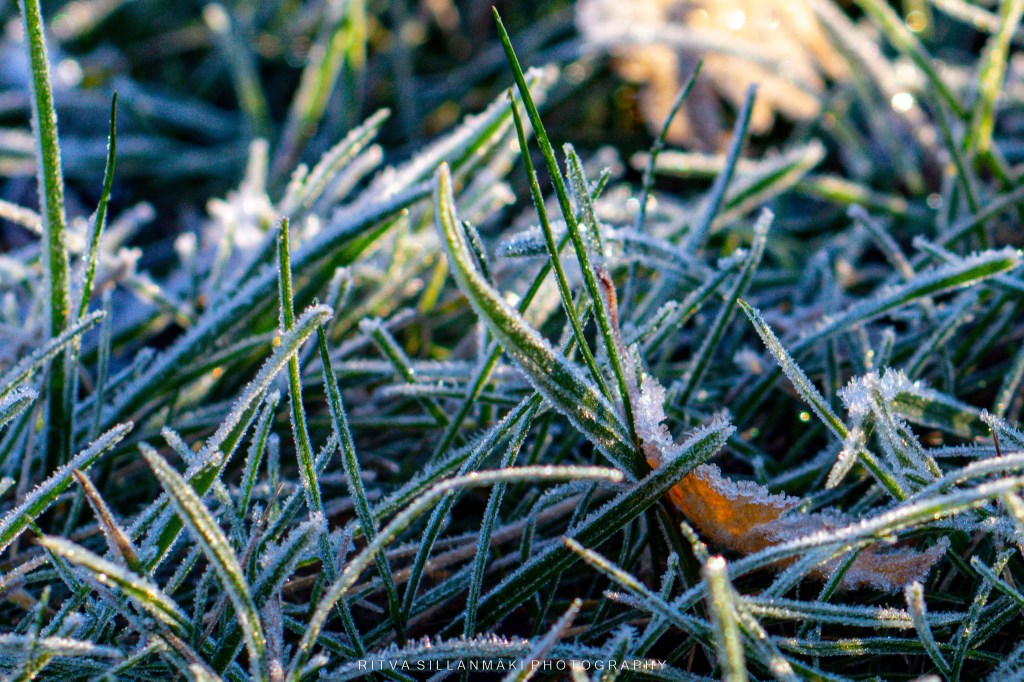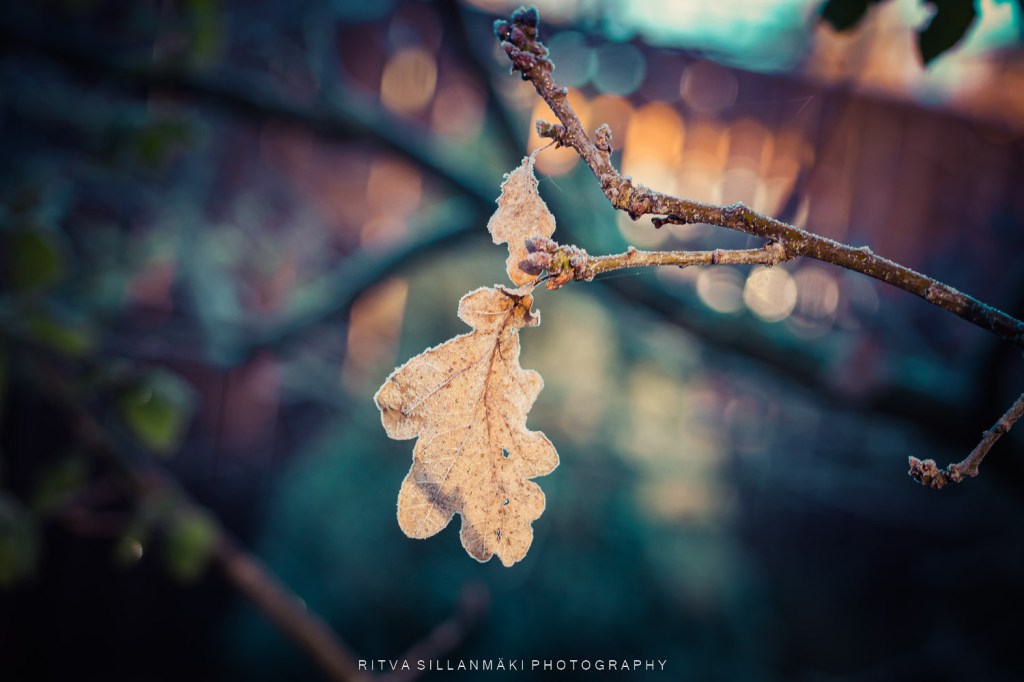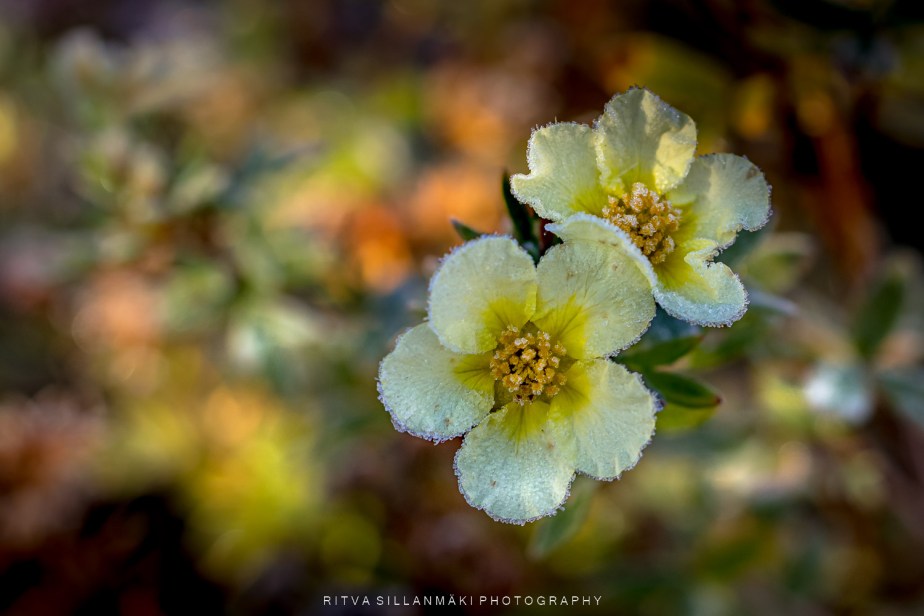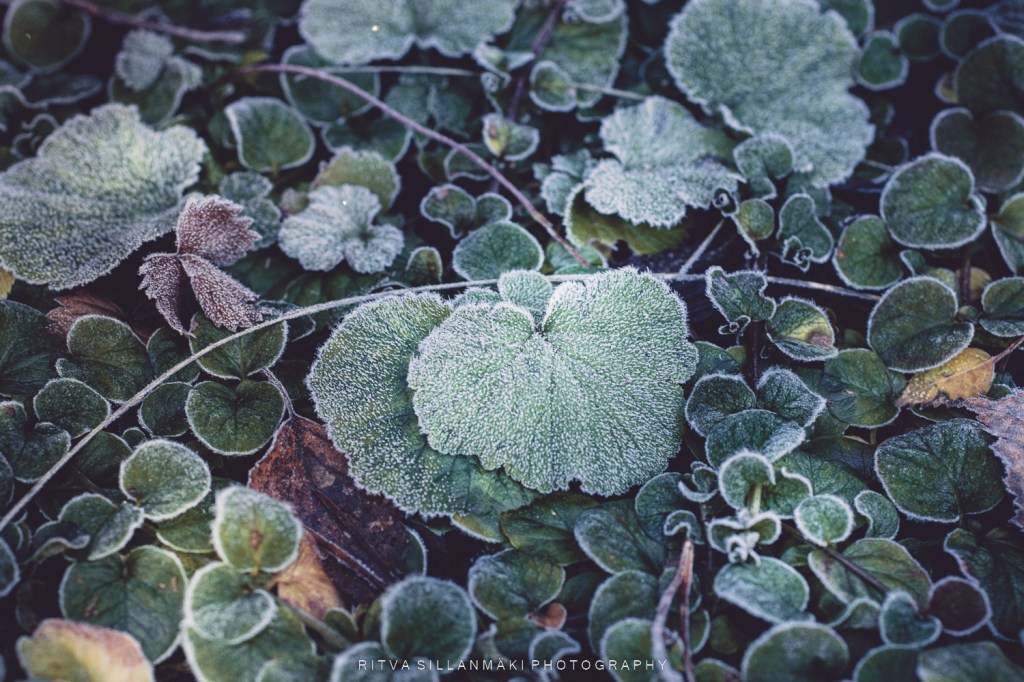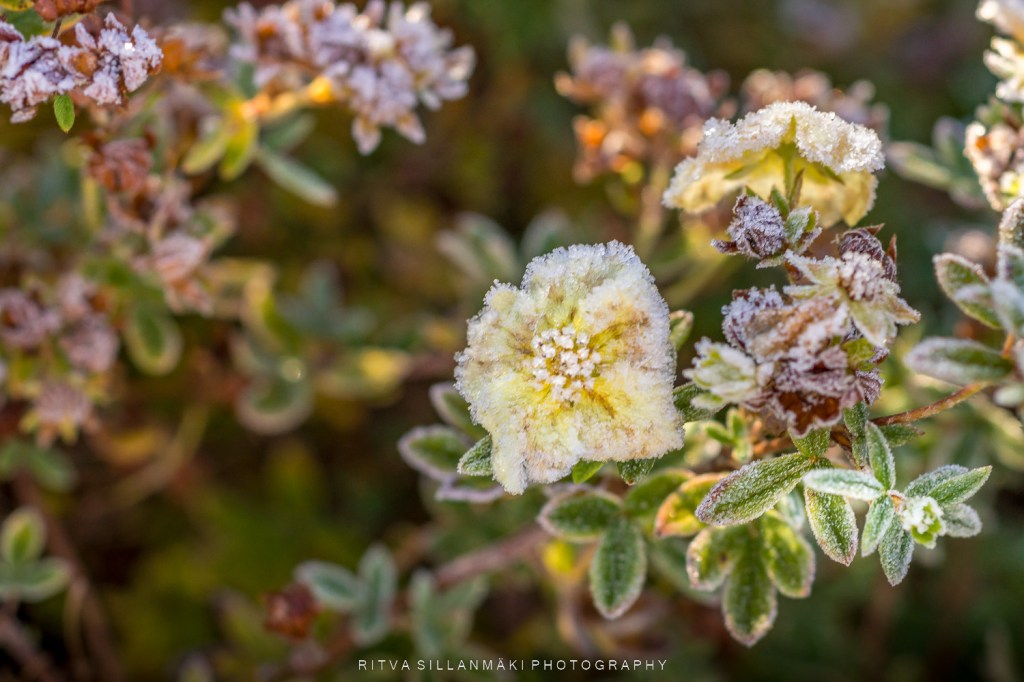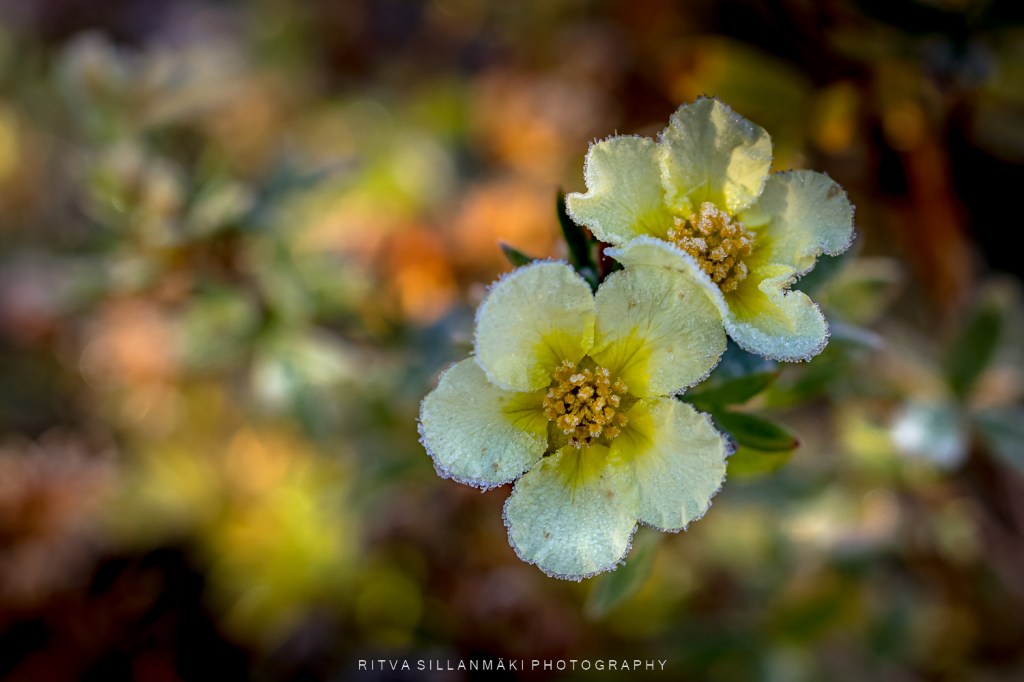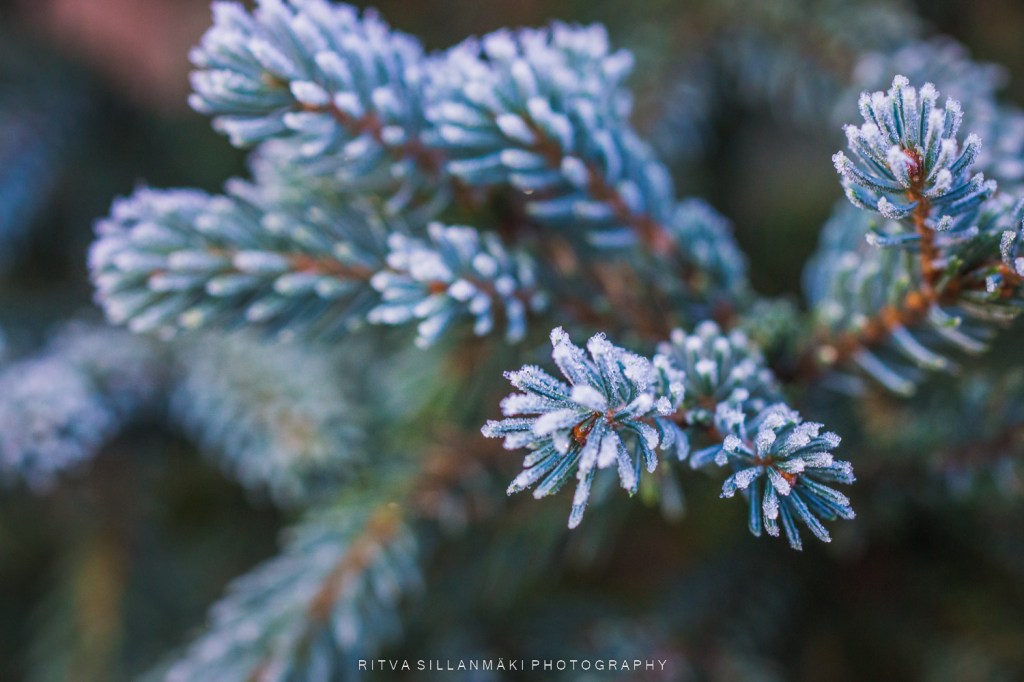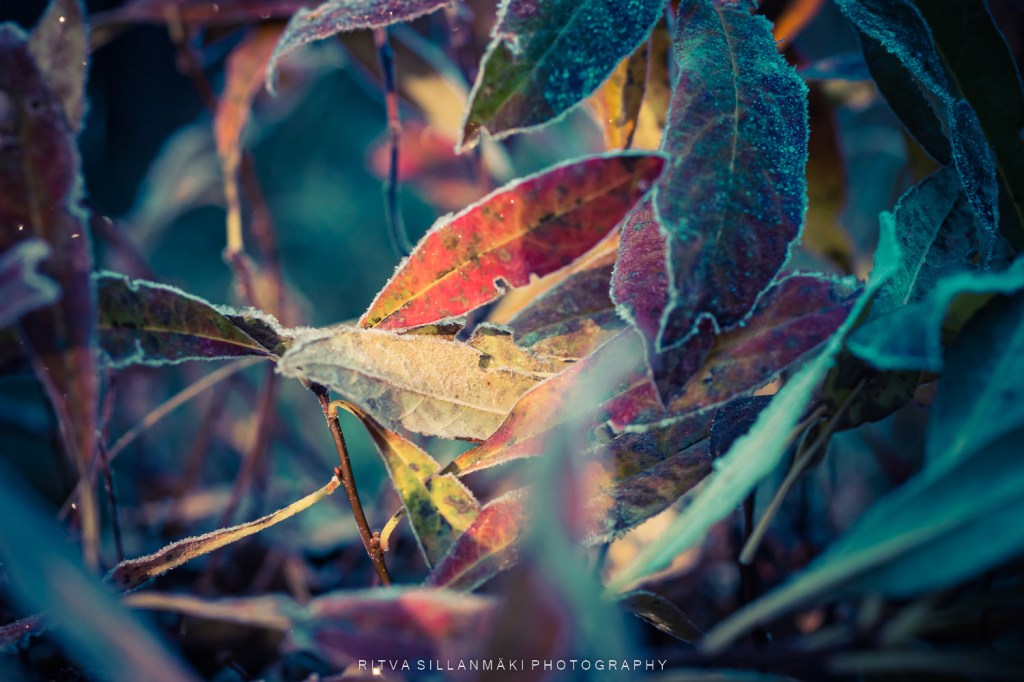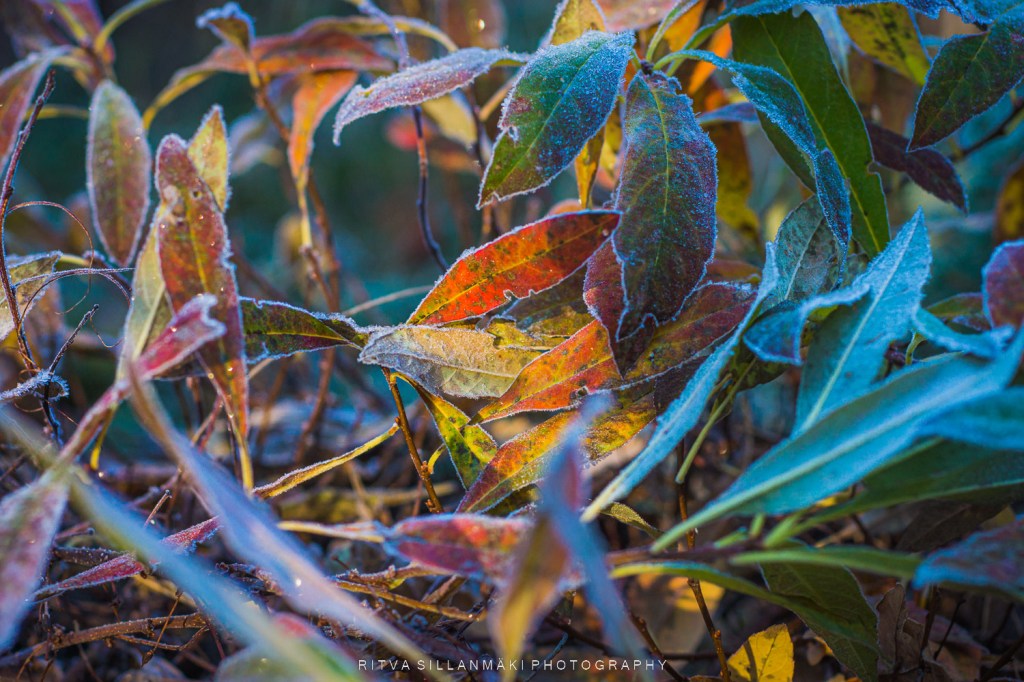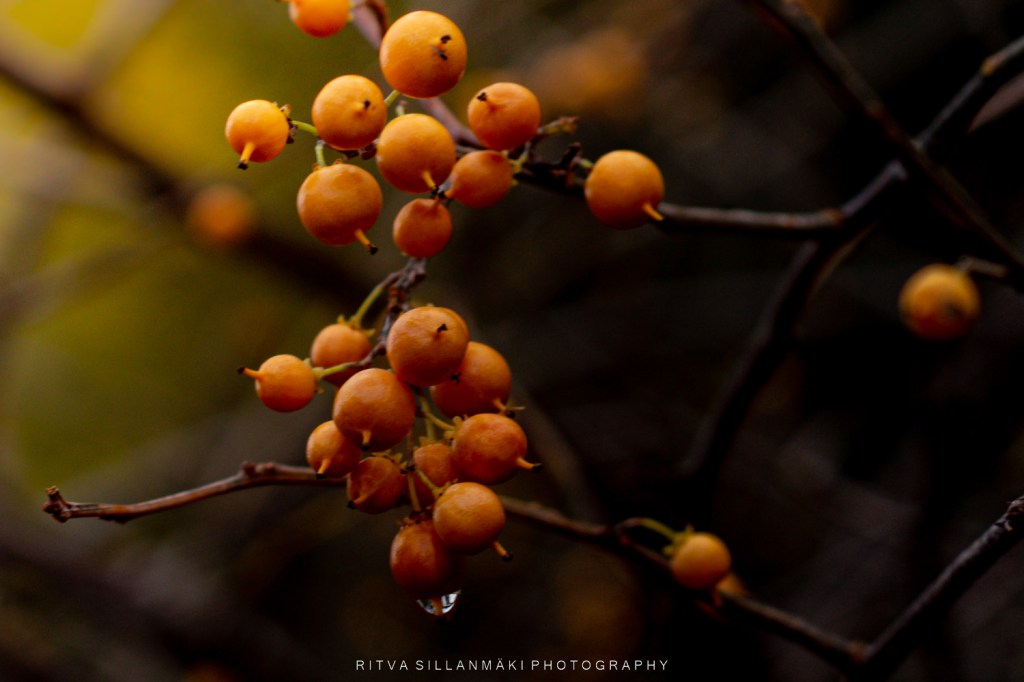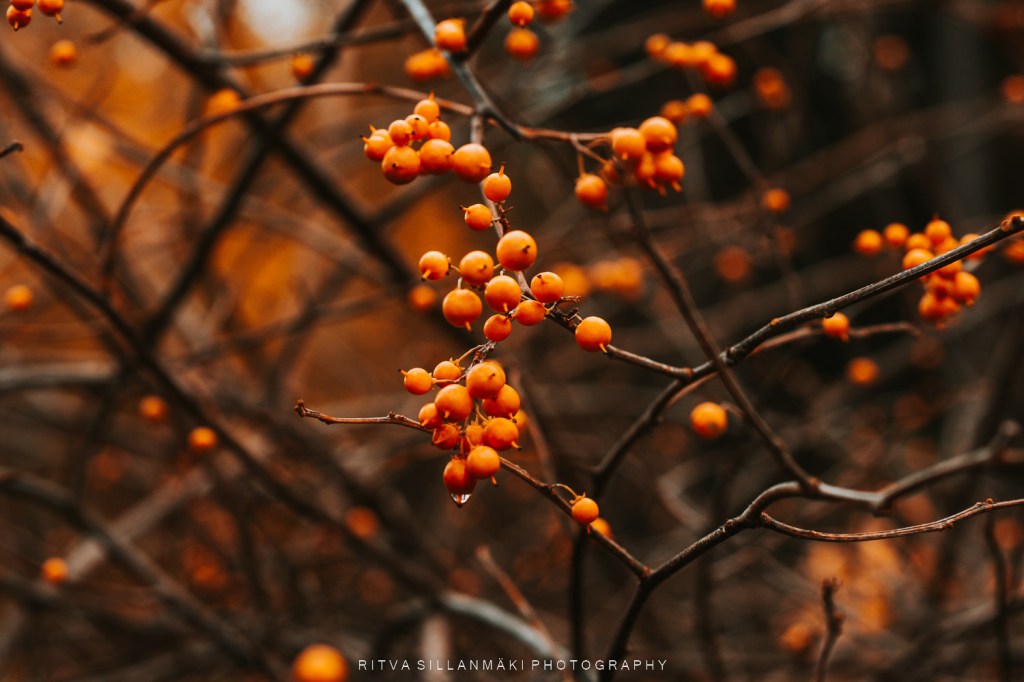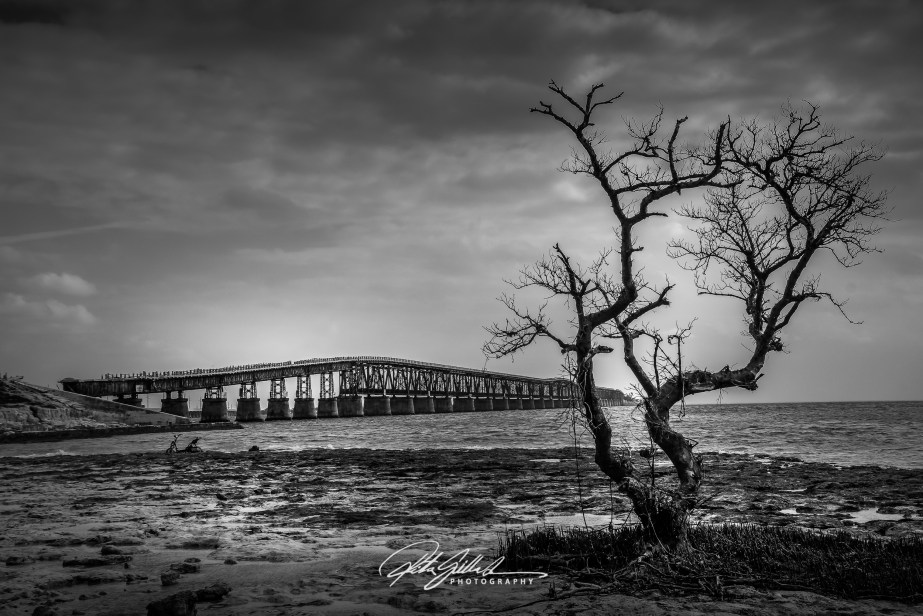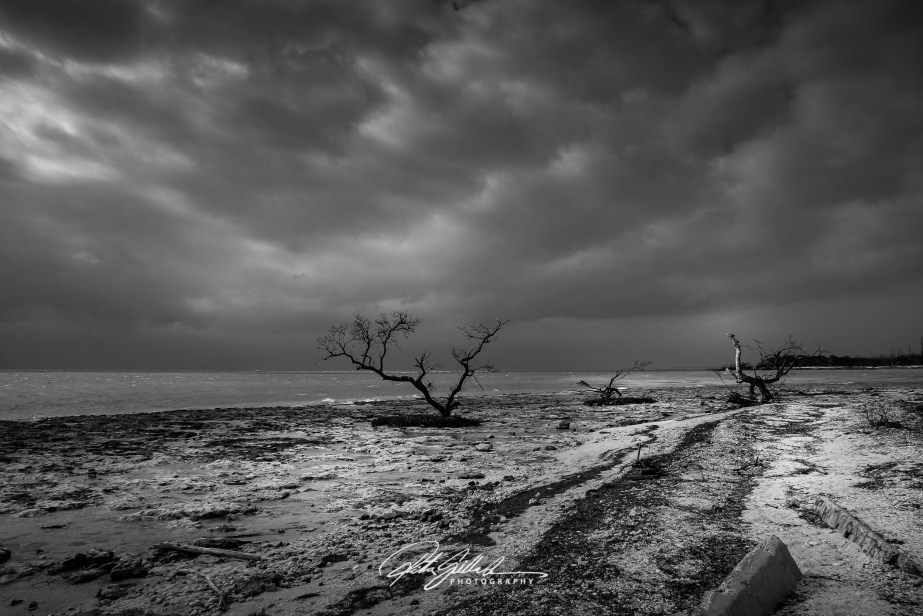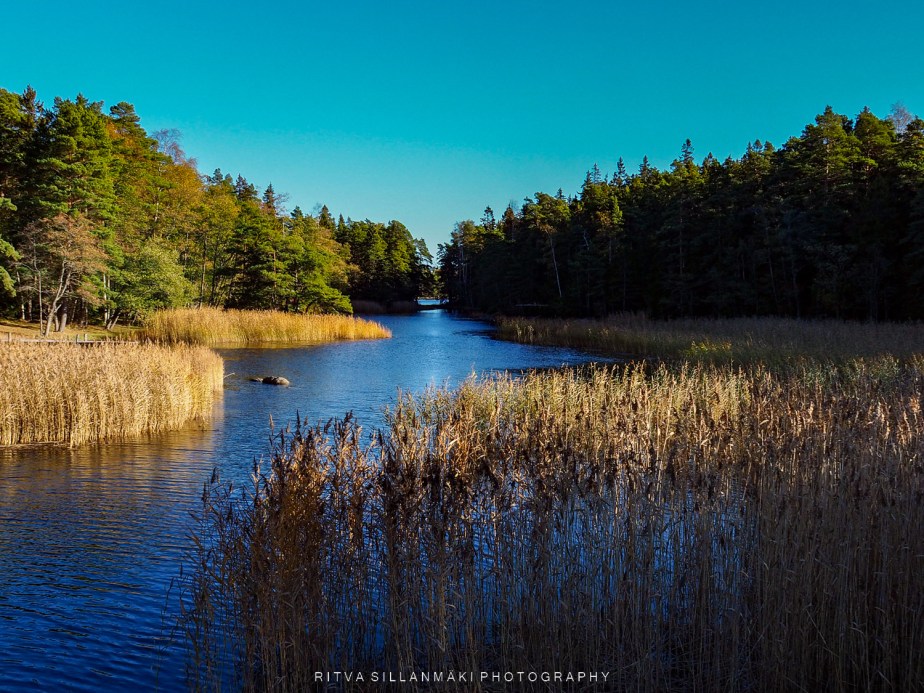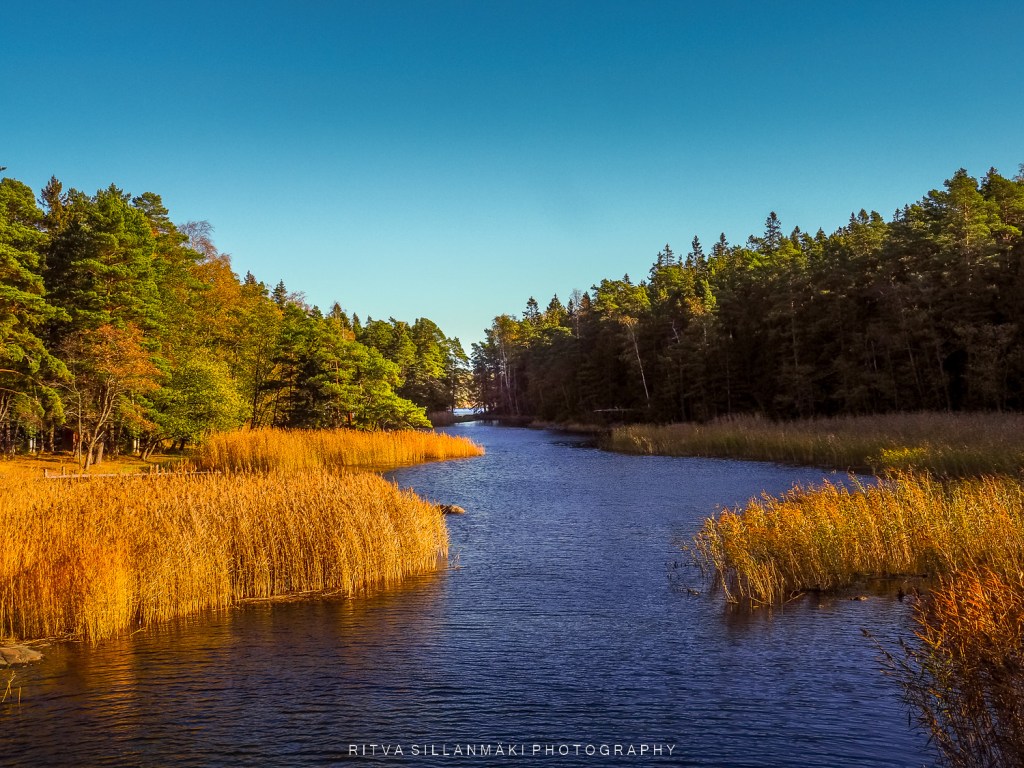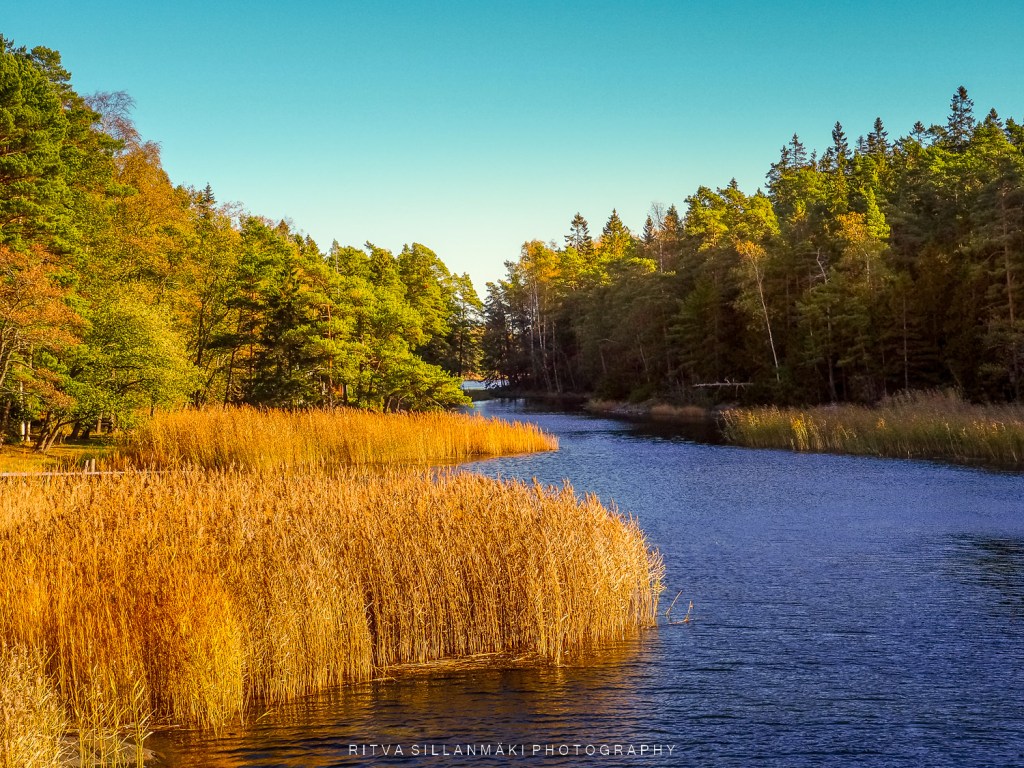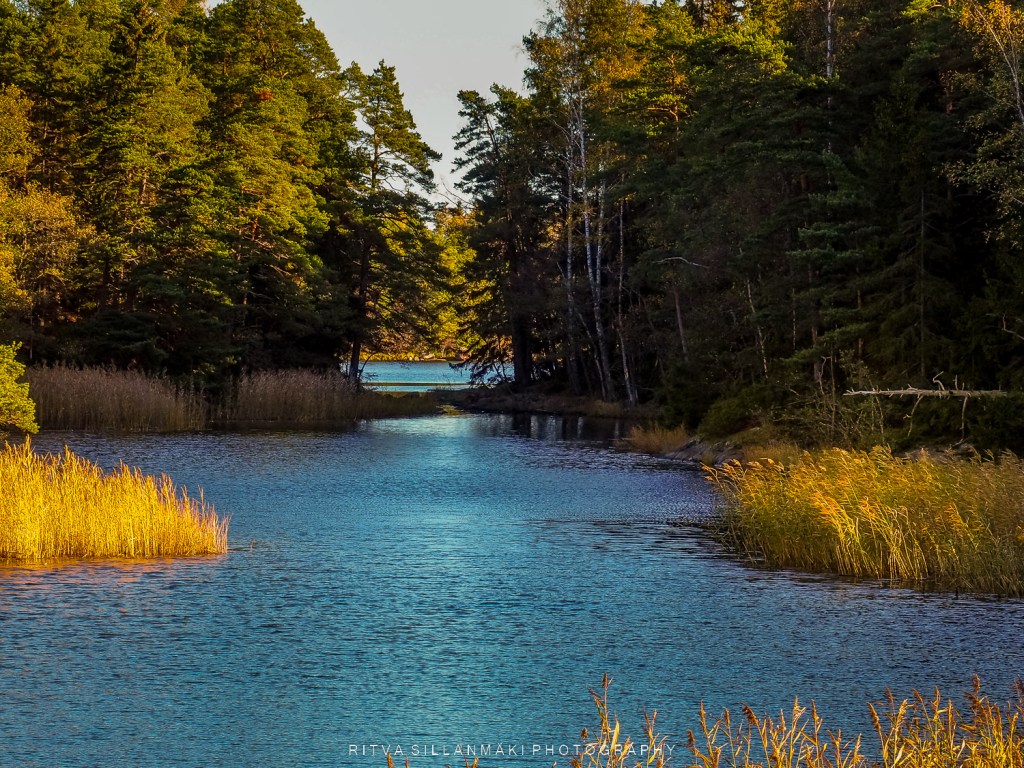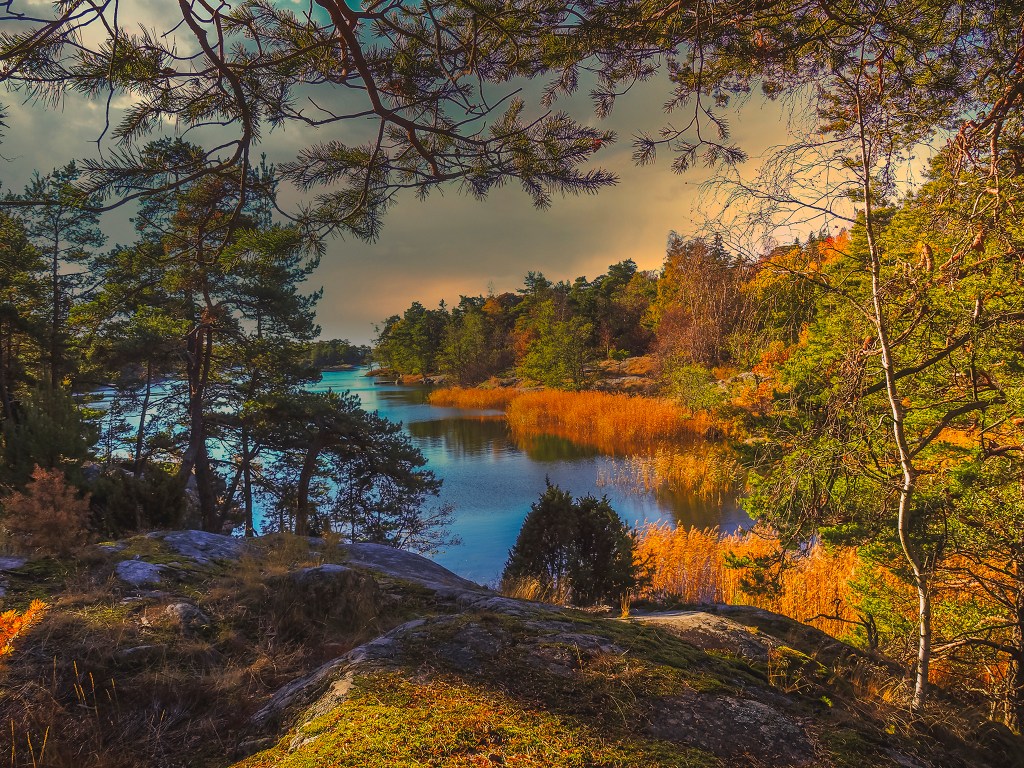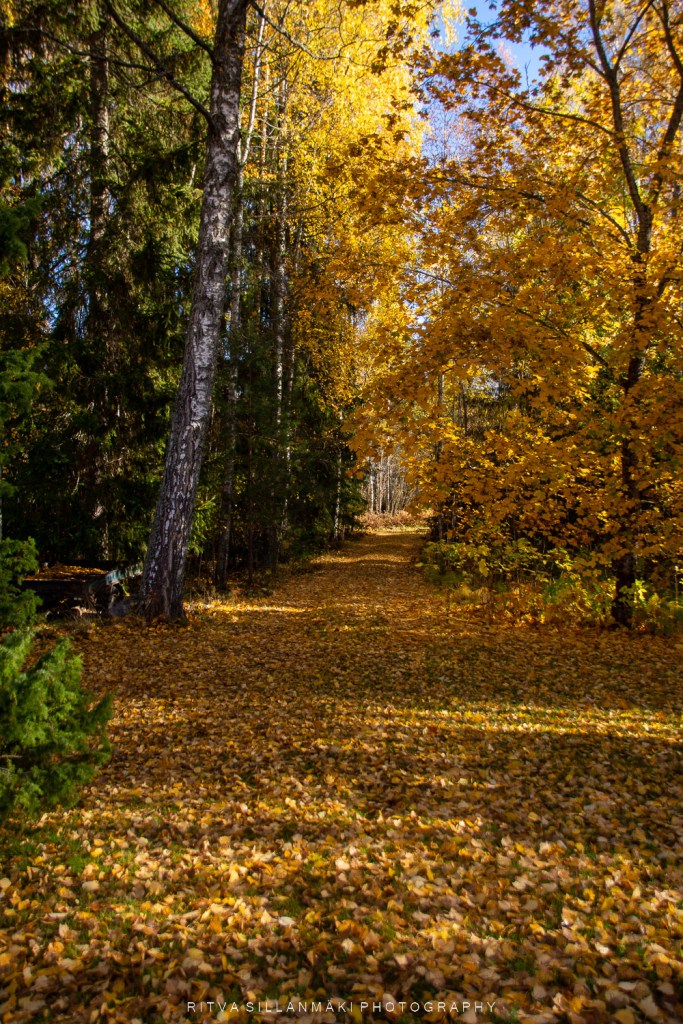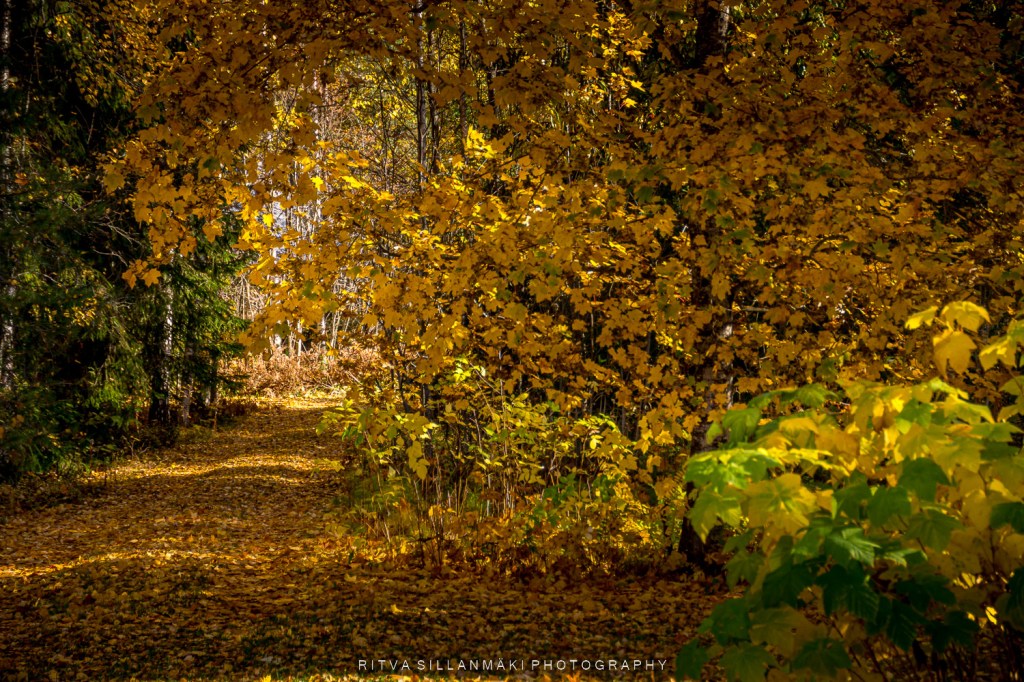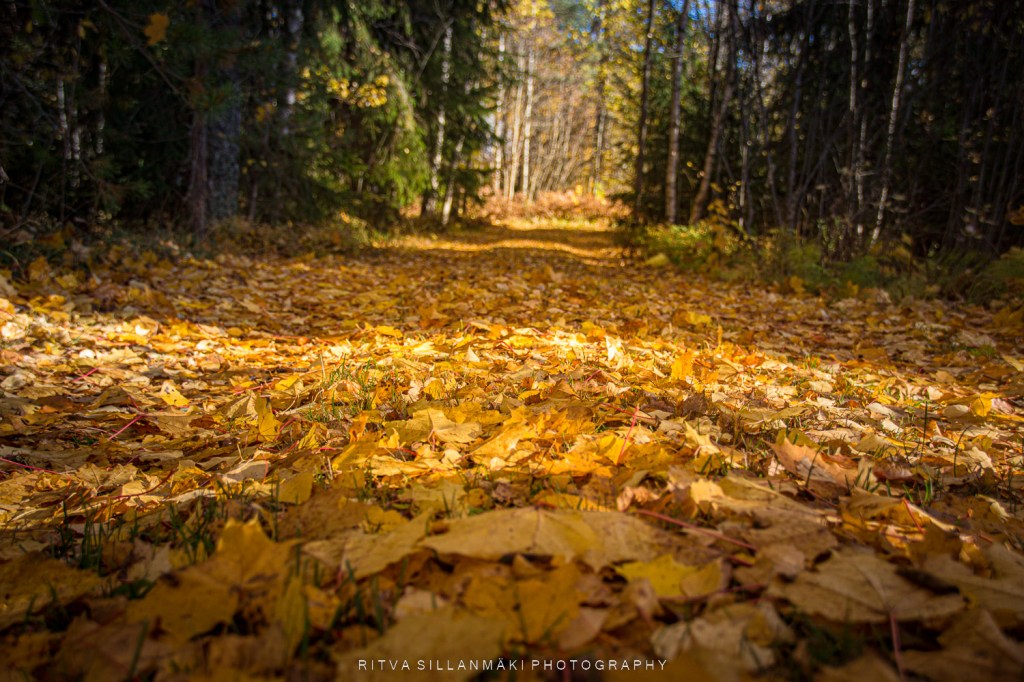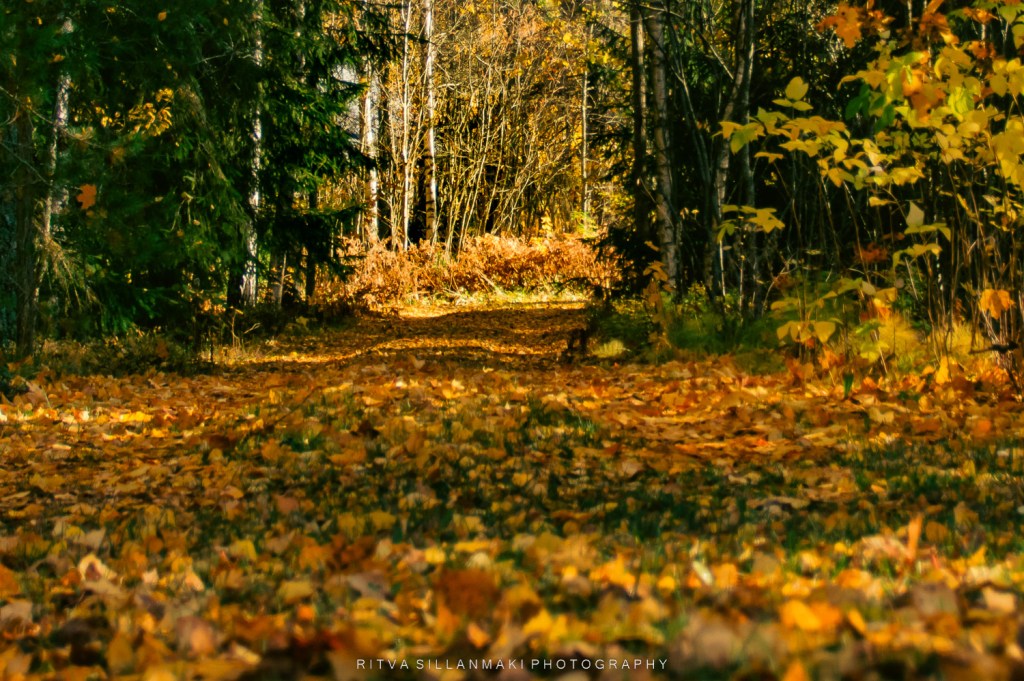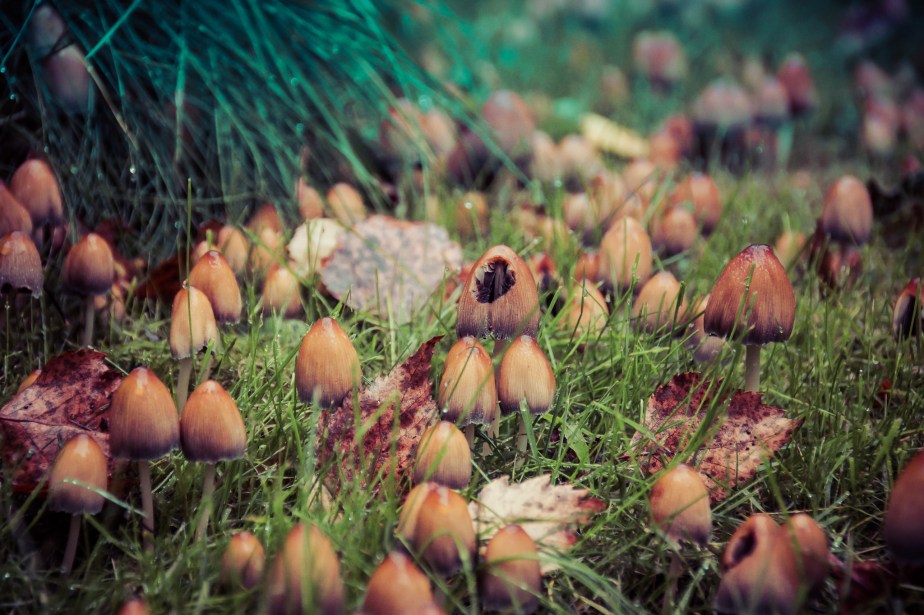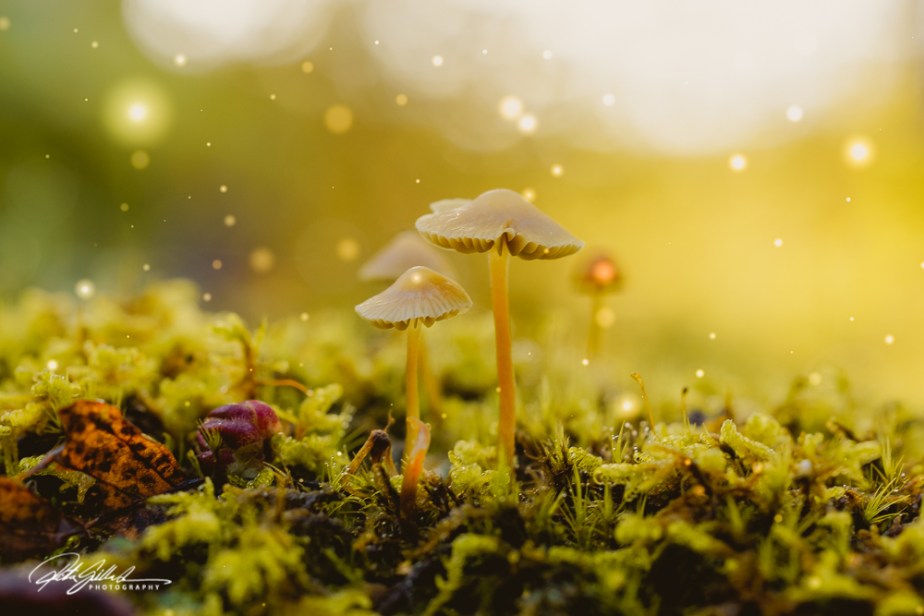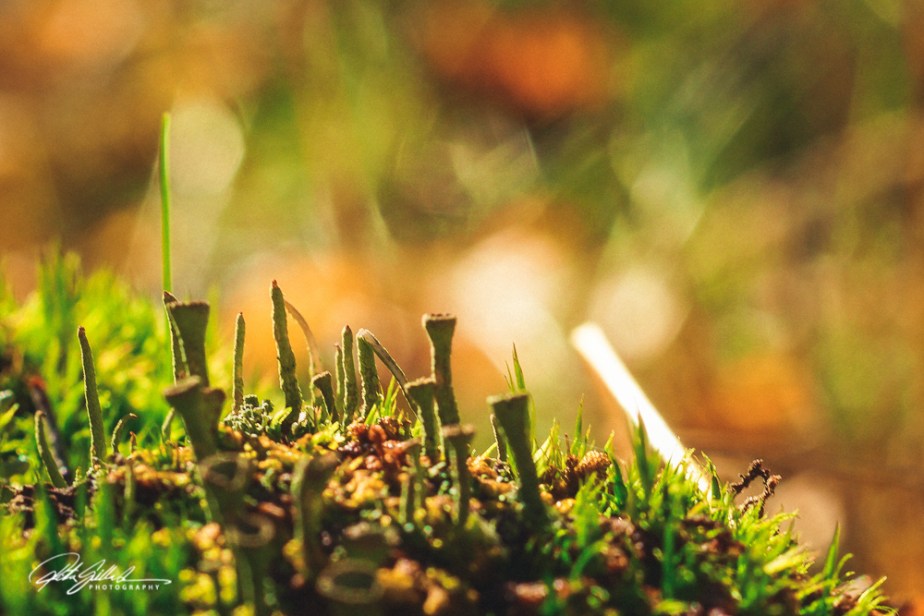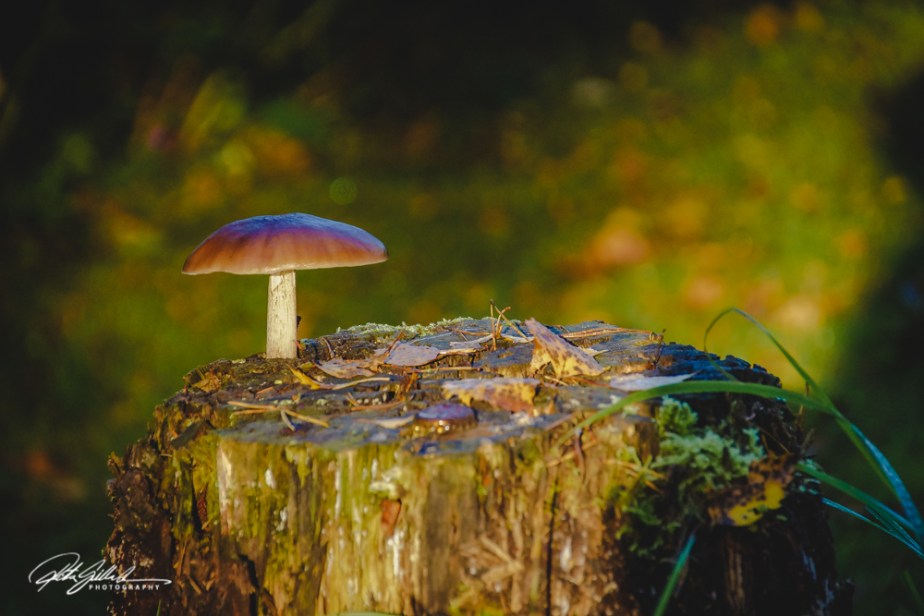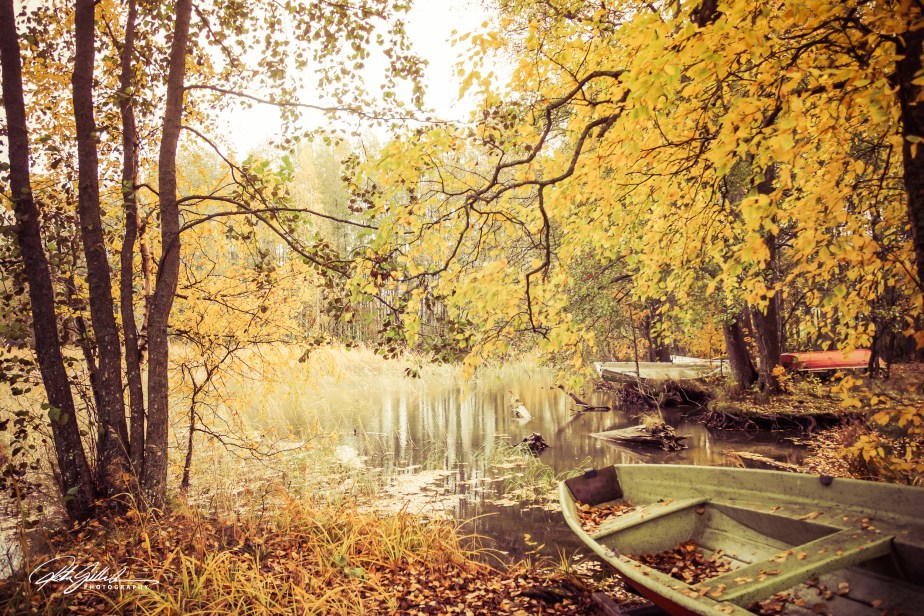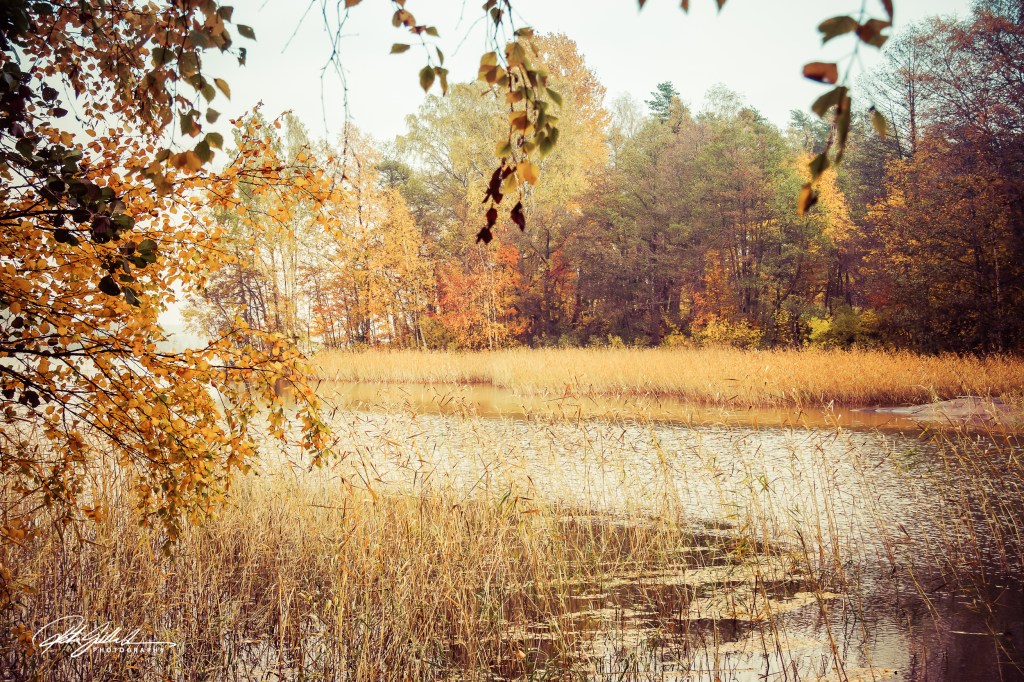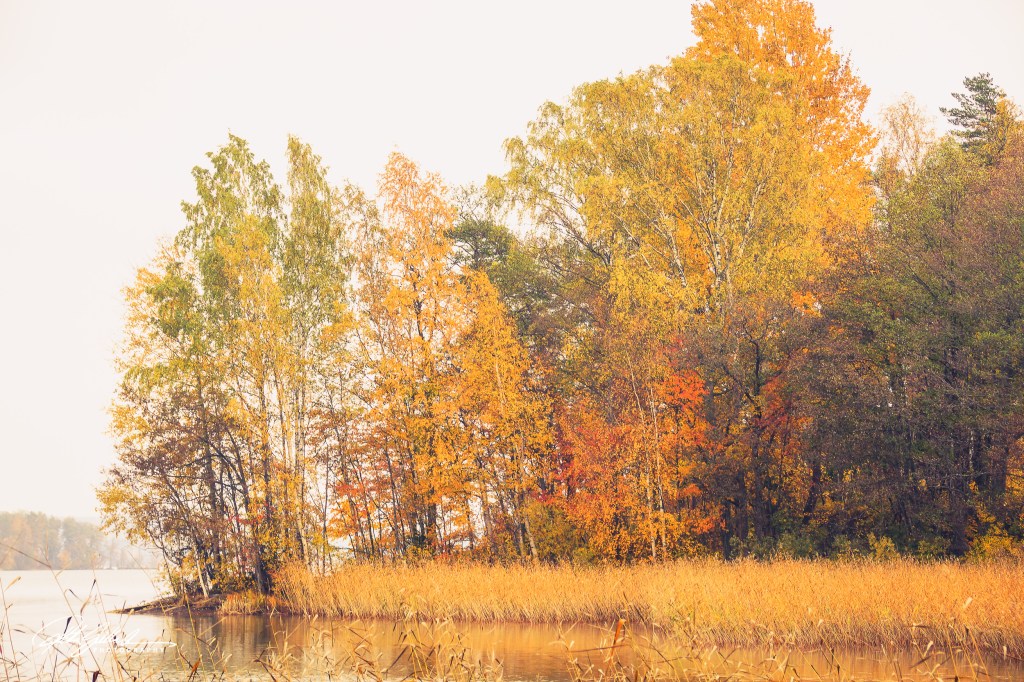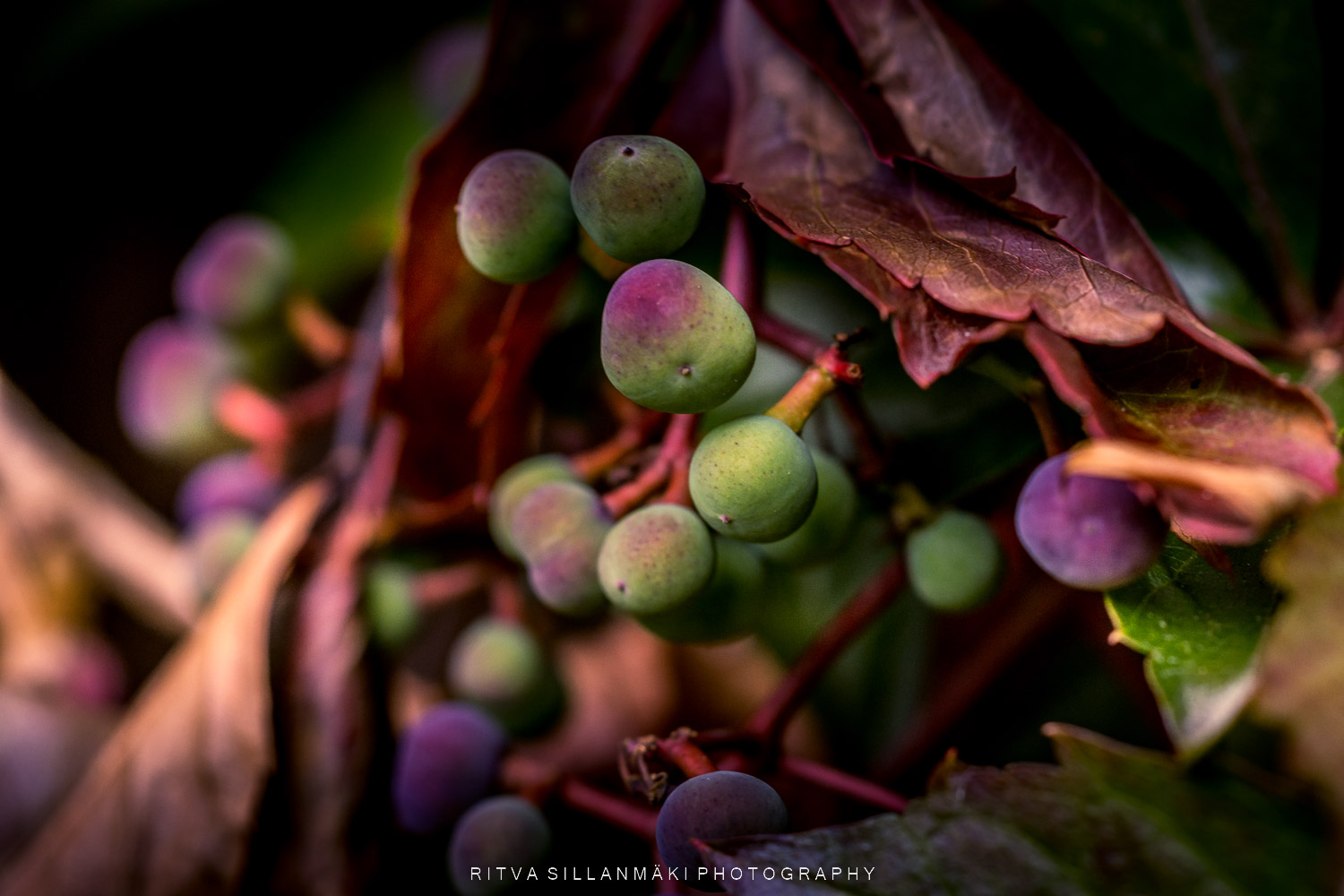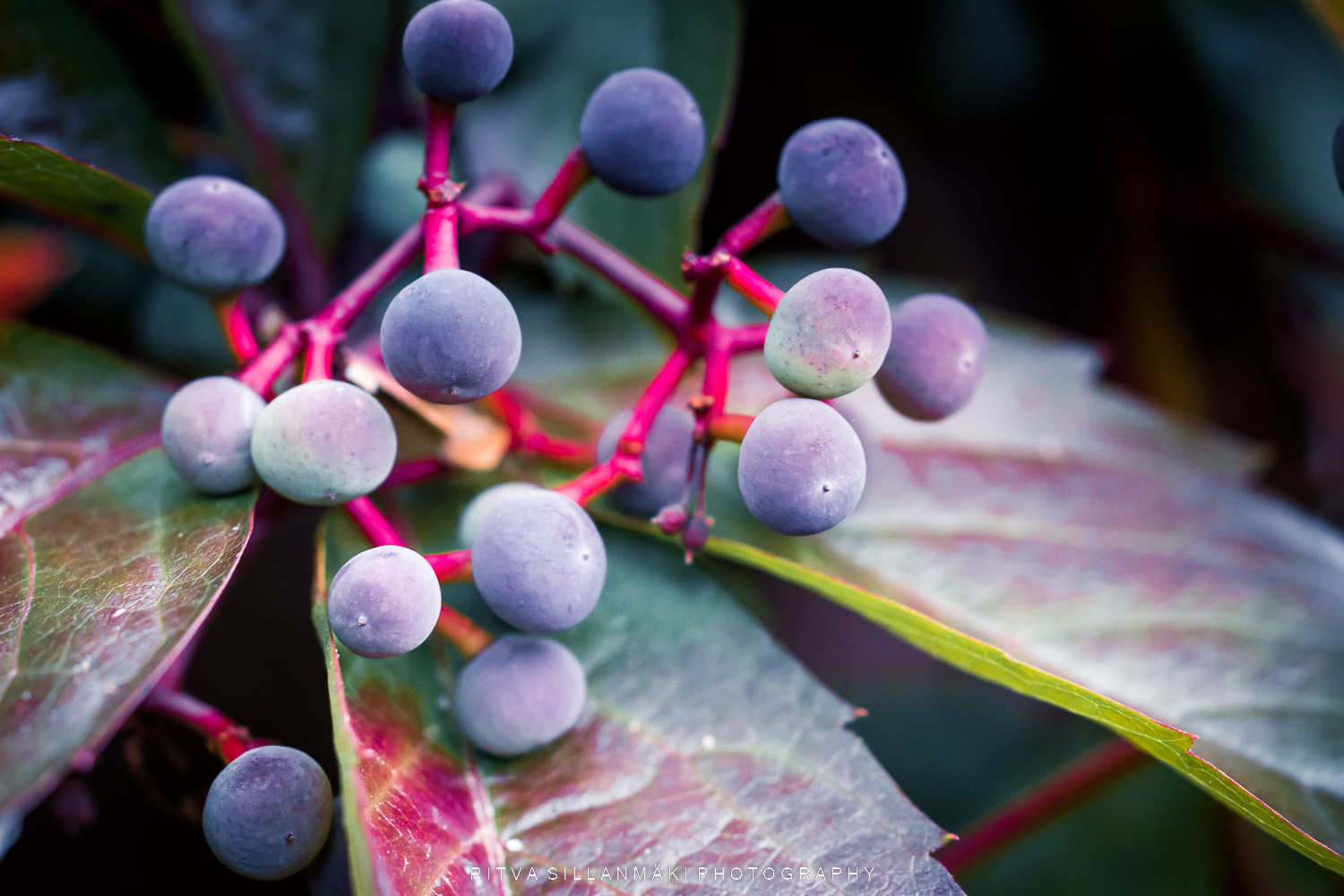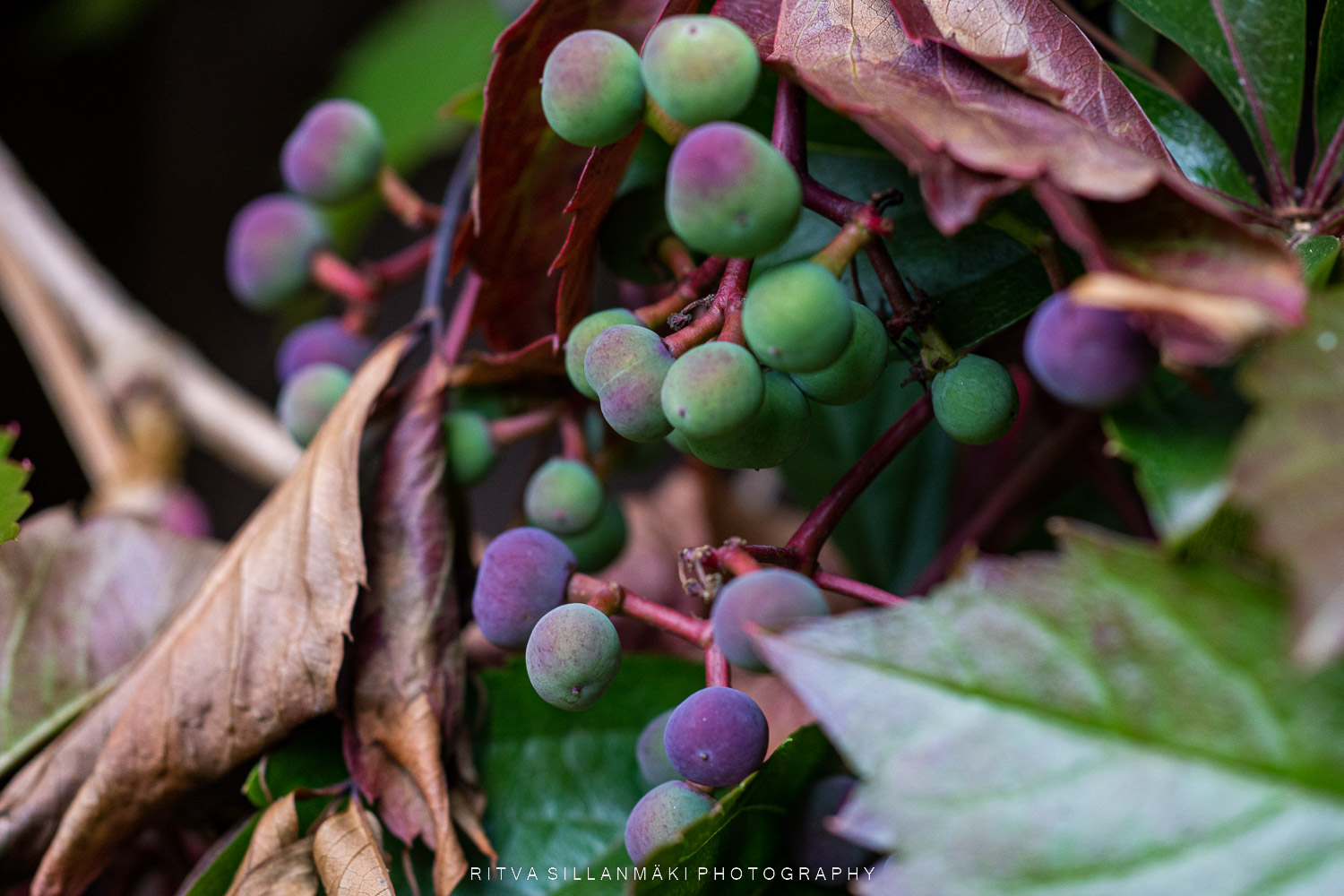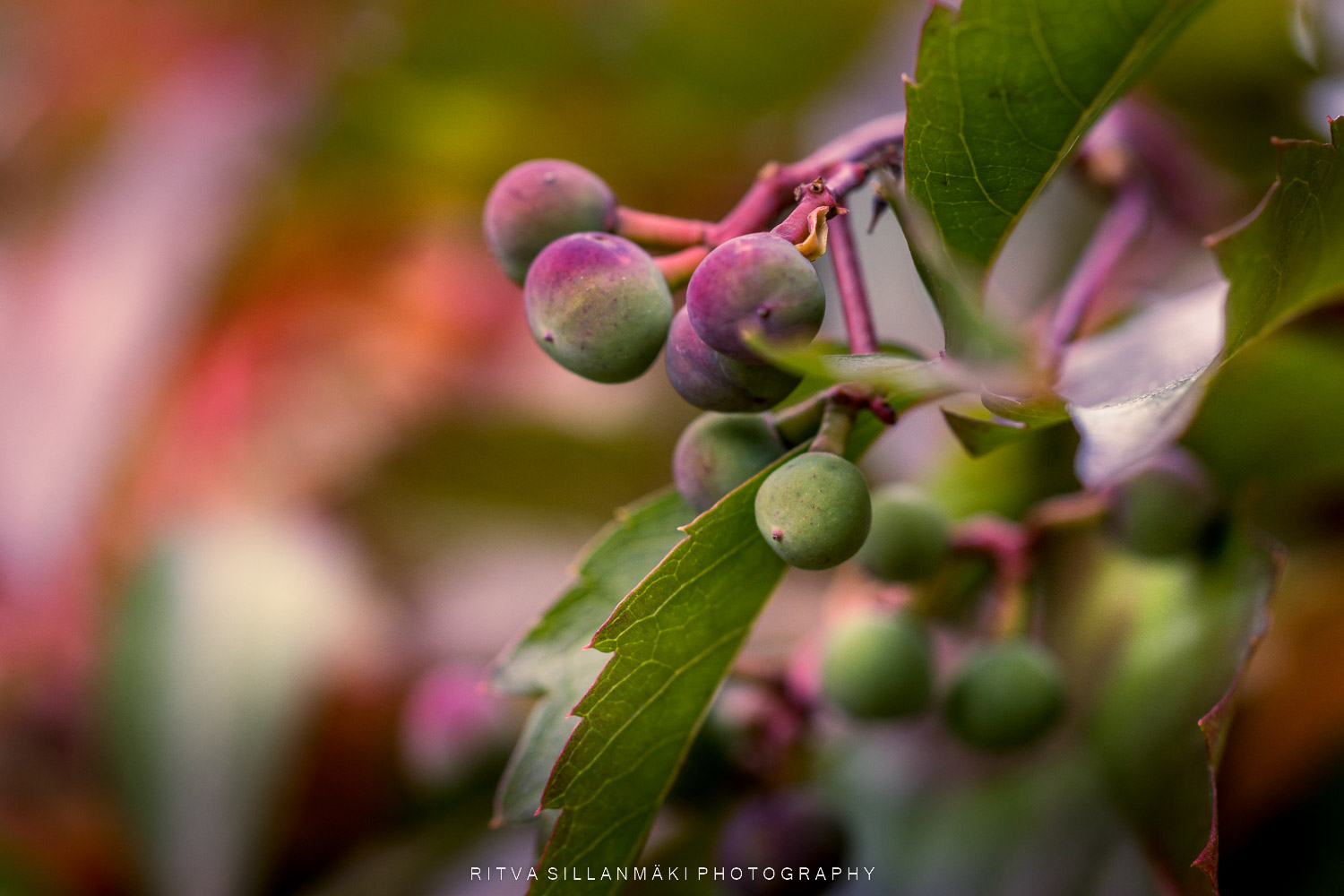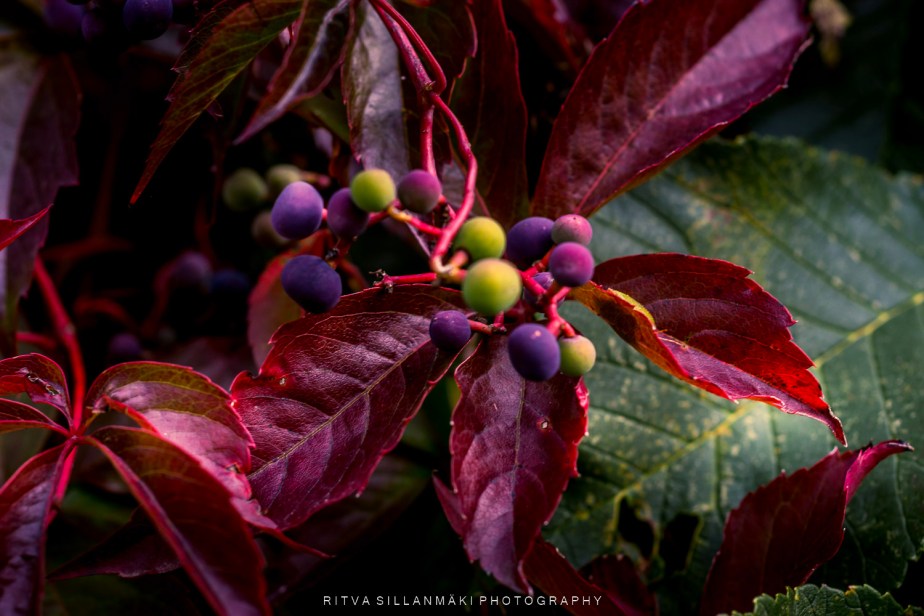
Let the photos speak, not that many words needed. After rain.


Let the photos speak, not that many words needed. After rain.


This summer has had some technical issues that I would not have needed. First I had the issue with back up, my hard drive was full, couldn’t store, upload my photos, so I did not edit my photos due to that issue. Summer vacation came, which was 😊 great.

Took photos as we took short trips here in Finland. I did start to edit them, but once again I was encountered with a problem. My computer would not open any of my editing programs, Lightroom for example, I was not able to open any of my folders in those hard drives I got earlier in the summer. My computer signed off. I had to buy a new one which I got 5 days ago, but as I am at the summer house and the computer arrived back home an hour after we left on come here it is now waiting at my neighbors for me to go back home to get it.

Shortly, I have done very little photography and even less editing. I have been on holiday even from blogging, but soon, sometime next week I will return.
I have eaten some nice meals 😊


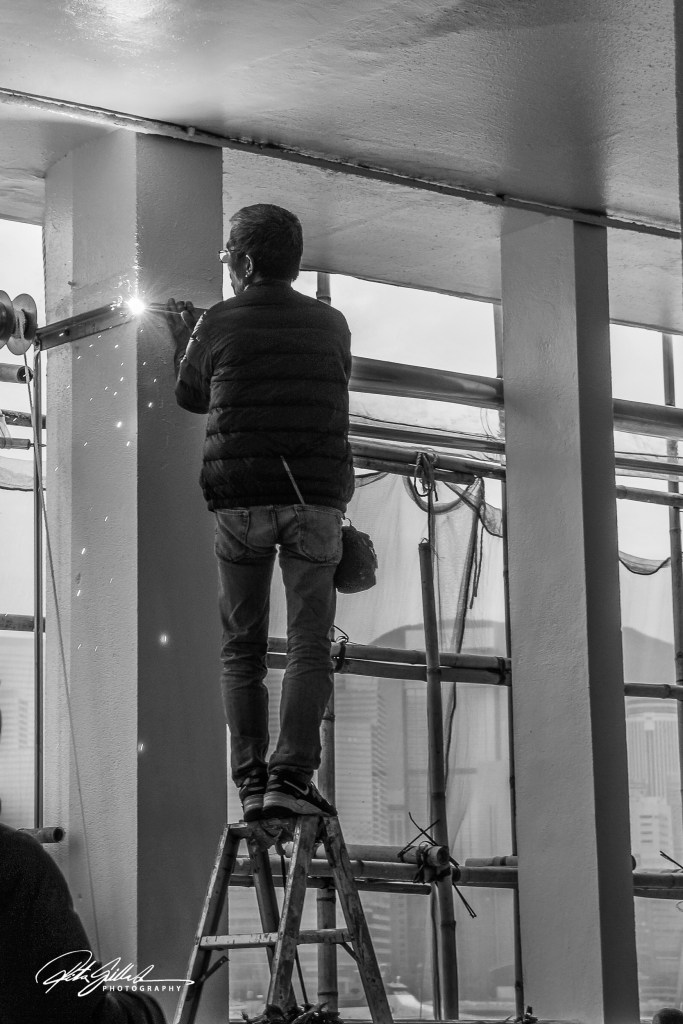
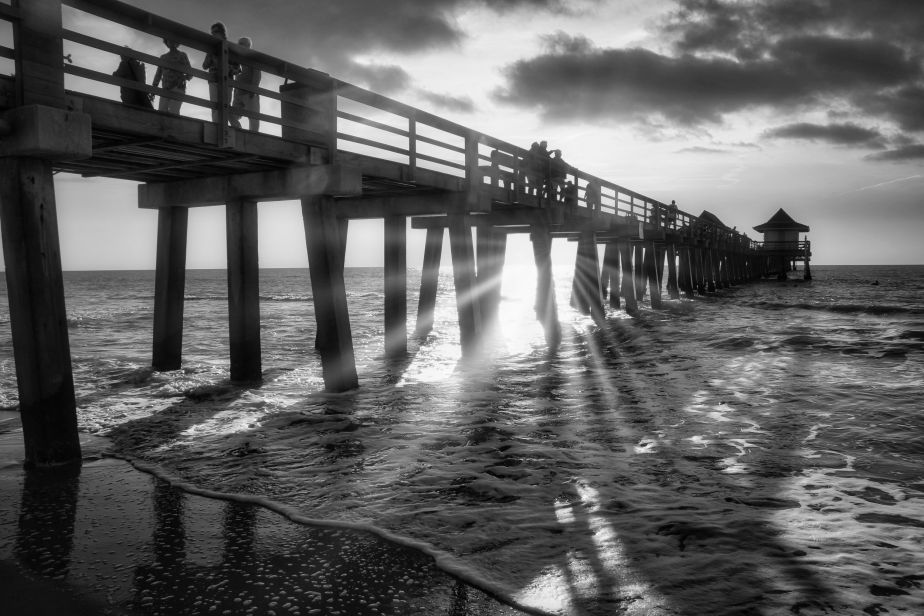
Photography is drawing with light and this week’s Silhouette challenge firmly shows us that. A silhouette is about bringing together contrasts of a well-lit background against a dark subject, making the subject’s shape and outline as the main point of focus. A silhouette balances what the viewer sees alongside the darker toned facets of the subject that are intentionally kept hidden from the light.
Silhouettes are a great way to tell a story while leaving it up to the imagination of the viewer – there aren’t visible features to express emotion, so your viewer will fill in details depending on the context of the image – use this to direct your viewer’s line of thinking.
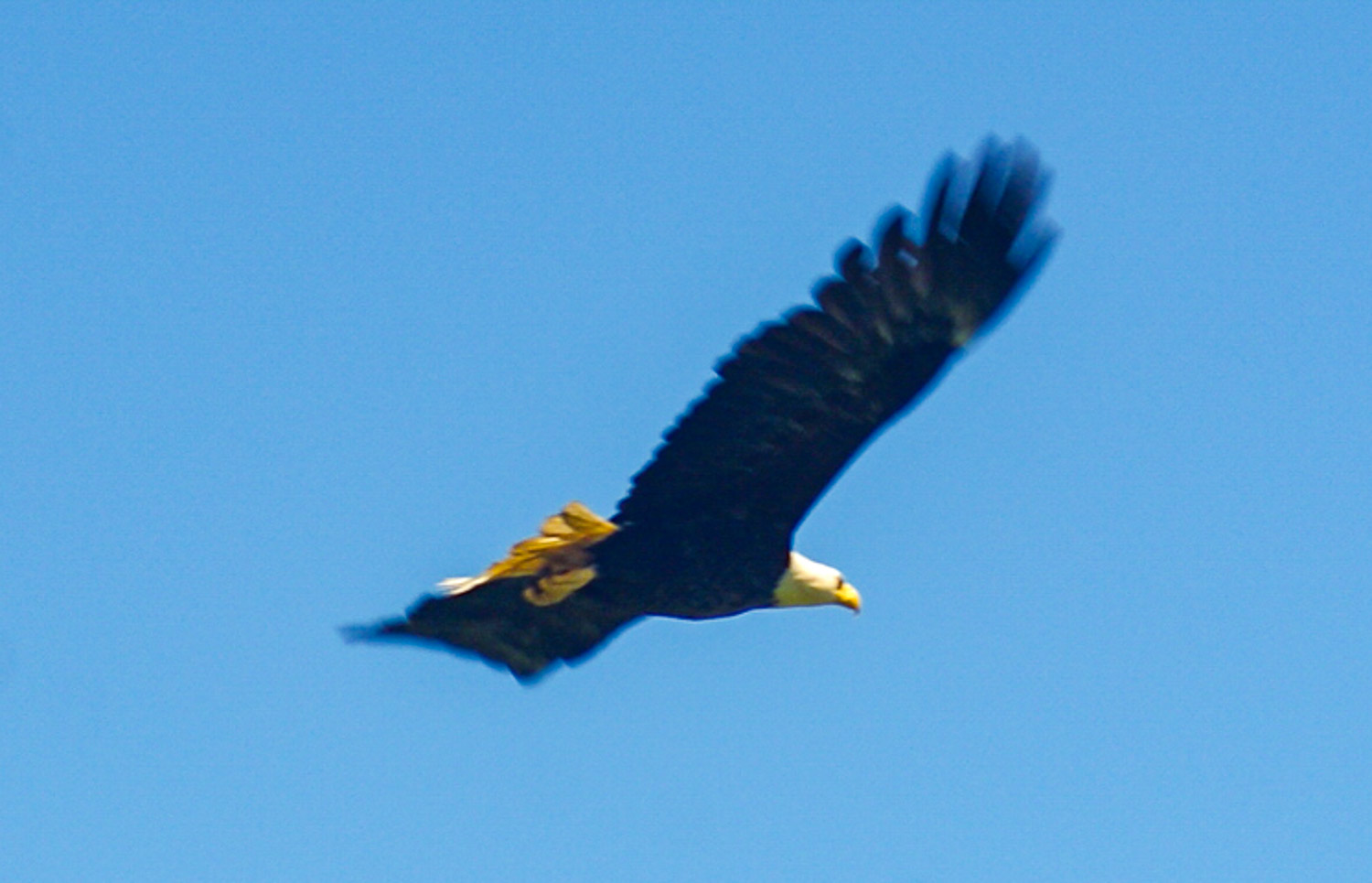
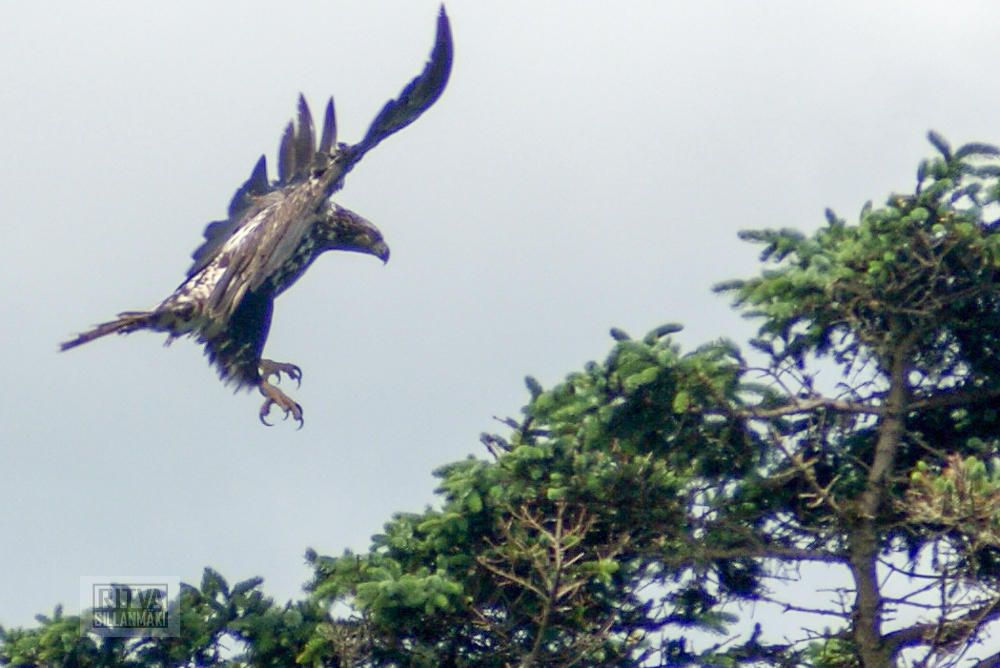
This is a lesson in exposure, composition and creativity all coming together. While silhouettes are outline.. Portraits, Still Life, Architecture and Nature typically make for good silhouette genres.
Silhouettes can often convey some kind of mystic story. By leaving the details in the dark, the story becomes compelling and the viewer is more engaged with the picture.

I was nearly ready to cheat, until my youngest grandson said he would let me take a photo of him. It was a rainy day and he sat by the window with a cuddly fox. Here was my opportunity to capture a silhouette

The summer weather can be unpredictable, we are now under low pressure and have had sunshine and rain showers. We have spent this week at the country side. So my photos are this time naturally from here.


Photography is drawing with light and this week’s Silhouette challenge firmly shows us that. A silhouette is about bringing together contrasts of a well-lit background against a dark subject, making the subject’s shape and outline as the main point of focus. A silhouette balances what the viewer sees alongside the darker toned facets of the subject that are intentionally kept hidden from the light.

Silhouettes are a great way to tell a story while leaving it up to the imagination of the viewer – there aren’t visible features to express emotion, so your viewer will fill in details depending on the context of the image – use this to direct your viewer’s line of thinking.
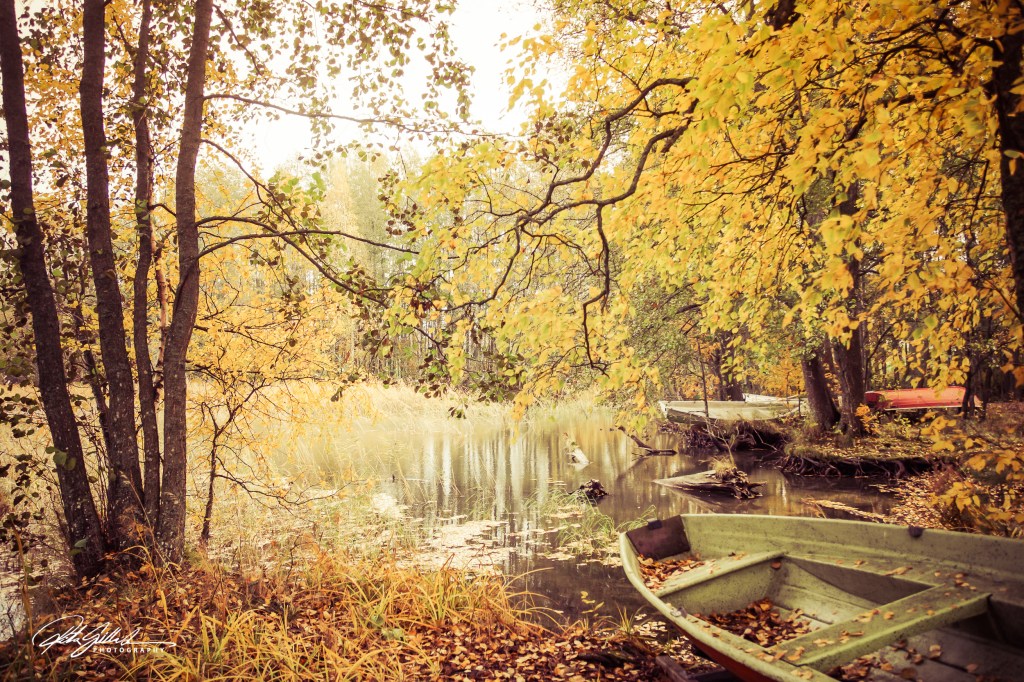
This is a lesson in exposure, composition and creativity all coming together. While silhouettes are commonly shot in the day and at golden / blue hours, you can absolutely shoot silhouettes at night too. This will work best when the object being shot is recognizable through their well-defined shape and outline.. Portraits, Still Life, Architecture and Nature typically make for good silhouette genres.
Silhouettes can often convey some kind of mystic story. By leaving the details in the dark, the story becomes compelling and the viewer is more engaged with the picture.

I would have loved to use these shots I took at Crete as they would have suited this challenge perfectly, but no, still I think they are great examples of silhouette! But I will have to come up with something new for the challenge or I could cheat… no, I won’t do that.


TIPS:
Less is more. This week’s Negative Space challenge is what those words are all about. Make your composition’s subject stand out by ensuring you eliminate clutter, distractions and sometimes even a background.
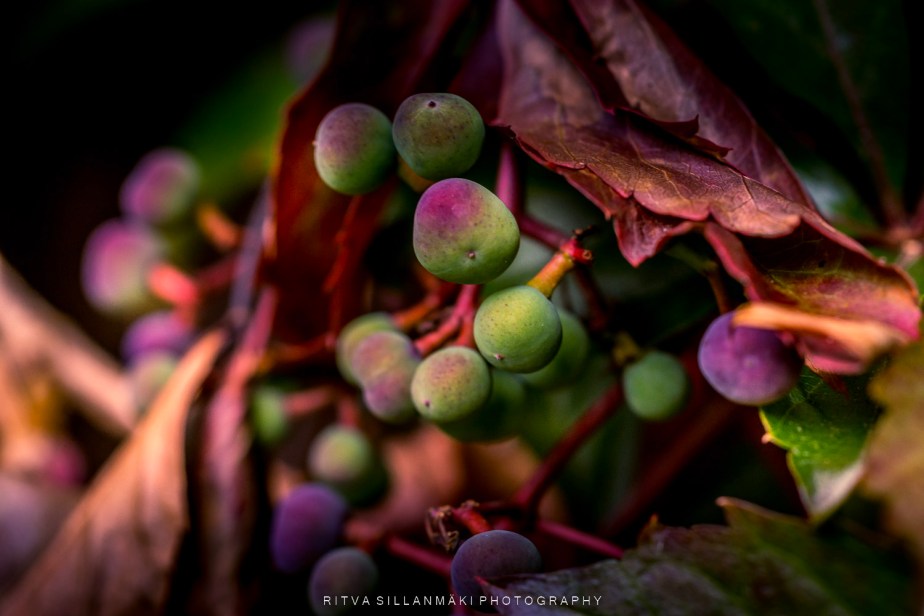
Many minimalistic photography images have a great deal of negative space to isolate the subject. There are tons of genres and ideas that would make for very compelling shots – architecture, landscapes, portraits, food photography, abstracts and so much more. Think about the story or emotion you’d like to convey to your viewer and compose your shot after taking some time to think about it.

We’re looking for clear, un-cluttered images where the space surrounding the main subject or idea enhances your shot by taking the viewer’s eye straight there. That little bit of extra space allows for breathing room and leaves no doubt as to what the main point of interest is.

There’s magic in negative space, when used wisely, so think, breathe, shoot…
TIPS:

I would have loved to use some of the shots I took at Crete as they would have suited this challenge perfectly, but no, still I think they are great examples of negative space.


Our first visit to Chania it is a breathtaking city on the north-west coast of the island of Crete. The city is historically significant In the town of Chania, ancient Greek, Byzantine, Venetian, and Ottoman buildings coexist in the landscape of the city. We visited the Virgin Mary Metropolitan Church, on our way to the Venetian Harbour, “It is worth walking and watching, and at sunset you can get some really nice shot. Those I will share in the next post.


Papadiana is a lovely small village located 60 km south of Chania and close to the village of Sougia. With few inhabitants (population 14 as I found out as I googled the area) that deal mostly with agriculture, Papadiana has traditional architecture with stone houses and narrow streets.
It is surrounded by lush greenery and wild mountainsides. Most vegetation comprises of olive groves that give pure virgin oil, for which Crete is famous.
We drove through this small village and noticed a sign on the side of the road, Old mill, we took the turn and found this idyllic place at the end of this gravel road. When we saw the mill it it had a 1860 A.C. sign on it.,


For many of us, seeing a Pattern comes quite naturally – after all, it’s just something being repeated in a pleasing way. That’s why so many of our creations use patterns – whether it’s the crimped crust of a pie or some beautiful inlay mosaic work on floor tiles – patterns and repetition of shapes stands out to us.
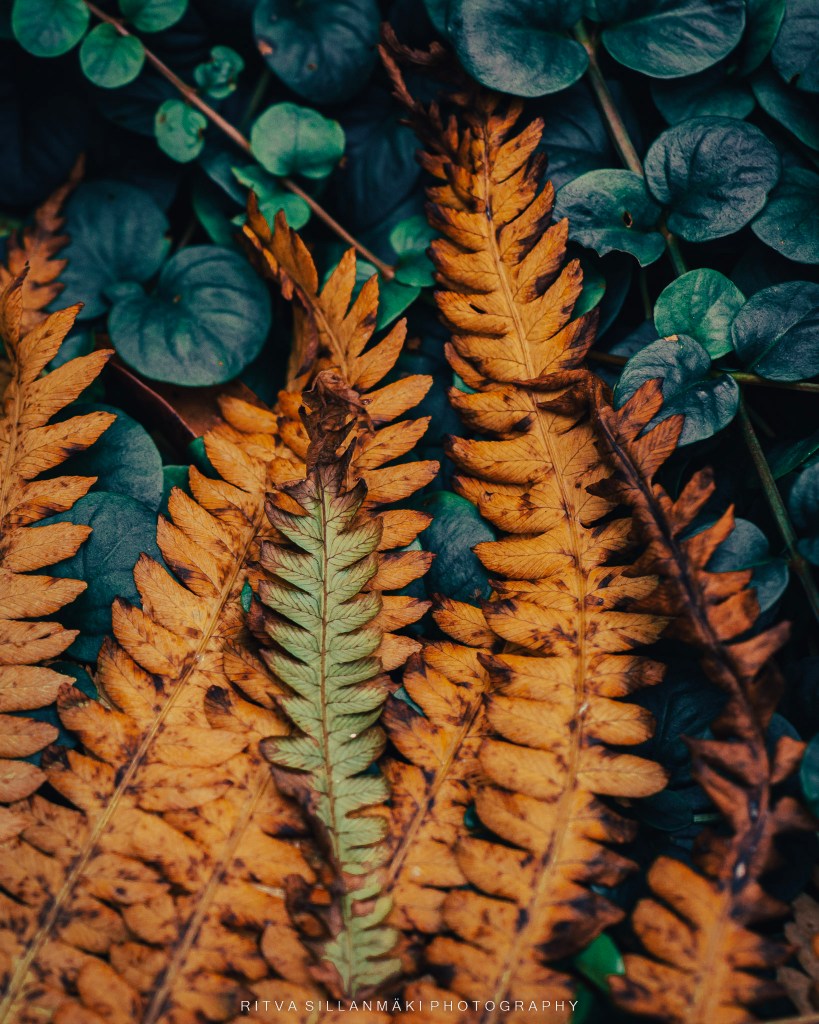
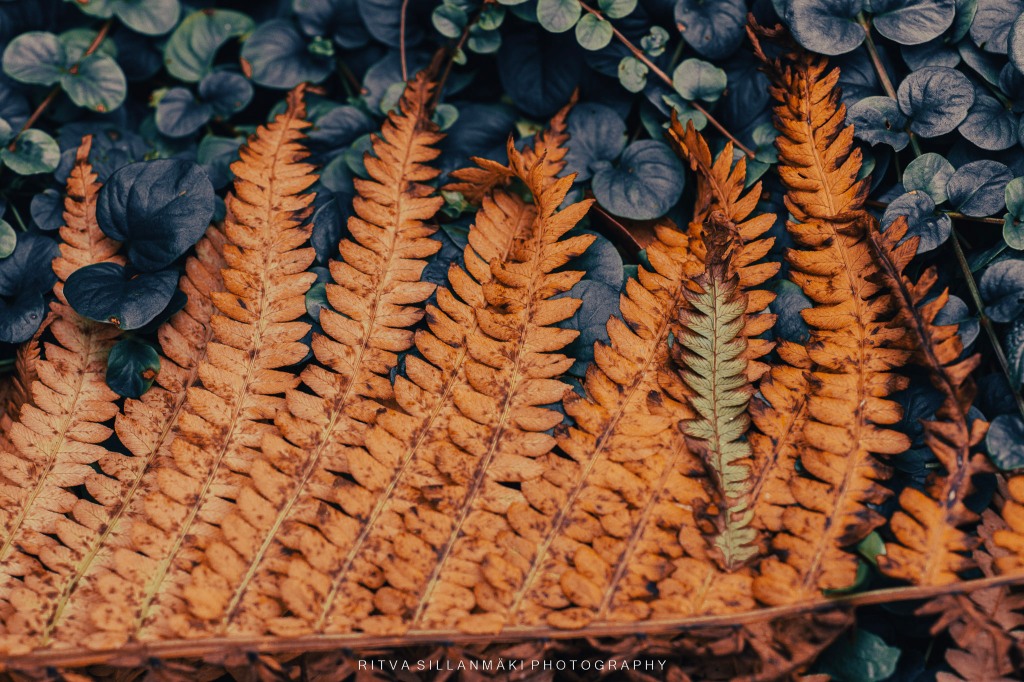
I had lots of ideas, but well I run out of time and took an easy way out, because patterns are everywhere, but to get an interesting shot of it, is an other thing altogether. I went with the fern this time as the shot of peaches and butterfly are not new and the challenge is to take a new photo every week. If I had had the energy I could have tried to capture similar shots again. Not this time 🙂

Let the patterns to tell a story and that’s where the creativity comes in. Look for geometric and sharp angular patterns if you want to compose something using a pattern of shapes. You could also seek out patterns with colors. This challenge can overlap with other sub-genres like Repetition or Textures. Other genres like Abstract Photography or Architecture are also great ideas to find patterns.

One final thought – Most, if not all, patterns have repetition. But not all repetition forms a pattern. Just think about that for a bit.
Extra Challenge: Found In Nature

TIPS:

It has been a tiring three weeks, but I finally think I have beaten the flu. There seems to be lots of it going around. Maybe I can now get back to certain flow to get may Grete photos posted. But here is just a small summer greeting from my summer place.
Lakeside blues and cool water topped with ice-cream, can you top that? Summer!


Sweet strawberries, the season first for me and they were so tasty and sweet, one of my favorite treats of summer, fresh strawberries and new potatoes.


Although Crete isn’t the homeland of oranges and lemons, citrus fruits play a huge role in the Cretan diet. If I saw many olive trees I did see some orange and lemon trees as well. Ancient Greeks used to believe that the Earth goddess, Gaia, gave citrus fruits as a gift to Zeus and Hera on their wedding.
The special microclimate in the area of Chania, as well as the abundant water available from the Cretan White Mountains, contribute to the growth of juicy oranges. I heard said that…

“In fact, these oranges are among the most delicious in the world.”


What the heck is that?
That is what, I have tried to figure out, how to shoot it. That is between my coughing fits, this flu or what ever it is very strong and persistent.
If that’s the reaction your photo gets, then that means you did it right! Did i succeed in anyways?

This week we are diving into the abstract, the macro, the hidden angle, the way the light touches an object, or even getting inside an object, and giving a different view of a familiar world in order to challenge our viewer into figuring just WHAT IT IS that we photographed!

You do not need to shoot macro or up close, you can mask certain details using light (or shadow) to show what you want and hide what you don’t!
Is it a whisk? A spoon? A grain of sand?


it is that time of the year again, the amount of light we get, the longest day passed, but we are now celebrating midsummer here in Finland, lot’s of people are driving to countryside to enjoy the this festive season, to be bitten by mosquitos, but some may choose to stay in the cities. Well we came to our summer house to enjoy the light nights and warm summer days that the forecast has promised us for this weekend.

I am still coughing my brains out, tired from lack of sleep as soon as I try to lay my head on the pillow, well in my case at the moment pillows you can say bye bye to sleep. So I haven’t had any energy to post anything. But for midsummer I have to do something to celebrate, I took these at out last visit, it was full moon time, I never got around to posting them, so here is some beauty from one of my favorite places. Beautiful Finnish countryside in the summer.


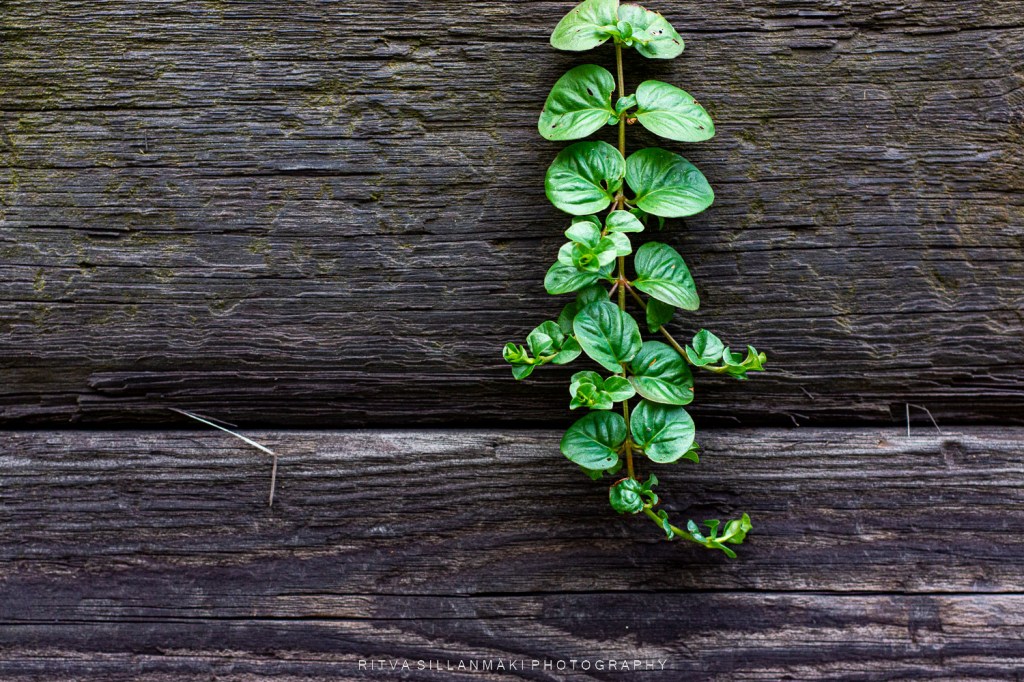
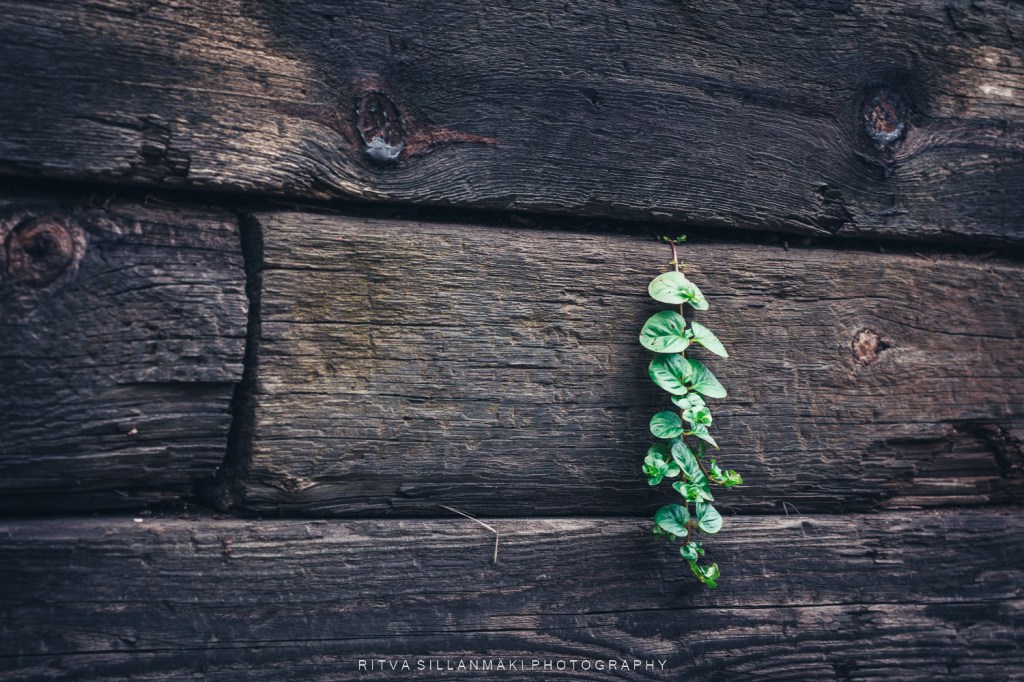
As I stated in my 52 Frames post, that I would post a separate post about droplets. Here it is.

I love photographing them, most of them are not worth the digital space they take and sometimes I am lucky and I am happy with them and share them. As you have guessed, I am happy how these turned out. Minimalist, simple and green.

“A single gentle rain makes the grass many shades greener.” – Henry David Thoreau


The small village of Sougia in the south-west of Crete has managed to remain unaffected by the growth of tourism in Crete. It is still a peaceful haven, with a long beach, we stopped there for a while and had lunch at a one of the beach side taverns.

In front of the village lies a lovely quiet long beach with coarse sand and crystal clear deep water. The beach starts from the small harbor of Sougia (west) at exit of Lissos Gorge and stretches to the east for 1.5km. This part of the long beach is not organized. Instead, the beach in front of the village offers umbrellas, showers, sports and a lifeguard tower. Along the beach there are plenty of tamarisk trees where you can find shade.


Moussaka was the dish I tasted here, and it was very good. I tasted it in an other place later and I have to say this was so much tastier.


Recipe for Moussaka: Components 3-4 aubergines 3 potatoes (optional) 0.7 kg of ground lamb or beef 1-2 onions around a glass of red wine 400 g tomatoes from cans or 5 larger grated fresh tomatoes olive oil Spices: ½ teaspoon of cinnamon, 2 tablespoons of oregano ½ teaspoon of ground cloves, salt, pepper, a pinch of sugar (or mix for moussaka) Bechamel sauce: 600 milk 85 g flour 85 g butter salt pepper, 25 g of grated hard cheese (eg Greek kefalotiri or Italian equivalent) 1 egg
This is going to be the one of many posts, so sorry 🙂 beforehand for the nearly same named posts.
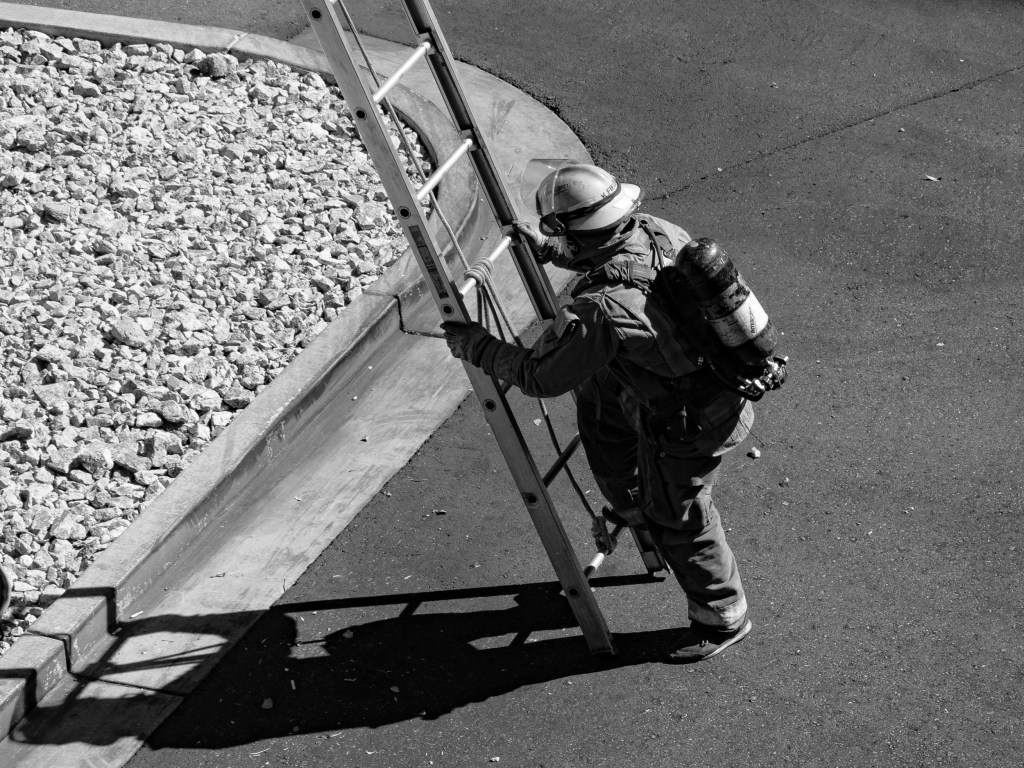
Time to look at things from a new perspective – this week, we’re going to Shoot From Above. Most images are taken at eye level or with the camera parallel to the horizon. With a high angle shot, we’re trying to get photos from an unusual angle, taken from above the subject and looking down towards what you’re shooting. Why ? Well, the short and sweet answer is – you get some cool shots this way.
I submitted the one of the table, but I wanted to post some of the droplets I captured this morning, yes, I shot them from above, but you cannot tell that from the photos. So I did not use them. I am going to do an other post just with them, but here are some of my choices of including some flowers also, naturally 🙂 My entry was not the most unusual, or original, but due to not being able to venture outside my yard due to summer flu my choices are rather limited.


You can shoot some cool portraiture by getting up higher than your subject. Food and product shots are also well-suited to being shot from above (just pay attention to your lighting and shadows). Oh, and let’s not forget flat-lays – you can go minimalistic or mega creative with your ideas here.
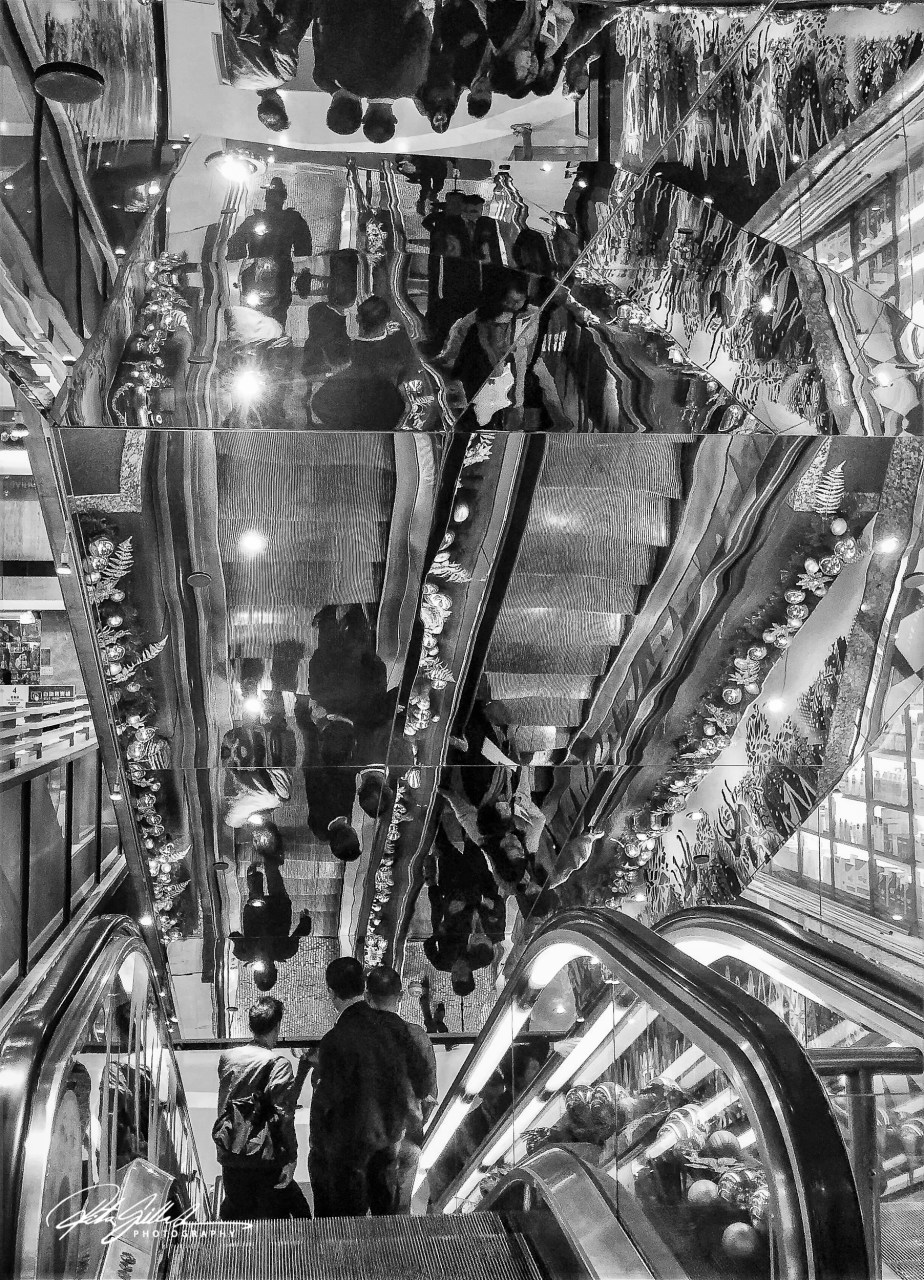
And of course, the evergreen favorite: landscape shots – whether natural or urban. Just position yourself somewhere high (and safe) and shoot scenes of what’s happening below -. Go a bit abstract and look down the mirrored facade of an office building.


Common trees in Crete are the tamarisk , oak-, chestnut-, pine-, cypress– and the evergreen plane tree (Platanus ). It is quite often found in the village squares, offering its shade to people. A huge plane tree, or platanos in Greek, can be seen at Topolia village in west Crete “Monument of Nature” after a day on the road we did not go to see it but we did stop in the village. I will post some photos of it later.

It is believed that 55 to 65 percent of the cultivated land on Crete is given over to olive groves, which contain approximately 30 million trees, so that the groves cover one-fifth to one-quarter of the island. And I felt it, I am surprisingly allergic to the bloom of Olive trees and at the end of May early June there was still some in bloom.


This is going to be the one of many posts, so sorry 🙂 beforehand for the nearly same named posts.
On the mountain roads we on more than one occasion ran into these goats with bells on their necks letting us know they were there. So this post is dedicated to the goats we saw 🙂

Shepherding is one of the oldest proffesion in Crete. Bells for sheep and goats were used all over Greece and Crete of course.
The bells were the pride of the shepherd and they were used to monitor the sheeps and goats. The quality of each bell as well as their combination was very important so that the flock will sound harmonious.

The Cretan bells are hammered bells with thin sheet metal and consequently have a low weight. In addition, they are plated with bronze and bronze which protects them from seawater.
The sounds of sheep-bells allow sheperds to know whether an animal is grazing, drinking water, or trying to get away from something or even to locate animals that have been lost.

All traditional hand-made sheep bells sound different. These goats below we saw at Anatolikos Selinos.


This is going to be the one of many posts, so sorry 🙂 beforehand for the nearly same named posts.
After our trip as well as having back up issues, which are now solved, I got a summer flu. Not happy about it, it certainly has me tired.
I still am now aiming to get some pictures published. I will try to cover as much as I can, in the end I did not take all that many photos as I would usually take, but still I was able to capture some beautiful places and things. The flowers bloomed as it was early summer, the hills and trees were still green. I had not many expectations beforehand so I was nicely surprised of what this island had to offer.

The first picture above is from Mousoura area, at least that is what came as the location in my mobile photos, I took shot with my camera and also with the mobile so I would have the locations to remember. The village in these photos, if I remember correctly, is mountain village Lakkoi surrounded by the beautiful mountains of that area


This is going to be the one of many posts, so sorry 🙂 beforehand for the nearly same named posts.
Three’s company or a crowd… 🤷🏻♀️ – but in photography, we can use 3 “lines” to make a Triangular Composition – three lines in an image to create either an “actual” triangle shape, like a harsh shadow on the street, or hands raised above ones head, or a “perceived” triangle shape like posing a group of people in your frame, or cutting your frame in half with some diagonal shape (your subject’s limbs placed diagonally in your frame can make great perceived triangles in your frame’s composition). Other ways perceived triangles can be utilized in your composition could include the way a lamp casts light onto your subject, or a leading line taking you into the frame.

This challenge is NOT a request to find a triangle toy, or a triangular OBJECT and take a photo of it. This is a compositional challenge, as its name implies: Triangular COMPOSITION. Just like for the Rule of Thirds challenge, for example, wasn’t a request to go out and find tic-tac-toe boards!

Triangular composition is one of those “guidelines” in photography composition, that can enhance interest in your frame, if or when you can incorporate it. The purpose of this challenge is to first train yourself to SEE it. Once you understand where triangles take form in composition, you can then craft your own frame utilizing one of these techniques.

you can achieve triangular composition in many ways: by placing your subject’s hand on their ear, by catching the harsh mid-day shadow on a street, by capturing a long, straight road, that disappears in the distance.

This challenge is not (necessarily) referring to the “golden triangle”, the focus is more on these scenarios where you can identify regular ol’ triangles in your composition.
Be creative : let’s not be obtuse
in looking for the right 📐angle. We’re all equilaterally🔺capable of acutely 🚩 good photos.
“Abstract art is uniquely modern. It is a fundamentally romantic response to modern life – rebellious, individualistic, unconventional, sensitive, irritable.” – Robert Motherwell


“You can`t look at abstract art without thinking.” – Patricia Cole

“The longer you look at an object, the more abstract it becomes, and, ironically, the more real.” – Lucian Freud


Andy Gotts MBE MA he is a photographer based in London, England, and New York, USA. He is most noted for his black and white portraits of Hollywood actors and singers, but he has occasional color shots, but even they are in muted colors.
I did not have a anyone famous to take photograph of, but my trusted model stepped up for the challenge.

Whether it’s legendary photographers whose work you’ve come across in a gallery exhibition or cool, modern photogs on Insta (and 52Frames.com), there are so many photographers whose work inspires me. Sometimes it’s just the concept, story and creativity of the composition; at other times, I find the technical aspects to be just jaw-dropping.
Being inspired isn’t the same as a 1:1 copy – far from it, it’s about learning and picking up certain aspects and nuances from a fellow photographer. Look at the tones and color palette that’s used or perhaps the technique that made it a shot for you to recall.
Still not sure whose work you’d like to pay tribute to or can’t choose from your photo heroes? Use our friendly random prompter to help you out with some well-admired photographers and the genres they’re best known for.


I am back from my short vacation in Crete. I have some issues with ma back-up storage. So I have not been able save or even go through all my photos. I was rather good, I only pressed the shutter 701 times during the trip on my camera and some on my mobile 🙂
The week went by fast, we rented a car for three days so we got to see more than the beaches and tourist areas. I am going to post here one shot that I really like. It was on top of a hill in corner of the road leading up to the mountains.

This is going to be the first of many posts, so sorry 🙂 beforehand for the nearly same named posts.
I am currently on my vacation here are few shots from my trip, but I will come back to this topic when I get back home. Oh by the way I am in Crete 😊


“Abstract pictures are fictive models, because they make visible a reality that we can neither see nor describe, but whose existence we can postulate.” – Gerhard Richter


“Even abstract shapes must have a likeness.” – Willem de Kooning


“There is no abstract art. You must always start with something. Afterward you can remove all traces of reality.” – Pablo Picasso