Solidago virgaurea (European goldenrod or woundwort)



Solidago virgaurea (European goldenrod or woundwort)


This is my next (the first photo) entry to the Monochrome Madness Challenge (MM) hosted by Leanne Cole and Laura Macky so happy to be able to be part of this talented group!. I have not done a black and white entry of a flower for them for this week( 25), so here is Succisa pratensis, Devil’s-bit or Devil’s-bit Scabious ,…. I think it looks good in monochrome.

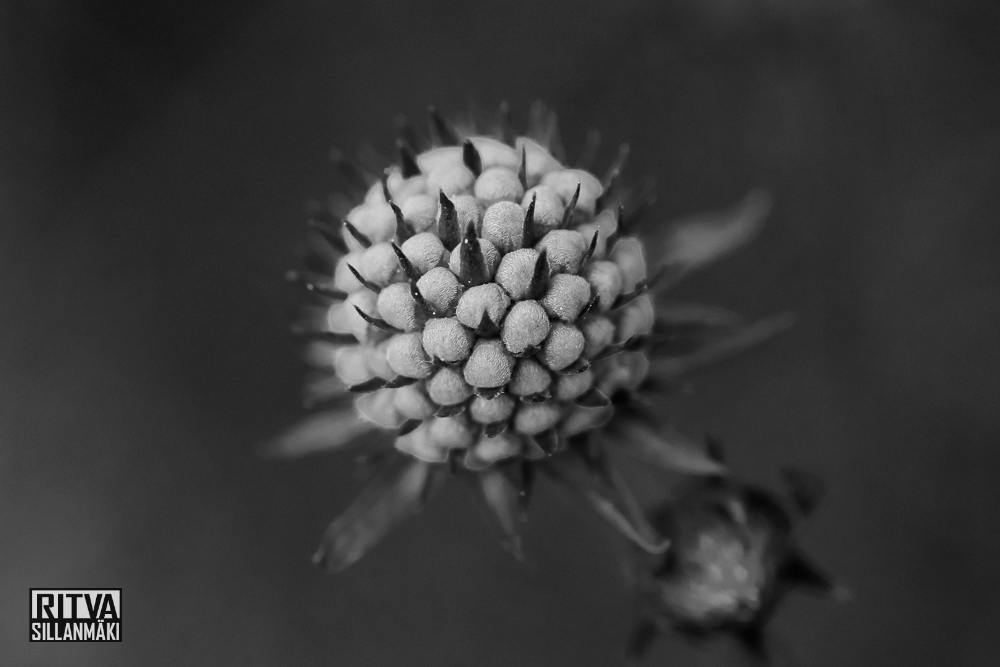
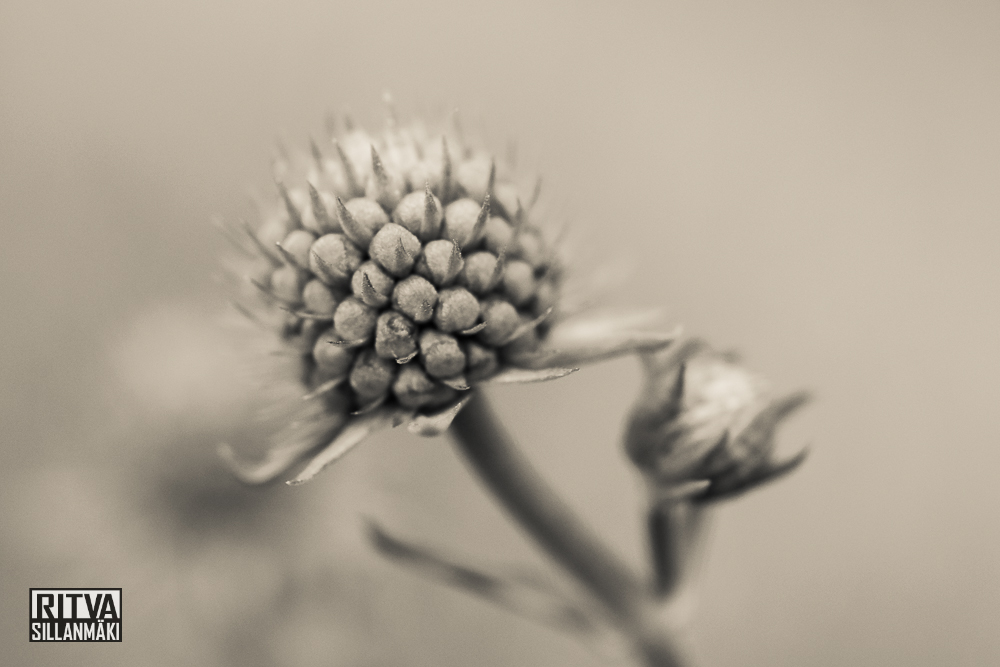
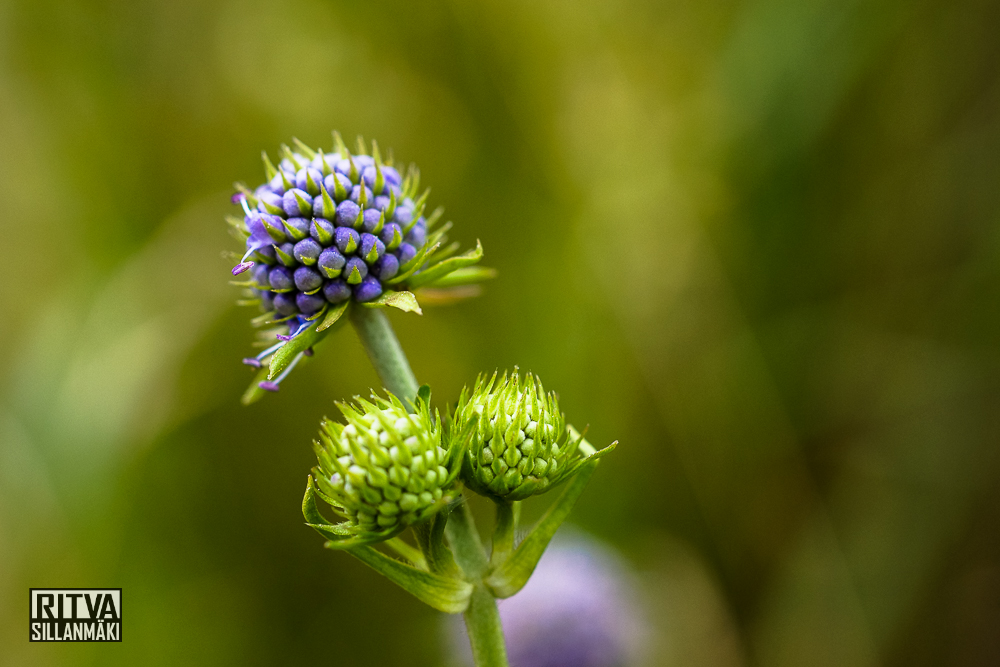
Original photo below. All details can be seen better by clicking at an image to enlarge them.
More beautiful photos at Monochrone Madness Tuesday August 19th.


I spent an evening with friends on an island, unfortunately I did not take my camera with me so I took these with my mobile. Such a lovely sunset.


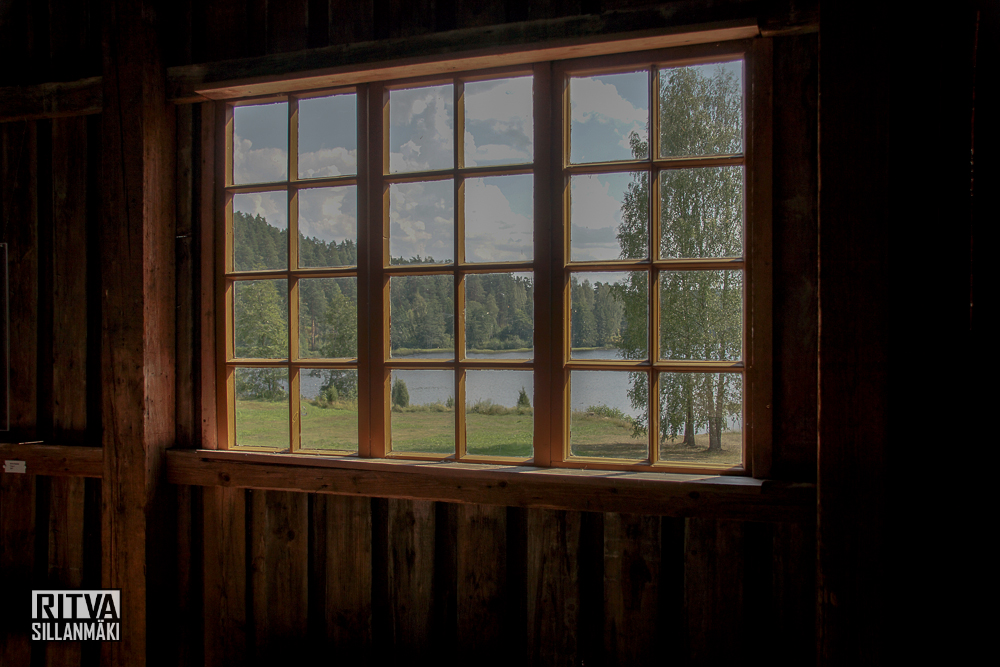
A view from a barn window – original photo below. I think the view looks like a painting.
More at. Friday, 15th August, 2014.
 More skies at; Skywatch Friday
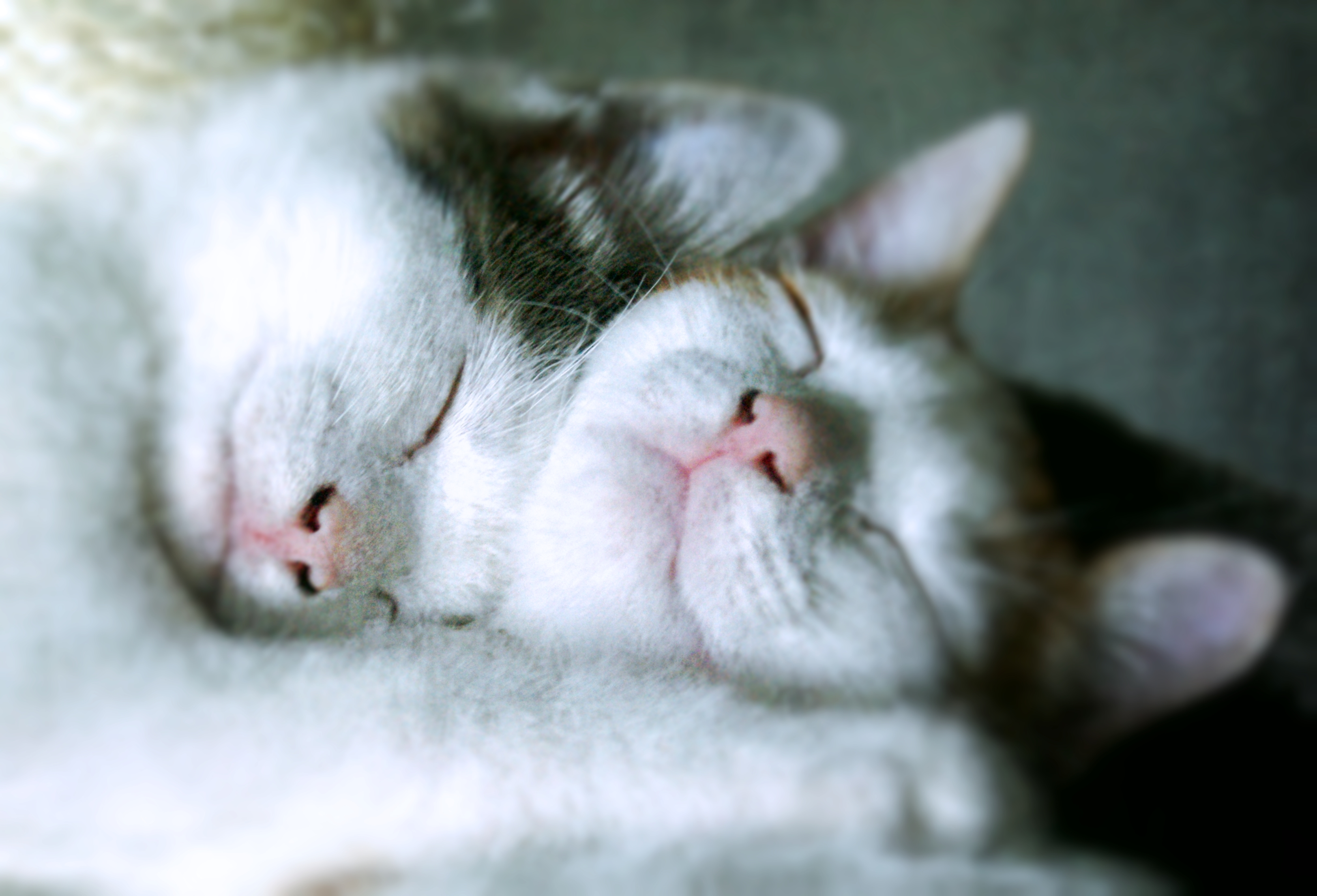
These hugging cat are so adorable

As an Australian who moved to Helsinki three years ago, a lot of things are still new to me here: summer cottages, berry picking, snow, the four seasons… and squirrels. In fact, I recently stumbled on the observation that Finns are rather like squirrels.
To begin with, they both change their behaviour and appearance according to the season. In the autumn months the fur of squirrels starts to turn grey. At the same time, Finns begin to shed their colourful summer clothing in favour of more dull and darker colours. Like their clever four-legged compatriots who madly scatter through the forests collecting nuts to store away for the impending winter, many Finns scurry about their gardens collecting bucket-loads of ripe berries, apples and other fruit to store in cellars in preparation for juice-making and pie-cooking during the winter.
Then, after all that energy-sapping autumn activity, Finns (squirrels and humans) hibernate through the winter. When they do venture outside to look for (or work for) food, they leave much of their friendliness at home (after all, it’s far too cold and dark to stop and chat in the snow). And the fashion changes. Finnish squirrels pull on dull grey fur coats while Finnish humans do the same in an attempt to blend into the bleak landscape hoping no-one notices them.
As the climate turns warmer and sunnier in the spring, squirrels wear bolder reddish-brown tones. Their human counterparts are more adventurous, wearing their brightest reds, blues and yellows in an attempt to compensate for their boring, cold behaviour during autumn and winter.
Summer, of course, is when all Finns, both two-legged and four-legged, are happiest and boldest, venturing further from home (some just to the next forest, others as far away as Thailand). Like squirrels, many Finnish humans swap one nest for another during the summer, escaping to the peace and solitude of their lakeside cottage (kesämökki in Finnish) where they hibernate once again.
Mark Badham
Australian writer and PhD candidate living in Finland (with his family of Finnish squirrels)


Lovely flower path in the garden


To celebrate the hosts Adrienne’s Anniversary. Here are memories from at least 30 years ago. Old stuff I’ve seen in various locations when in search for something to photograph.


This Wednesday around the World post is linked to;
Water, I have lots of photos of water, sea, lakes, rapids, tap water…here a rapids.


Fisher selling his products from his boat in Helsinki


I believe these are my first photos , the BW photo is of my dad, the second my uncle and the boy I had my first crush on, third two childhood friends.
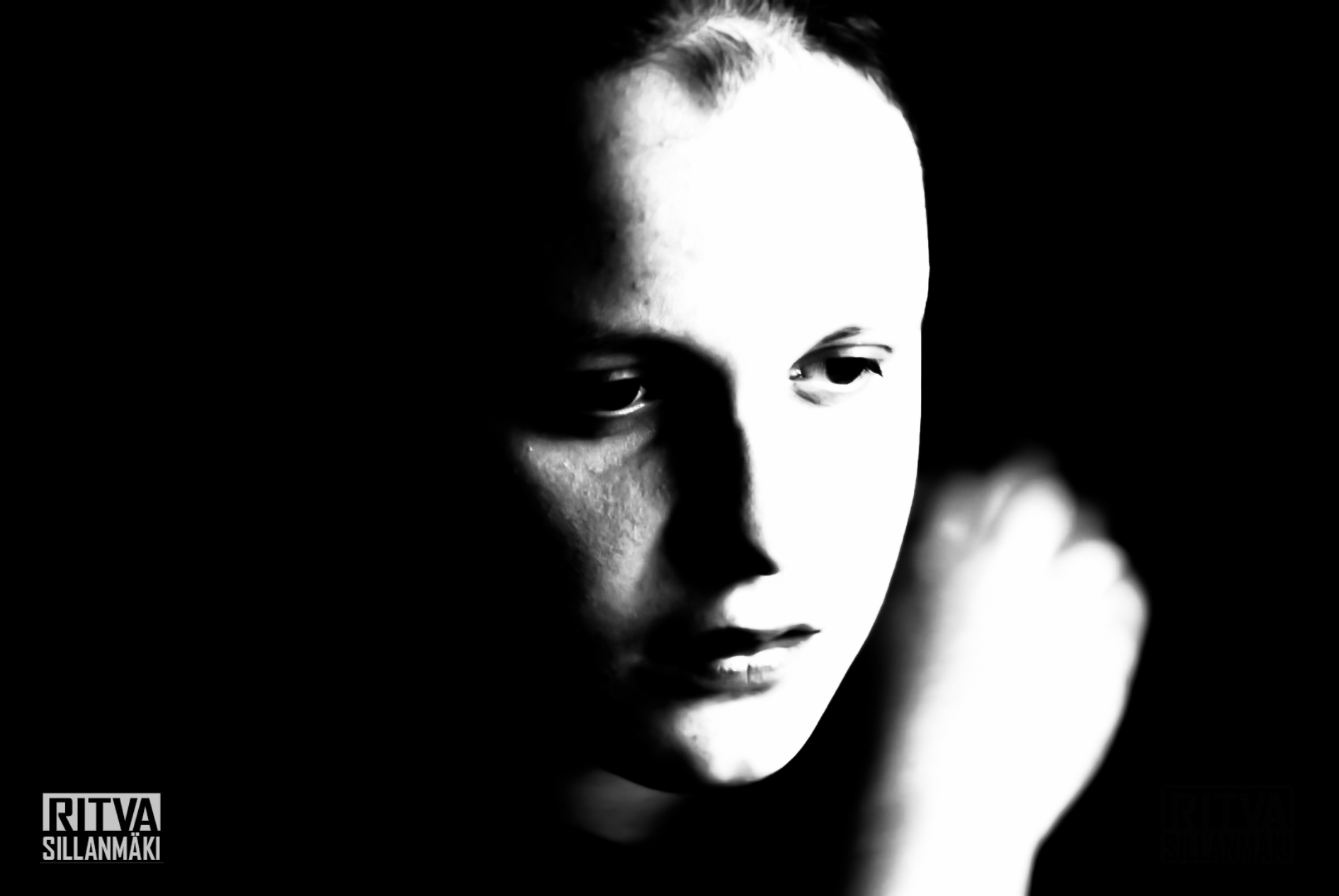
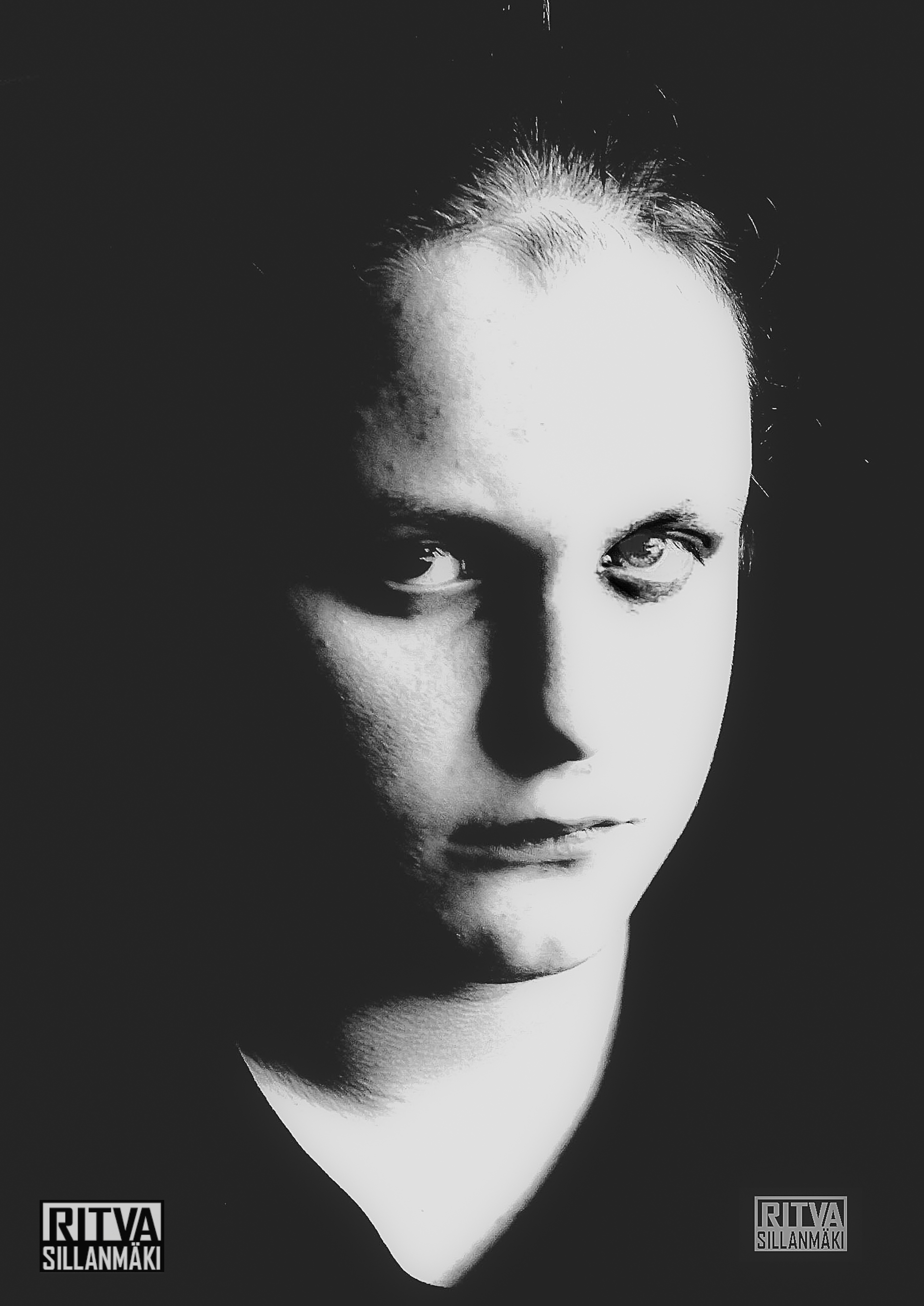
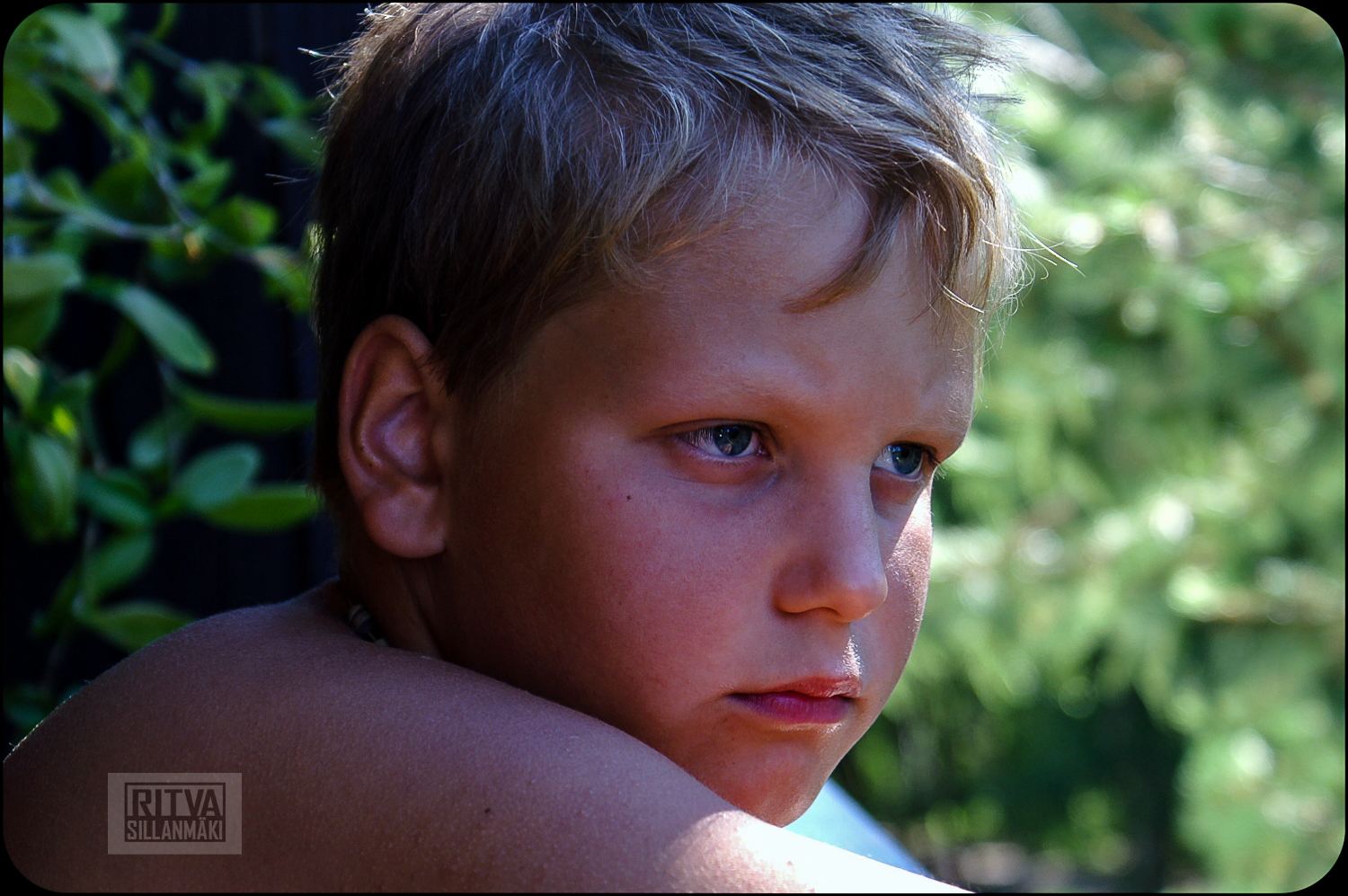
This is my submission to week 24 to the Monochrome Madness Challenge hosted by Leanne Cole and Laura Macky. I like the expression caught by the camera, my son had just woken up and was in no mood to be photographed. I think it is captured in this shot. I like that is not a posed shot.

Original photo below. All details can be seen better by clicking at an image to enlarge them.
More beautiful photos at Monochrone Madness Tuesday August 12th.