The remarkable influence of tonal suggestion and color memory is unmistakable. Even when a scene appears solely in shades of gray, our minds—shaped by years of experience—can easily “imagine” the recognizable colors we anticipate. We overlay our memories onto the image. This week, we are encouraged by Egídio to delve into this cognitive phenomenon, illustrating how the lack of color can often lead to a more profound and personal perception. This is the challenge we face this week: perceiving color within the confines of black and white.
It was rather hard to find images the we all associate with the same way. Sky, trees, water- even that is hard to precisely say, as there are so many shades.
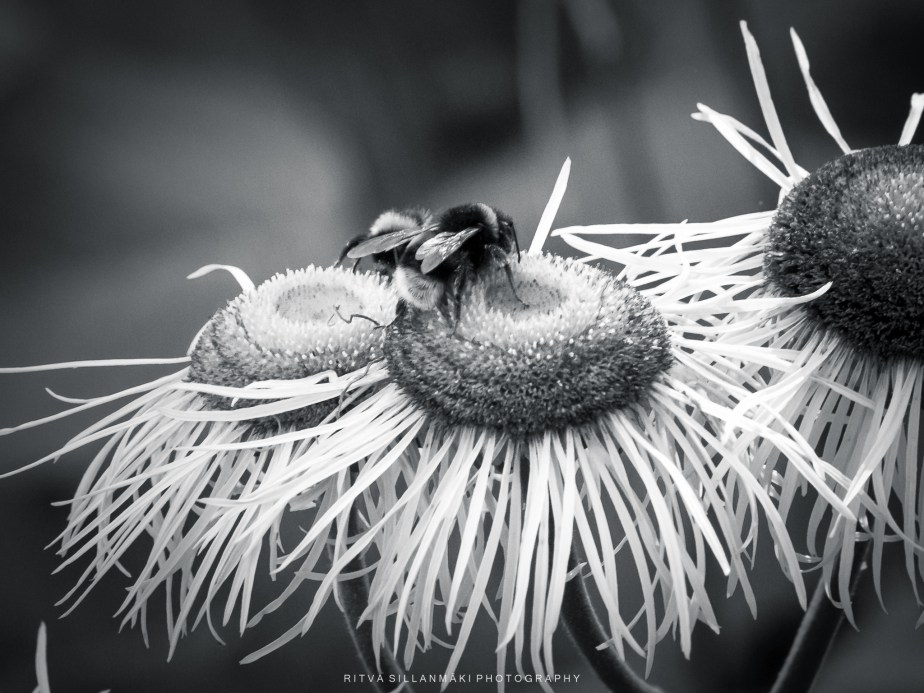
A close-up of a bee on a flower in black and white, illustrating the beauty of nature even without color. What is your guess as for the colors of the flower?
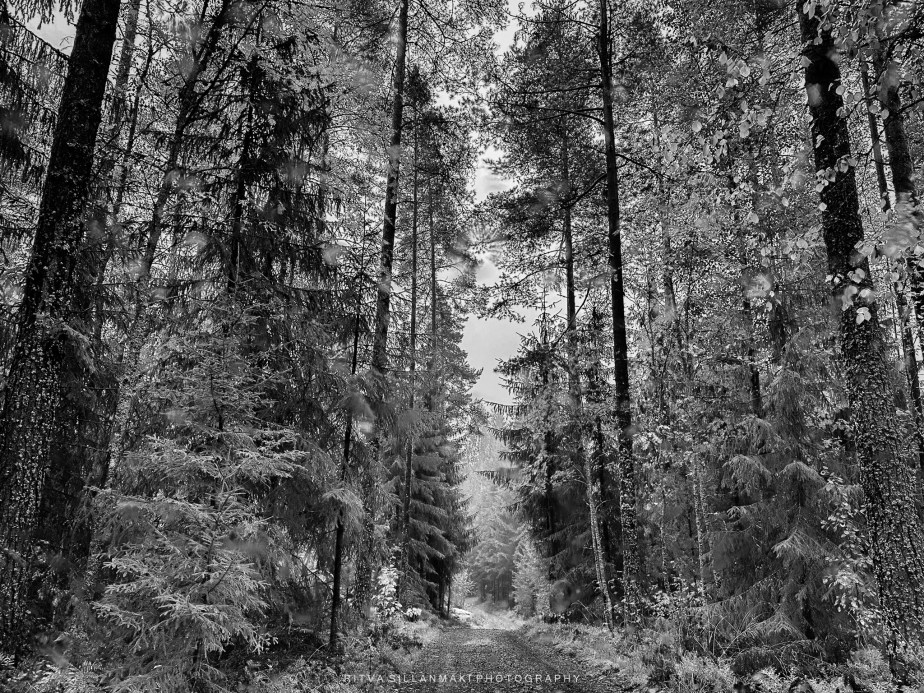
A serene black and white forest path illustrating the interplay of light and shadow in a nature scene.
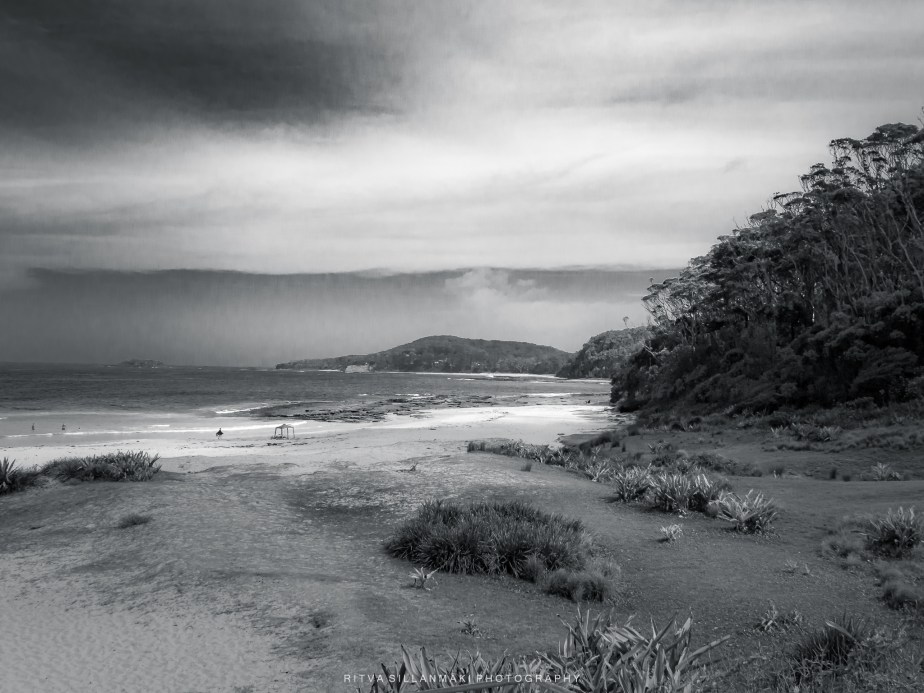
A black and white coastal landscape showcasing the interplay of textures and shapes, embodying the challenge of perceiving color within monochrome. Can you see the yellow sand, blue ocean and sky surrounded by green trees.
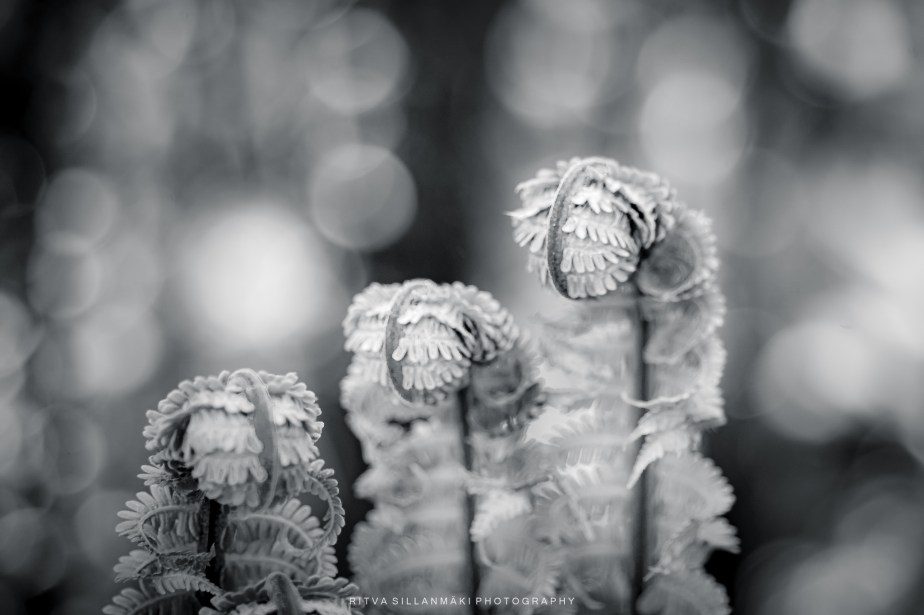
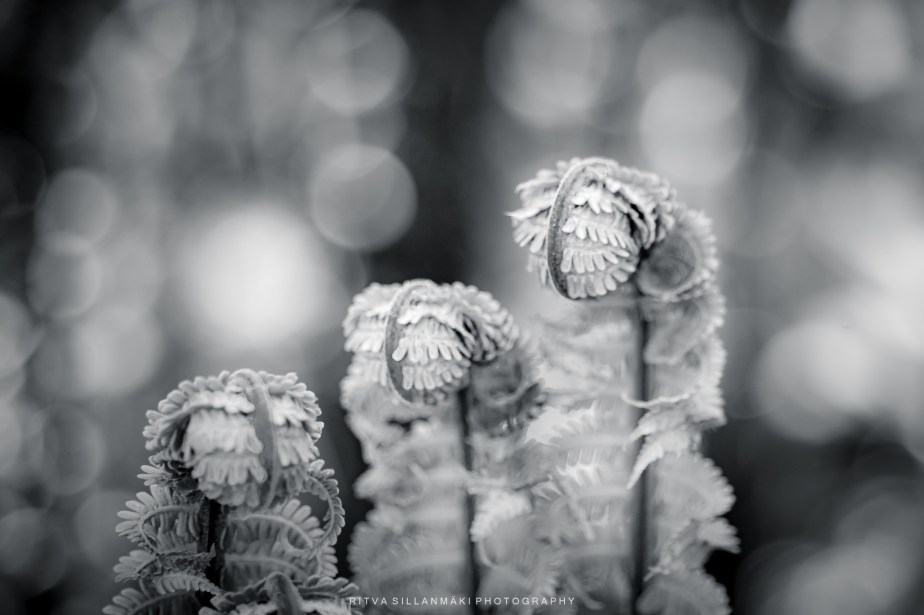
A close-up of ferns in black and white, highlighting their intricate textures and shapes, illustrating the week’s theme of perceiving color within monochrome images.
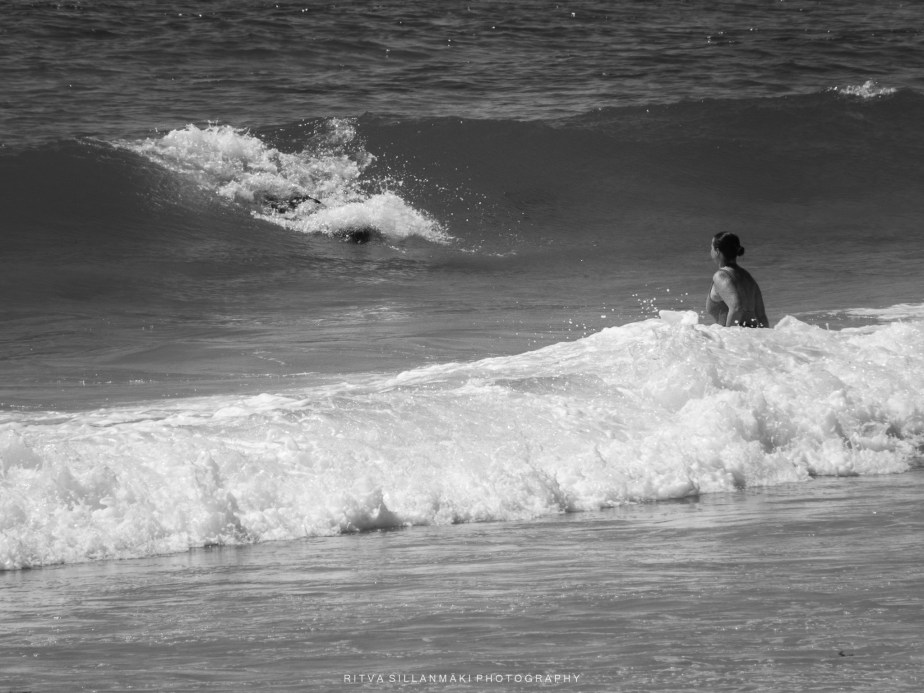
A black and white image capturing a person sitting in the surf, contemplating the waves. Turquoise – was the original, but is that what we all saw?
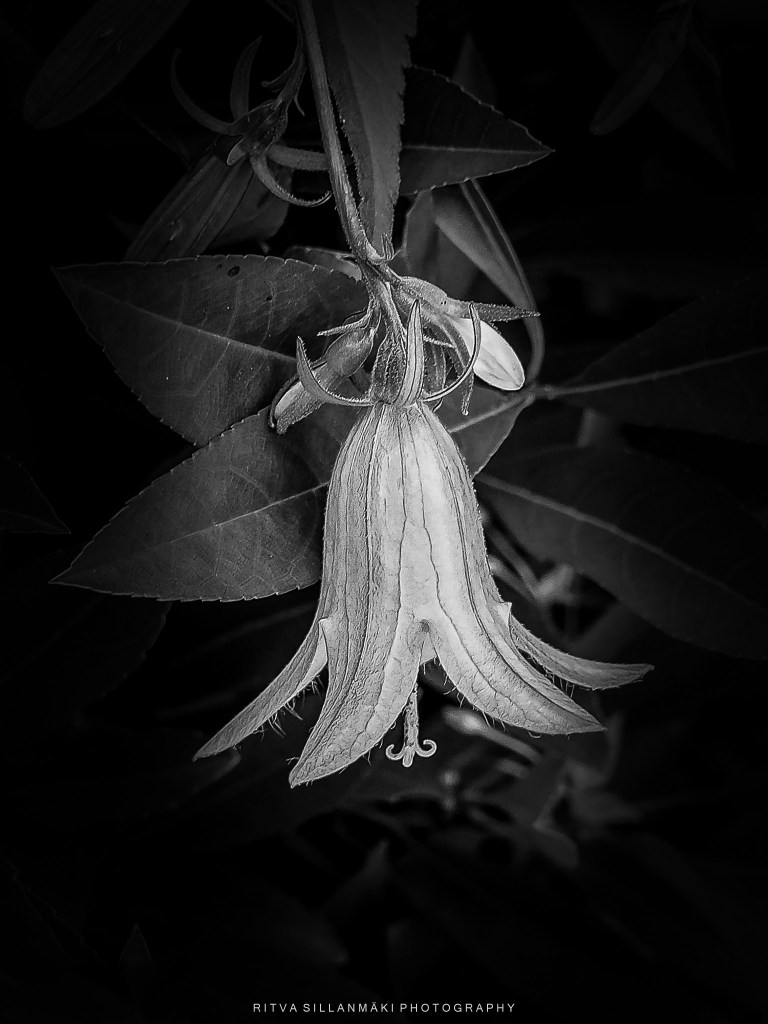
A monochromatic close-up of a delicate blue bell, showcasing the intricate details of its petals and leaves, emphasizing the beauty of black and white photography.
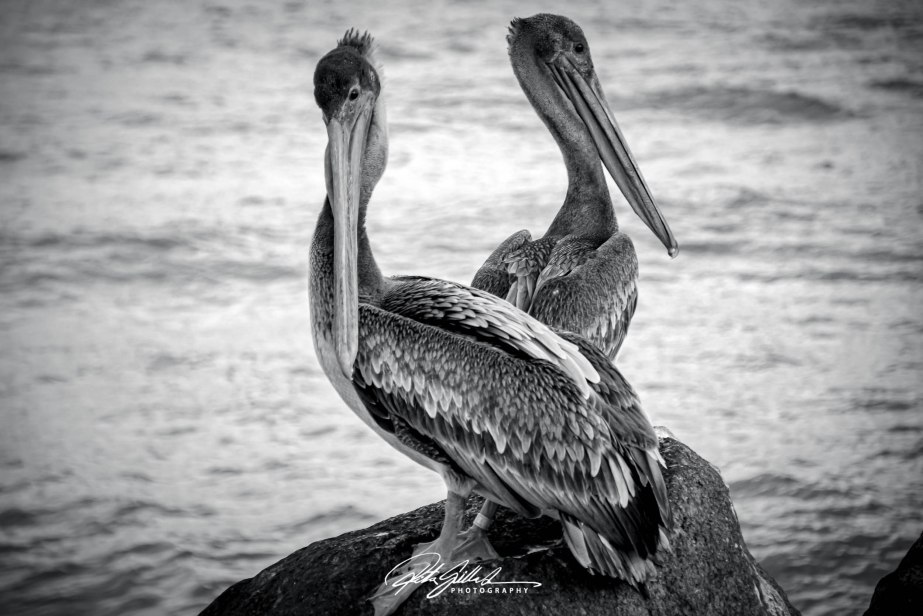
Two pelicans perched on a rock, captured in black and white composition, emphasizing their unique features and textures, but can you see their color?
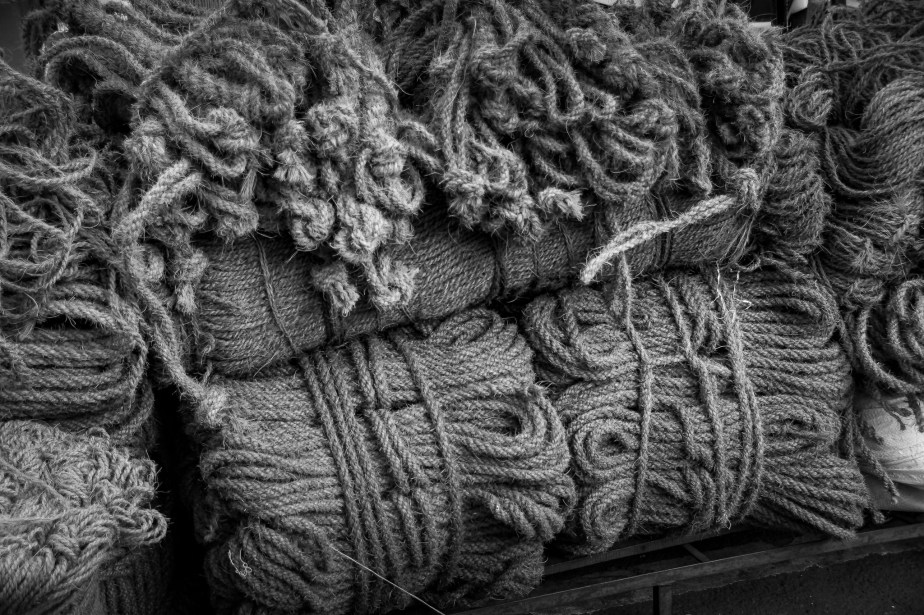
A close-up view of neatly bundled strands of rope in various textures, captured in black and white, highlighting the intricate details of their fibers. Can you see the color -Light golden brown?
These are my photos on this challenge; how did I perform? This one had me contemplating for some time as I tried to find suitable colors, I aimed to make sure that my suggestions were both easily identifiable within the given limitations.
It is clear that we all enjoy relaxing, and many of us name nature as one of its main factors, as replies for Anne’s Time to Relax challenge last week showed us. I hope you will participate this week in Egídio’s challenge, too. Please don’t forget to use the “lens-artists” hashtag in your posts to help people discover yours. Also, tag them to his original post.
Next week, Tina will feature a new challenge. It will go live at noon EST in the USA. Tune in to find out more about the challenge then.
Please see this page for more information about the Lens-Artists Challenge and its history. If you don’t want to miss any future challenges, please consider subscribing to the team members’ websites. Here we are:
“How beautiful it is to do nothing, and then to rest afterward.”
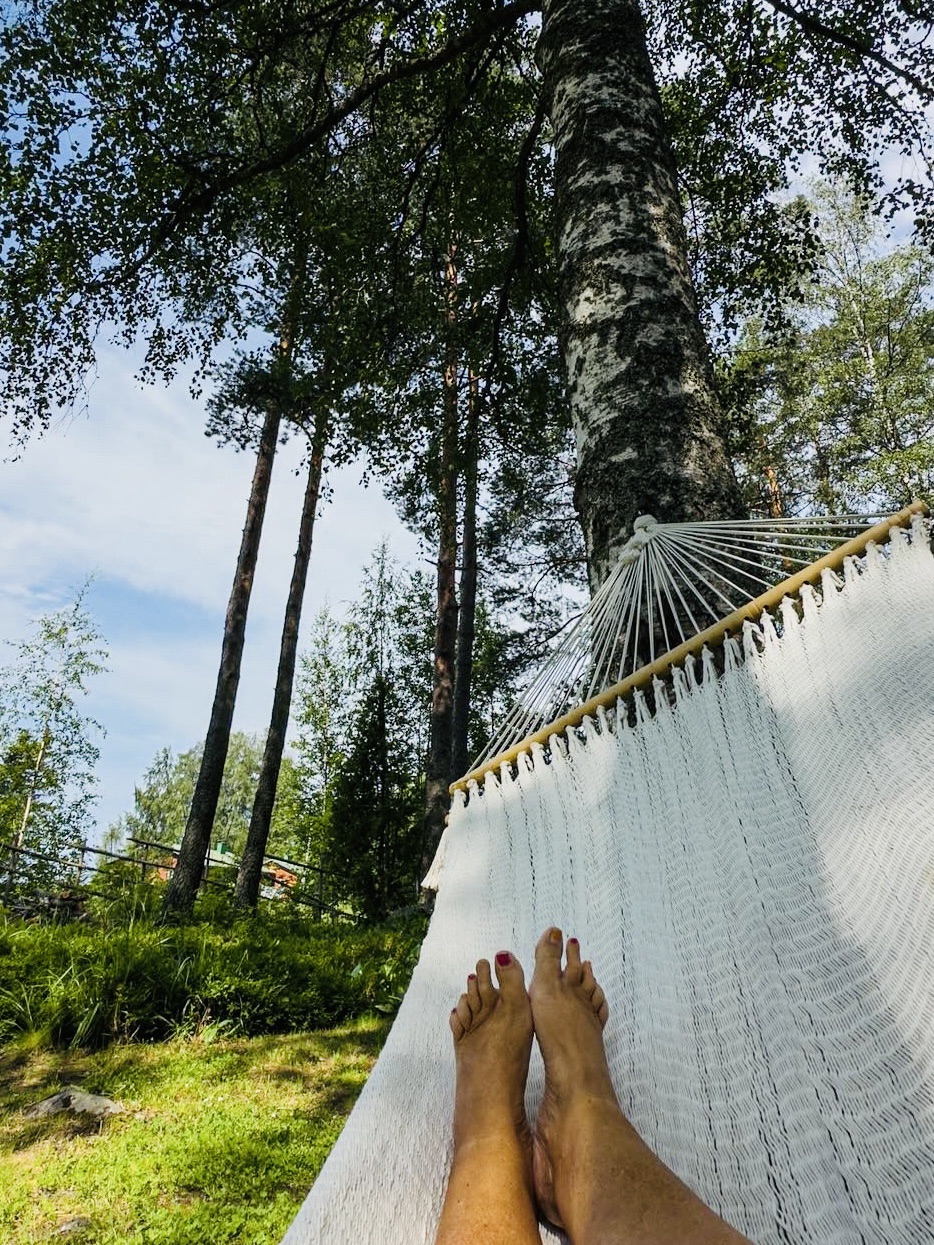
Green fields of summer stretch endlessly, painted in vibrant shades of green under the dazzling blue skies. Birds chirp, their melodies harmonizing with the gentle rustle of leaves as the wind slowly blows through the tops of the trees, creating a soothing symphony of nature. While laying in the hammock, I feel a sense of peace enveloping me. The warmth of the sun kisses my skin, and I watch fluffy clouds drift lazily overhead, time seeming to stand still in this serene oasis. The sweet scent of wildflowers mingles with the fresh air, heightening the tranquility of this perfect day.
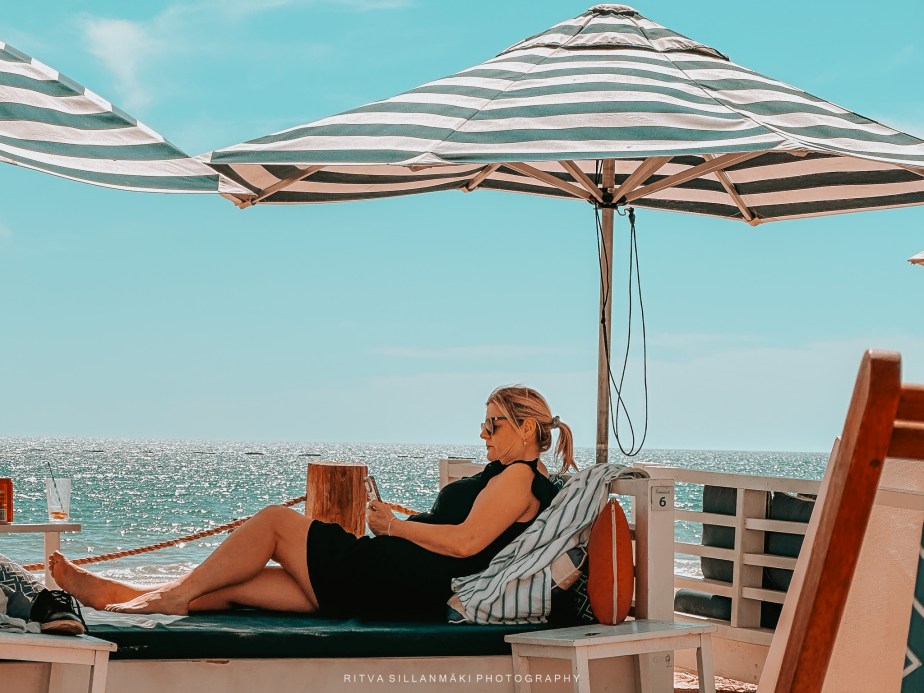
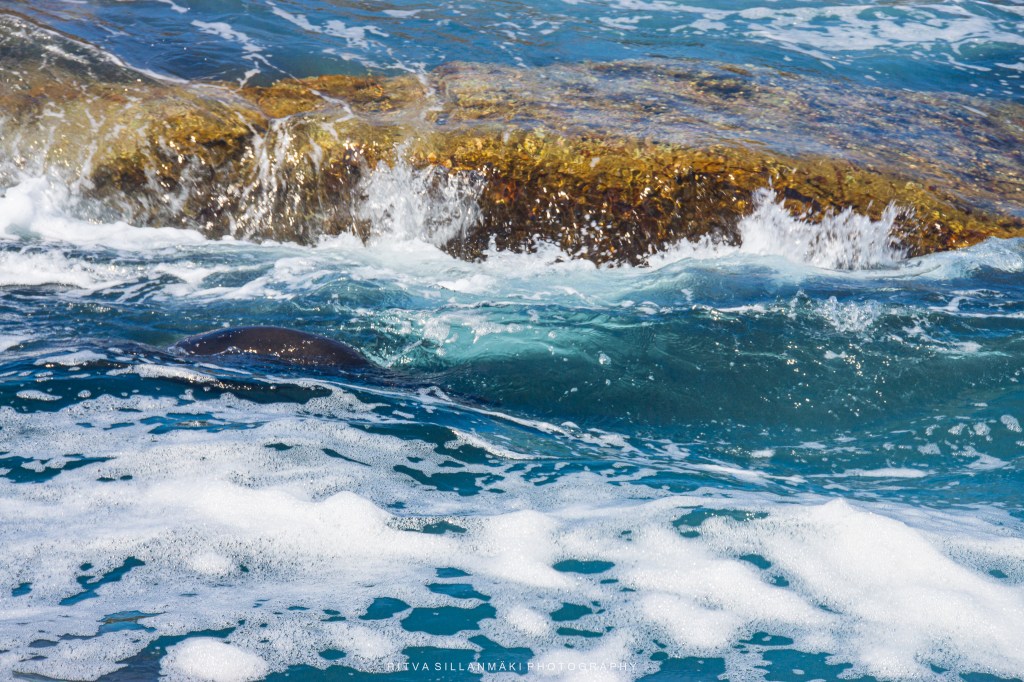
Waves crashing against a rocky shore, relaxing by the tranquility of nature, is one of the most enchanting experiences when visiting warm places by the ocean. The rhythmic sound of the surf, as it crashes and recedes, creates a soothing melody that caresses the ears and invites peaceful thoughts. As you breathe in the salty air, each breath seems to wash away the stresses of daily life, replacing them with a deep sense of calm. The warm sun, while seabirds glide gracefully overhead, adding to the idyllic scenery. This harmonious blend of sights and sounds encapsulates the essence of coastal bliss, making it an unforgettable moment that lingers long after the visit.
Waves crashing against a rocky shore, relaxing by the tranquility of nature. Is one the things when visiting warm places by the ocean. So soothing
Art, in its many forms, serves as a profound source of relaxation for me. Photography, sculpture, and painting all offer unique avenues for creative expression that help me unwind . Engaging with these mediums brings a sense of peace and tranquility that is hard to replicate elsewhere. I often find myself lost in the moment while capturing the world through my camera lens or molding a piece of clay into something beautiful. Listening to music also plays a crucial role in my relaxation ritual; the genre I choose often varies depending on my mood but regardless of the selection, the melodies wash over me and ease my mind. Singing along in the car is another delightful escape, letting me let loose and enjoy the freedom of expression. Furthermore, taking the time to look at and genuinely appreciate the artwork created by others adds another layer to this experience; observing their techniques and emotions often inspires my creativity and cultivates a greater appreciation for the artistic journey we all share.
Art in many forms relaxes me, actually doing it as well as seeing it.Creating artMusical experience Photography Sculptor Sculpture
That is me relaxing- shared some my personal ways.
Thank you, Anne, for this inspiring challenge! I’m thrilled to hear that you’re improving daily. If you’re looking for inspiration, be sure to check out Anne’s amazing website. Don’t forget to tag Lens-Artists and link back to Anne’s original post so we can find your creations easily.
Last week, Ann-Christine shared her recent adventurous trip to Africa with us and encouraged us to recount our own stories. I loved the pictures and appreciated the experiences you described even more.
Next week is Egídio’s turn to lead us, Saturday 21st March. Until then, let’s keep exploring, broadening our horizons, and maintaining a positive mindset.
Well, it seems I might have gone a bit off-script since most of my walls also feature windows! Talk about being a rebel, right? But unfortunately, those windows do pop up in many of my captures too. It’s not that big of a deal though—after all, I take these challenges seriously, but not so that they’re a life-or-death situation. I strive for precision while trying to sprinkle in some creativity and structure.
A monochrome photograph showcasing the textured walls of a dimly lit brick interior.
A monochrome view of a historic lighthouse framed by stone walls, showcasing its architectural details against a moody sky.
For this image I converted the original image to black and white. I did not touch the exposure or contrast. I turned down the blacks, added dehaze and texture. I turned the colors all down except purple and magenta that I added a bit
A woman poses in front of a vibrant mural, you know the feeling of wanting to blend into the wall A close-up view of a rustic wooden waterfront building featuring a balcony, windows with shutters, and a seating area.A close-up view of a weathered and peeling wall featuring windows and a metal ladder, highlighting the charm of urban decay.Silhouettes of friends standing on a stone wall, enjoying a casual conversation.
As you can see, I do take these challenges seriously. You know, I’ve been thinking about how to visually represent the concept of invisible walls in photography. It’s fascinating, really. Imagine capturing a person gazing out at what seems like an open space, yet their body language is full of frustration or hesitation—it’s like a silent dialogue that suggests there’s an unseen limit at play. The composition could create that sense of separation between the subject and their surroundings, almost as if there’s this emotional barrier that the viewer can feel. And then there are the shadows; they could really drive home the idea of barriers that aren’t physically there but are definitely felt on a deeper level.
A contemplative figure gazes out from a window, embodying the idea of invisible barriers and emotional separation.
This is a challenge to my heart; this is what photography is truly about. Thanks John for this theme. Your post helped me to find inspiration to mine. I, in advance, apologize for way too many photographs, as I understand that sometimes less is more. However, I can’t help but feel that each image tells a story worth sharing. Recently, I’ve been trying to limit them, focusing on quality over quantity, yet the temptation to document everything that stirs my compulsion to share proves to be an ongoing struggle.
Shadows in a photograph really bring things to life, don’t they? They add depth and dimension that can turn a basic shot into something pretty amazing. The way light plays with shadows is key to photography; it creates this cool contrast that totally grabs your attention.
One odd thing stood out when looking for photographs for this challenge: I noticed that most of my images are taken in portrait mode. I wonder why? I had never thought about this before. I really had to search for the ones in landscape composition. Another thing is that I tend to have my best shadowed shots in monochrome, so finding ones in color… I have spent way too much time composing this post; my butt is numb 😂
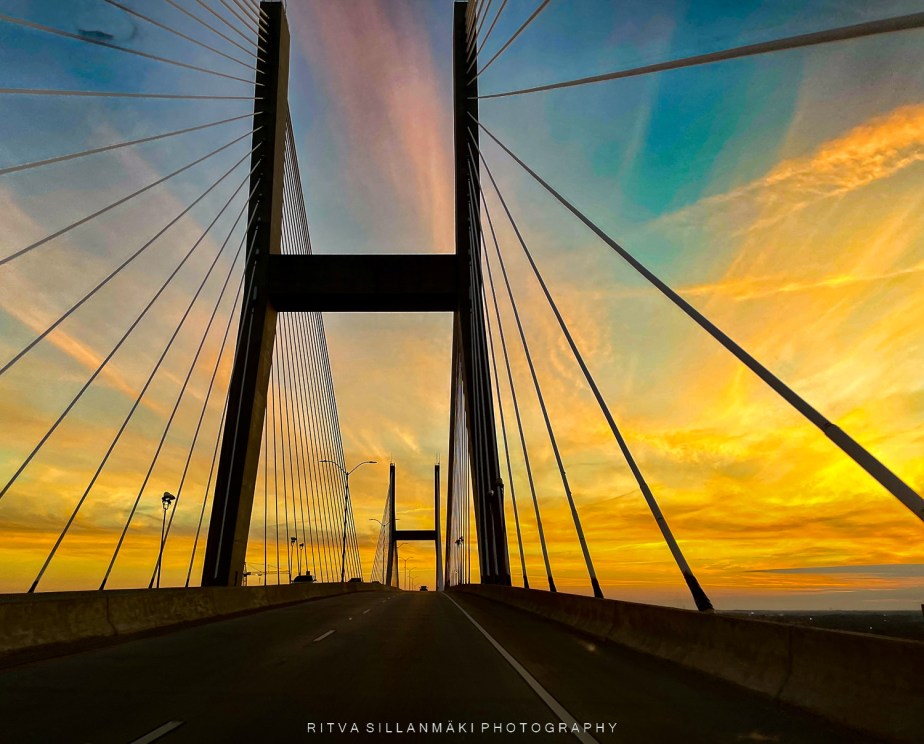
A striking view of a bridge at sunset, the interplay of light and shadows against a vivid sky was caught in Crossing the 486 foot tall Sidney Lanier Bridge from Brunswick Georgia on US Route 17 at sunset.
Shadows can really stir up feelings, set a vibe, and bring to life textures and shapes that you might miss otherwise. When you get a handle on how to play with lighting, you can really grab those little details in shadows, making your photos pop and your stories come alive. A shadow in just the right spot can lead to some fascinating interpretations, pulling viewers in to really connect with the image and what it’s all about. It’s this cool dance between light and shadow that creates contrast, which is key for highlighting the main parts of a shot.
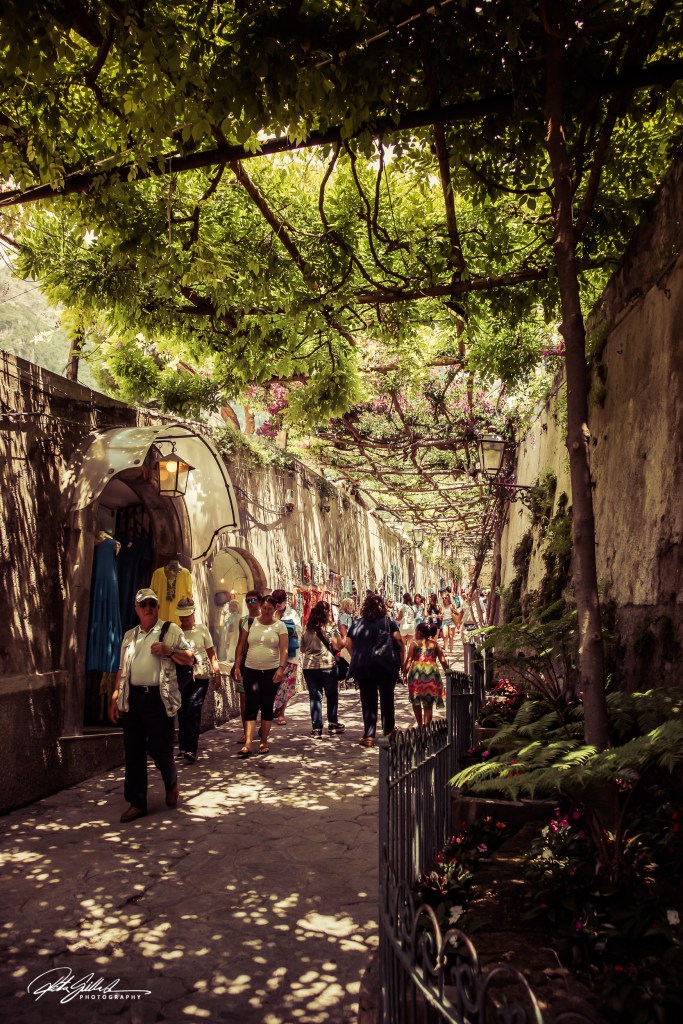
A vibrant path in Positano shaded by lush greenery, capturing the lively atmosphere people under playful shadows on a hot day.
Shadows can really tap into some deep themes like mystery or nostalgia, creating a special bond between us and the artwork. When photographers mess around with different angles and light intensities, it’s amazing to see how shadows can change the way their subjects look, adding some serious meaning and emotion to the story they’re telling. Playing with shadows not only shakes up the usual ideas of beauty but also invites us to reflect a bit more while we’re looking, making those captured moments stick with us long after we’ve moved on.
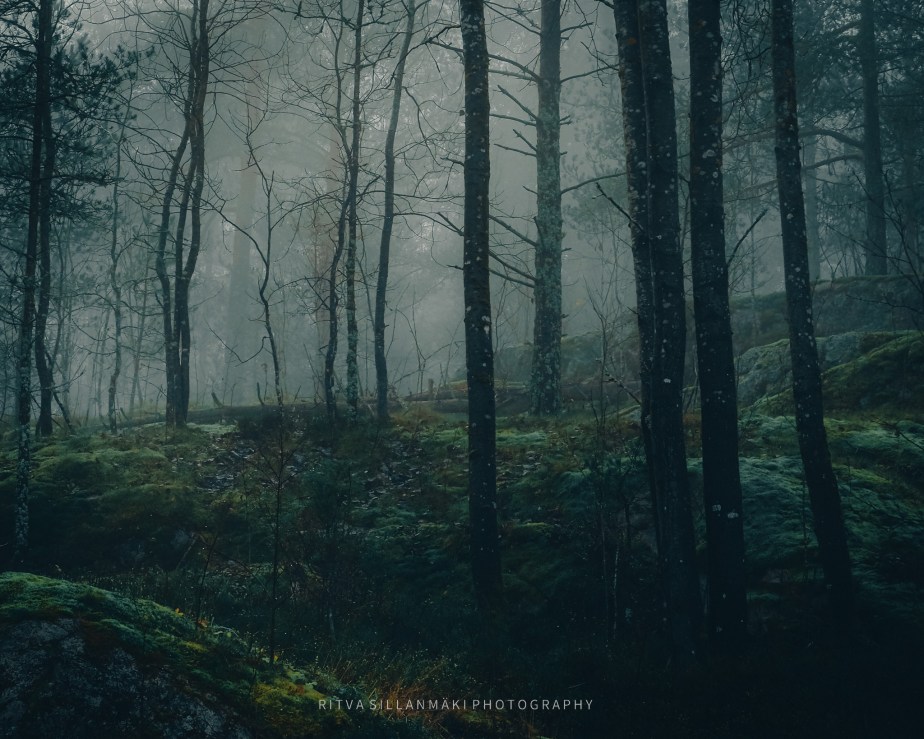
As I stepped into the misty forest, I was instantly captivated by the enchanting dance of light and shadows filtering through the trees, weaving a spellbinding atmosphere around me that whispered secrets of nature.
.
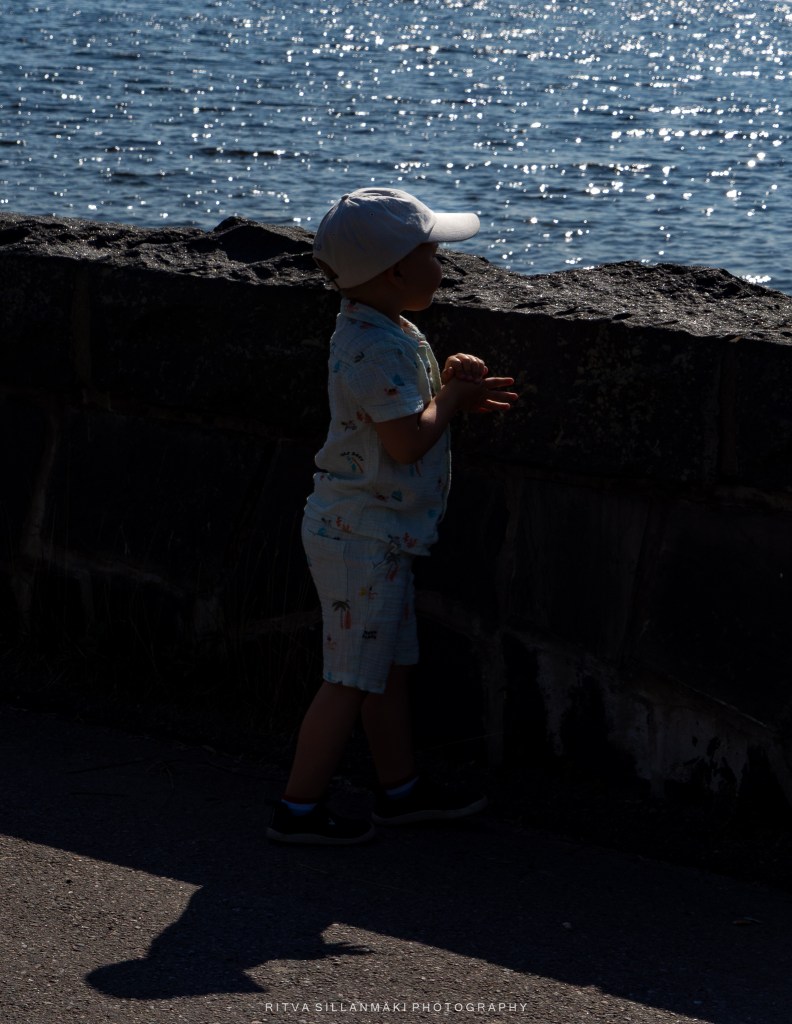
As I stood there, I was drawn to the silhouetted child gazing at the shimmering water, a moment that spoke of the beauty of light and shadow. The sunlight danced across the surface, reflecting the gentle innocence in their expression, a delicate interplay I captured in my black and white photograph. Each click of the shutter echoed the wonder I felt, revealing a story in every shade.
As I sat in the cafe, I was drawn to the silhouetted child gazing at the shimmering water, a moment of time that spoke of the beauty of light and shadow. The sunlight danced across the surface, a delicate interplay I captured in my photograph.
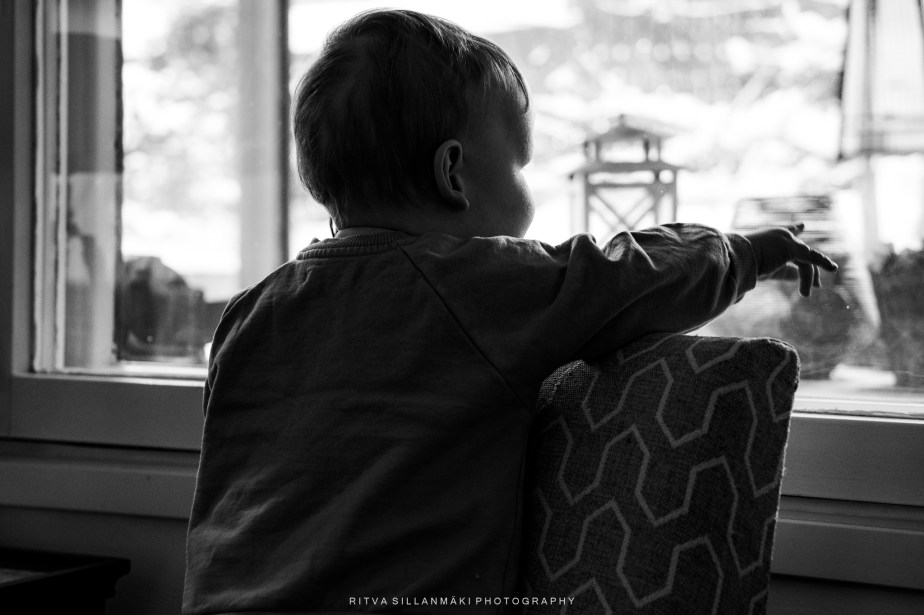
As I watch a my grandchild gazing out of the window, I feel the intimate dance of light and shadows come alive in my black and white photograph, each moment a reflection of their innocence and wonder.
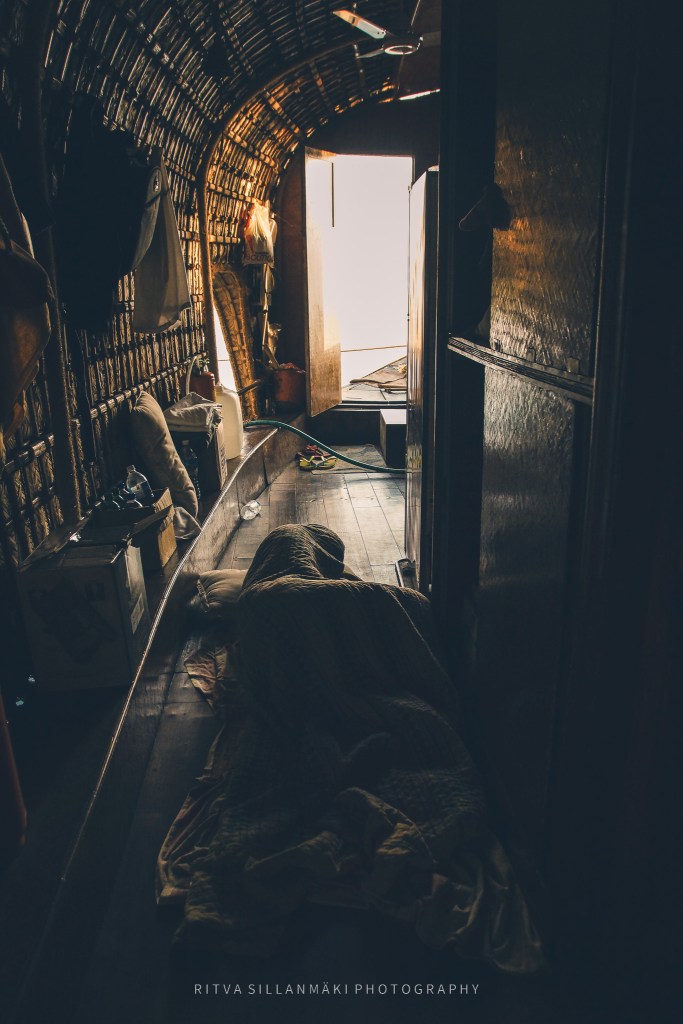
A shot from the ship crews quarters, I saw a member of the crew under a blanket sleeping in corridor, captured in warm light and shadow play.
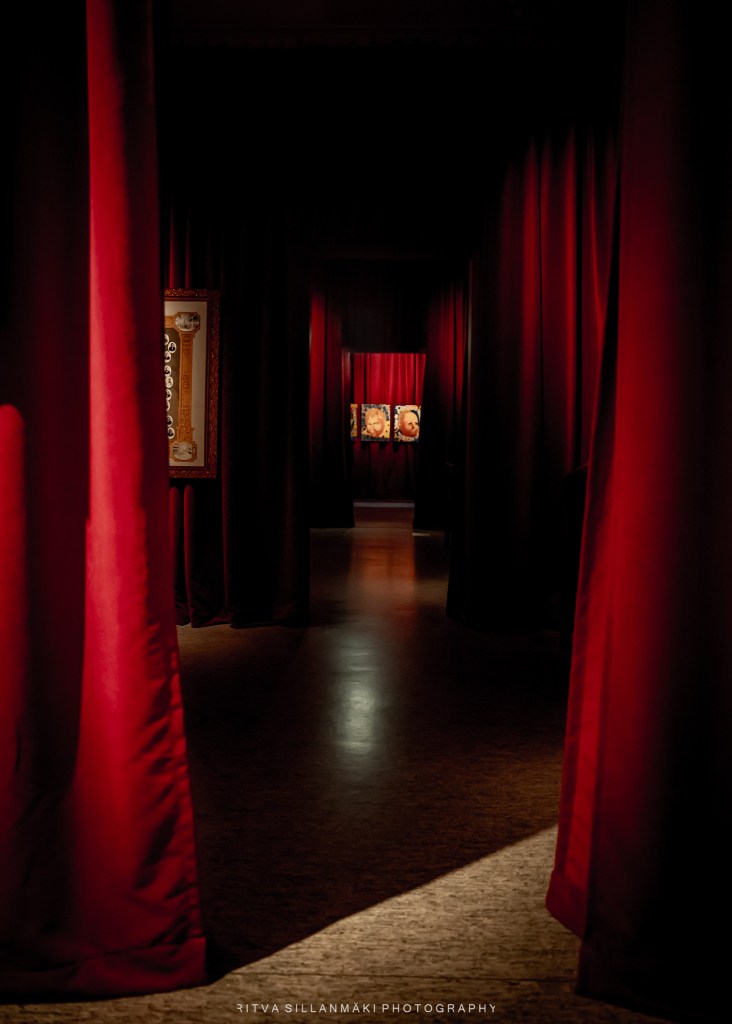
A dimly lit corridor draped in red curtains leads to a collection of framed artworks, the interplay of light and shadows in an artistic setting. Art is often shown dimly lit spaces.
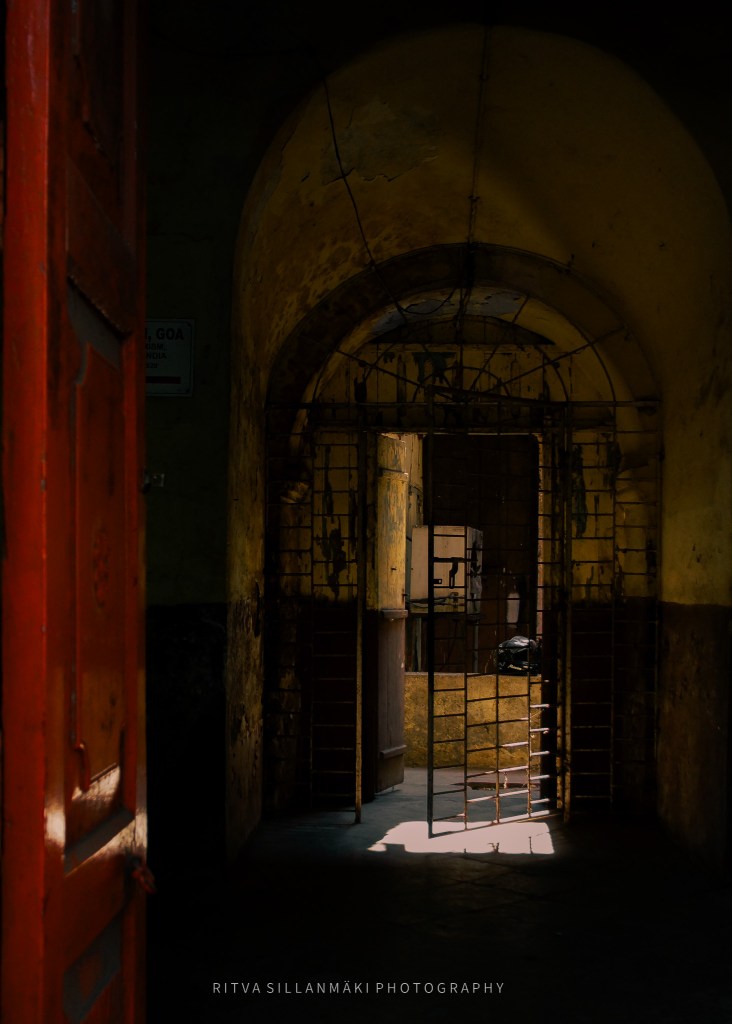
This one photo that I have shared before, the intriguing play of light and shadows in an archway, highlighting the textures of the walls and doorway. It evokes so many stories in my mind. And this on is one of my favorite photos,
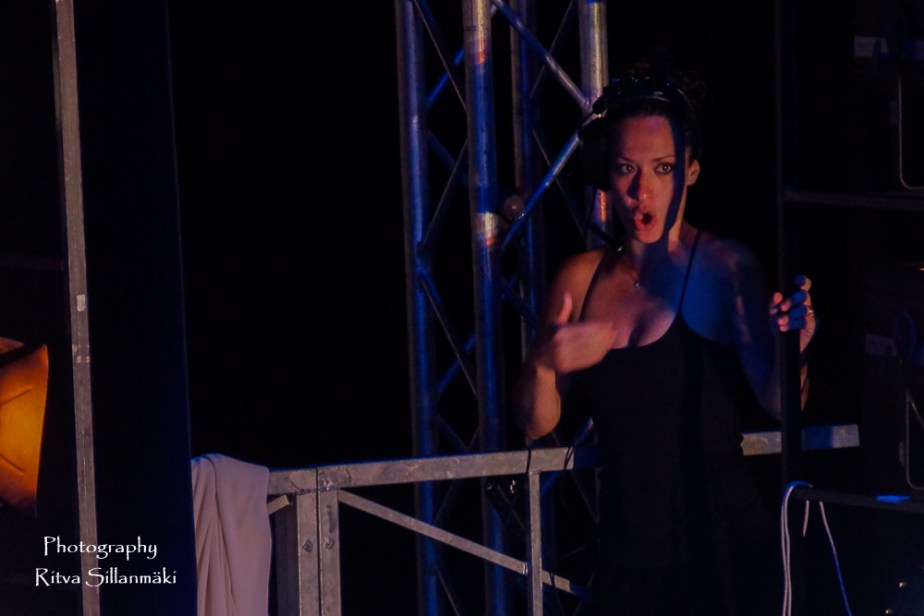
A performer expressing emotion on stage, illuminated by dramatic lighting.
If you wish to have a closer to look at enlarged images , click the gallery.
Last week, thanks to Patti for hosting. The challenge was juxtaposition – it was interesting and your responses were varied and imagery.
I hope you will join in for this week’s Shadowed challenge. Be sure to tag your post with Lens-Artists and include a link back to John’s original post
Make sure to return on Saturday, March 7, at noon Eastern Time for an exciting new challenge from Ann-Christine at Leya – To See a World in a Grain of Sand…. I hope you’ll be there to join us! In the meantime, let’s keep exploring, broadening our horizons, and maintaining a positive mindset ❤️
What an Unusual Crop! No, I cannot do this; it’s too hard. No, it’s not. Give it a try, be bold, be creative. You can do it. Exceed yourself, like they say in the Olympics.
Cropping stands as one of the most potent yet frequently underutilized compositional elements in photography. This week, we encourage you to deliberately defy traditional framing conventions. Consider slicing off parts of your subject or positioning it at the far edge of your shot. You might even depict only a hint of an object or an intriguing shadow or reflection. Unconventional crop photography often employs tight, asymmetrical framing techniques—like truncating limbs, using extreme close-ups, or positioning subjects right at the frame’s border—to evoke mystery, abstraction, and artistic tension. Approaches include using a 1:1 aspect ratio to hone in on specific details, employing diagonal lines in your compositions, or leveraging negative space to highlight elements such as the intricate surface of a leaf.
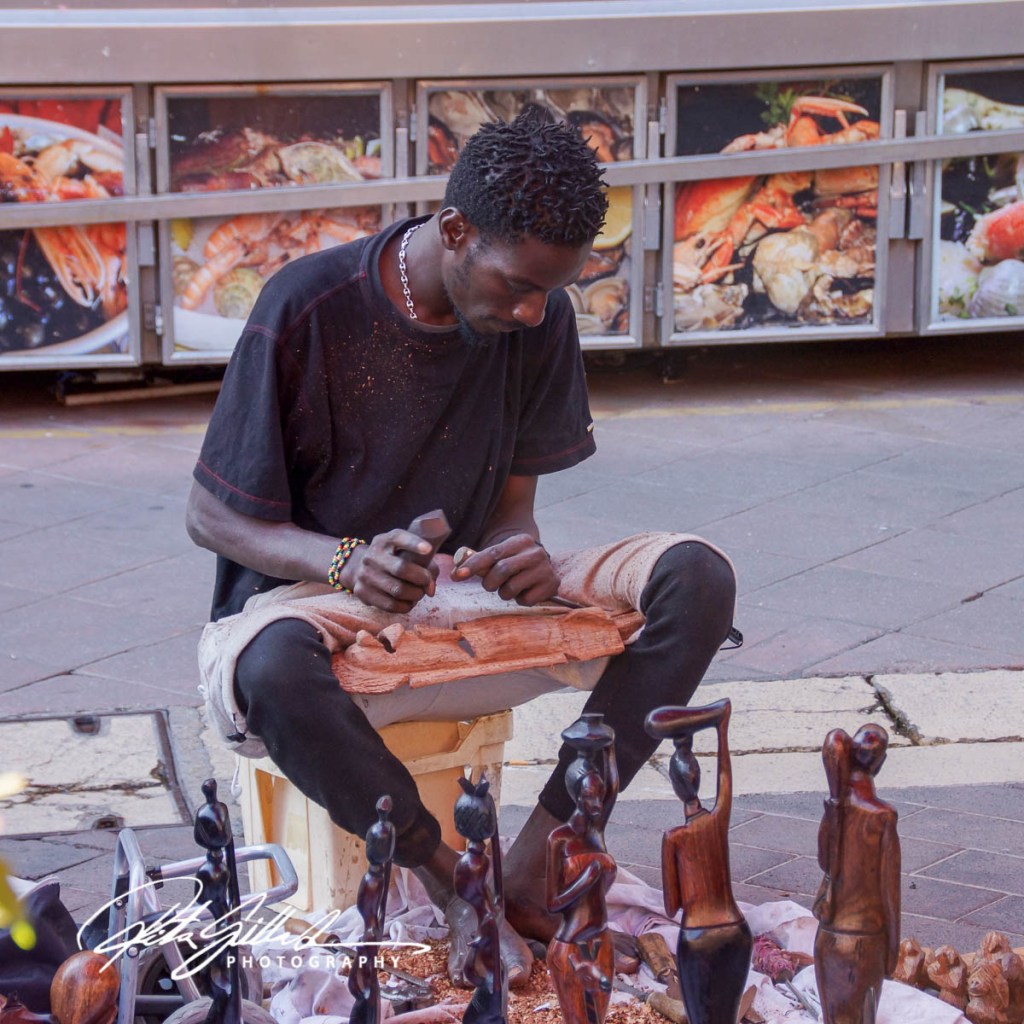
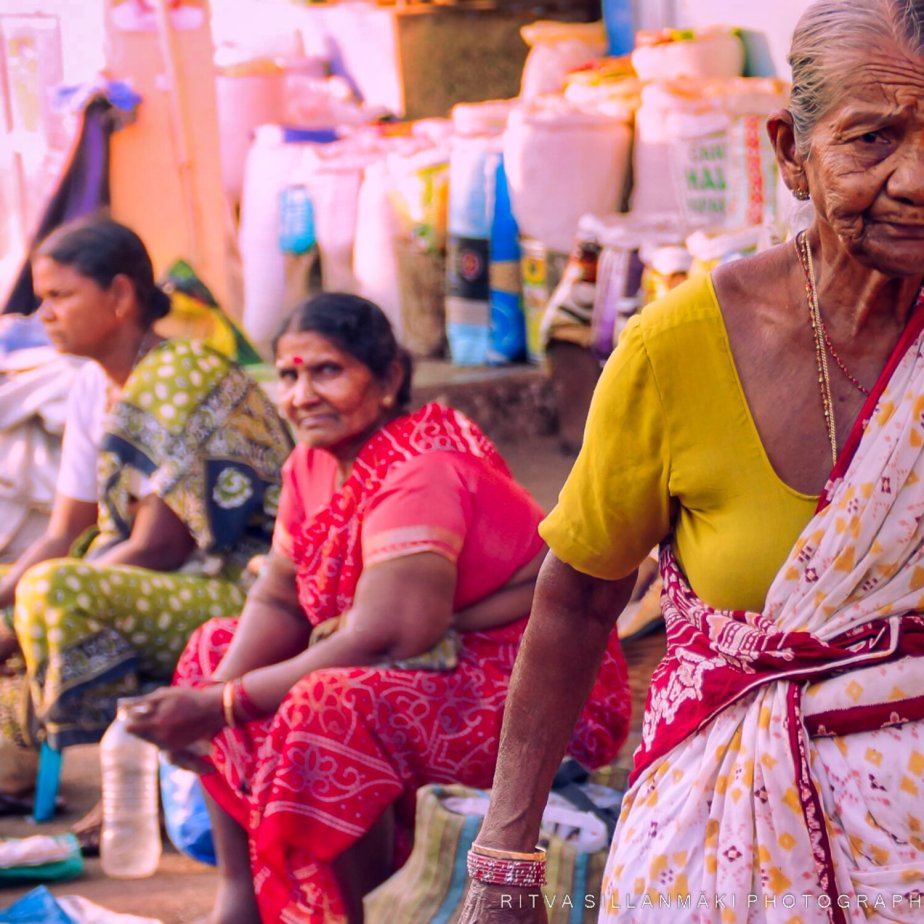
A vibrant market scene showcasing women in traditional attire amidst goods, highlighting the rich cultural tapestry of local life.
In-Camera Versus Editing: Although many unique crops are achieved through post-processing, capturing these moments in-camera encourages more intentional and artistically satisfying results. When deploying these techniques, be mindful to avoid cropping at joints, as this can give the impression of amputation. Instead, aim for narrower points like mid-thigh or forearm for a flattering yet bold appearance.
Experiment with framing as a narrative device by illustrating the story of what’s absent; consider capturing a hand reaching into the frame or a smiling mouth peeking from the corner, or even a bicycle wheel without the bike itself. Crop closely for an intimate feel or employ an off-center approach for added intrigue. Think like a graphic designer—make your images striking, graphic, and unexpected.
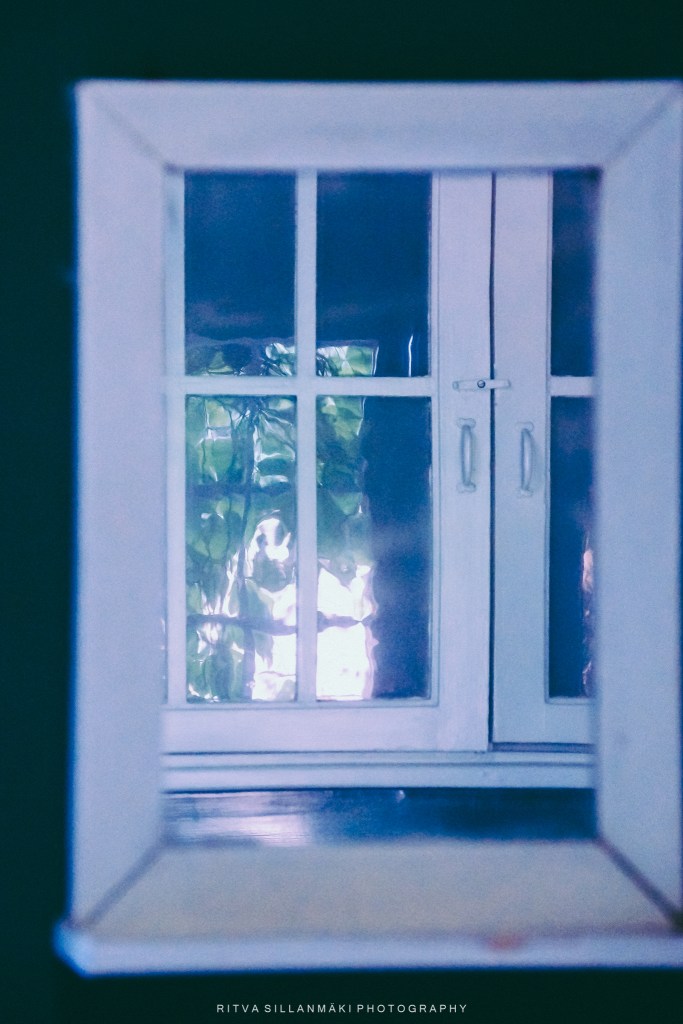
A close-up view of a window frame reflecting green foliage, illustrating unconventional cropping and negative space in photography.
Notable techniques for unconventional cropping involve:
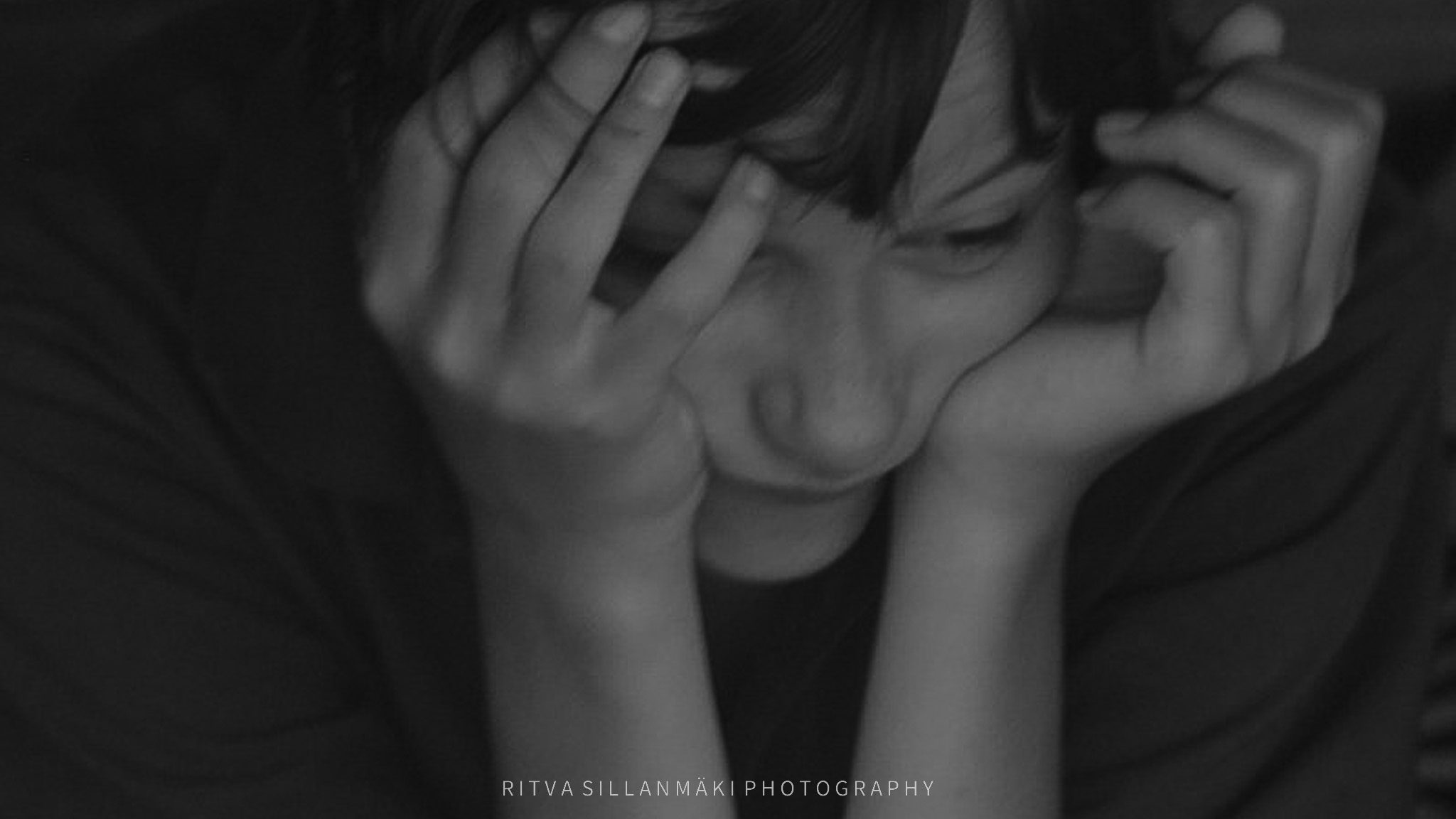
Disrupting the Subject: Intentionally cutting through heads, hands, or limbs in portraits creates a dynamic composition rather than a conventional one.
A close-up of a person in deep thought, with hands framing their face, illustrating the emotional intensity of unconventional cropping.
Detail-Oriented Macro Shots: Extreme cropping can accentuate textures, lines, and shapes, transforming everyday objects into pieces of abstract art.
Overriding the “Rule of Thirds”: Position subjects at the frame’s extremes or allow them to extend beyond the edges entirely.
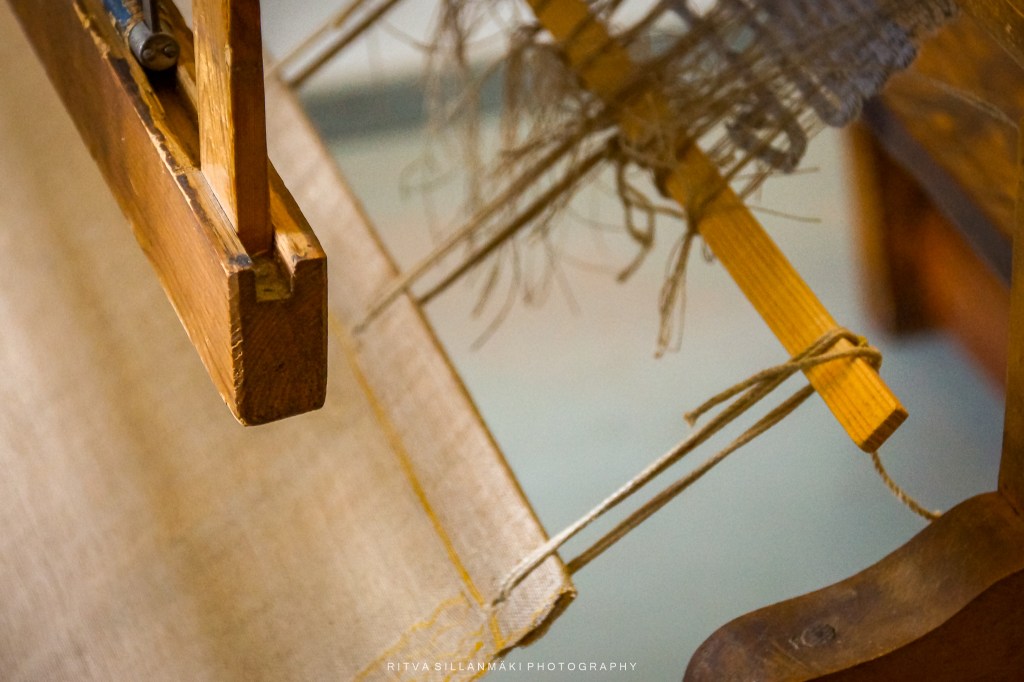
Close-up of a weaving loom showcasing intricate details and textures, emphasizing the artistry of craftsmanship.
Utilizing Negative Space: Generating significant areas of emptiness can convey minimalism or create striking tension.
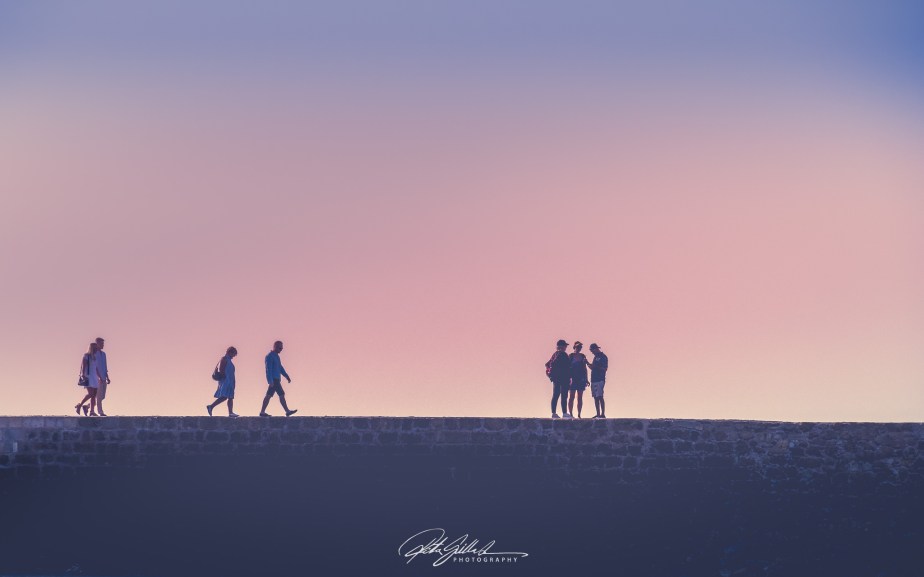
Silhouetted figures walking along a stone wall against a vibrant pastel sky, embodying the essence of unconventional cropping in photography.
TIPS: Frame With Purpose: Make deliberate cuts through heads, hands, or objects; a bold crop can ignite curiosity. Strategic Use of Space: Marry tight framing with negative space to establish either tension or tranquility based on your subject matter.
Instill Mystery: Leave out enough to provoke viewers’ imaginations about what lies beyond the visible.
Emphasize Textures or Shapes: Get close to highlight features like contours, lines, or surfaces that might typically go unnoticed.
An artistic arrangement of colorful glass candle holders with a blurred festive background.
Imply Wholeness: Showcase just part of your subject, encouraging viewers to engage their imaginations.
Use the Frame Purposefully: Position your subject near the edge or let it extend beyond the frame to create dynamic imagery.
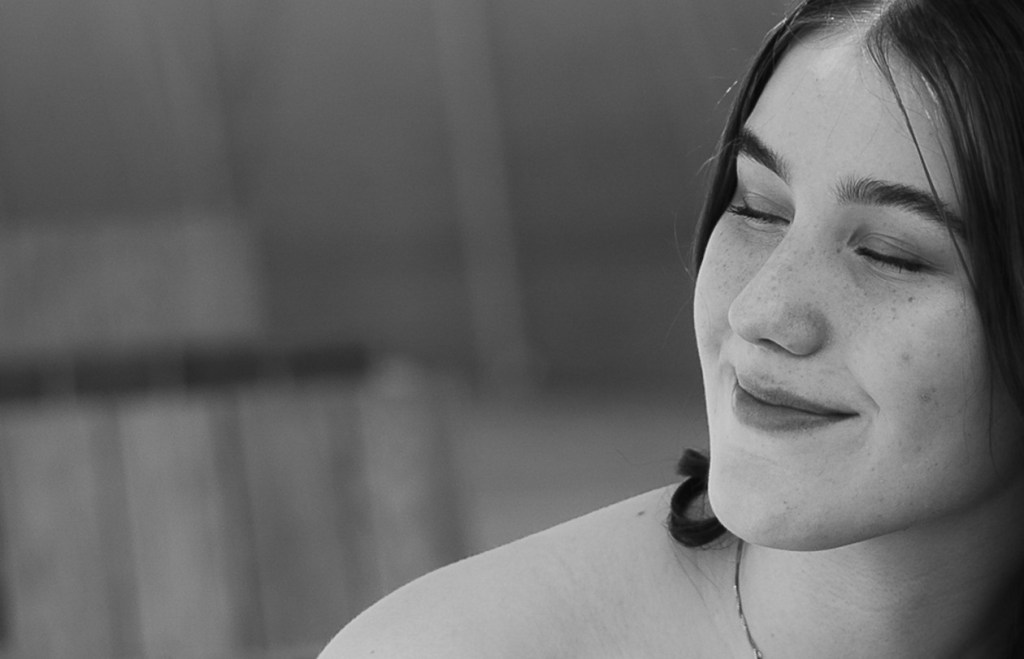
A close-up portrait of a young girl smiling, captured in a black and white aesthetic to emphasize her natural beauty and using the framing to the edge.
Disrupt Visual Norms: Surprise audiences by presenting familiar subjects in unusual manners—making them appear strange or abstract.
Consider the Crop During Shooting: Approach cropping not as an afterthought, but as an integral part of your initial composition strategy.
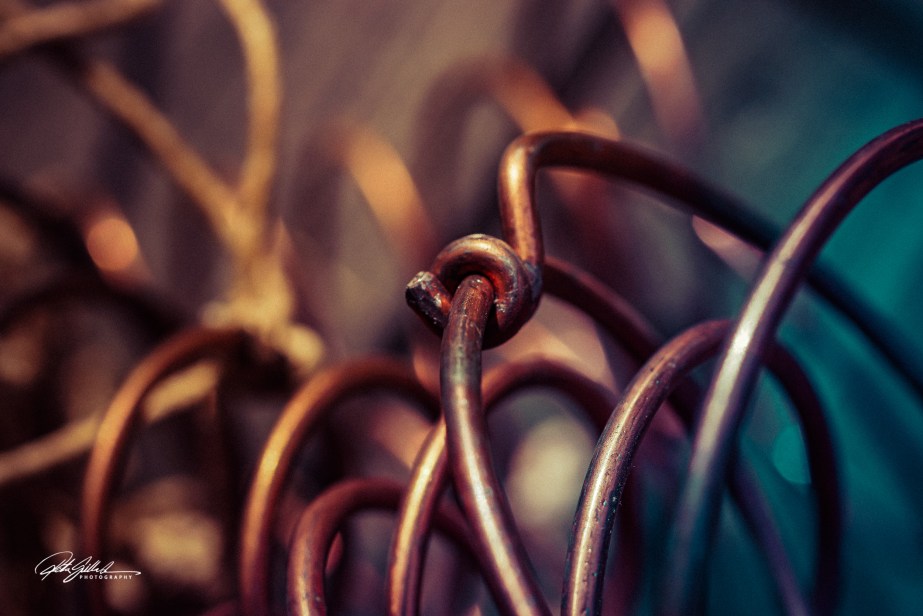
Close-up shot highlighting the intricate lines and curves of overlapping metallic objects, evoking a sense of abstract art.
Last week, Beth introduced us to a theme that truly astonished us. The world brims with wonders, whether they’re grand or subtle, close by or distant, and this was vividly showcased in the photos we all shared.
I hope you will join in for this week’s challenge. Be sure to tag your post with Lens-Artists and include a link back to my post. And Happy Valentines day to you all! Hope you have a lovely day. ❤️💙💚💛🧡💜💞❣️
Make sure to return on Saturday, February 21, at noon Eastern Time for an exciting new challenge from Patti at Pilotfishblog. I hope you’ll be there to join us! In the meantime, let’s keep exploring, broadening our horizons, and maintaining a positive mindset ❤️
This got me thinking about the nuances between circles and rounds. I try to be as accurate as I can when I participate in challenges 😂, as if it really matters that much in the grand scheme of things. Yet, there’s something strangely satisfying about getting it right. So, I thought I would take some time to refresh and confirm my knowledge on the topic.
The differences between circles and rounds are primarily based on their definitions and geometrical properties. A circle is a two-dimensional shape defined as the set of all points in a plane that are equidistant from a fixed point known as the center. In contrast, the term “round” refers to the general quality of being circular or spherical, which can apply to various shapes and objects, not limited to geometric circles. Moreover, while a circle has a precise mathematical definition with specific formulas for its area and circumference, “round” can be more subjective, describing items that appear curved or circular without adhering to strict geometric rules.
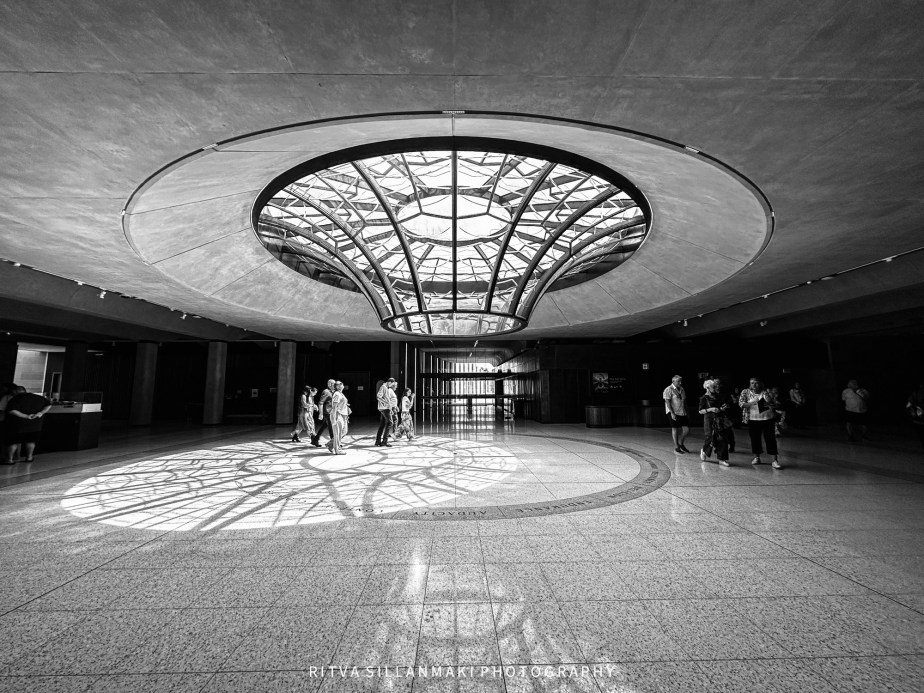
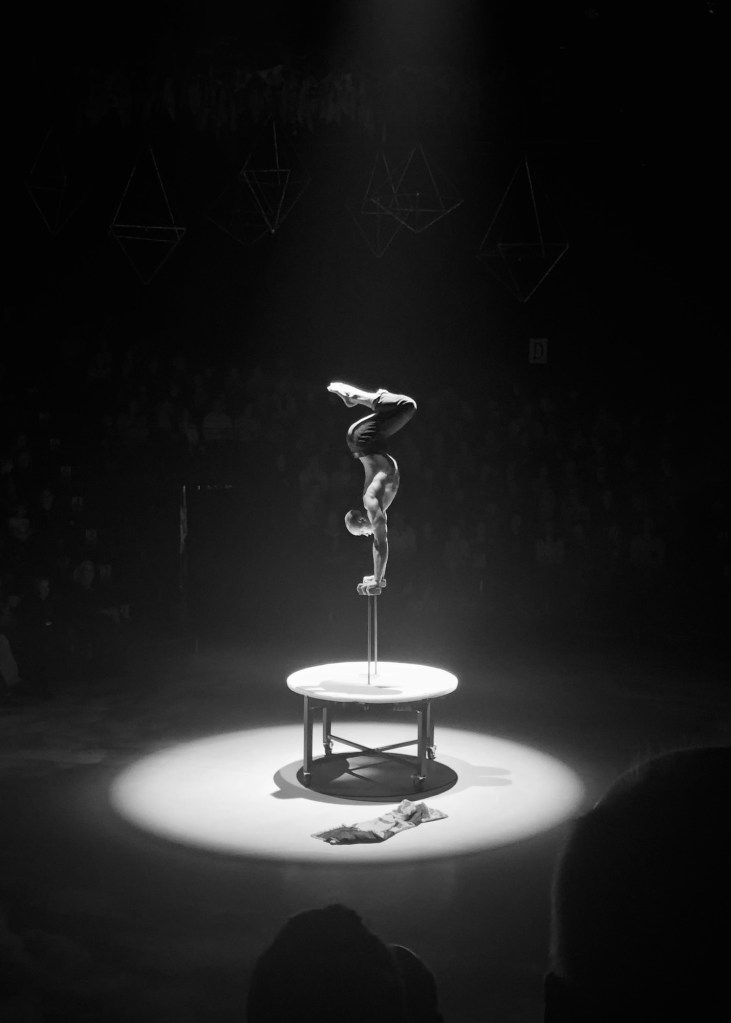
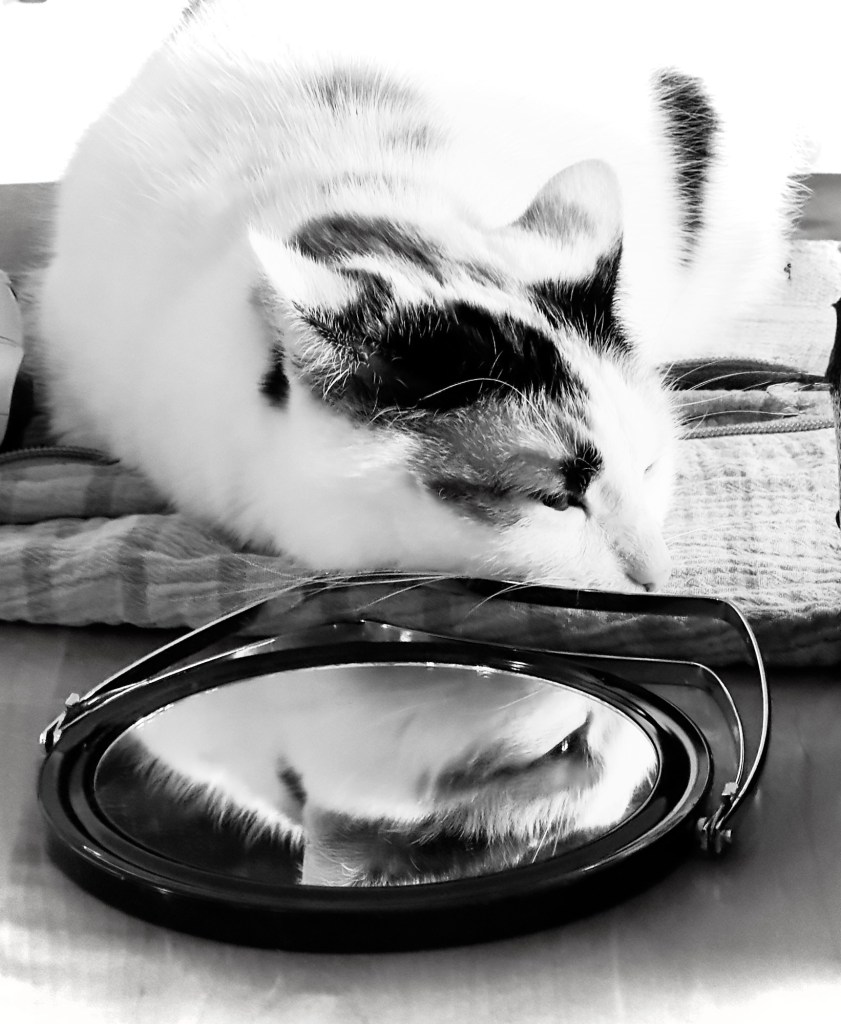
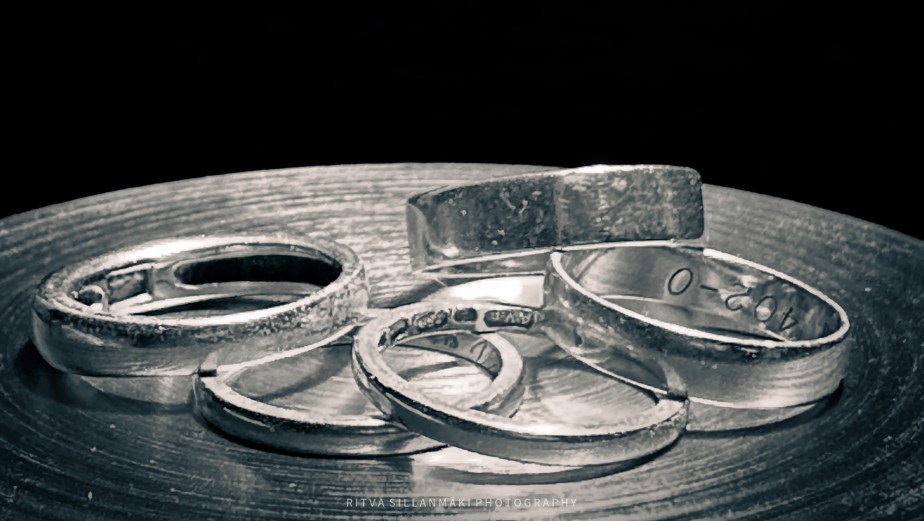
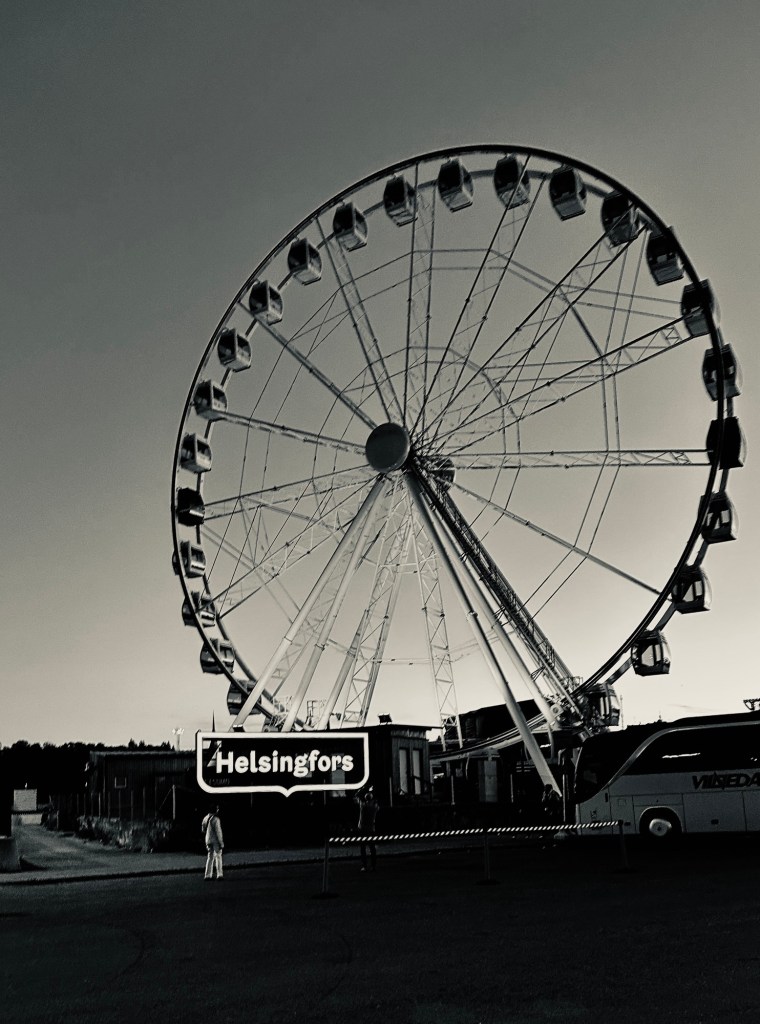
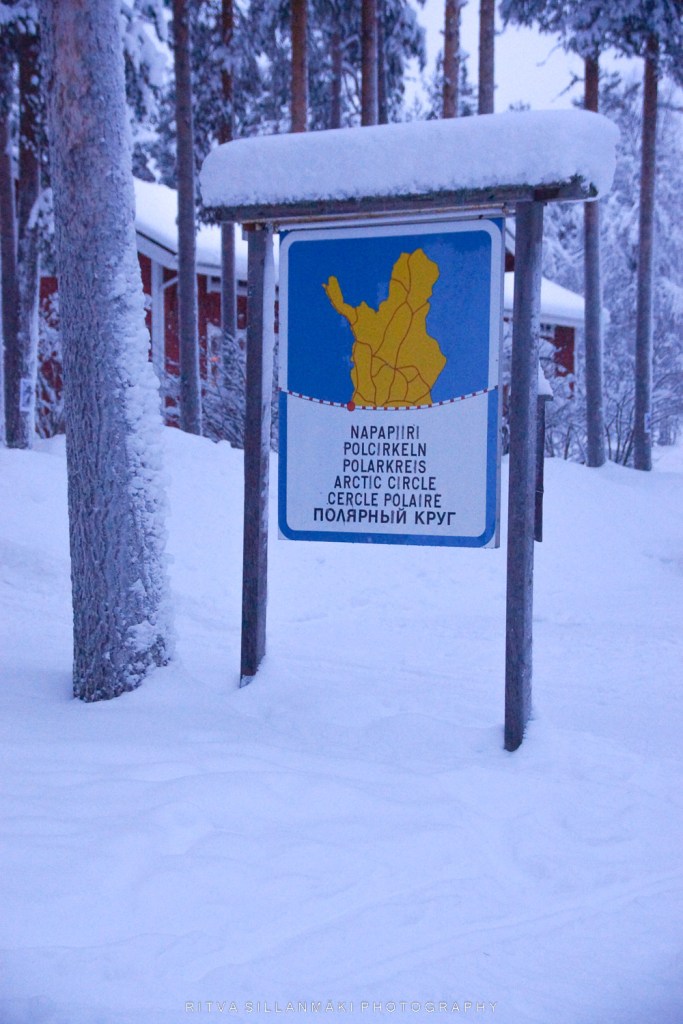
These are the images I decided to share with Leanne’s Monochrome Madness #53: Circles and Going Around in Them Guest host Dawn: Monochrome Madness #53: Circles The last one well… it is a ⭕
A modern circular skylight illuminating a spacious interior, casting intricate shadows on the floor as visitors explore the space.
A performer showcasing impressive acrobatics while balancing on a pedestal in a spotlight.
A monochrome view through a circular opening, framing a landscape of trees and clouds.
A cat resting next to a circular mirror, capturing its reflection in a monochrome setting.
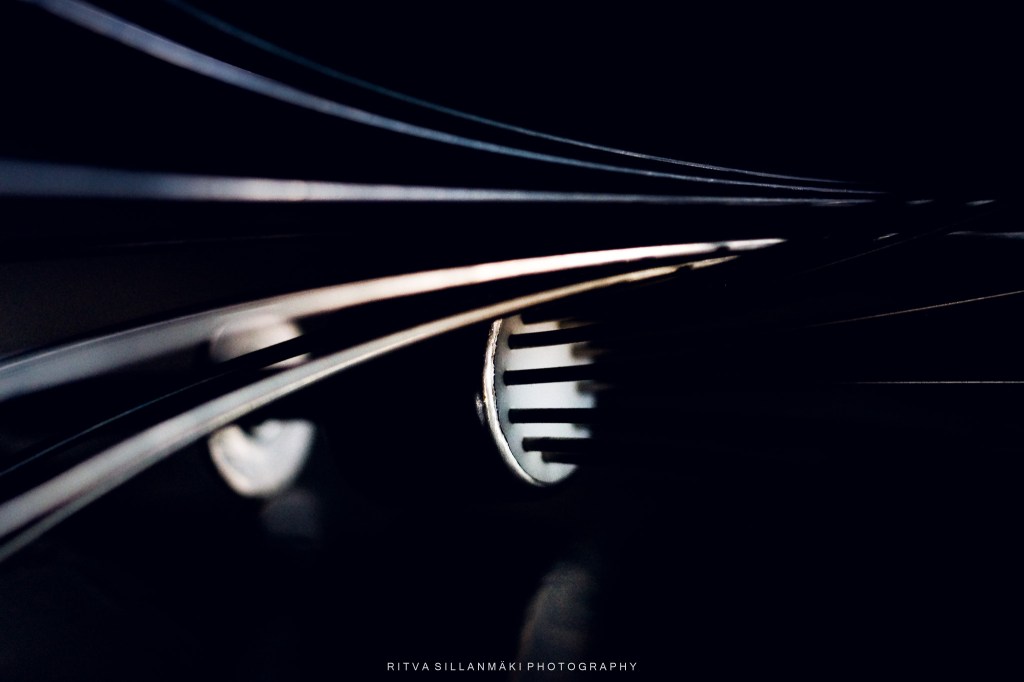
An artistic arrangement of rings captured in monochrome, highlighting their circular forms.
A monochrome image of a Ferris wheel with a ‘Helsingfors’ sign in the foreground, capturing the essence of circular shapes.
Sign marking the Arctic Circle, surrounded by snowy trees.
What have you seen or experienced that has astonished you? Beth from Wandering Dawgs asked.
Beth was inspired by these words by Mary Oliver from her poem “Sometimes” for this weeks challenge.
Pay attention
Be astonished
Tell about it”
I have been astonished many times in my lifetime by children, people, young and old, revealing layers of beauty and complexity in humanity. So often by nature, I find myself in awe of the vibrant colors of a sunset, the intricate patterns of leaves, and the soothing sound of waves crashing against the shore. Each moment is a reminder of the wonder that surrounds us, and I cherish these experiences, life’s fleeting magic. The older I get more I appreciate the small wonders that surround me.
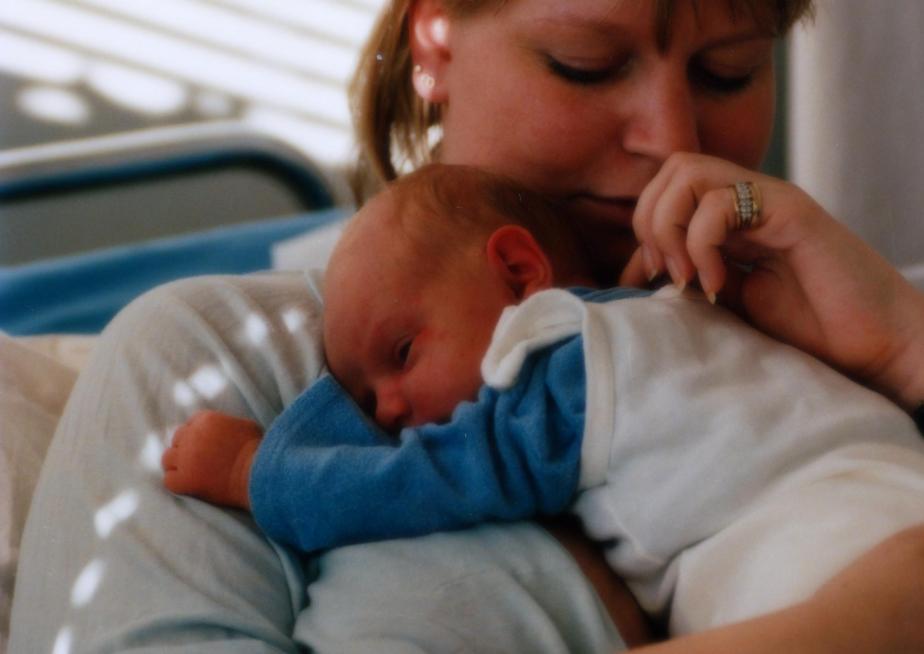
A snuggling, newborn, embodying the astonishment of new life. I have experienced this miracle three times, this is me with my first born nearly 36 years ago. Photo Martti Sillanmäki which I edited.
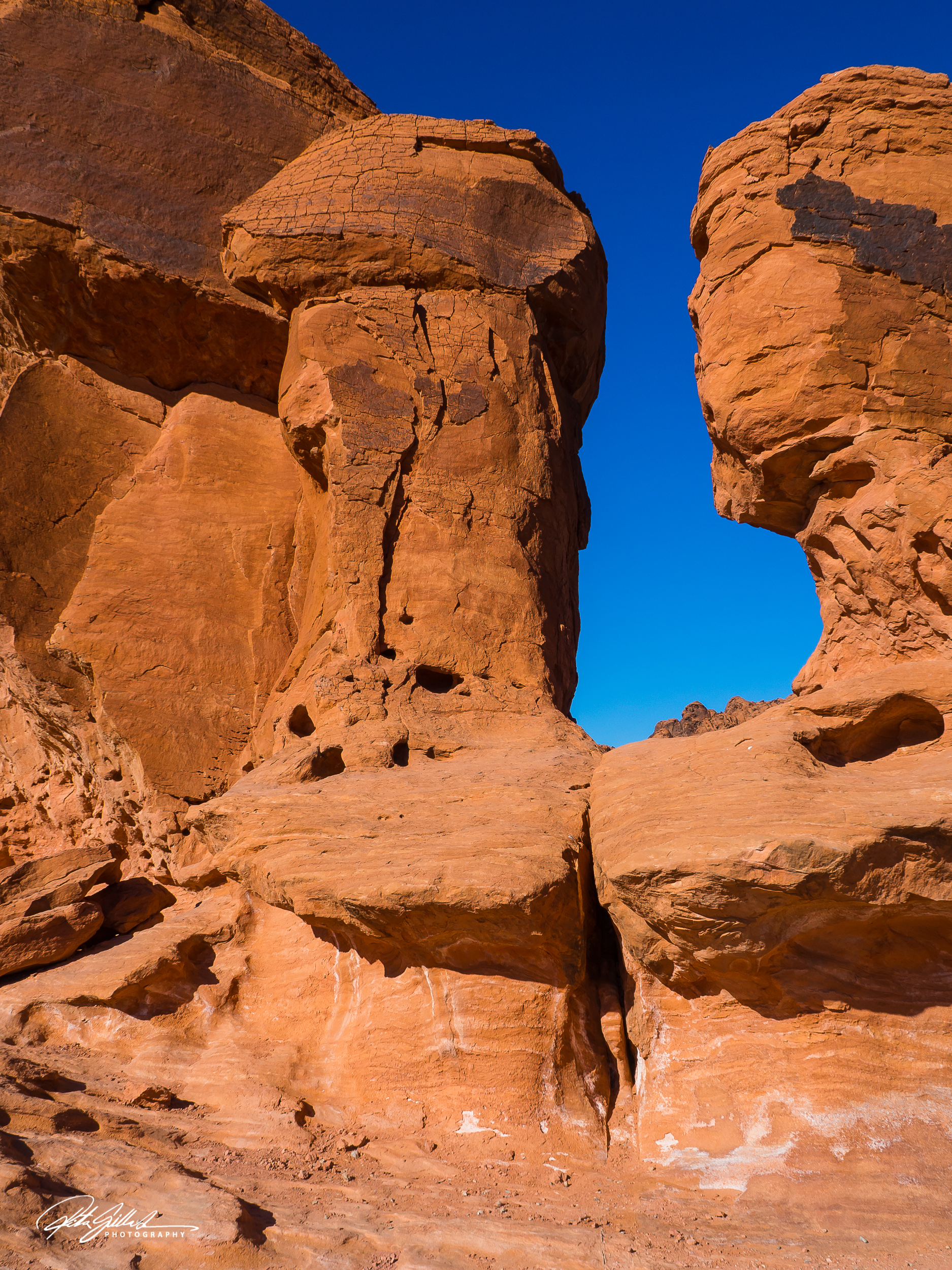
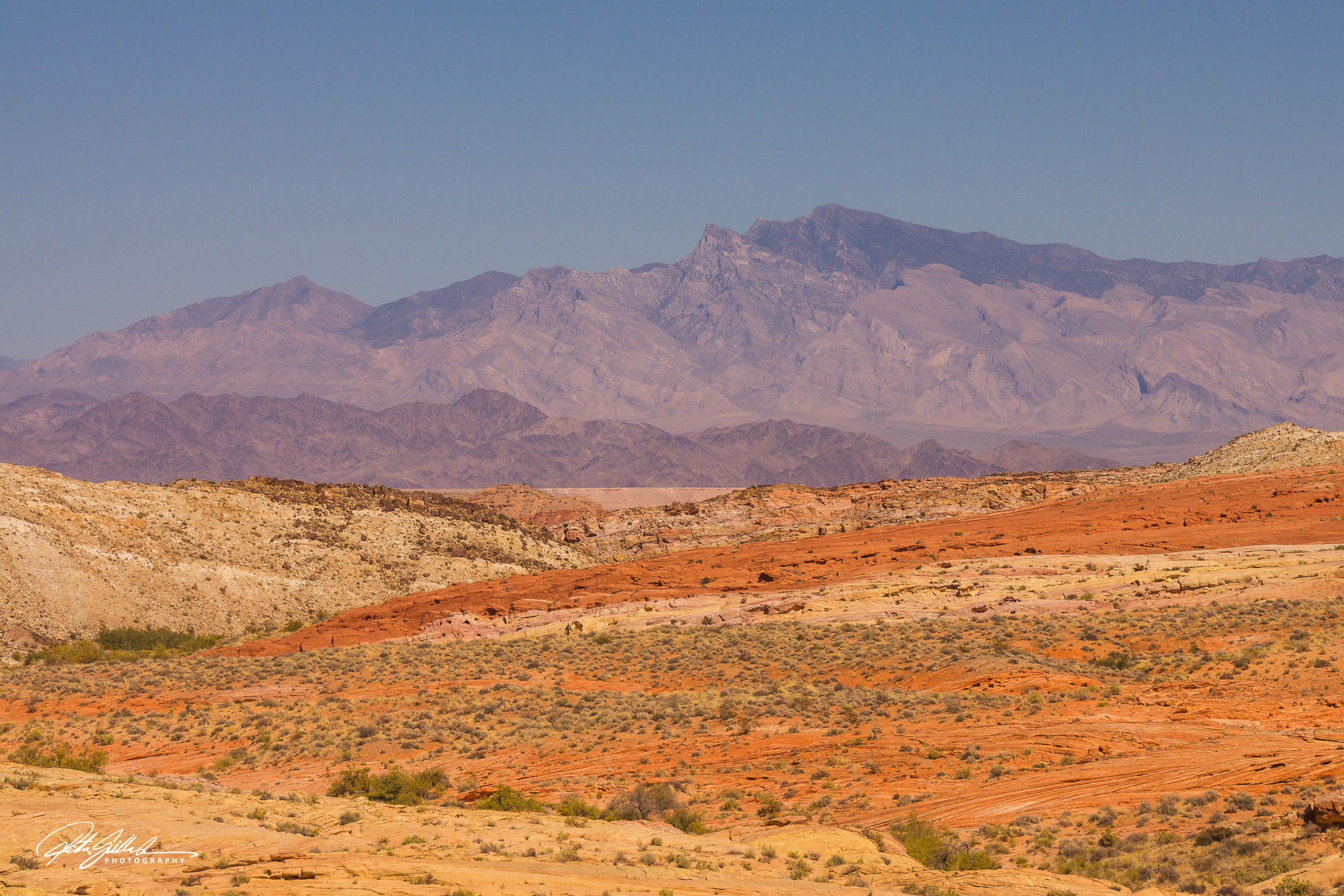
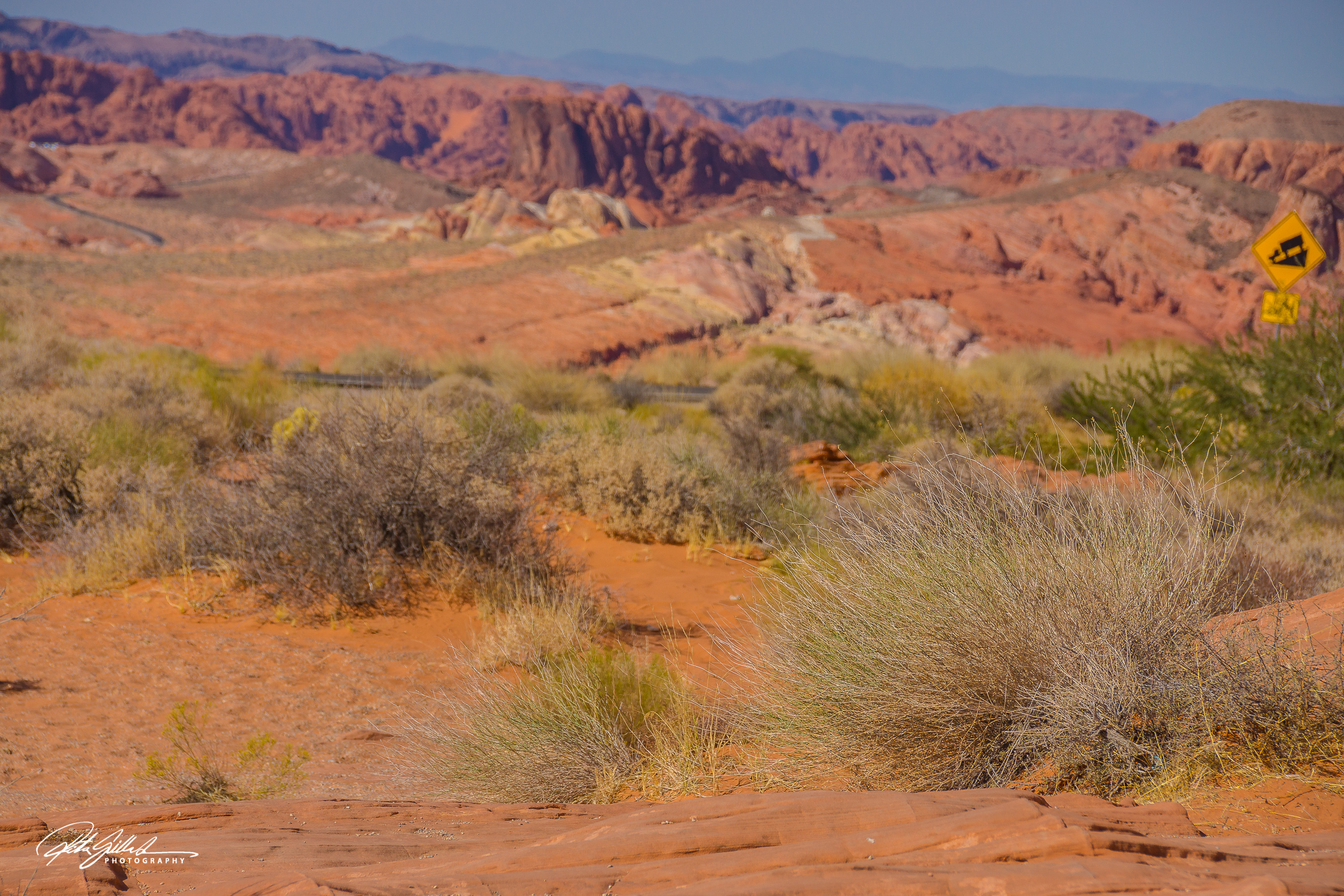
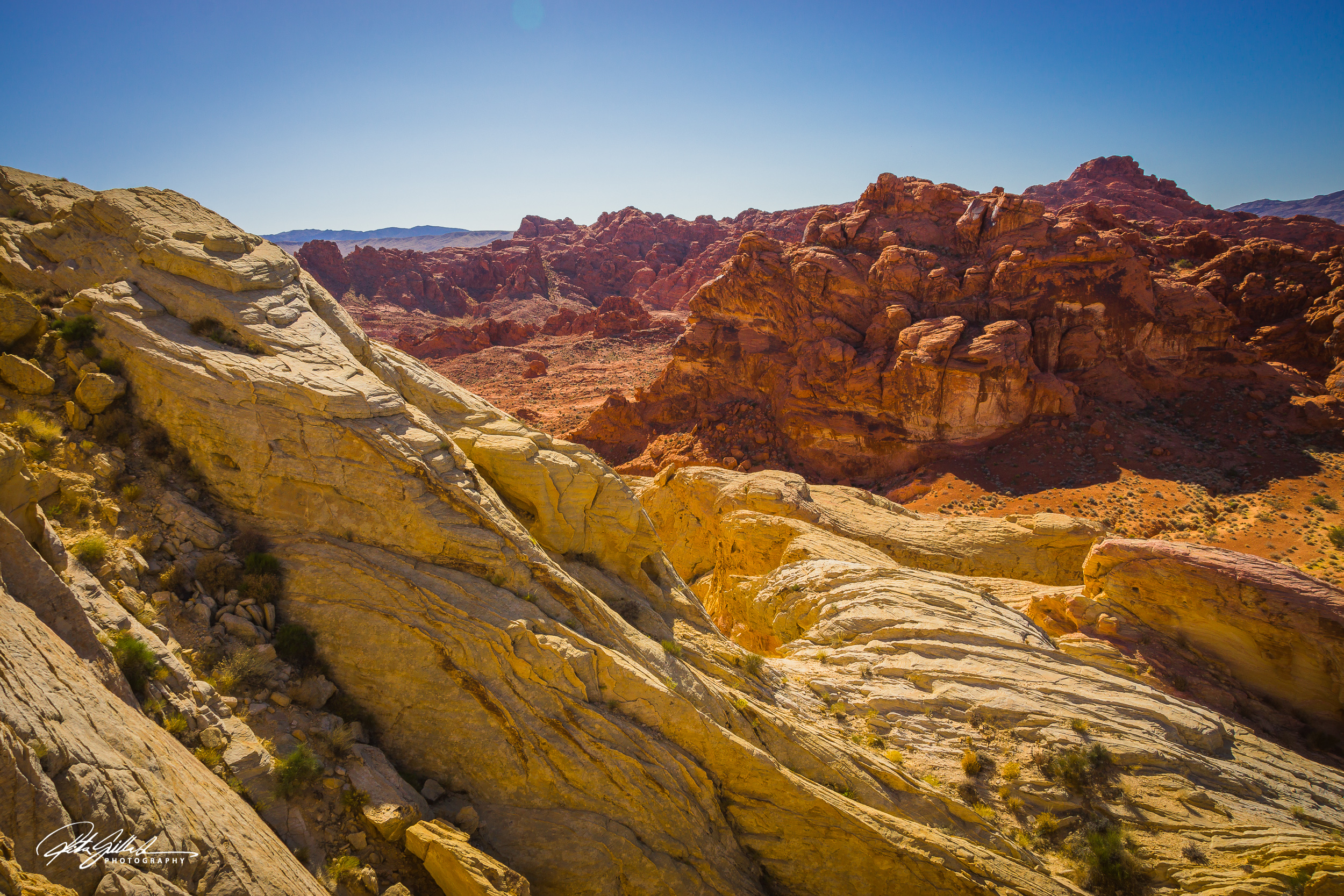
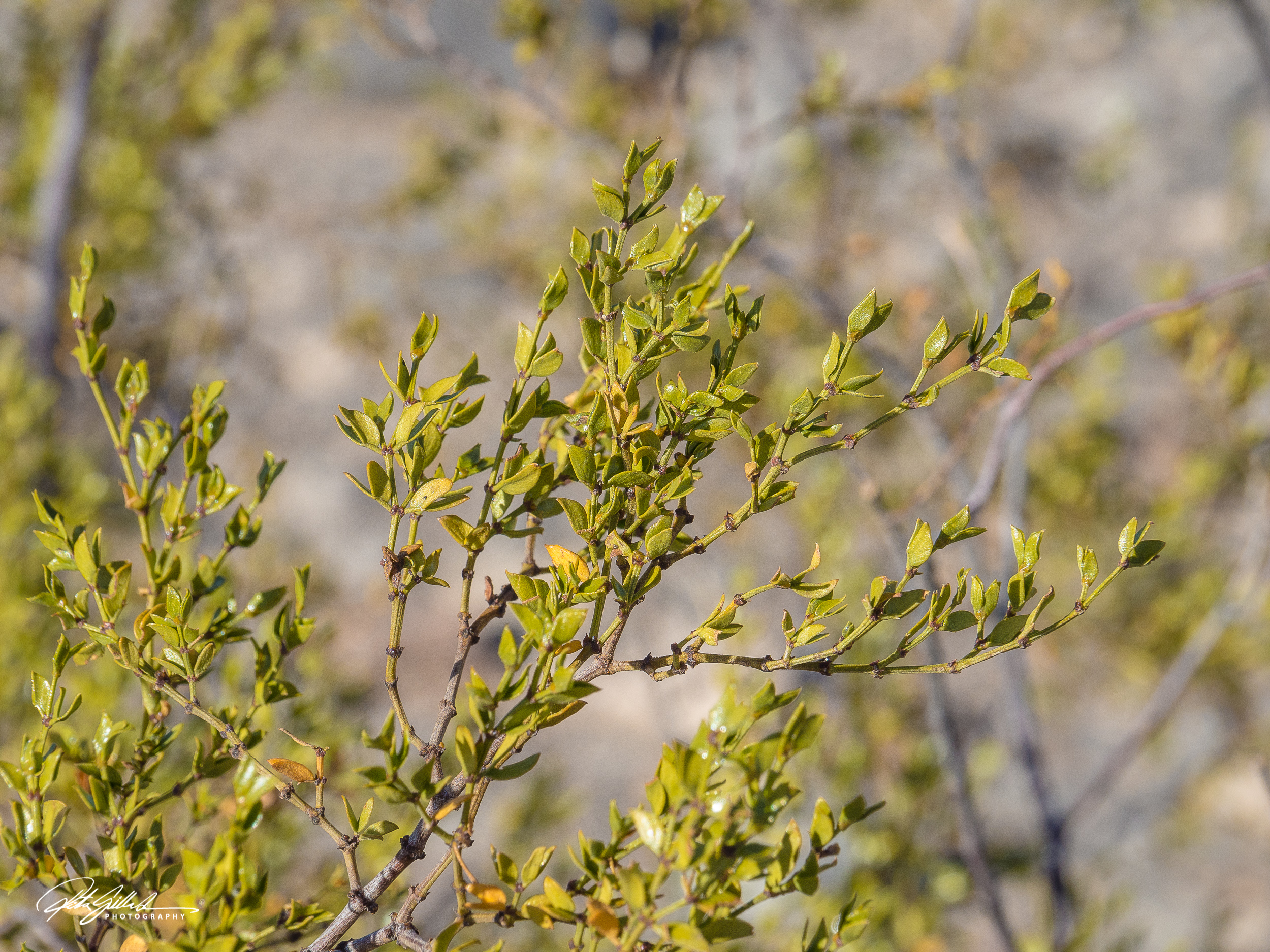
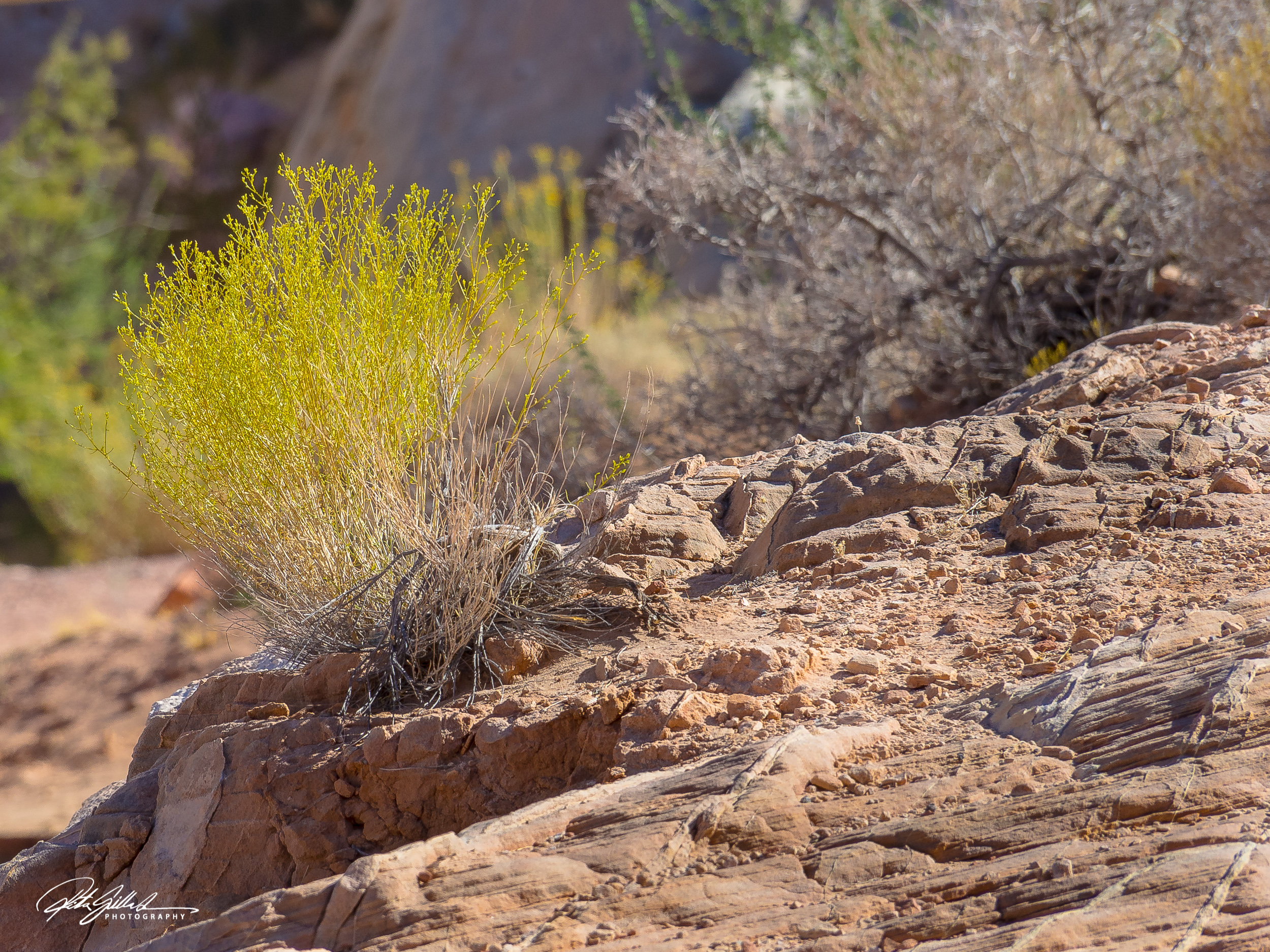
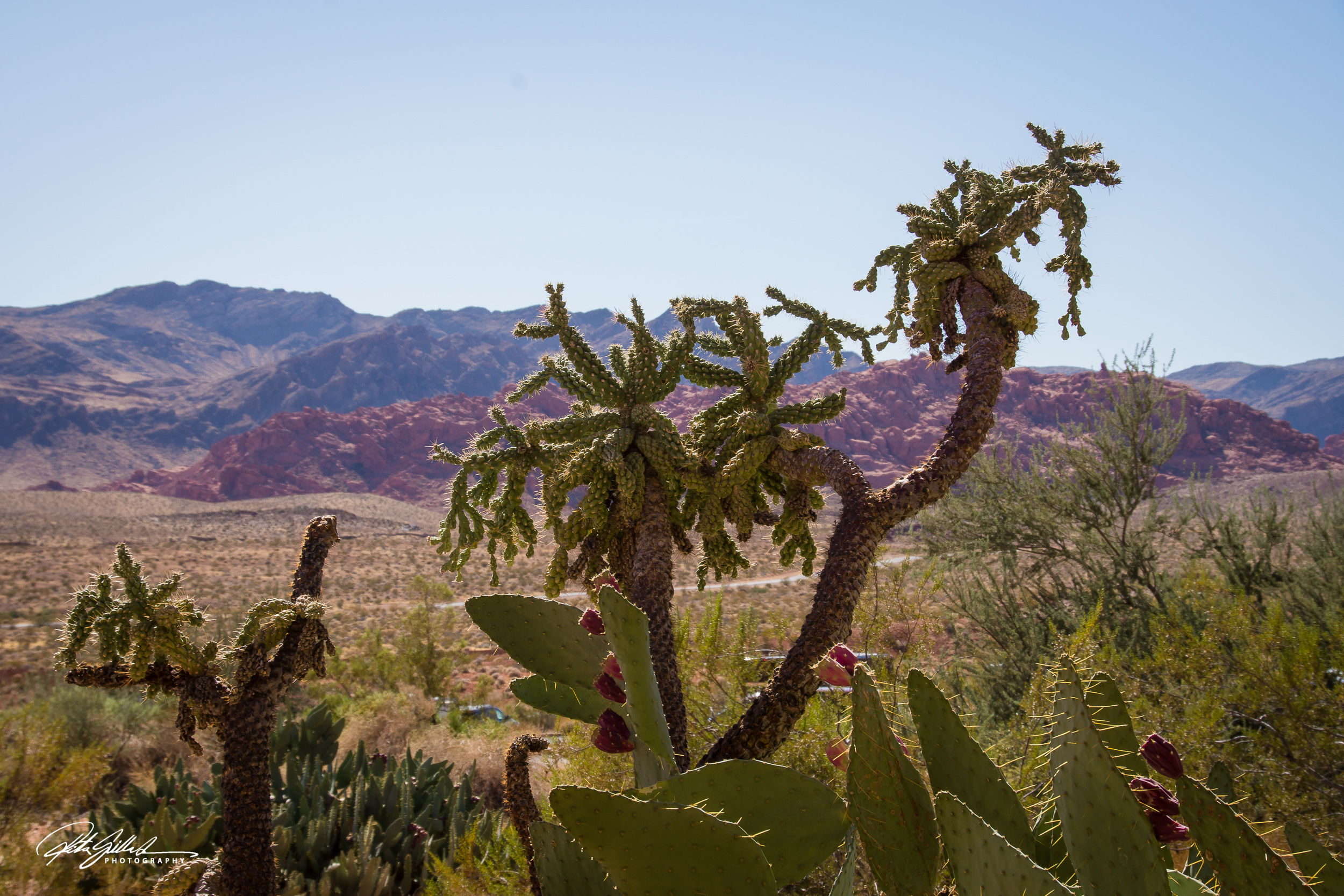
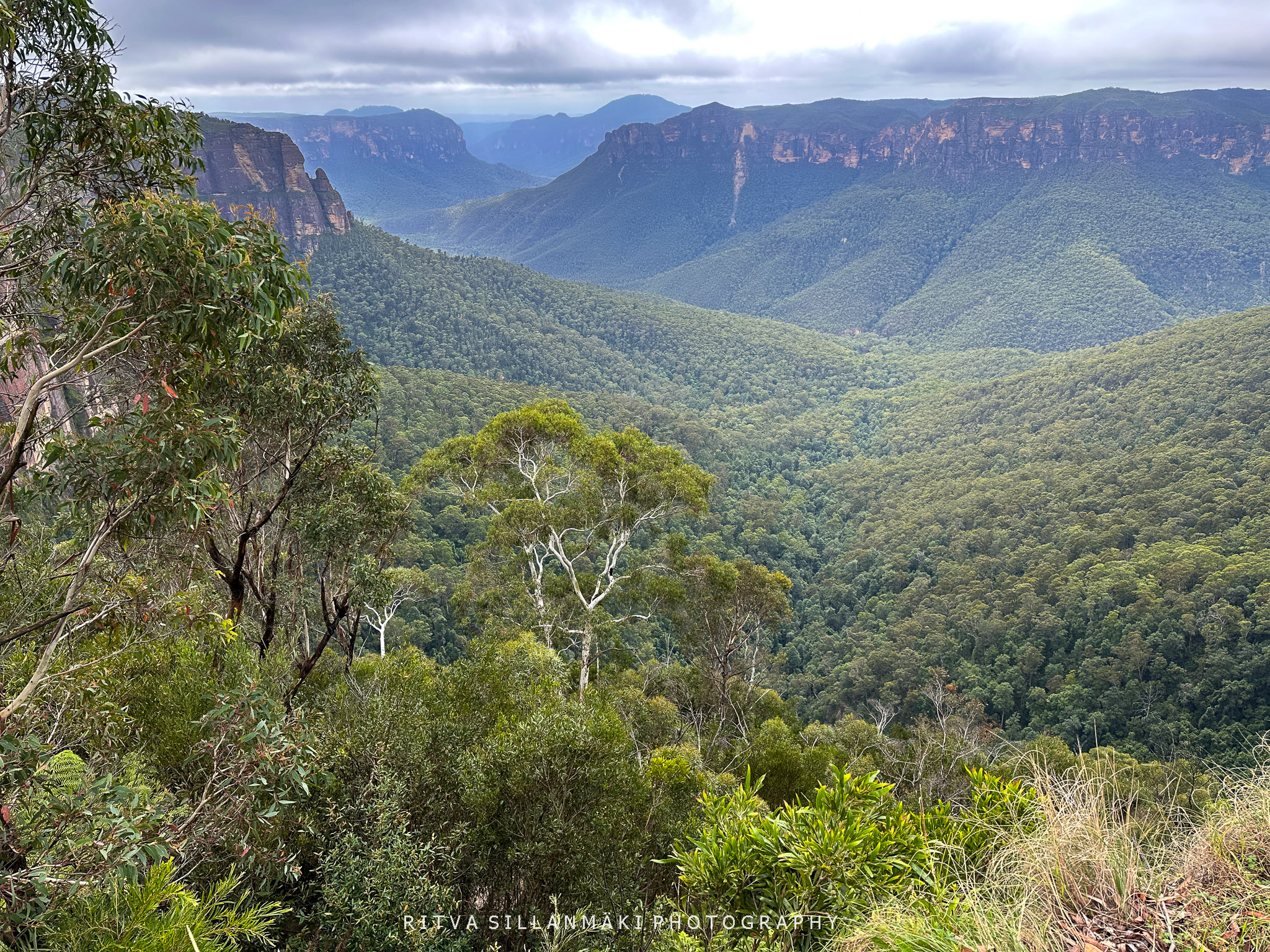
I lived in Las Vegas many years ago, and I was astonished by the nature of the desert, with its stunning, expansive views that stretched endlessly beneath a brilliant blue sky. The rock formations in the Valley of Fire, with their vibrant hues of red and orange, seemed almost otherworldly, as if a painter had splashed the landscape with bold colors. I was especially fascinated by how much life there is in the desert, from resilient cacti standing tall against the harsh conditions to small creatures that thrive despite the intense heat and dryness. Each visit revealed new wonders, as the desert’s beauty and complexity continued to surprise and captivate me, showcasing the remarkable adaptability of nature.
Enlarge the images in the collage by clicking them for a better view.
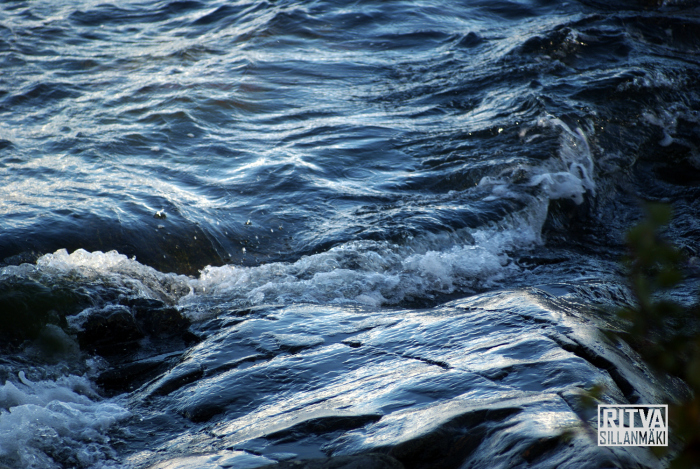
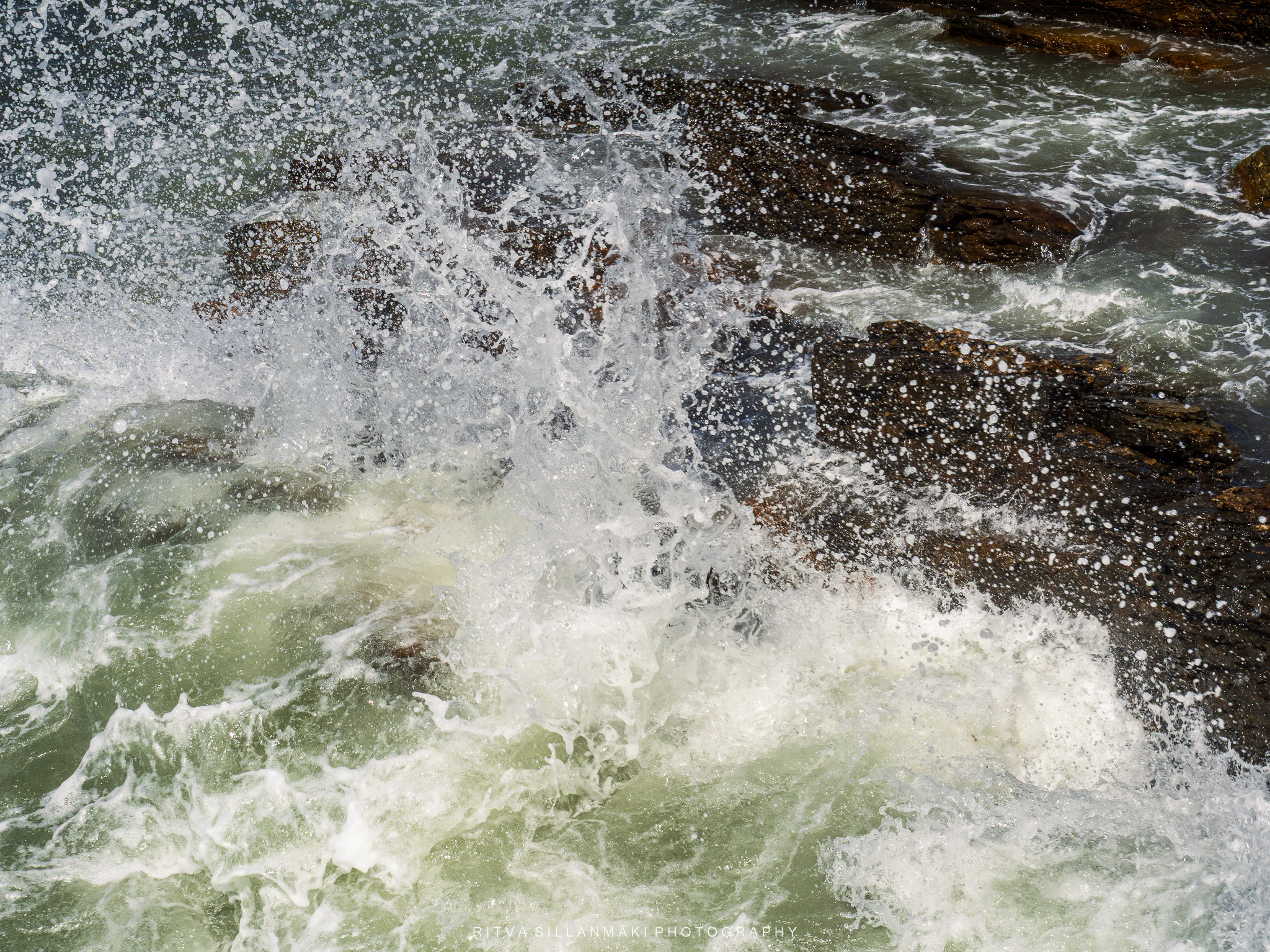
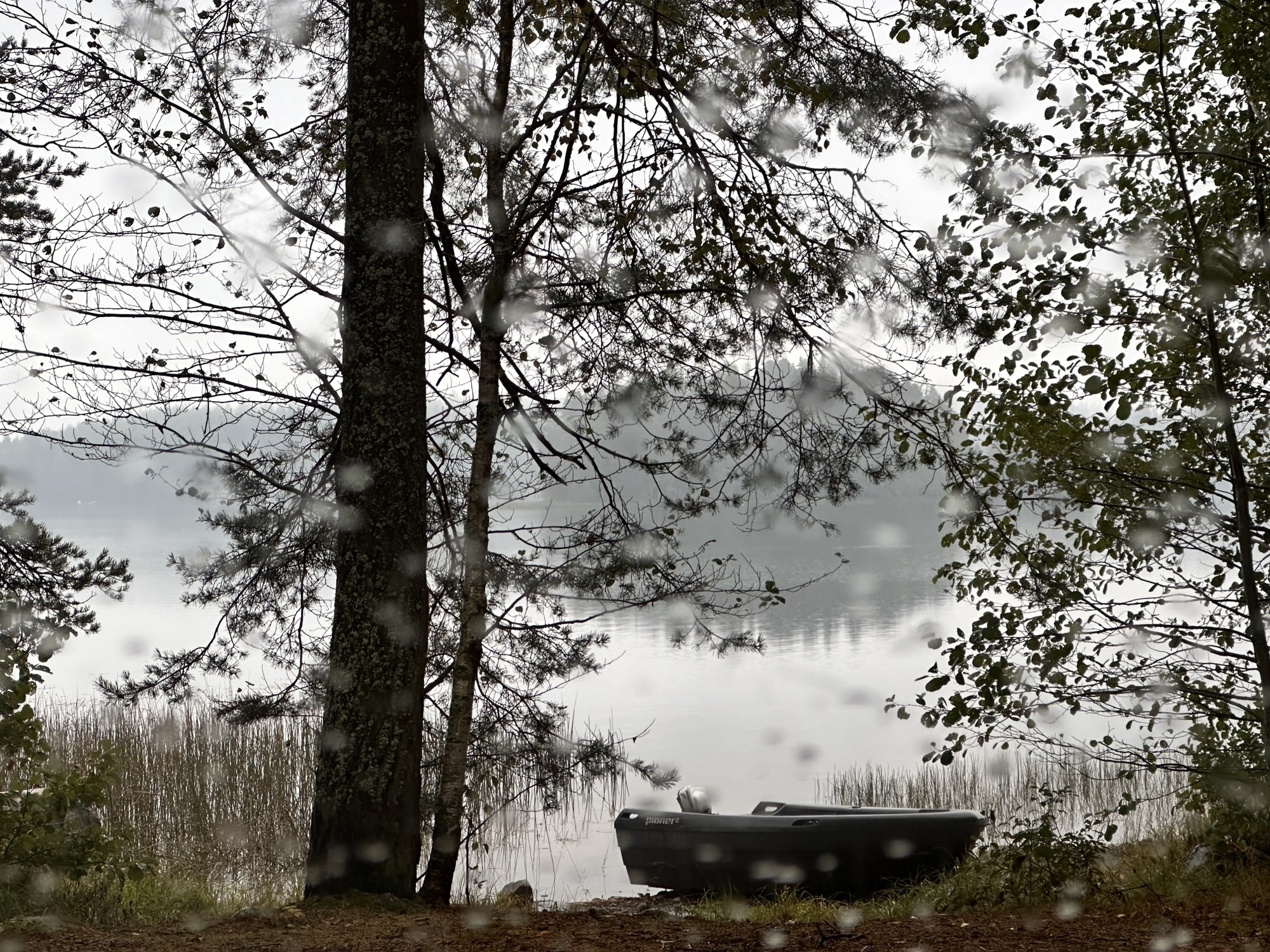
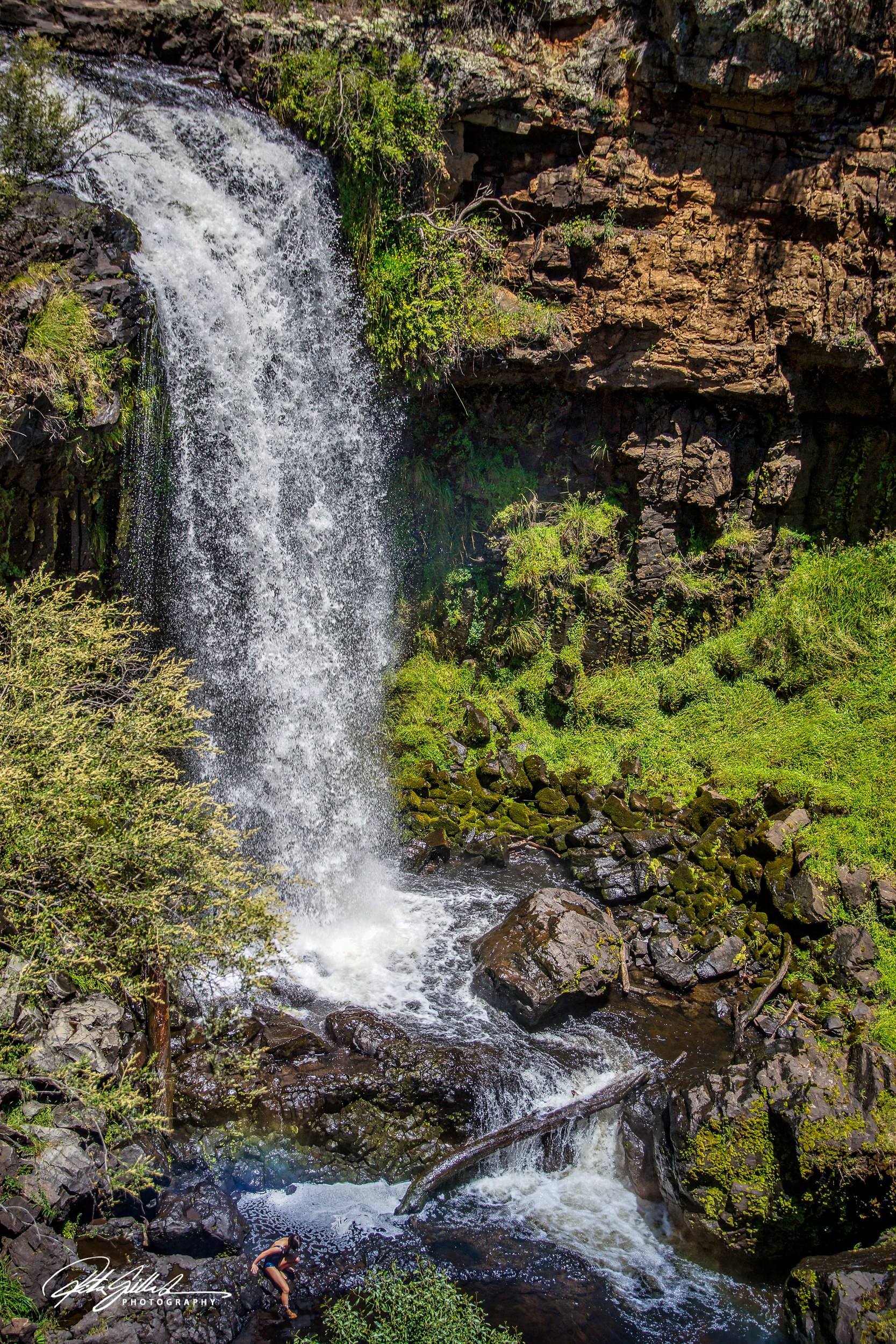
THose who follow me know; I am always impressed and taken by the power of water is truly astonishing; it manifests in various forms such as the vastness of the sea, the depth of the ocean, the swift flow of rivers, and the majestic splendor of waterfalls. Each of these elements have the relentless force and beauty of water, which can provide life and nourishment while also possessing the ability to create destruction. The gentle pitter-patter of rain, for instance, can refresh the earth and bring forth new growth, yet in larger quantities, it can lead to floods that reshape landscapes and communities. From the tranquil lakes reflecting the sky to the raging torrents of rivers carving through mountains, water is indeed a vital and powerful element of our world.
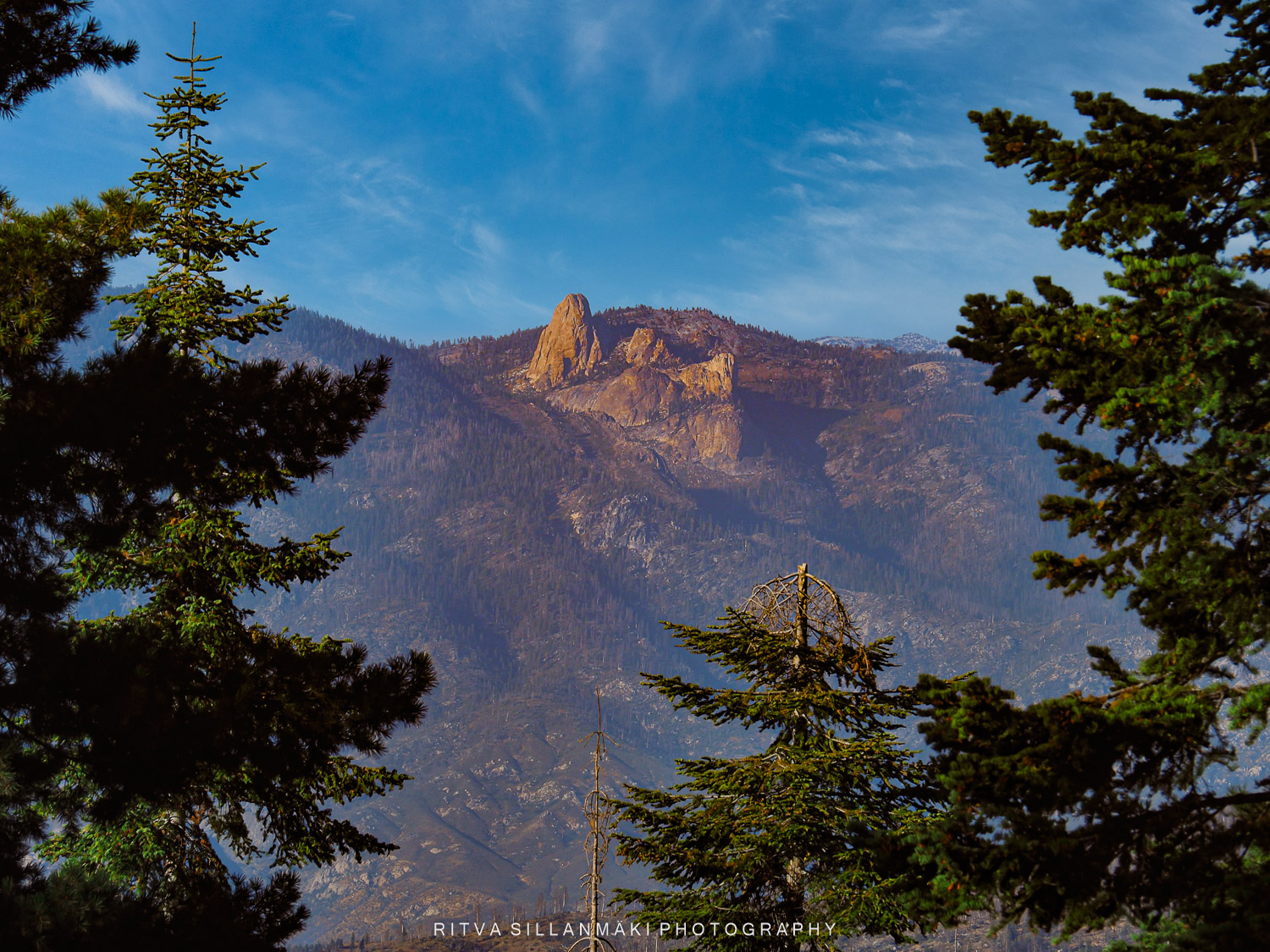
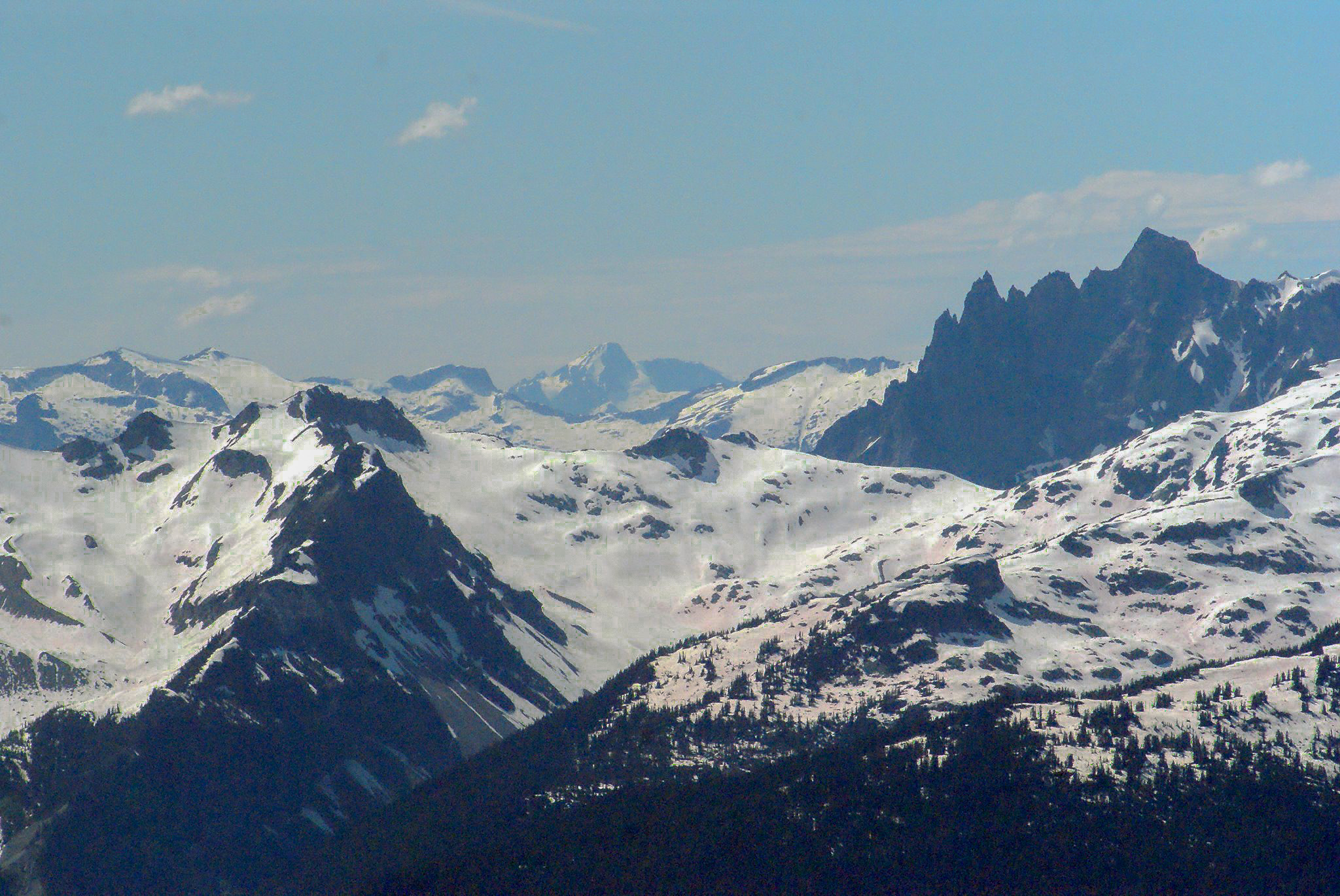
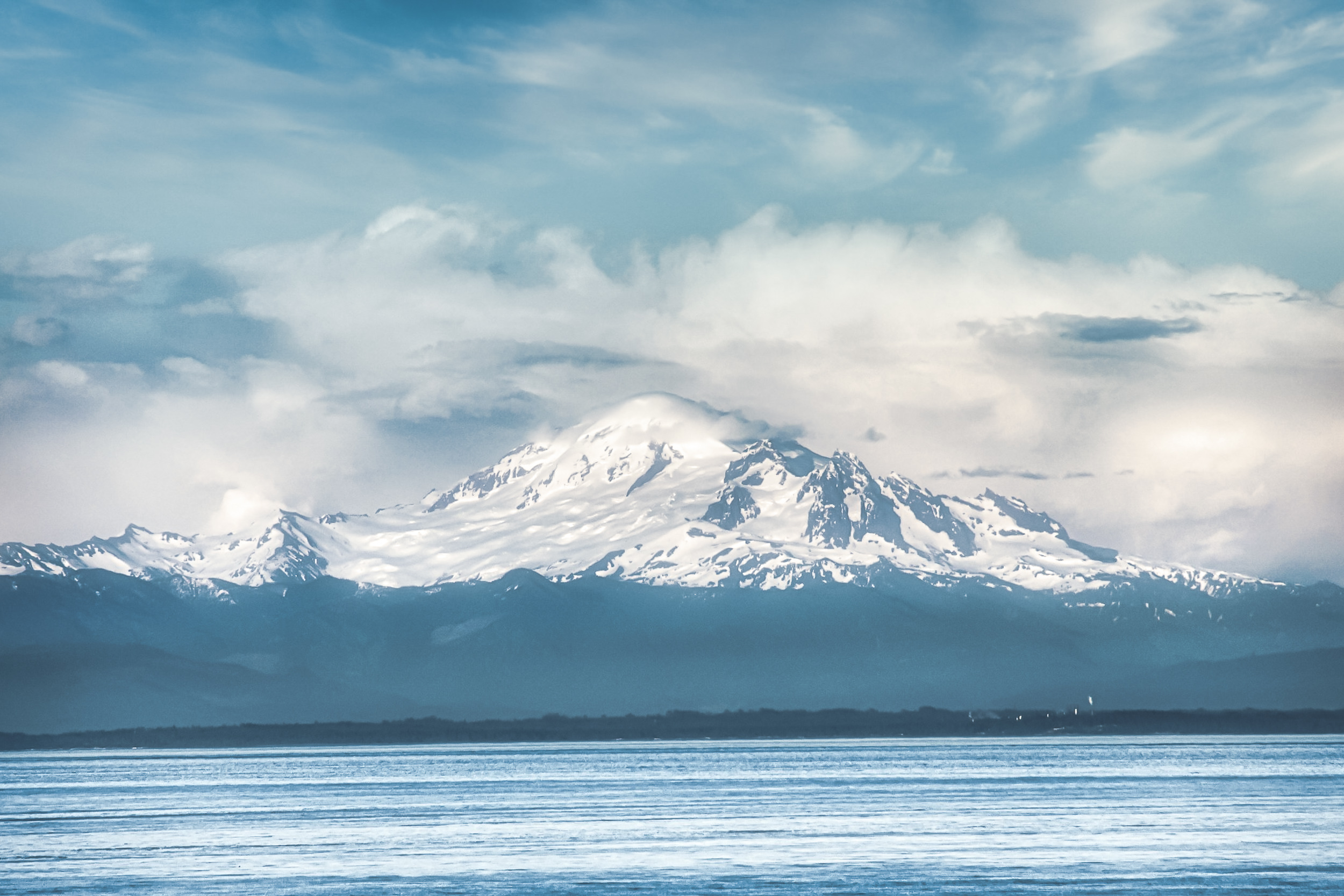
Mountains captivated me at every glance, their grandeur towering sharply against the skyline, with their immense presence enveloping them in a nurturing hug. The sunlit, snow-draped summits shimmer in the warmth, while the rugged ground narrates stories of age-old geological events. Surrounding forests flourish with vitality, their lush green shades strikingly set off by the stark whites and grays of the summits. The air is invigorating and clear, rich with the aroma of pine, the numerous pathways and hollows that weave through this stunning terrain.
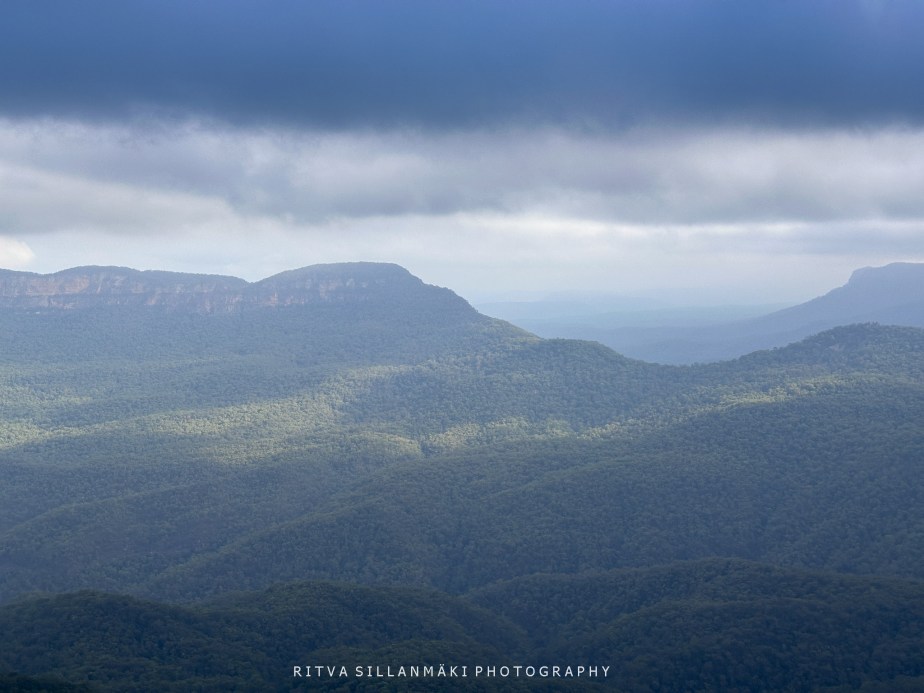
I am going to stop here. I have added way too many photos, but that is due to the fact that nature always, constantly amazes me with its incredible beauty and diversity. From lush green forests to serene mountain ranges, deserts, there is an endless variety of landscapes to explore and appreciate. When we travel, we mostly look for natural sights to see that inspire awe and a sense of wonder. I love capturing nature, be it landscapes or close-ups, as each photograph tells a story and preserves a moment in time that can be cherished forever. Look and see – pay attention, and you will be astonished by the intricate details and the vibrant colors that surround us every day, reminding us of the magic that exists in the world.
Last week, Tina welcomed us with a theme centered around Shapes and Designs. The world is teeming with inspirational creations, many of which are derived from nature. Our designs, whether in architecture, fashion, or the everyday items we utilize, reflect this connection. This was clearly visible in the photos we all contributed.
I hope you will join in for this week’s challenge. Share us what astonishes you. Be sure to tag your post with Lens-Artists and include a link back to Beth’s post.
Be sure to check back on Saturday, February 14, at noon Eastern Time, when I will once again host; I know it’s Valentine’s Day, still, I hope you will join me then. Until then, let’s continue to explore, expand our knowledge and stay positive ❤️
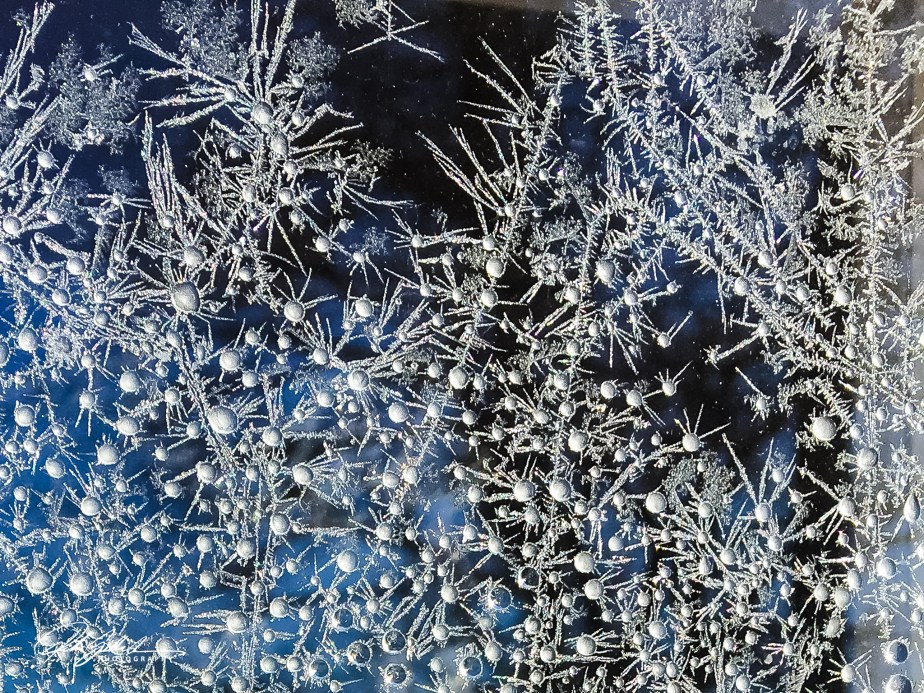
Tina from Travels and Trifles is hosting this week, and the theme is Shapes and designs. It’s such a cool topic that opens up a world of creativity and imagination! A lot of awesome designs actually come from nature, where we see the fun of stripes, the charm of round shapes, and the unique patterns on leaves. These natural vibes not only give us great ideas for art but also show how closely design is linked to the environment around us. Think about how creative the spirals of seashells and the designs of frost on a window can be—nature is like a big treasure chest of inspiration waiting for us to dive in! By creating designs that draw from these organic shapes, we can really deepen our appreciation for both art and the natural world, reminding us to notice and enjoy the beauty that’s all around us every single day.
Intricate frost patterns resembling organic shapes, showcasing the beauty of nature’s design.
They are everywhere in our lives, making a mark on everything from buildings and clothes to art and gadgets. These visuals do more than just look good; they also play a big role in how things work and how we feel about them. You can mix geometric shapes with more fluid, organic ones to spark emotions, create vibes, and set a mood in different spaces. Plus, when you get the hang of design basics like balance and contrast, you can really get creative and make shapes work for you—ensuring your designs hit home with whoever’s checking them out. All this creativity and structure is what keeps design fresh and pushes the boundaries of how we communicate visually in so many fields.
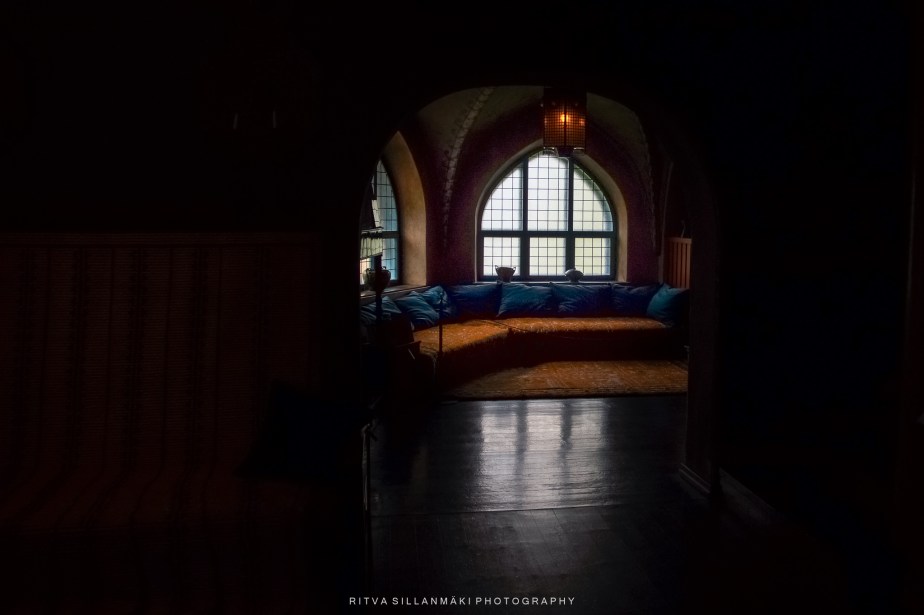
A cozy interior space featuring an inviting alcove with plush cushions, illuminated by natural light filtering through arched windows. Design and shapes together in perfect harmony
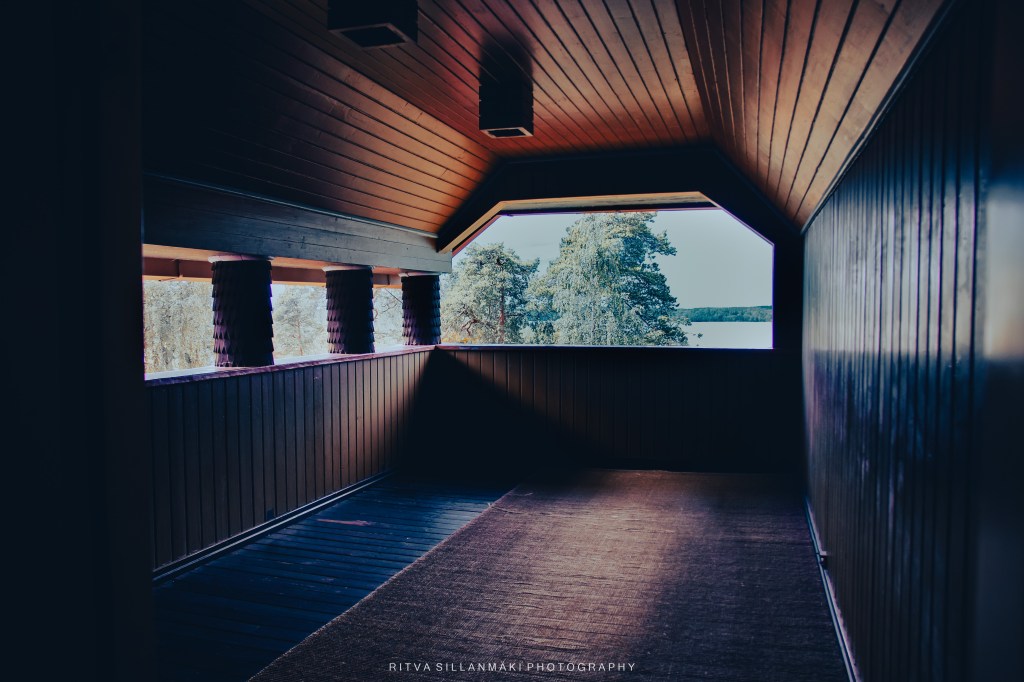
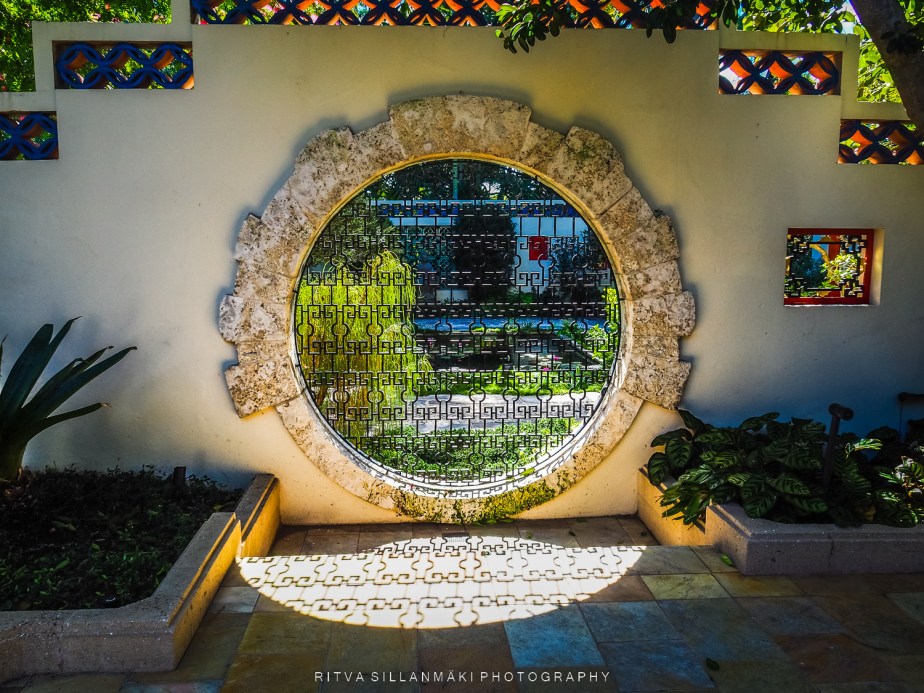
Interior view of a cozy wooden terrace showing its unique design and overlooking a serene lake and trees.The round window in the Chinese garden located at The Society of the Four Arts cultural center in Palm Beach, Florida.
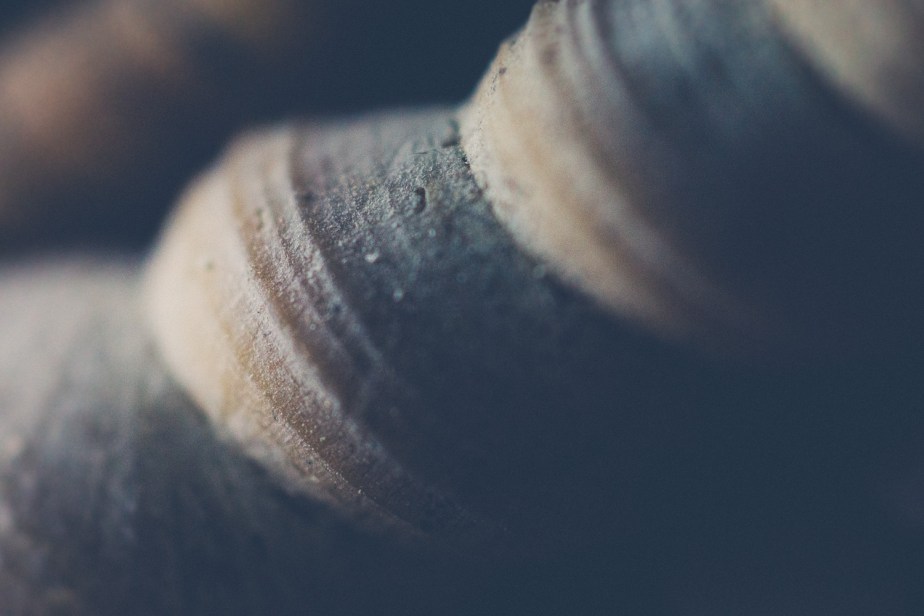
Close-up of natural shells showcasing intricate textures and shapes.
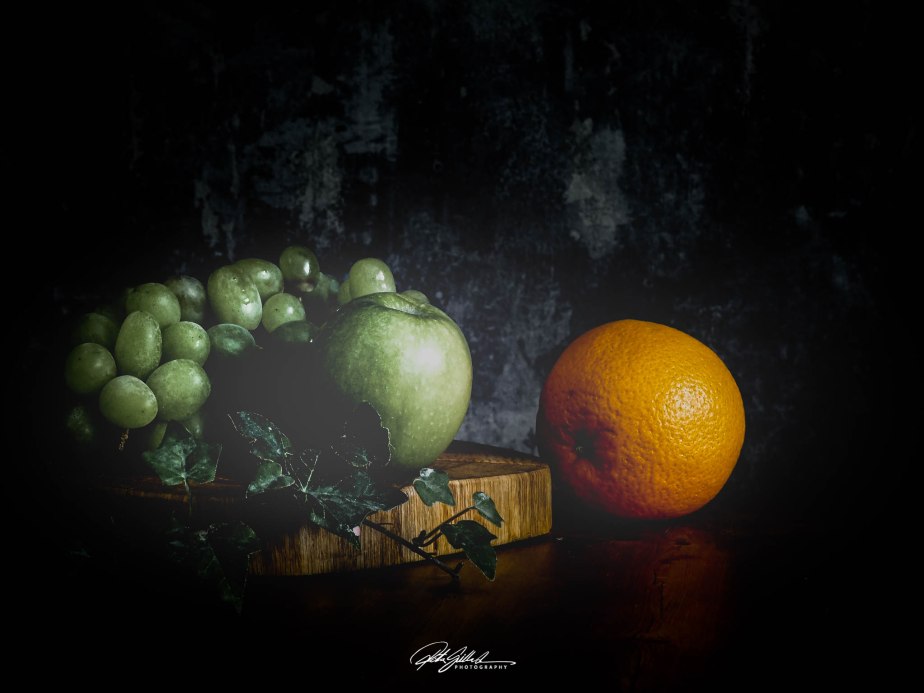
A still life featuring a green apple, a cluster of grapes, and an orange on a wooden surface against a dark background. Fruits serve as a great sample of shapes
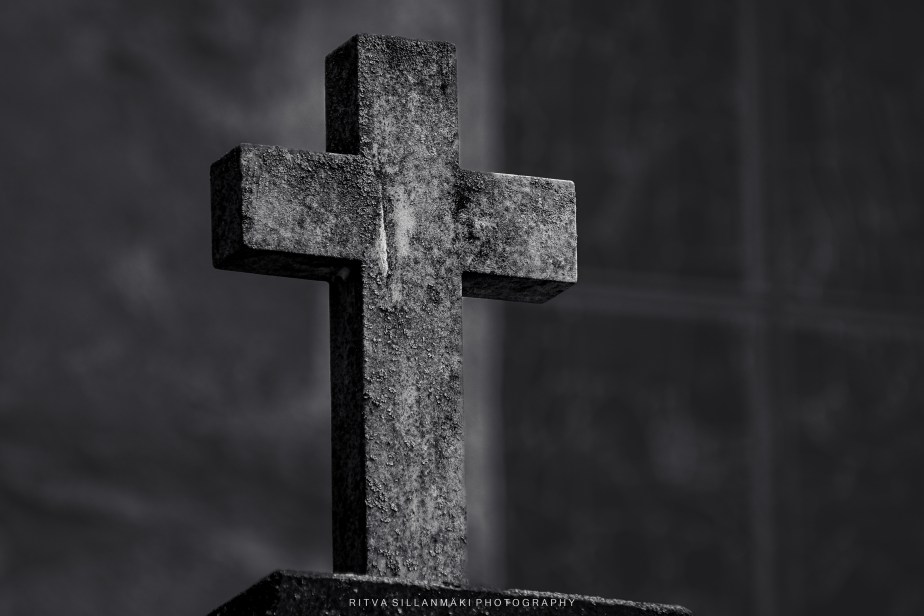
A close-up of a weathered stone cross, a design known through centuries
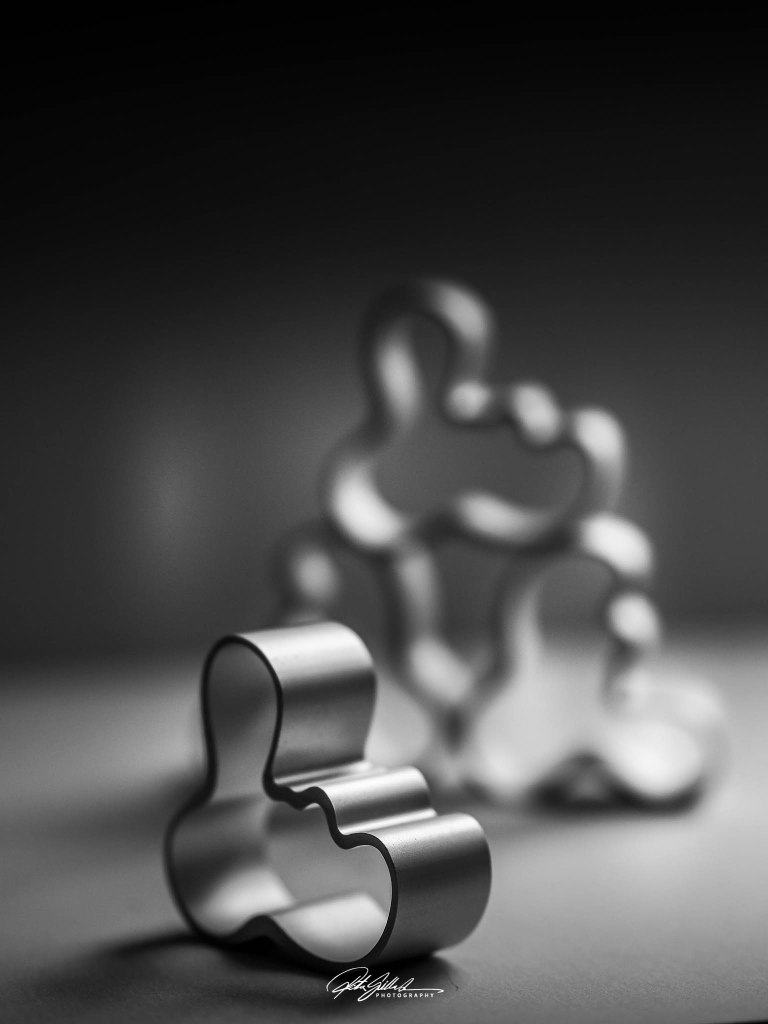
Iittala’s Aalto napkin rings reflect the organic shape of Aalto products. The beautiful napkin rings complete the table setting
Last week, Thanks to Egidio who encouraged us to showcase some of our rejected alongside our edited images to highlight the contrasts. It provided with different and new perspective to our not so good images. It made for an interesting week of photos. Thank you all for sharing them with us,
Lastly, we invite you to join us next week for a challenge Beth will be hosting on Wandering Dawgs. In the meantime, smile and try to stay positive 😉
This week, Egidio has encouraged us to showcase some of our rejected alongside our edited images to highlight the contrasts. I’ve encountered photographers who view editing as “cheating,” believing it undermines the integrity of the moment captured. Nevertheless, I regard editing as an equally vital skill as the art of photographing a subject or scene. It empowers us to emphasize particular features, enhance colors, and evoke emotions that may not be as prominent in the unedited image. Ultimately, the final image should represent not just what was observed but also the artist’s unique vision and perspective. By embracing both photography and editing, we can elevate our creations and convey more impactful stories through our visuals.
These are all from my visit to Hvitträsk and its surroundings some year ago except the last one. That was a so bad I did not pay any attention to it at all at the time, I just remember being very disappointed in it. I should have binned it, but luckily now with my approved editing skills I was able to do something with it.
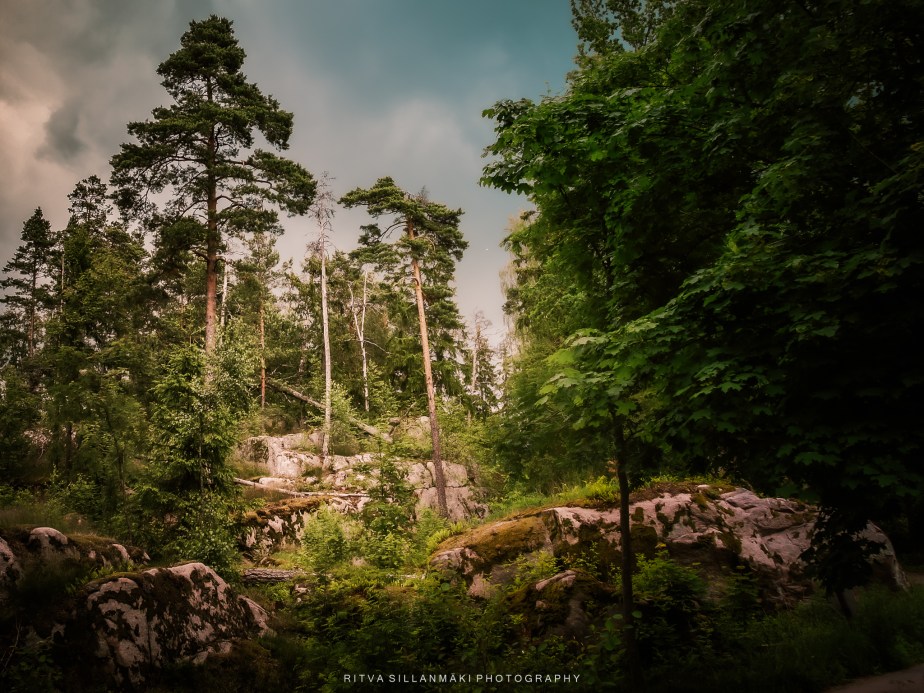
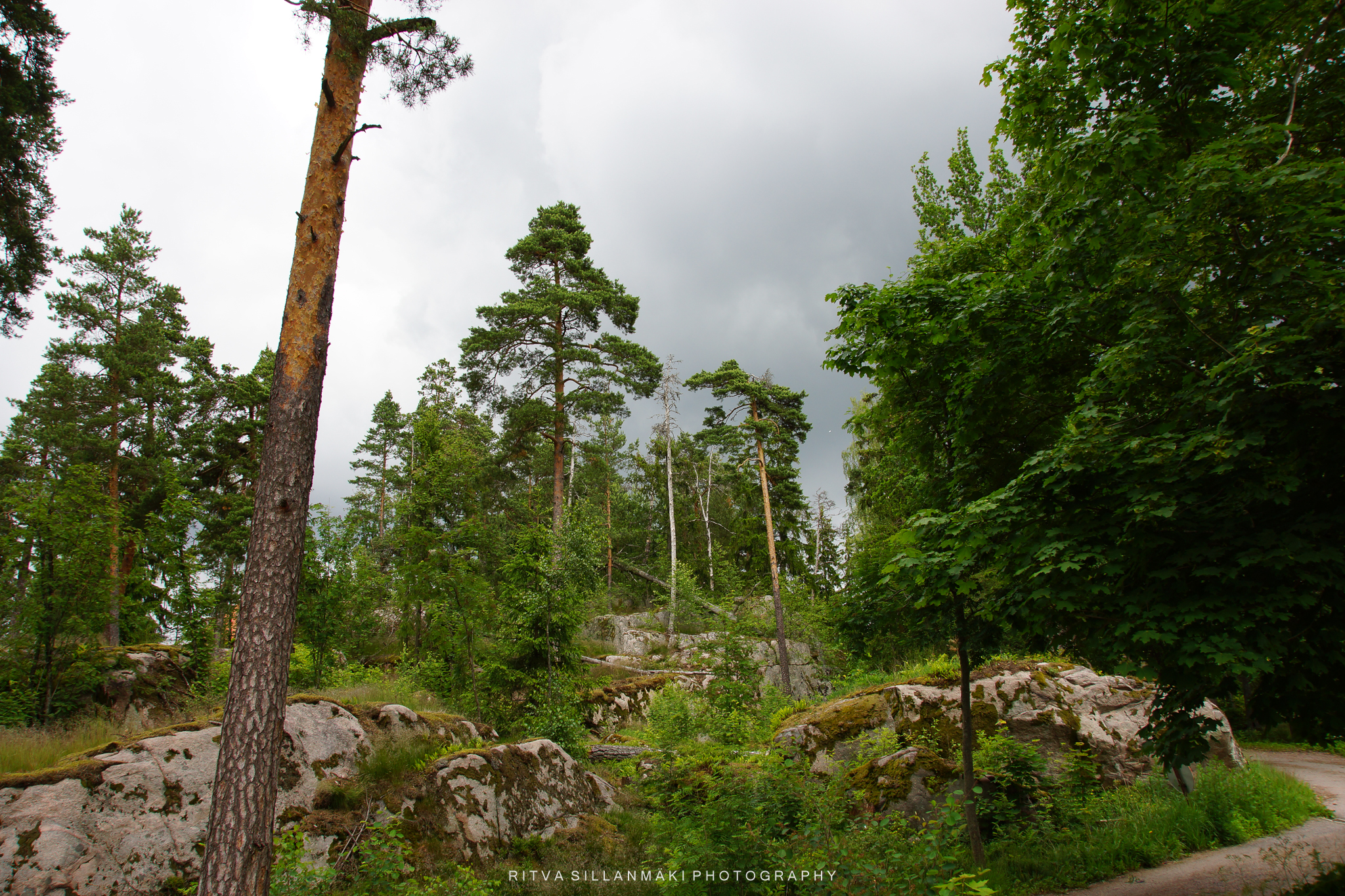
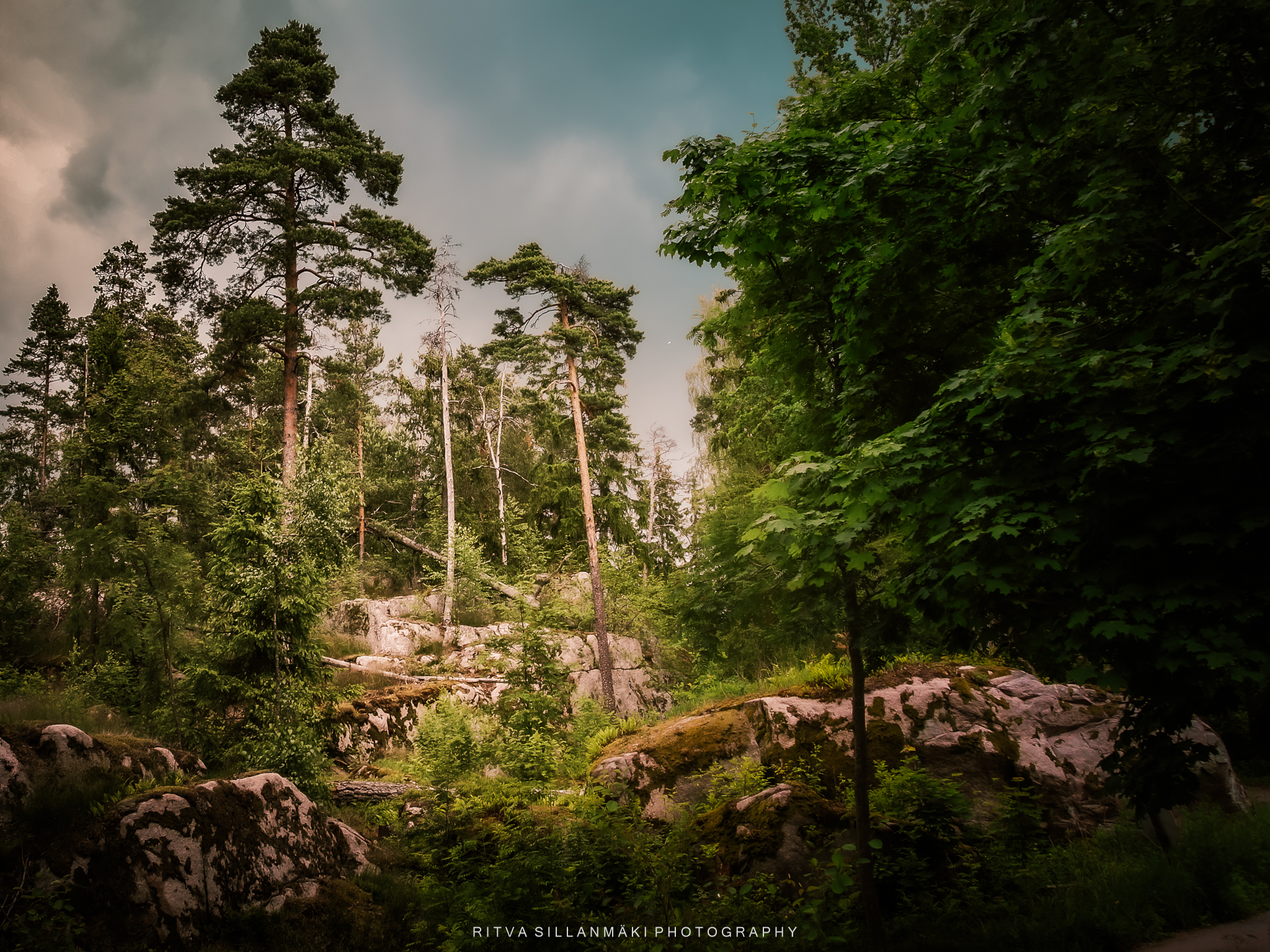
The original image was flat and boring, and I never got around to publishing it, even though the picture has many layers and good elements. Perhaps I didn’t initially realize to crop it enough; for some reason, I wanted the trunk of the pine tree in the image even though it didn’t really fit there. The sky had remained flat and nothing really stood out.
Nature shines
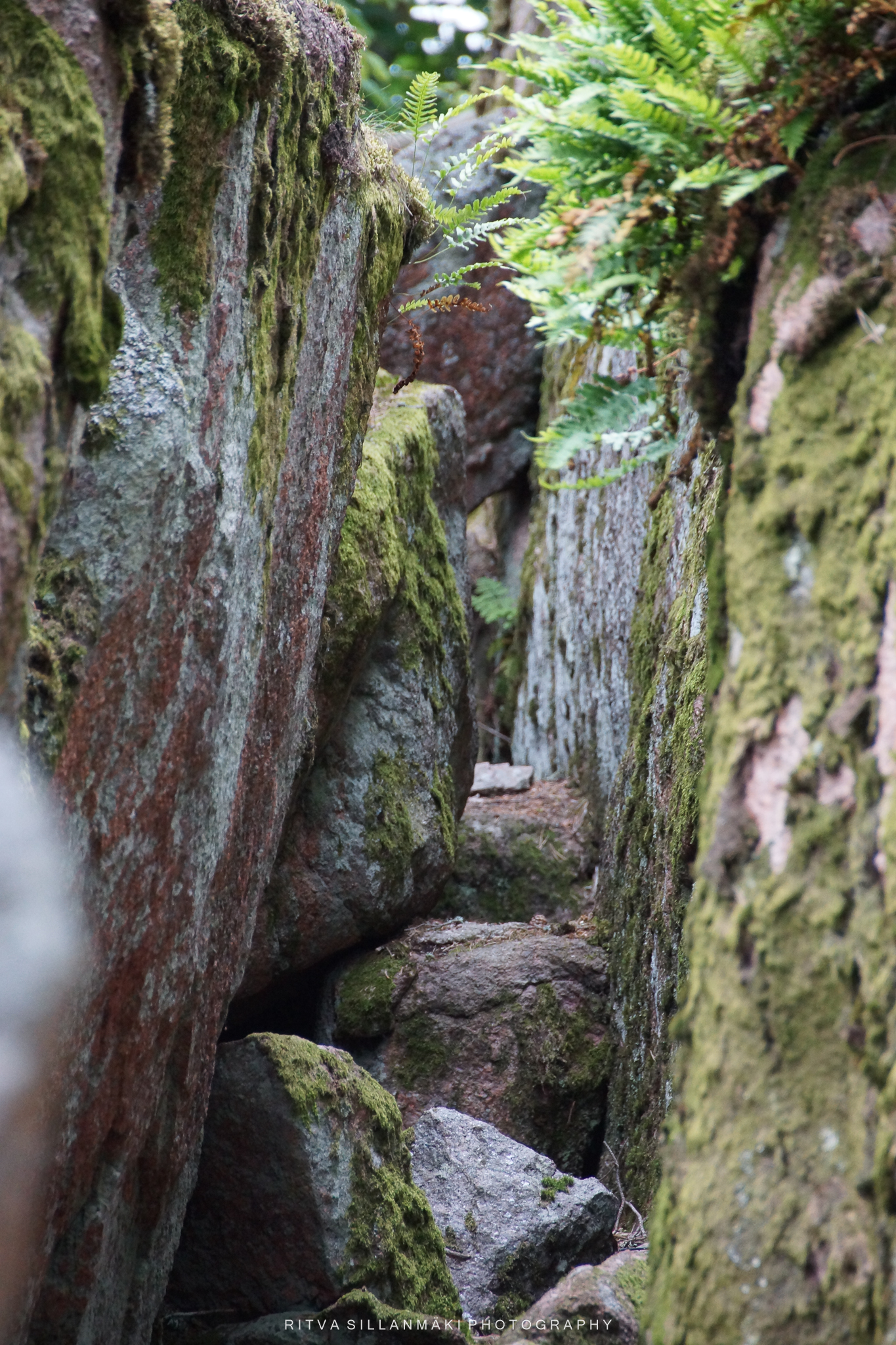
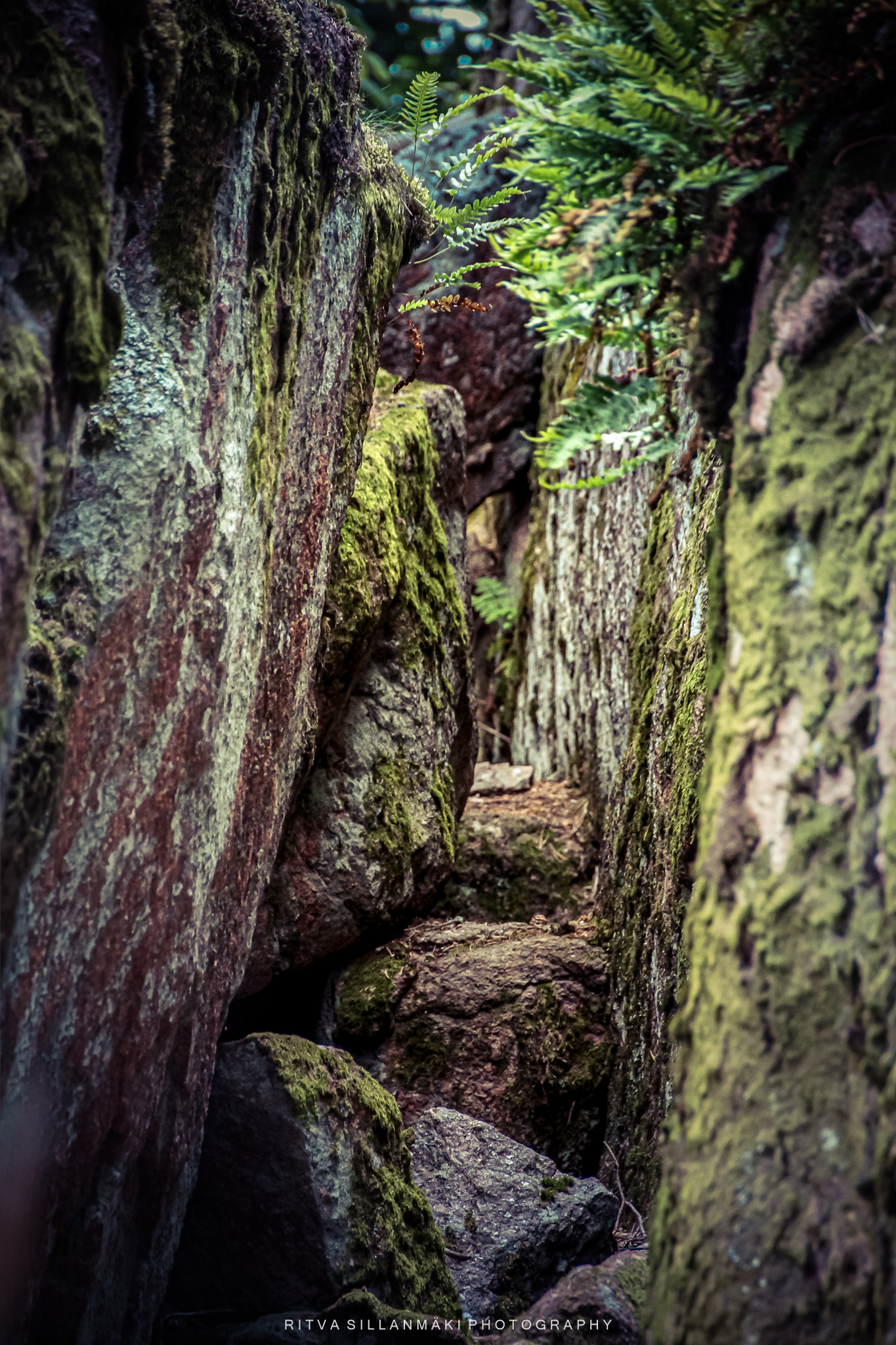
I was drawn to this blurry image; there was something about it that appealed to me, so I decided to rework it in the hope that it would present better with a slight adjustment of contrast and colors. The top of the image was slightly overexposed and clearly out of focus. I am not entirely satisfied with the edit as the colors changed too much from the original—primarily because I try to keep the image as natural as possible.
This could fall into the same category as the previous post, but this is in many parts very unfocused,
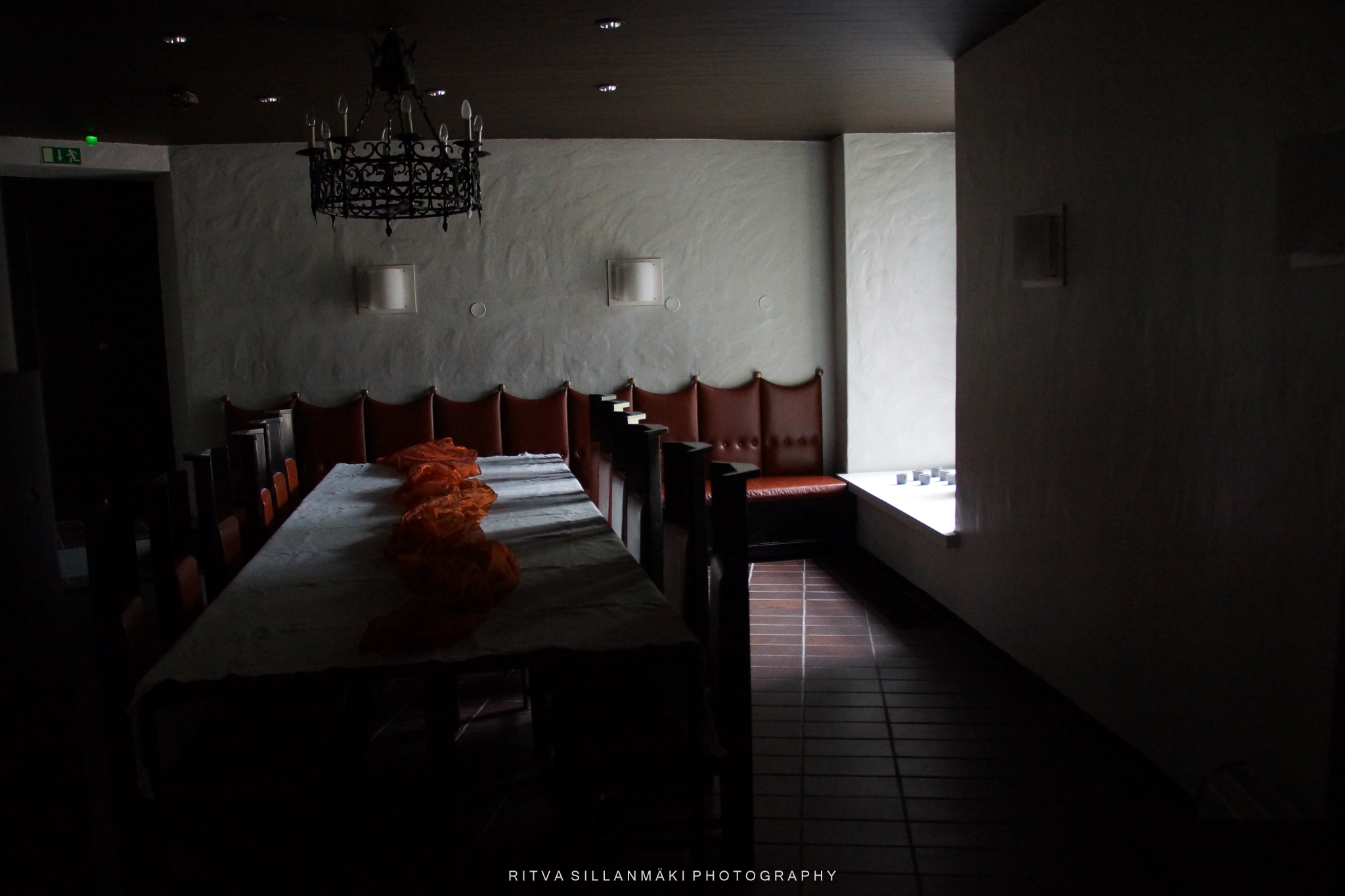
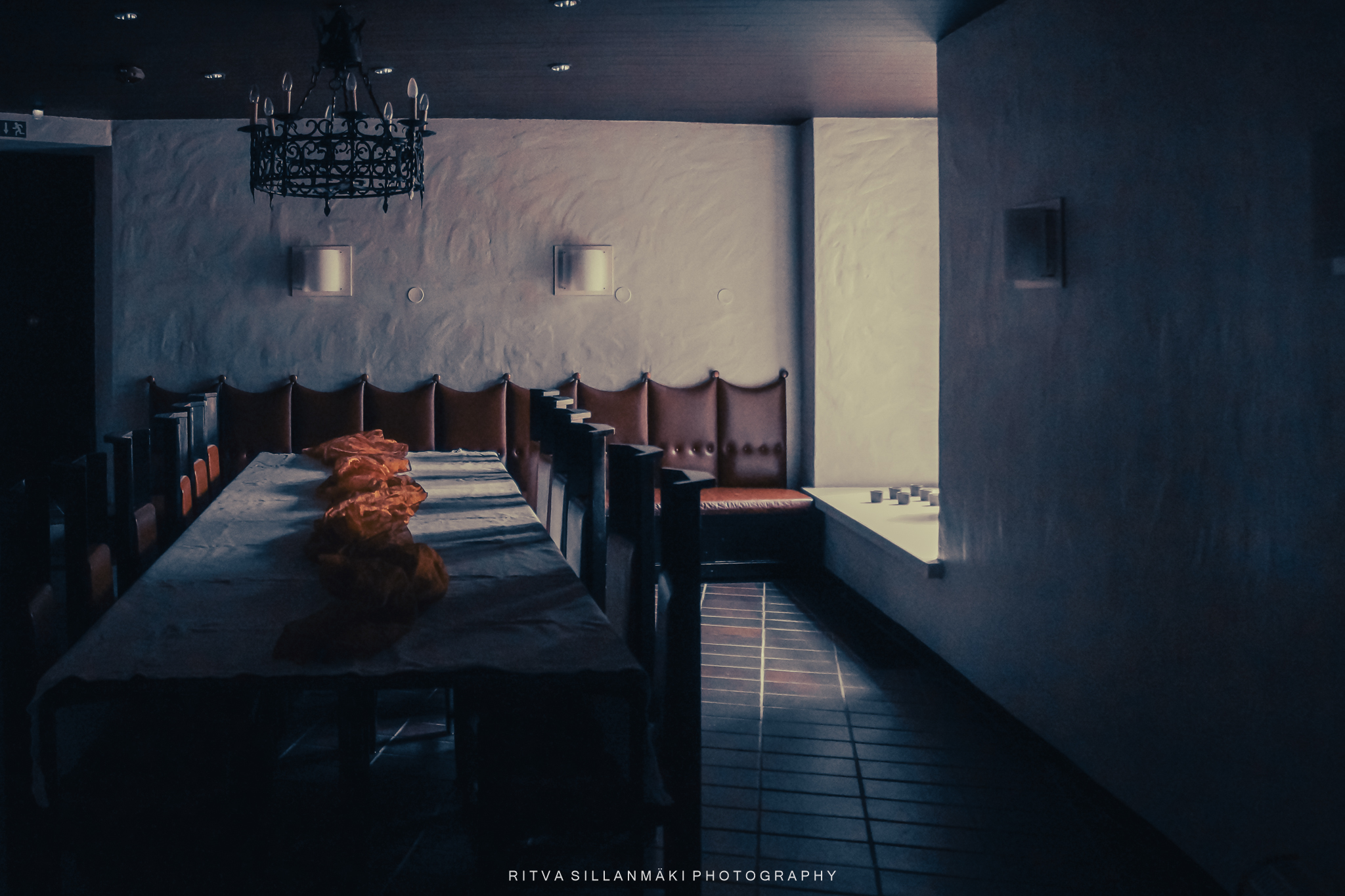
A dimly lit dining room featuring long wooden table in Hvitträsk
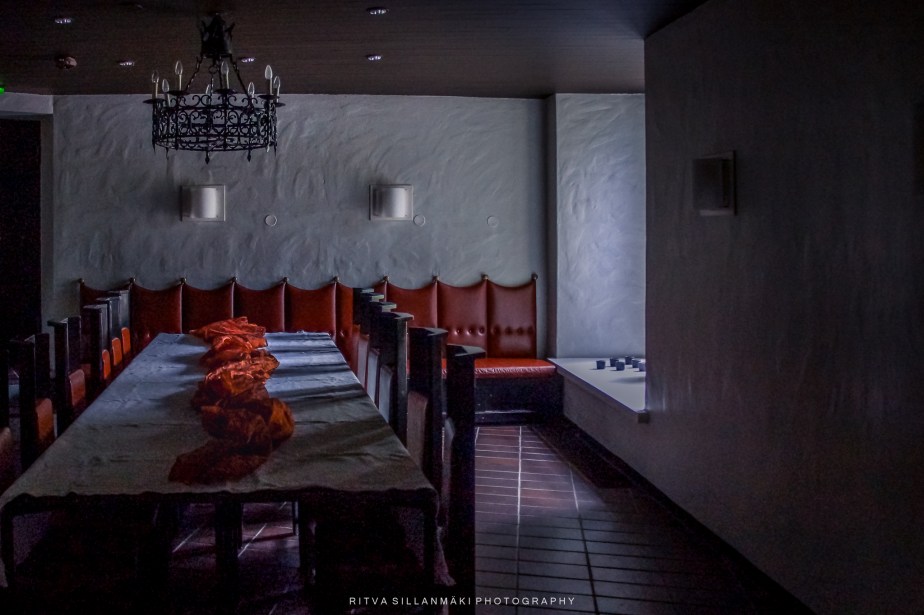
A dimly lit dining room with a long wooden table covered in a white tablecloth, adorned with orange fabric. Red upholstered leather benches line the walls, and a decorative chandelier hangs from the ceiling. In the image above, there is a lot of good, but the picture was left languishing in the archives a bit subdued, and I couldn’t find its purpose; now I decided to boldly edit it in a more cinematic direction. I spent some time battling against making it too colorful, so the third edit is the final result 👇, where I wanted to bring the fabric on the table into focus with light.
A dimly lit dining room featuring long wooden tables and contrasting red seating, evoking a warm yet subdued atmosphere.
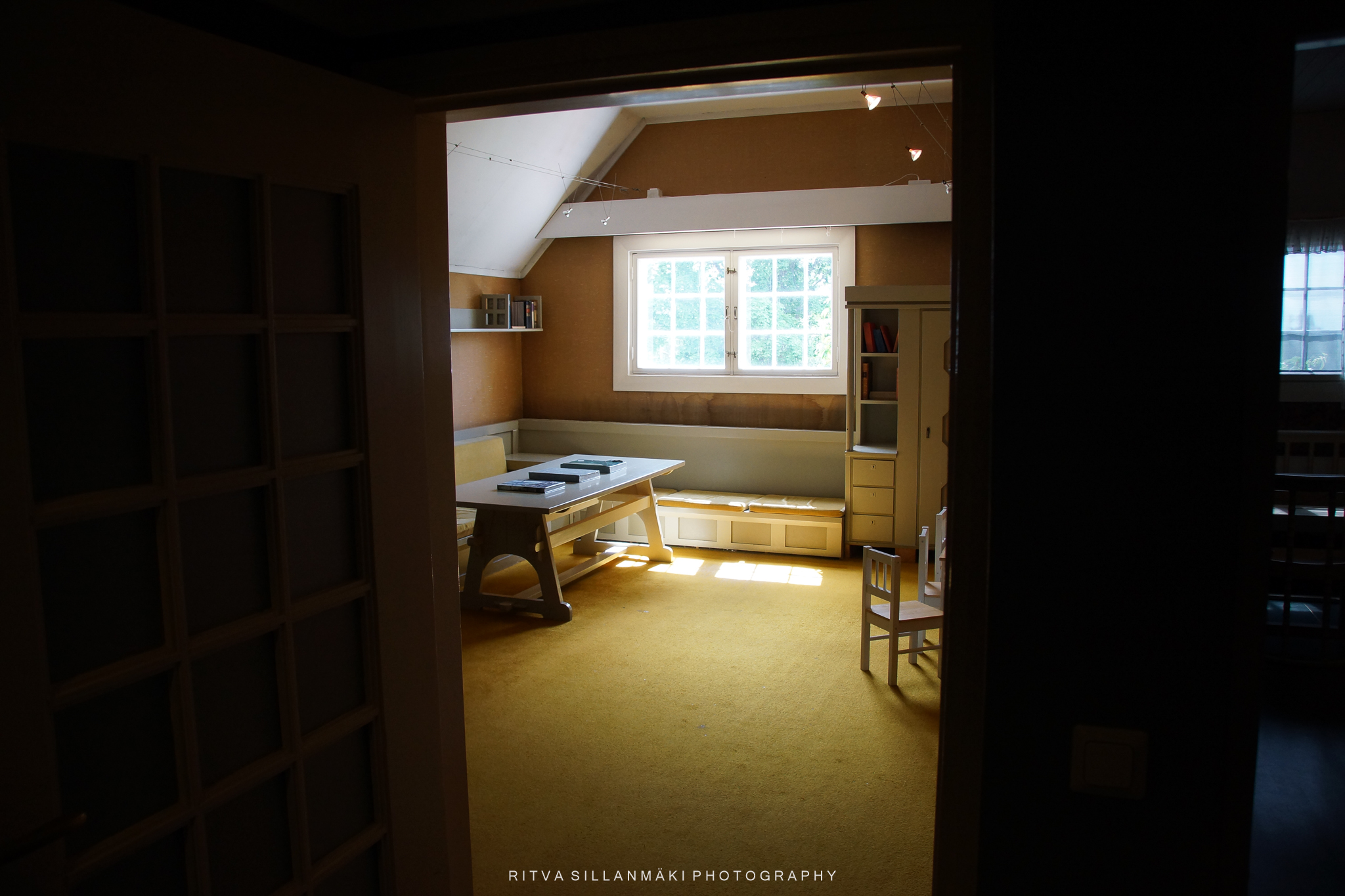
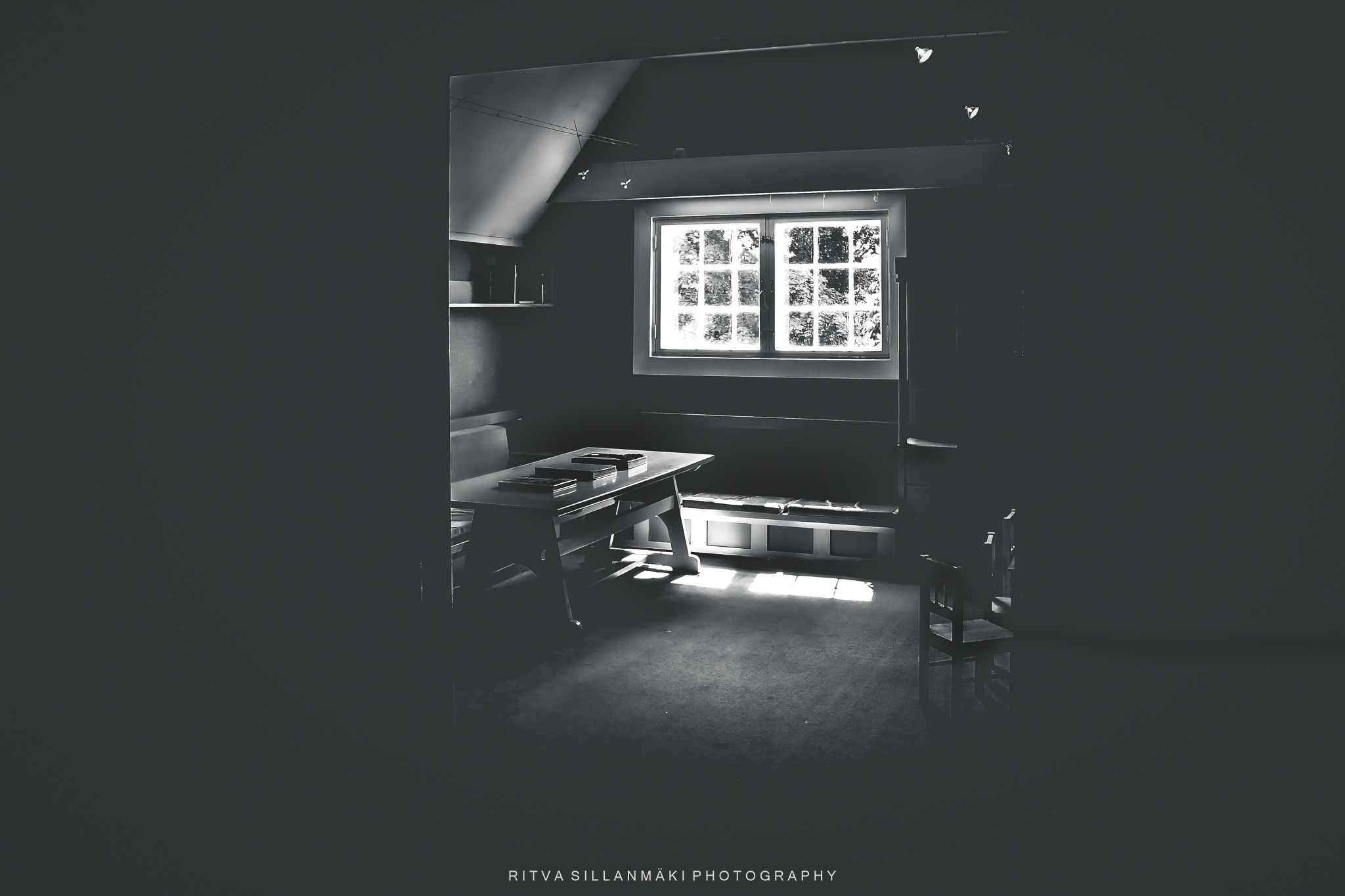
In this last image pair, I wanted to highlight the minimalism of the previous challenge and the black-and-white image as it is a style I really enjoy. I sought to create an atmosphere in the picture and wanted to draw attention to the window and the light coming from it and how it came to the room, and eliminating most of the furniture.
In this picture, I managed to save an image that was clearly overexposed and additionally had completely off coloring. I didn’t know what I had adjusted back then, but for some reason, this remained in the archives. I couldn’t edit this photo to color, but the black and white turned out rather well.
salvation of a bad photo
I would like to extend my gratitude to Egidio for encouraging us to present some of the effort that goes into crafting an image we are proud to share. Don’t forget to check out his original post here, and remember to use the Lens-Artist Tag in your response so we can find you post.
I am grateful to all who took part in last week’s B&W / Minimalism challenge; it highlighted the remarkable power of simplicity when done effectively. I was taken aback by the amount of interest it created and glad to find out that there are so many interested in this style of photography, which emphasizes the beauty of minimalism and the striking impact of black and white imagery. This challenge inspired participants to explore their creativity among those who share a passion for this art form. I loved seeing all your contributions, as each one told a unique story and showcased different perspectives, proving that less truly can be more in the world of visual storytelling.
Lastly, we invite you to join us next week for a challenge Tina will be hosting on Travels and Trifles. In the meantime, smile and try to stay positive
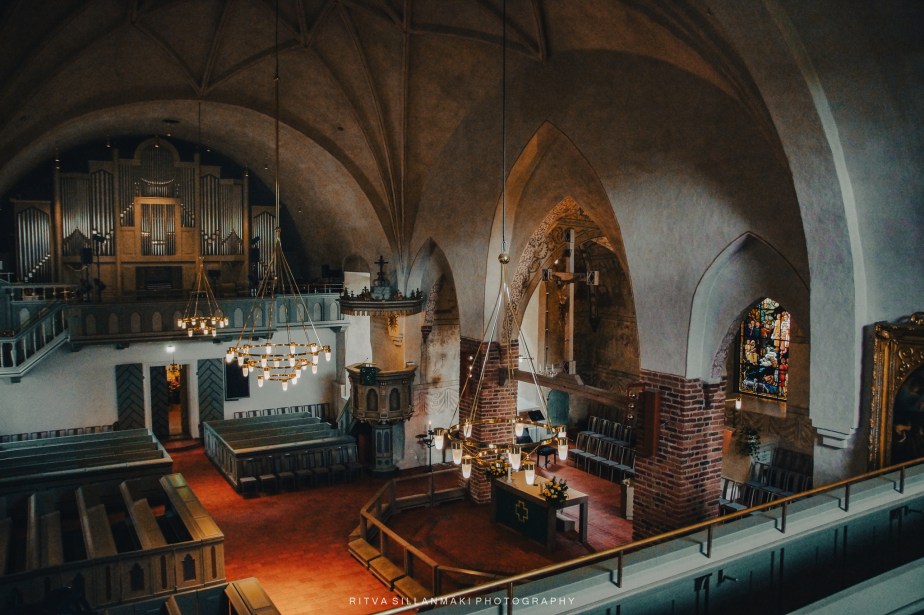
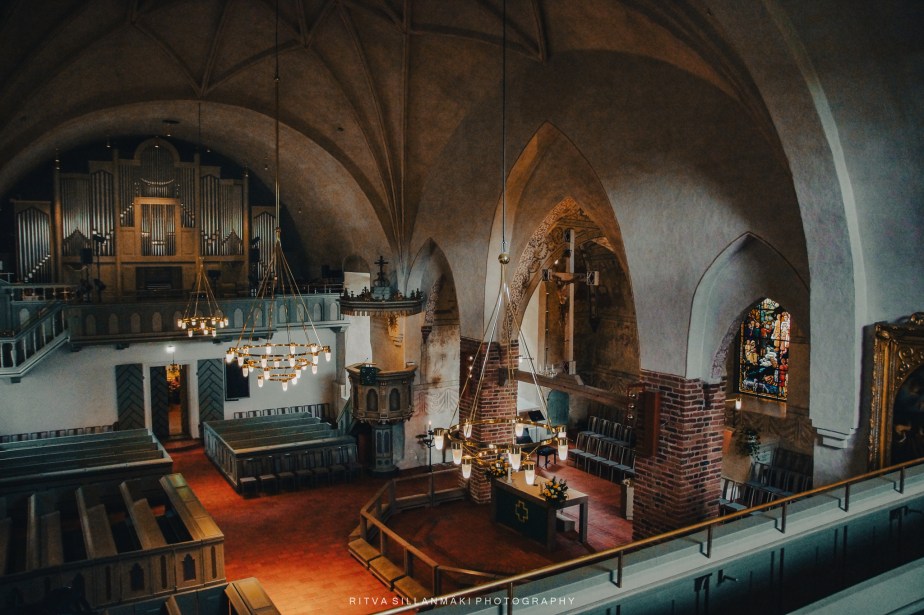
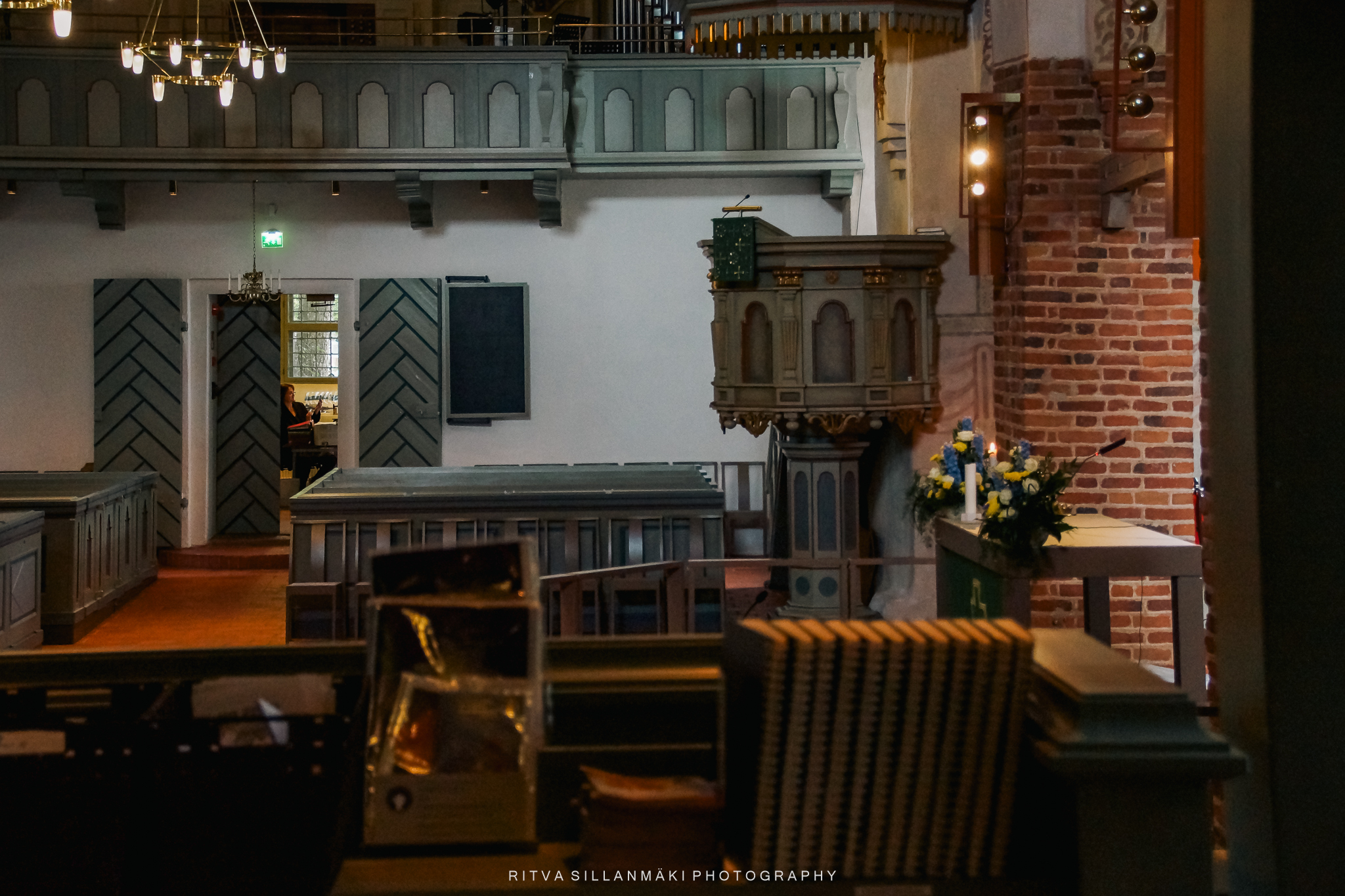
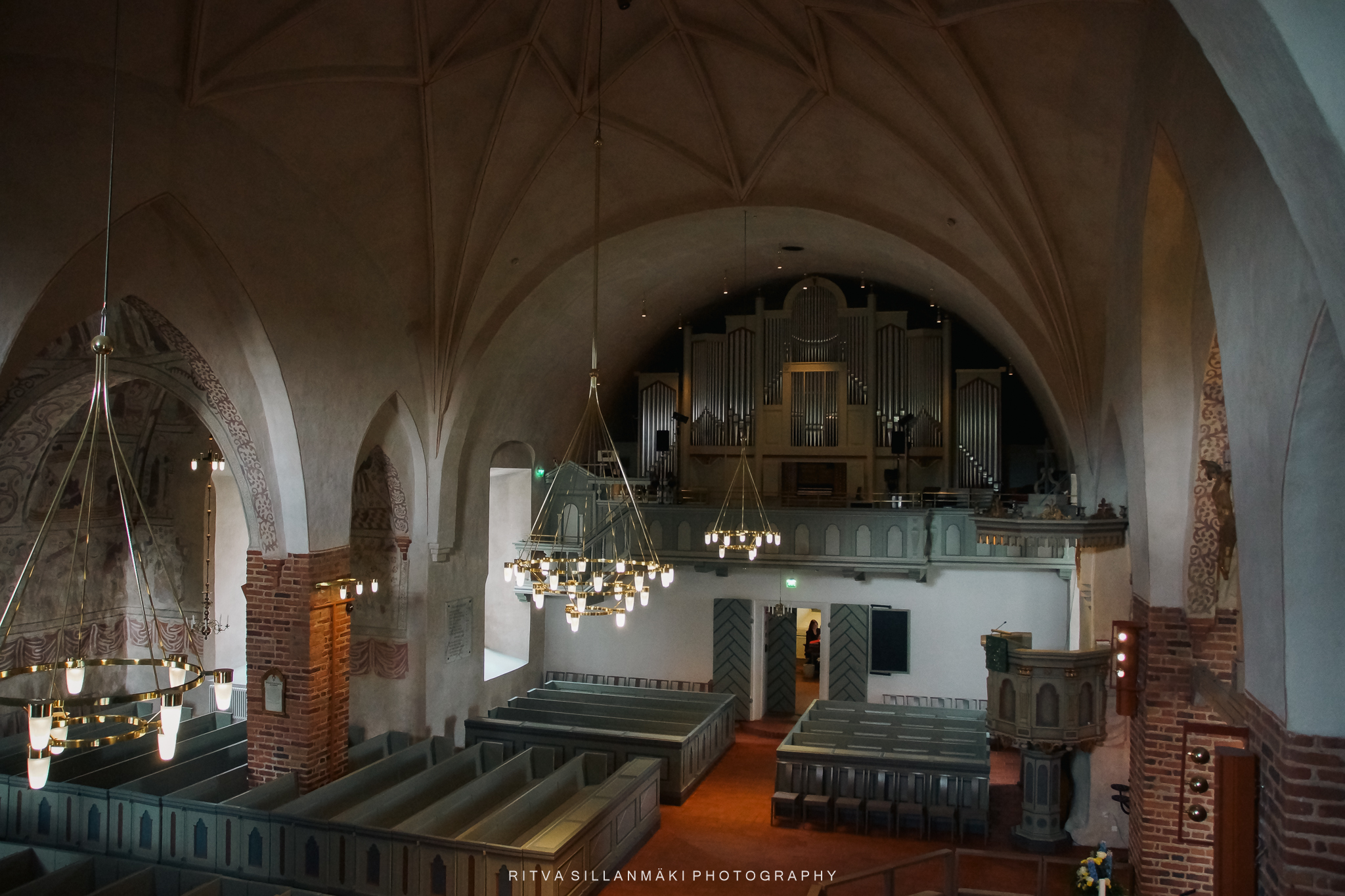
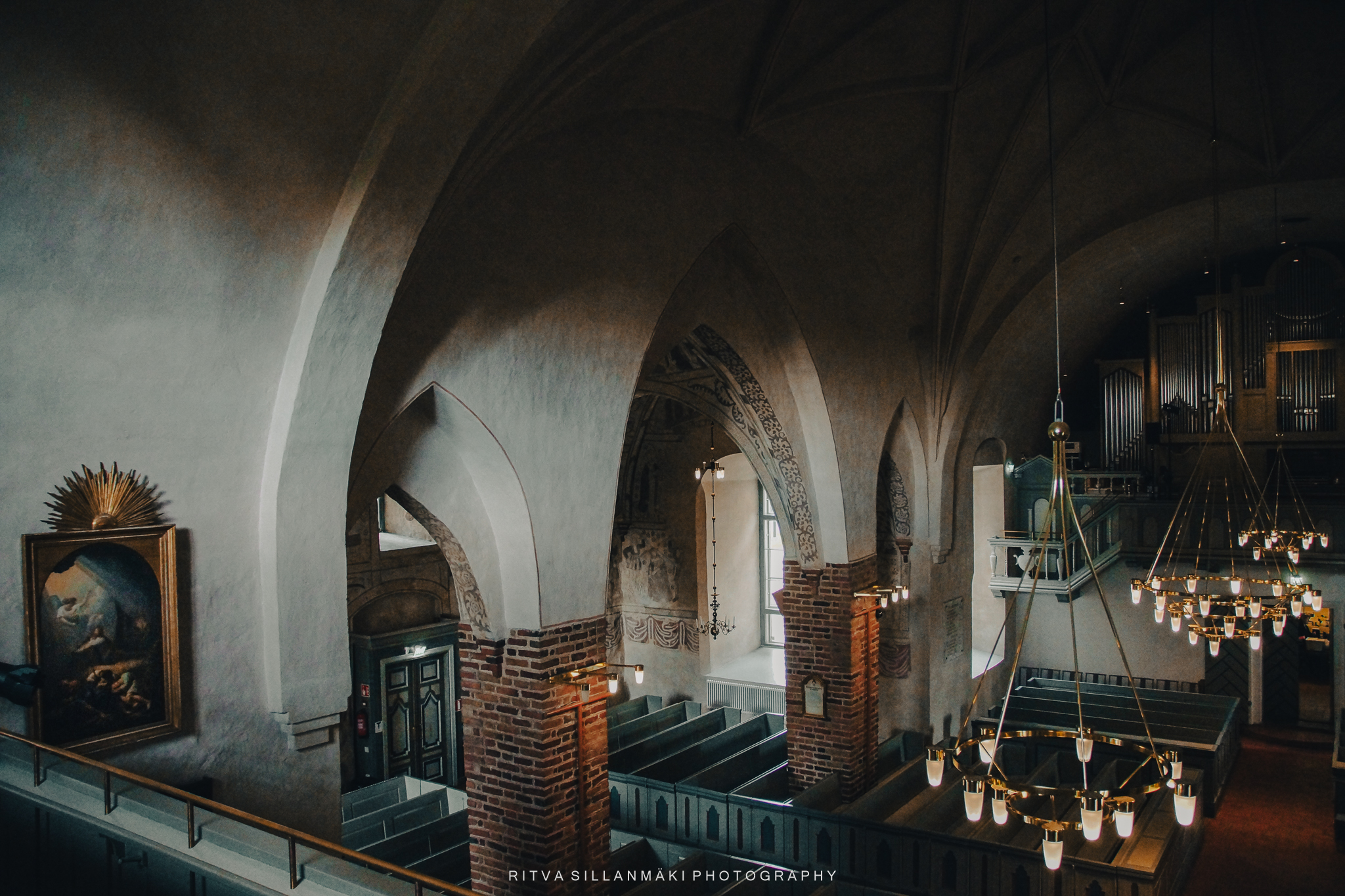
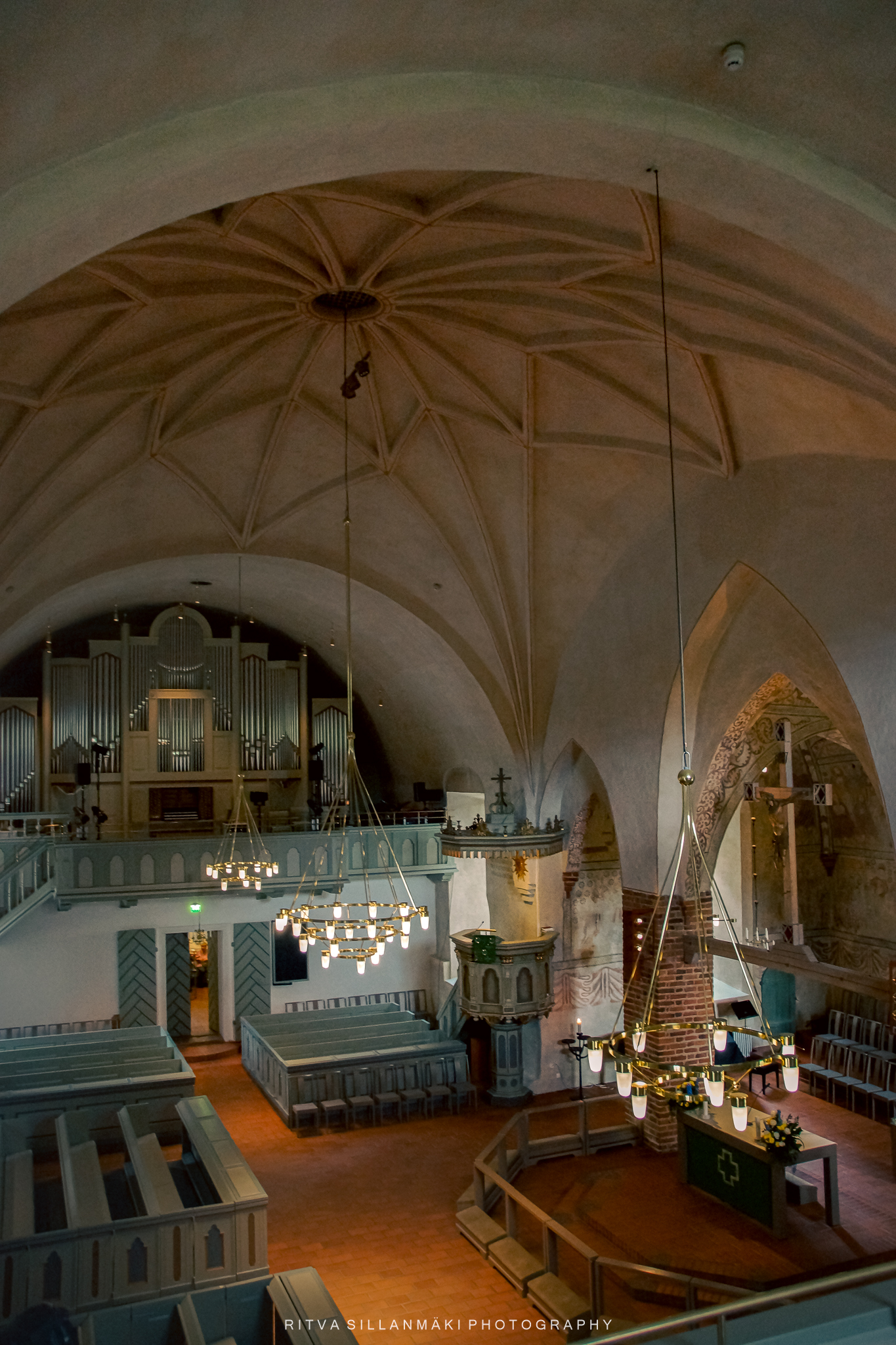
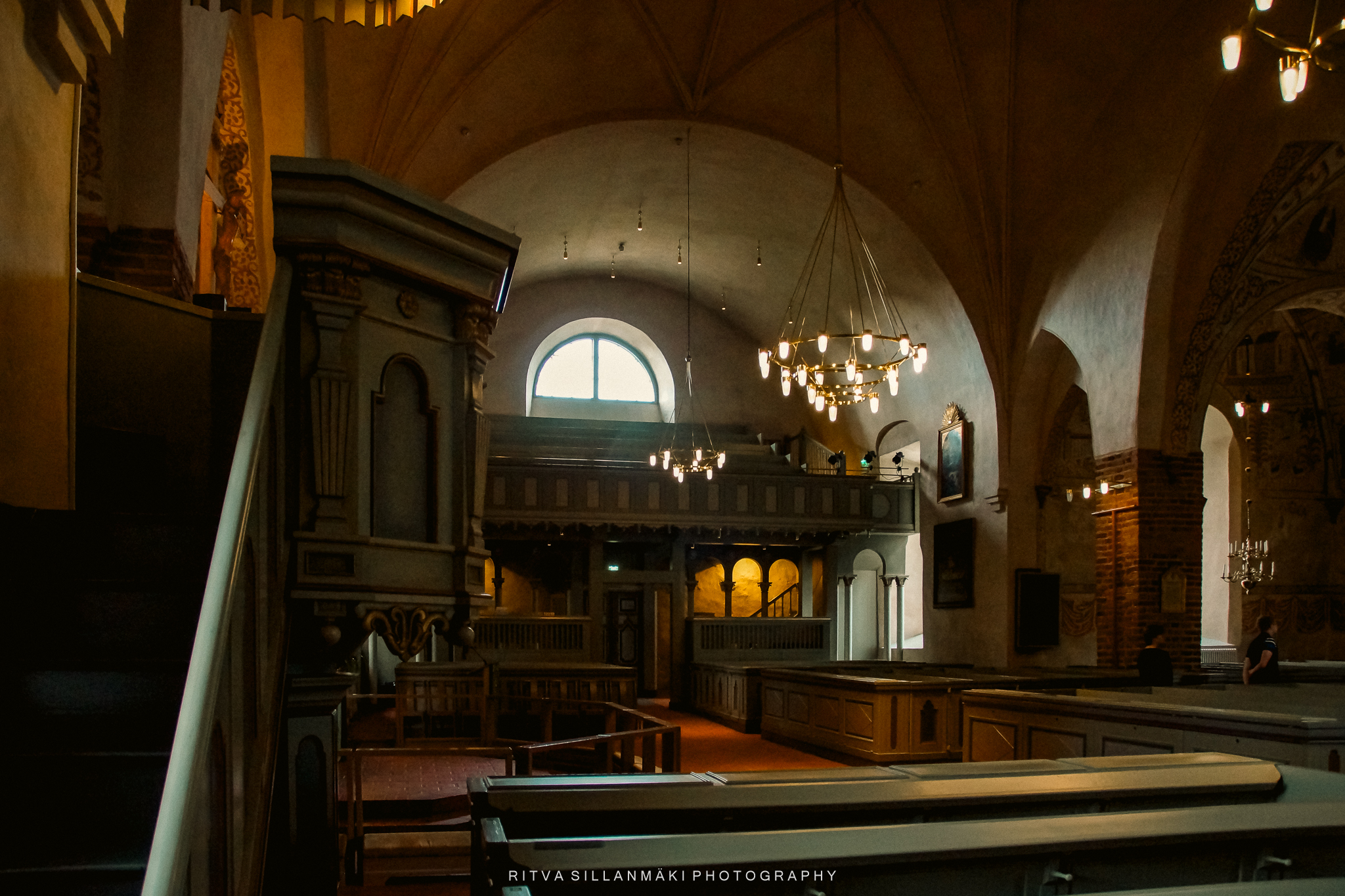
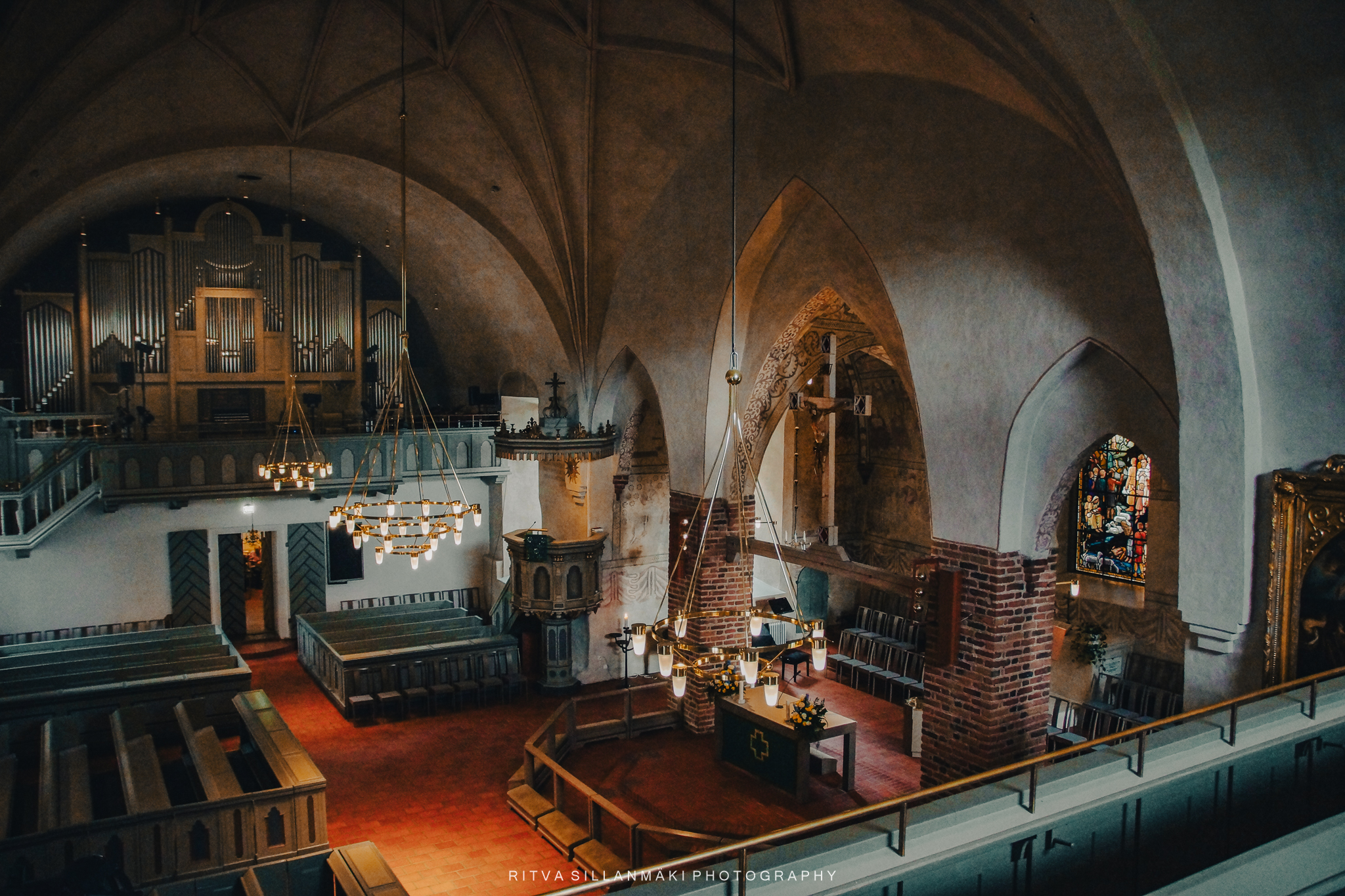
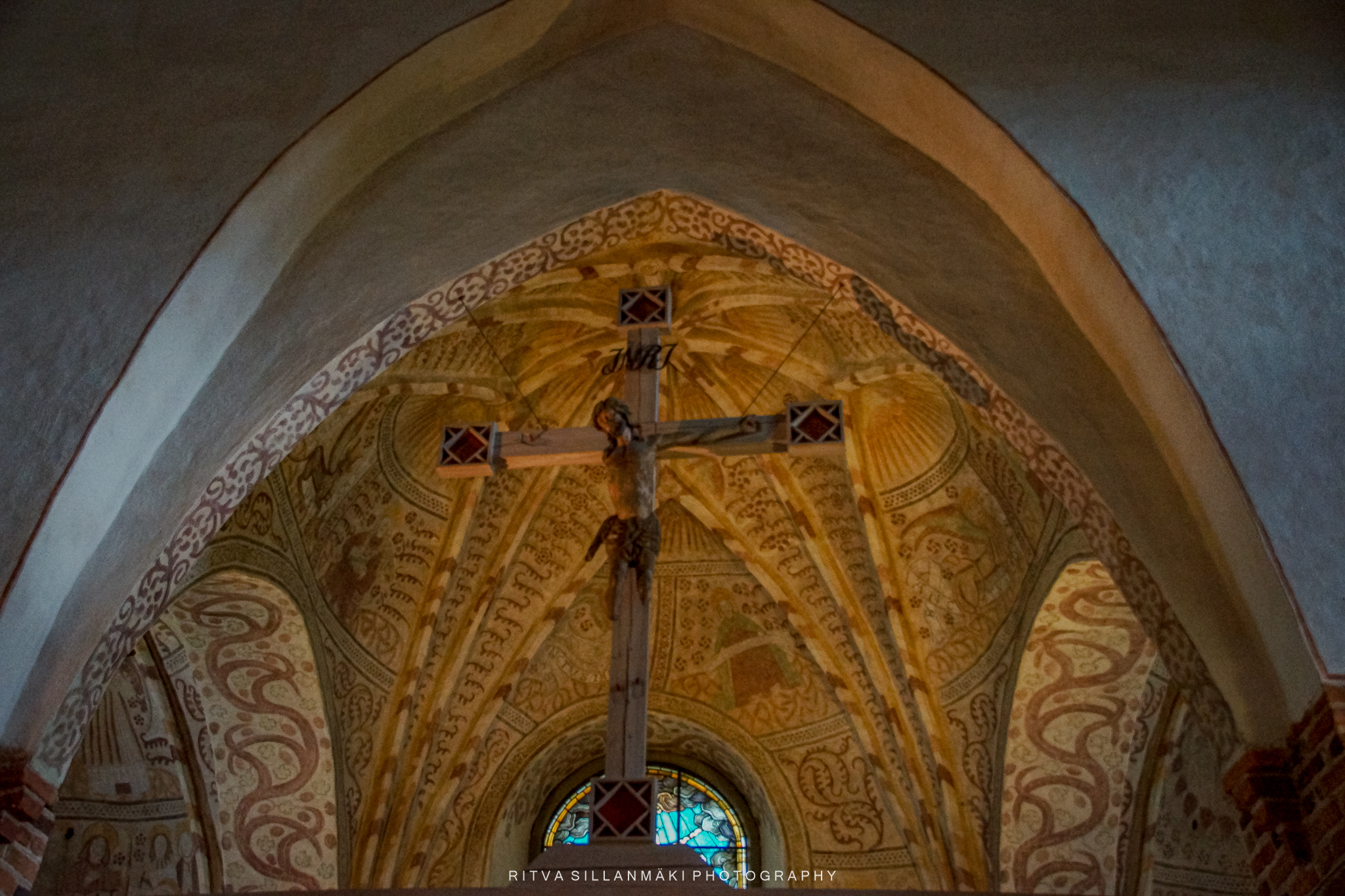
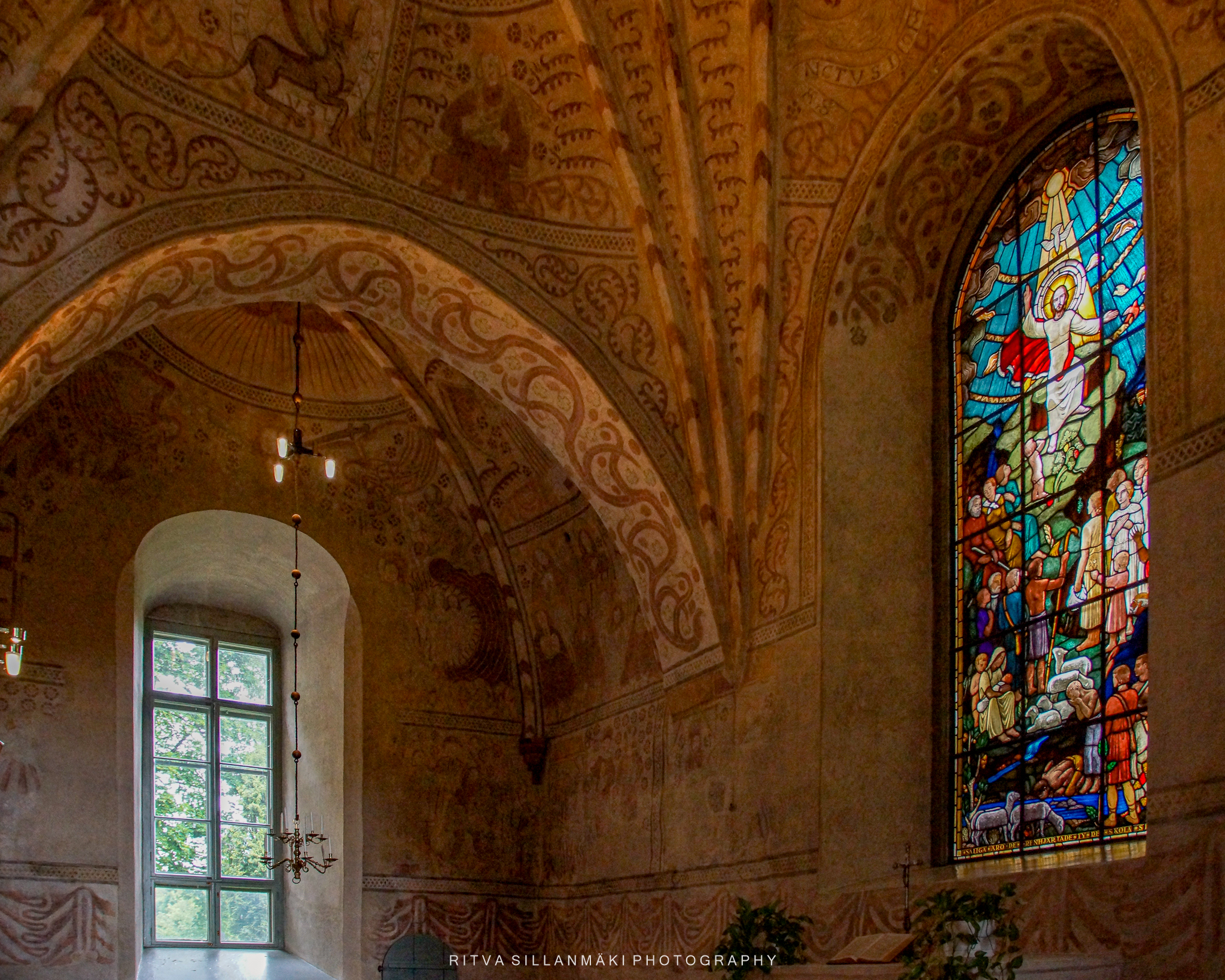
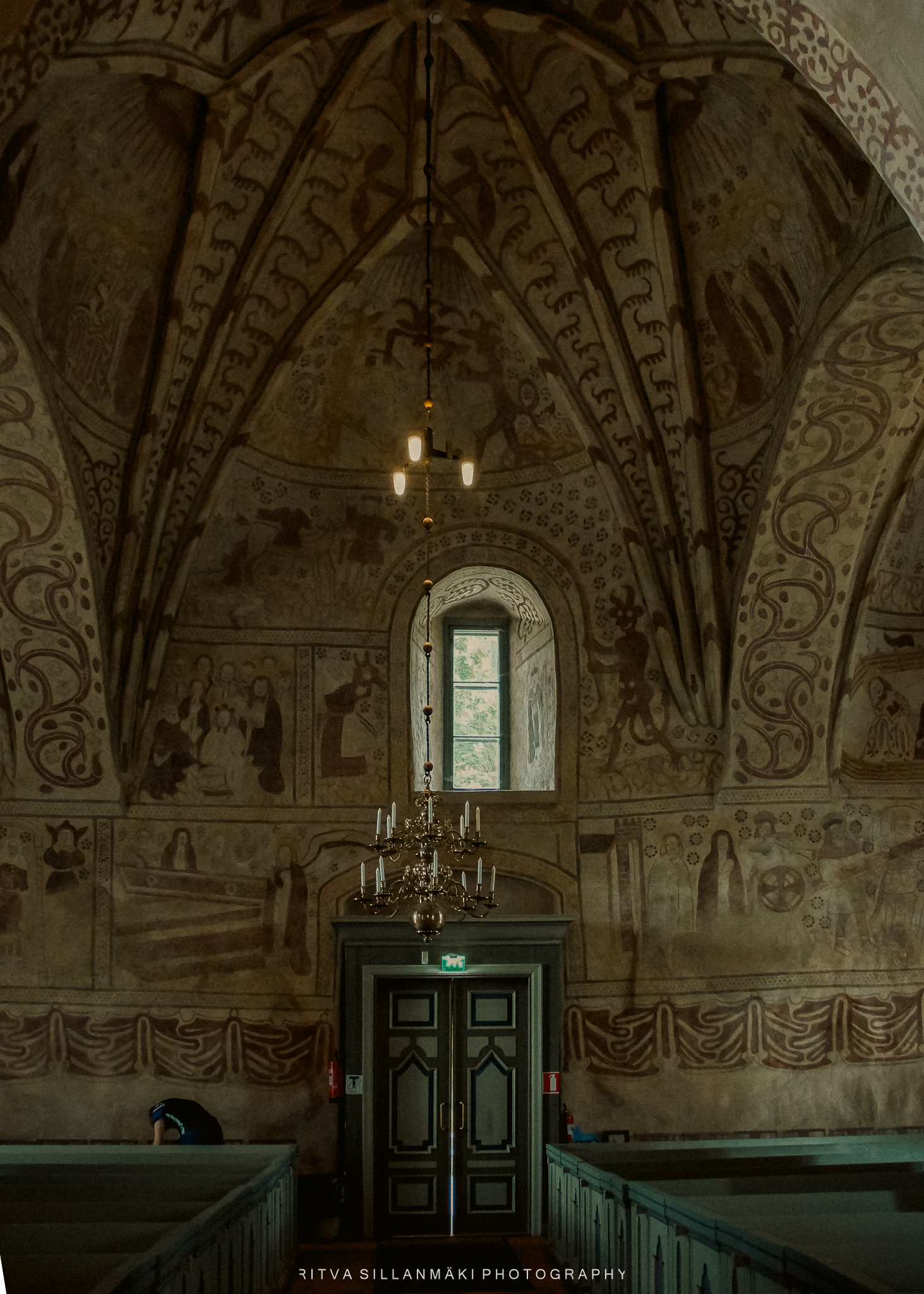
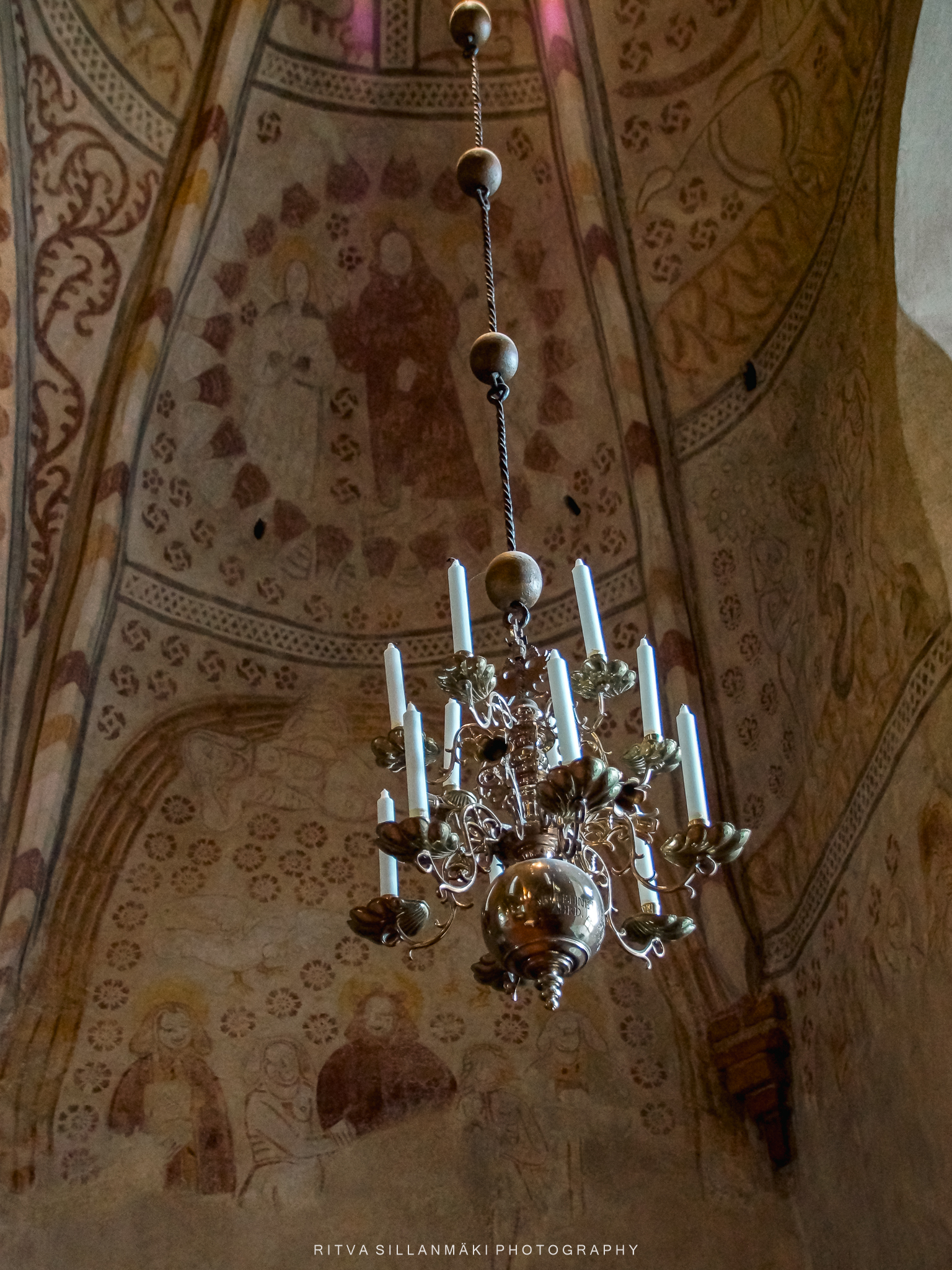
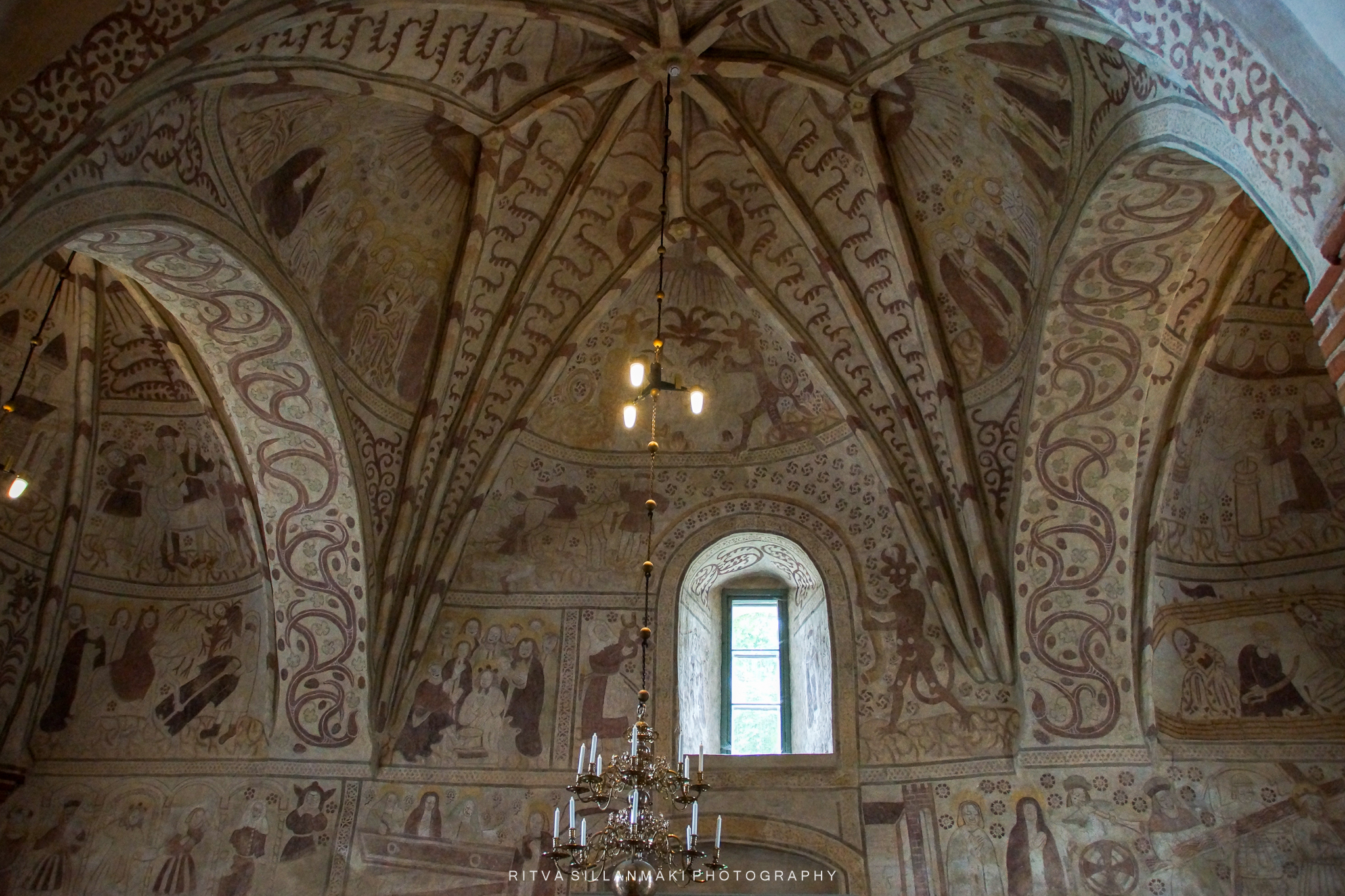
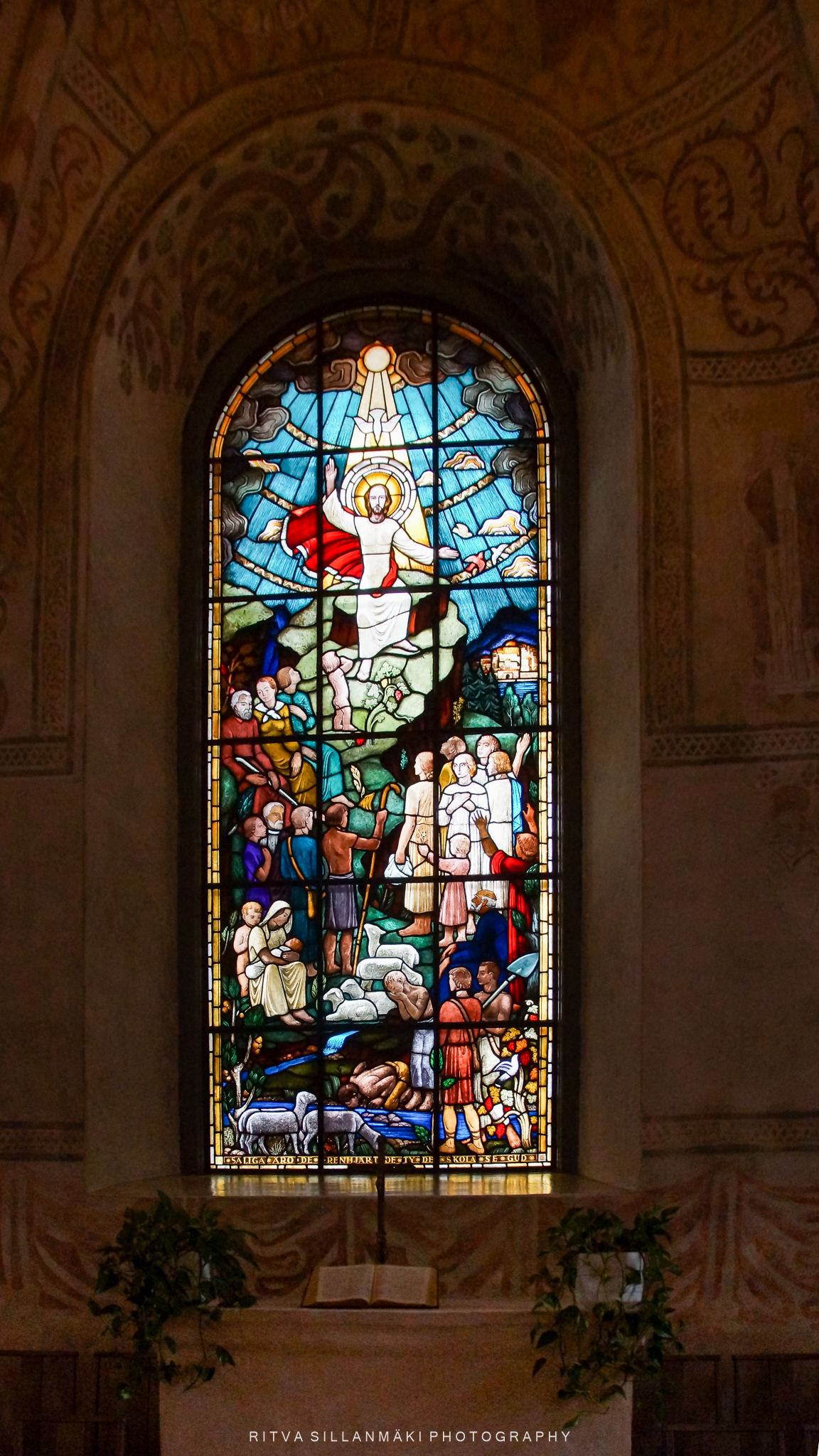
Here are some more images from this old church and a link to more information of Espoo Cathedral .
I have additional images taken, but I plan to share them separately, as I think these particular ones align well with Dan’s theme. I’m aware that people often overlook images when there are too many of them, which has been a common mistake in many of my earlier posts. I really strive to thoughtfully select and limit the number of images I include. Hopefully, I can keep the attention and ensure that every image adds value to the story, creating a more deliberate and enjoyable experience as they explore the content.
The church was crafted in the late 15th century by an anonymous “Espoo master” and constructed between 1485 and 1490 under his guidance. The only remnants of the medieval structure are the eastern and western sections of the nave. The armory was dismantled from 1804 to 1806, and several other portions of the church, including the original sacristy, were taken apart between 1821 and 1823 when the edifice was transformed into a larger cruciform layout.
Click the galleries to see the photos more clearly, that is if you are looking at them on your computer as most of my followers are, I saw in the stats that the number is 82% ☺
The vaults and walls of the older sections of the cathedral feature murals, predominantly painted in the 1510s, showcasing both biblical narratives and scenes from everyday life. These paintings were concealed in the 18th century due to perceptions of being “crude and superstitious,” but were exposed and restored during renovations in 1931. The current campanile of the cathedral was finalized in 1767, with its upper section remodeled between 1868 and 1869.
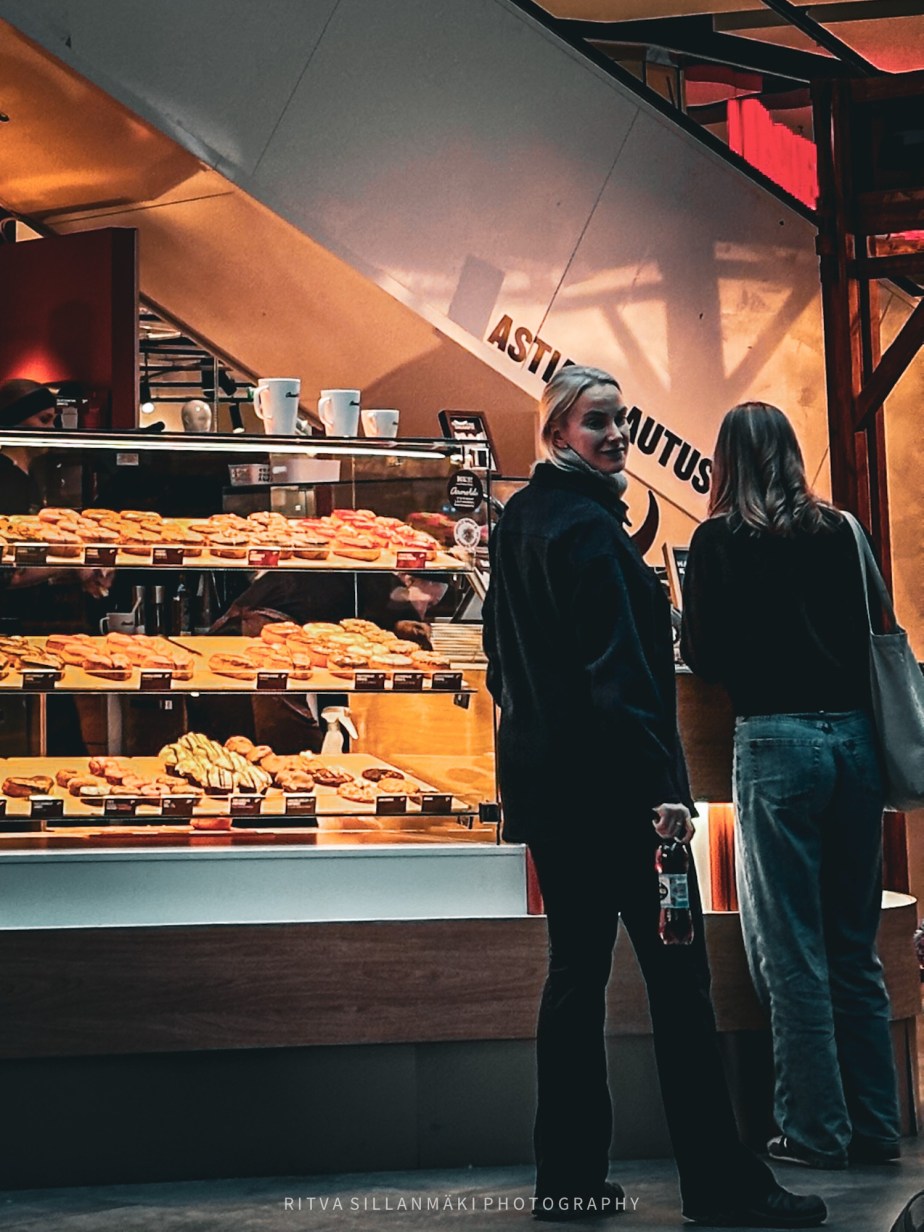
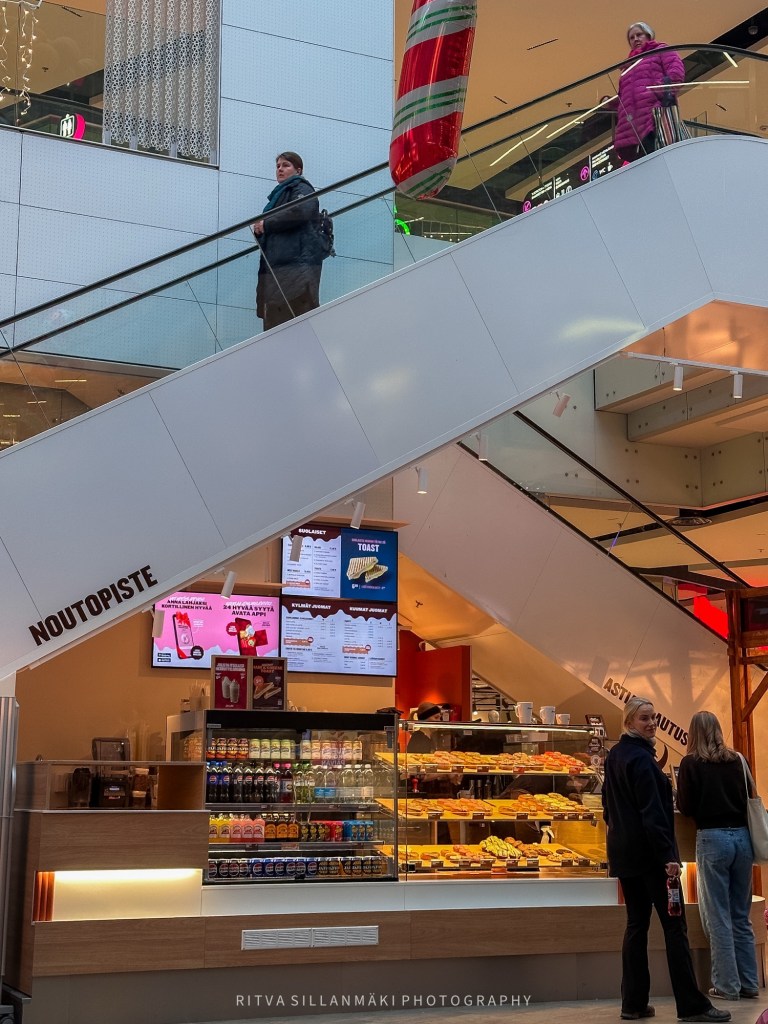
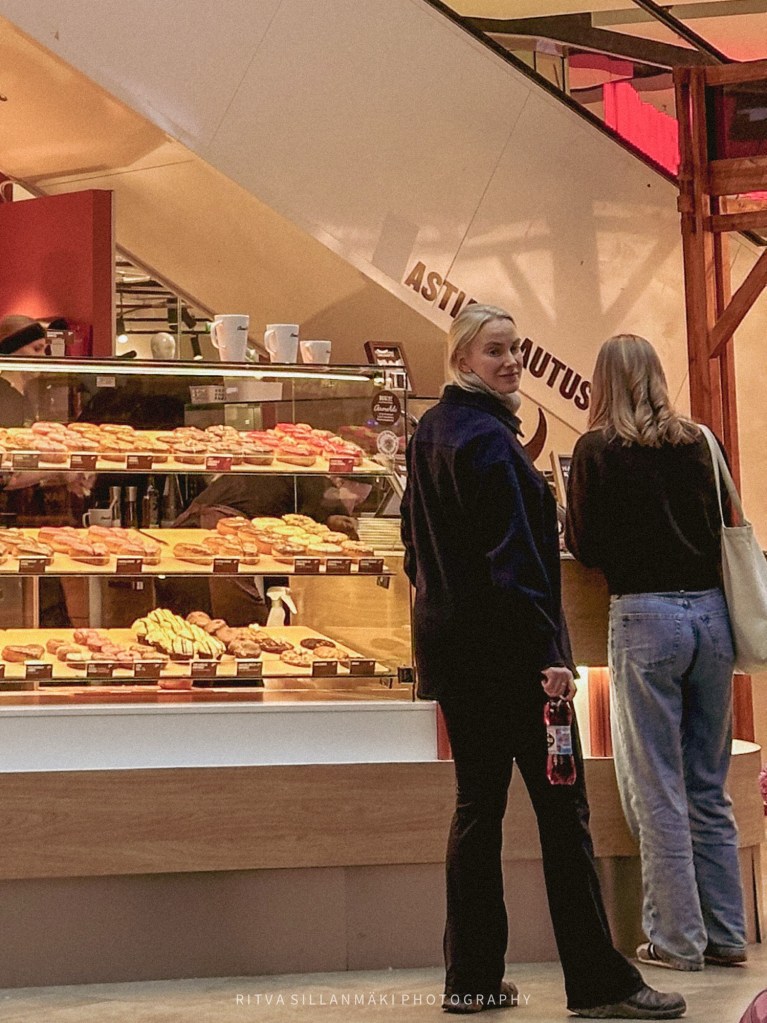
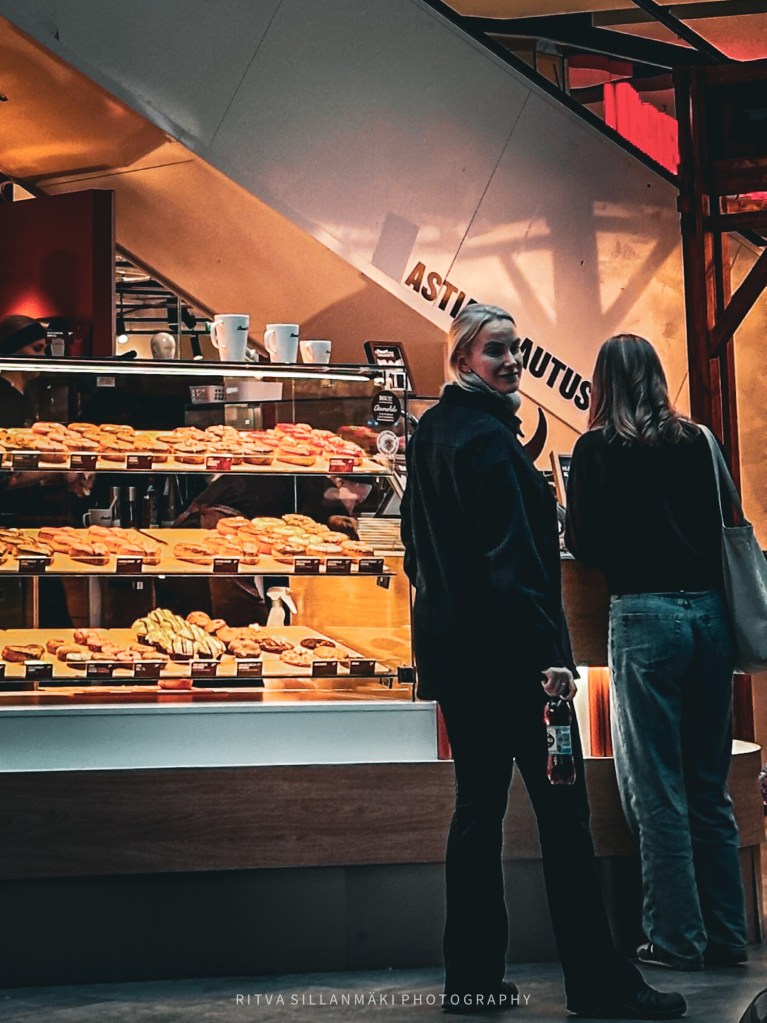
While my son was busy with last-minute Christmas shopping at the mall, I took the opportunity to do some people-watching. I was searching for shots that might fit an upcoming challenge and ended up capturing these. Although they didn’t meet the challenge criteria, I felt I should share them now. During the editing process, I aimed to highlight different aspects of the images—after all, John’s Cellpic Sunday provides a wonderful platform to showcase these everyday moments.
People enjoying the festive atmosphere in a mall with a vibrant food counter and holiday decorations. Just a moment captured, of everyday life.
I sought to express the reasons behind my choice to take these photos – I really didn’t, but what the heck – I took them, and now I am sharing them with a sense of both no reason and trepidation. Each image captures a fleeting moment as all photos do, even if I can’t pinpoint exactly why. The moment may not be very important or significant as is the case with these.
Two women interact near a pastry display in a mall, in this crop and lightning I noticed the cup on the countermore that in others, the expression of the woman looking towards me and the bottle in her hand. The lightning is was aimed to capture the actual moment.
If you have an opinion on whether I should have or should not have shared them, I am open to your thoughts and can take it whichever way you think about them, knowing that it is subjective. Your perspectives ,understanding of these images may even inspire me 😀
Two women browsing a bakery display in a mall, showcasing a variety of pastries and shadows, also the cups. I for some reason like this best as an edit – more drama and interpretation.
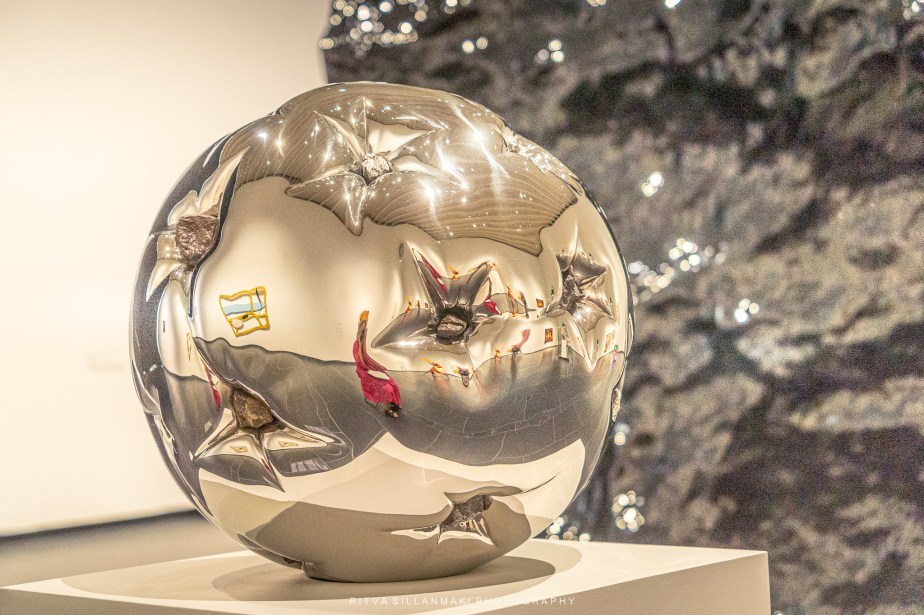
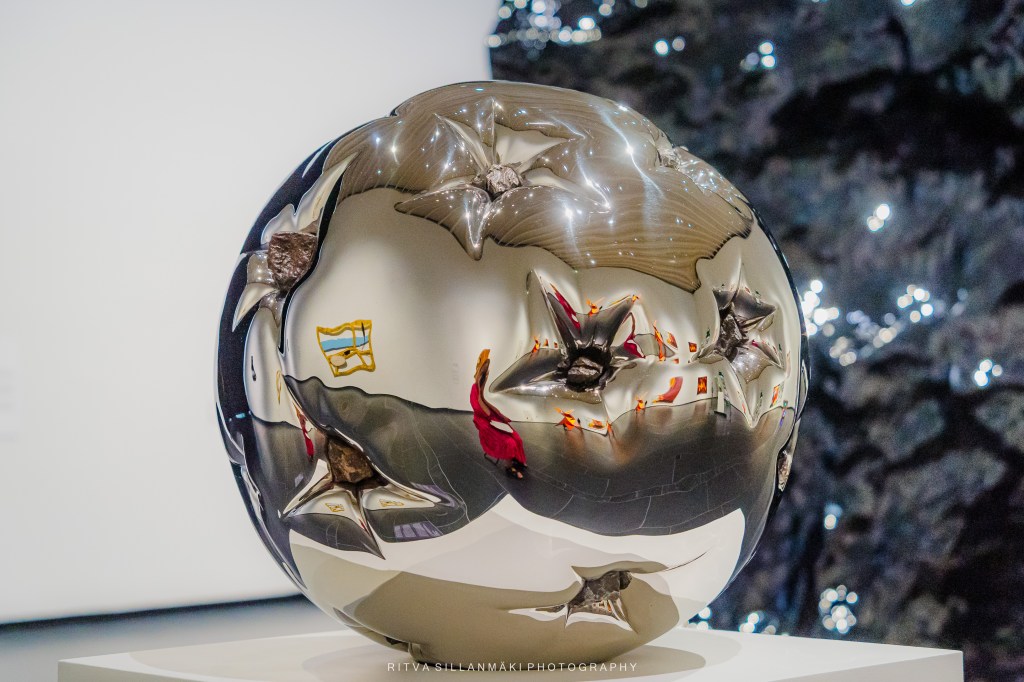
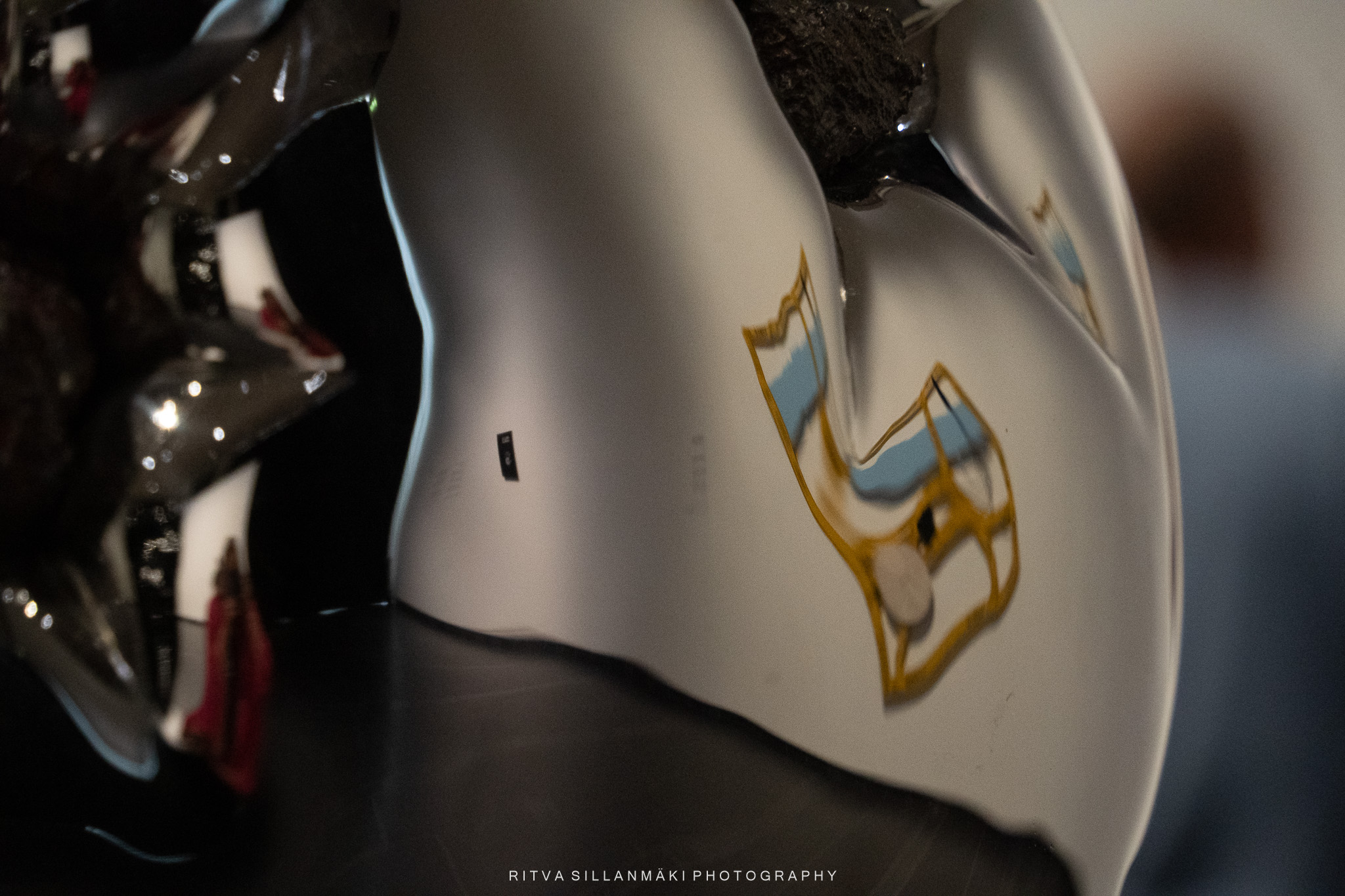
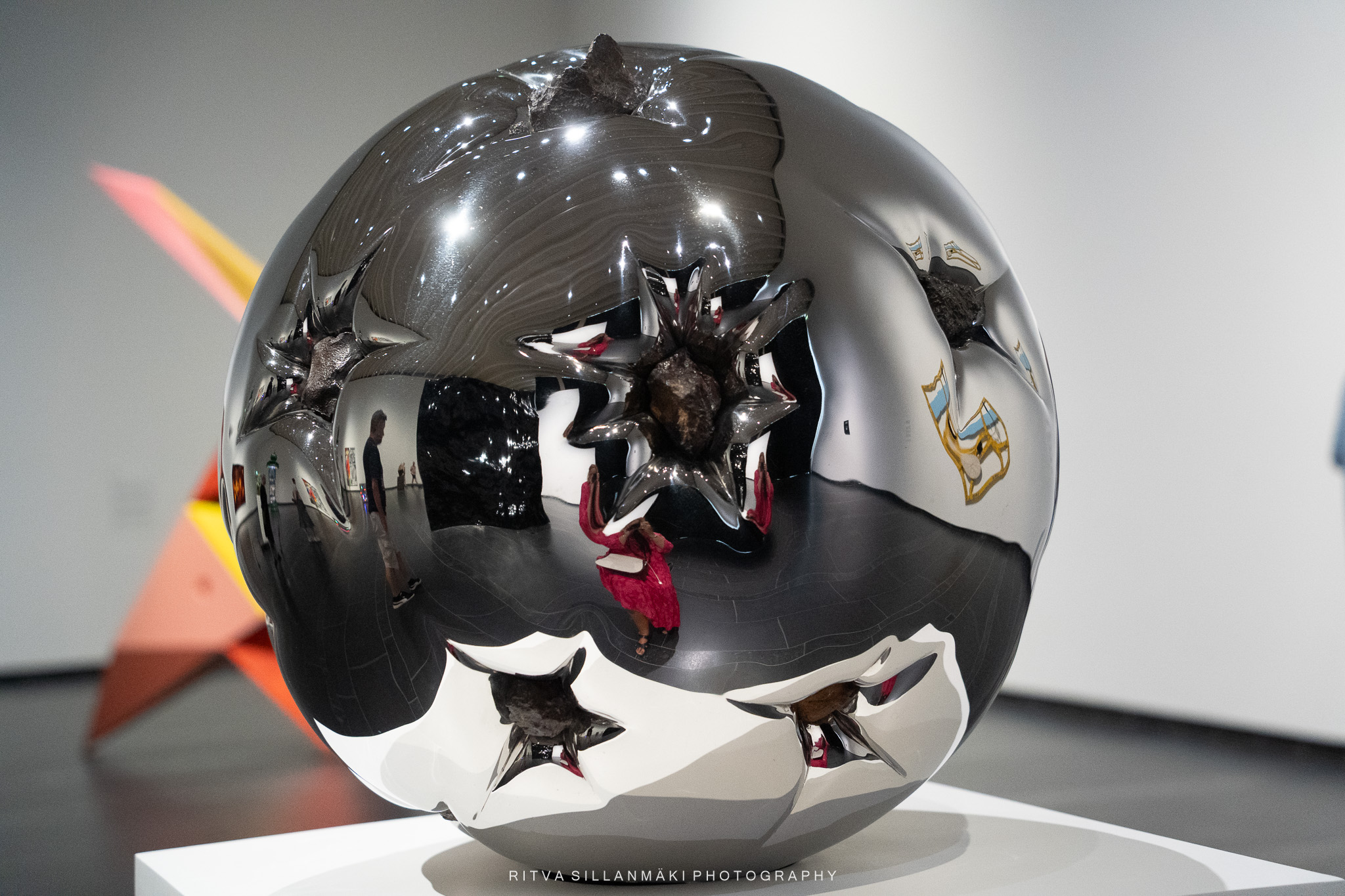
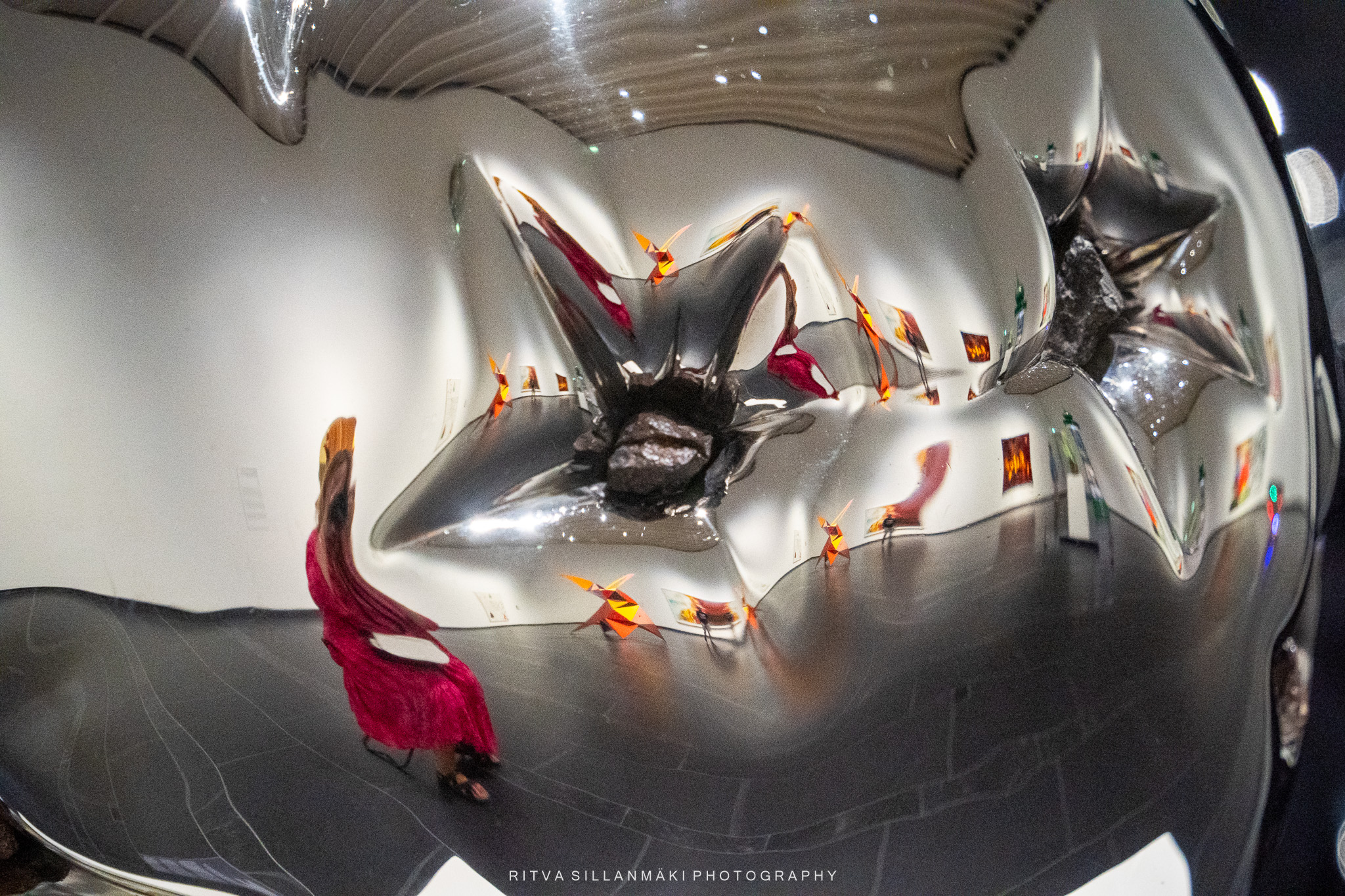
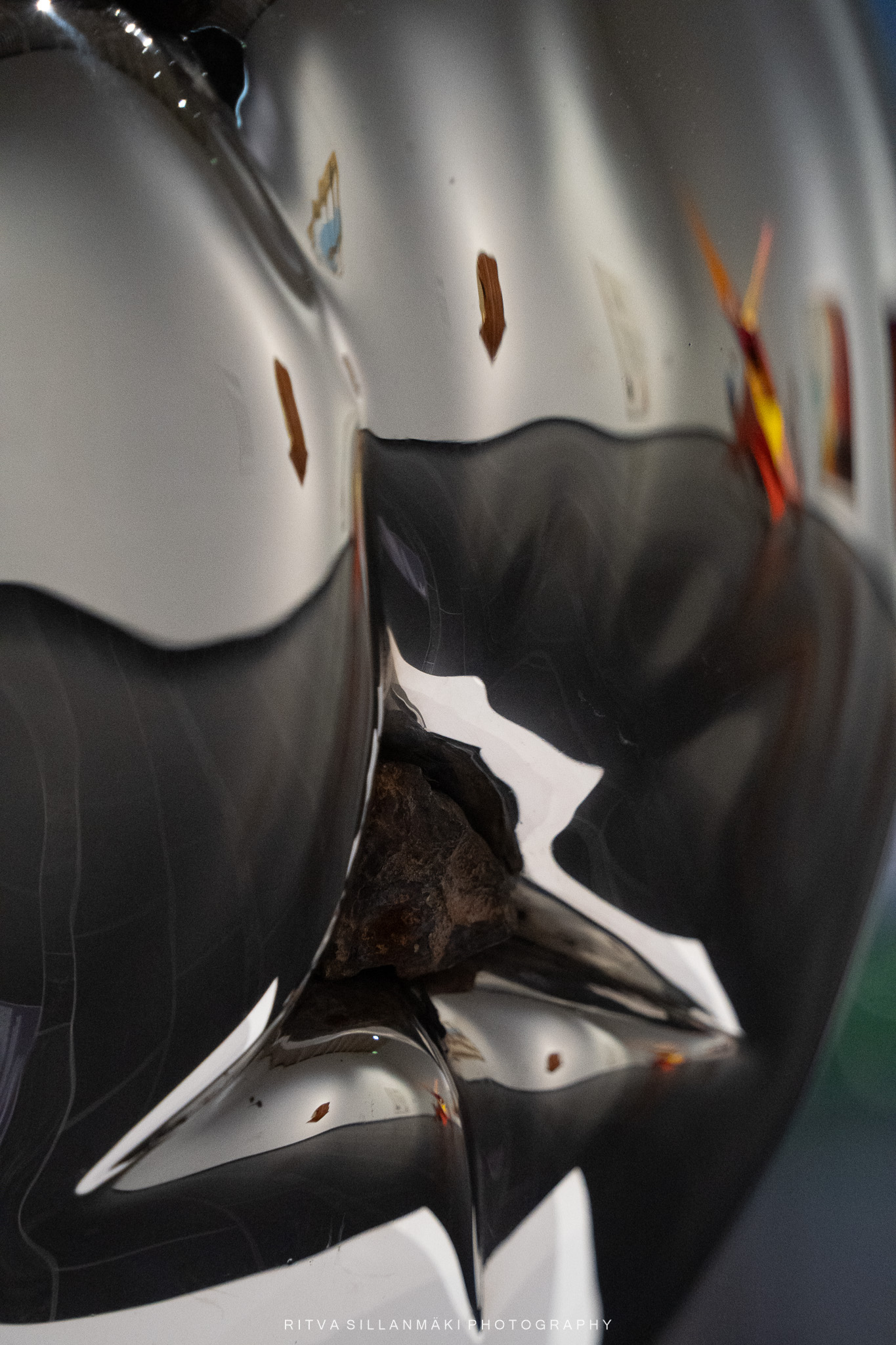
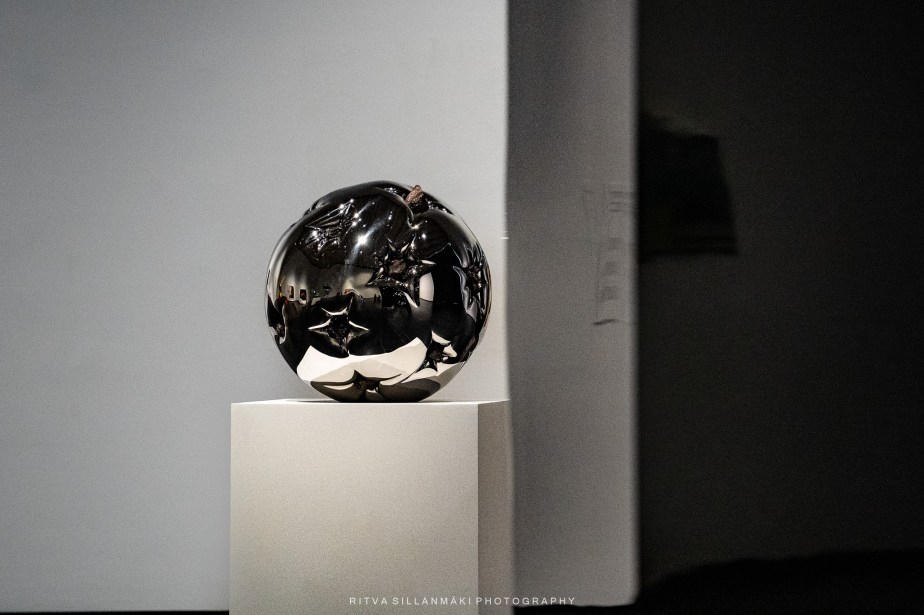
Art inspiring photography has a unique ability to captivate and draw us into a world of creativity and imagination. I saw this remarkable artwork and can genuinely say I spent more than a few moments lost in its beauty, taking multiple photos of the mesmerizing reflections it created.
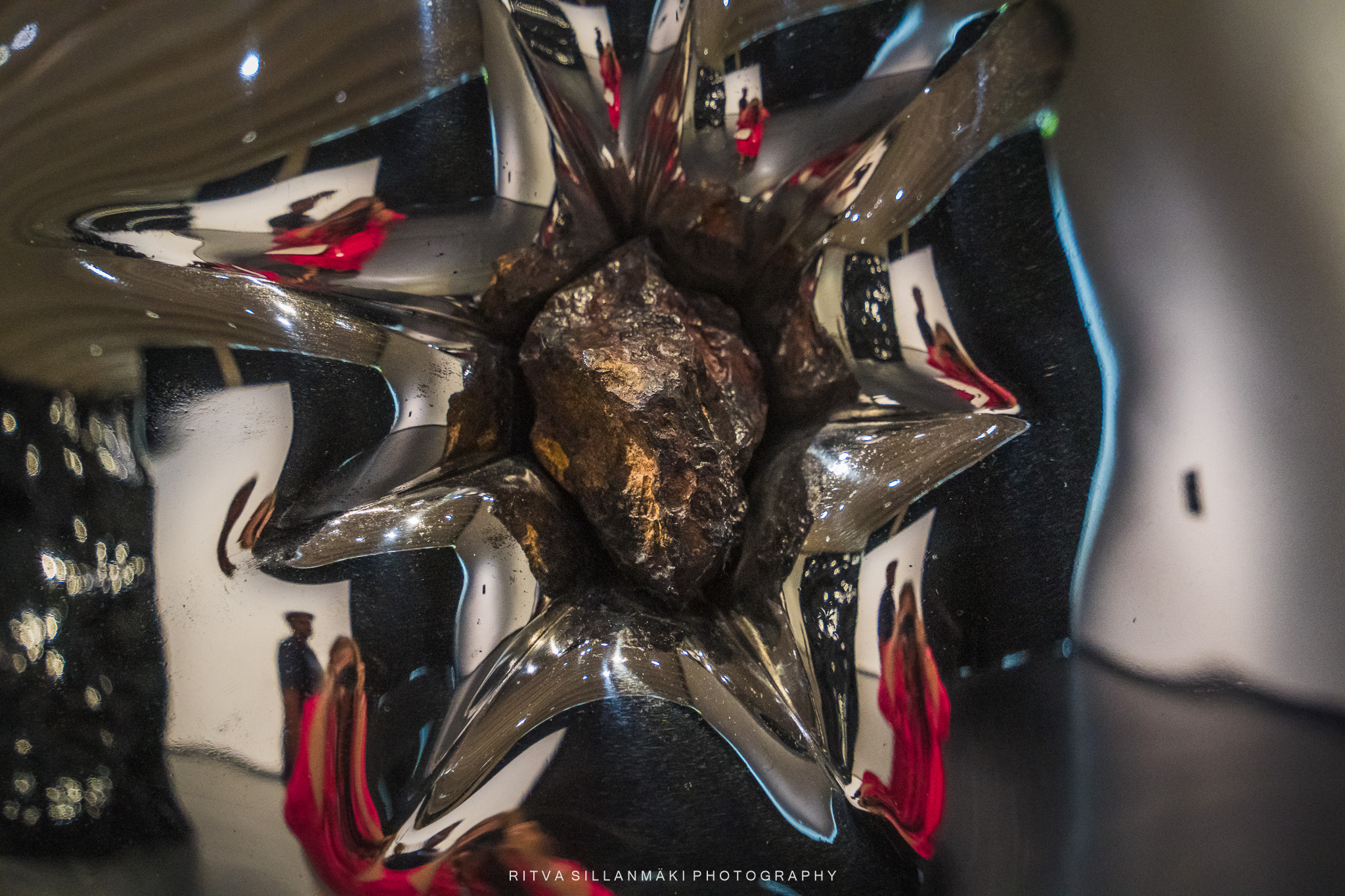
The artist Keith Tyson has embedded fragments of meteorites collected from Antarctica into a polished steel sphere in his work titled “Field of Heaven.” The concept is to unite materials that have originated as far apart from each other as possible.
A polished steel sphere titled ‘Field of Heaven’ by Keith Tyson, reflecting intriguing details and surroundings.
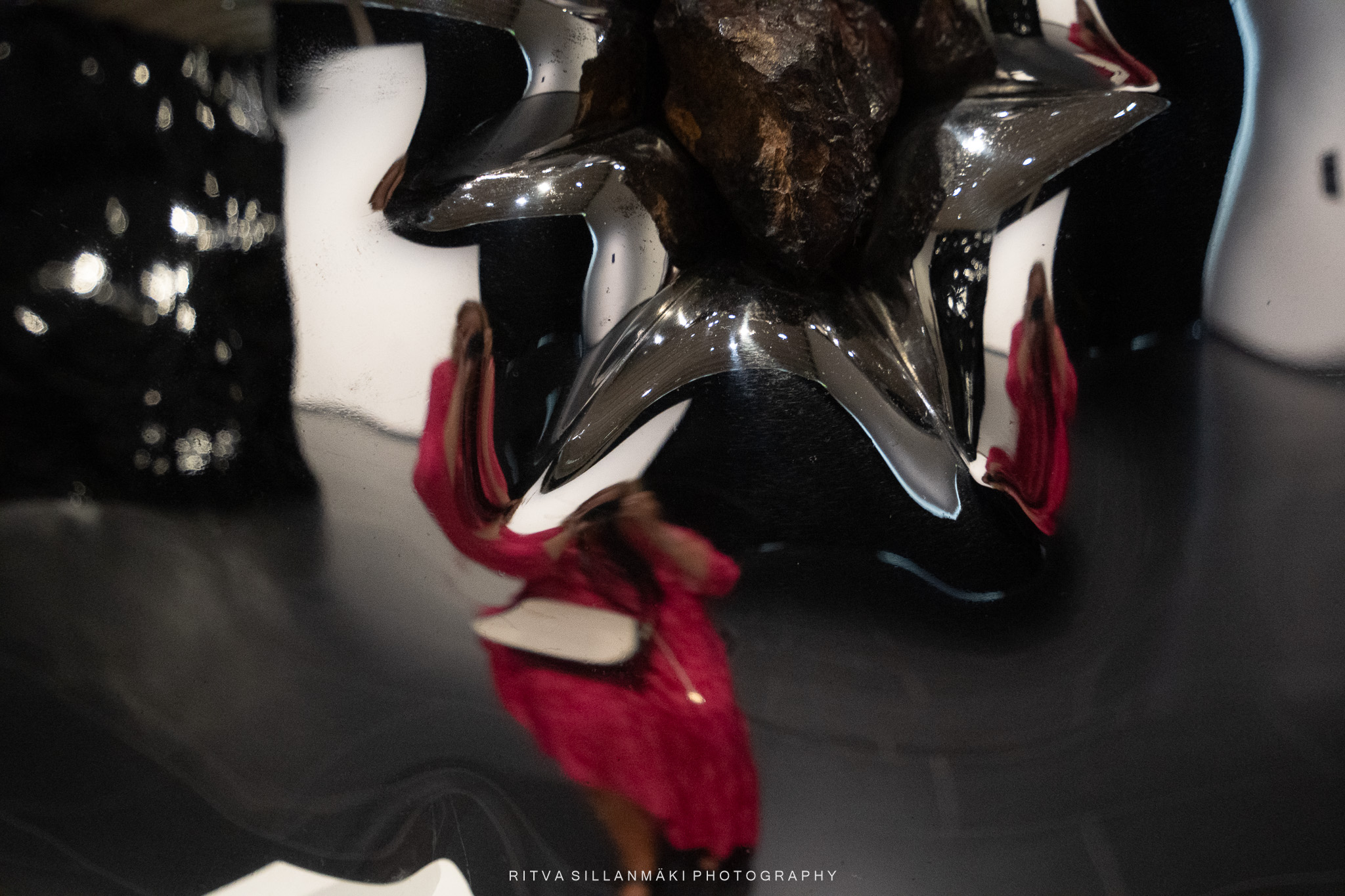
Each angle revealed something new, and I found myself striving to capture that one inspiring shot that would encapsulate the essence of the piece. One of the photographs I took appears to show a crow peeking out from the depths of the artwork, its silhouette forming a mysterious figure that invites curiosity. Another image conveys a sense of wonder, resembling a stone or a meteor hurtling forth from a brilliant star, as if it were a fragment of the universe capturing a fleeting moment in time.
Through these reflections, I felt a profound connection to the art, showcasing the hidden narratives and emotions that art often evokes in those who are open to its interpretation. What is your interpretation?
A striking sculpture featuring a spherical design with star motifs, displayed elegantly on a pedestal in a gallery.
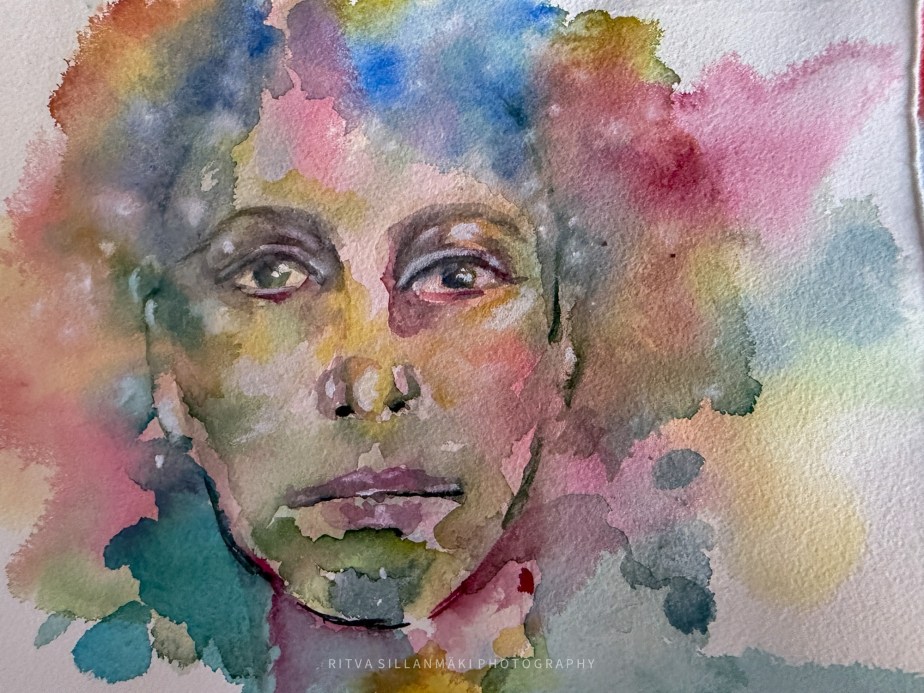
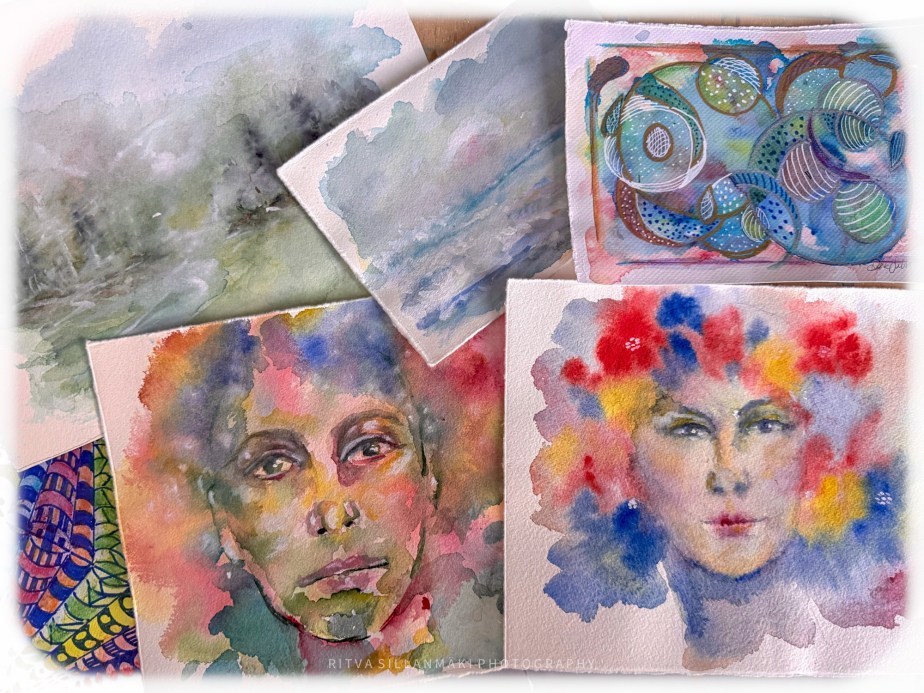
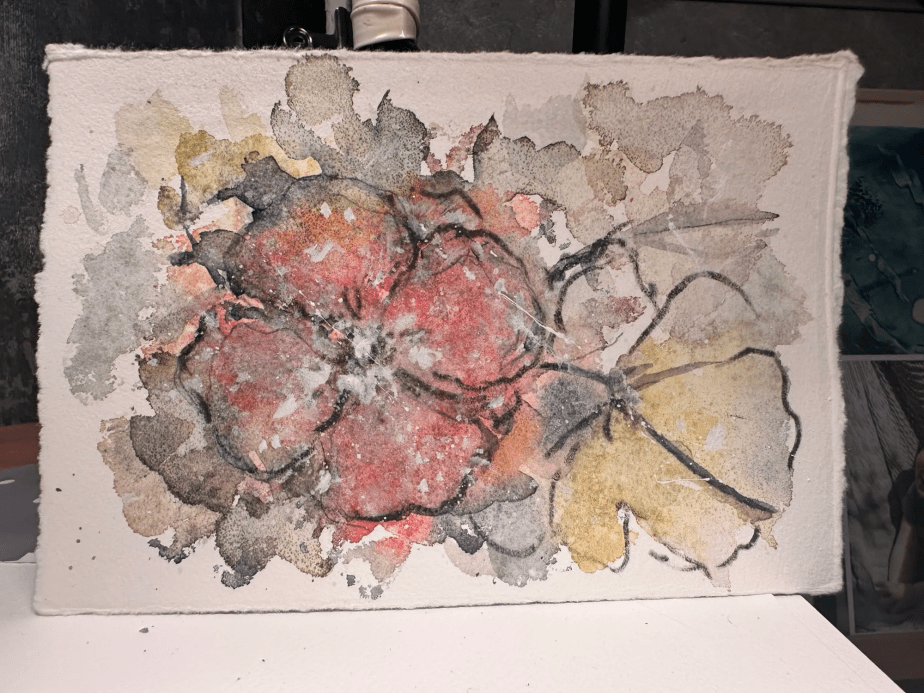
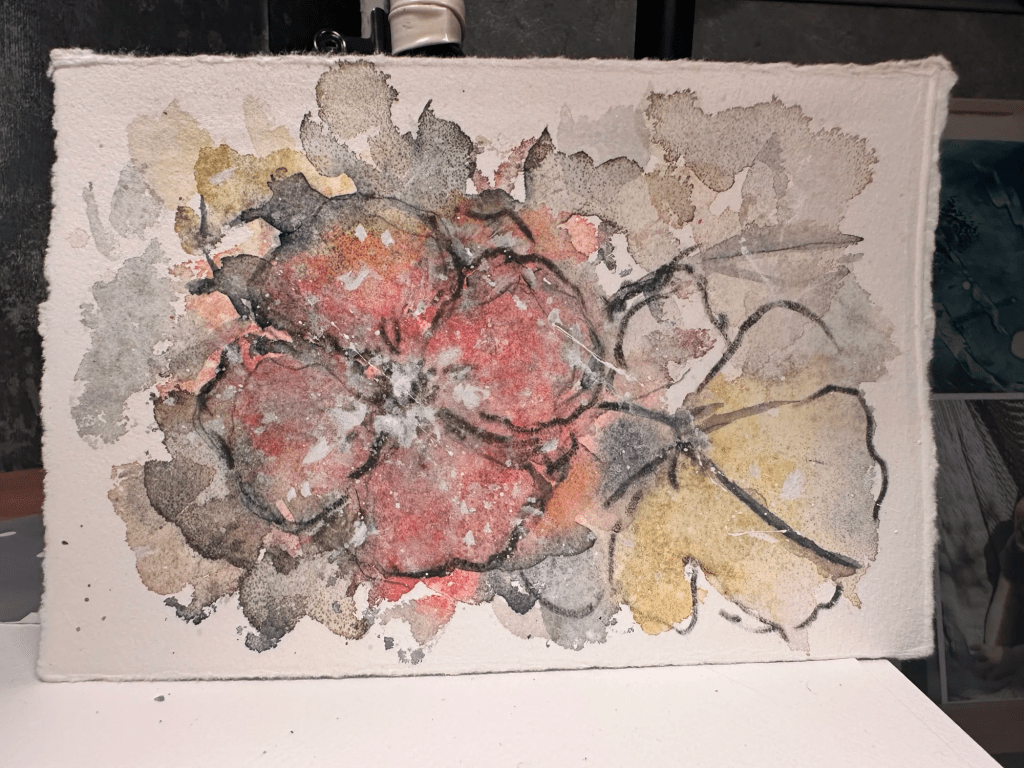
I enjoy these year-end moments to showcase some photos that didn’t make the cut or align with our themes. This year, I’ve taken fewer pictures than usual. My time in Singapore and Australia was when I truly captured a wealth of my images. There are still posts on that journey waiting to be crafted. Health challenges have hindered my enjoyment of photography as I once knew it, leading me to rely more on quick snaps from my phone. Additionally, like Ann-Christine, I’ve been dedicating more time to art projects, reigniting my passion for them. Aquarelle and Graphic Monotype are the art forms I’ve concentrated on, even though they often don’t turn out as I envision. I’ve realized that practice is key—at least it feels that way to me. The same holds true for photography. Hopefully next year will hold more inspiring photography opportunities.
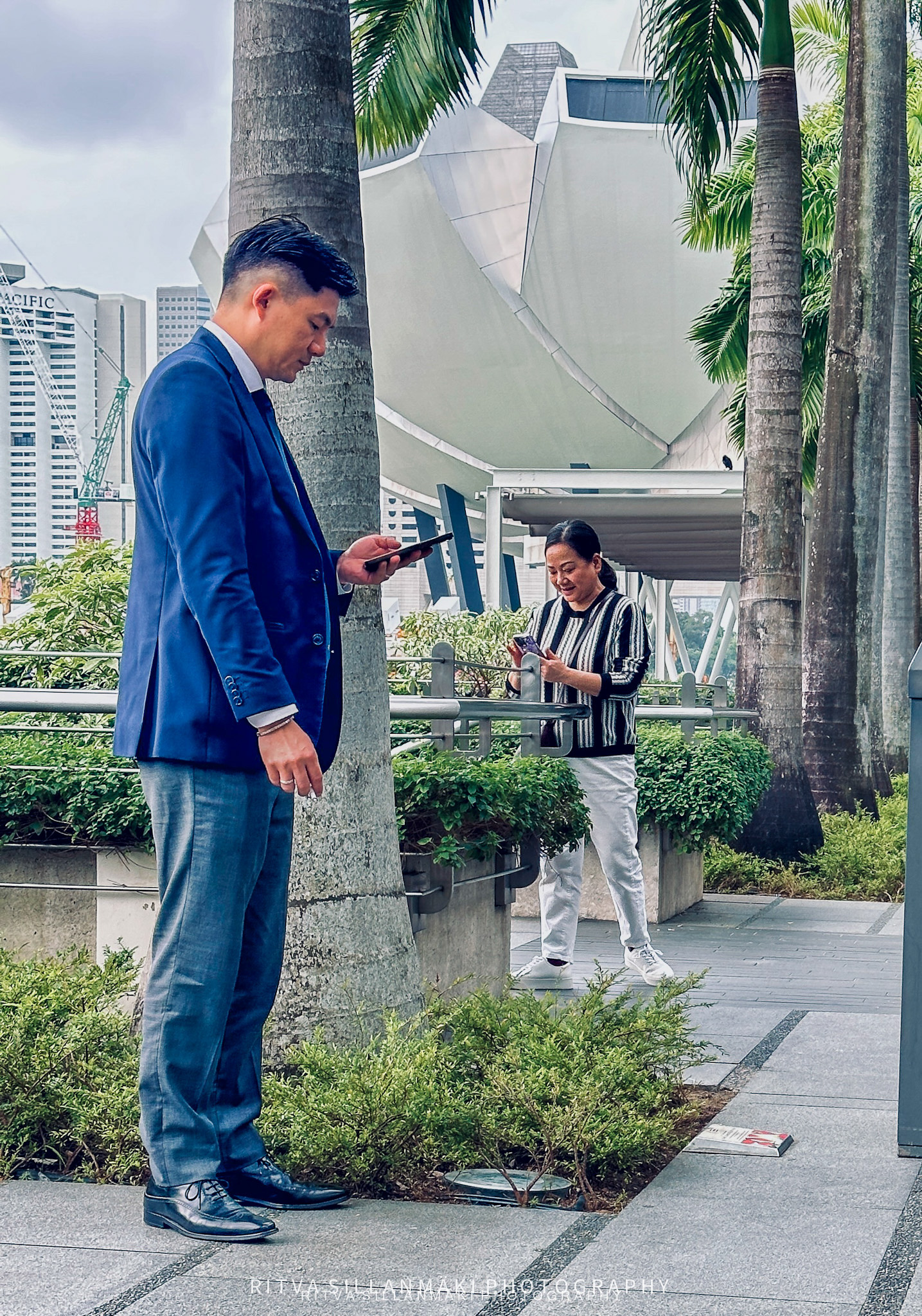
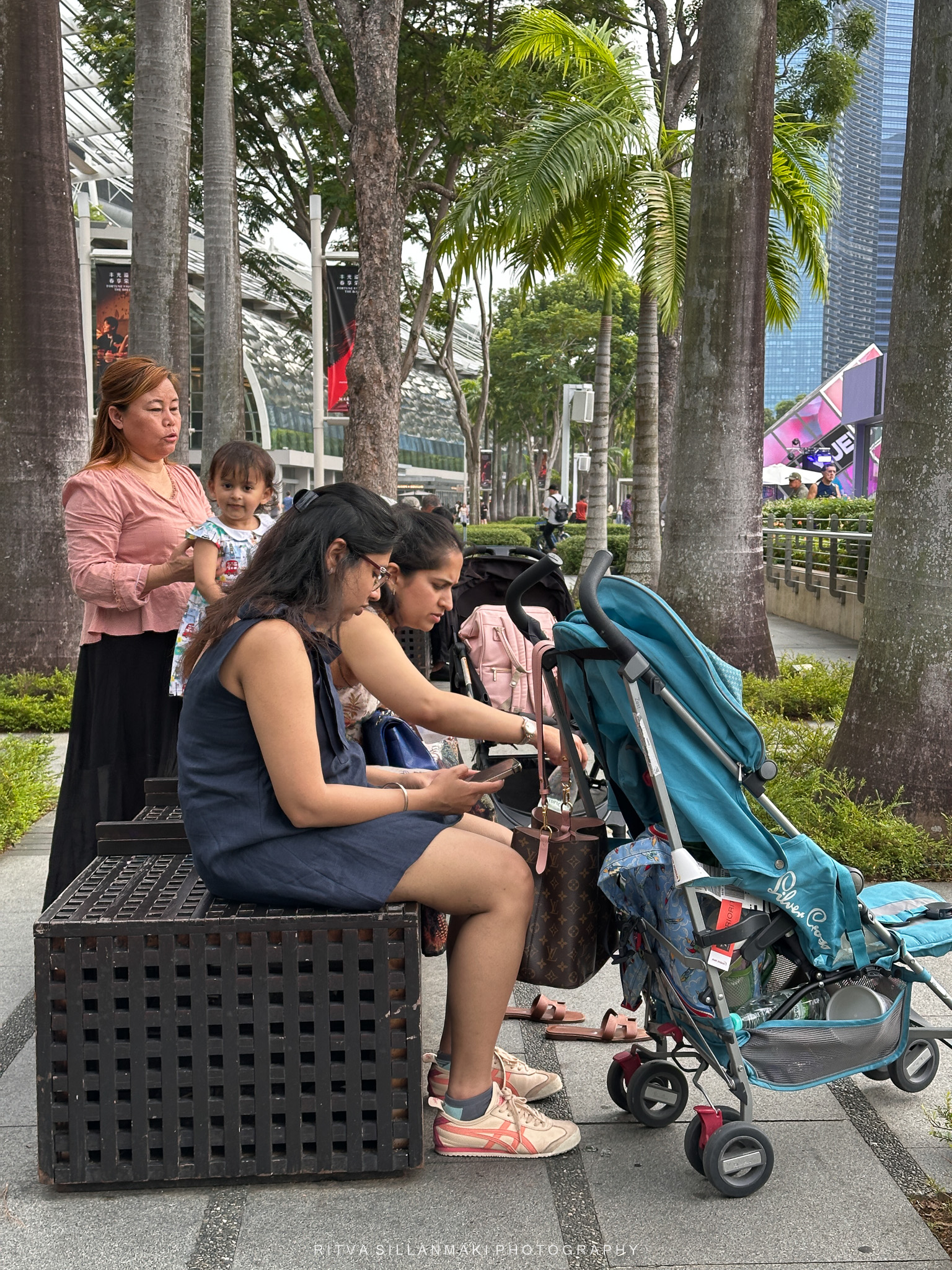
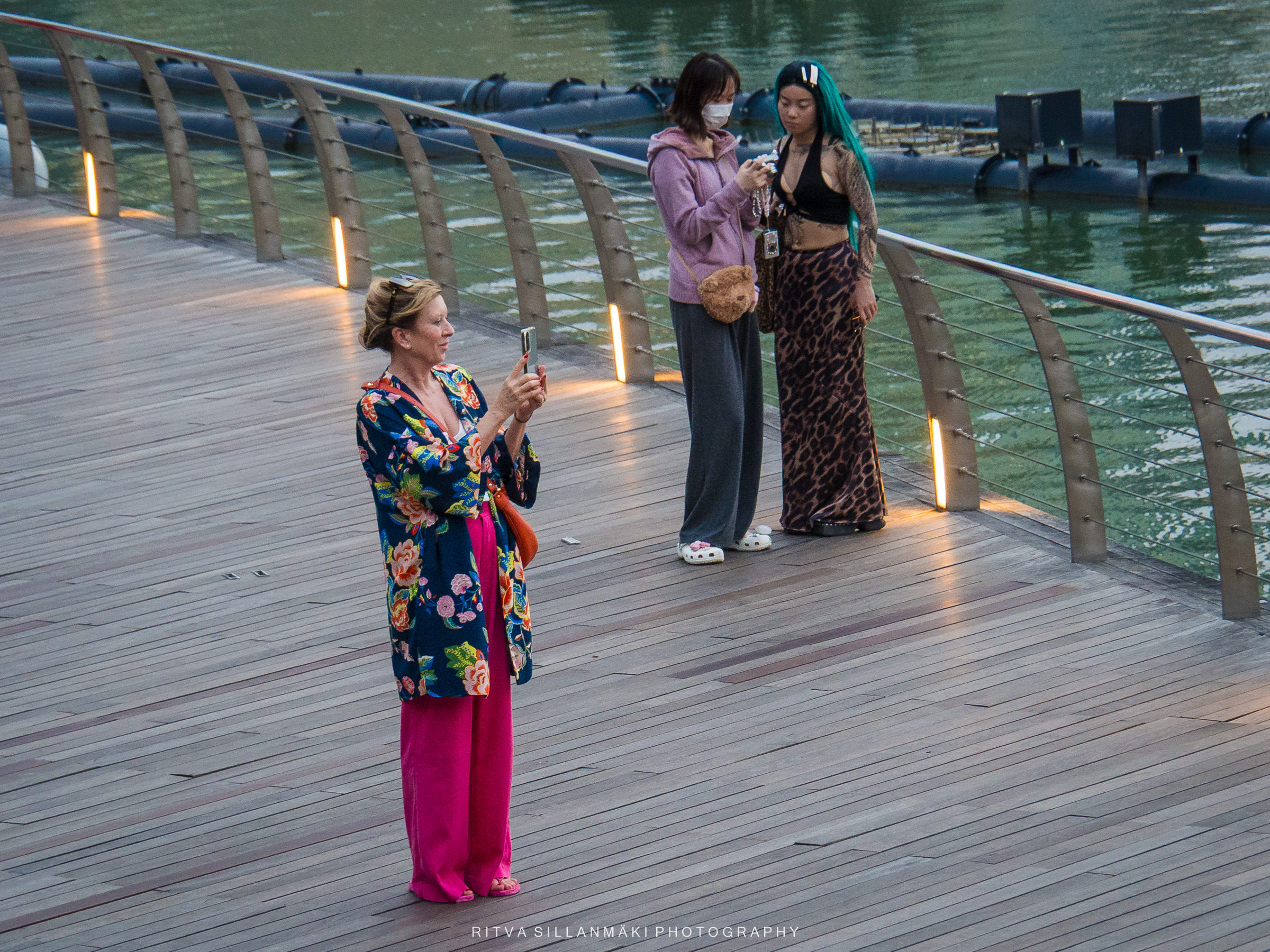
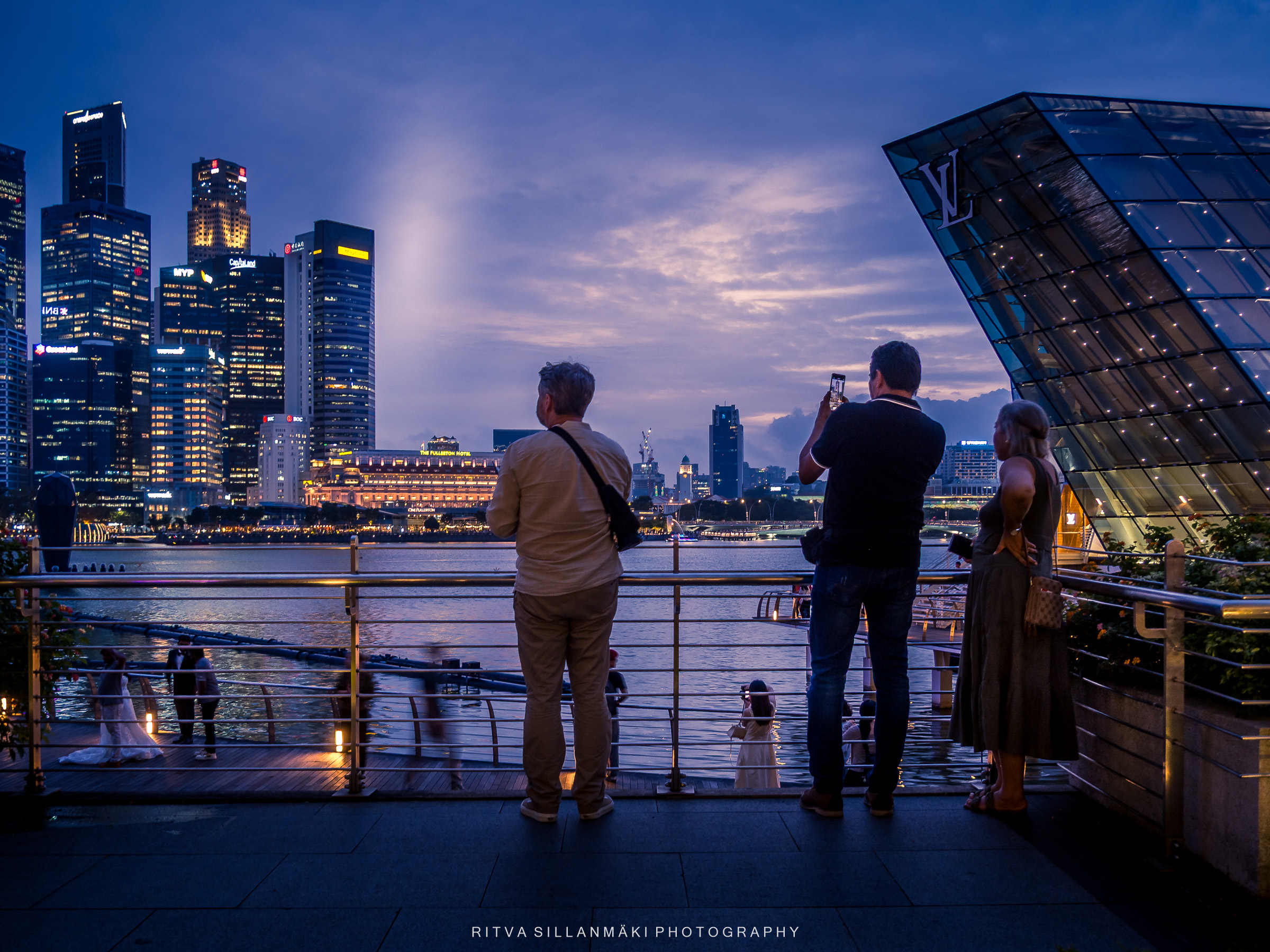
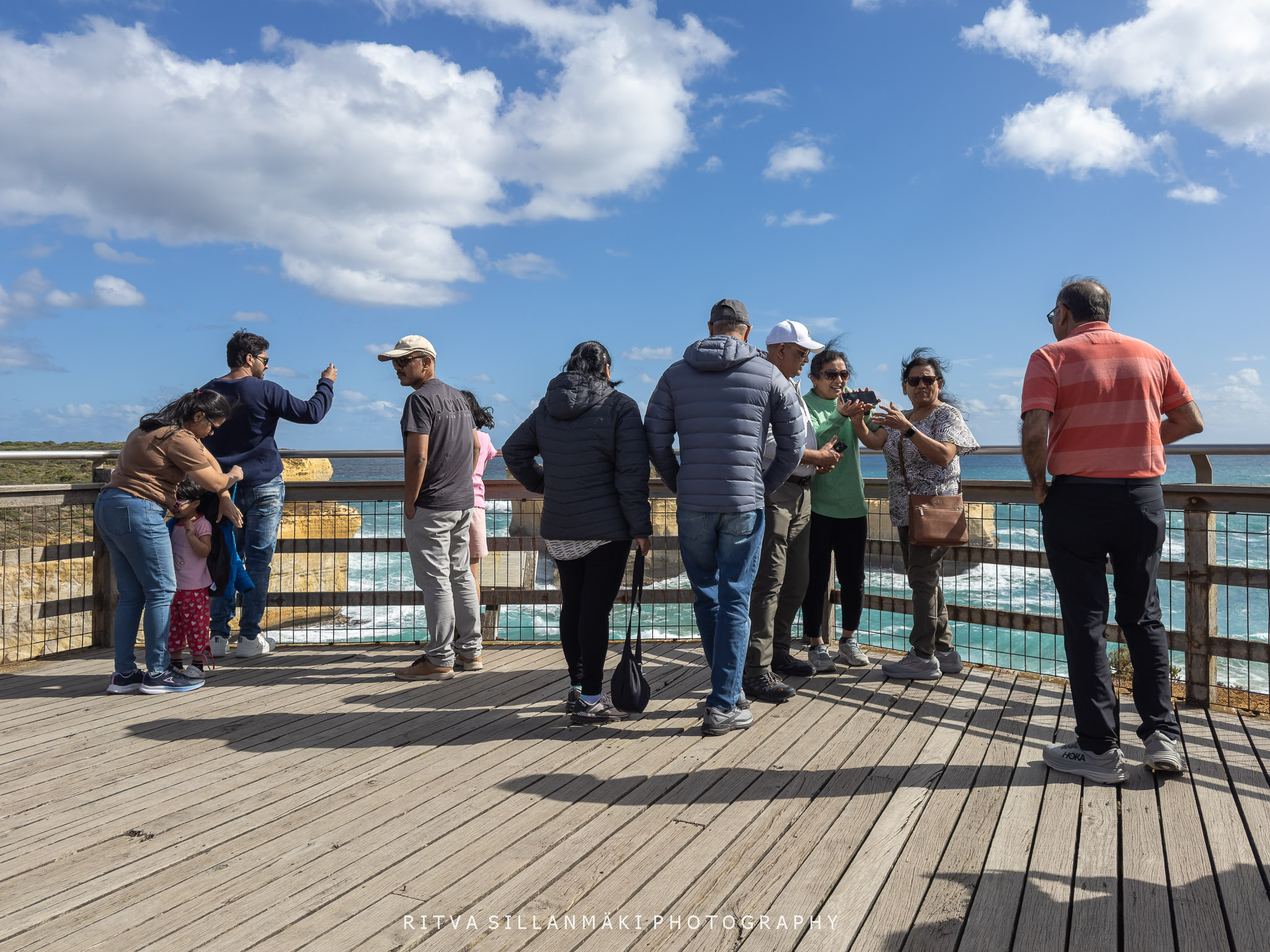
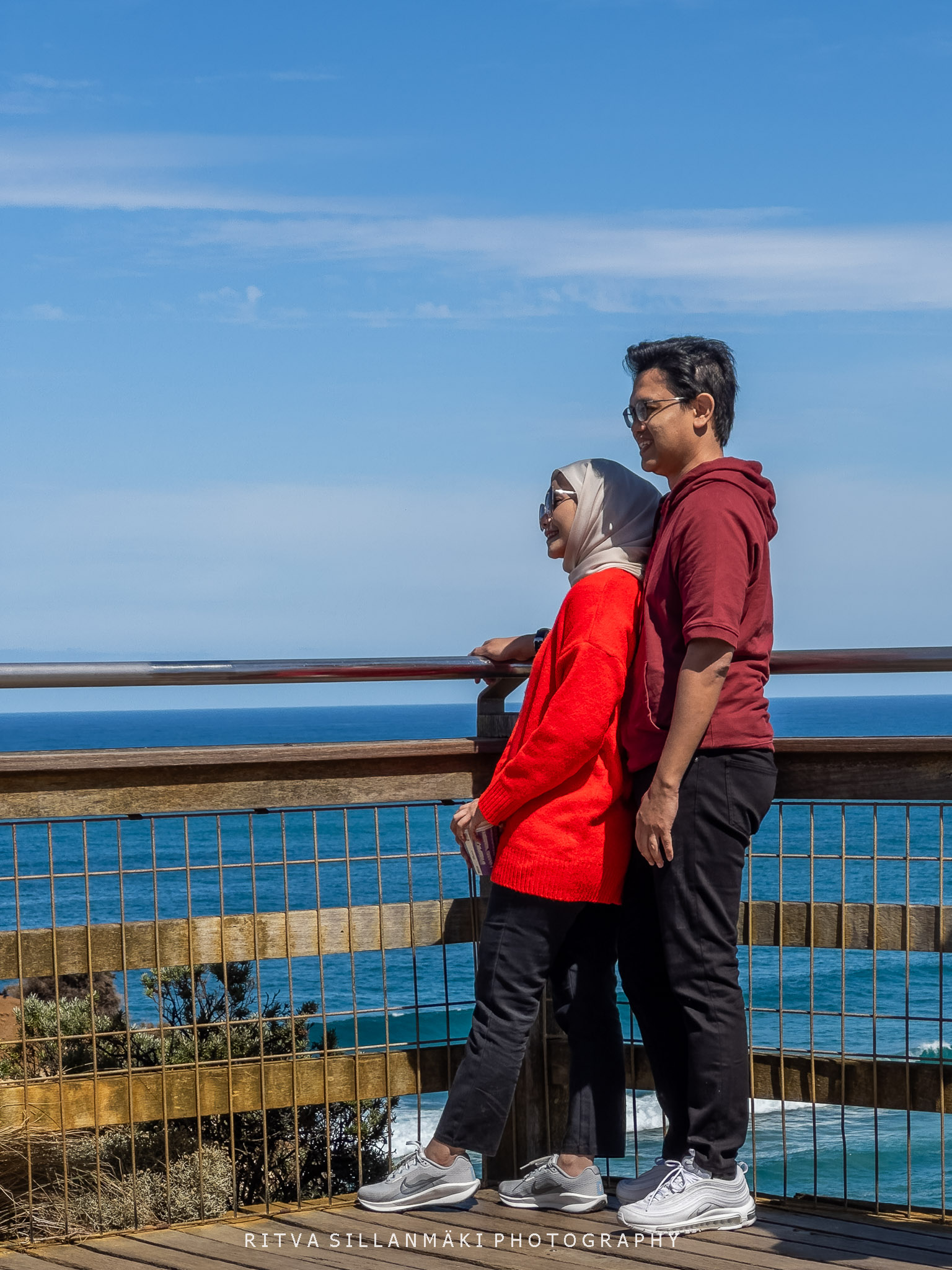
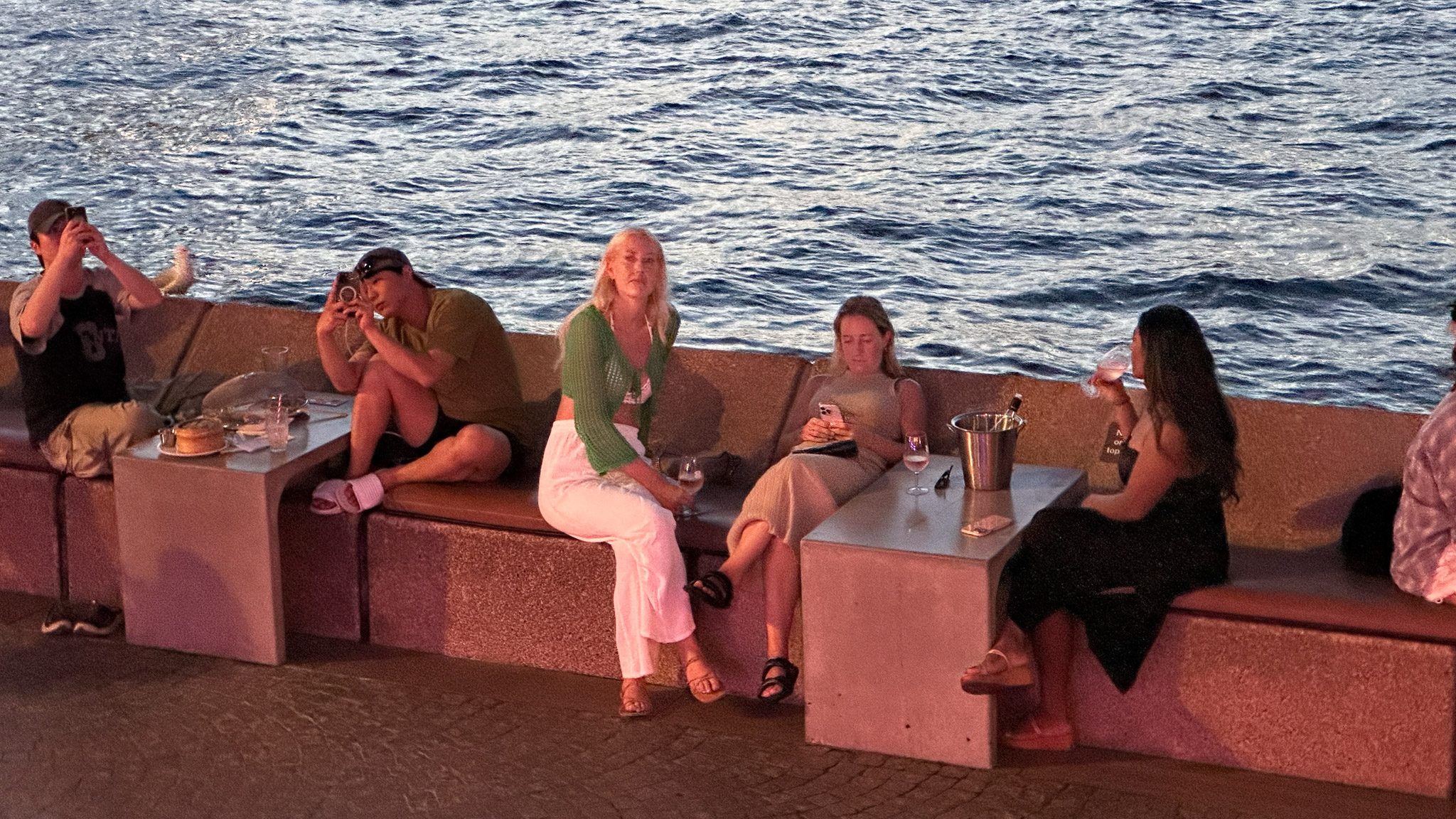
This did not come together as I planned, but as I looked at the photos, this theme rose from the photos I took on our memorable trip. My plan was to share the most beautiful shots I have, ones that showed the beauty we saw, and instead, I give you this collection of people with their phones or posing for a photo, and two with no connection to the theme at all. But here they are, my final glimpses!
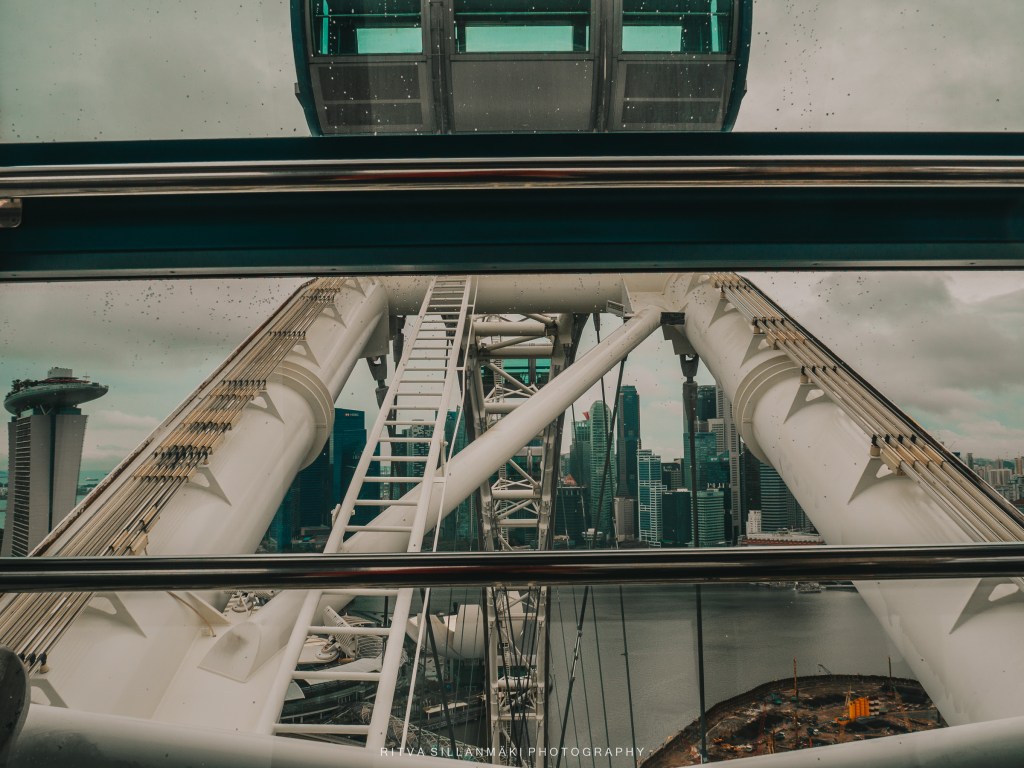
View from inside a cabin of the Singapore Flyer, showcasing the city skyline and iconic landmarks.
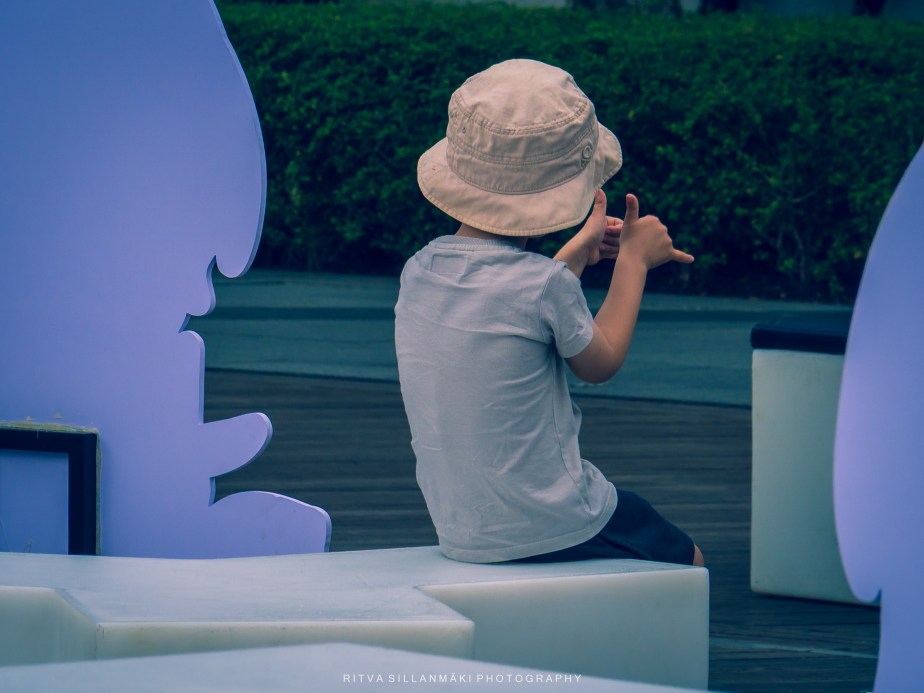
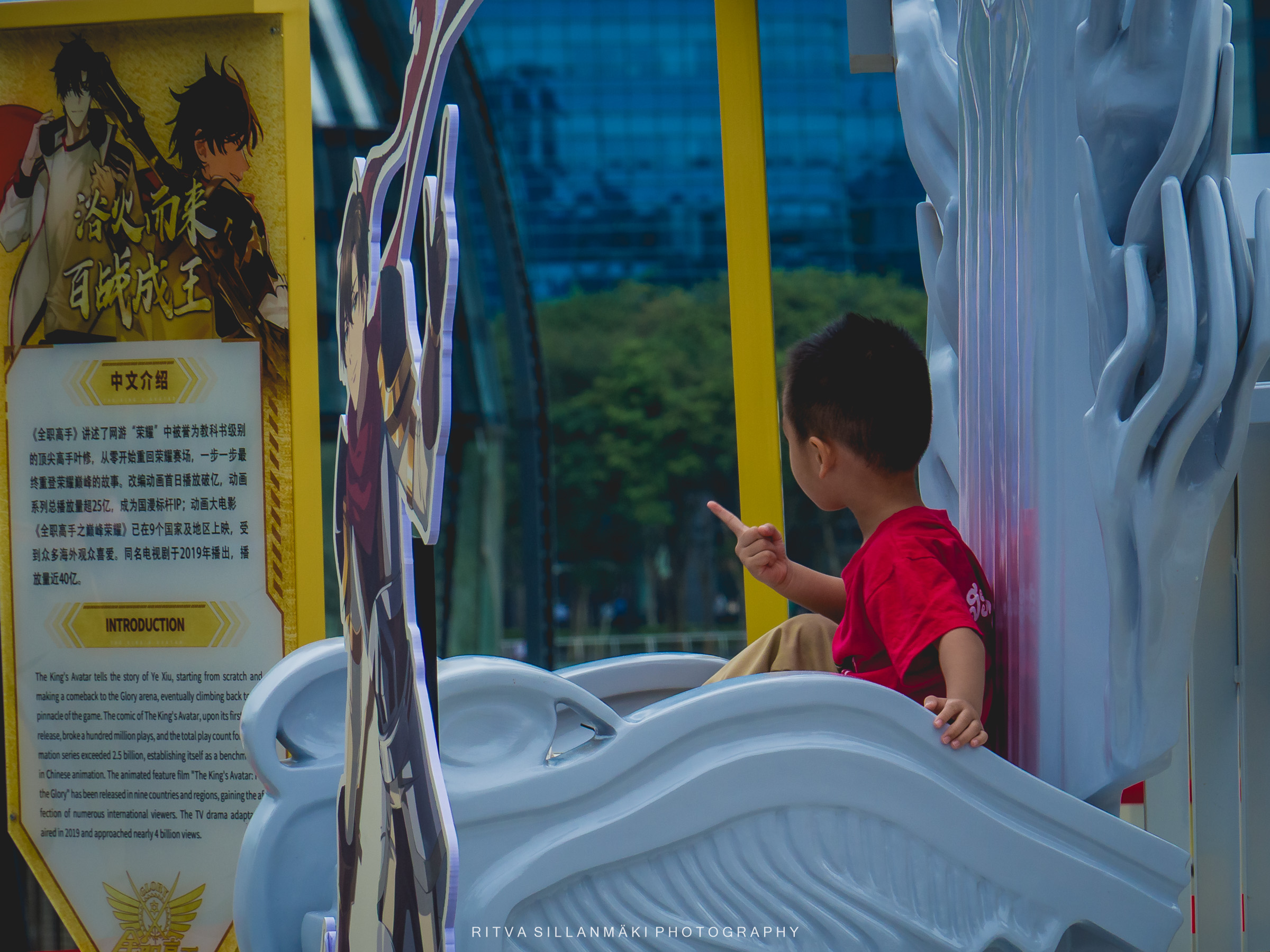
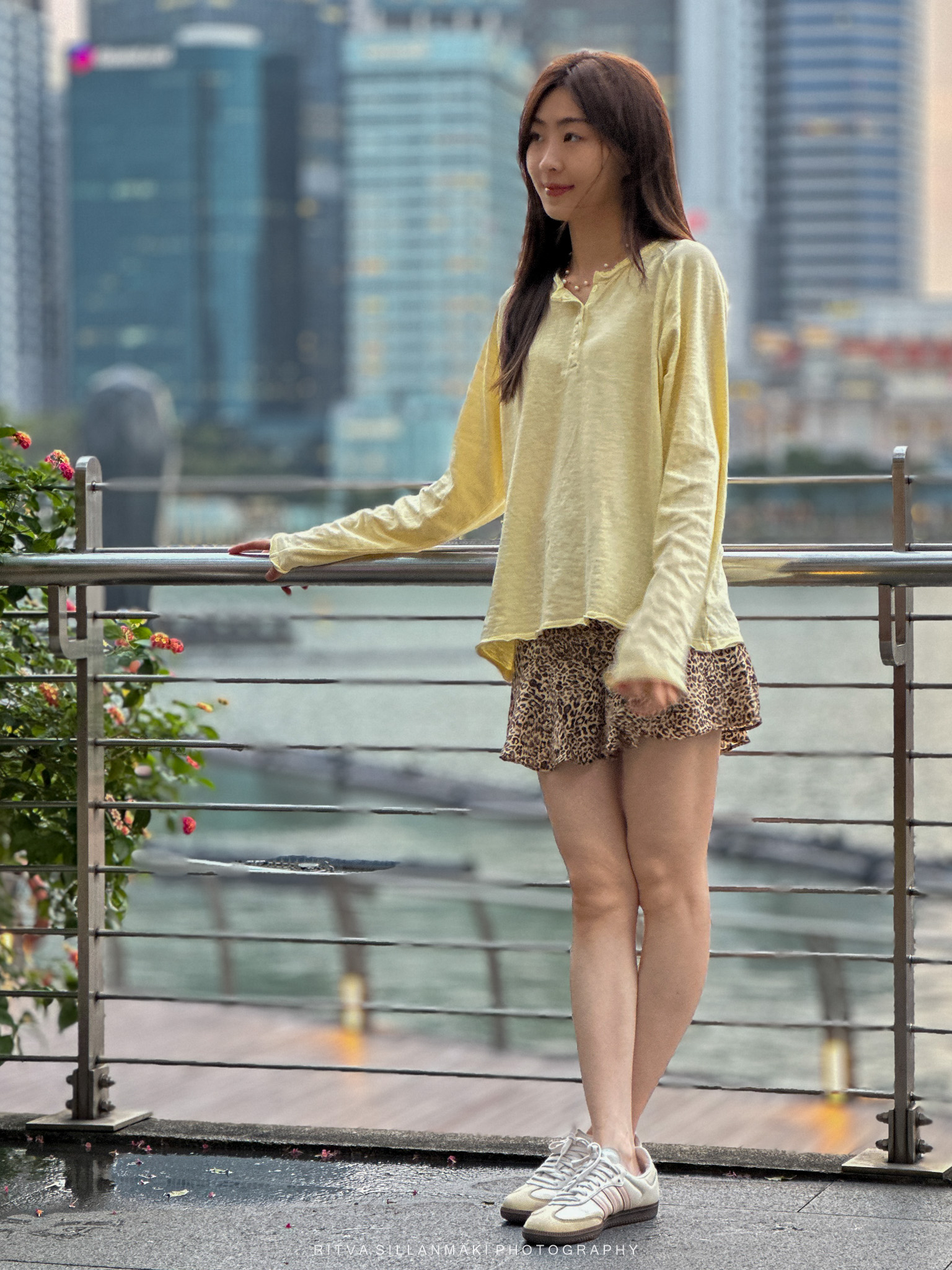
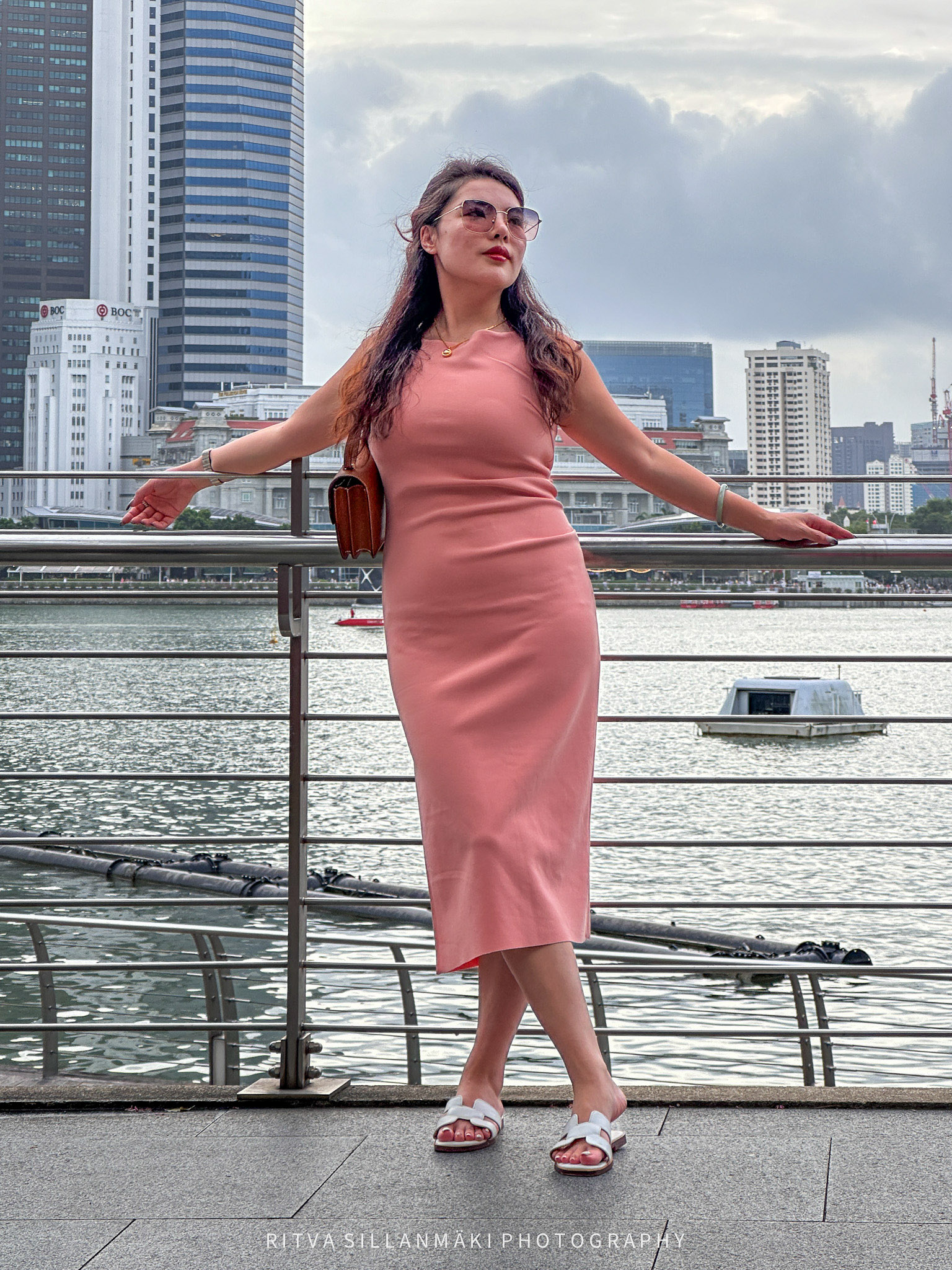
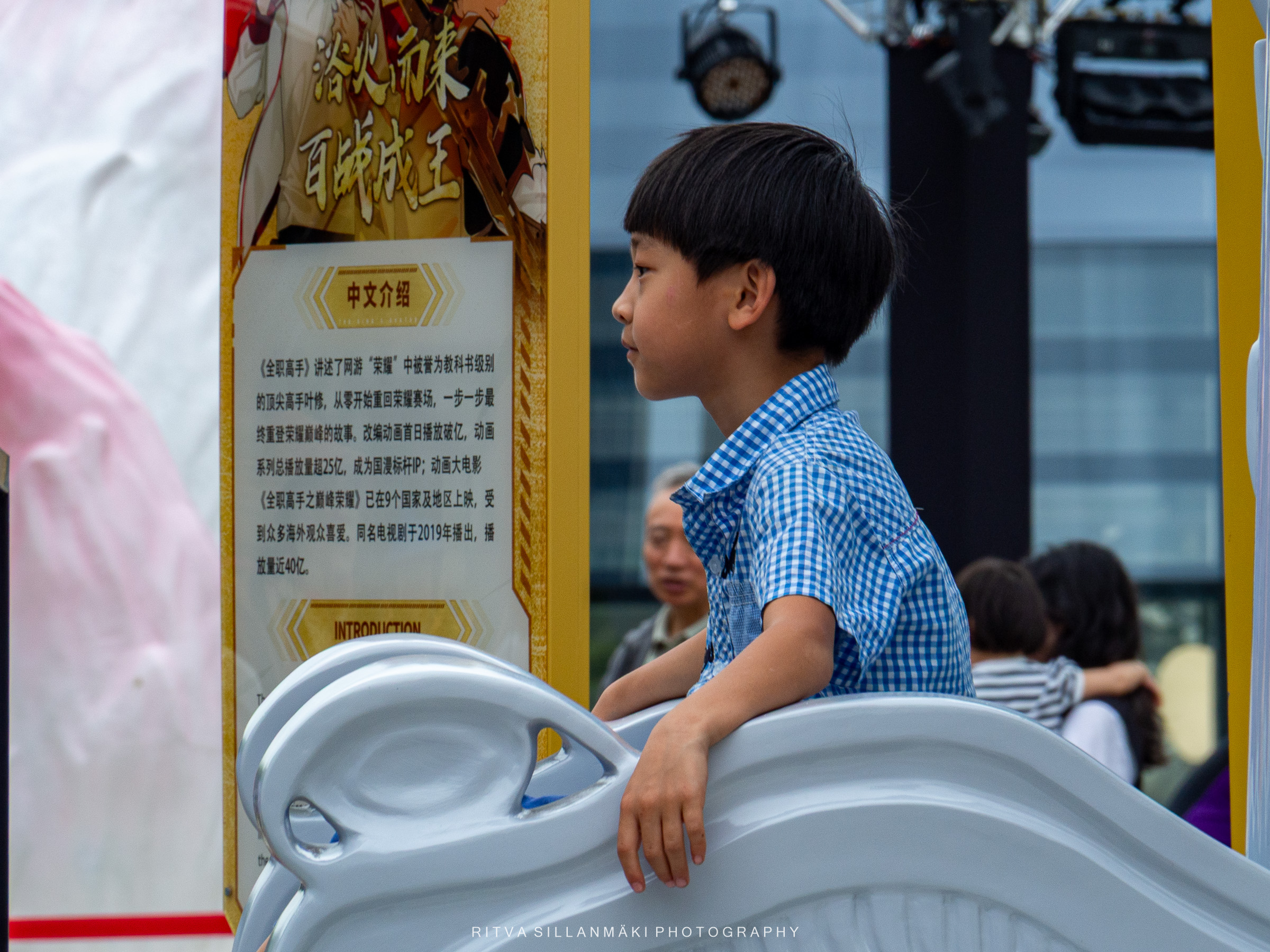
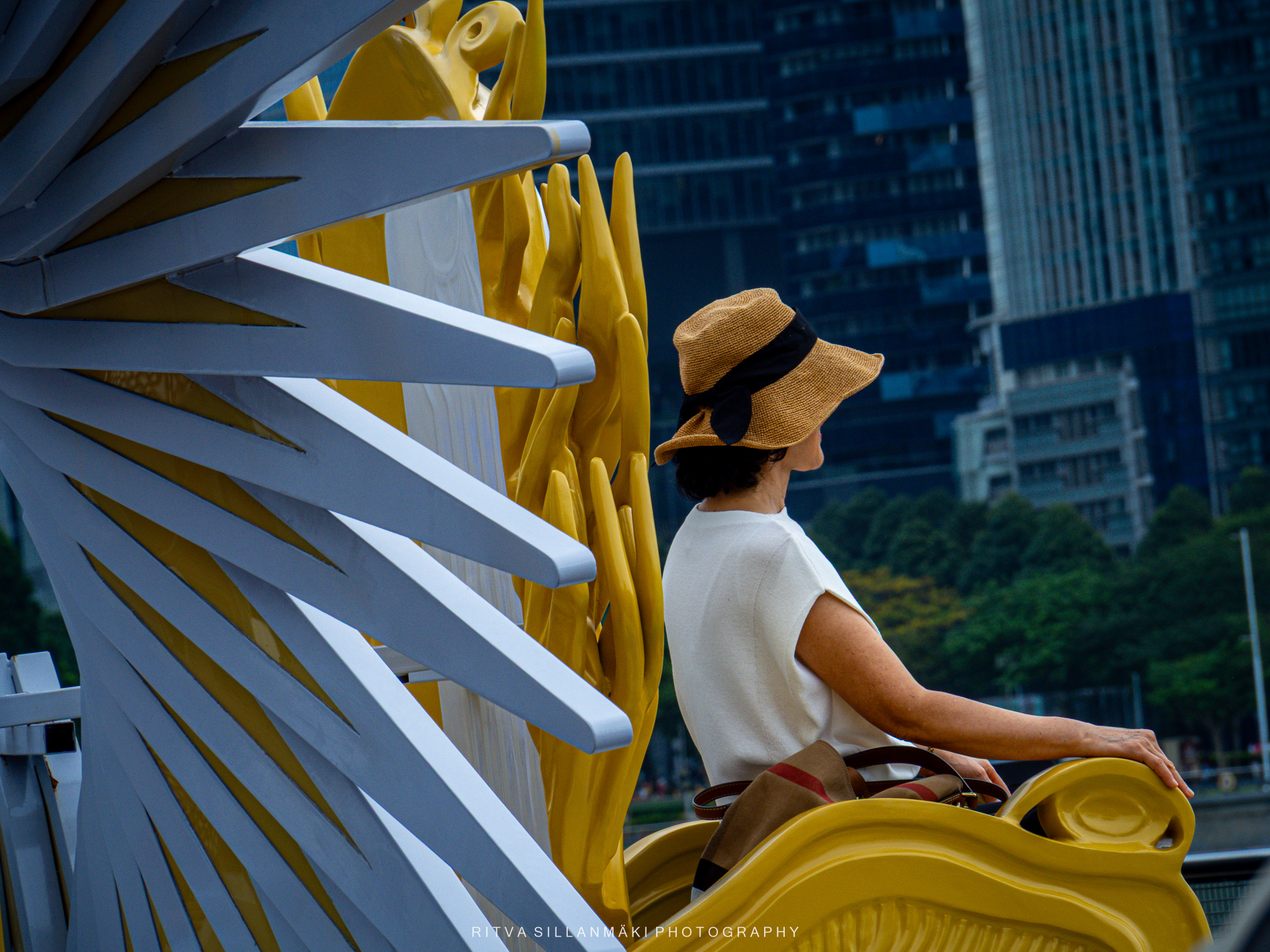
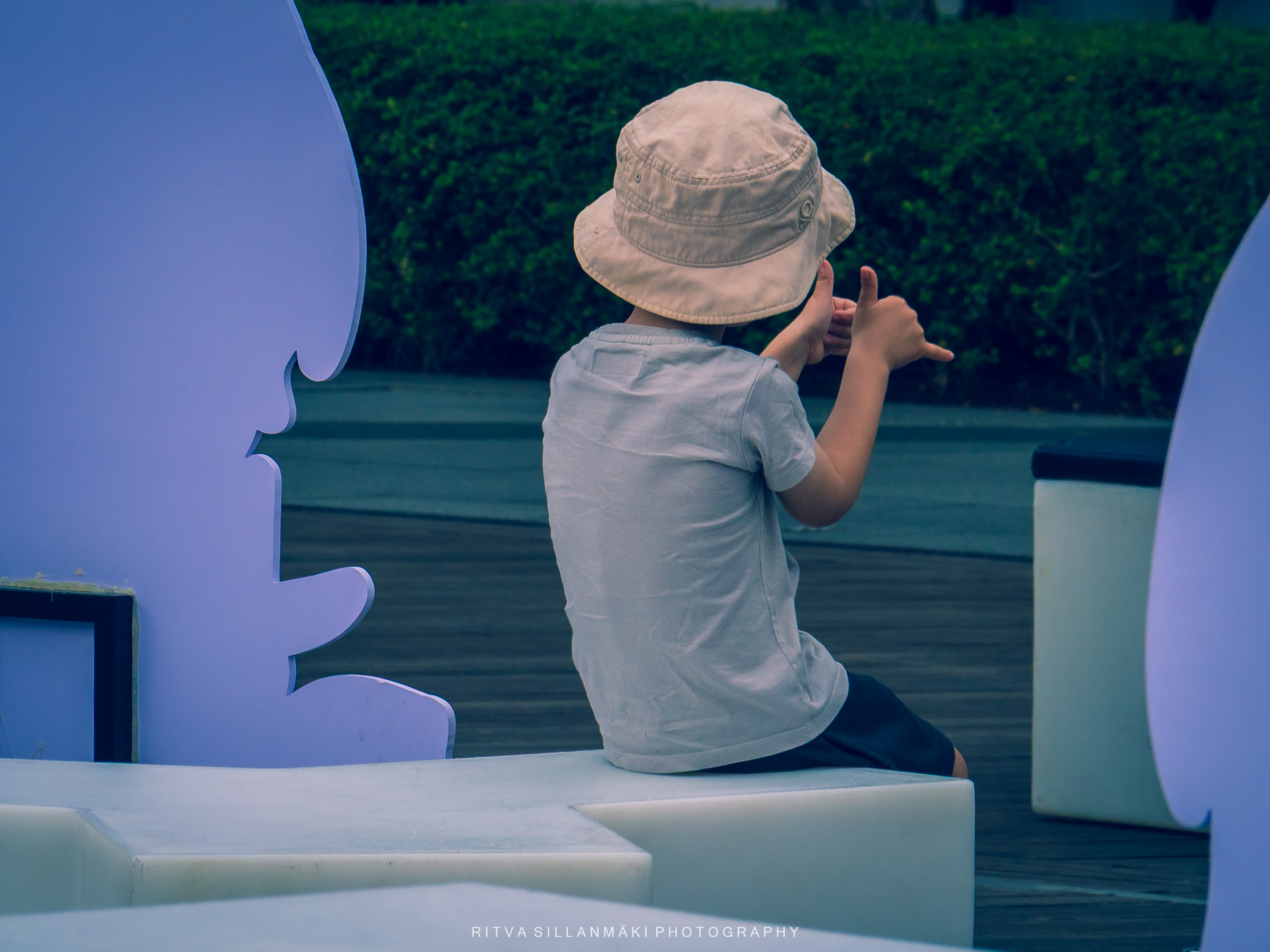
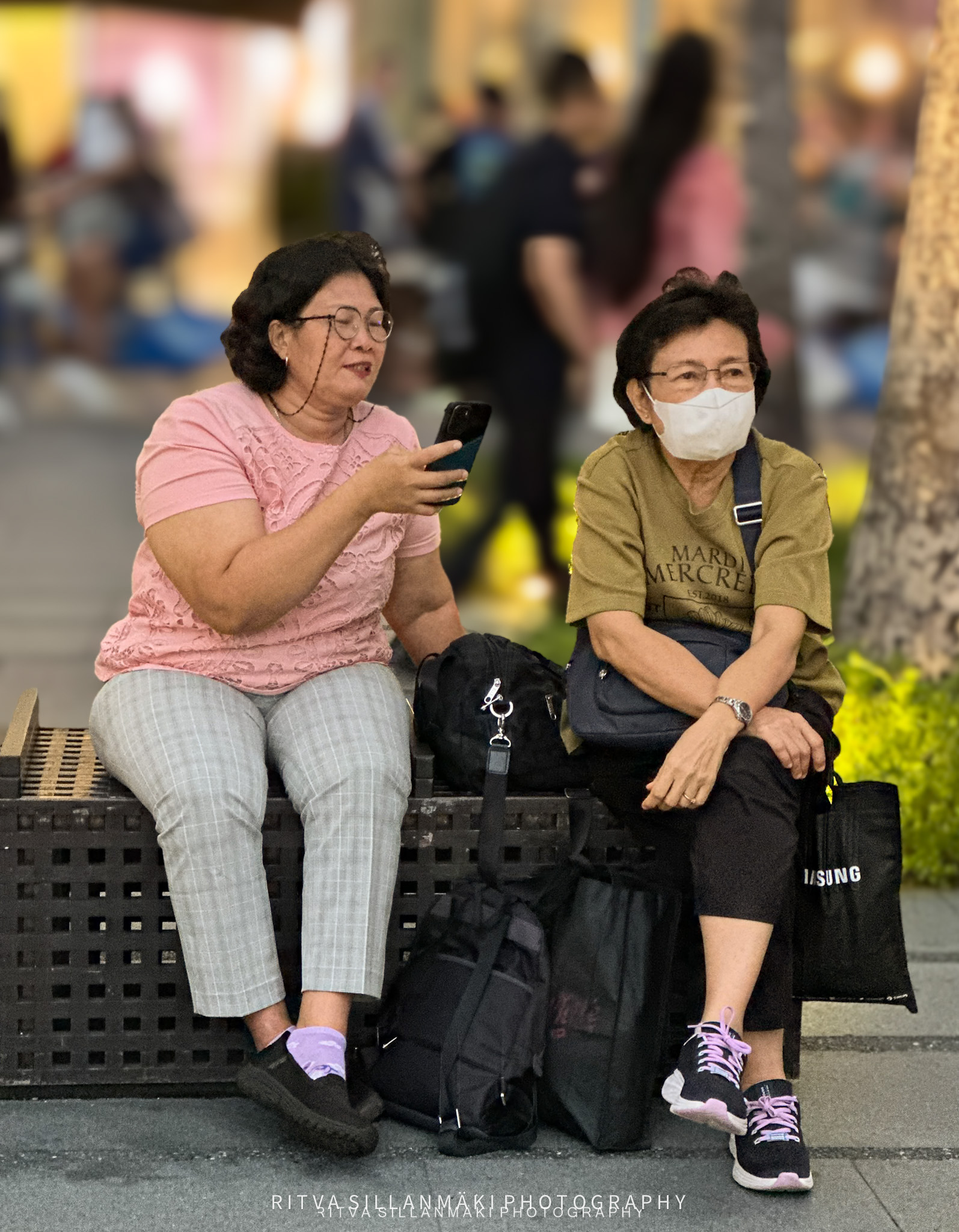
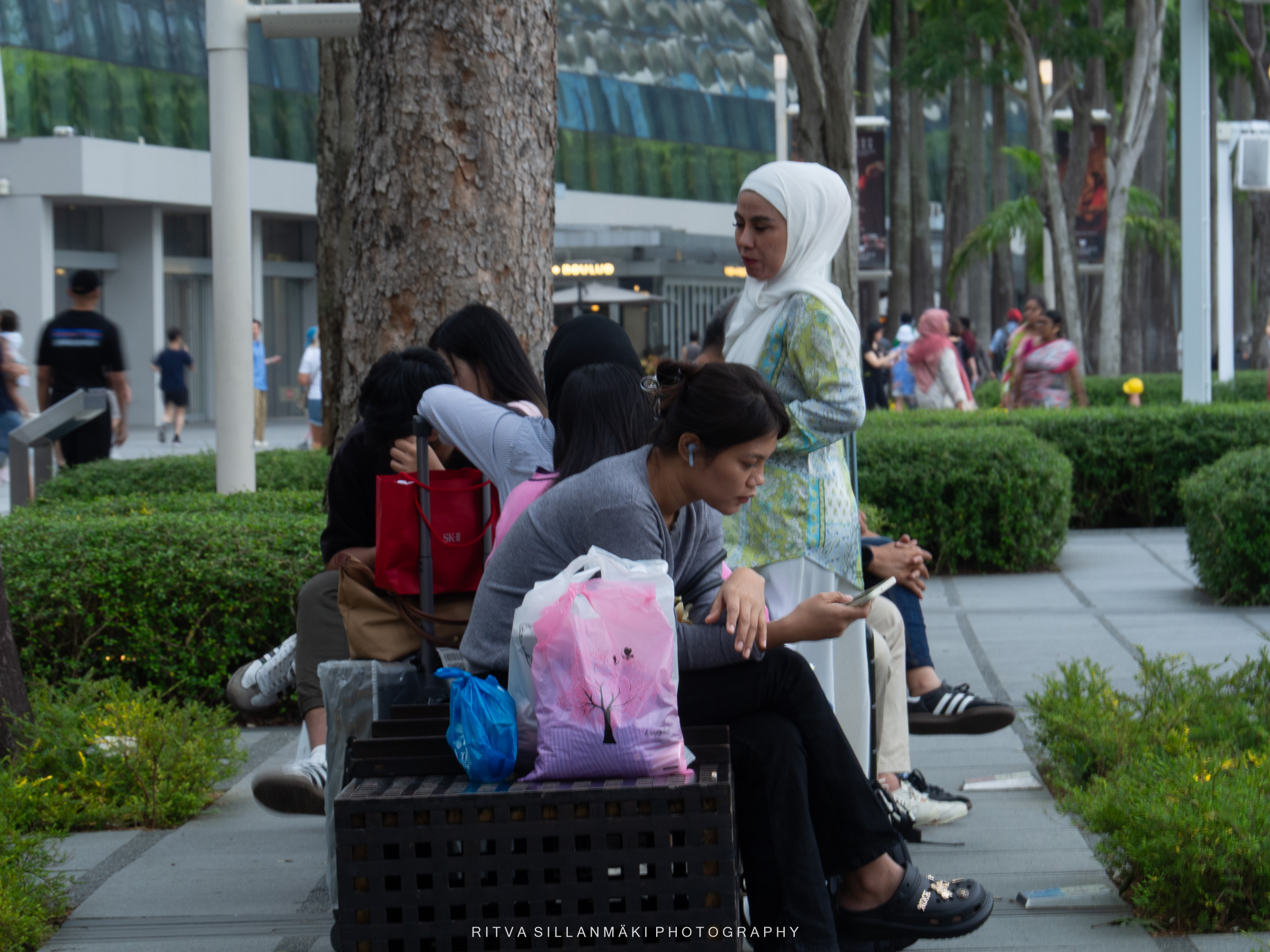
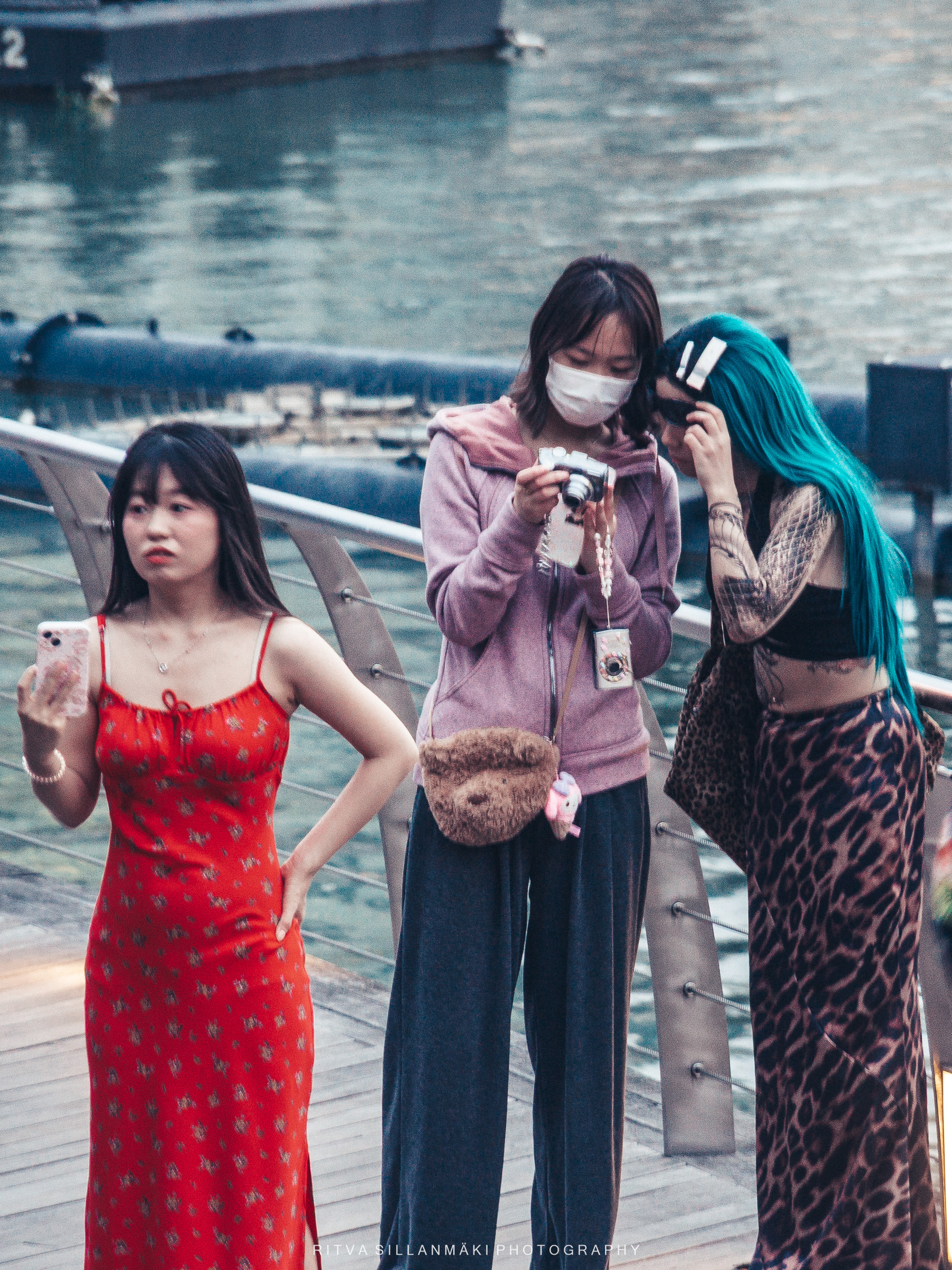
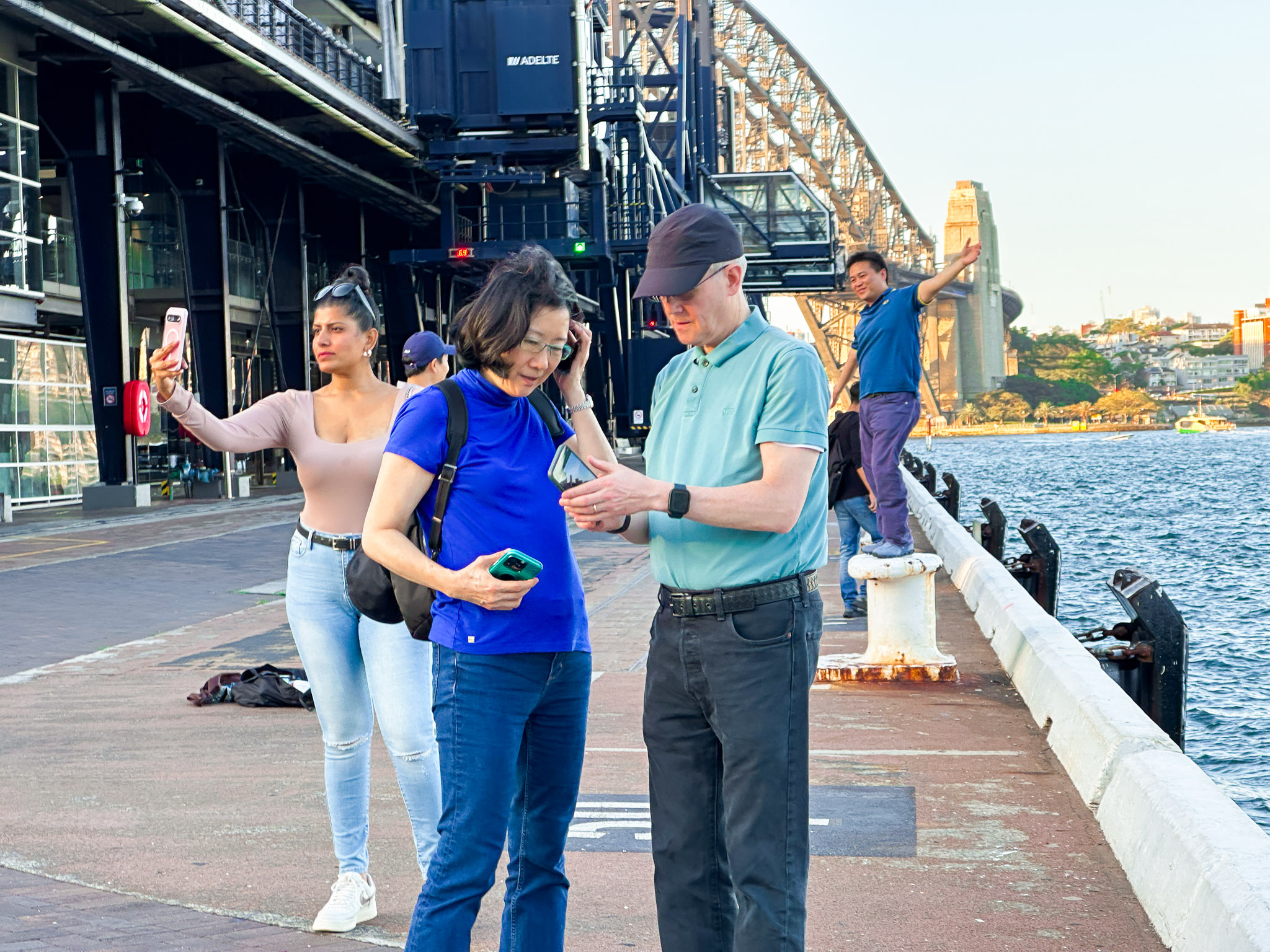
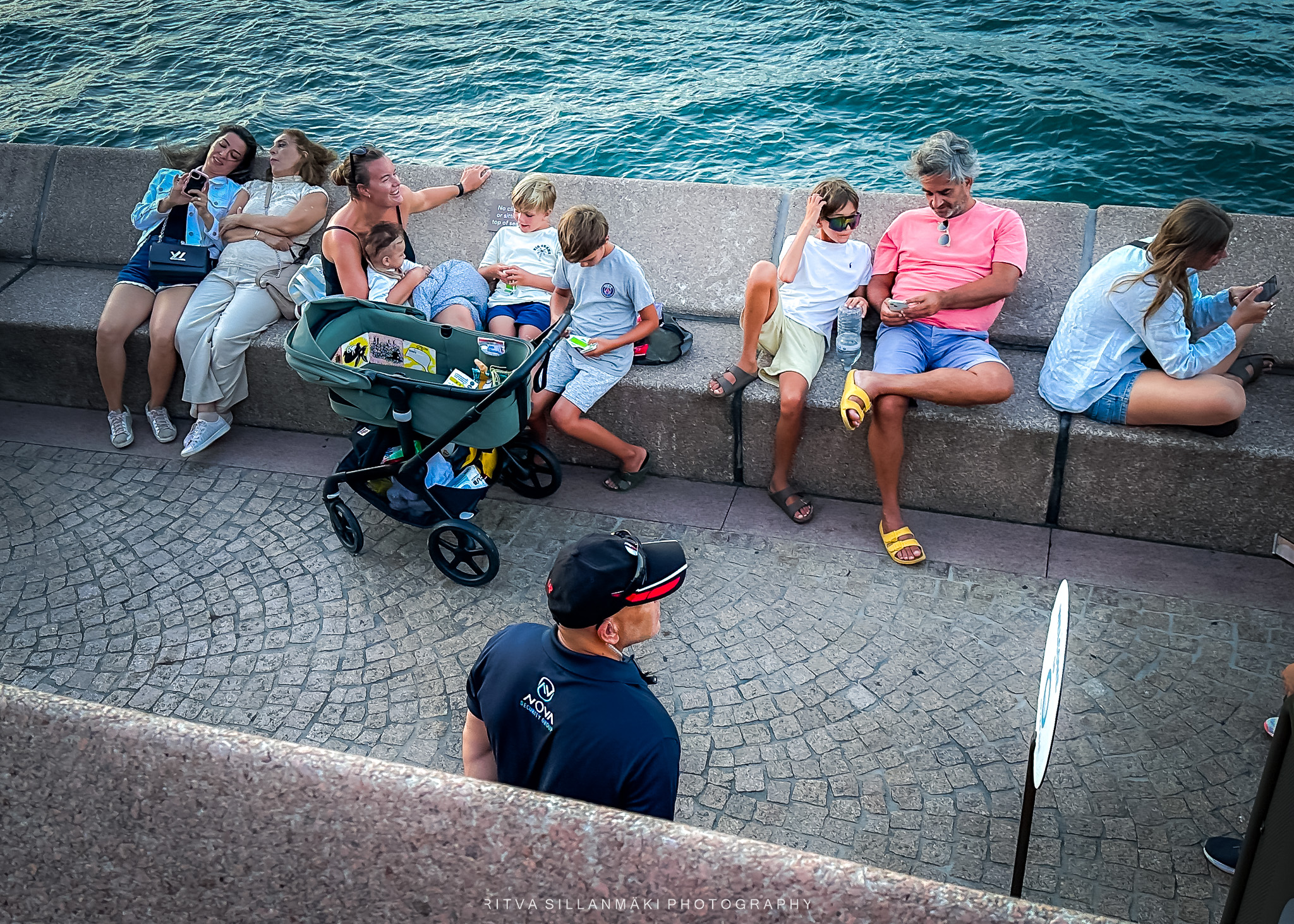
I was at the plaza in Marina Bay in Singapore, enjoying the vibrant atmosphere and engaging in some casual people watching. As I sat on a bench and listened to the lively sound of chatter and commands about how to pose for the photo, I captured these images of people striking poses for their parents and friends.
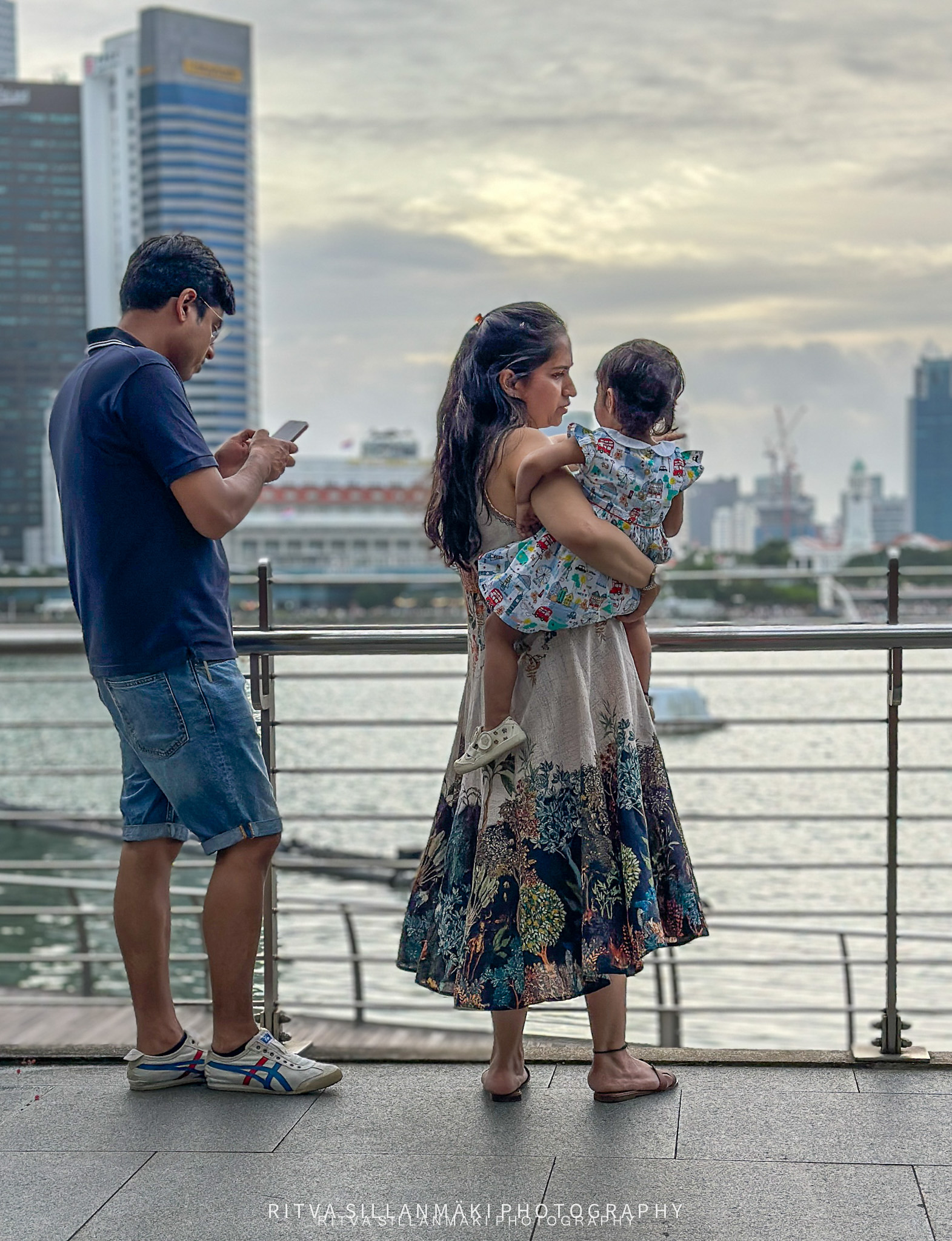
The varied gathering, featuring both tourists and locals, brought a blend of languages and cultures to the space; yet, it was hard to ignore that many were absorbed in their phones, scrolling intently and often missing the vibrant life around them. It felt a bit sad, don’t you think? As I witnessed this scene, I found myself thinking about on the connections we make and those we inadvertently let slip away, realizing that while technology helps us stay connected in so many ways, it can also create an invisible wall that distances us from the rich, shared experiences that life has to offer.
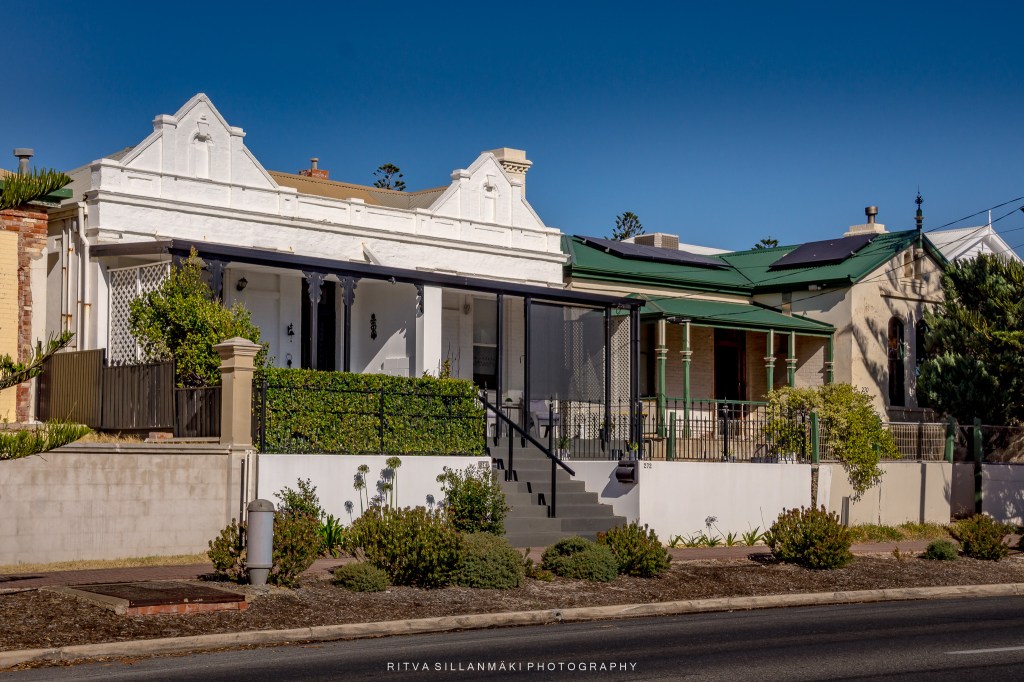
I used to live in this white heritage-style home at Henley Beach, just minutes away from the beach.
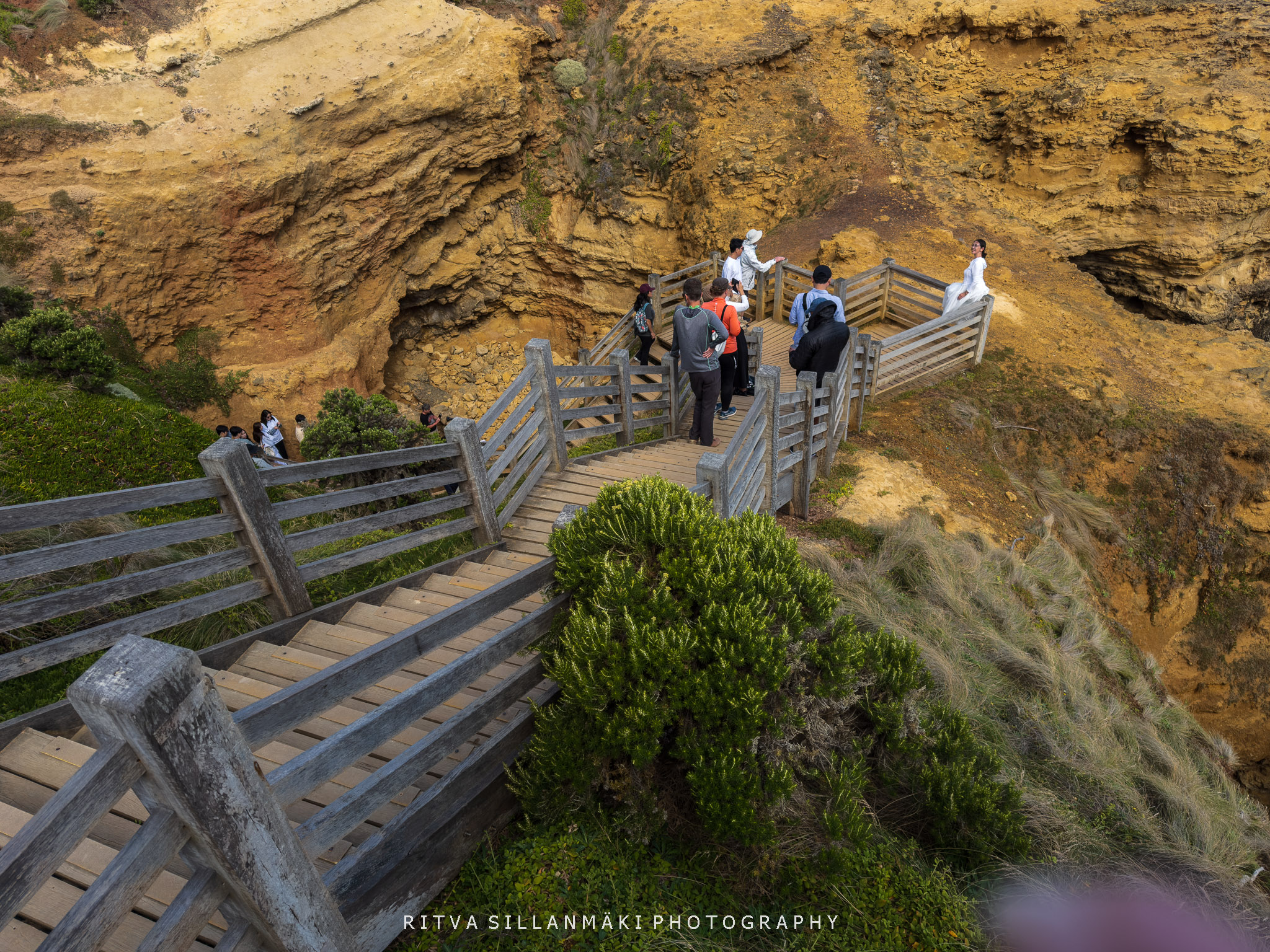
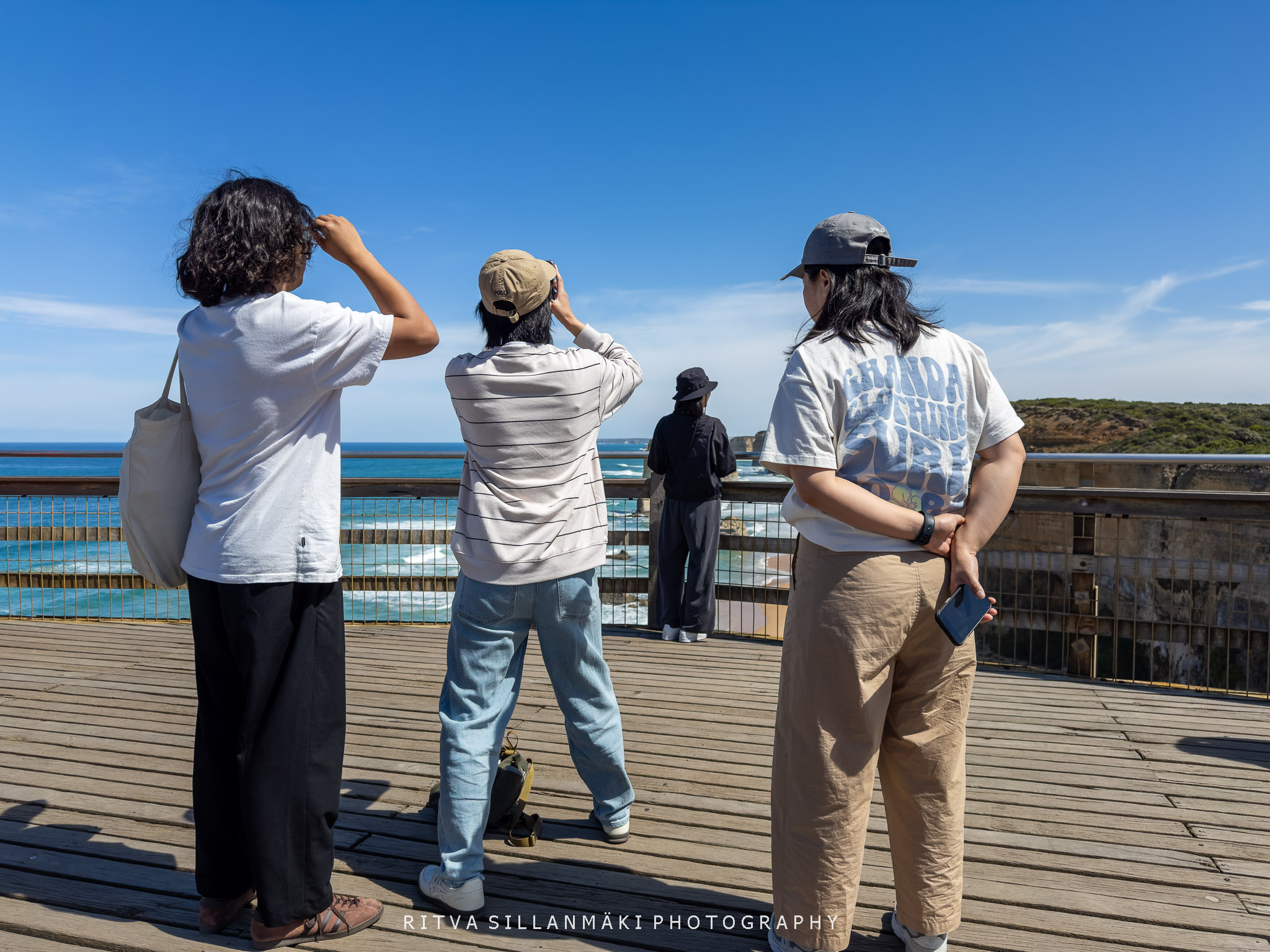
In Australia, we traveled extensively through the breathtaking natural spots. Obviously, the beauty of the natural environment drew us in, providing countless opportunities for adventure and relaxation. However, we also noticed some people here with their phones, capturing their experiences on camera—posing against the backdrop of iconic landmarks and sharing their moments. When you look at these photos, it seems everyone has their hand on a phone, me included—or, in many cases, a camera.
Time to say thanks for this year; 2025 has passed so quickly. A big thank you to all the Lens-Artists team for their creativity and dedication. I really enjoy the community that Lens-Artists has created, the unity and kindness people have toward each other, the positivity, and the power of kind and thoughtful words and humor. The world needs it. Photography is a great way to share the beauty around us. I am ever so grateful for the new blog friends I’ve made, as well as those who have been with me for all the fourteen years I’ve been blogging.
As we pause for the final two weeks of December, let’s share kindness and embrace the spirit of the Holiday Season. Wishing everyone a Merry Christmas, and may the New Year bless you with joy and good health! We’ll be back with our Favorite Photos of the Year challenge on January 3. Until then, remember to be kind, stay safe, and relish the journey.
This week it’s Beth’s turn to host the Lens-Artists Challenge. She is asking us to feature anything with wings.
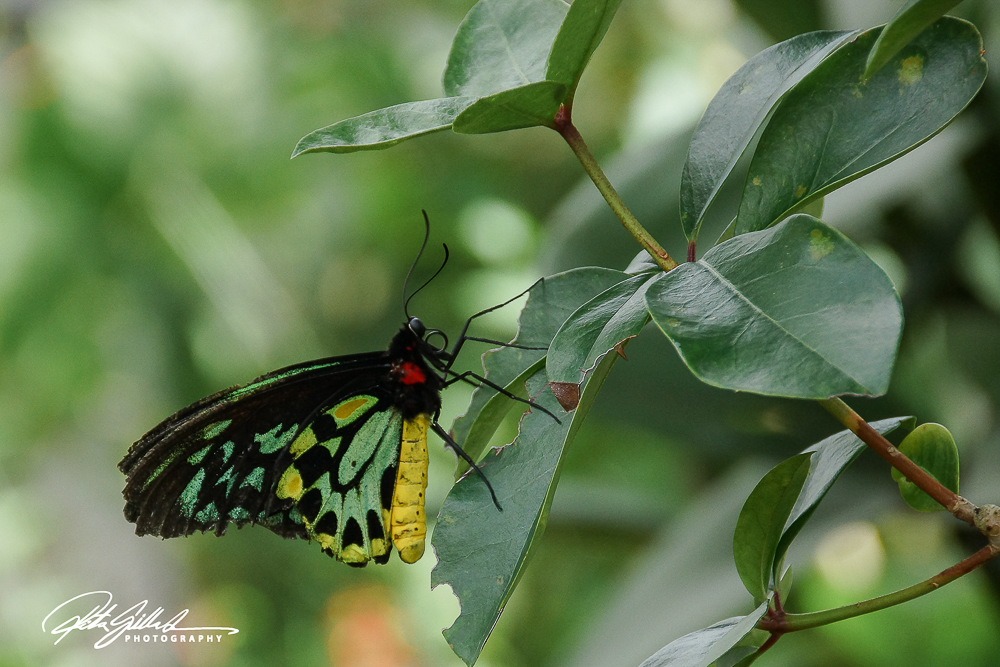
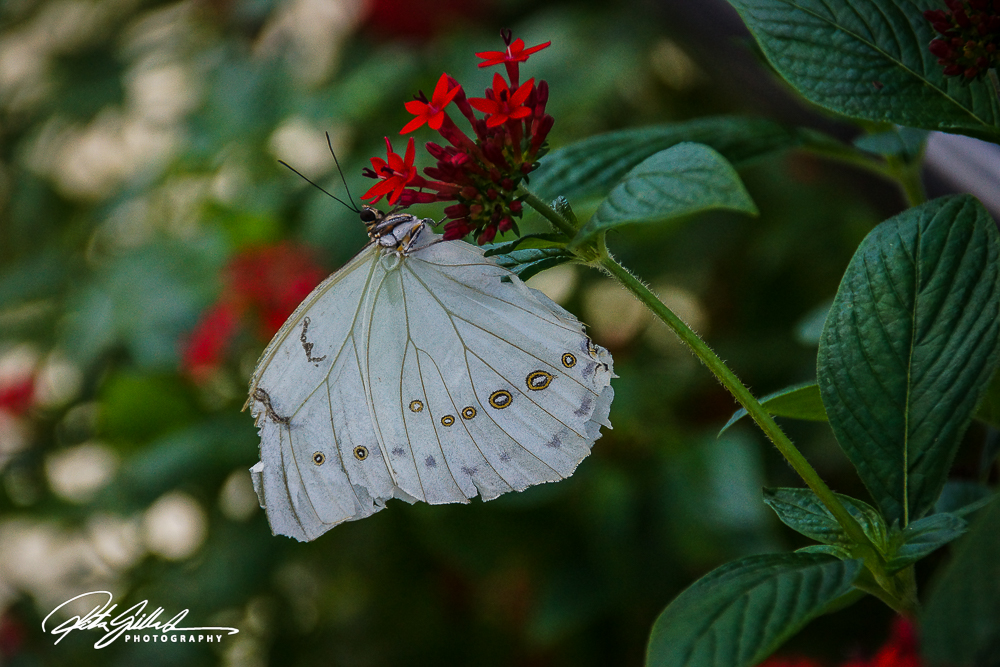
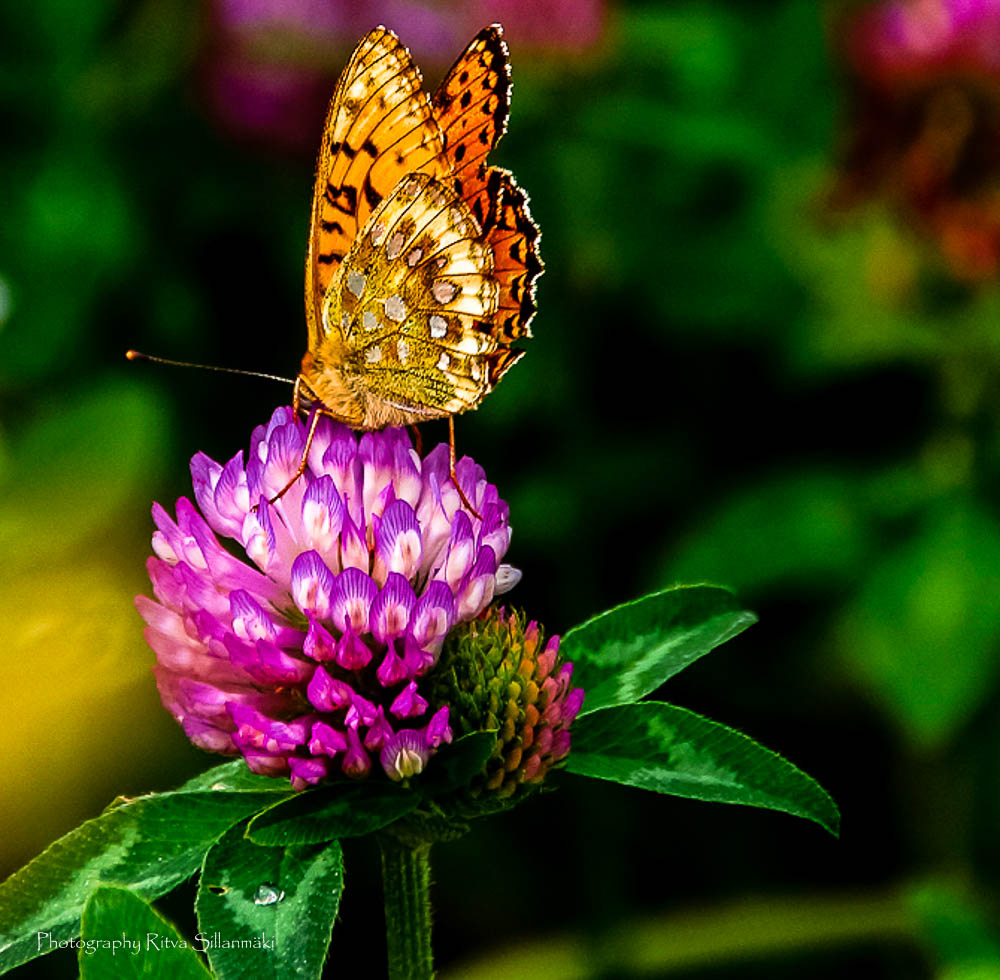
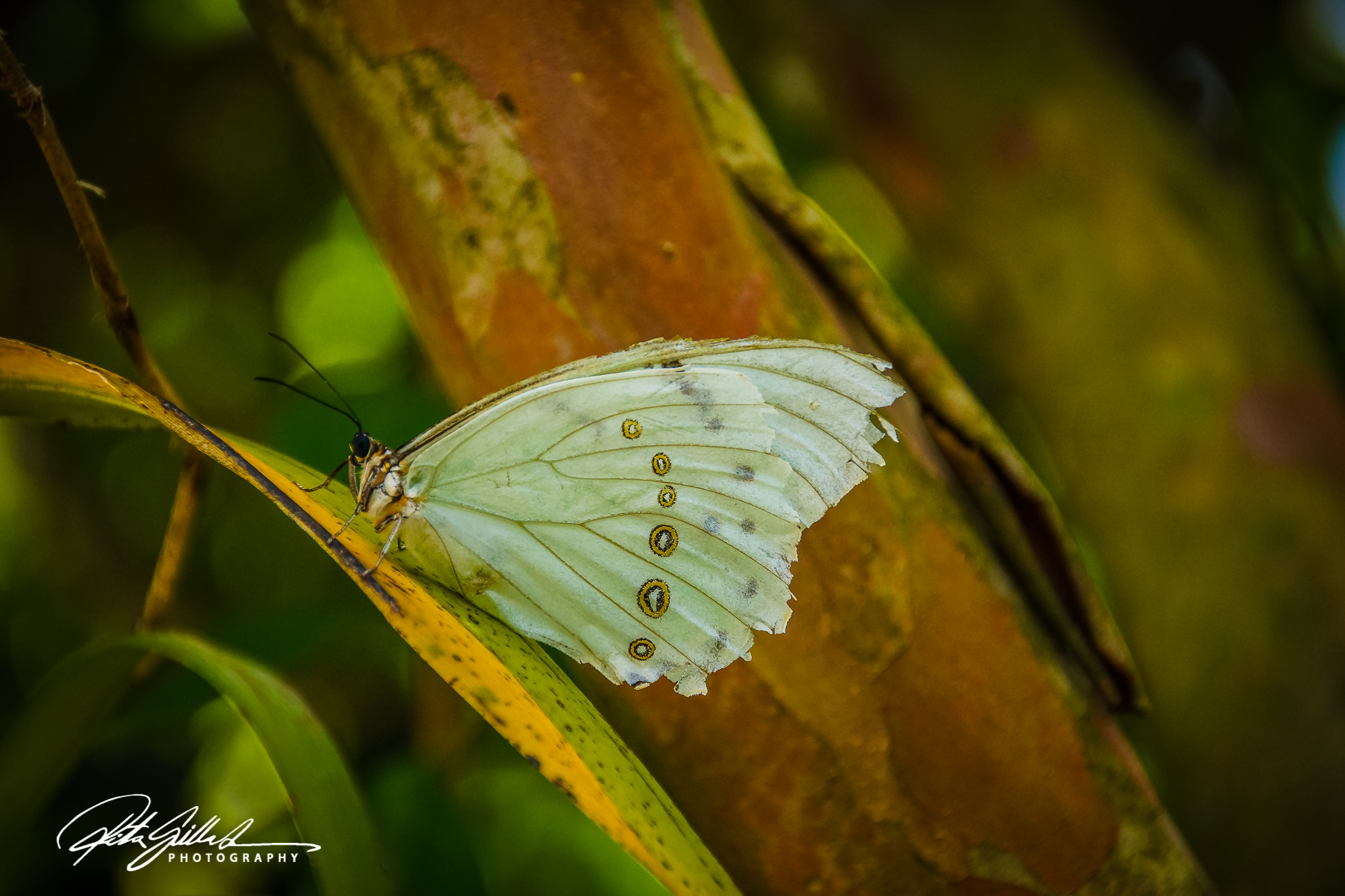
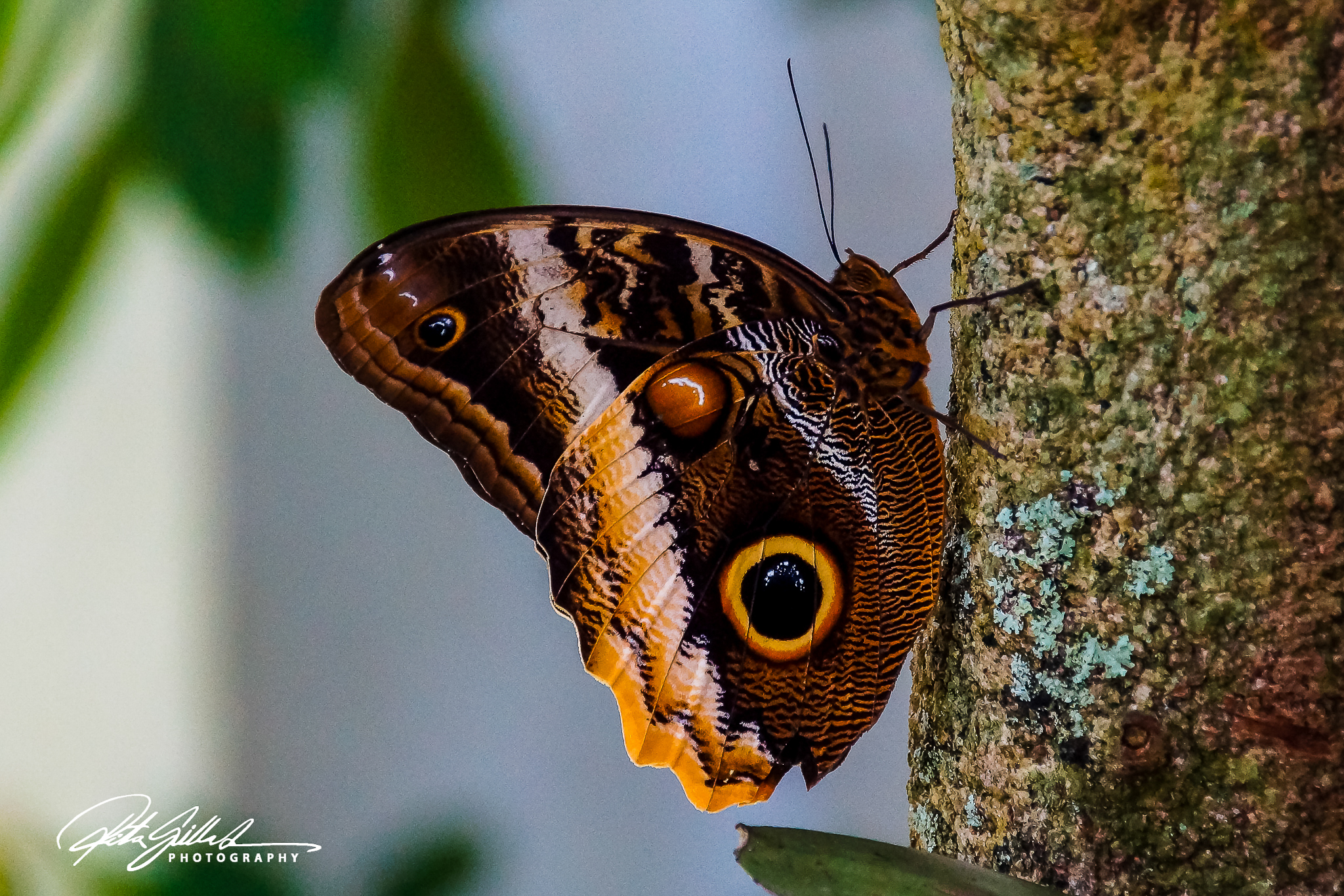
Butterflies are captivating creatures known for their vibrant colors and delicate wings, symbolizing the beauty and fragility of life. Despite living only a short time, they remind us of life’s transient nature and the importance of cherishing moments. They represent transformation, rebirth, and freedom, while also embodying hope, spiritual growth, joy, and endurance across different cultures.
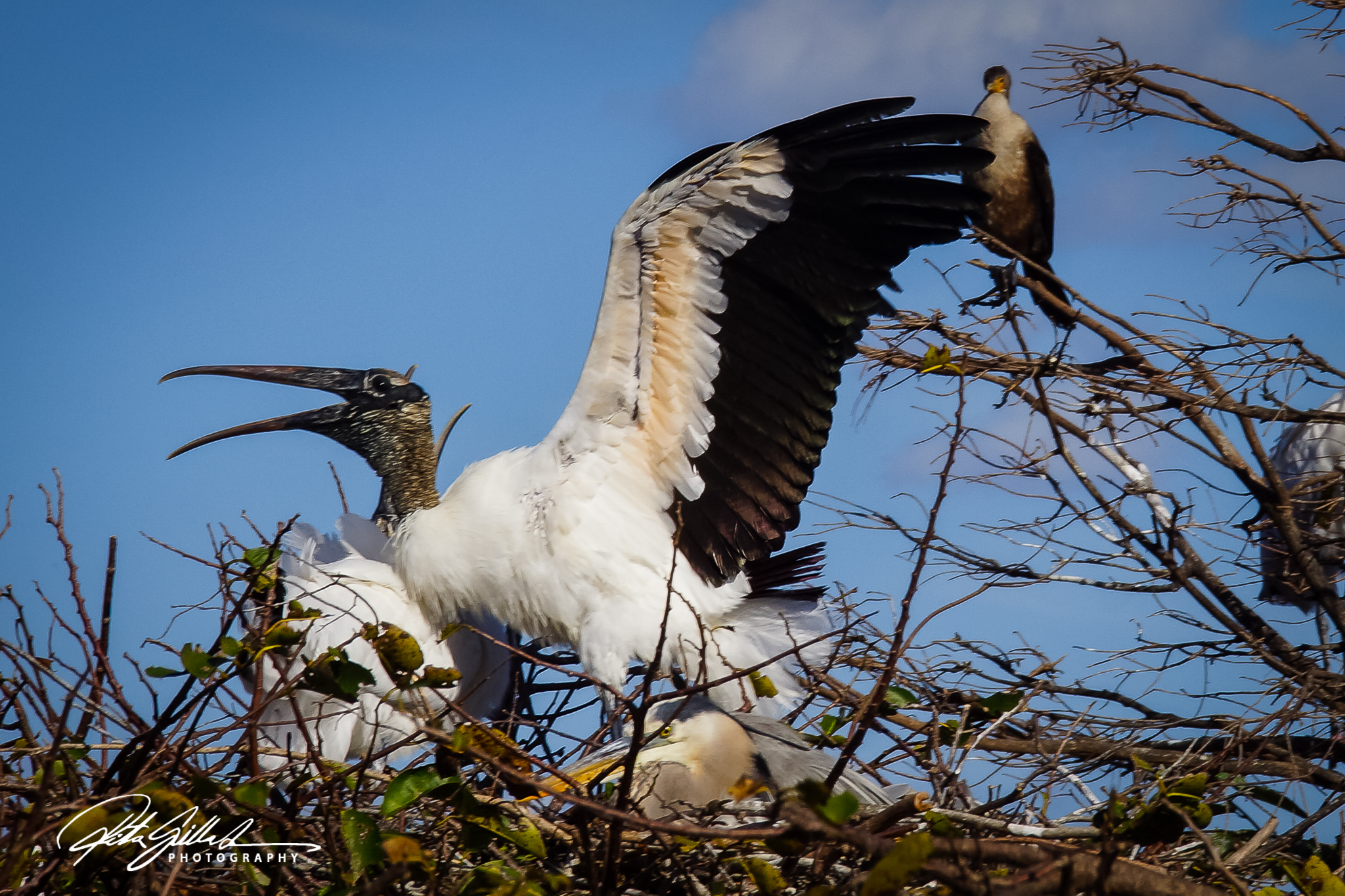
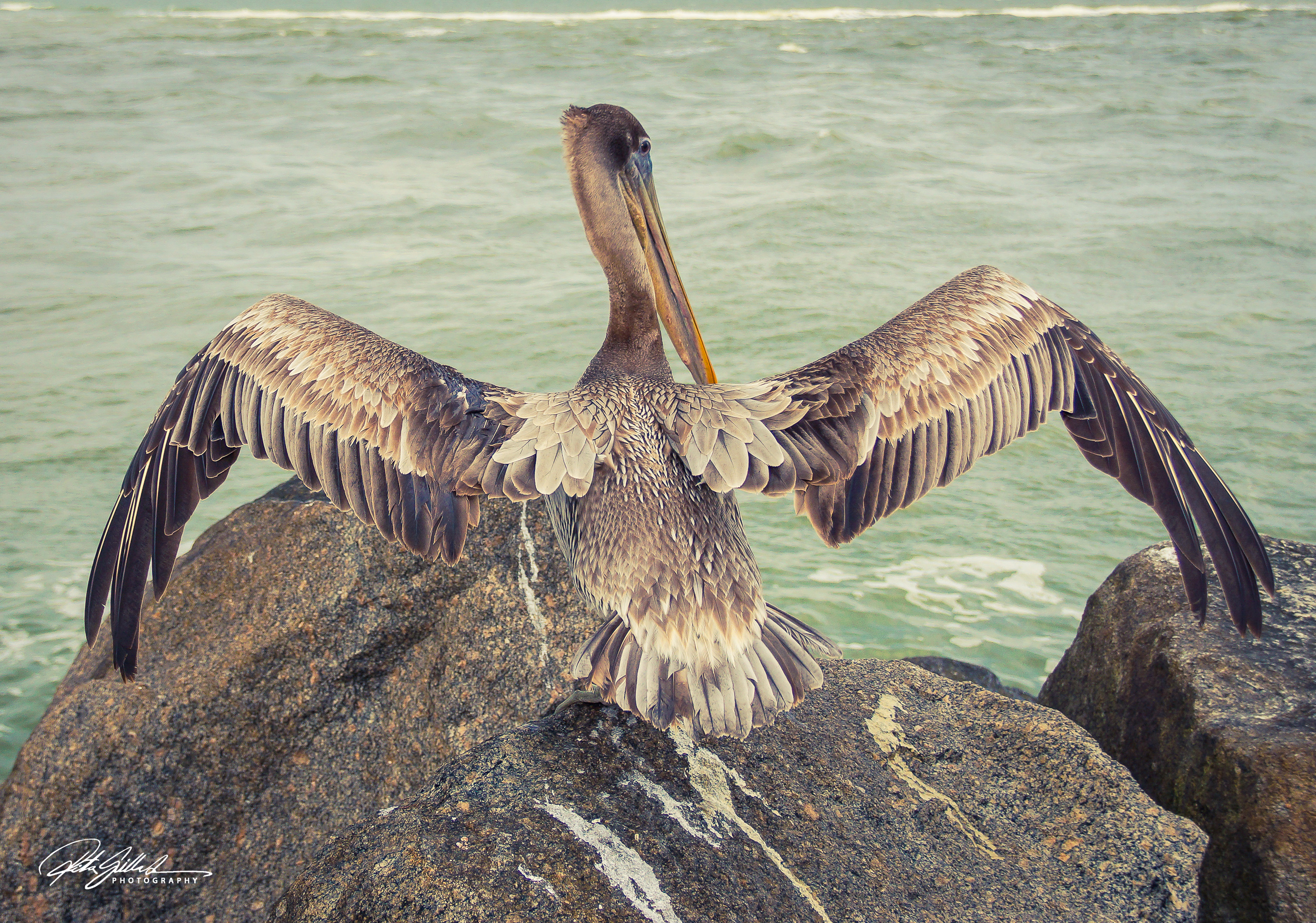
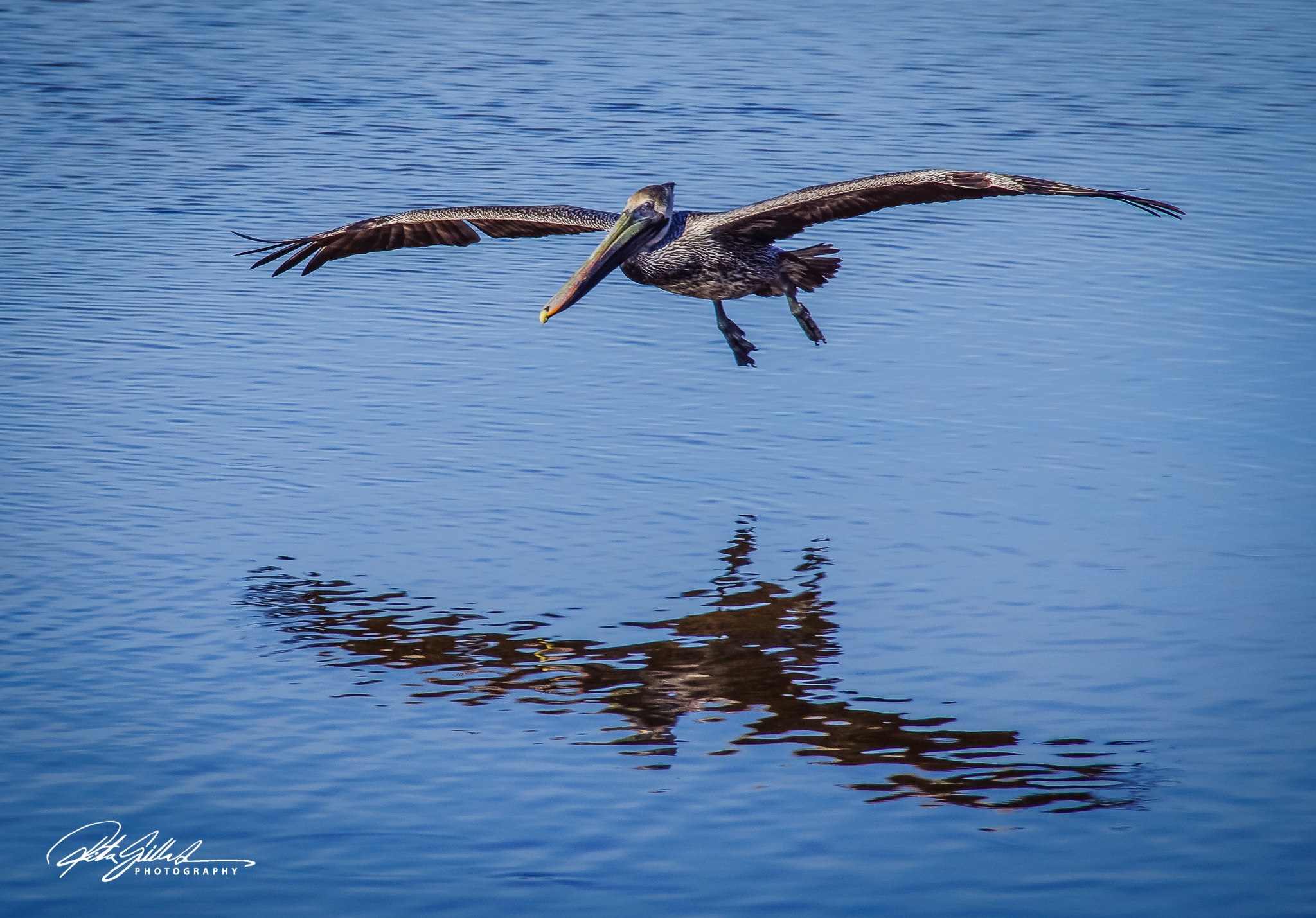
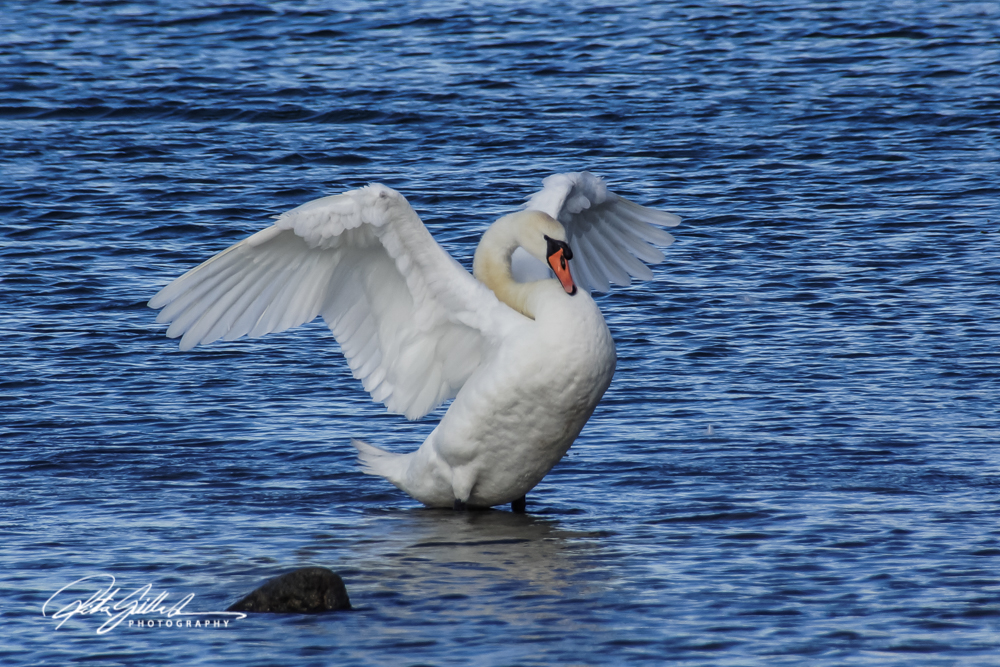
Birds embody a profound sense of freedom as they gracefully soar through the sky, their shimmering feathers reflecting sunlight in a breathtaking array of colors. As they glide on the gentle wind, they evoke feelings of wonder and tranquility, reminding us of the beauty in the world around us. Each bird carries its own symbolic meanings across various cultures, with doves representing peace and love, owls symbolizing wisdom and intuition, and eagles reflecting strength, courage, and boundless freedom. As I am not a good bird photographer, I don’t have the patience for it; my shots are of birds about to fly or landing, and they are none of the mentioned above.
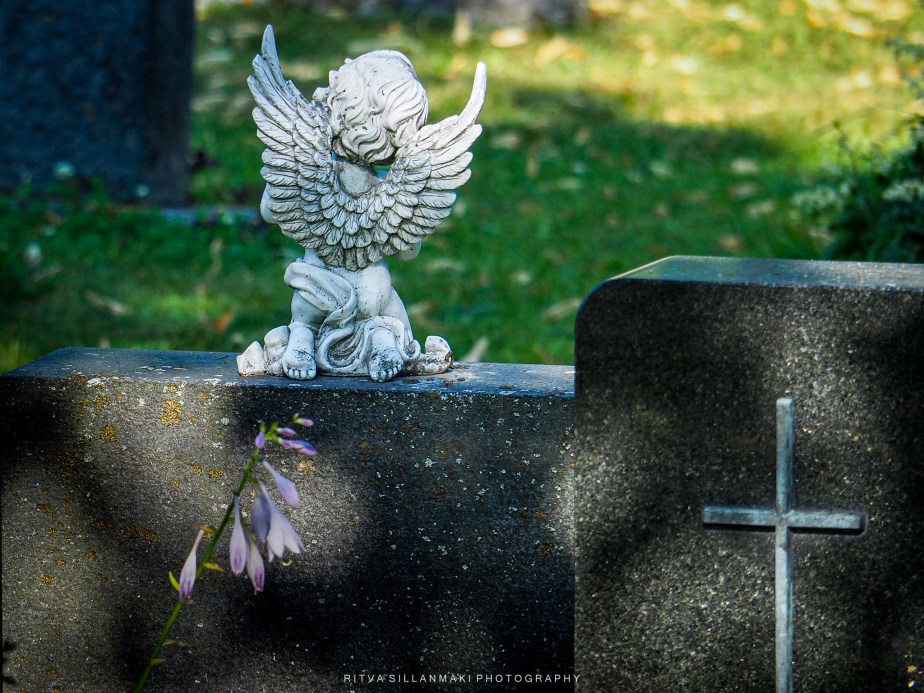
If you believe in angels, it’s beautiful to recognize the myriad of thoughts surrounding them, from deep religious convictions interpreting them as divine messengers to philosophical views that frame them as symbols of protection, compassion, and guidance. Many see angels as gentle messengers of love, hope, and miracles, while others embrace them as reflections of our human potential and the uplifting qualities that define our humanity.
An angel sculpture with wings, resting on a gravestone of a child, surrounded by nature.
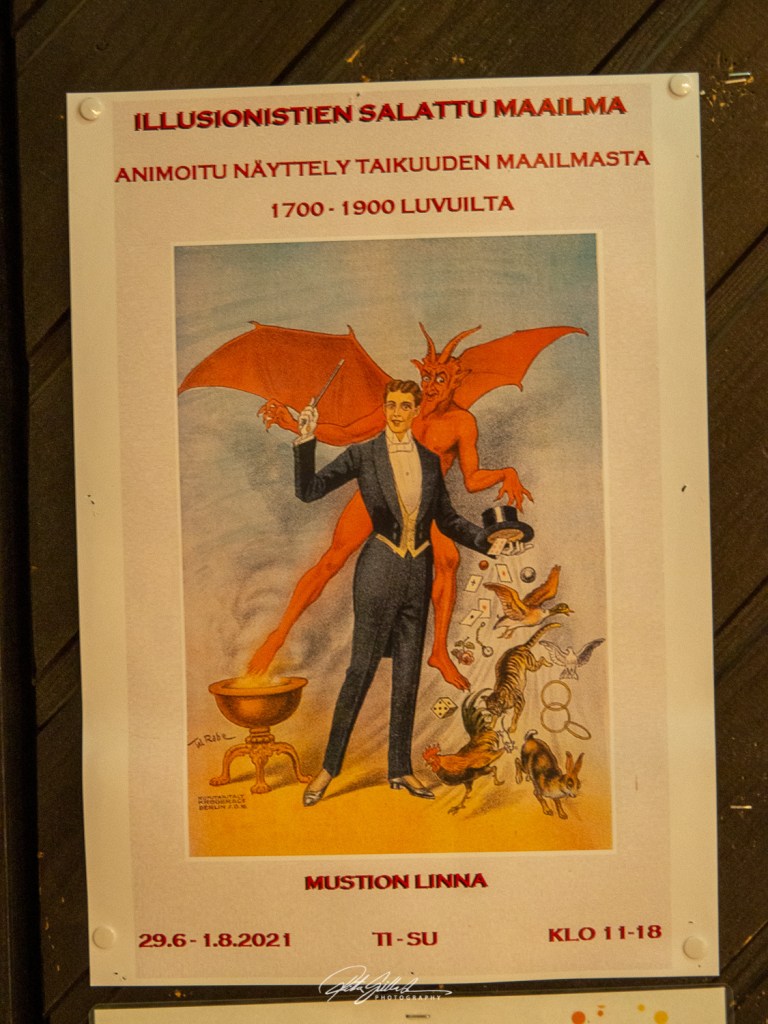
The evil wings I found were on this poster, the idea of devil with wings resonates deeply, often symbolizing the complex nature of a fallen angel—someone who once held a spark of angelic beauty but has now been warped into a representation of evil. This striking contrast between traditional angelic wings and their demonic counterparts, such as the transition from beautiful white wings to unsettling bat-like ones, underlines the tragic transformation and the profound struggle between good and evil.
A vintage poster showcasing an illusionist with a playful design featuring a devil and various animals, promoting a magic show from the 1700-1900s.
Beth said she can’t wait to see what we come up with, and I am always surprised about the creative journey we’re on together. Well, Beth, this is what I could muster up after a thoughtful exploration of ideas and inspiration. I’ve done my best, hoping to capture not just the essence of our theme but also the fluttering spirit of this challenge.Be sure to tag your post with Lens-Artists and include a link back to Beth’s post. Let’s inspire each other and all those who stumble upon our posts!
Last week you showed us some creative, mysterious images in your responses to Patti’s challenge Mysterious, and your unique interpretations were truly captivating. The way you explored different angles, shadows, and light brought a new depth to the theme of mystery, inviting viewers to ponder the stories behind each image, sparking discussions and inspiring others to delve into their own creative expressions. Your ability to evoke emotion and curiosity through your photography not only enhanced the challenge but also highlighted the diverse ways in which we can perceive and represent the enigmatic elements of our world.
Be sure to check back on Saturday, December 6 at noon eastern time when Ann-Christine will be hosting the challenge.
For information on how to join the Len-Artists challenge please click here.
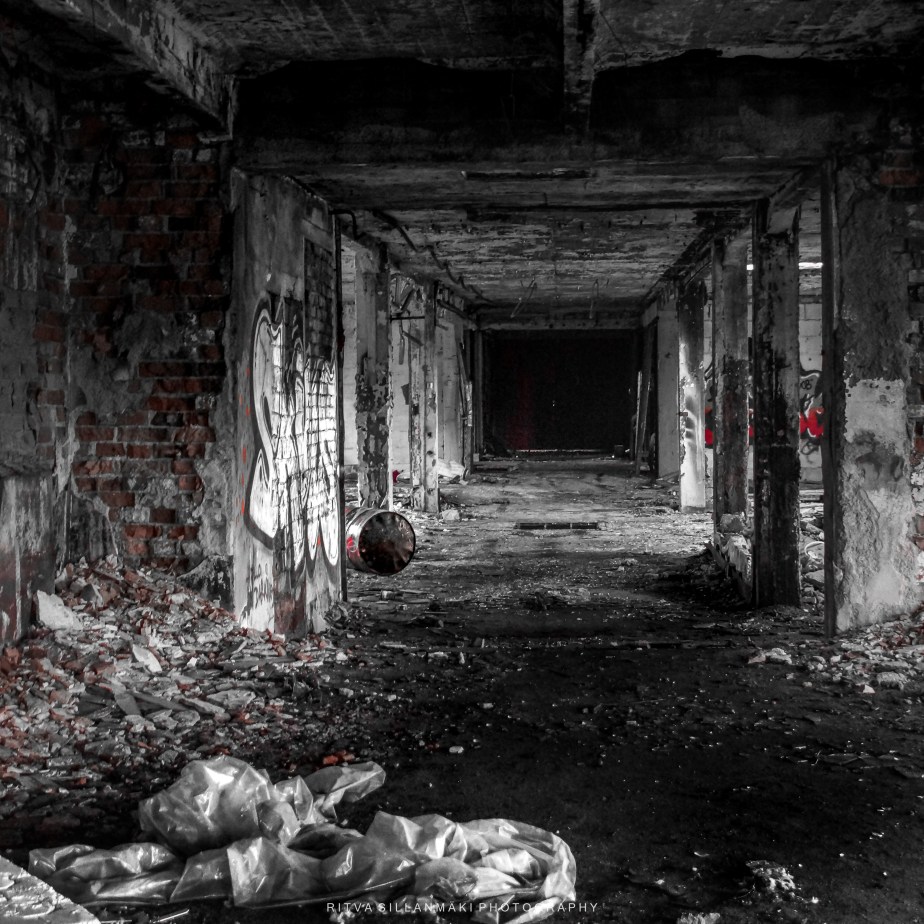
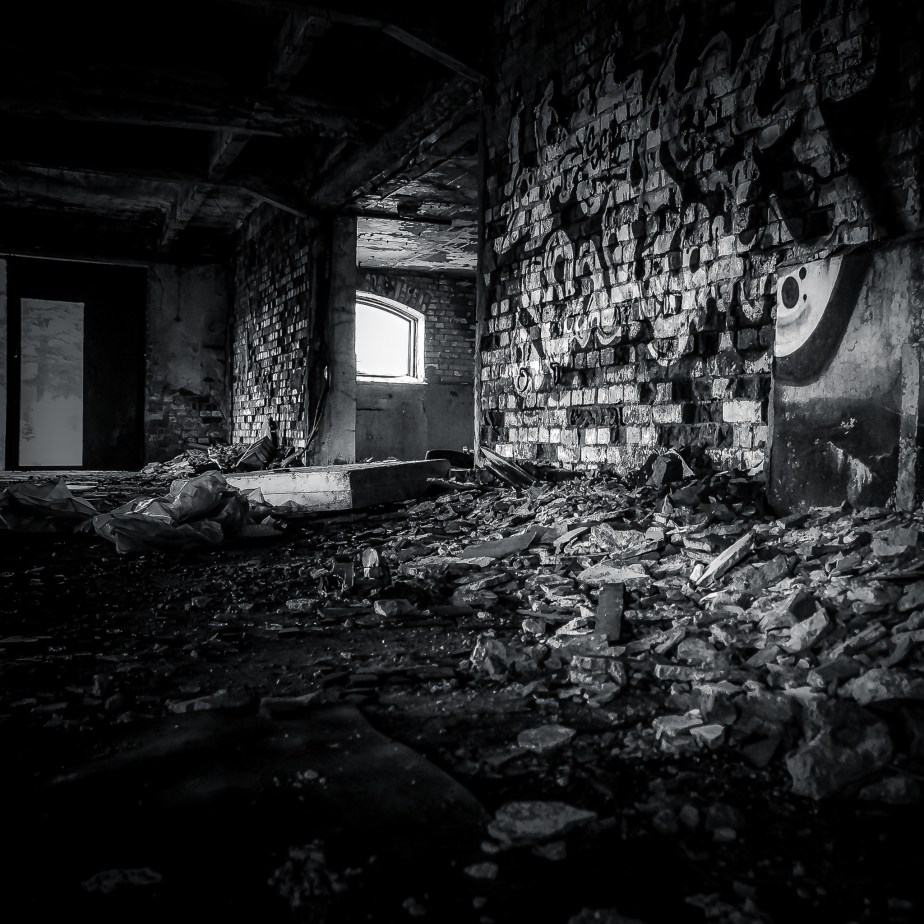
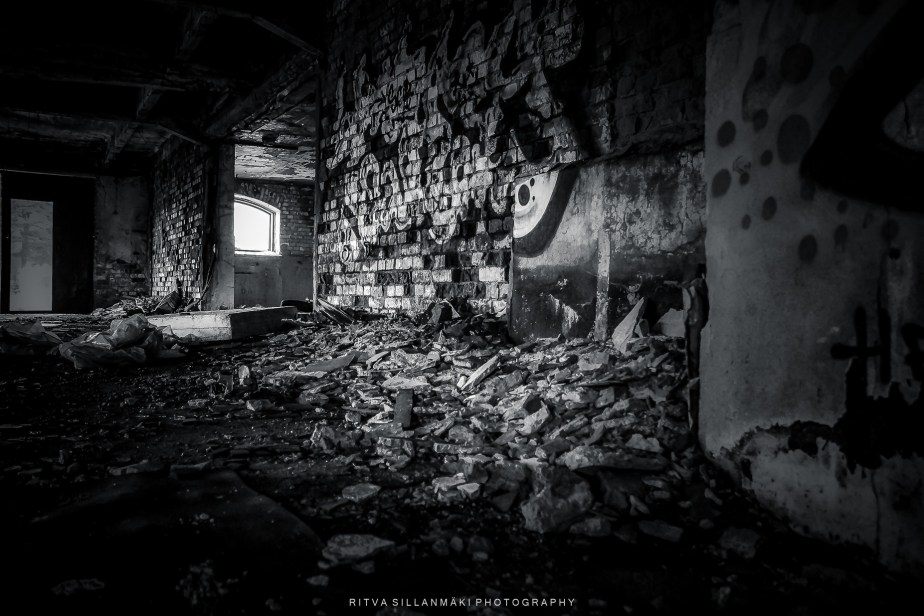
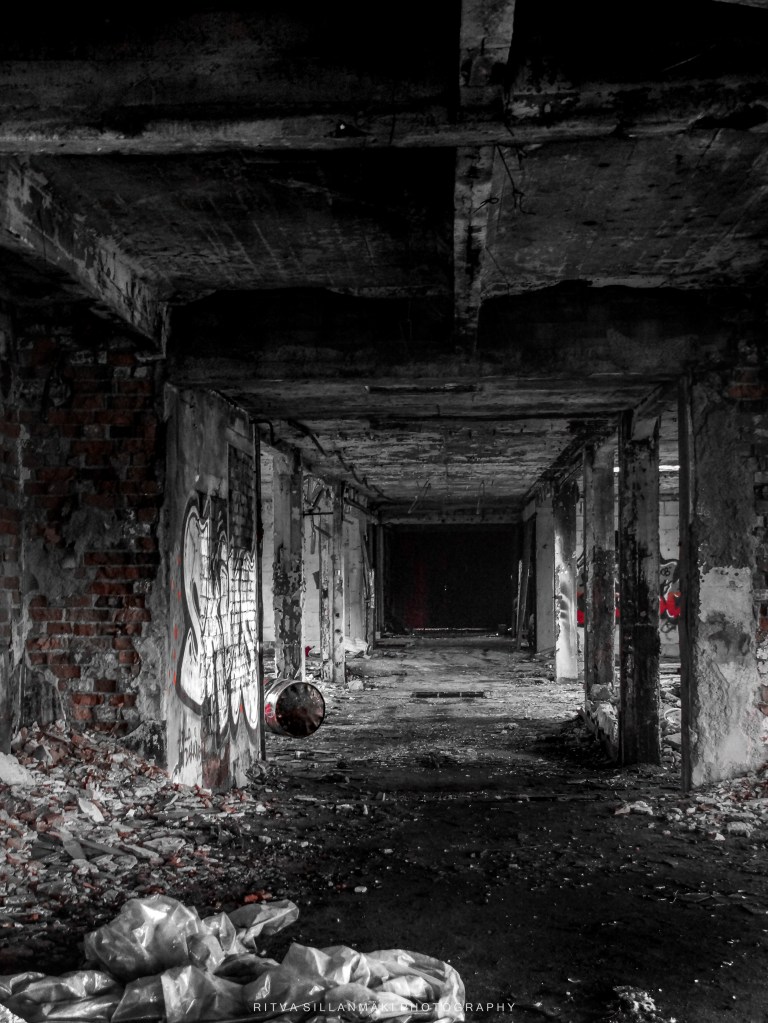
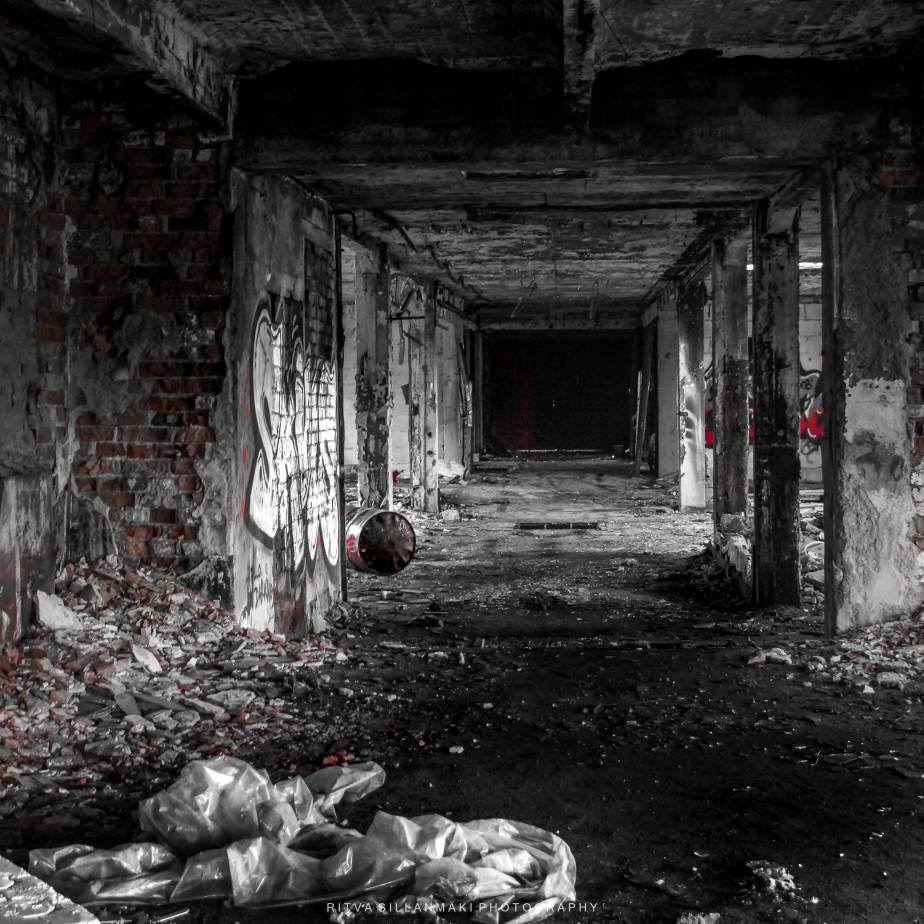
This is one of my favorite challenges as I love black and white photography; it captures the essence of the topic in many cases, allowing viewers to focus on shape, texture, and emotion without the distraction of color. The interplay of light and shadow transforms ordinary scenes into dramatic compositions that tell a story. I am still returning to the burned down barn for this week’s Monochrome Madness and NovemberShadows, as it evokes images in my mind that nurtures my creative vision. Each revisit to the photos reveals new angles and perspectives as how to edit and capture its haunting presence, inviting me to experiment and refine my technique while deeply connecting with the subject matter.
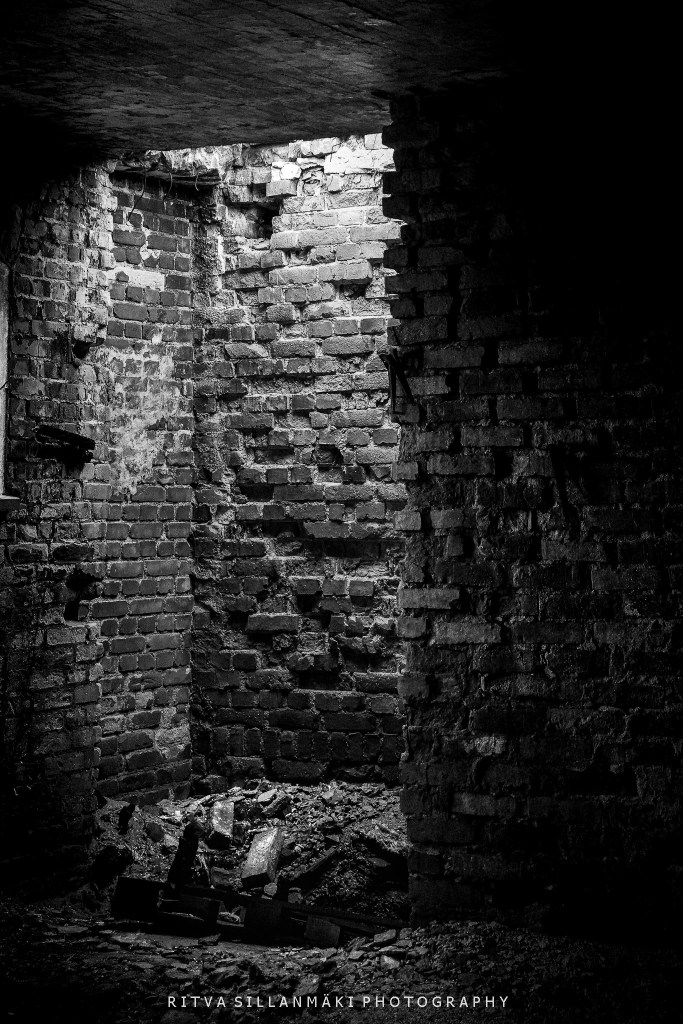
An abandoned interior showcasing a stark contrast between light and shadow, emphasizing the textures of decaying walls and debris.
Here in these two sets of images and different frames, I’m checking out how the crop’s aspect ratio changes these images. It’s pretty interesting to think about whether cropping a photo to a square actually adds something to the mood compared to keeping it in its original rectangular shape weather it is landscape or portrait. This change can really shift the focus, often guiding the viewer’s eye to specific details more easily. But you’ve also got to wonder if this tighter framing means losing some important context or details, which could totally alter the story the photo tells. Cropping can either amp up the emotional punch or totally take it down a notch, so it’s definitely a key choice in the editing process that we need to think about.
I have to admit these are more black and white photographs than monochrome, but the rules are not too tight in these challenges.
An abandoned room filled with debris, showcasing the contrasts of light and shadow in black and white photography.
An abandoned corridor with stark black and white contrasts, showcasing the interplay of light and shadow in decay.
A haunting black and white photograph of an abandoned interior space, showcasing dramatic contrasts and urban decay.
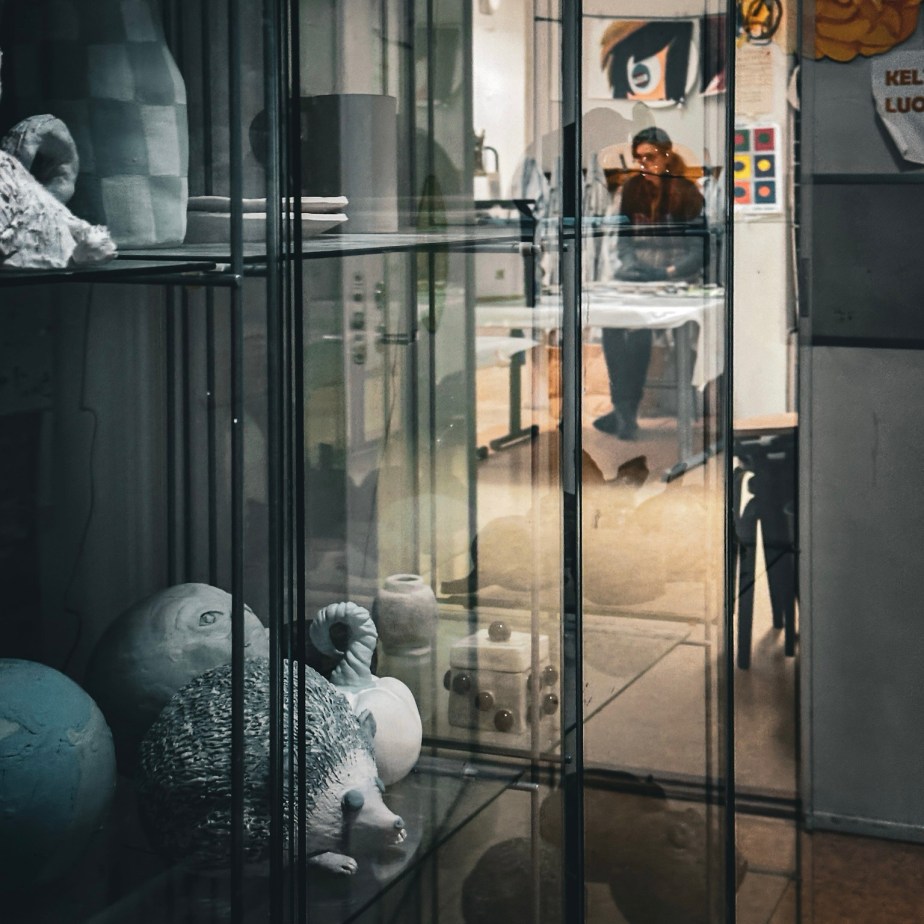
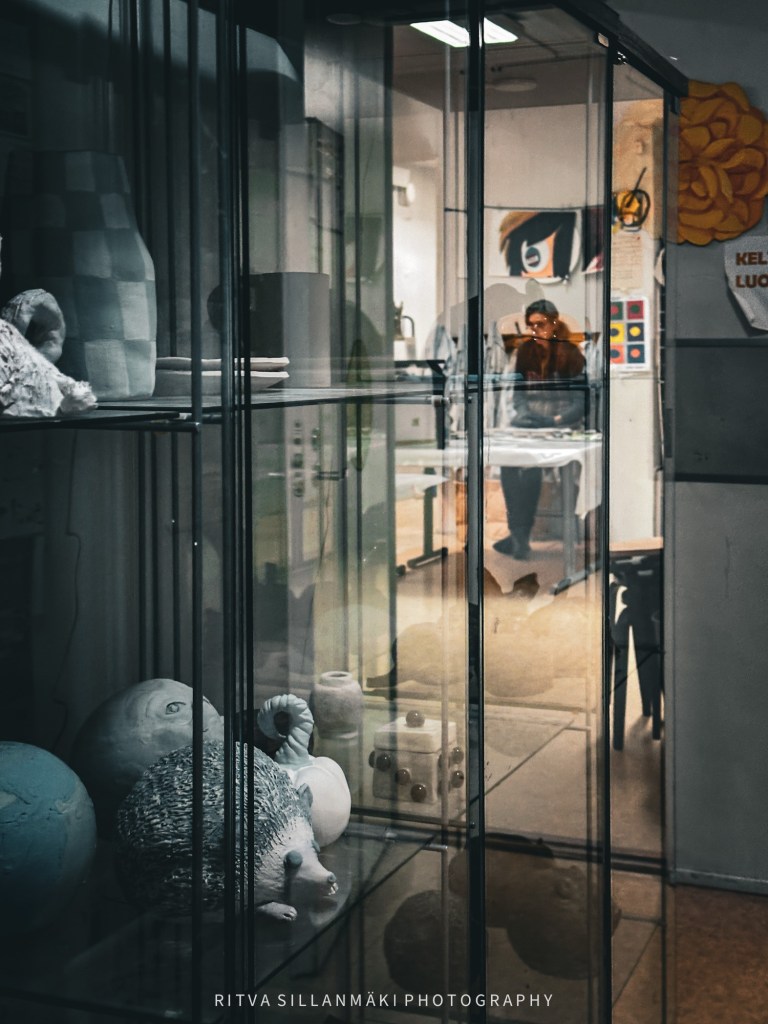
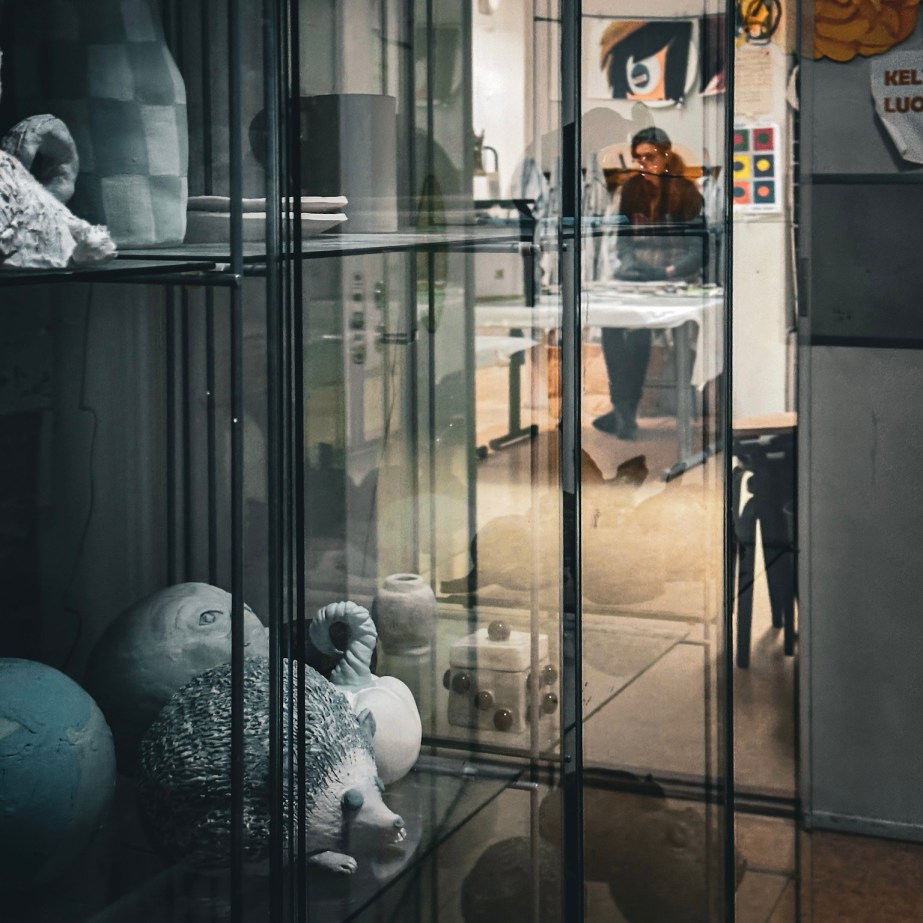
I don’t necessarily need to explain this shot, but I will. What stands out is that glass display cabinet filled with an array of artistic ceramic pieces and sculptures, complemented by a person seated at a table in the background. To begin the story, I had been cutting my paper – it’s large, high-quality paper that we have to cut ourselves to fit the size we need for our graphic prints. As I made my way back to my chair, I caught sight of the lady visible through the glass, along with the subtle reflections and shadows. Now you understand why I captured the shot; it has an artistic feel, indeed, and it includes those intriguing shadows.
A glimpse of an art studio showcasing various handmade ceramic pieces and sculptures
Artistic reflections in a glass display showcasing pottery and sculpture, with an artist visible in the background. Doesn’t that hedgehog look kind of sadP
Someone made the request to see what I created this weekend. You should be careful what you wish for 😂
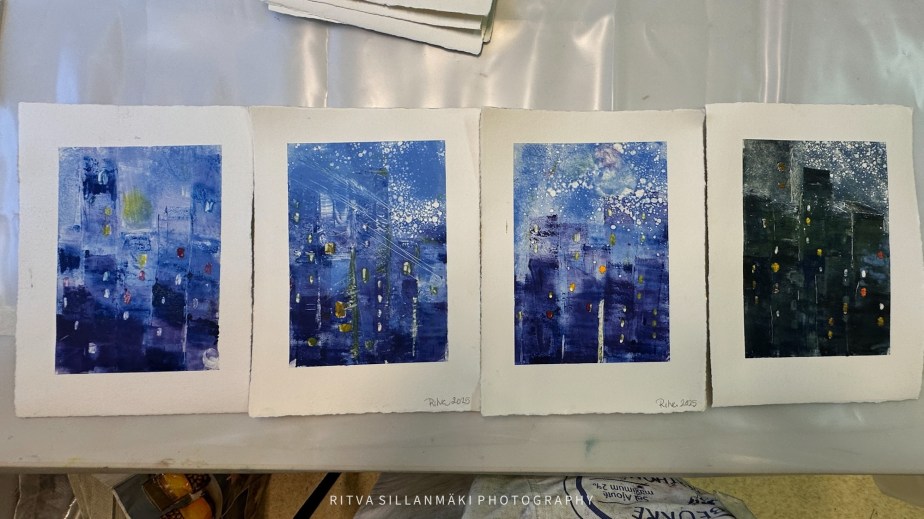
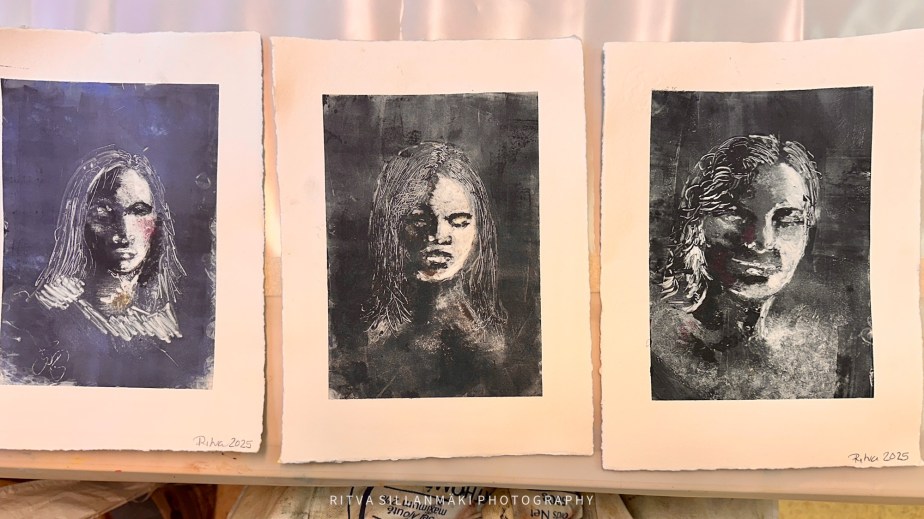
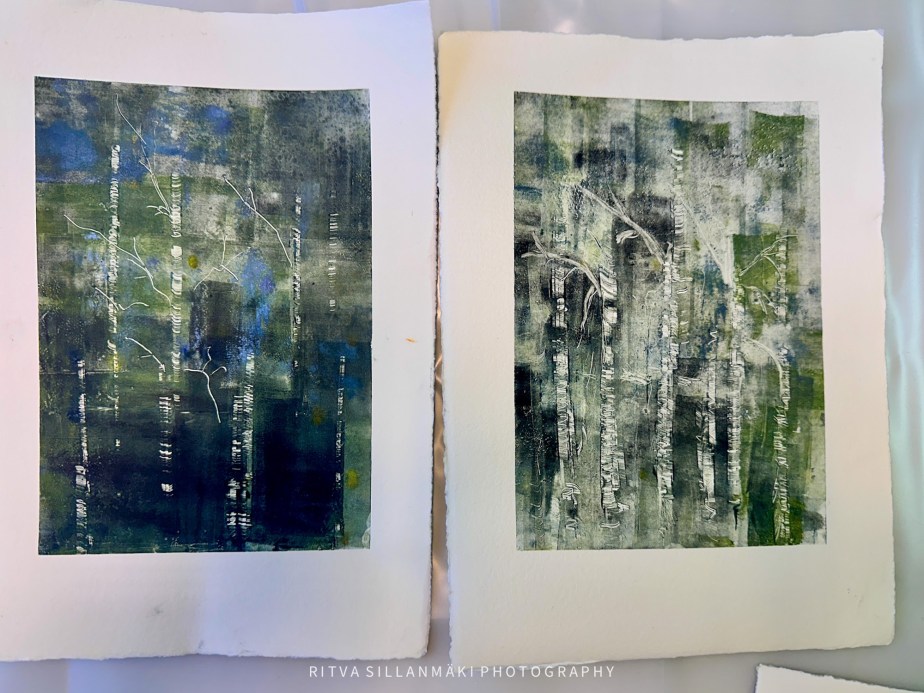
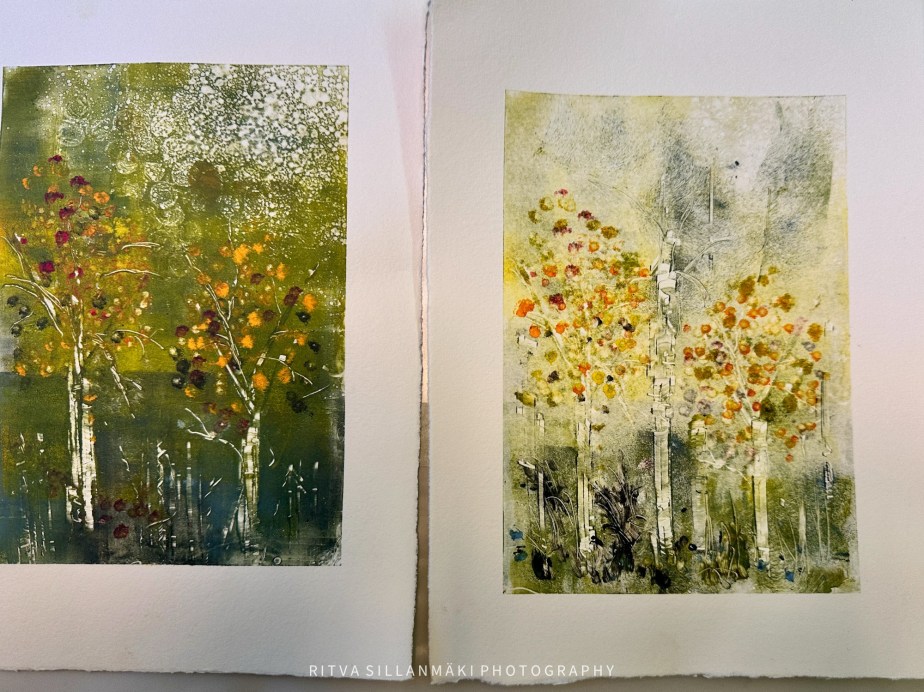
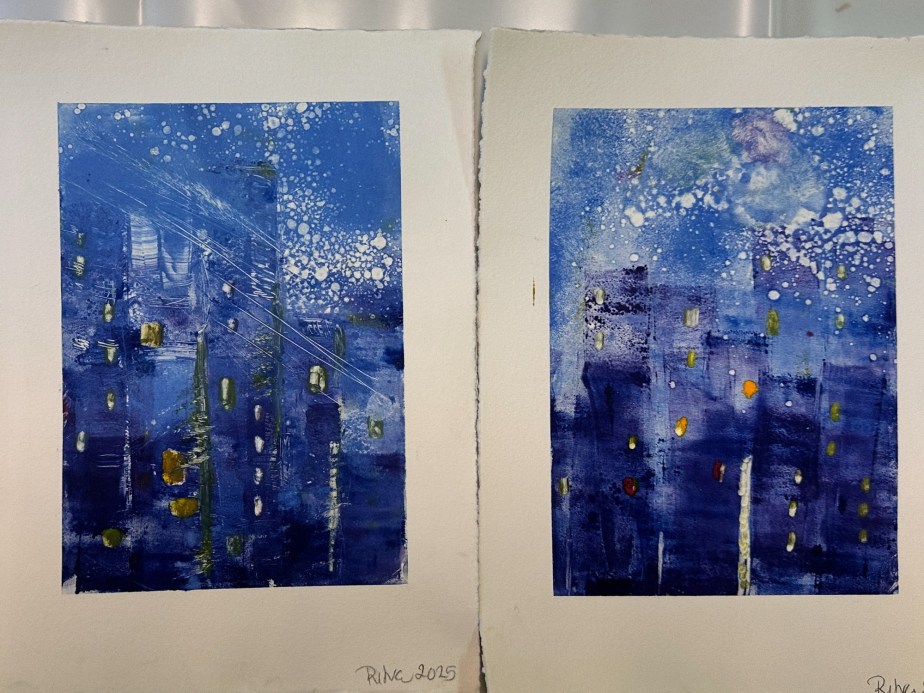
A quick introduction to Monotype as a printmaking technique.Result: The resulting print is a “one-off” or “mono” type, as it is the only one of its kind that can be produced from that specific matrix. Process: Monotype is a form of printmaking where an artist creates a unique image on a non-absorbent surface, like glass or metal. We used metal. Image transfer: The image is then transferred to paper by pressing the two surfaces together, either by hand or using a printing press. We used a press.
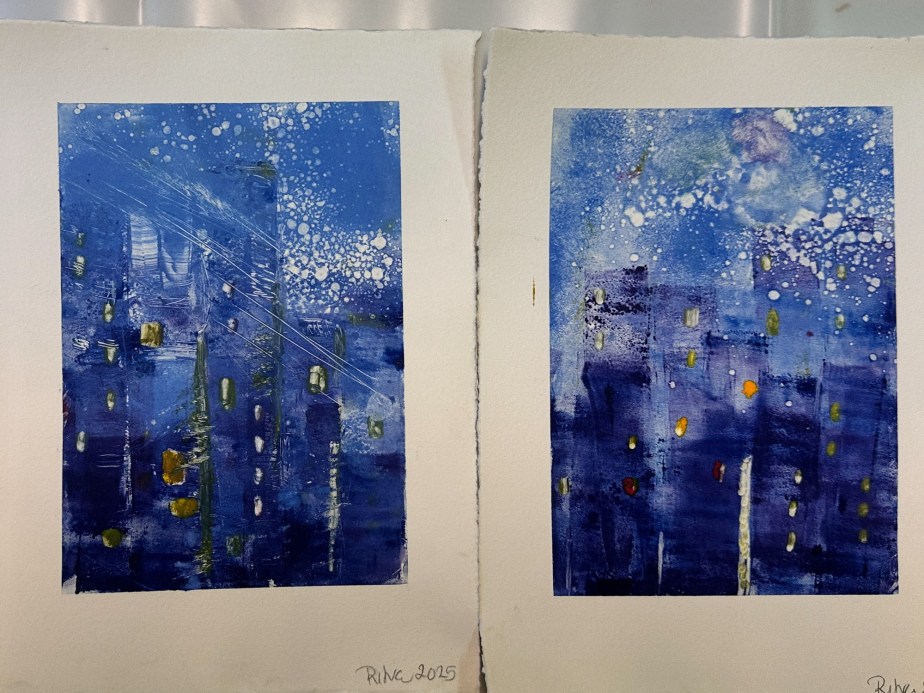
A series of monotype prints with vibrant blues and abstract cityscapes. These came out rather nice, I am rather happy with these.Three monotype prints g expressive portraits, highlighting the artist’s technique and creativity. These not so much, these were so hard to do, but it was good practise.monotype prints created using metal as a surface, showcasing intricate textures and layers these were inspired by birch tree trunk.Vibrant trees in autumn hues same plate, two prints.
As a last note, these were the ones I most liked.
Two monotype prints featuring abstract cityscapes in shades of blue, highlighting the unique texture and color application technique.
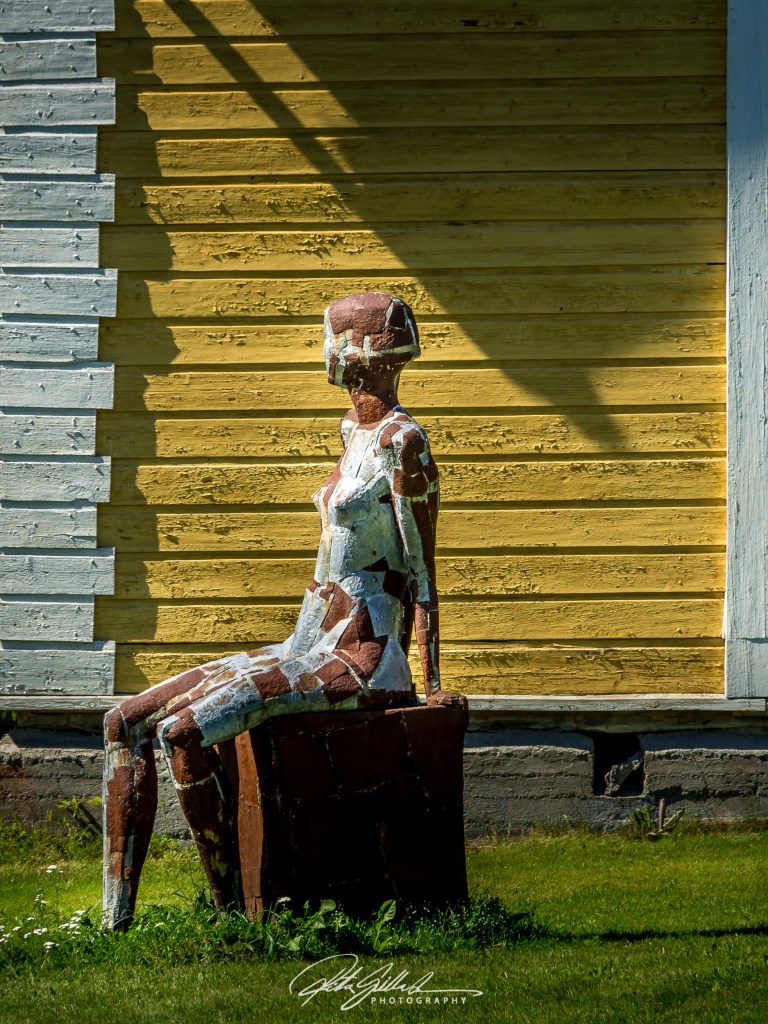
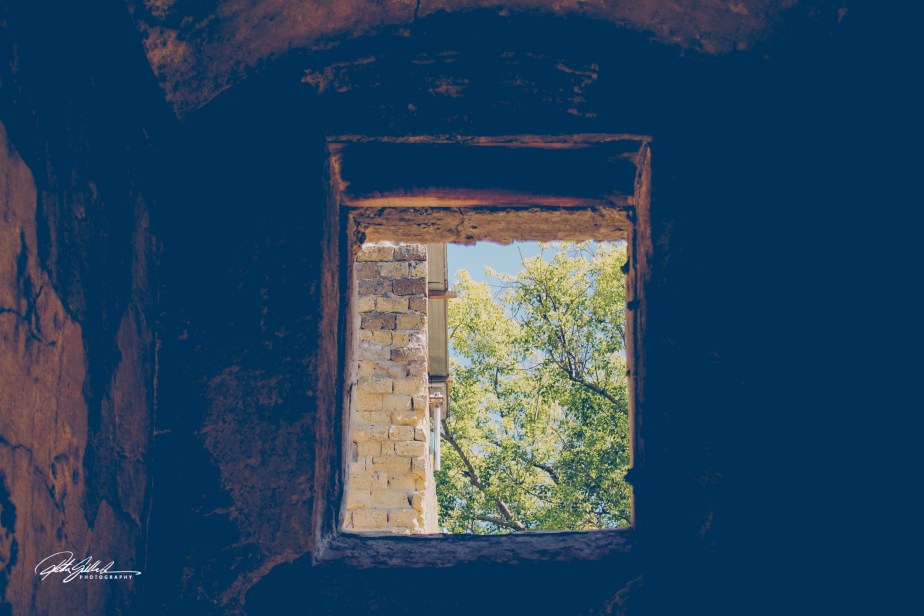
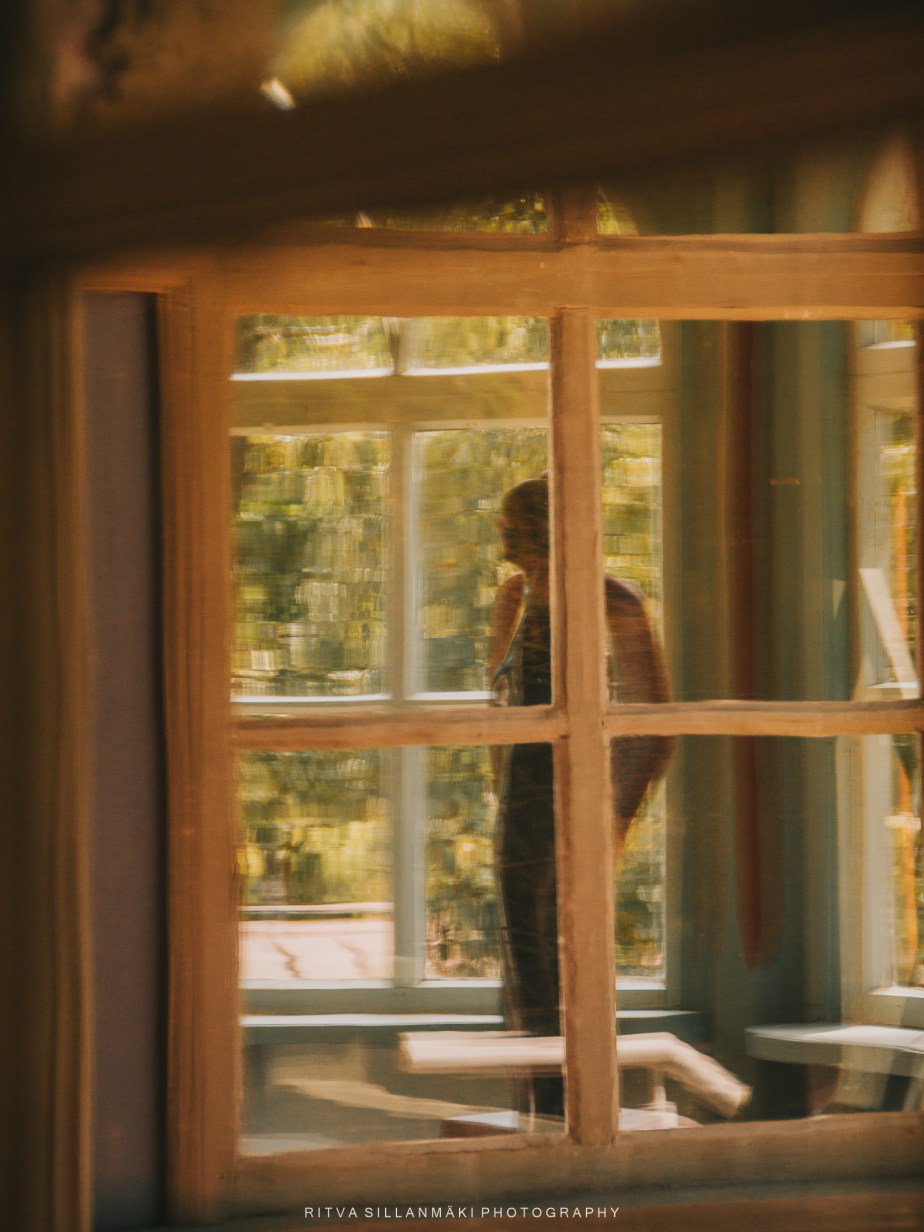
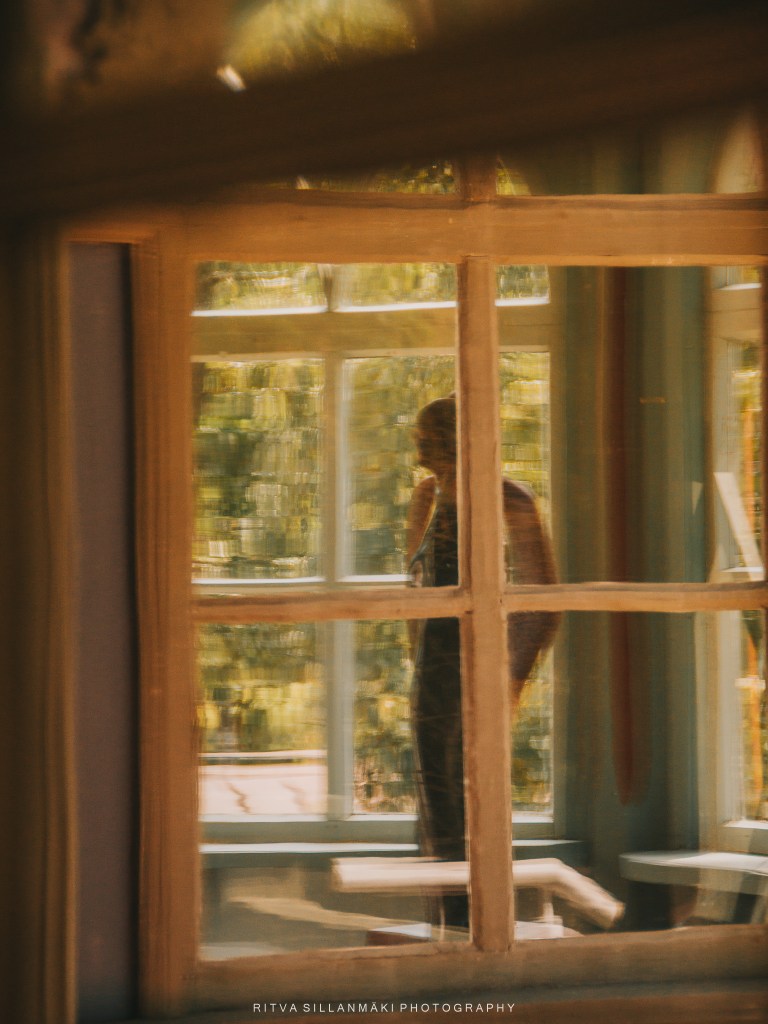
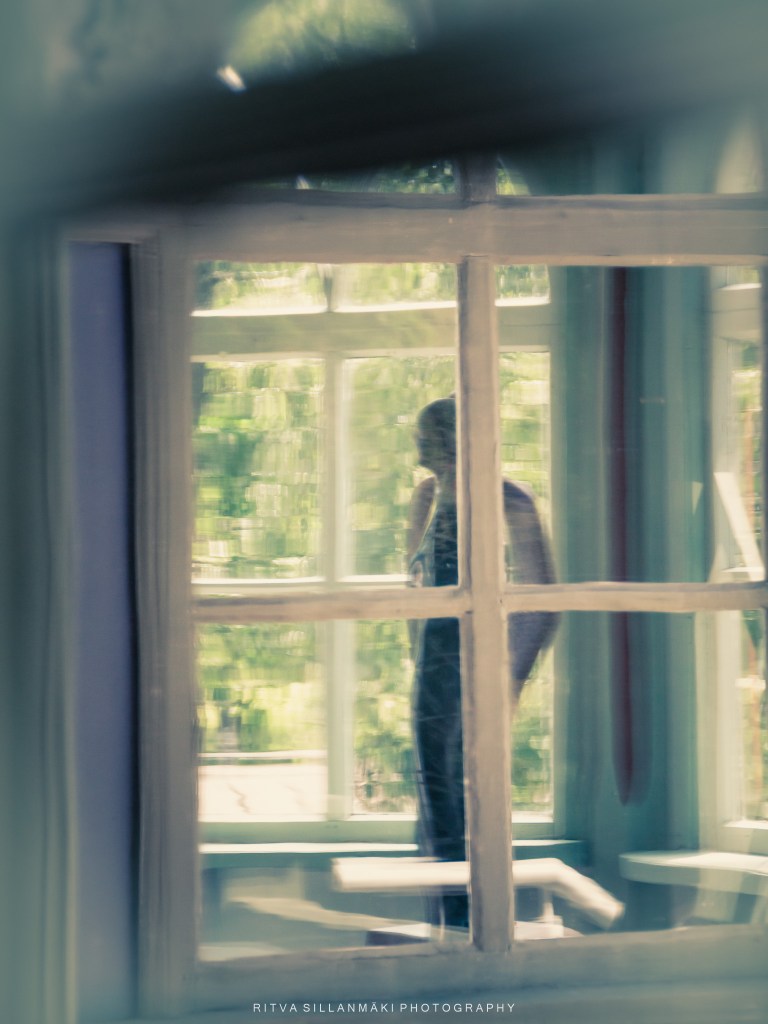
This week has been all about dreamy, autumn vibes, exploring the beauty of windows and ceramics that encapsulate the season’s essence. I feel that I was able to capture the most significant elements into this image taken through these old windows, where the soft, golden light filters in, casting gentle shadows. To enhance the mood, I did a bit of color editing, as the original photo was taken during summer, making it feel quite different with the cooler tones. I will include the original image as well for those who prefer the vibrant brighter and more cooler summer aesthetic; however, please note that the figure in the picture is a statue, not a man with little imagination you could make it the ceramic in this post. A statue adds intrigue, creating a whimsical conversation piece about the intersection of art and nature in our everyday lives.
A dreamy autumn scene captured through a window, showcasing soft golden light and a statue basking in light from all directions .
A whimsical sight of a statue seen through a window, capturing the essence of cooler toners and light od summer.
First time I saw this, my first thought was I have nothing to share on this topic.
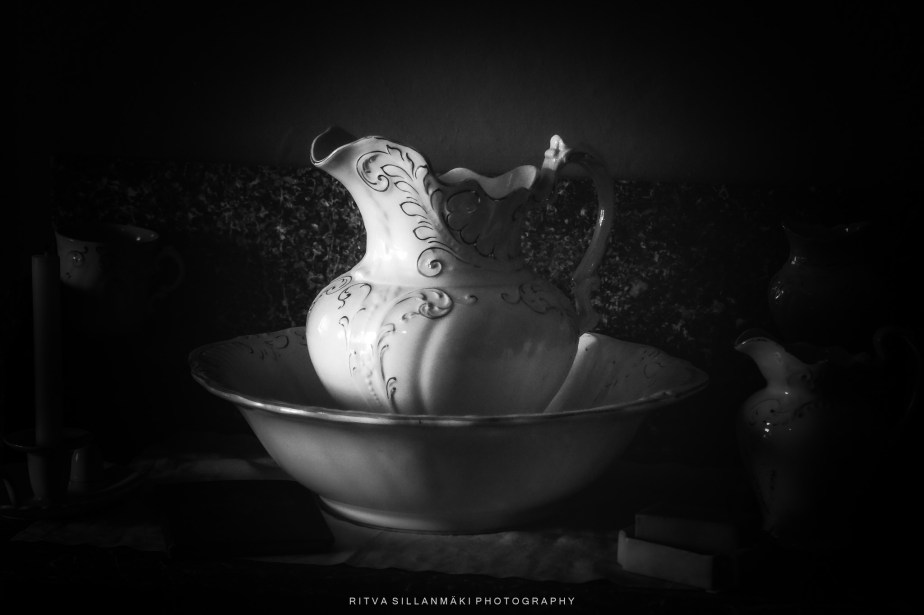
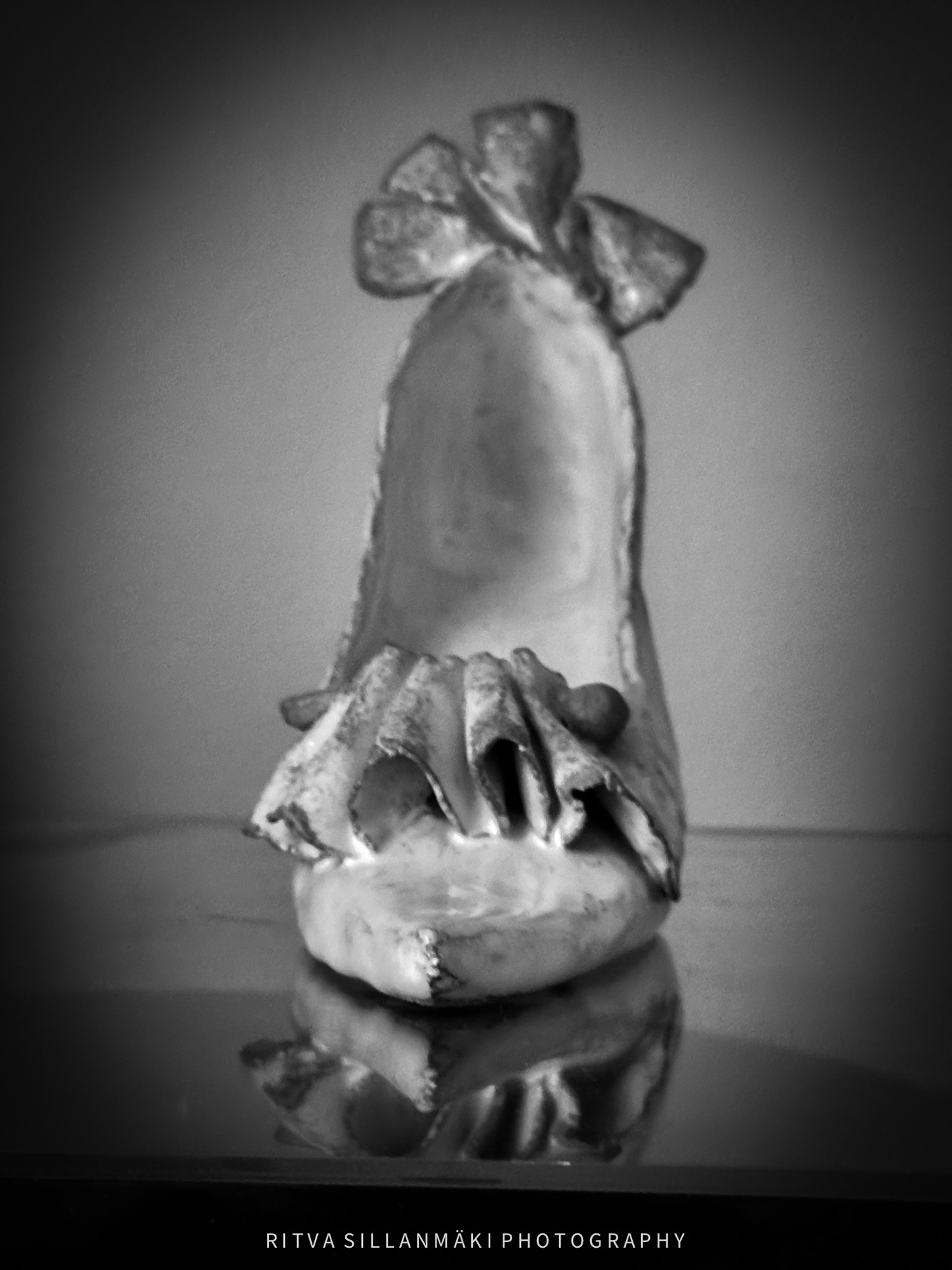
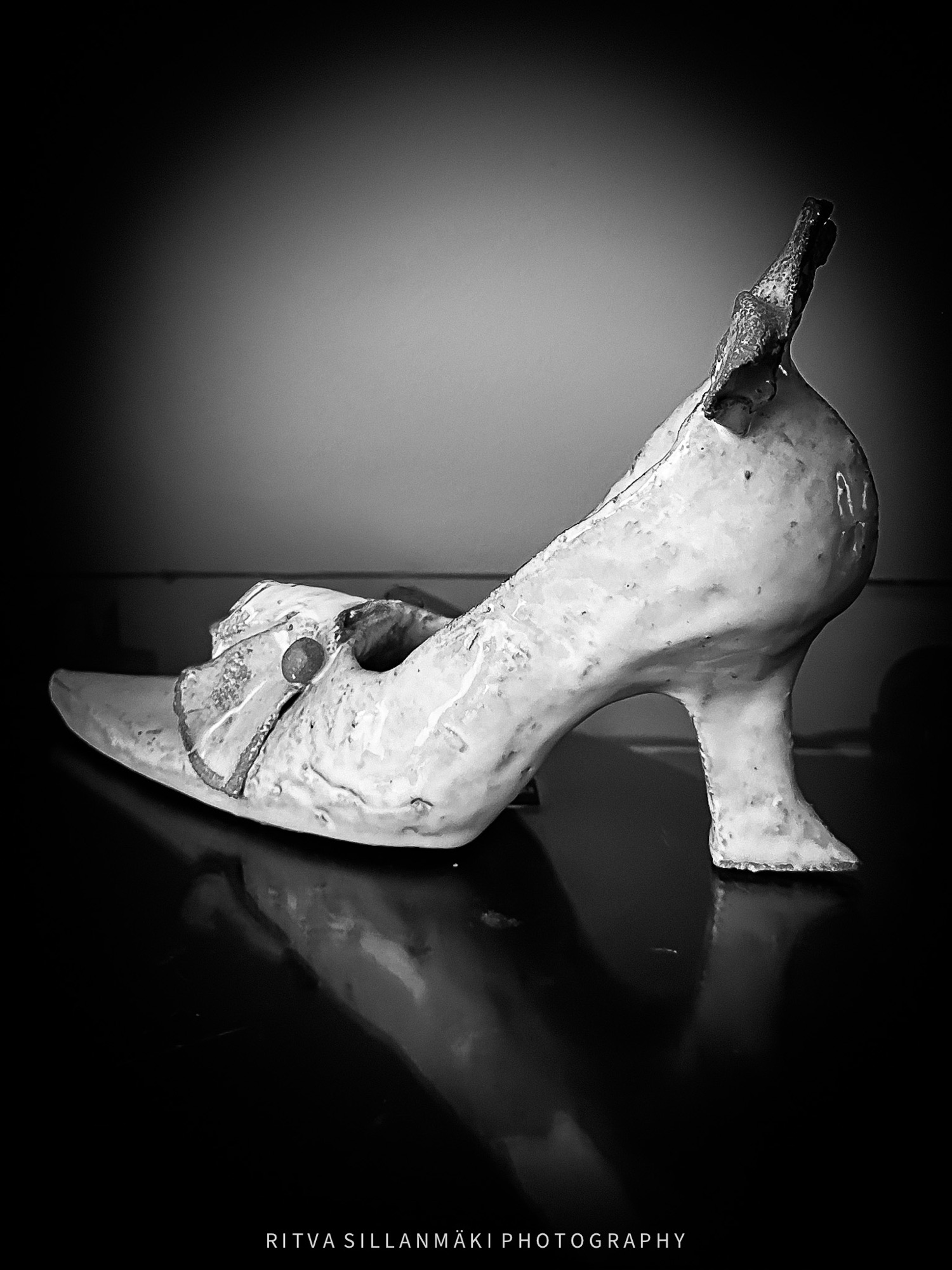
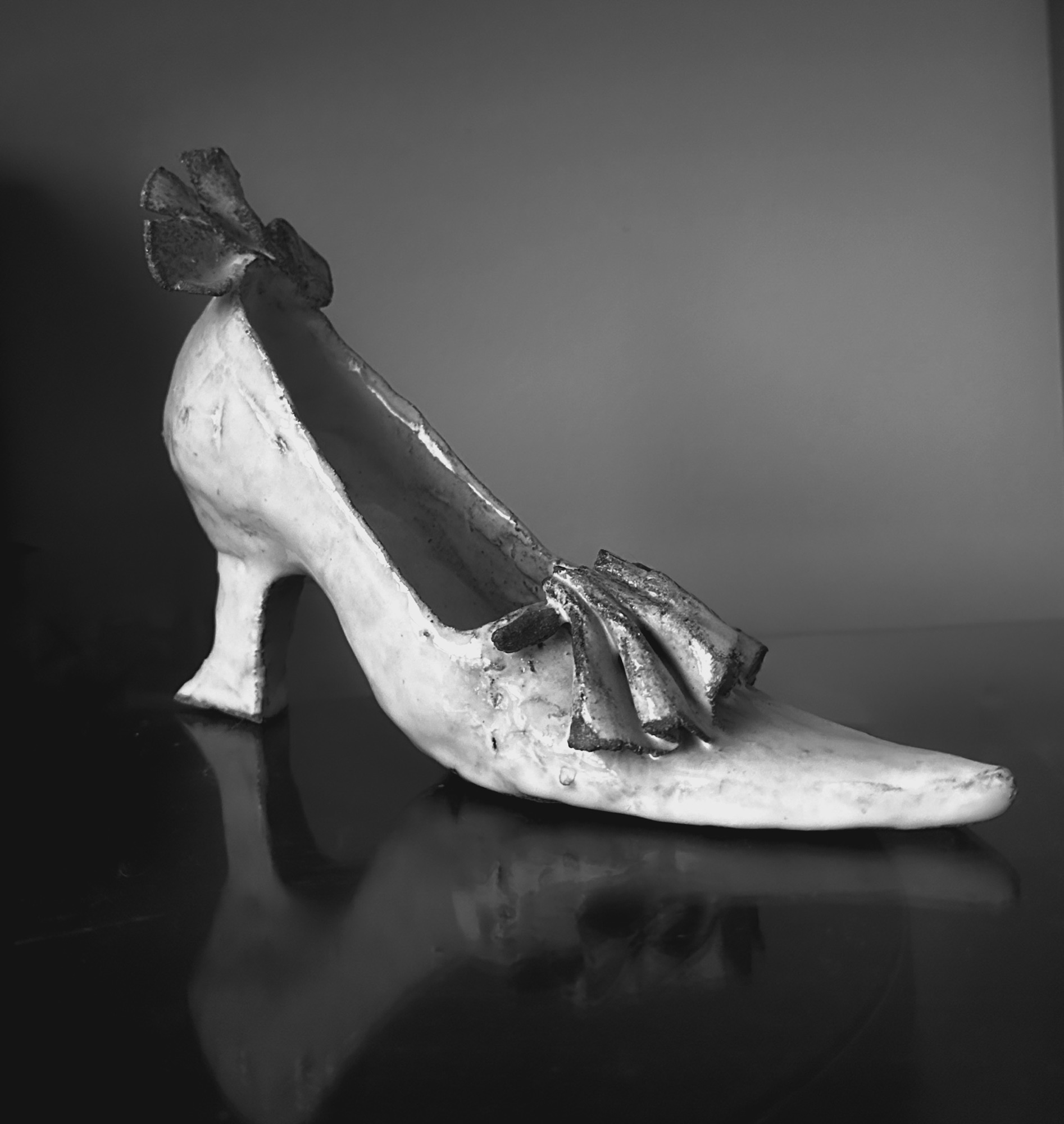
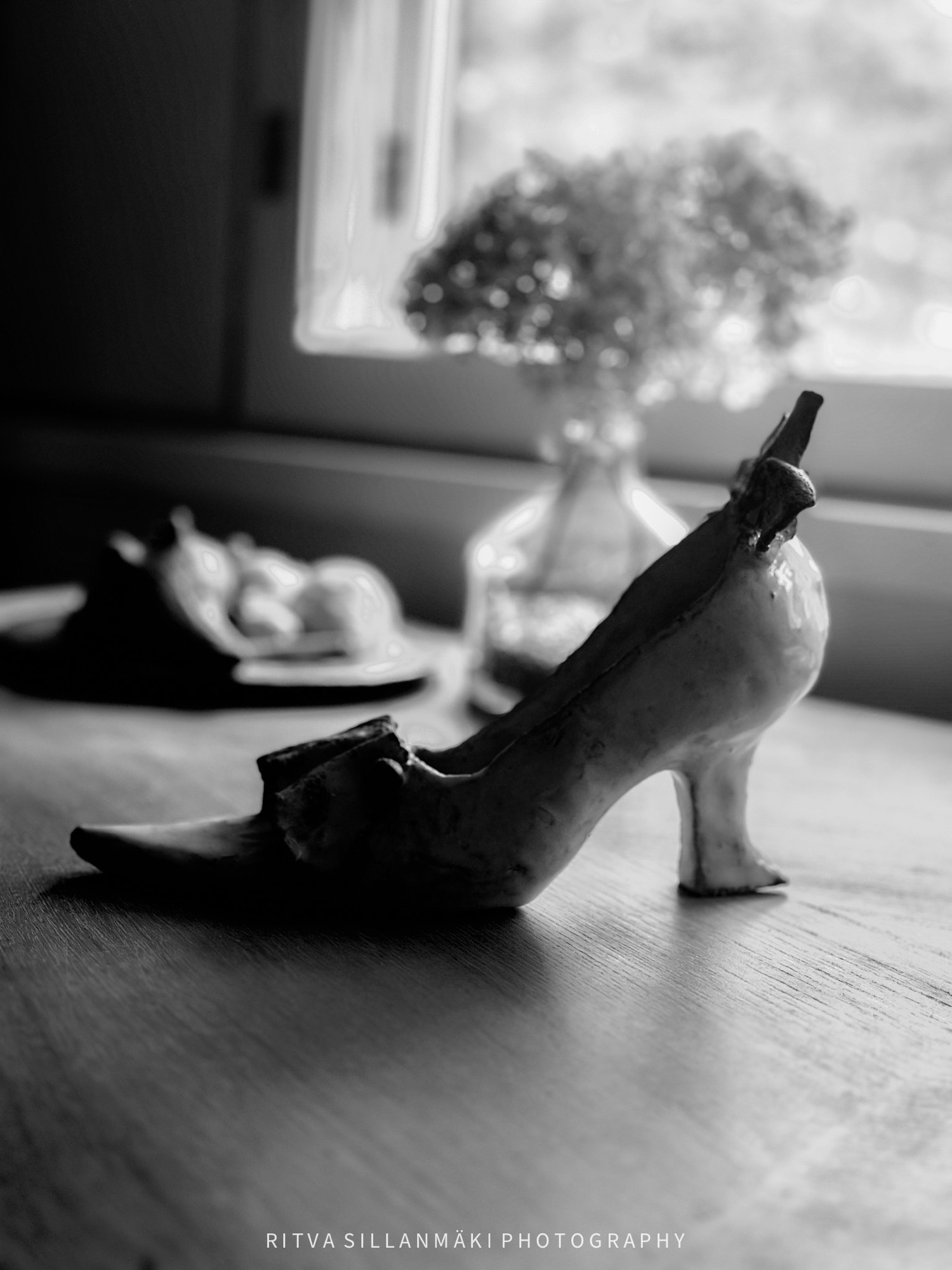
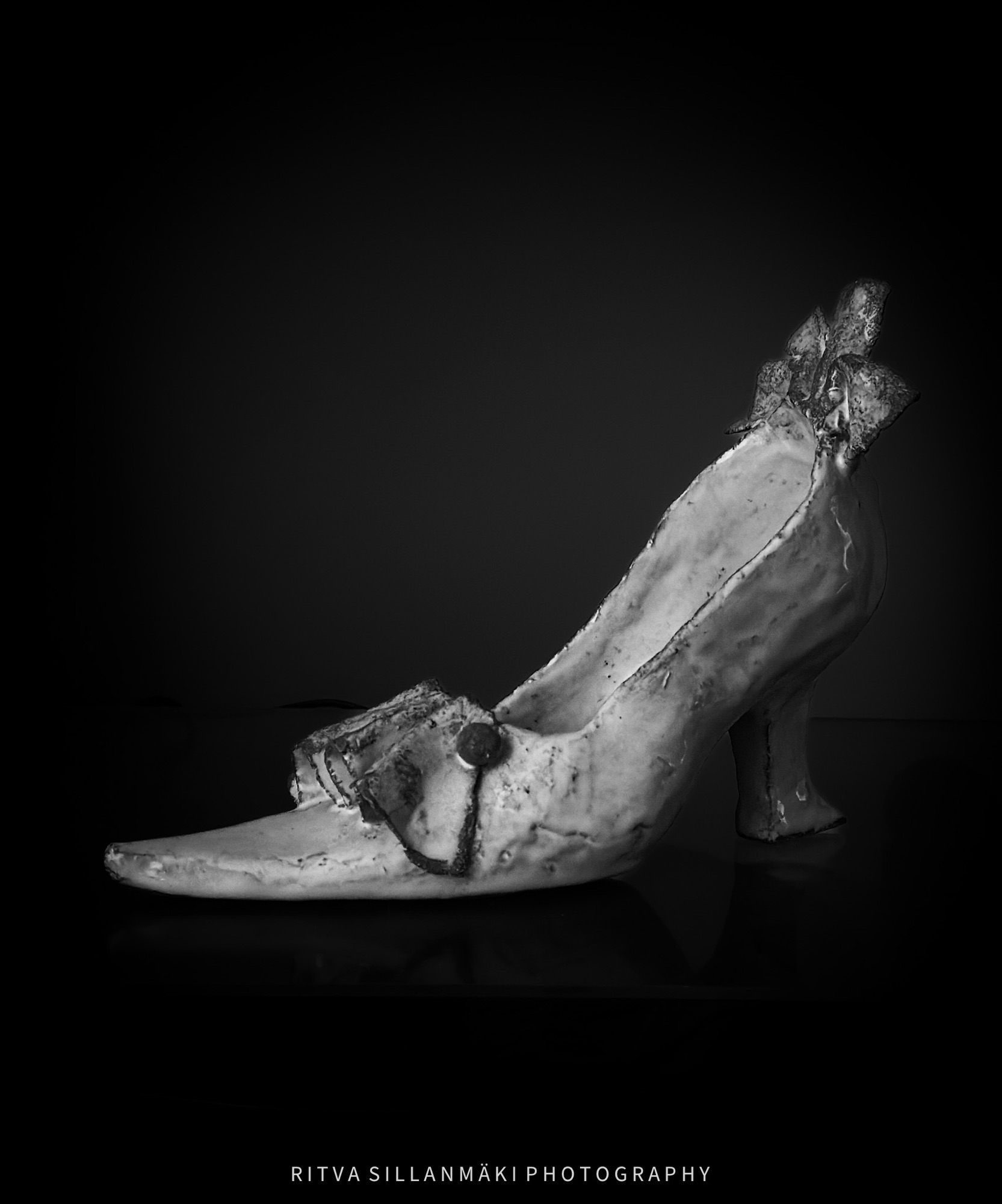
I did try to find a neutral spot to take a shoe shot, considering various backgrounds and environments that might complement the shapes and textures of the shoe. I could have used more time on creativity, as I could have explored different lighting or settings to really make the shoes pop visually. However, with the next two images, I just got lazy and took the shots in the cupboard where I keep jugs and bowls, simply because it was the most convenient option. The ease of just snapping photos in the cupboard won out over my original intentions.
So first thing this morning I took these images, the ceramic shoe by artist Kipa Kirsi (2013) is a gift from a dear friend.
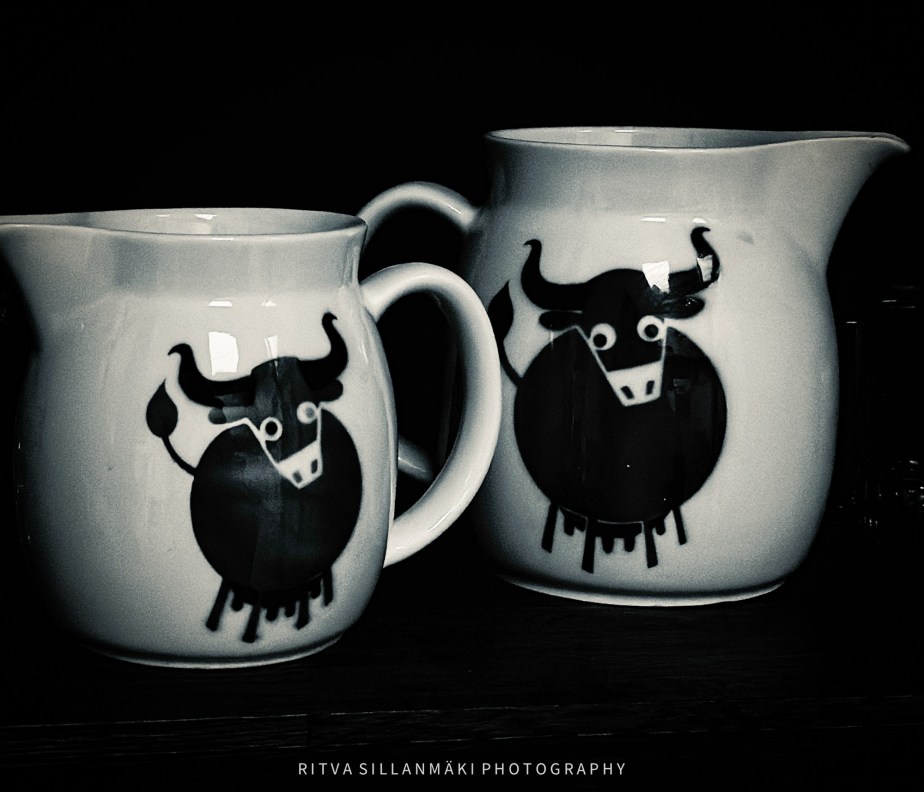
And these Heluna Cow jugs, the bigger one was my grandmother’s, and during our trip, we found the smaller cow jug in Canberra. We thought it was funny that someone had taken the trouble to bring it all this way, and now we are returning it back to Finland. They are Vintage Arabia, a milk pitcher pottery by Kaj Frank from 1950.
Vintage Arabia Heluna Cow jugs, one a cherished heirloom and the other a recent find in Canberra.
The bowl with the sea decoration is also Arabia; my husband rescued it from his father’s barn. I think it is really pretty; the colors are white and blue. It’s called Sampo. Based on the seal at the bottom of the bowl, the manufacturing date is from 1928-1932.
A beautifully crafted bowl featuring intricate blue and white designs, showcasing vintage Arabia craftsmanship.
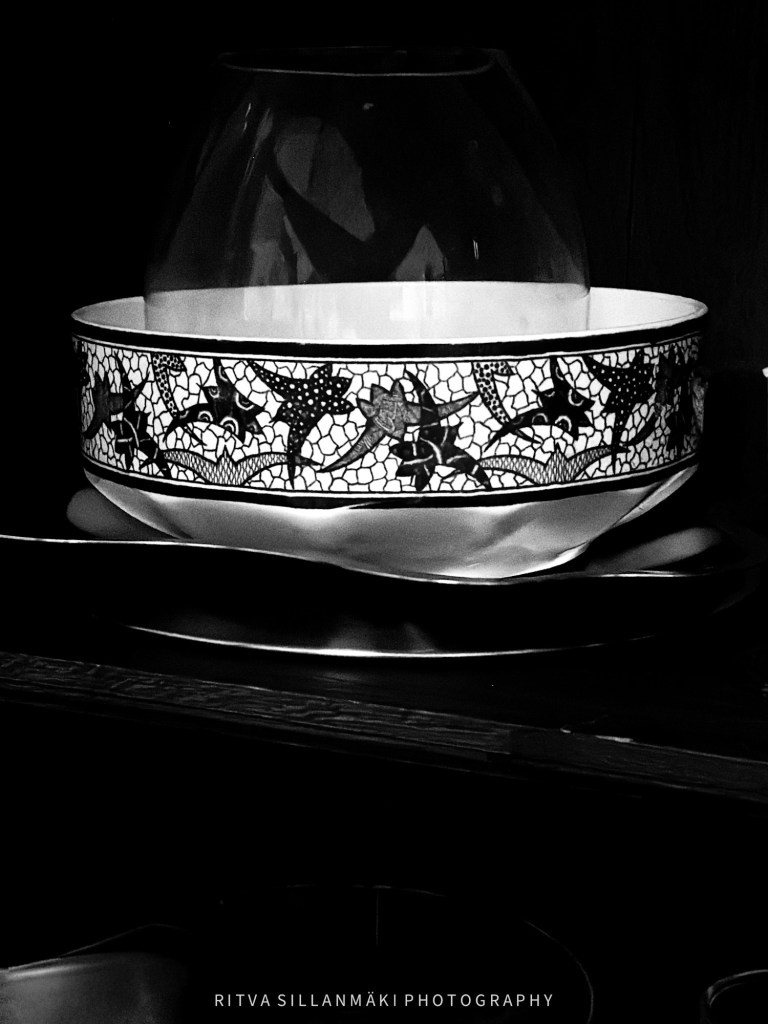
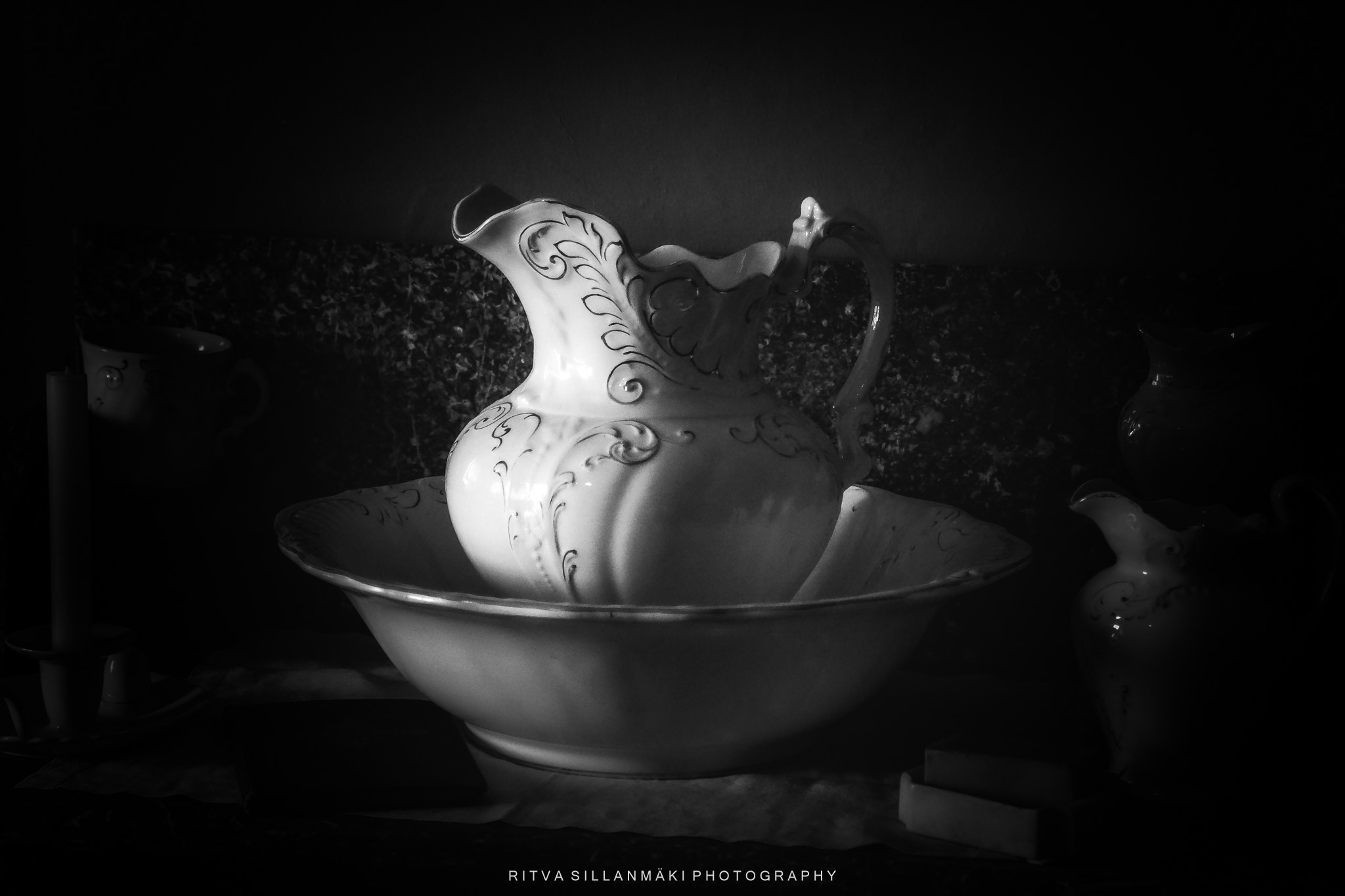
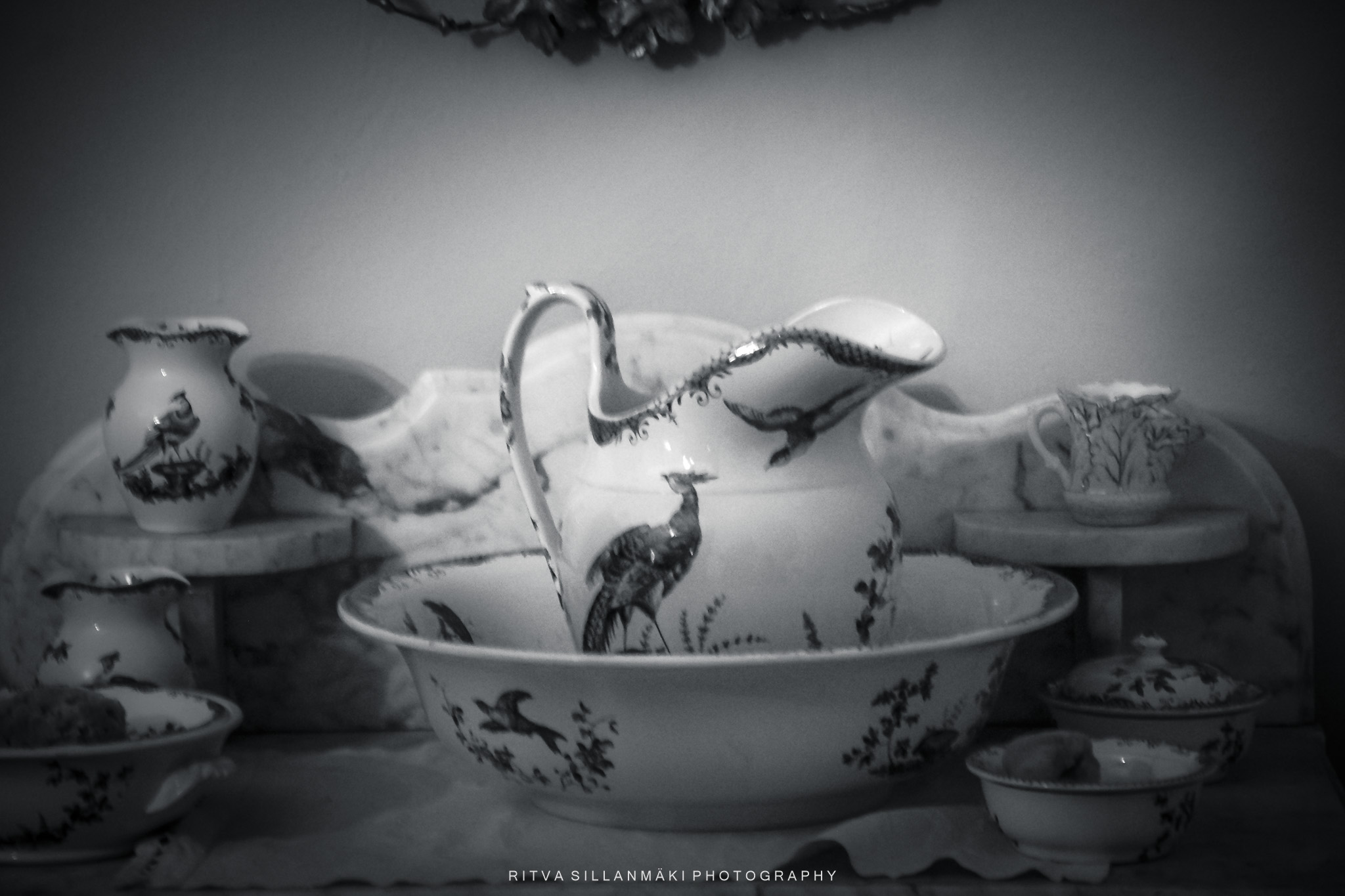
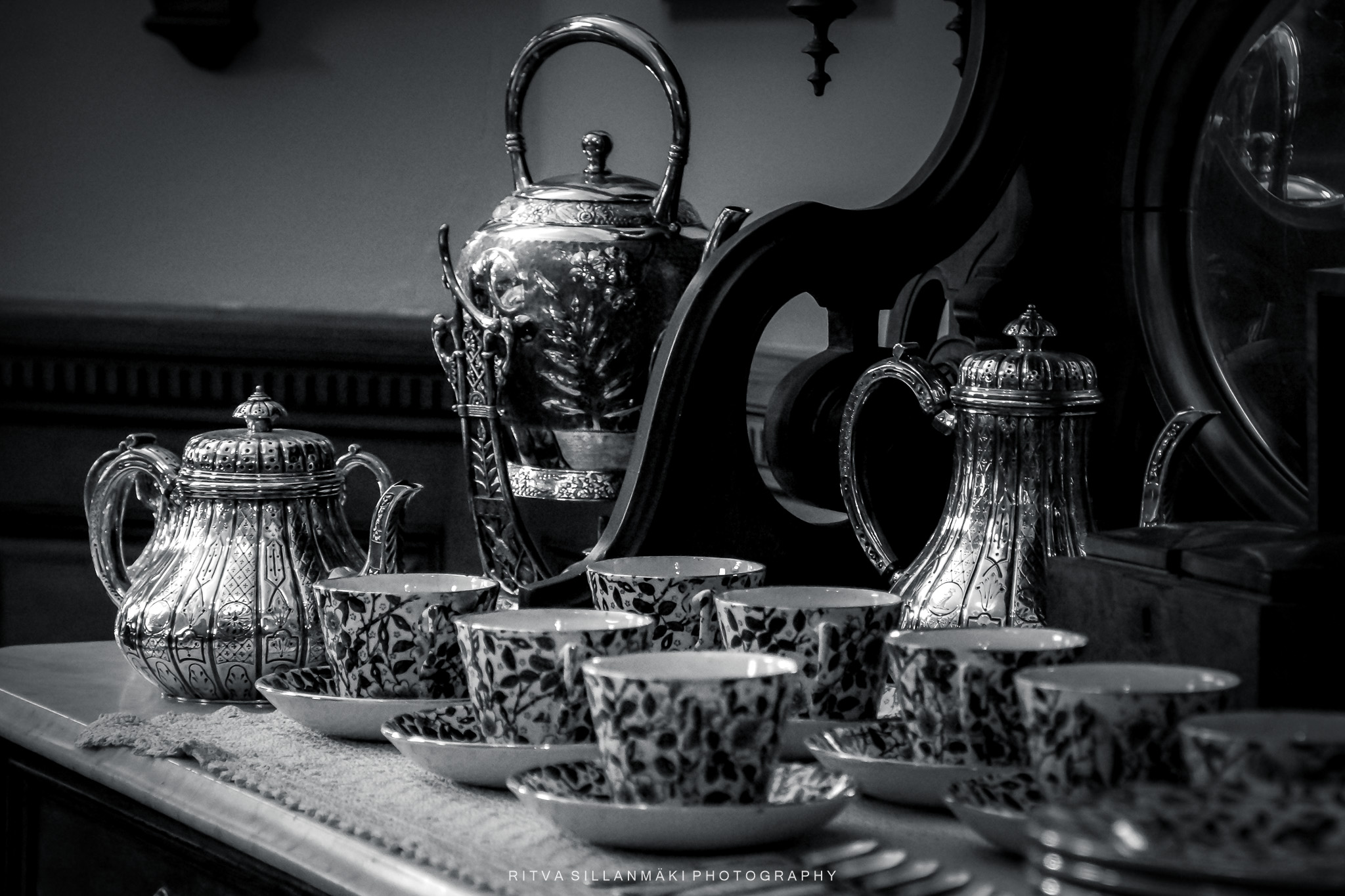
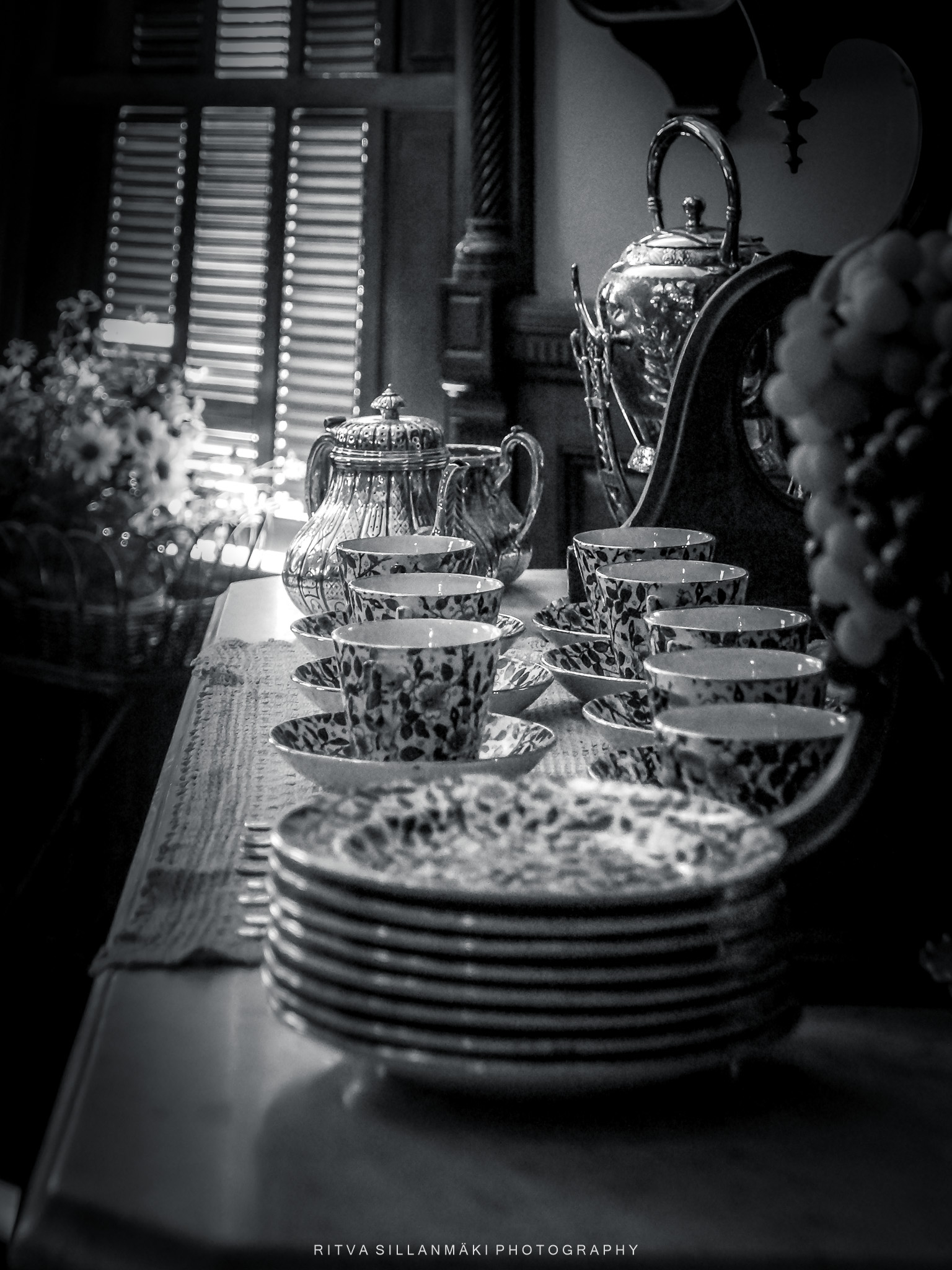
Then I remembered that I had these ceramic shots I took on Vancouver Island from the Craigdarroch Castle Museum, that showcases the grandeur of the Victorian era. It is the quintessential Victoria, BC experience, giving visitors a glimpse of privileged life in the 1890s, complete with exquisite furnishings, beautifully landscaped gardens, and a rich history that reflects the lifestyles of the wealthy elite of that time.
For Leanne and Brian’s Monochrome Madness challenge.
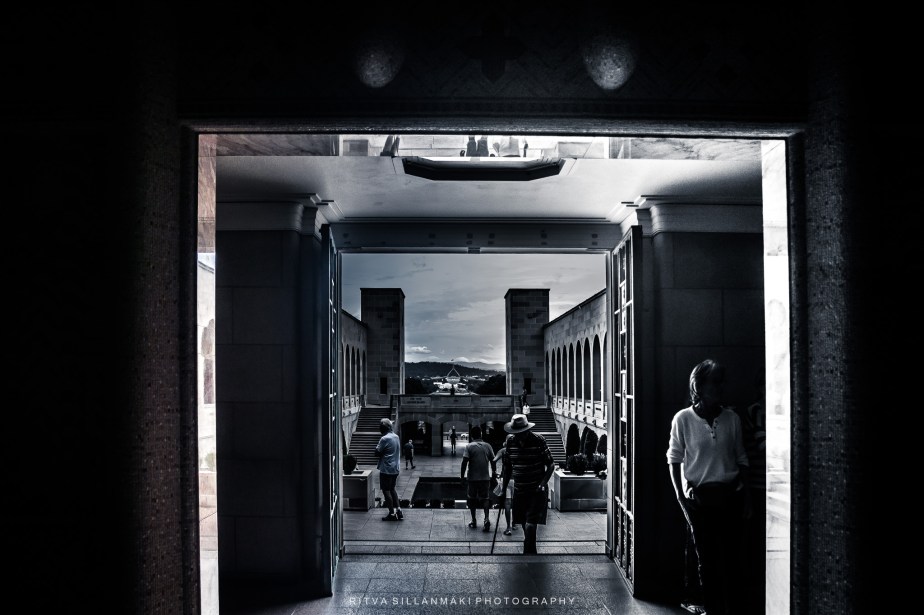
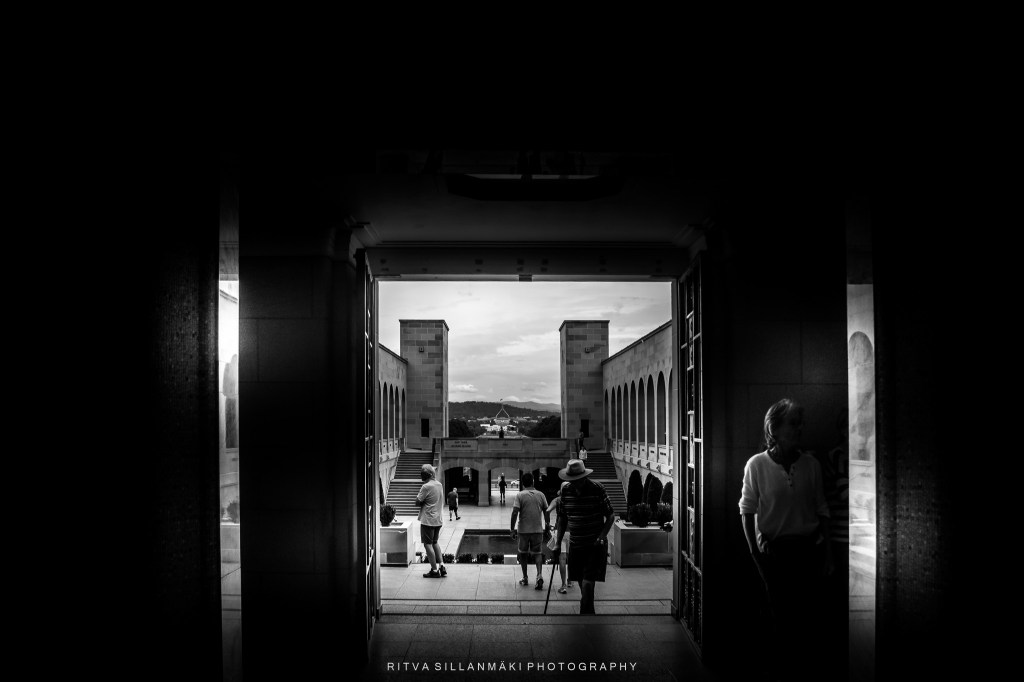
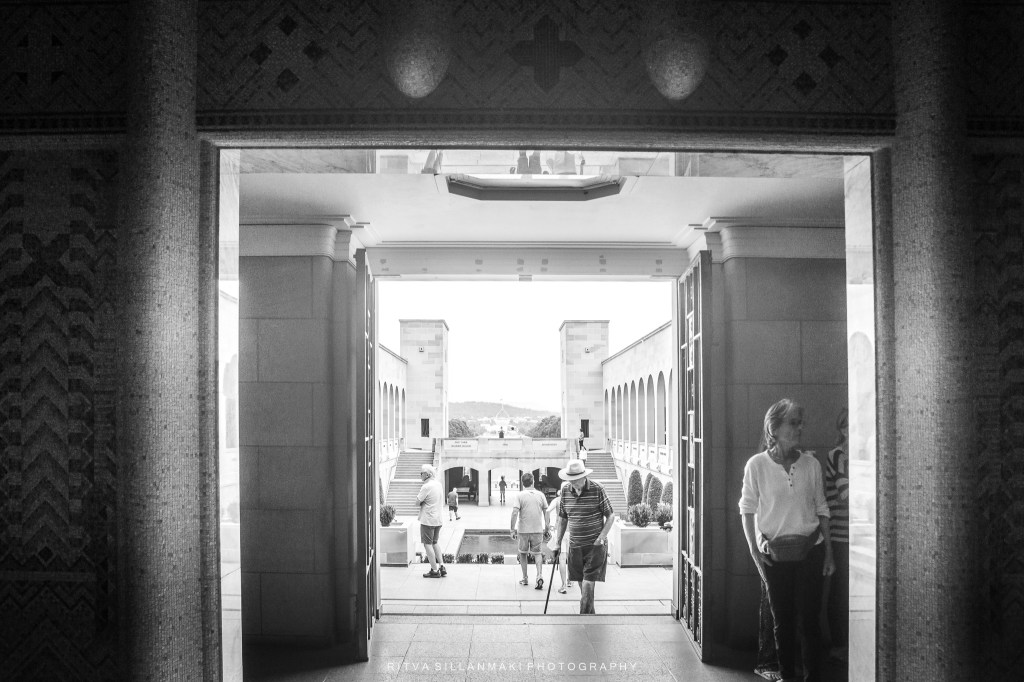
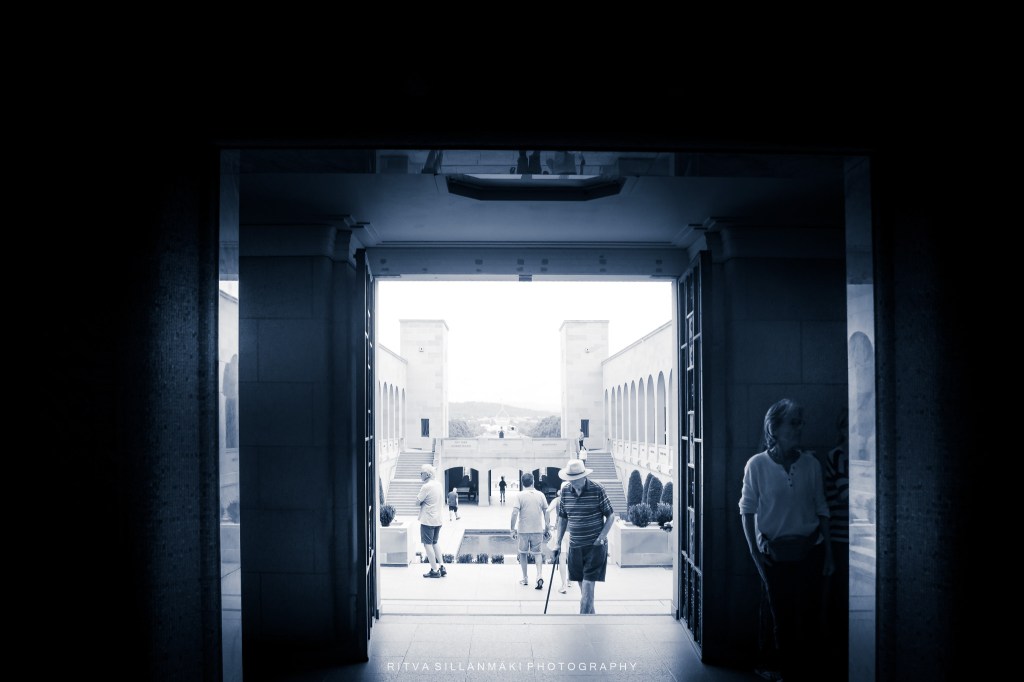
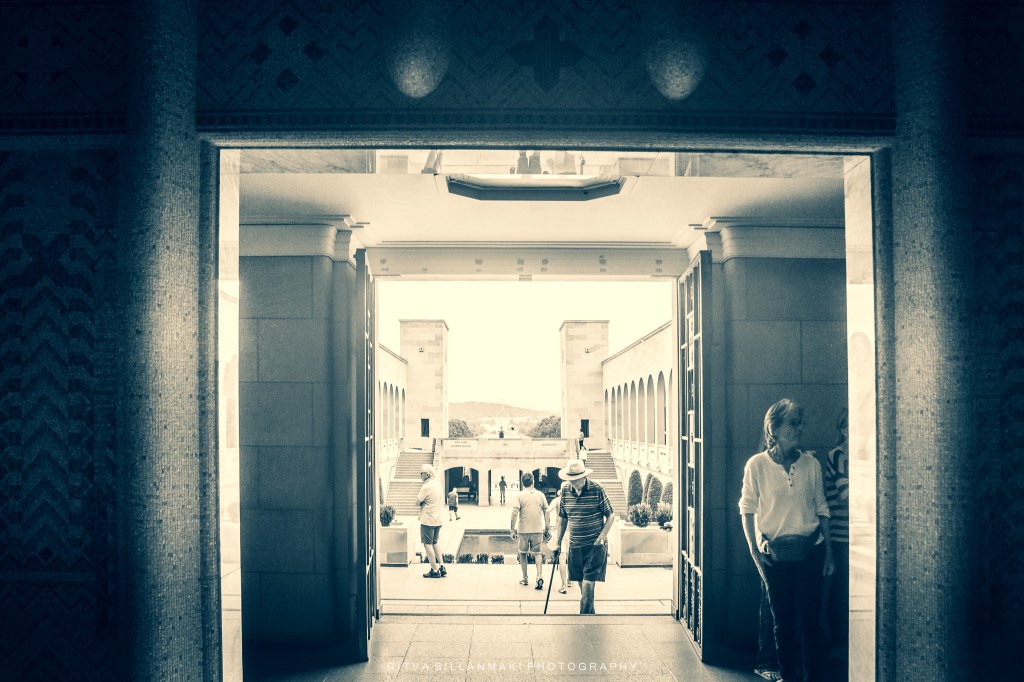
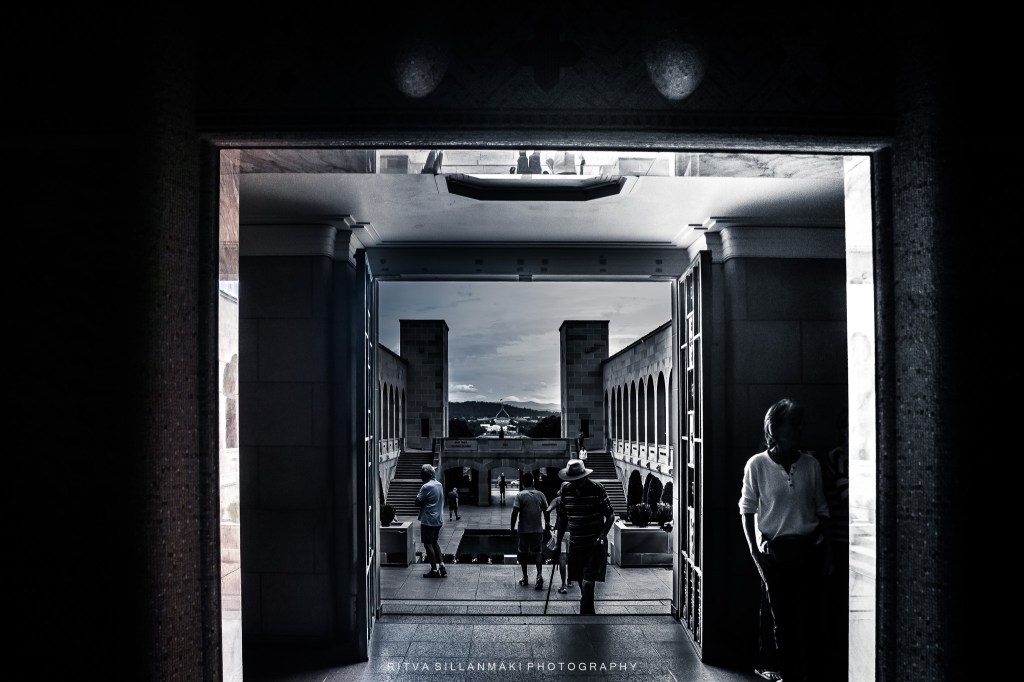
This is a topic free week for Leanne’s Monochrome Madness and I am at the moment experimenting with editing, playing with light and contrast to see how subtle adjustments can dramatically affect the overall impact of an image. As you change the elements, such as brightness, shadows, and highlights, how does it change how you perceive the image? Each adjustment can convey different emotions, stirring distinct feelings or memories within the viewer. Not all the changes are big, yet they can significantly shift the mood of the photo, influencing where your attention is drawn and what stories are told through the visual. The interplay between light and shadow can create depth, drawing you deeper into the scene, while contrast can emphasize particular features, guiding your gaze in a more intentional way. What do you think, was it worth my time to do these edits?
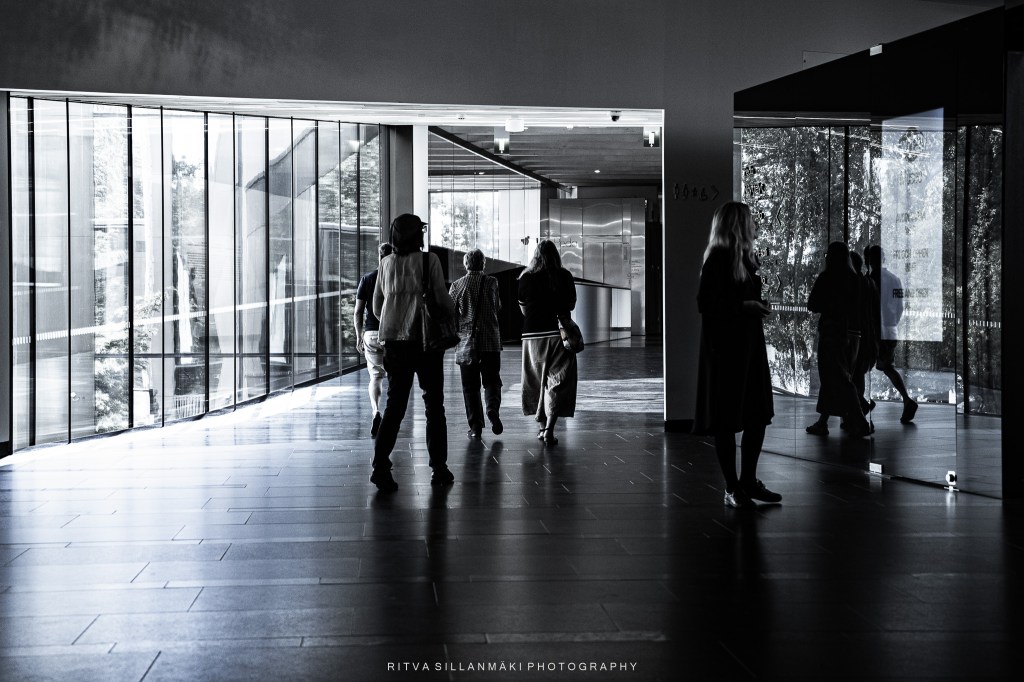
A monochrome photograph capturing the interplay of light and shadow as visitors walk through a stylized architectural space.
A doorway at the War Memorial in Canberra, Australia. This architectural feature not only embodies the solemnity of the site but also symbolizes the passage between the past and present, wherein the sacrifices of countless individuals who served their country are honored. As one approaches the doorway, the intricate details and sturdy materials evoke a sense of reverence, signifying the importance of the history encapsulated within the memorial.
the interplay of light and shadow at a historical site, inviting viewers to reflect on their own memories.A view through an archway, showcasing visitors at a historic siteExploring the interplay of light and shadow at an architectural site, inviting viewers to consider how subtle edits influence perception.A monochrome image capturing a doorway leading to a scenic view, accentuating the interplay of light and shadow.
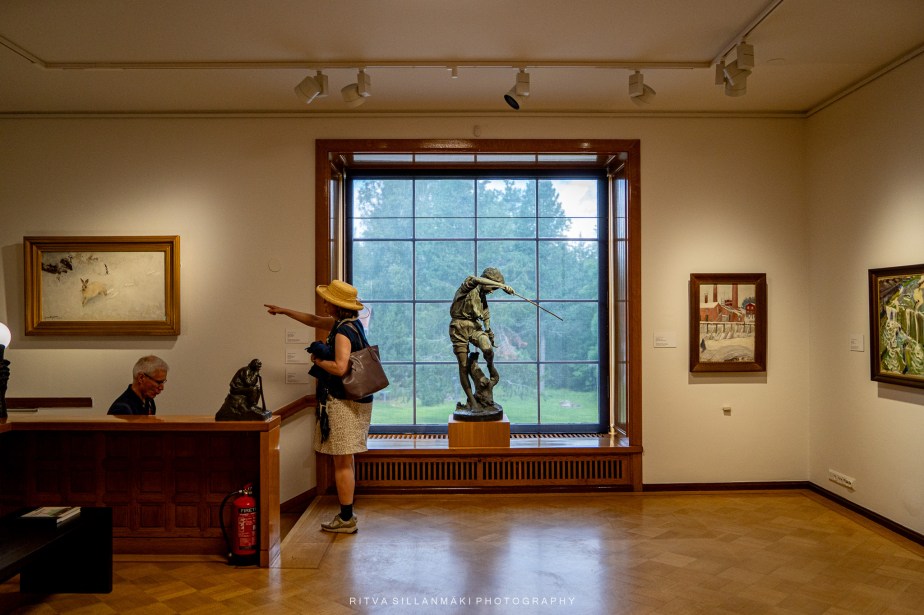
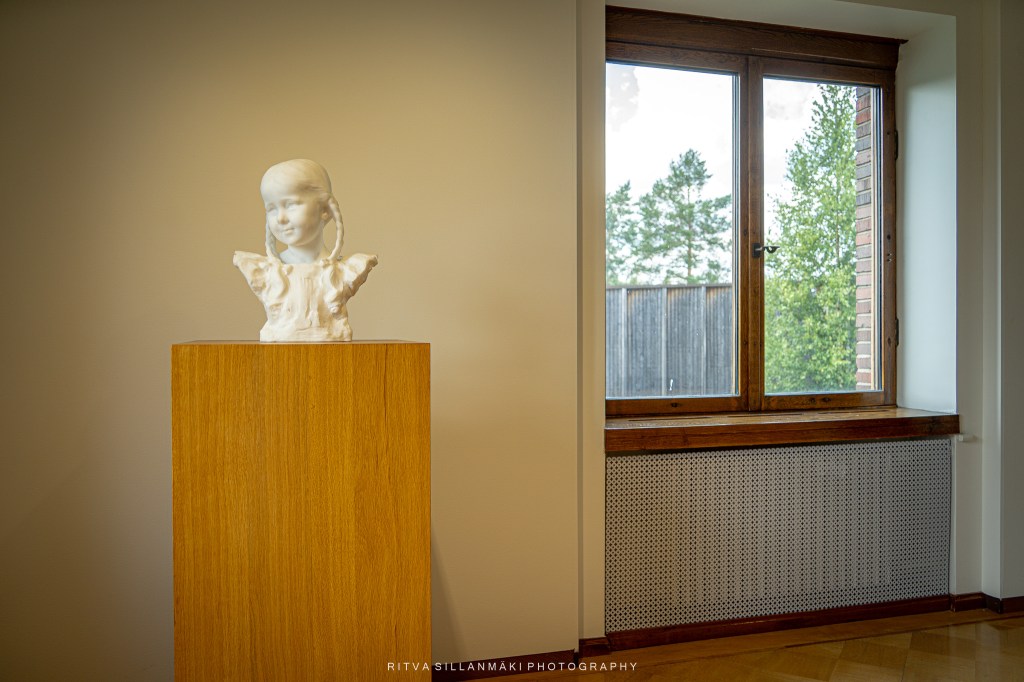
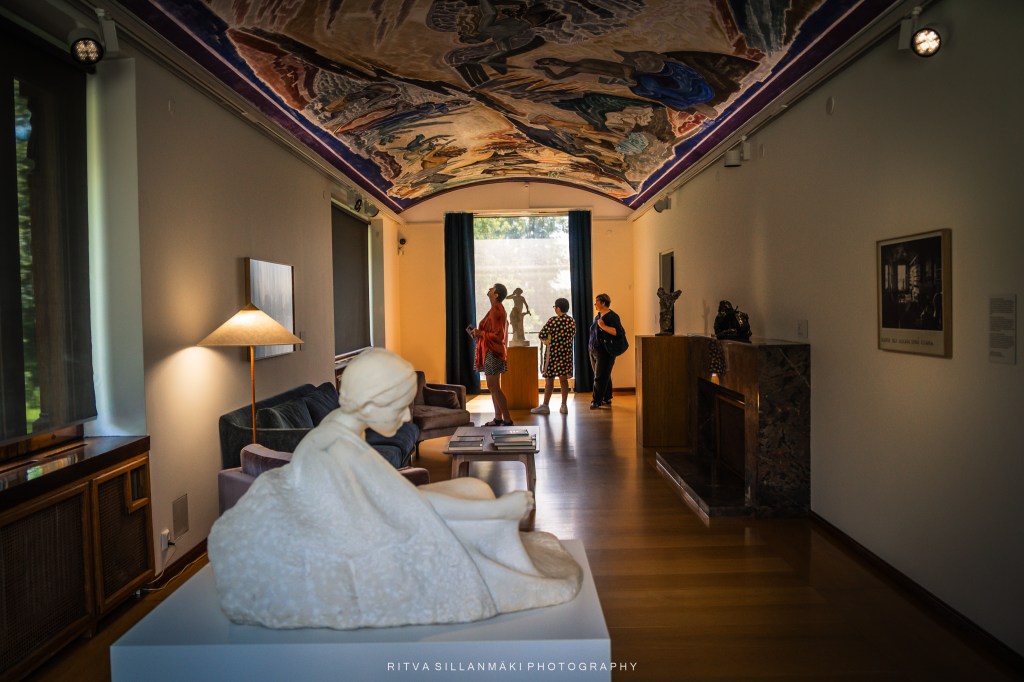
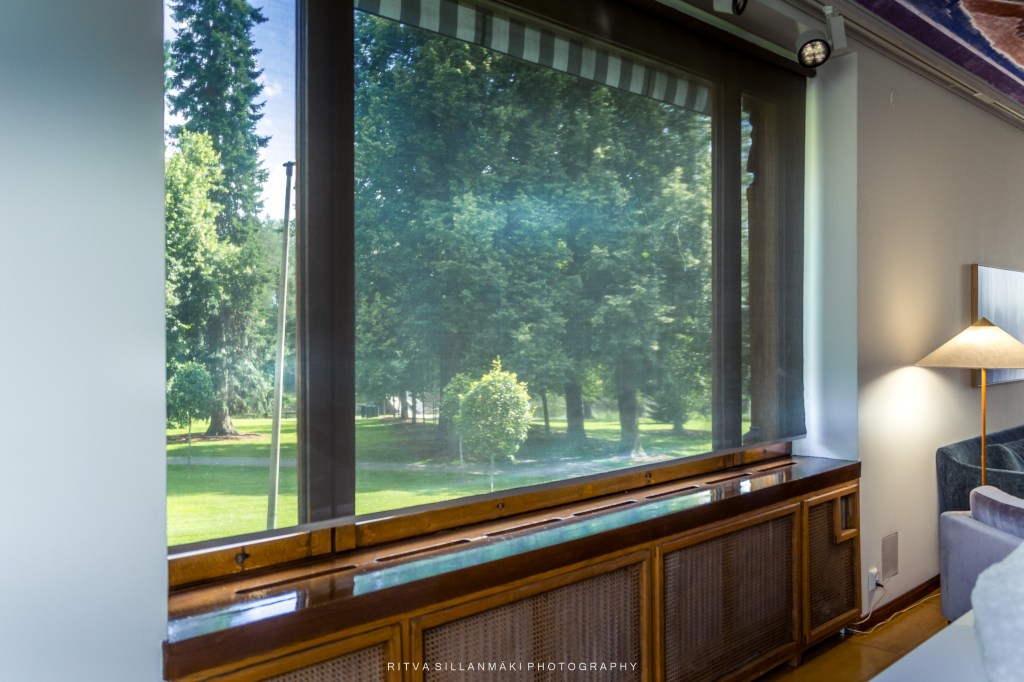
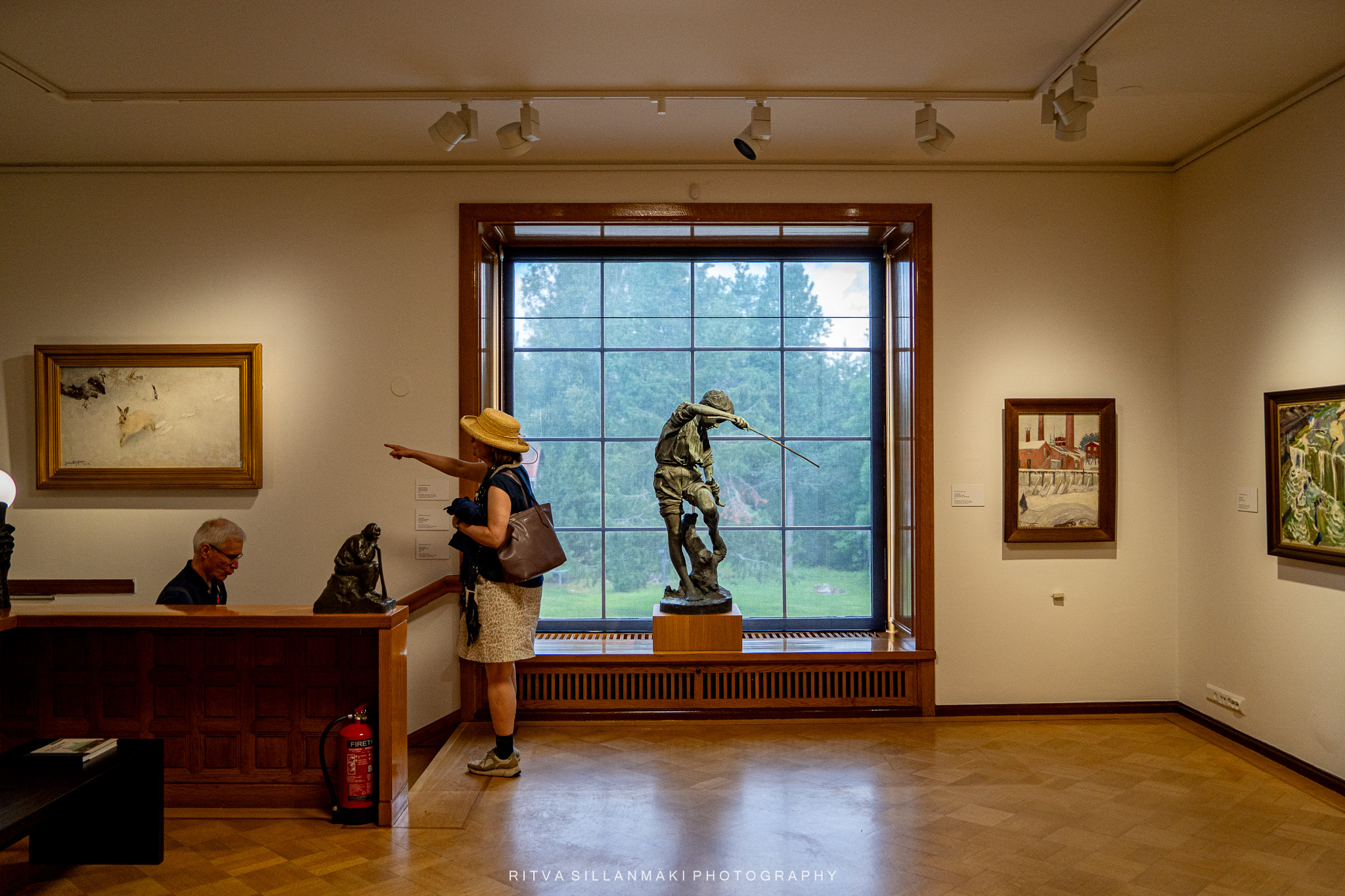
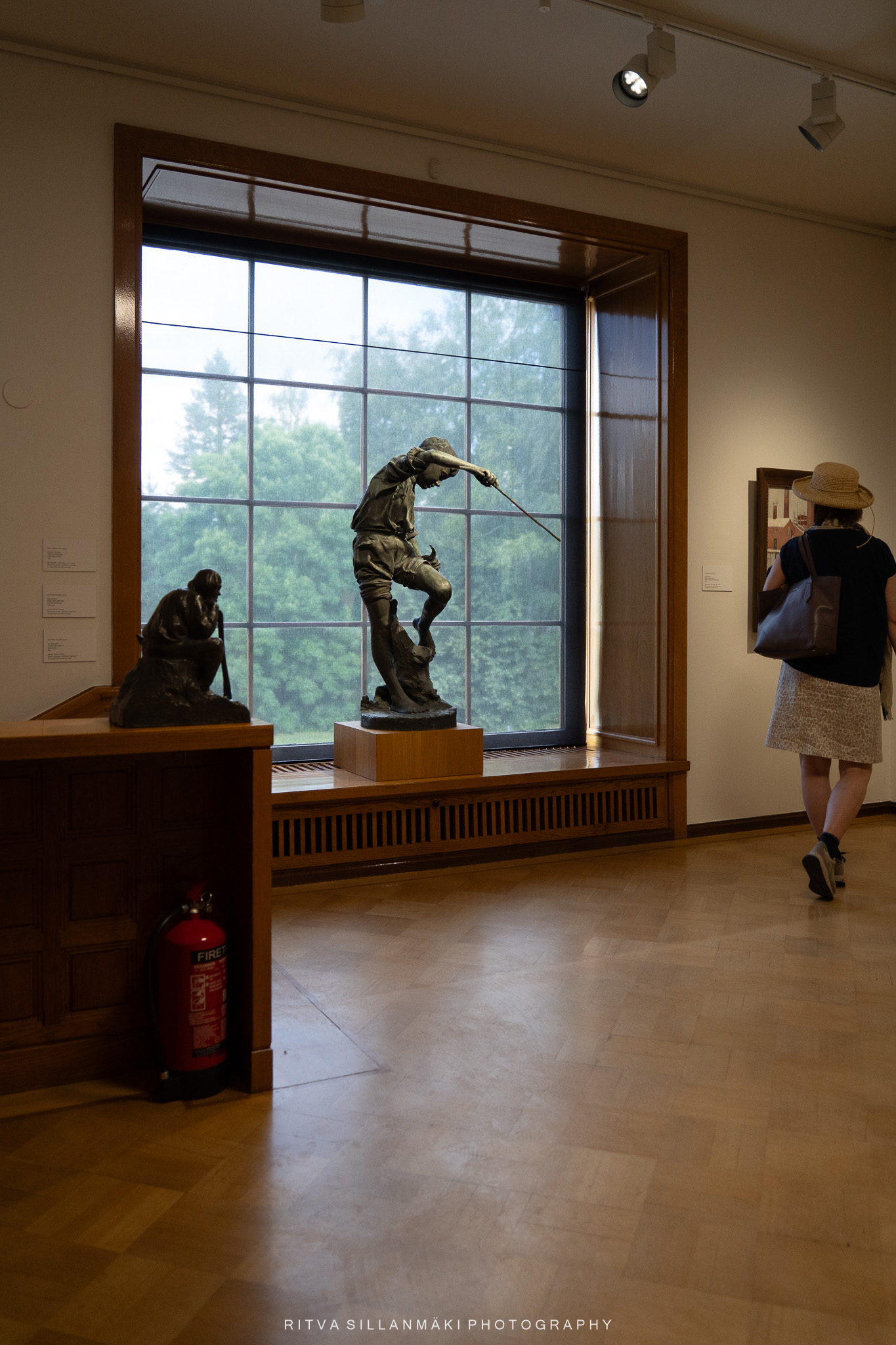
This week here is my take on Windows as the light the rooms with sculptures by Emil Wickström
Emil Wikström (1864–1942) is known especially as a sculptor of public monuments cast in bronze and worked in stone, and as the creator of Finnish national imagery, significantly contributing to the artistic identity of Finland during his era. His works often reflect a deep emotional resonance and connection to Finnish culture and history. Among his most notable pieces is the sculpture of Anna-Liisa from 1906, which is prominently displayed by the window at Serlachius Museum, inviting viewers to reflect on the themes of femininity and beauty. Below this evocative sculpture is another striking piece, named Kuoleva tyttö from 1914 (translated as “dying girl”), which poignantly portrays the fragility of life, adding layers of depth and meaning to his oeuvre while illustrating the artist’s ability to convey complex human emotions through his mastery of form and material.
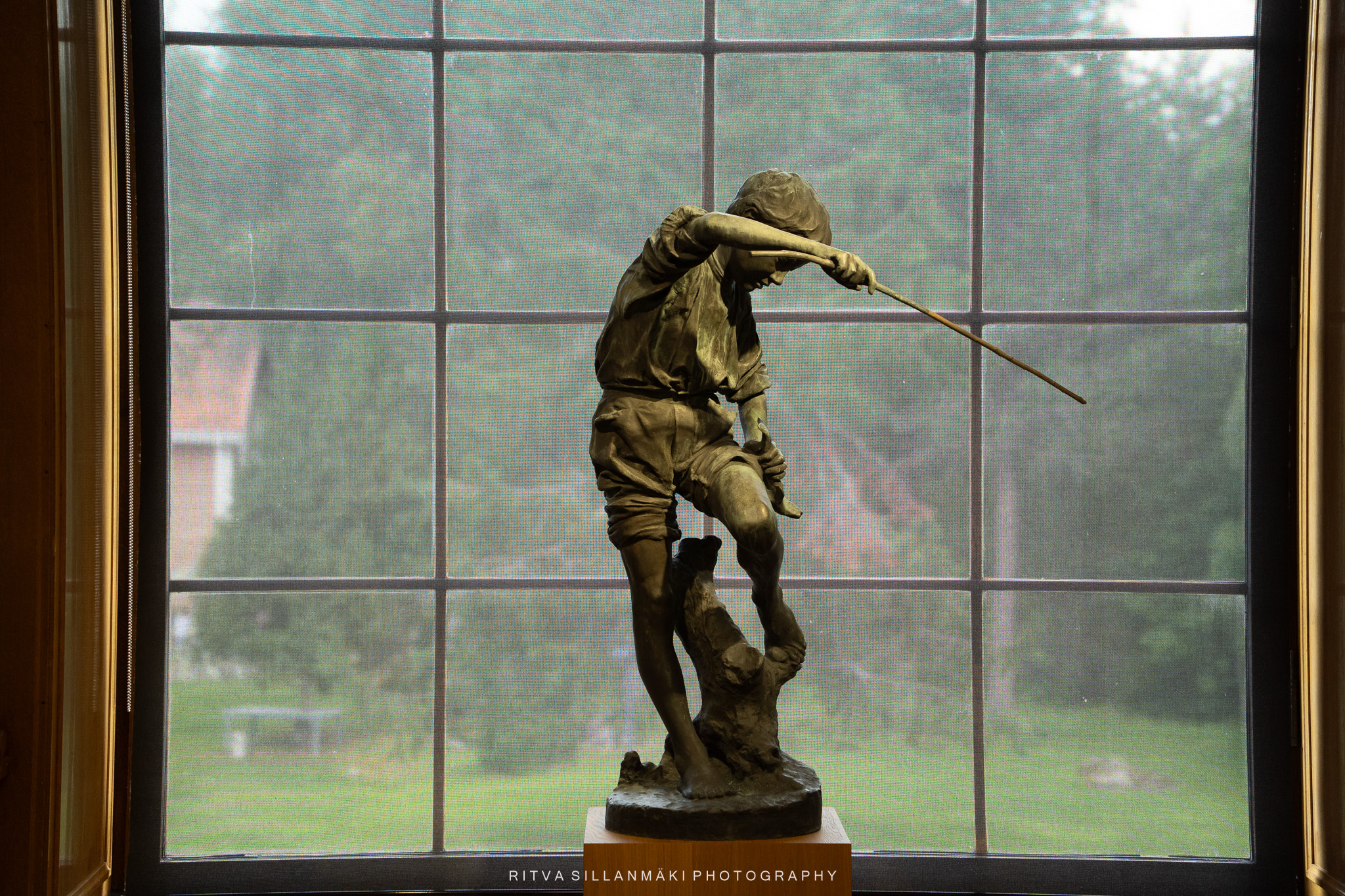
Kalapoika (Poika ja ahven), 1888, is a captivating work that beautifully captures the essence of childhood and the deep connection between young boys and nature. This piece, also by the talented Emil Wikström, showcases a fishing boy who is lost in his simple yet profound task of catching perch.
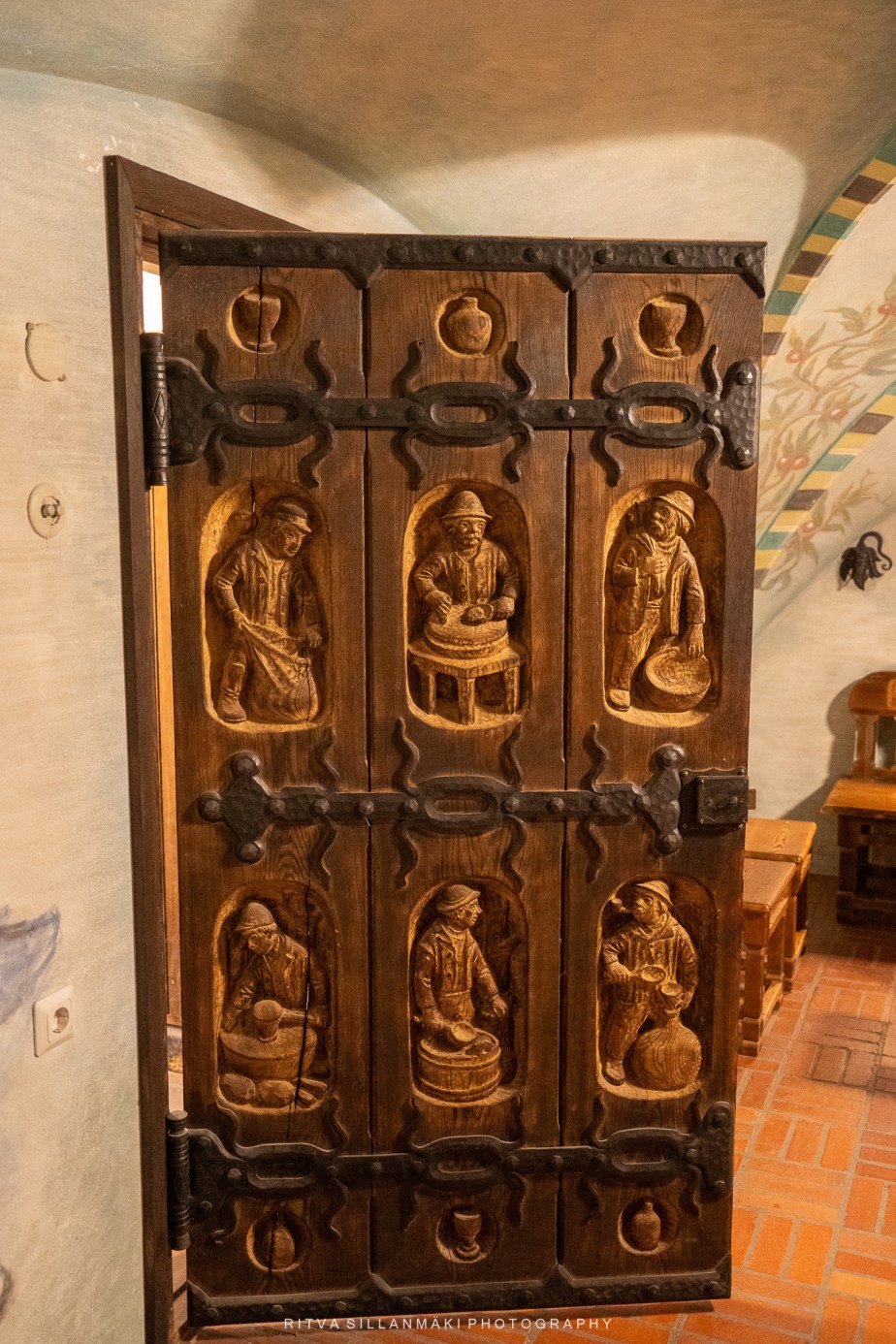
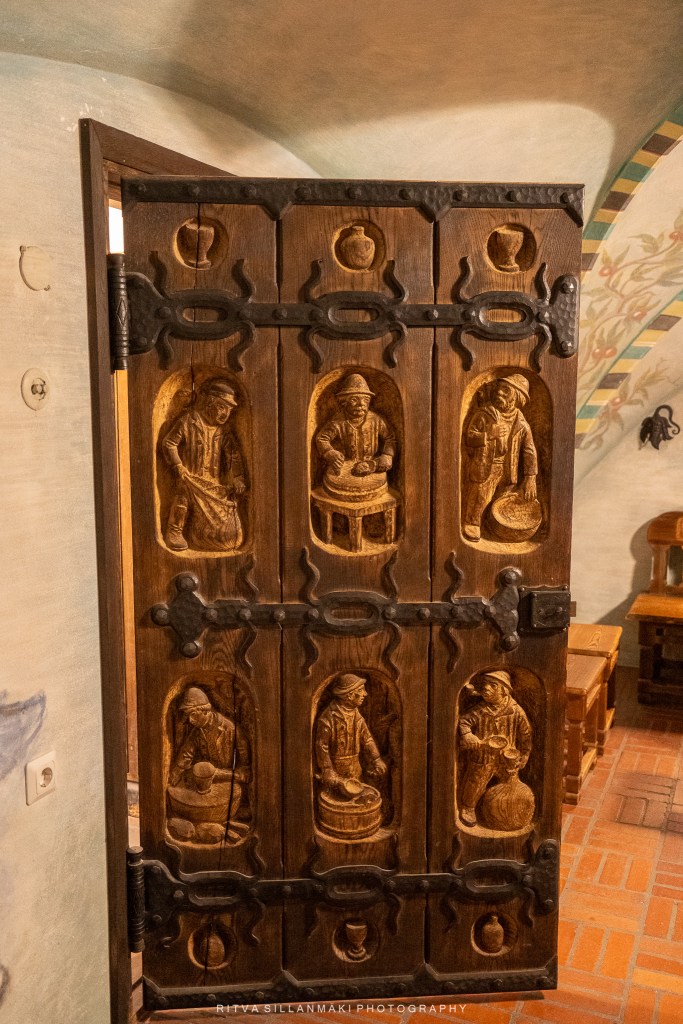
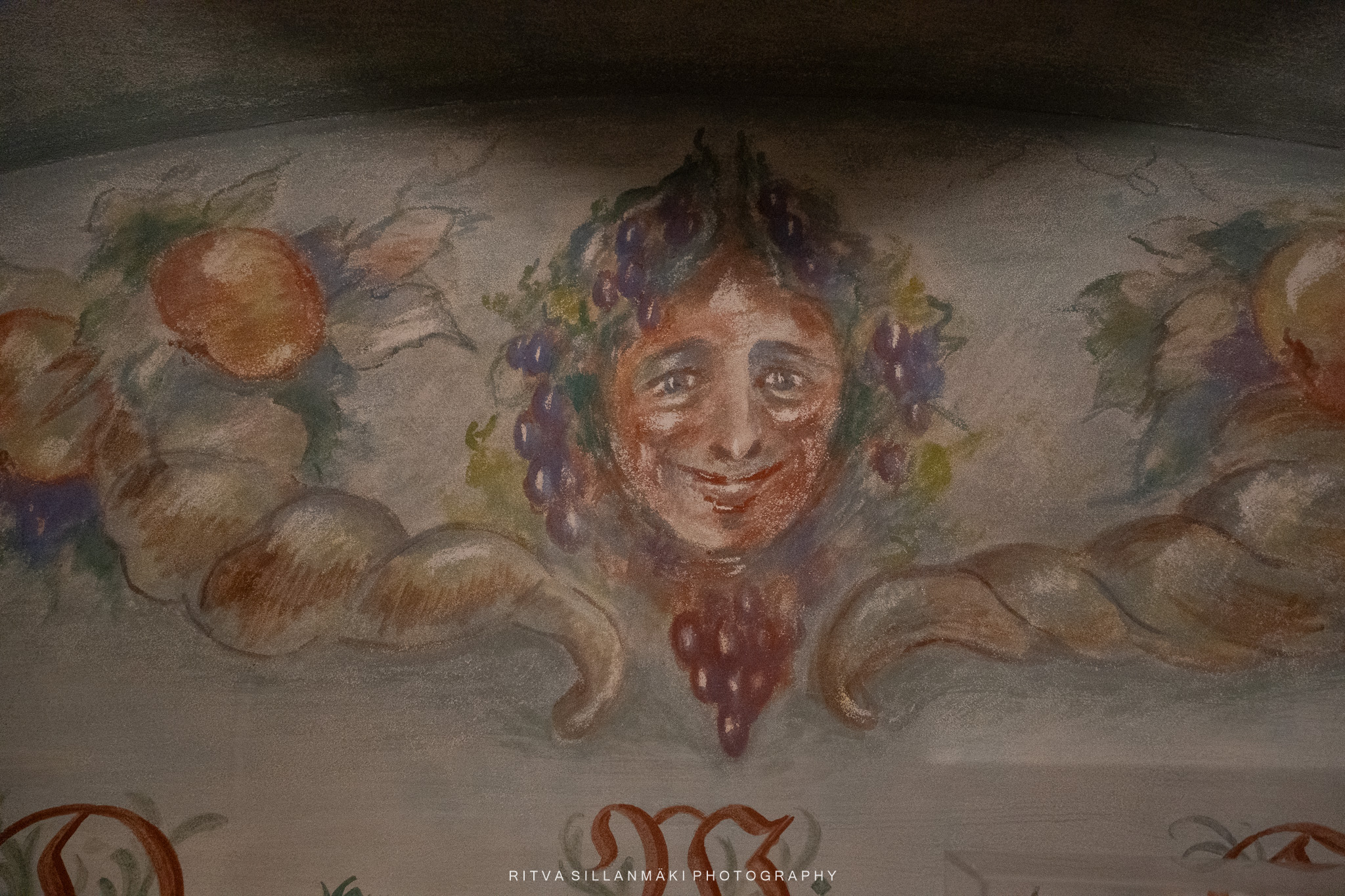
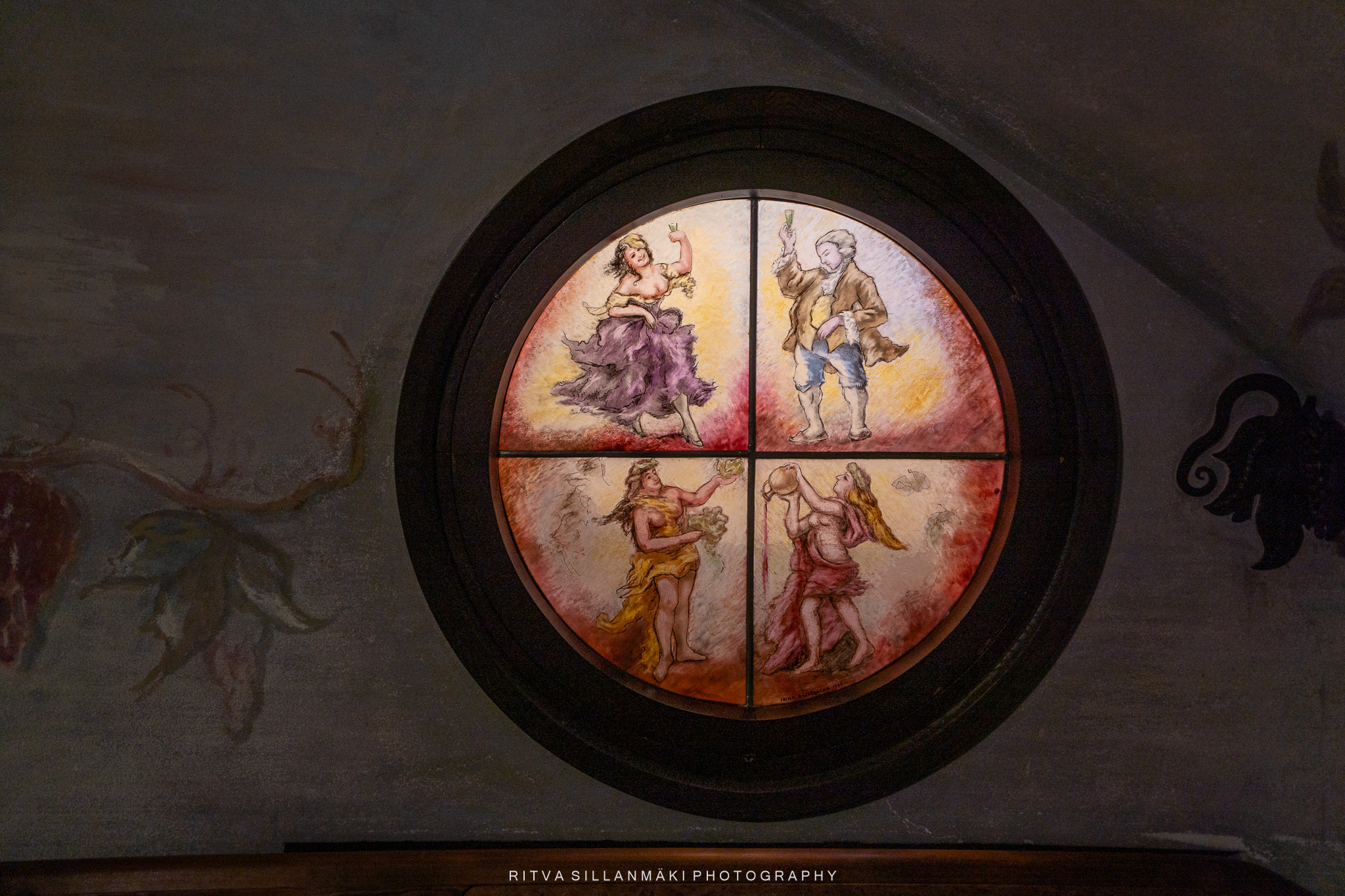
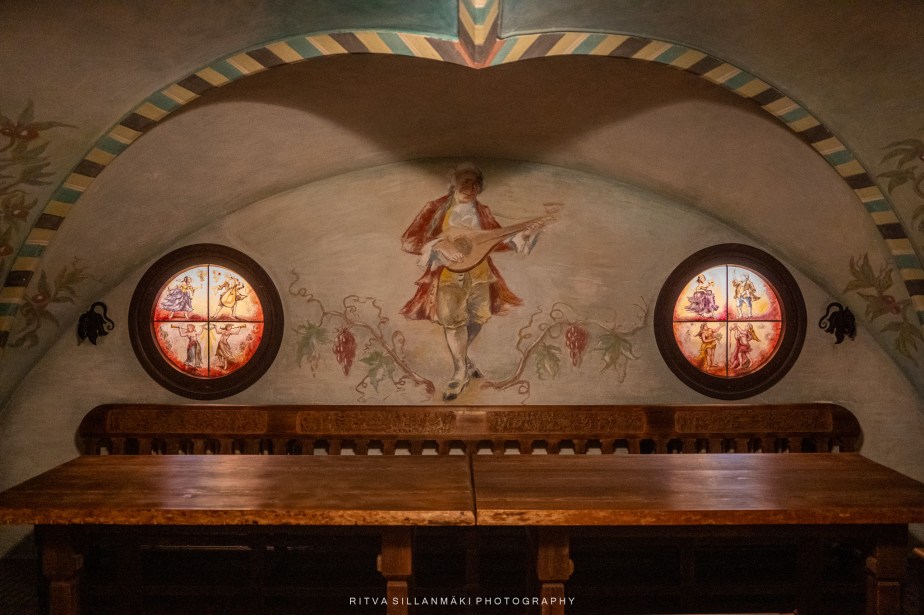
This week’s Thursday Doors features a beautifully carved wooden wine cellar door at Serlaclius Museum, showcasing intricate reliefs by Hannes Autere. The interior highlights a decorated room, complete with a musician mural and detailed windows that emphasize the artistic celebration of wine enjoyment. Thursday Doors
A beautifully carved wooden wine cellar door featuring intricate reliefs of Hannes Autere at Serlachius Museum
Details from the wine cellar at the cellar.
A beautifully decorated room with a musician mural and intricate windows, showcasing artistic details about the joys of enjoying wine.
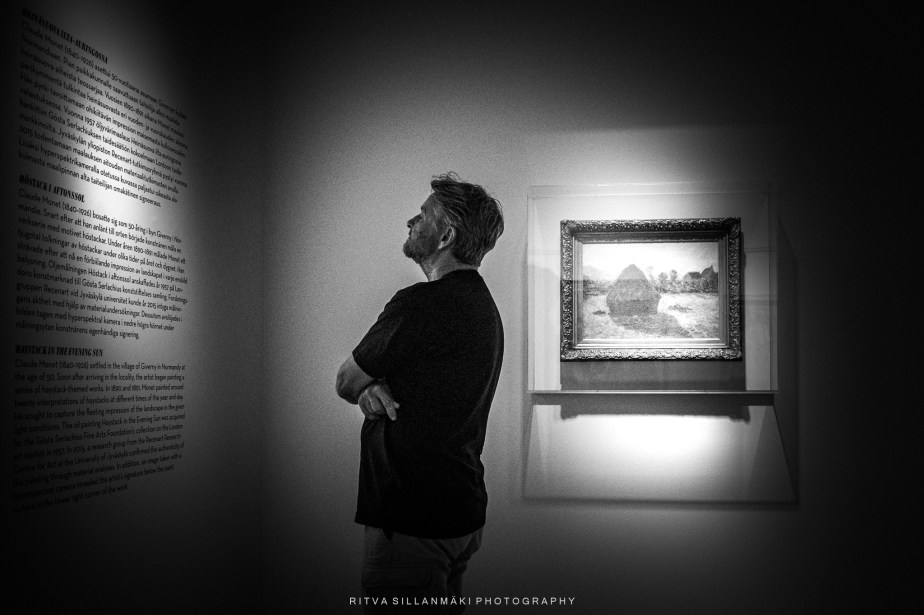
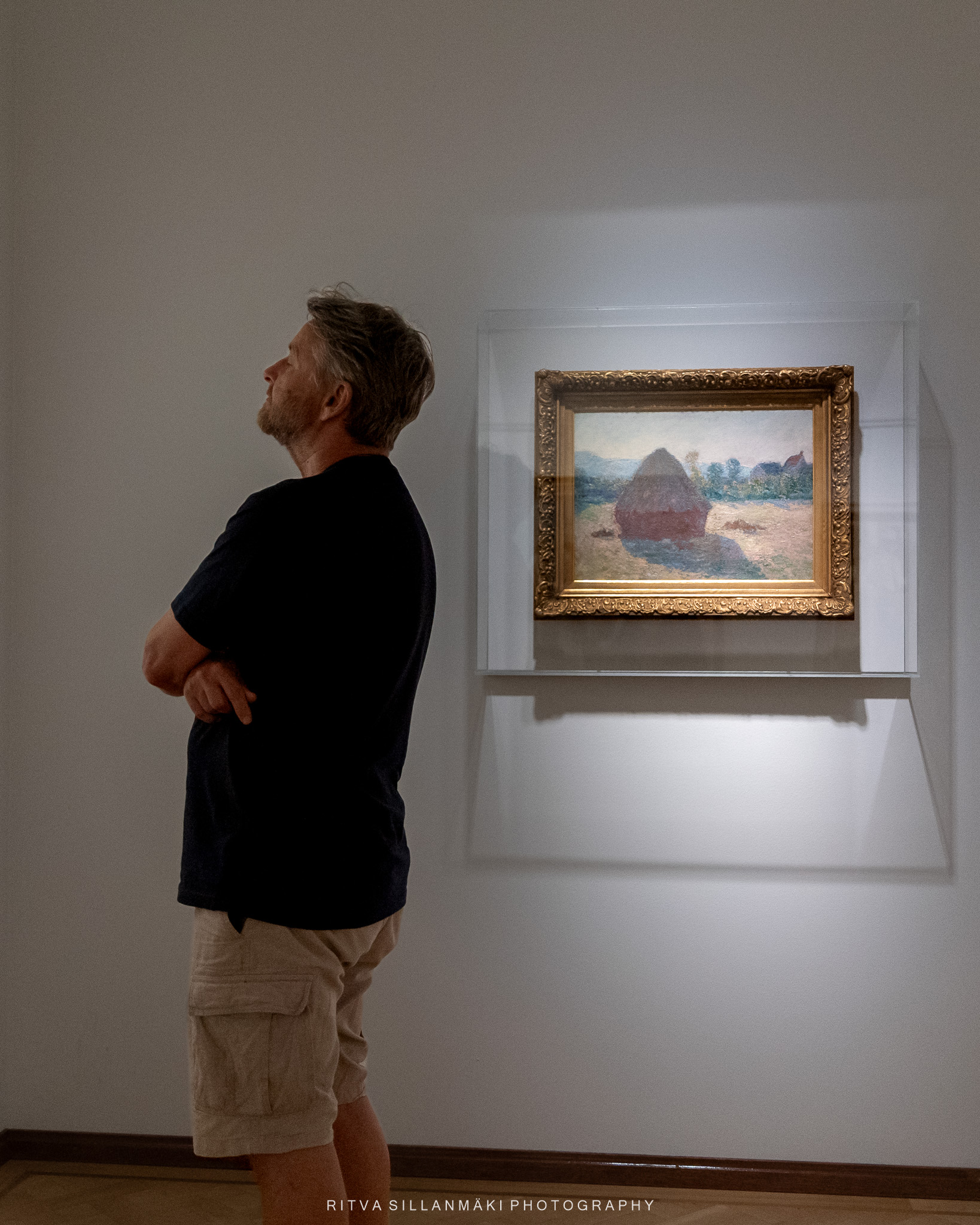
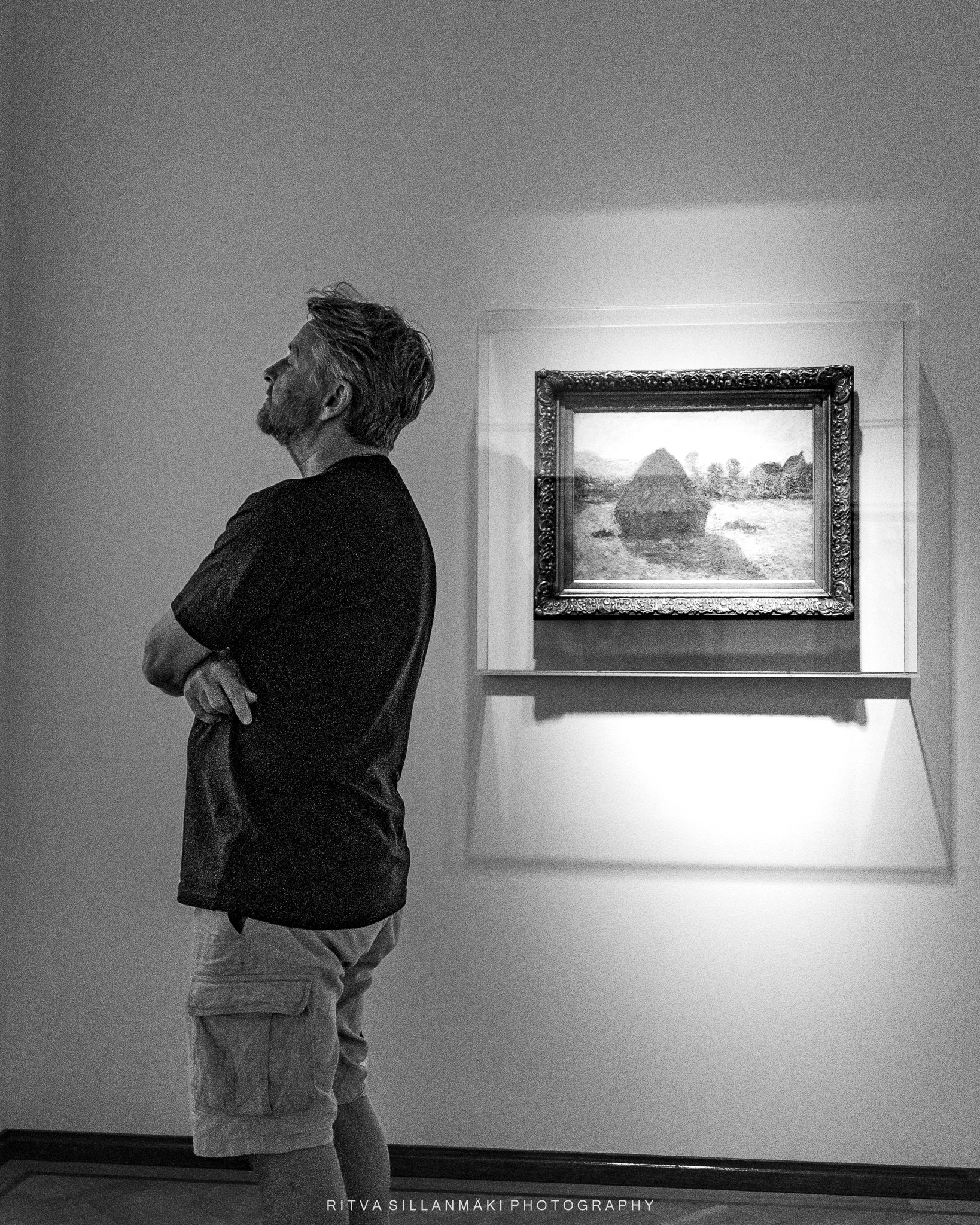
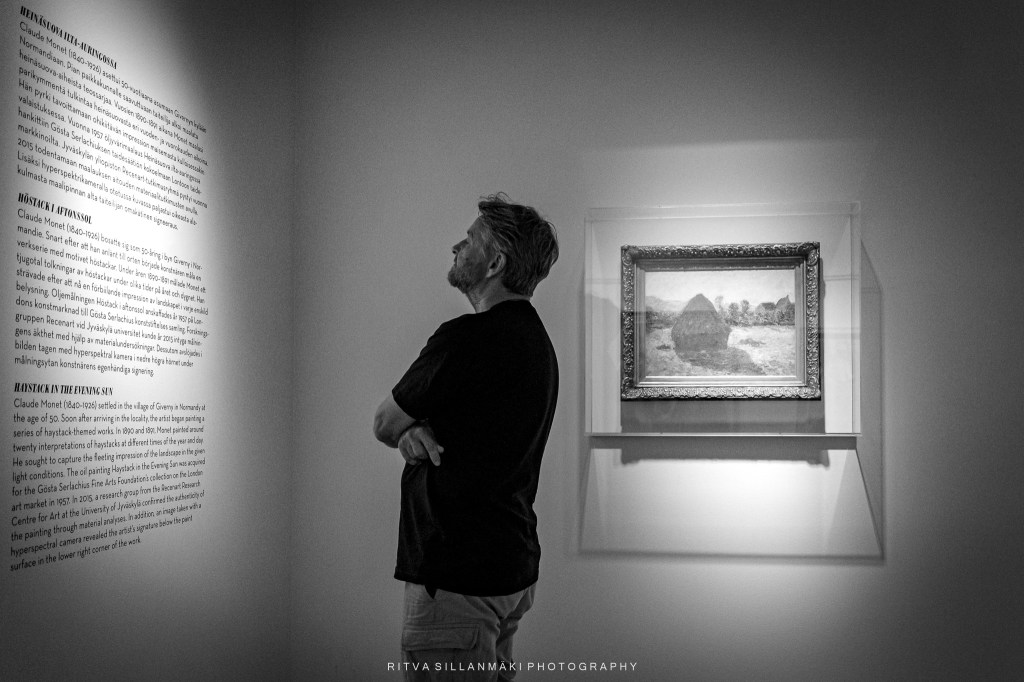
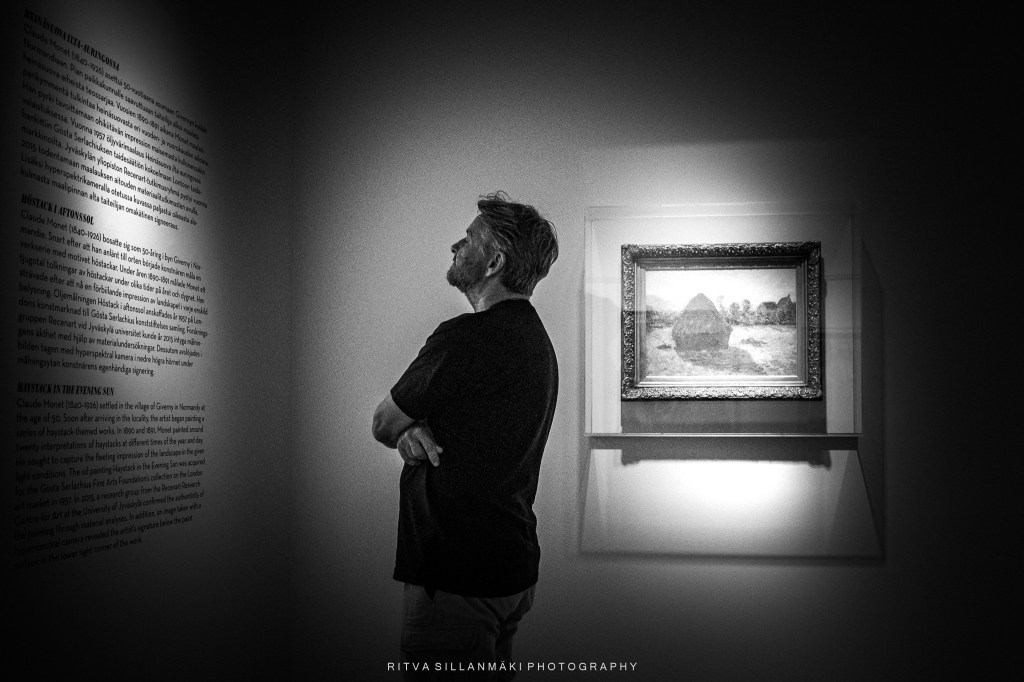
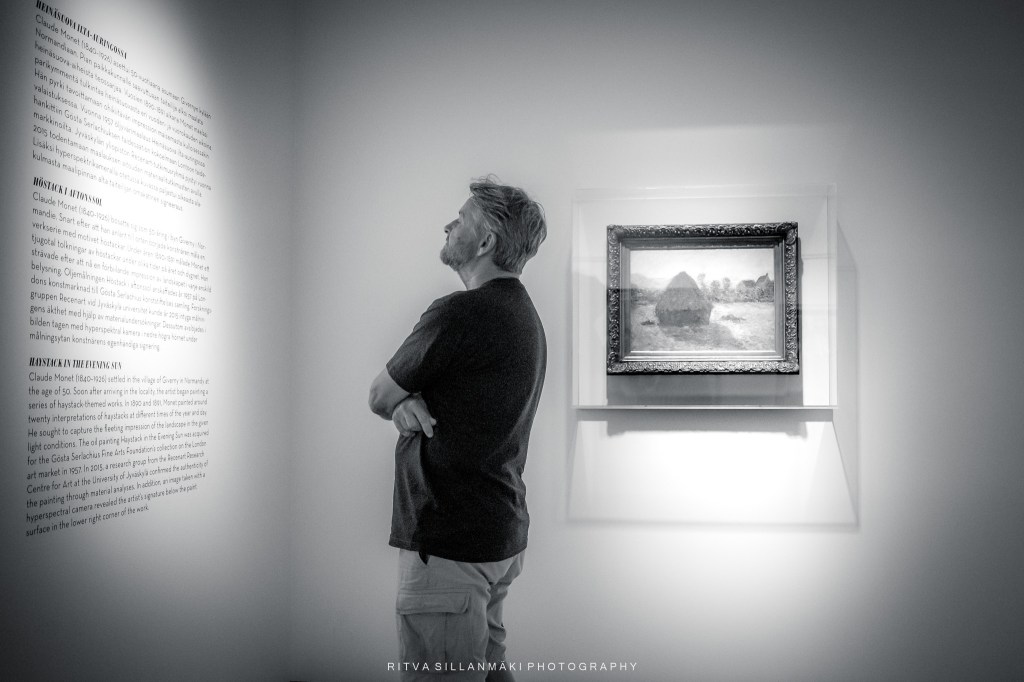
We visited this museum during our vacation, and I for some reason got inspired to do three monochrome / BW versions of a this photo of a man learning about this piece of art.
I will start with also a color version of the photo compared to the monochrome one if a portrait composition.
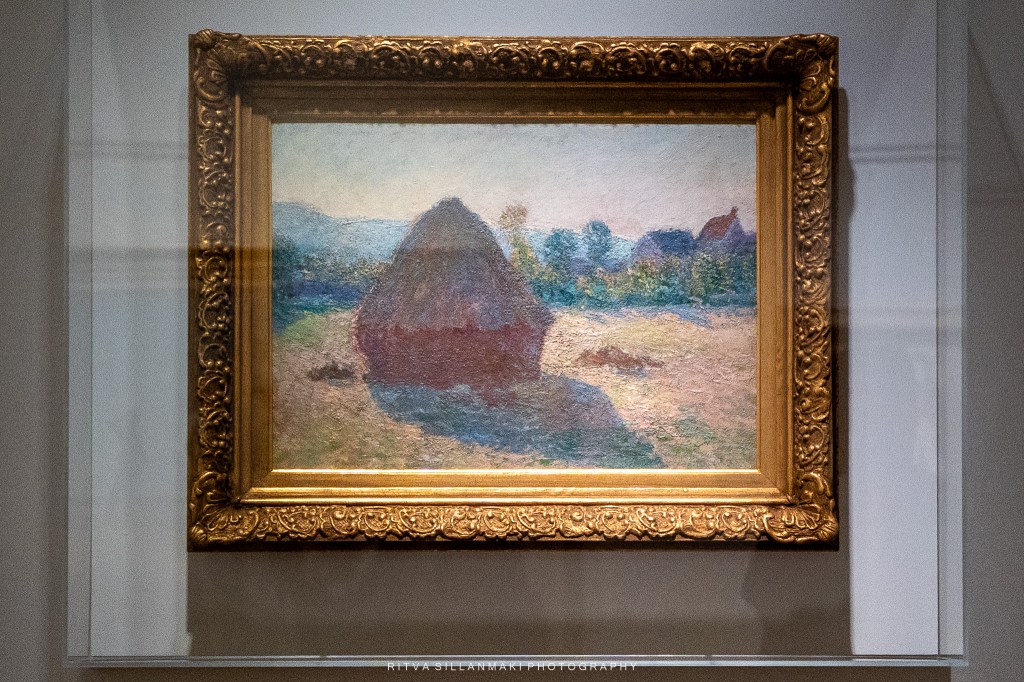
This small but immeasurably valuable oil painting is a study of the properties of light and shadow. Monet painted a whole series of haystack motifs in the changing weather conditions of the Normandy countryside.
Claude Monet’s ‘Heinäsuova ilta-auringossa’ (Meadow Meadow in the Evening Sun) displayed at the Serlachius Museum.
A significant art discovery has been made at the Serlachius Museum in Mänttä. The painting “Heinäsuova ilta-auringossa” (Meadow Meadow in the Evening Sun), which is part of the museum’s collection, has been revealed to be the work of Claude Monet (1840-1926), a key painter of the Impressionist art movement.
The painting lacks a visible signature, but the University of Jyväskylä’s hyperspectral camera detected Monet’s name and the year 1891 beneath the paint. Analyses of the pigment and fabric confirm it is by Claude Monet. The Serlachius Museum has had it since the 1950s, assuming it could be by Monet. Its authenticity was confirmed in 2015, thanks to advancements in technology. The work was purchased in London through an art dealer from Mänttä and is believed to have been shown at the Impressionist exhibition at the Grafton Gallery in London in 1905.
I put together these different versions for Leanne’s Monochrome Madness project as a fun way to dive into artistic expression. The whole idea was to check out how the mood and meaning of the photo shift with different edits. I found myself thinking about what the image is really about—is it the painting itself, the man who’s learning about it, or maybe even the overall space where both the art and the observer exist? My idea was to show just how complex art can be and how it hits people in different ways based on their own experiences and perspectives.
A visitor contemplates Claude Monet’s ‘Heinäsuova ilta-auringossa’ at the Serlachius Museum, surrounded by informative text about the artist and his works.A visitor reflects on a Claude Monet painting at the Serlachius Museum, highlighting the intersection of art and admiration.A visitor admires Claude Monet’s ‘Heinäsuova ilta-auringossa’ reflecting on the painting’s historical significance.
The captions were created with AI – all slightly different… because of the light and contrast?
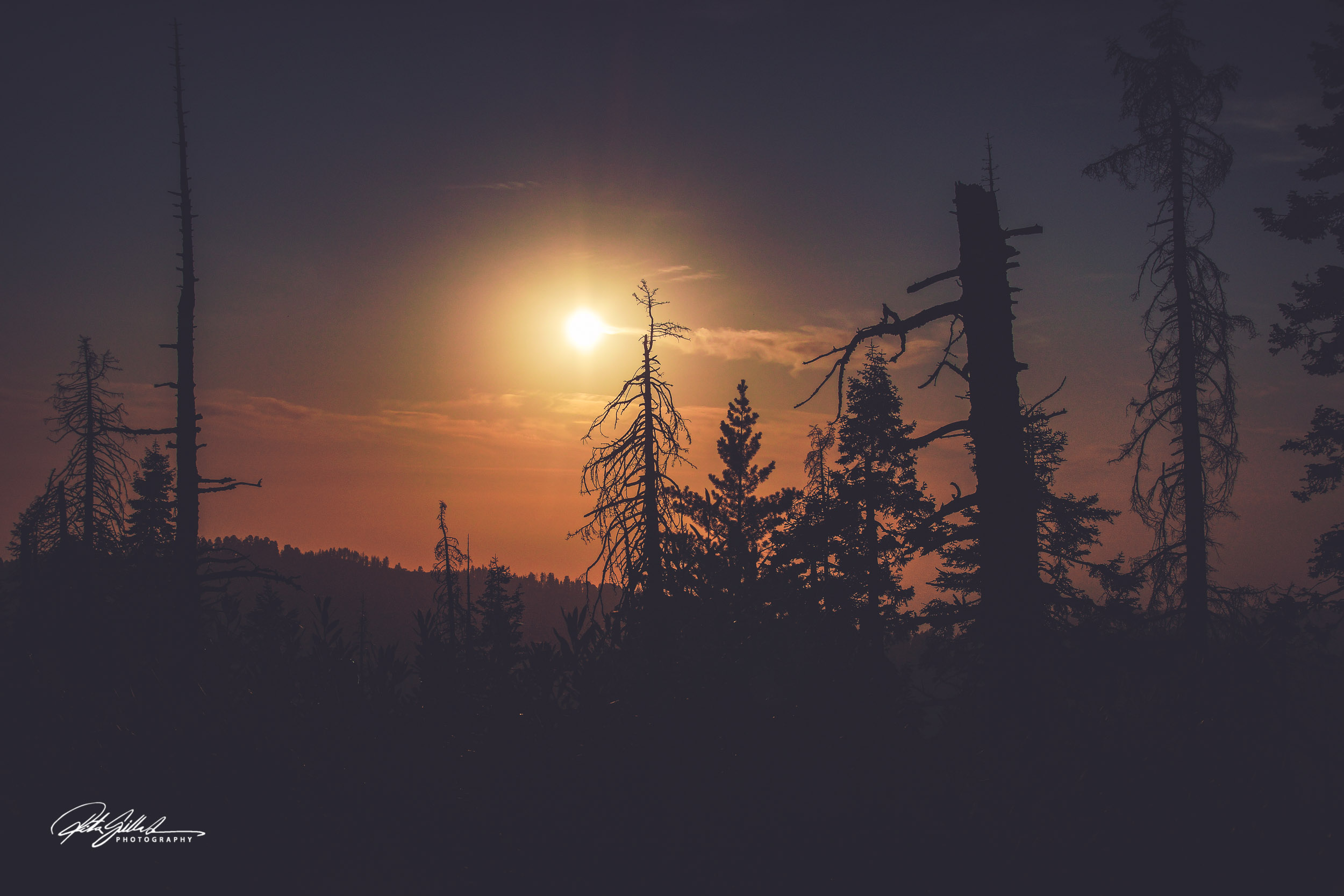
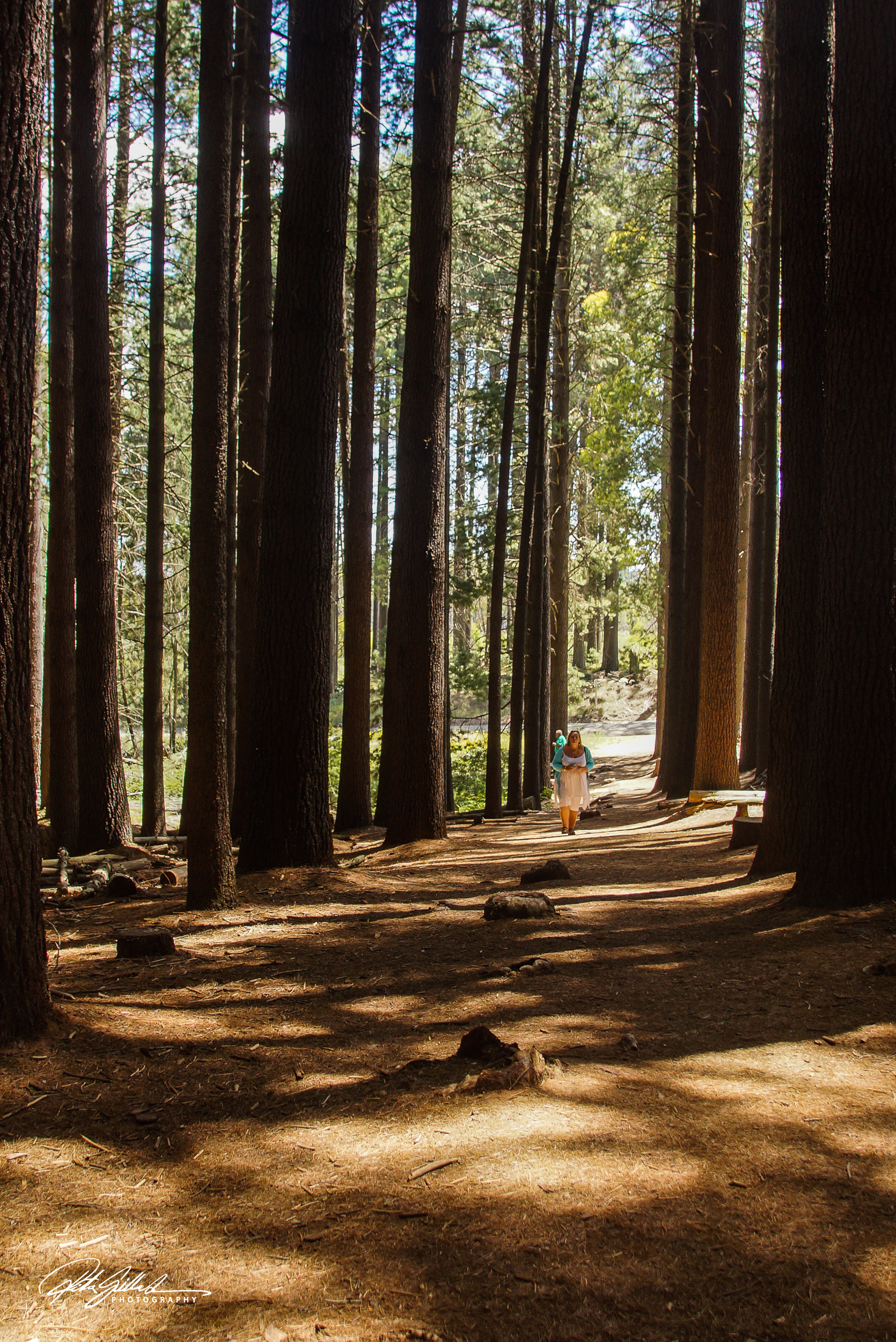
I was first a bit lost with this challenge; it’s not that I don’t enjoy taking backlit photos—quite the opposite, in fact. I find it a great way to capture atmosphere and mood, as there’s something inherently magical about the way light interacts with the subjects. However, I also recognize that no sunsets or sunrises should be featured if I’m not shooting directly towards the light source. This has prompted me to explore different angles and perspectives, allowing the light to create a sense of depth and intrigue in my images. Additionally, I made a conscious effort to avoid overly simplistic silhouette images, as I wanted my photographs to embody a more complex layering of shades and nuances of light. Each shot became an opportunity to experiment with subtle gradients and textures, enriching the overall visual narrative that I aimed to convey through my work. Hope you fell I succeeded in my effort.
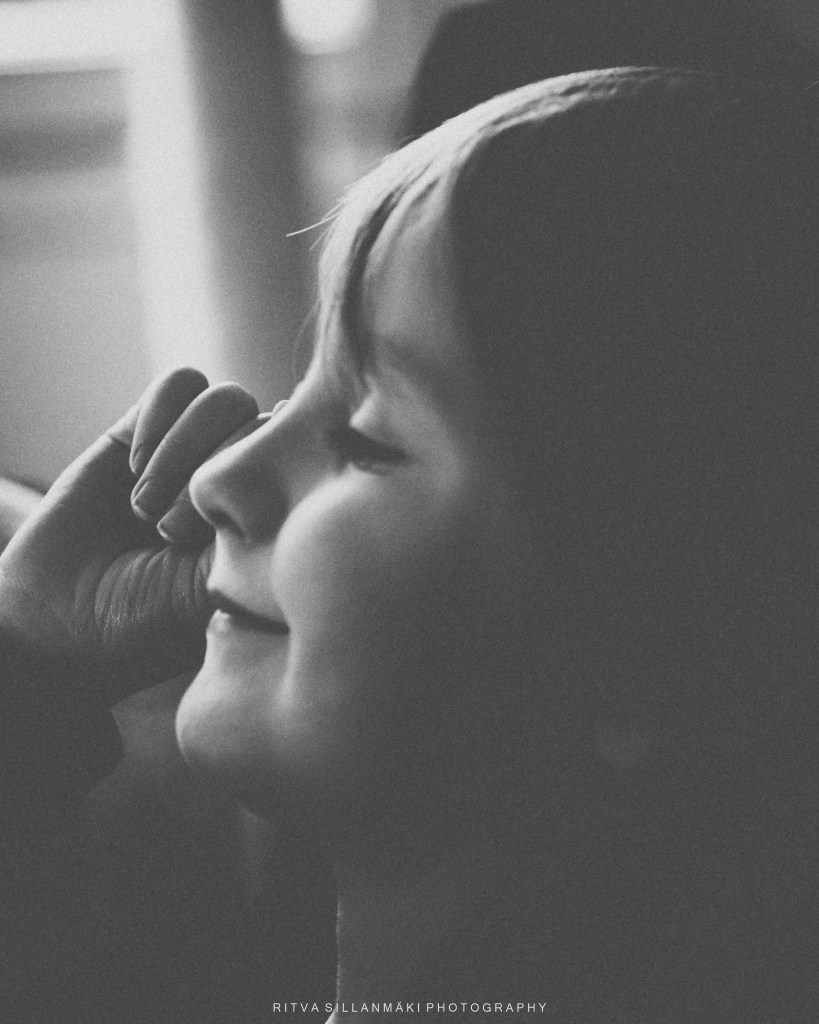
My first is a side portrait of my grandsone sitting in front of a window.
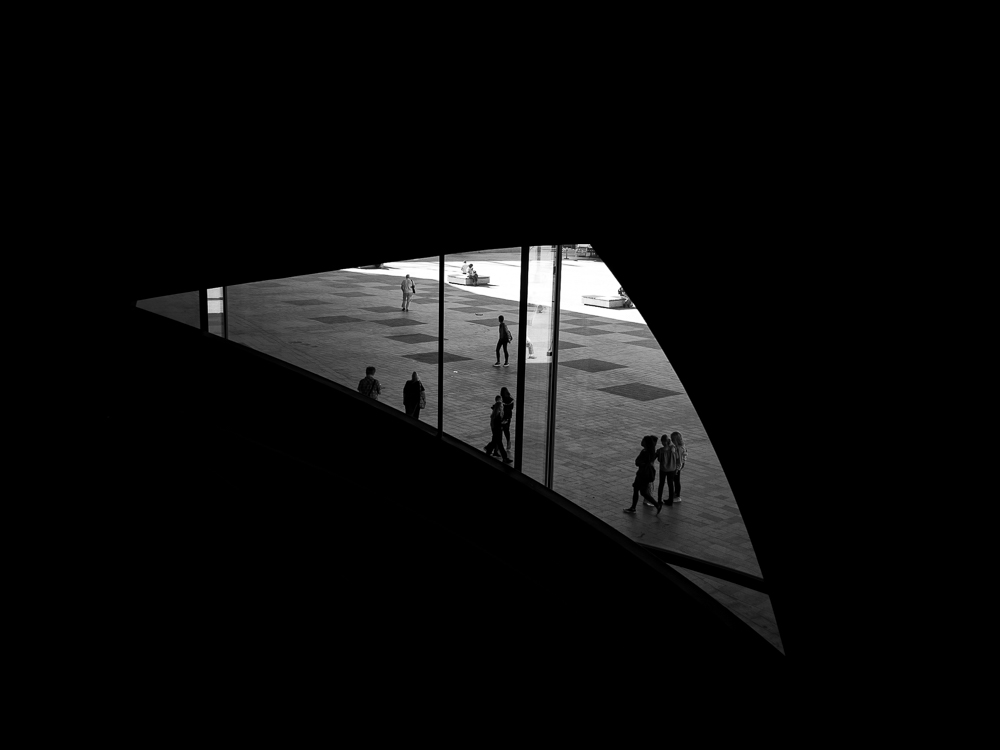
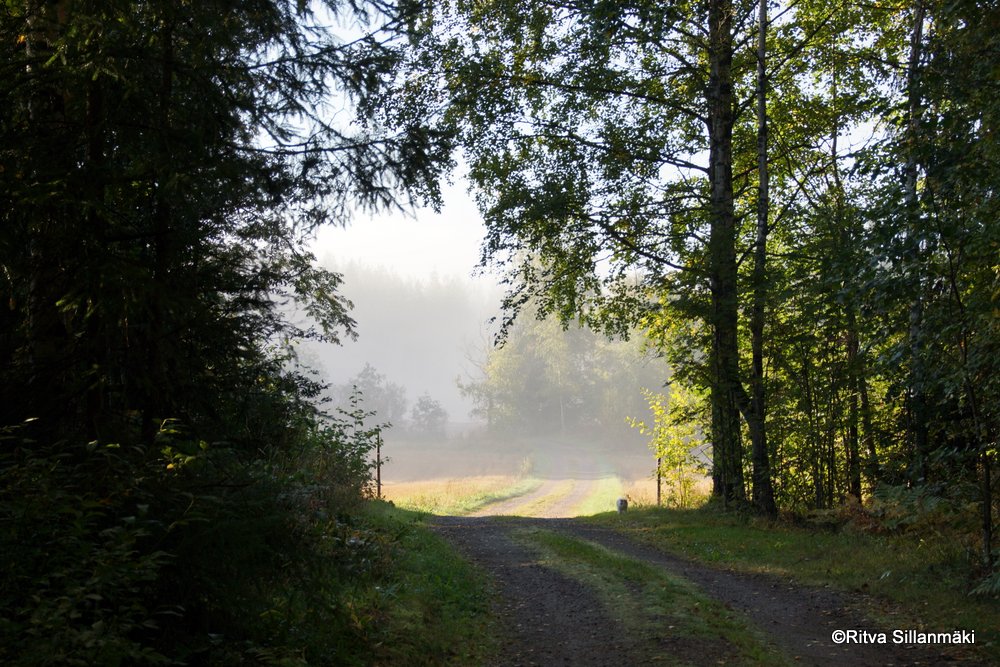
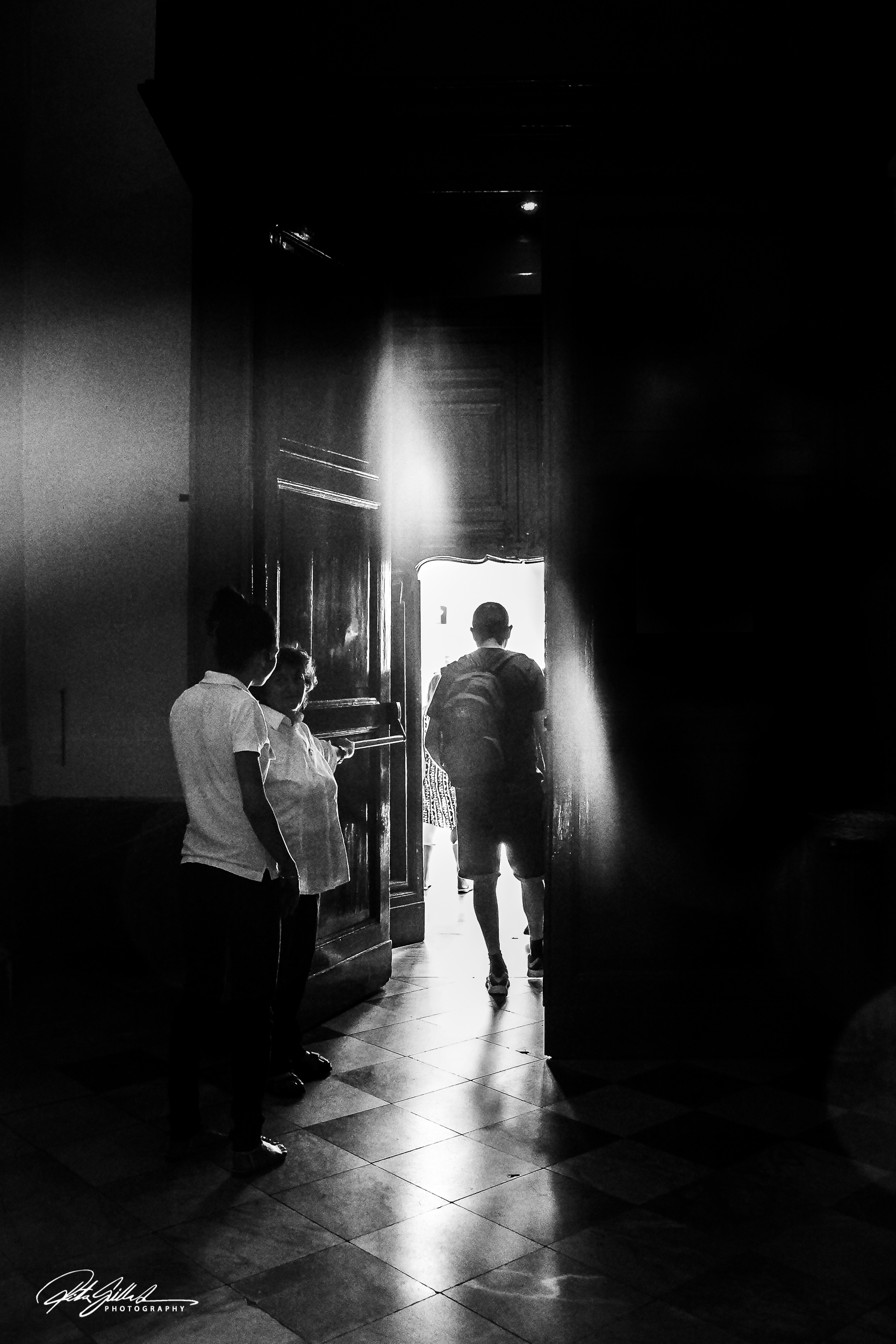
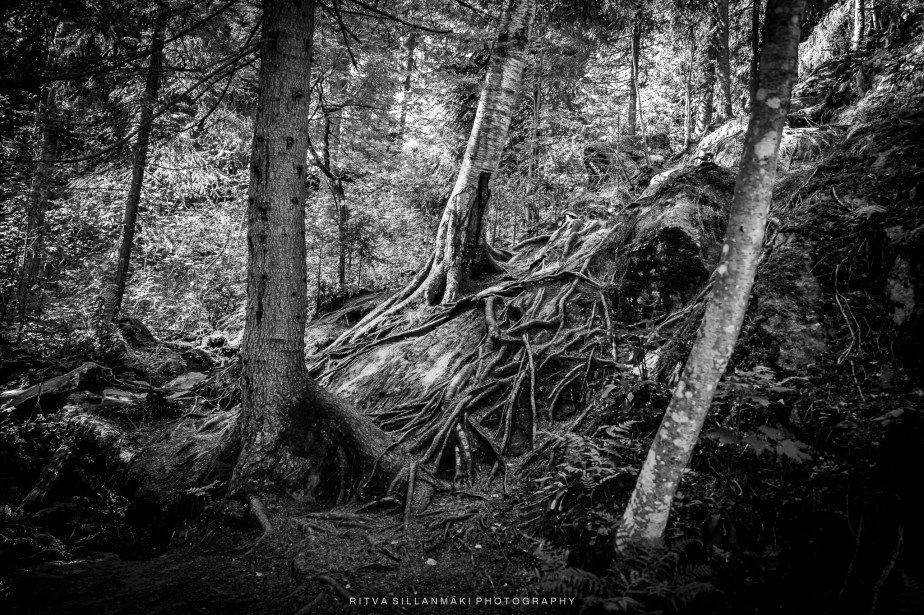
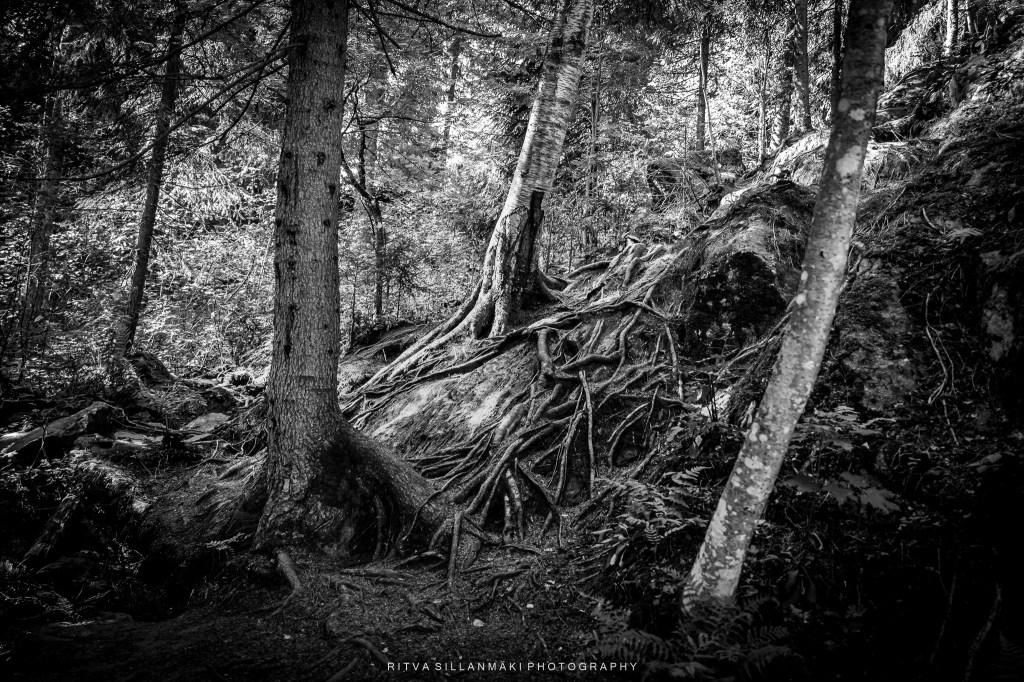
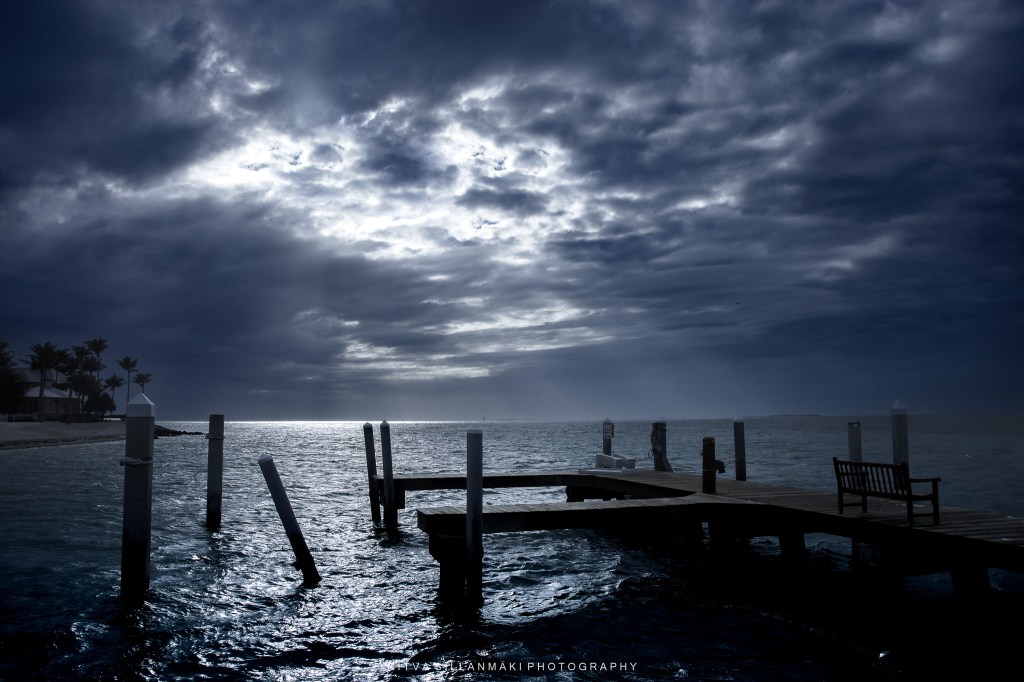
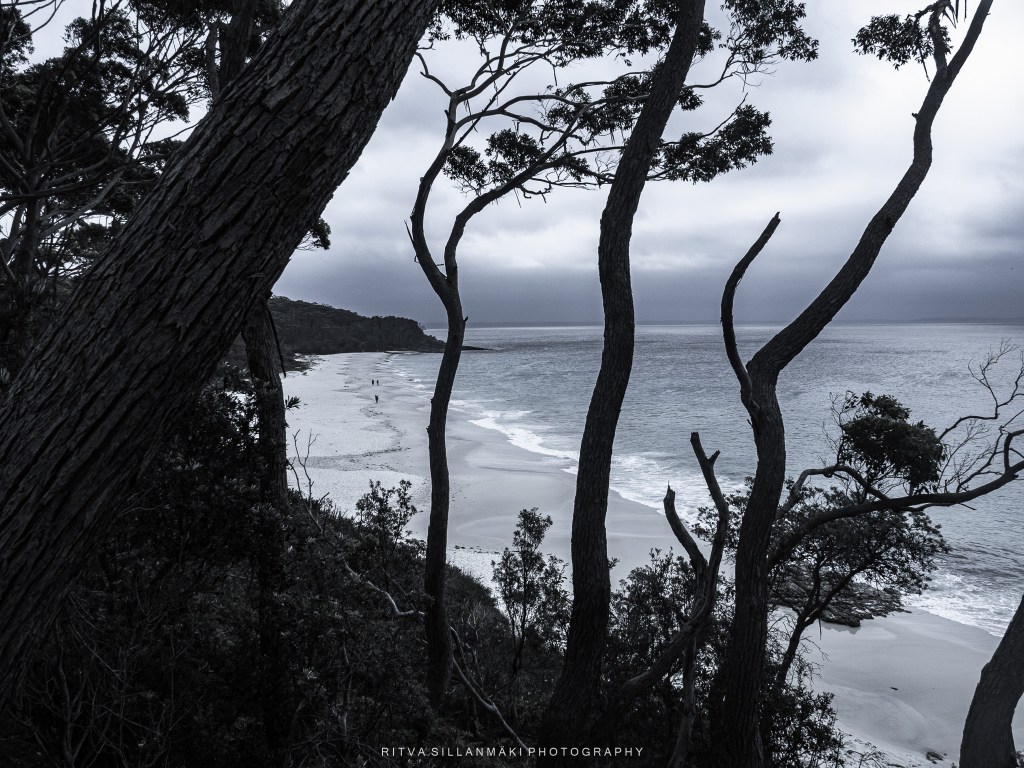
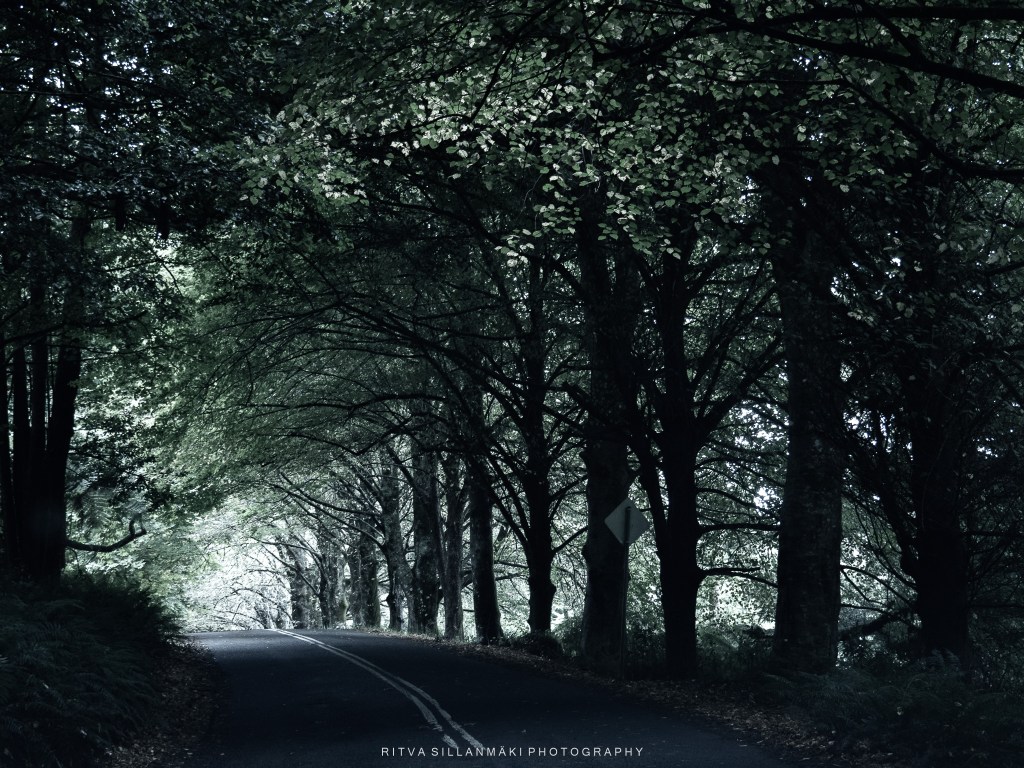
A side portrait of a boy sitting by a window, showcasing the interplay of light and shadows.A forest scene, highlighting the intricate roots of a tree intertwined with rocks and foliage, showcasing the play of light and shadows. Location a forest in FinlandA serene view of a wooden pier extending into the dark waters, with dramatic clouds overhead, evoking a sense of tranquility and atmospheric depth. I used blue as the base color for this monotone image. Location FloridaA moody view of the coastline framed by trees, showcasing the beauty of nature in monochrome. Location Hyams Beach in NSW Australia A tranquil, winding road enveloped by lush trees, showcasing the interplay of light and shadow. Green tones in this image. Location NSW AustraliaA black-and-white/ monochrome image showcasing people walking through a modern, well-lit corridor, emphasizing the interplay of light and shadow. Maybe more sidelight than backlit, or is this semantics. Image from Serlachius museum in Mänttä Finland












 Ritva Sillanmäki Photography