
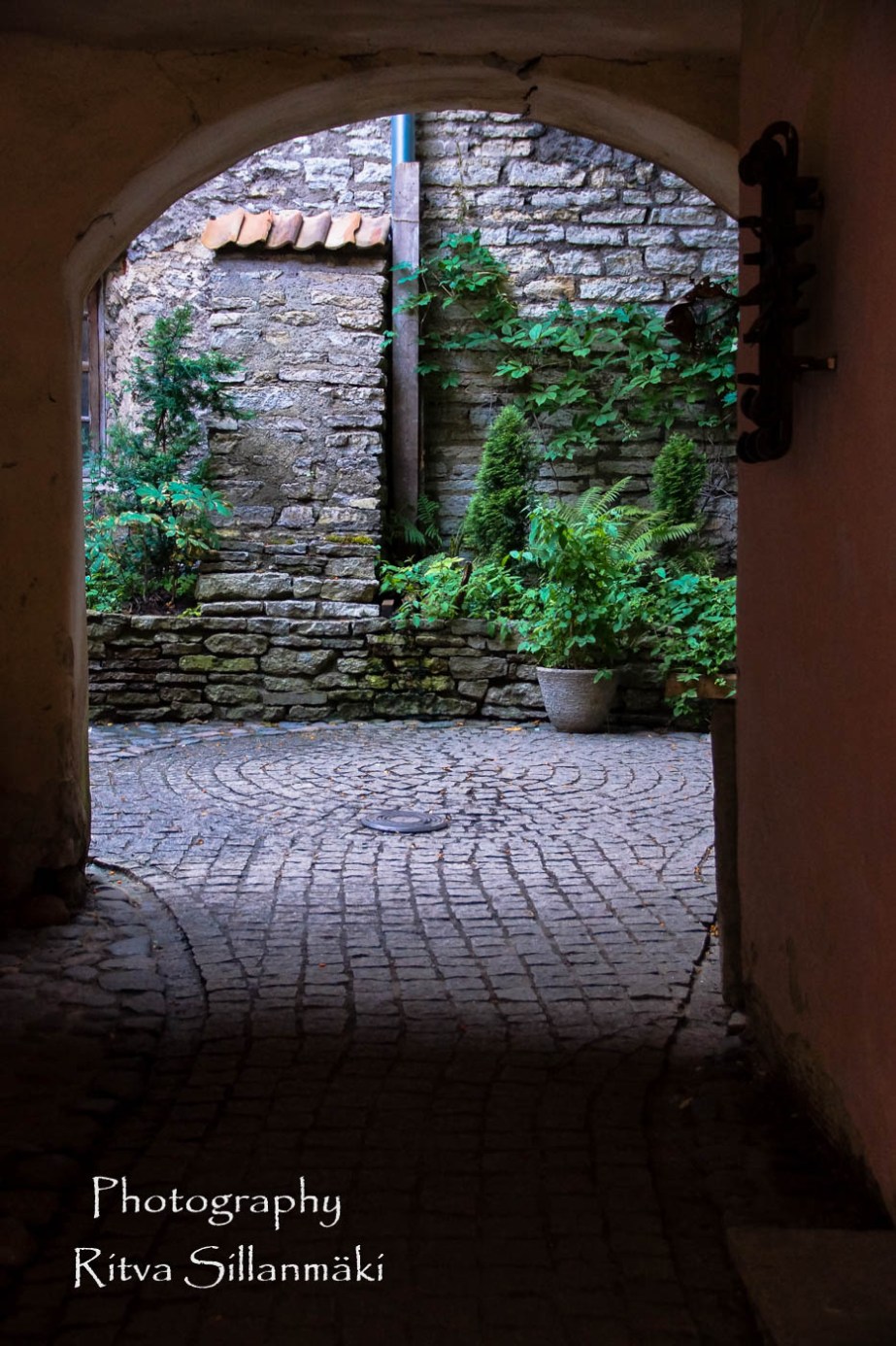
Entrance
Still looking over the roof tops, these two towers near and far, with slightly different angles.


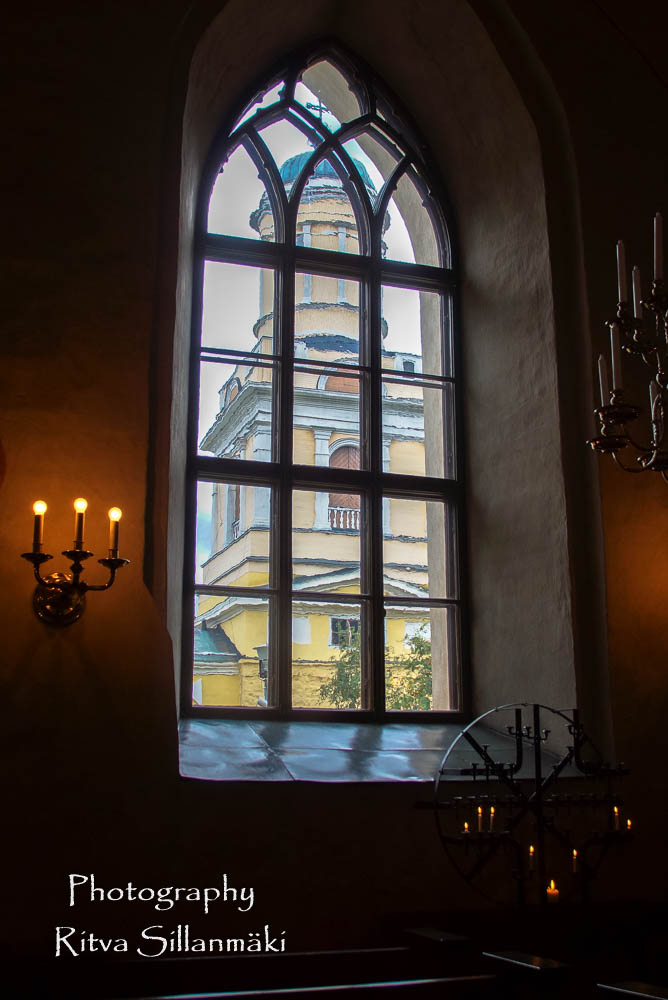
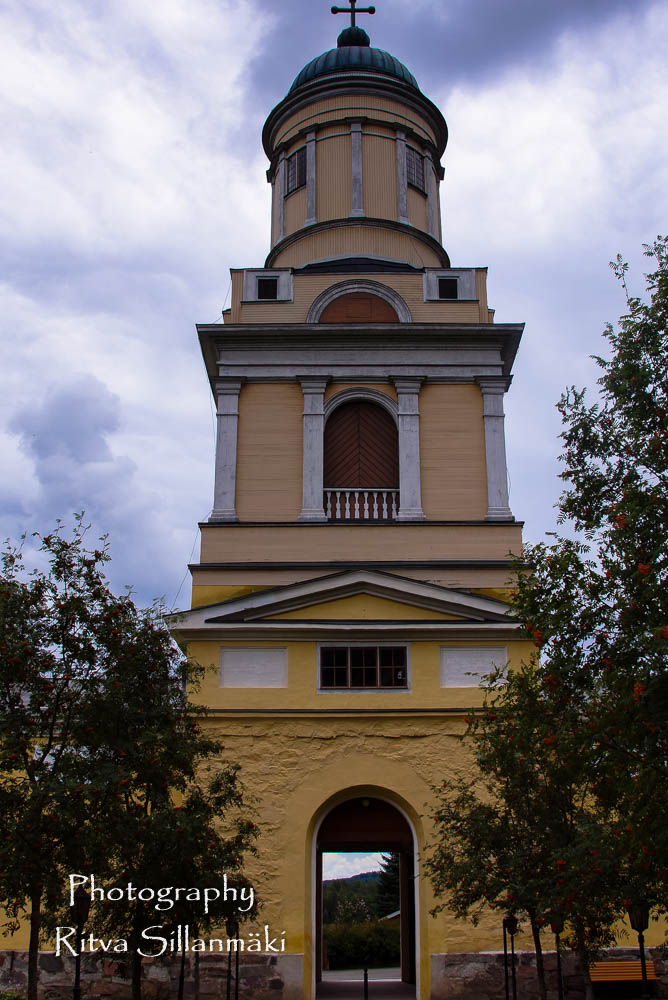

It has been a long time since I took part in Monochrome Madness , I always seem to be a day late. The images there are worth looking at so have a look at the other entries too, lots of talented photographers participate in this challenge.
Here is my entry for this week, the theme was HIGH – Eiffel towel in Paris is that…I played with two images and ended up sending this highly edited version. Most of the time I want my photos to be as natural as possible, this time I chose differently, comments?
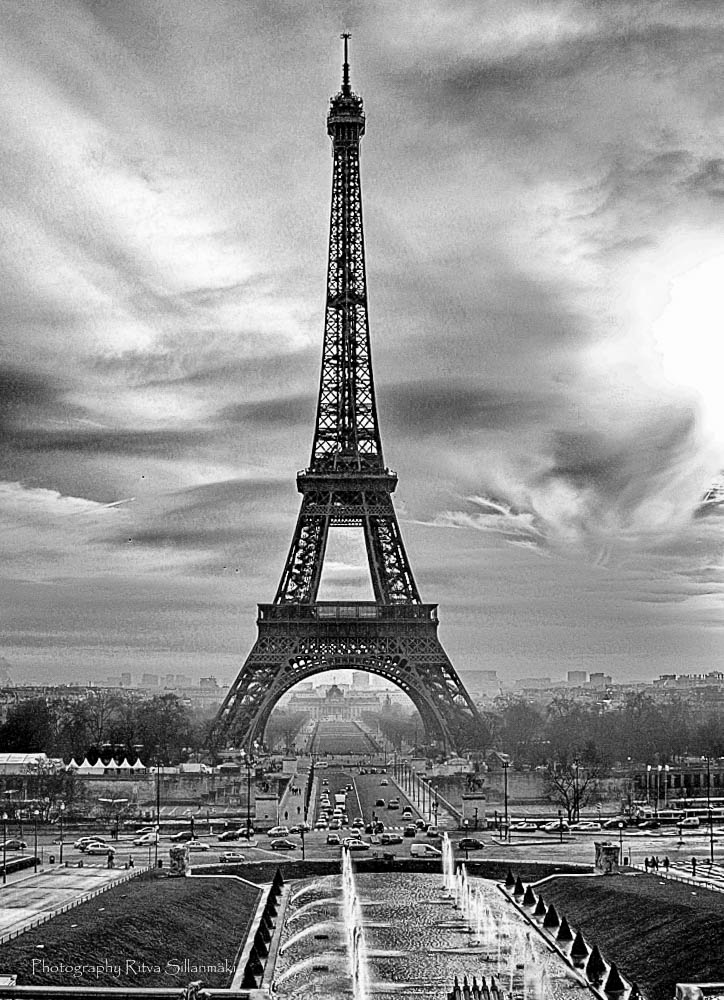
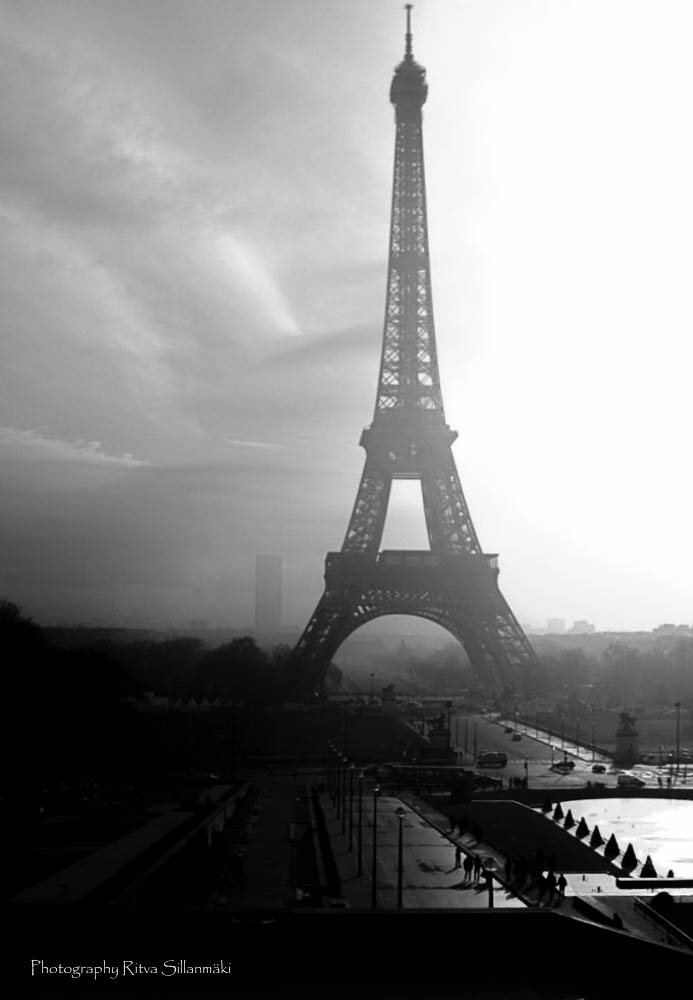



This is my entry to MM2-49, Balcony from Amalfi town in Italy. To see the other entries to this inspirational challenge visit Leanne Cole PHOTOGRAPHY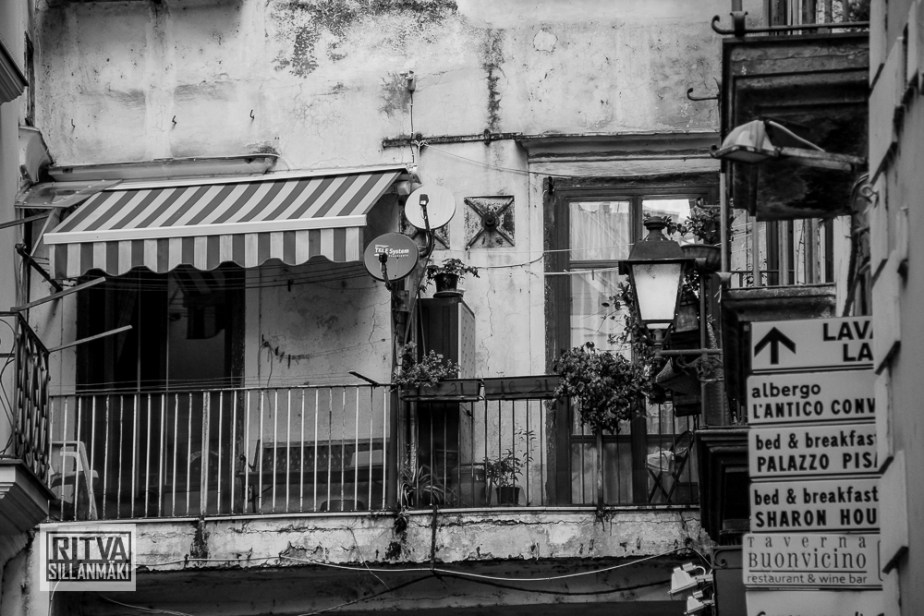

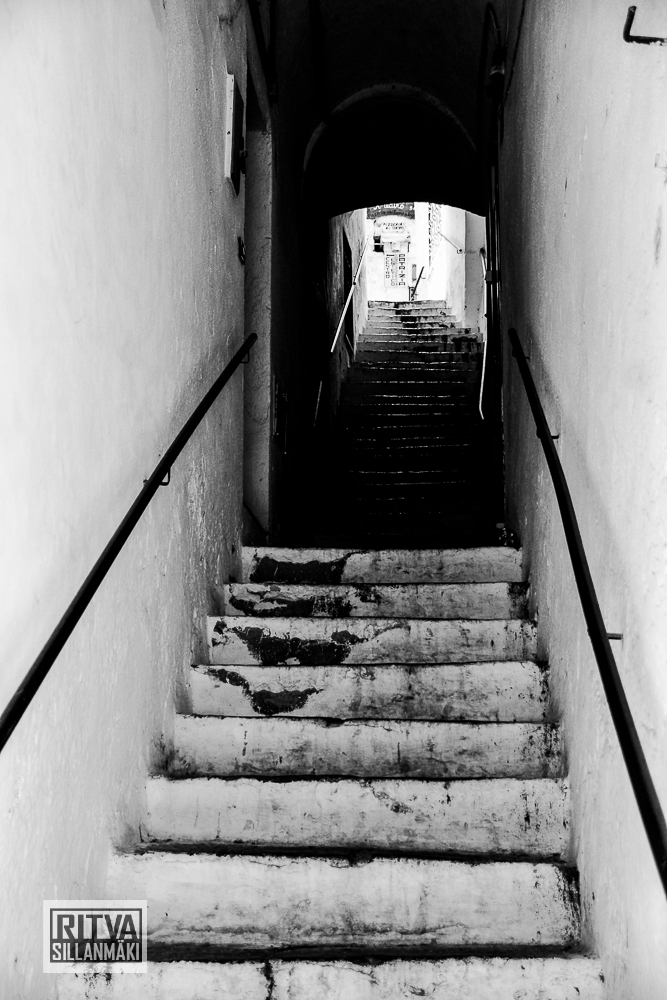
I have taken so many photos of steps, stairways and you are going to see some of them in the near future. I love the idea that they lead you somewhere and you you don’t know what it is. Also the play of light and shadows, it makes a good photo in my opinion. Texture…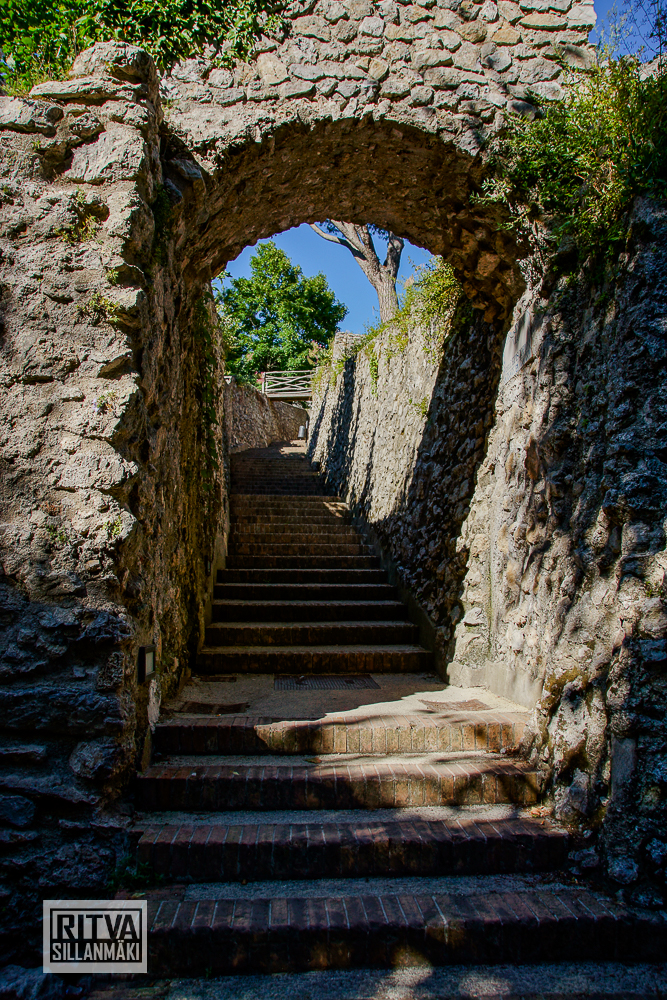
The Central Thermae were bath houses built around the first century AD. Bath houses were very common at that time, especially in Pompeii and Herculaneum. Per common practice, there were two different bath areas, one for men and the other for women. These houses were extremely popular, attracting many visitors daily. This cultural hub was also home to several works of art, which can be found in various areas of the Central Thermae site.
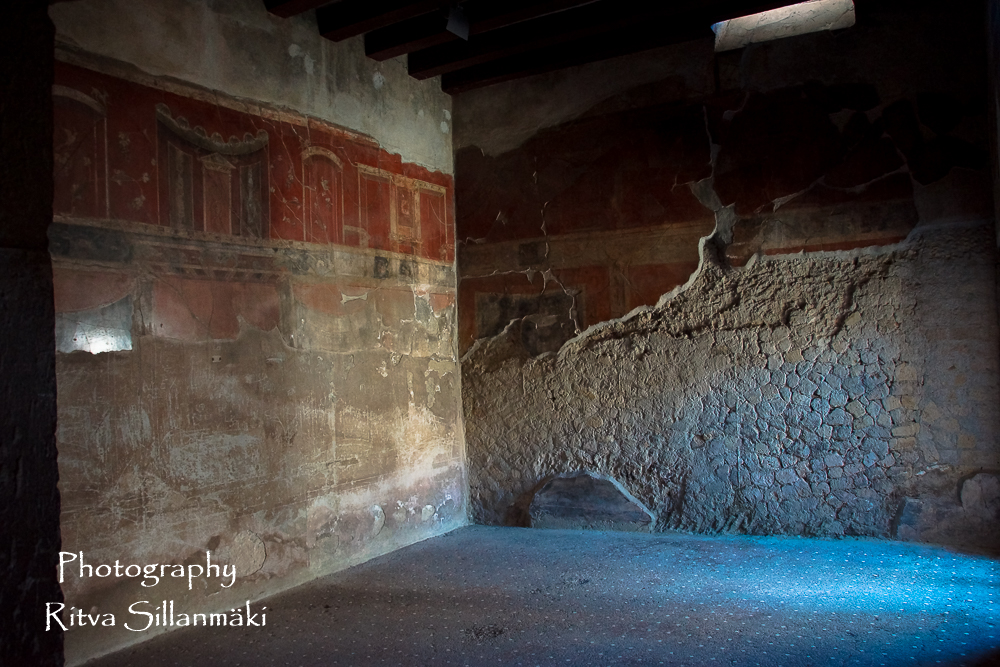
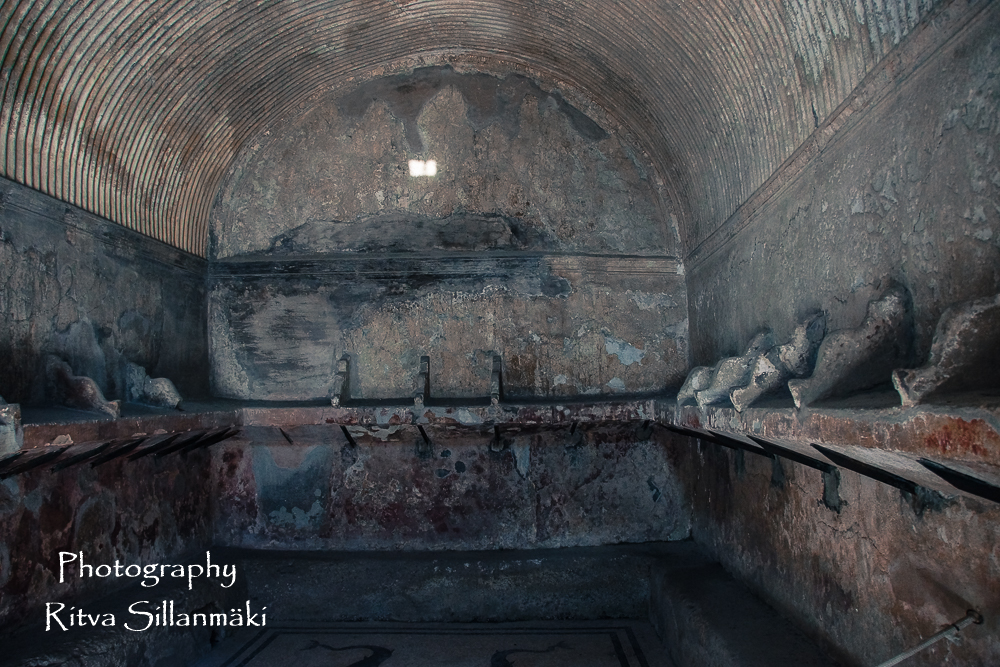
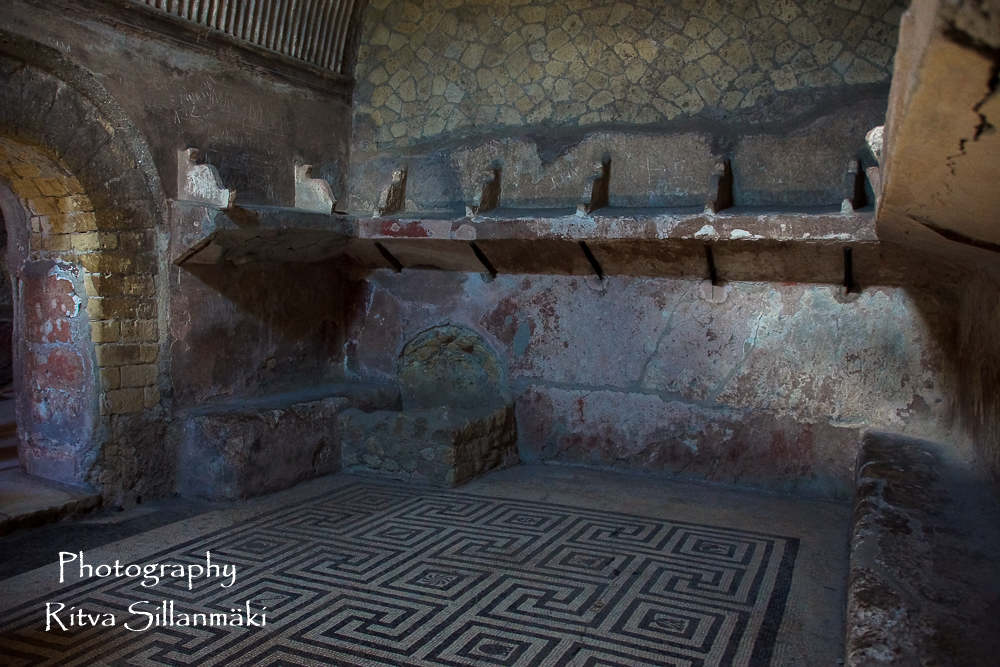
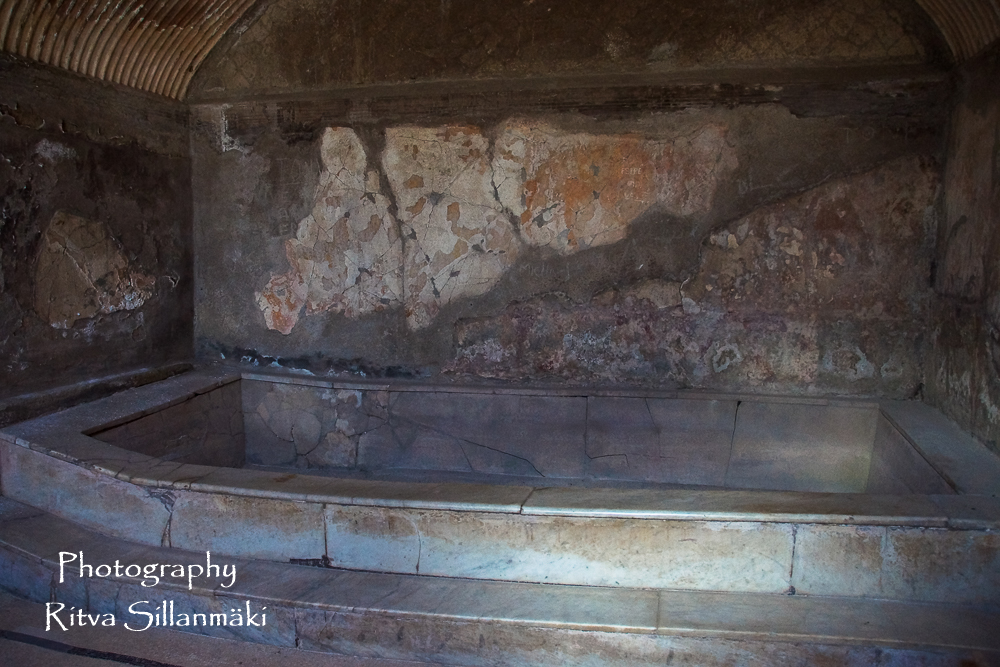
Details from the floor and walls…so amazing


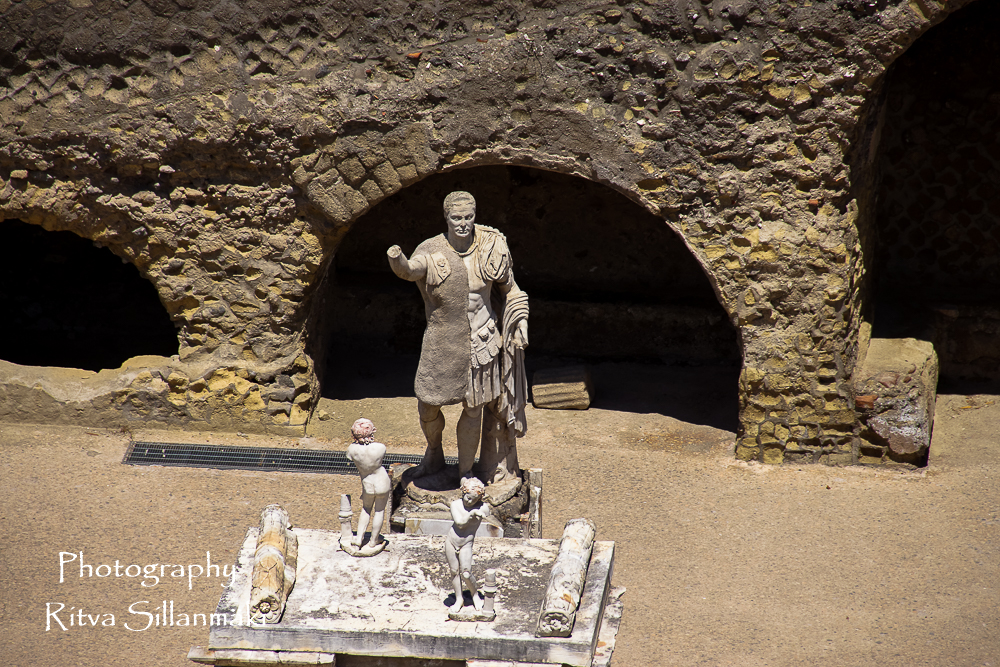
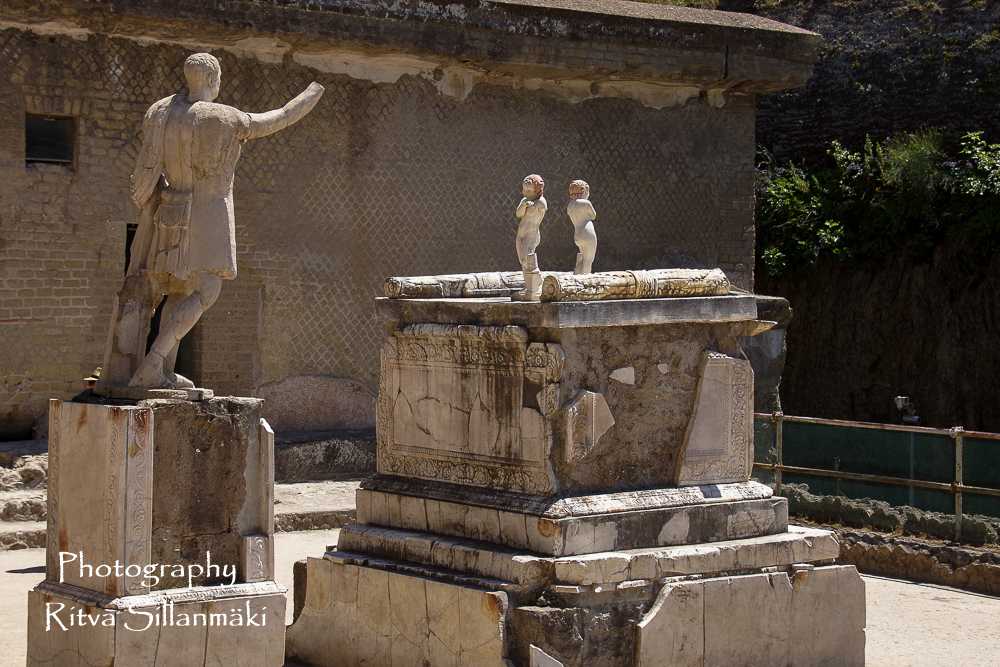
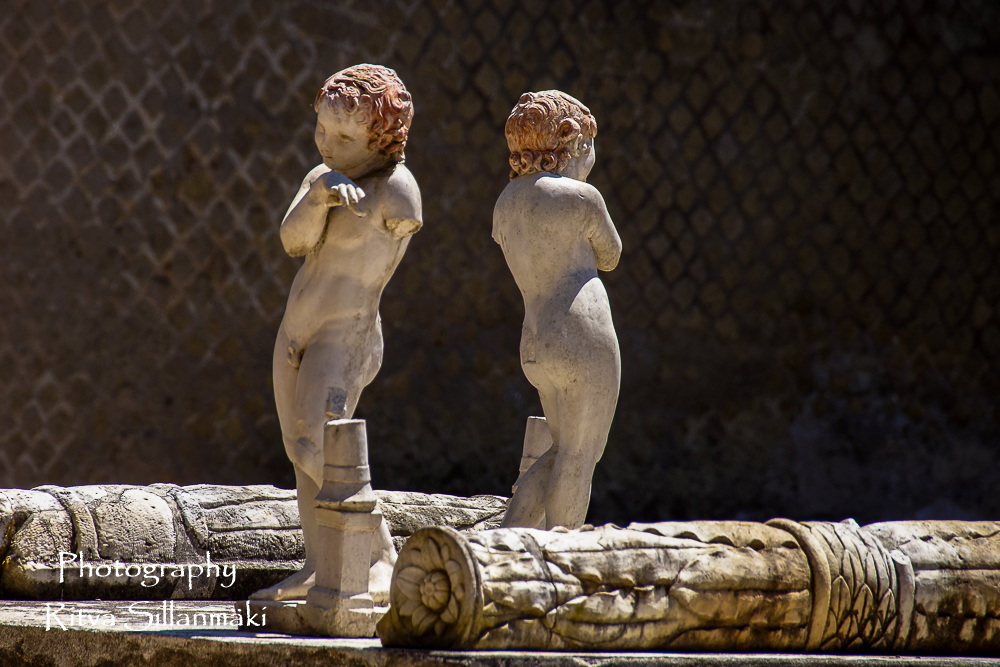
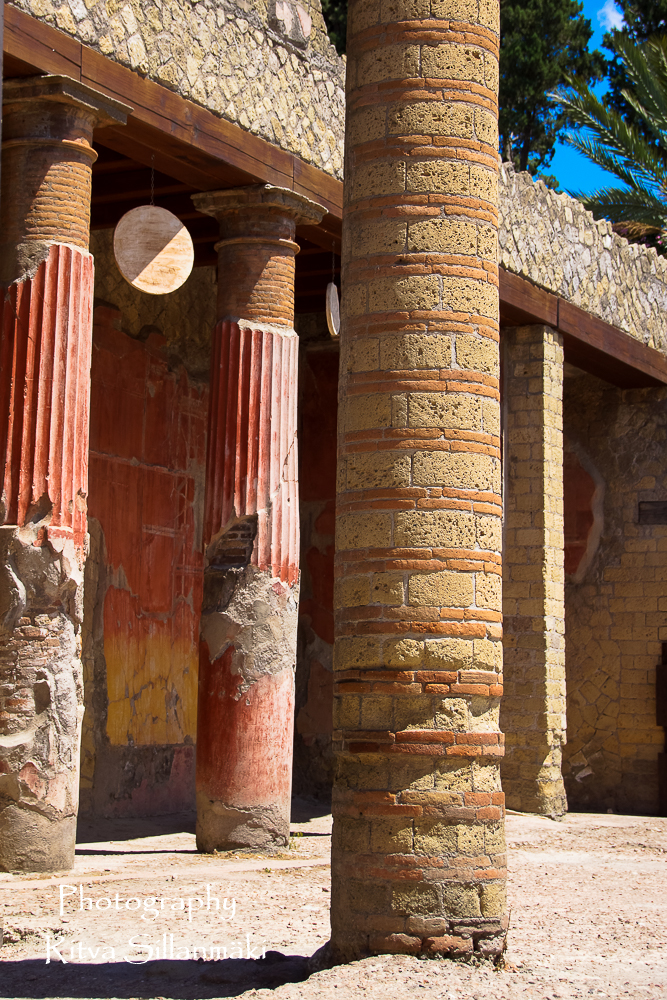
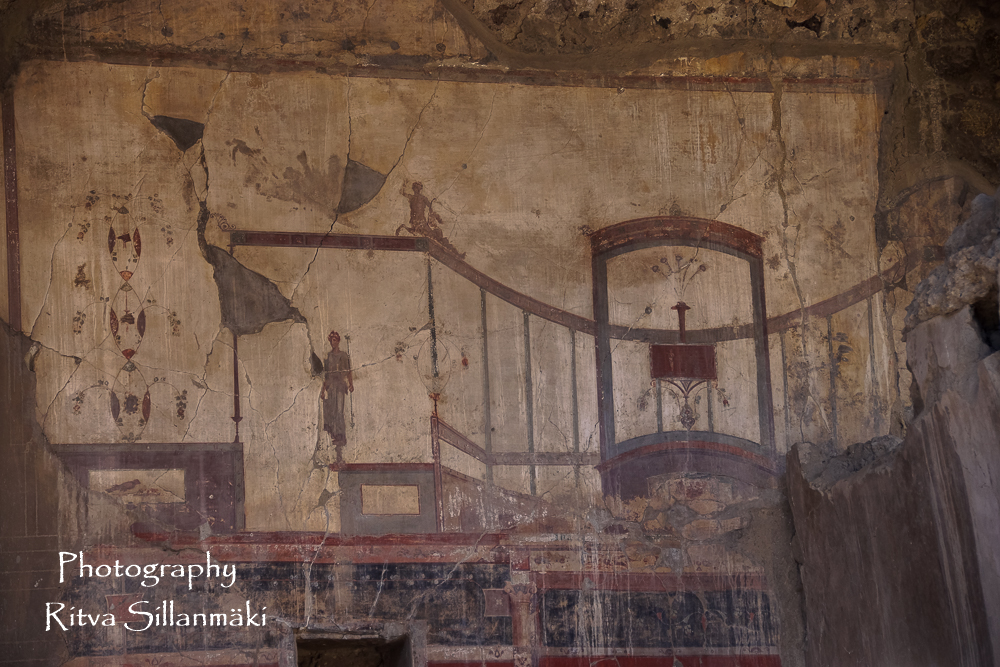
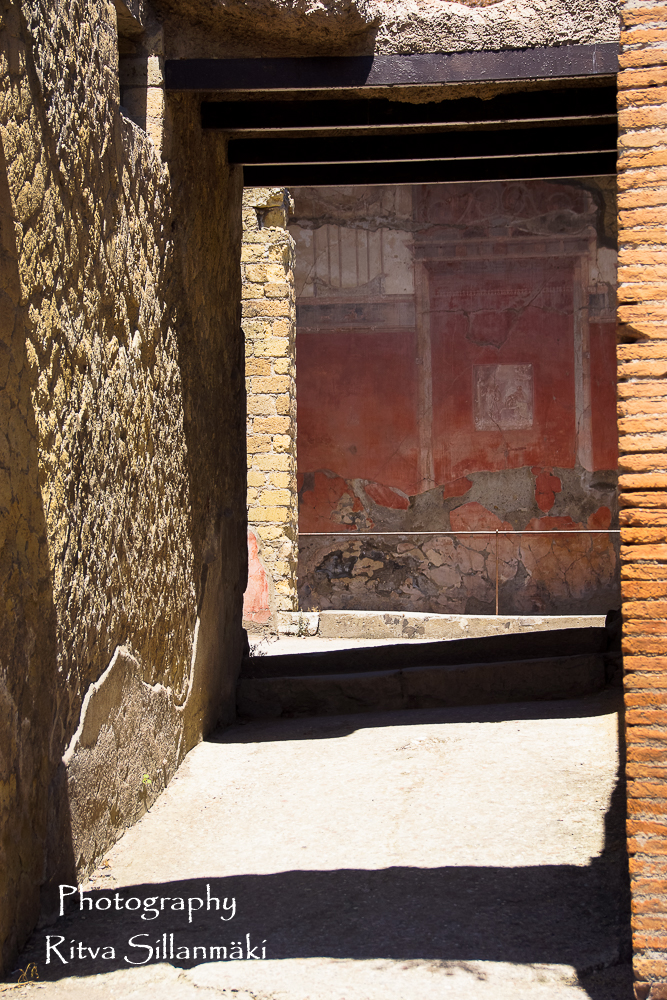
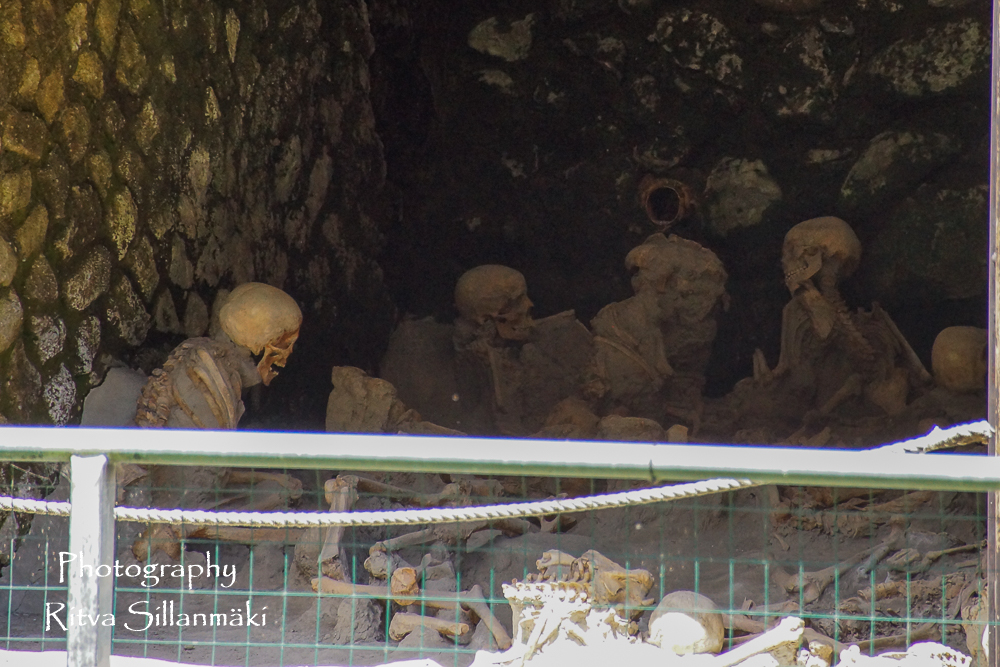
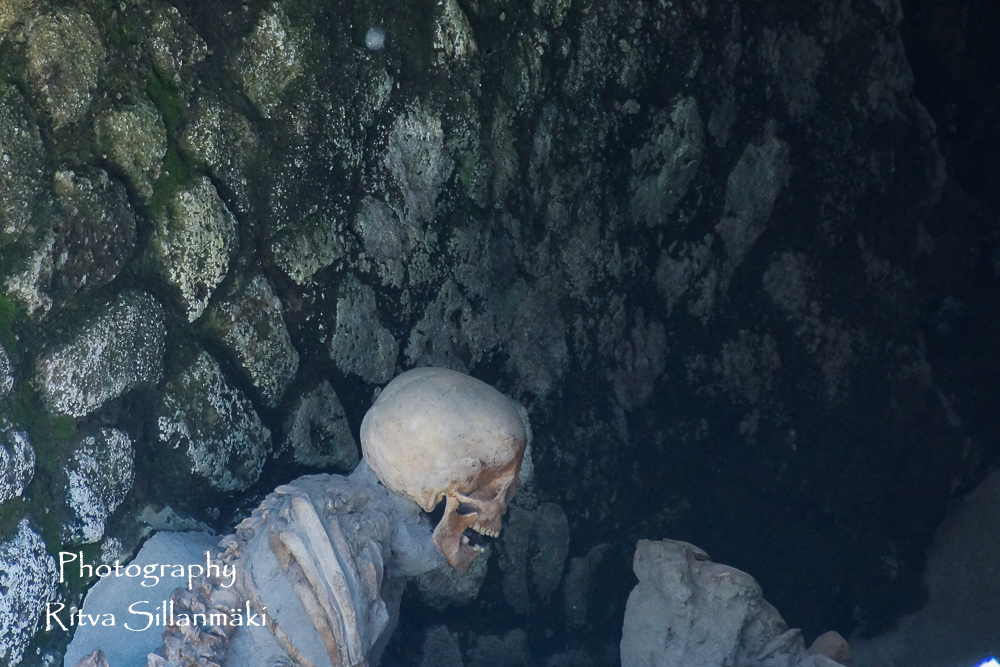
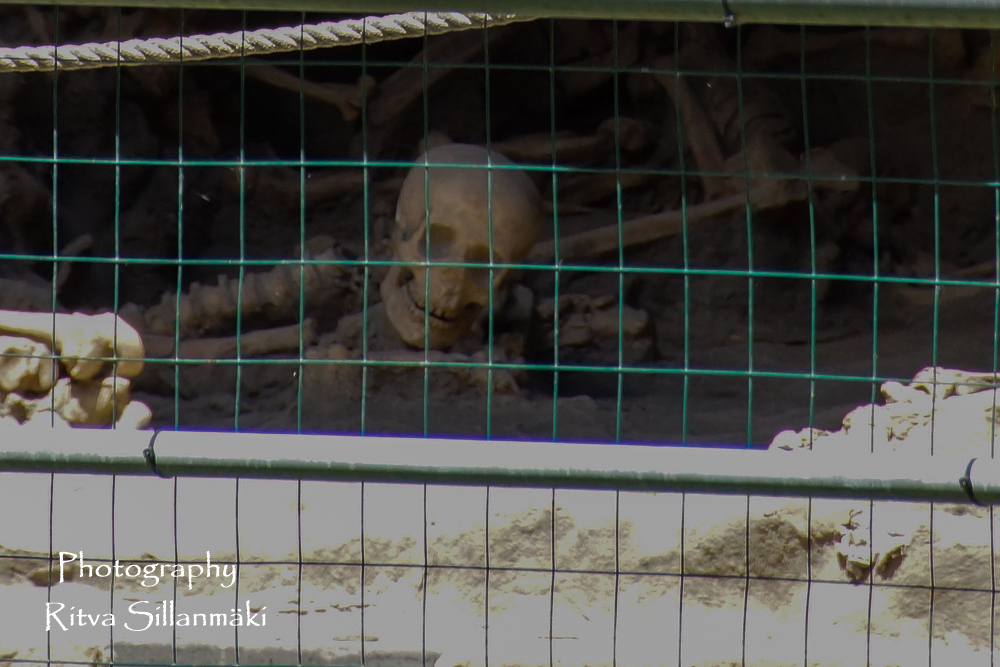
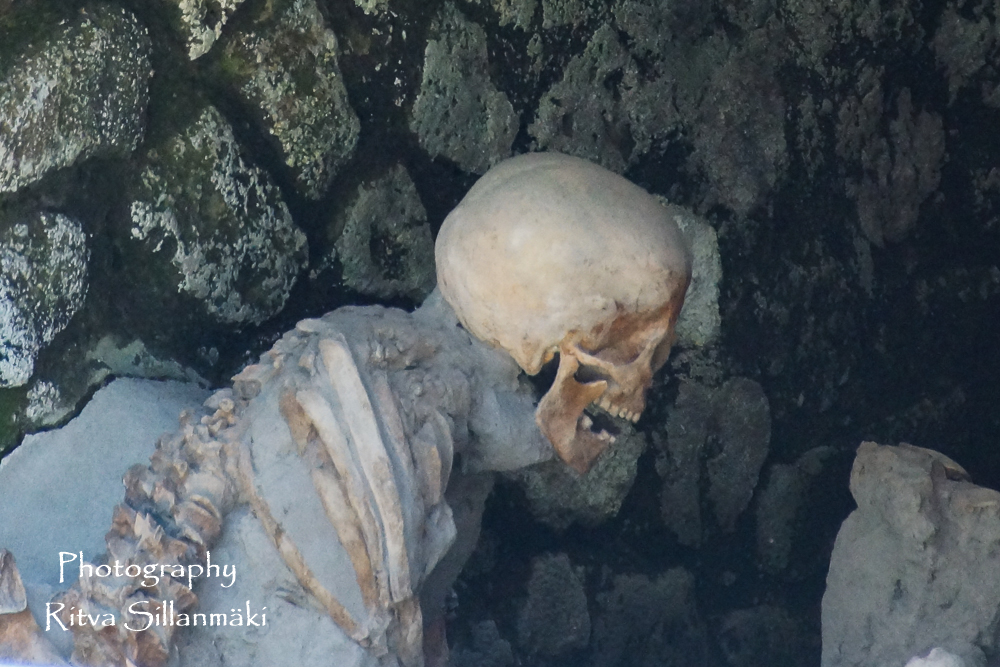
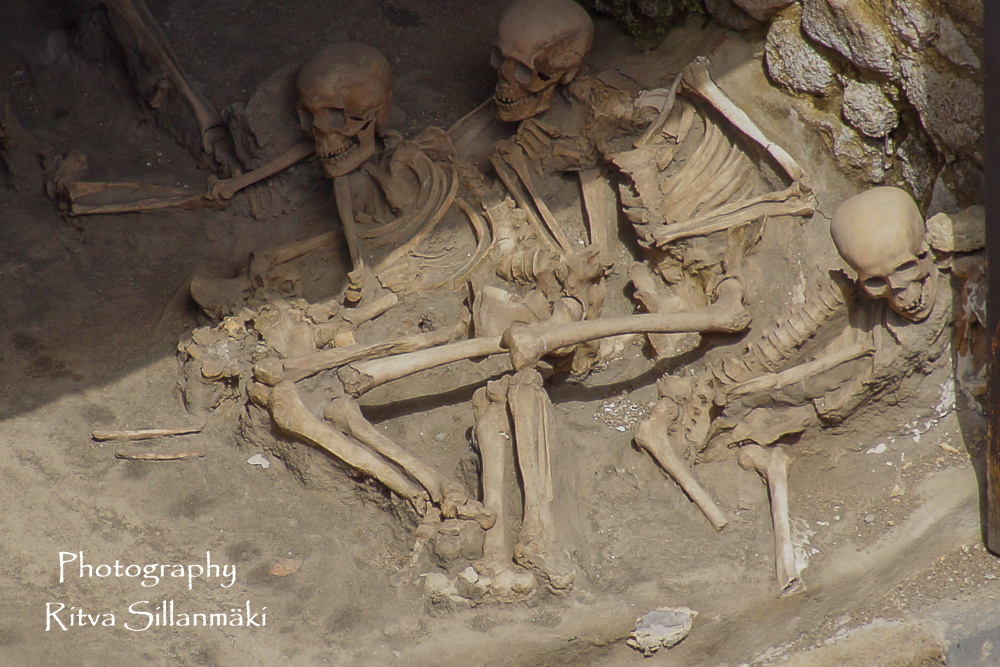
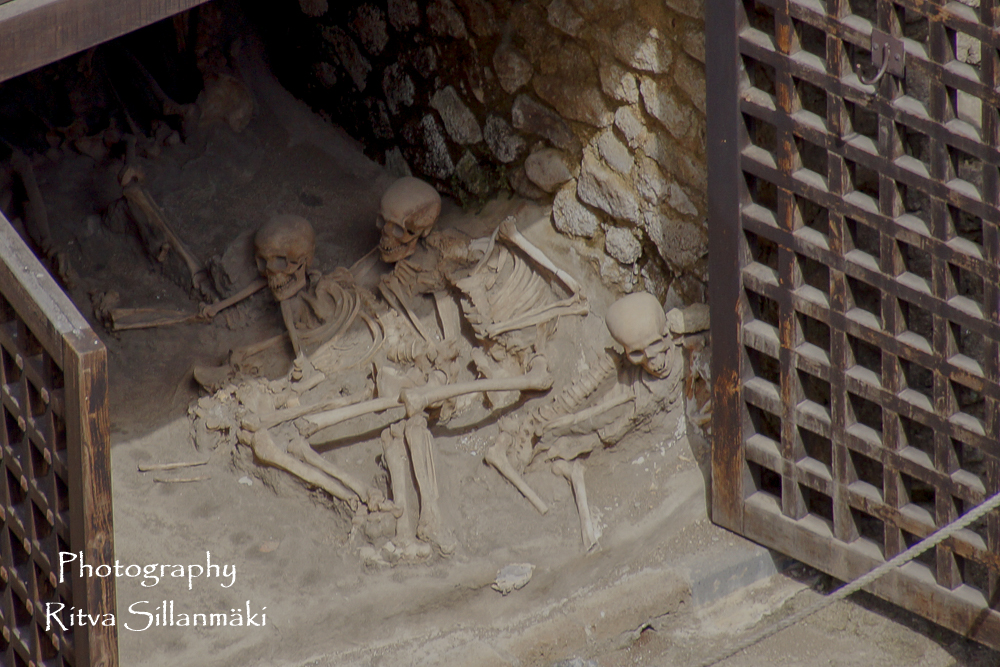
Herculaneum was an ancient Roman town destroyed by volcanic pyroclastic flows in 79 AD. Its ruins are located in the commune of Ercolano, Campania, Italy.s a UNESCO World Heritage Site, it is famous as one of the few ancient cities that can now be seen in much of its original splendour, as well as for having been lost, along with Pompeii, in the eruption of Mount Vesuvius in AD 79 that buried it. Unlike Pompeii, the deep pyroclastic material which covered it preserved wooden and other organic-based objects such as roofs, beds, doors, food and even some 300 skeletons which were surprisingly discovered in recent years along the seashore.
Here are few shots seen when entering the the site and The “Boat houses” where skeletons were found.
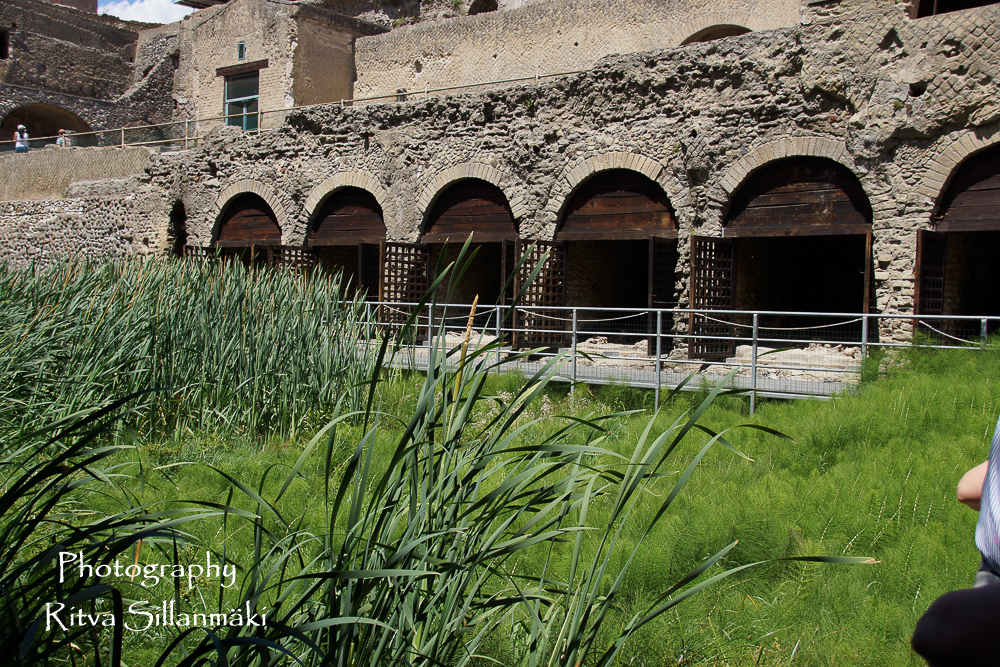
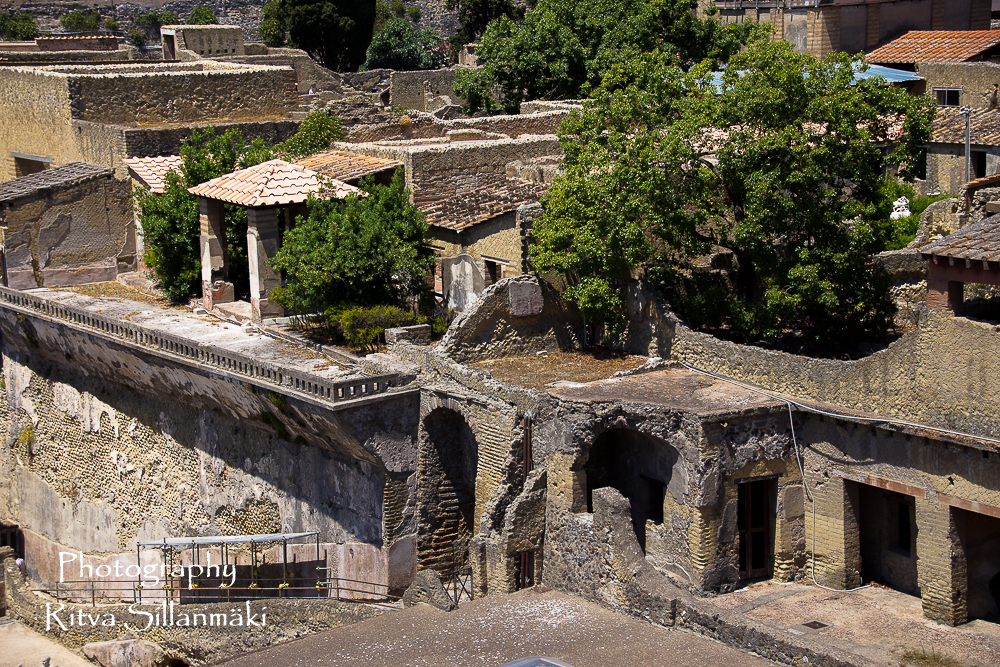
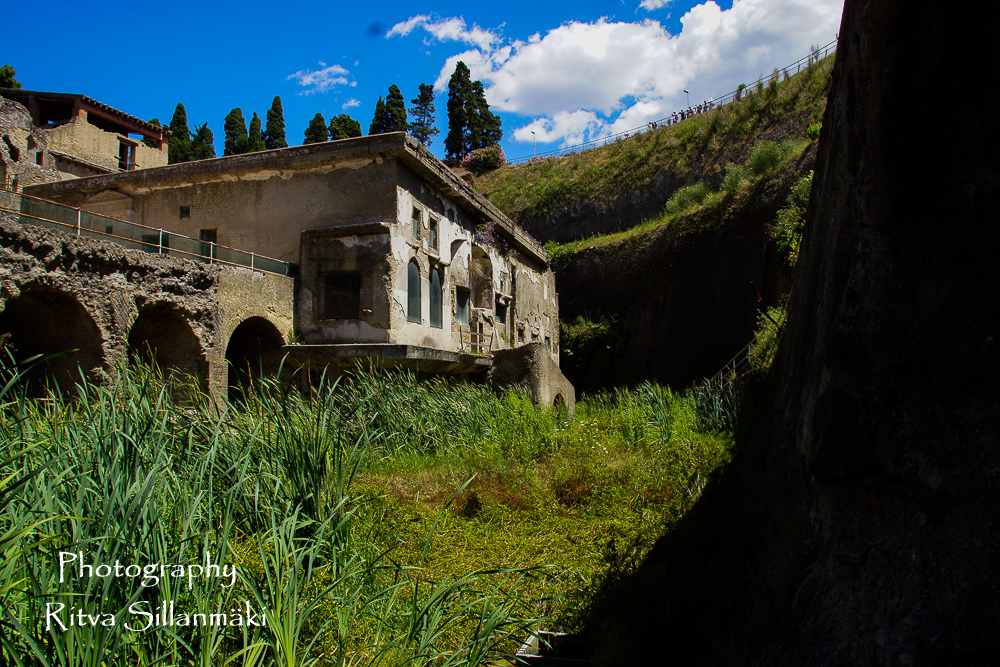
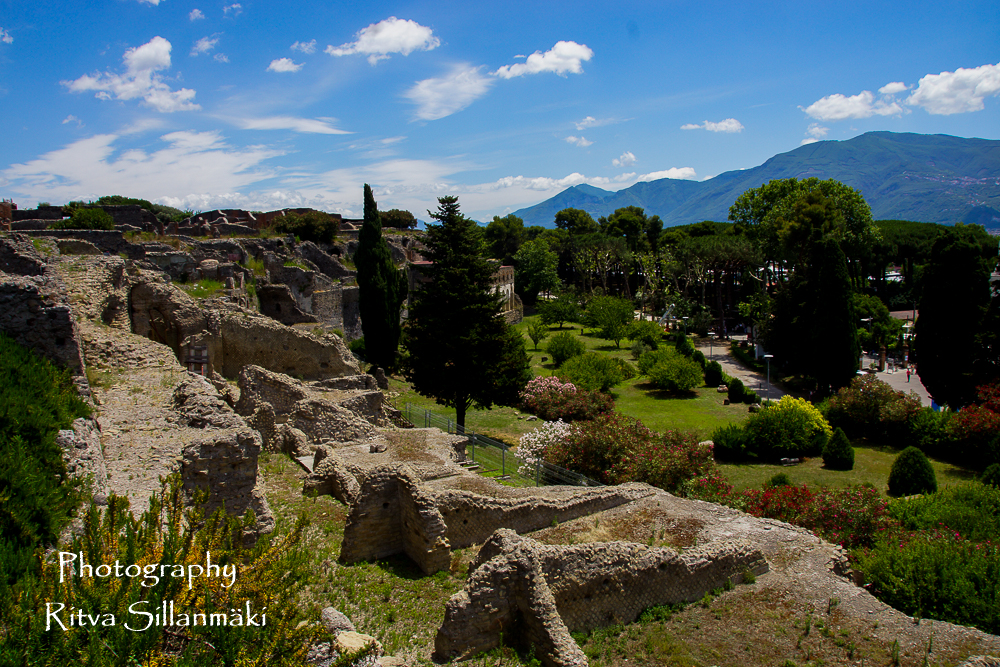
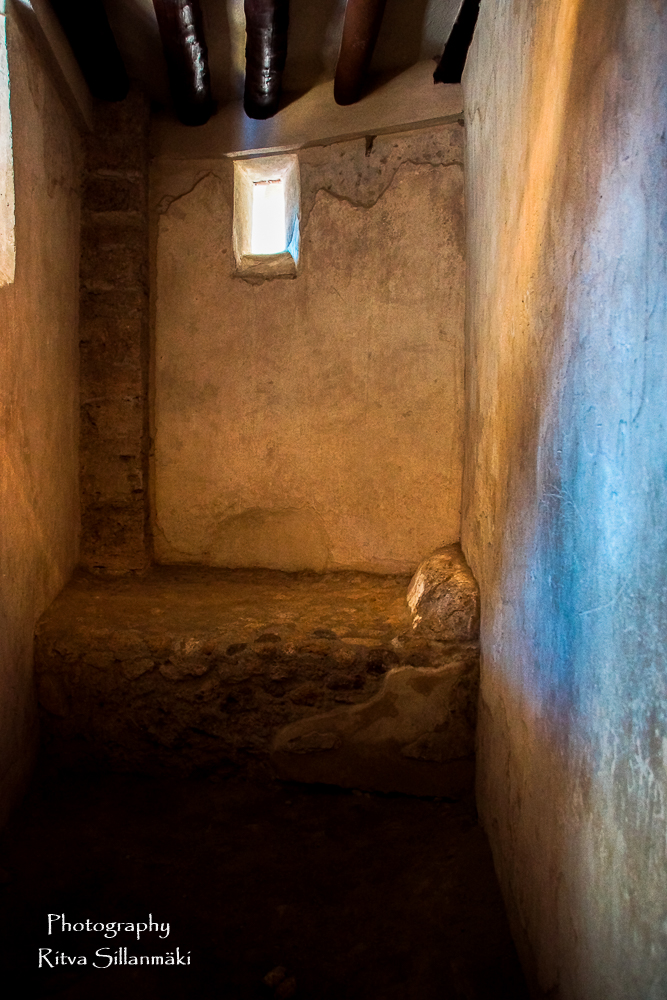
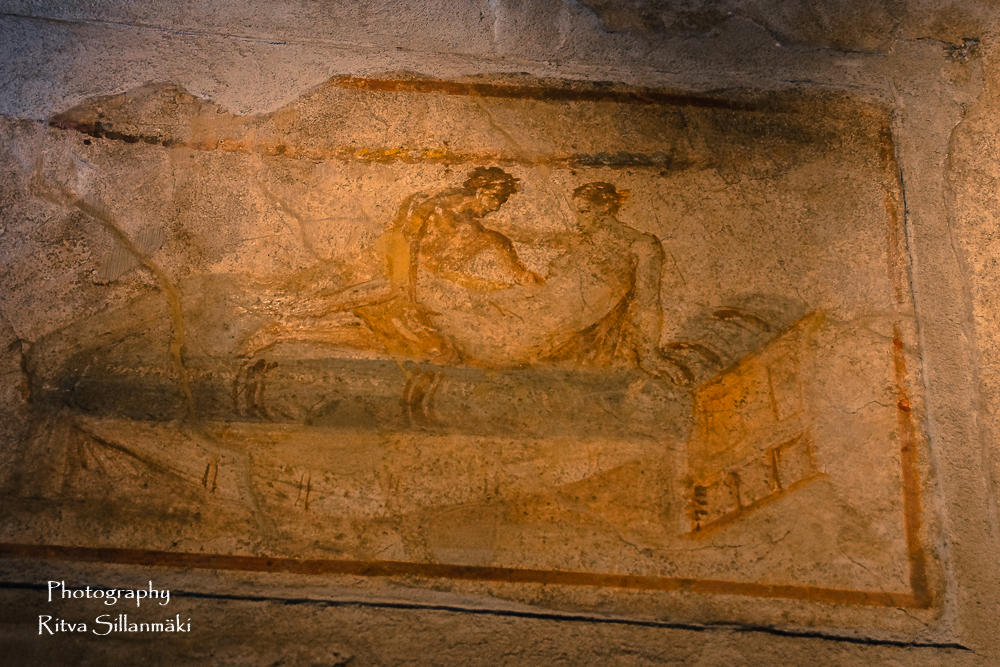
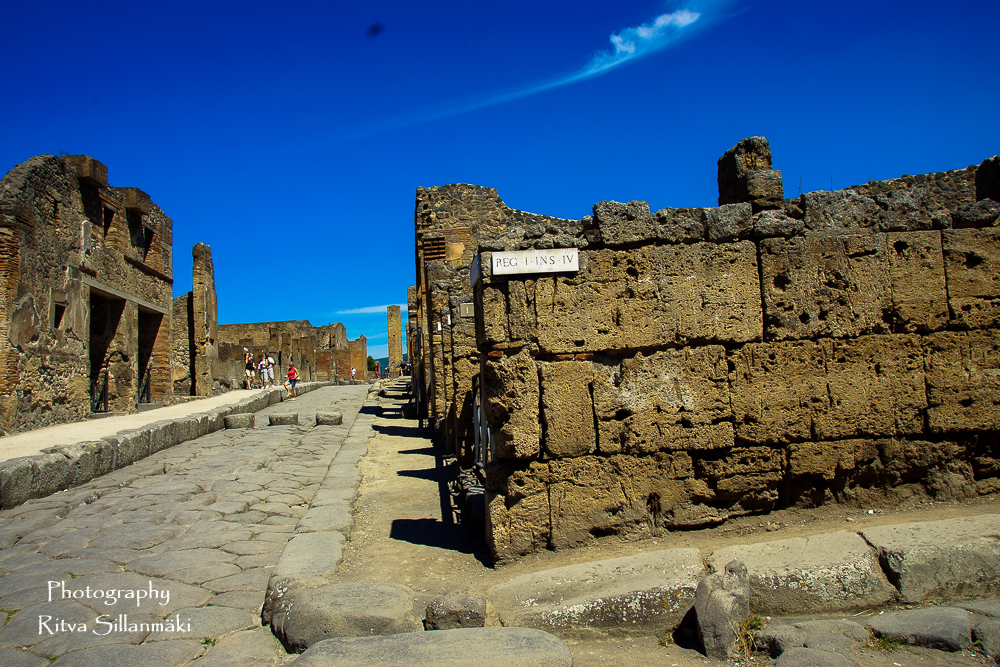
As we walked on the pebble roads, you could find signs carved in to the stoens showing the way to the gentlemans club…on the wall tou could see pictures of services provided. Conveniently next to the brothel was a doctor’s office
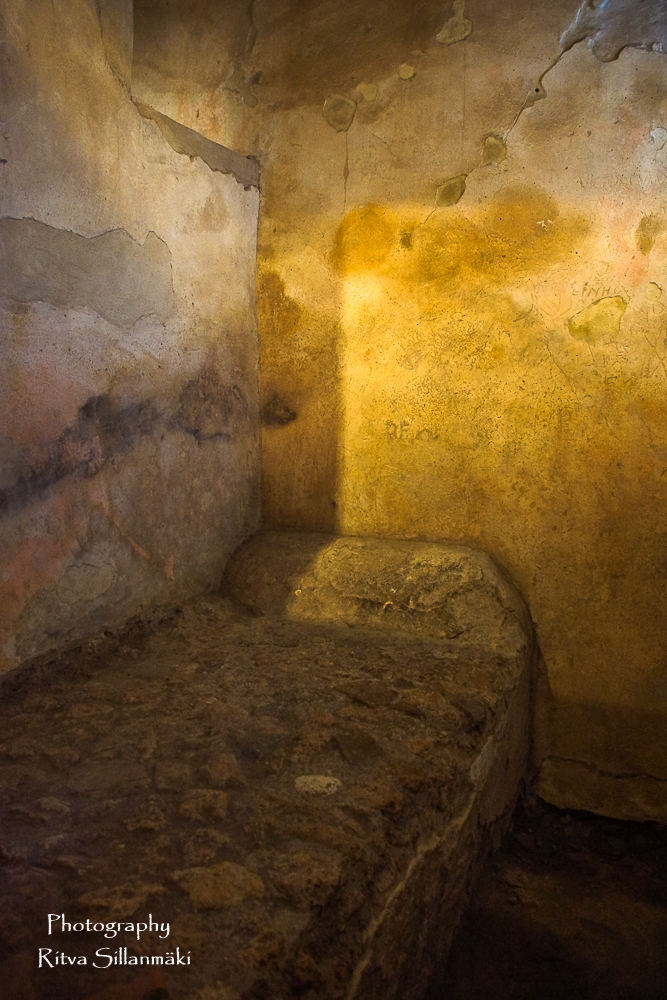
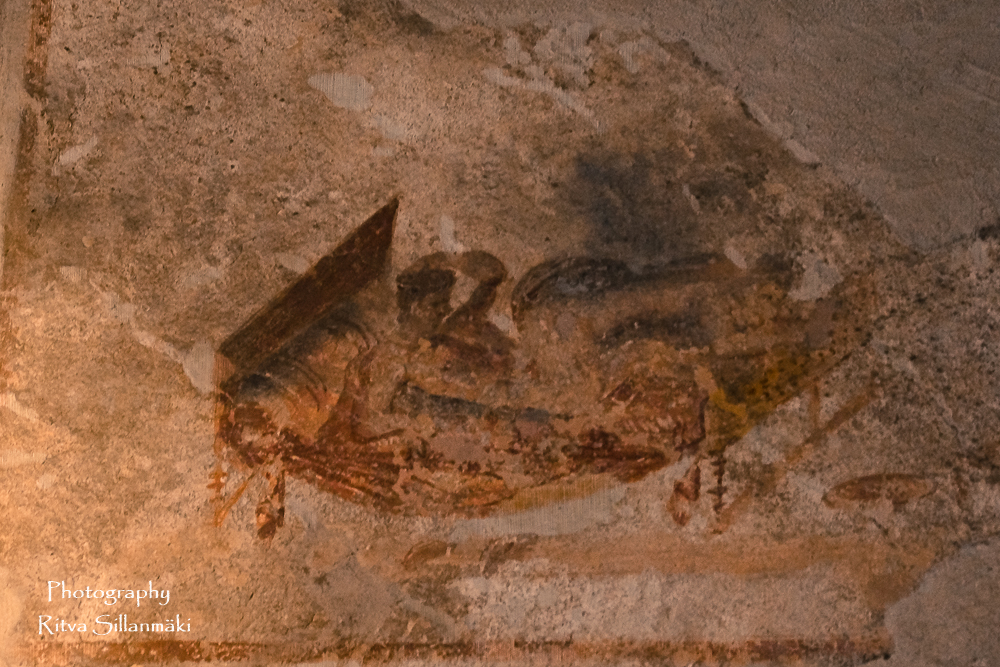
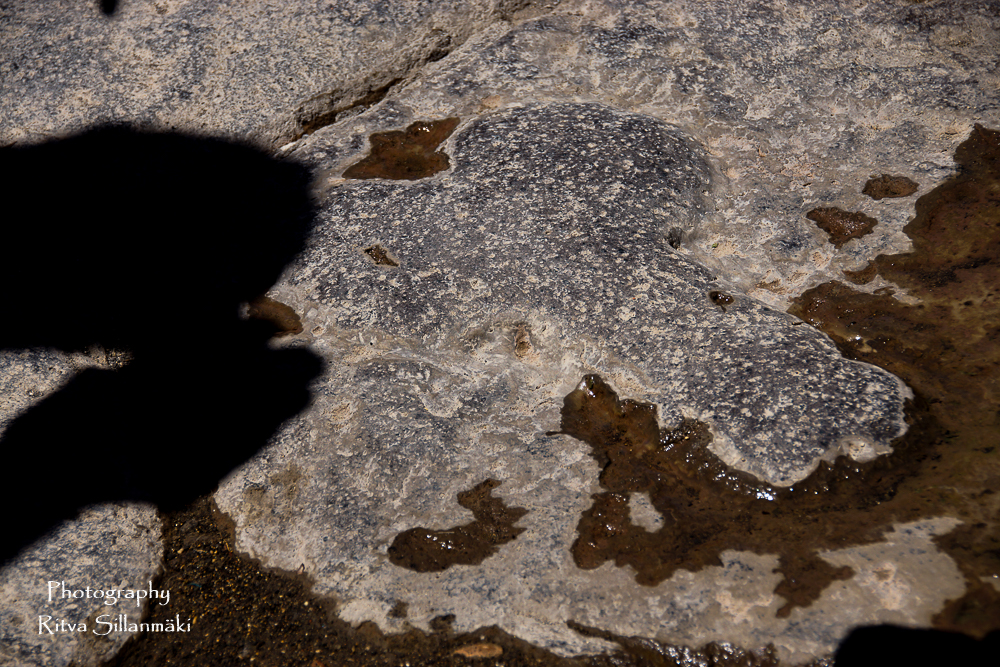
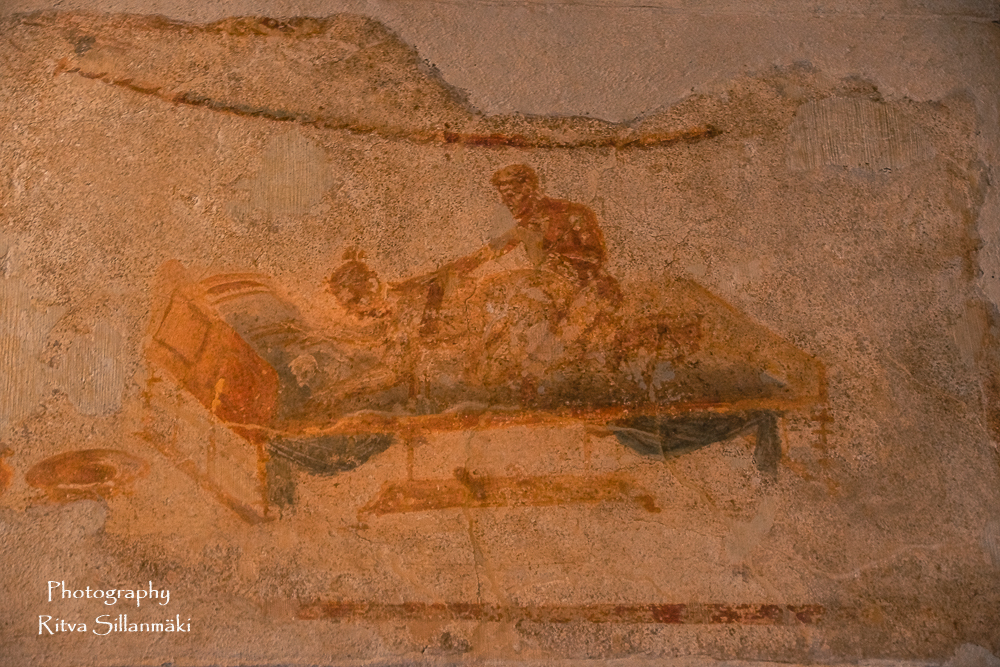
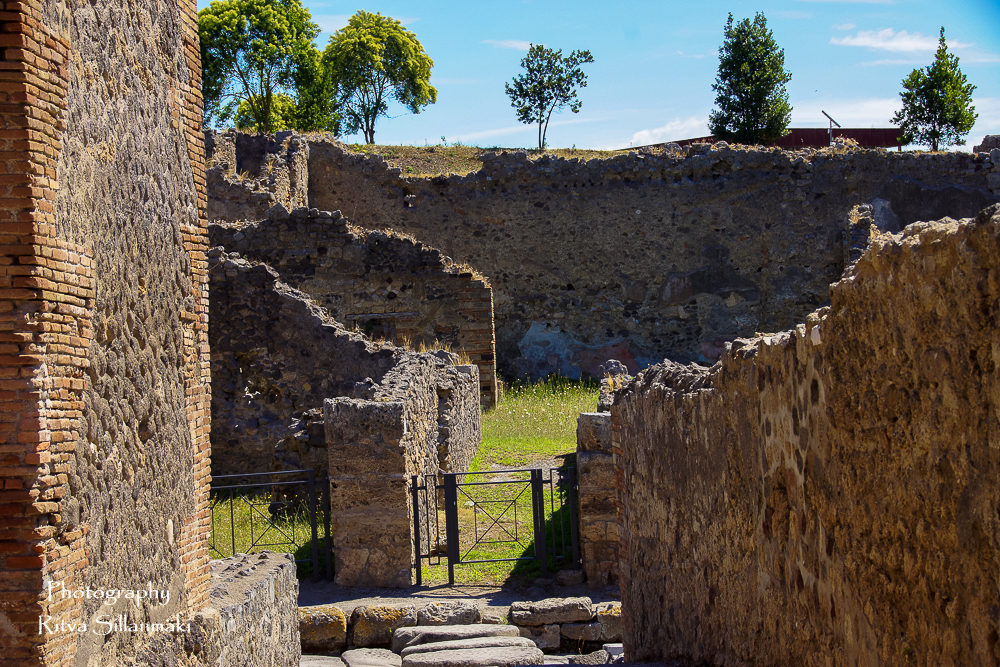
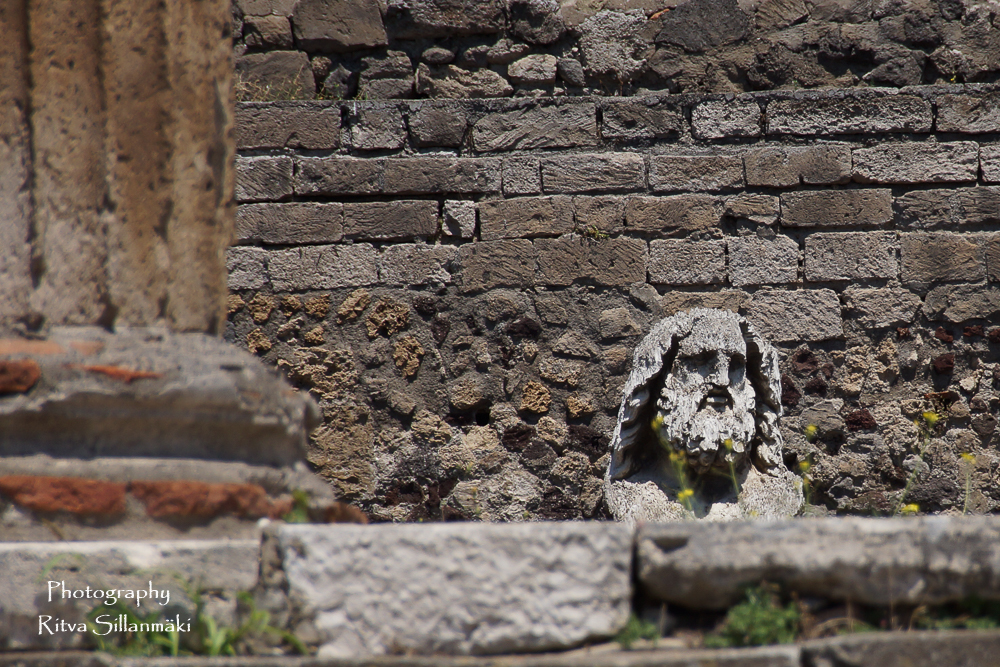
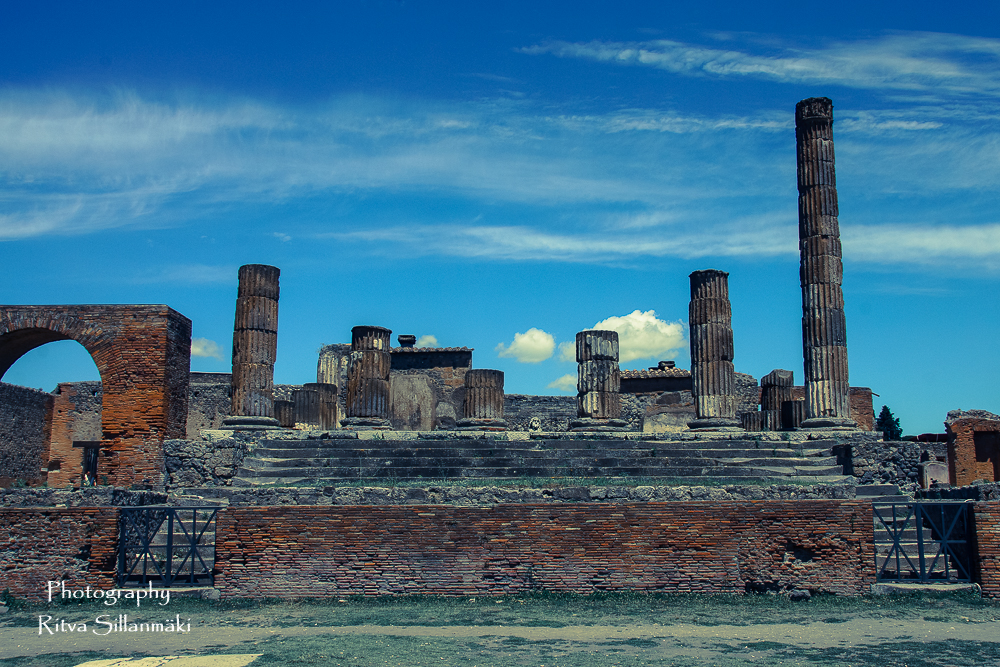
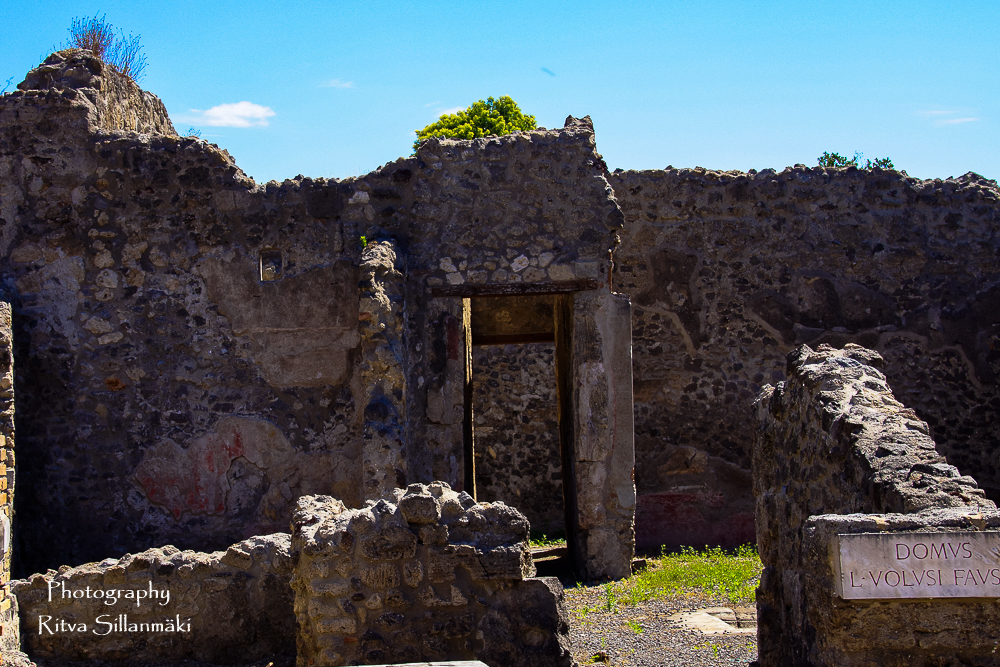
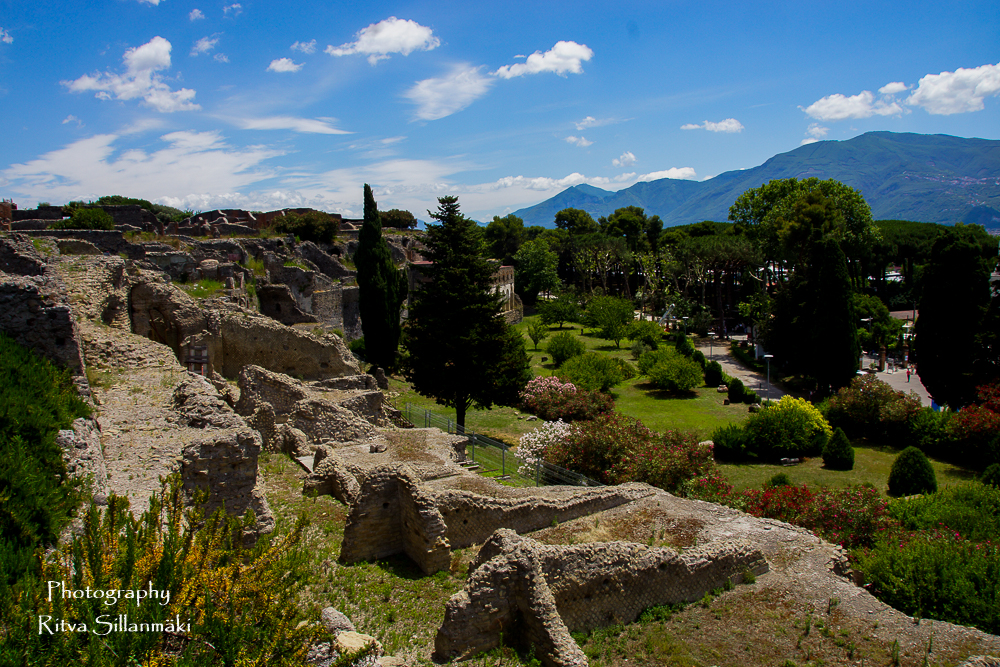
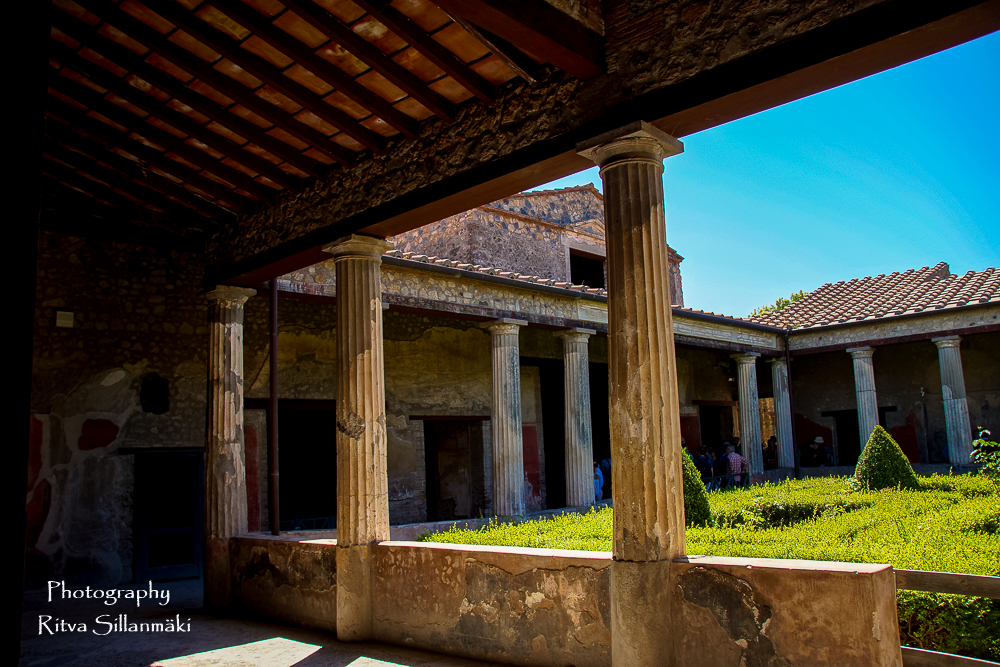
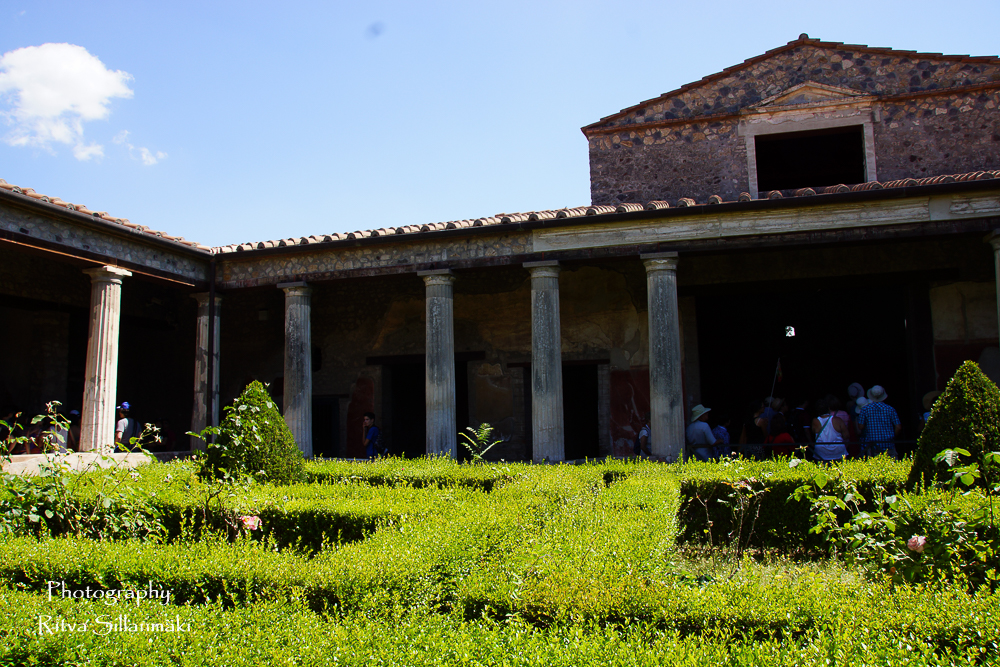
I visited Pompei last summer and I then posted few photos, but as I am on a roll with travel photos I will post few post of how I saw the place, what caught my attention. These are over all photos, the place is huge and it is quite amazing how it has persevered time.
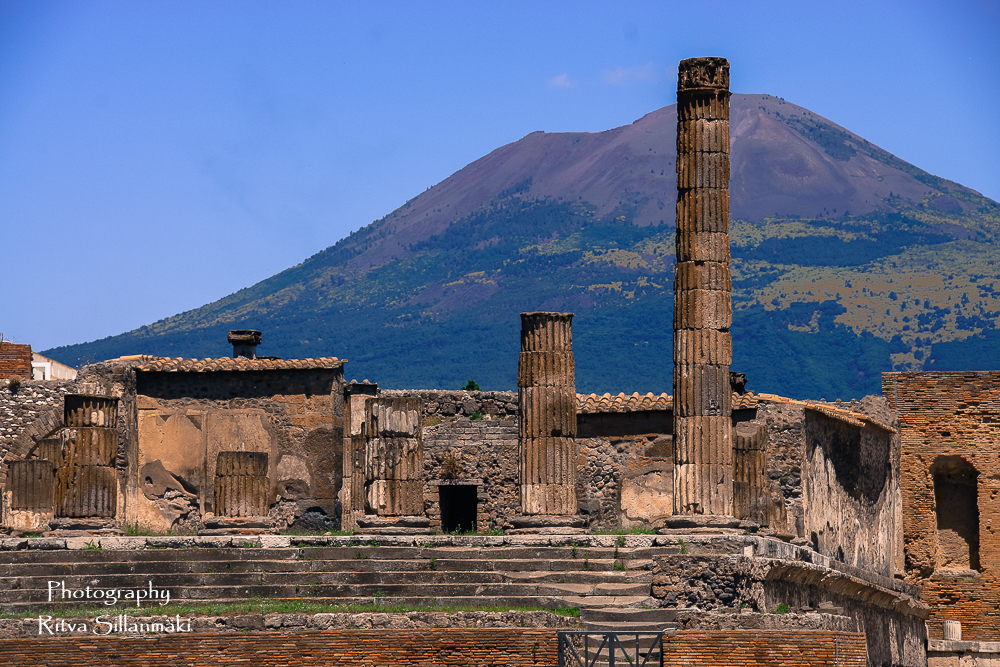
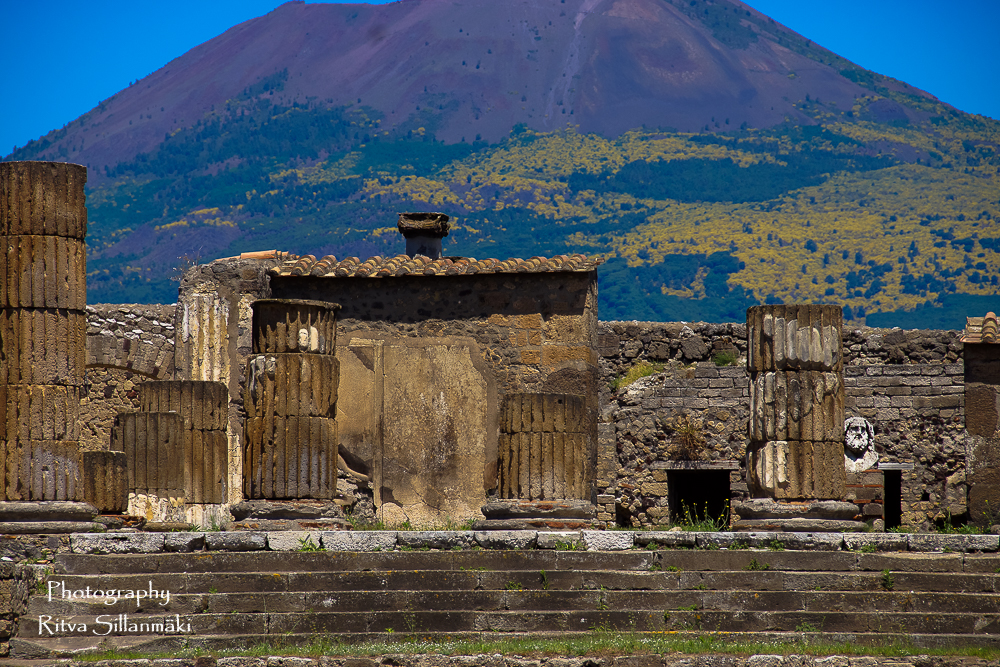
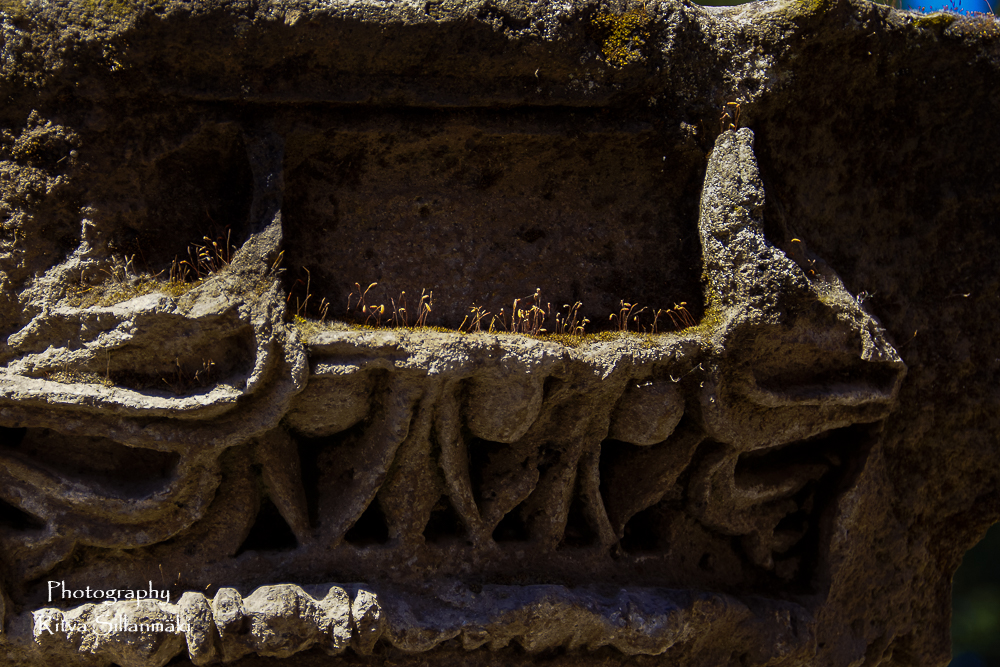
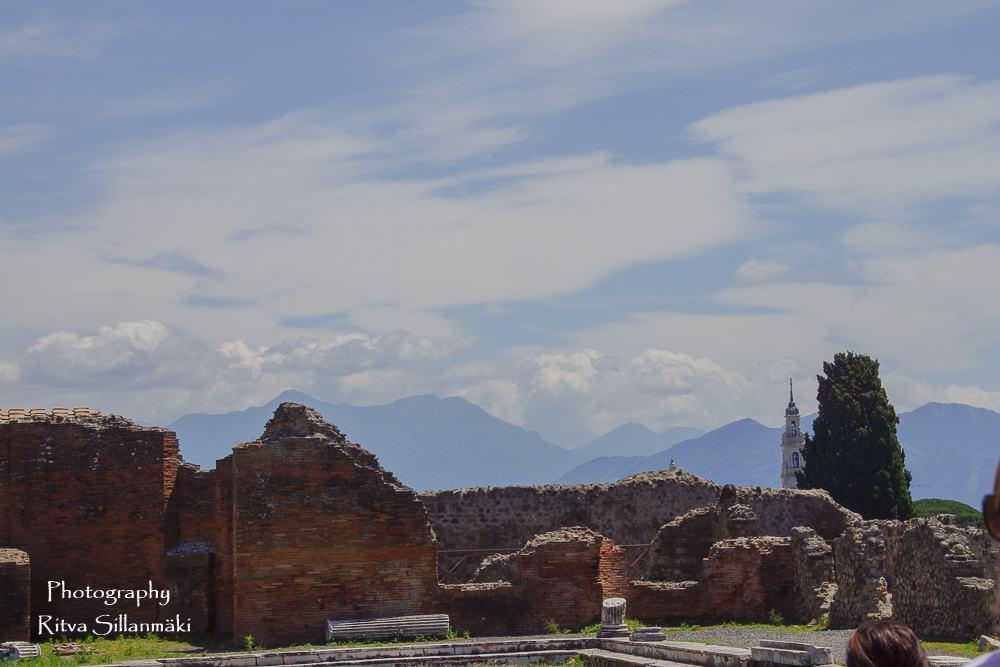
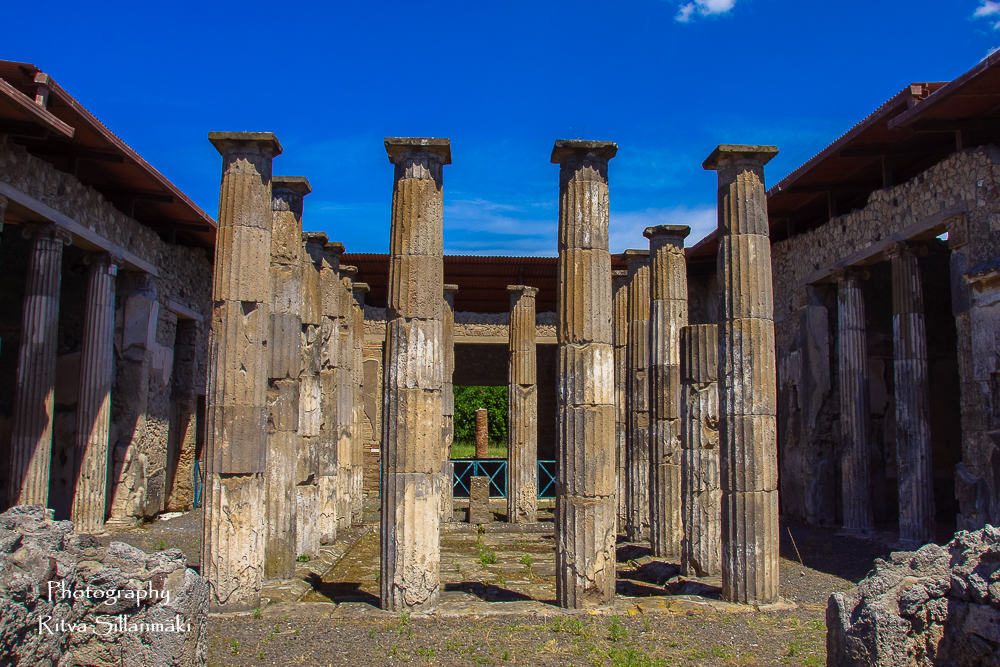
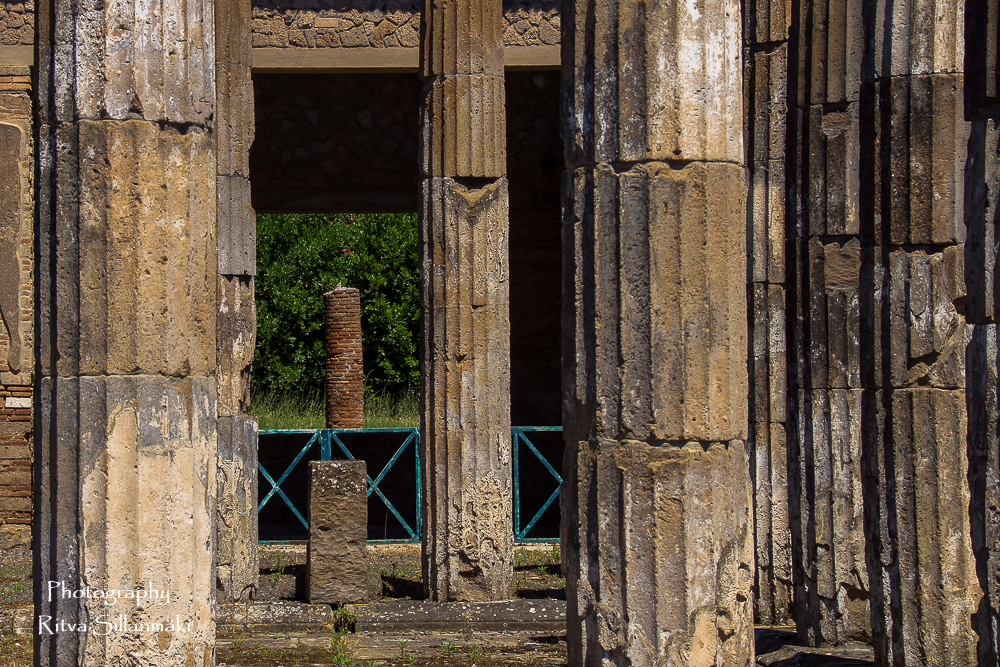
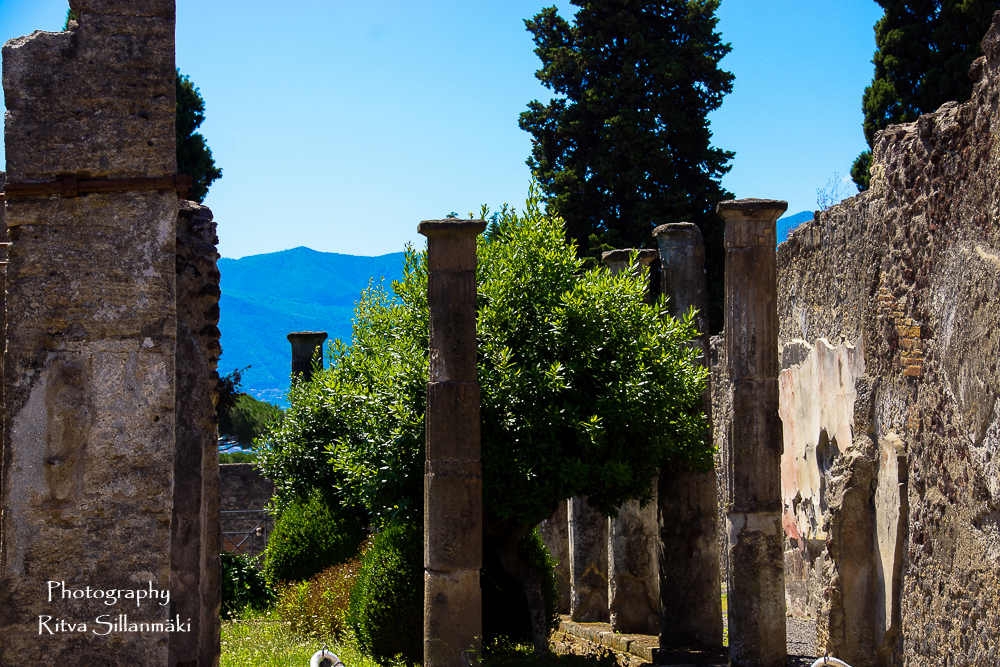
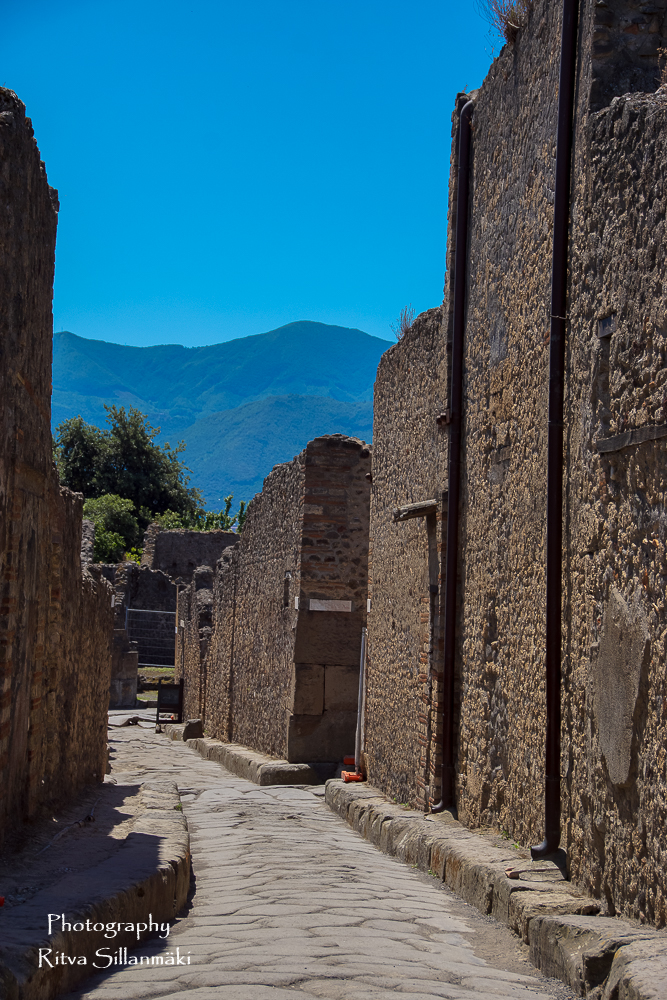
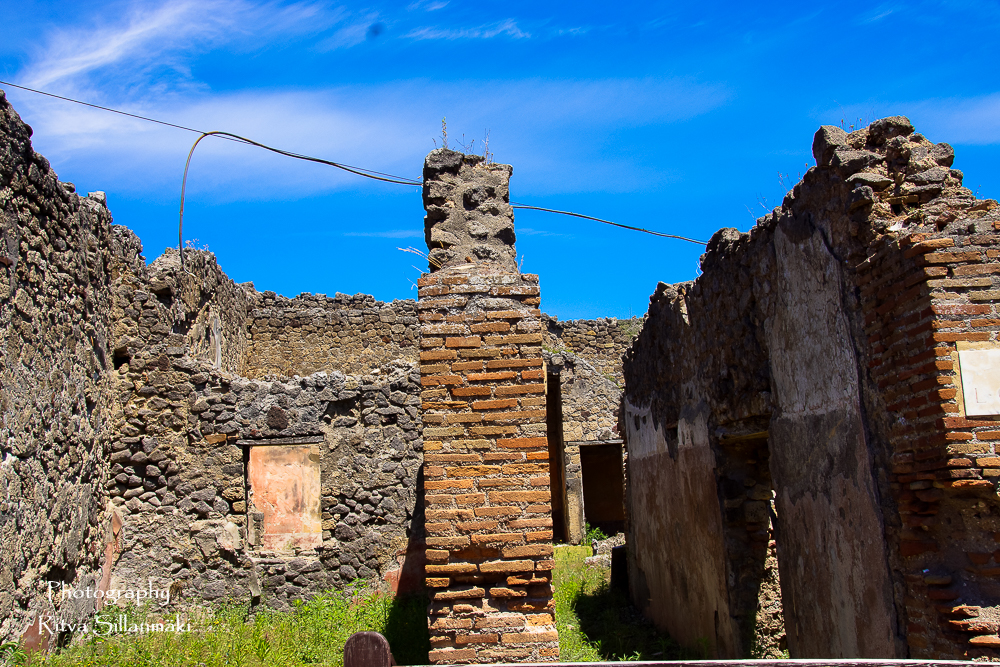
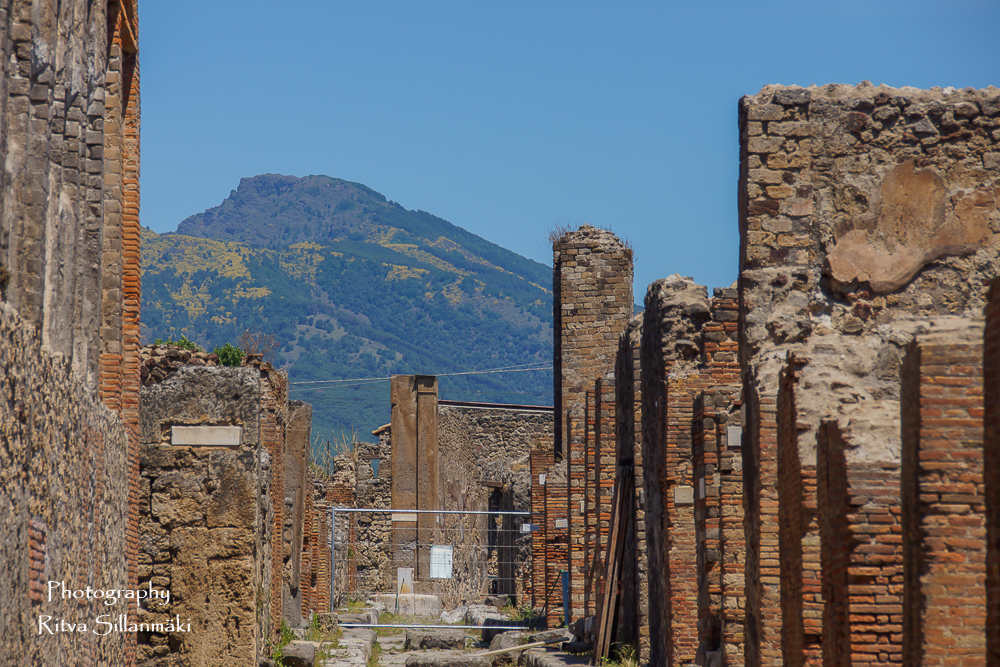
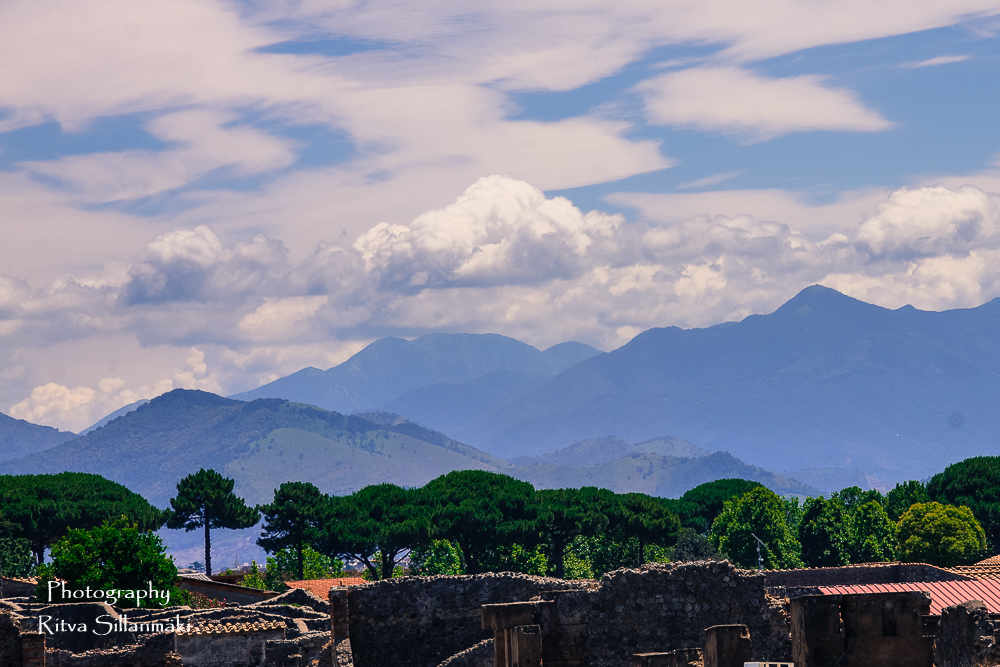
This is going to be my last post about my trip, most like all are bored of them by now. BUT every now and them there might be a picture from here and there.
This is the largest and the best-preserved Portuguese bastion in Goa and was built in 1609-12, to control the entry into the river Mandovi and to protect Old Goa from potential enemy attacks.


Most of my photos are about the locals, the way of life there. I found that there were not so many sights to see there. The difference is so vast that it left an impression. The colors, the strong sun, poverty and skooters and cars and that there was so many people everywhere.


