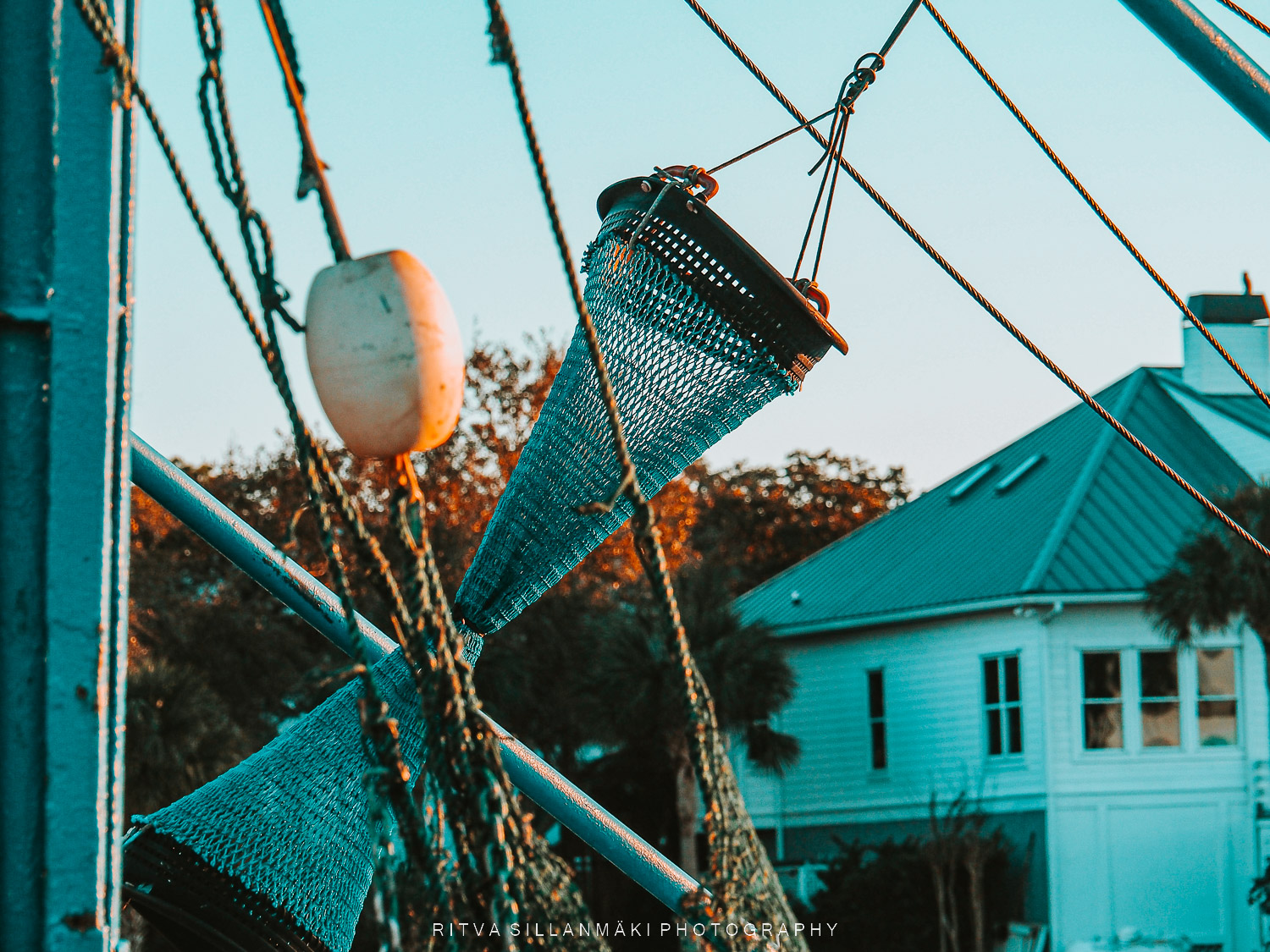
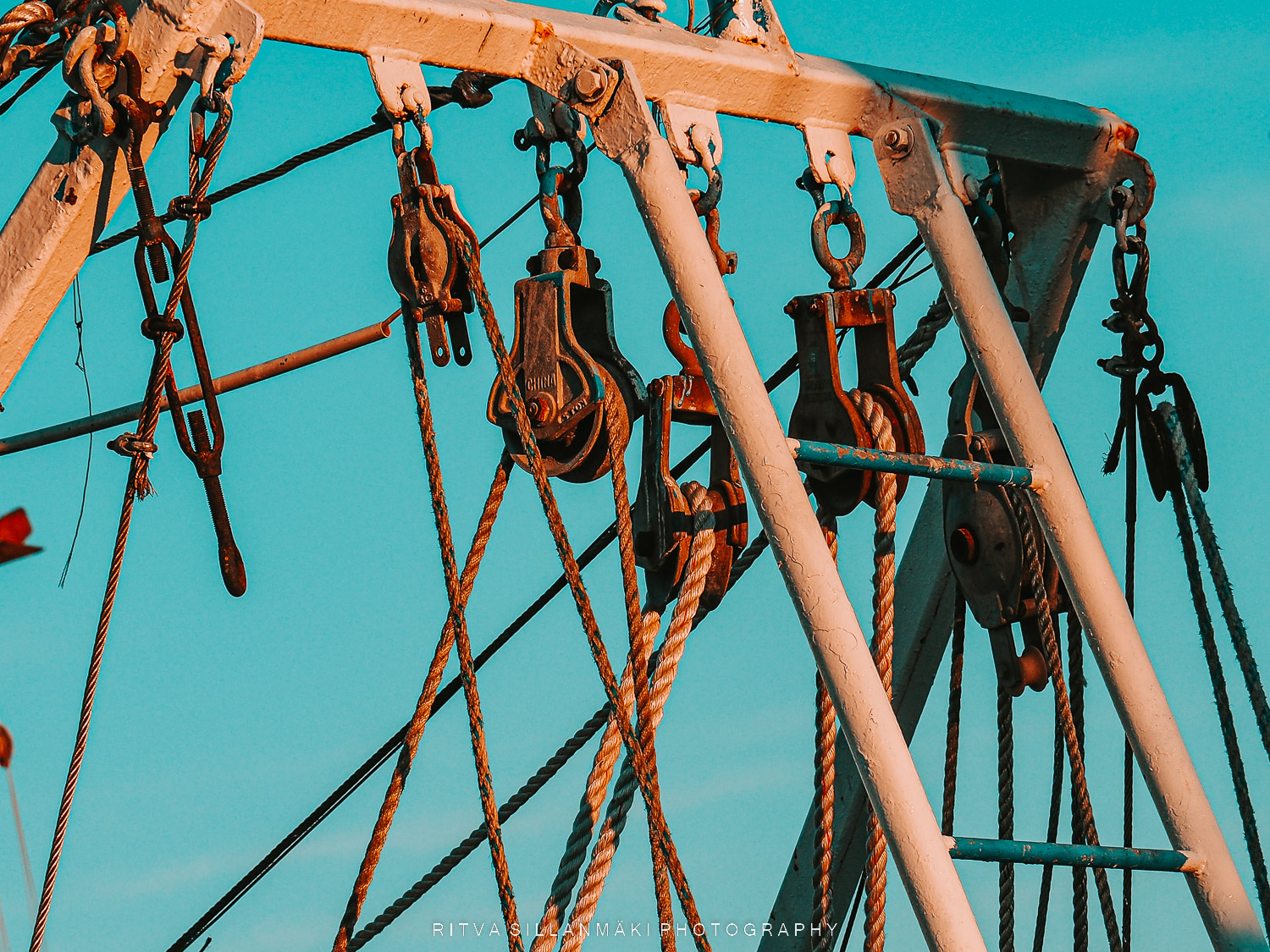
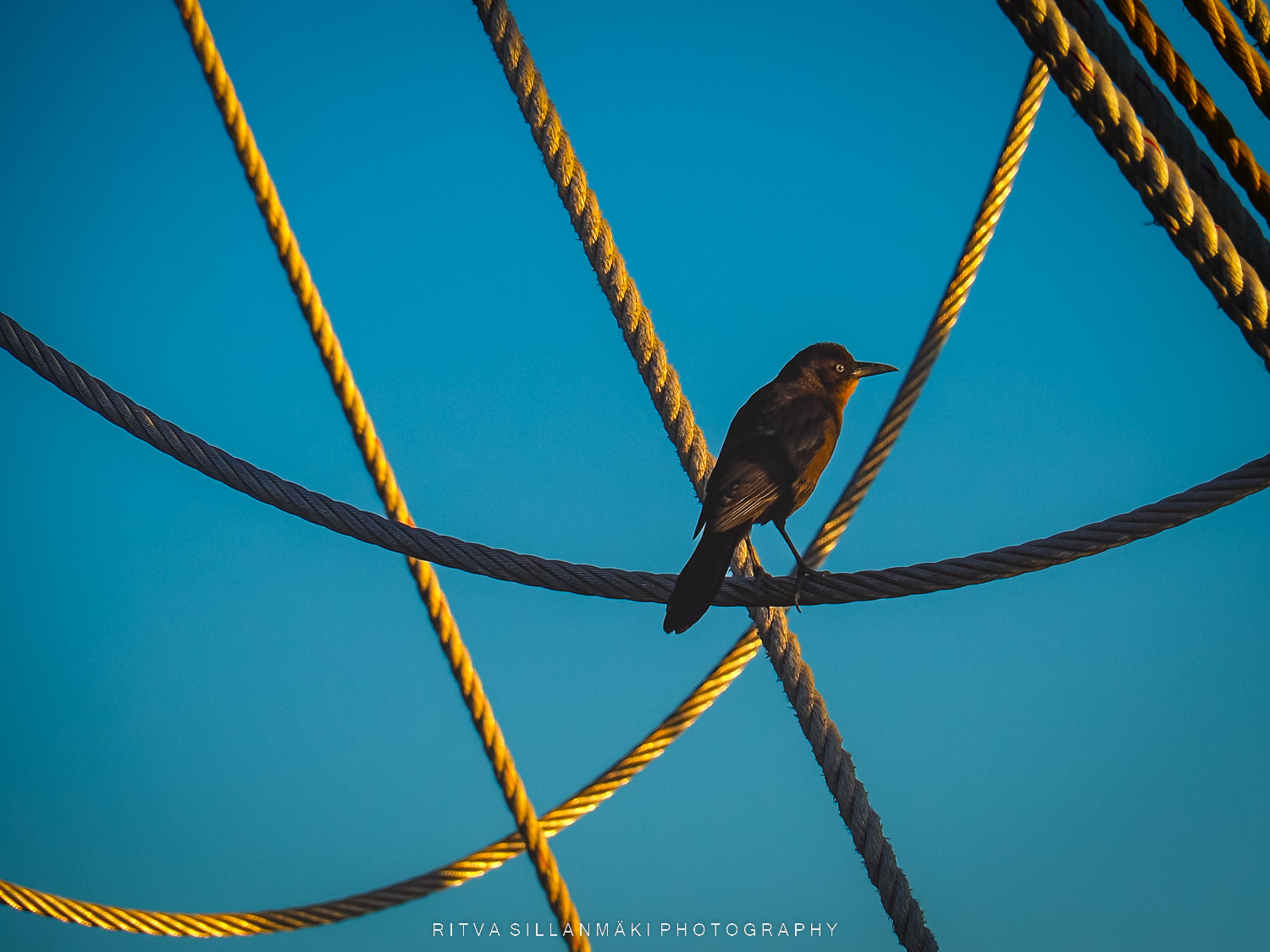
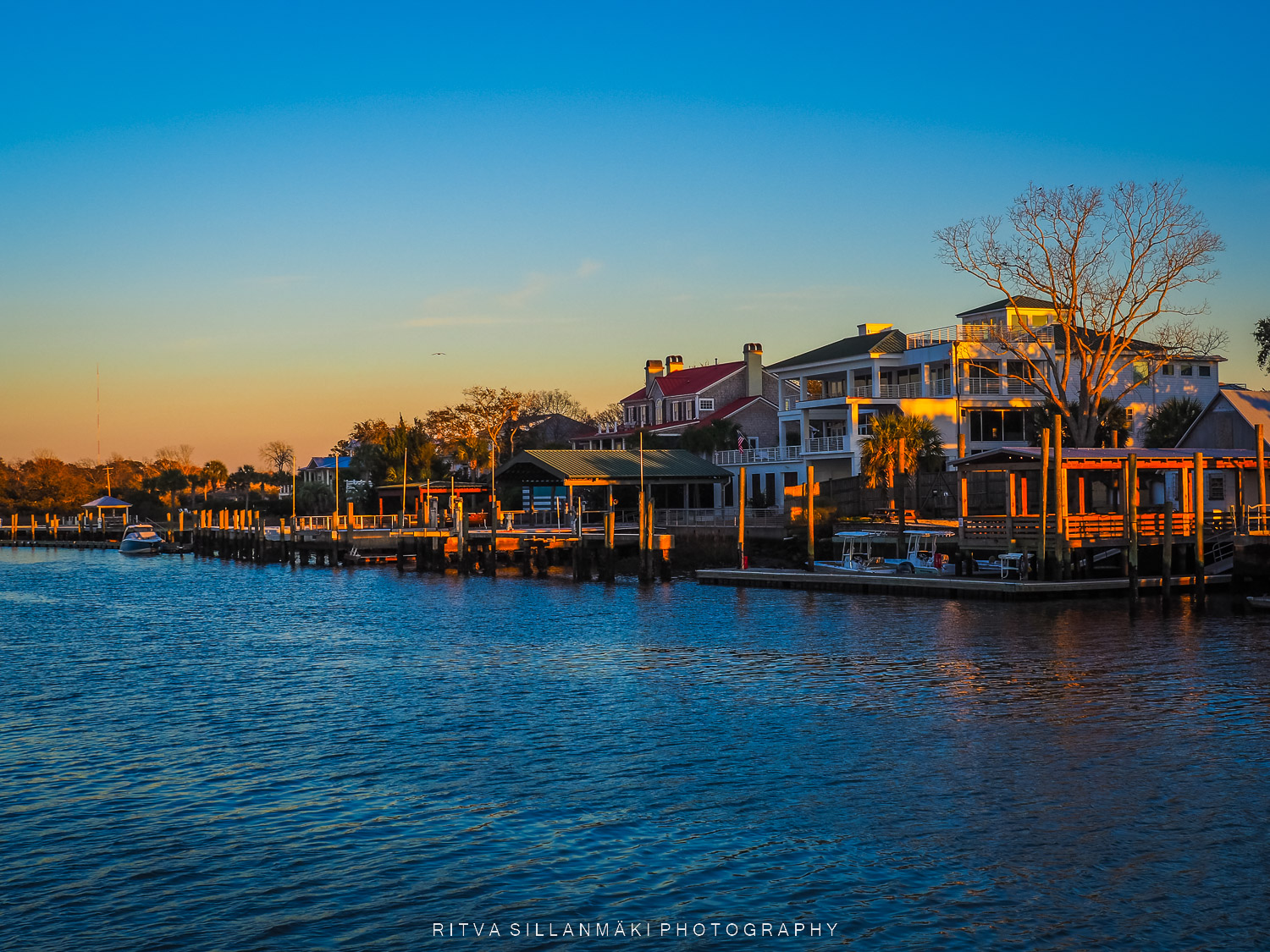
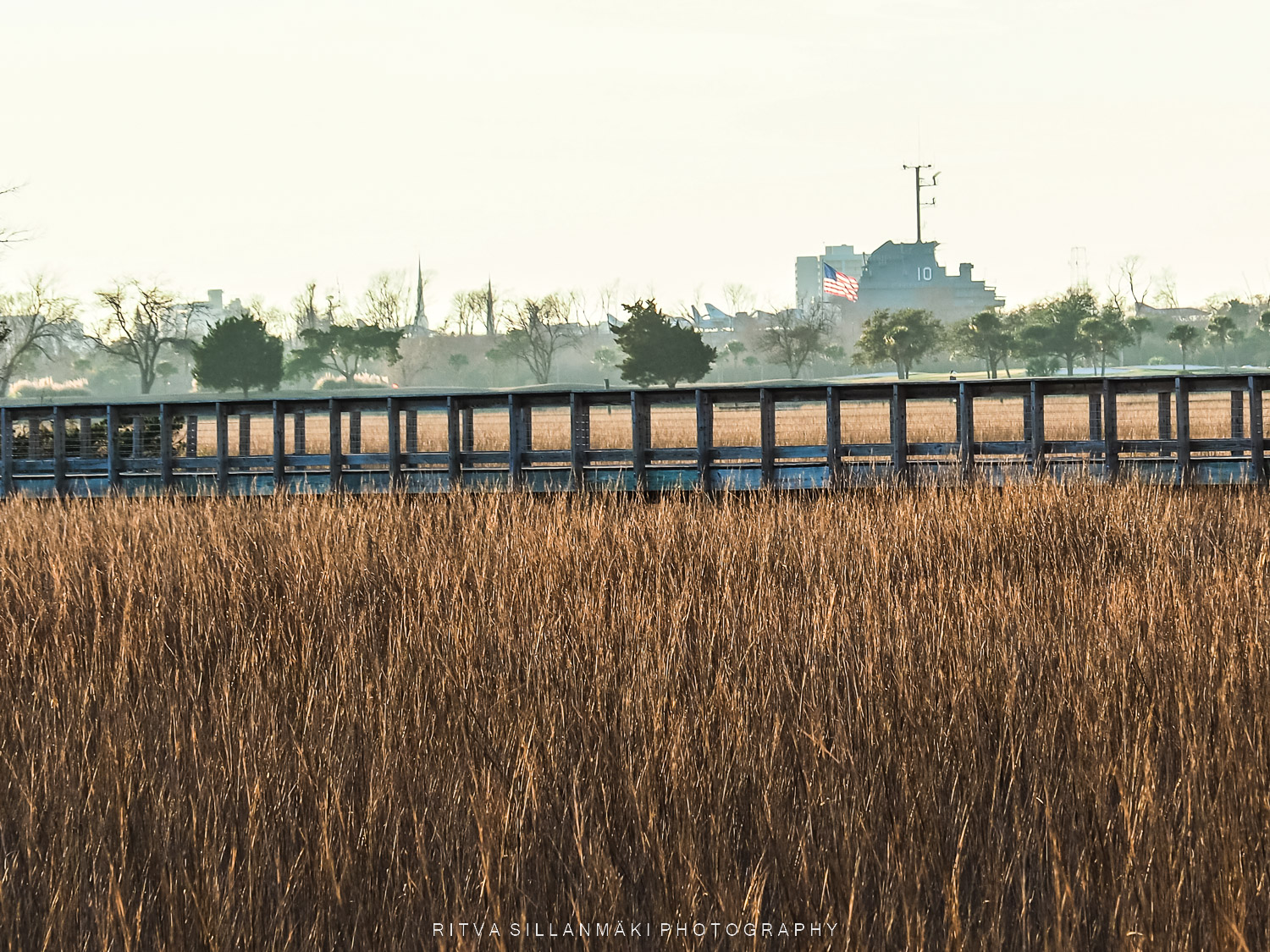
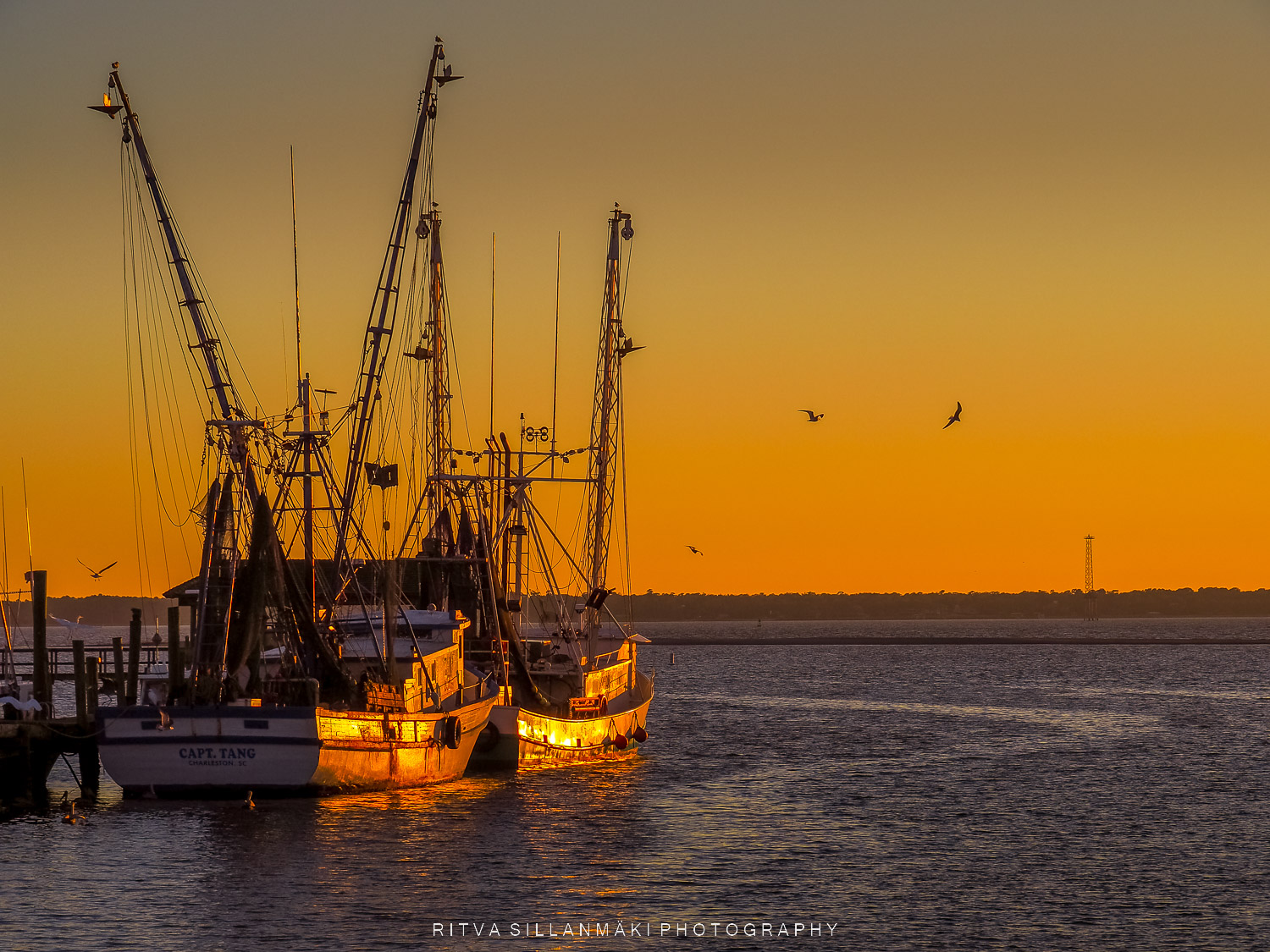
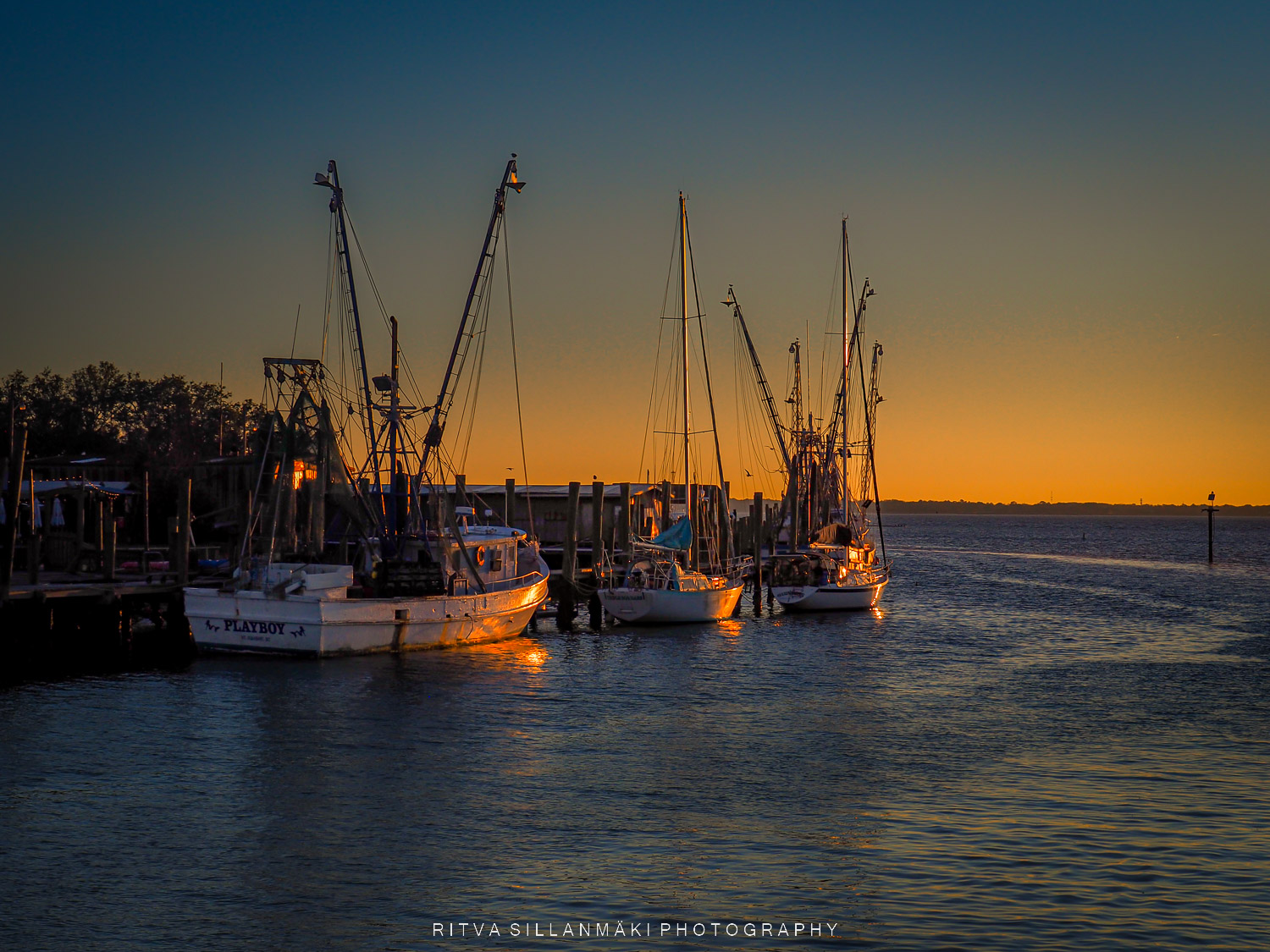
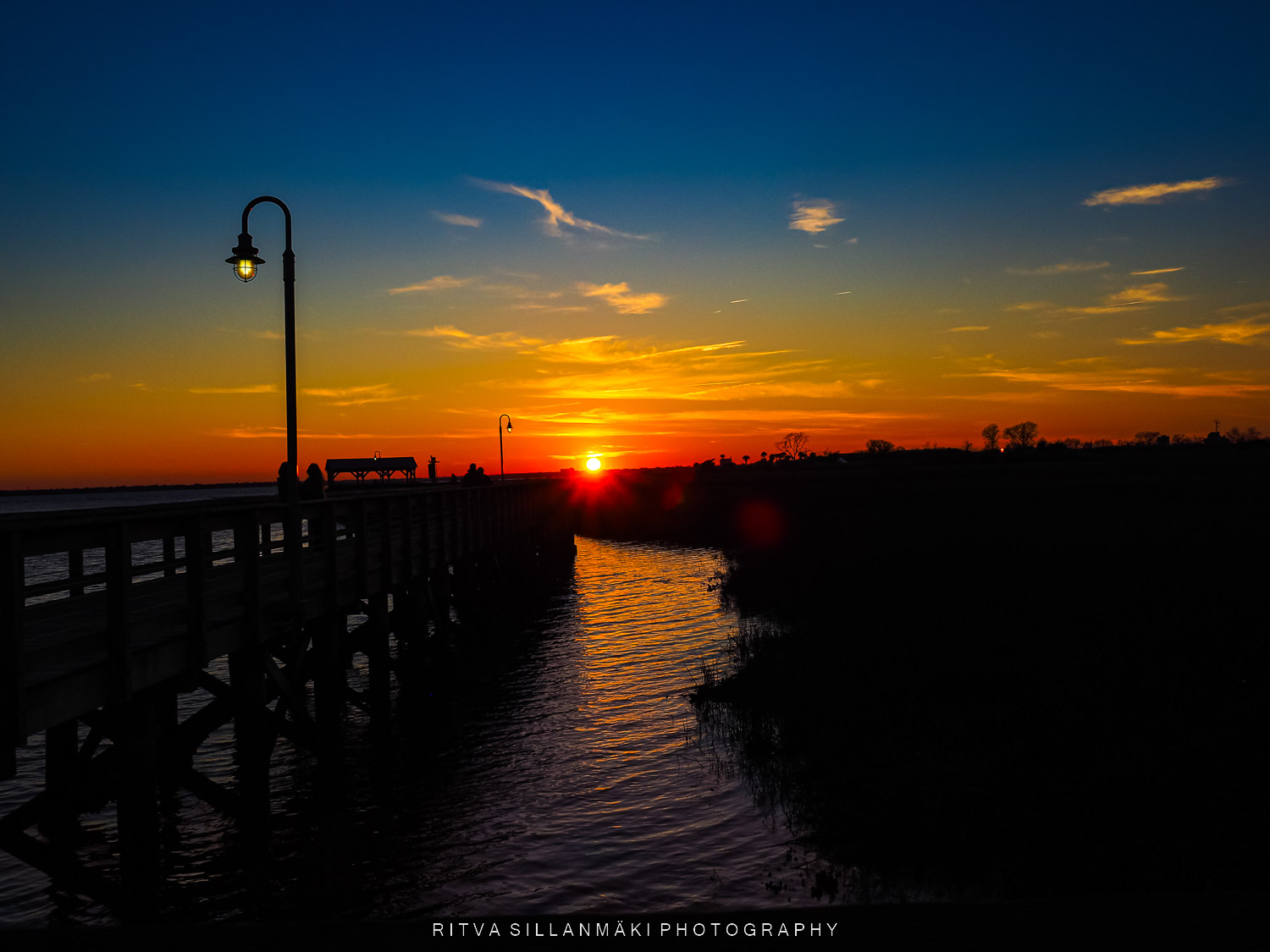
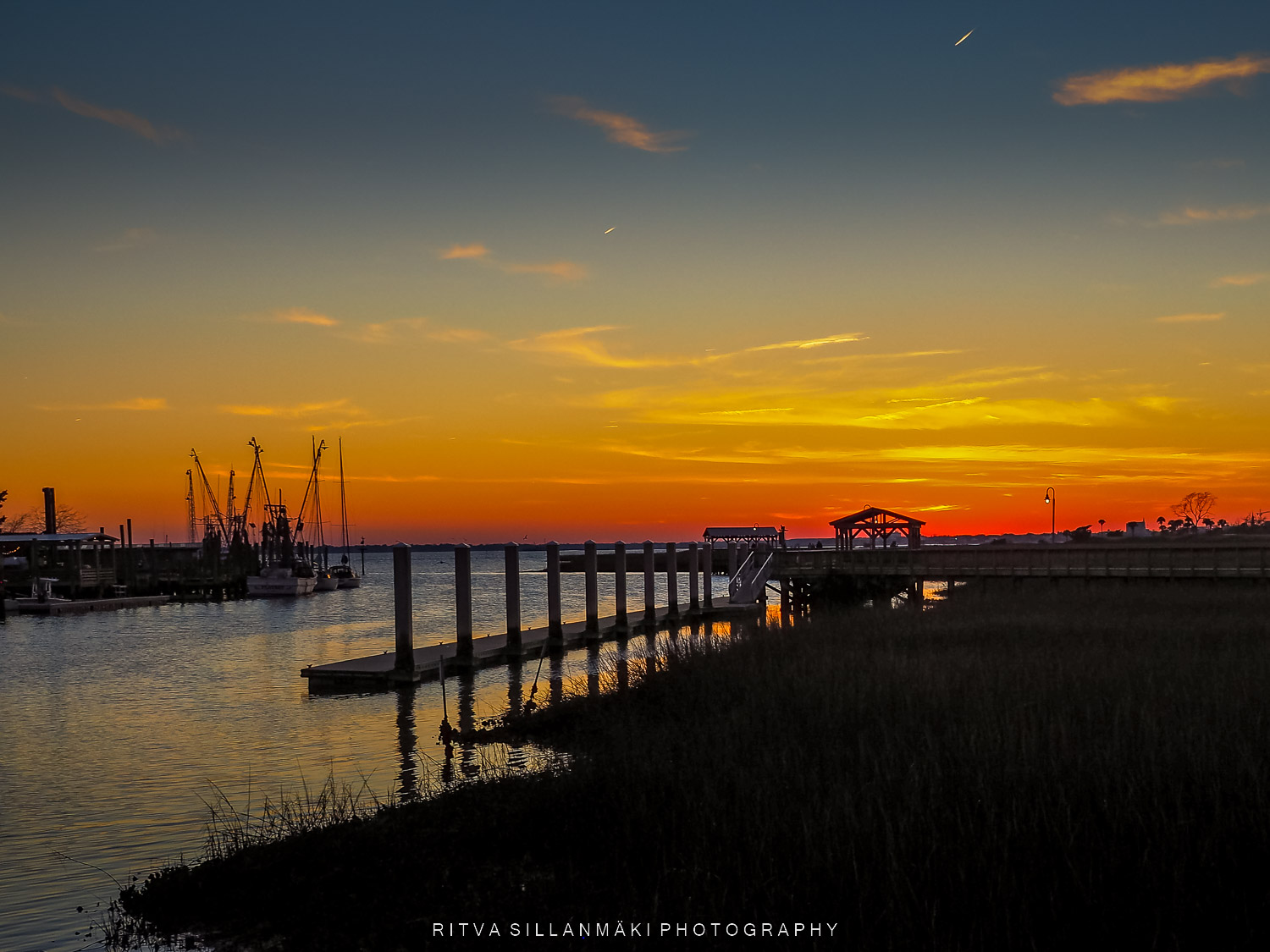
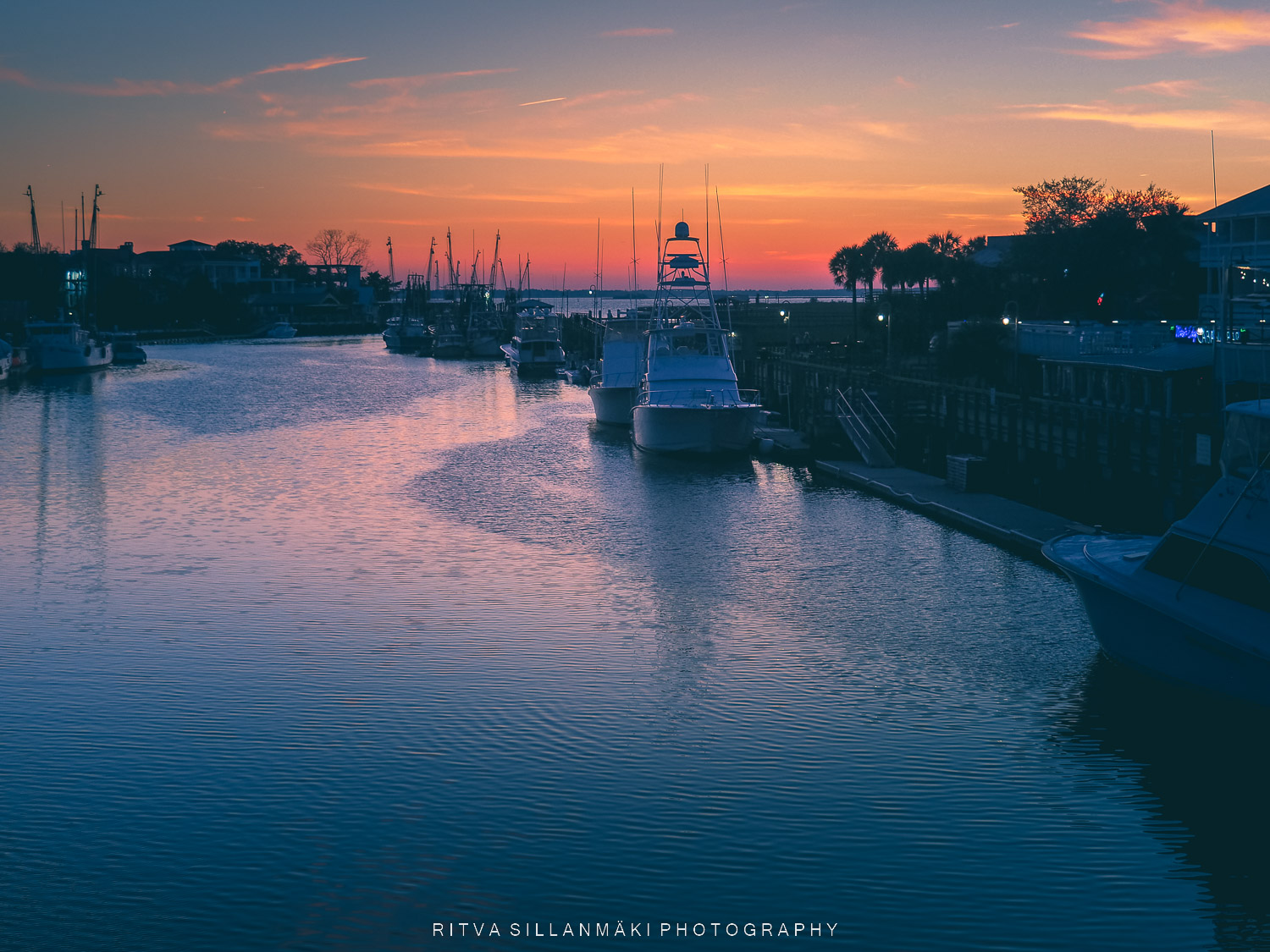
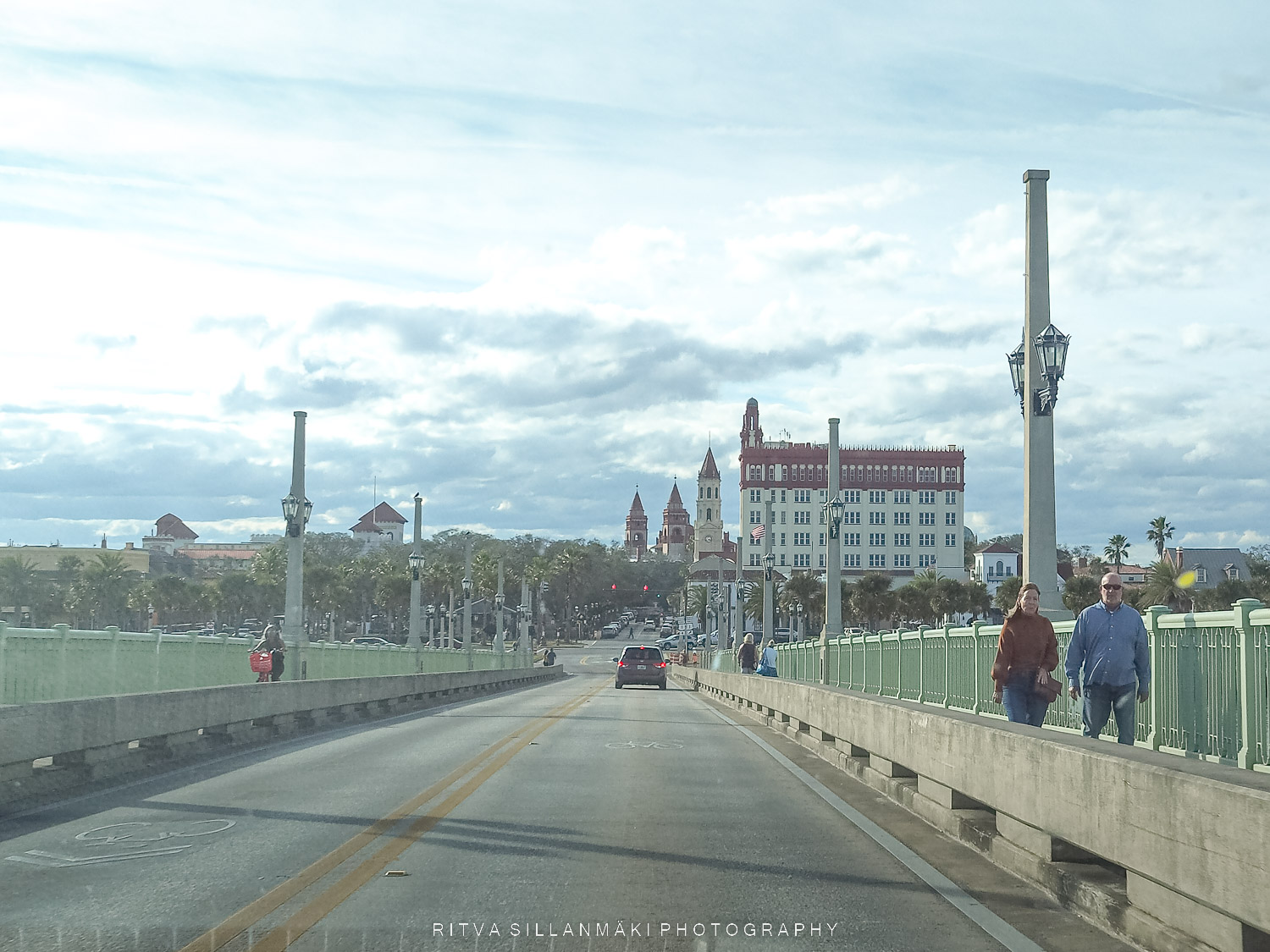
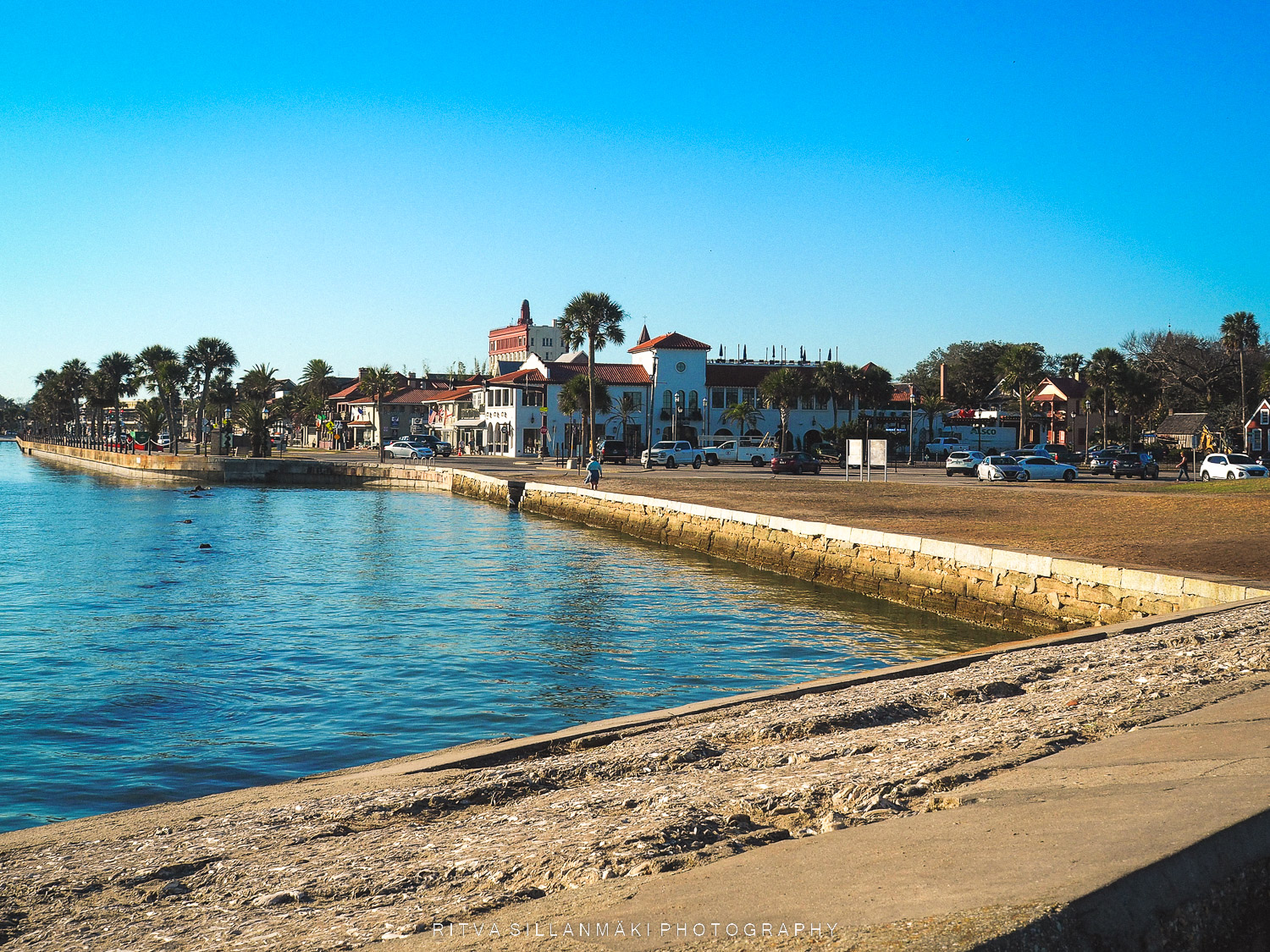
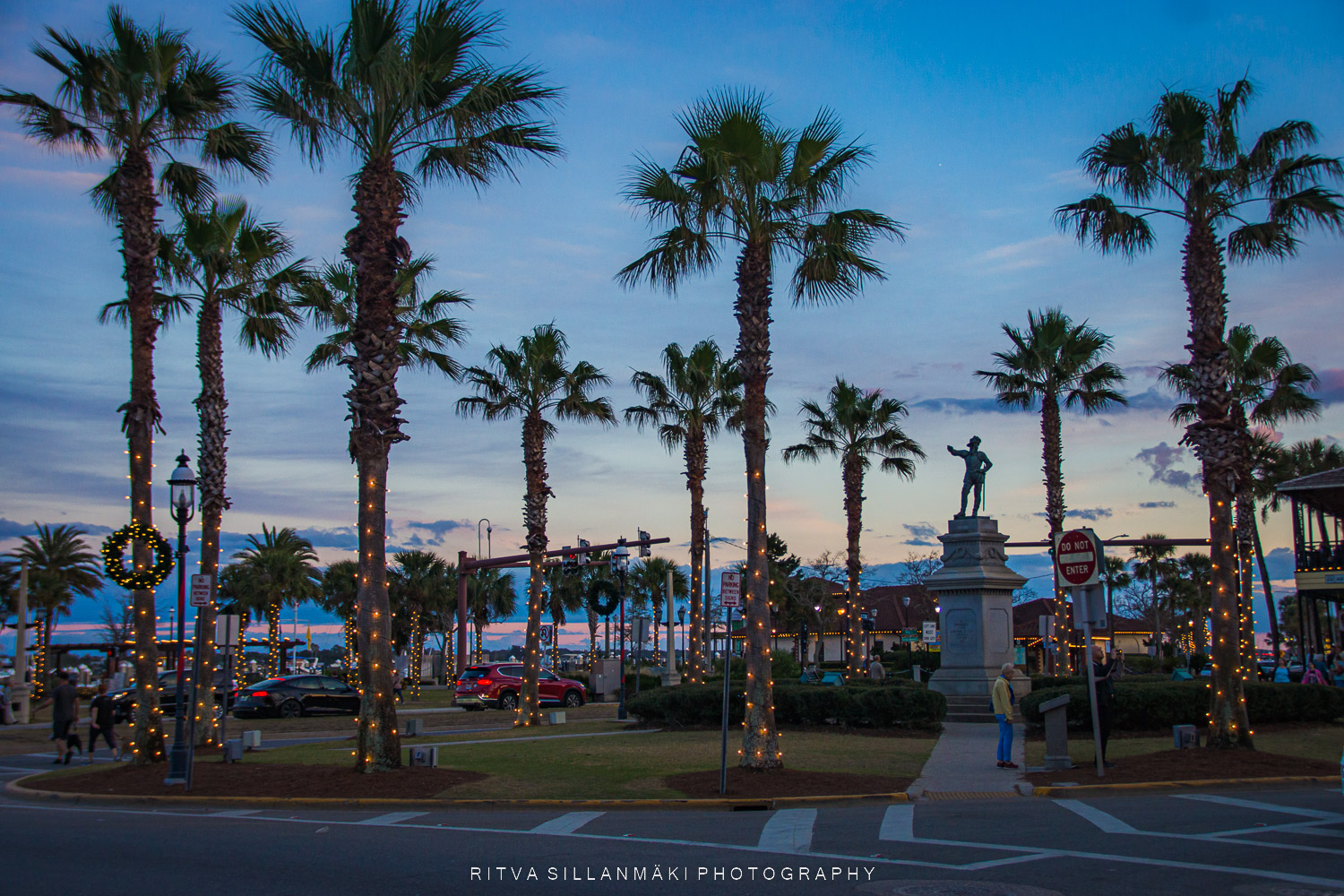
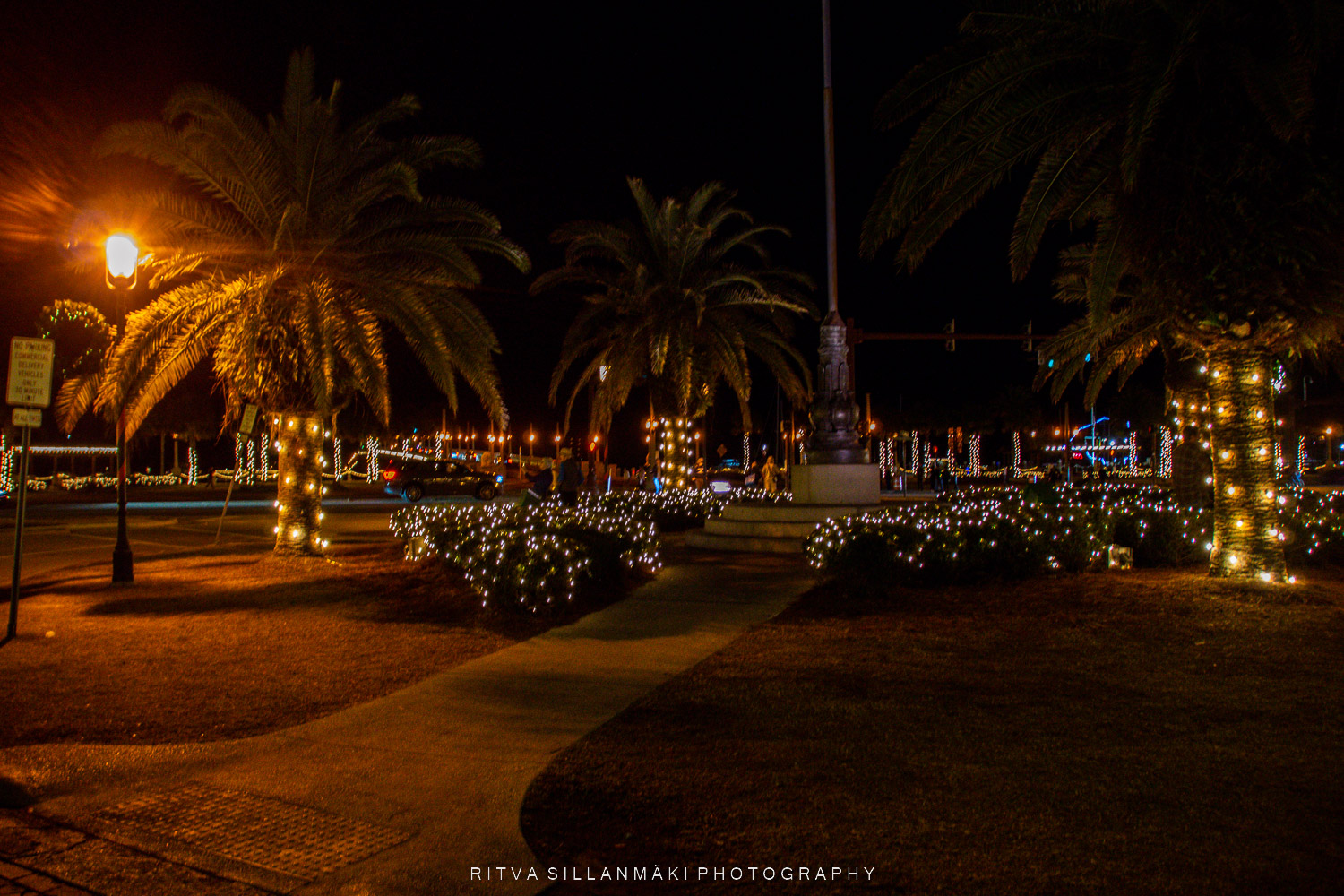
Savannah, the first of these posts, I have way too many pictures of the city to try to get them all in one post. Just not possible. Let’s get started with the arrival.
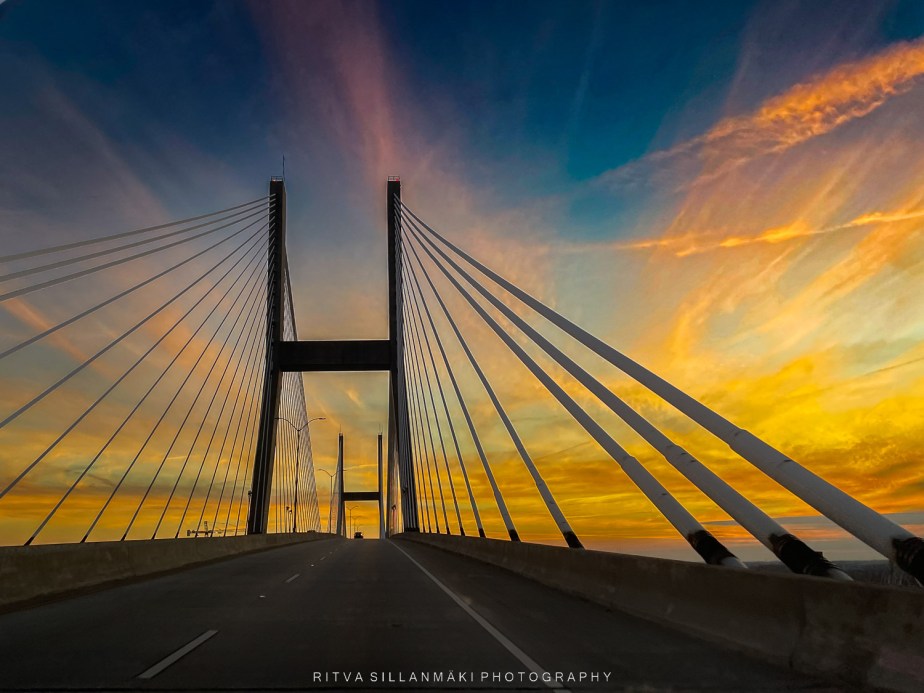
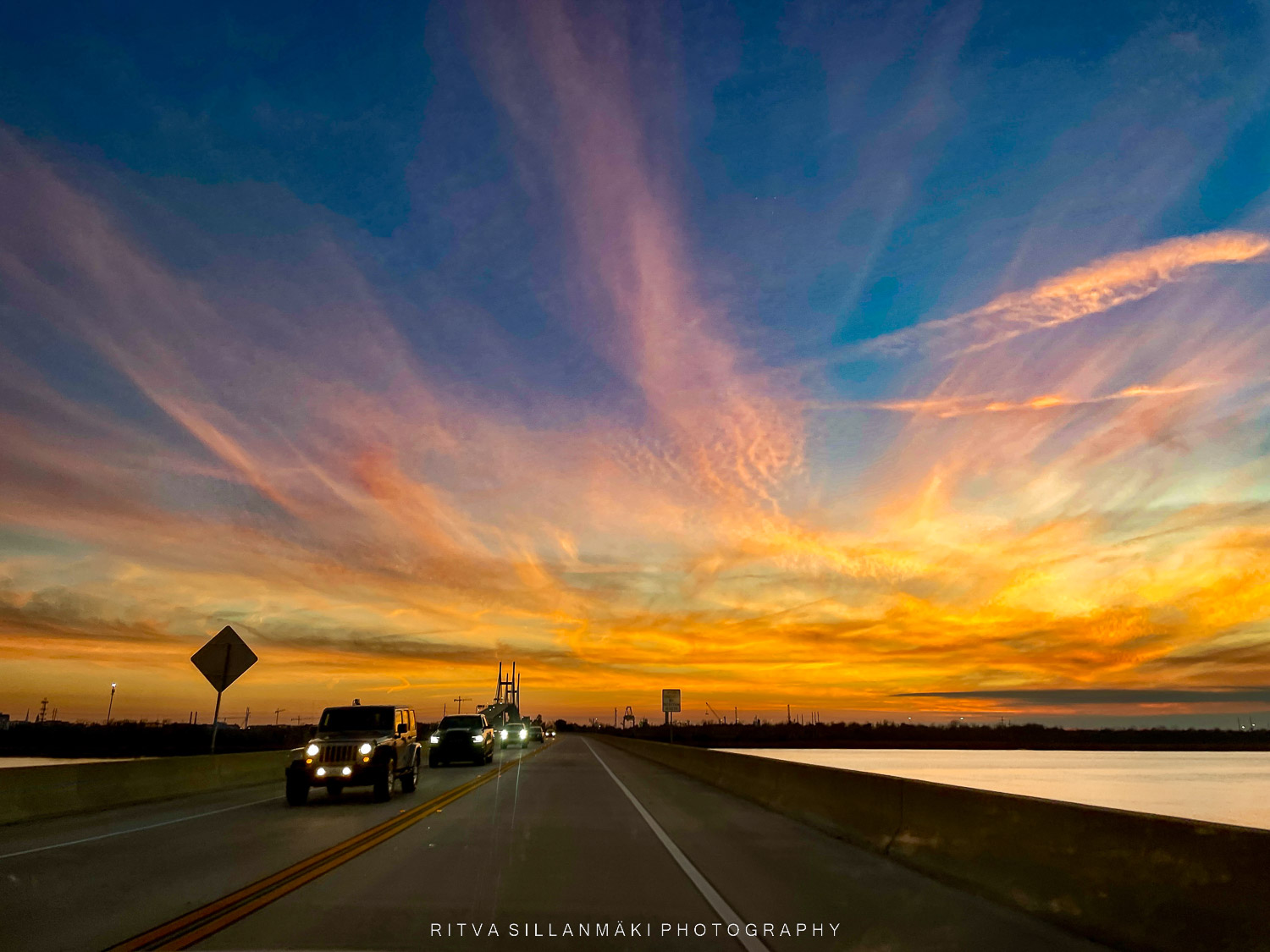
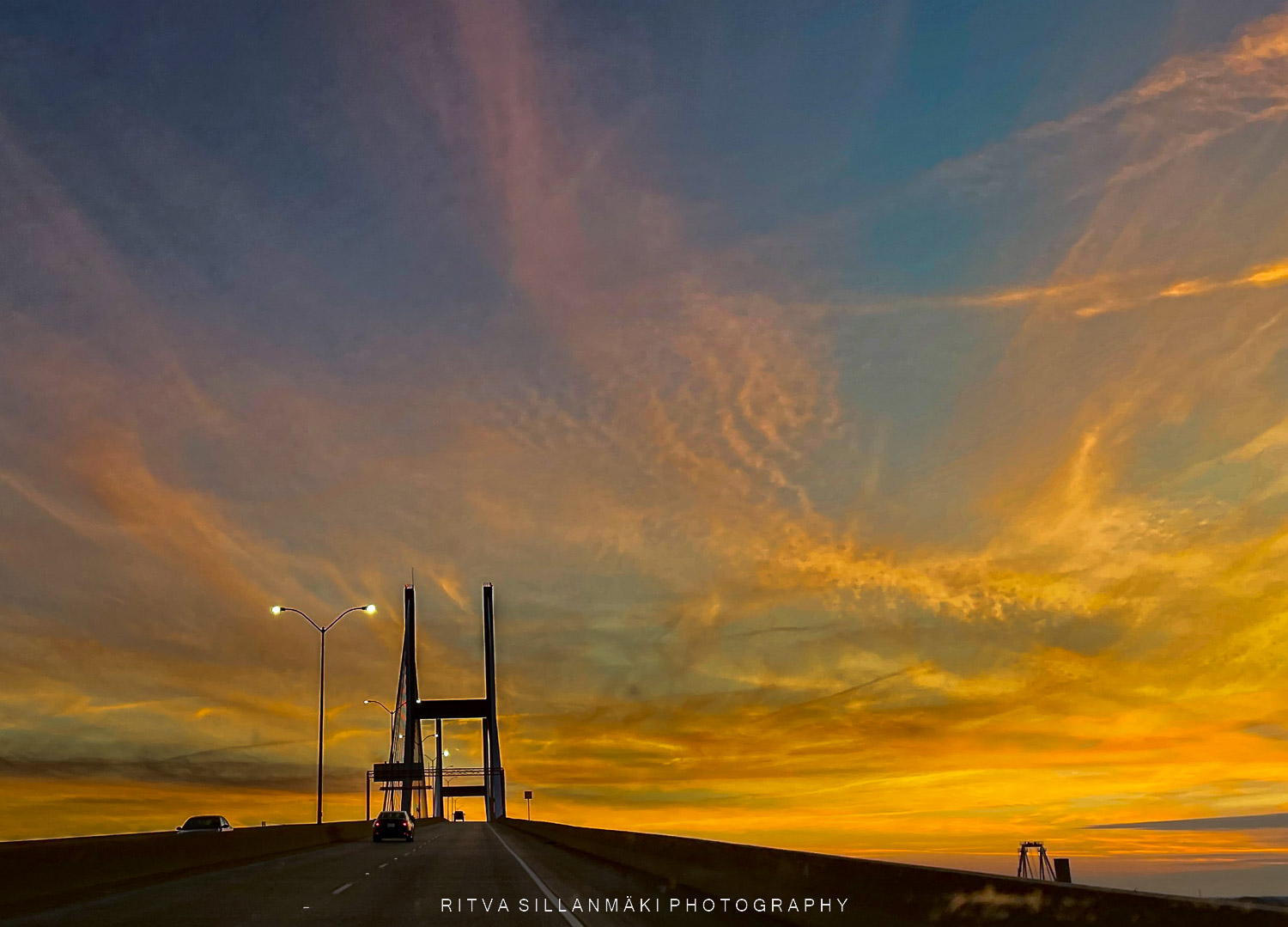
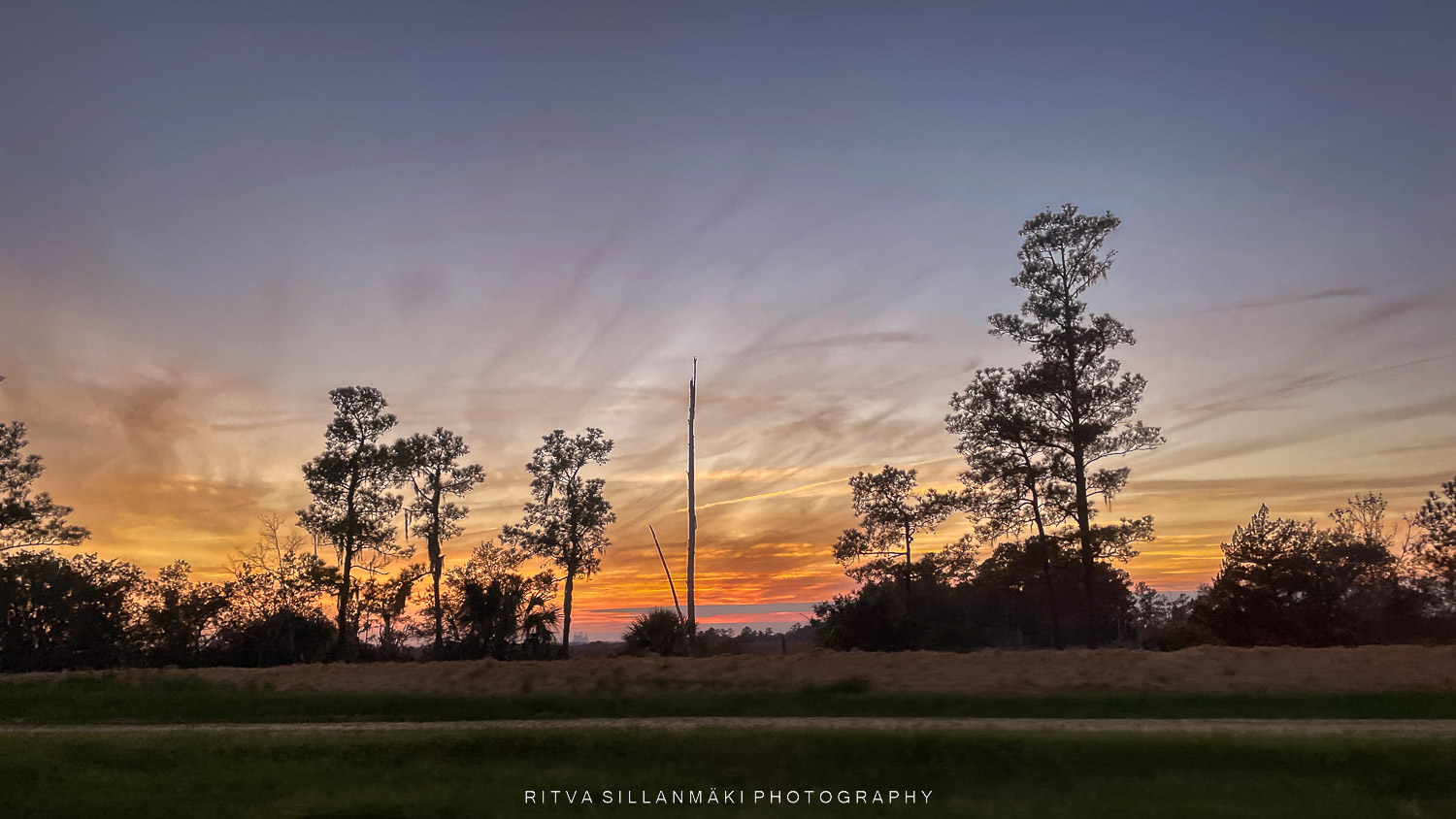
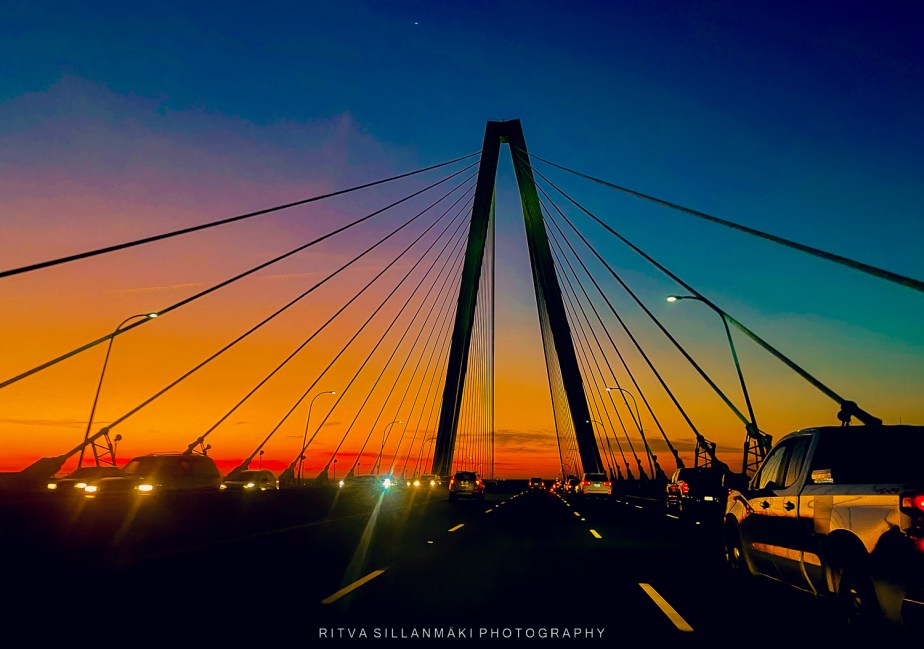
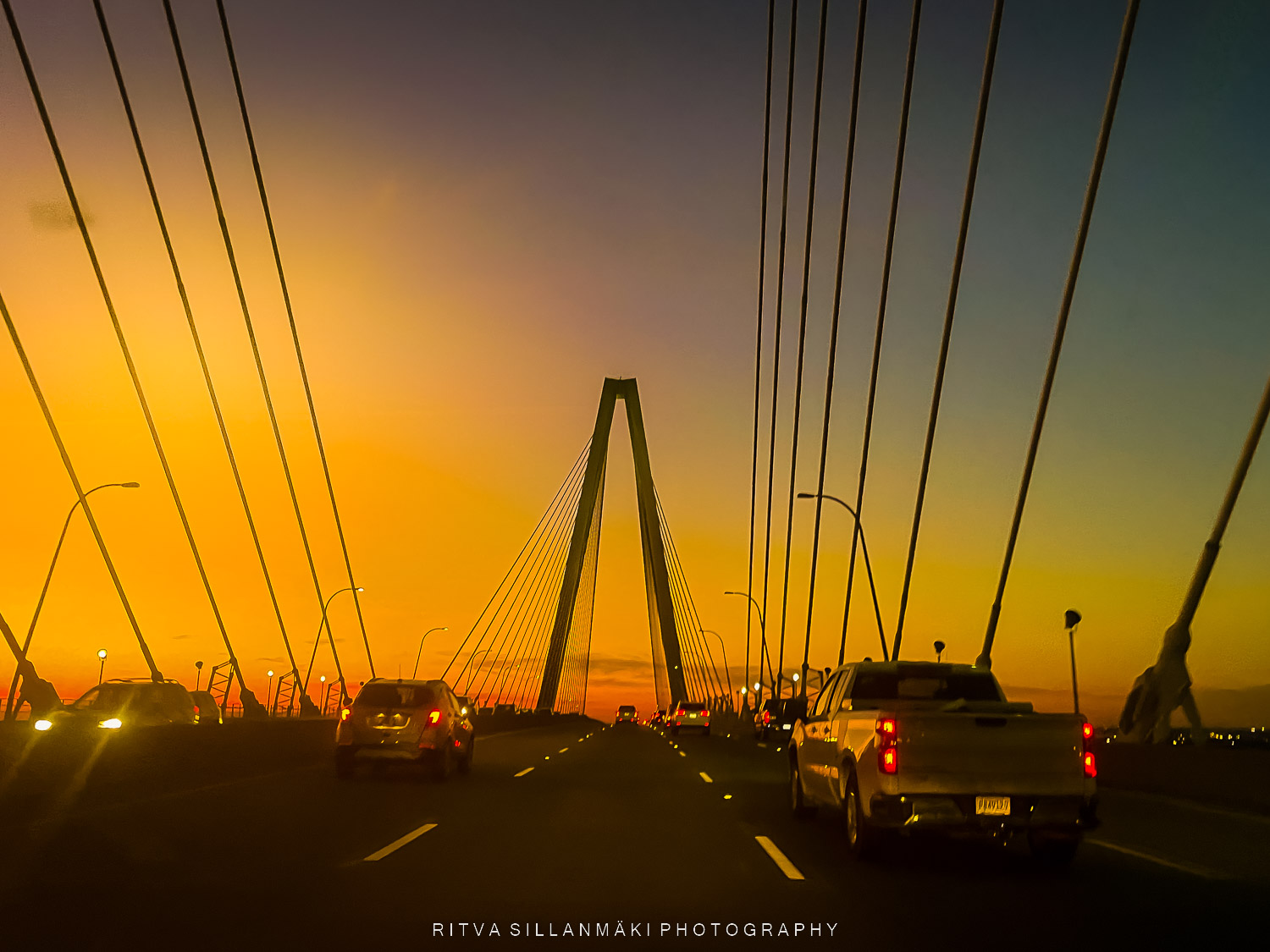
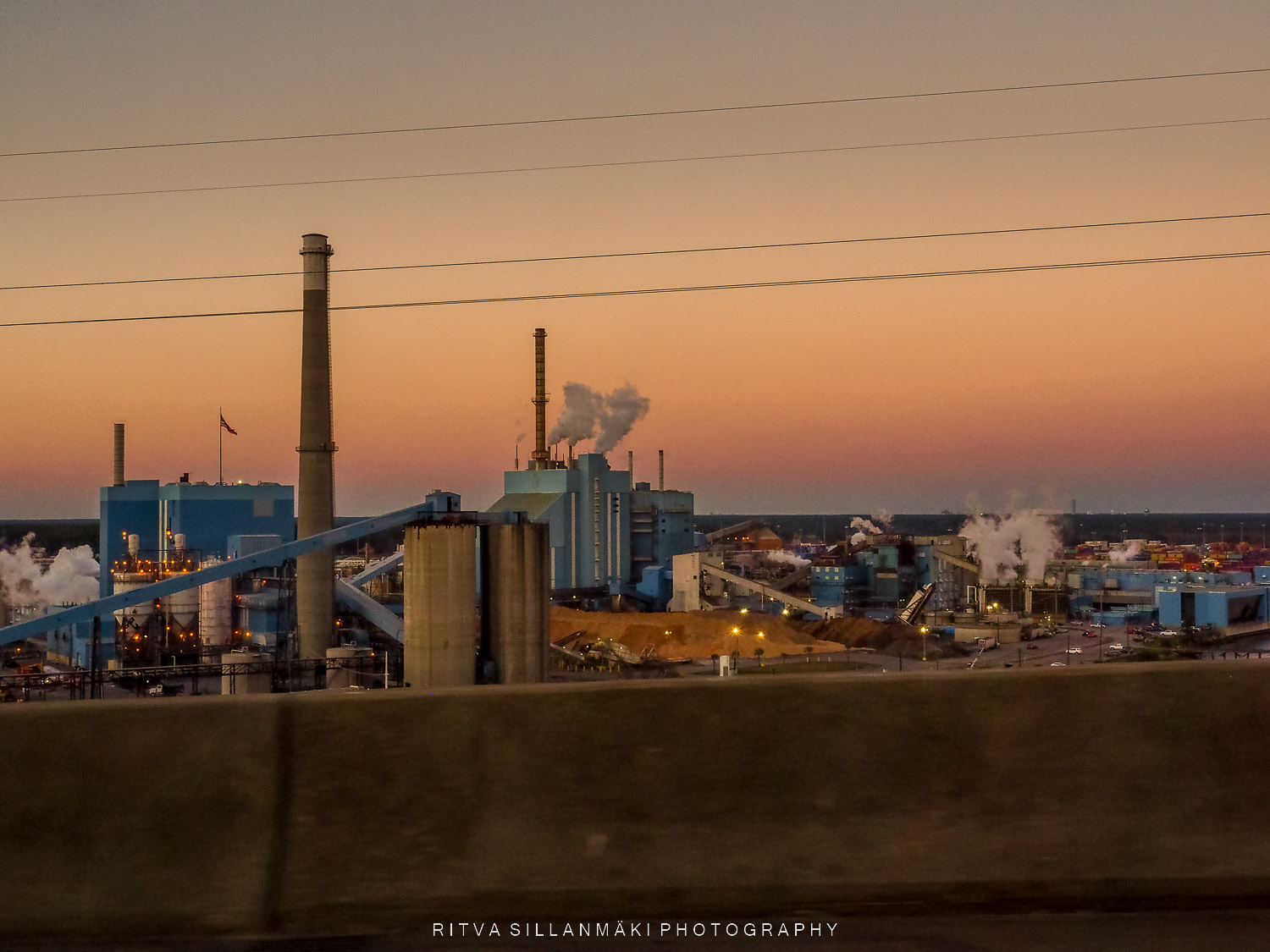
I have to add that for years I have wanted to go to South Carolina and Georgia, after reading books by Pat Conroy and Midnight in the Garden of Good and Evil by John Berendt. And finally we are here! It’s only an hour drive from Hilton Head, but it was already dark when we got to Savannah. Driving along Highway D, crossing the 486-foot-tall Sidney Lanier Bridge from Brunswick, Georgia, on US Route 17 at sunset.
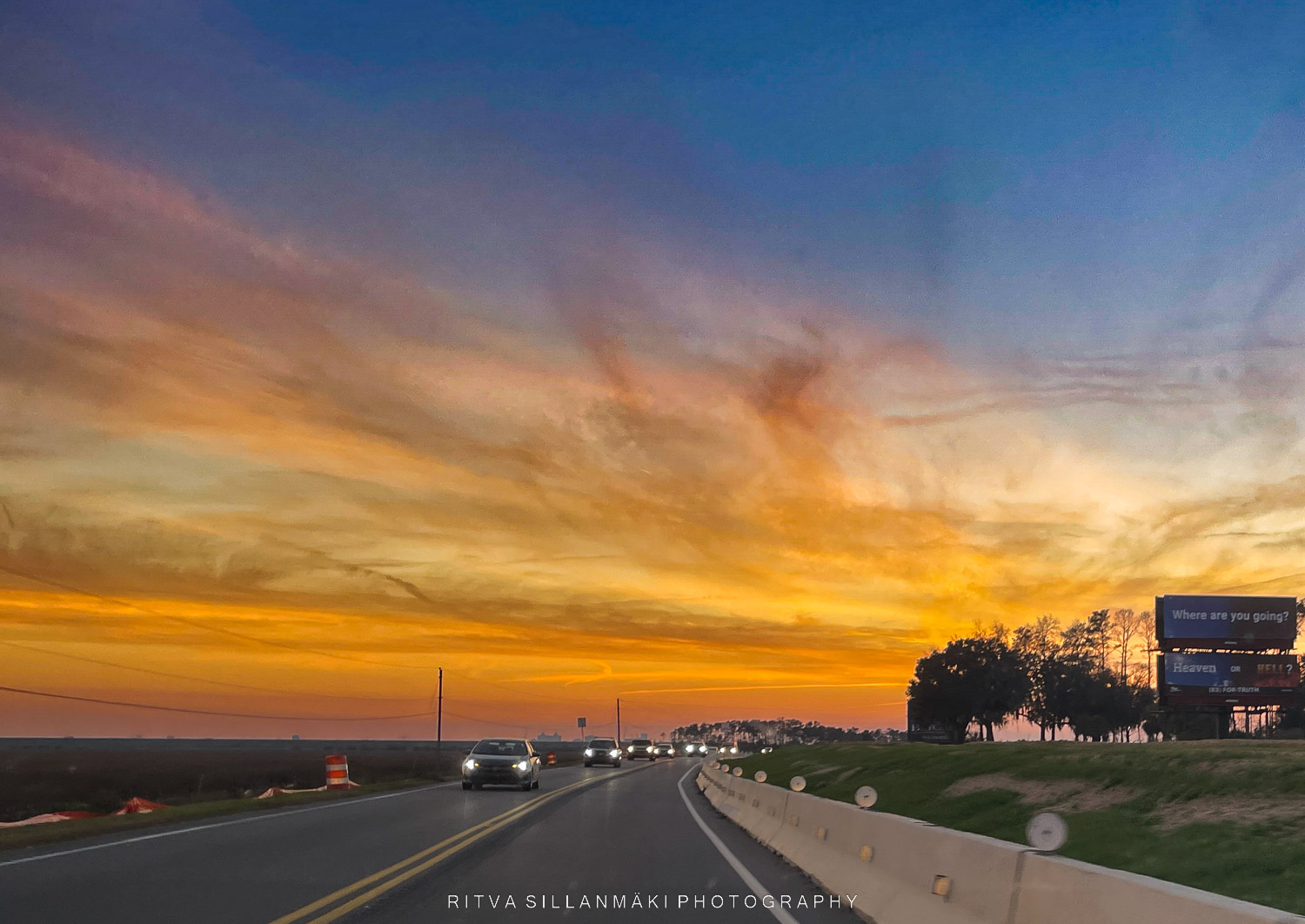
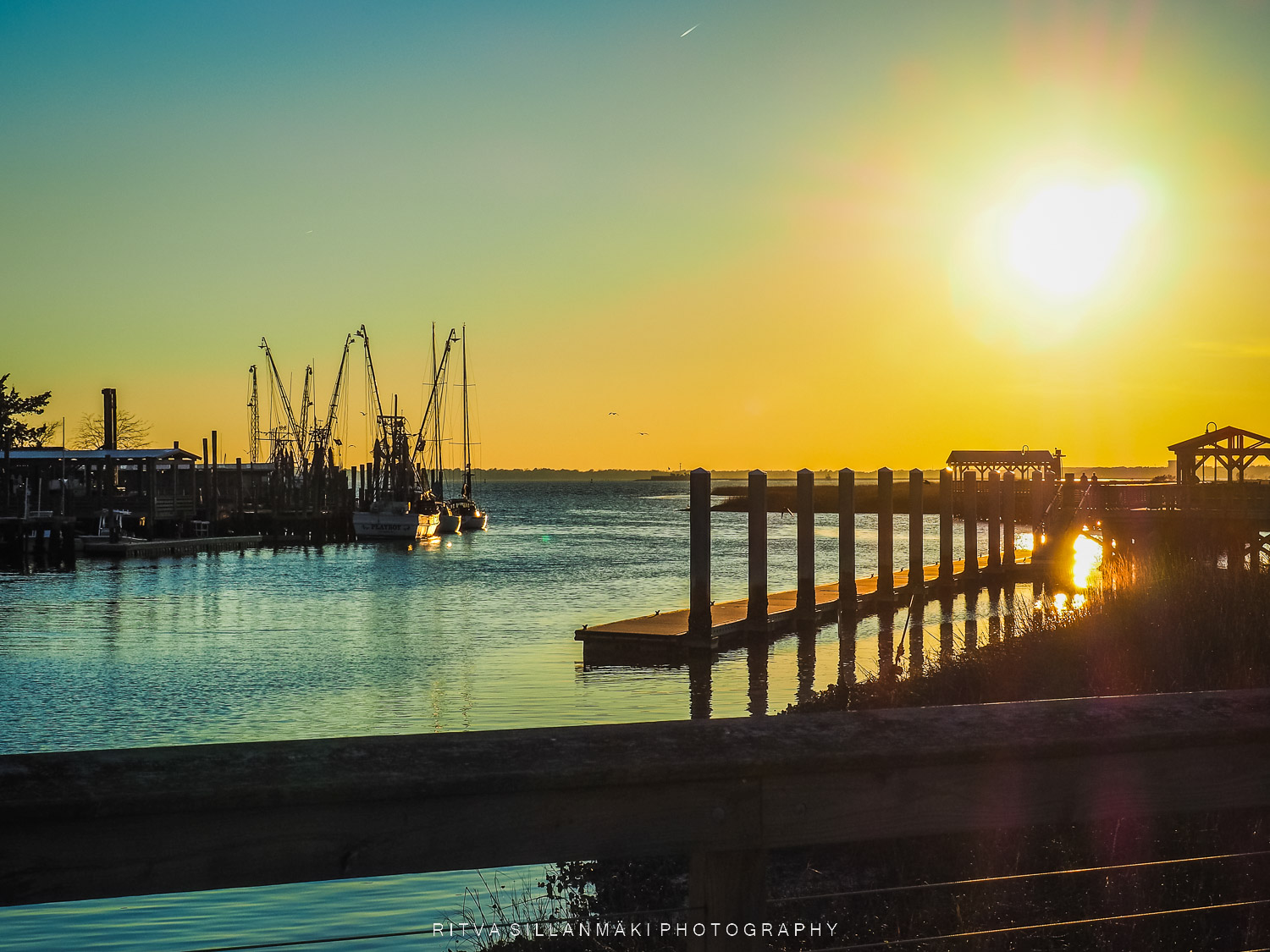
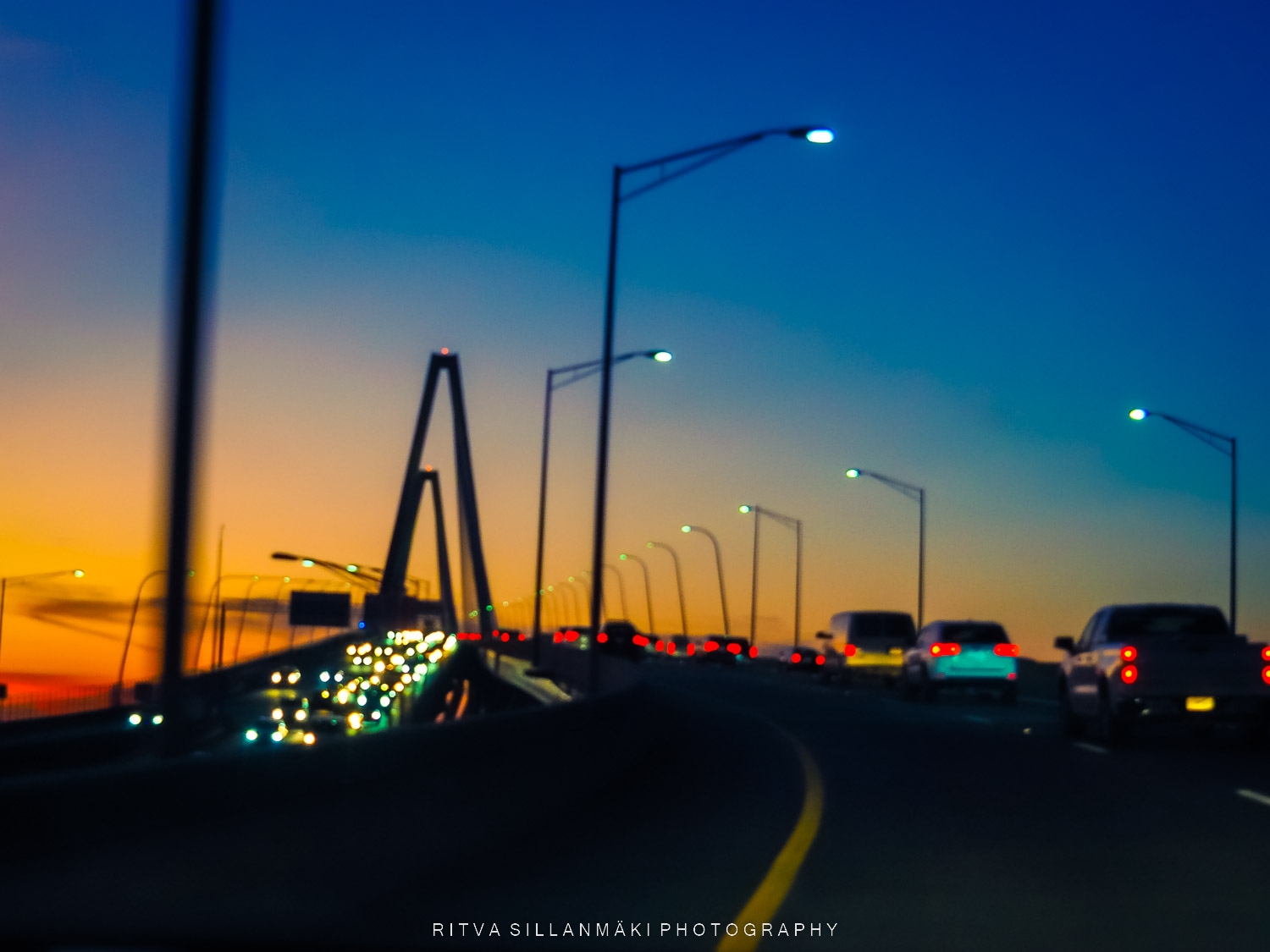
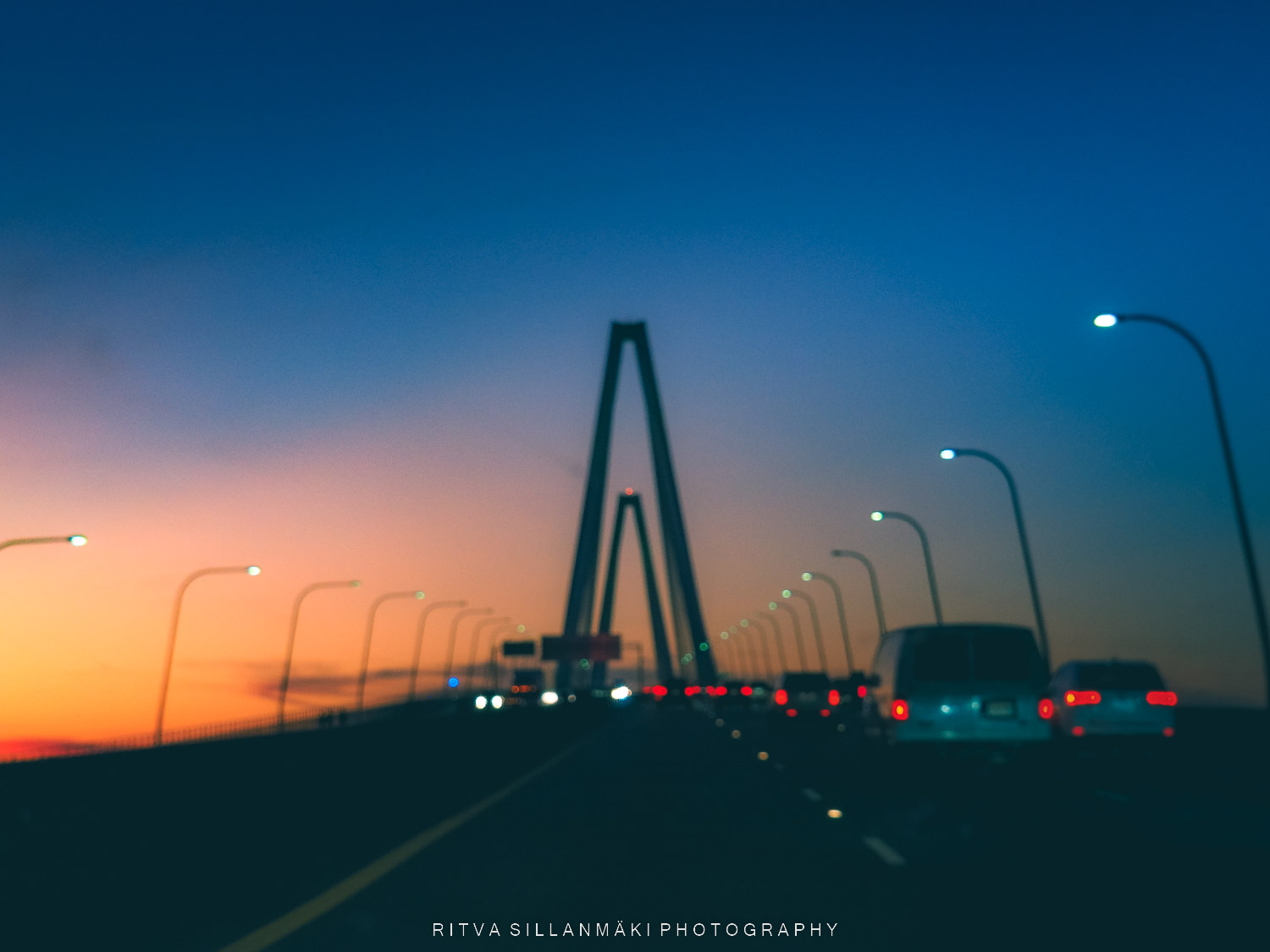
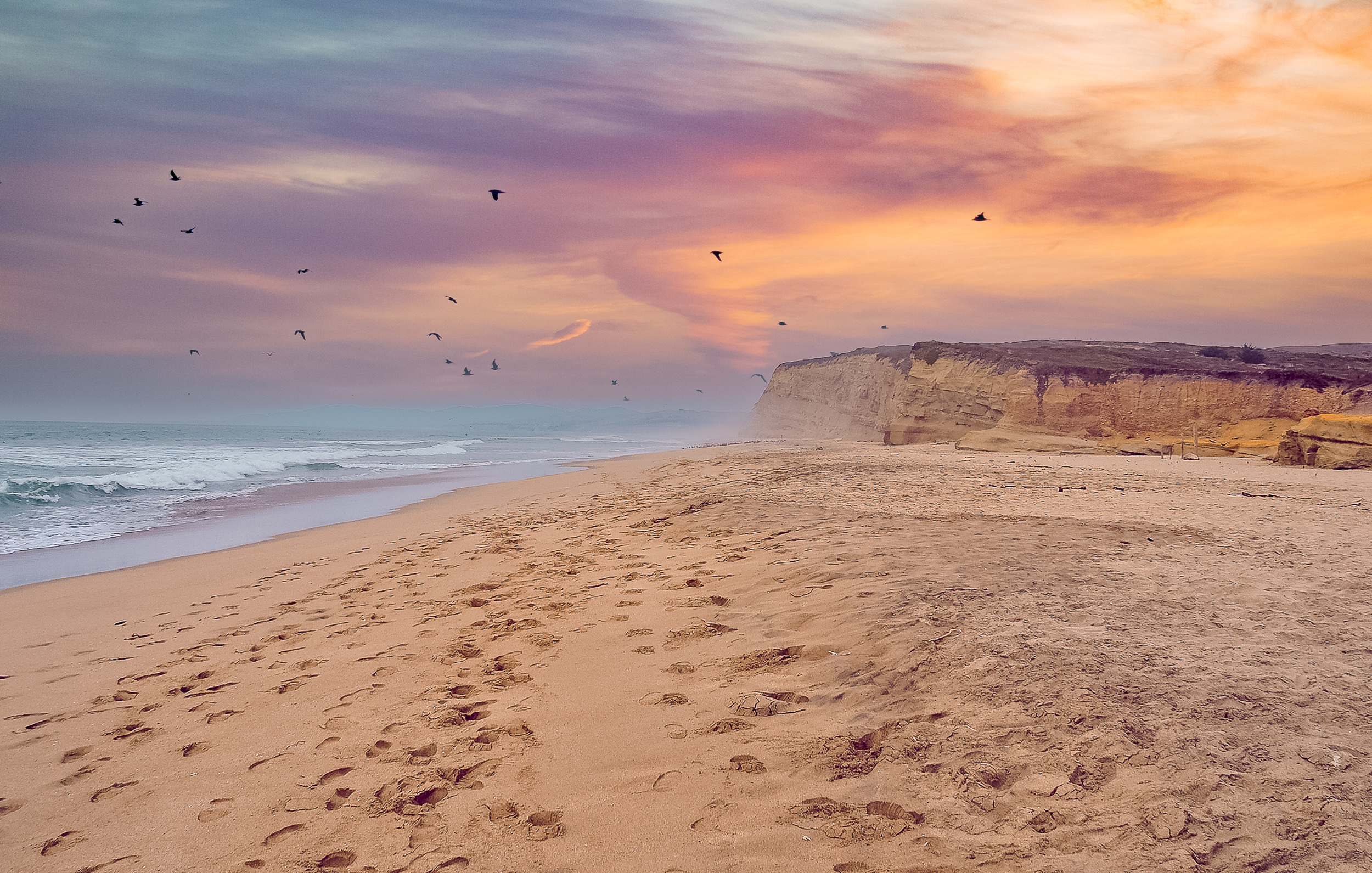
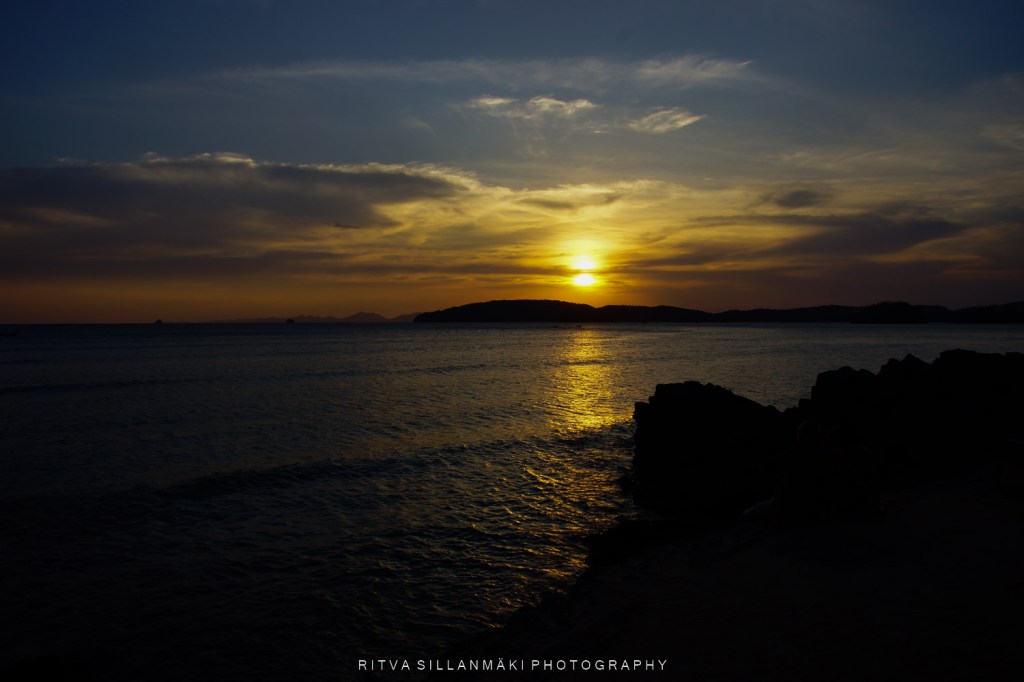
Once again we drove towards beautiful sunset, just have to show these beautiful colorful sky’s.
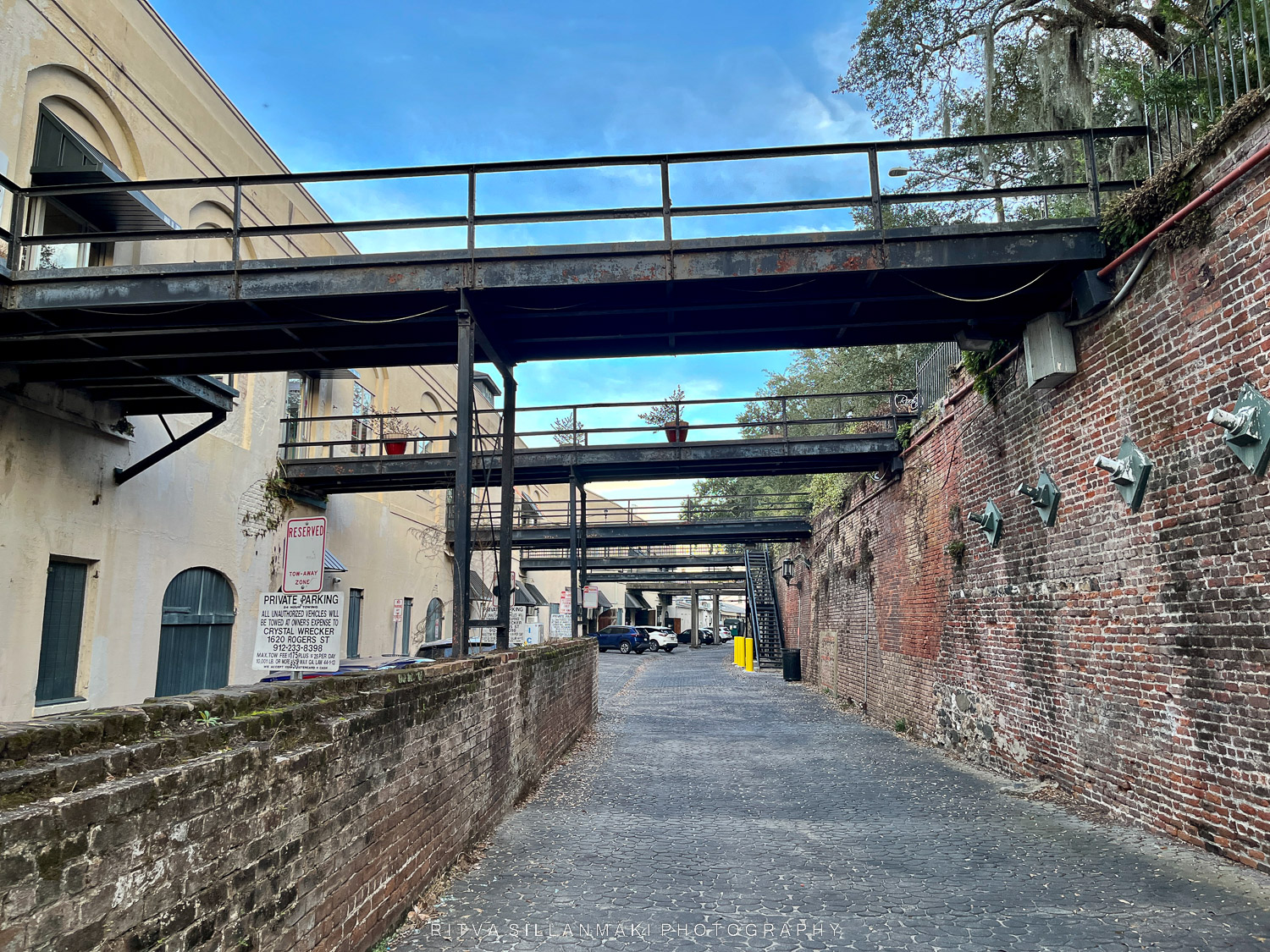
Finding the hotel parking was really hard because of some road work. The hotel had sent us an advance warning and instructions, but they were of no help. Finally, I was able to navigate to the River Street below the hotel and walked to the reception. Luckily the parking was right next to the hotel and we didn’t need the car for two days.
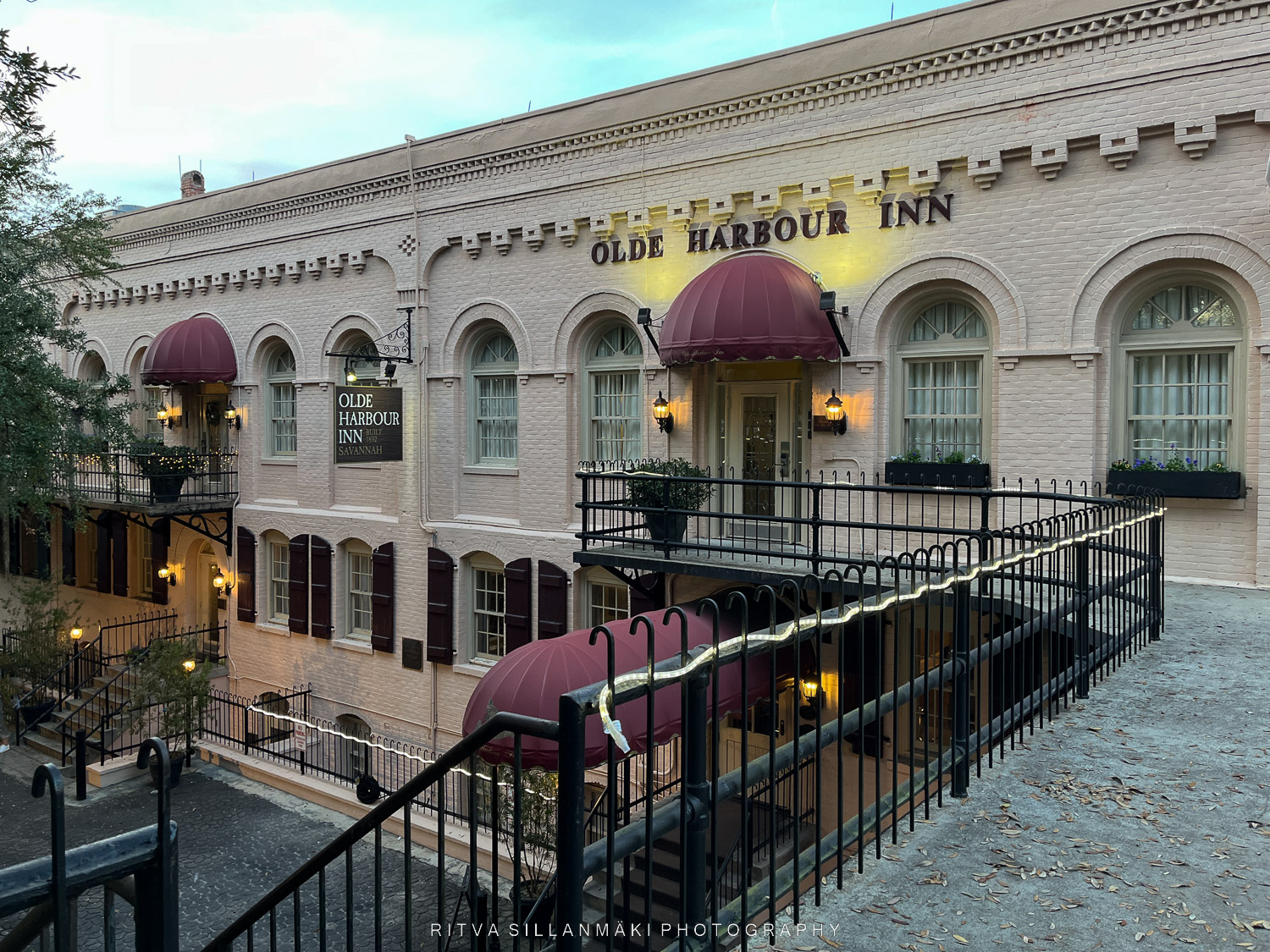
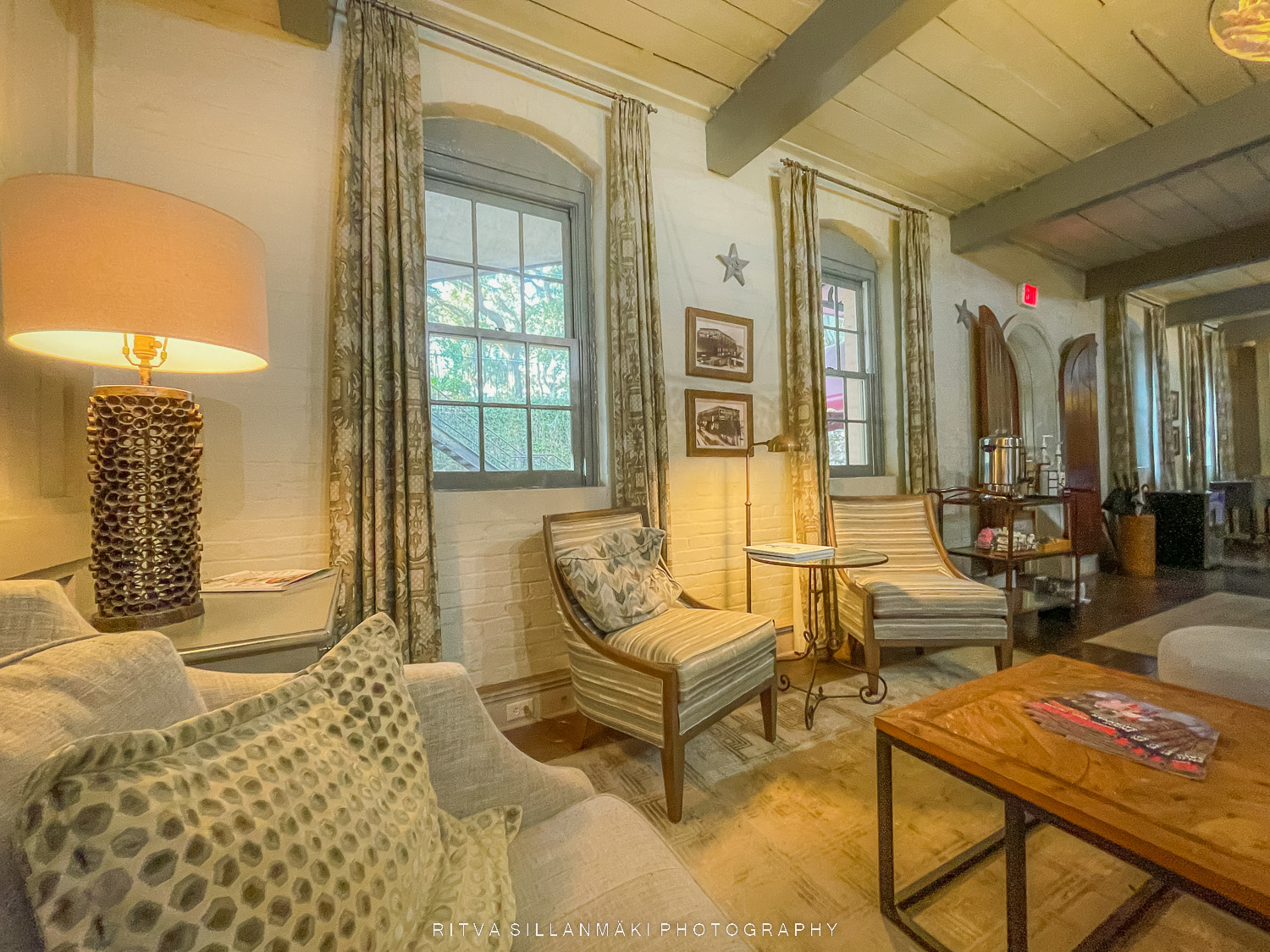
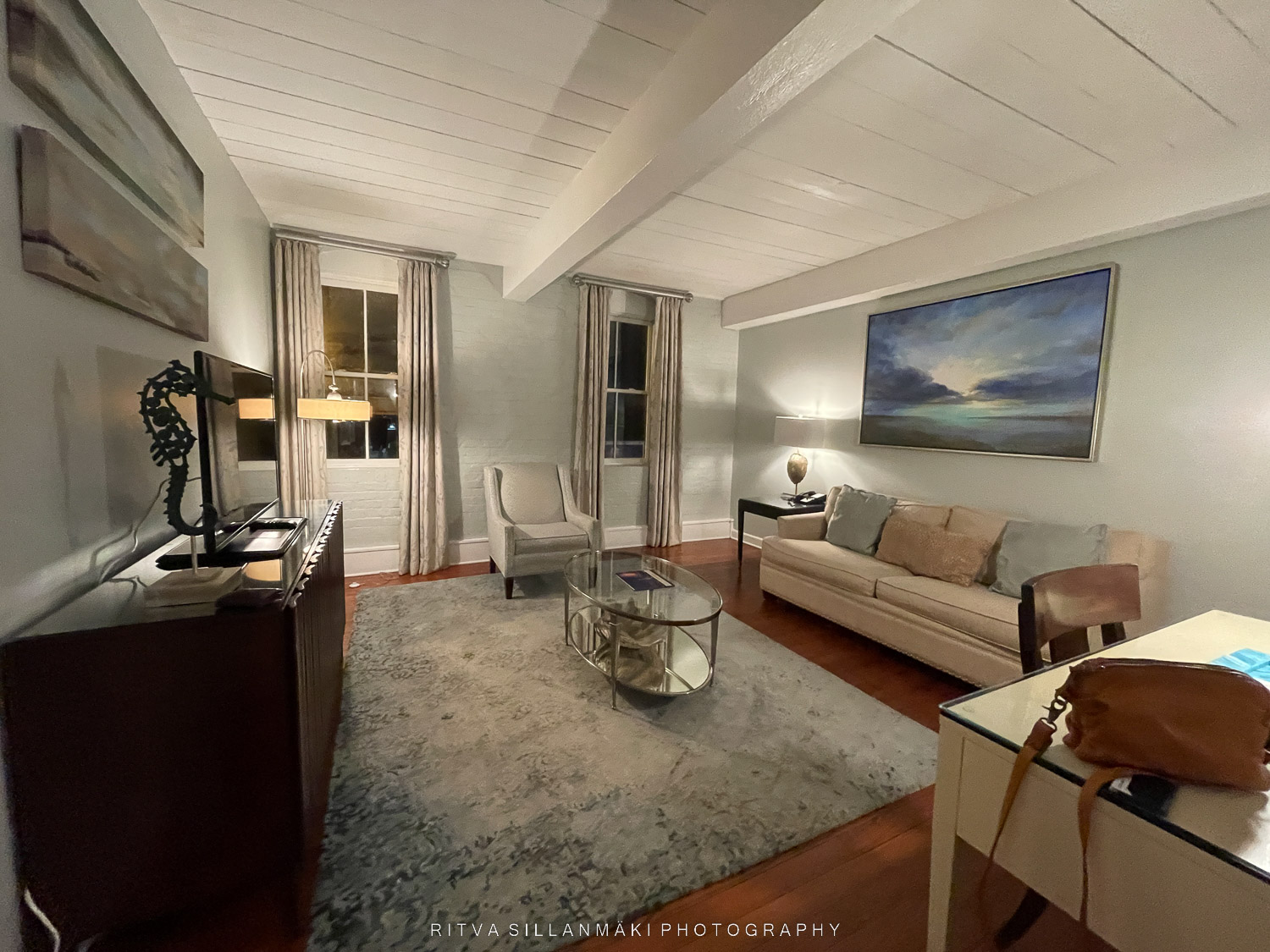
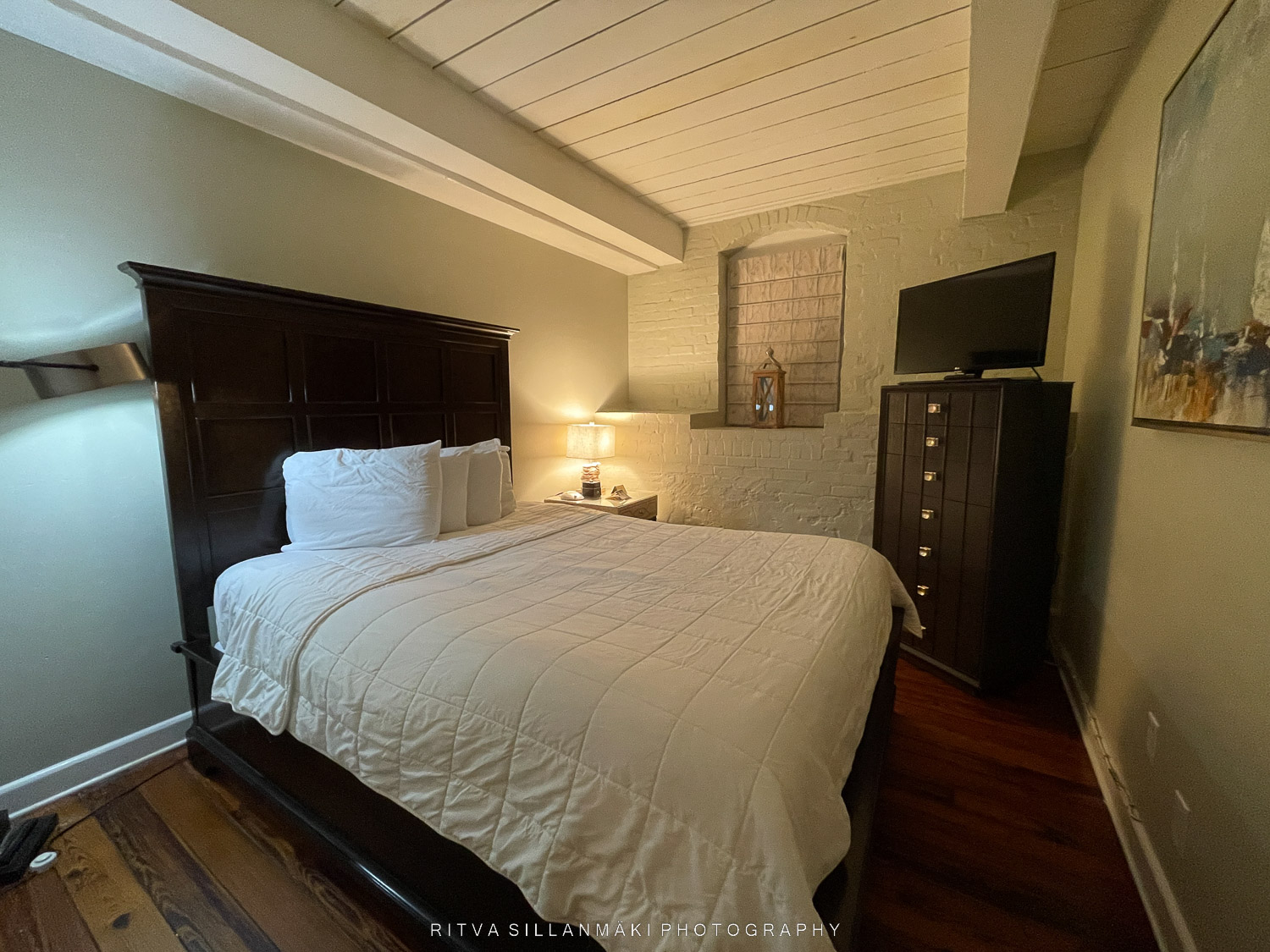
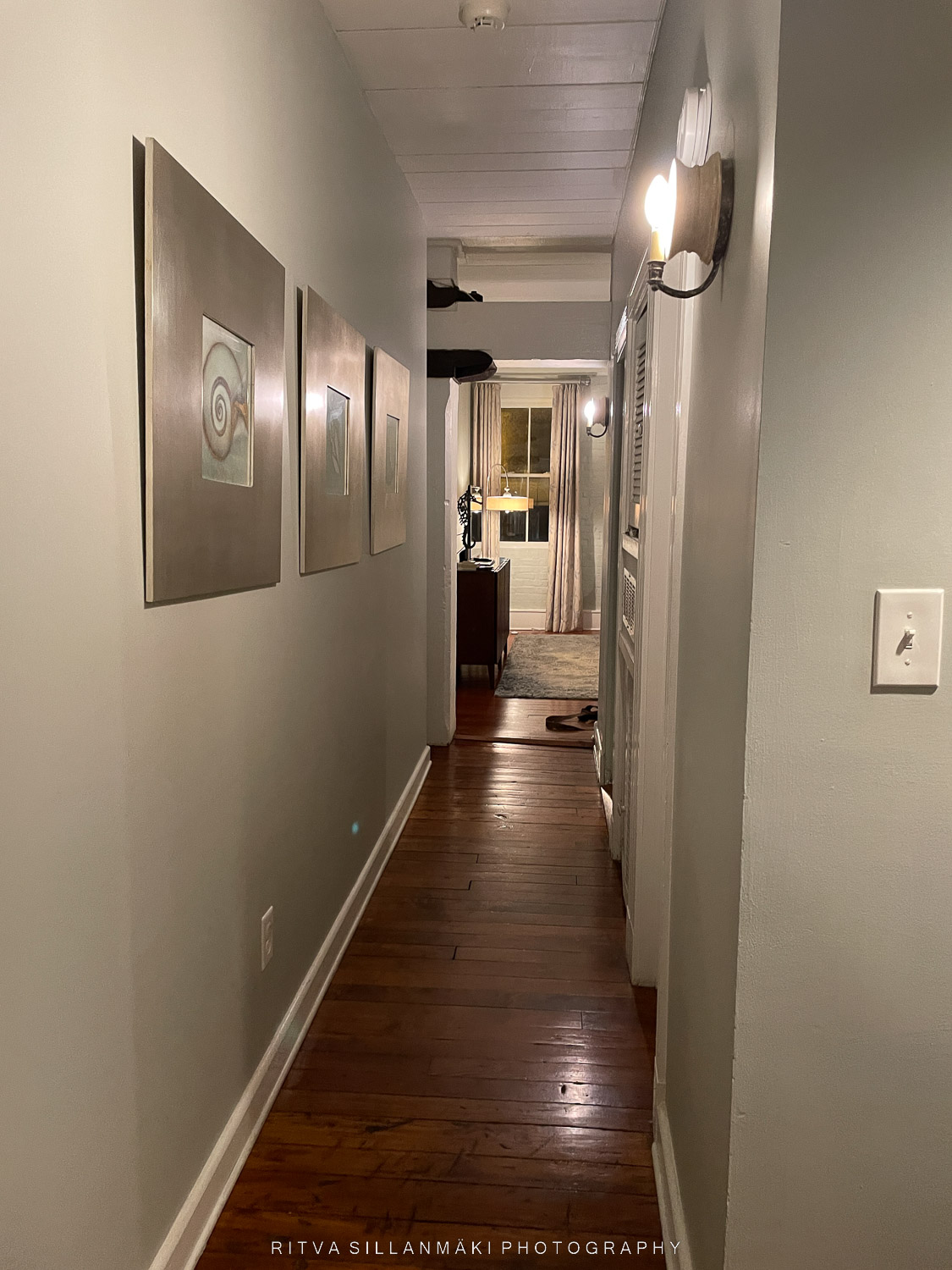
We were really pleasantly surprised by hotel, Olde Habour Inn. It was originally built for Tidewater Oil Company 1892. Set between River Street and Factors Walk, this storied hotel is housed on the shores of the Savannah River in a former (and allegedly haunted) warehouse. Our 1-bedroom suite had a nice sized living room, hardwood floors, old logs and iron works were partly visible. Turn-down service included ice cream. Included in the room price was nightly cocktail hour from 5.30 pm to 7 pm with wine and tasty snacks. Breakfast included coffee, orange juice and muffins in the lobby. I have to add that front dest clerk Martin and the bell man/waiter Kevin were really friendly and helpful with everything. We also inquired about possible extra night, but the hotel was fully booked for the upcoming MKL-day long weekend. Only one 2-bedroom suite was available for the price of $400. If you are visiting the city and need to book a room, I can recommend this one.
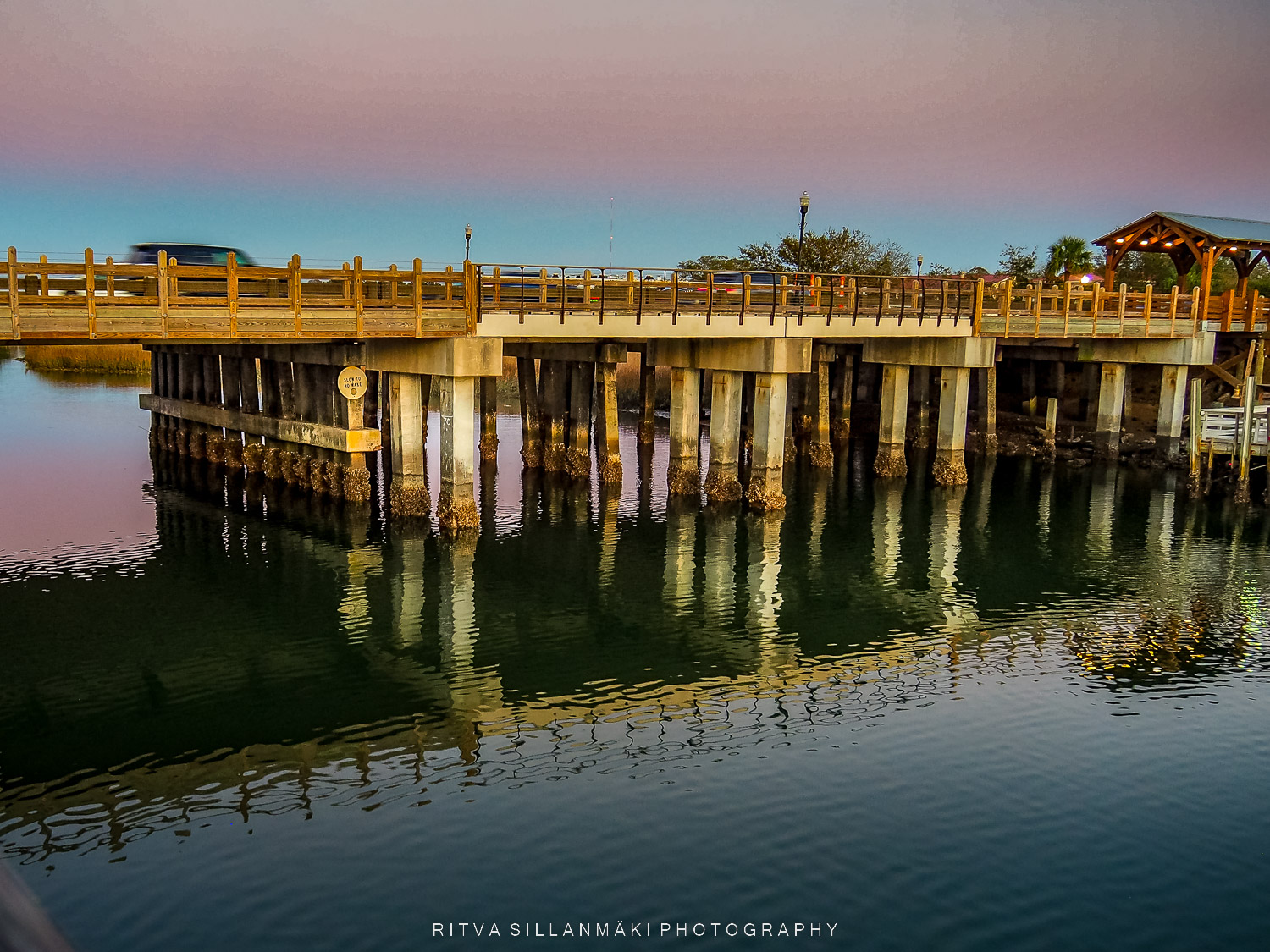
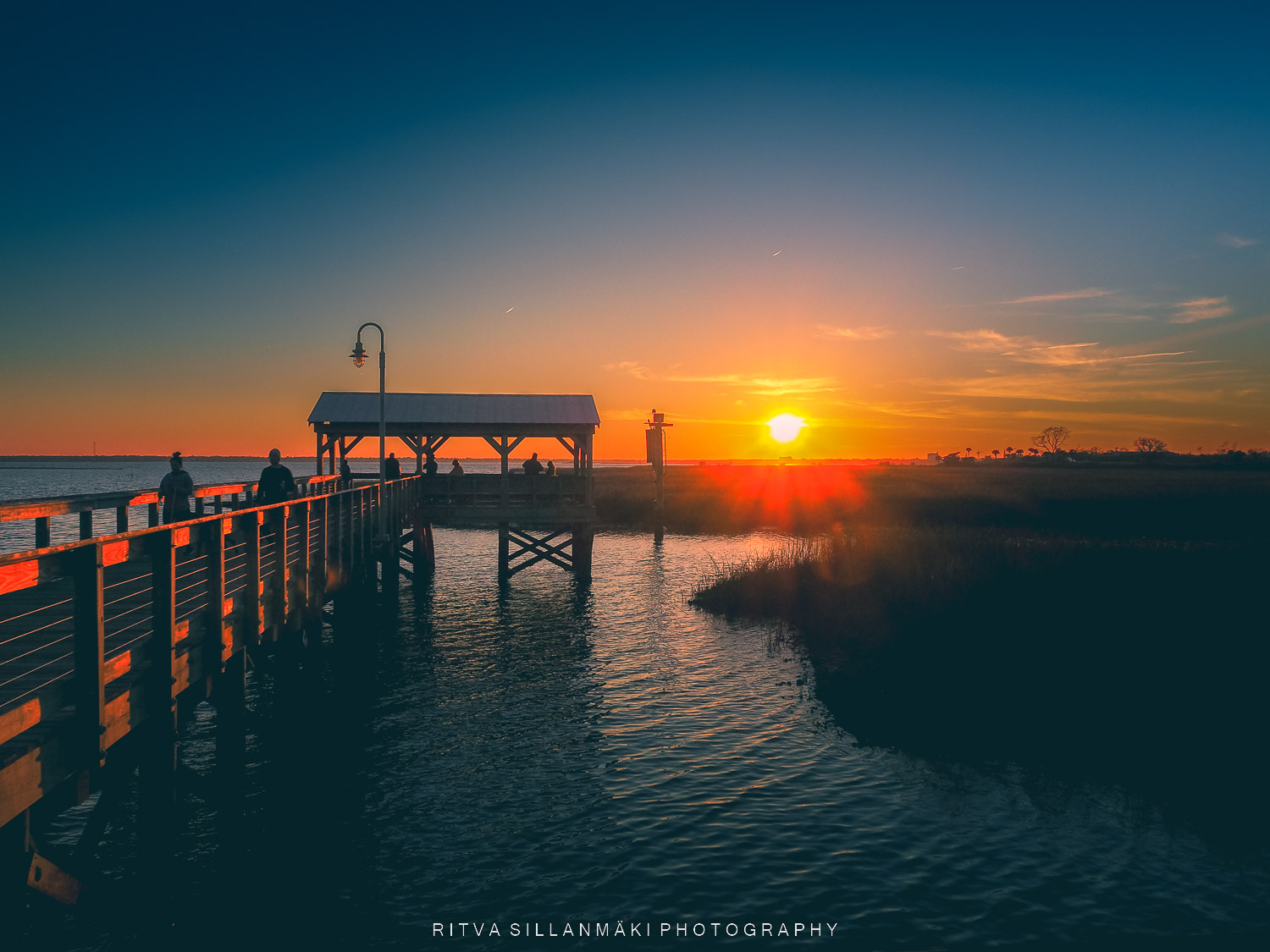
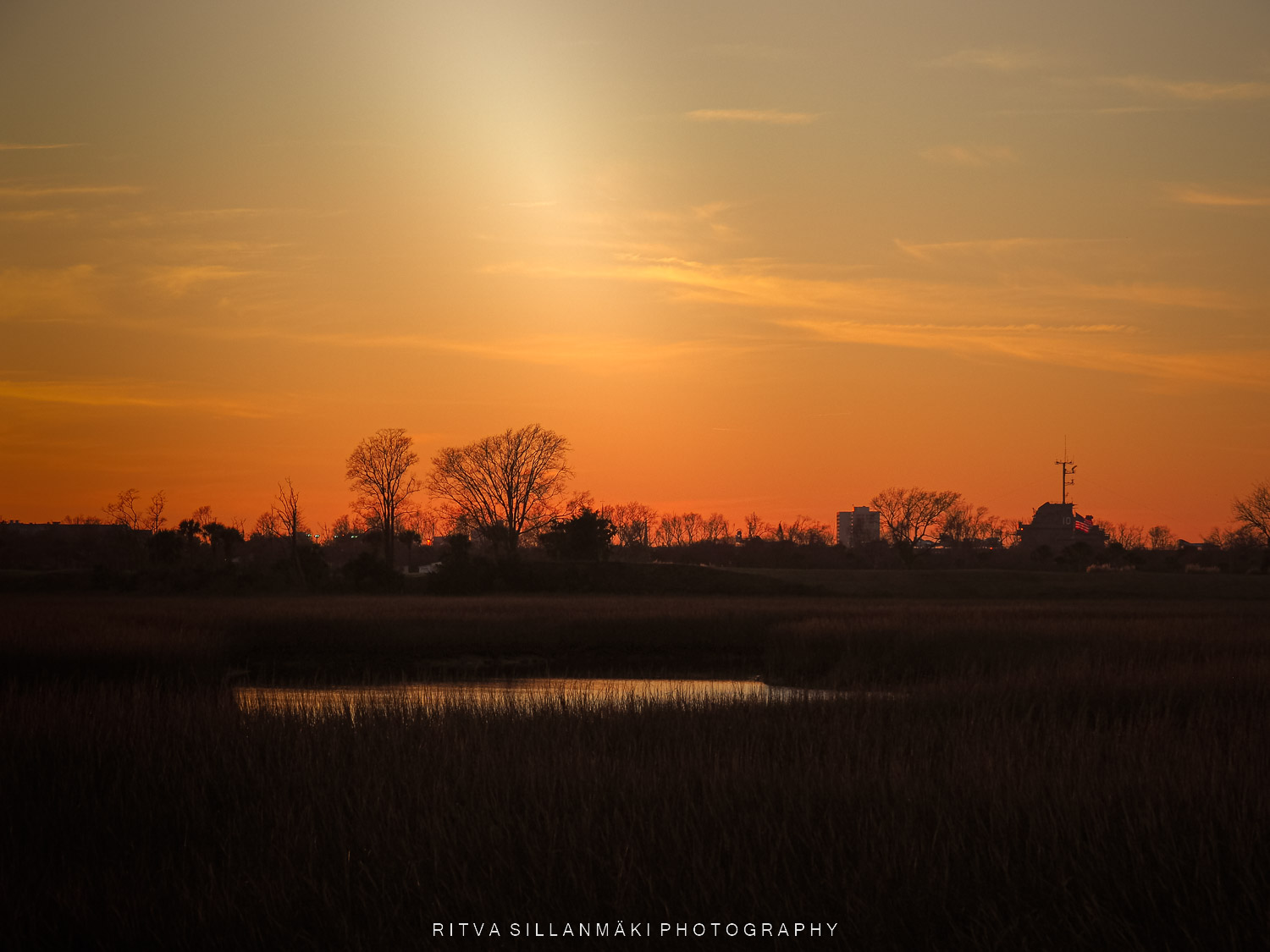
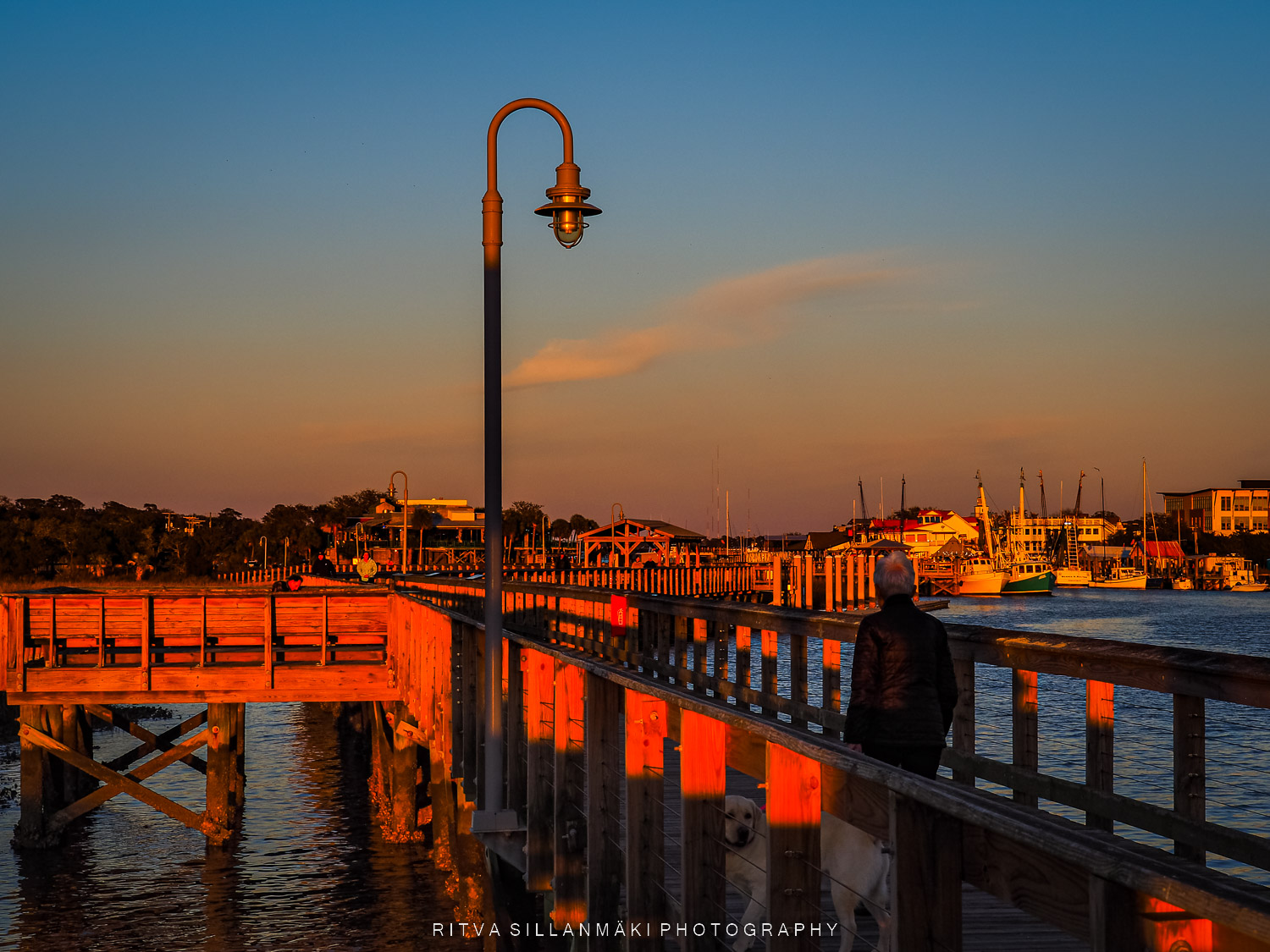
I am ending this post with two more sunset pictures taken also from a moving car.
Amy’s topic for this weeks Lens Artists Challenge #236: East Meets West, This week we are exploring the different cardinal points East – West or South – North
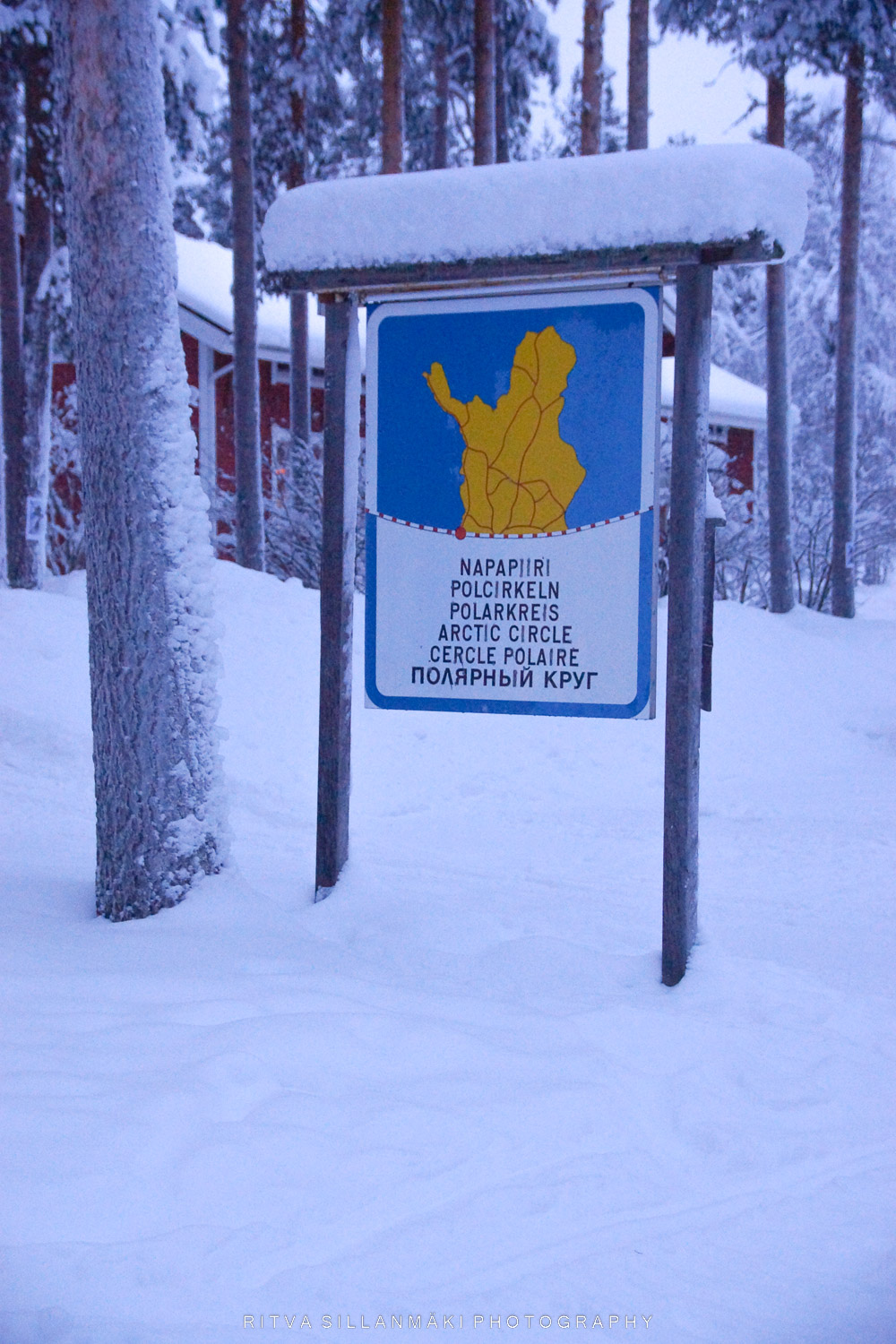
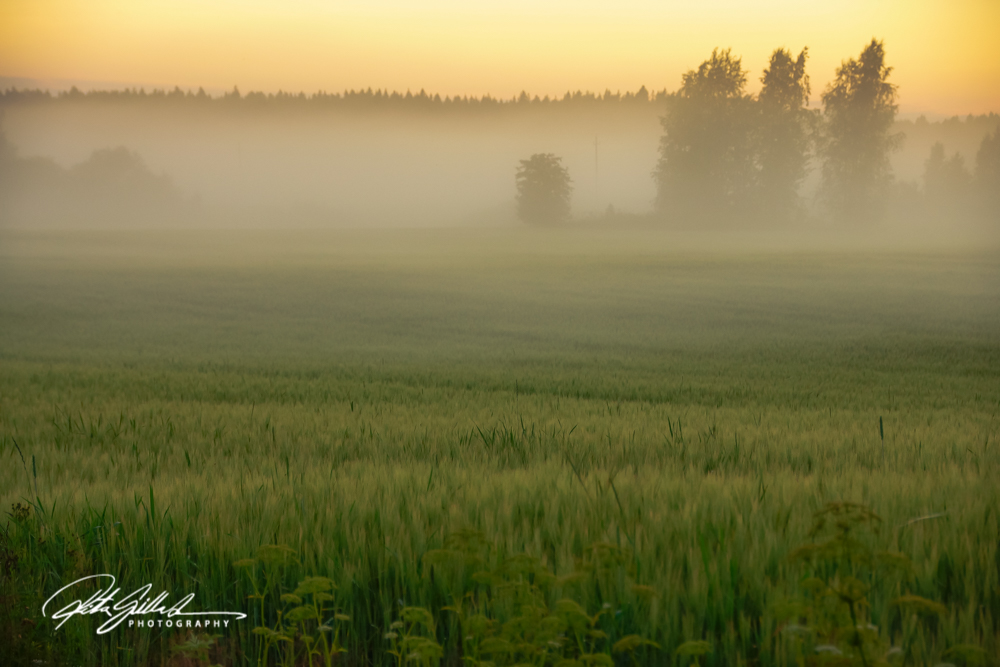
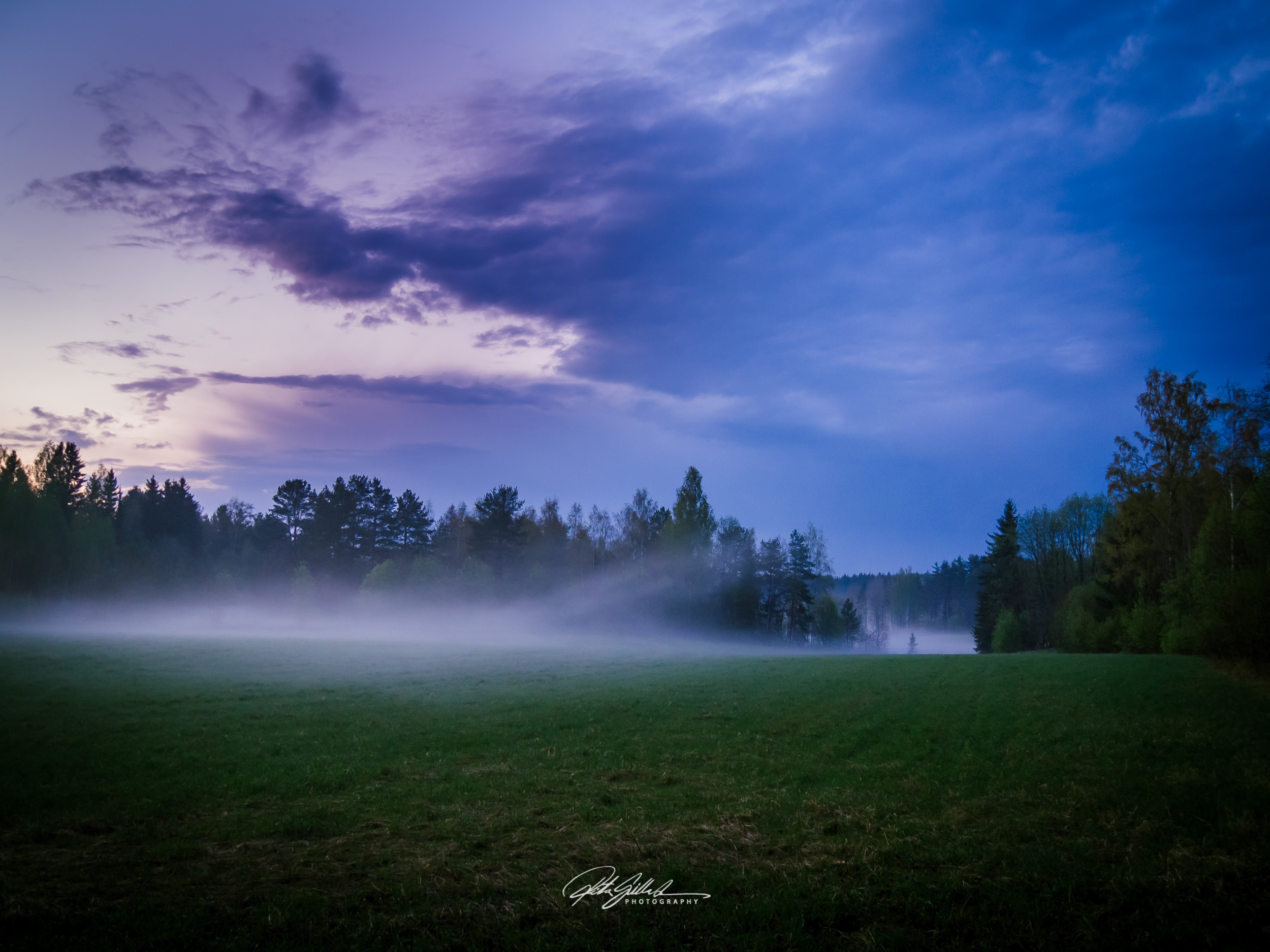
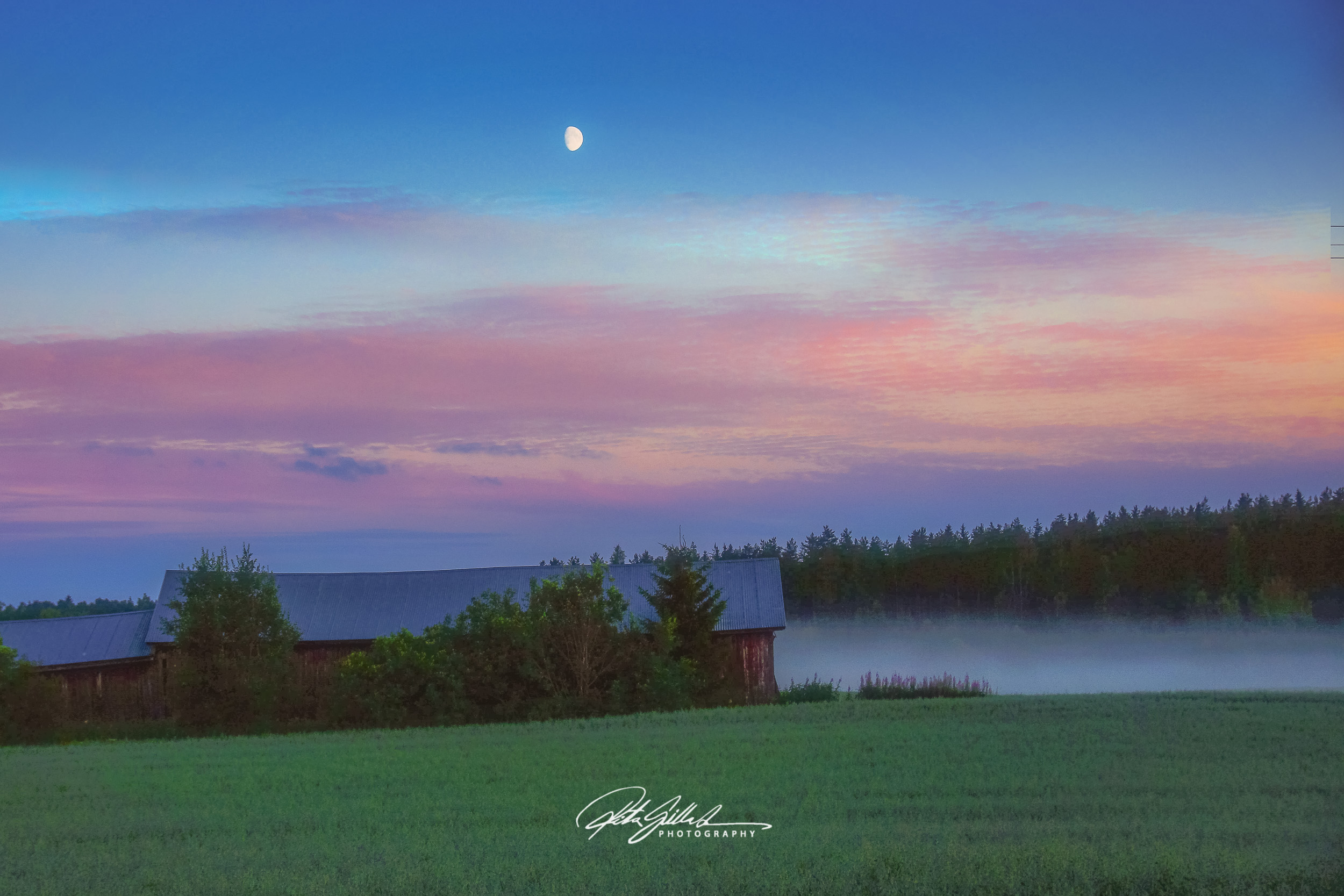
I thought about this, as I live in North, in Finland. Arctic Circle is about 850 km from my home – so I live in the south of Finland.That could be one way to look at this challenge, or even more extreme could be Finland versus Australia down under. Or I could think about it as just the directions seen from my summer house as I sit in the yard and watch the sun move around it. … still thinking about about this:-)
First is the difference between light in the north and south of Finland during winter and well also in the summer.
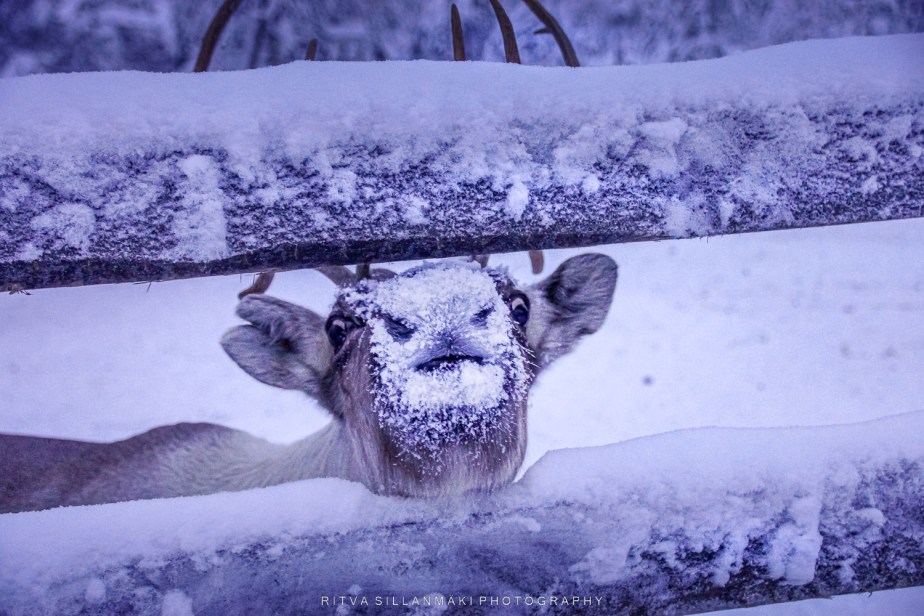
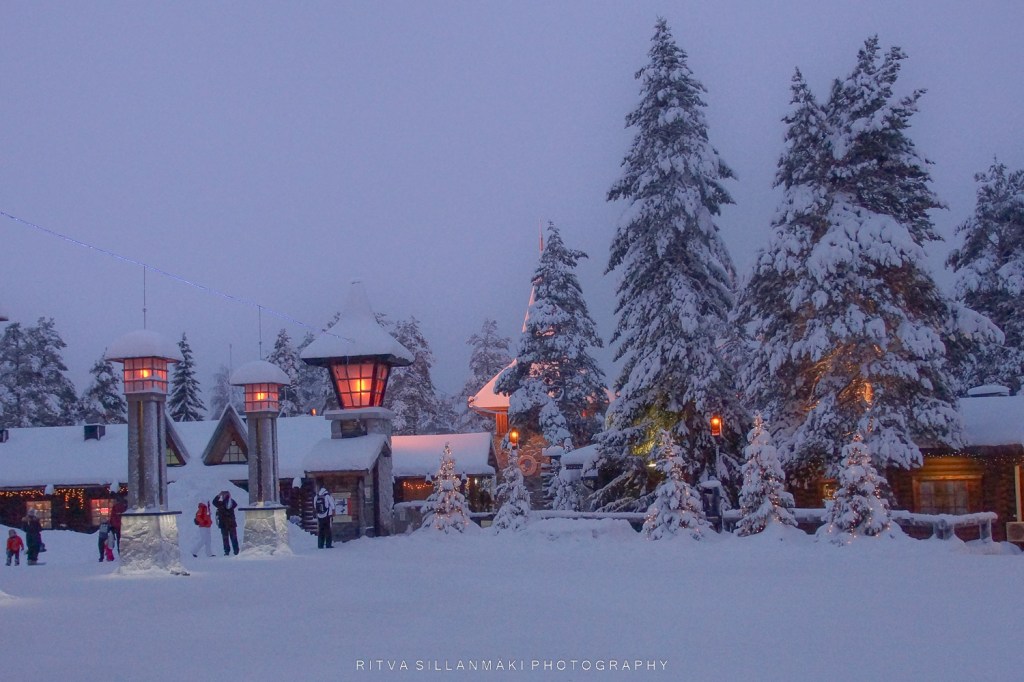
There are four distinctly different seasons as far up north . However, locals think the conditions are in a constant state of change and say there are up to eight seasons in the year: midwinter, snowy spring, spring, summer, harvest season, autumn leaf colour, first snowfall, and Christmas. The photo is from Santa’s village.
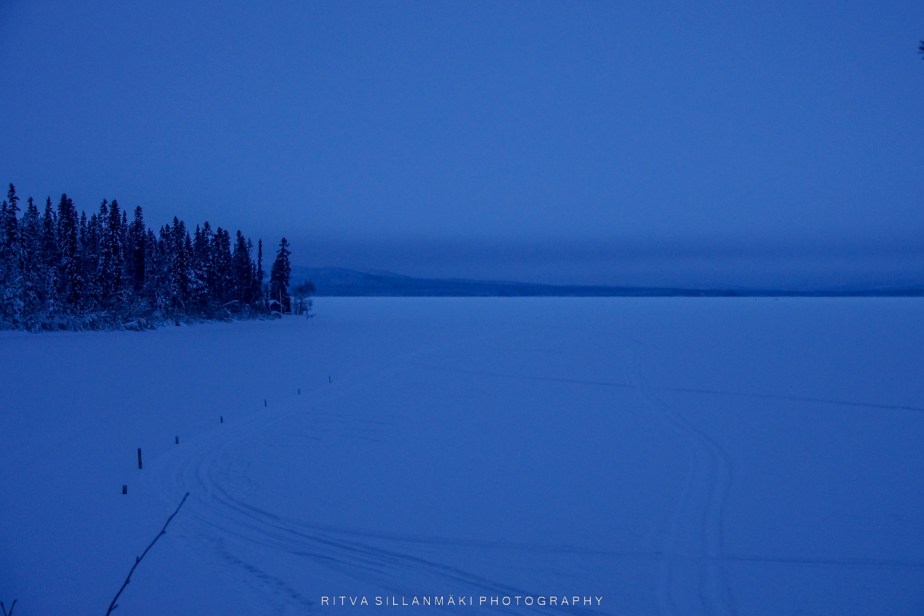
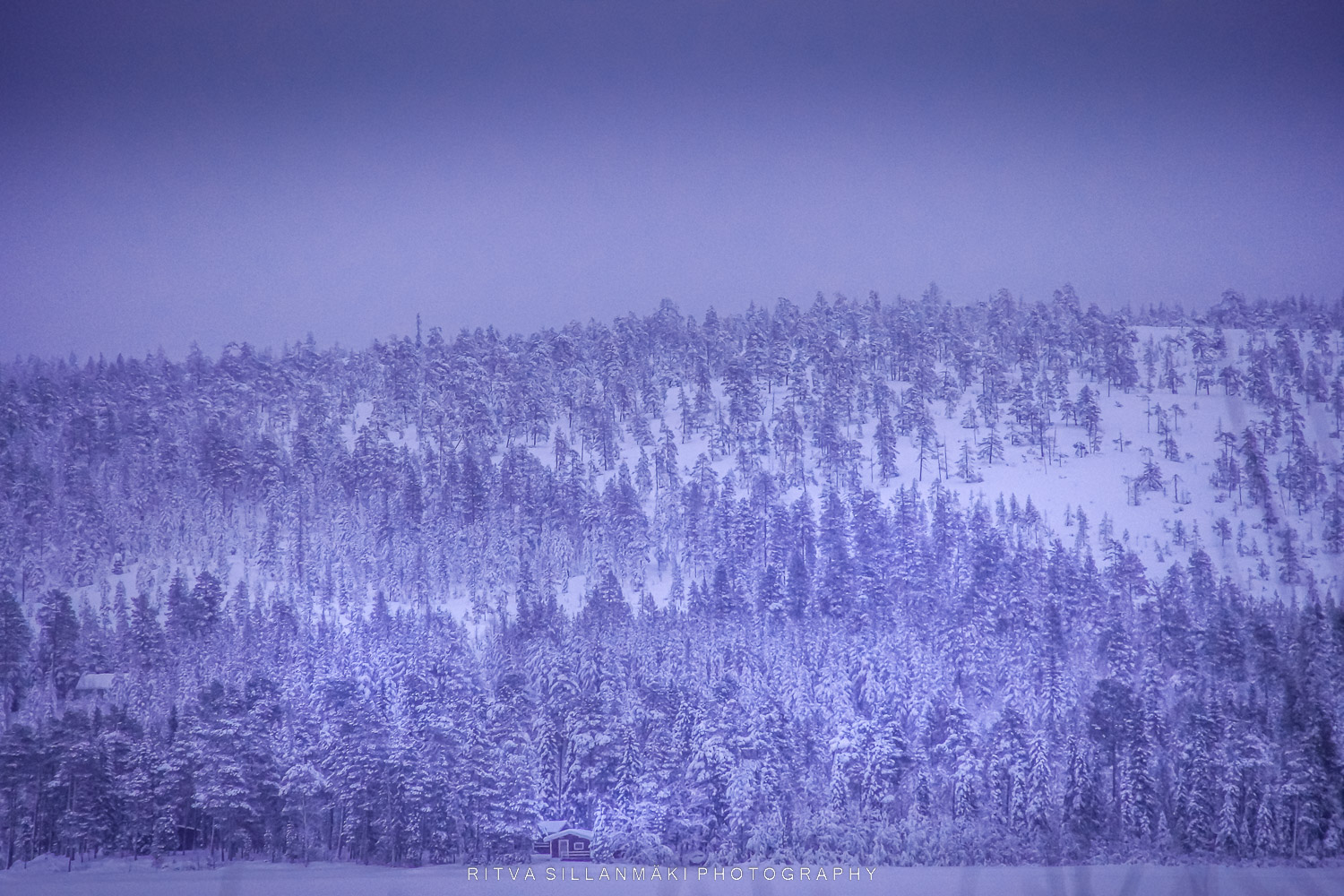
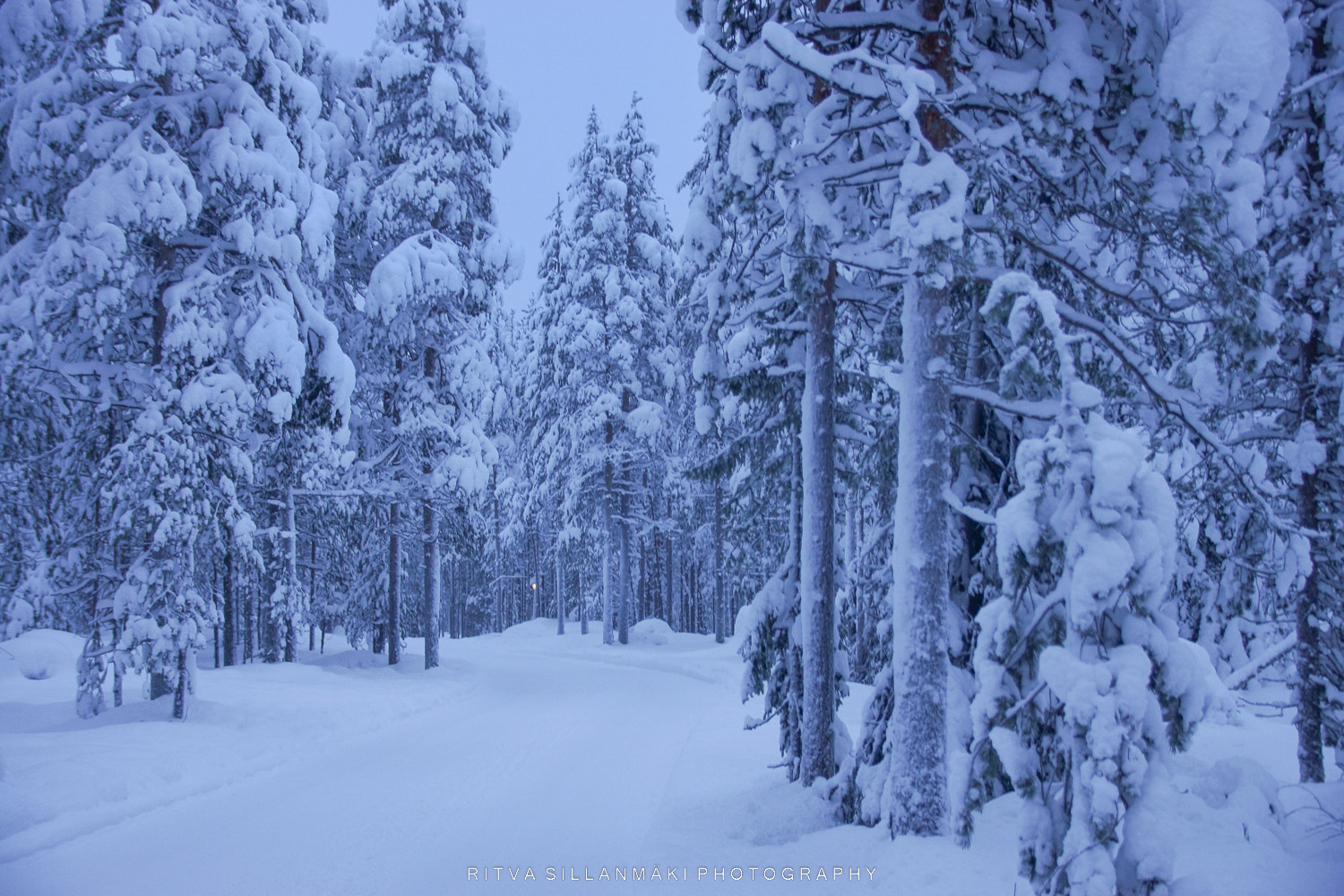
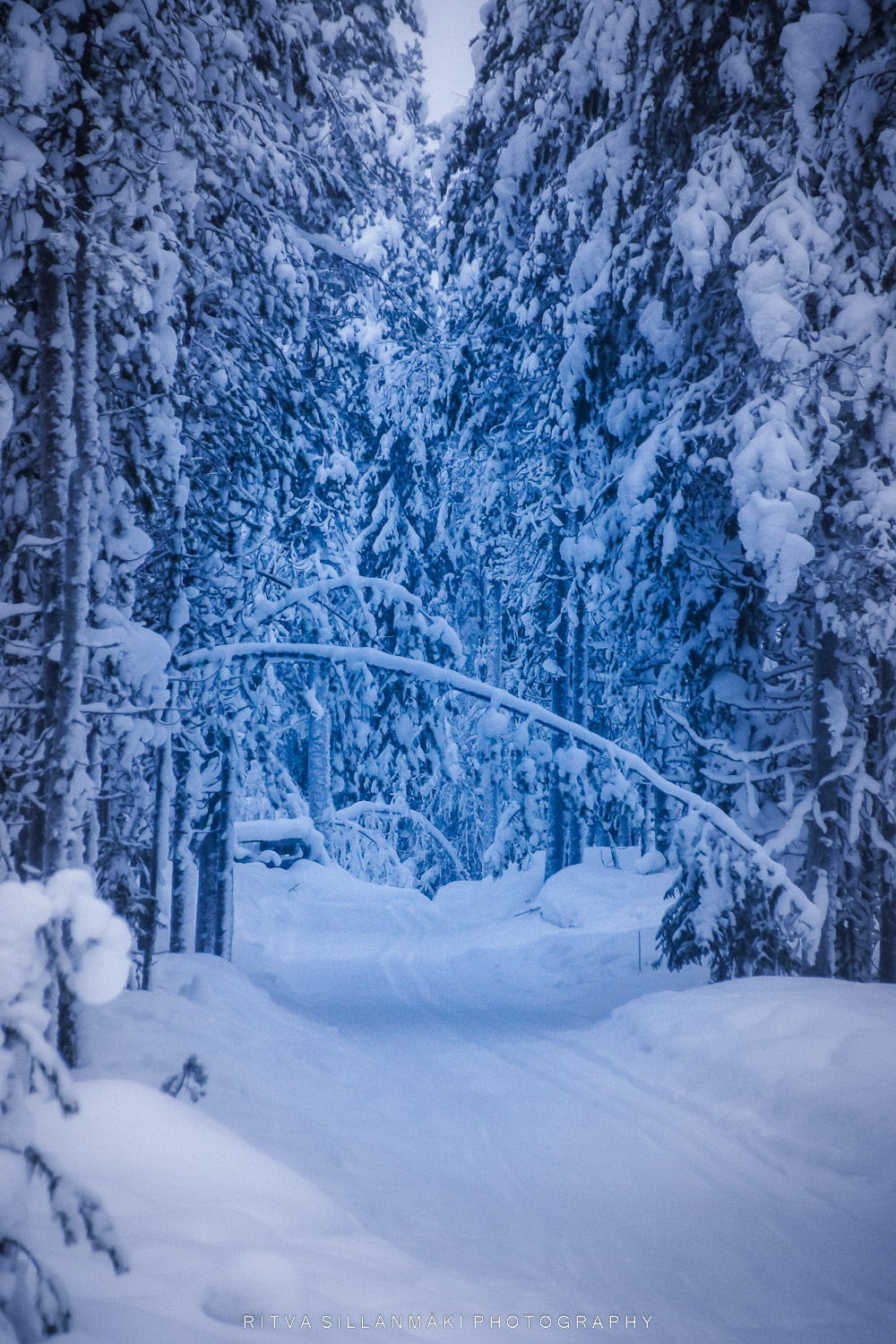
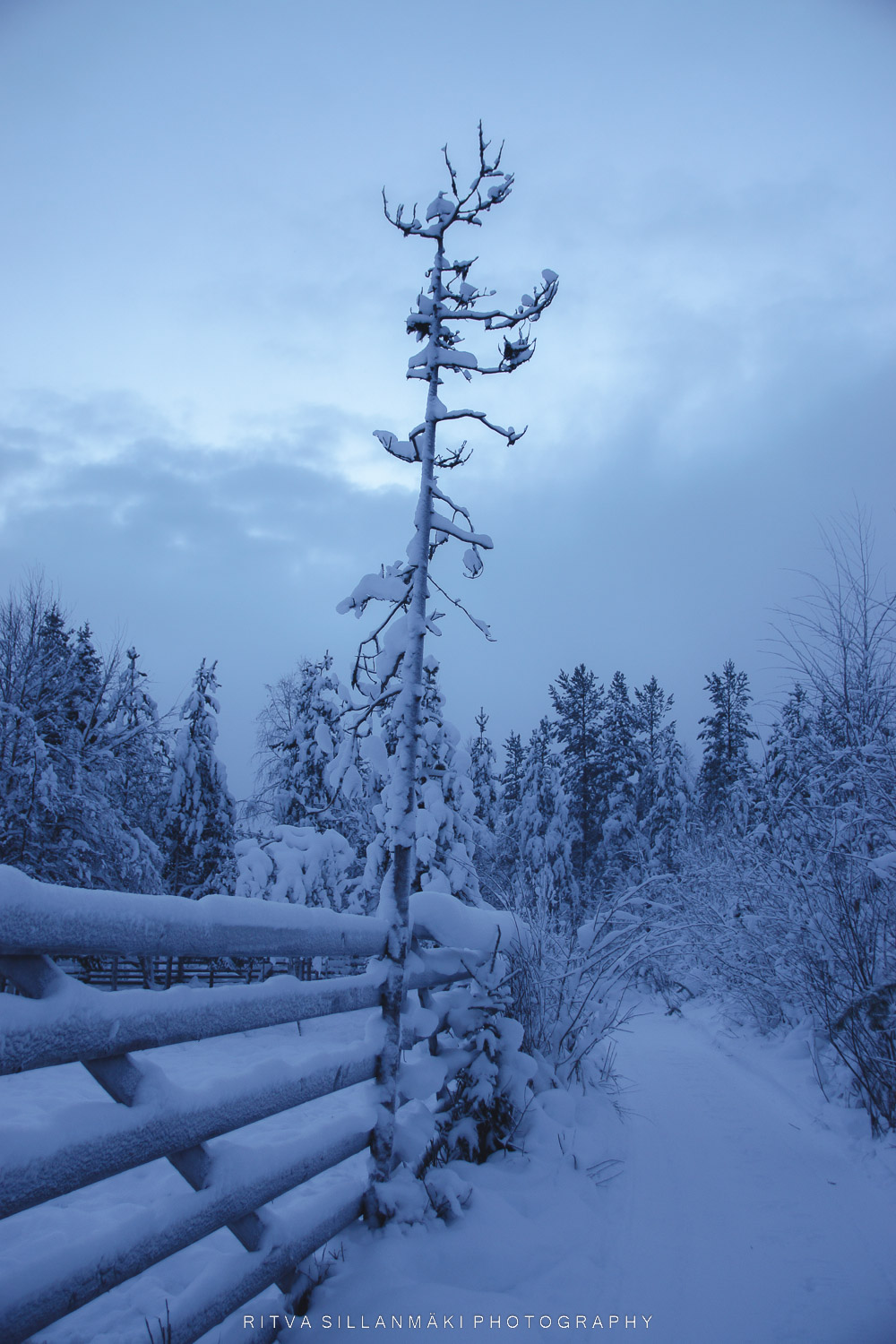
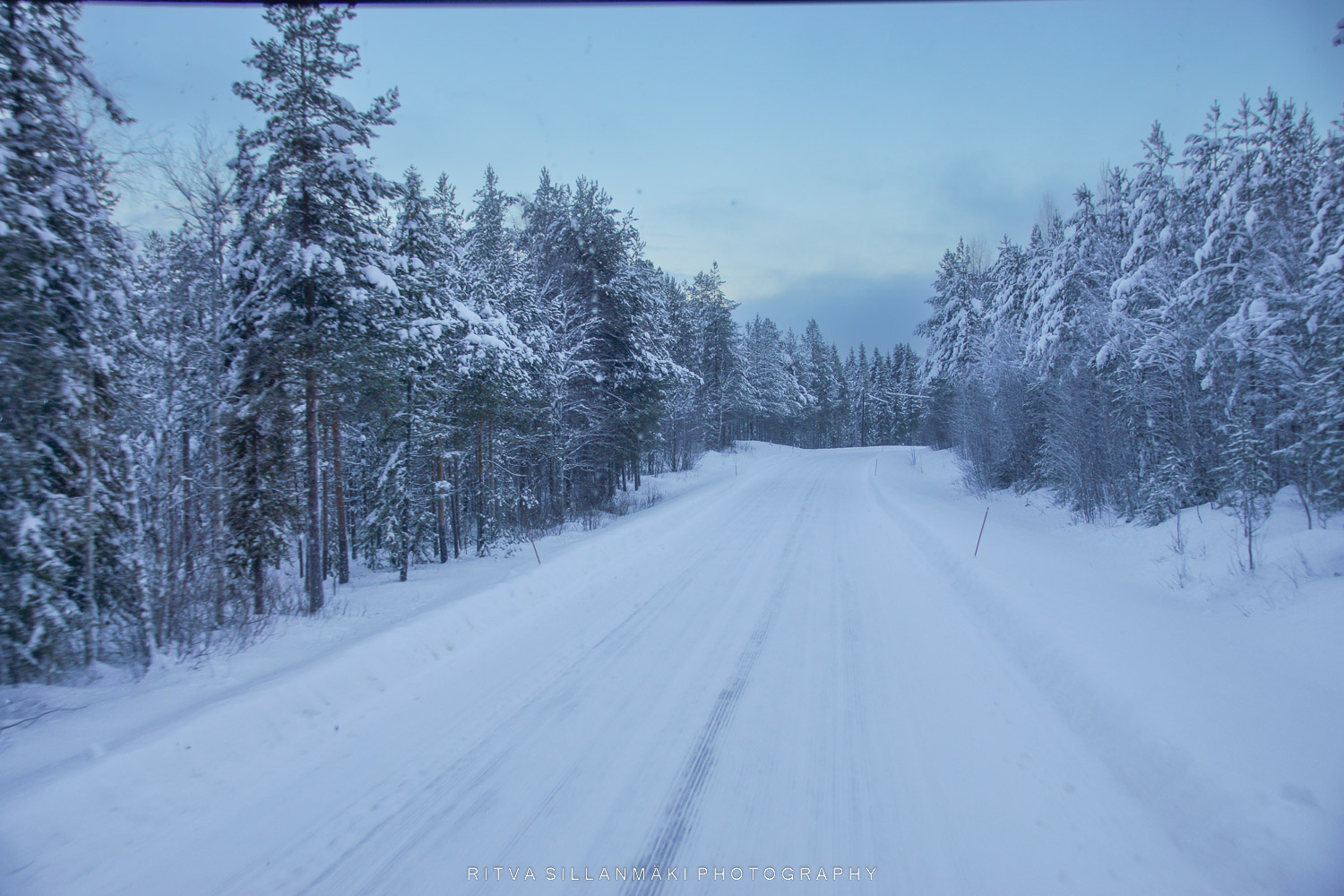
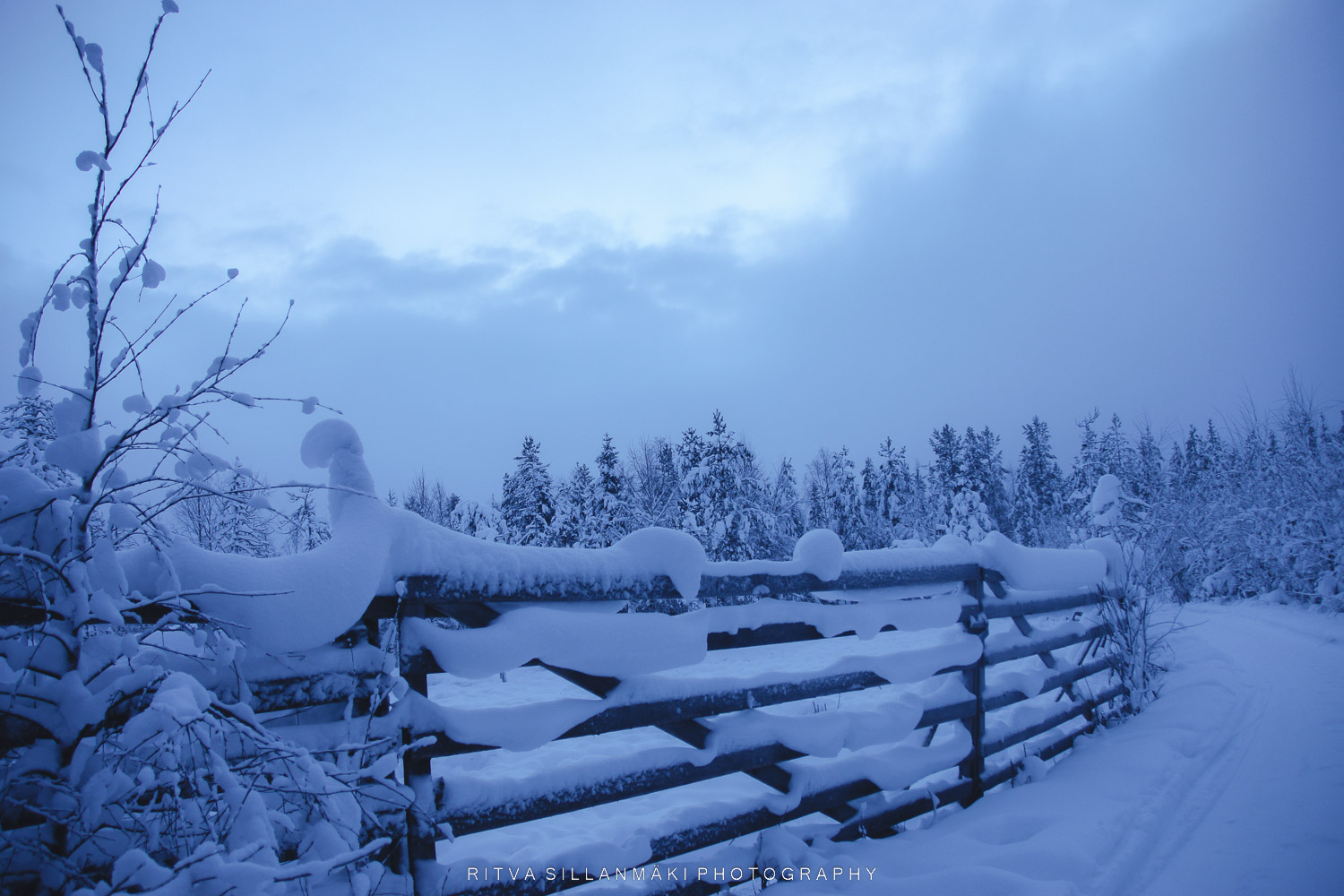
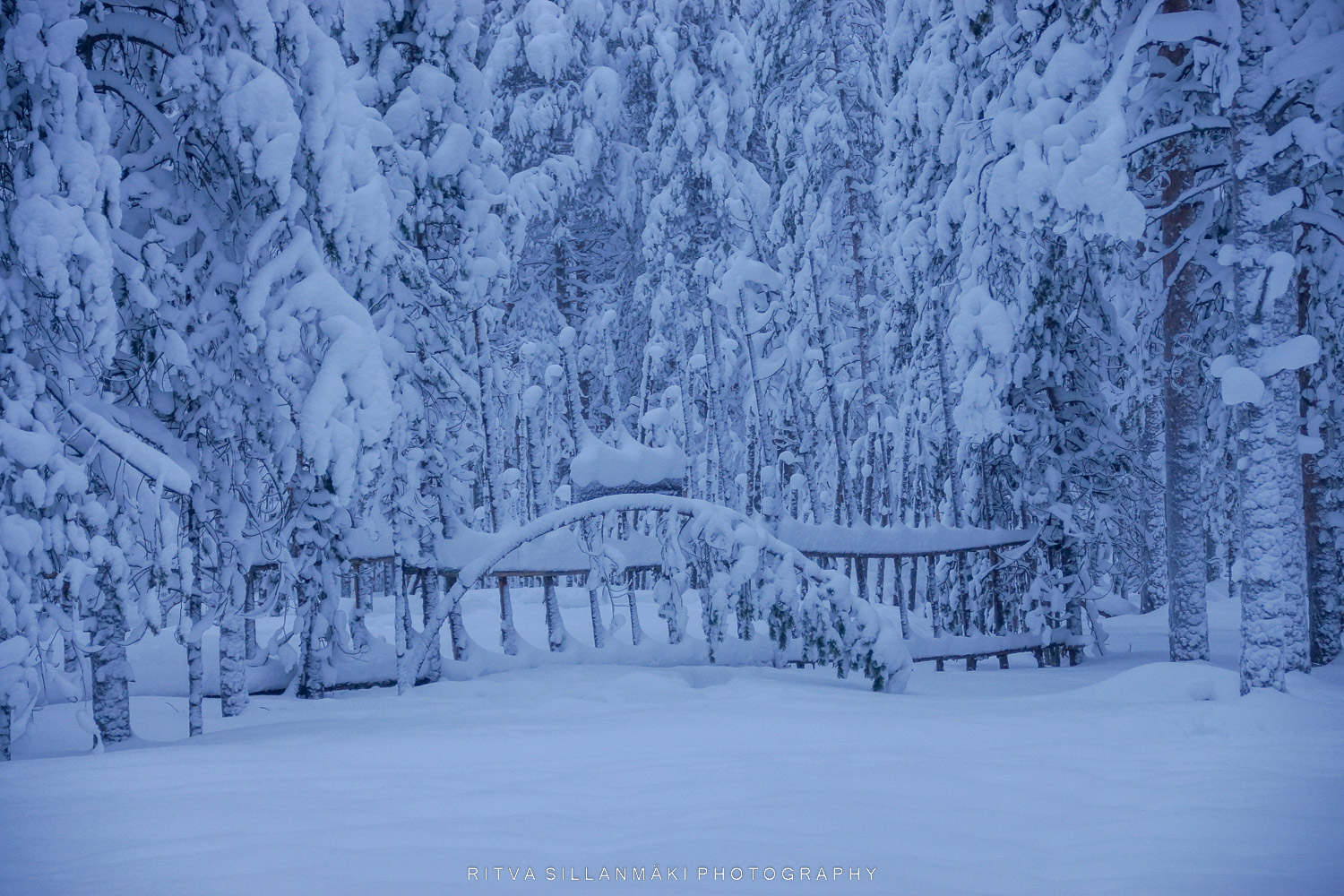
The blue twilight of the Polar Nights last from mid November to Mid January. the light is this blue hues. Not black. This is Midwinter. This period takes place in January-February and is also known as the heart of winter. With only a few hours of daylight, a rather mysterious air of silence and peacefulness shrouds the natural surroundings.
The Midnight Sun is a natural phenomenon that takes place on and above the Arctic Circle in the summer months. On the Arctic Circle, the sun officially stays above the horizon for a full 24 hours on summer solstice, 21st or 22nd June. However, the Midnight Sun period in Rovaniemi lasts for a month, from 6th June to 7th July; this is due to the Earth’s slightly tilted axis and refraction of sunlight. The nights are white throughout the summer from late May until early August
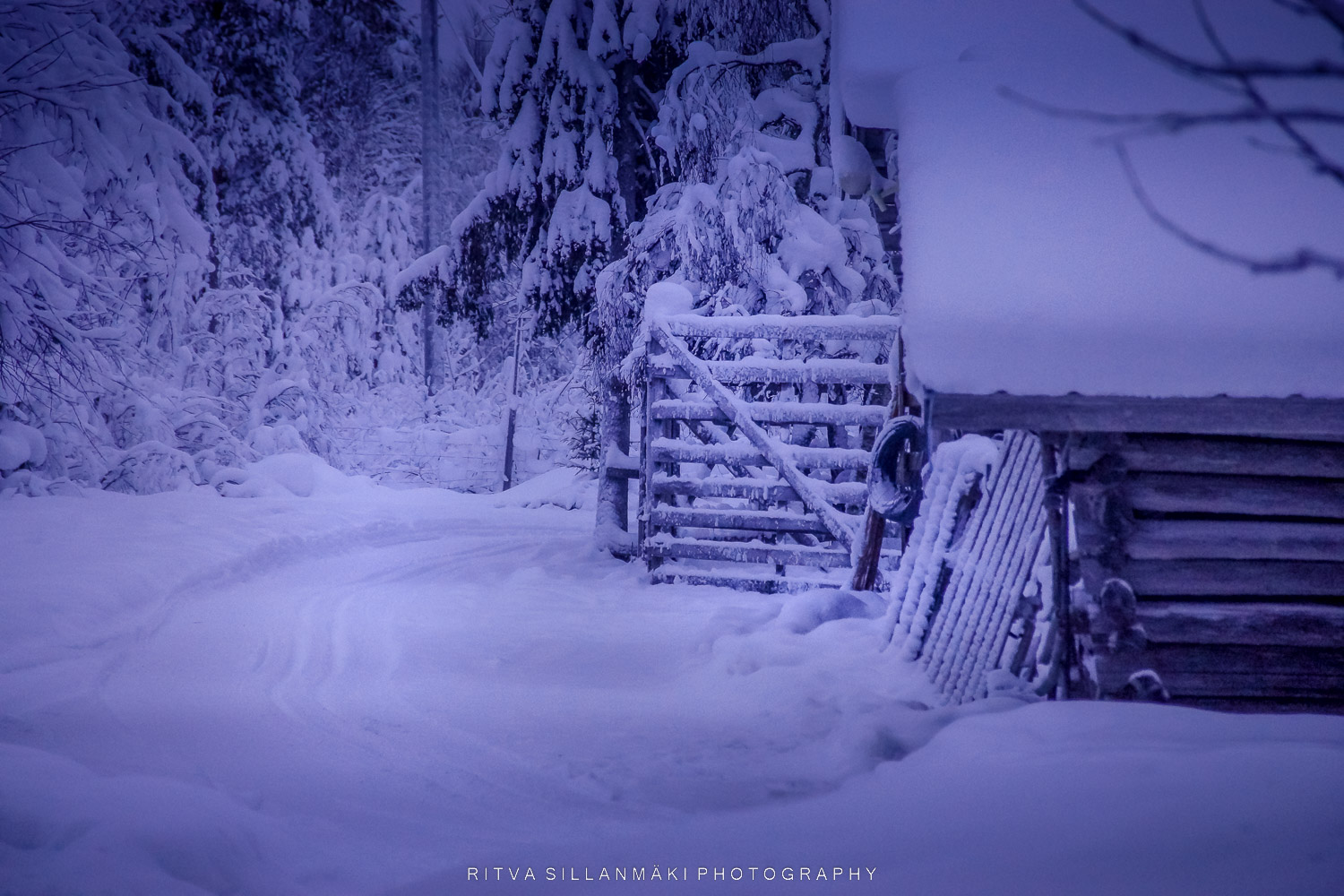
So below you can see the blues of the day on North of Finland during the day. Also the landscape of southern Lapland is quite flat. There are few lakes, but forests, swamps, rivers and streams form diverse ecosystems. In Western Lapland, the flat and same level coast changes as you go further north: there are more and moreforested hills, the highest or northernmost exceed the tree line, and are therefore already actic hills.
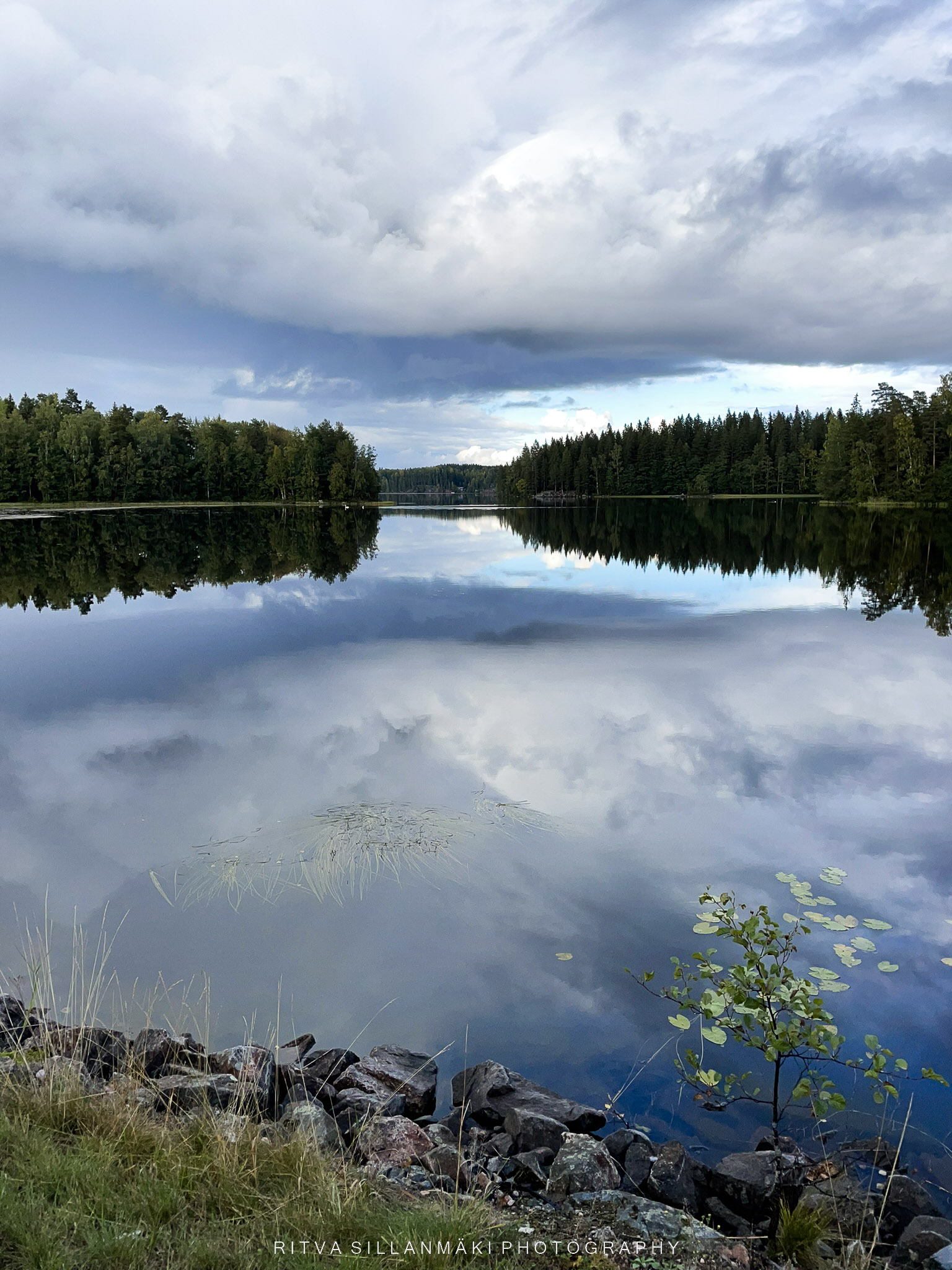
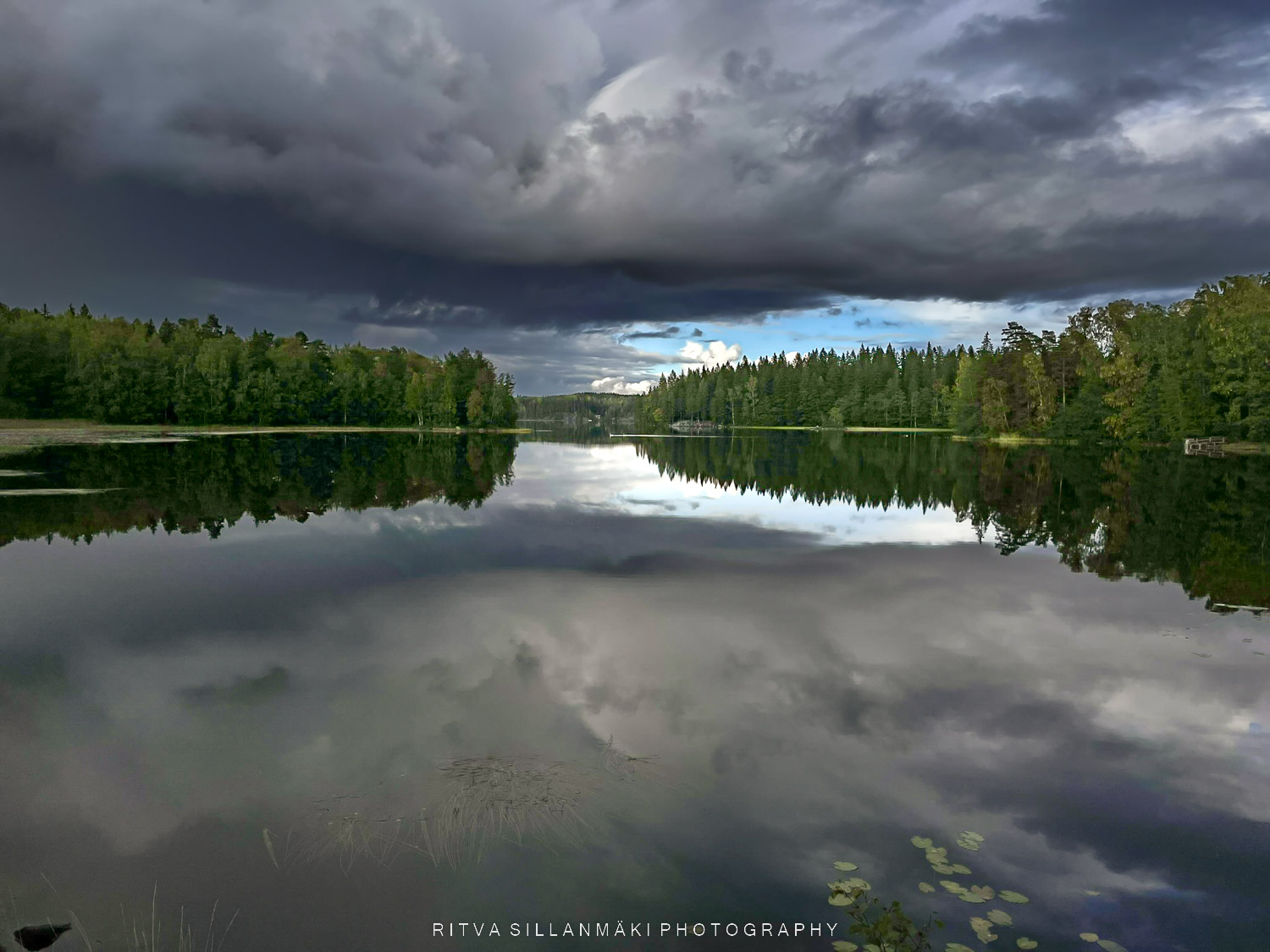
Water reflections – obviously easiest to do.
In terms of topography, Southern Finland is a low plain. On top of the bedrock there are fine-grained soils. The climate is favorable for cultivation, so agriculture is productive, especially in the areas of the clay fields in Eastern Uusimaa.
Considering the large population, nature can be close to people even in Southern Finland. The most difficult and rugged areas can have natural areas.
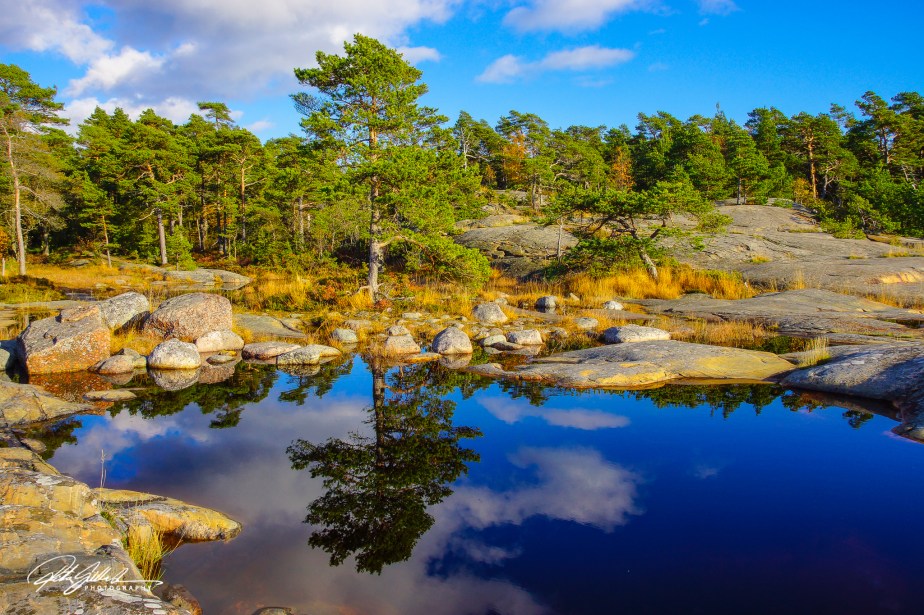
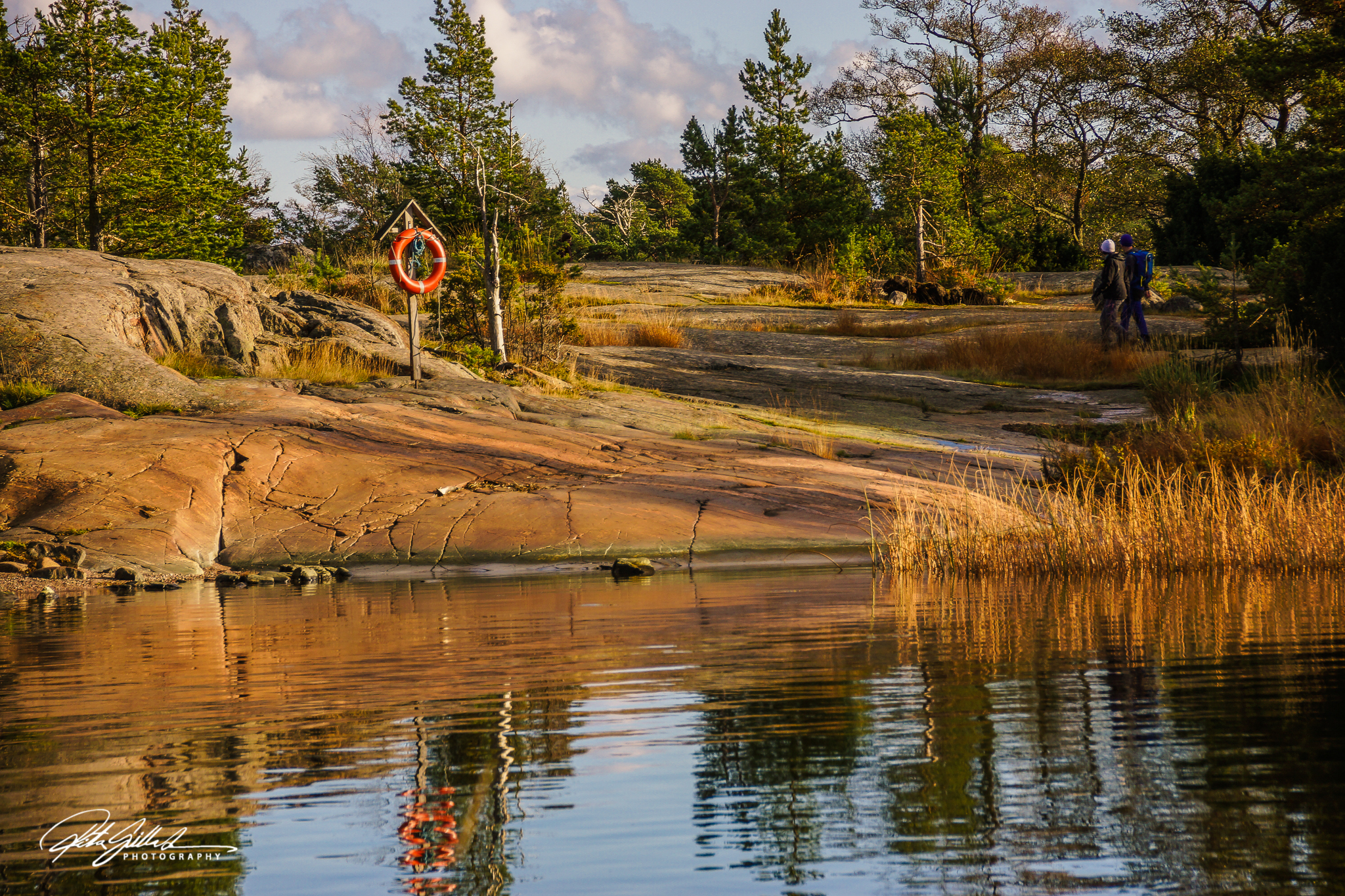
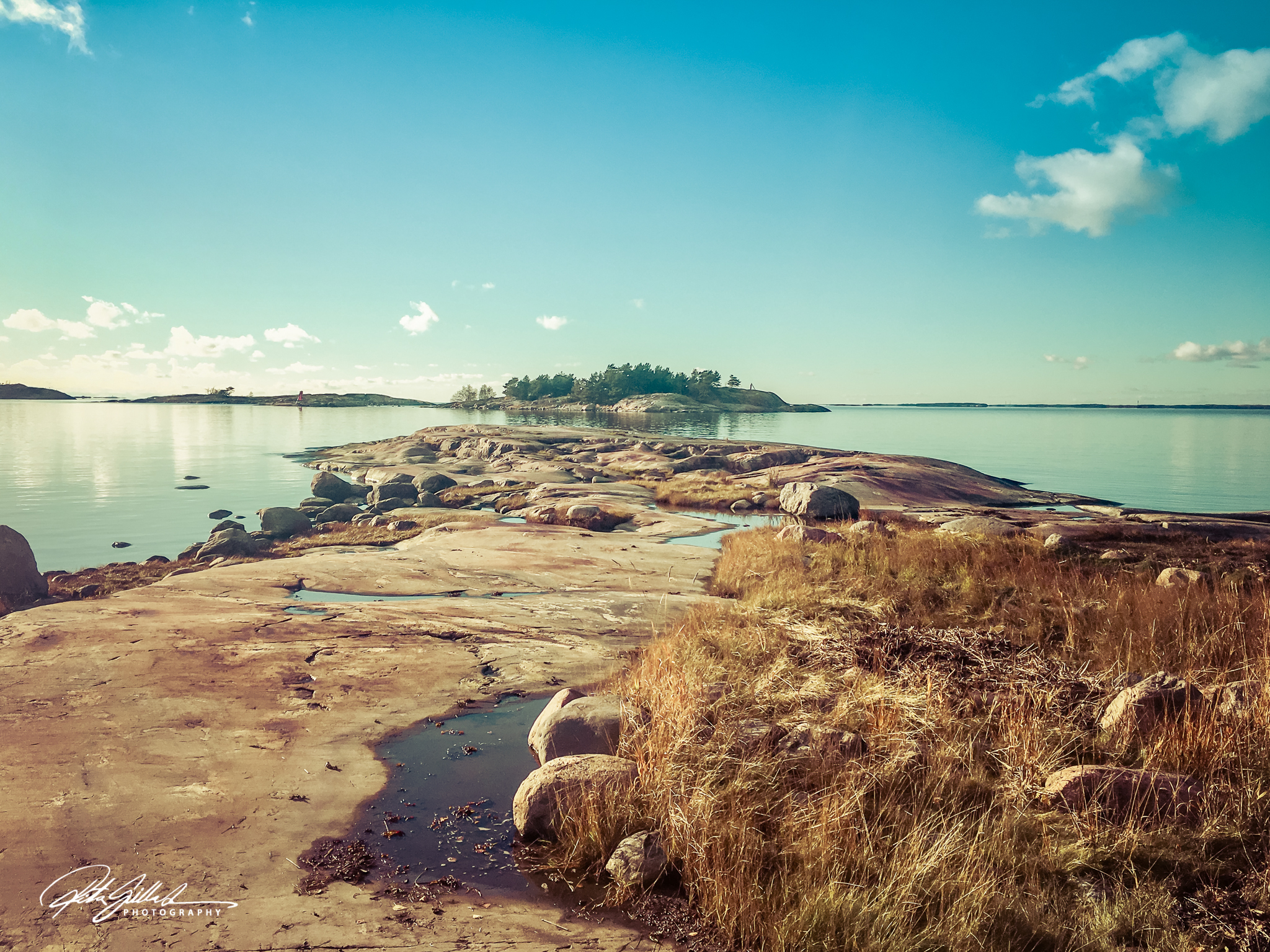
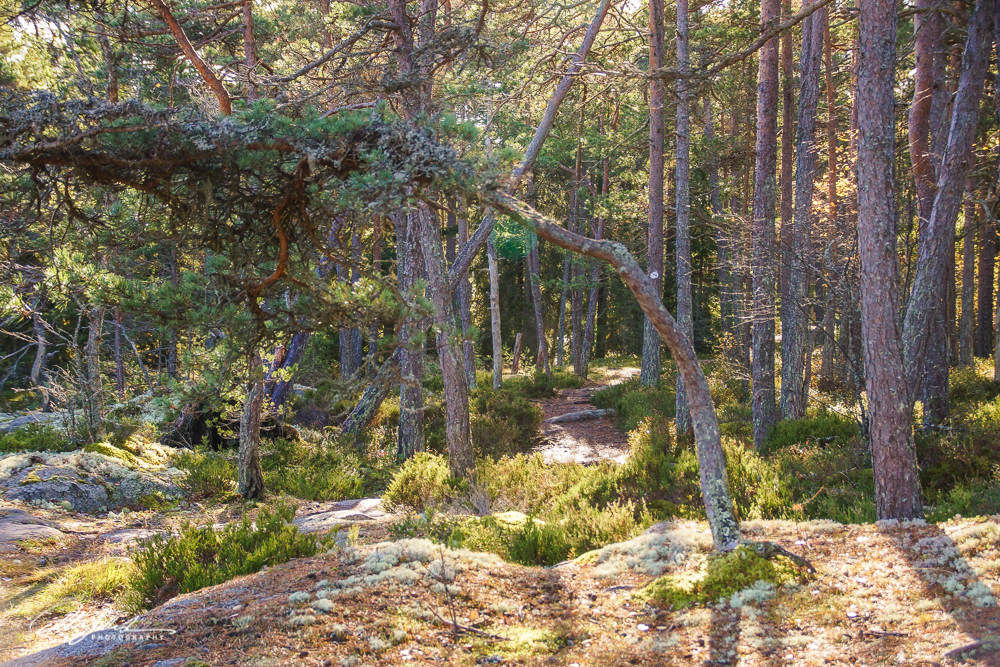
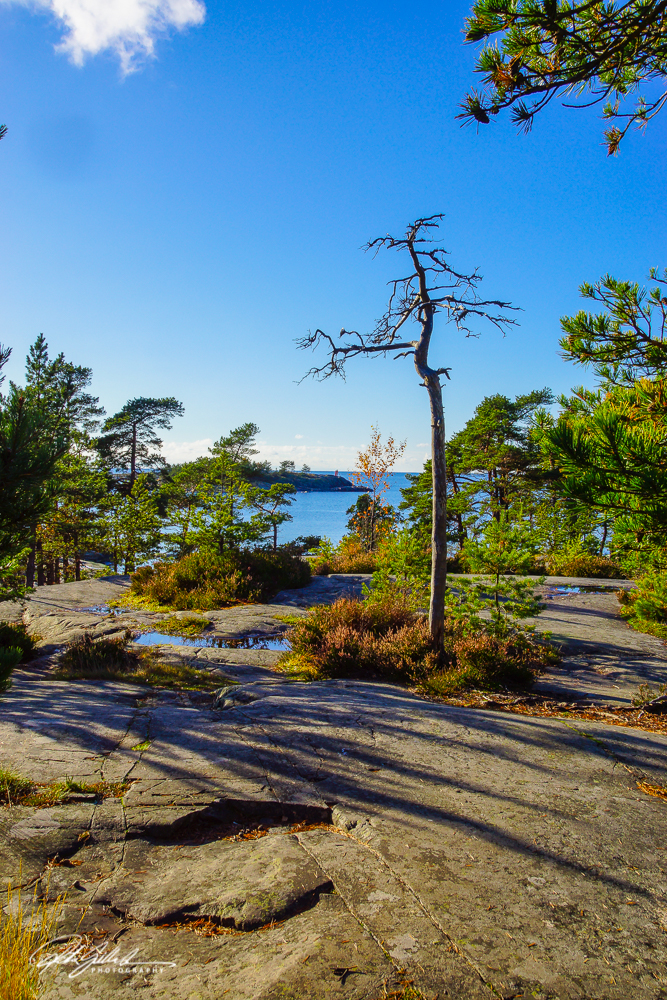
There are rocks and small lakes in the Nuuksio National Park. There is a forest area of several thousand hectares in Sipoonkorpi, with rocks, groves, natural streams and traditional meadows. The Repove National Park has steep rock cliffs and the Valkmusa National Park has an oasis nature. Porkkala, which I have written about before. Porkkalanniemi is in Kirkkonummi, that is where I live.. The area consists of rocky shores, pine forest, and beautiful outlooks onto the sea. The Porkkala cape stretches far out to the sea and is one of the best places to watch arctic birds migrating. Seabirds thrive in the area due to its rich and diverse habitat. Porkkala has a considerable population of common eiders and is also an important resting area for long-tailed ducks. Lucky visitors may even spot moose or white-tailed deer in Porkkala.
The light is different in south, the sunrises here in the winter even if for a short time. Less snow for sure. In the Summer, the sun sets even if for a short time, but it does not get really dark. More humidity as we are closer to the sea.
Porkkalanniemi – Kirkkonummi in Southern Finland
As I’ve stated before I am not a very technical photographer, more into composition, mood. I do my magic on the edit table mostly, if you can call it magic, more like my interpretation of places and people. I am also not one to write all that much, let the photos speack for themselves.
I have two cameras an old reliable SONY SLT-A65V, and I have two lences I use with it one for Macro Sony Macro 2.8/50 and portraits. The other for nearly everything a Sony 18-200mm.
The Sony has been in less use since I bought a new lighter one to carry around, its a Olympus E-M10 Mark II with a 14-150mm lense and I have a OM-D M.ZUIKO DIGITAL 45mm 1:1.8 for street and portrait photography
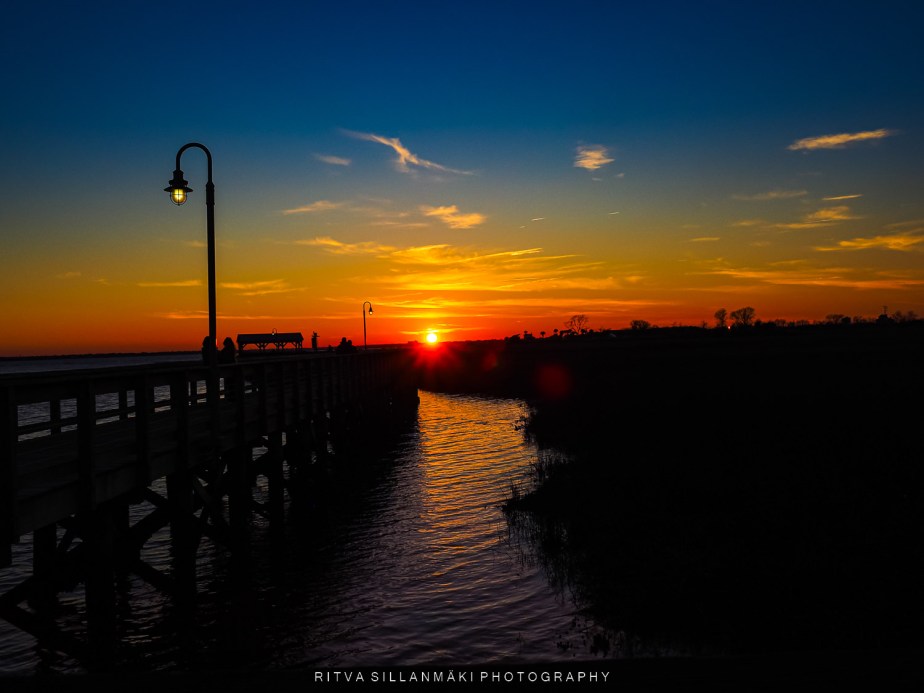
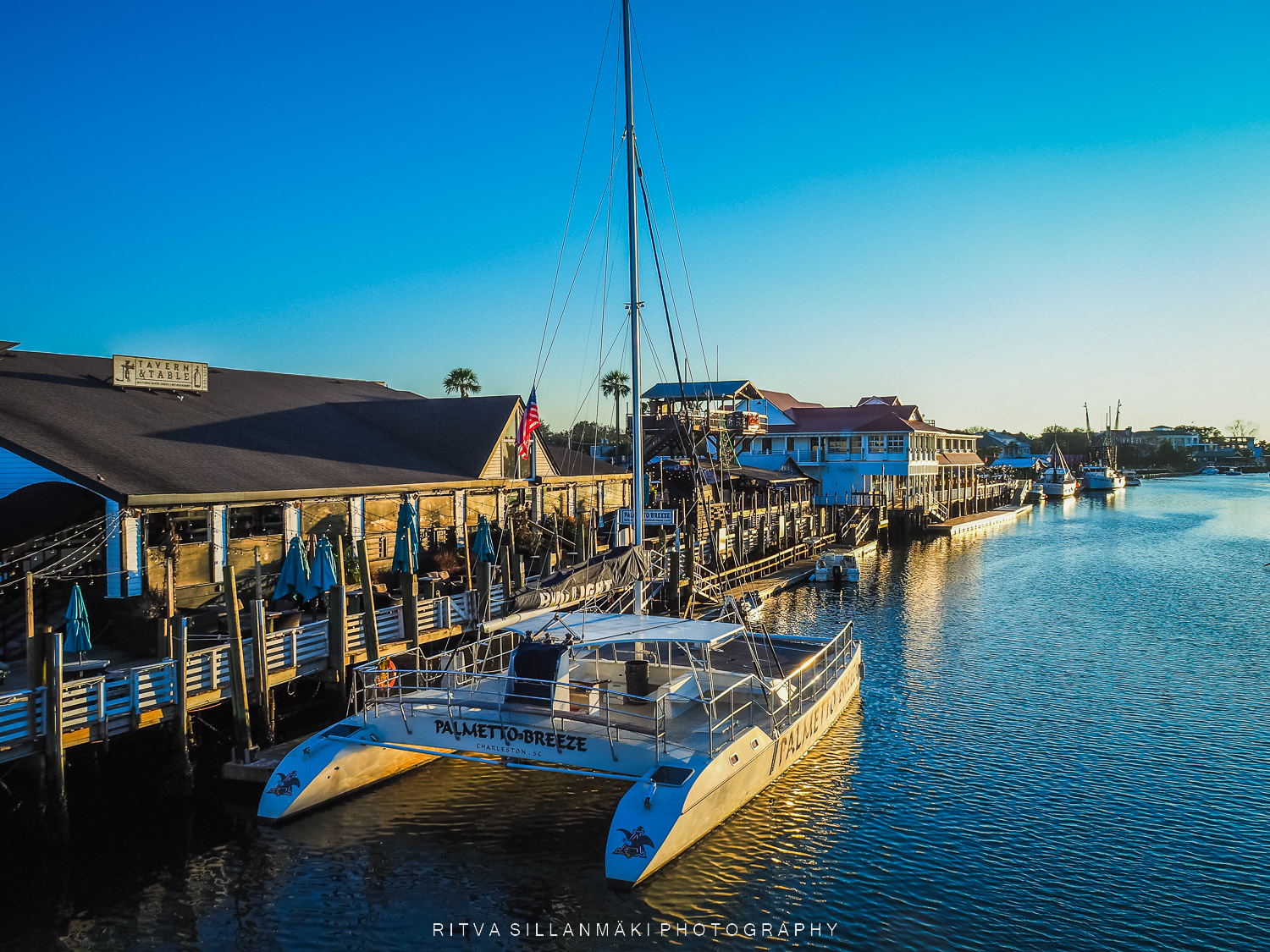
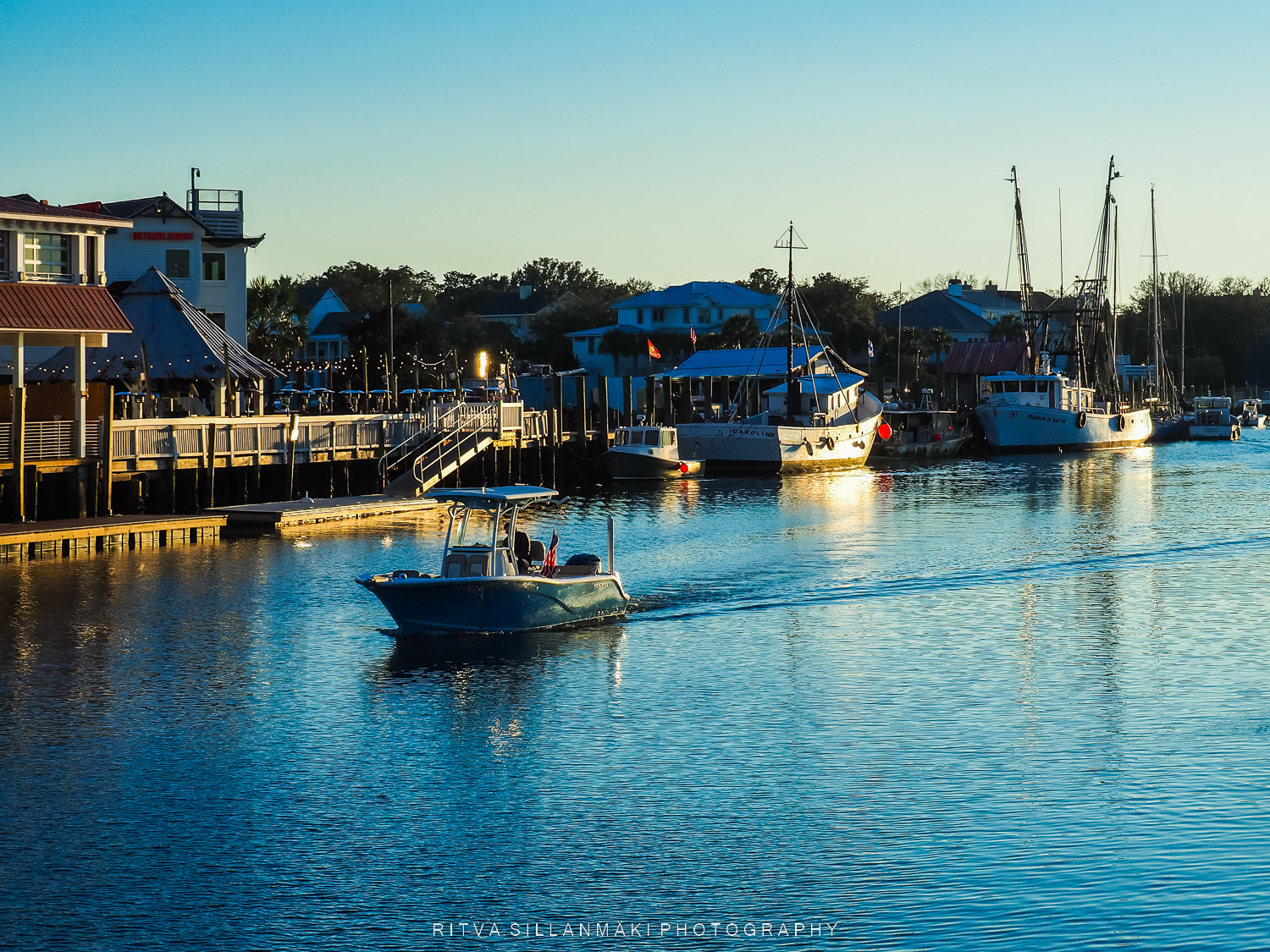
The lovely Shem Rock in town of Mt. Pleasant. Had a late lunch at Tavern & Table by the creek and prepared ourselves for the sunset. We walked along the Shem Creek Boardwalk, the boardwalk is a total of 2,200 feet long, it offers panoramic views of the marsh and Charleston Harbor to catch the glorious sunset.
The sunset was lovely changing colors depending were you looked, from warm tones to cooler ones the later it got from the sunset.
Later in the afternoon we drove over another spectacular bridge, Arthur Ravenel Jr. Bridge, to Shem Rock in town of Mt. Pleasant. Had a late lunch at Tavern & Table by the creek and prepared ourselves for the sunset. We walked along the Shem Creek Boardwalk to catch the glorious sunset. I will post these photos in the nexrt post as this is already an overload of images.
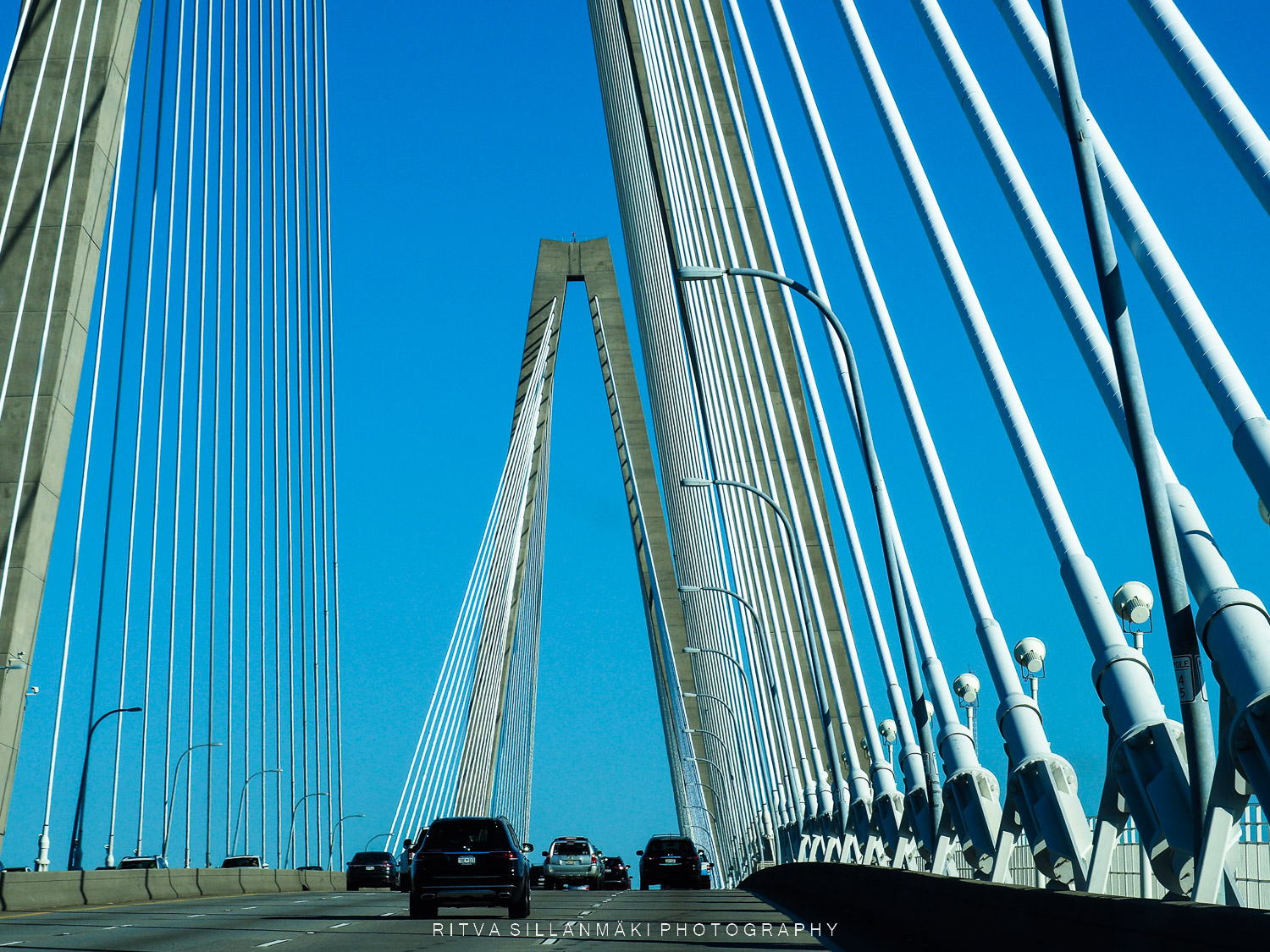
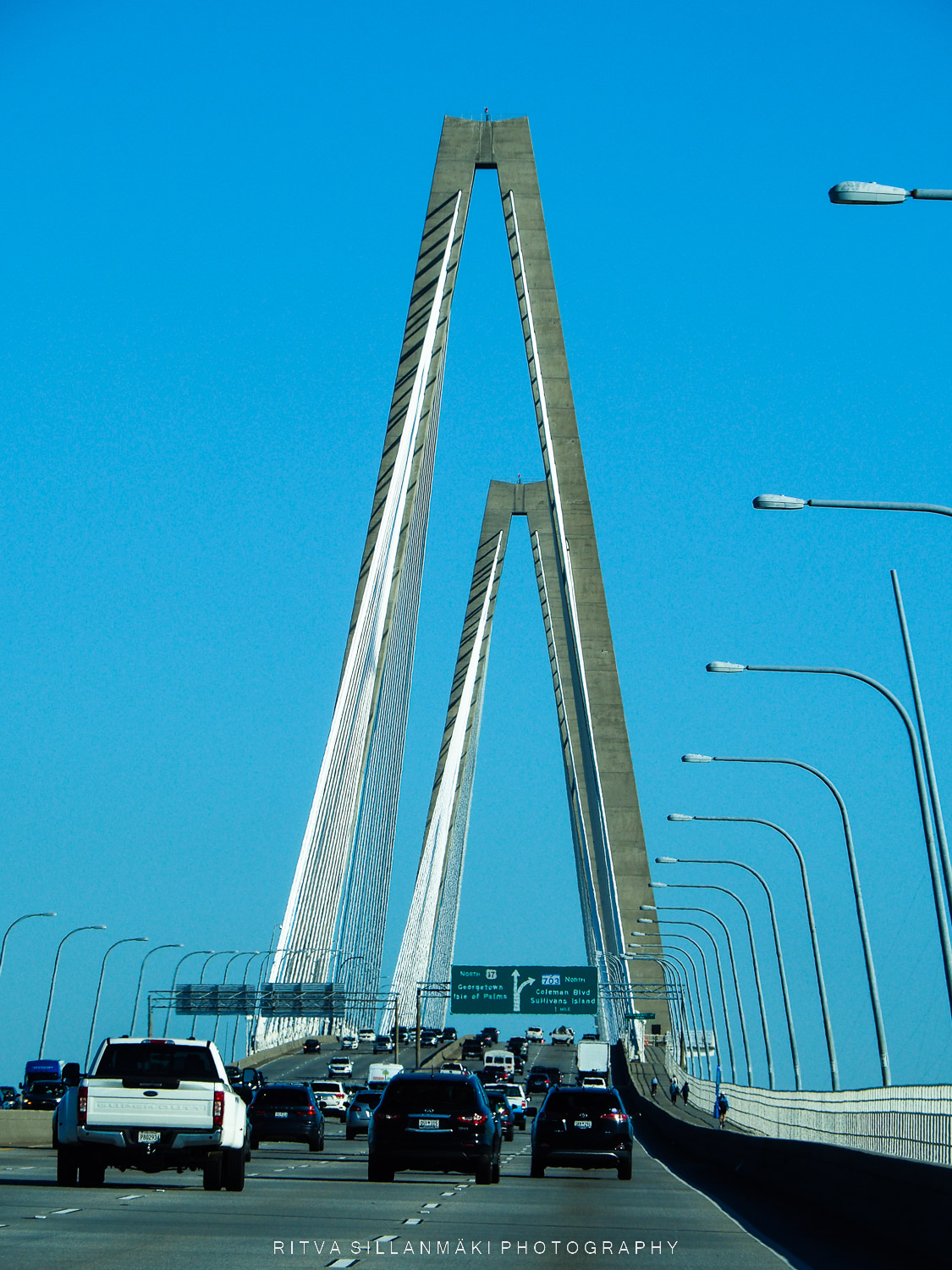
The Arthur Ravenel Jnr Bridge was opened in 2005. The bridge, which stretches gracefully across the Cooper River. The bridge is the tallest structure in South Carolina and the longest stayed bridge in the area. It, connects the Mount Pleasant Towns to Charleston and was designed to withstand natural disasters like earthquakes, and hurricane winds, as well as incorporating two diamond-like concrete towers. With the sunset as a background the bridge looked great as did the sunset.
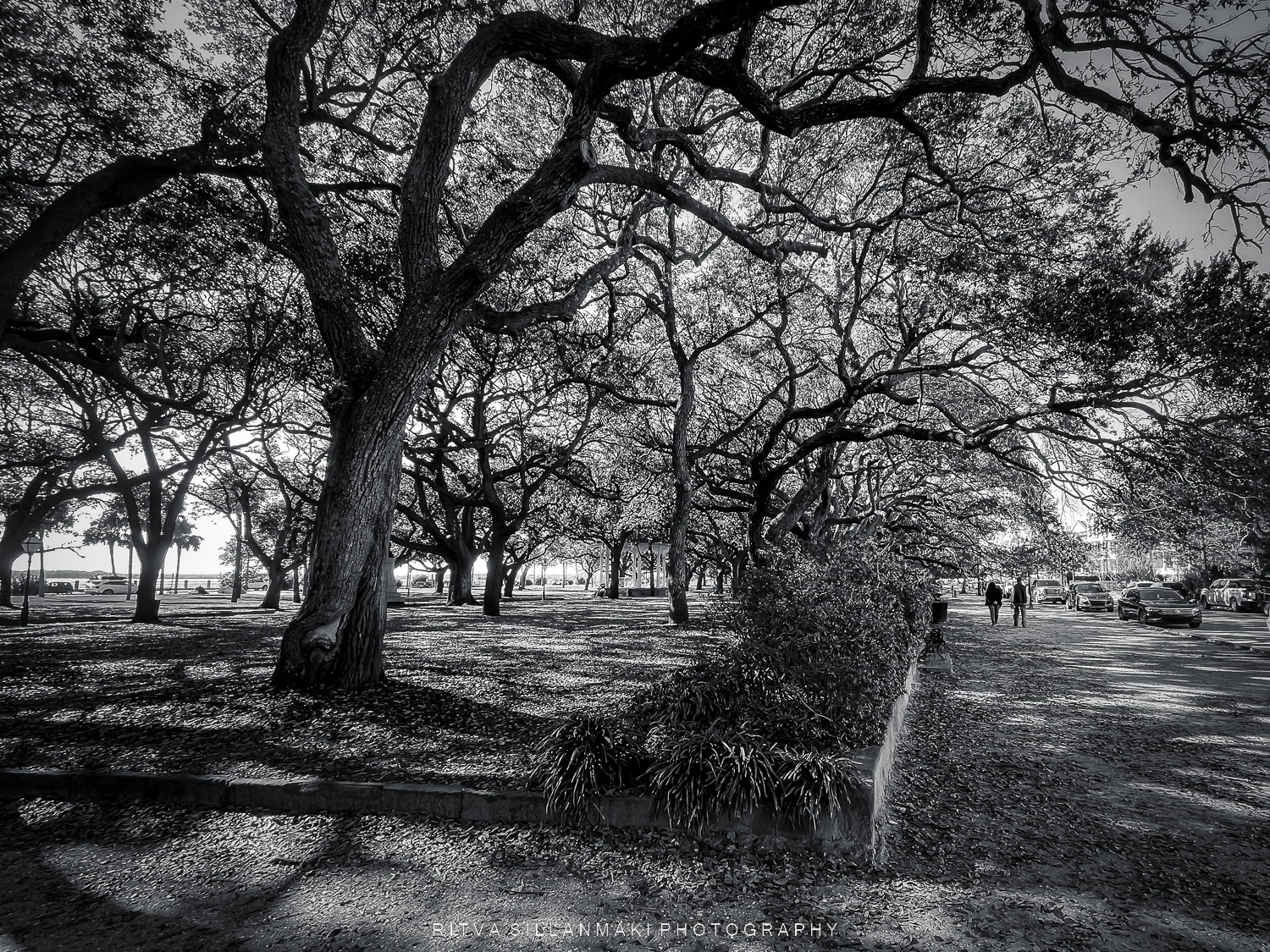
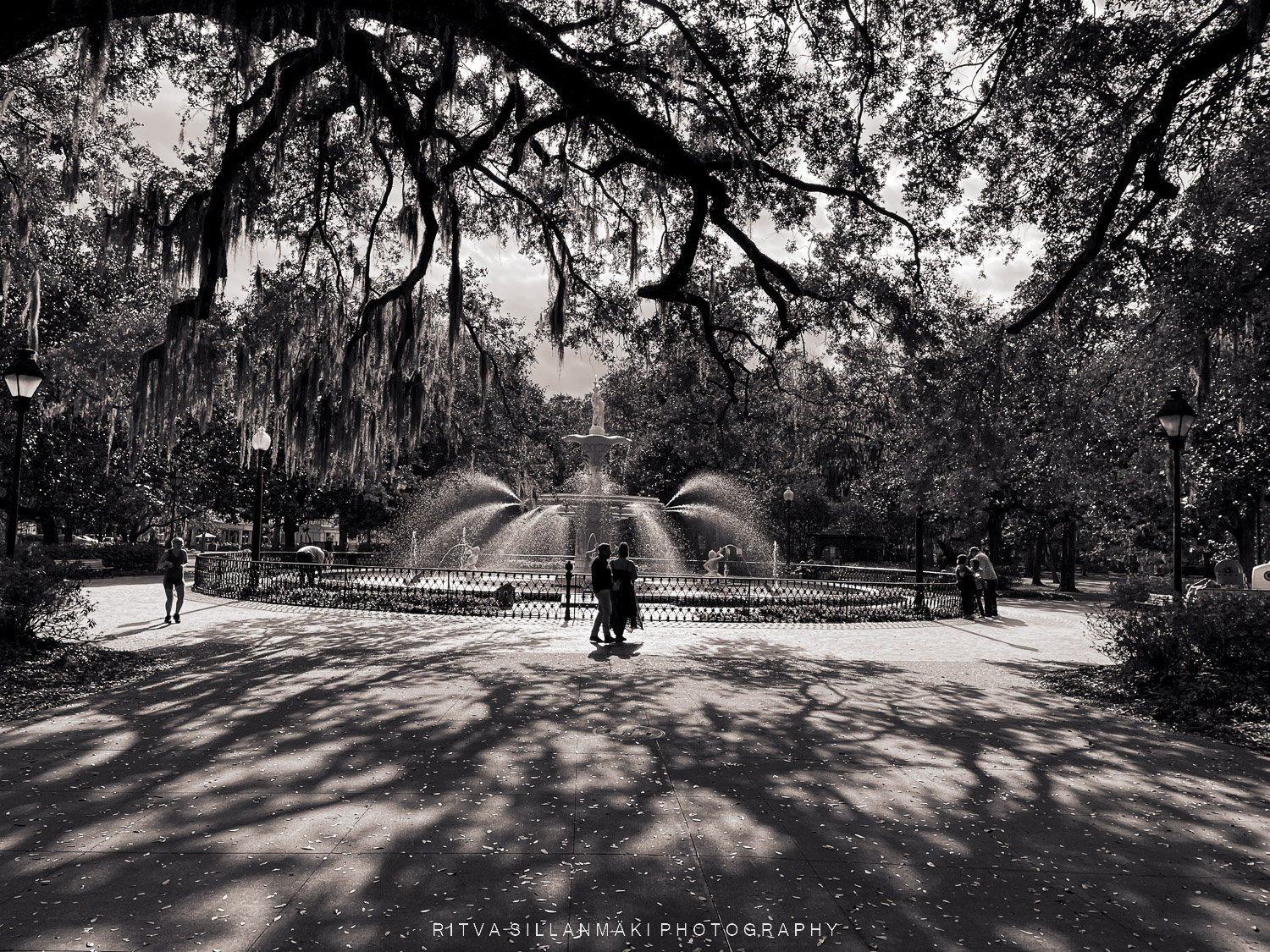
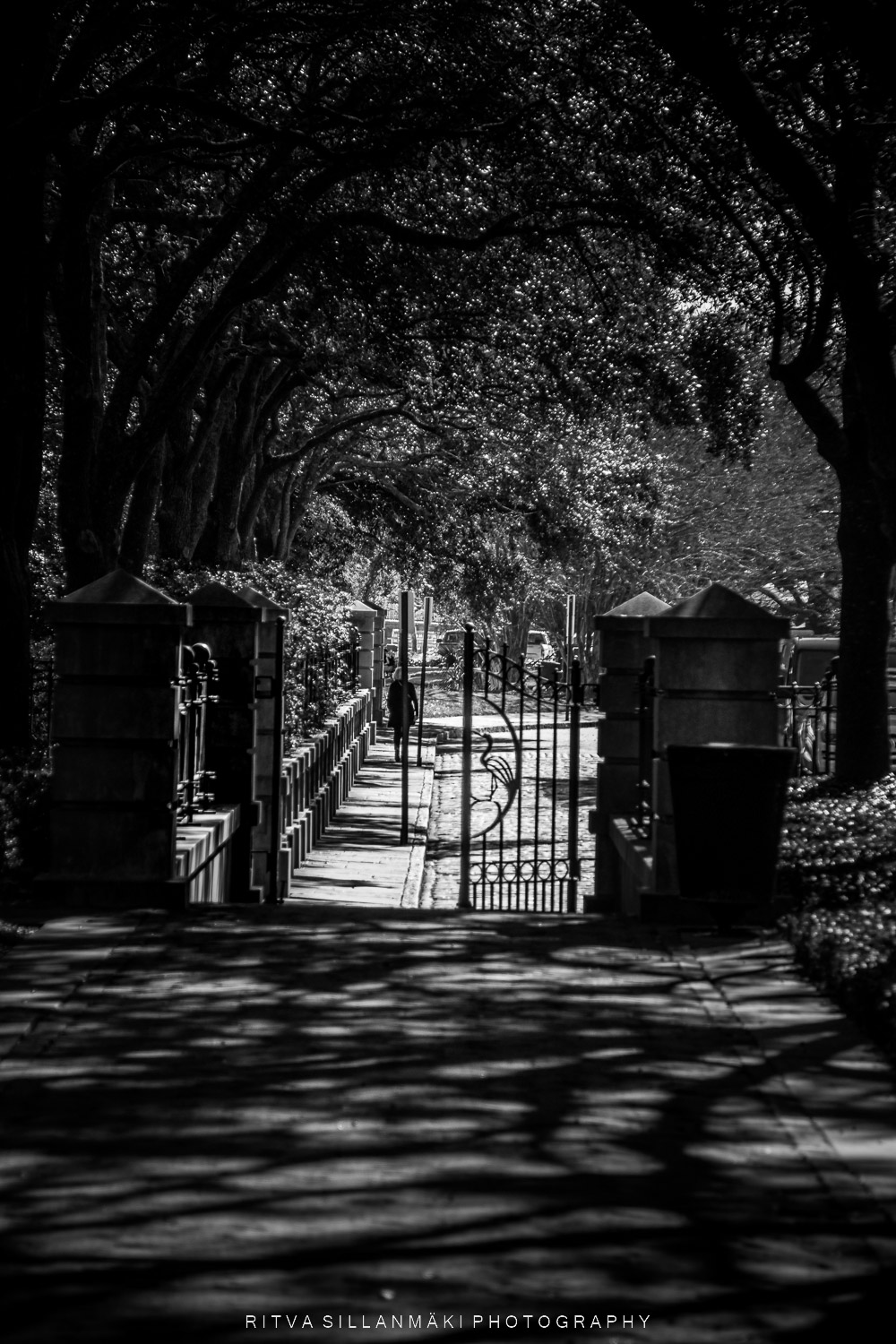
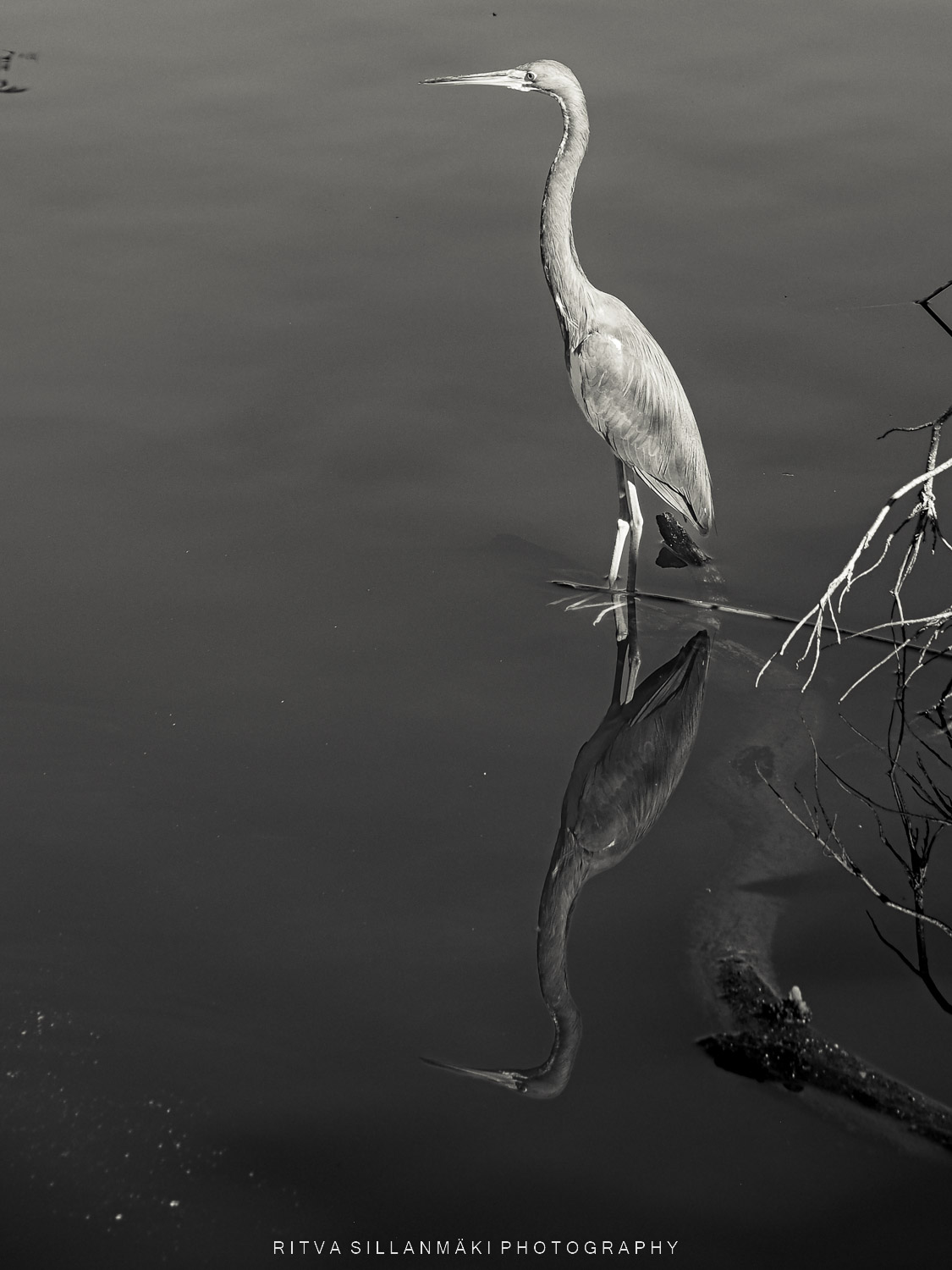
LAPC #235: Shadows and Reflections in Monochrome, Patti’s looking for shadows a/o reflections but in monochrome.
Patti from P.A. Moed CREATIVE EXPLORATION IN WORDS AND PICTURES Wrote;
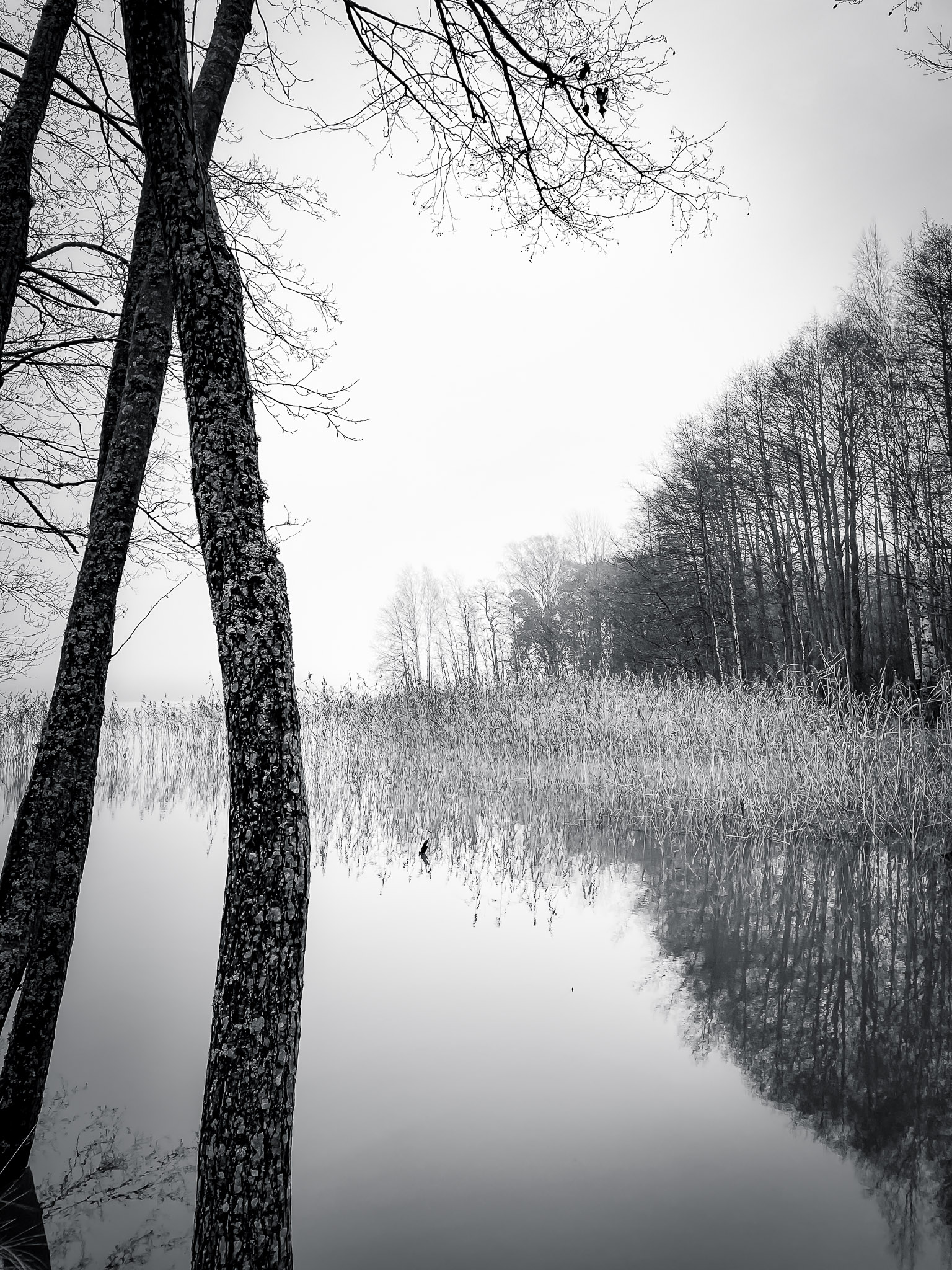
This week, we’re challenging you to show us photos with reflections and/or shadows captured or processed in monochrome. Feel free to process your image in different shades of blue, green, brown, or gray. You can also shoot your image in a setting that’s predominantly one color–like a blue sea and sky, for example. I’ve checked quite a few experts who agree that black and white photos are not two colors, but varying shades of one color–gray. Purists will refer to black and white images as grayscale. So, for our challenge, black and white images fall under the category of monochrome.
The photos below are from our recent trip to the southern states, South Carolina and Georgia.
Water reflections – obviously easiest to do.
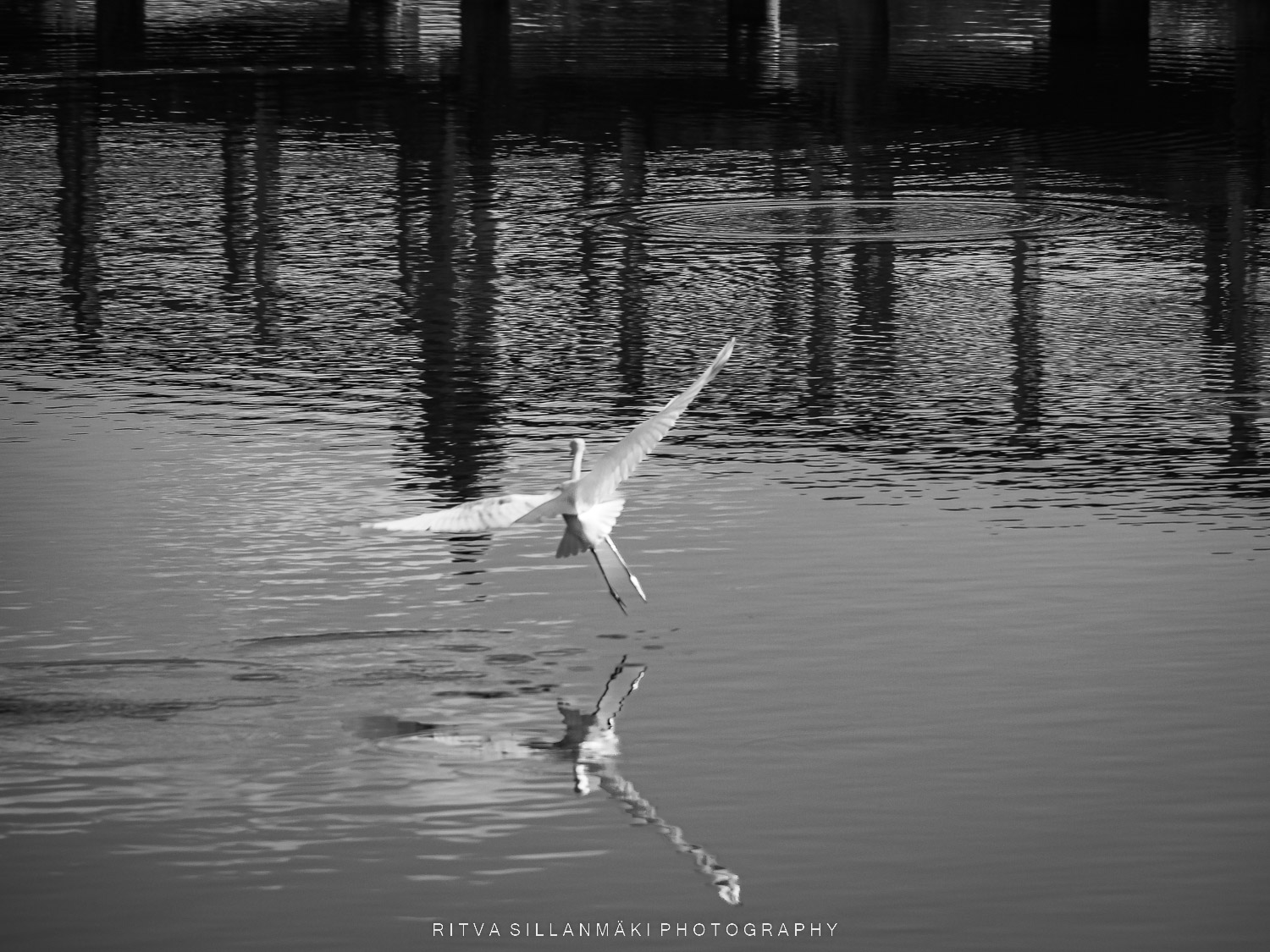
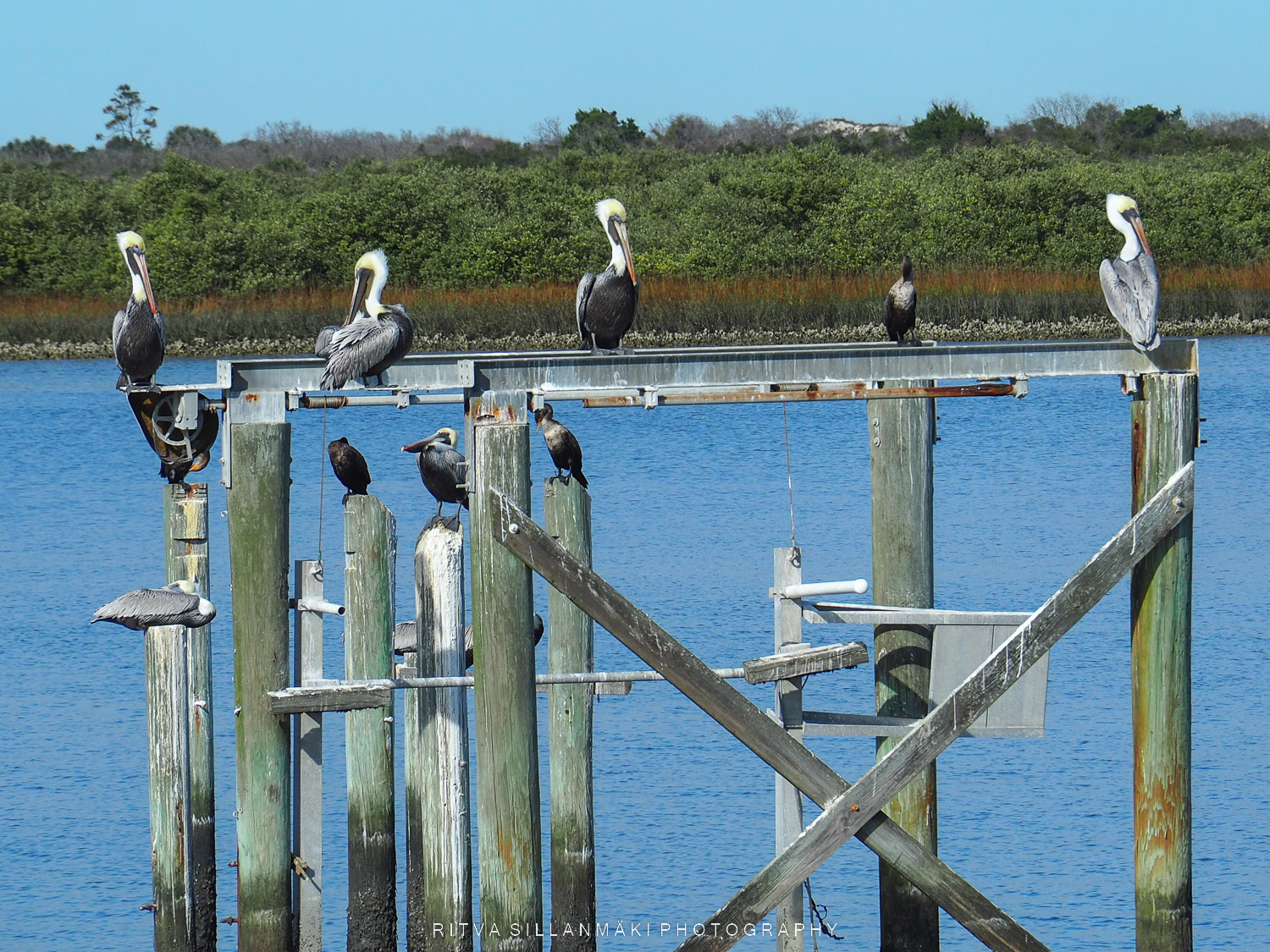
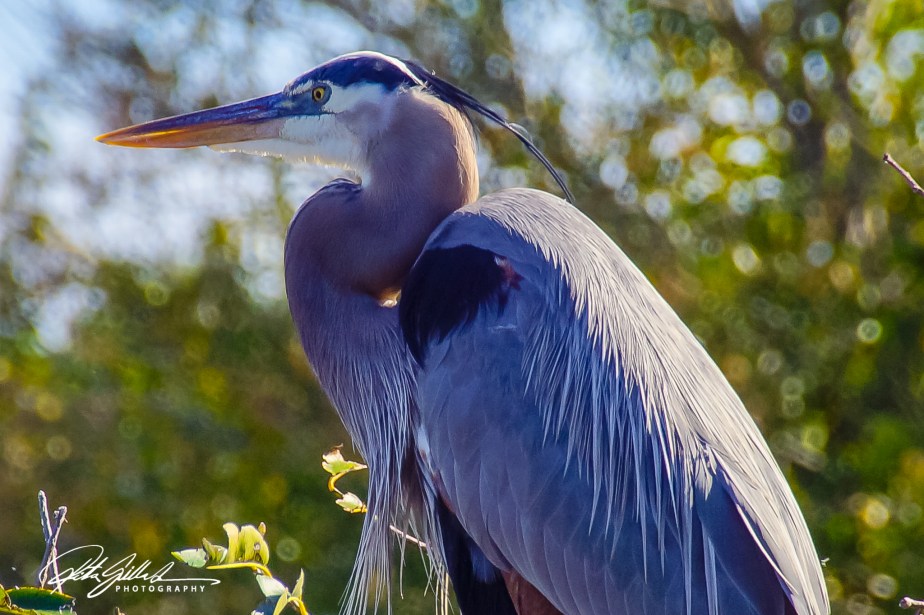
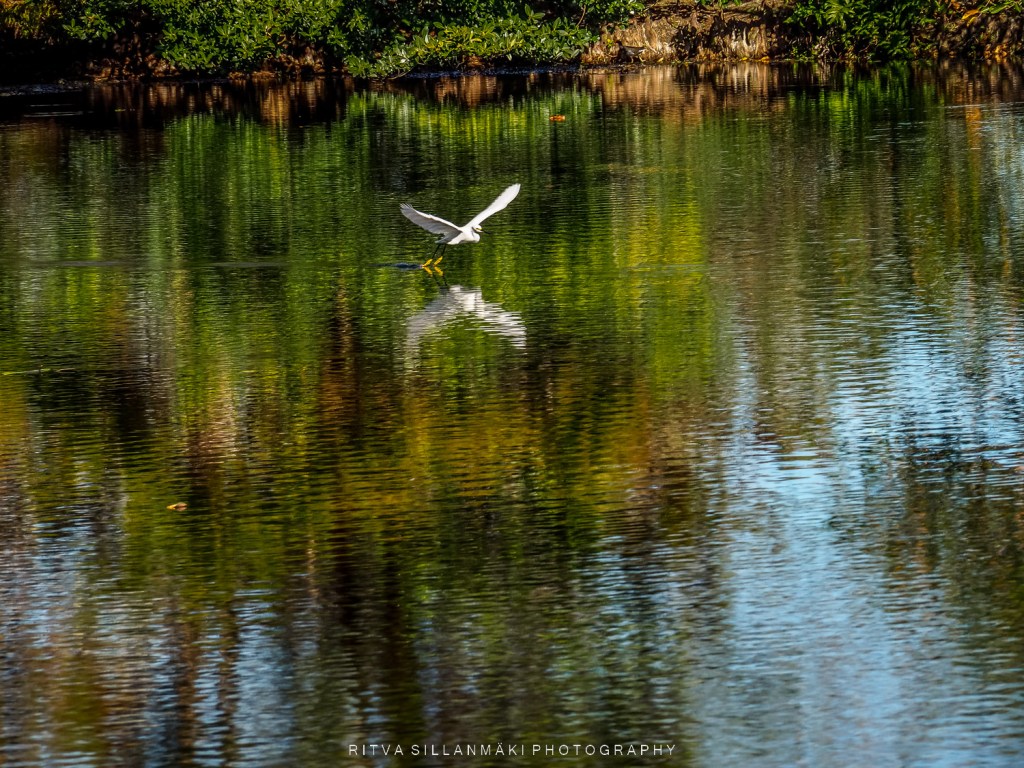
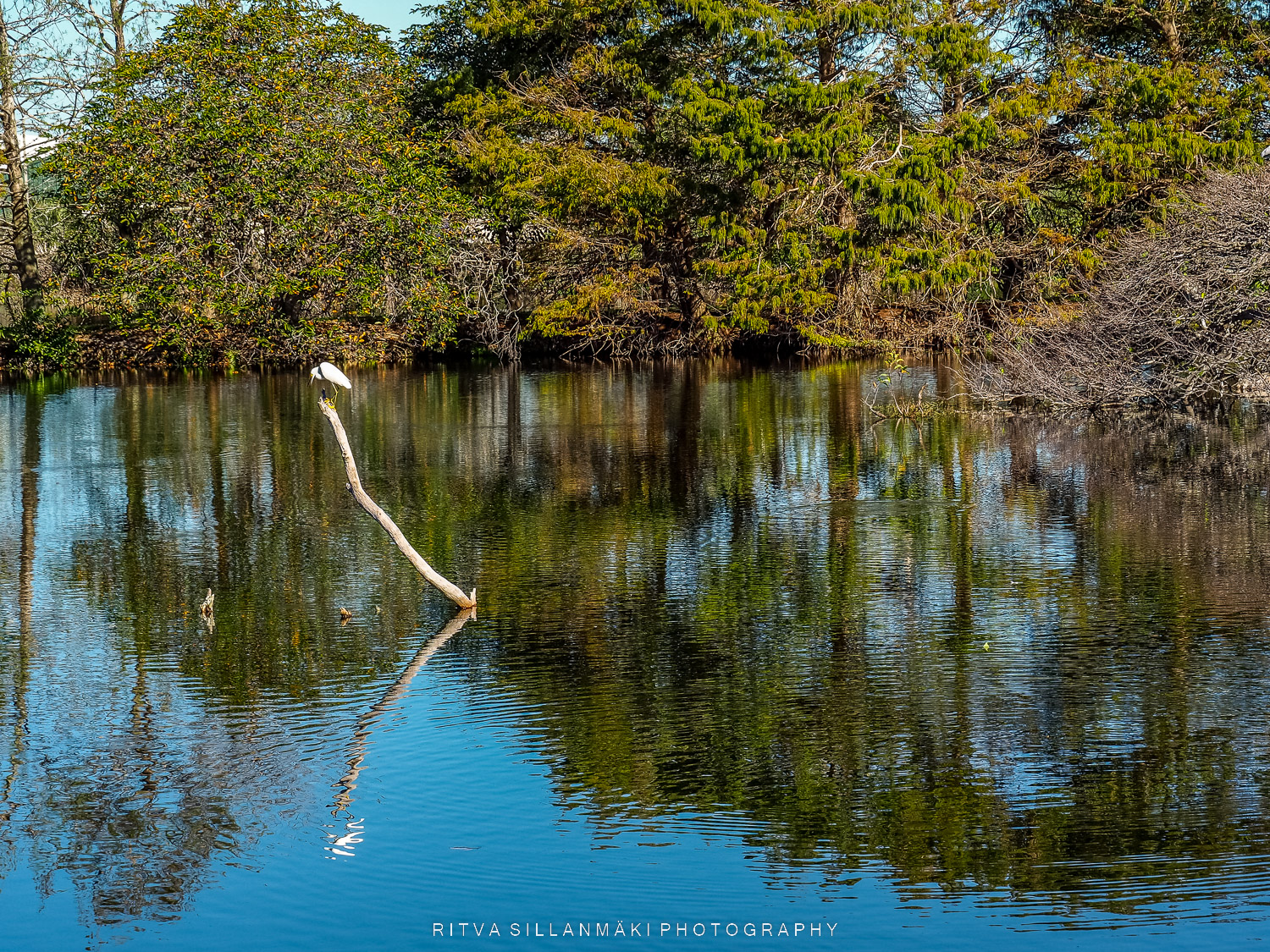
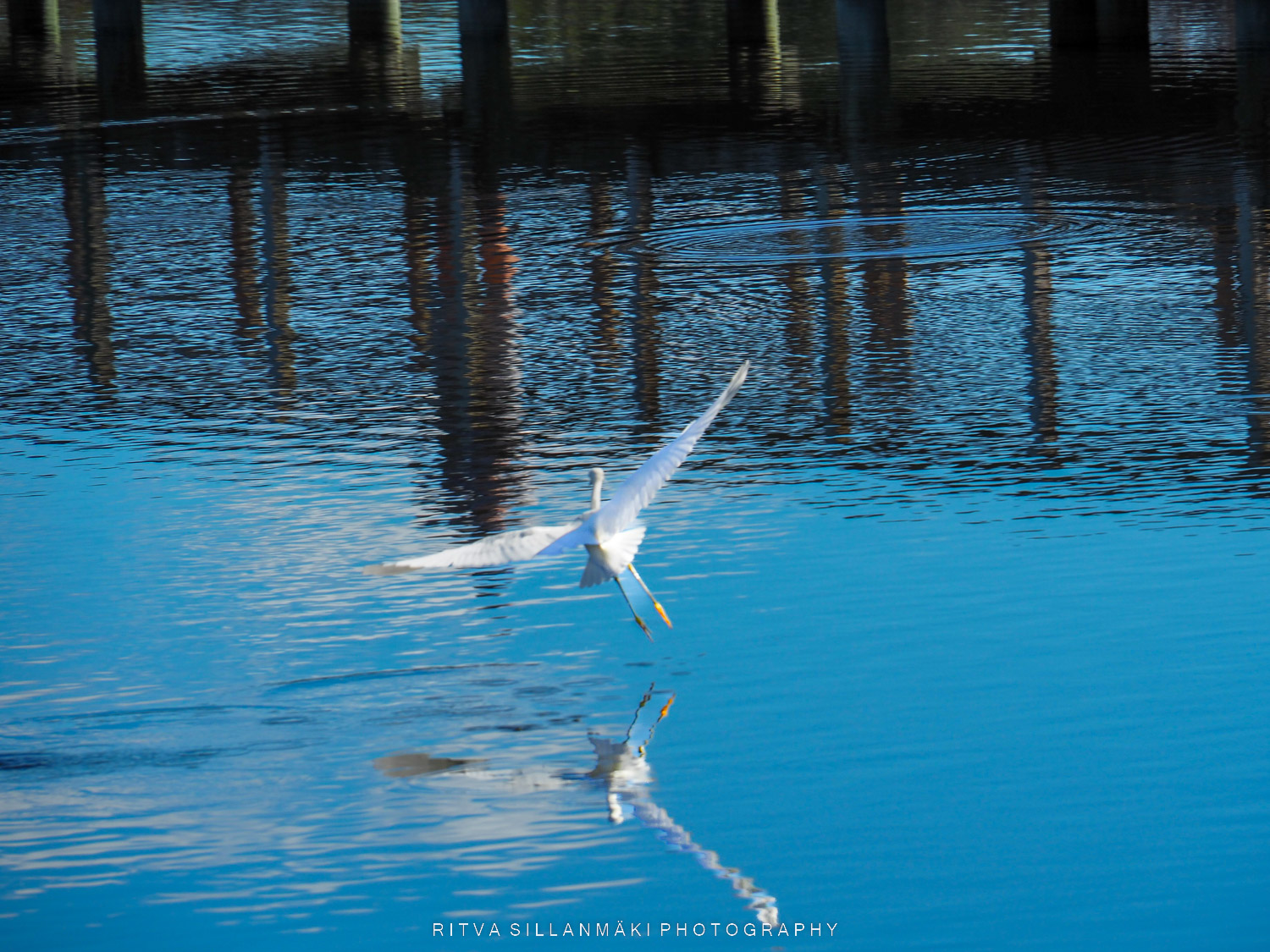
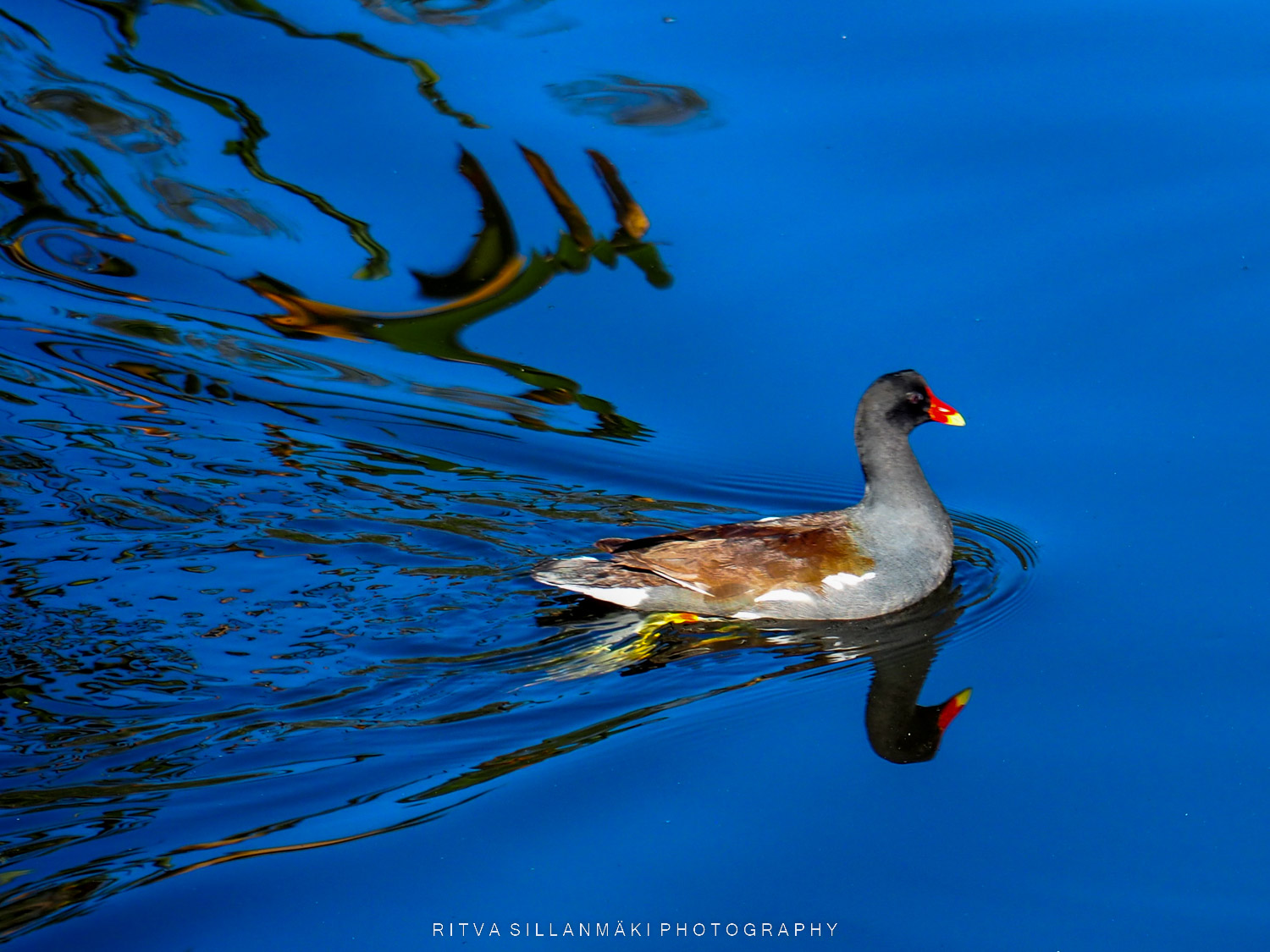
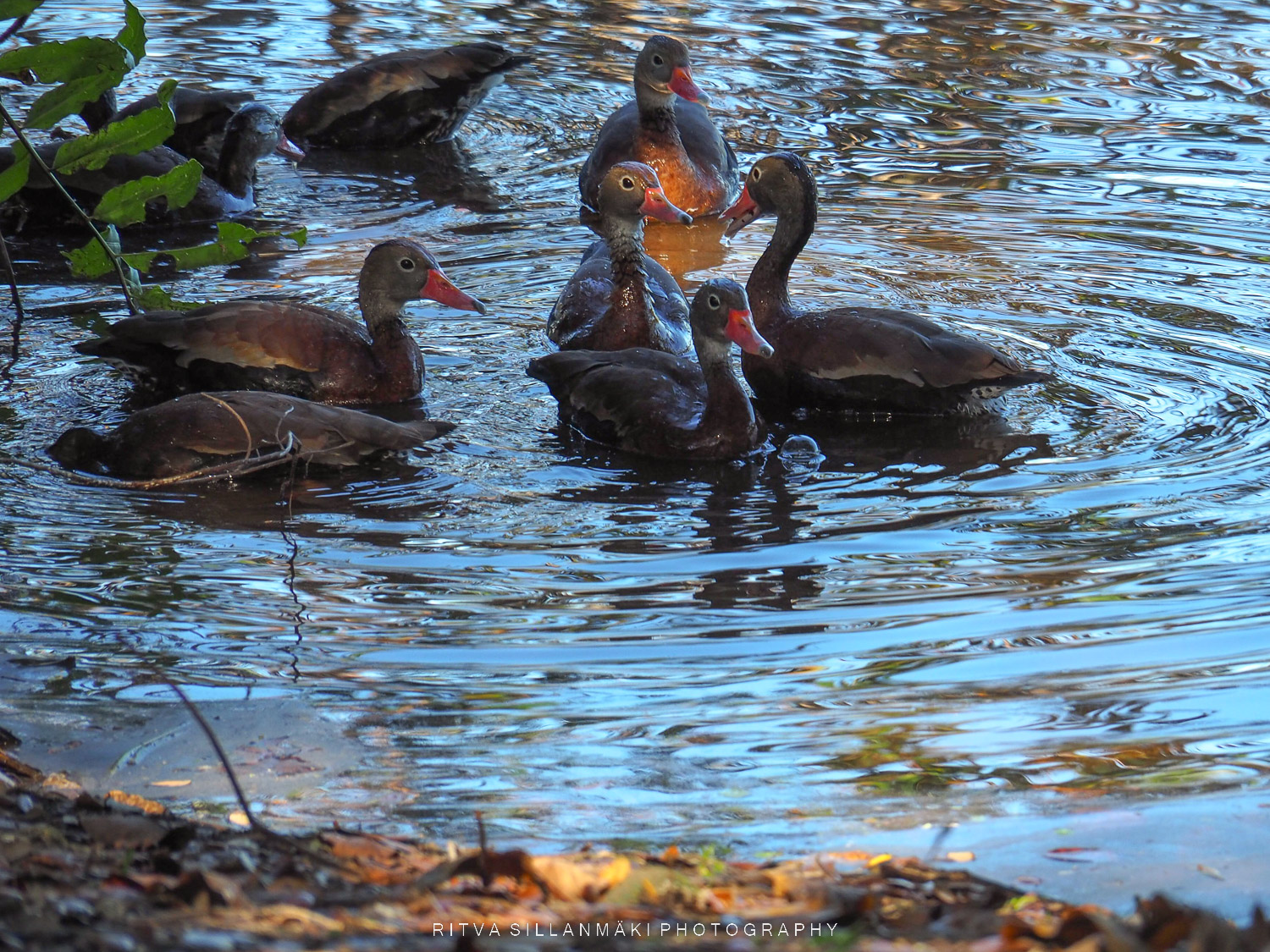
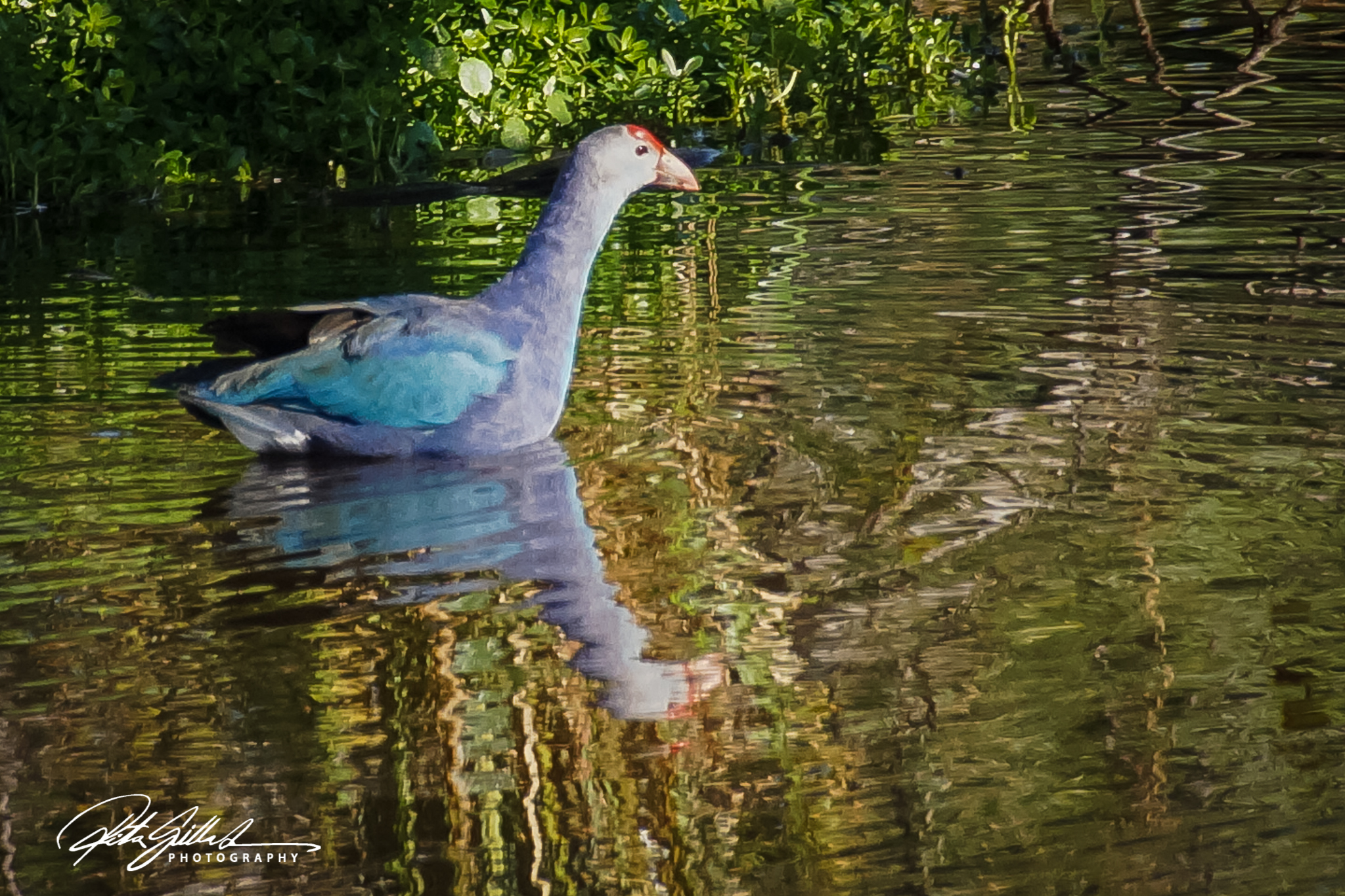
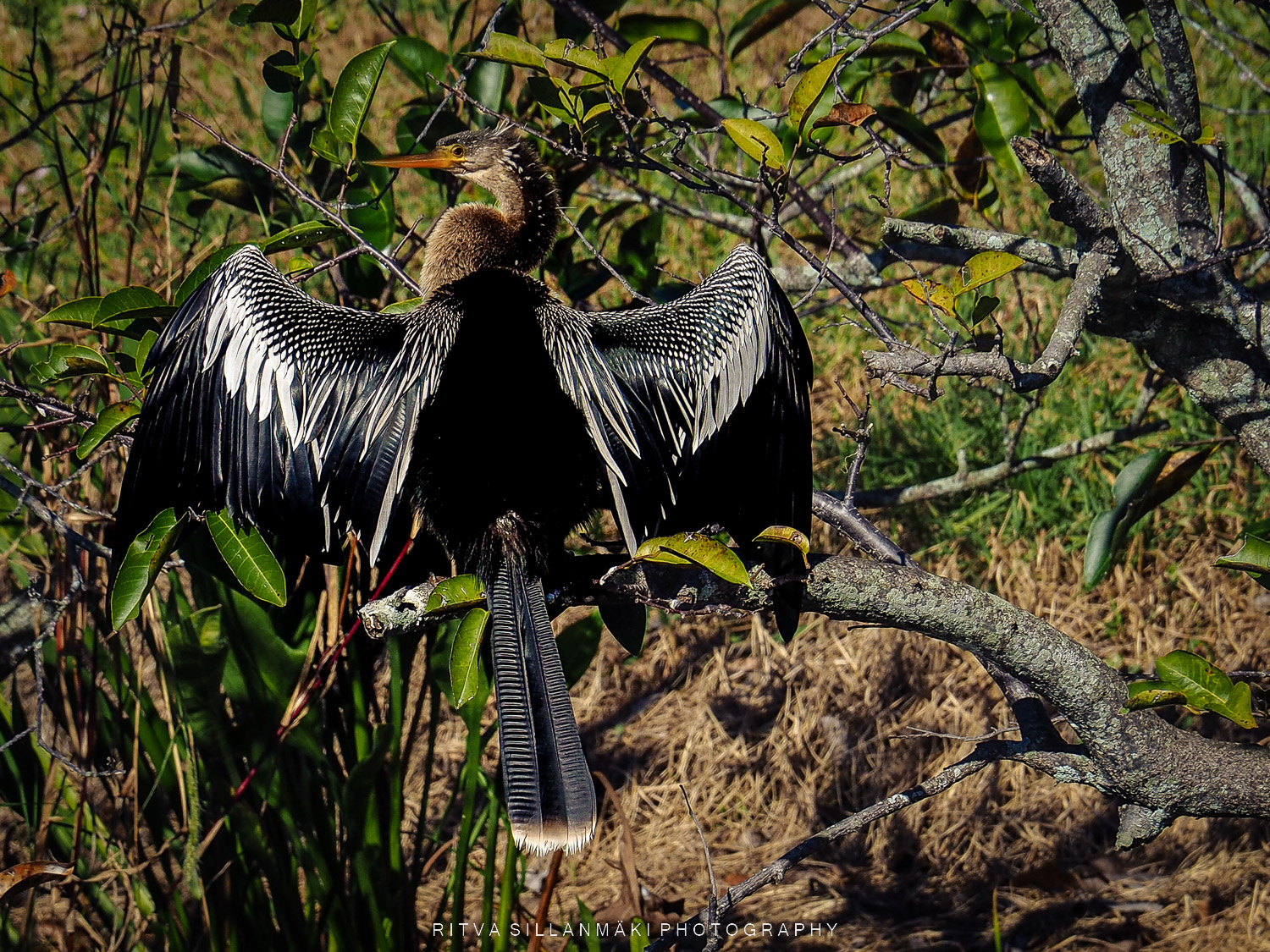
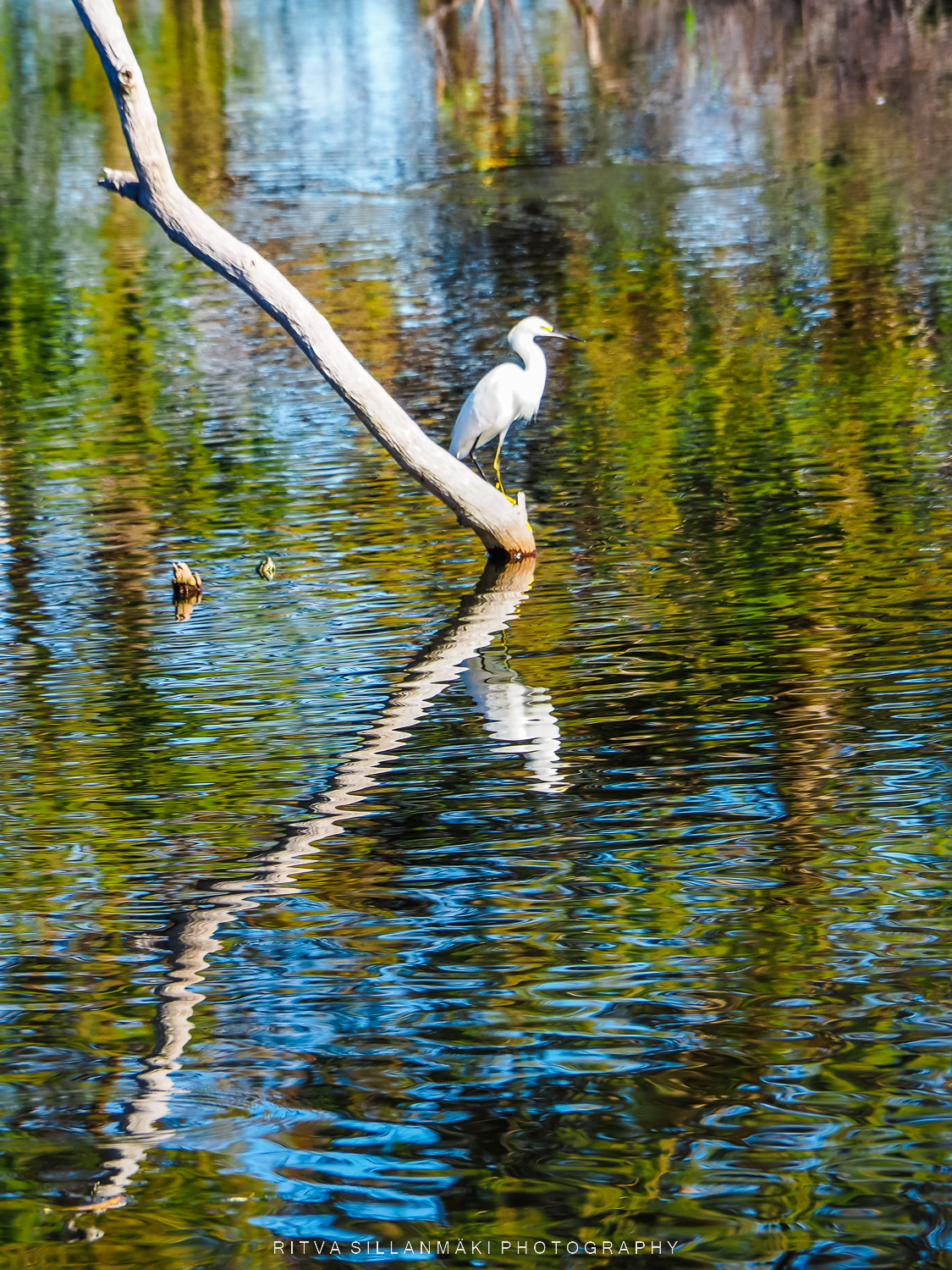
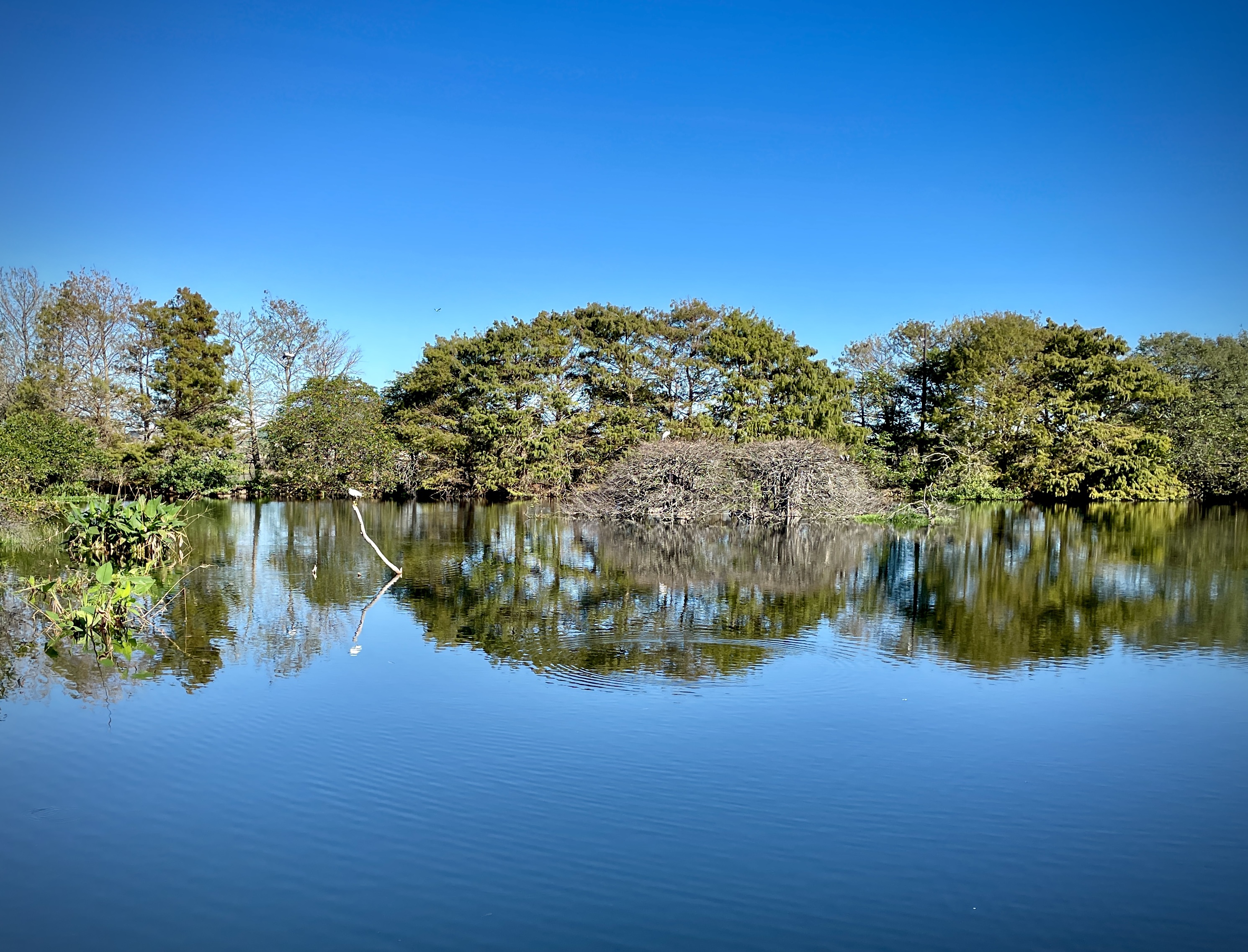
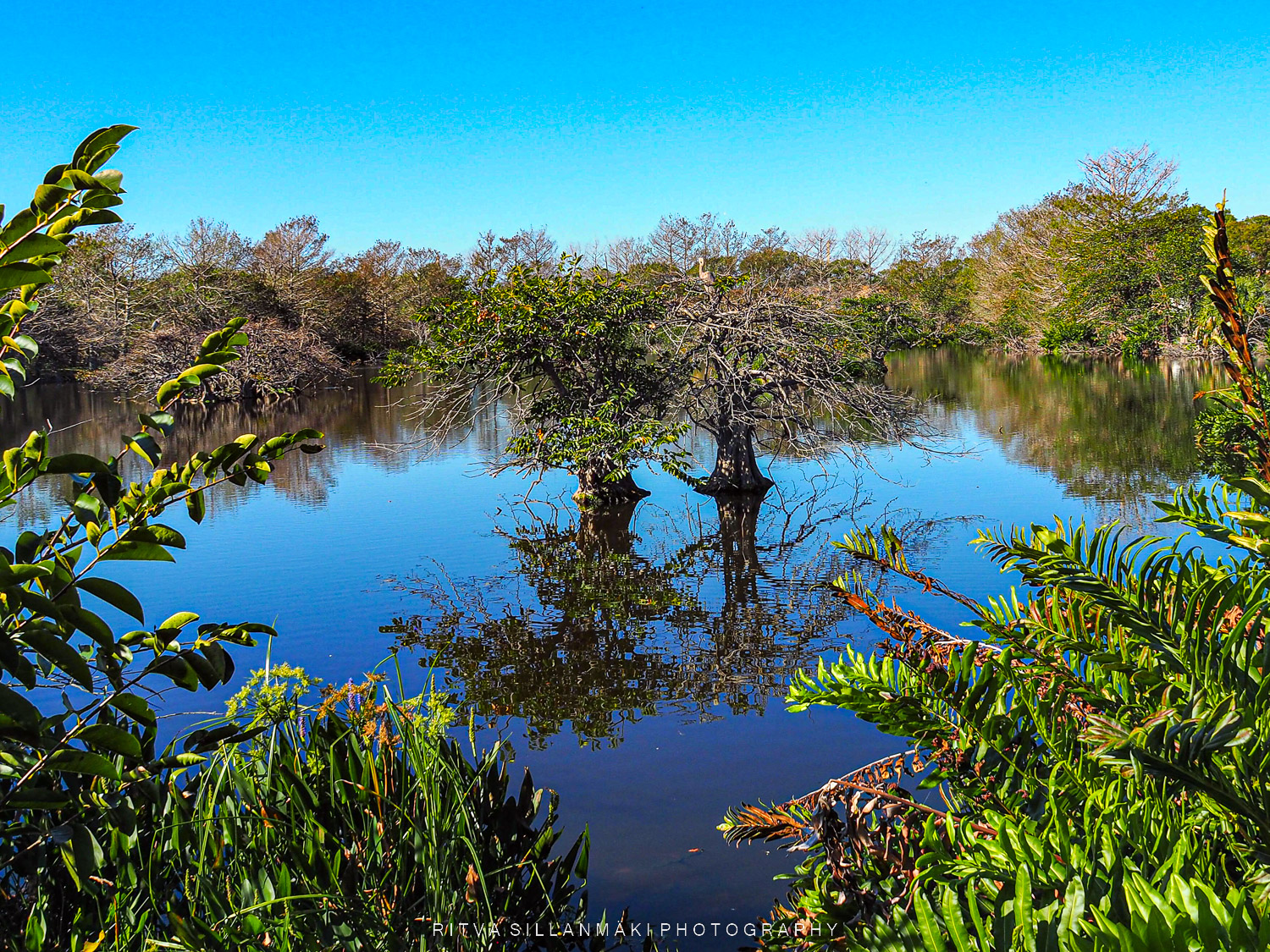
Birds and reflection from Florida, and lake reflection from Nastola, Finland
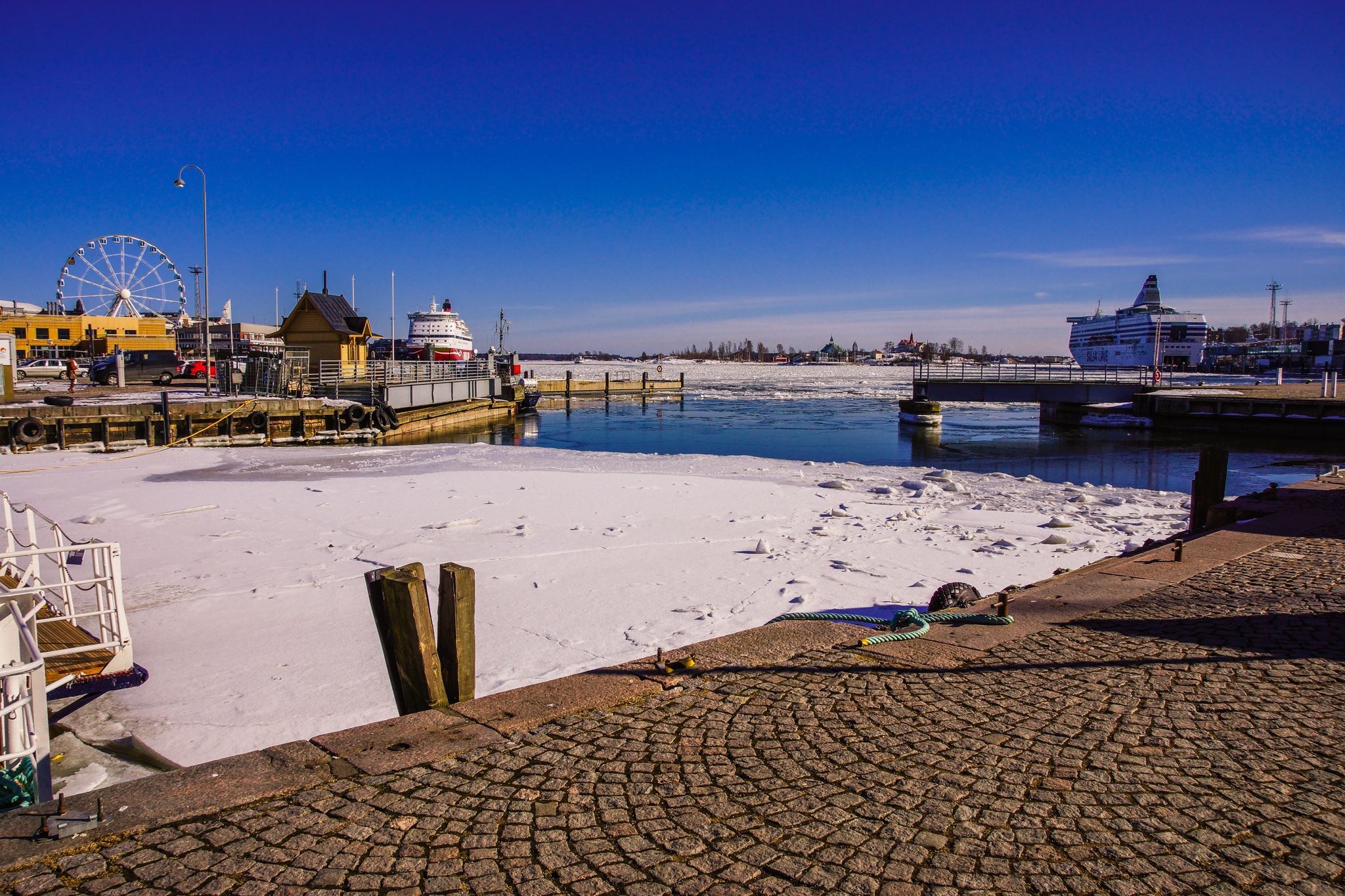
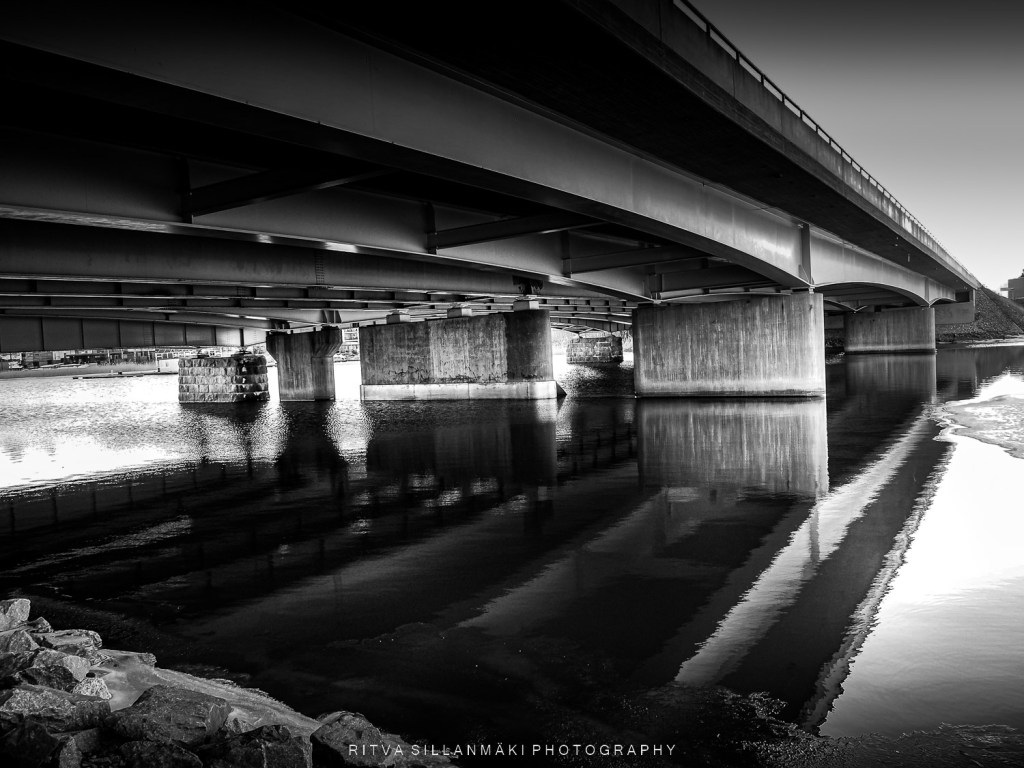
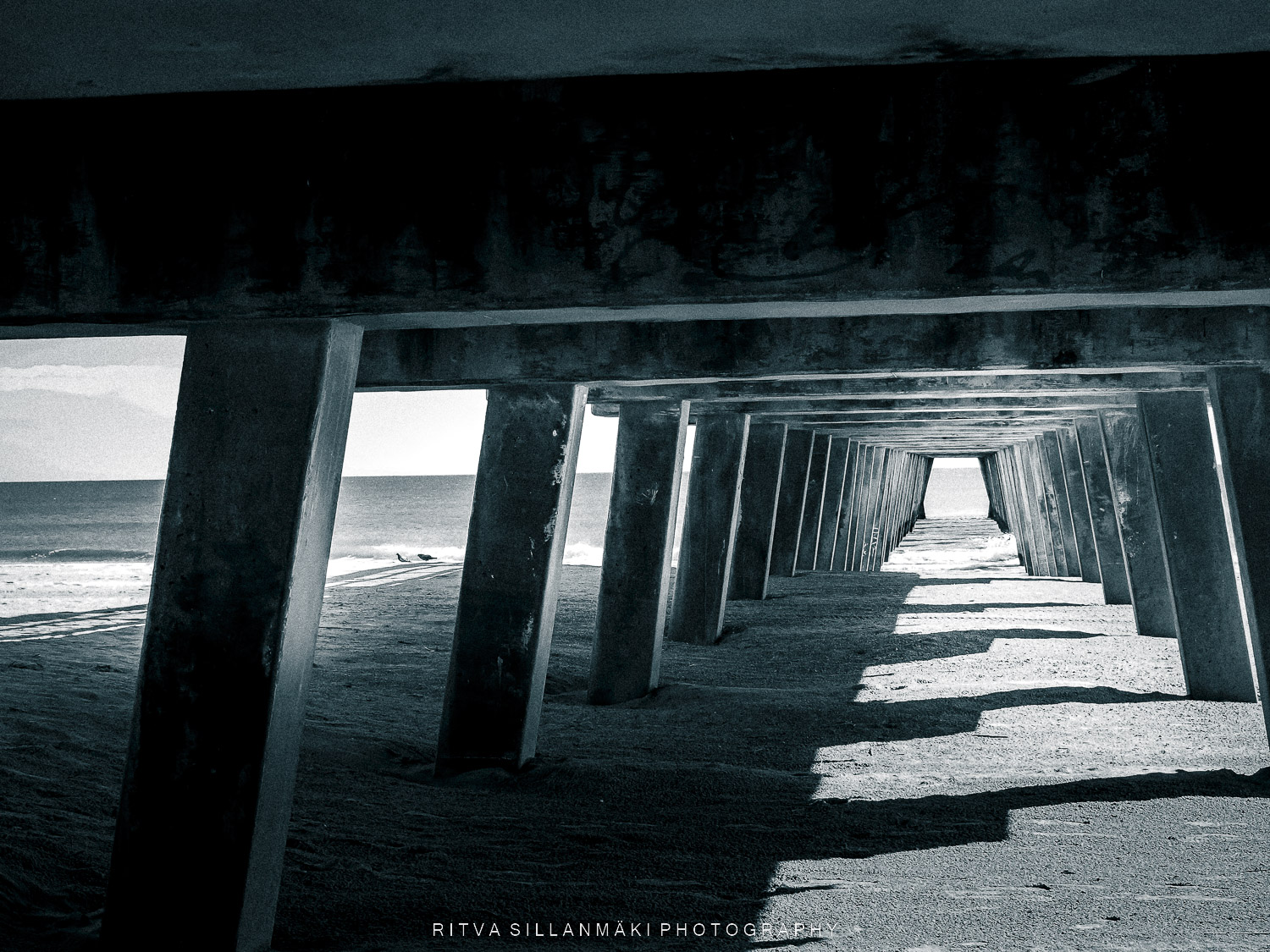
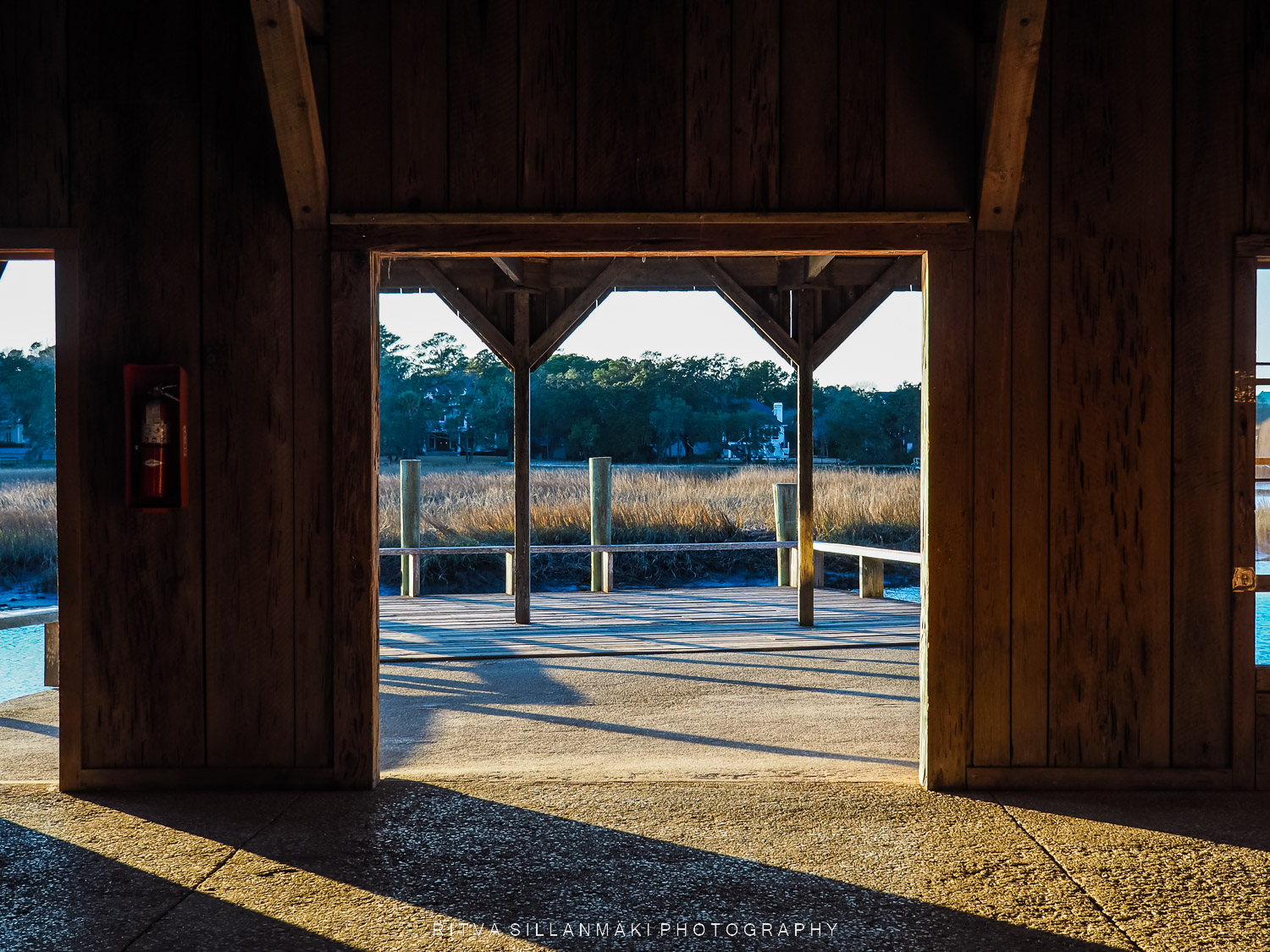
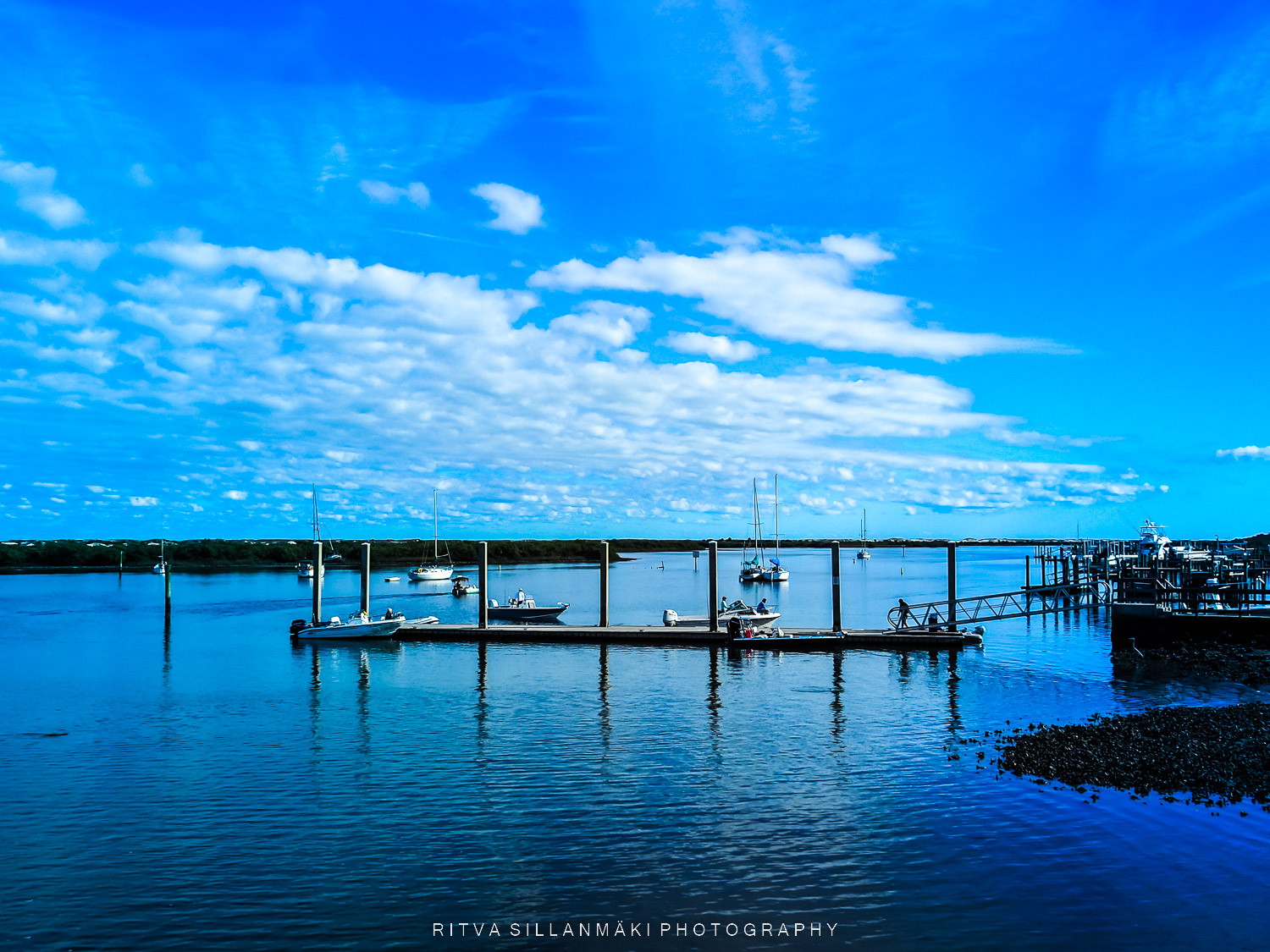
Under the bridge in Kivenlahti, Finland on a February afternoon. Below also one from a pier in Savannah.
As I’ve stated before I am not a very technical photographer, more into composition, mood. I do my magic on the edit table mostly, if you can call it magic, more like my interpretation of places and people. I am also not one to write all that much, let the photos speack for themselves.
I have two cameras an old reliable SONY SLT-A65V, and I have two lences I use with it one for Macro Sony Macro 2.8/50 and portraits. The other for nearly everything a Sony 18-200mm.
The Sony has been in less use since I bought a new lighter one to carry around, its a Olympus E-M10 Mark II with a 14-150mm lense and I have a OM-D M.ZUIKO DIGITAL 45mm 1:1.8 for street and portrait photography
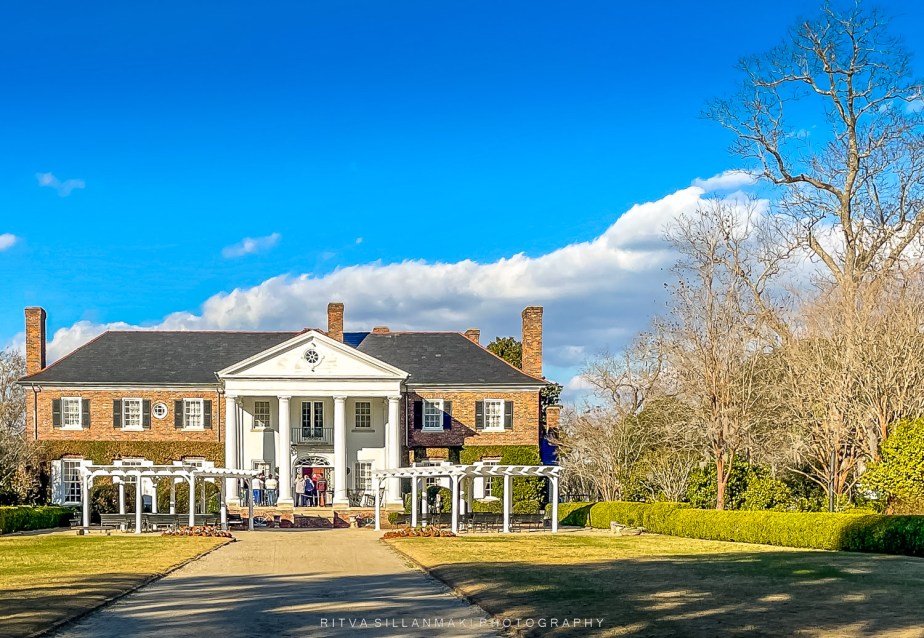
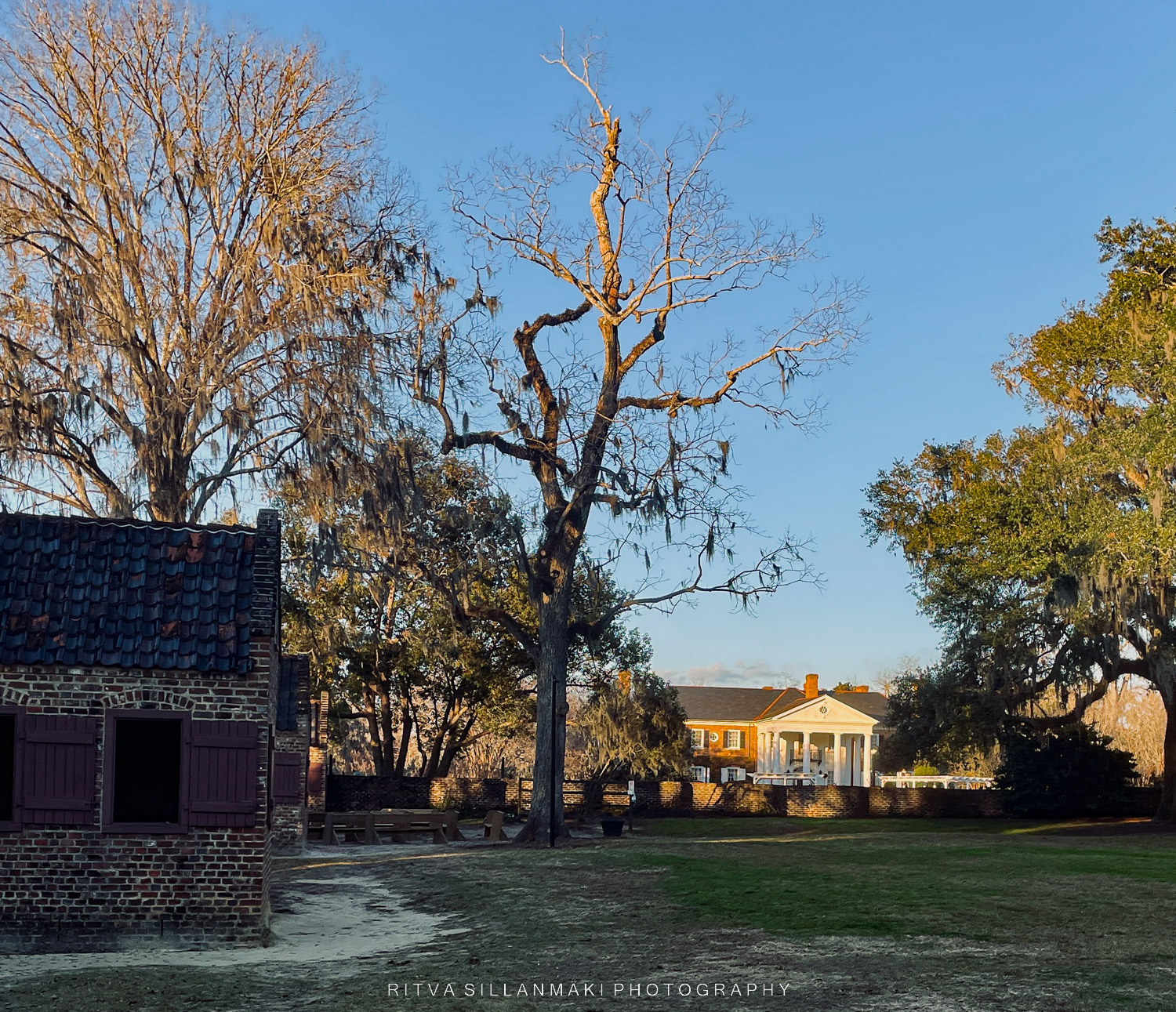
Boone Hall Plantation in Mt Pleasant was founded in 1681 when Englishman Major John Boone came to Charleston area. Major Boone was quite respected and he was elected to the colonial Grand Council during the 1680s, but was removed twice because he illegally trafficked enslaved Native Americans, became associated with pirates, and concealed stolen goods. However, having slaves in general was no problem, as we have learnt from history books.
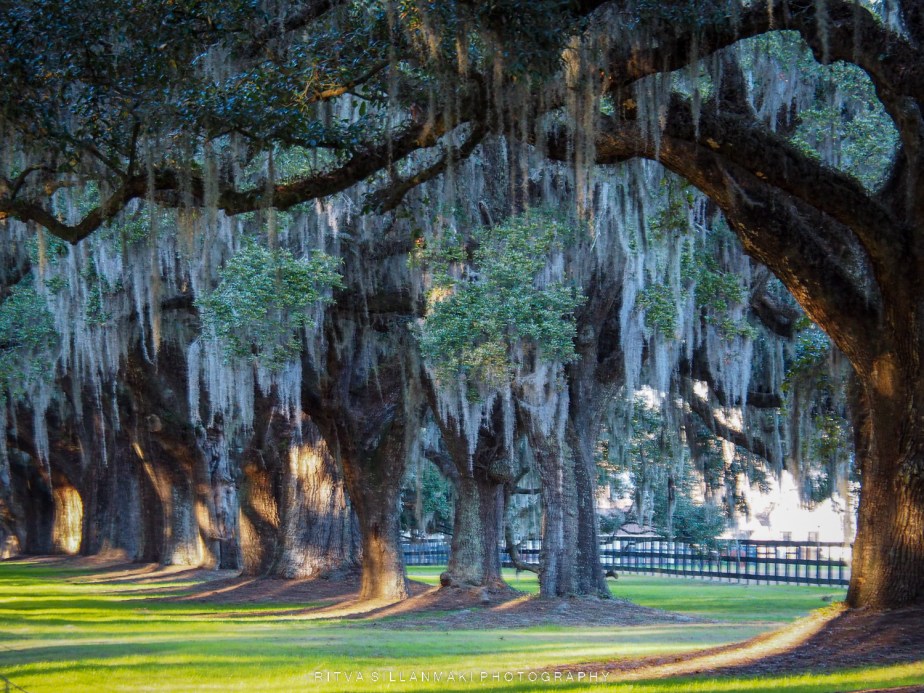
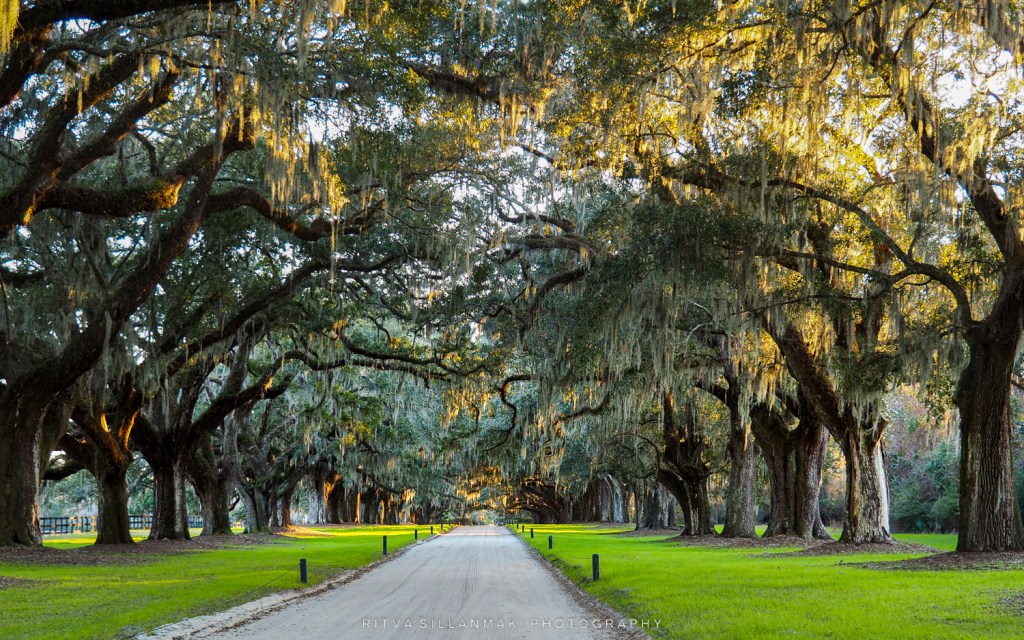
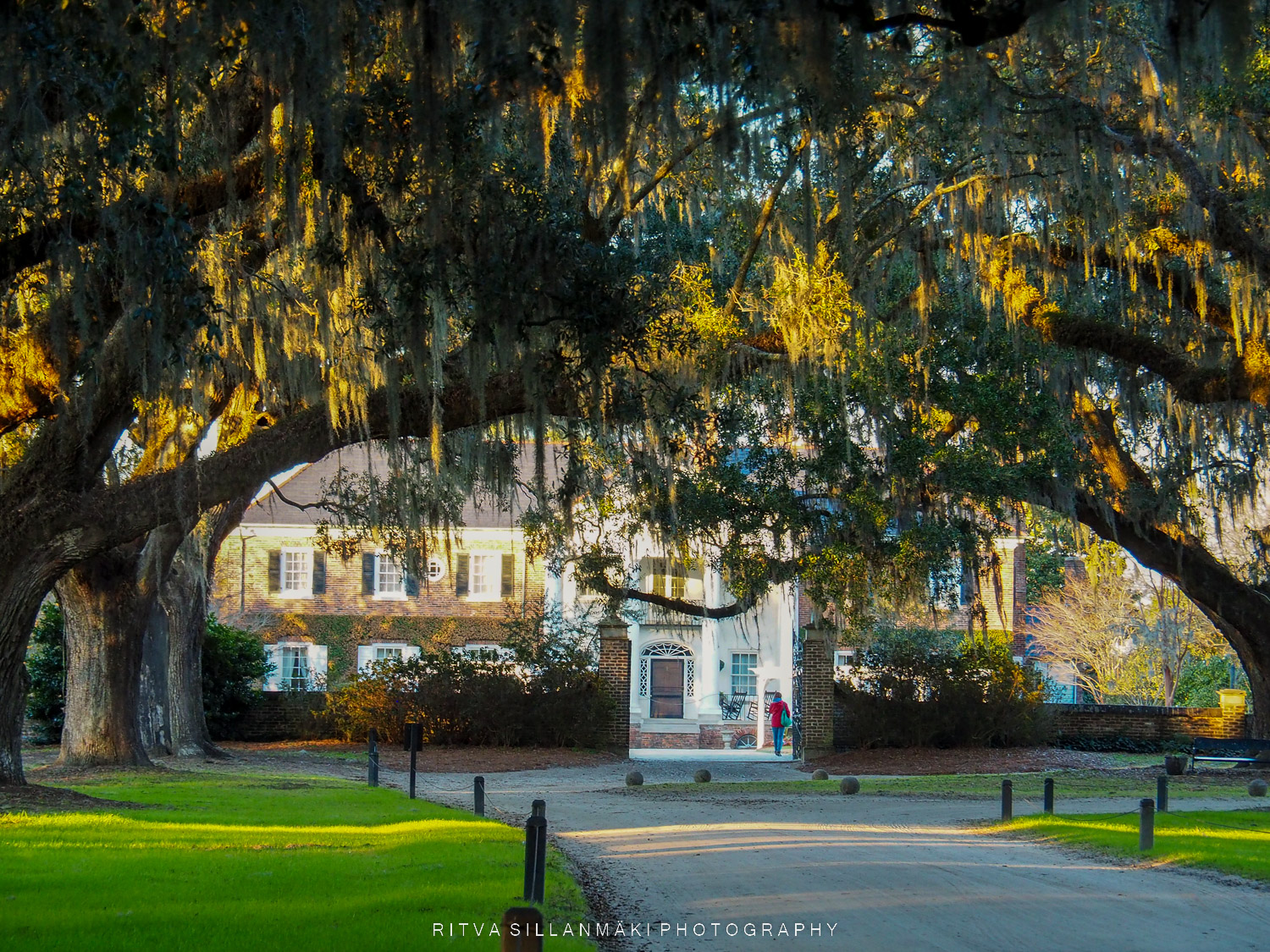
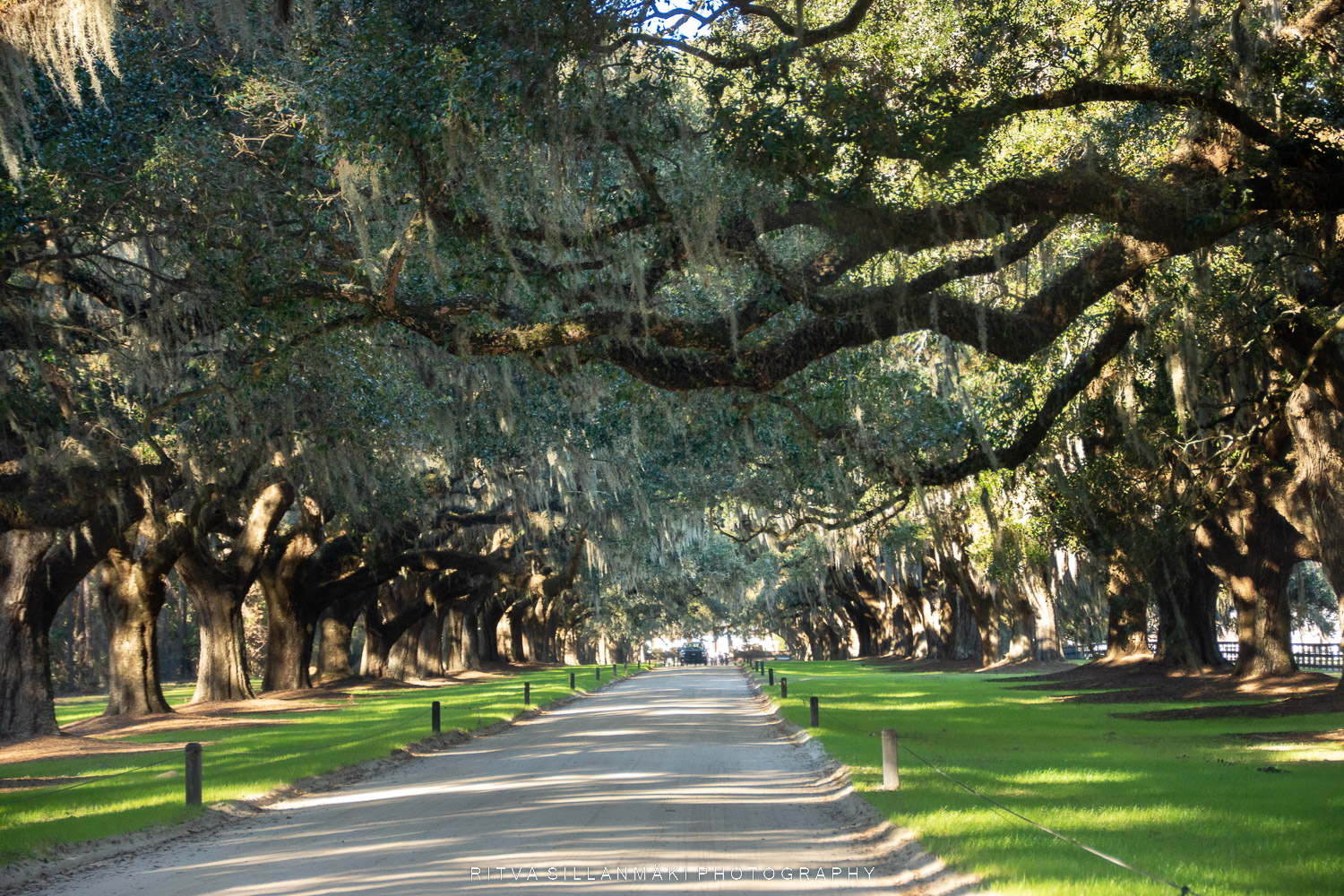
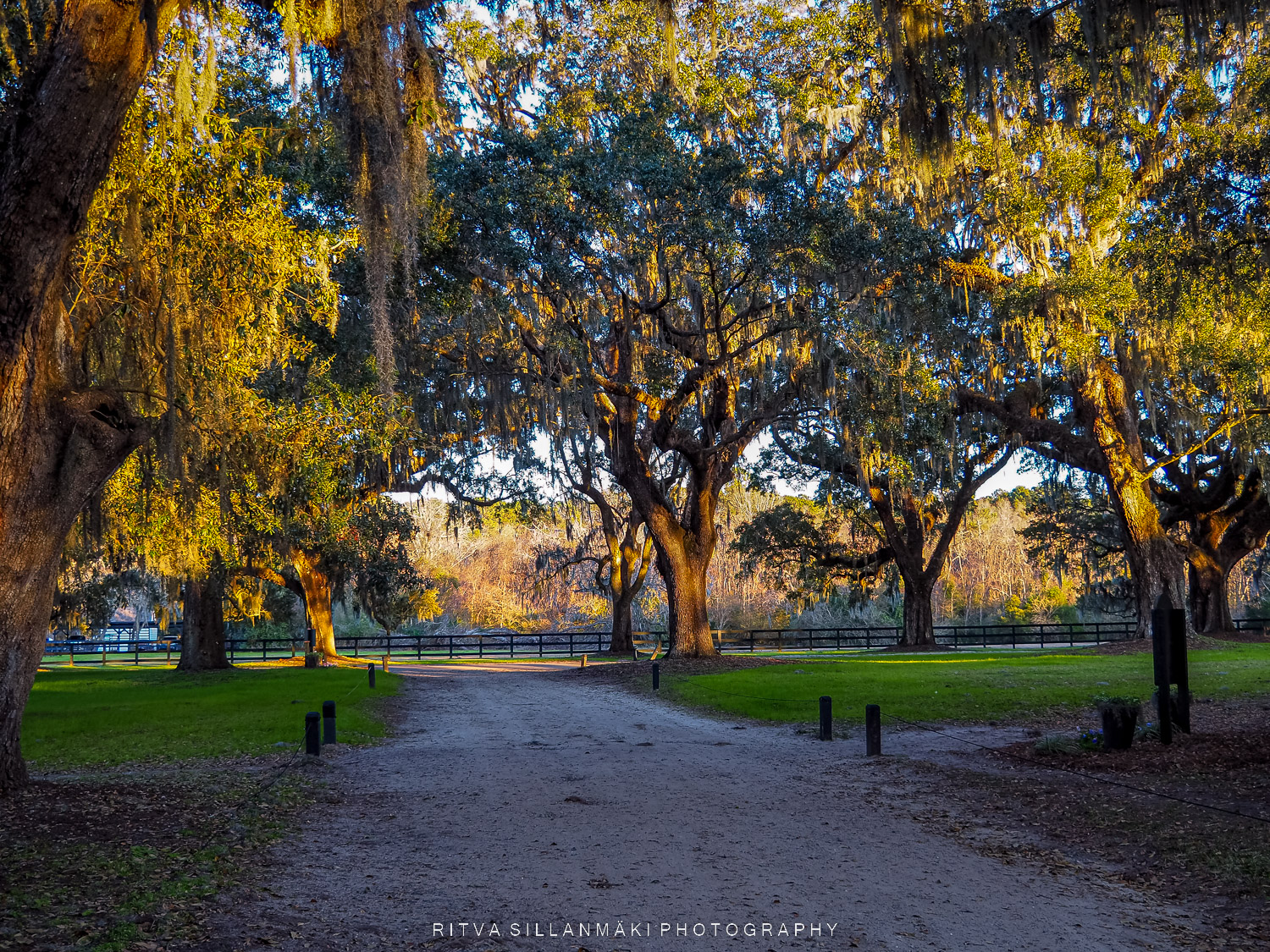
The Grand Avenue of Oaks that was first planted in 1743
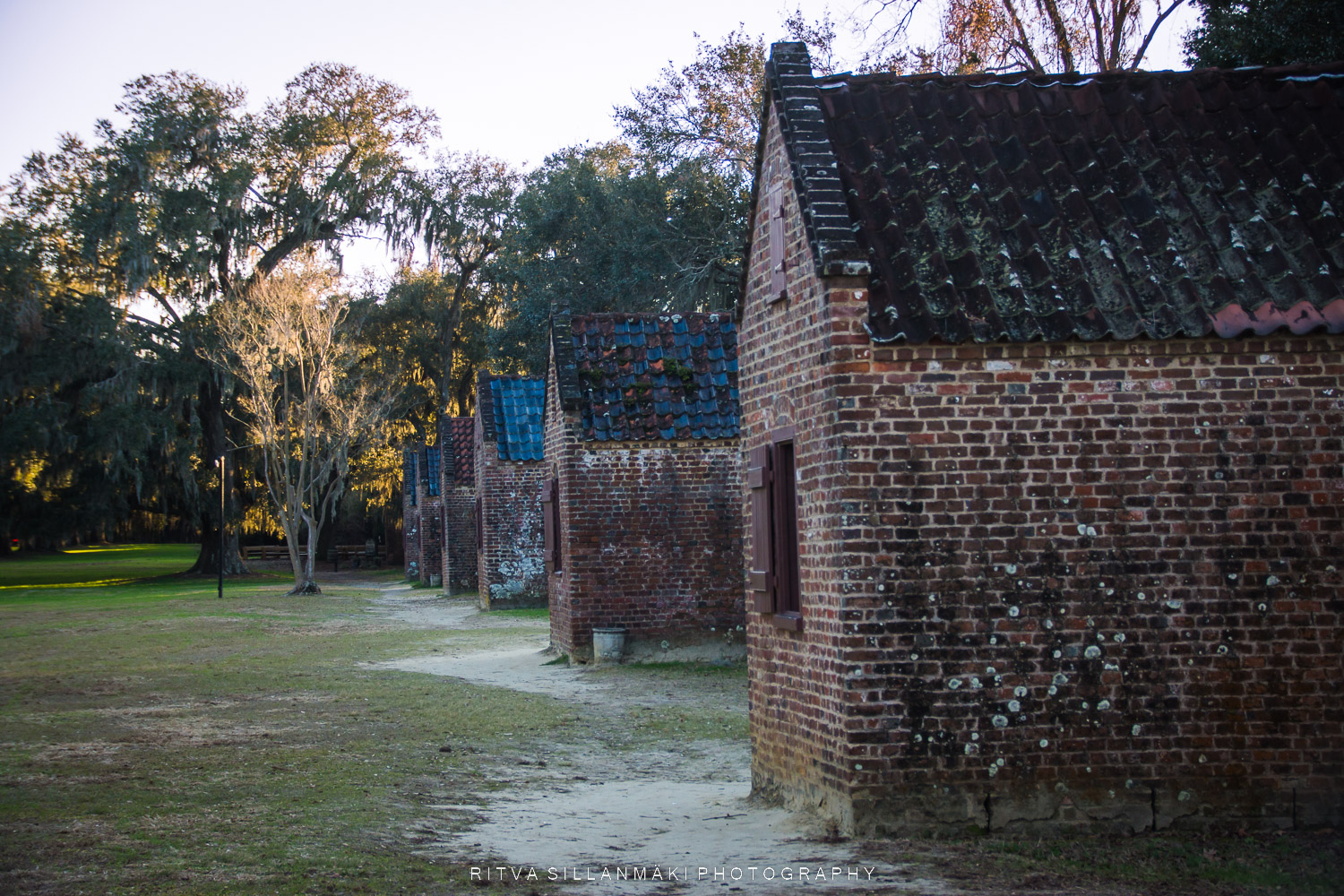
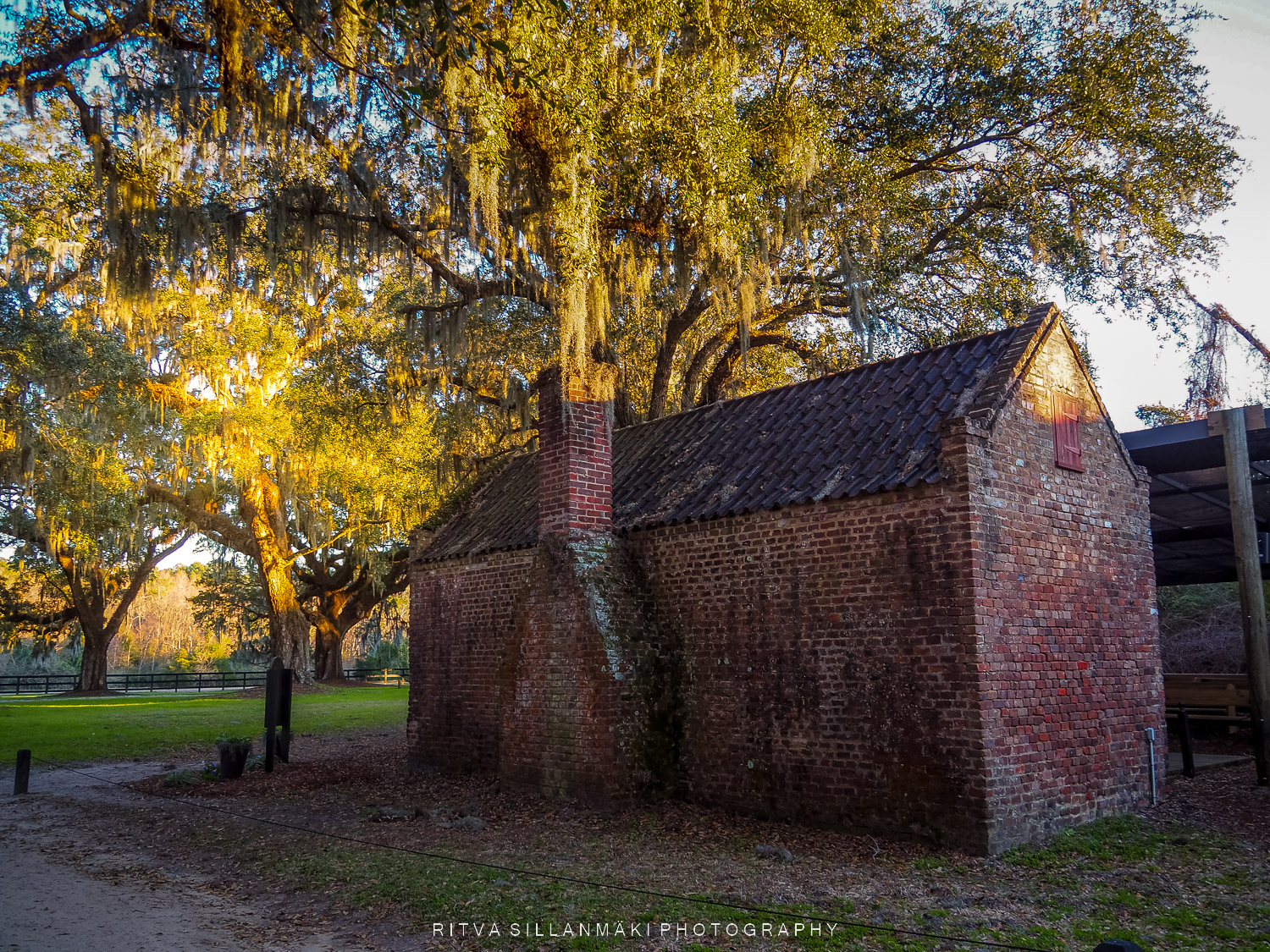
The house on the plantation the third of its kind, built in 1935 and not your typical antebellum house. But the plantation is one of the oldest plantations still in operation having produced agricultural crops for over 320 years. Much older are the brick slave cabins located along Slave Street which date between 1790 and 1810. Only nine cabins are left. Some of the bricks from cabins that have not been saved were used to build a serpentine wall for the main house.
Talking about the bricks! By year 1850 the slave laborers were able to produce 4 million bricks on a yearly basis. Most of the historic buildings in the historic downtown of Charleston were built from the bricks of Boone Hall and Fort Sumter, as well. Not that we saw any, but the fingerprints of these workers are still visible in the bricks of many of these historic sites. The agricultural tour didn’t go too much into slavery or anything unpleasant but some anecdotes made you wonder how hard living for the slaves must have been and the life expectancy must have not been too high. Times have changed but it still makes you wonder how that was even possible and did the owners ever think this is not right?
Unfortunately photographing was not allowed inside the house and the second floor was completely off-limits, as well. However, the stories presented by the guide were very colorful and entertaining. John Stone the man who had the latest house built liked to entertain he had many famous visitors to his big parties, like the composer George Gershwin, if my memory serves me right?
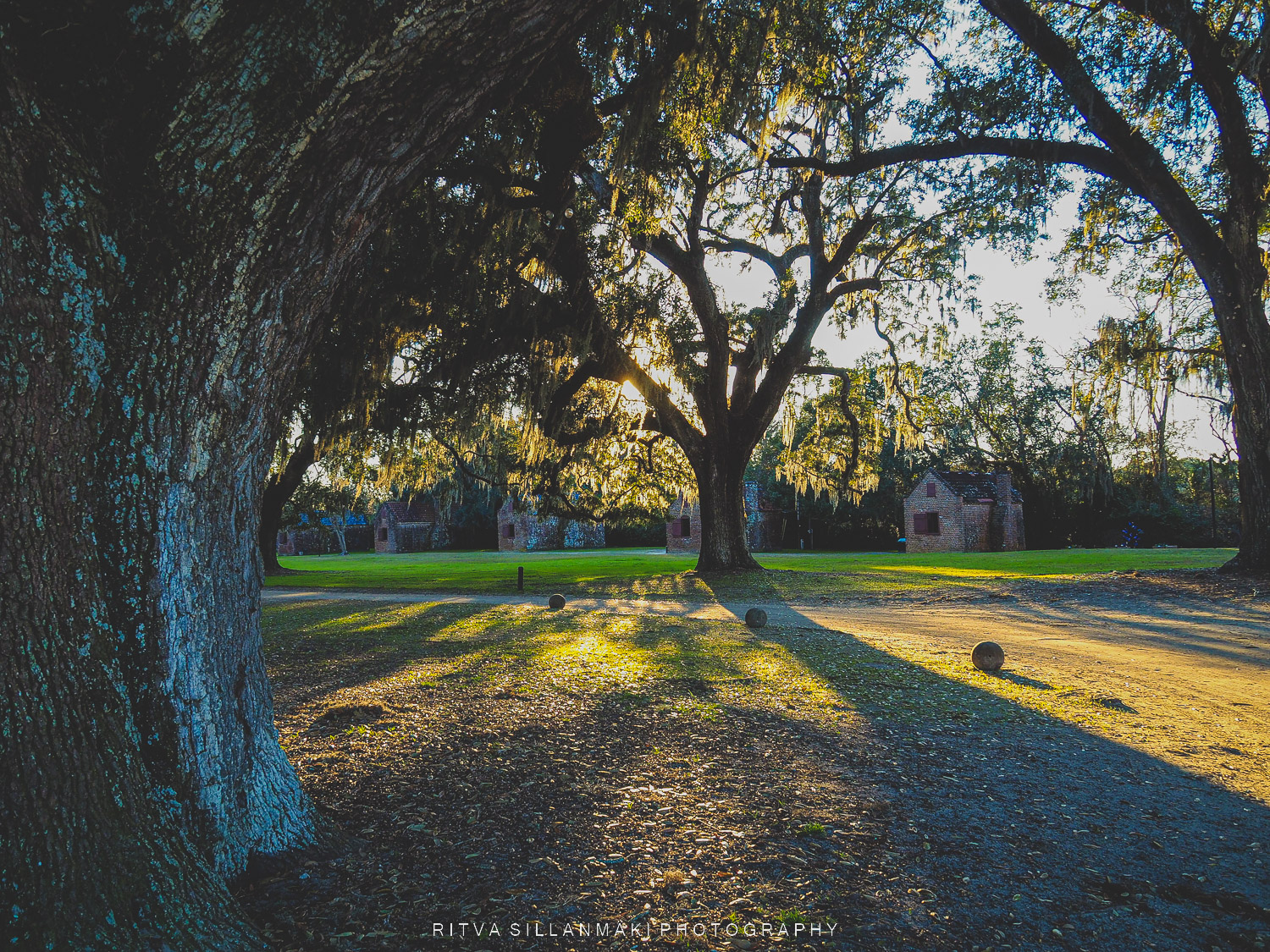
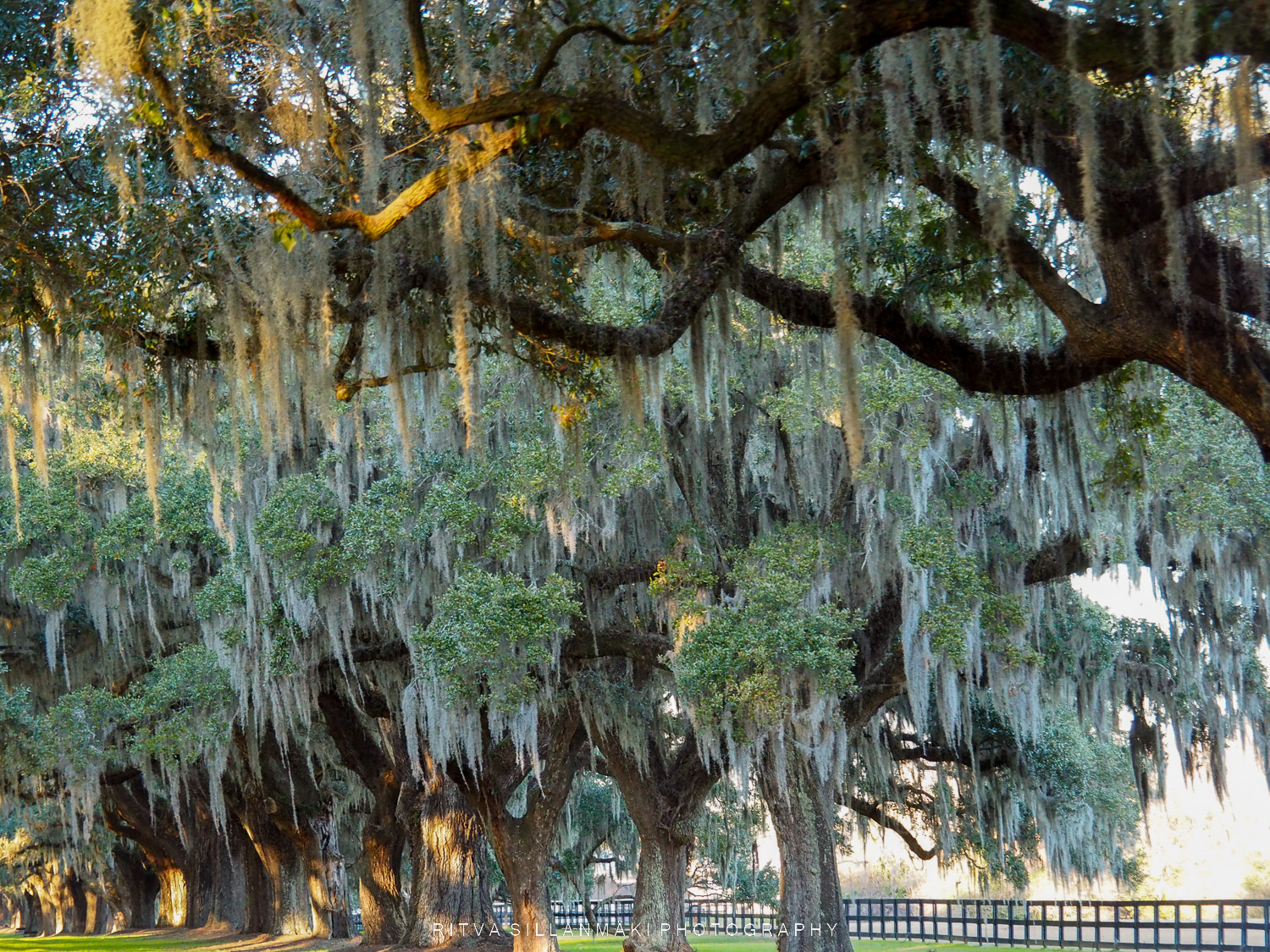
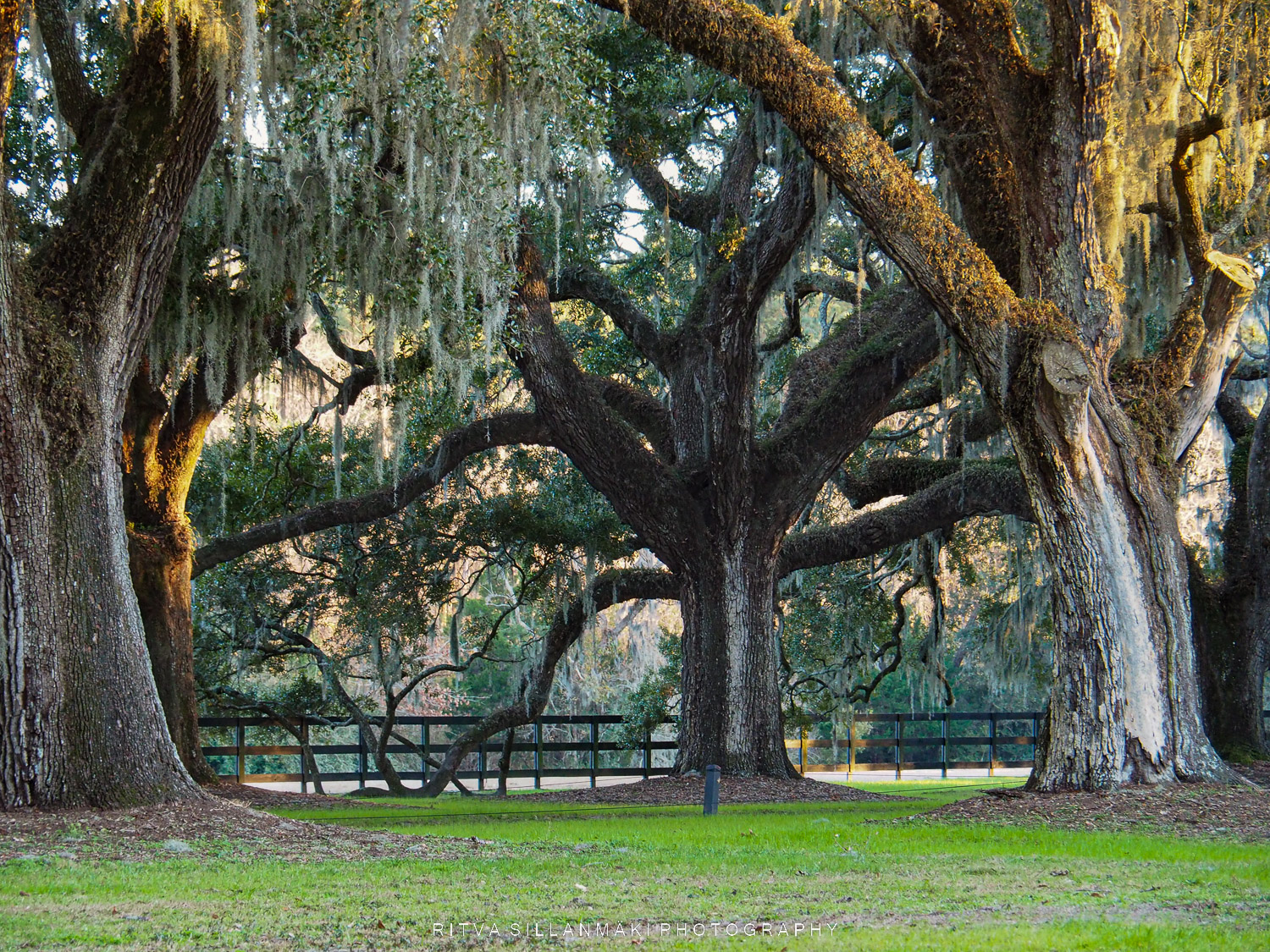
Driving into the plantation couldn’t be more beautiful with the grand Avenue of Oaks that was first planted in 1743 and completed by the in 1843. The avenue consists of 88 live oak trees and one magnolia.
When we arrived the the sky was still blue and the avenue was in totally different shade than when we left, the sun had already started to set and the avenue turned into beautiful yellow and orange tones. I took so many photos and trying to choose the ones I liked best was hard as you can see from the amount of photos I have here.
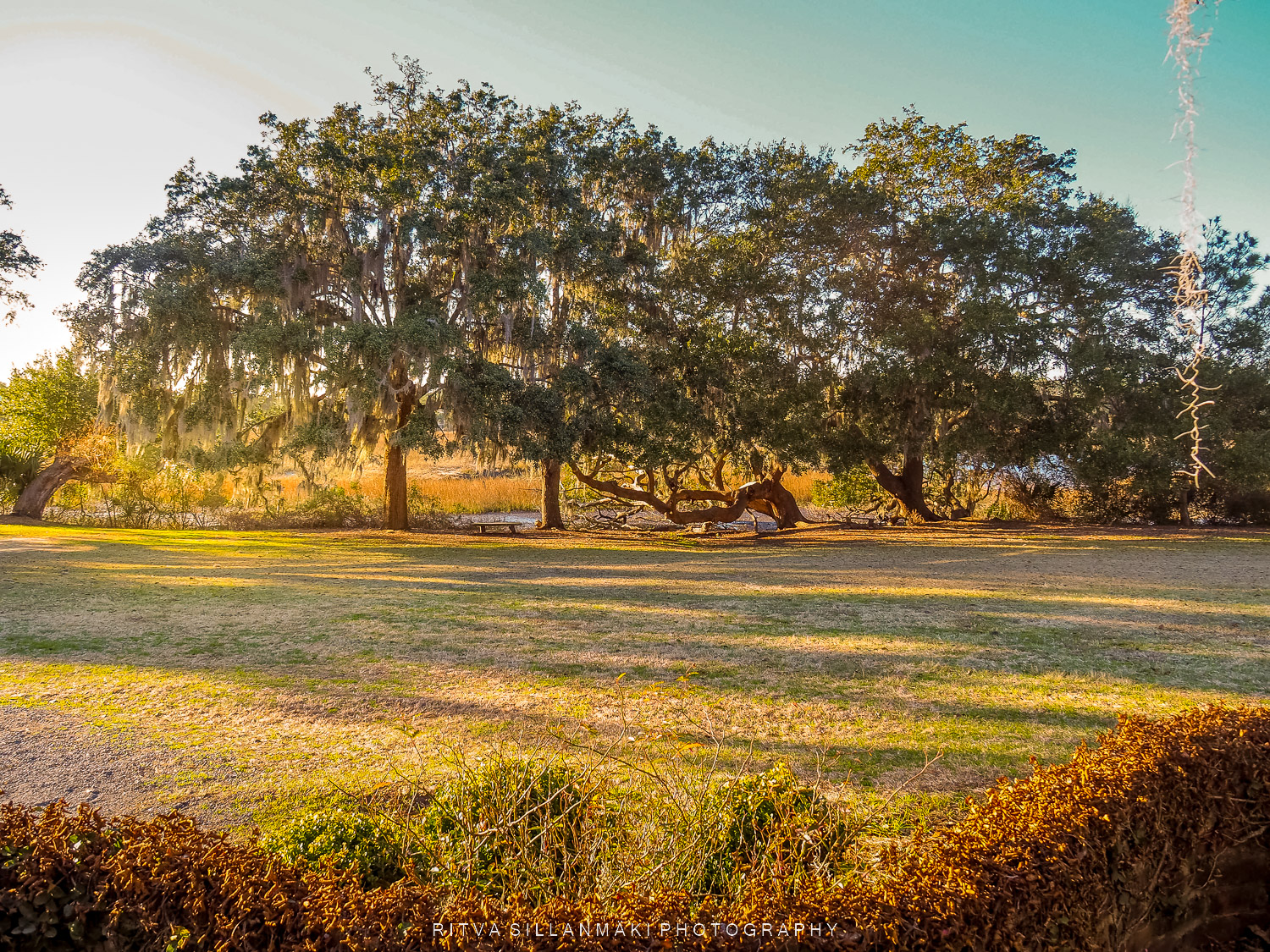
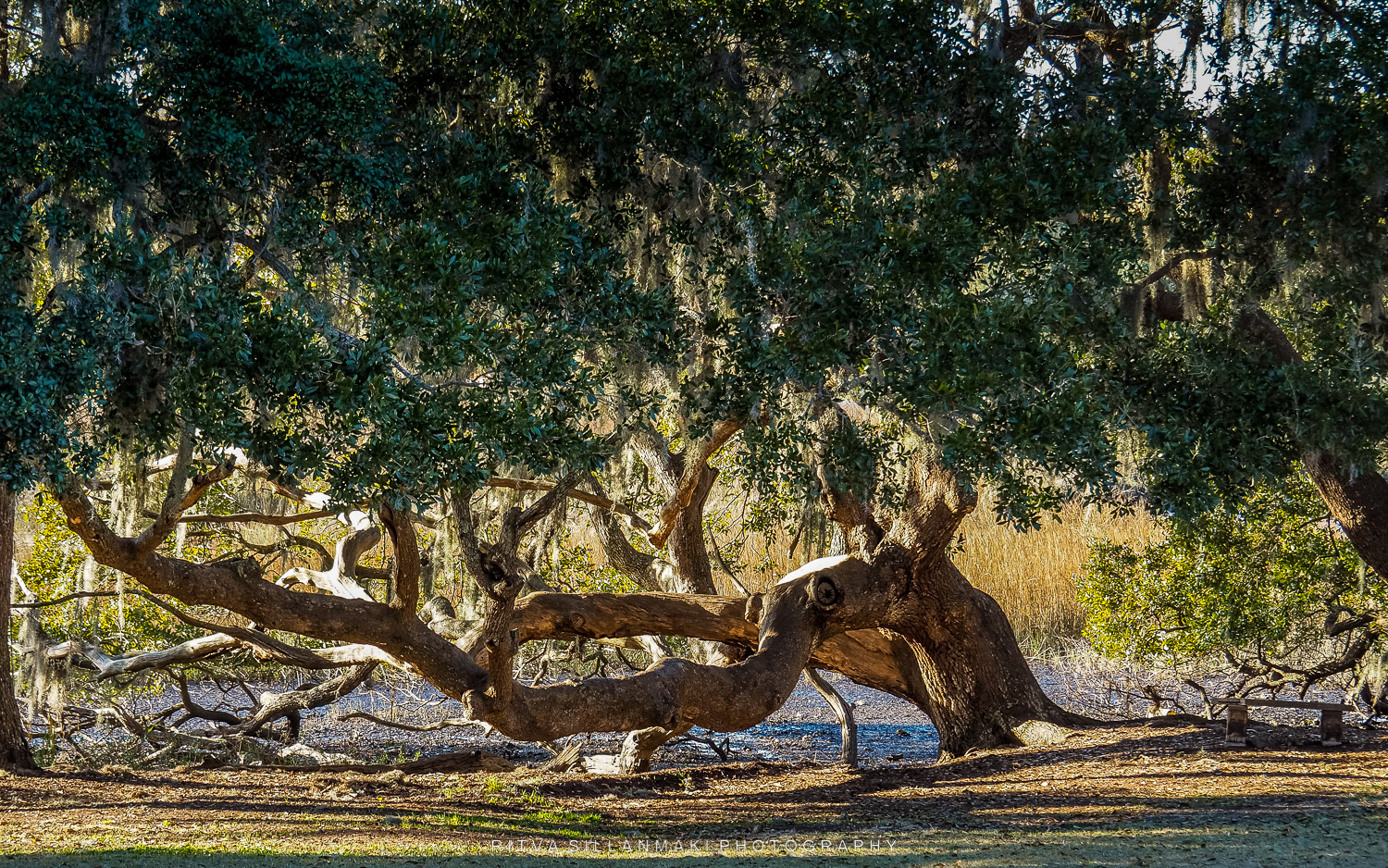
January probably wasn’t the best time to visit when you think about the surroundings. The Avenue of the Oaks might have been even more beautiful if the Resurrection Fern would have been in bloom. But you can’t do anything else but to love the Spanish Moss hanging from the trees. It gives the plantation or any surroundings such a lovely and eerie backdrop.
Even though arriving late afternoon we were able to manage to take part of house tour and the “agricultural tour”, meaning the tour of the grounds. Boone Hall Plantation consists of 738 acres. The landscape includes areas of cultivated, seasonal crop fields, preserved wetlands, creeks, and ponds. Boone Hall is still very active operator in the area in not only caters to tourists, but they organize many events to locals as well, for example, Halloween events. In the beginning the main products of Boone Hall were indigo (used for coloring the uniforms of British troops), rice and cotton. The production of cotton was discontinued in 1880 because the plantation could not compete with other plantations that were using machinery.
The cotton dock on the river had been rebuild lately.
Ryan Reynolds and Blake Lively who were married at Boone Hall Plantation in 2012. Ryan Reynolds have regretted having the wedding there because of the historical reasons.
Driving from Boone Hall towards Charleston during sunset was treat. We hit a traffic jam but on the other hand taking pictures of Wando River and Don N. Holt Bridges became much easier. Especially Don N. Holt Bridge provided a nice back drop for the orange sunset. Driving across the bridge we experienced very familiar smel,l to us Finns, like rotten eggs. And sure enough we saw a paper mill. Later on, I read from online news that the mill has become one of the dirtiest polluters in the United States since being acquired by an investment group led by Robert Kraft, the billionaire owner of the New England Patriots football team. Go team!
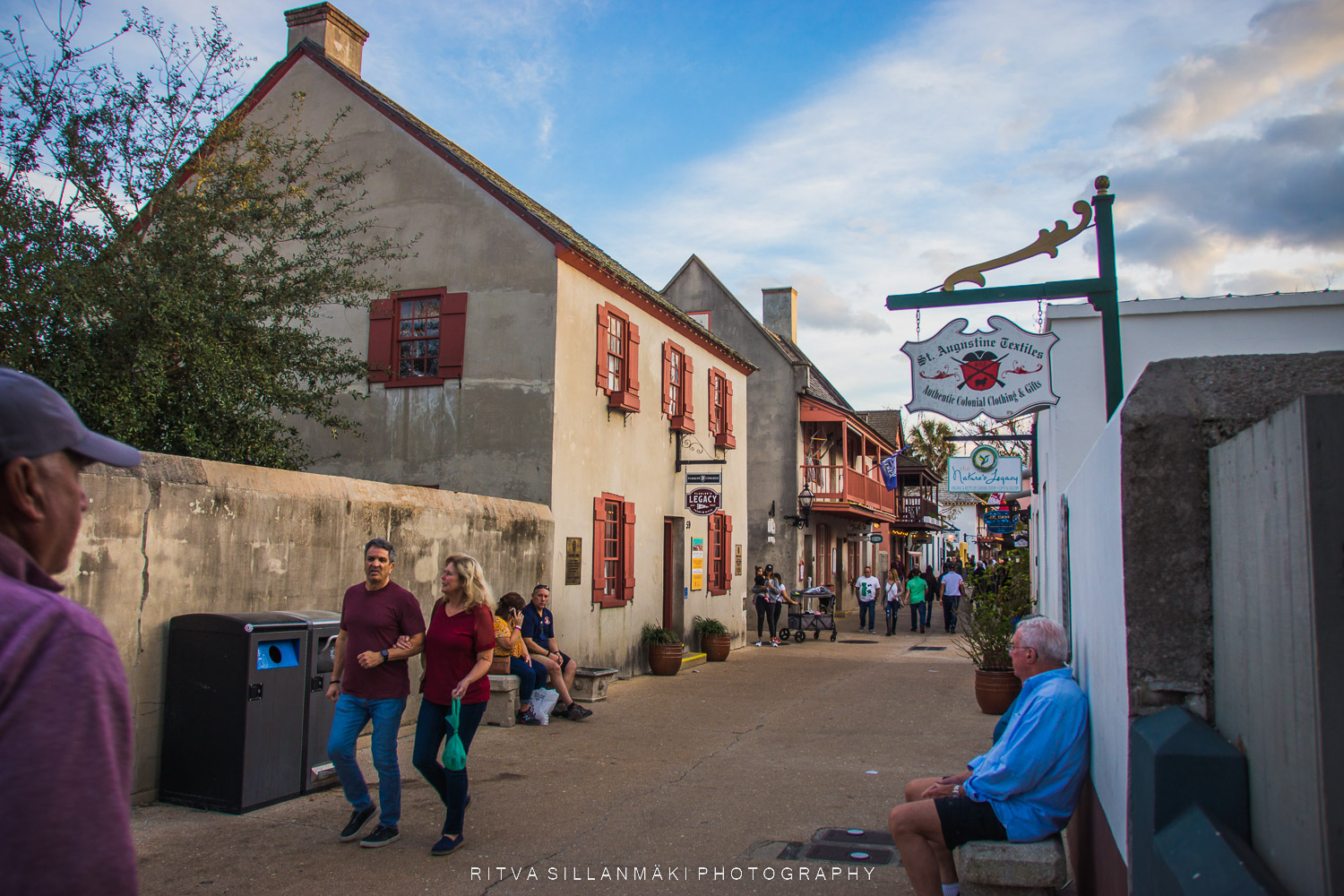
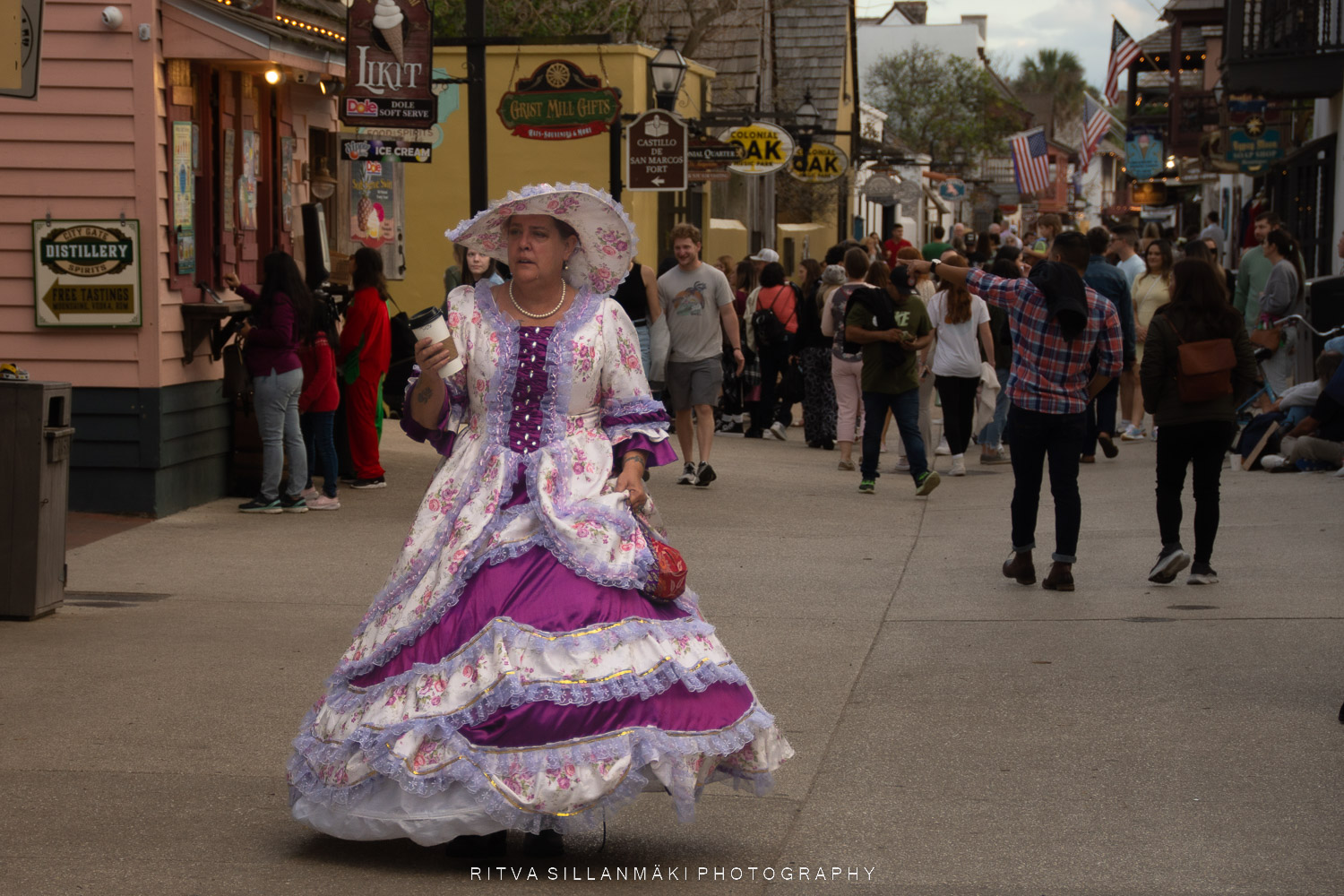
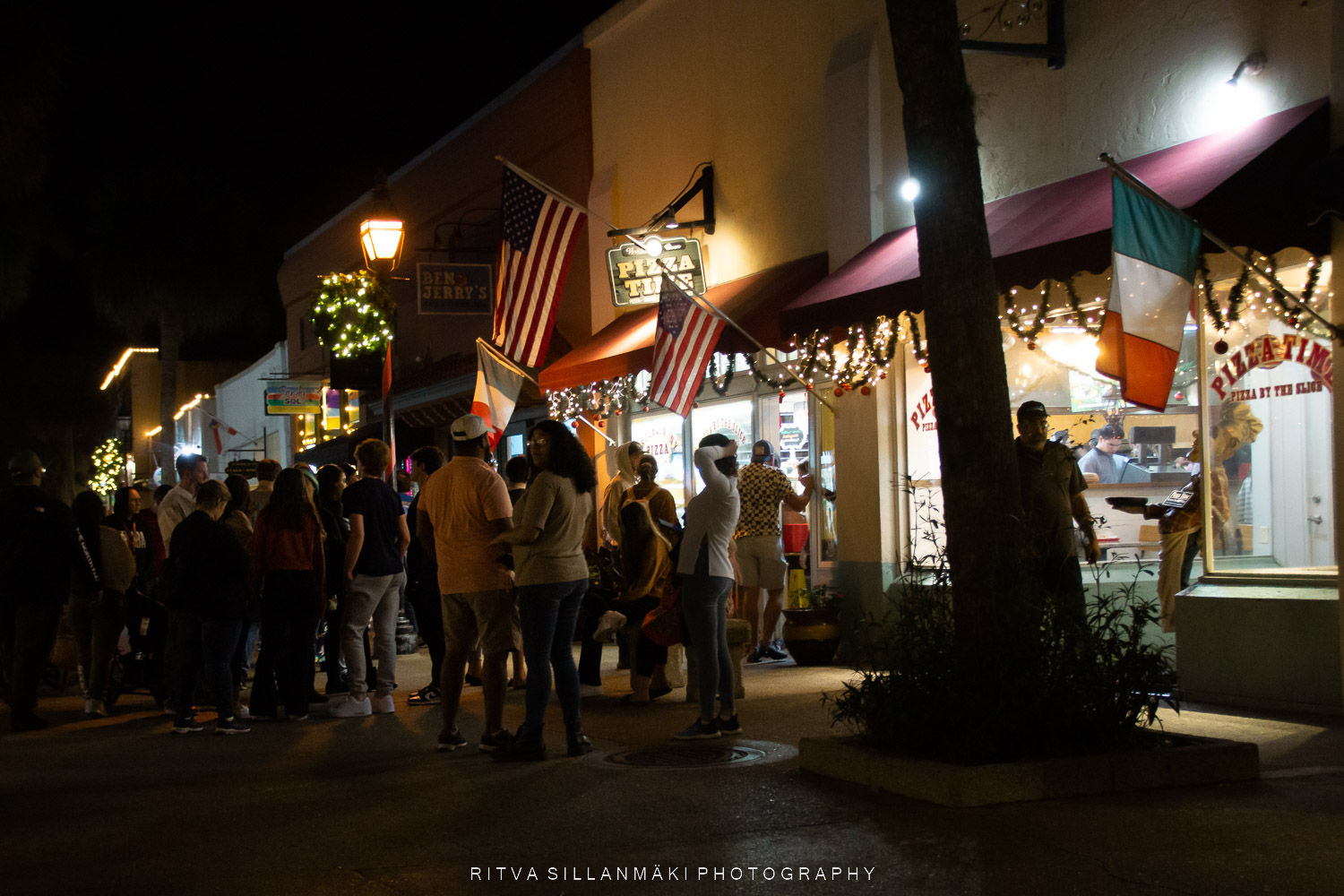
Unfortunately we got to the town center after 5PM so we did not have much light time to take photos of the buildings, also there were so many people around that getting a shot was a challege. This is clearly a tourist area with lots of shops and restaurants and bars in these old buildings.
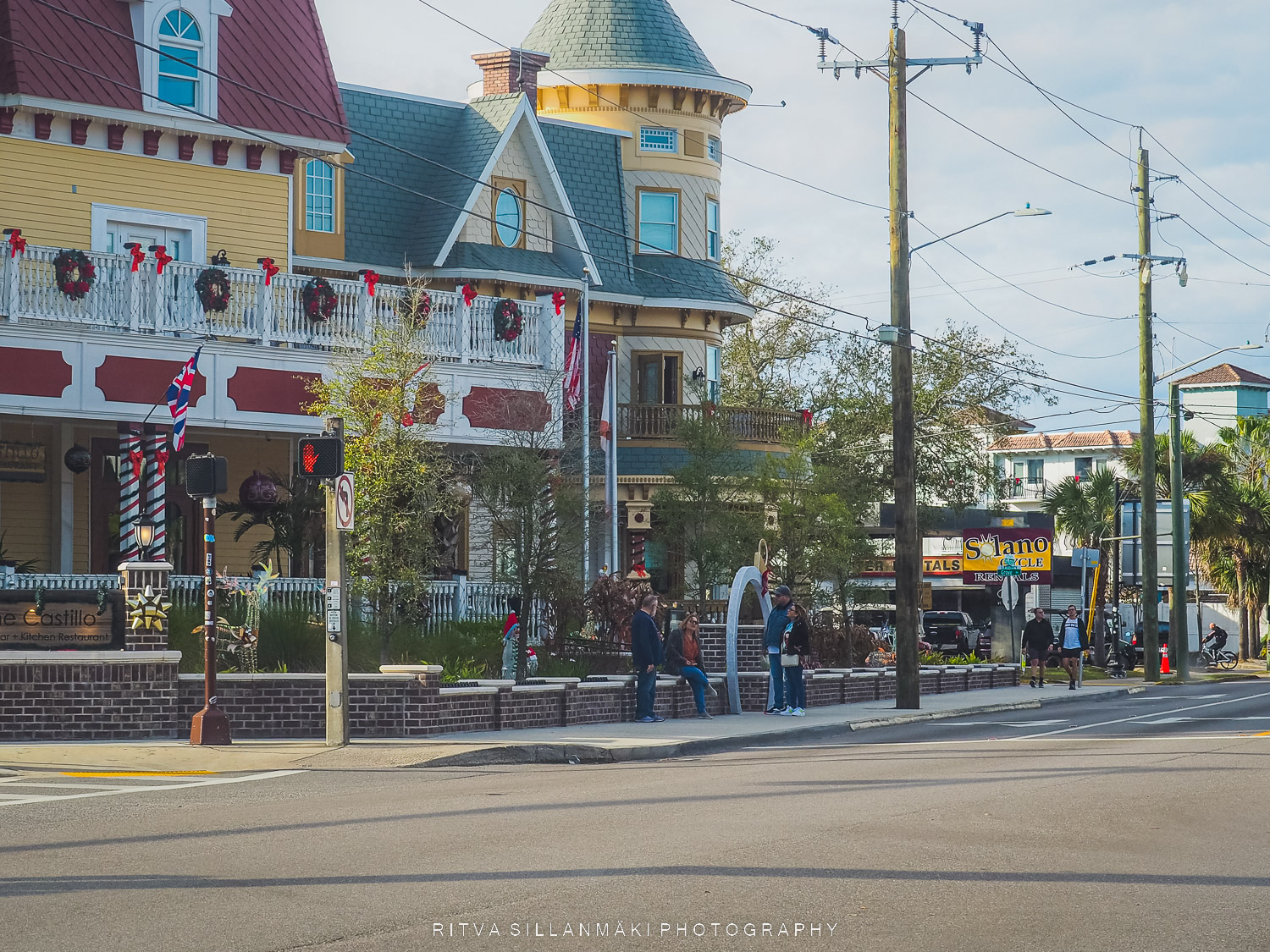
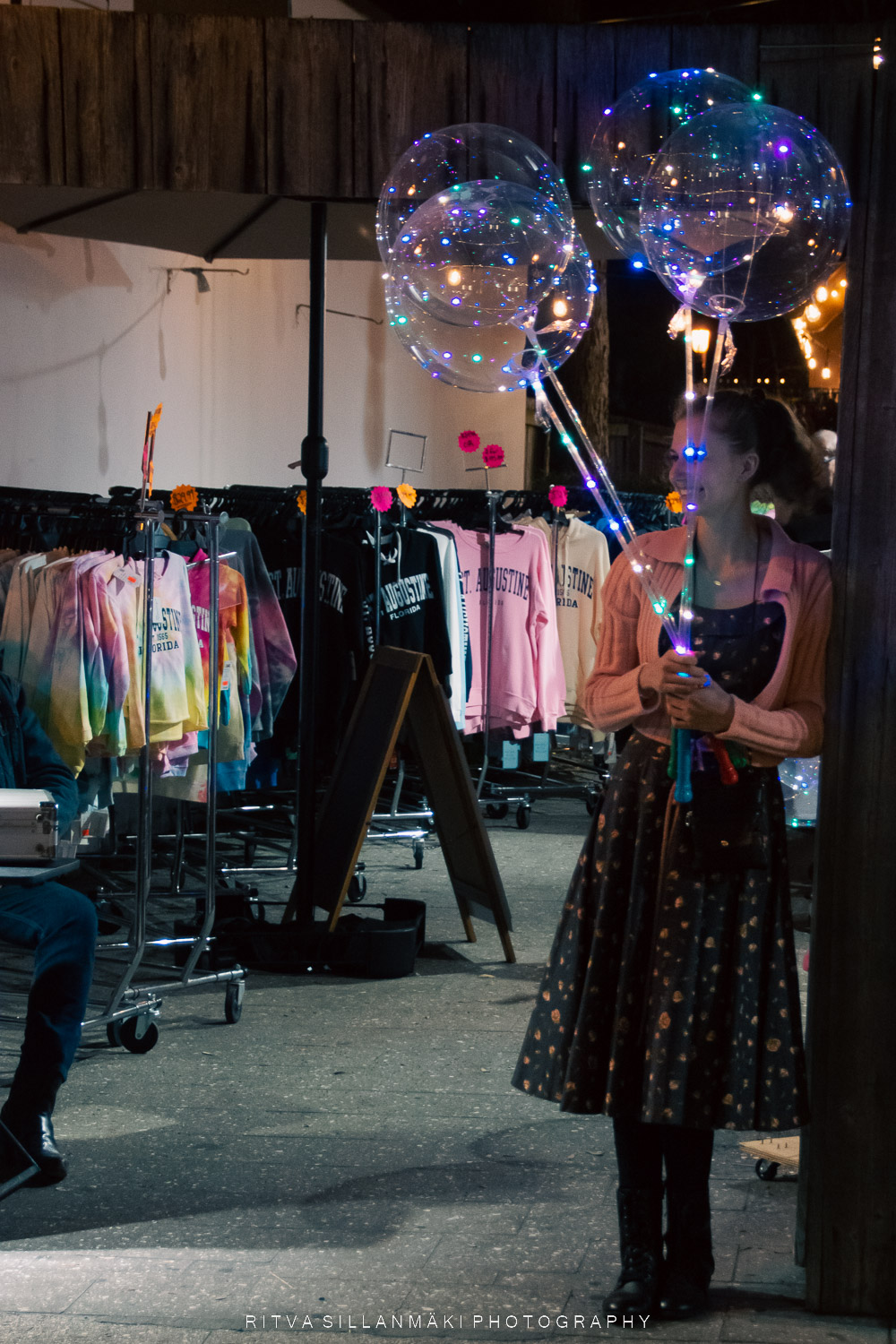
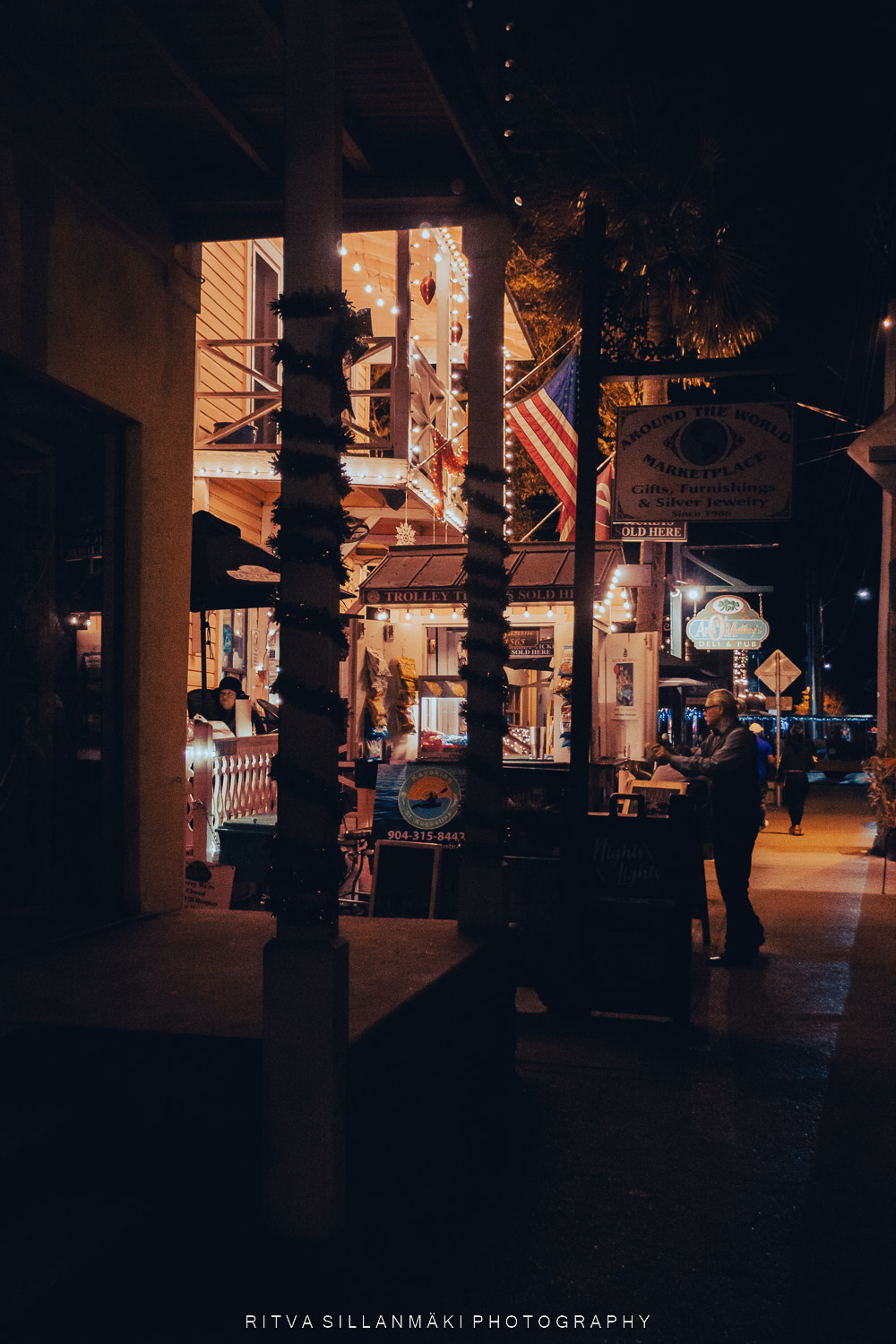
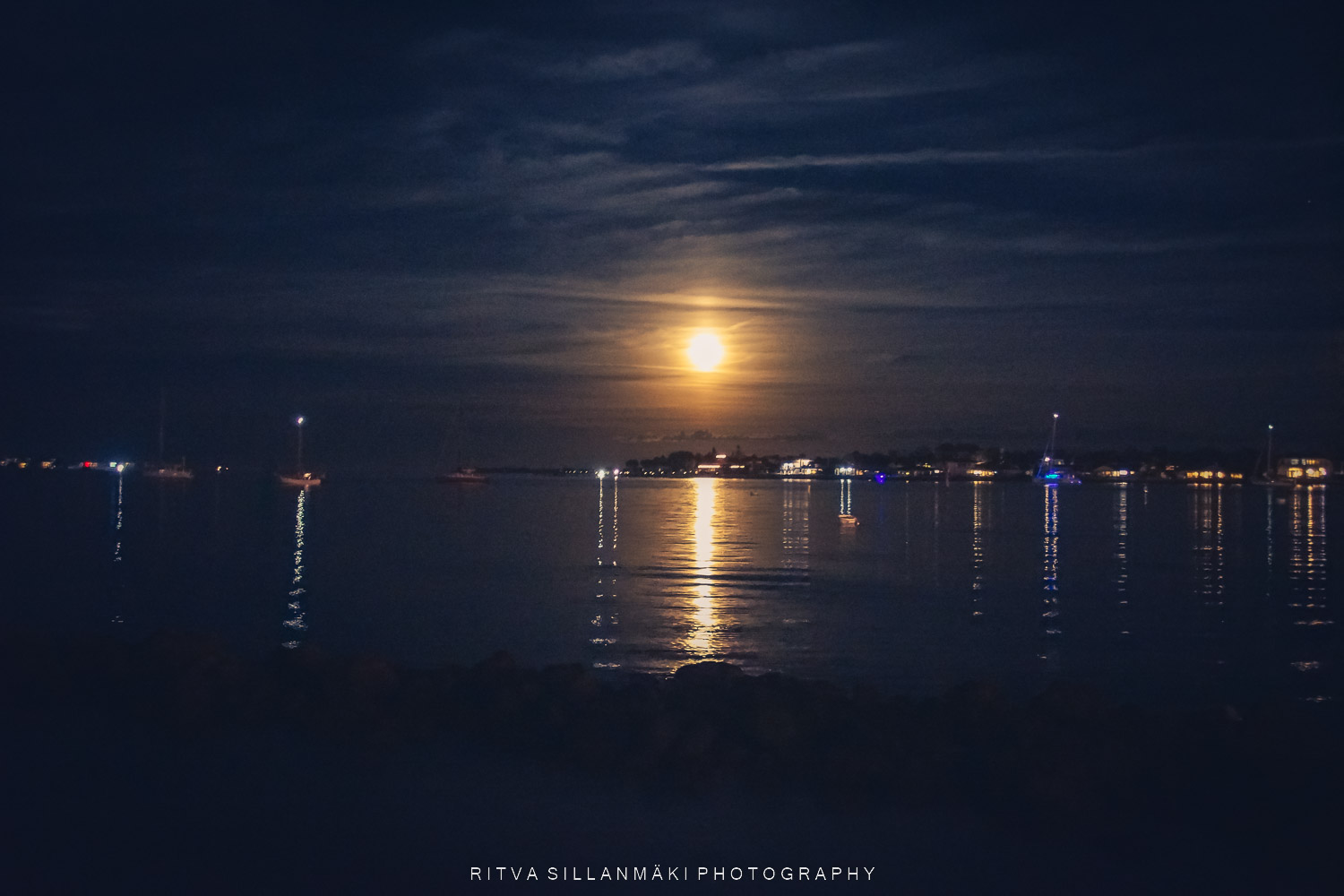
The 29th Annual Nights of Lights was still going on so the there were plenty of lights. Our stop in was quick, one night only so we did not see all that much of the city. We ended the evening looking at the moot at Castillo de San Marcos
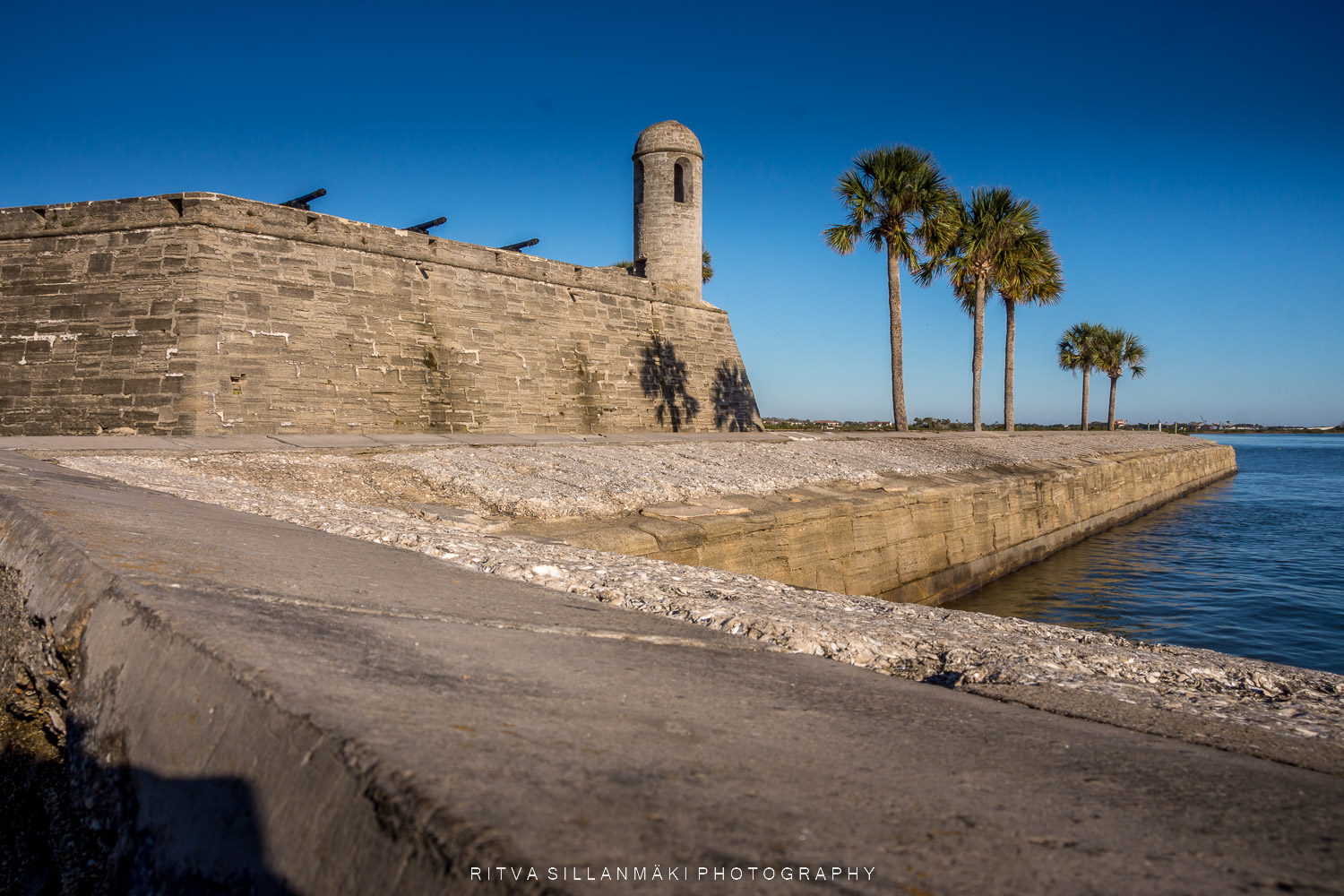
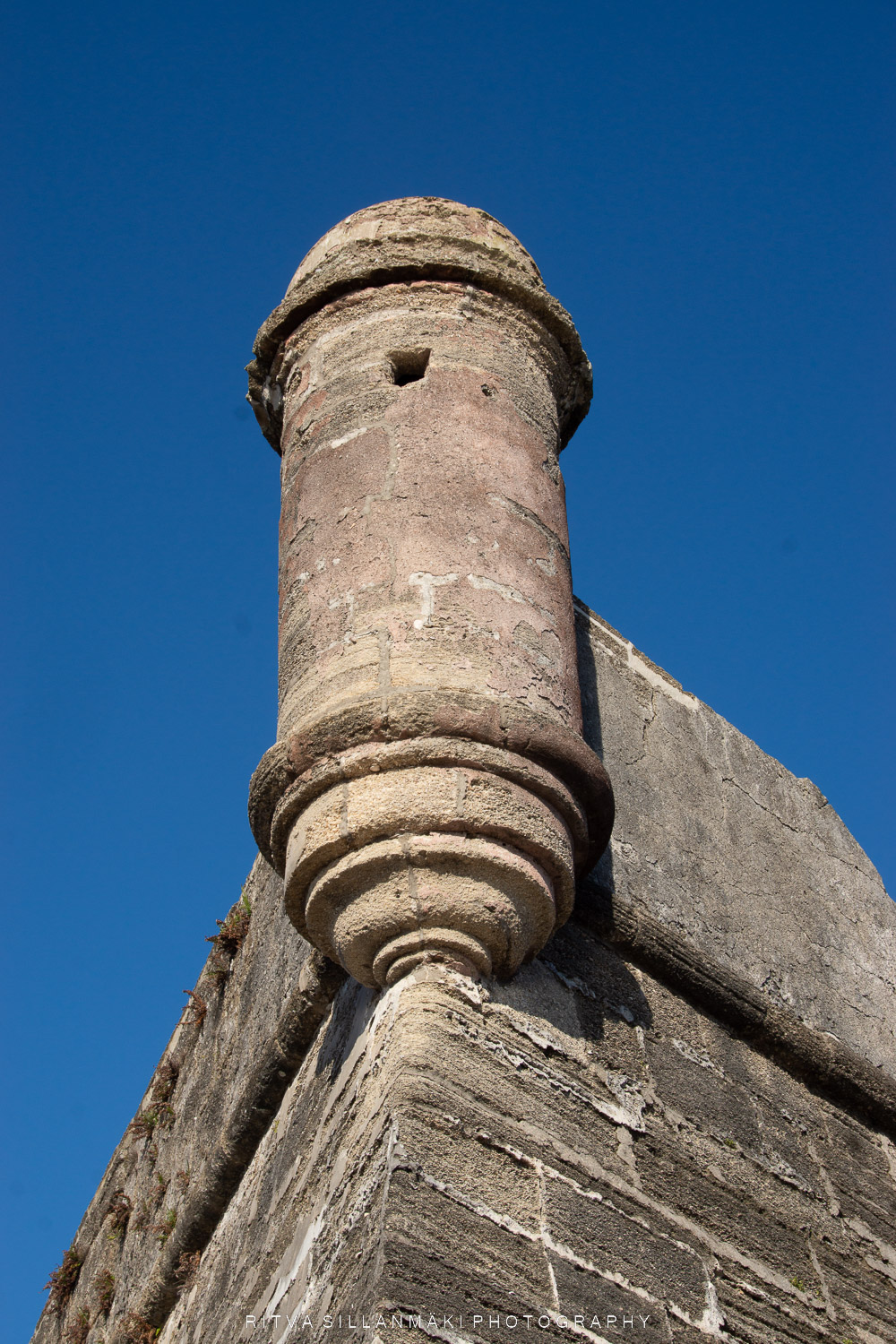
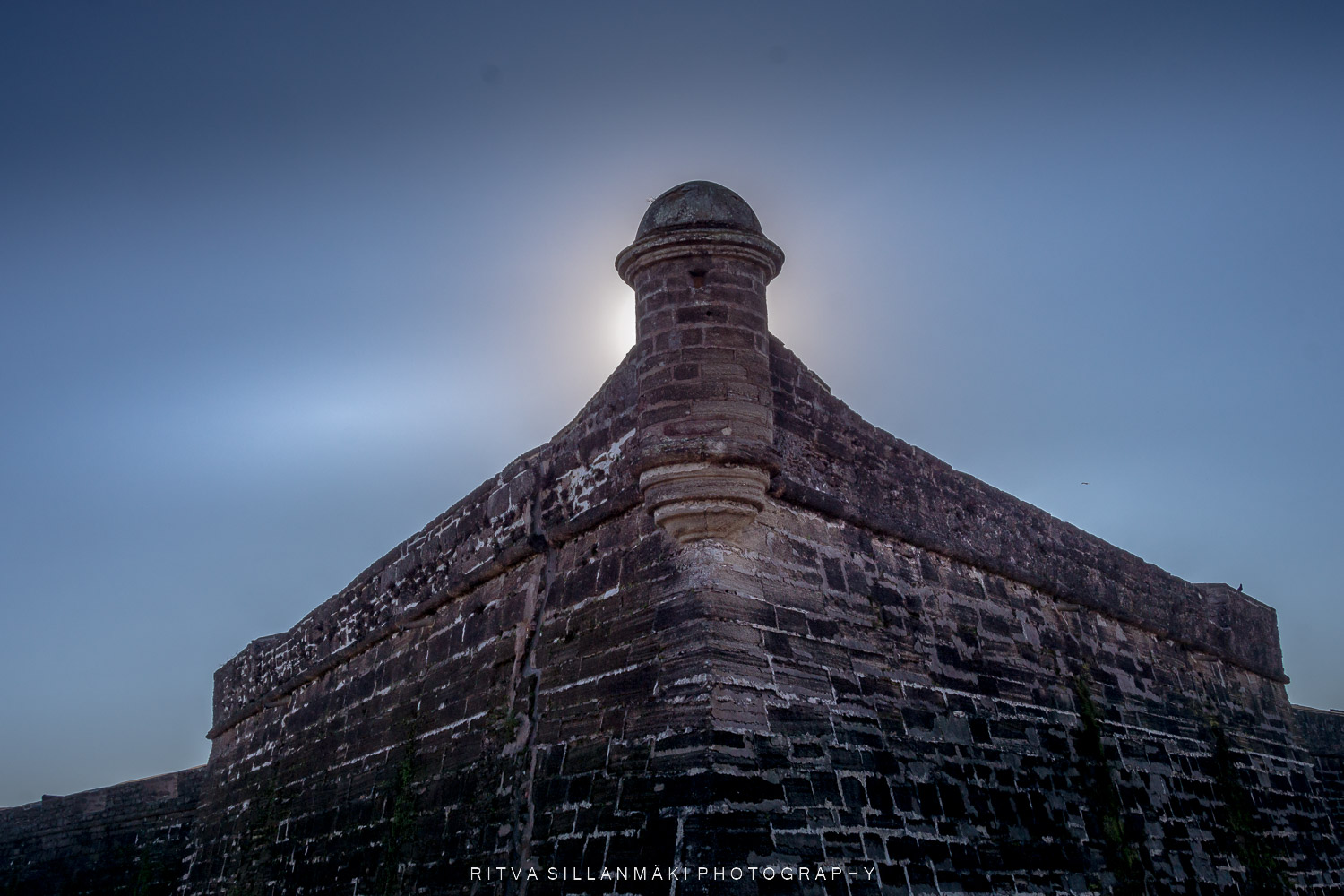
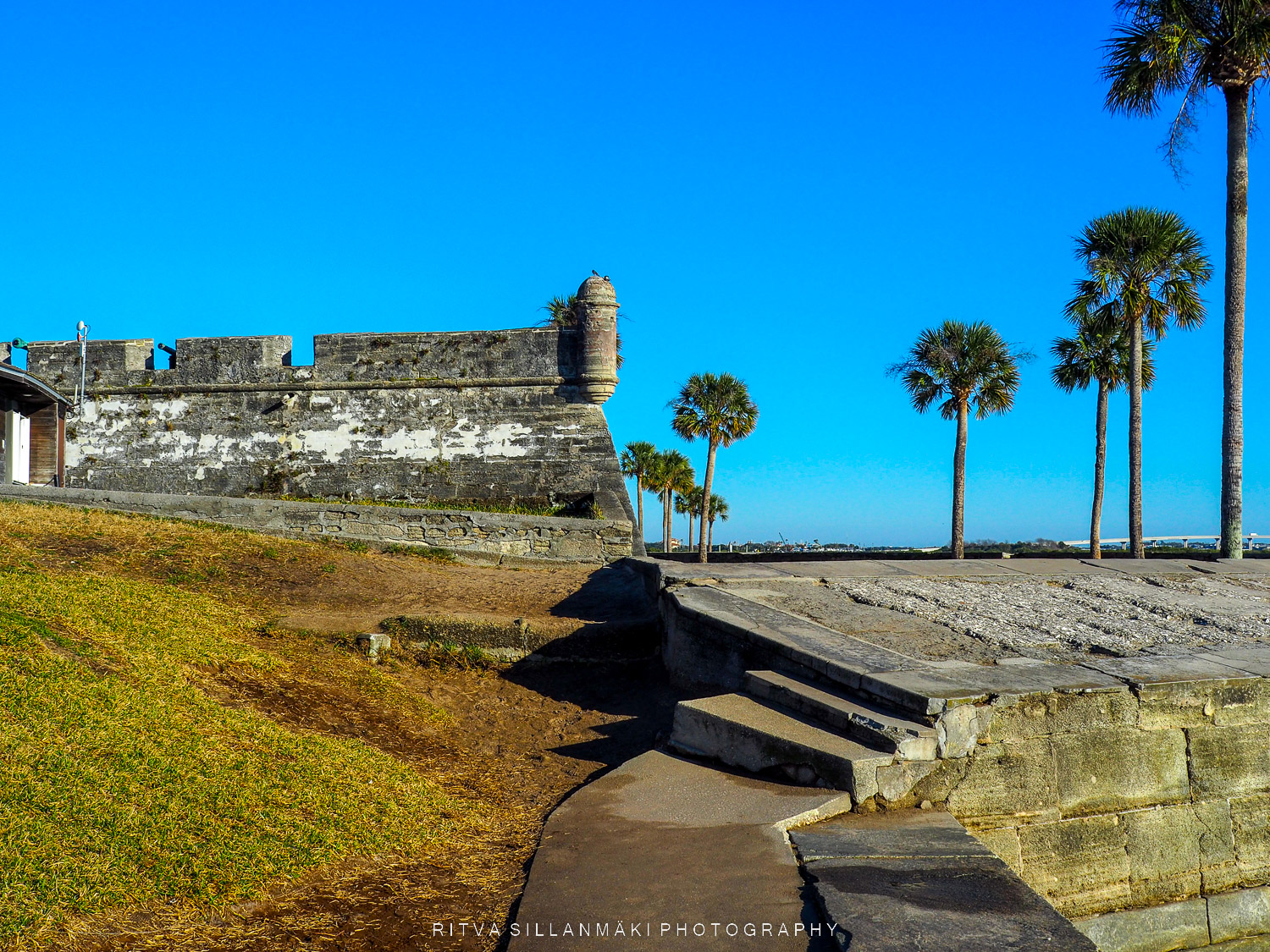
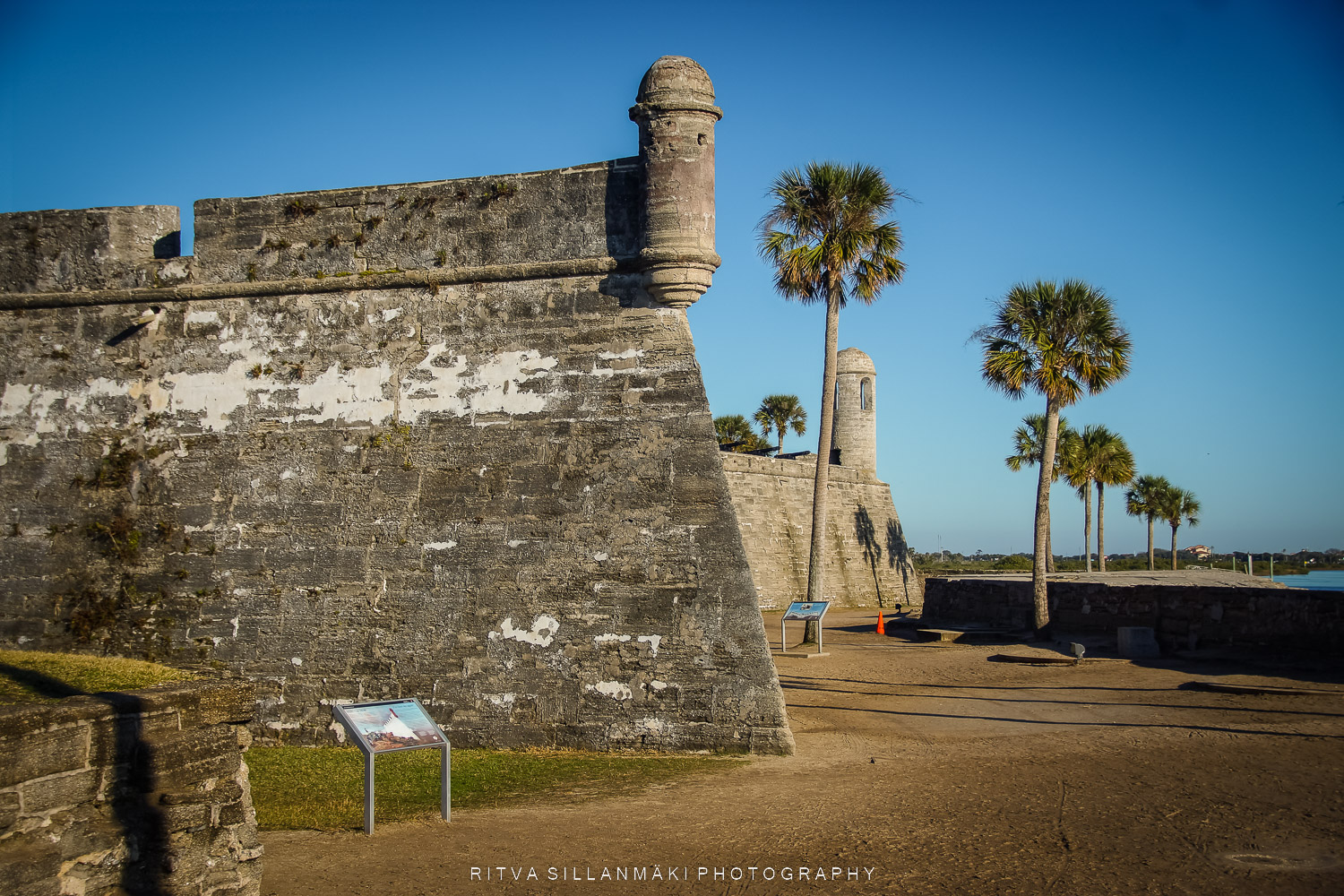
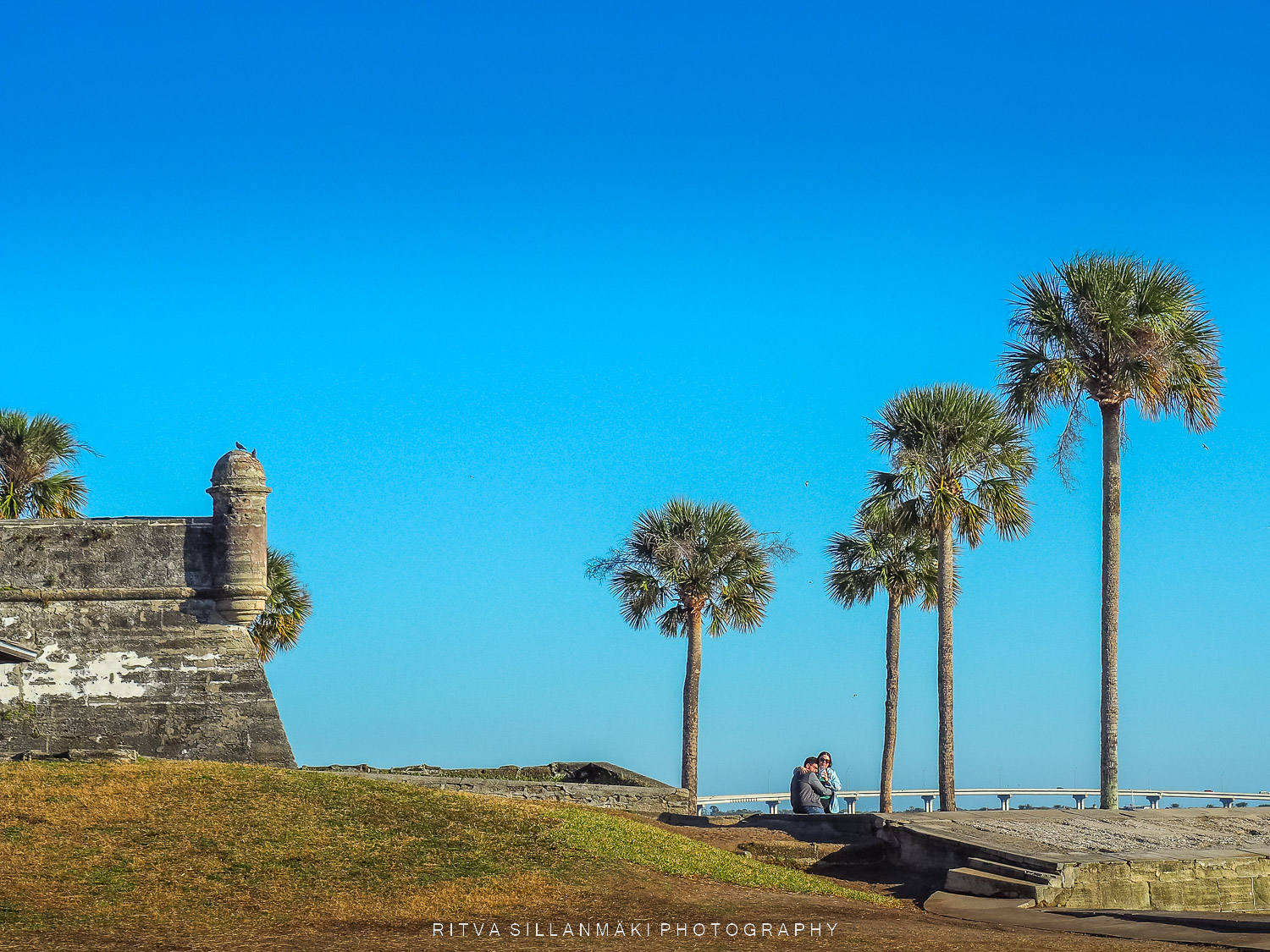
You can’t stay in in St. Augustine without visiting the Castillo de San Marcos, “St. Mark’s Castle”. It is the oldest masonry fort in the continental United States. The construction started in 1672 and finished in 1695. The fortress is made of coquina stones. The fort was declared a National Monument in 1924, and it was deactivated in 1933 after 251 years of continuous military possession.
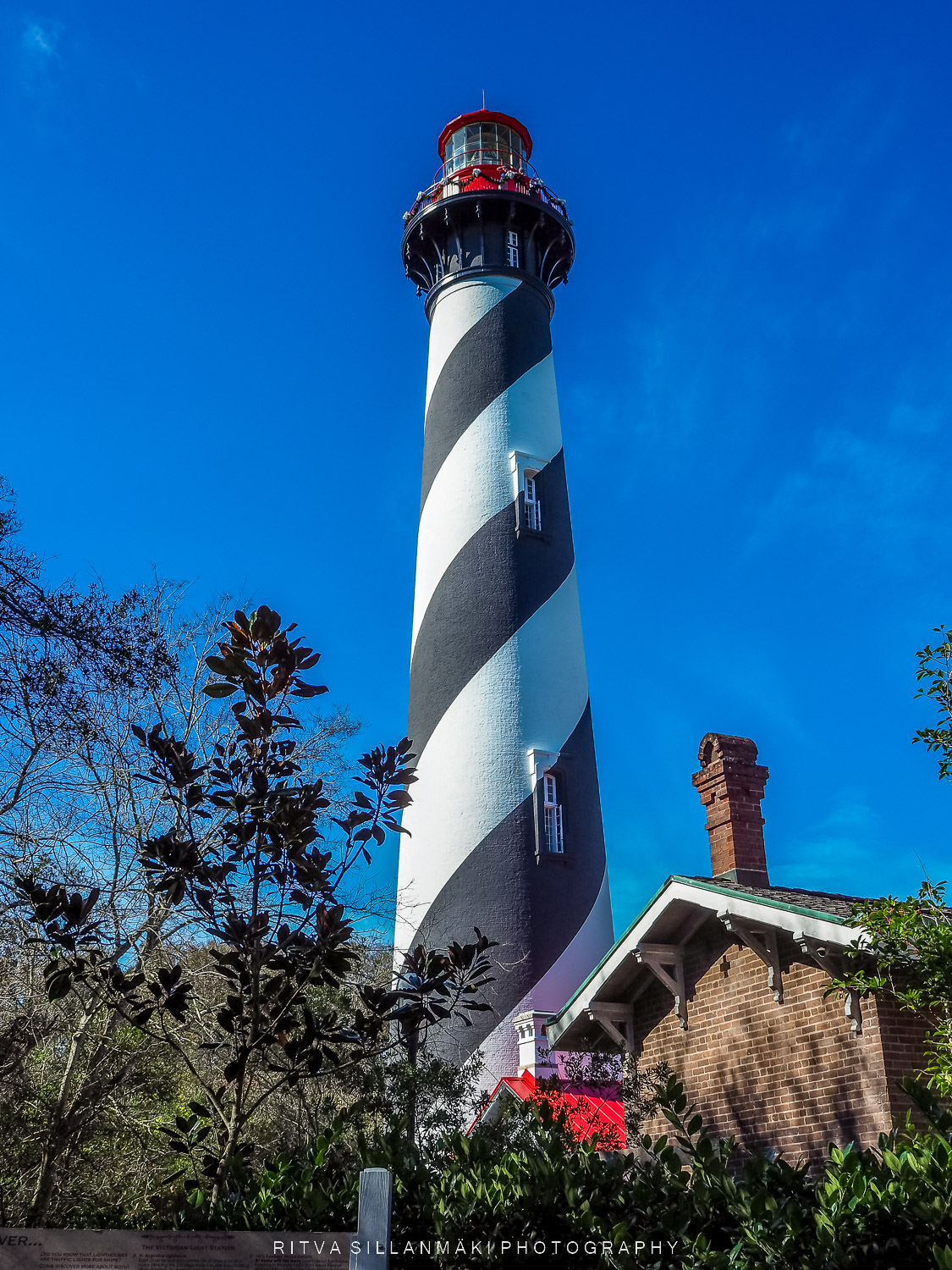
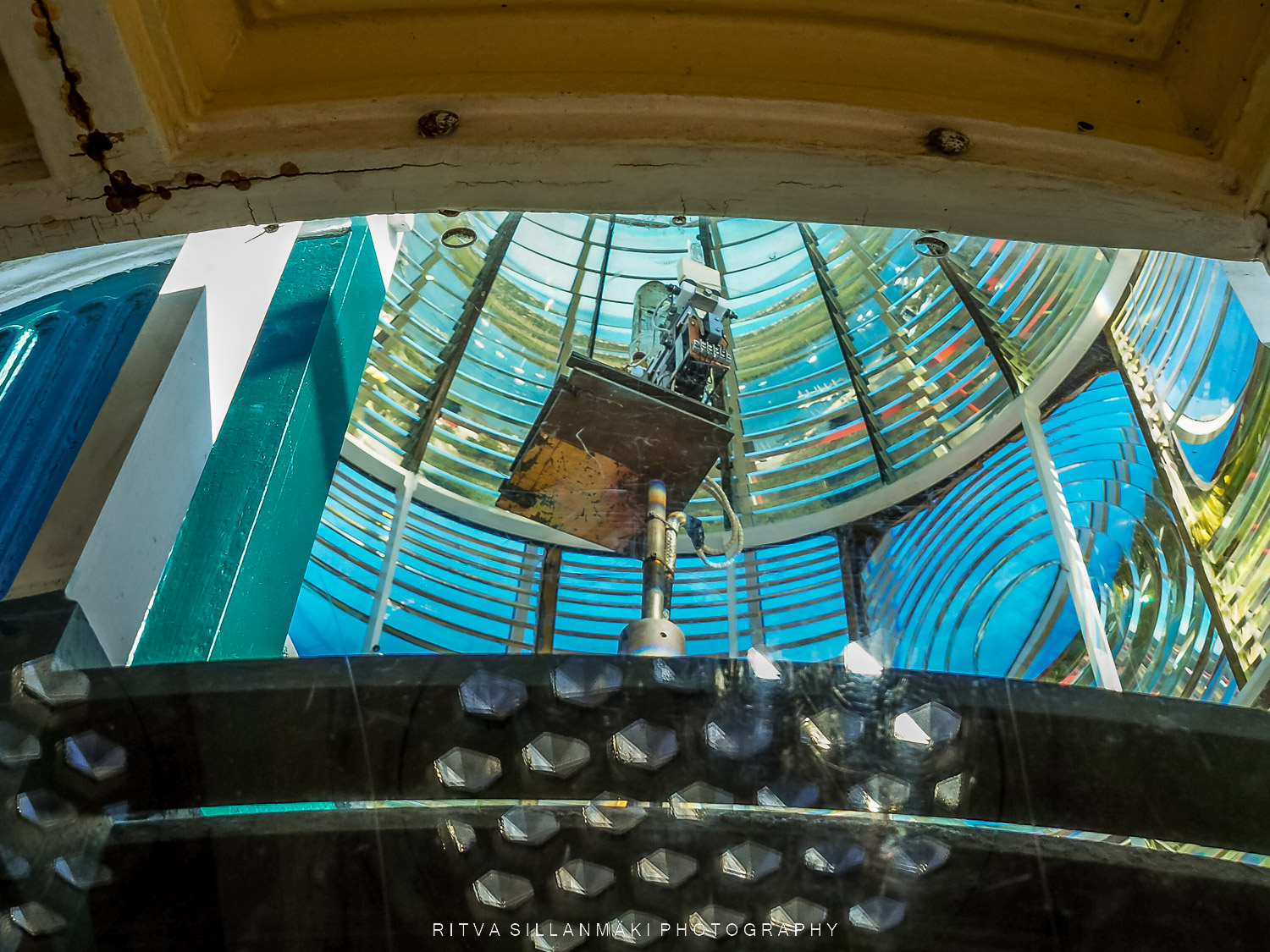
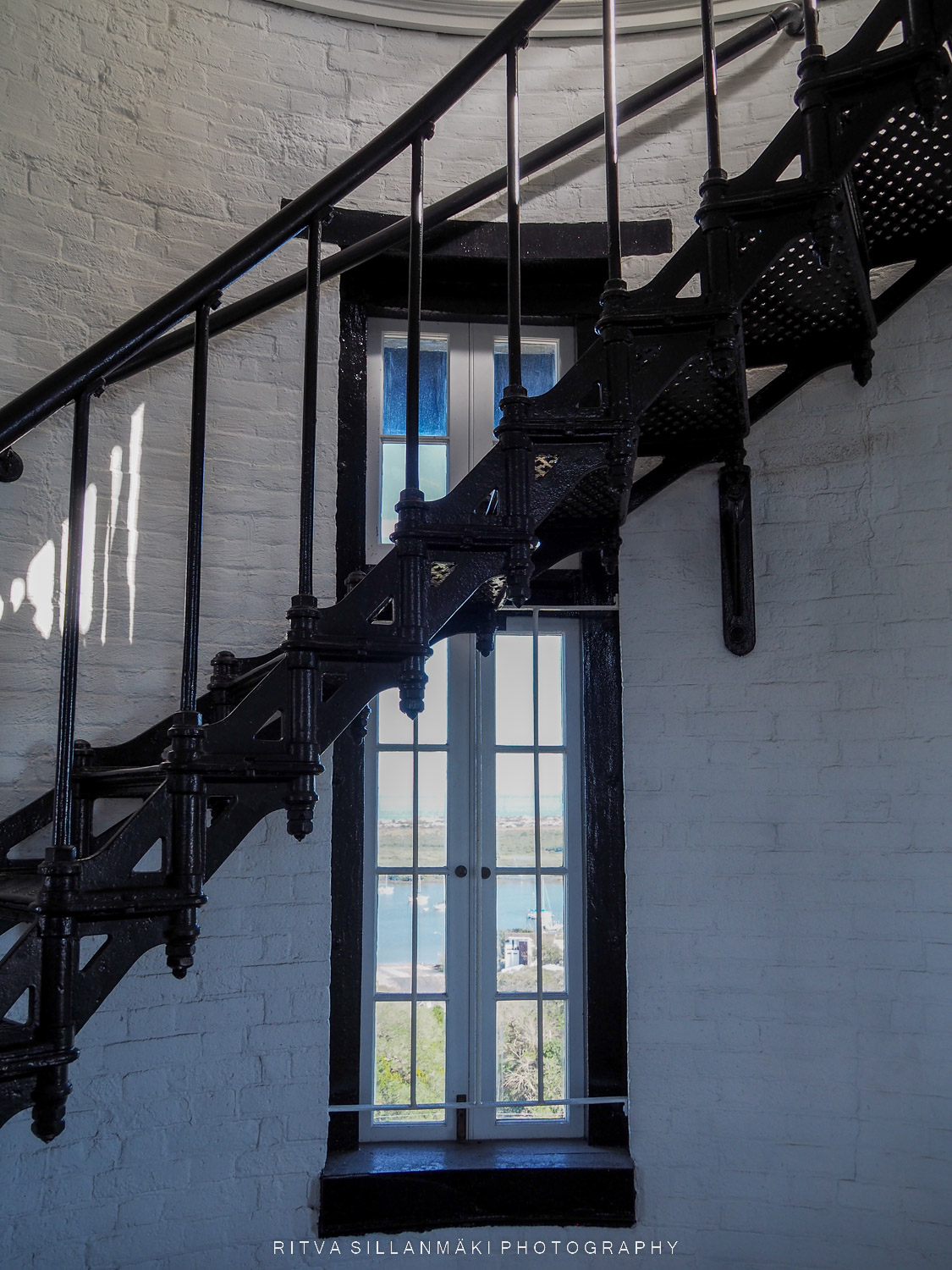
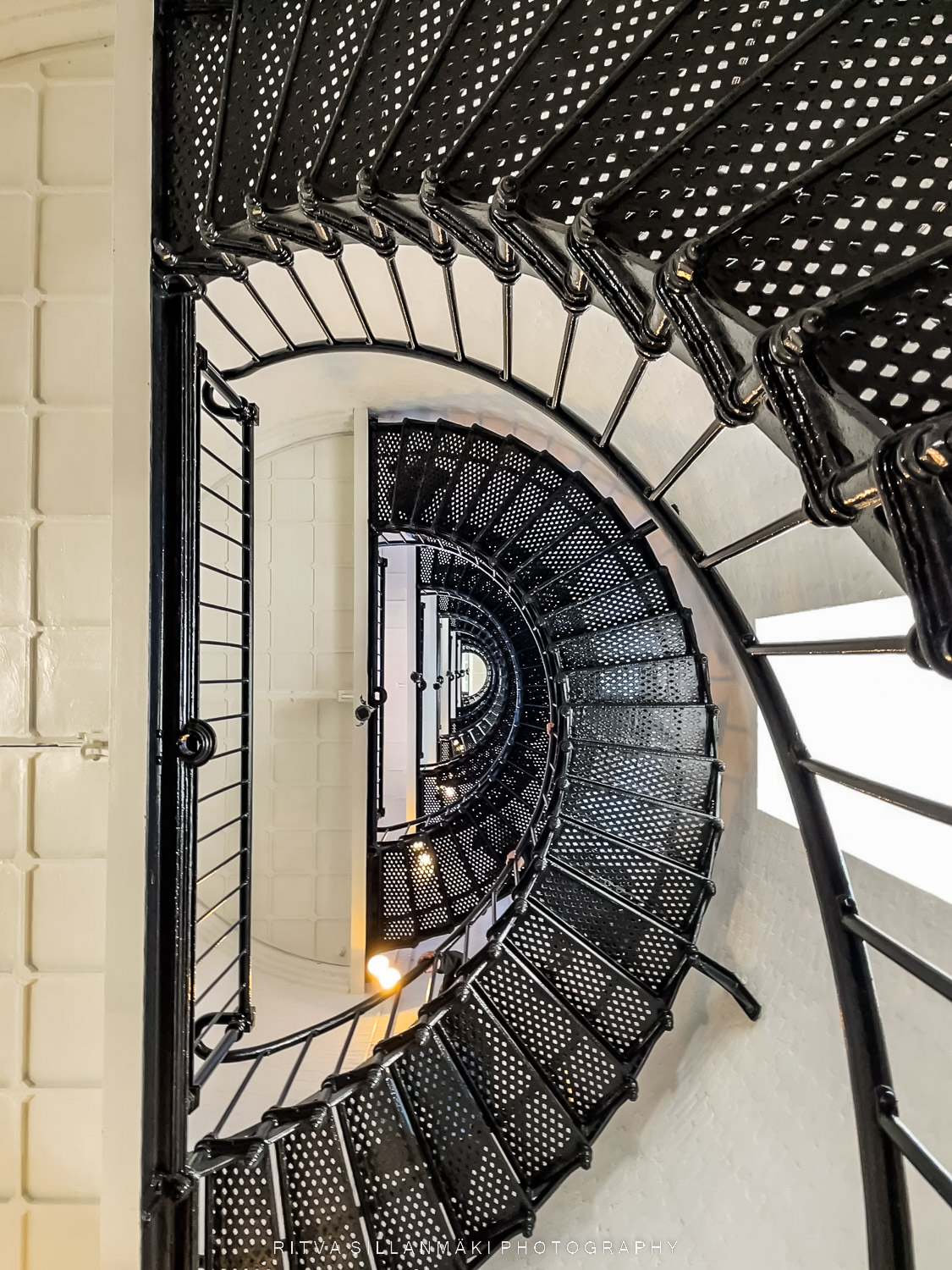
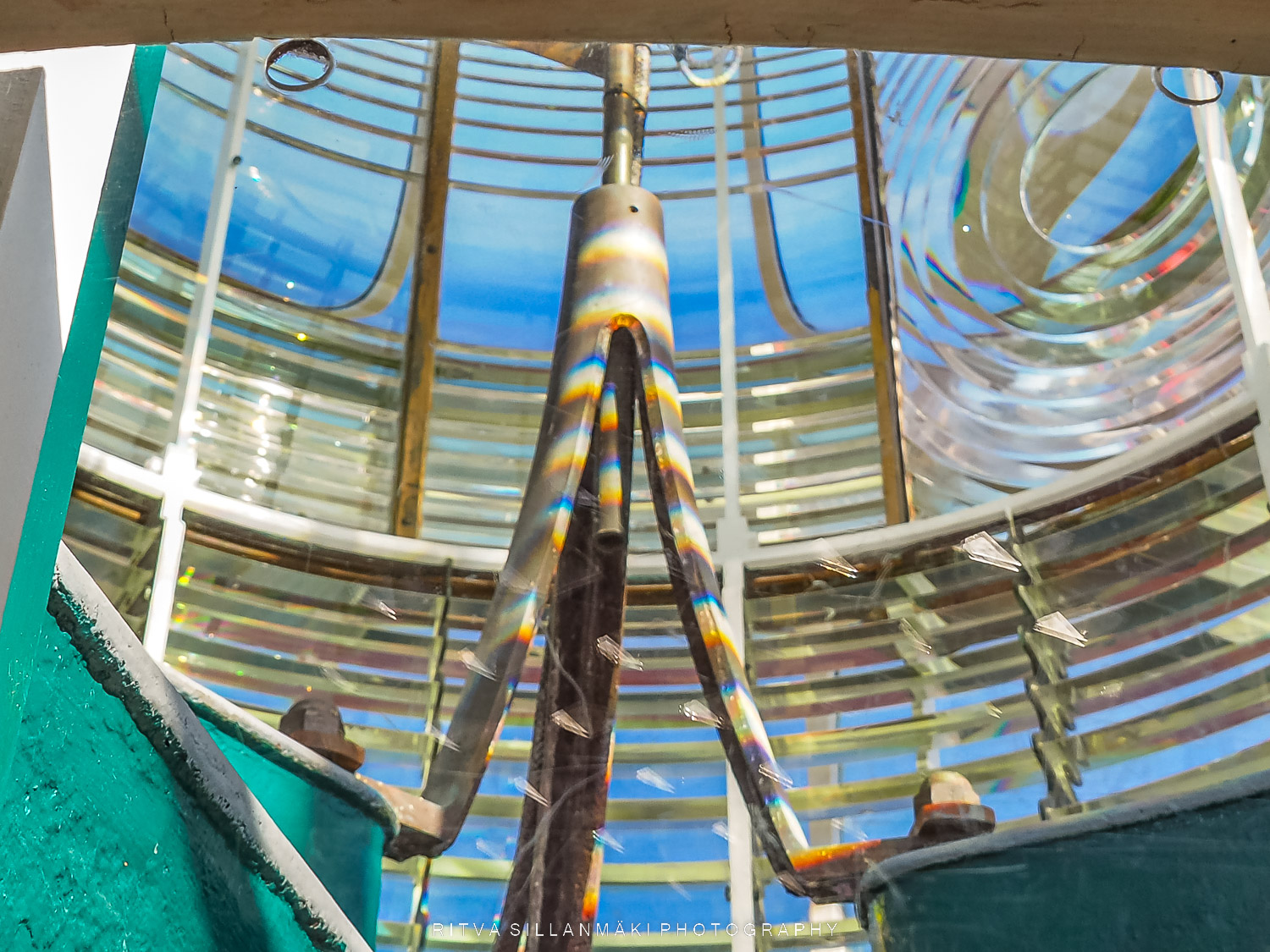
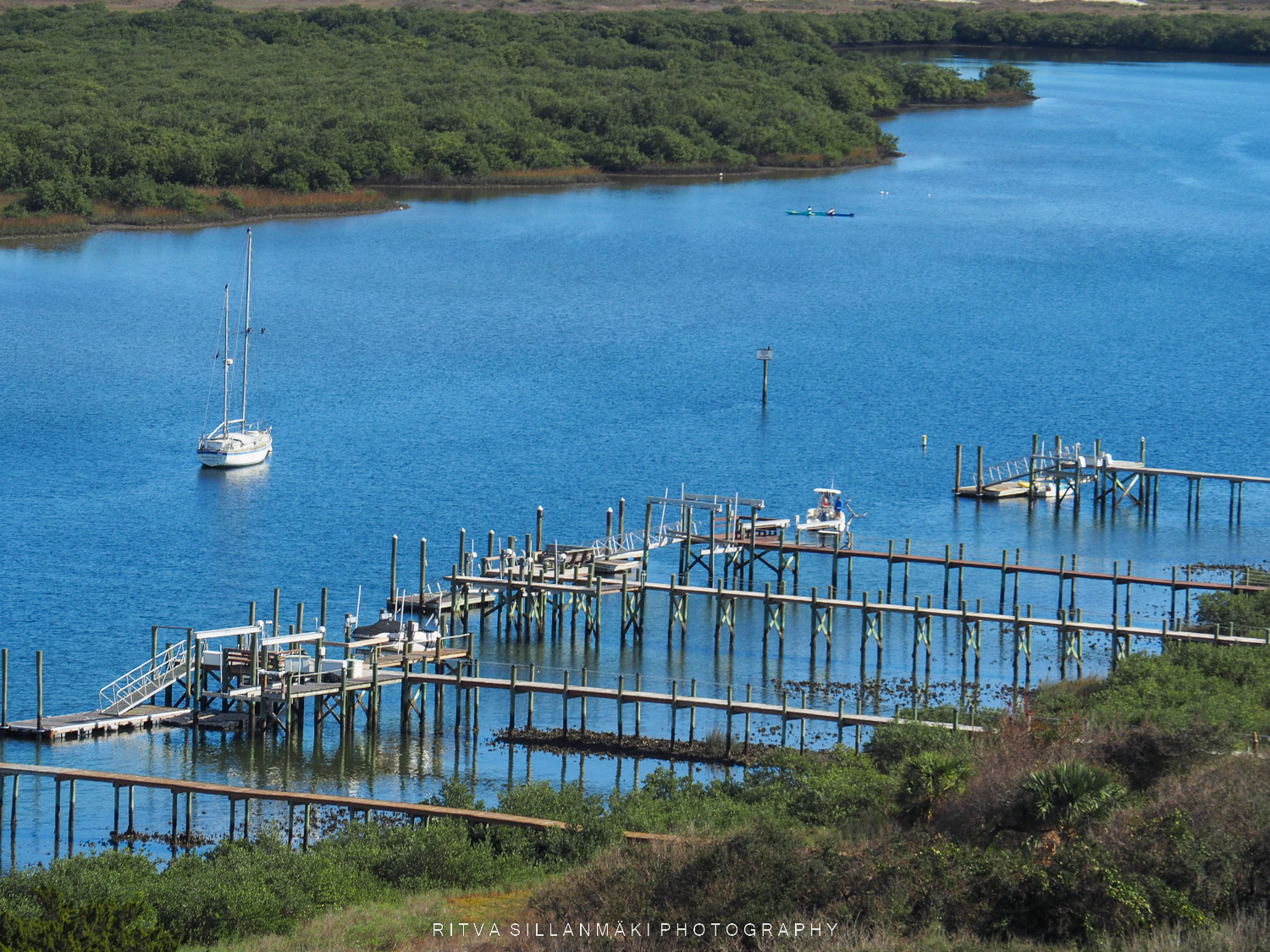
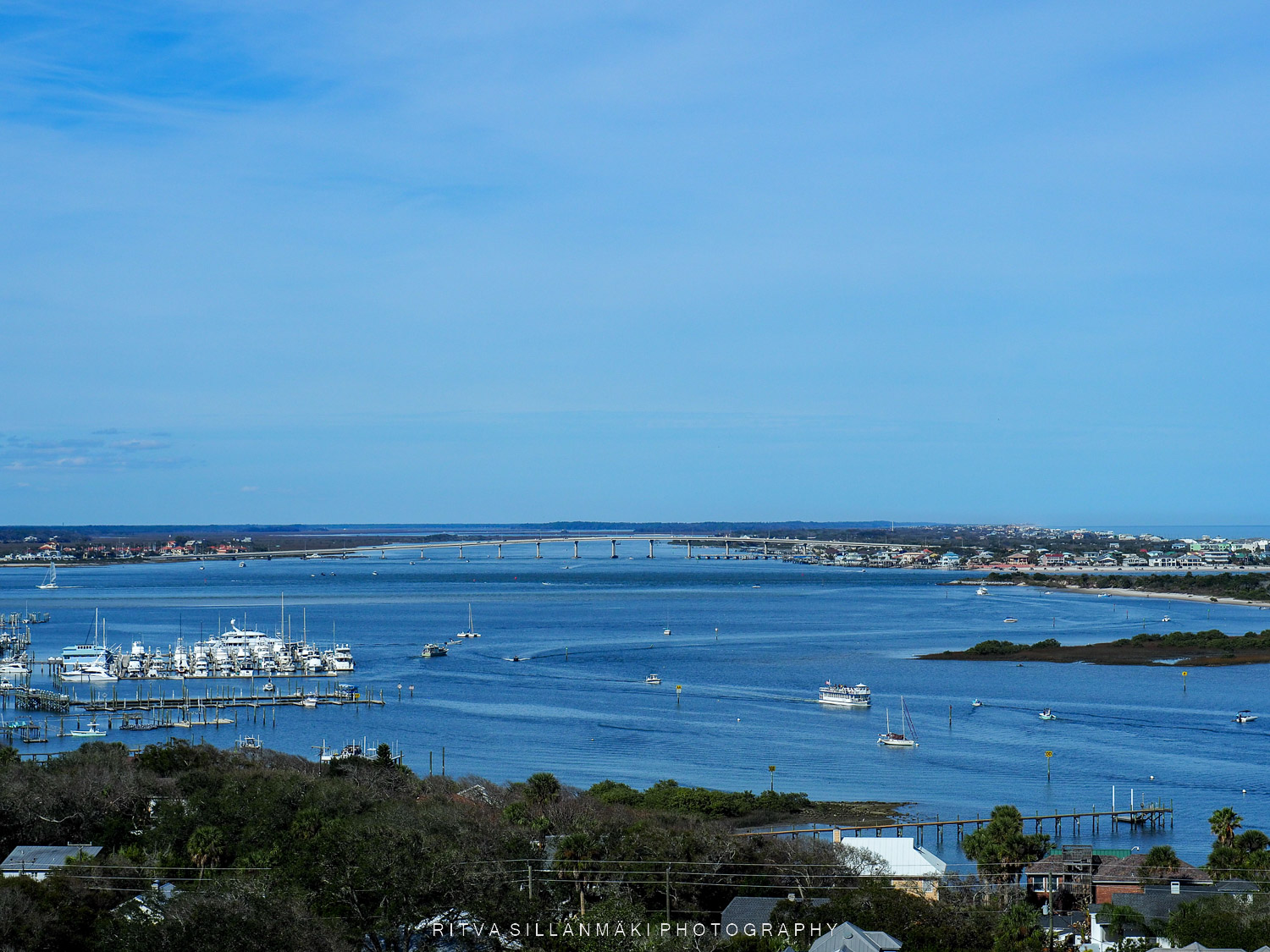
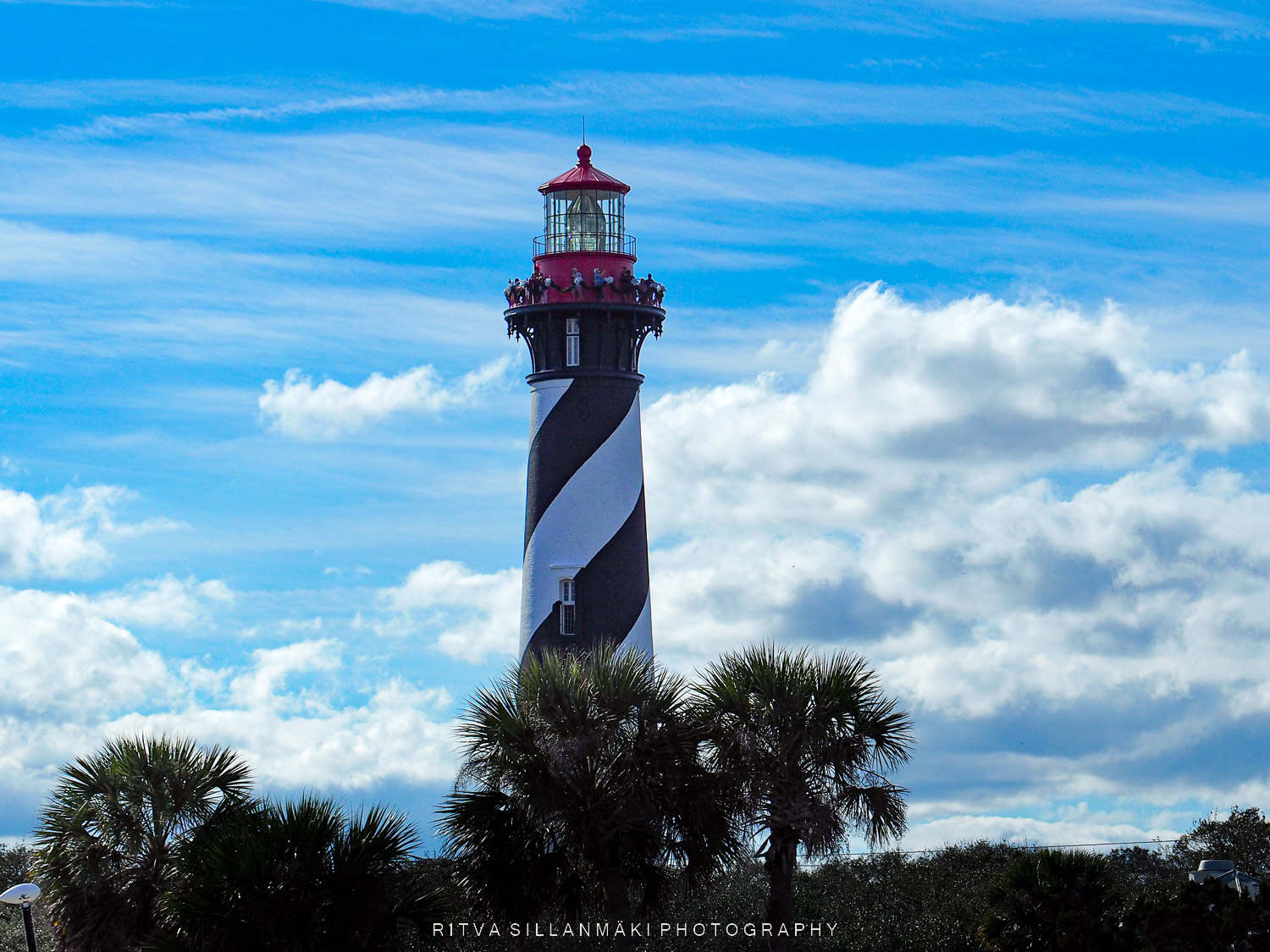
Hardly a day goes by without checking out a lighthouse. So, before going into the historic city of St.Augustine we hit the St. Augustine Lighthouse. The climb to the top was exactly 219 steps. The view was spectacular.
The first lighthouse or should we call it a watchtower was built in 1589 by the Spanish colonials. Sturdier structure replaced the wooden tower in 1737 and it was made or coquina (shell rock) and wood. The current lighthouse was finished in 1874.
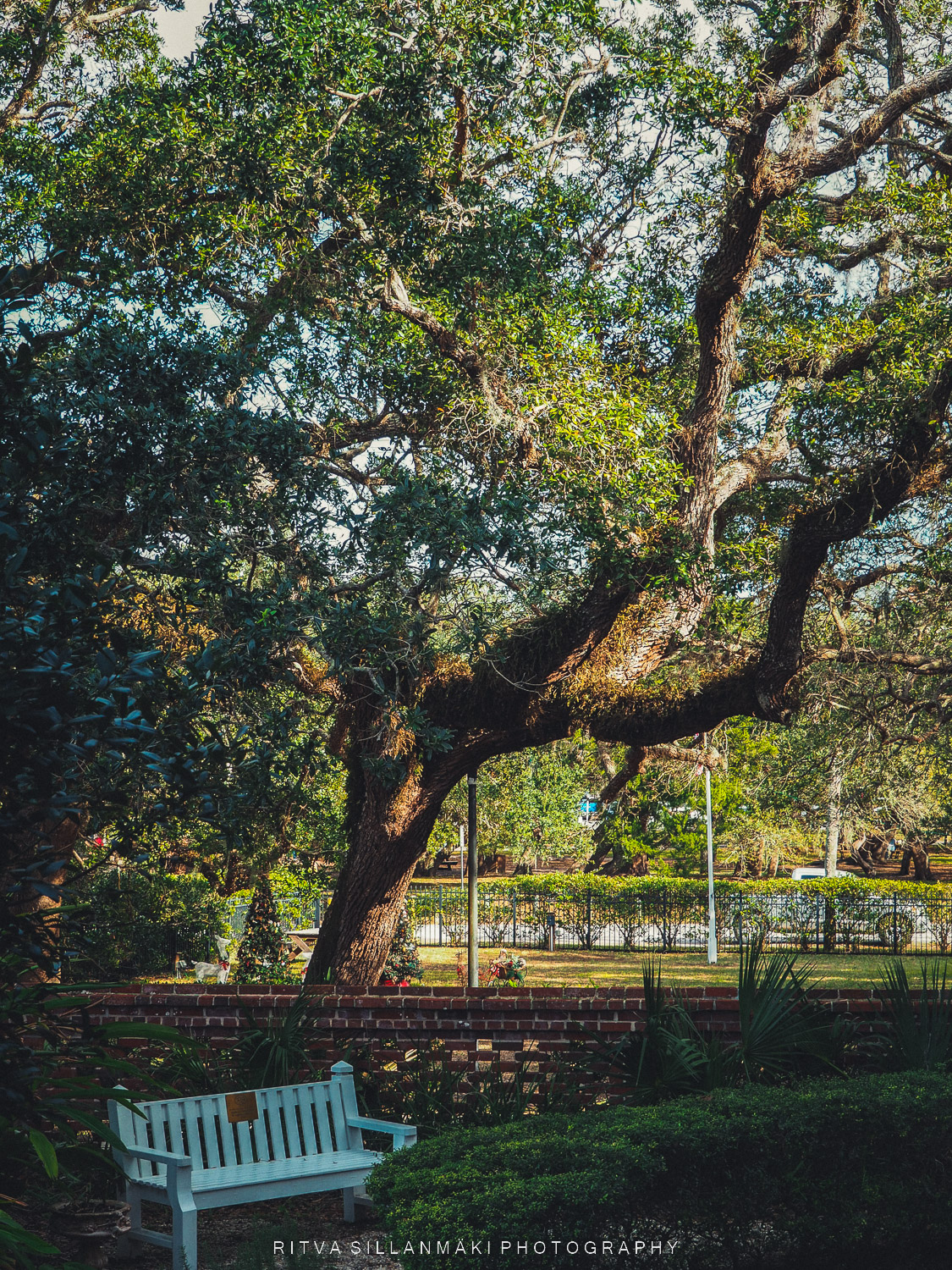
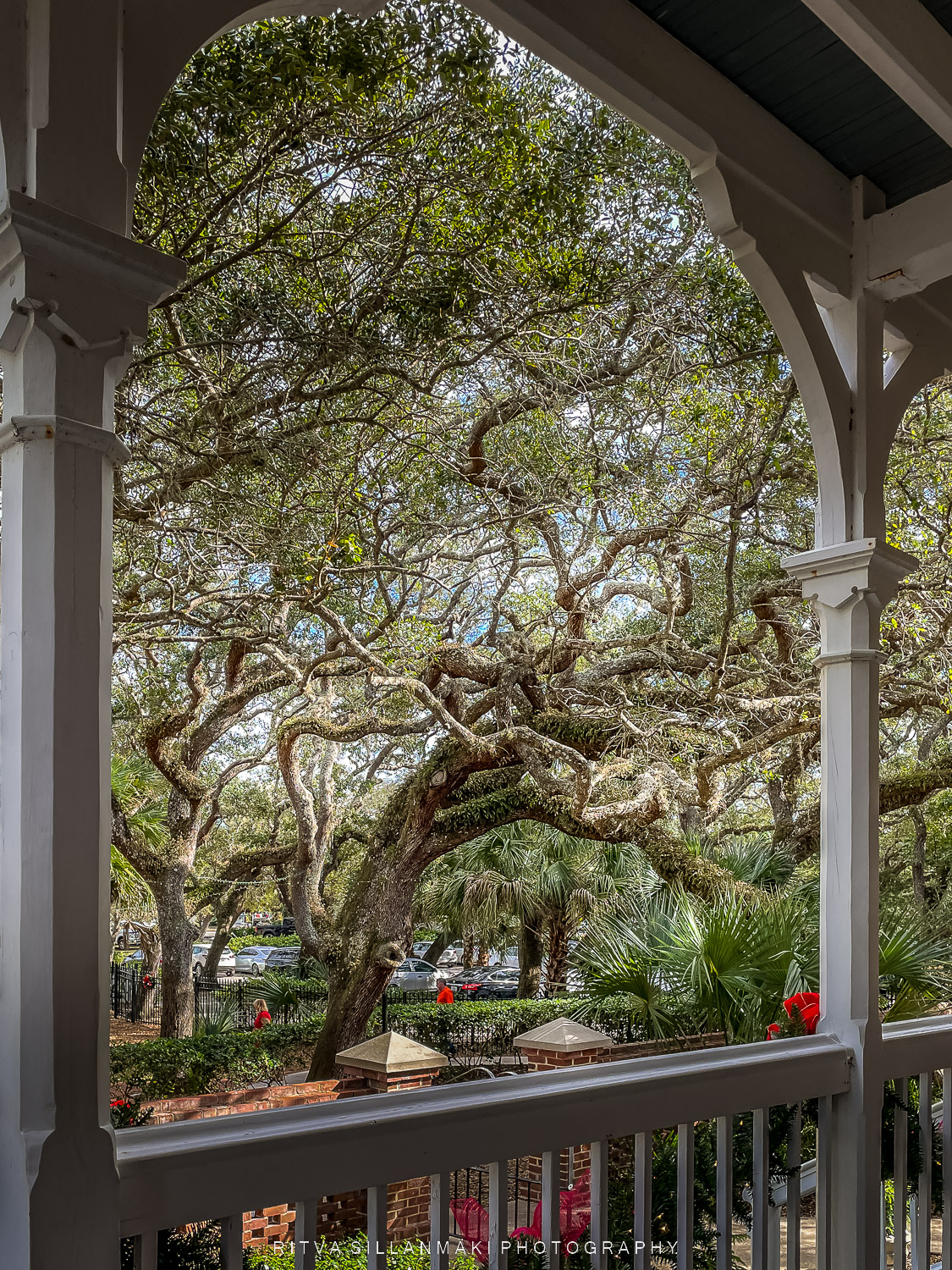
Lighthouse Keepers house was worth visiting, also, with its historic displays. It was early January so the Christmas decorations were still there, not really my thing, so they limited a bit of what I photographing as I did not want seasonal photos.
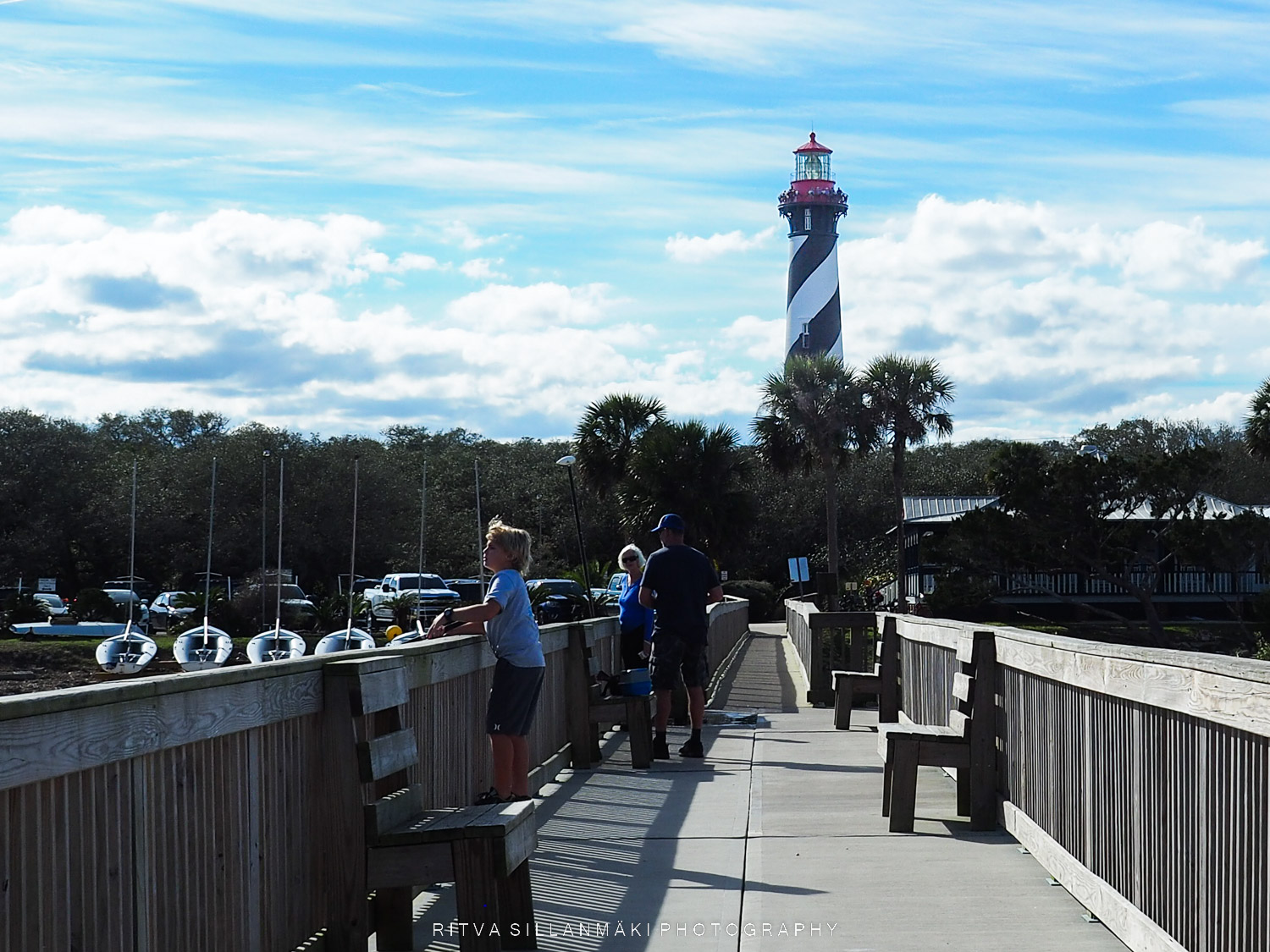
We were told that you could get the best shot of the lighthouse from the pier, unfortunately due to the backlite the shots from the pier did not turnout the best, but I understand that during an other time of the day that would have been the case.
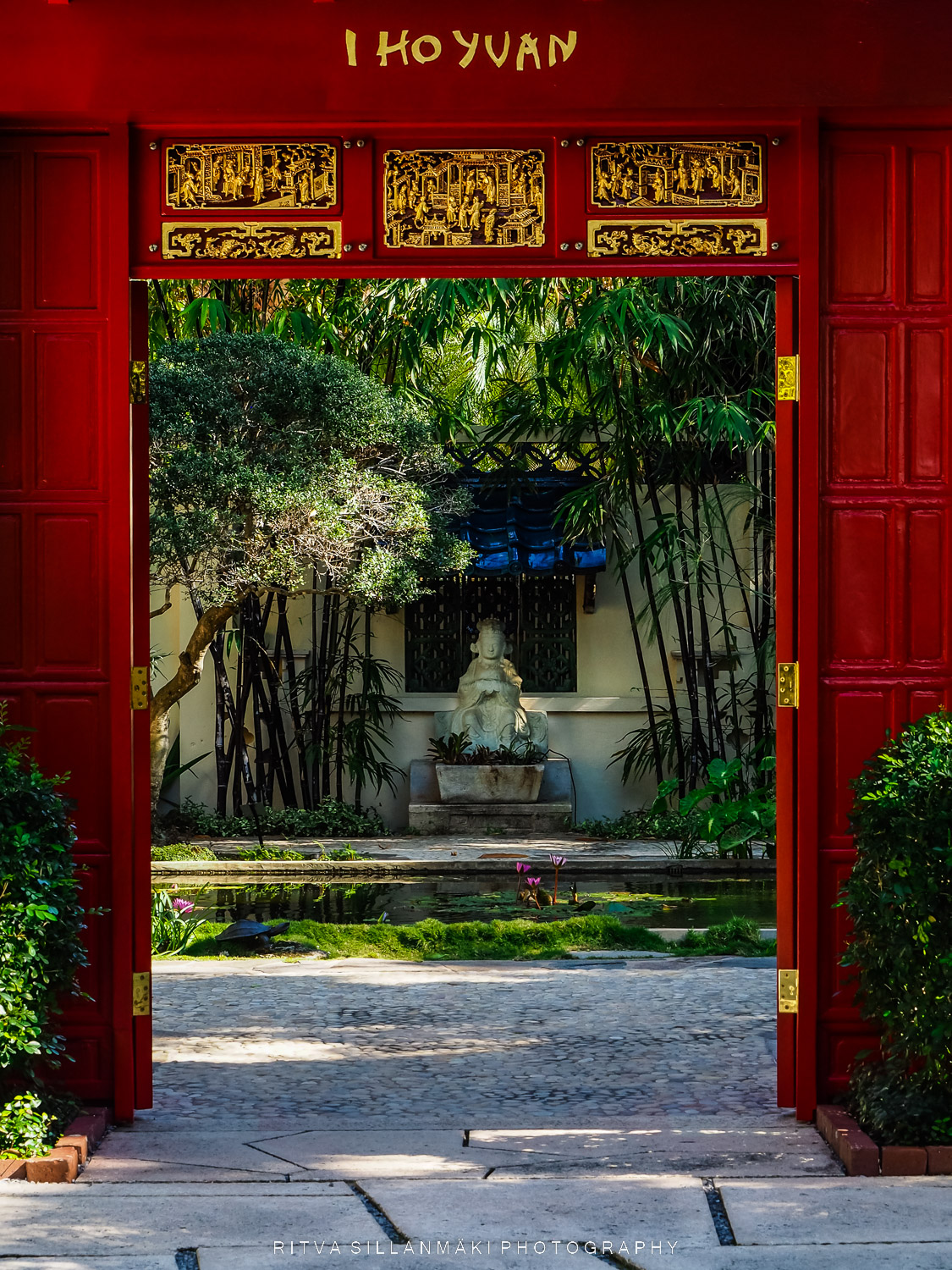
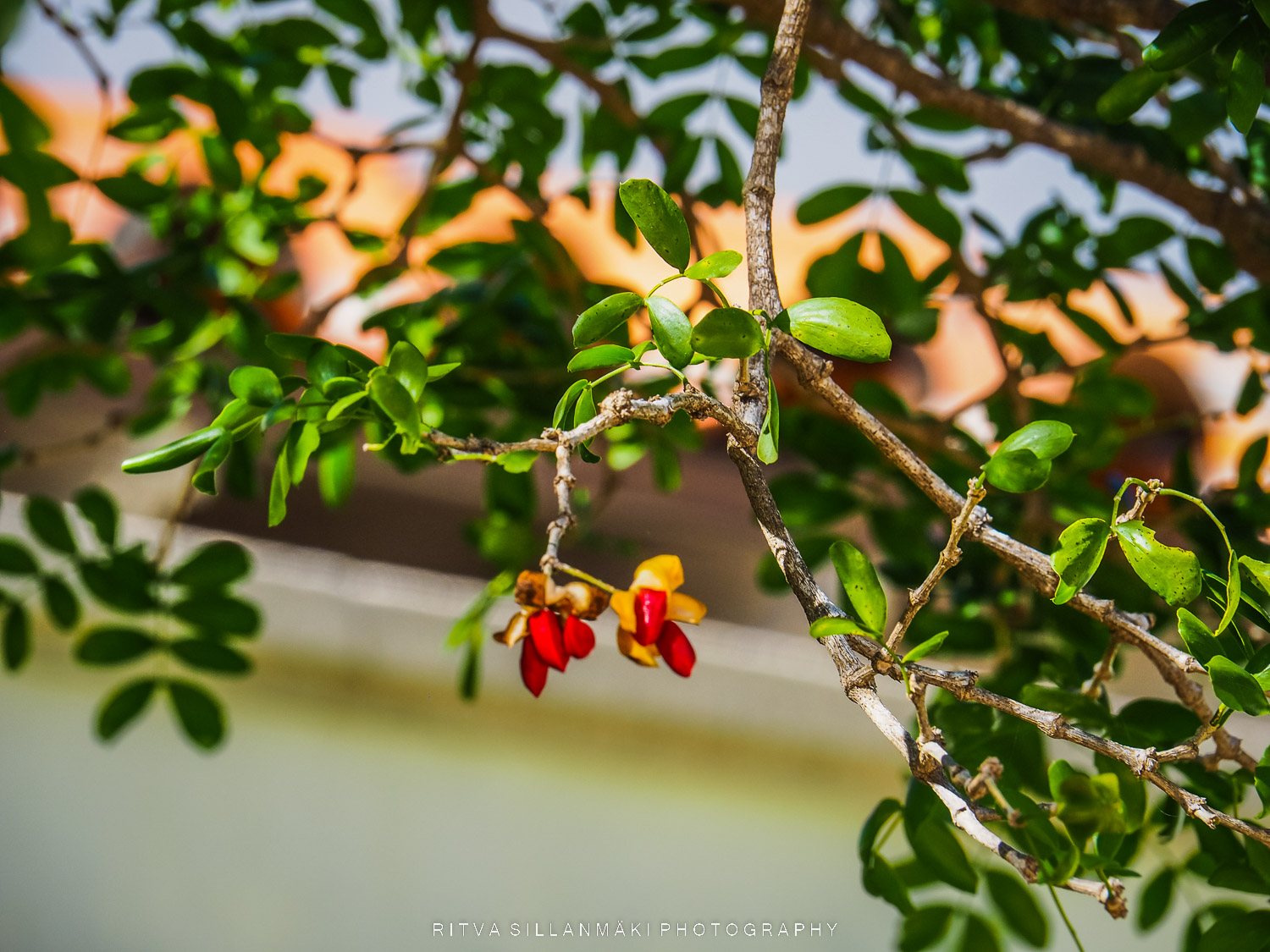
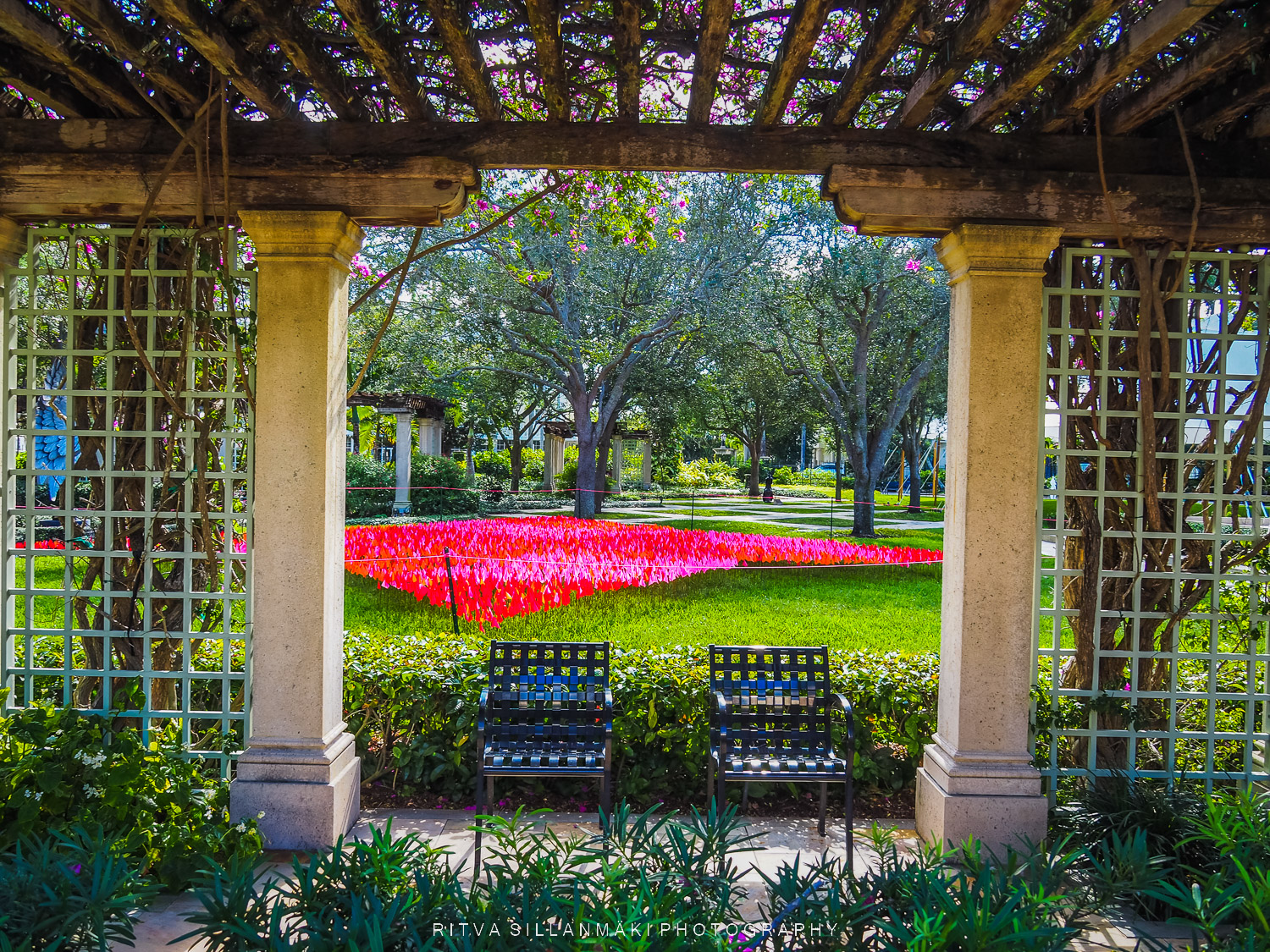
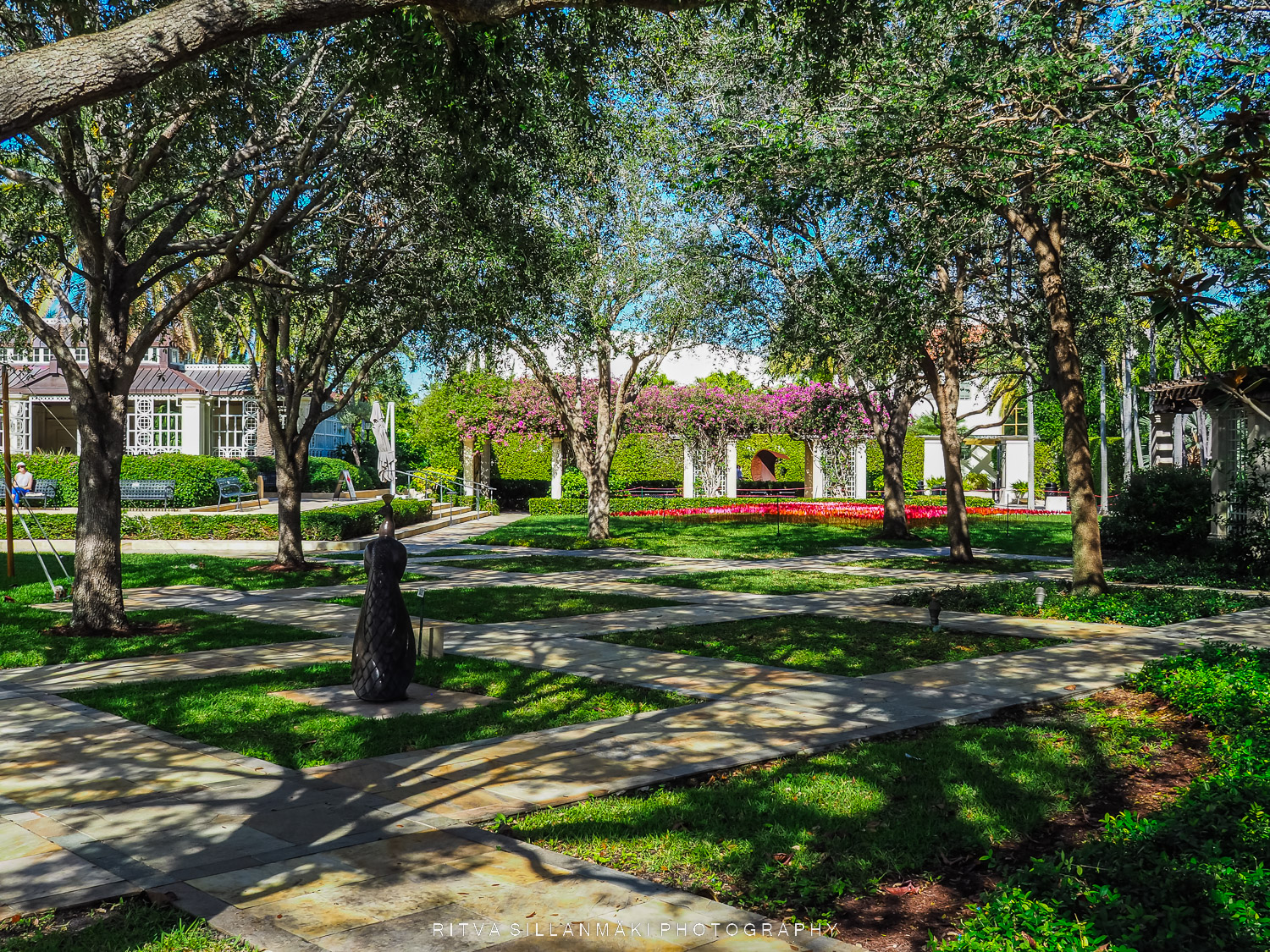
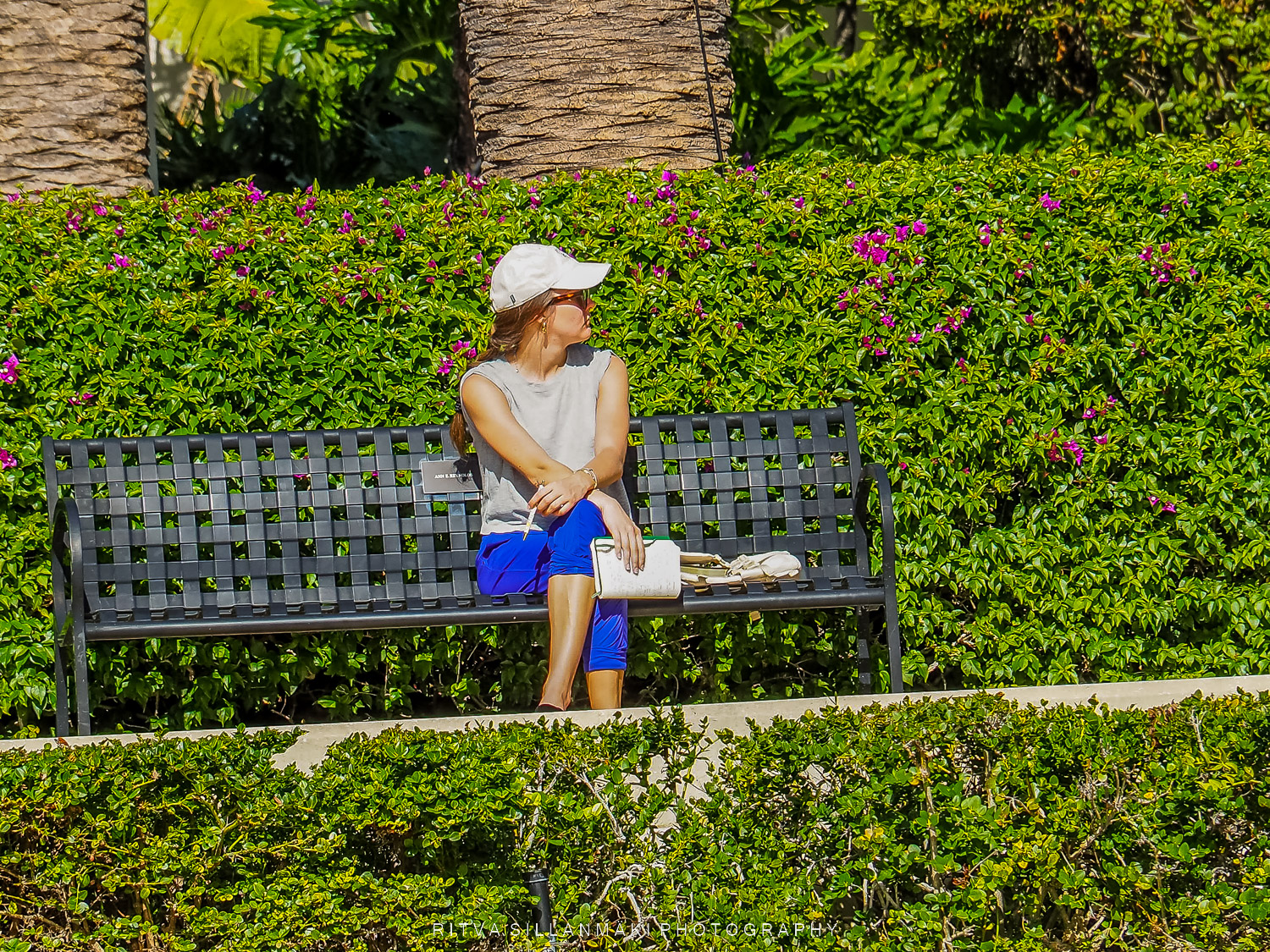
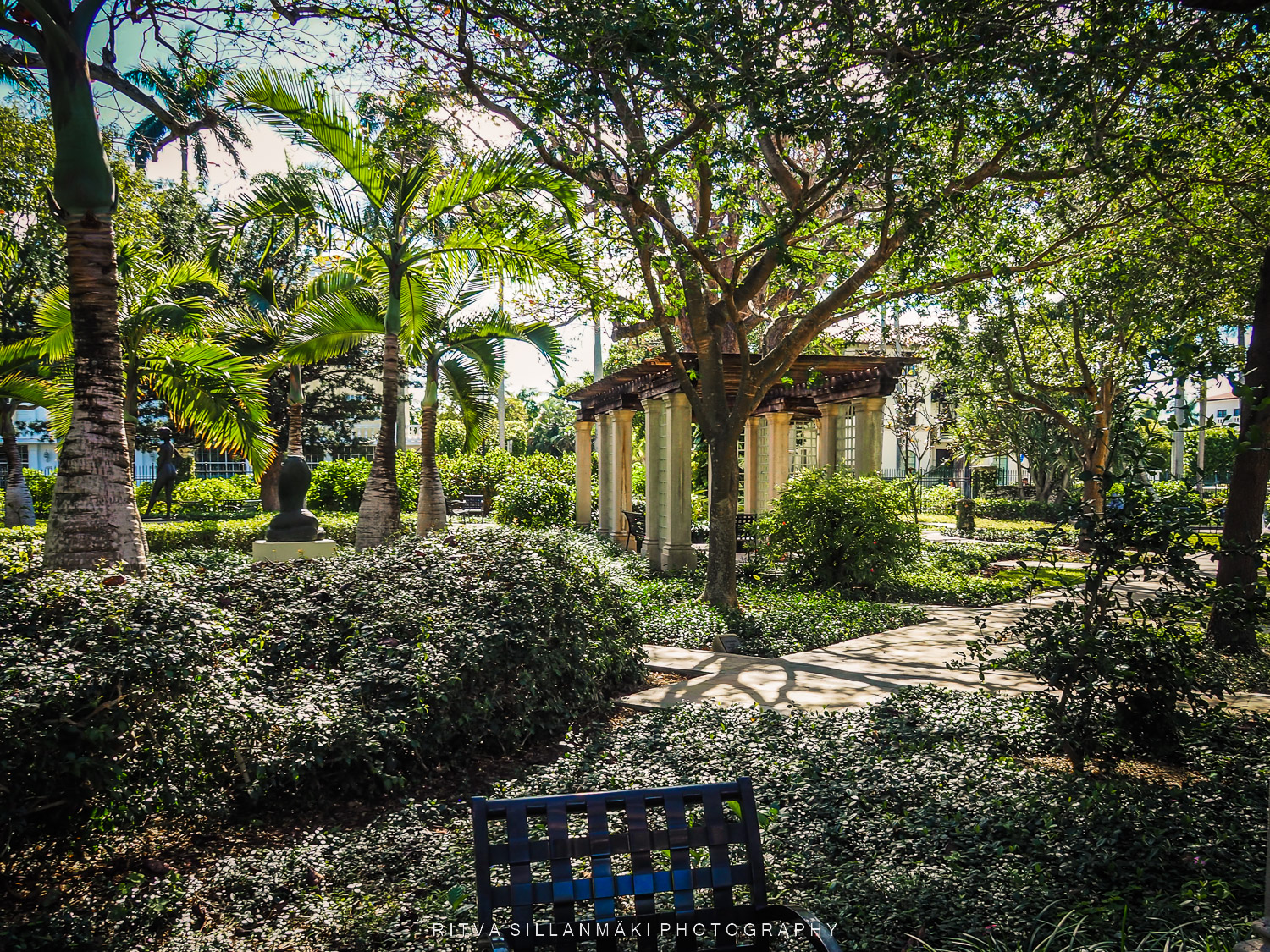
The Society of the Four Arts in Palm Beach garden, Florida. Such a lovely spot to take a break, I don’t think a really appreciated all the different gardens- or to be honest noticed them, but it was a lovely spot to visit. See some art. There were several people there reading, stretching and drawing and just sitting in the shadows of the pergolas
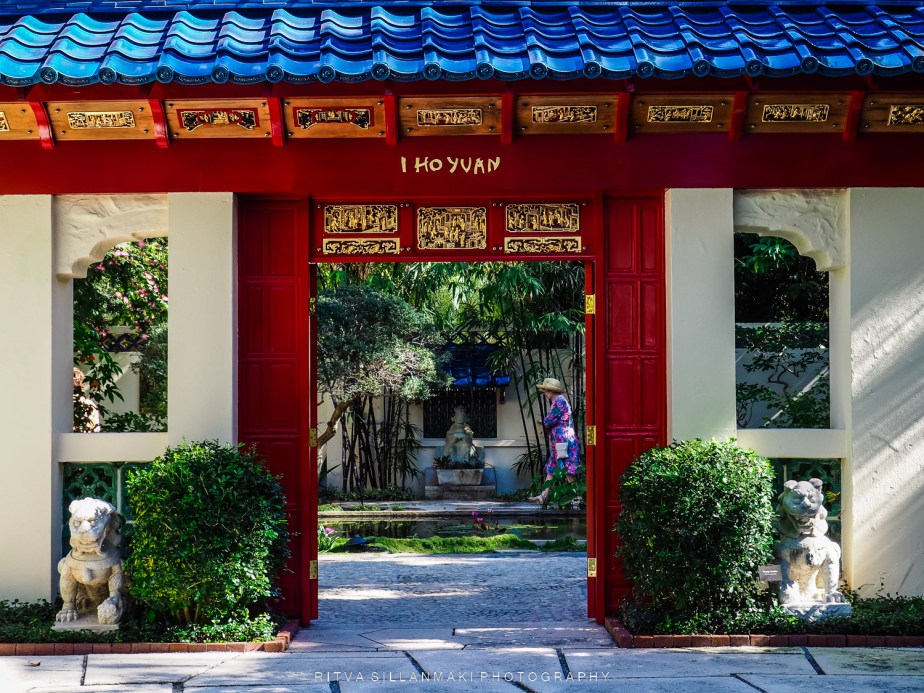
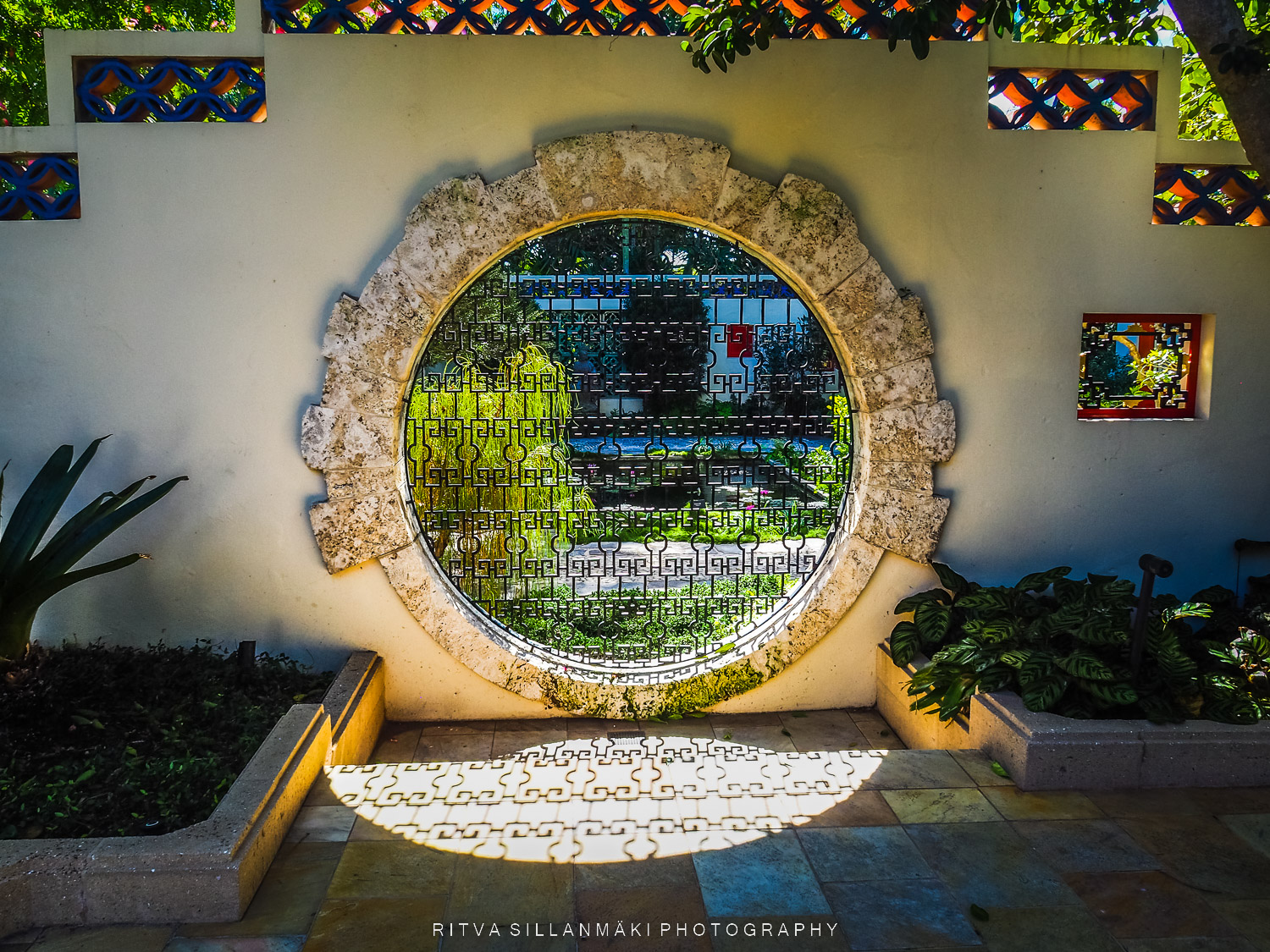
.Originally designed in 1938, the Botanical Gardens are demonstration gardens that educate residents and visitors about the diversity of plants that thrive in South Florida’s climate. The gardens are divided into themed spaces that reflect popular architectural and planting styles in the area: Chinese Garden, Fragrant Moonlight Garden, Palm Garden, Bromeliad Garden, Jungle Garden, Spanish Facade Garden, Formal Garden, Tropical Garden, and Madonna Garden.
My favorite was the Chinese garden and I found the statues and art to be lovely.
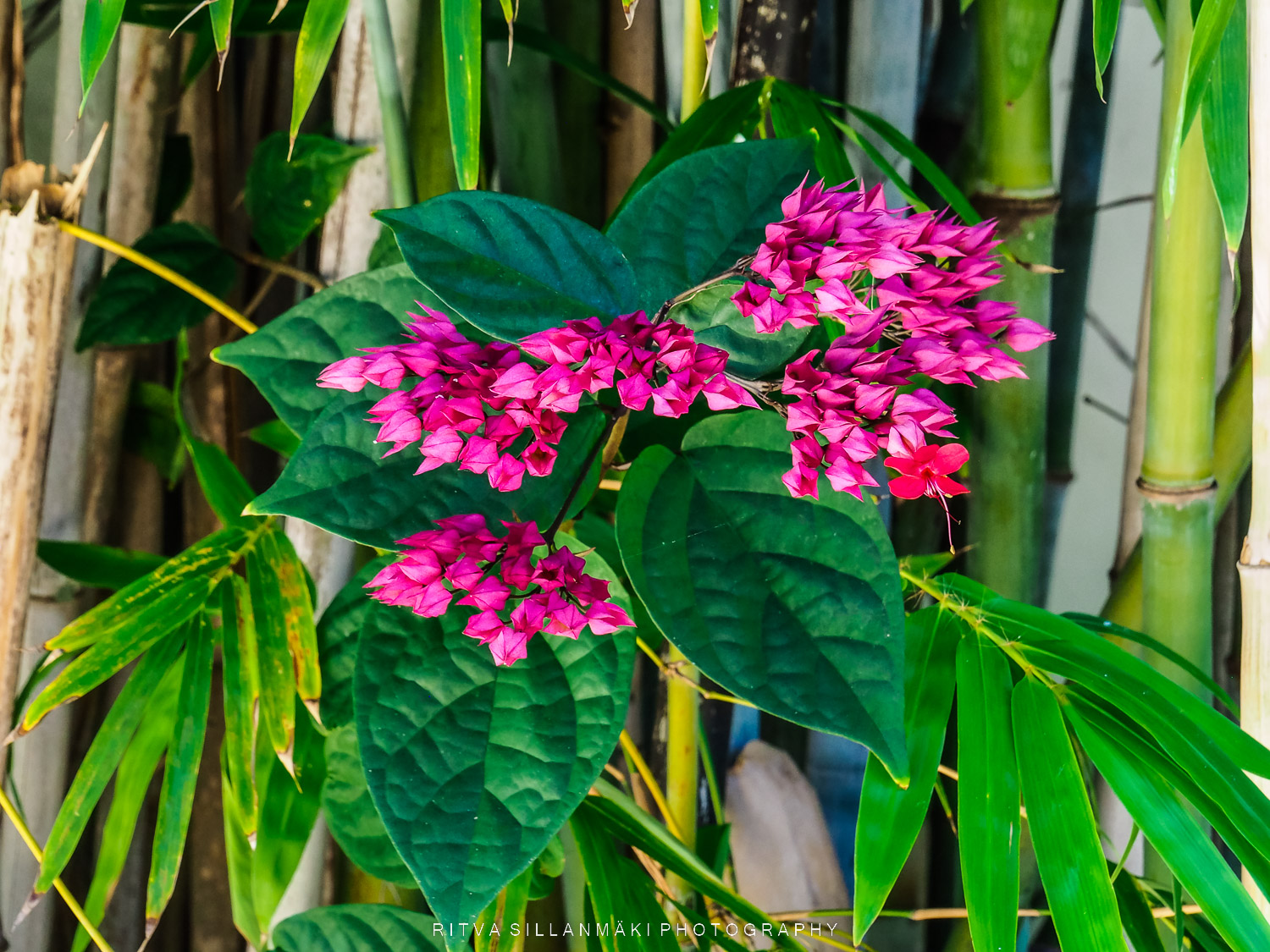
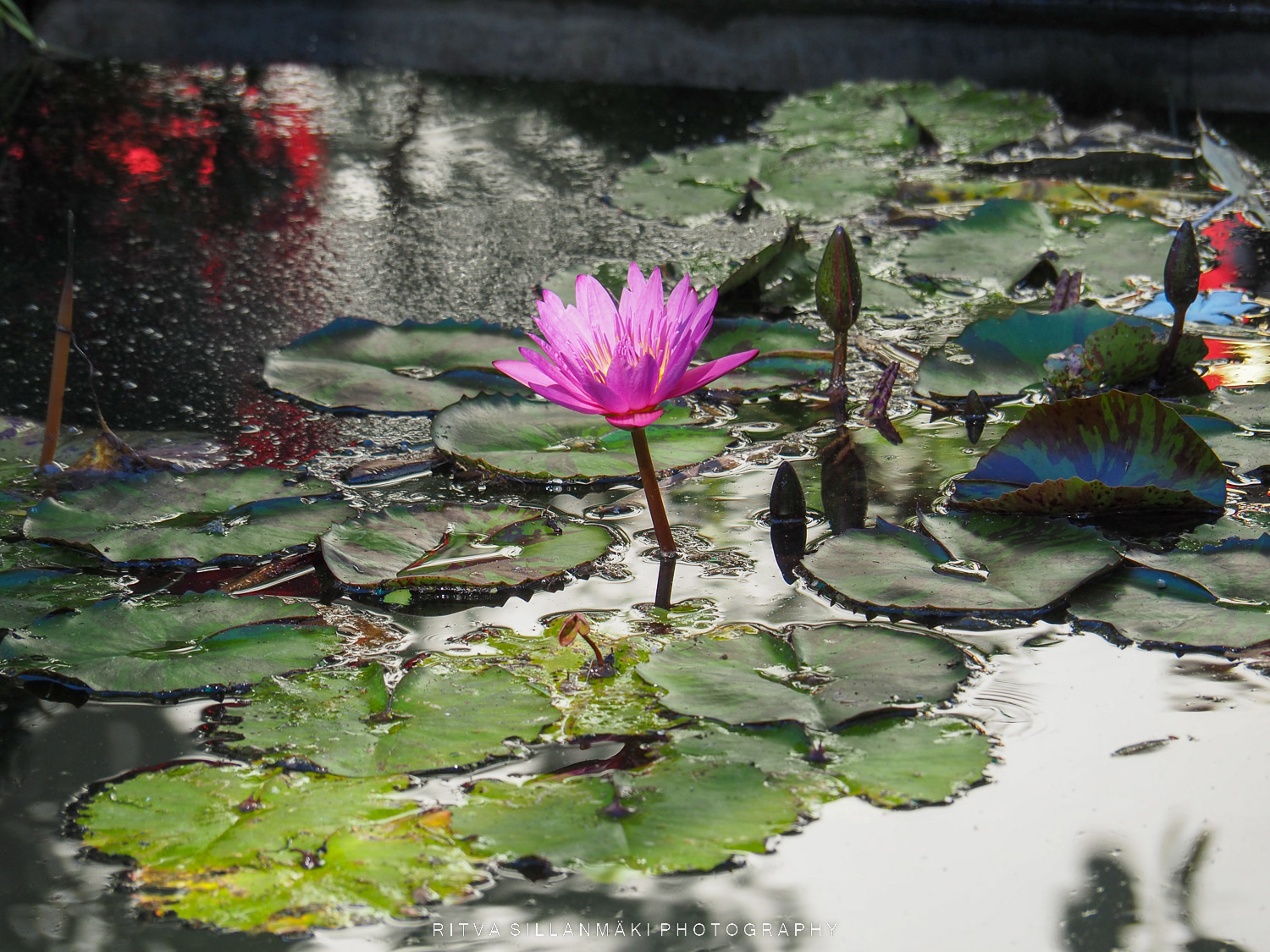
The different areas of the garden were lovely also even if it was winter.
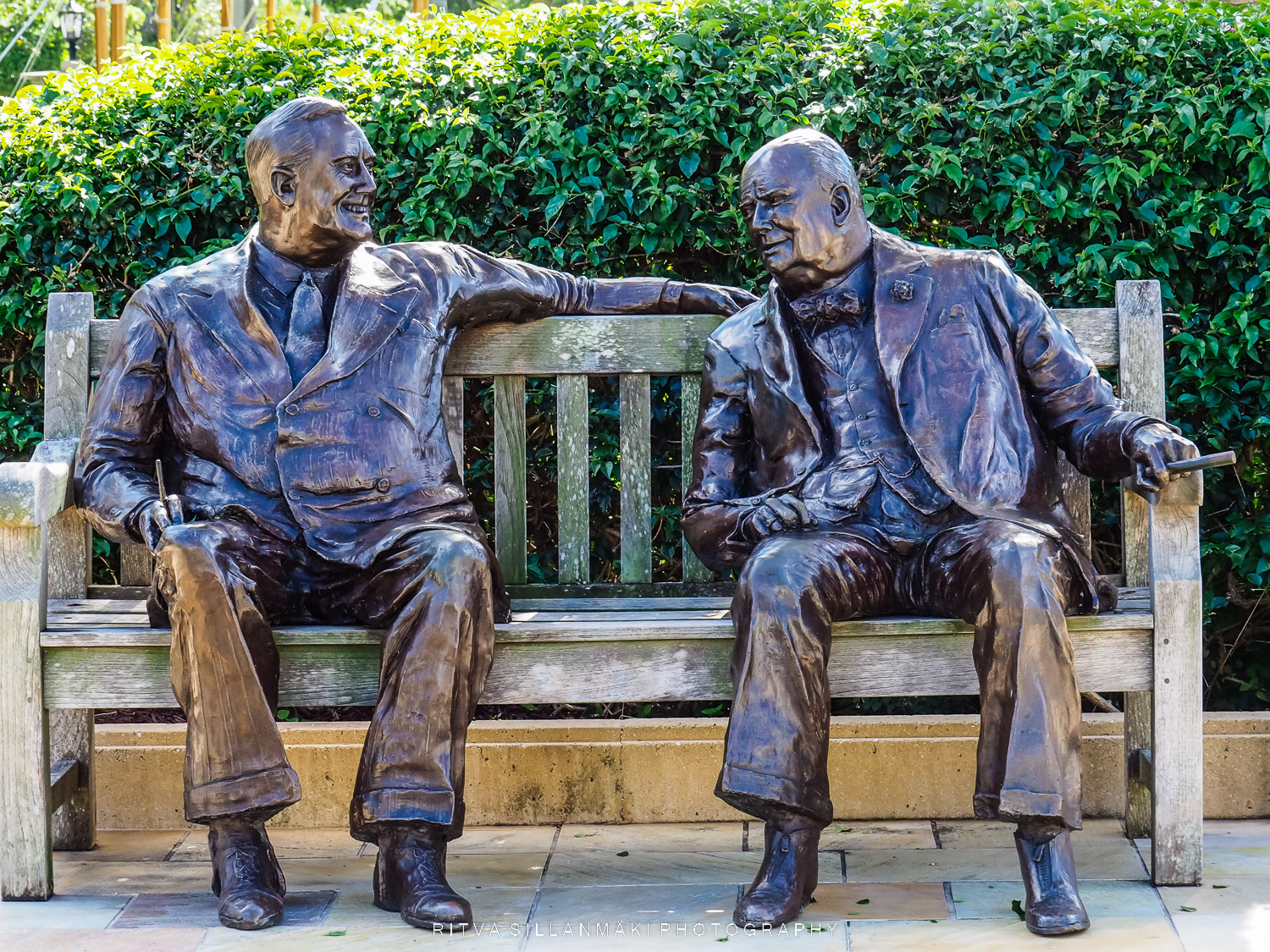
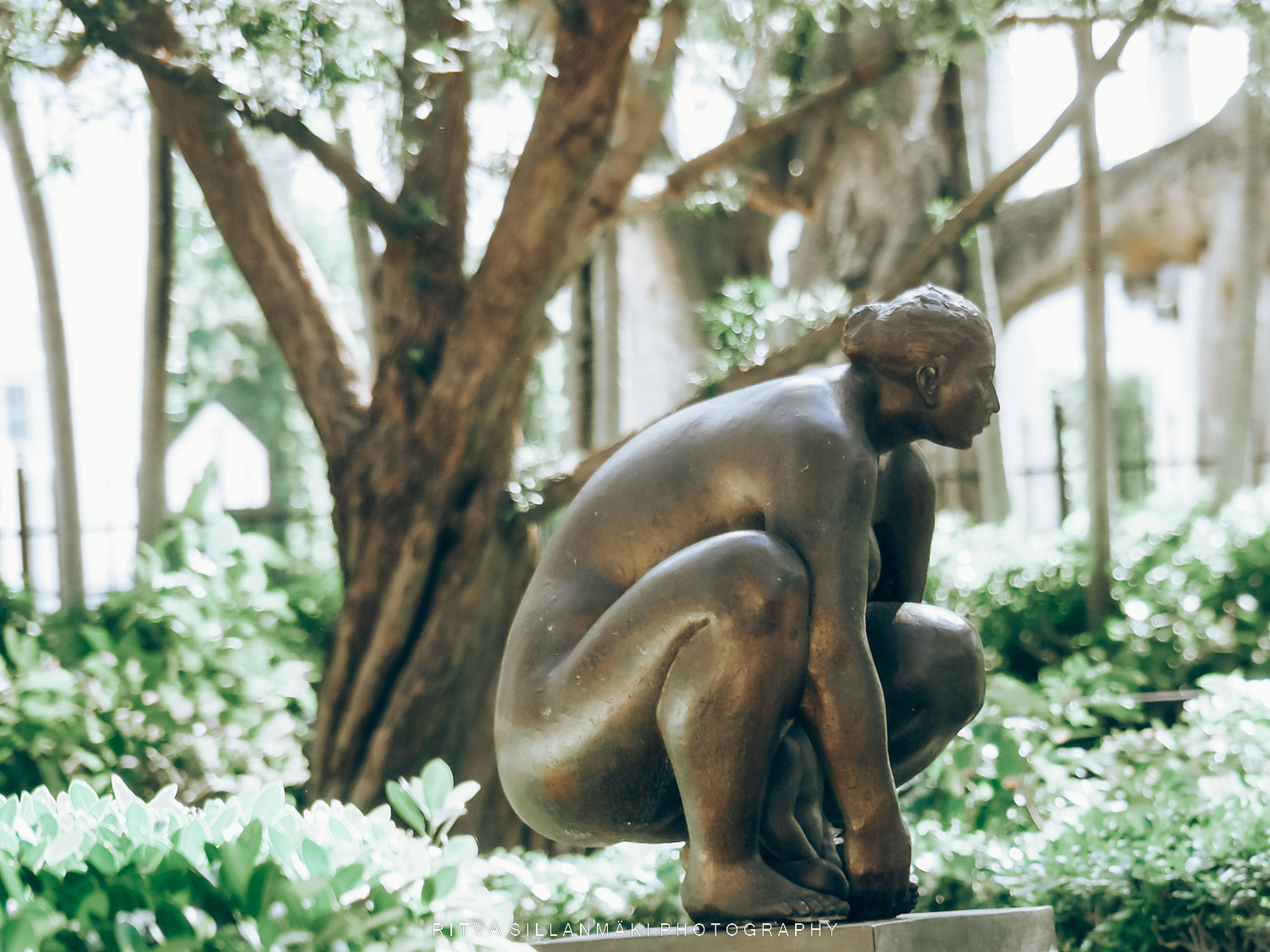
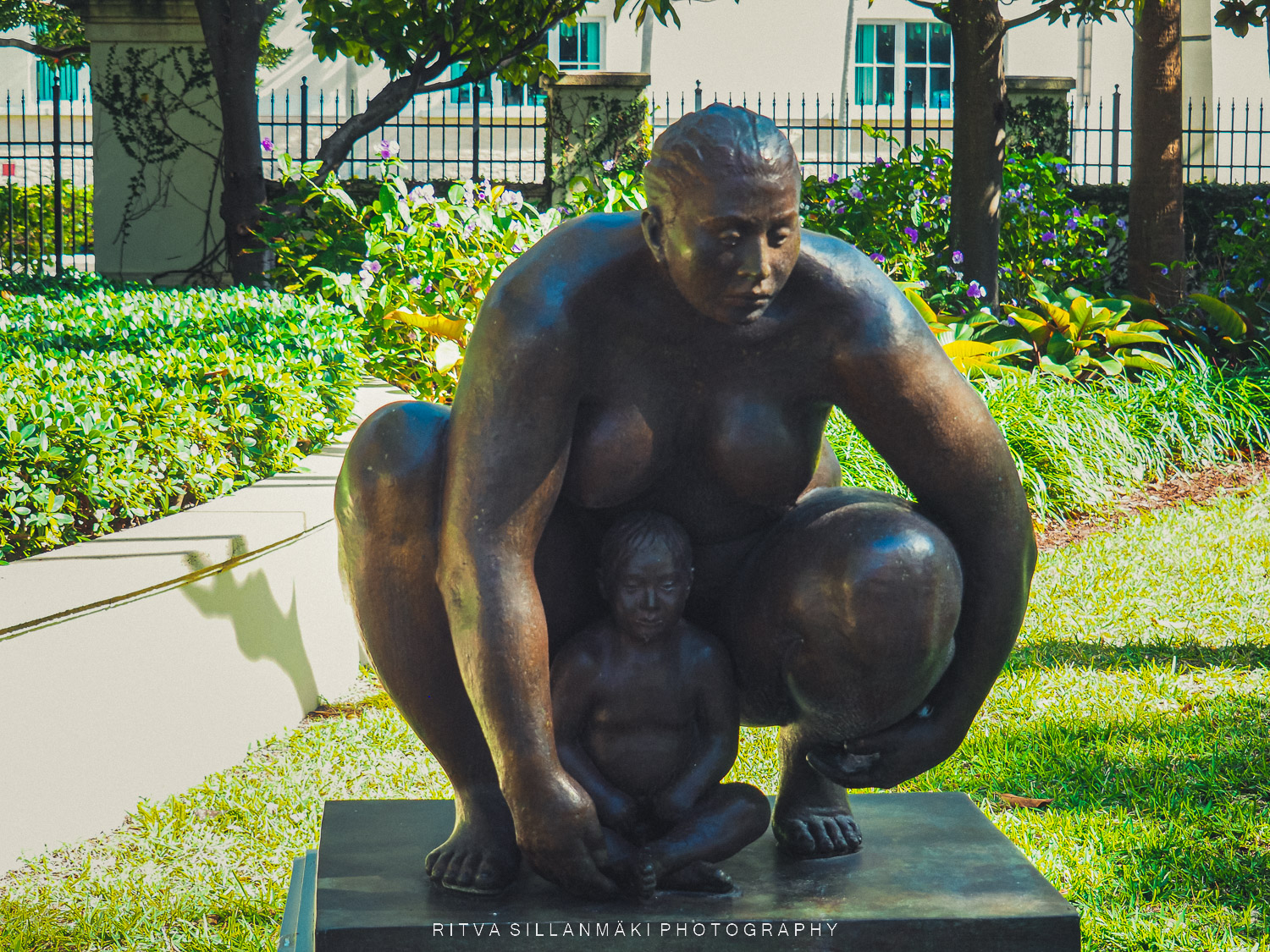
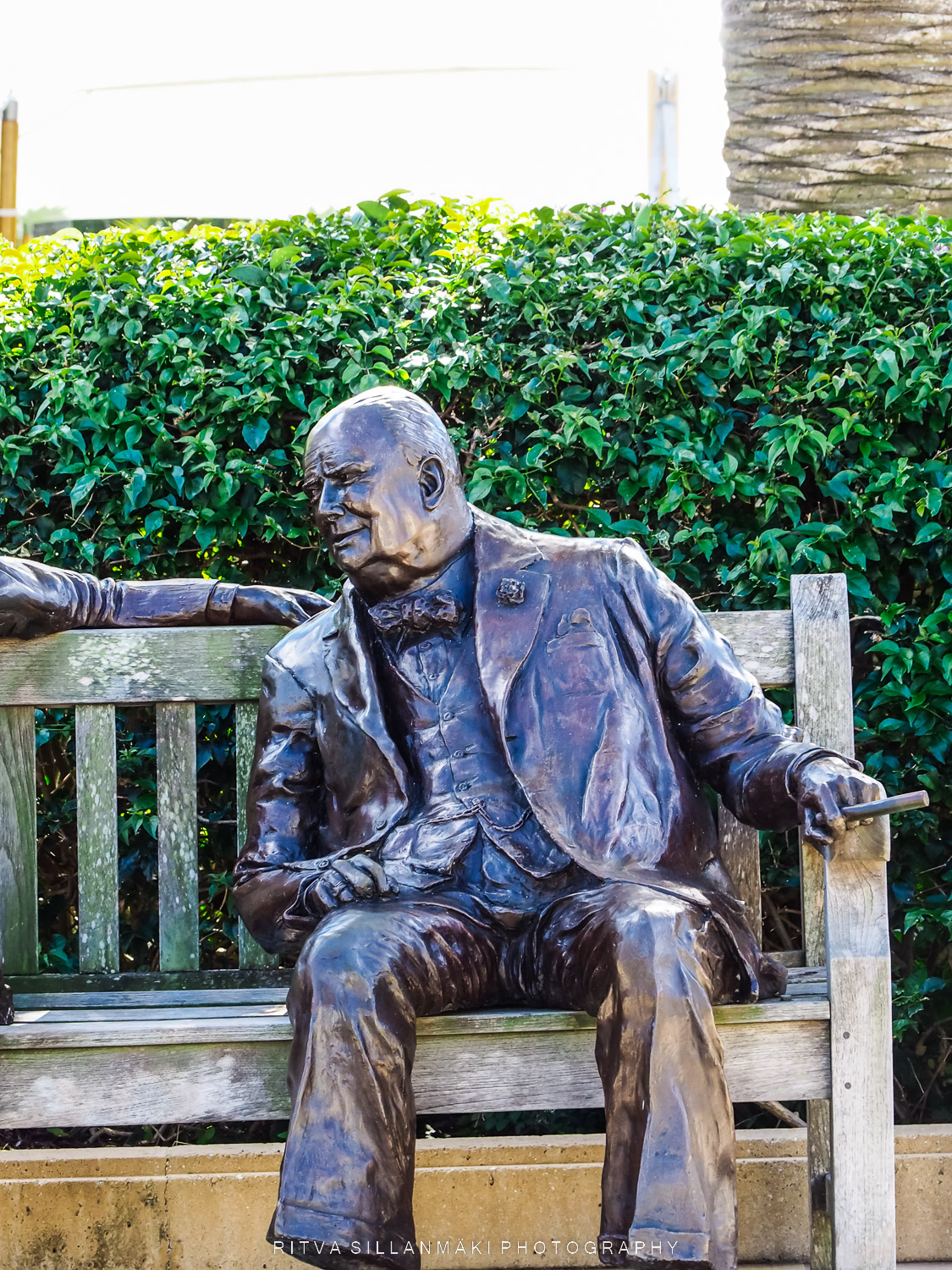
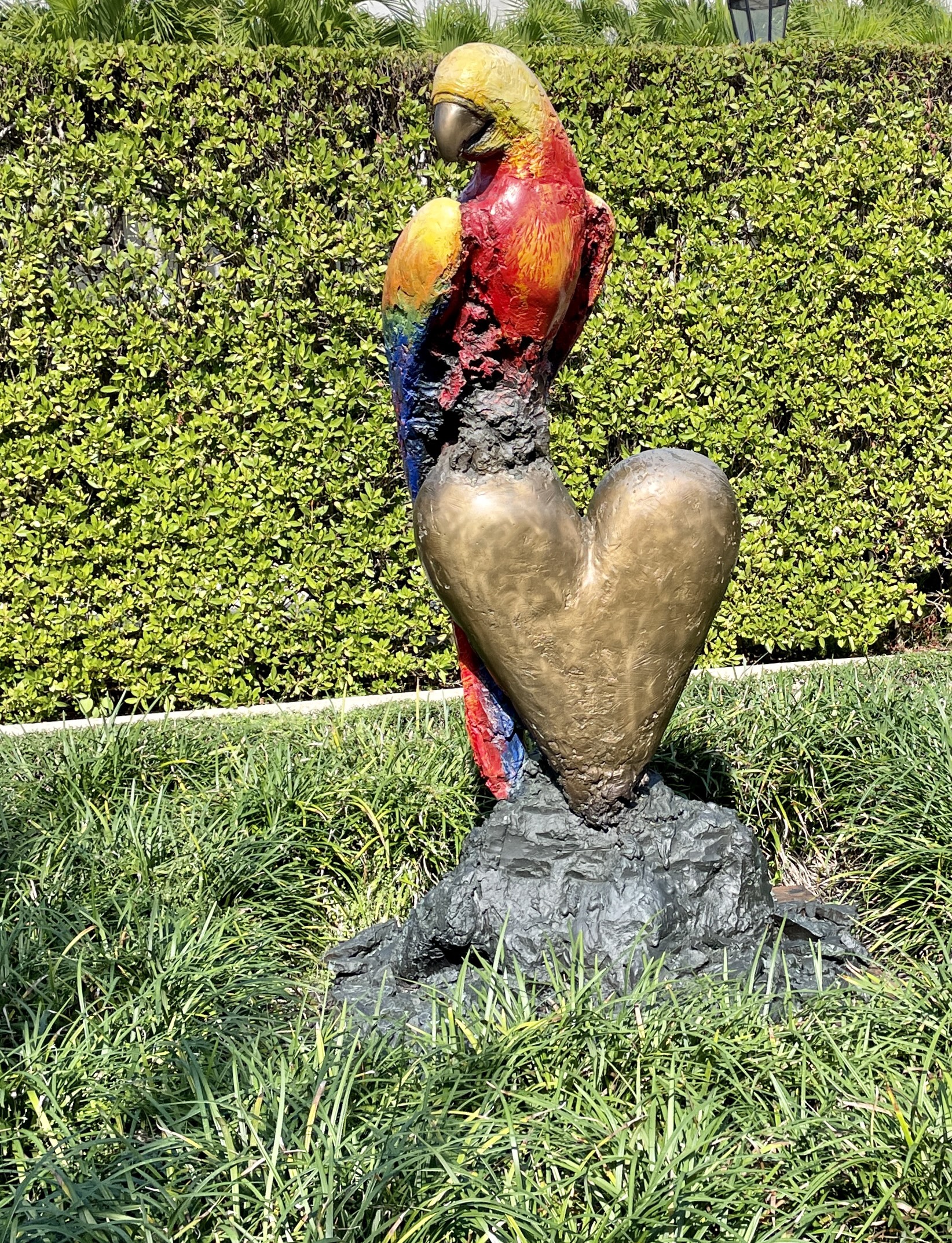
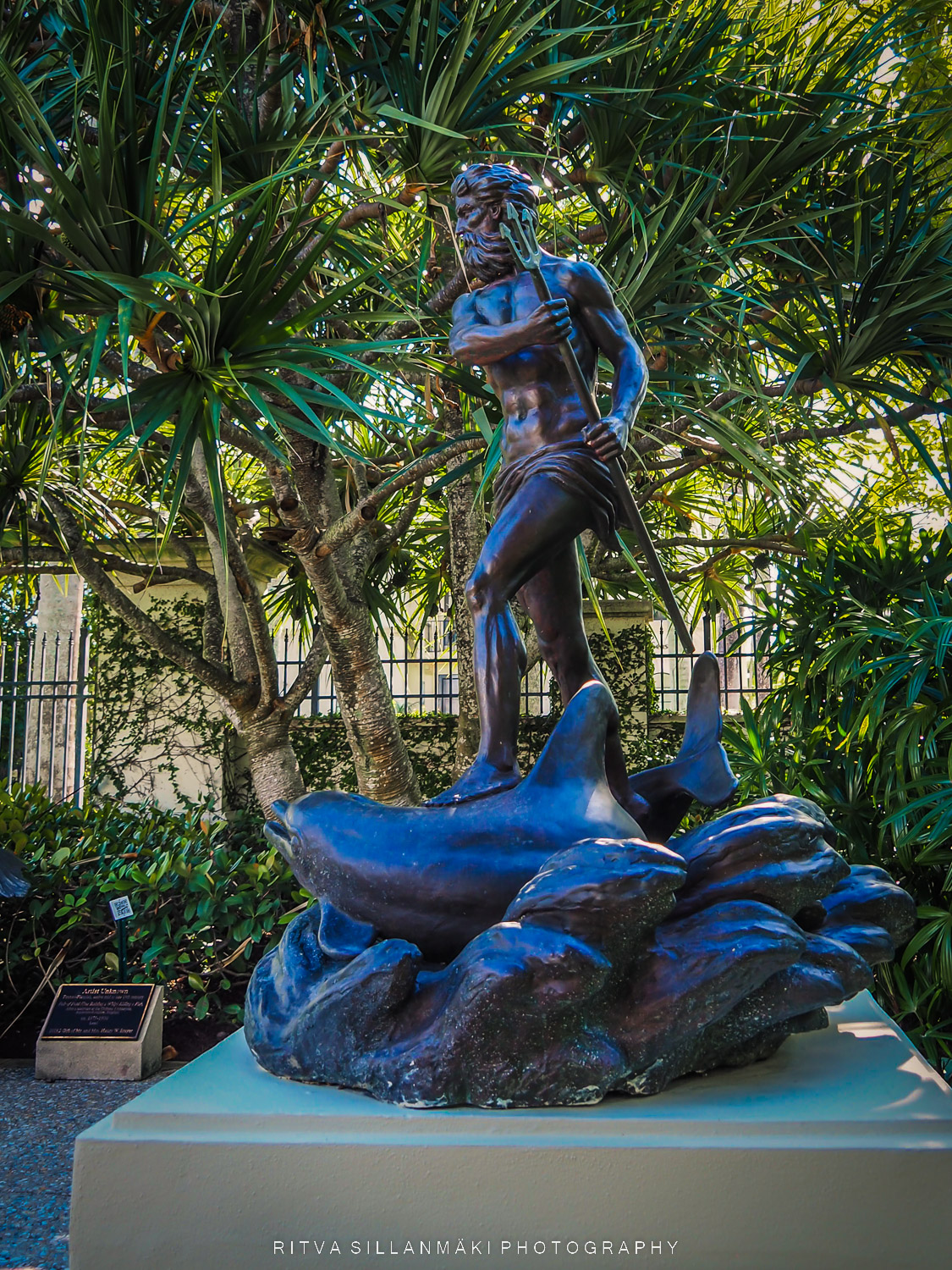
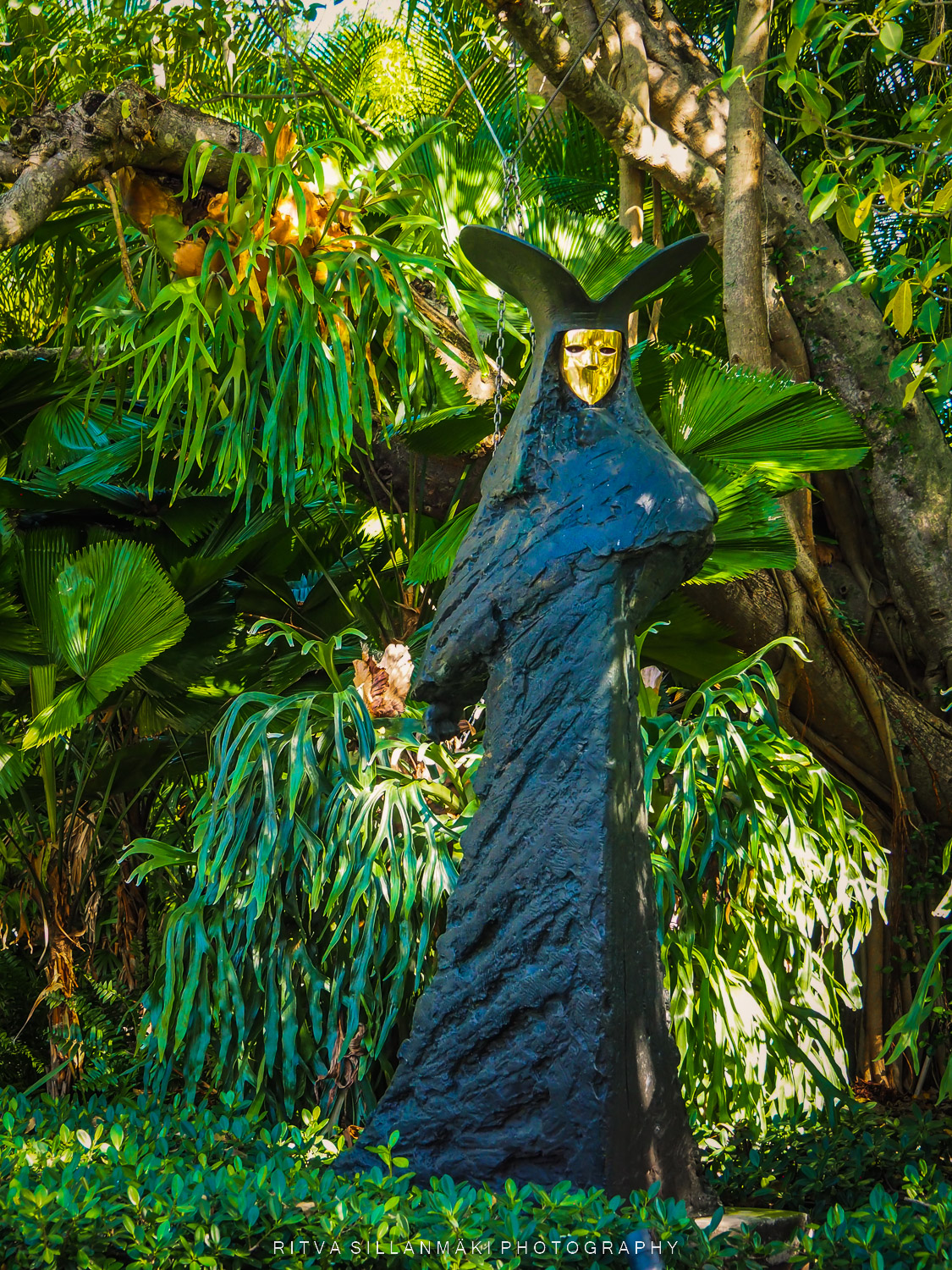
There were several statues in the garden I took photos of some of them.
Donna Wrote; To some, photography is formal, with clear and concise messages. Others want you to feel the photos, and take away impressions from what you see. At the end of the day, it is always our story, driven by our character and passions, that we showcase.
As I’ve stated before I am not a very technical photographer, more into composition, mood. I do my magic on the edit table mostly, if you can call it magic, more like my interpretation of places and people. I am also not one to write all that much, let the photos speack for themselves.
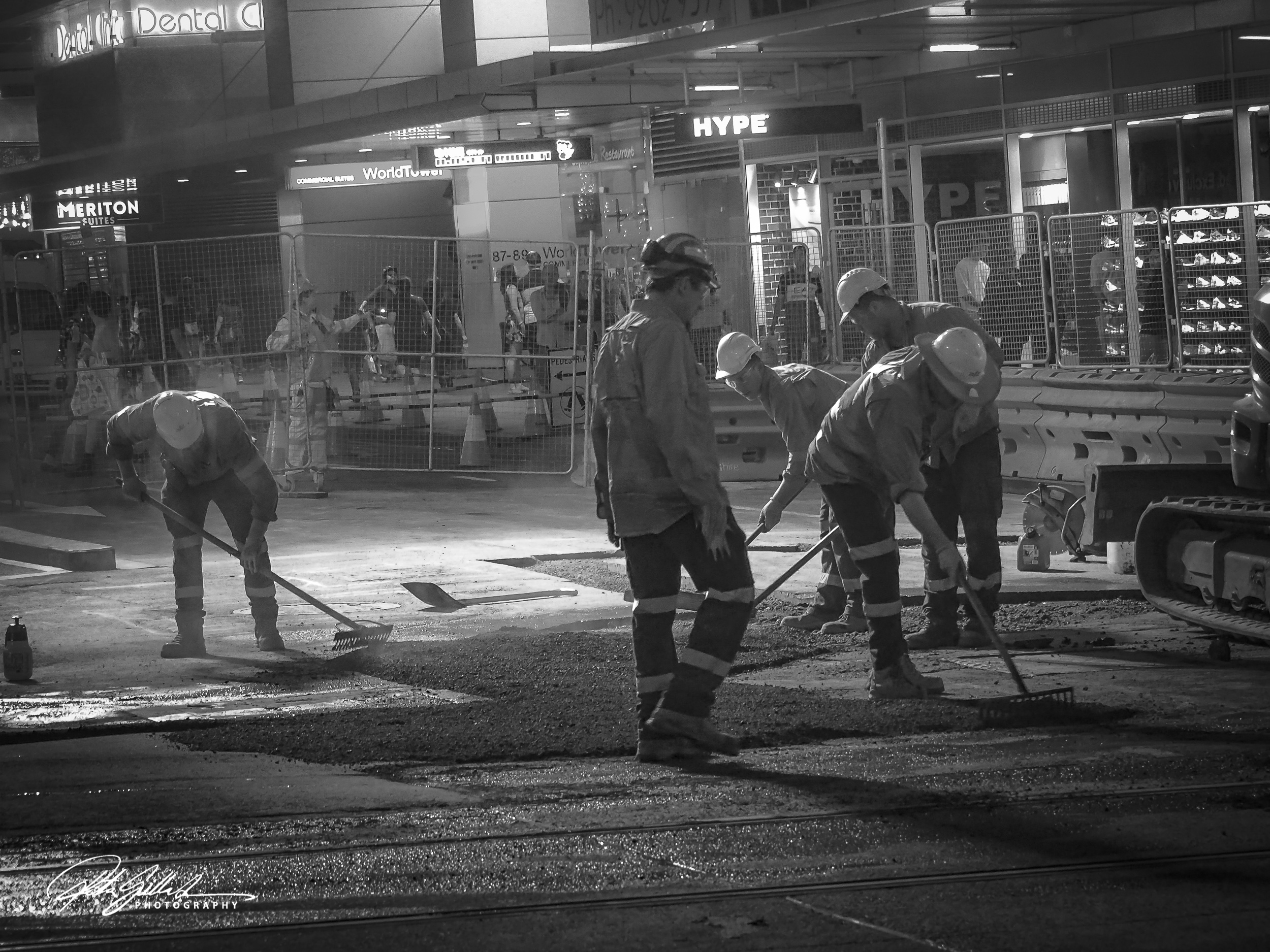
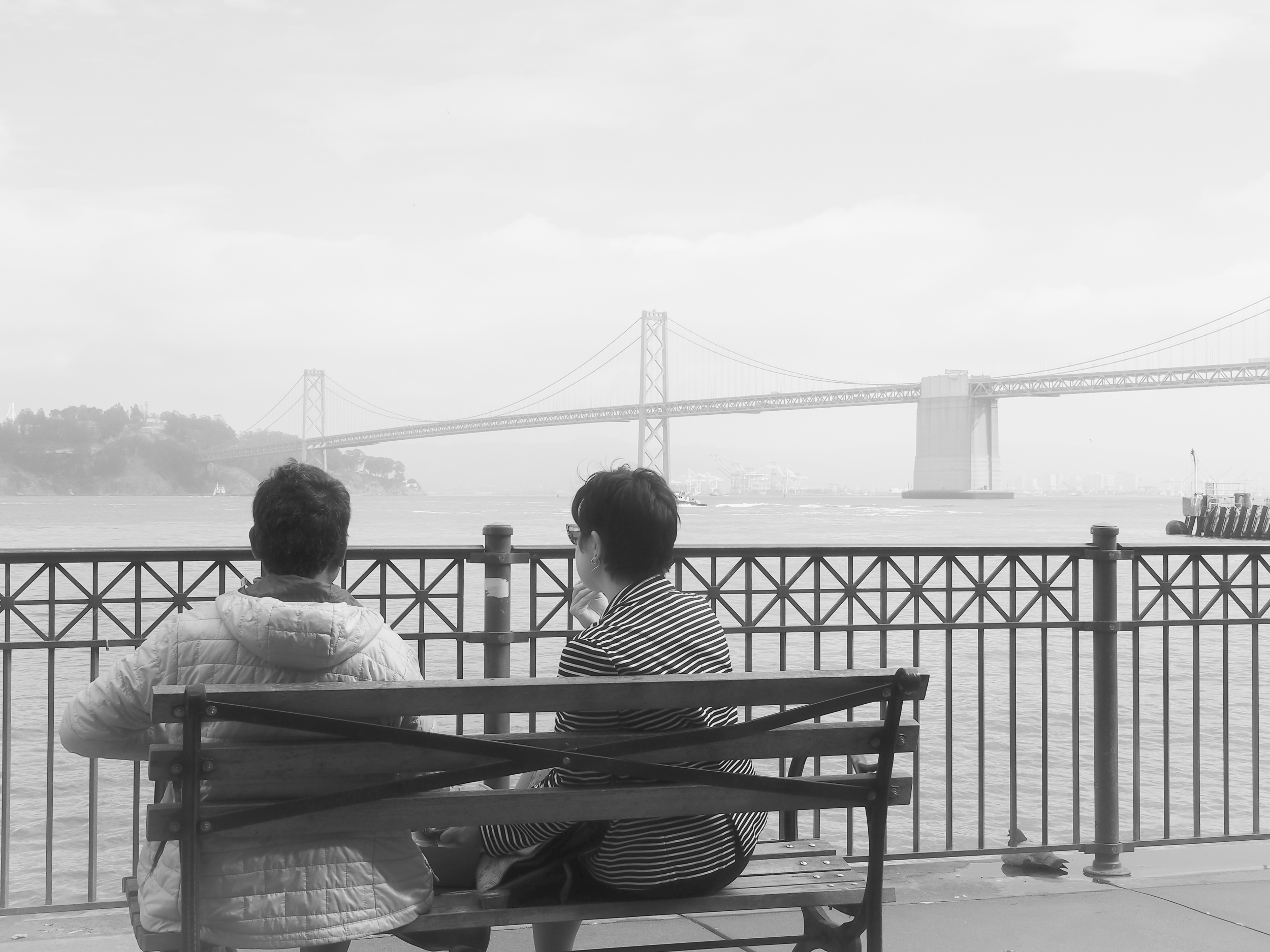
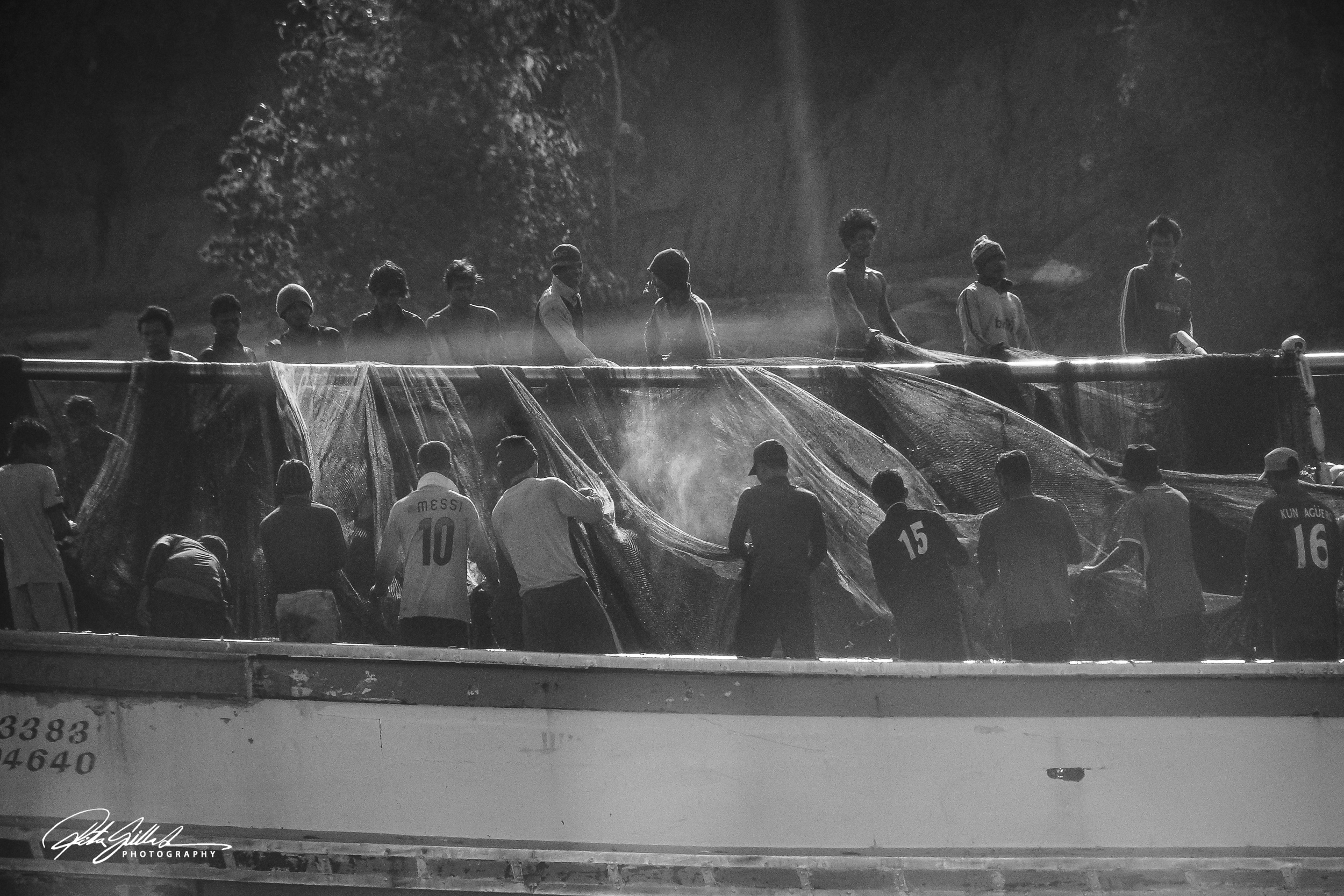
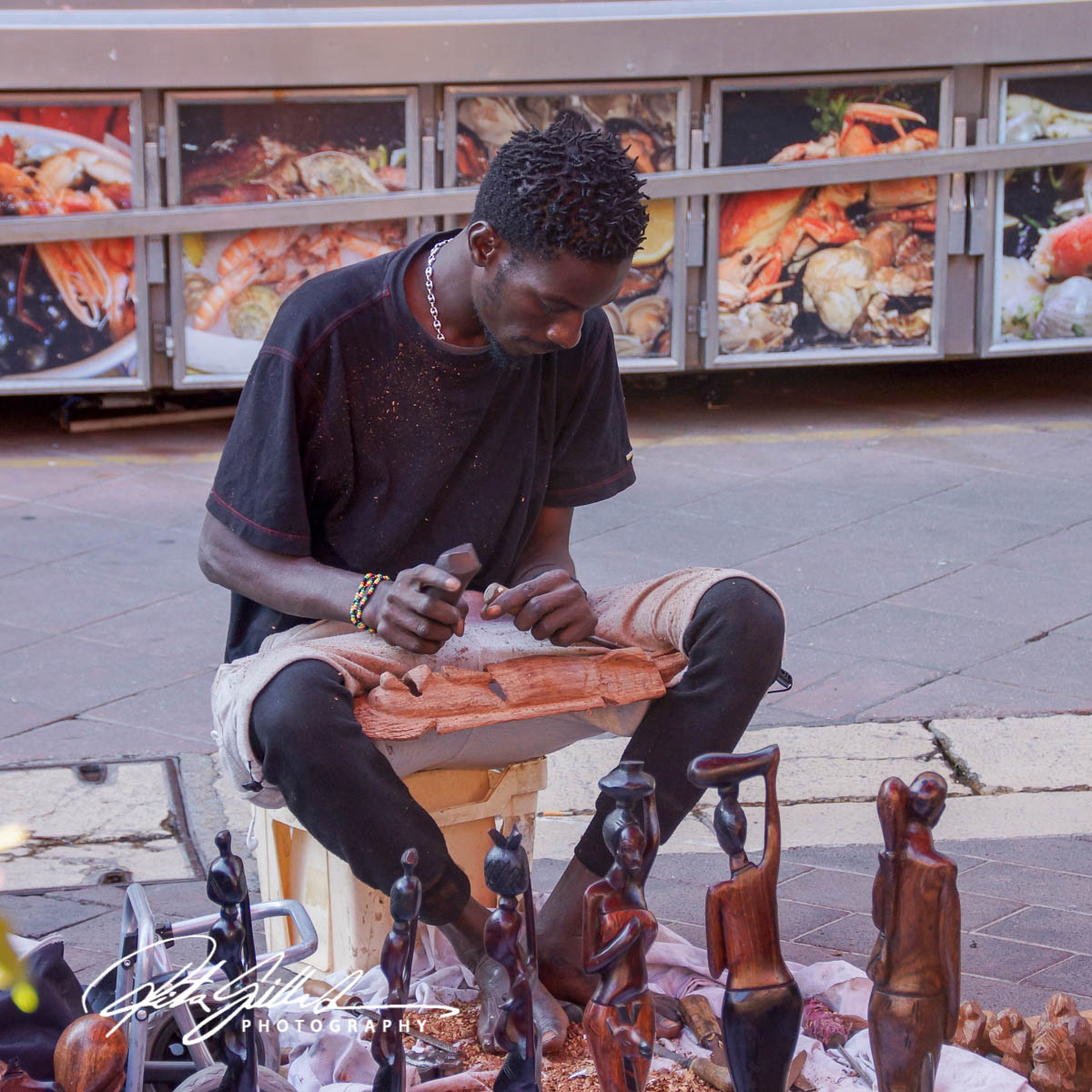
I think some of these speaks, relates a story. Hope you agree 🙂 I find monochrome images are great way to showcase messages of emotions and action as all unnecessary is taken away
In colors also – obviously.
Nature in all its forms speaks volumes
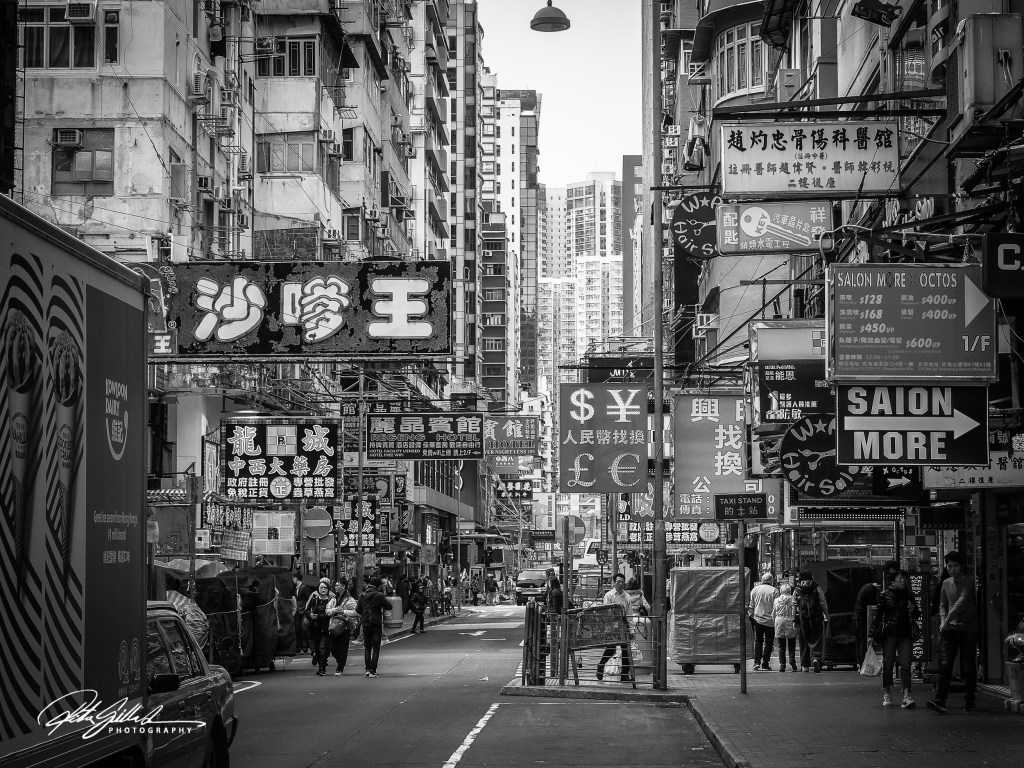
Signs….
I have two cameras an old reliable SONY SLT-A65V, and I have two lences I use with it one for Macro Sony Macro 2.8/50 and portraits. The other for nearly everything a Sony 18-200mm.
The Sony has been in less use since I bought a new lighter one to carry around, its a Olympus E-M10 Mark II with a 14-150mm lense and I have a OM-D M.ZUIKO DIGITAL 45mm 1:1.8 for street and portrait photography
I have two cameras an old reliable SONY SLT-A65V, and I have two lences I use with it one for Macro Sony Macro 2.8/50 and portraits. The other for nearly everything a Sony 18-200mm.
The Sony has been in less use since I bought a new lighter one to carry around, its a Olympus E-M10 Mark II with a 14-150mm lense and I have a OM-D M.ZUIKO DIGITAL 45mm 1:1.8 for street and portrait photography
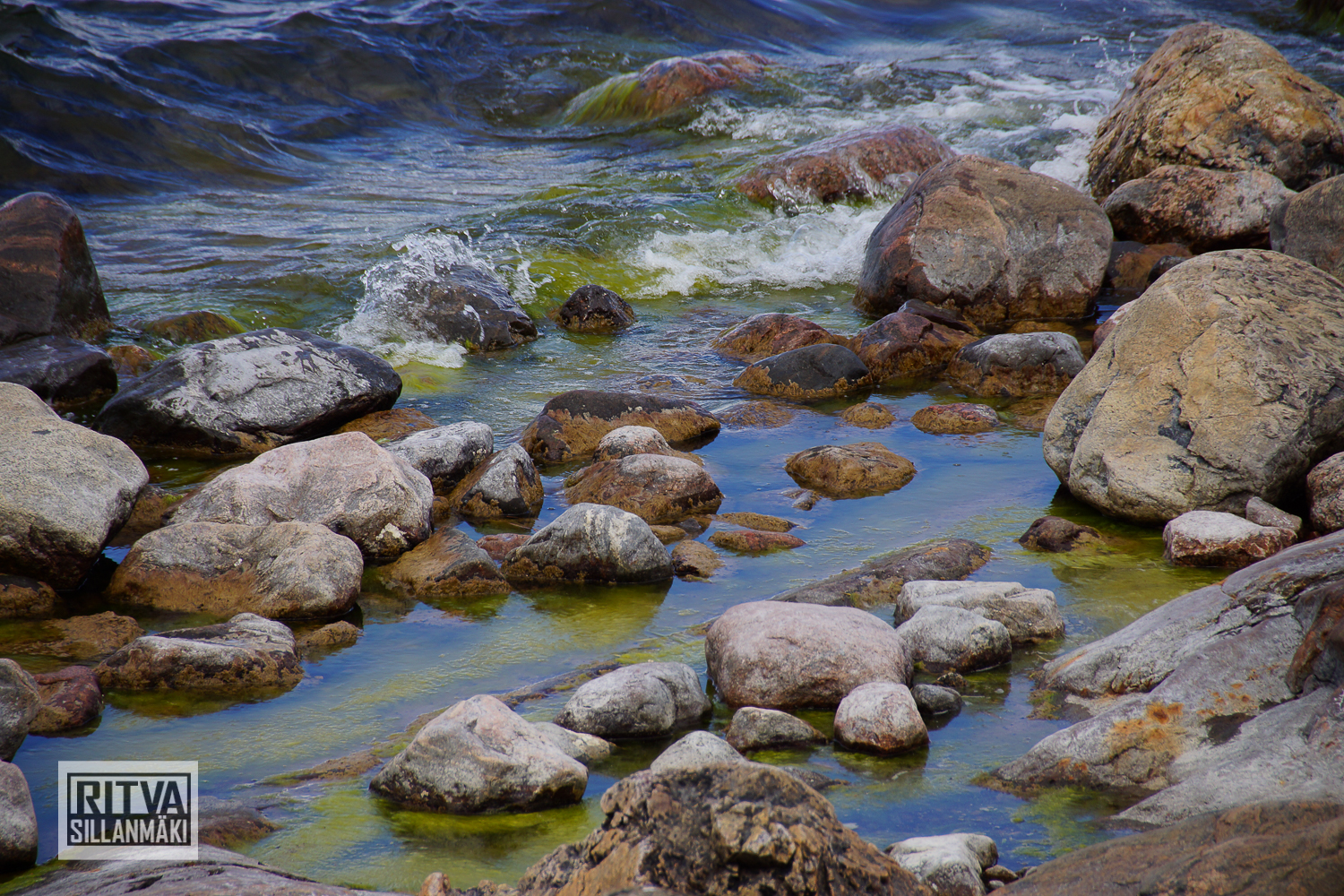
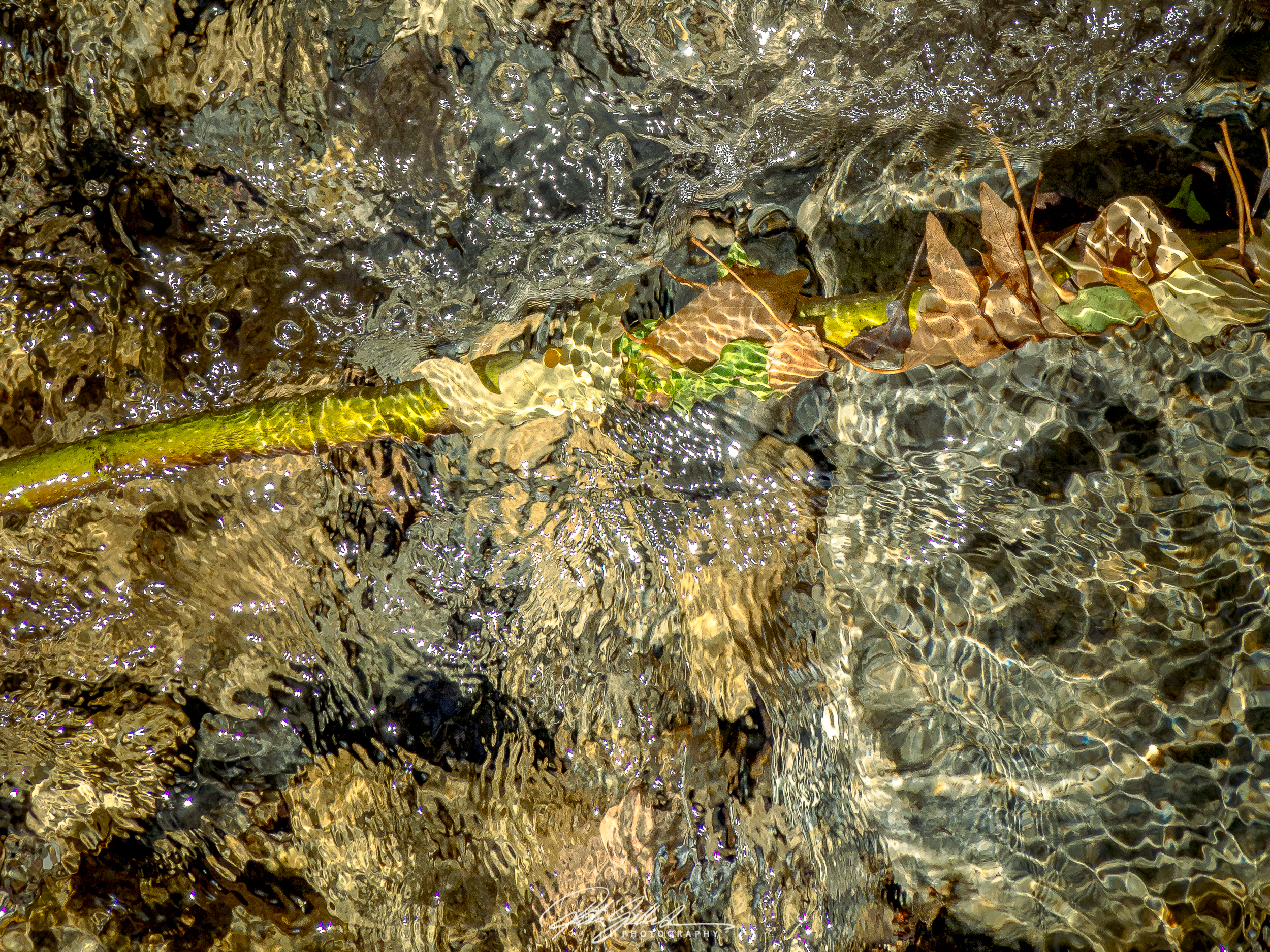
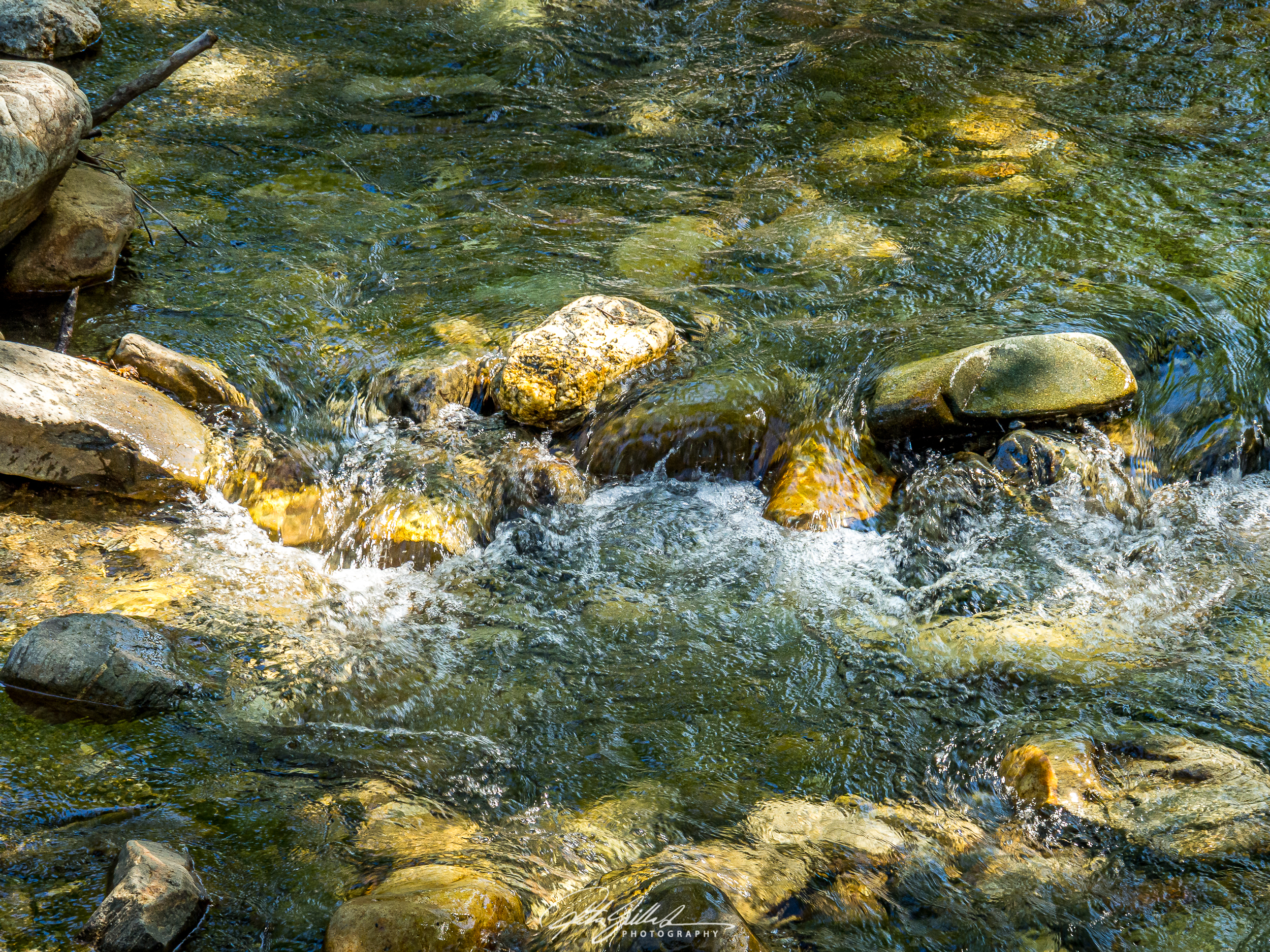
water ripples
I am not a very technical photographer, more into composition, mood. I do my magic on the edit table mostly, if you can call it magic, more like my interpretation of places and people. I am also not one to write all that much, let the photos speack for themselves.
These are shot with the Olympus and the with a 14-150mm lense
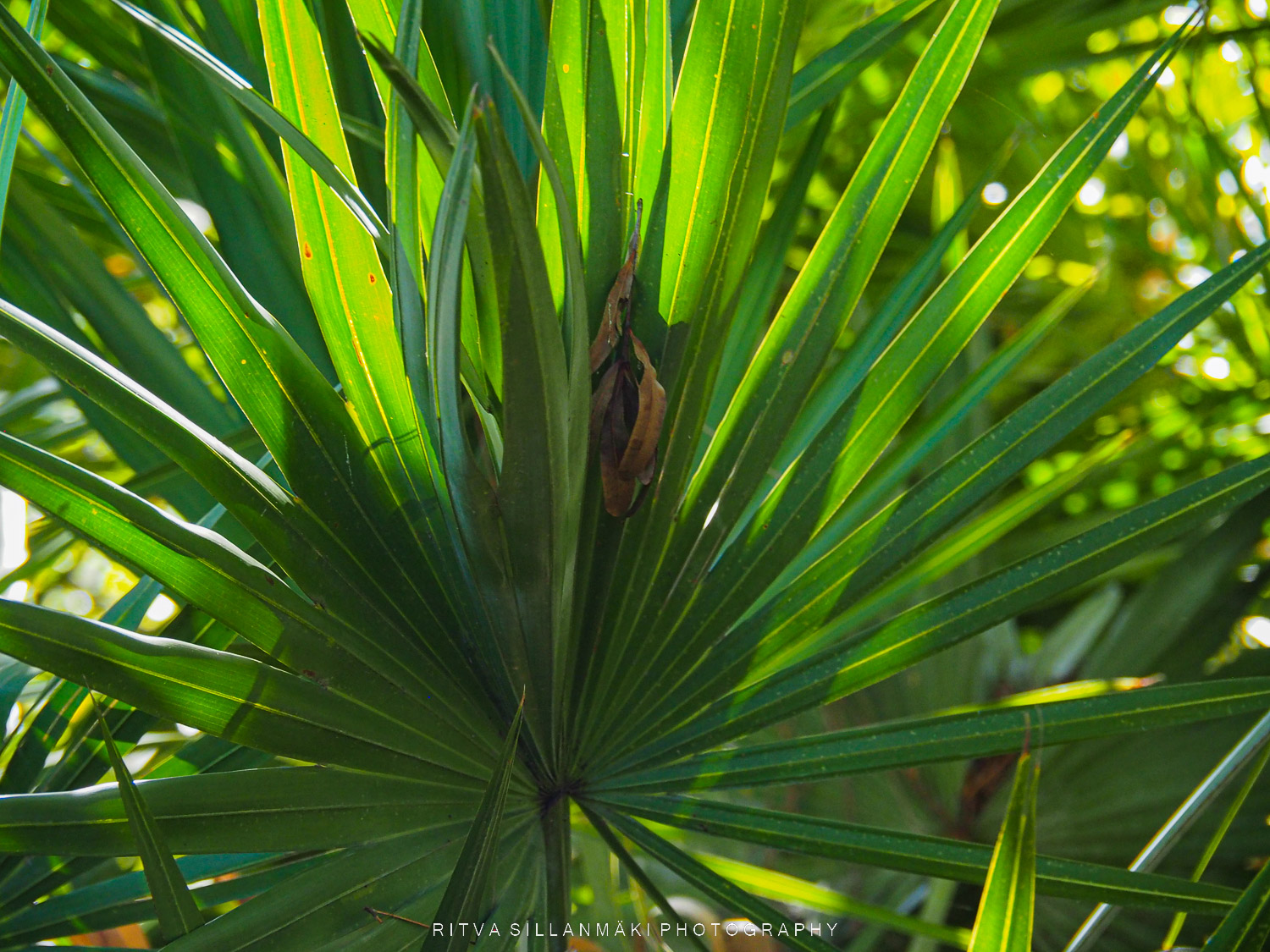
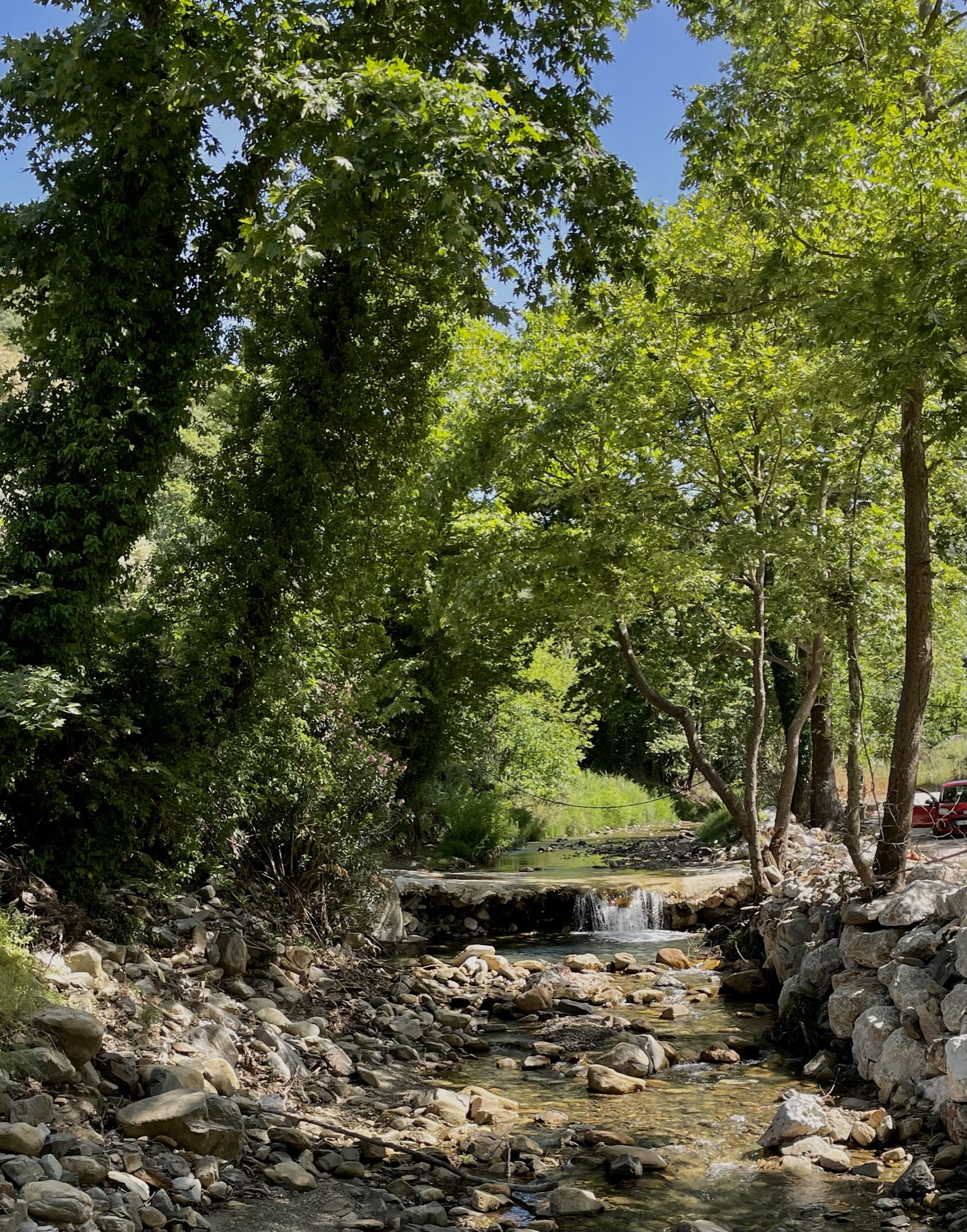
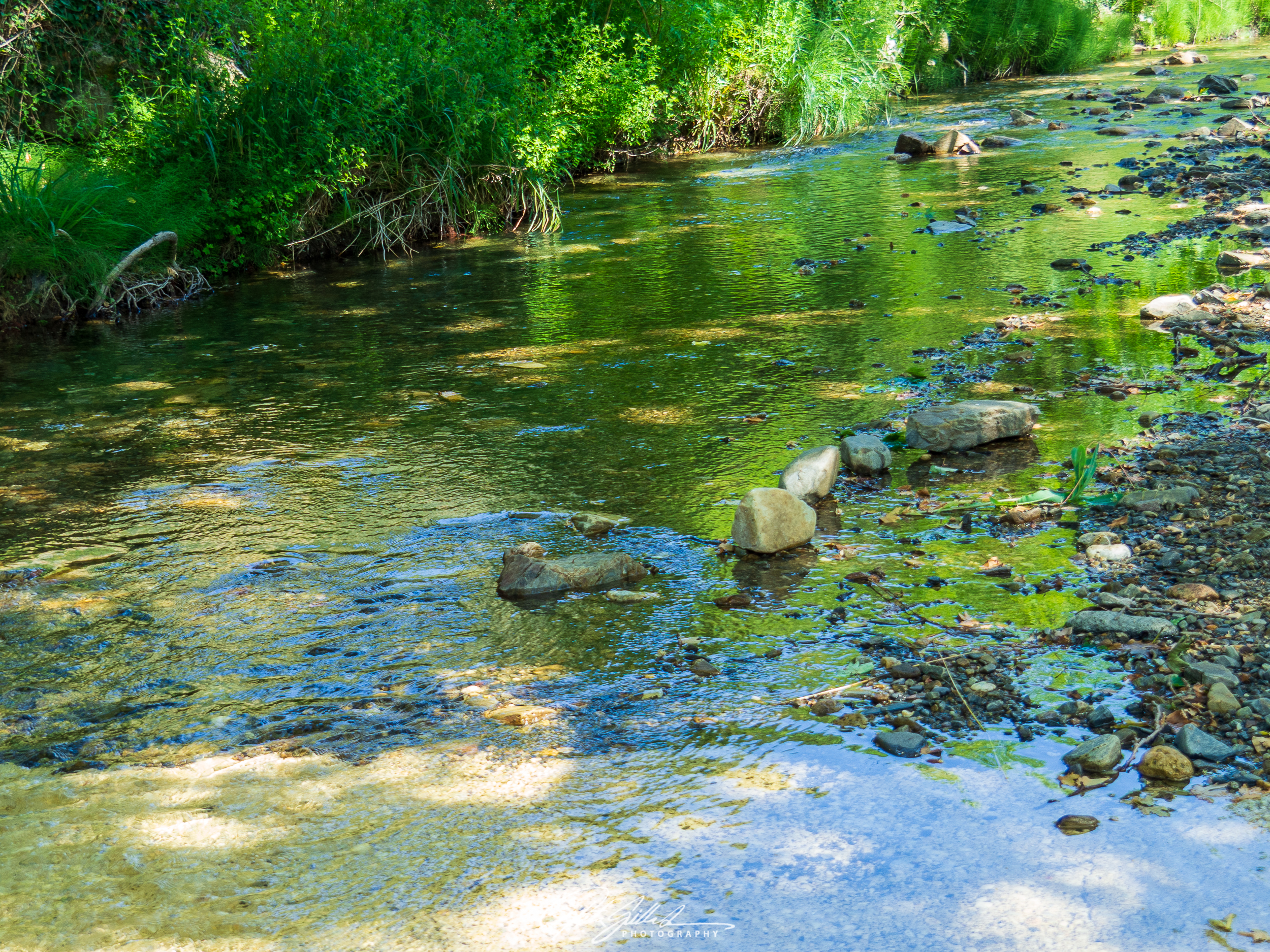
Natures green always inspires me
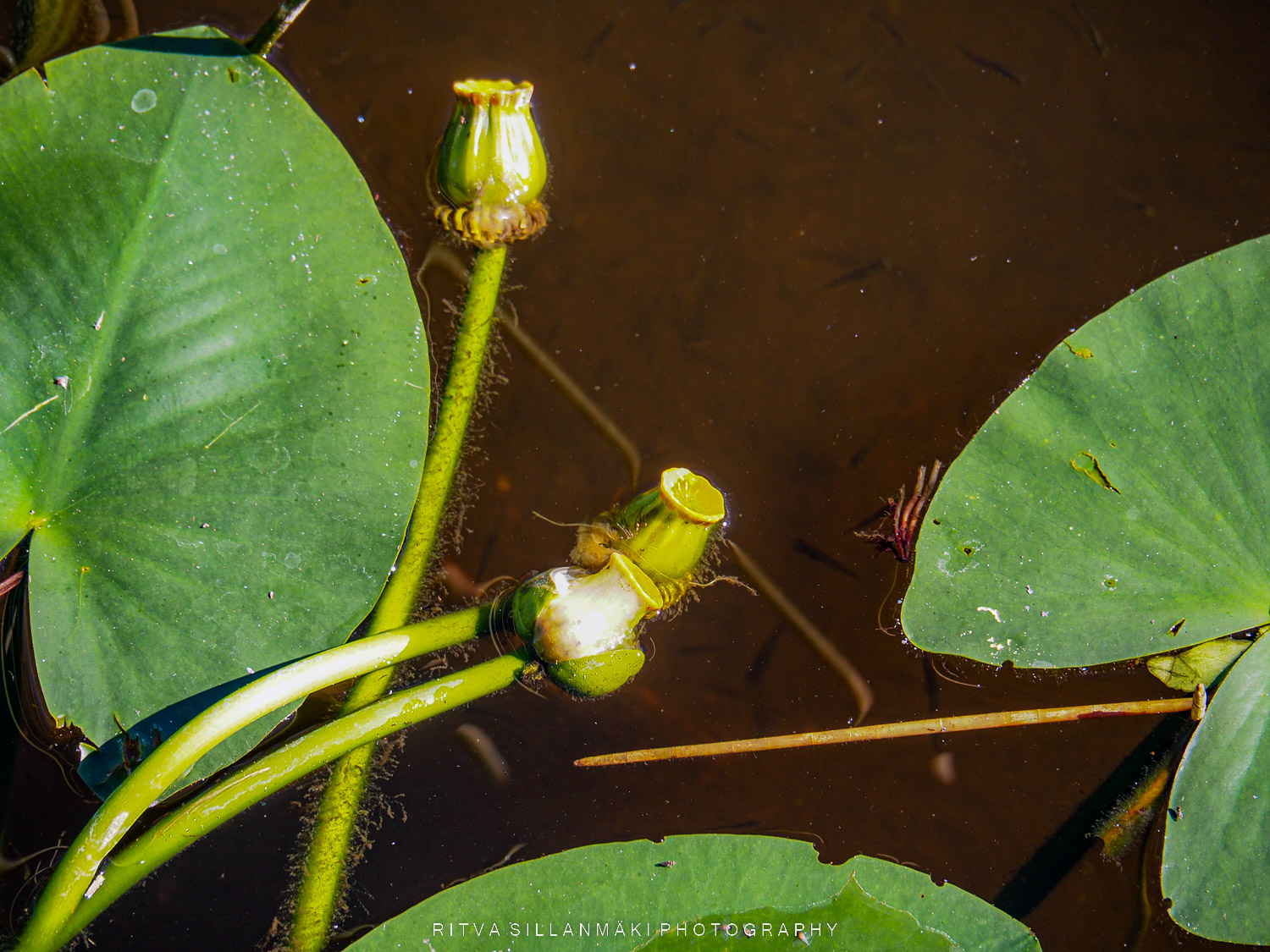
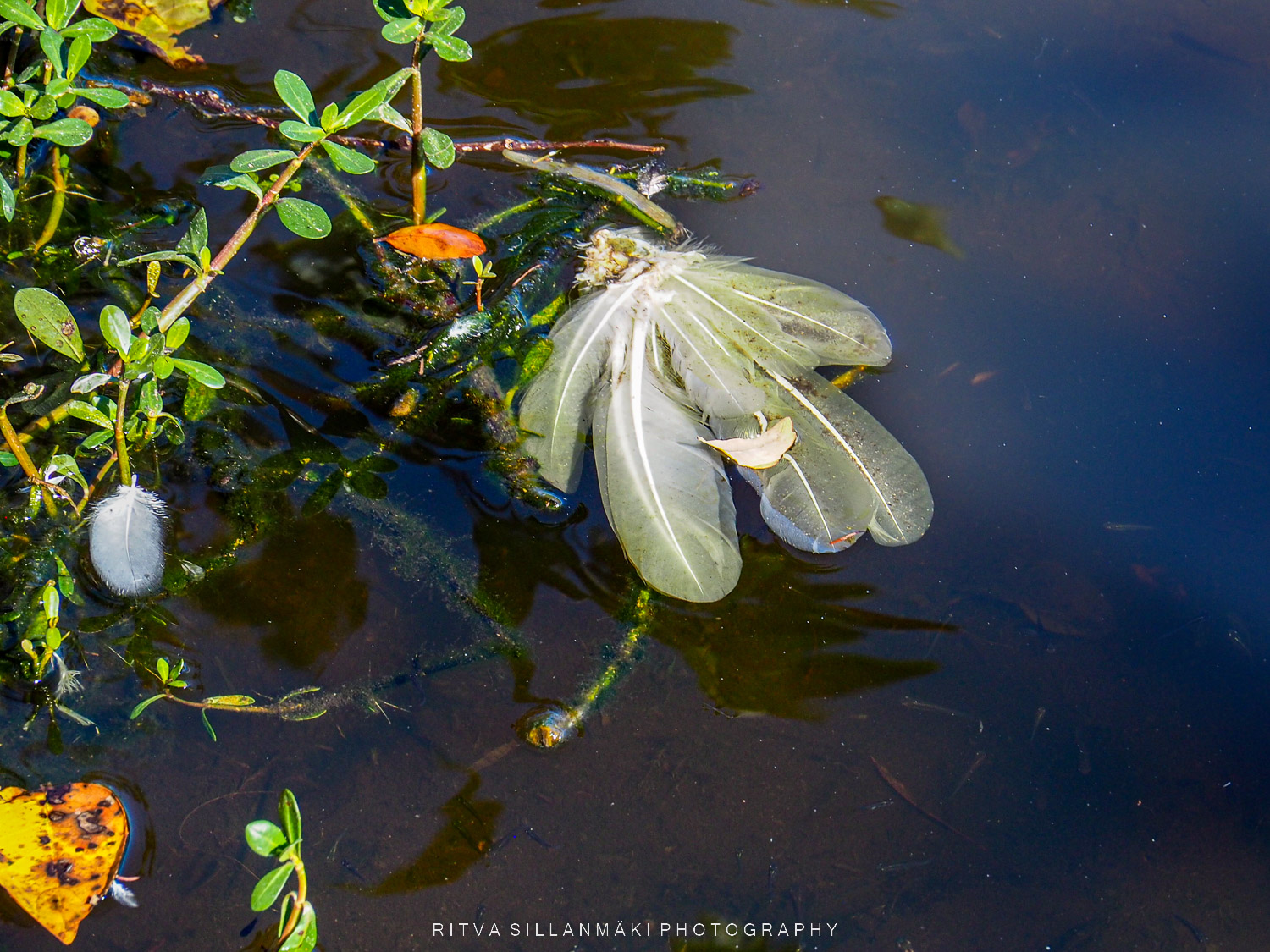
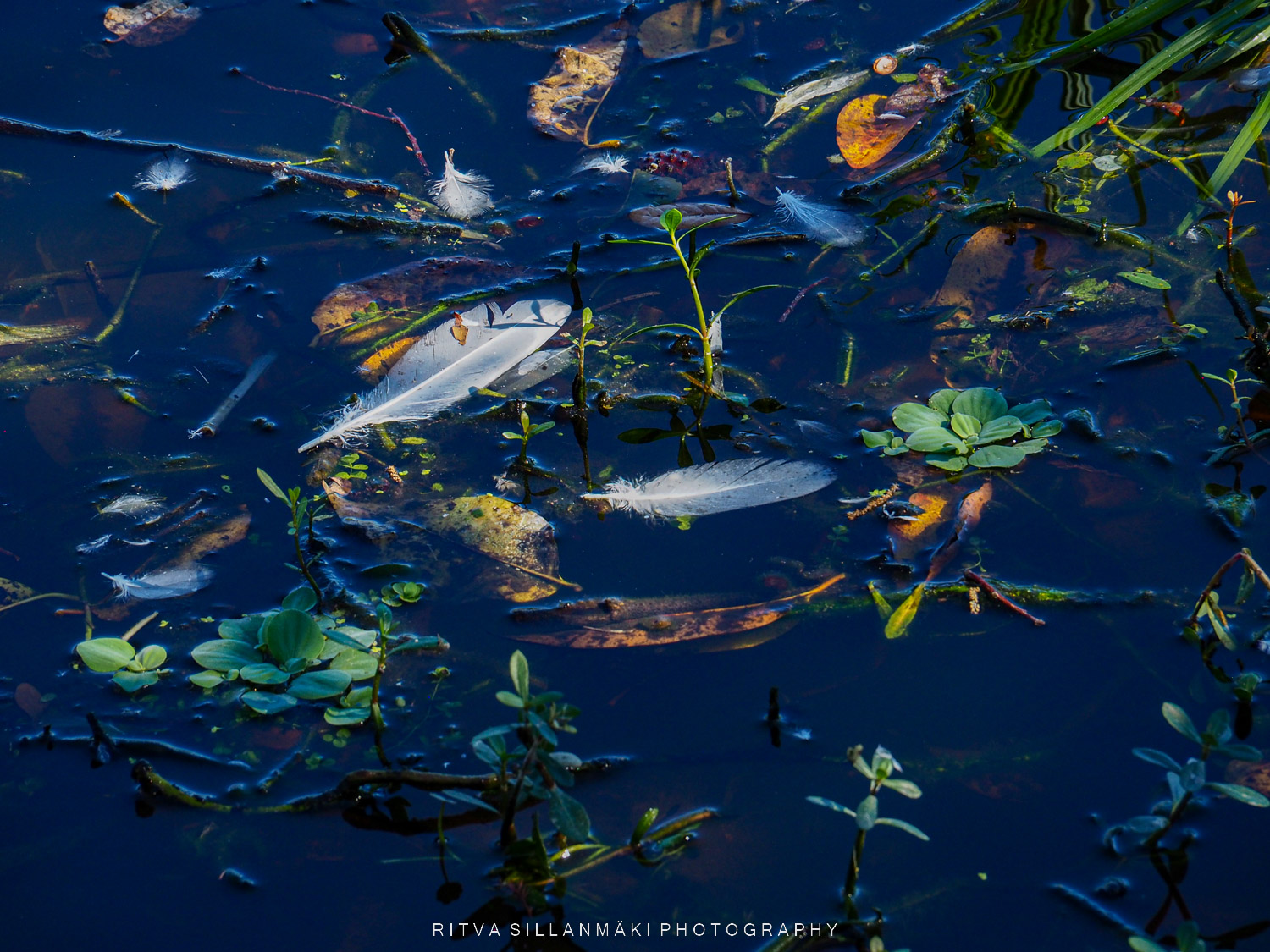
Details from nature are often important things to photograph to me at least as they are found near and are beautiful, the birds had been leaving lots of feathers.
The first day of out holiday to US we were in Florida and went to visit Wakodahatchee wetland park.
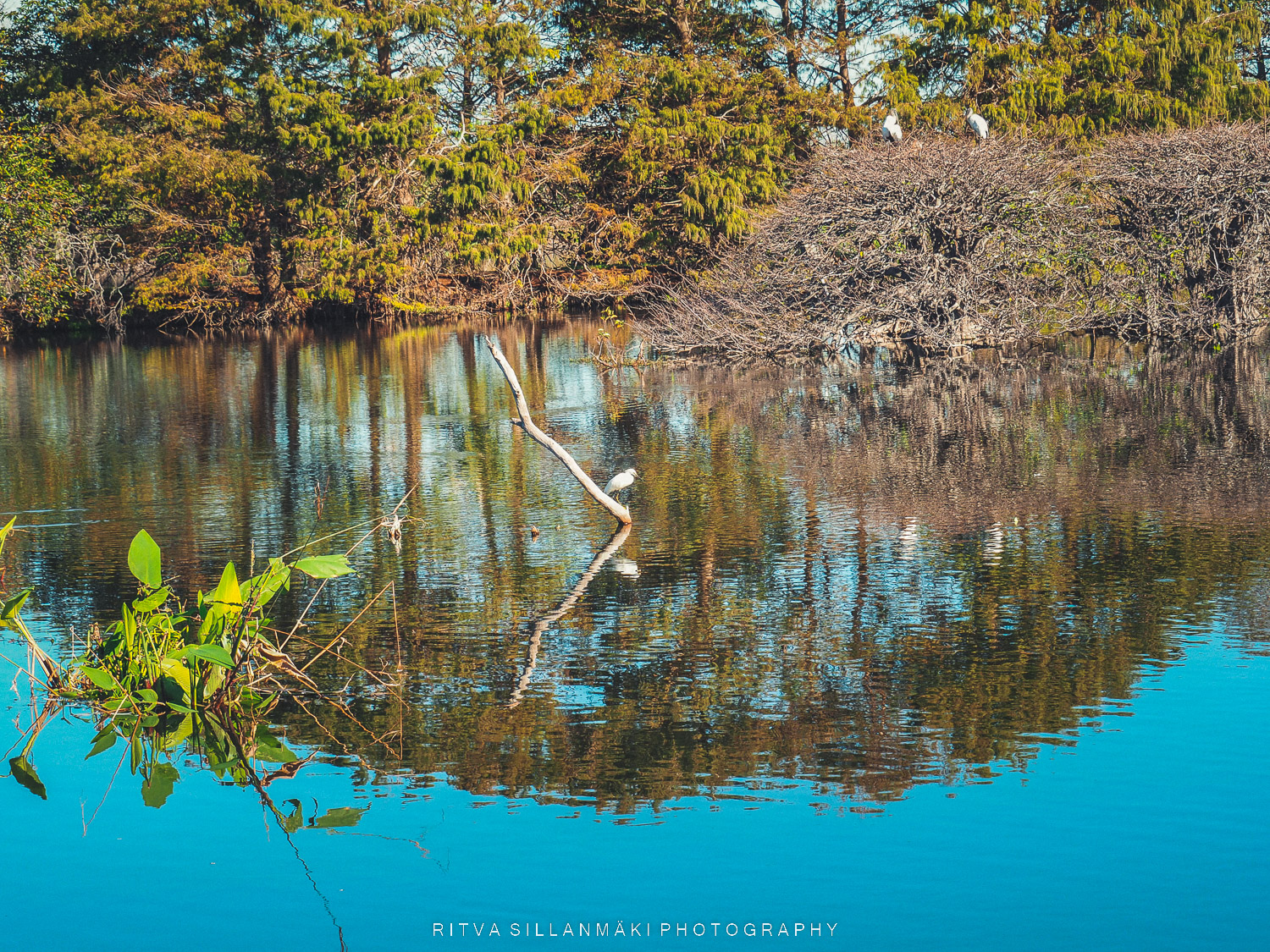
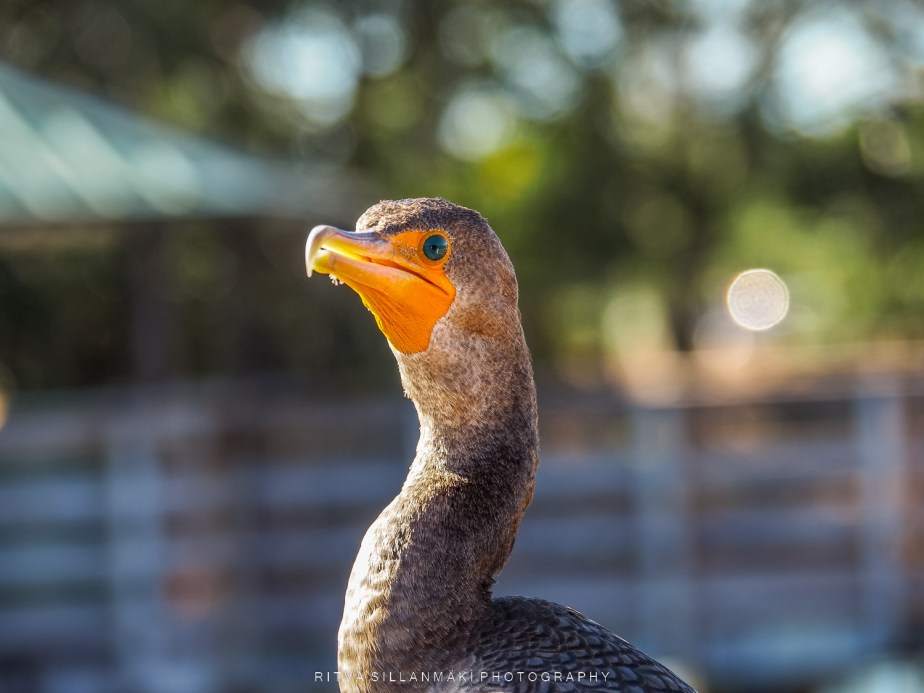
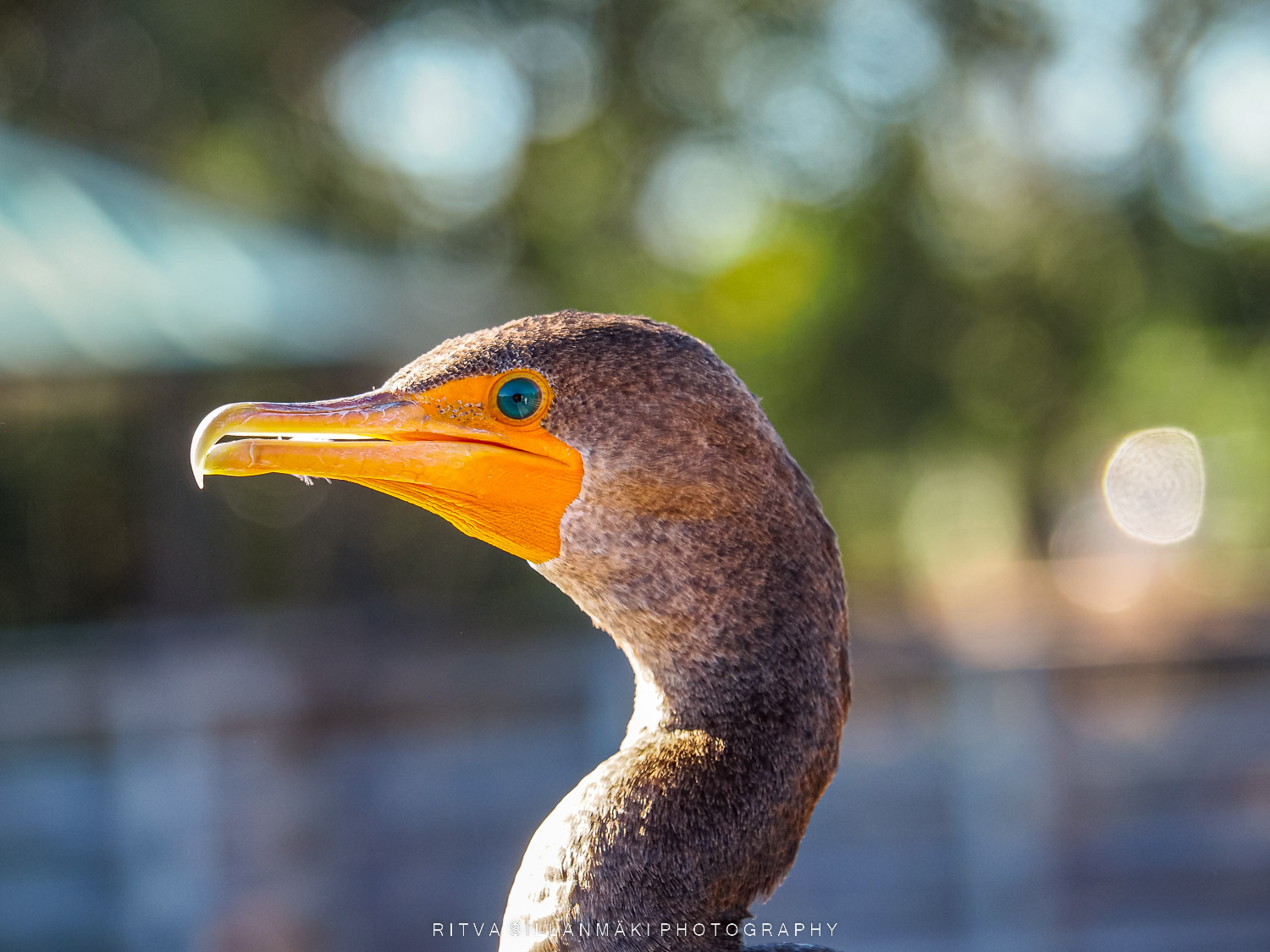
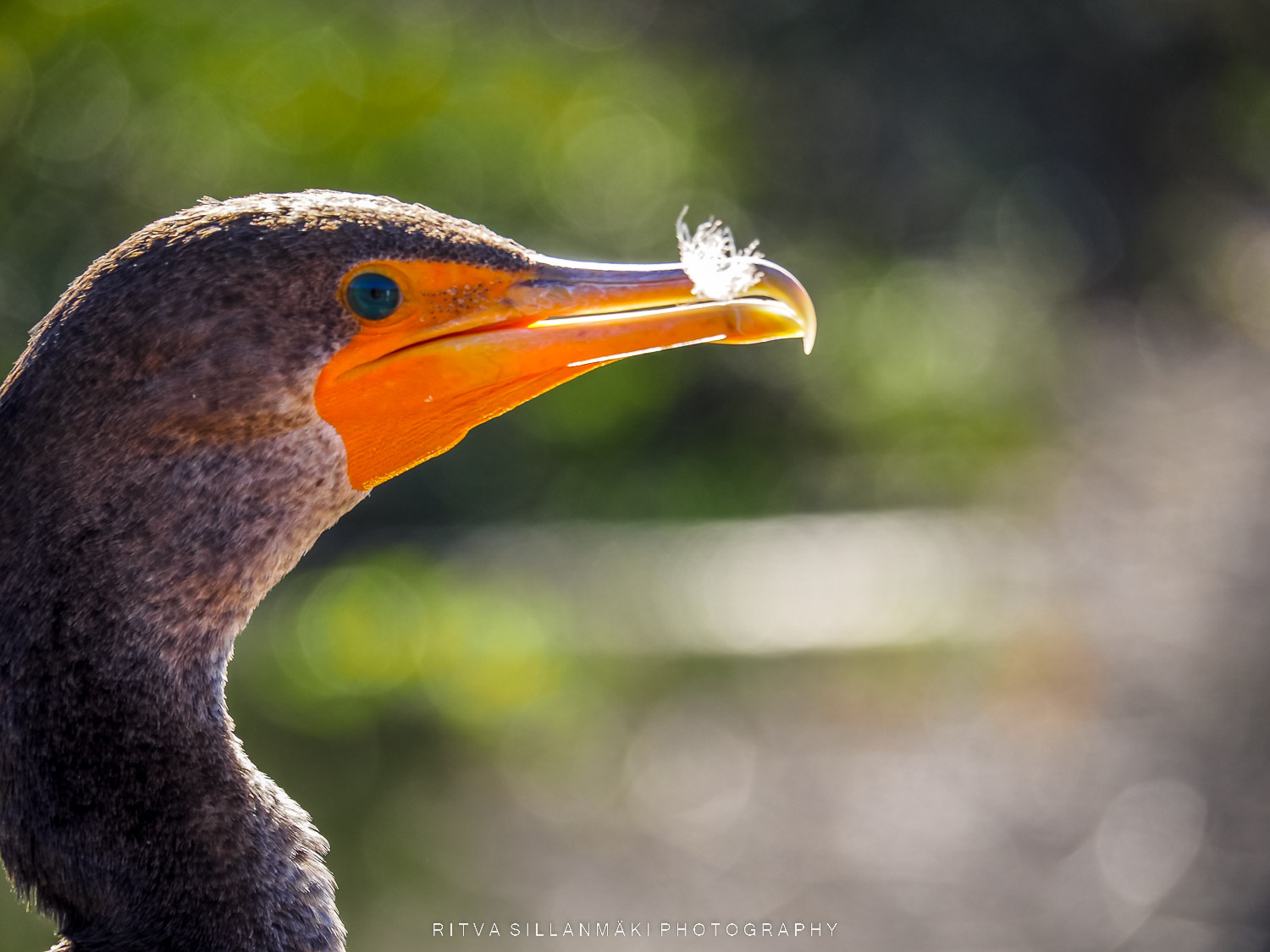
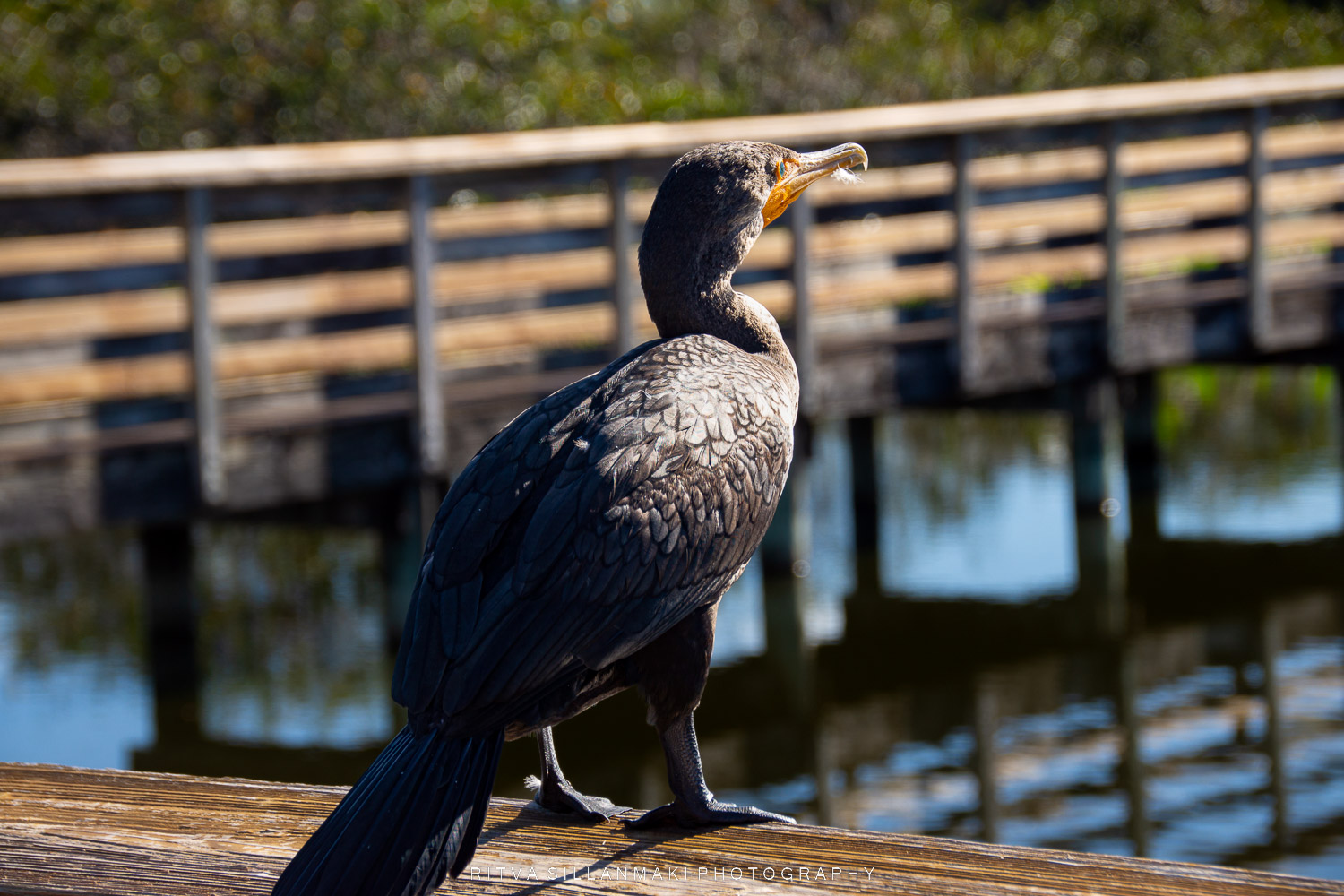
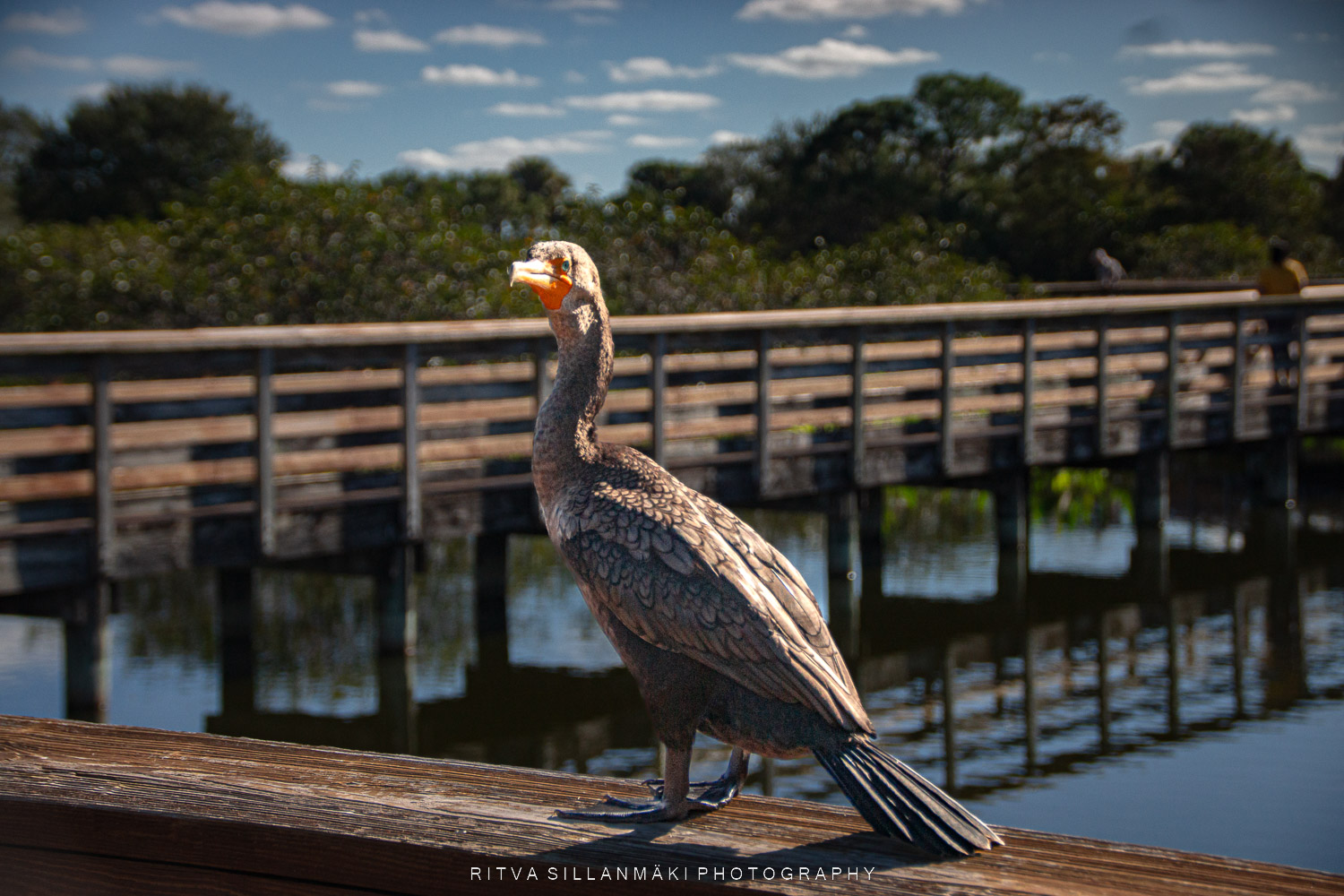
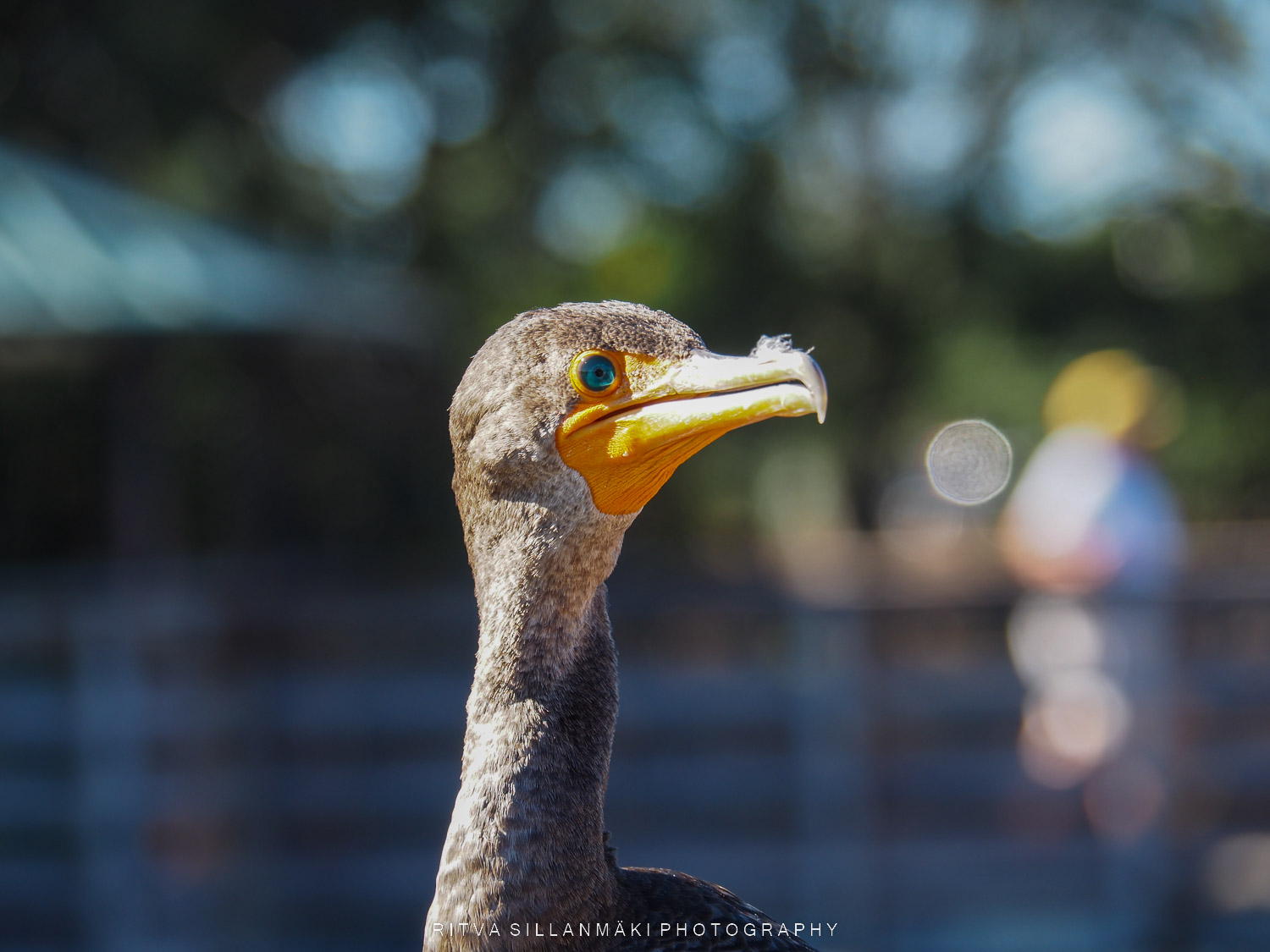
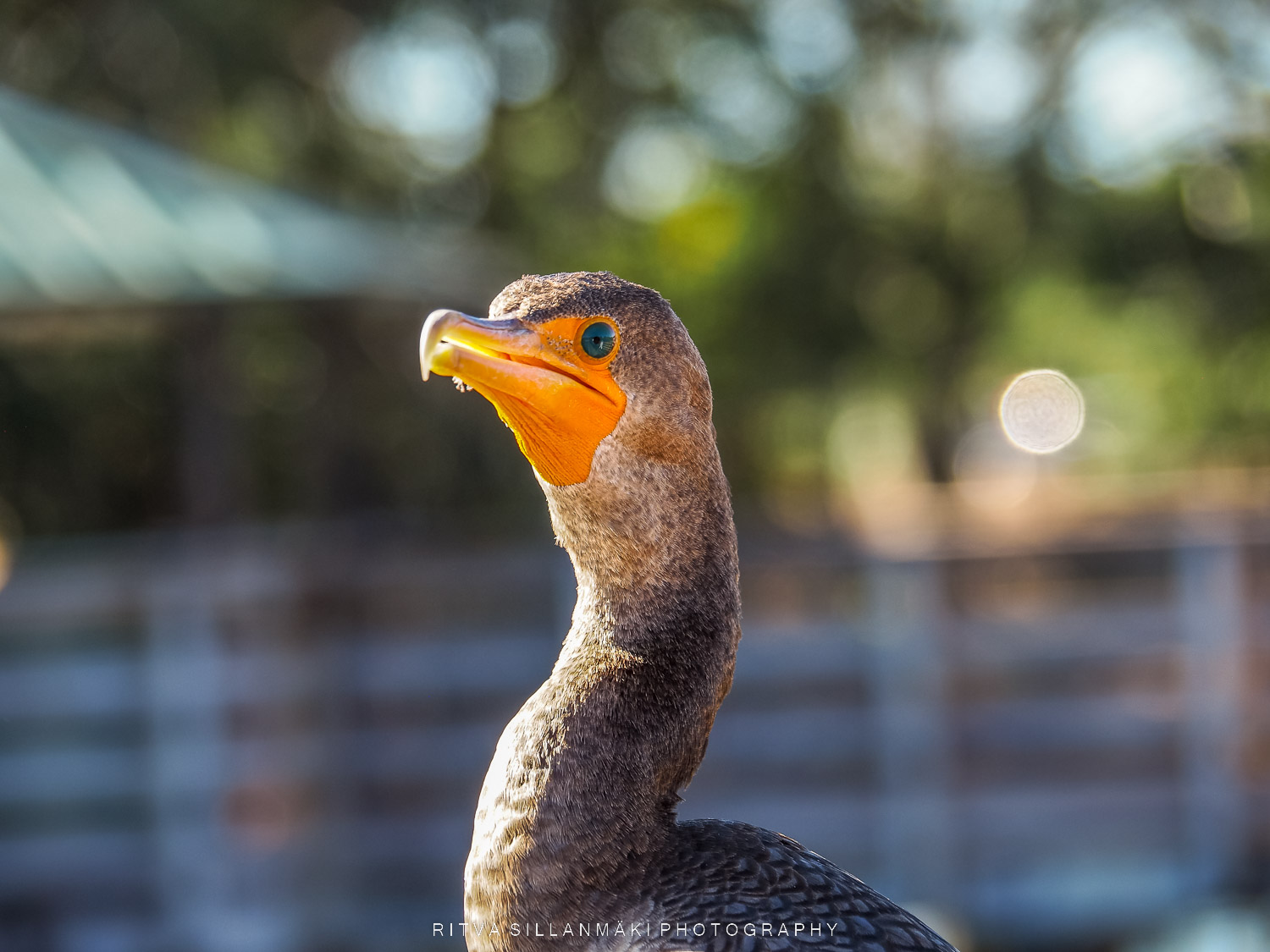
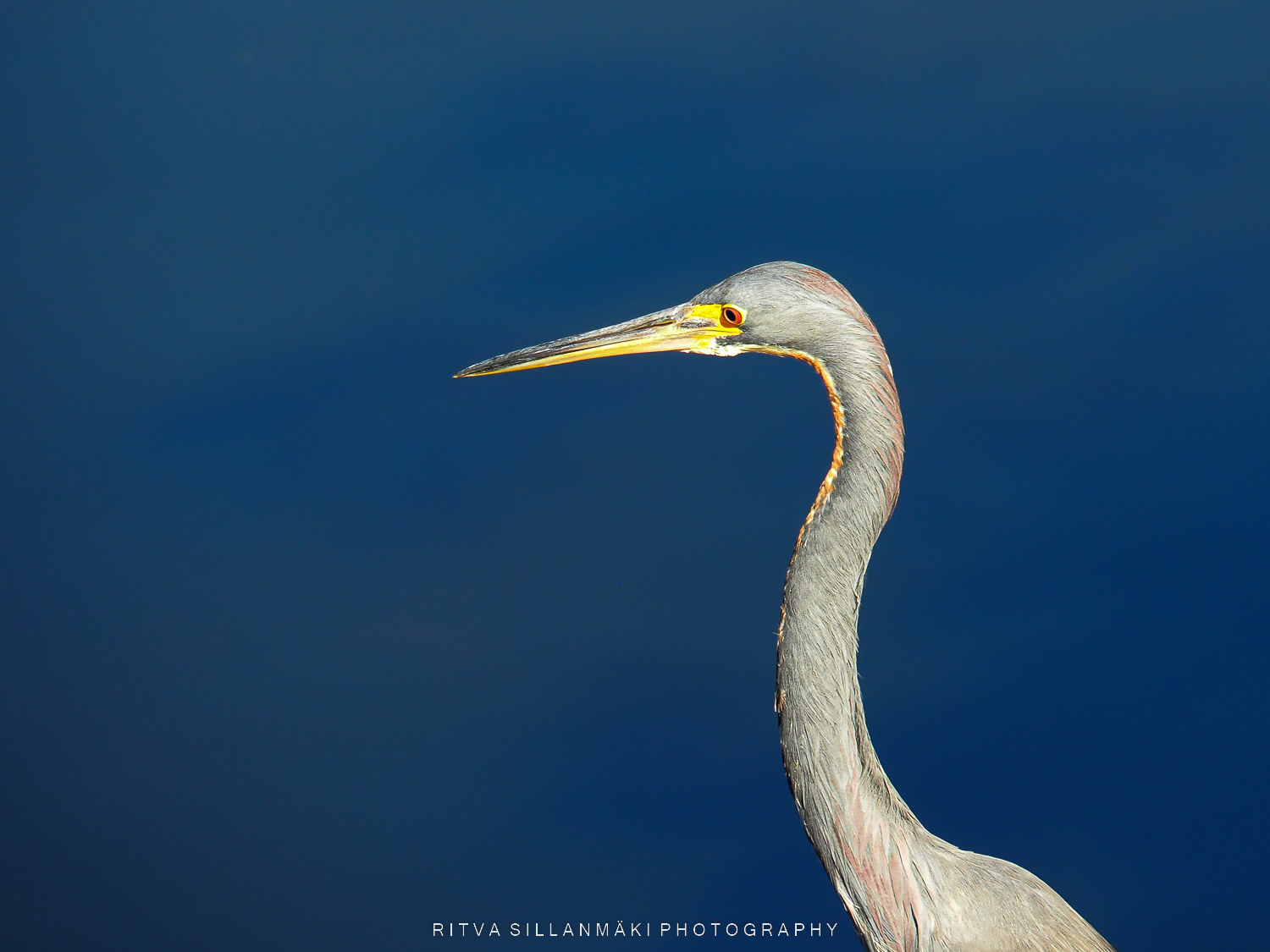
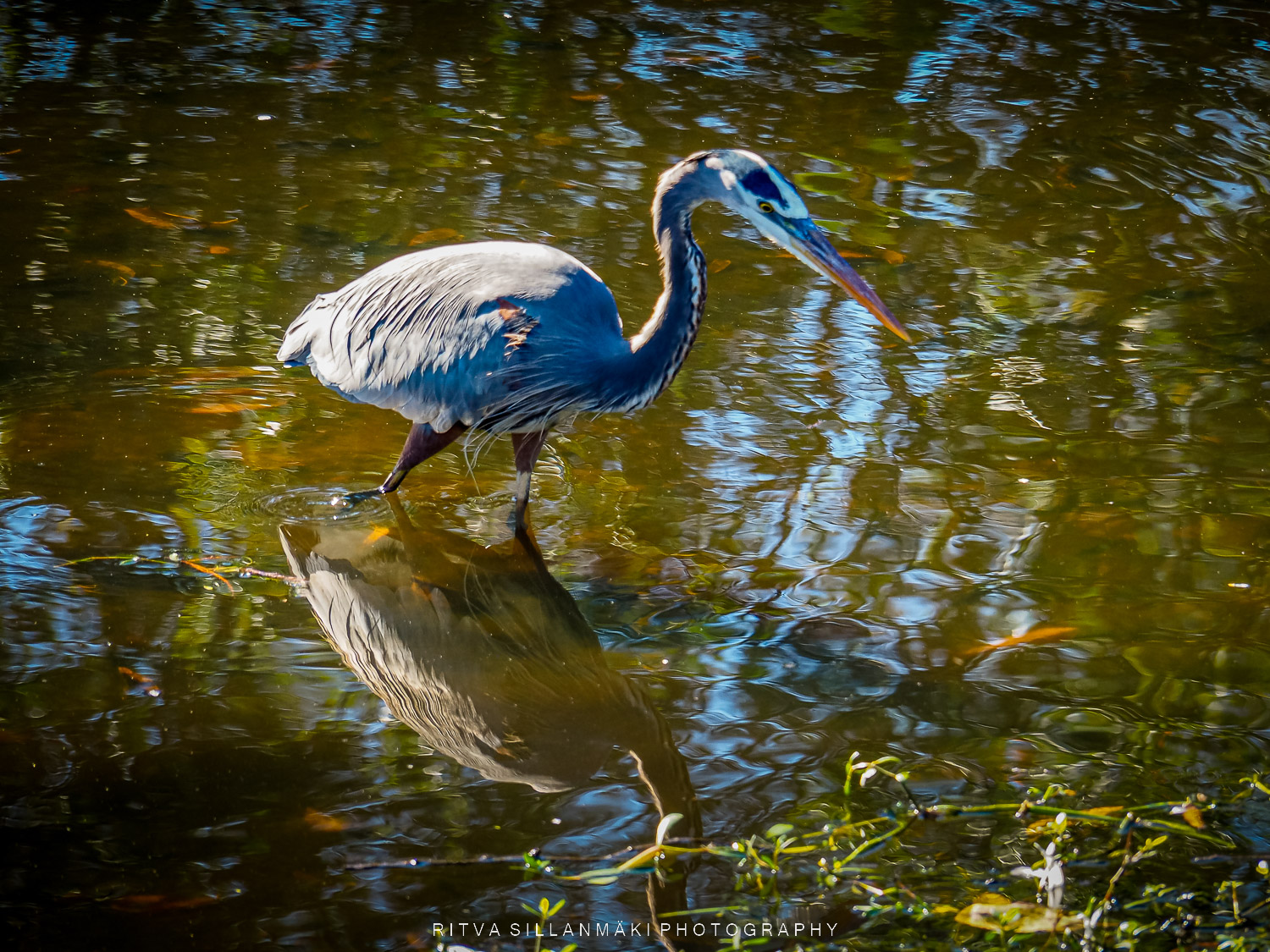
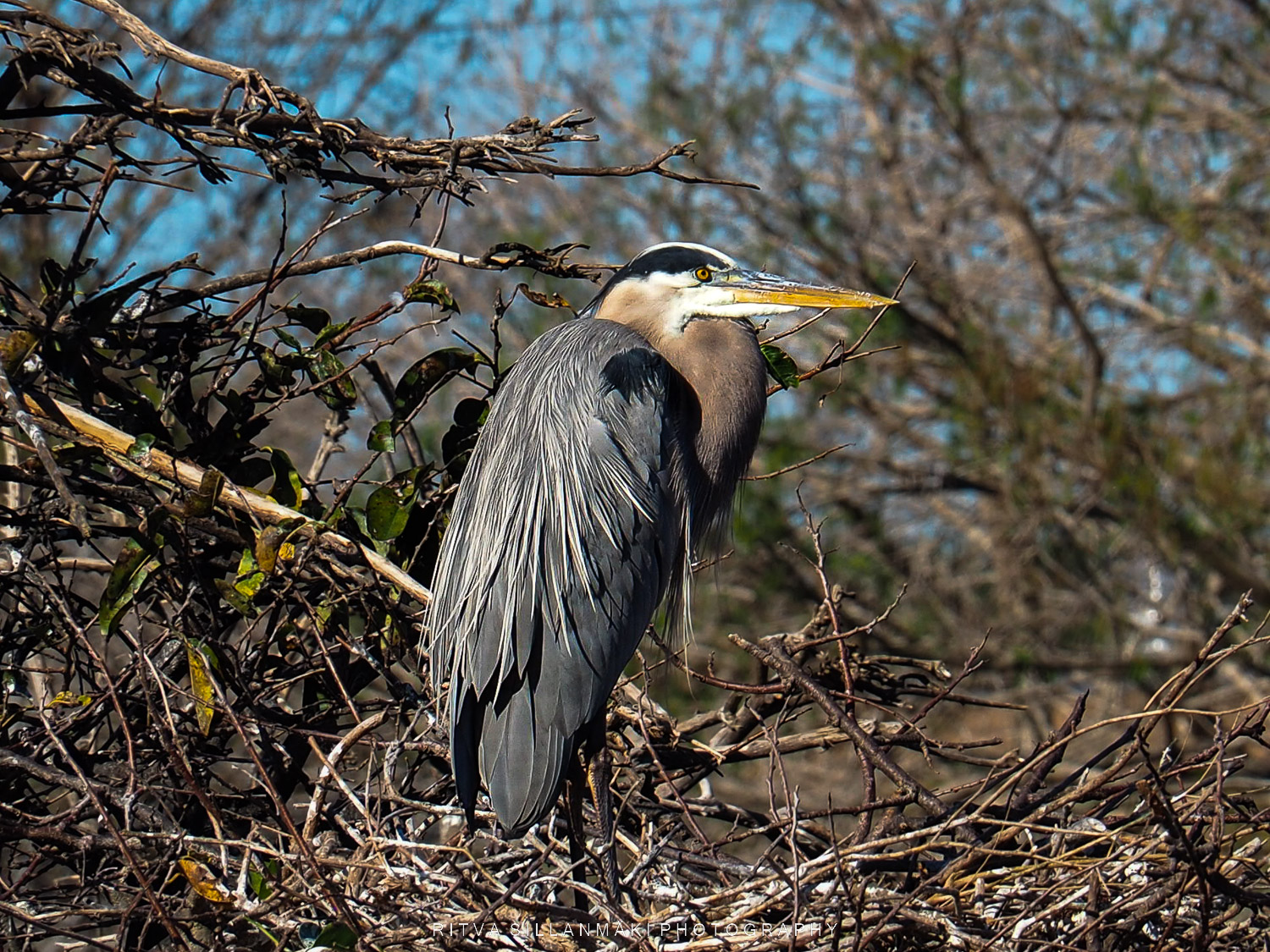
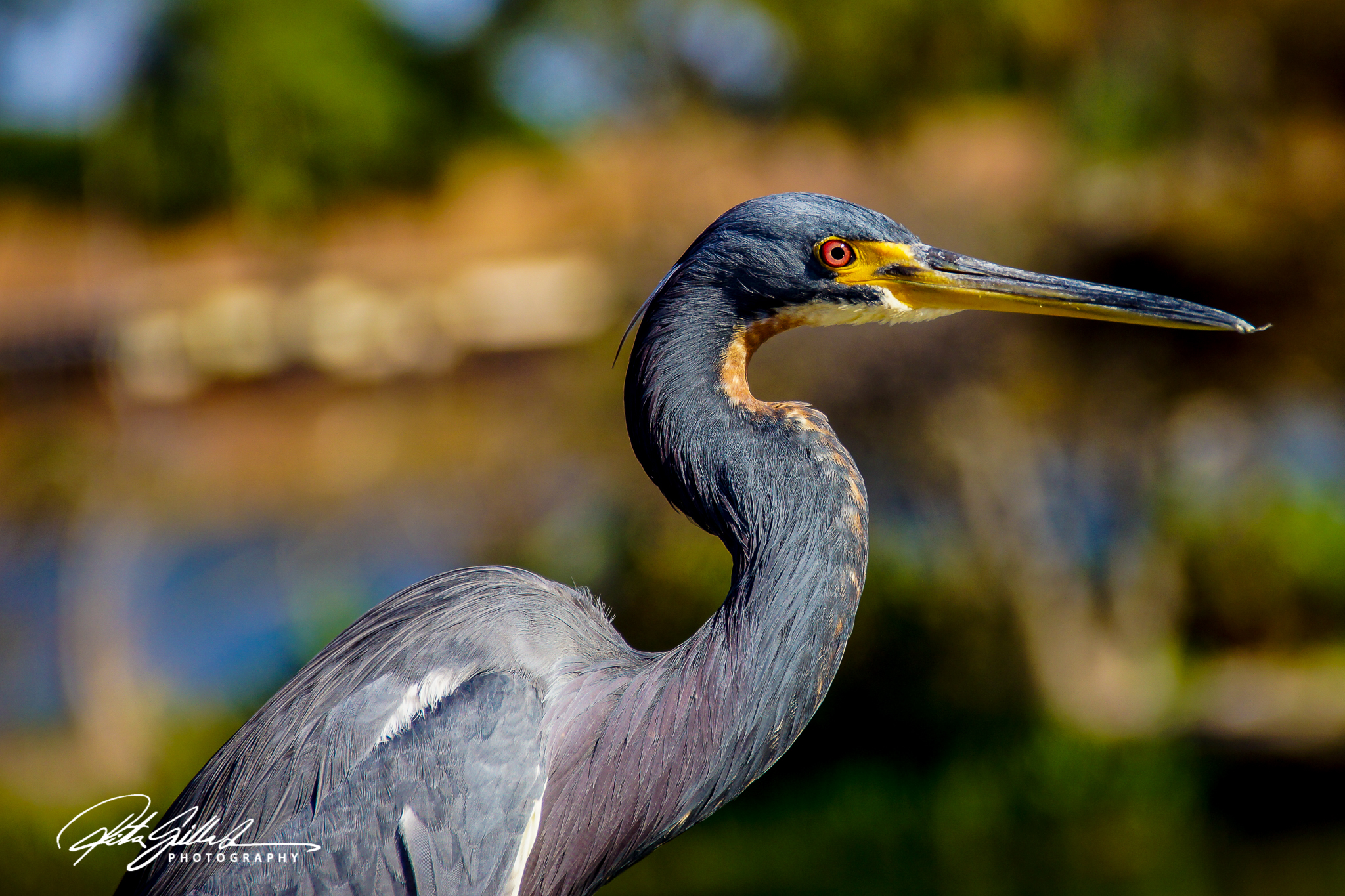
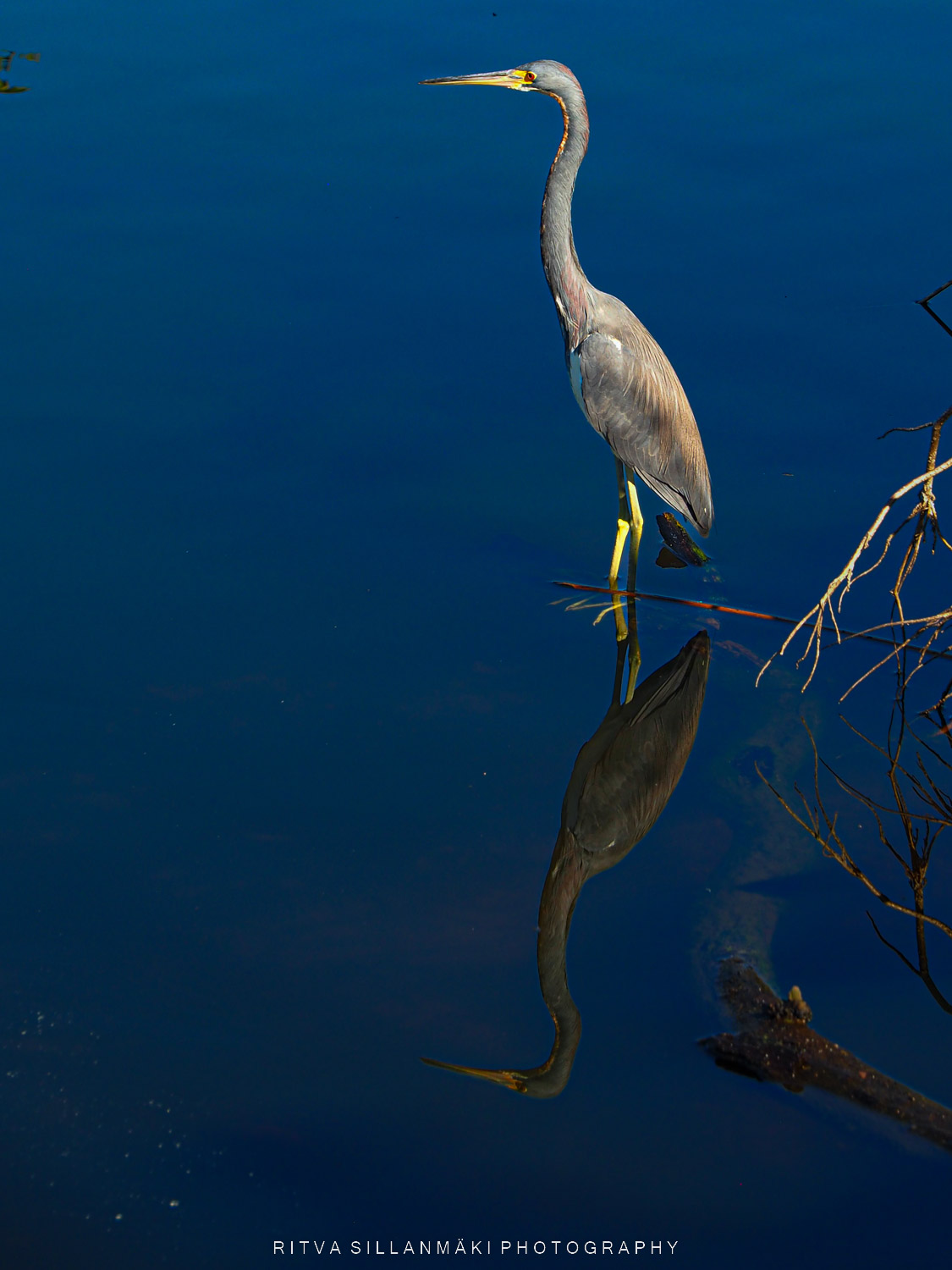
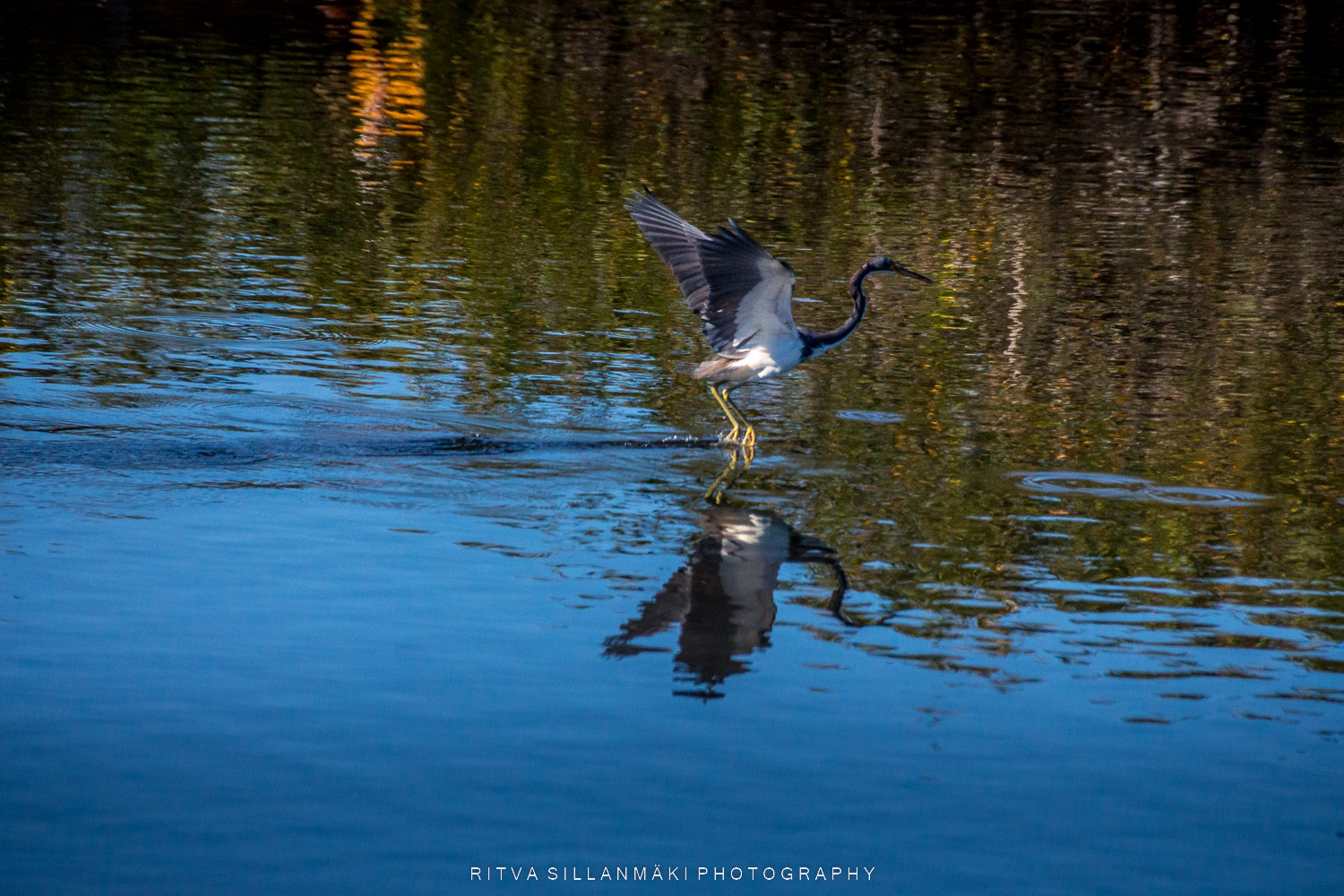
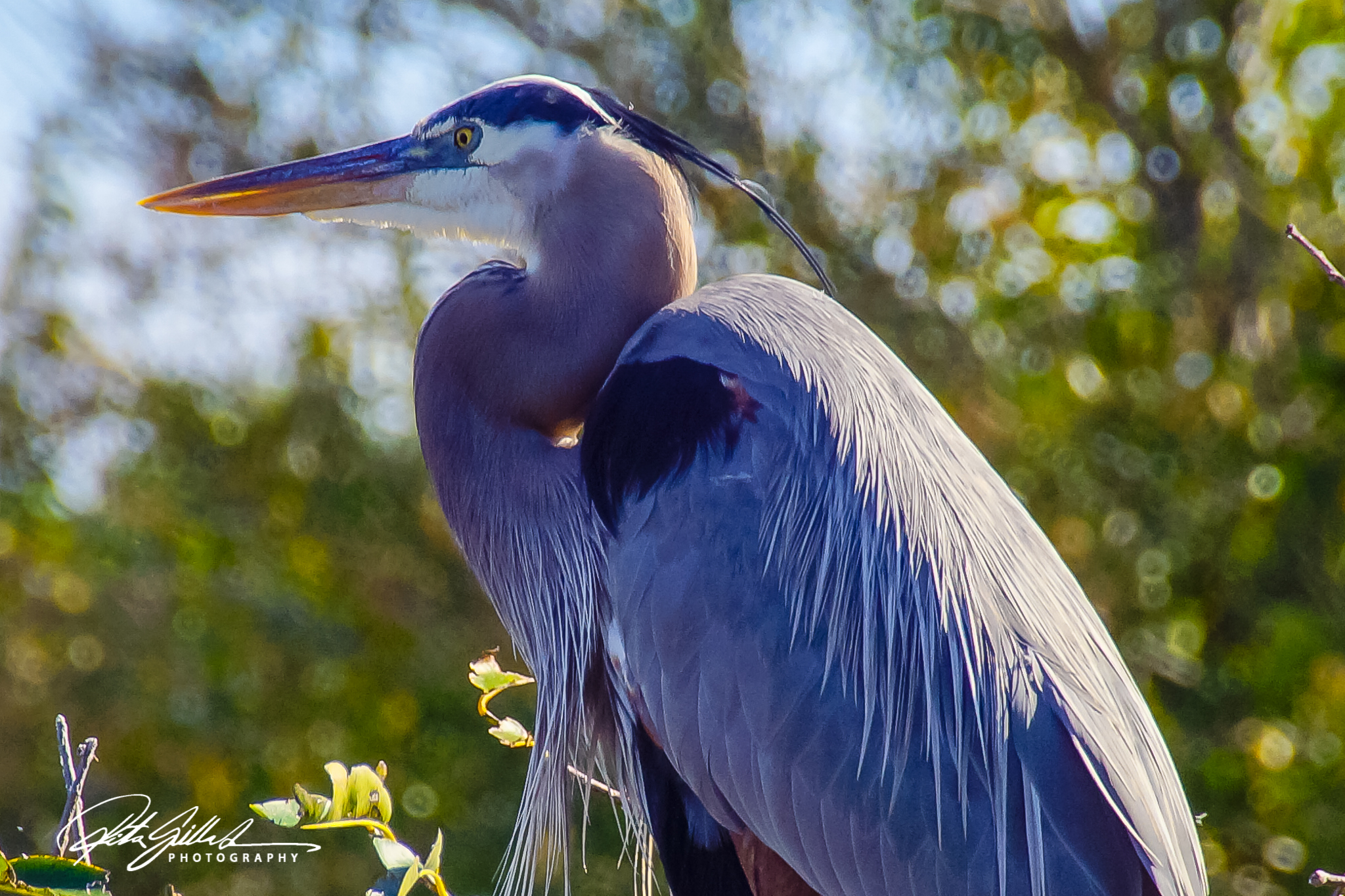
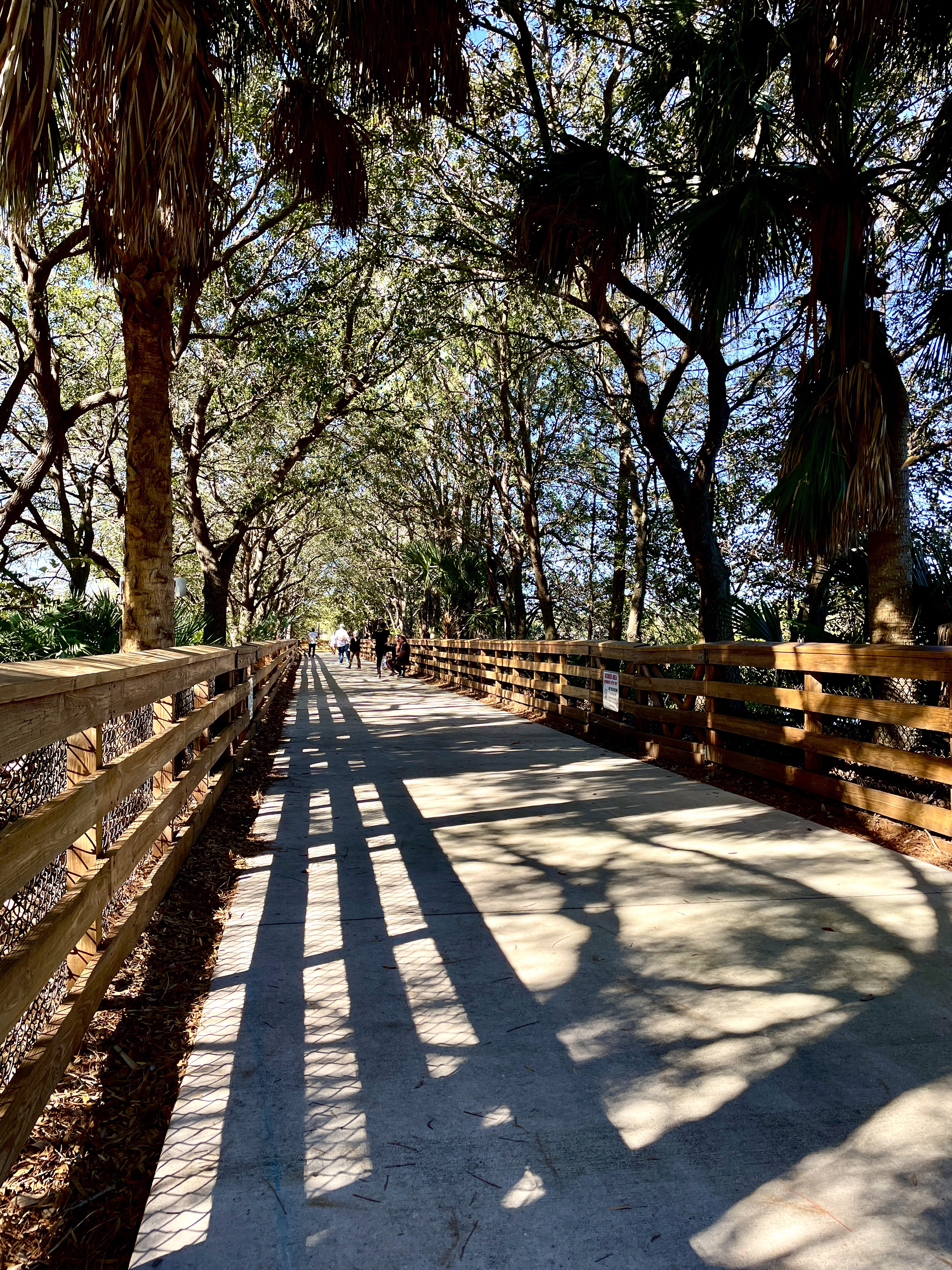
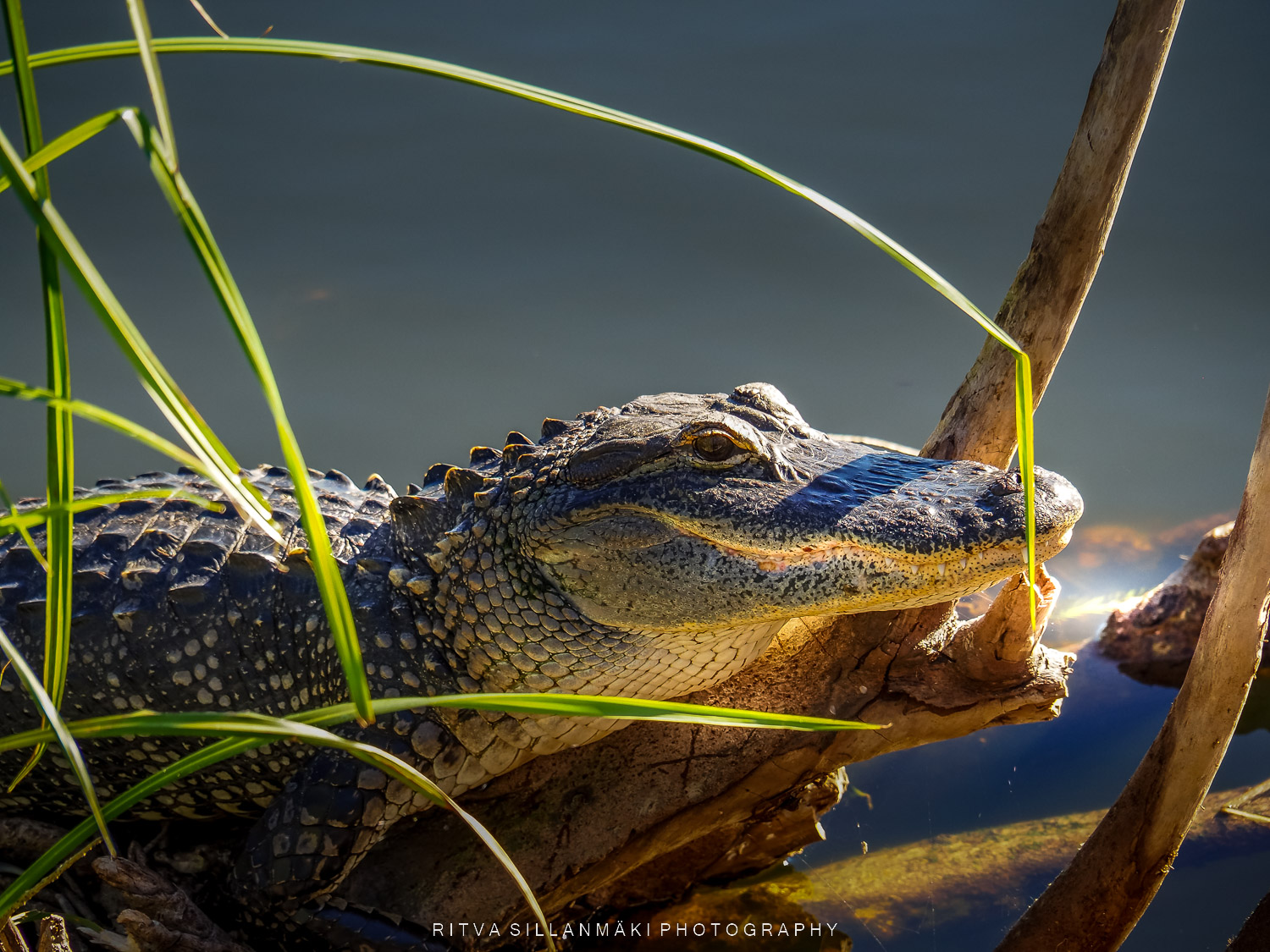
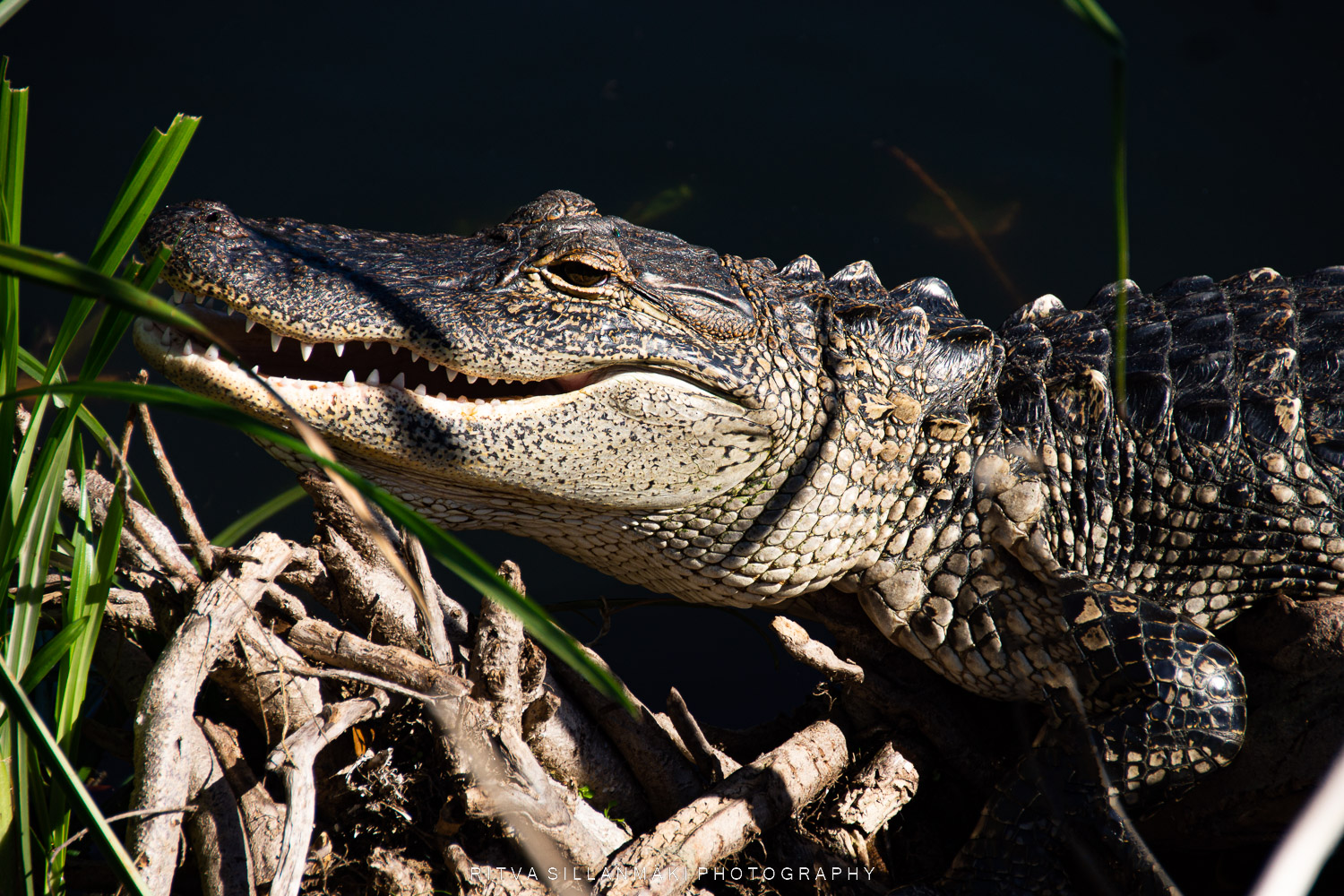
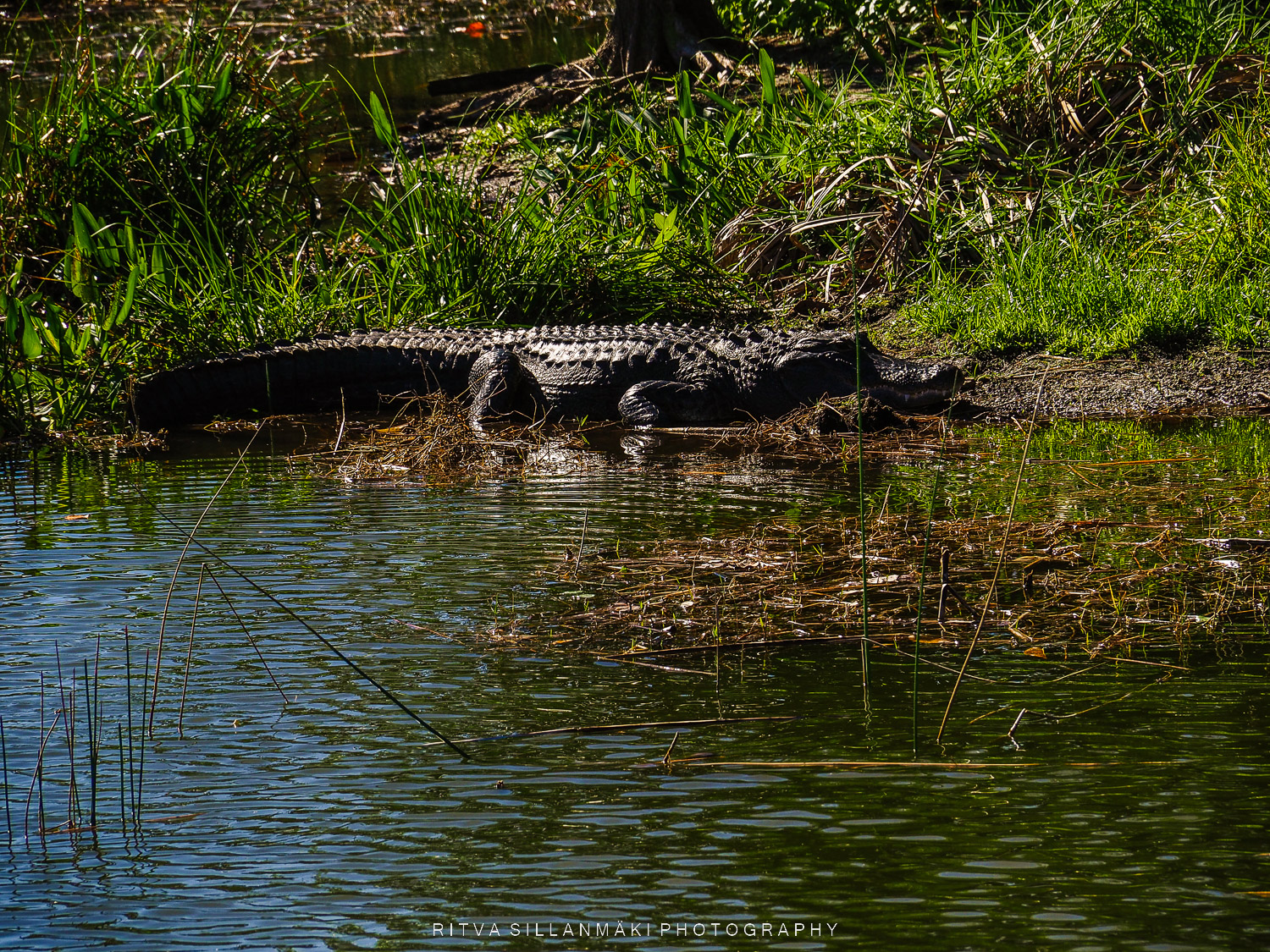
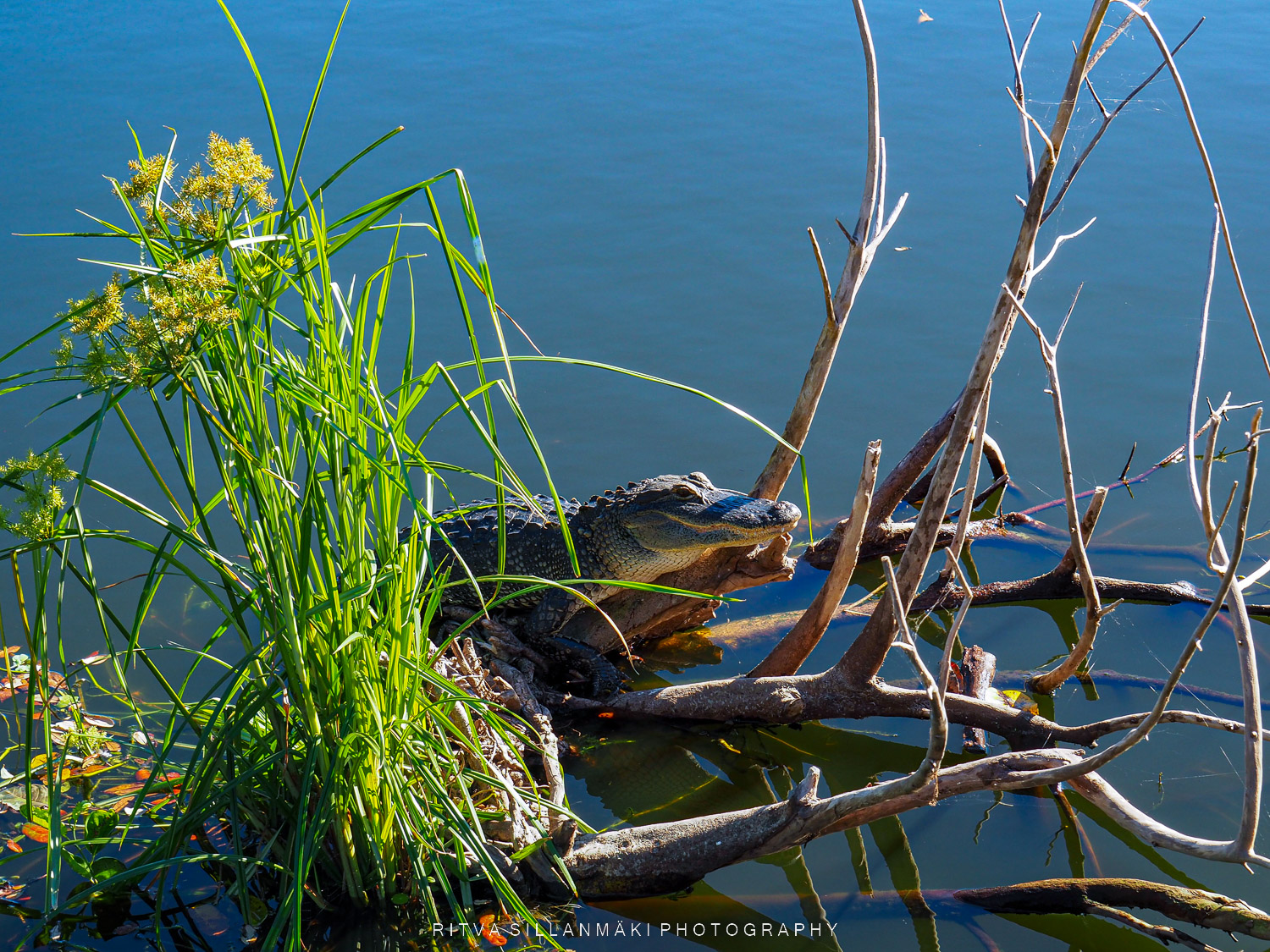
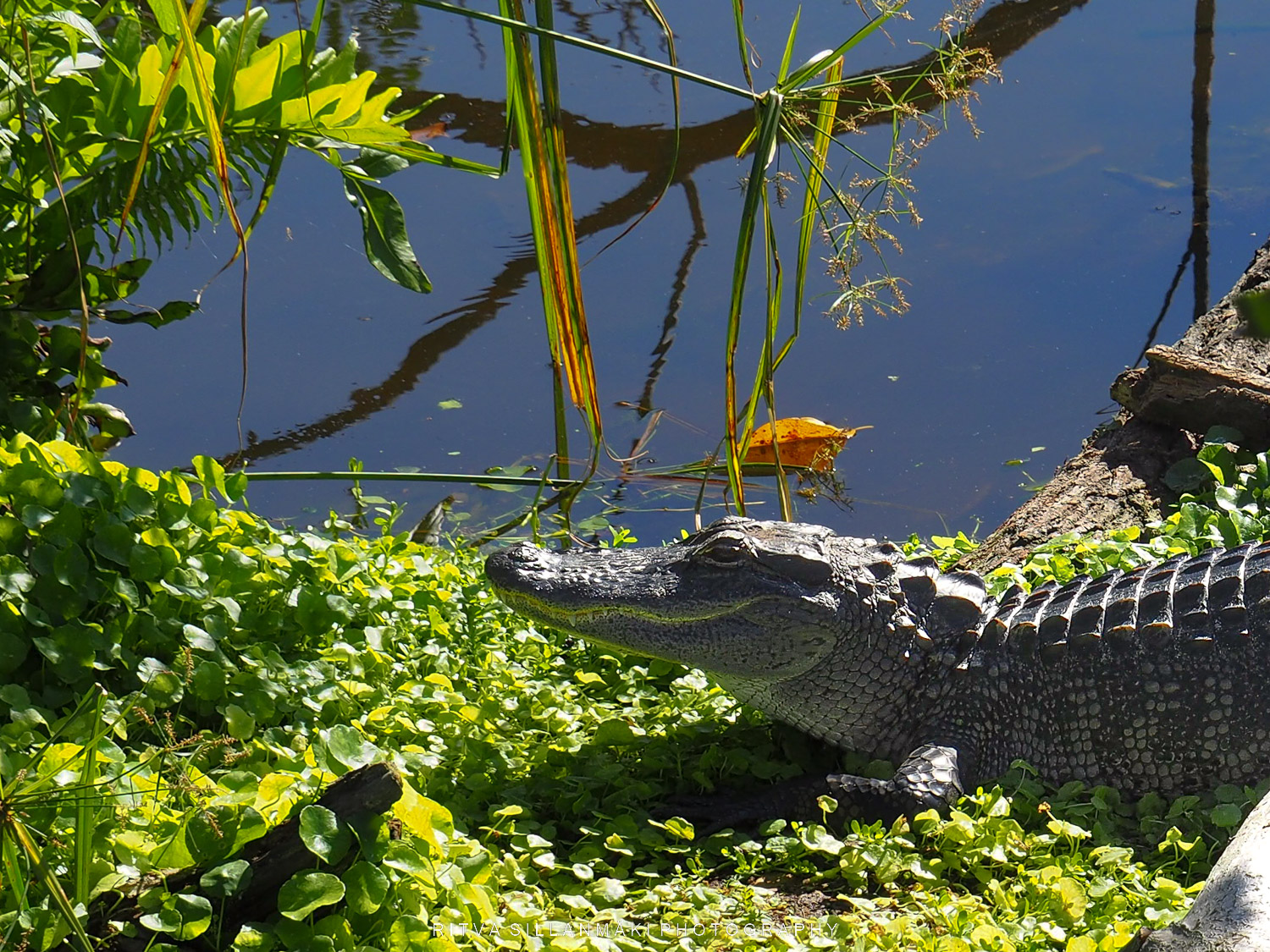
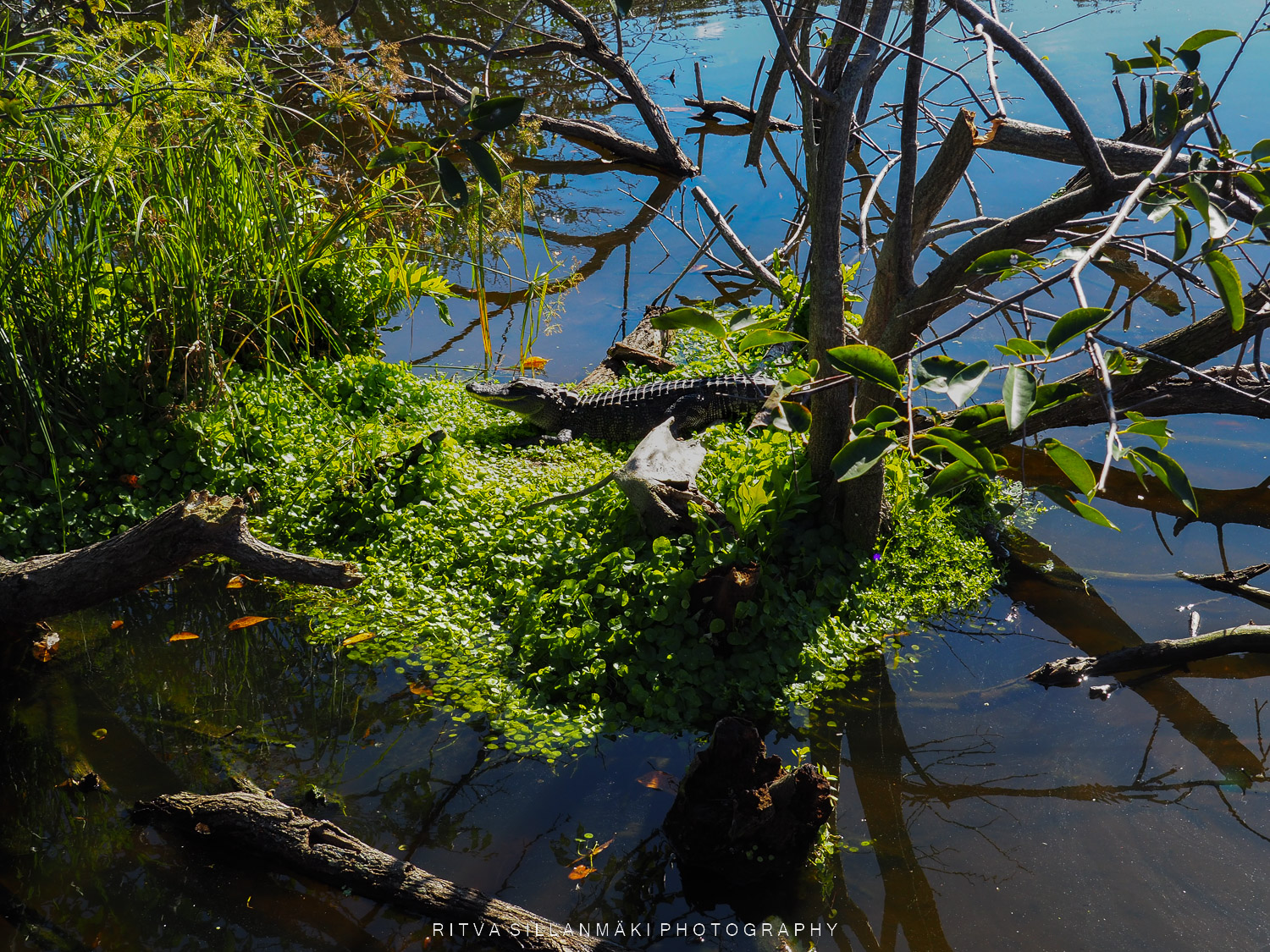
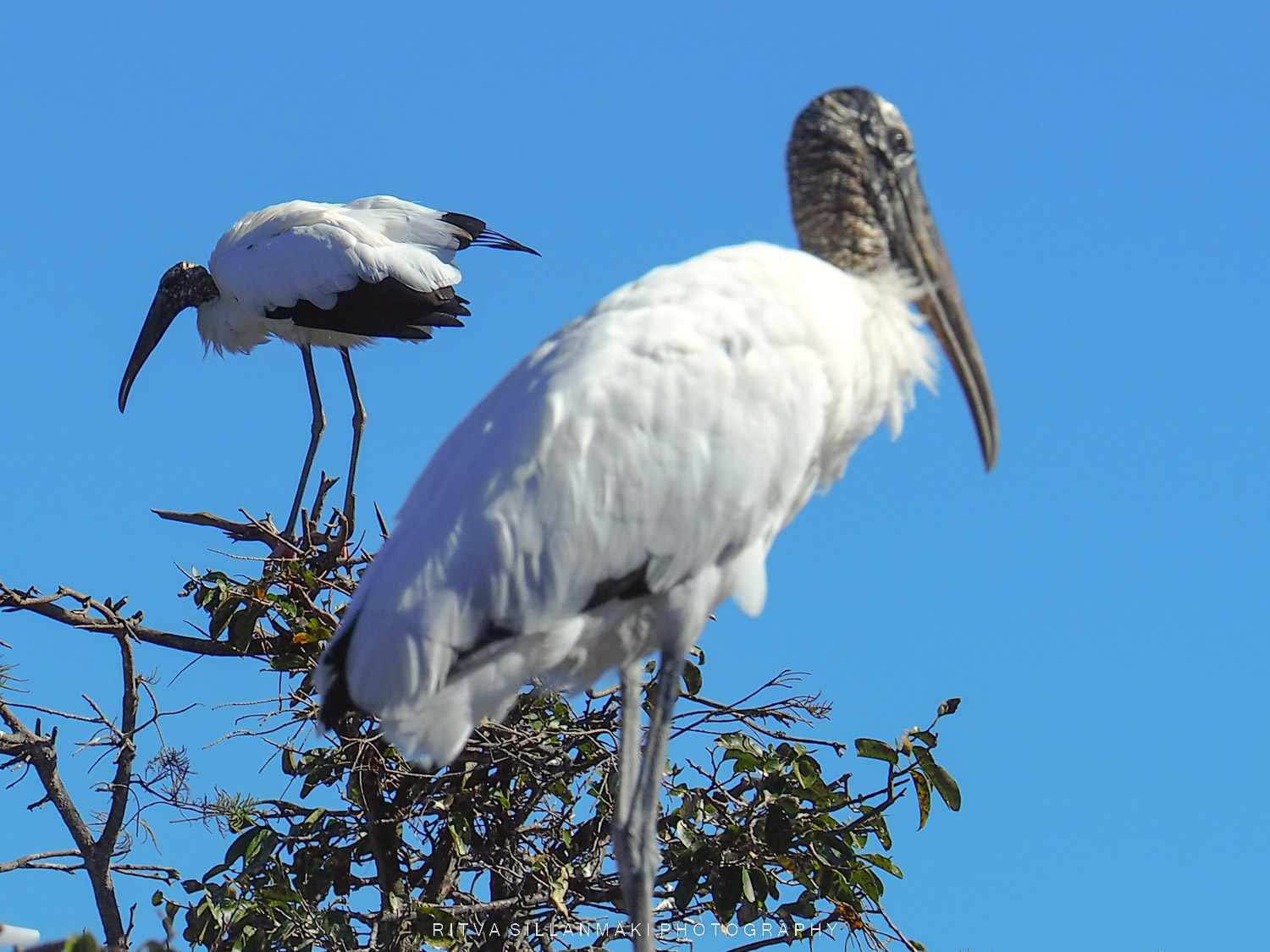
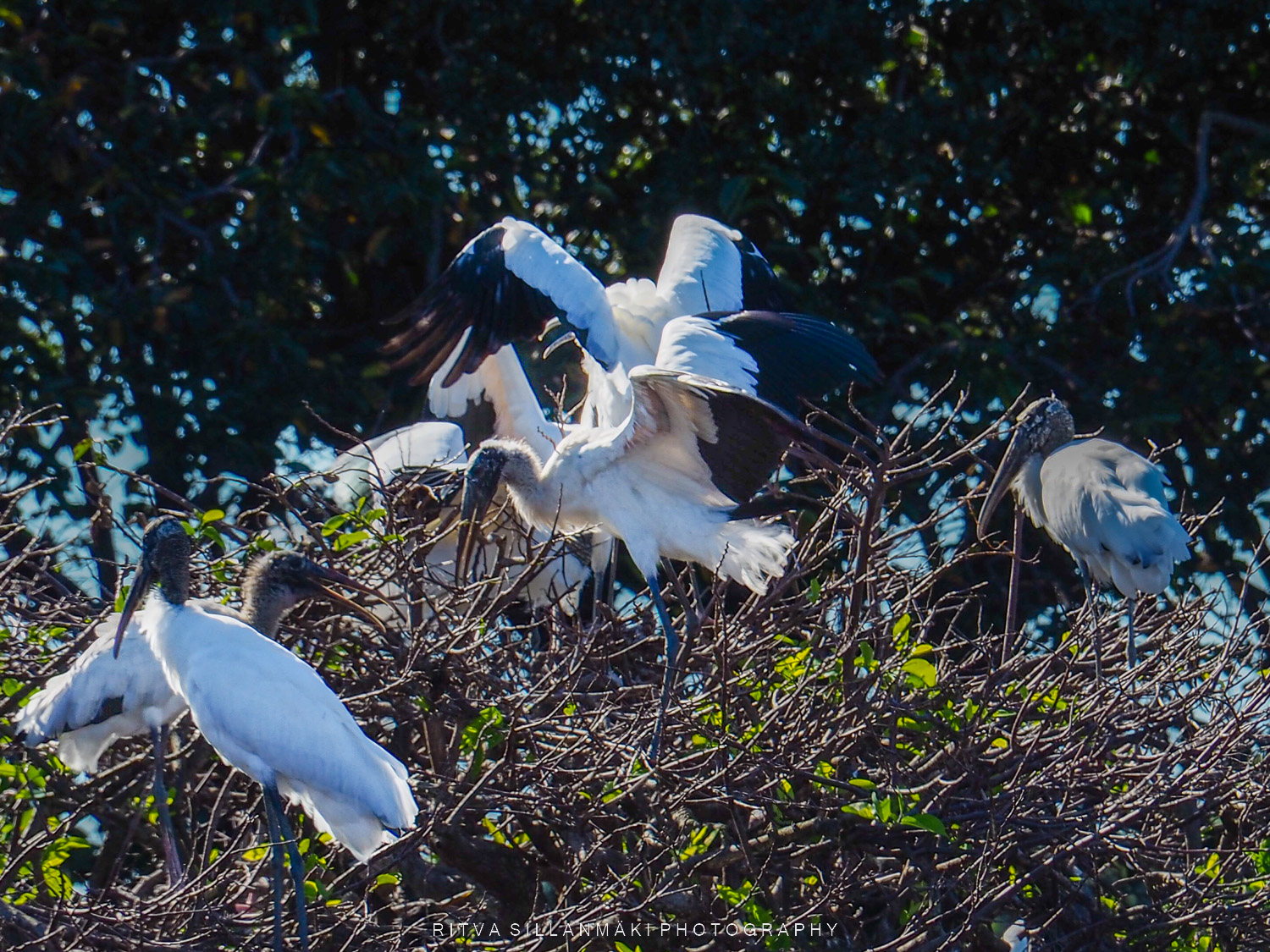
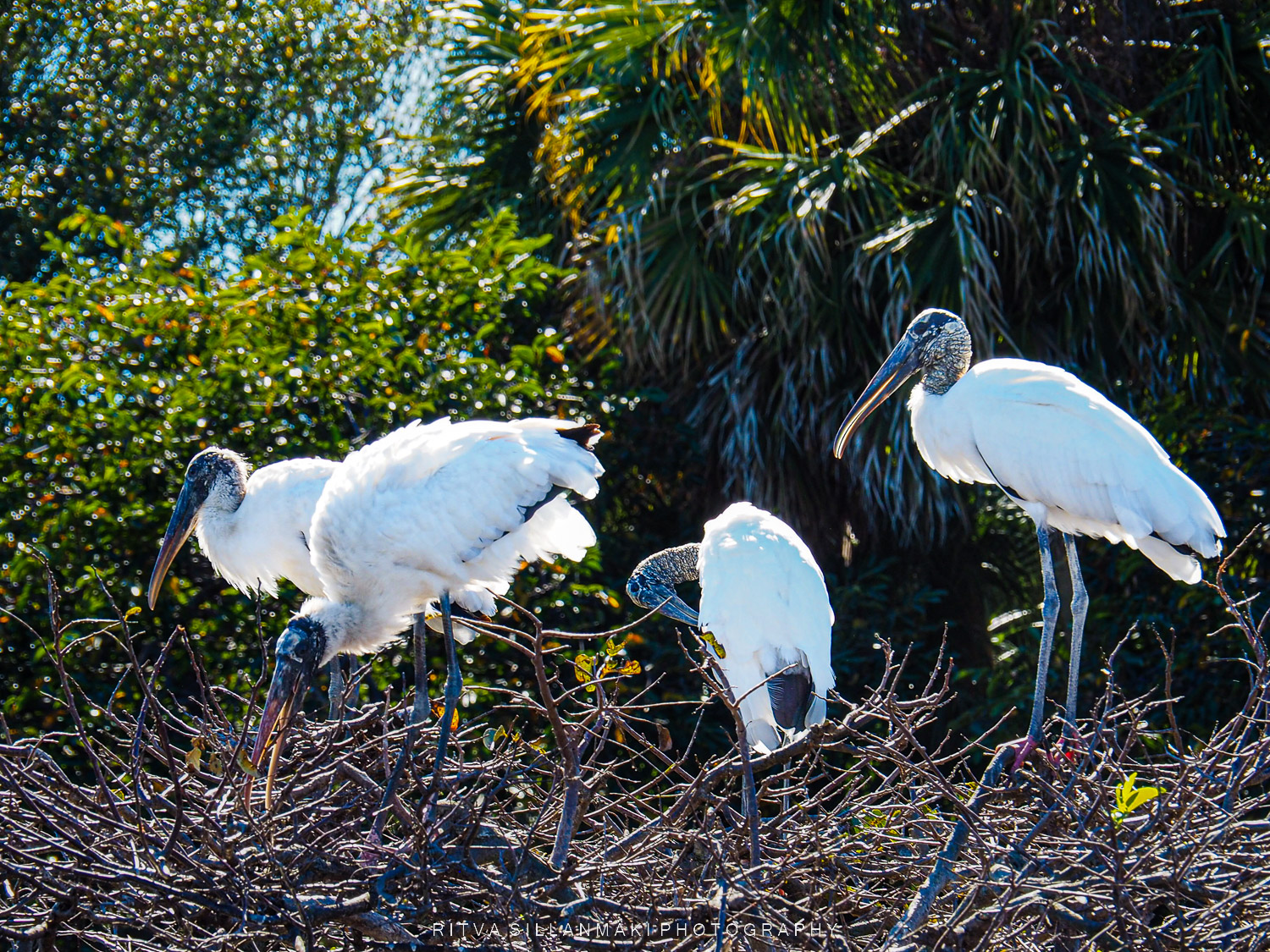
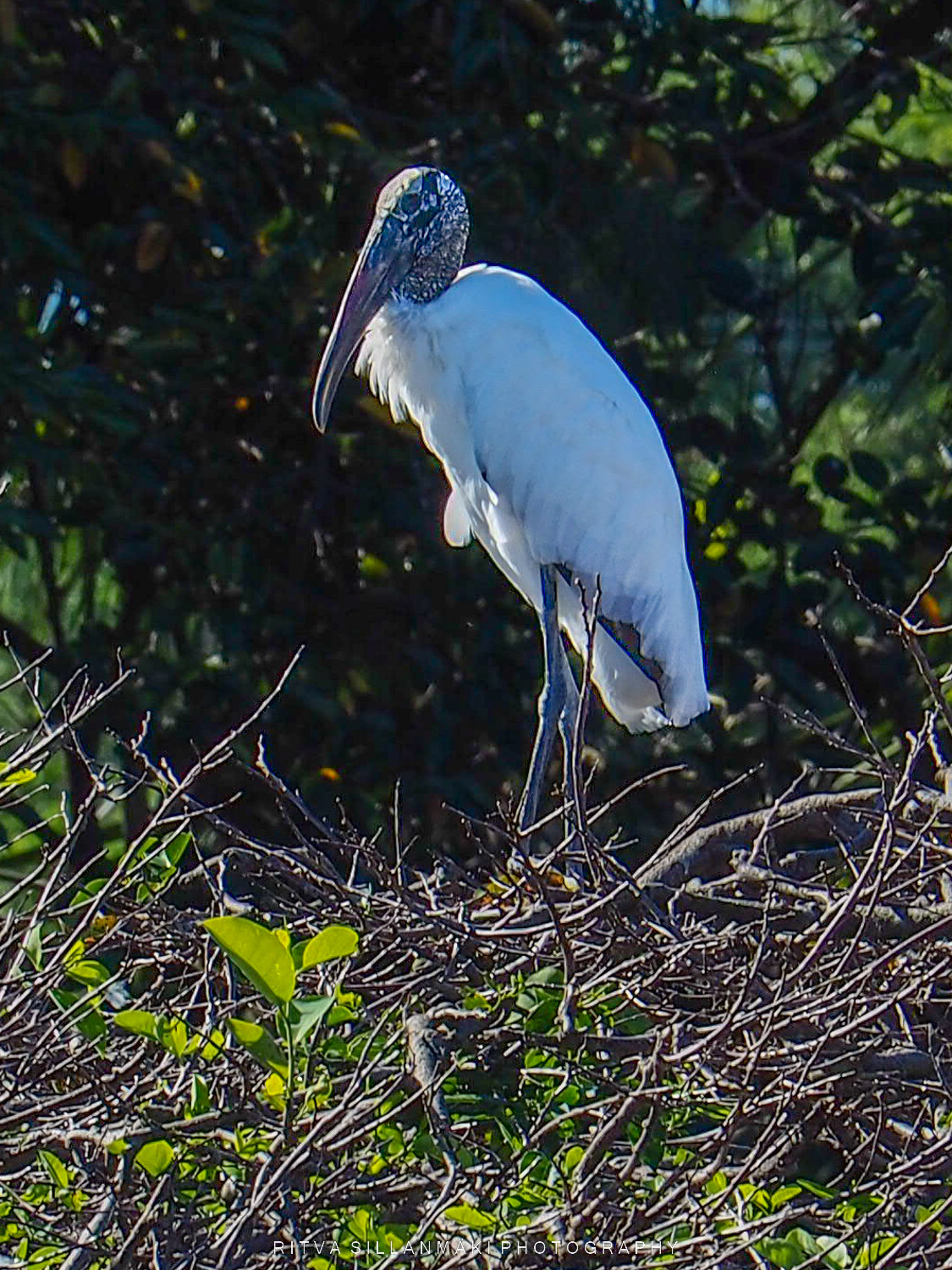
We were already at the Wakodahatchee Wetland (Delray Beach) just after 10am. We toured the Boardwalk and saw e.g. four alligators enjoying the sunshine, great blue heron, egret, wood stork and double crested cormorant, and tricolored heron and a turtle. The birds were reportedly preparing for mating and nesting, the woodstocks were very active making the nest but otherwise it was a pretty lazy day for the animals.
We ran into a few people who said they go to the wetlands every day for a walk. I can say I was not the only one thre with a camera. Here are some of the shots that I got.
Here is some background info about the he park, it was created on 50 acres (20 ha) of unused utility land and transformed into a recreation wetlands open to the public with a three-quarter mile boardwalk that crosses between open water pond areas, emergent marsh areas, shallow shelves, and islands with shrubs and snags to foster nesting and roosting.
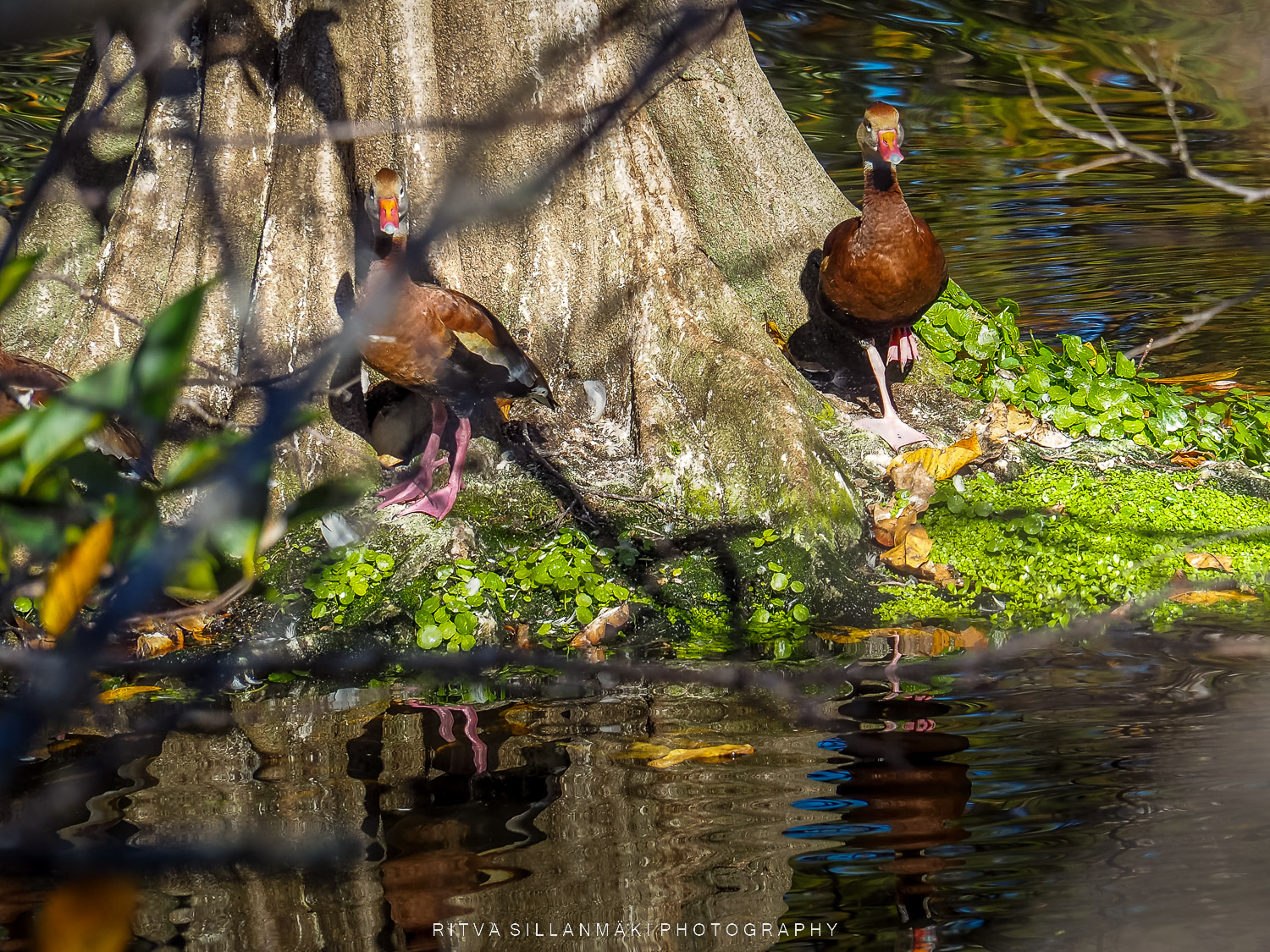
Over 150 species of birds have been spotted inside the park, including wood stork, pied-billed grebe, snowy egrets, and black-bellied whistling ducks. The park is also home to turtles, alligators, rabbits, frogs, and raccoons.
Each day, the Southern Region Water Reclamation Facility pumps approximately two million gallons of highly treated wastewater into the Wakodahatchee Wetlands, which in turn acts as a percolation pond, returning billions of gallons of fresh water back into the water table.
I will be going on a vacation on Thursday for three weeks, will be enjoying new places, sun and experiencing new foods, hopefullymeeting new people. I will post photos taken with my camera when I get back, I am brave and I am leaving my laptop home. I might post something from my phone, most likely, but who knows.
I bought these tickets two years ago, but all thats been going on has postponed it. But now, so happy to have a break from the winter and the dark season, even if we have snow now. Our plan was to go in February but the fact that we had to postpone also changed the month. Hope the weather is pleasant anyways. last time it was a bit nippy 🙂 in January.
Looking forward to sunny beaches, warm sand under my feet.
Sightseeing is the other part and cooler weather is good for that as long as it doesn’t rain. It will be what it is, but we will be on vacation from the normal life rut. So looking forward to this. We rented a car so we can move from one place to an other, hotels are booked and research done for the places we are going to visit. We are ready.
Ann from Slow Shutter Speed A photographic journey hosts this weeks Lens Artists Challenge #225: Wildlife Close to Home. Wrote; Stop. Look. Listen. Doing those three things will help you discover the abundance of wildlife you have nearby. You have wildlife in your yard, nearby park, local pond or lake and just about anywhere around you.
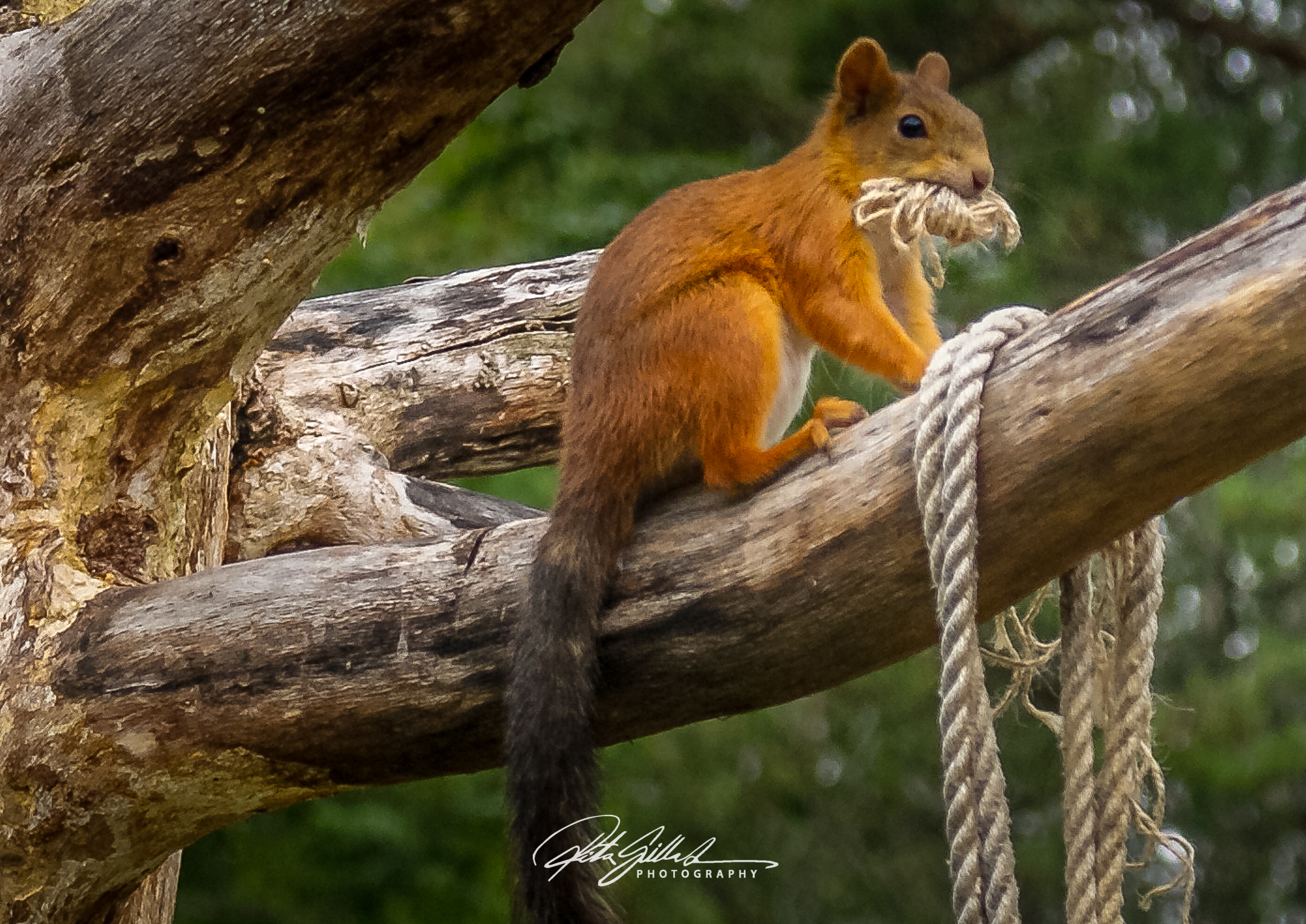
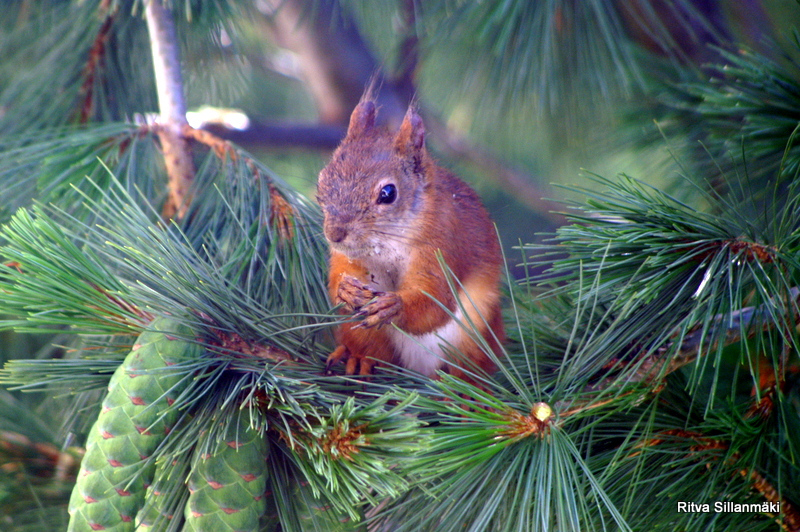
My contribution this week are these images. Animal Photography is not my forte, I don’t have the patience or the equipment to get the best shots, but I occasionally get a shot.
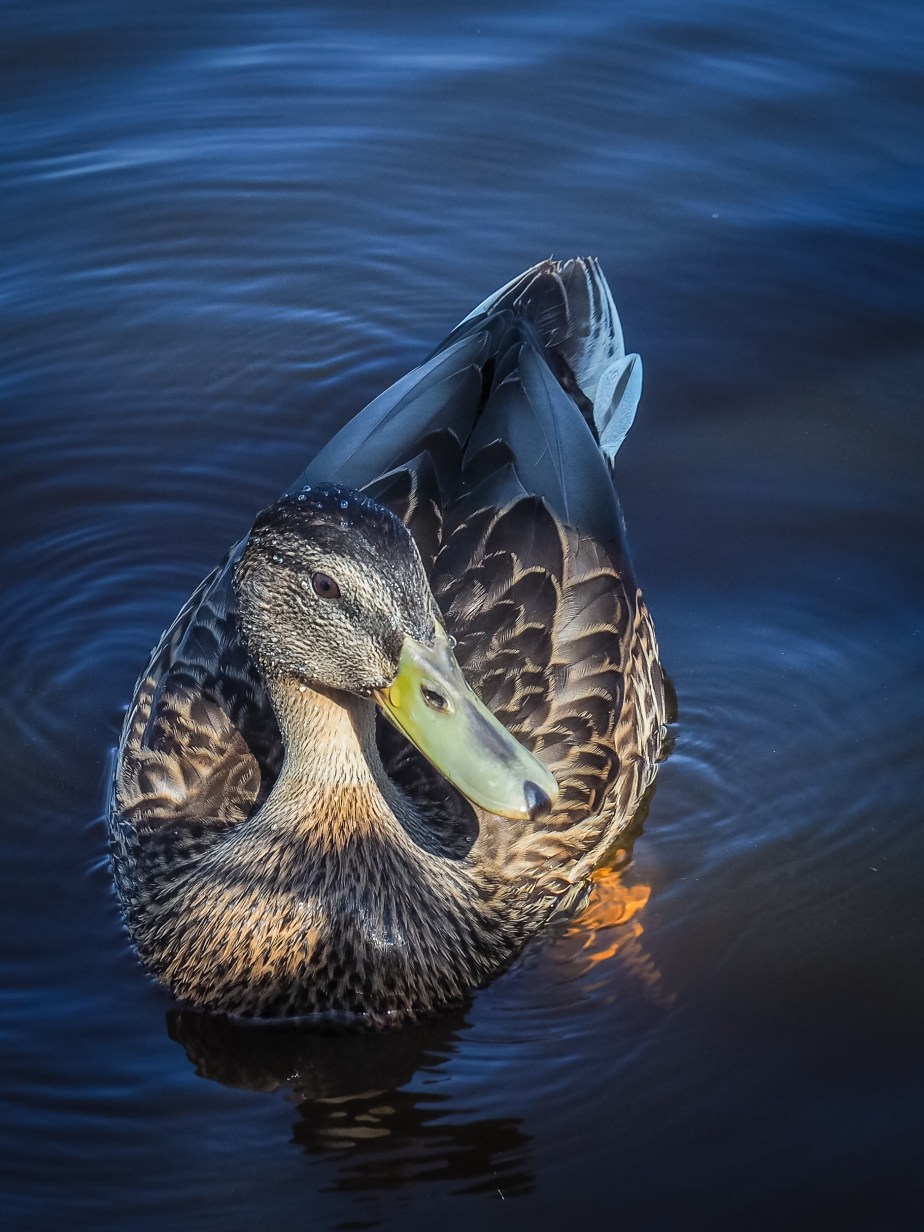
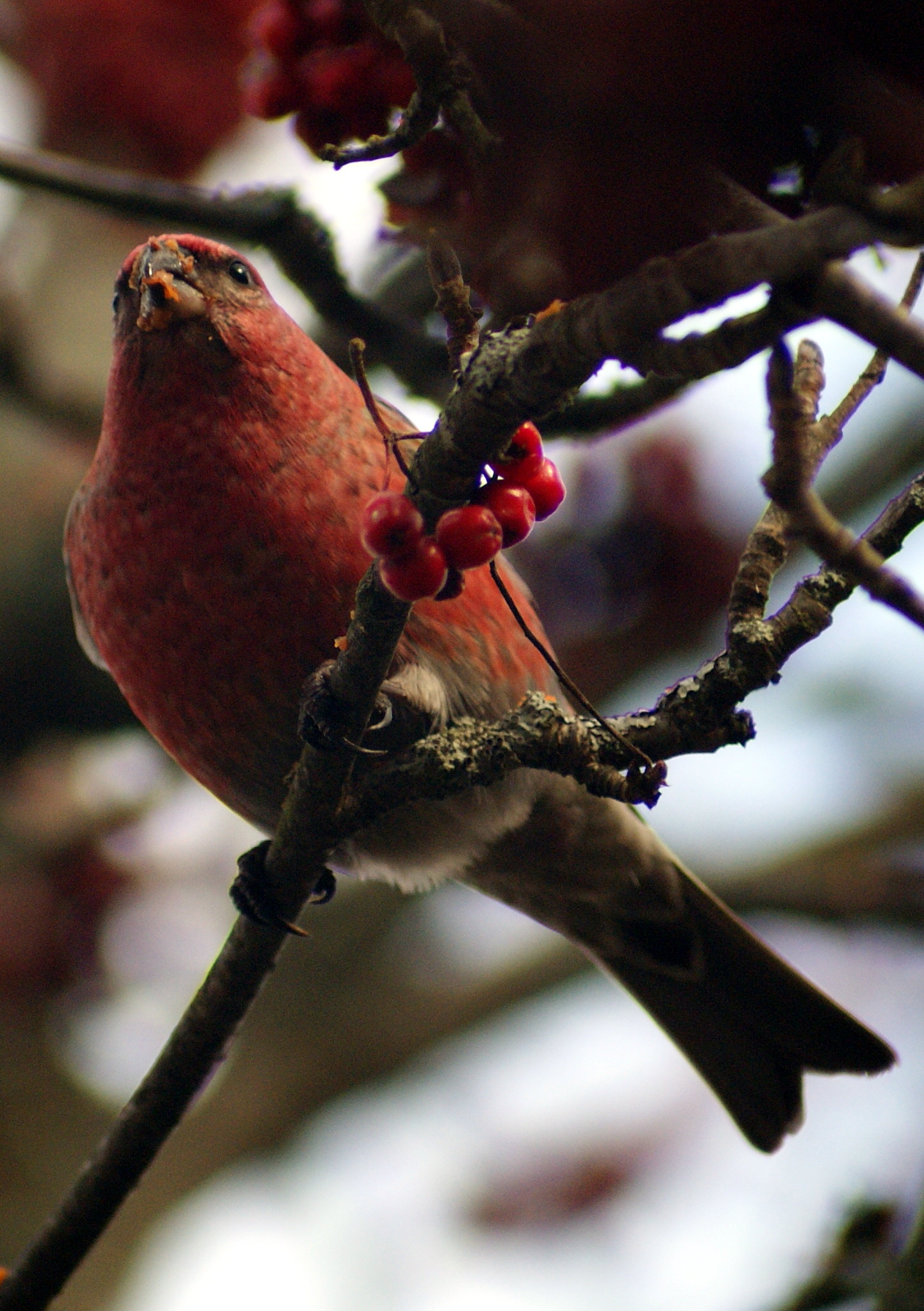
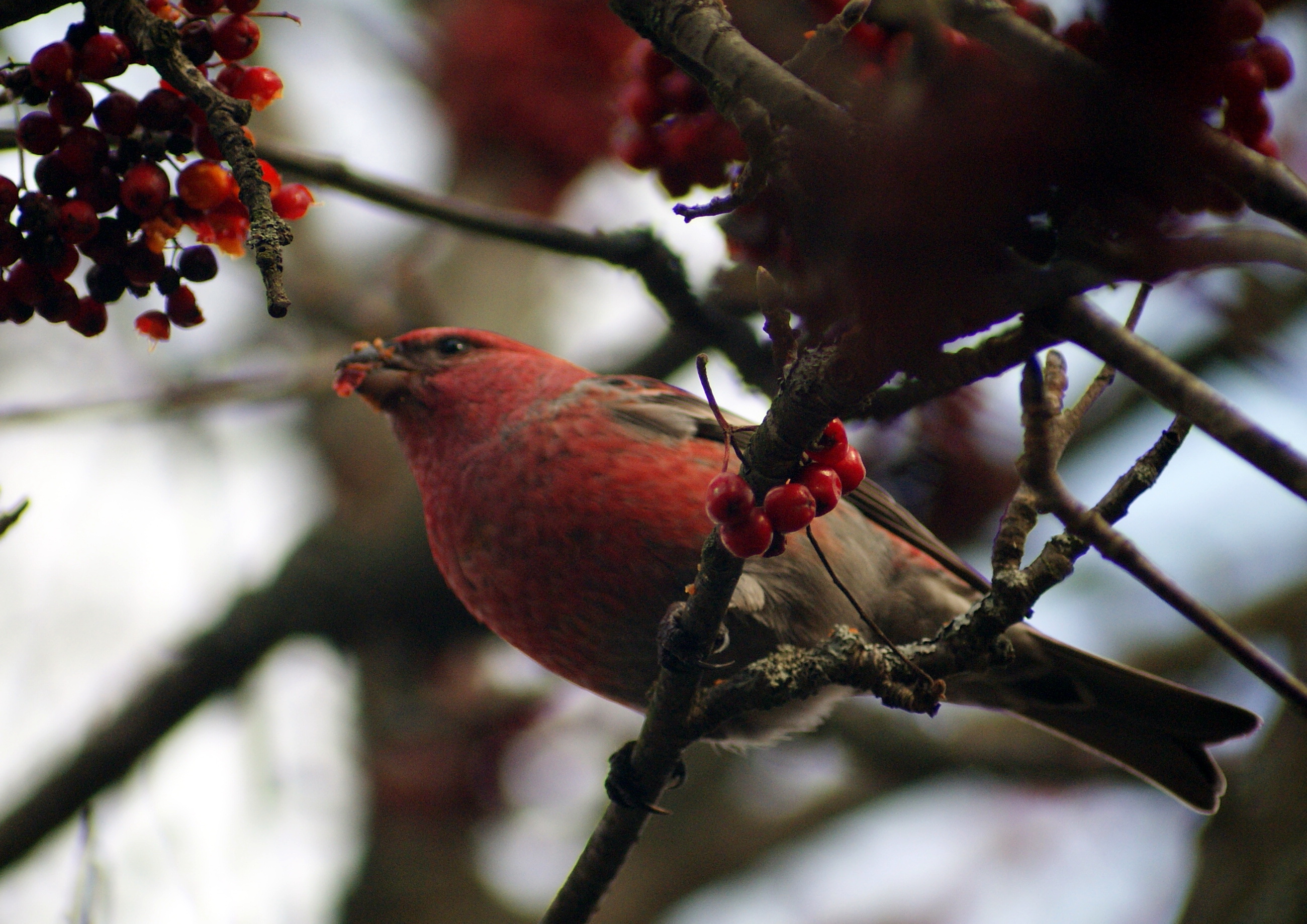
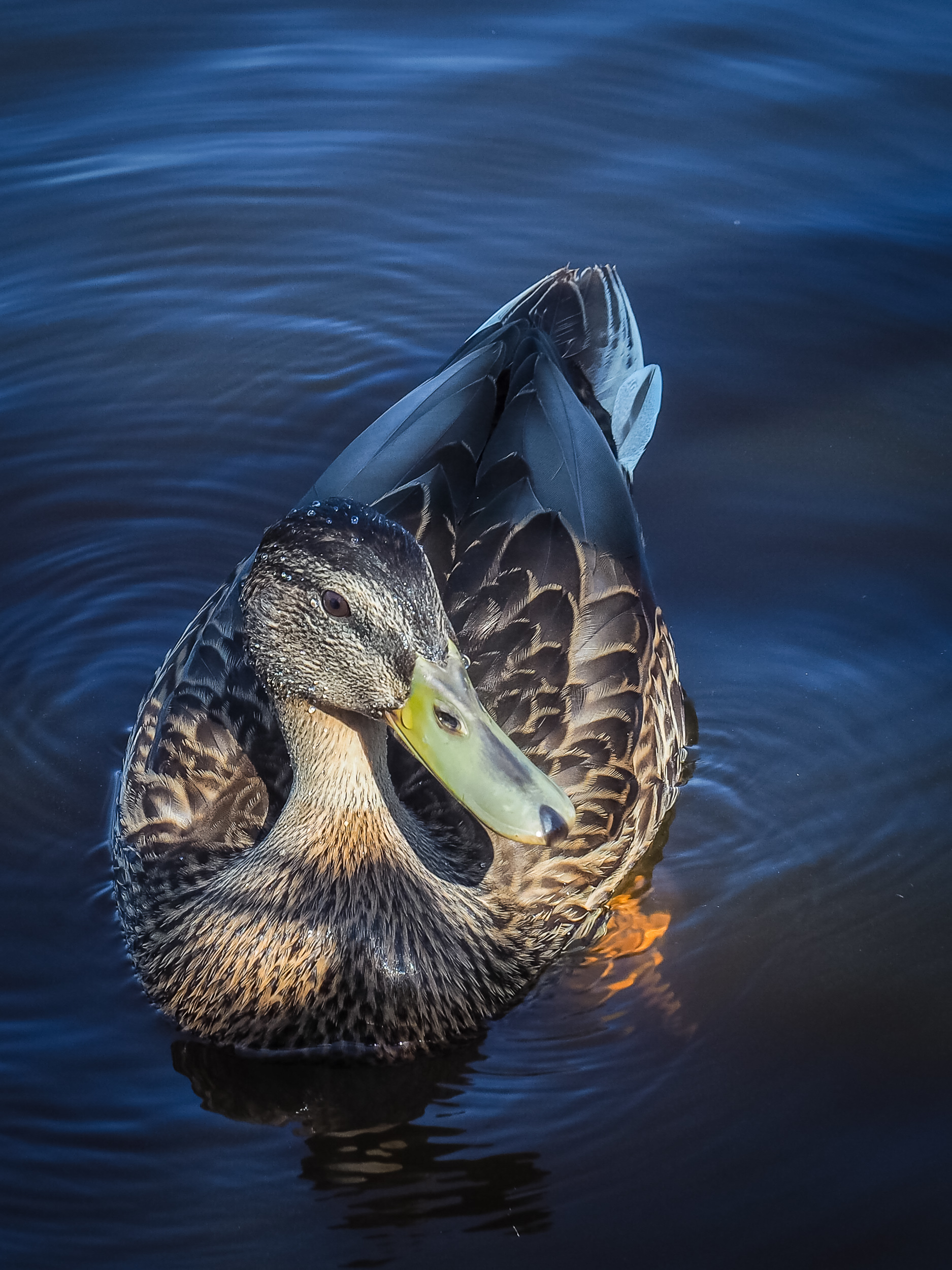
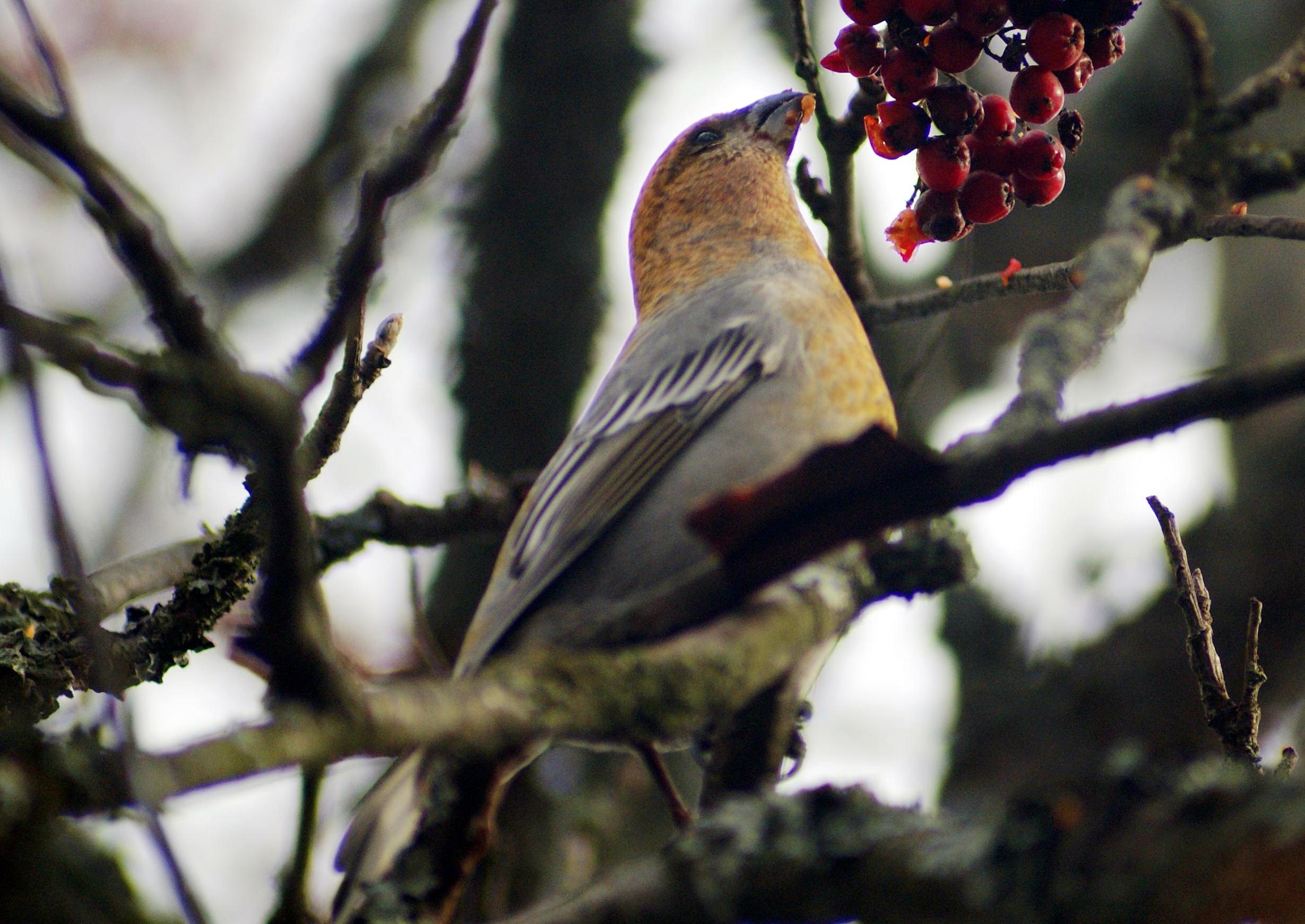
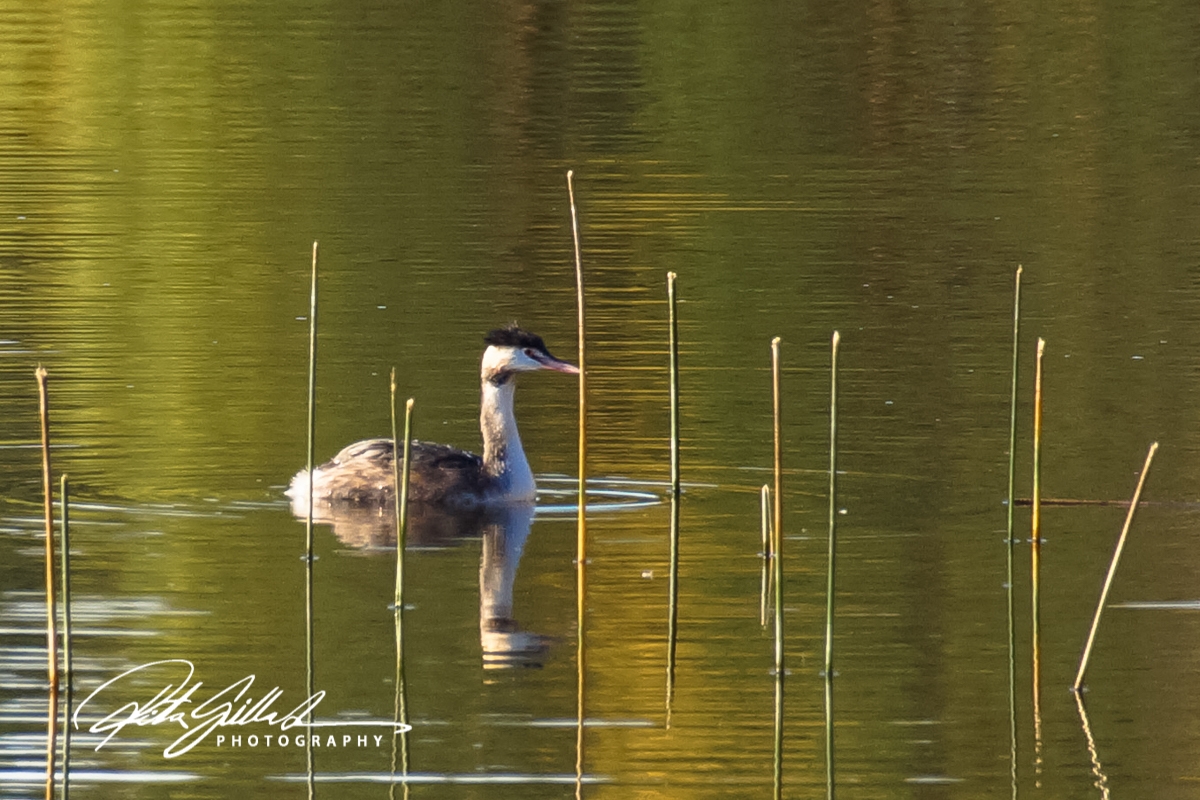
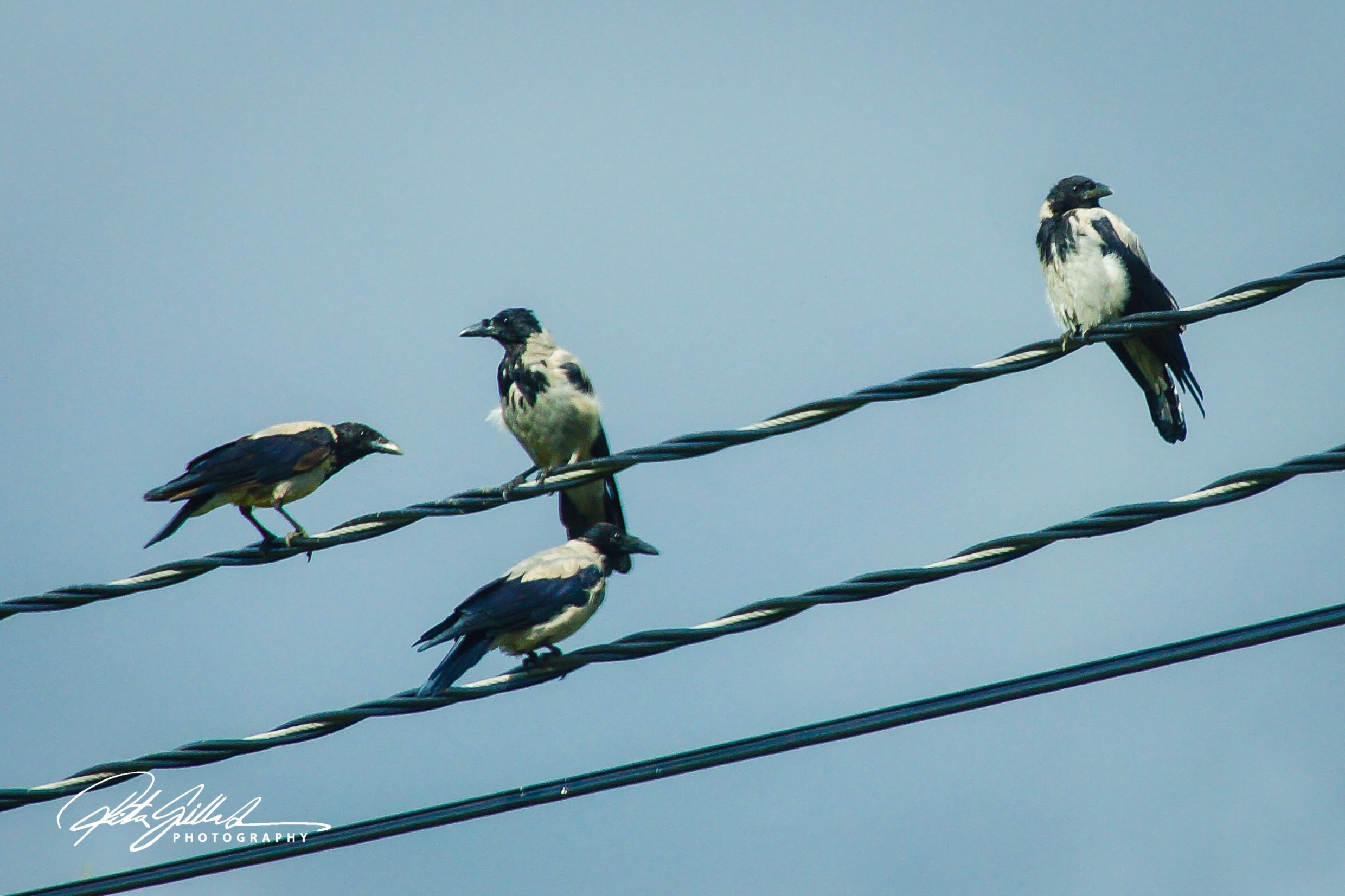
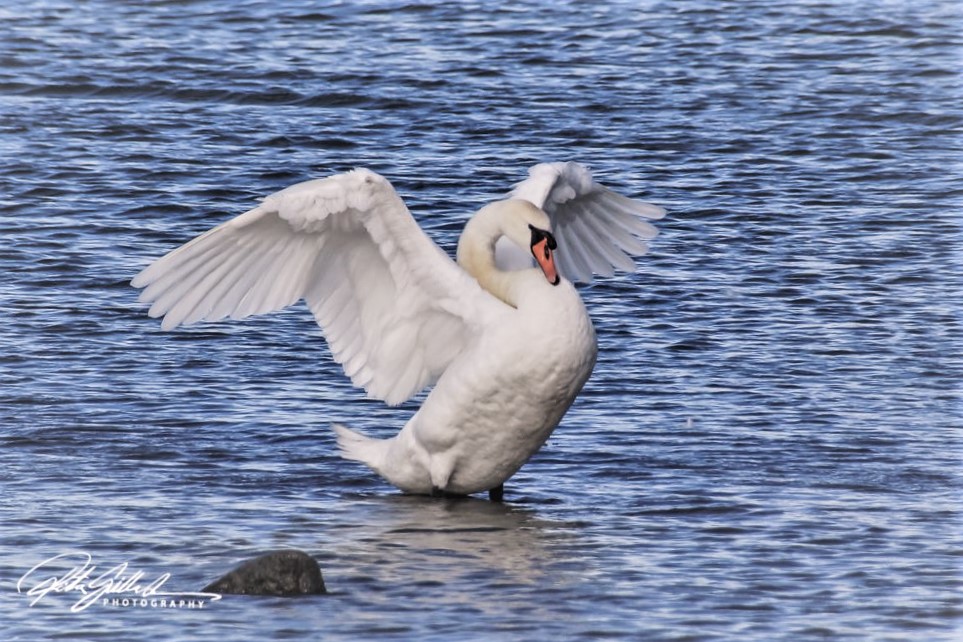
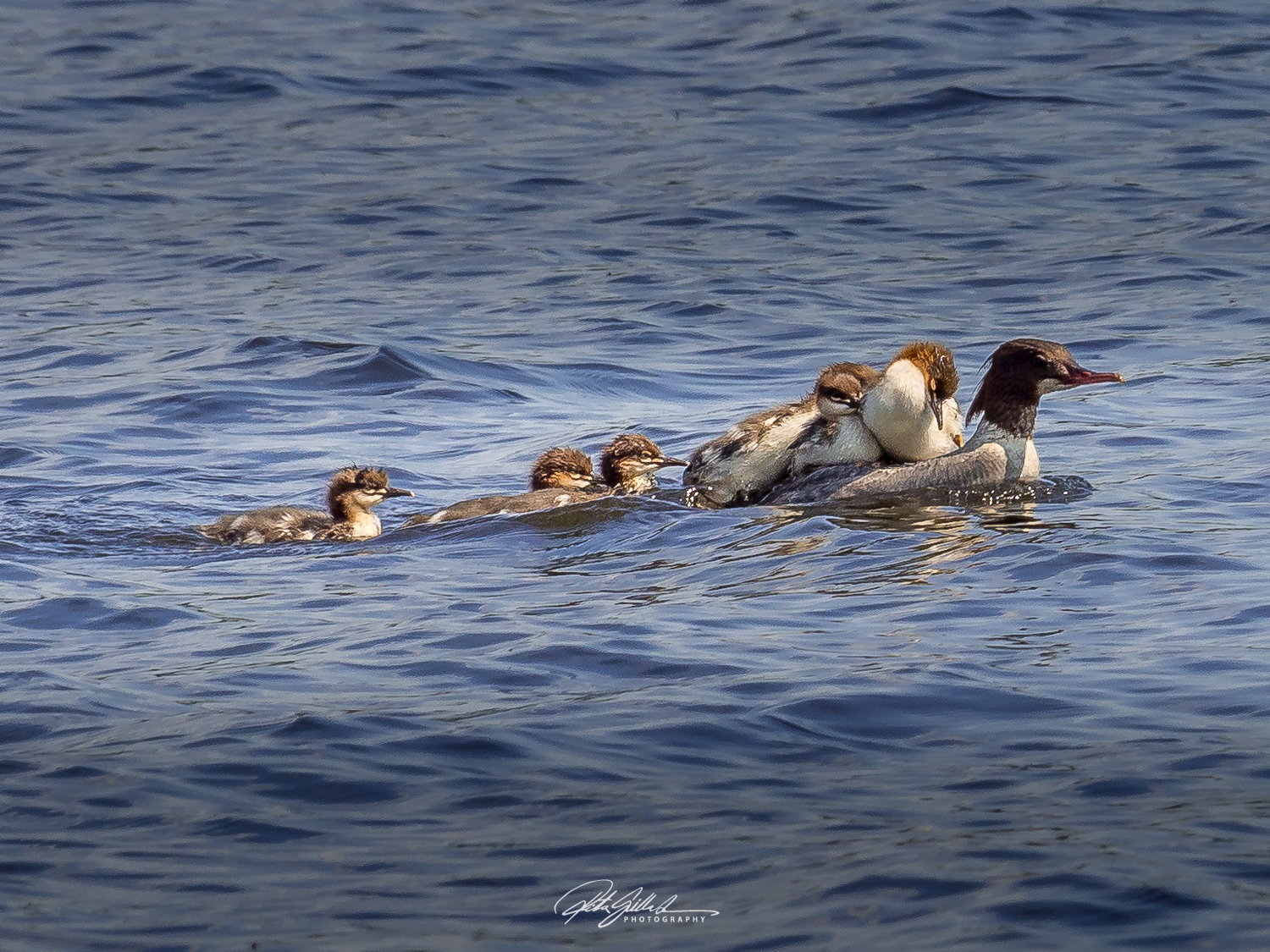
Birds big and small that I have been able to capture. this type of photography is not my forte.
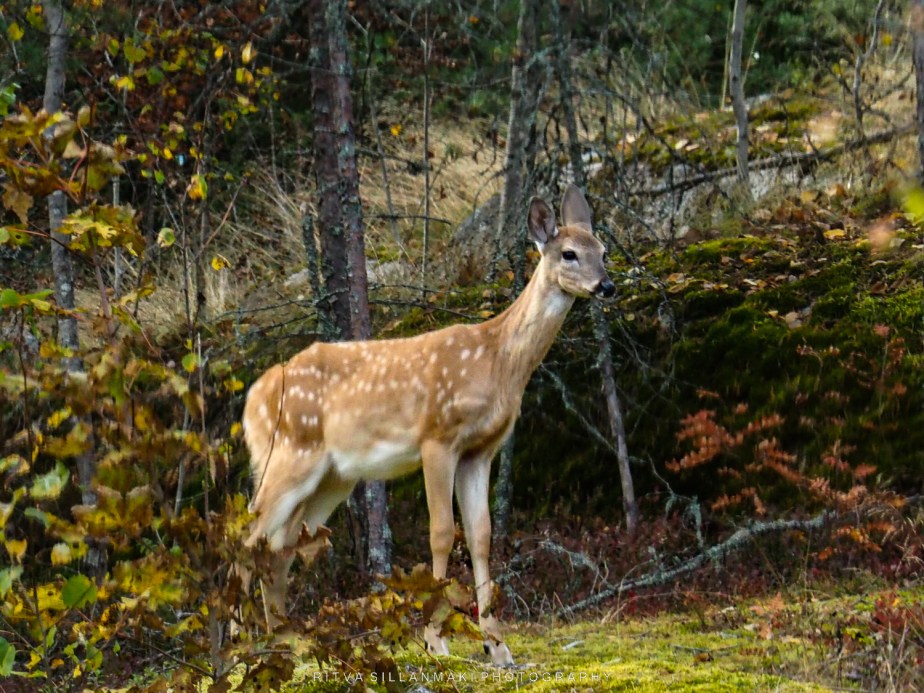
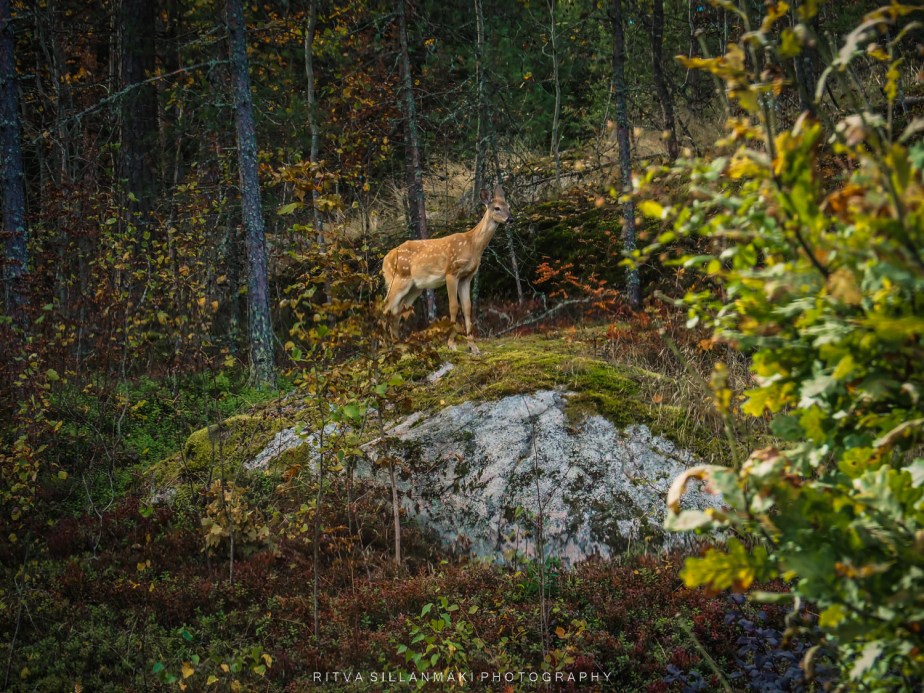
A deer from our backyard deer on a hillDeer seen from my bedroom window.
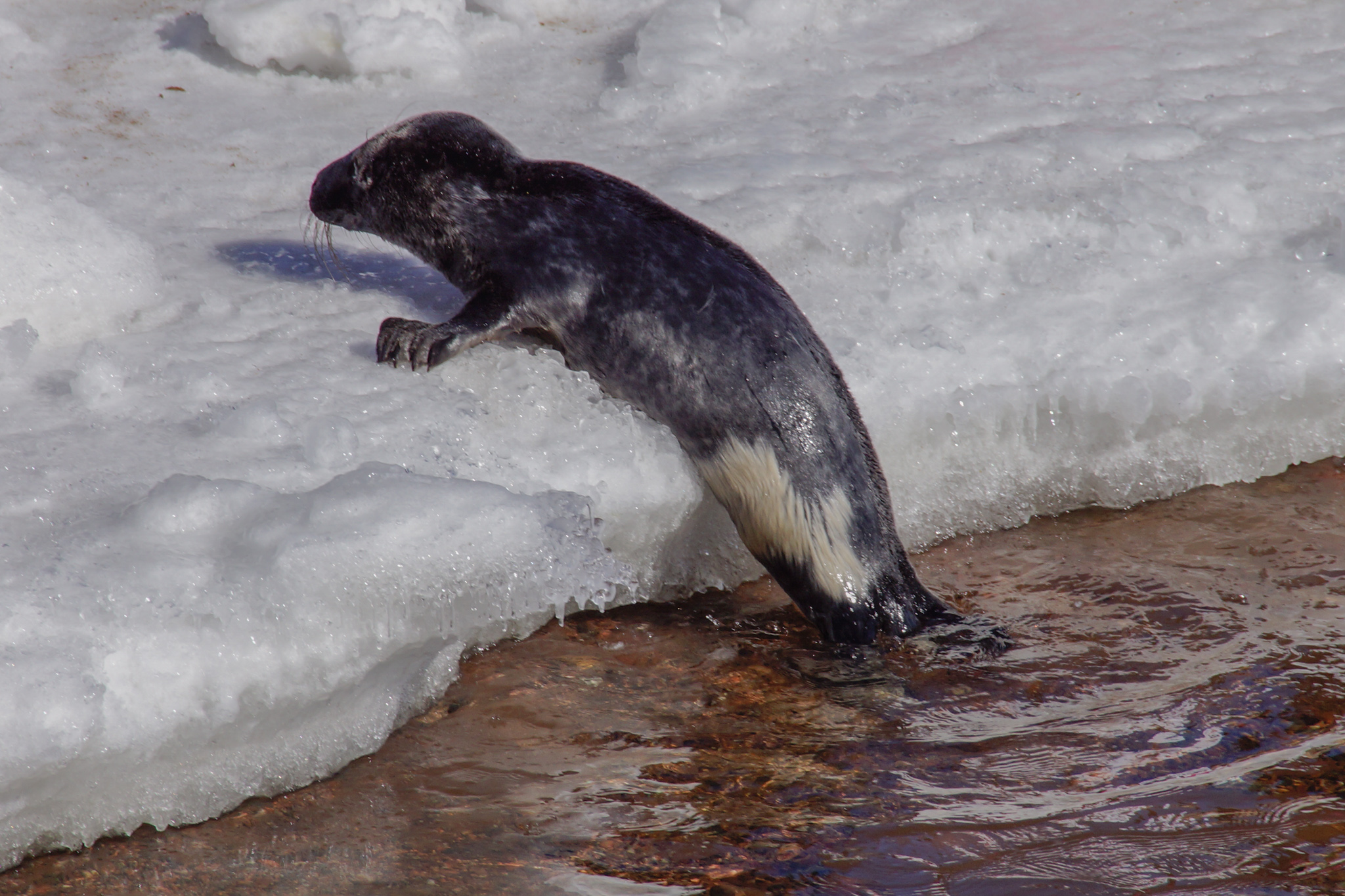
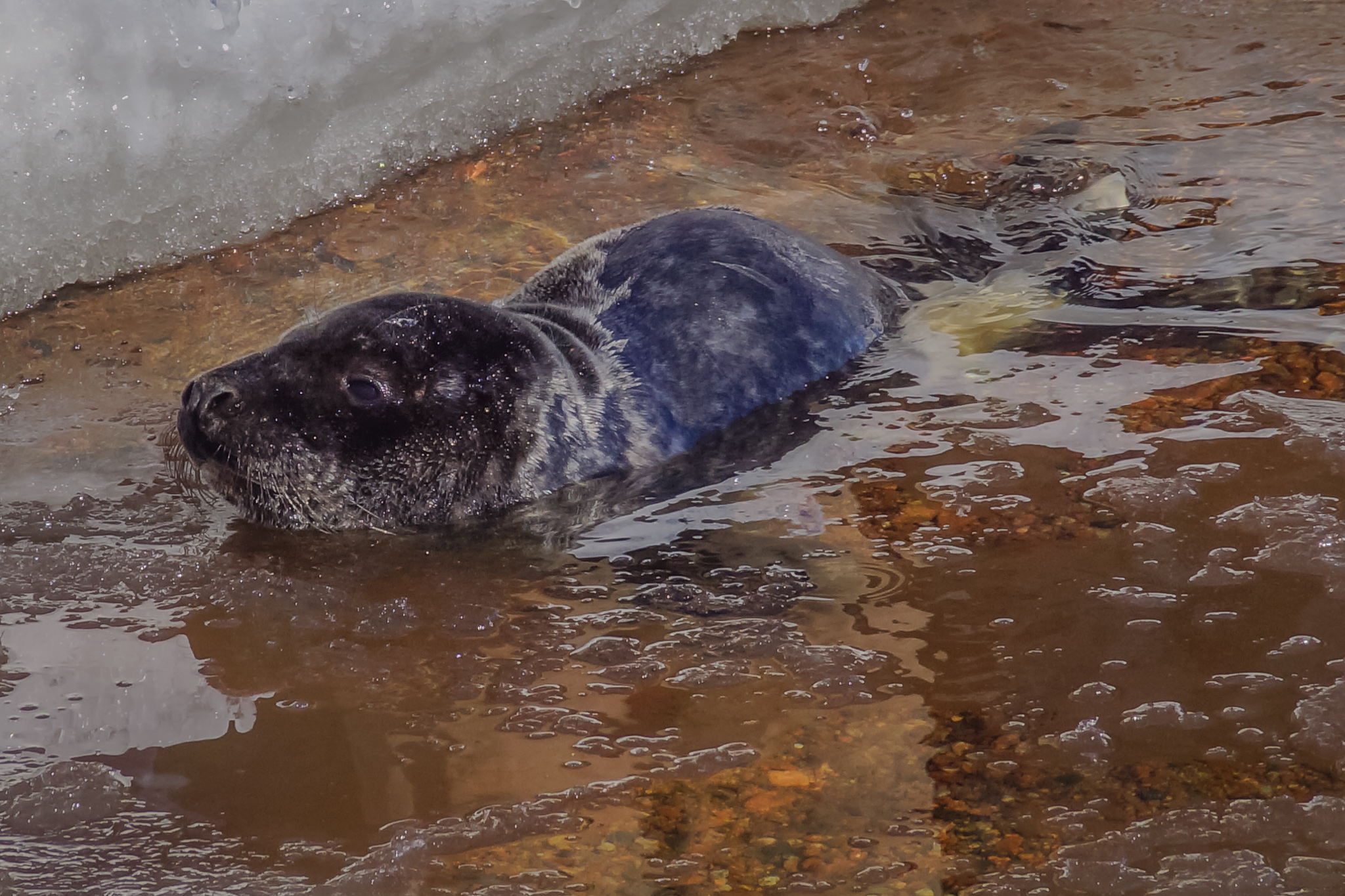
Capturing this Seal was just a happy break, I was at a right place at right time.
For this challenge, it is up to you how you work on exposure. You might, like me, prefer to use shutter speed to change the exposure balance when shooting. You can also play with aperture. Or you can have fun changing the exposure settings while editing. The idea here is to see how the mood of any photo depends on its exposure.
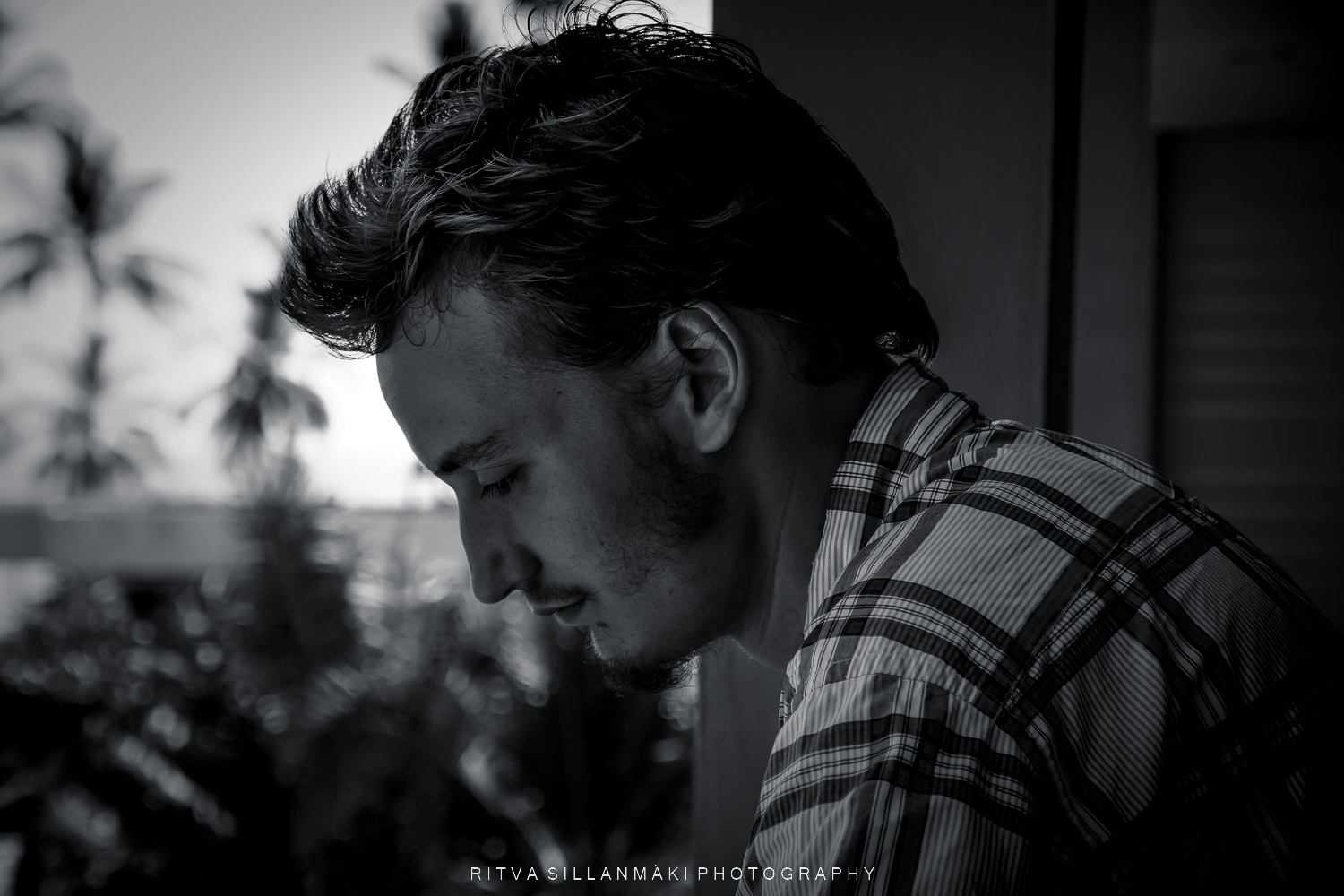
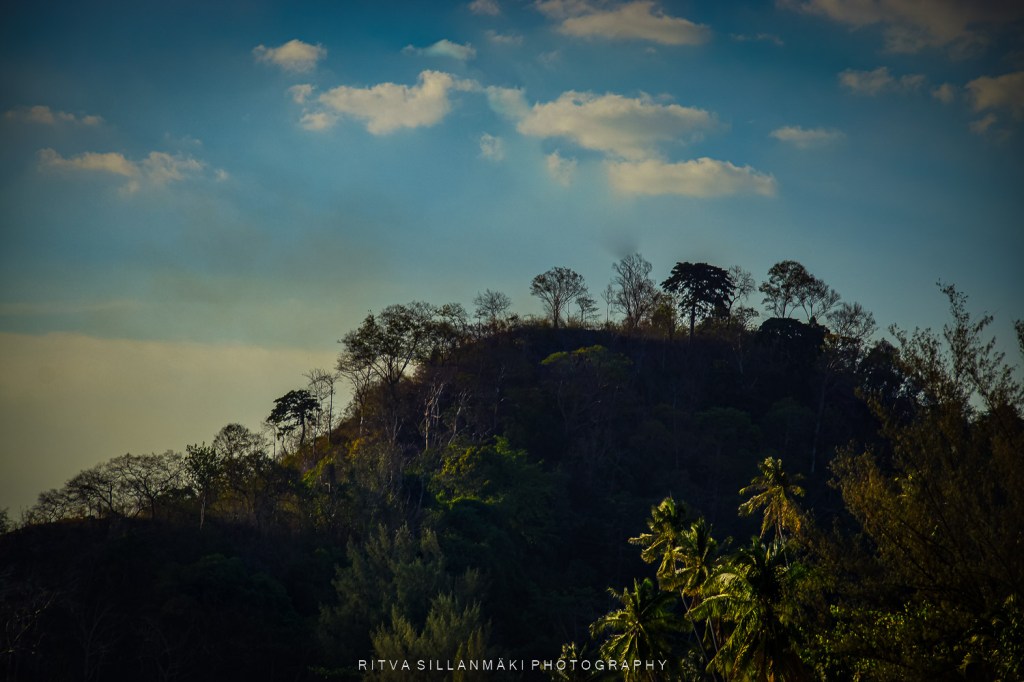
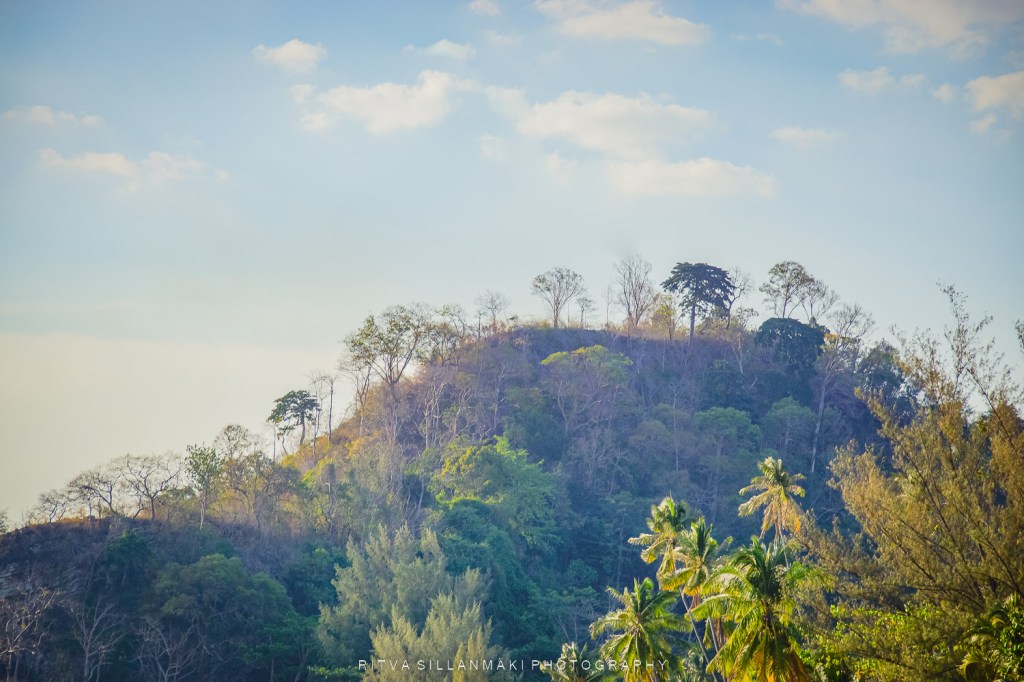
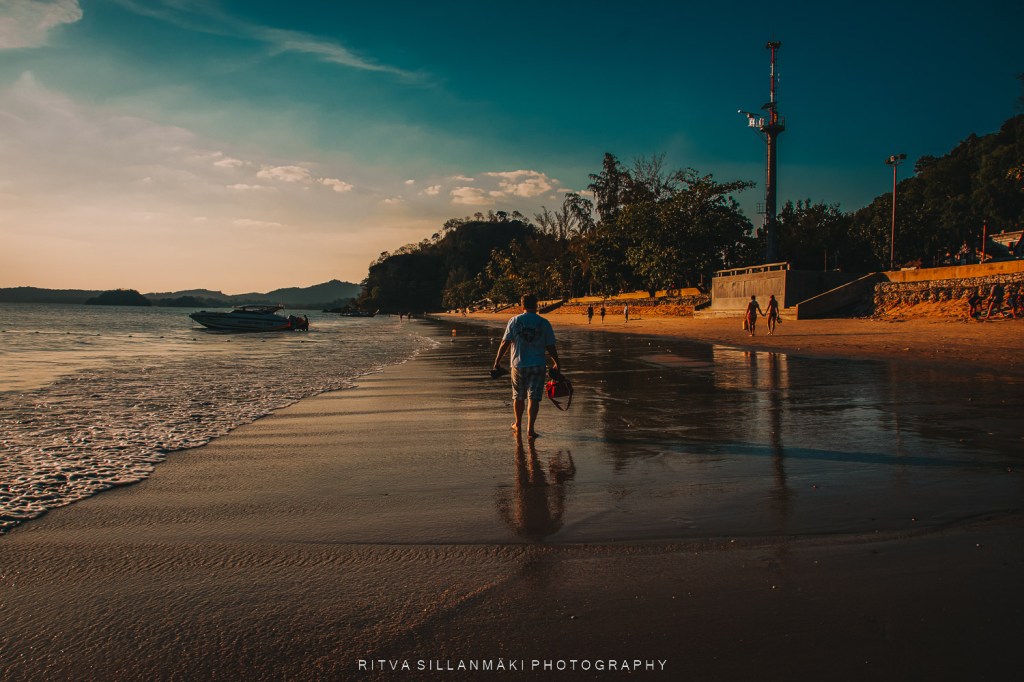
I am posting three sets of photos that I have over – or underexposed in post edit. I usually shoot in automatic mode for exposure and edit the photo to suit it to way to capture what I thought I saw or change the mood. exposure, light and contrast are the main things I work with when editing my photos, but over the years I have learned few more tricks to get the photo to express more of what I want to show in it.
Light makes photography. Embrace light. Admire it. Love it. But above all, know light. Know it for all you are worth, and you will know the key to photography. – George Eastman
Contrary to the general belief about photography, you don’t need bright sunlight: the best moodiest pictures are taken in the dim light of almost dusk, or of rainy days… – Jack Kerouac
All these shots except the portrait were taken late afternoon or at dusk so I wholeheartedly agree with the quote above.
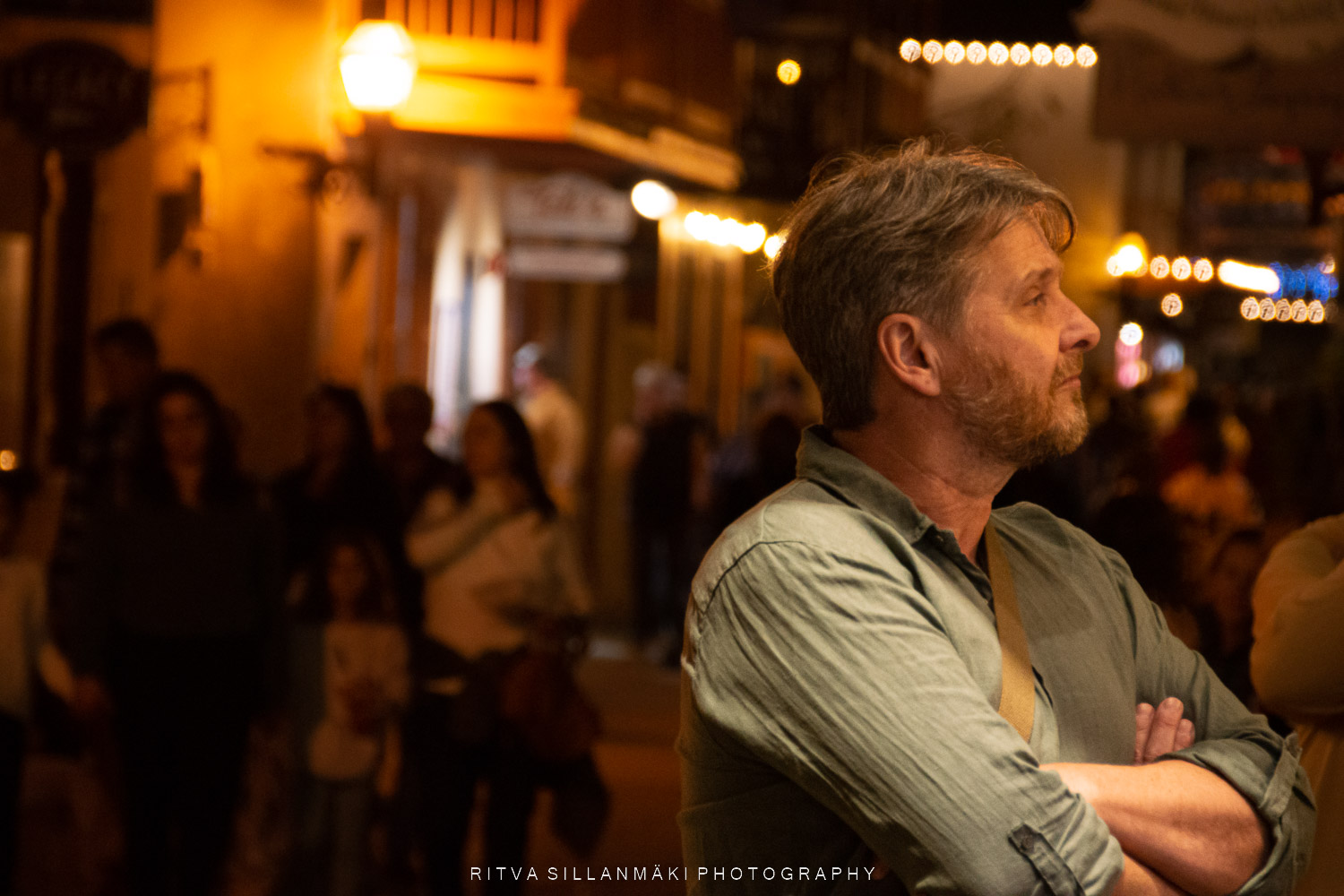
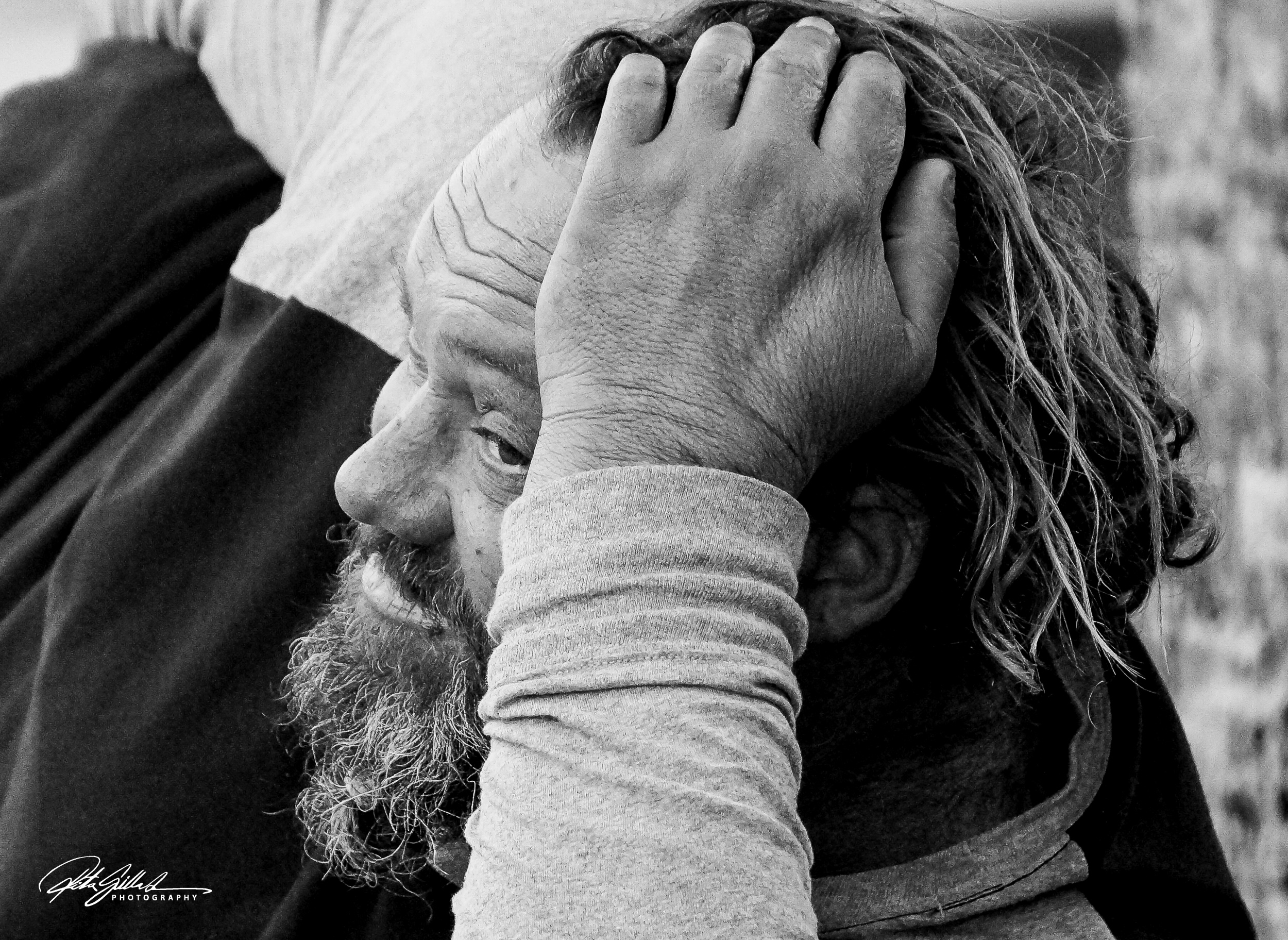
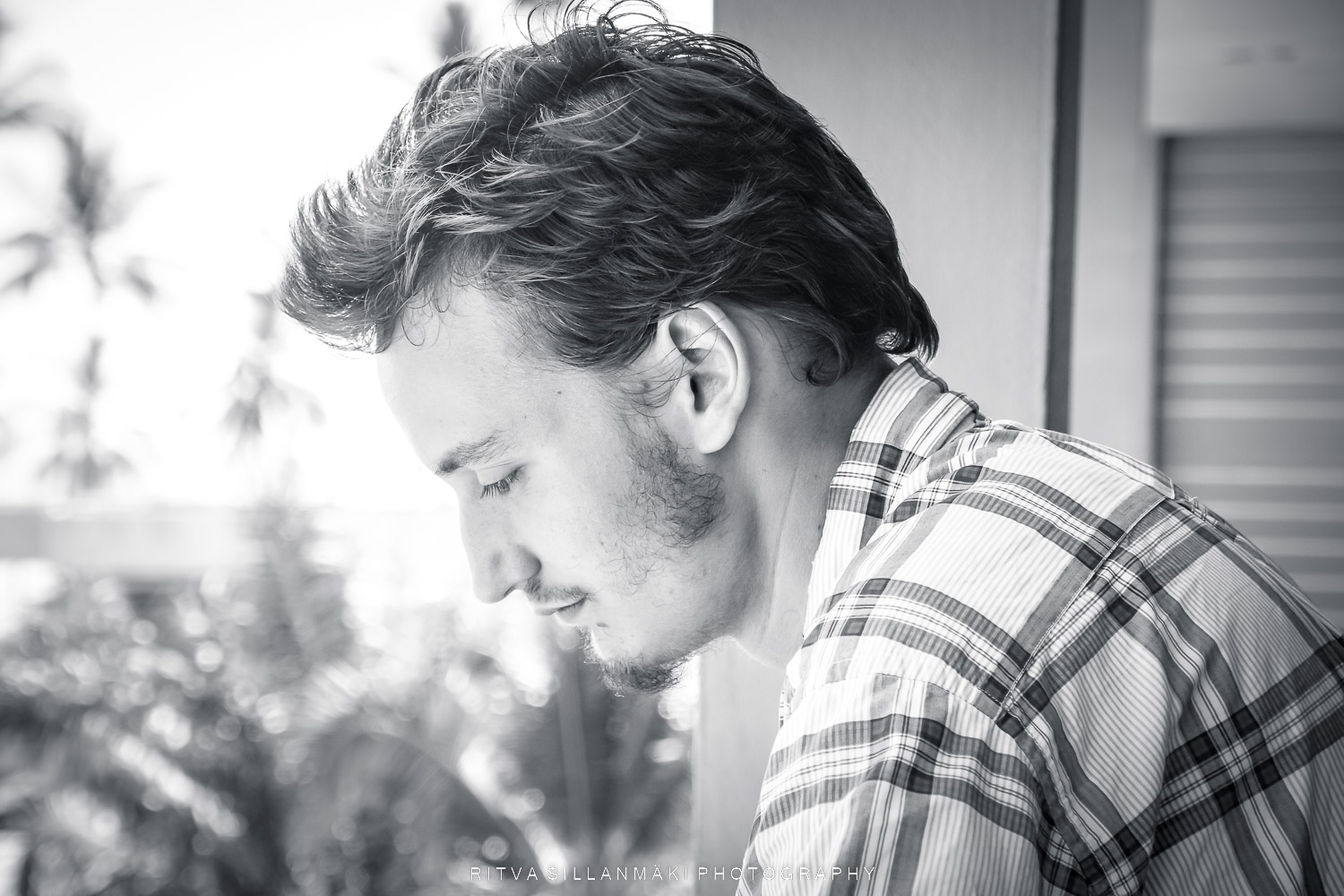
I feel that this side profile mood is totally different in these shots, other is more hopeful and often overexposed shot is more forgiving to the person at least if you have lots of lines on your face 🙂
Shooting in nature with backlight has its challanges and you have to be careful not to over light the front,so that is doesn’t look unnatural. Obviously the what the eye sees and camera captures are often totally different in these situations.
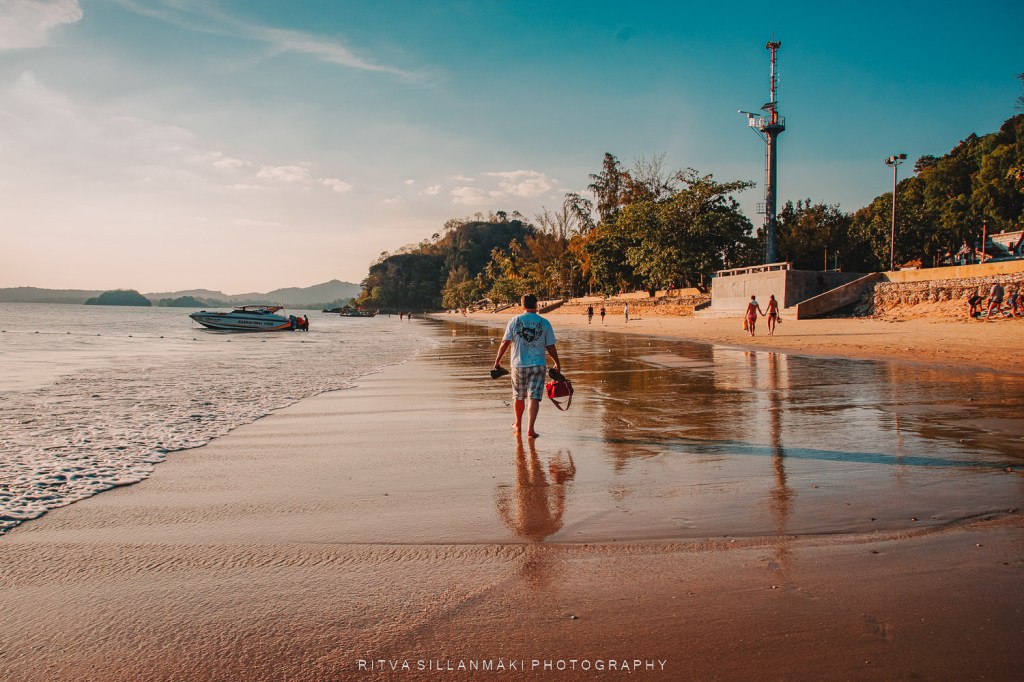
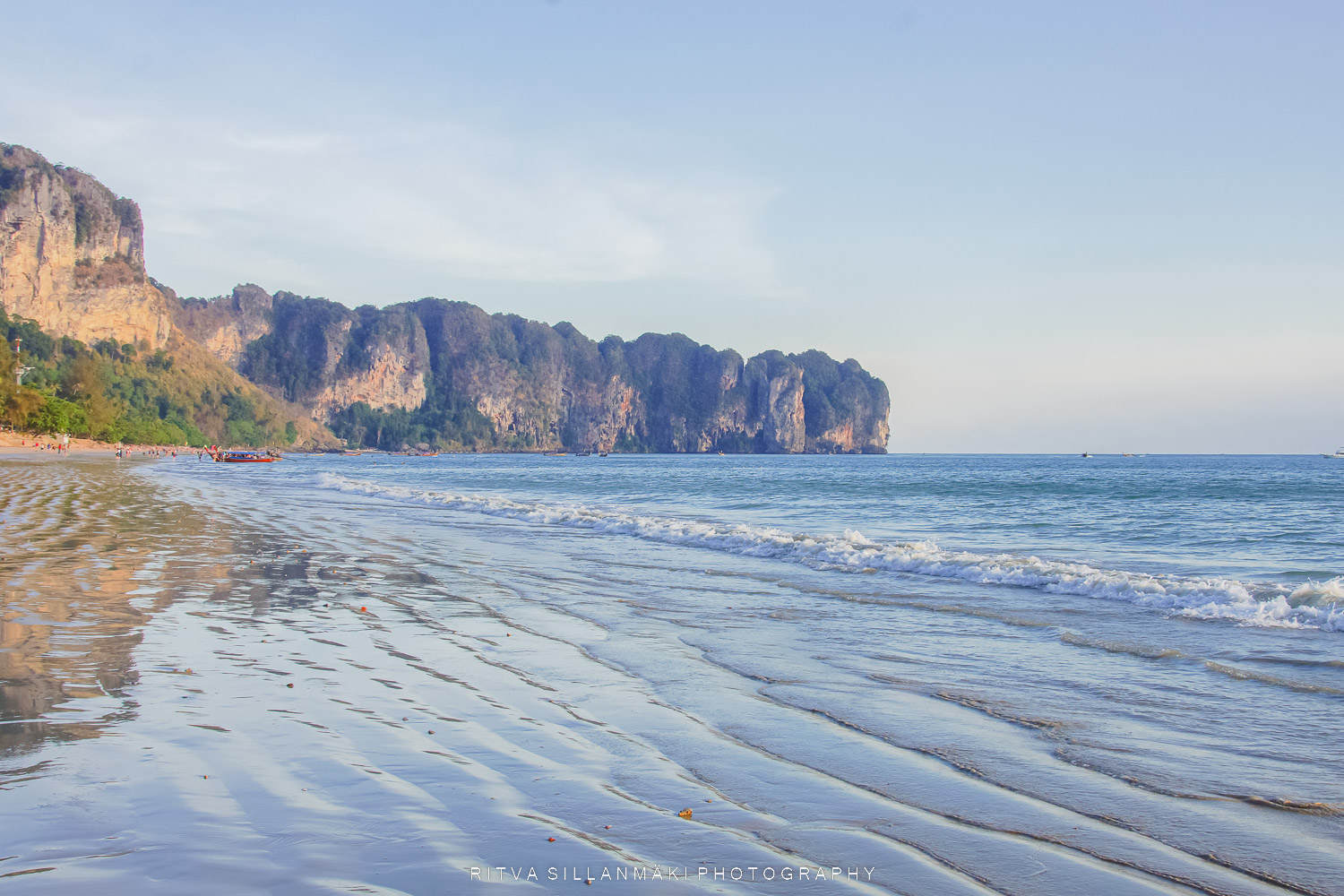
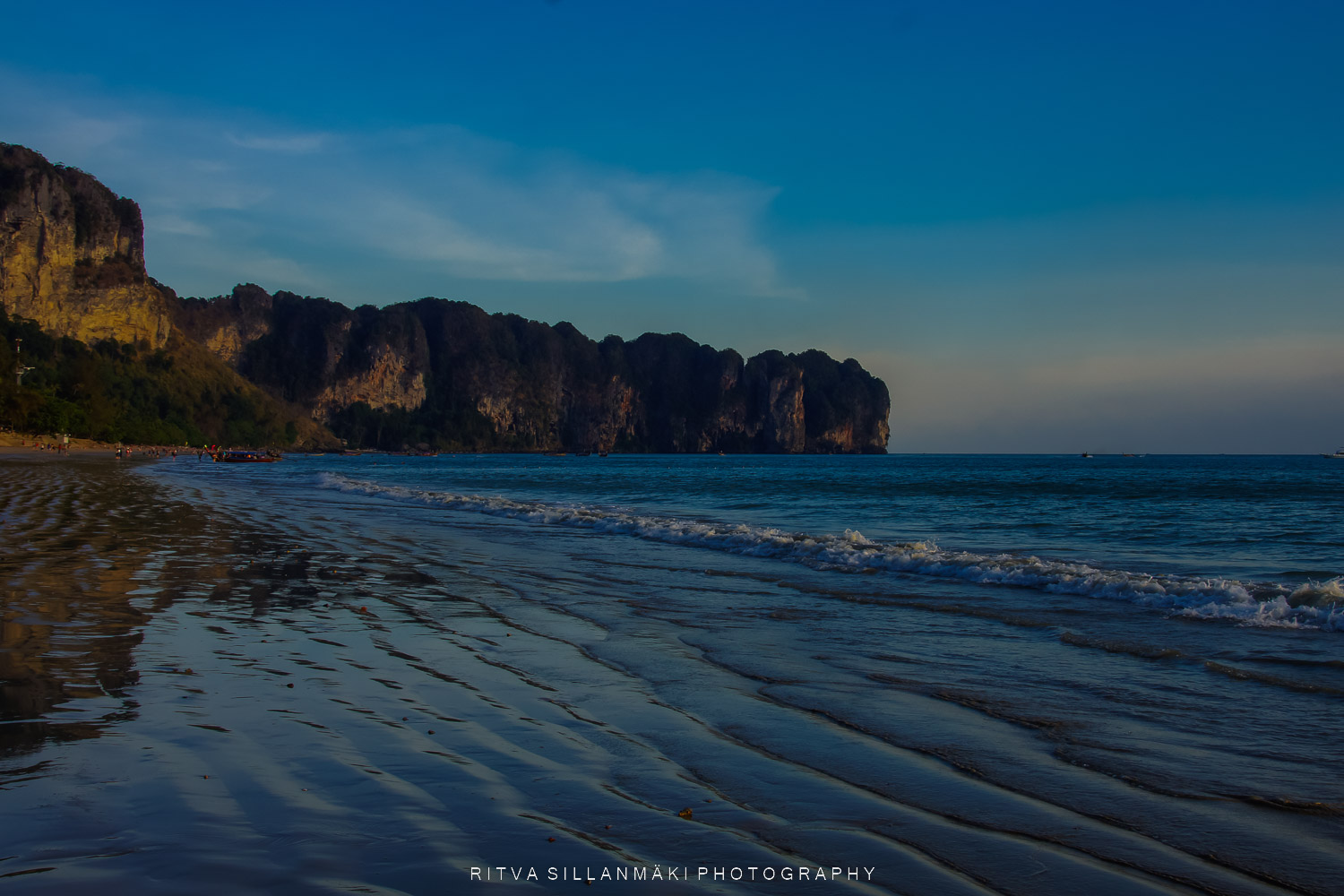
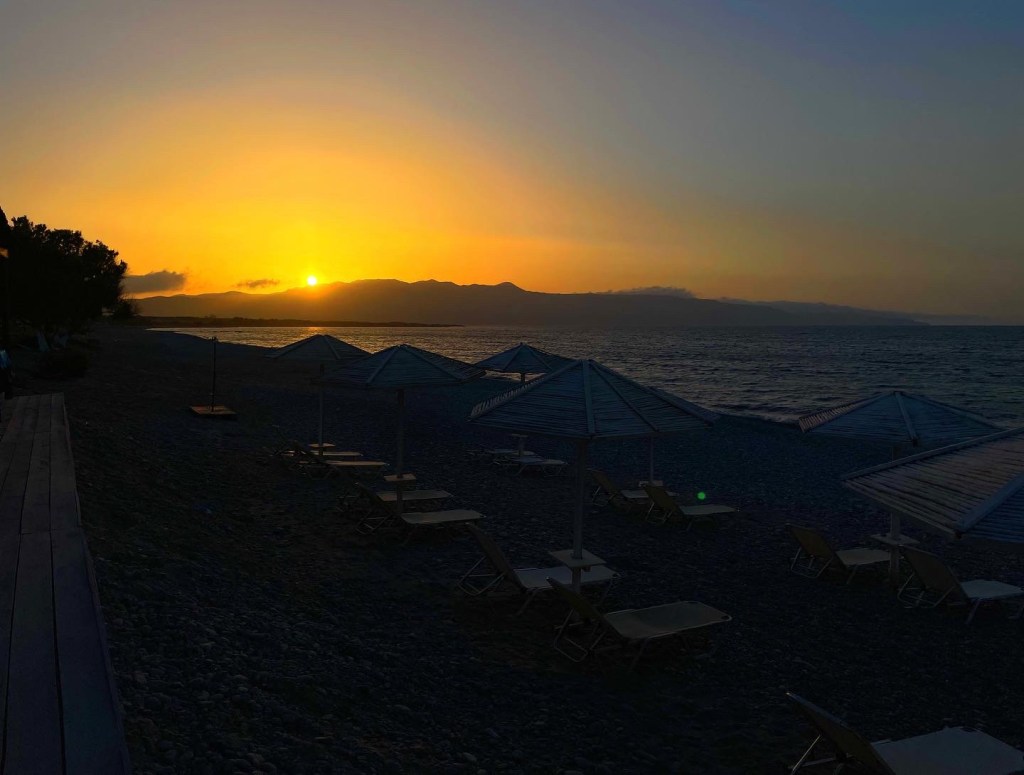
Beach shot with early sunset vibes using exposure is also a mood changer
This image is one more sample of mood changing light. The raw materials of photography are light and time and memory.
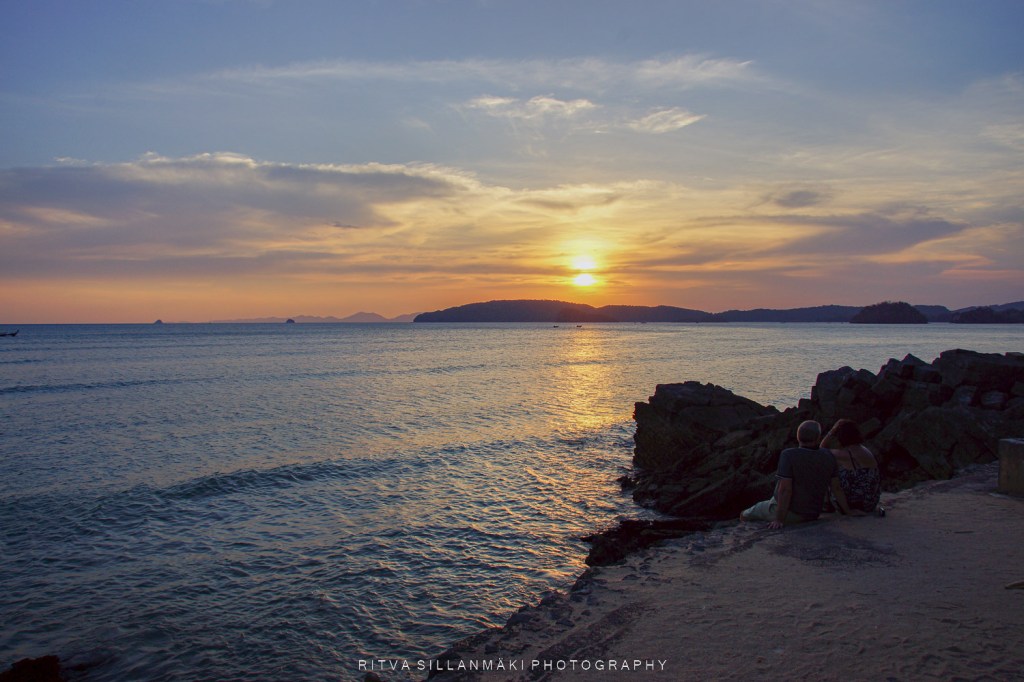
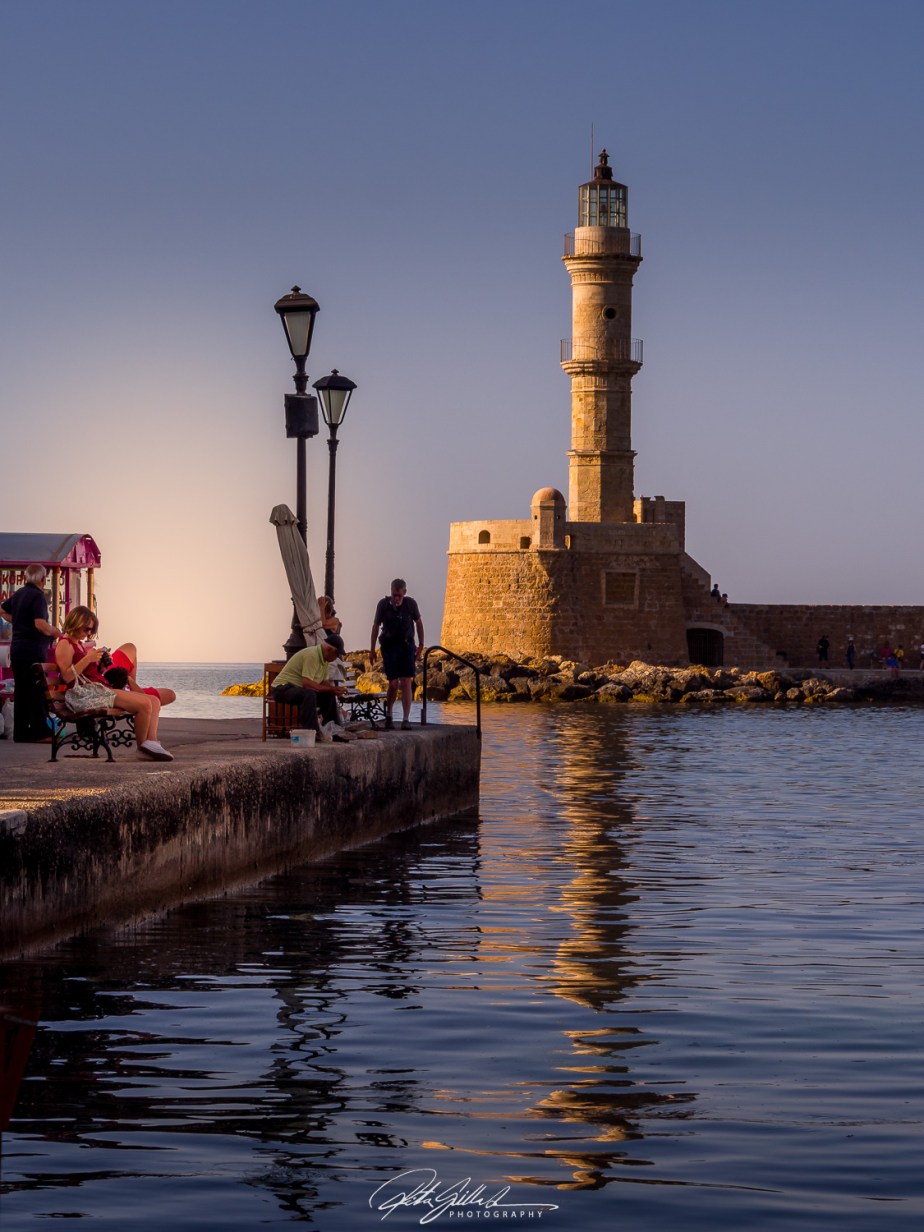
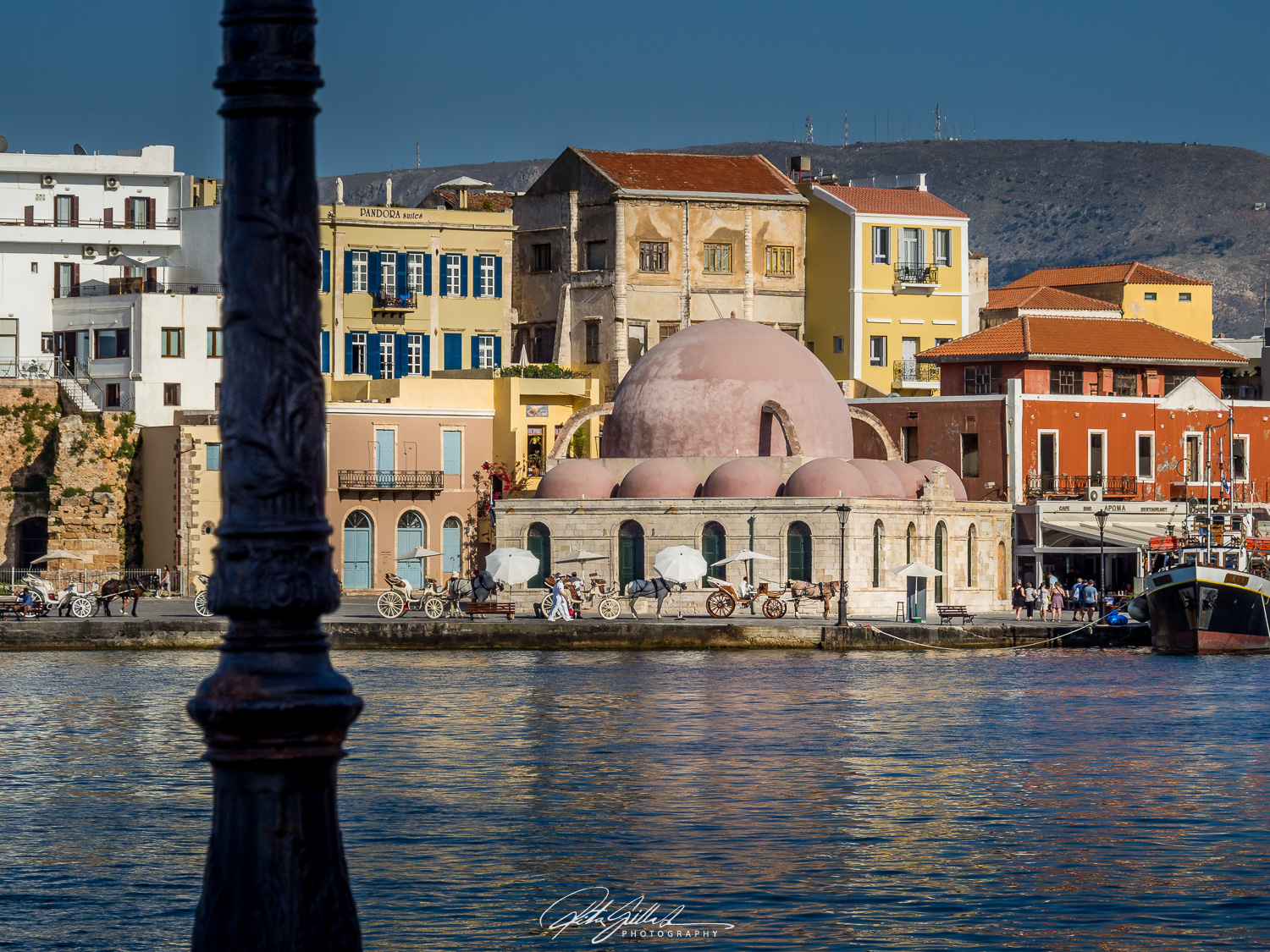
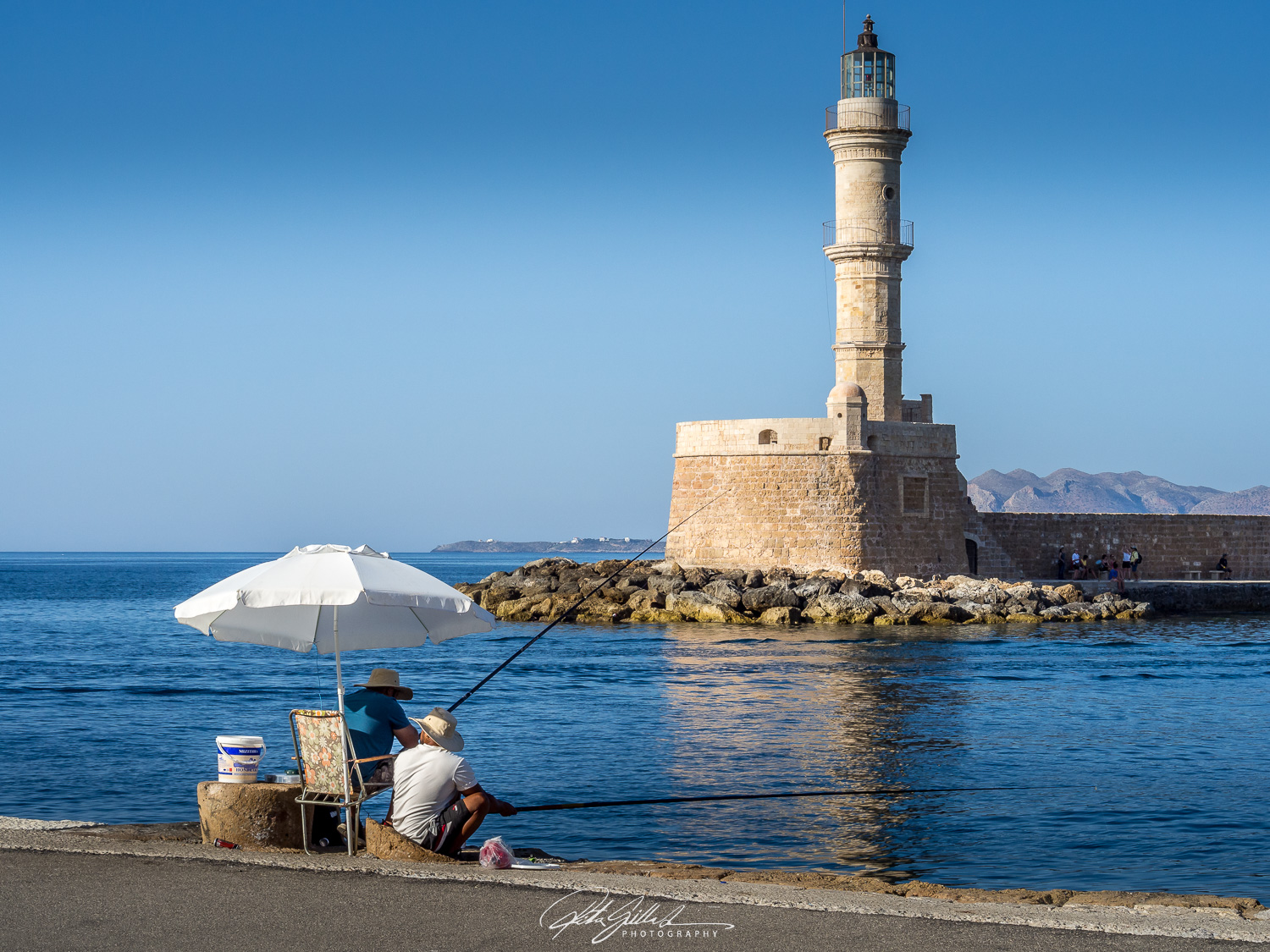
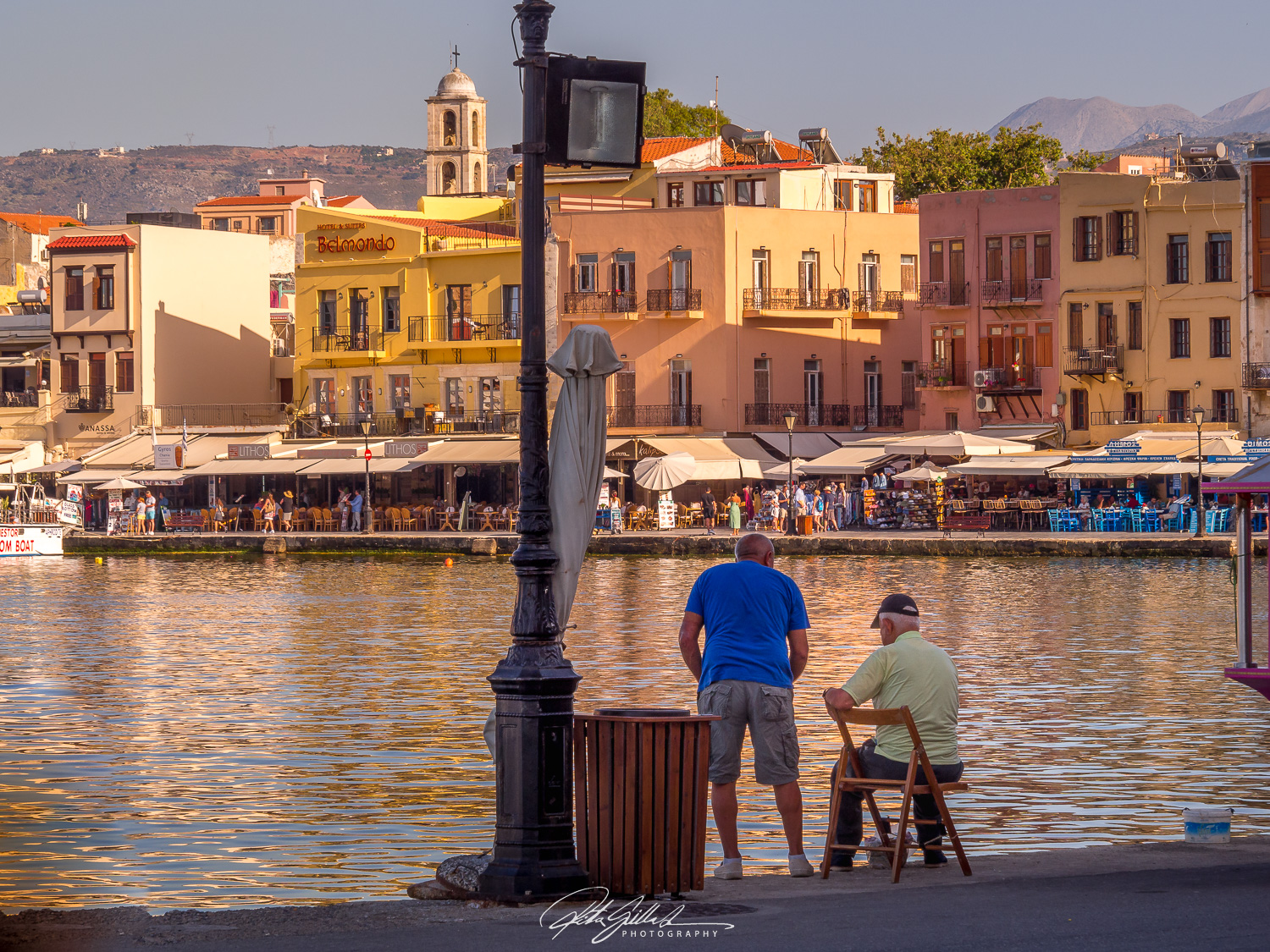
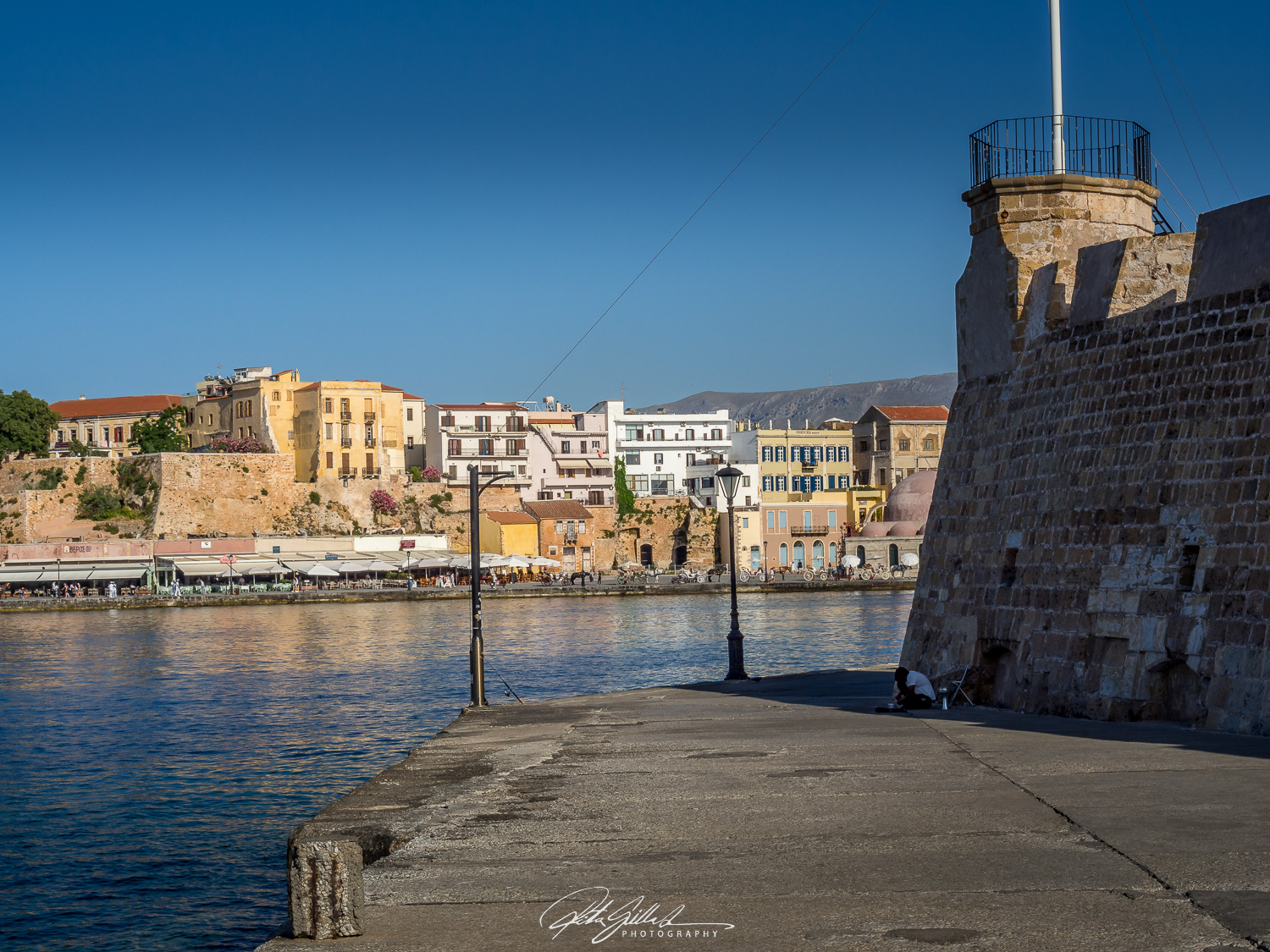
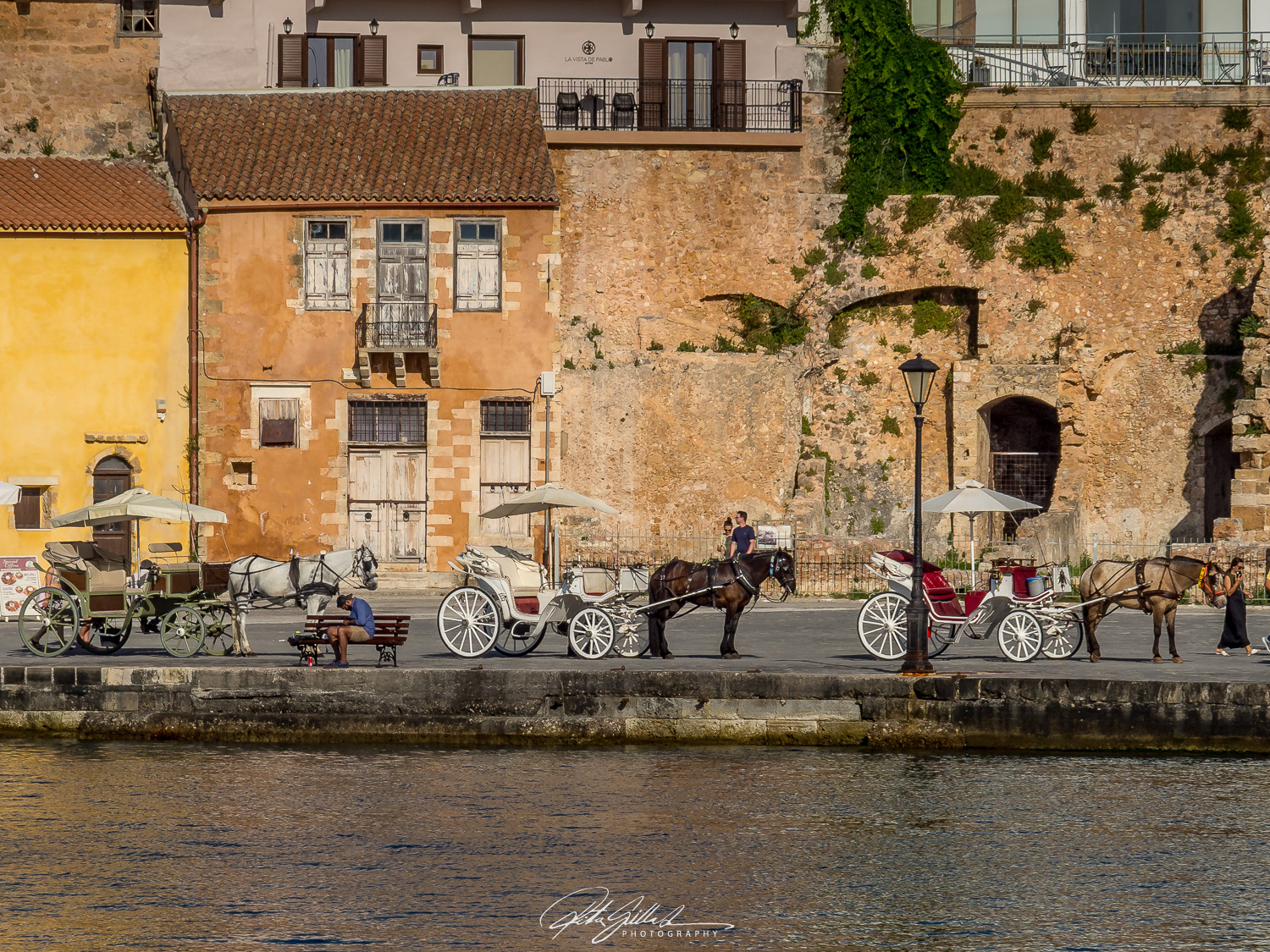
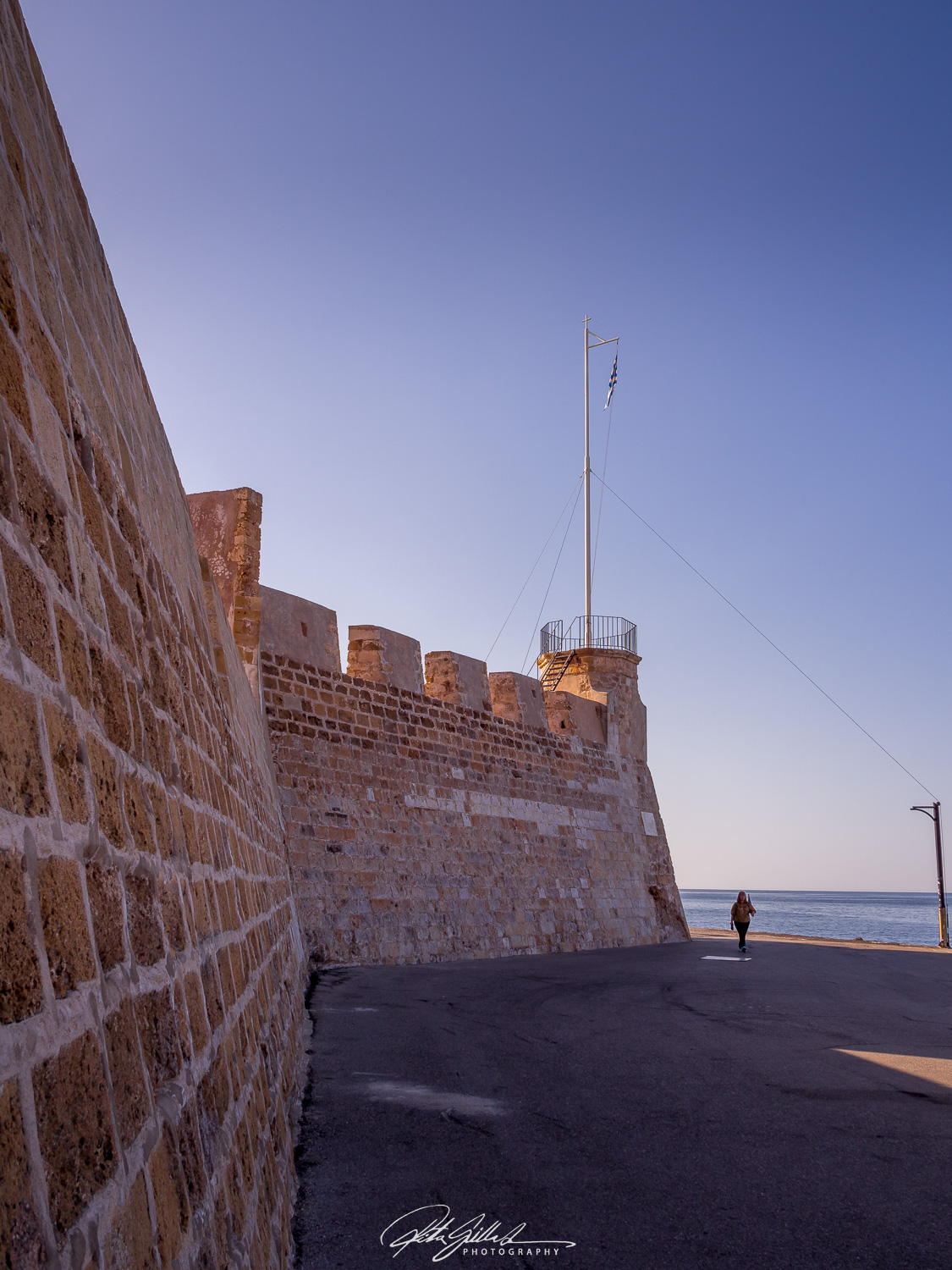
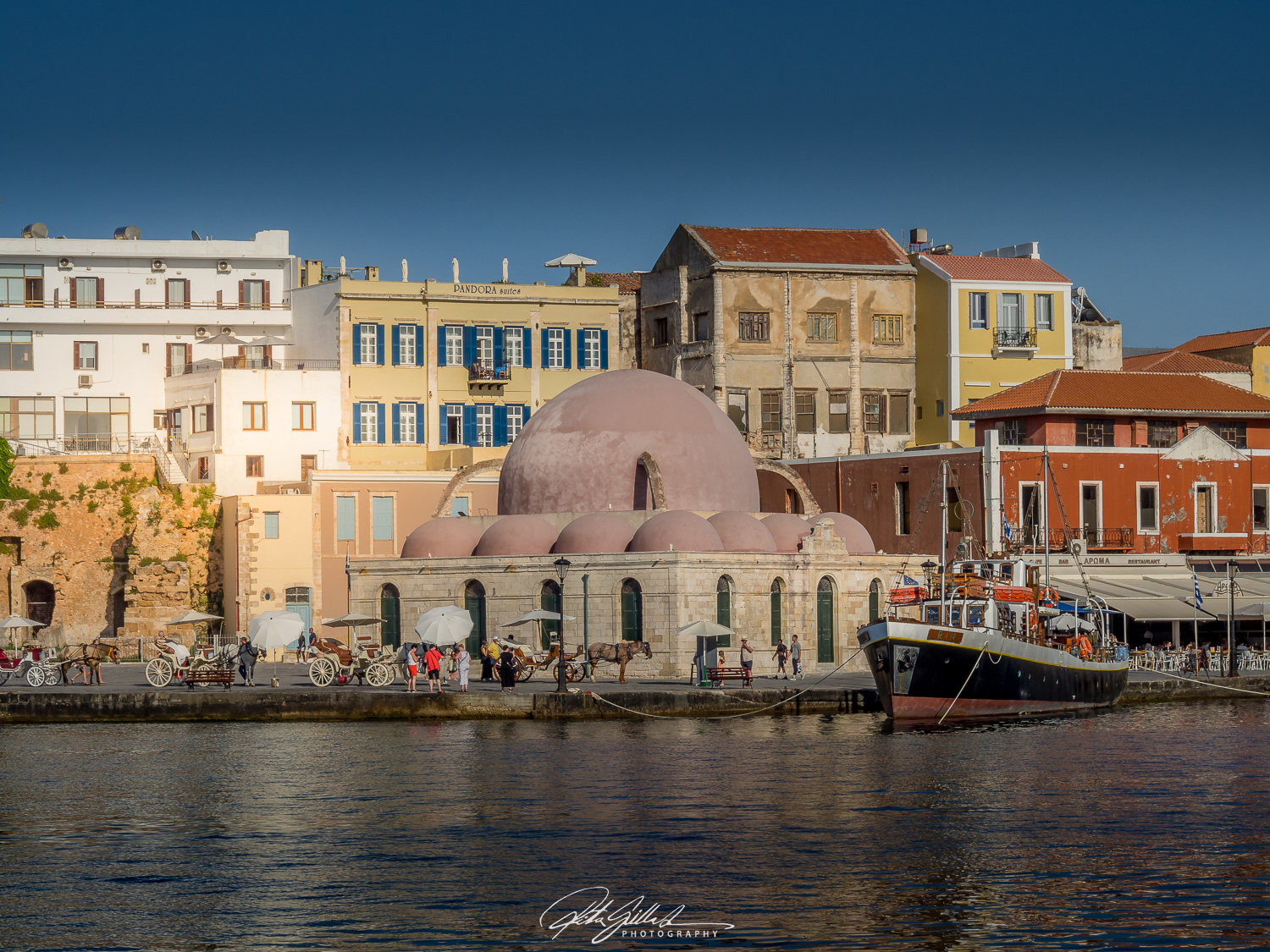
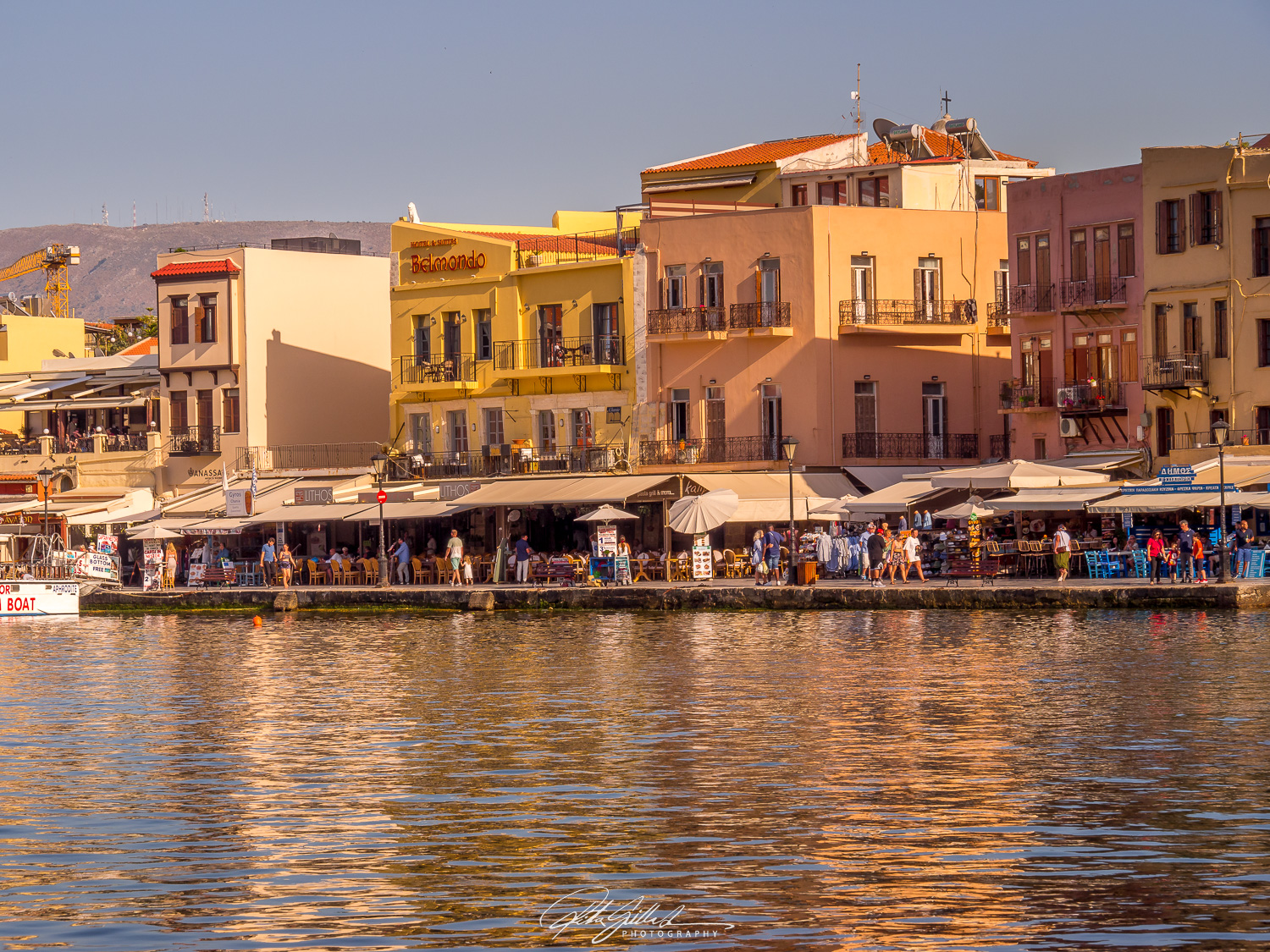
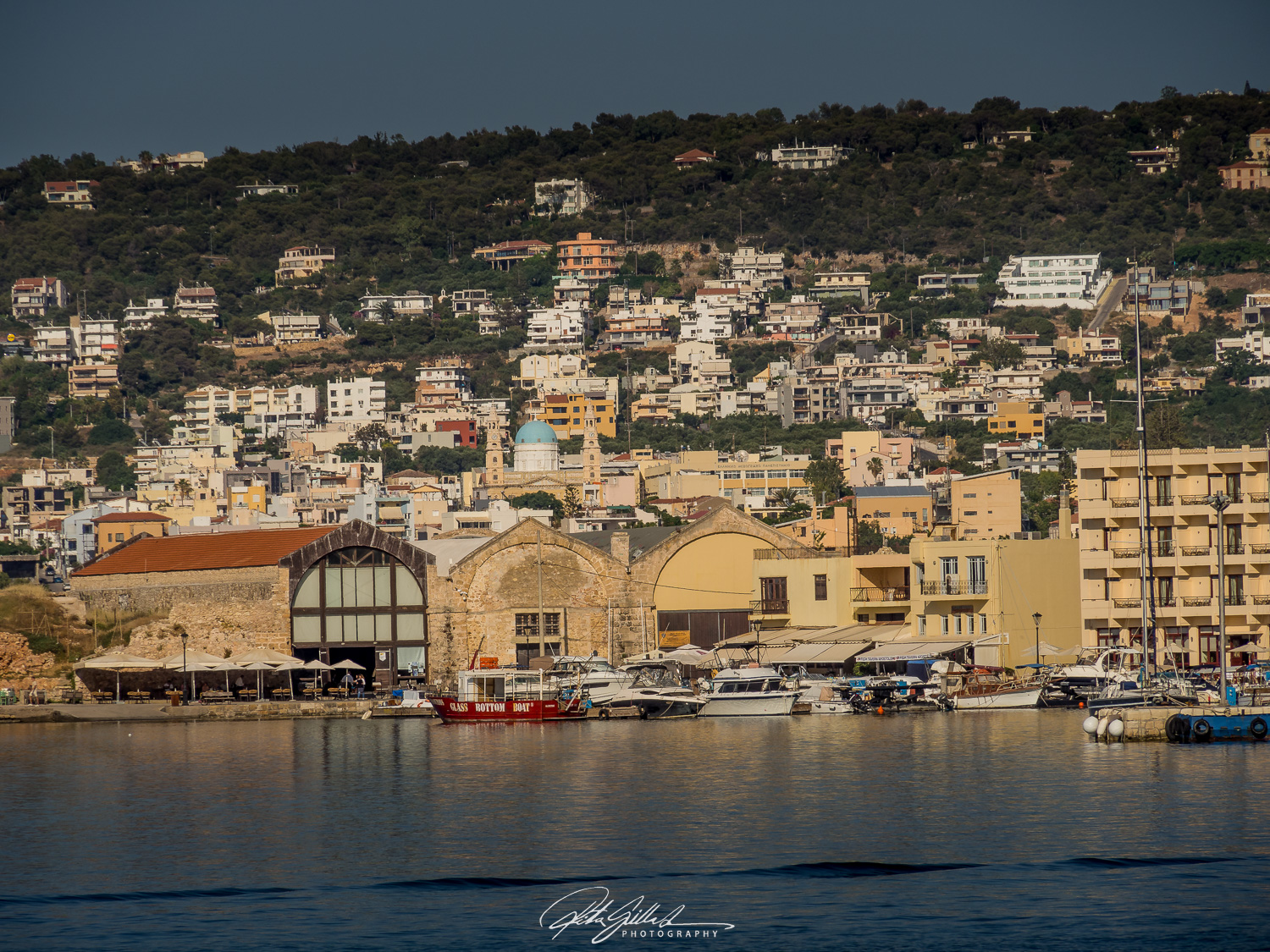
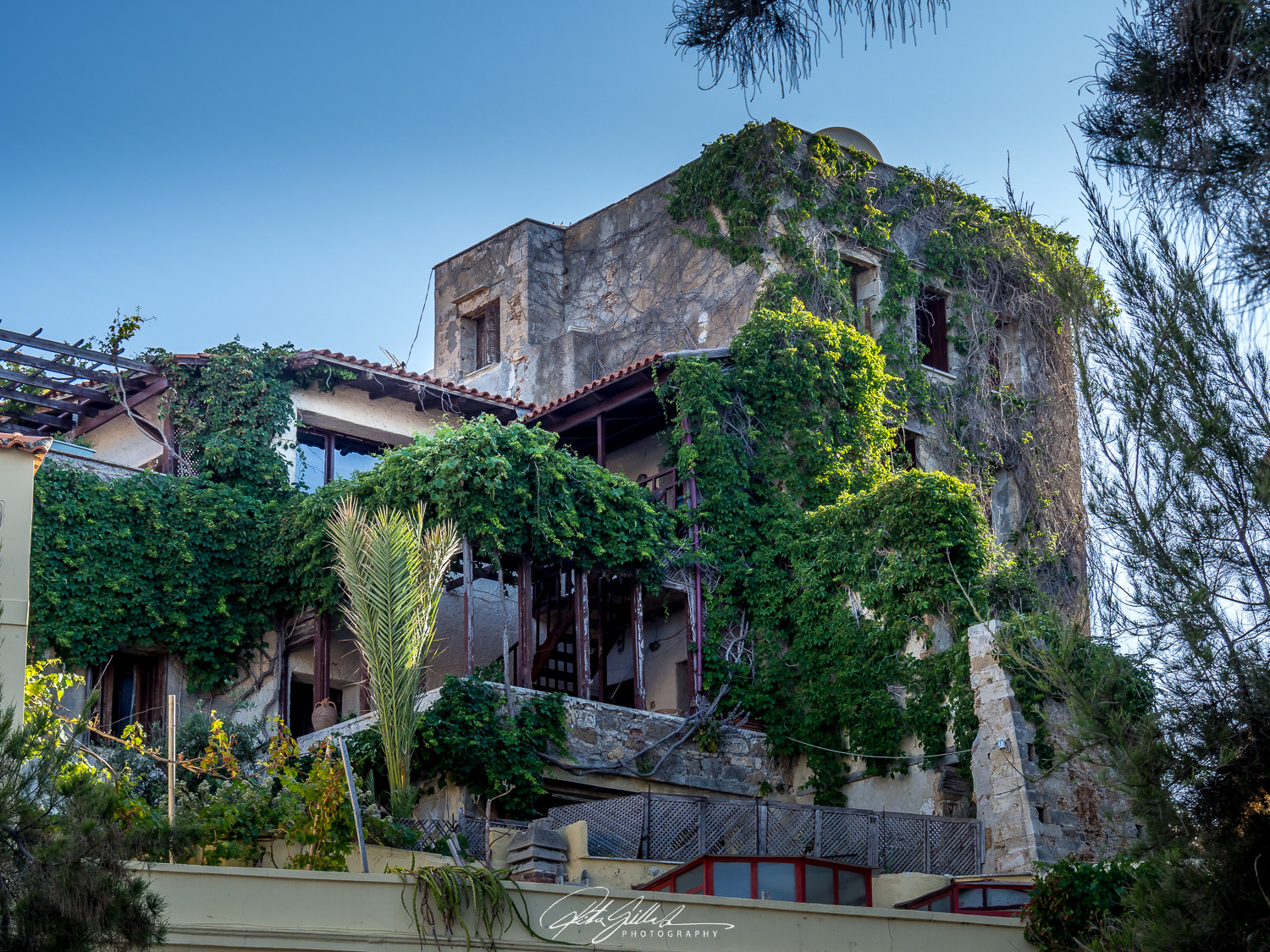
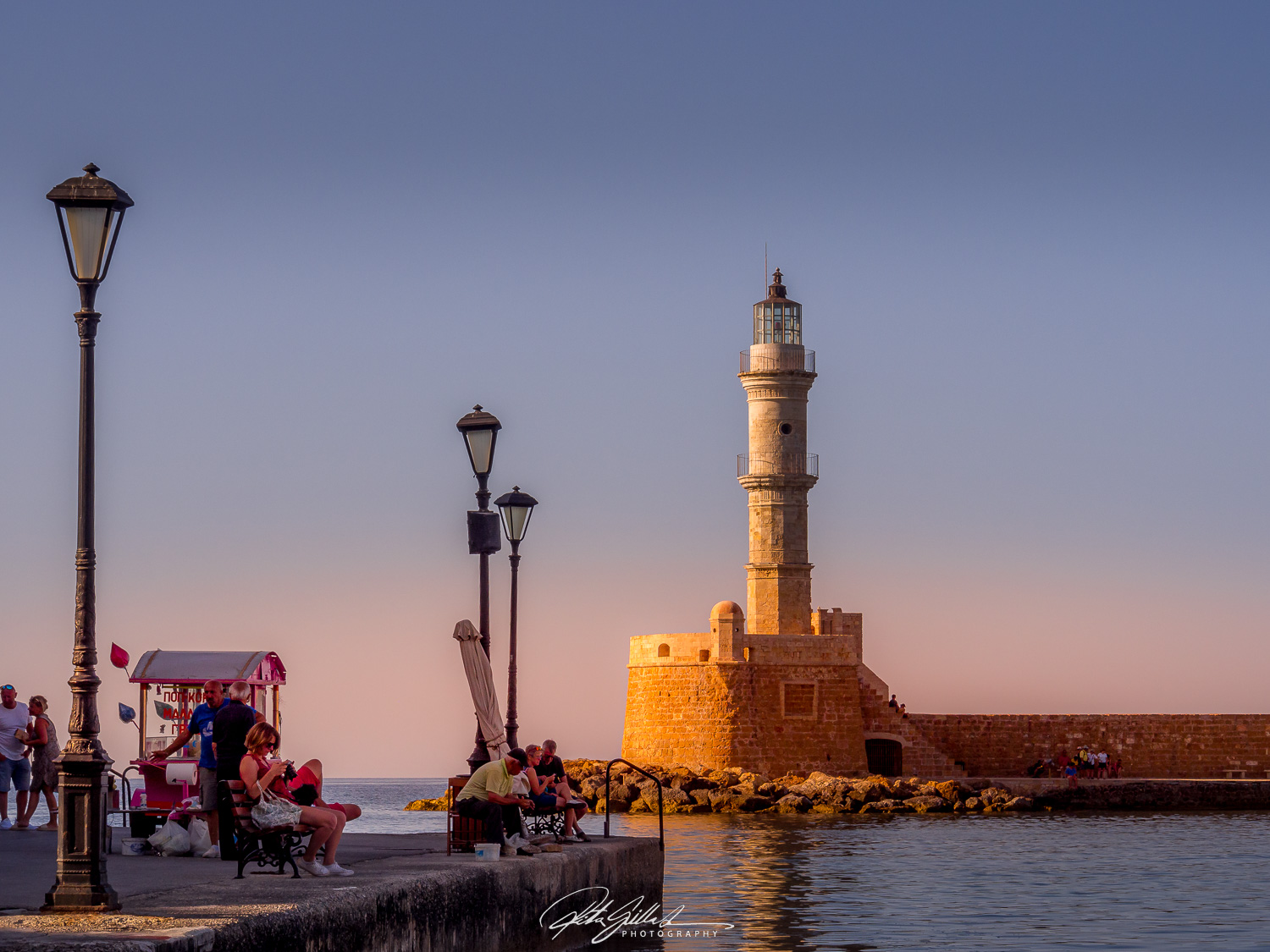
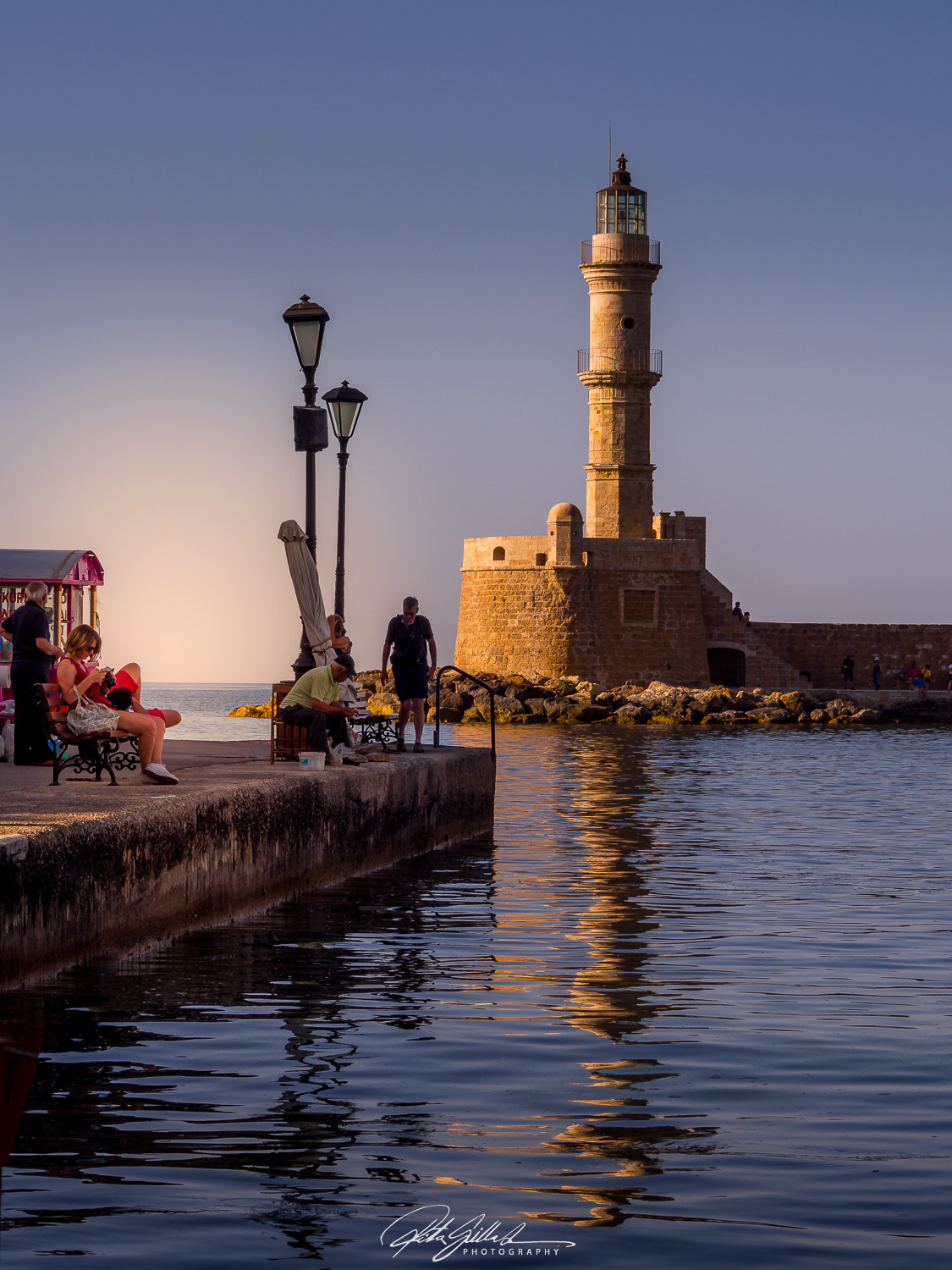
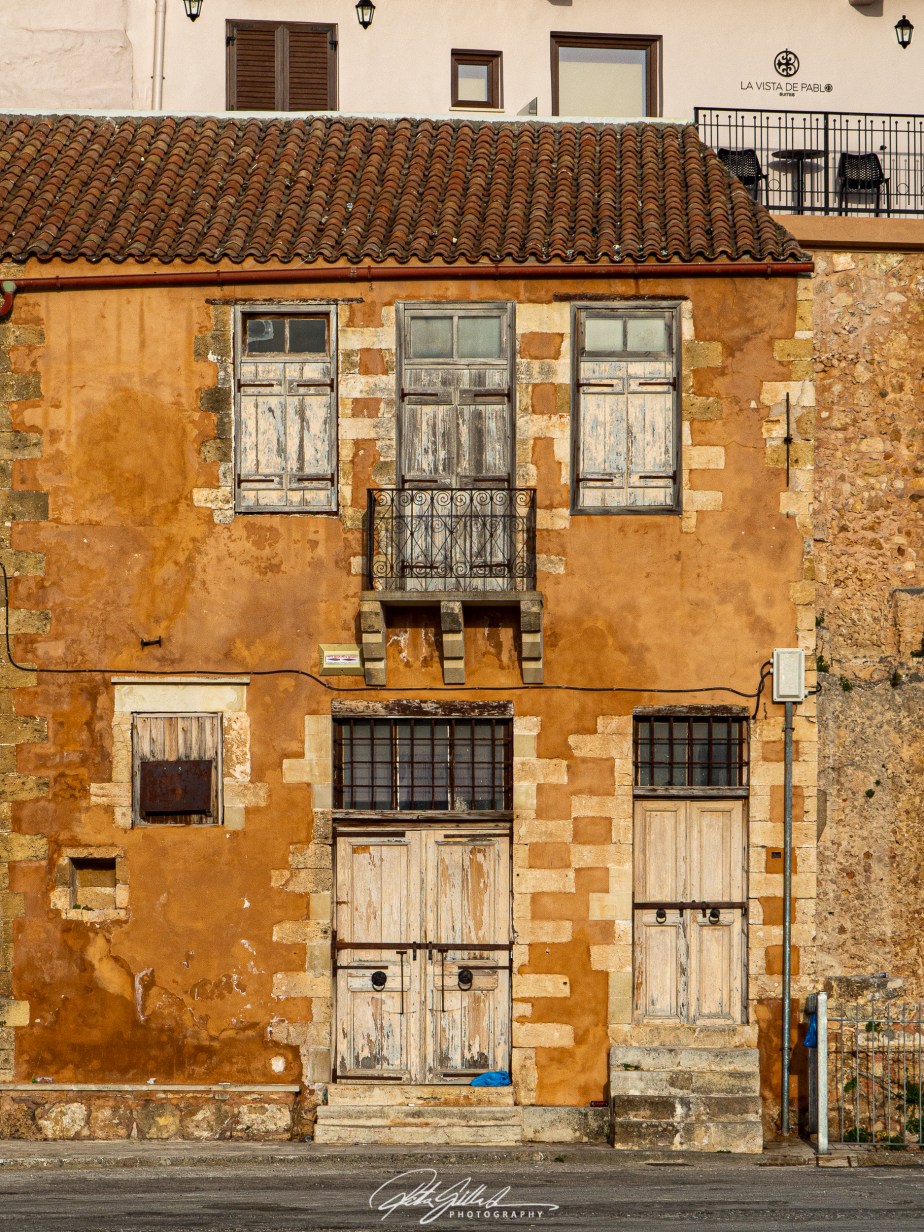
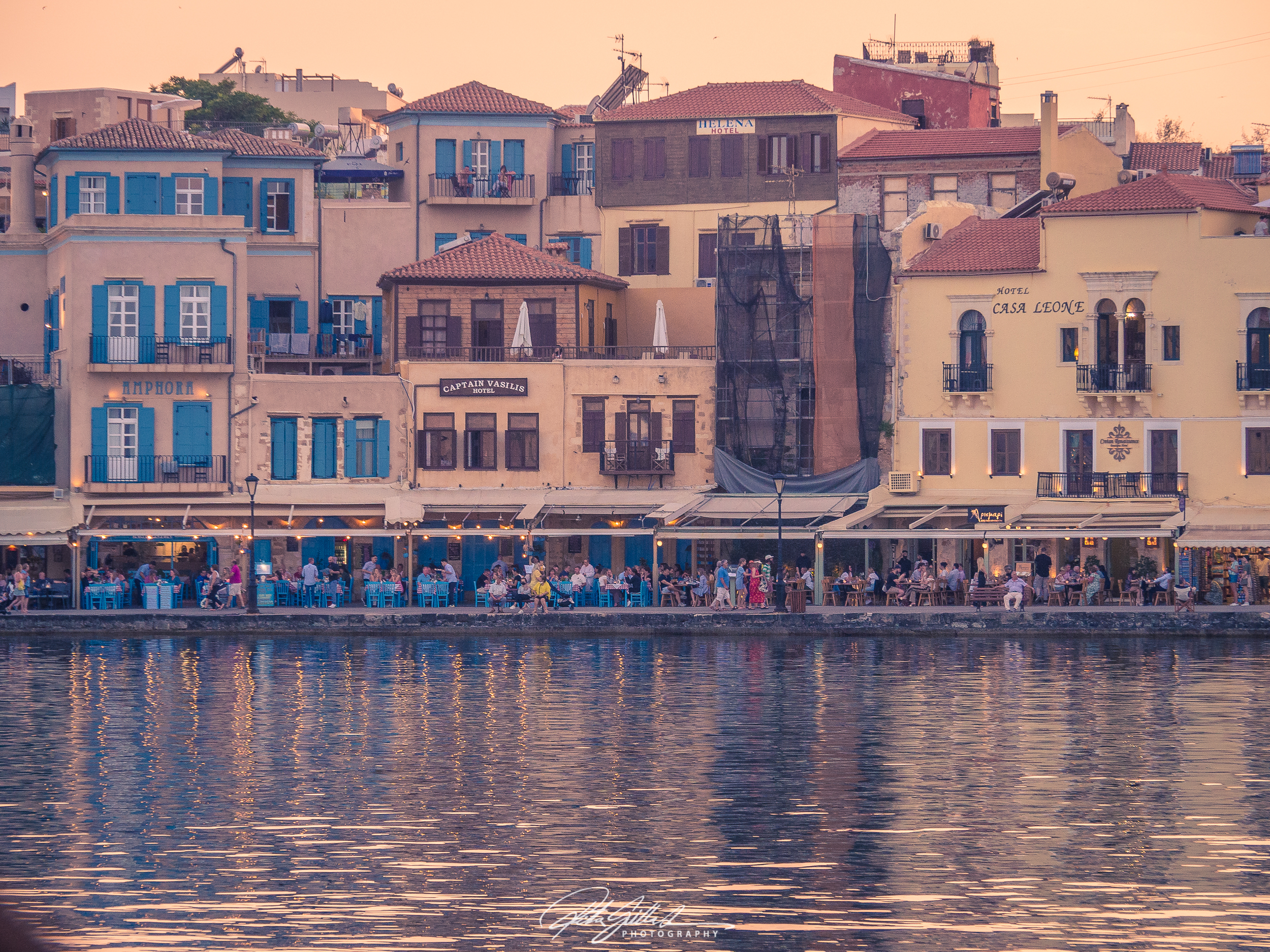
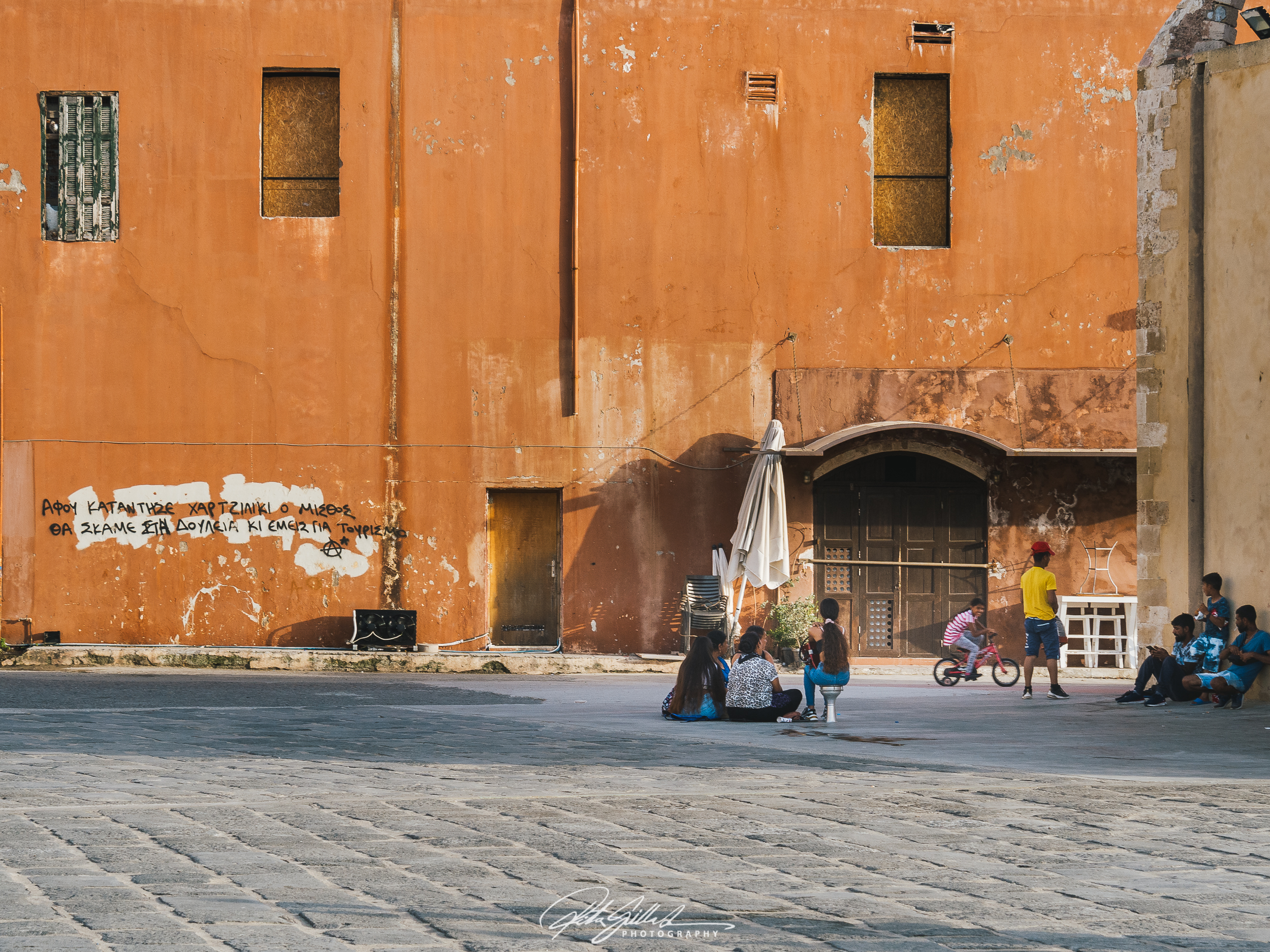
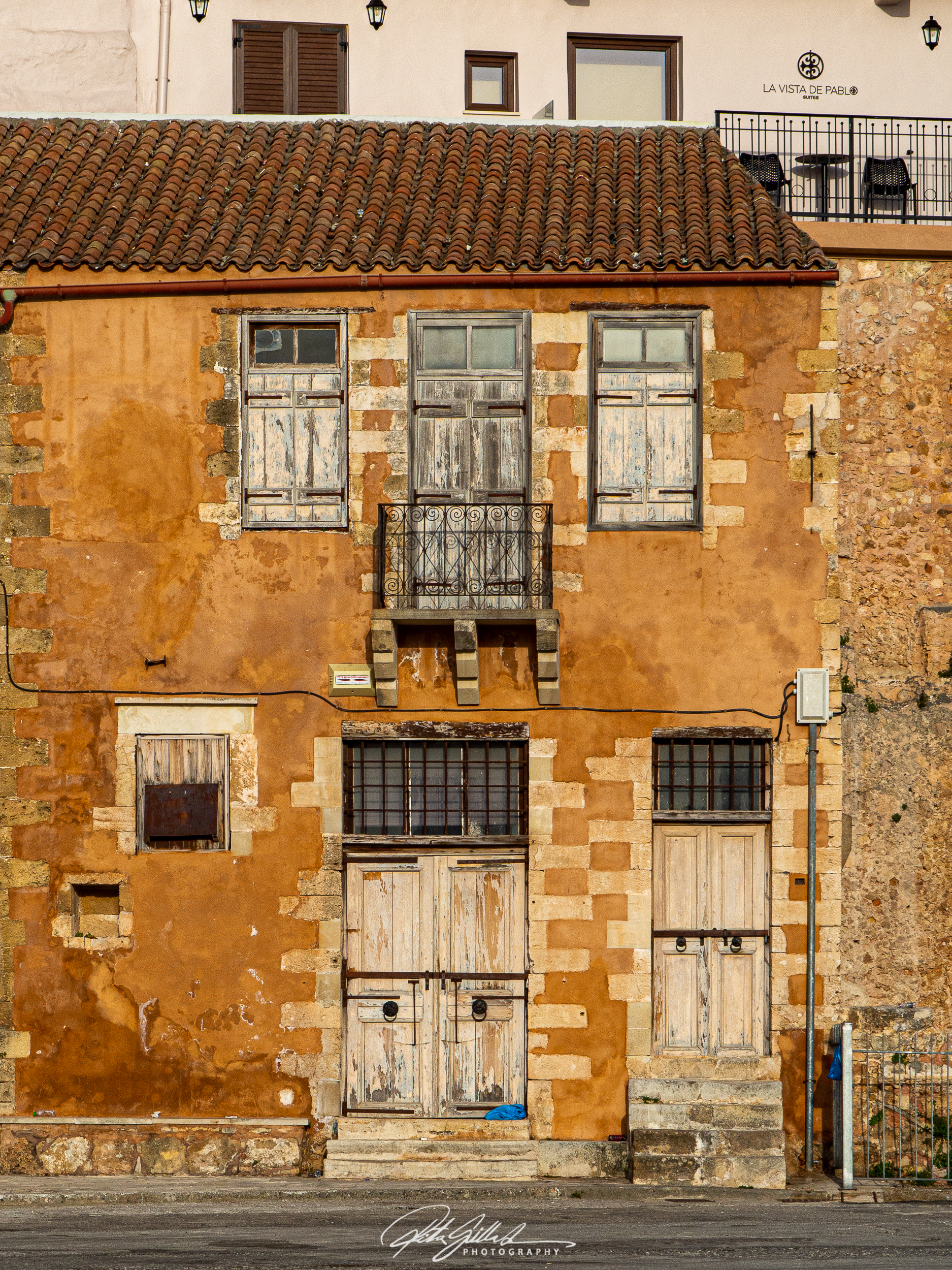
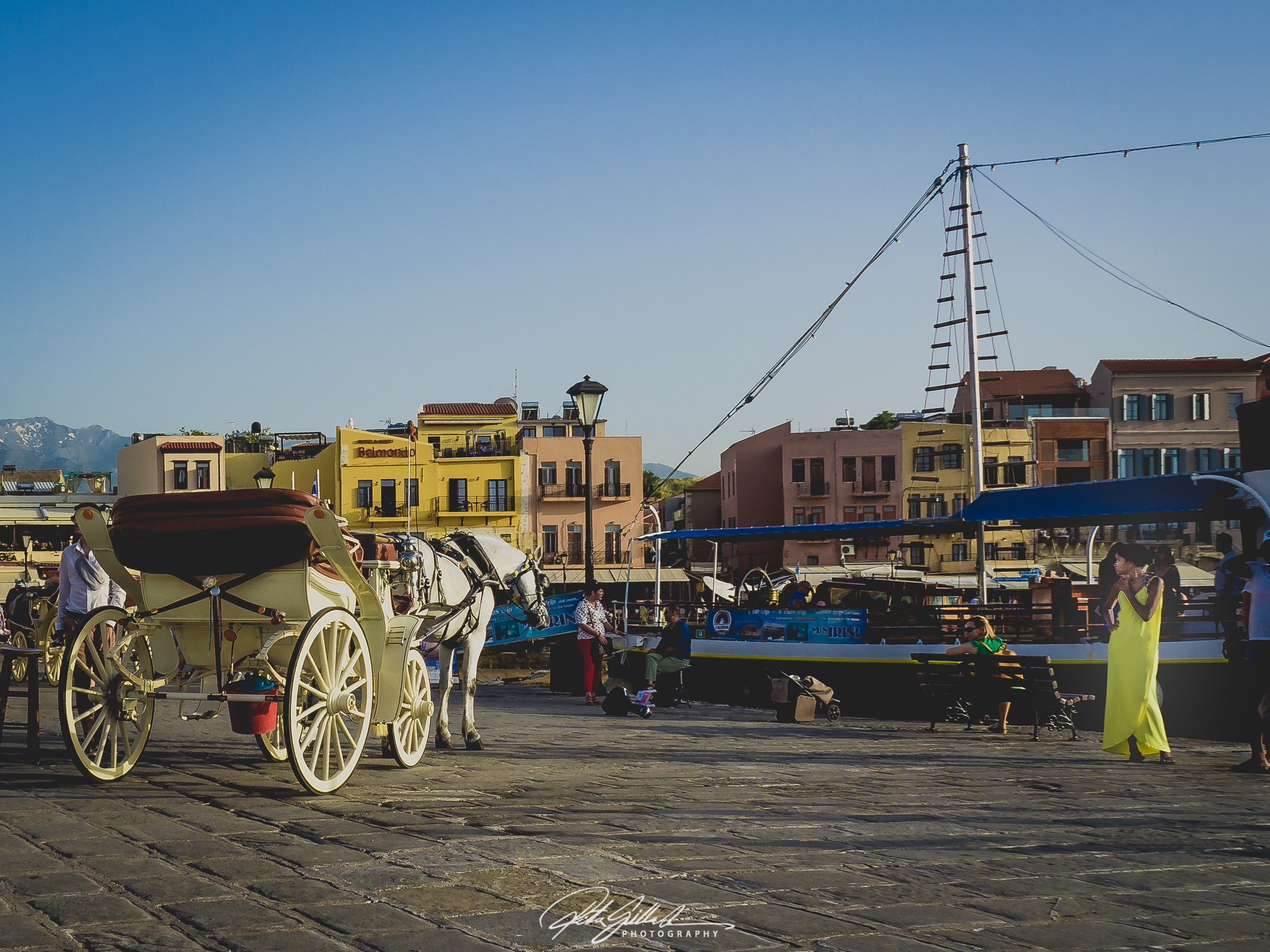
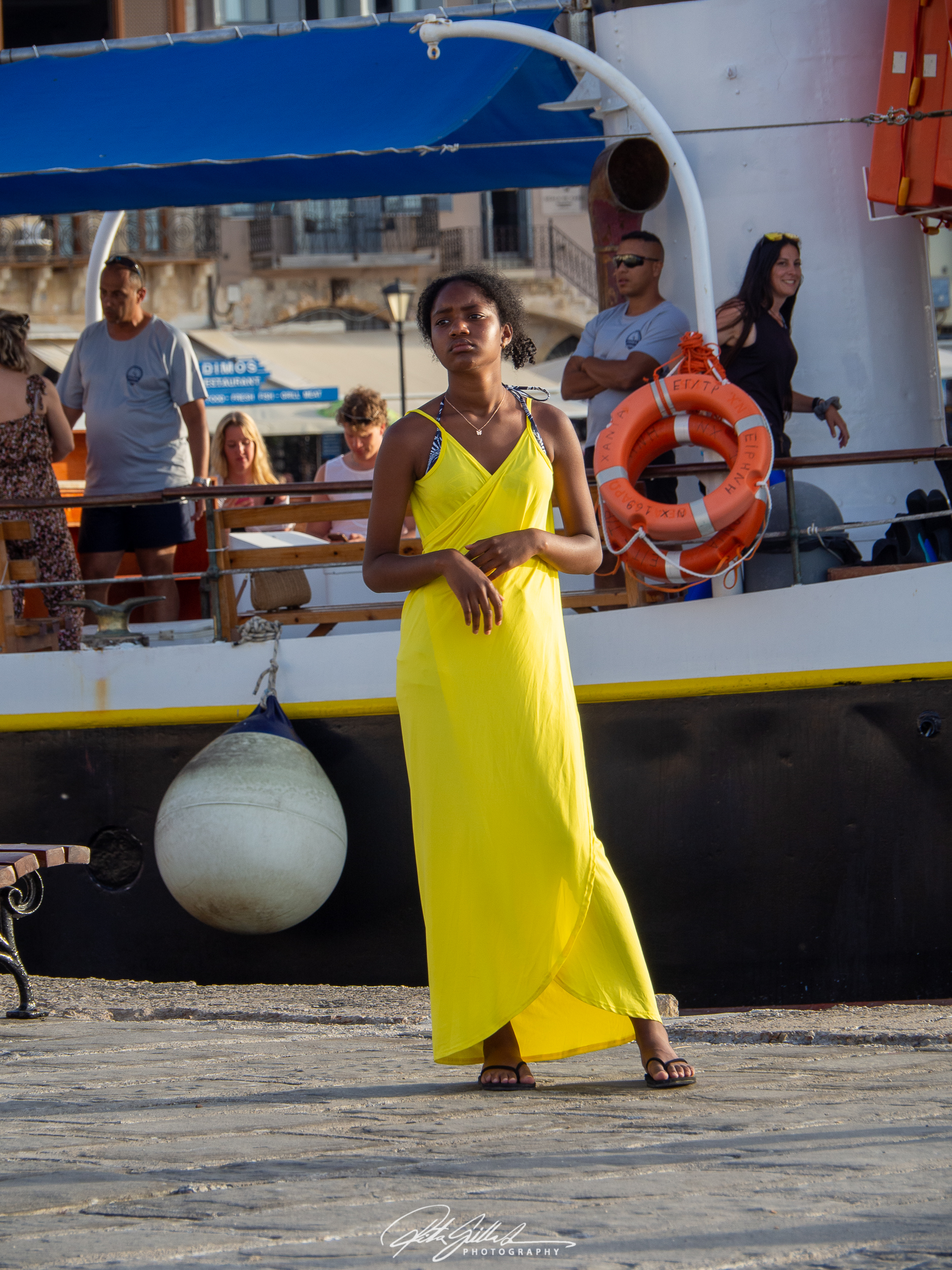
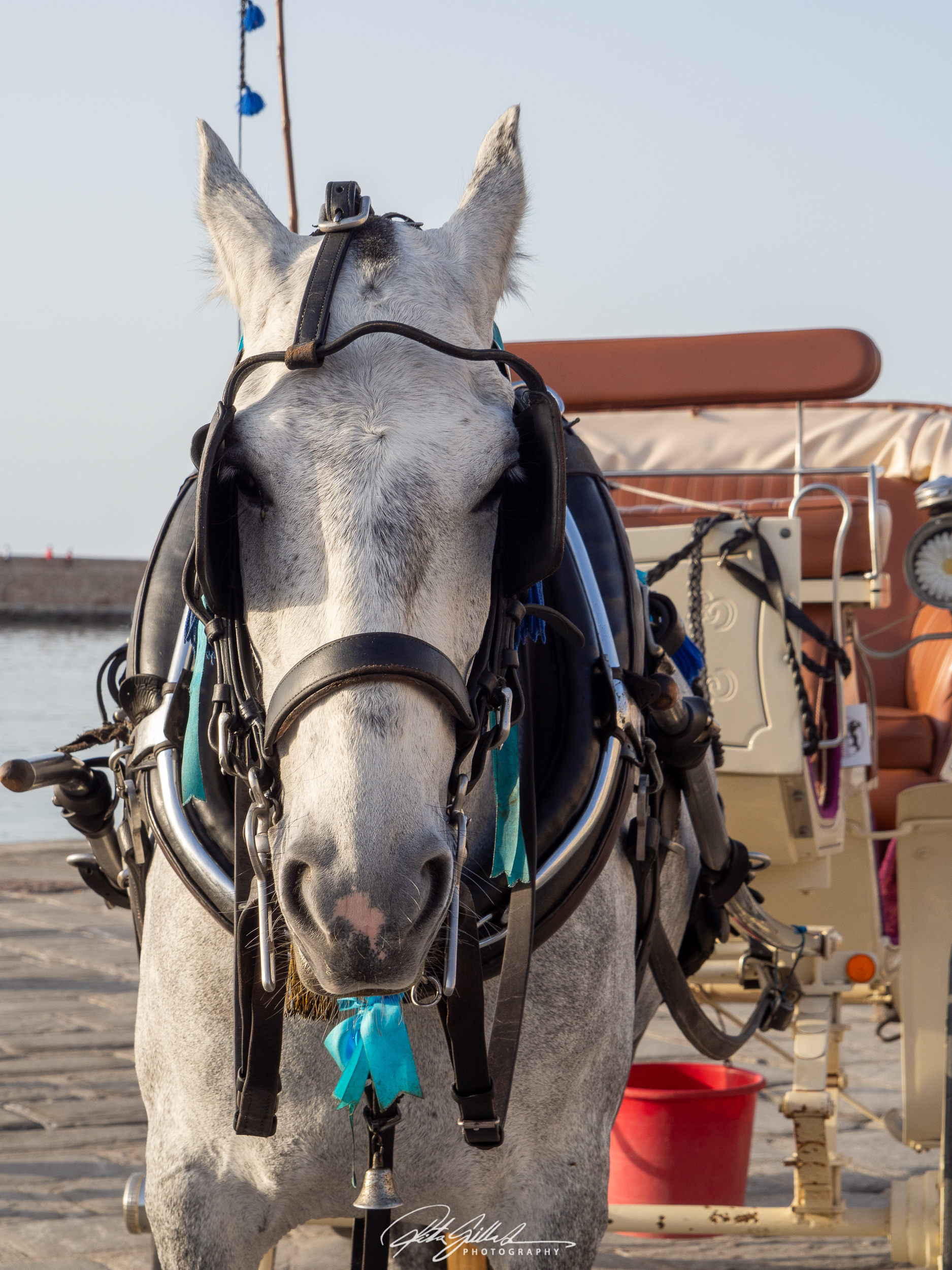
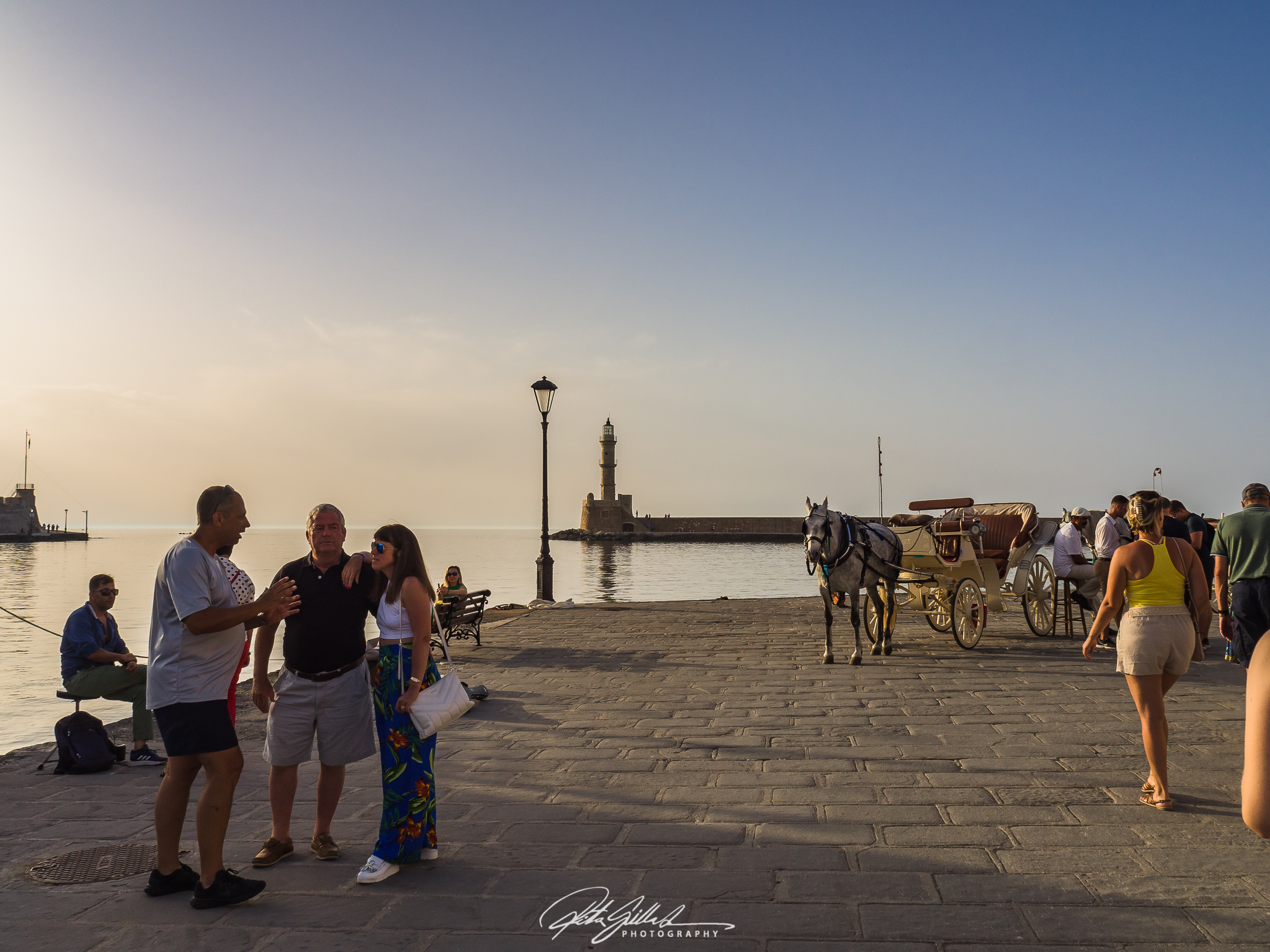
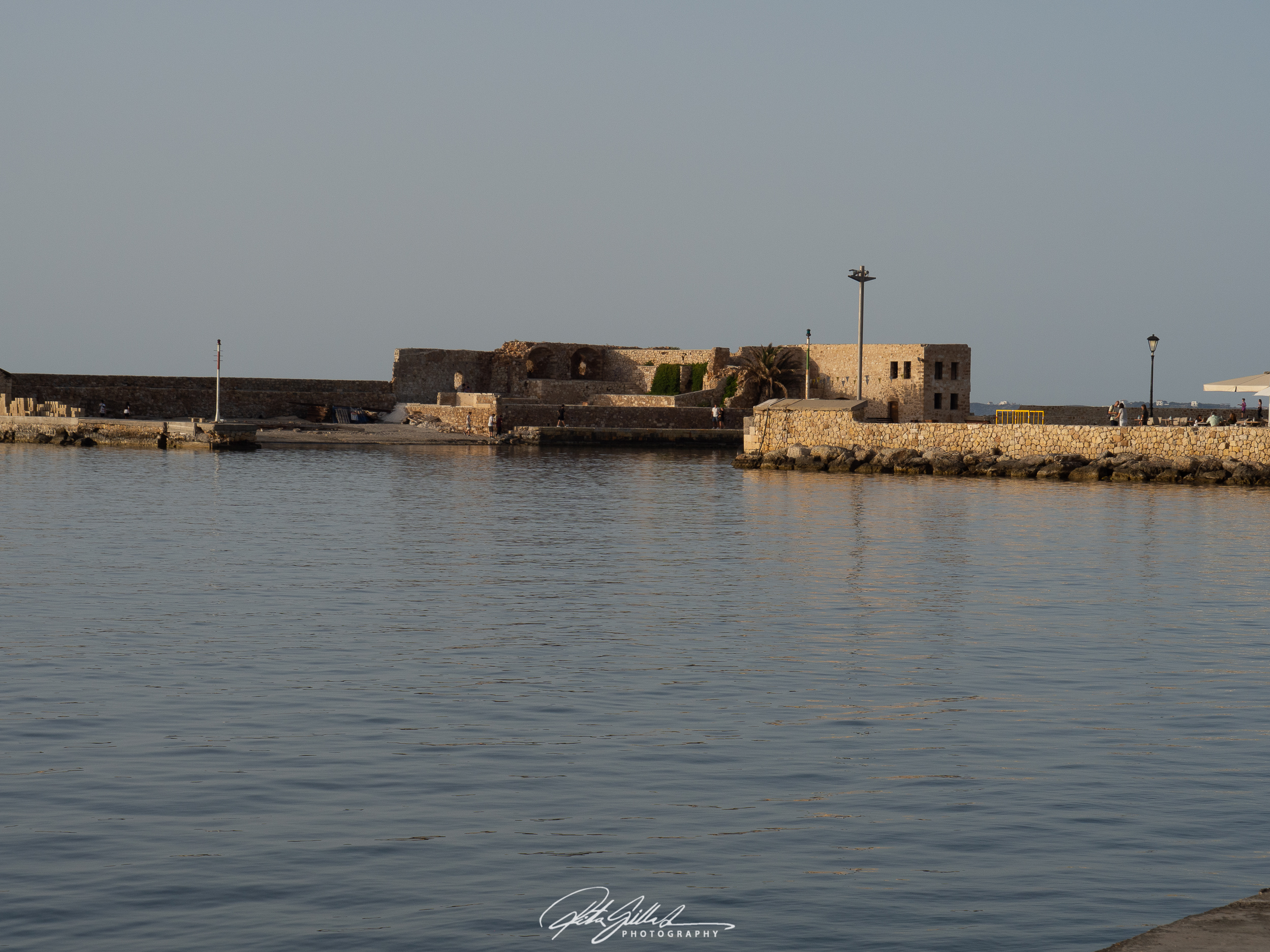
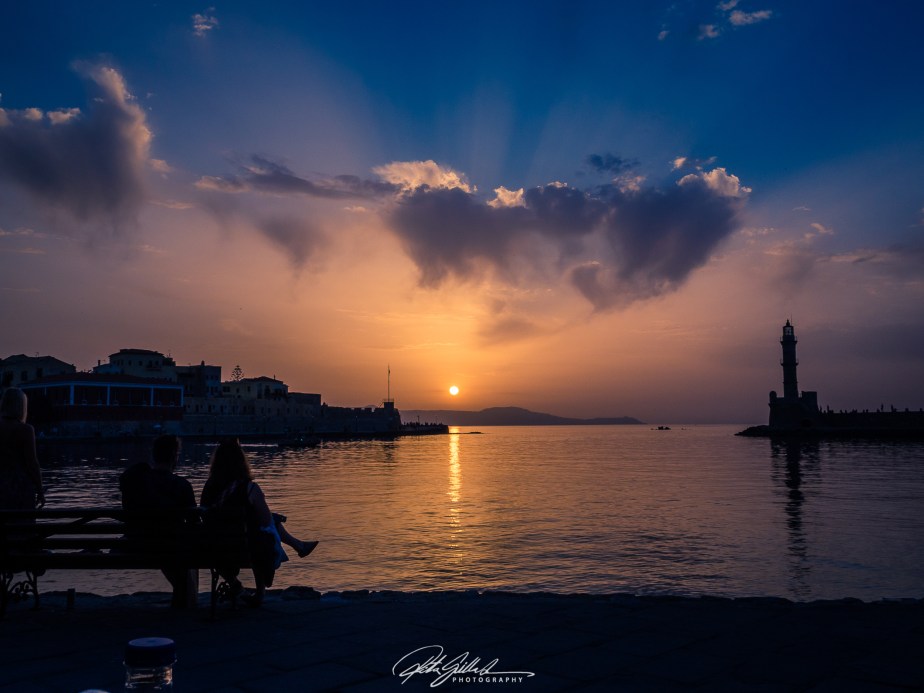
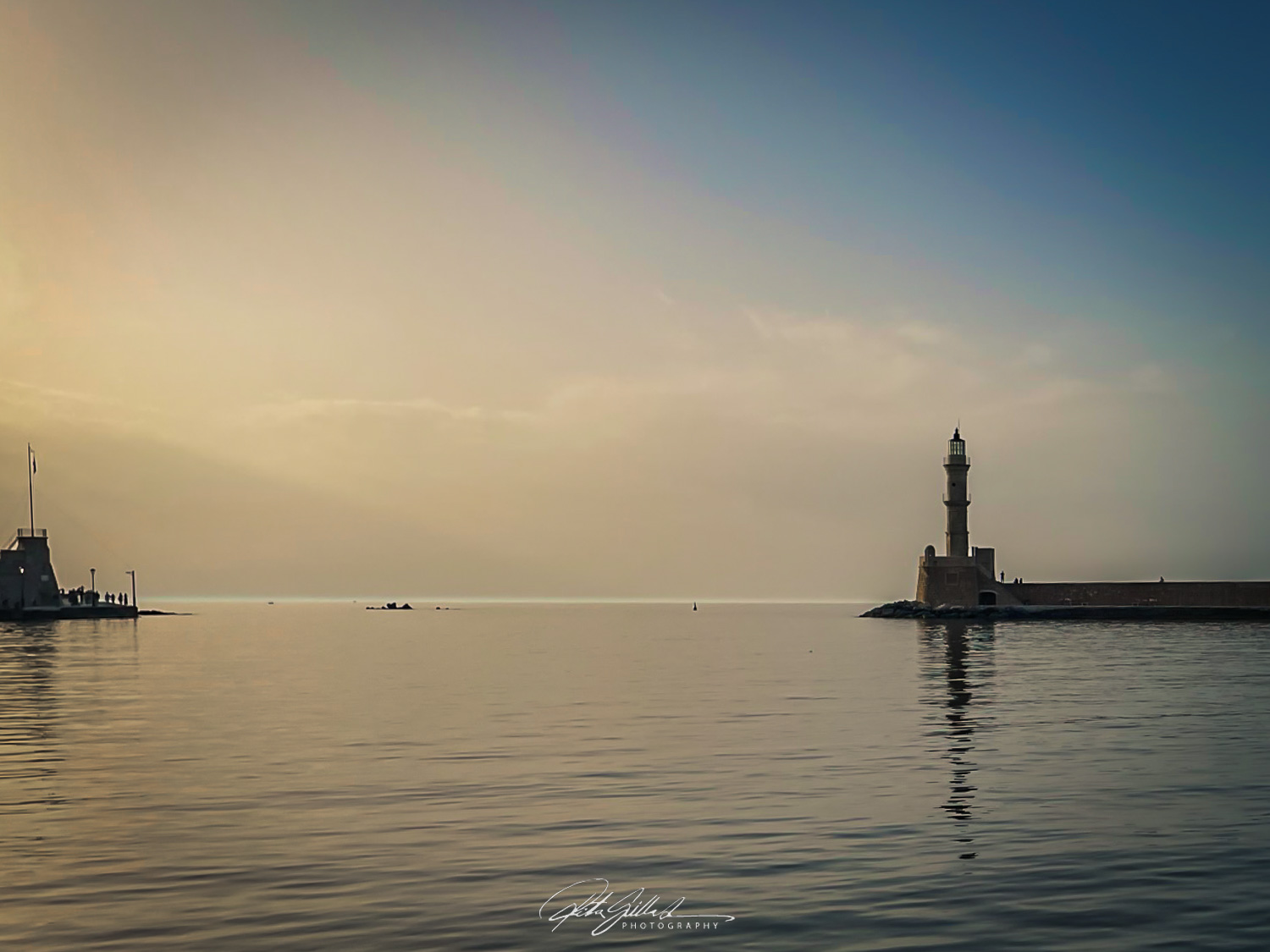
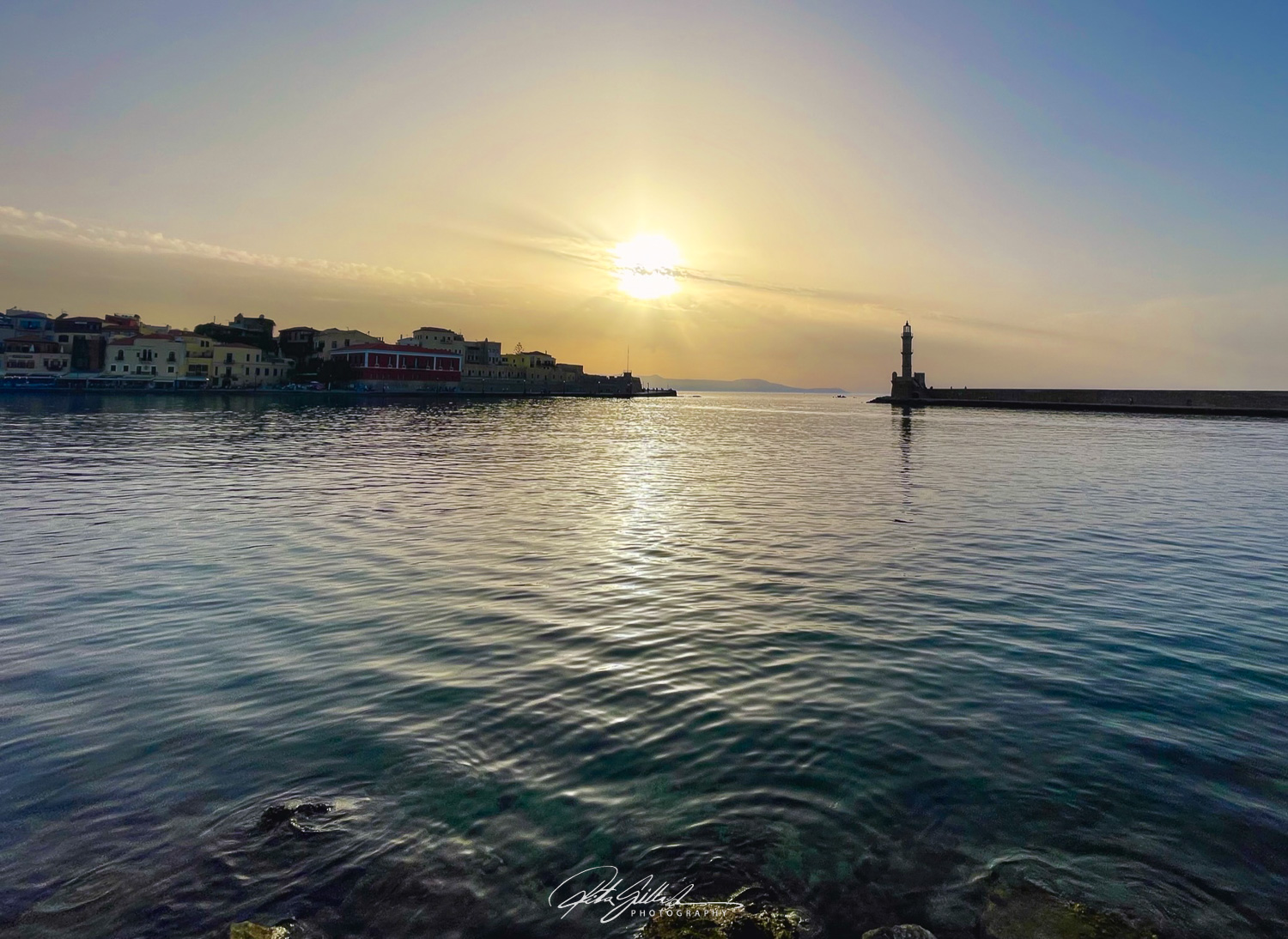
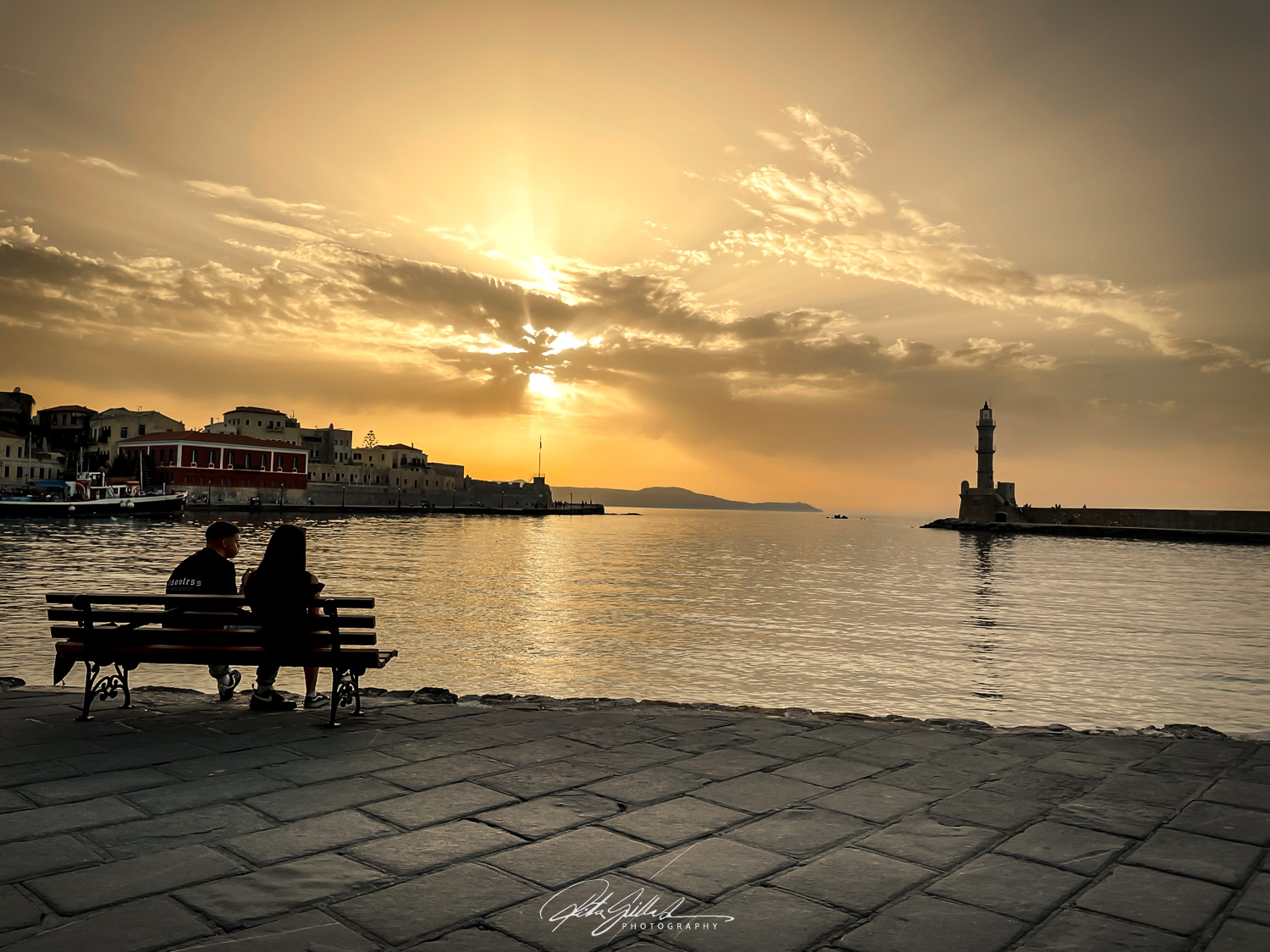
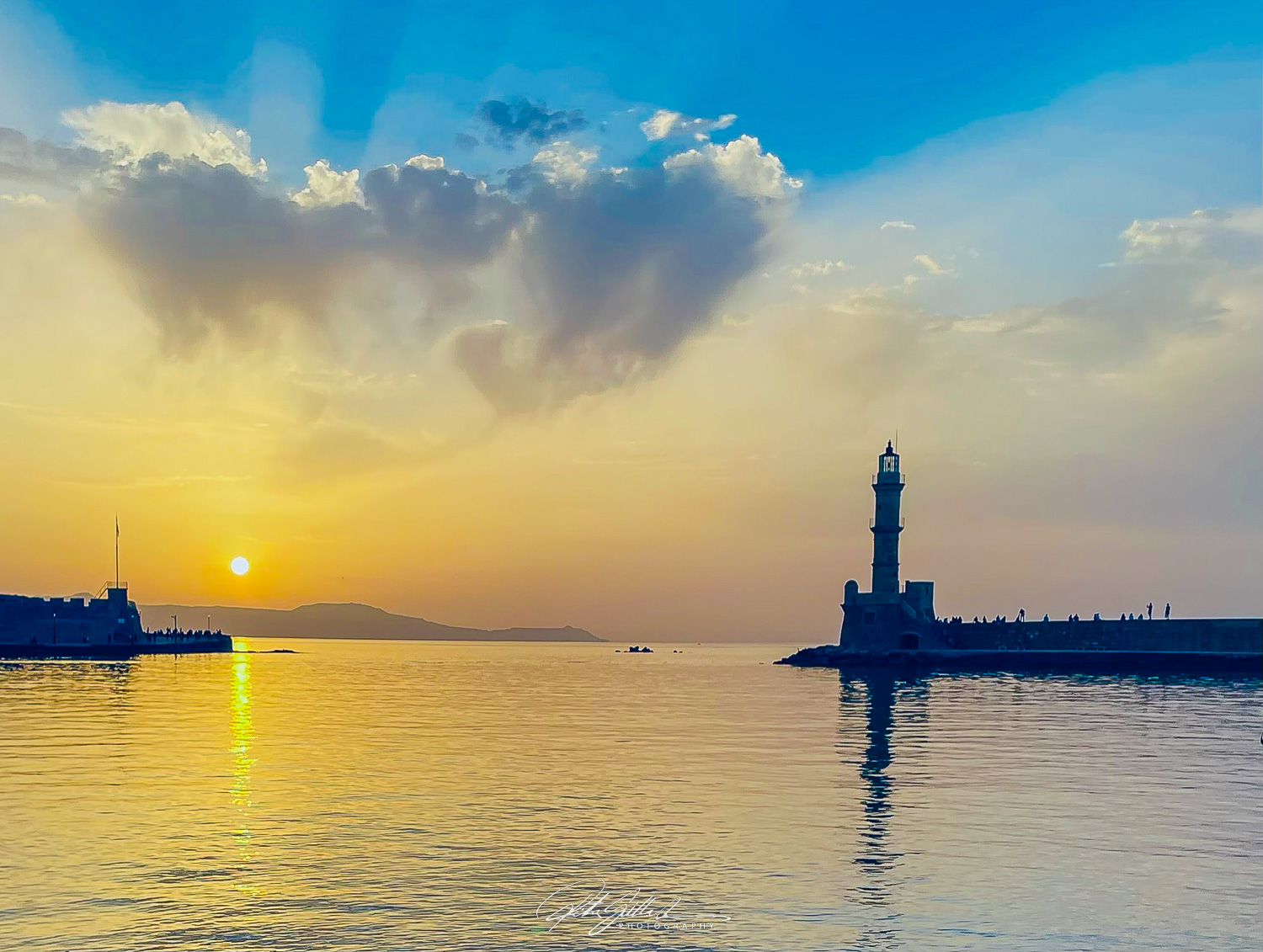
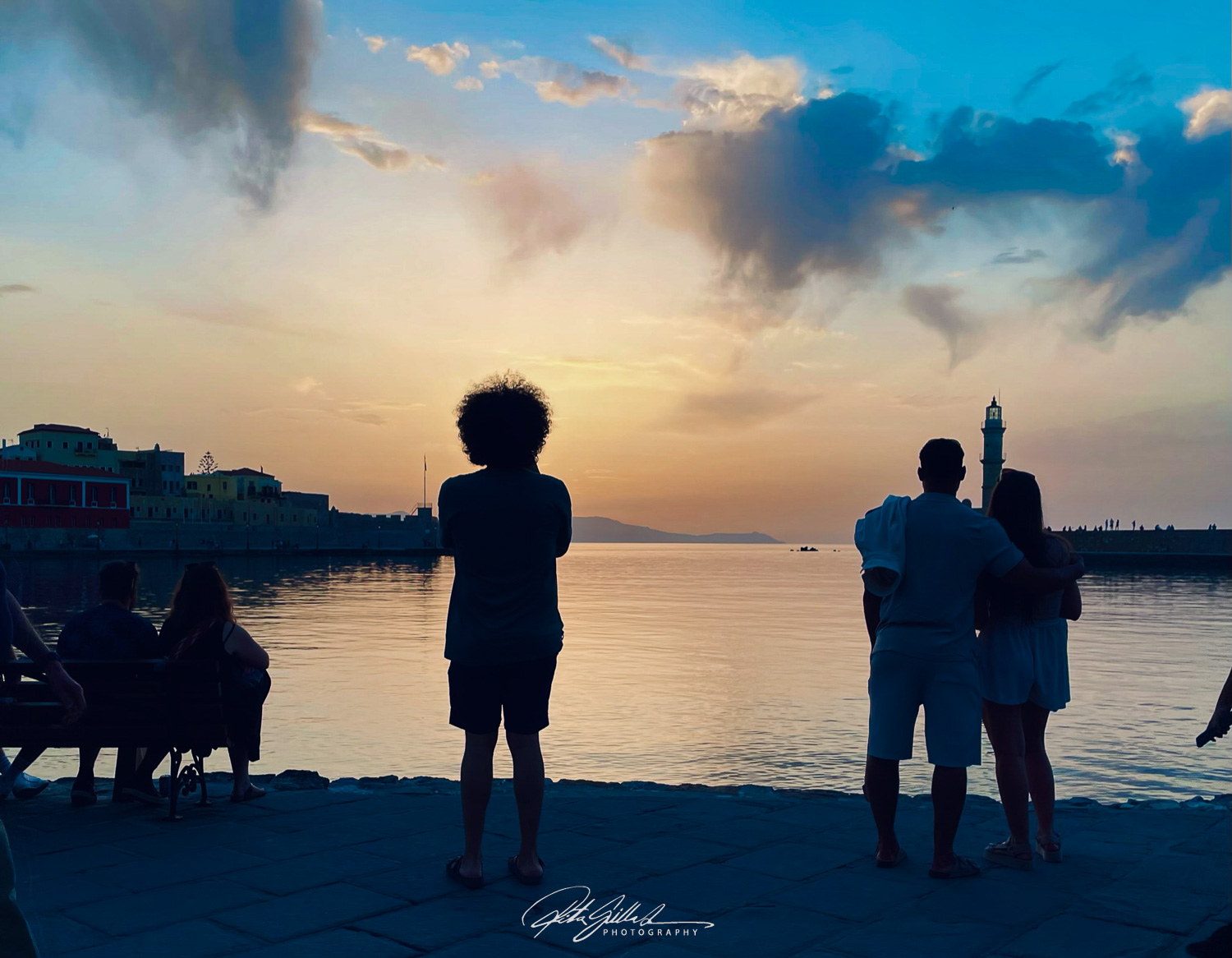
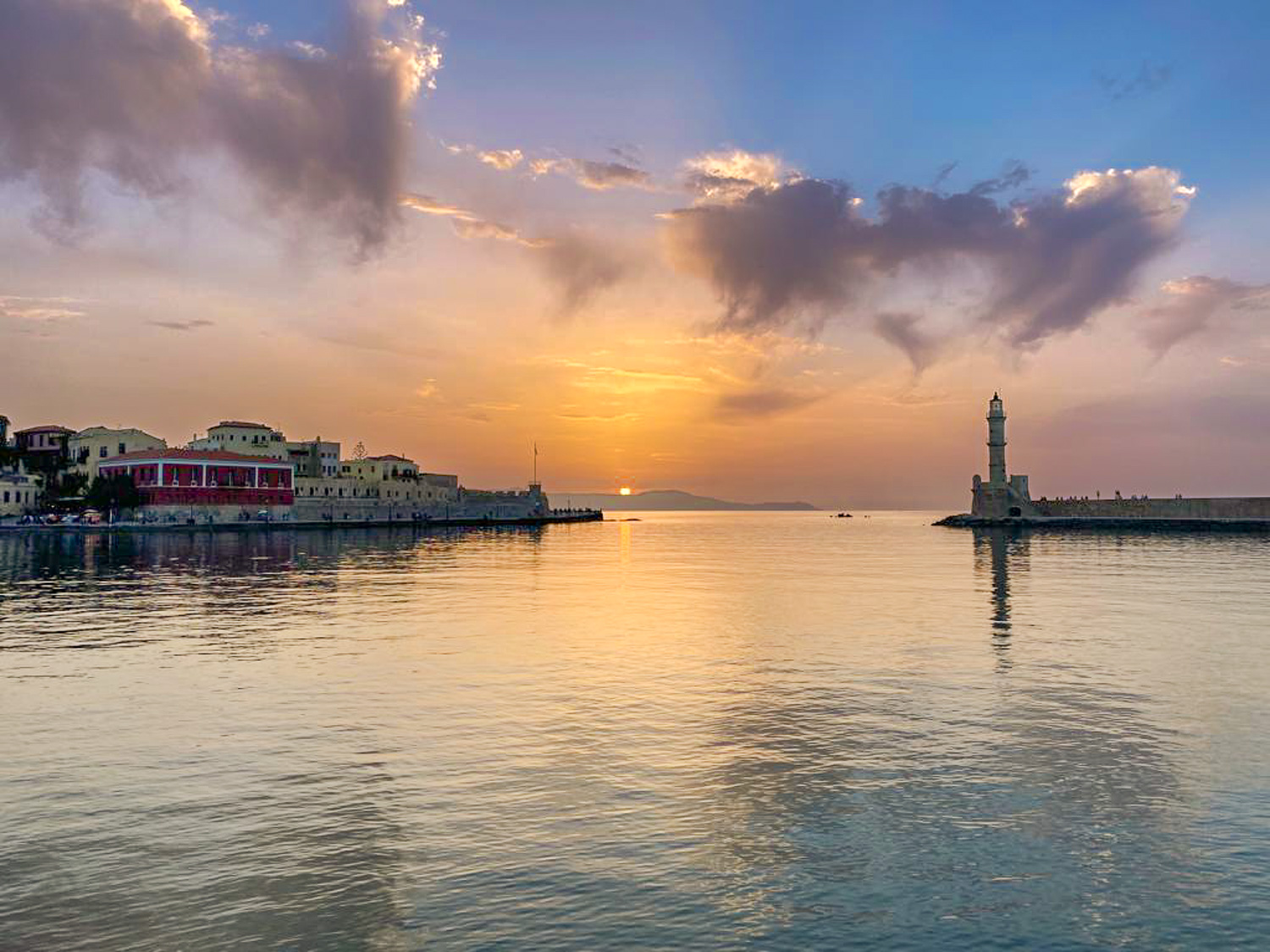
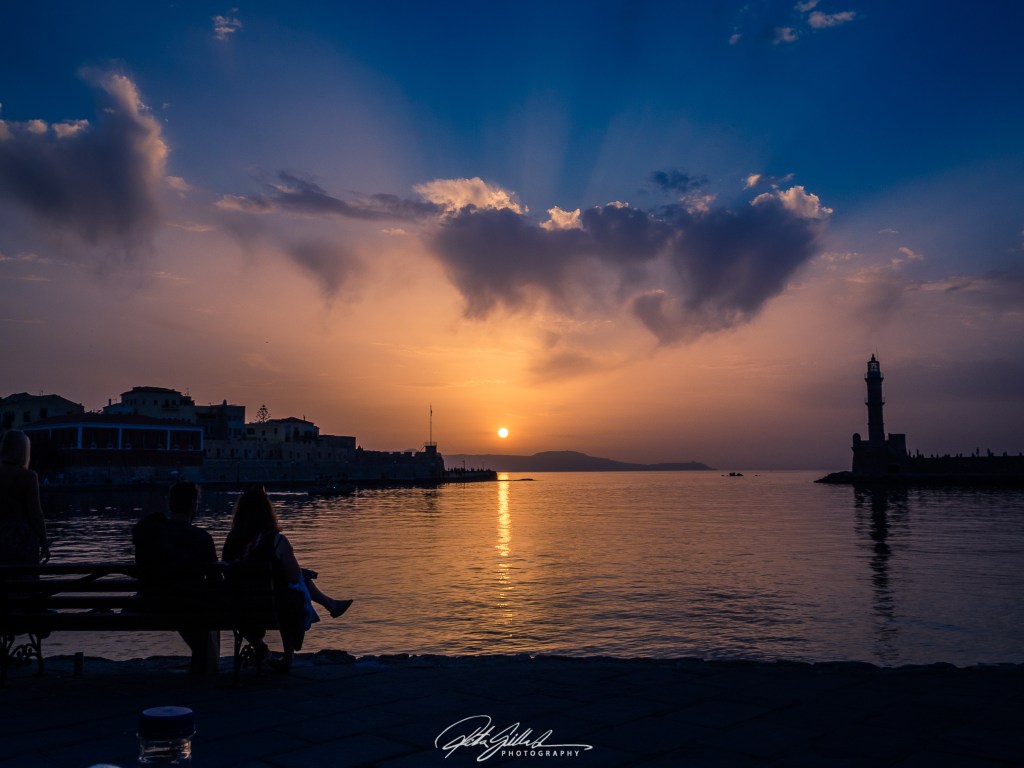
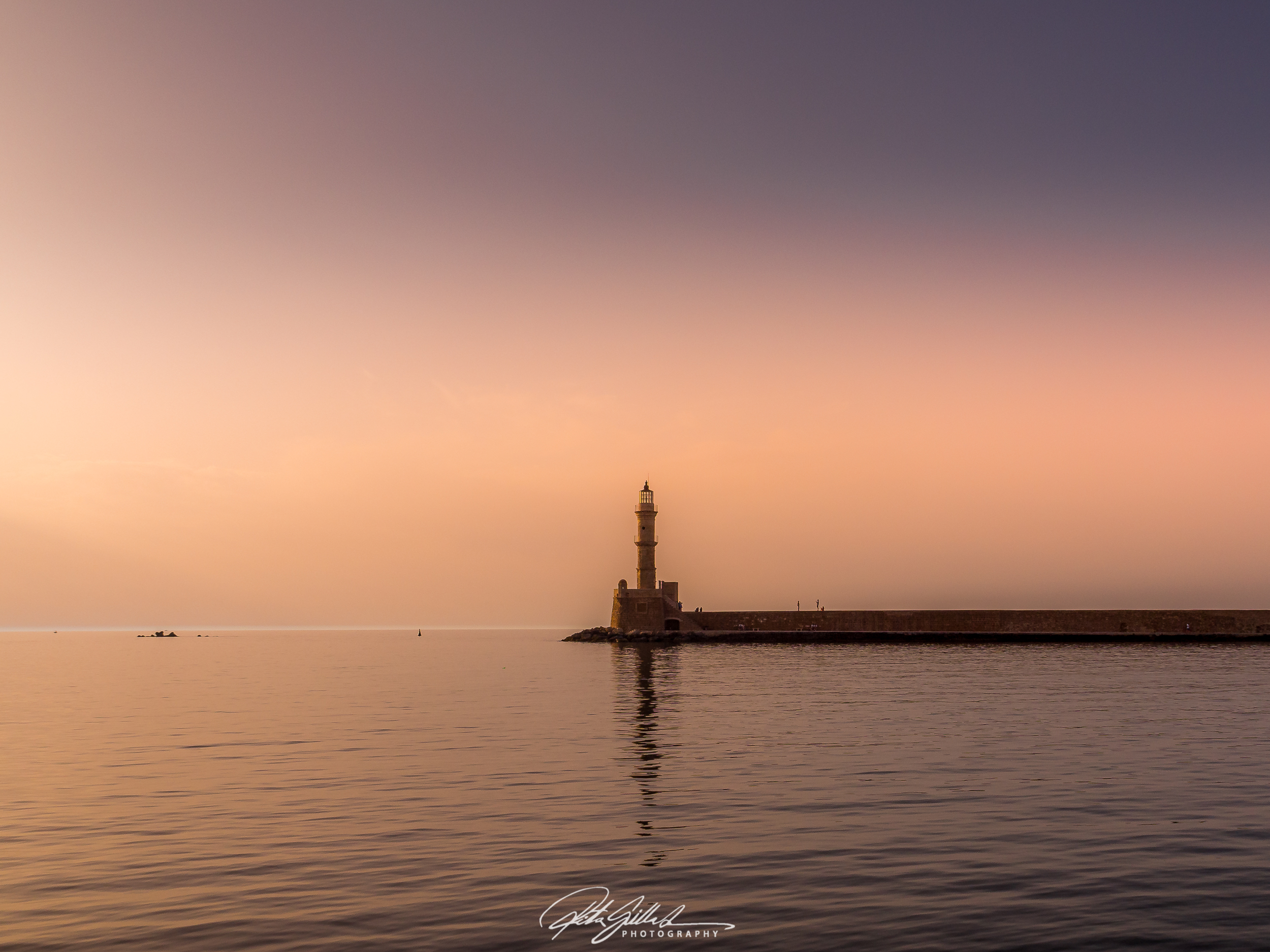
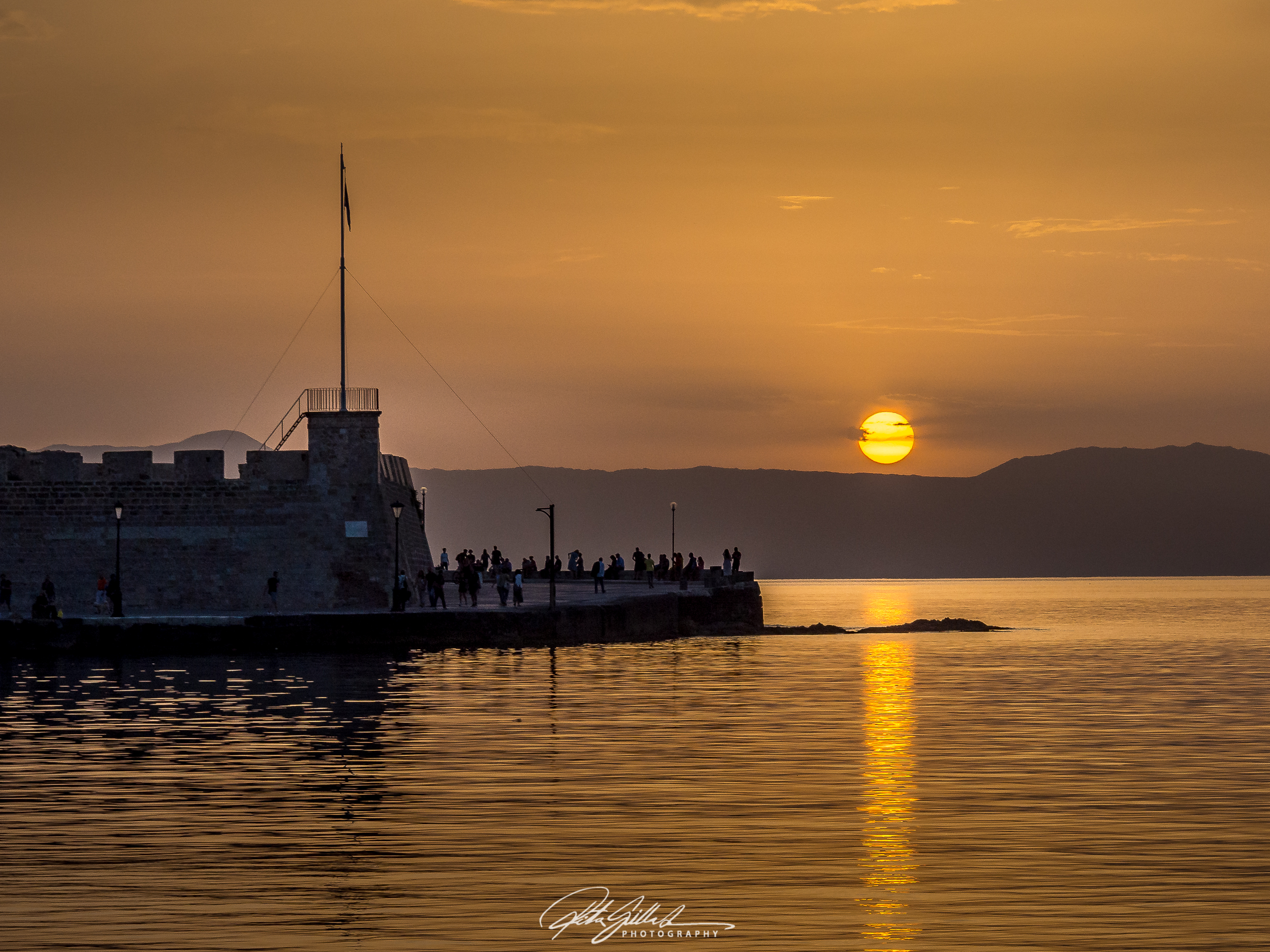
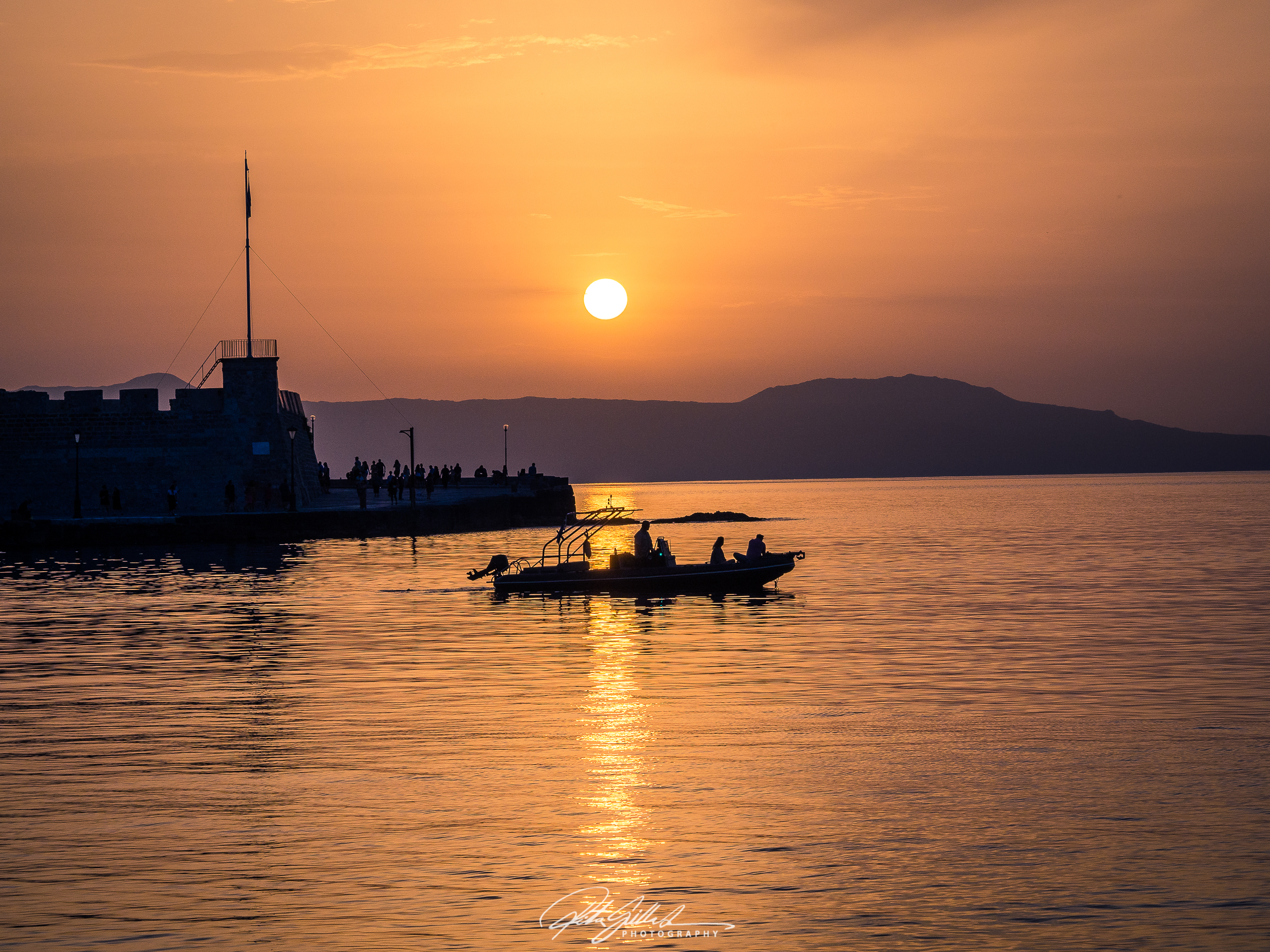
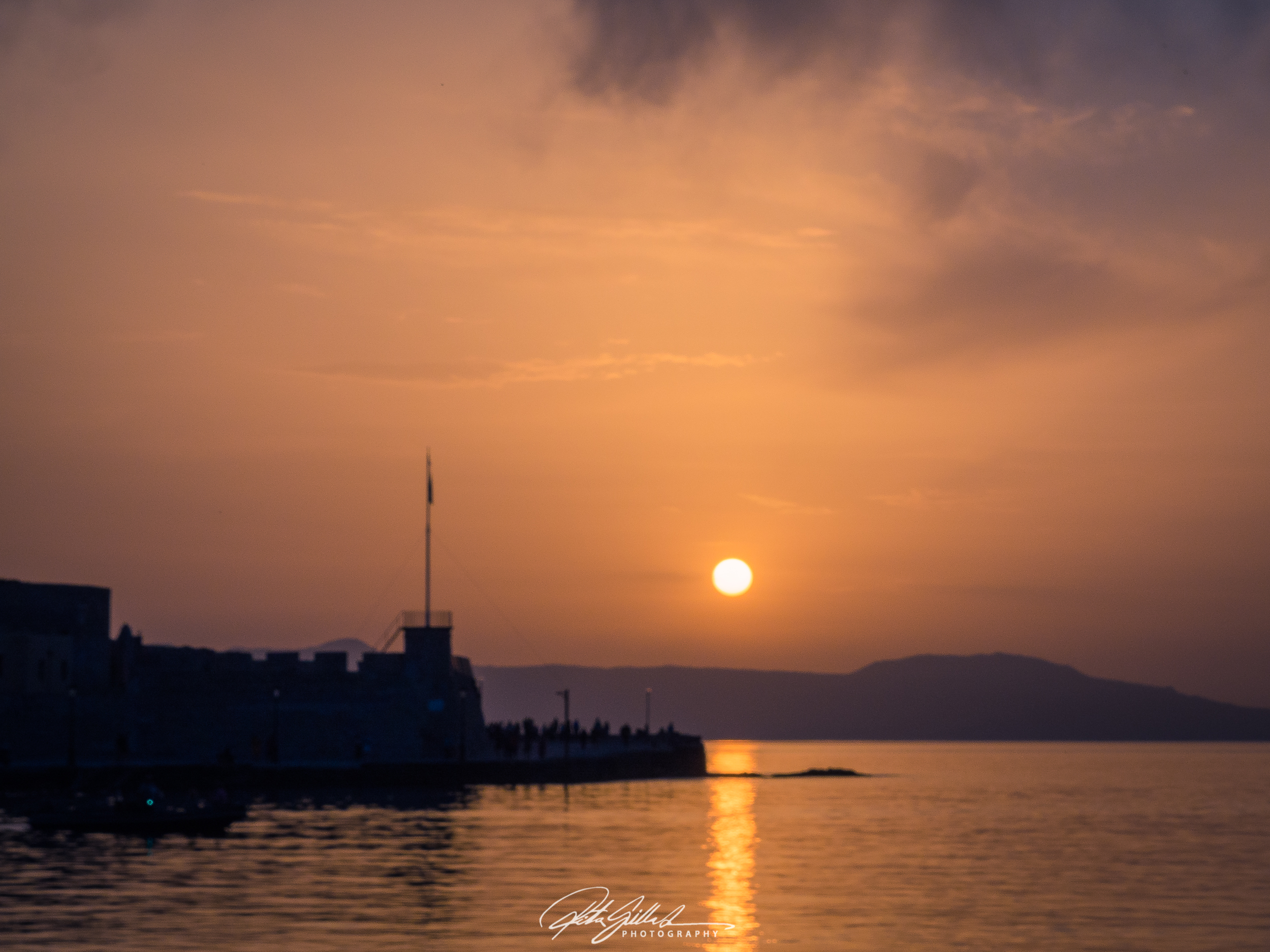
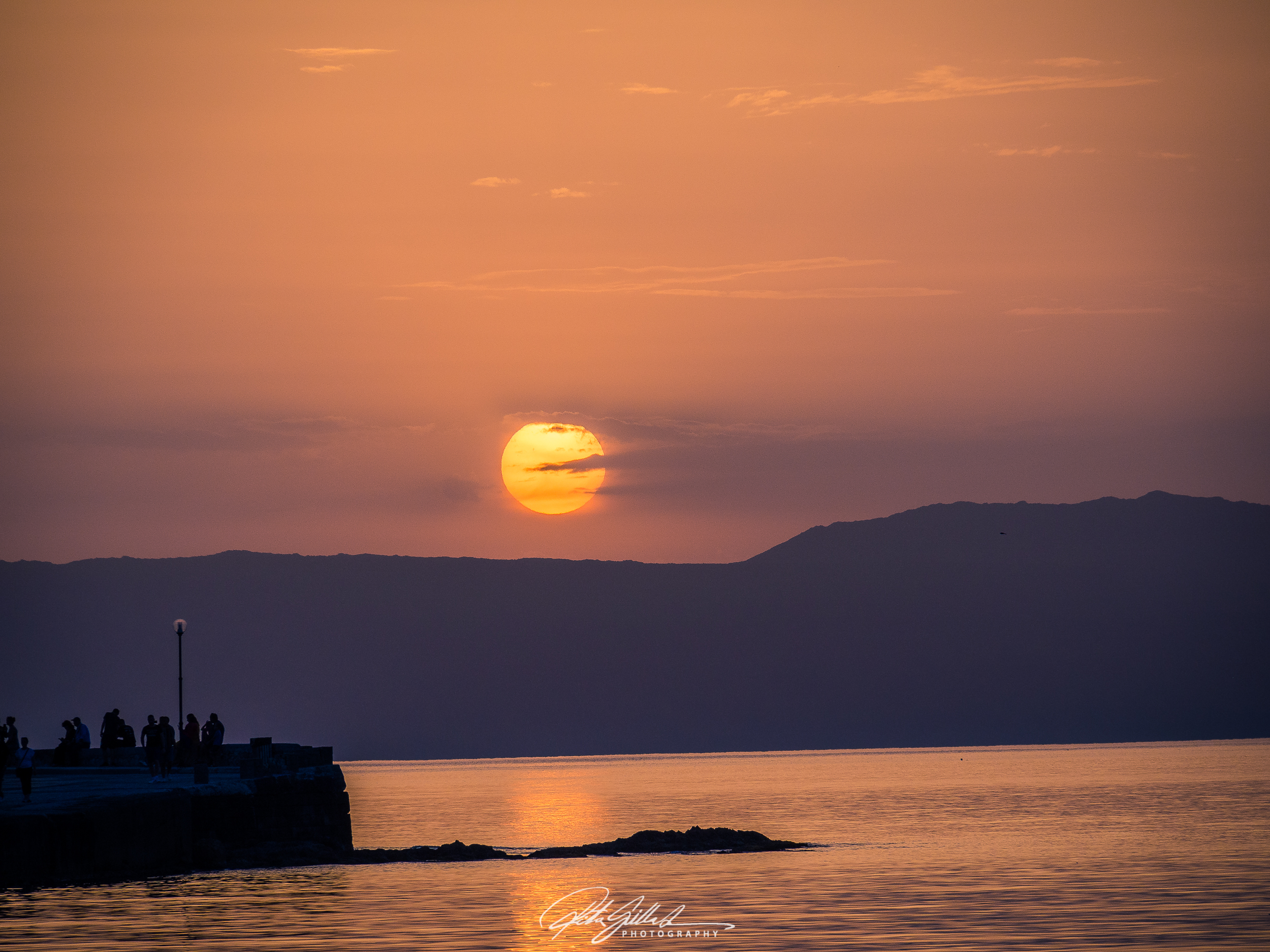
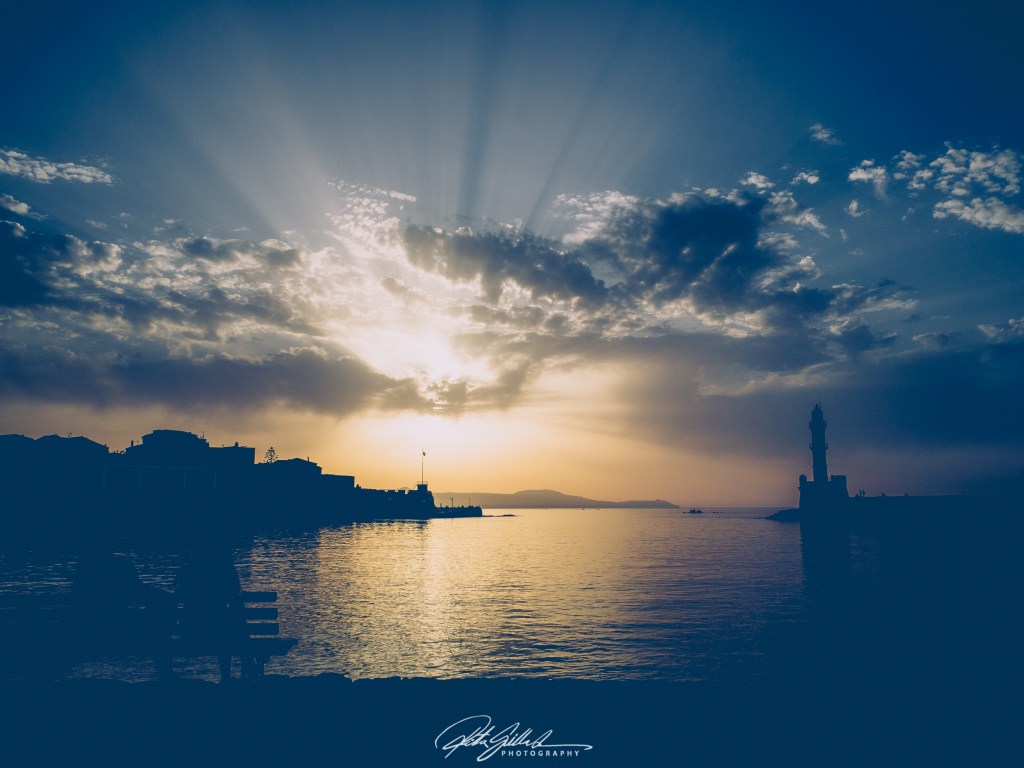
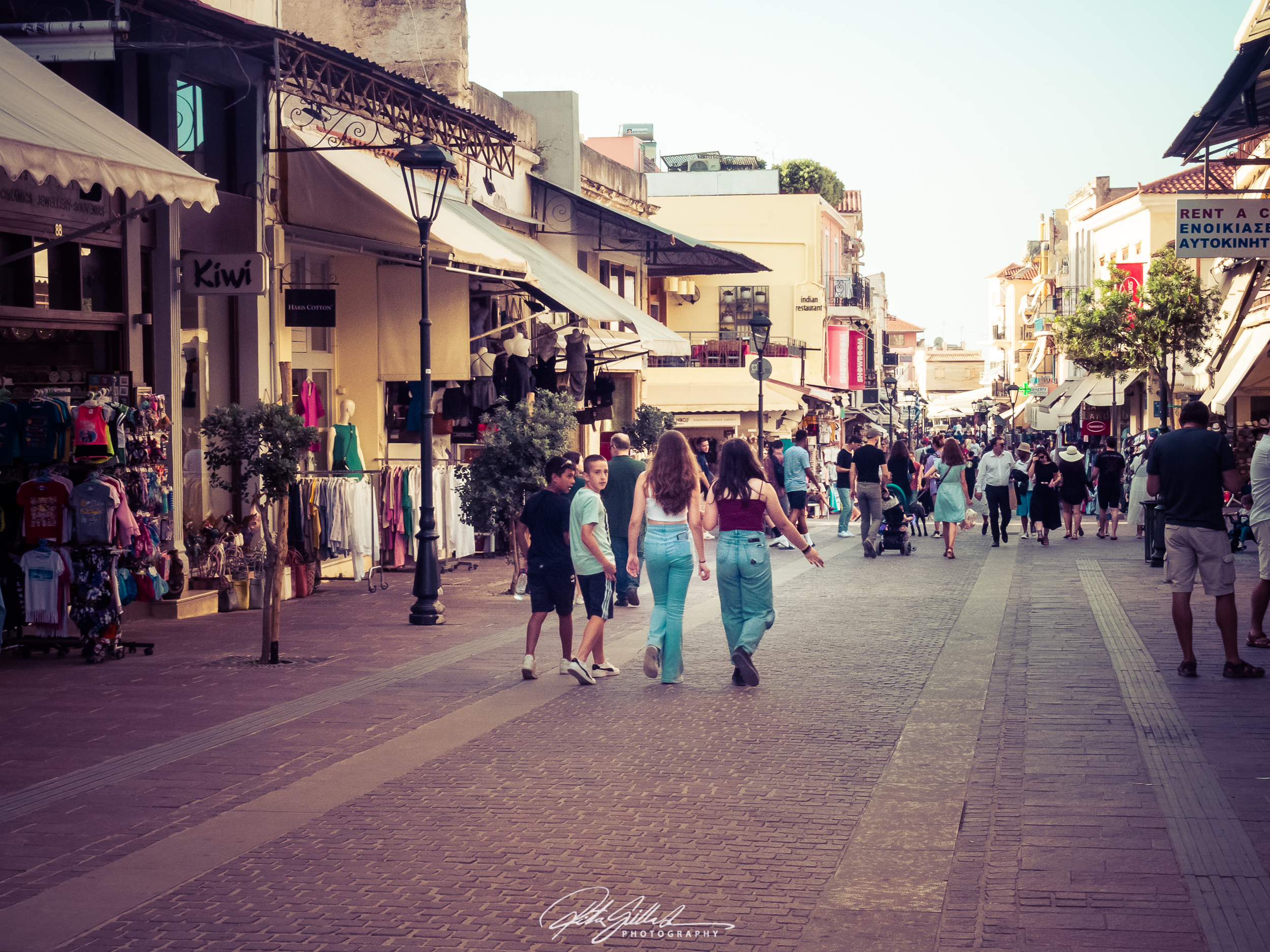
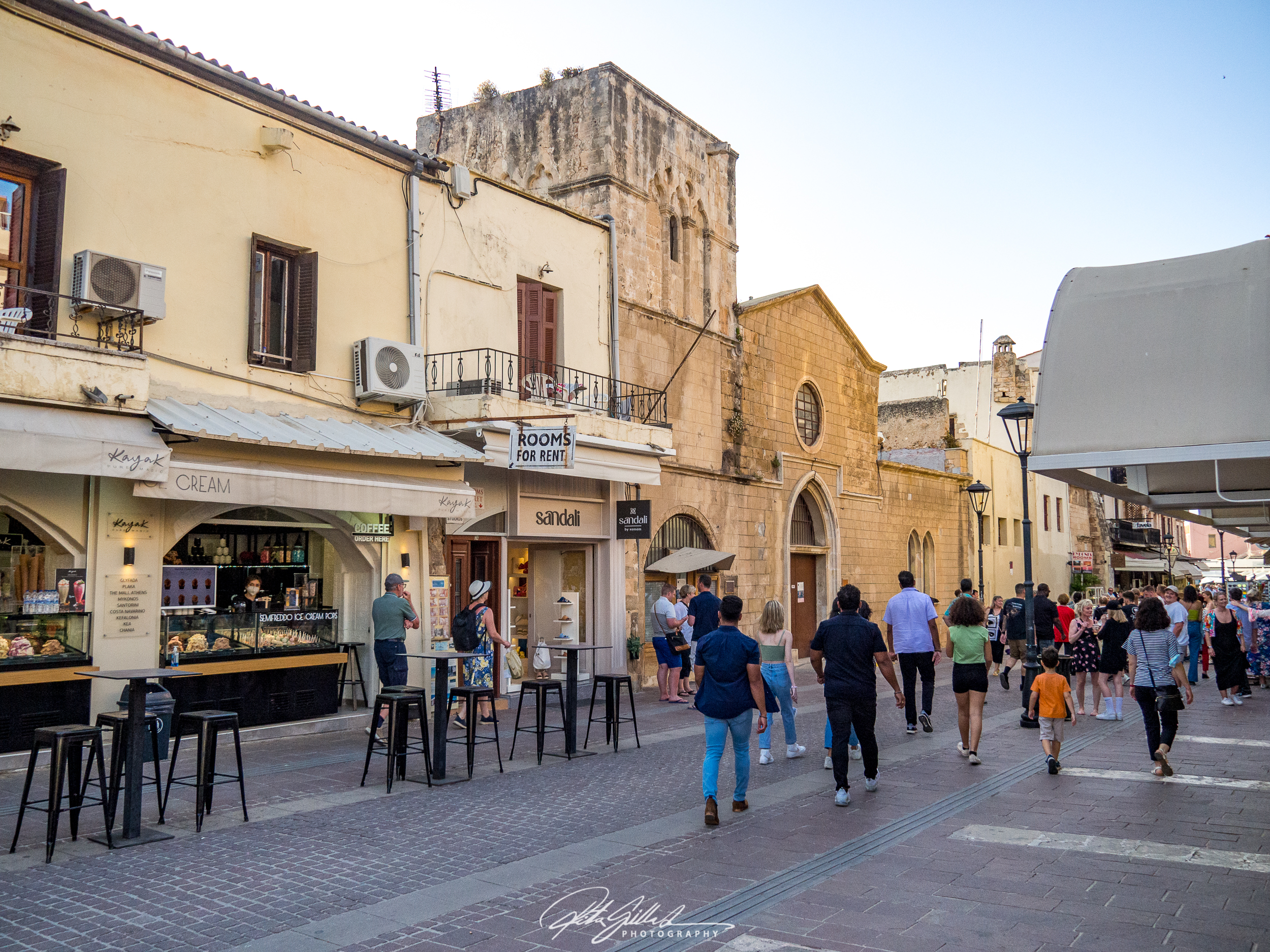
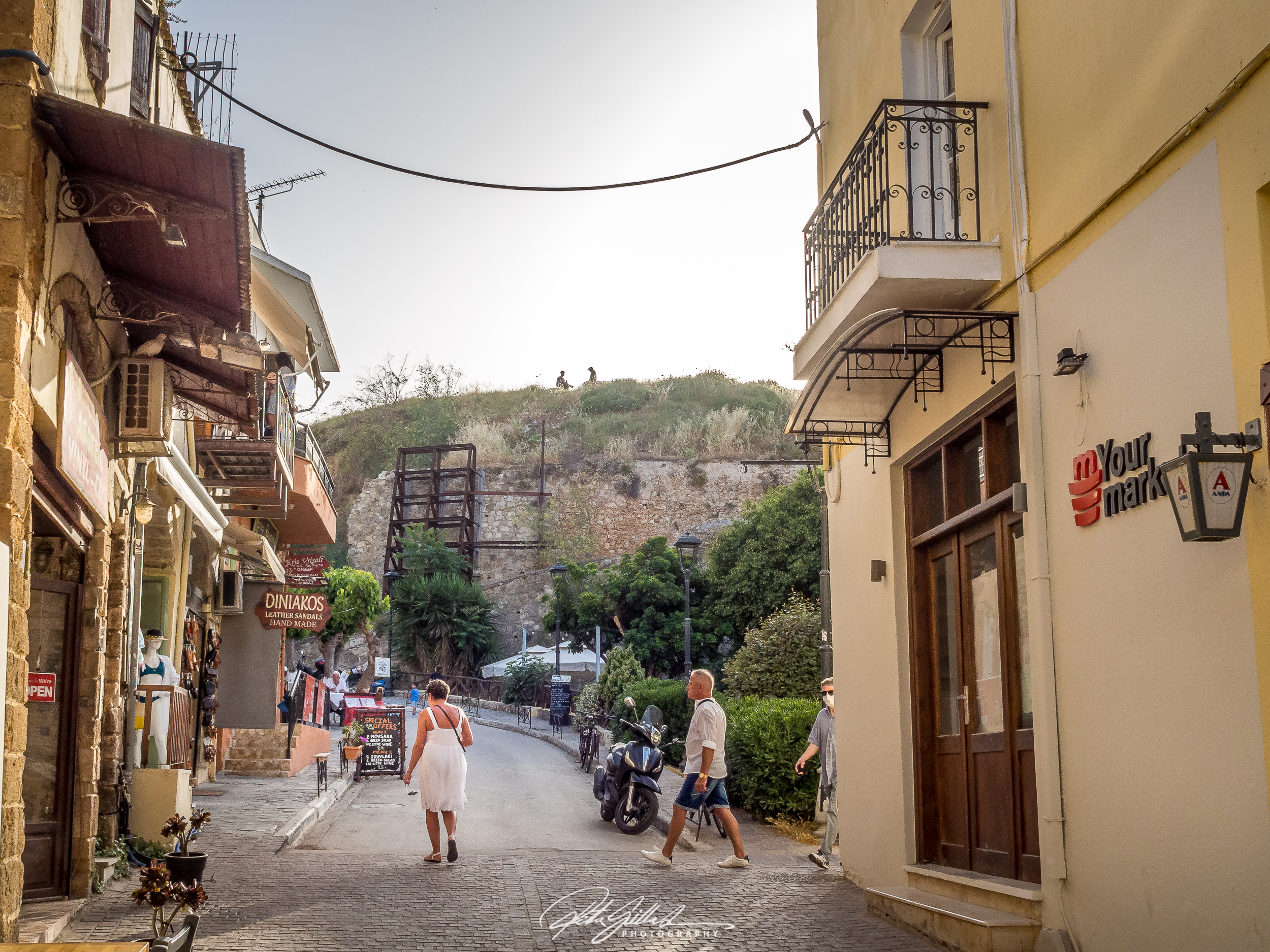
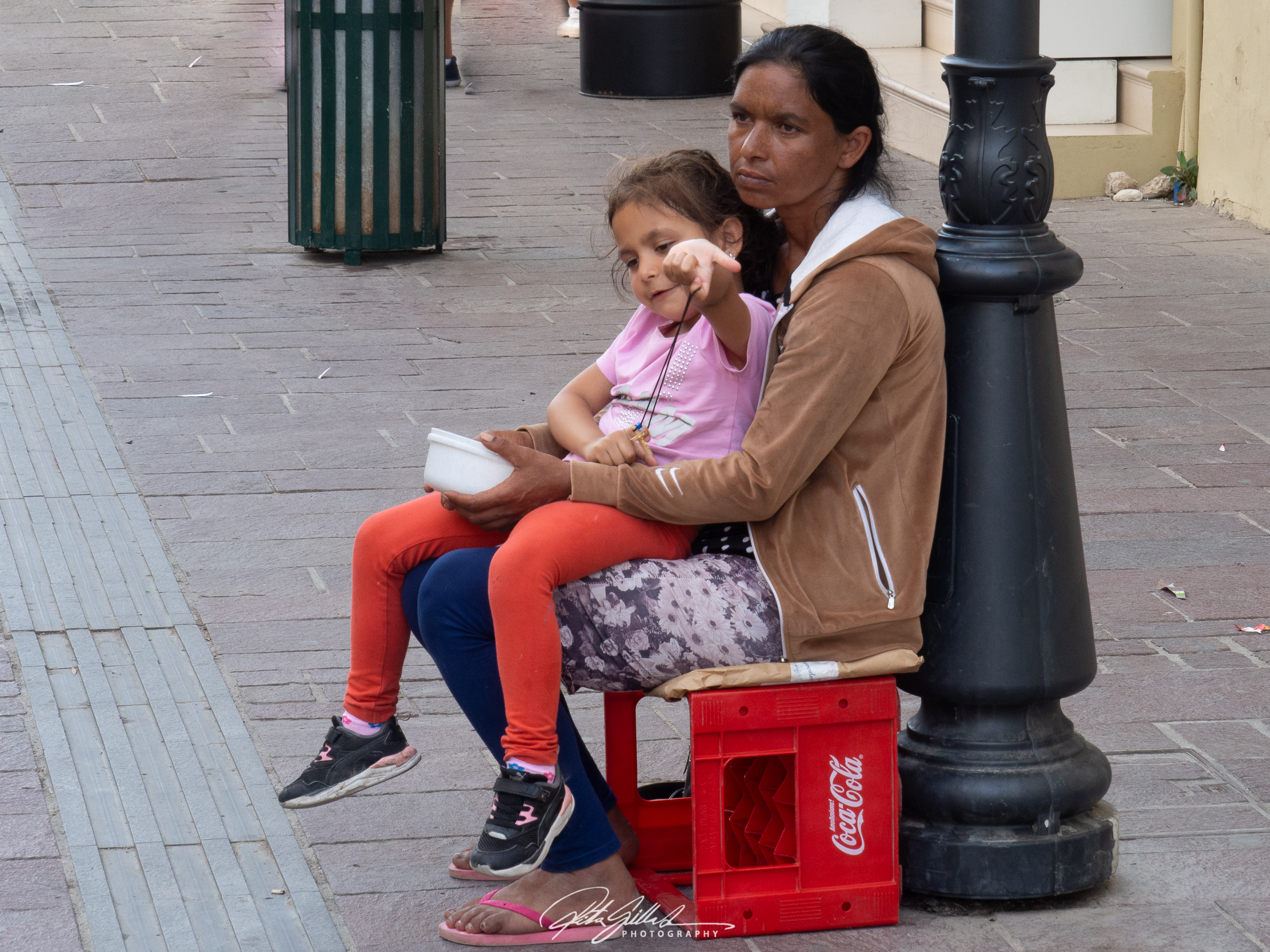
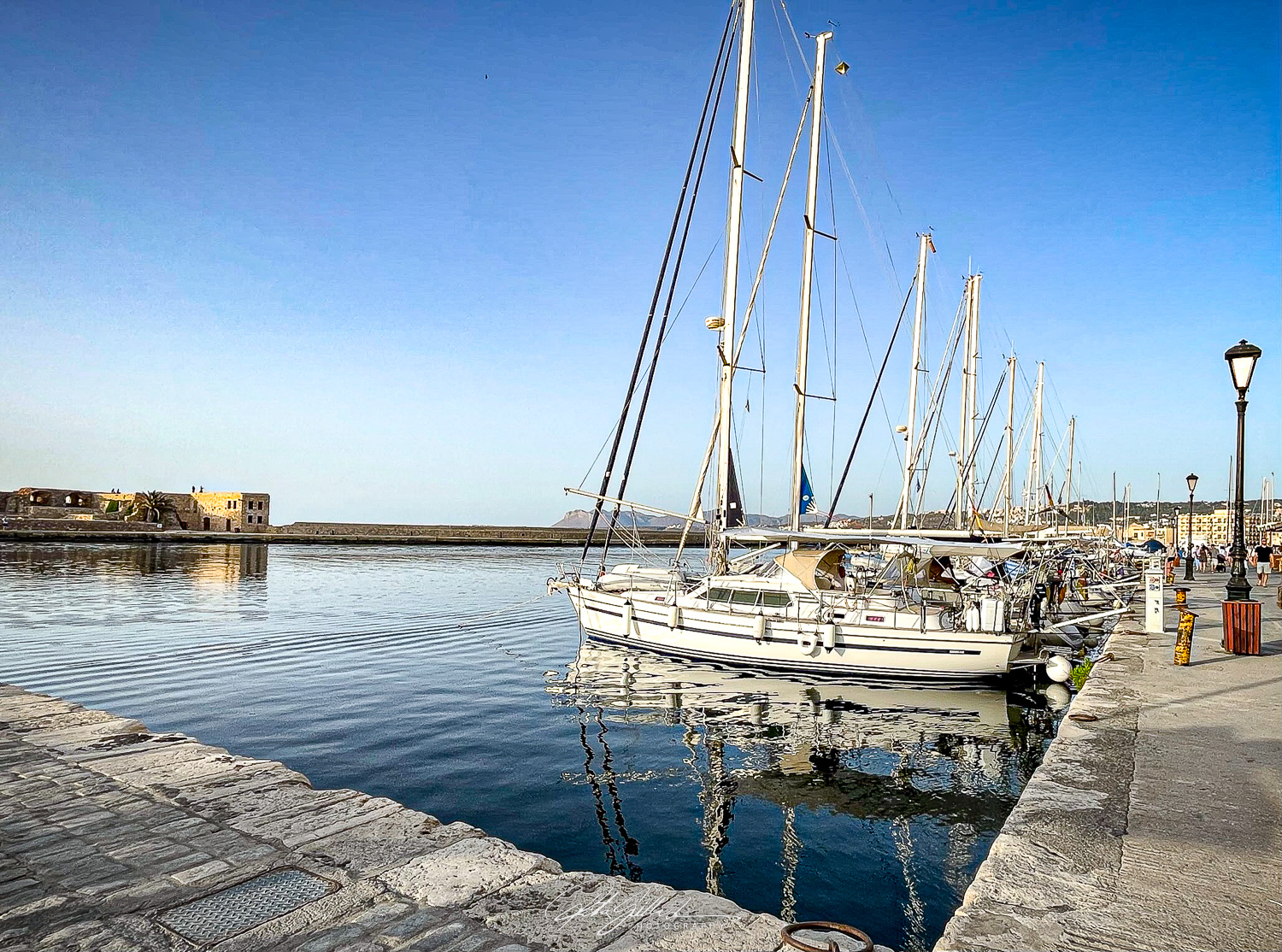
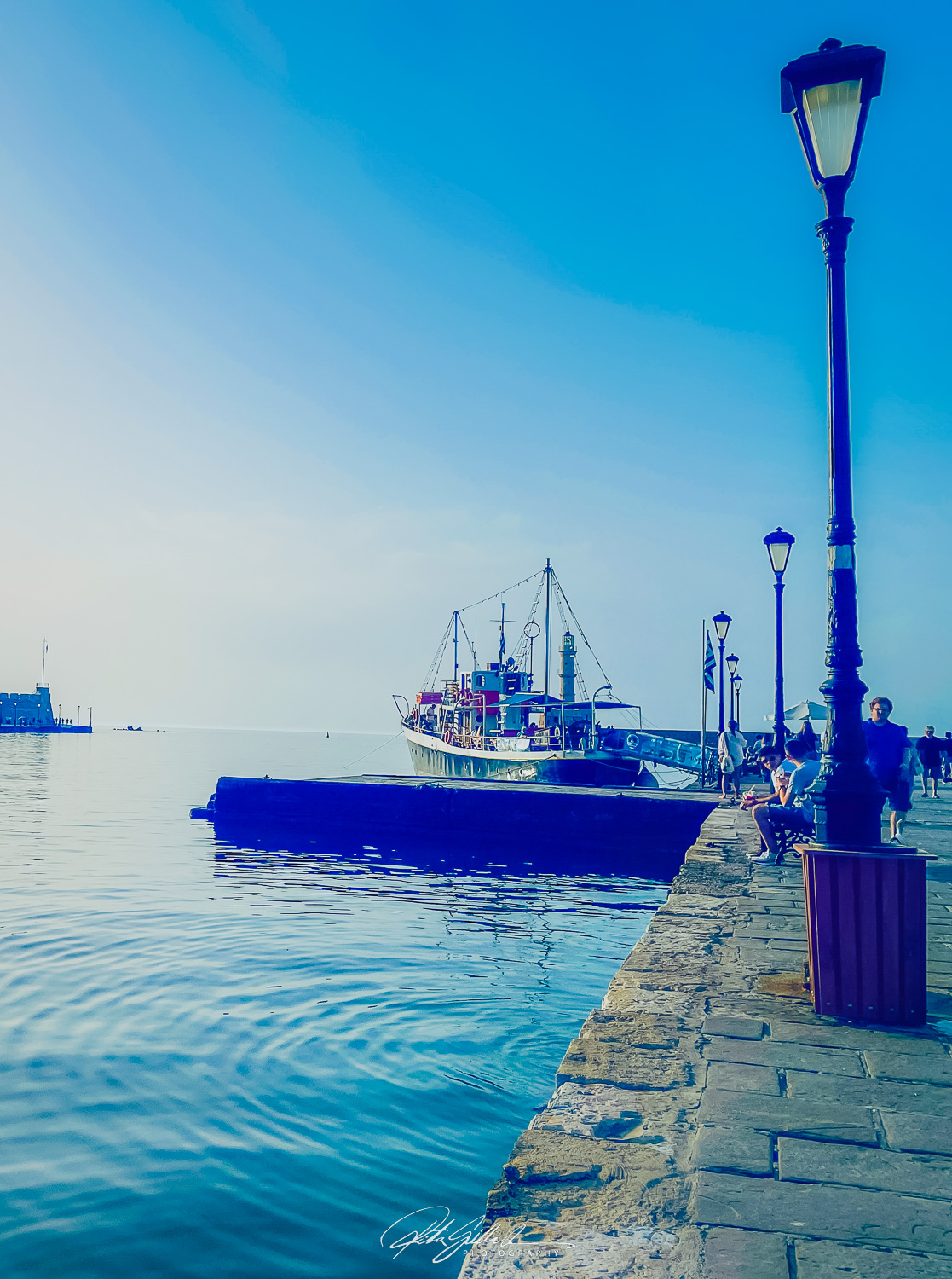
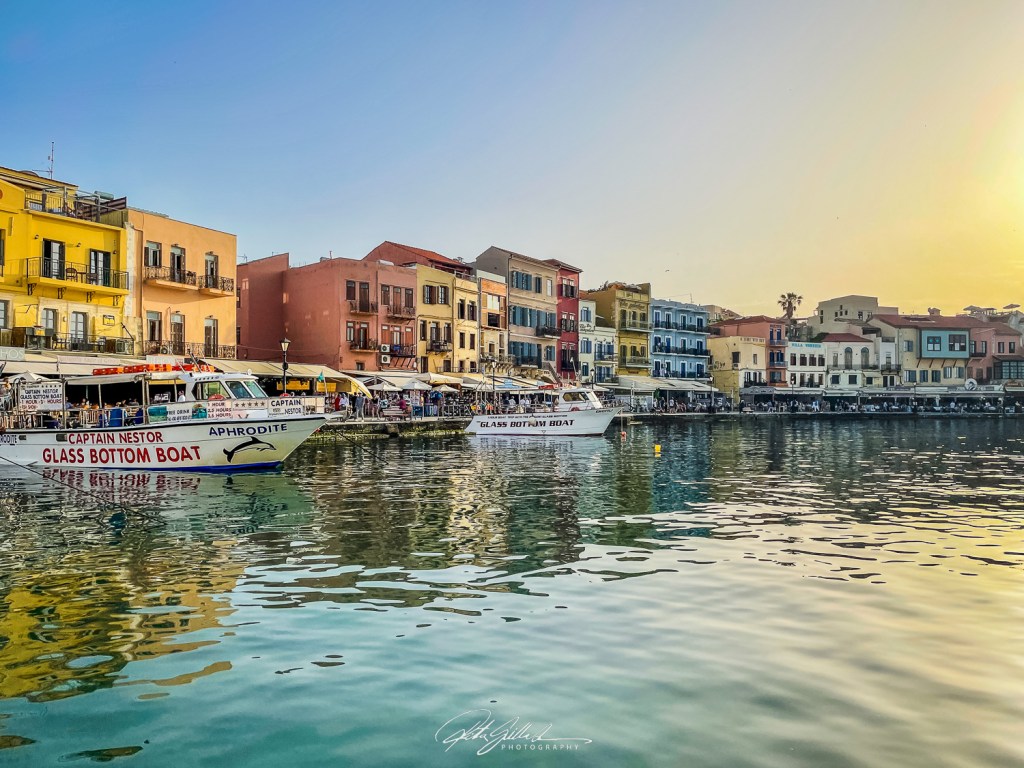
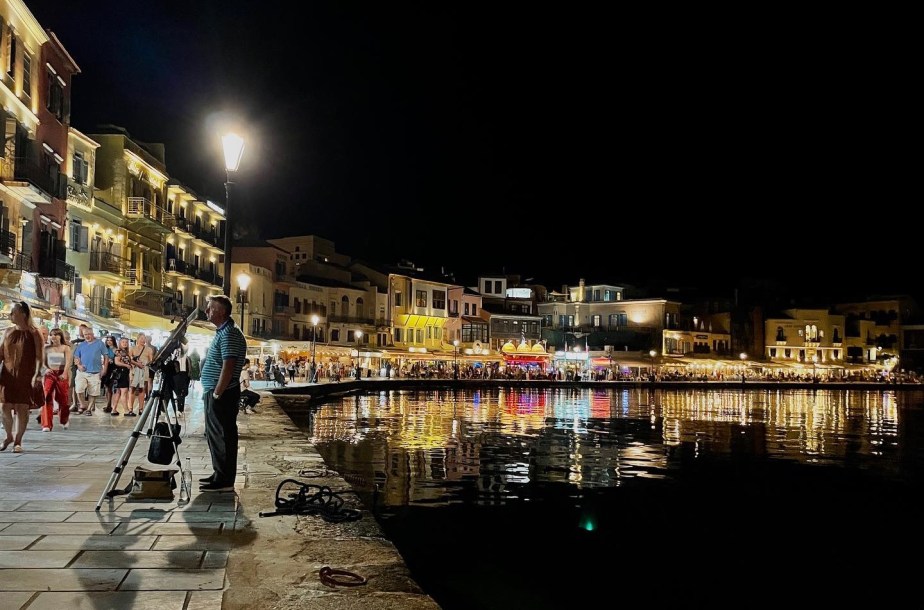
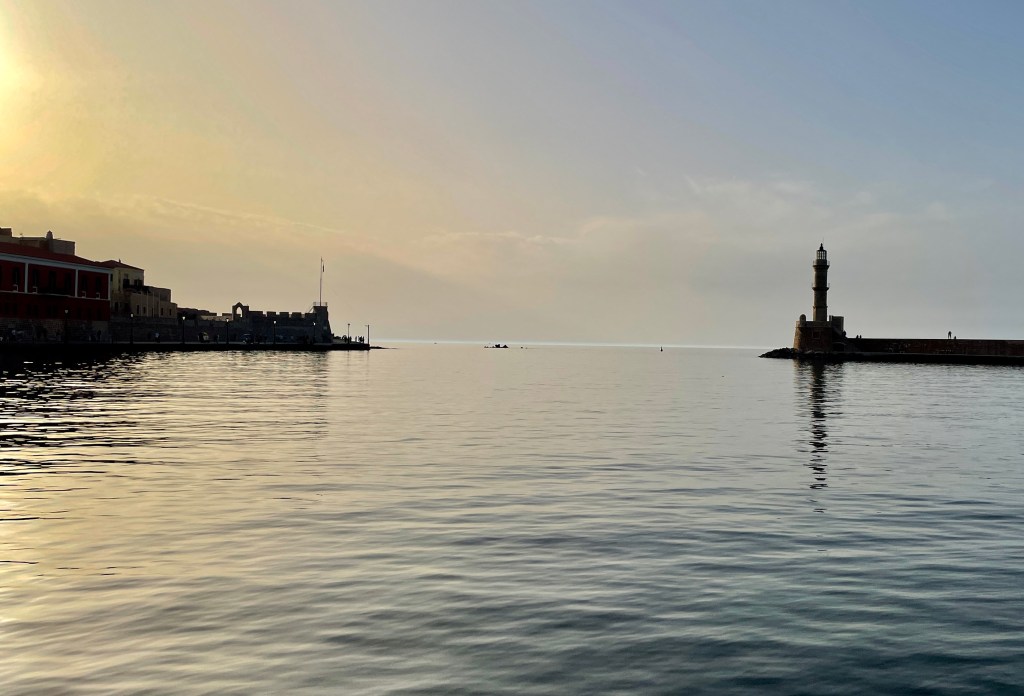
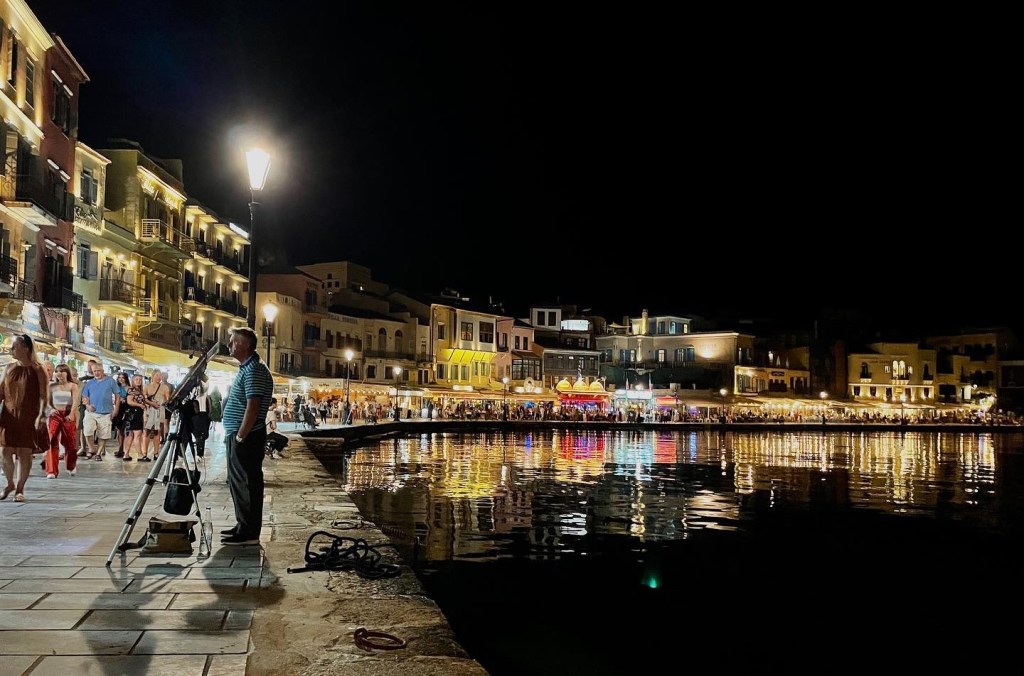
Some atmosphere photos from Chania and buildings at the Venetian harbor. The first set I took with my mobile and the other with my camera where I was able to adjust the settings and zoom better and was able to get more moody shots.
This post is all about the first sunset we saw in Chania at the Venetian harbour, it was so lovely that we later in the week came back for an other one. Well we came for dinner too and shopping, walking in the small alleys in old town. The first set I took with my mobile and the other with my camera where I was able to adjust the settings and zoom better and was able to get more moody shots.
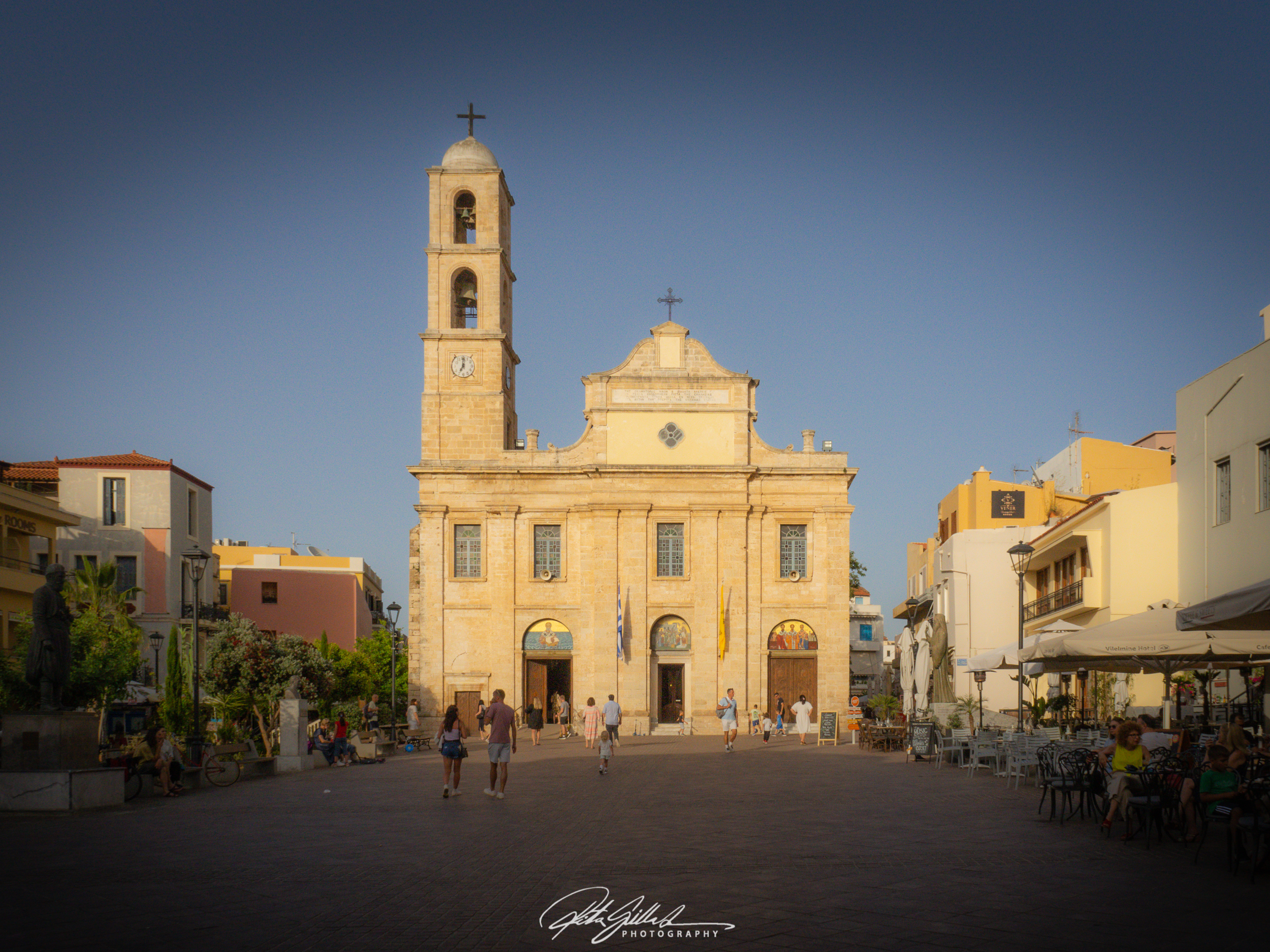
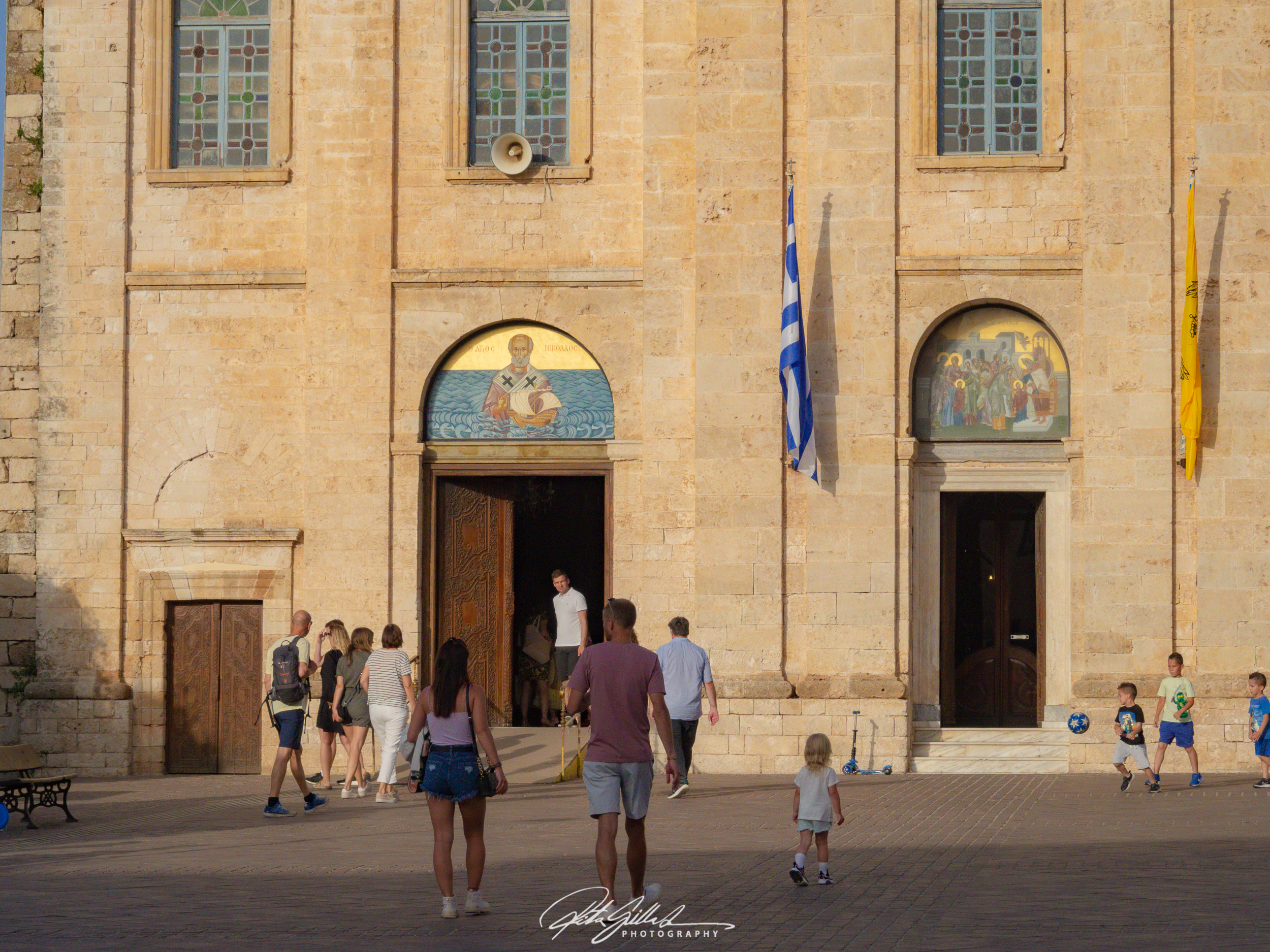
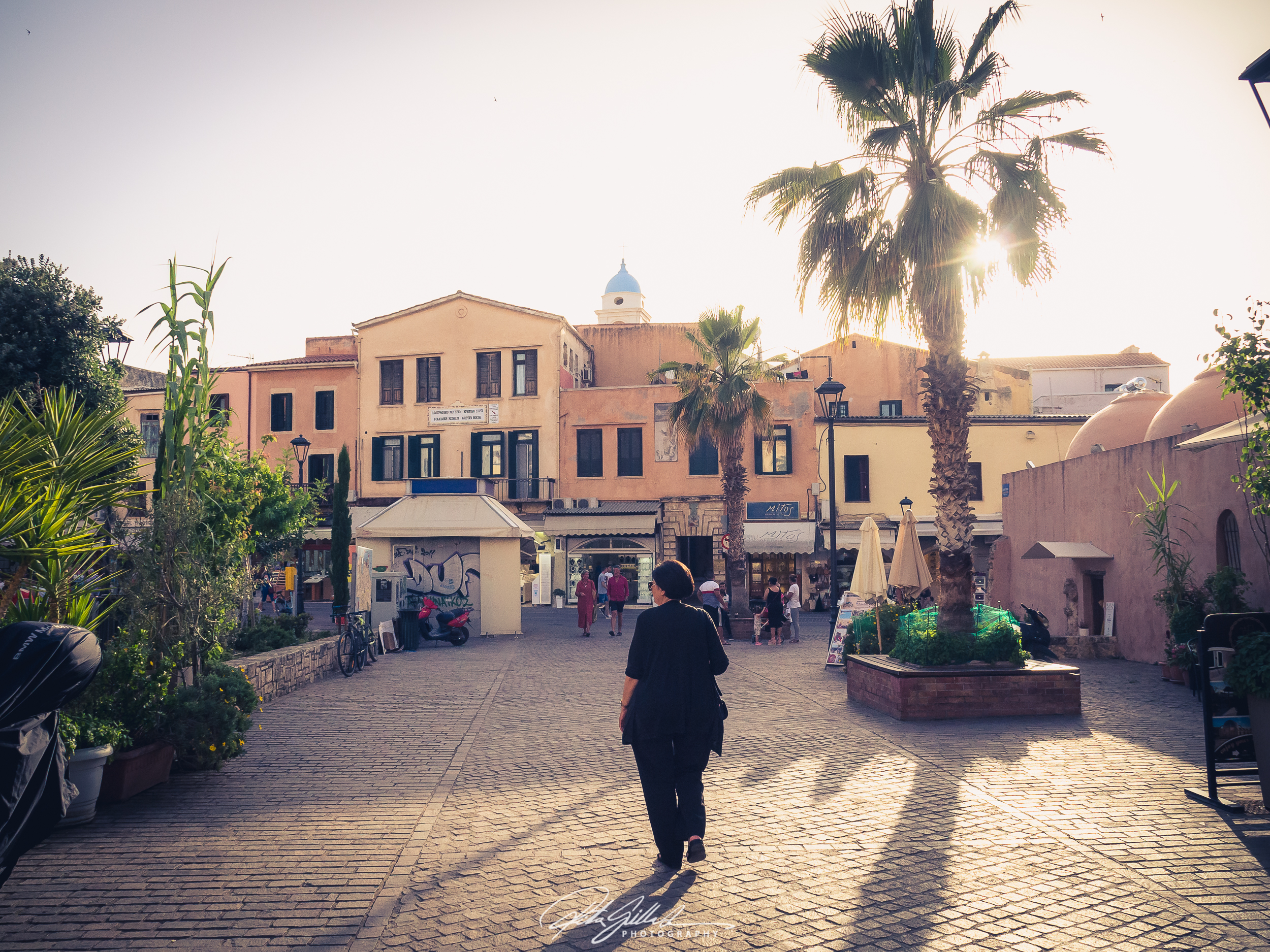
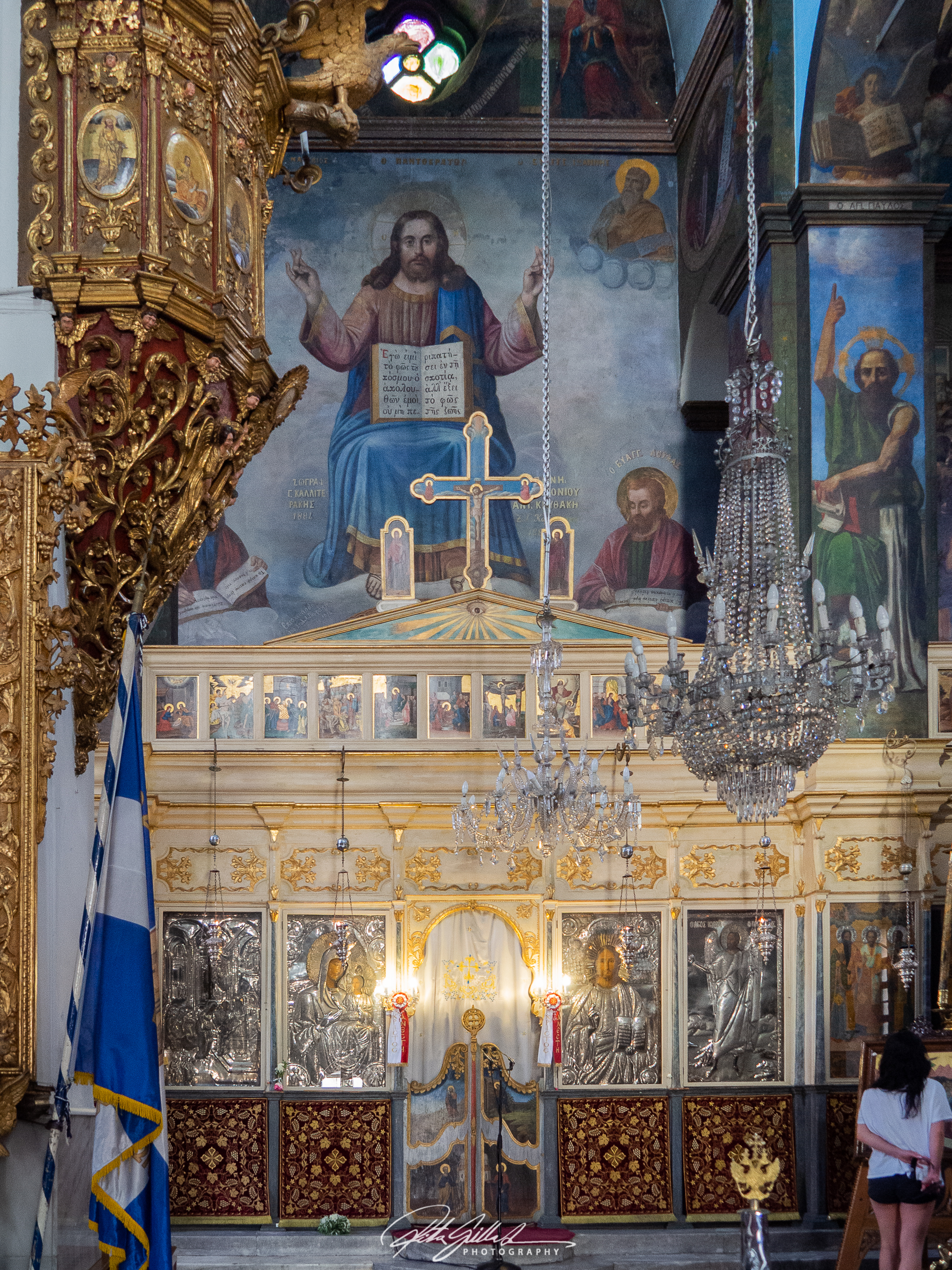
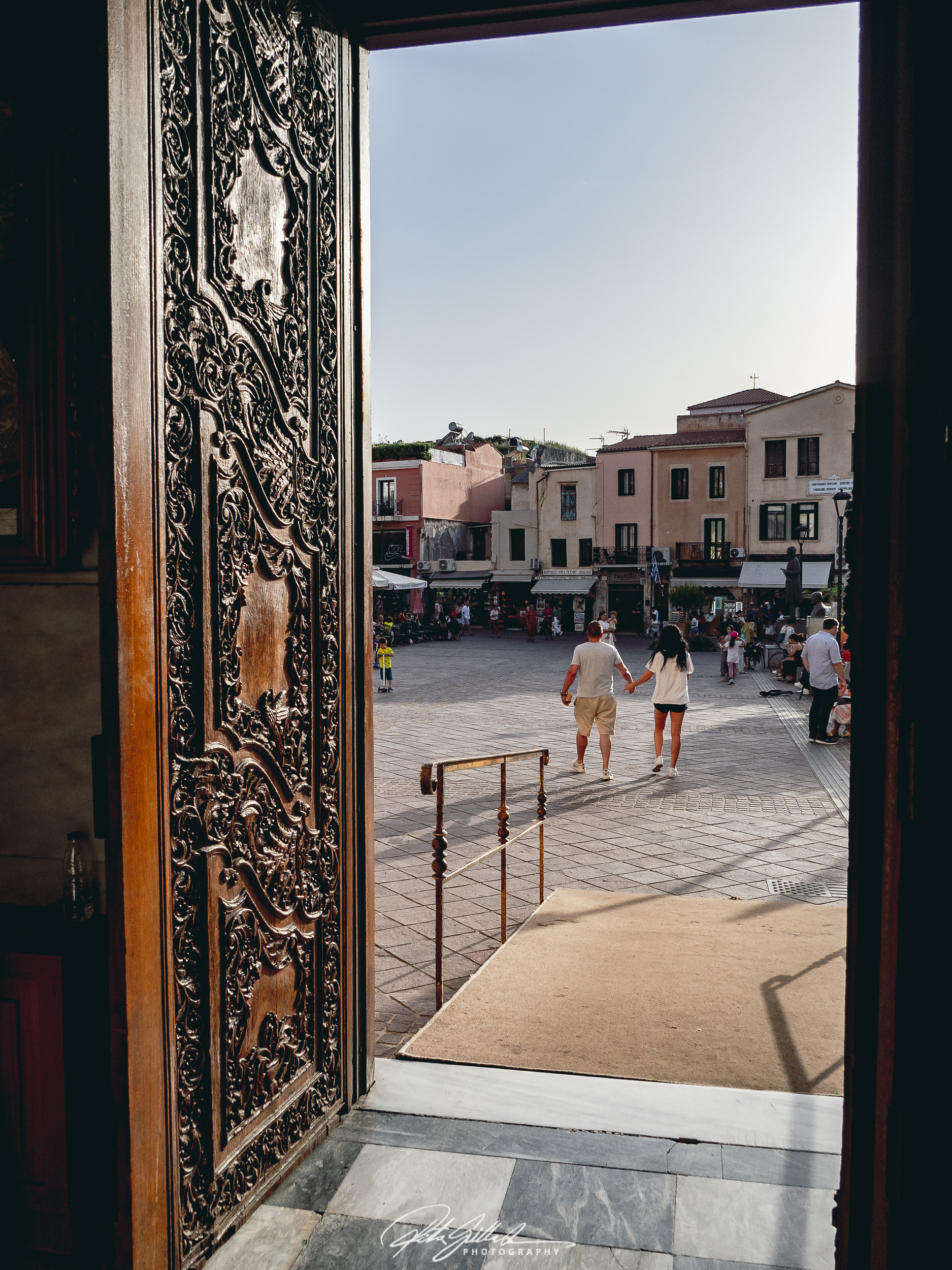
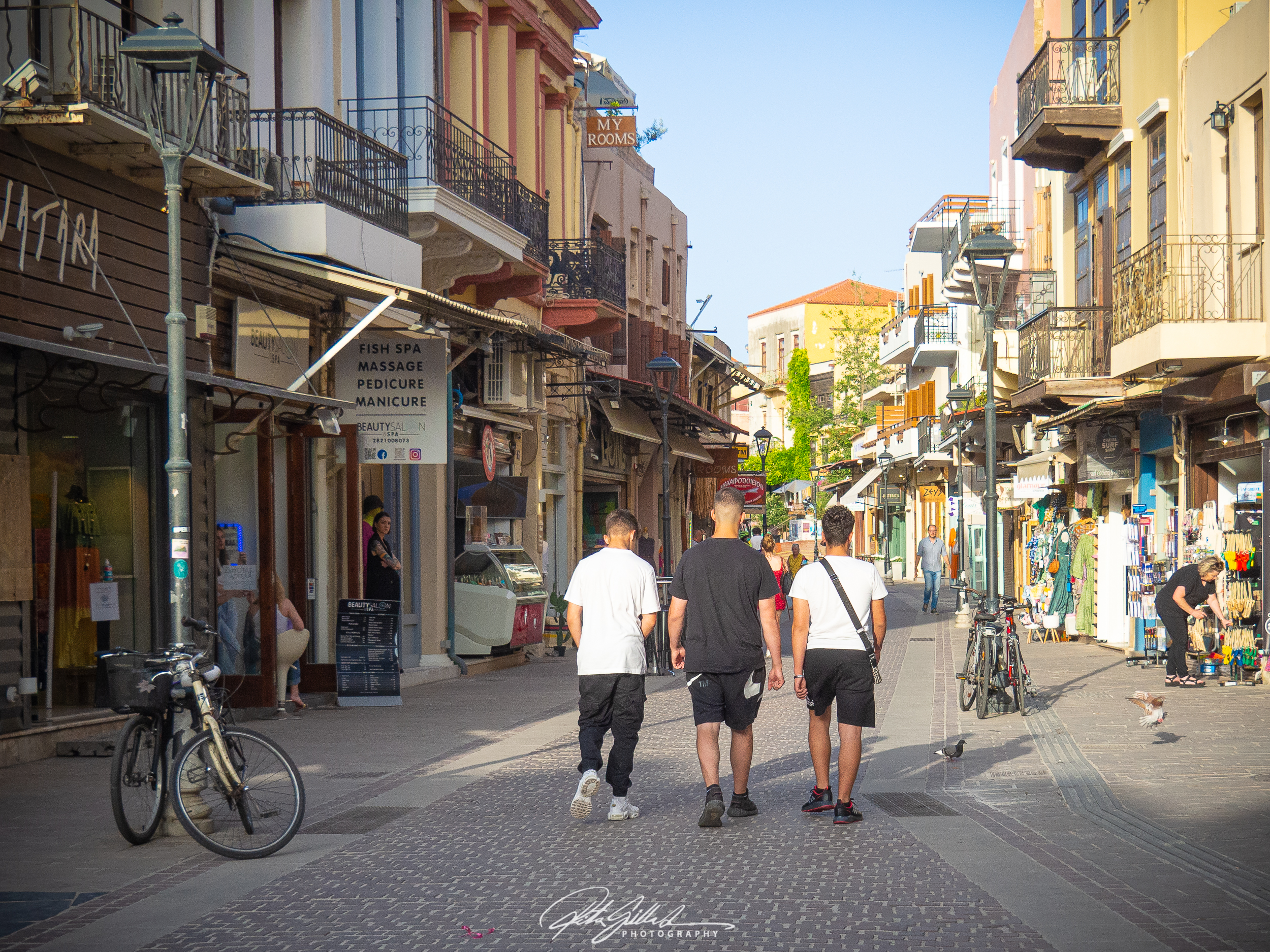
Our first visit to Chania it is a breathtaking city on the north-west coast of the island of Crete. The city is historically significant In the town of Chania, ancient Greek, Byzantine, Venetian, and Ottoman buildings coexist in the landscape of the city. We visited the Virgin Mary Metropolitan Church, on our way to the Venetian Harbour, “It is worth walking and watching, and at sunset you can get some really nice shot. Those I will share in the next post.
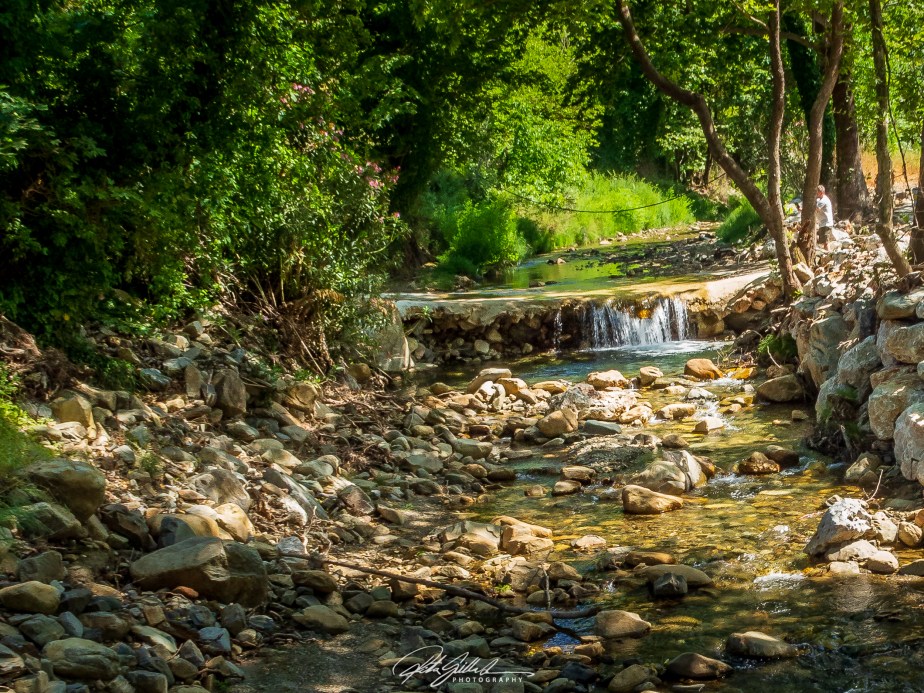
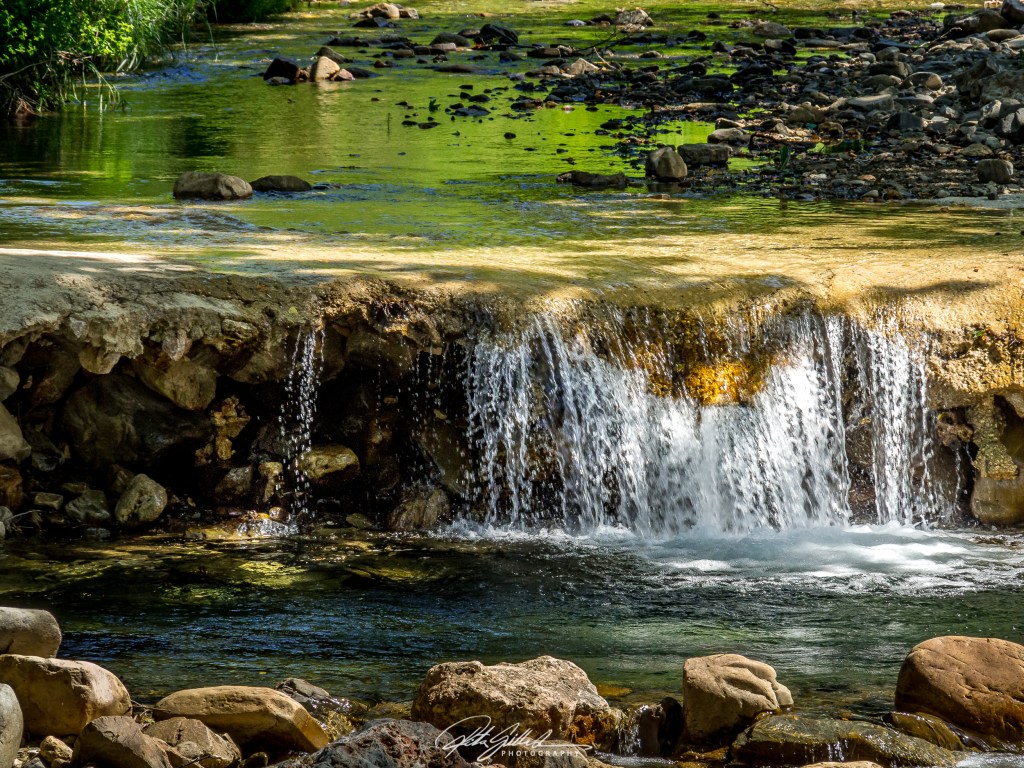
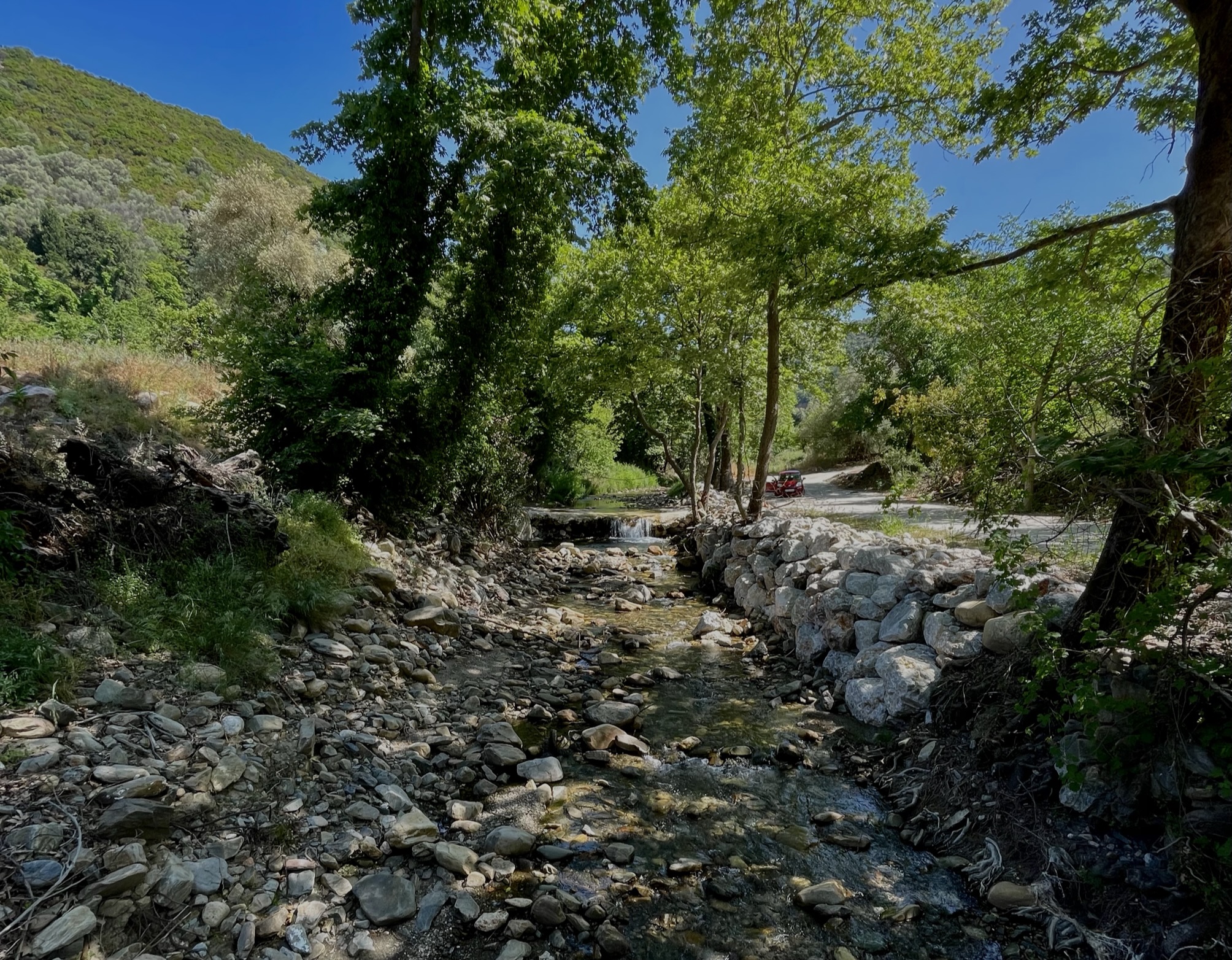
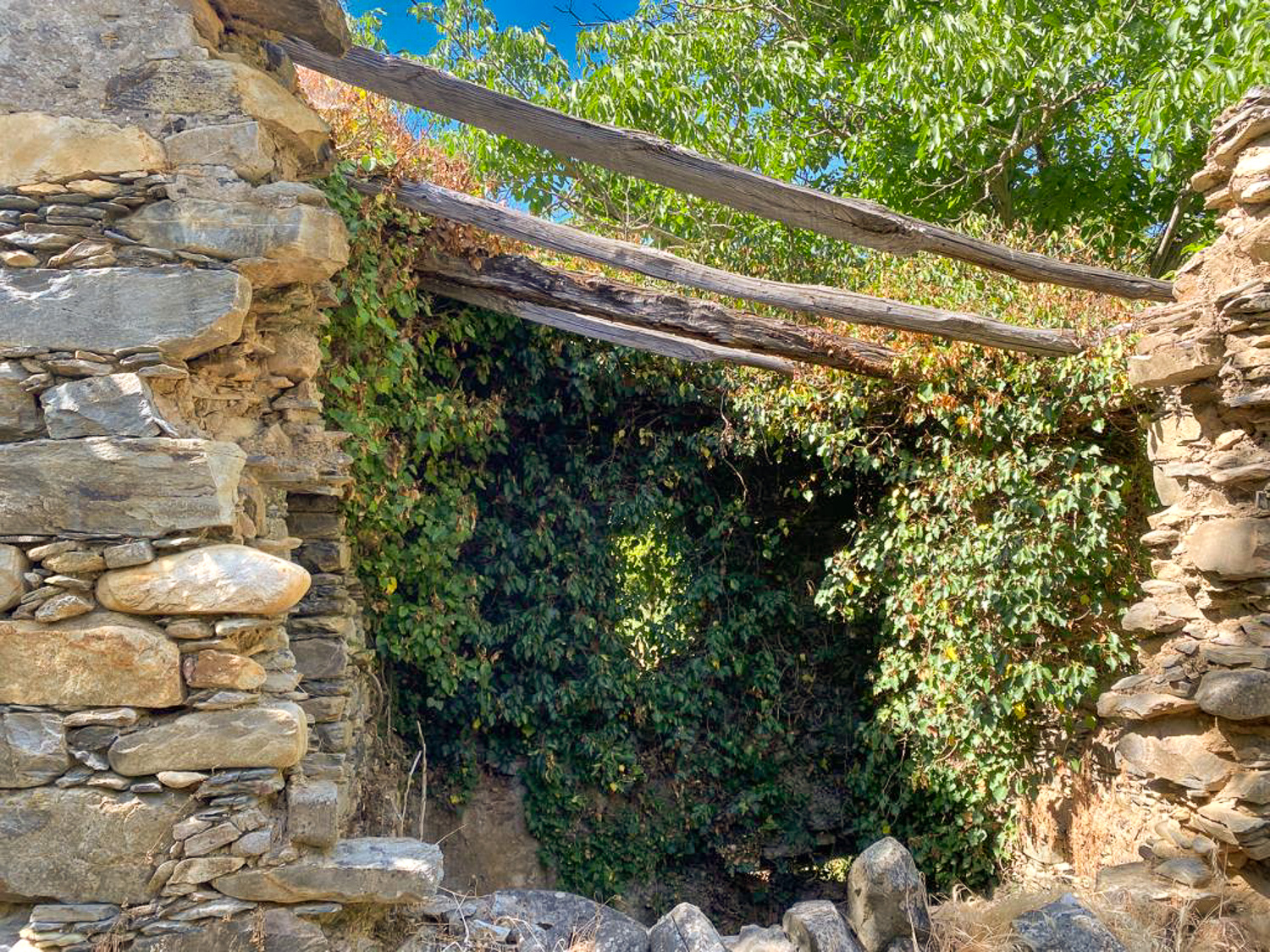
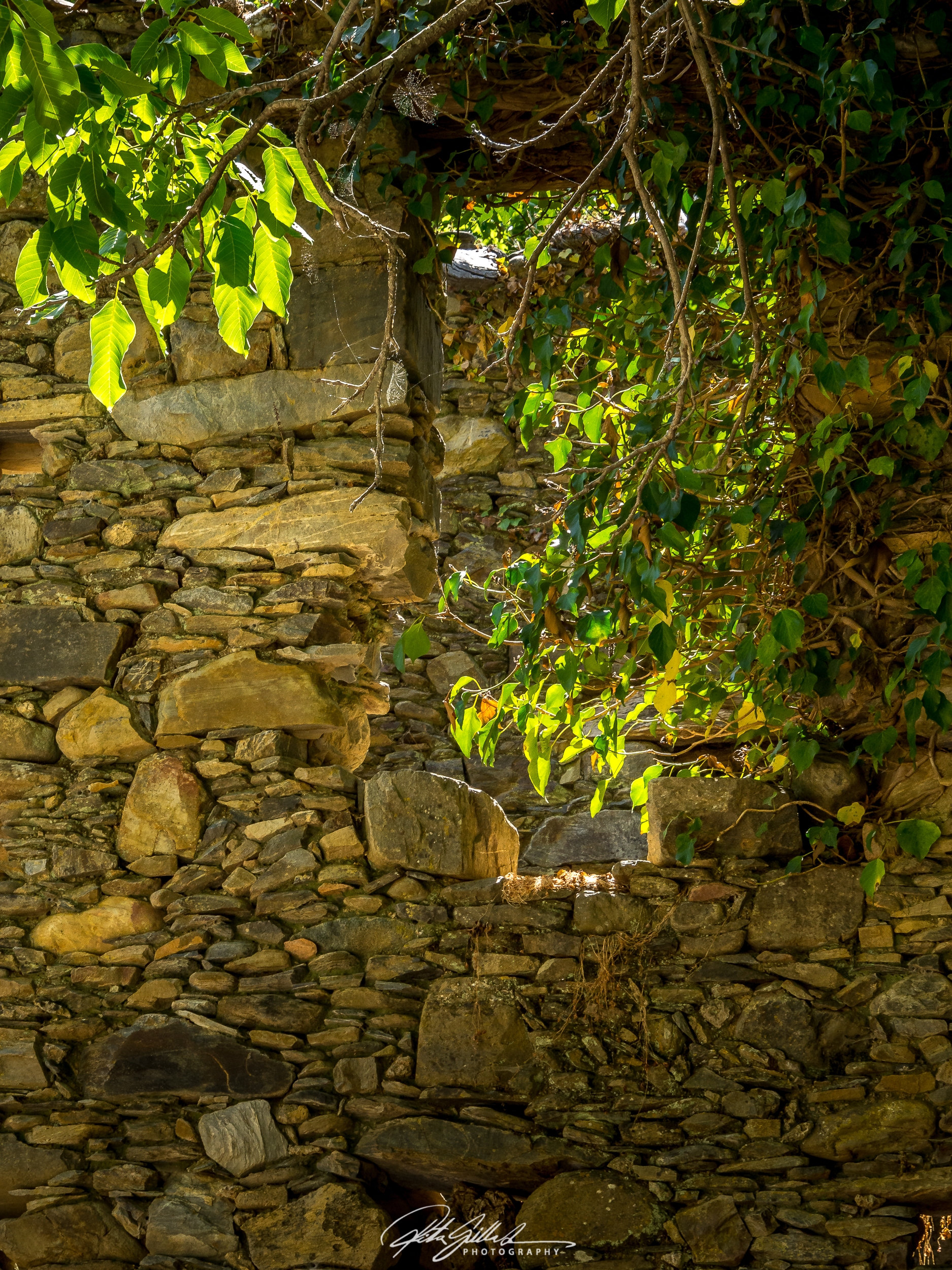
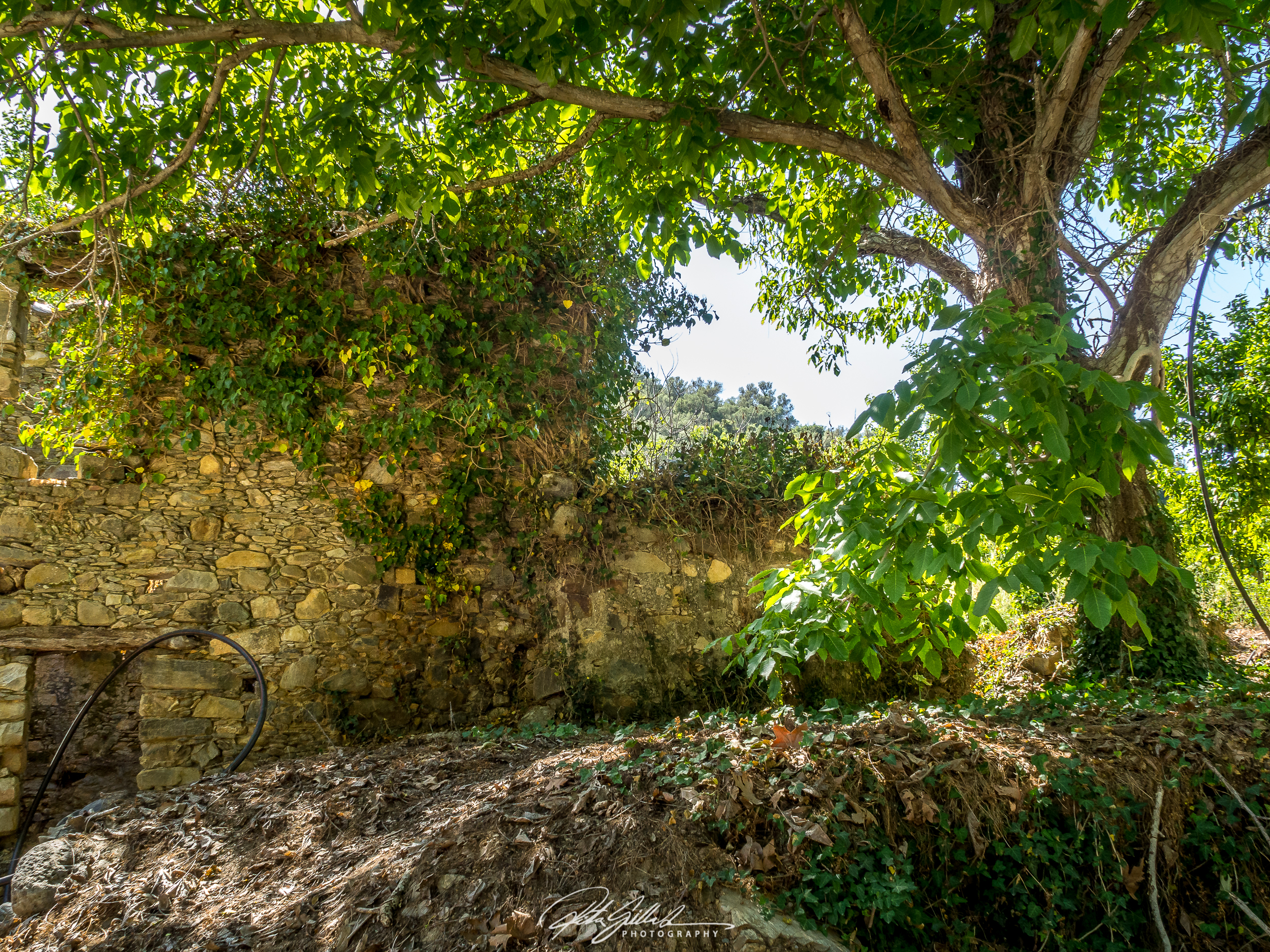
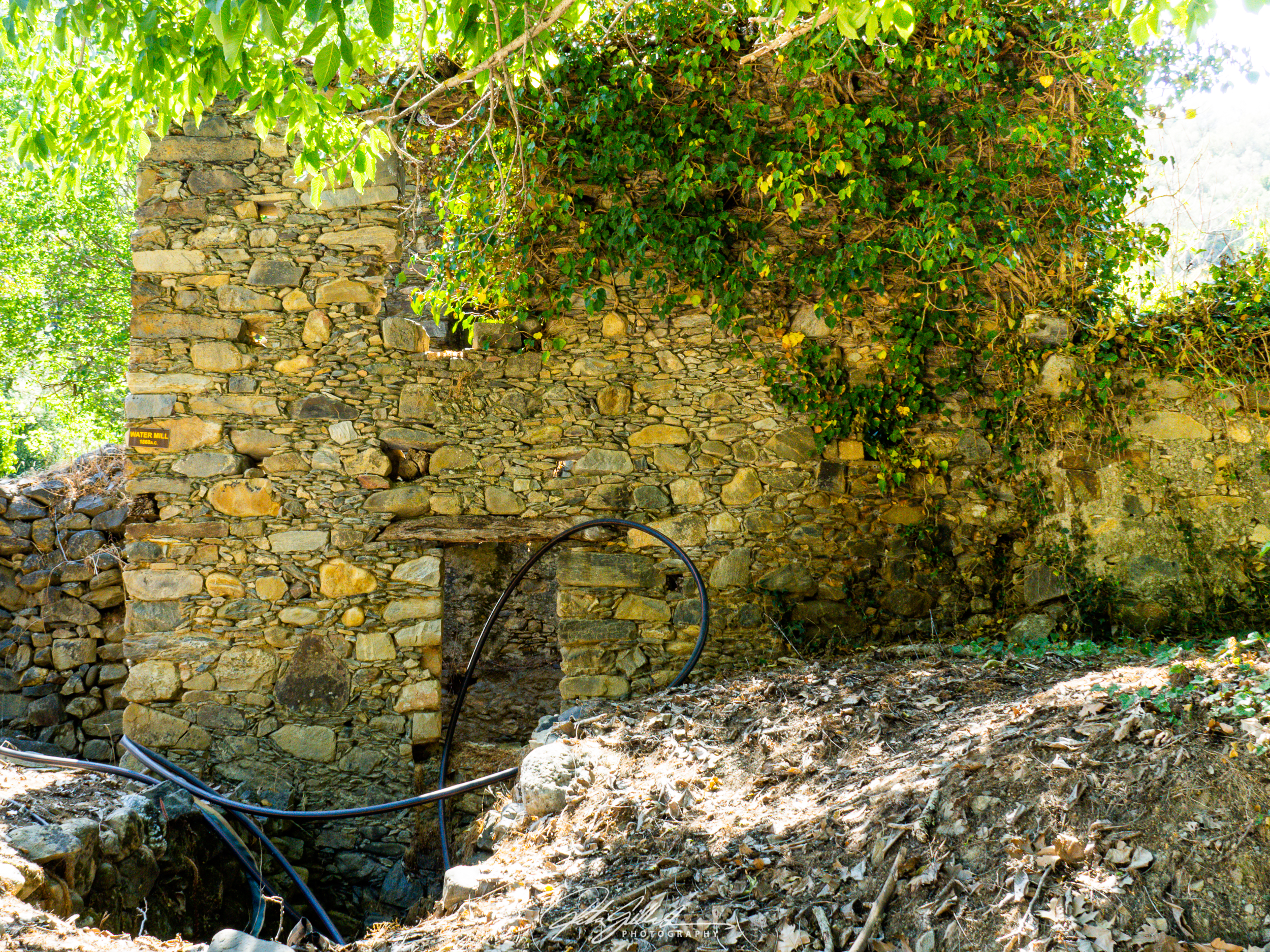
Papadiana is a lovely small village located 60 km south of Chania and close to the village of Sougia. With few inhabitants (population 14 as I found out as I googled the area) that deal mostly with agriculture, Papadiana has traditional architecture with stone houses and narrow streets.
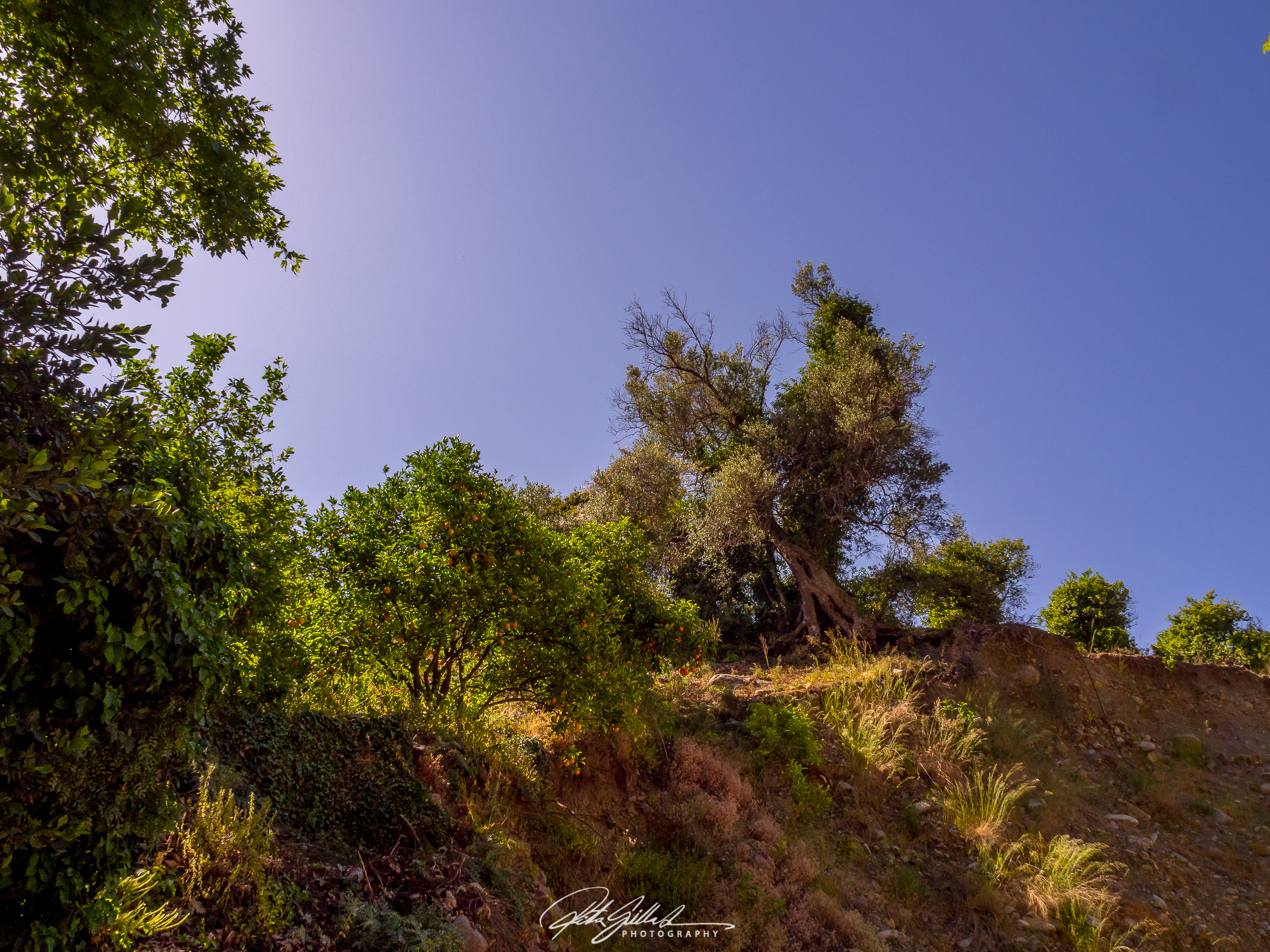
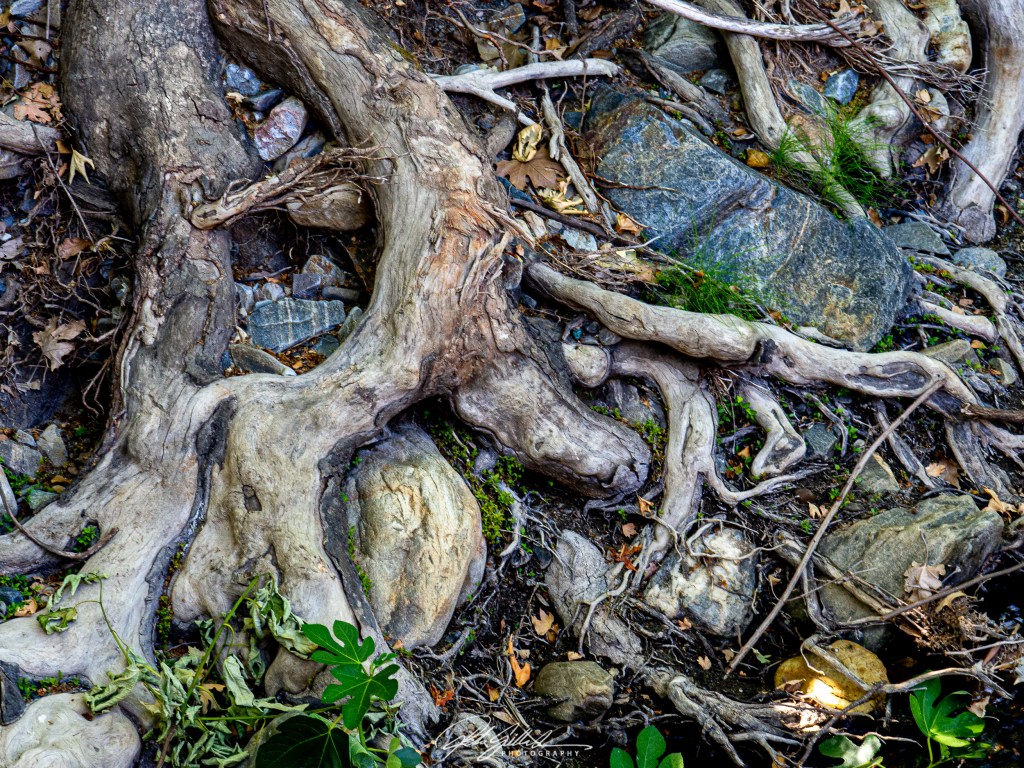
It is surrounded by lush greenery and wild mountainsides. Most vegetation comprises of olive groves that give pure virgin oil, for which Crete is famous.
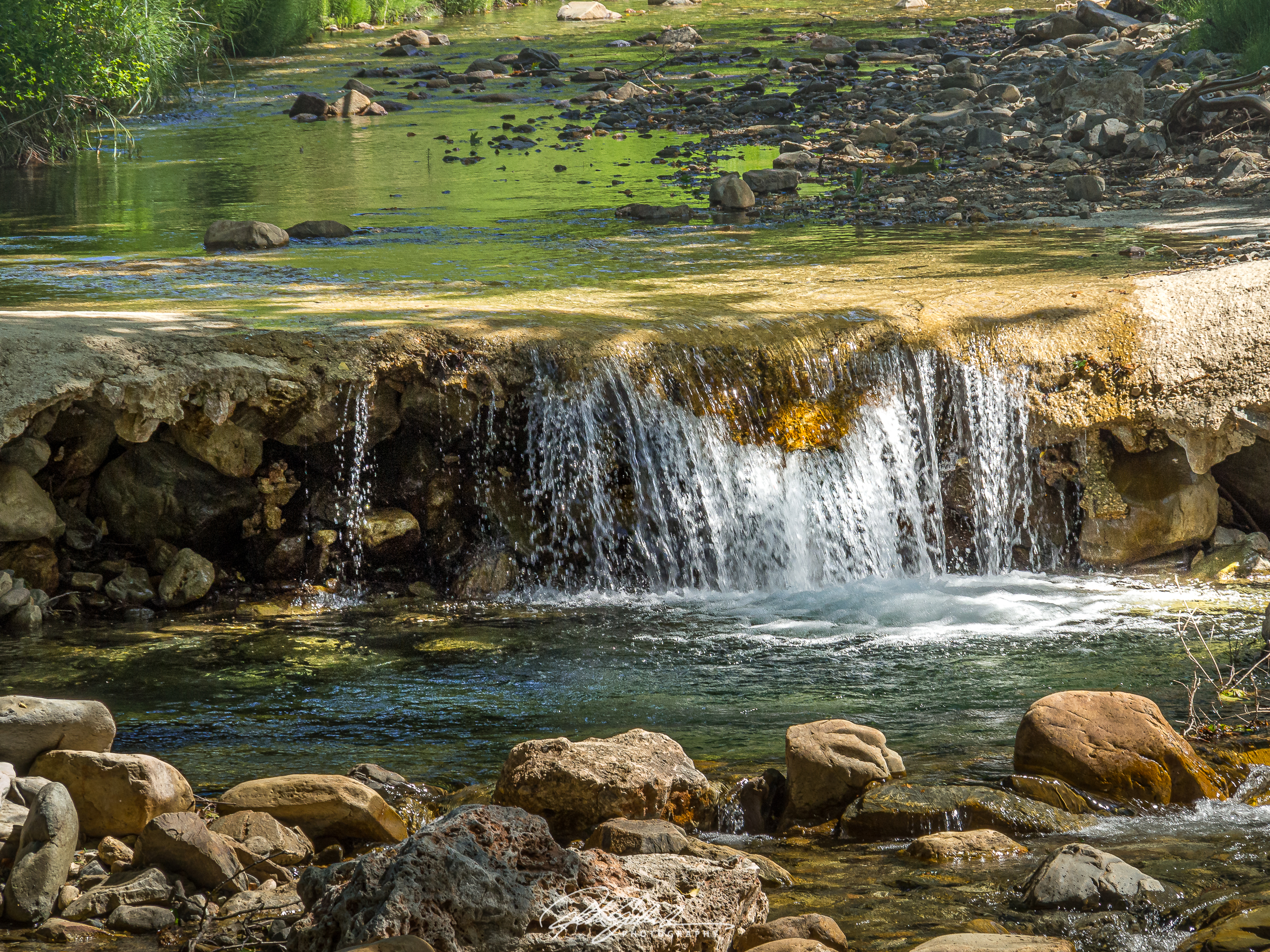
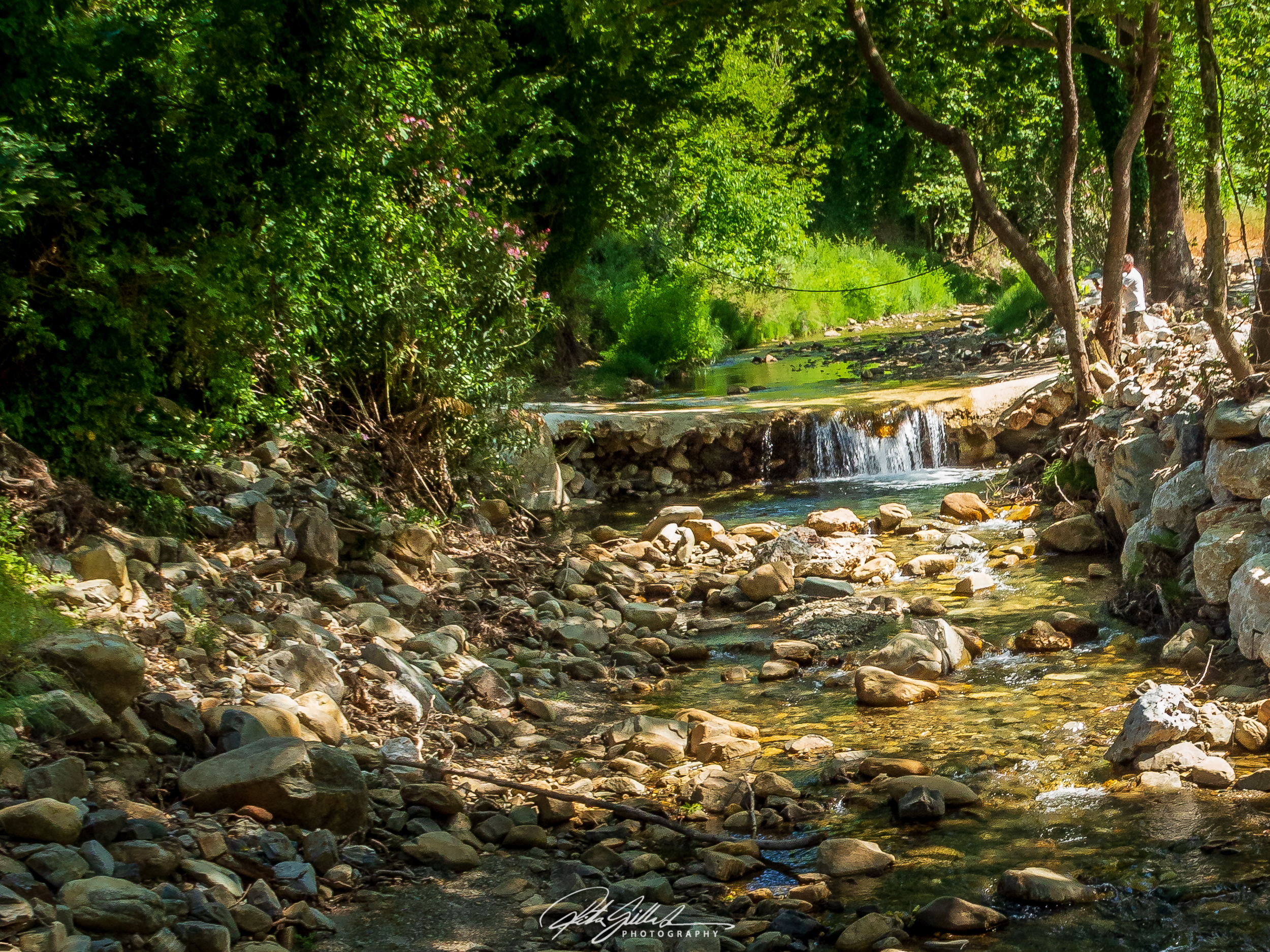
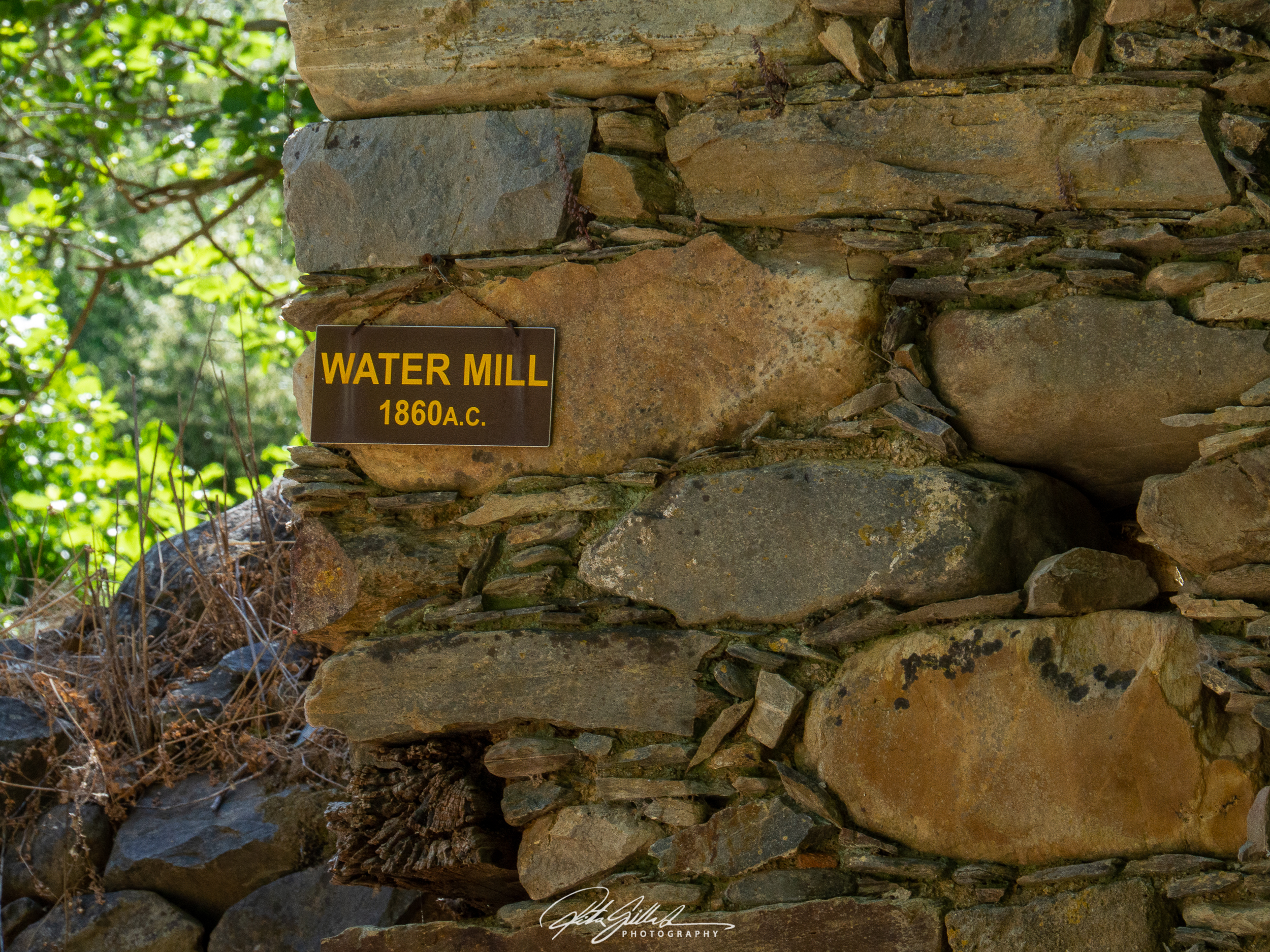
We drove through this small village and noticed a sign on the side of the road, Old mill, we took the turn and found this idyllic place at the end of this gravel road. When we saw the mill it it had a 1860 A.C. sign on it.,
At first I will take you to the Oregon coast line, unfortunately I do not recall what beach or location other than coastline, at the time I did not write them down, for me it is enough that they are beautiful locations and loved the views. These are from 2013, might not look the same anymore
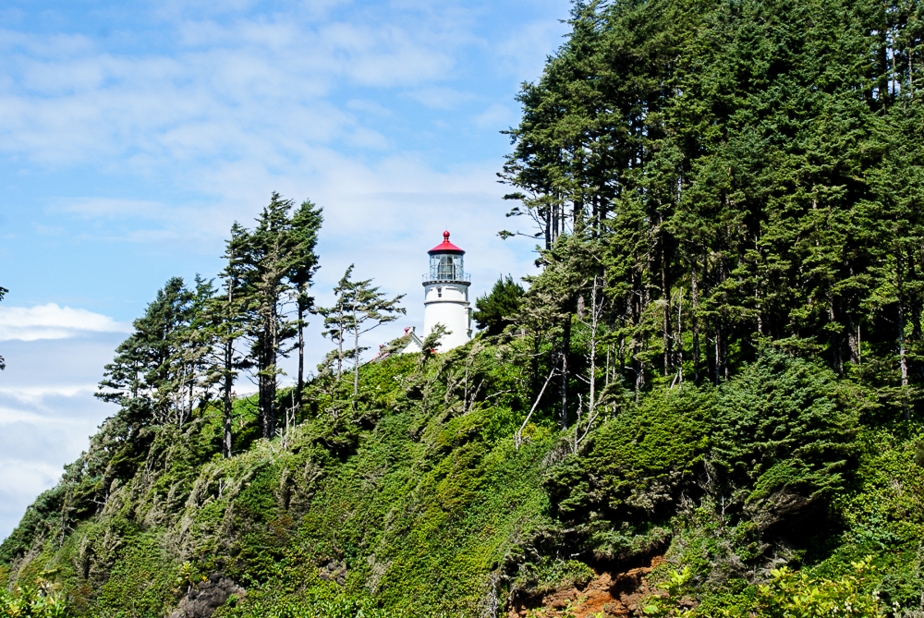
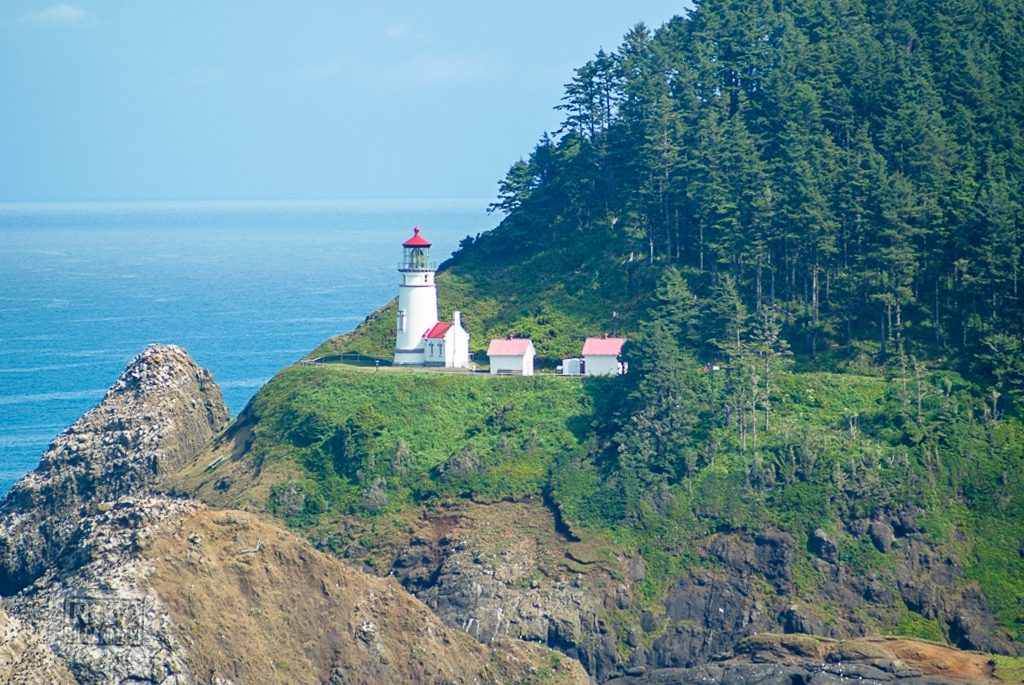
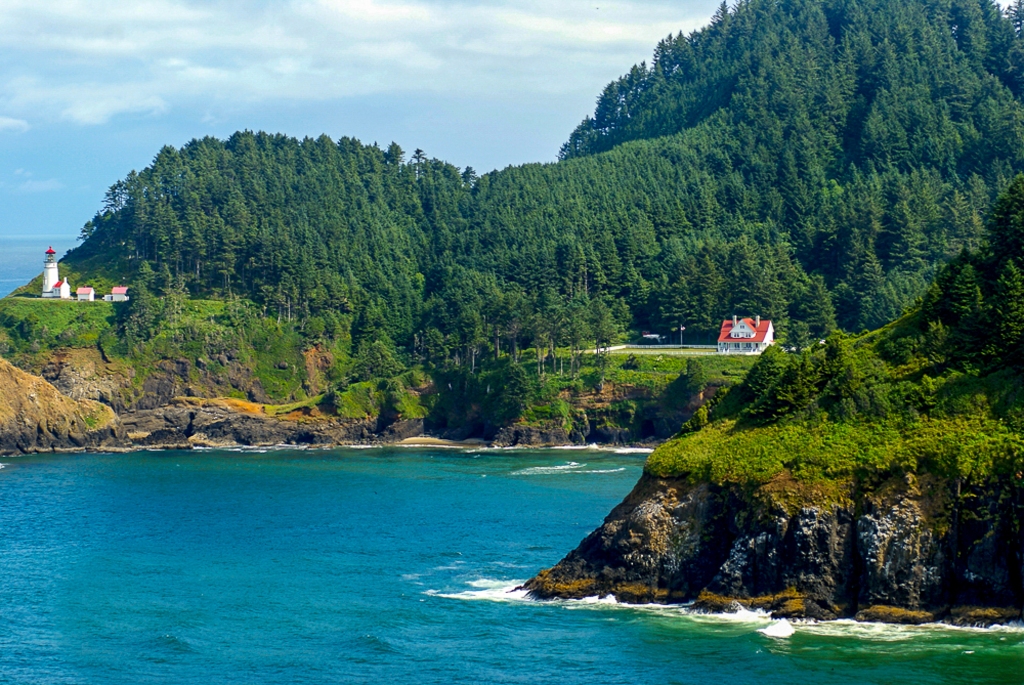
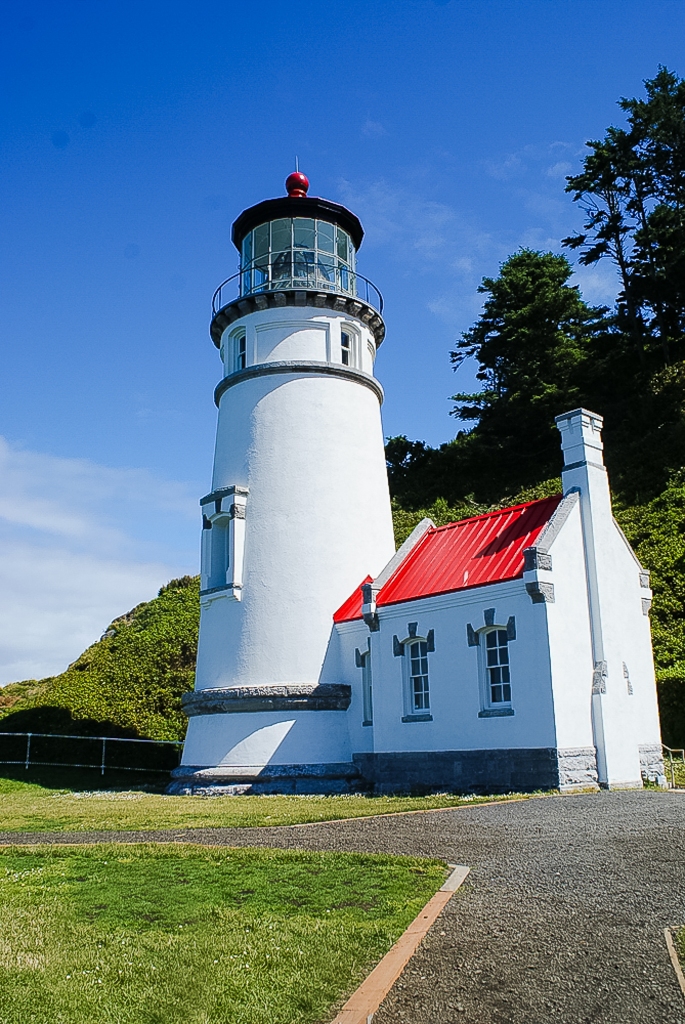
This is the second last post from this location, but it was such a great spot so obviously I have tons of photos. You can see the Heceta Head Lighthousee in these
Heceta Head Lighthouse
Heceta Head Lighthouse from further away
I would love to travel see new beautiful places, but I cannot due to the pandemic, so I am on a memory lane trip to some of places I have been. Hope you will join me on the scenic tour of lovely places.
At first I will take you to the Oregon coast line, unfortunately I do not recall what beach or location other than coastline, at the time I did not write them down, for me it is enough that they are beautiful locations and loved the views. These are from 2013, might not look the same anymore
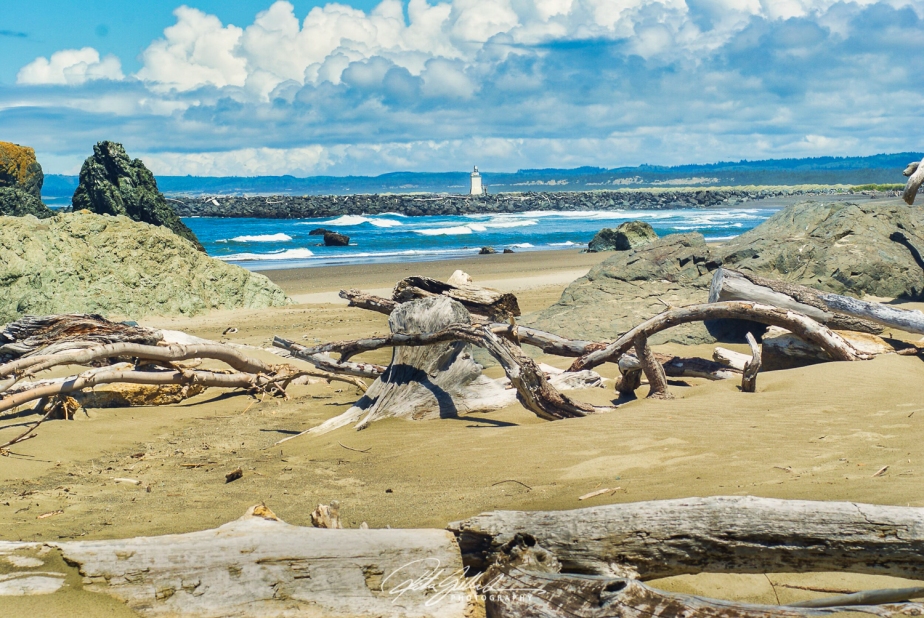
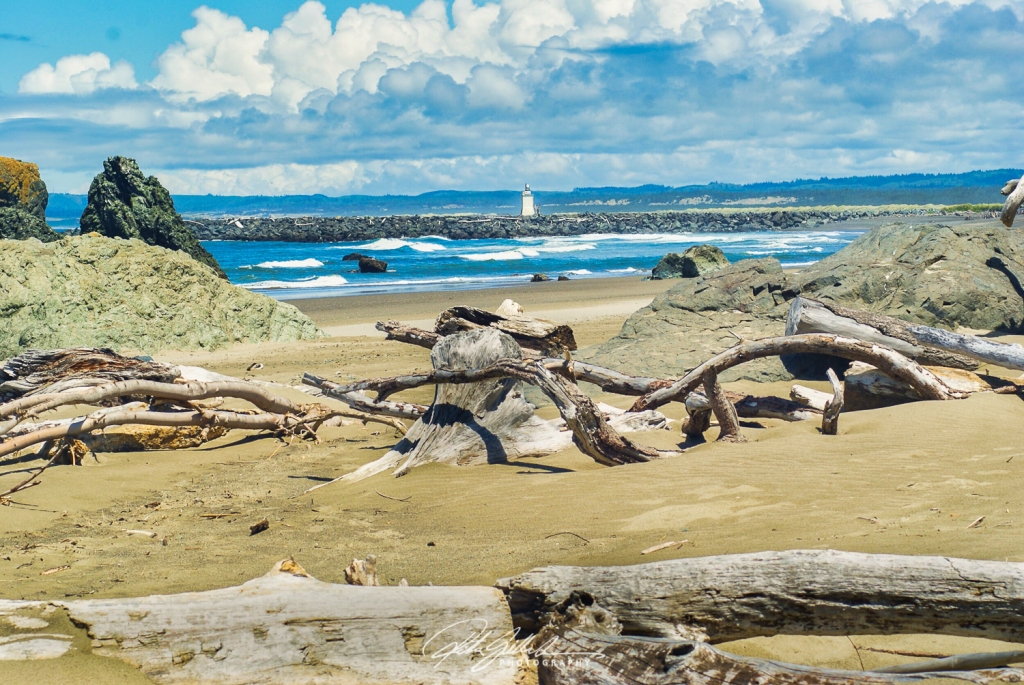
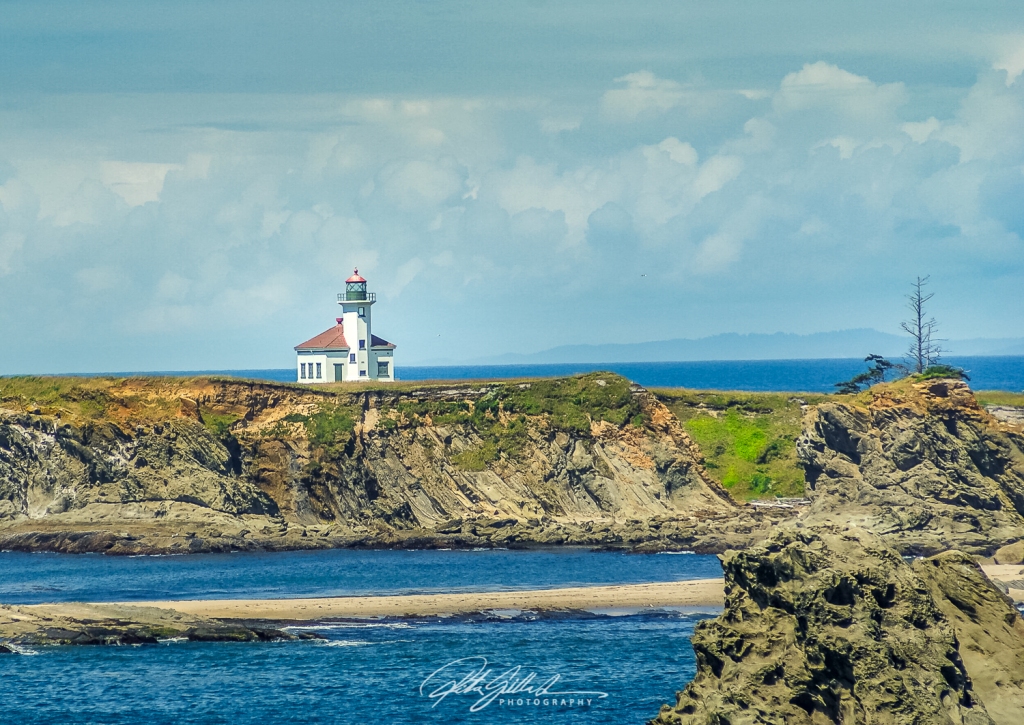
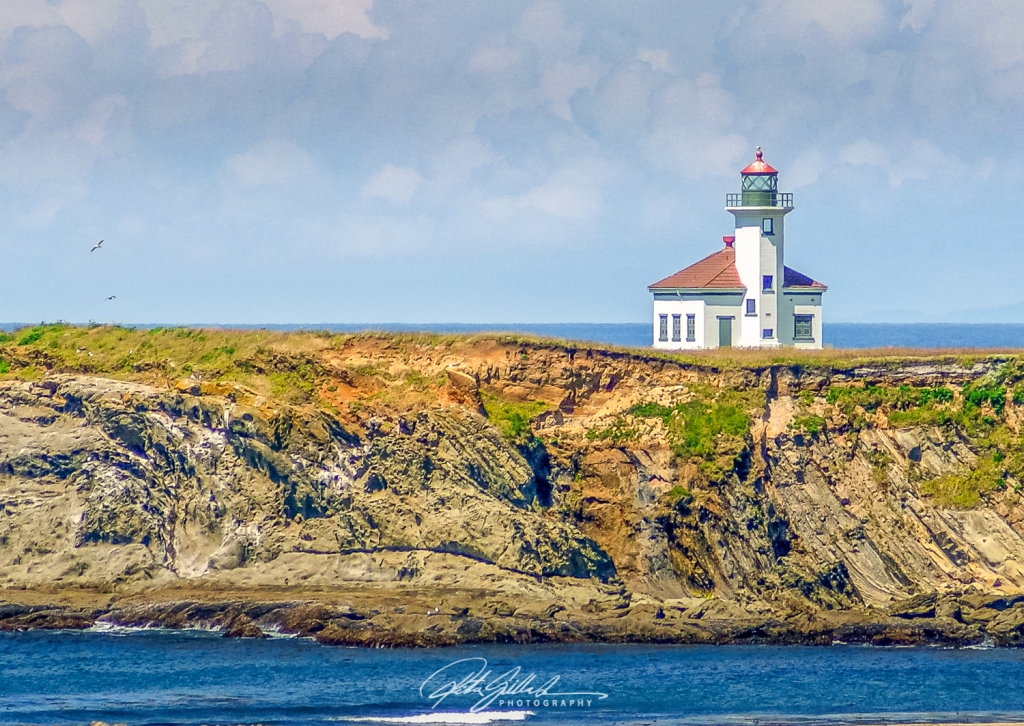
This is the second last post from this location, but it was such a great spot so obviously I have tons of photos. You can see the Cape Arago Lighthouse in these
This is the second last post from this location, but it was such a great spot so obviously I have tons of photos. this is the
Driftwood
I would love to travel see new beautiful places, but I cannot due to the pandemic, so I am on a memory lane trip to some of places I have been. Hope you will join me on the scenic tour of lovely places.
At first I will take you to the Oregon coast line, unfortunately I do not recall what beach or location other than coastline, at the time I did not write them down, for me it is enough that they are beautiful locations and loved the views. These are from 2013, might not look the same anymore
Beach
I would love to travel see new beautiful places, but I cannot due to the pandemic, so I am on a memory lane trip to some of places I have been. Hope you will join me on the scenic tour of lovely places.
I am sitting at my desk watching the snow fall and dreaming of sunshine and warm weather.
So, I was going through my archives, again, for photos that I haven’t really edited. So I edited them. I have lot’s of photos that I have not taken that need a closer look. Some need to have the horizon straightened, maybe add little contrast and light. So I have done that. Touch here and there.
Oregon coast
I am so restless, I would love to travel see new beautiful places, but I cannot due to the pandemic, so I am on a memory lane trip to some of places I have been. Hope you will join me on the scenic tour of lovely places.
Rocks at the beach
At first I will take you to the Oregon coast line, unfortunately I do not recall what beach or location other than coastline, at the time I did not write them down, for me it is enough that they are beautiful locations and loved the views. These are as far as 2013. we were visiting my sister in Canada, she lived near the US boarder so we decided to take a trip to see Seattle and Oregon while we were so close.
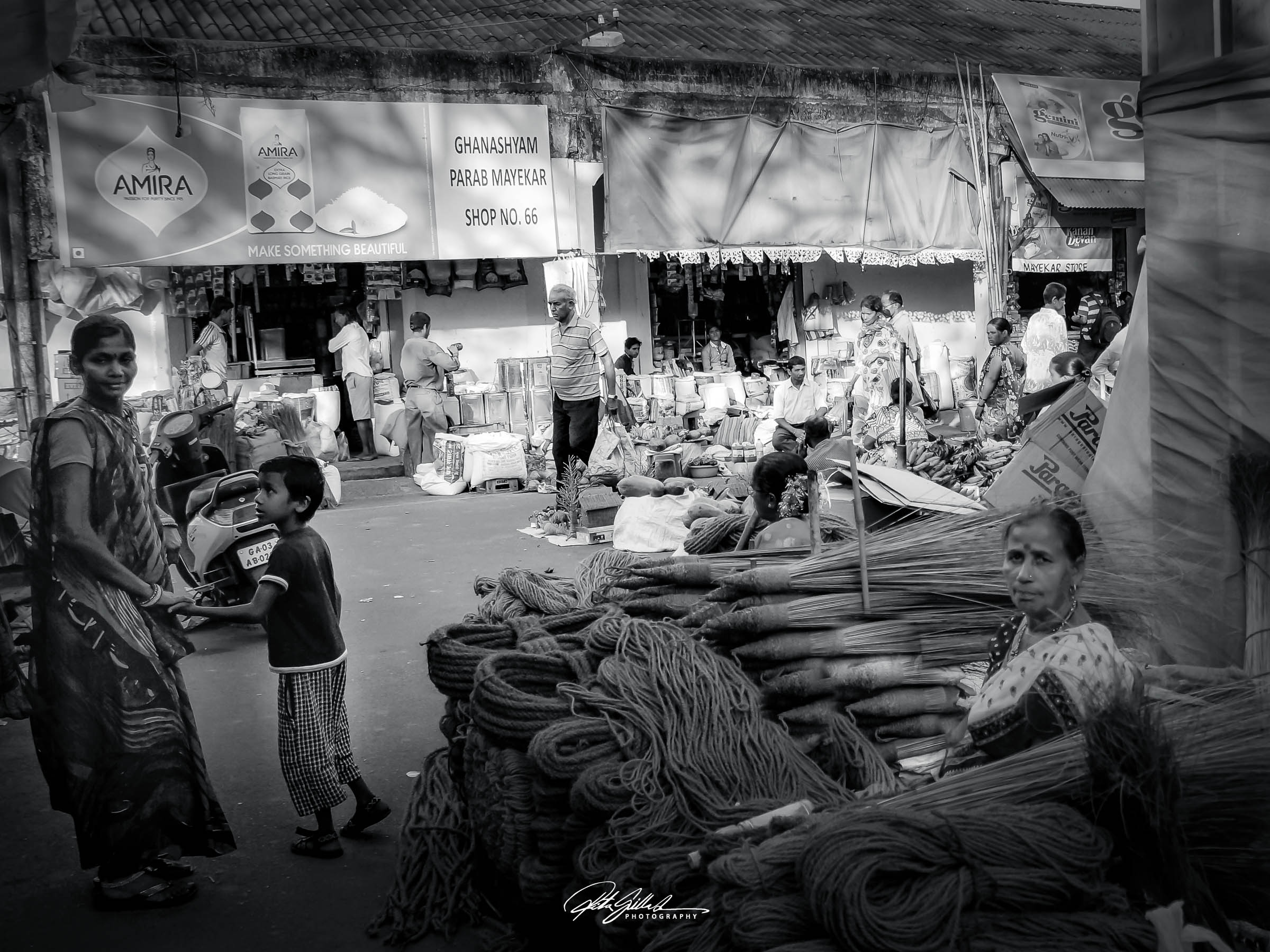
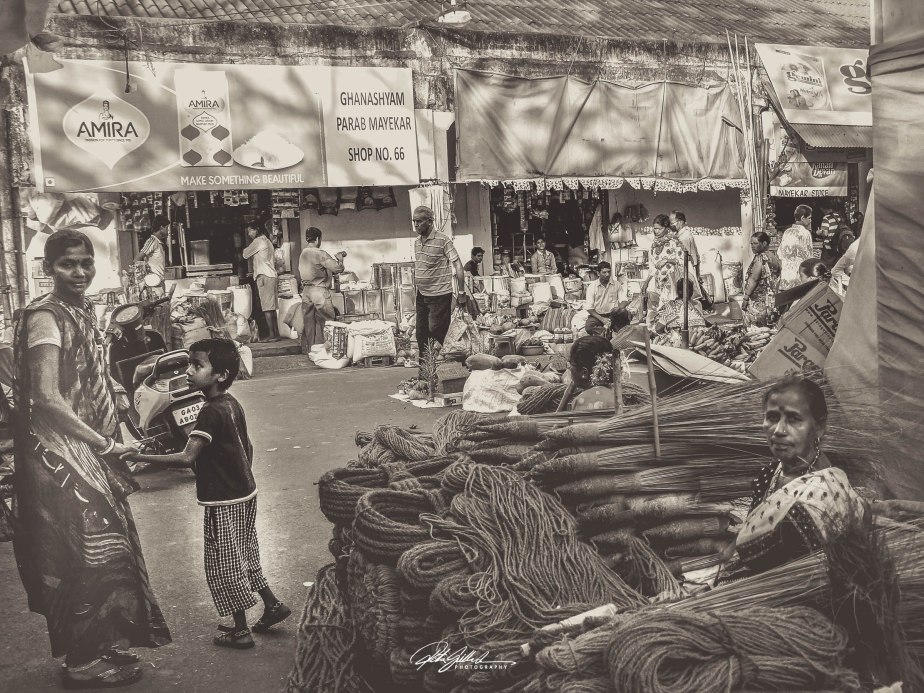
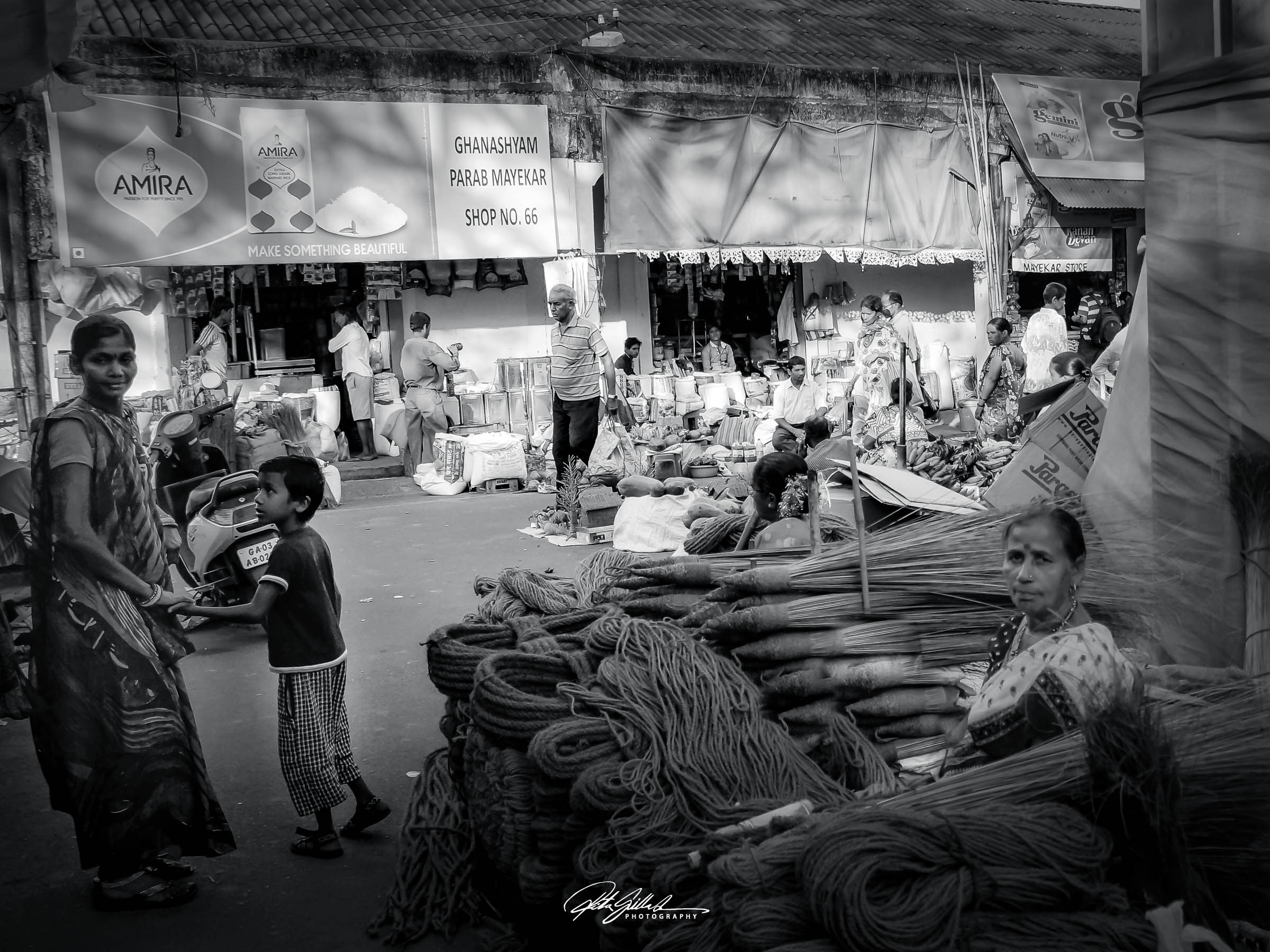
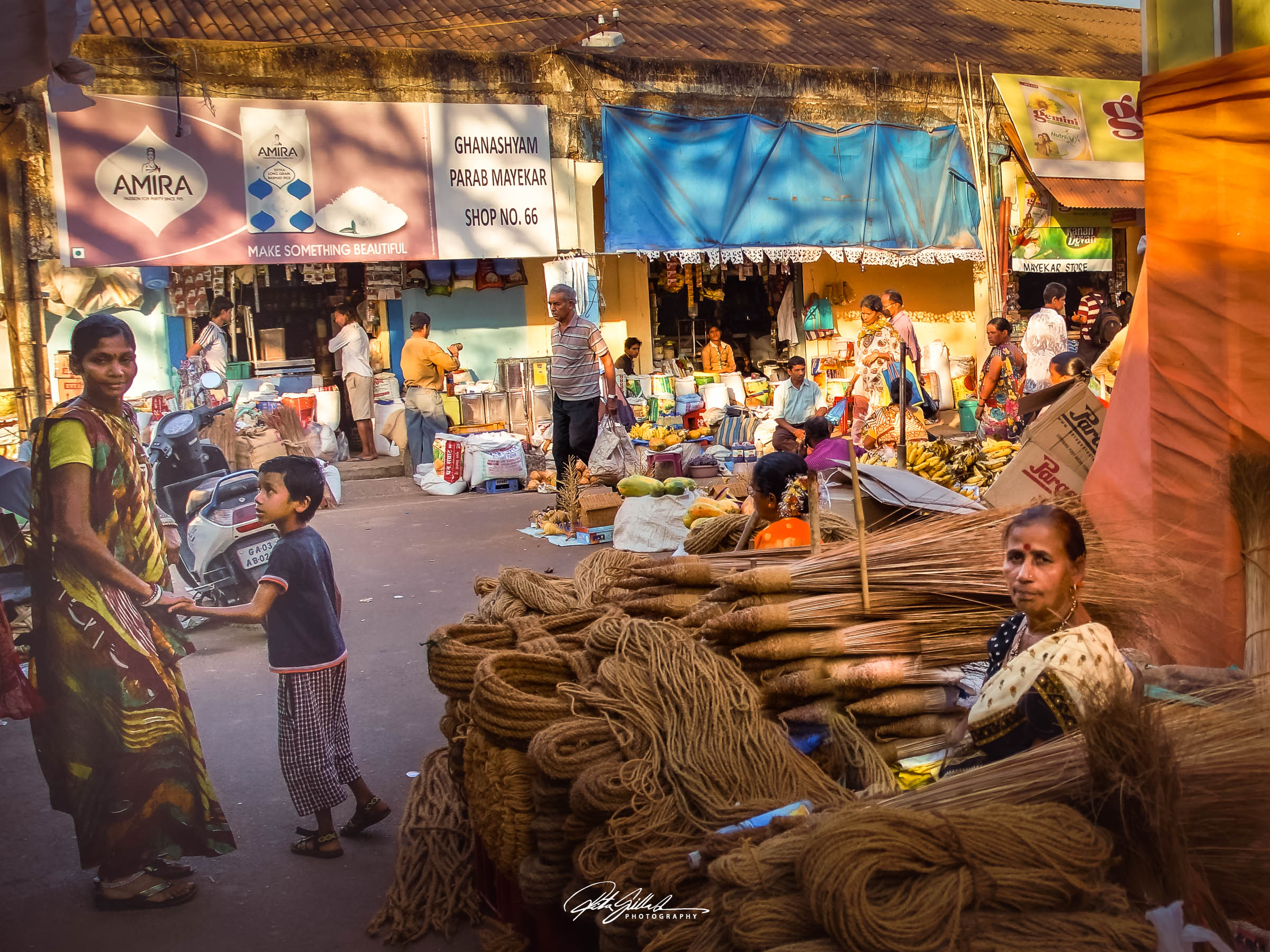
I looked our travel photos from our trip to Goa, India, this caught my eye this was taken at a local market. I noticed that this photo has rather nice light and contrast going on. I started to edit it because of it, for some reason this has not been a photo that I’ve paid a lot attention to. None to be exact. Well, now I did – I also converted it to black and white. A sepia one to capture an old time feel to it.
Any thoughts on how I spent a hour and some of my time with? Worth the effort?