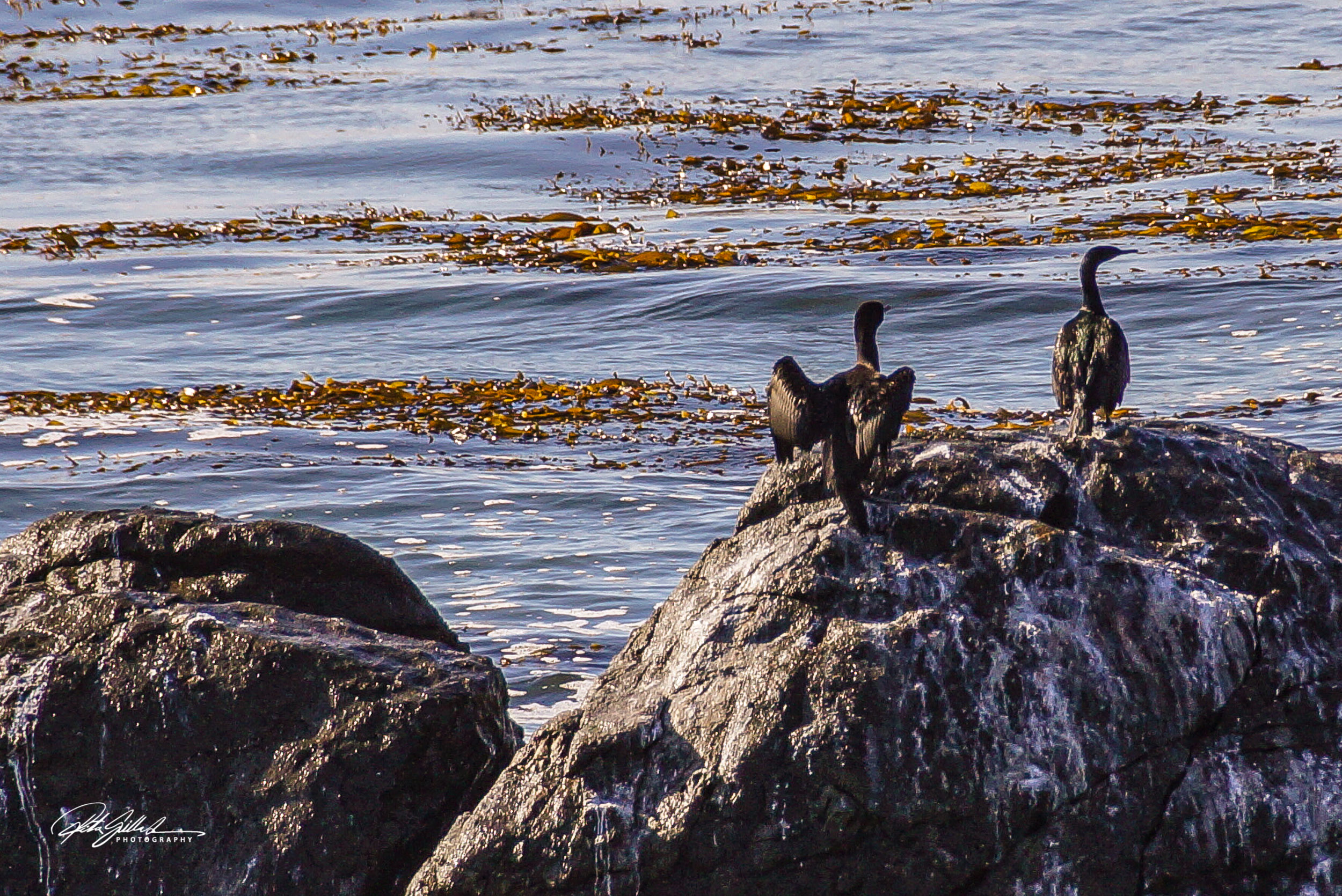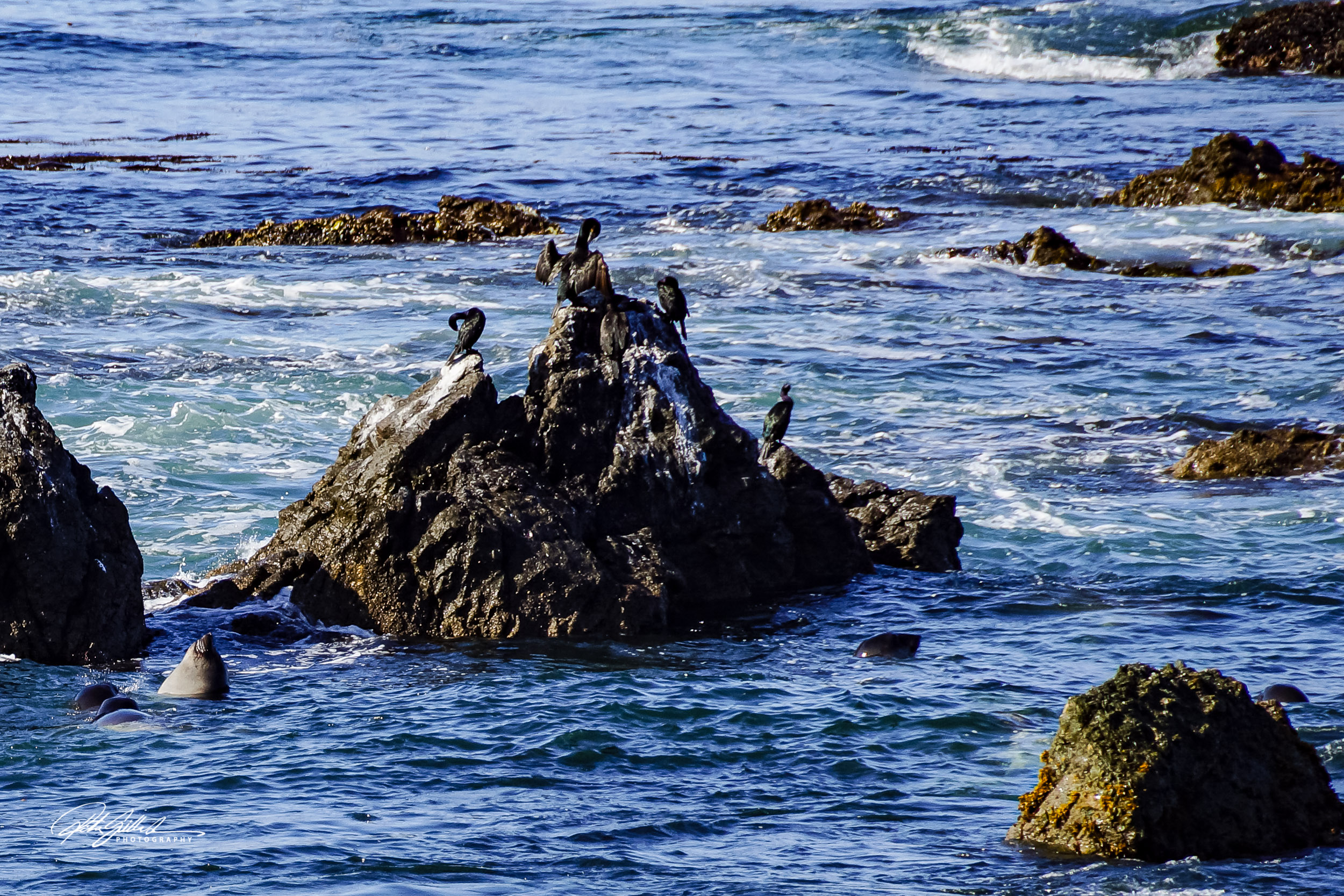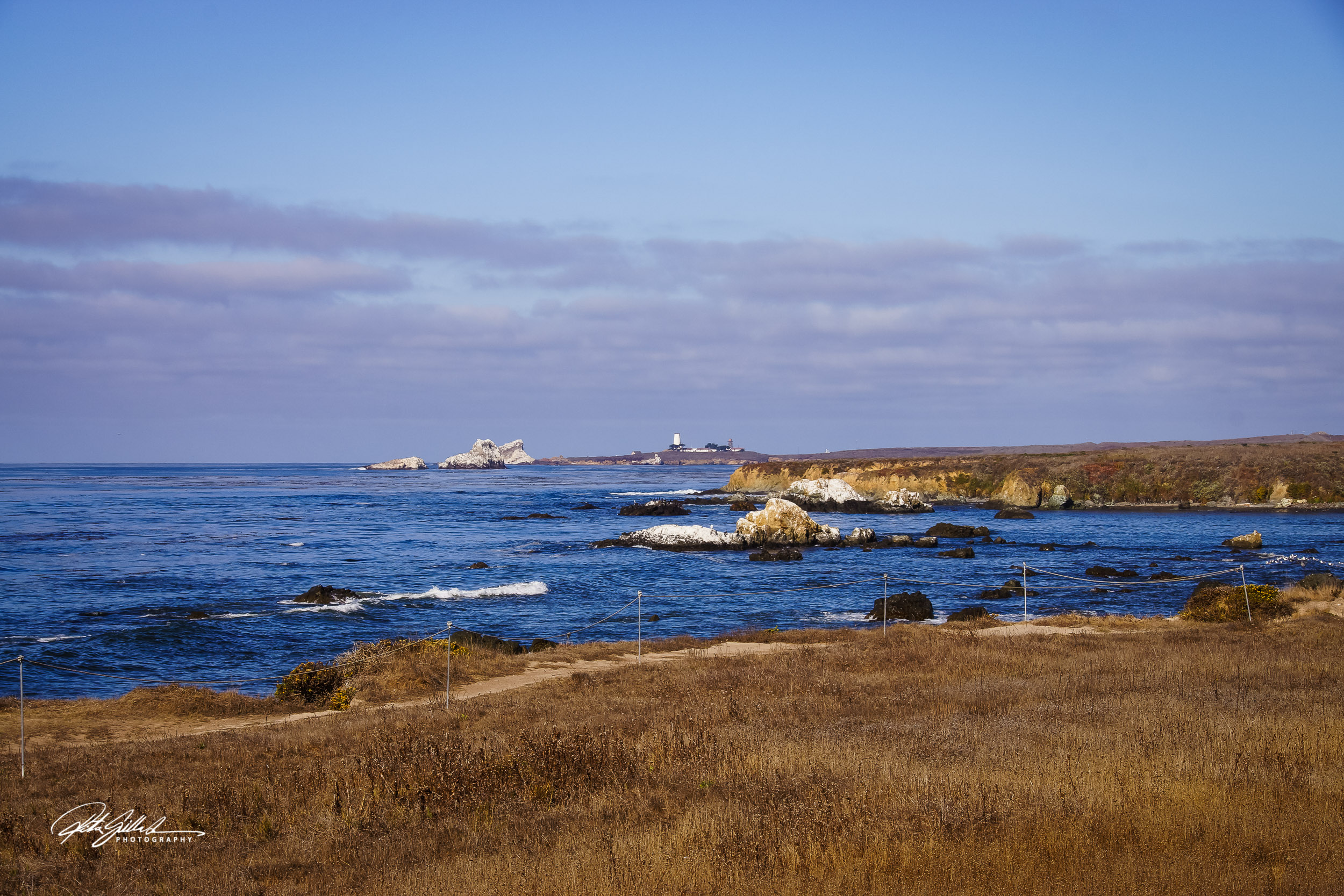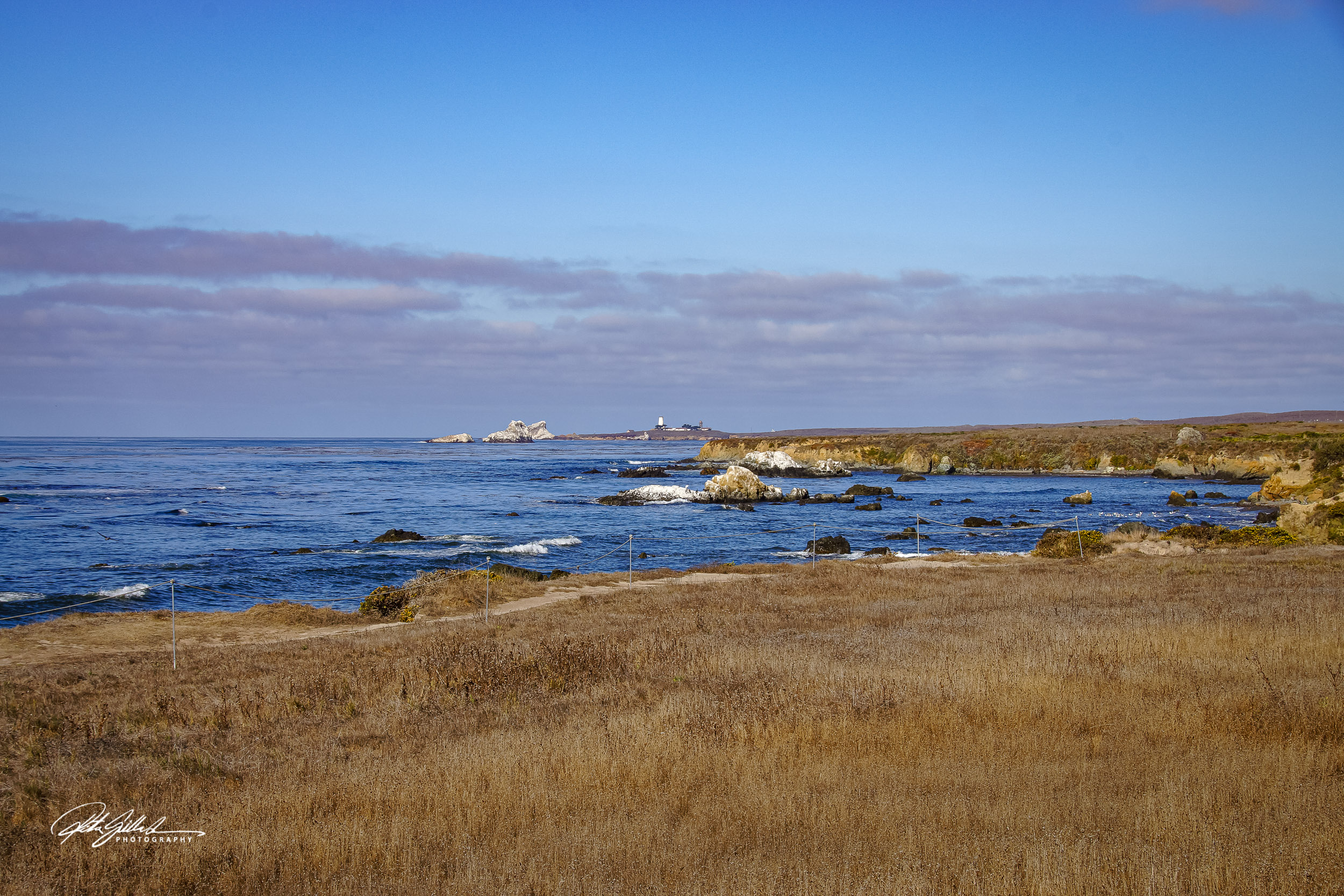
Lens-Artists Photo Challenge #376 – Wings

This week it’s Beth’s turn to host the Lens-Artists Challenge. She is asking us to feature anything with wings.

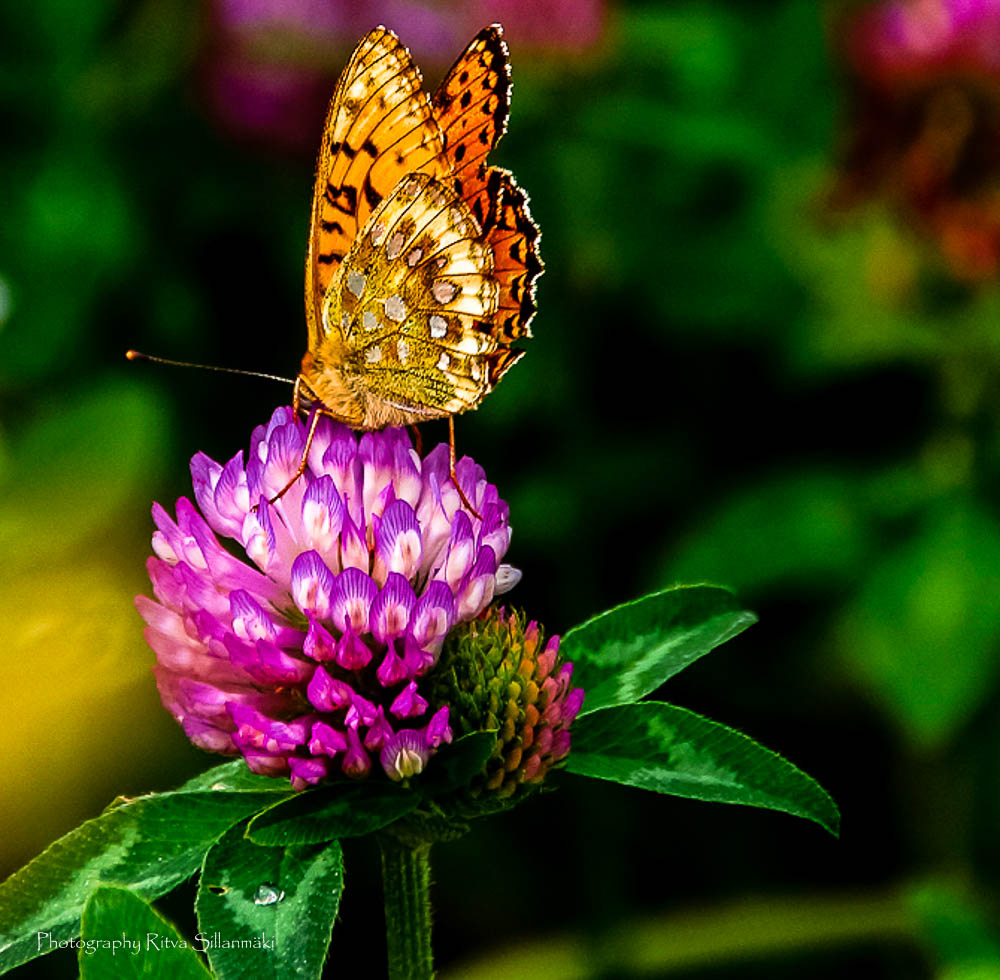
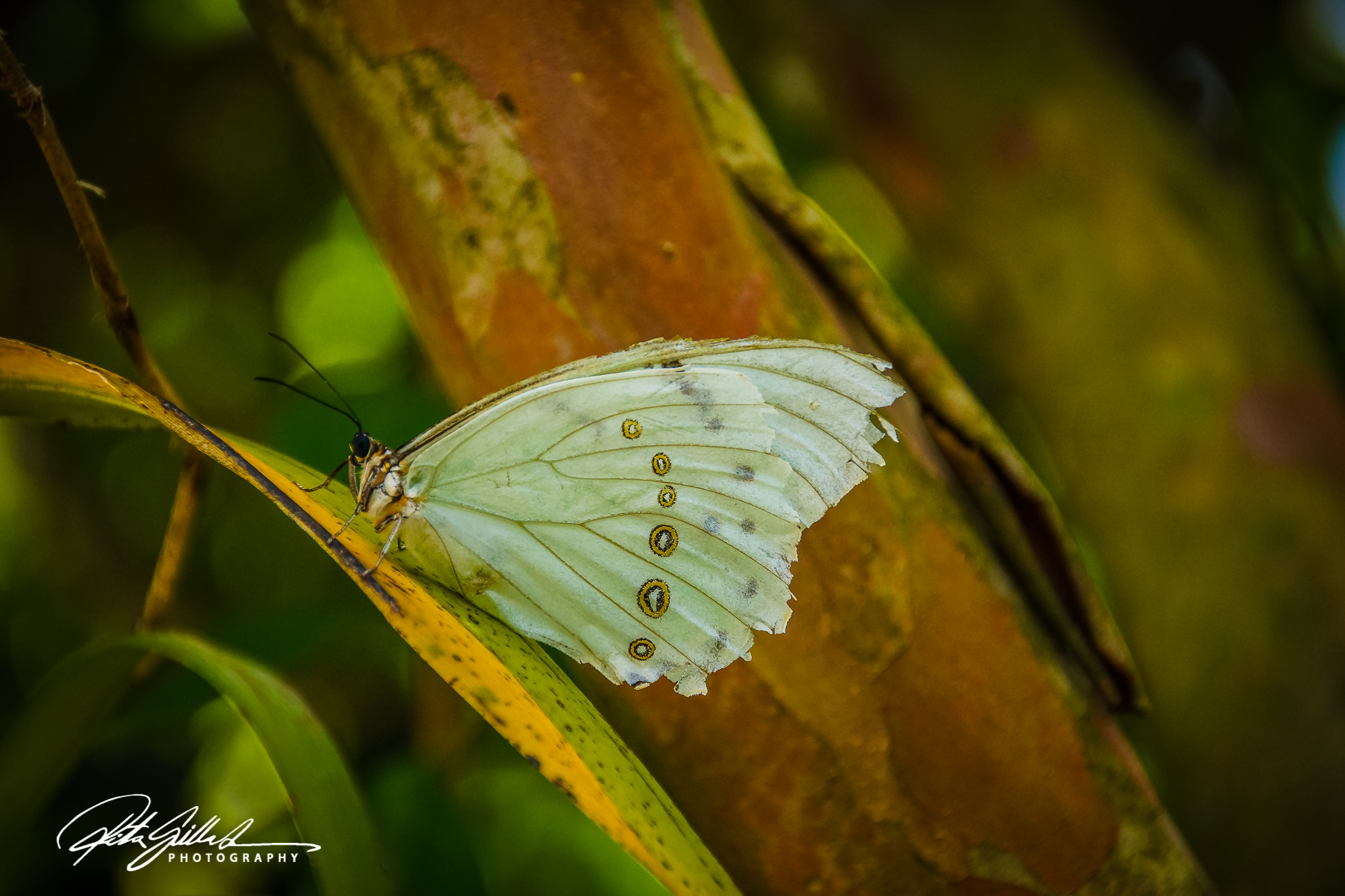
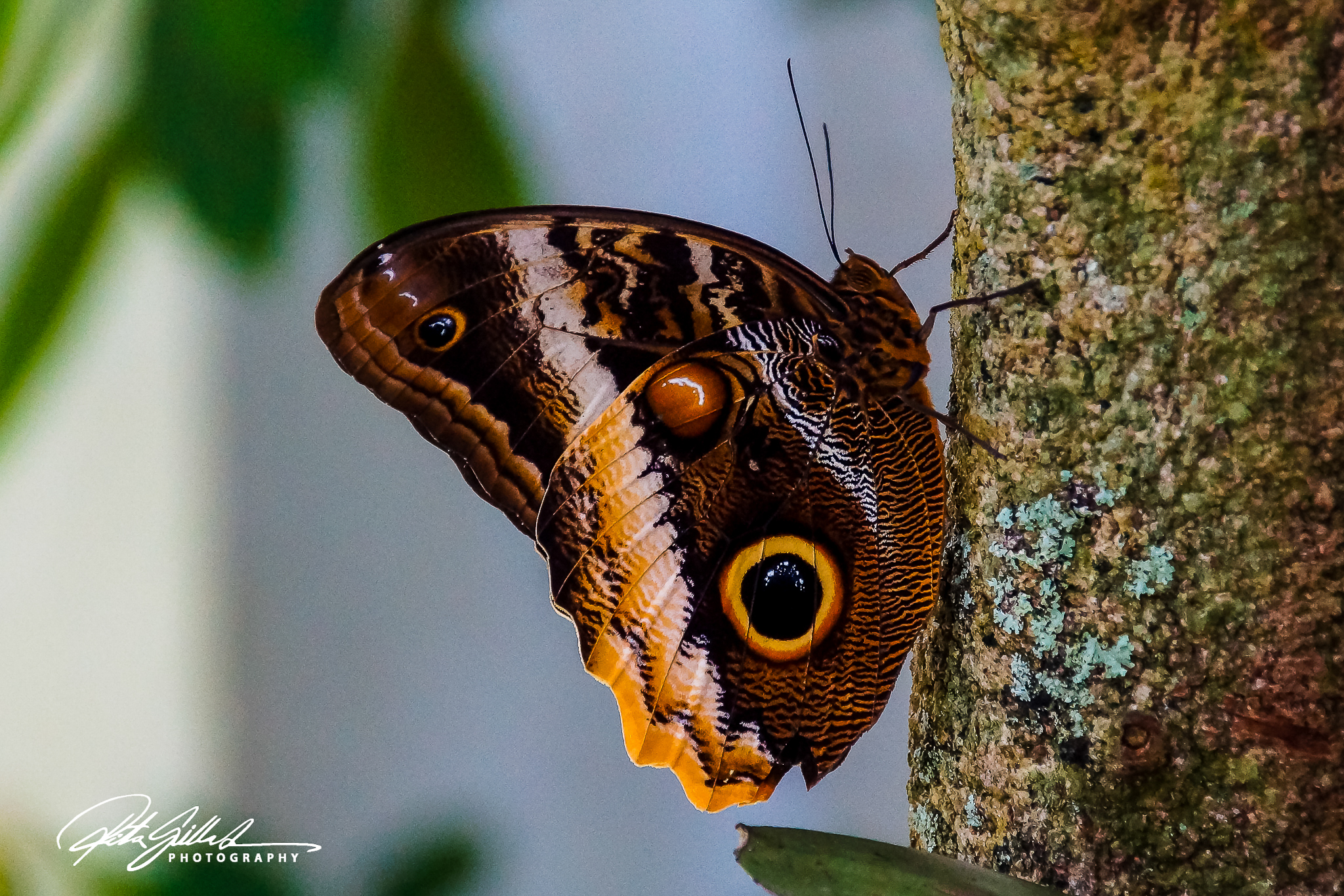
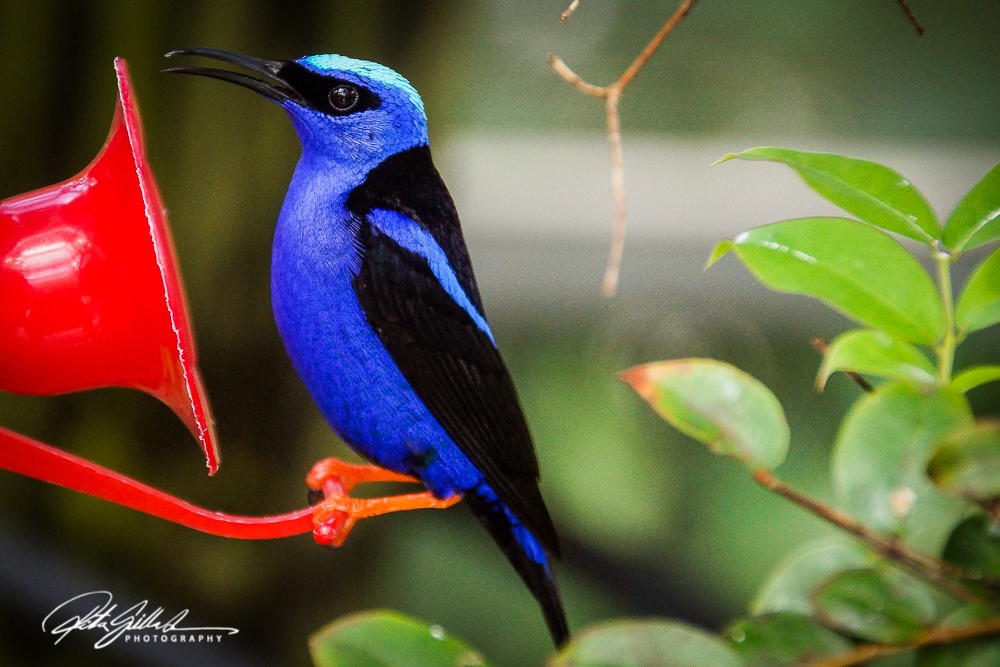
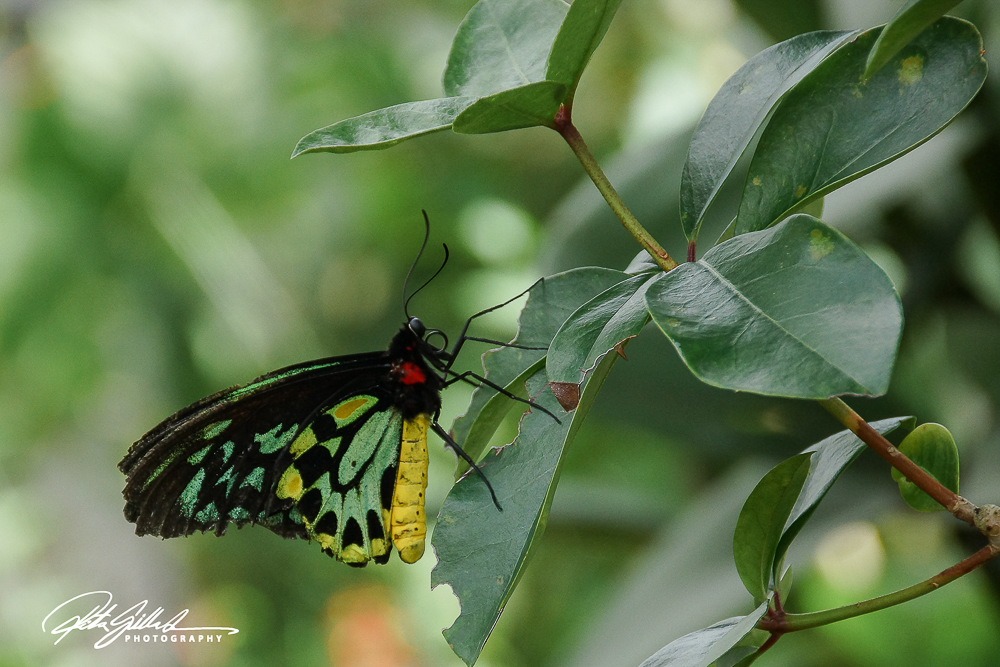
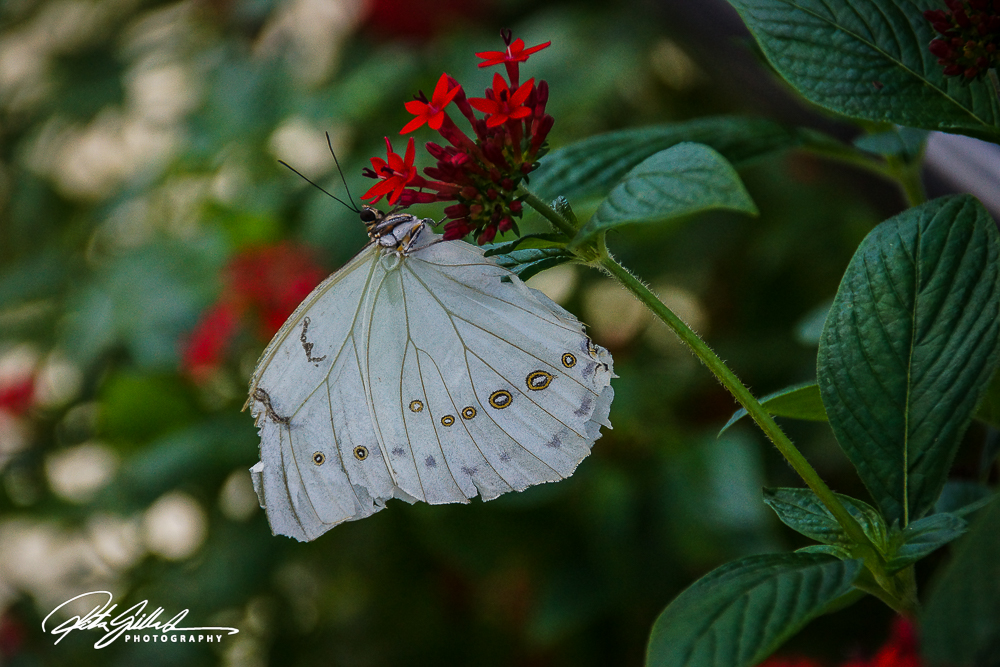
Butterflies are captivating creatures known for their vibrant colors and delicate wings, symbolizing the beauty and fragility of life. Despite living only a short time, they remind us of life’s transient nature and the importance of cherishing moments. They represent transformation, rebirth, and freedom, while also embodying hope, spiritual growth, joy, and endurance across different cultures.
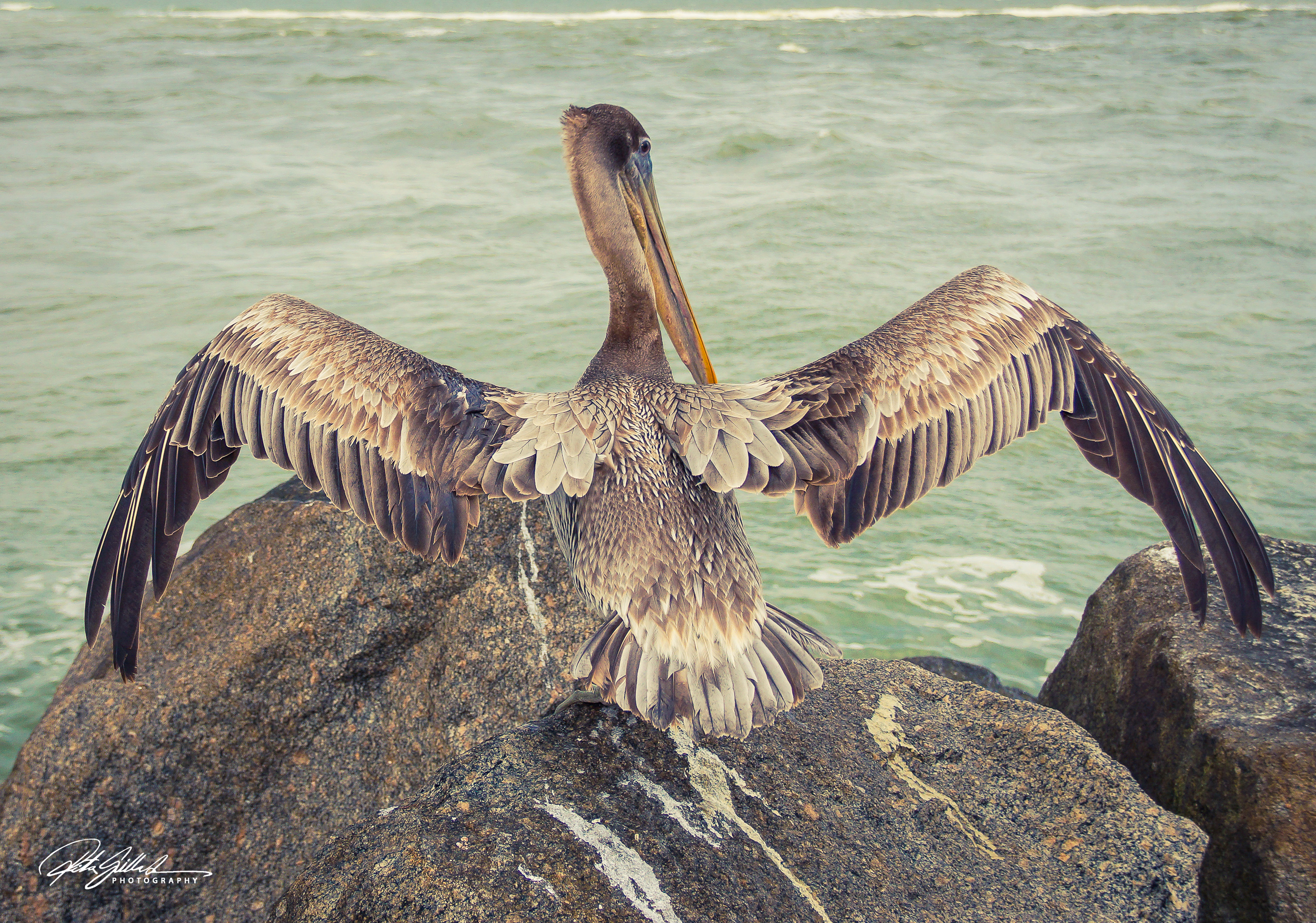
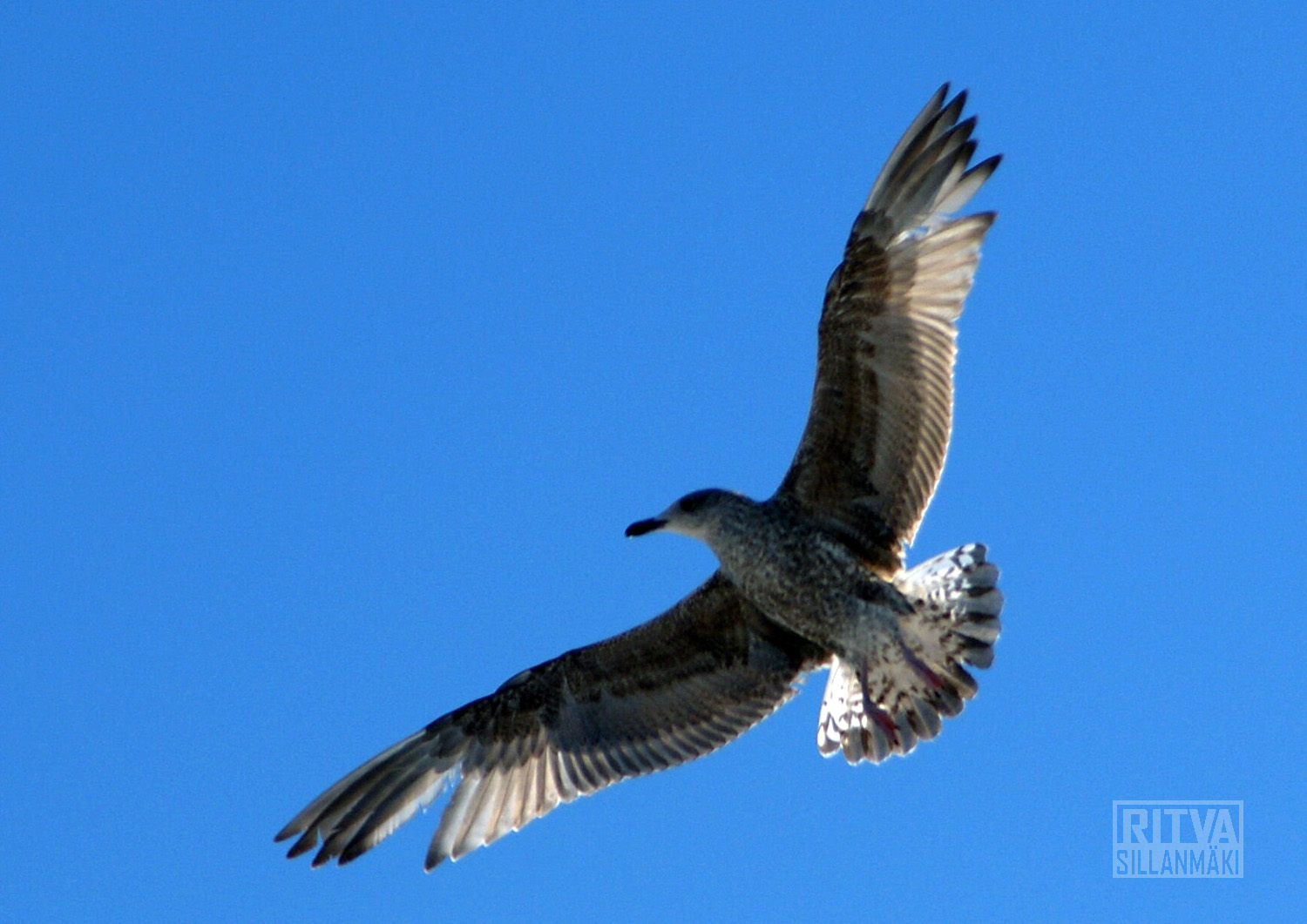
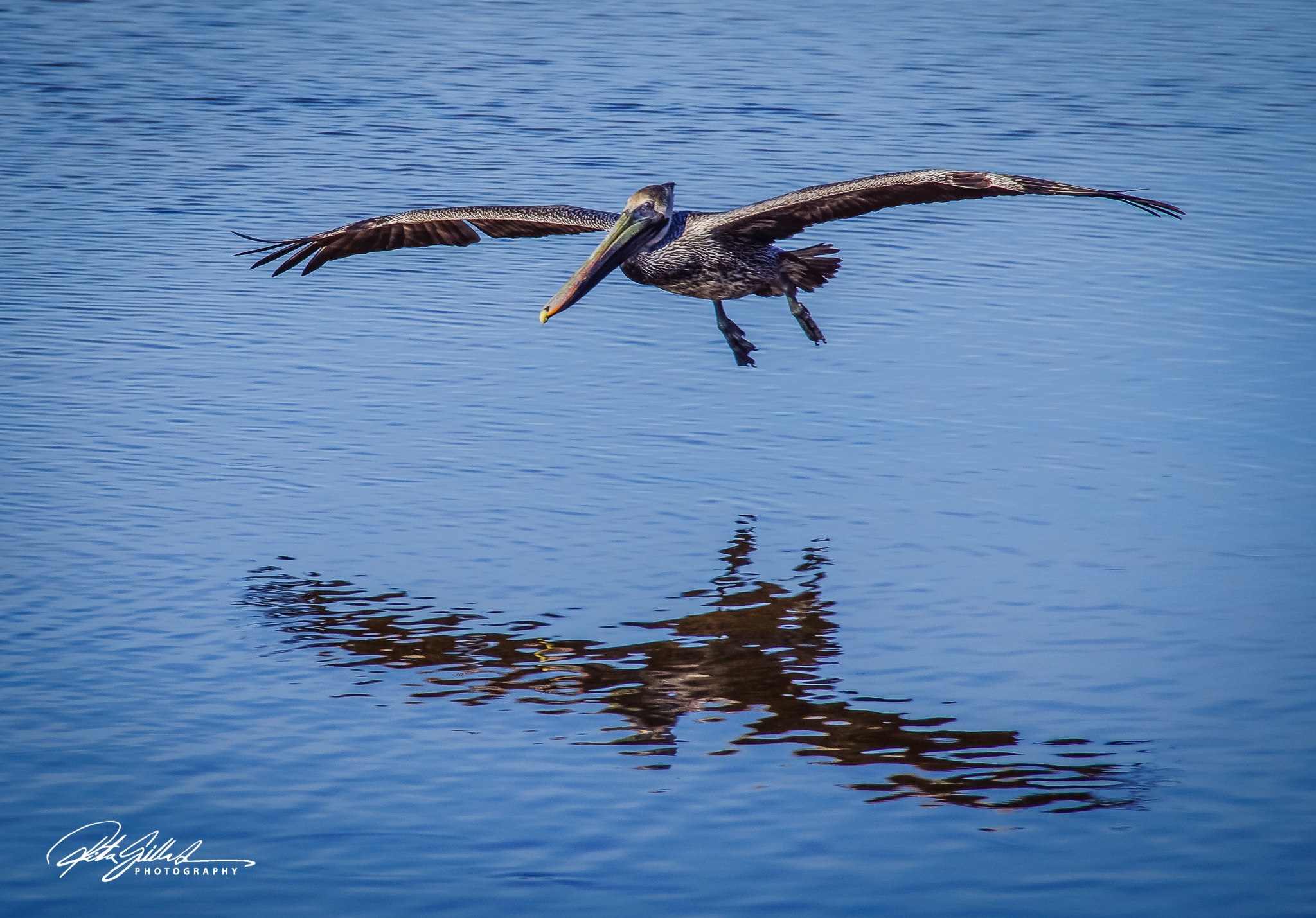
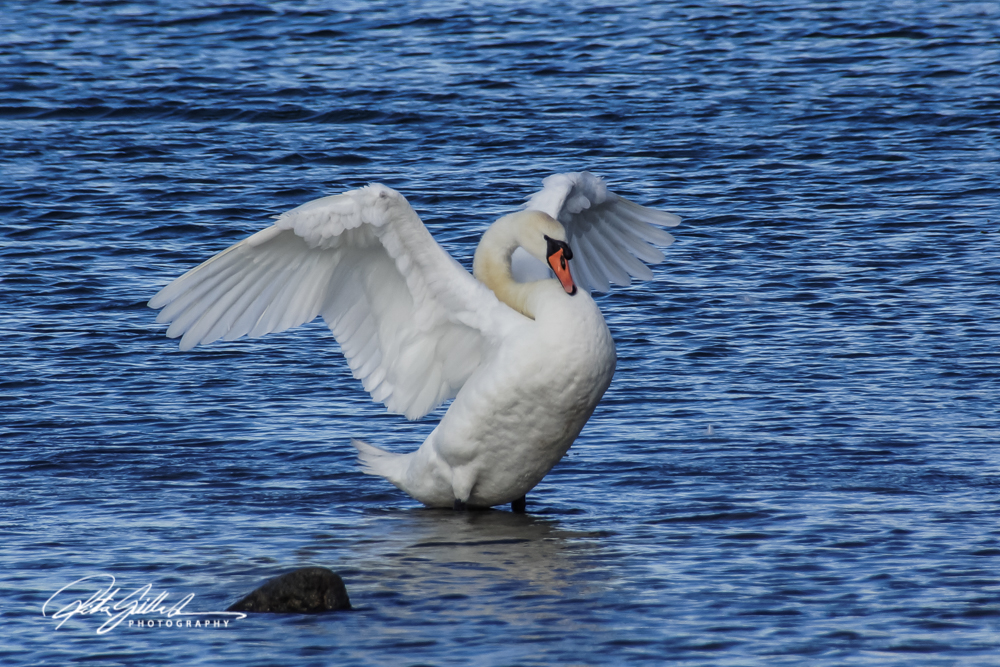
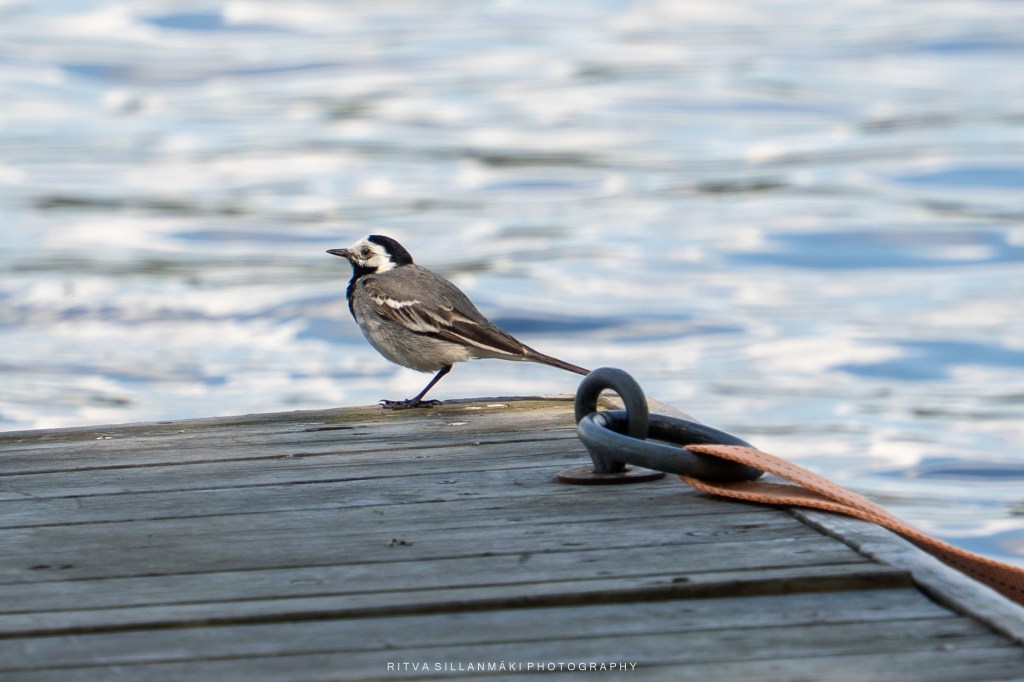
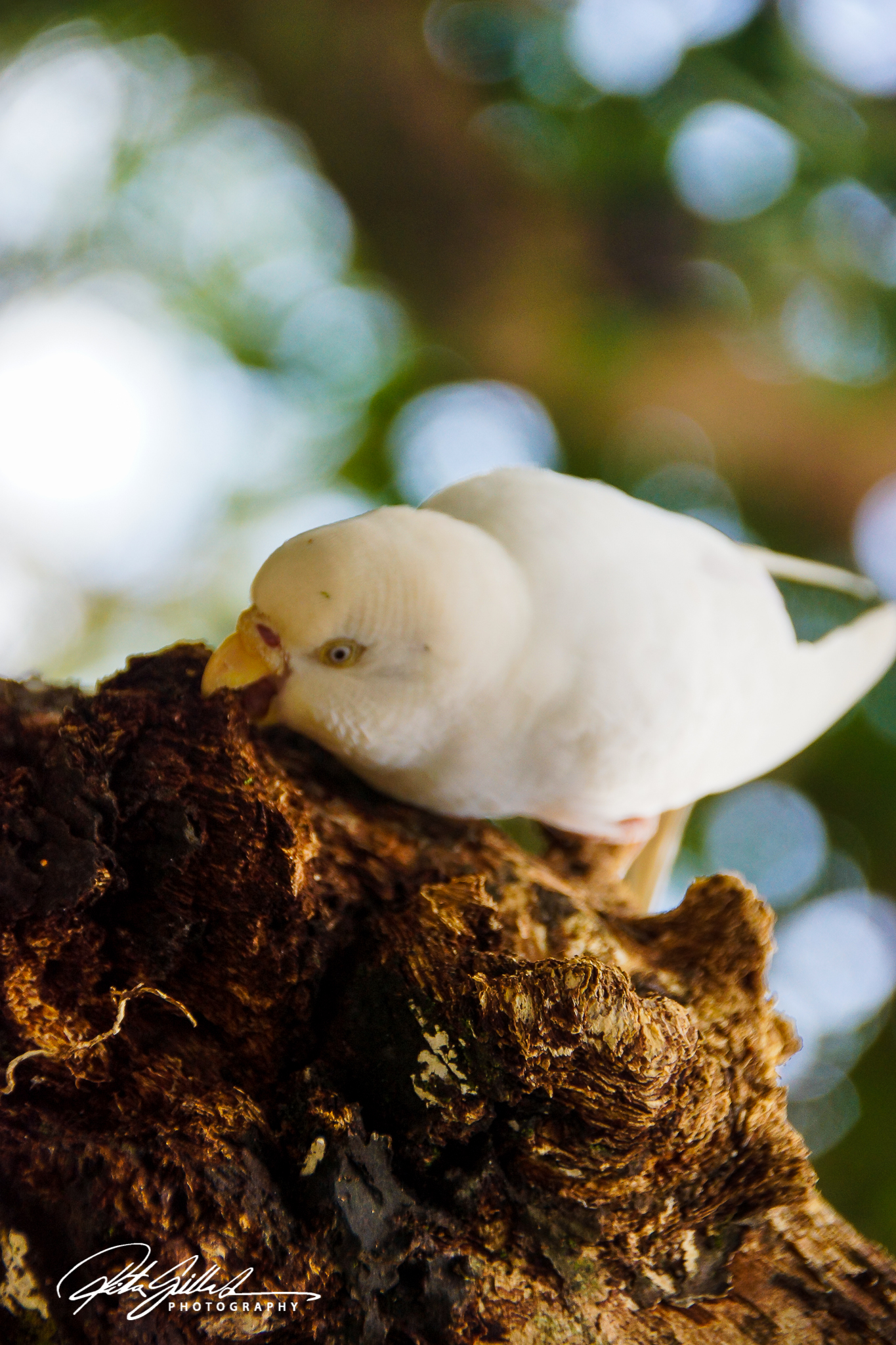
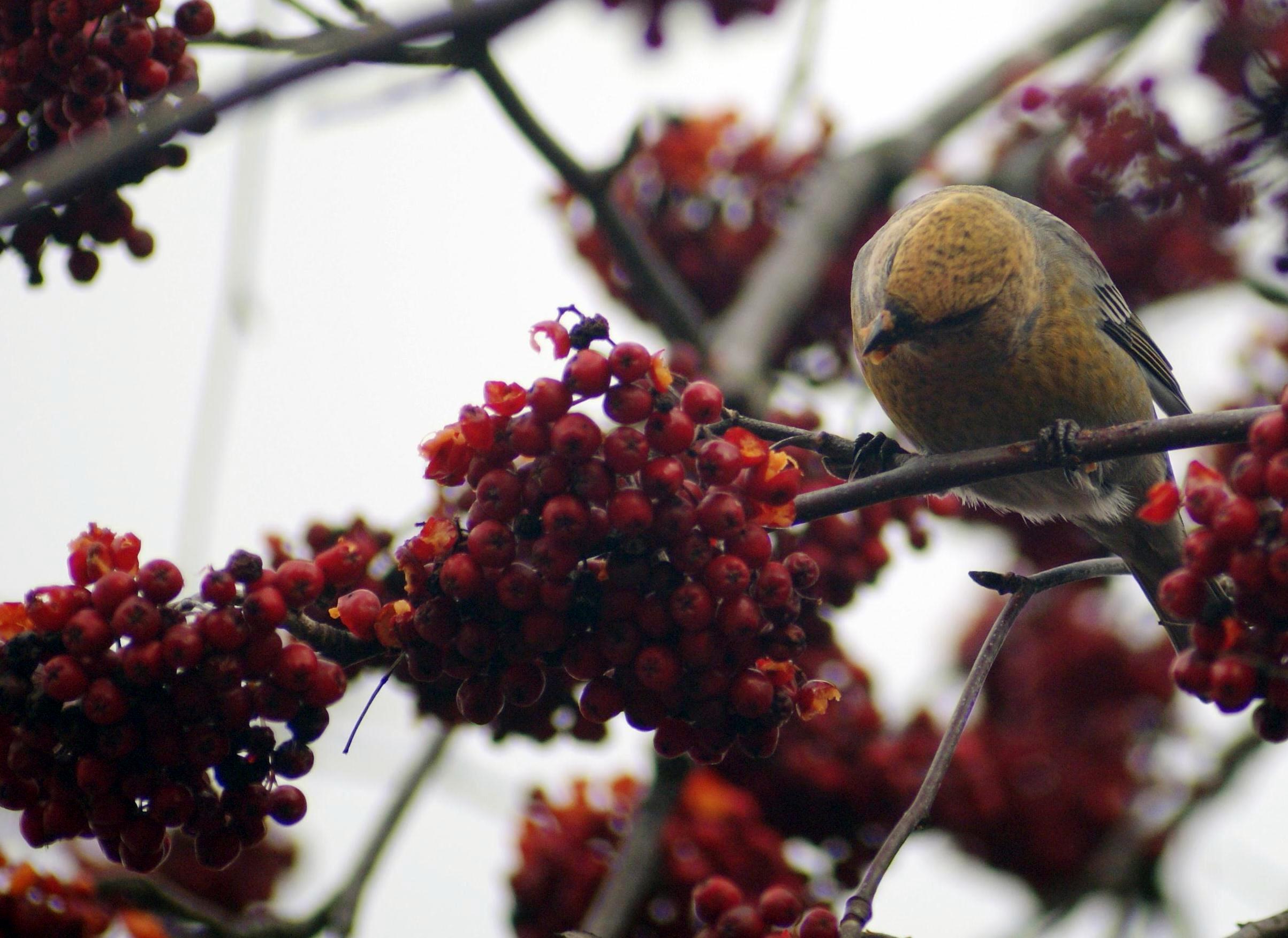
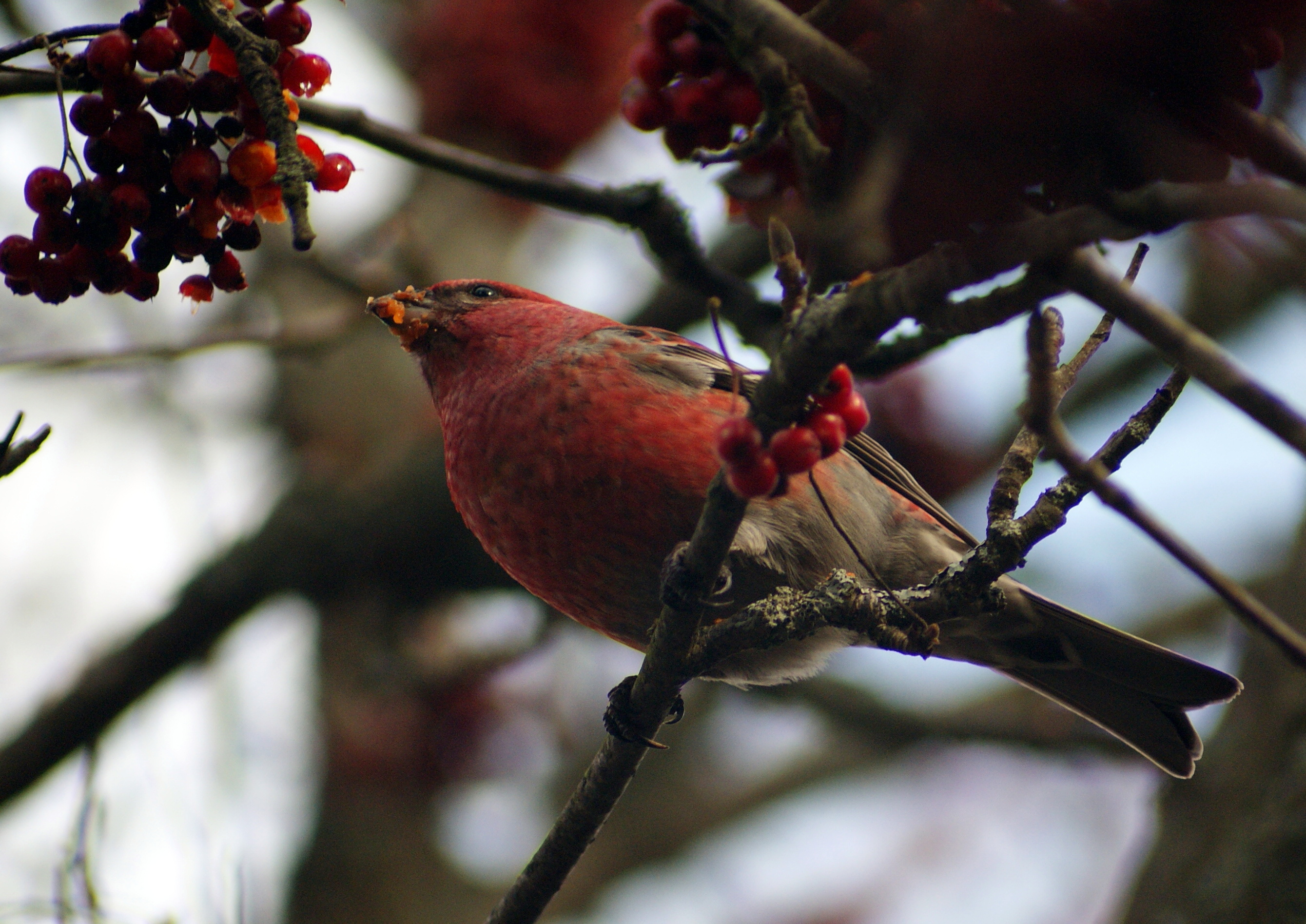
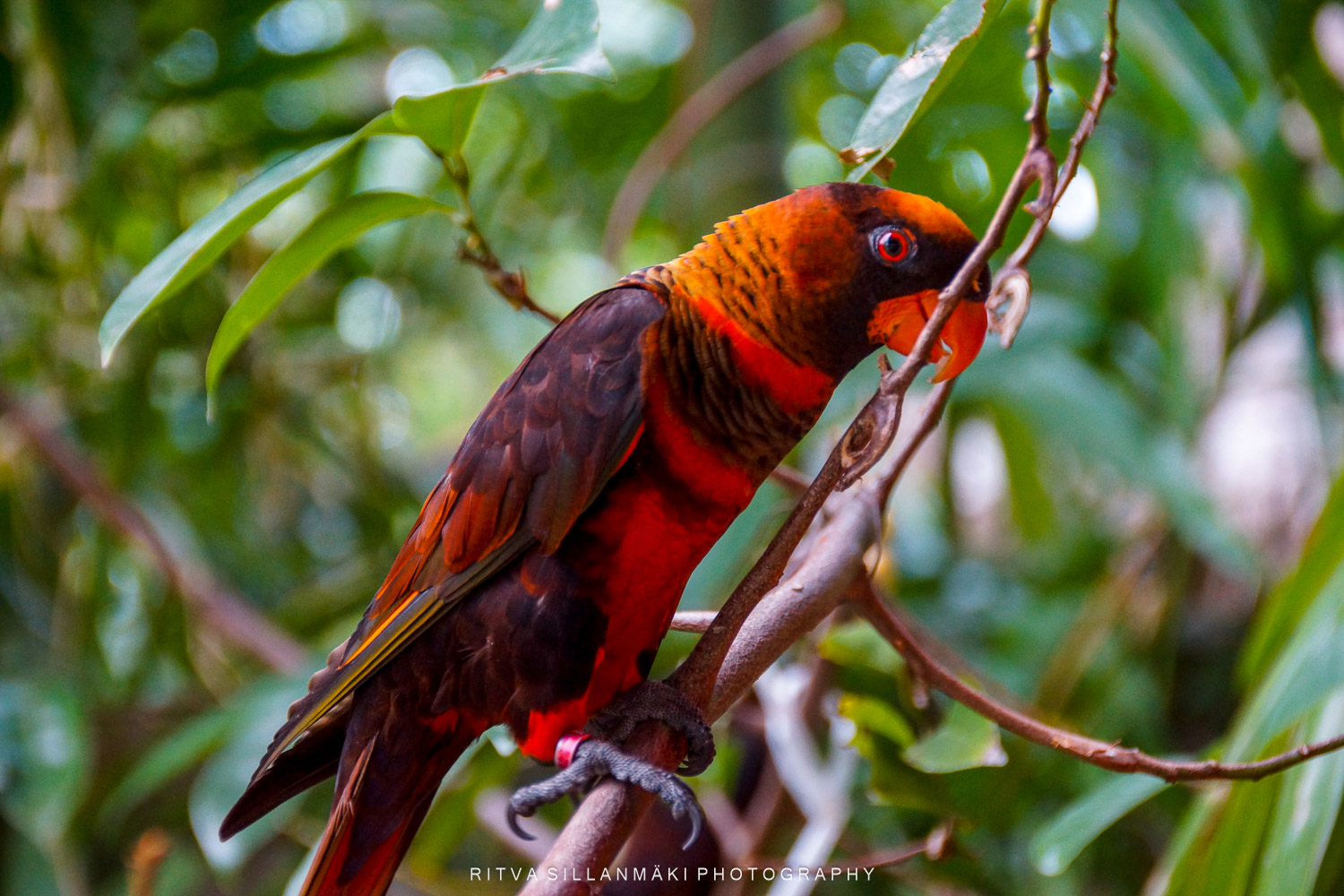
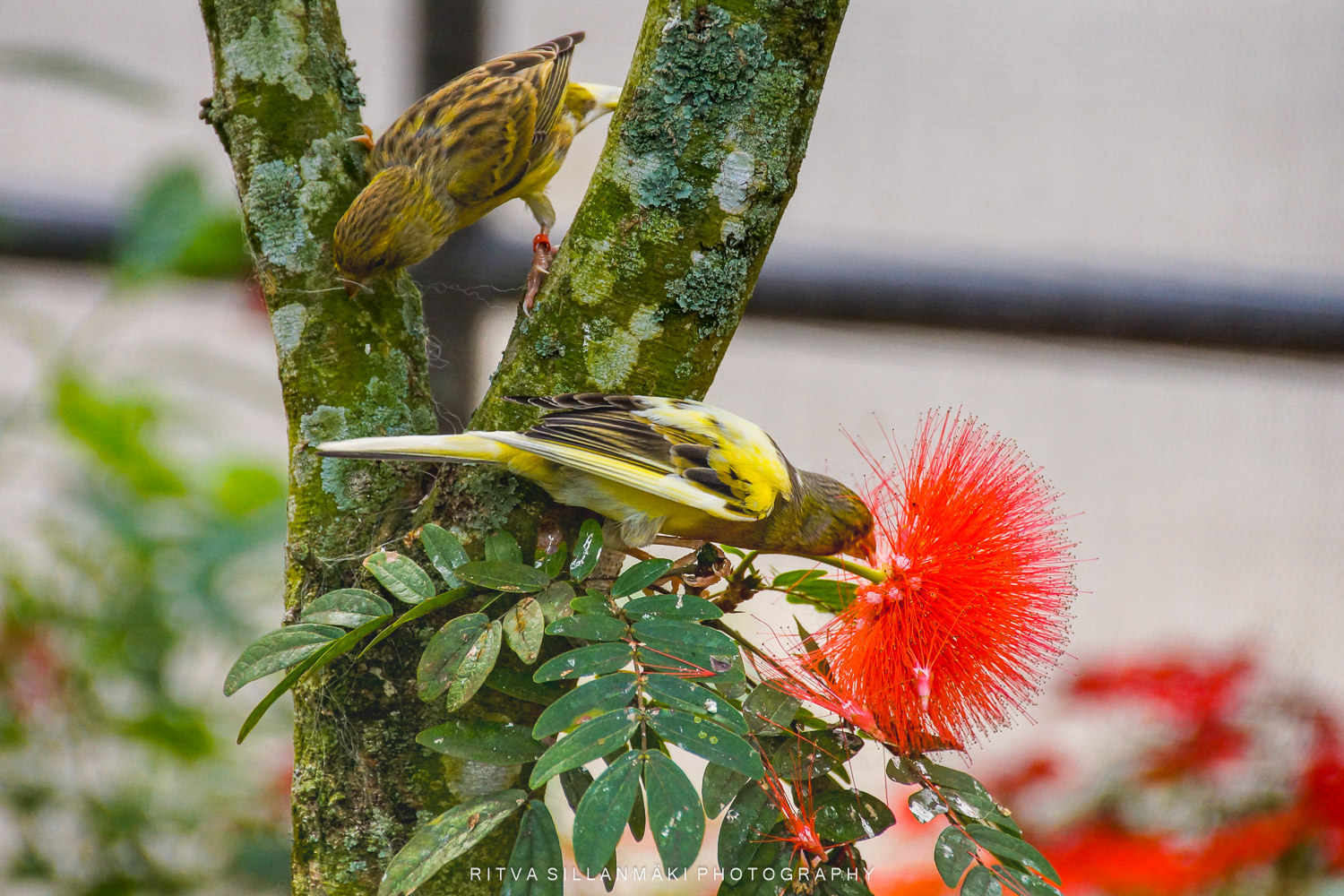
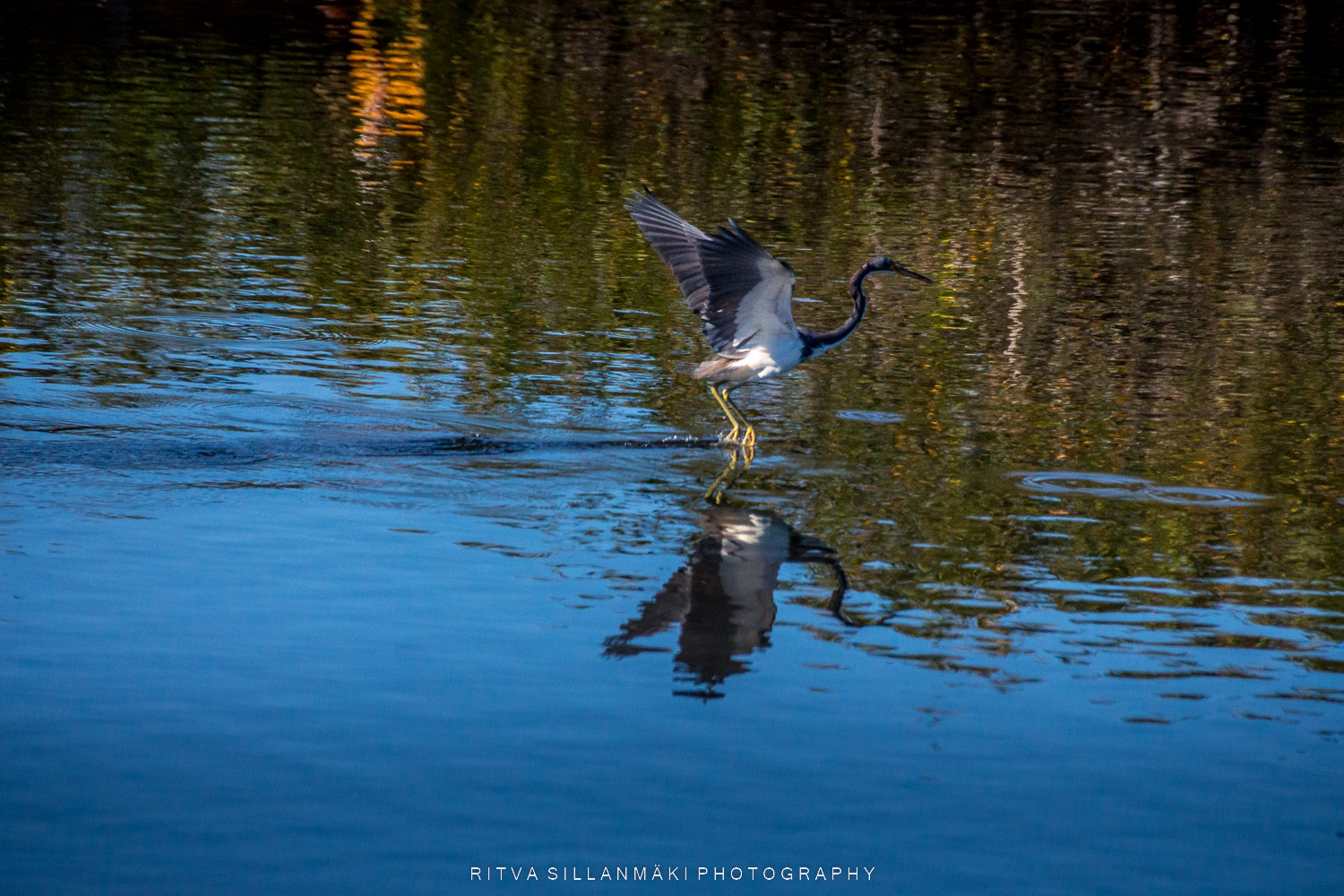
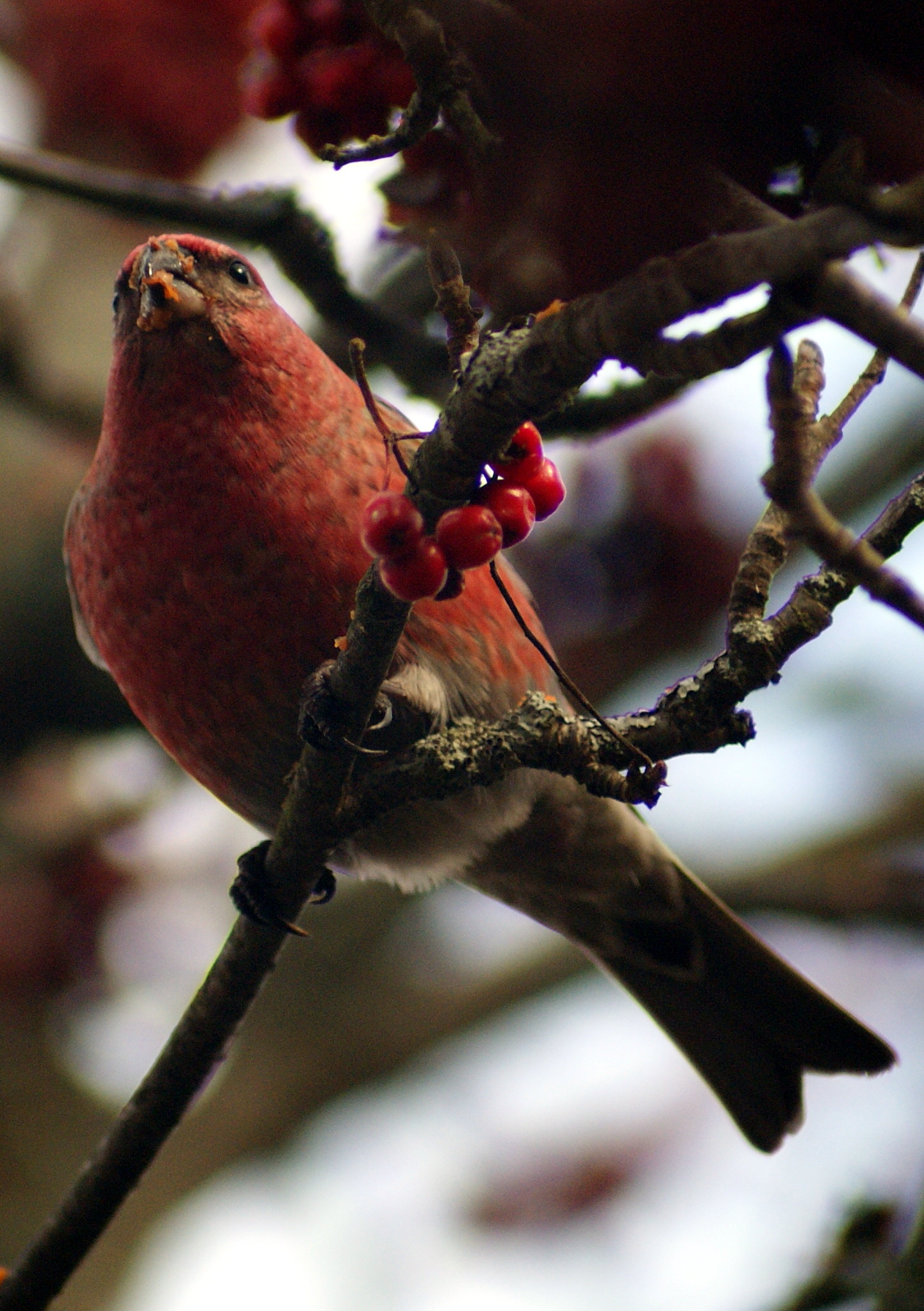
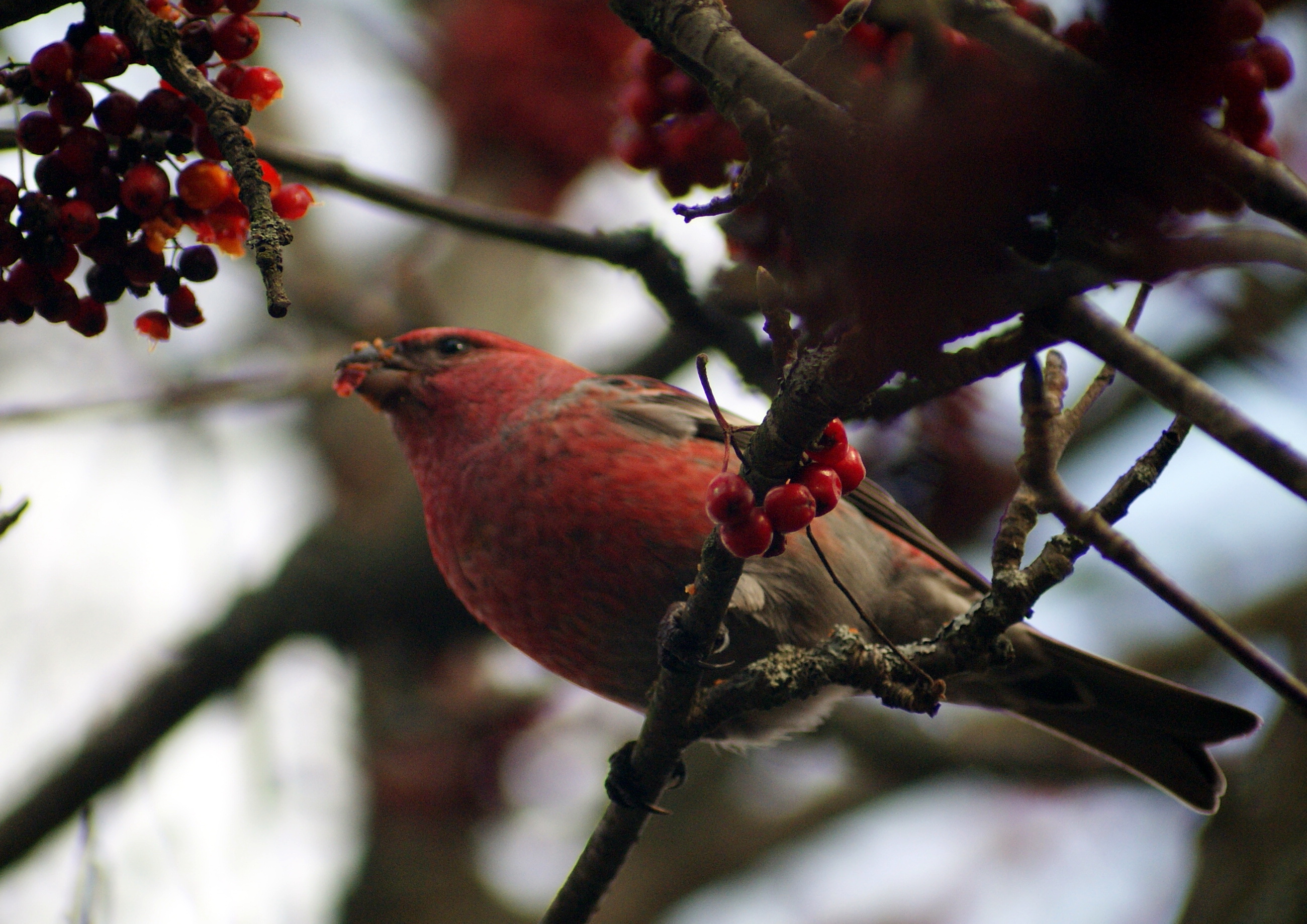
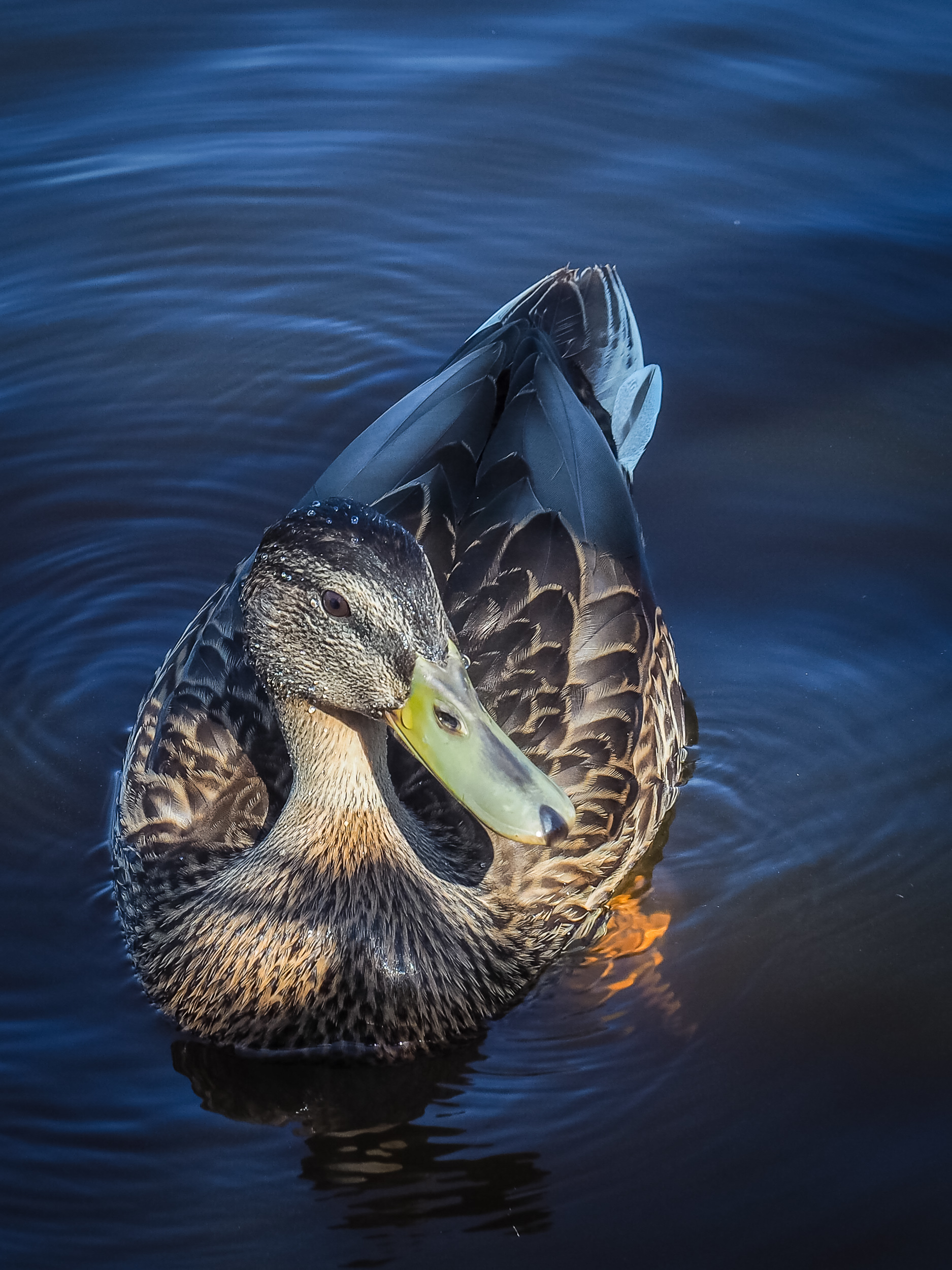
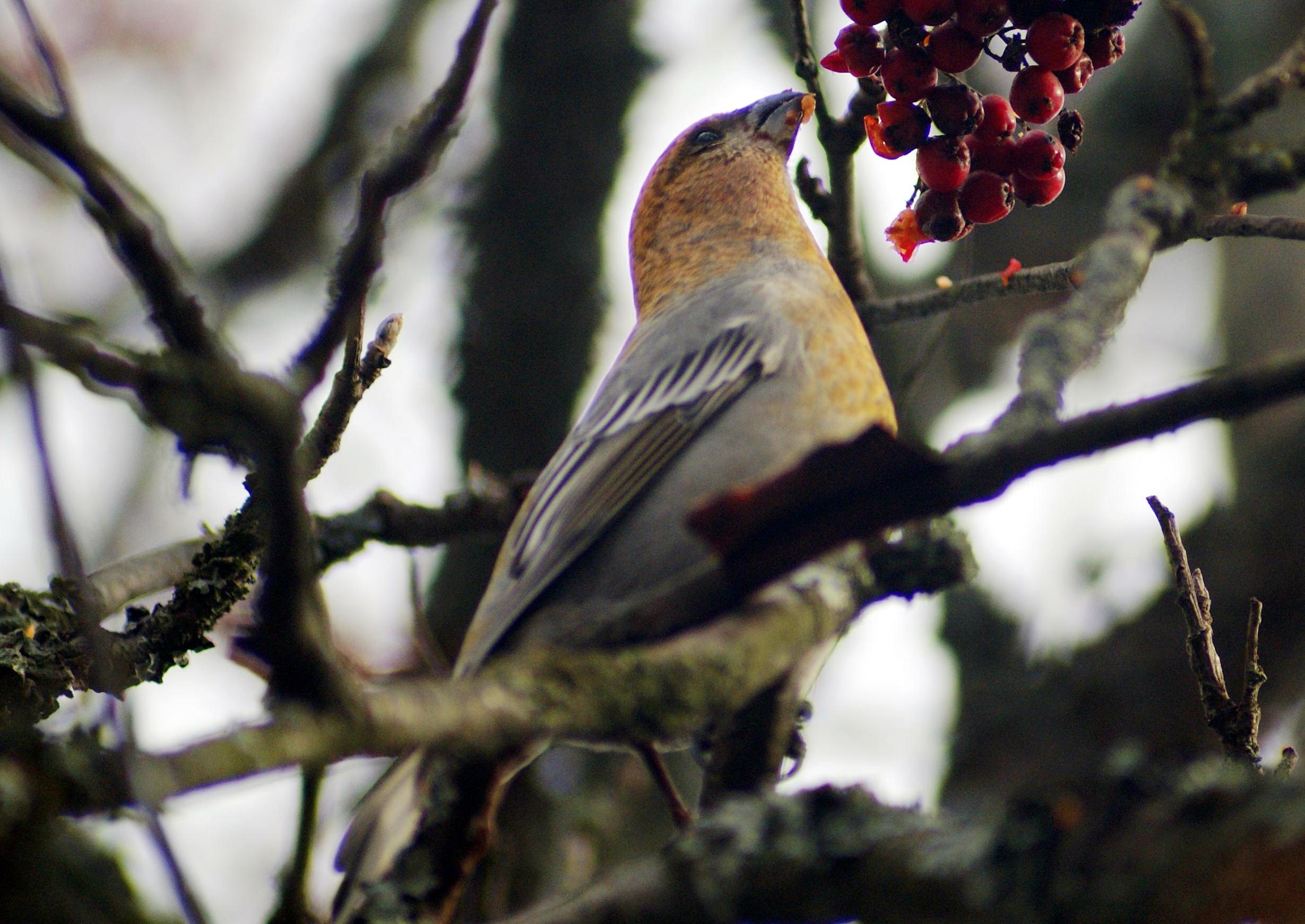
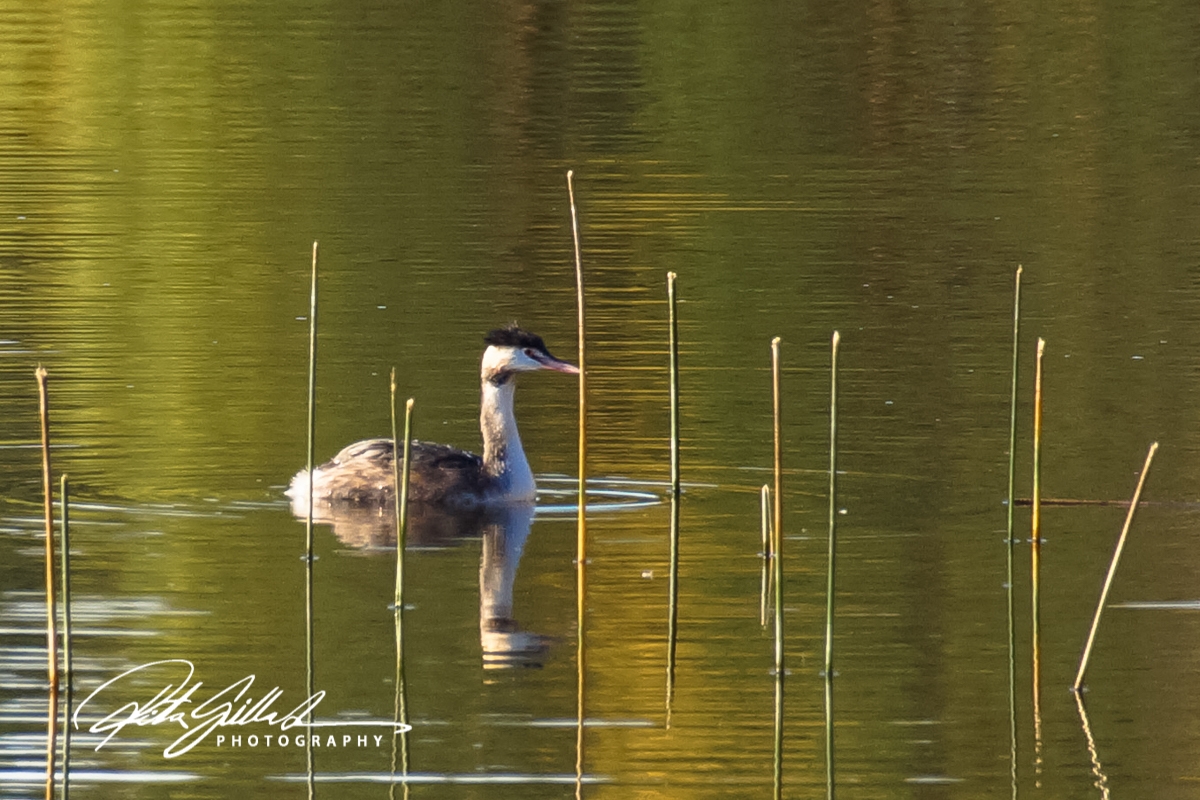
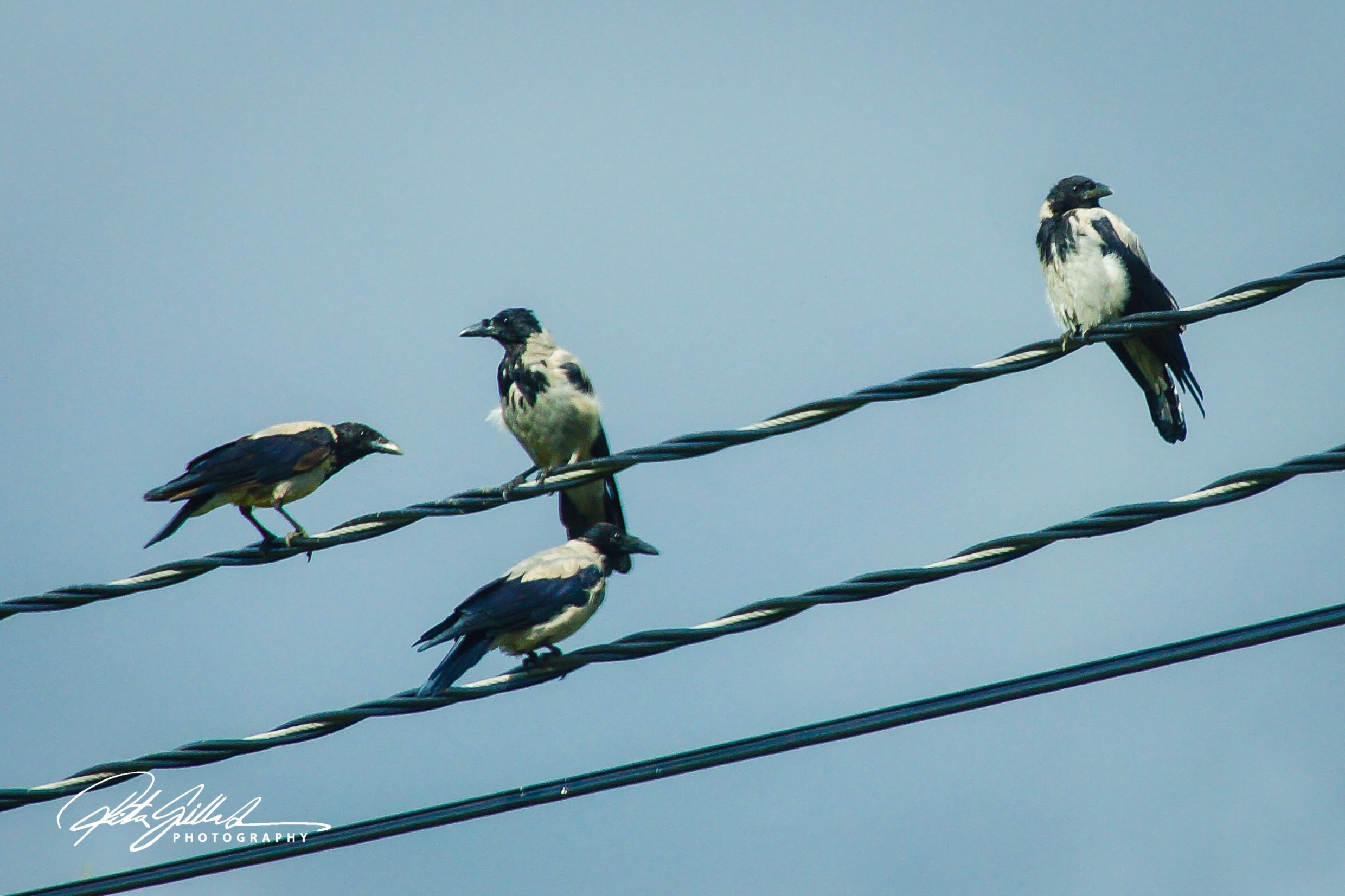
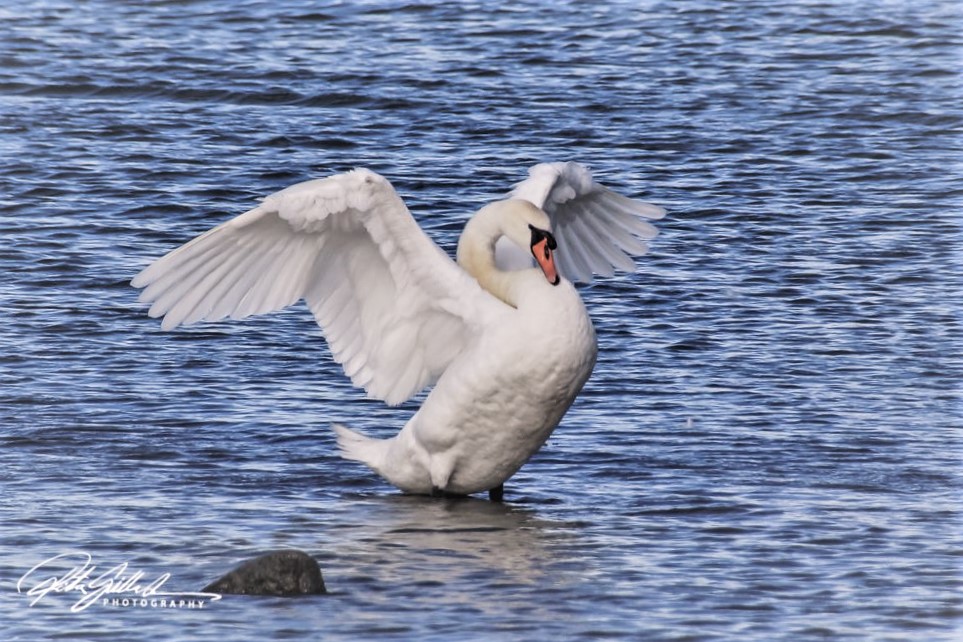
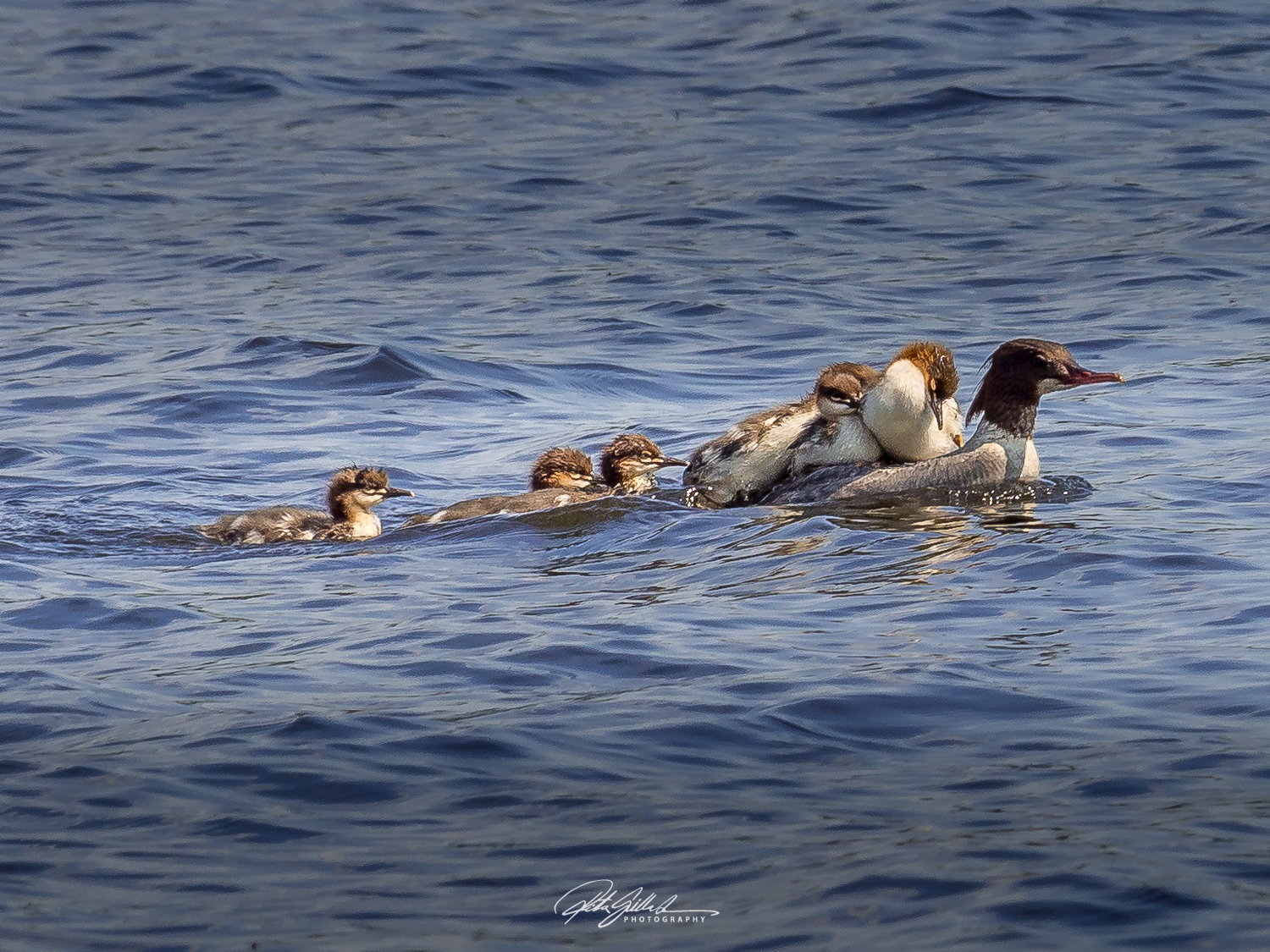
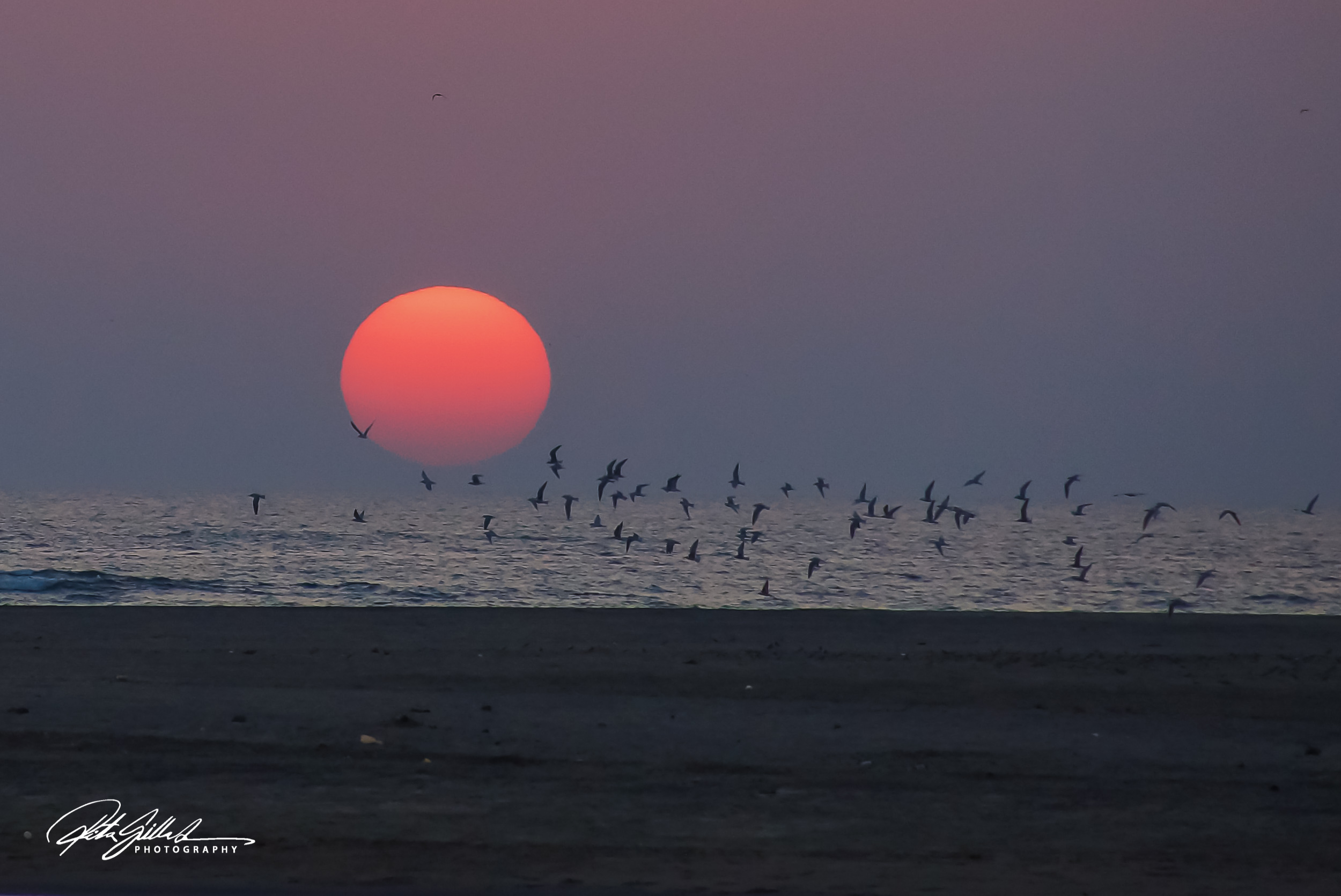
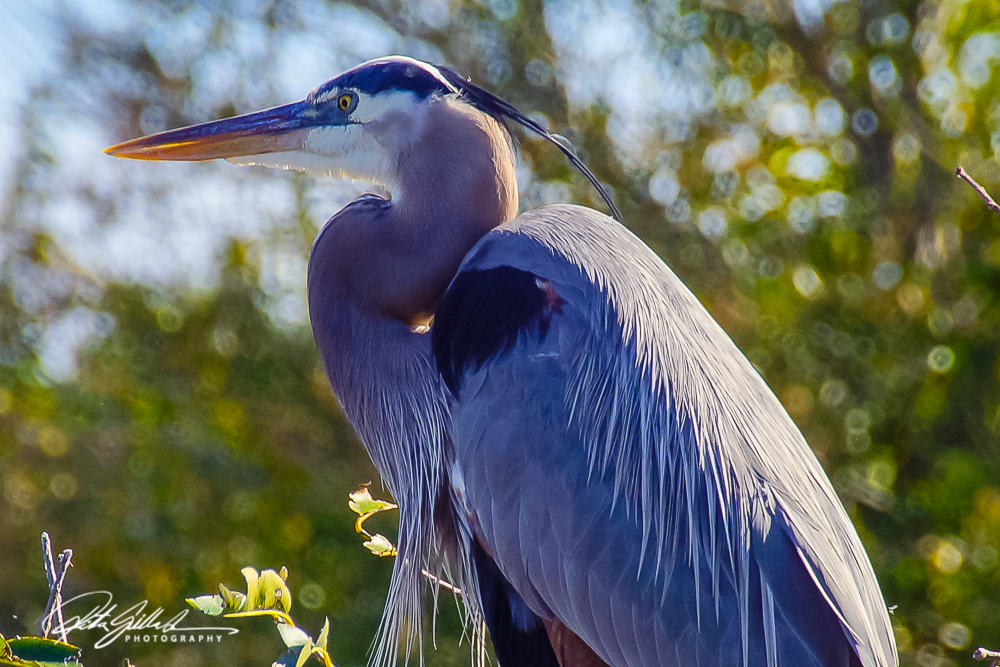
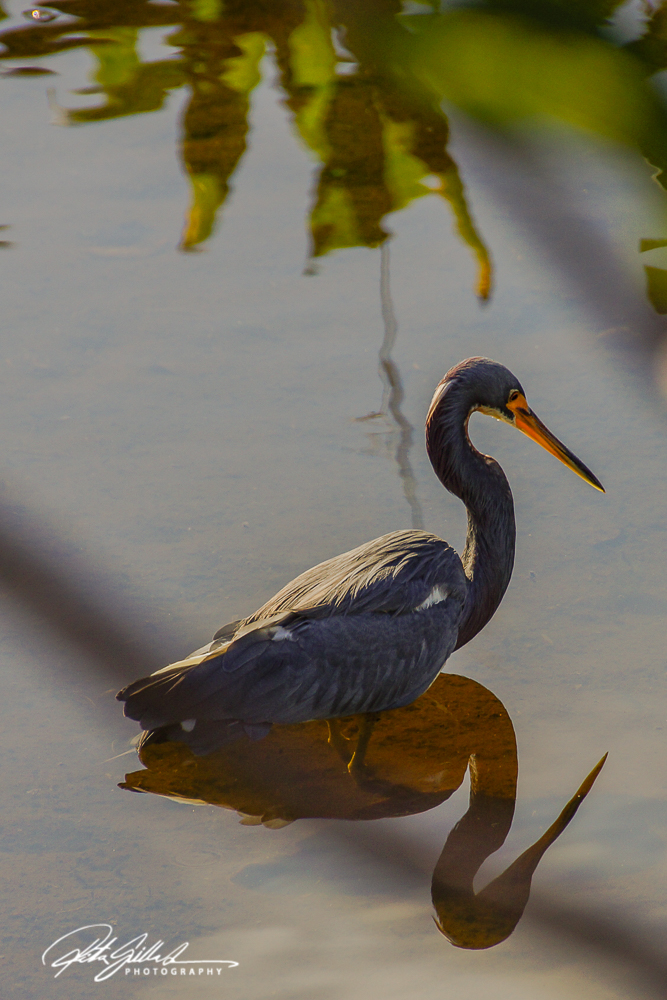
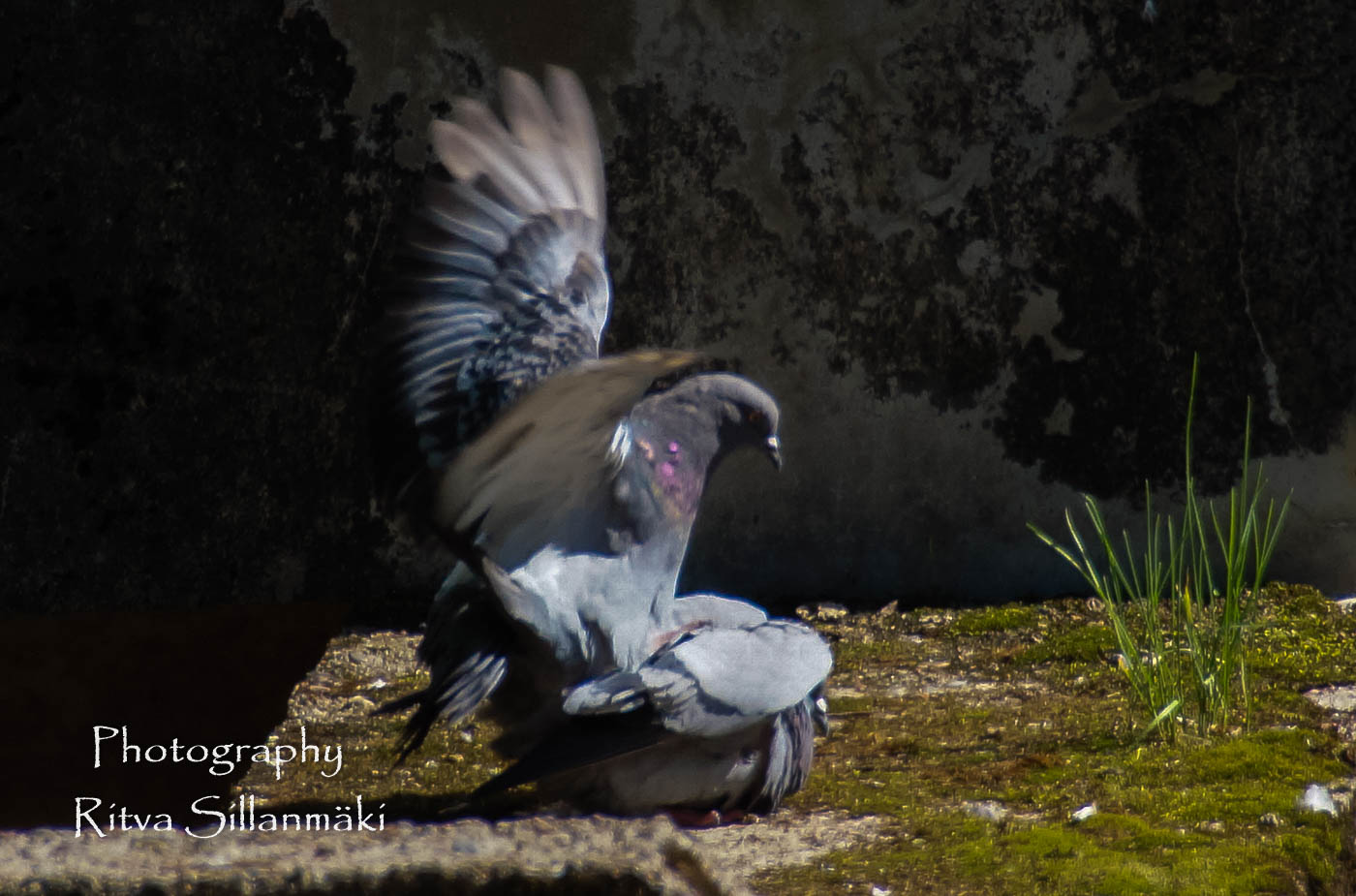
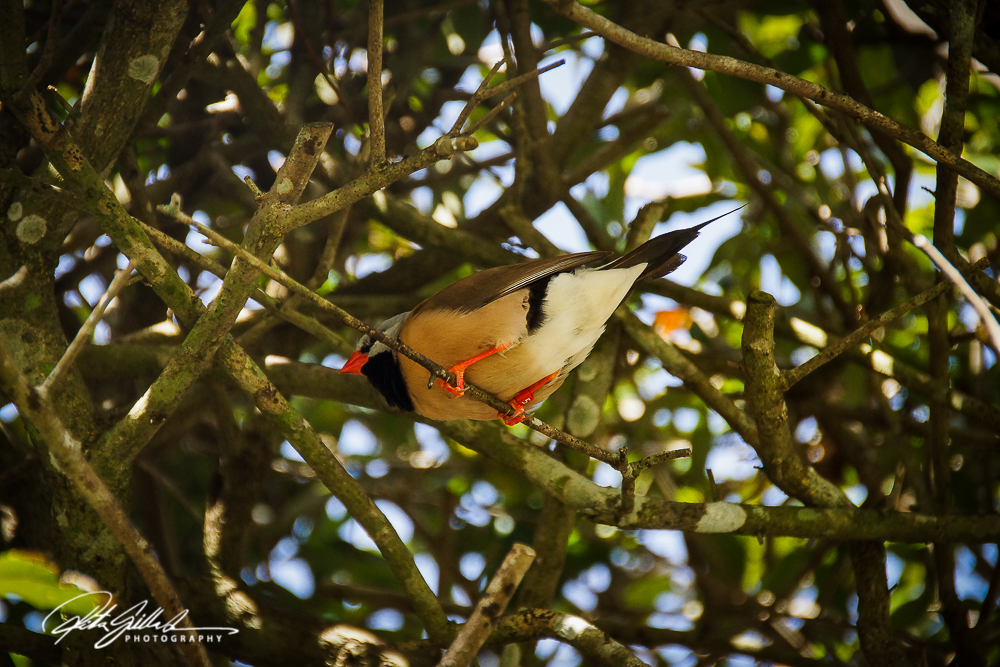
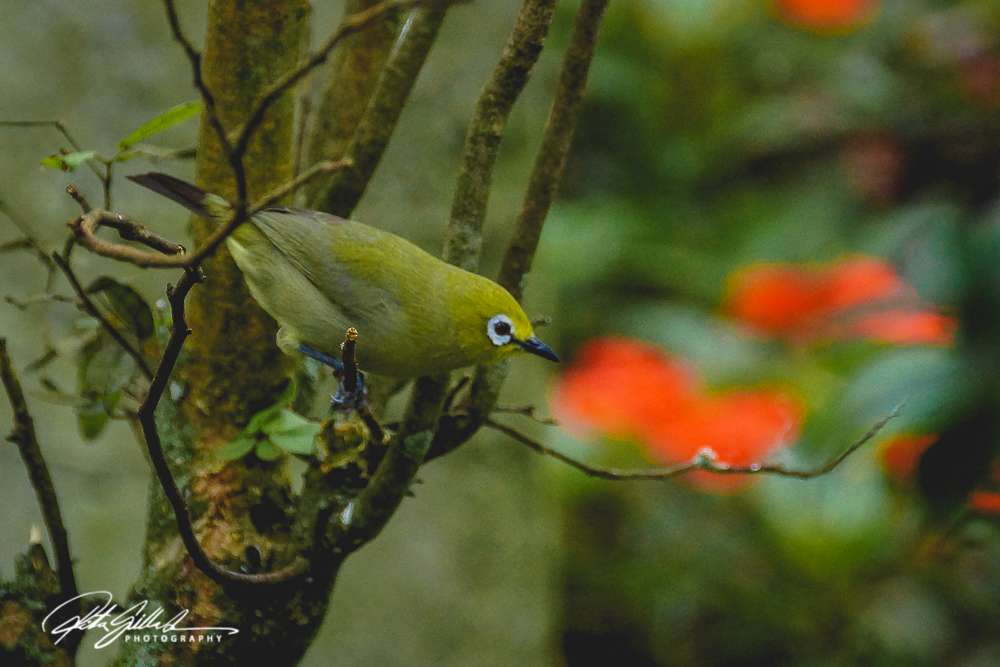
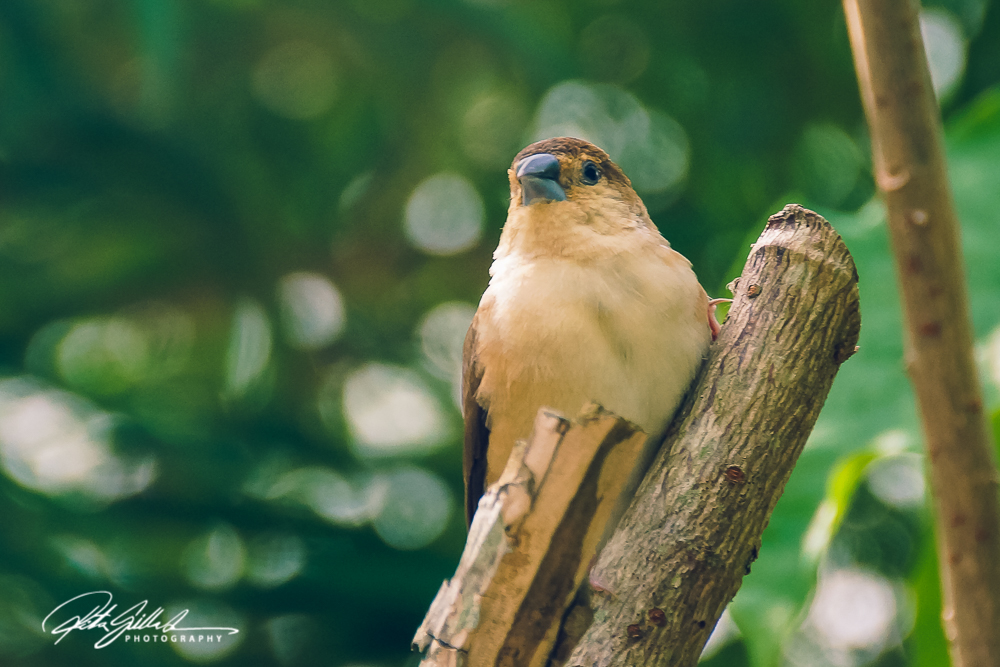
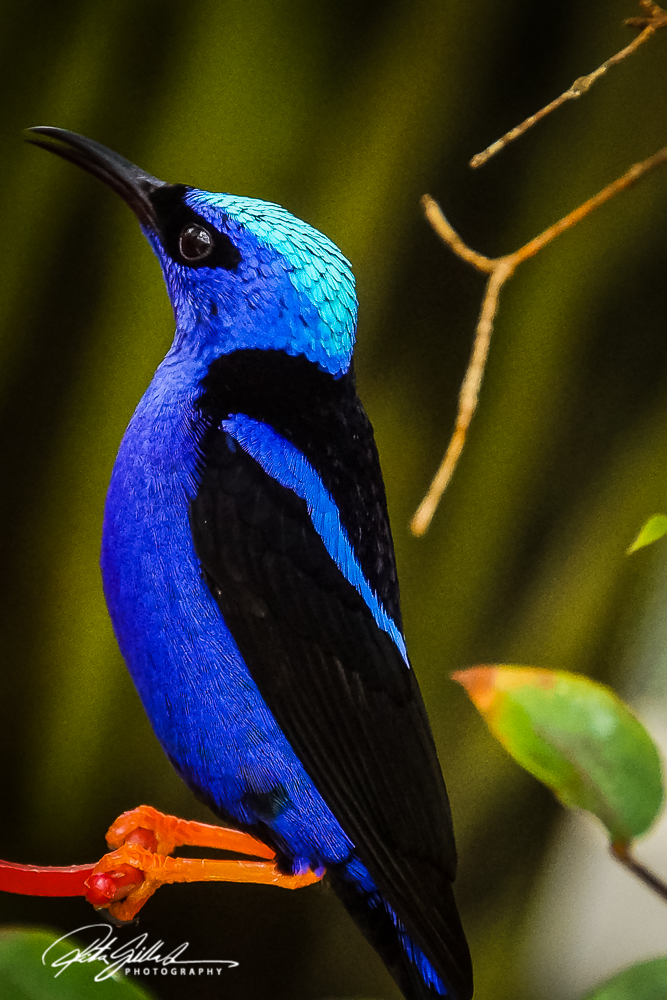
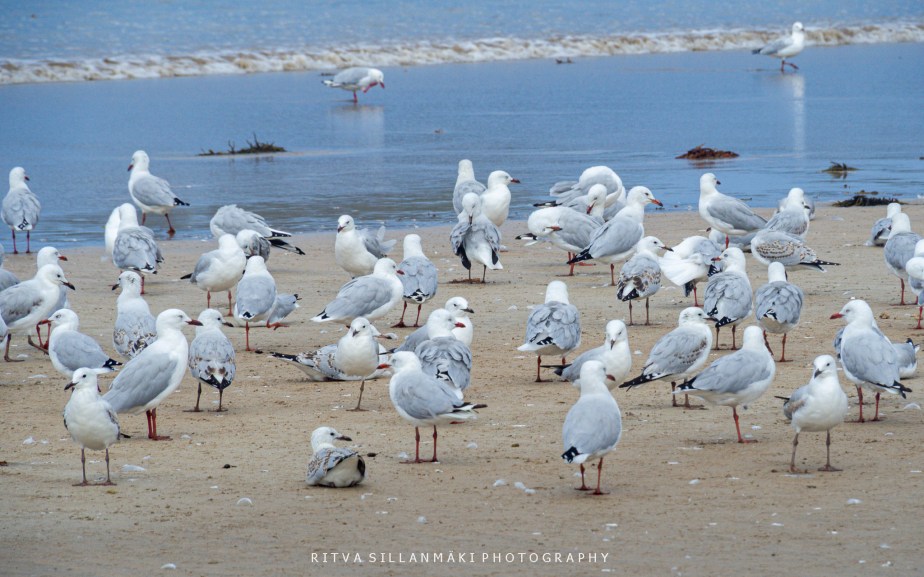
Birds embody a profound sense of freedom as they gracefully soar through the sky, their shimmering feathers reflecting sunlight in a breathtaking array of colors. As they glide on the gentle wind, they evoke feelings of wonder and tranquility, reminding us of the beauty in the world around us. Each bird carries its own symbolic meanings across various cultures, with doves representing peace and love, owls symbolizing wisdom and intuition, and eagles reflecting strength, courage, and boundless freedom. As I am not a good bird photographer, I don’t have the patience for it; my shots are of birds about to fly or landing, and they are none of the mentioned above.
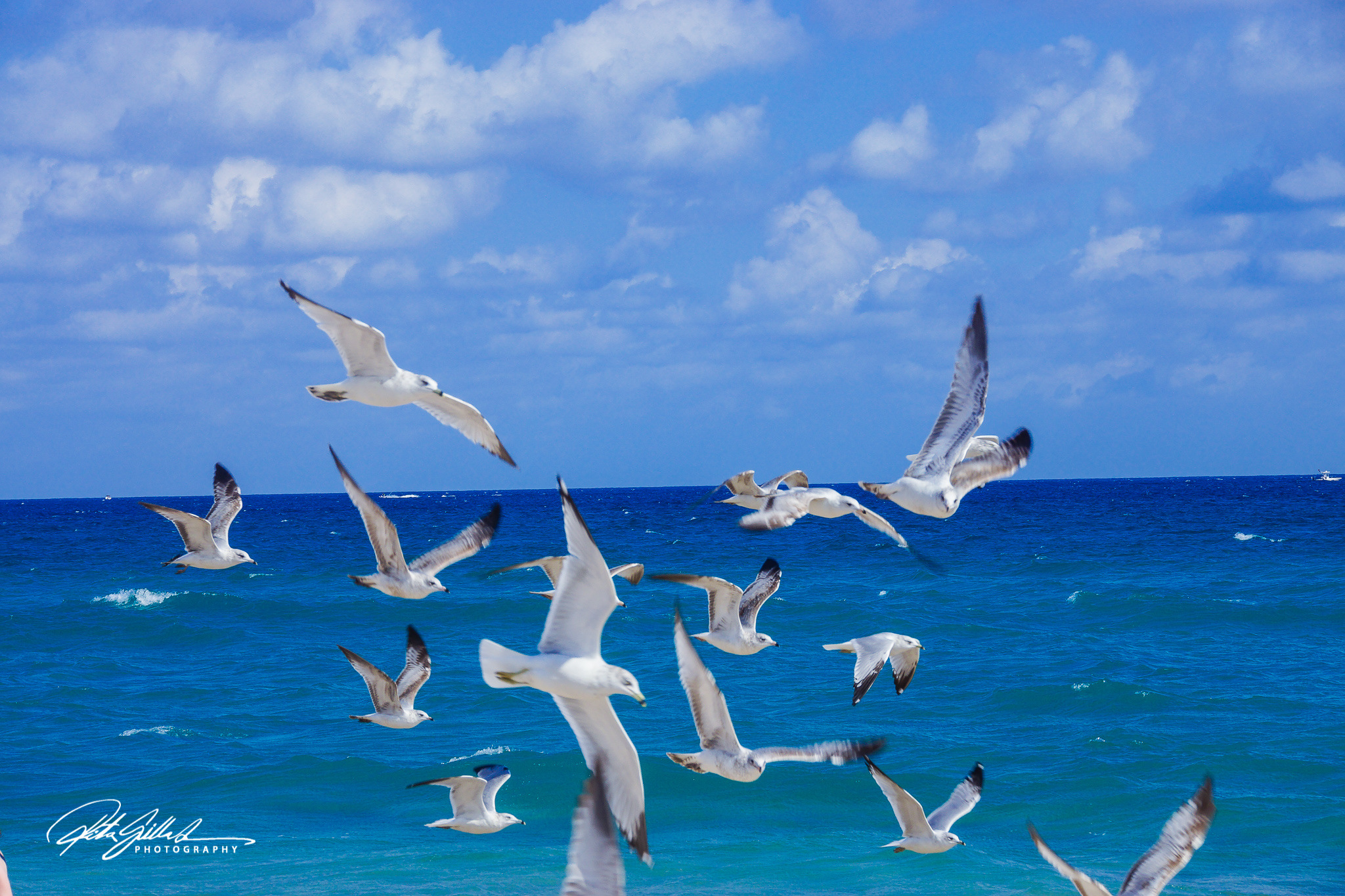
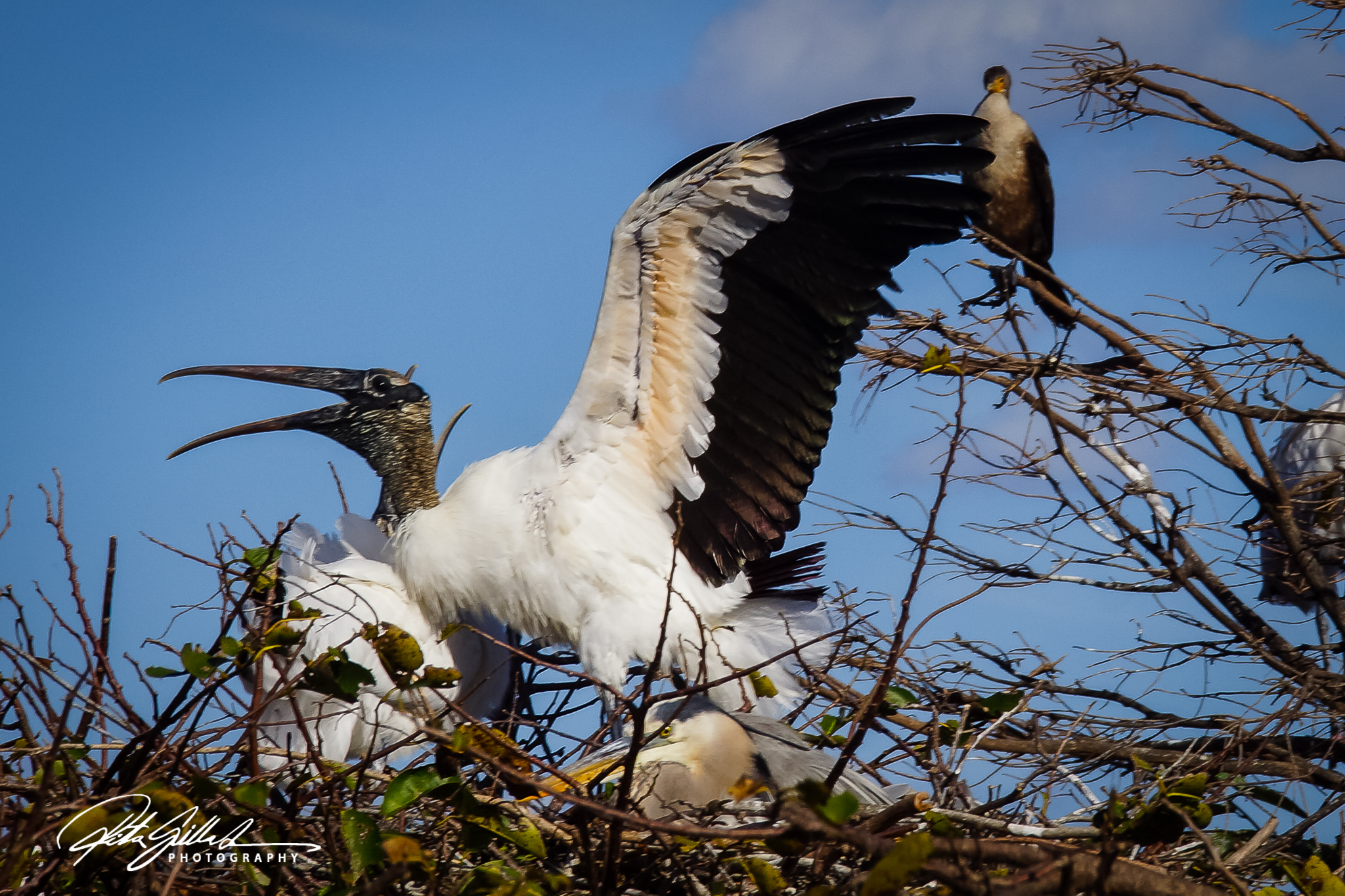
If you believe in angels, it’s beautiful to recognize the myriad of thoughts surrounding them, from deep religious convictions interpreting them as divine messengers to philosophical views that frame them as symbols of protection, compassion, and guidance. Many see angels as gentle messengers of love, hope, and miracles, while others embrace them as reflections of our human potential and the uplifting qualities that define our humanity.
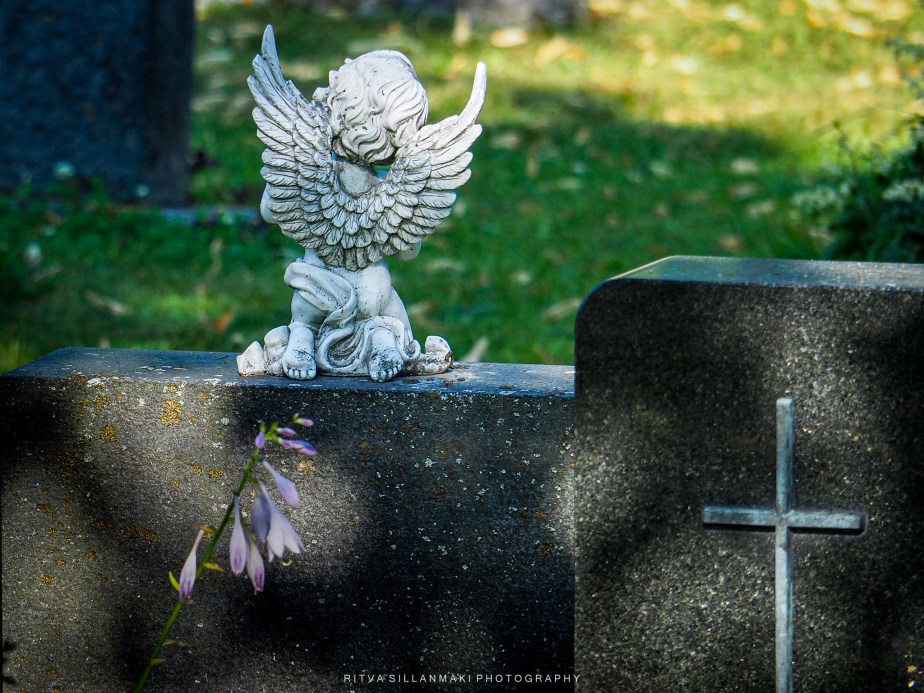
An angel sculpture with wings, resting on a gravestone of a child, surrounded by nature.

The evil wings I found were on this poster, the idea of devil with wings resonates deeply, often symbolizing the complex nature of a fallen angel—someone who once held a spark of angelic beauty but has now been warped into a representation of evil. This striking contrast between traditional angelic wings and their demonic counterparts, such as the transition from beautiful white wings to unsettling bat-like ones, underlines the tragic transformation and the profound struggle between good and evil.
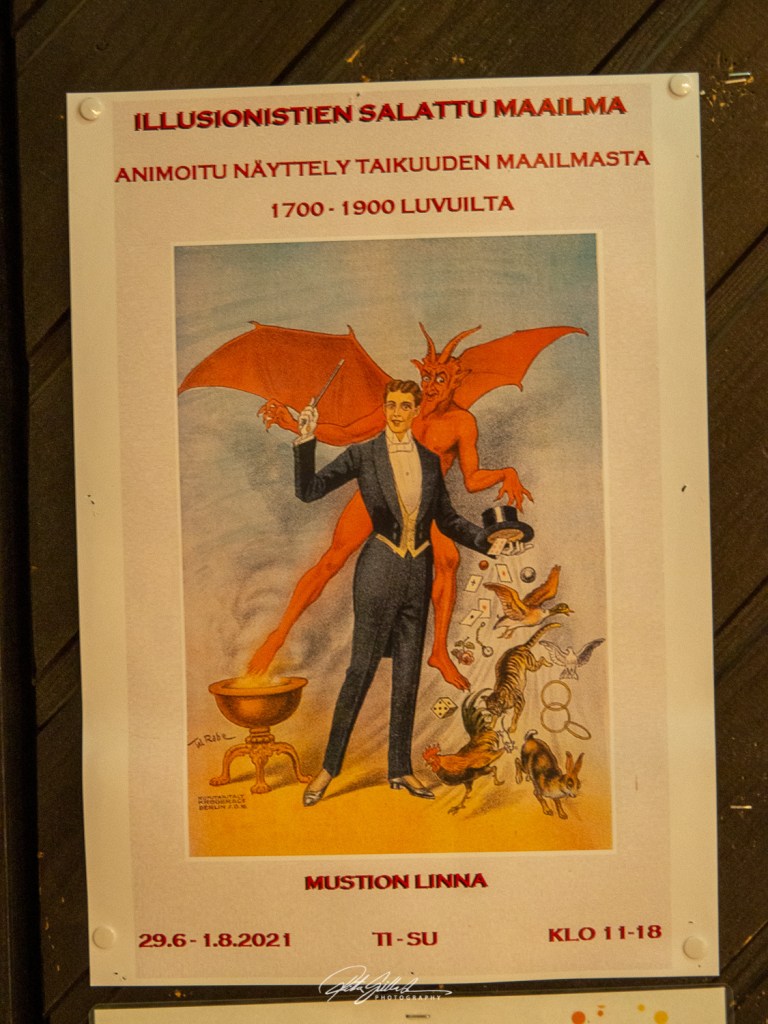
A vintage poster showcasing an illusionist with a playful design featuring a devil and various animals, promoting a magic show from the 1700-1900s.

Beth said she can’t wait to see what we come up with, and I am always surprised about the creative journey we’re on together. Well, Beth, this is what I could muster up after a thoughtful exploration of ideas and inspiration. I’ve done my best, hoping to capture not just the essence of our theme but also the fluttering spirit of this challenge.Be sure to tag your post with Lens-Artists and include a link back to Beth’s post. Let’s inspire each other and all those who stumble upon our posts!

Last week you showed us some creative, mysterious images in your responses to Patti’s challenge Mysterious, and your unique interpretations were truly captivating. The way you explored different angles, shadows, and light brought a new depth to the theme of mystery, inviting viewers to ponder the stories behind each image, sparking discussions and inspiring others to delve into their own creative expressions. Your ability to evoke emotion and curiosity through your photography not only enhanced the challenge but also highlighted the diverse ways in which we can perceive and represent the enigmatic elements of our world.

Be sure to check back on Saturday, December 6 at noon eastern time when Ann-Christine will be hosting the challenge.

For information on how to join the Len-Artists challenge please click here.
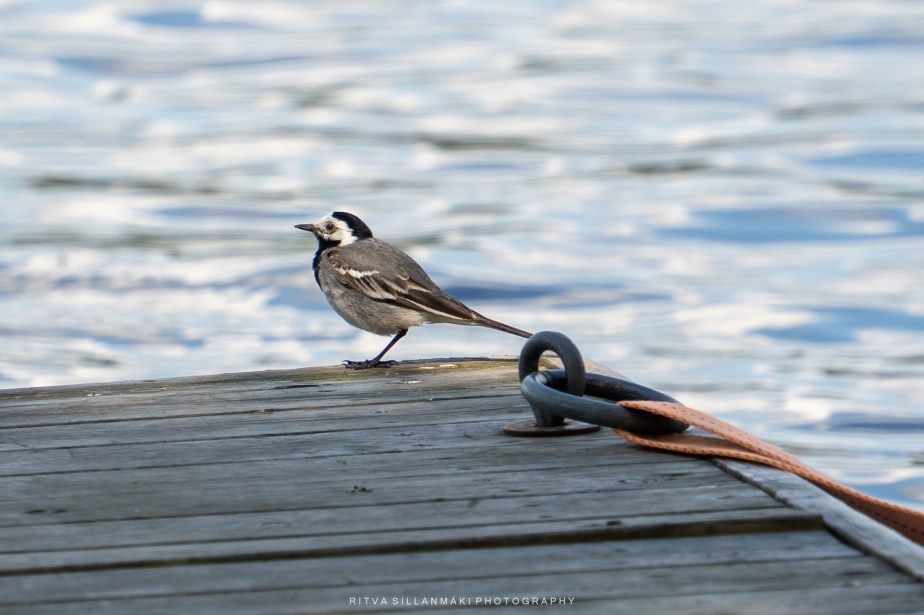
Lens-Artists Challenge #354 – reflections

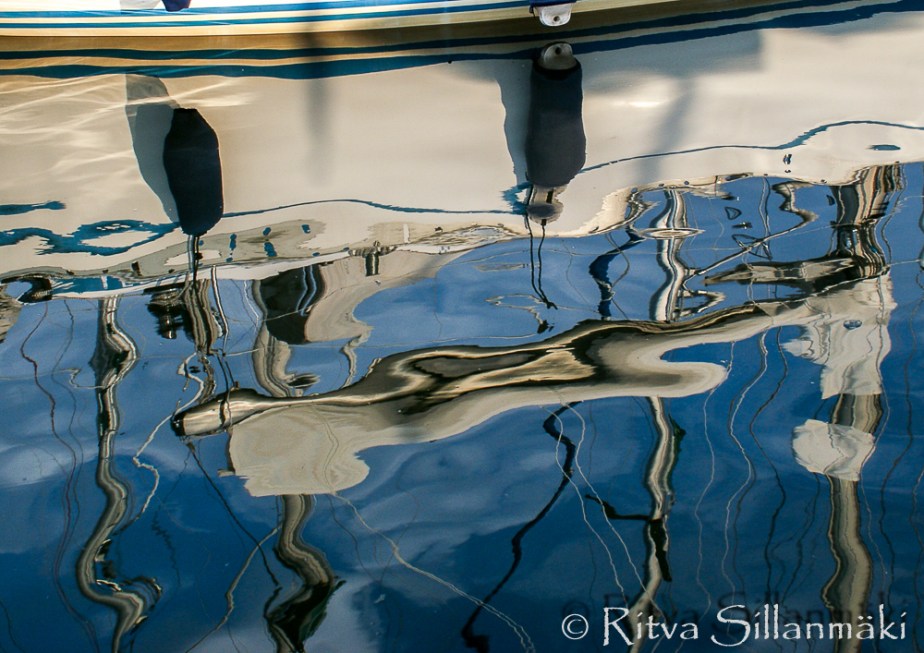
A reflection of boats and masts on calm water, hopefully showcasing the beauty and artistry of reflections in photography.

Lens-Artists Challenge this week is hosted by Anne, and the theme is reflections, please visit her lovely post for inspiration and guidance. I for one often find myself searching for a beautiful reflection. I believe many of us photographers are. “Don’t shoot what it looks like. Shoot what it feels like.” 

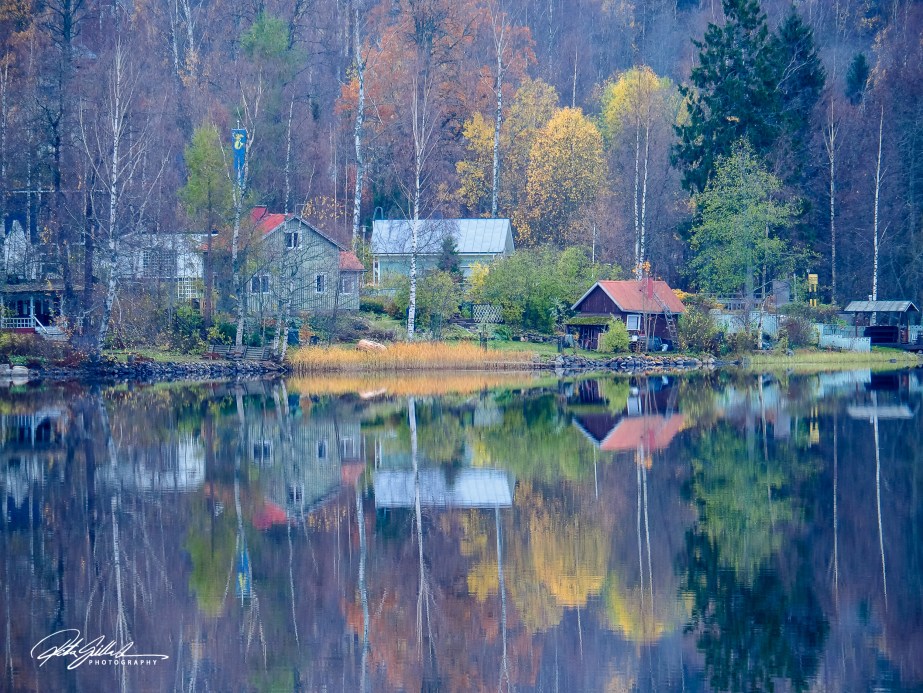
Lake Kukkanen reflection in autumn colors and rustic cottages in Nastola Finland.

“Water’s mirror., “Reflection perfection., “Stillness captured., “Nature’s looking glass., and “Water’s silent poetry.

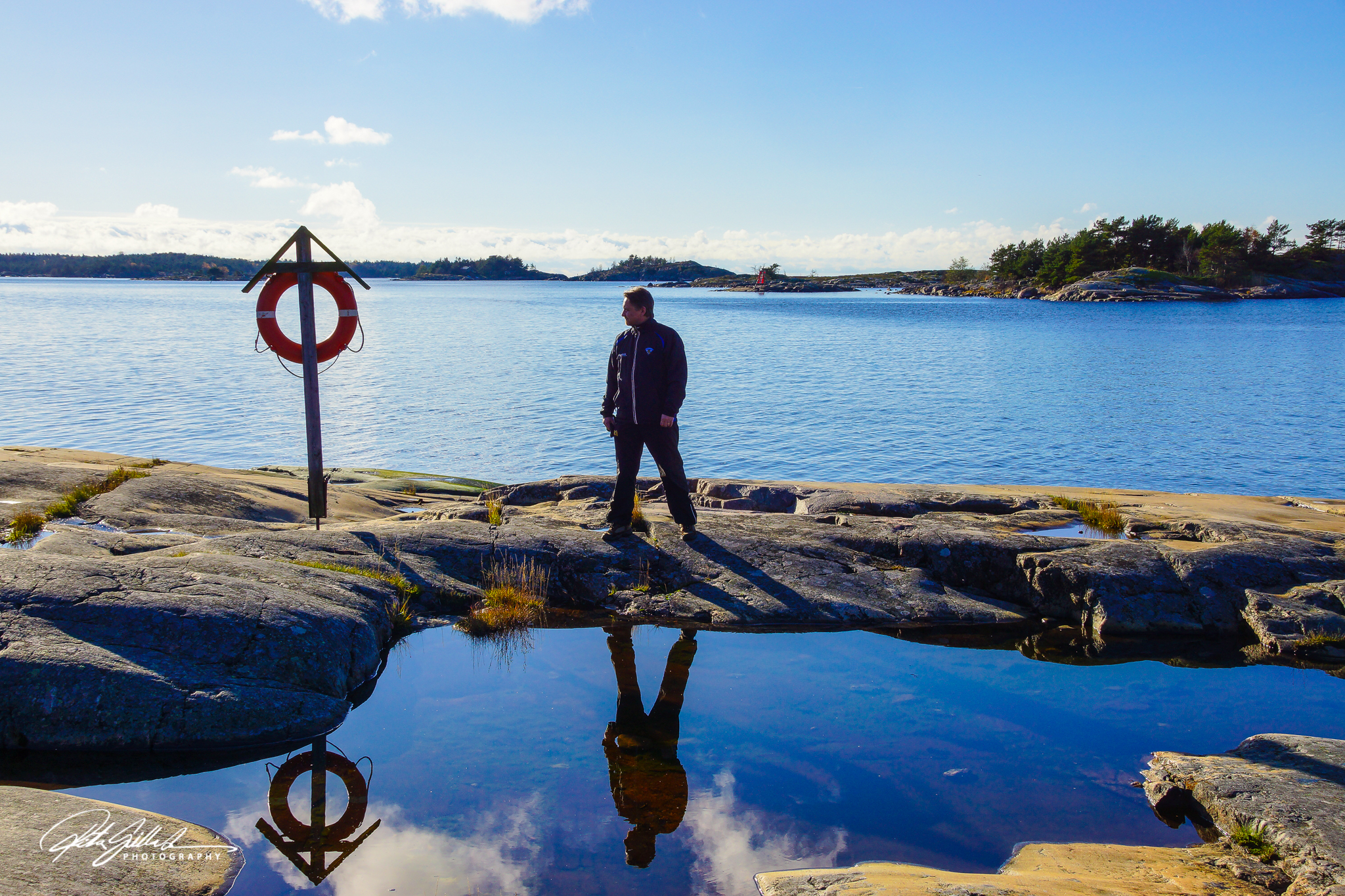
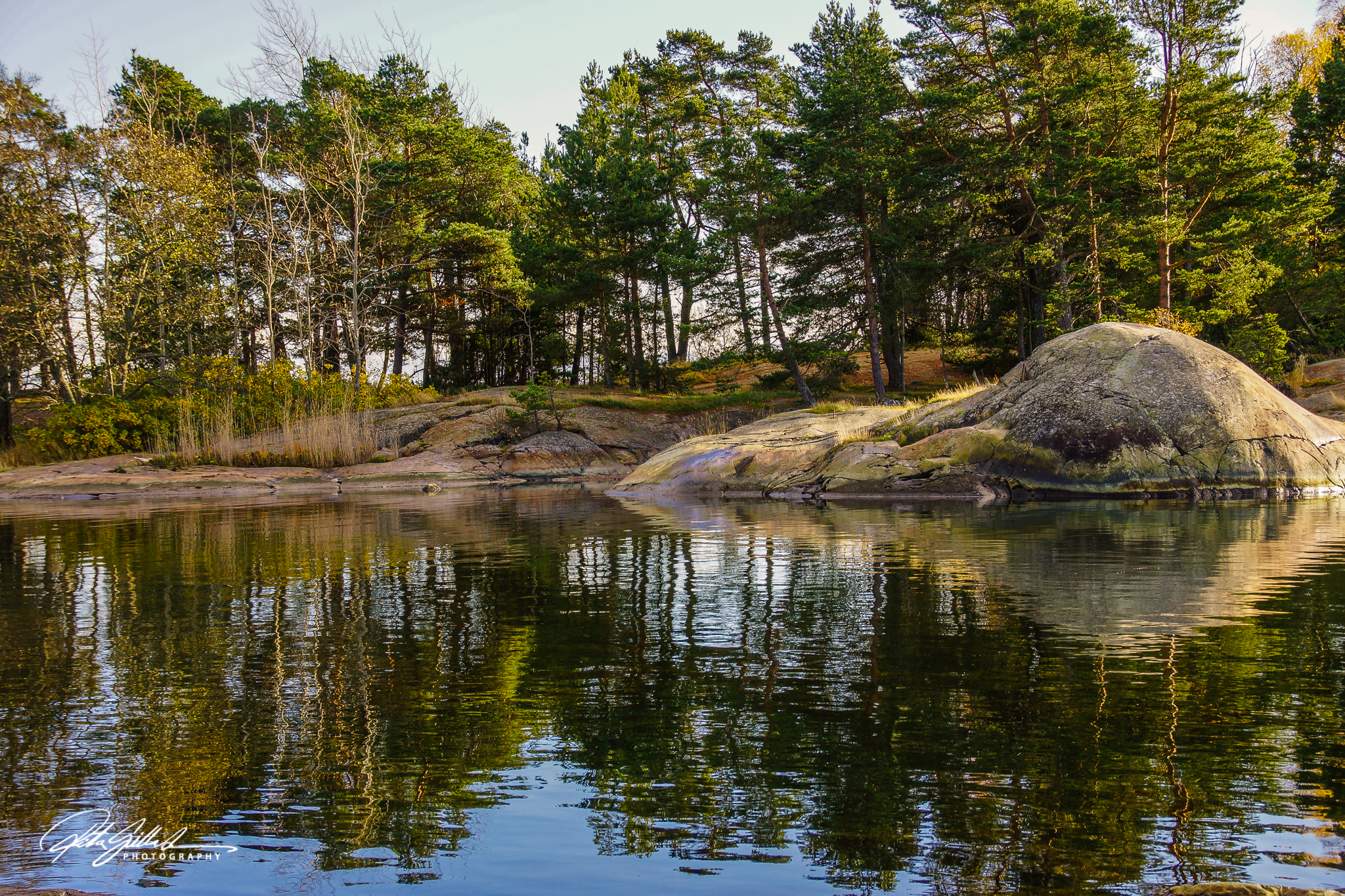
Shots below I took at Porkkalanniemi in Kirkkonummi, a stunning location known for its breathtaking natural beauty and serene landscapes. The area is surrounded by the tranquil waters of the Gulf of Finland, which reflect the vibrant colors of the sky during sunrise and sunset. As I wandered along the rocky coastline, I was captivated by in this environment, this picturesque region.


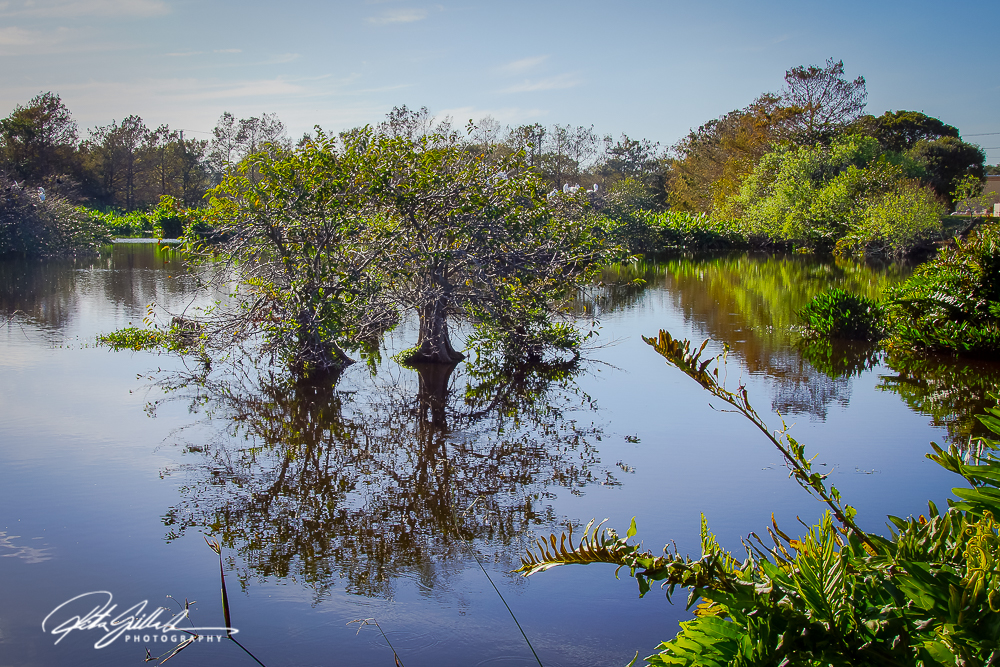
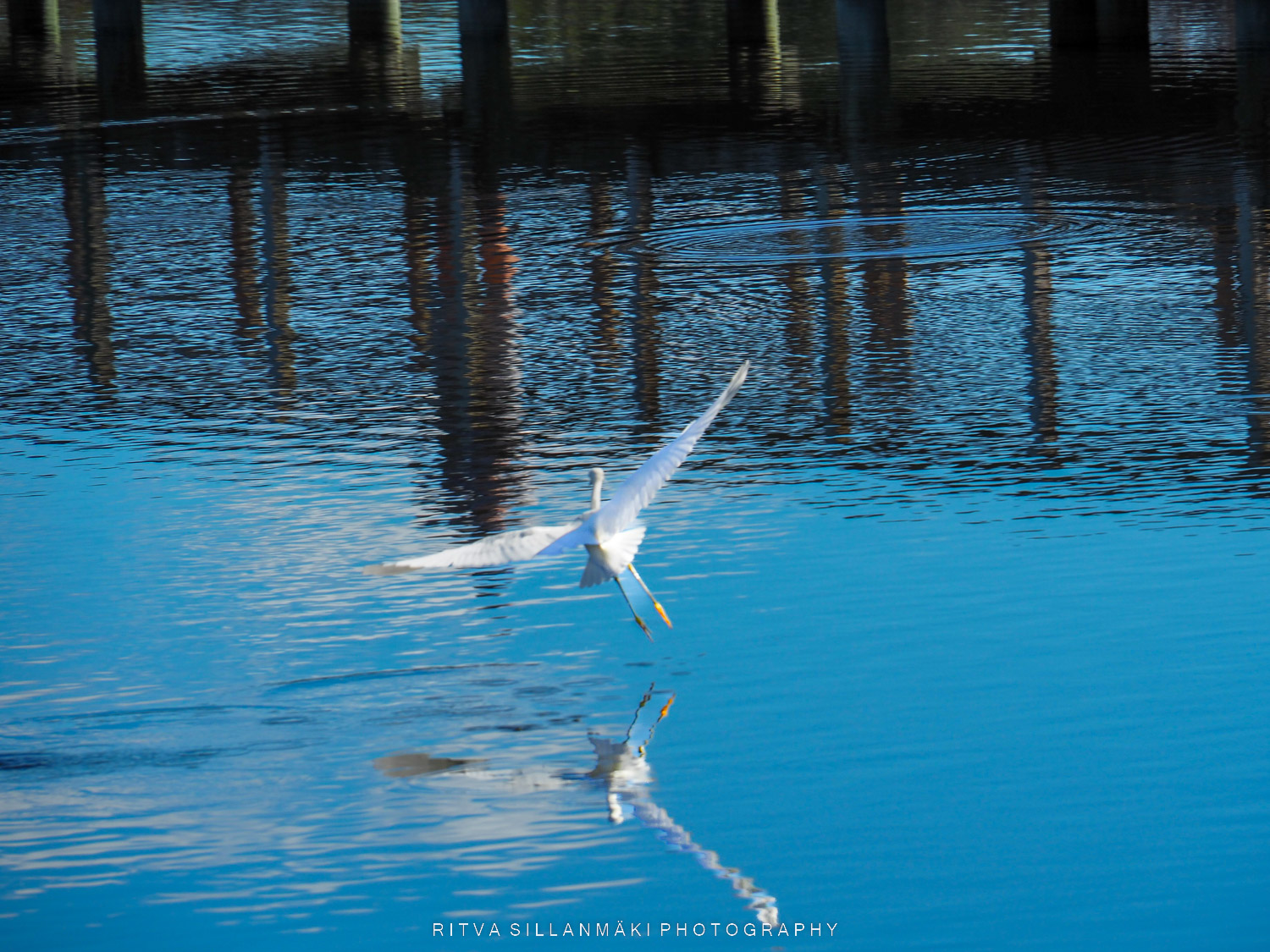
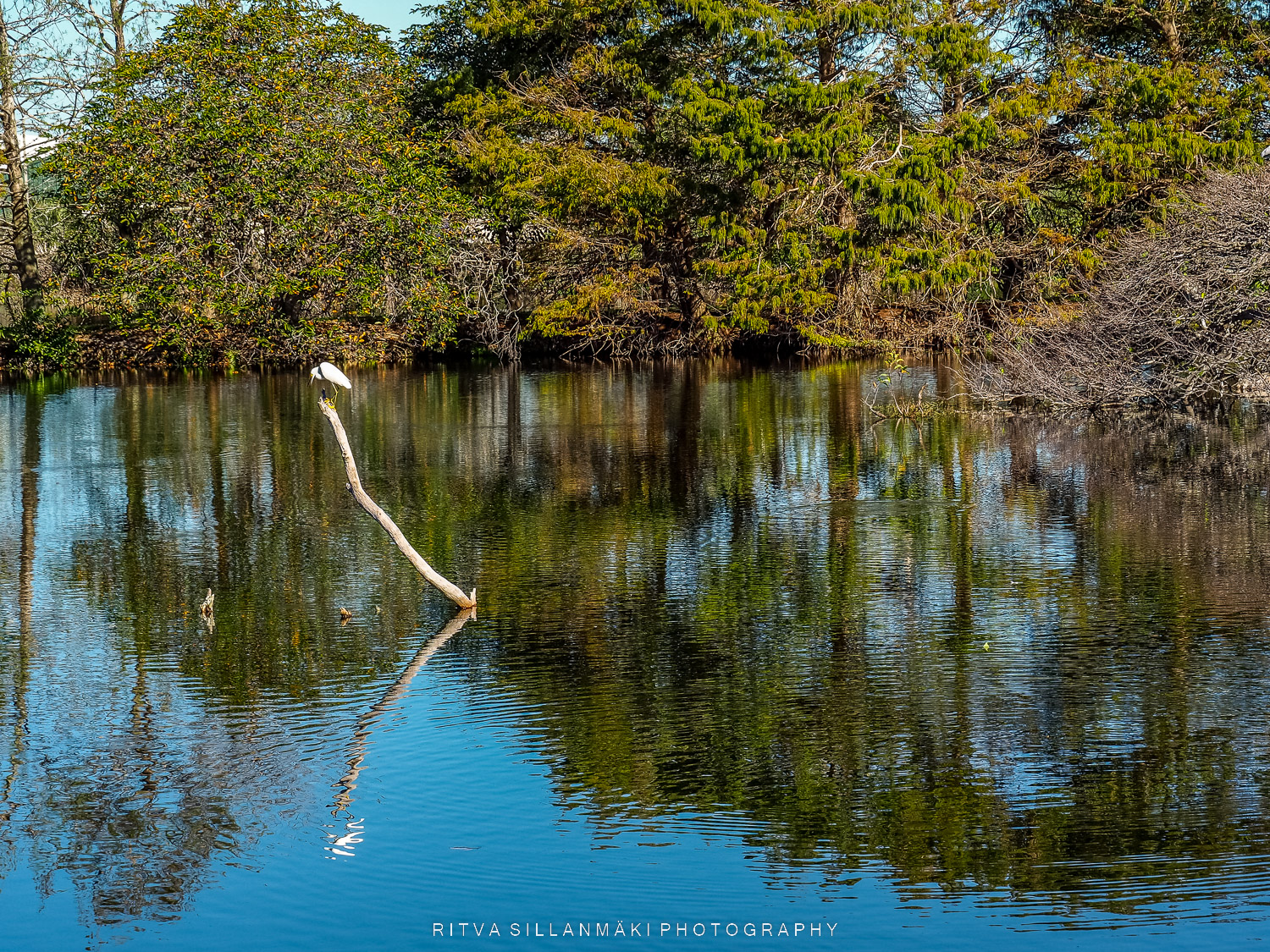
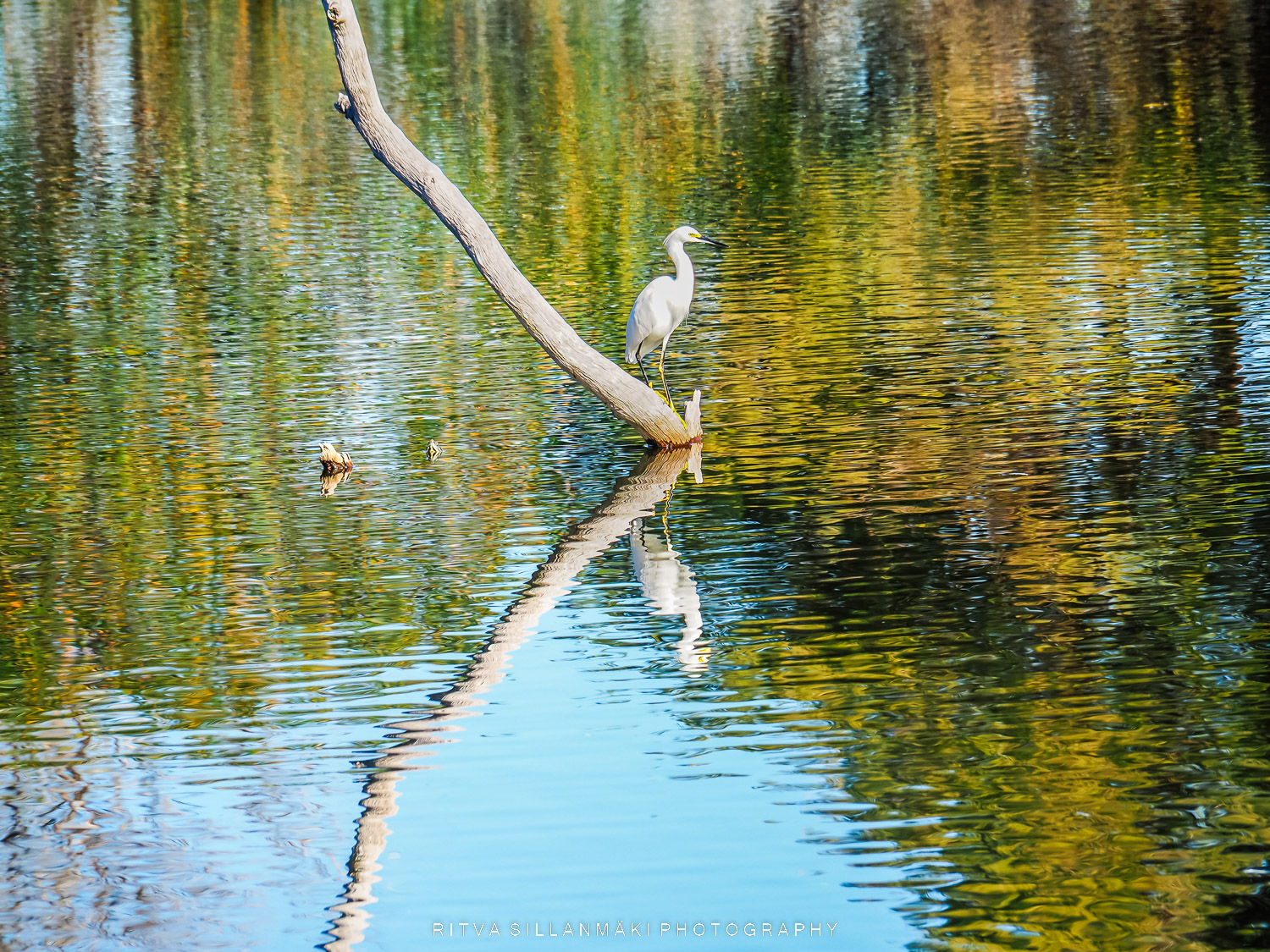
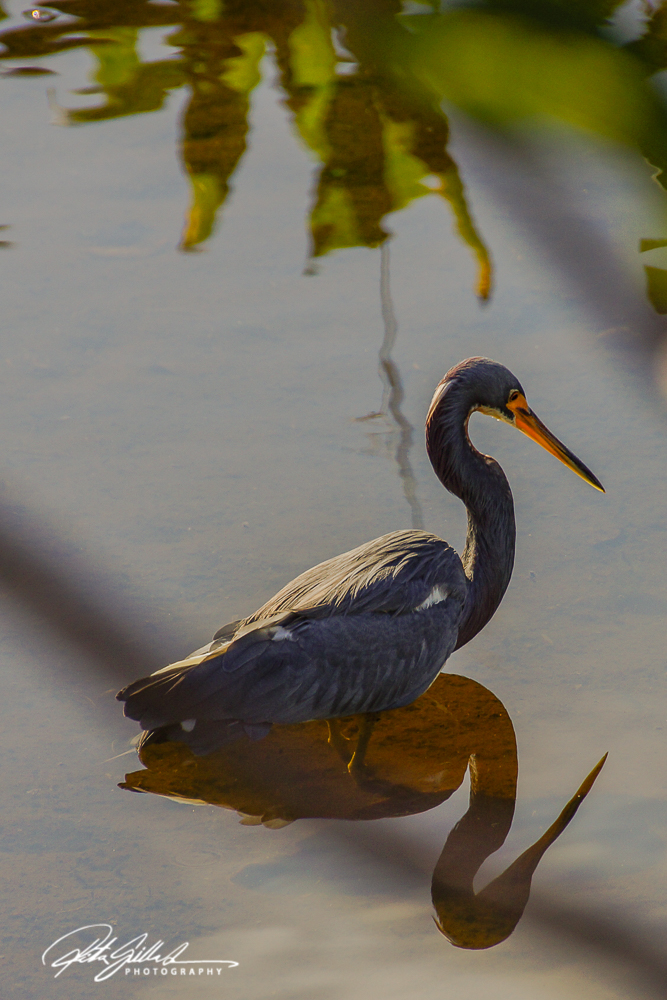
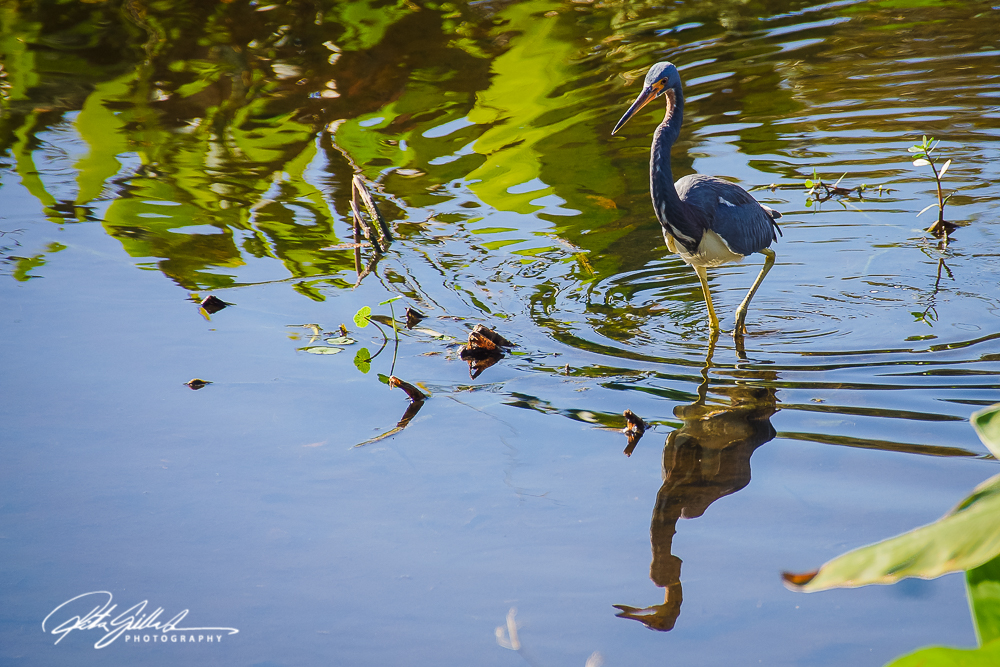
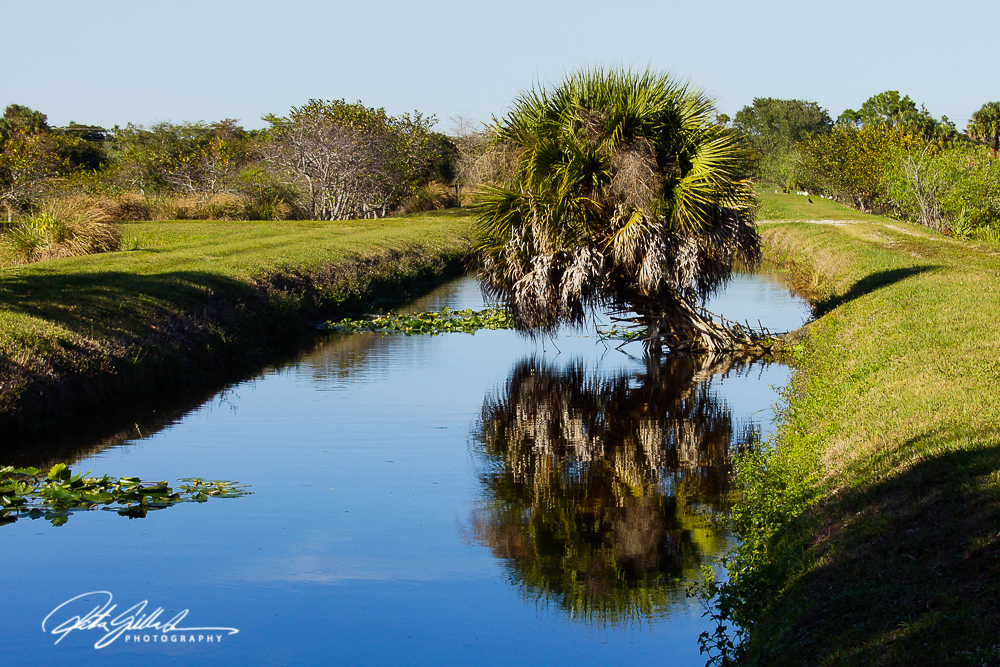
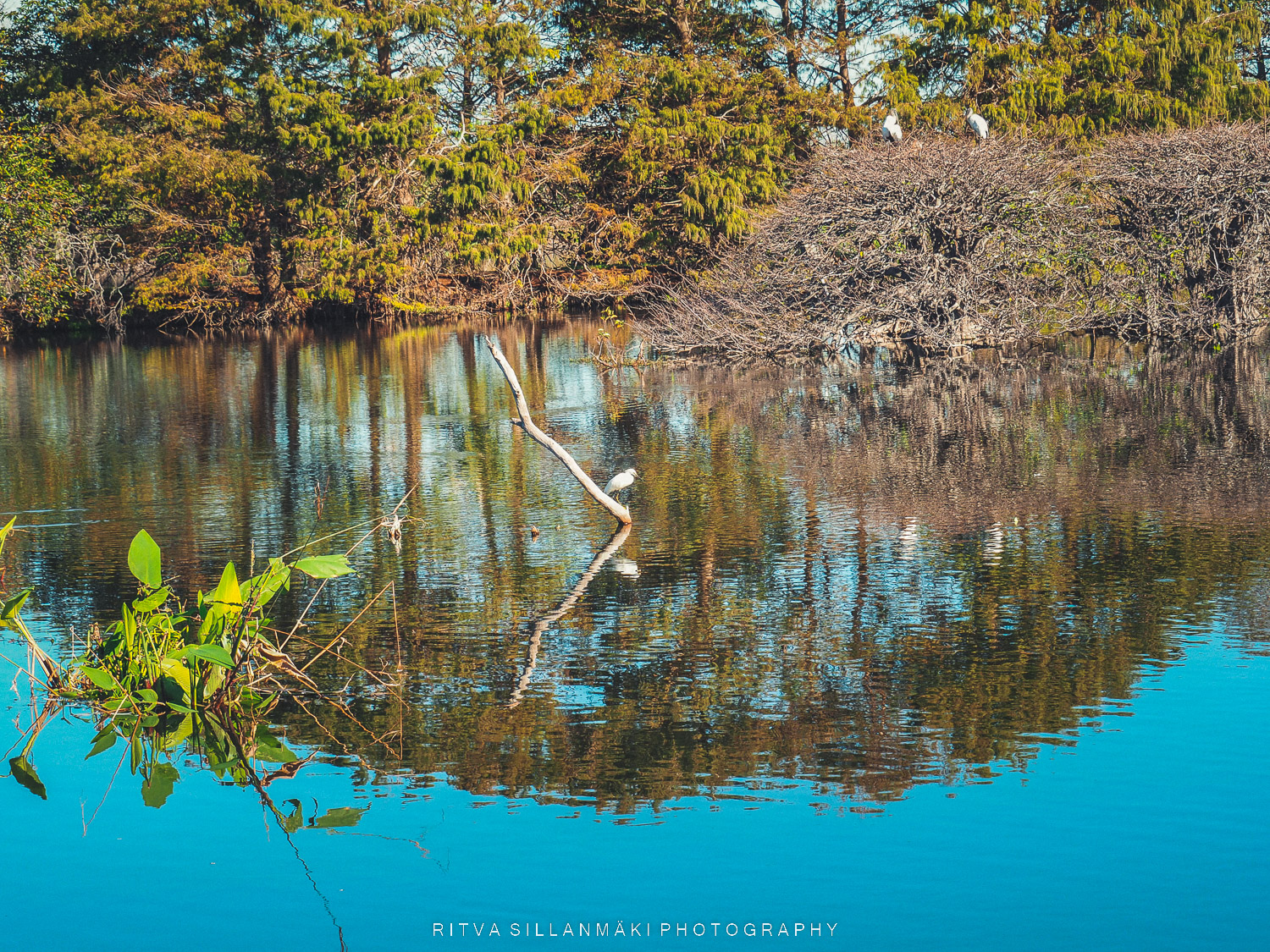
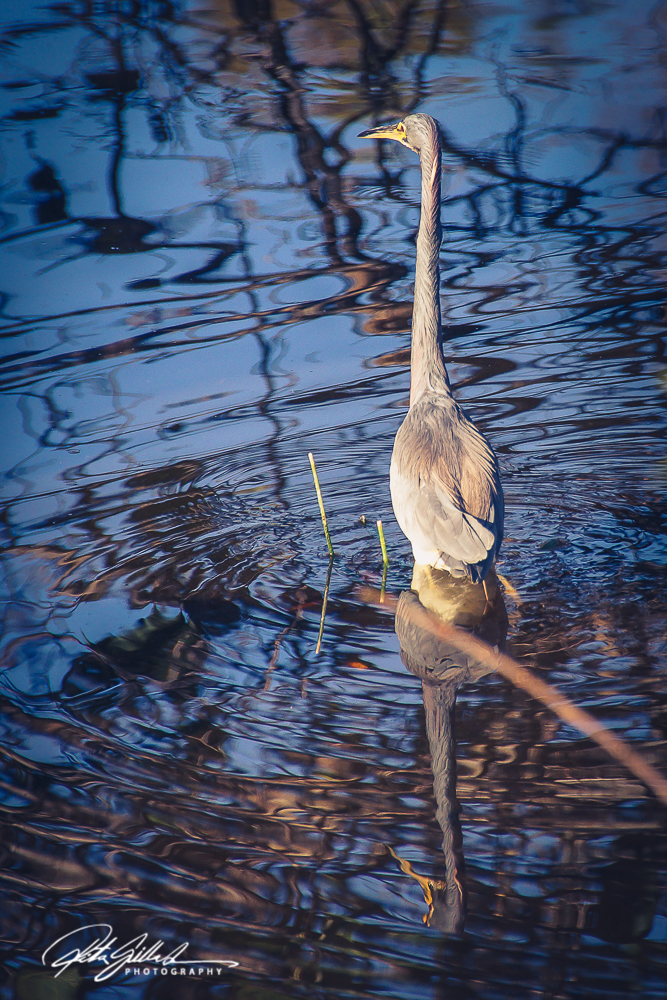
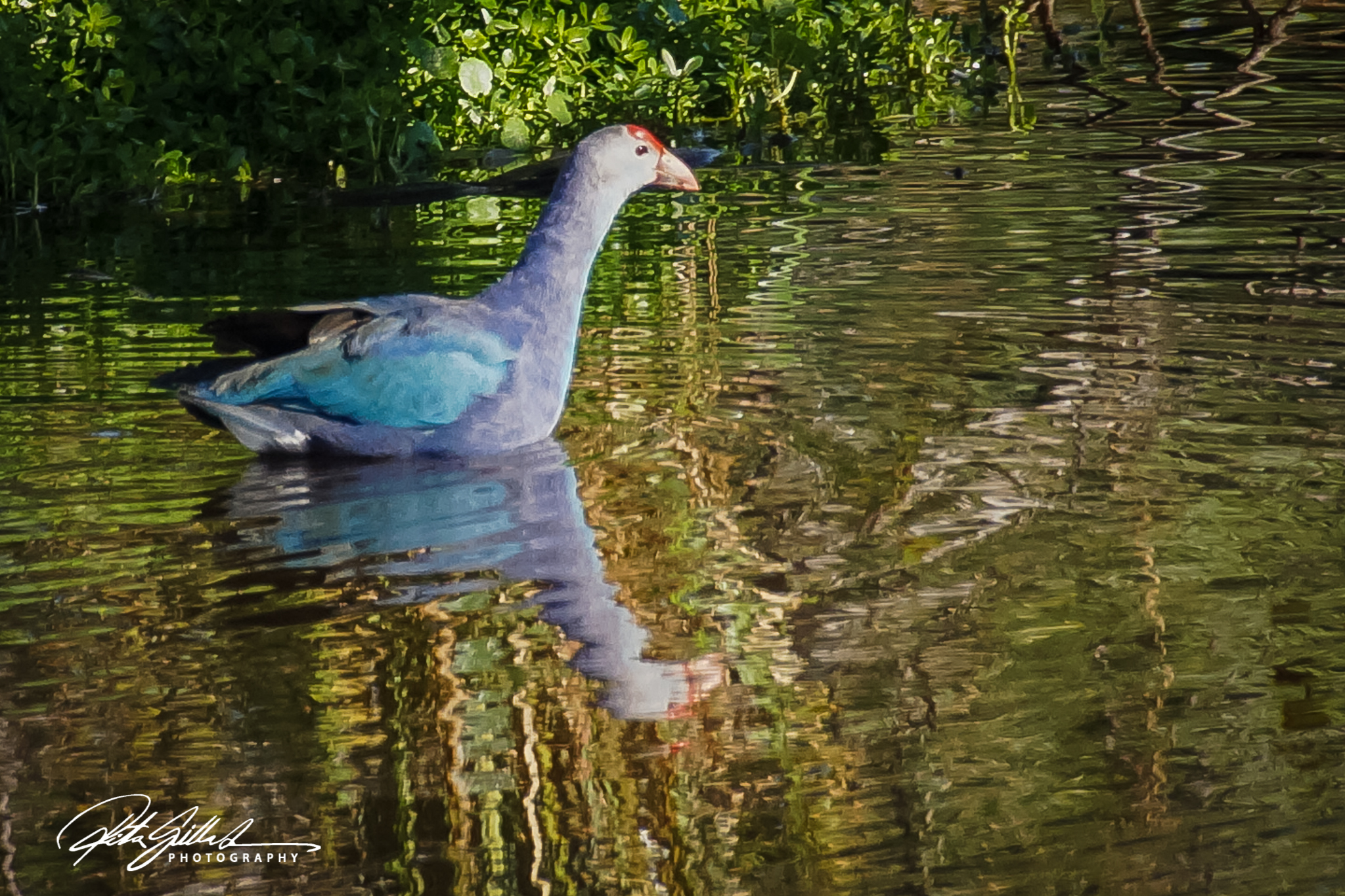
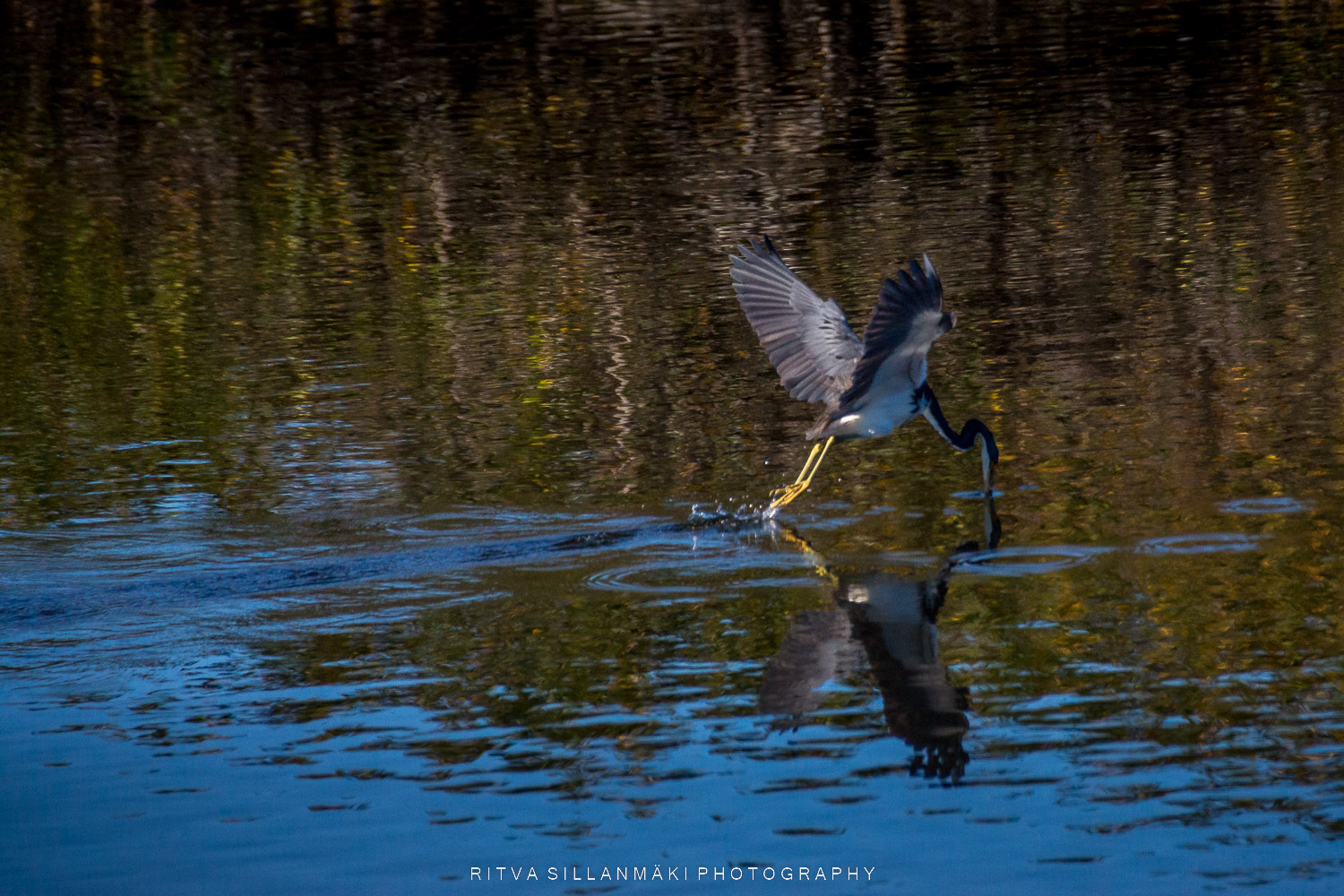
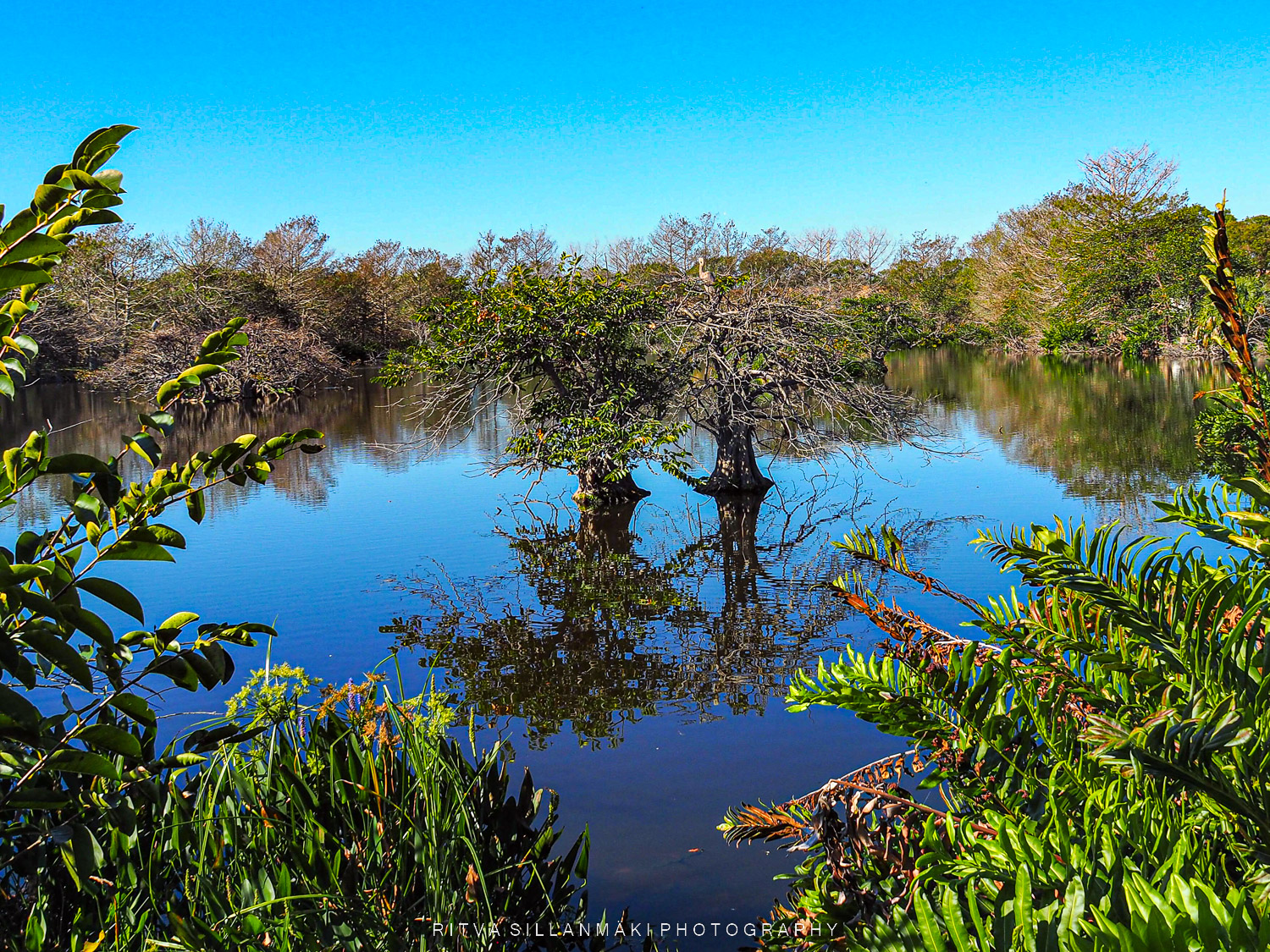
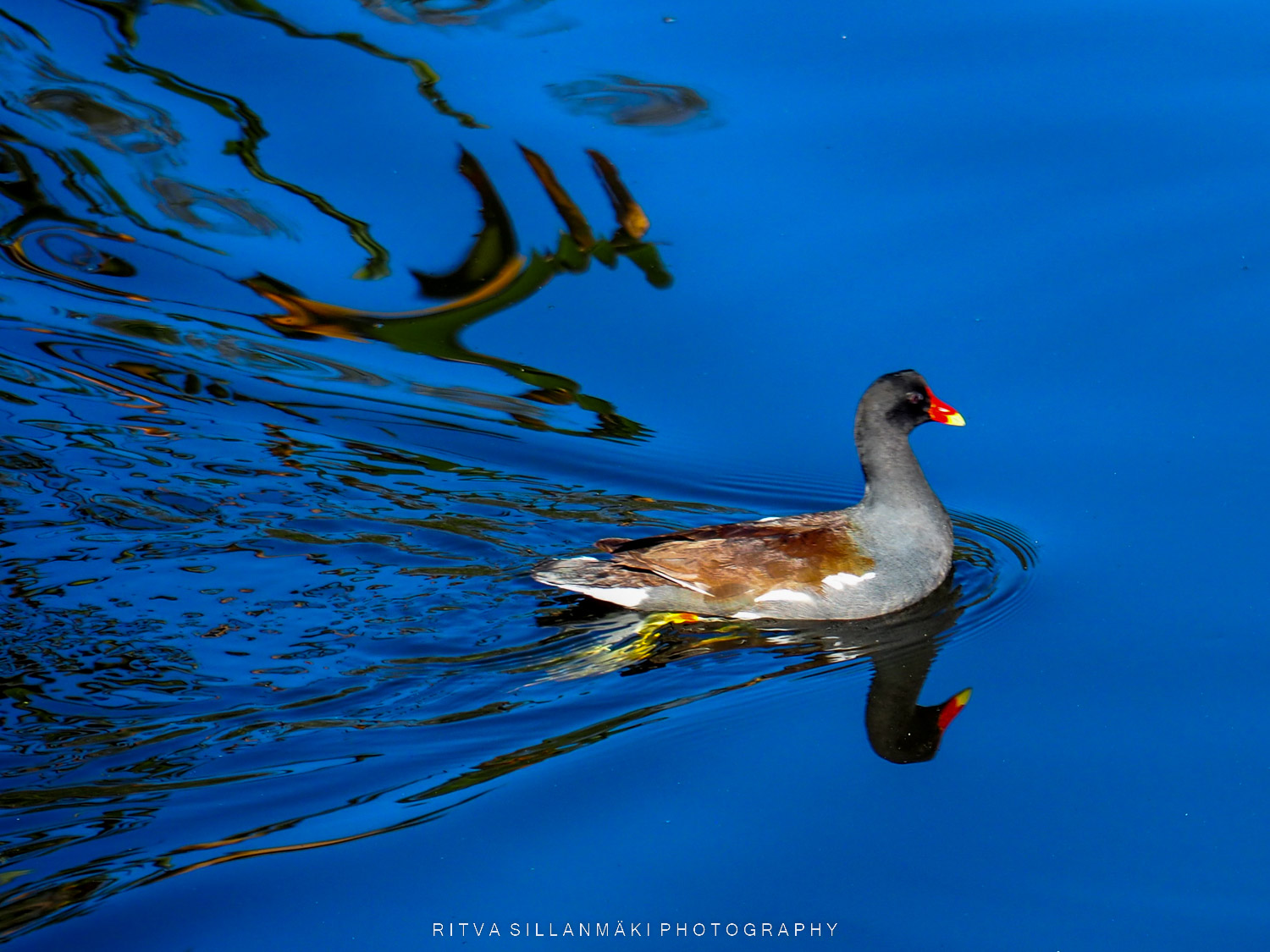
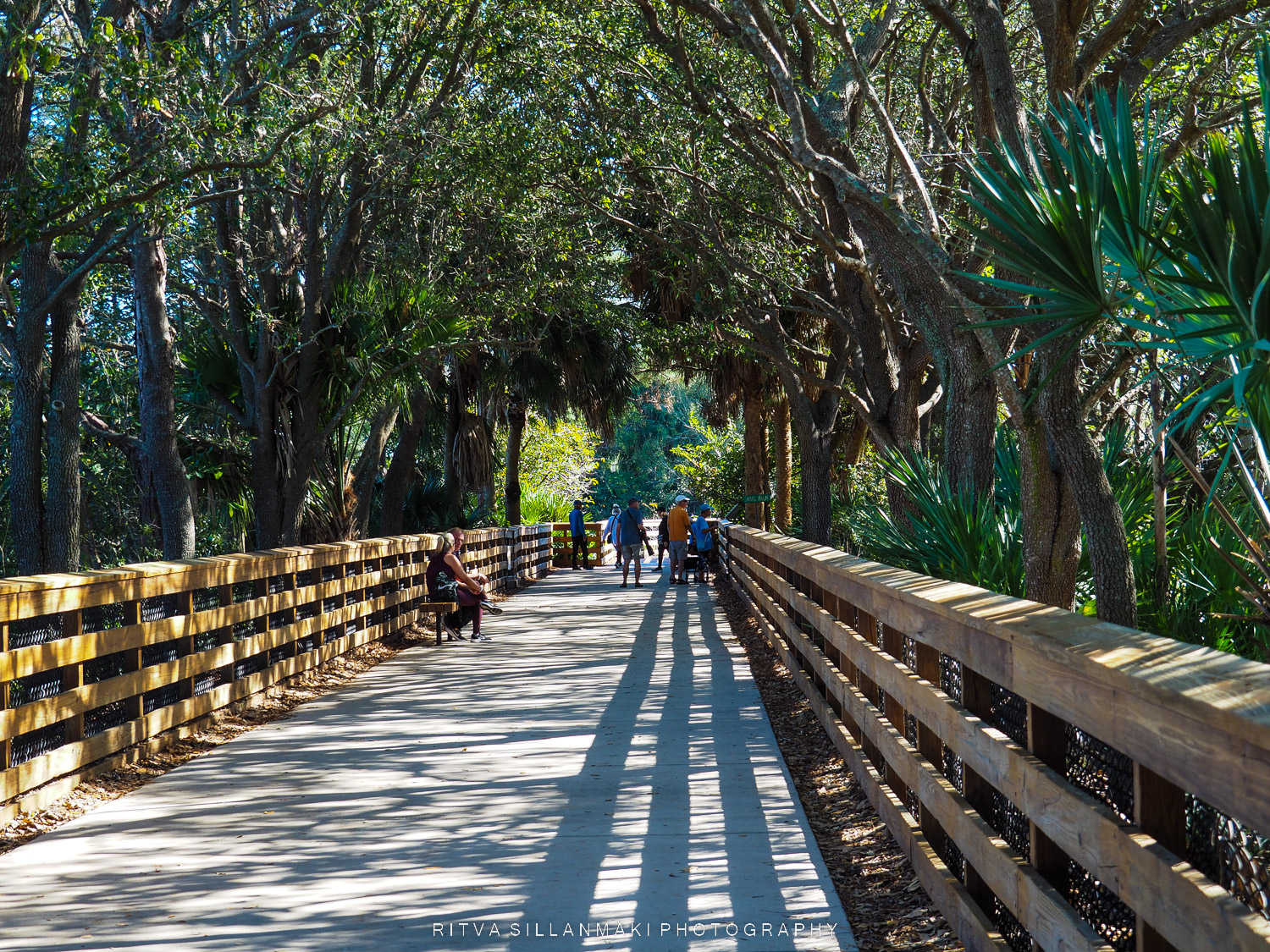
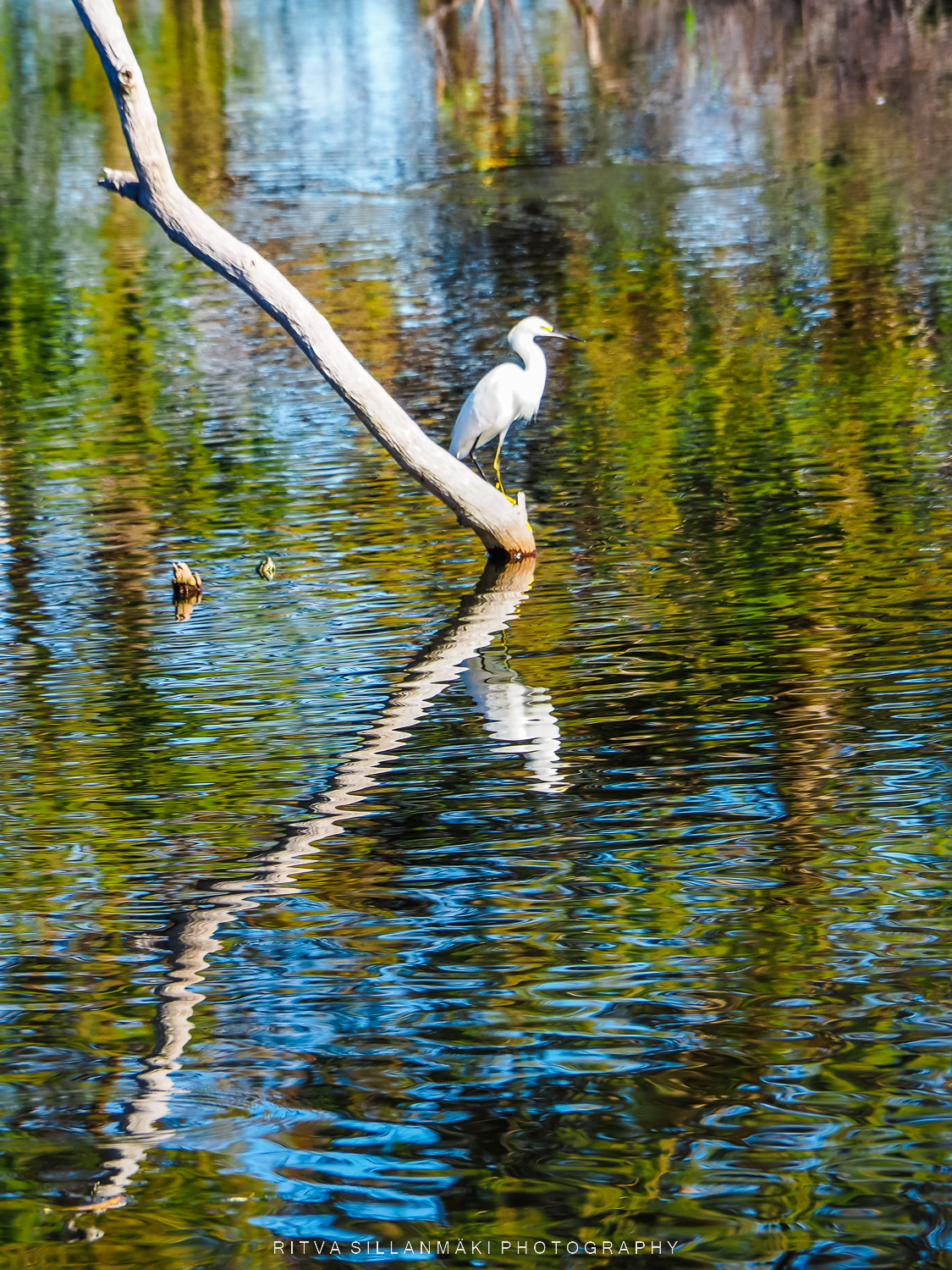
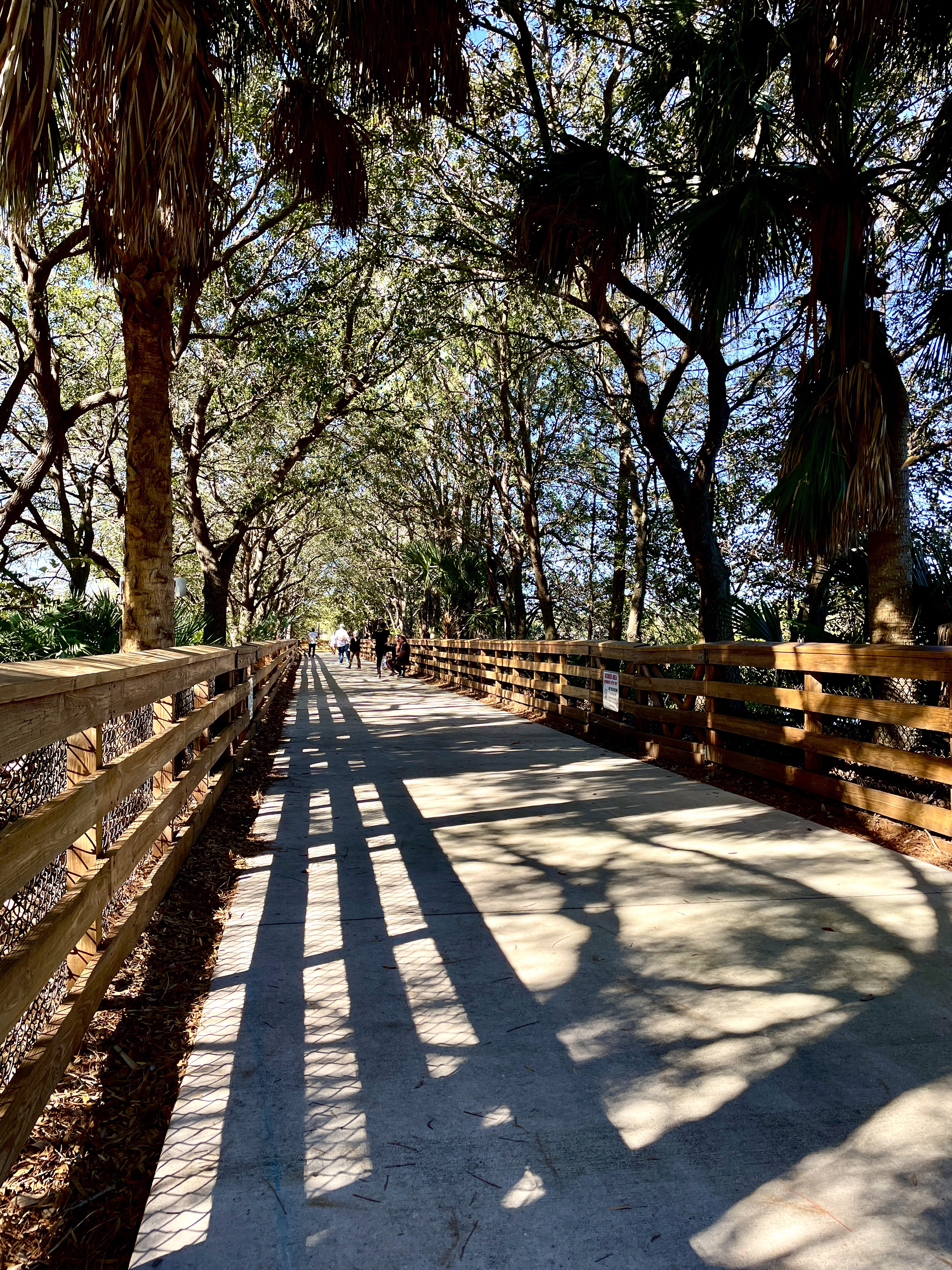
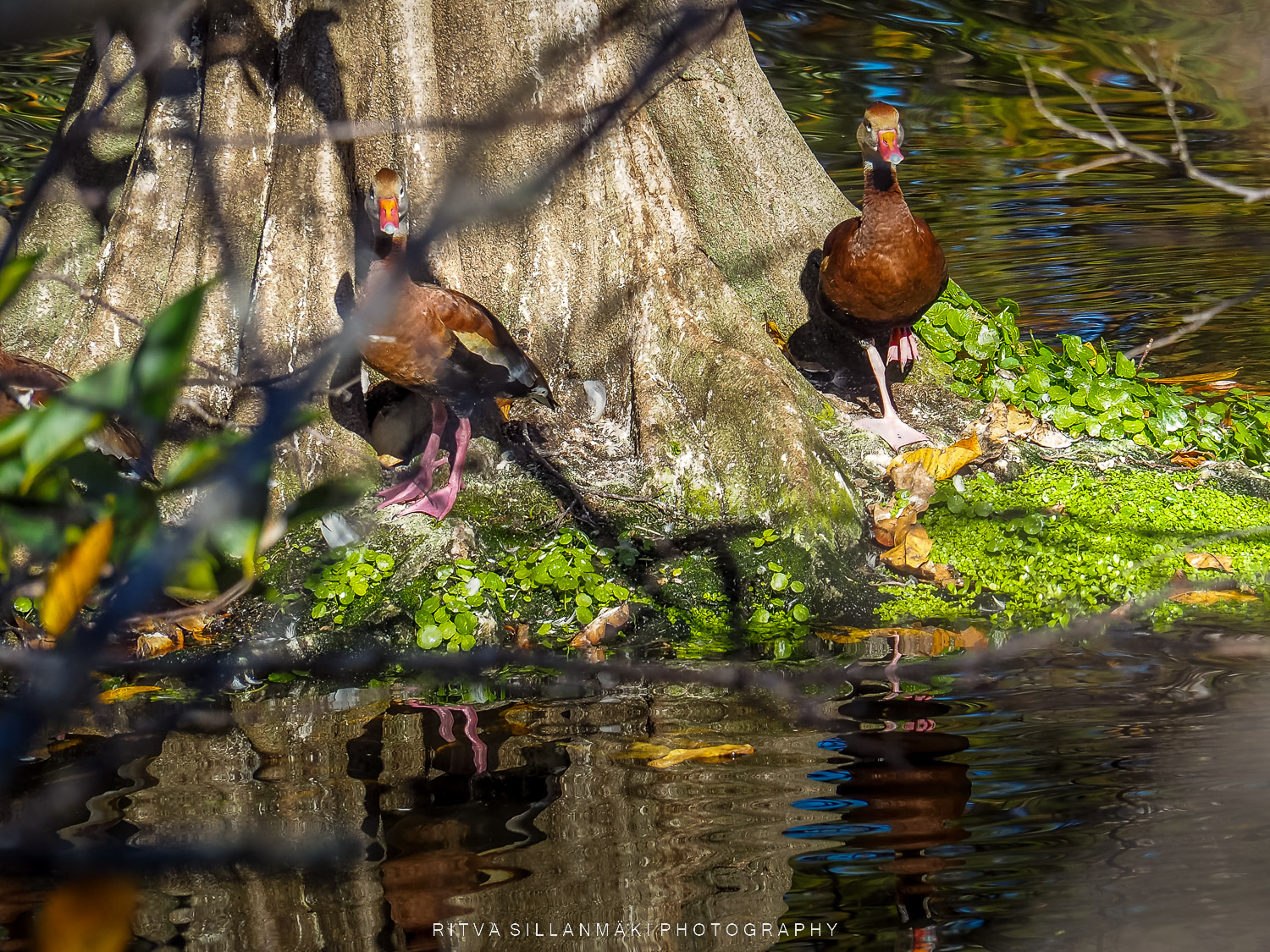
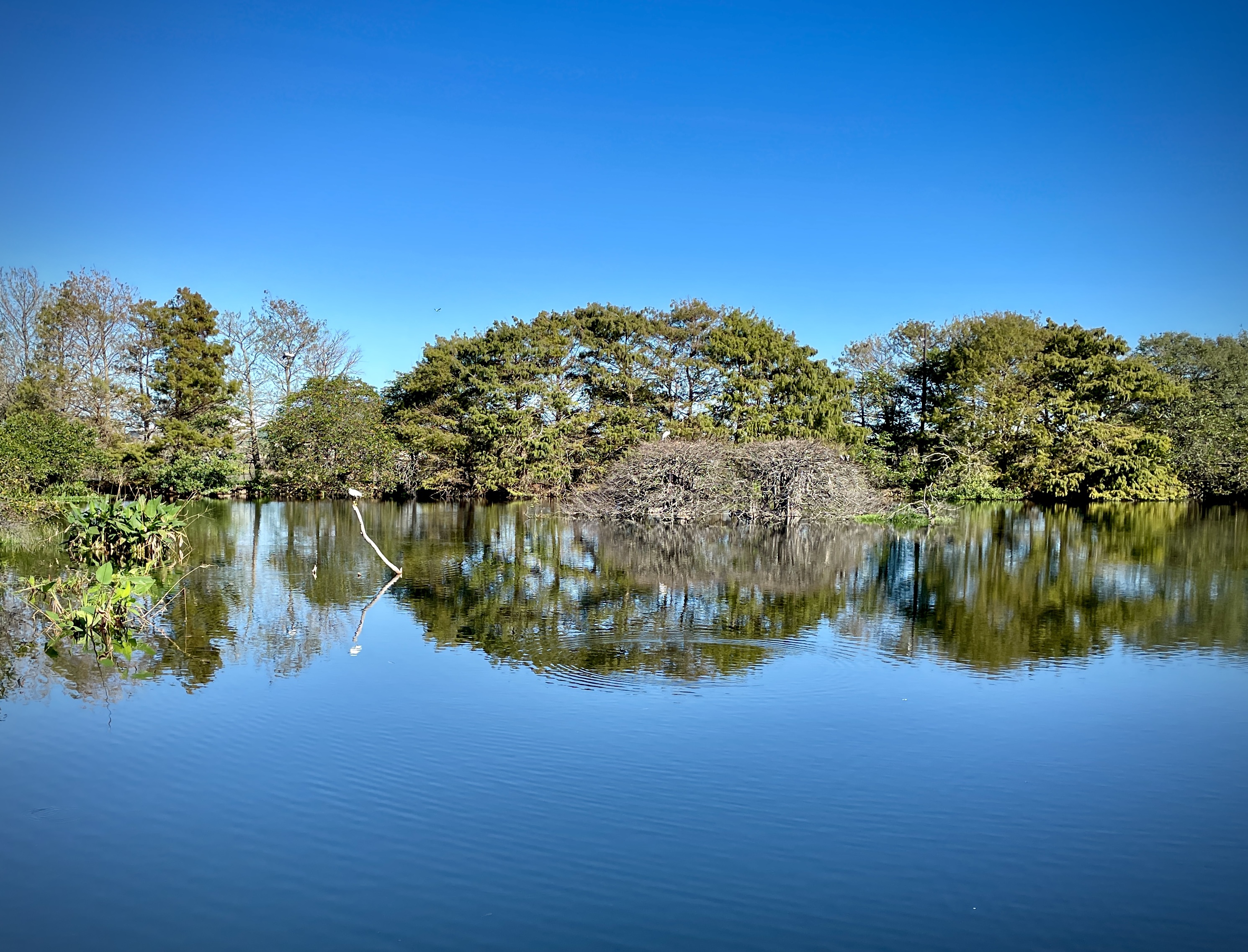
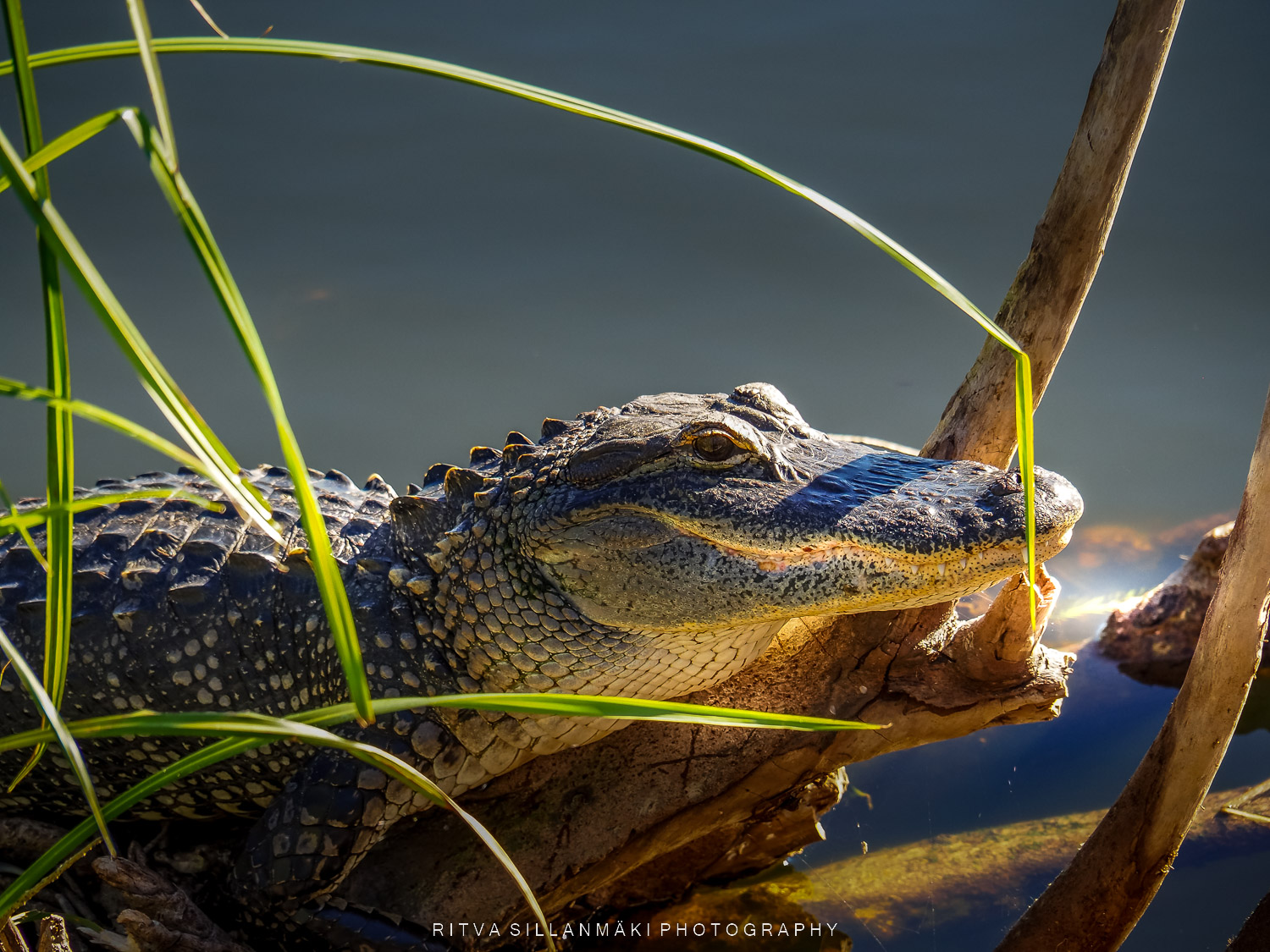
Wakodahatchee Wetlands is a stunning nature preserve located in Delray Beach, Florida, celebrated for its rich diversity of wildlife and picturesque walking trails. Spanning over 50 acres, it boasts a charming boardwalk that invites visitors to explore the wetlands and delight in observing a variety of species, including playful alligators, curious turtles, and a vibrant array of birds, such as graceful herons and elegant egrets. The preserve not only serves as a vital habitat for wildlife but also offers excellent educational resources about the local ecosystem, making it a beloved destination for nature enthusiasts and birdwatchers eager to connect with the beauty of the natural world. That is were the shots below have been taken, while searching for birds and reflections.

Reflections in photography frequently introduce an element of depth, curiosity, and artistic nuance to an image. They can signify duality, uncover concealed angles, or merely elevate the visual allure of a scene. Numerous photographers and viewers have noted the potency of reflections, employing expressions that convey their capacity to turn the mundane into something enchanting or intellectually stimulating.

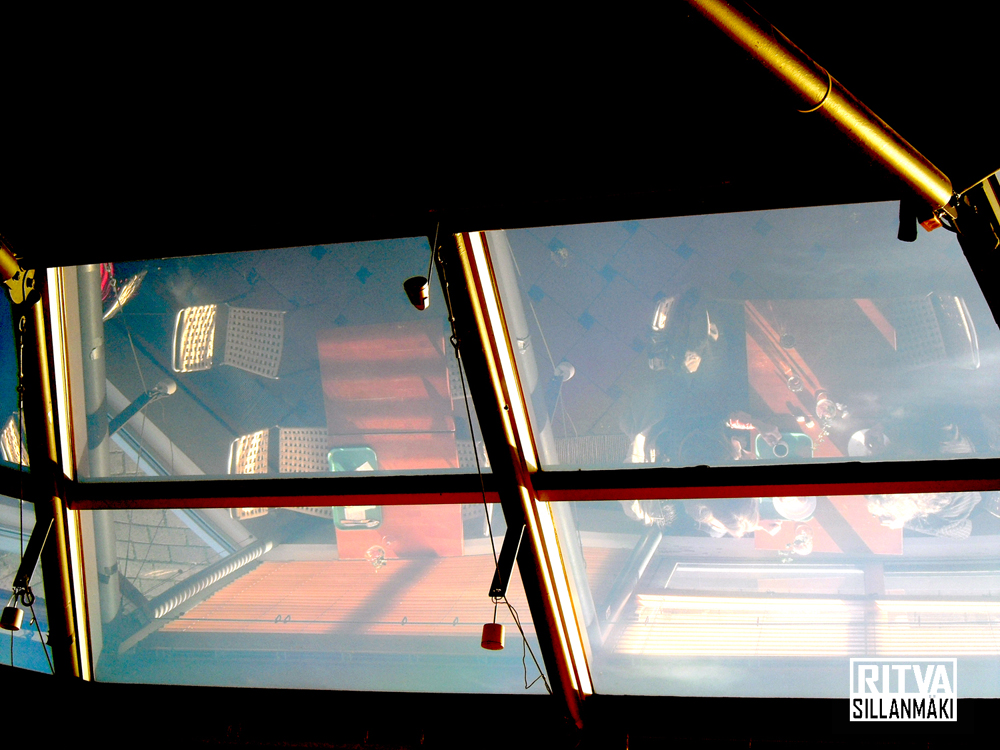
A contemplative moment captured through reflective surfaces, showcasing the interplay of light and color.
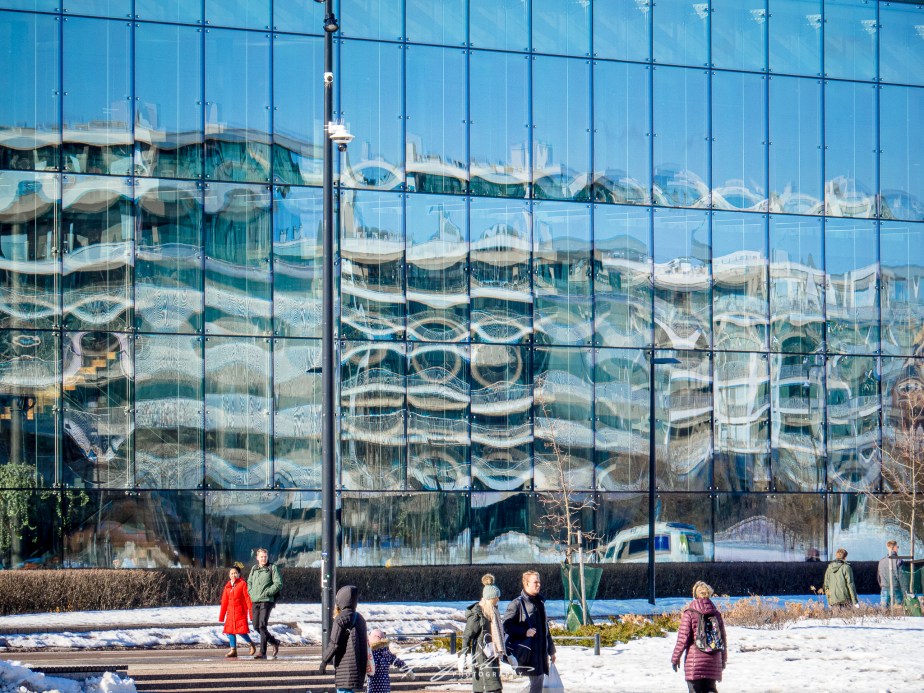
A vibrant reflection of urban life captured in glass, showcasing the interplay of architecture in Helsinki.

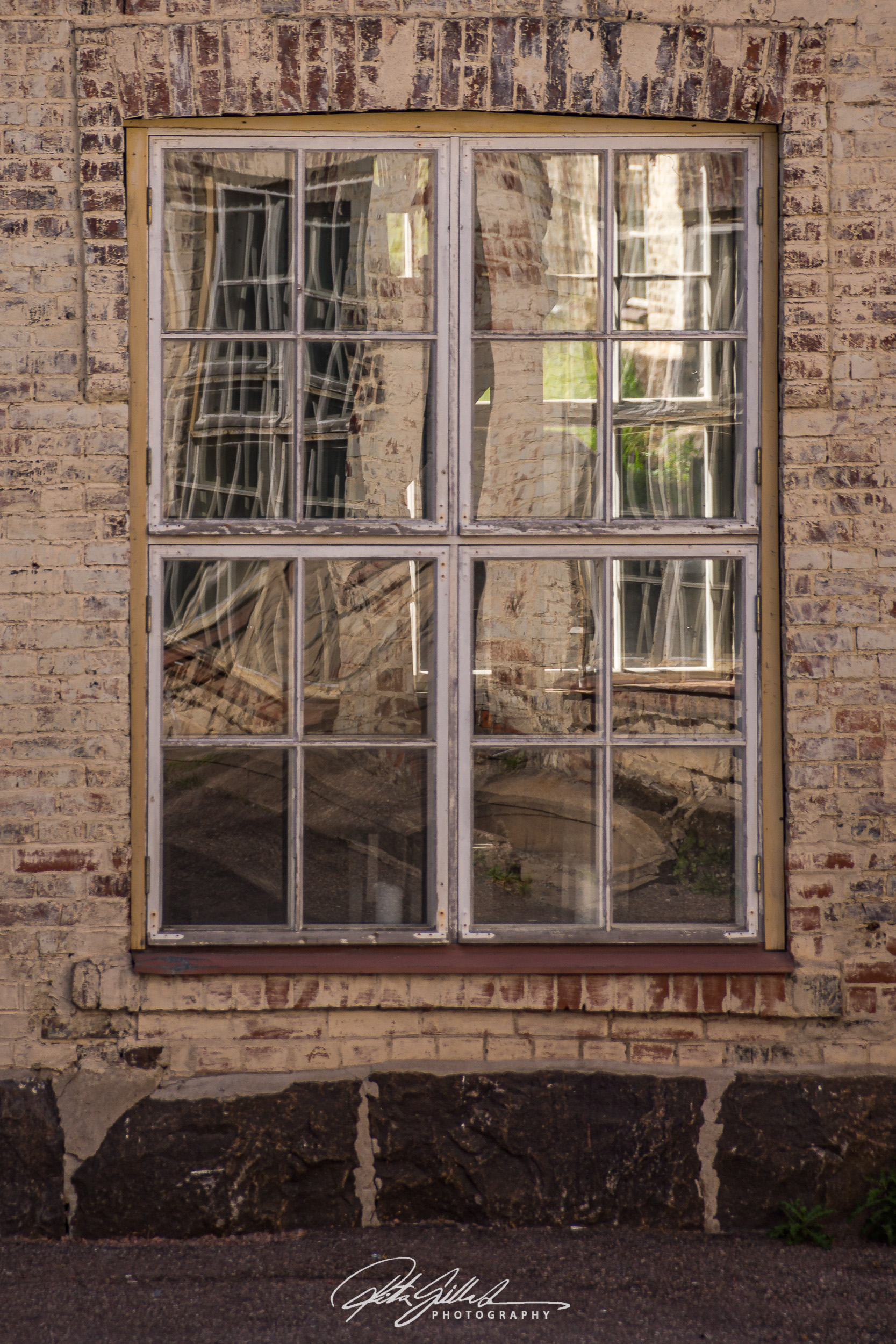
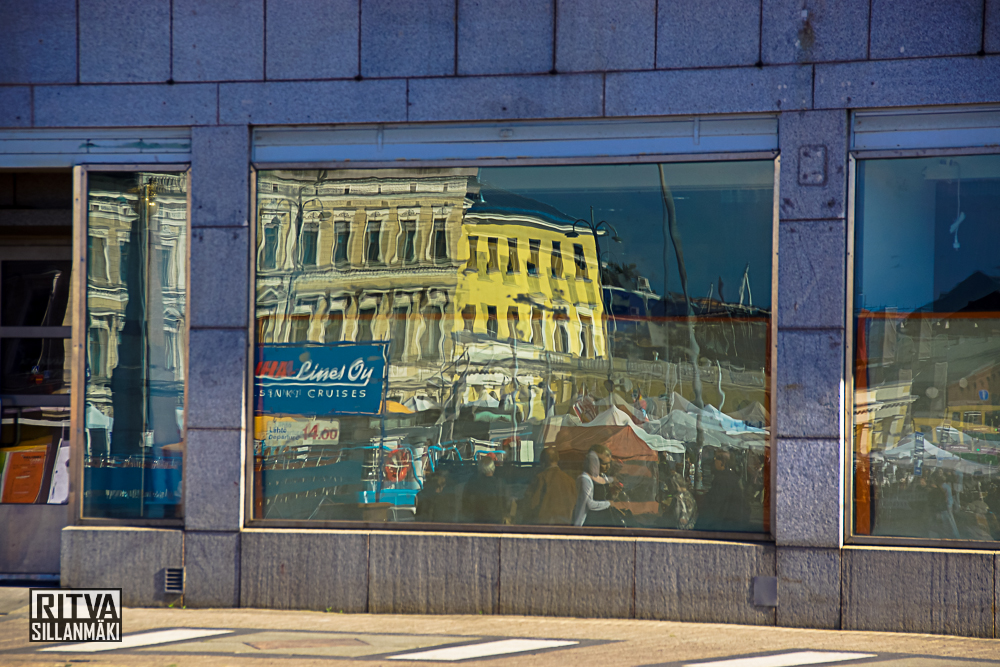
Below you can see reflections from from different locations.


Thanks for last week’s challenge Beth and everyone who participated in last week’s challenge; it was a tumultuous end to the week with the stormy moments you all contributed. Lastly, we invite you to join us next week as Ann-Christine leads us with something new next Saturday, June 28 at noon Eastern Time . Until then, keep on smiling.

For information on how to join the Lens-Artists challenge please click here.
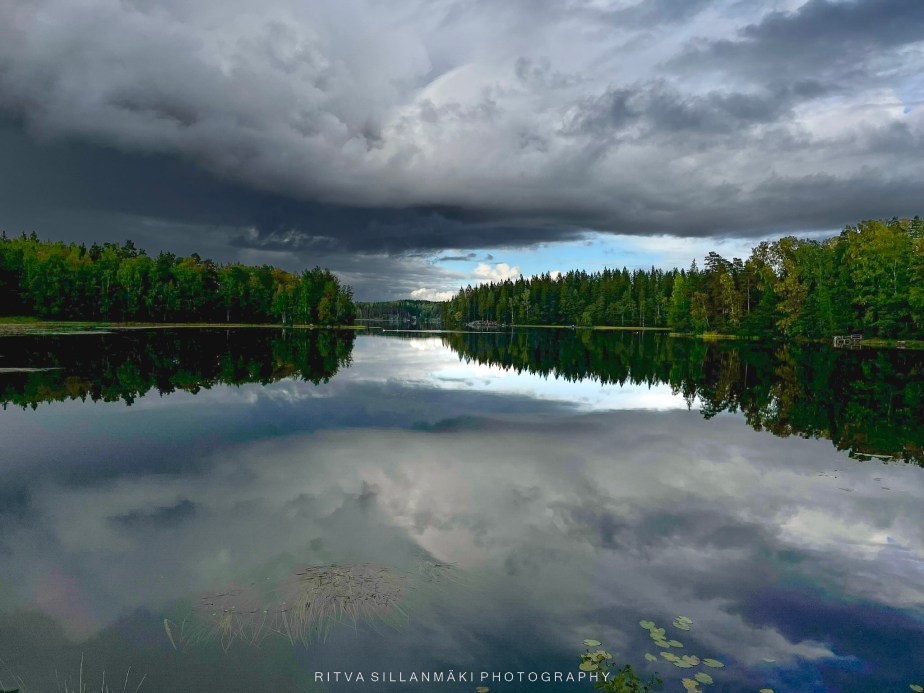
Mount Gambier: Blue Lake and Sinkholes

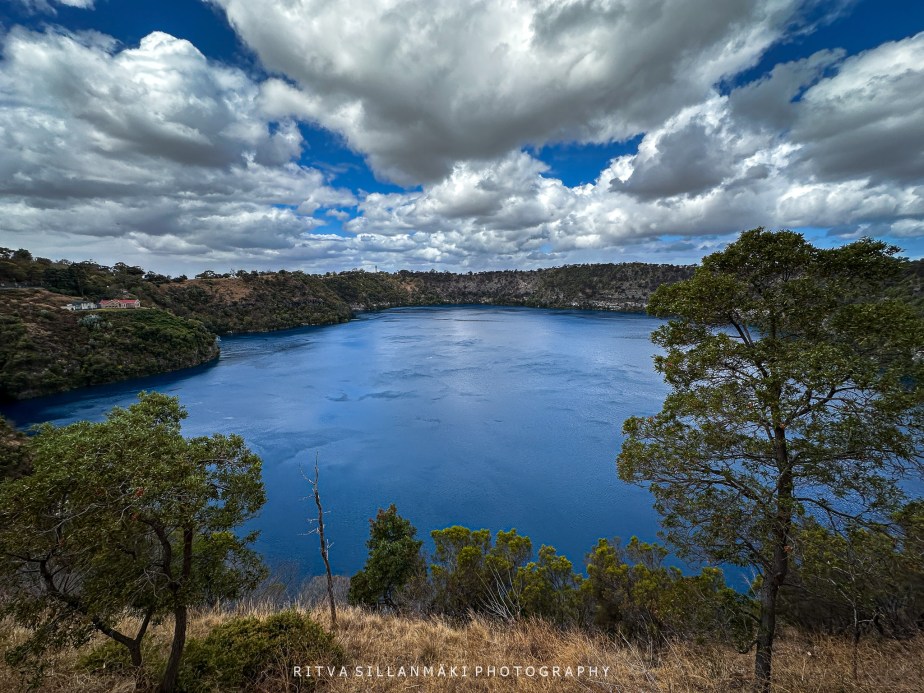
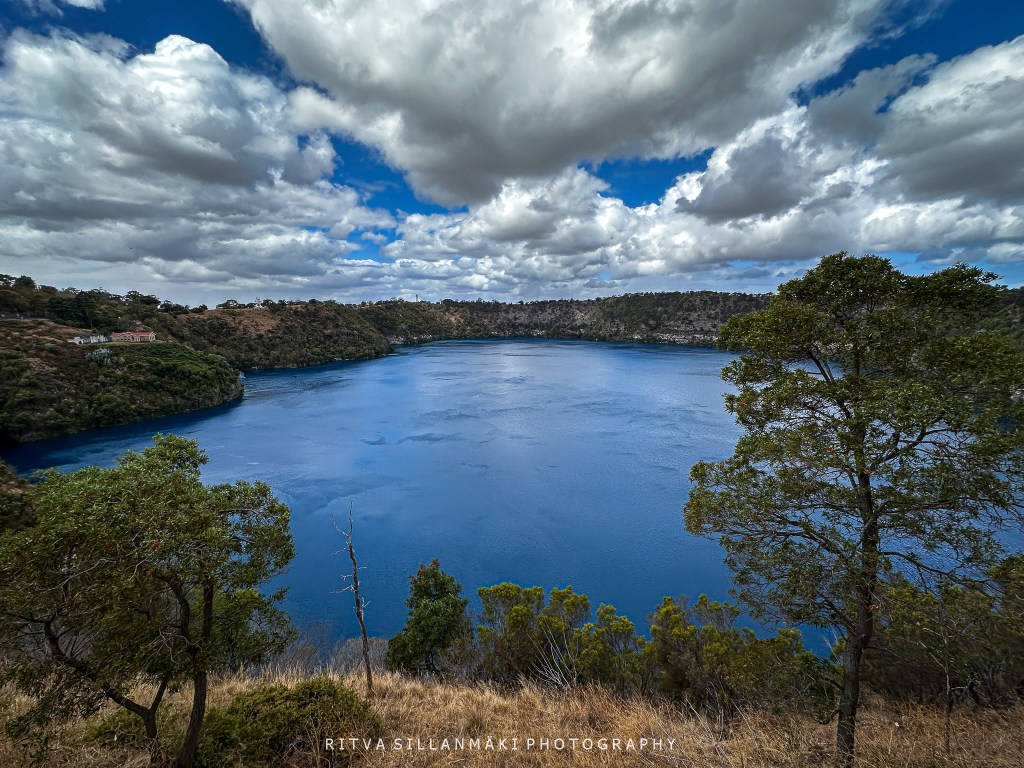
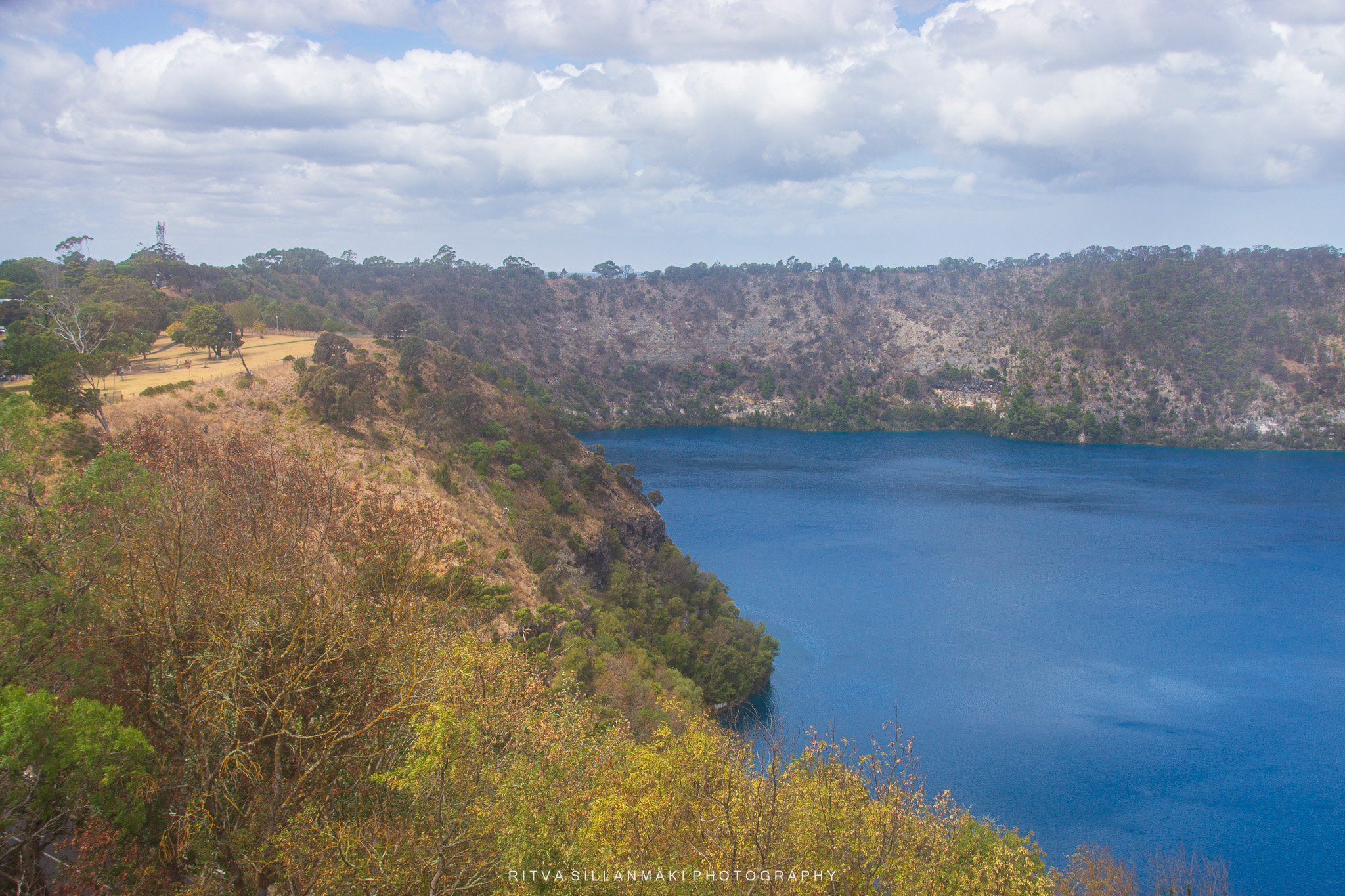
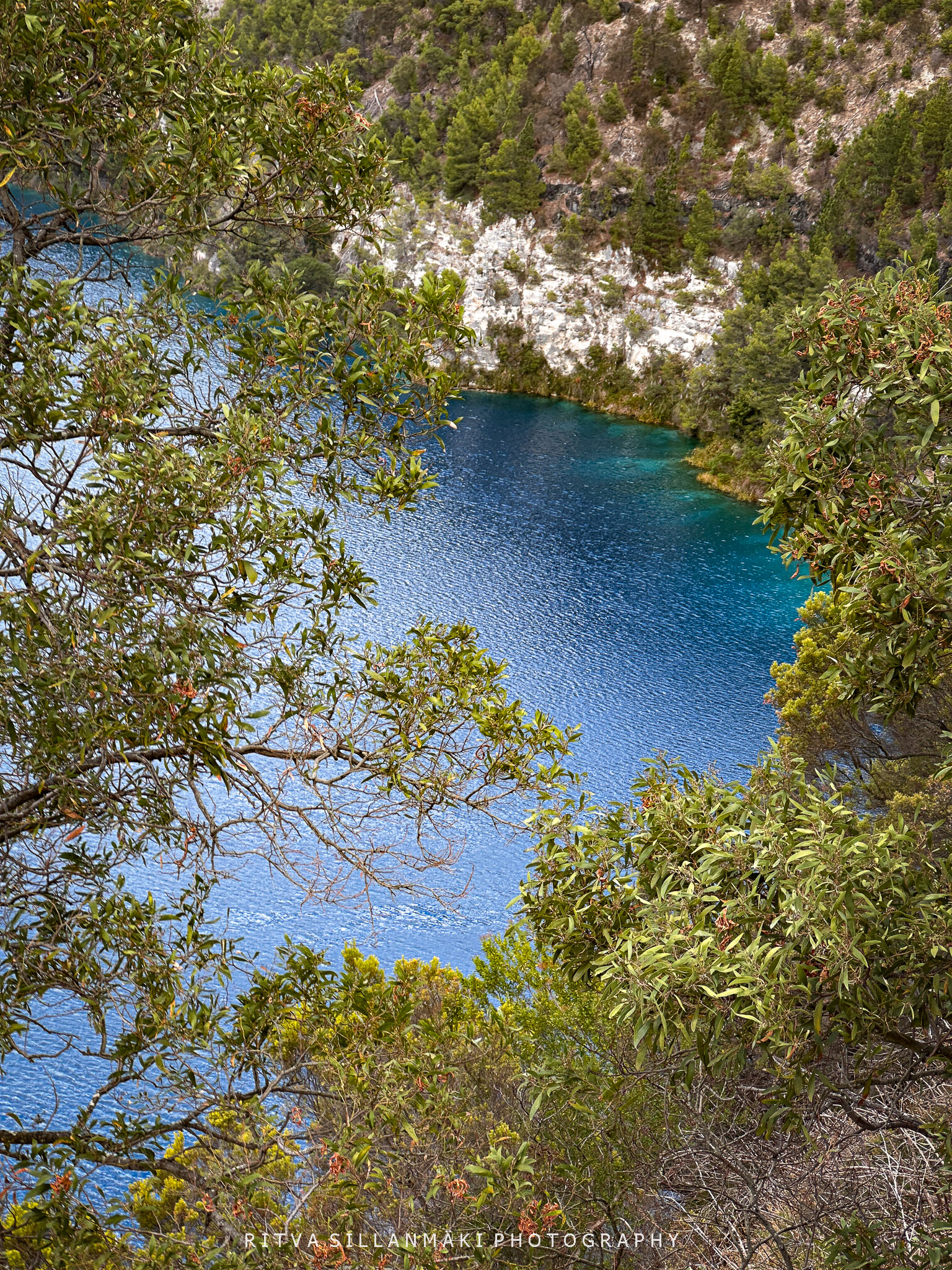
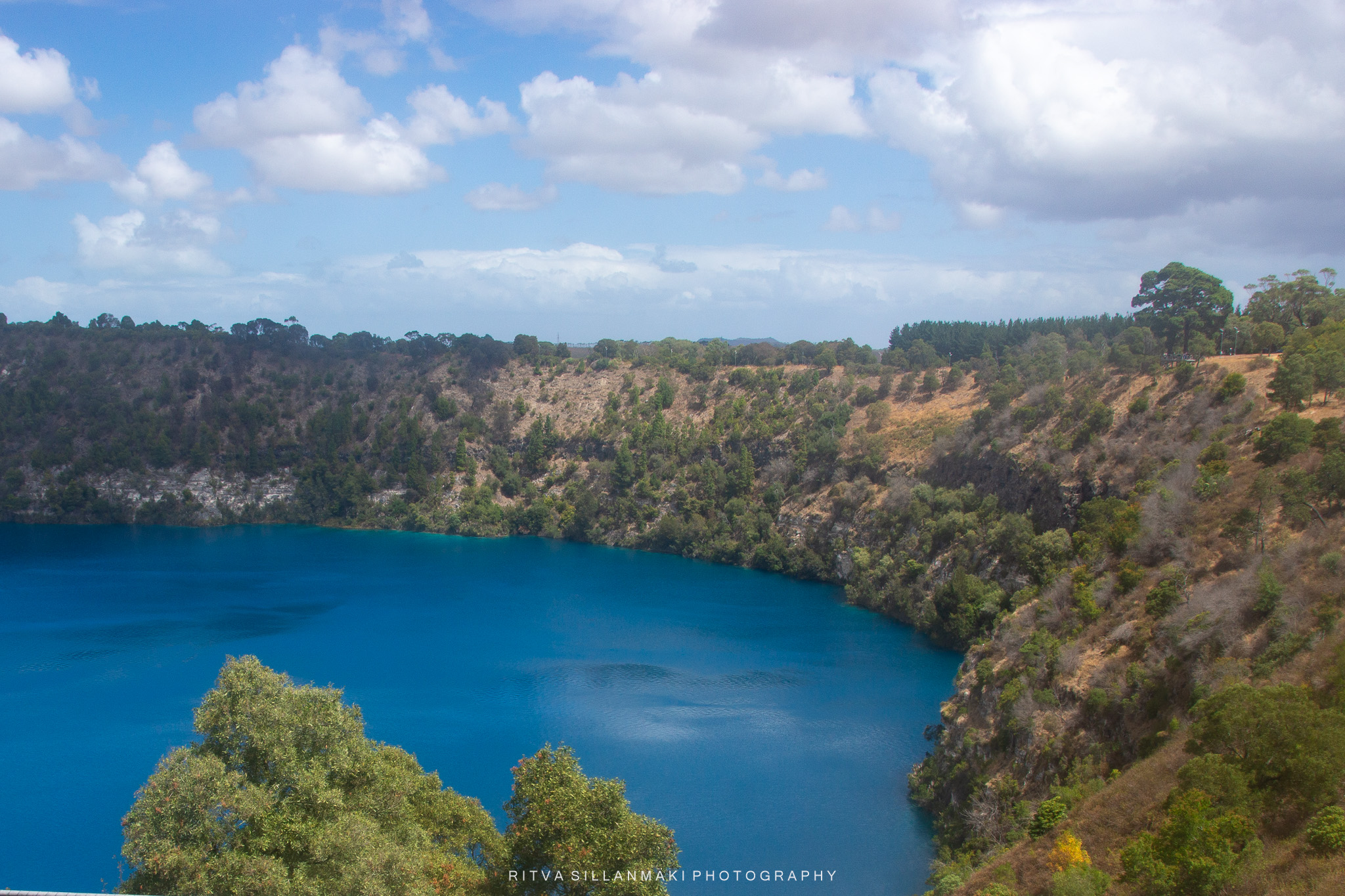
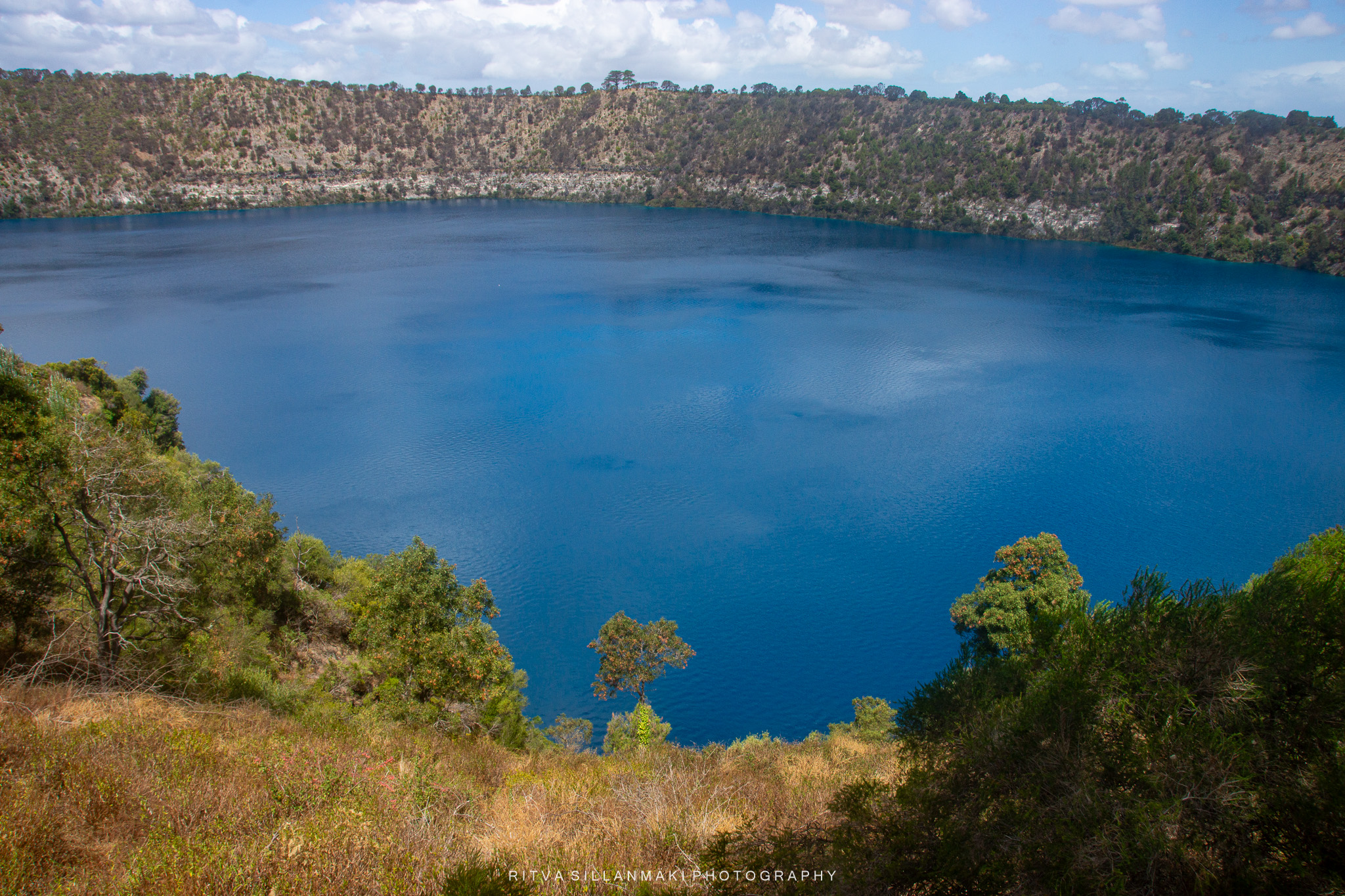
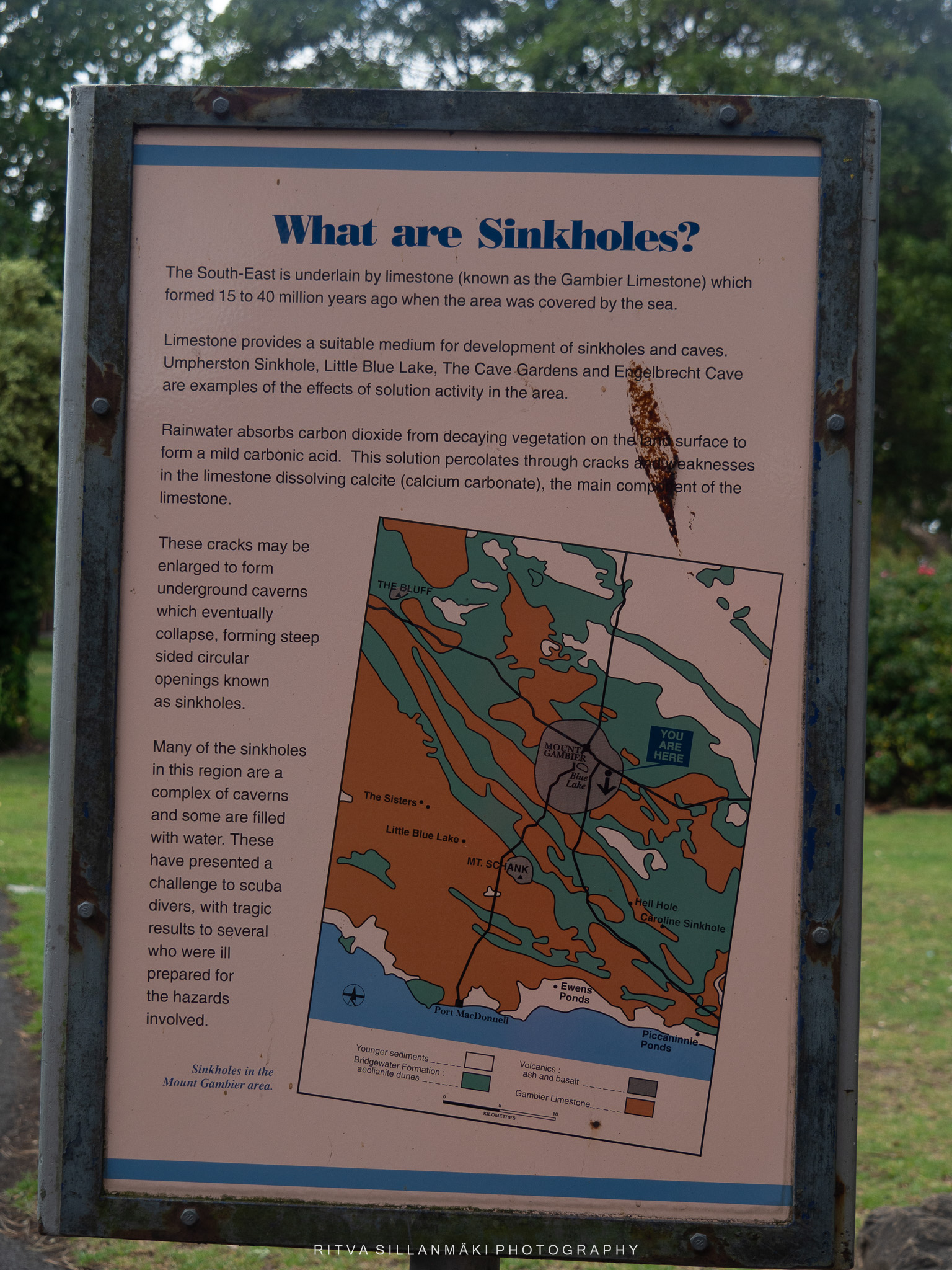
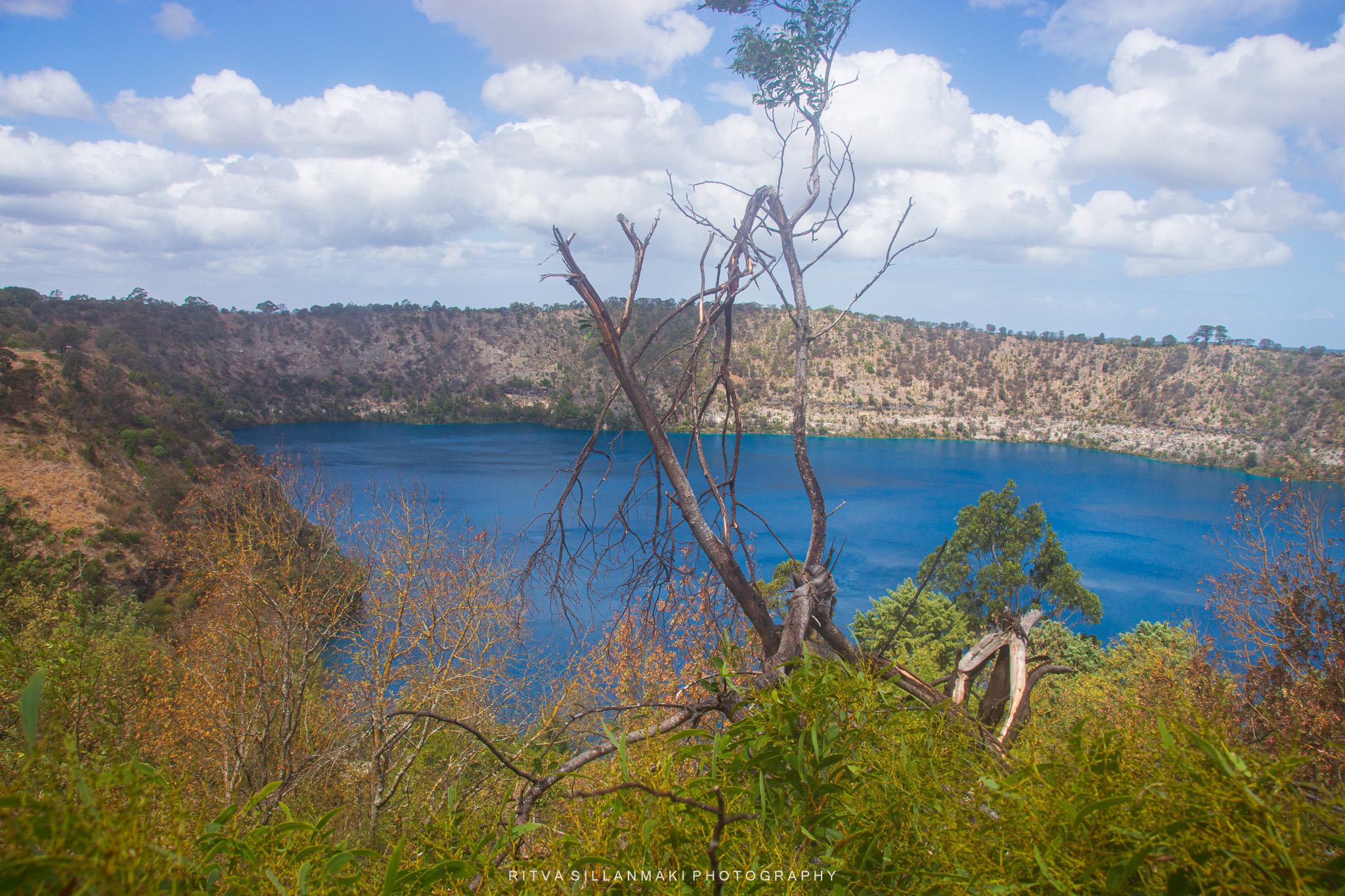
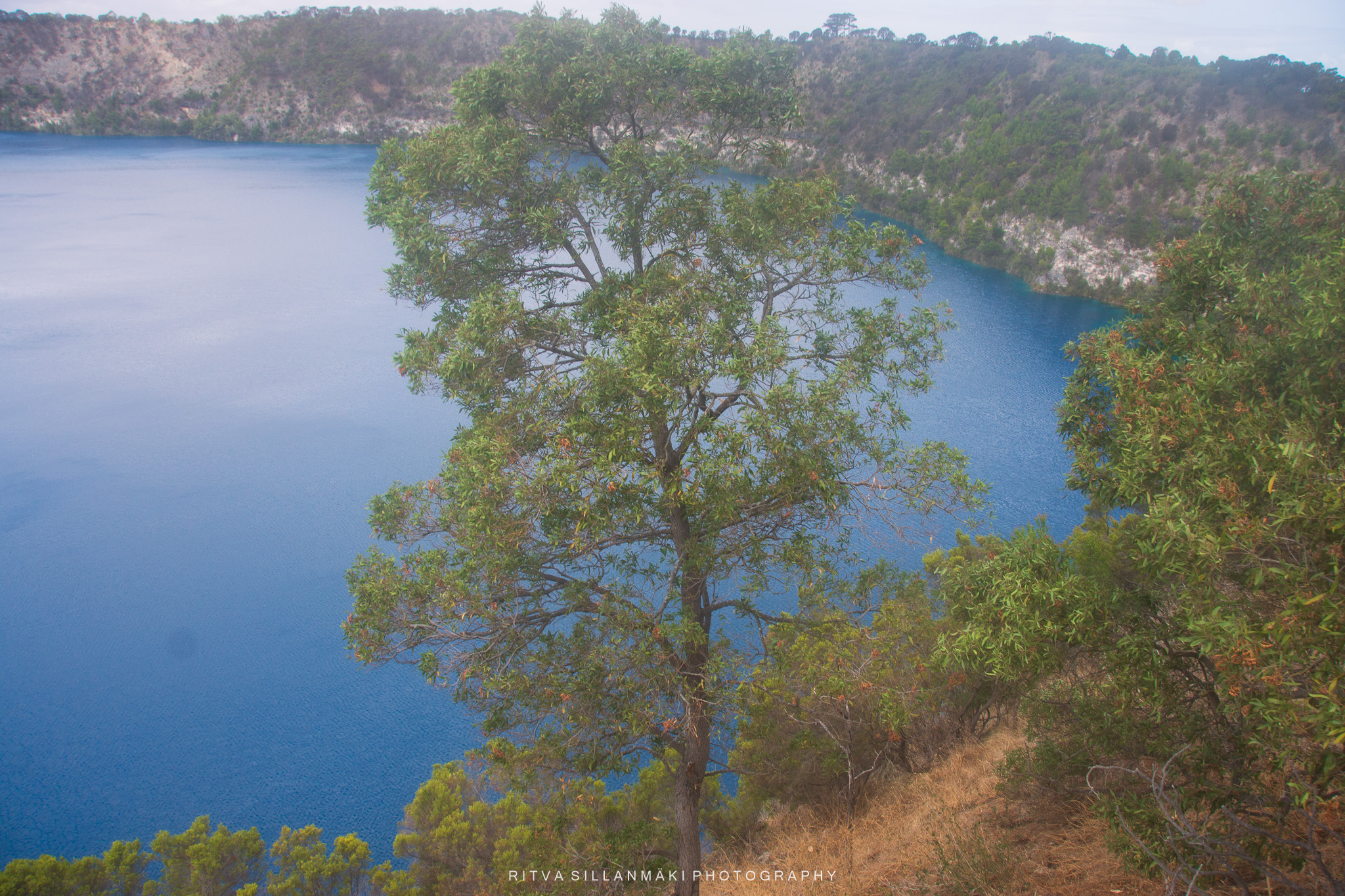
On the way to the Great Ocean Road, we had one more motel to stay the night, in Mount Gambier. Mount Gambier is famous for its Blue Lake, caves and sinkholes. Blue Lake was unbelievably blue. But we were lucky because it’s blue only from November to March. The rest of the year its water looks like in any other lake. However, Blue Lake was formed by meteorite, and it is deep as well.


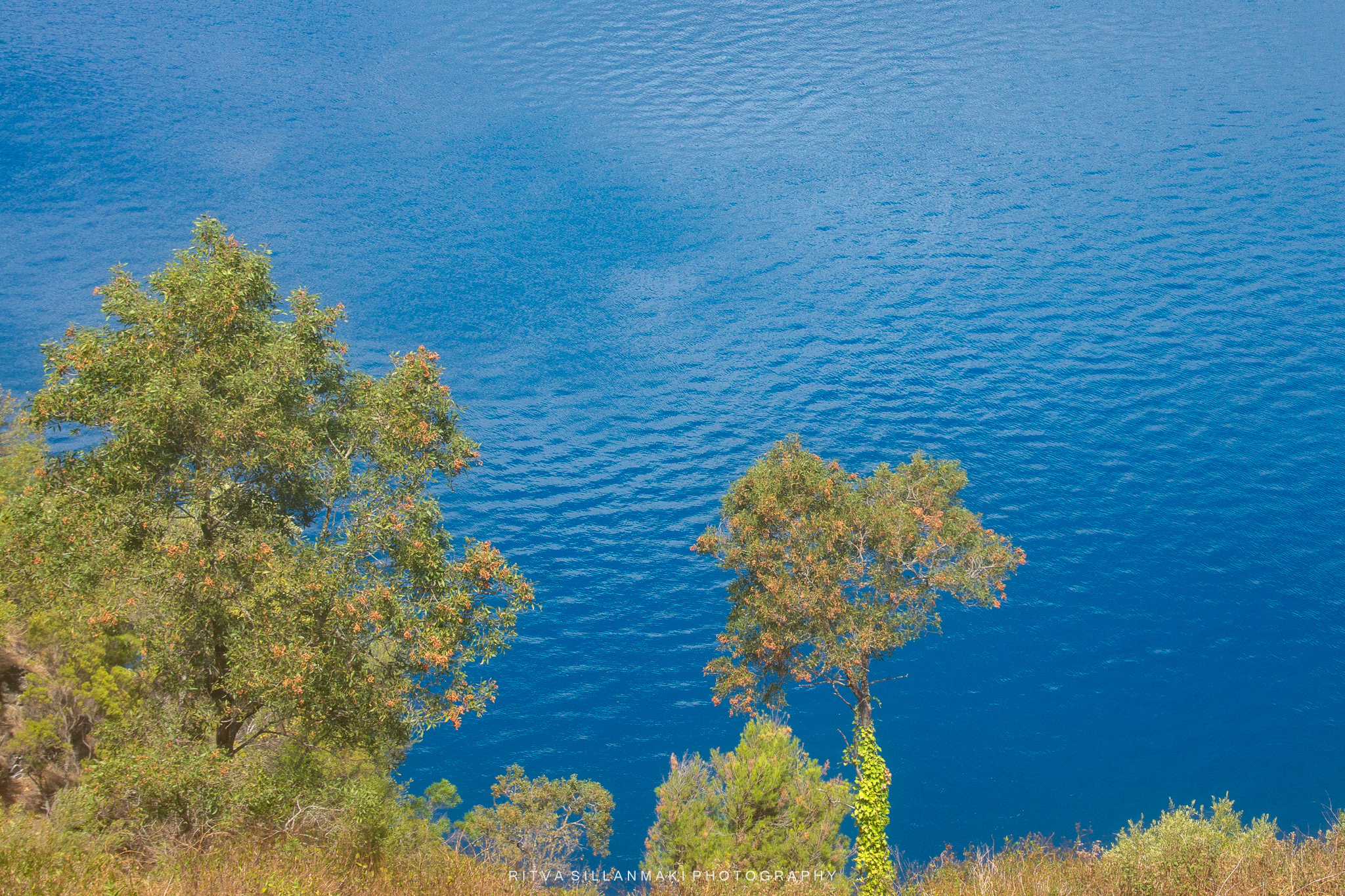
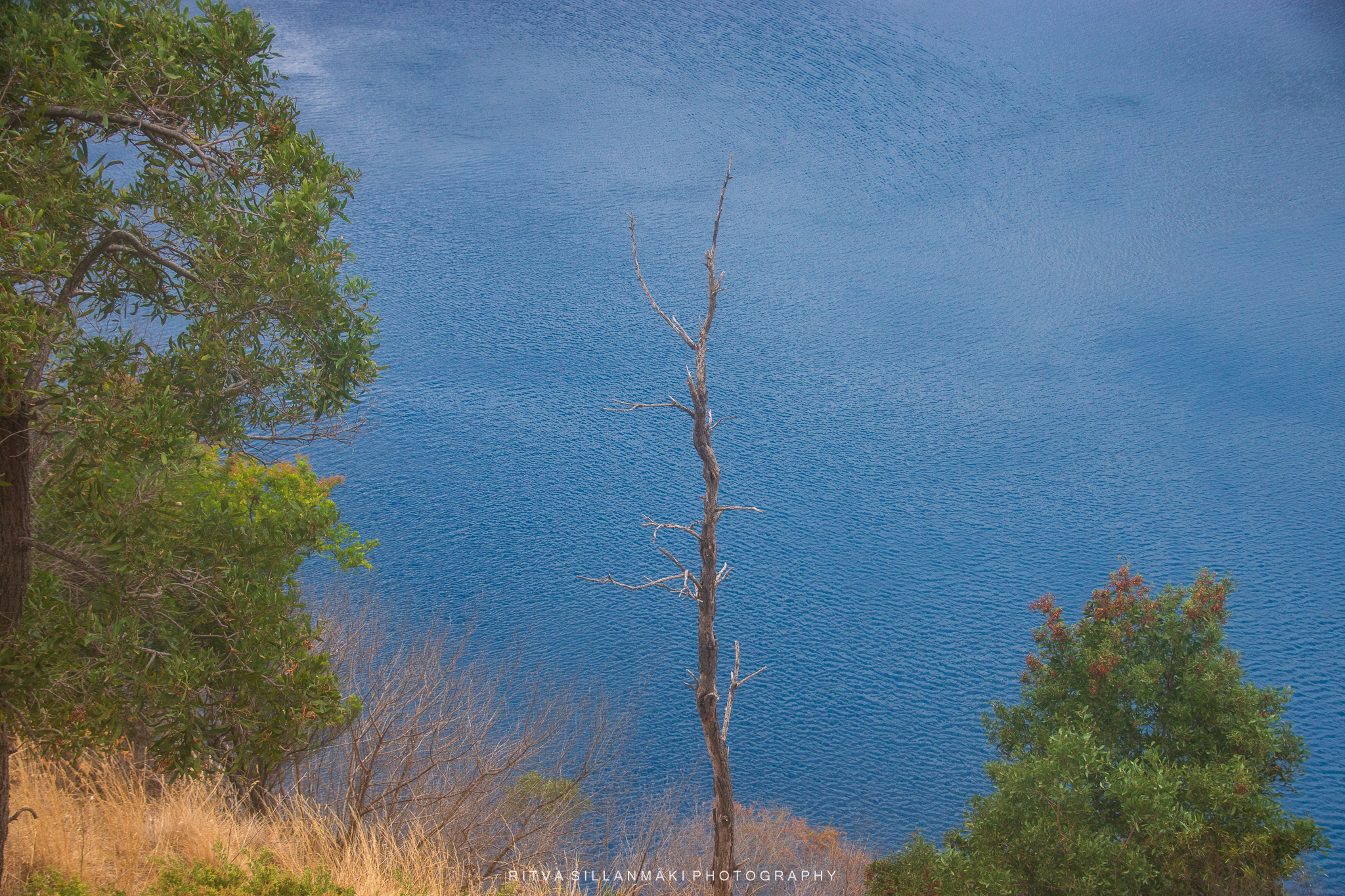
It is really blue, a stunning shade that captivates the eyes and draws you in. I took way too many photos to prove it, capturing the depth and vibrancy of the color from various angles and perspectives, ensuring I could hold onto this mesmerizing view long after I leave.

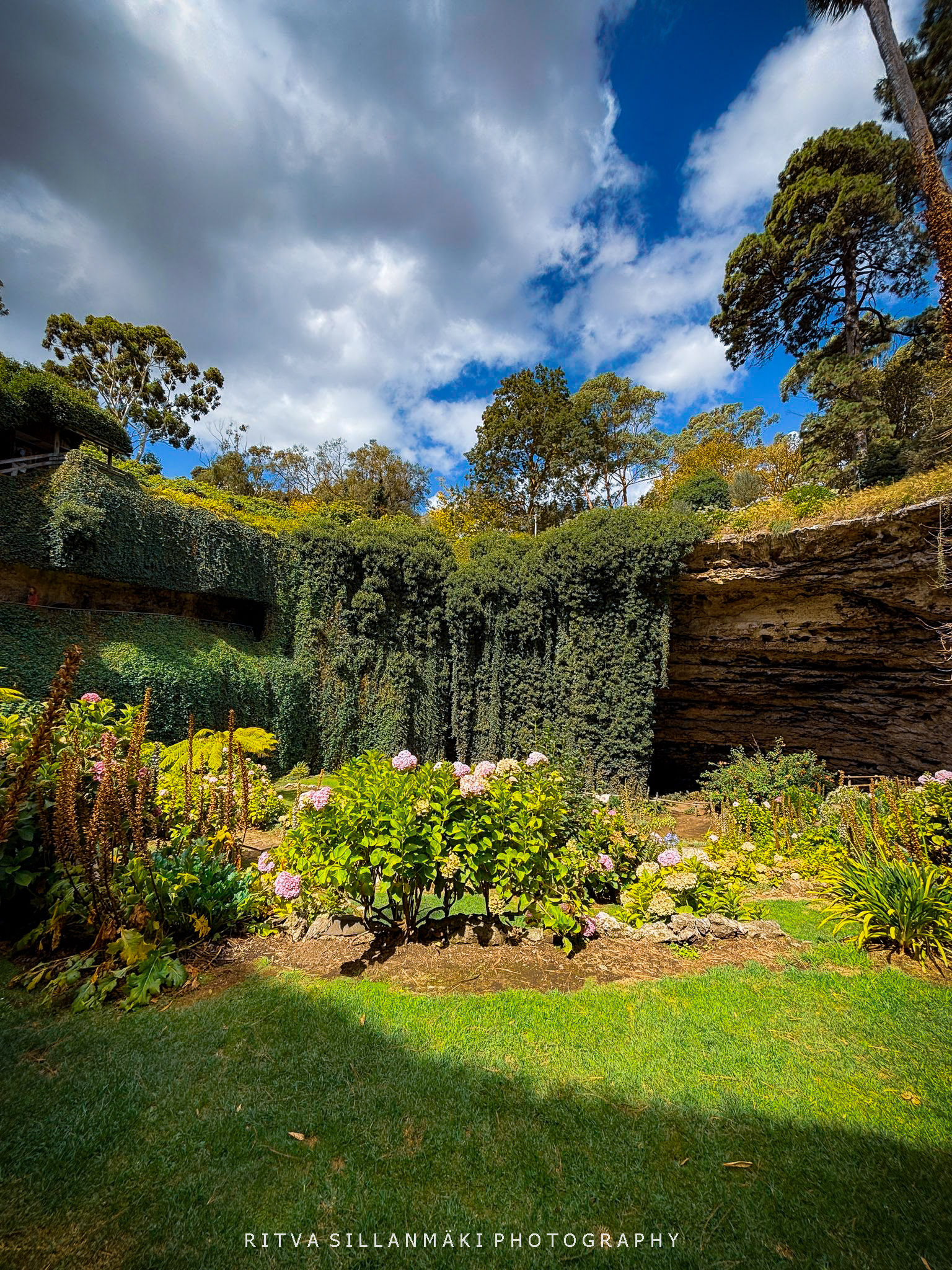
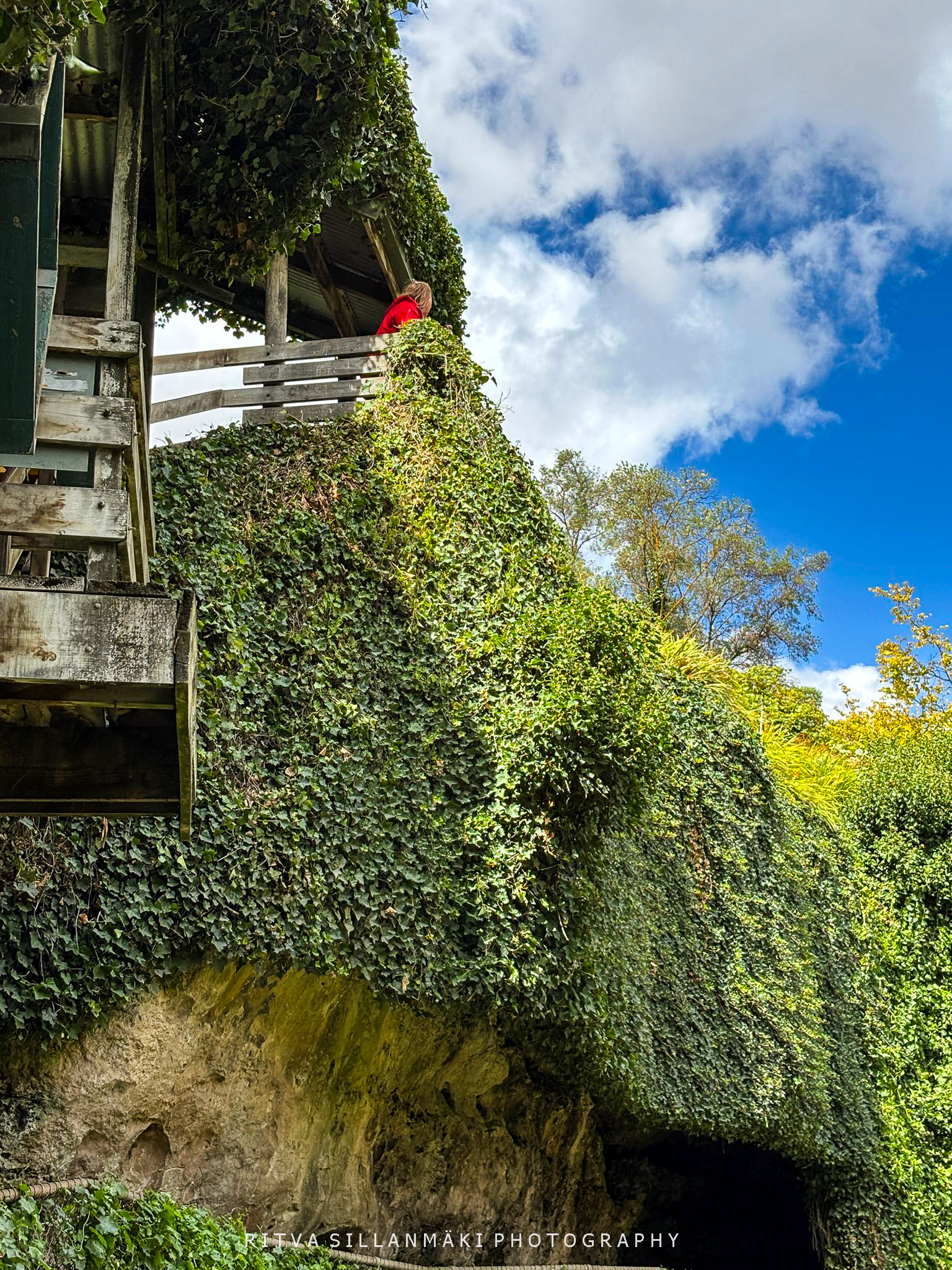
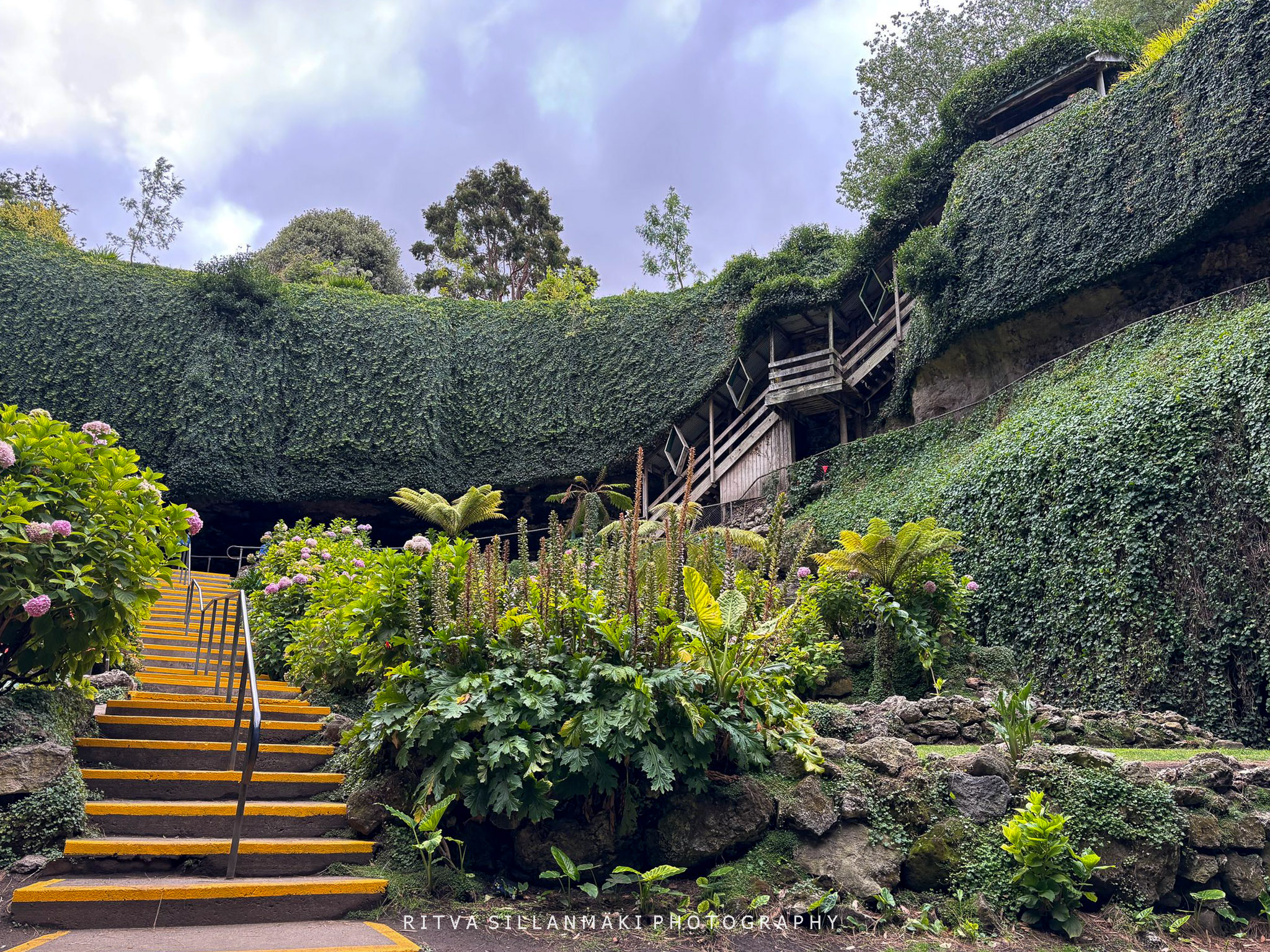
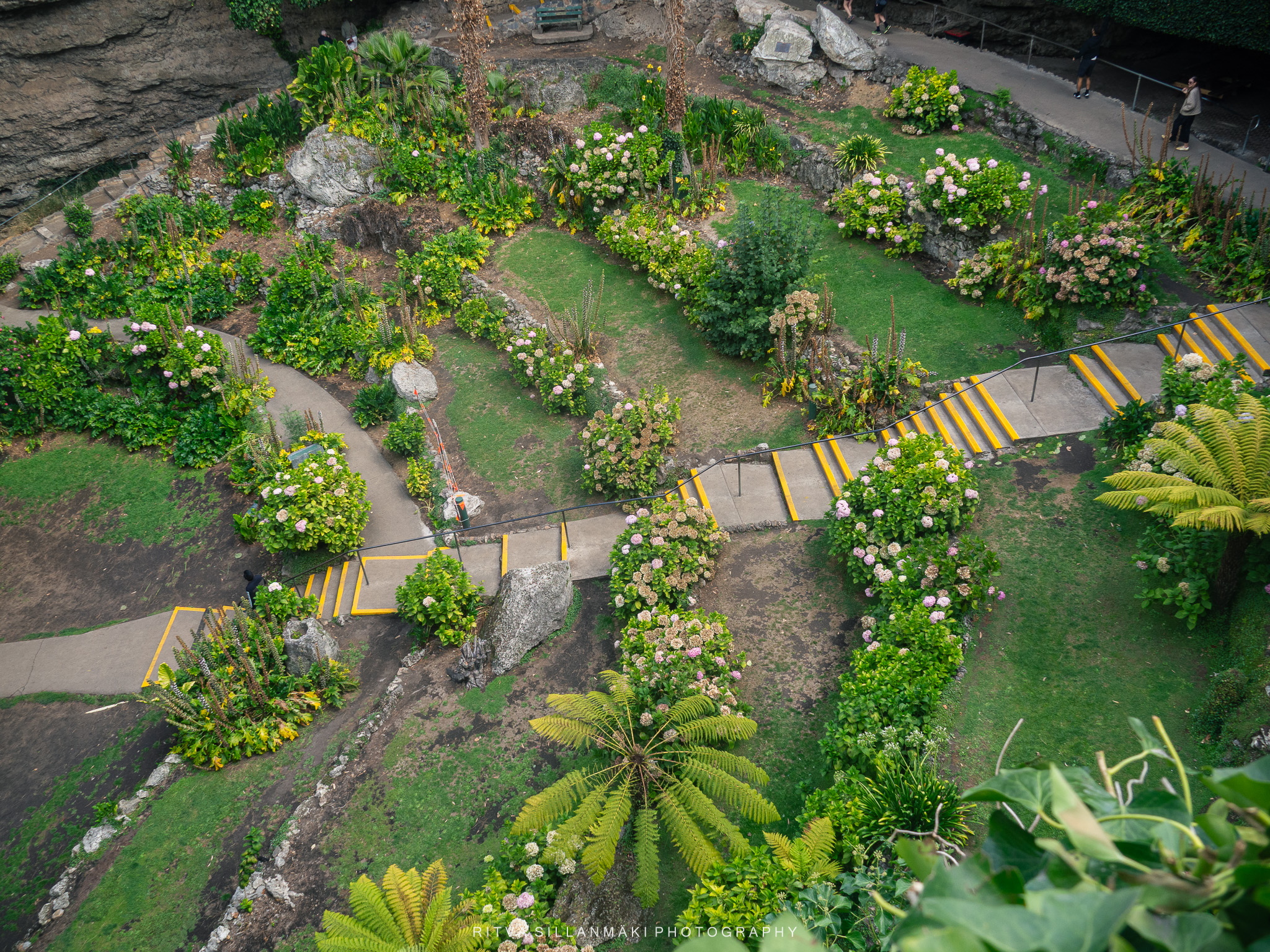
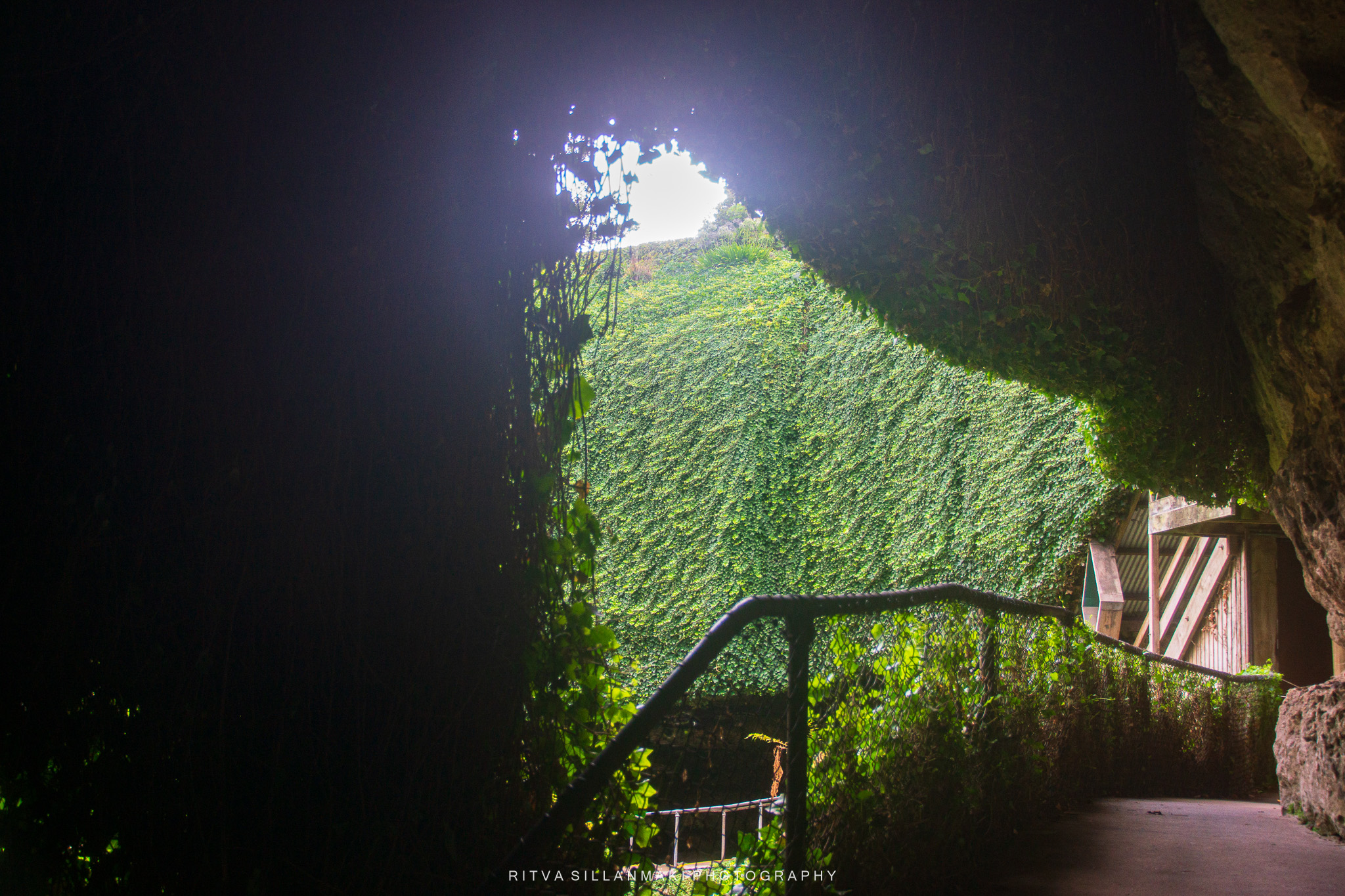
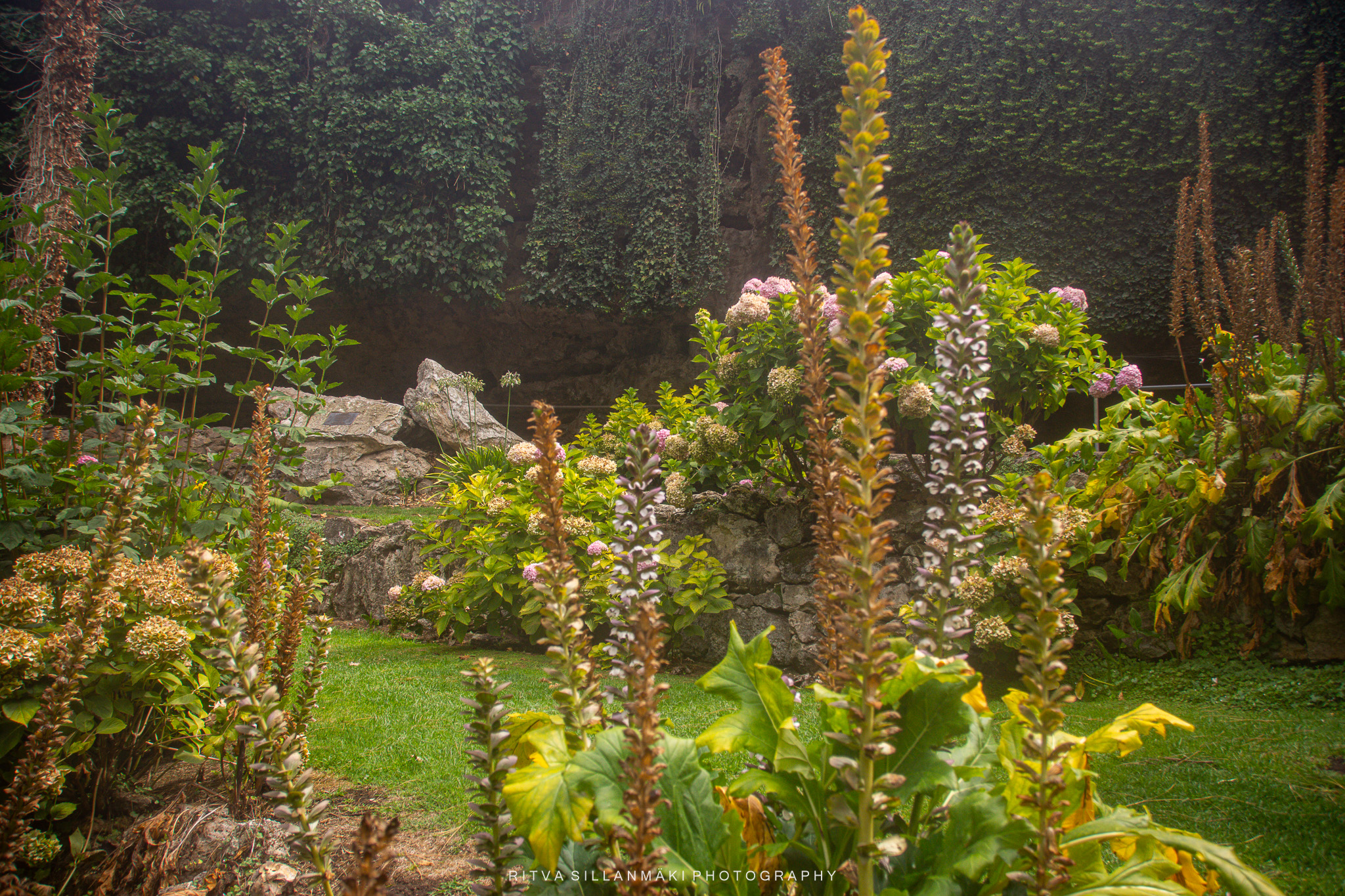
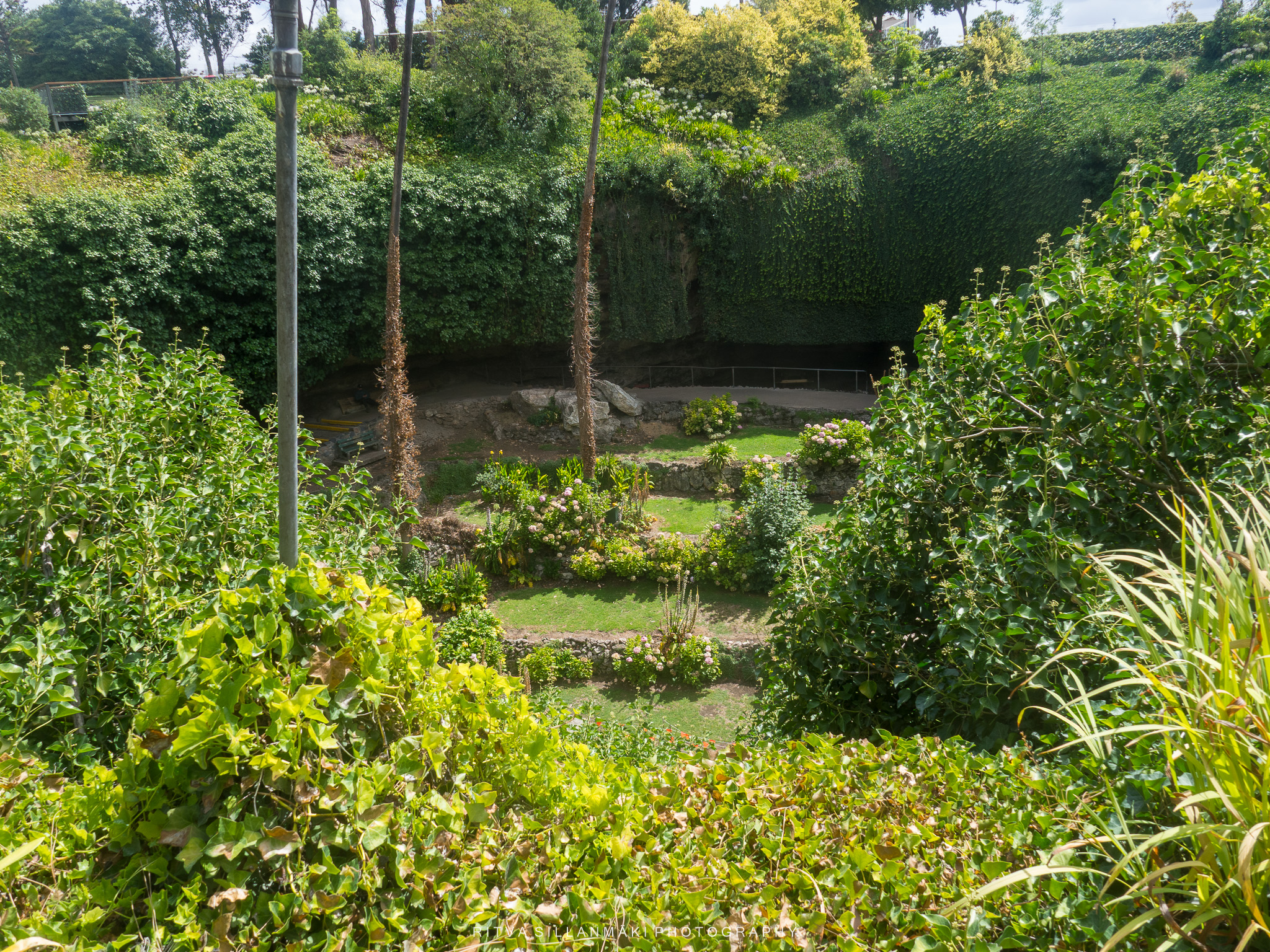
Later we went to the Umpherston Sinkhole, which had an English garden in the 1900’s and even a small pond inside of it. The pond went dry and when Mr. Umpherston passed away nobody took care of the garden. Luckily the sinkhole has been renovated and is a lush green spot in the area worth the visit. Only thing that spoiled the visit was the wood mill next to it. The exhaust fumes from the mill were really bothering me down in the sinkhole. Hopefully, it was wind direction and it’s not like that every day.


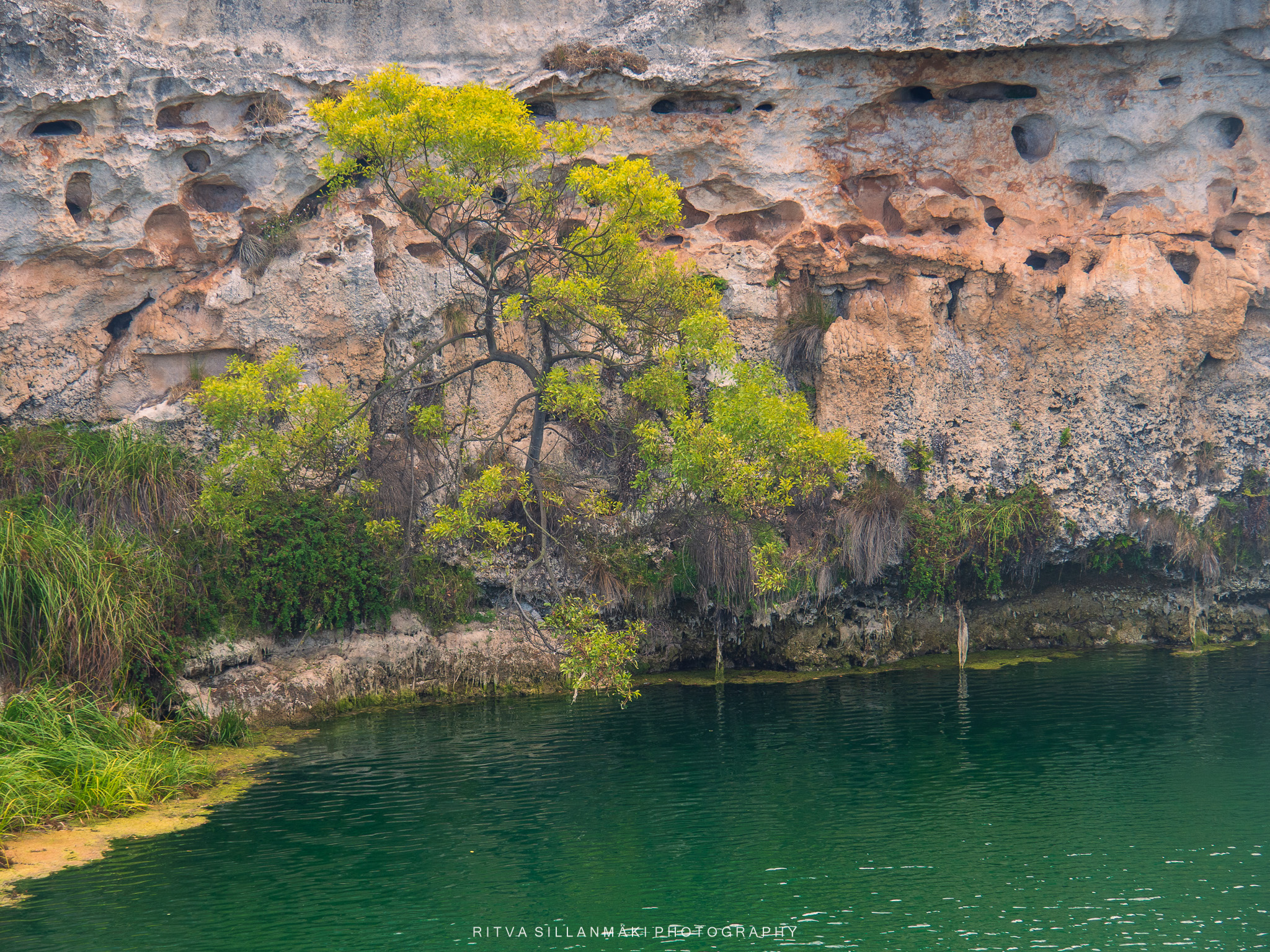
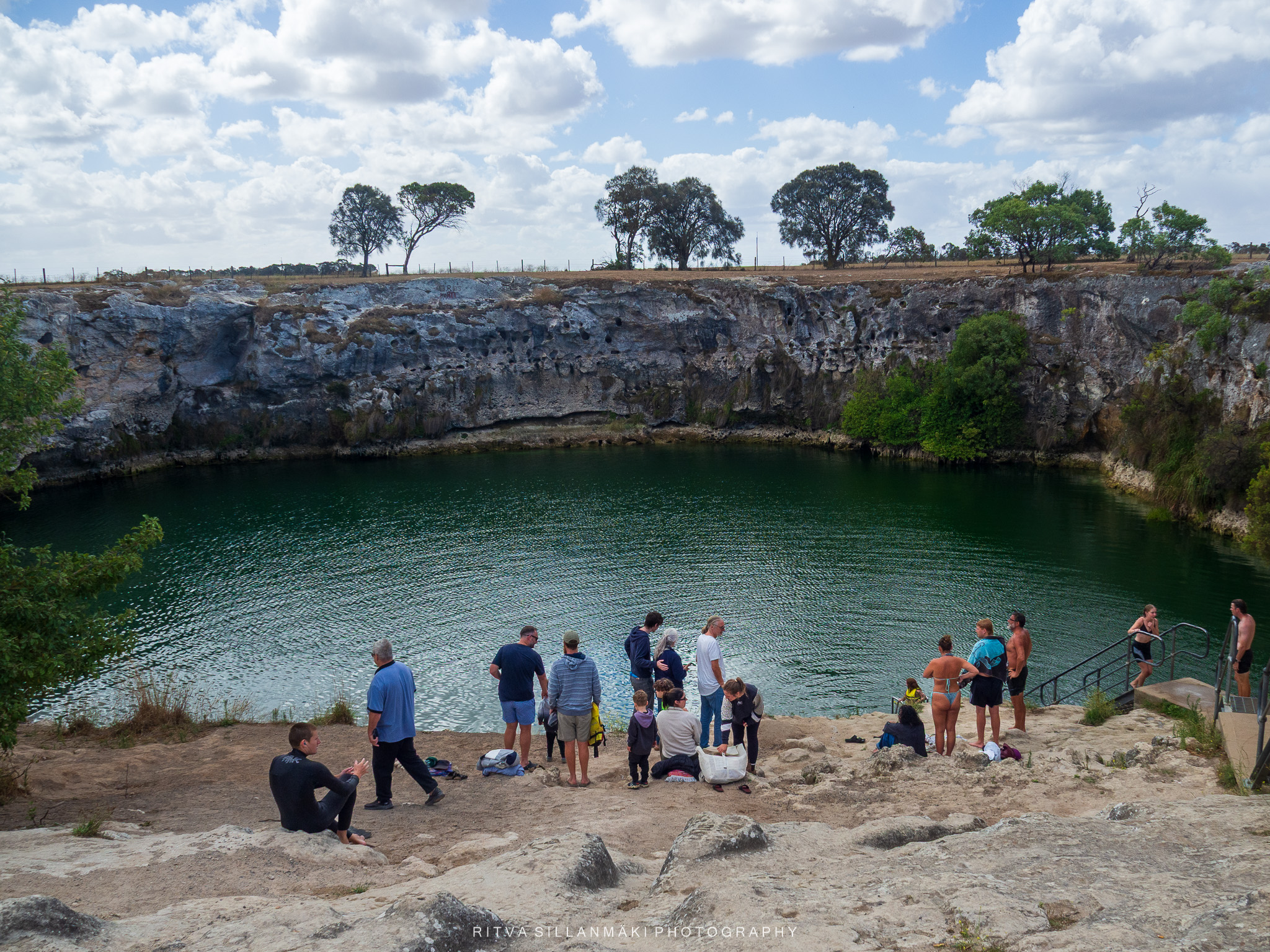
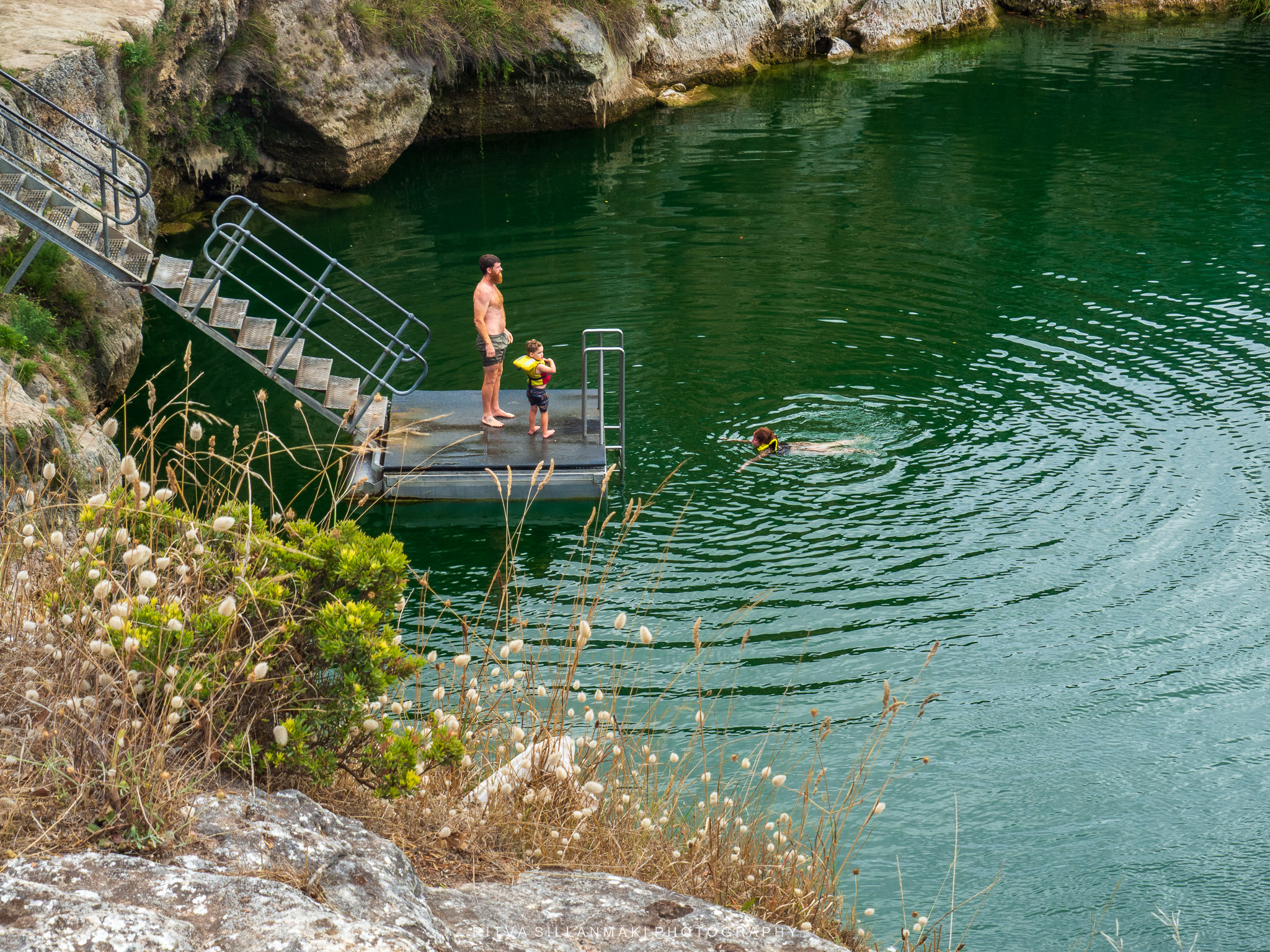
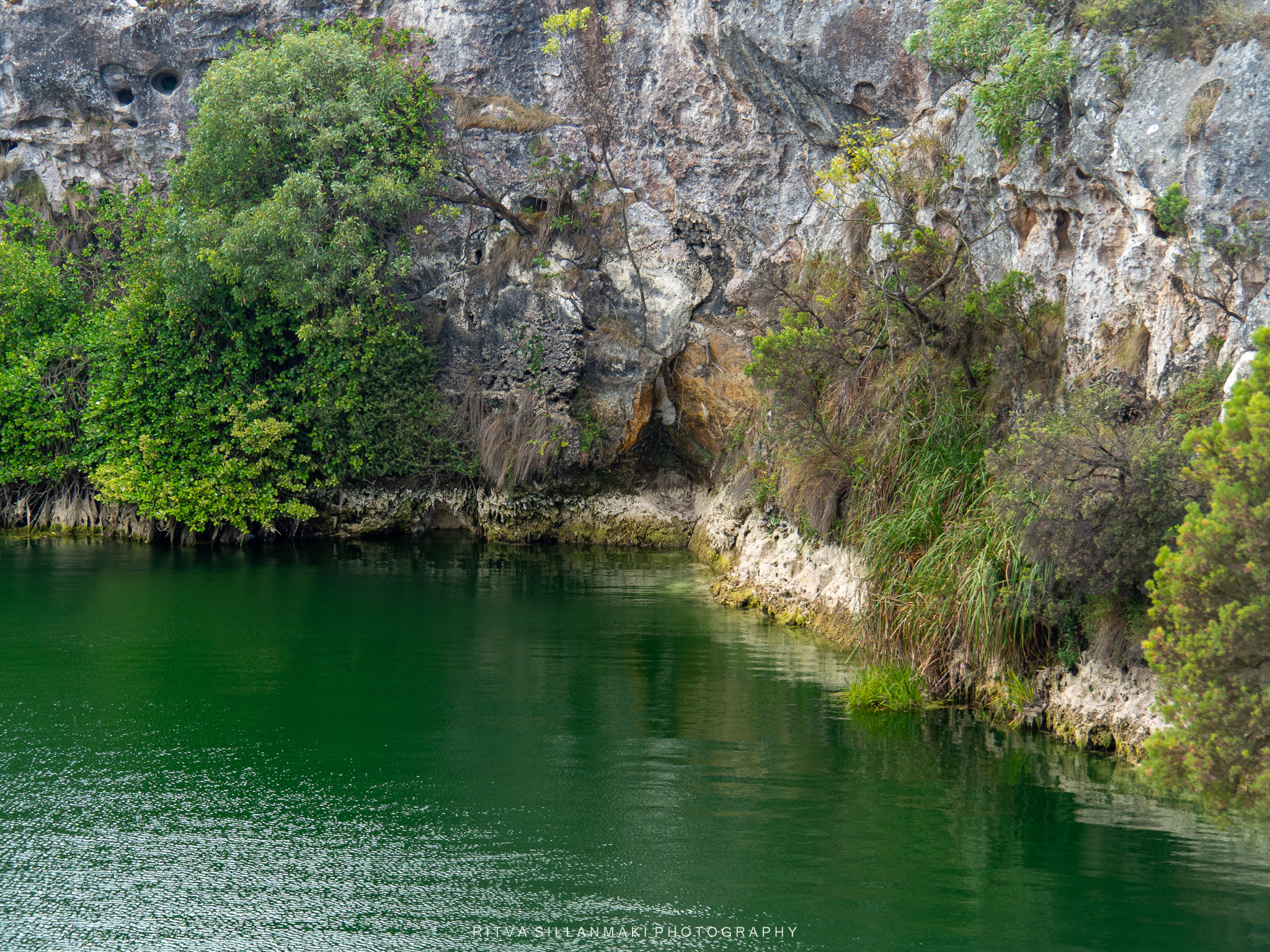
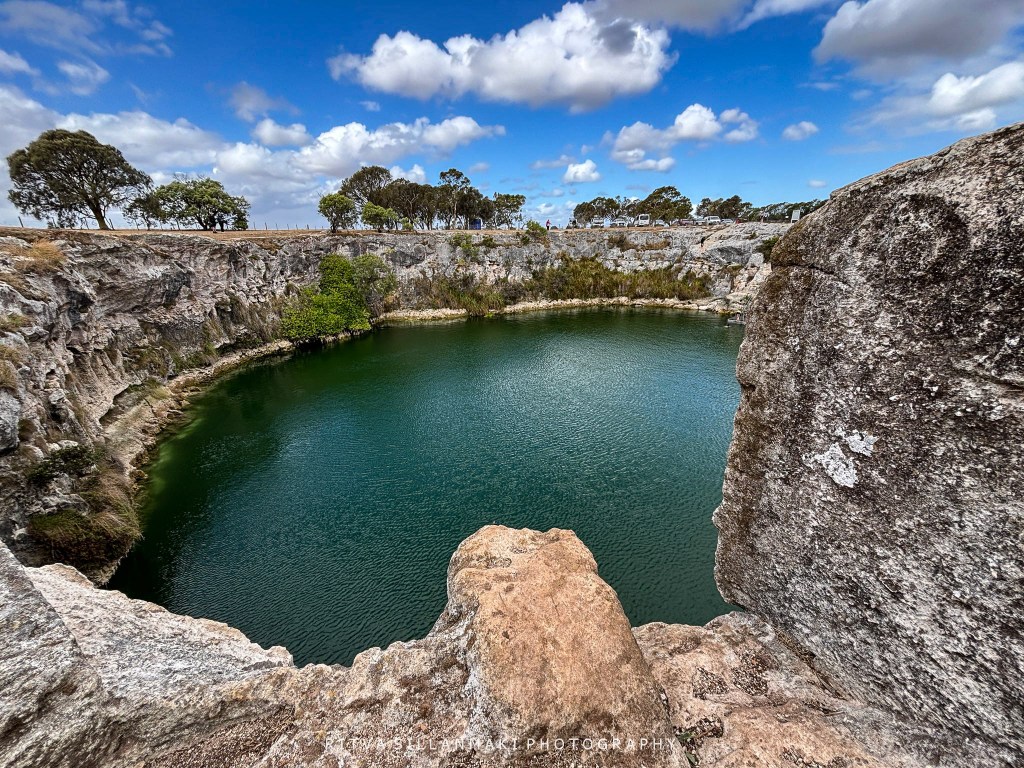
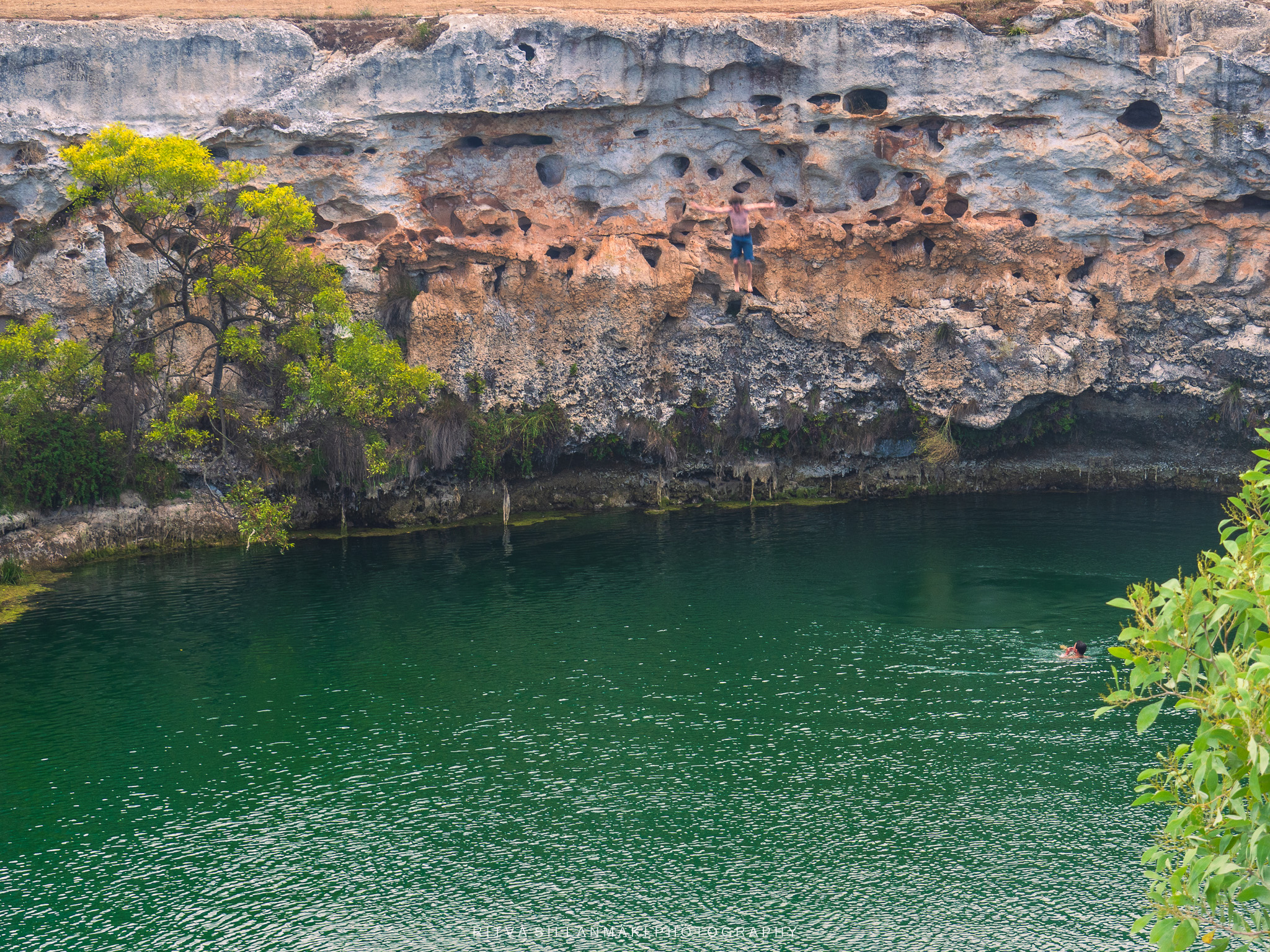
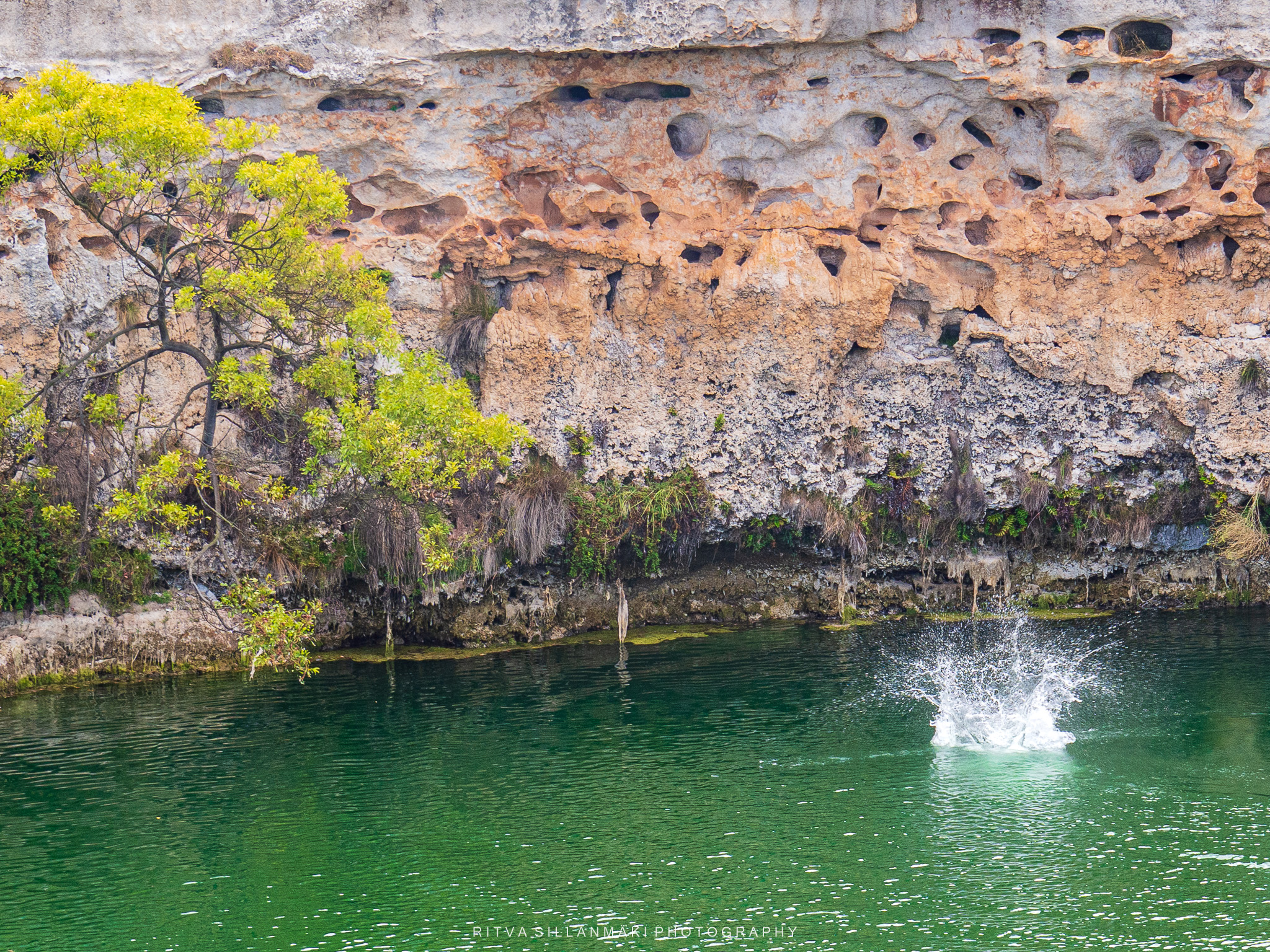
From sinkhole we drove to Little Blue Lake 15 kilometers away from Mount Gambier. To me the water looked more green than blue, but it was a fun place to visit and see the locals swim and dive from the cliffs. I was afraid even to look at the approximately 10-year-olds diving. I would never jump myself.


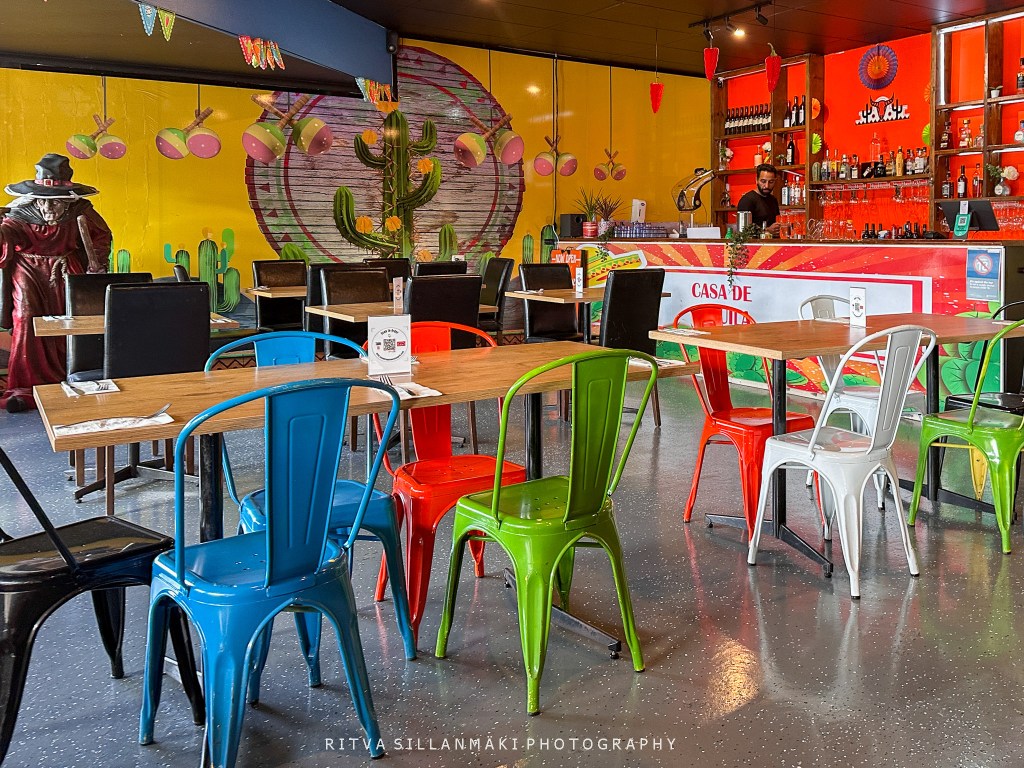
Dinner was at Casa de Tequila. Maybe they had good tequila, but the food was disappointing. Where were the spices? Staff seemed all be Asian. Maybe none of them had ever tasted real Mexican food or they hadn’t studied the recipes too carefully in the kitchen?

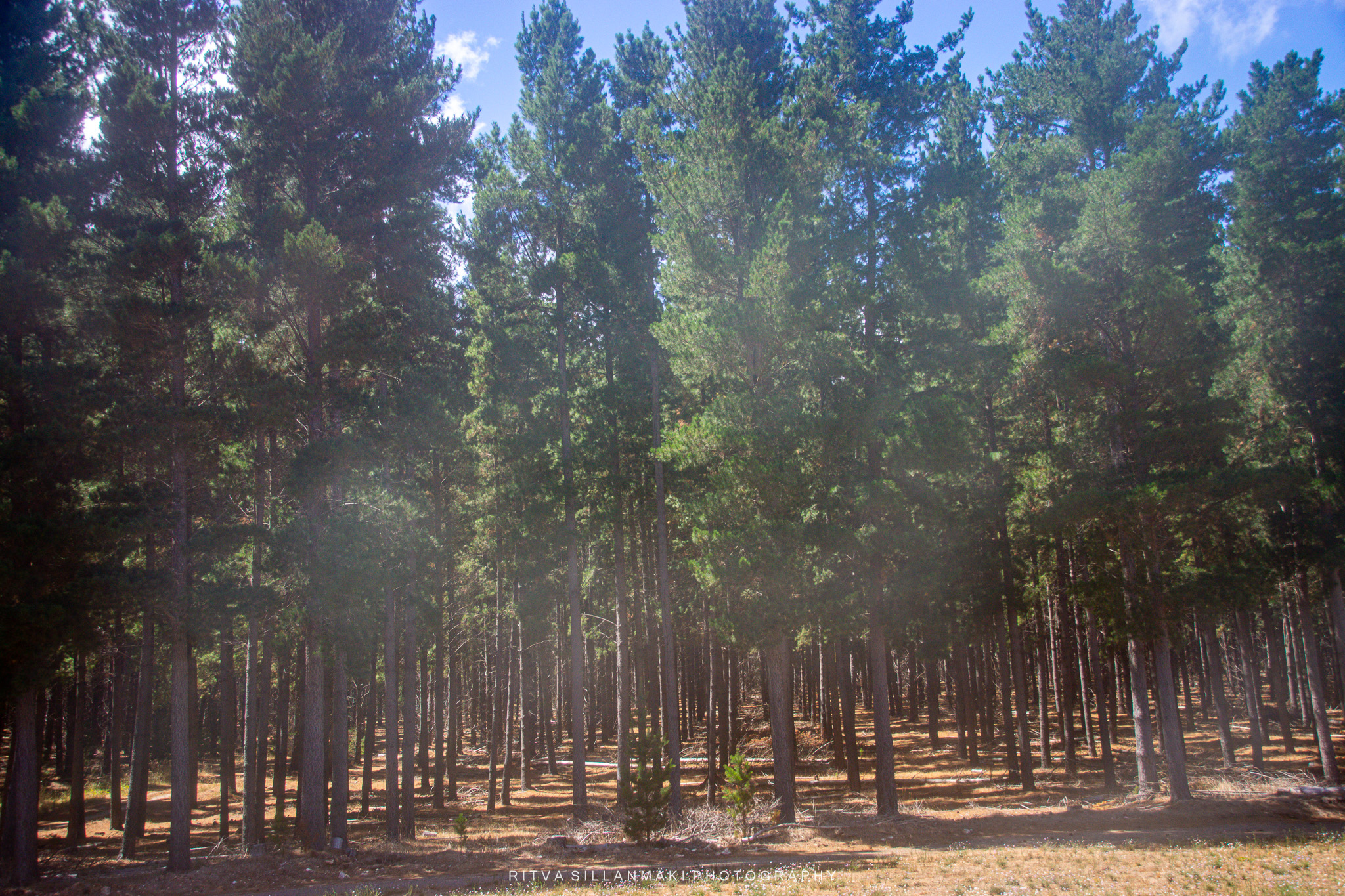
What surprised us around Mount Gambier, was the amount of pine forests. They seemed to go on and on. Pine wood is not indigenous to Australia, so they had all been planted at some point. Planting pine wood is understandable because building material is needed, and I guess pine doesn’t take over the indigenous trees and plants? We come from the land of forests, but we were still amazed by the size of the forests. Also, we get a fit every time we see an area with clearcutting in Finland. They are ugly. I’ve never seen clearcutting like this before. Once again, the size of it. But you have the landmass here, I guess? By the way Fleurieu Peninsula had large pine forests as well.
In morning we didn’t see any nice places for breakfast, so we hit the road. We didn’t see any cafes or restaurants on the way but around noon we couldn’t take it anymore and had to take a break in Port Fairy. Town was packed. We found out there was running event going on from short distances to kids to all the way to marathon. We were able to find an empty table. Food was disappointing once again. How can you ruin hamburger and fries, even if it was busy.
text credit Mara Sillanmäki

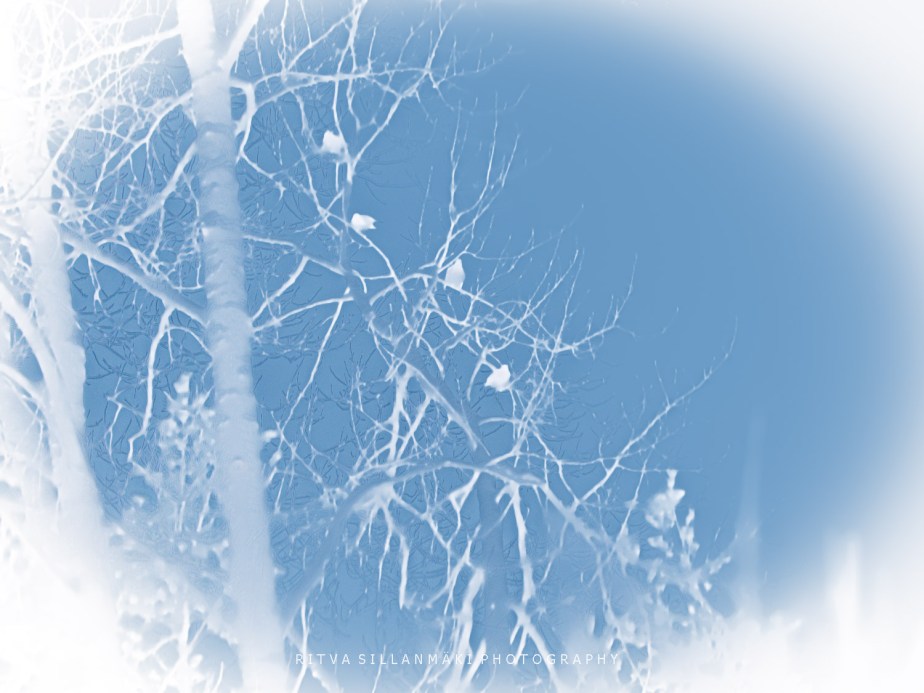
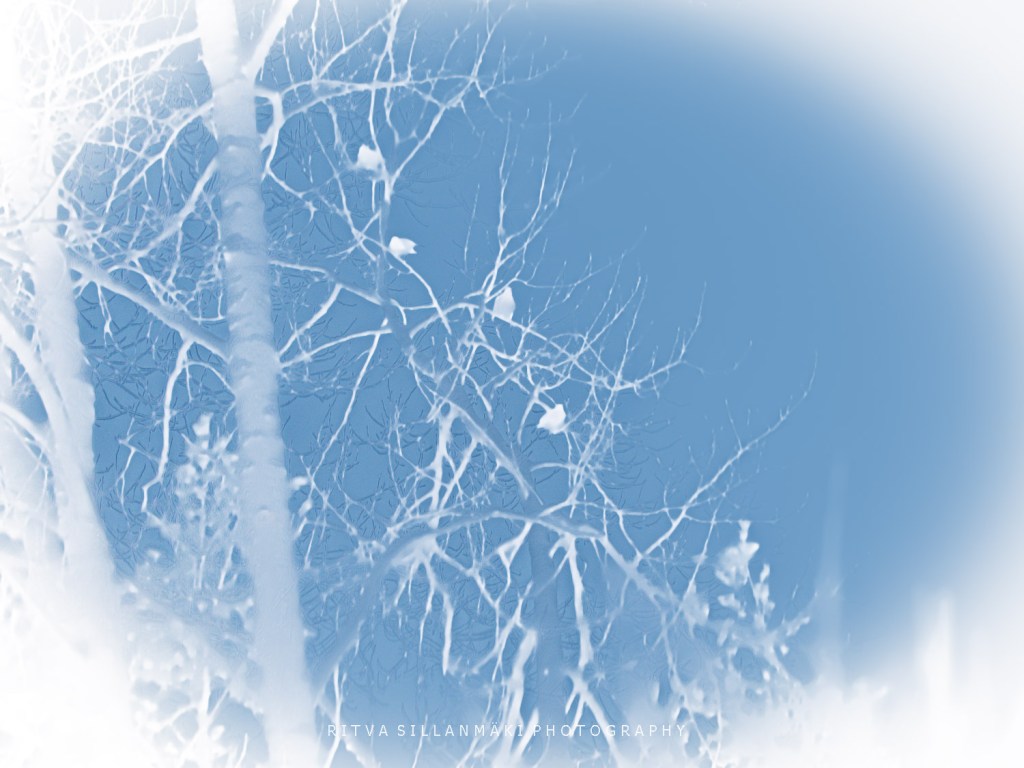
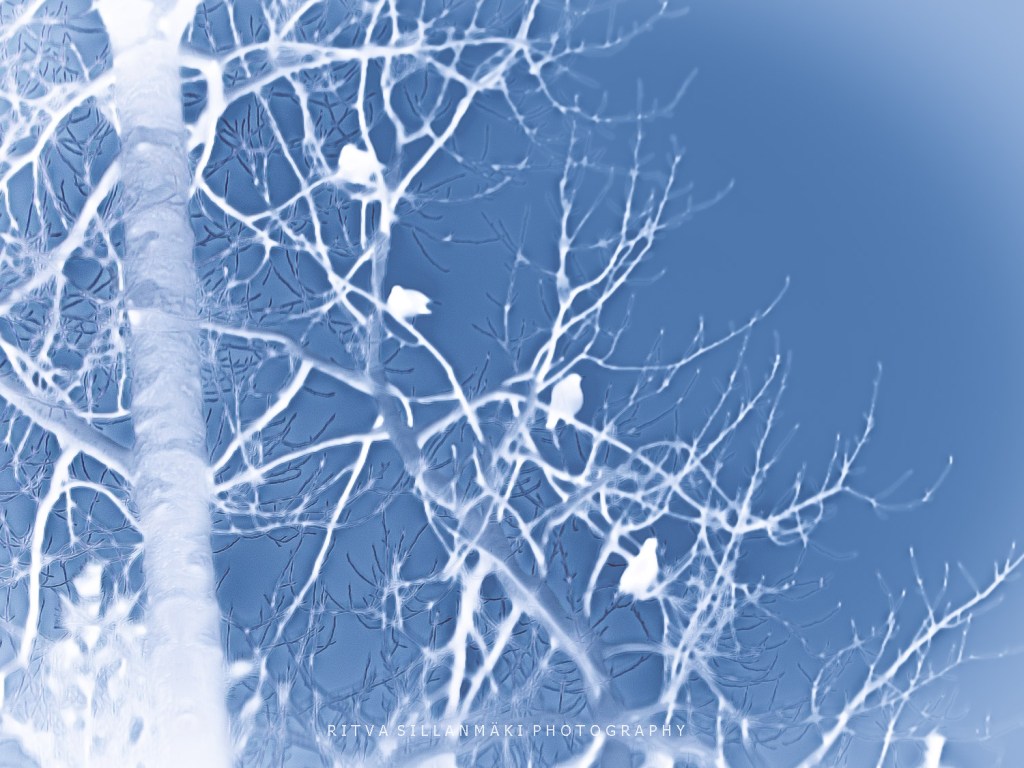
Minimalist take on Birds and Trees

I was watching birds flying around on a cold day, and they kept returning to this tree, which stood majestically against the winter sky. The branches were covered with snow, creating a beautiful contrast with the winter colors of the birds as they flittered about. The tree was so far away that I was not able to get a good shot, which left me feeling a bit frustrated. Despite the distance, I did my best to capture the colors and clarity to a presentable level, but the quality was not quite on par with the stunning visuals I had hoped for.

Then I started playing with the Lightroom editing, experimenting with various effects, I did not use filters, and I ended up with these unexpected results that brought new life to my photos. I rather like them, as they reflect not just the scene but also the mood of that chilly day and the serene beauty of nature in a very minimalist way and monotone colors.

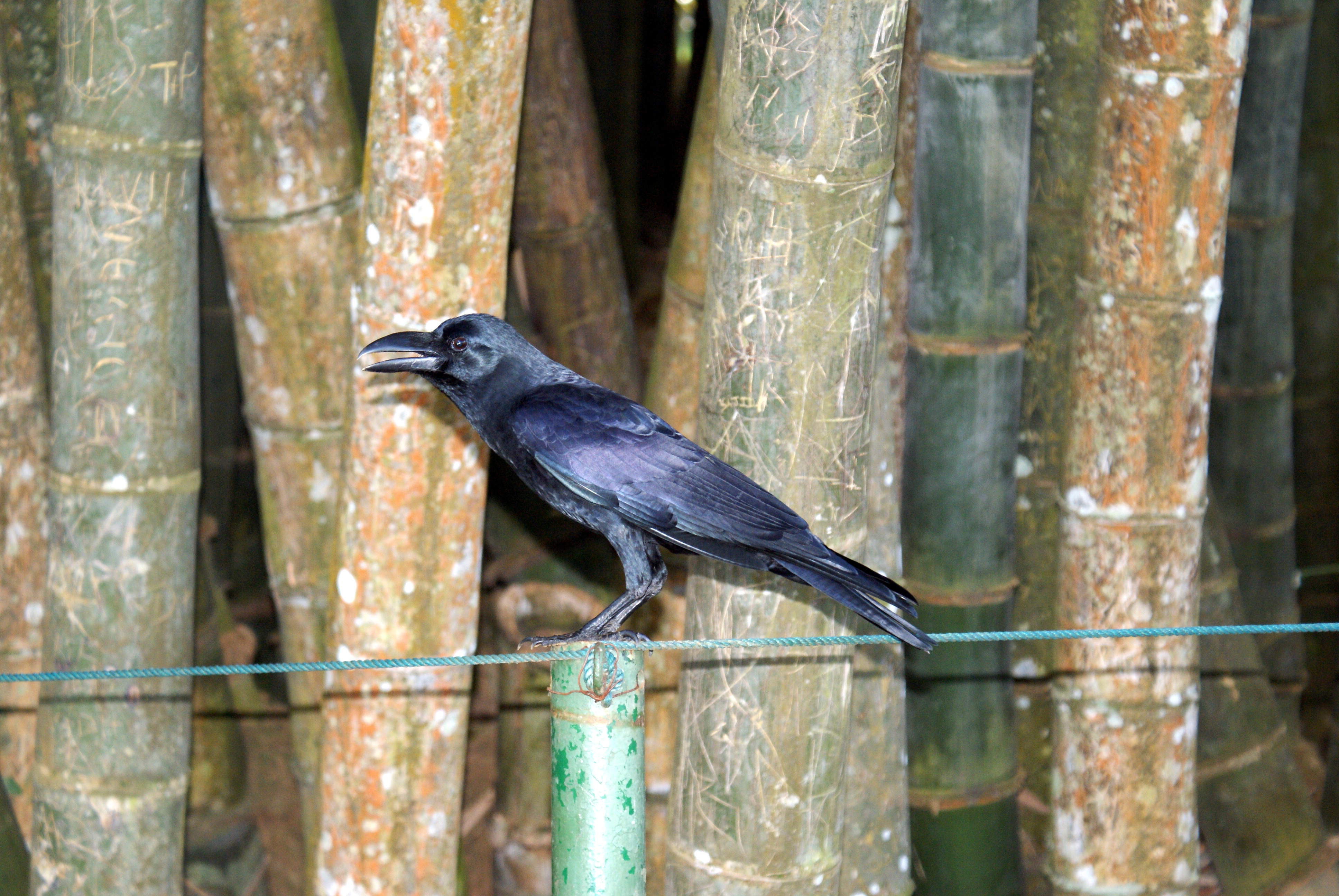
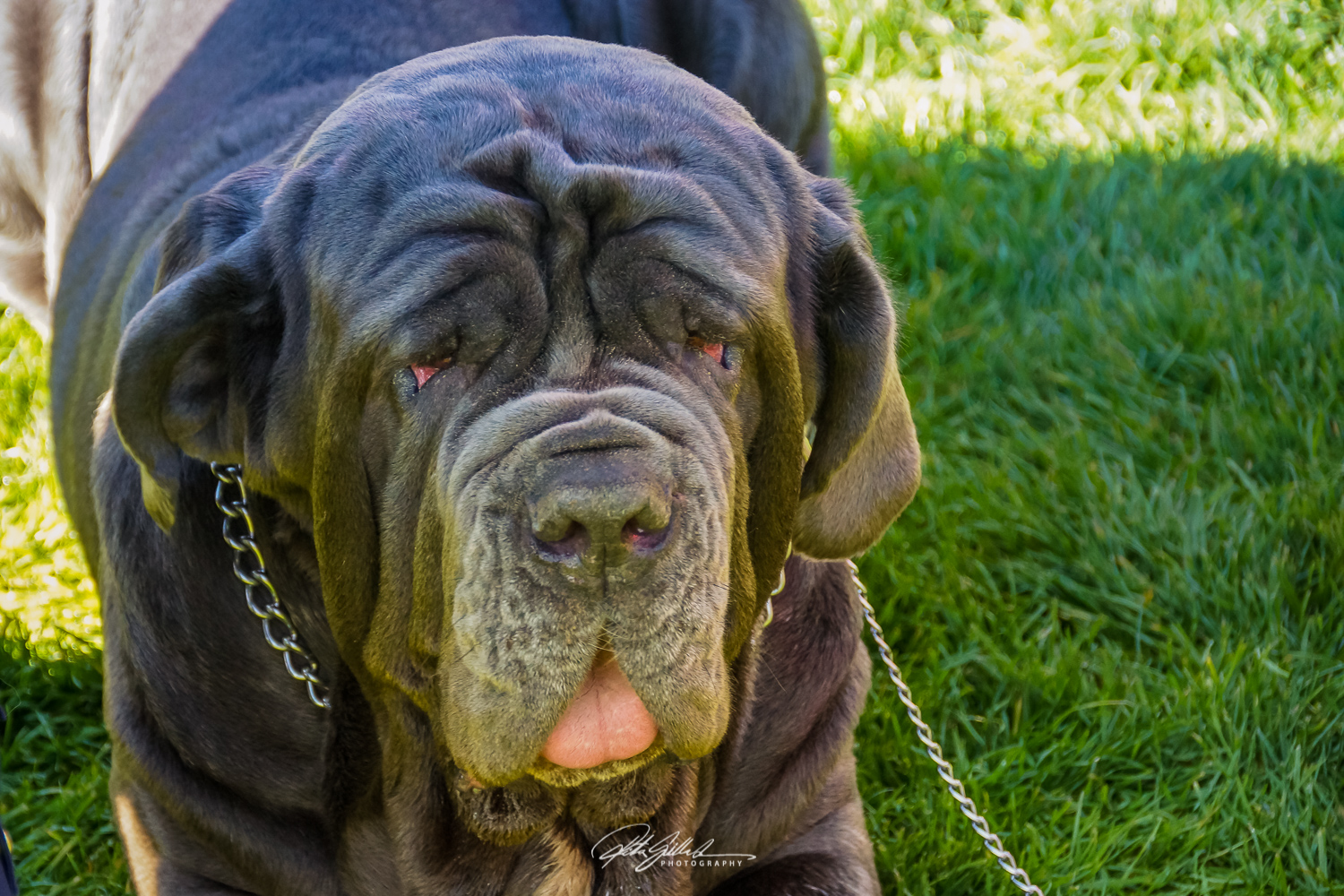
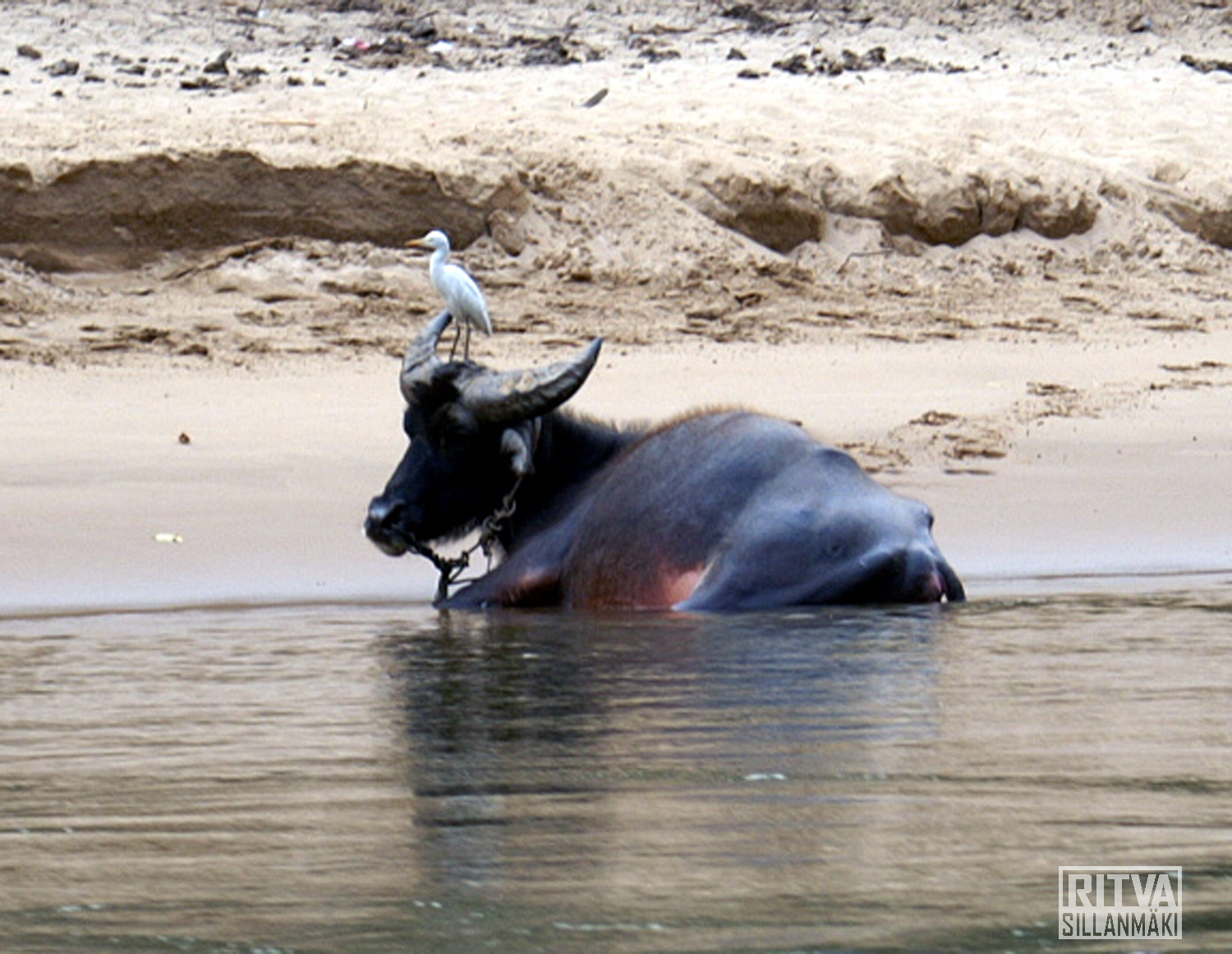
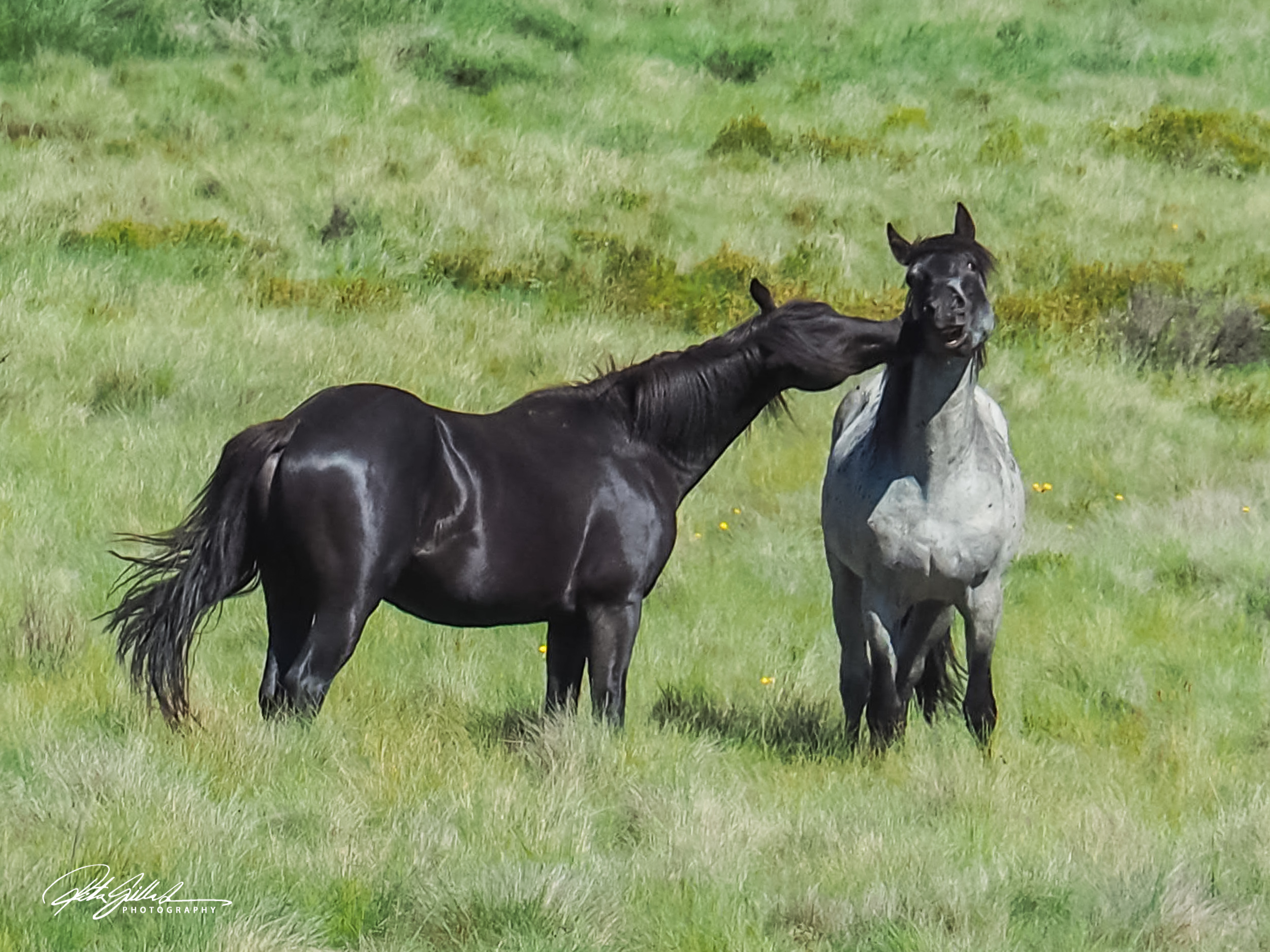
Nature- black in nature

Black is a color that lacks hue and brightness and absorbs light without reflecting any of the rays composing it. It is characterized by the absence of light, enveloped in darkness

I found these as I went through my archive for Denzil’s Nature Photo Challenge #20 BLACK

He is looking for photographs of Black in nature. Guidance: The only criterion is that I would like you to photograph things in nature that are totally or mostly (so let’s say more than two-thirds) black.
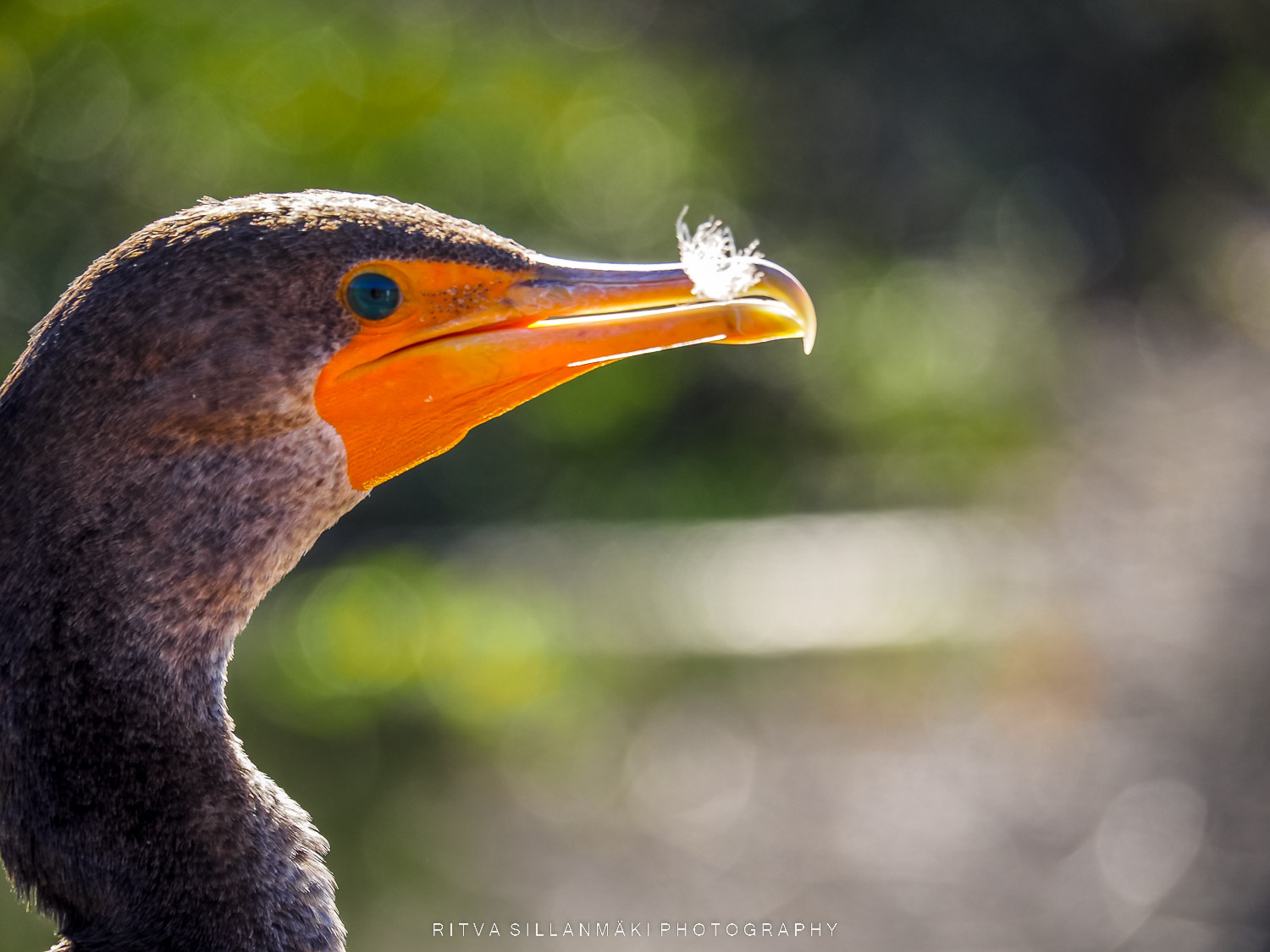
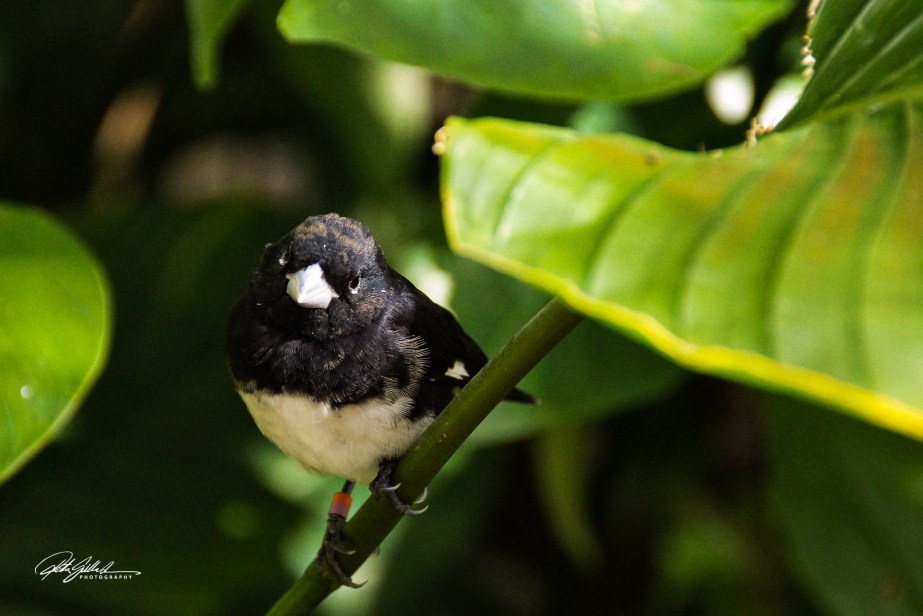
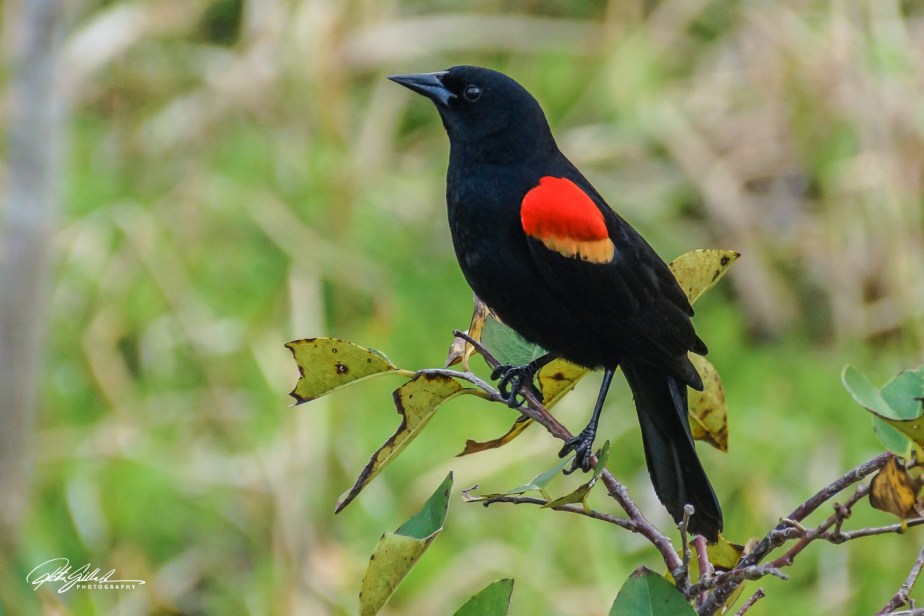
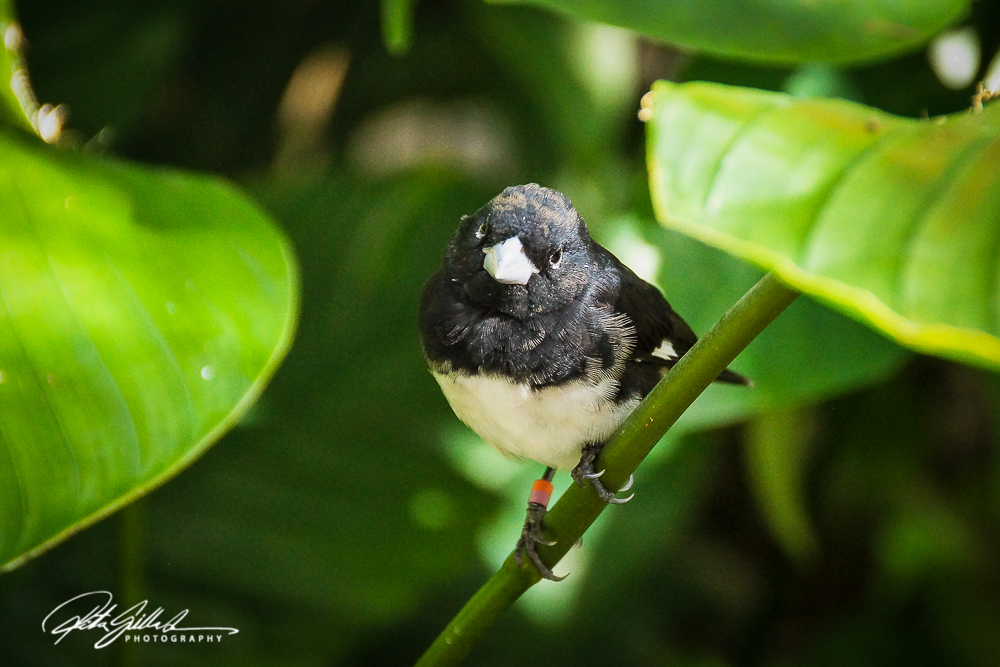
Soil is the first thing I thought of, but at the moment everything is mostly green. I was not going to dig for it. Lets start with this pretty bird with a white beak. There is an another one too with a white beak 🙂 and one more. These are few things in nature that I have photographs of that are black.
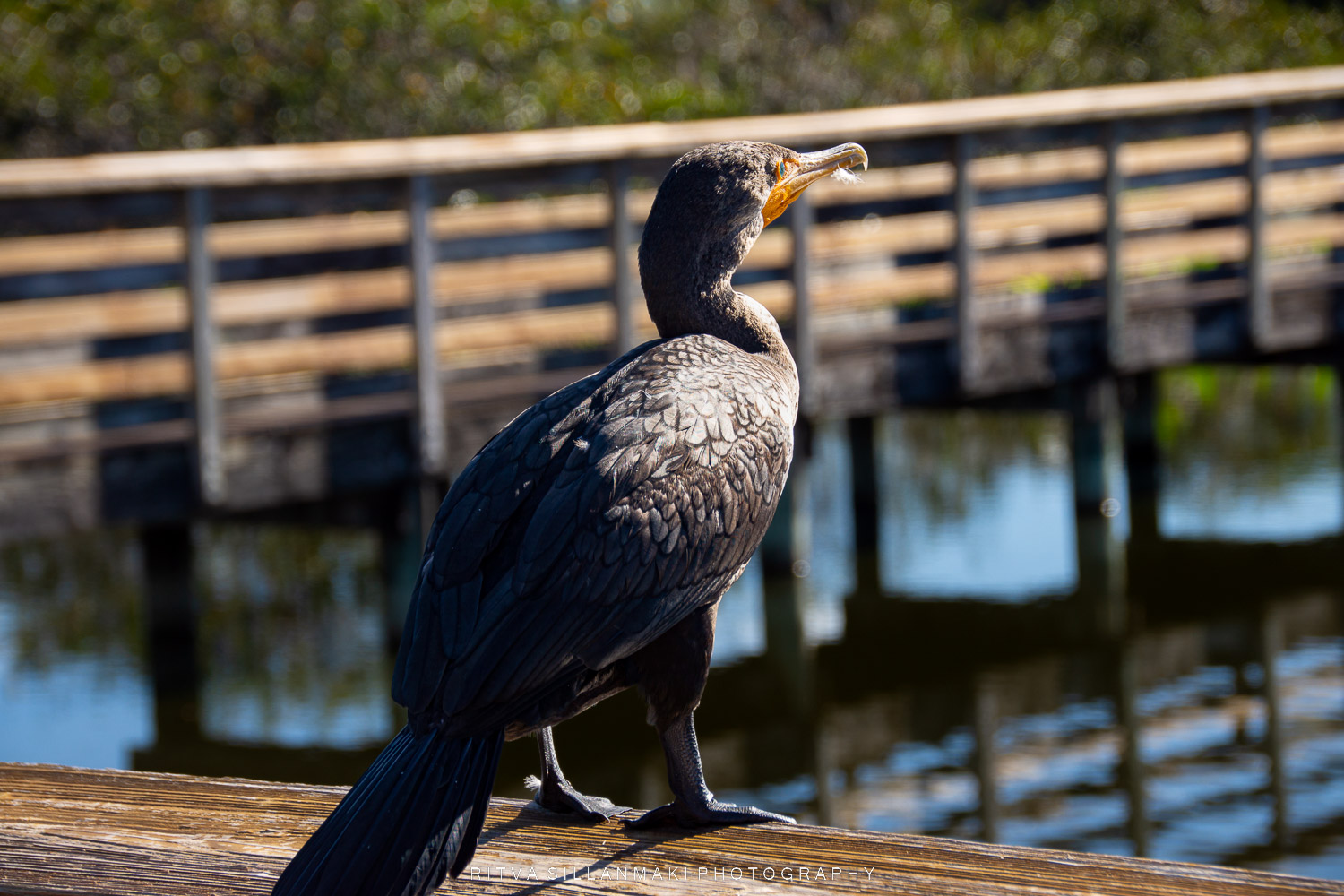
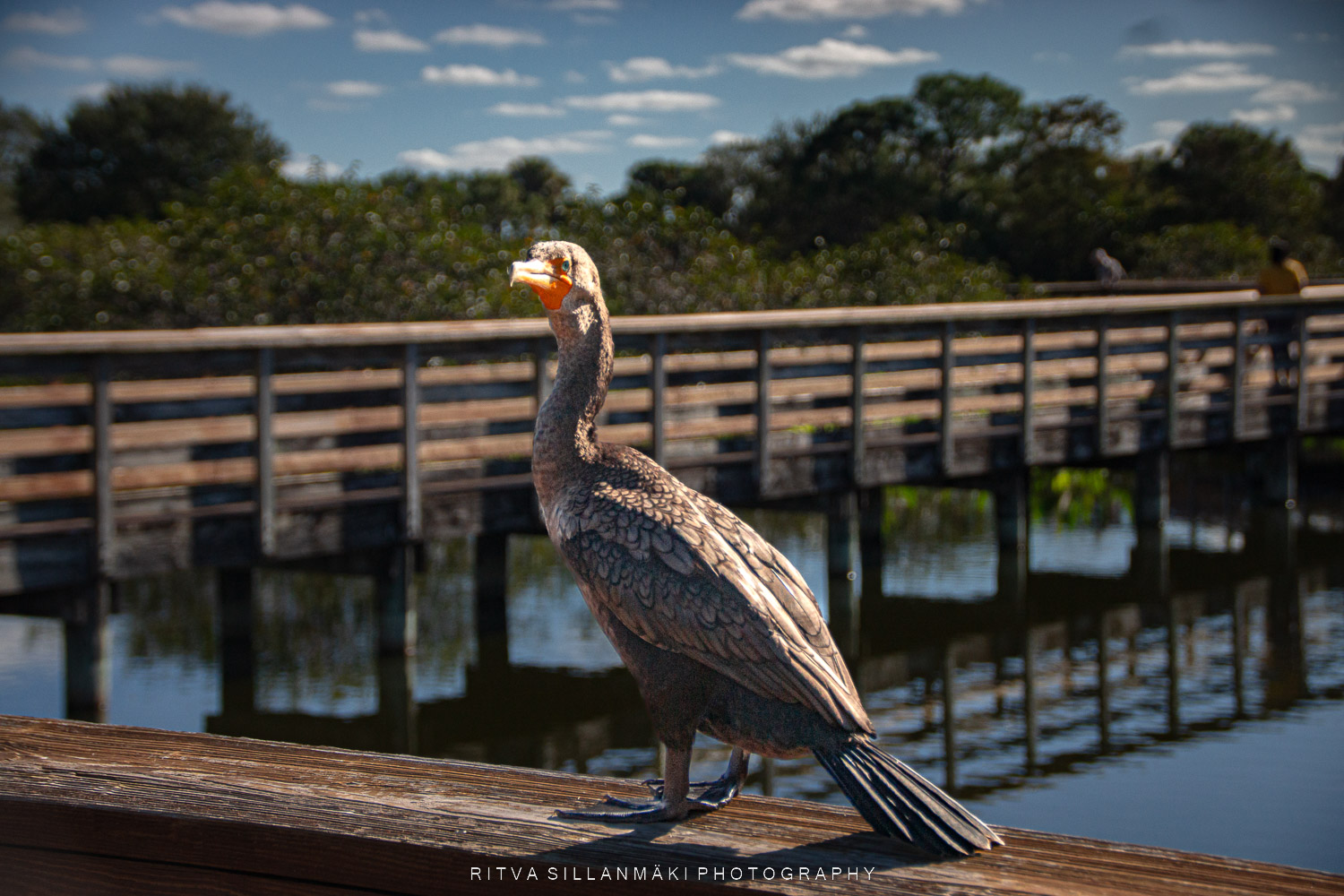
The Black Phoebe is a dapper flycatcher of the western U.S. with a sooty black body and crisp white belly.

One of the most abundant birds across North America, and one of the most boldly colored, the Red-winged Blackbird is a familiar sight atop cattails, along soggy roadsides, and on telephone wires. Glossy-black males have scarlet-and-yellow shoulder patches they can puff up or hide depending on how confident they feel.

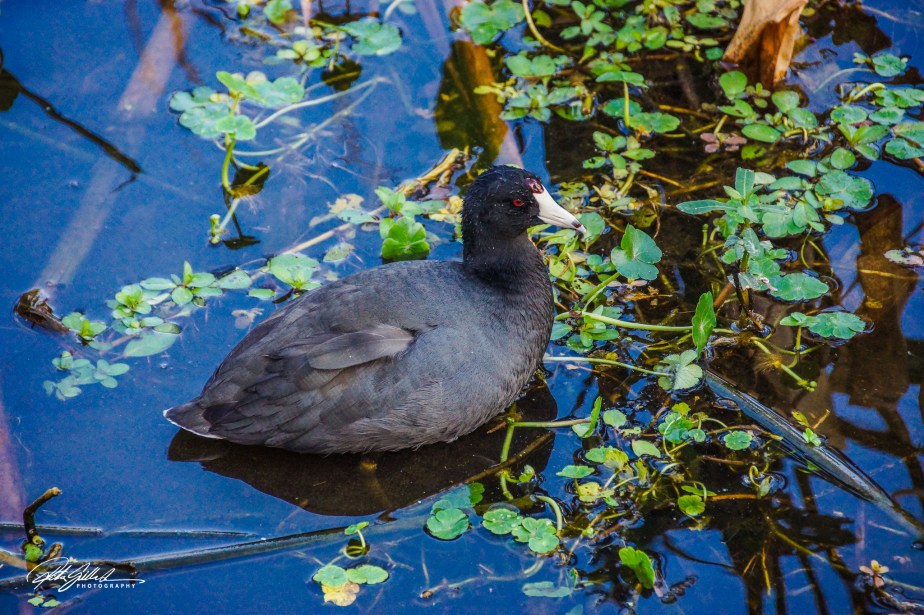
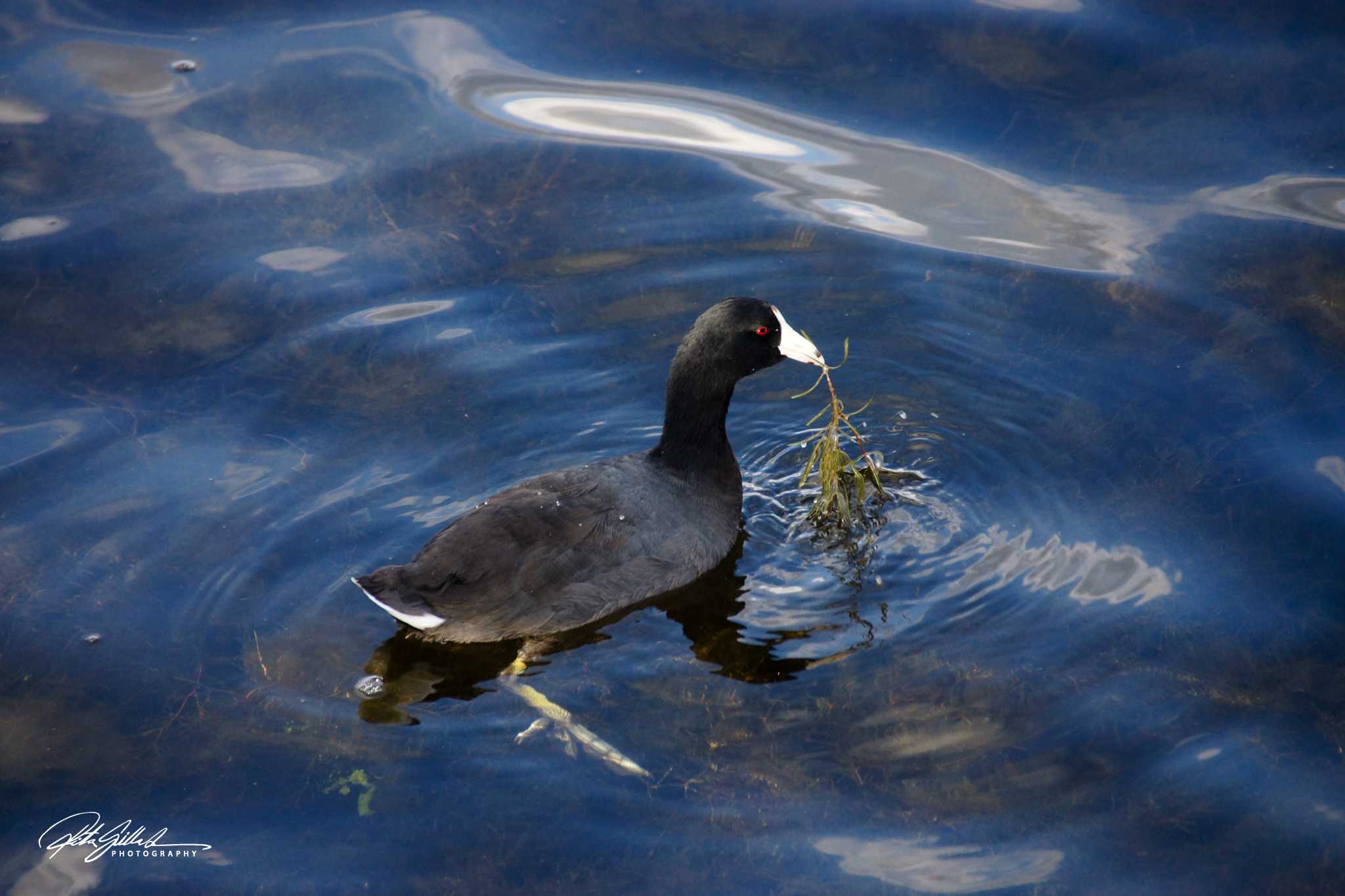
European Male Coot

Always seen on or near water, this wetland bird is a great example of a black bird with a white beak. As seen in the picture above it has a white beak with a white patch on its forehead, also known as a frontal shield, they also have red eyes. The males and females are very similar, however in breeding season the male’s frontal shield will be noticeably wider than the female’s.

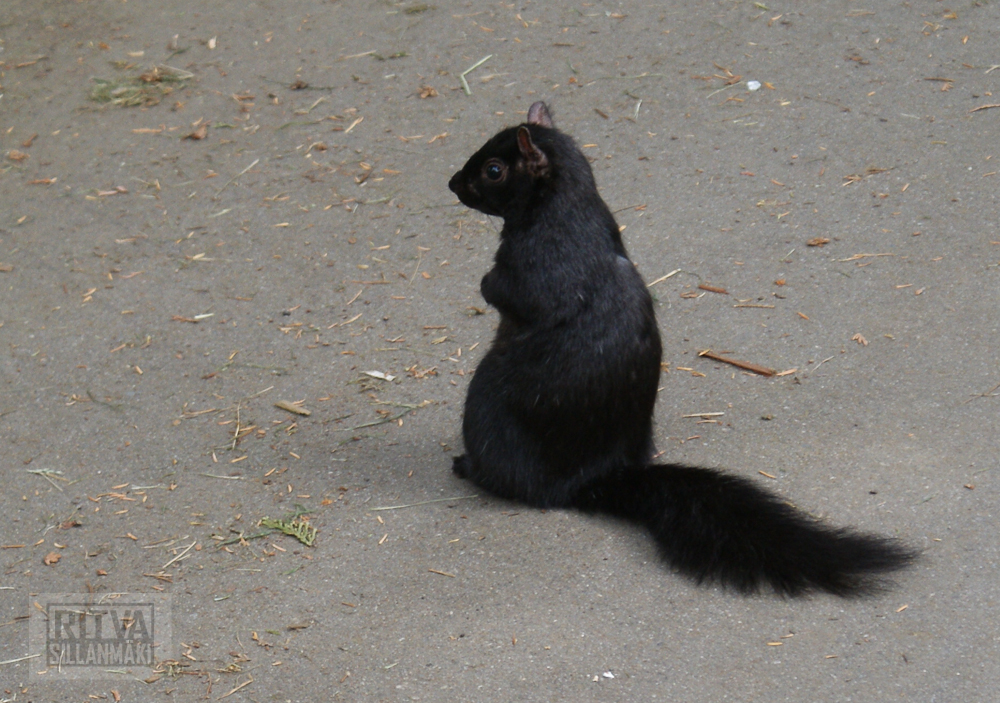
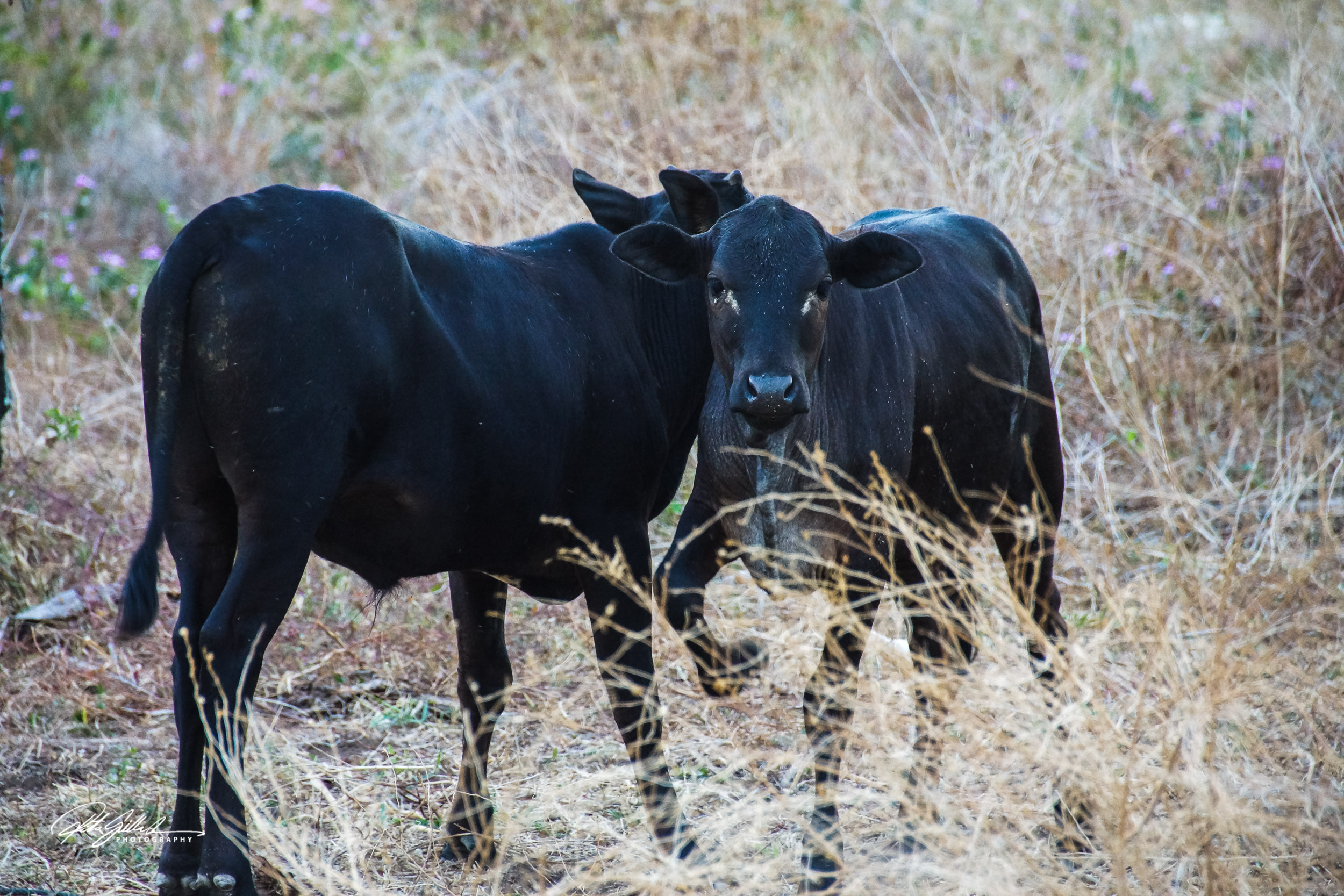
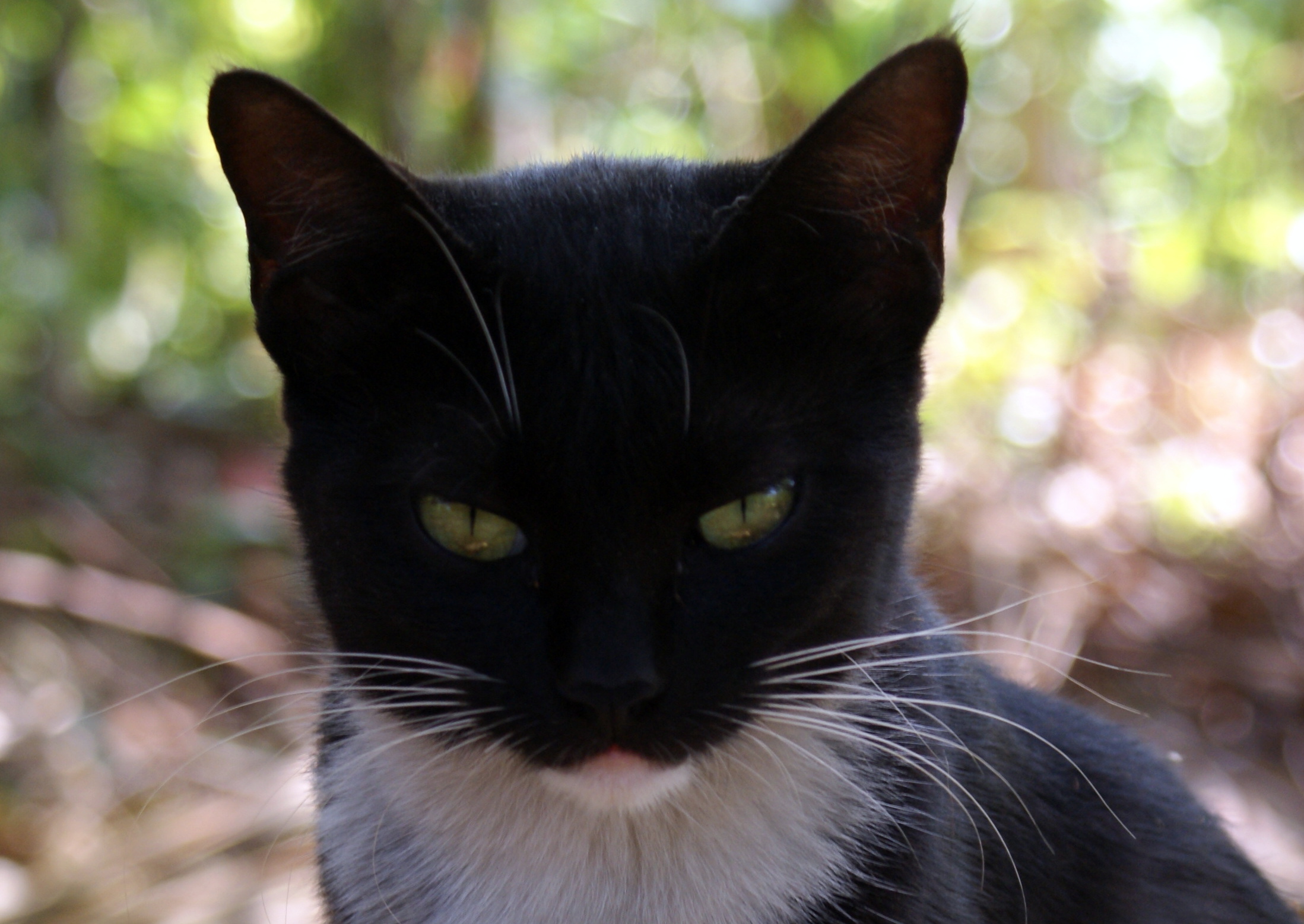
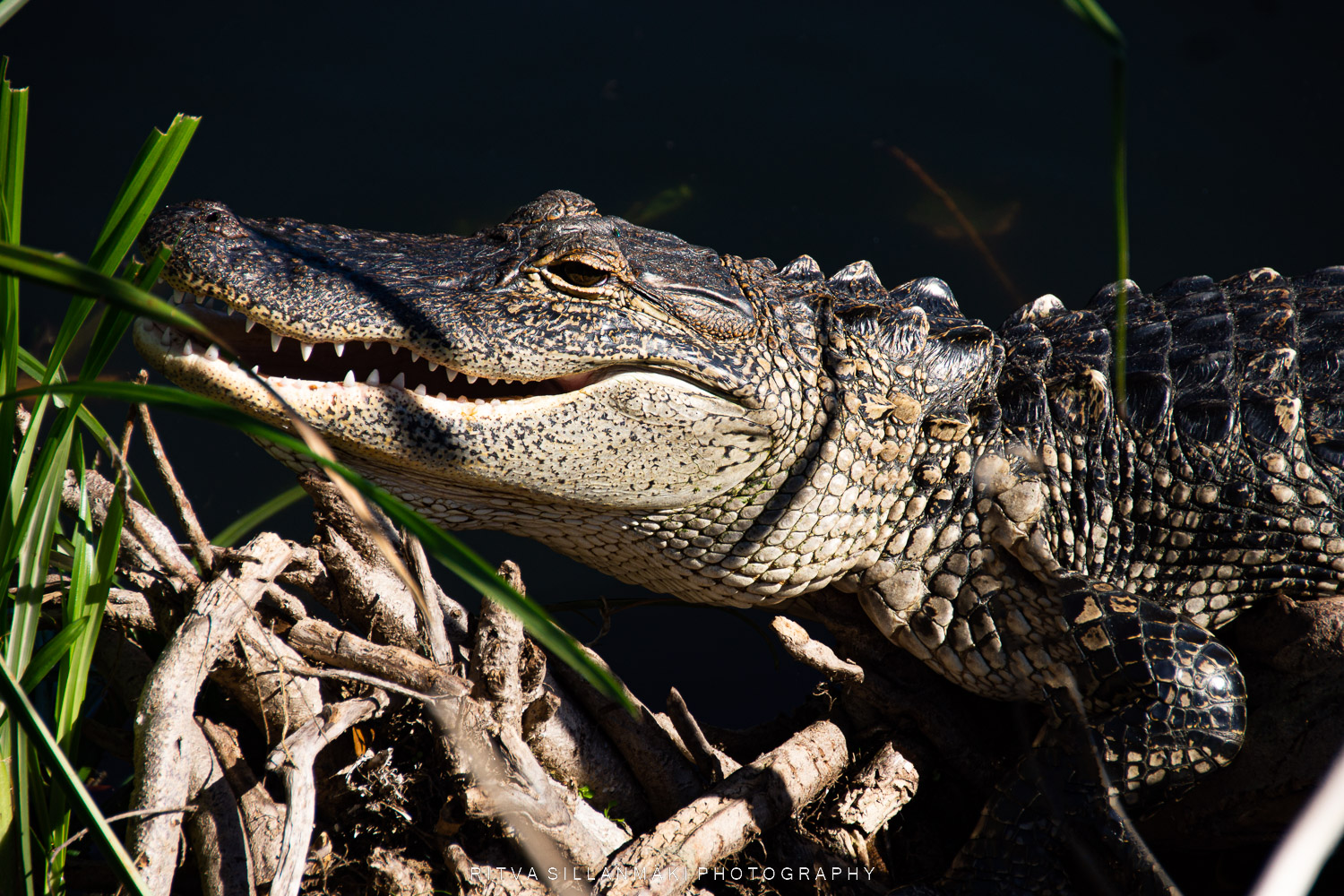
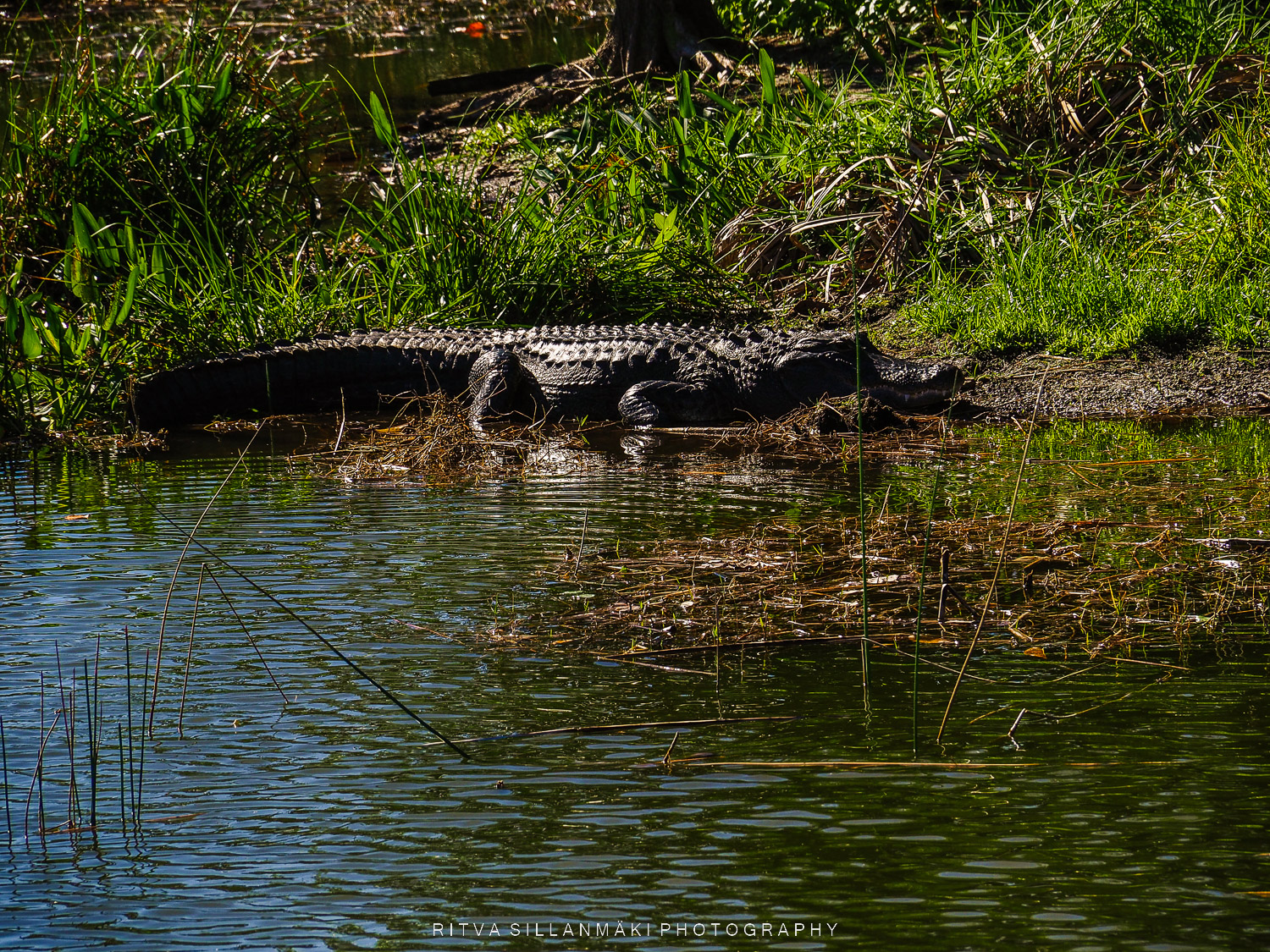
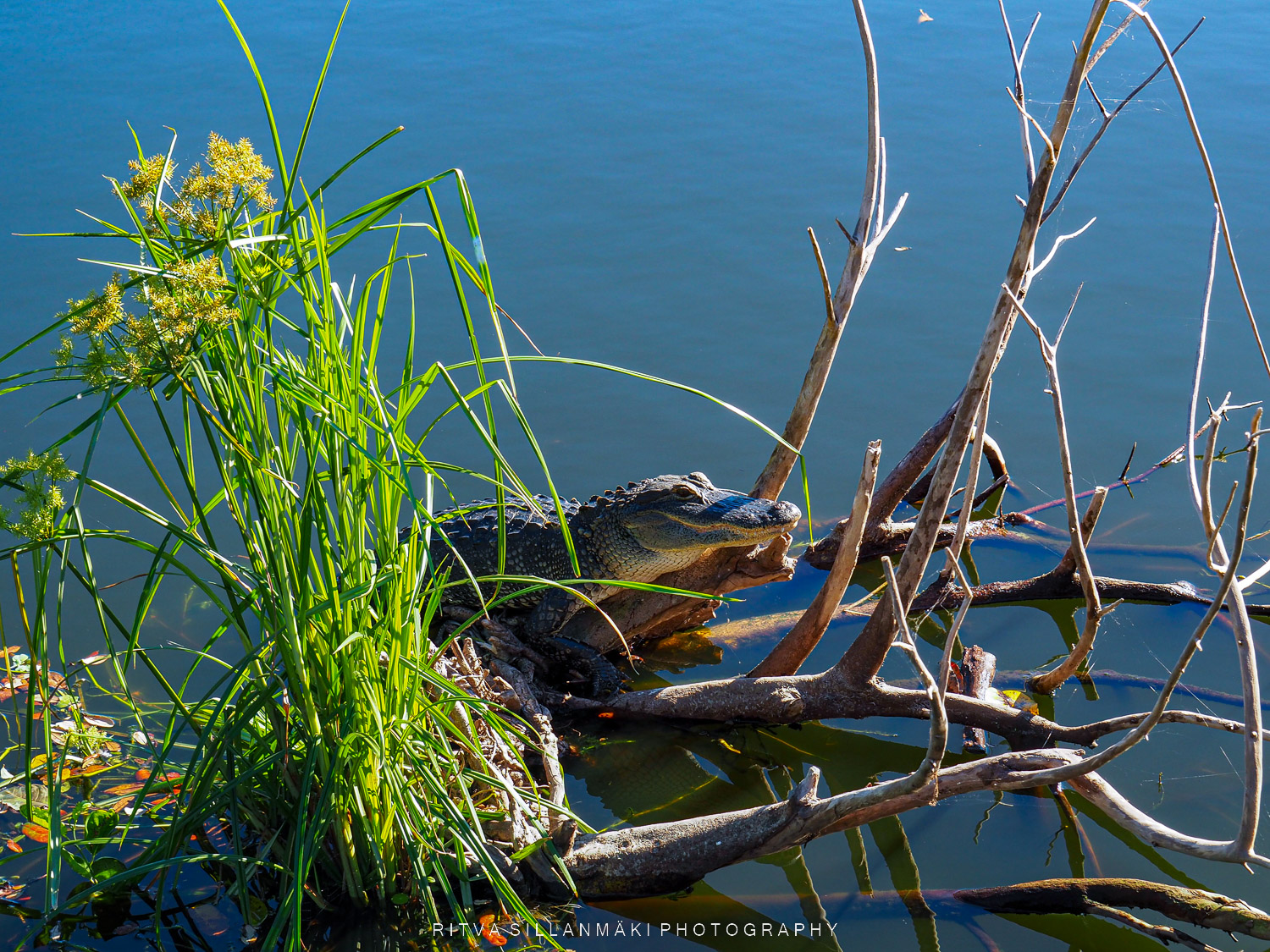
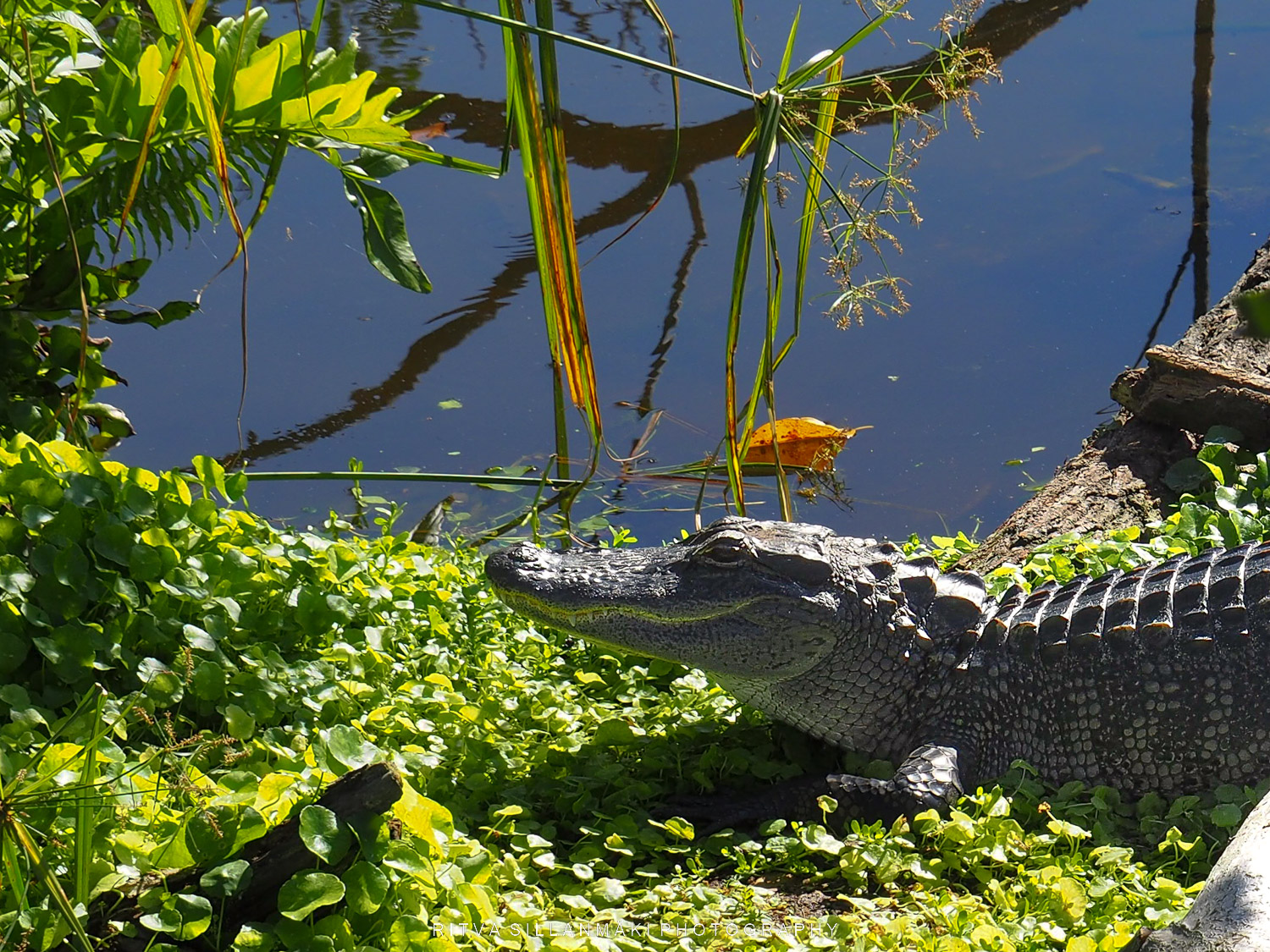
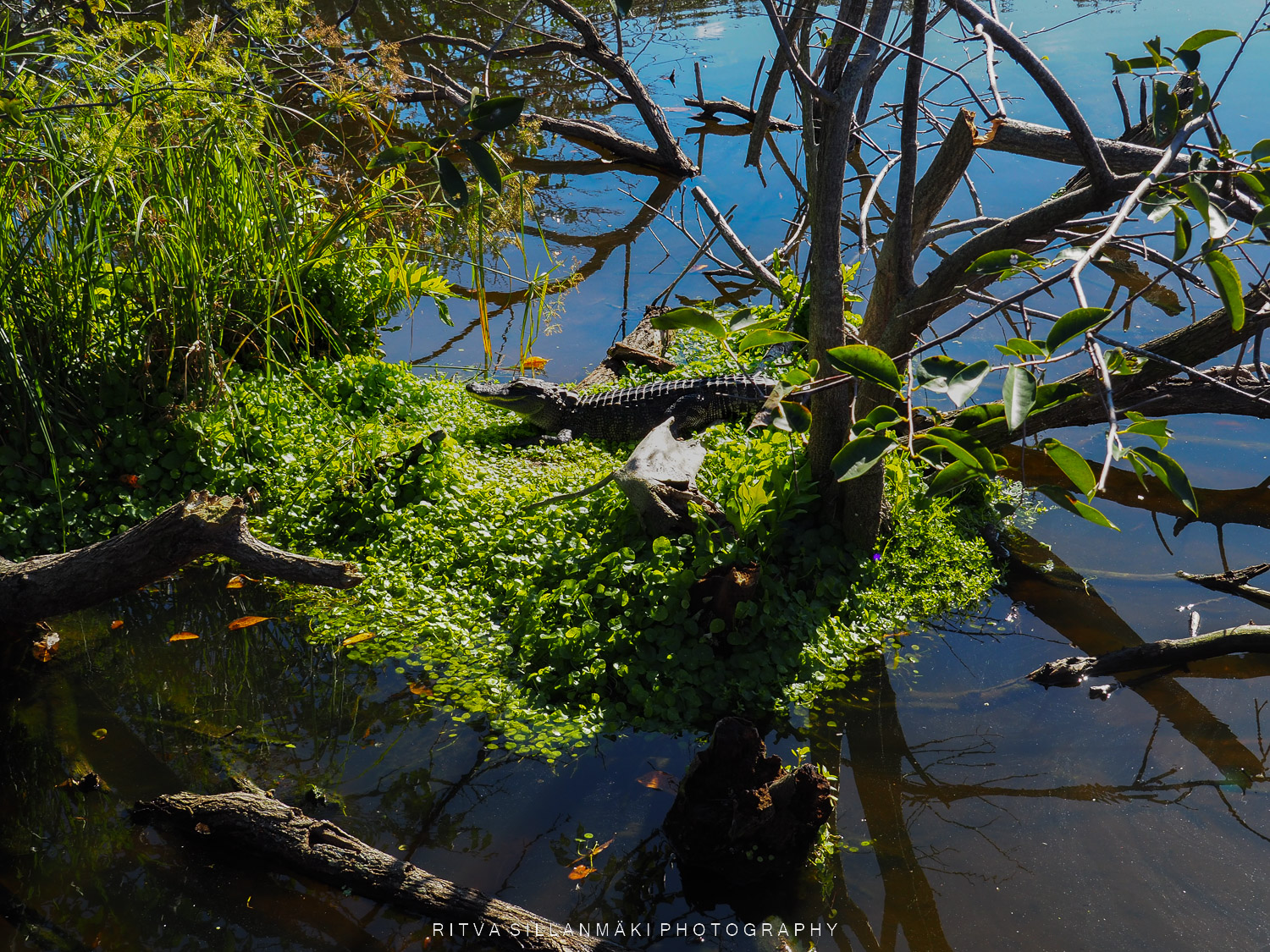
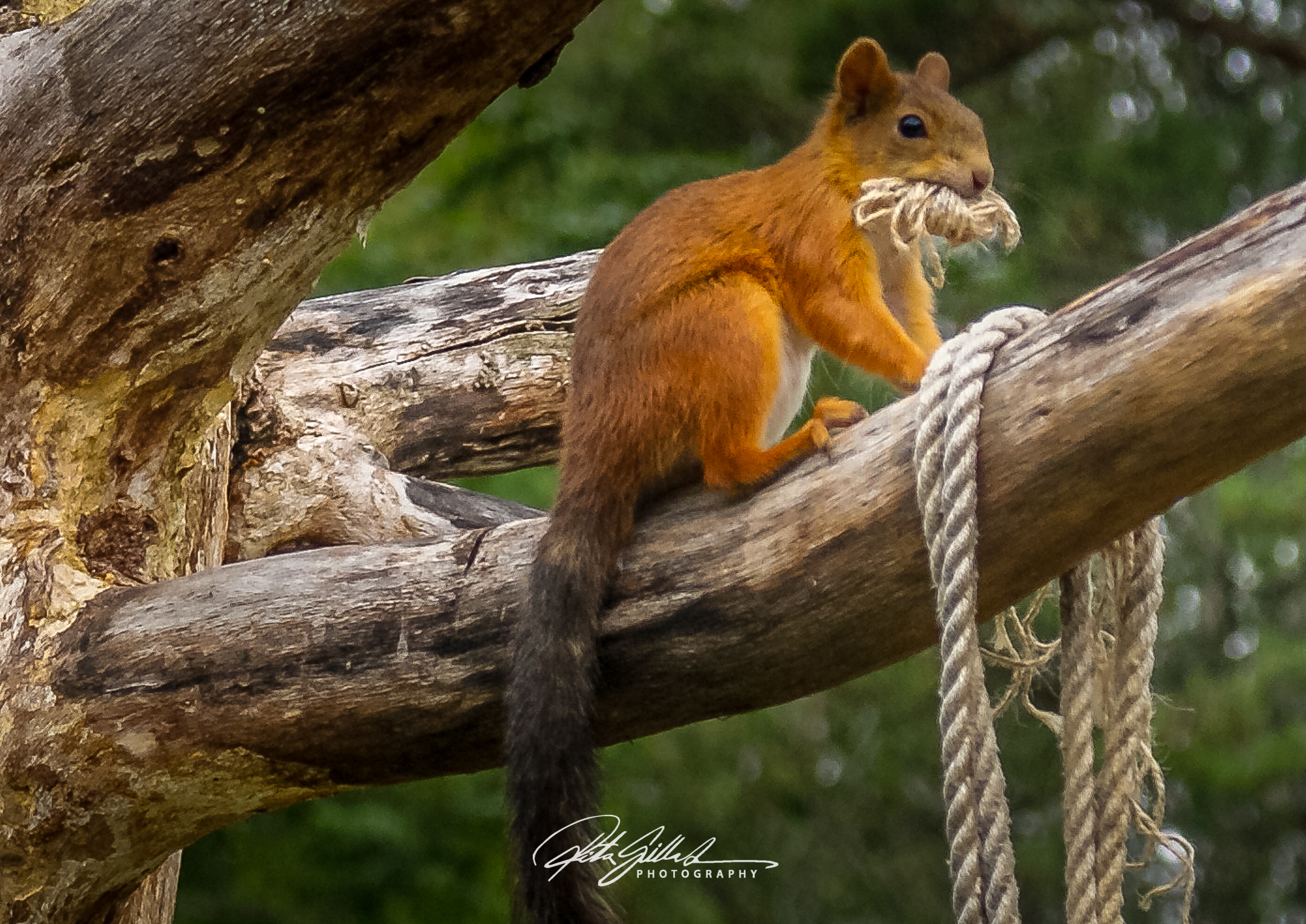
Black squirrel, black cows and a dog. Alligator – Black?

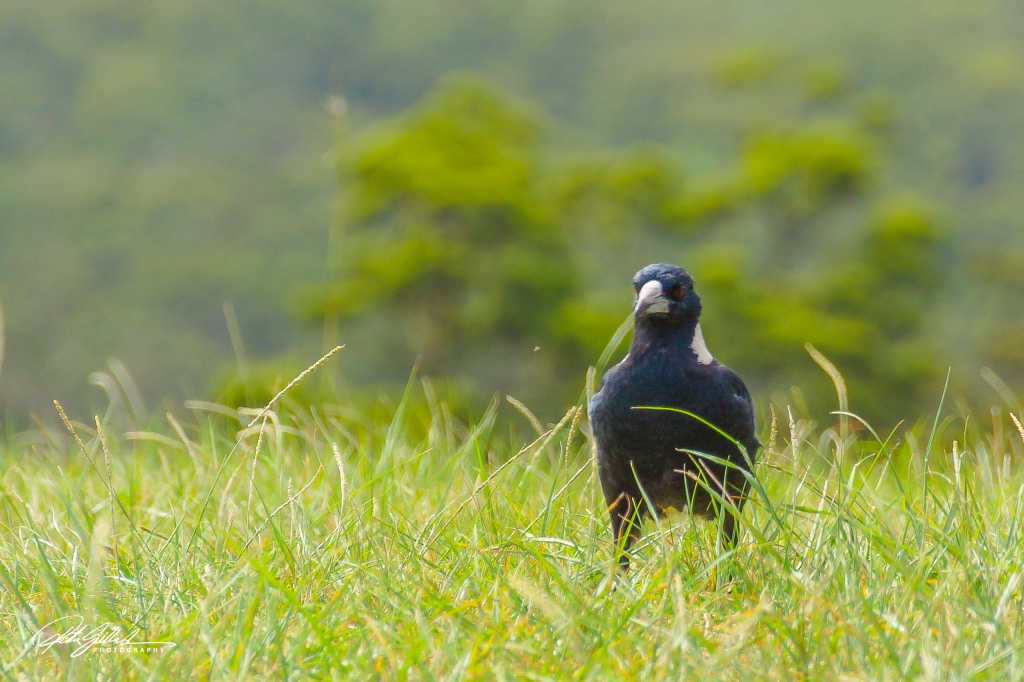
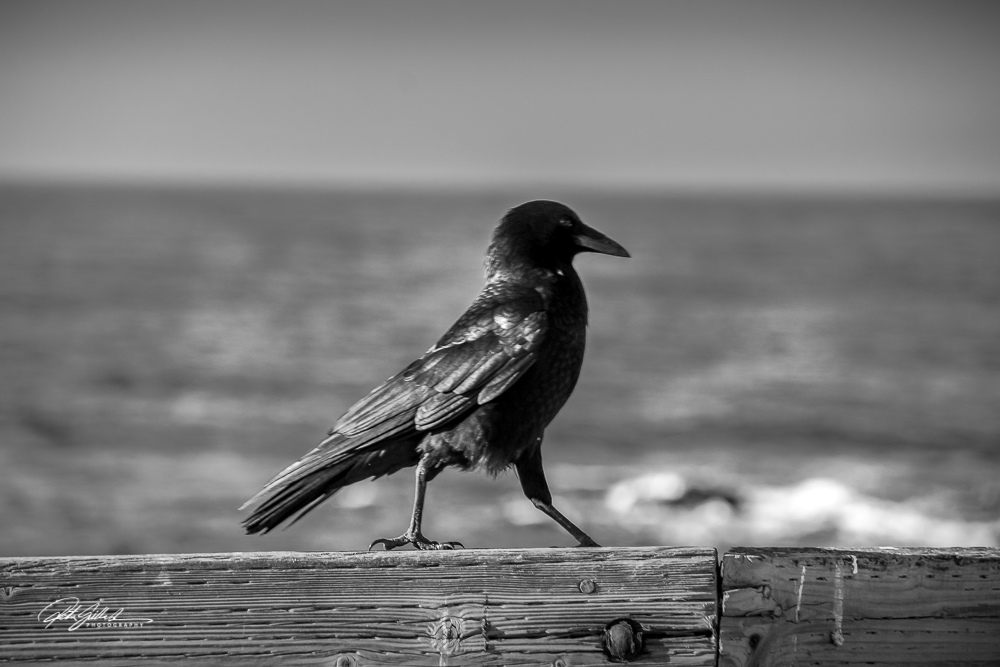
Australian magpie  below

summer 2023 – 1

June, summer is here even though the temperatures are not that high. Nature is giving us its best that’s for sure.

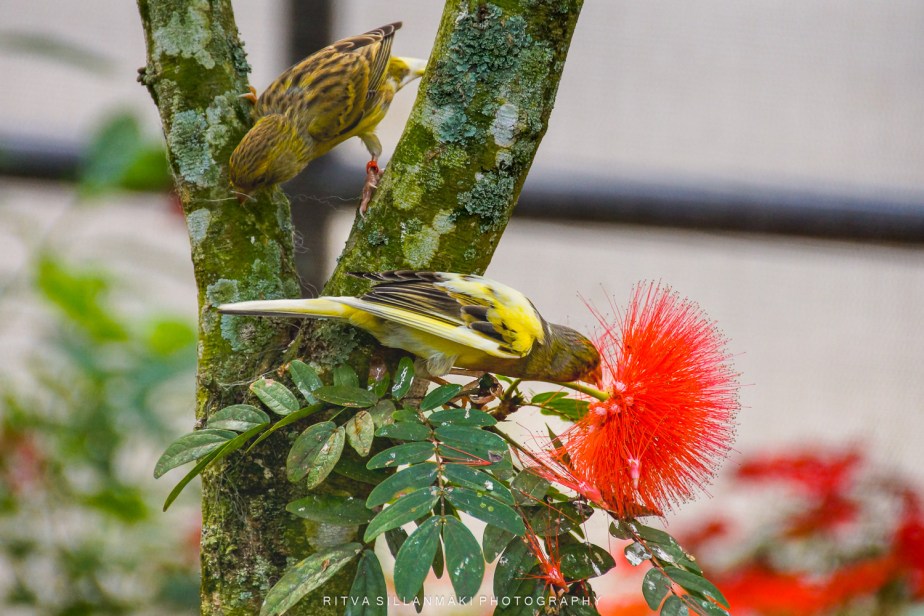
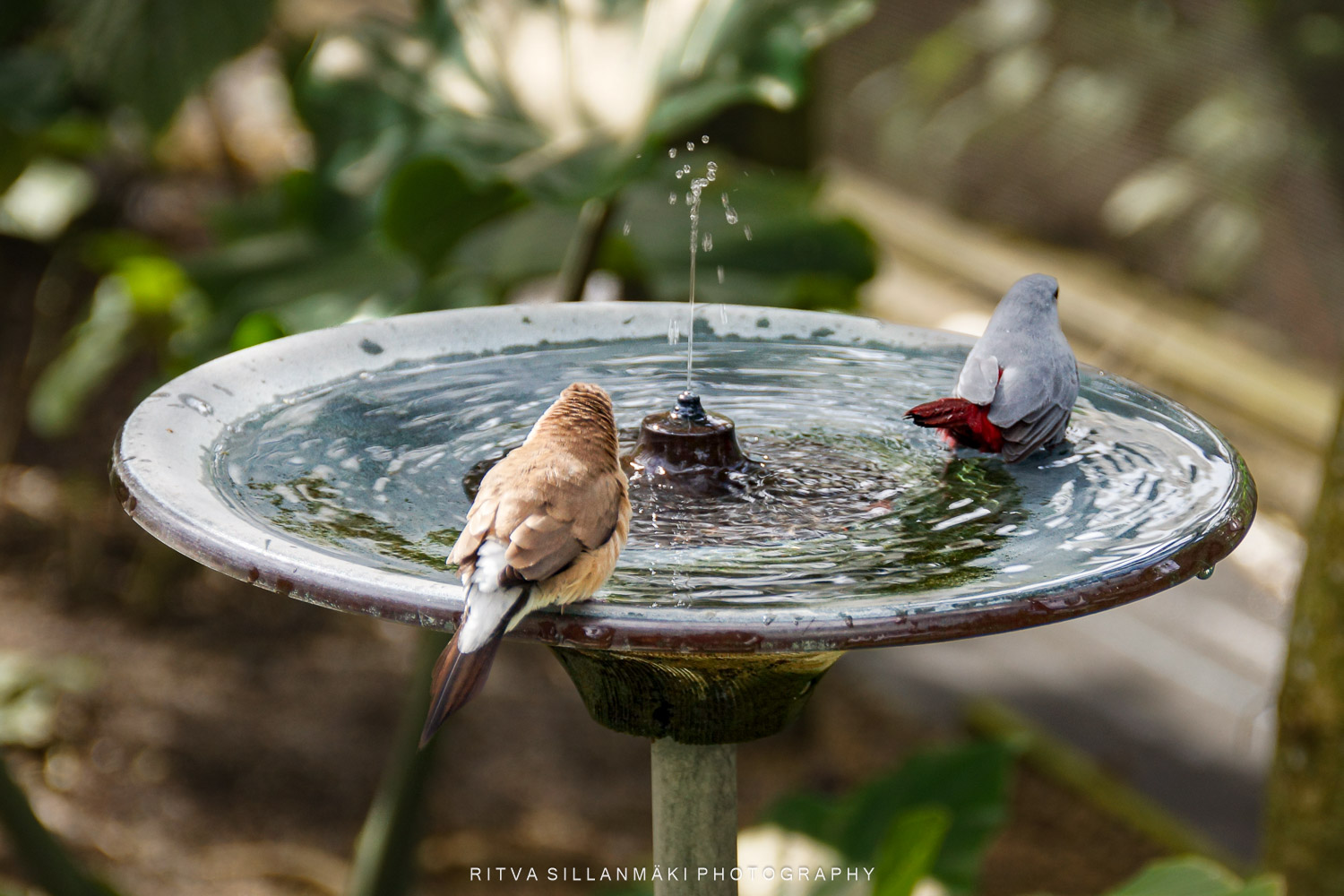
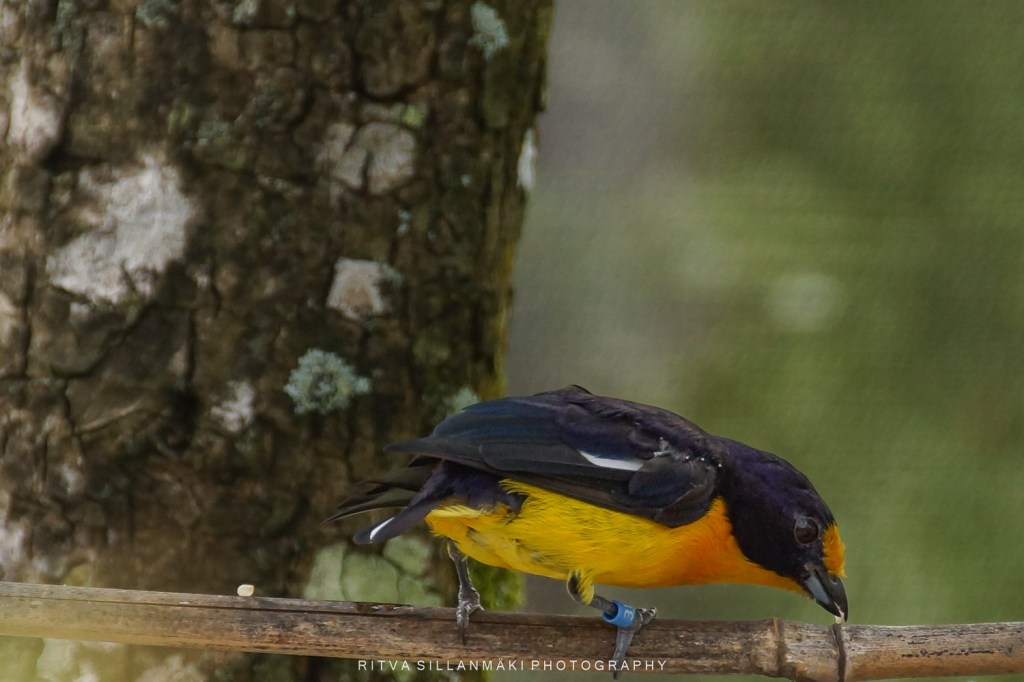
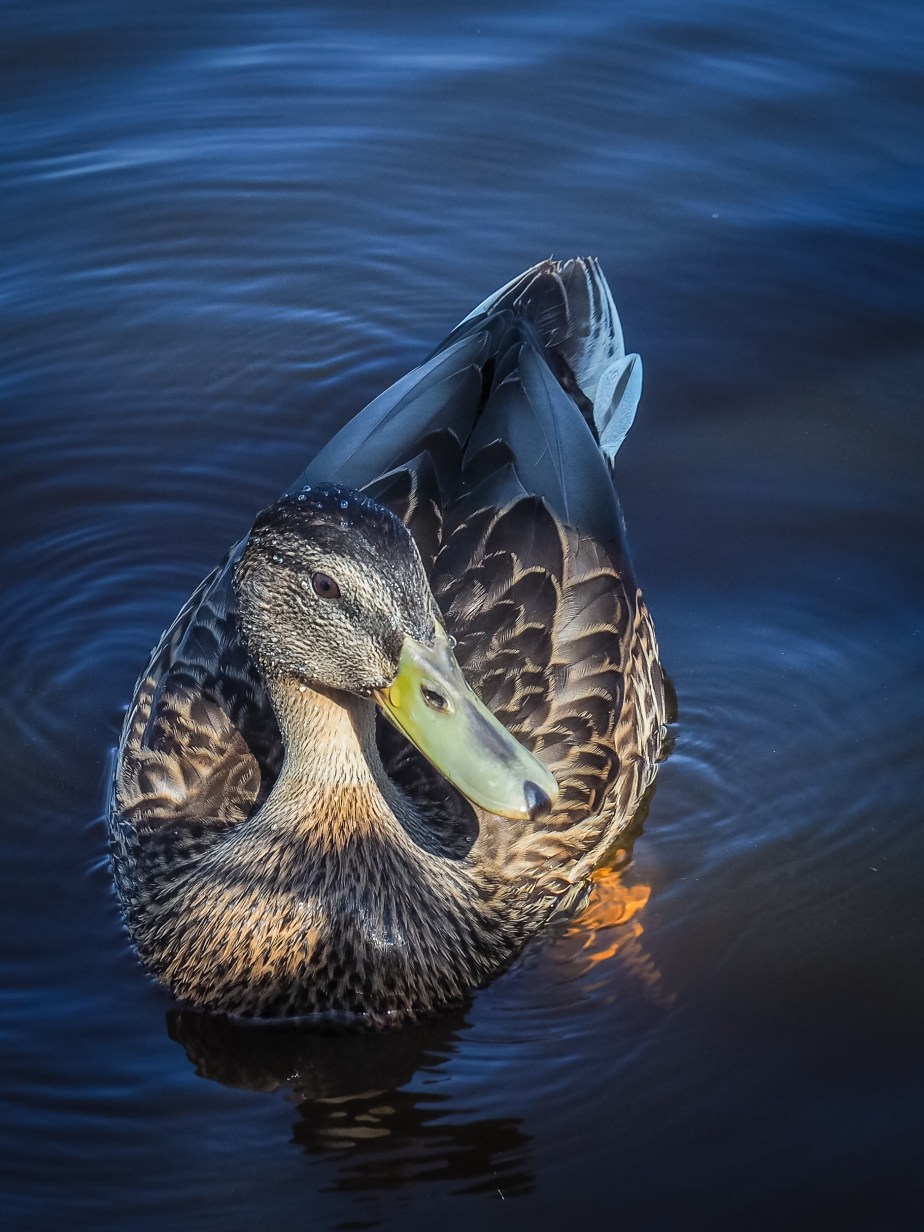
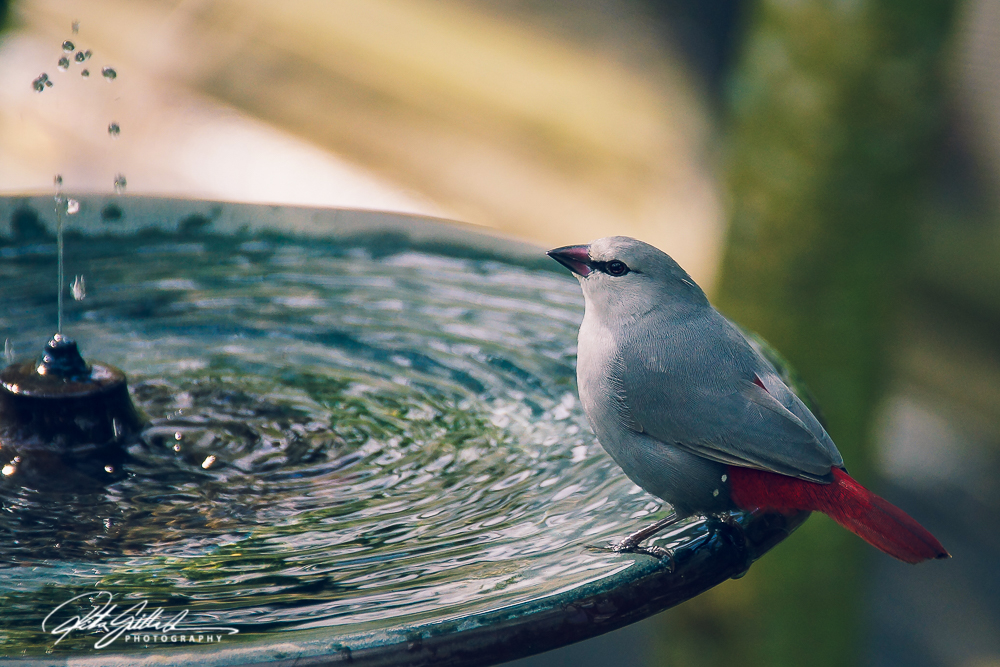
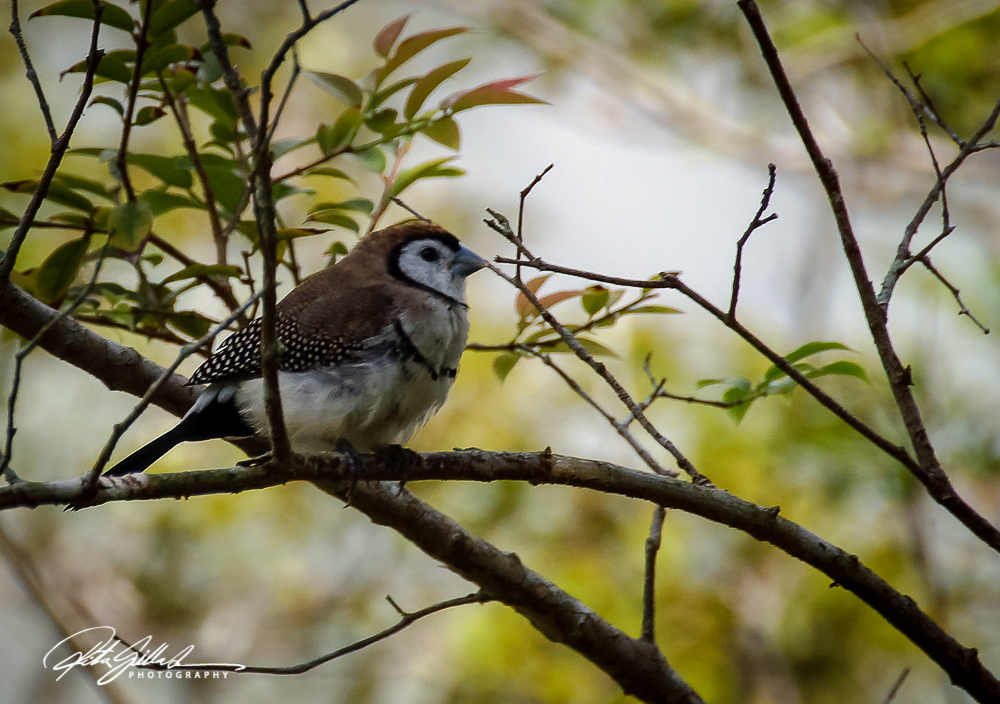
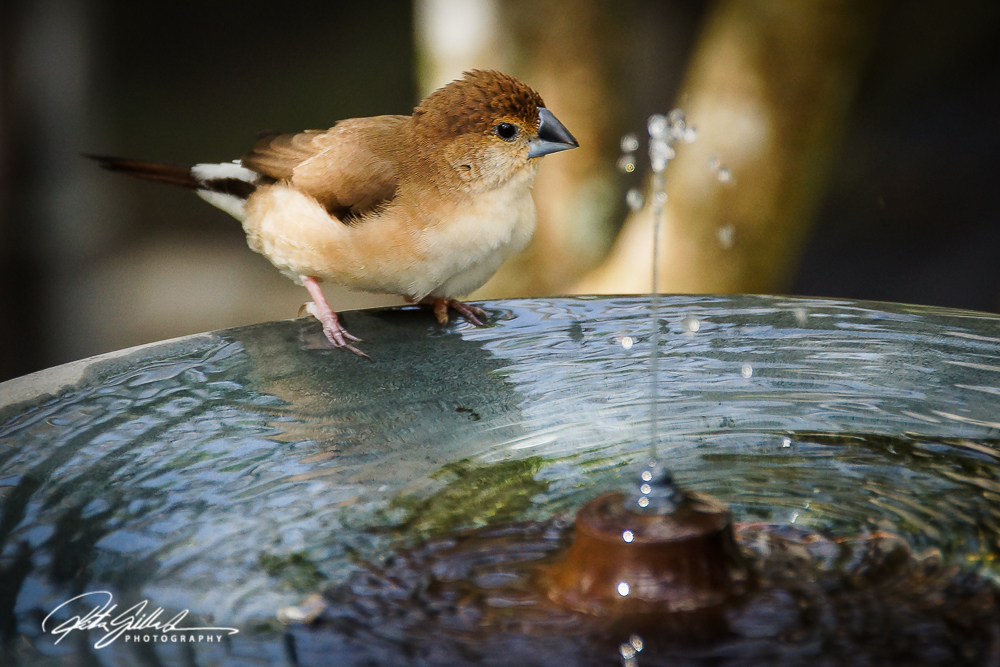
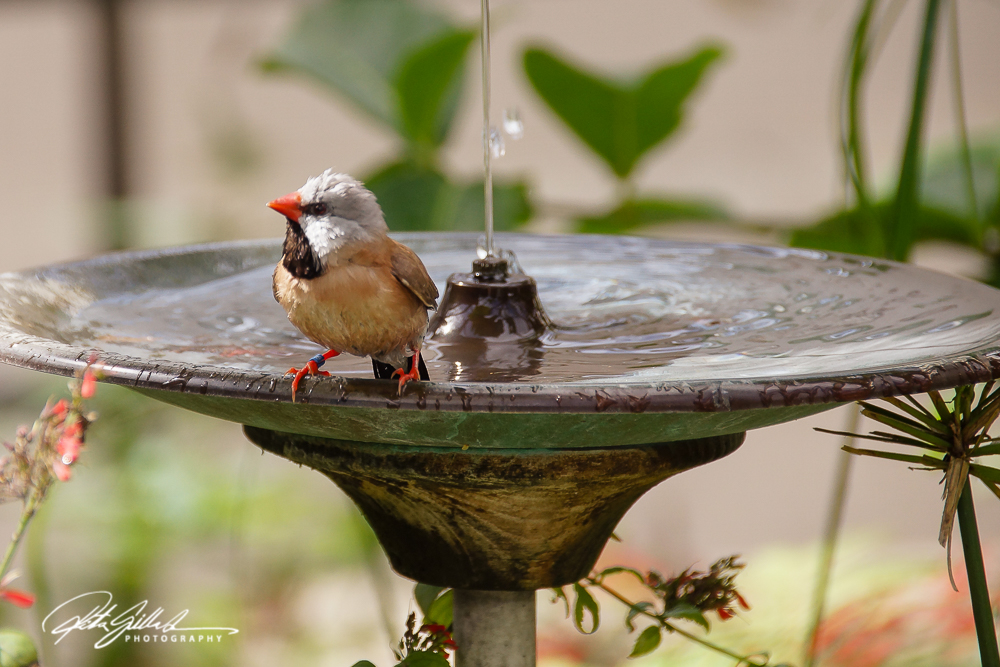
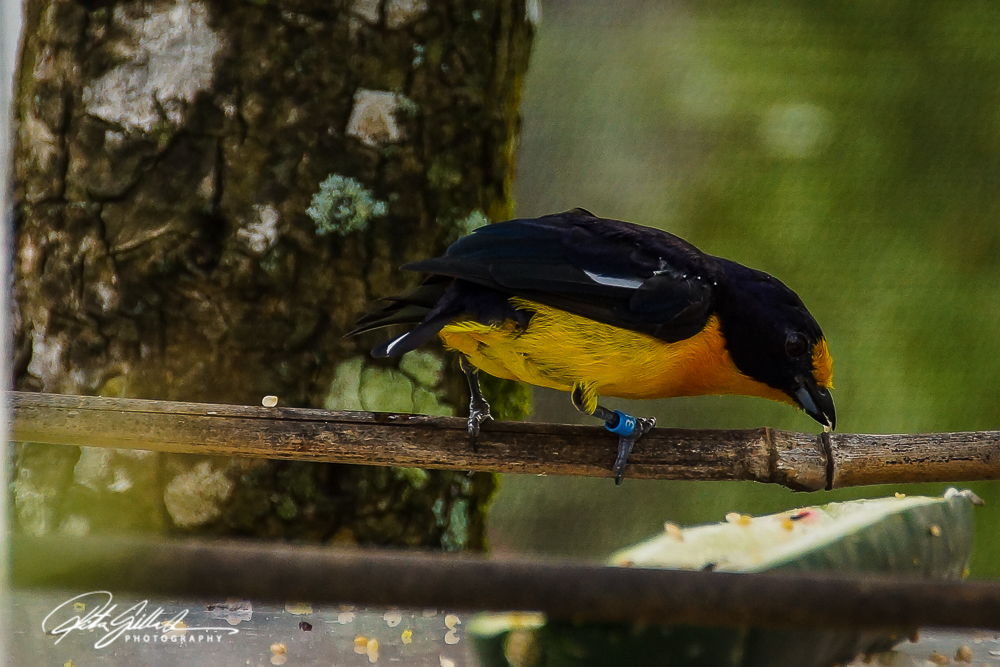
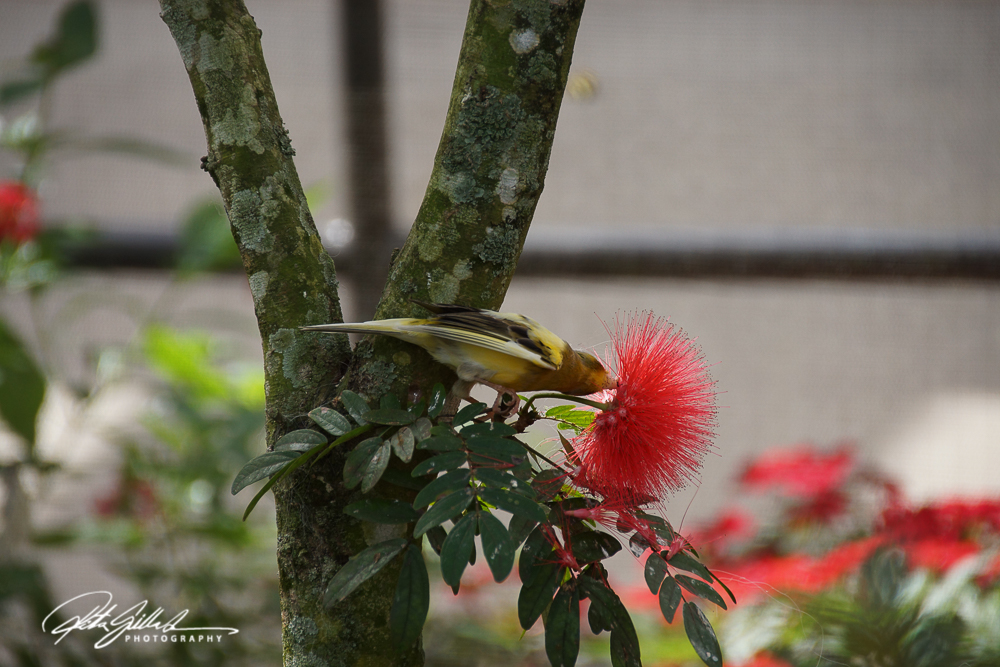
Birds, not my expertise at all, sometimes I get a nice shot, but sometimes is the thing as I do not have the equipment to get the spot on shots. I found these as I went through my archive for this challenge Birds feeding and drinking

I found these as I went through my archive NPC #15: Birds feeding and drinking

Wakodahatchee

The first day of out holiday to US we were in Florida and went to visit Wakodahatchee wetland park.

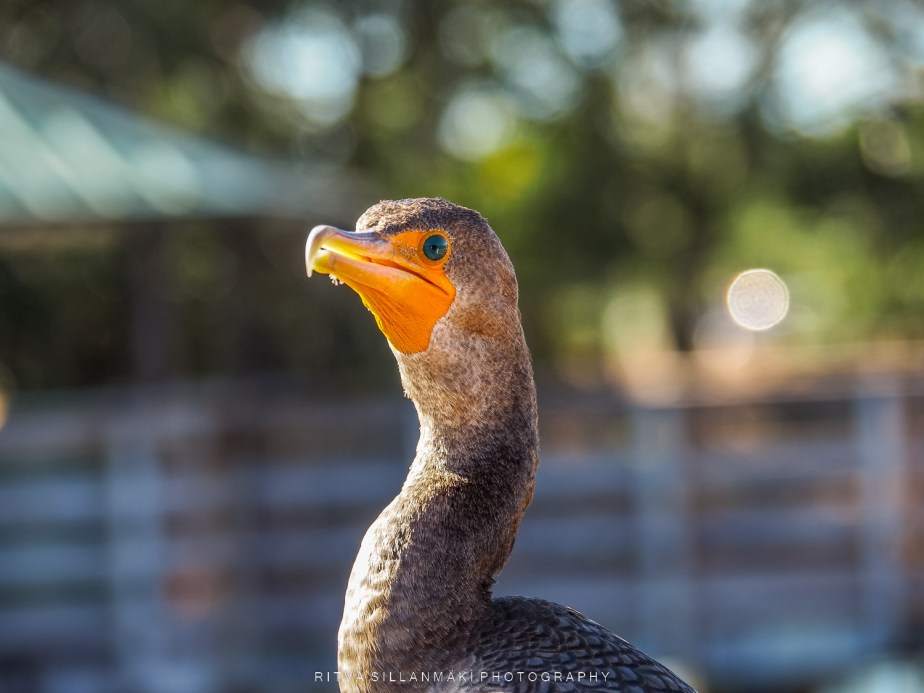
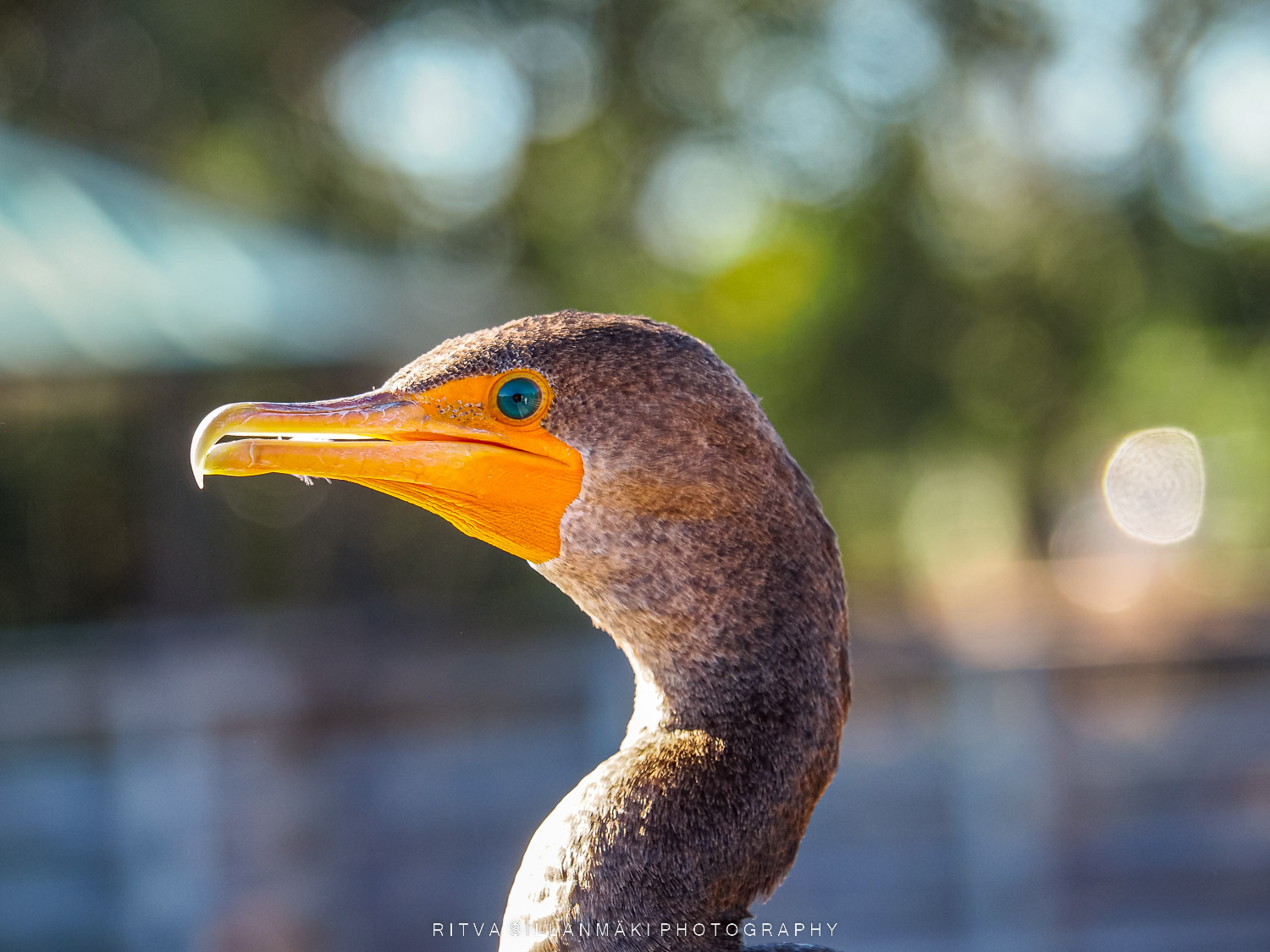
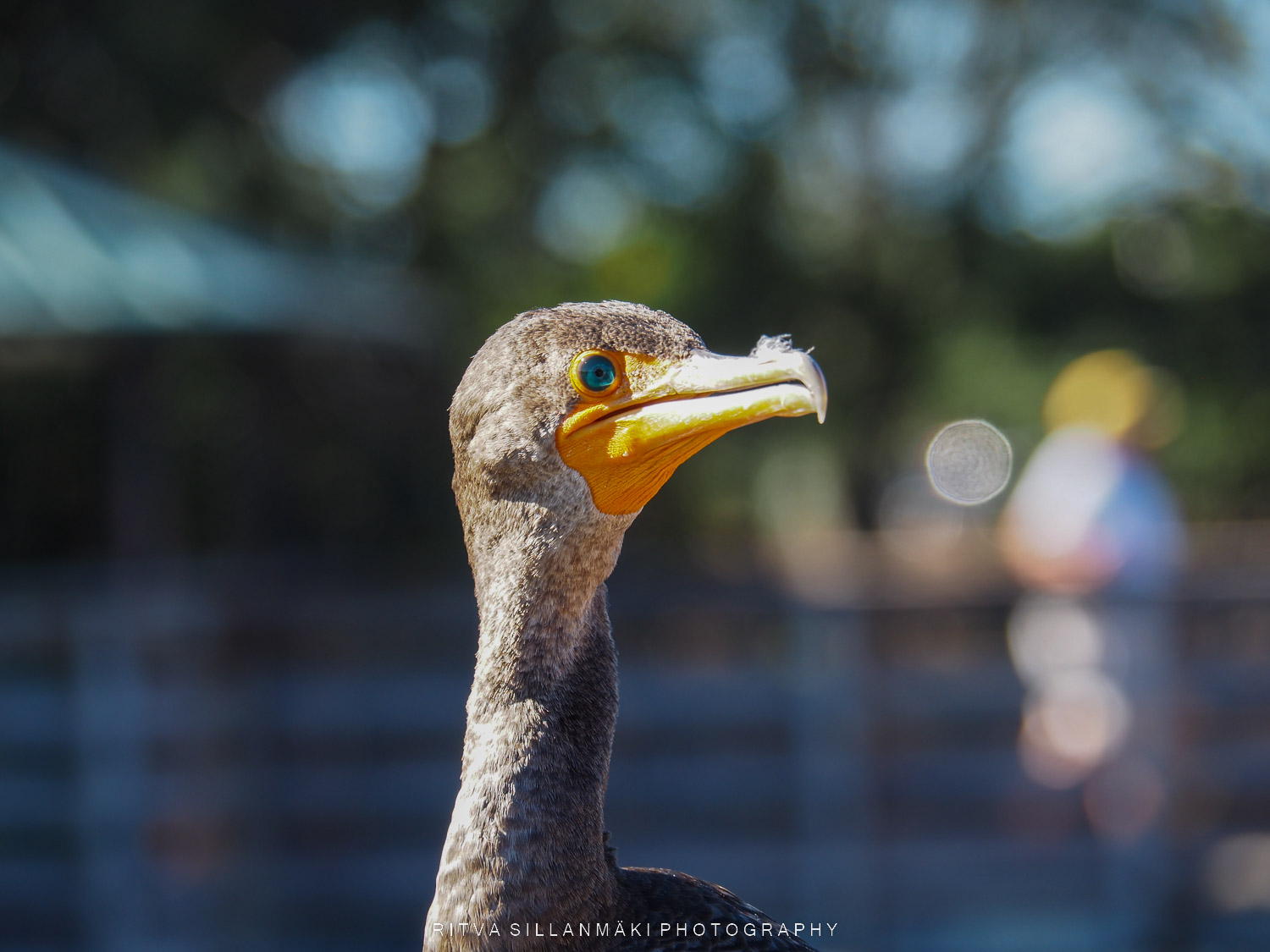
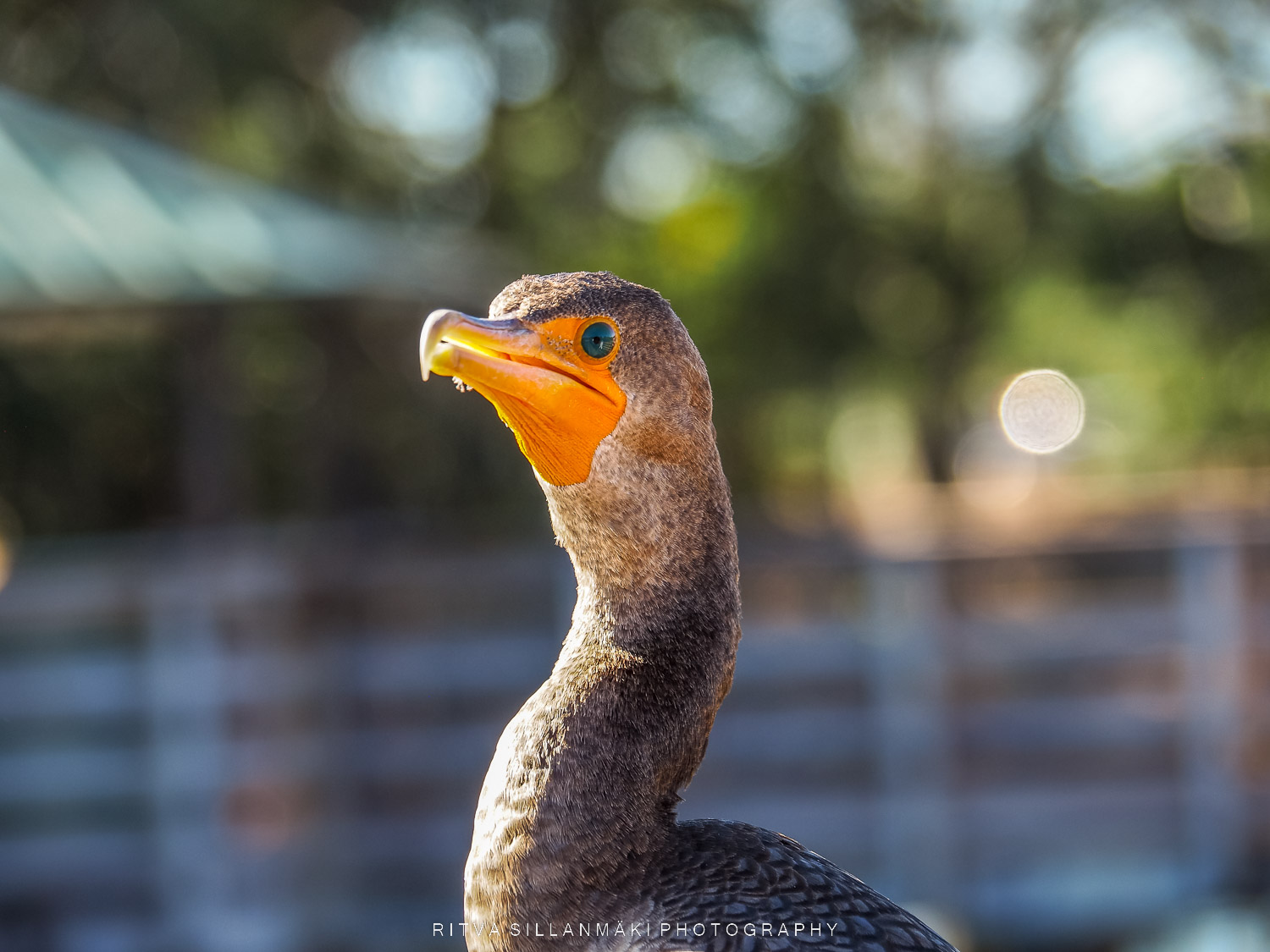
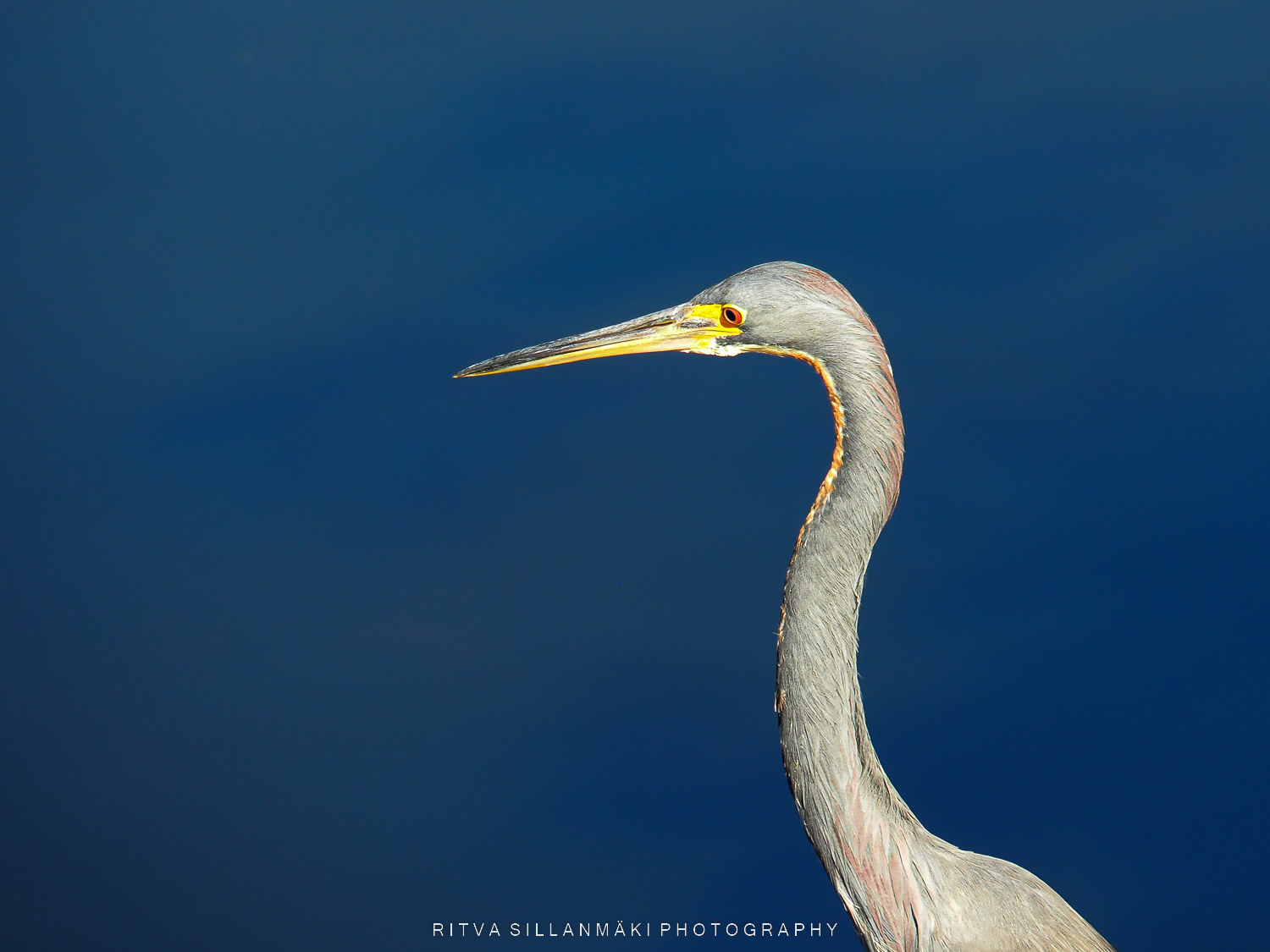
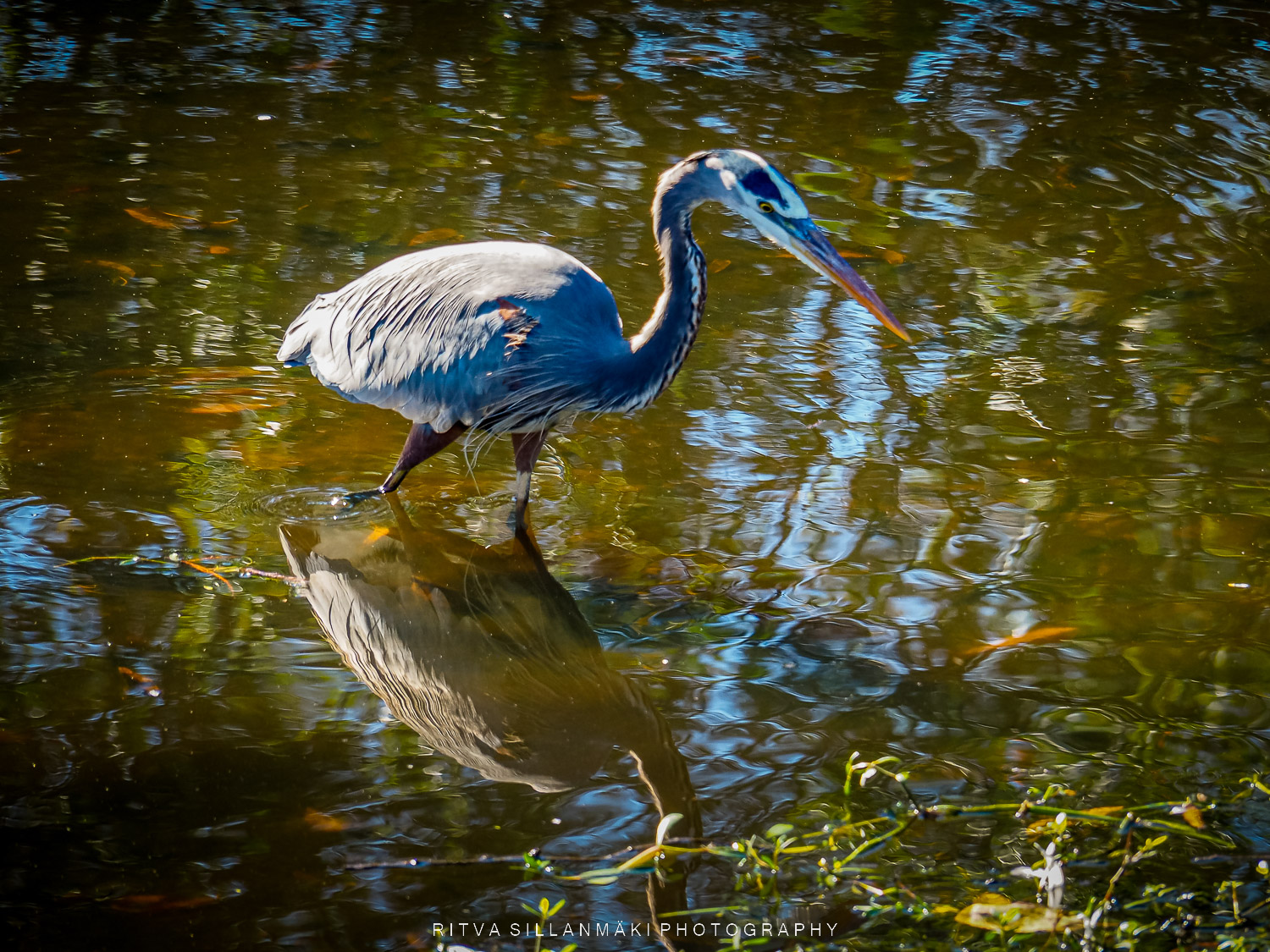
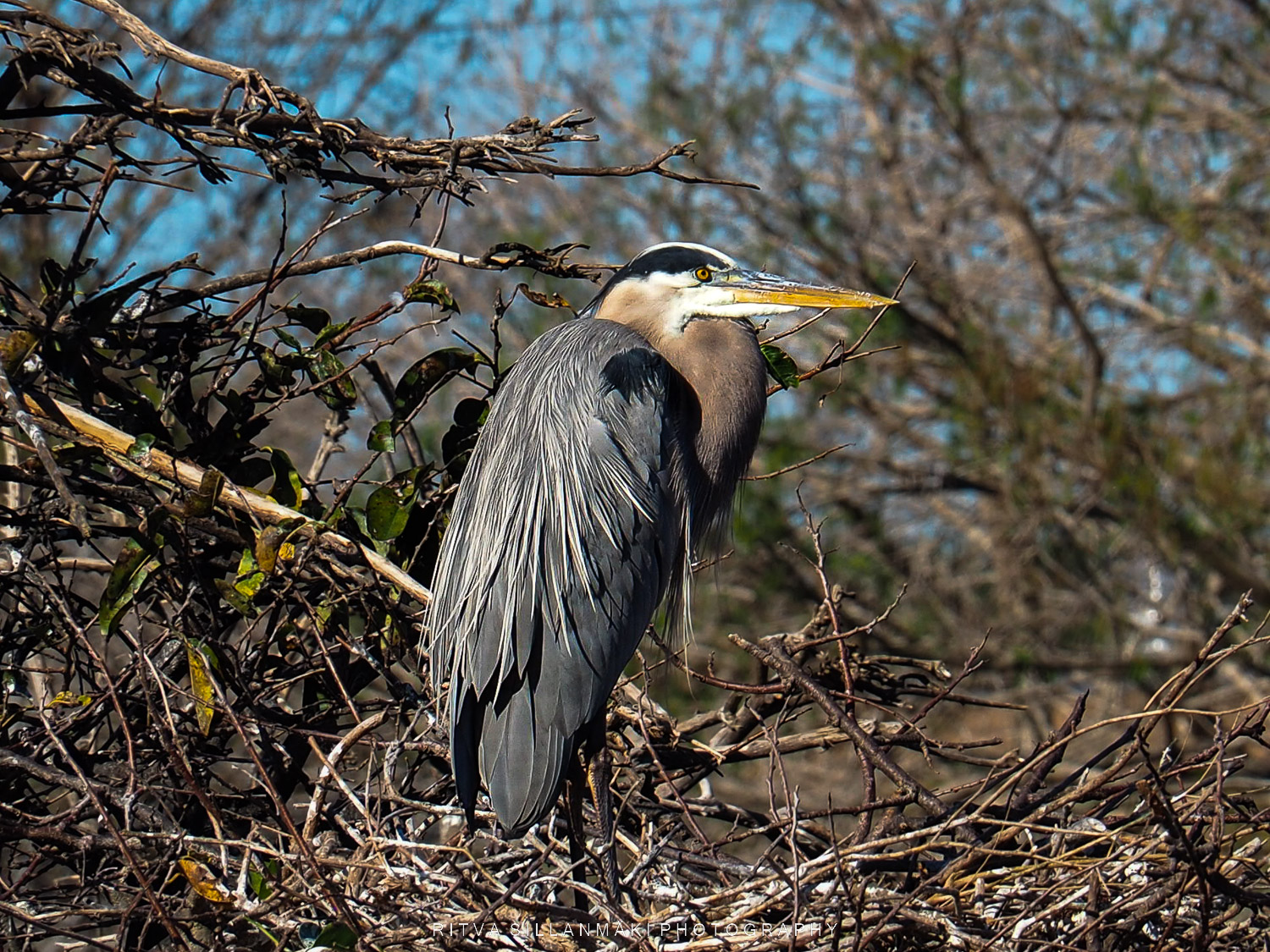
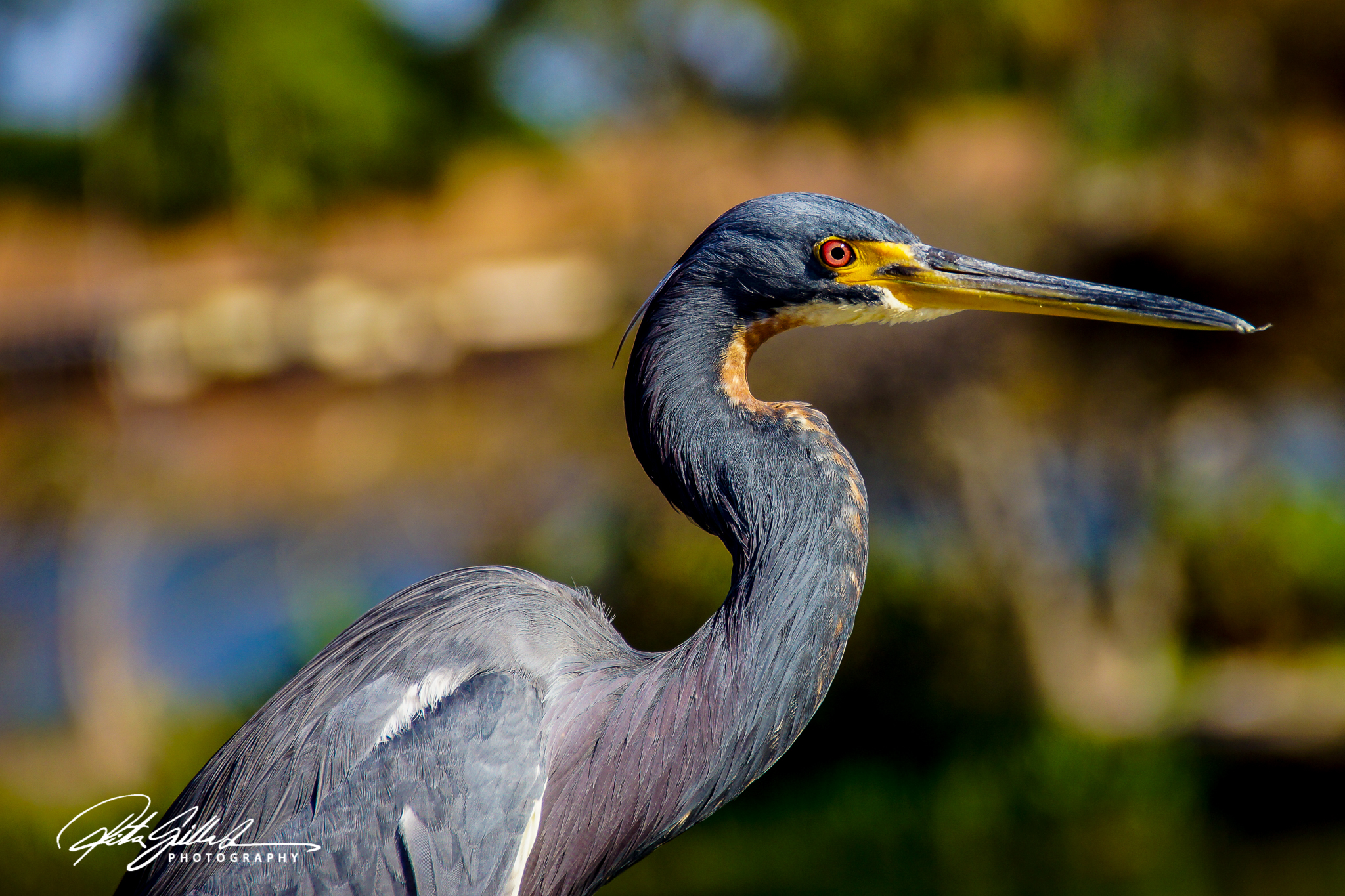
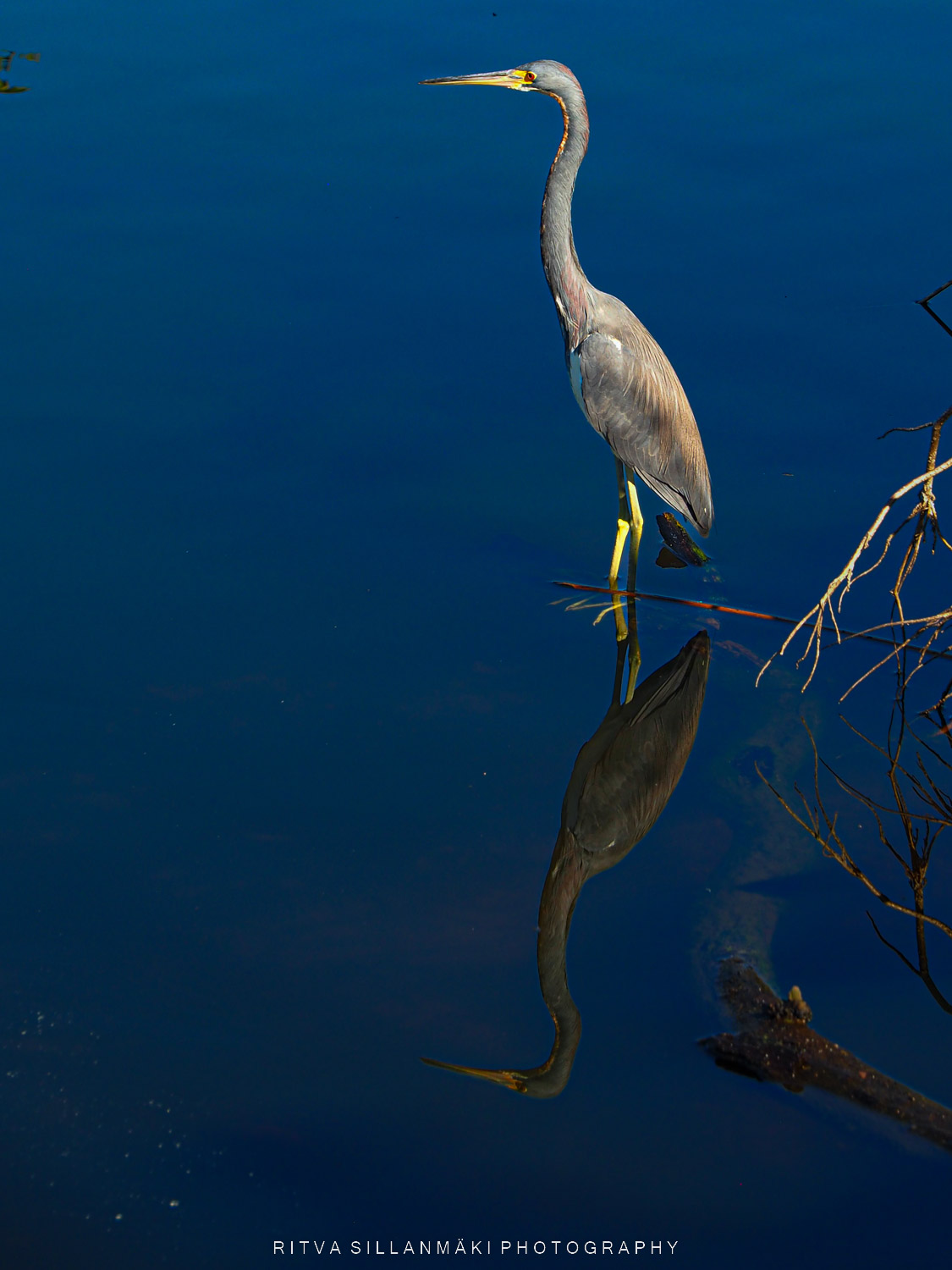
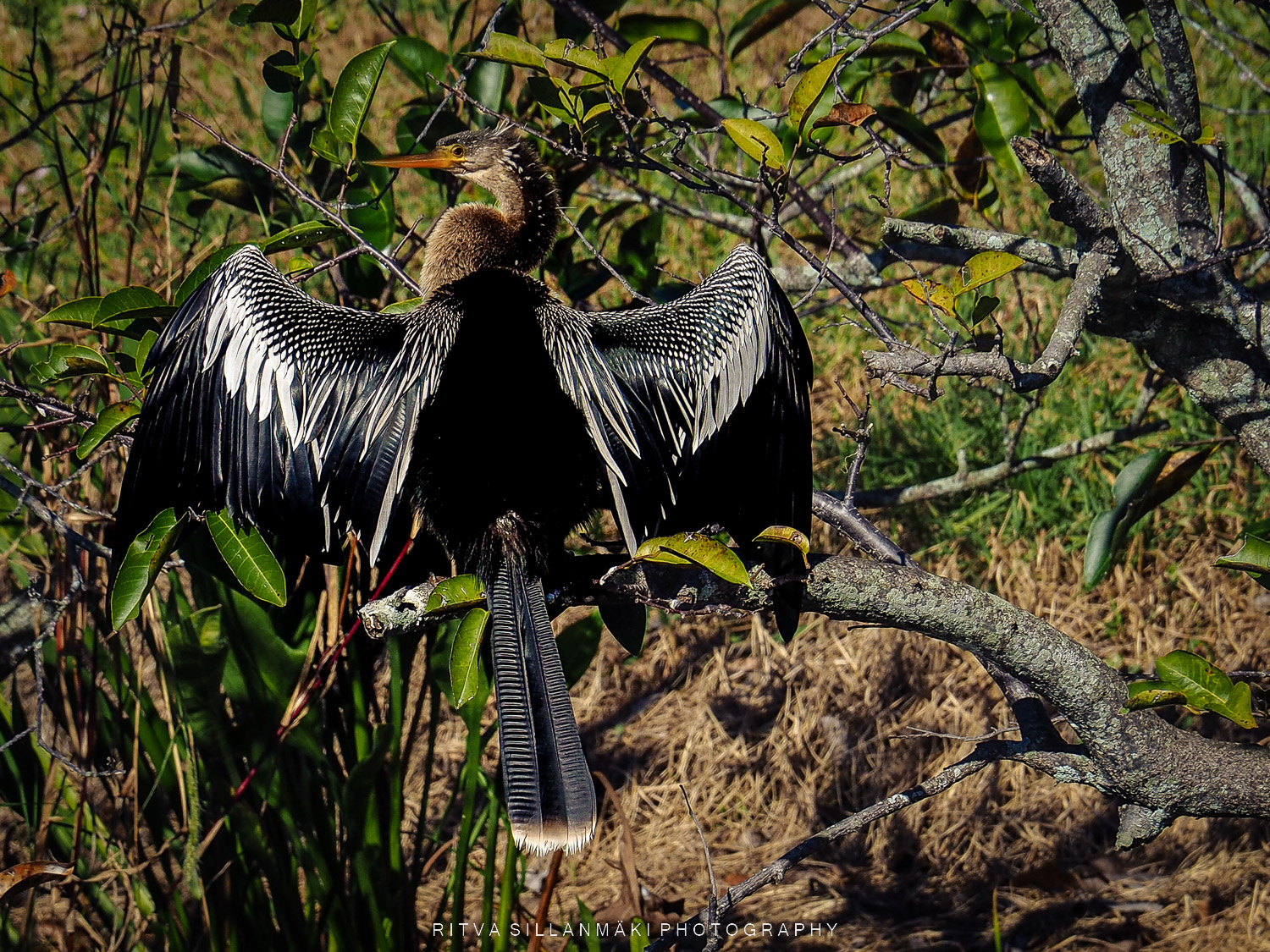
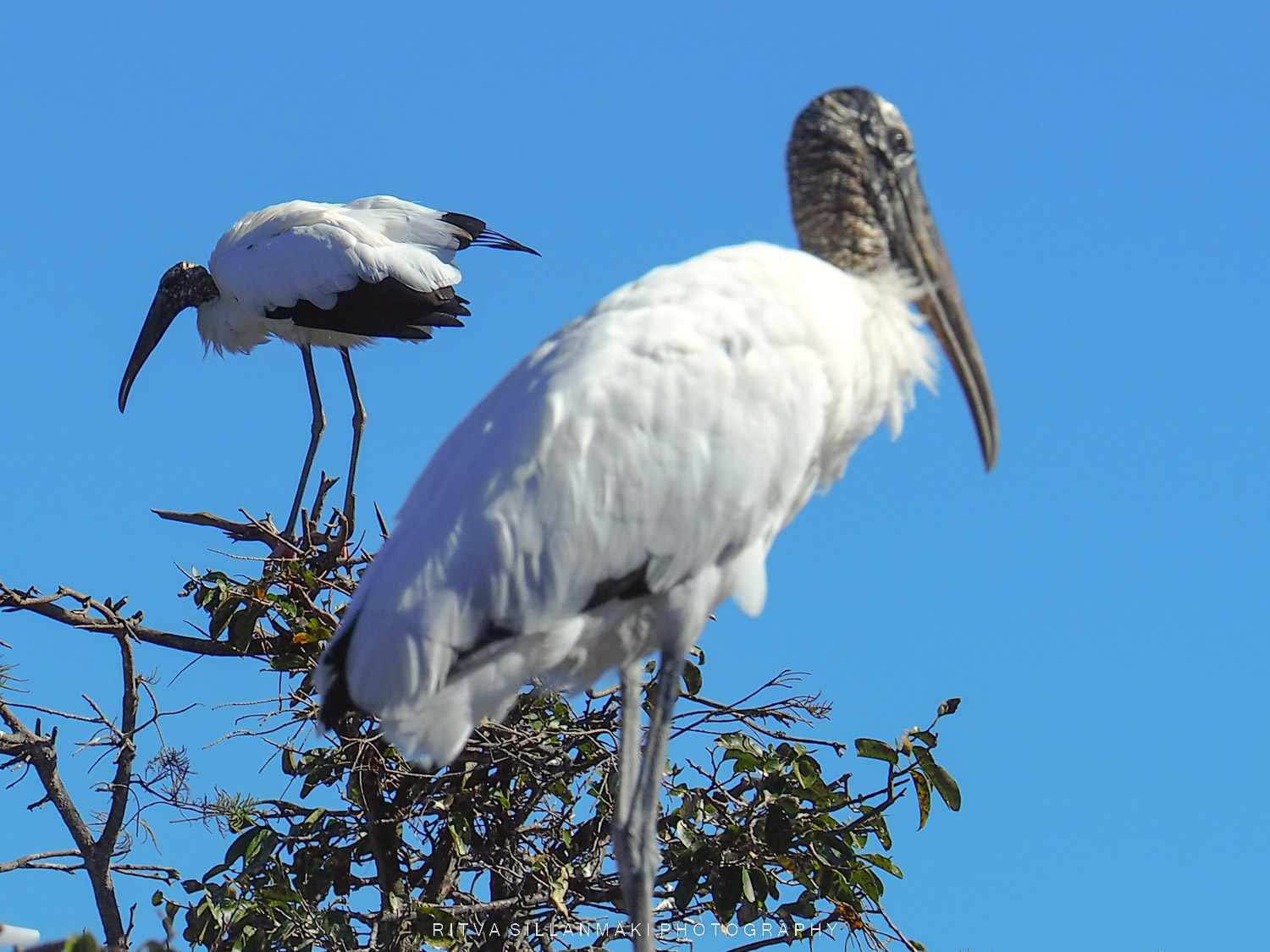
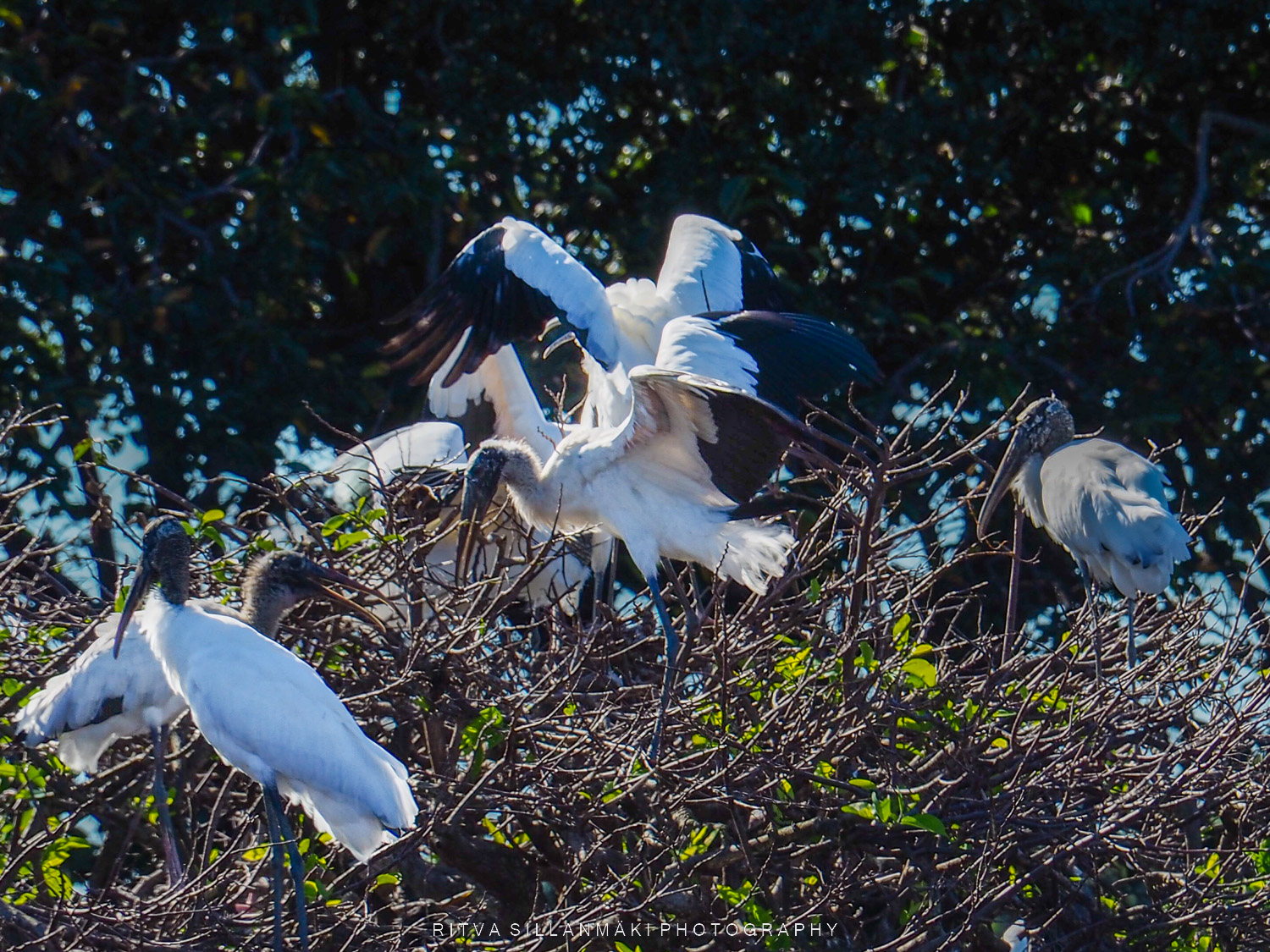
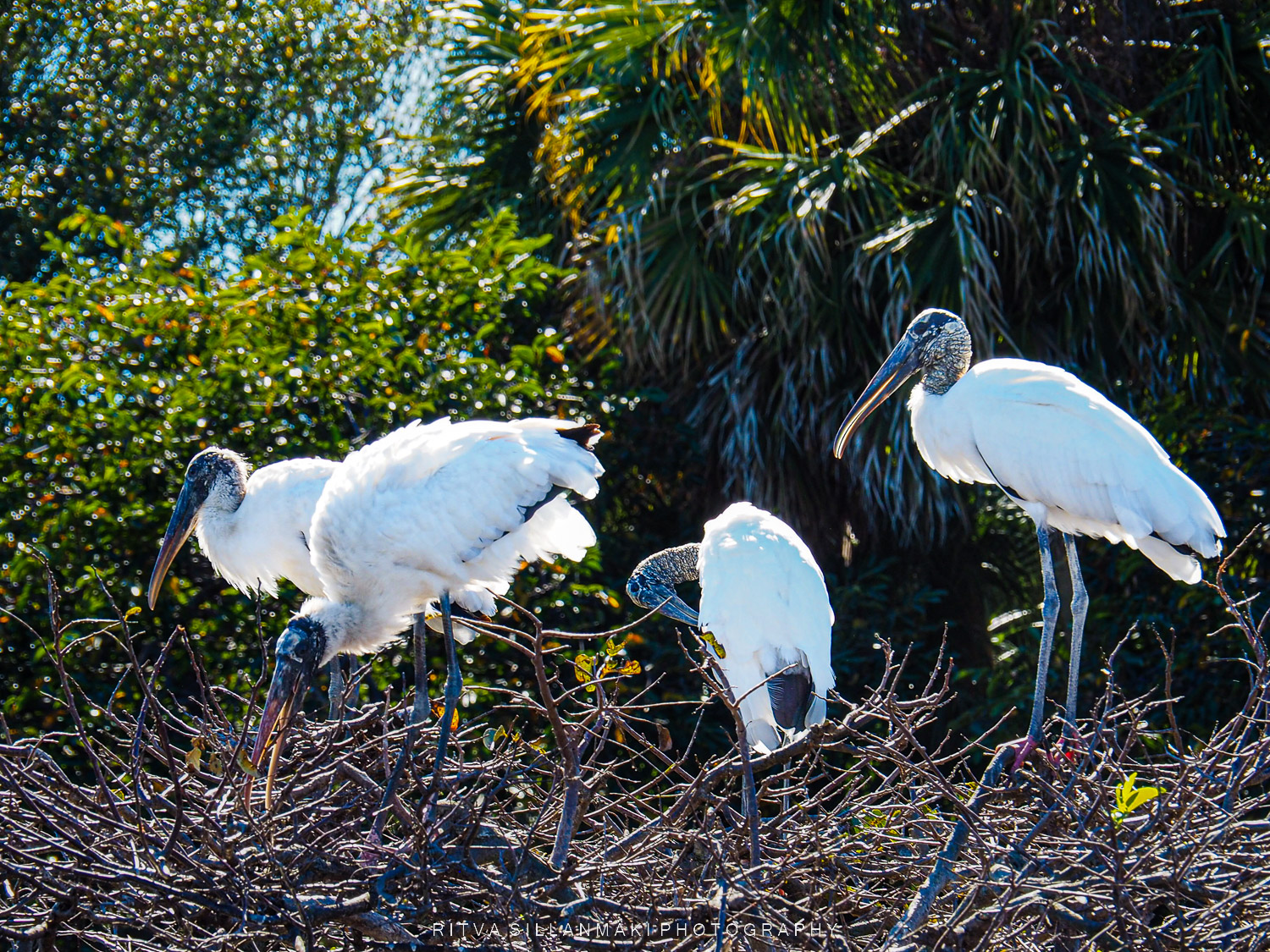
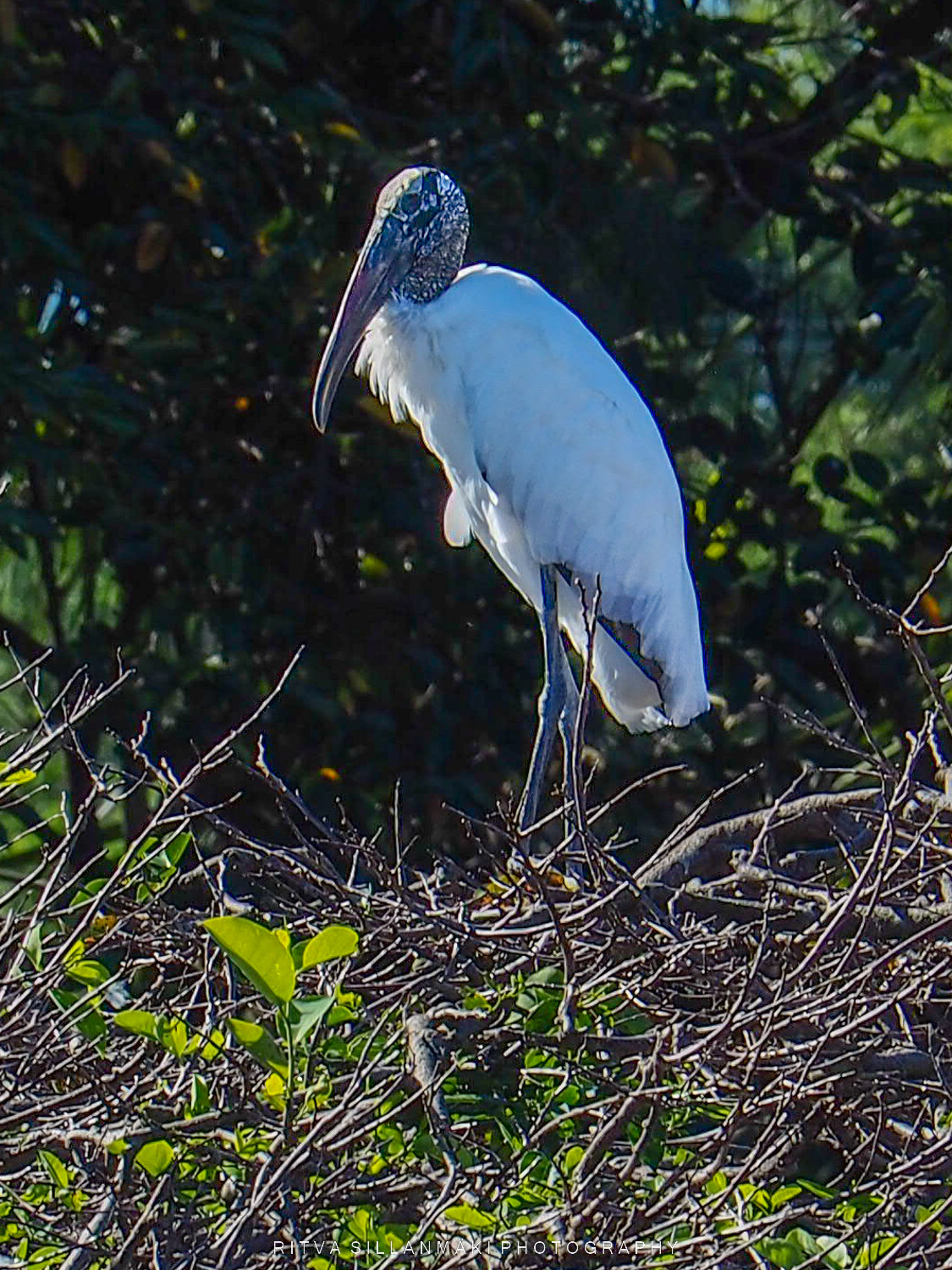
We were already at the Wakodahatchee Wetland (Delray Beach) just after 10am. We toured the Boardwalk and saw e.g. four alligators enjoying the sunshine, great blue heron, egret, wood stork and double crested cormorant, and tricolored heron and a turtle. The birds were reportedly preparing for mating and nesting, the woodstocks were very active making the nest but otherwise it was a pretty lazy day for the animals.

We ran into a few people who said they go to the wetlands every day for a walk. I can say I was not the only one thre with a camera. Here are some of the shots that I got.

Here is some background info about the he park, it was created on 50 acres (20 ha) of unused utility land and transformed into a recreation wetlands open to the public with a three-quarter mile boardwalk that crosses between open water pond areas, emergent marsh areas, shallow shelves, and islands with shrubs and snags to foster nesting and roosting.

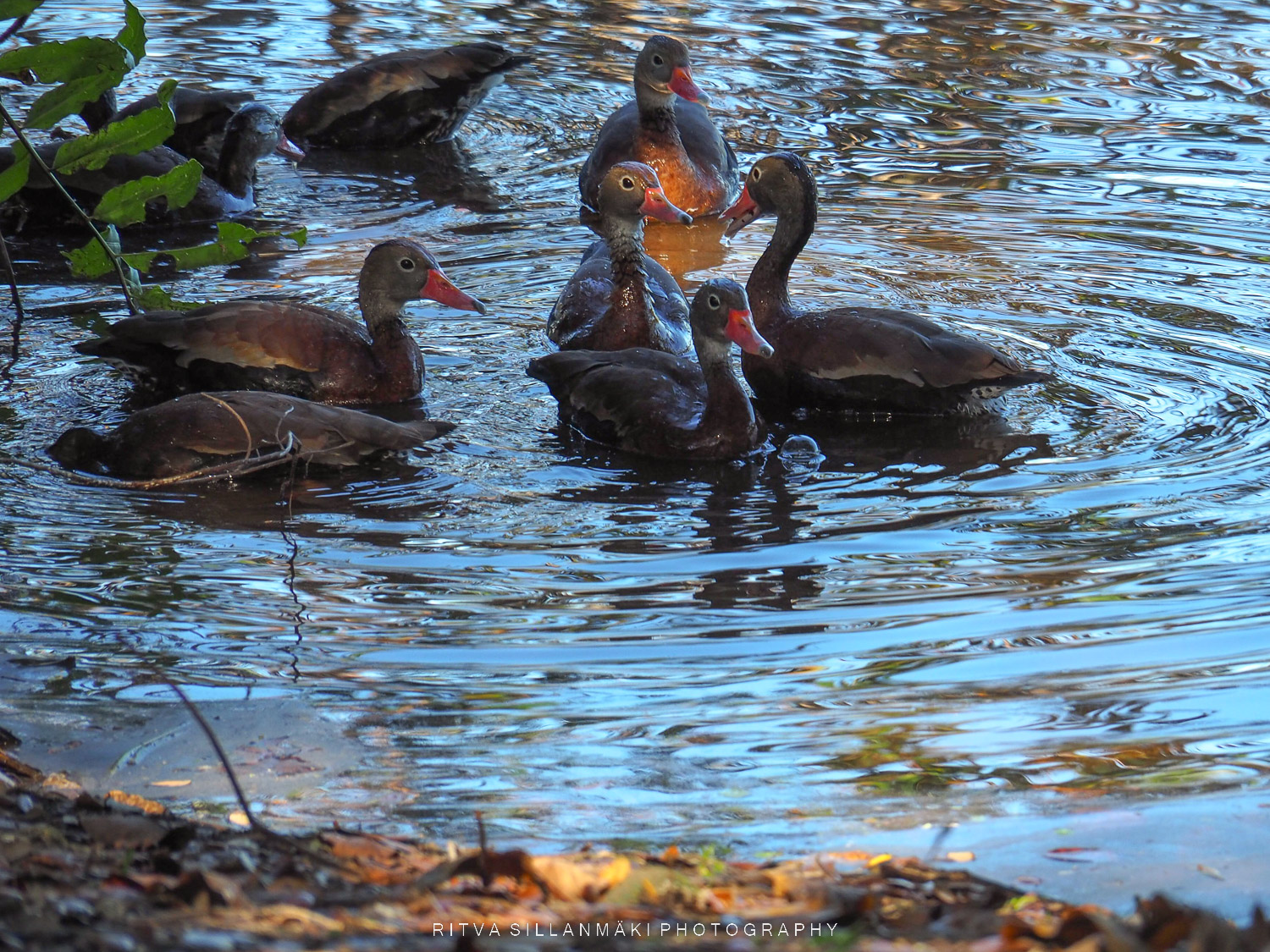
Over 150 species of birds have been spotted inside the park, including wood stork, pied-billed grebe, snowy egrets, and black-bellied whistling ducks. The park is also home to turtles, alligators, rabbits, frogs, and raccoons.

Each day, the Southern Region Water Reclamation Facility pumps approximately two million gallons of highly treated wastewater into the Wakodahatchee Wetlands, which in turn acts as a percolation pond, returning billions of gallons of fresh water back into the water table.

Lens Artists Challenge #225: Wildlife Close to Home

Ann from Slow Shutter Speed A photographic journey hosts this weeks Lens Artists Challenge #225: Wildlife Close to Home. Wrote; Stop. Look. Listen. Doing those three things will help you discover the abundance of wildlife you have nearby. You have wildlife in your yard, nearby park, local pond or lake and just about anywhere around you.

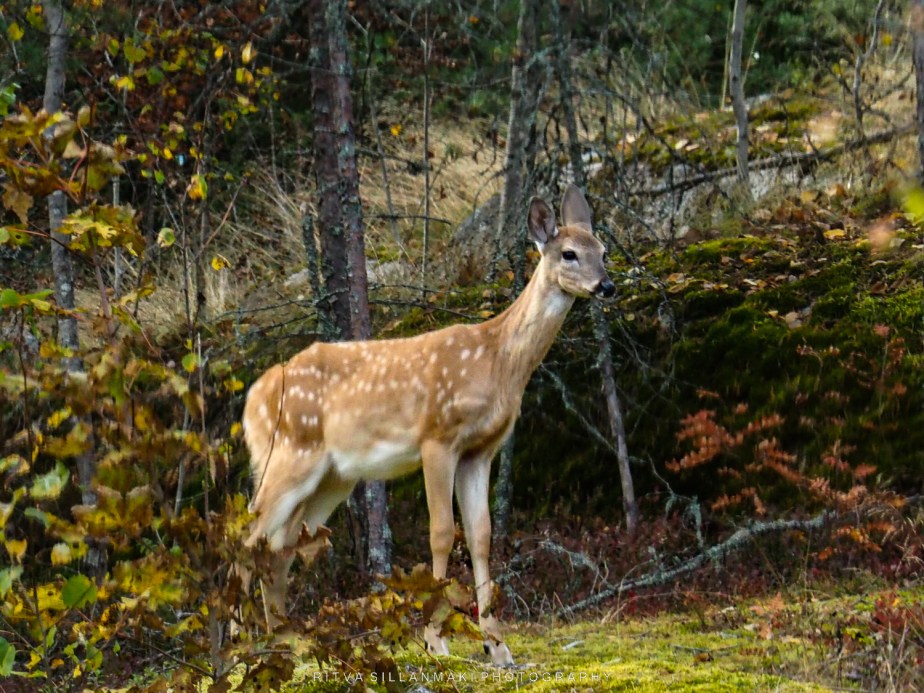
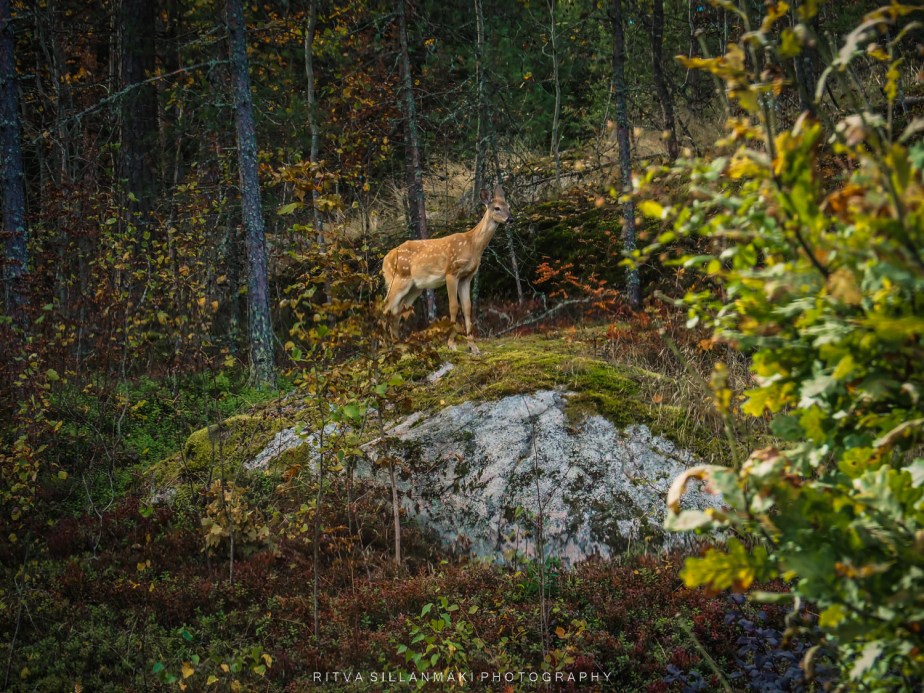
My contribution this week are these images. Animal Photography is not my forte, I don’t have the patience or the equipment to get the best shots, but I occasionally get a shot.

Birds big and small that I have been able to capture. this type of photography is not my forte.

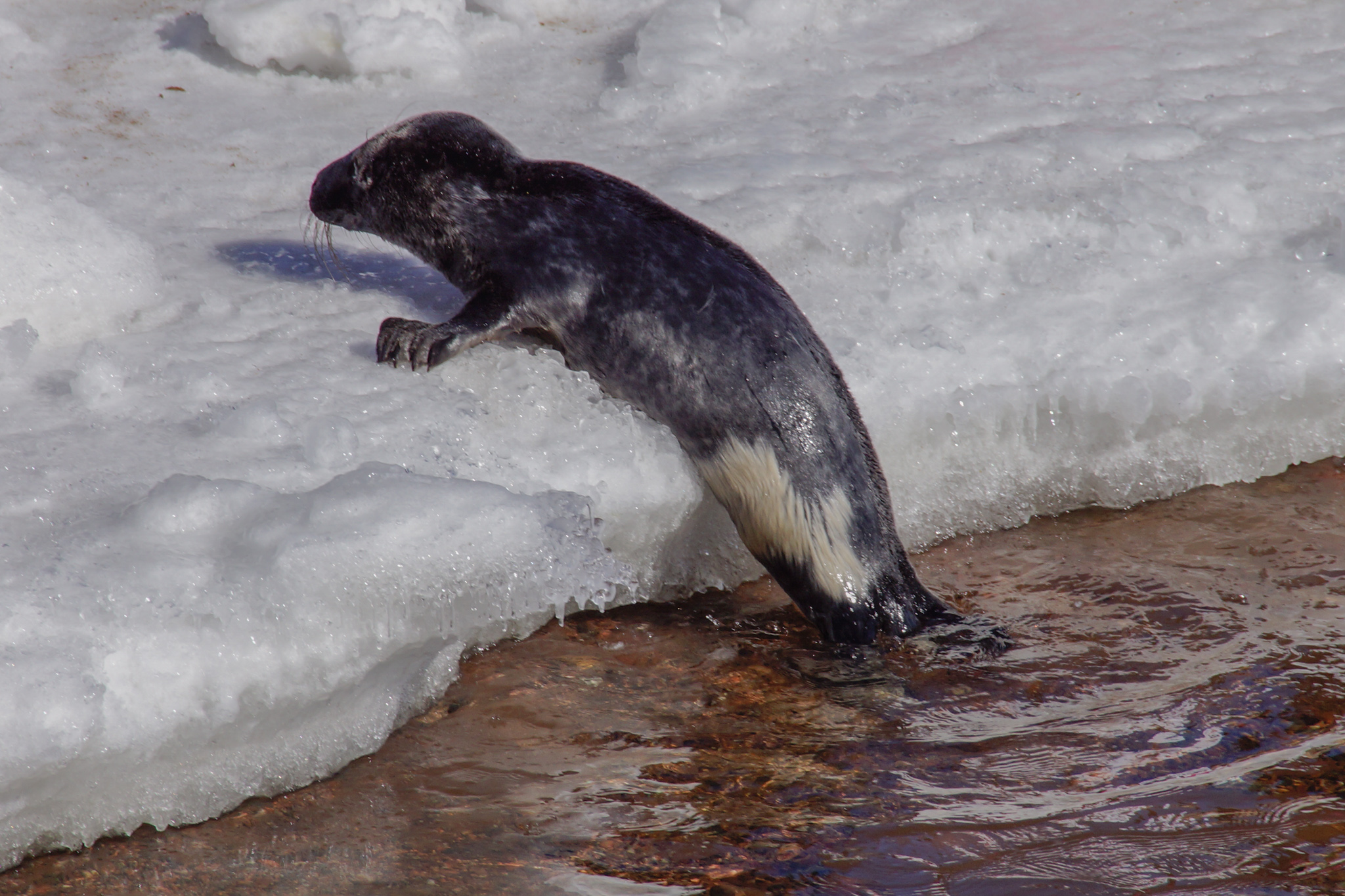
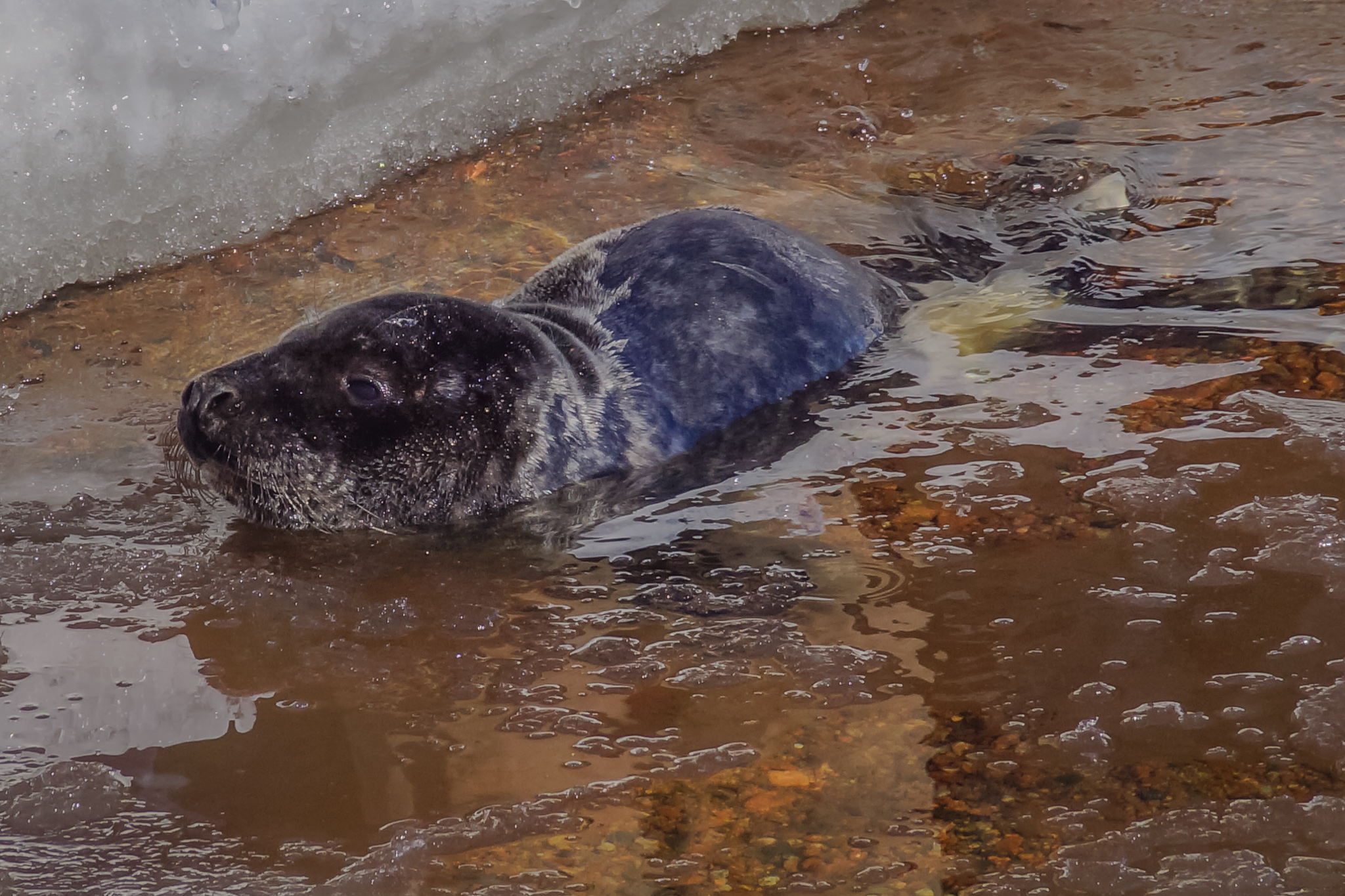
Capturing this Seal was just a happy break, I was at a right place at right time.

View from the rocks

Yesterday was a lovely and sunny day between gray days. I took myself out to take some photos. I drove to Porkkala, and park area near us. The nature an scenery there is so delightful that I go there several times yearly.

Porkkalanniemi

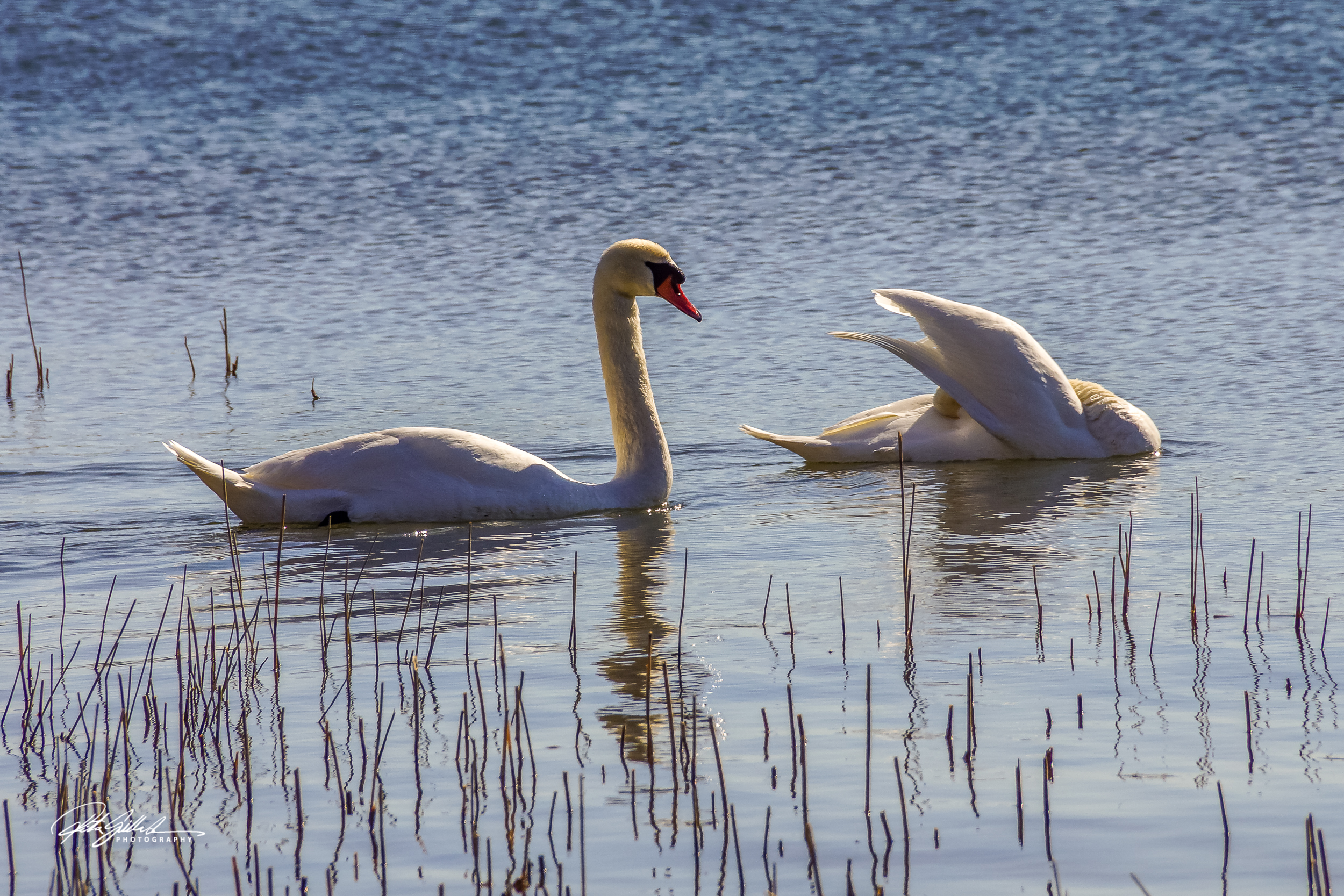
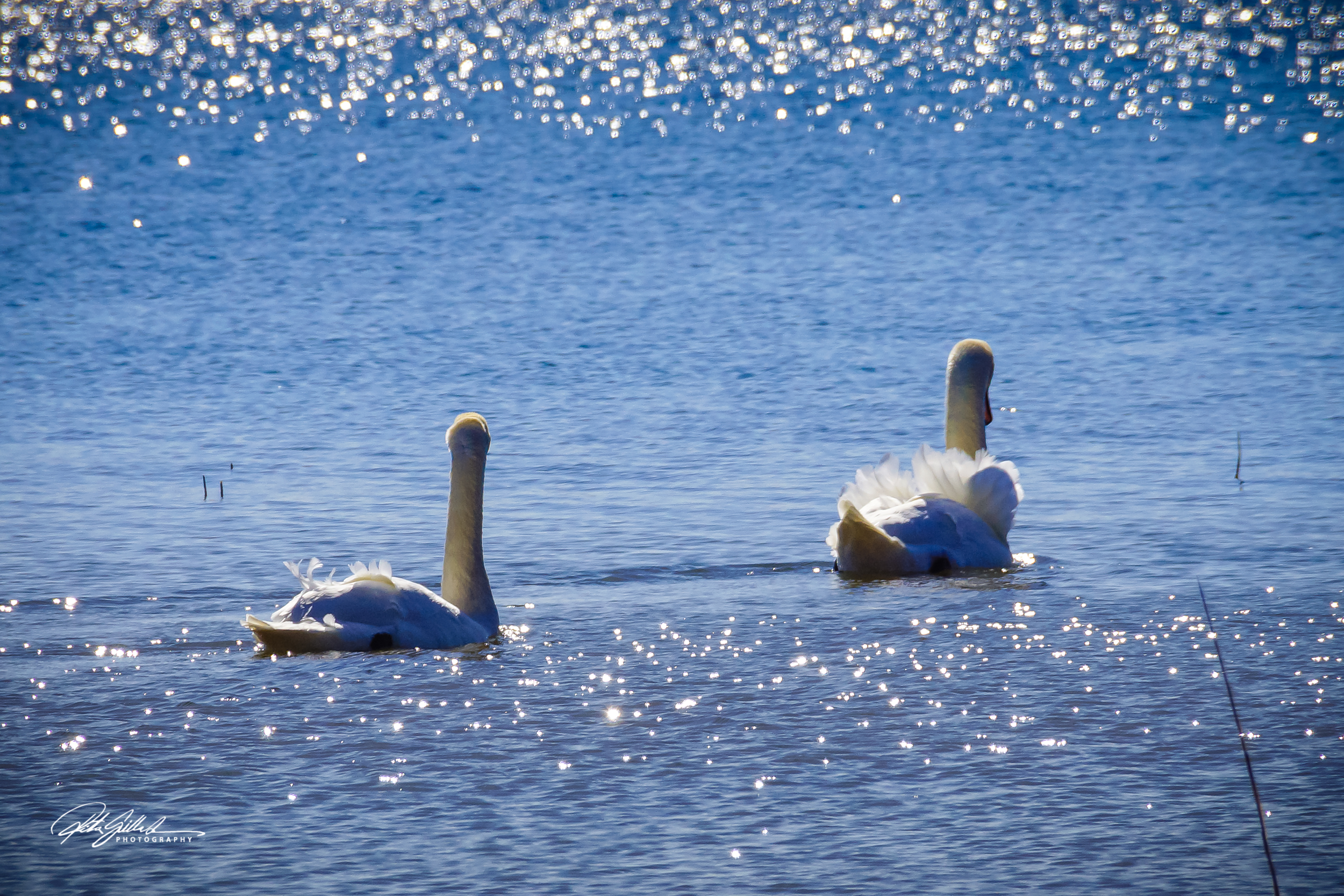
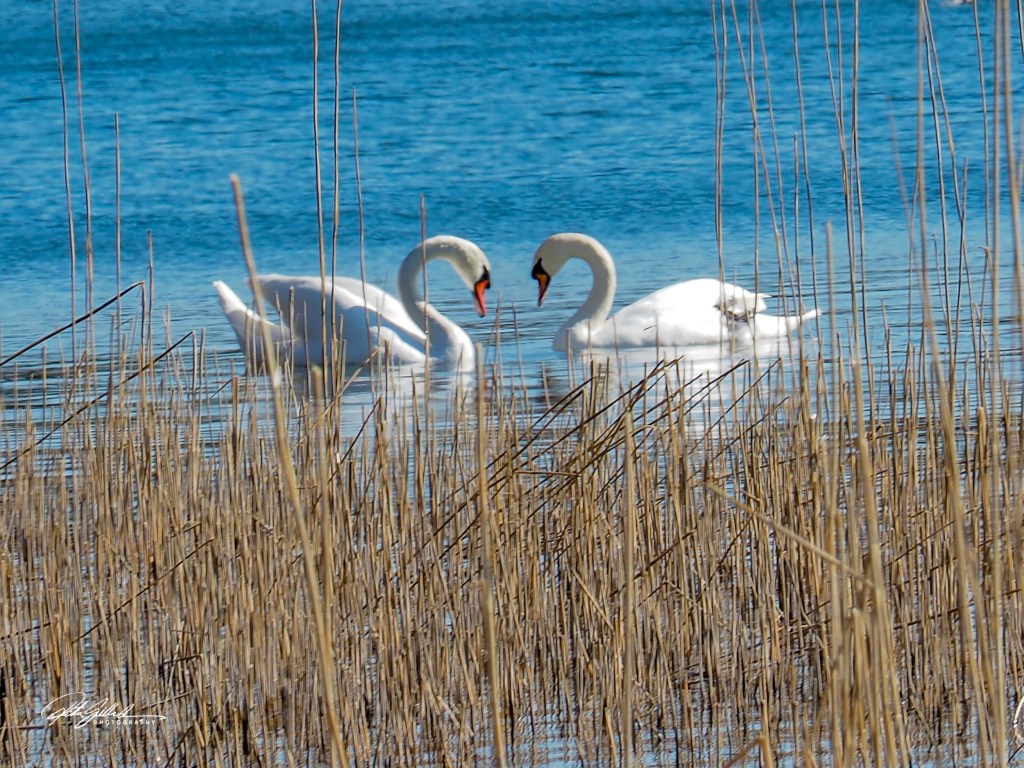
Swans

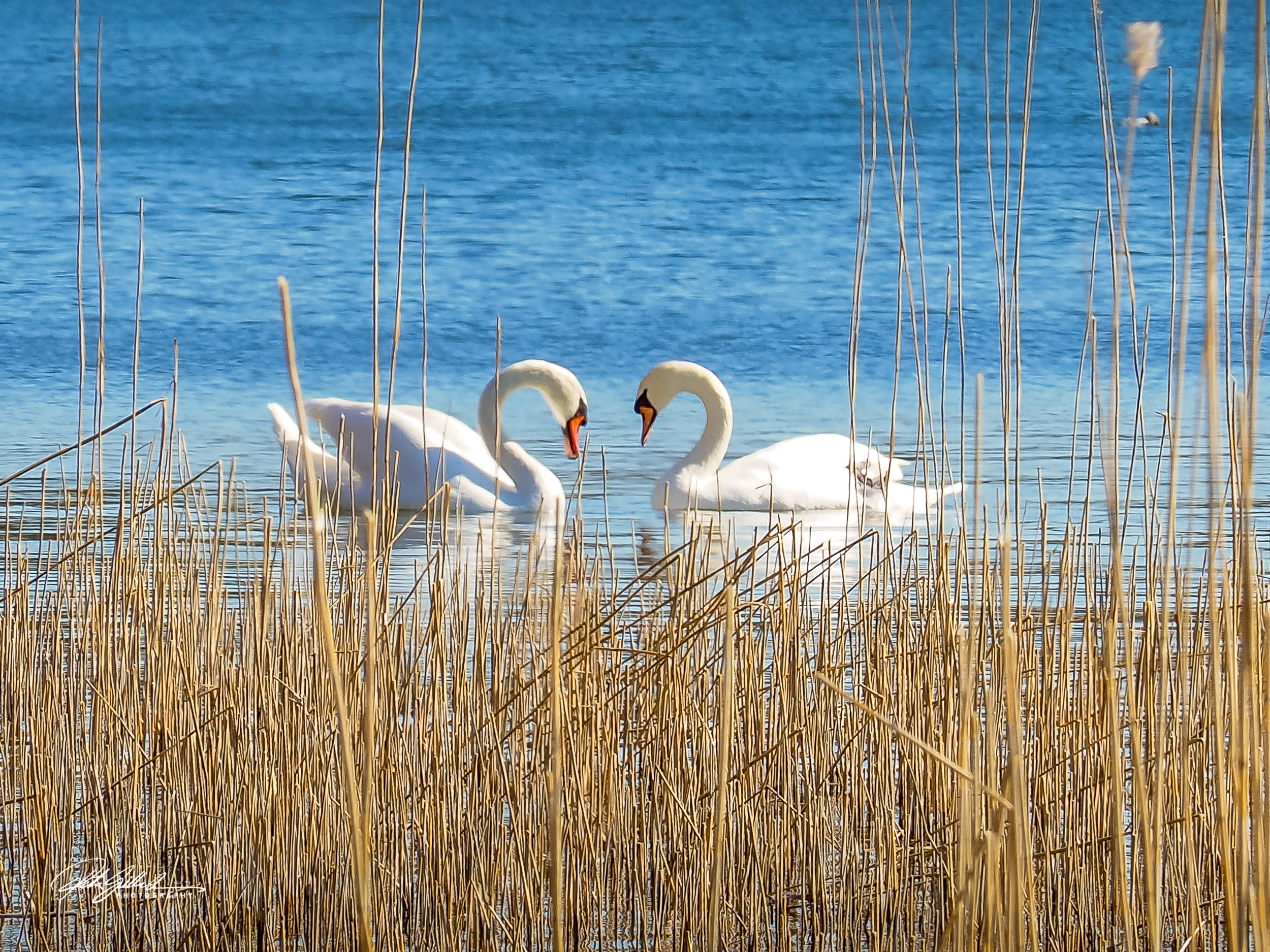
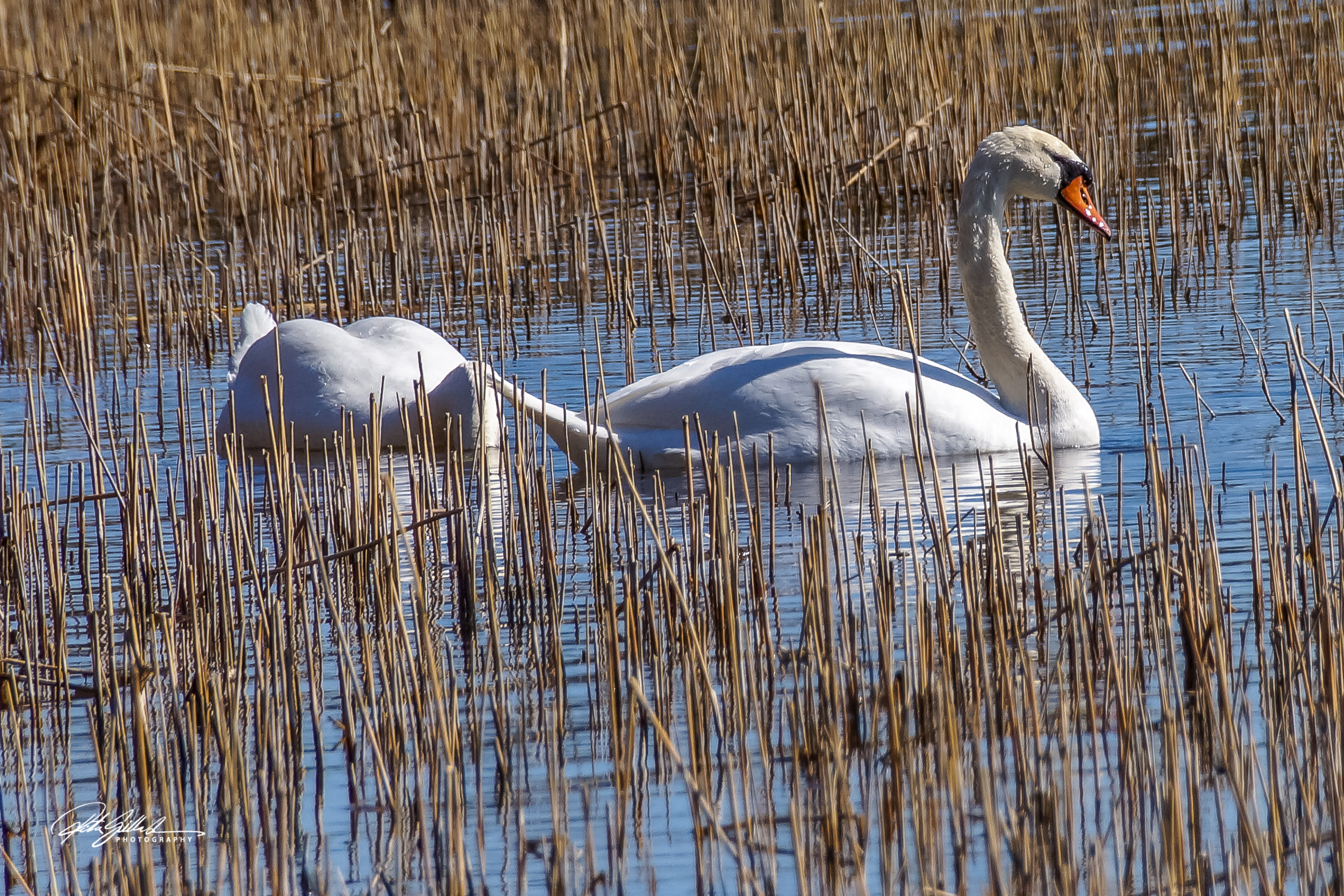
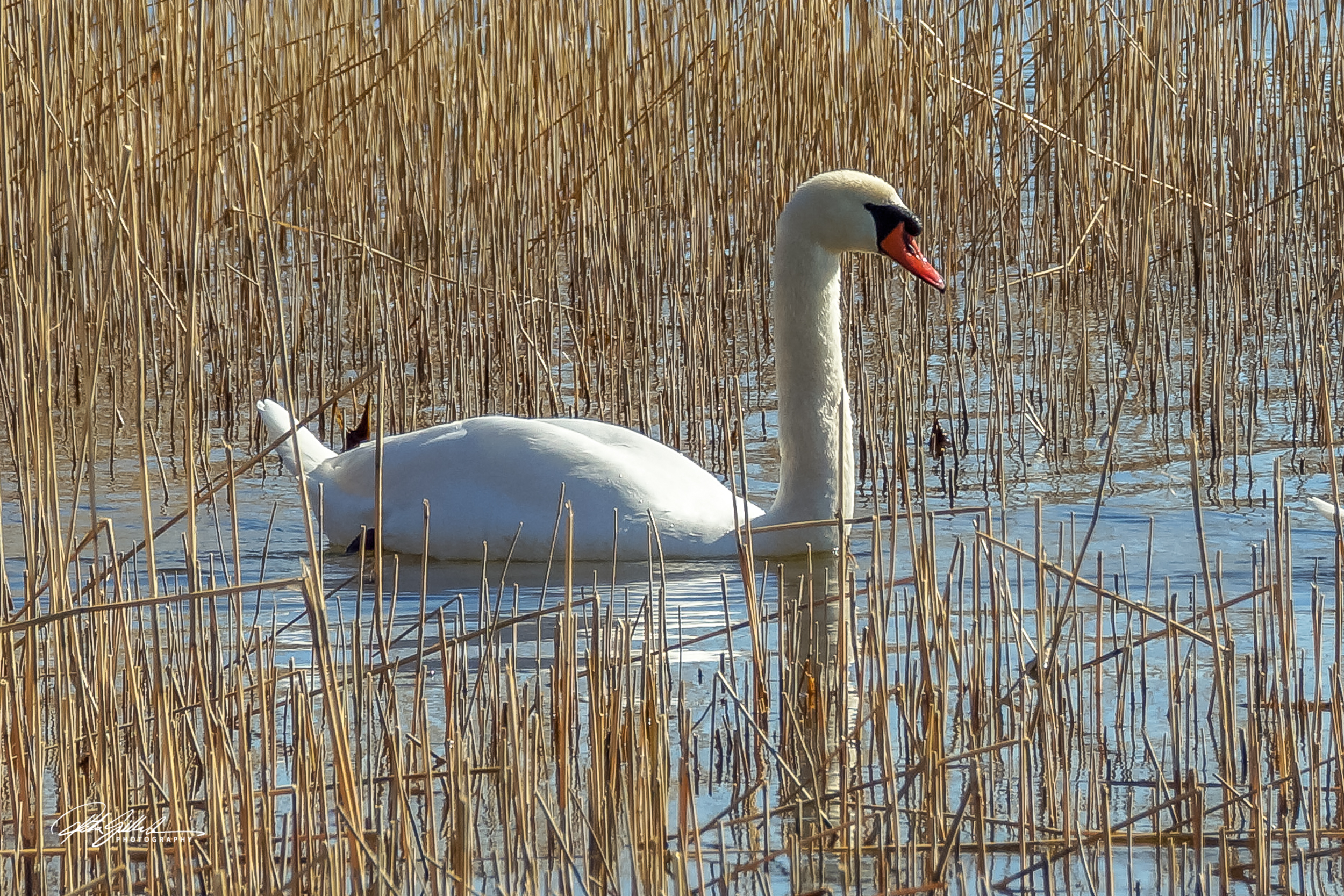
We visited Kopparnäs-Störsvik and we were treated to undeveloped coastline as far as the eye can see and rocky outcrops rising high above sea level. The area was perfect for enjoying the peace and quiet of the forest and seaside. Watching the swans – they were eating most of the time 🙂

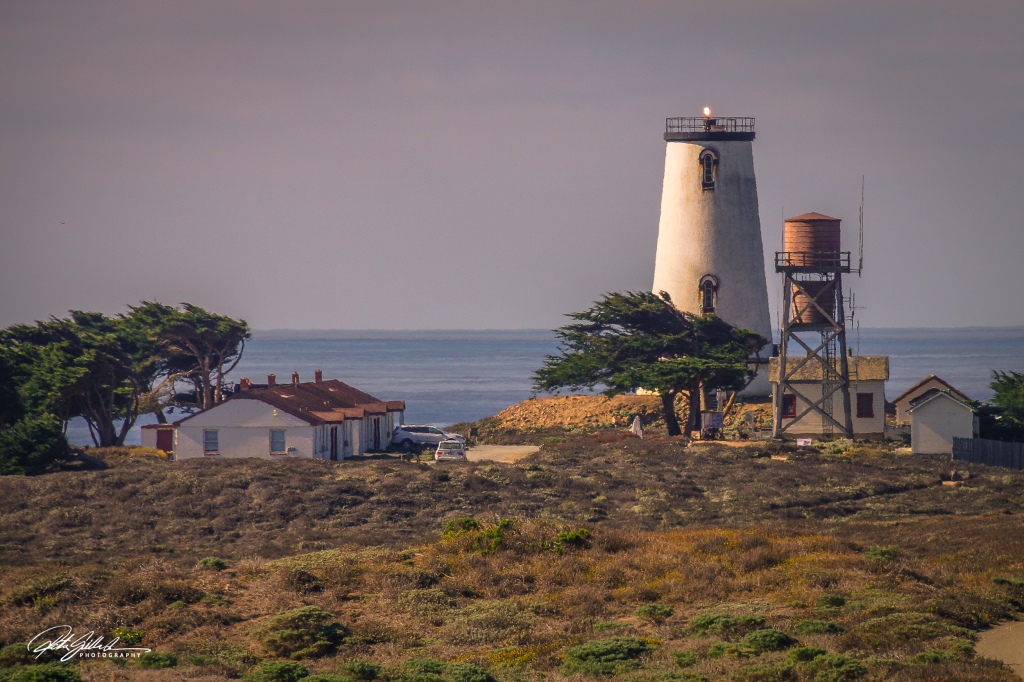
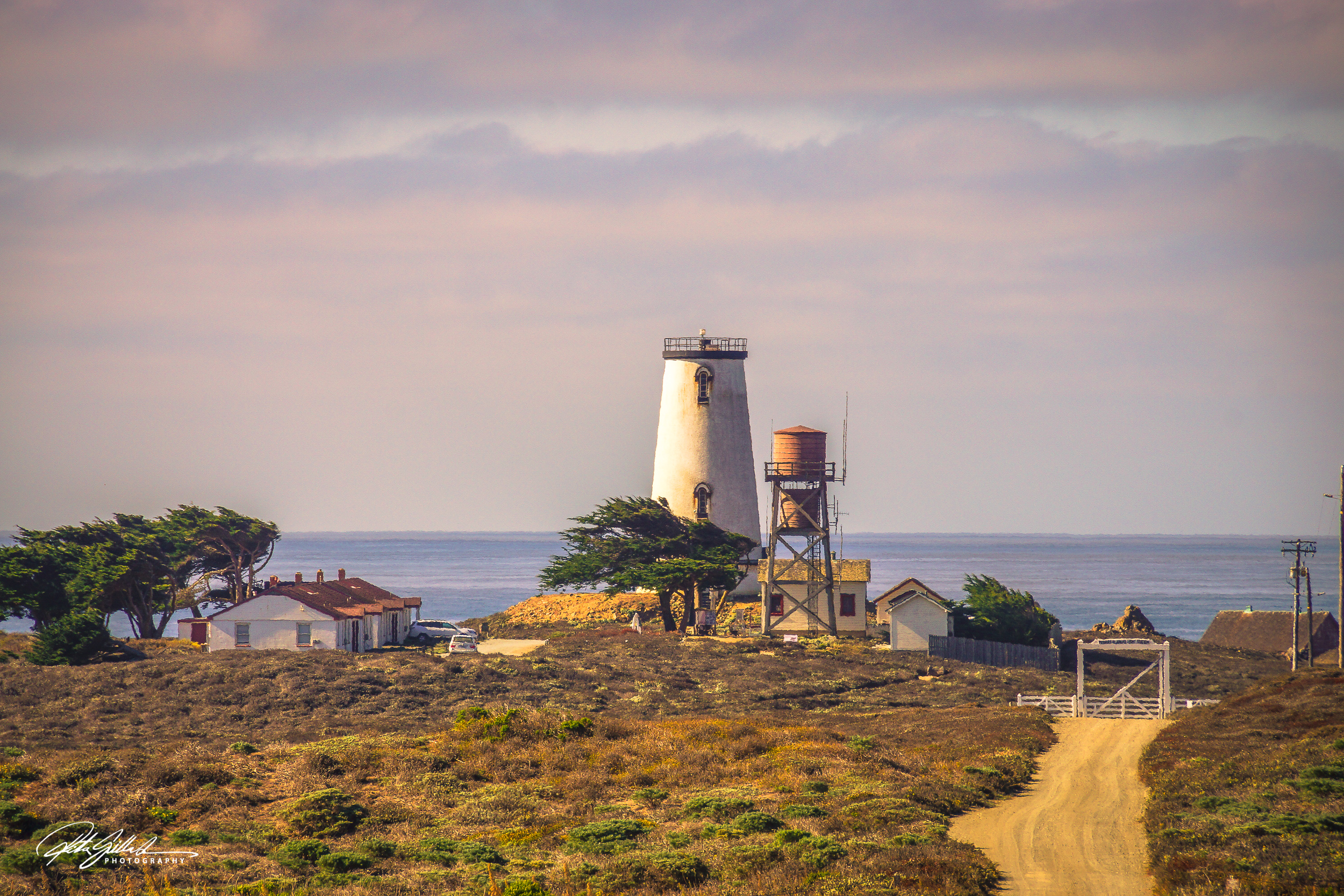
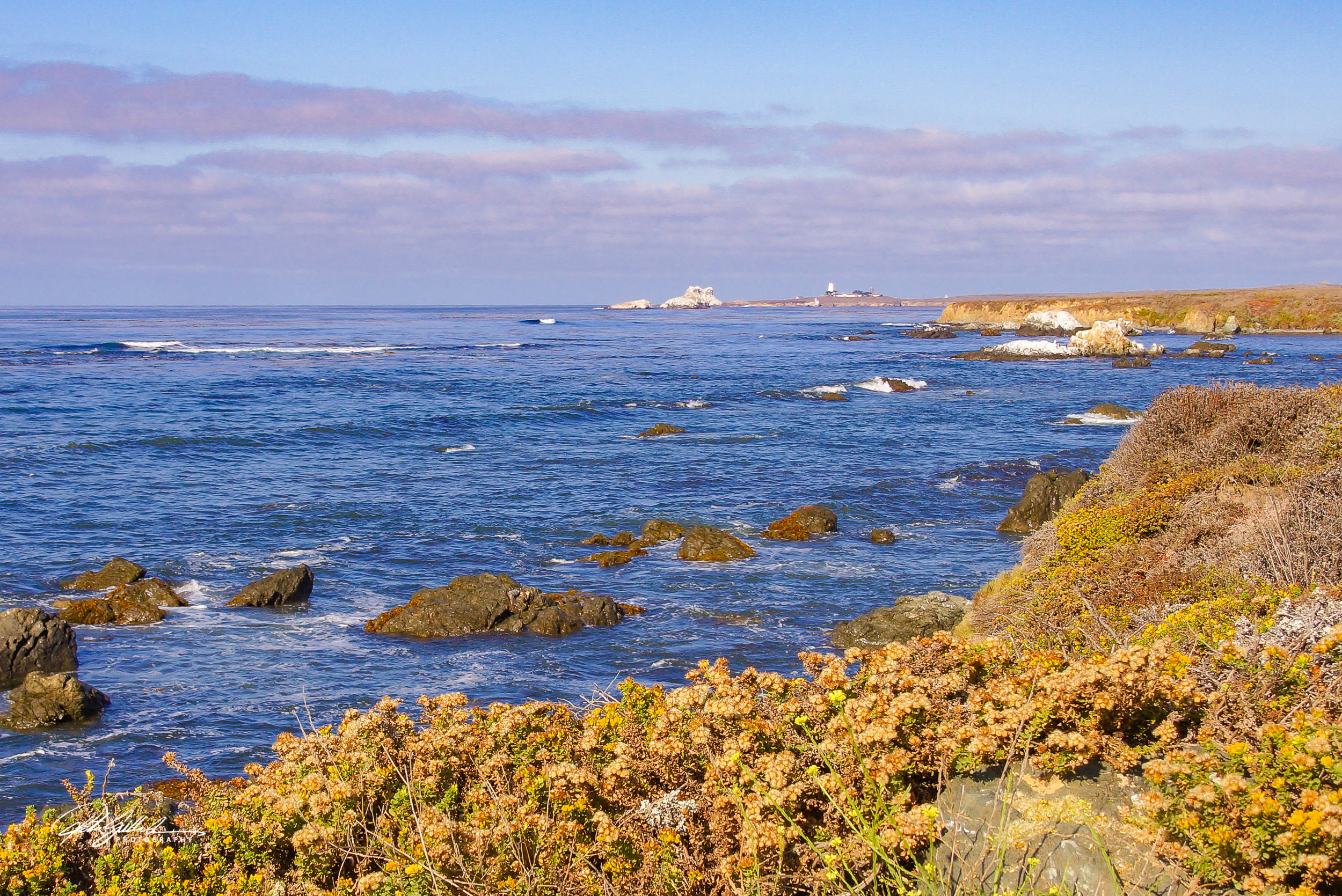
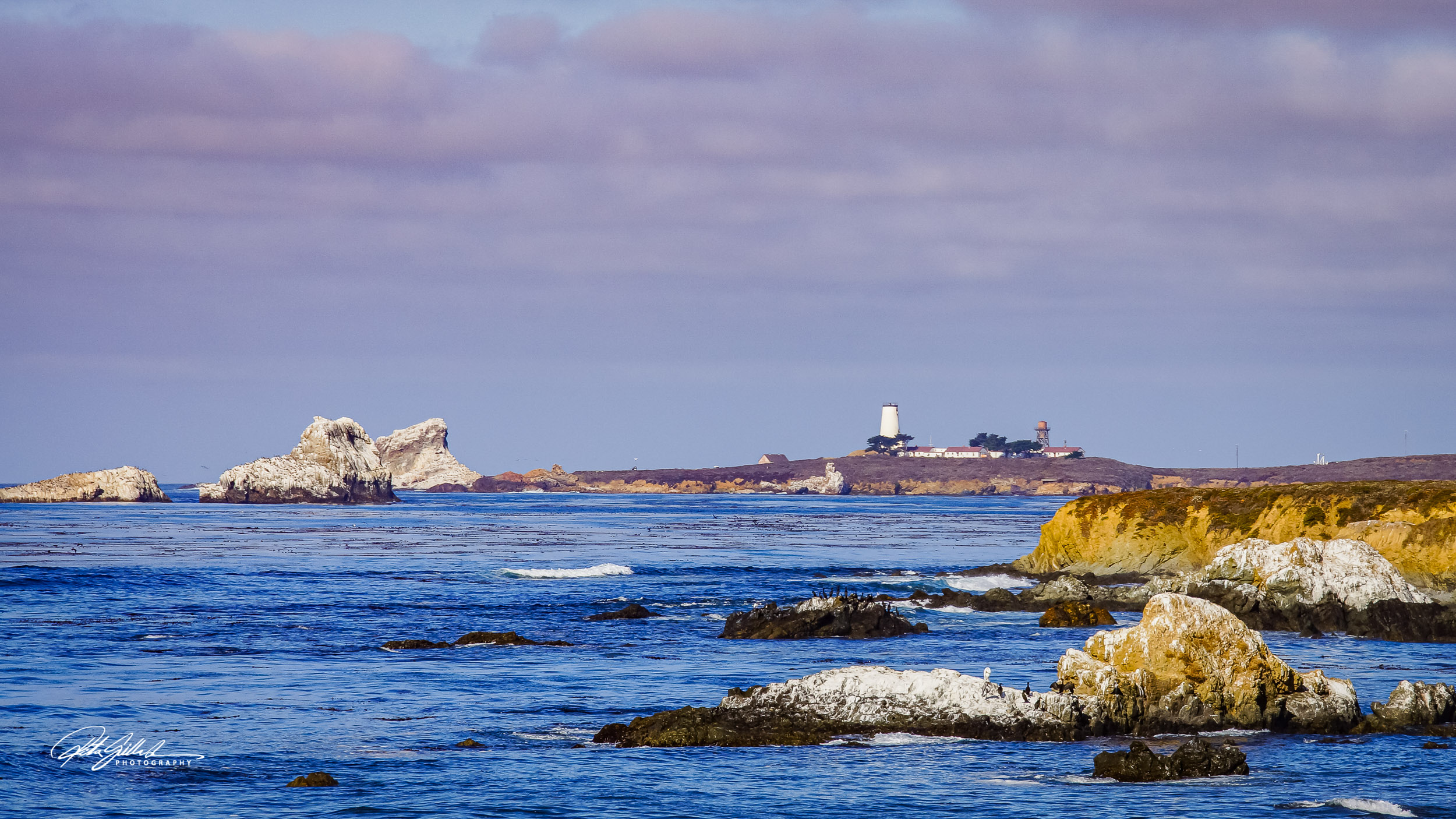
Piedras Blancas Light Station

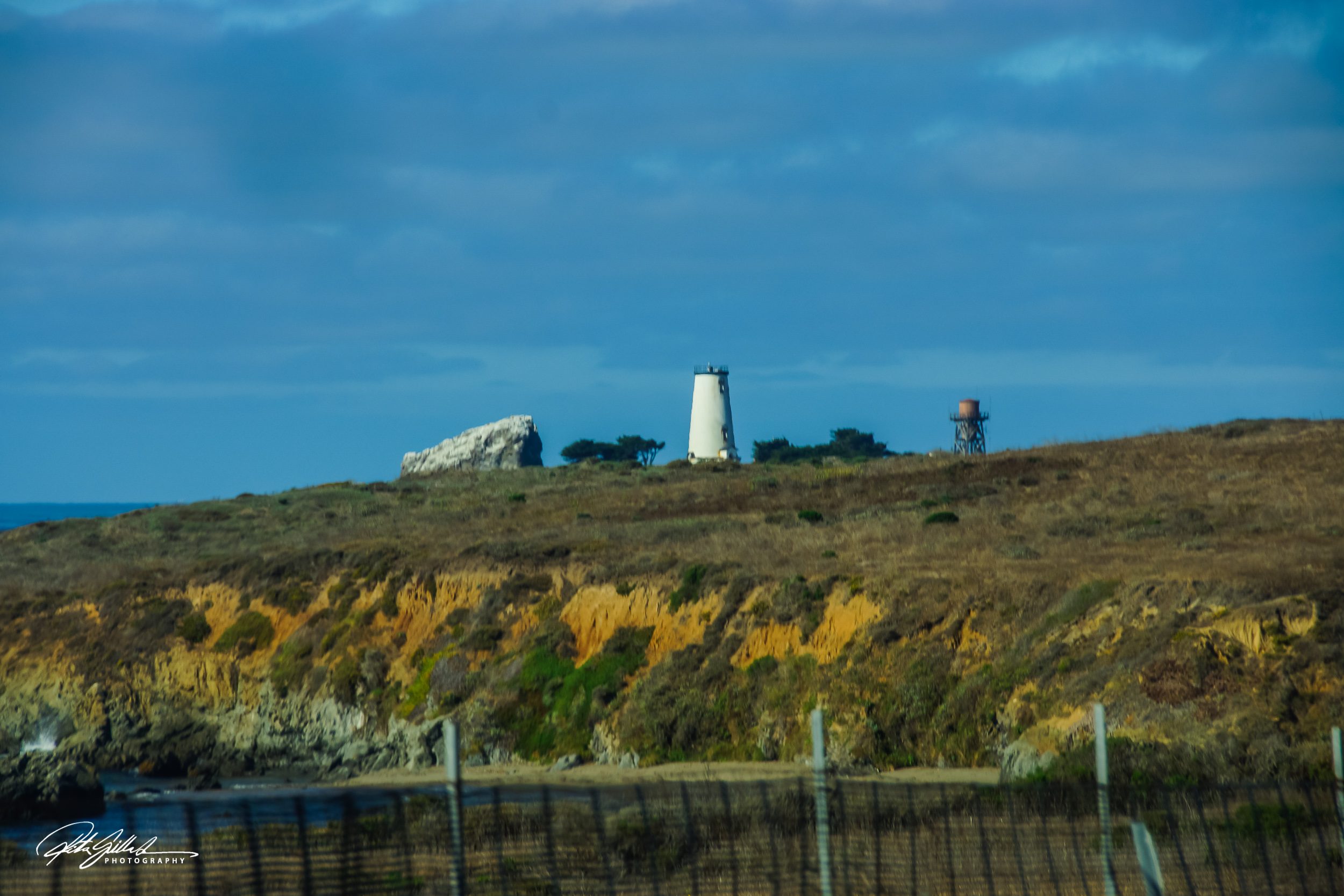
The light house was closed, but we stopped to take a photos first from further away and then at the gate. I have a liking to light houses so they are always a photo opportunity to me, I don’t know if you’ve noticed that 🙂

Piedras Blancas Light Station

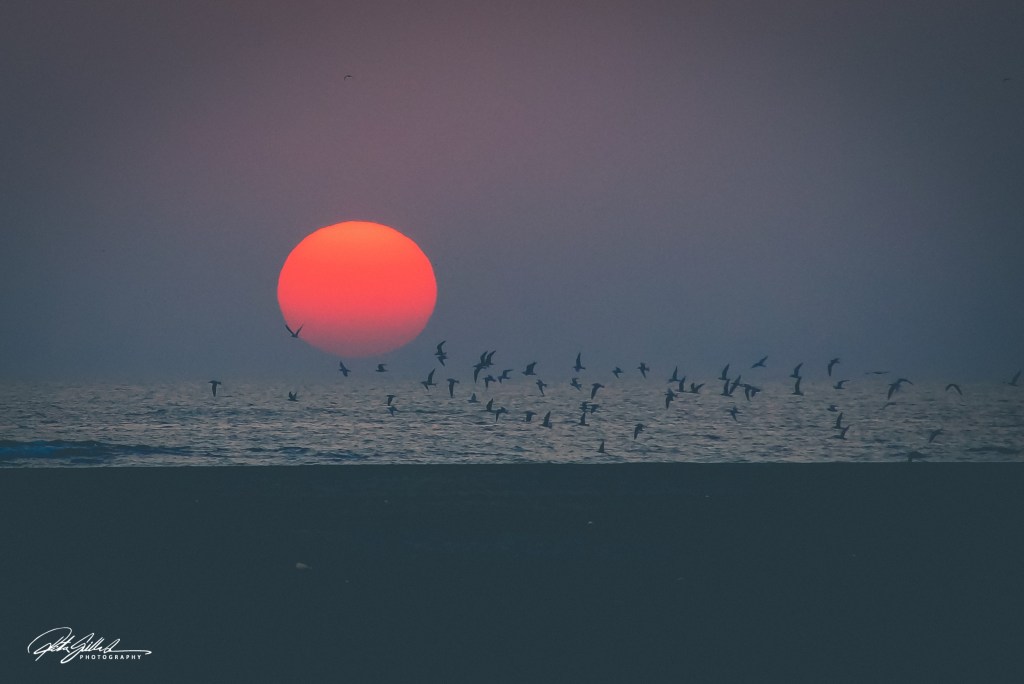
Sunset at Goa

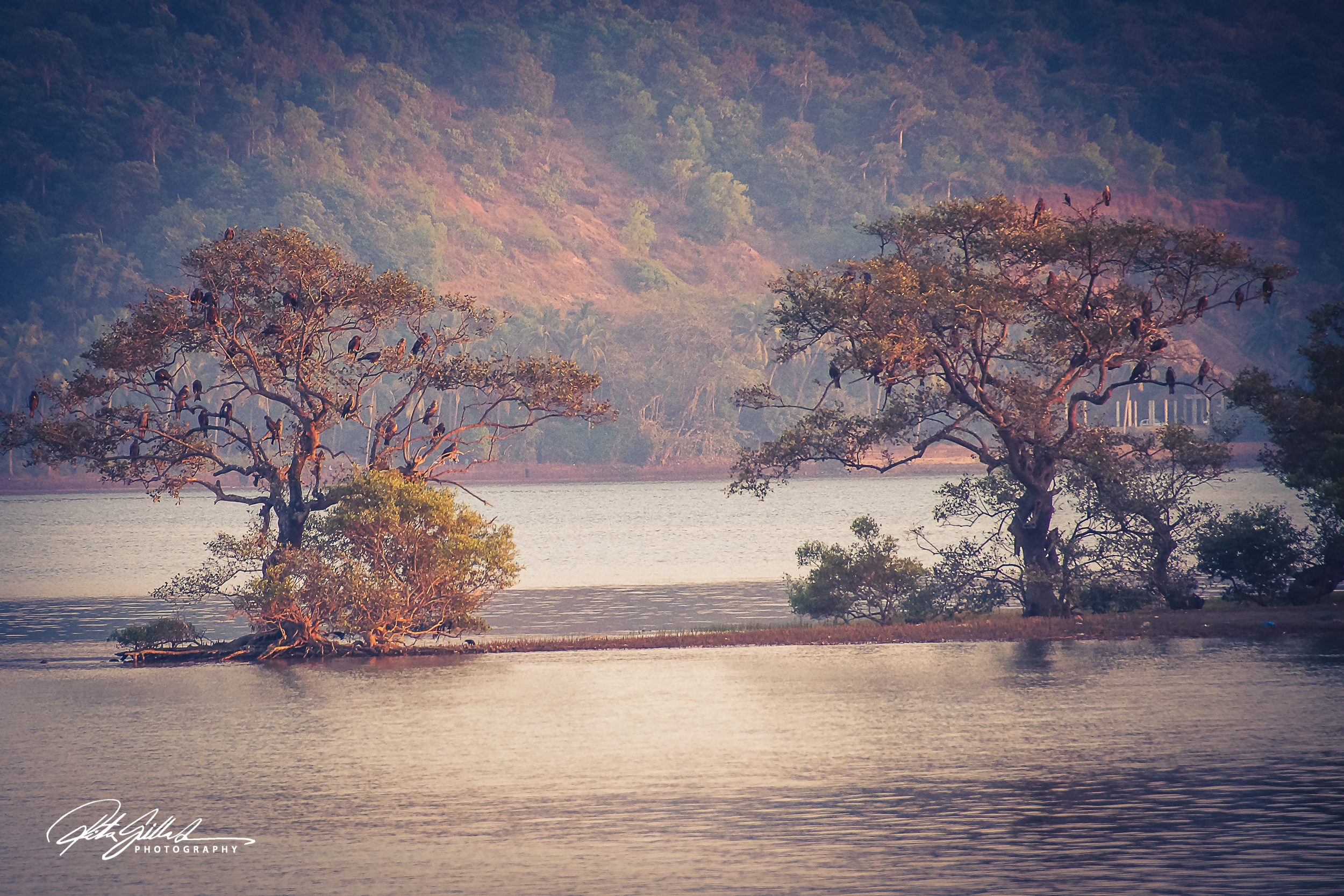
Chapora River sunset

I have to say this is one of the most memorable sunset I’ve witnessed. Chapora River sunset in India.

January 9

Wakodahatchee Wetland (14 of 154)

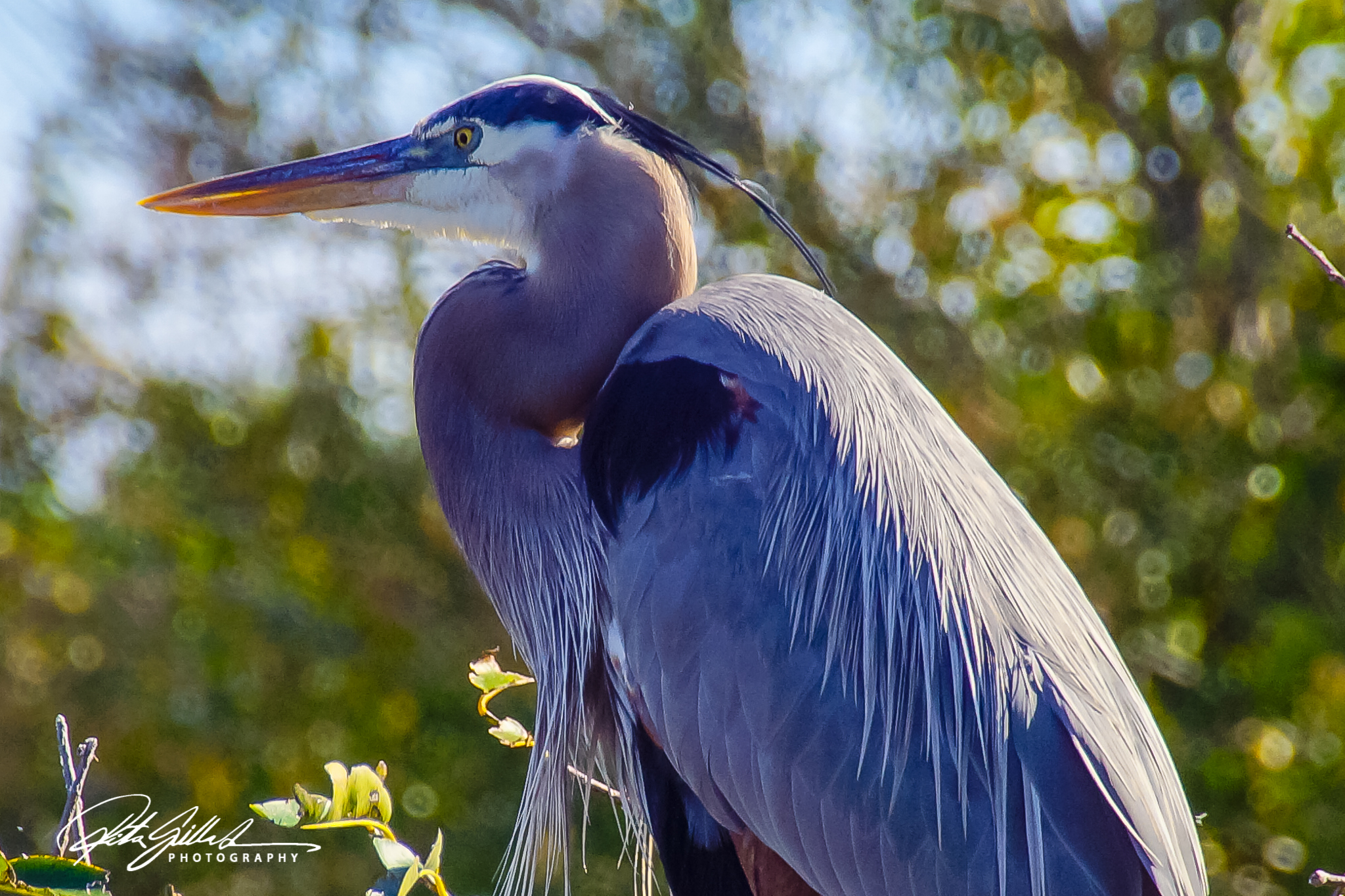
My specialty has never been photographing birds, but these birds were big enough for me to capture.

January 7

Color splash continues, here are some colorful and affectionate Rainbow Lorikeet’s

January 6

One more day of grayness at home, it is wonderful to look at the colorful parrots we saw on our last trip to Florida.

Nesting of the swan

As we walked around the island, we came across this swan nesting her eggs. We made sure we did not go too close as they might leave the nest if you go too near the nest.

The female swan nests alone. The male is guarding the nest or is eating somewhere further away. The female  rarely leaves the eggs during this month’s nesting time. So it’s virtually not eating of for four weeks. Even when the female leaves for a small distance to get something from the edible from the bottom of the sea it covers its eggs so they do not cool too much.

WPC – PHOTO CHALLENGE- Surprise

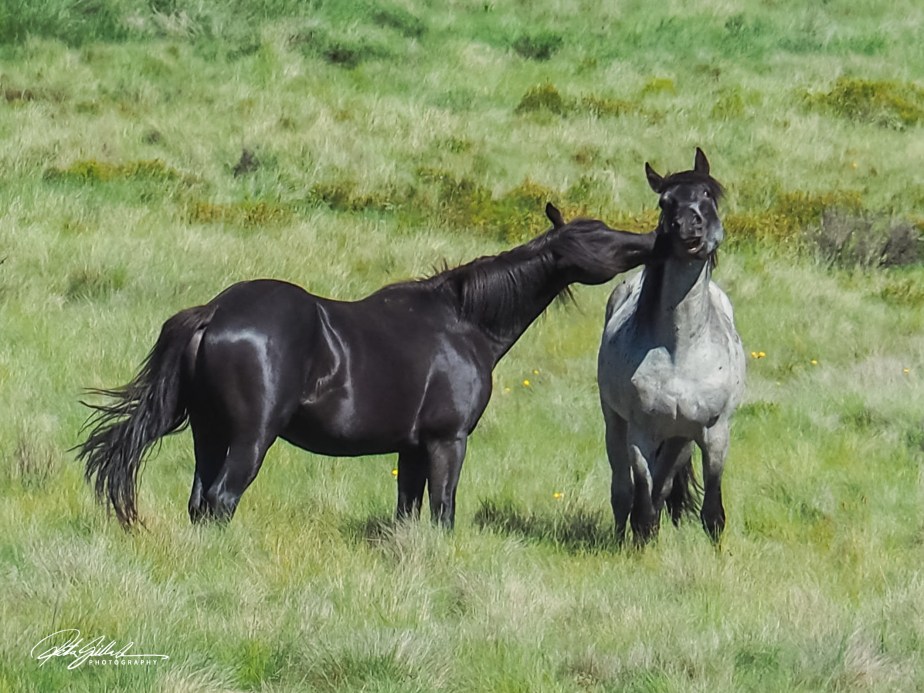
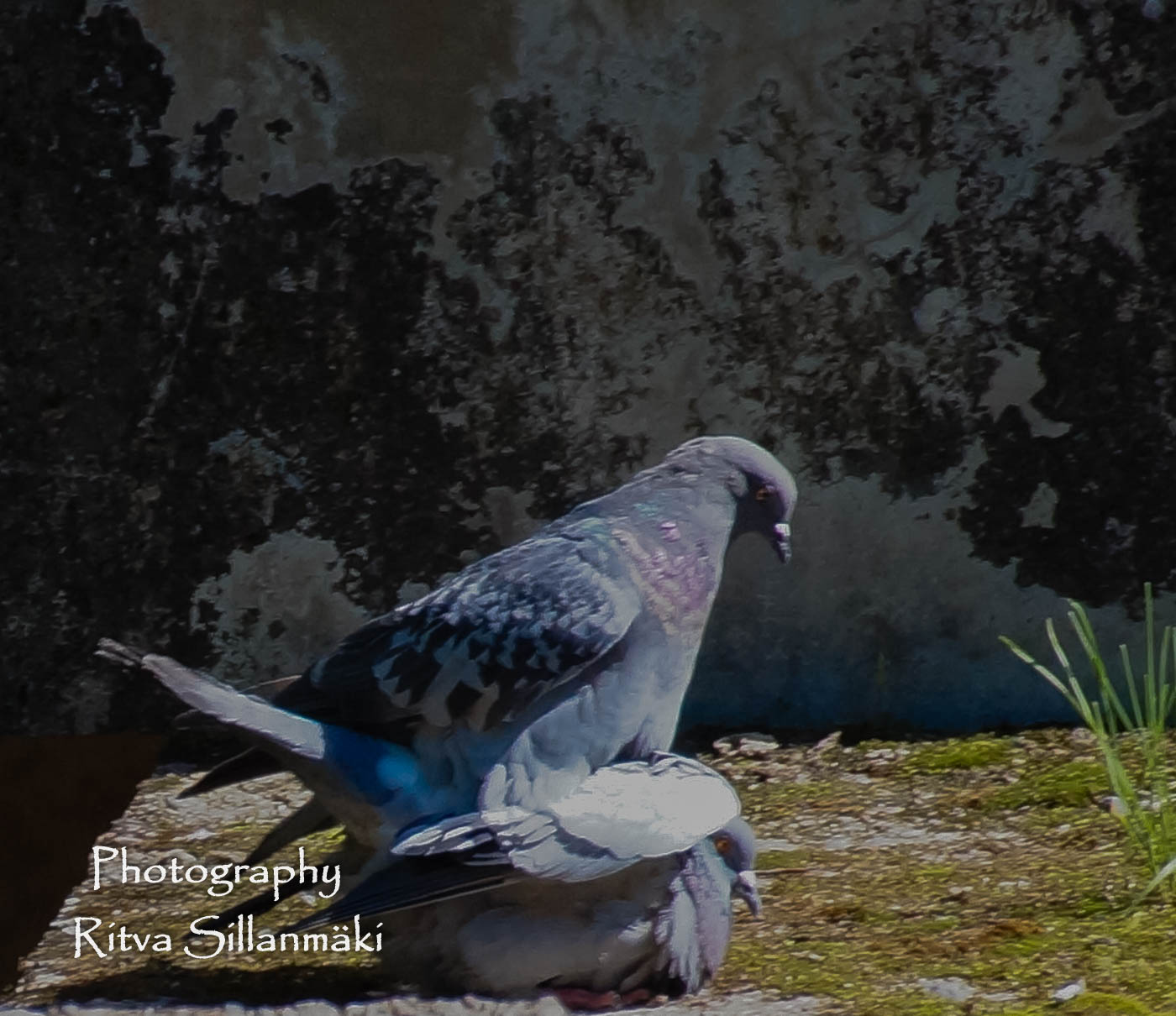
This weeks theme is Surprise At WPC PHOTO CHALLENGE  – birds, caught in the act 🙂

Mustio castle-15Mustio castle-14