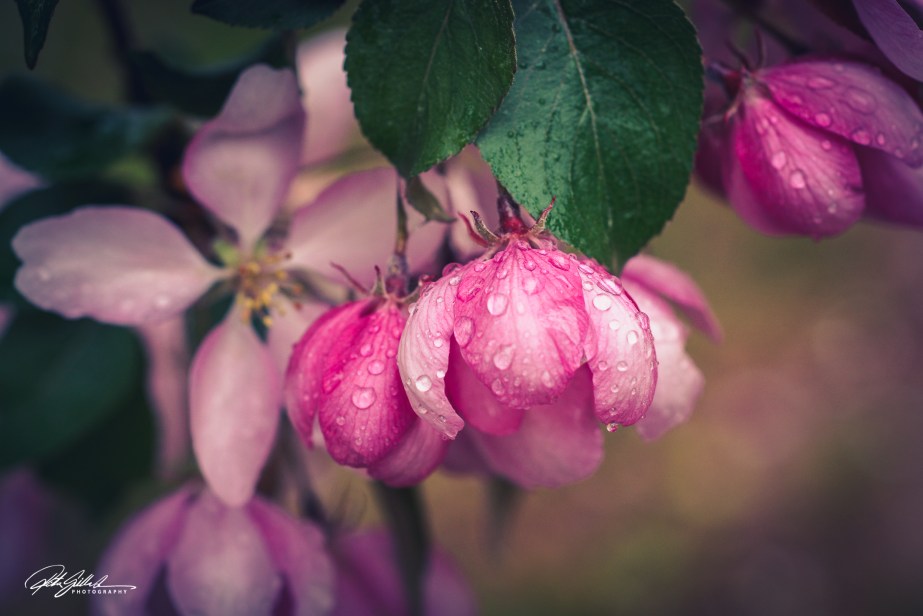
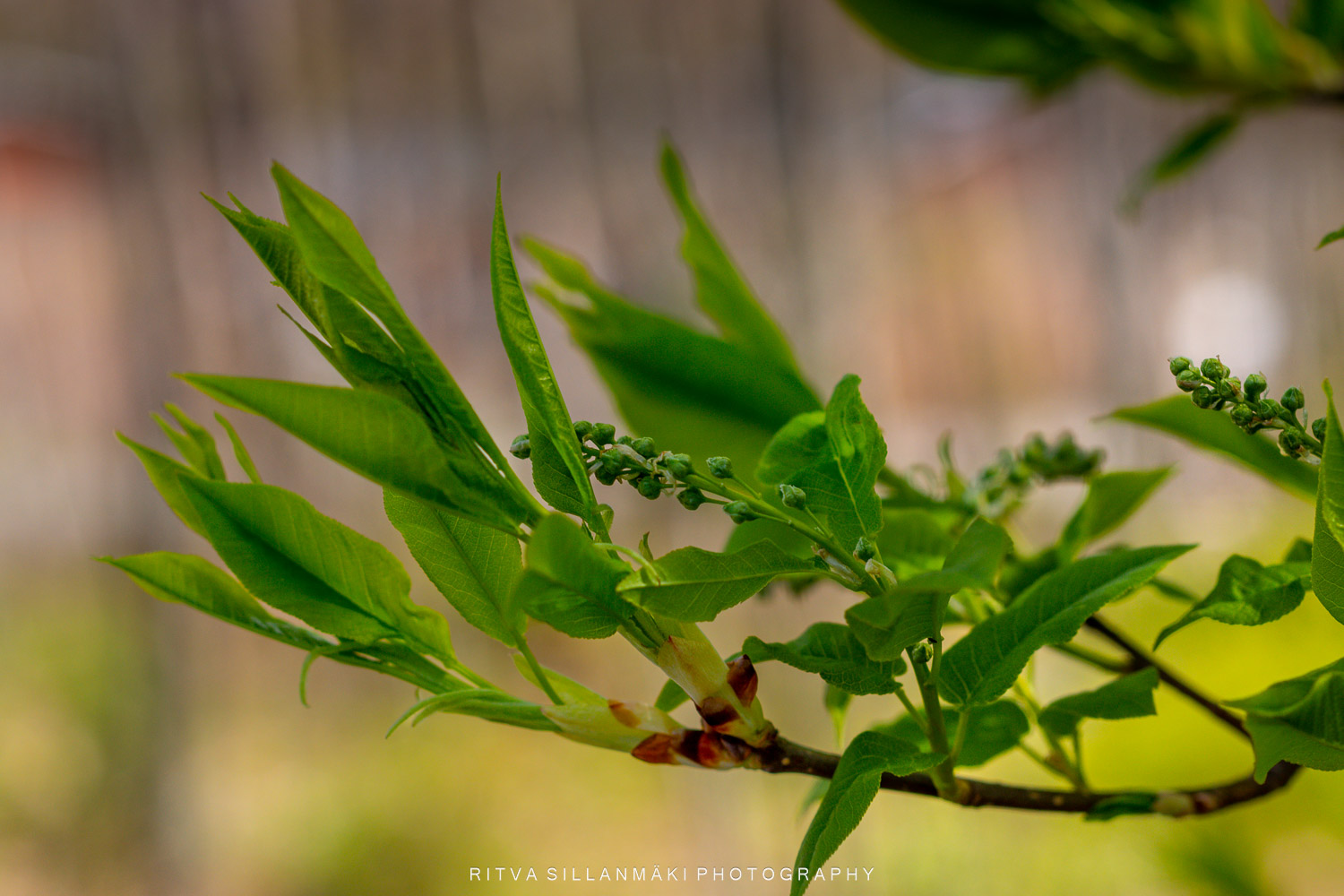
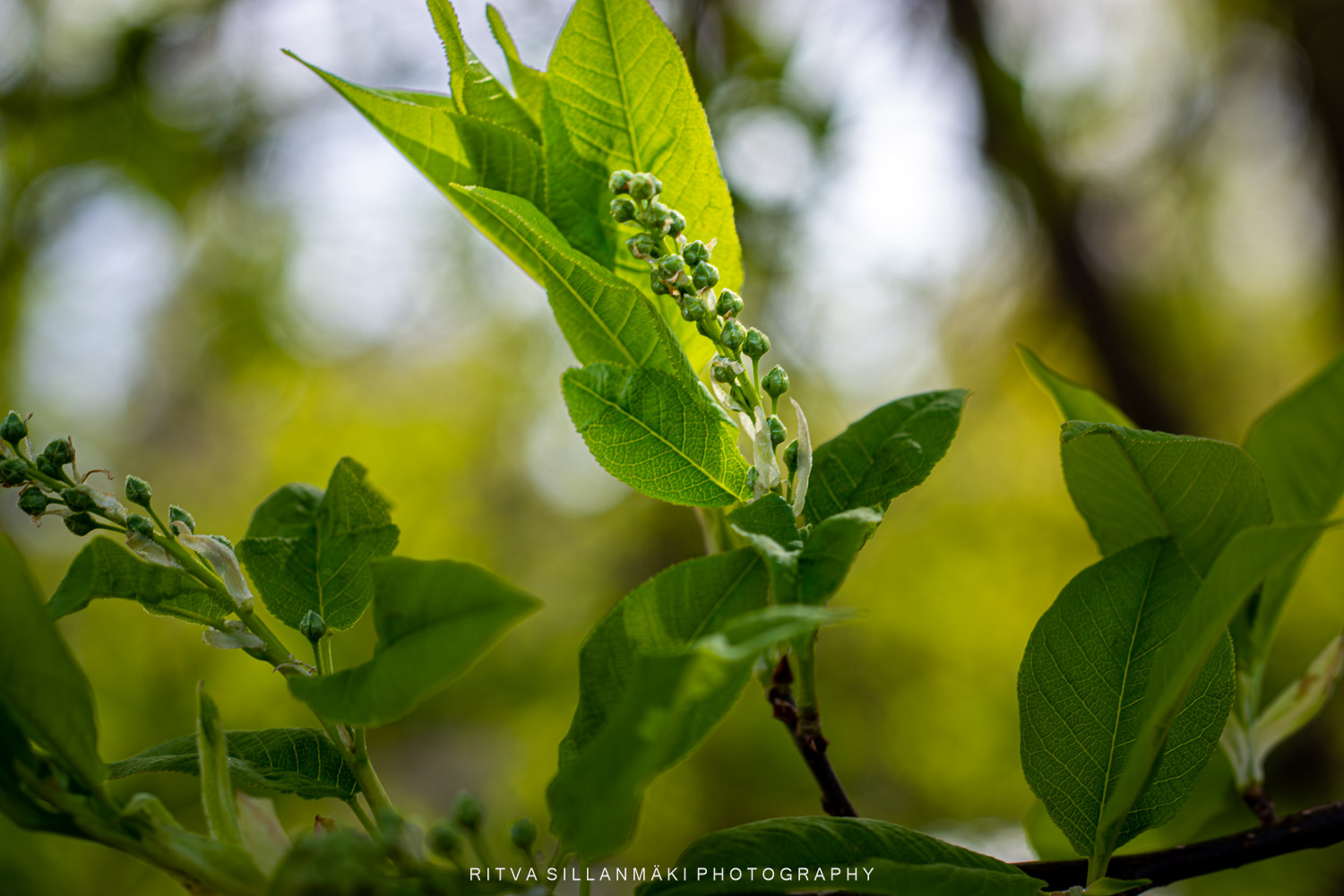
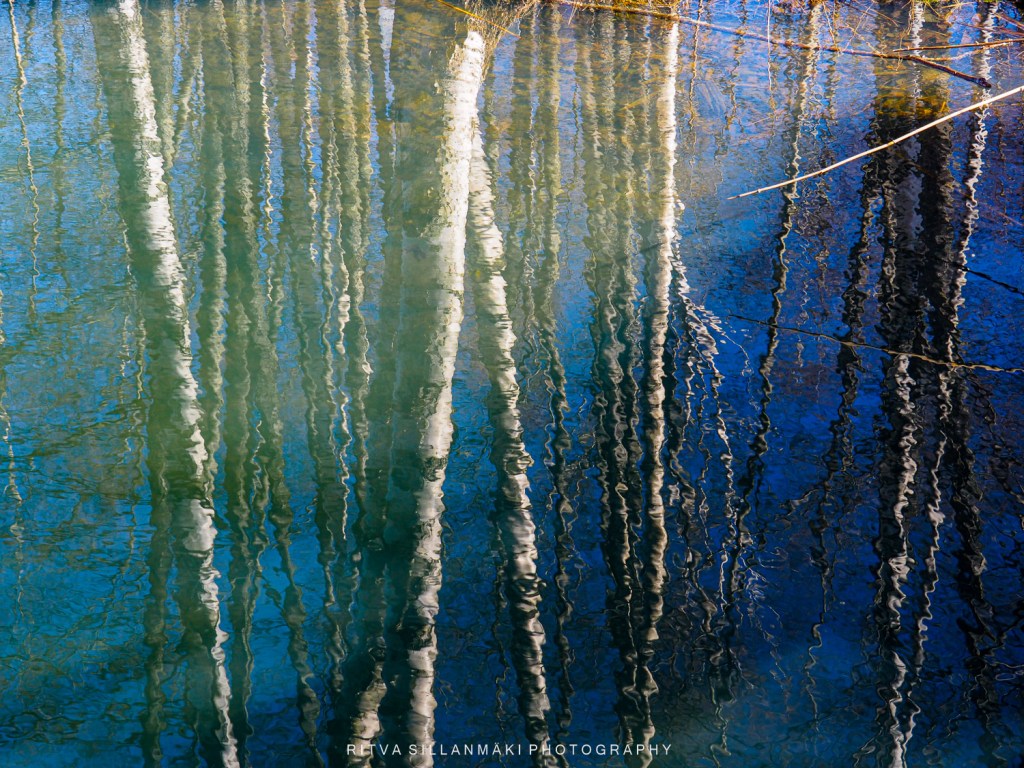
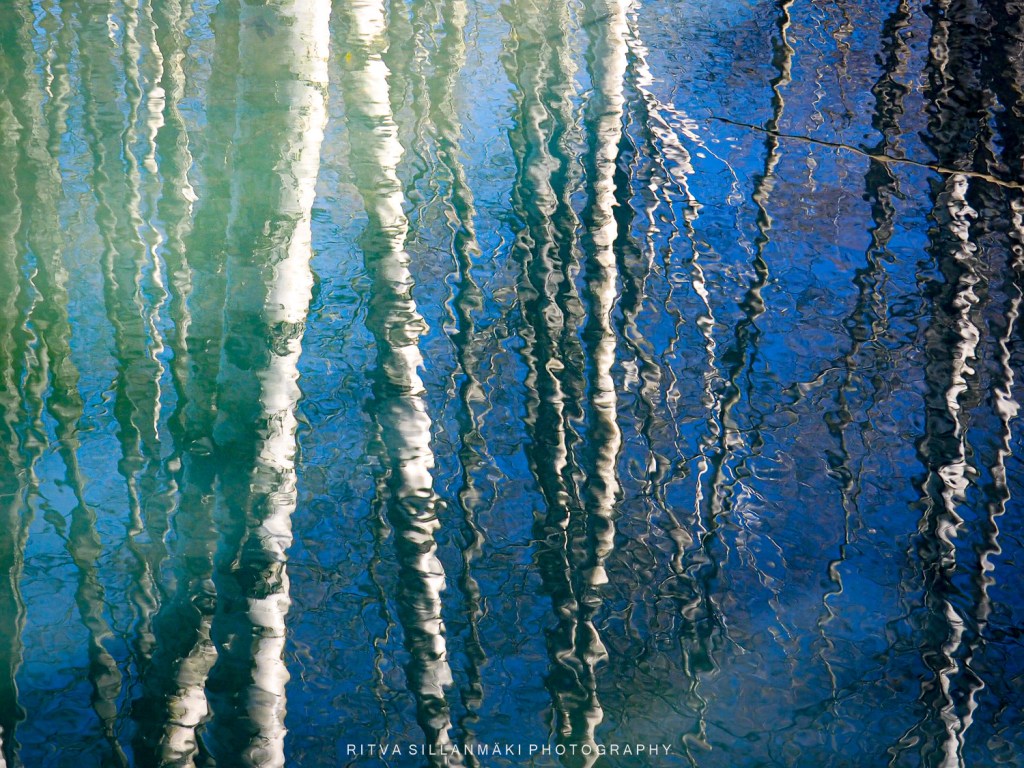
Celastrus orbiculatus is a woody vine of the Celastraceae family. It is commonly called Oriental bittersweet, as well as Chinese bittersweet, Asian bittersweet, round-leaved bittersweet, climbing spindleberry and Asiatic bittersweet.
Oriental bittersweet
Oriental bittersweet growing on our fence, needs yearly cutting.
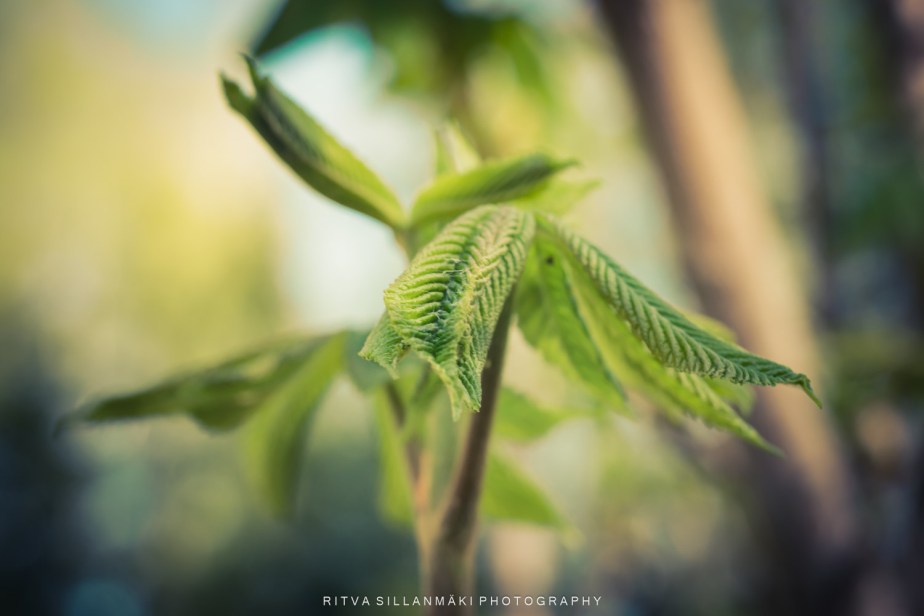
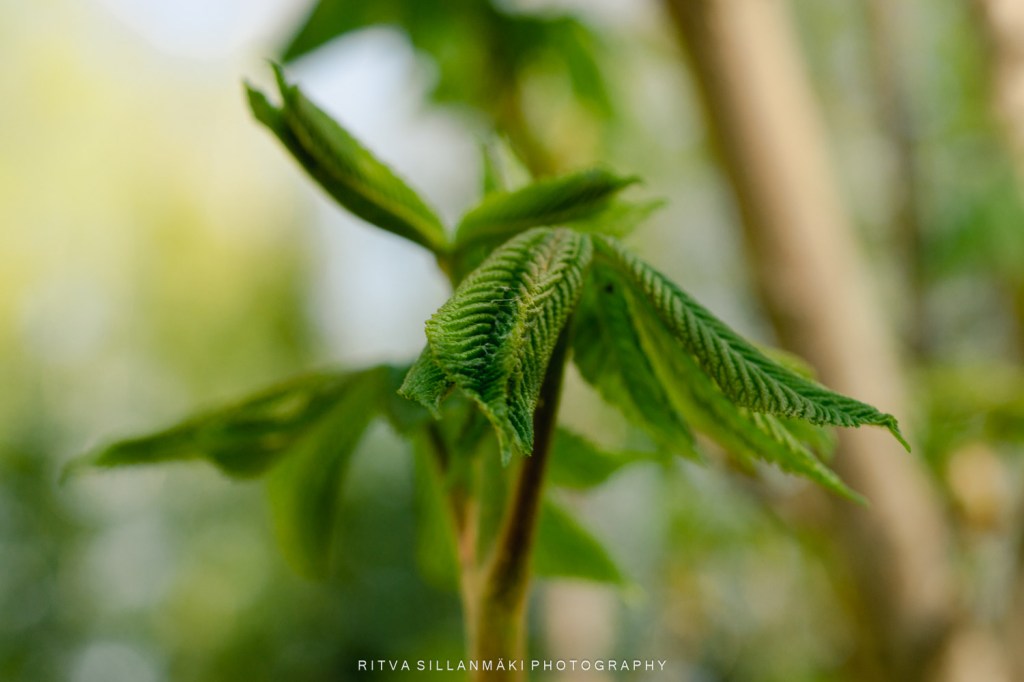
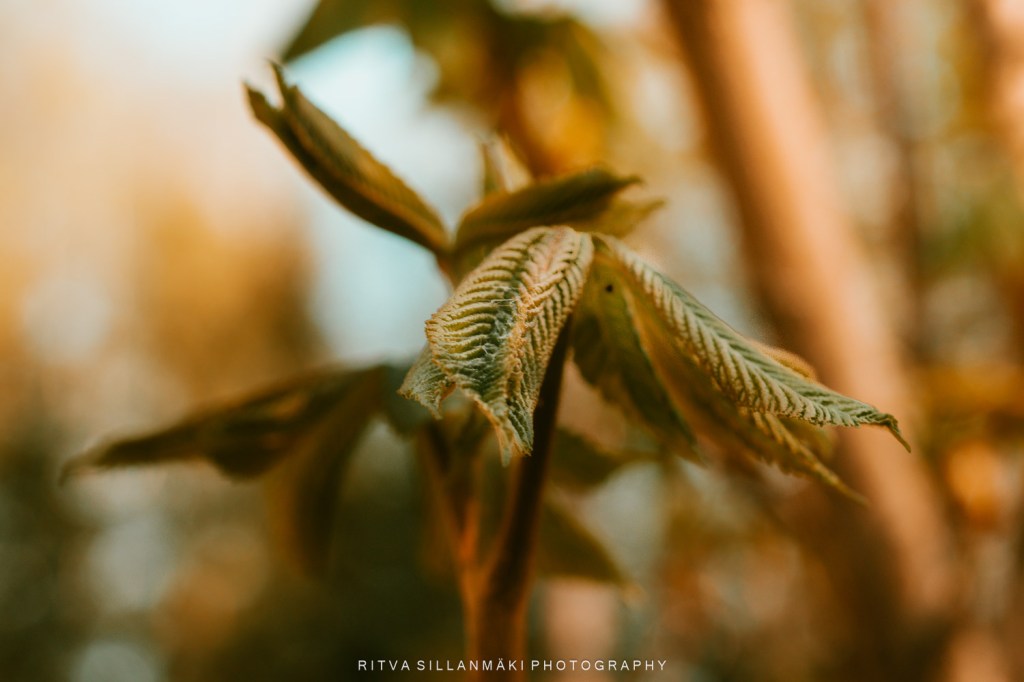
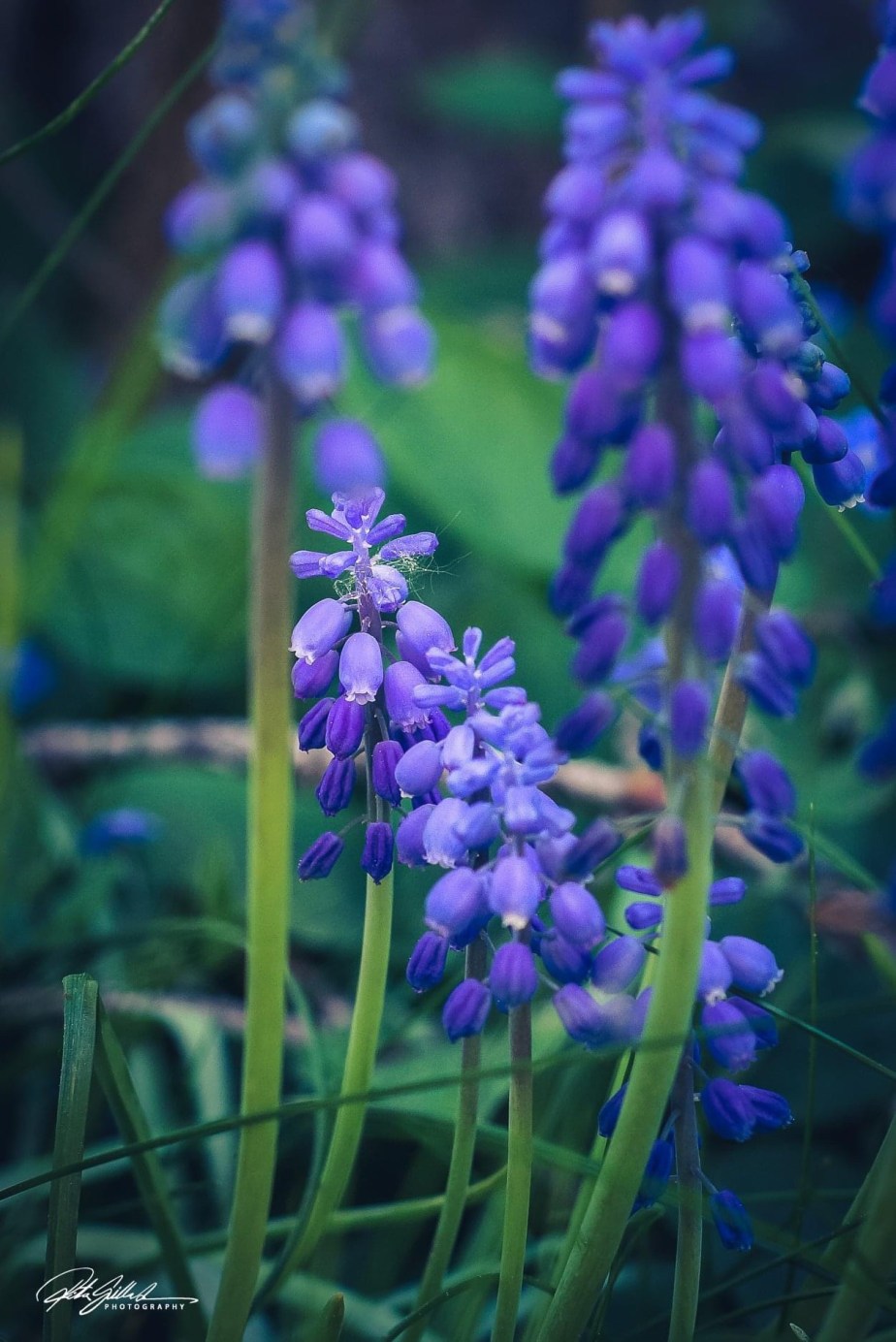
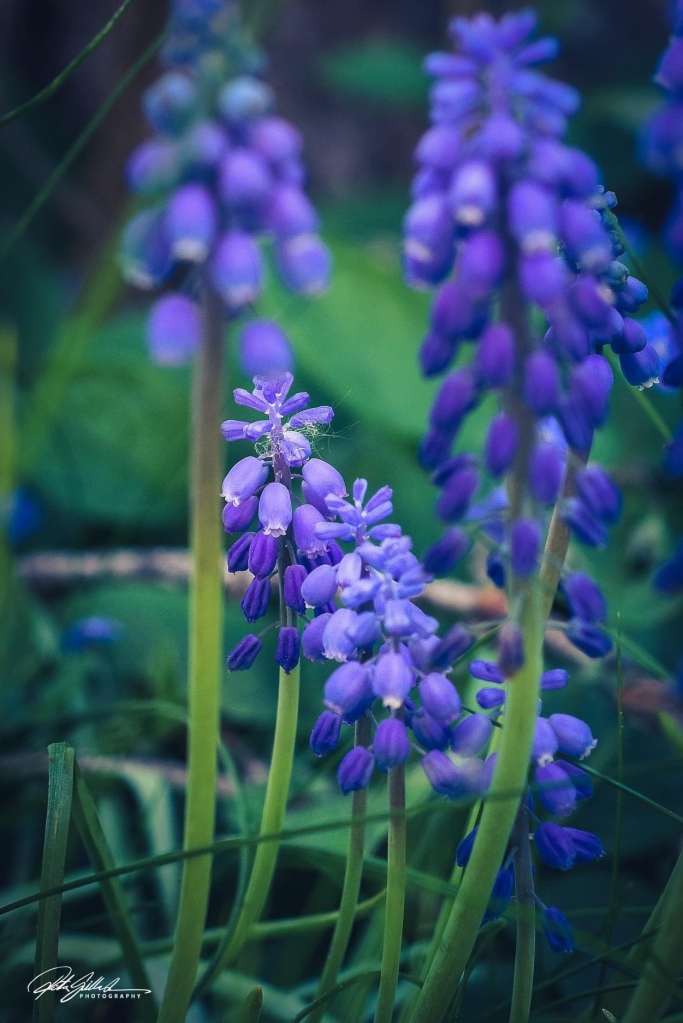
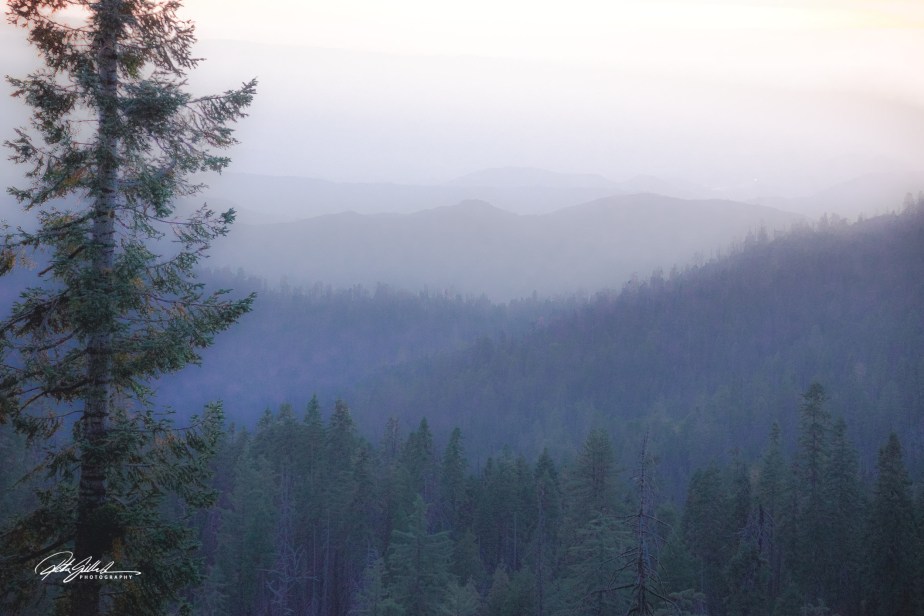
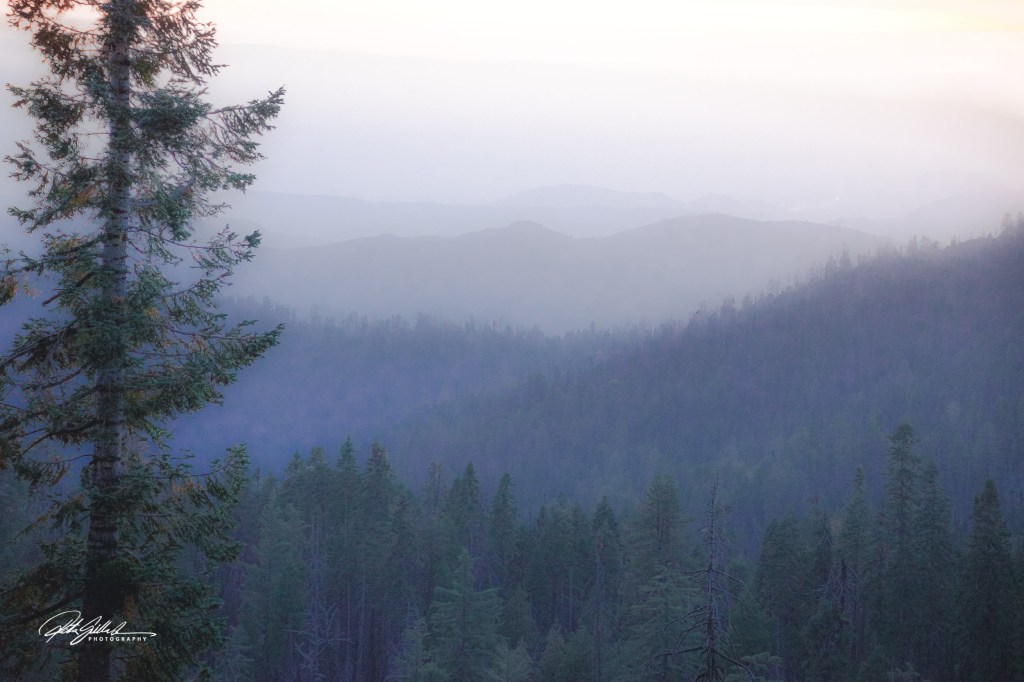
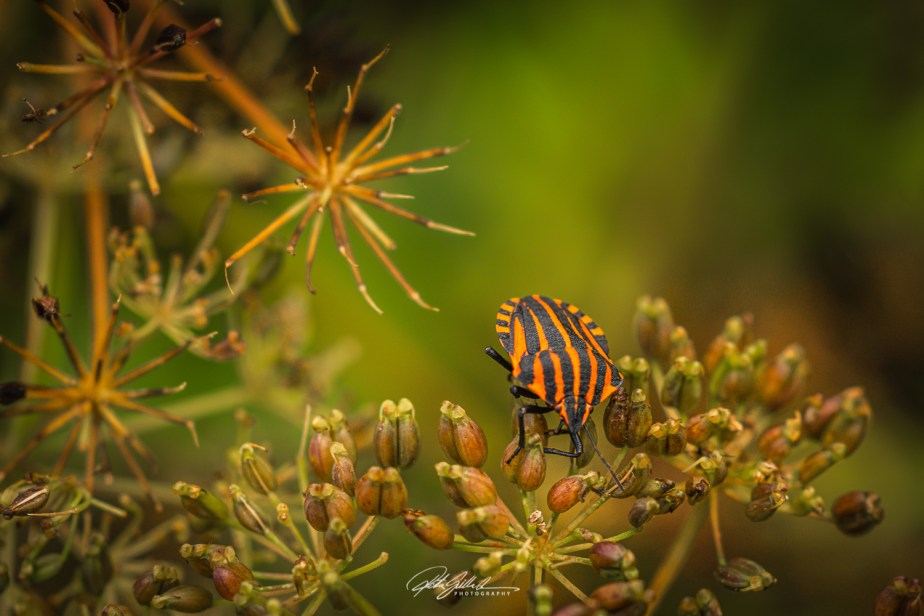
Since I do post editing on my art, and my photos, I also do several variations of them, so this is great challenge for me to participate in LAPC #220 One Subject Three Ways. These are very similar, but slightly different –by zooming in on the details or stepping back for a wider view. Sorry, there is four images and a header. 🙂
End of the path
Summer season ended, we closed our summer house for winter on this beautiful October day. The autumn colors are so lovely.
Lower view of the path
and lower you go still keep the focus in the front
Place the focus to the end of the path, and you get a different mood.
I have no idea as what magic mashroom this is, but it looks like Psilocybe mexicana a psychedelic mushroom. Its first known usage was by the natives of North and Central America over 2,000 years ago.
We did not pick them up, they ended up being cut down by the lawnmower.
I just took photos necaused they looked great, like from a story book.
More Magic mushroomsMagic mushroom growing in my yard
Autumn iis about letting go of summer and preparing for winter. Greens give way to dead stems and yellow drooping leaves. Darkness slowly takes over the time of light, but how beautiful it can be at the beginning of autumn🍂
yellows ang orange, in a misty settingLooks so pretty!
I found this nature’s artwork in my backyard, fern and a some other plants made a beautiful contrast. You just have to look for it closely to find it. . Sunday greetings to you all!
Today, I saw this lovely deer ,from the window facing my backyard, posing on the hill. It would have been nice to go outside and take the photosthere, but it would have run away, if I’d gone and opened the door. So, I took these through the window, taking this to consideration they came out ok.
A deer standing on a hill
It stood there on the hill for a while, looked around and finally turning and walked away. Just to lay down and rest on the hill behind a fallen tree, so that only the ears were visible.
We had an amazing weekend to capture, clouds and reflections.
These are taken at lake Pikku-Kukkanen (Small flower) I was able to capture beautiful reflections on the lake and there were two swans further away, so I really missed noth having my camera with me. In the first shot the exposure was low so the clouds came out really dark. I like the intensity of the atmosphere.
Reflectiond on Lake Pikku-Kukkanen in Nastola, FinlandLake PIKKU-Kukkanen
We had an amazing weekend to capture, clouds, mist and rainbows as the weather was mostly cloudy, but few moments of light. I happened to be in those to capture some beauty. Most are taken by mobile phone, because, well it was so cloudy when we left, and I thought that there would be nothing to photograph. How wrong I was! I usually have my camera with me, once again a great reminder that, Ritva, keep it with you, you never know what you can see.
These are taken at lake Iso-Kukkanen (Big flower) I was able to capture beautiful reflections on the lake.
Reflectiond on Lake Iso-Kukkanen in Nastola, FinlandLake Iso-Kukkanen
It feels like the autumn colors appeared in a night, but probably it took few nights. I am very lucky that I can view the change in the nature from my backyard. watching the seasons change is great, many time I don’t need to leave my living room.
Yesterday between the the mostly cloudy day, was a moment of sunshine. I ventured outside and took these first signs of autumn tone photographs.
I often go to this lake as it near my summer house, this year the water level is very low. That is what I went to see, but I did also find beautiful reflection on the lake. The weather was cold, this year the autumn turned on like somebody had turned a switch on. From high twenties to temperatures near ten celsius is huge drop. Despite the that, it’s still a pretty place.
Usually the water level is where the dock starts, at this time you certainly should not dive in the water at the end of the dock.
Sparganium gramineum, in finnish it is called Siimapalpakko, is a floating-leaved aquatic plant , which is found in Northern Europe. The species is a very relaxed, genuine aquatic plant, with a meter-long stem and coiled leaves and floating leaves. In deep and clear waters, the species’ growth forms a sheltered spawning ground for fish, and its seeds are food for at least some ducks. In the Nordic countries, the plant has been used as livestock feed.
I am in a slump, you know, I want to do things, I paln to do things, it is my intention and then, I do nothing. Here is one thing I decided to do, and finaly did. A post,
I took these yesterday at Porkkala Marina, we had a lovely brunch there and saw of this wonderful old sailboat, sitting at the dock wathing the ripples on the water. So peaceful…
This summer has had some technical issues that I would not have needed. First I had the issue with back up, my hard drive was full, couldn’t store, upload my photos, so I did not edit my photos due to that issue. Summer vacation came, which was 😊 great.
Took photos as we took short trips here in Finland. I did start to edit them, but once again I was encountered with a problem. My computer would not open any of my editing programs, Lightroom for example, I was not able to open any of my folders in those hard drives I got earlier in the summer. My computer signed off. I had to buy a new one which I got 5 days ago, but as I am at the summer house and the computer arrived back home an hour after we left on come here it is now waiting at my neighbors for me to go back home to get it.
Shortly, I have done very little photography and even less editing. I have been on holiday even from blogging, but soon, sometime next week I will return.
Photography is drawing with light and this week’s Silhouette challenge firmly shows us that. A silhouette is about bringing together contrasts of a well-lit background against a dark subject, making the subject’s shape and outline as the main point of focus. A silhouette balances what the viewer sees alongside the darker toned facets of the subject that are intentionally kept hidden from the light.
Silhouettes are a great way to tell a story while leaving it up to the imagination of the viewer – there aren’t visible features to express emotion, so your viewer will fill in details depending on the context of the image – use this to direct your viewer’s line of thinking.
Waiting for the rain to stop
This is a lesson in exposure, composition and creativity all coming together. While silhouettes are outline.. Portraits, Still Life, Architecture and Nature typically make for good silhouette genres.
Silhouettes can often convey some kind of mystic story. By leaving the details in the dark, the story becomes compelling and the viewer is more engaged with the picture.
A boy and a fox
I was nearly ready to cheat, until my youngest grandson said he would let me take a photo of him. It was a rainy day and he sat by the window with a cuddly fox. Here was my opportunity to capture a silhouette
The summer weather can be unpredictable, we are now under low pressure and have had sunshine and rain showers. We have spent this week at the country side. So my photos are this time naturally from here.
Field new our summer house Clouds over the fields View from the sauna patio 104 year old log sauna
Photography is drawing with light and this week’s Silhouette challenge firmly shows us that. A silhouette is about bringing together contrasts of a well-lit background against a dark subject, making the subject’s shape and outline as the main point of focus. A silhouette balances what the viewer sees alongside the darker toned facets of the subject that are intentionally kept hidden from the light.
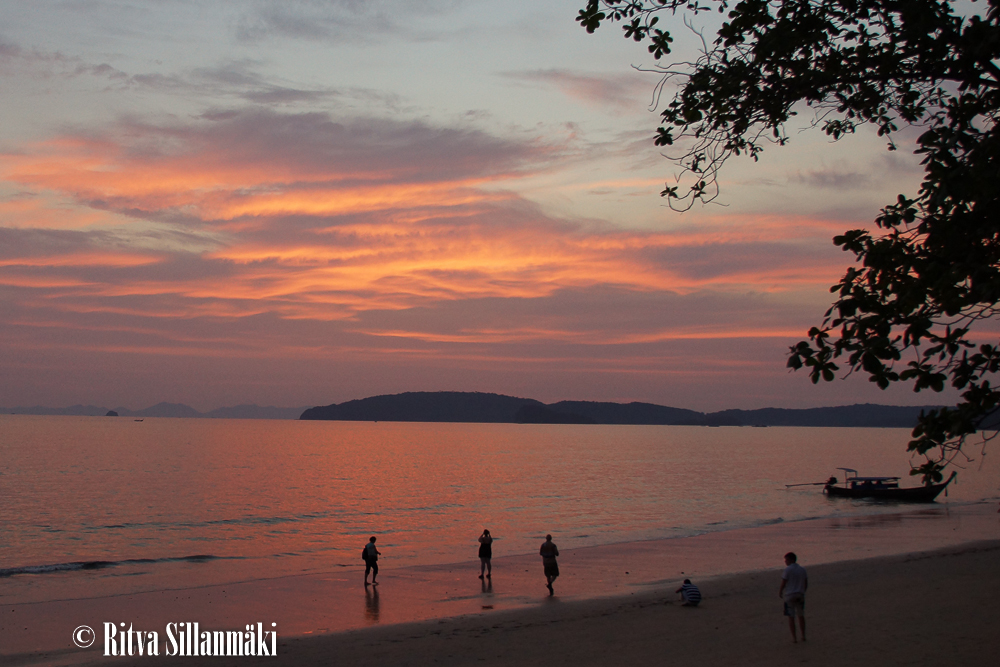
People waiting for sunset in Crete
Silhouettes are a great way to tell a story while leaving it up to the imagination of the viewer – there aren’t visible features to express emotion, so your viewer will fill in details depending on the context of the image – use this to direct your viewer’s line of thinking.
waiting for the sunset
This is a lesson in exposure, composition and creativity all coming together. While silhouettes are commonly shot in the day and at golden / blue hours, you can absolutely shoot silhouettes at night too. This will work best when the object being shot is recognizable through their well-defined shape and outline.. Portraits, Still Life, Architecture and Nature typically make for good silhouette genres.
Silhouettes can often convey some kind of mystic story. By leaving the details in the dark, the story becomes compelling and the viewer is more engaged with the picture.
Sailing at sunset
I would have loved to use these shots I took at Crete as they would have suited this challenge perfectly, but no, still I think they are great examples of silhouette! But I will have to come up with something new for the challenge or I could cheat… no, I won’t do that.
Waiting
Palm trees at sunset
TIPS:
Background Choice: Very often, we blur out the background and pay less attention to it. Here, pay a little extra attention to your choice of background. Make it contrast with the shape of your main subject.
Narrow Aperture: Shoot with a relatively narrow aperture of f/8 or higher to reduce the amount of light falling on your sensor, getting great Depth Of Field and also reducing chromatic aberrations especially if you’re shooting into the light.
Metering: We want to “trick” our camera into intentionally under-exposing the subject. So use spot metering or expose for the background.
Post-processing: Use software wisely – in post processing, it’s generally helpful to boost the contrast in your image, add more saturation, and increase the blacks slightly to improve a silhouette shot.
Less is more. This week’s Negative Space challenge is what those words are all about. Make your composition’s subject stand out by ensuring you eliminate clutter, distractions and sometimes even a background.
Peony in monochrome
Many minimalistic photography images have a great deal of negative space to isolate the subject. There are tons of genres and ideas that would make for very compelling shots – architecture, landscapes, portraits, food photography, abstracts and so much more. Think about the story or emotion you’d like to convey to your viewer and compose your shot after taking some time to think about it.
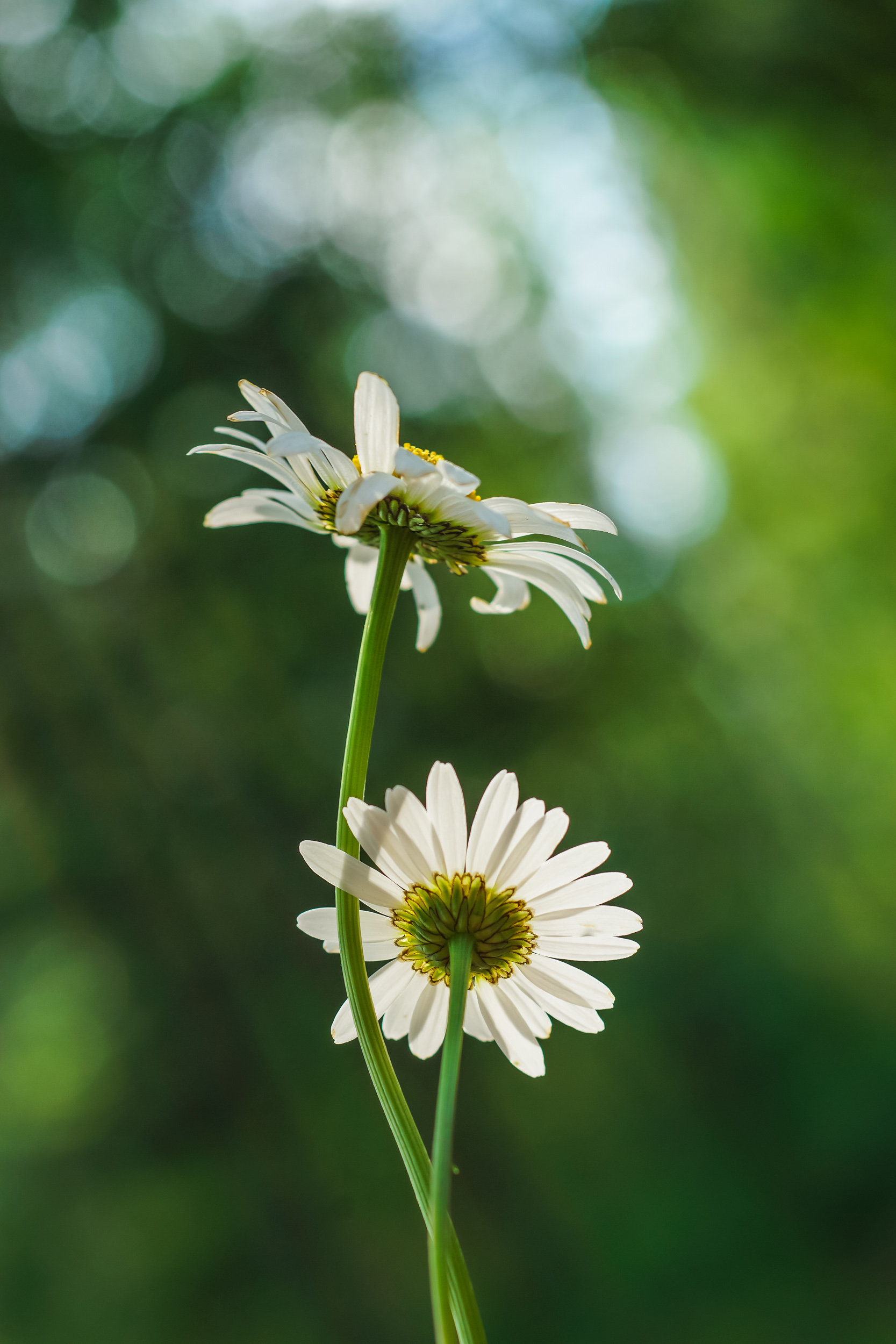
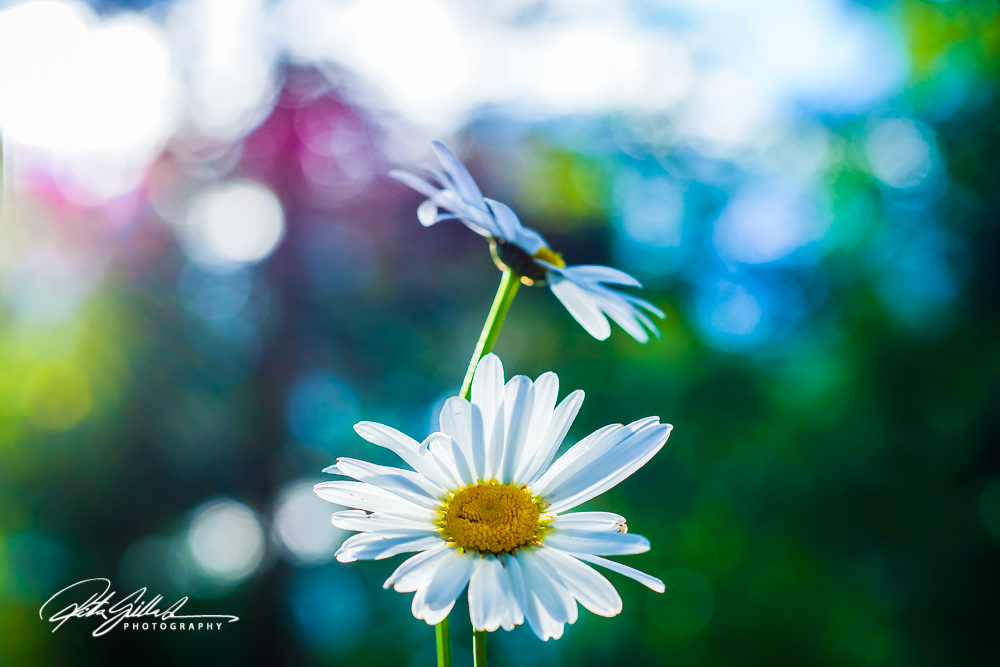
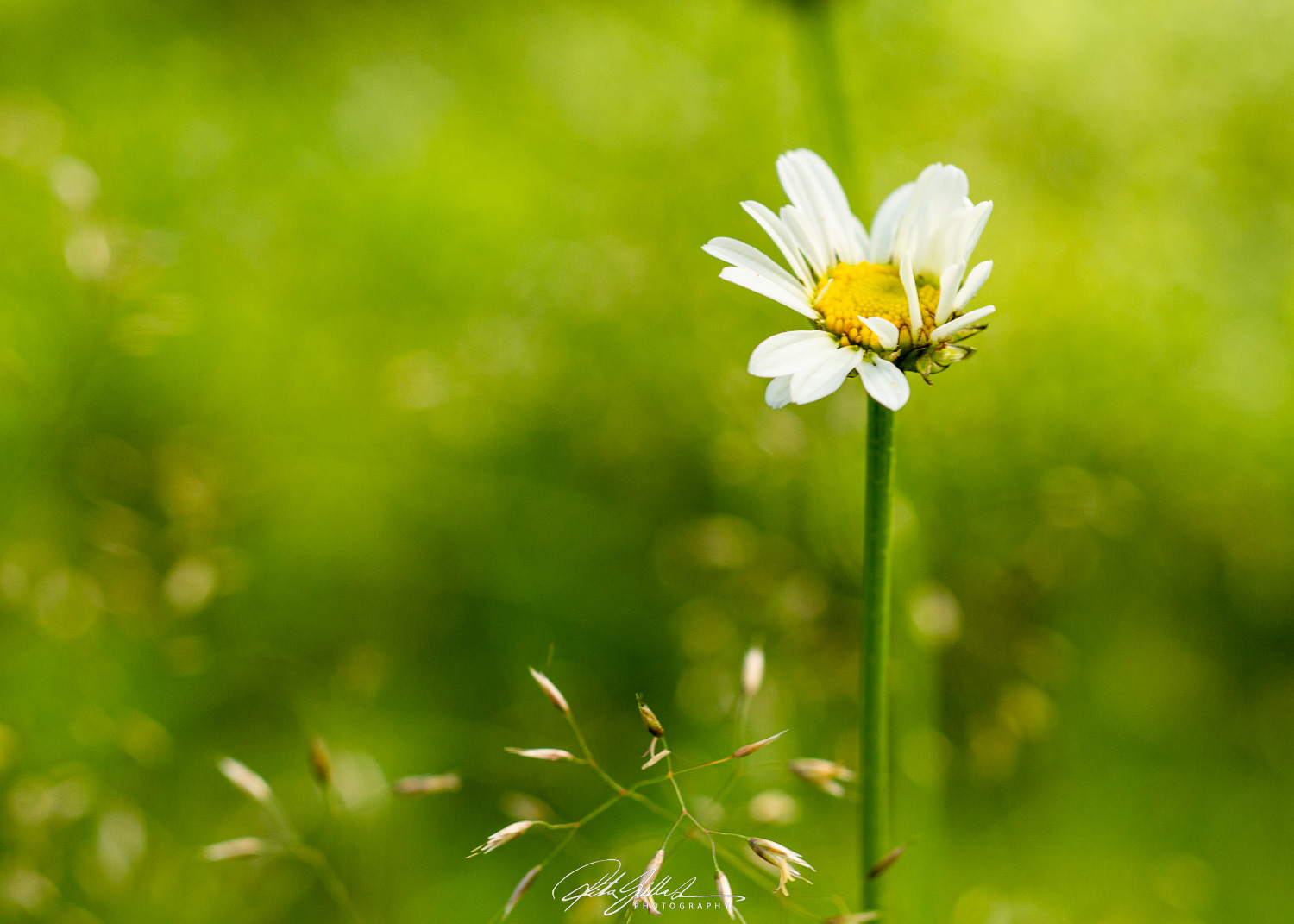
Daisy
We’re looking for clear, un-cluttered images where the space surrounding the main subject or idea enhances your shot by taking the viewer’s eye straight there. That little bit of extra space allows for breathing room and leaves no doubt as to what the main point of interest is.
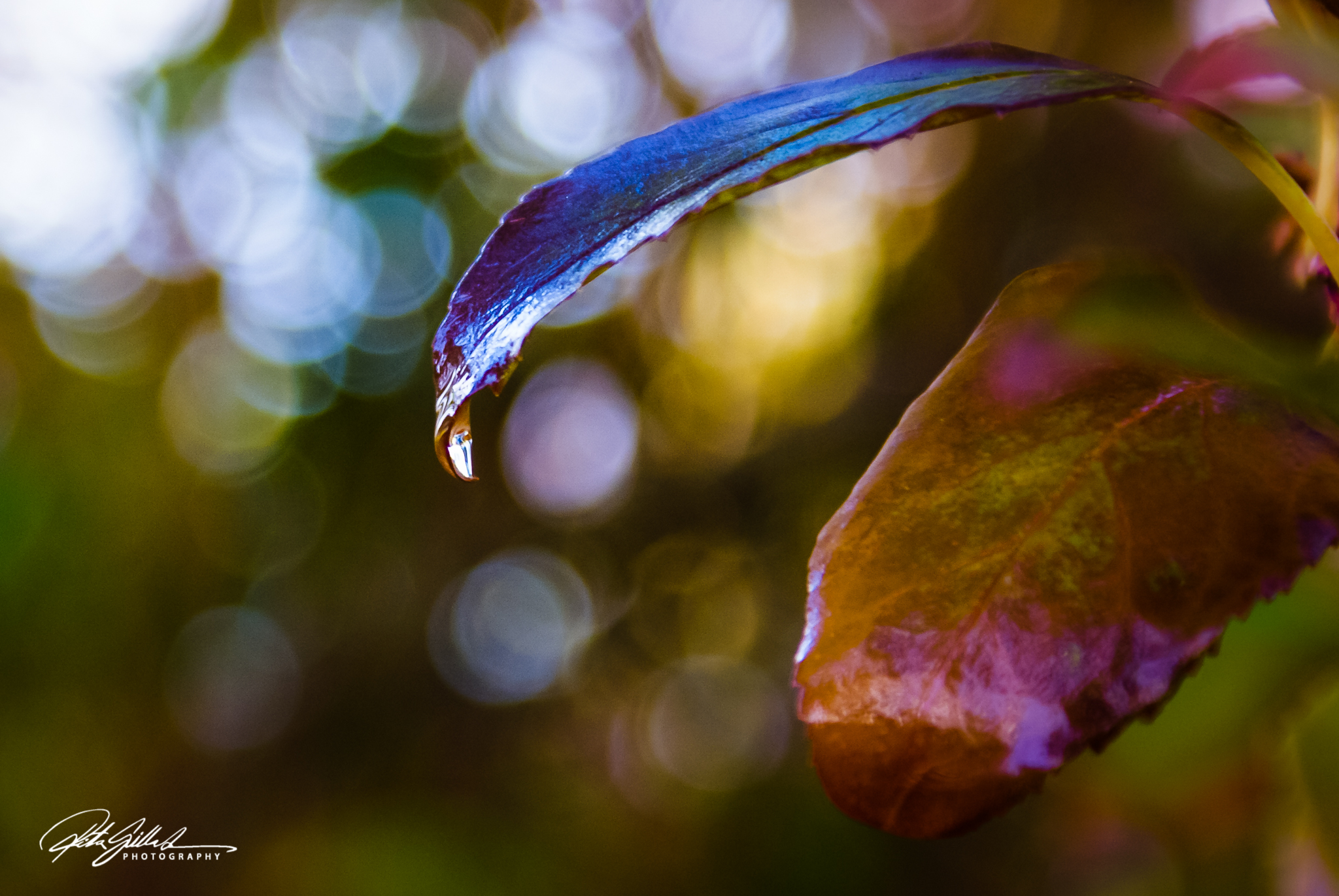
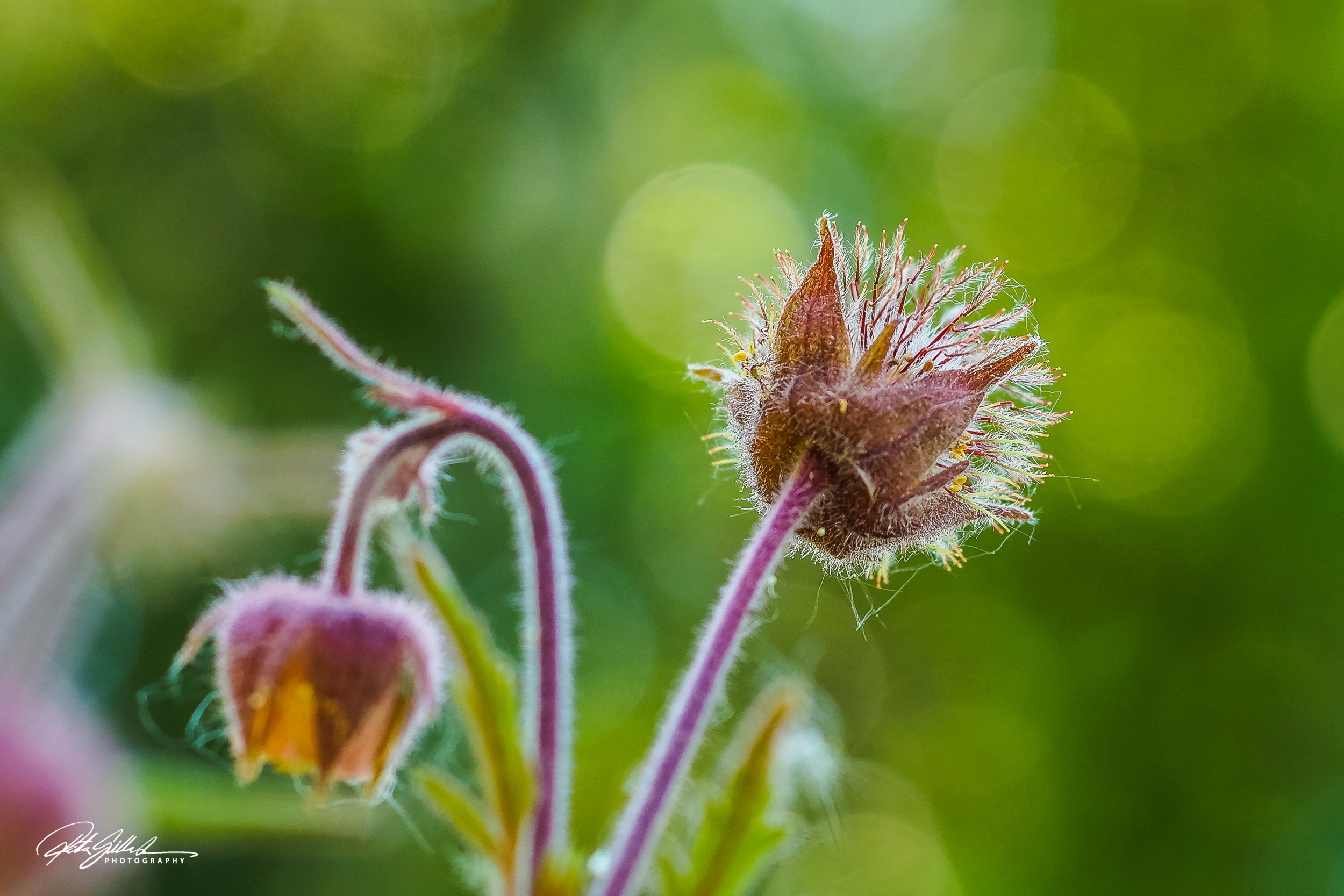
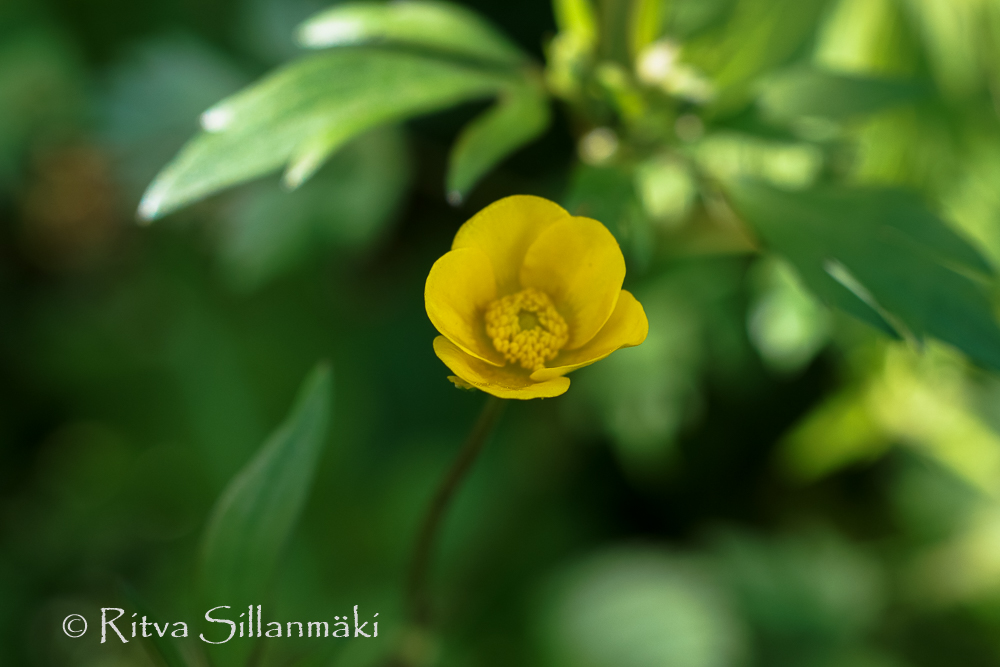
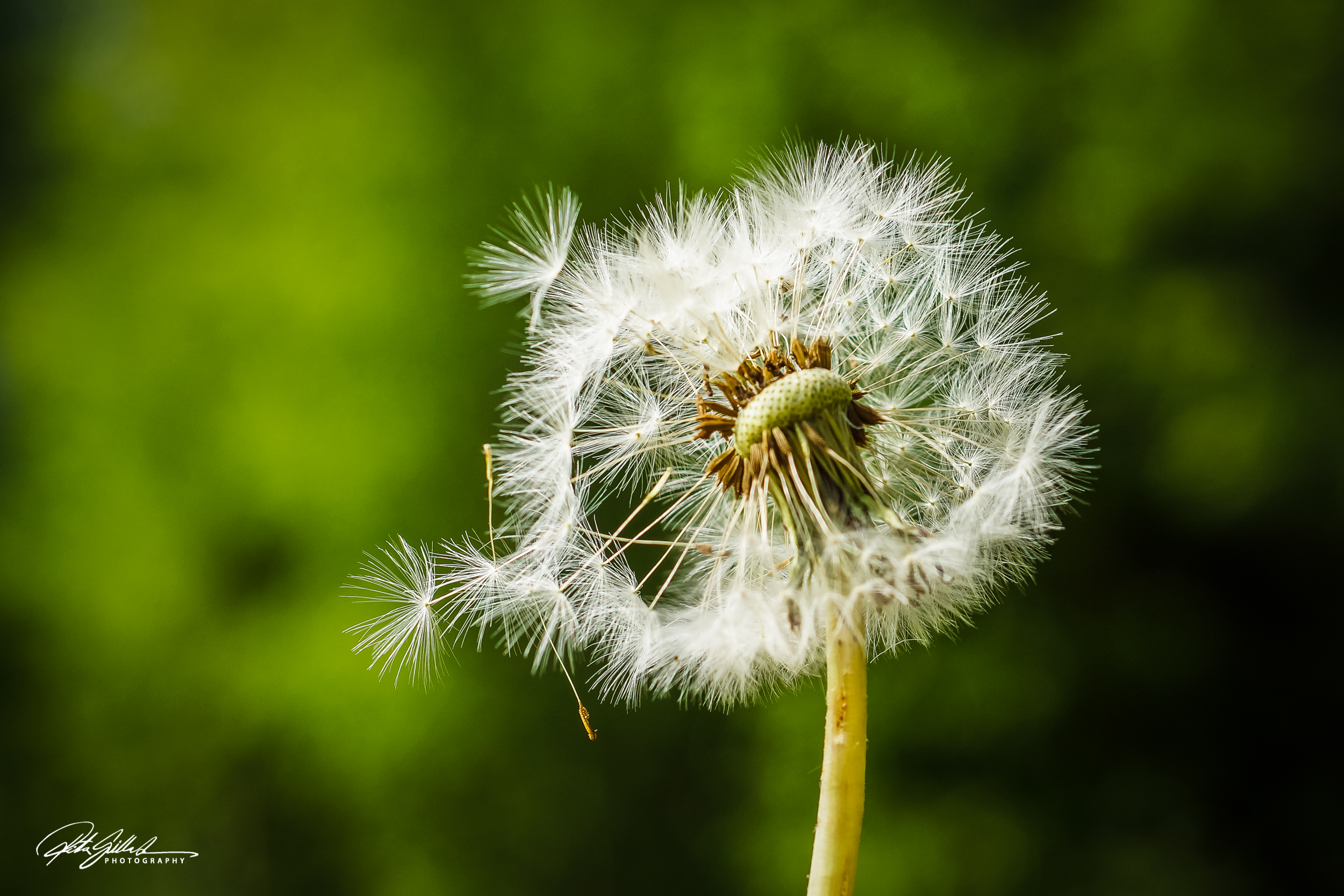
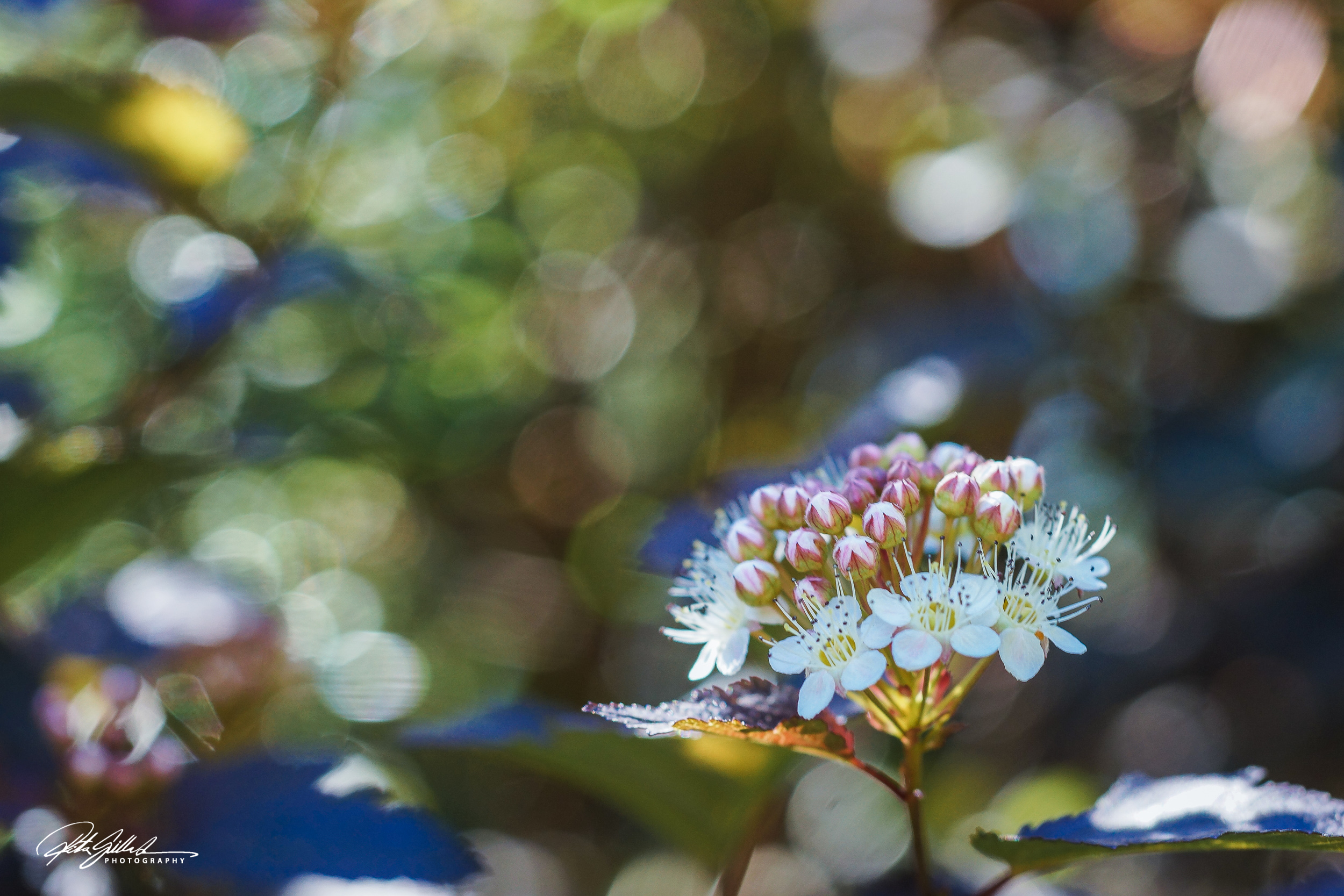
Alone with bokeh
There’s magic in negative space, when used wisely, so think, breathe, shoot…
TIPS:
Zoom with your feet: Move around to get the best composition for your photo.
Different shooting angles: Because everything else is simplified in your frame, you have more license to “break” the rules of typical composition, for example where your subject is placed in the frame, or where they are looking.
Find your background first: Go on a hunt for a red brick wall, or a blue garage door, then place your subject in front of it.
Balance: Use the negative space to balance out the main subject. Don’t go overboard with the negative space, making it hard for the viewer to understand and absorb the main focus point of your shot.
Shoot wide open: That dreamy, creamy bokeh is a great way to simplify your subject’s background, and keep the frame more minimalistic.
Negative space with daisies
I would have loved to use some of the shots I took at Crete as they would have suited this challenge perfectly, but no, still I think they are great examples of negative space.
Our first visit to Chania it is a breathtaking city on the north-west coast of the island of Crete. The city is historically significant In the town of Chania, ancient Greek, Byzantine, Venetian, and Ottoman buildings coexist in the landscape of the city. We visited the Virgin Mary Metropolitan Church, on our way to the Venetian Harbour, “It is worth walking and watching, and at sunset you can get some really nice shot. Those I will share in the next post.
Papadiana is a lovely small village located 60 km south of Chania and close to the village of Sougia. With few inhabitants (population 14 as I found out as I googled the area) that deal mostly with agriculture, Papadiana has traditional architecture with stone houses and narrow streets.
It is surrounded by lush greenery and wild mountainsides. Most vegetation comprises of olive groves that give pure virgin oil, for which Crete is famous.
We drove through this small village and noticed a sign on the side of the road, Old mill, we took the turn and found this idyllic place at the end of this gravel road. When we saw the mill it it had a 1860 A.C. sign on it.,
For many of us, seeing a Pattern comes quite naturally – after all, it’s just something being repeated in a pleasing way. That’s why so many of our creations use patterns – whether it’s the crimped crust of a pie or some beautiful inlay mosaic work on floor tiles – patterns and repetition of shapes stands out to us.
I had lots of ideas, but well I run out of time and took an easy way out, because patterns are everywhere, but to get an interesting shot of it, is an other thing altogether. I went with the fern this time as the shot of peaches and butterfly are not new and the challenge is to take a new photo every week. If I had had the energy I could have tried to capture similar shots again. Not this time 🙂
Maple leaves
Let the patterns to tell a story and that’s where the creativity comes in. Look for geometric and sharp angular patterns if you want to compose something using a pattern of shapes. You could also seek out patterns with colors. This challenge can overlap with other sub-genres like Repetition or Textures. Other genres like Abstract Photography or Architecture are also great ideas to find patterns.
Fern leaves
One final thought – Most, if not all, patterns have repetition. But not all repetition forms a pattern. Just think about that for a bit.
Extra Challenge: Found In Nature
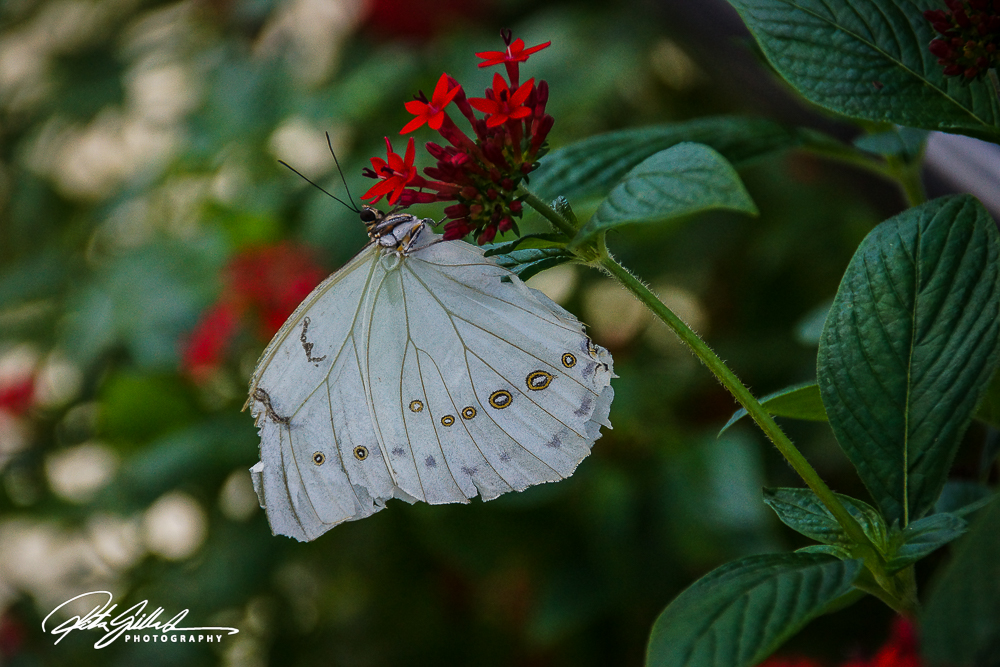
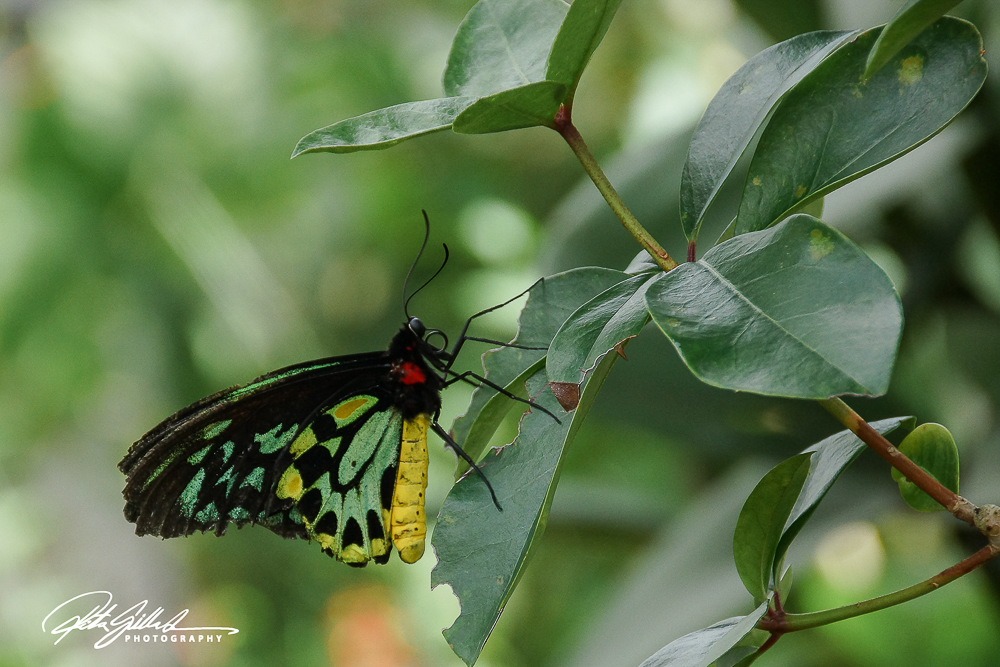
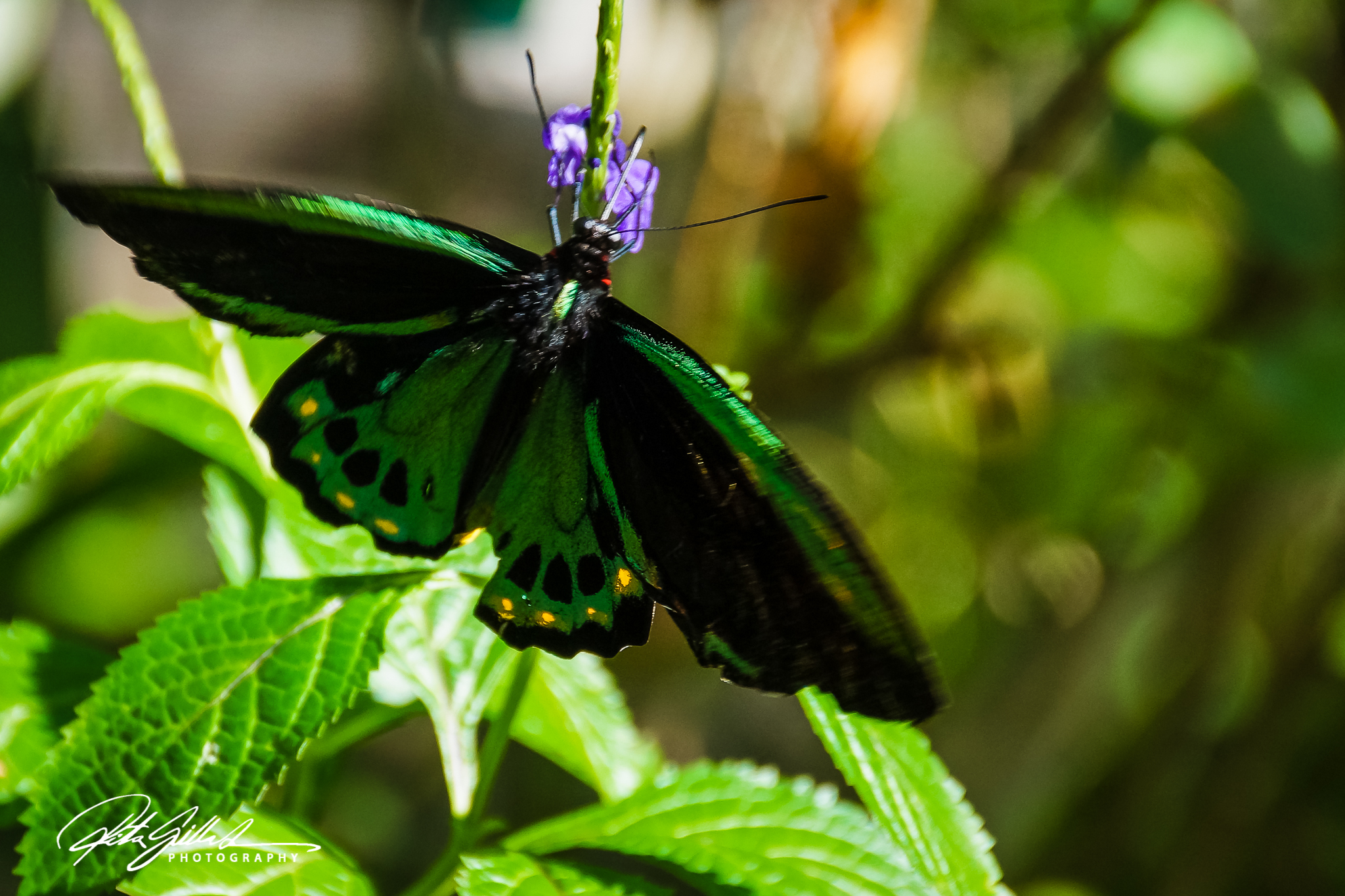
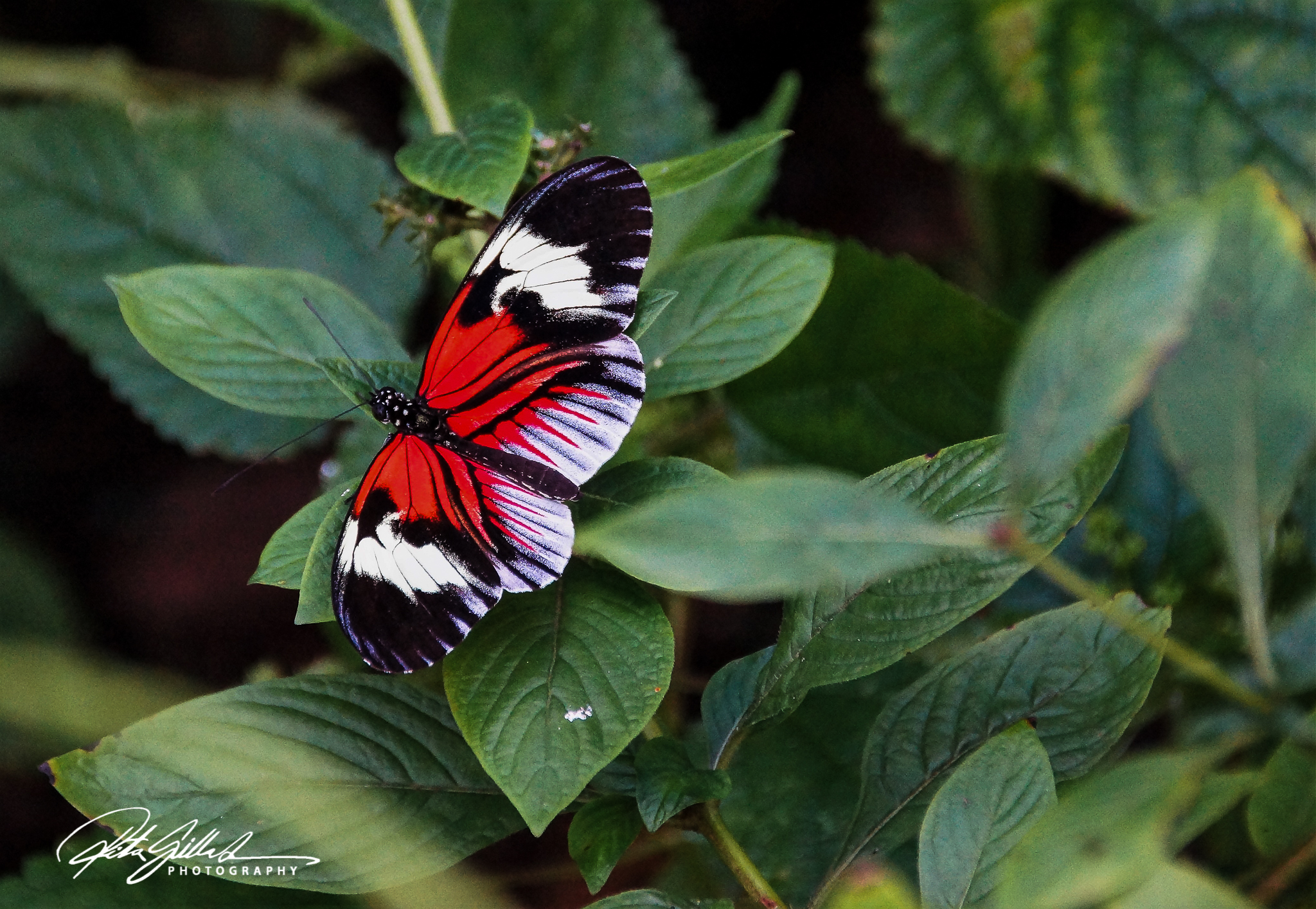
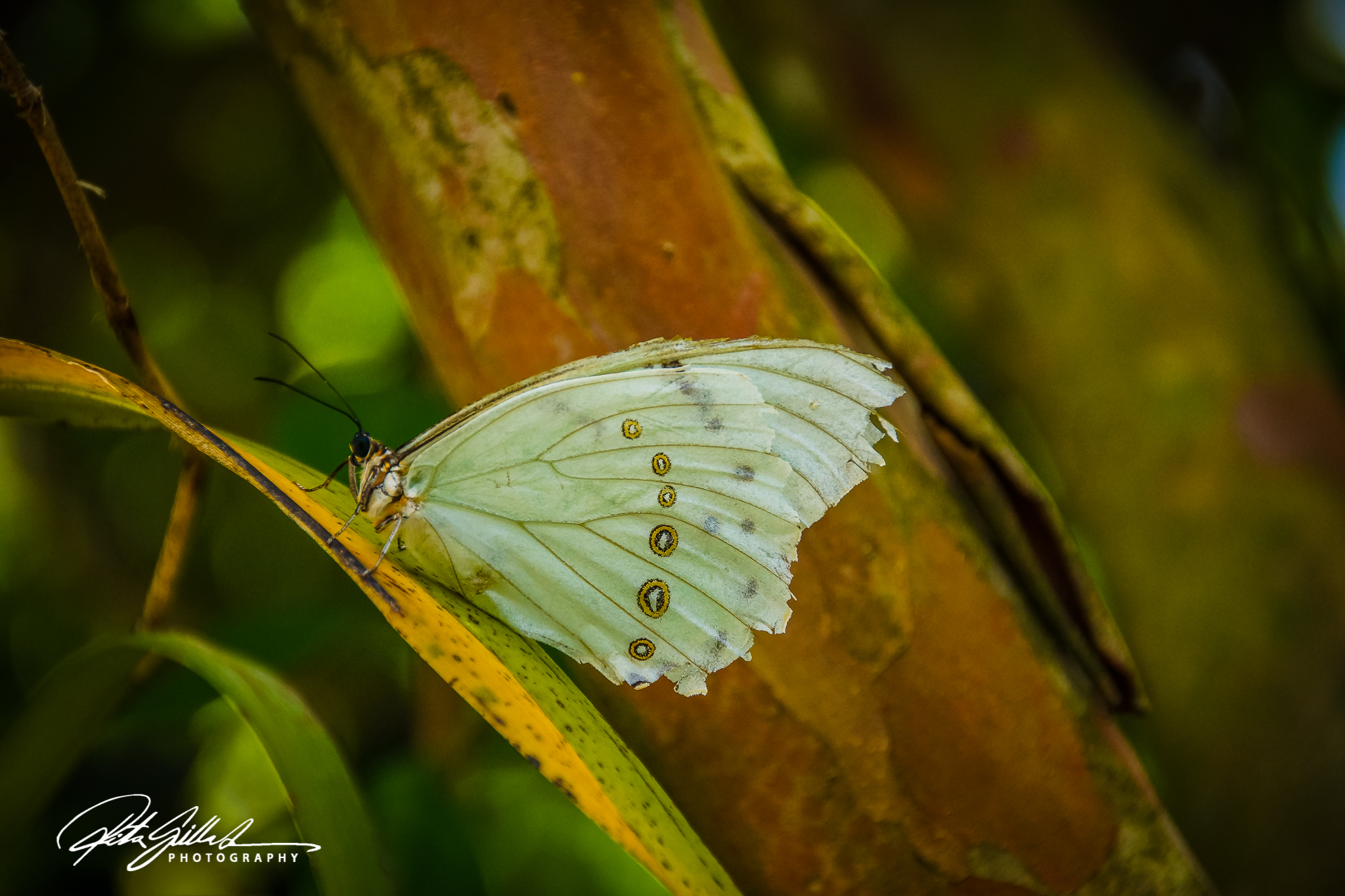
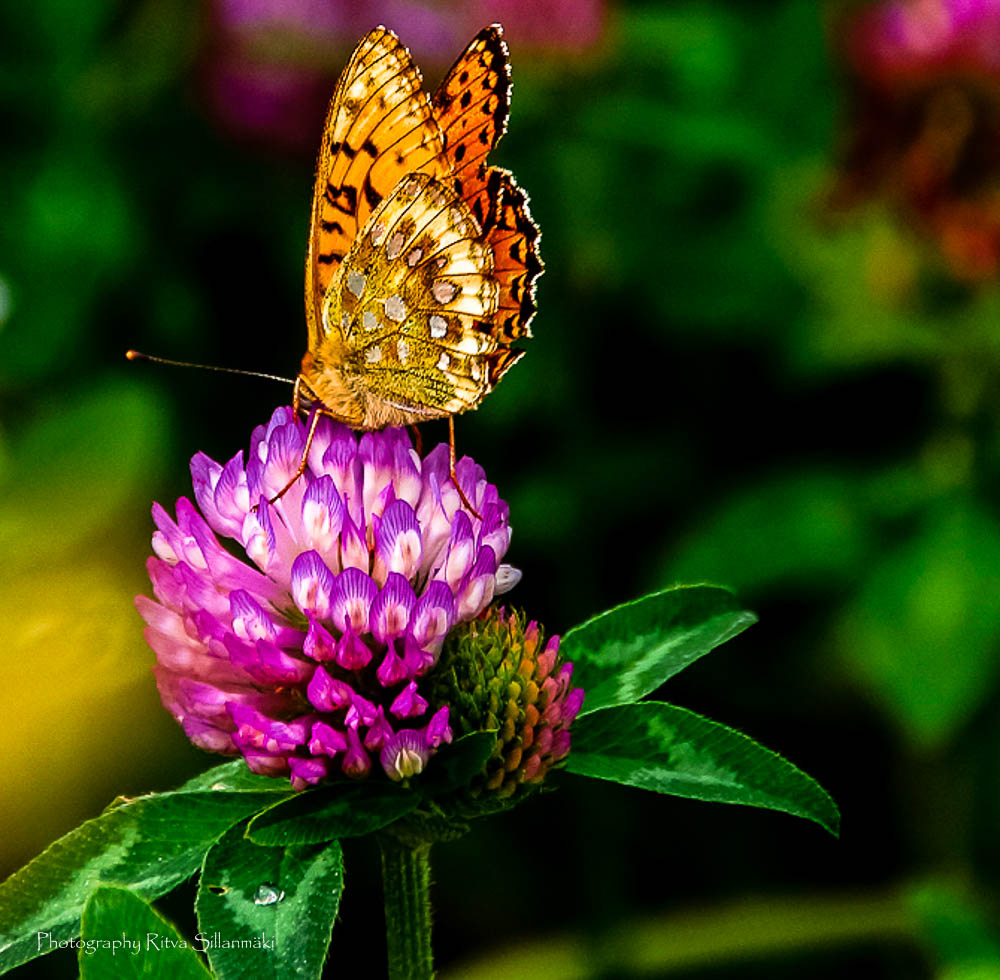
The wings of a butterfly
Tips and Tutorials
TIPS:
Shooting Angle: Consider taking your shot at an unconventional angle – the human brain perceives patterns differently when shown in different perspectives.
Shape Patterns: Hunt for shapes and geometrical forms that draw the eye in. Use those to direct the viewer to where you want.
Color Patterns: In a world of color, look for collections and bunches of distinct colors that are recognizable.
Go Wide: A wider field of view may help get more subtle patterns to be more noticeable.
Make Your Own: Using a prism or reflective surfaces can make for some amazing portraits.
Break The Pattern: Try and create a contrasting point of interest by breaking the pattern and having an object of focus in the midst of your composition.