

Above rooftop in Tallinn


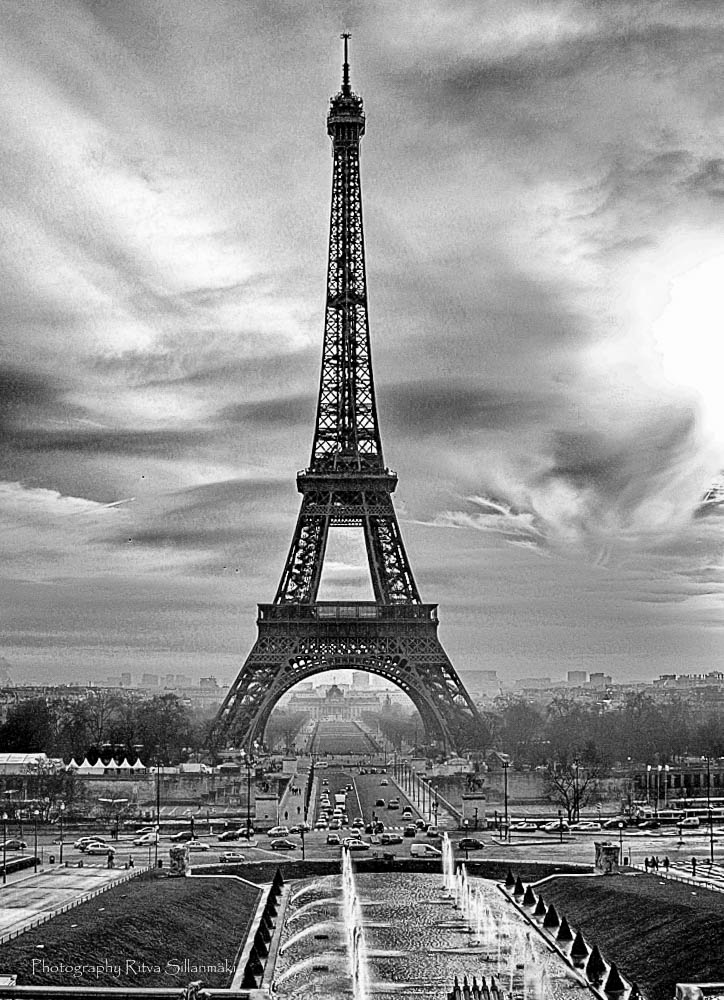
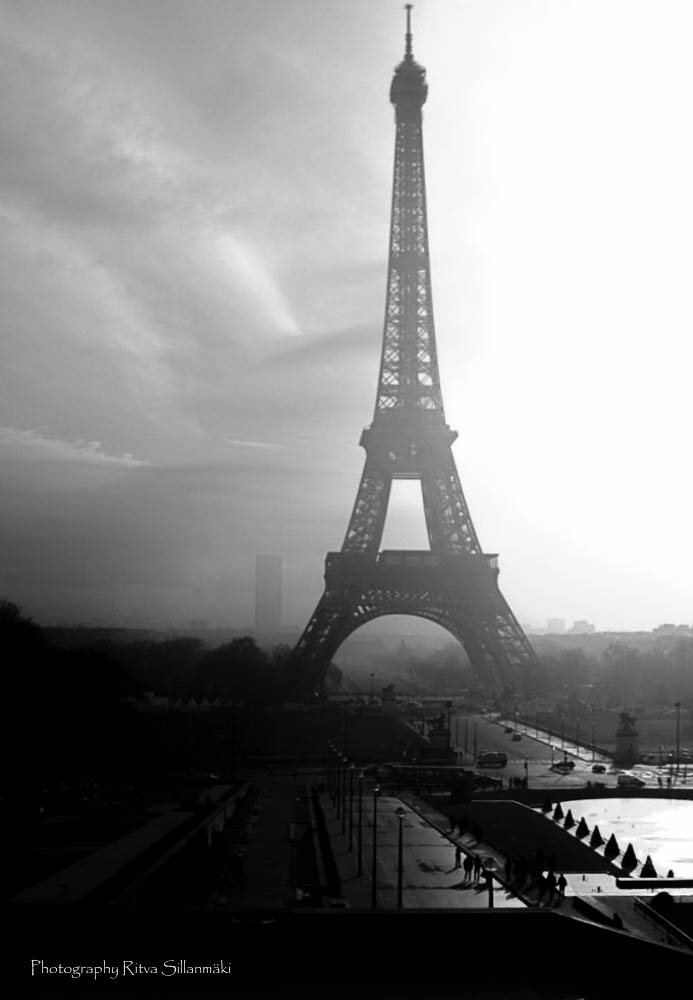
It has been a long time since I took part in Monochrome Madness , I always seem to be a day late. The images there are worth looking at so have a look at the other entries too, lots of talented photographers participate in this challenge.
Here is my entry for this week, the theme was HIGH – Eiffel towel in Paris is that…I played with two images and ended up sending this highly edited version. Most of the time I want my photos to be as natural as possible, this time I chose differently, comments?


While visiting British Columbia, I wnt to Vancouver Aquarium. Here are my attempts to take photos of jellyfish. the looked so beautiful, colorful a fun fact: A jelly is an invertebrate made up mostly of water, and has no heart, brain or bones. It is made up of 96 percent water, 3 percent protein and 1 percent minerals.
The blue ones are moon jellies, orange ones Japanese sea nettles. The the one with the blue top is spotted jelly, lagoon jelly, golden medusa, or Papuan jellyfish – my quess is as good as yours.


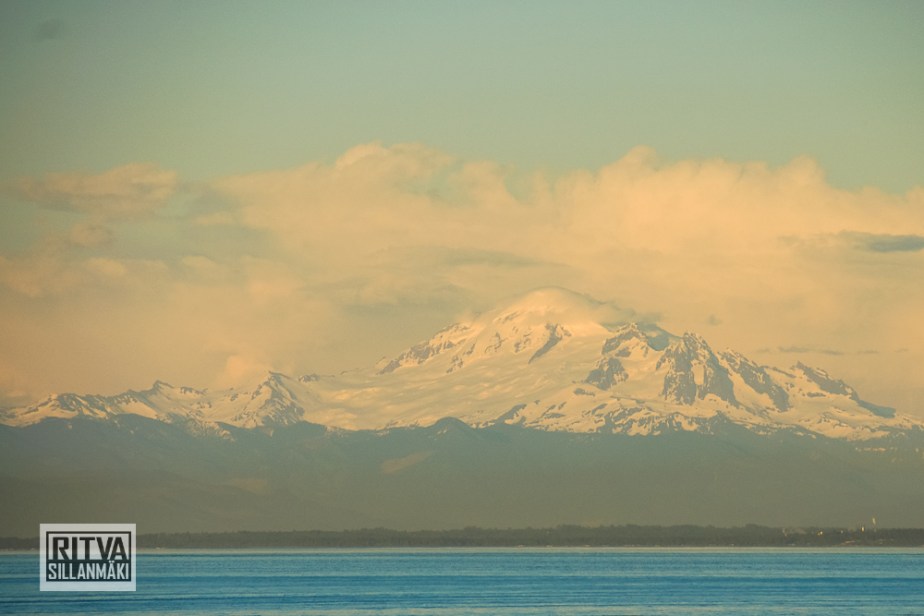 These shots of Mt Baker were taken just before sunset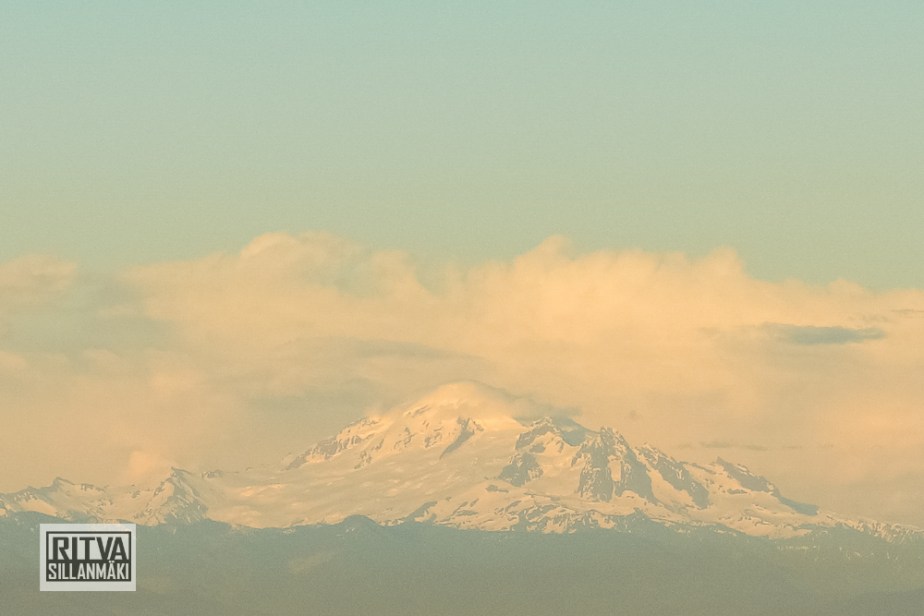
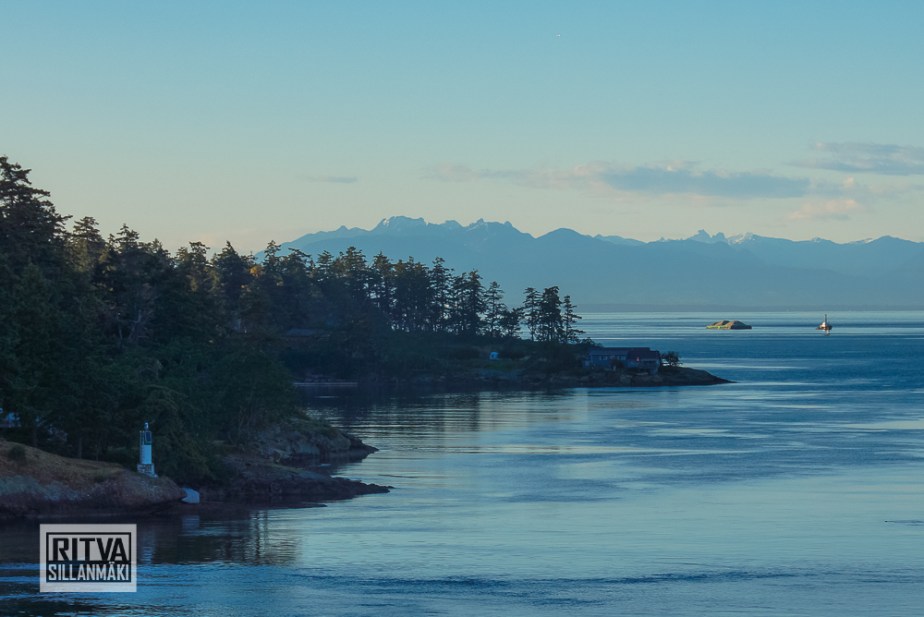

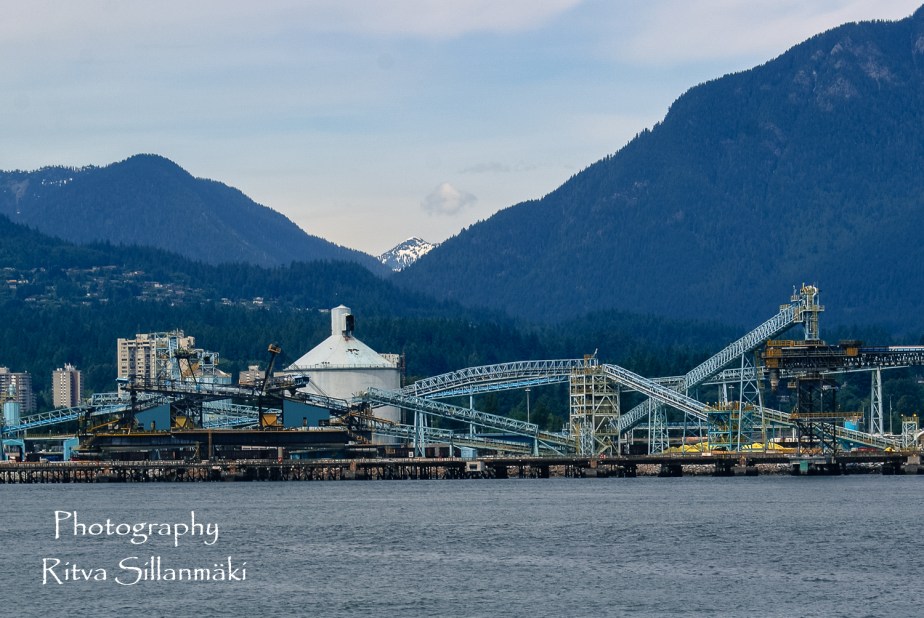

This is my entry to MM2-49, Balcony from Amalfi town in Italy. To see the other entries to this inspirational challenge visit Leanne Cole PHOTOGRAPHY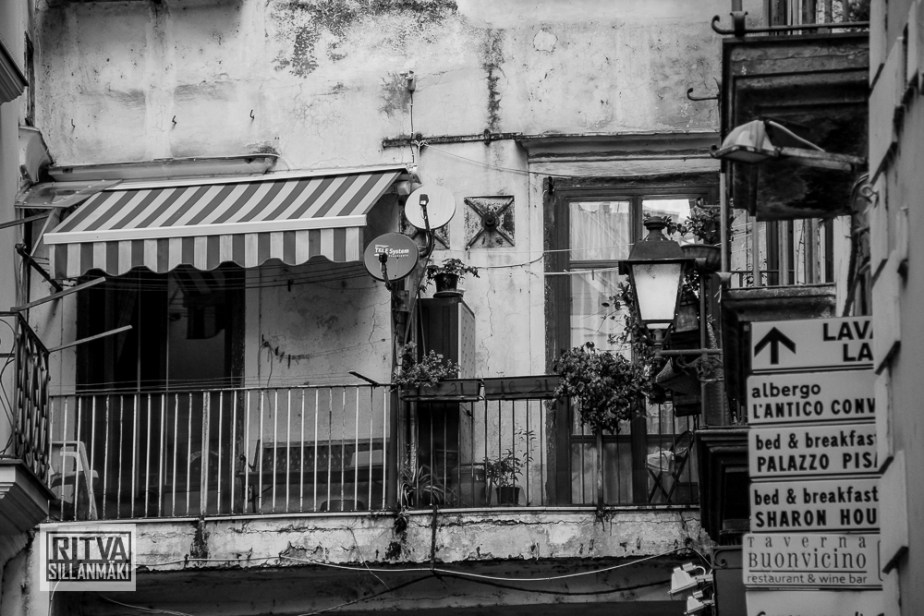

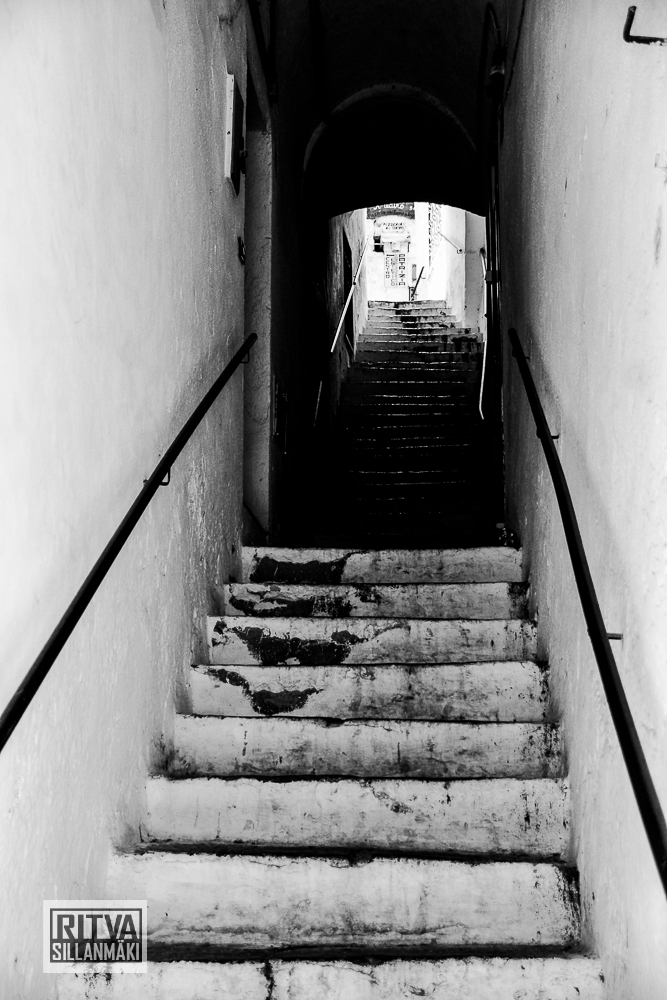
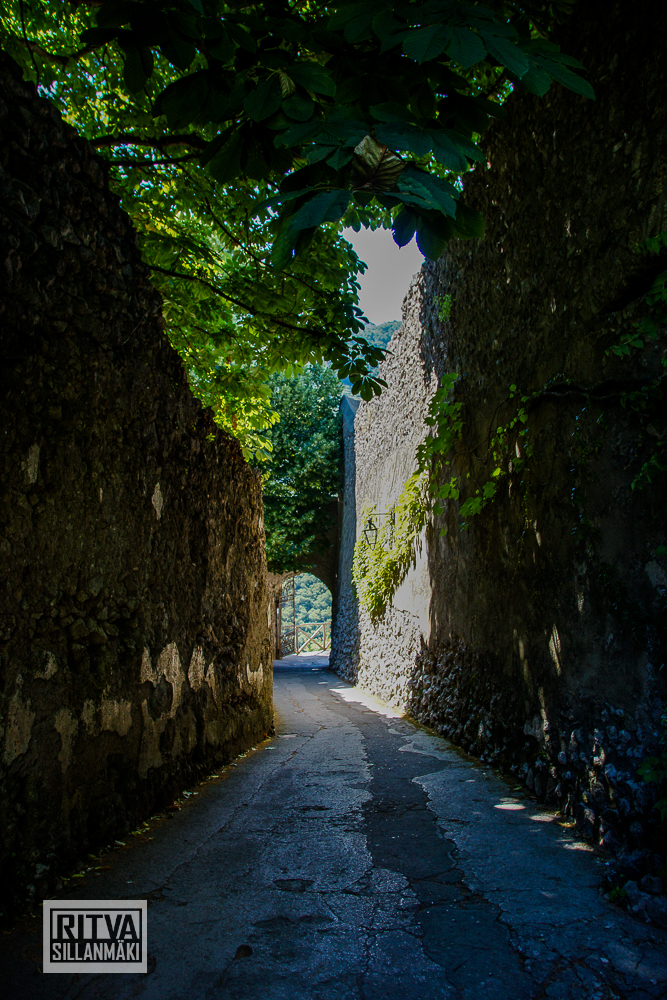
I have taken so many photos of steps, stairways and you are going to see some of them in the near future. I love the idea that they lead you somewhere and you you don’t know what it is. Also the play of light and shadows, it makes a good photo in my opinion. Texture…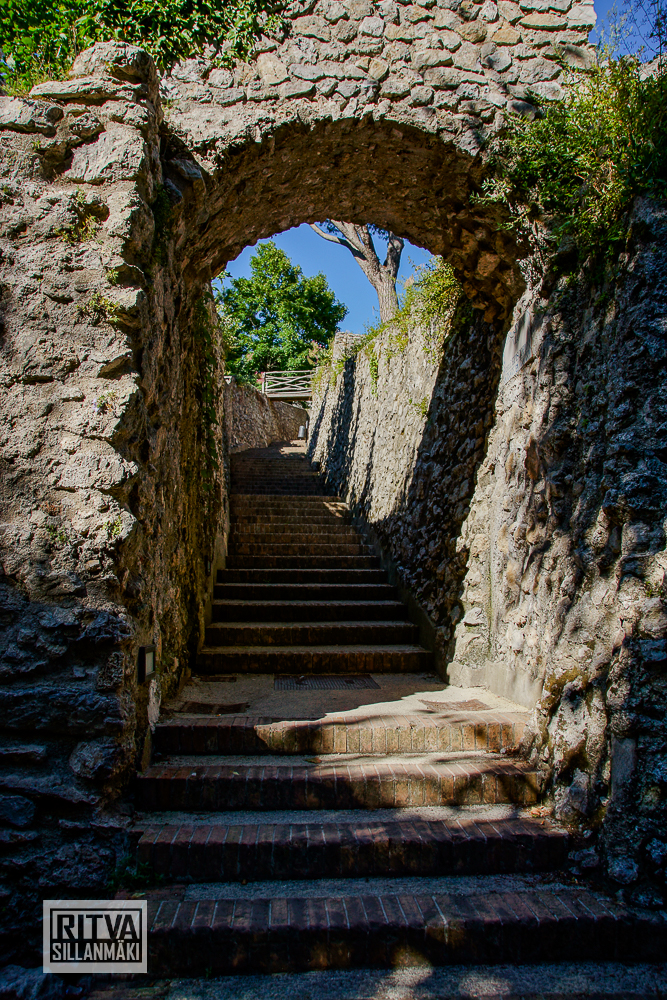
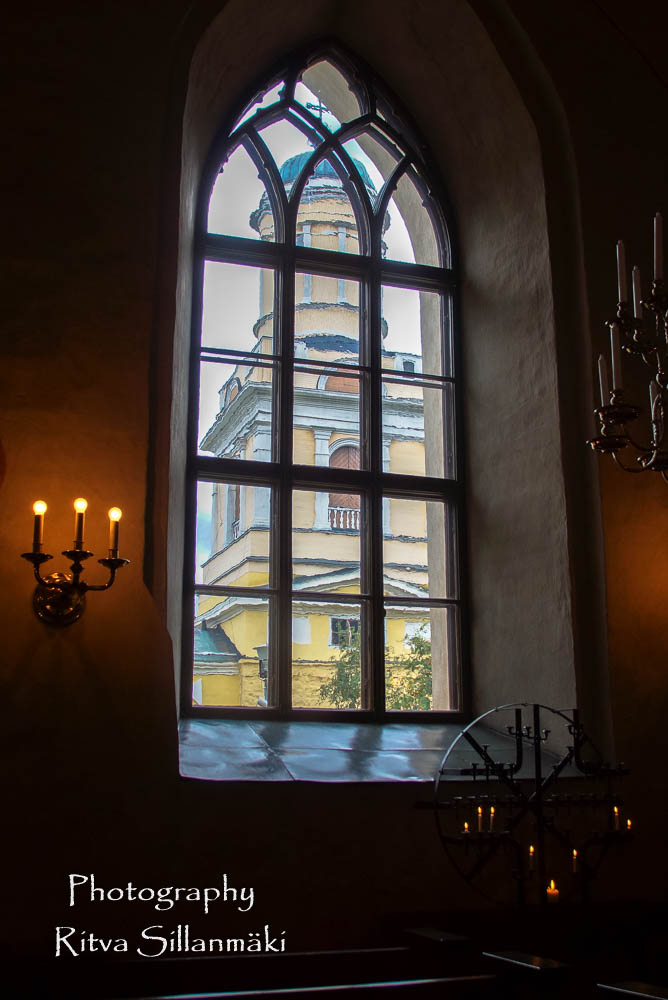
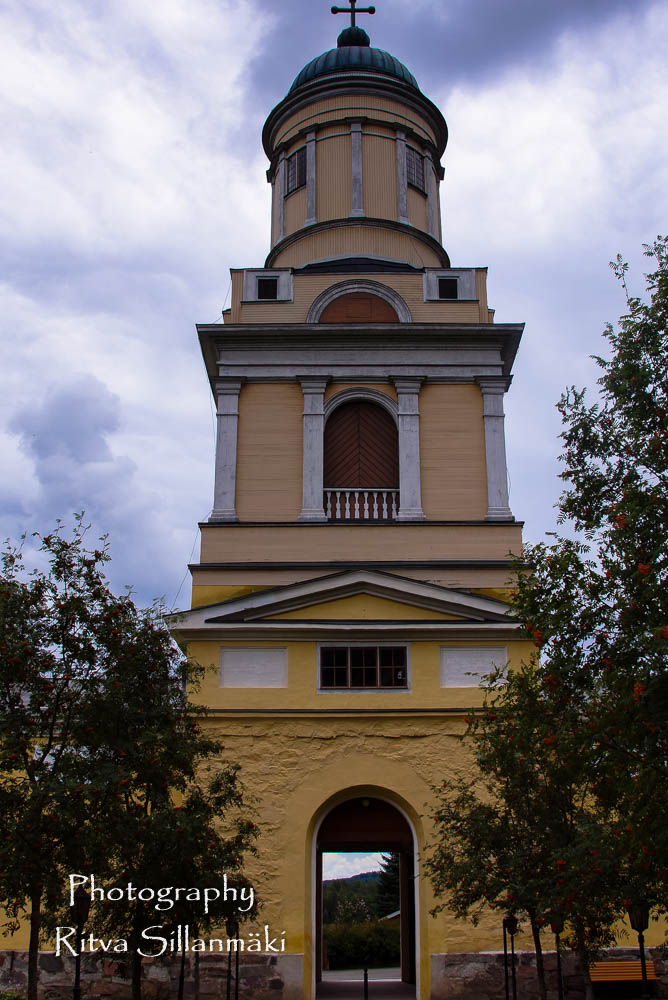
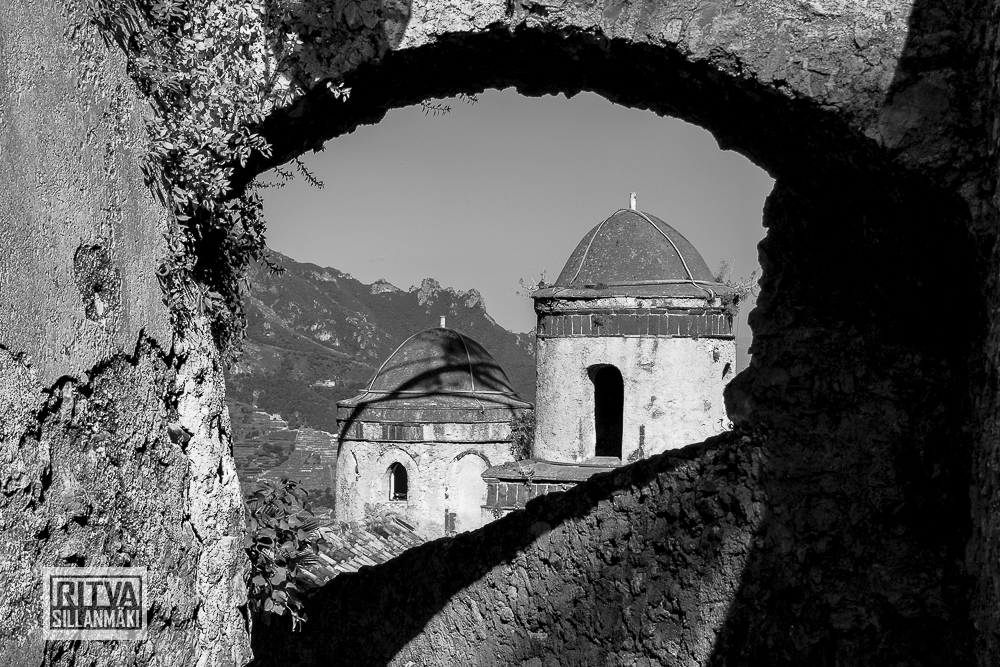
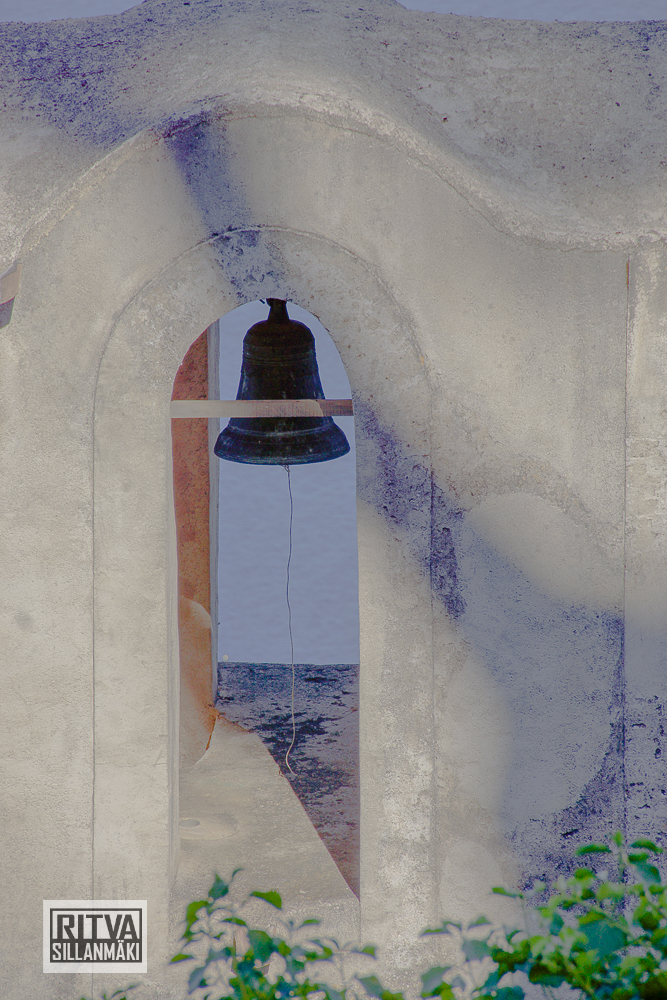
This is my entry to MM2-48, church towers. To see the othe entries to this inspirational challenge visit Leanne Cole PHOTOGRAPHY art and practice
The Central Thermae were bath houses built around the first century AD. Bath houses were very common at that time, especially in Pompeii and Herculaneum. Per common practice, there were two different bath areas, one for men and the other for women. These houses were extremely popular, attracting many visitors daily. This cultural hub was also home to several works of art, which can be found in various areas of the Central Thermae site.
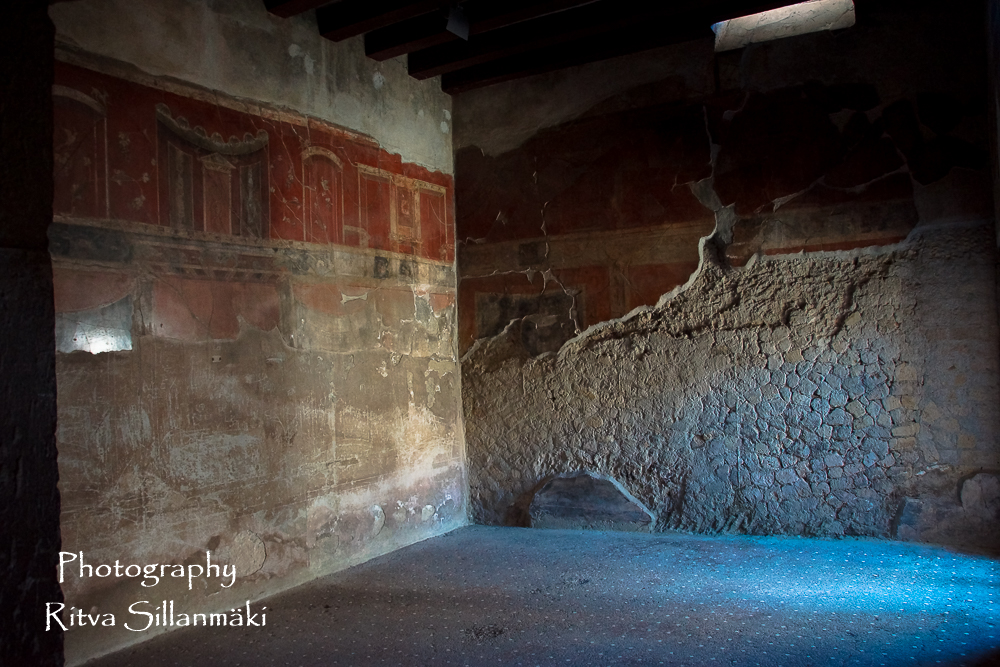
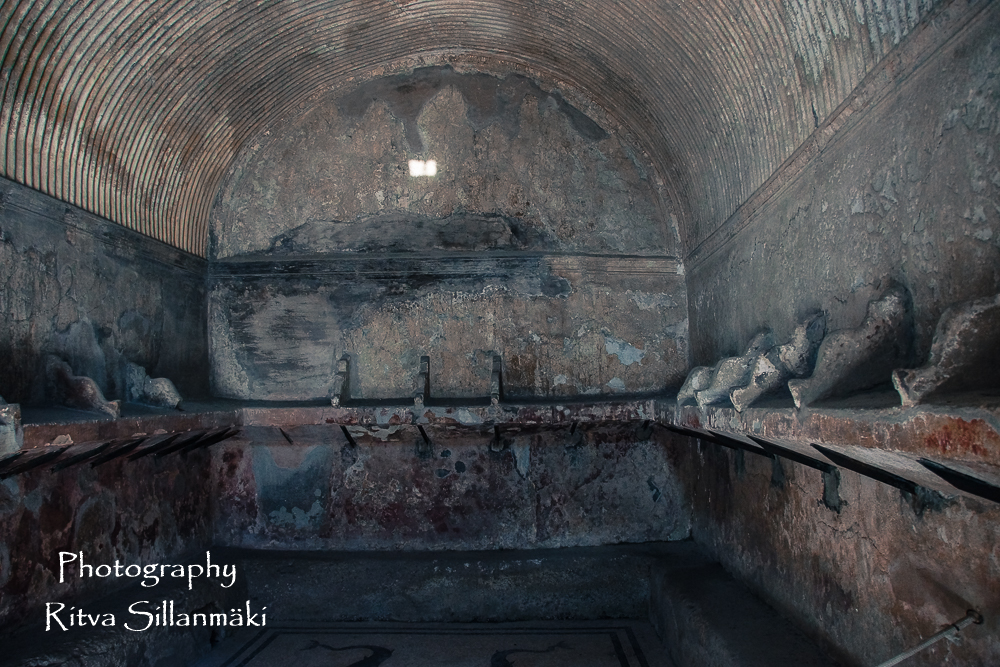
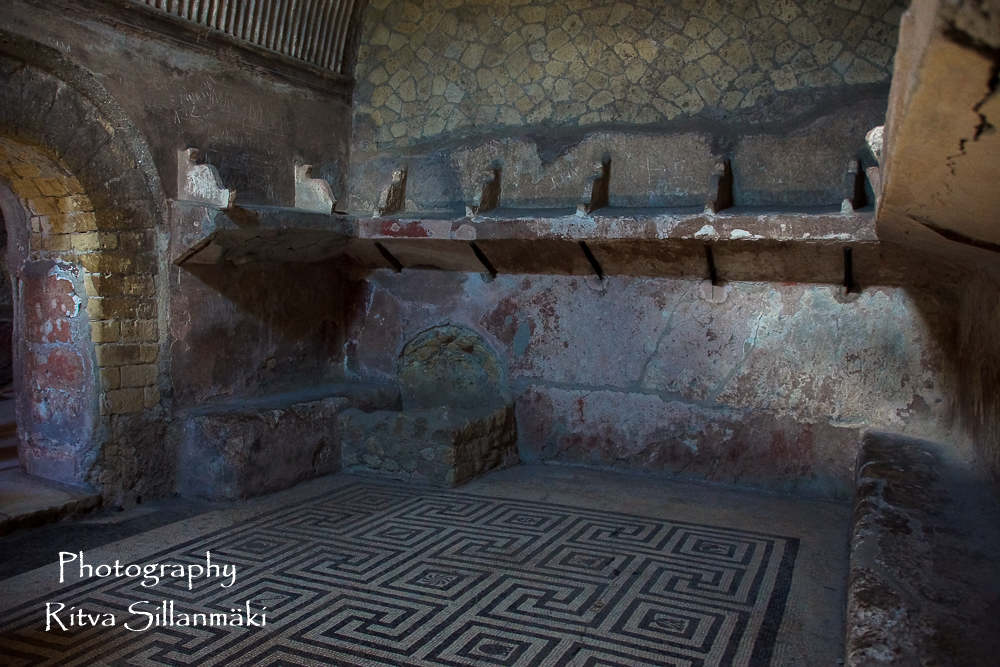
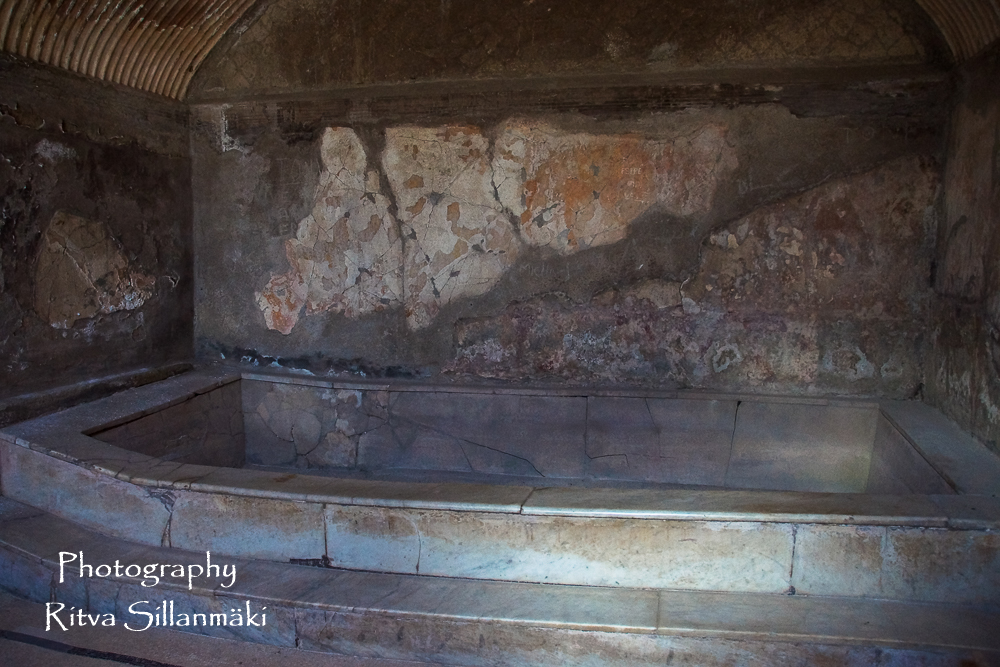
Details from the floor and walls…so amazing


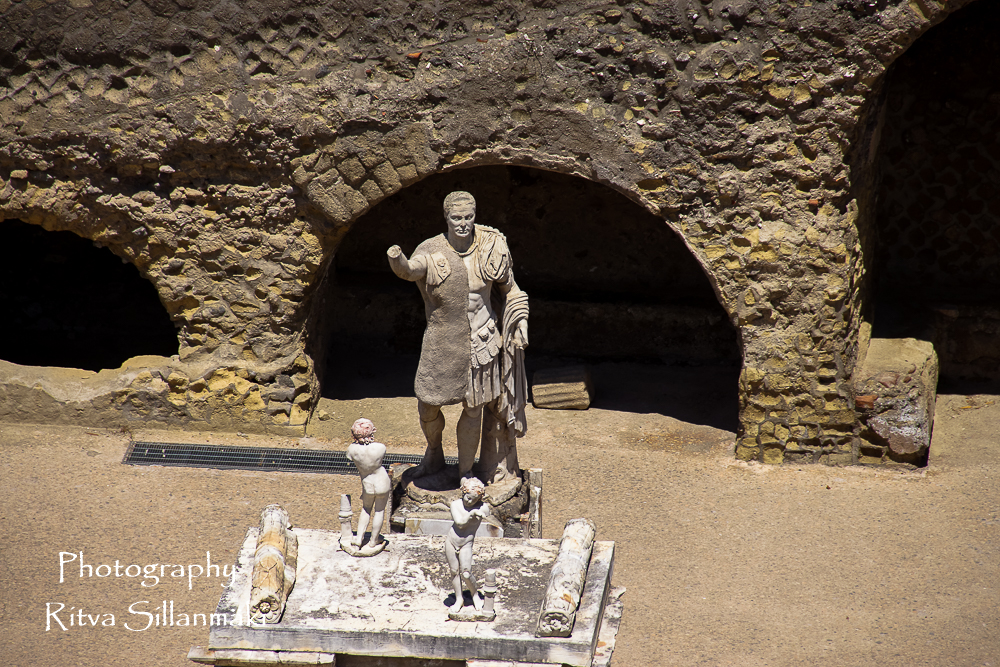
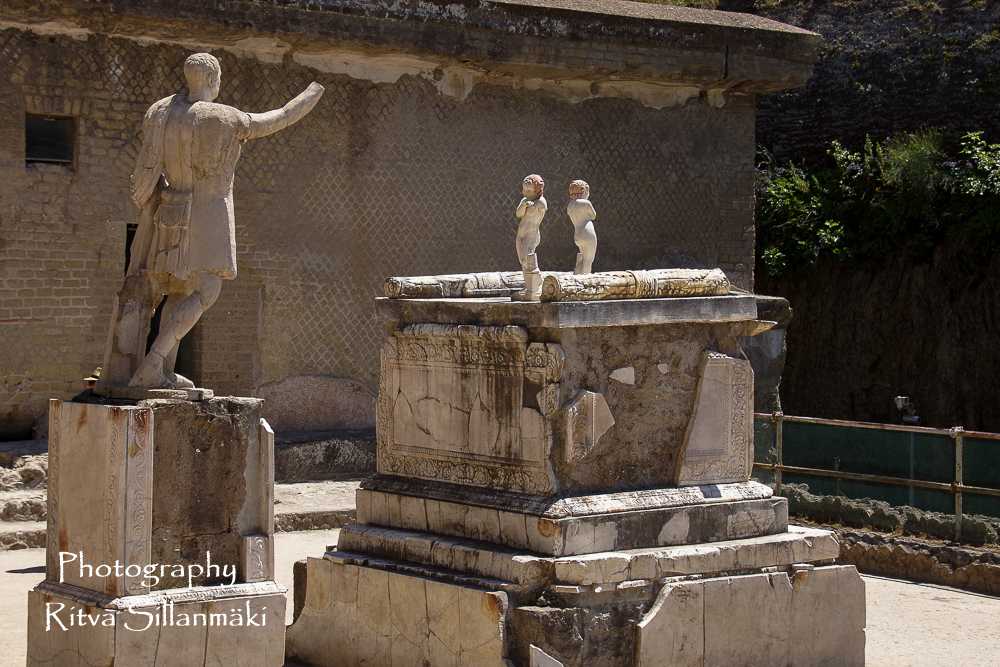
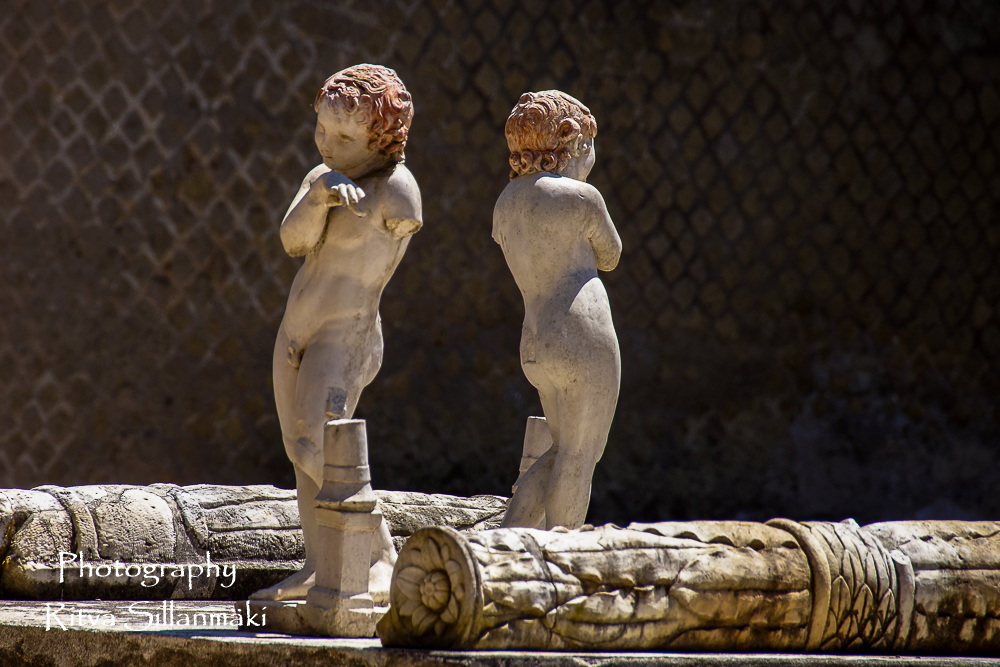
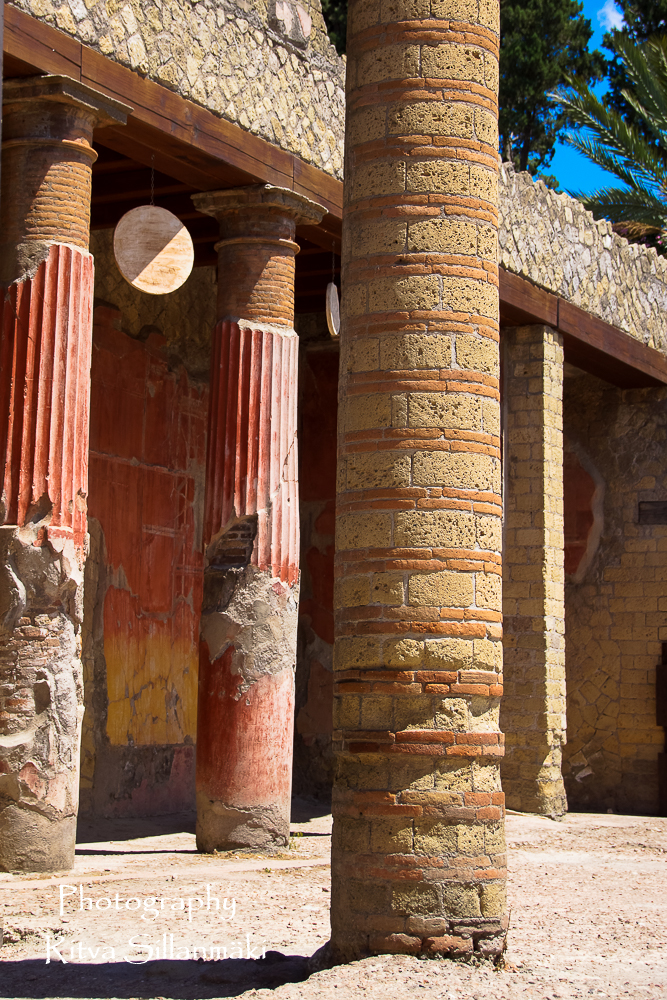
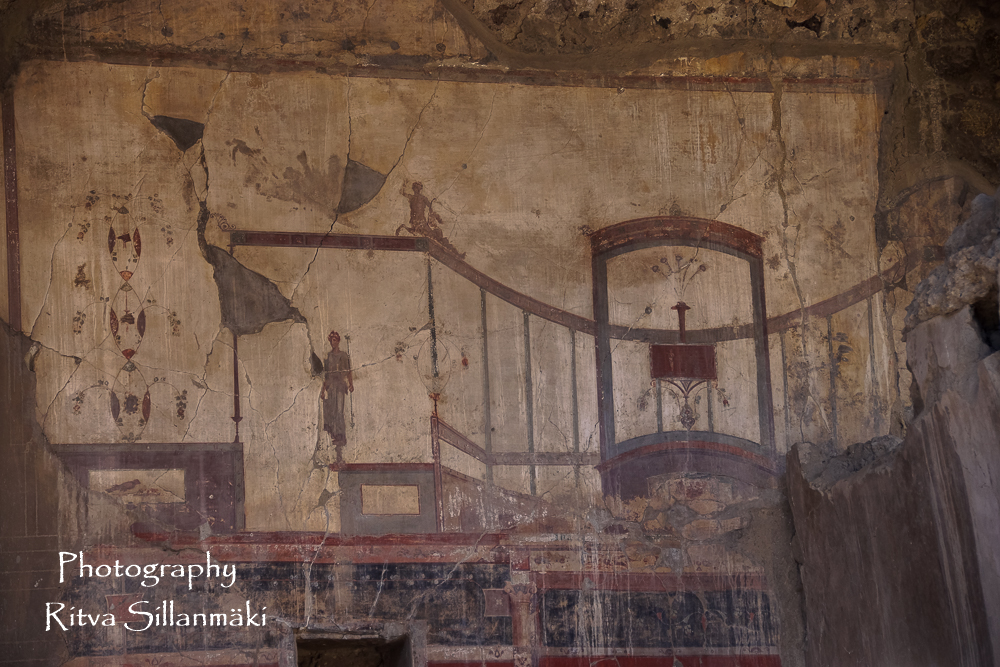
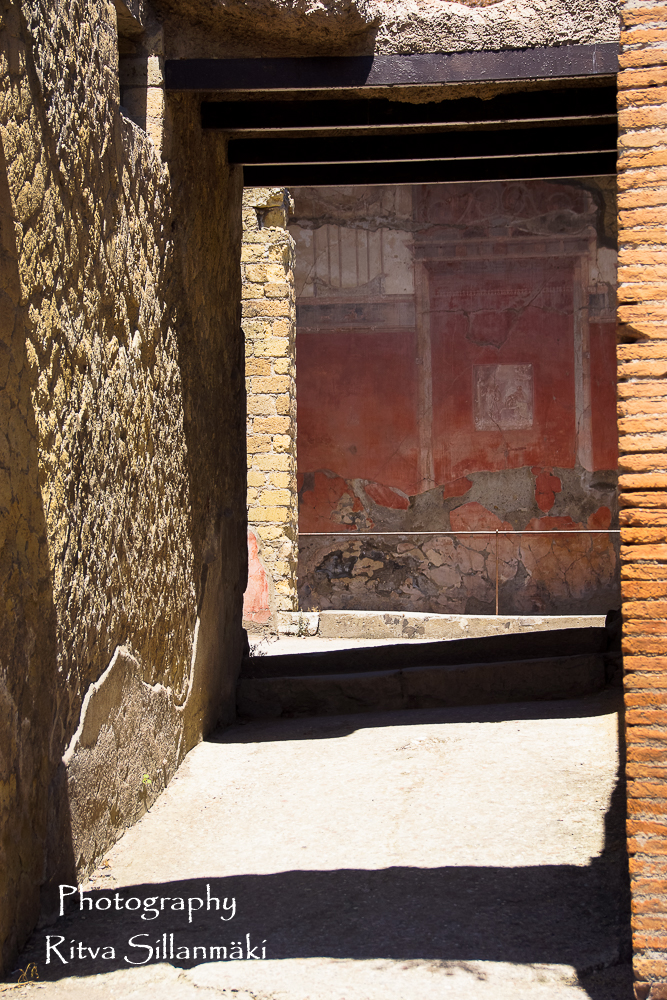
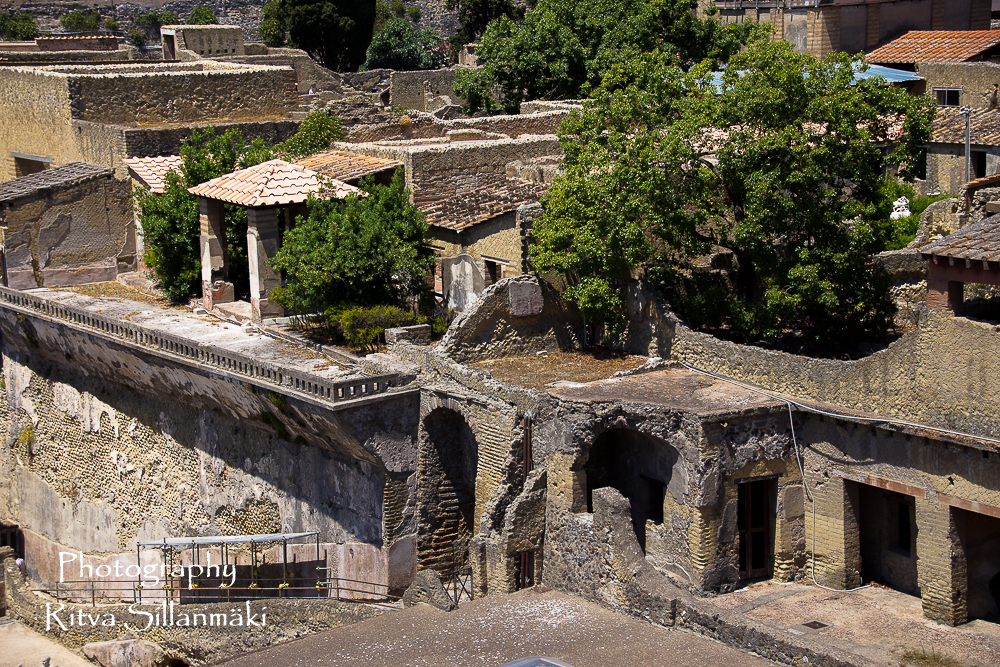
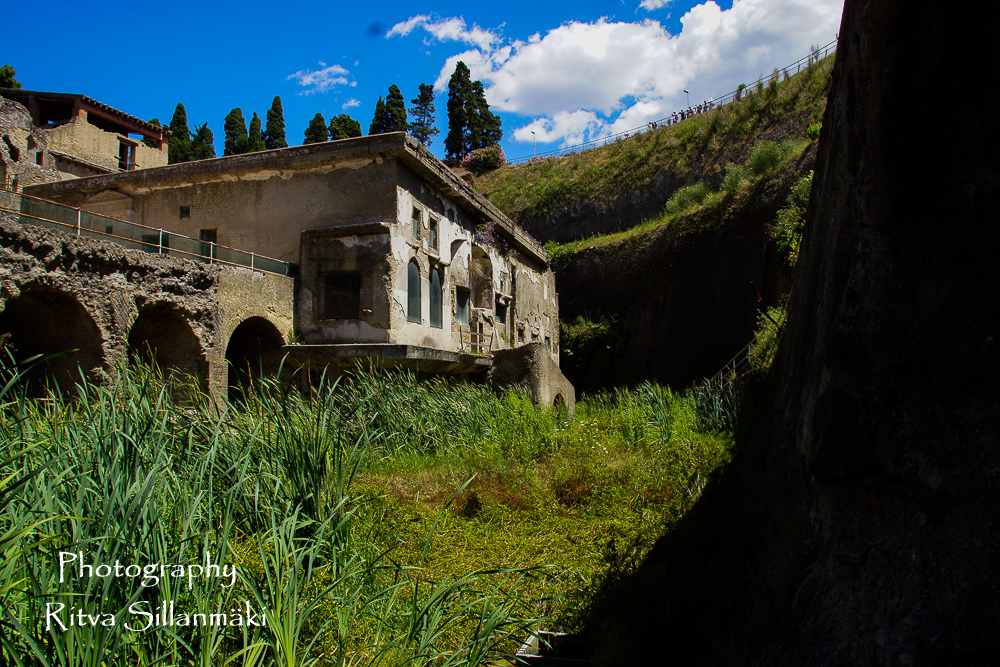
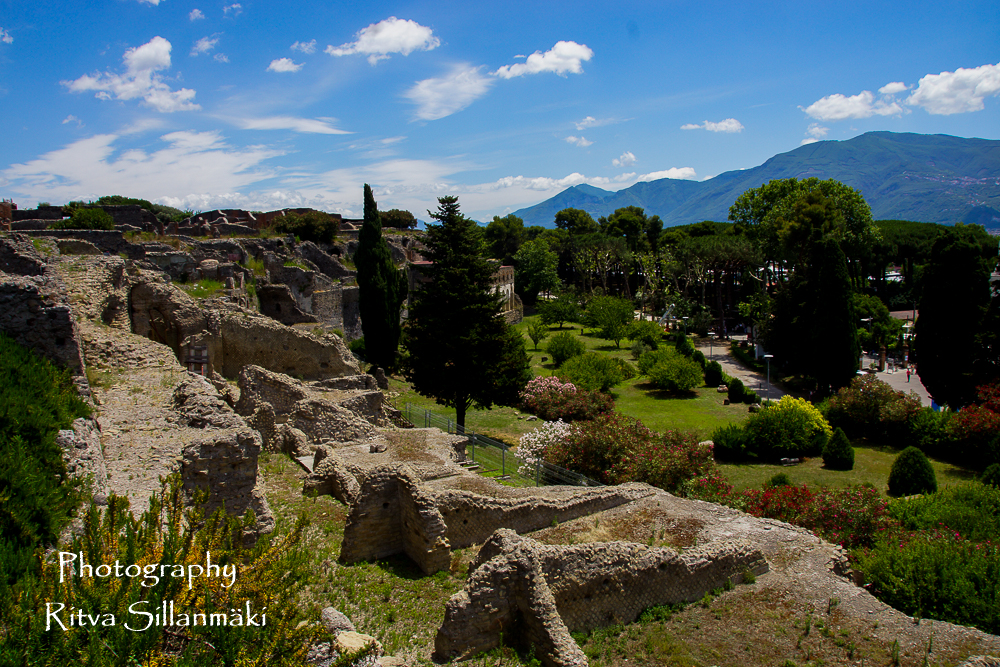
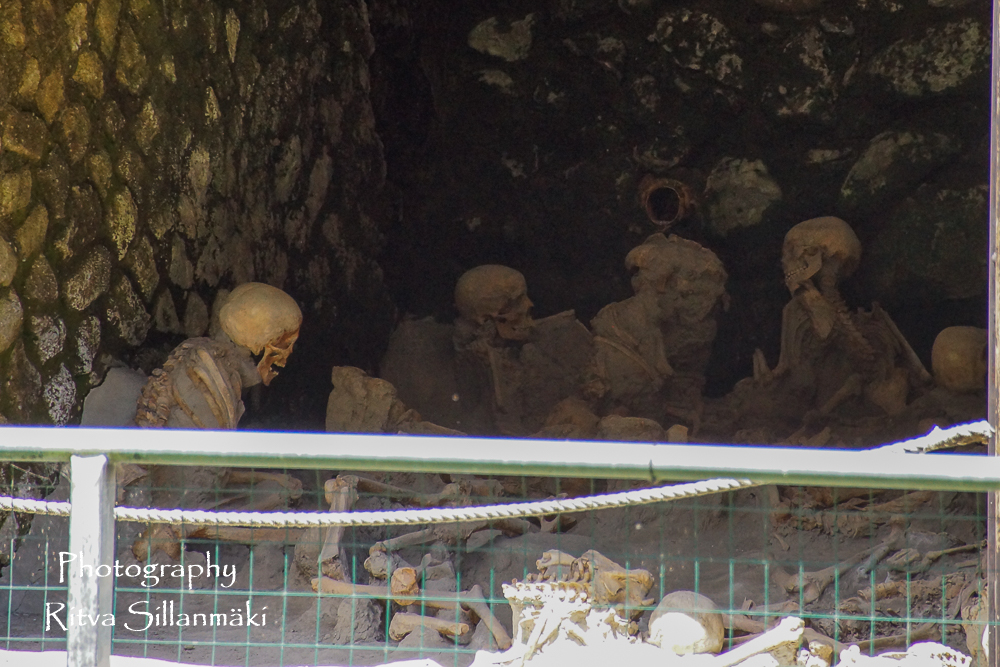
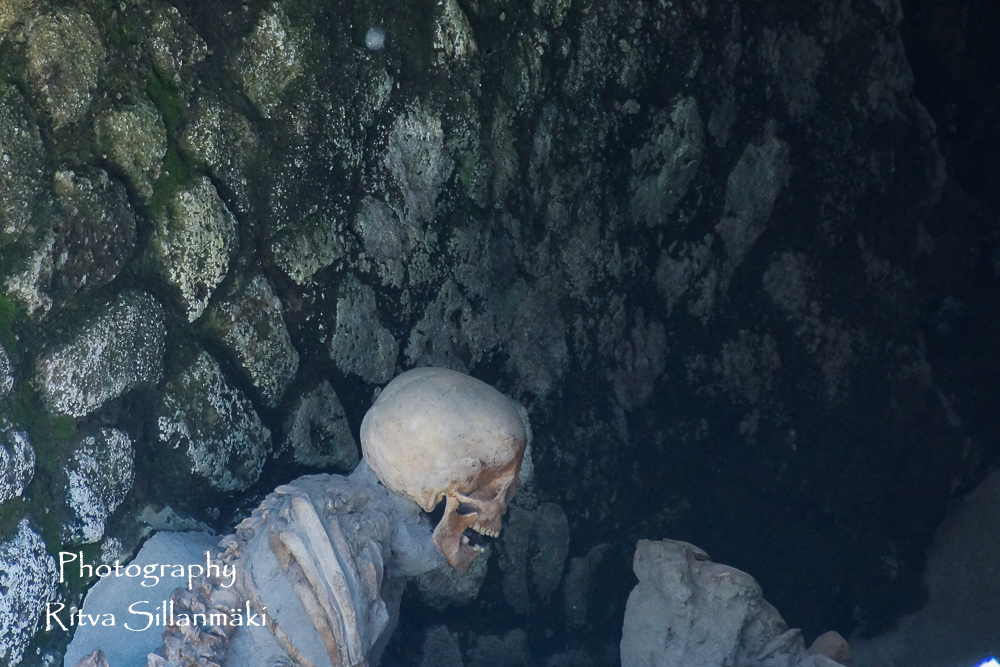
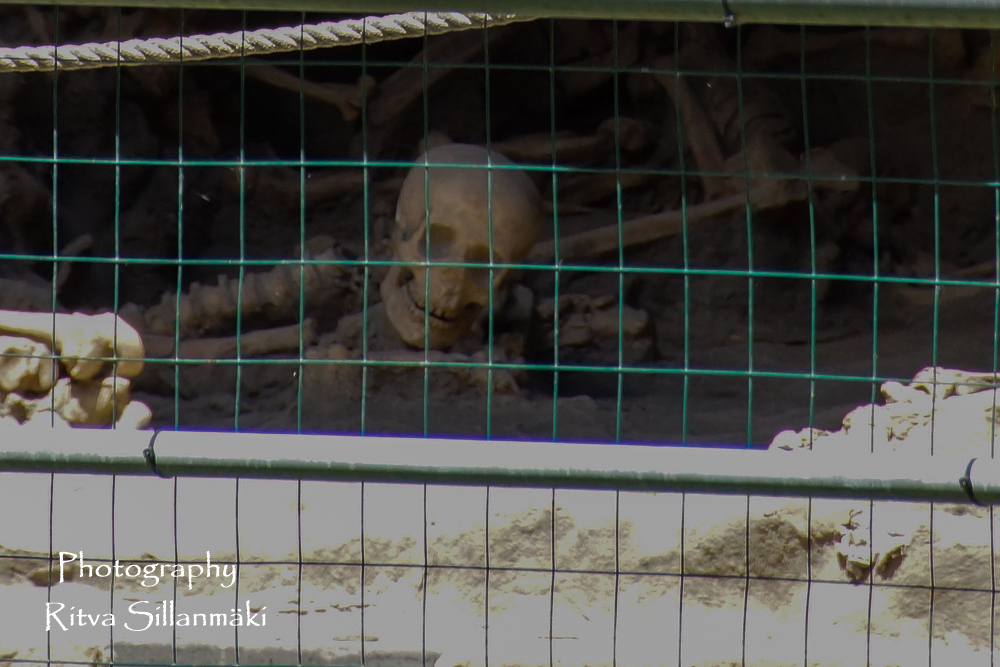
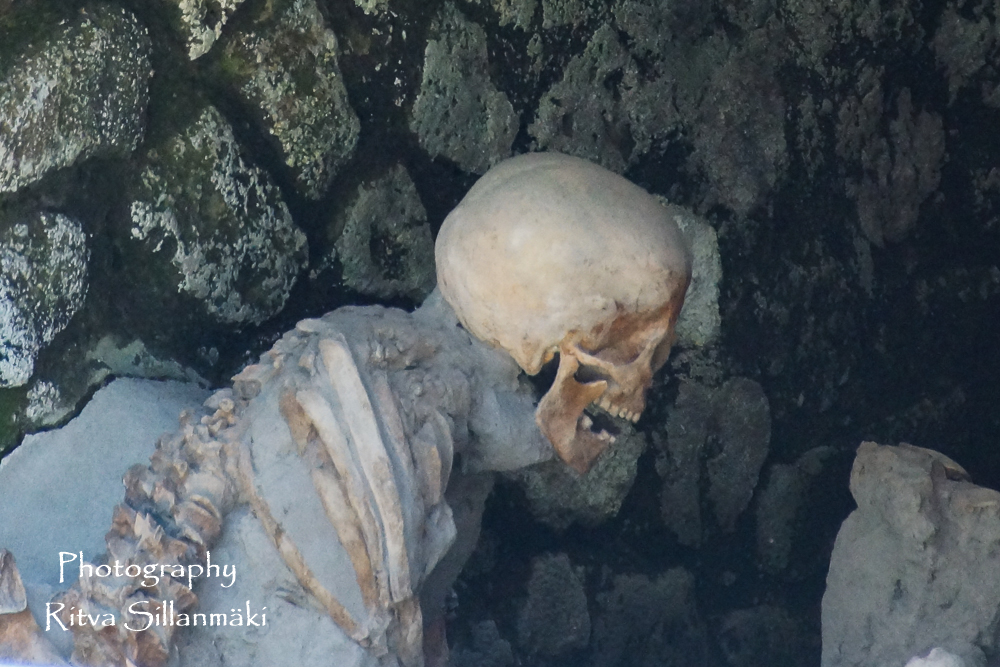
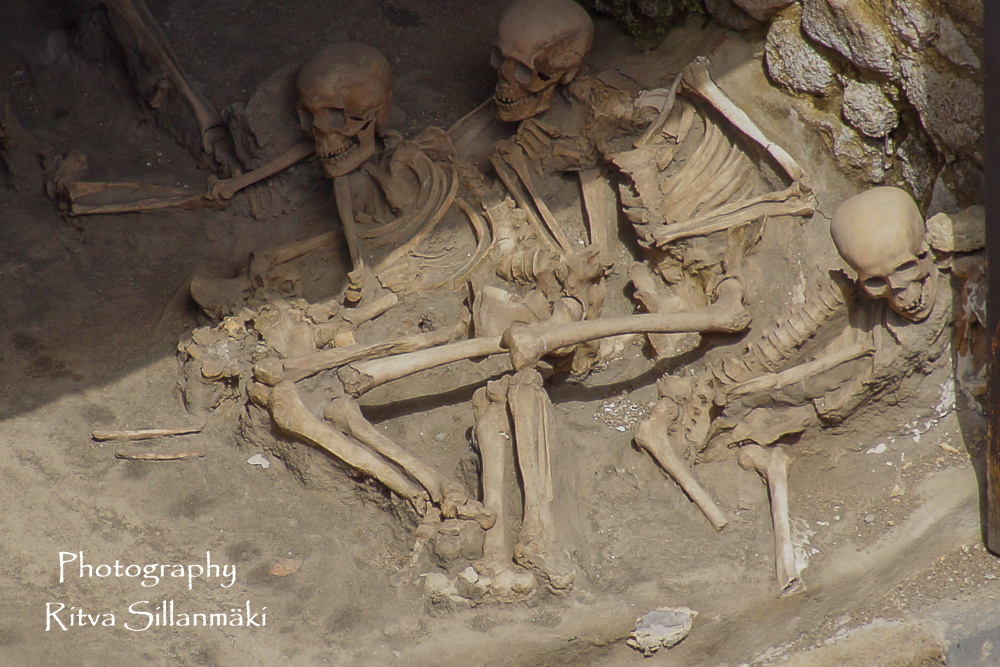
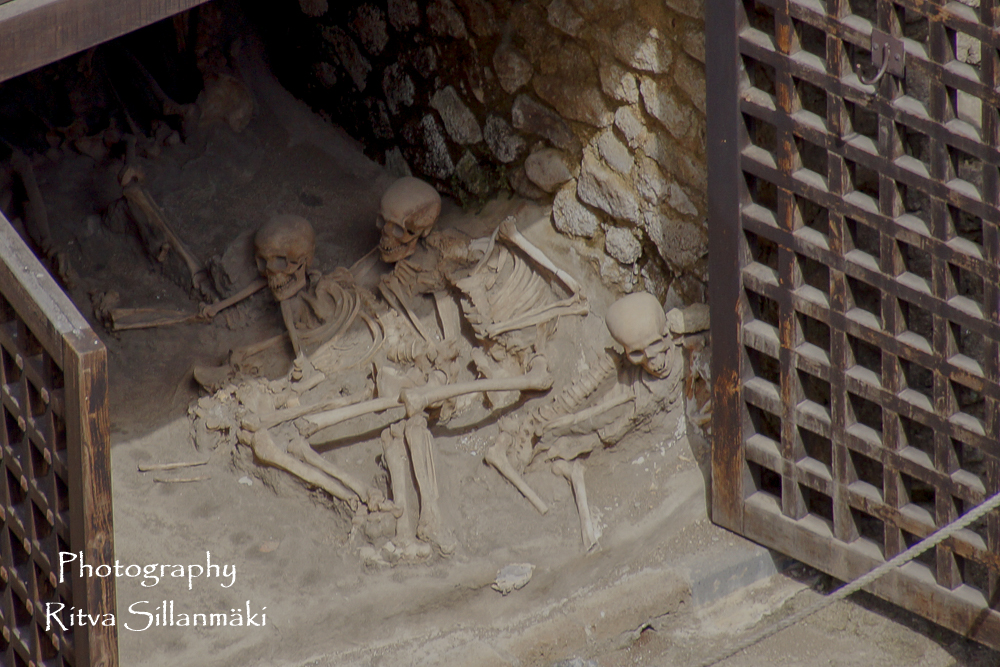
Herculaneum was an ancient Roman town destroyed by volcanic pyroclastic flows in 79 AD. Its ruins are located in the commune of Ercolano, Campania, Italy.s a UNESCO World Heritage Site, it is famous as one of the few ancient cities that can now be seen in much of its original splendour, as well as for having been lost, along with Pompeii, in the eruption of Mount Vesuvius in AD 79 that buried it. Unlike Pompeii, the deep pyroclastic material which covered it preserved wooden and other organic-based objects such as roofs, beds, doors, food and even some 300 skeletons which were surprisingly discovered in recent years along the seashore.
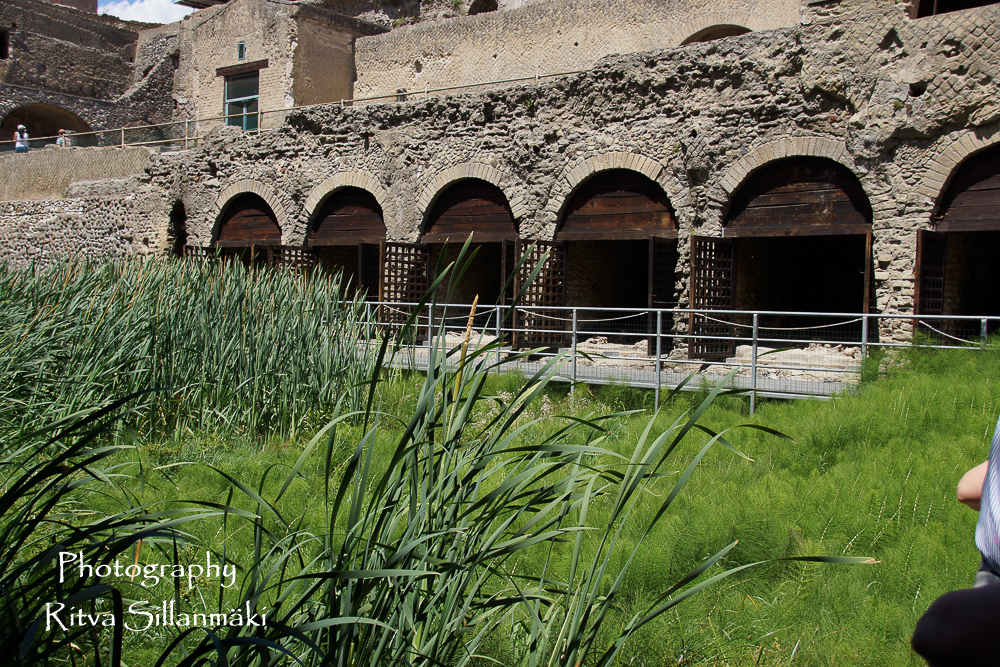
Here are few shots seen when entering the the site and The “Boat houses” where skeletons were found.
 Ritva Sillanmäki Photography