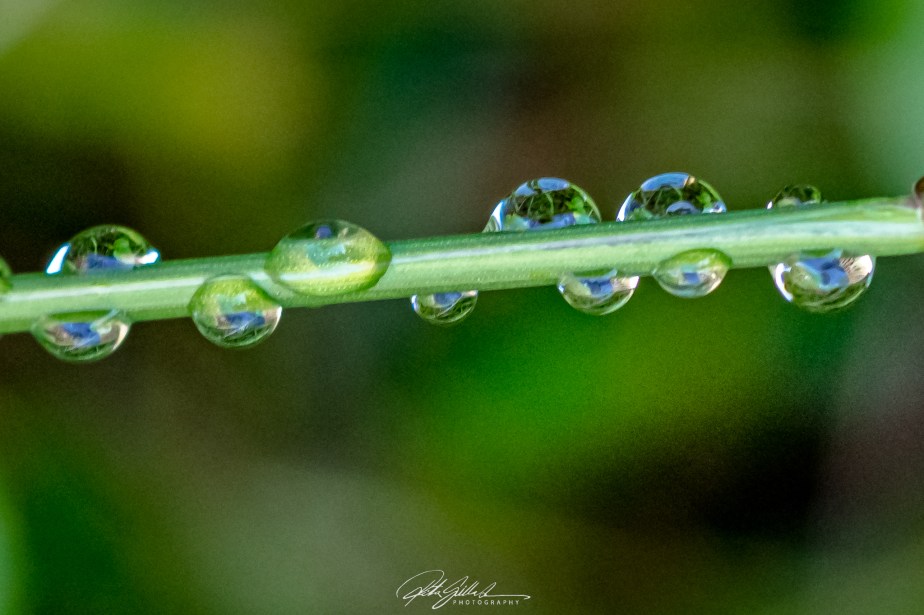
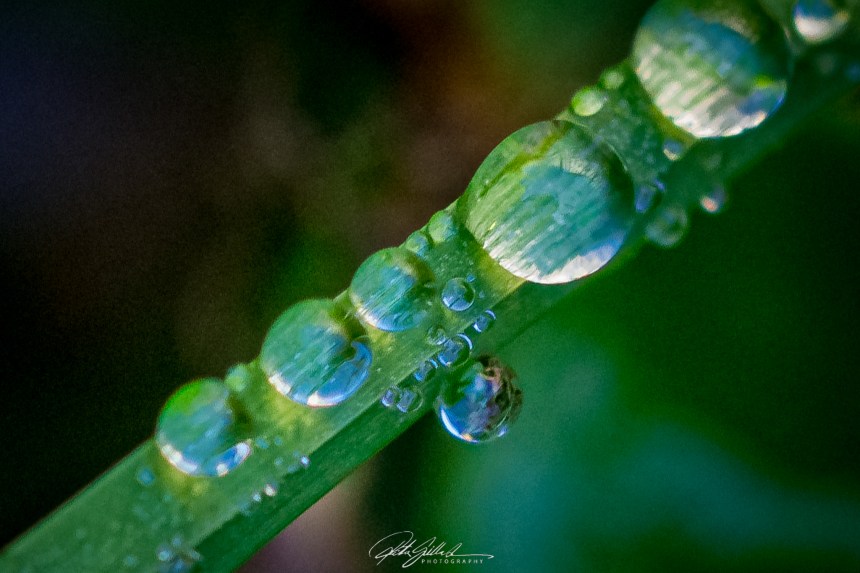
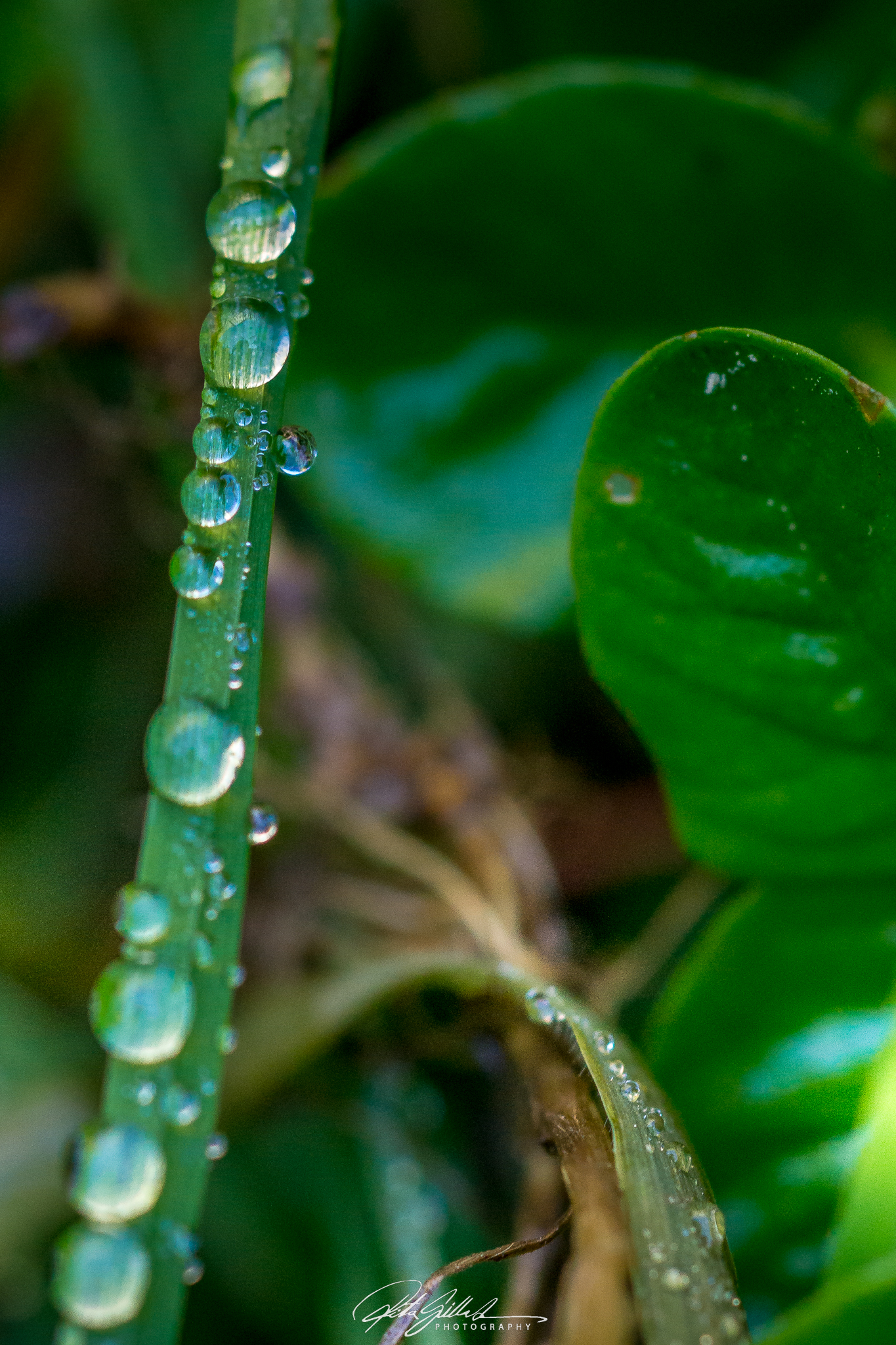
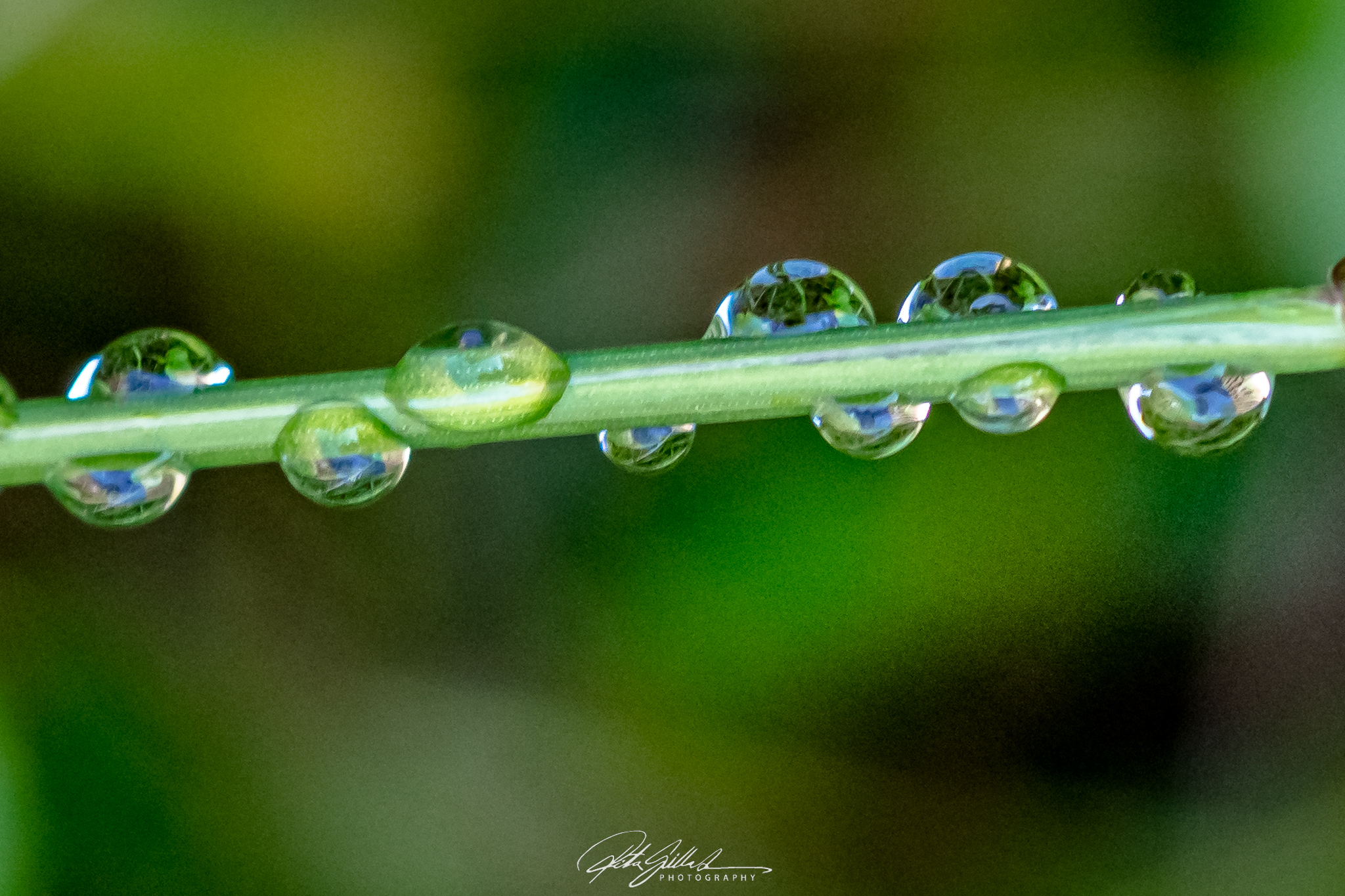
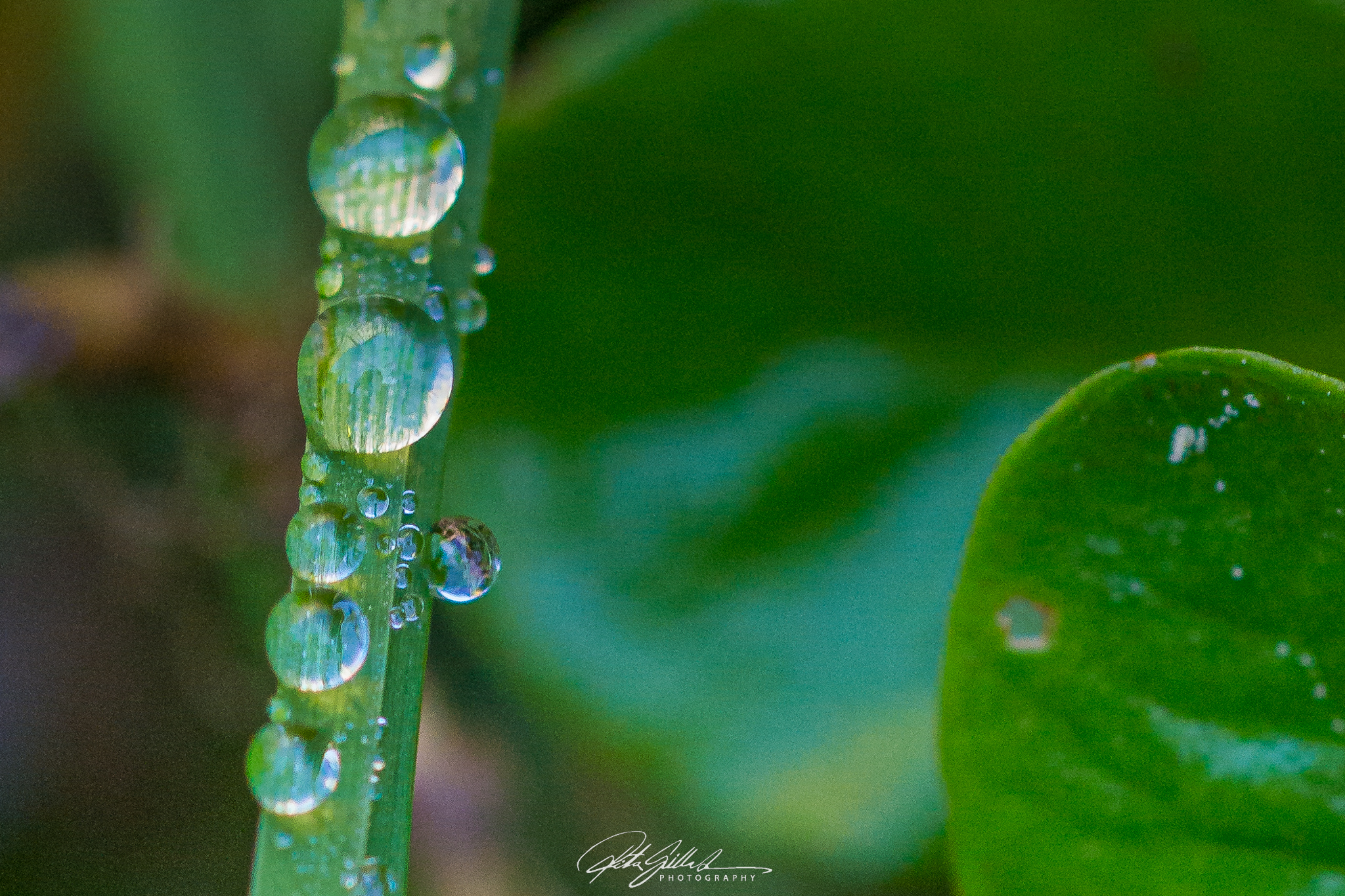
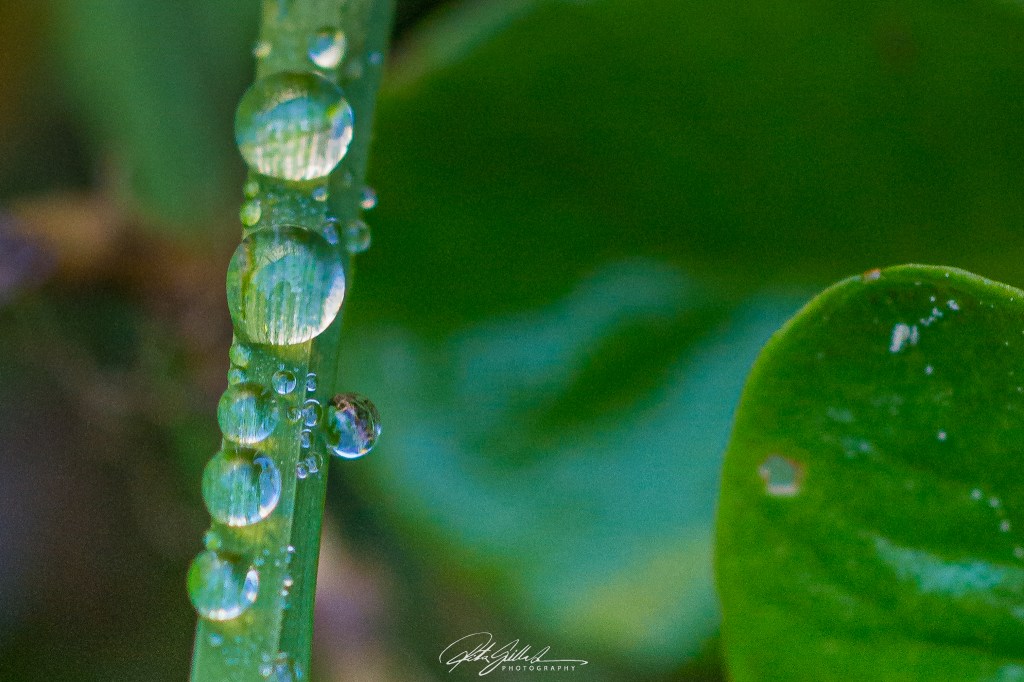
As I stated in my 52 Frames post, that I would post a separate post about droplets. Here it is.
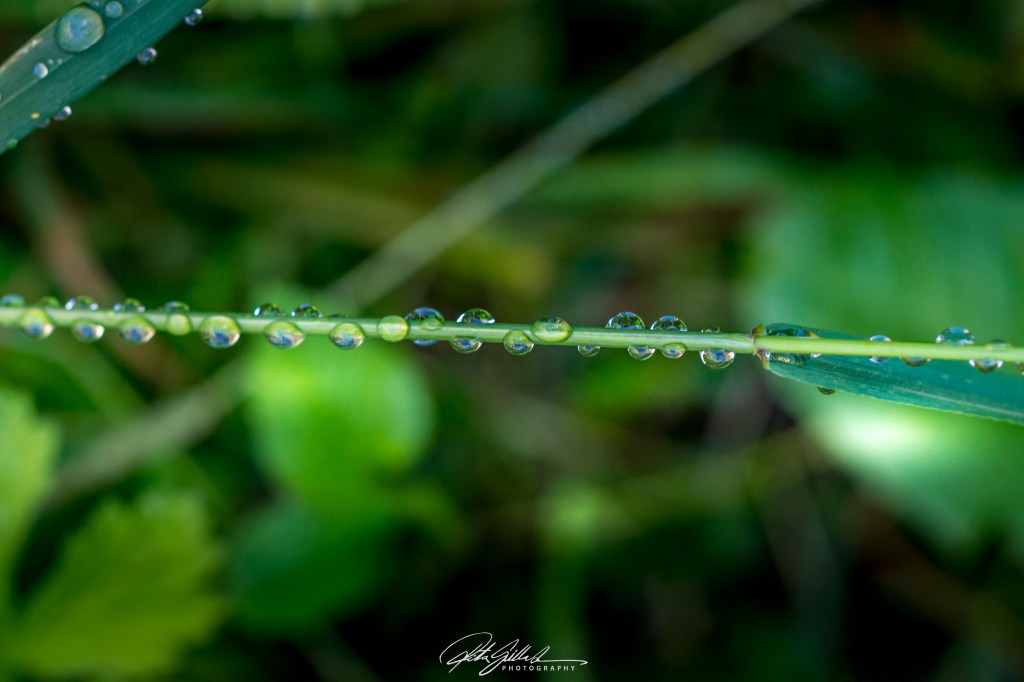
I love photographing them, most of them are not worth the digital space they take and sometimes I am lucky and I am happy with them and share them. As you have guessed, I am happy how these turned out. Minimalist, simple and green.
“A single gentle rain makes the grass many shades greener.” – Henry David Thoreau
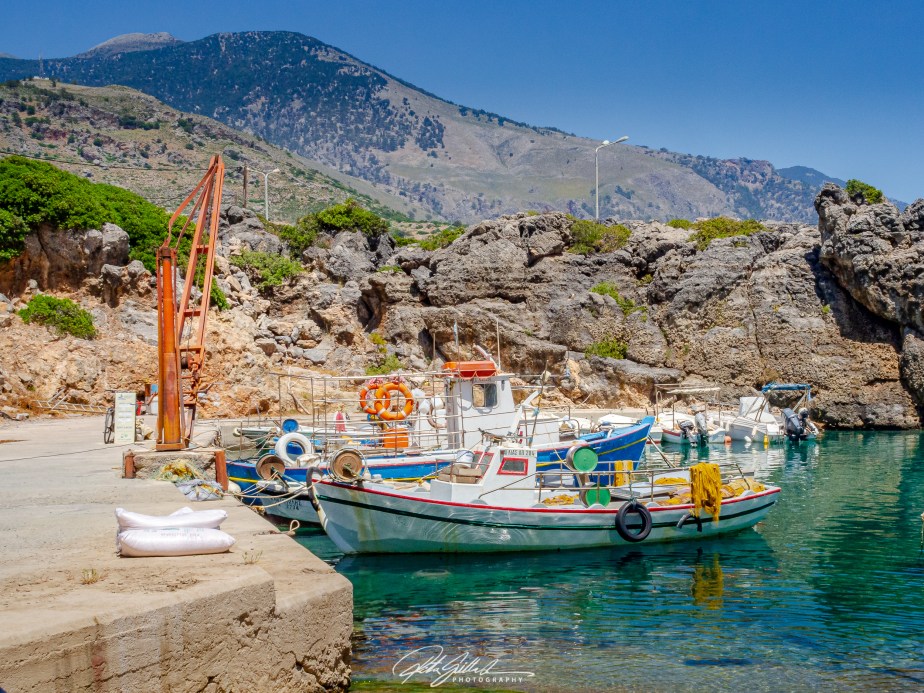
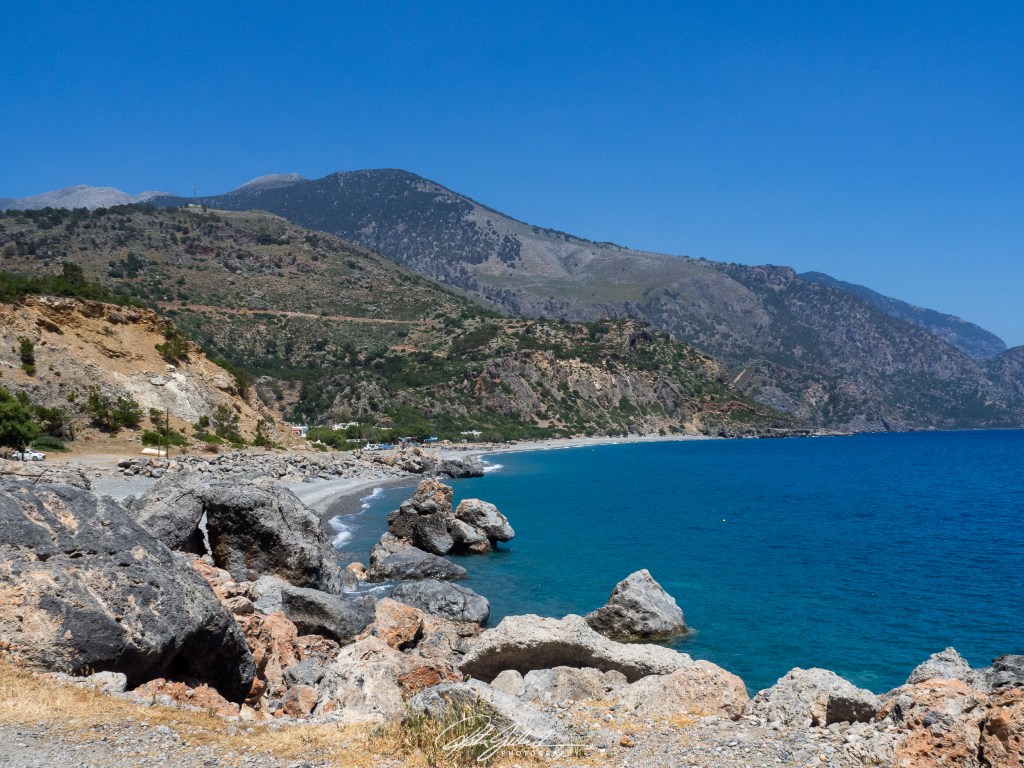
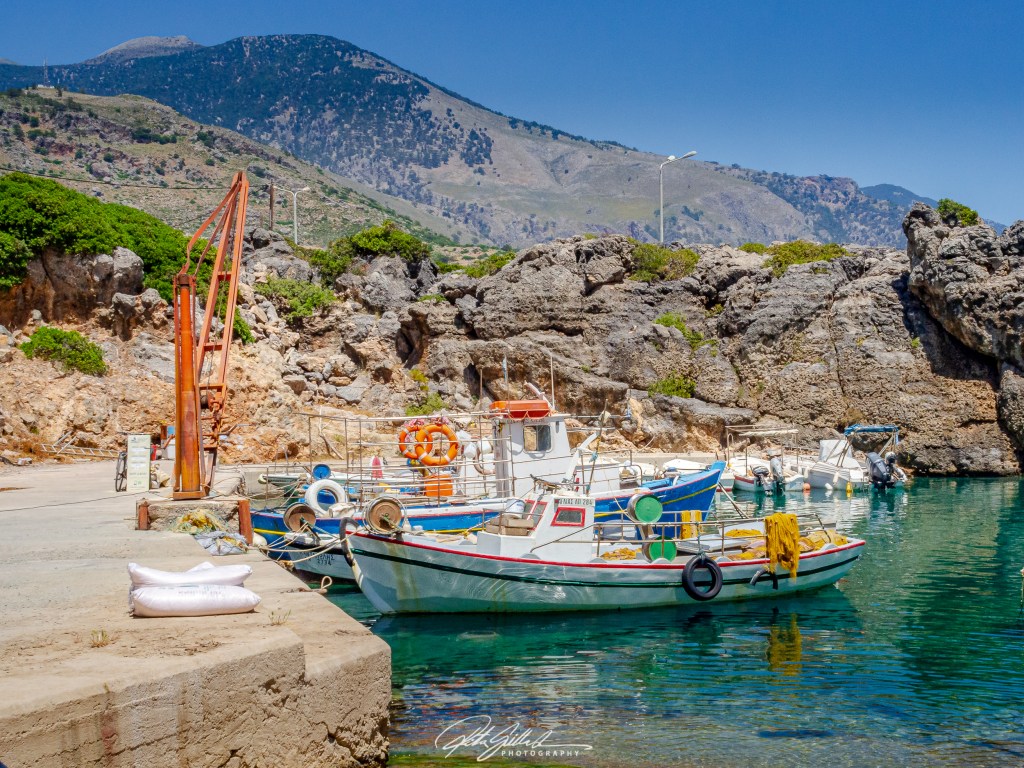
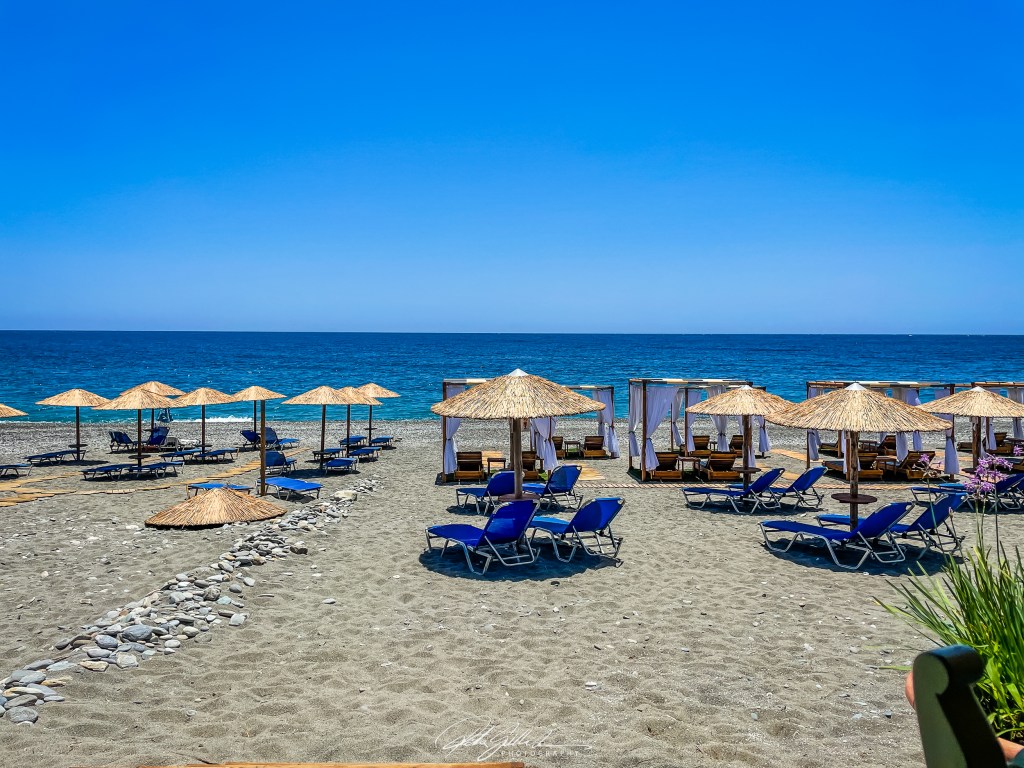
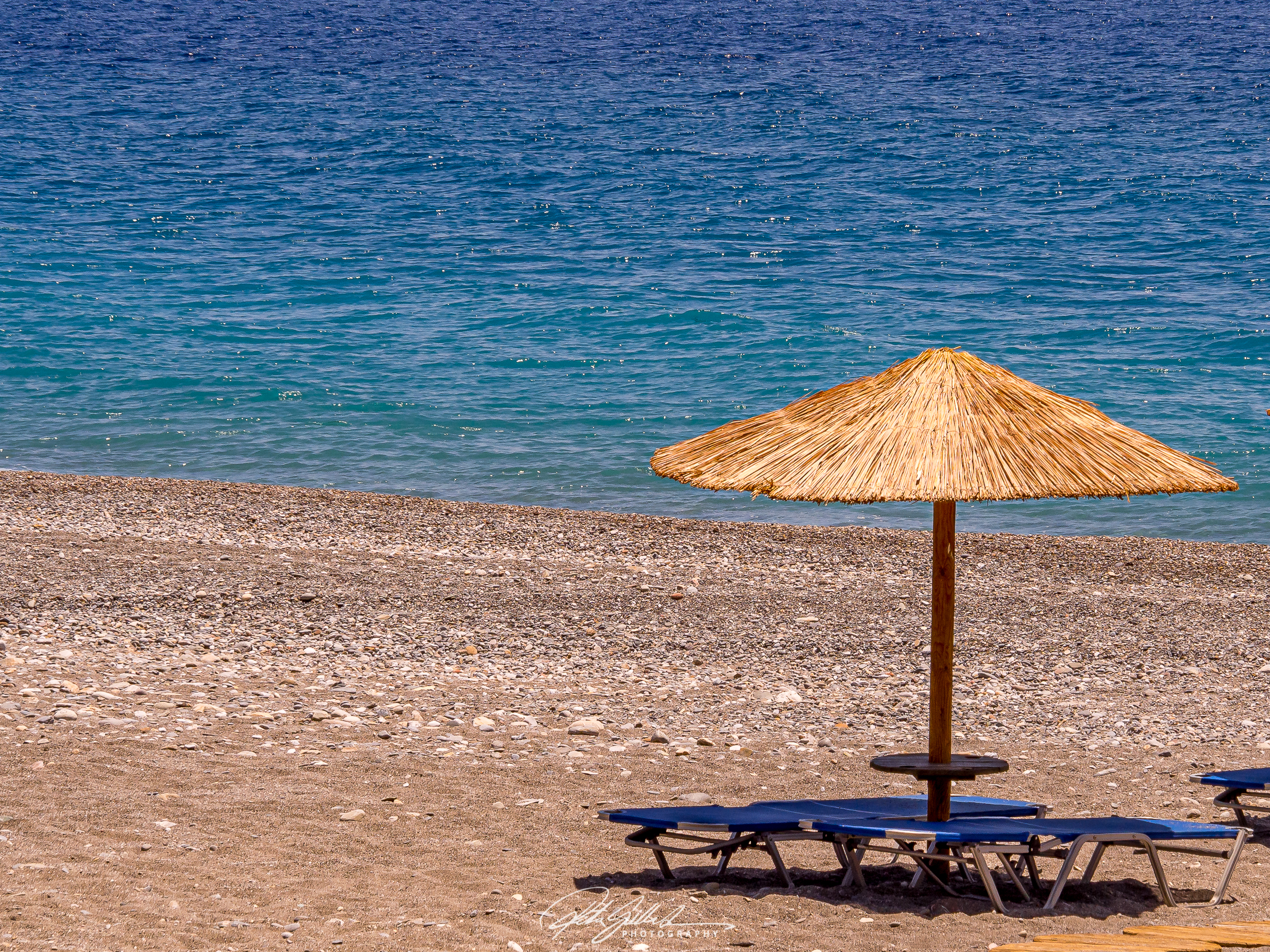
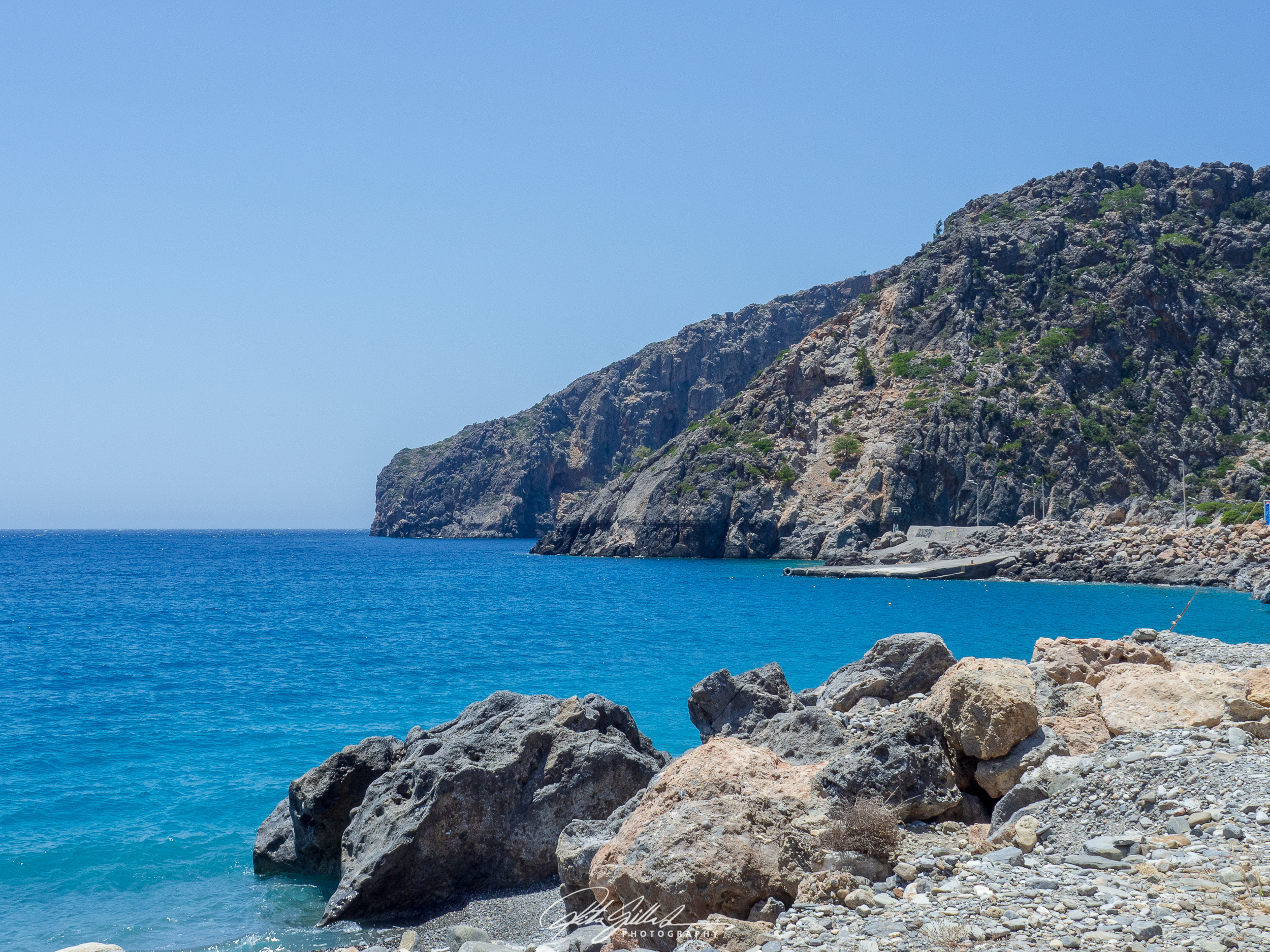
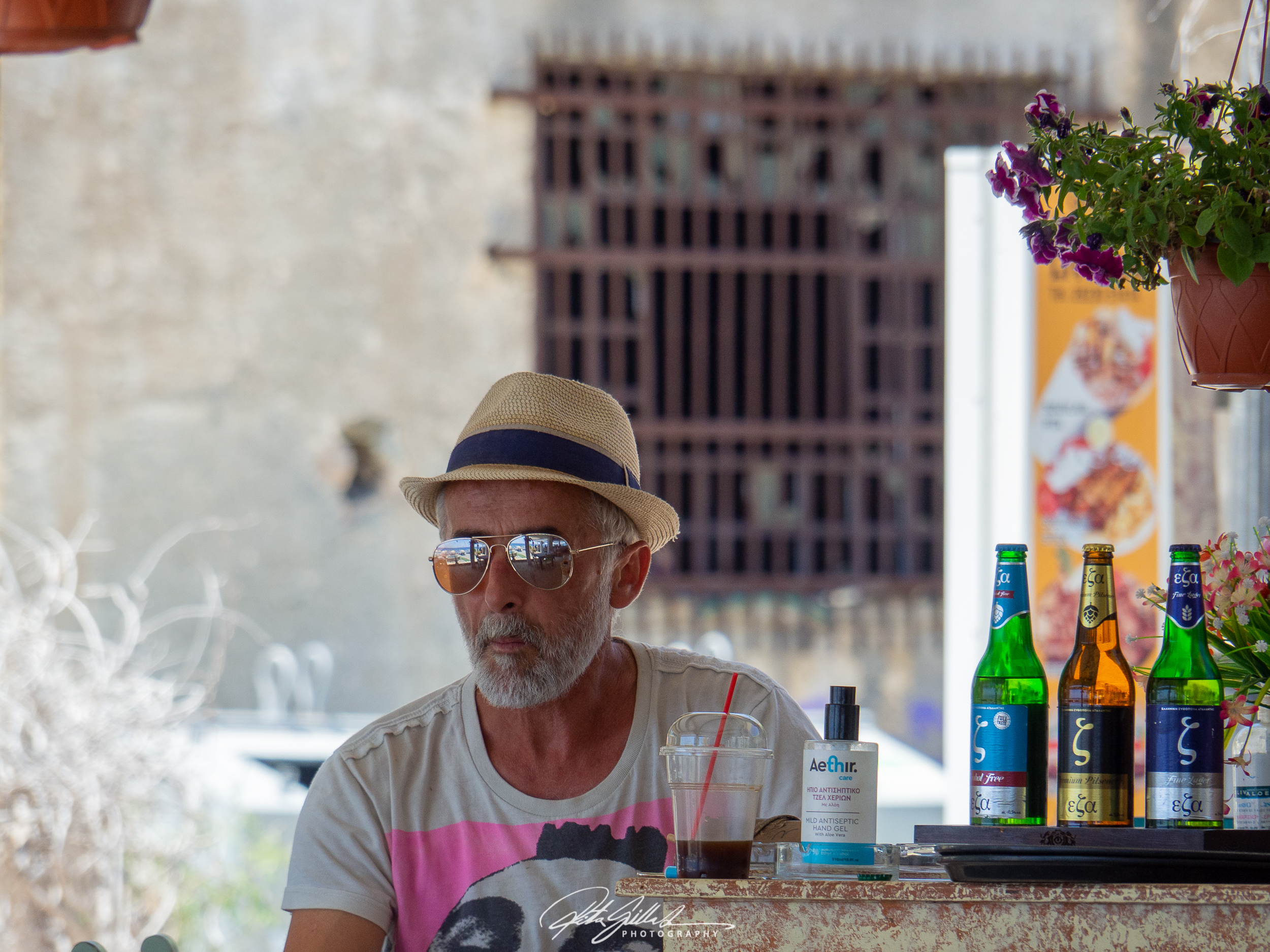
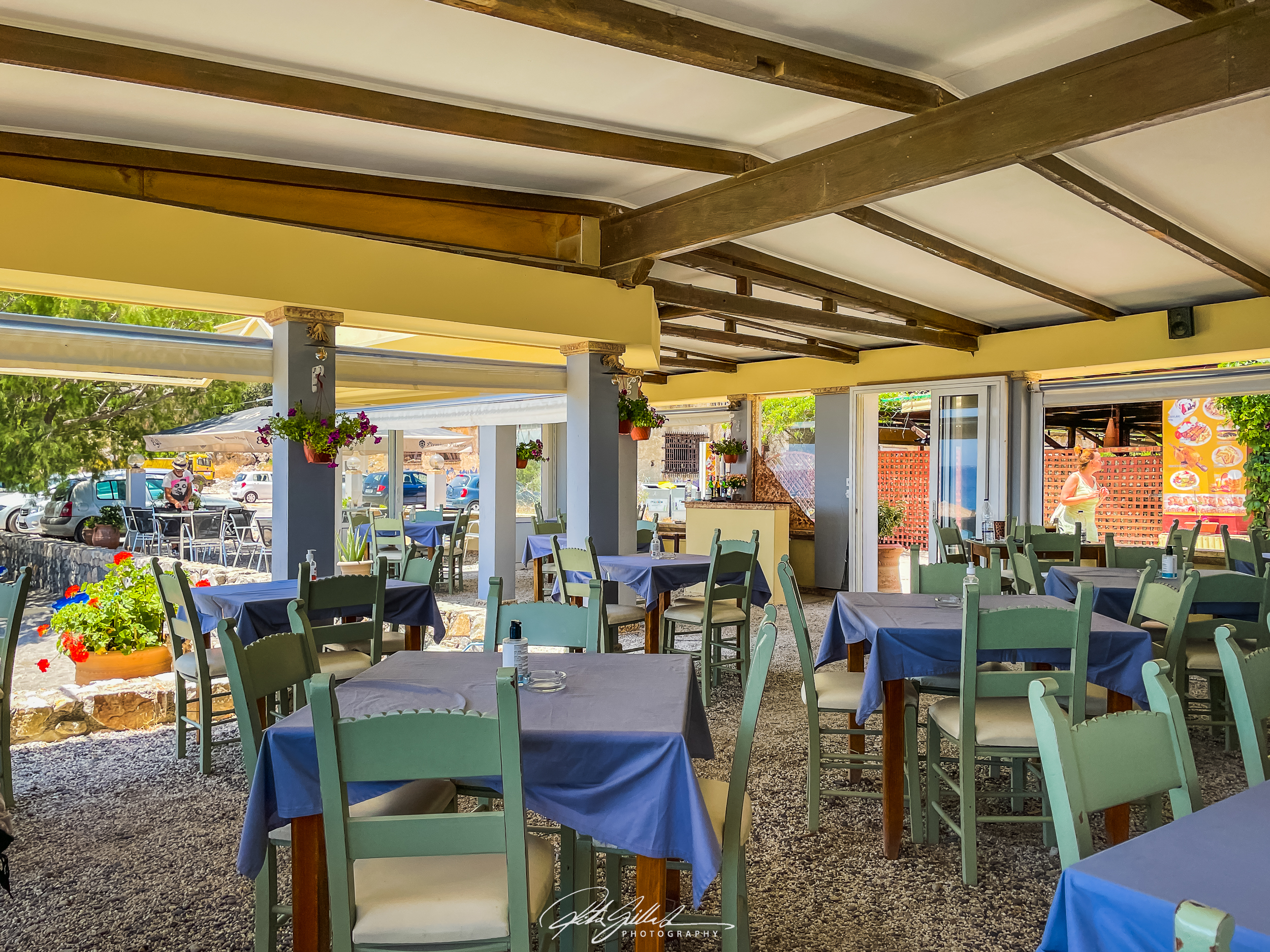
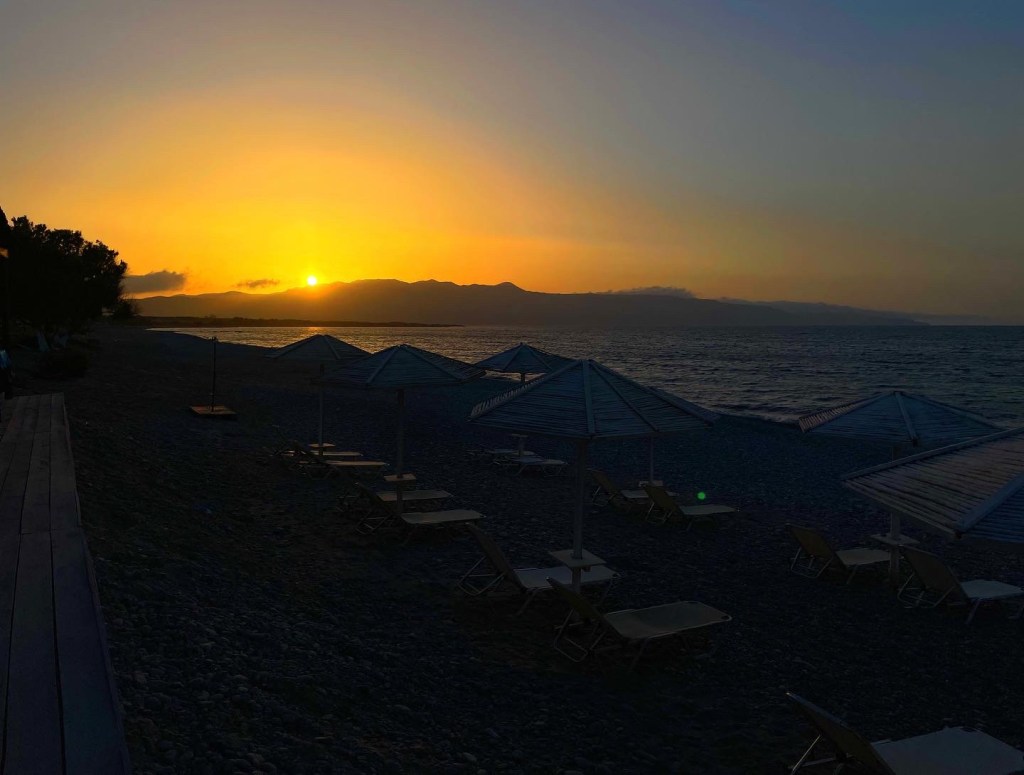
The small village of Sougia in the south-west of Crete has managed to remain unaffected by the growth of tourism in Crete. It is still a peaceful haven, with a long beach, we stopped there for a while and had lunch at a one of the beach side taverns.
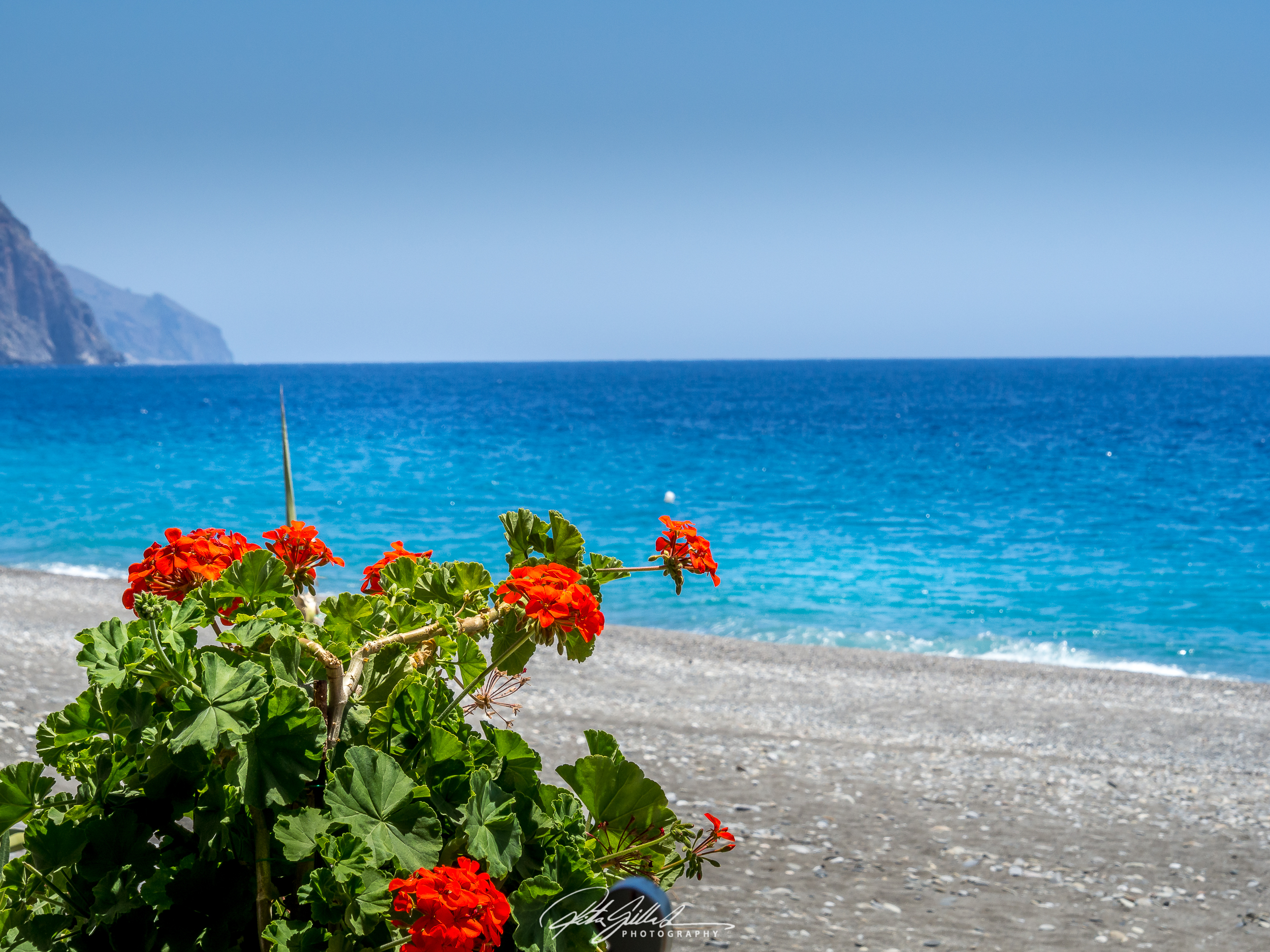
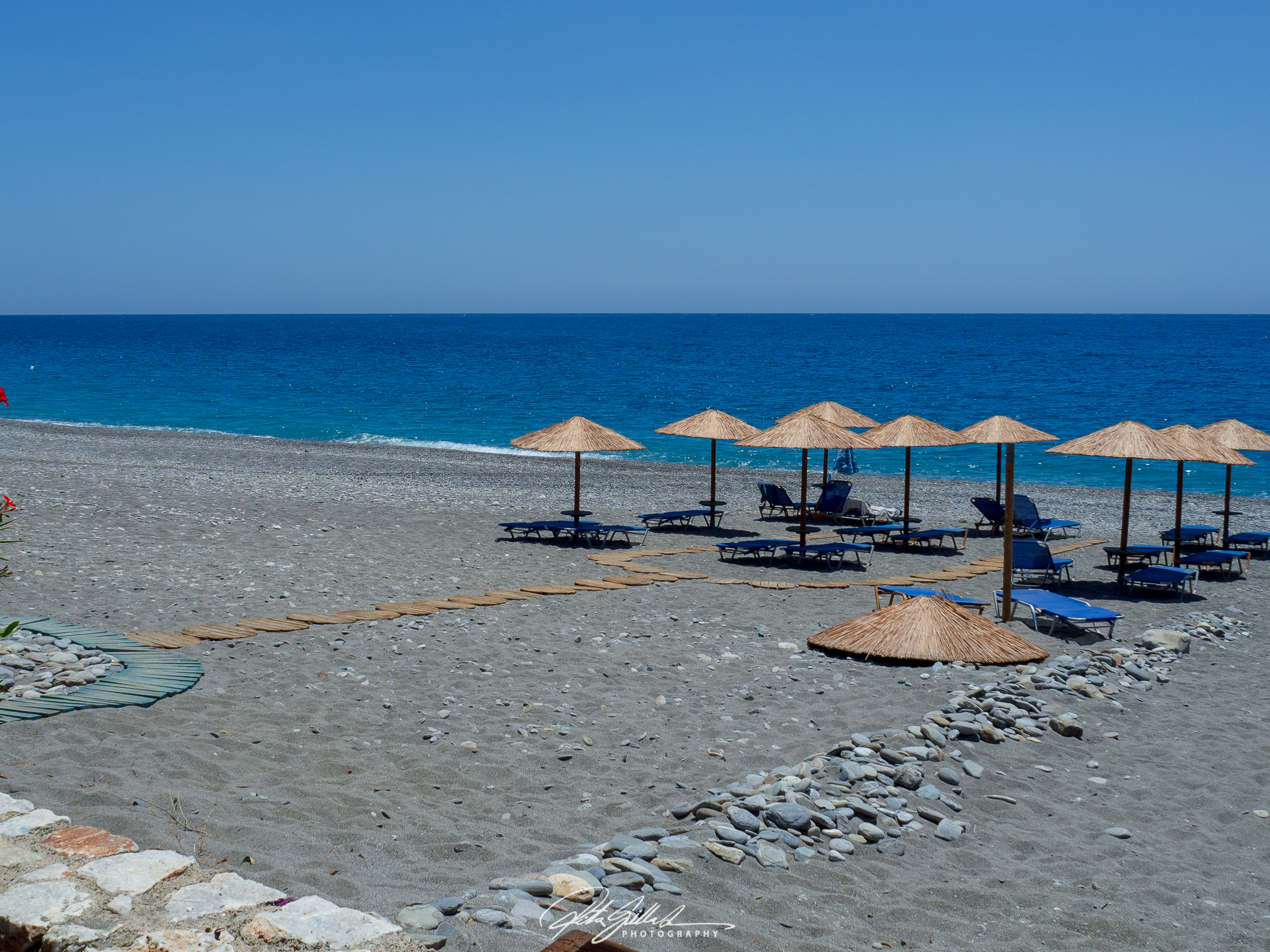
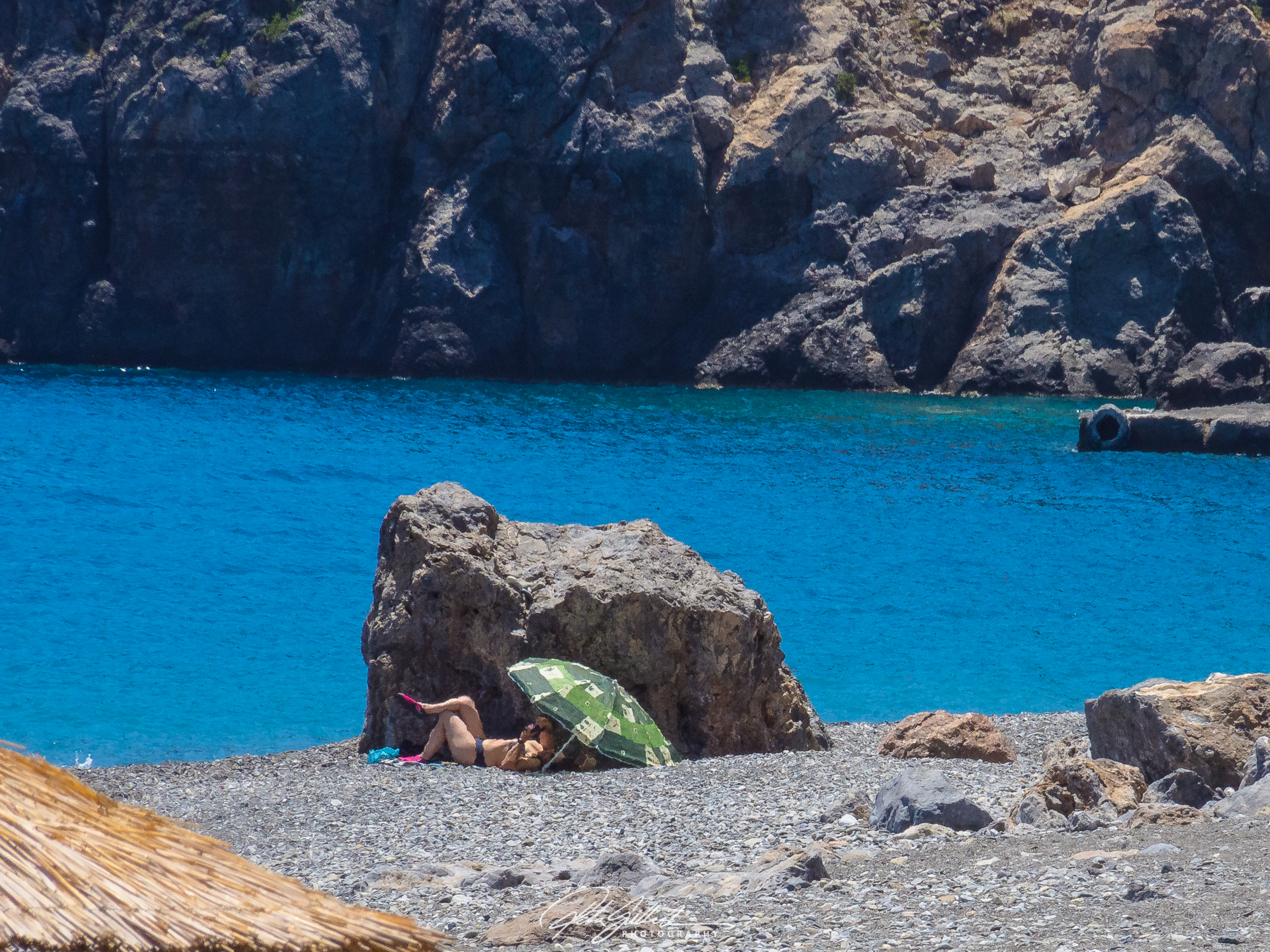
Sougia beach
In front of the village lies a lovely quiet long beach with coarse sand and crystal clear deep water. The beach starts from the small harbor of Sougia (west) at exit of Lissos Gorge and stretches to the east for 1.5km. This part of the long beach is not organized. Instead, the beach in front of the village offers umbrellas, showers, sports and a lifeguard tower. Along the beach there are plenty of tamarisk trees where you can find shade.
Dock at SougiaGreece, Crete, seaside village beach of Sougia
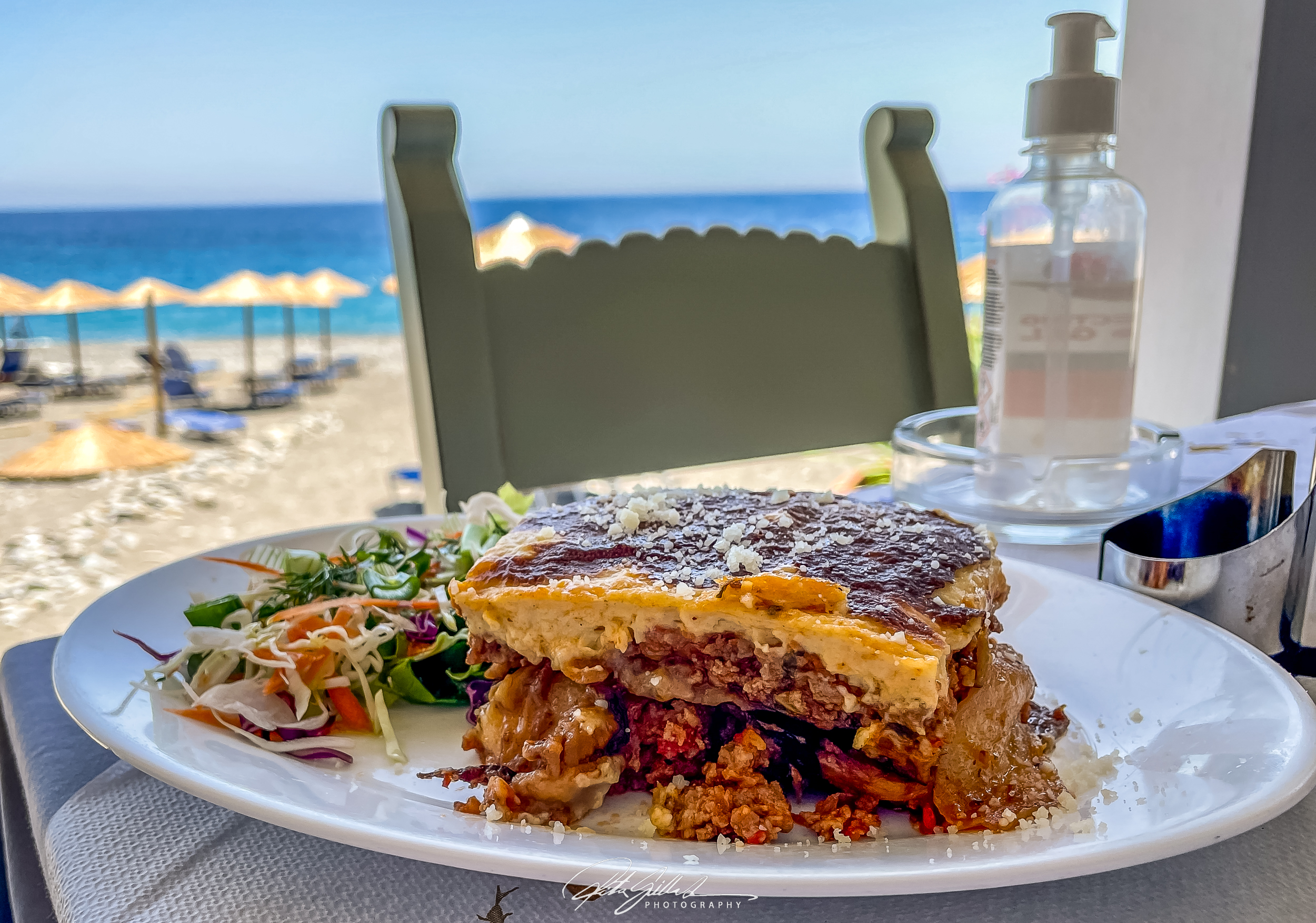
Moussaka was the dish I tasted here, and it was very good. I tasted it in an other place later and I have to say this was so much tastier.
Recipe for Moussaka: Components 3-4 aubergines 3 potatoes (optional) 0.7 kg of ground lamb or beef 1-2 onions around a glass of red wine 400 g tomatoes from cans or 5 larger grated fresh tomatoes olive oil Spices: ½ teaspoon of cinnamon, 2 tablespoons of oregano ½ teaspoon of ground cloves, salt, pepper, a pinch of sugar (or mix for moussaka) Bechamel sauce: 600 milk 85 g flour 85 g butter salt pepper, 25 g of grated hard cheese (eg Greek kefalotiri or Italian equivalent) 1 egg
This is going to be the one of many posts, so sorry 🙂 beforehand for the nearly same named posts.
Time to look at things from a new perspective – this week, we’re going to Shoot From Above. Most images are taken at eye level or with the camera parallel to the horizon. With a high angle shot, we’re trying to get photos from an unusual angle, taken from above the subject and looking down towards what you’re shooting. Why ? Well, the short and sweet answer is – you get some cool shots this way.
I submitted the one of the table, but I wanted to post some of the droplets I captured this morning, yes, I shot them from above, but you cannot tell that from the photos. So I did not use them. I am going to do an other post just with them, but here are some of my choices of including some flowers also, naturally 🙂 My entry was not the most unusual, or original, but due to not being able to venture outside my yard due to summer flu my choices are rather limited.
Droplets
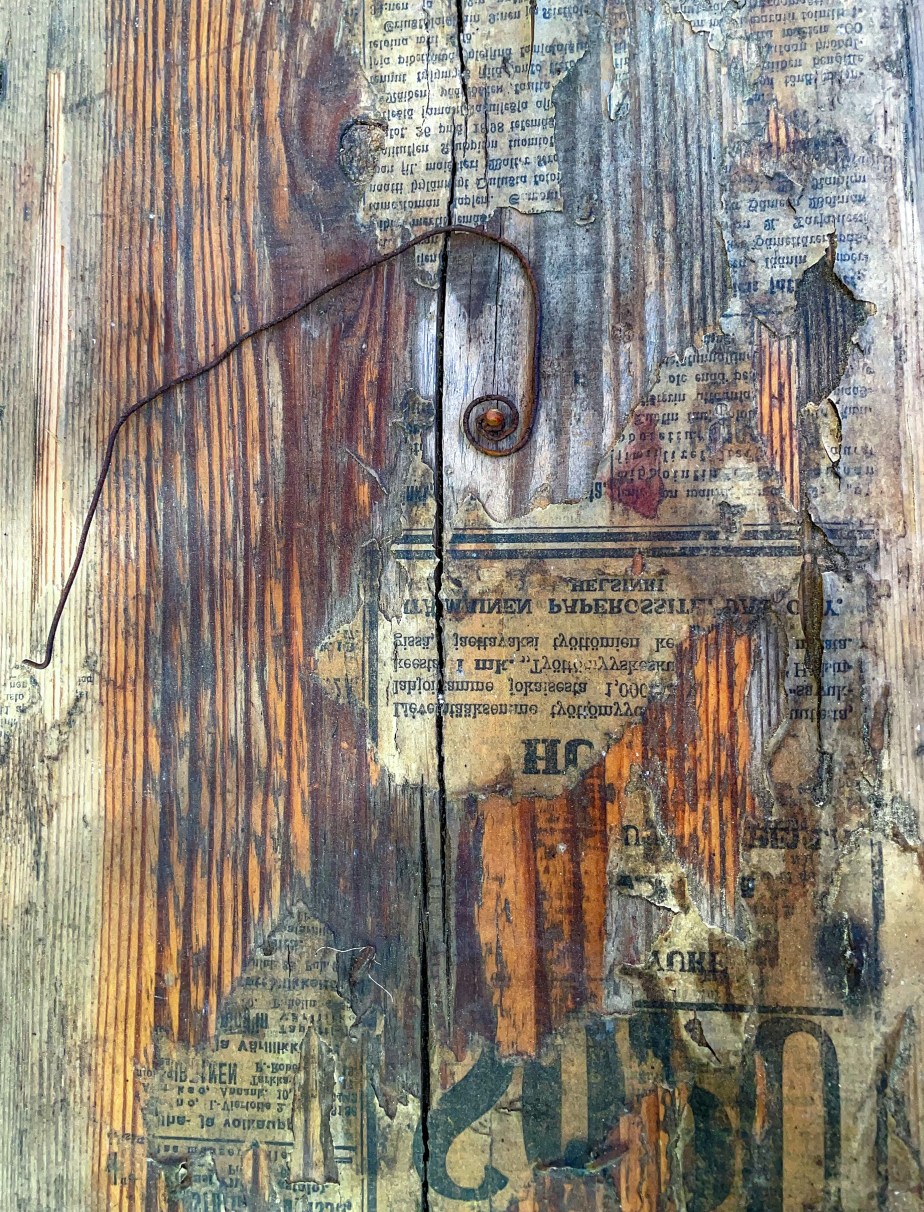
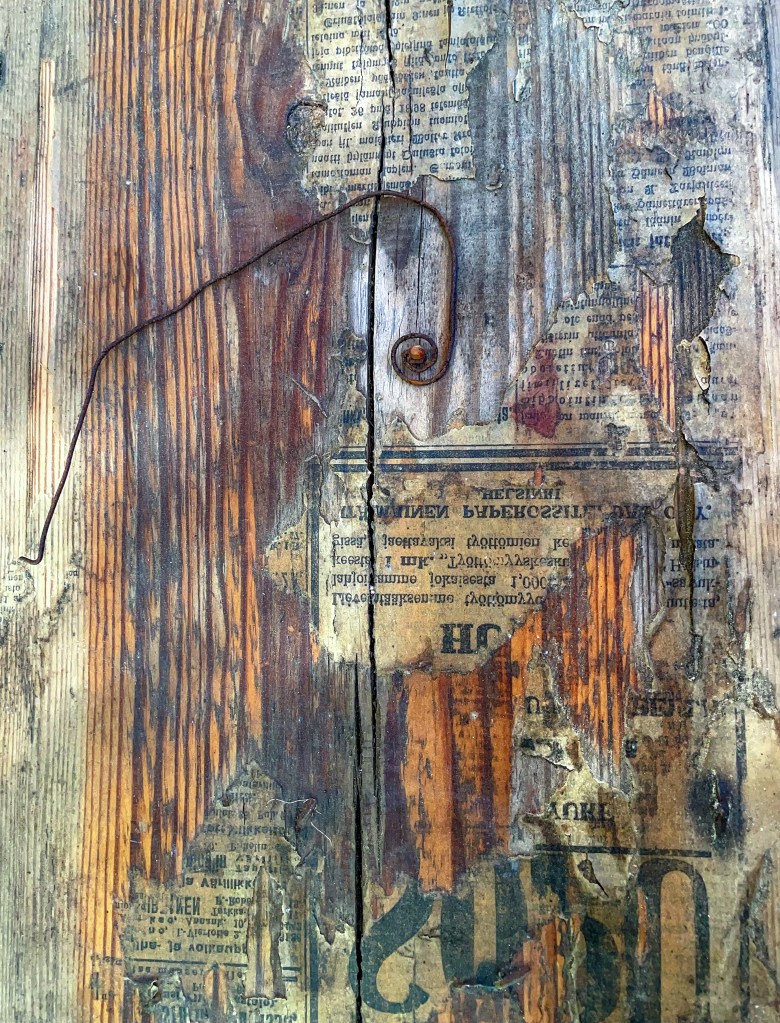
old newspaper clippings on a table top
You can shoot some cool portraiture by getting up higher than your subject. Food and product shots are also well-suited to being shot from above (just pay attention to your lighting and shadows). Oh, and let’s not forget flat-lays – you can go minimalistic or mega creative with your ideas here.
And of course, the evergreen favorite: landscape shots – whether natural or urban. Just position yourself somewhere high (and safe) and shoot scenes of what’s happening below -. Go a bit abstract and look down the mirrored facade of an office building.
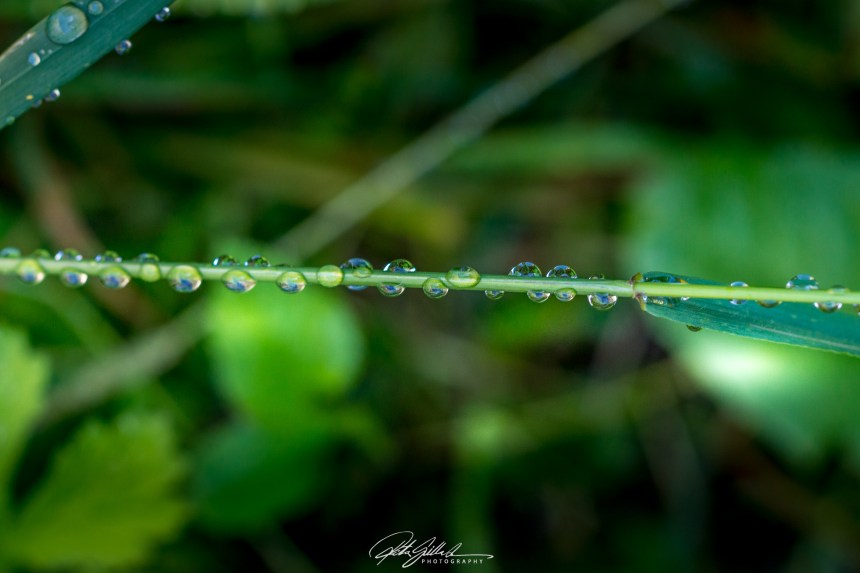
Droplets on a string of grass
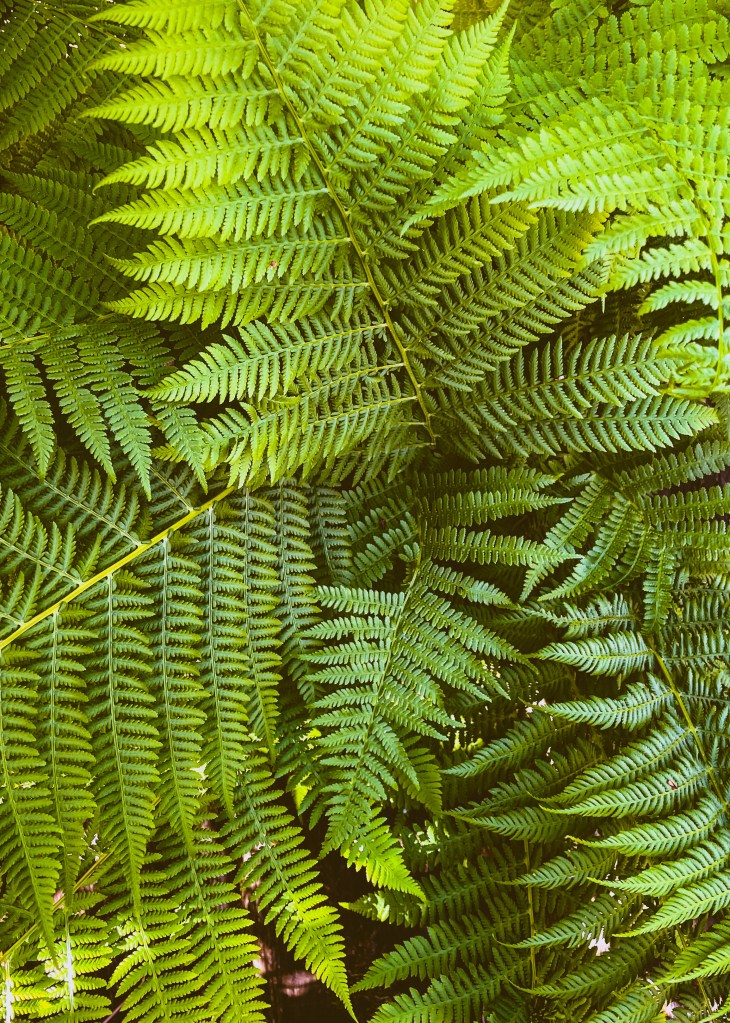
Fern
Depth Of Field: Your DoF will help a lot here – do yo want to isolate your subject?; Go for a wider aperture like f/1.8 +. Want lots of detail in focus for that cityscape? Maybe f/8 or f/16 would be more suitable.
Composition: Look for lines and objects around that help create a strong composition, especially if your subject is isolated and at a distance.
Go High: If you can’t get to a height, try and make your camera do so – hold it up higher above your head and if you’re lucky to have a flip-out screen, that’s exactly the scenario that it’s there for! You could also mount your camera on a monopod, set a timer and hoist it up high to get a cool shot.
Selfie Stick: It was all the rage a few years ago, and the humble selfie stick can easily help out in this challenge.
Common trees in Crete are the tamarisk , oak-, chestnut-, pine-, cypress– and the evergreen plane tree (Platanus ). It is quite often found in the village squares, offering its shade to people. A huge plane tree, or platanos in Greek, can be seen at Topolia village in west Crete “Monument of Nature” after a day on the road we did not go to see it but we did stop in the village. I will post some photos of it later.
Mousoura
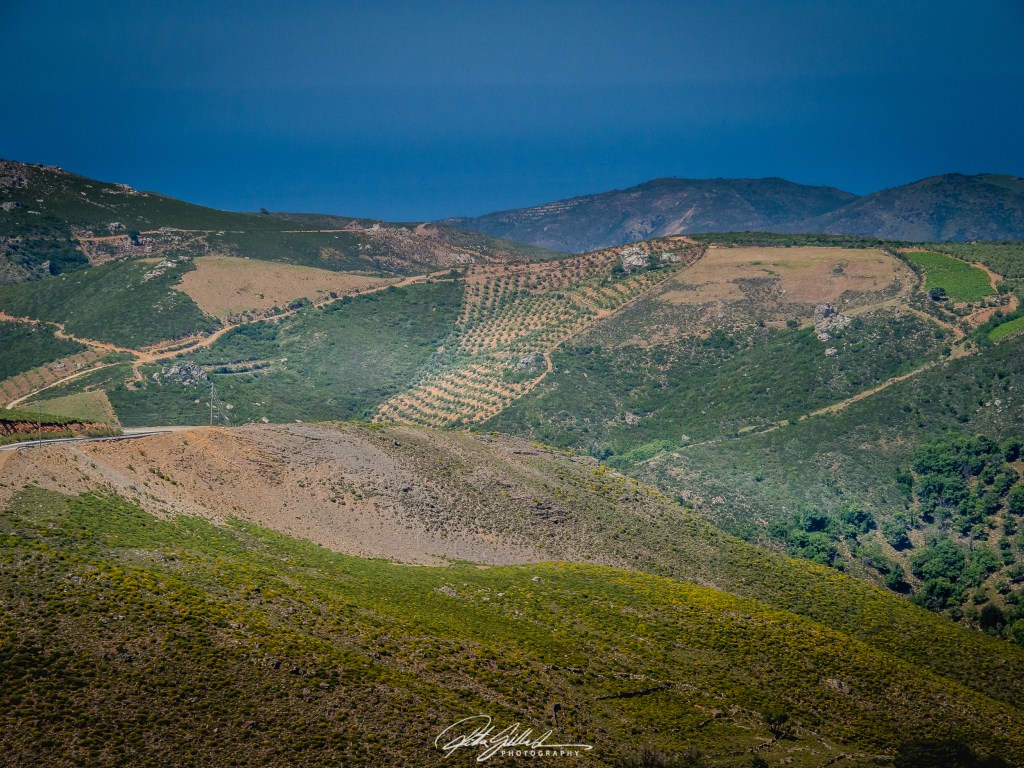
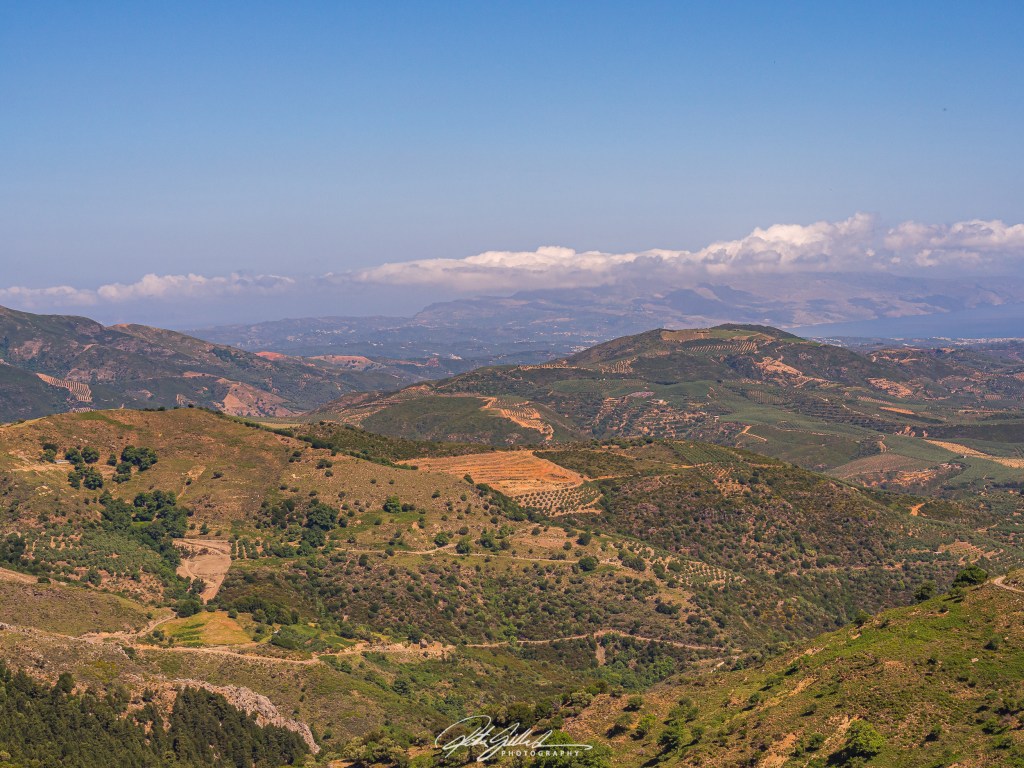
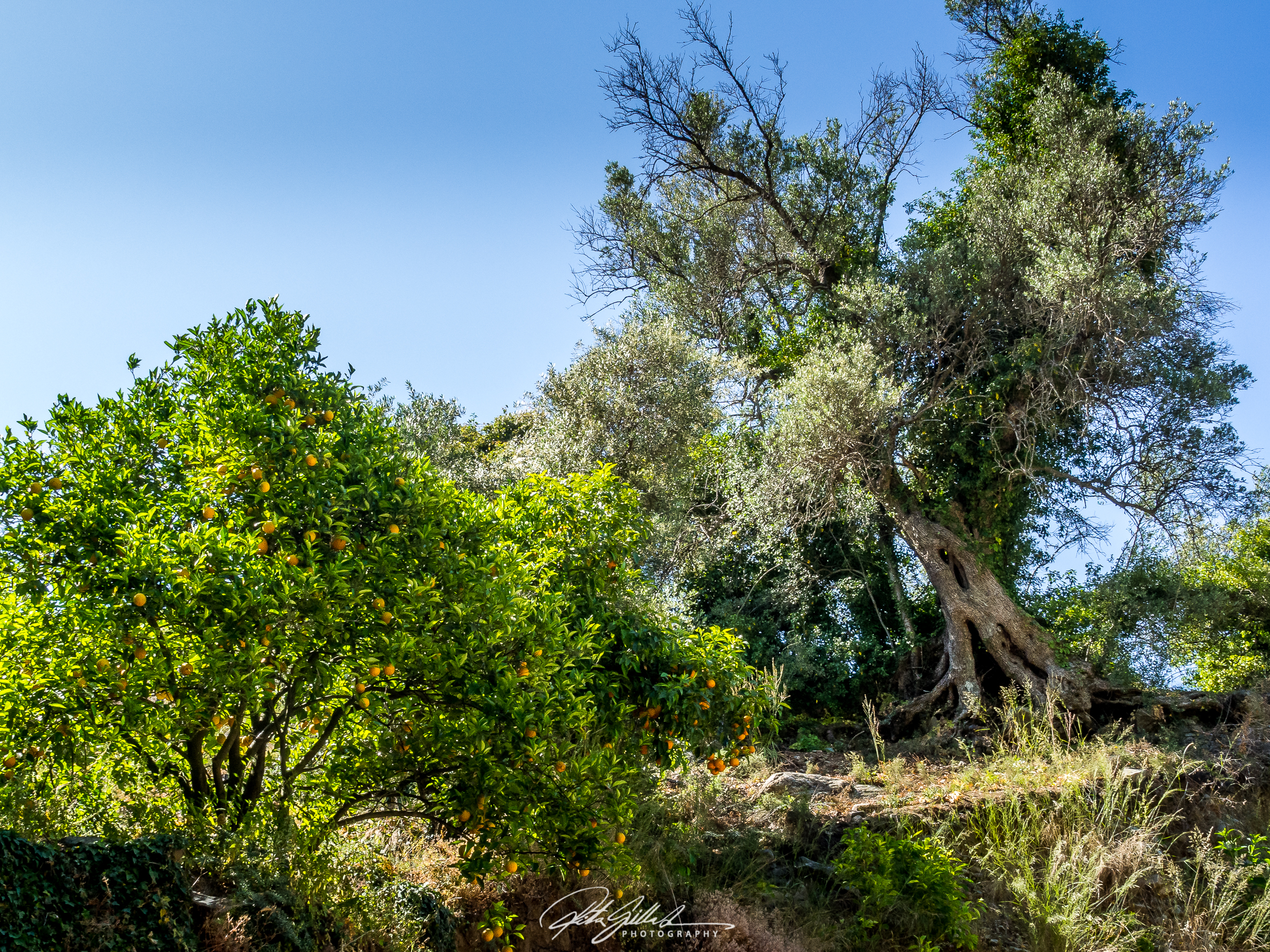
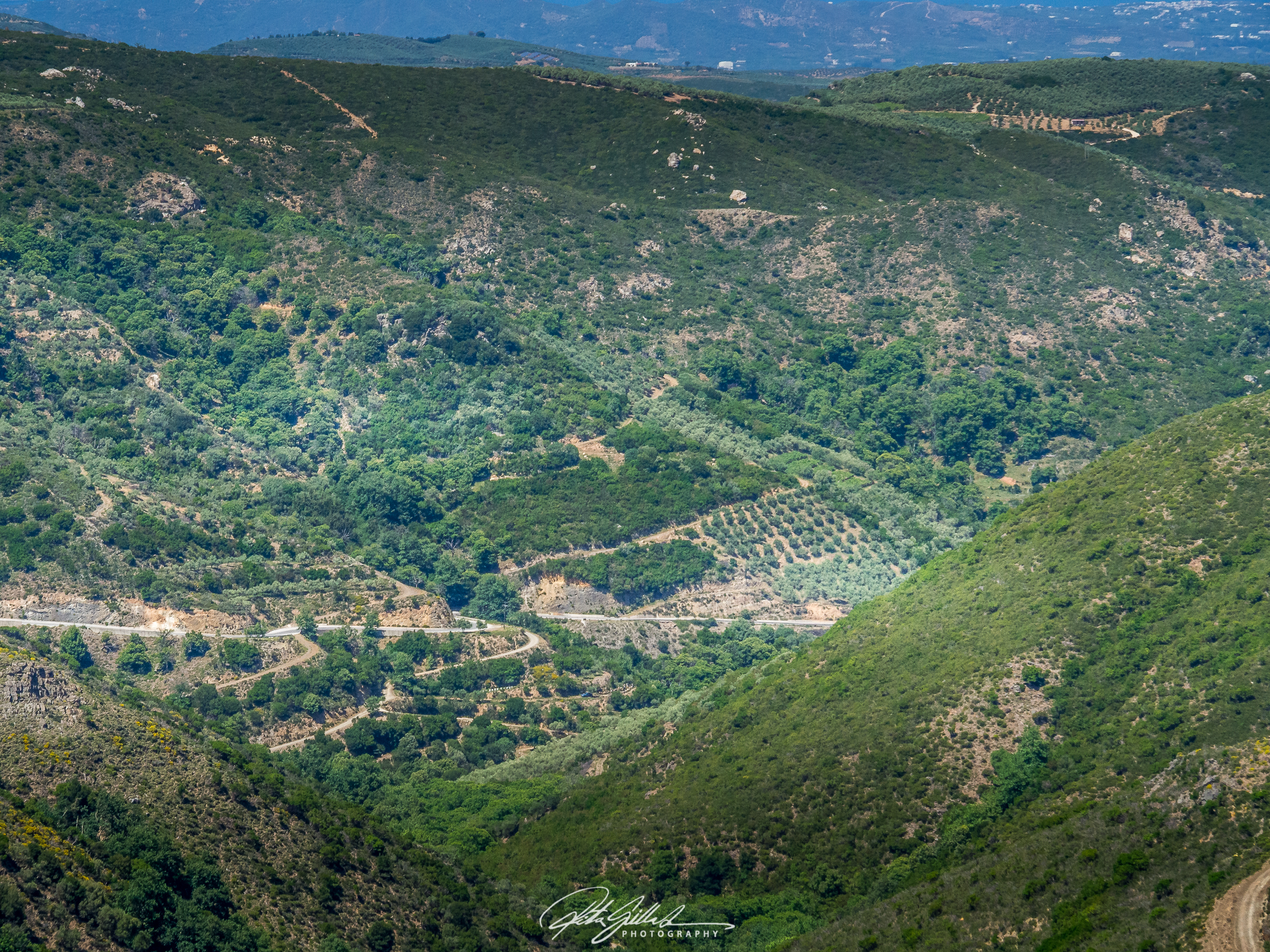
It is believed that 55 to 65 percent of the cultivated land on Crete is given over to olive groves, which contain approximately 30 million trees, so that the groves cover one-fifth to one-quarter of the island. And I felt it, I am surprisingly allergic to the bloom of Olive trees and at the end of May early June there was still some in bloom.
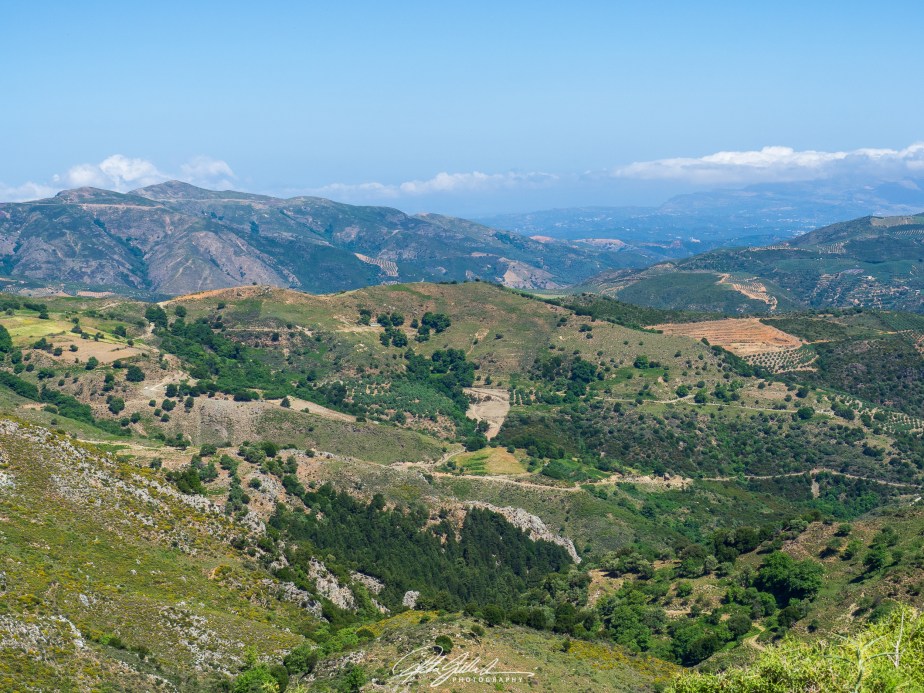
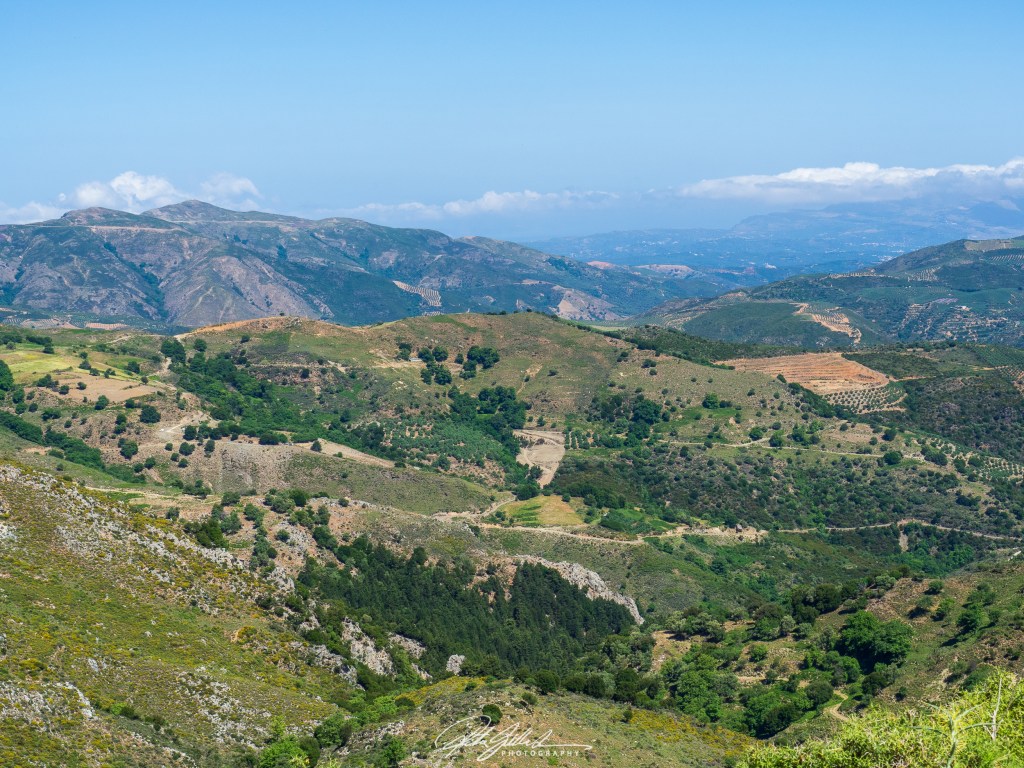
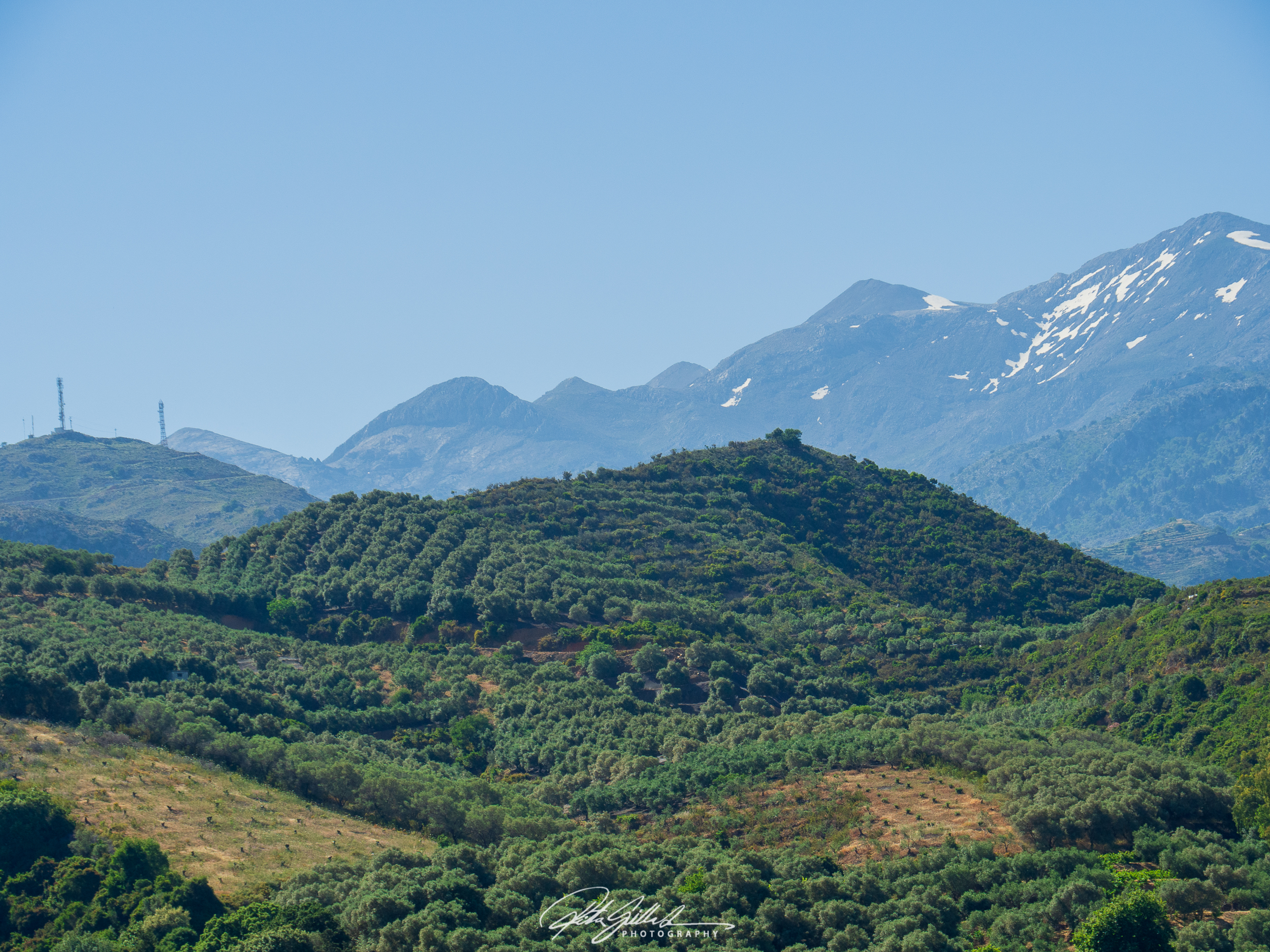
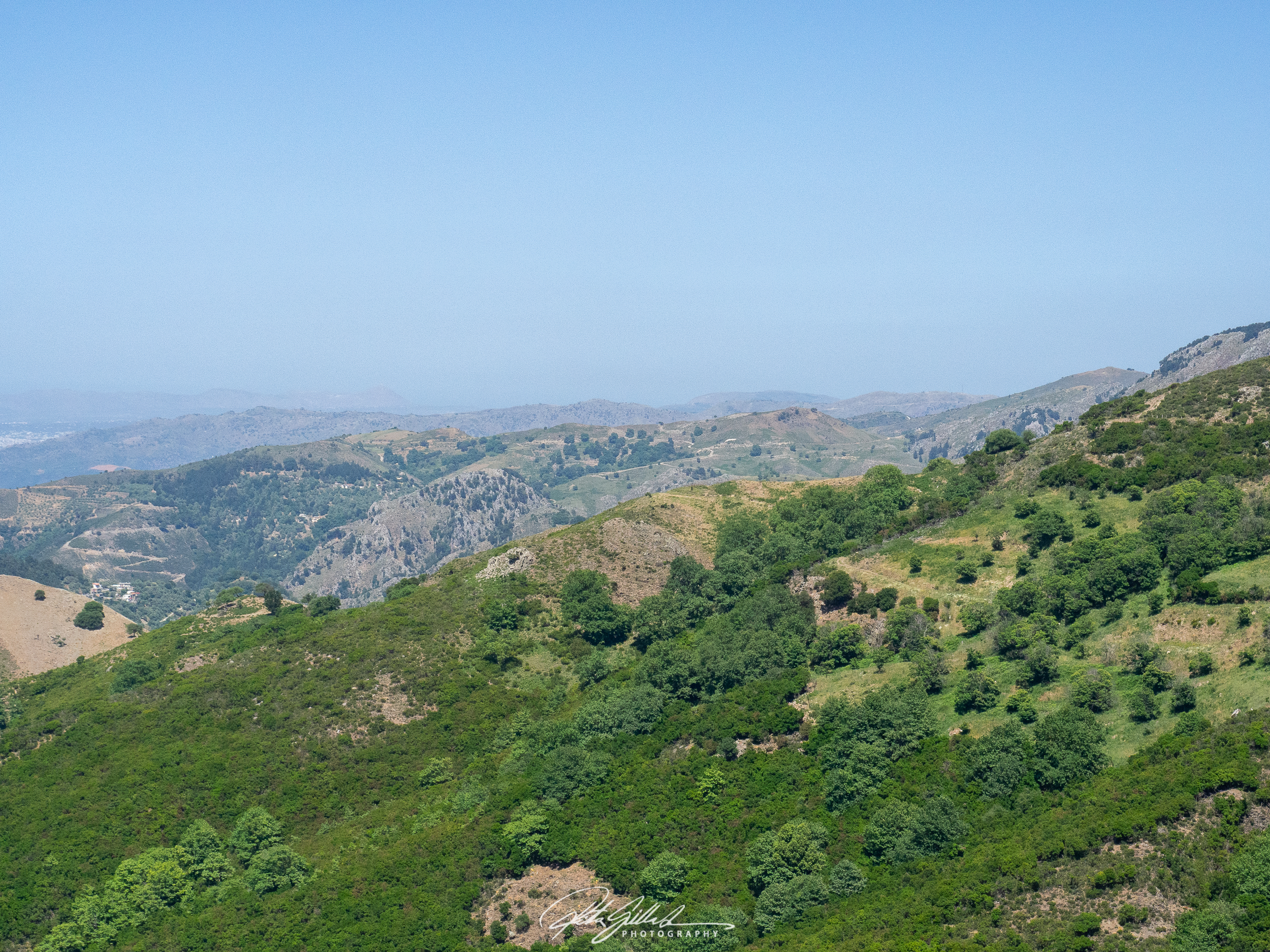
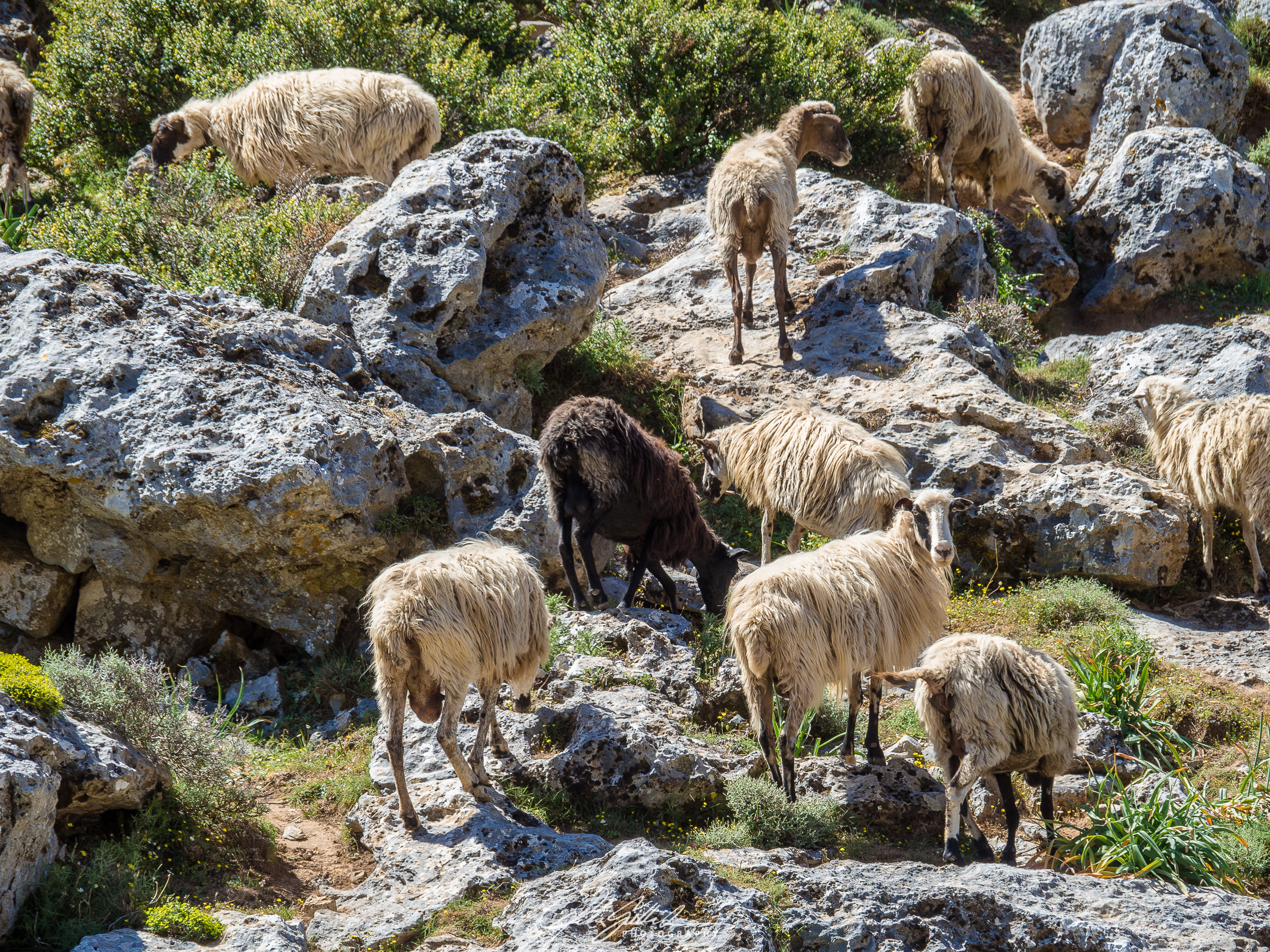
Hill or mountainsides in Crete
This is going to be the one of many posts, so sorry 🙂 beforehand for the nearly same named posts.
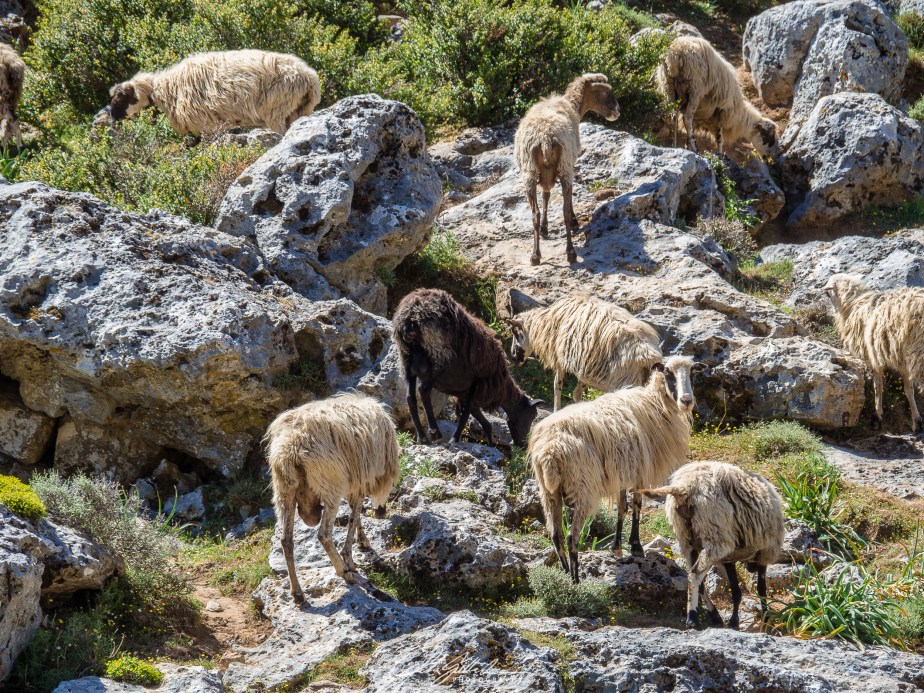
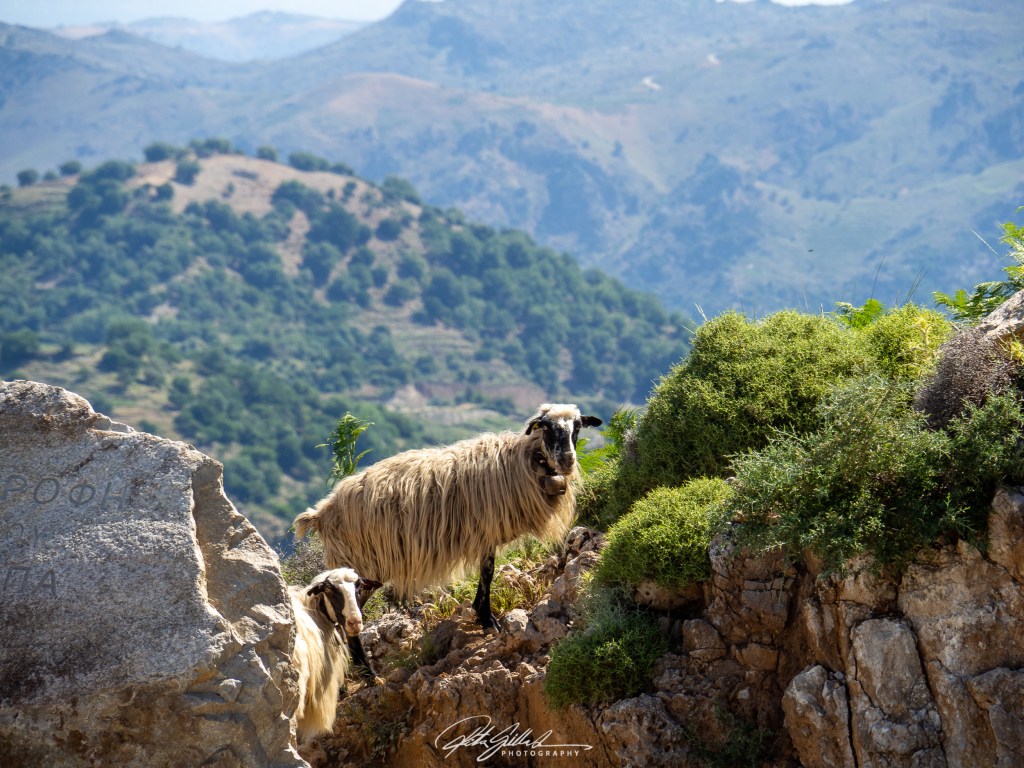
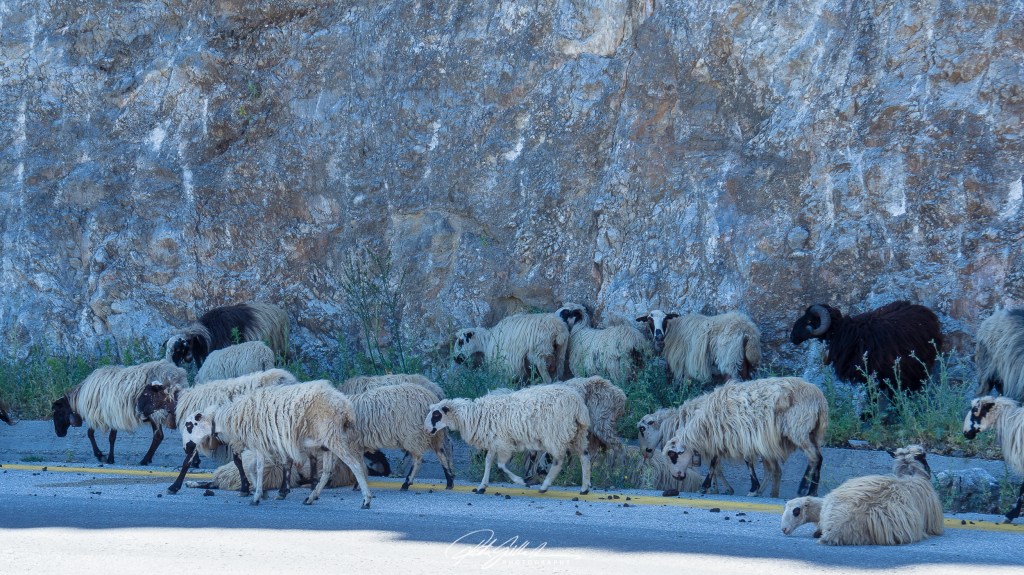
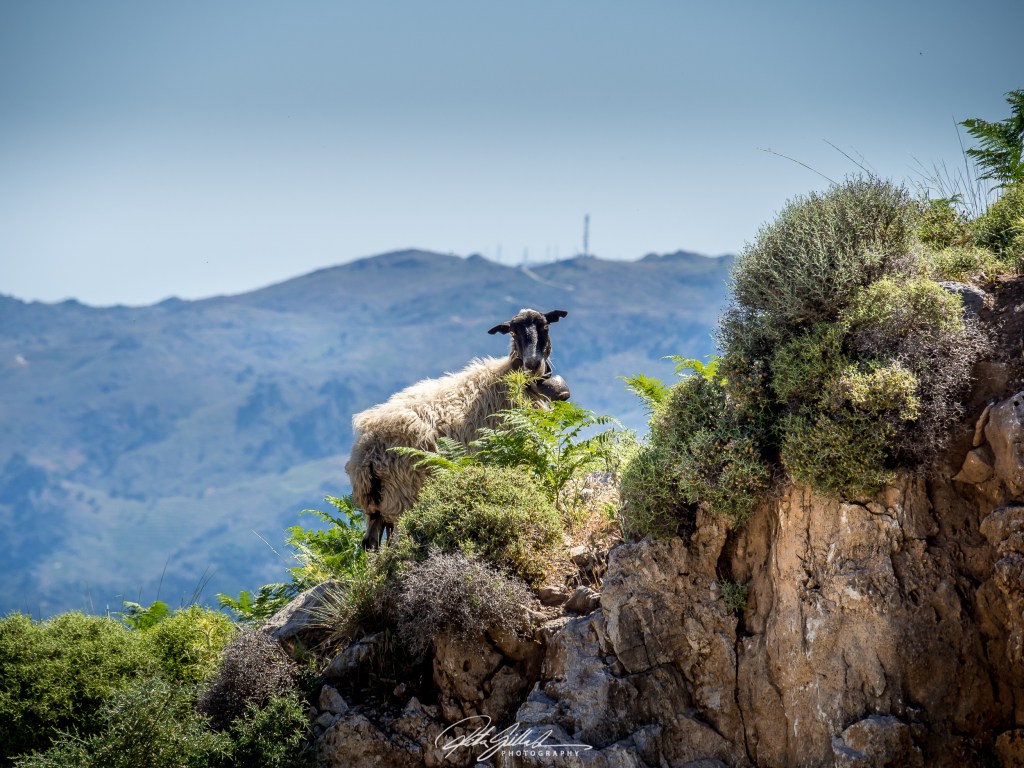
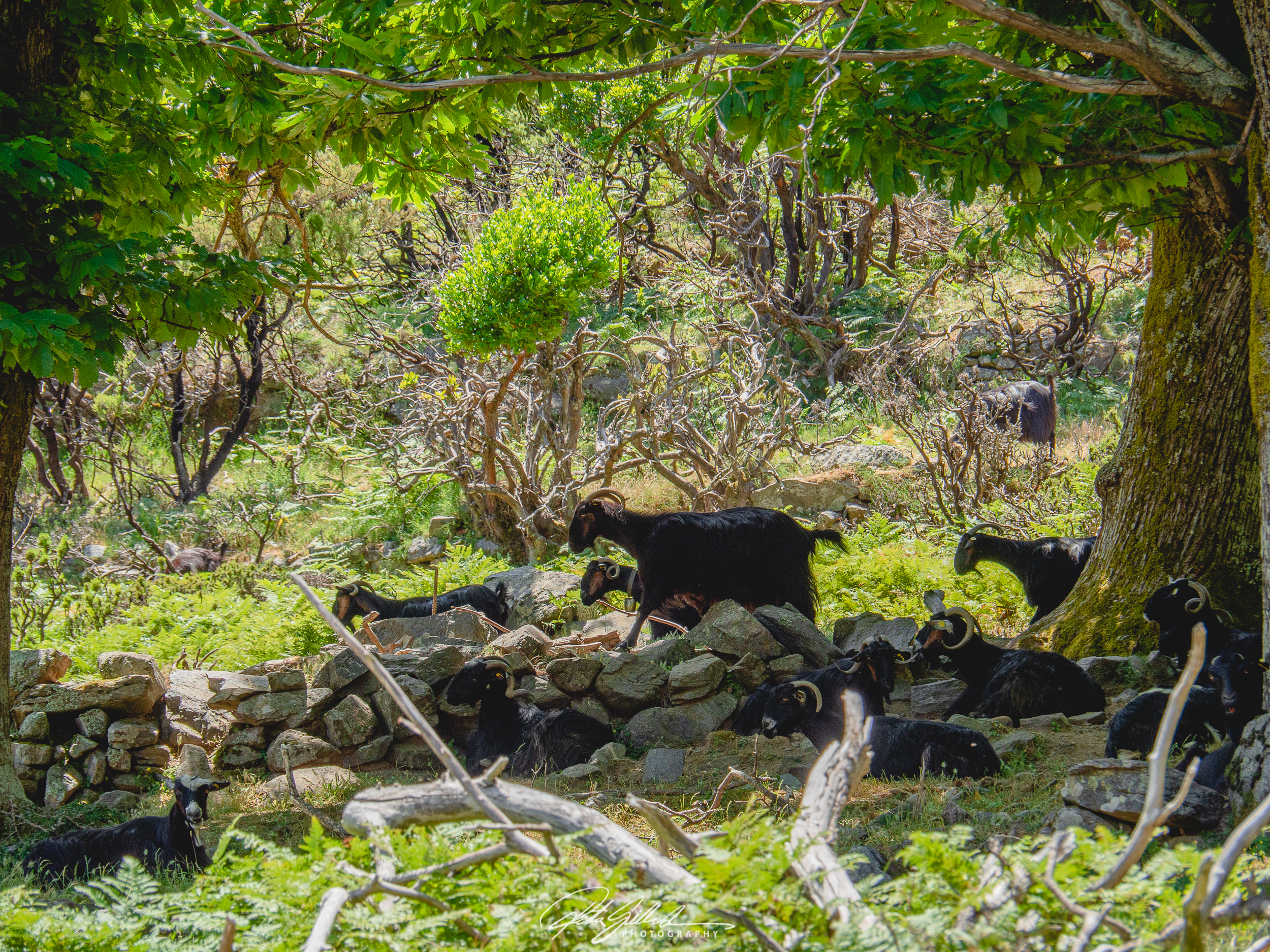
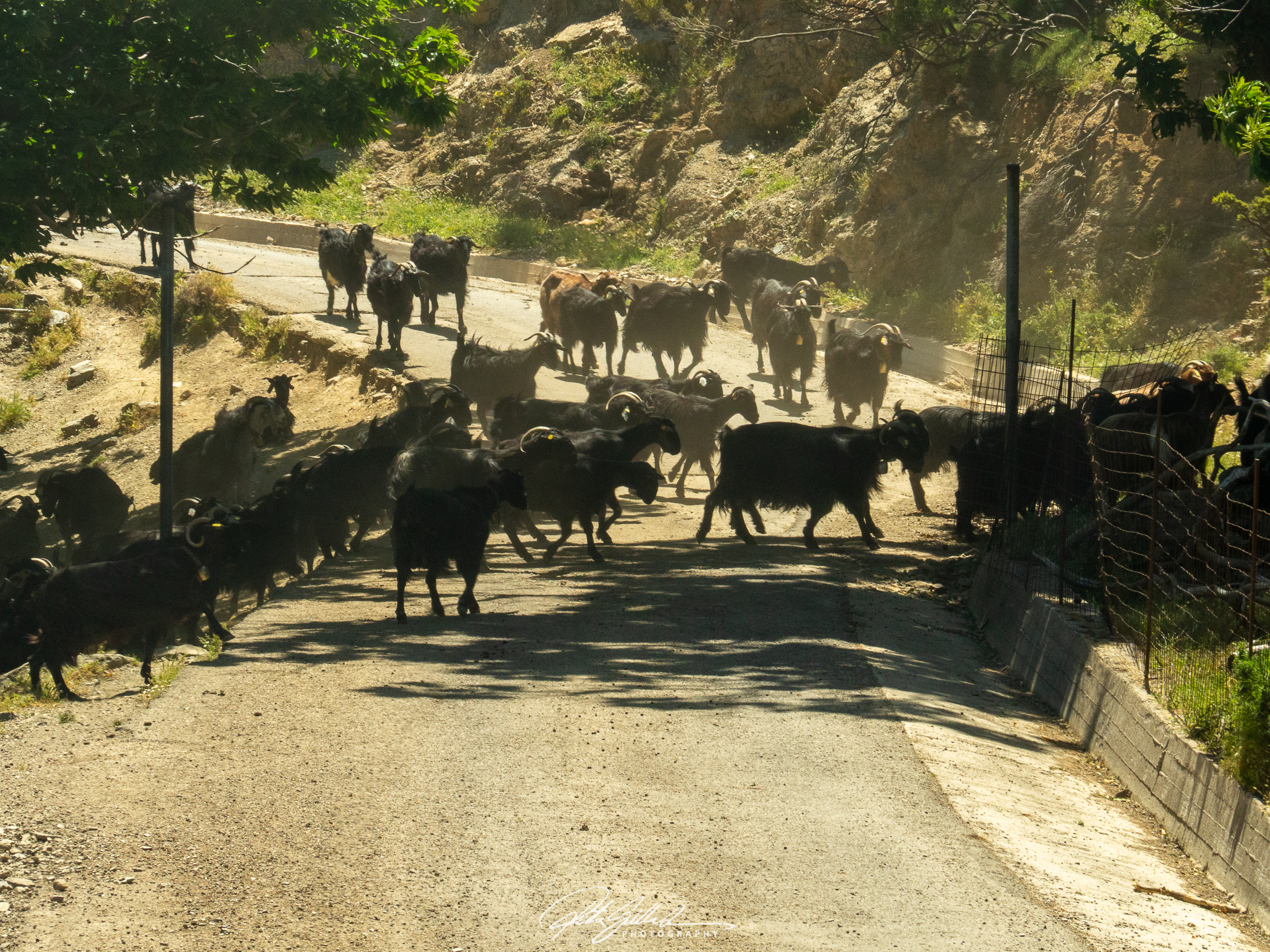
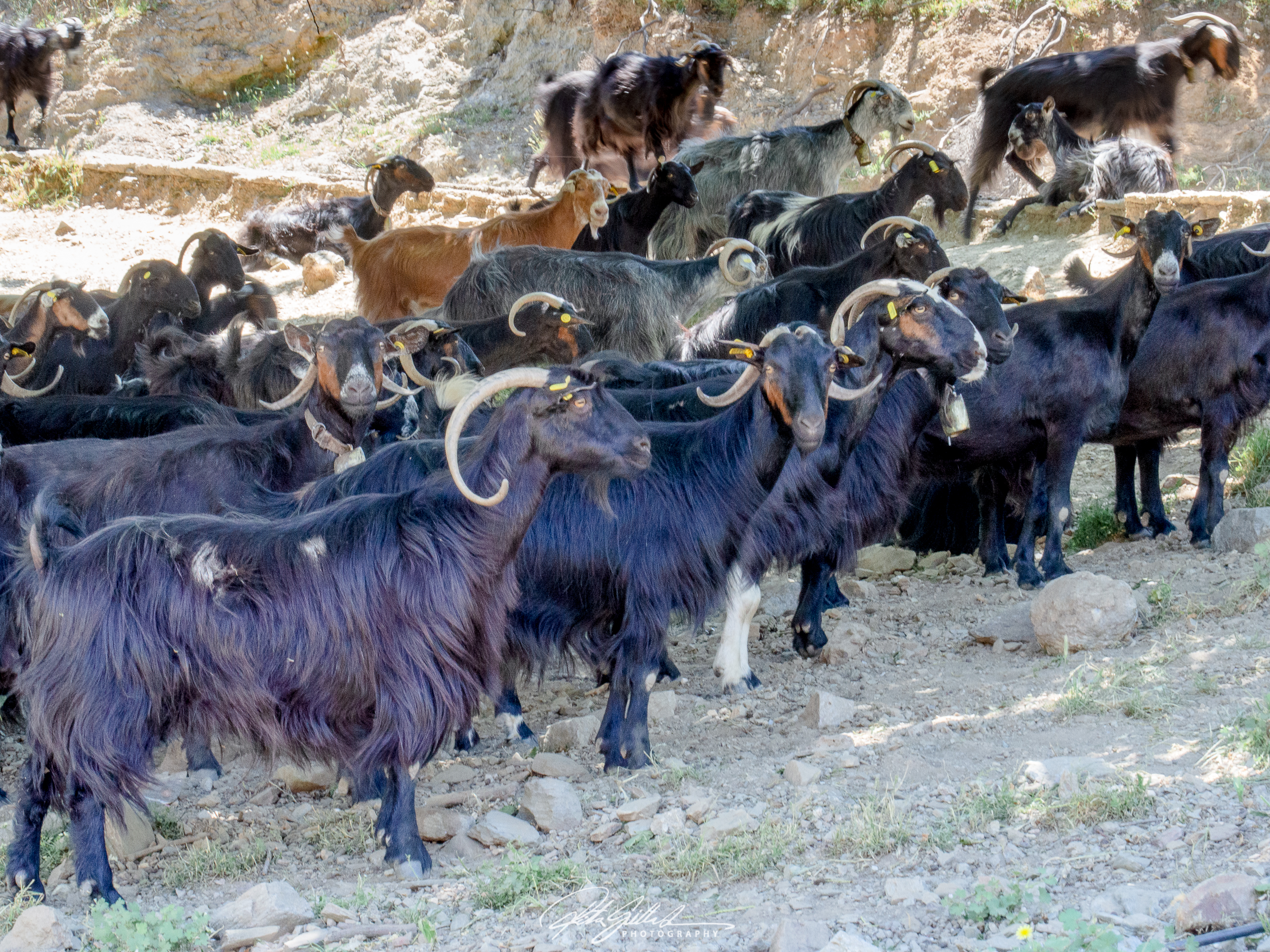
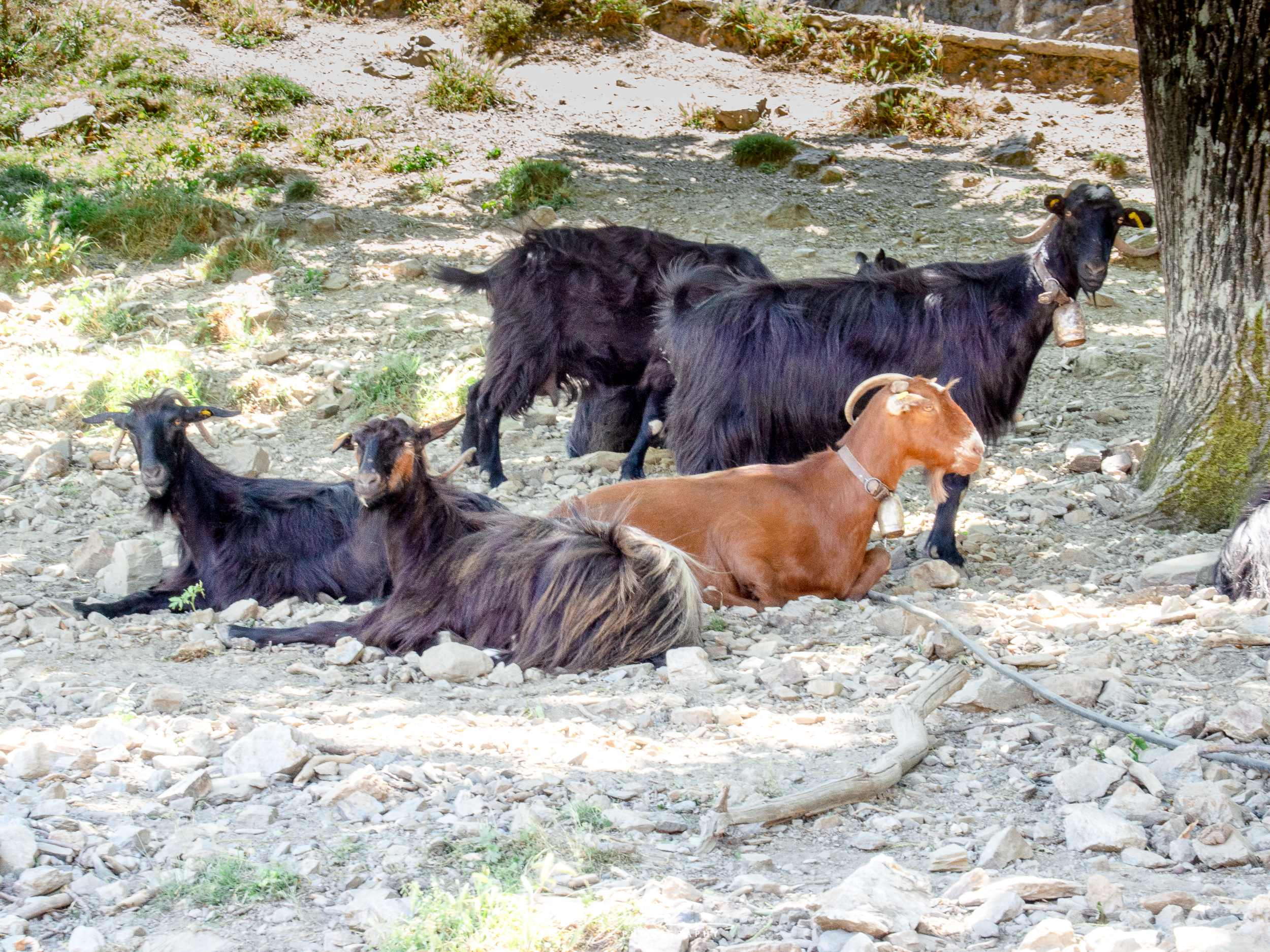
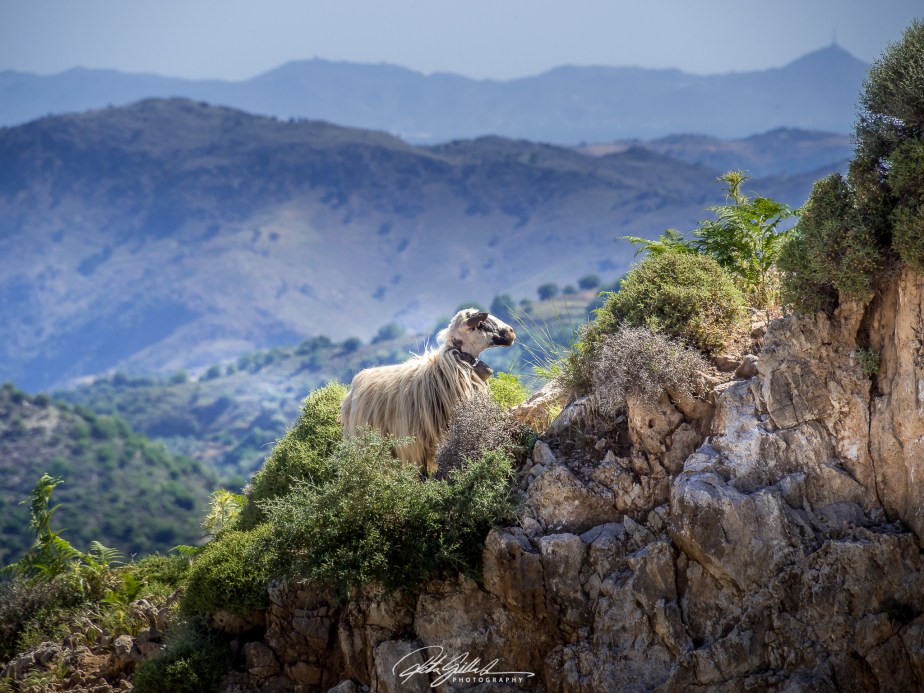
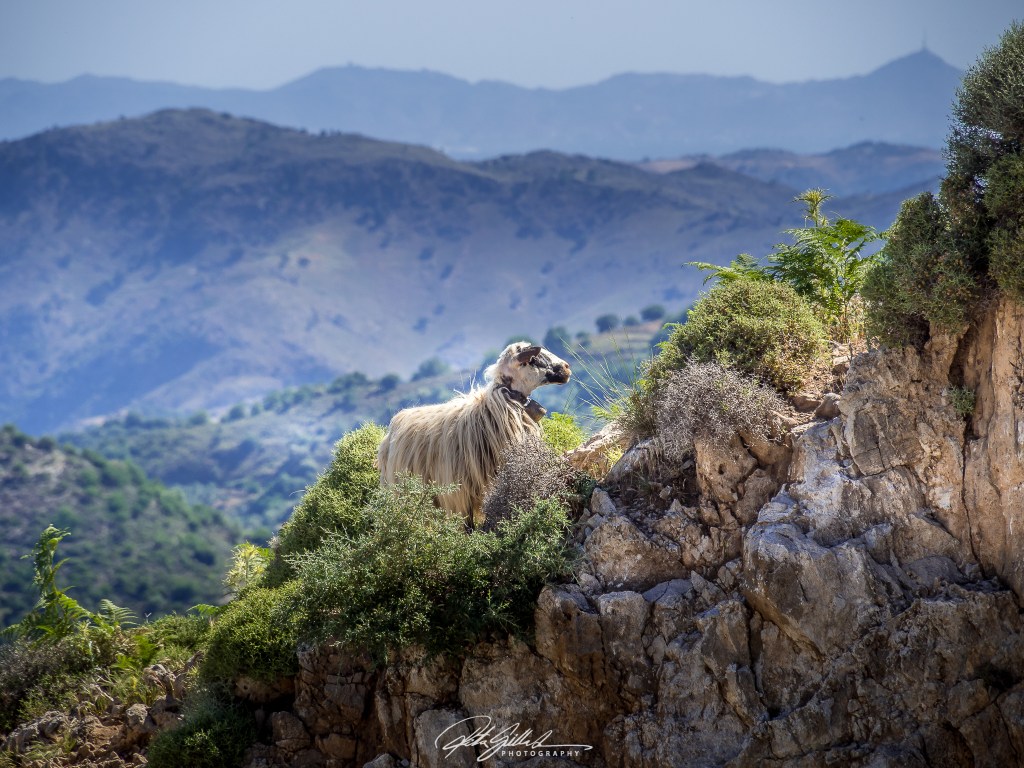
On the mountain roads we on more than one occasion ran into these goats with bells on their necks letting us know they were there. So this post is dedicated to the goats we saw 🙂
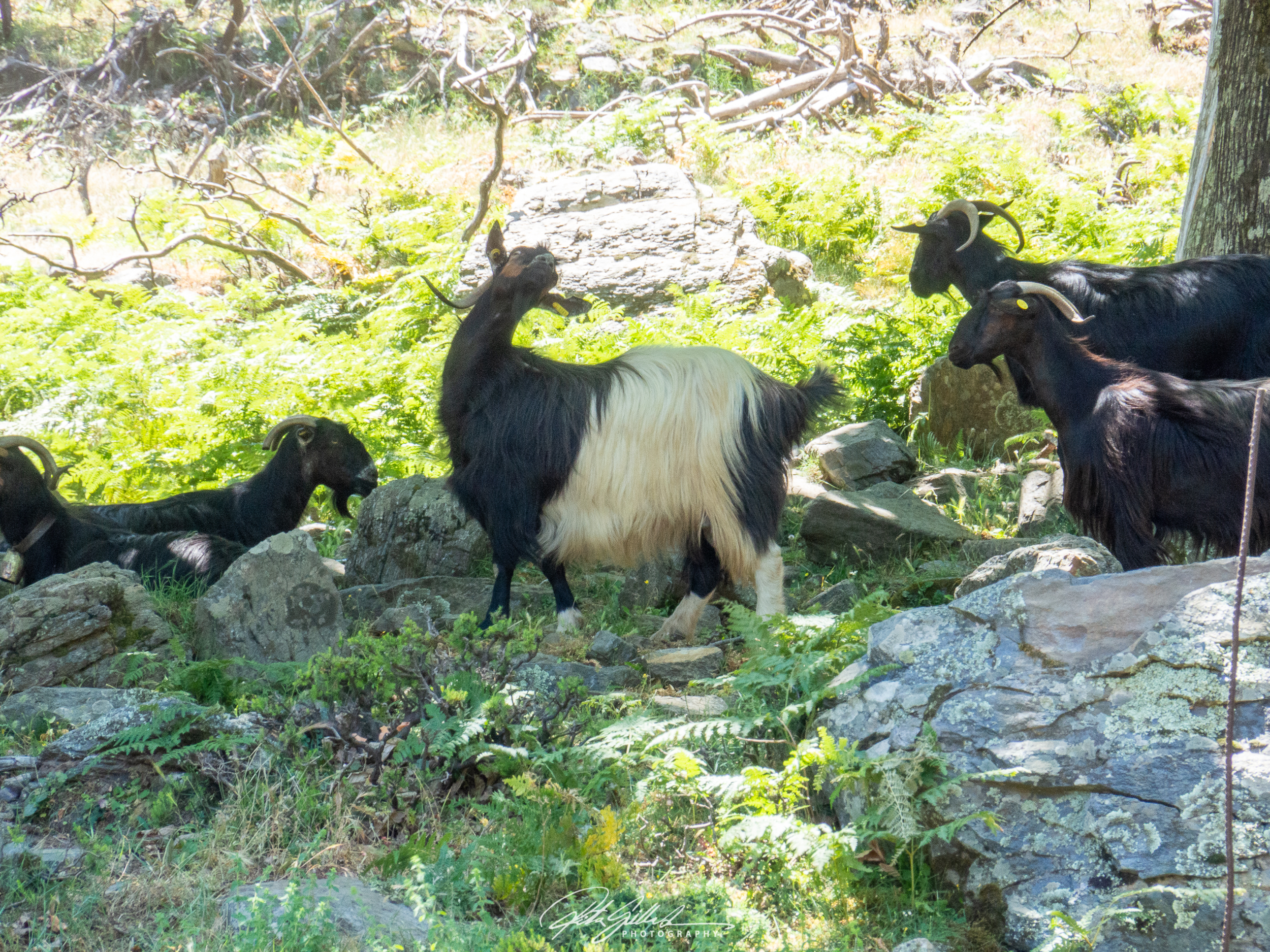
A Cretan mountain goats with a bell around its neck standing alone mountainside.
Shepherding is one of the oldest proffesion in Crete. Bells for sheep and goats were used all over Greece and Crete of course.
The bells were the pride of the shepherd and they were used to monitor the sheeps and goats. The quality of each bell as well as their combination was very important so that the flock will sound harmonious.
Goat by the side of the road.
The Cretan bells are hammered bells with thin sheet metal and consequently have a low weight. In addition, they are plated with bronze and bronze which protects them from seawater.
The sounds of sheep-bells allow sheperds to know whether an animal is grazing, drinking water, or trying to get away from something or even to locate animals that have been lost.
a small sample of the sound of the bellsGoat and a bell
All traditional hand-made sheep bells sound different. These goats below we saw at Anatolikos Selinos.
This is going to be the one of many posts, so sorry 🙂 beforehand for the nearly same named posts.
After our trip as well as having back up issues, which are now solved, I got a summer flu. Not happy about it, it certainly has me tired.
I still am now aiming to get some pictures published. I will try to cover as much as I can, in the end I did not take all that many photos as I would usually take, but still I was able to capture some beautiful places and things. The flowers bloomed as it was early summer, the hills and trees were still green. I had not many expectations beforehand so I was nicely surprised of what this island had to offer.
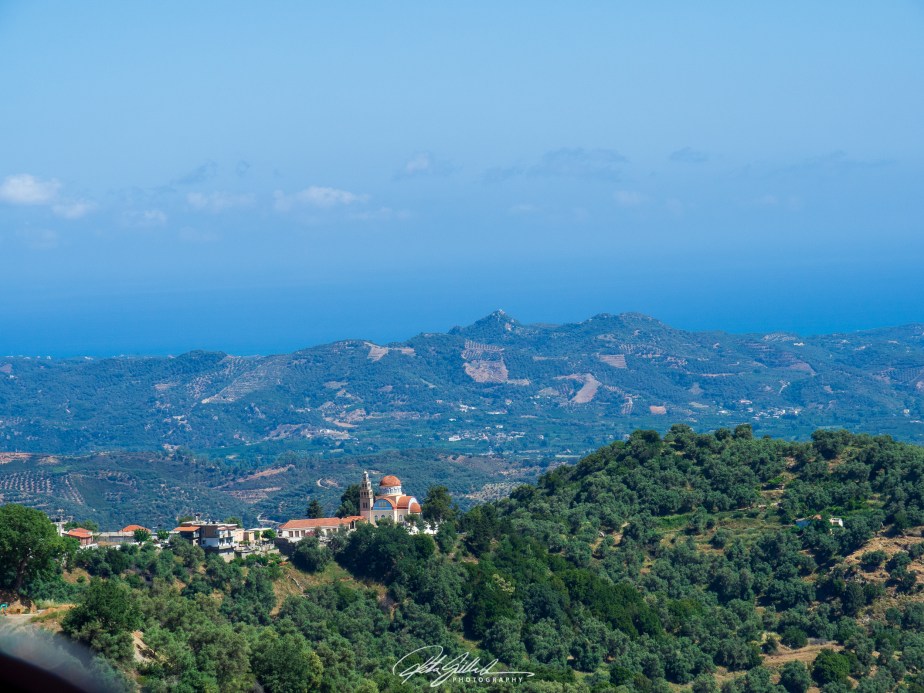
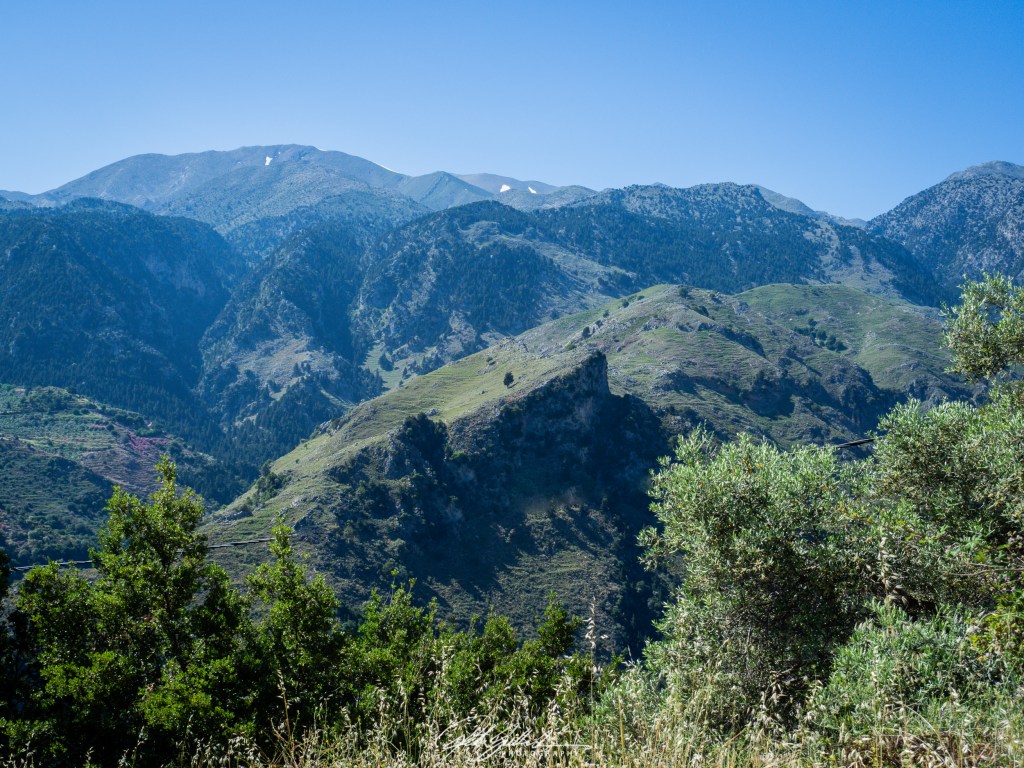
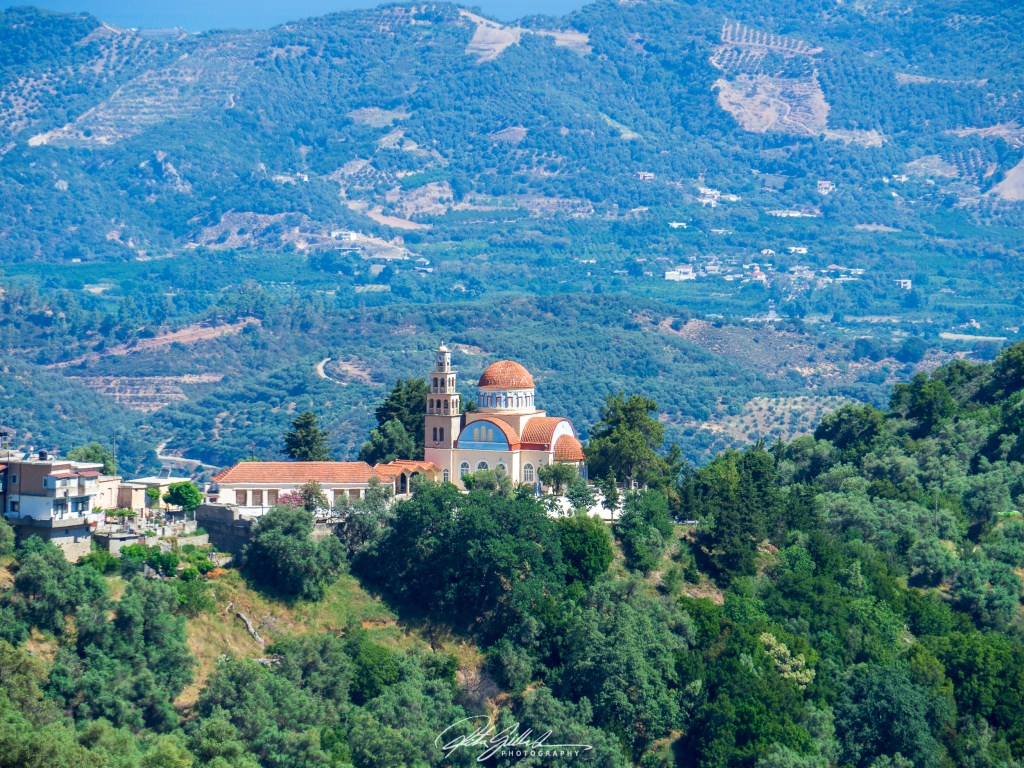
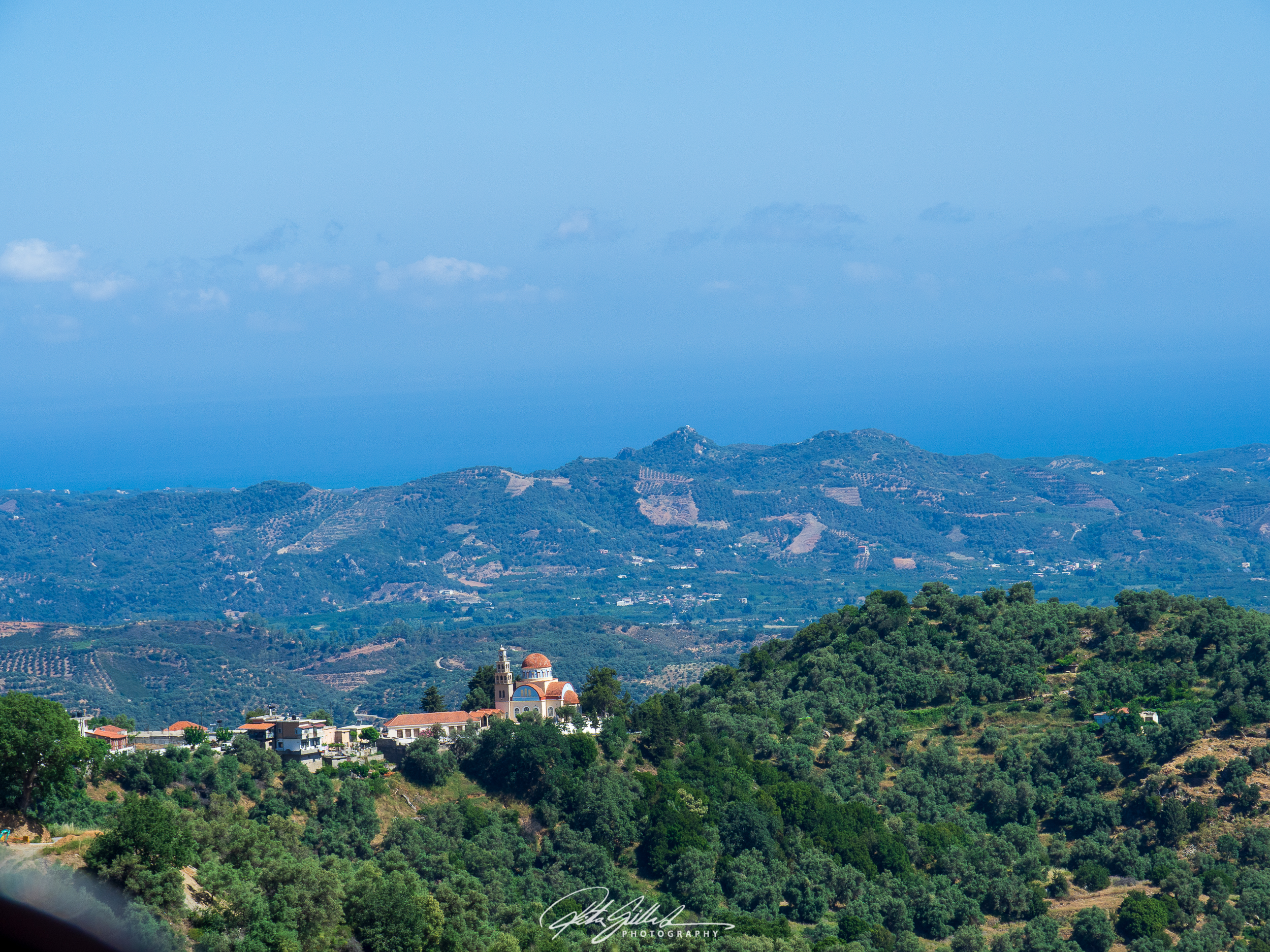
Mountain views from Mousoura.
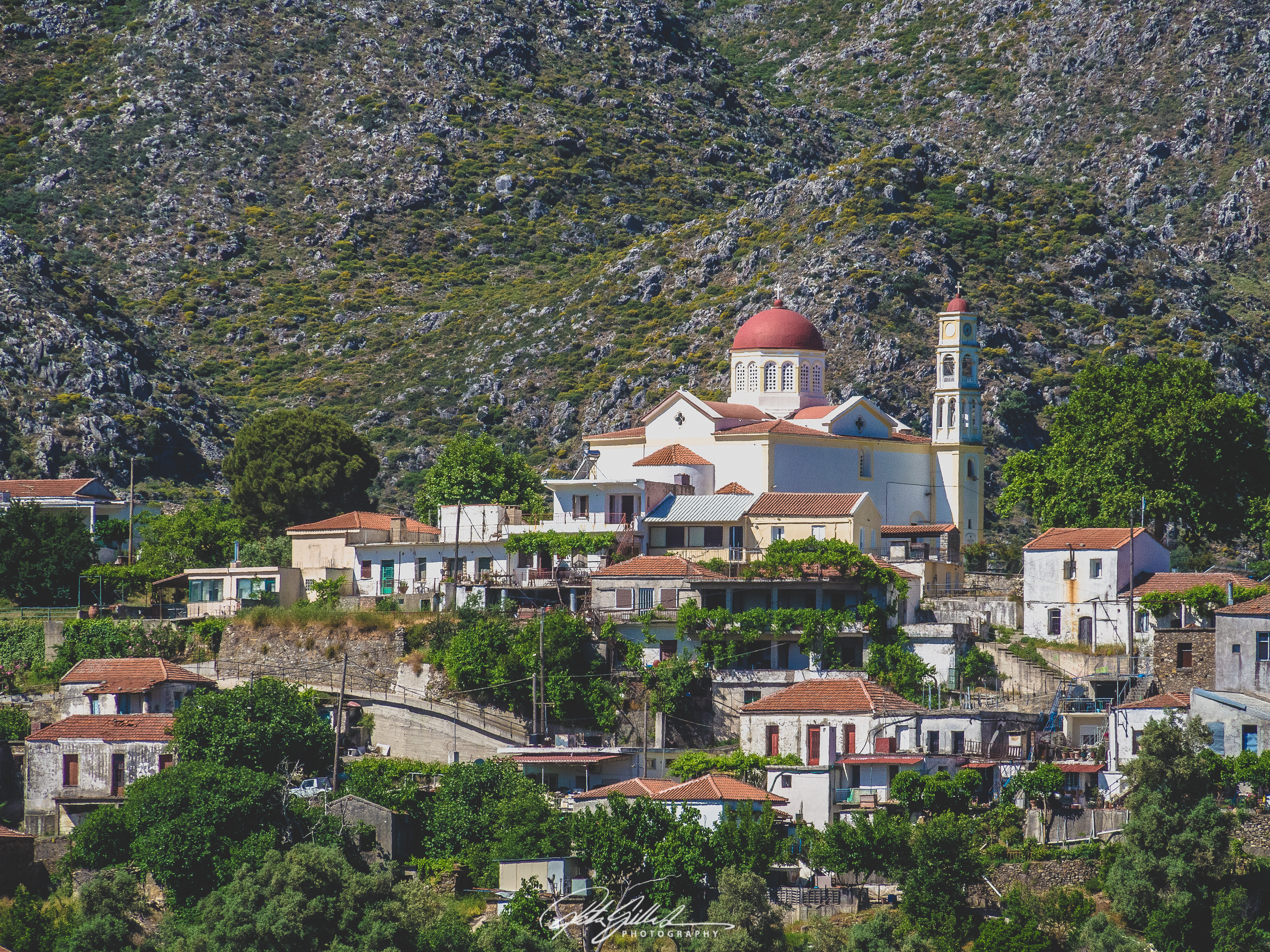
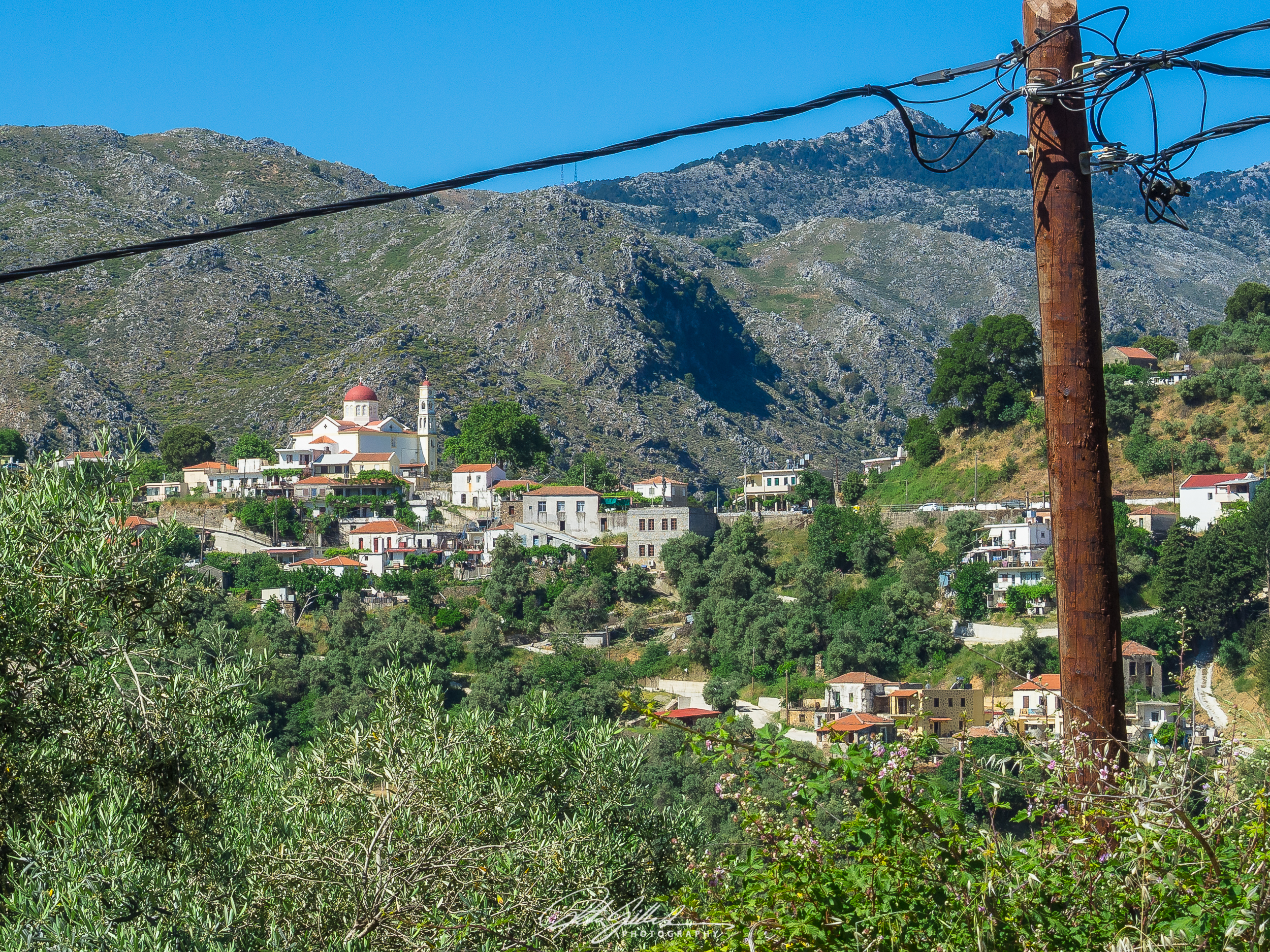
The first picture above is from Mousoura area, at least that is what came as the location in my mobile photos, I took shot with my camera and also with the mobile so I would have the locations to remember. The village in these photos, if I remember correctly, is mountain village Lakkoi surrounded by the beautiful mountains of that area
Greece, Crete, mountain village Lakkoi
This is going to be the one of many posts, so sorry 🙂 beforehand for the nearly same named posts.
Three’s company or a crowd… 🤷🏻♀️ – but in photography, we can use 3 “lines” to make a Triangular Composition – three lines in an image to create either an “actual” triangle shape, like a harsh shadow on the street, or hands raised above ones head, or a “perceived” triangle shape like posing a group of people in your frame, or cutting your frame in half with some diagonal shape (your subject’s limbs placed diagonally in your frame can make great perceived triangles in your frame’s composition). Other ways perceived triangles can be utilized in your composition could include the way a lamp casts light onto your subject, or a leading line taking you into the frame.
Mountain goat
This challenge is NOT a request to find a triangle toy, or a triangular OBJECT and take a photo of it. This is a compositional challenge, as its name implies: Triangular COMPOSITION. Just like for the Rule of Thirds challenge, for example, wasn’t a request to go out and find tic-tac-toe boards!
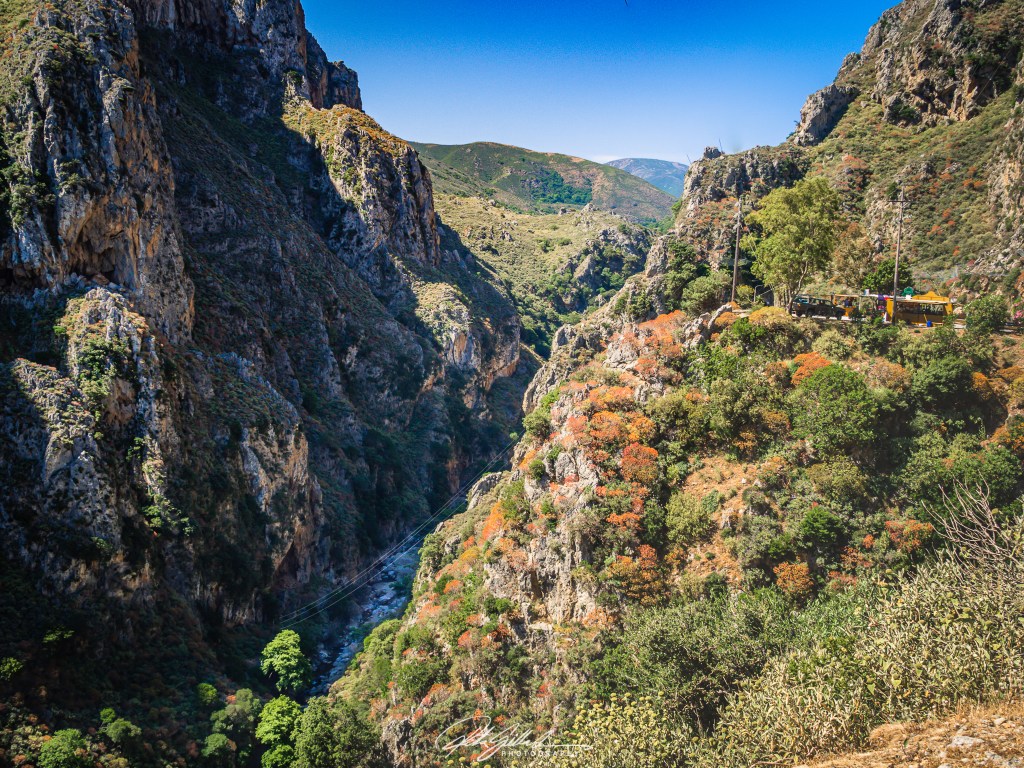
Gorge
Triangular composition is one of those “guidelines” in photography composition, that can enhance interest in your frame, if or when you can incorporate it. The purpose of this challenge is to first train yourself to SEE it. Once you understand where triangles take form in composition, you can then craft your own frame utilizing one of these techniques.
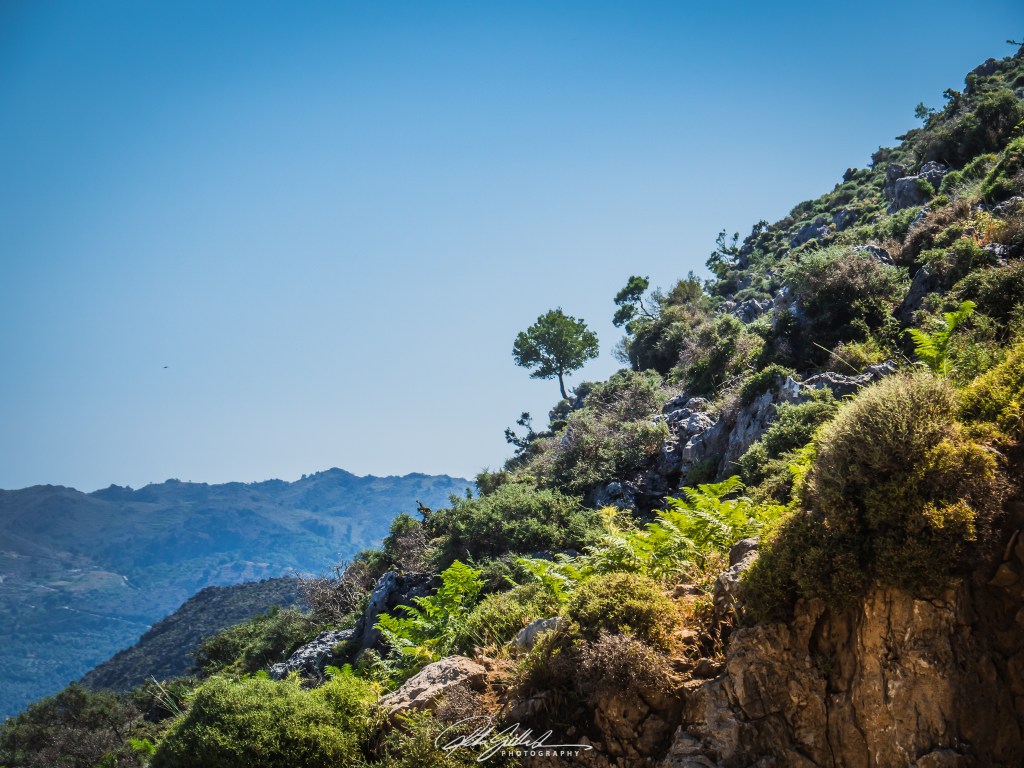
Tree on the hillside in Crete
you can achieve triangular composition in many ways: by placing your subject’s hand on their ear, by catching the harsh mid-day shadow on a street, by capturing a long, straight road, that disappears in the distance.
Triangular Composition
This challenge is not (necessarily) referring to the “golden triangle”, the focus is more on these scenarios where you can identify regular ol’ triangles in your composition.
Be creative : let’s not be obtuse in looking for the right 📐angle. We’re all equilaterally🔺capable of acutely 🚩 good photos.
“Abstract art is uniquely modern. It is a fundamentally romantic response to modern life – rebellious, individualistic, unconventional, sensitive, irritable.” – Robert Motherwell
“You can`t look at abstract art without thinking.” – Patricia Cole
“The longer you look at an object, the more abstract it becomes, and, ironically, the more real.” – Lucian Freud
I am back from my short vacation in Crete. I have some issues with ma back-up storage. So I have not been able save or even go through all my photos. I was rather good, I only pressed the shutter 701 times during the trip on my camera and some on my mobile 🙂
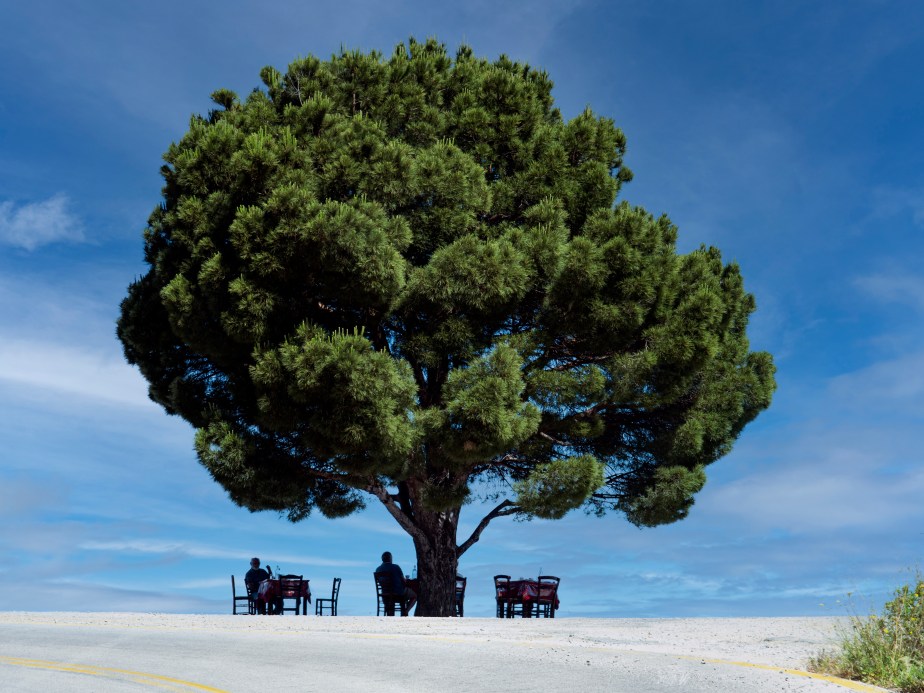
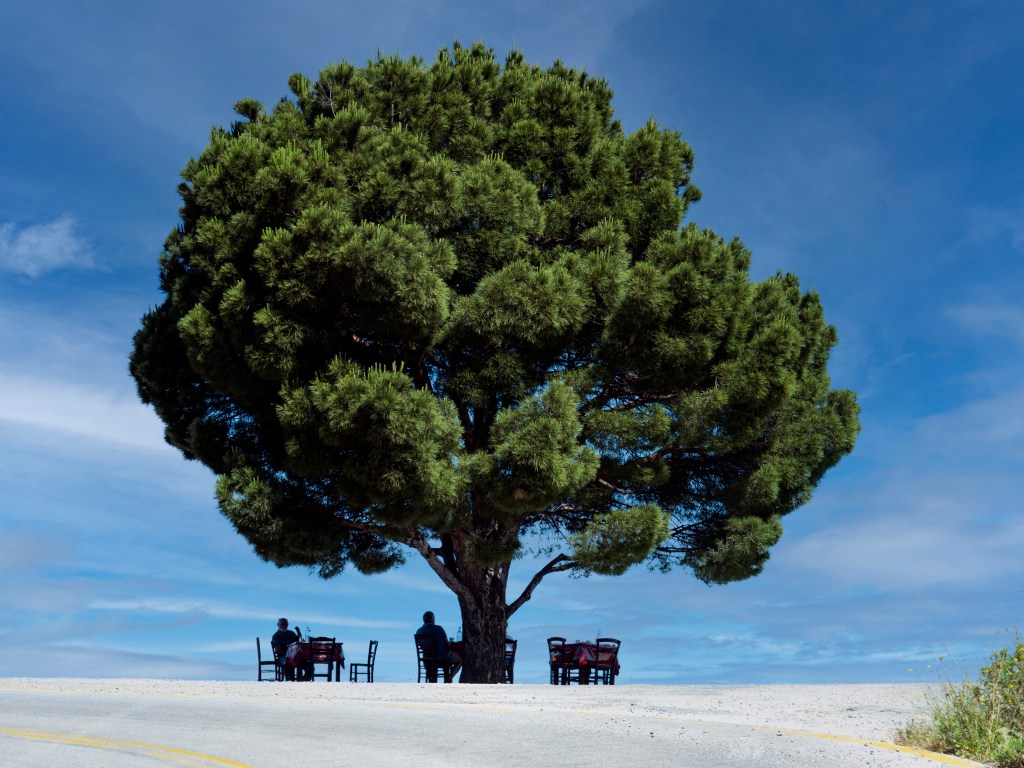
The week went by fast, we rented a car for three days so we got to see more than the beaches and tourist areas. I am going to post here one shot that I really like. It was on top of a hill in corner of the road leading up to the mountains.
Coffee break under the tree
This is going to be the first of many posts, so sorry 🙂 beforehand for the nearly same named posts.
“Abstract pictures are fictive models, because they make visible a reality that we can neither see nor describe, but whose existence we can postulate.” – Gerhard Richter
“Even abstract shapes must have a likeness.” – Willem de Kooning
We’ve all seen wonderful images where a particular subject is in focus and the rest of the image is soft, so our eyes are drawn to the main element. This week, we want to see Everything In Focus. This is where your choices of subject, composition, lens selection and depth of field all come together to give us sharp images front to back.
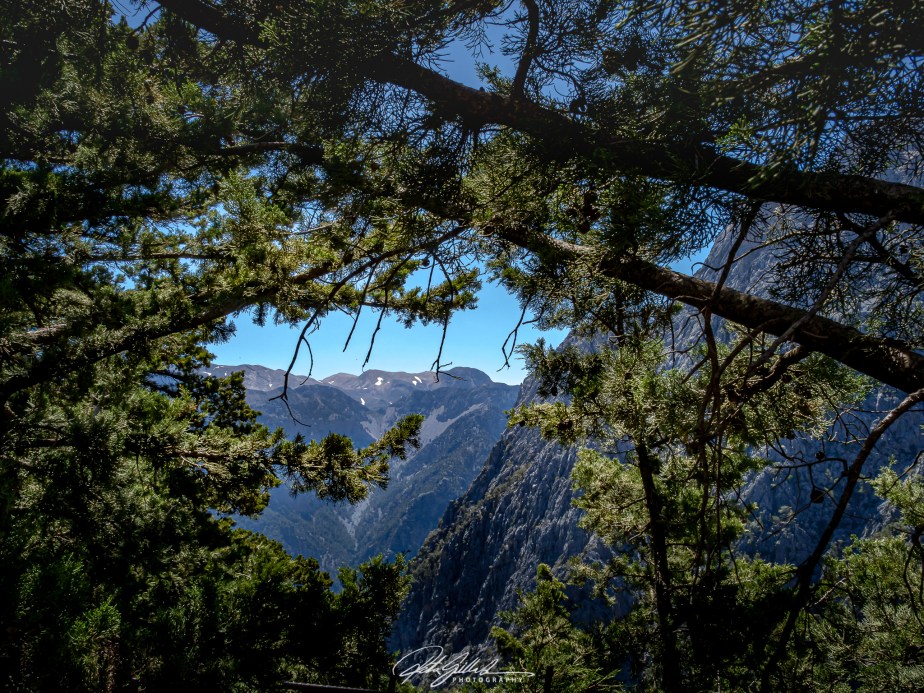
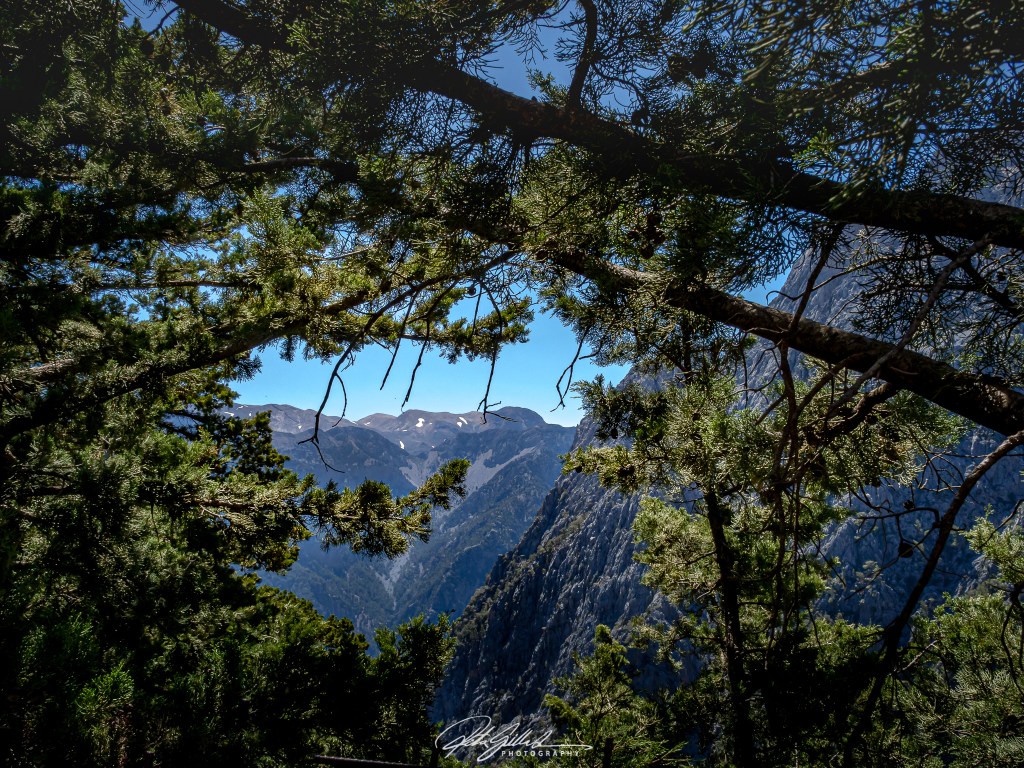
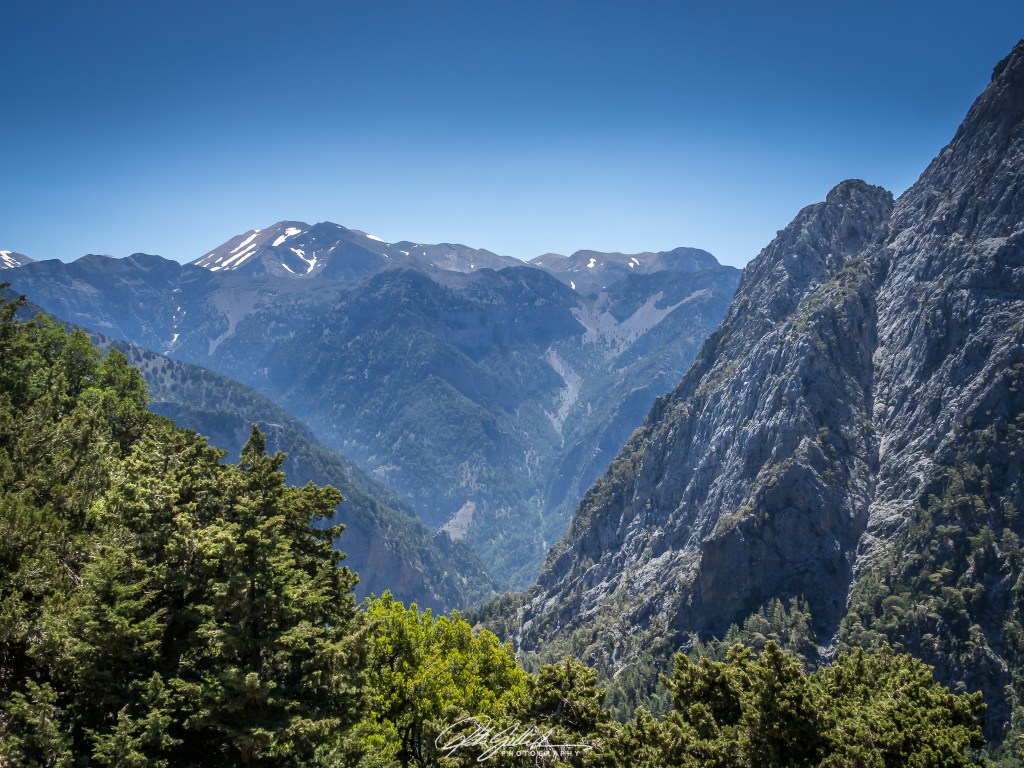
Took this in Crete, it is from the entry to the Samariá Gorge. The gorge is situated in the National park of Samaria, in the White Mountains in West Crete. This majestuous gorge is considered one of the great attractions of Crete. It was created by a small river running between the White Mountains (Lefká Óri) and Mt. Volakias. I took some with f/22, but as I did not have a tripod, the are a bit shaky. I think this is a sweet spot for these shot f/14
Samariá Gorge
Stability: Use a tripod or some sort of support to eliminate any chance of camera shake.
Shutter Speed: A high enough shutter speed to freeze any motion in your shot will get rid of blurs caused by movement.
Depth Of Field: Focusing to infinity at the highest aperture (f/22) isn’t always the best choice. Picks an aperture that’s at the sweet spot of your lens – usually a few stops below the max.
Focus Point: Try focusing at different points – one third of the way in or half the way in and see which gives better results.
Focus Mode: Single will usually be a better choice than continuous. Also, consider using manual focus to get sharp images.
Live View: Use live view and zoom in to your focus point to see if it’s sharp enough and lock in your focus.
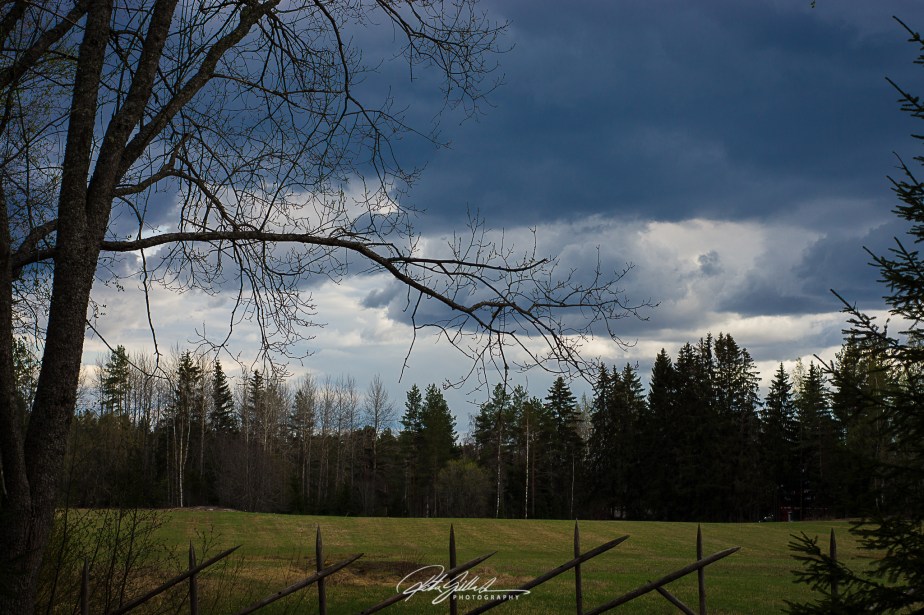
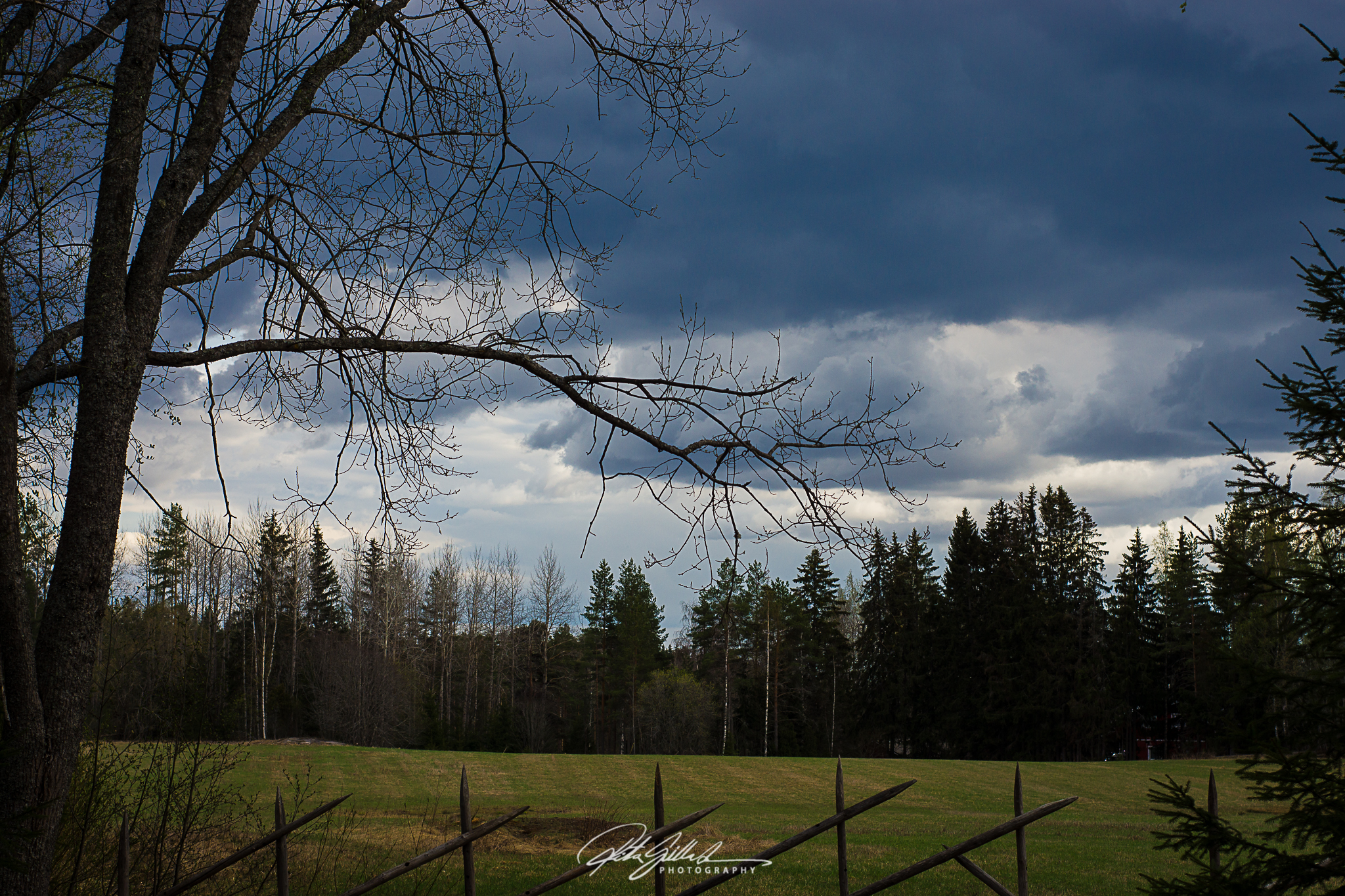
It was windy, the sky was gray with the sun coming out only for a moment every now and then. I loved the contrast between the green leaves and branches against the dark sky.
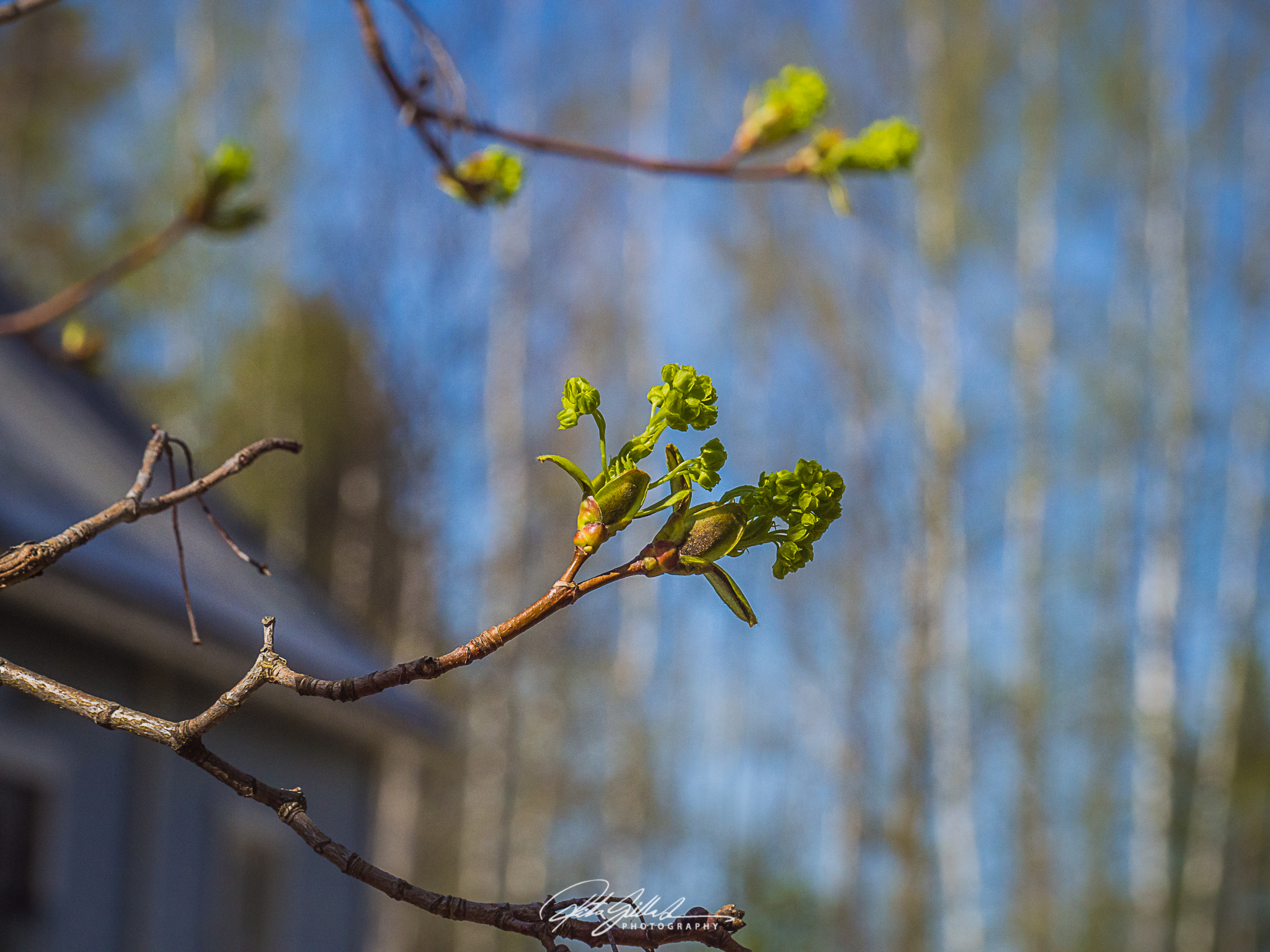
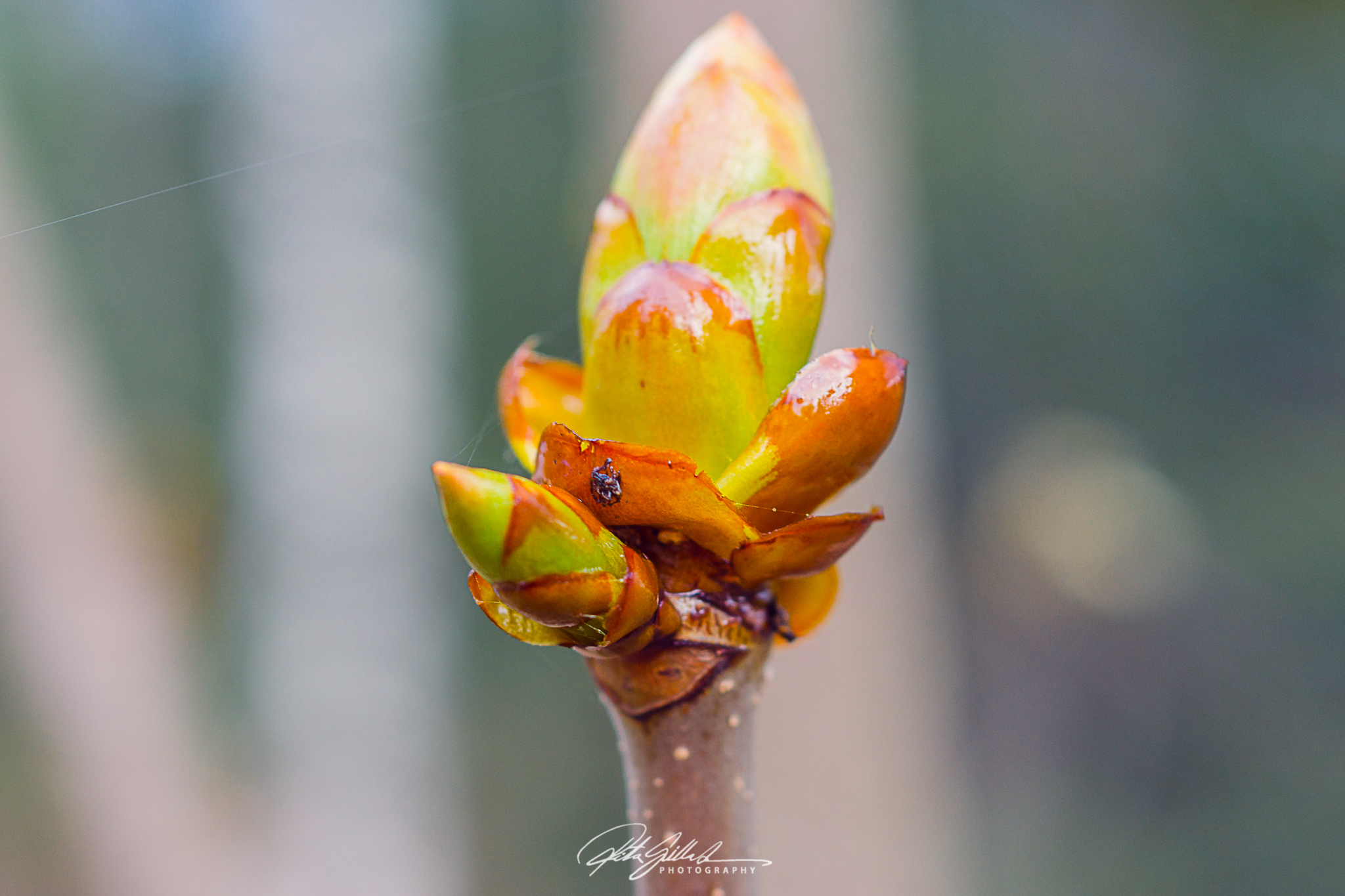
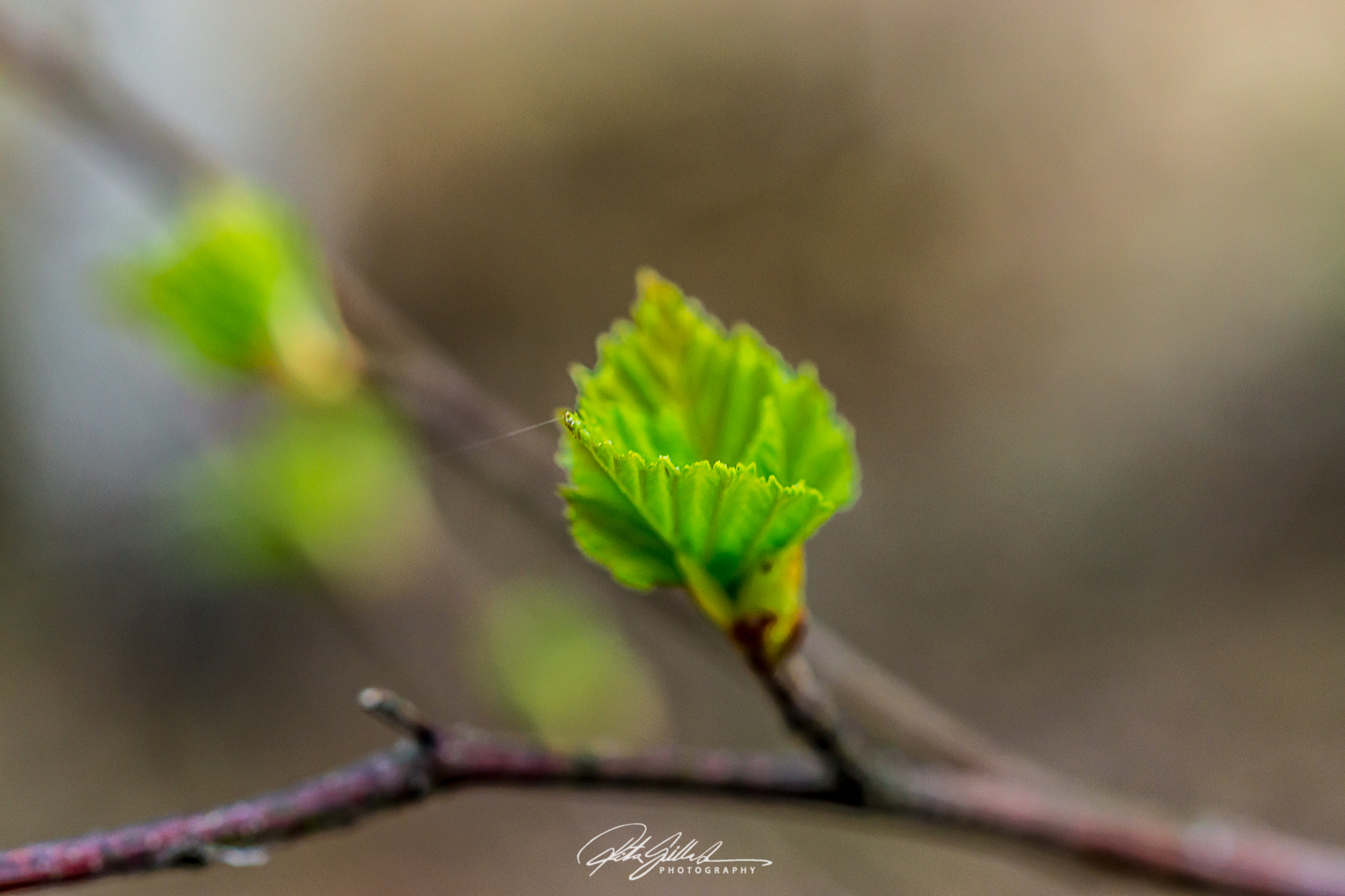
As I pointed out in my previous post, it is time to pick up my camera and take it out. I did. Here are some of the captures from the first outing, still need to get in the the groove. I will try to find new ways to capture same wonders that I have photographed every spring, because the same things delight me every time.
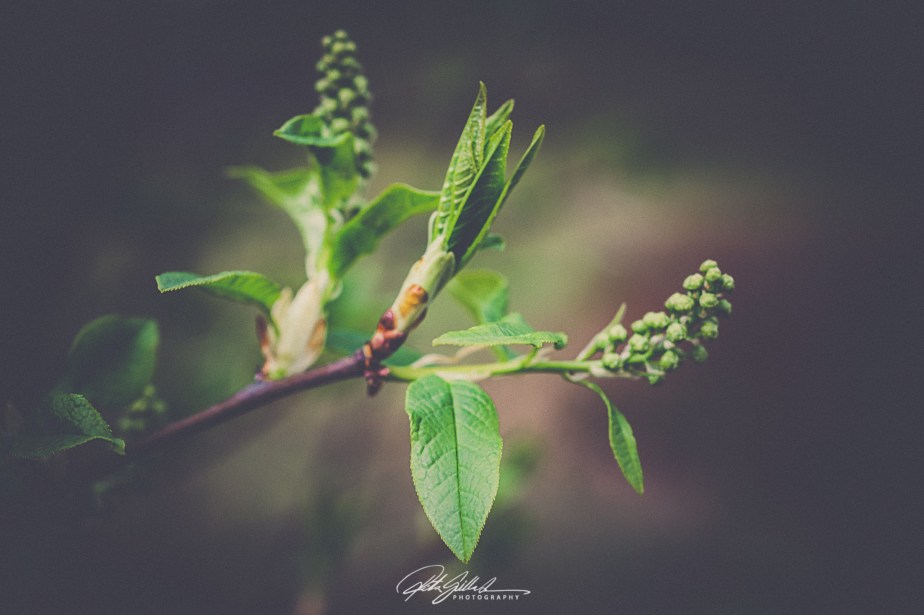
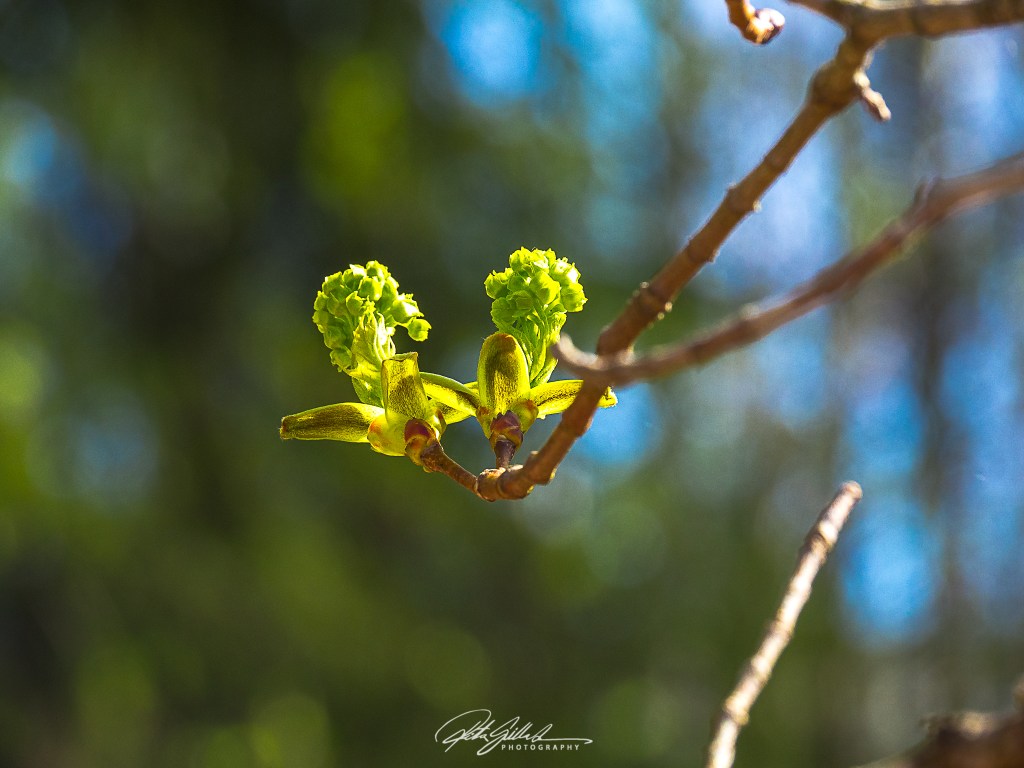
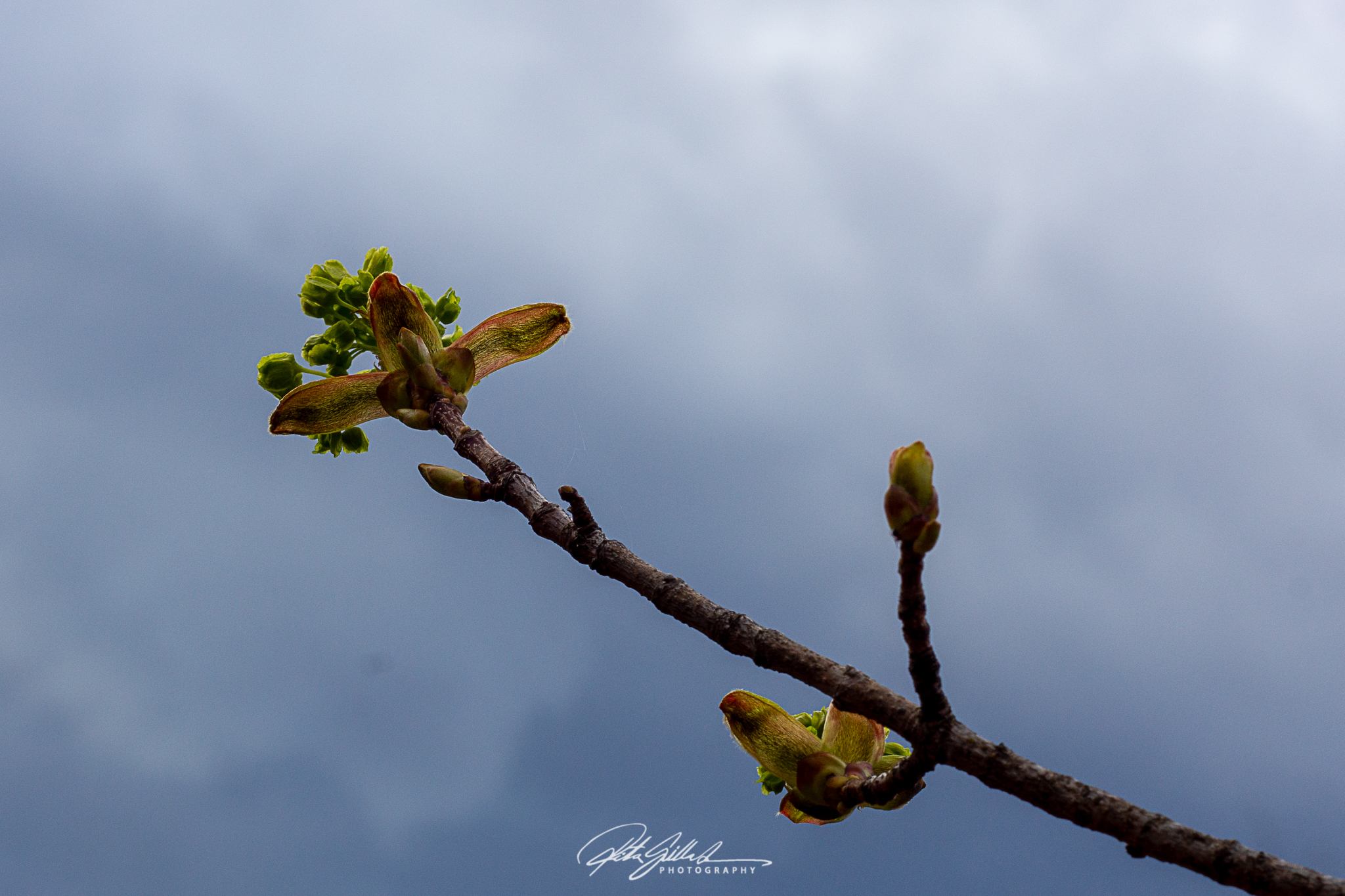
Maple tree bud
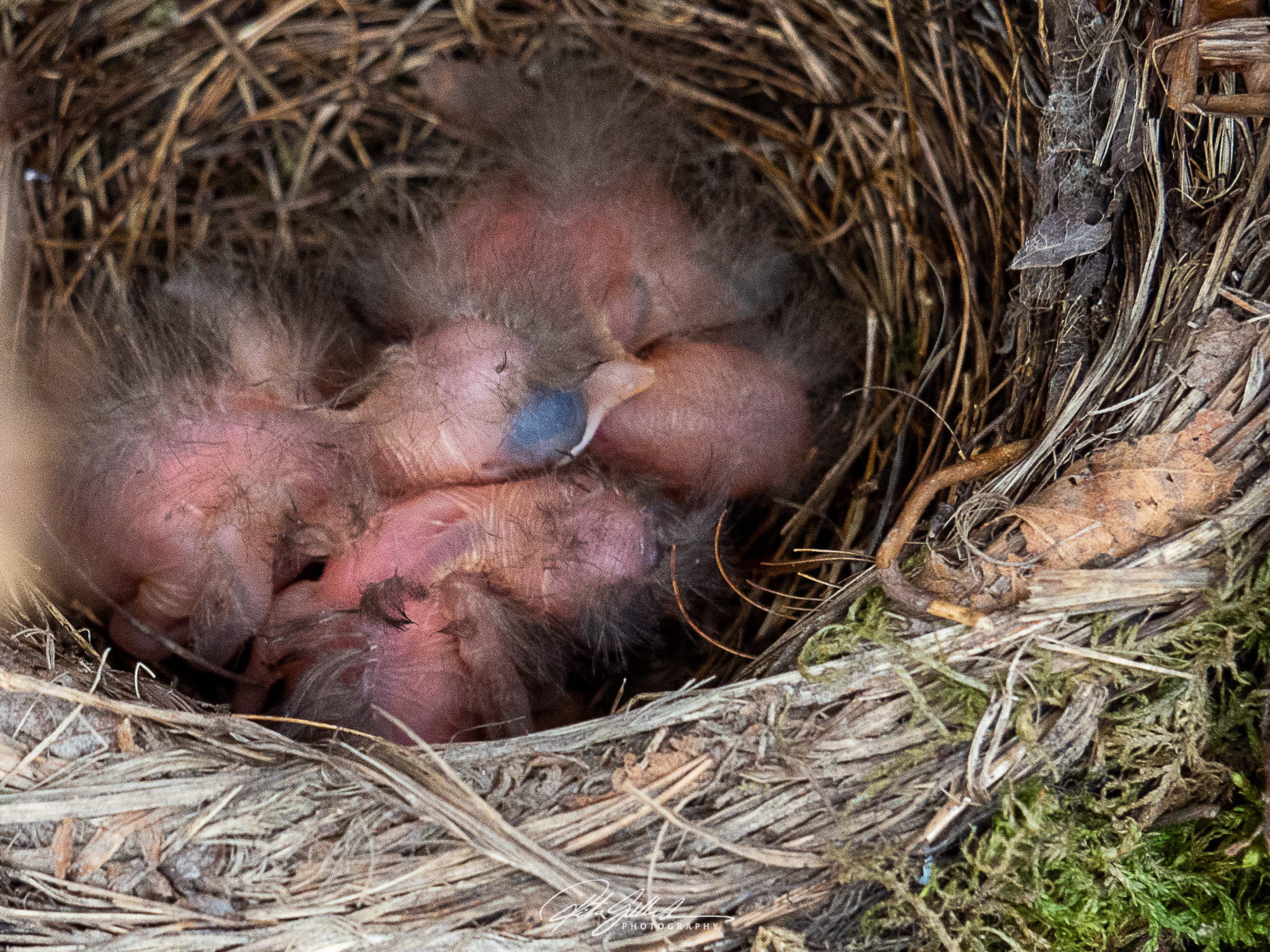
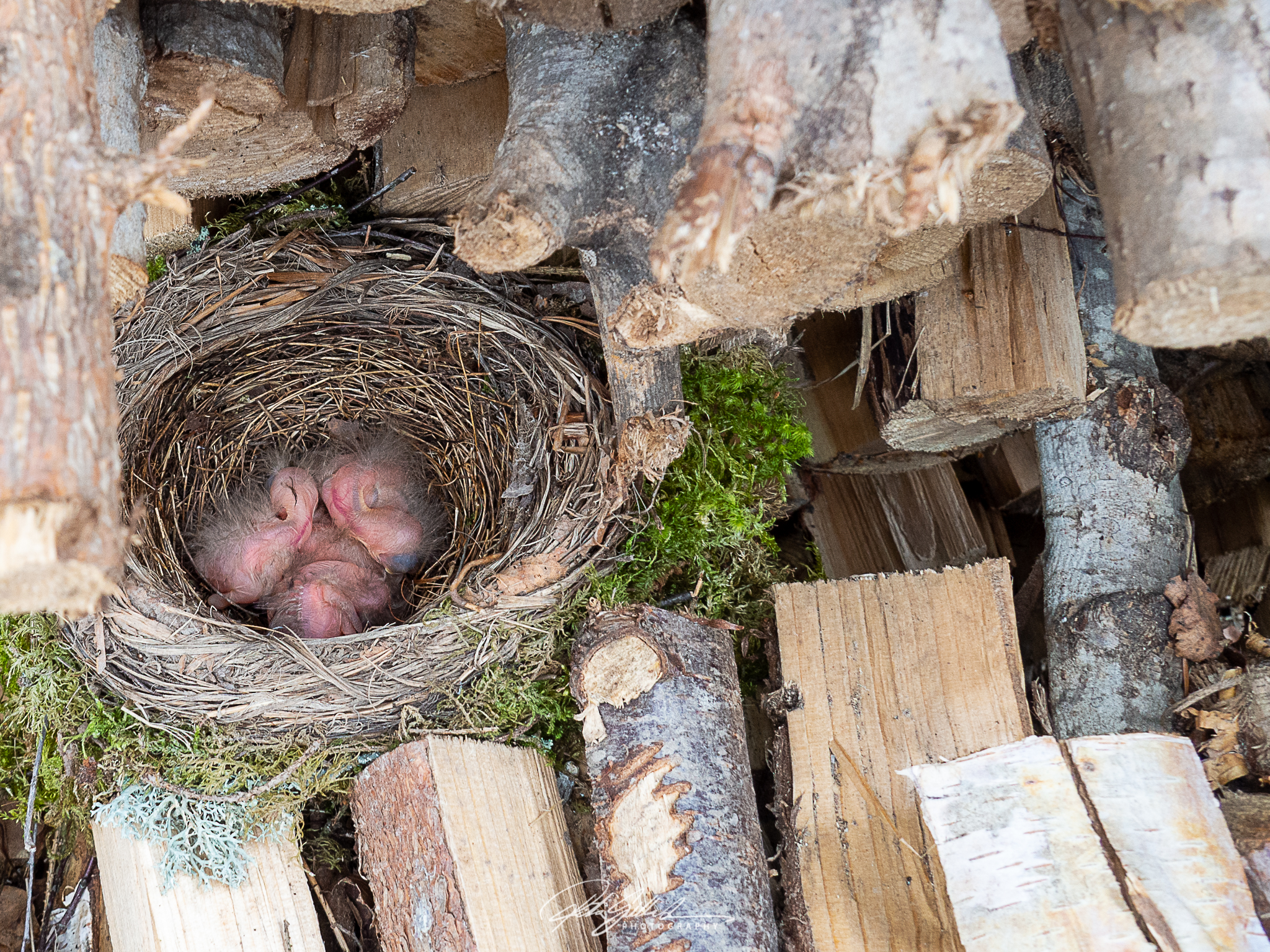
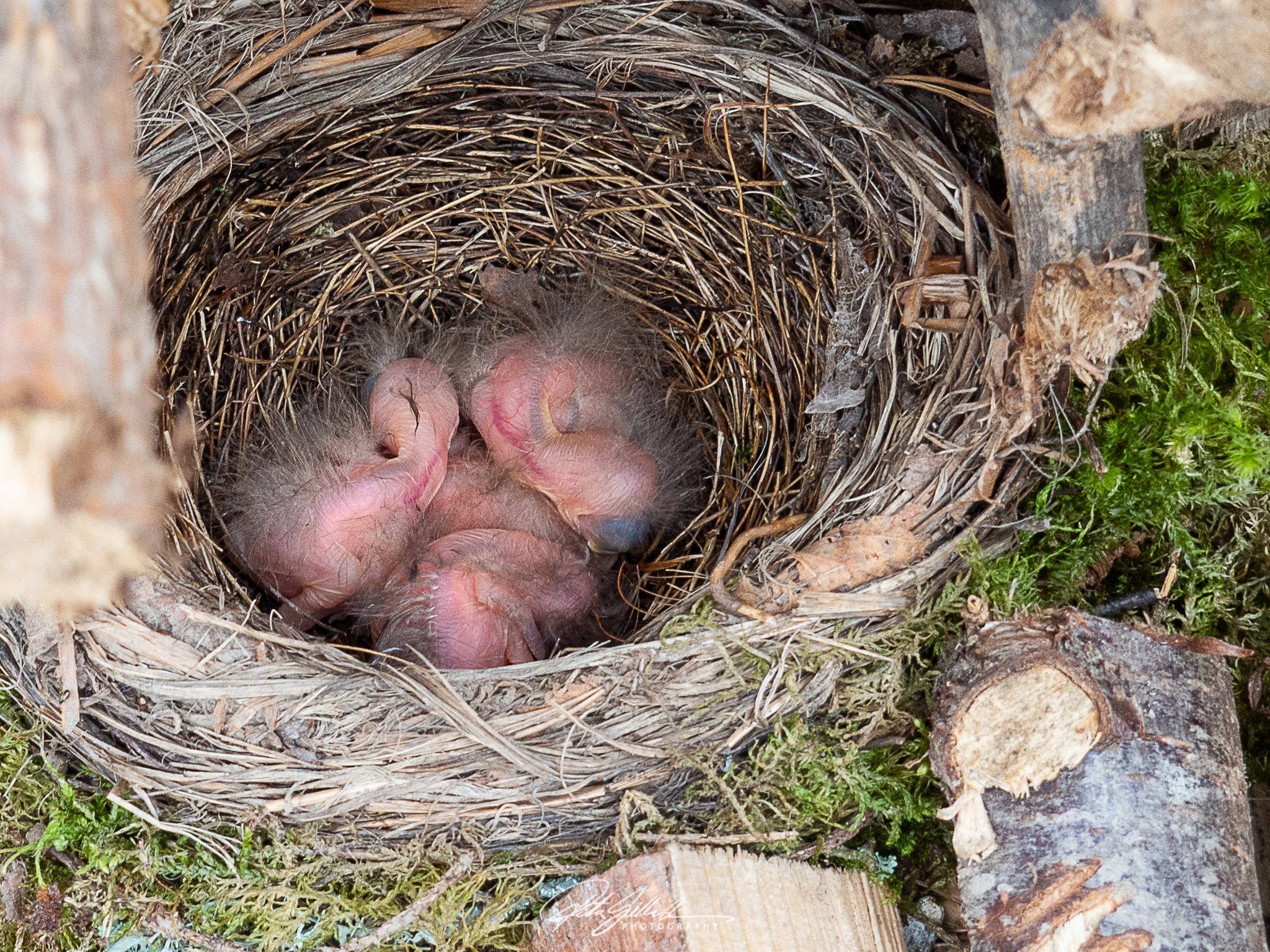
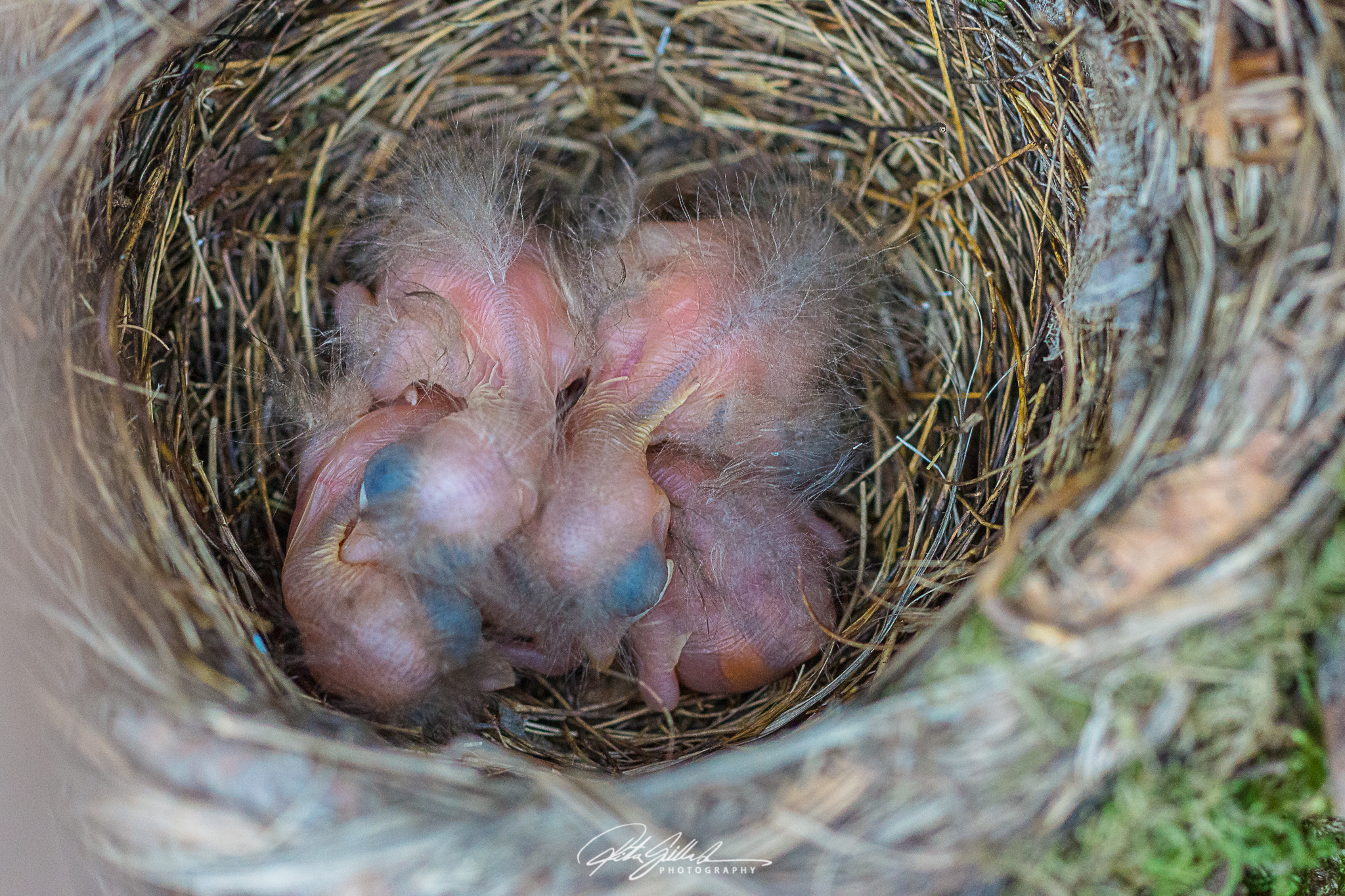
We found the nest of common blackbird in our woodpile. I did take few photos, but we left it all alone. Hope the squirrels dot get to it before the hatch.
Life once again has changed, I have once again time to pursue my hobbies. My fixed term ended after a yea, so I find myself unemployed, and at my age getting new position is not a given. Well now I hopefully will be able to comment and participate more in the wonderful world of blogging 🙂 as I have been rather absent on that regard lately. I do look though and read post but have been rather silent. It might change.
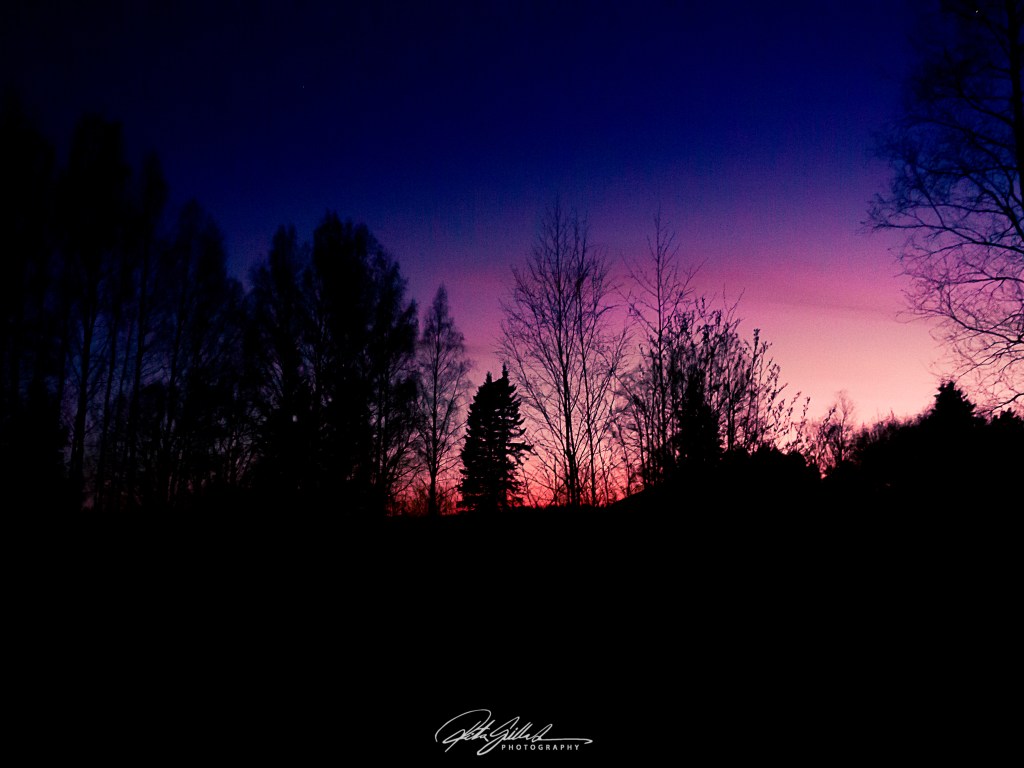
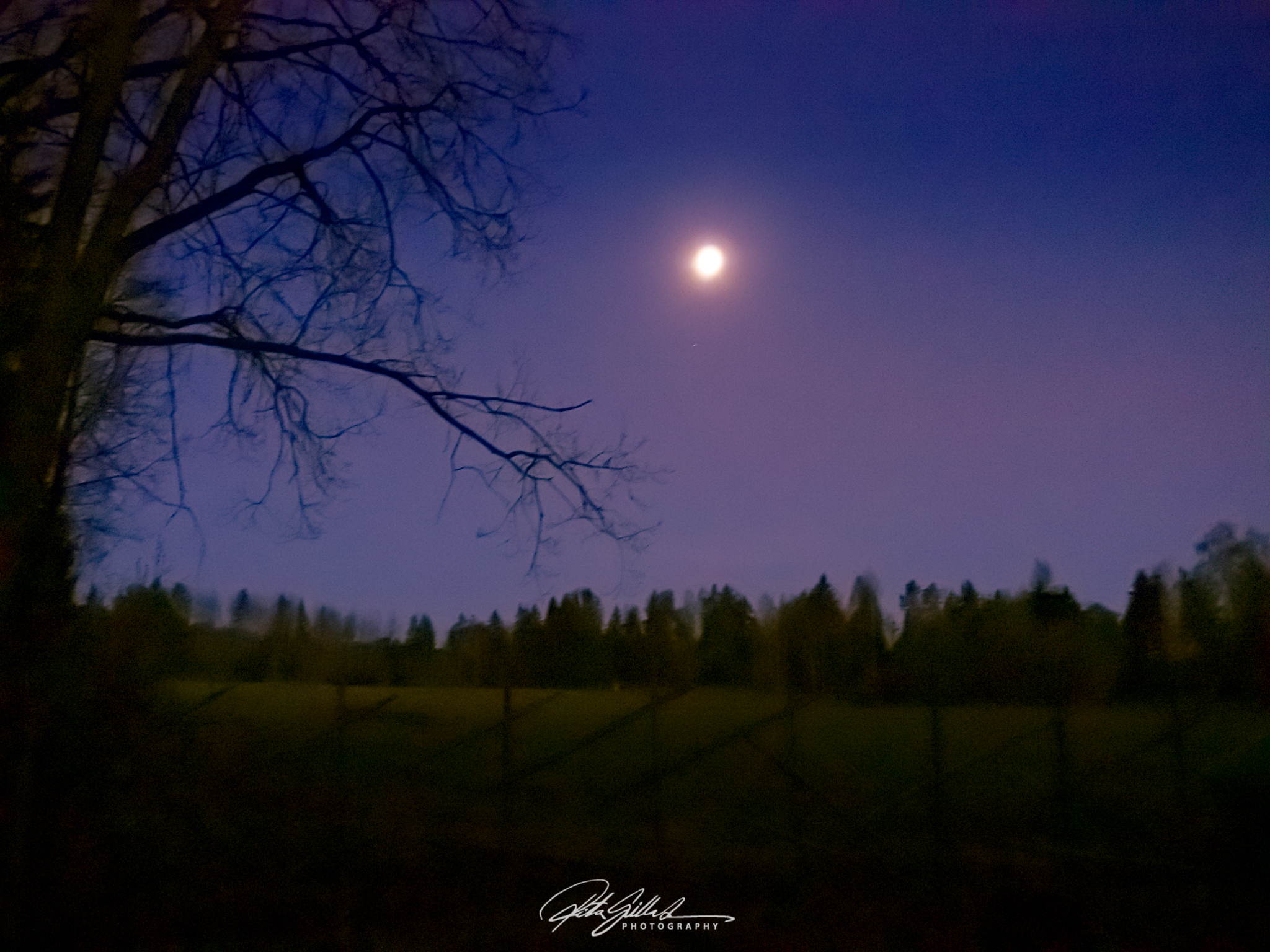
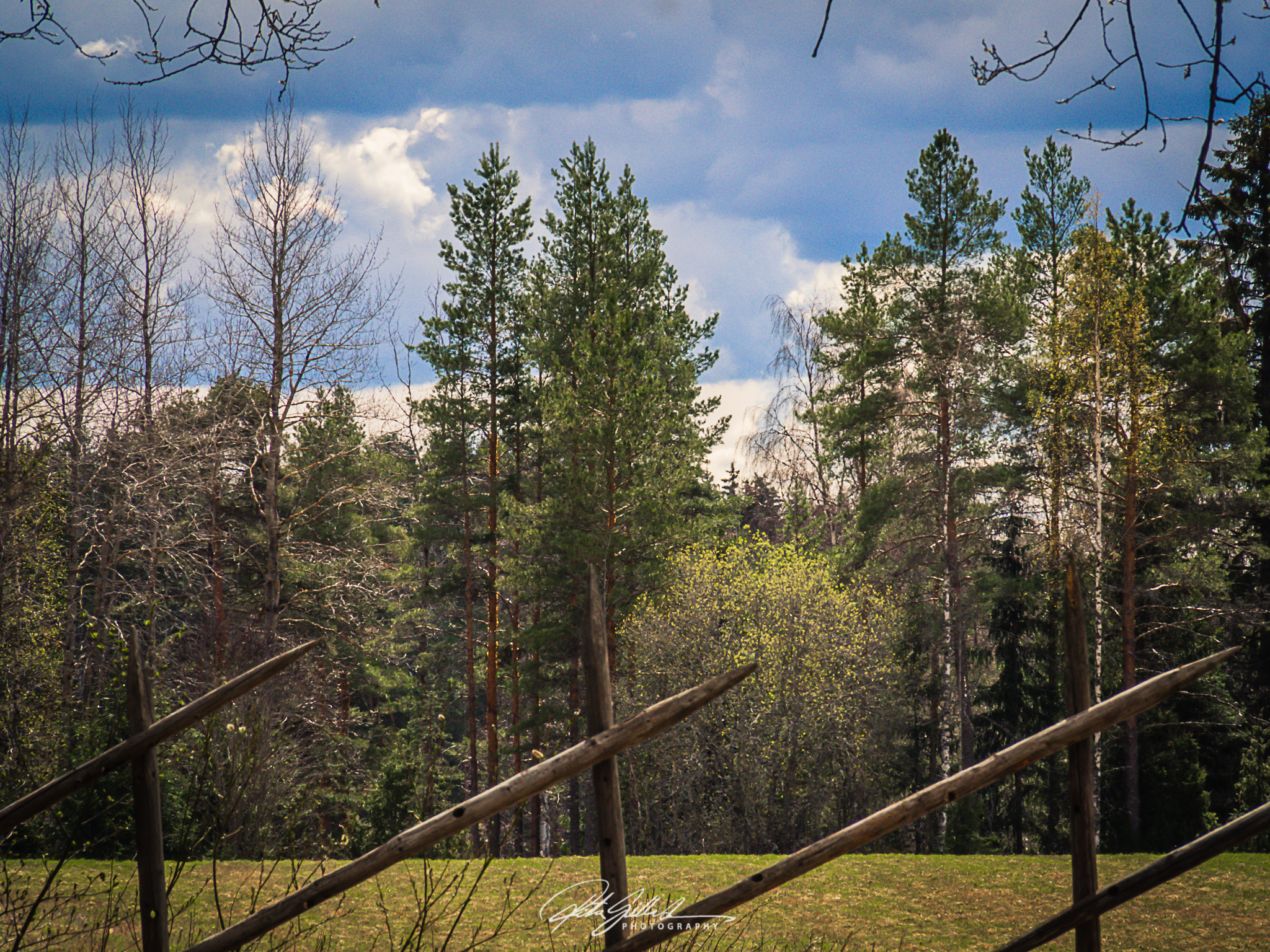
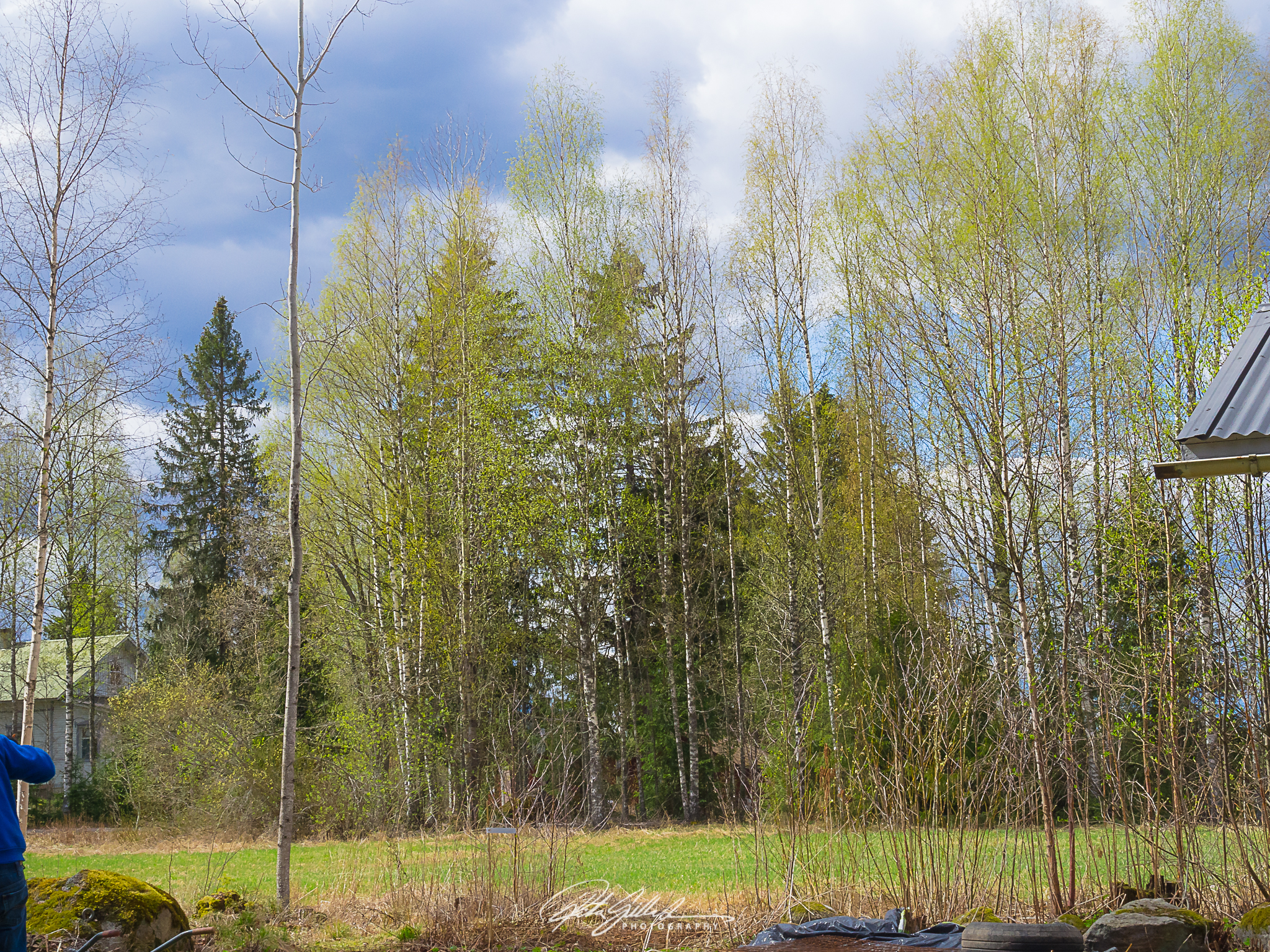
We started our summer house / cottage season later than ever, middle of May. Usually we are there already in April, but this spring has been so cold and we had so much snow that there was no point going there. But last weekend we did go and you could see the green take over the bleakness in your eyes. I am loving it. The light is wonderful. I took these setting sun shot at 23.30 at night. The moon on the other side of the house and the setting sun on the side.
Saturday was nice, warm and sunny, but the clouds and cold wind greeted us on Sunday, but it was time to head home anyways.
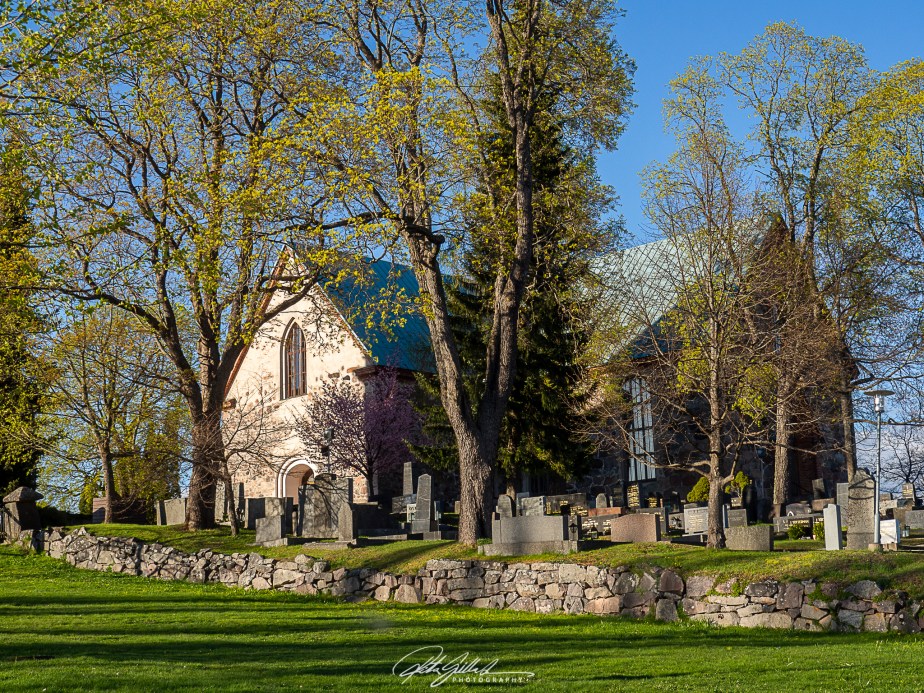
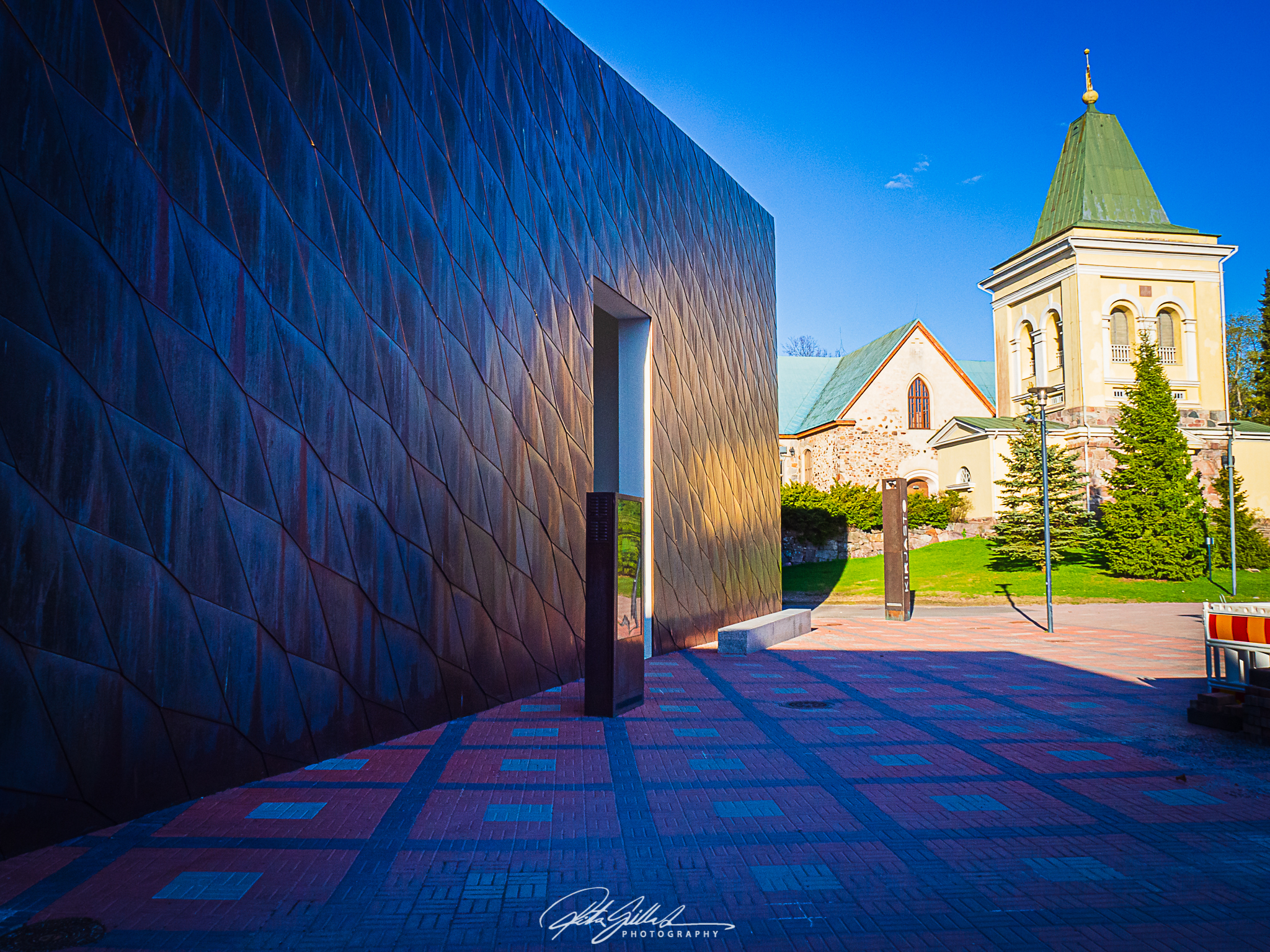
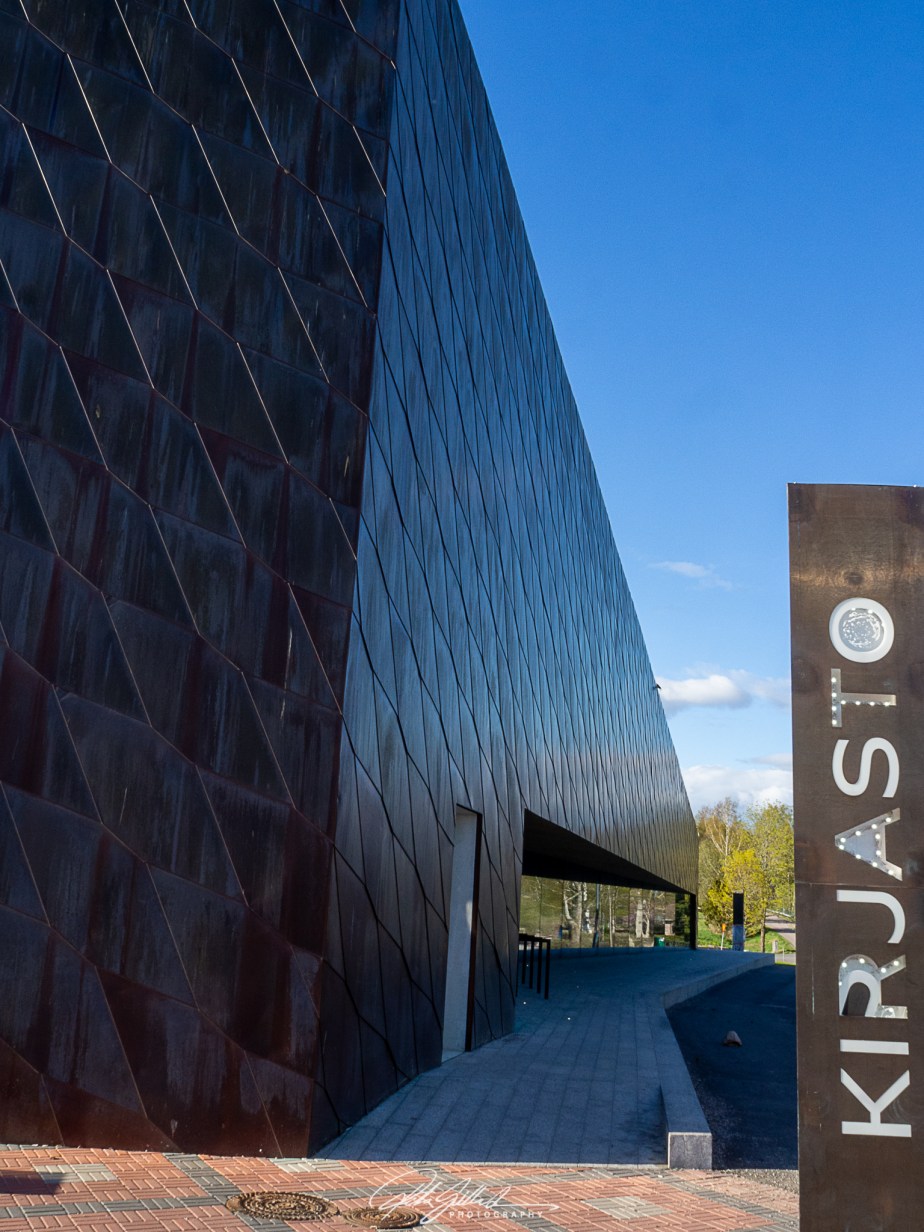
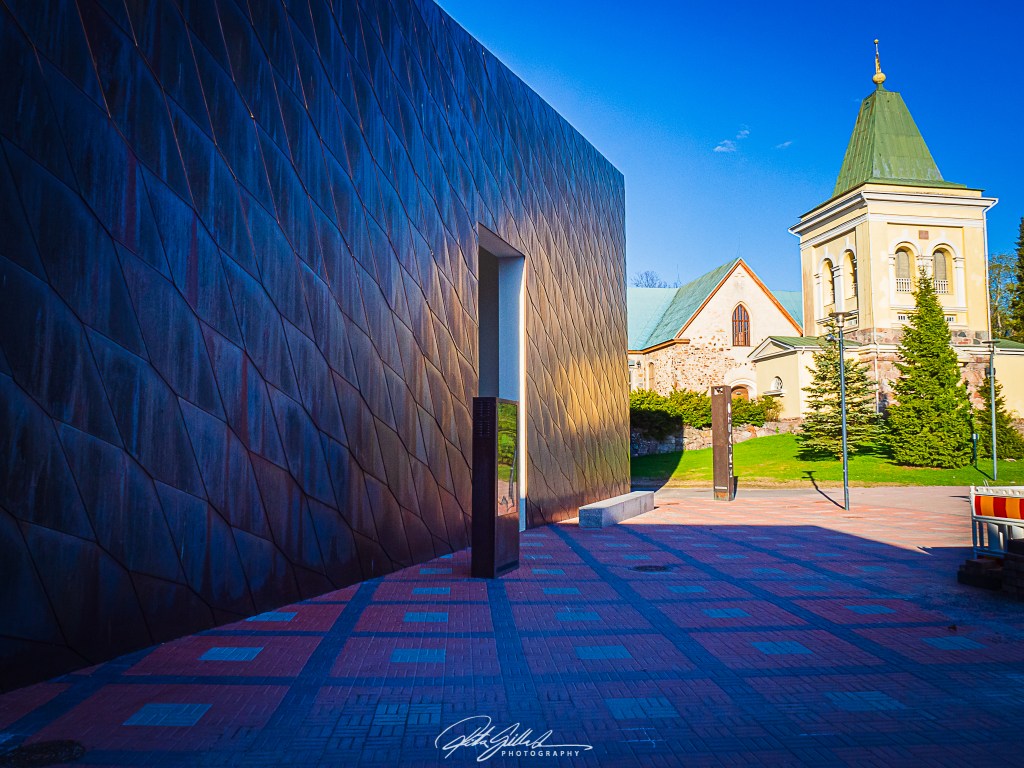
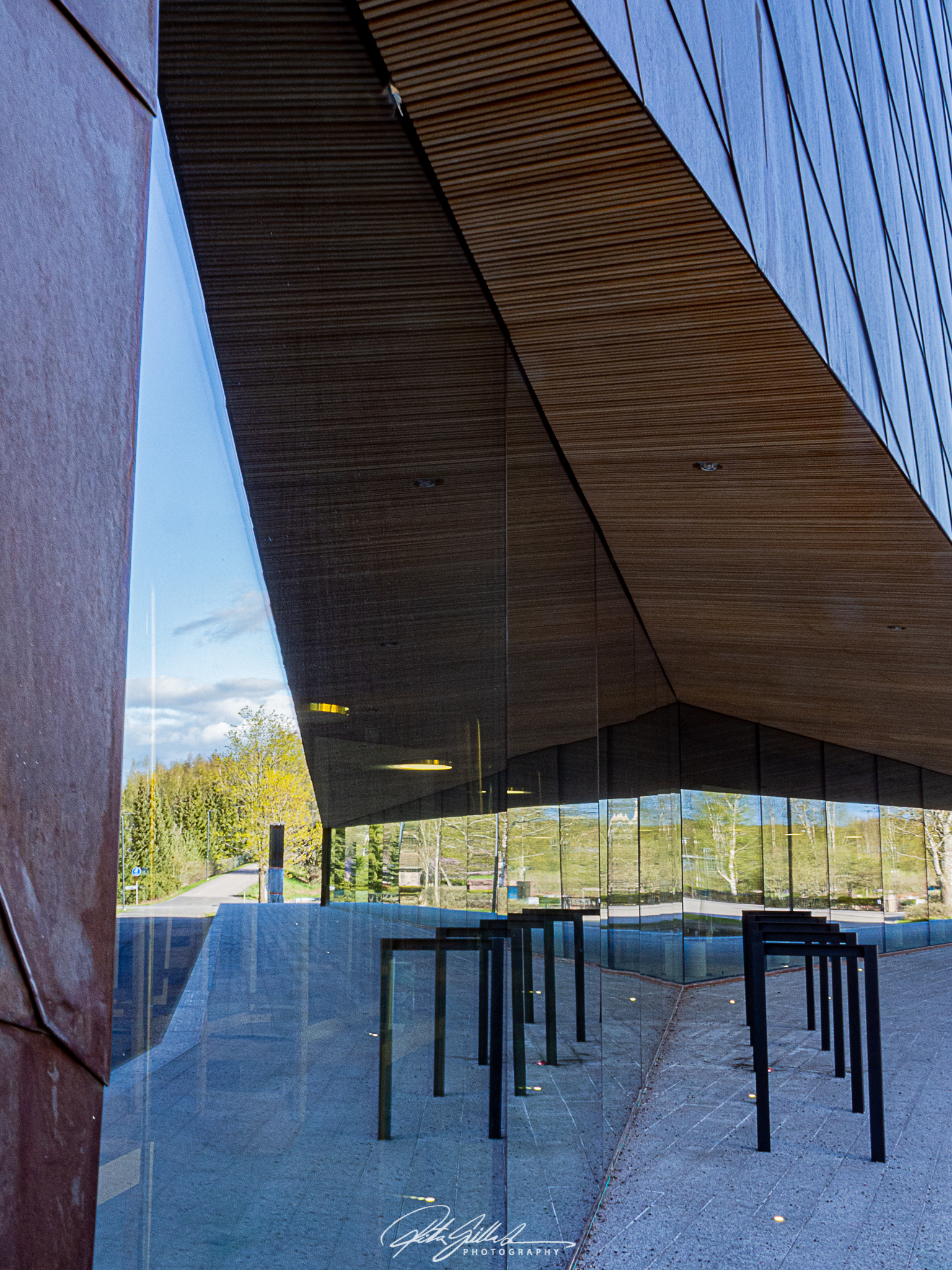
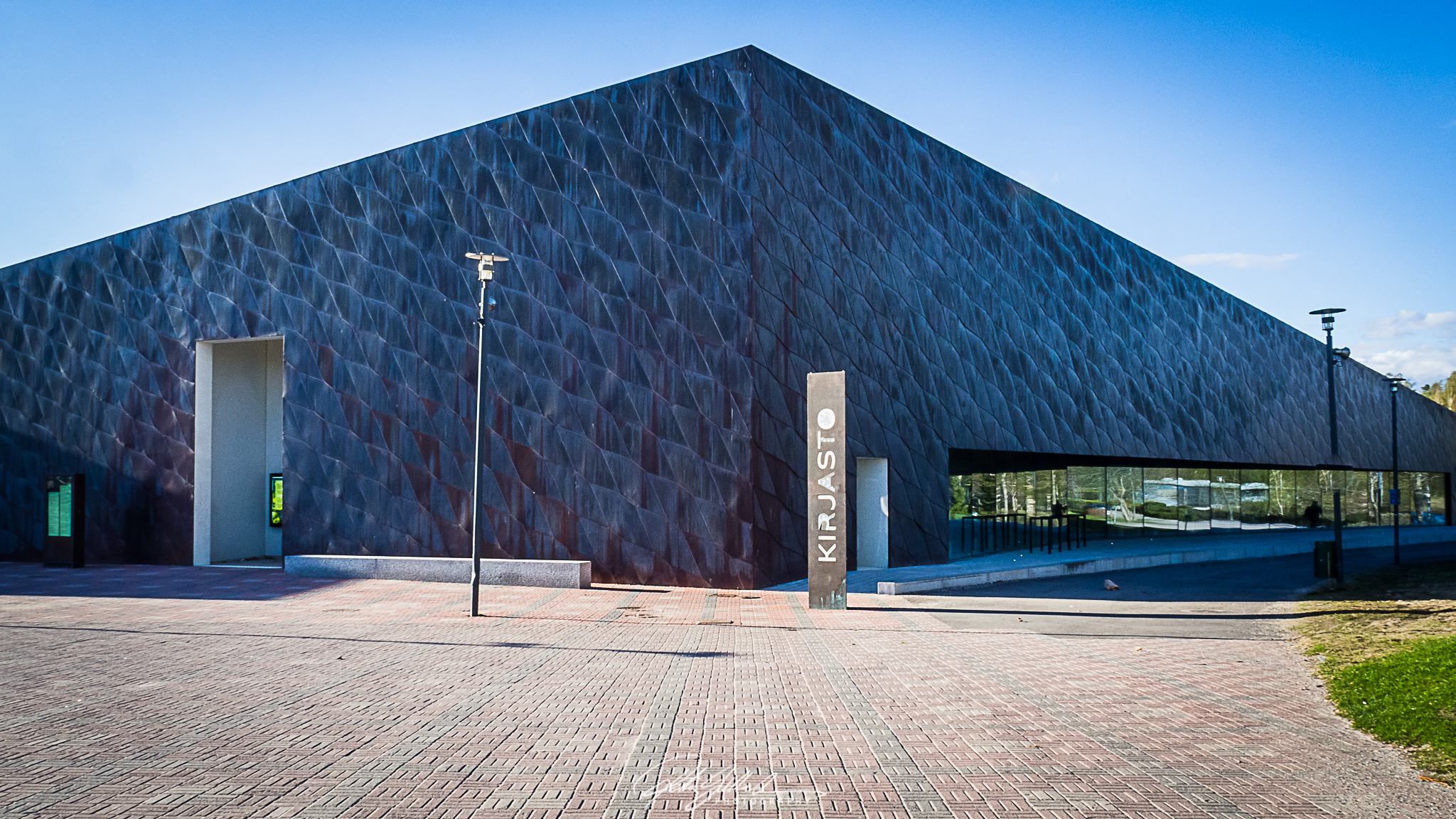
Yesterday while in last minute I was looking for a architecture find to post for 52 frames I also very quickly took photos of the church, I was planning to post shot of the library alone but ended up using a shot of both. I only had 20 minutes to take photos so I did not have awful lot of time to think about angels. Well I did capture the early spring green on the trees and as the leaves are still so small you can actually see the church too.
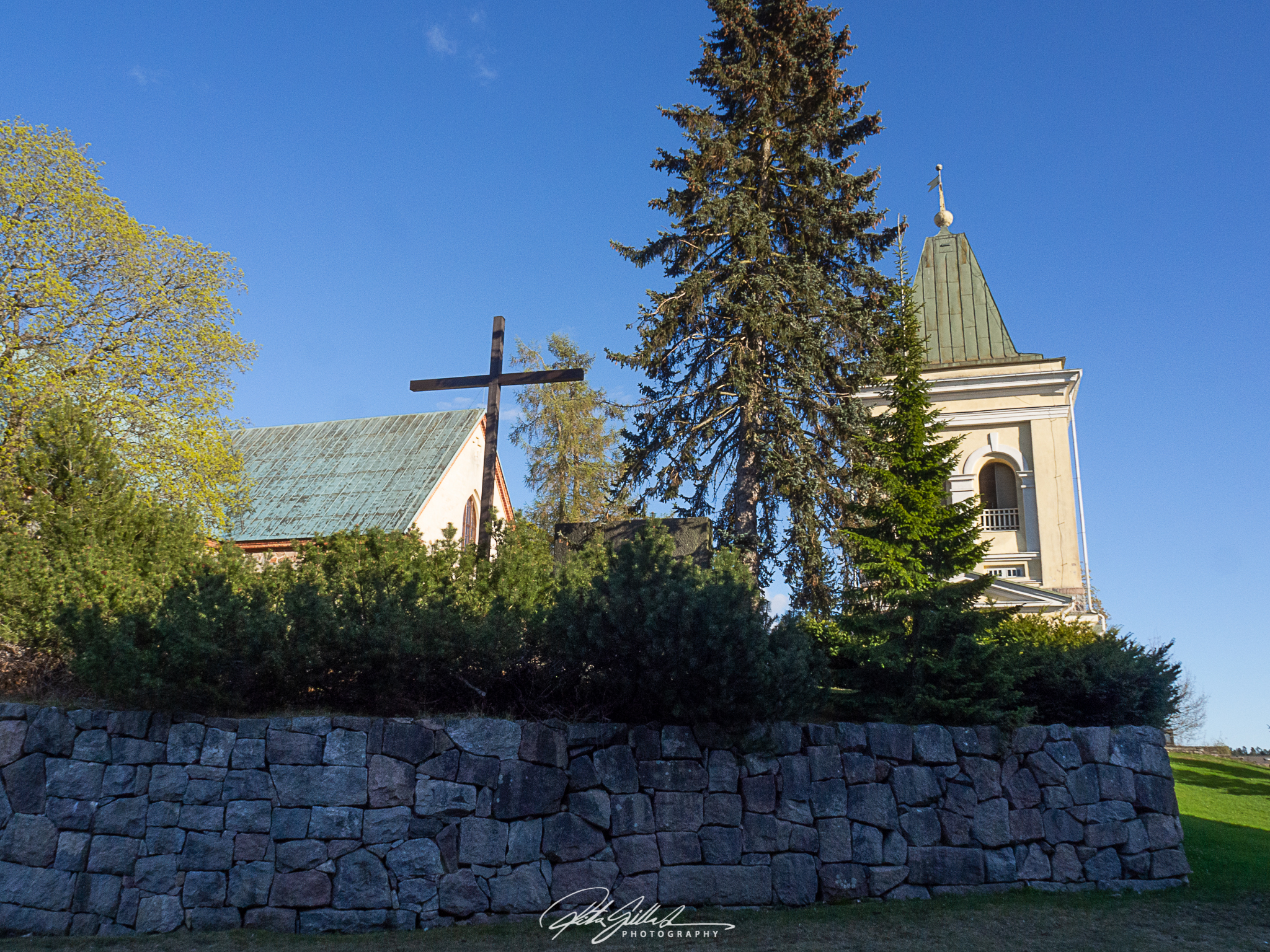
Kirkkonummi’s medieval stone church is located in the center of Kirkkonummi. The exact time when the church was built is not known, but the work apparently began in the 15th century. A wooden church must have previously stood on the site. Kirkkonummi’s church is named after St. Michael’s Church, after the archangel Michael.
St. Michael’s Church, after the archangel Michael.
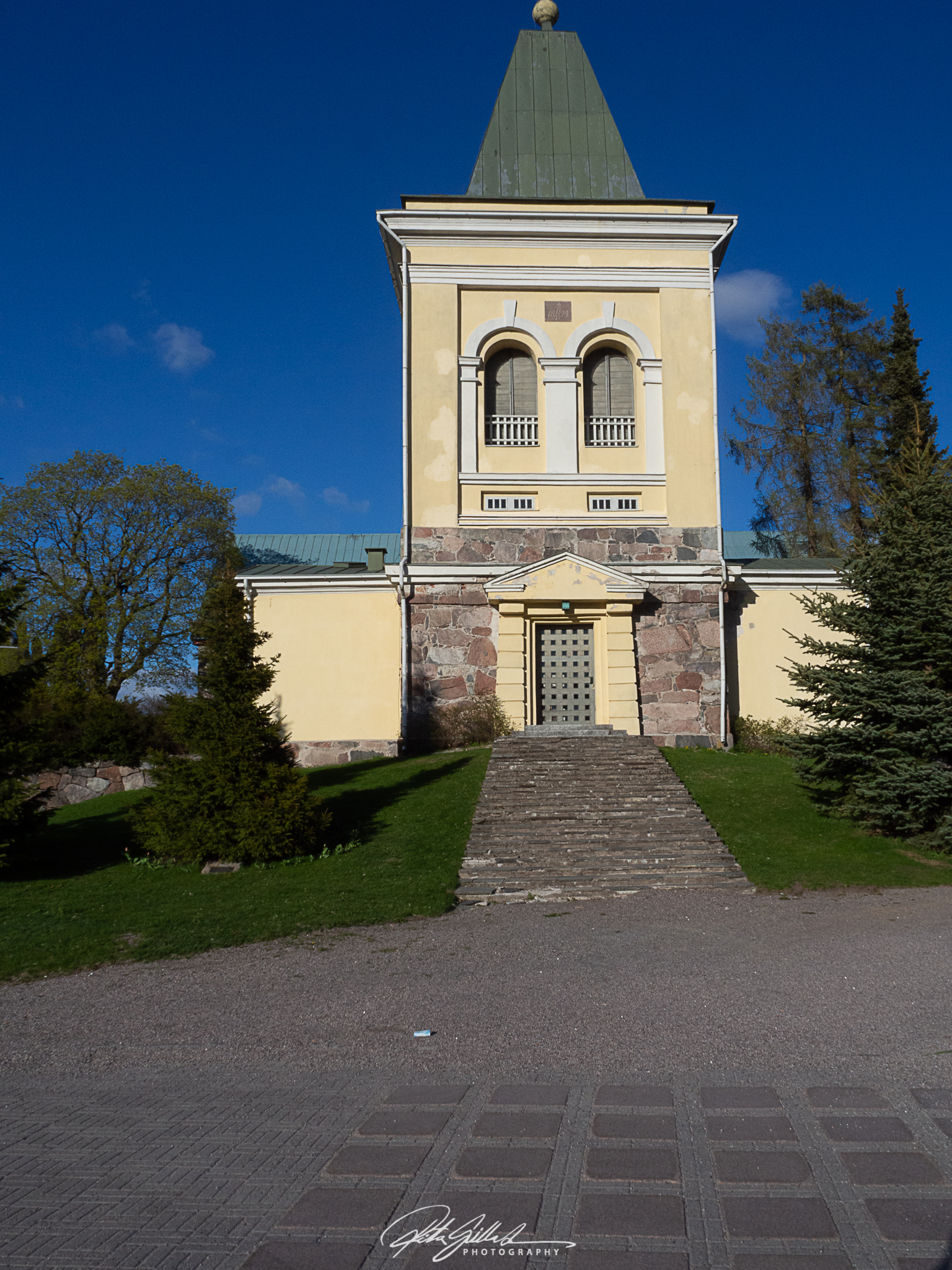
Originally, Kyrkslätt’s church was very small. In addition to stone, brick was used as a material. In the 18th century, the church began to be expanded, and in the middle of the 19th century it was rebuilt into a cruciform church, the shape the church still has. The church’s belfry was built in 1824.
Bell tower
After the Continuation War, the Soviet Union claimed the Porkala area as a base, and Kyrkslätt’s church stood on the lease area. During the Porkala parenthesis 1944–56, the church was used i.a. as an officers’ club and warehouse. After the Soviet era, the church was in poor condition.
Headstone of Olga
Immediately after the area was returned to Finland, the church began to be repaired under the leadership of Olof Hansson. Then the interior of the church was completely renewed in the 1950s style.
We’re shooting Architecture this week. Go out to places and shoot structures that we might not pay enough attention to – the sleek glass façade of a modern skyscraper, or maybe something with an art-deco frontage from decades earlier. Architecture isn’t all about the outsides alone, there are many places with magnificent interiors from churches and temples to a modern airport lounge.
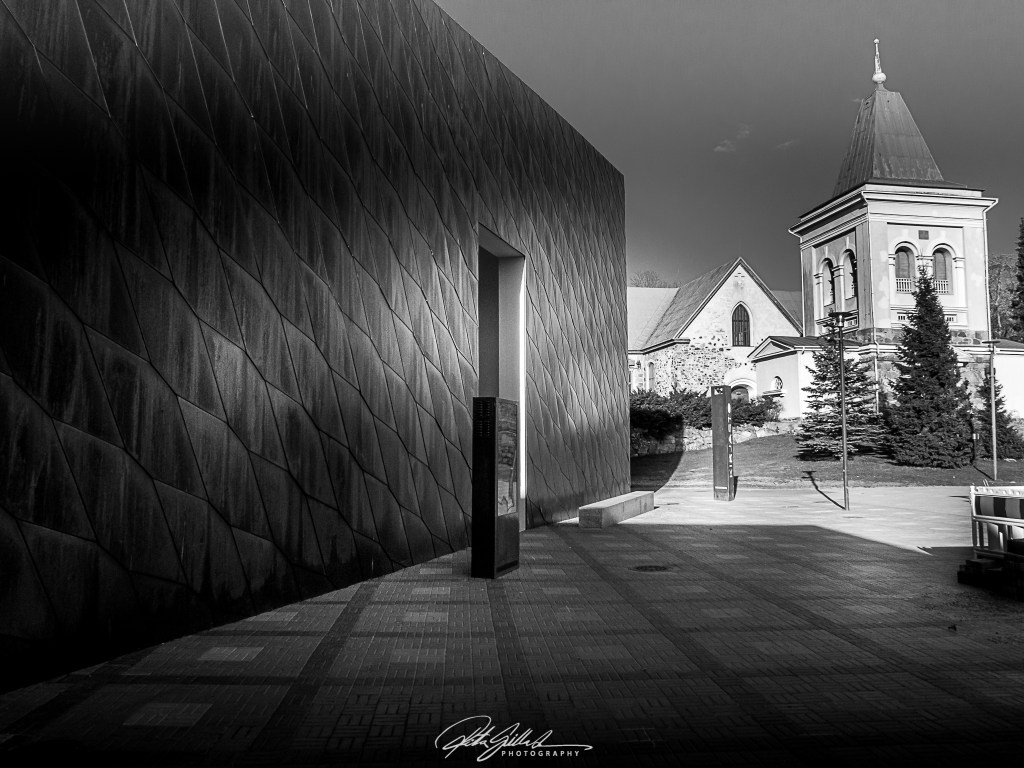
Old medieval church and new built modern Library in Kirkkonummi, Finland
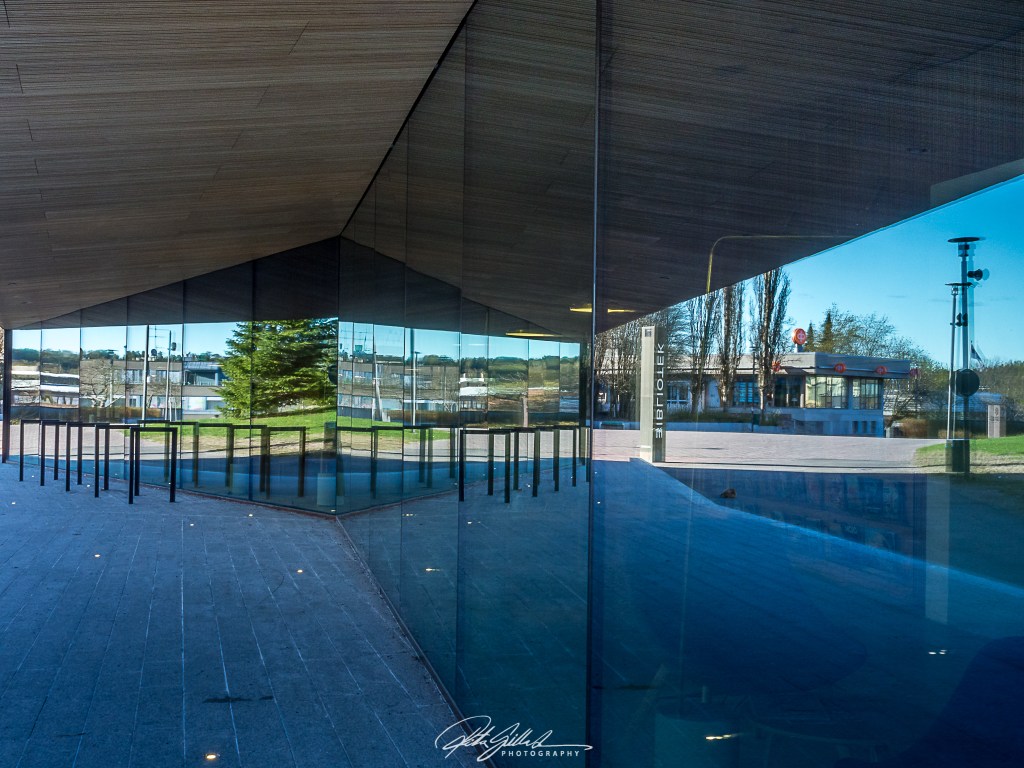
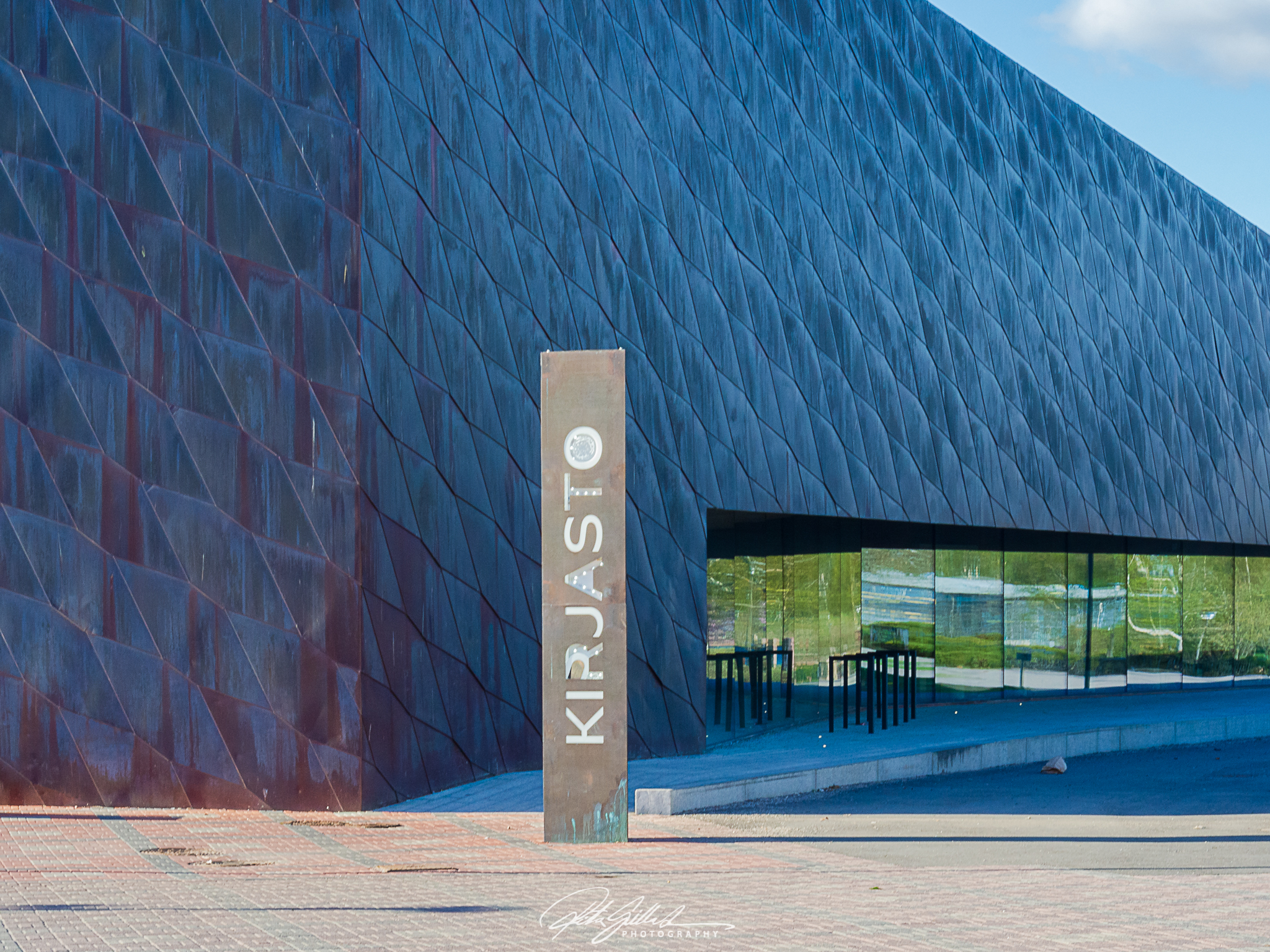
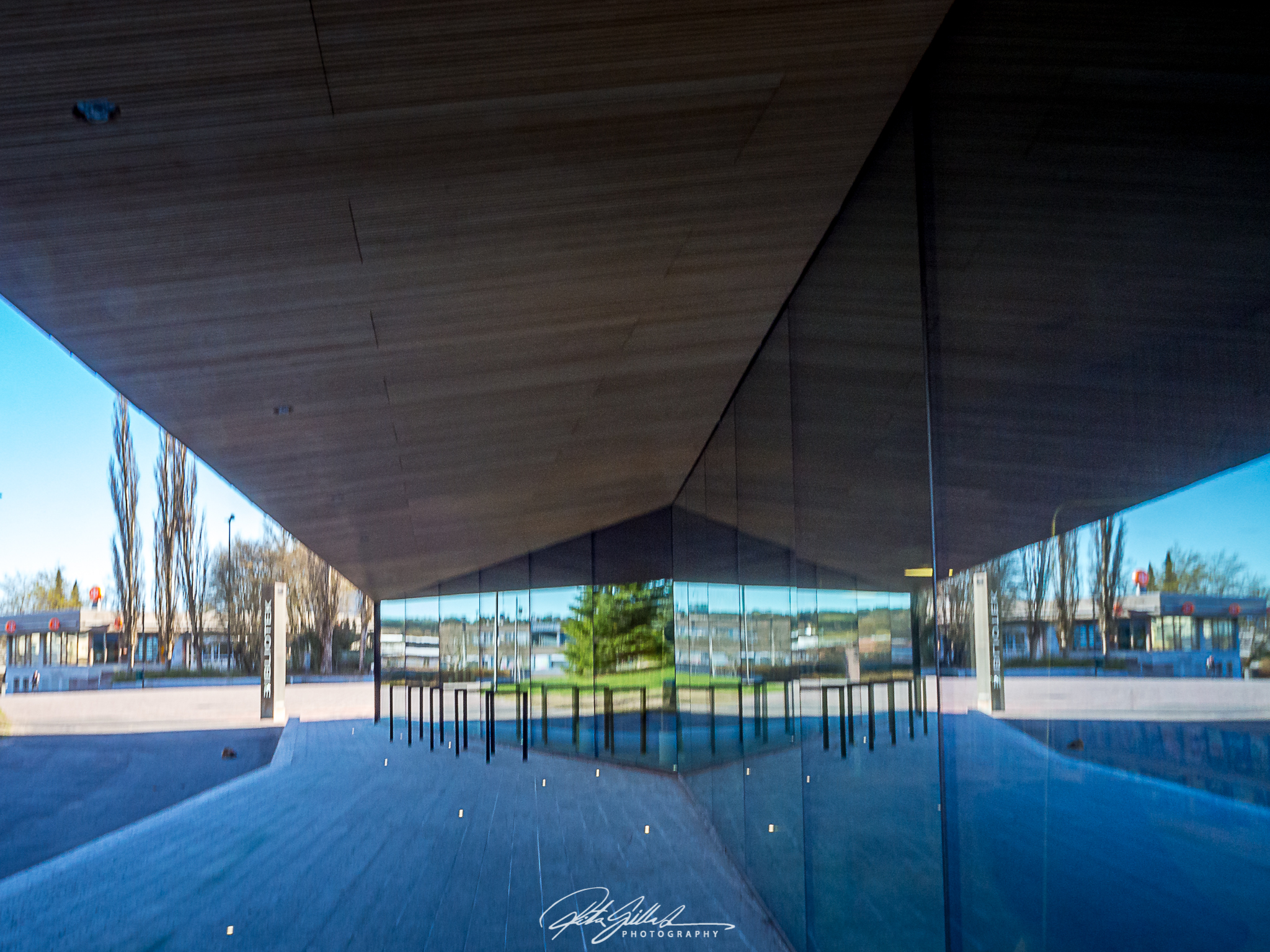
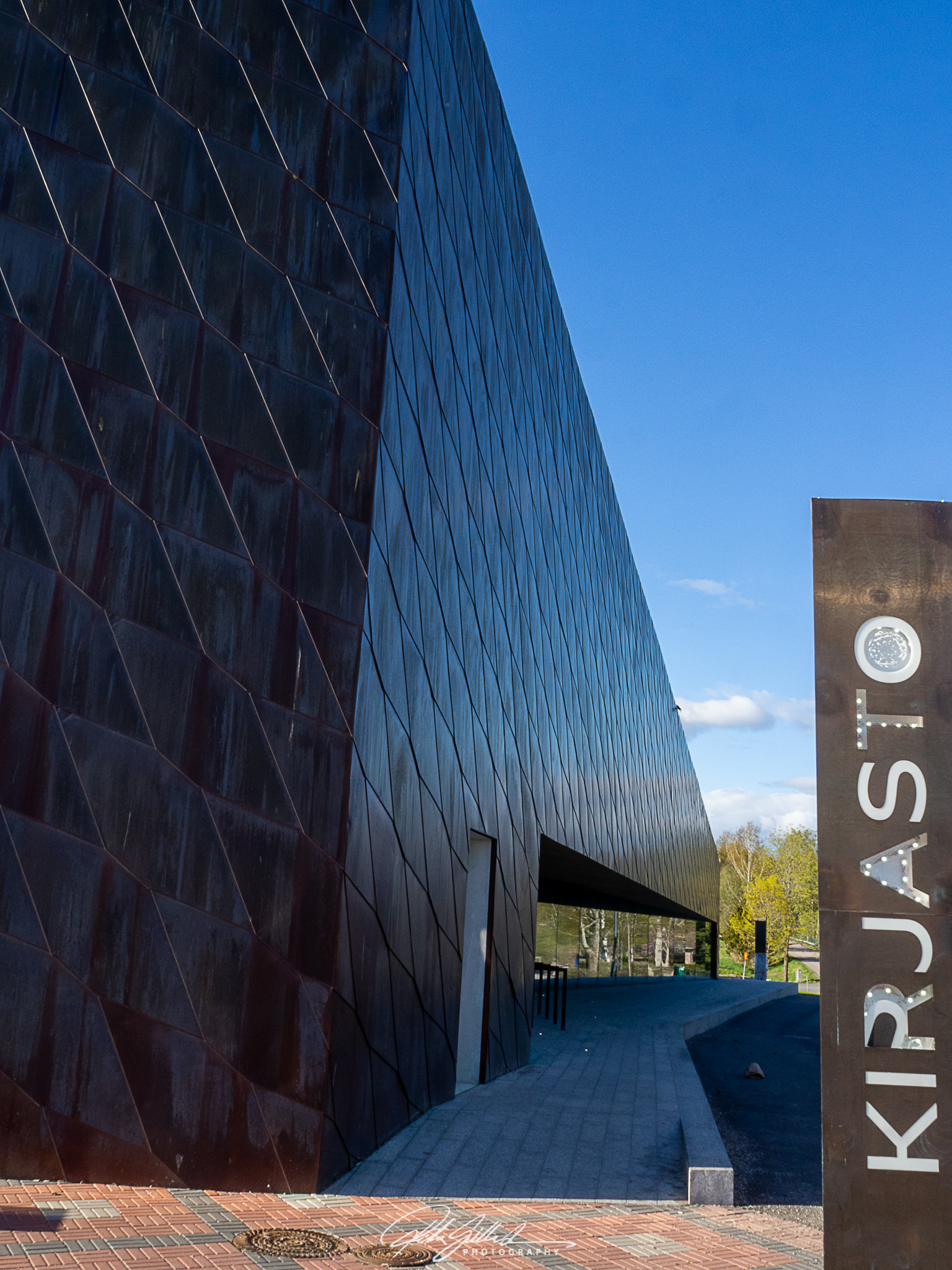
The church and Fyyri library (2020) were reconciled with the help of building materials and so that the reading room and café opened towards the church. A large glass wall visually connects the church into the library. Kirkkonummi’s medieval stone church is located in the center of Kirkkonummi. The exact time of construction is unknown, but work apparently began in the 15th century. Kirkkonummi Church is named after St. Michael the Archangel.
Originally, the Church was small. In addition to stone, brick was used as the material. In the 18th century, the church began to expand, and in the mid-19th century it was transformed into its present form as a cruciform church. The church bell tower was built in 1824.
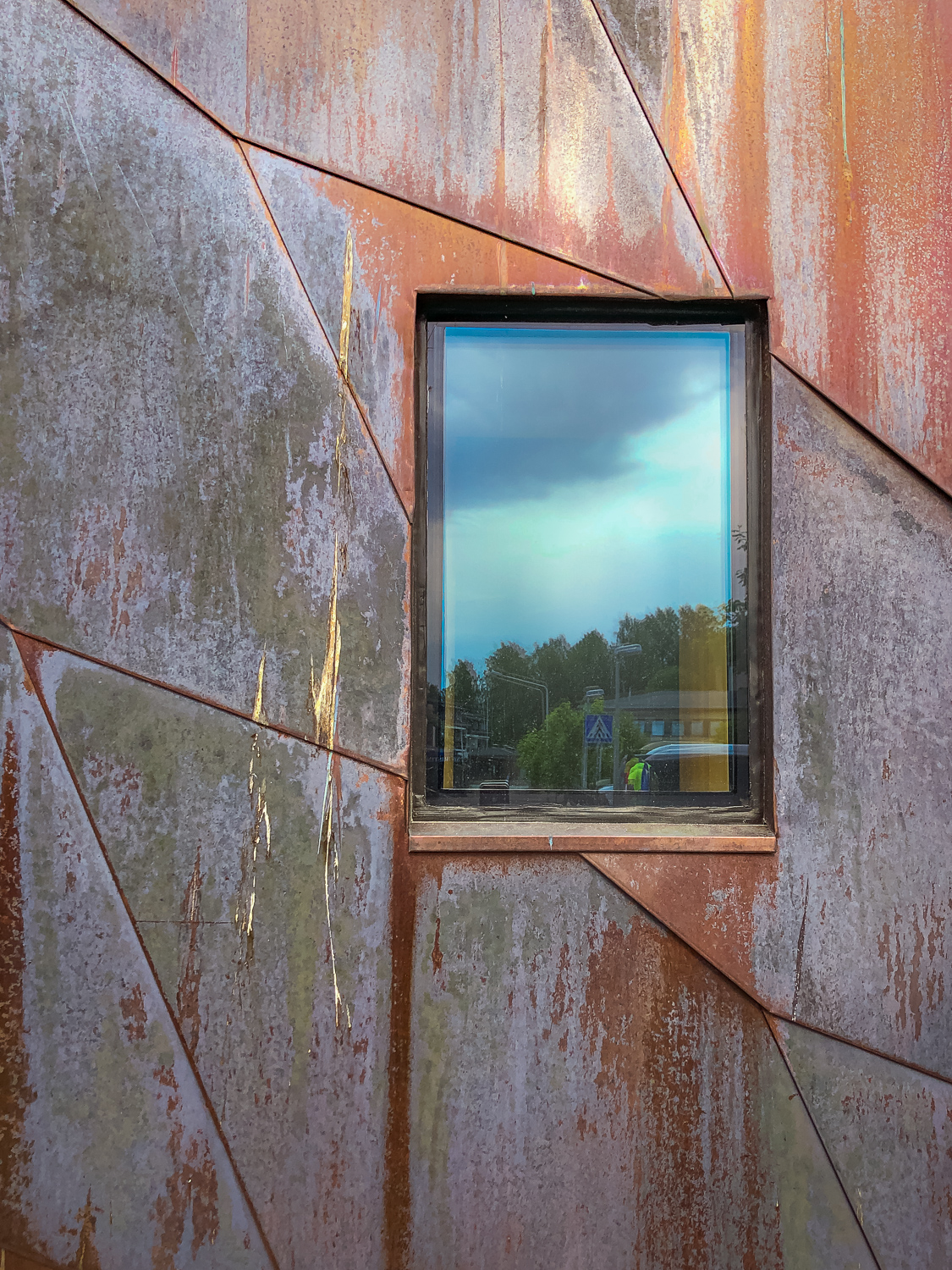
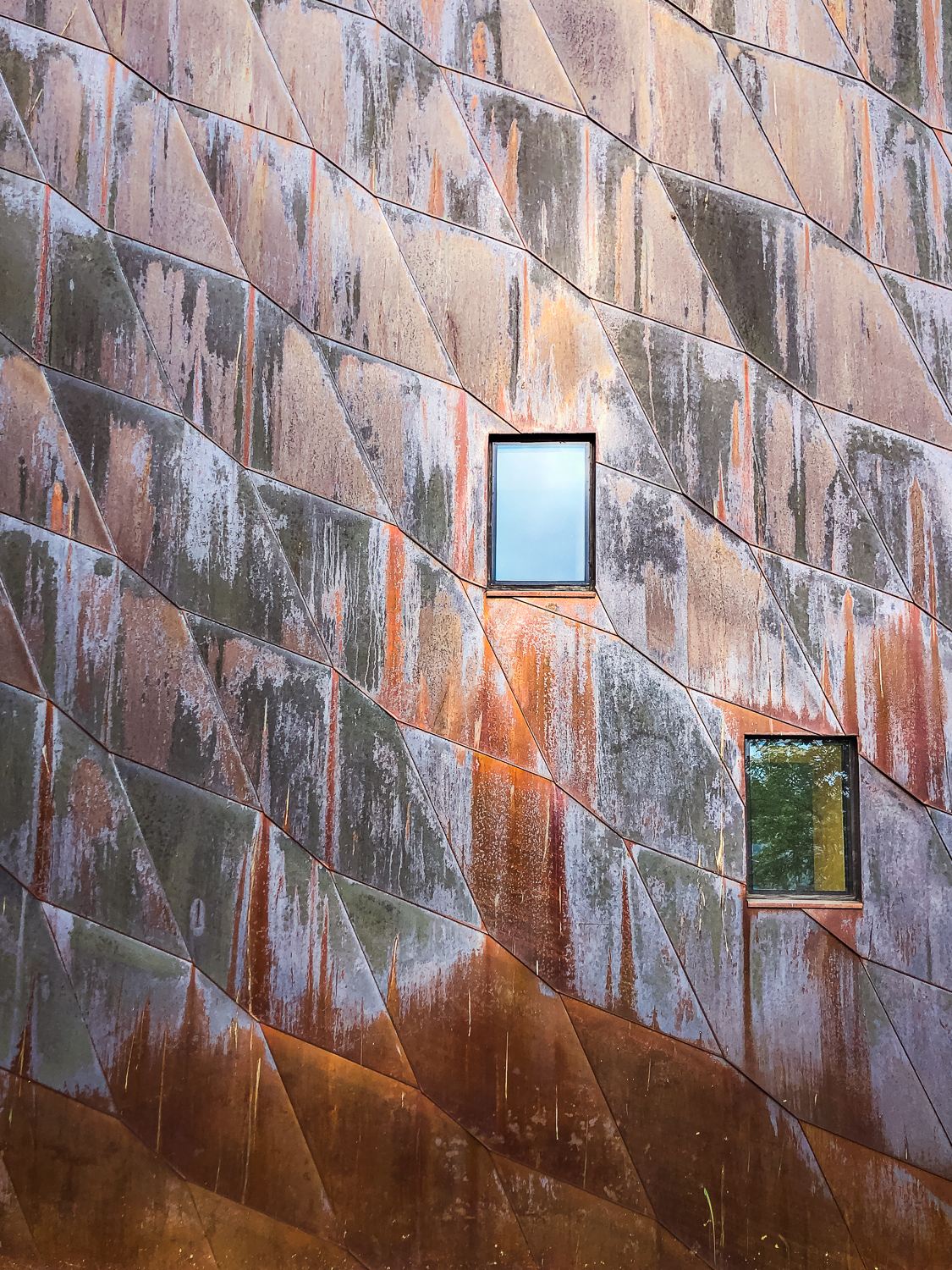
Window detail of the library
It’s not just all about shots of buildings either – things like bridges and underpasses, tall radio masts, dams, windmills can all be amazing subjects. There’s also a lot of character in structures that are old or run-down: wabi-sabi is a concept that explores beauty in the imperfect and that ties in very well with many different kinds of structures.
old and new in color
Find an archway or opening you can use to frame a shot. Or use the architecture to create leading lines, symmetry, and repetition of shapes. Take your time, scope out your composition – maybe walk around a bit, looking for a nice perspective and shooting angles that work. A little bit of thought will make for some compelling and creative architecture images.
It is finally here 😊spring! The beautiful new green is pushing through. The birch trees look lovely with light green leaves the grass is fresh green, small flowers are emerging from the soil. I feel myself coming alive. Today is sunny and warm, i am embracing this yearly miracle. T cleaned the dust from the camera, I am ready once again to capture the beauty of this season.
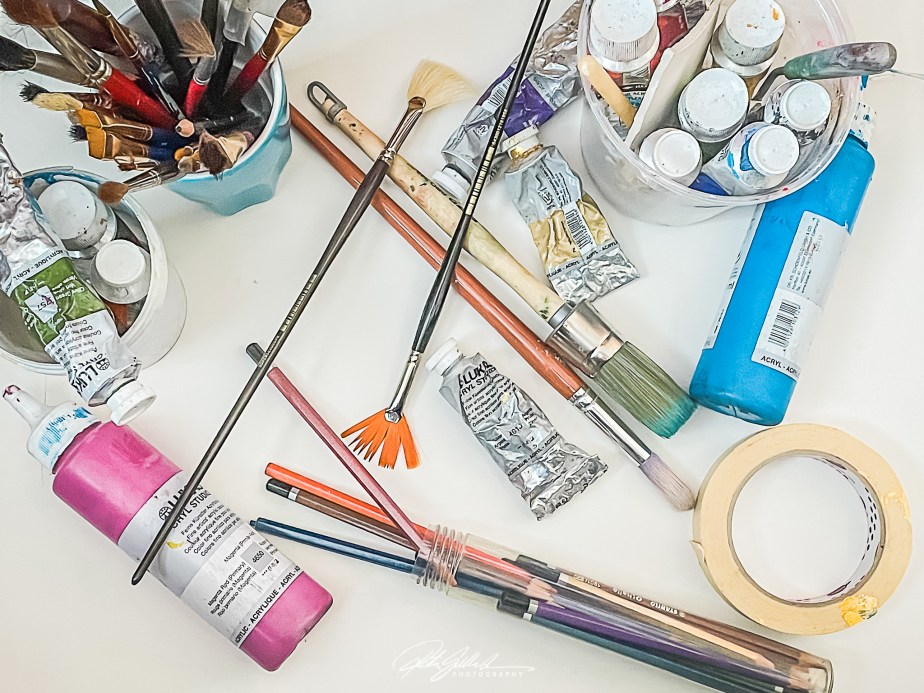
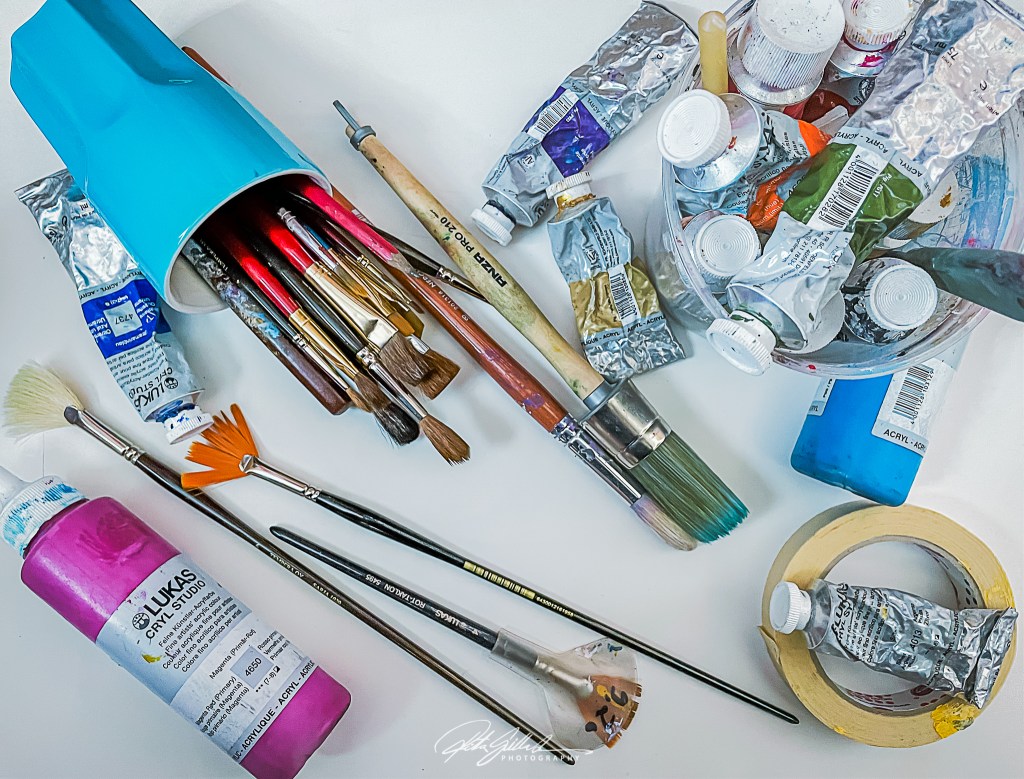
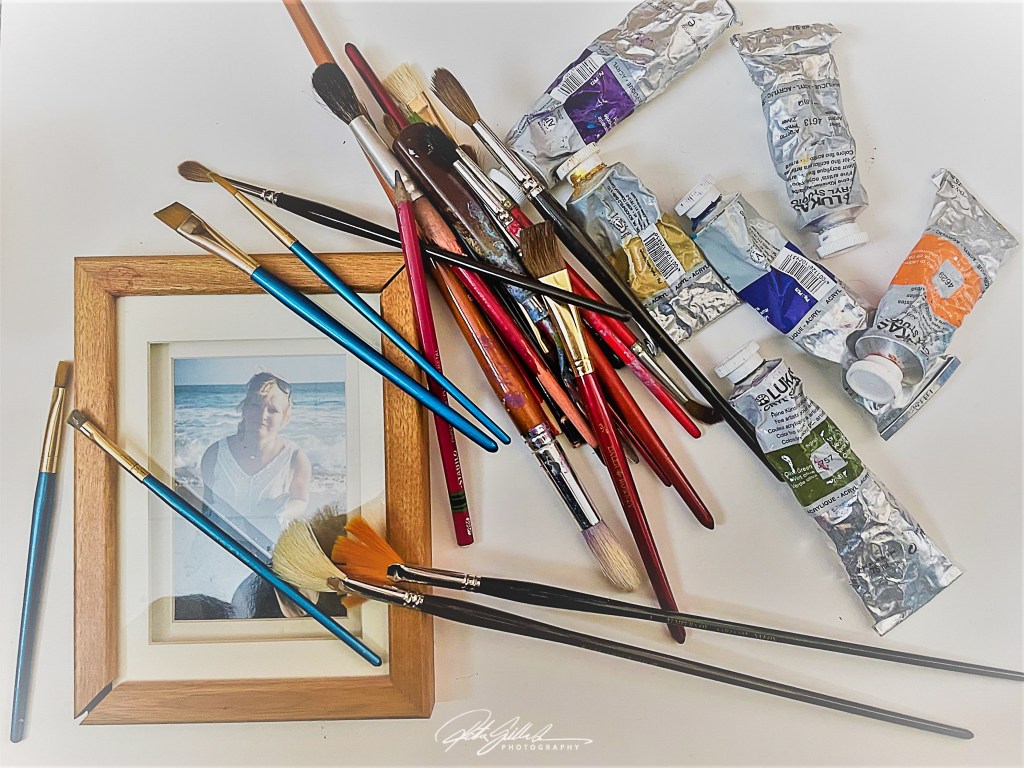
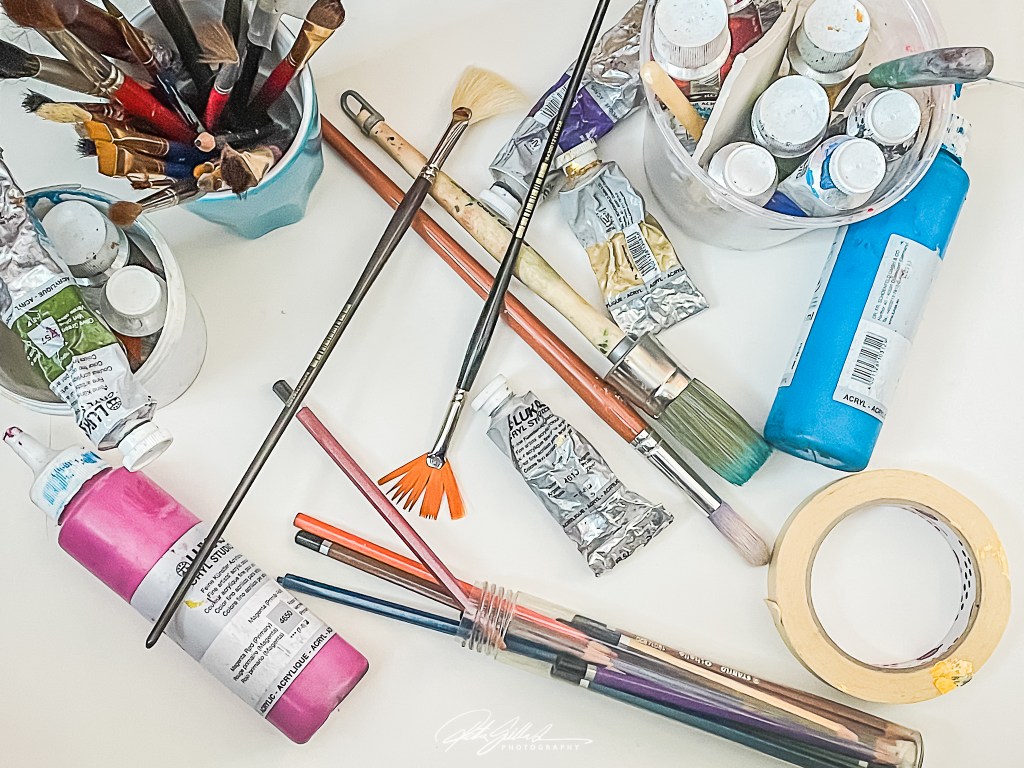
Time for a genre that’s rather popular on social media in recent times – Flat Lay photography has simple rules – take a shot of items or objects laid out on a flat surface from immediately above. Basically, a bird’s-eye view of a set of objects that make up a cohesive whole.
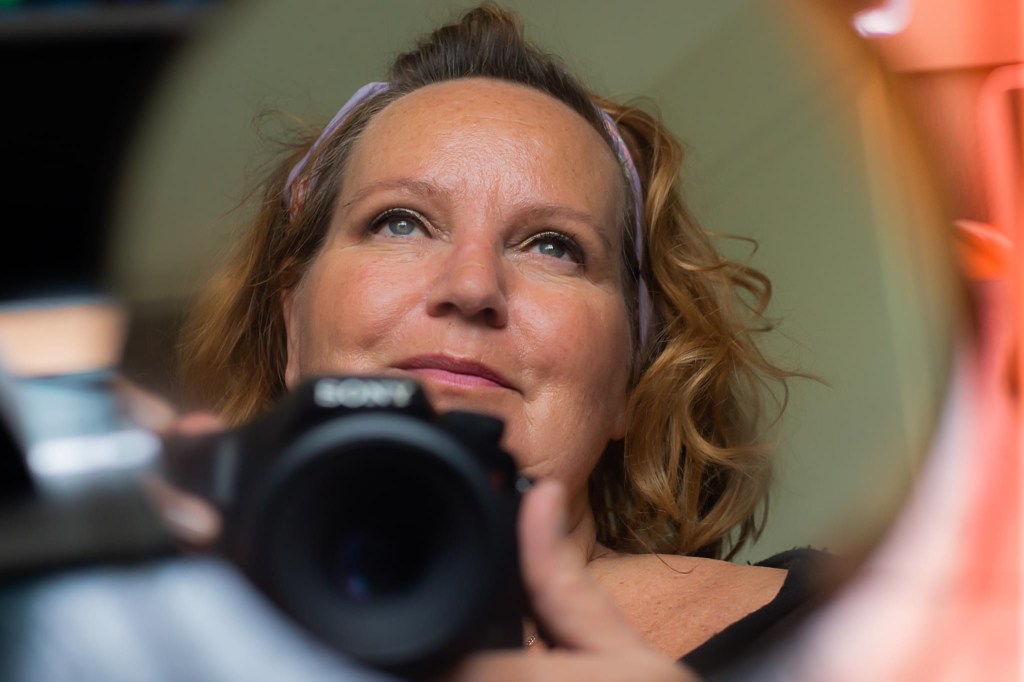
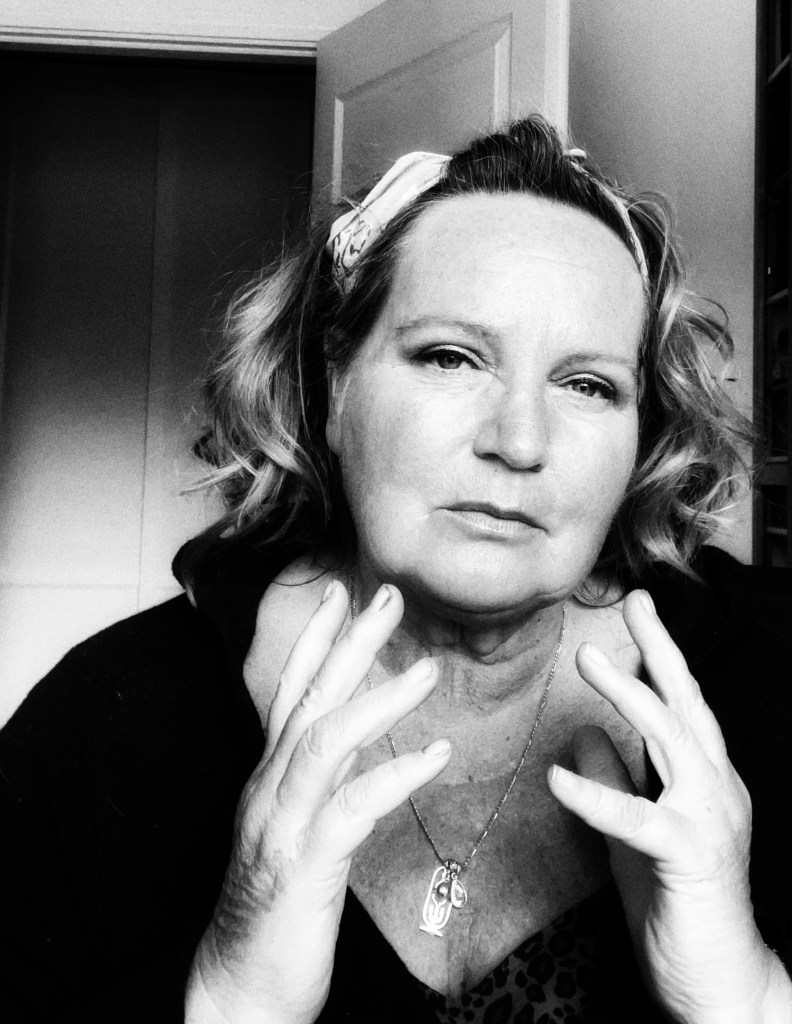
I thought that I would share a little bit about myself for those who are new to my blog. I have painted with different mediums since I was a teenager, and still continue with various art hobbies. Acrylic- and oil painting, pastels drawings, oil inks, aquarelles etc. I also do sculpture. As I am not a great cook, or my art is not setting the table beautiful. I took out some of my brushes and color tubes. I even tried do a self portrait, but I did it with an old photo of me.
Think of it like setting up a mood board or if you’re into food photography, setting up a dinner table with dishes, accessories and food. You could show off things that speak to you in your hobby – like a set of gardening tools or knitting yarn and needles. How about a top-down view of your desk – are you a neat freak or a proponent of organized chaos? Go for understated minimalism or bold maximalism – the choice is yours.
Perhaps you could include a bit of portraiture by putting yourself in the shot along with some outfits and hats that you adore and take a self-portrait. Take things a step further with knolling – laying everything out at perpendicular, straight angles to each other. Don’t be restricted to indoor shots either. You can grab some cool shots with organic, natural ground as your flat-lay background.
Time for a compositional challenge, this week – it’s Leading Lines.
I was walking in a flea market and came across this old calculator covered with dust, but as I was not able to clean it, it shows old dust, dirt, but he lines leading to the name are clearly to be seen. I took it as a black and white as an a period piece I thought it would be appropriate and well the dirt is less visible this way.
The other choice was an old typewriter, but as you can guess I chose to post the calculator, did I make a right choice?
Leading lines are lines that guide the viewer from the edge of your frame towards your subject, usually coming from a corner (s).
Look for things in your scene that effortlessly takes your viewer’s eye straight to your intended subject. We’re trying to direct the viewer to a part of our image that is most important in the composition. Think staircase railings, paths and roads in a landscape, bridges and jetties leading off into the distance all make for excellent ways to incorporate leading lines in your shot.
Feel free to think out of the box… Remember leading lines don’t need to be straight. Curving streams, rice paddies and long-exposure car taillight streaks can all look very cool in a shot. Patterns and textures can also form leading lines to take your viewer straight to the action. Just be alive to your surroundings and you’re sure to see leading lines for your next epic shot!
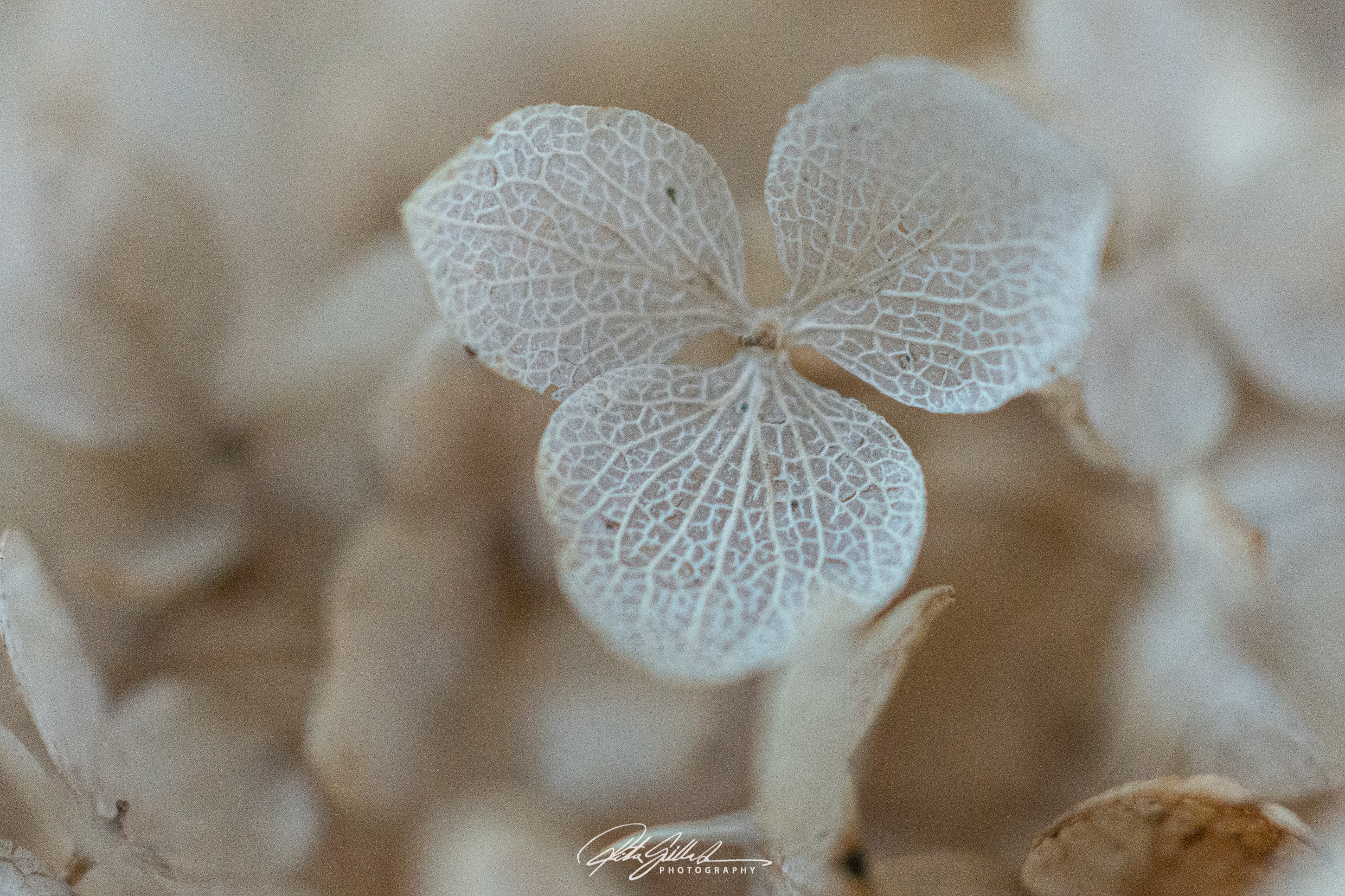
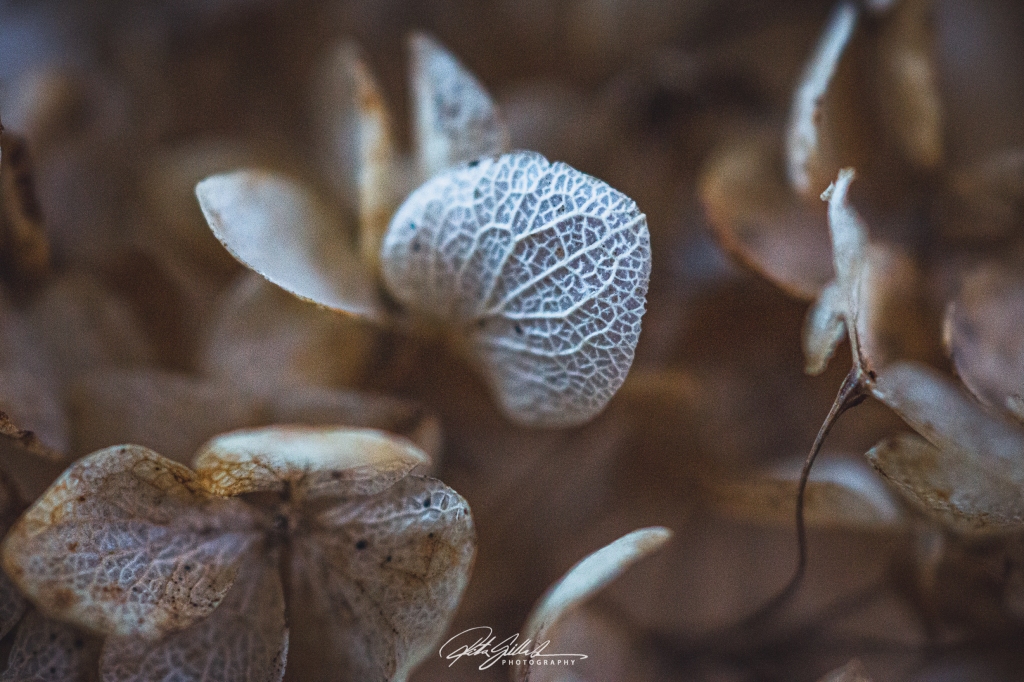
Beige is dependable, conservative, and flexible. The color beige is neutral, calm, and relaxing. The attributes and meanings associated with beige change based on the colors it accompanies.
The color beige offers some of the warmth of the color brown and the some of the crisp and coolness of the color white. While it is a relaxing color, beige is often seen as a dull and boring color.
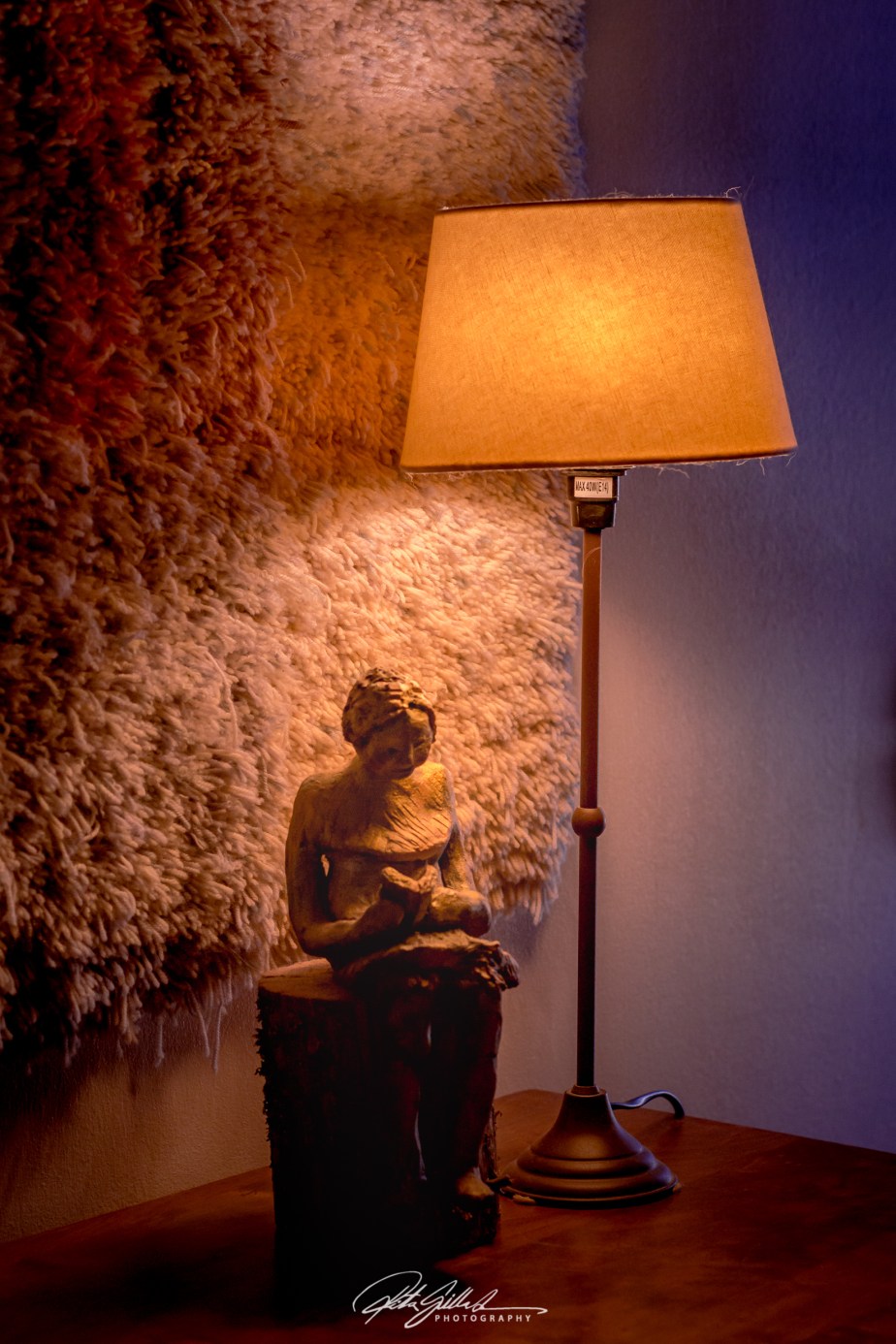
While we like to focus on the lighting used in photos, we want to include a lamp this week! That means including a lamp IN your photo, not just the suggestion through lighting.
This simple little device has so many forms – Perhaps you could share a story of your own little reading nook where you enjoy some solitude or showcase a scene where the lamp is the hero of the image.
I had an idea, but in the end I was too lazy to do it. I have done nothing this week, well related to photography that is, I did manage to do this.
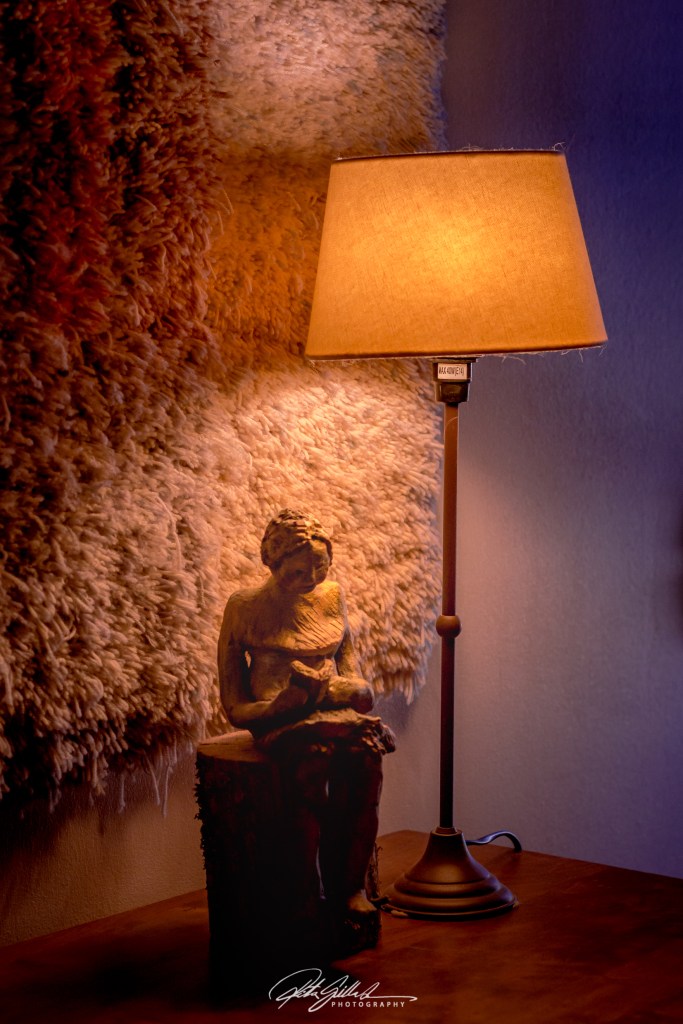
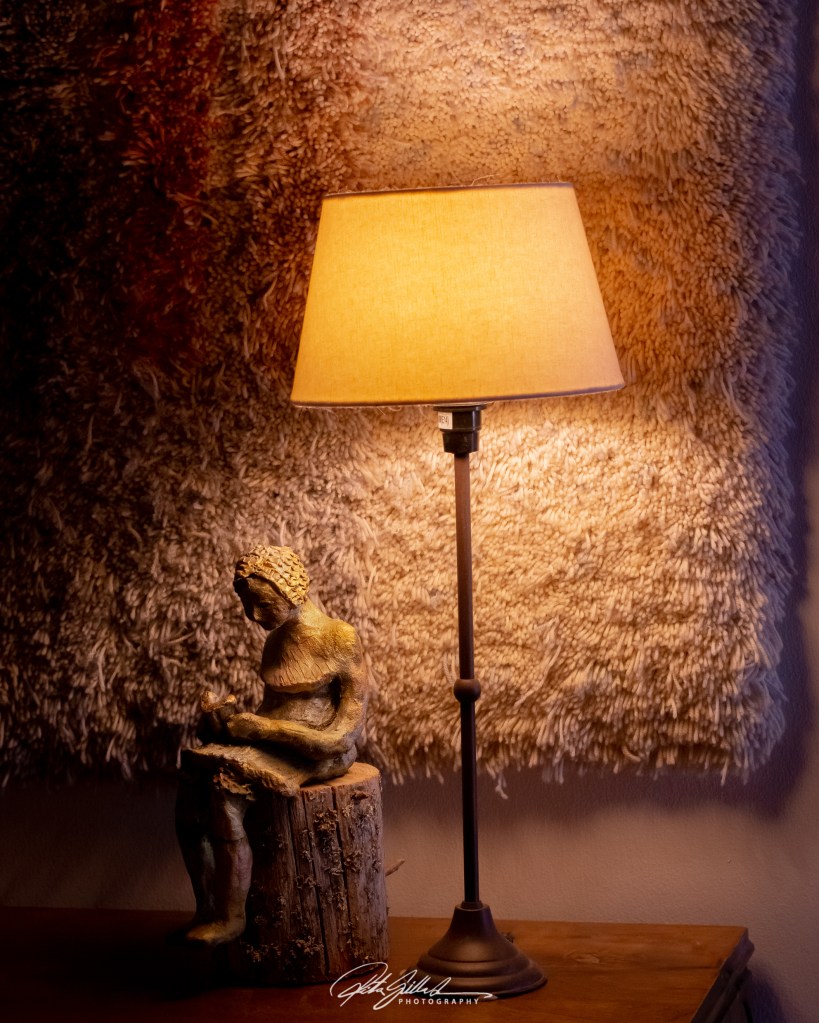
I took an easy route, I took a photo of one of the lamps in my entrance, did not even dust of the lamp before the shot, well it does a tell a story of the owner for one. To be honest, I think it has a story in it, a story of a girl sitting and reading under a lamp. That is why my art statue, is placed there and I am rather happy with this one.
Some of the suggestions to guide me were: Maybe you could do your own take on some classic art with chiaroscuro lighting. You could even try to use wabi-sabi concepts to bring out the beauty of a much used object, go for a low-key style with lots of shadow in the shot, or take an HDR shot with multiple exposures to illuminate your composition thoroughly. Don’t just take a snapshot, take a photograph that tells a story.





 in looking for the right 📐angle. We’re all equilaterally🔺capable of acutely 🚩 good photos.


















 Ritva Sillanmäki Photography