Category: Travel
The Raseborg castle ruins
The Raseborg castle ruins, situated on a rock by Raseborg stream, are the remainders of a castle that was probably built in the 14th century, when the rock was still surrounded by water. Raseborg is officially mentioned for the first time in a letter dated 1378. It is a typical medieval castle of a simpler kind that has been constructed during a long time period. There is no other similar castle in Finland.
Strategic meaning
Raseborg’s greatest importance was probably in the area of trade. It was constructed on a sheltered location on the south coast, presumably to defend Swedish interests against the successful Hanseatic town Reval (Tallinn). Both Danish and Swedish troops, as well as more undefinable pirate fleets, fought over the command of the castle, which shows that the castle was regarded as an important base. On the so called Galgbacken (Gallows Hill) north of the castle ruins, bishop Hemming Gadh was executed in December 1520. That was the Danish king Christian II getting even with his political opponents. When Gustavus Vasa seized power in Sweden and made the nearby town of Ekenäs the centre of administration in the province in 1528, Raseborg lost its strategic importance. It was abandoned in the 1550’s and laid deserted for more than 300 years. Raseborg experienced its heyday in the middle of the 15th century when (the expelled) king Karl Knutsson Bonde (Charles VIII of Sweden) kept court in the castle on repeated occasions. more at: http://www.raseborg.org/slott/eng/

The Espoo Cathedral interior details
The Espoo Cathedral interior
The church was originally designed in the late 15th century by an unknown “Espoo master” and built between 1485 and 1490 under his supervision. The only remaining parts of the medieval church are the eastern and western parts of the nave. The weapons room was removed between 1804 and 1806 and certain other parts of the church, including the original sacristy, were taken apart between 1821 and 1823 when the building was converted into a more spacious cruciform church.
The vaults and walls of the older parts of the cathedral are decorated with murals, largely painted in the 1510s, that depict both biblical scenes and events in the daily life of the people. The paintings were covered in the 18th century as they were thought to be “crude and superstitious” but uncovered again and conserved during renovations in 1931. The current campanile of the cathedral was completed in 1767 and its top part was redone between 1868 and 1869.( Wikipedia)
The Espoo Cathedral
The church was originally designed in the late 15th century by an unknown “Espoo master” and built between 1485 and 1490 under his supervision. The only remaining parts of the medieval church are the eastern and western parts of the nave. The weapons room was removed between 1804 and 1806 and certain other parts of the church, including the original sacristy, were taken apart between 1821 and 1823 when the building was converted into a more spacious cruciform church.
The vaults and walls of the older parts of the cathedral are decorated with murals, largely painted in the 1510s, that depict both biblical scenes and events in the daily life of the people. The paintings were covered in the 18th century as they were thought to be “crude and superstitious” but uncovered again and conserved during renovations in 1931. The current campanile of the cathedral was completed in 1767 and its top part was redone between 1868 and 1869.( Wikipedia)
The Weekend in Black and White
More at the The Weekend in Black and White / New home for Monochrome Maniacs.
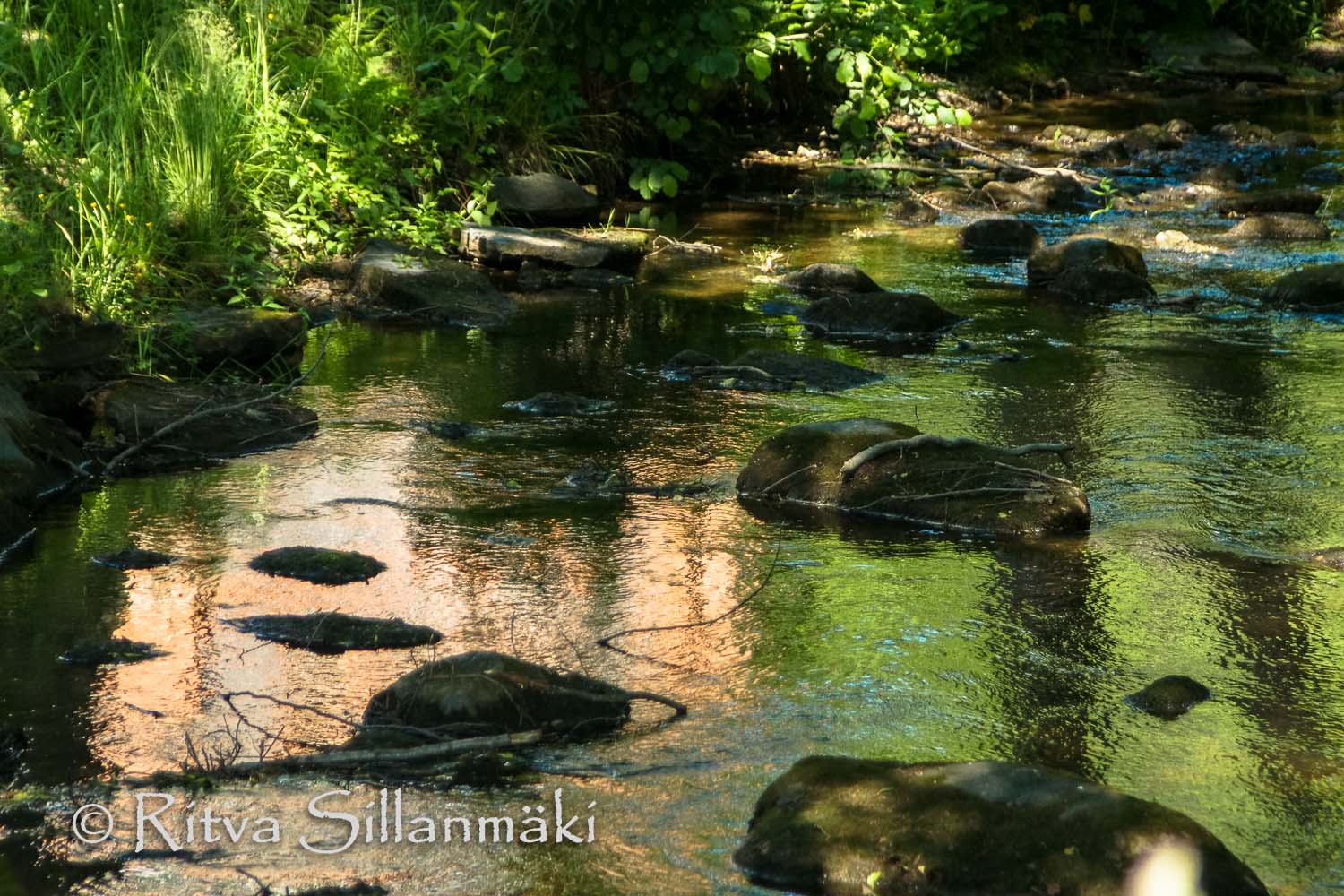
Weekend Reflection #248
North end
A Photo a Week Challenge: Wildlife
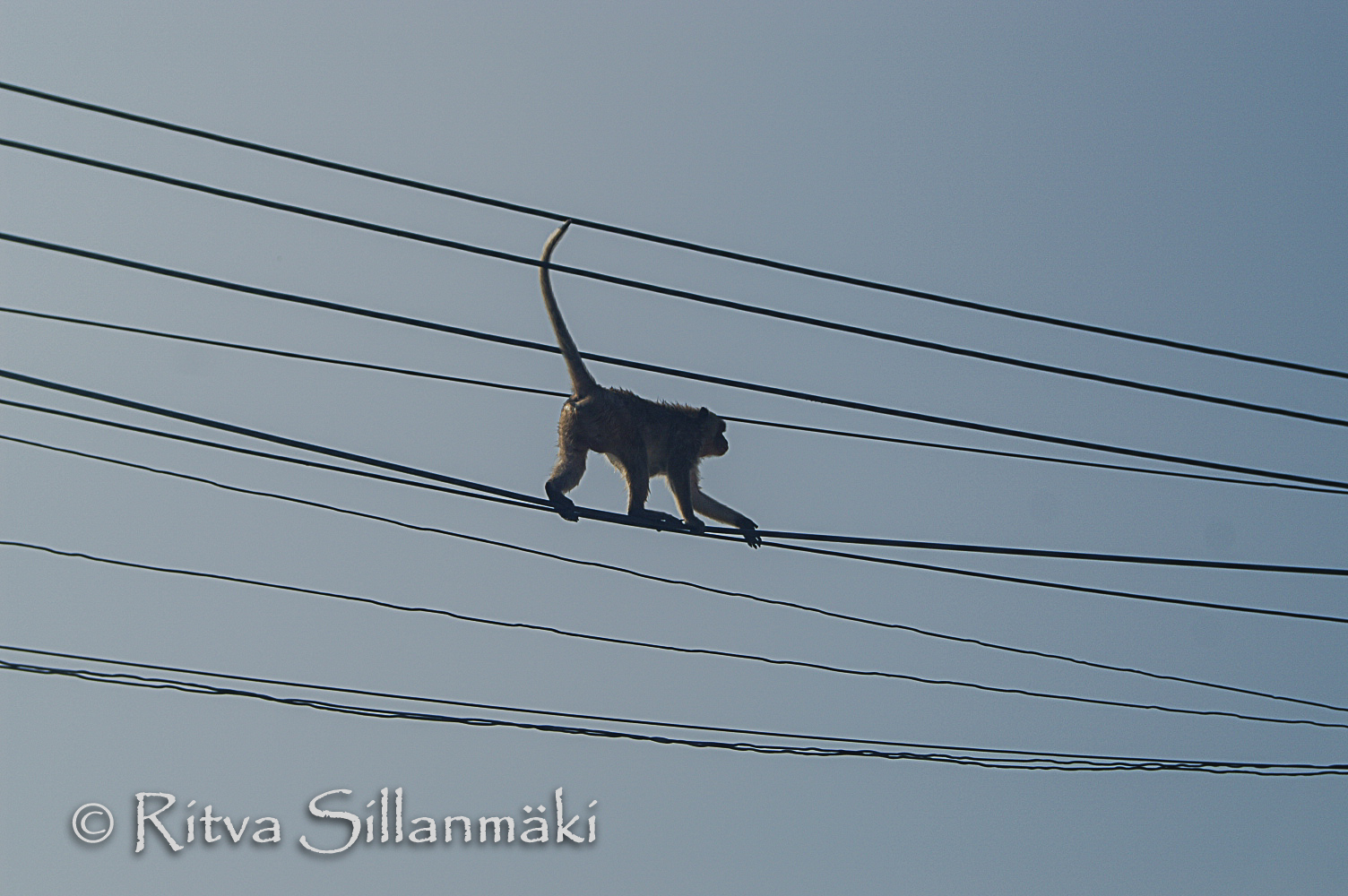
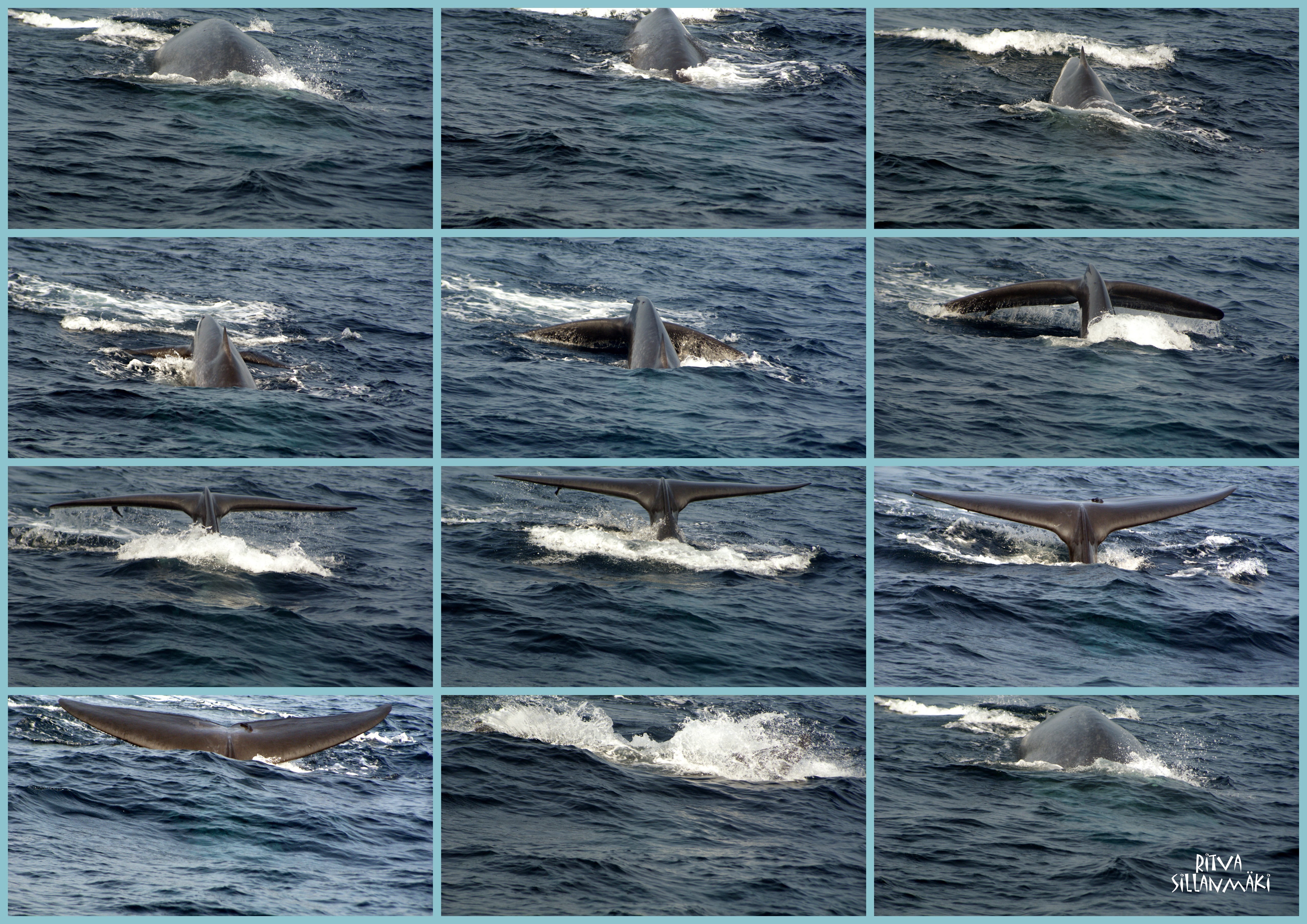
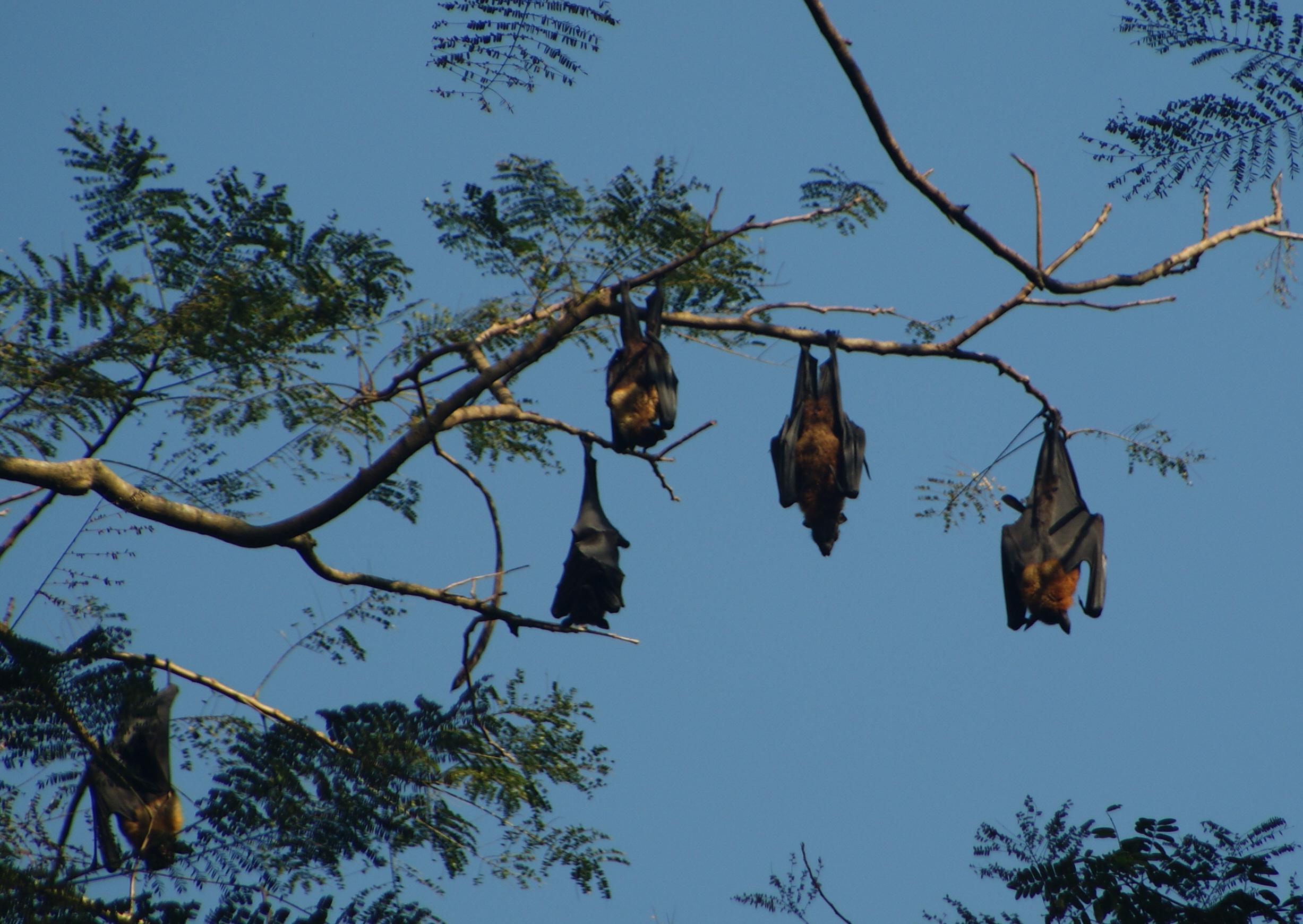
I have not often come across wild animals/ life in the nature. Once in a while when traveling I have been lucky. Here are grizzled giant squirrel , blue whales and bats all from my trip to Sri Lanka
Straight Lines
More lines at: Cee’s Fun Foto Challenge: Straight Lines
A Word A Week Photograph Challenge – Inside
Welcome to Wednesday in Heinola
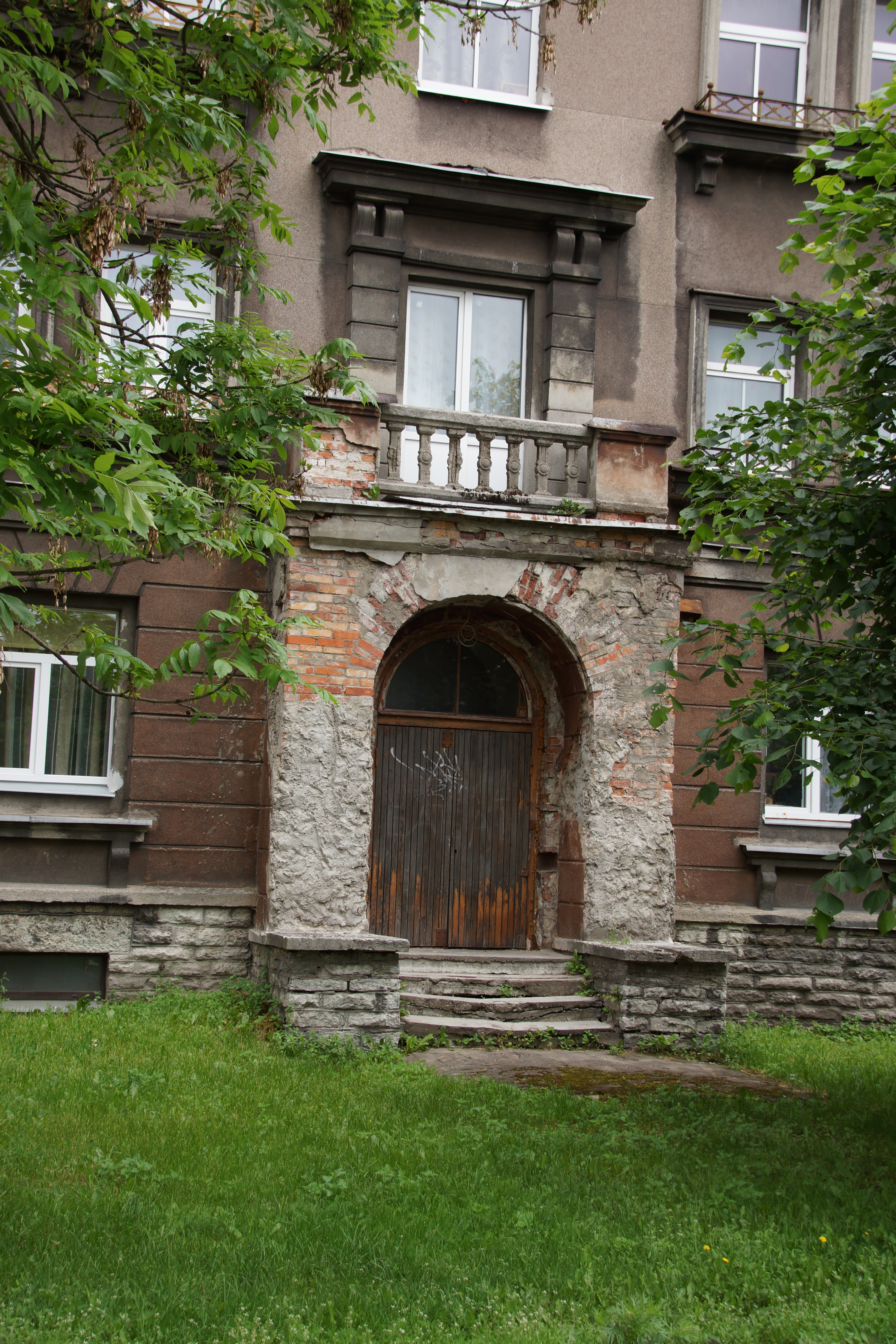
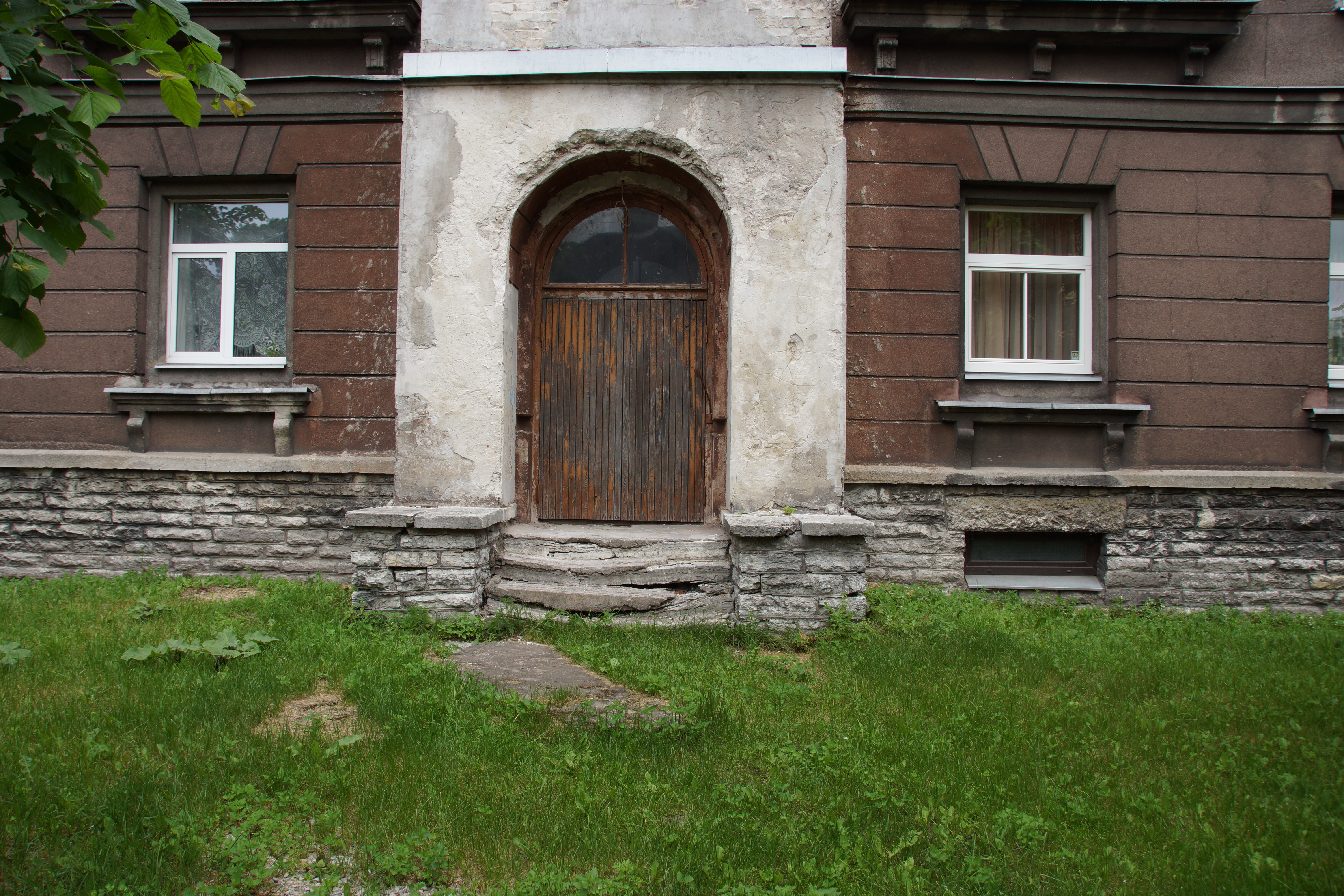
Doors and Steps
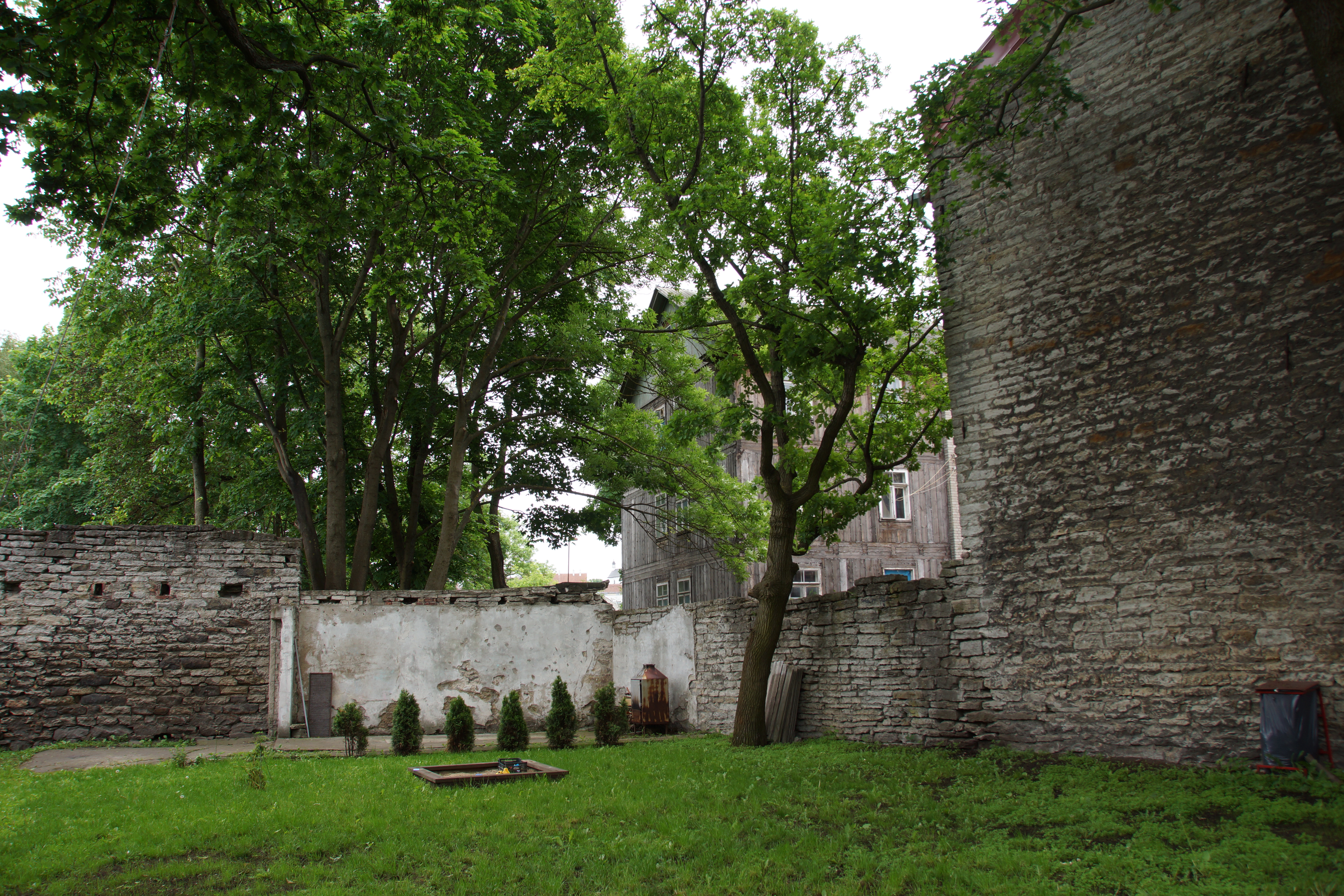
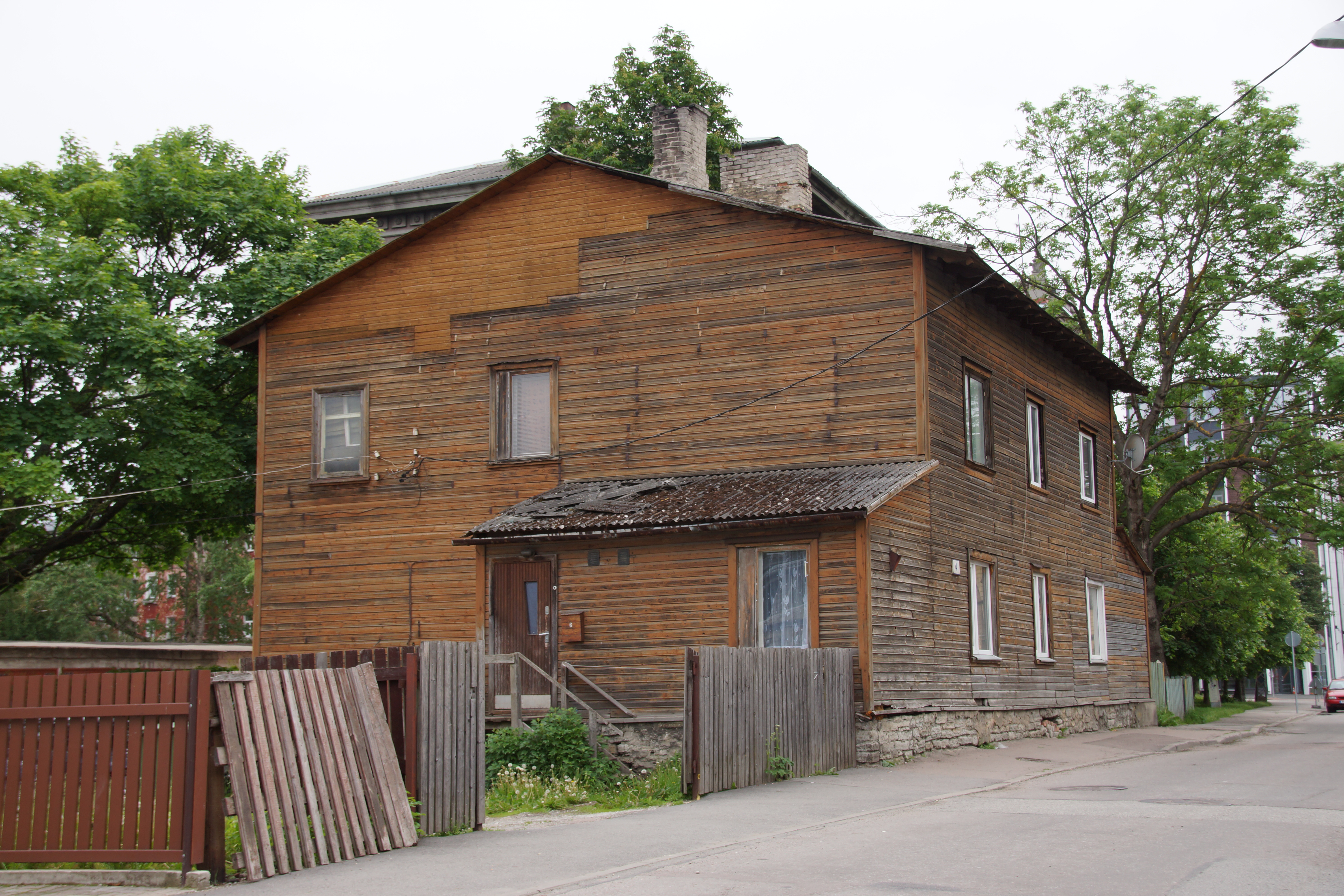
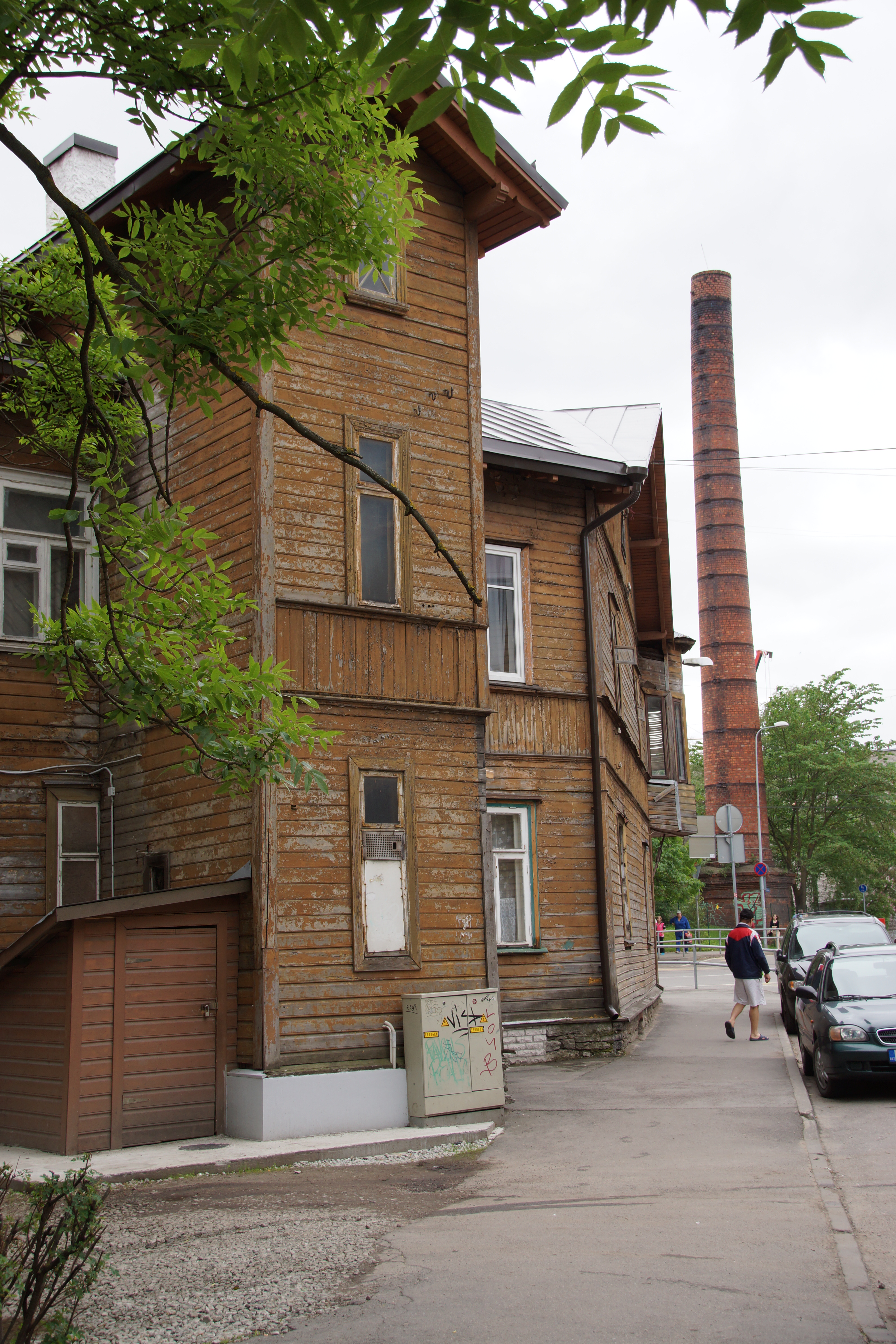
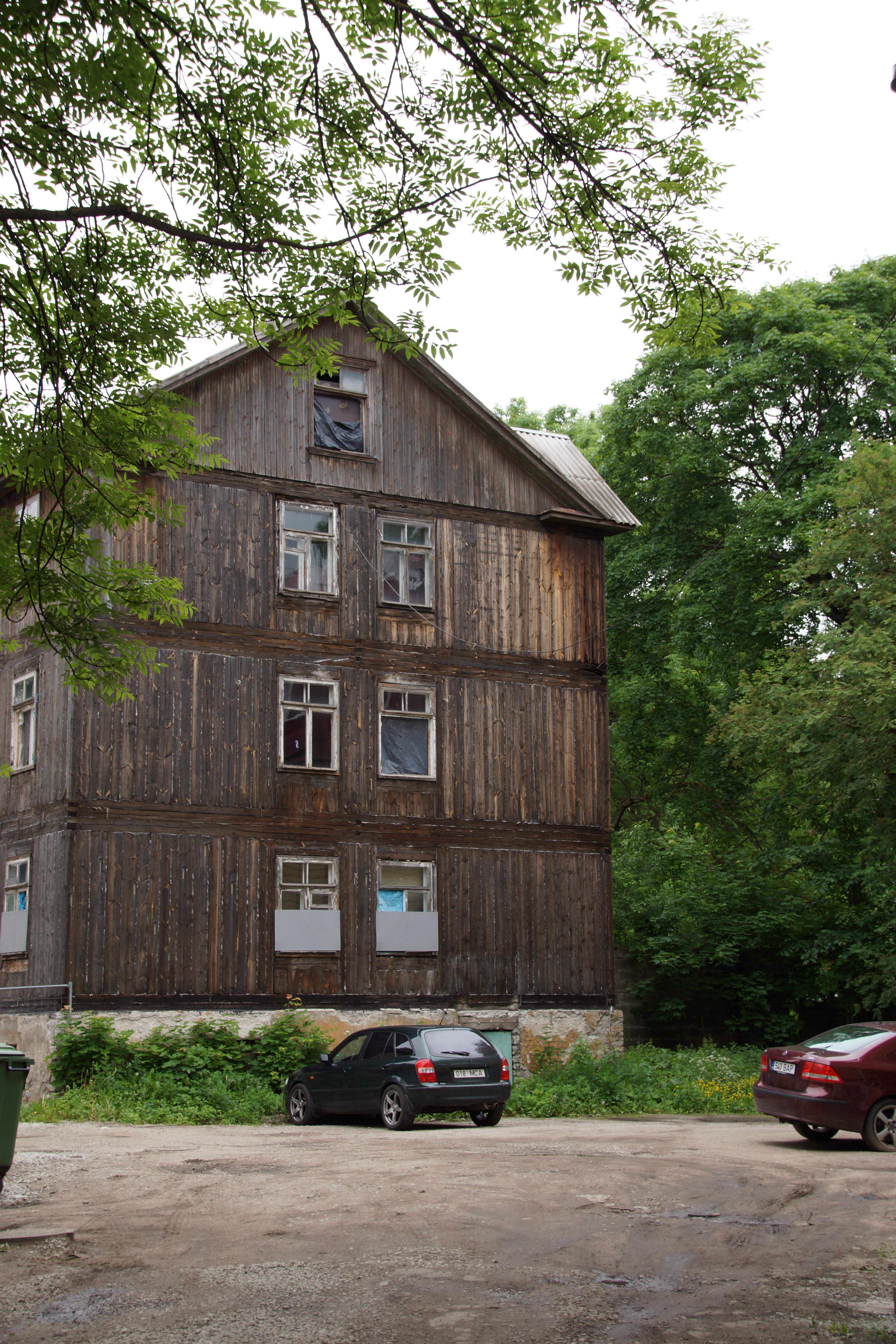
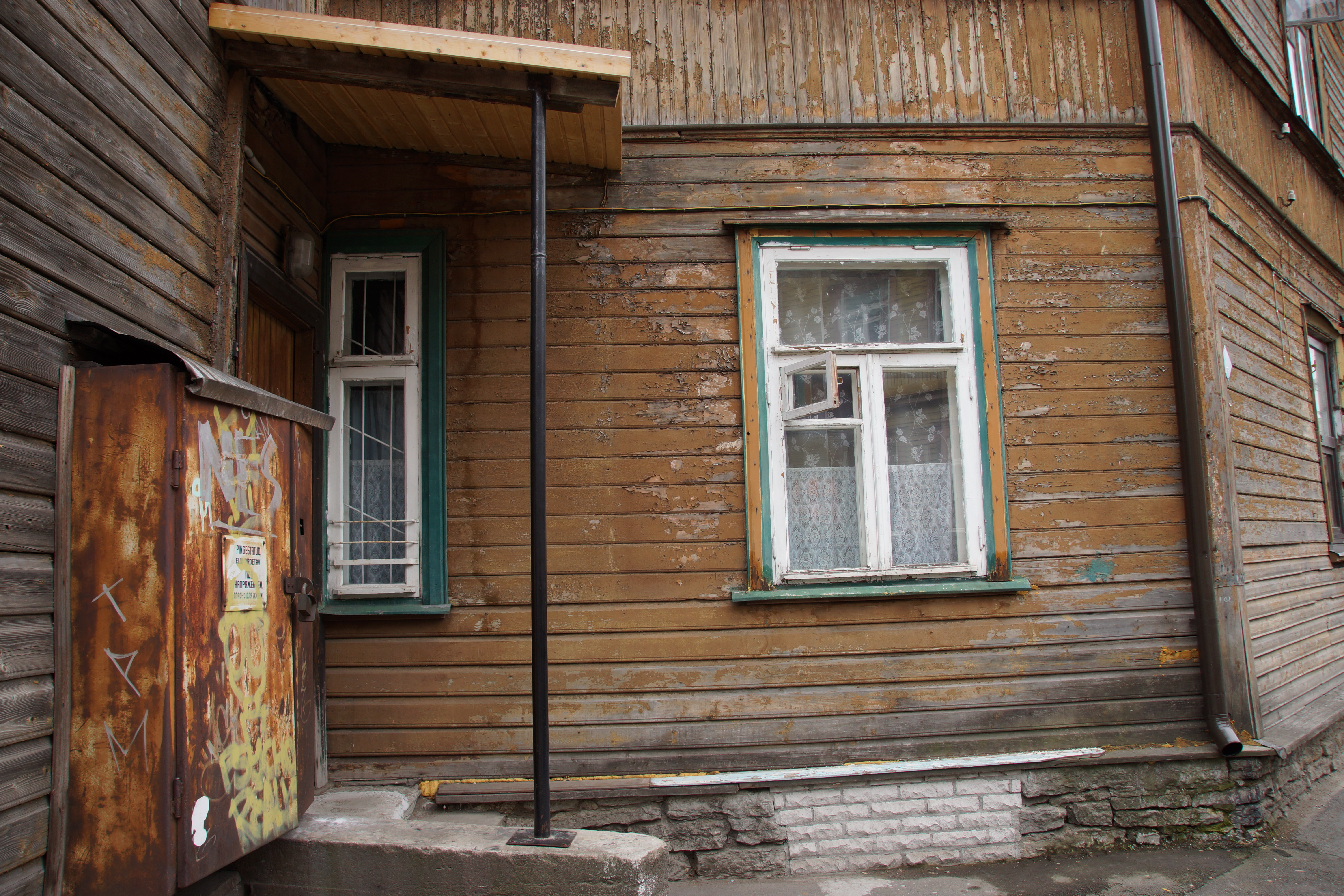
Housing in Kalamaja district in Tallinn
SPLIT-SECOND STORY – in Sri Lanka
Split-Second Story – Killing time
Challenge is to
Split-Second Story
time – killing time .Click the photo to enlarge it.
Mine are about killing time… I saw lots of people sitting in front of their houses at Santa Maria , Sal Island in Cape Verde, watching people pass by – killing time.
More at: Valokuvatorstai and Daily post
Linlo Island, Kirkkonummi
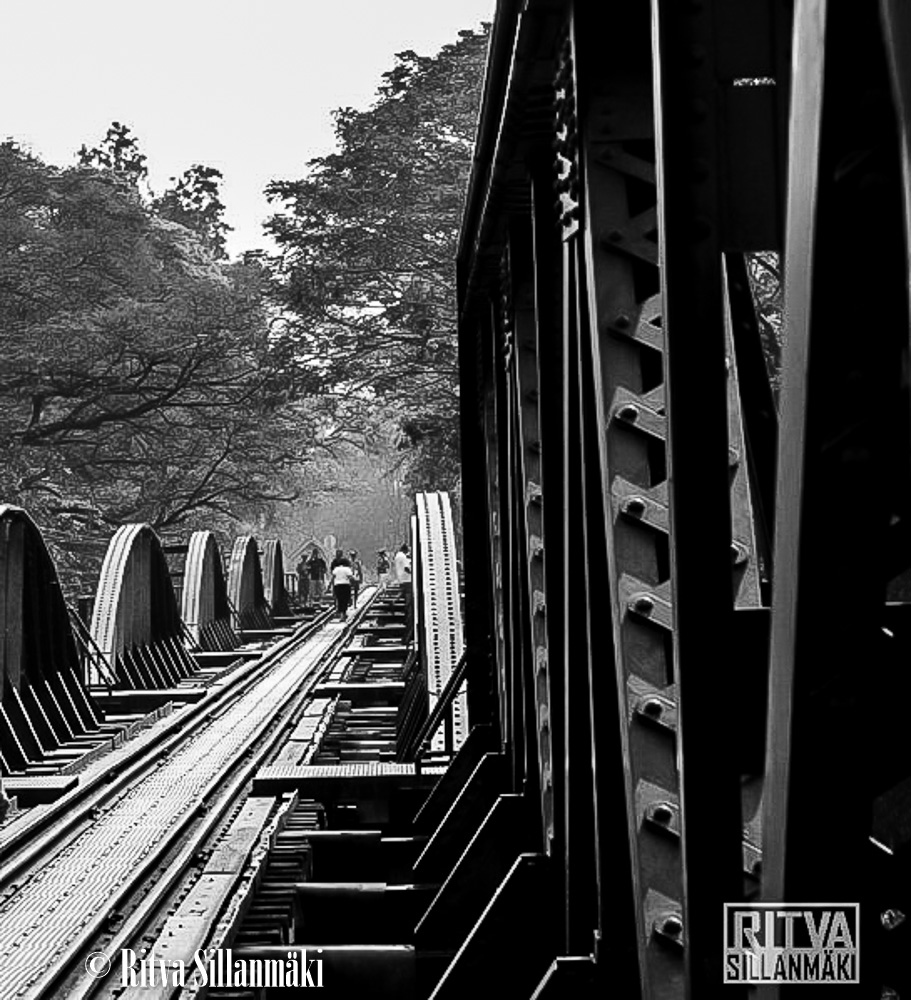
Monochrome Madness – KHWAE RIVER BRIDGE
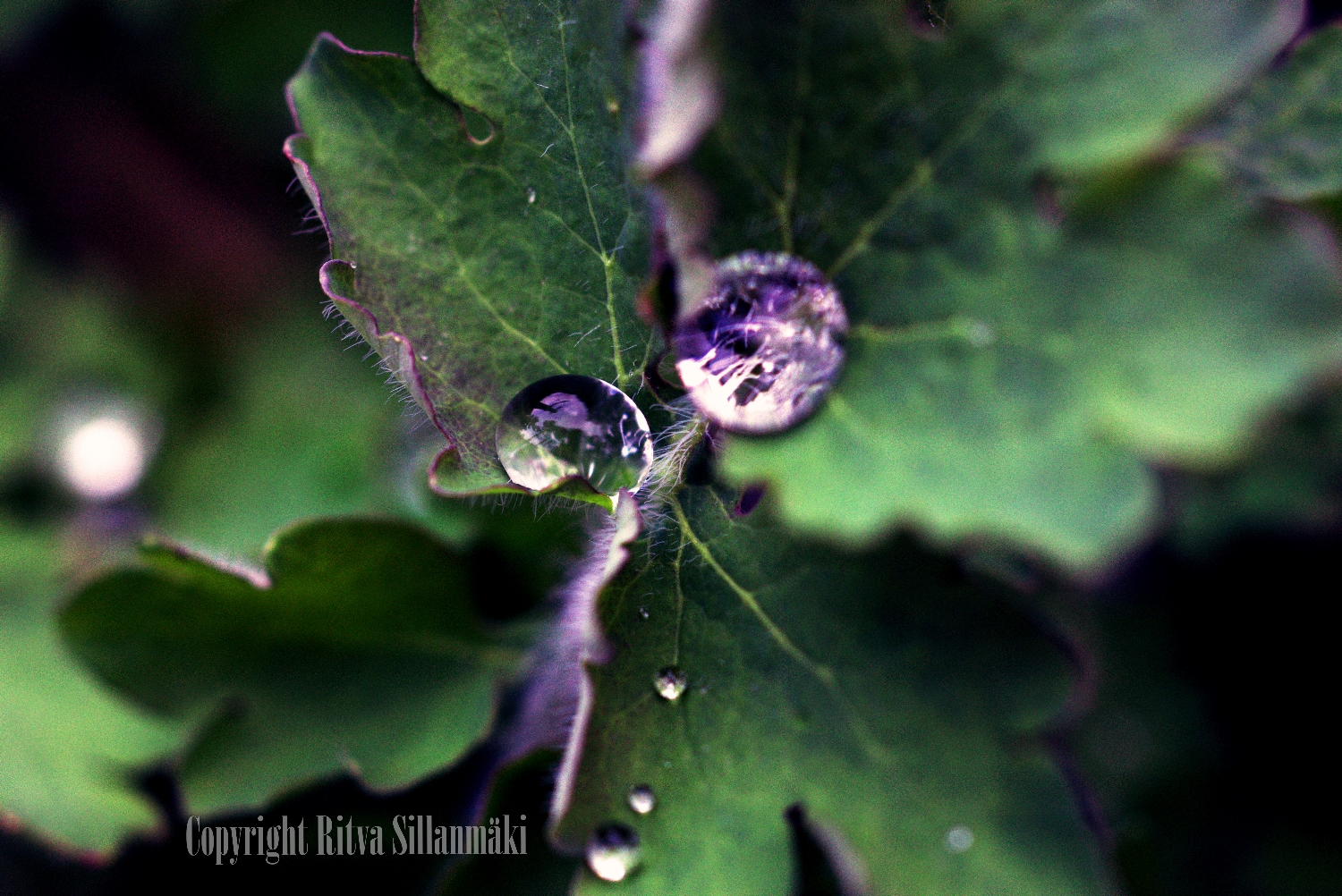
MakroTex – Kattila (Pot, kettle, pan)
Cee’s Fun Foto Challenge: Leaves and Trees
Silent Sunday
Weekly Photo Challenge: Spring
I have been doing nothing else than documenting spring past week, so I will continue to do so here also 🙂 Kids playing outside, not having to dress them in three layers, cats running free, nature blooming. All fresh and new!
This post is linked to:
Daily Post , Weekly Photo Challenge: Spring
o:
Cee’s Which Way Challenge
These paths are from Espoo, Finland. Click the photos to enlarge them.
More roads and paths at Cee’s Photography
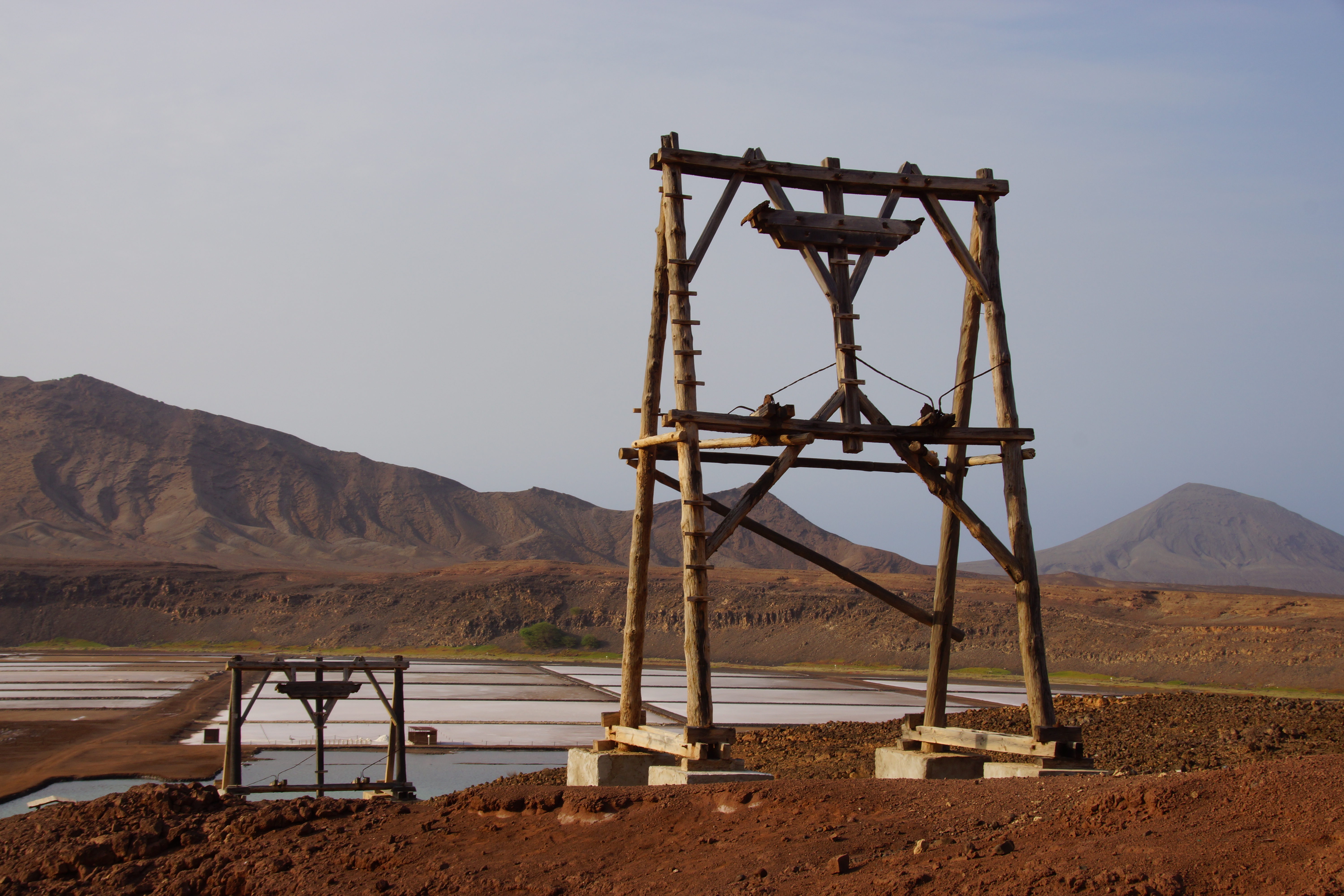
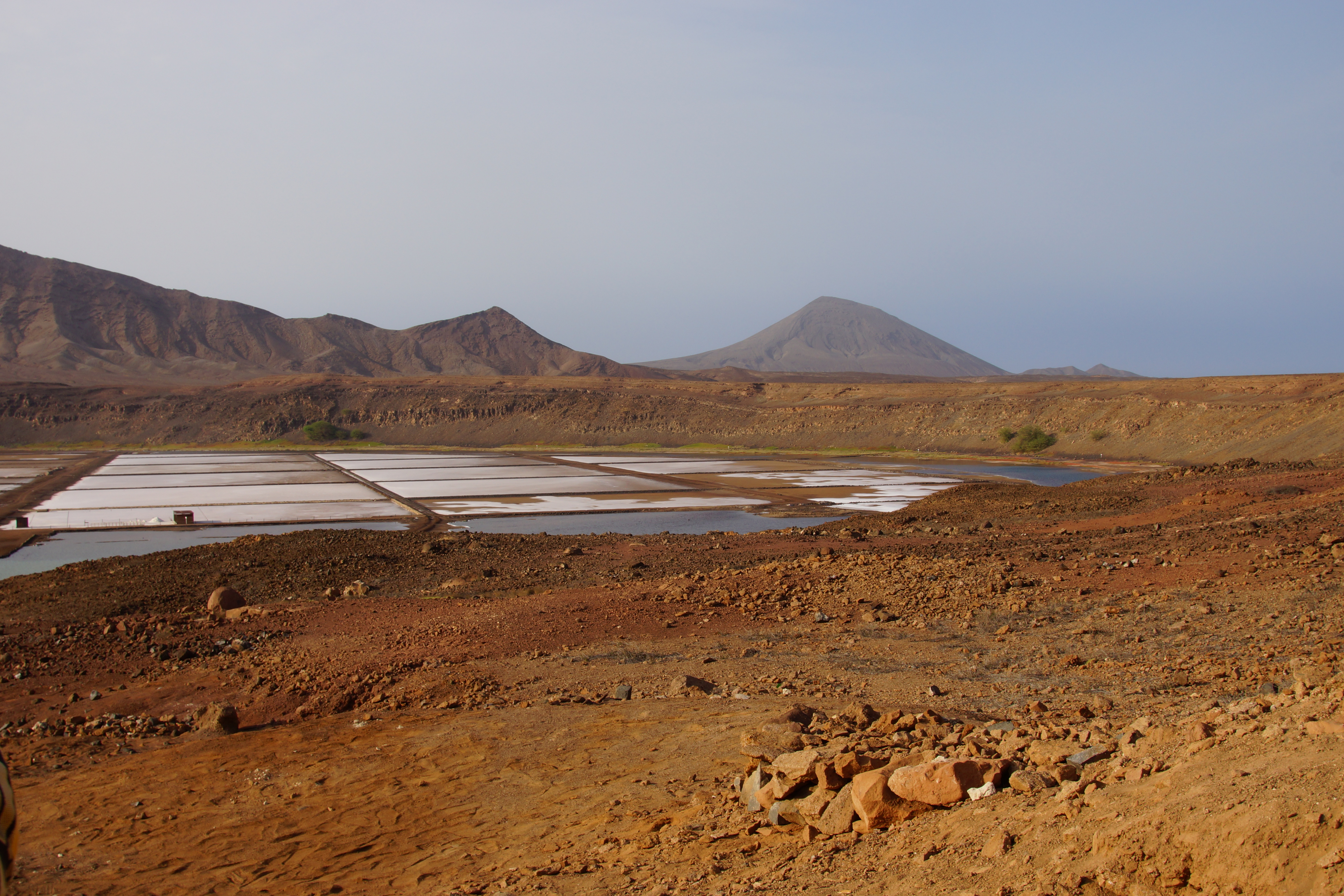
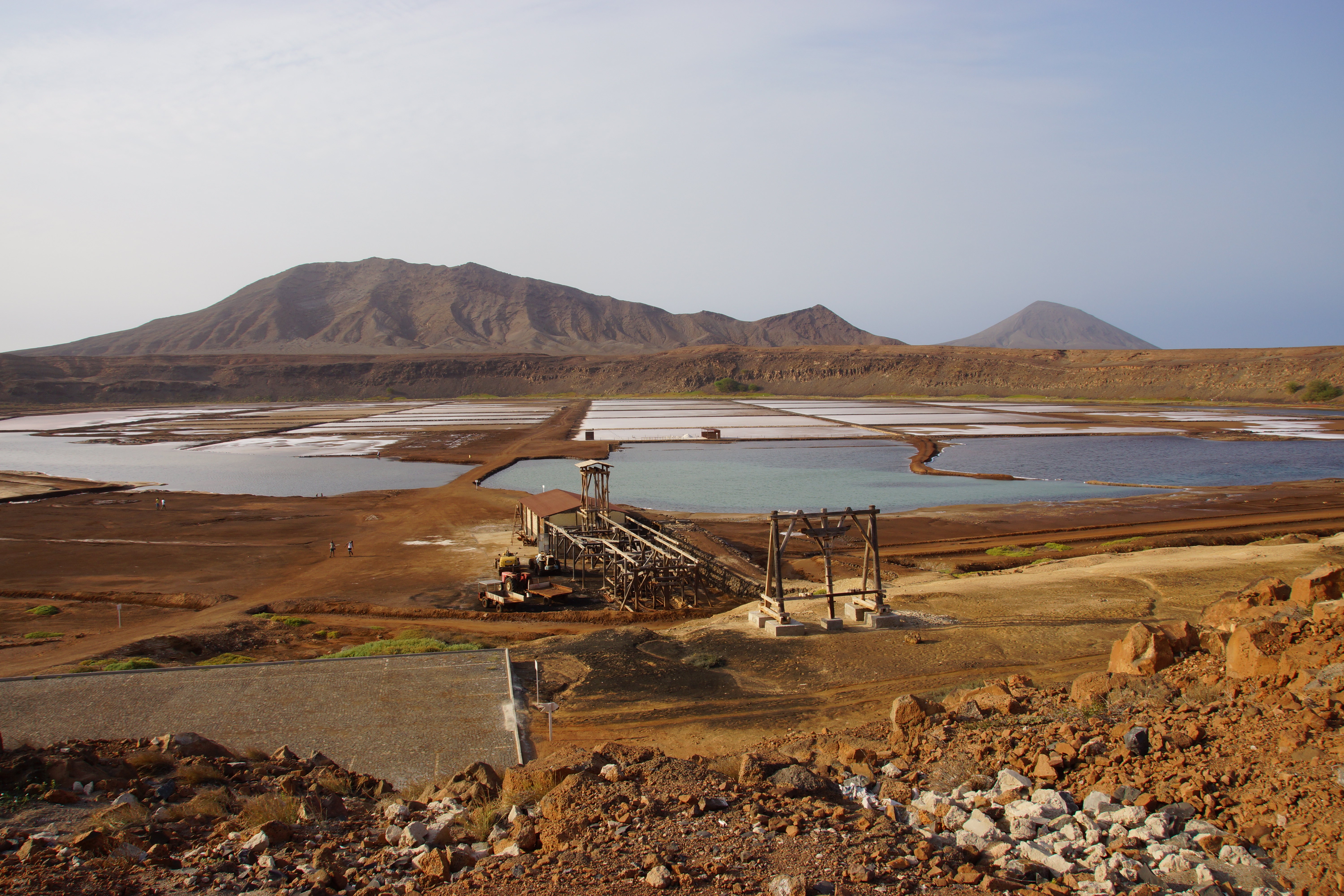
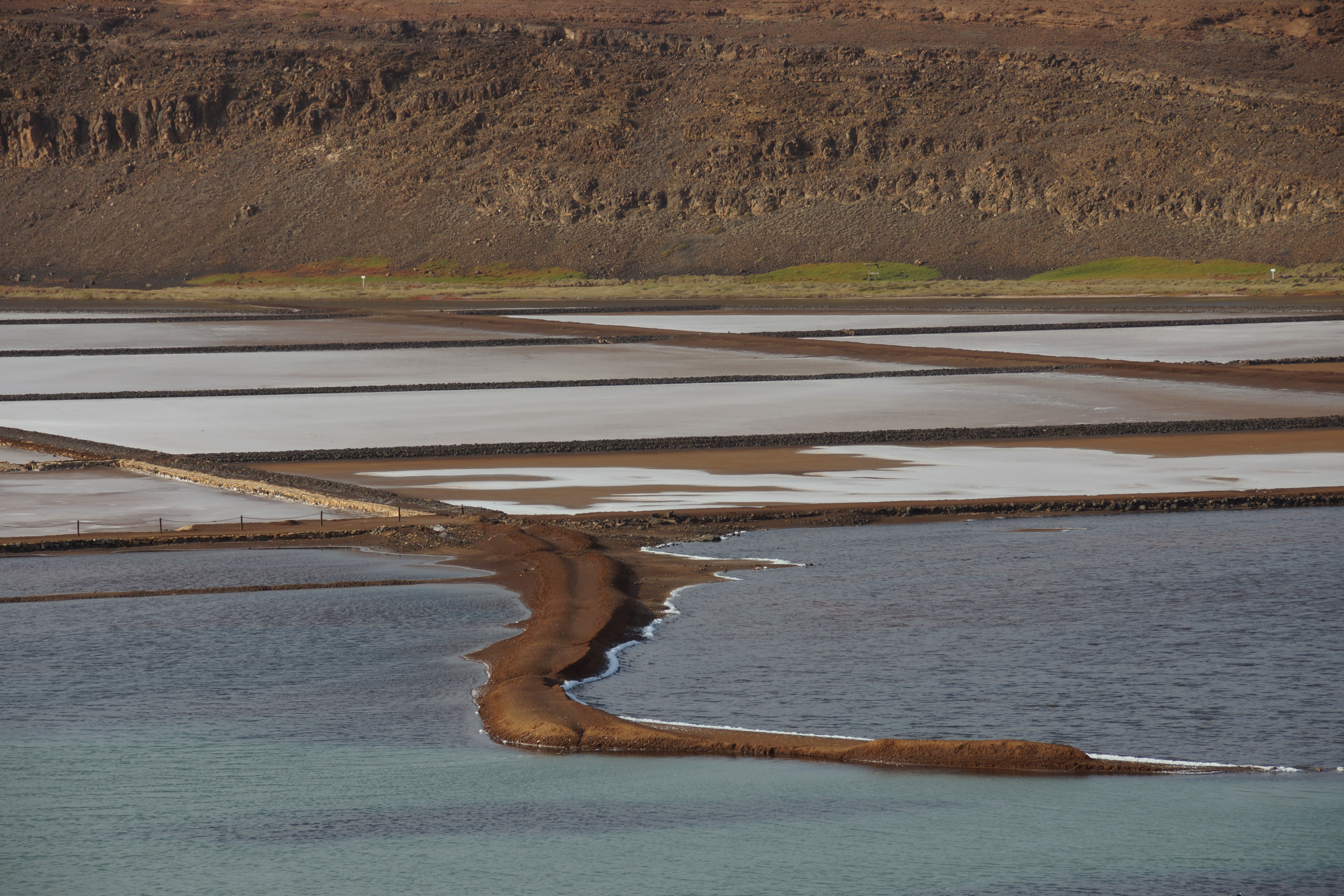
MakroTex – Salty -Pedra Lume salt crater
Salt – and where it came from …
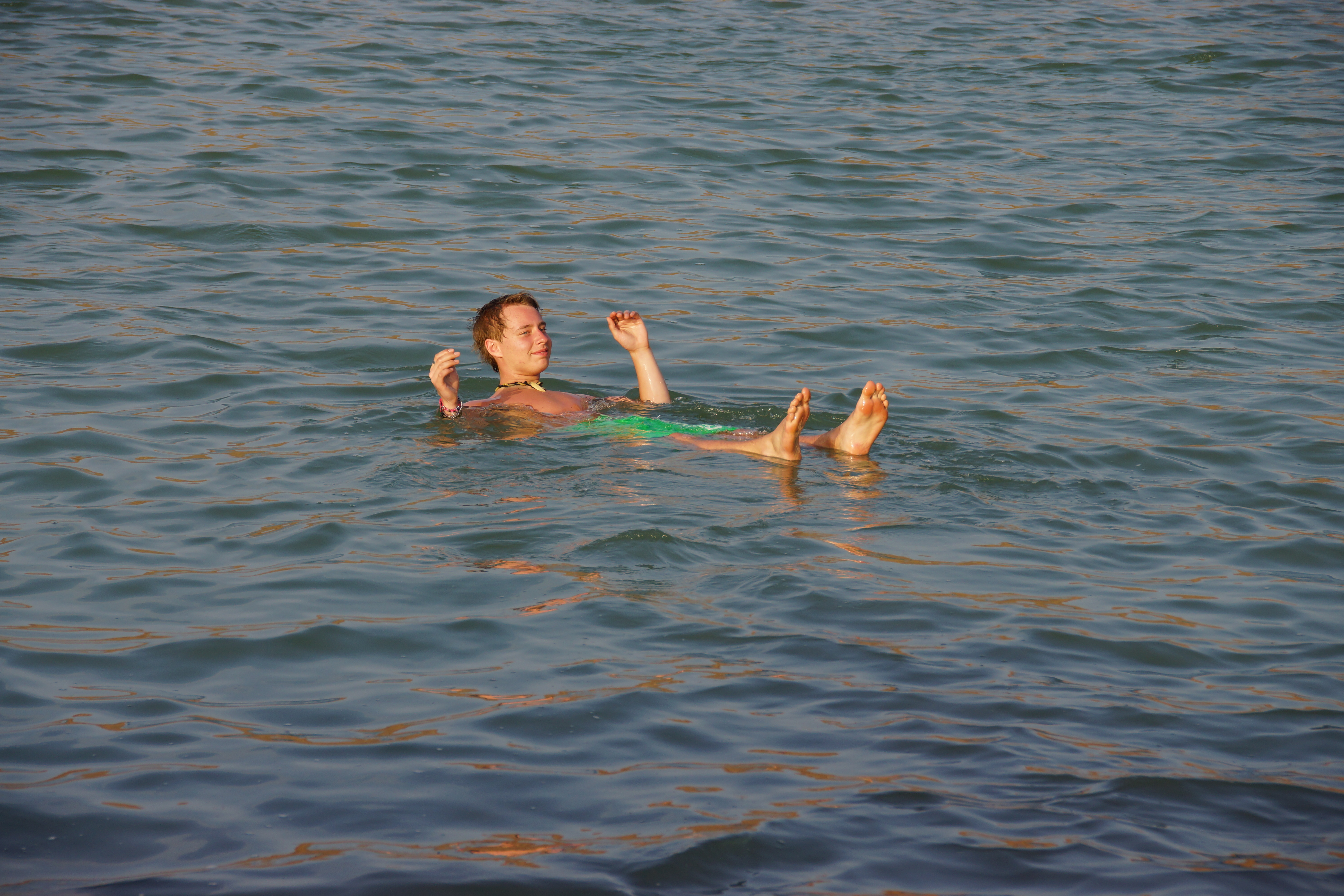
Pedra Lume, Ilha do Sal, Cape Verde. Very relaxing just floating around – no need for swim aids for non-swimmers – everyone floats. a bit cold to start with but soon got used to it. quite muddy underfoot but easy to wash off. just don’t swallow any of the water as extremely salty!!
MAKROTEX nro 145 -Suolainen Click the logo to see more
The Weekend in Black and White
More at The Weekend in Black and White
Cee’s Which Way Challenge: Paths in Pafos
Pathways In Pafos, Cyprus
More at: Cee’s Which Way Challenge
Thanks for the nomination for featured blogger, I appreciate It Cee!