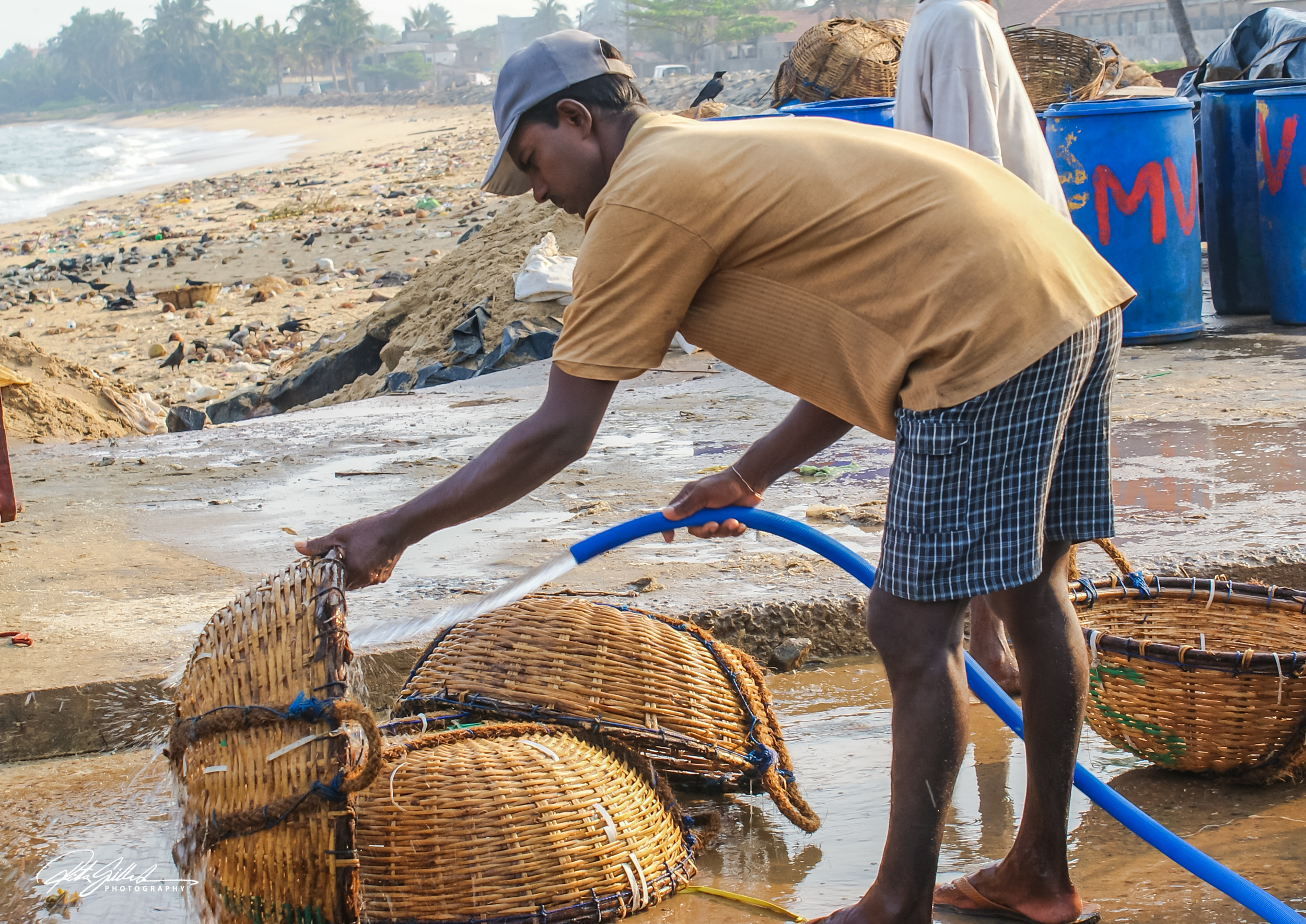
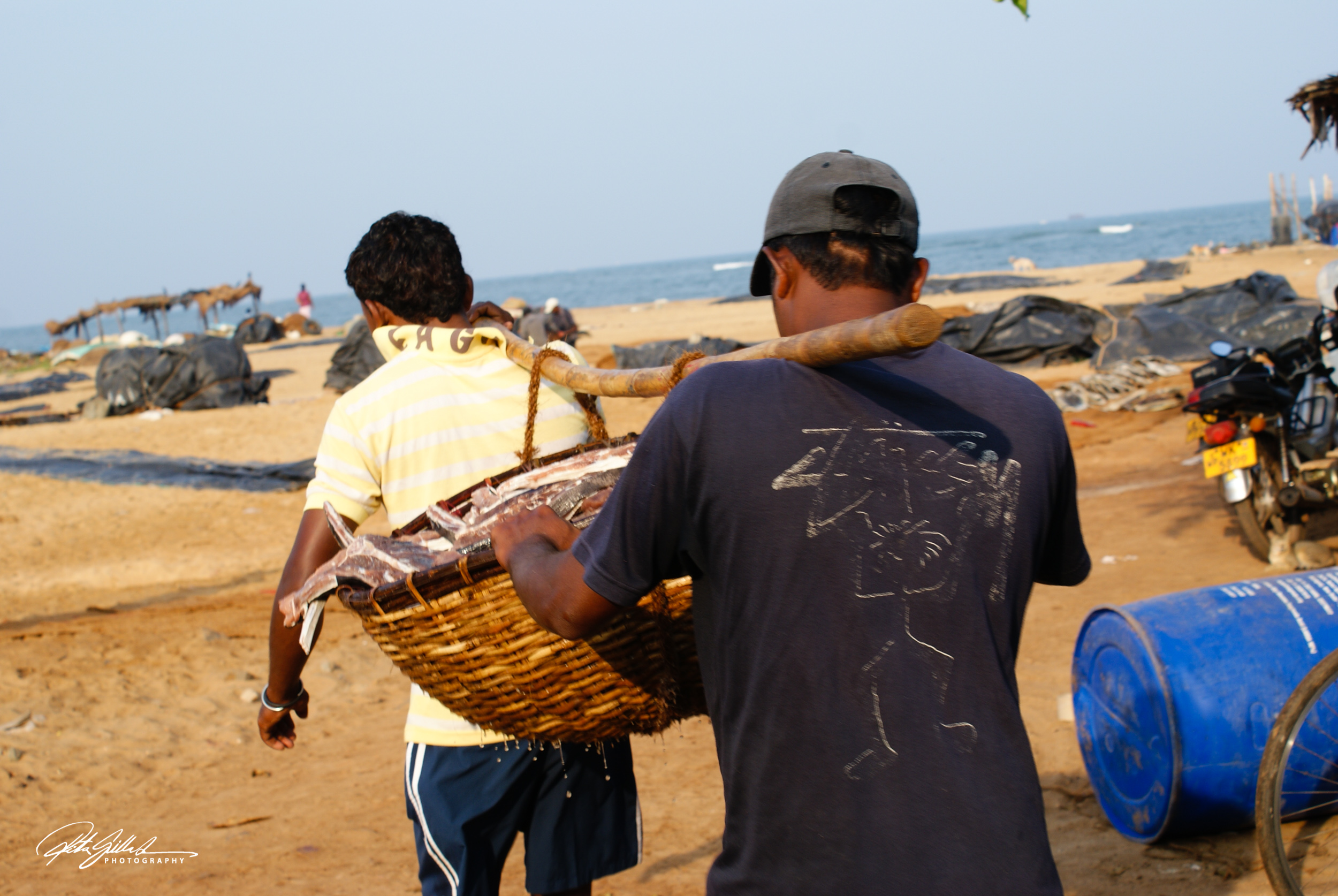
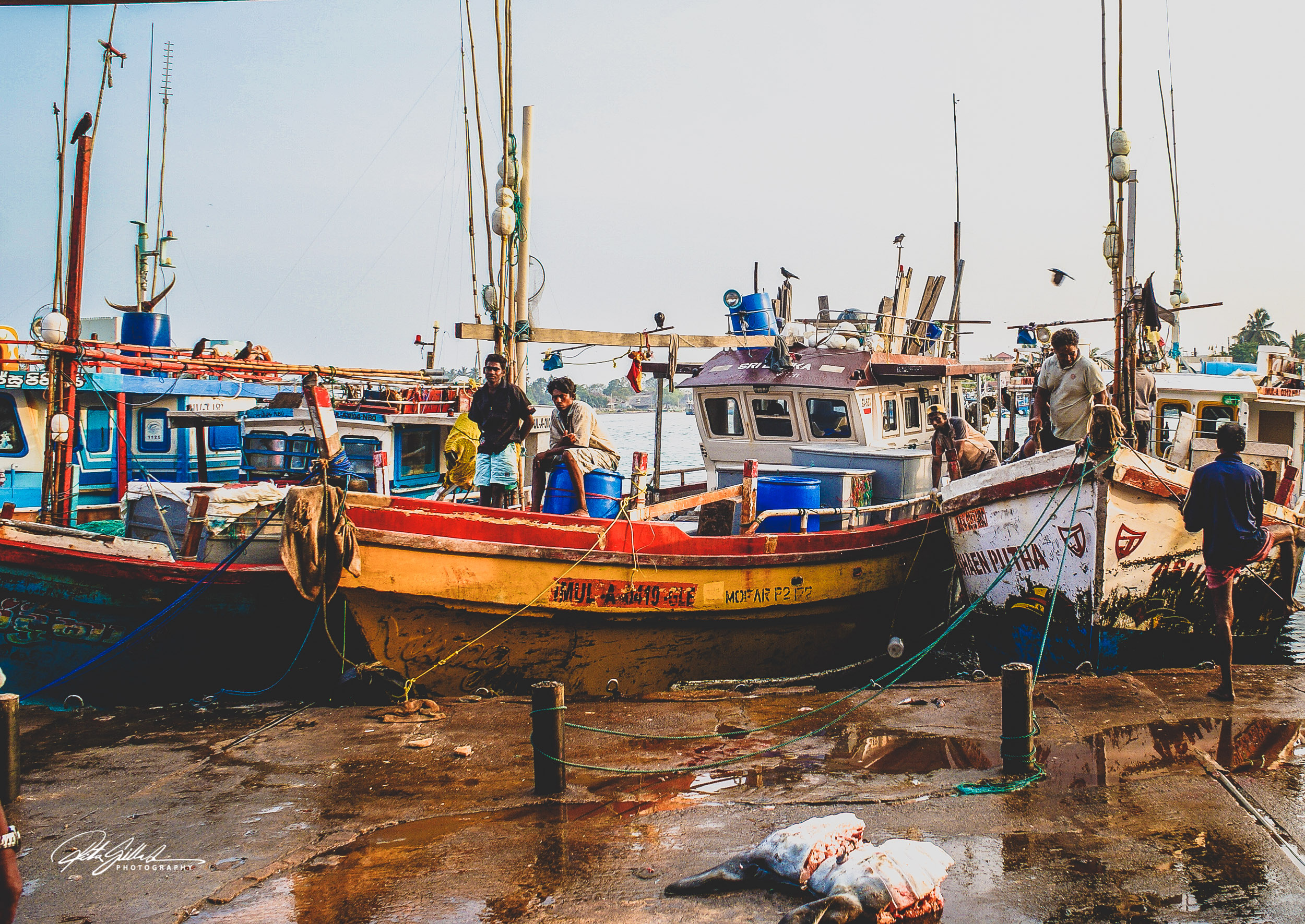
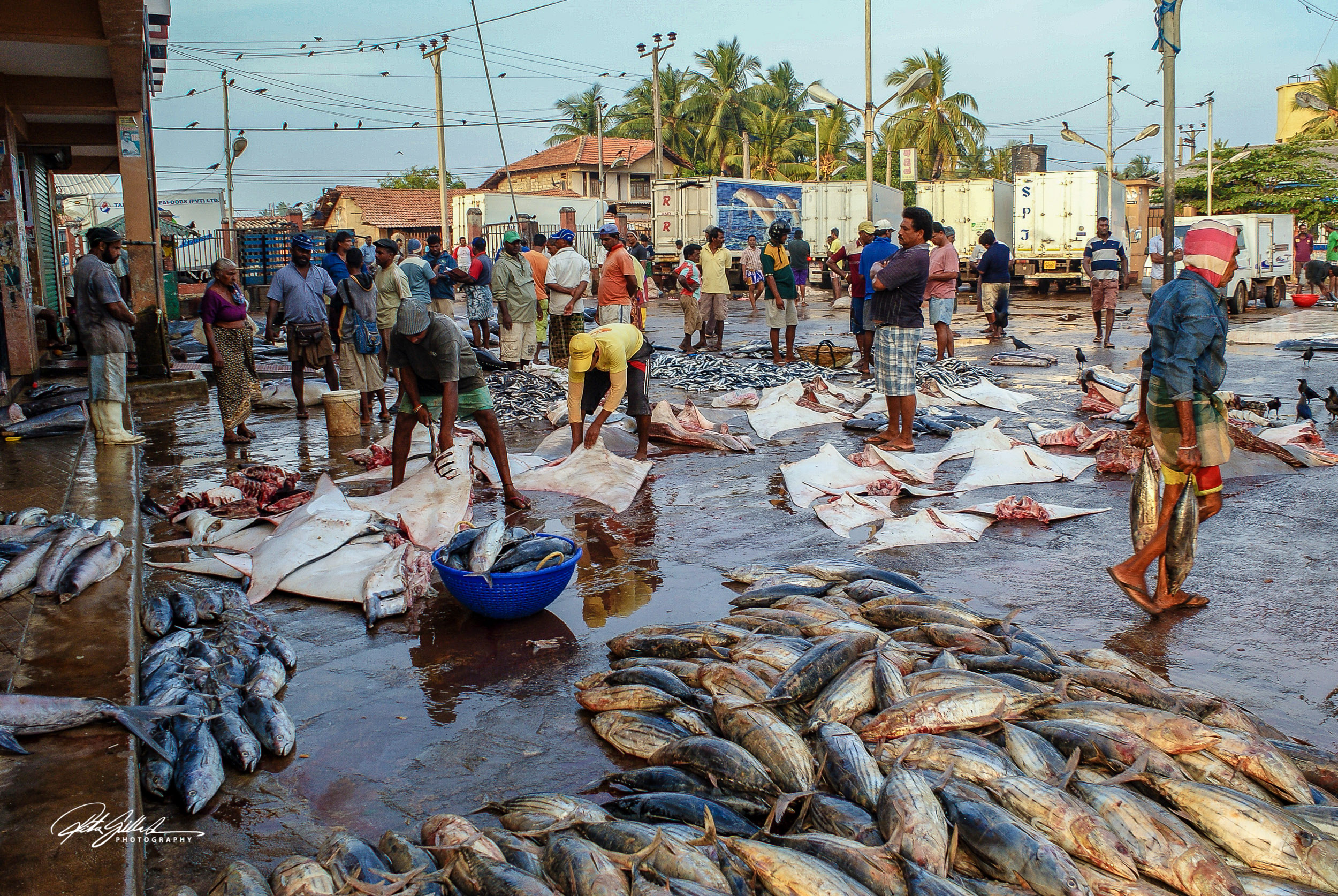
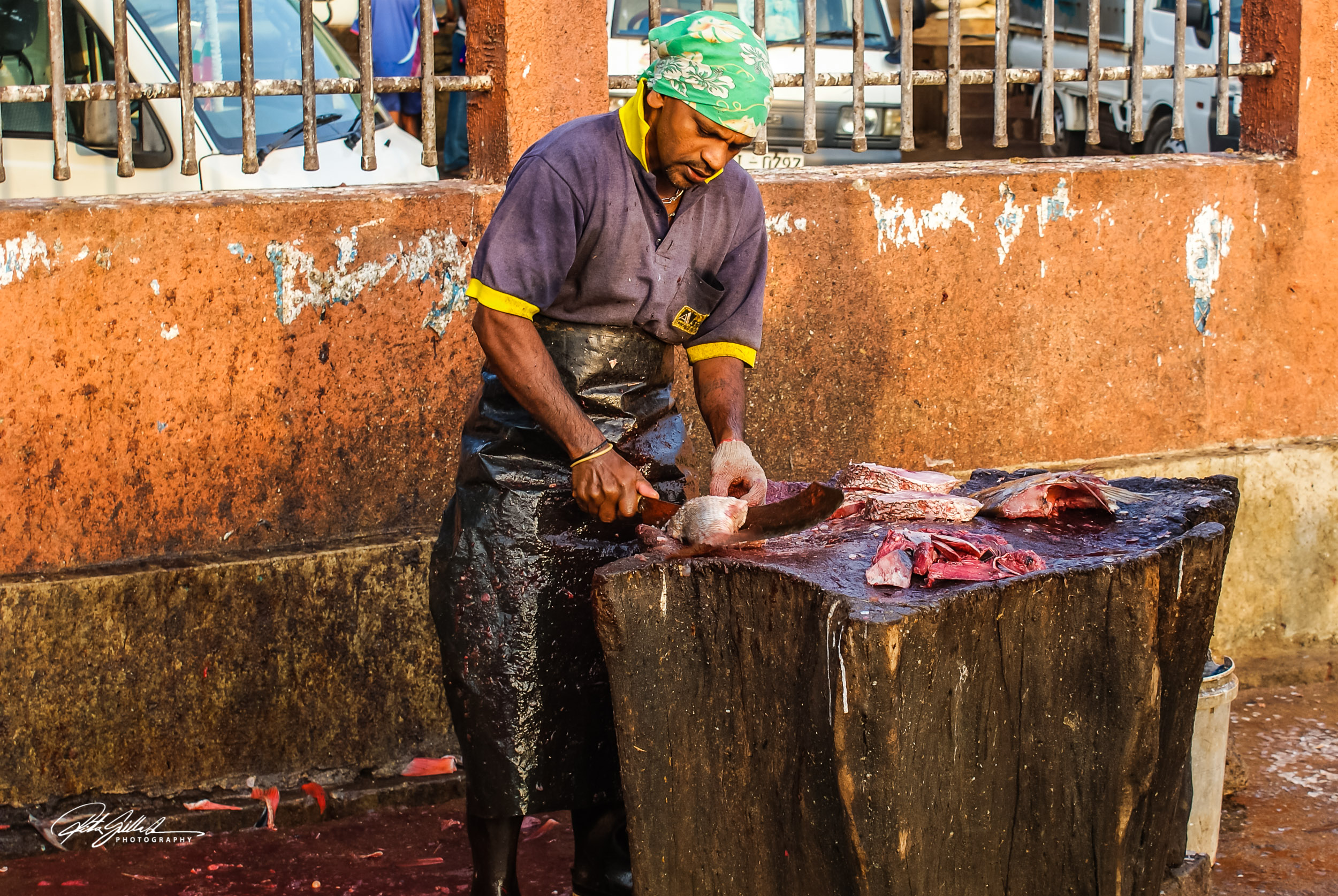
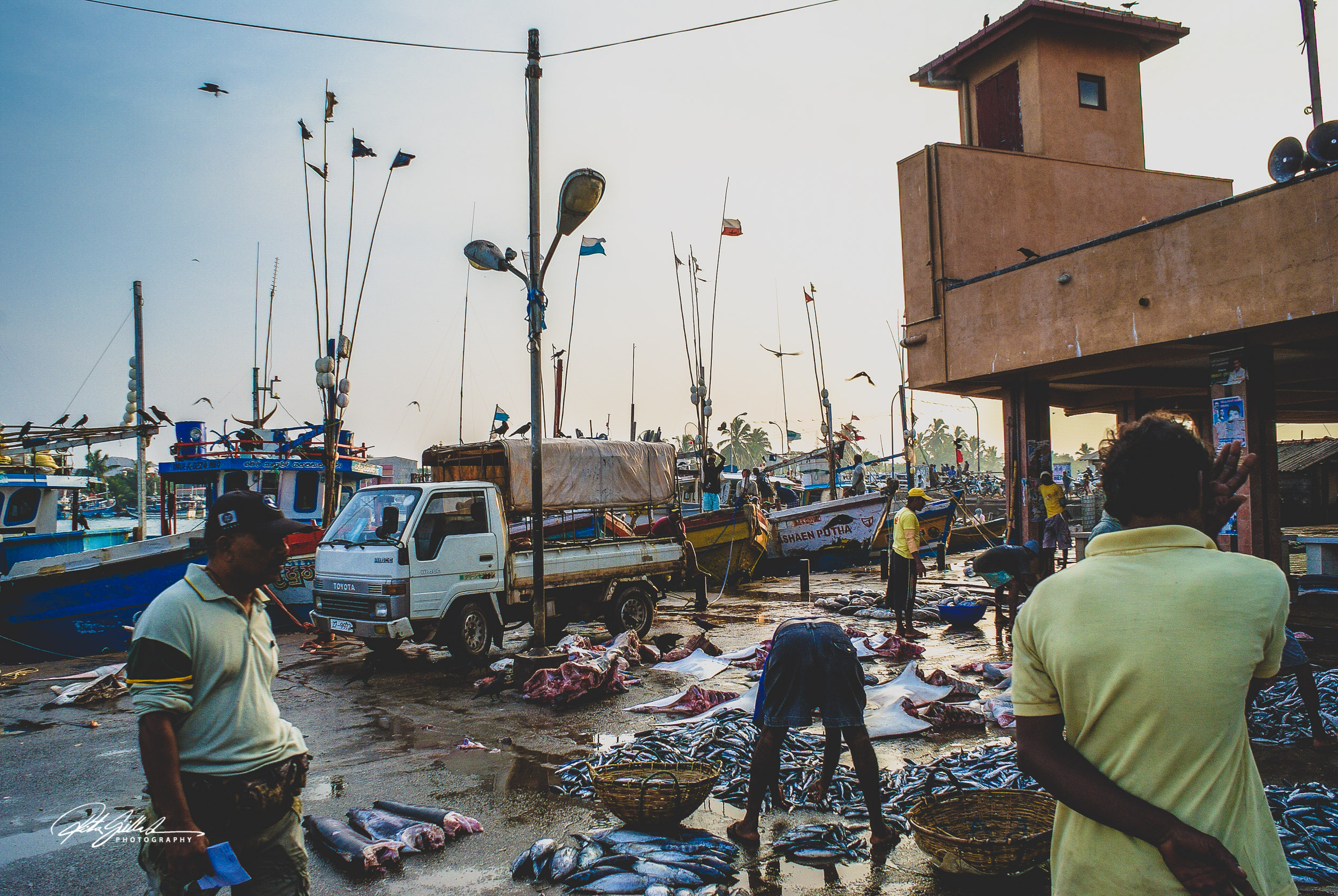
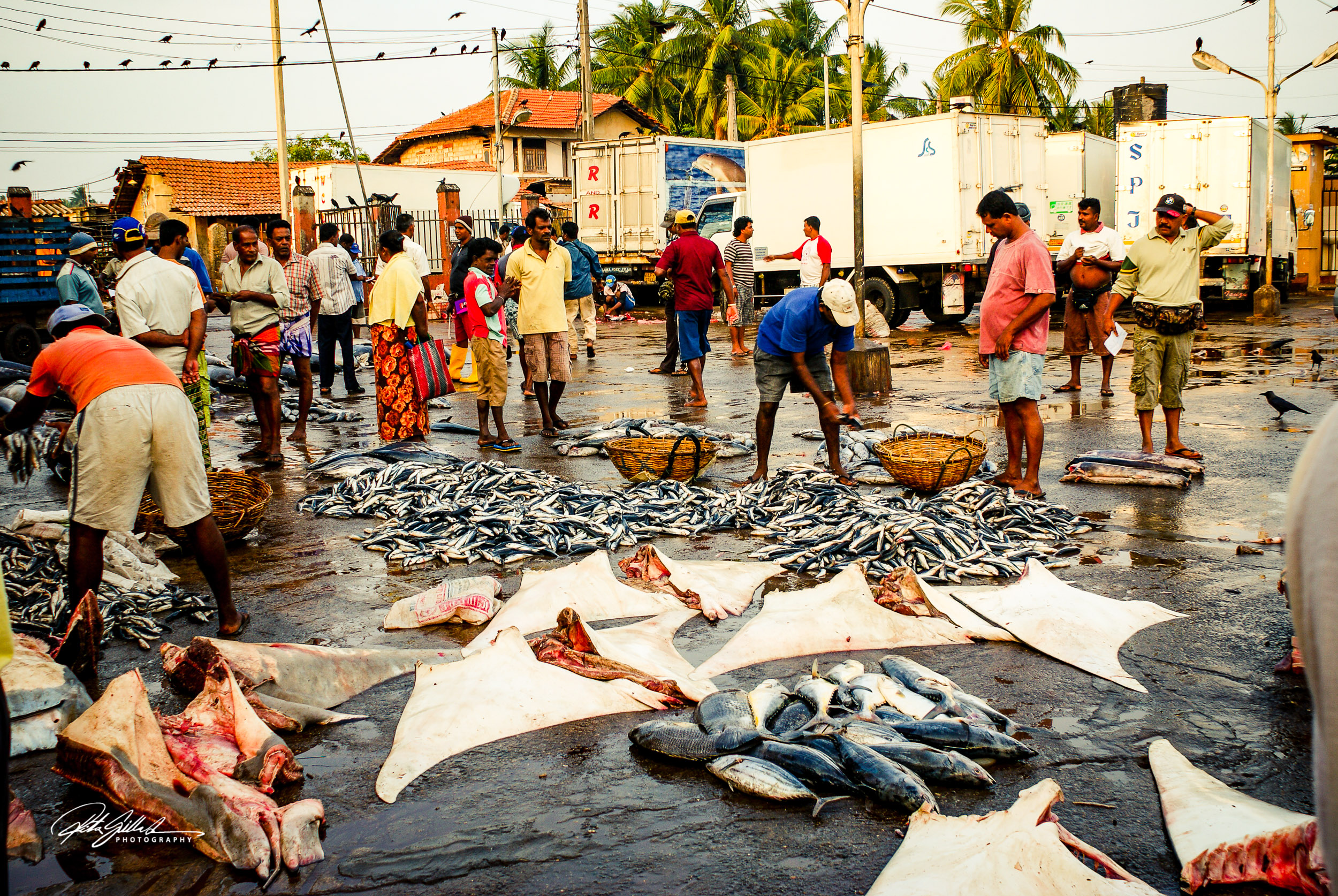
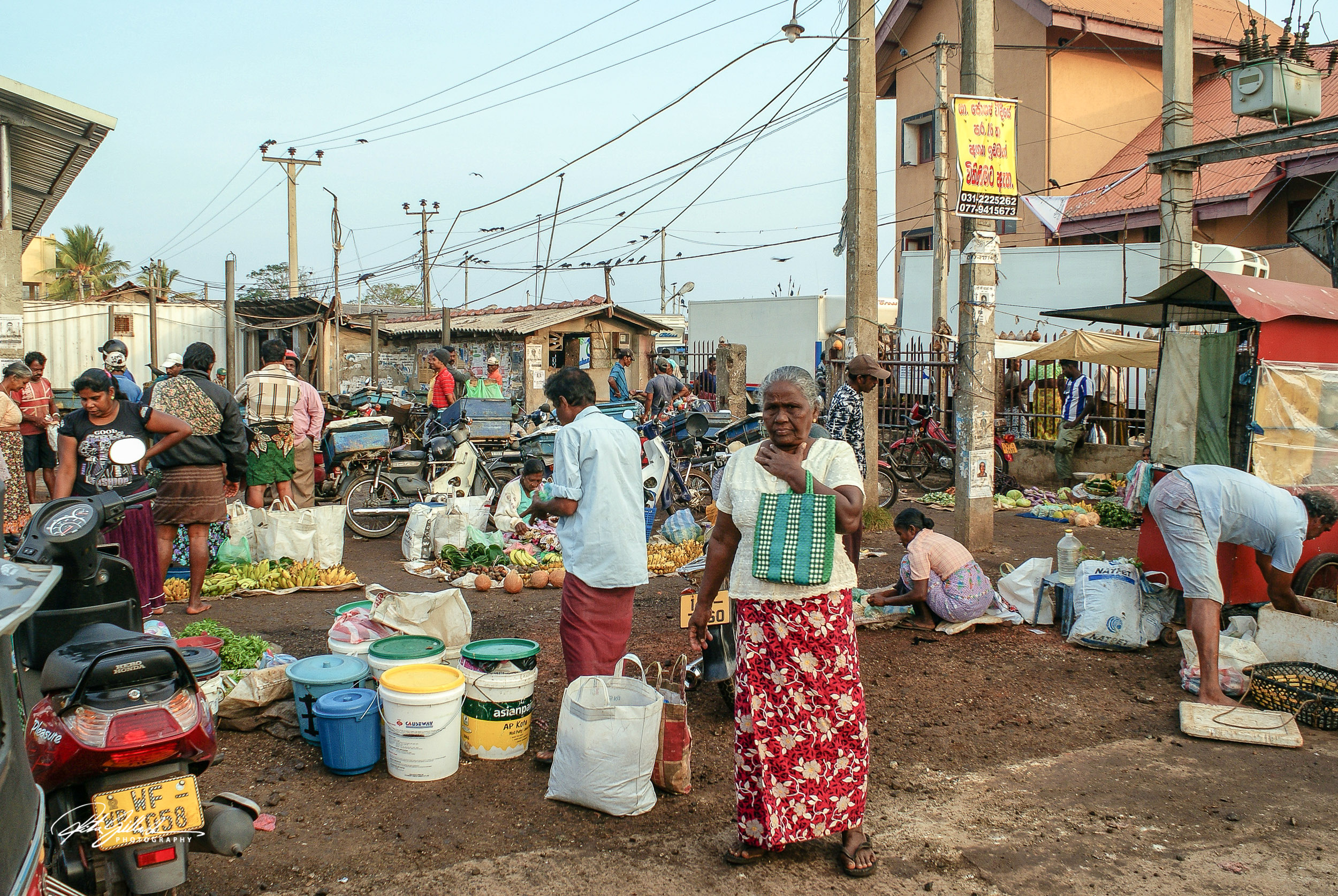
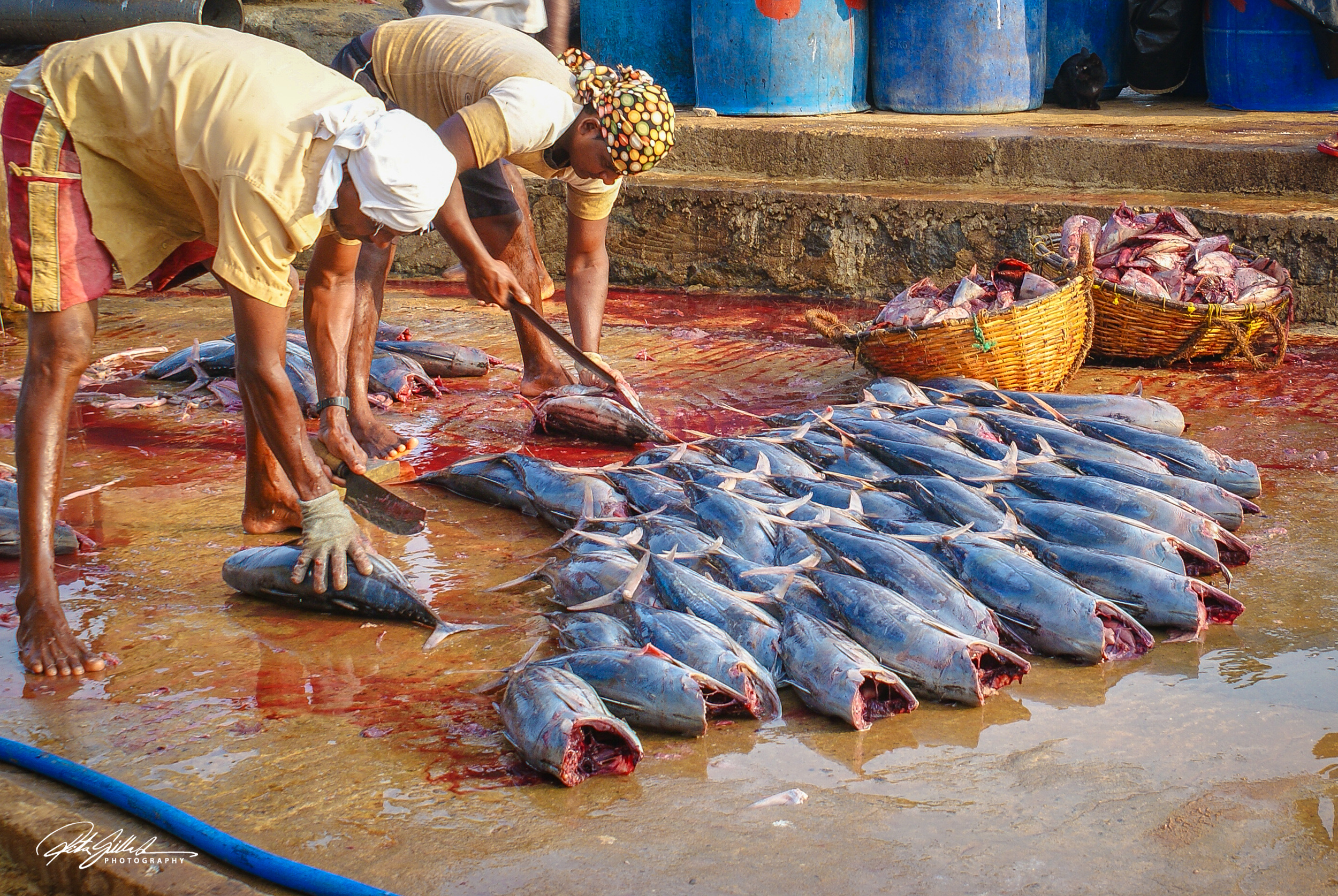
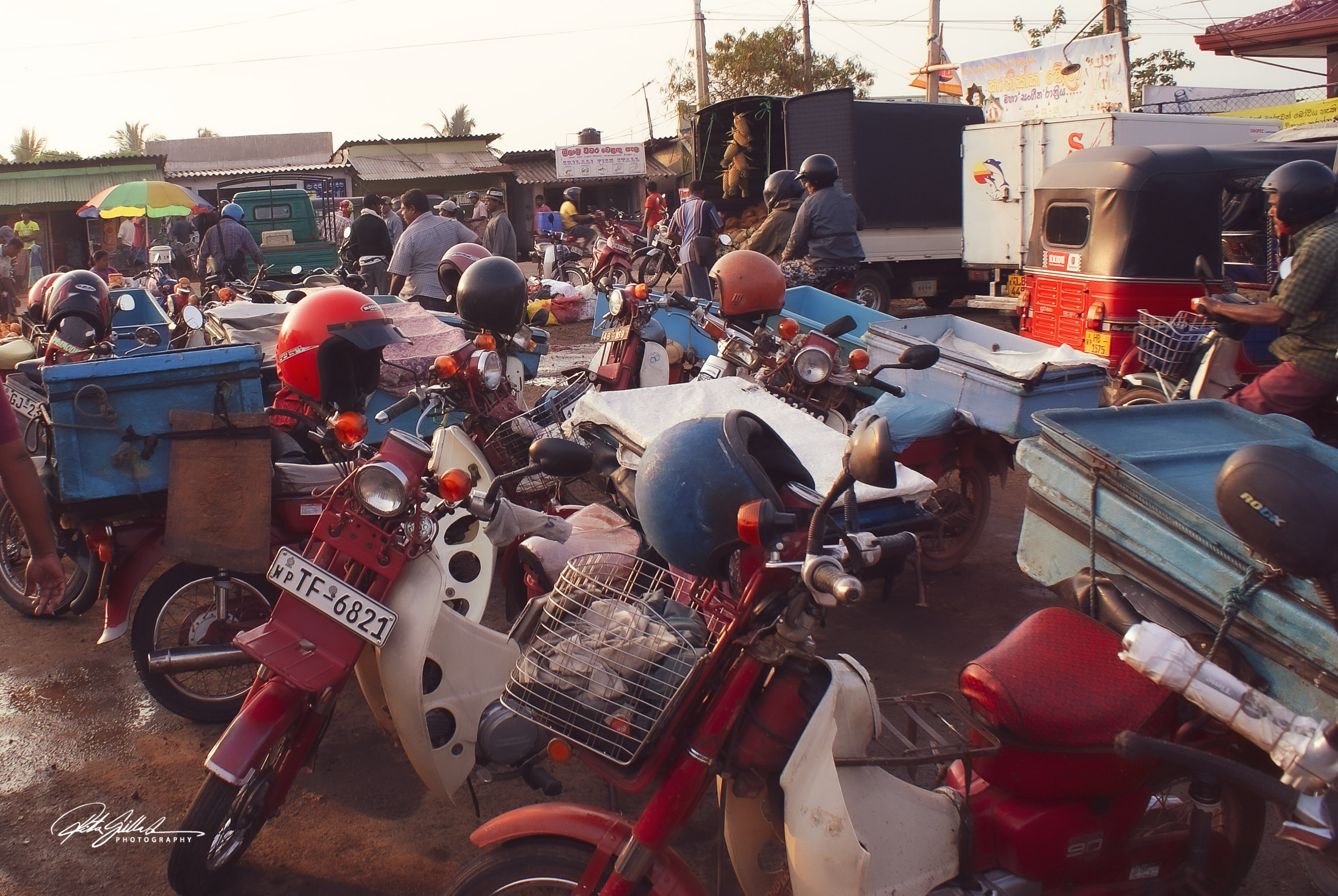
We all have these photos … throwback photos! Don’t we just… so many. It’s described as ‘nostalgia-inducing pictures … from a different era of your life”. This week (#TB Thursday).Thursday is filled with memories from the Thriving Fishing Culture from Negombo, Sri Lanka.
Negombo made its start as a fishing community, and fishermen today continue to hawk their wares on the city’s sandy shores. Starting from as early as 4AM, fishing boats begin to make their way to the beach laden with that morning’s catch. Shrimps, crabs and lobsters are hunted at the famous Negombo Lagoon, while fresh fish is hauled in from the waves of the Indian Ocean.
A Unique Concept
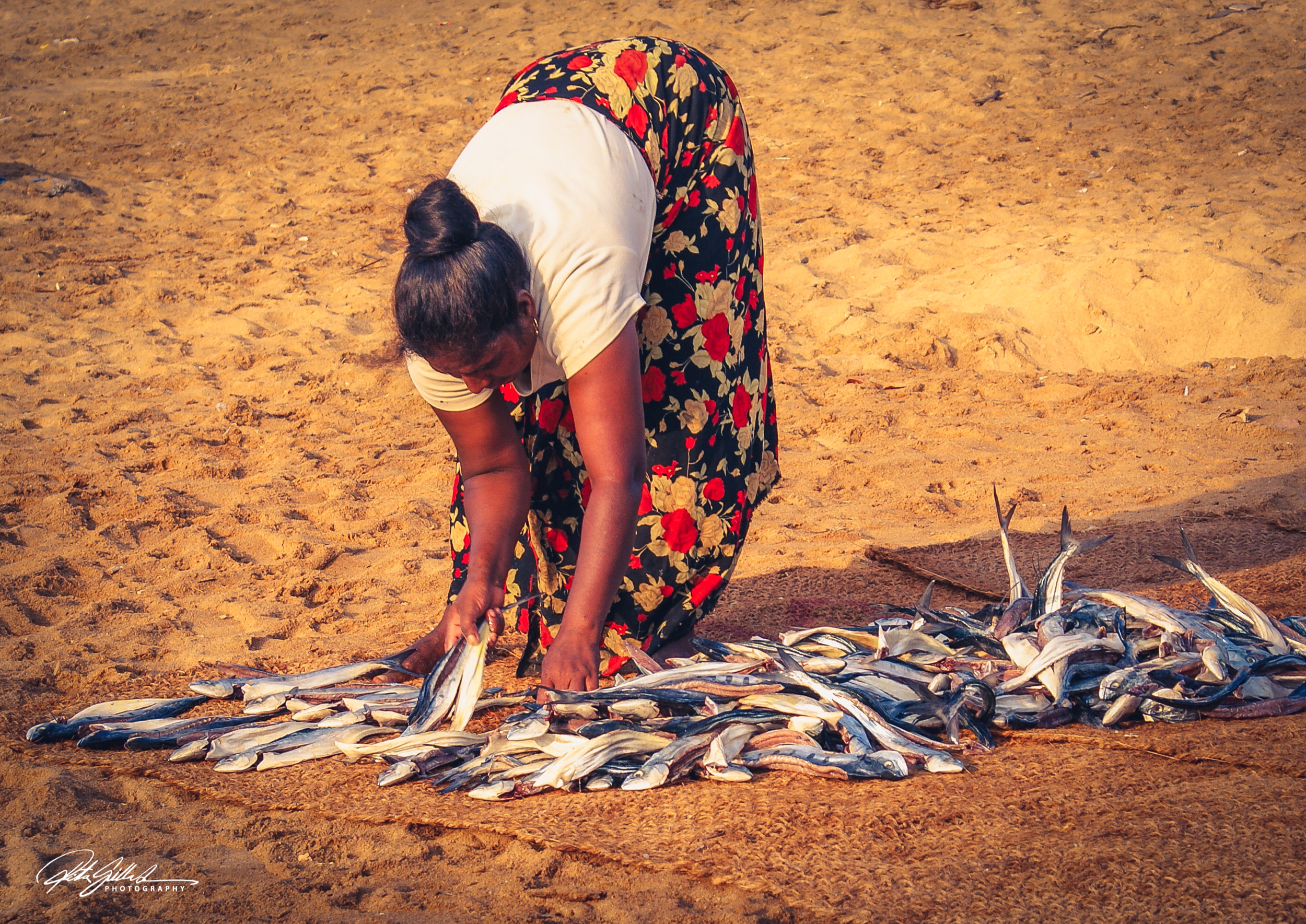
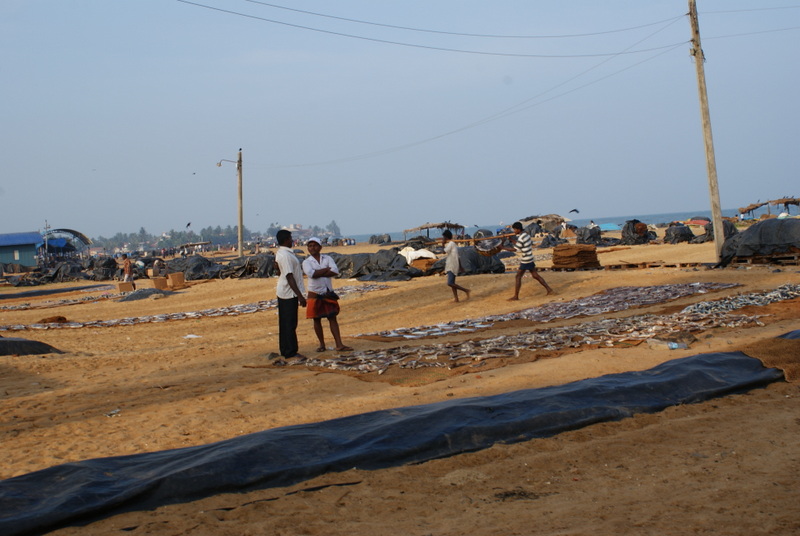
Visitors that walk the shores of Negombo beach can witness the day’s catch being laid out on enormous mats made of coconut fibre. Using an age-old method of open-air drying, the fishermen use the heat of the sun to remove all moisture from the fish and extend their shelf life. It will then get salted before being shipped to all over the island and sold in stores; dried fish is a very common inclusion of Sri Lankan cuisine.
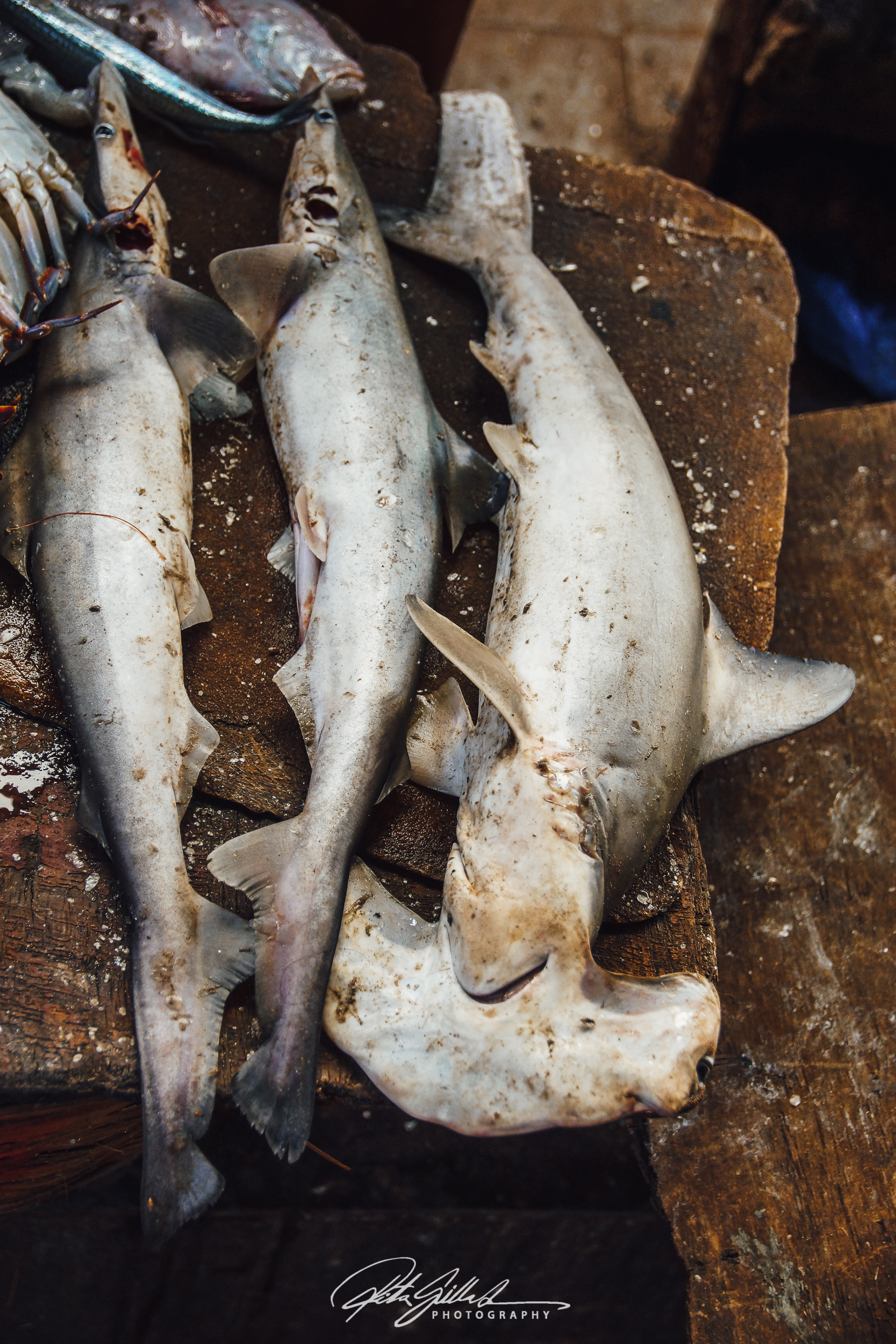
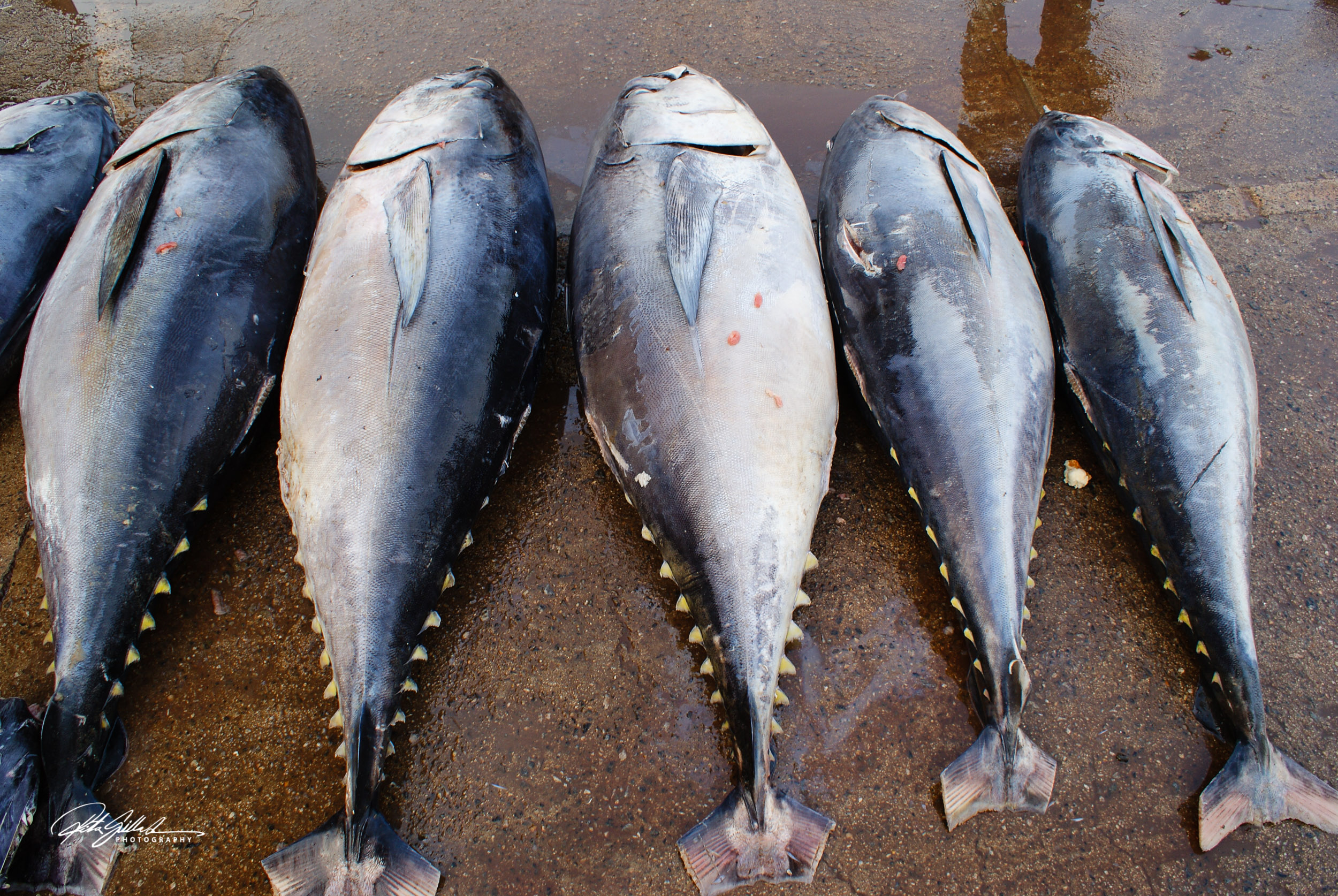
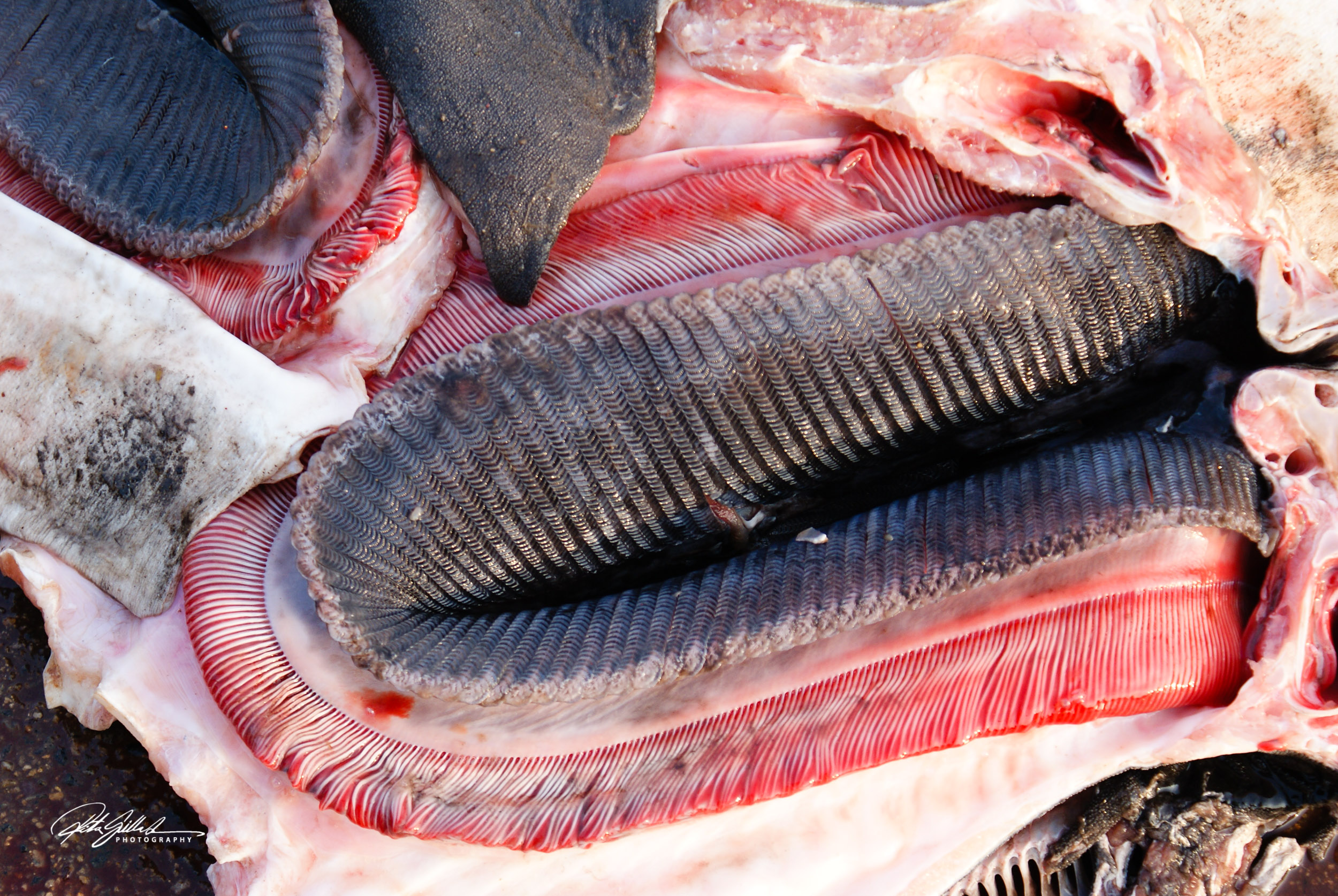
Adjacent to the shores of drying fish, the wet market is where fresh seafood can be bought. Ranging from of offers of tuna, mackerel, squid, sardines and shark, the market is said to be closed on Sundays when the city’s predominantly Catholic population heads to church. However, some Muslim fishermen still operate on Sunday (their religious day of the week being Friday), so it is still possible to witness the fishing community in action.
While some of the fish for sale at the market are brought in fresh, others have been brought in from larger wholesalers in the morning to be sold here. The best fish are sold to local hotels and restaurants before being relegated to either the marketplace or to being dried under the sun on the beach.
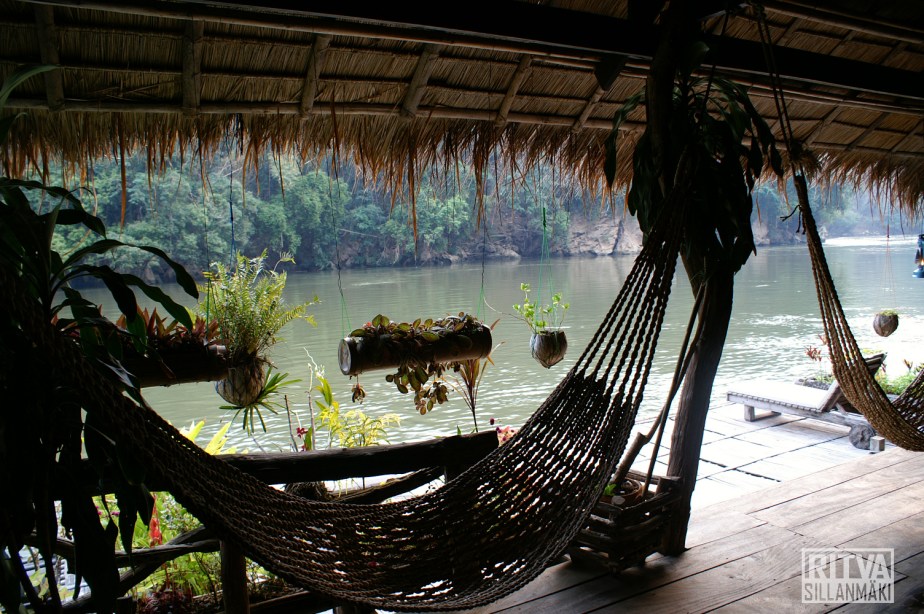
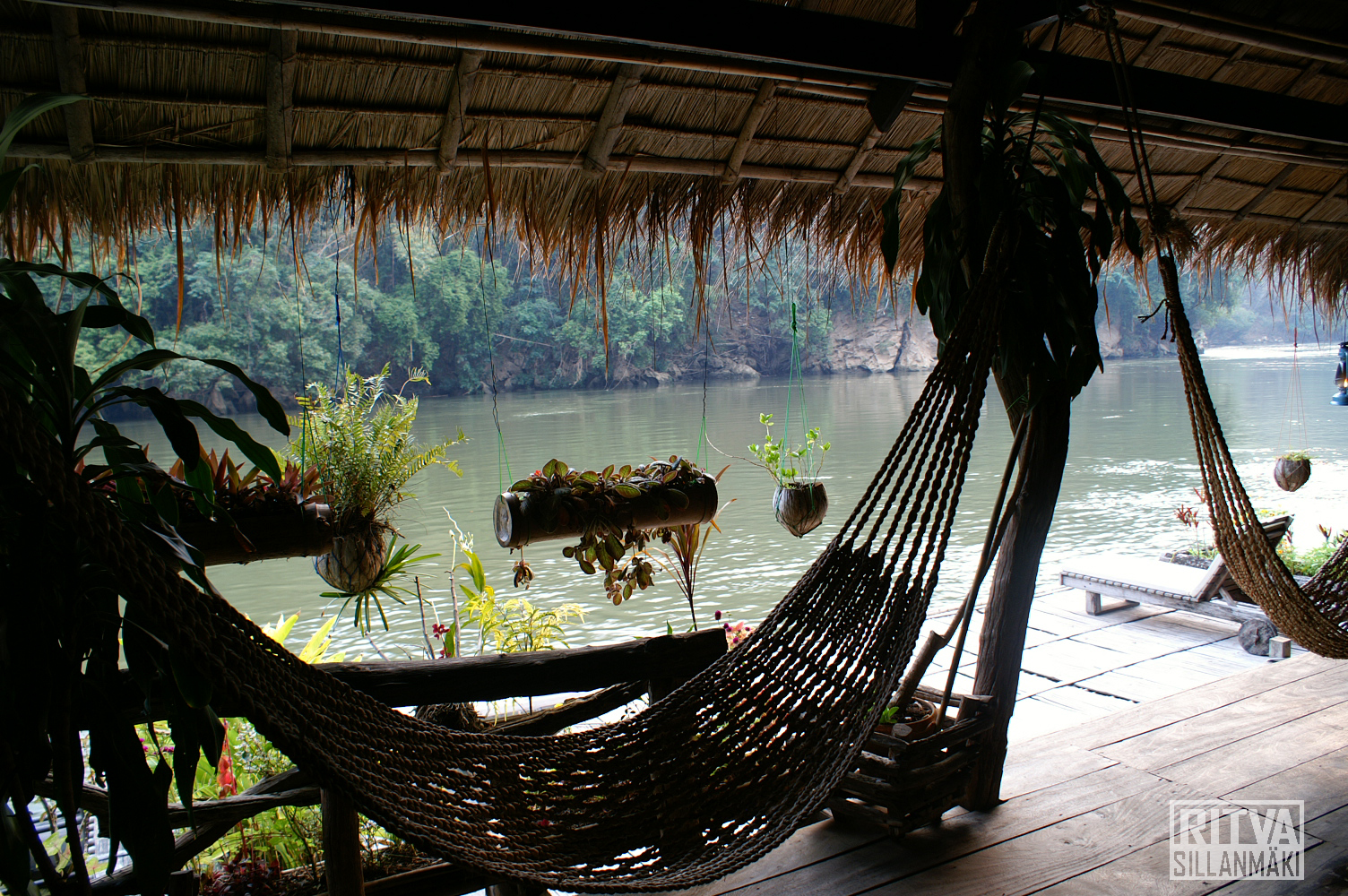
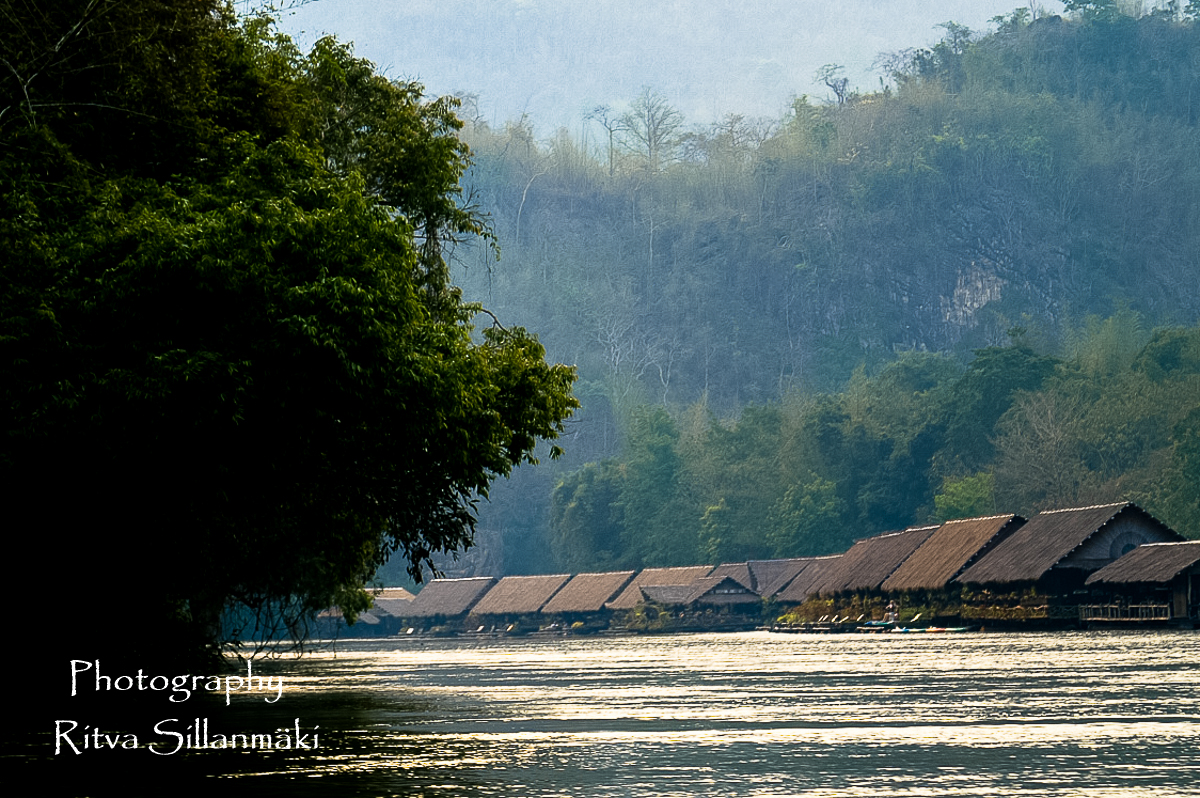
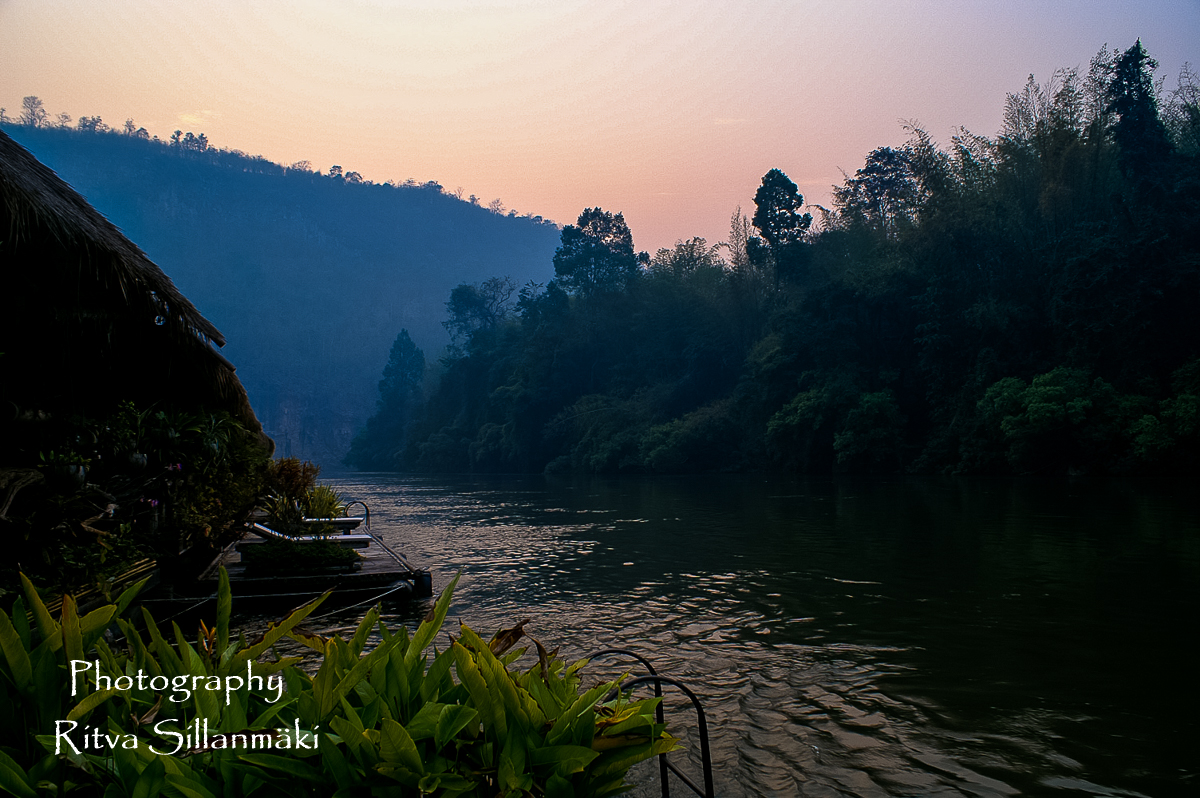
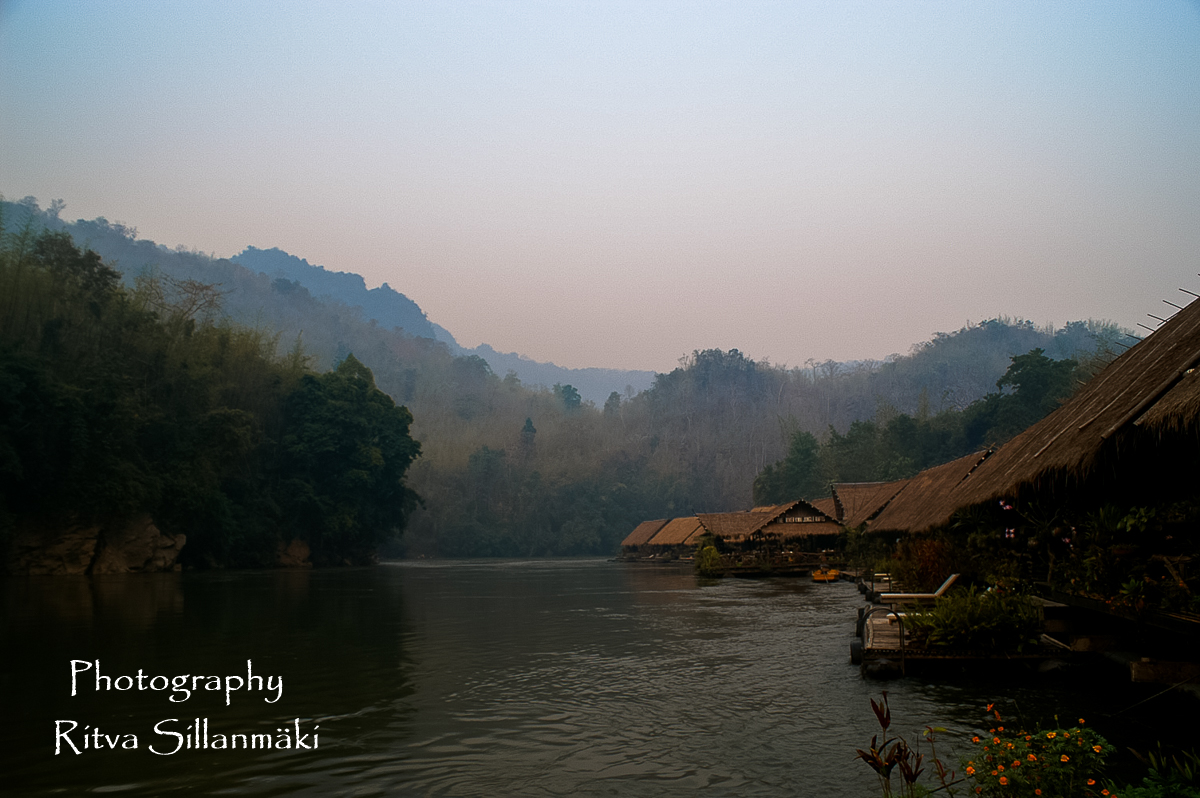
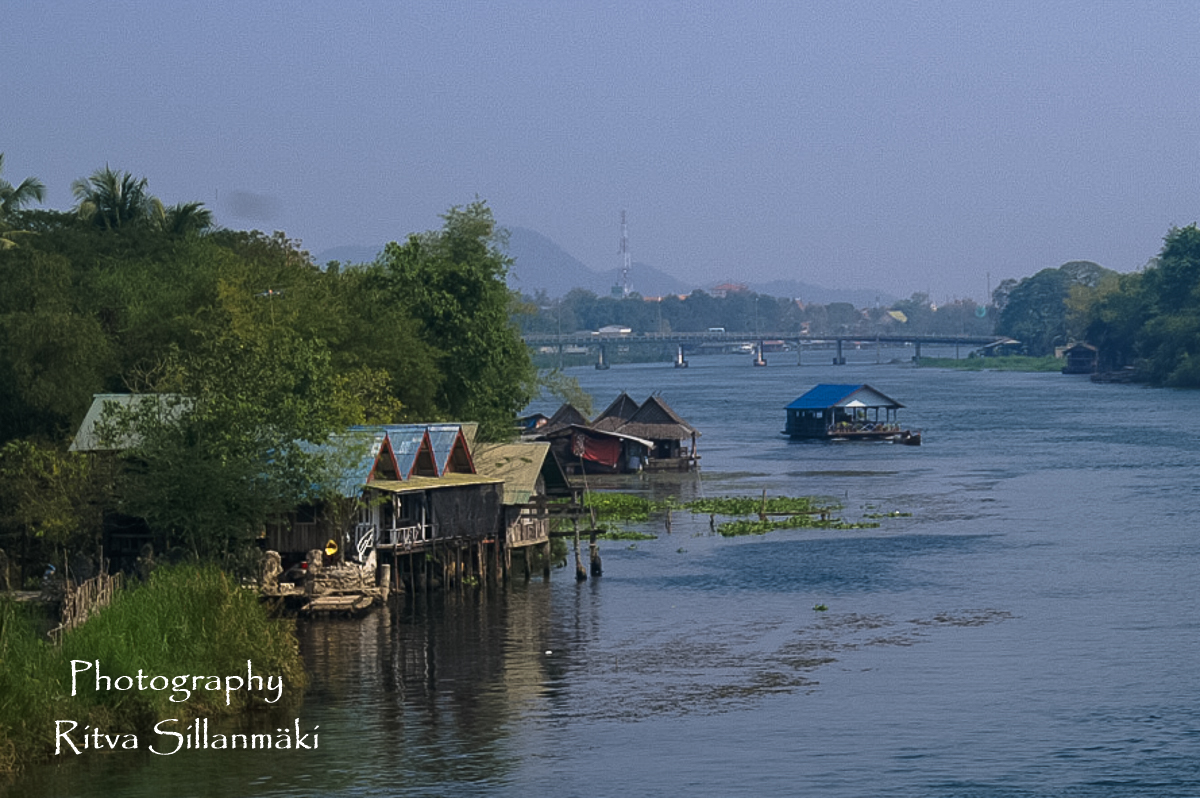
We all have these photos … throwback photos! Don’t we just… so many. It’s described as ‘nostalgia-inducing pictures … from a different era of your life”. This week (#TB Thursday).Thursday is filled with memories from Kwai River in Thailand in 2008. We had a family vacation in the sun and these beautiful settings. We slept in these floating bungalows over the river Kwai.
The River Kwai, more correctly ‘Khwae Noi’ (Thai: แควน้อย, English small tributary) or Khwae Sai Yok (แควไทรโยค), is a river in western Thailand, near, but not over the border with Myanmar. It begins at the confluence of Ranti, Songkalia and Bikhli Rivers. At Kanchanaburi it merges with the Khwae Yai River to form the Mae Klong river, which empties into the Gulf of Thailand at Samut Songkhram.
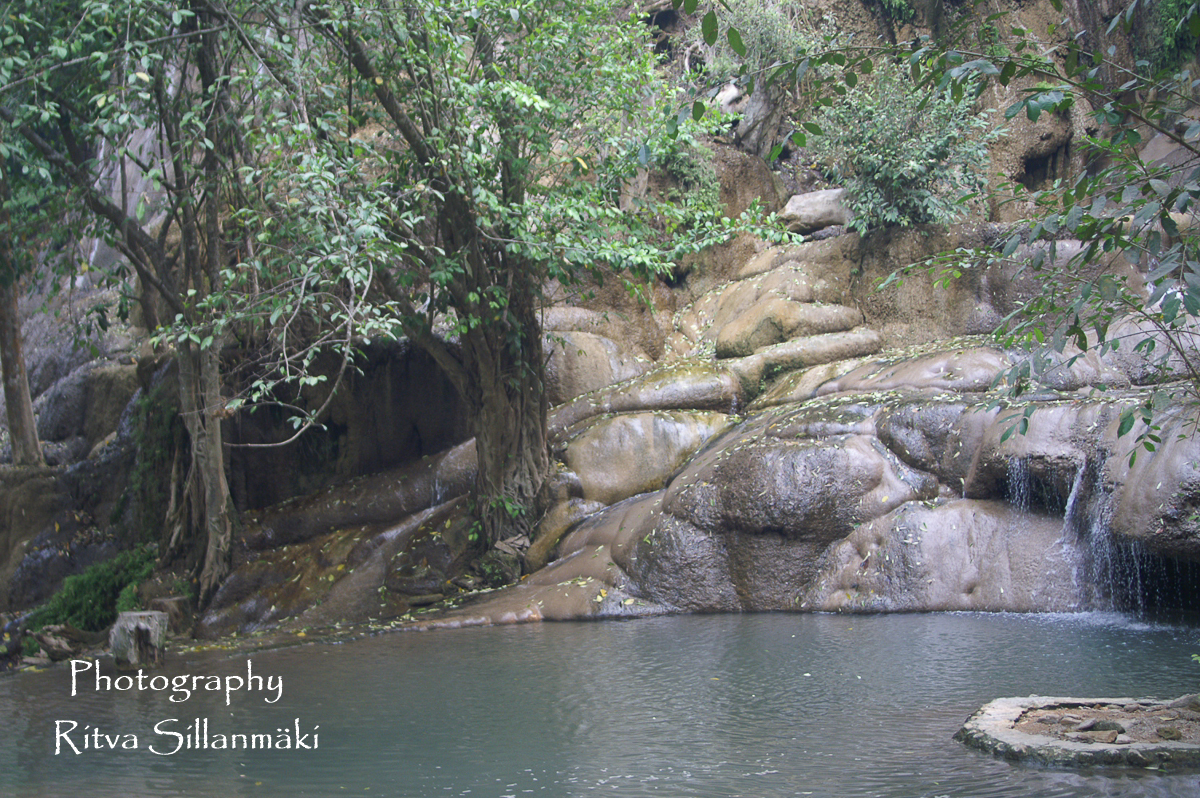
Jumping and swimming in the clear fresh water of the river has been a particular favorite of many, us too .There has always been something nice, and calming about swimming, and letting the water take all your worries away.
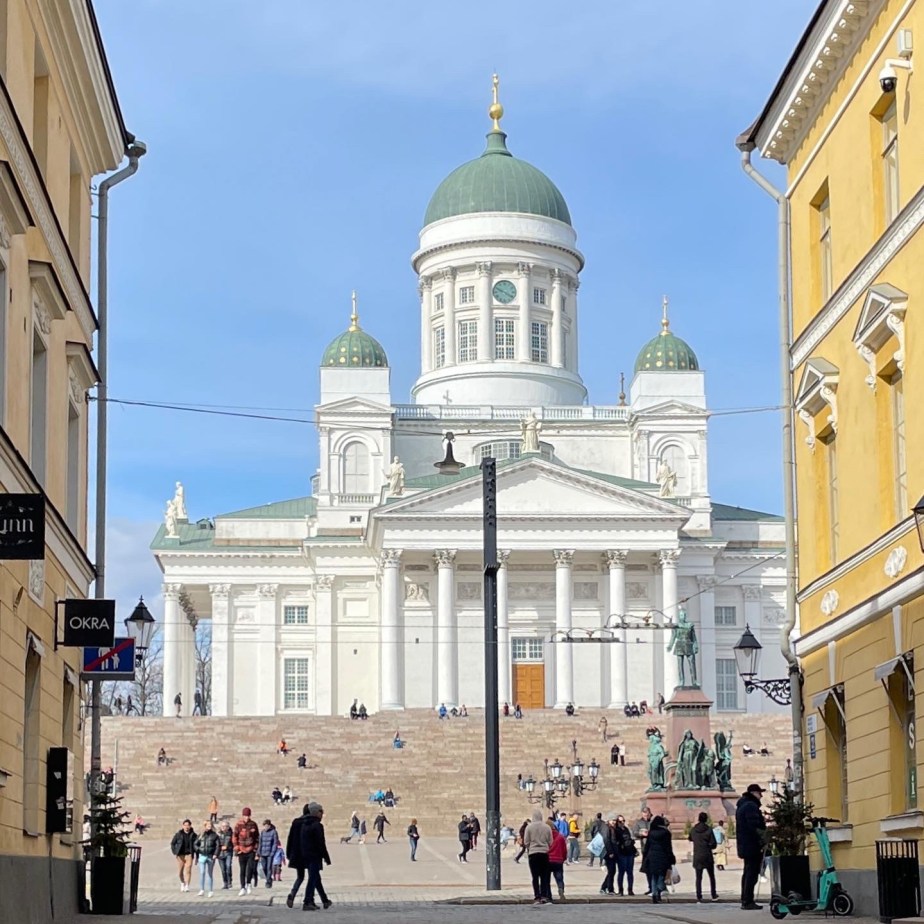
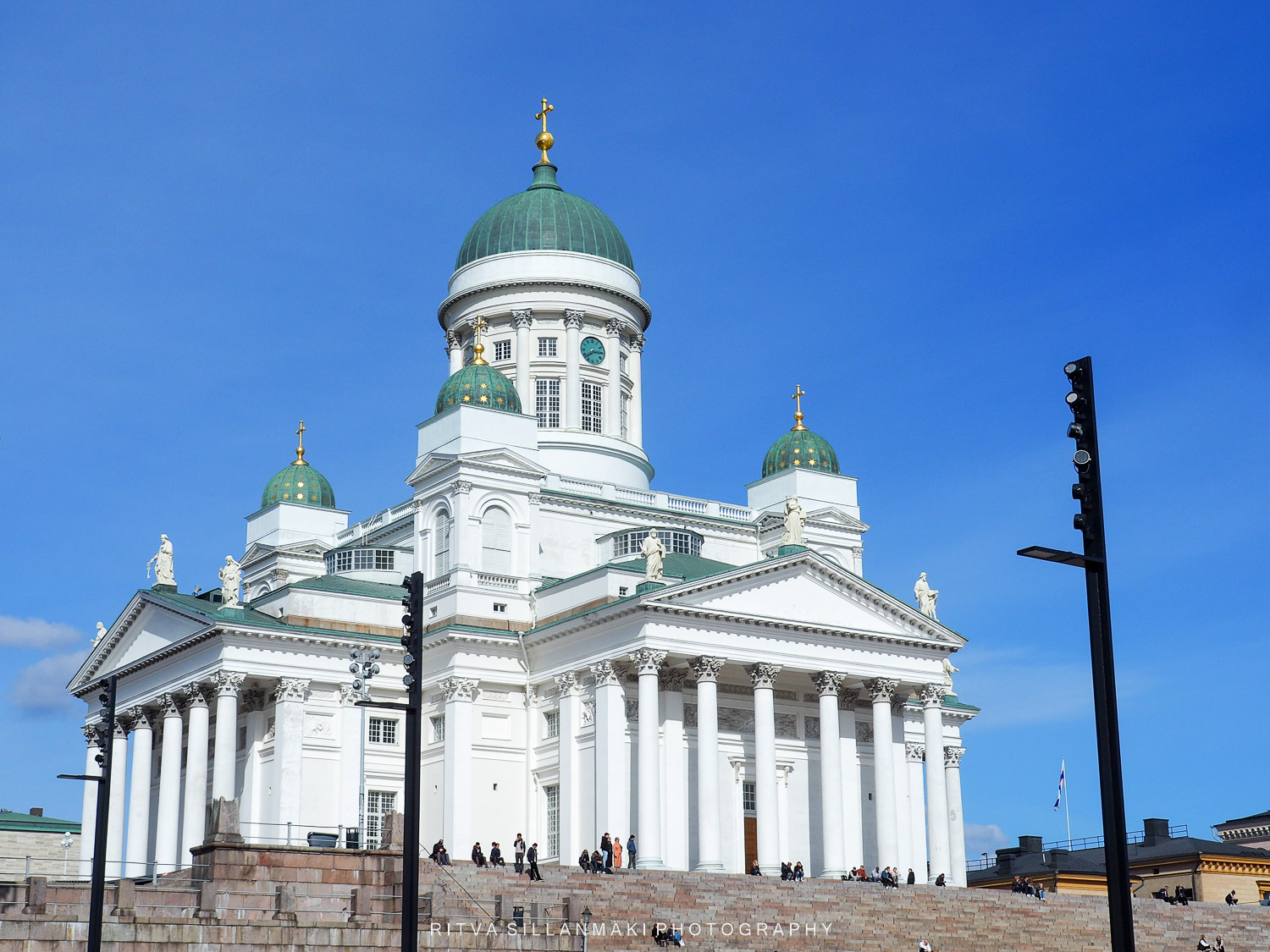
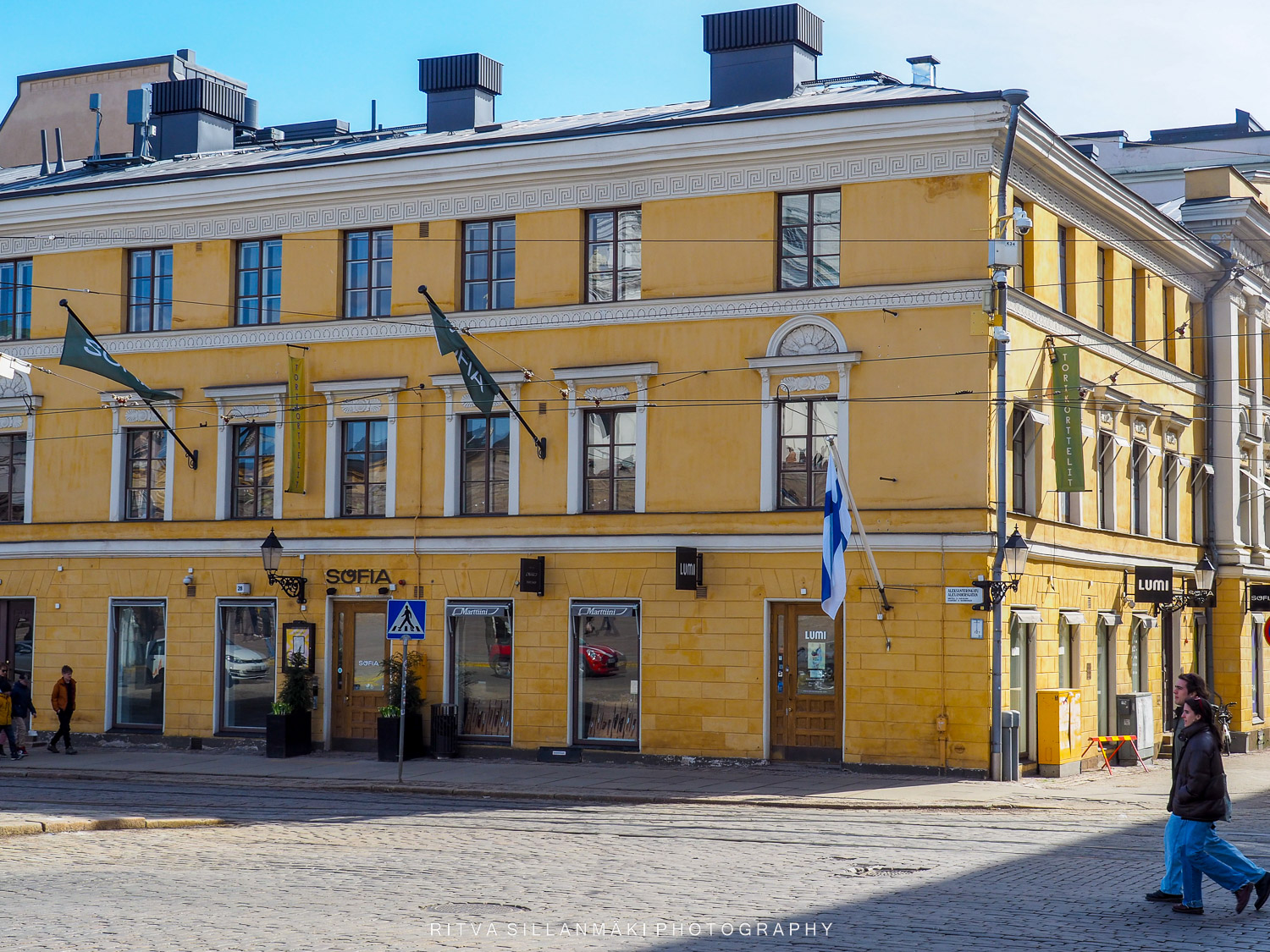
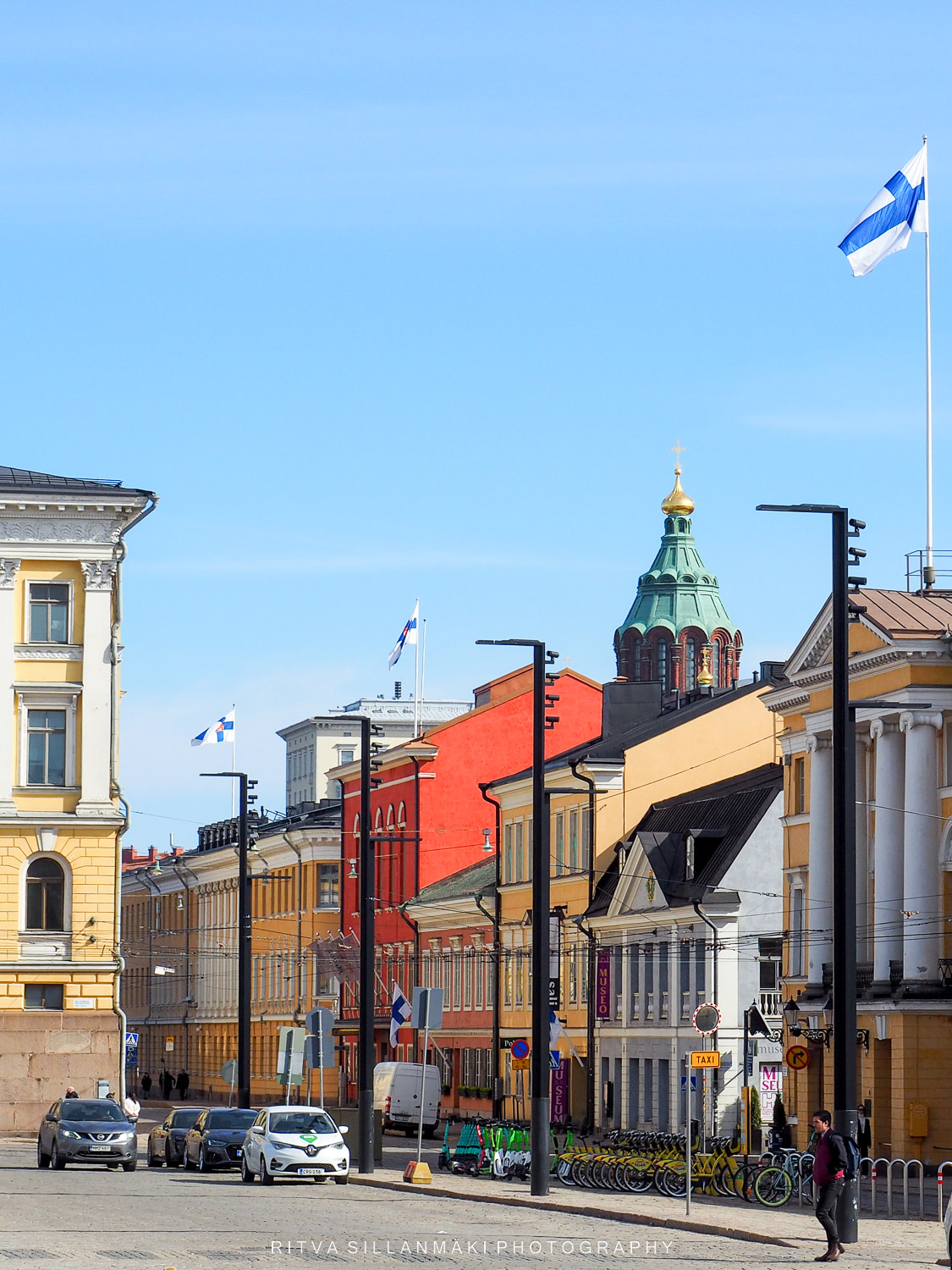
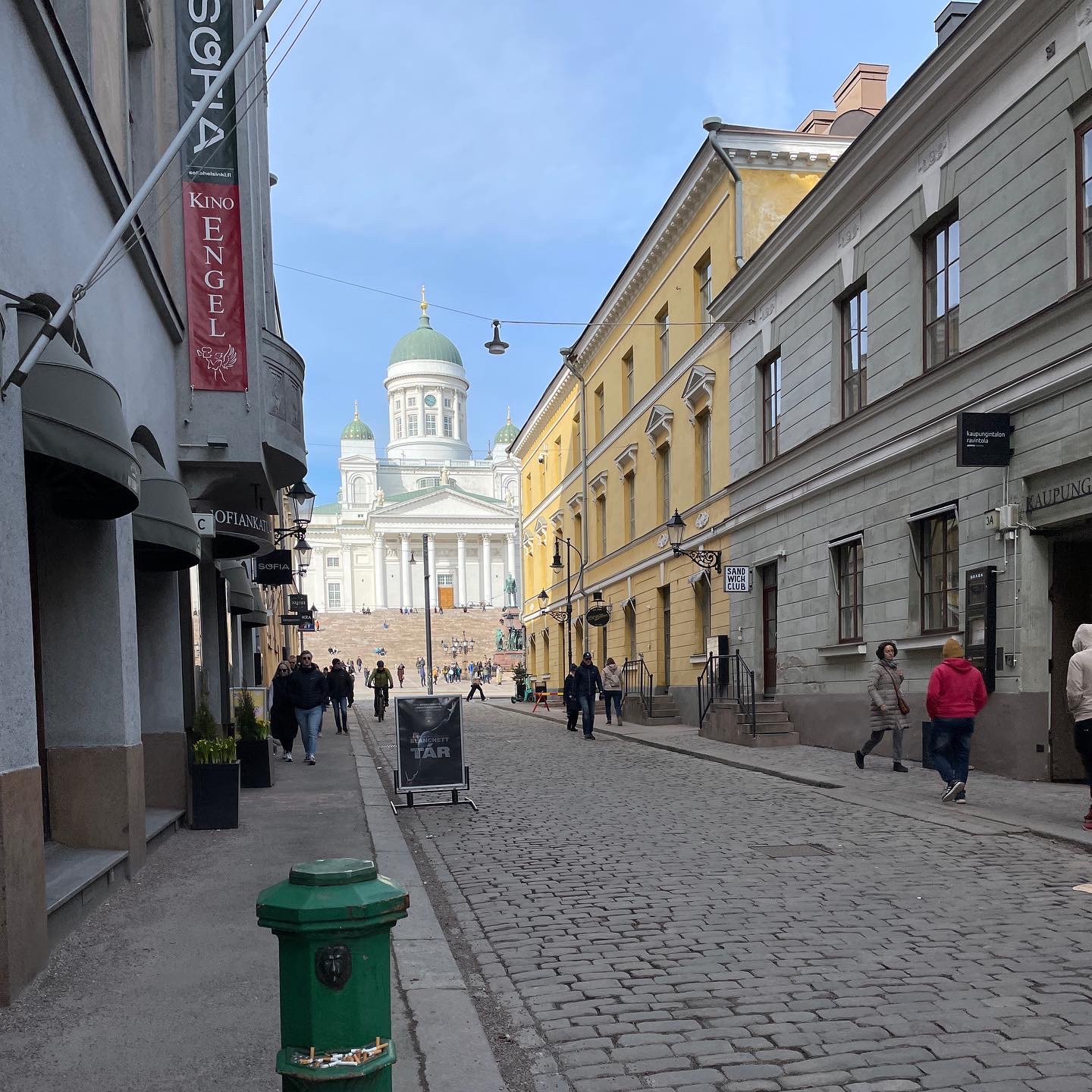
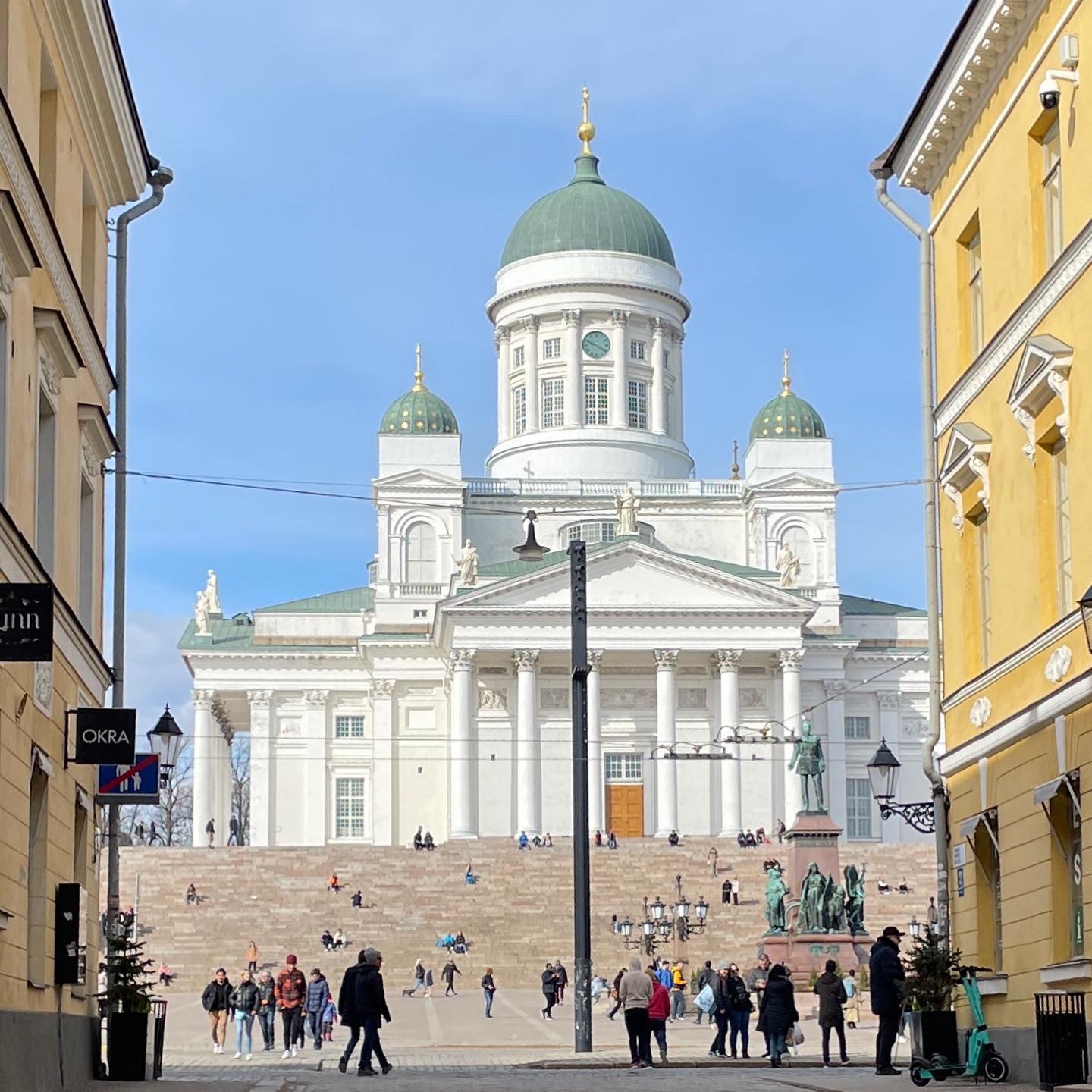
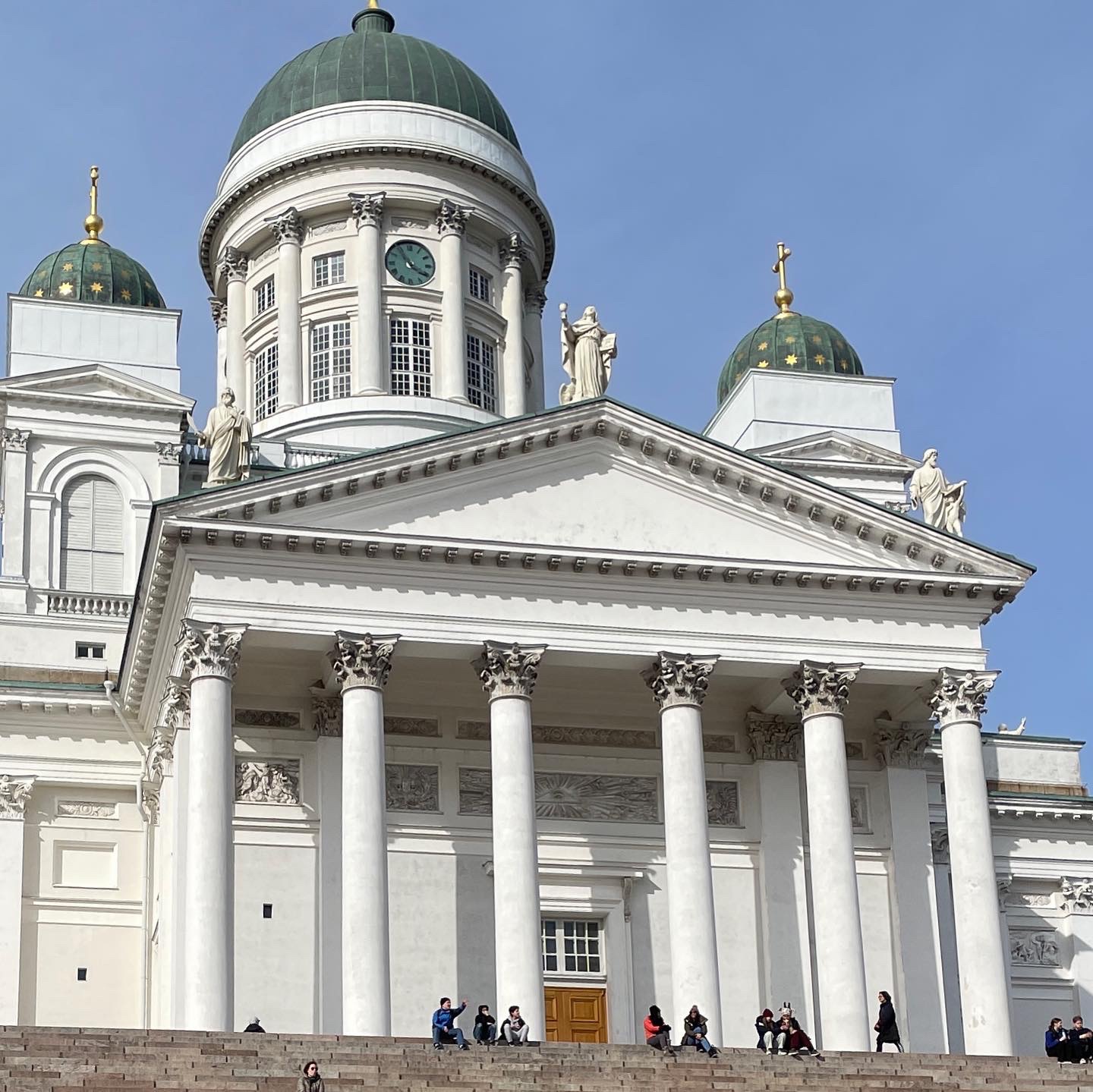
We worked up the Sofia street to get to our car that was parked by the church to see all these people enjoying the sunny day on the steps of Helsinki Cathedral Church. The have put up these stupid black lights around the chuch, that in my opinion are very annoying, too modern and obstract the view of this lovely church. I always have an uge to take photos of this square, many times I fight it, this time well I did once again.
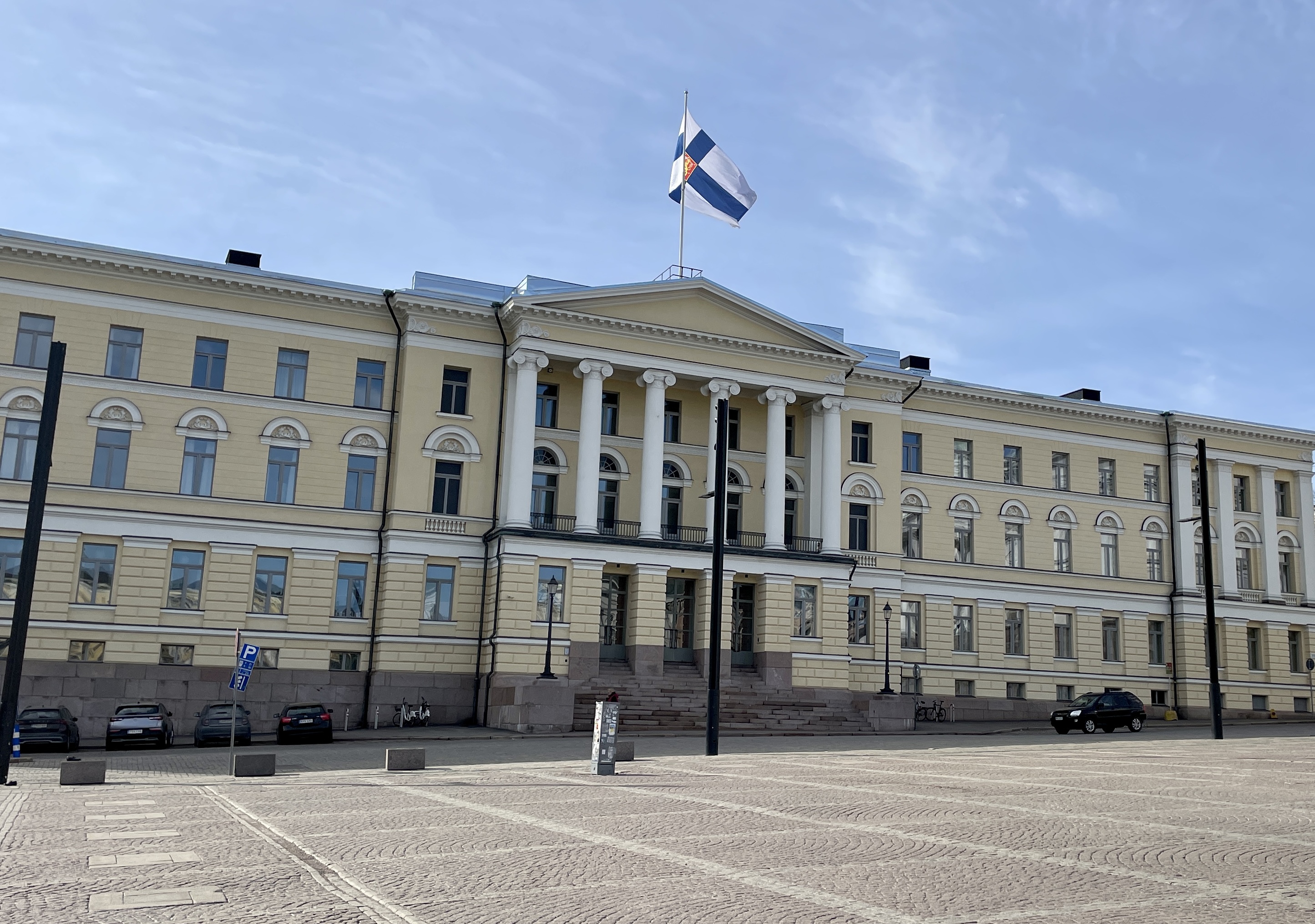
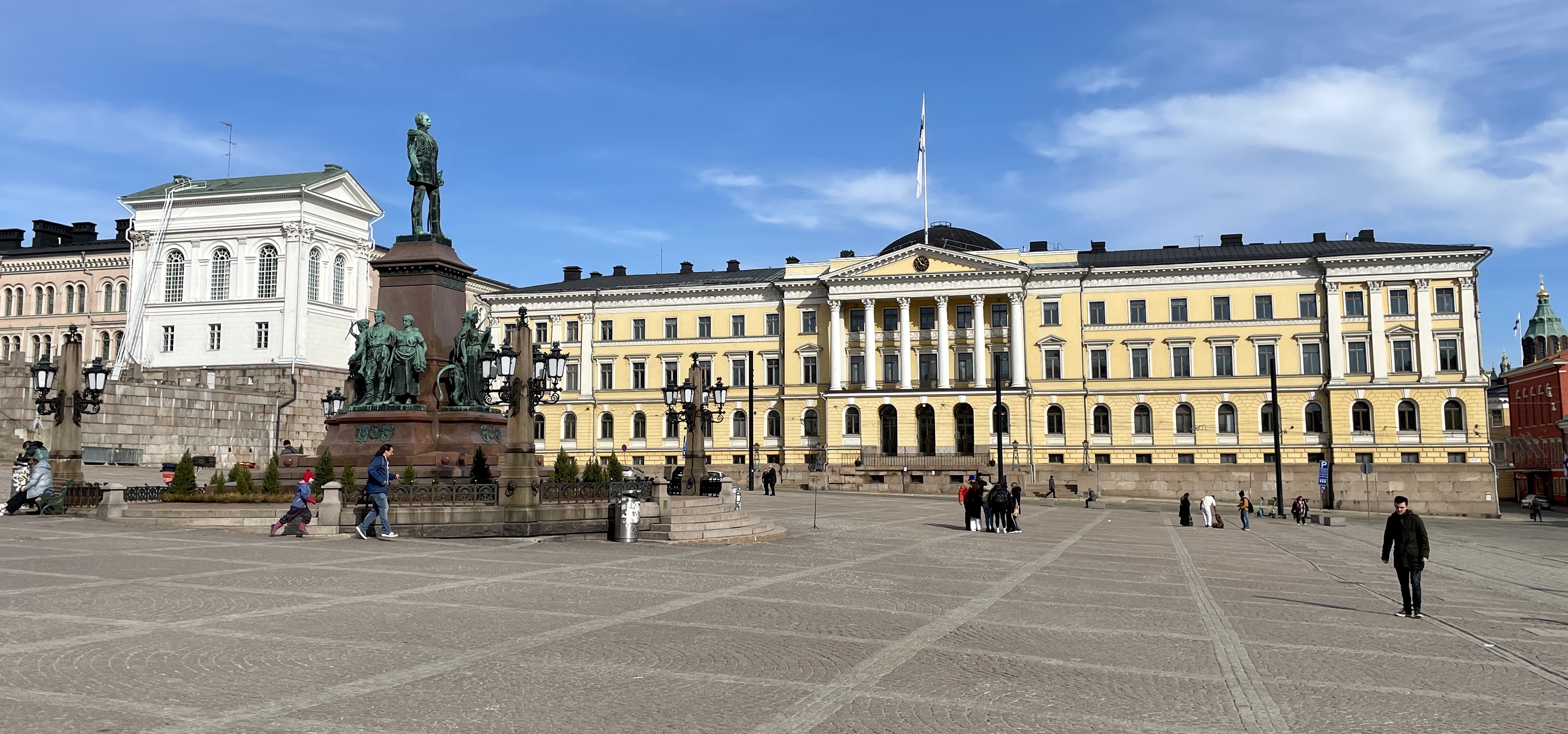
The Senate Square and its surroundings form a unique and cohesive example of Neoclassical architecture. The square is dominated by four buildings designed by Carl Ludvig Engel (1778-1840): Helsinki Cathedral, the Government Palace, the main building of the University of Helsinki and the National Library of Finland. A statue of Alexander II (1894) stands in the middle of the Senate Square.
Helsinki Cathedral is arguably Finland’s most famous and photographed building. The oldest stone building in Helsinki is the Sederholm House located on the southeast corner of the square. The blue building behind the row of bikes 🙂
We all have these photos … throwback photos! Don’t we just… so many. It’s described as ‘nostalgia-inducing pictures … from a different era of your life”. I am posting my fsecond (#TB Thursday).Thursday
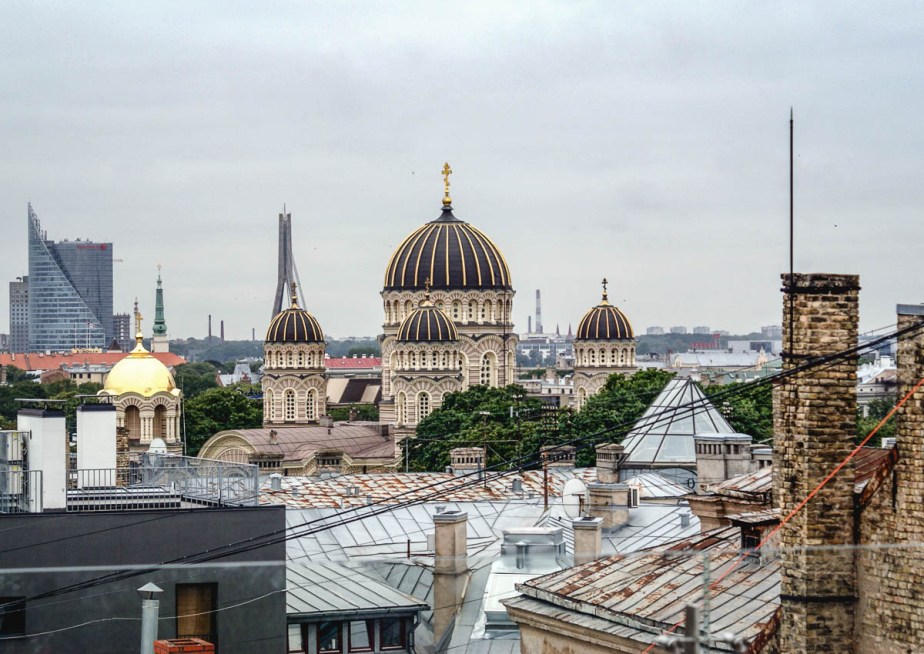
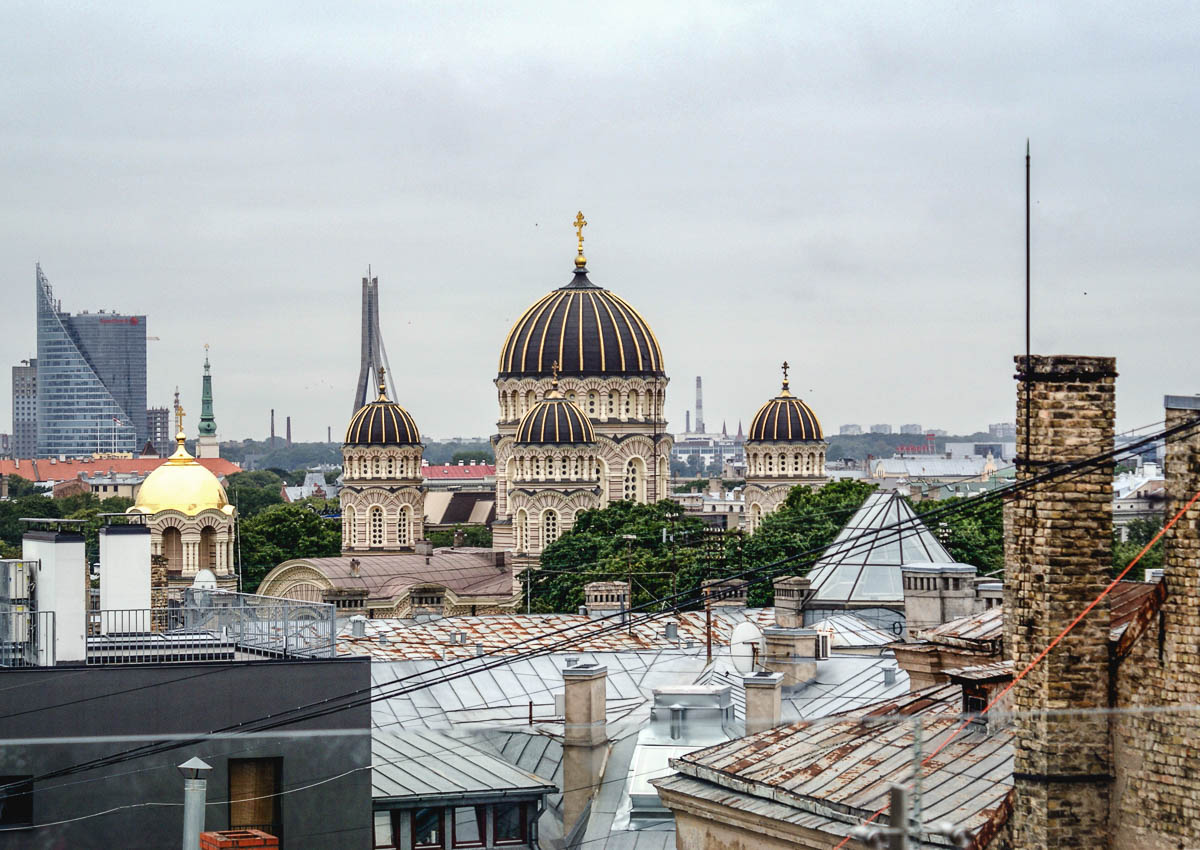
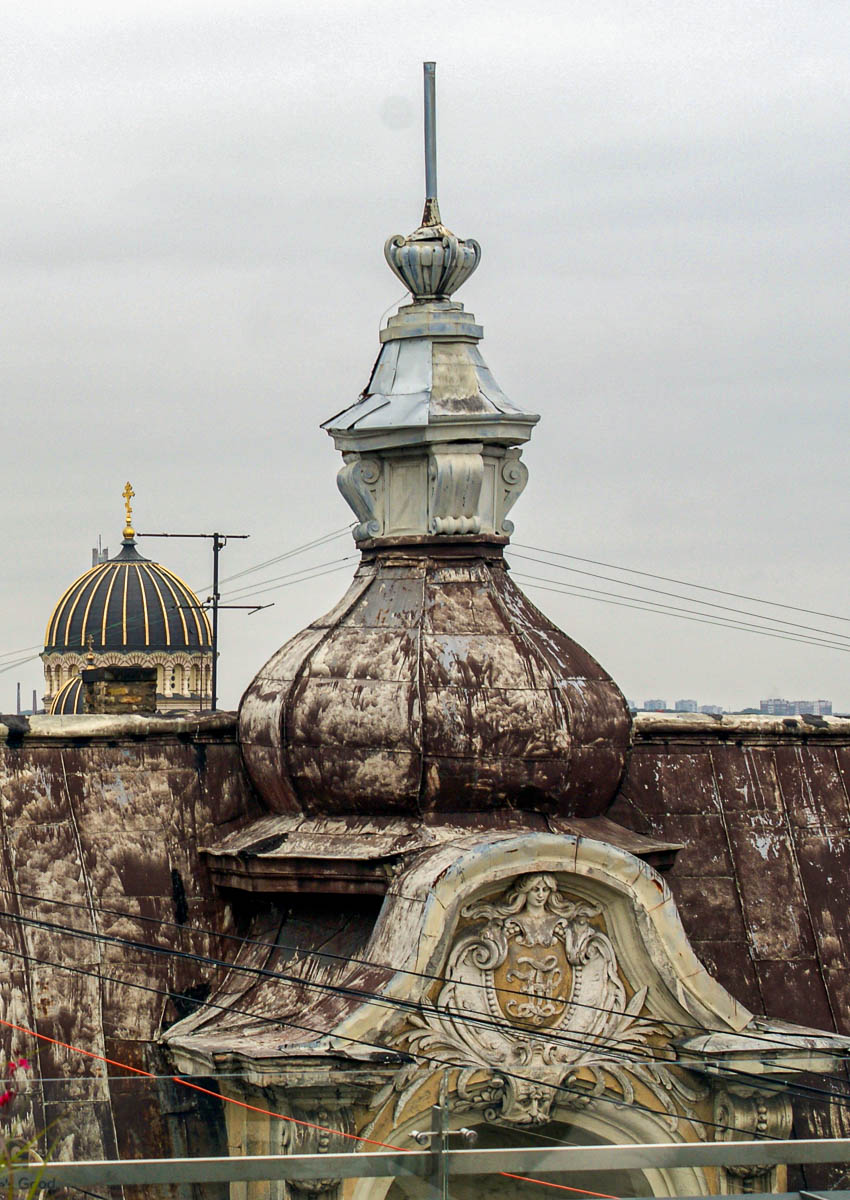
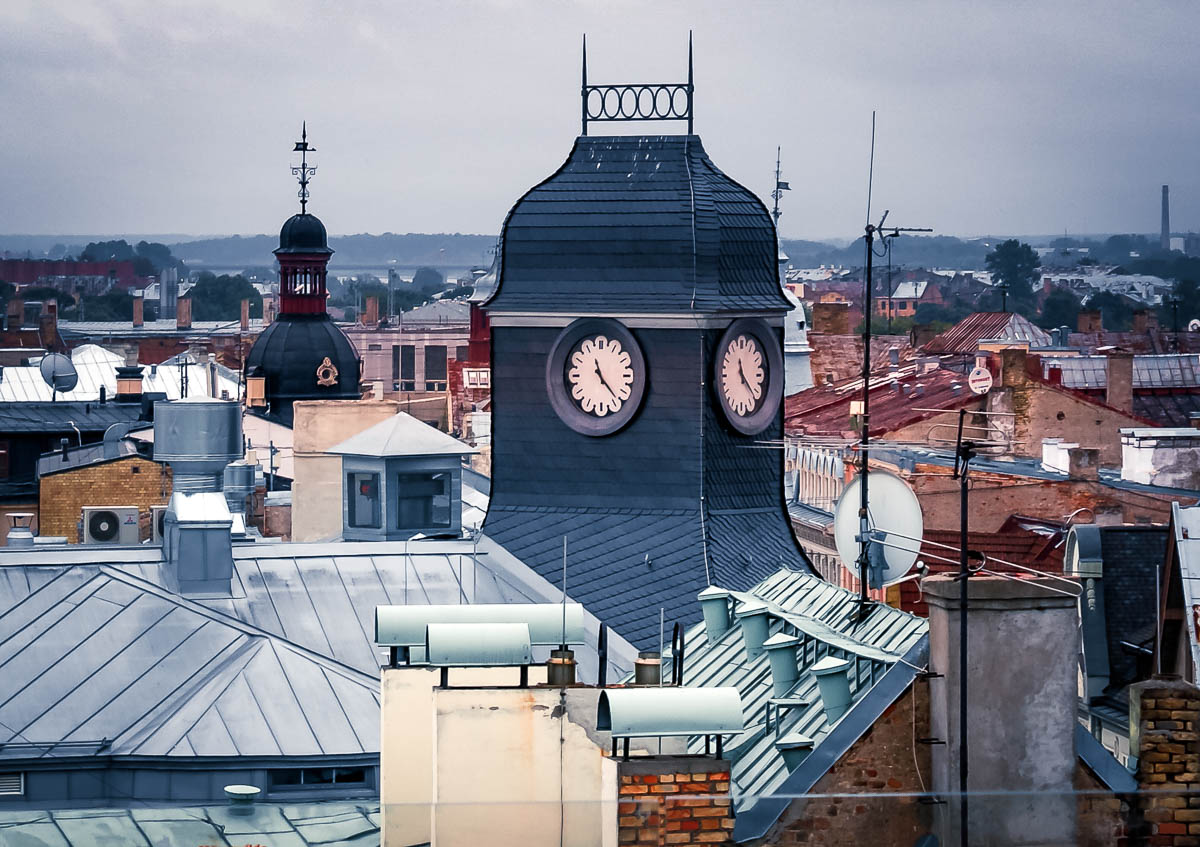
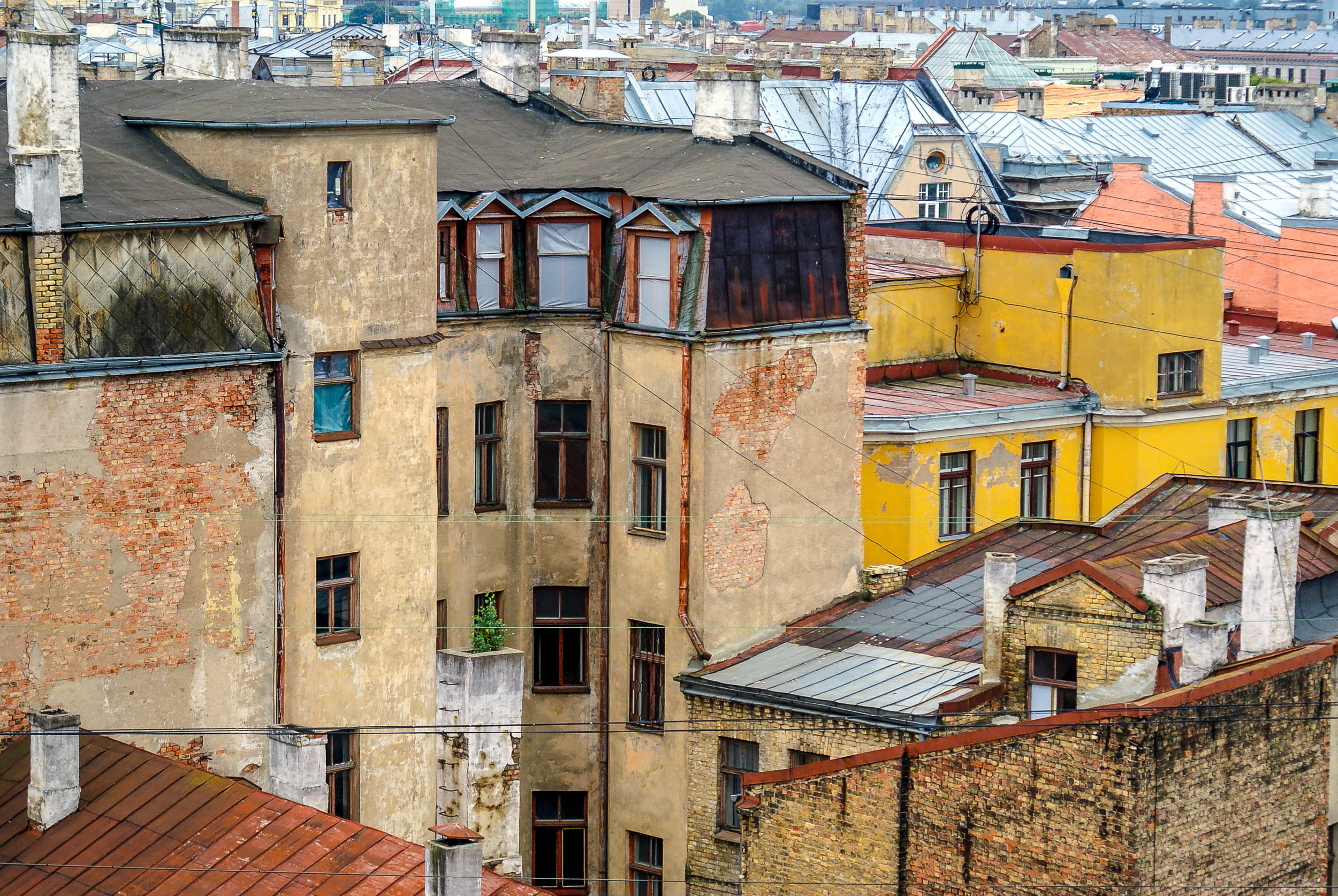
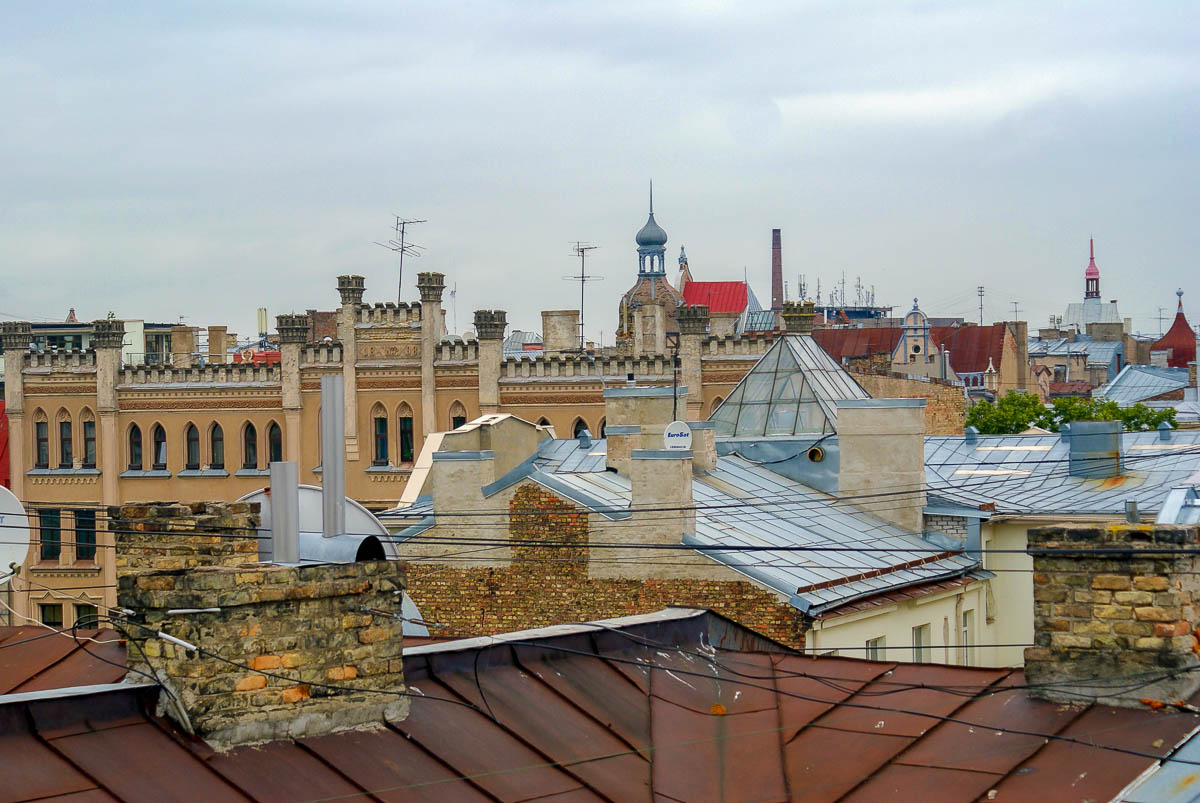
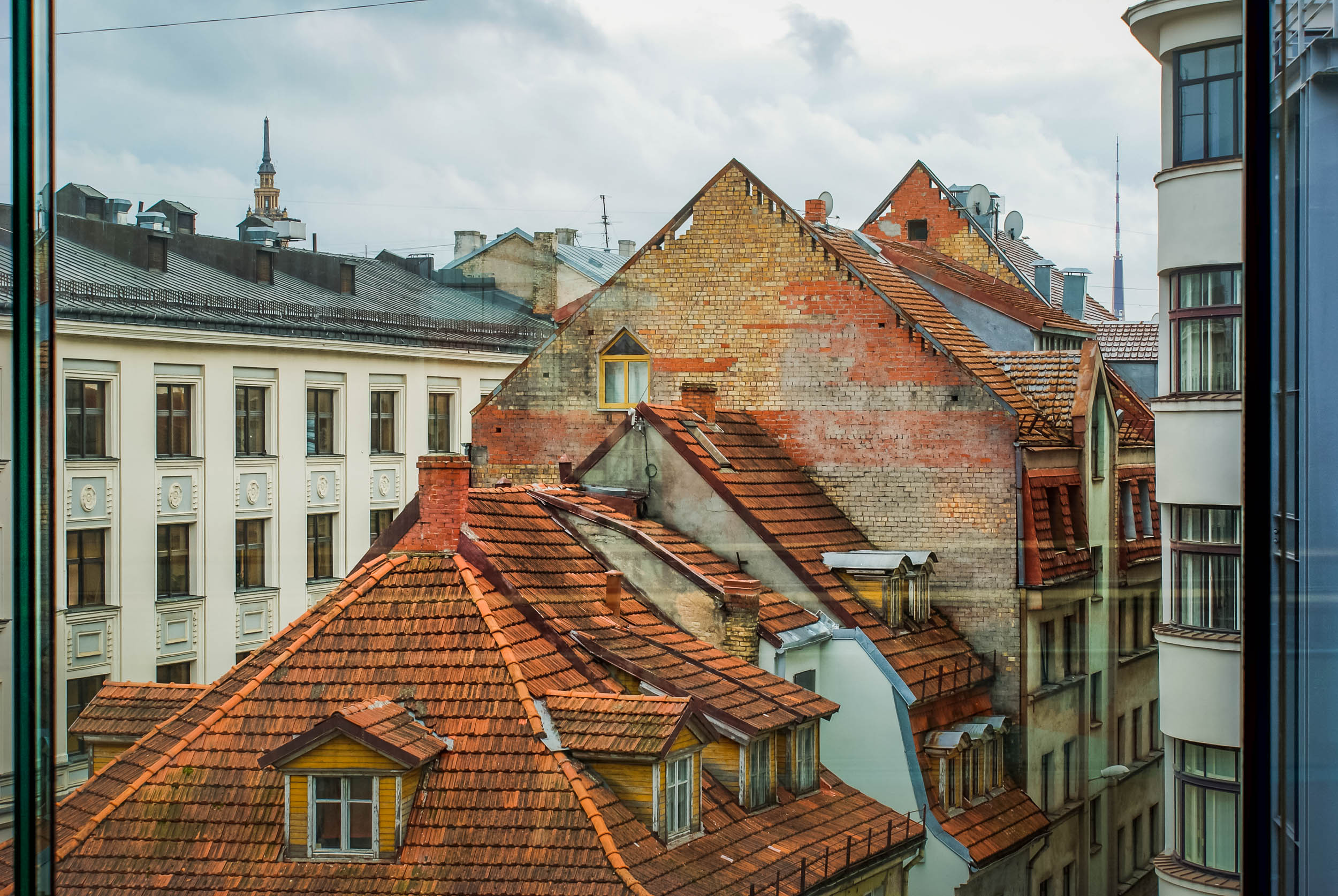
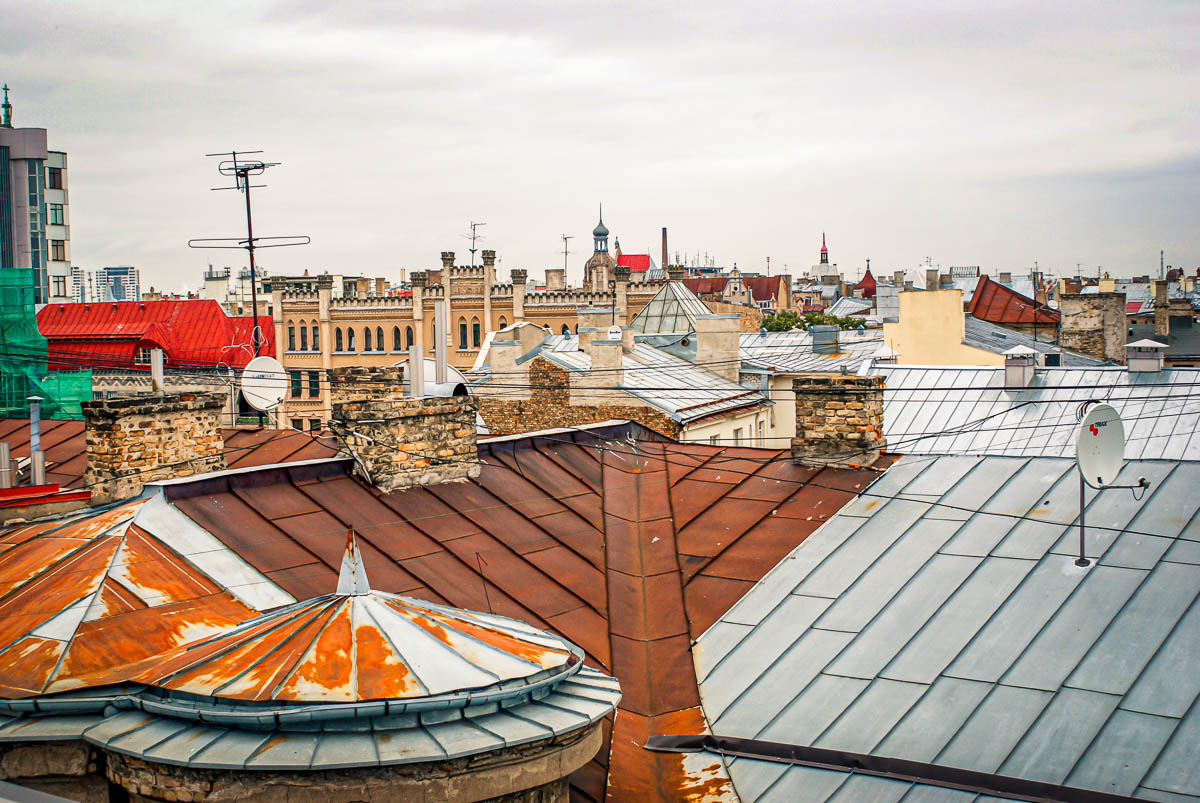
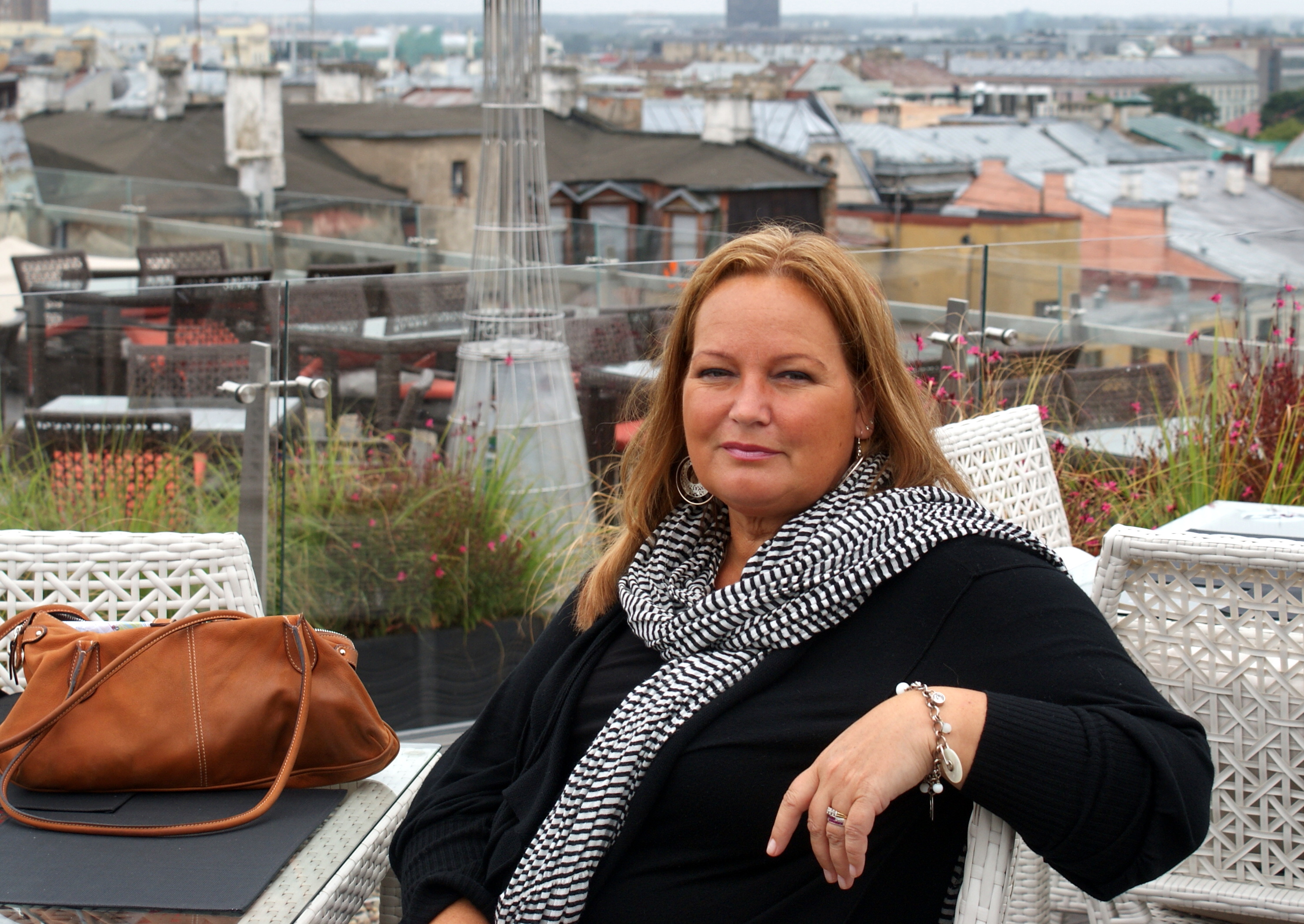
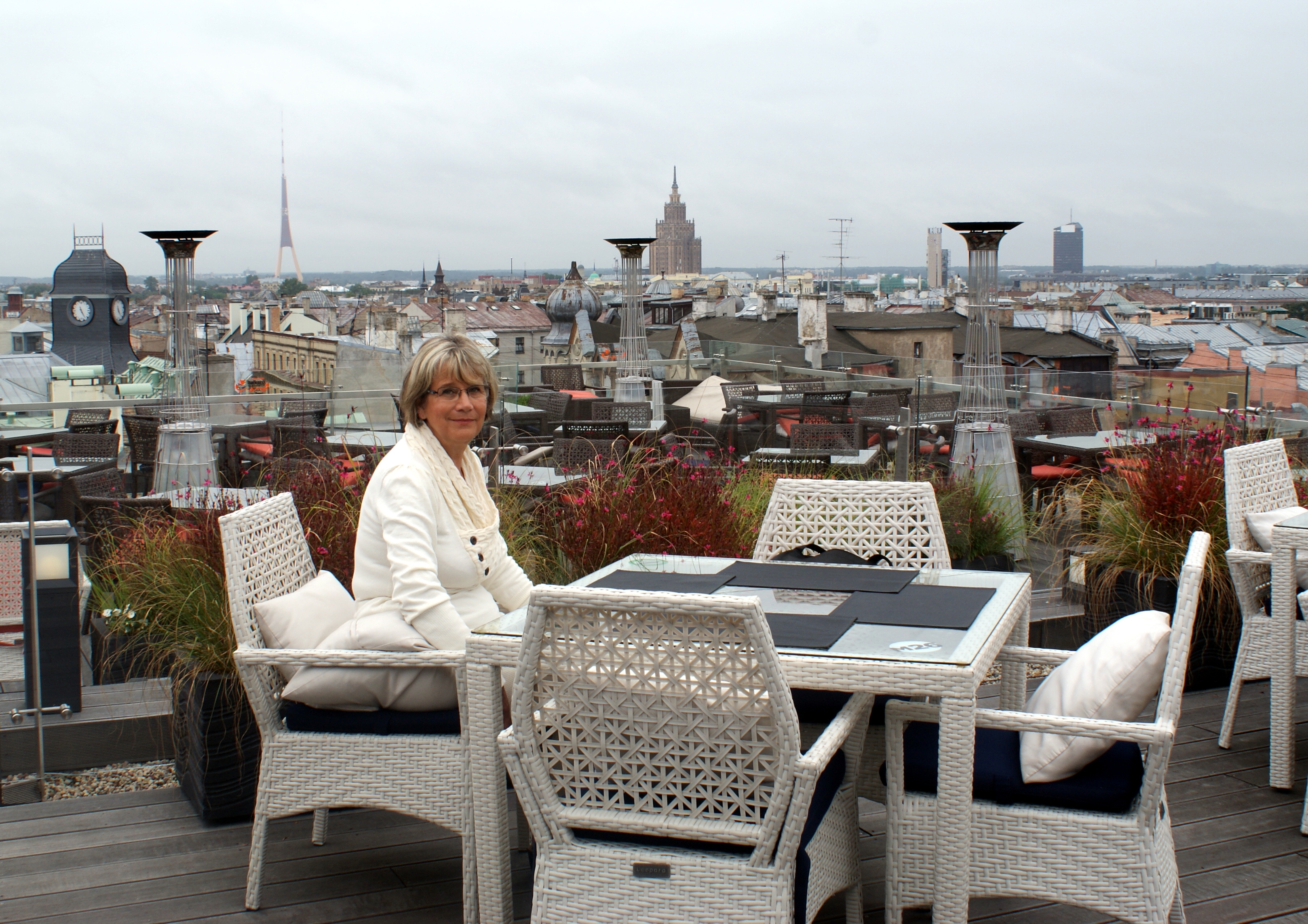
This time I am posting photos from the Baltics, the rooftops from Latvia. This is what the rooftops looked like in Riga at 2012 when I visited it with my sister. I love old towns, and the architecture in them, many time the decay in the buildings brings the little something extra in the photos.
I know…It’s Tricky! Enjoy the chance to think outside-the-box for this challenge. What tricks do you use to get the shot you want? I don’t know if I really have any…. editing, that is my main trick.
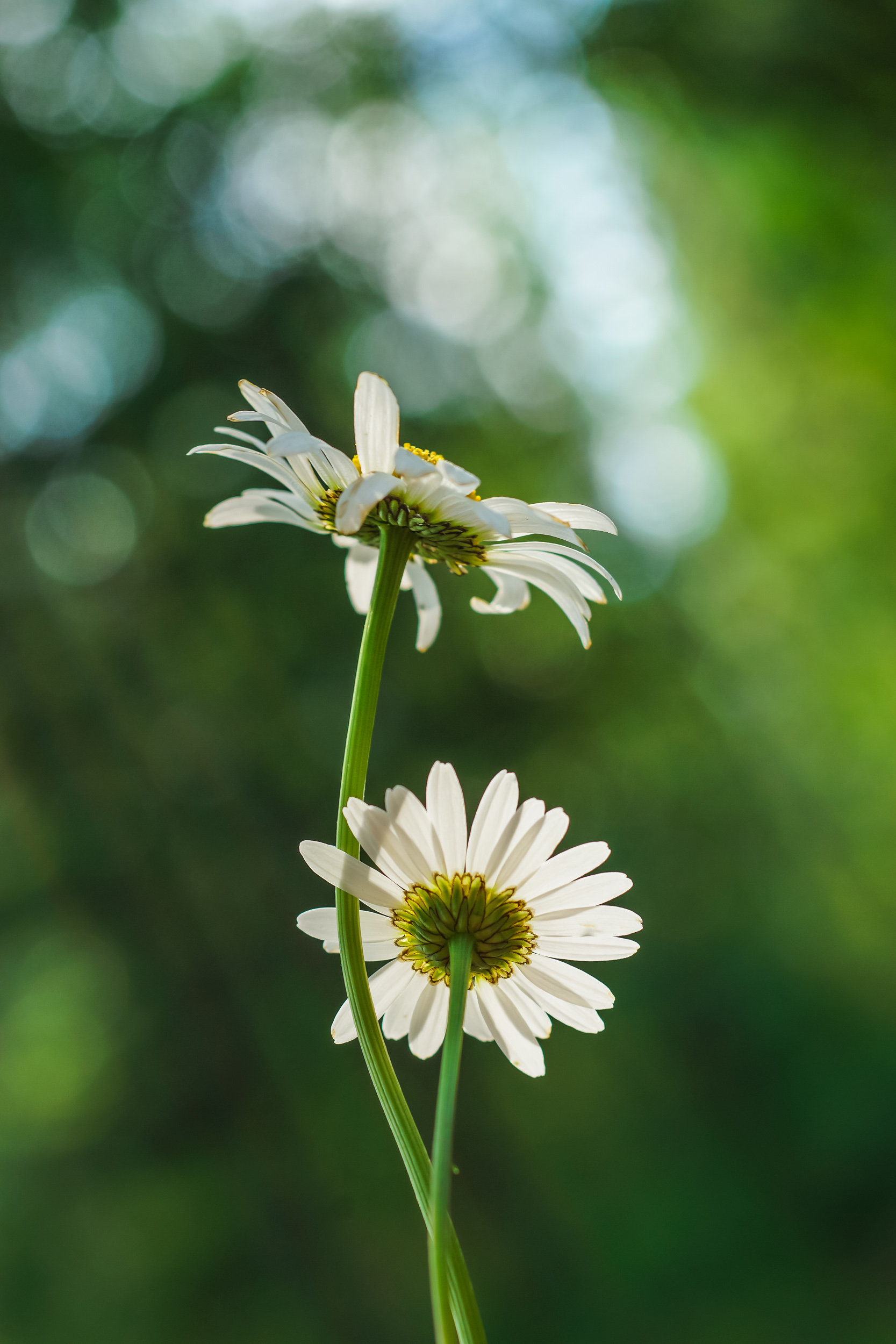
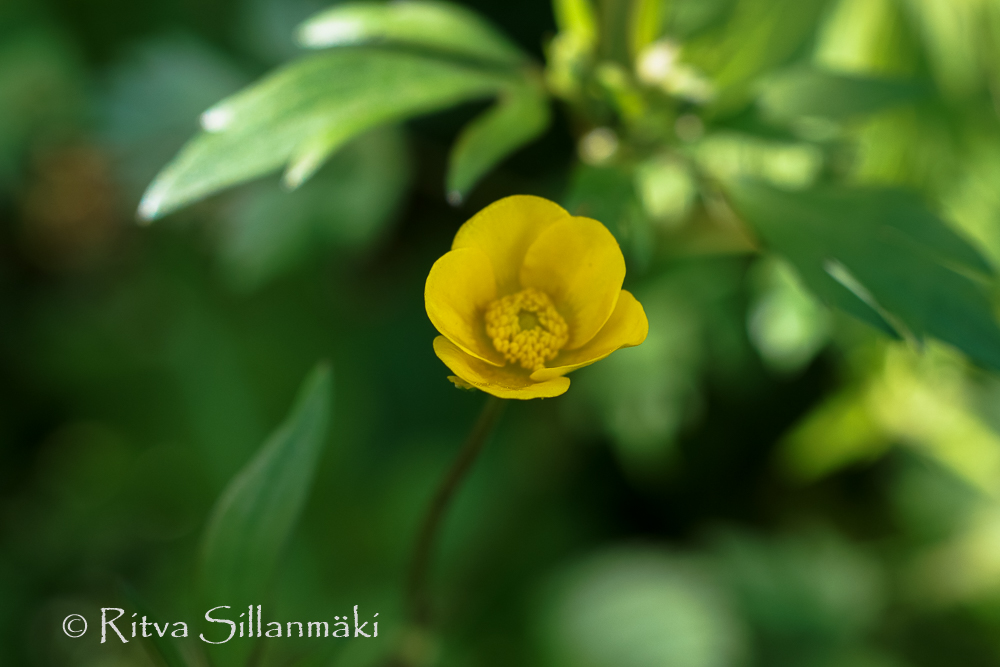
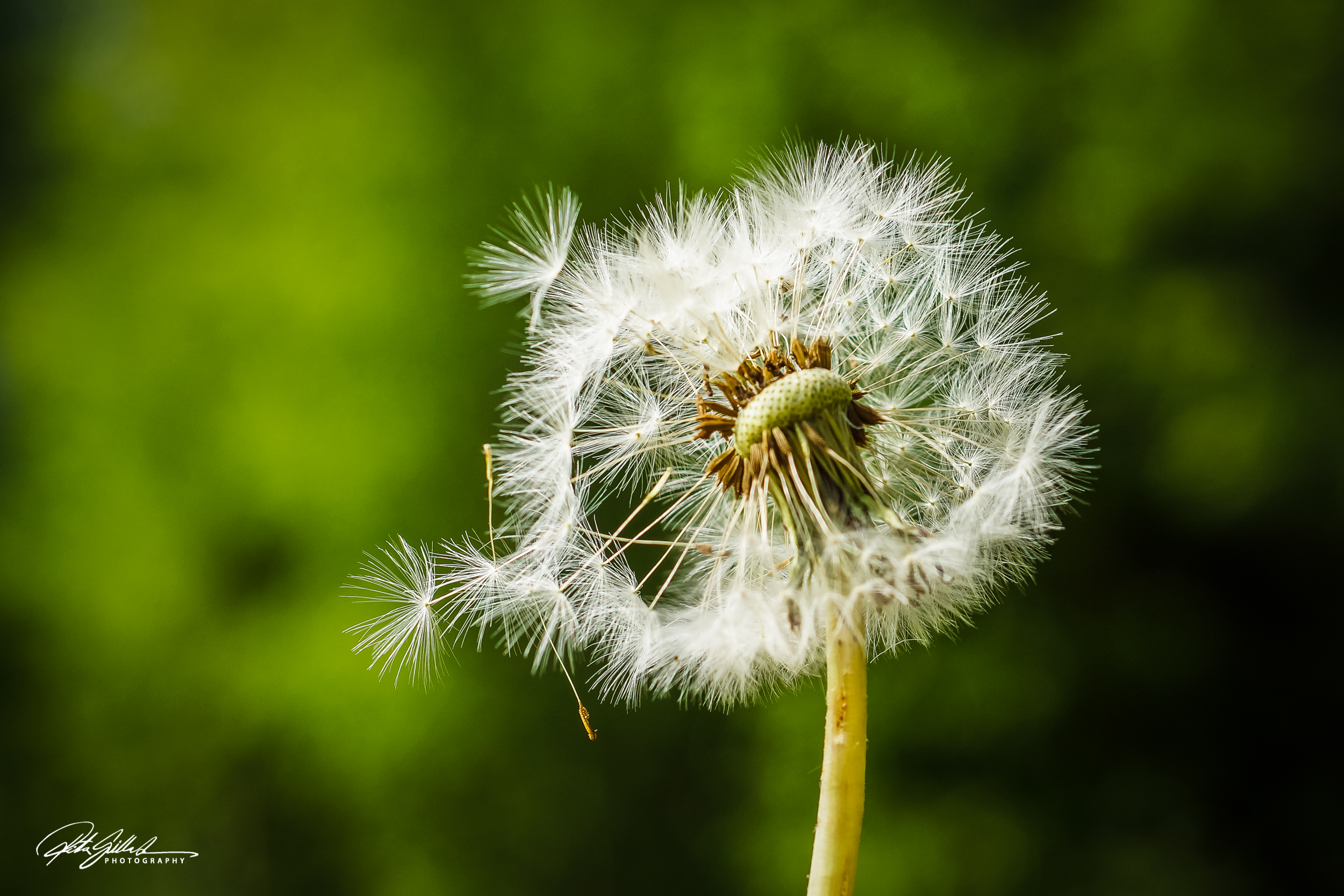
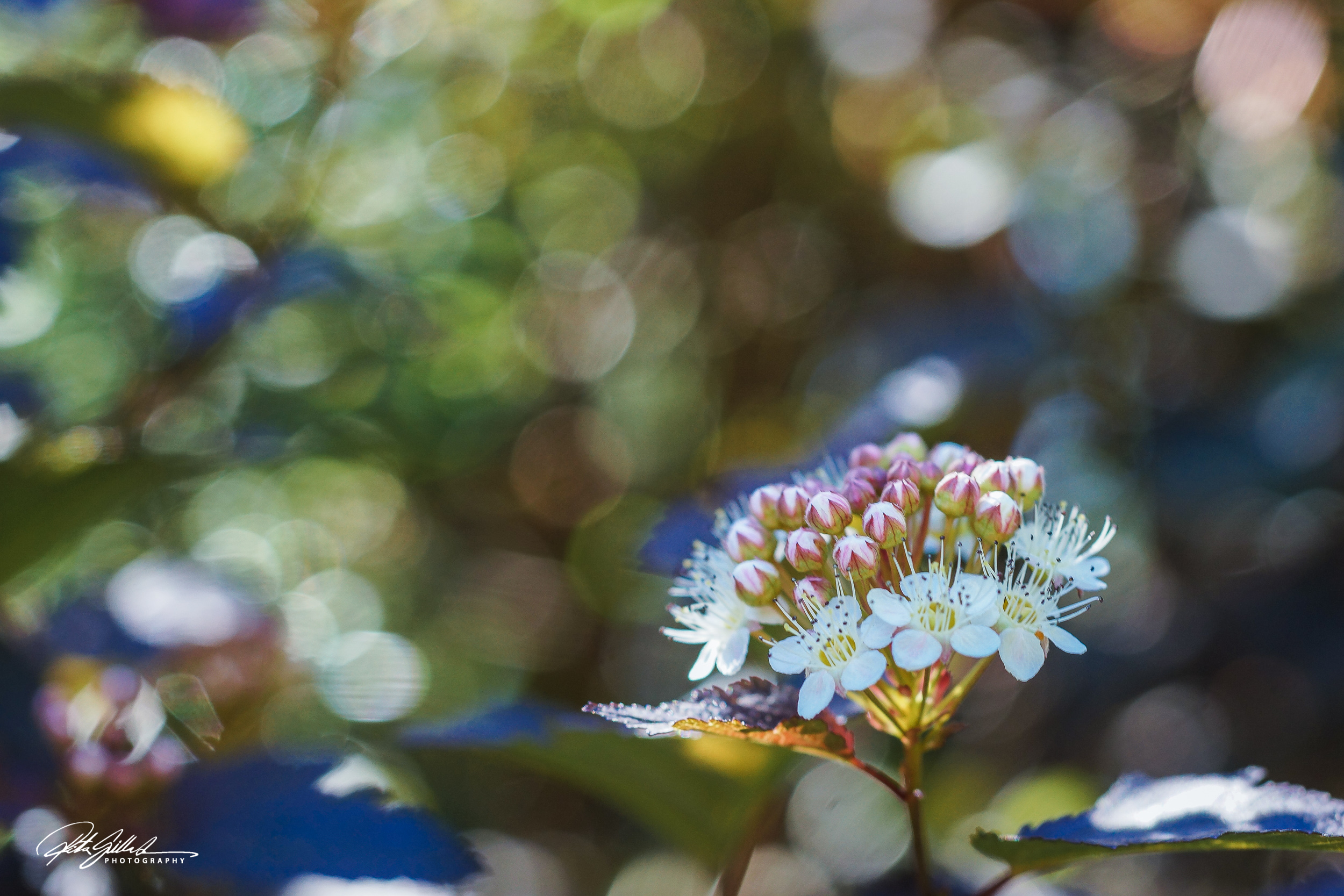
One thing I often do to get great nice bokeh shots is have a flower in my hand outstretched towards the sun coming throughout the trees and taking a macro shot that way… easier on my knees 🙂 mostly I like to take close ups so that the object is back-lit.
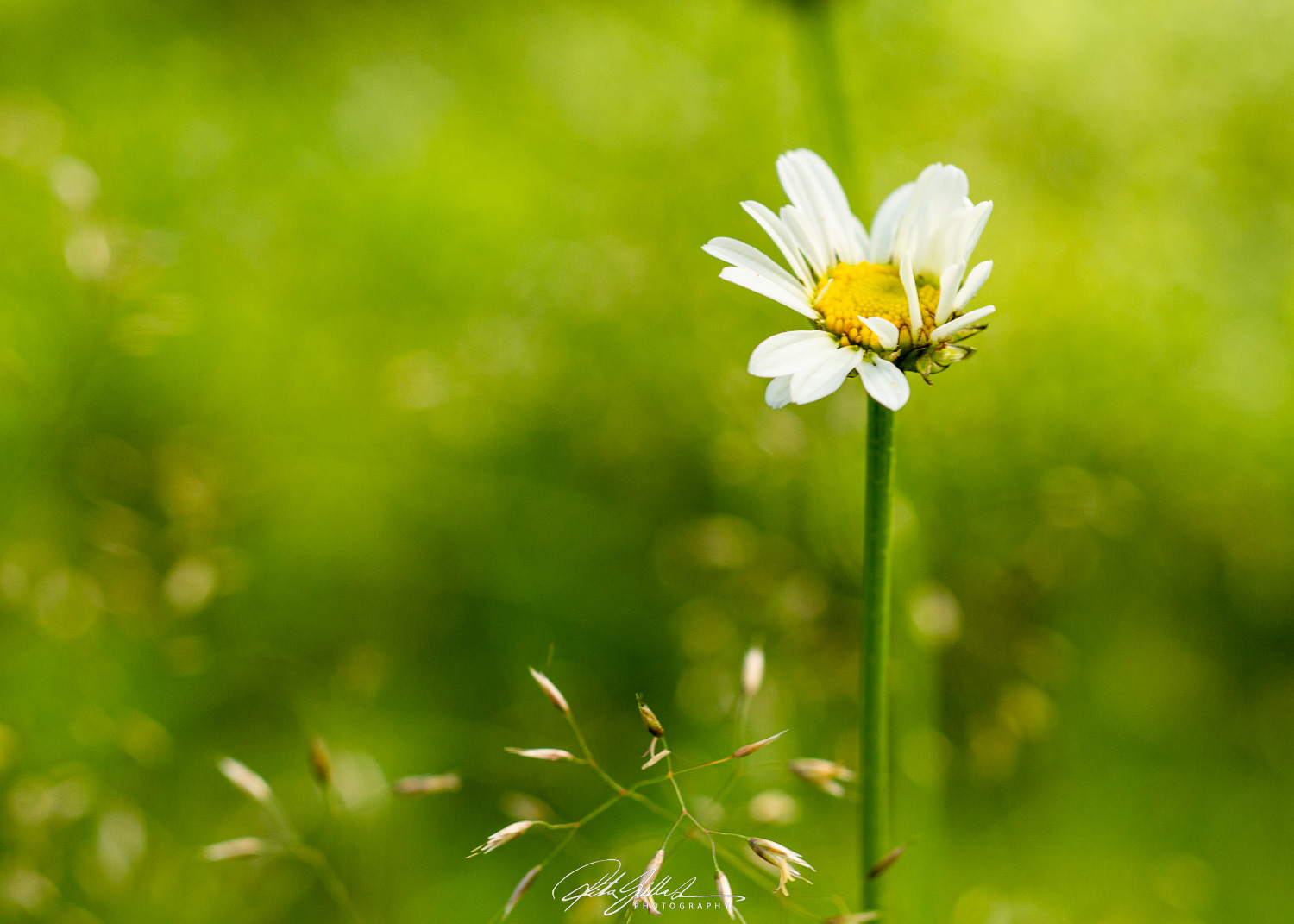
somethimes you just have use thte natural settings, bend down and get the shot.
Water , droplets splash… usually I need assistance, often from my husband, or the water dripping down from the spout to the water barrel below. Or like my here my husband dropping Ice into the the glass
Drops in a barrel
Trick, well I think the most impostant trick is to be observant and have patience especially when photographing nature, animals, bugs. Well anything really, many times getting a a good shot is due to a good luck. Right time at the right place. How you place the camera. Mostly that you pay attention. That’s my trick really.
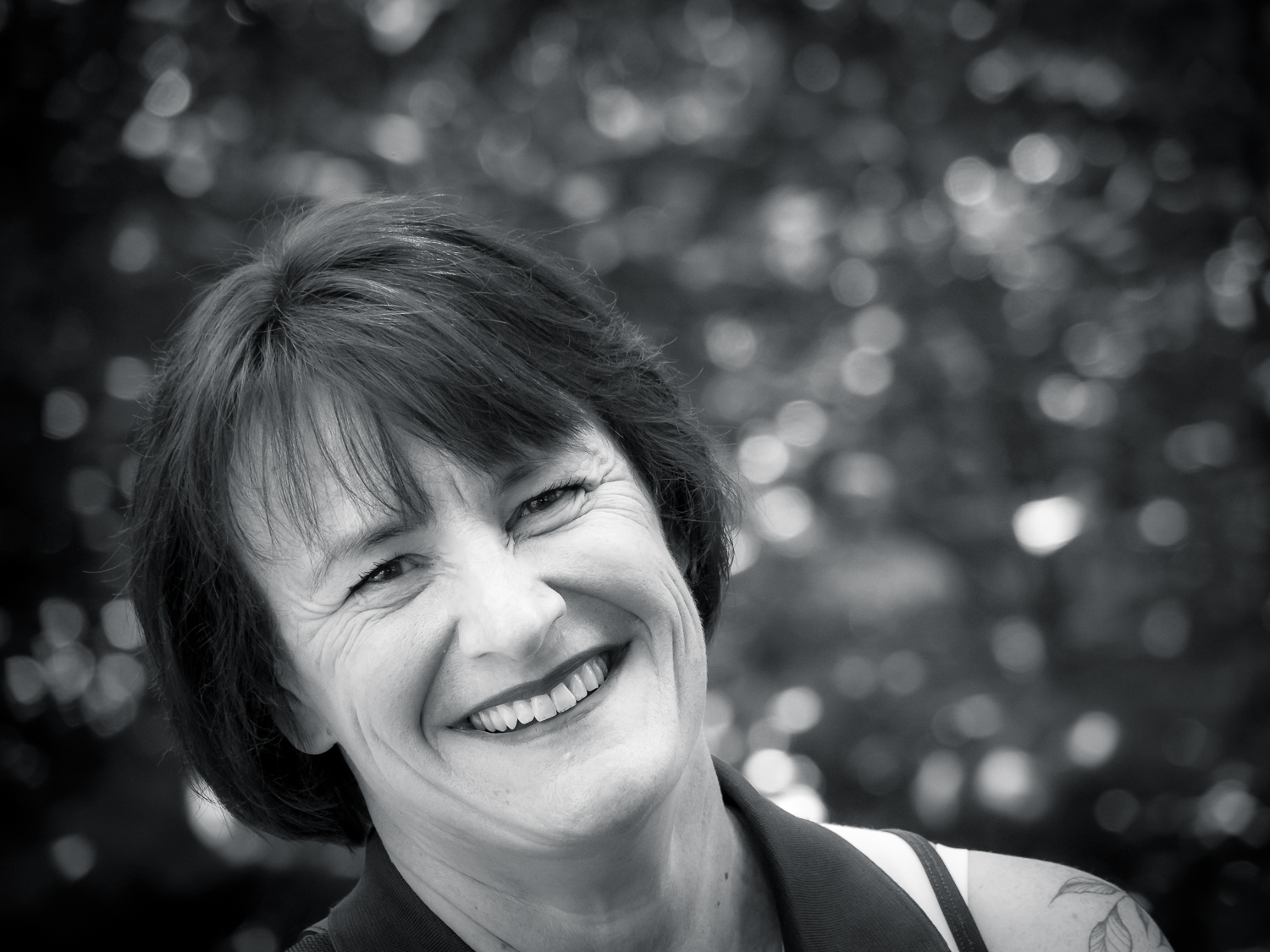
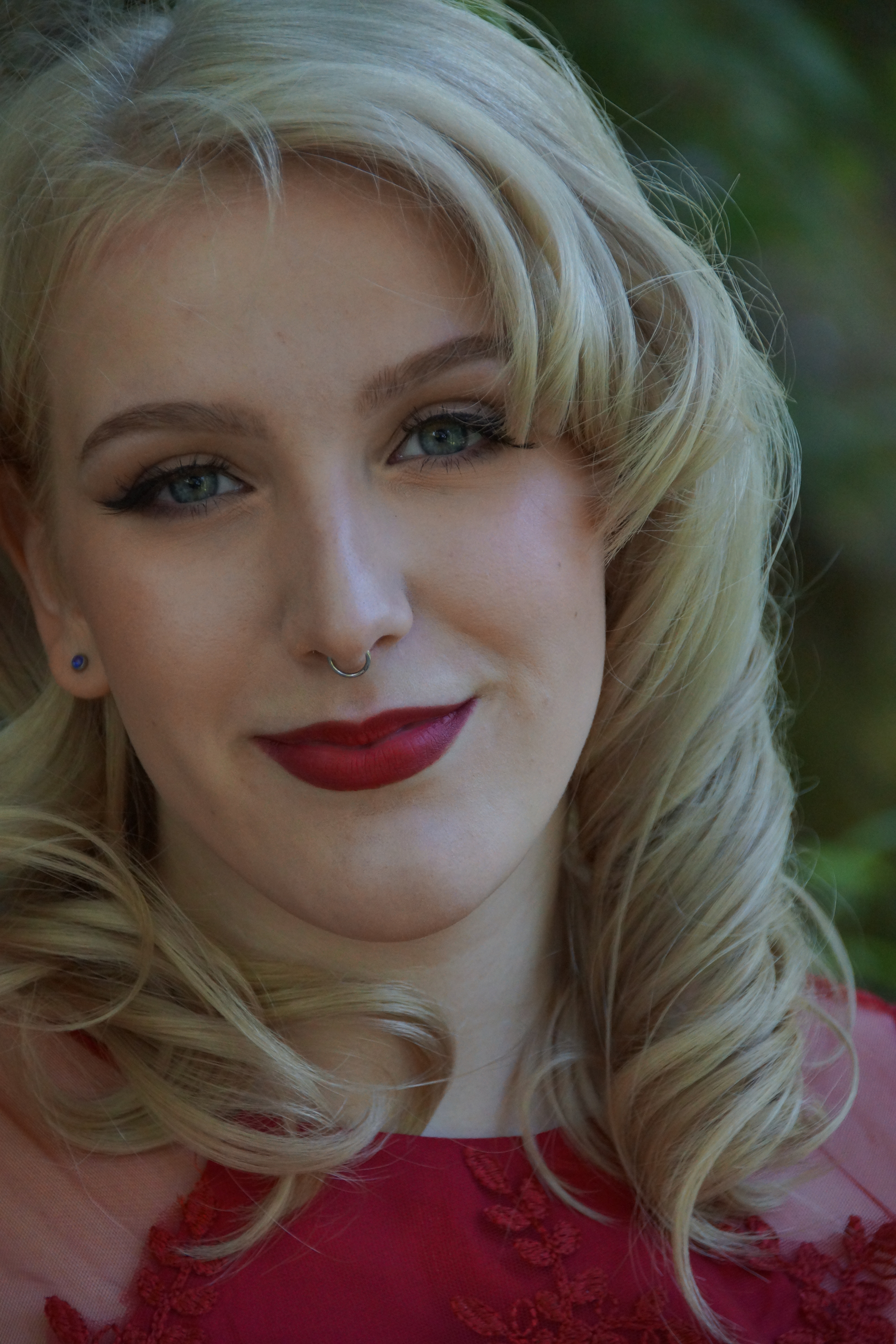
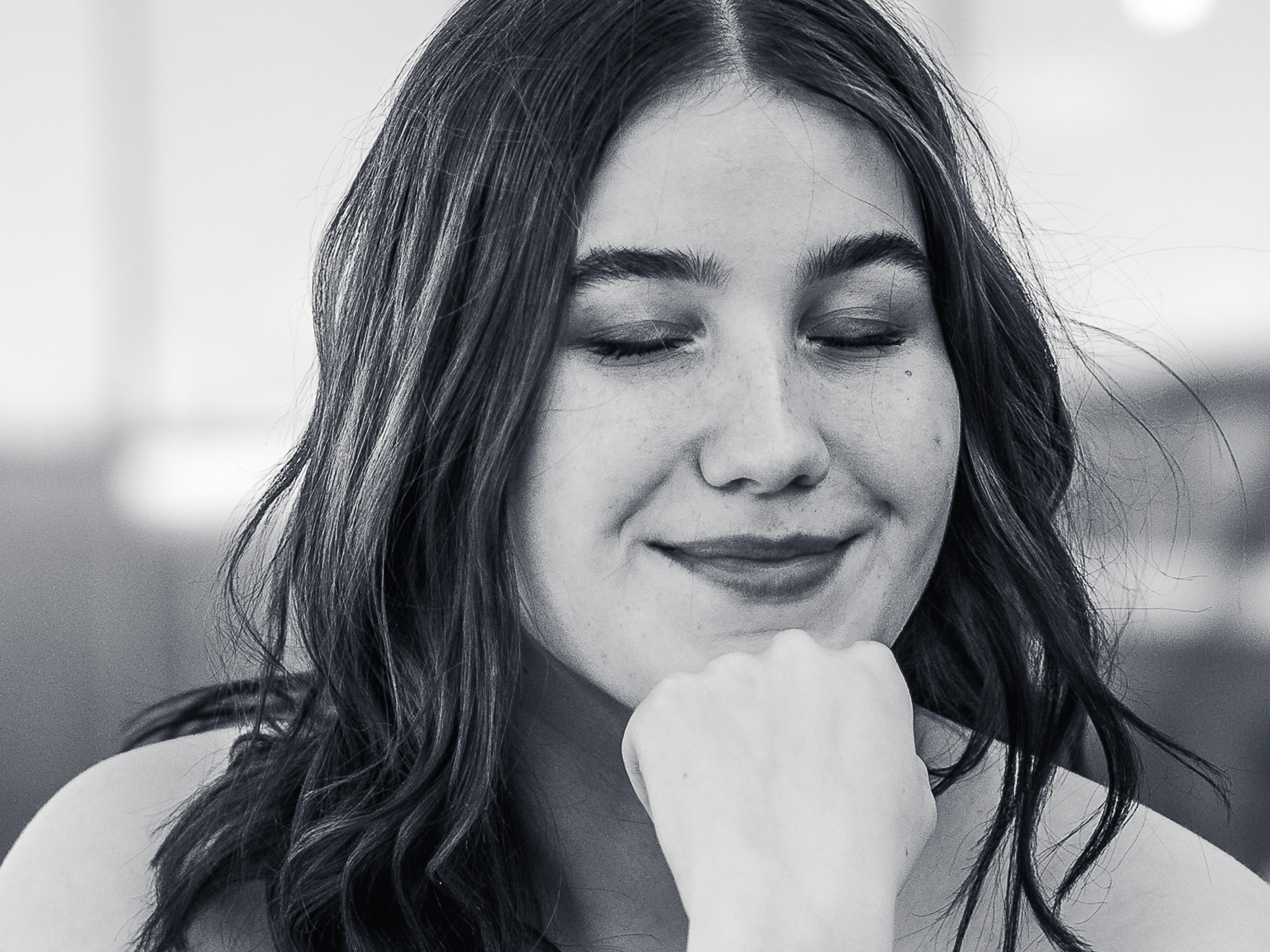
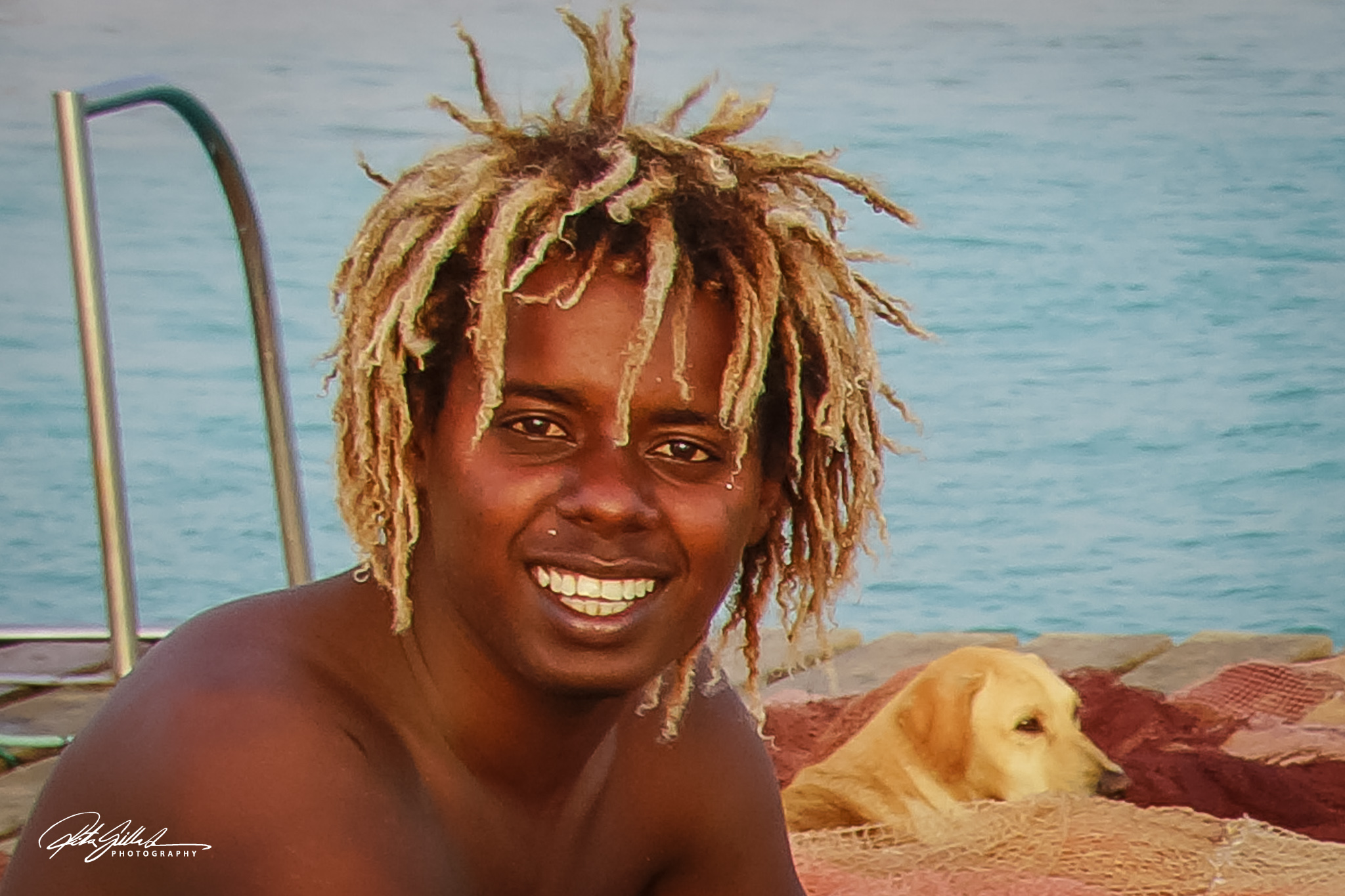
People photography is a art of its own, you have to find the essence of the person, and the right angle to bring the best of the peole features, expressions to shine in the the photo. Once again, be alert.
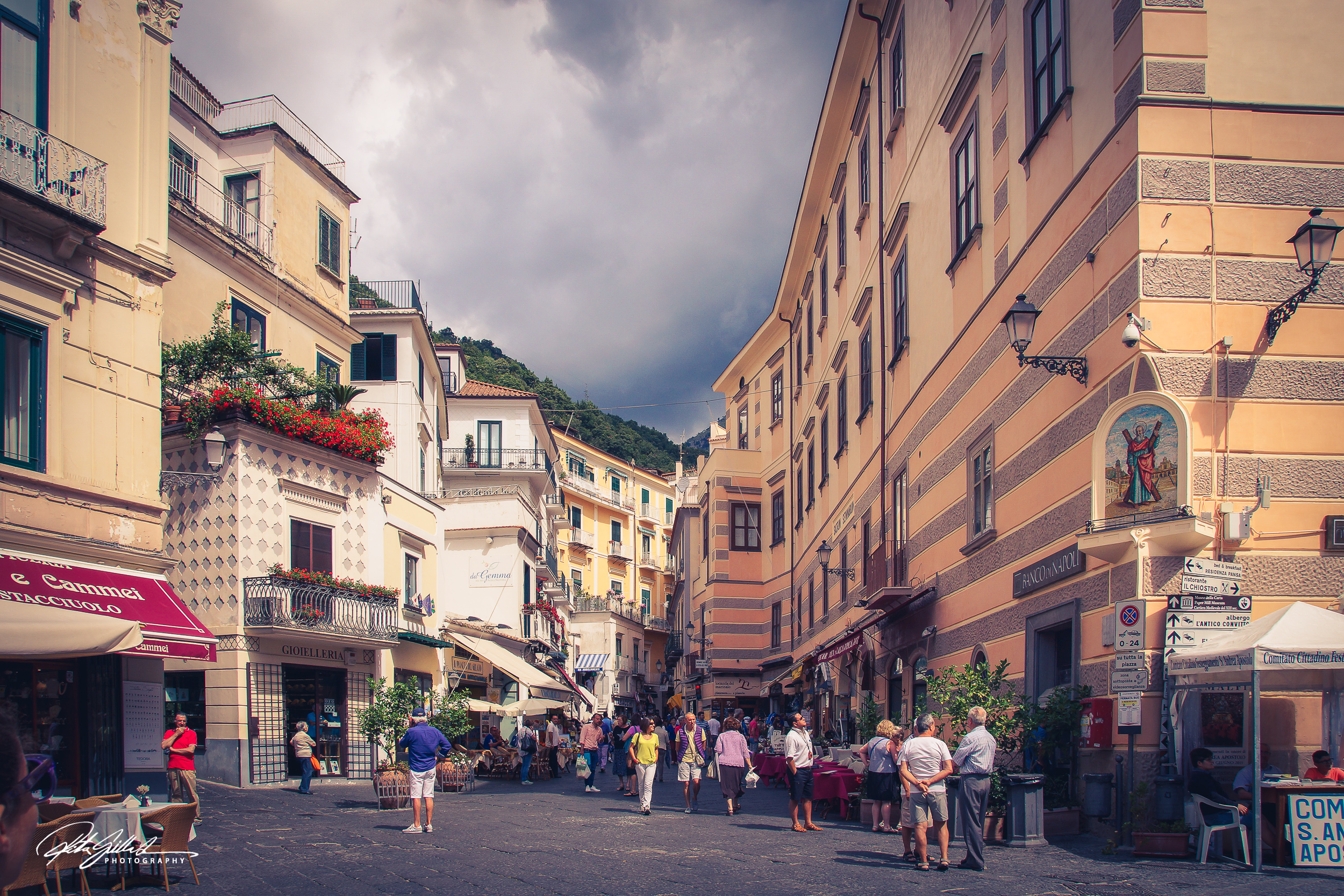
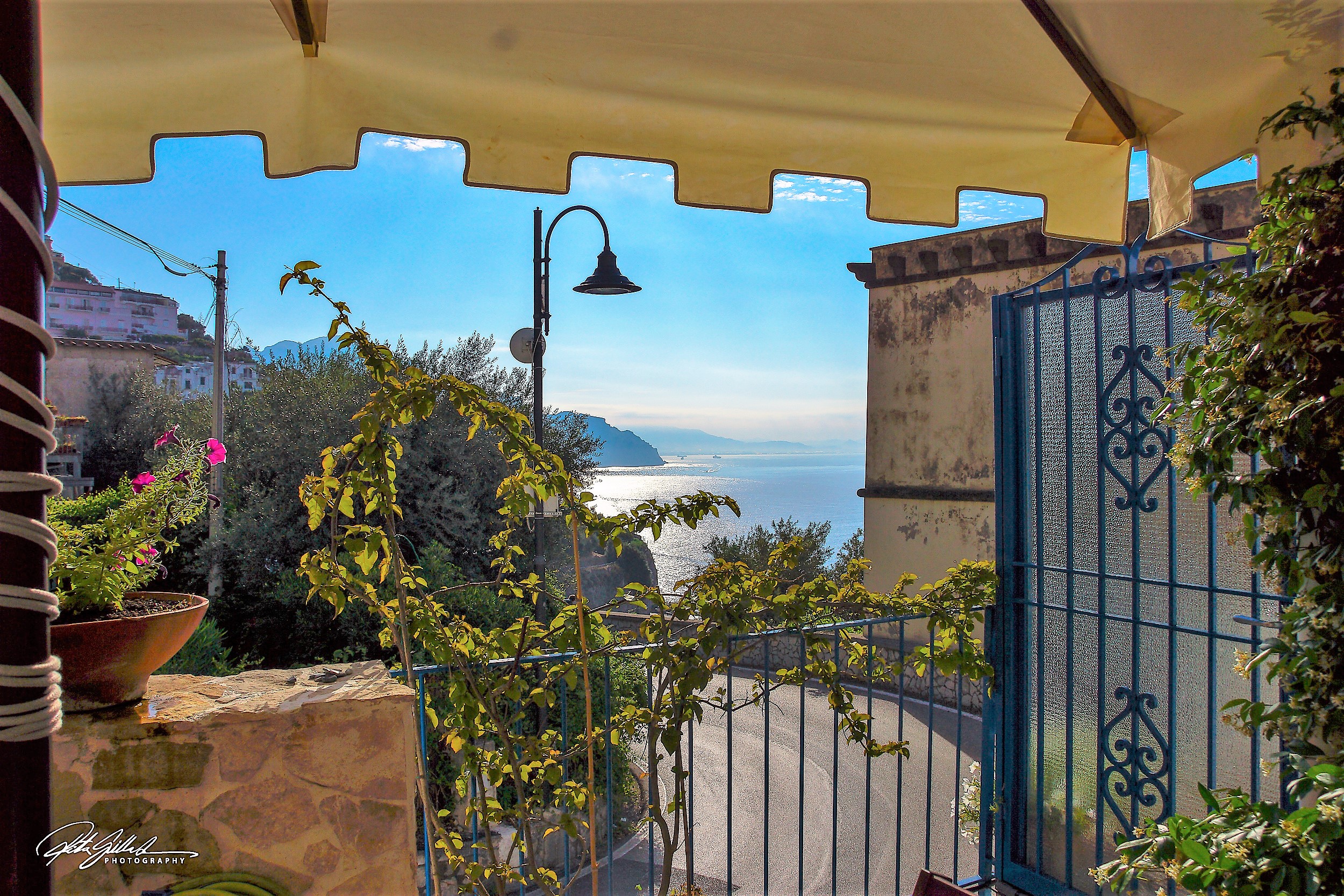
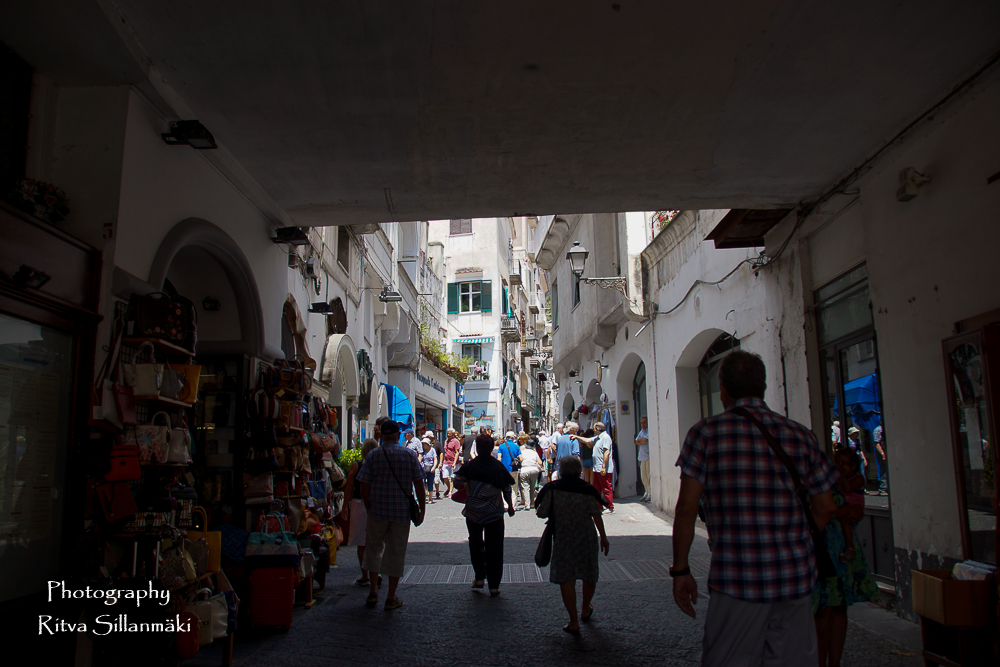
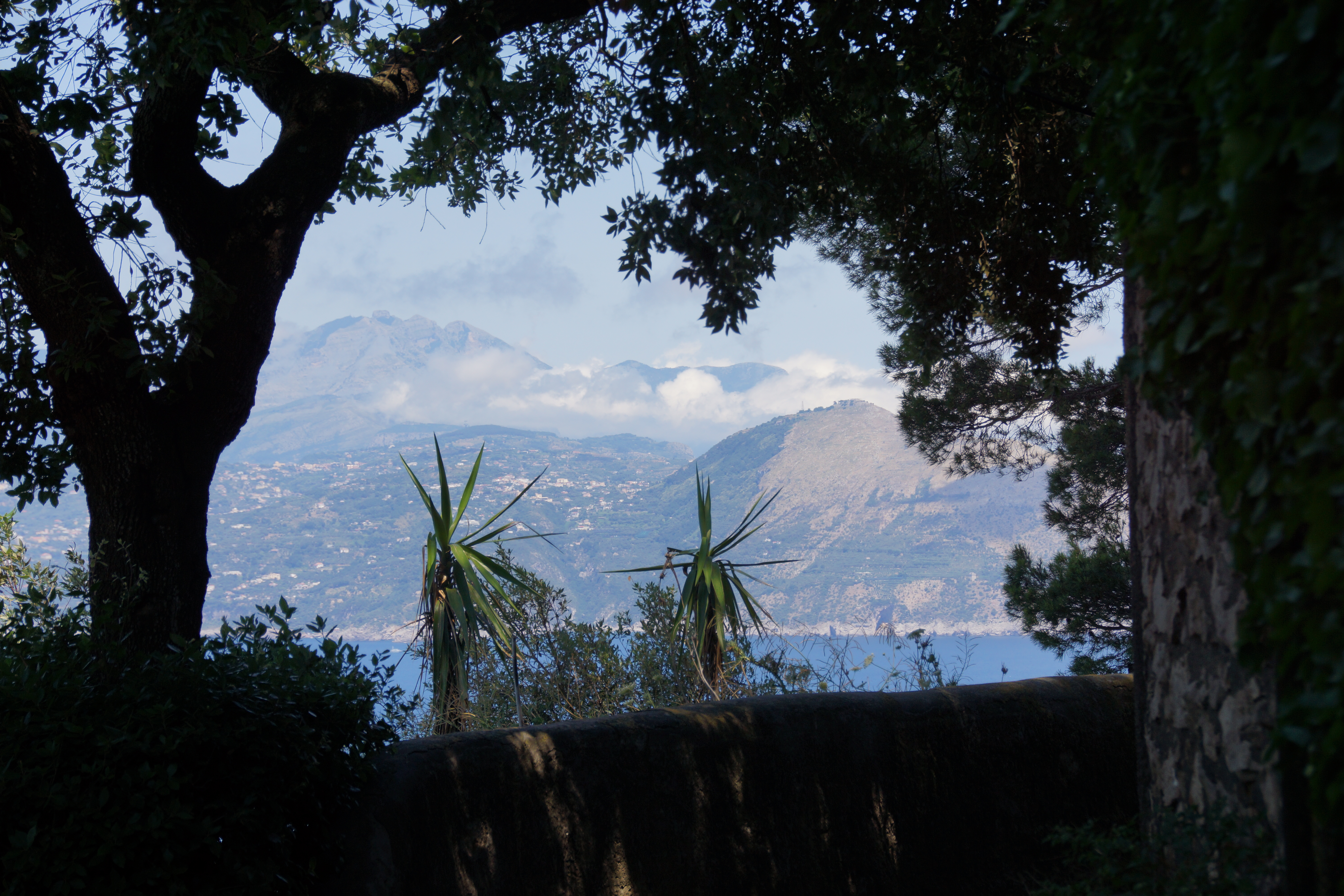
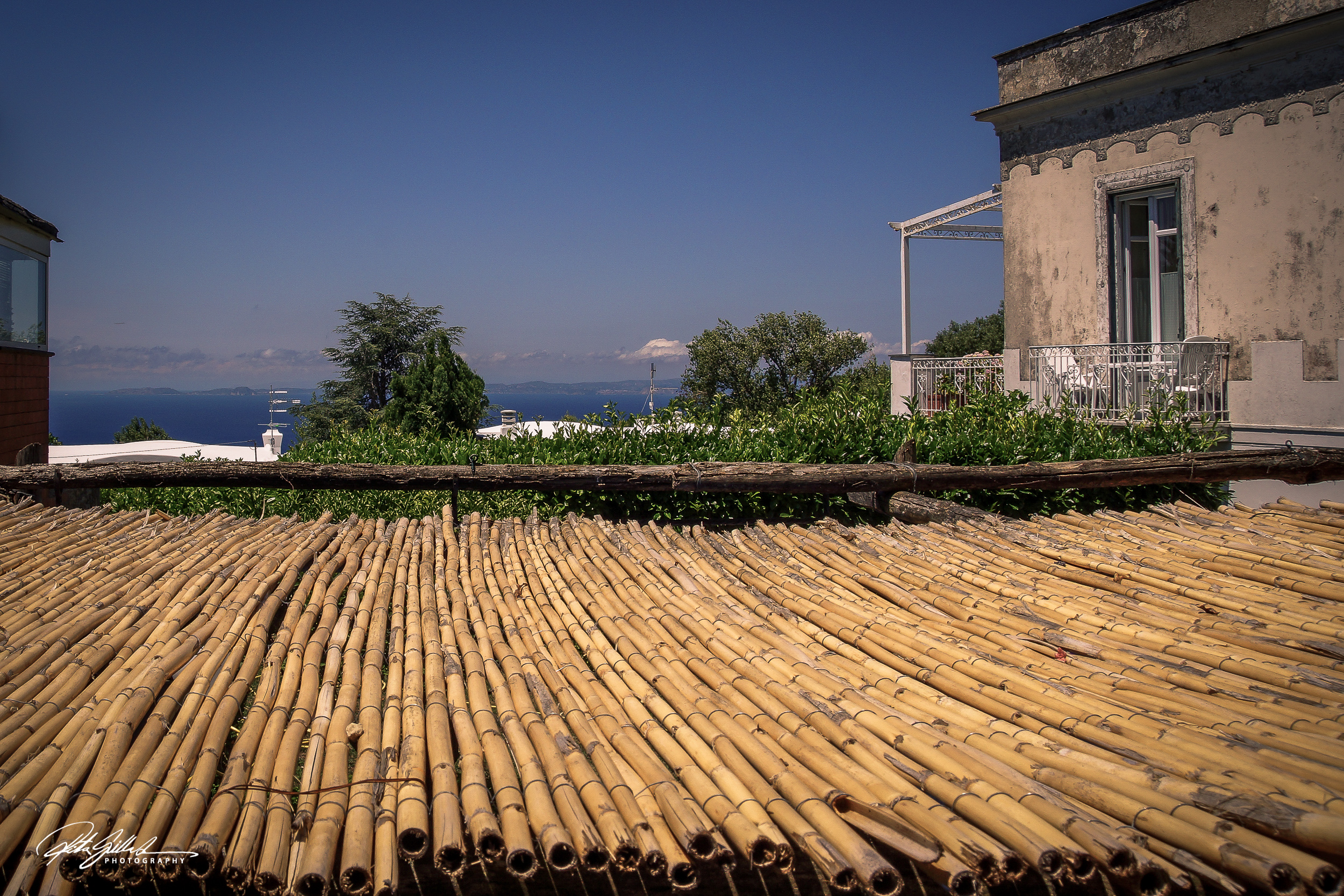
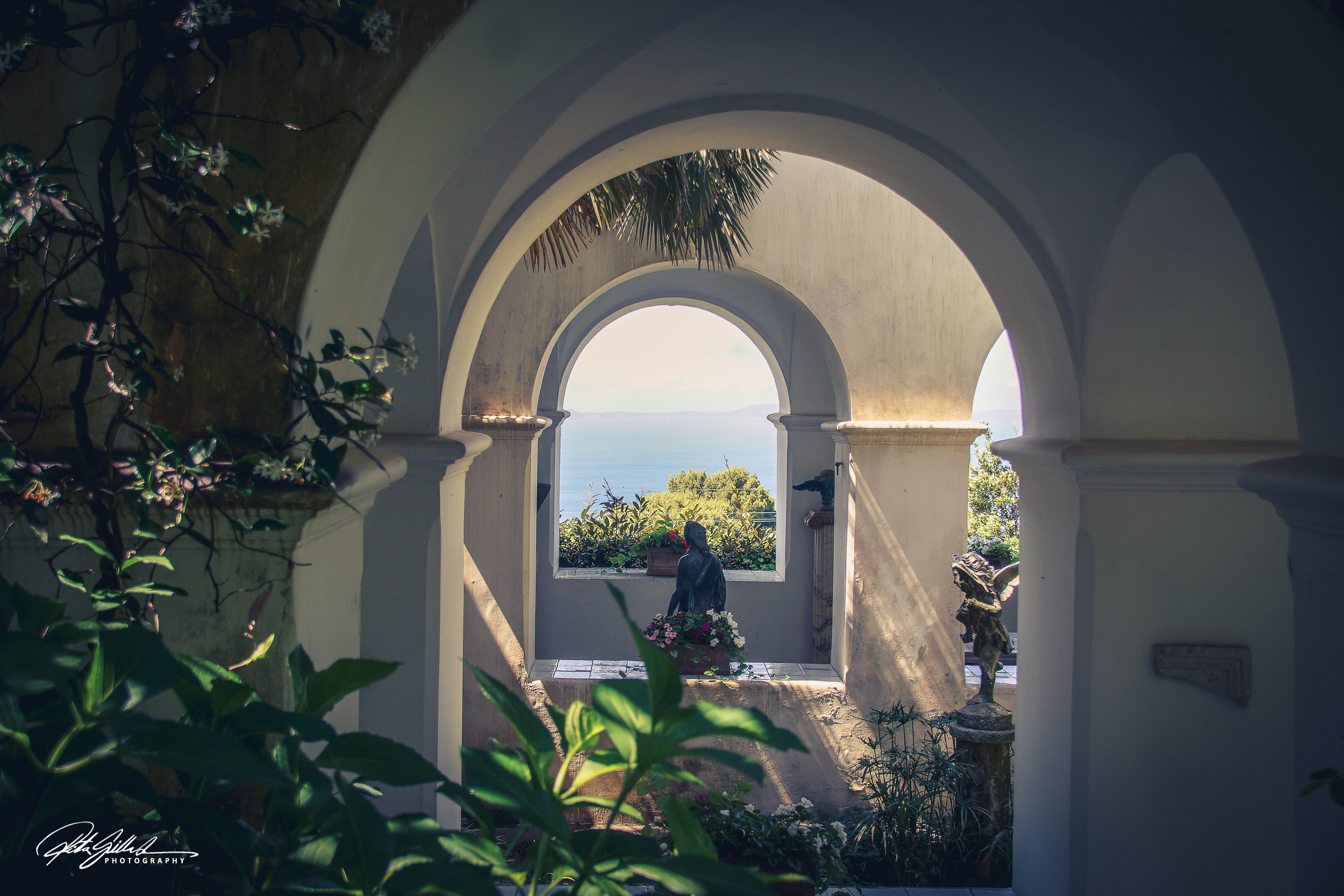
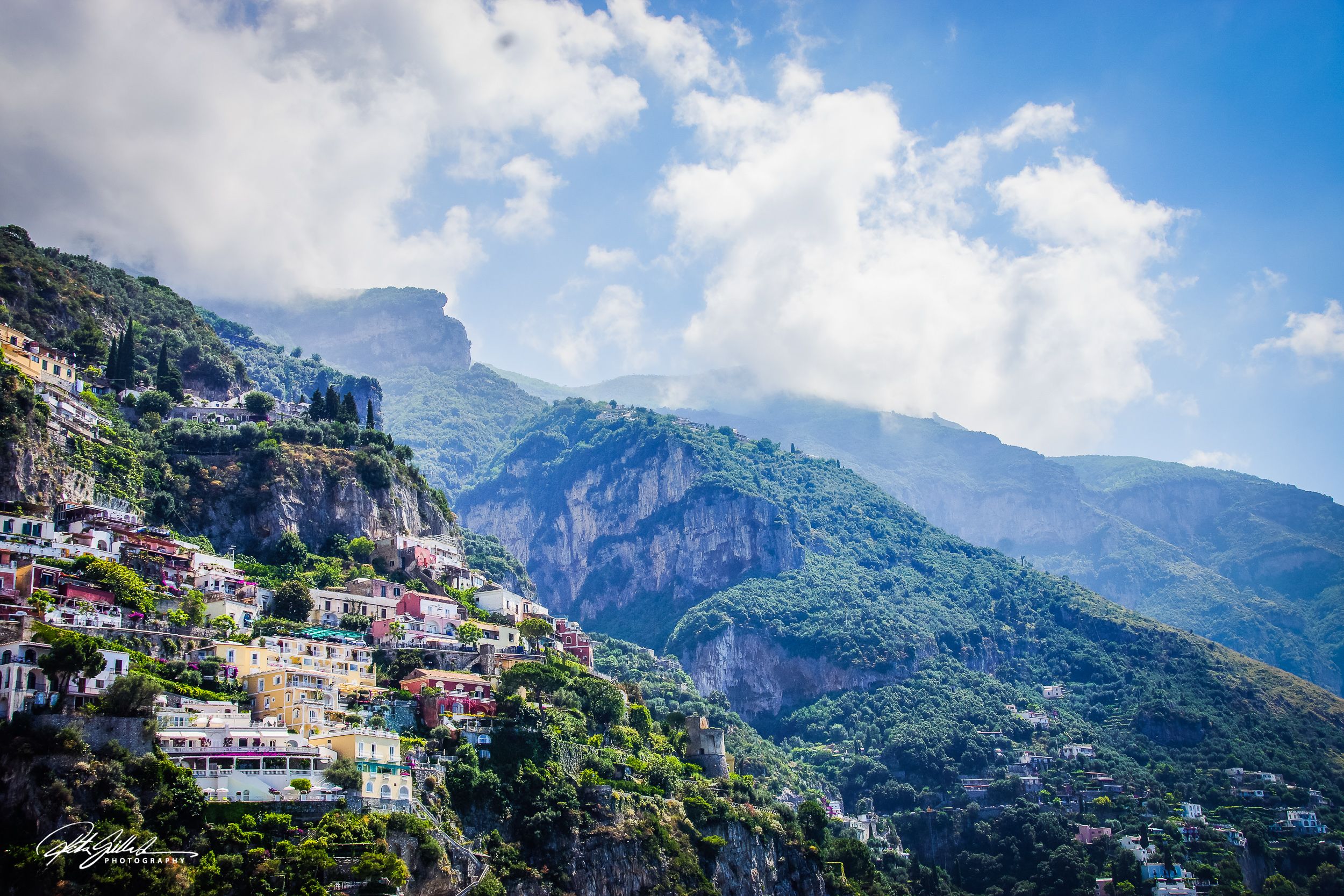
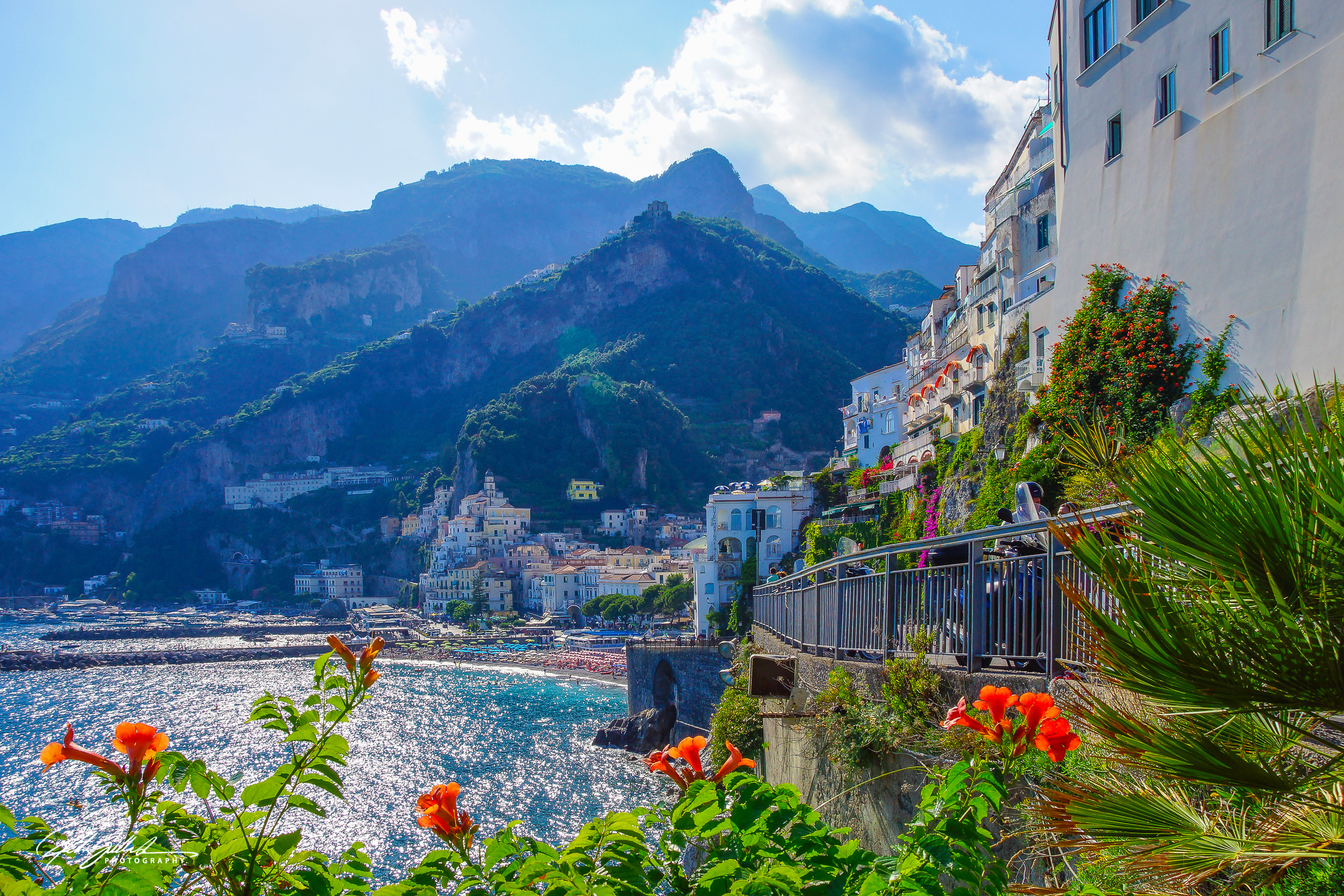
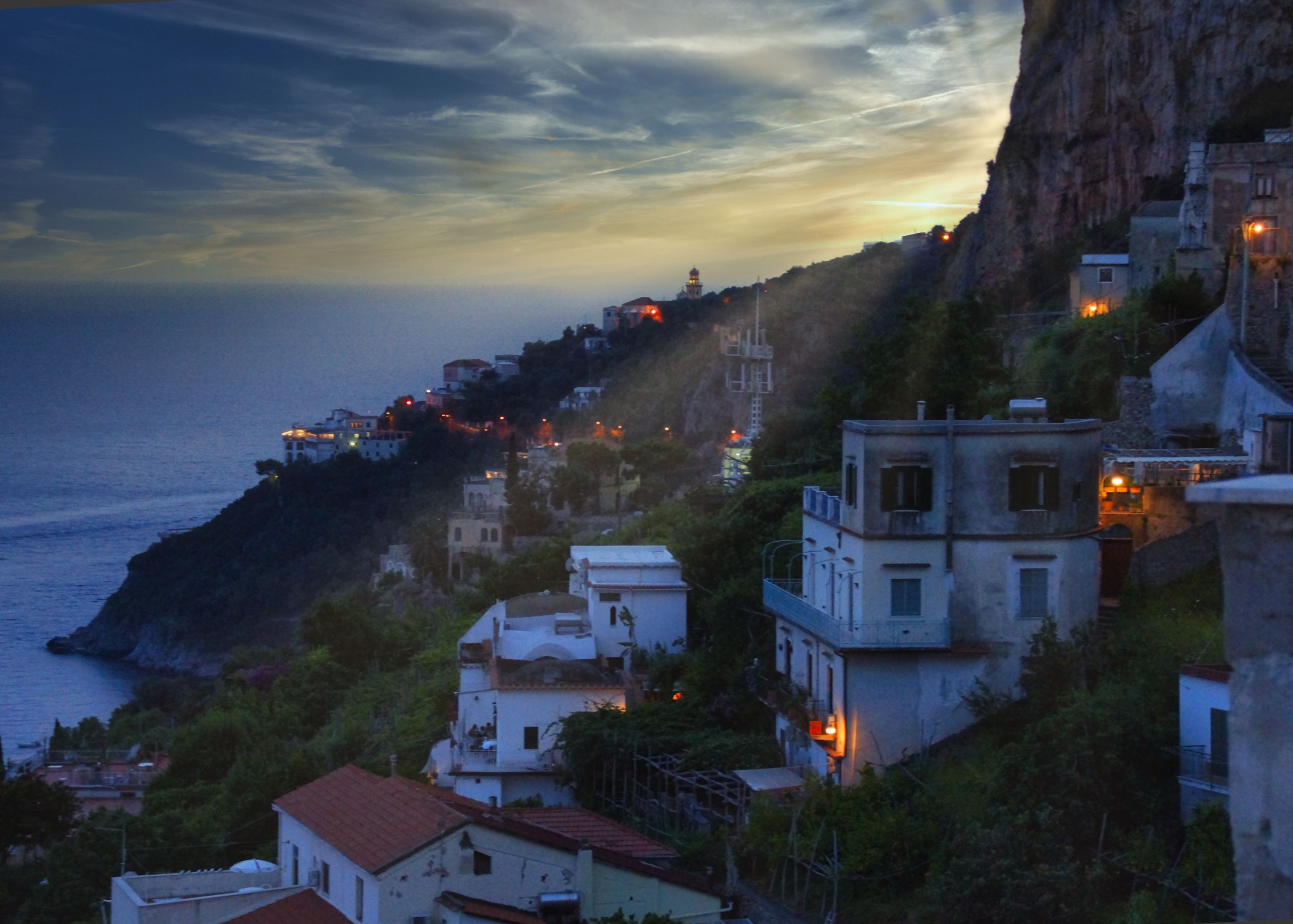
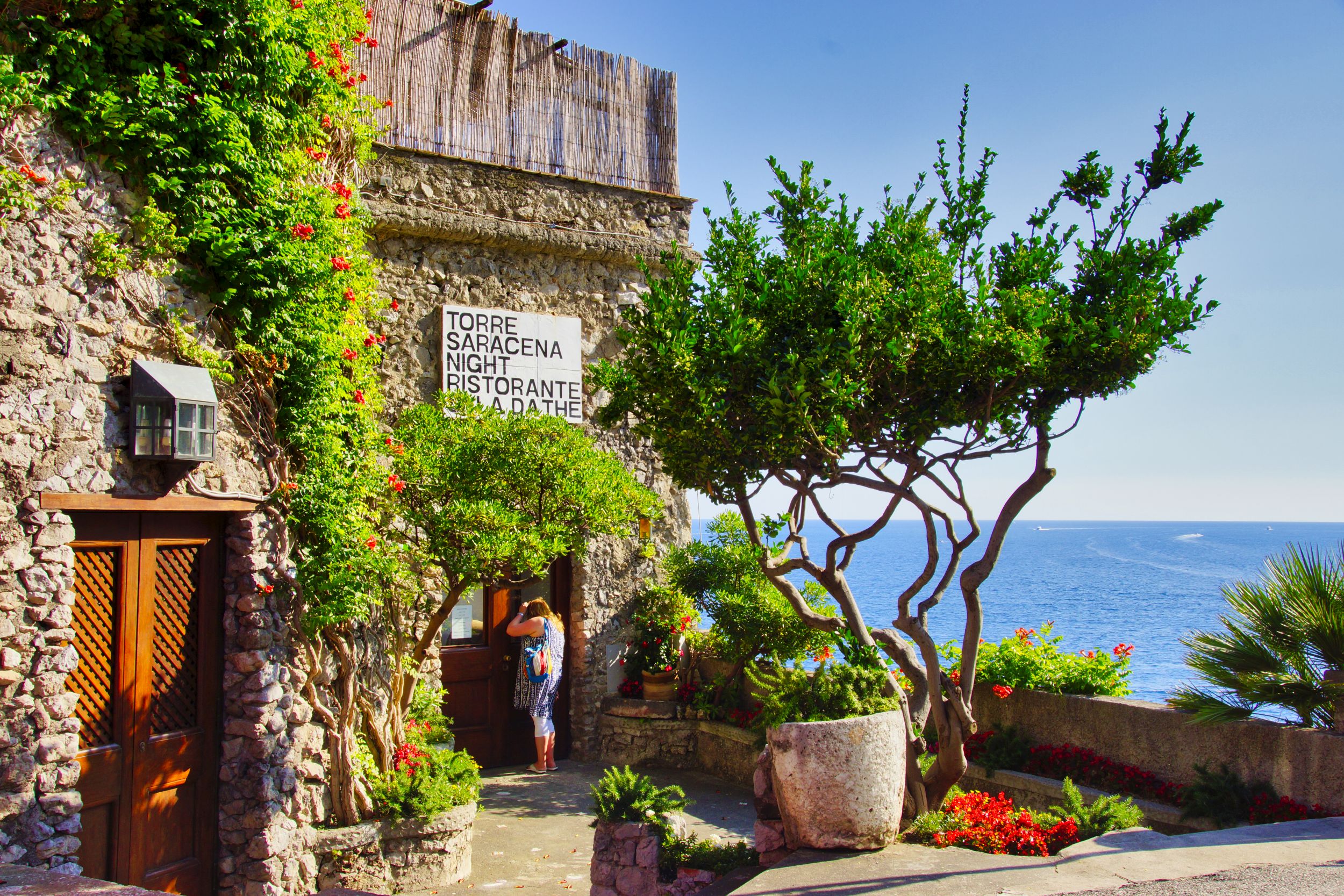
Composition, framing the photo is essential for a great shot depending what you want to enhance and showcase in the photo. Below some shots from Amalfi coast.
It’s April and it still looks like winter, feels like winter even though next to a wall where the wind doesn’t blow you can feel the lovely warmth of the sun.
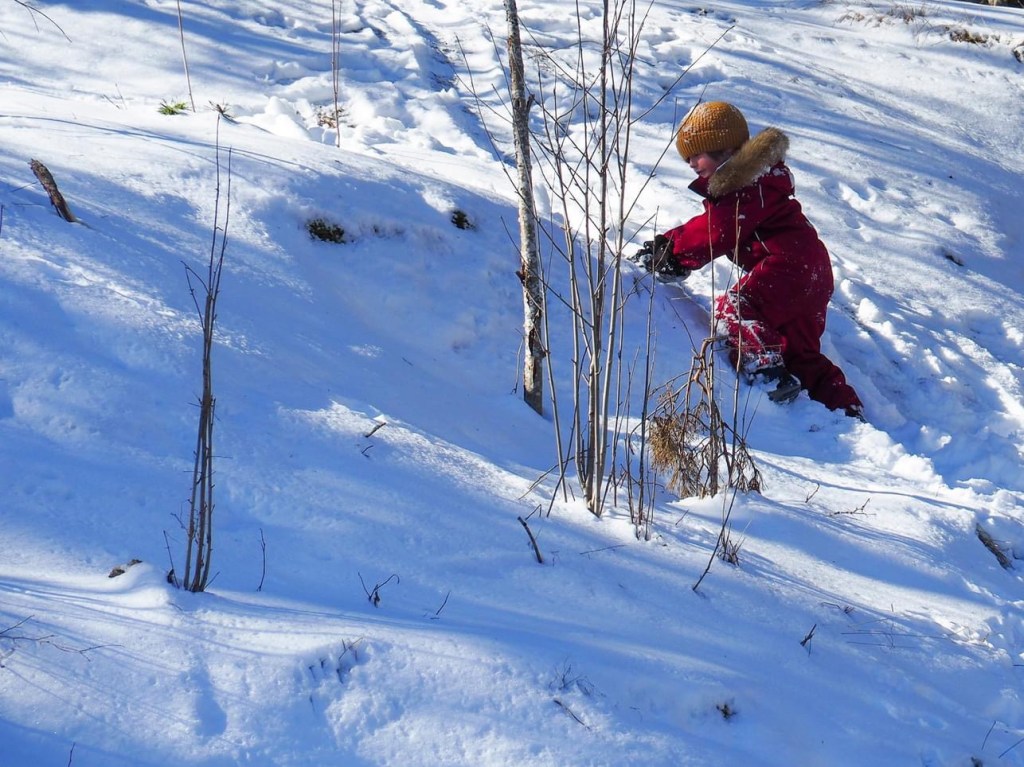
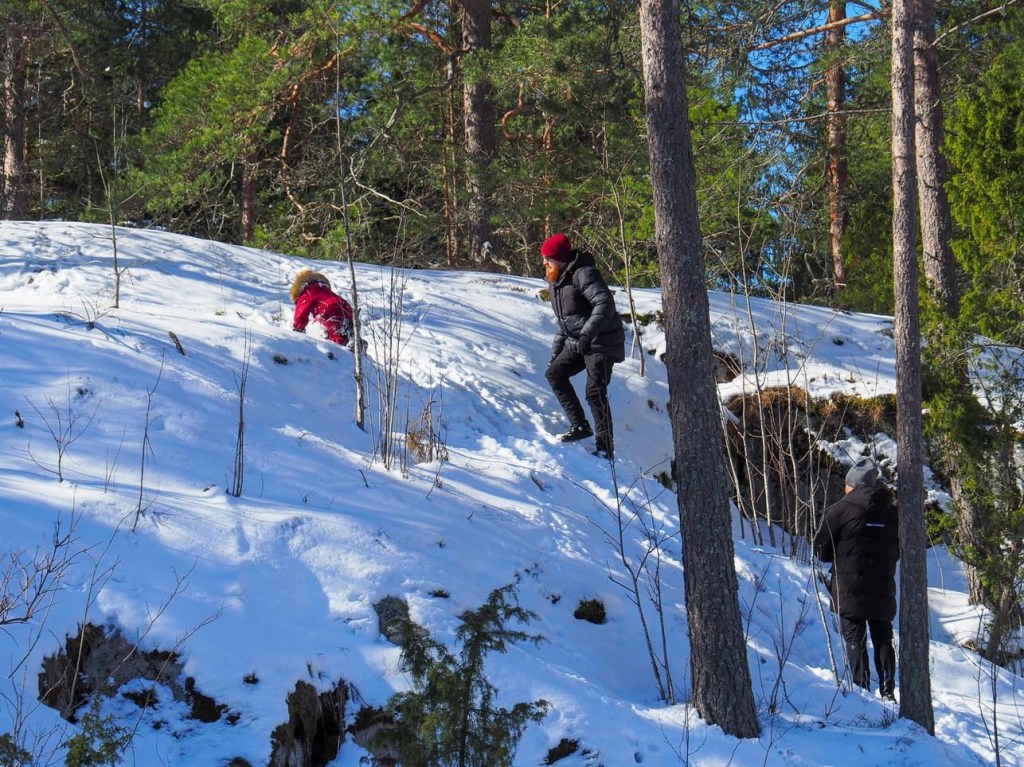
My grandson said to me, I will never forget the mountain next to your home 😀 ( it is a hill ) he always wants to climb it no matter what season it is. Today he conquered it with his father and grandpa
This week Anne invites us to share experiences . Experiencing something for the first time can be exhilarating, exhausting, and engaging.
Seeing something new in nature, visiting a new city. Listening to music, sounds of nature, art in all forms. I thing I get most from seeing, experiencing natures wonders.
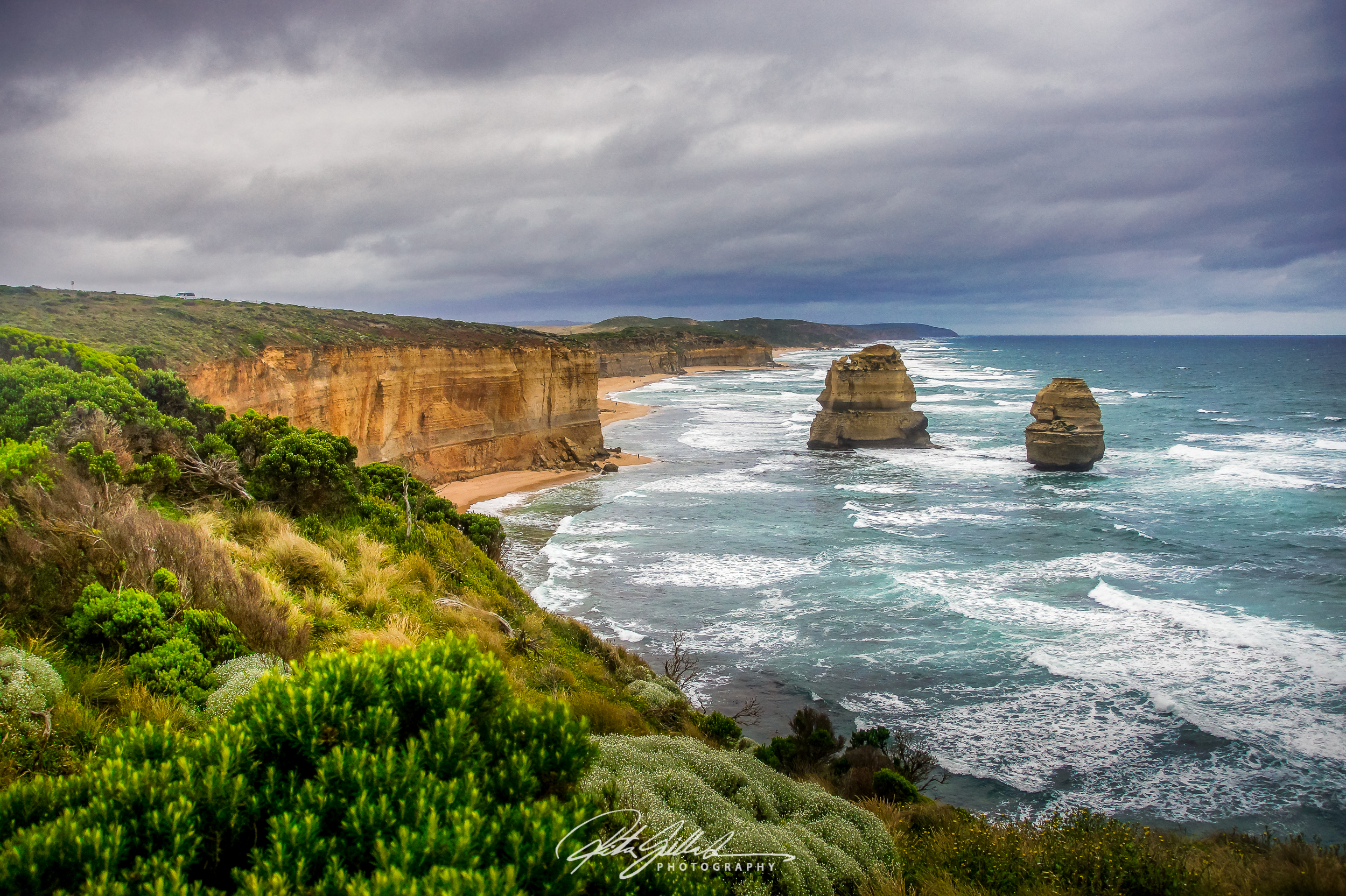
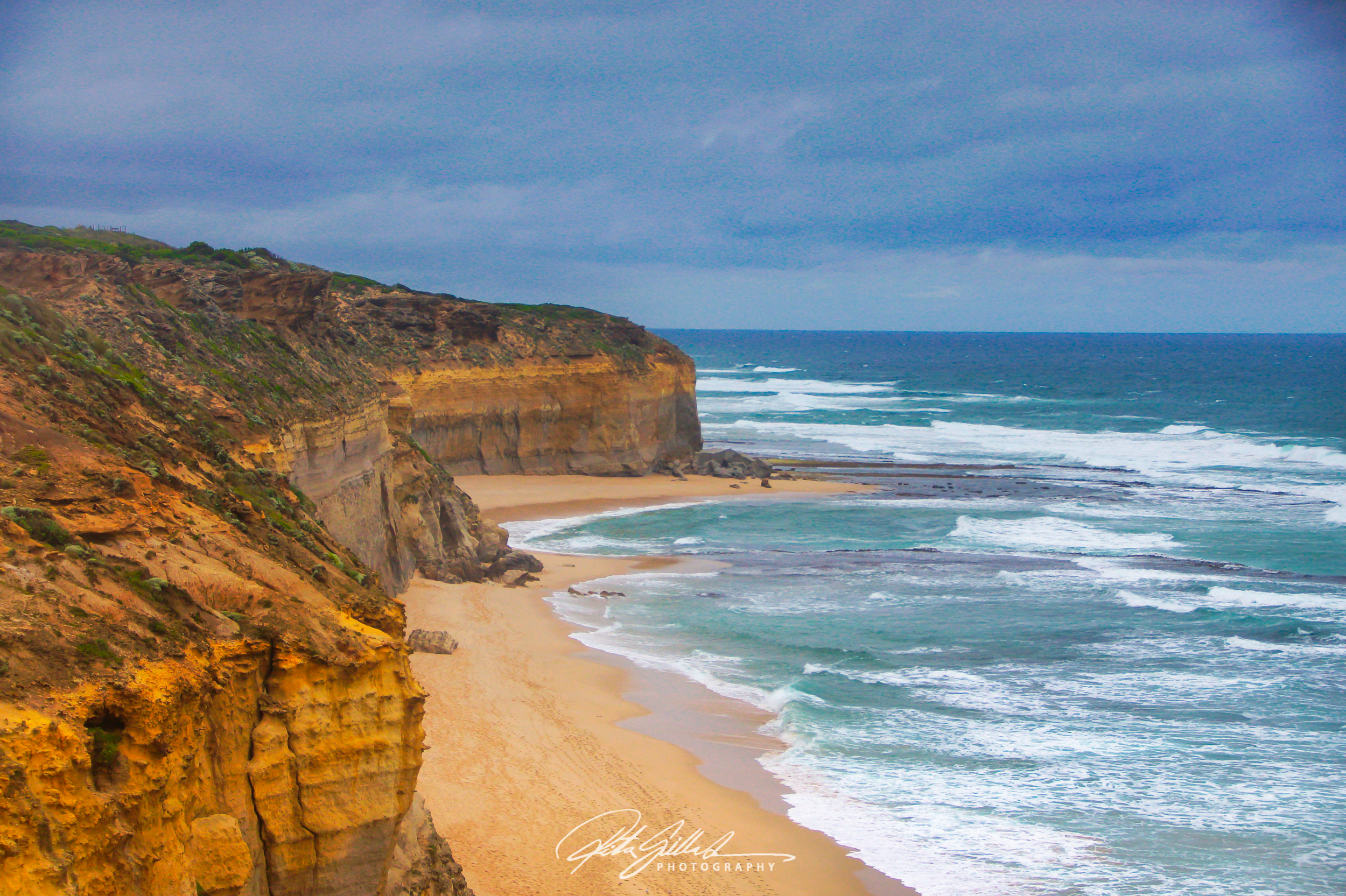
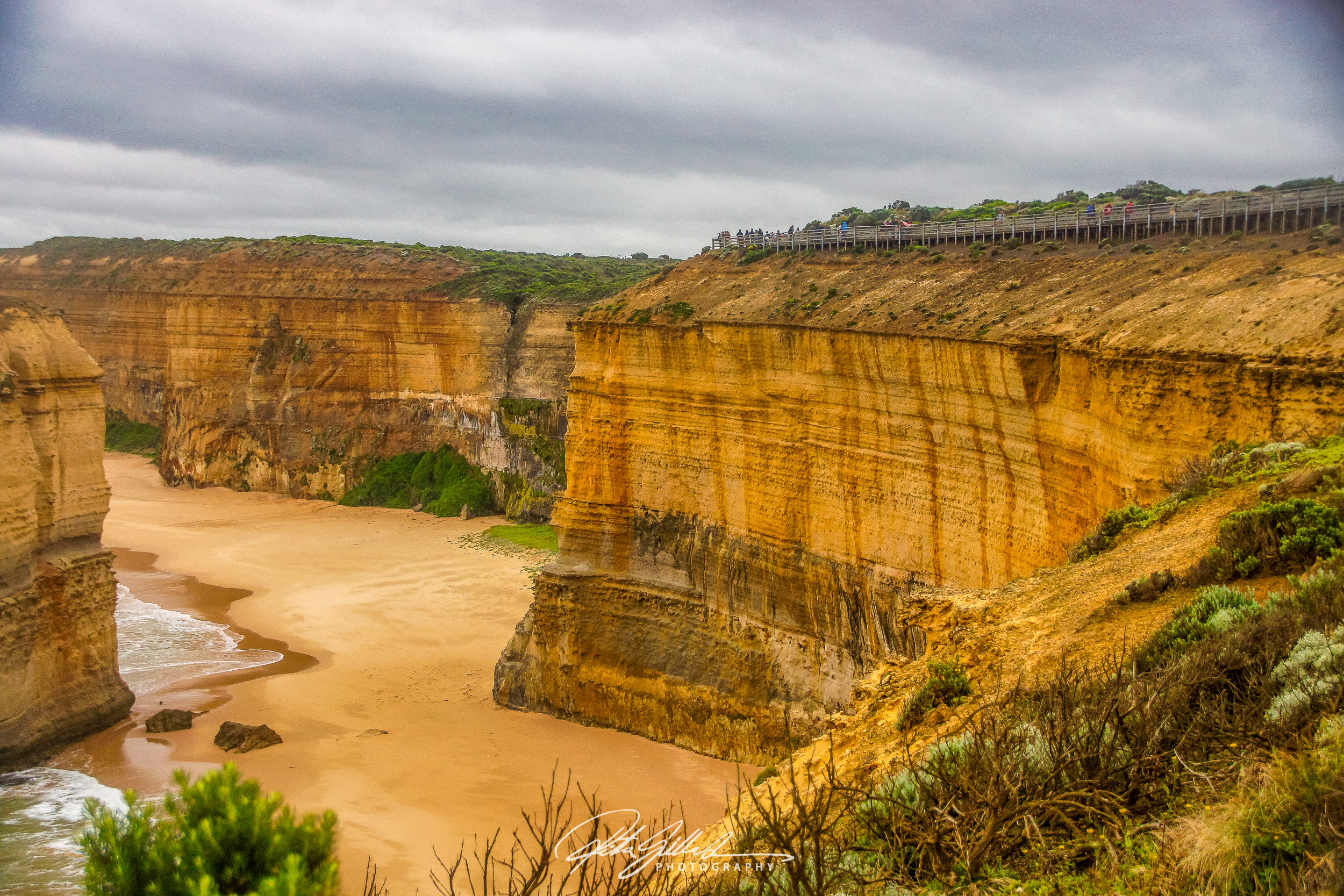
I have also got great joy visiting the Great ocean road in Australia. I have done several posts from that trip. I still have lots of shots not share. Awesome place. Waterfall, rolling hills, animals in the wild… I could go on and on..
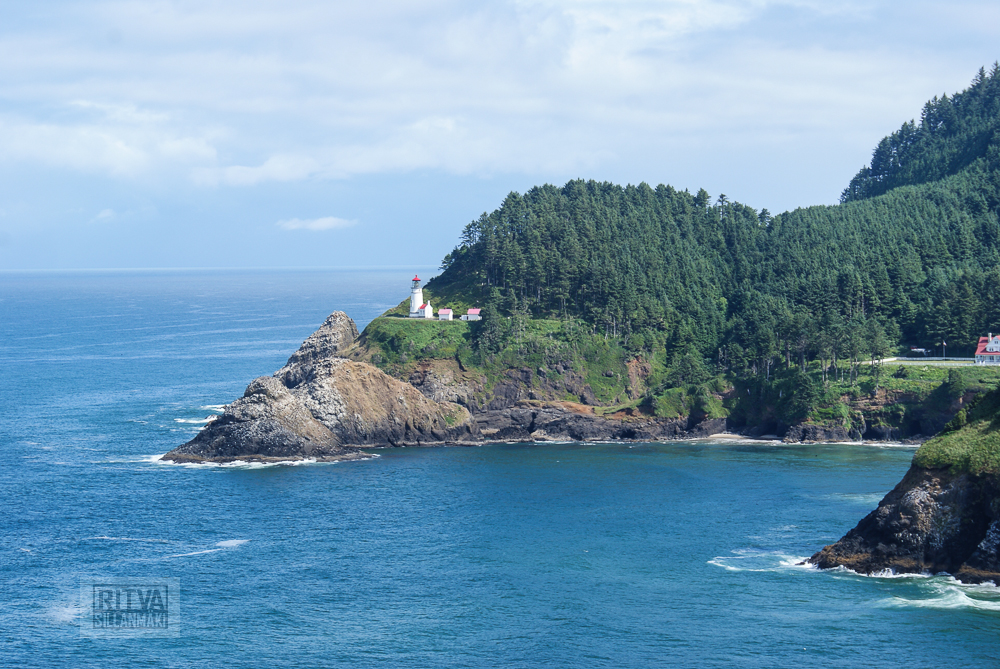
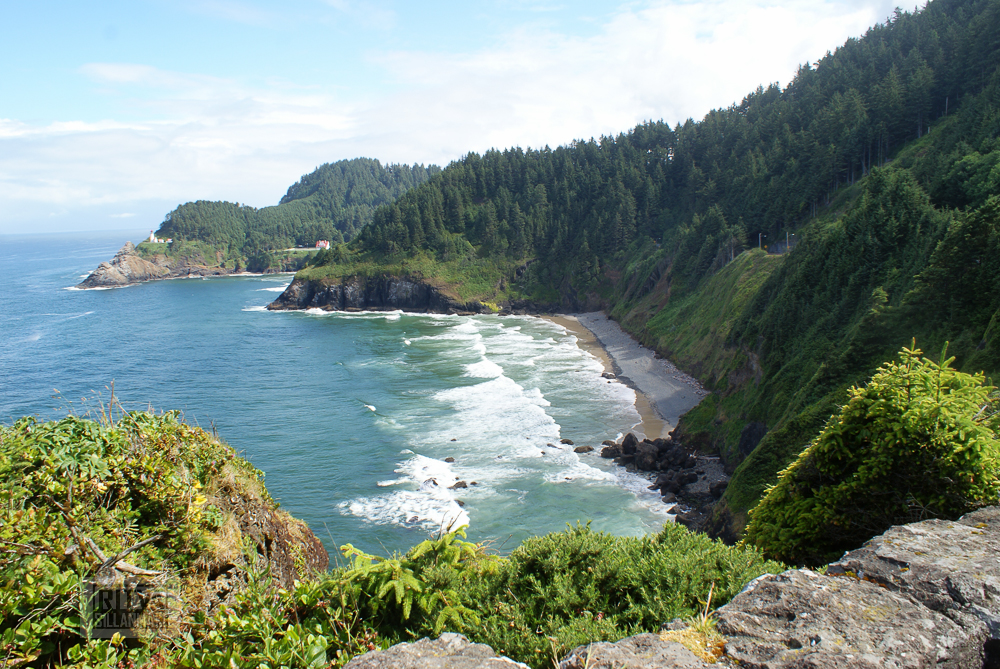
I love the rugged coastline there and in Northern California
and Oregon also, memorable and beautiful experiences.
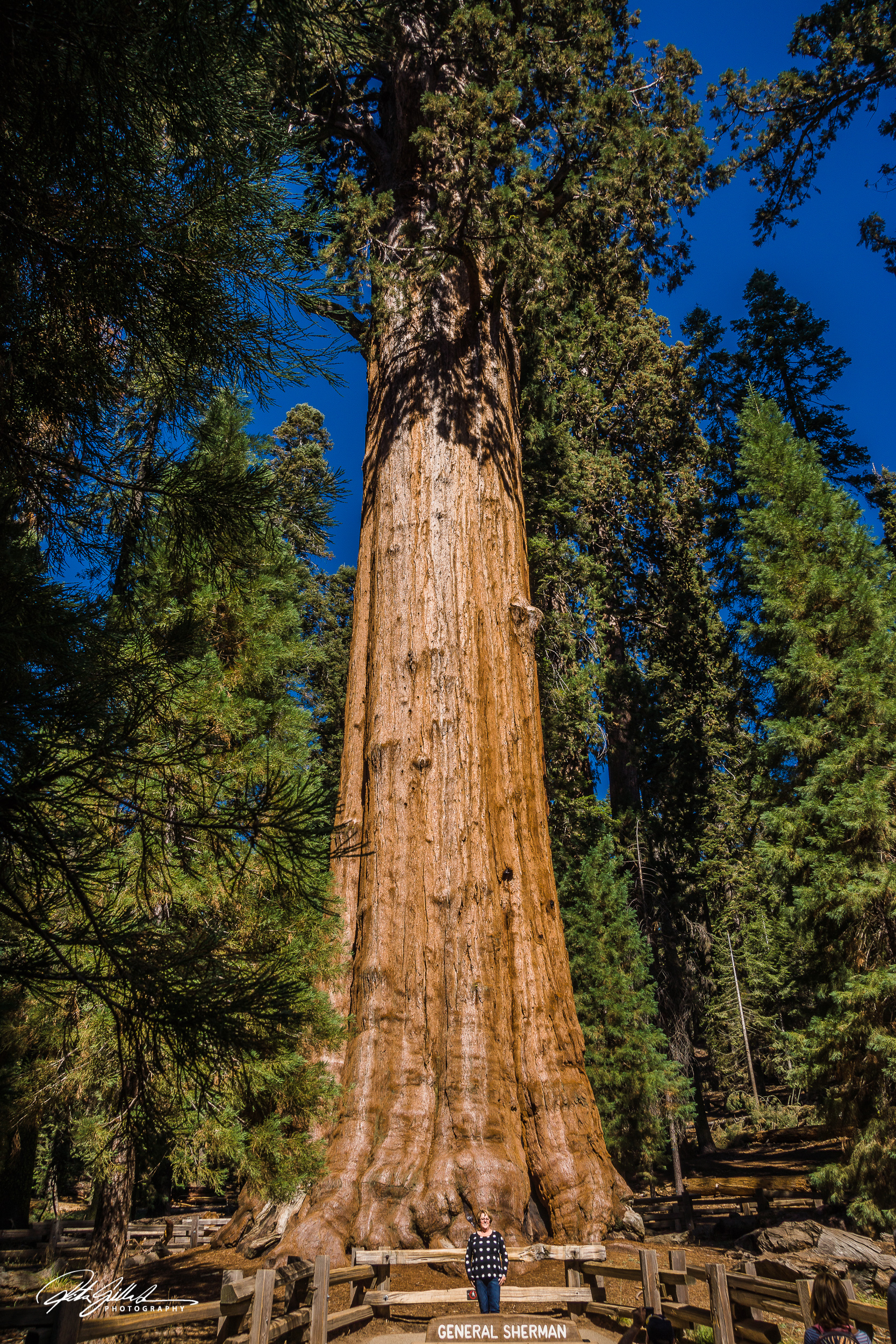
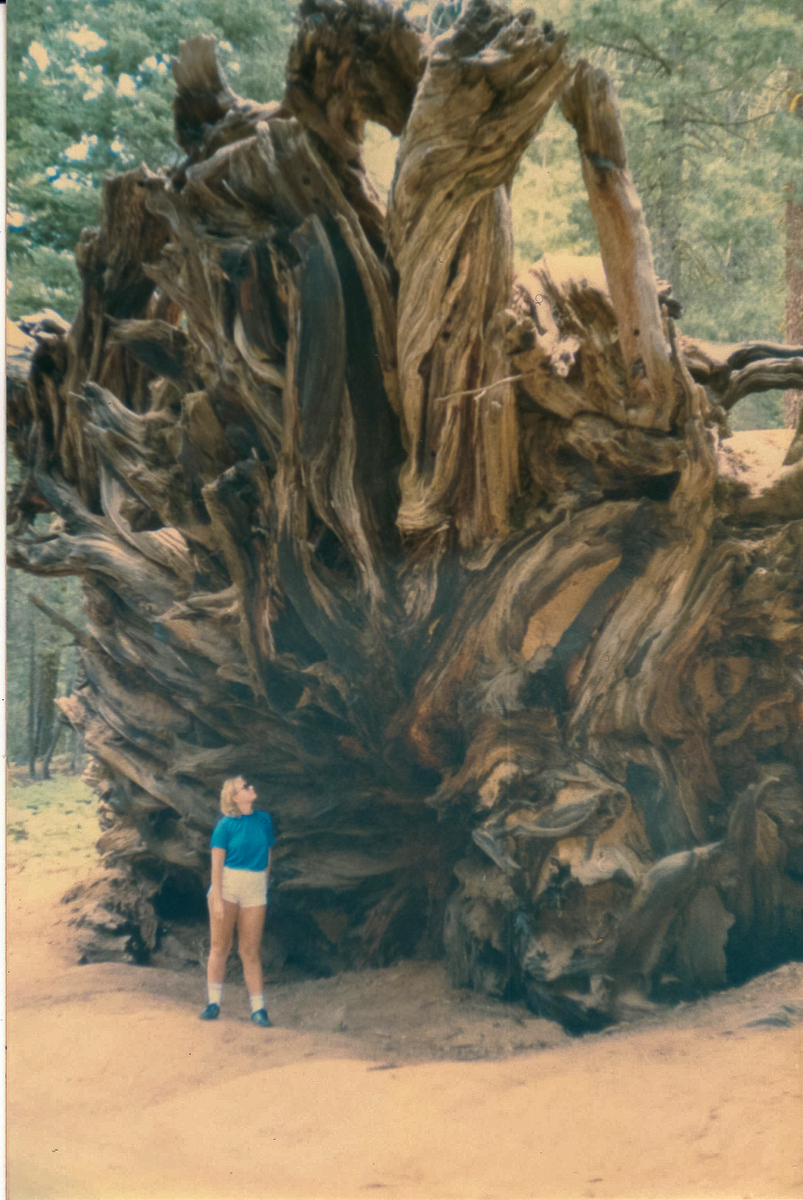
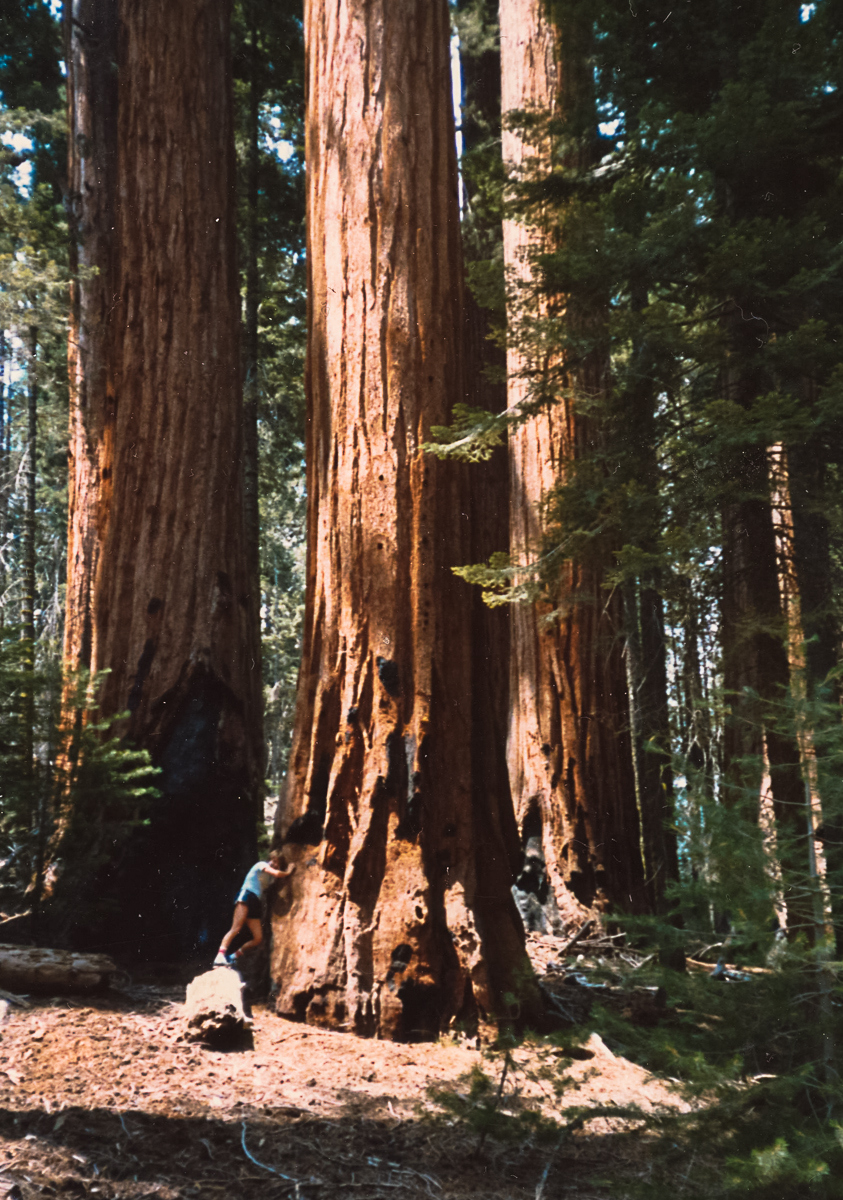
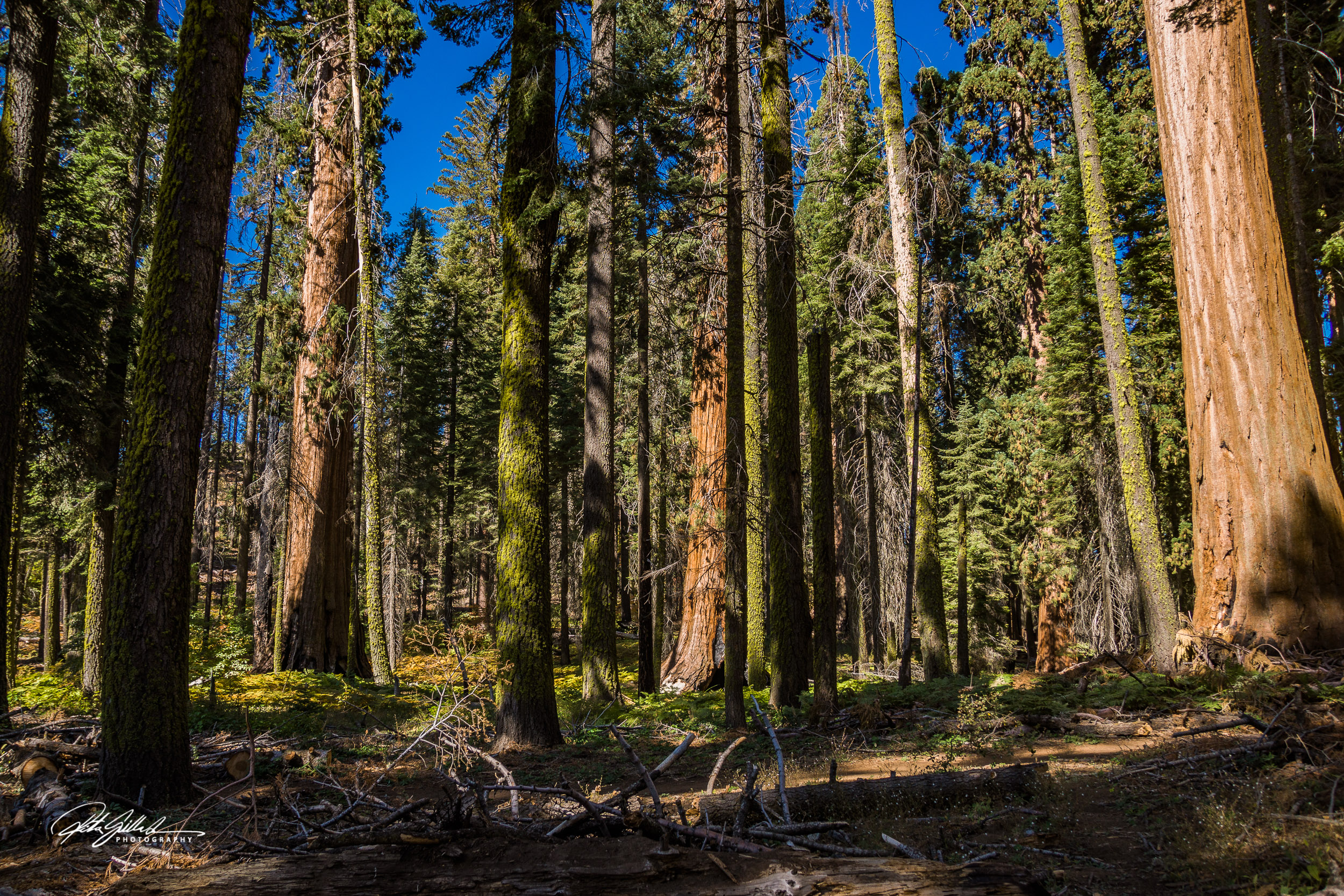
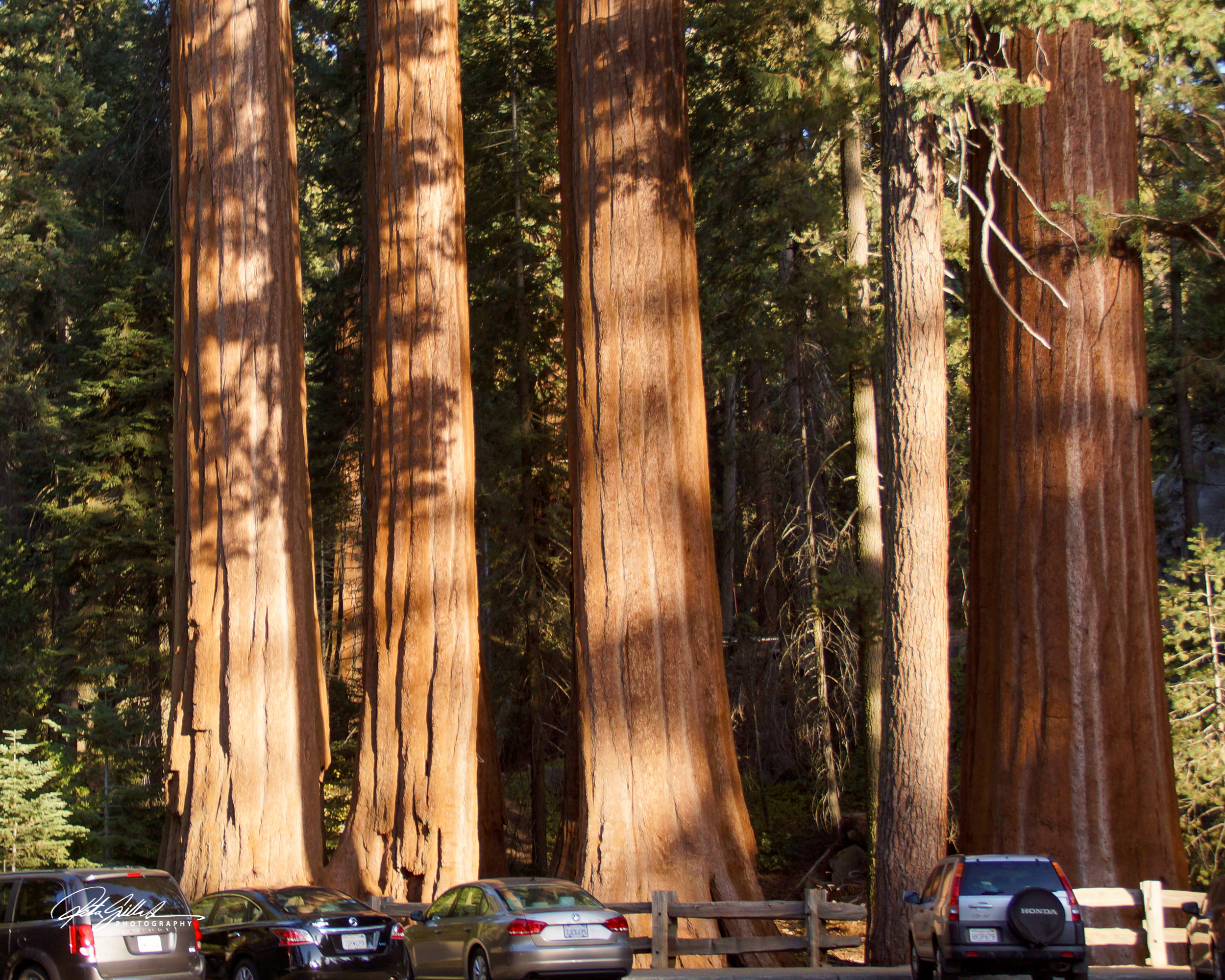
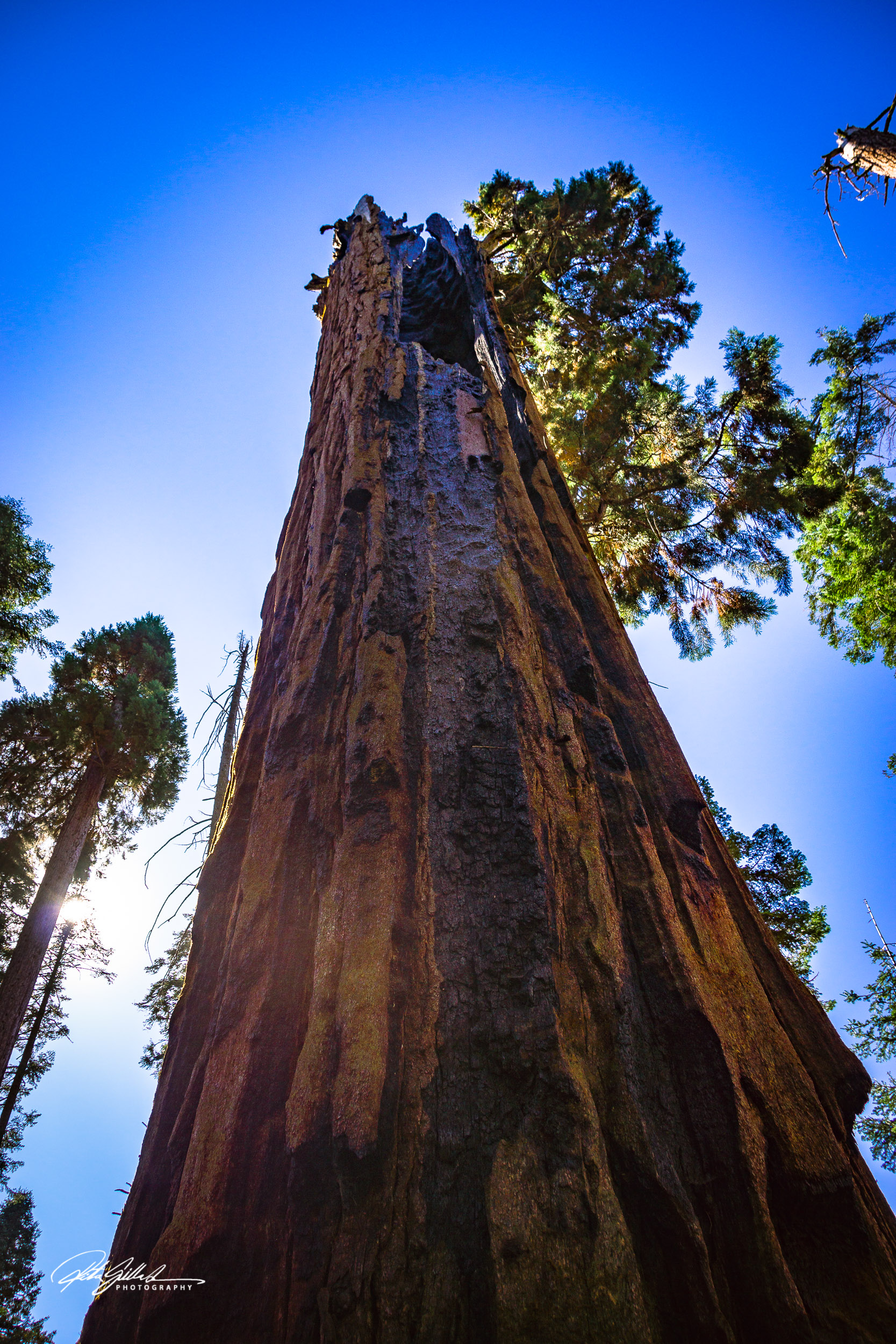
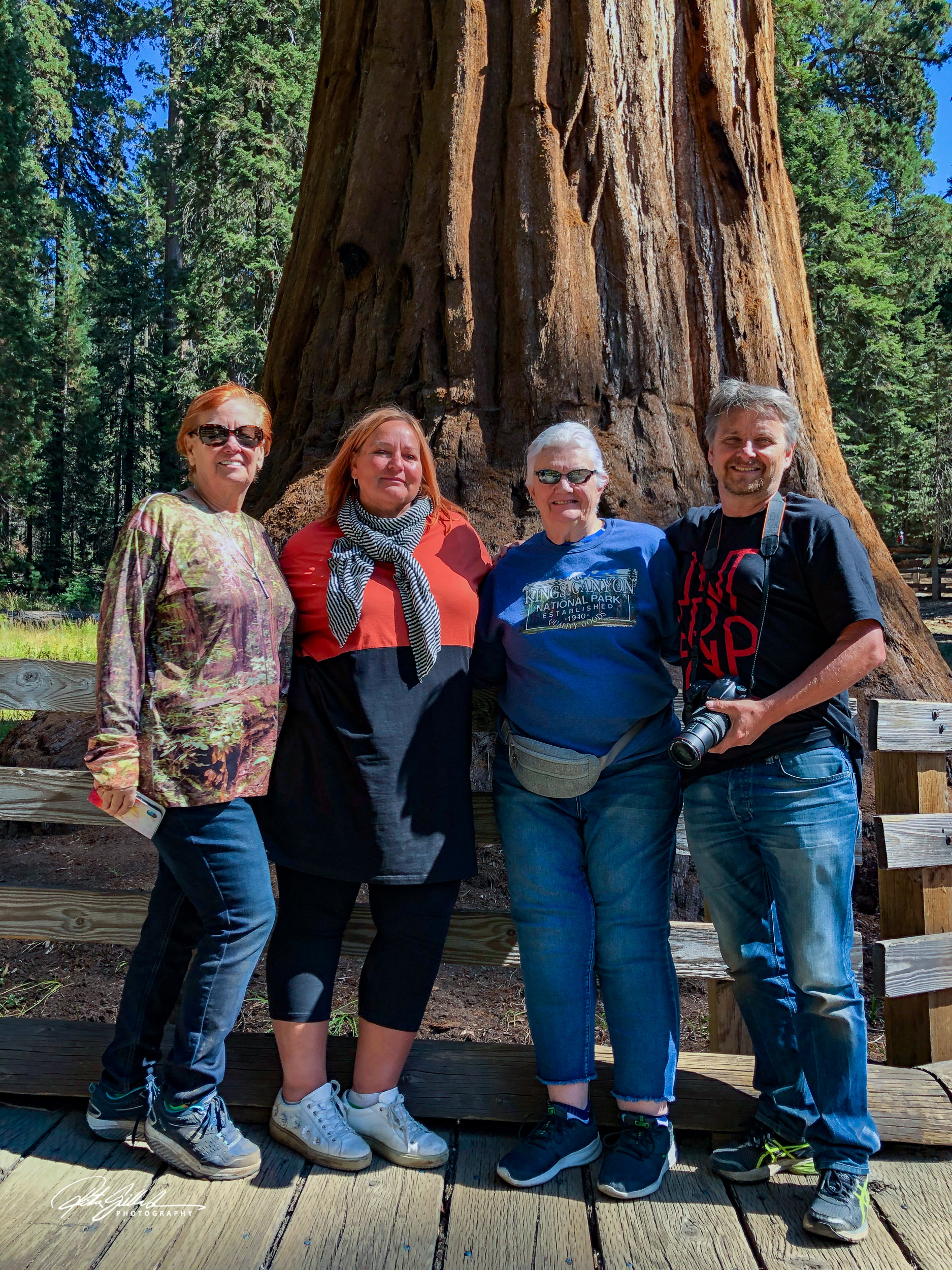
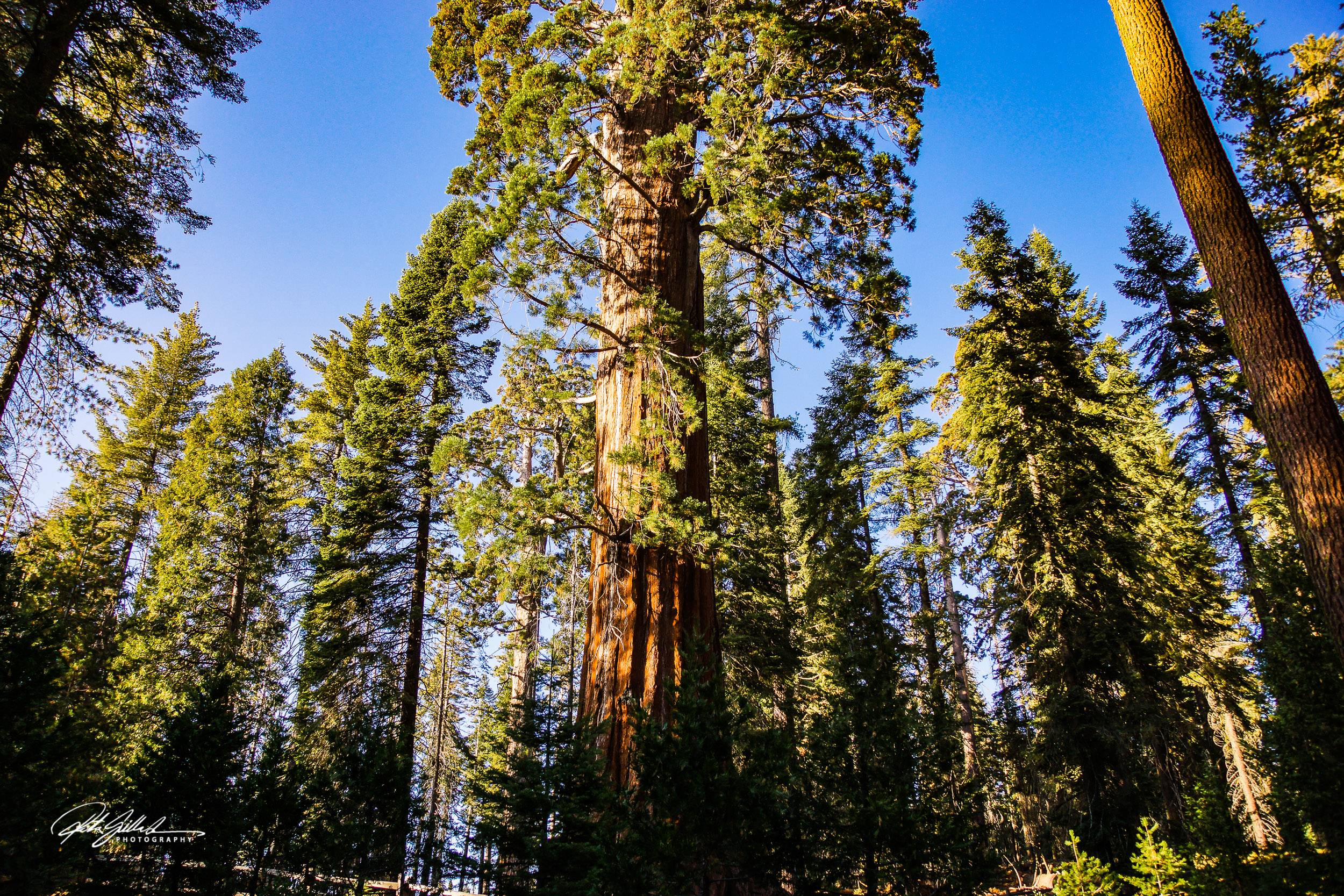
Seeing the red woods in California Sequoia National Park, the magnificent trees.
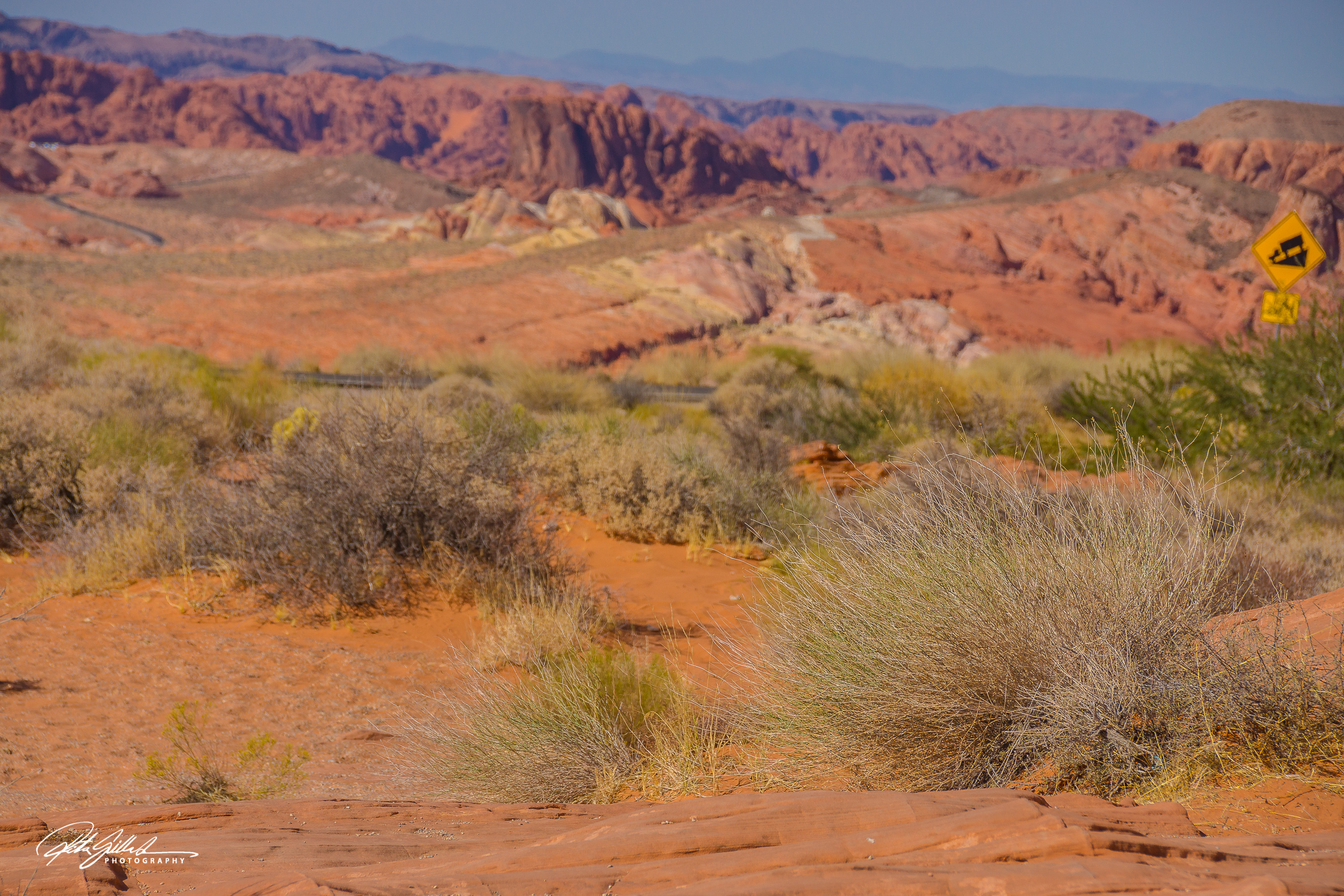
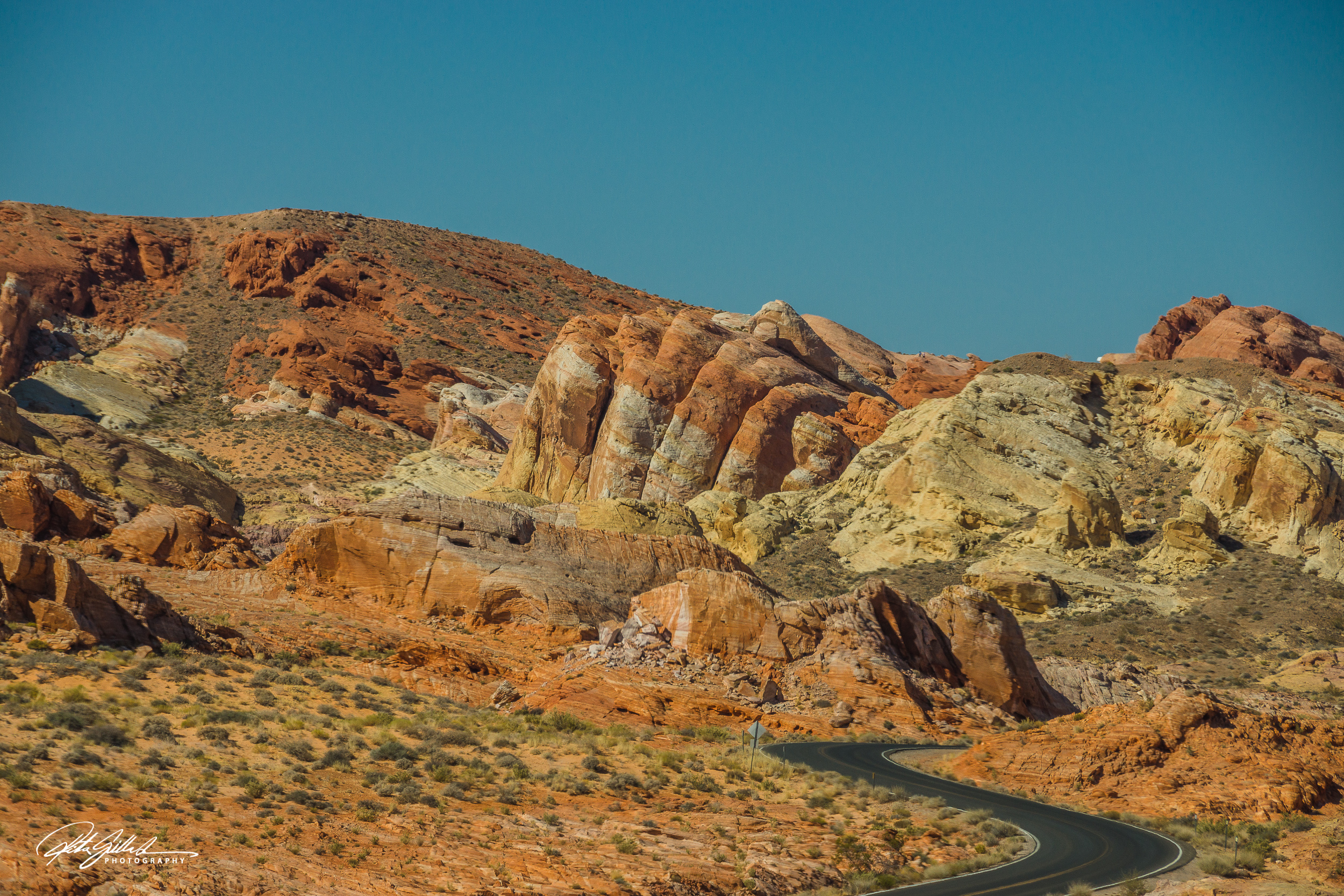
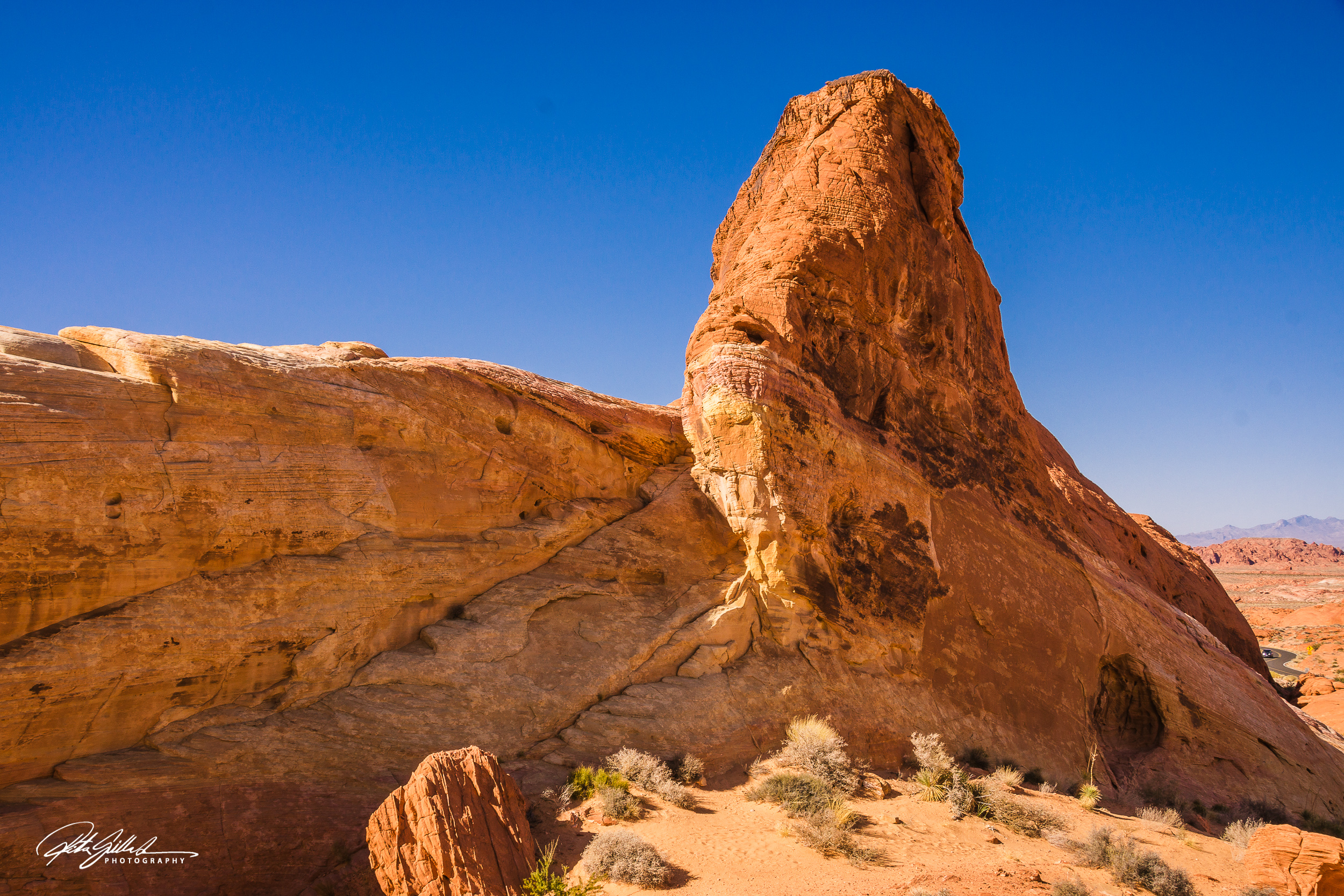
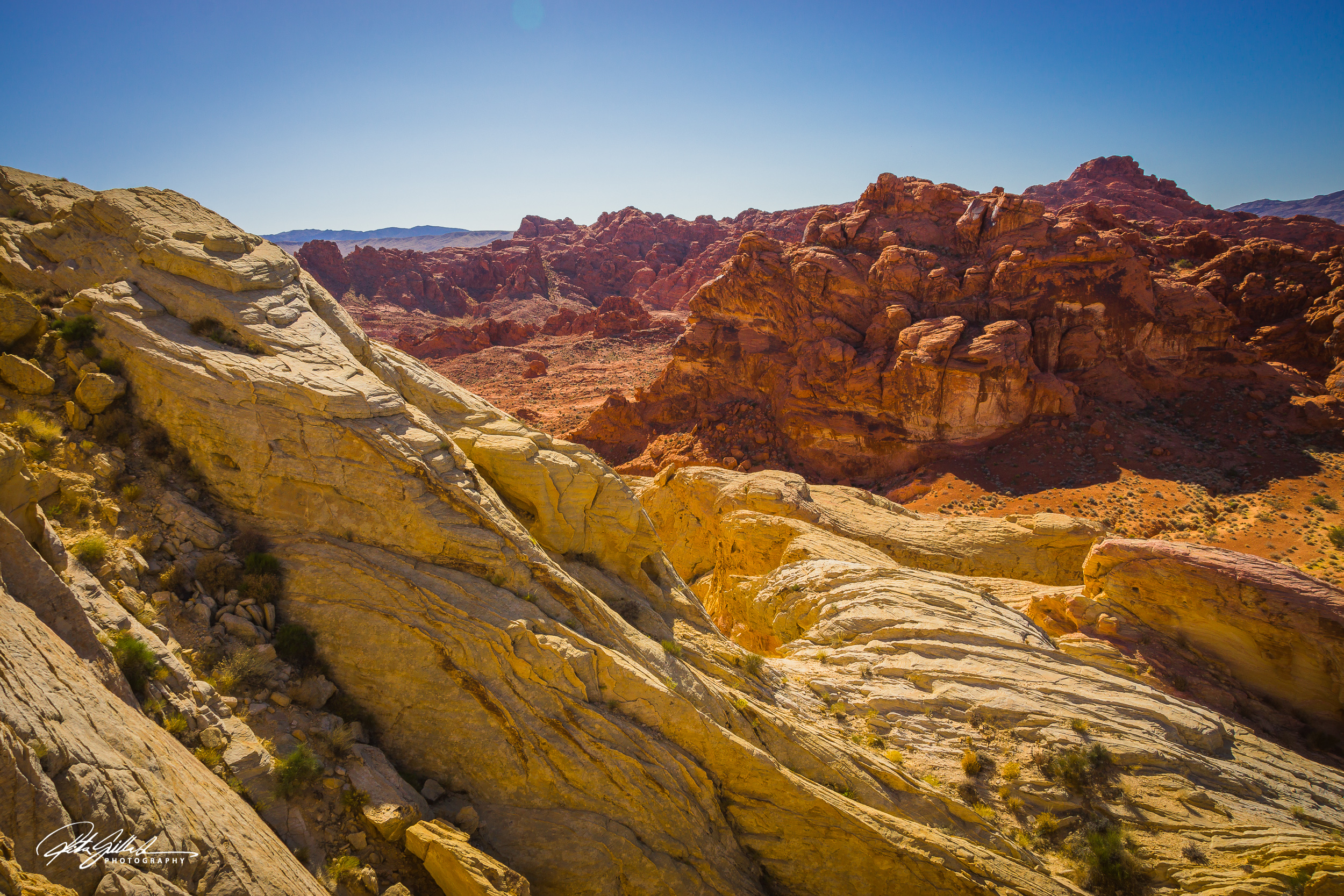
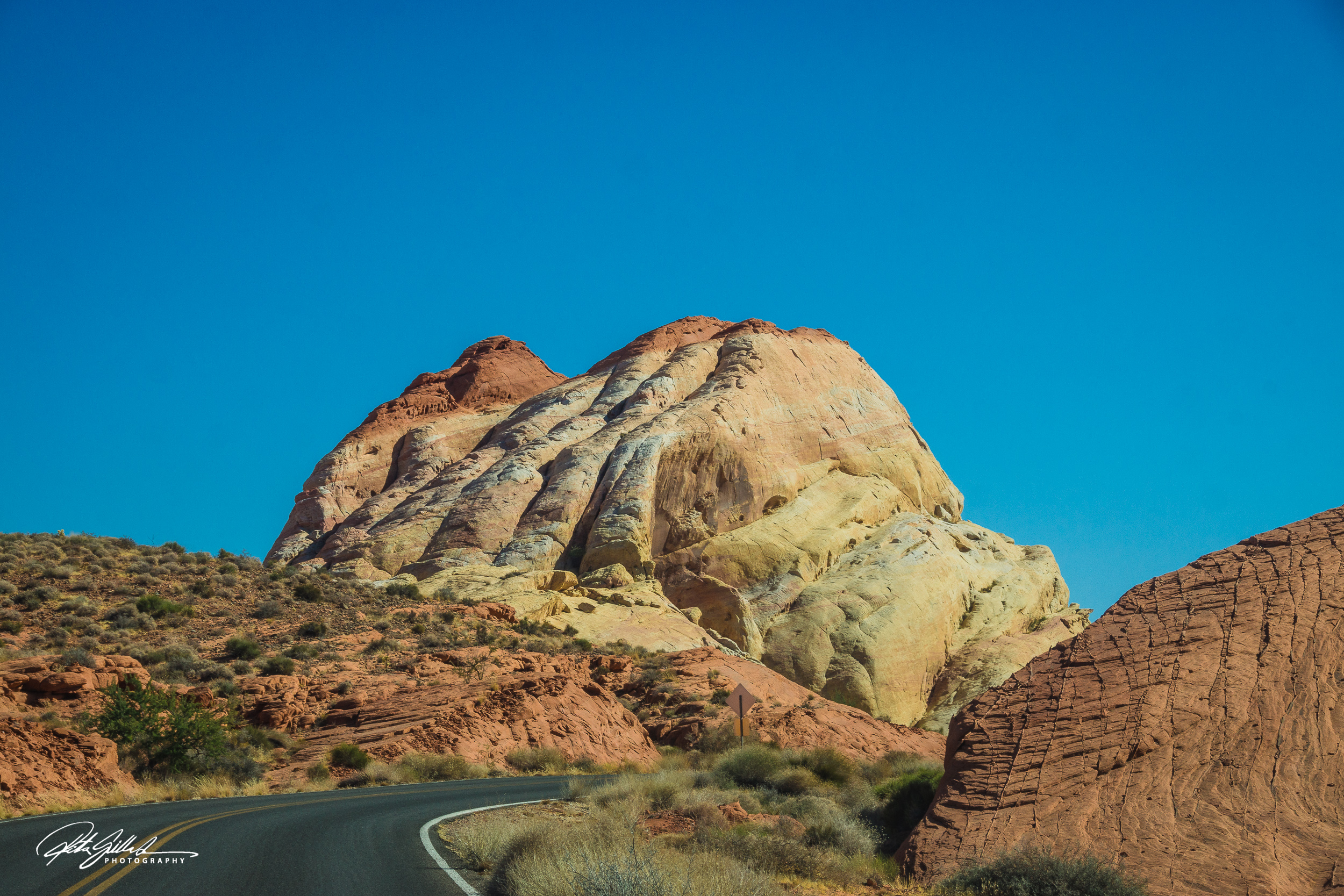
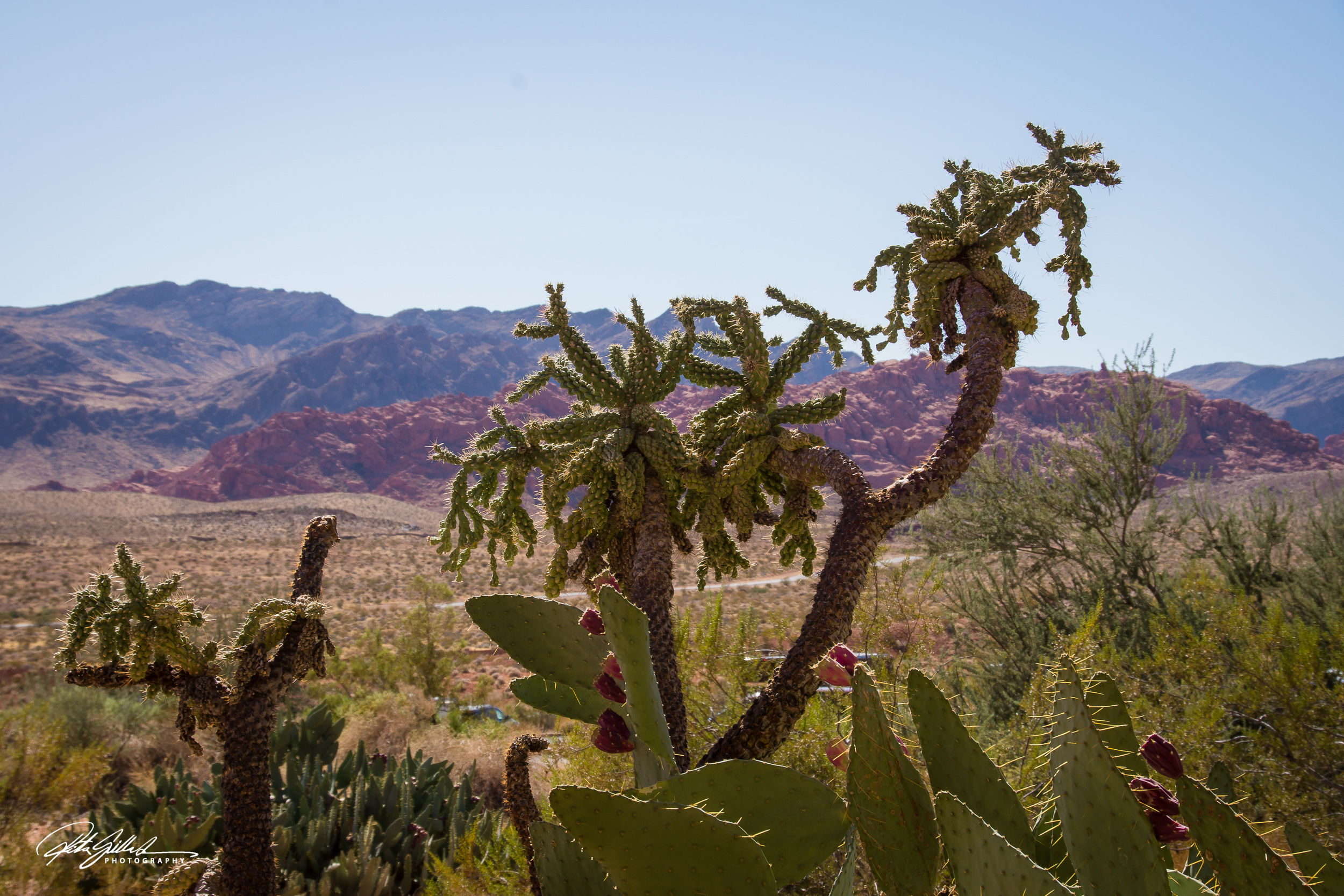
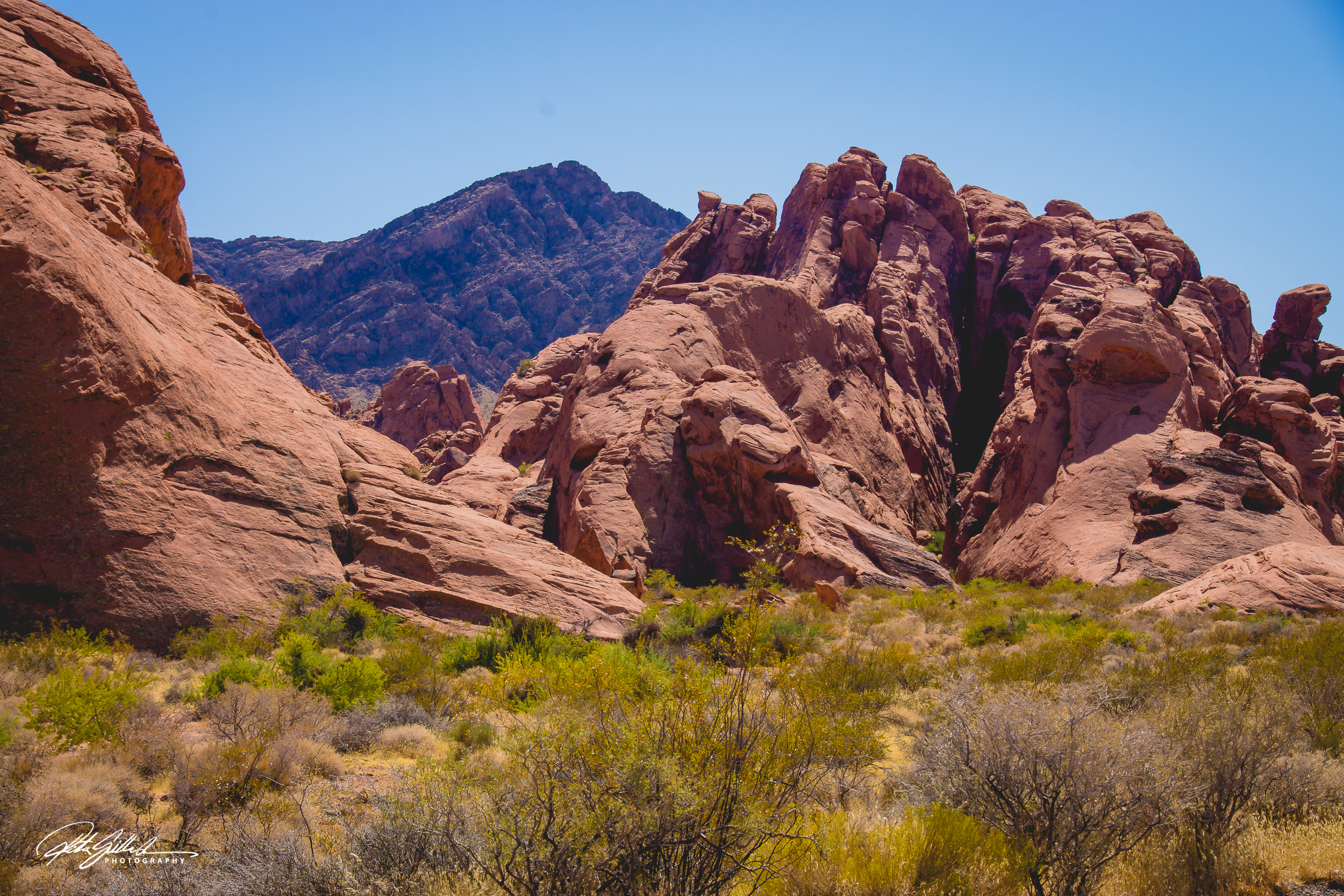
Seeing the desert and it rough beauty of Valley of fire In Nevada
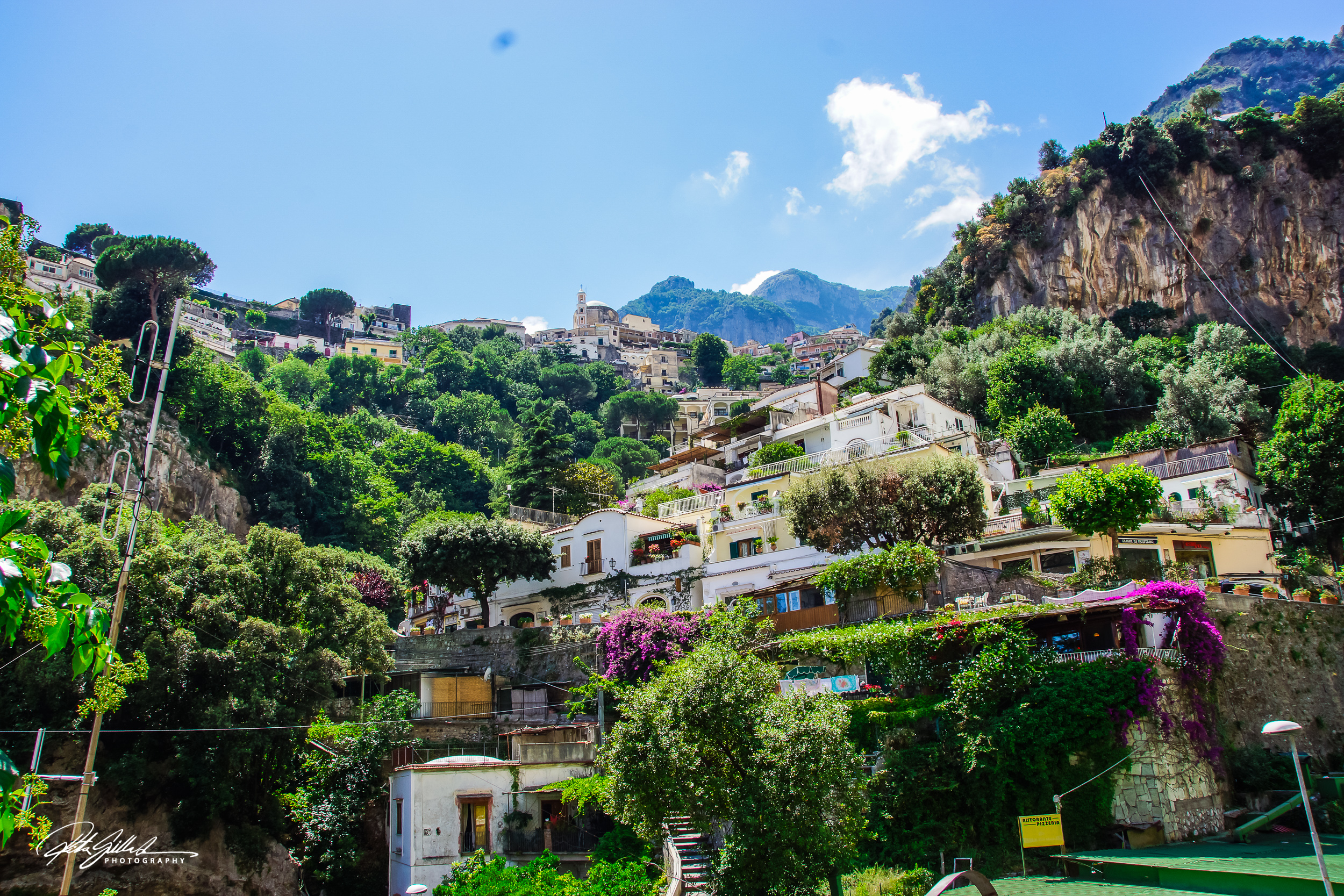
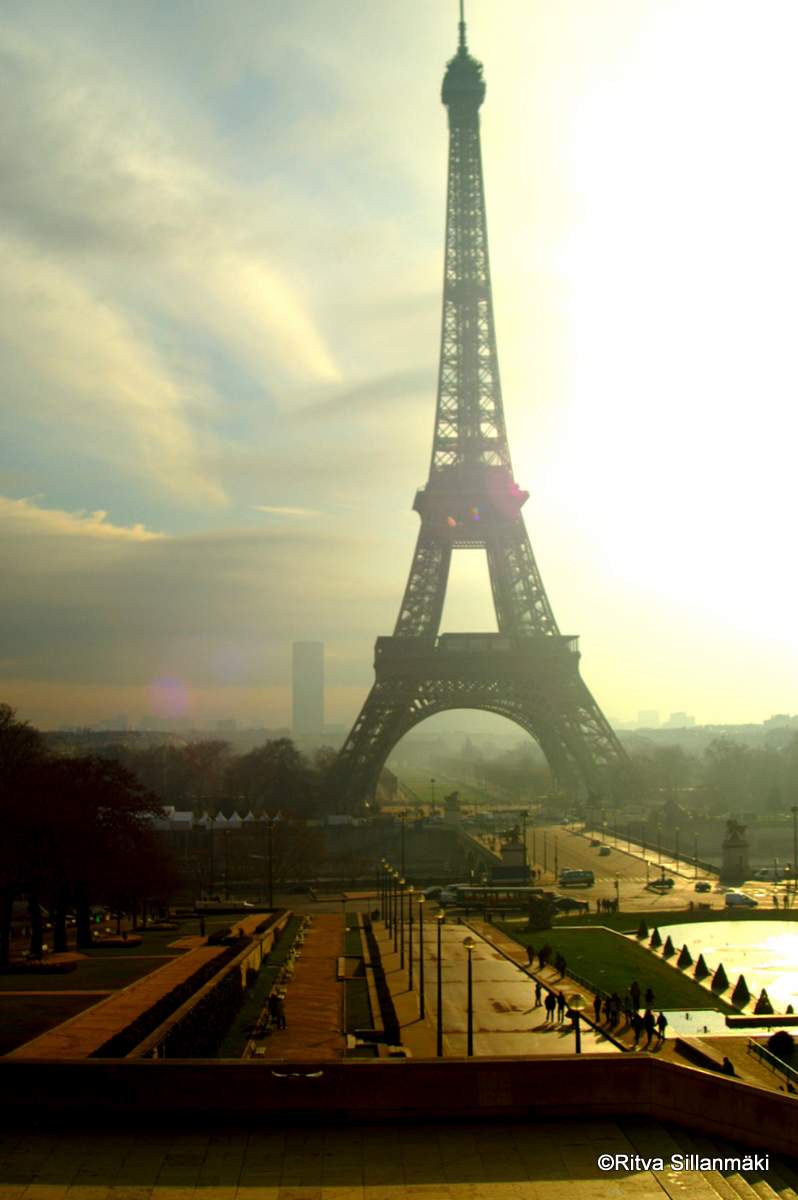
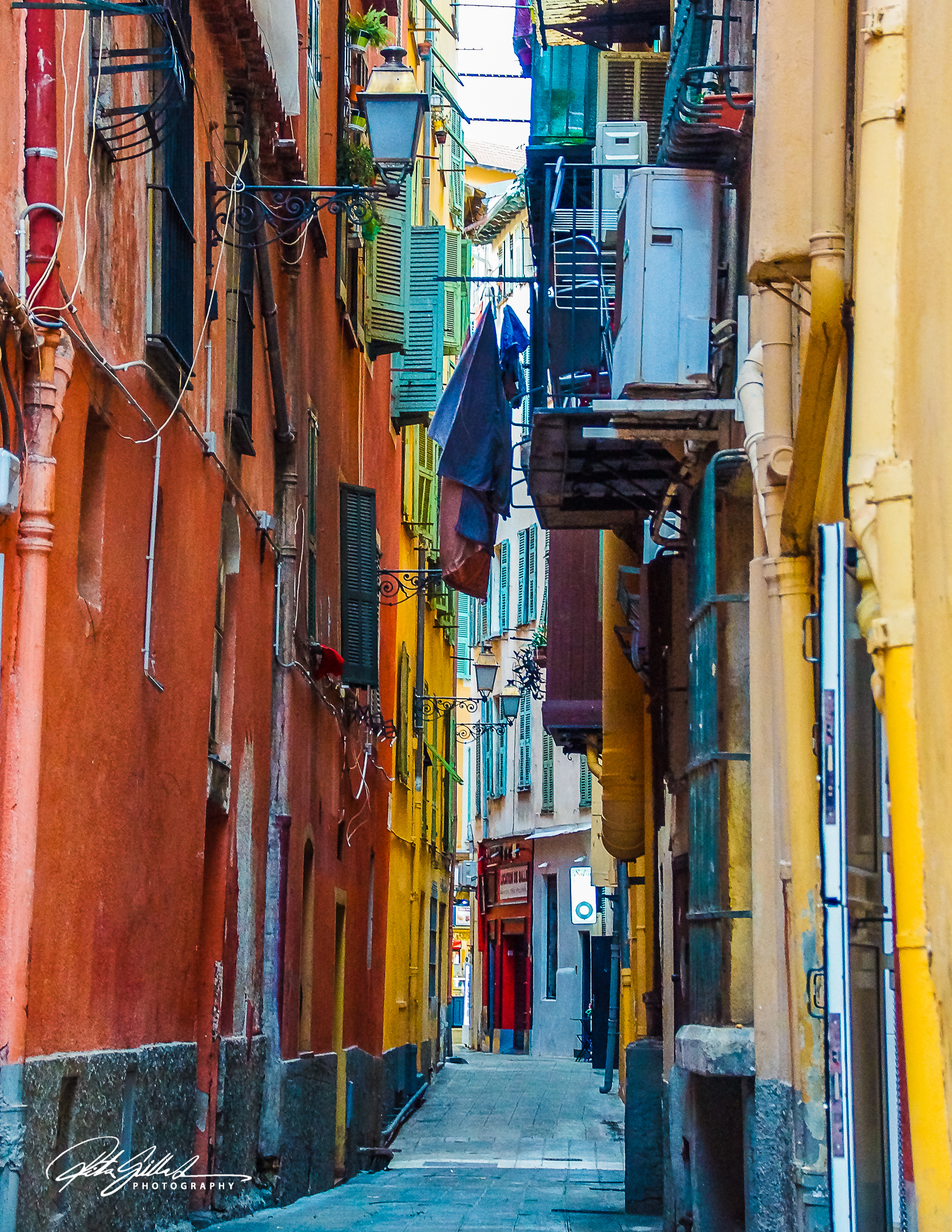
Thailand, Sri Lanka, India the different type of nature, culture. European countries with the long history and beautiful architecture, Italy, The Amalfi coast, Venice. France, Paris, Nice´ on and on I could go here too
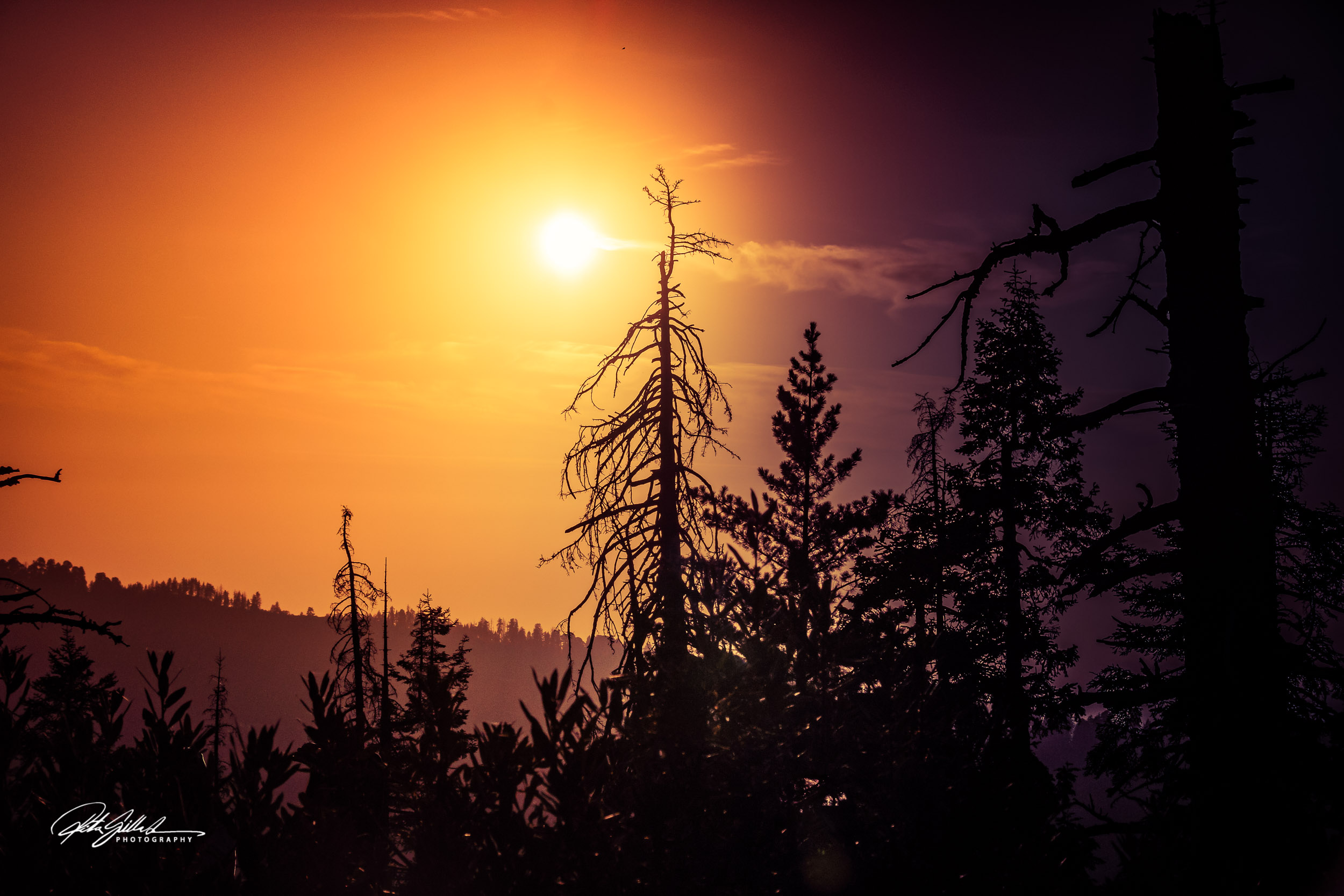
You need not go far, you can experience a misty morning or evening. Sunset or sunrise that amaze you in your own yard. It is a new experience everytime, if not, would we not try to capture when ever it is possible.
Experience – is seeing the same old as something new everytime -living the moment. It can be as mundane as experiencing your morning coffee everyday. Maybe today with toast, tomorrow with pancakes… I don’t know, we must not forget the little everyday moments.
This week Sofia invites us to show you what Spring means to us. Is it about new beginnings, Nature reborn or a new chance to go and enjoy the outdoors?
This is a no brainer, I mean, obviously it is about light. Me and so many other when the spring begins to show first signs of more light the constant marvel of it… we do, every year as if this was something unexpected. The joy of it is so awesome, it wakes us up from the winter hibernation, we slowly come put of houses.
When does spring start? In 2023, the official first day of spring is Monday, March 20. This date marks the “spring equinox” in the Northern Hemisphere. That is today!
( Is the spring equinox the same as spring solstice? Equinox vs Solstice An equinox occurs at the start of the spring and fall. The solstice occurs during the summer and the winter. Occurs on March 21 (Vernal equinox) and on September 23 (Autumnal equinox).
No matter where you are on Earth, the equinox brings us a number of seasonal effects, noticeable to nature lovers around the globe. At the equinox, Earth’s two hemispheres are receiving the sun’s rays equally. Night and day are often said to be equal in length.
The fastest sunsets and sunrises of the year happen at this time. We’re talking here about the length of time it takes for the whole sun to sink below the horizon. Sunset or sunrise you have to be quick to act, if you wait long enough you will only see tail end of it.
First you notice is the snow and ice melting.The fields with the soil coming visible and mornings of mist. Everything is brown. Only moss glows green. The lakes and sea is been freed from under the ice.
Everywhere! Forget about the weather for a moment, and think only about daylight. In terms of daylight, the knowledge that spring is here – and summer is coming – permeates all of nature on the northern half of Earth’s globe.
Notice the arc of the sun across the sky each day. You’ll find that it’s shifting toward the north. Responding to the change in daylight, birds and butterflies are migrating back northward, too, along with the path of the sun.
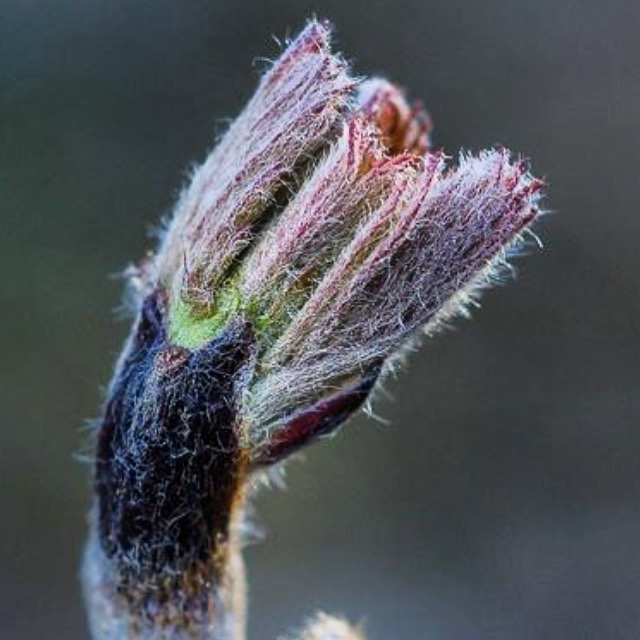
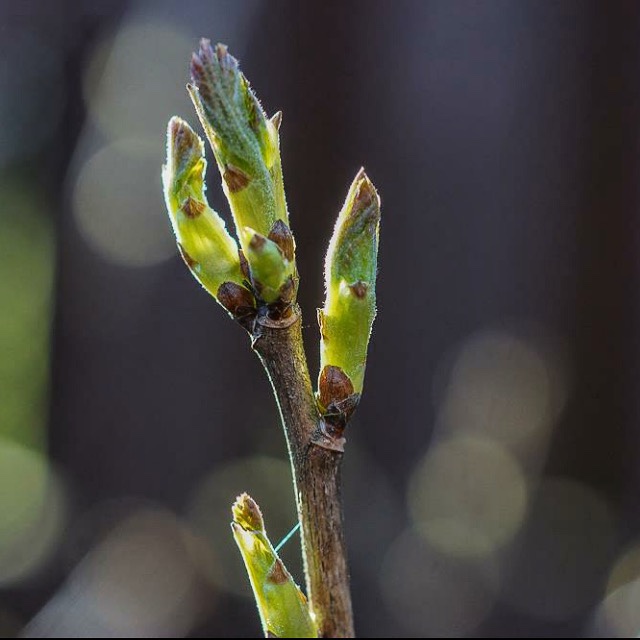
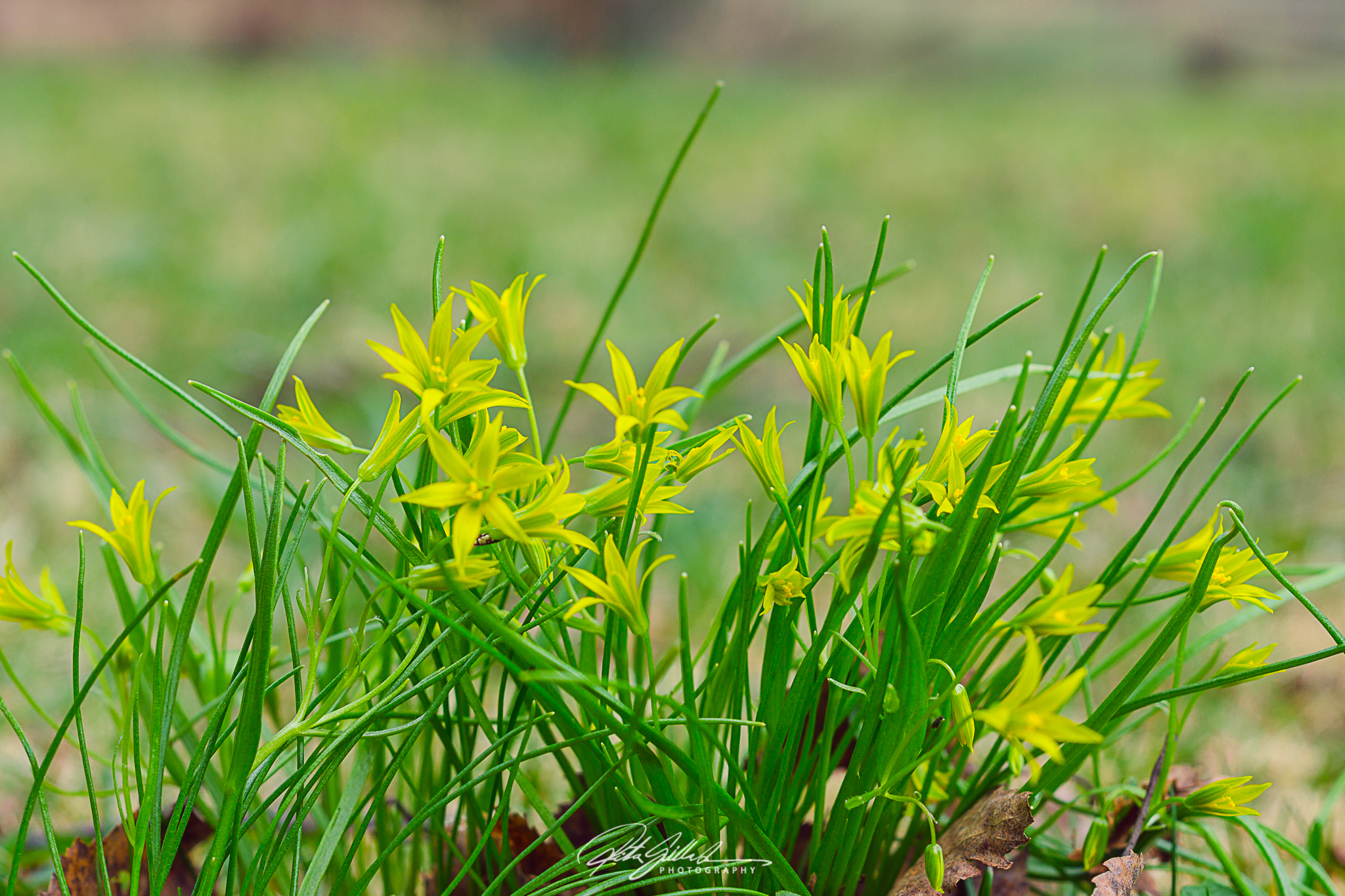
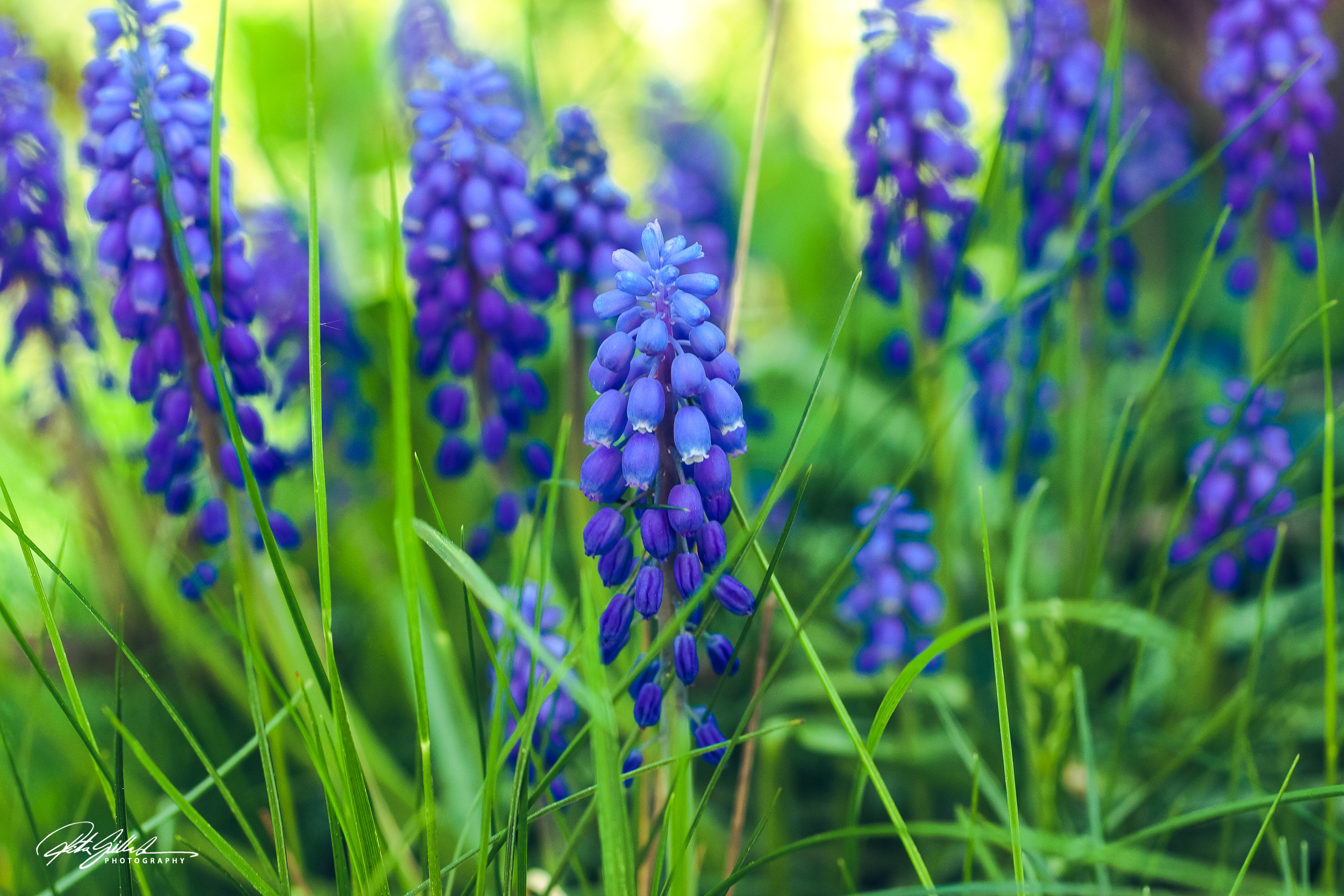
The longer days do bring with them warmer weather. People are leaving their winter coats at home. eople are raking the leaves from their yards. Trees are budding, and plants are beginning a new cycle of growth. In many places, spring flowers are beginning to bloom.
new fresh green – not visible here yet, but it is a sign of the glorious days of spring finaly here.
Spring is full of hope, l ight, beauty and blooming of nature. One of the best of season’s
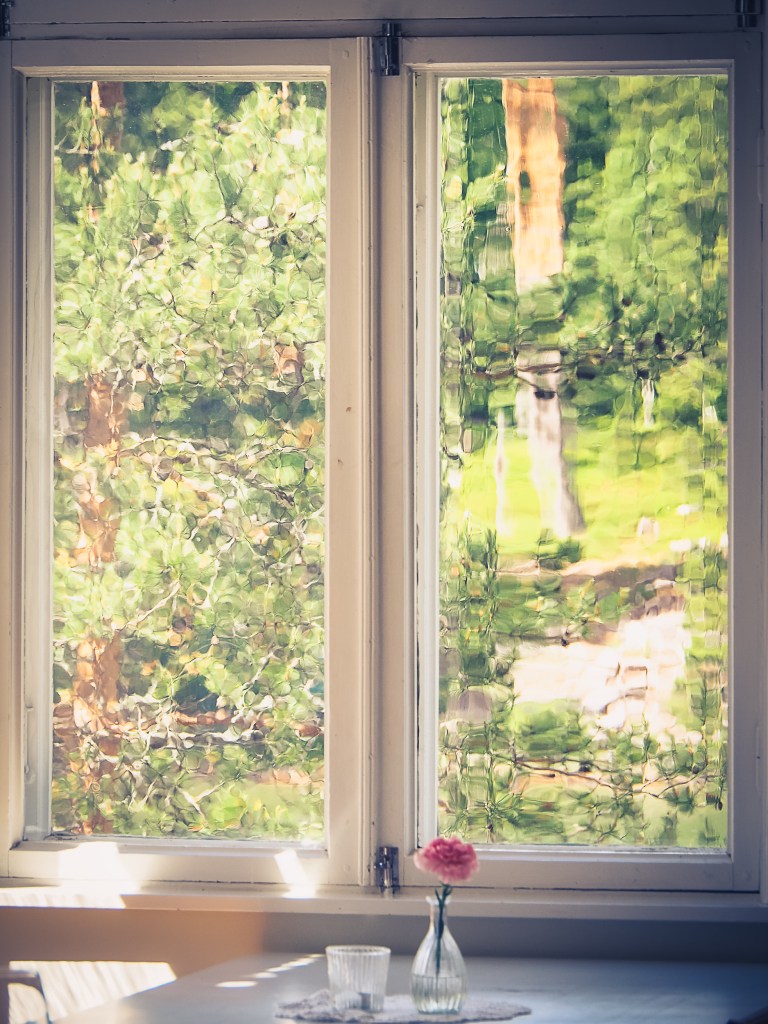
I was looking for a specific photo, by the way; I did not find it, instead of that this popped up. The old glass in the window makes the woods hace a rippled effect, very artistic with out any editing.
I can hardly wait until we have this green surroundings again. All this white… enough
I am continuing to participate in 52 frames – this week the theme contrasting colors, as its still all snowy here in Finland trying to find contrasting colors in the nature is a real challenge, so I did not take it on.
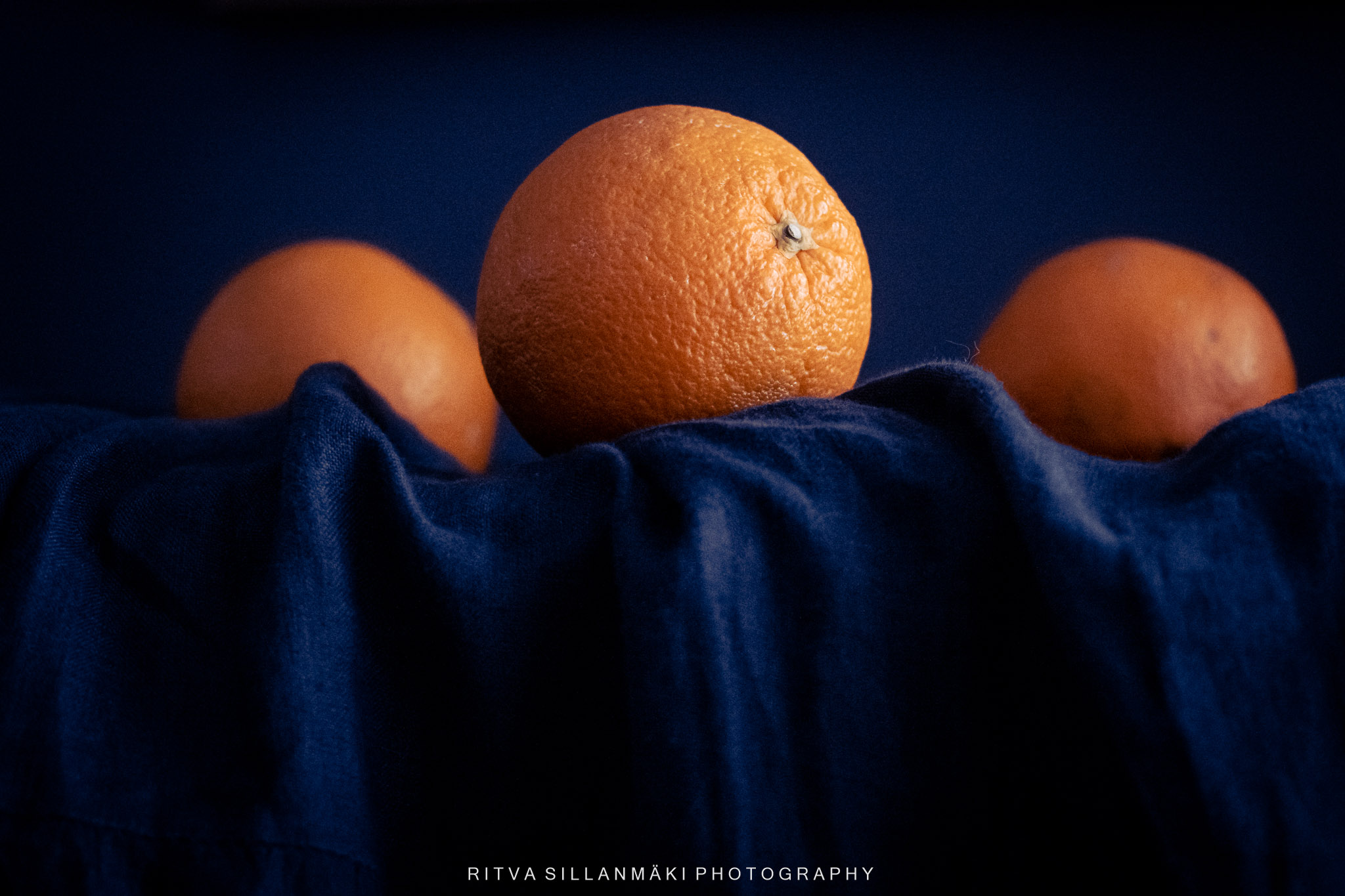
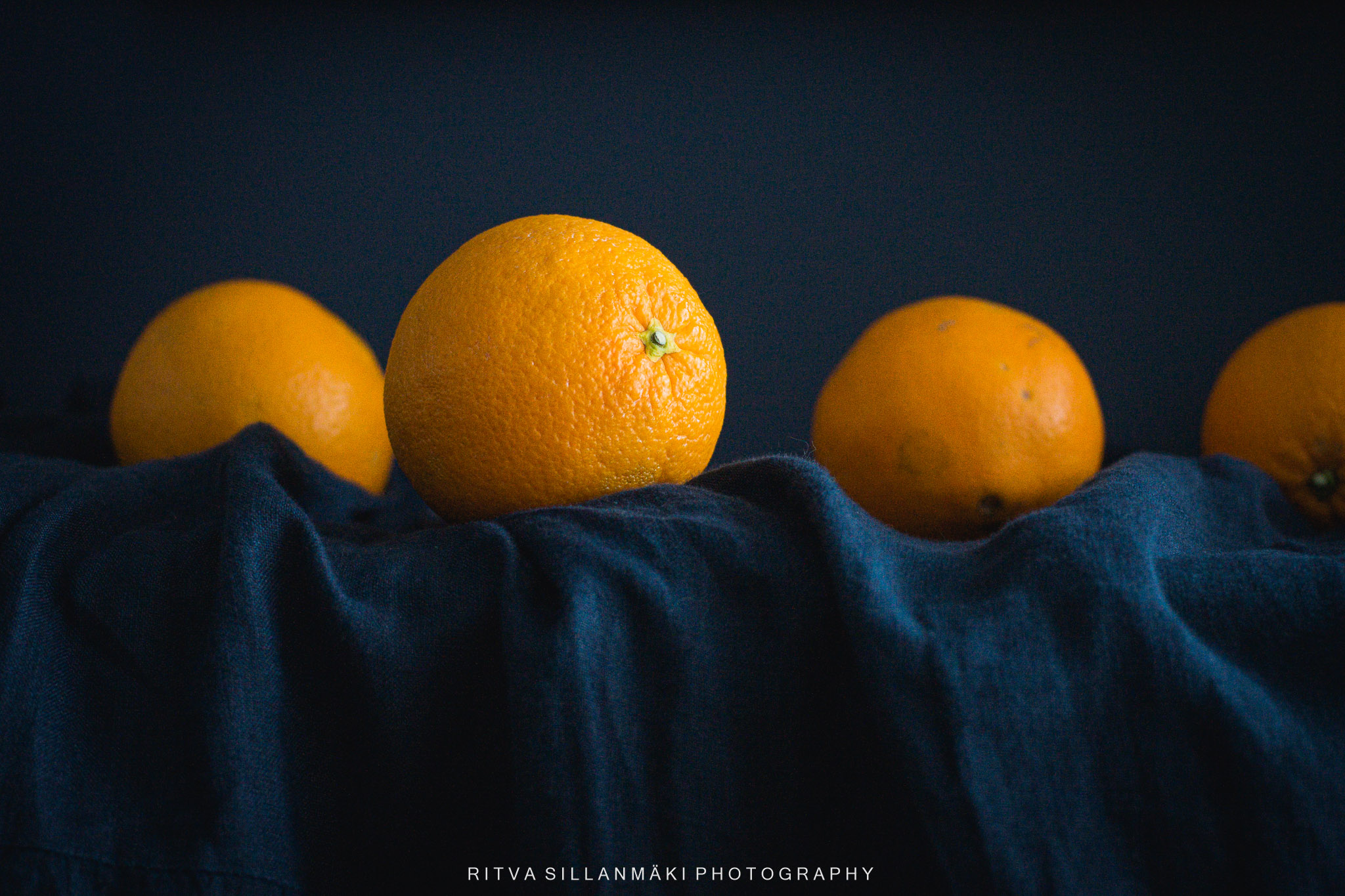
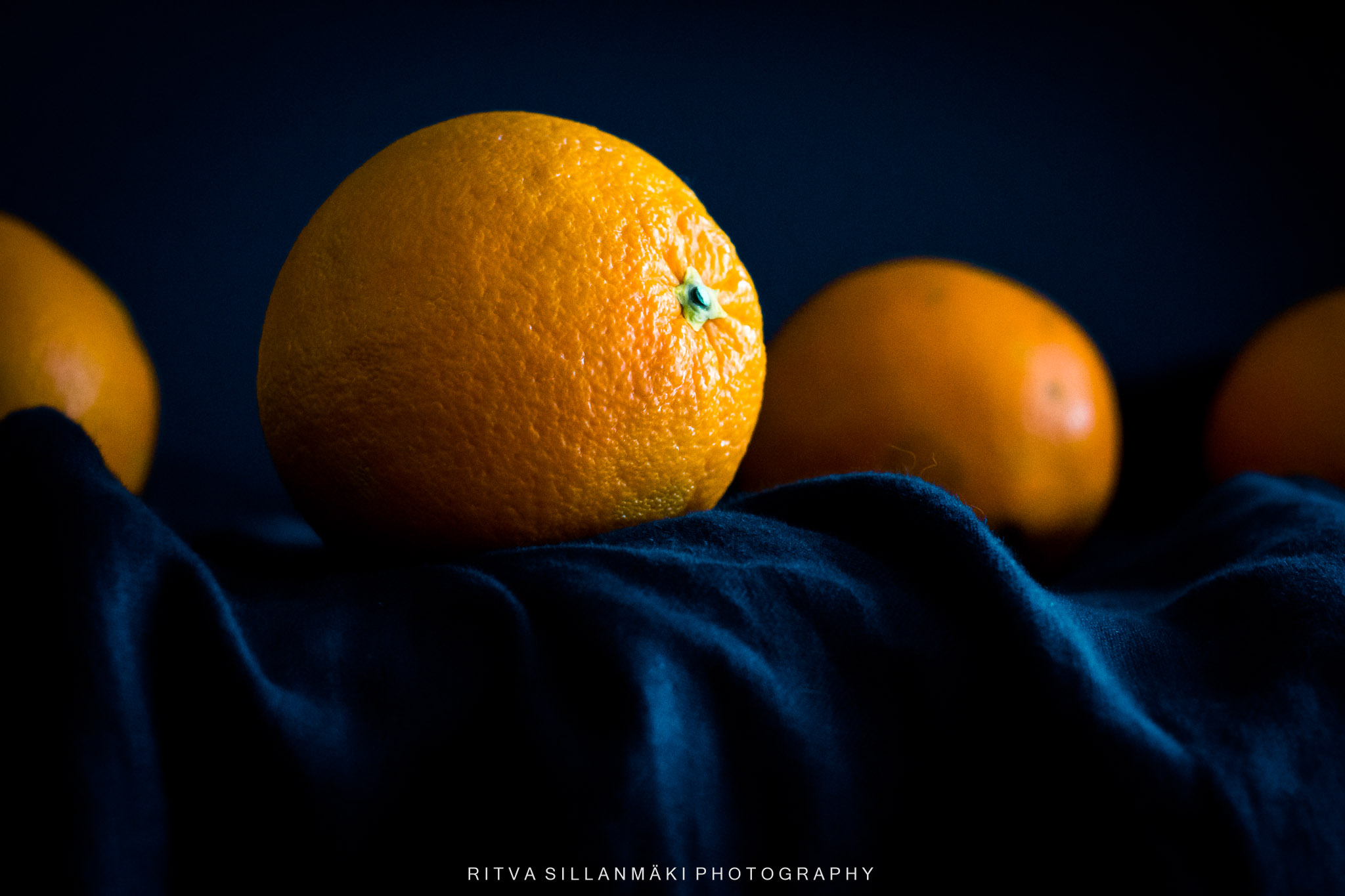
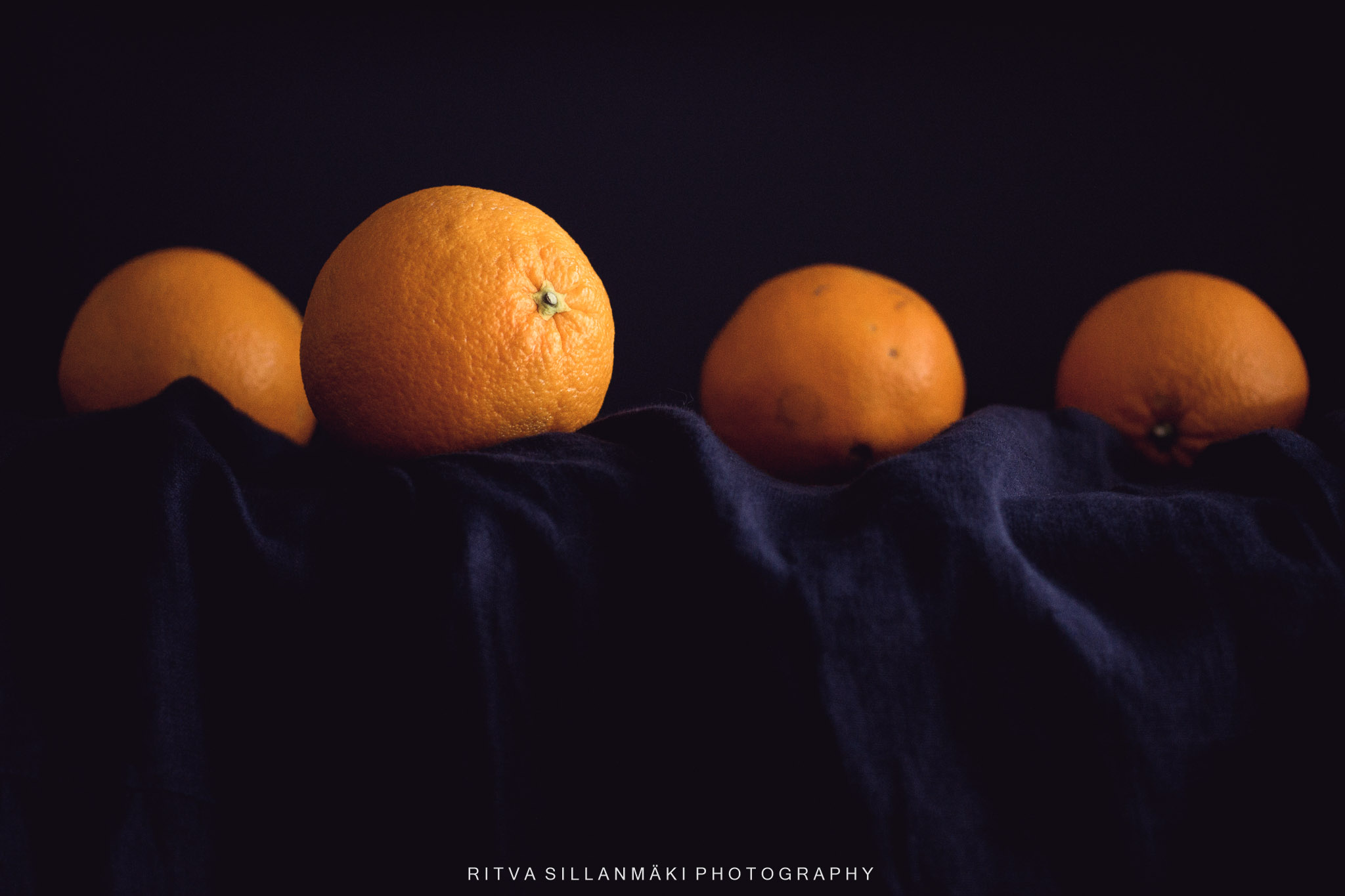
I had oranges on the table – I have a blue wall in my living room, with light coming in from the side from a big window. I have a matching blue linen dress to place on the sidetable to get my still life props in order, Easy solution from thing found in the house.
As you can see all of them are VERY similar, with slightly different lighting and contrast , as well as the blue looks a bit different in all. This is something I spend too much time at… well that what I do, and then trying to pick a hopefully the best one for the challenge, second guessing my choice all the time.
Lens-Artists Photo Challenge #240 – The Road (most often) Taken.
John from Journeys with Johnbo is hosting this week, this week’s theme is metaphoric–and not about a physical road. For this week’s challenge, I want you to think of your favorite type or style of photography as the road you’ve chosen to take most often.
I got my first own camera in my late teens. I took photos of friends and family and photos when traveling. Safe to say there are not that many photos from back then, film was expensive as was the development, and you never knew how they turned out until you got the envelope back.
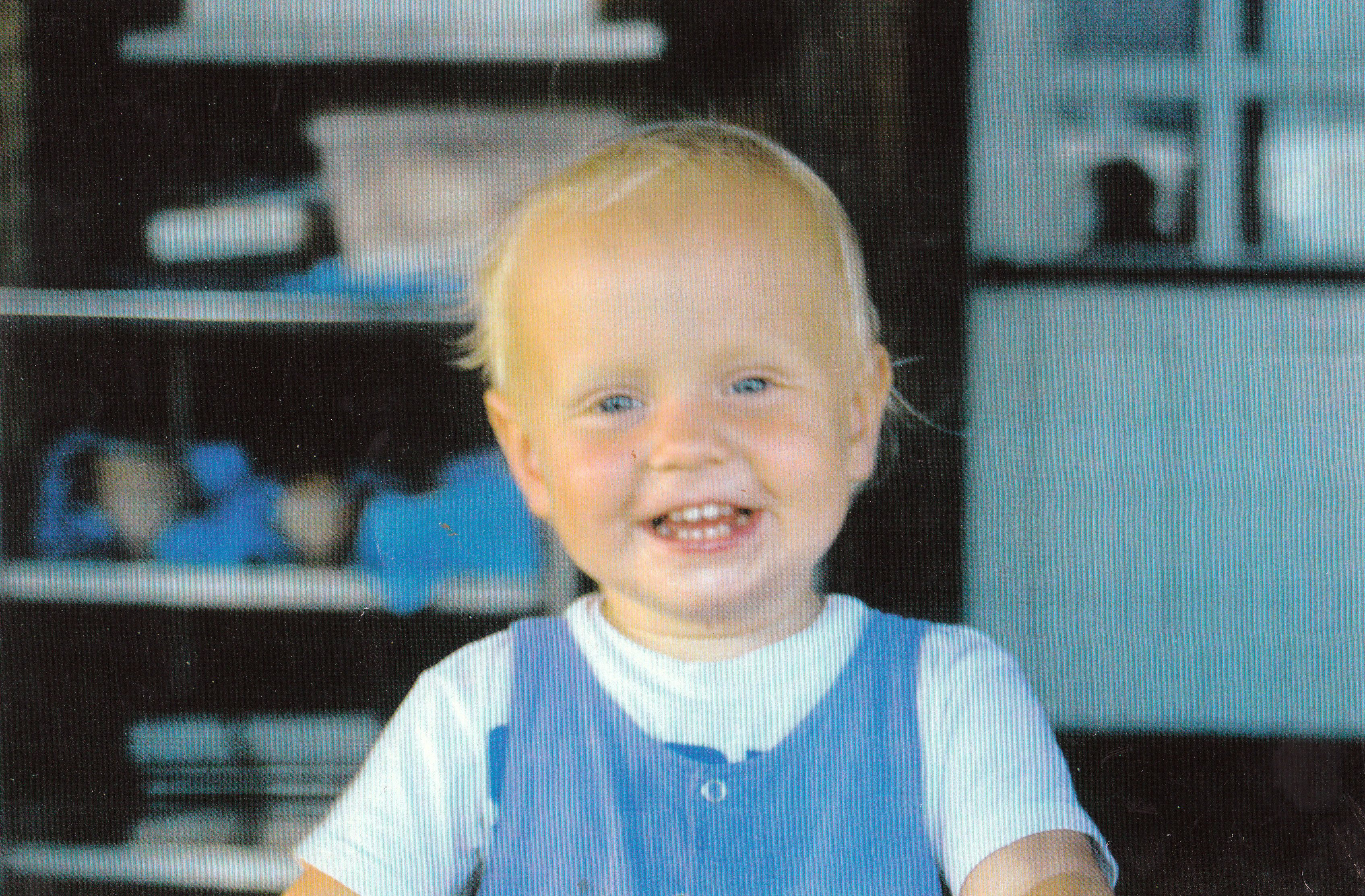
When I got my kids, well I took tons of pictures of them, here I found few from the archives that I have scanned. So safe to say, I am a people photographer from the beginning. I must say, I have improved a lot, even if I say so myself over the years. I love taking photos of people trying to capture something real, and try to find the beauty we all have in ourselves, fing the best angle to get a the essence of what I see. Now I photograph my grandkids and my husband is often in my photos if I need to get a heasshot for some challenge.
Eventually when I got my first good camera I started taking photos of nature, photos from our travels. Then I got a new macro lens – then details. I learned to edit my photos and that made my photos get better, me being able to highlight more what I what to showcase in the photo.
I have mixed some of my early on photos with some newest ones. Basically I take photos of what ever I fancy, anything that catches my eye, that I find intersting I take photos of.
I have to say that hiking to place that are far and through difficult tracks is not my thing. Even though I admire the beautiful photos other have captured from these place. I look for topic near me 🙂
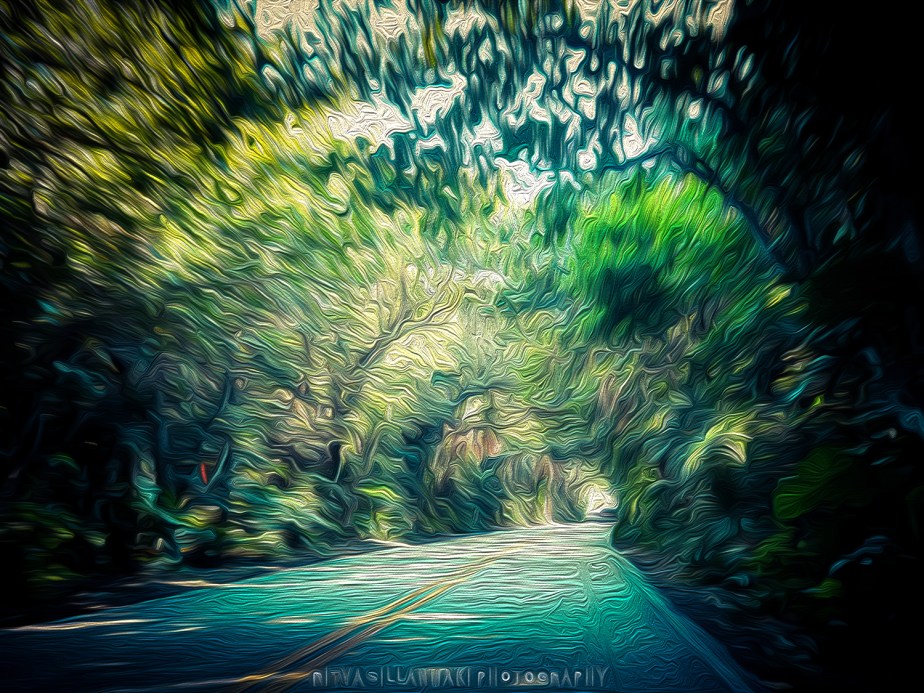
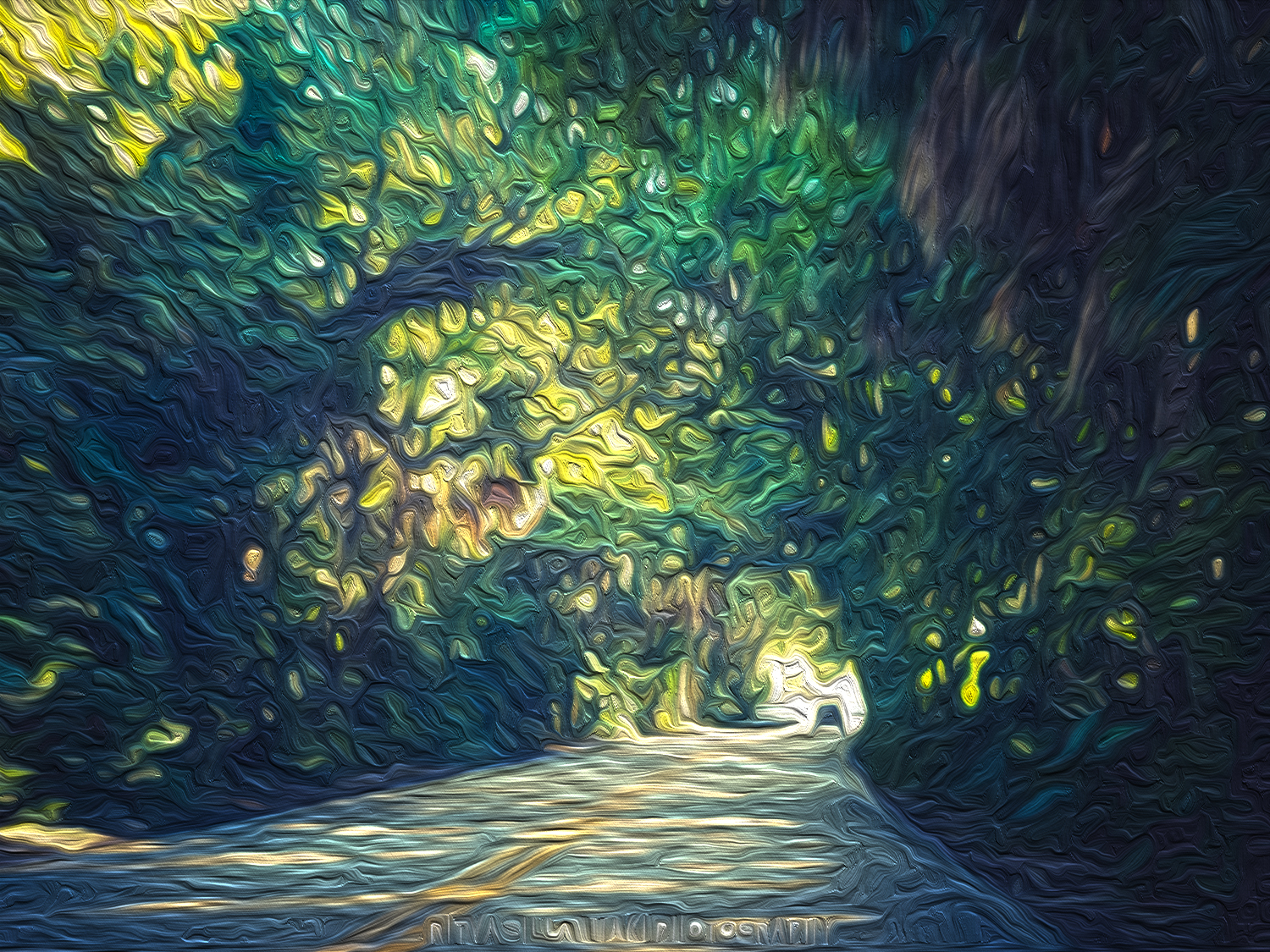
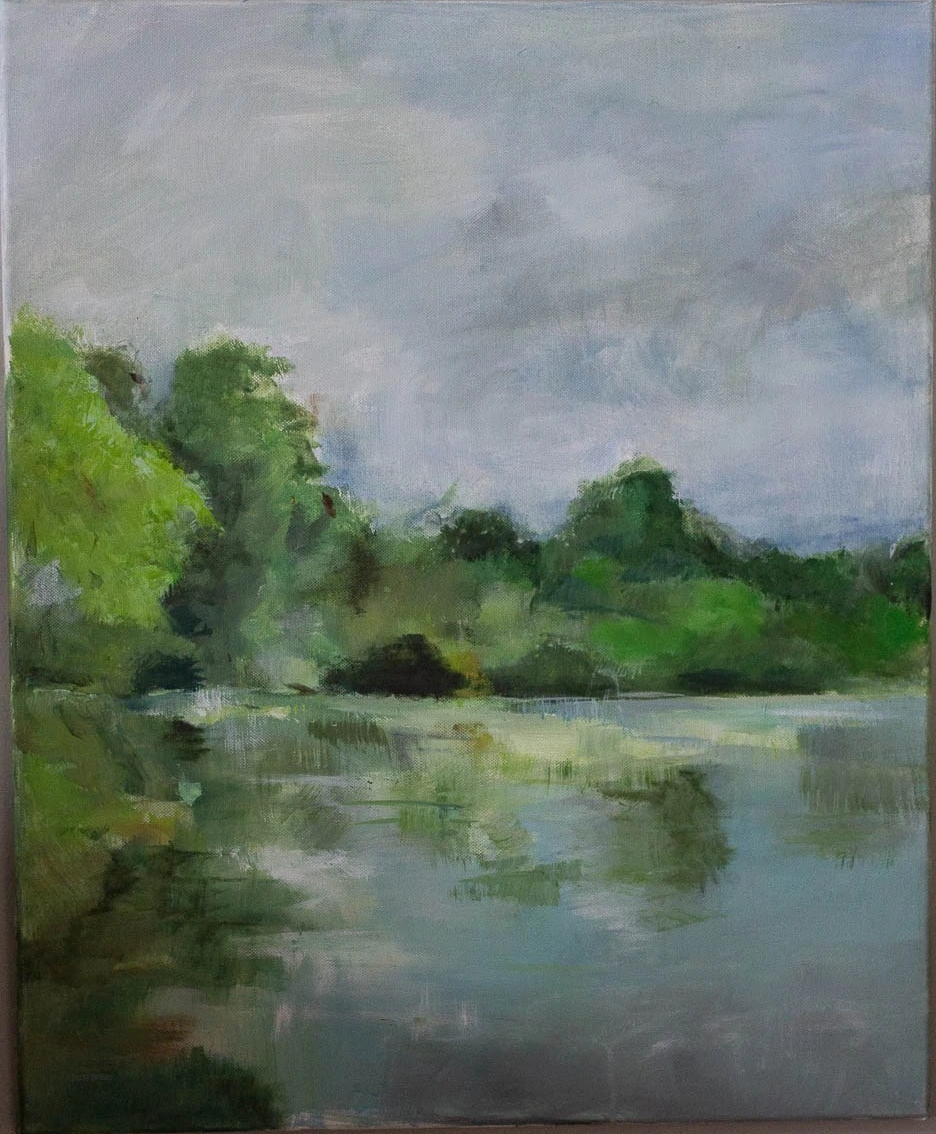
To start with he photos were not all that good, but I liked the light in them, so I made the in to art.
Same road, photos taken right after each other, so the light is little different, I used two different brushes to get a different outcome by thete texture.
Lens-Artists Photography Challenge #239 – Finding Peace. Tina from travels and Trifles is hosting, and her theme – Finding Peace is so near last weeks topic, to me at least.
I am not a religious person, I do not go to church all that often, my church is the nature. My religion is more to do with my conscience – what is right and wrong. Treating everyone equally, respecting nature and the world around me. But I do find that church is a calm place to find peace .
Finding peace is different for everyone, often it is related to being alone.
Find peace, don’t waste energy wishing things were different or trying to change other people. Stay focused on managing your own thoughts, feelings, and behaviors.
Find peace, by taking appropriate accountability. Be responsible for your own choices, but also acknowledge factors beyond your control–like the state of the economy, the weather, and other people’s choices.
Focus on the things you can control.
Be comfortable in your own skin. Don’t waste your time worrying about whether other people approve of their choices. Instead, focus on living according to your values.
Striving to be the best you are is healthy. But insisting on perfection is an uphill battle. Acknowledge your flaws and weaknesses.
Inner peace comes from knowing your beliefs and the willingness to act according to them.
Forest is a great place to find peace, hug a tree, sit on a rock breathe in the peace. Sit by the sea, move your hands on the rock, get the energy of the smooth softness of te solid surface. Listen to the sea and nature around you and find your inner peace. Watch the clouds move and create beautiful art in front of your eyes.
The Sony has been in less use since I bought a new lighter one to carry around, its a Olympus E-M10 Mark II with a 14-150mm lense and I have a OM-D M.ZUIKO DIGITAL 45mm 1:1.8 for street and portrait photography
Lens-Artists Photography Challenge #238 – Alone Time. Ann-Christine host this week, see her blog for more Leya her take on topic : Alone time means time spent by an individual or a couple apart from others. It is often used to ground oneself, or to do something creative.
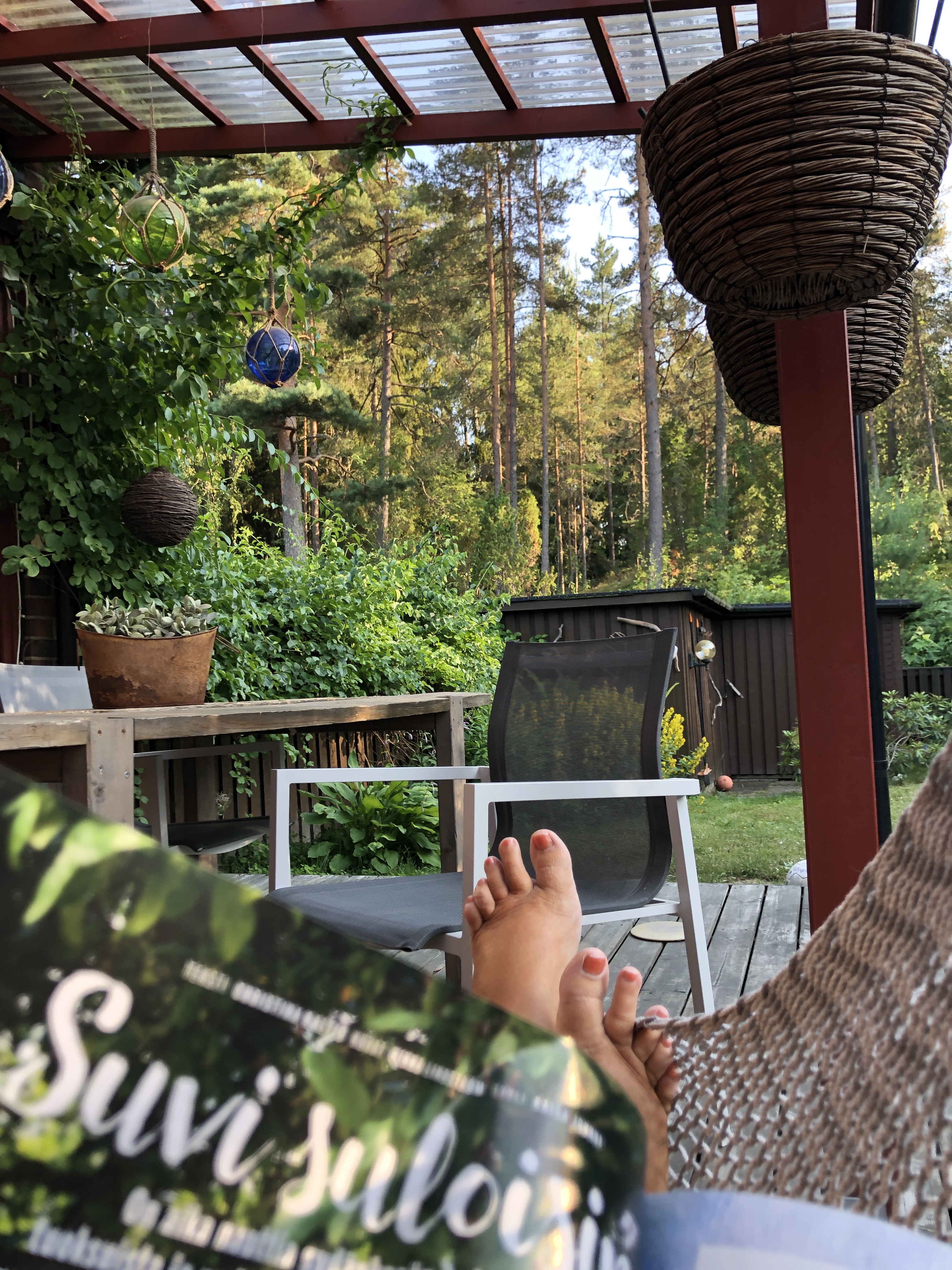
Alone time, yes, absolutely needed and often taken. I like sit on my sauna patio at my summer house , we built these windows on the sides of the patio to shild us from the north wind. It is a lovely place to sit watch the clouds, trees and enjoy the sunshine and listen to the birds and wind blowing in the trees.
It is a joy, I find myself enjoying alone frequently. Silence, my own thoughts and the warmth of sun.
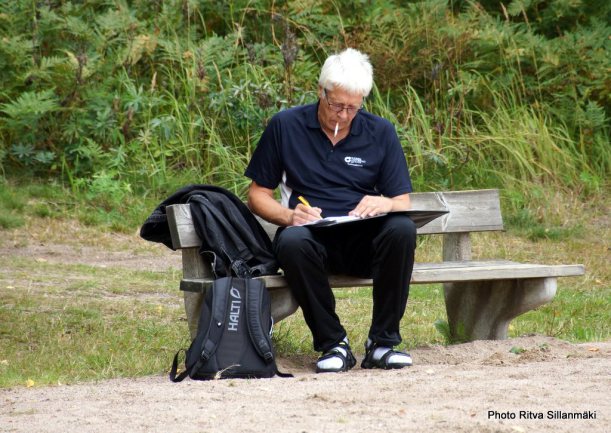
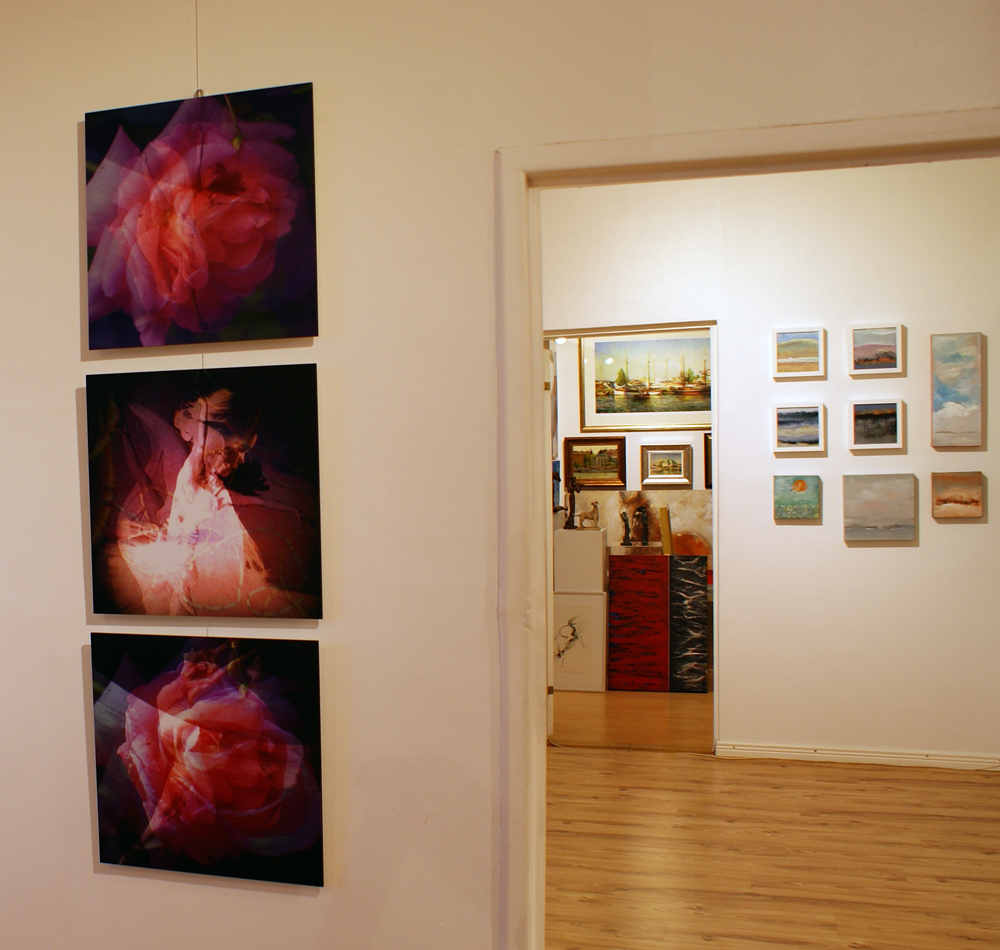
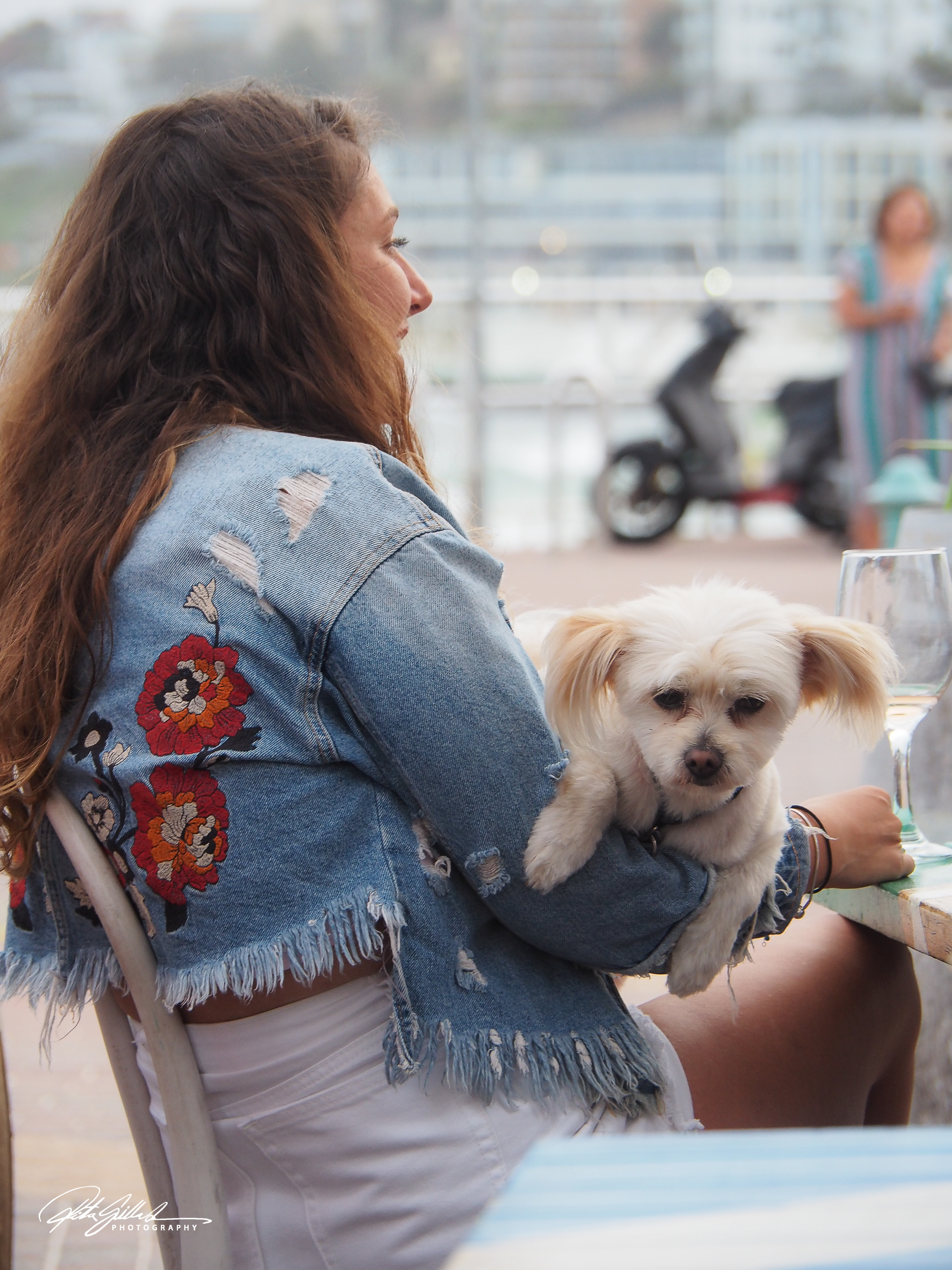
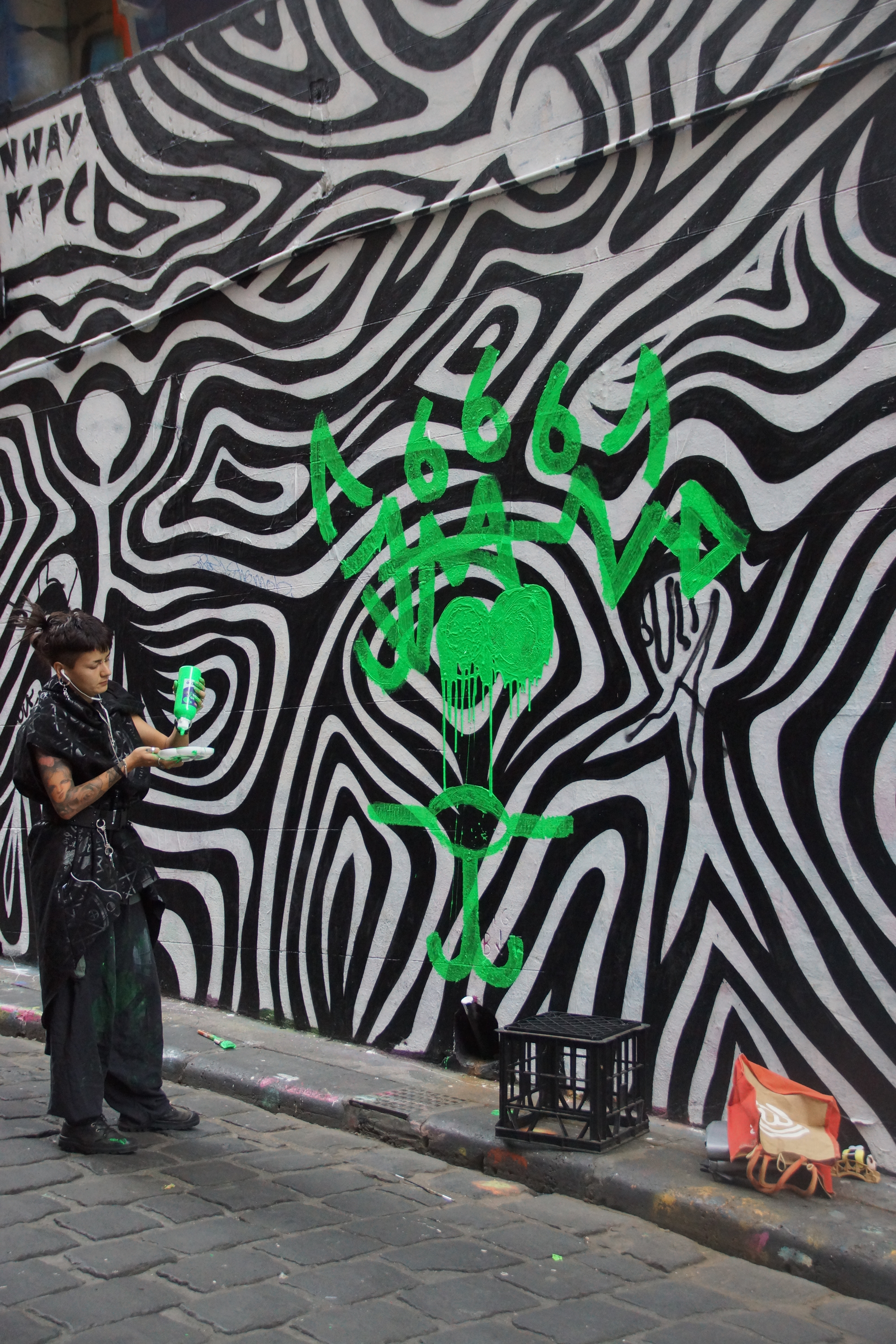
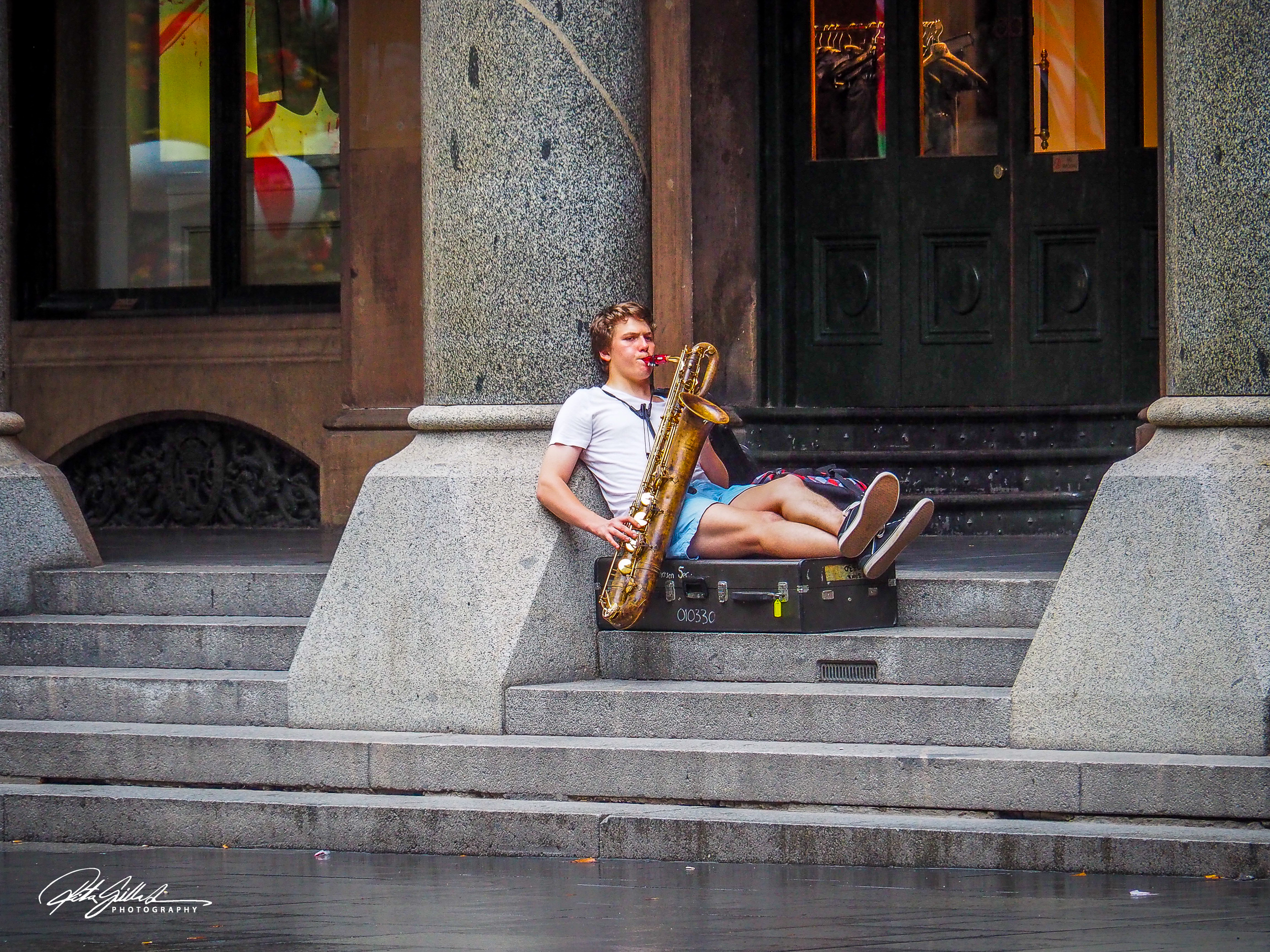
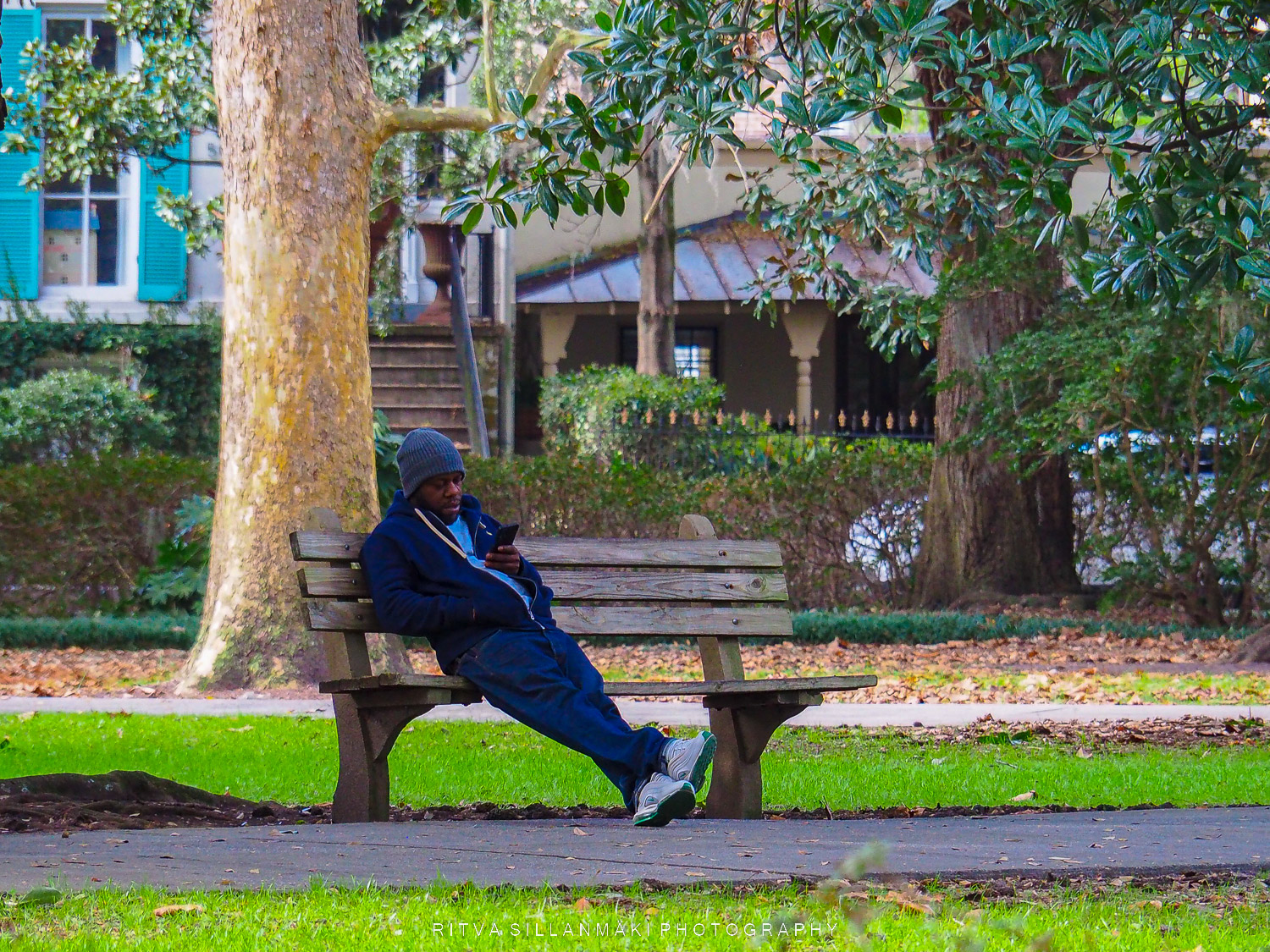
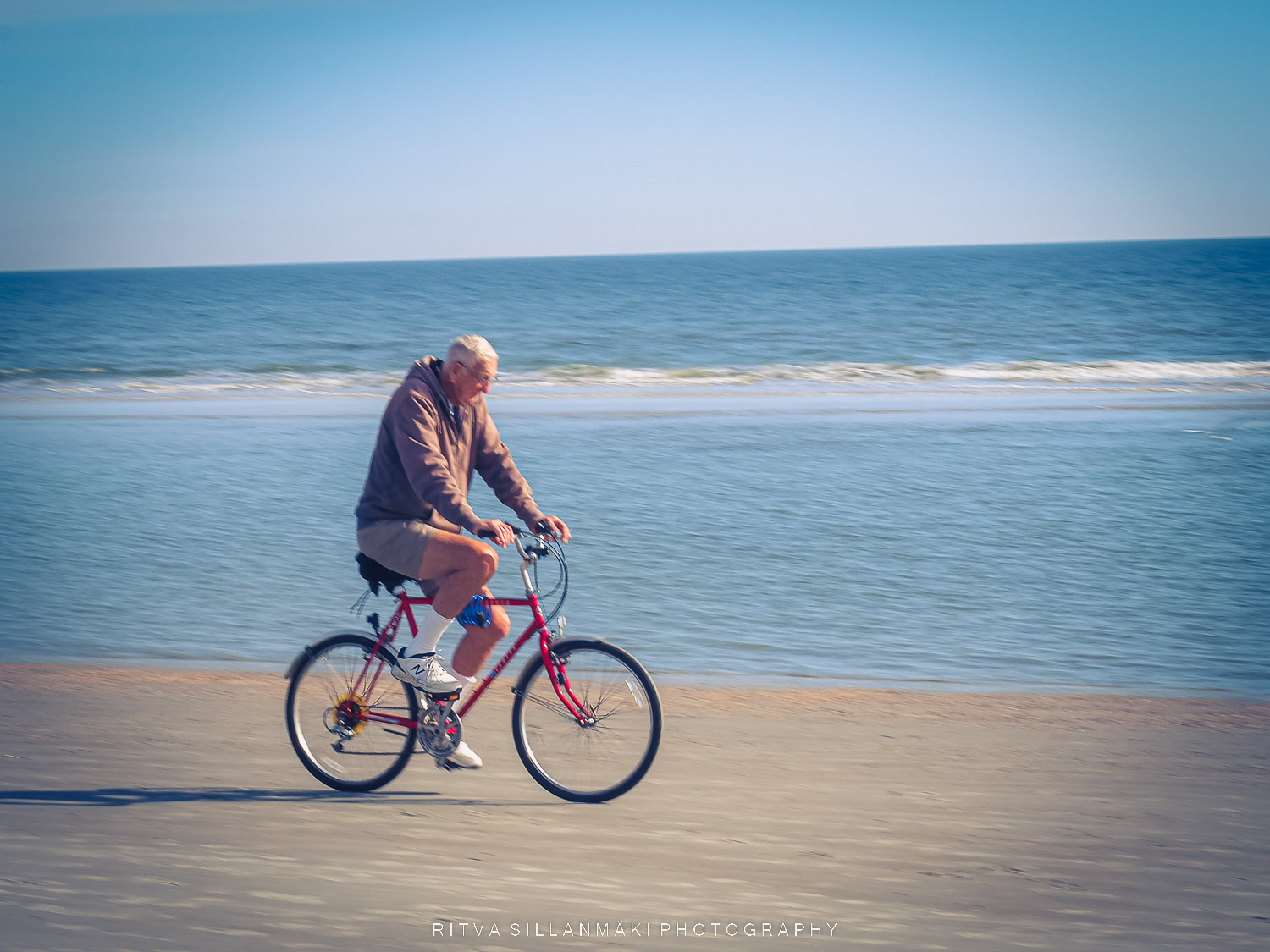
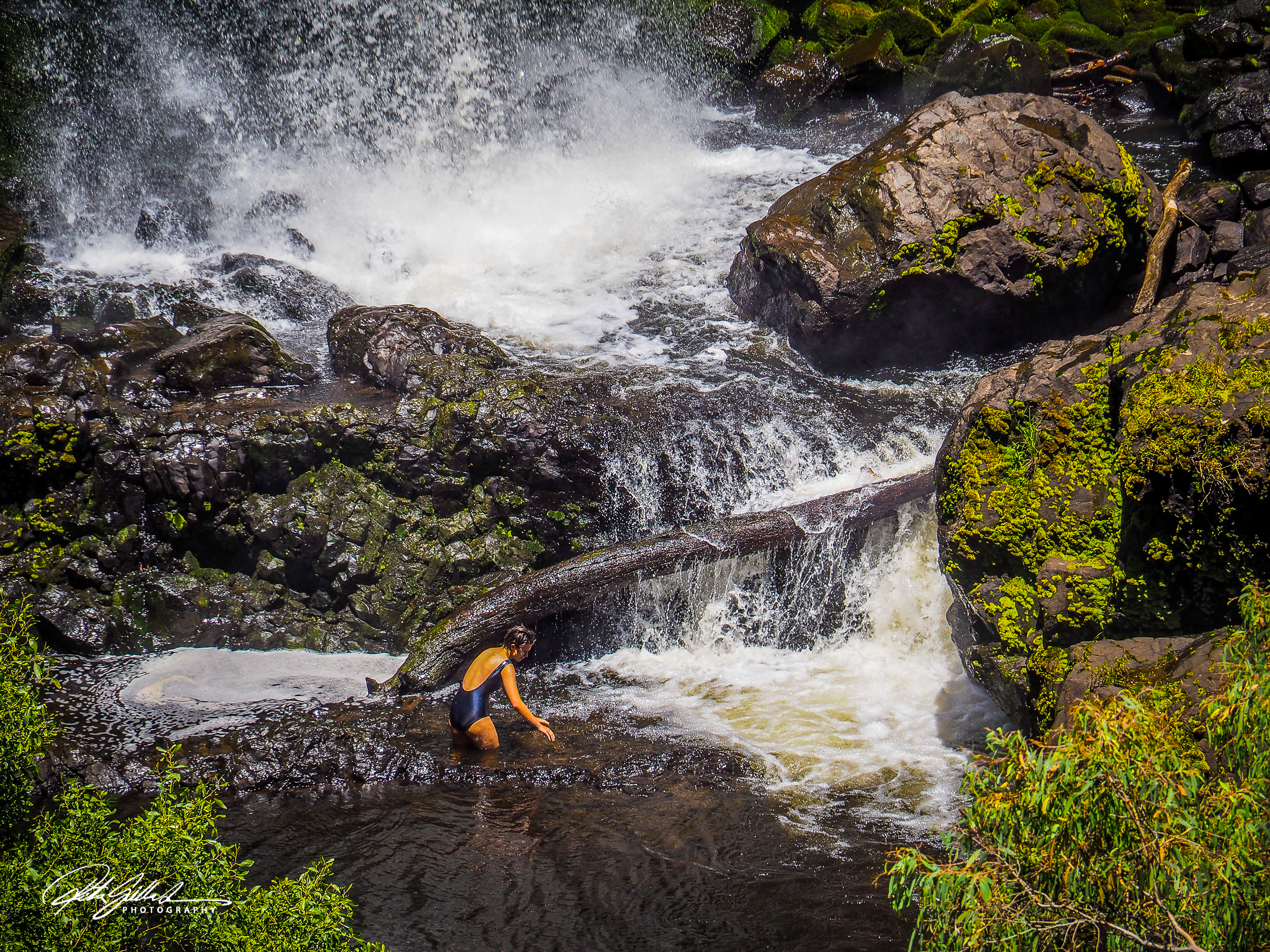
Time spent ,alone, in art galleries, painting in the nature ( that’s not me, but someone else doing the same thing- alone) Listening to music, or as this young man does, doing music. Sitting in a cafe watching people go by, this one is so much fun. Going through your news in the park… biking, swimming . I enjoy these, and apparently others have been seen to do so too. These are great places to enjoy alone time, would you agree?
Alone time can be a state of mind, you can be in company and still be able to be alone.
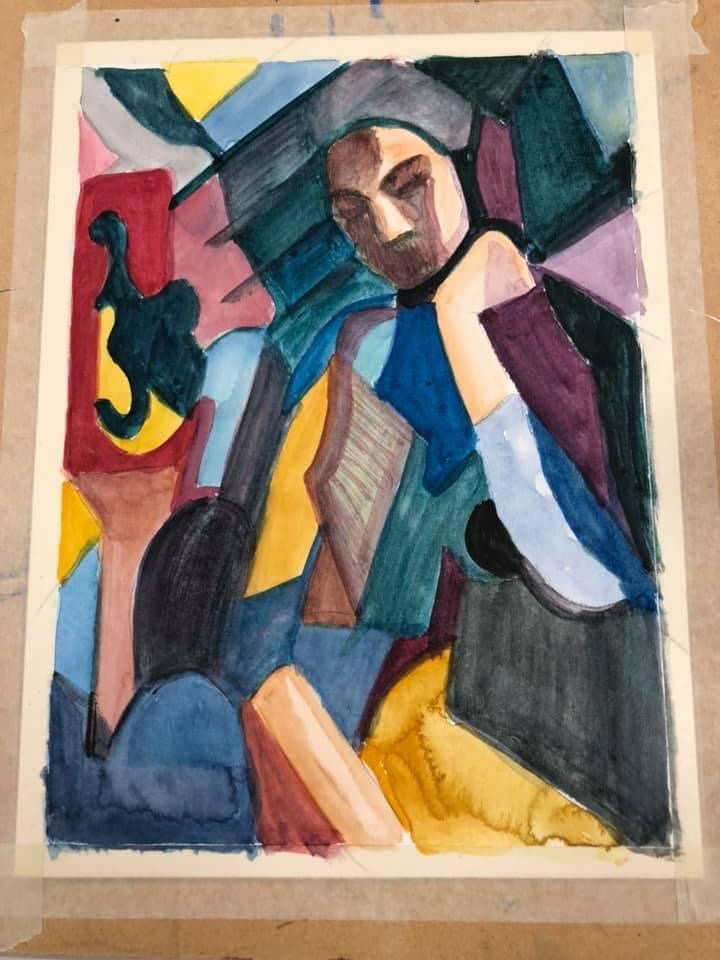
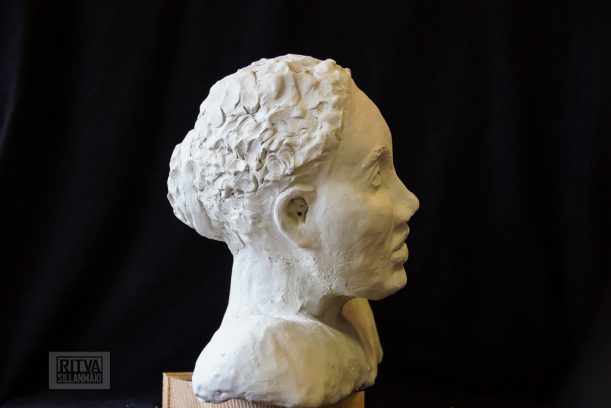
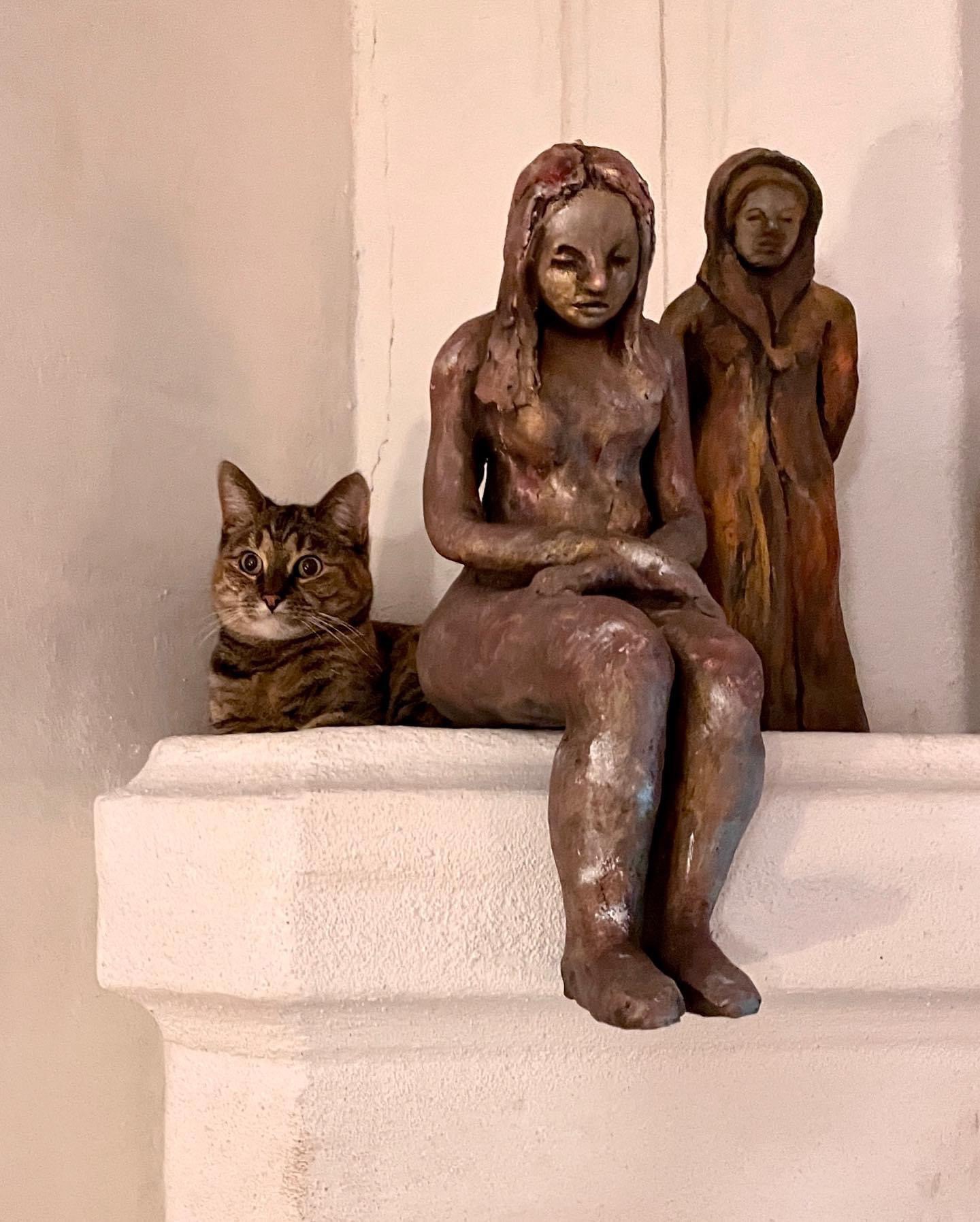
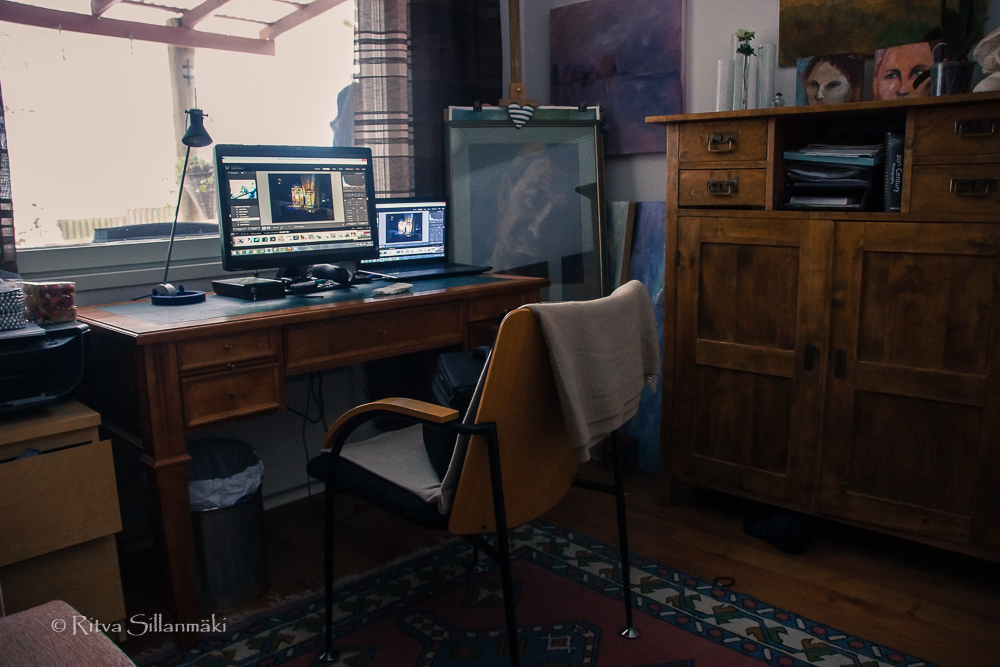
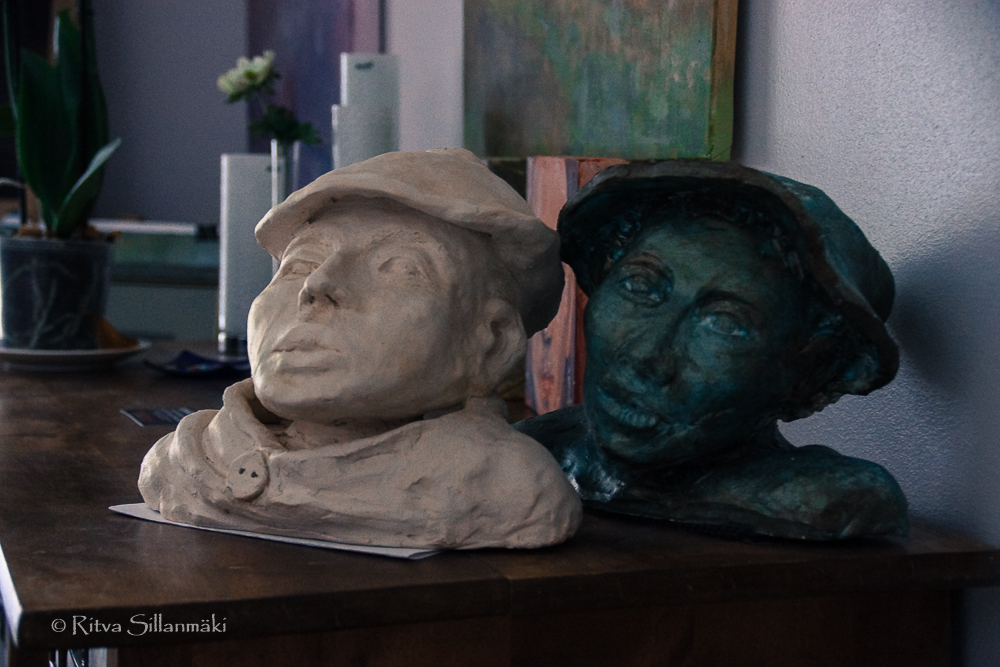
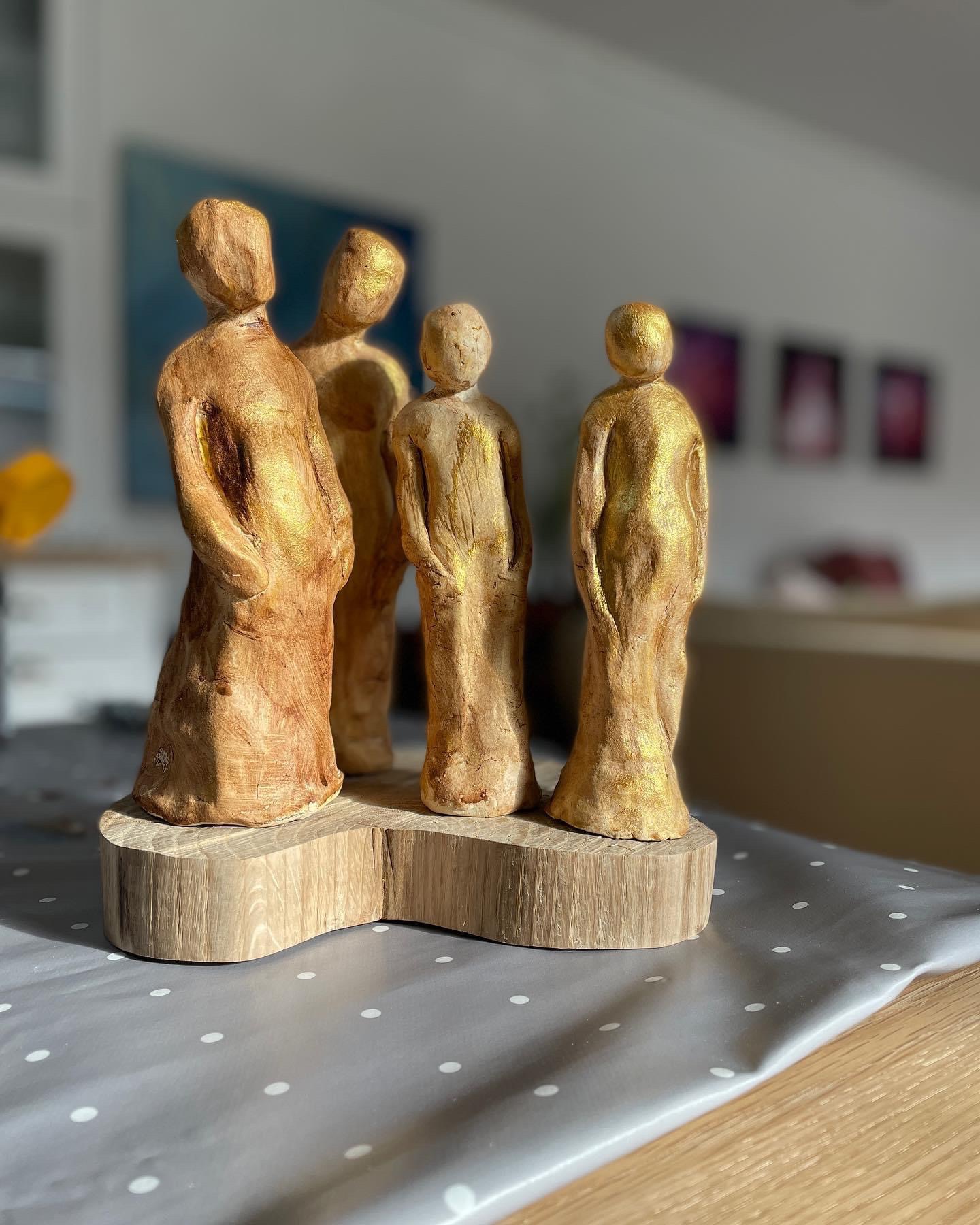
It happens that I spend lots of time on my own. I take photos alone, mostly. Edit them alone. I find doing sculpture to be a great time to relax in company, but totally alone in my own bubble. Below you can see some of my creations I’ve done on my alone time in various art forms. I also love to sing, but I am not posting a sample of it, I’m not a bad singer, not a great one. It is like all other art forms it needs to be done often to keep it in any shape. My motto is is something Picasso has said: Inspiration exists, but it has to find you working. I find this to be SO true.
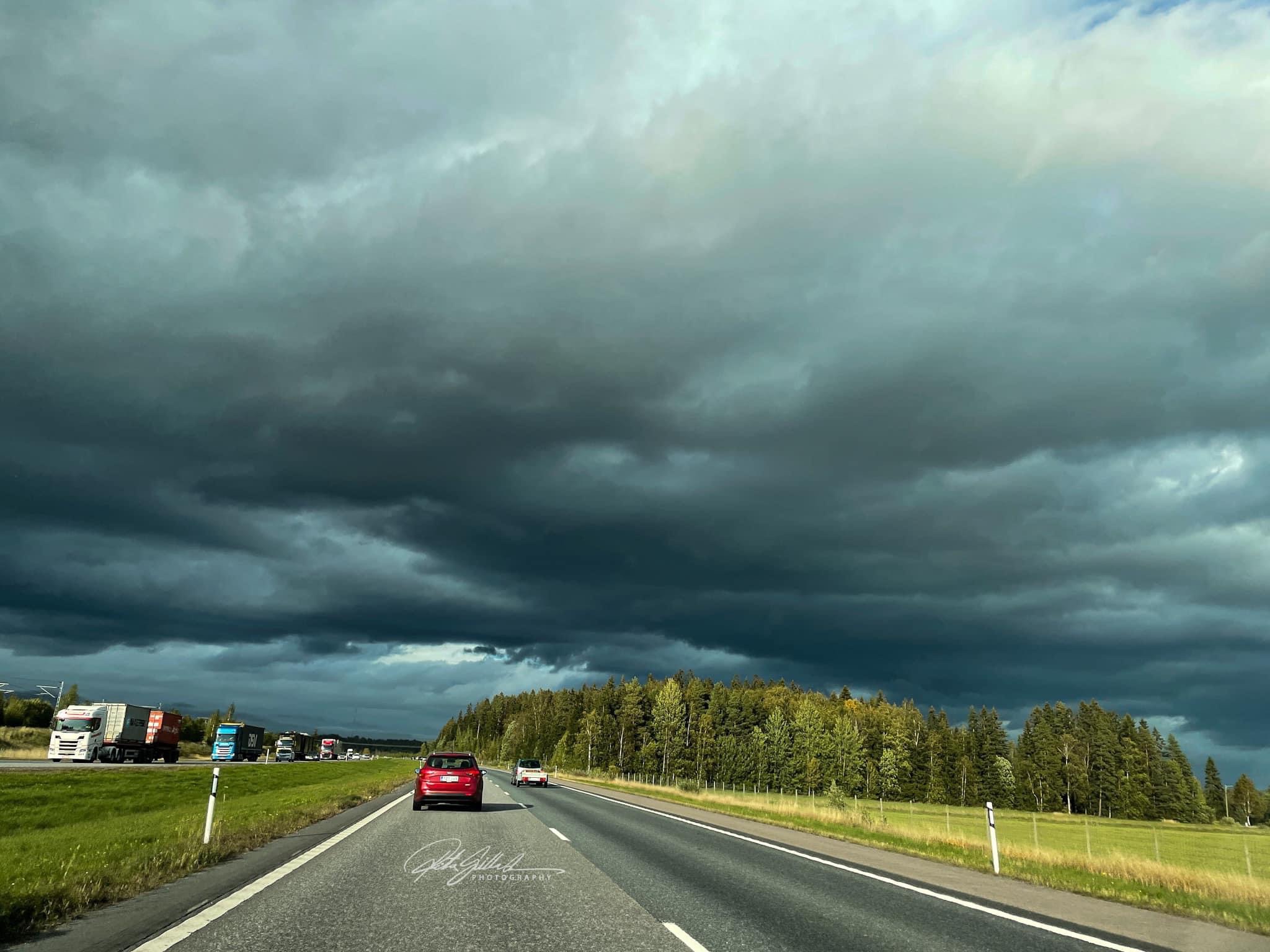
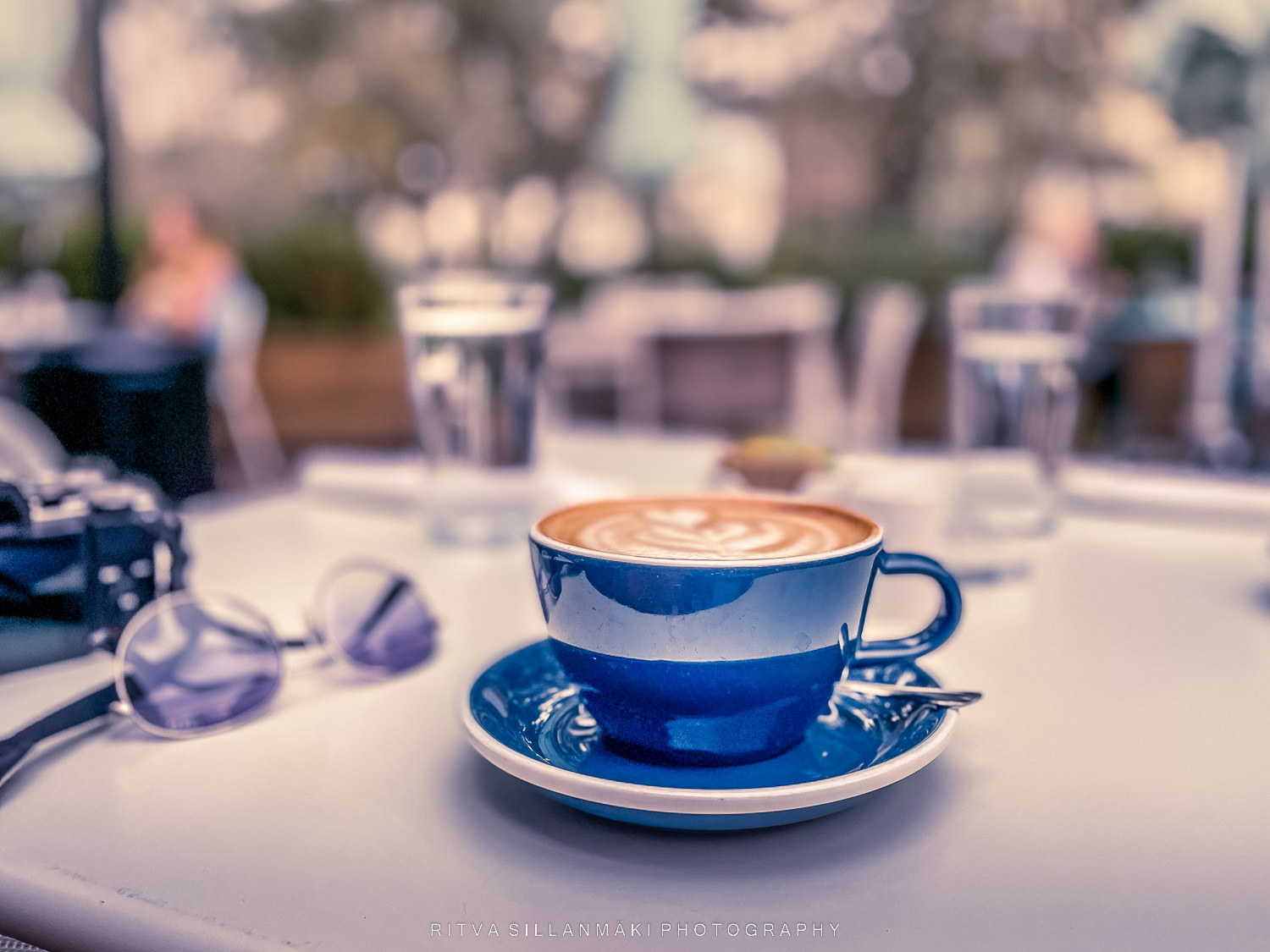
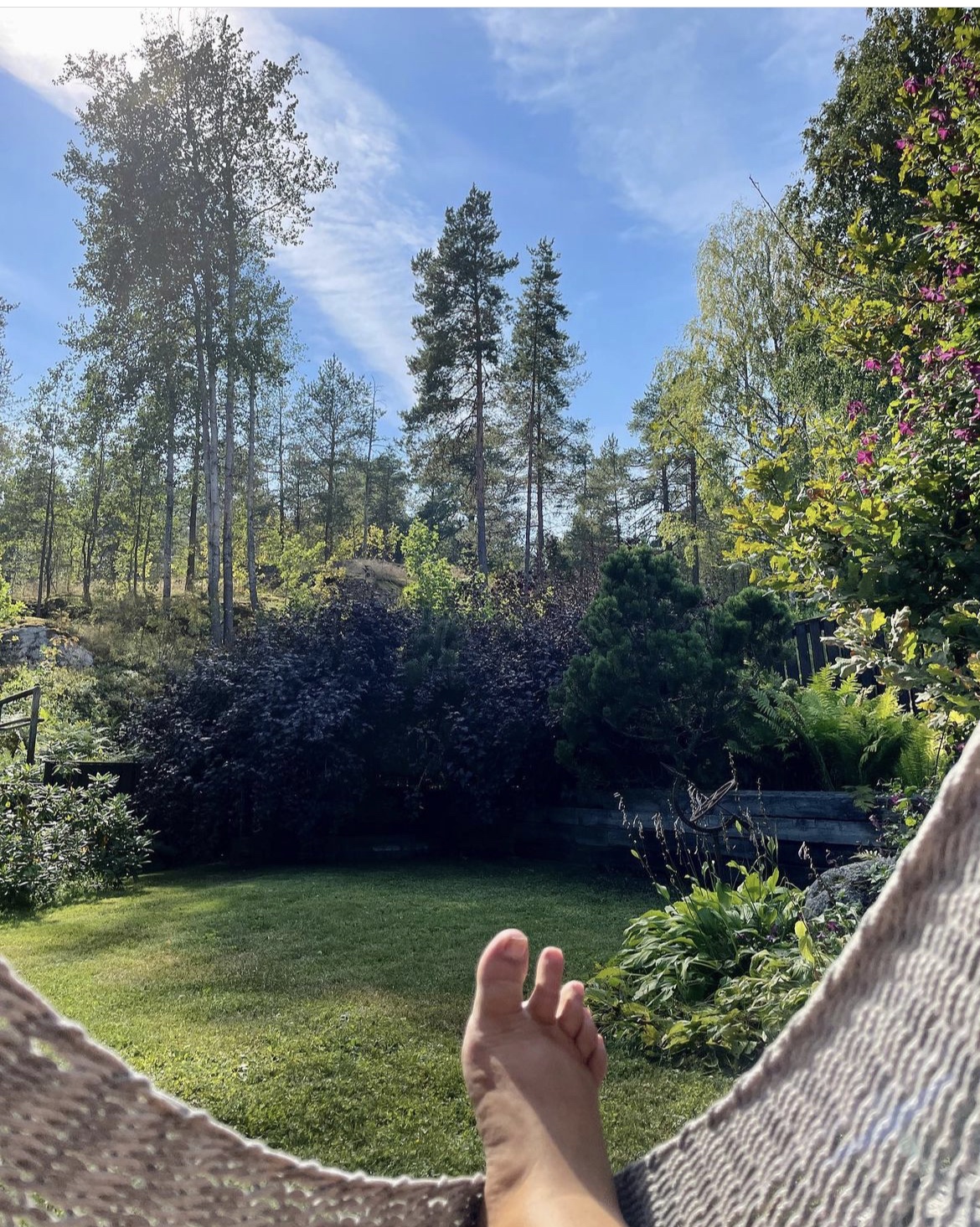
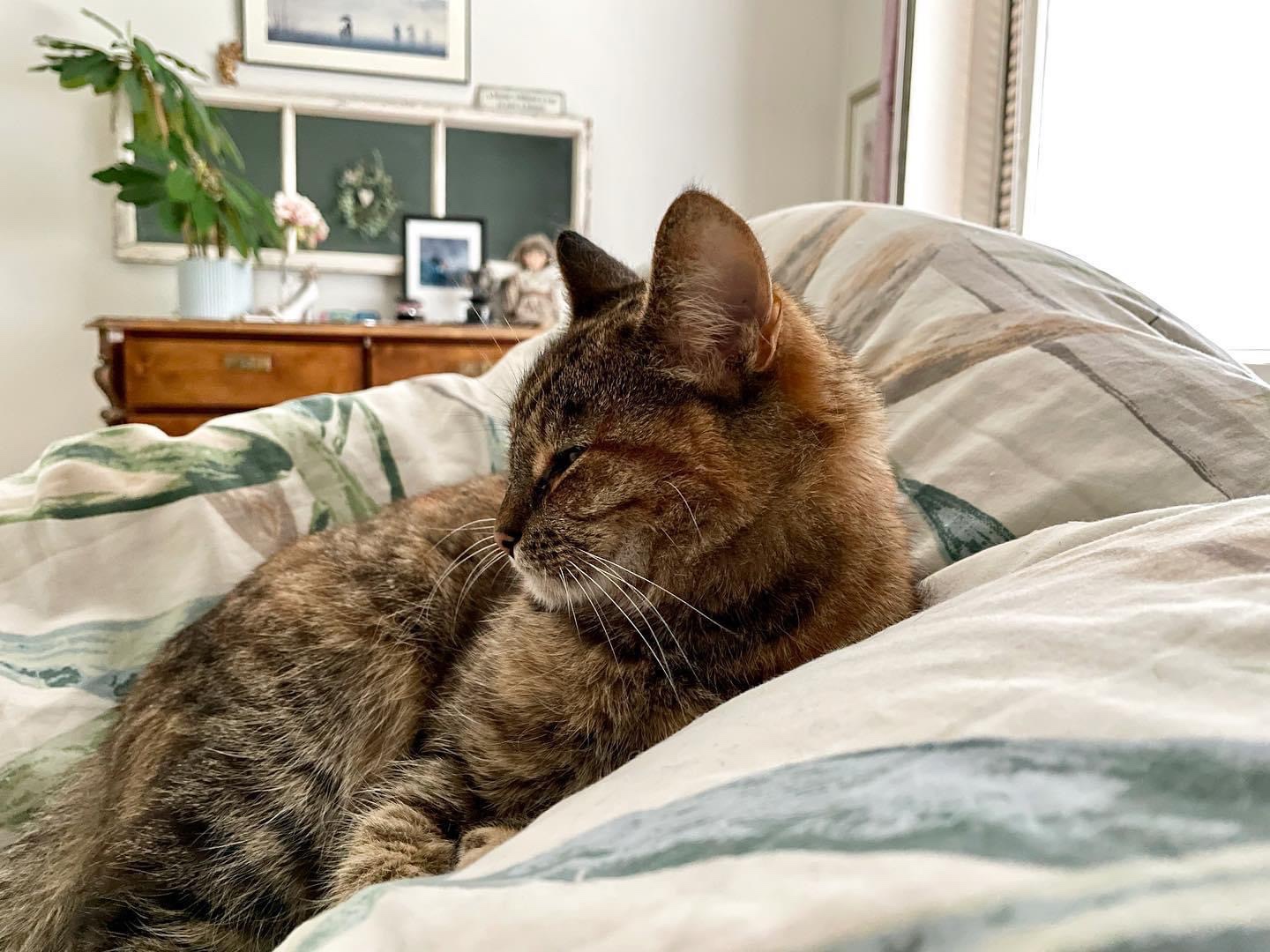
Driving the car in any weather, watching the scenery and clouds, listening to music. Stopping for coffee. Sitting in the hammock … Slow mornings, with my cat as company.
As I’ve stated before I am not a very technical photographer, more into composition, mood. I do my magic on the edit table mostly, if you can call it magic, more like my interpretation of places and people. I am also not one to write all that much, let the photos speack for themselves.
I have two cameras an old reliable SONY SLT-A65V, and I have two lences I use with it one for Macro Sony Macro 2.8/50 and portraits. The other for nearly everything a Sony 18-200mm.
The Sony has been in less use since I bought a new lighter one to carry around, its a Olympus E-M10 Mark II with a 14-150mm lense and I have a OM-D M.ZUIKO DIGITAL 45mm 1:1.8 for street and portrait photography
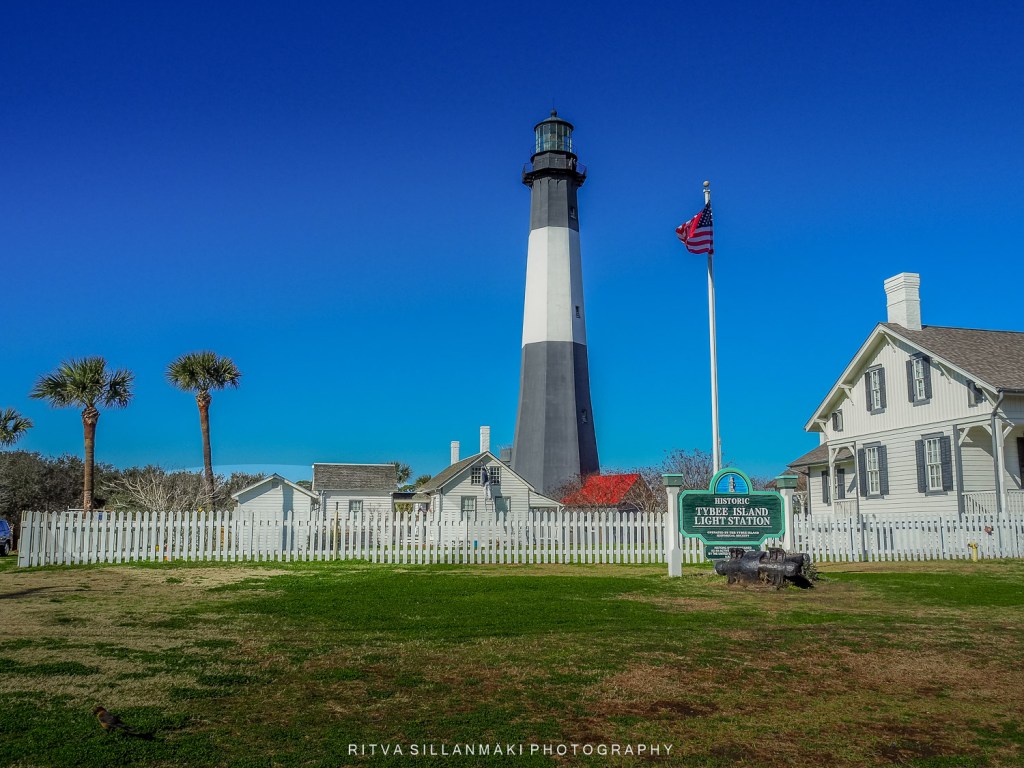
From the cemetery we were off to Tybee Island and another lighthouse. Tybee Island Lighthouse we only saw from the outside.
Significant events in the history of Tybee Island: During the Revolutionary War, Tybee was the staging area for French Admiral D’Estaing’s ill-fated 1779 “Siege of Savannah”, when combined multinational forces attempted to defeat the British held Savannah. During the War of 1812, the Tybee Island Lighthouse was used to signal Savannah of possible attack by the British.
Tybee Island light station
1958 two U.S. Air Force planes collided in the air and one of them had to dumb a nuclear weapon (hydrogen bomb). The lost weapon, known popularly as the “Tybee Bomb”, remained a security concern for several years, although the Air Force claims the bomb lacks a nuclear capsule and does not pose a serious threat.
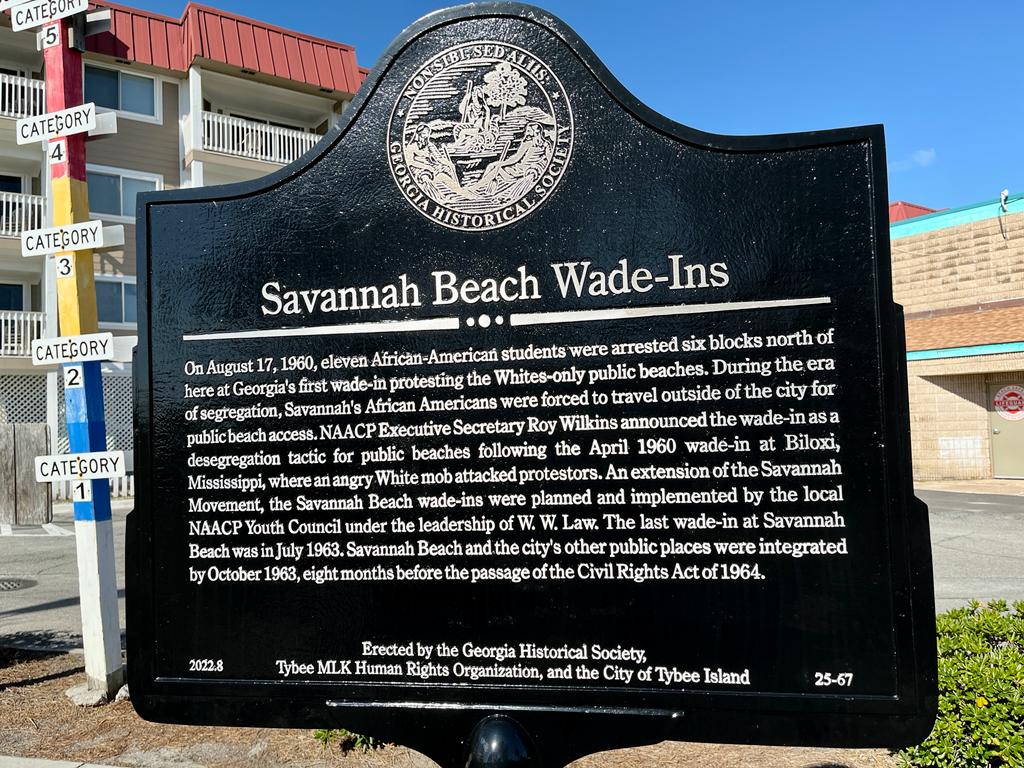
On August 17, 1960, eleven African-American students were arrested on Tybee Island at Georgia’s first wade-in protesting the Whites-only public beaches. The commemorative plaque of the wade-ins can be seen by the Tybee South Beach. The plaque was installed only last year, 62 years after the event.
The weather was quite windy in Tybee and therefore we sat for a while in one of the swings by the dunes.
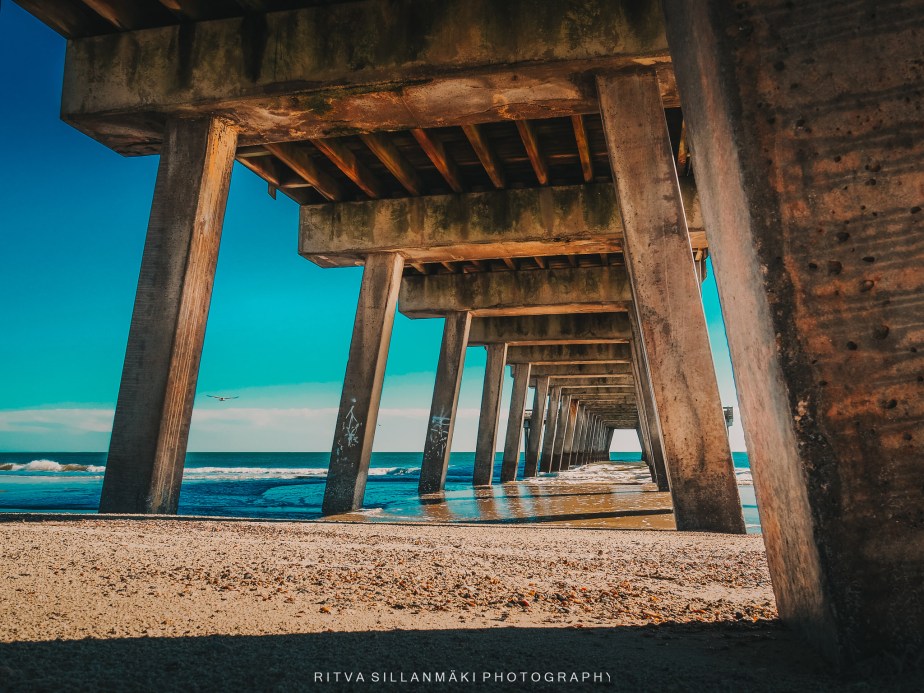
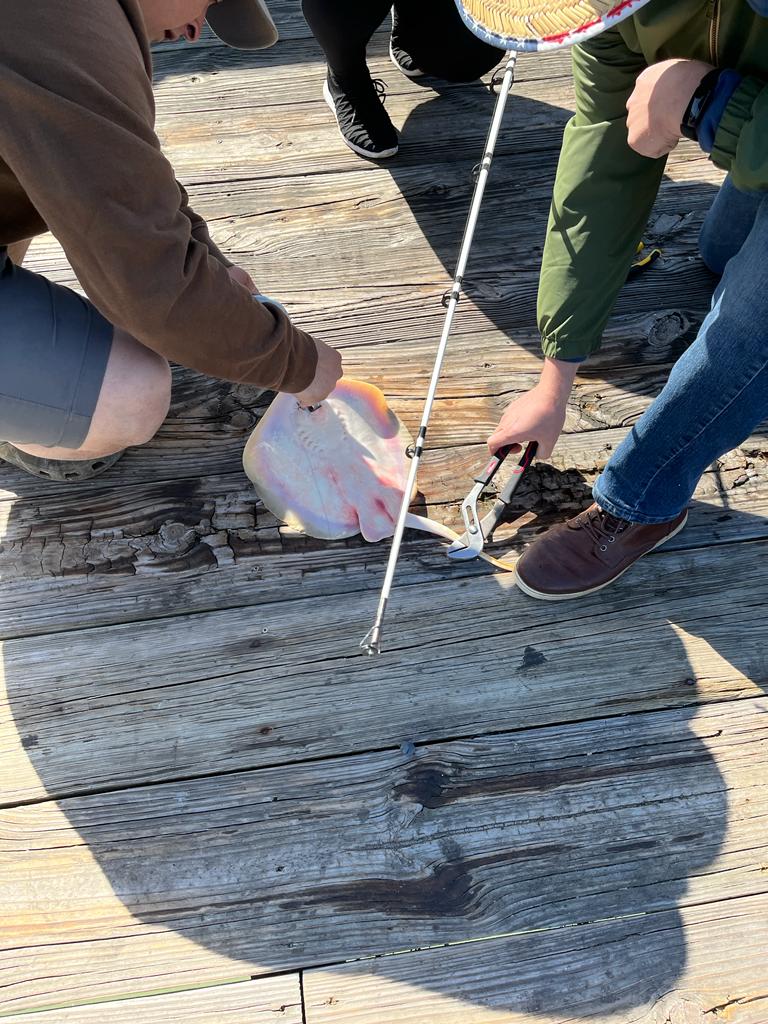
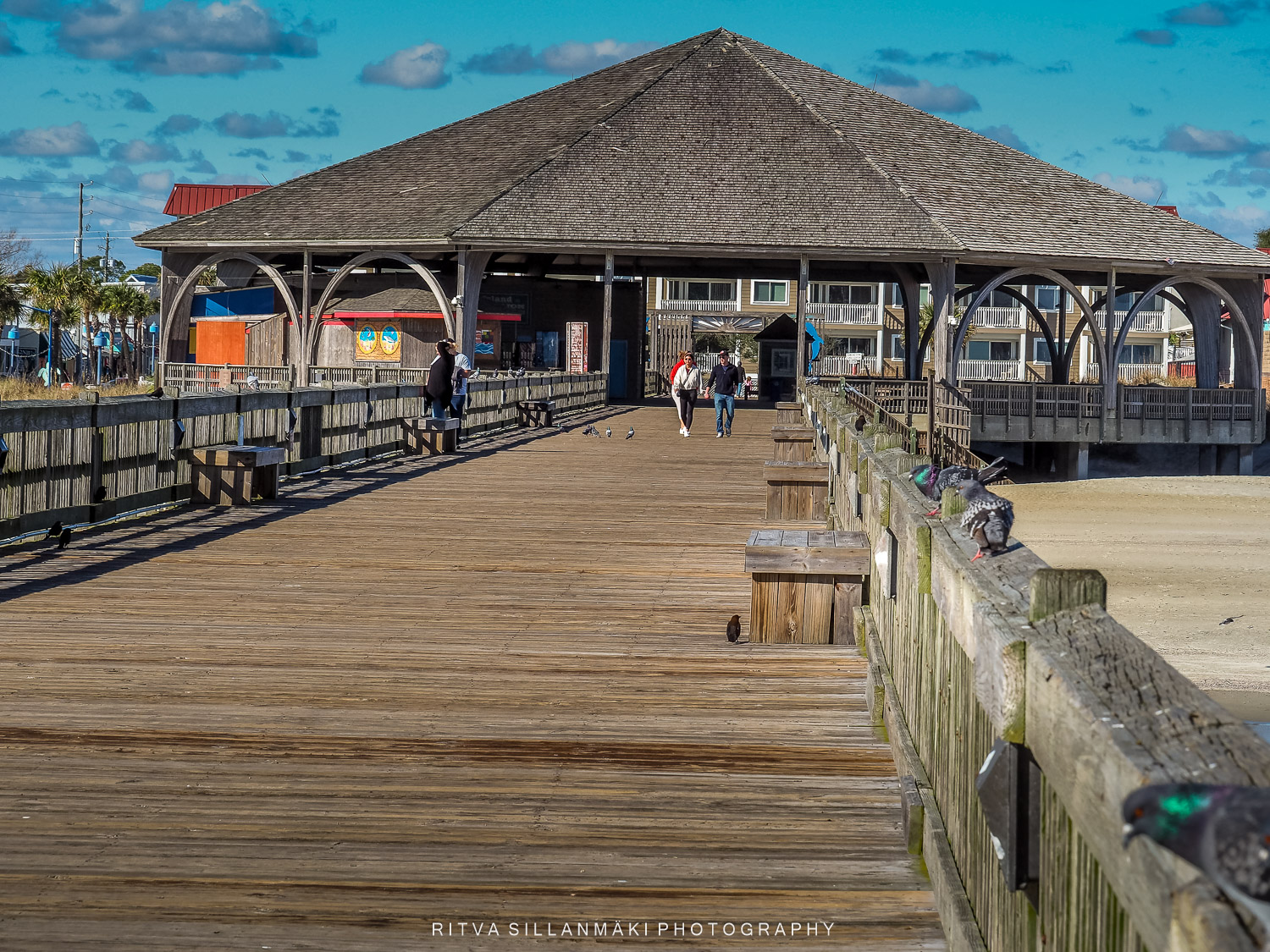
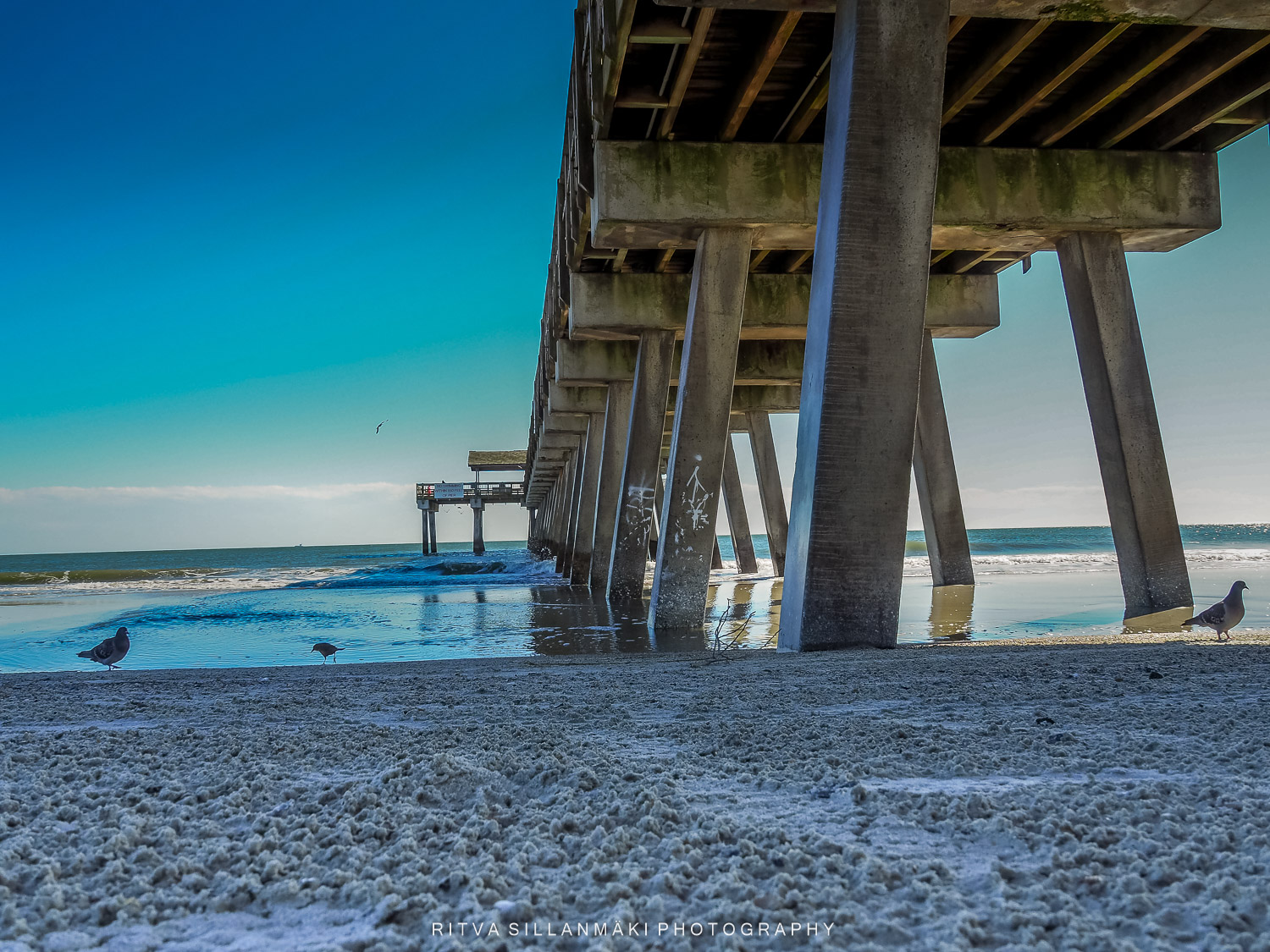
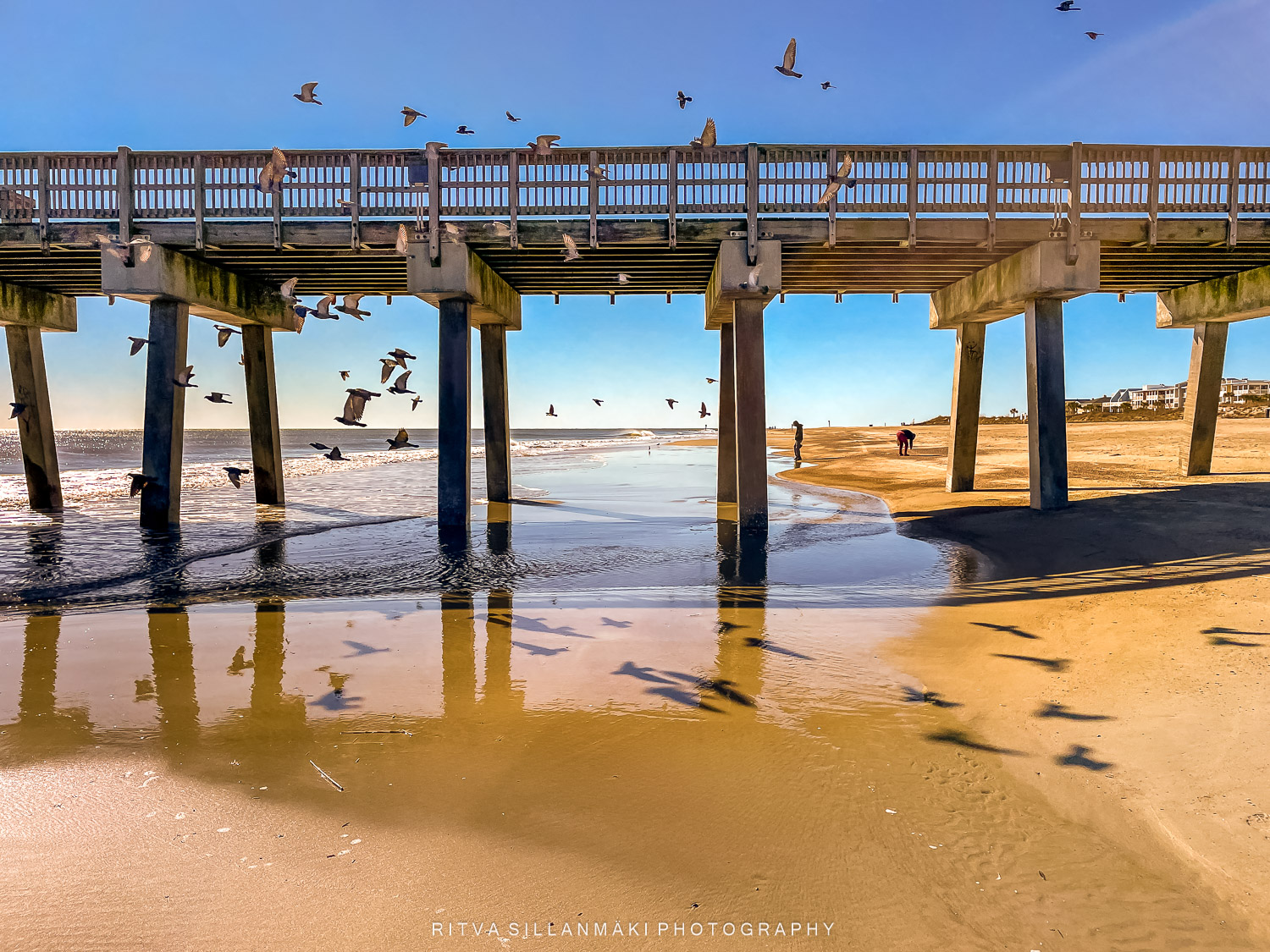
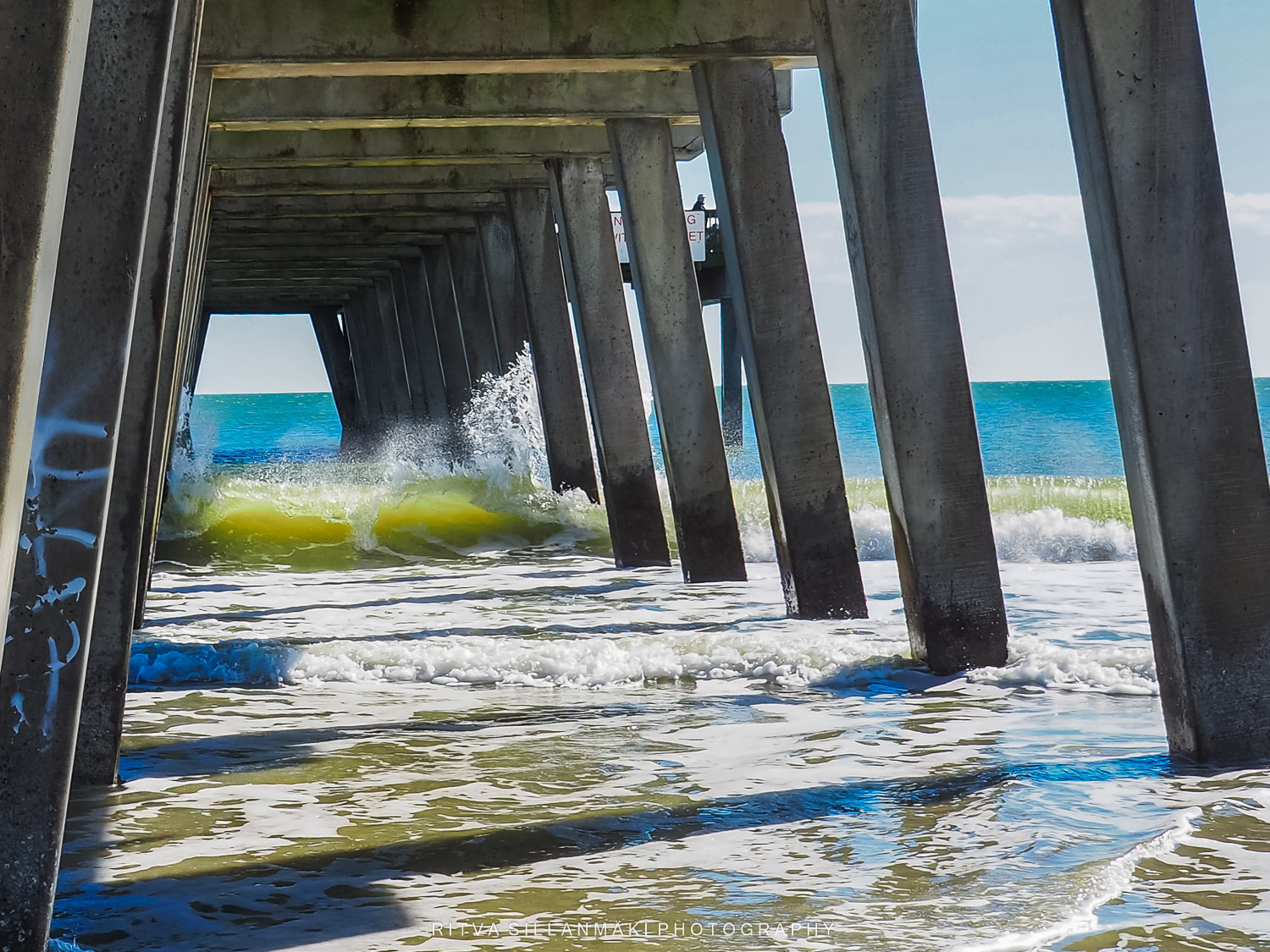
Later, we walked along the pier and watched the fishermen. One of them caught a small stingray. Unfortunately, the stingray got the hook stuck very deep inside of it. The fisherman was holding the sting with pliers while the bait shop keeper was trying to pry the hook with other pliers, without success. Eventually they had to cut the fishing line and the shop keeper took the stingray in his shop to be killed.
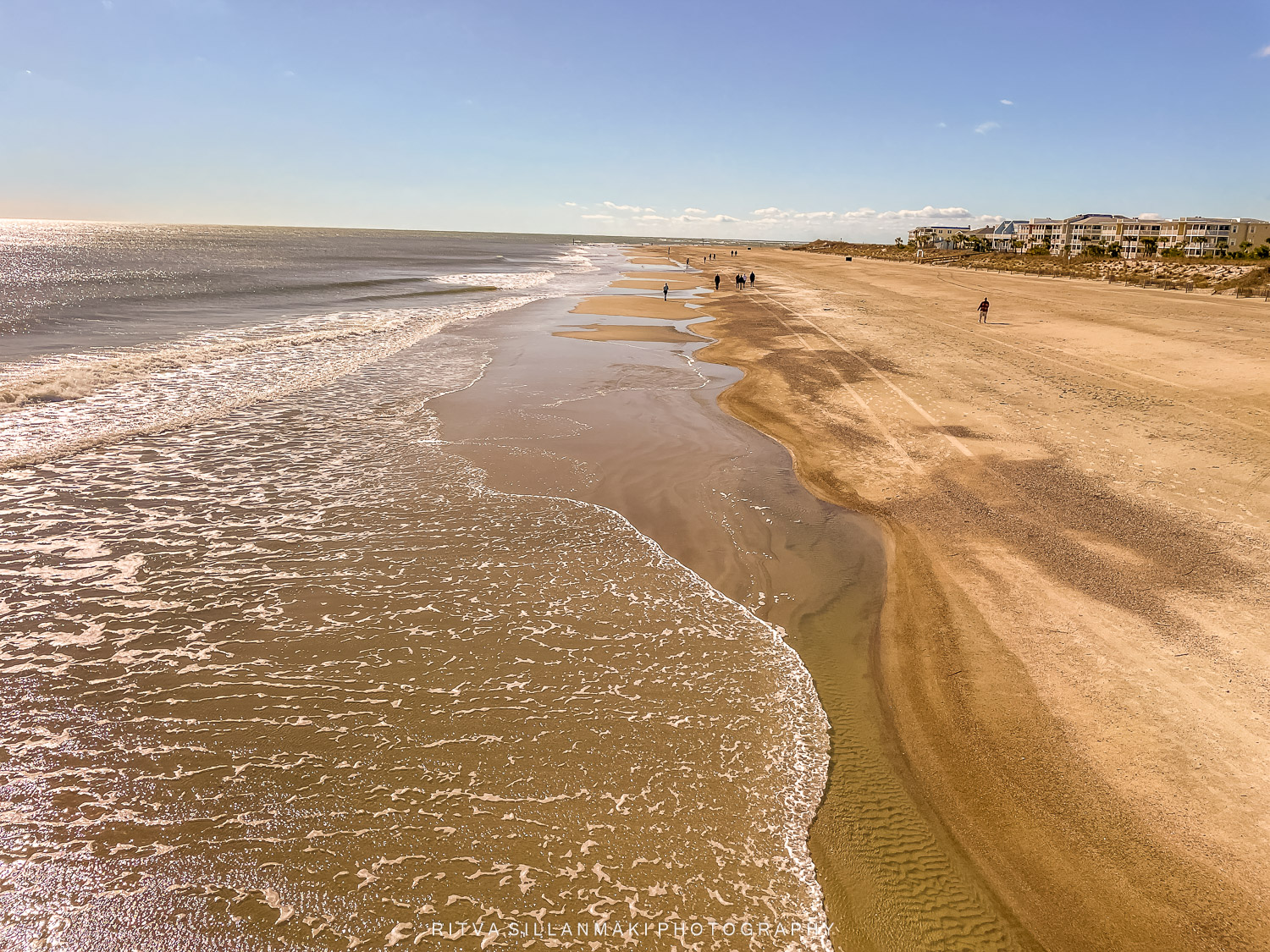
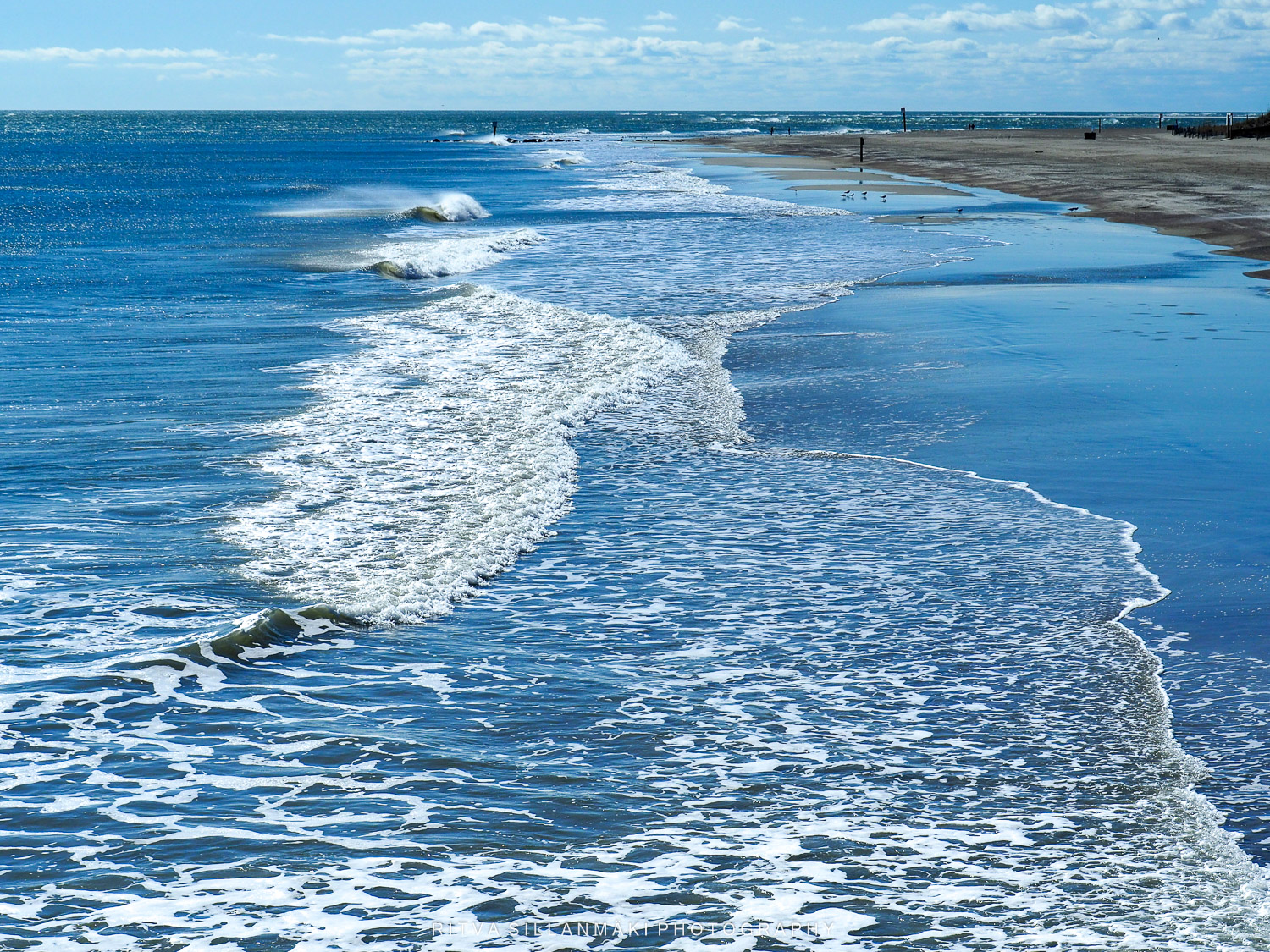
Walking on the beach we got some nice shots that I will post in an other post as this is already overloaded with them. These photos are shot with both of my cameras and also some are with mobiles.
And that was that. Soon we had to start thinking about driving back to Boynton Beach, Florida. It was a seven hour drive with one stop in Daytona Beach exit to get gas and eat at the Popey’s Chicken Restaurant, which proved to be nice surprise. The traffic was fairly heavy once again but we were able to maintain an average speed of 75 mi/120 km, by following our friend Bob’s advice – stay in the pack. Go too fast and you’ll get a ticket and if you go too slow, you’ll get honks from the horns and you’ll cause hairy situations.
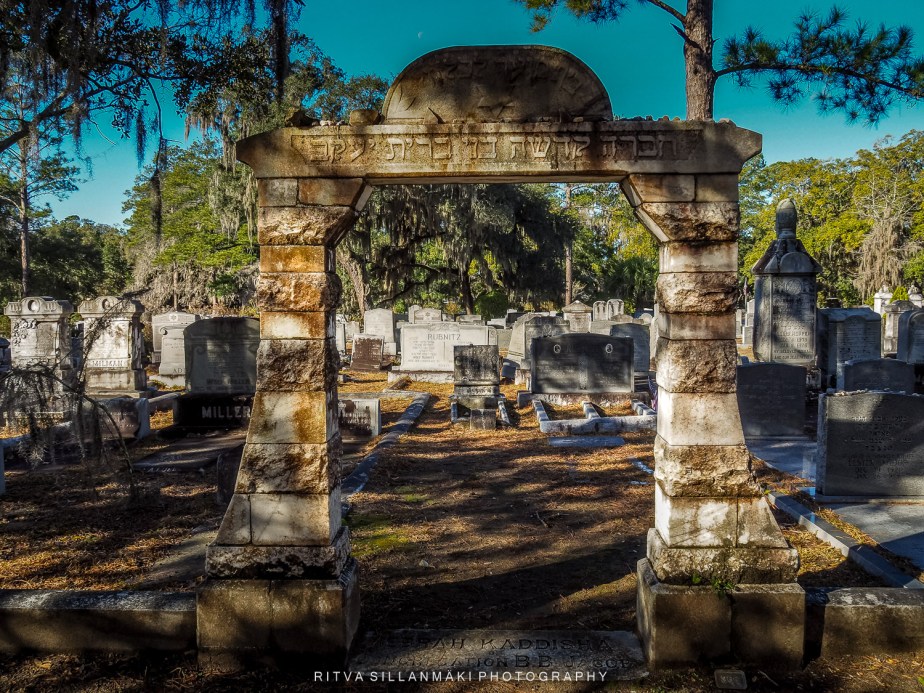
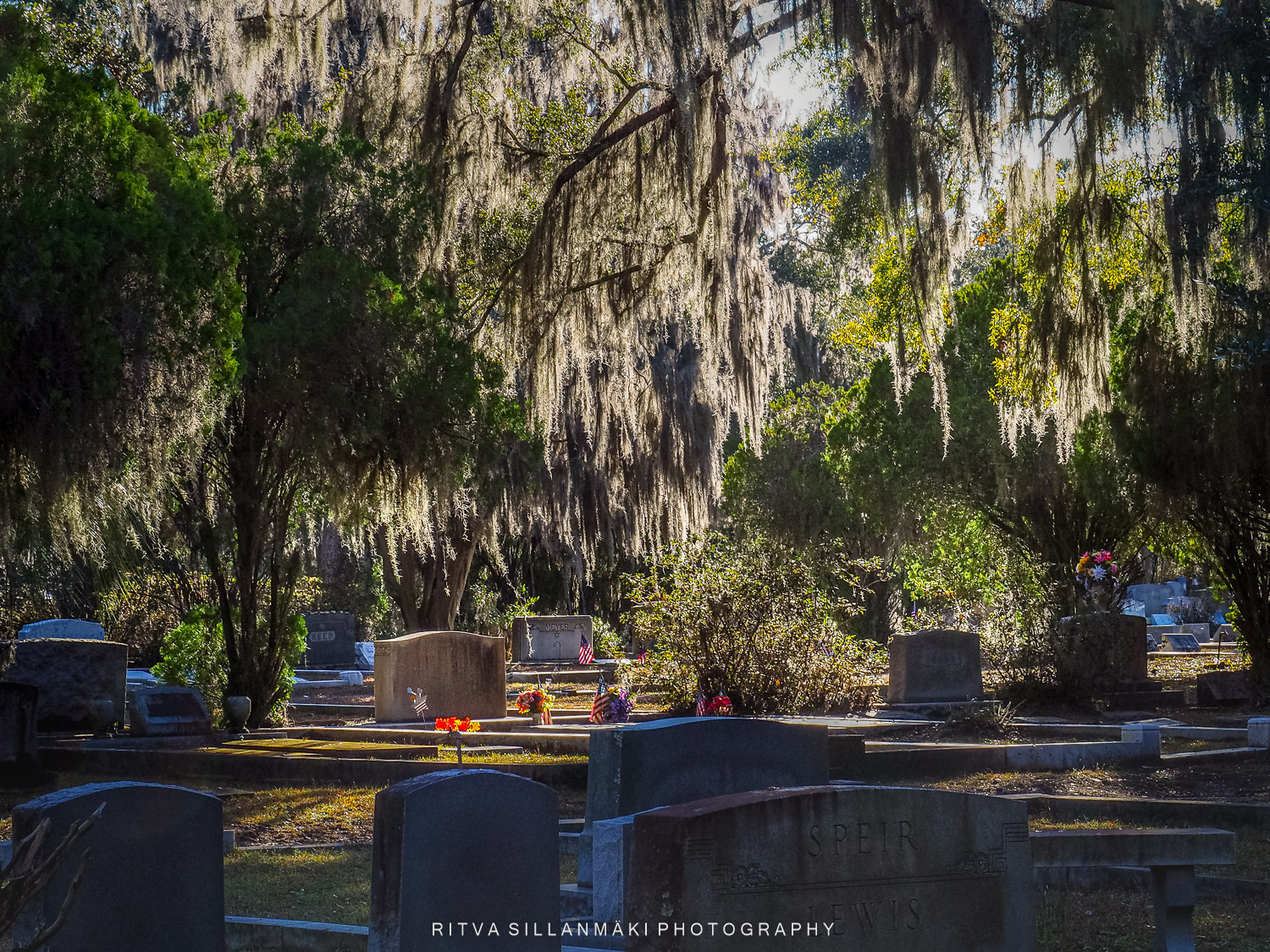
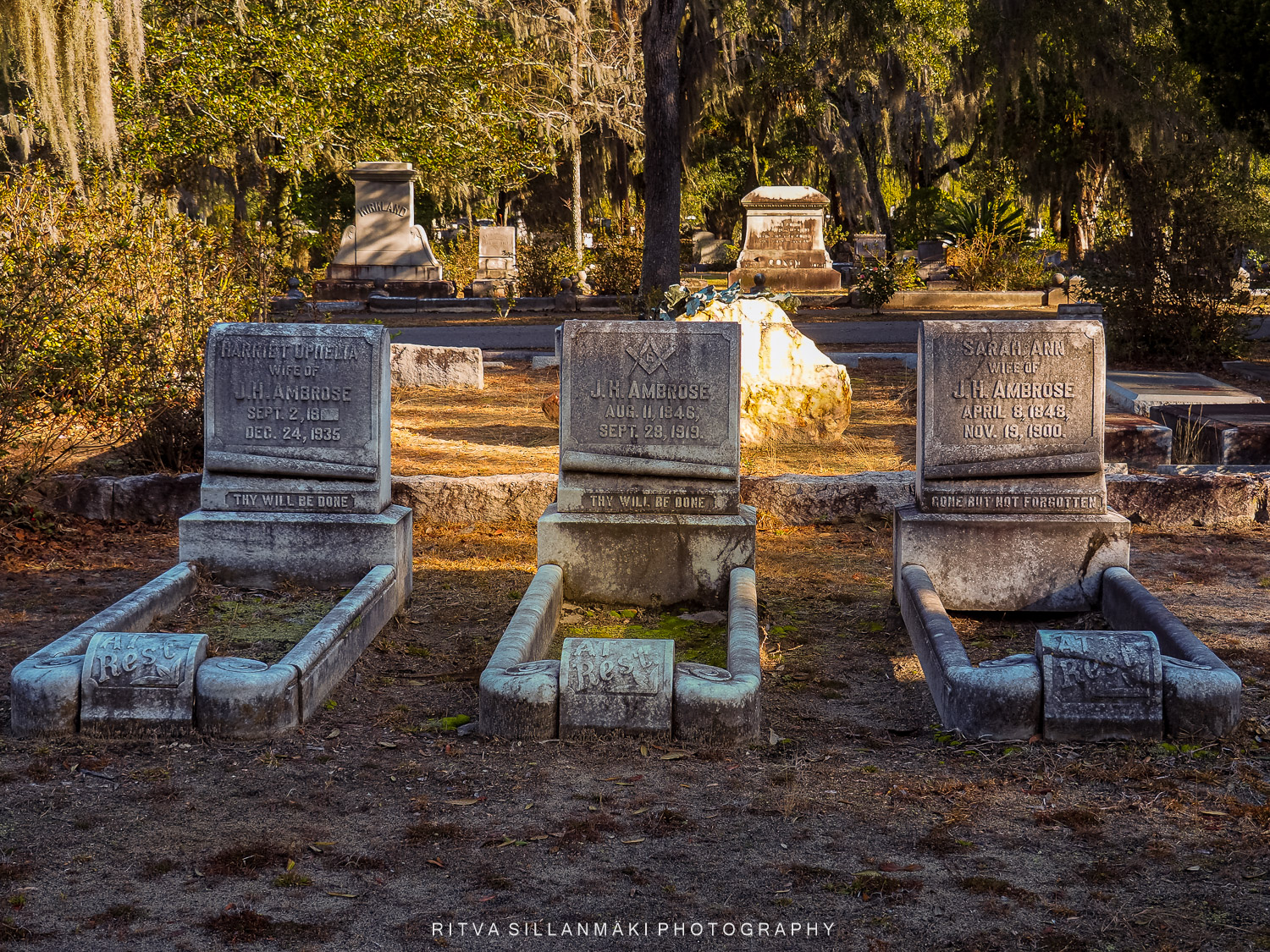
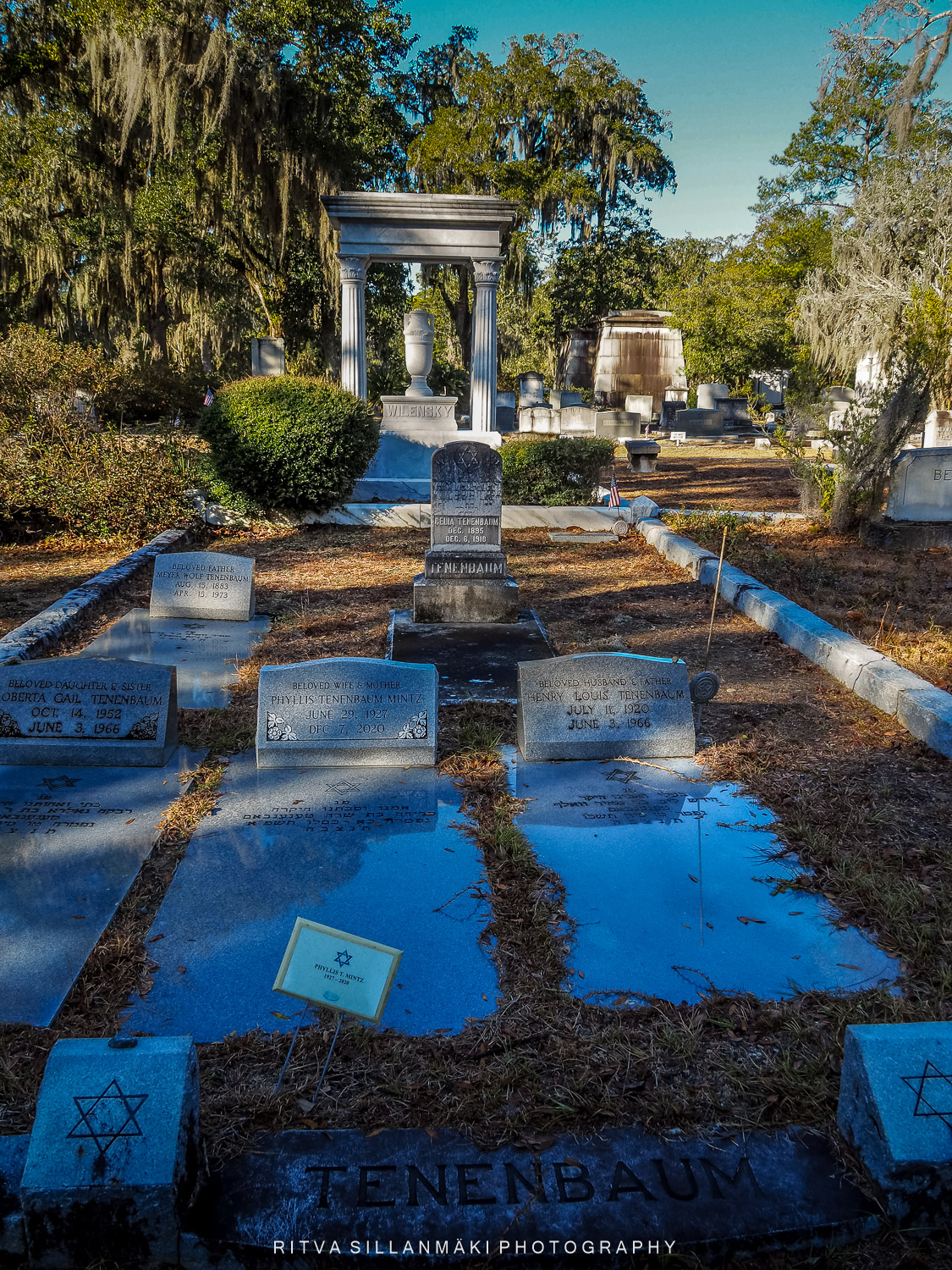
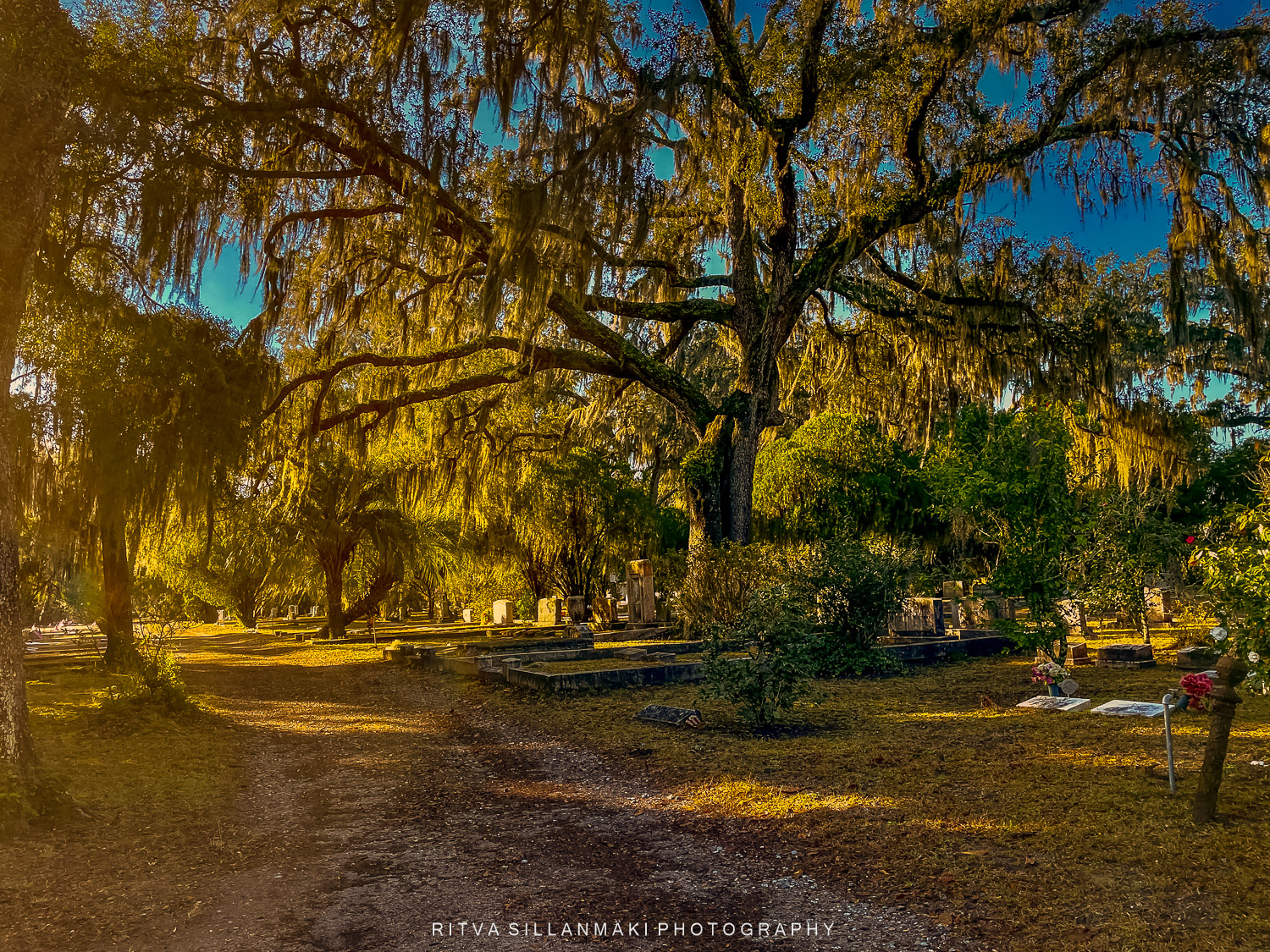
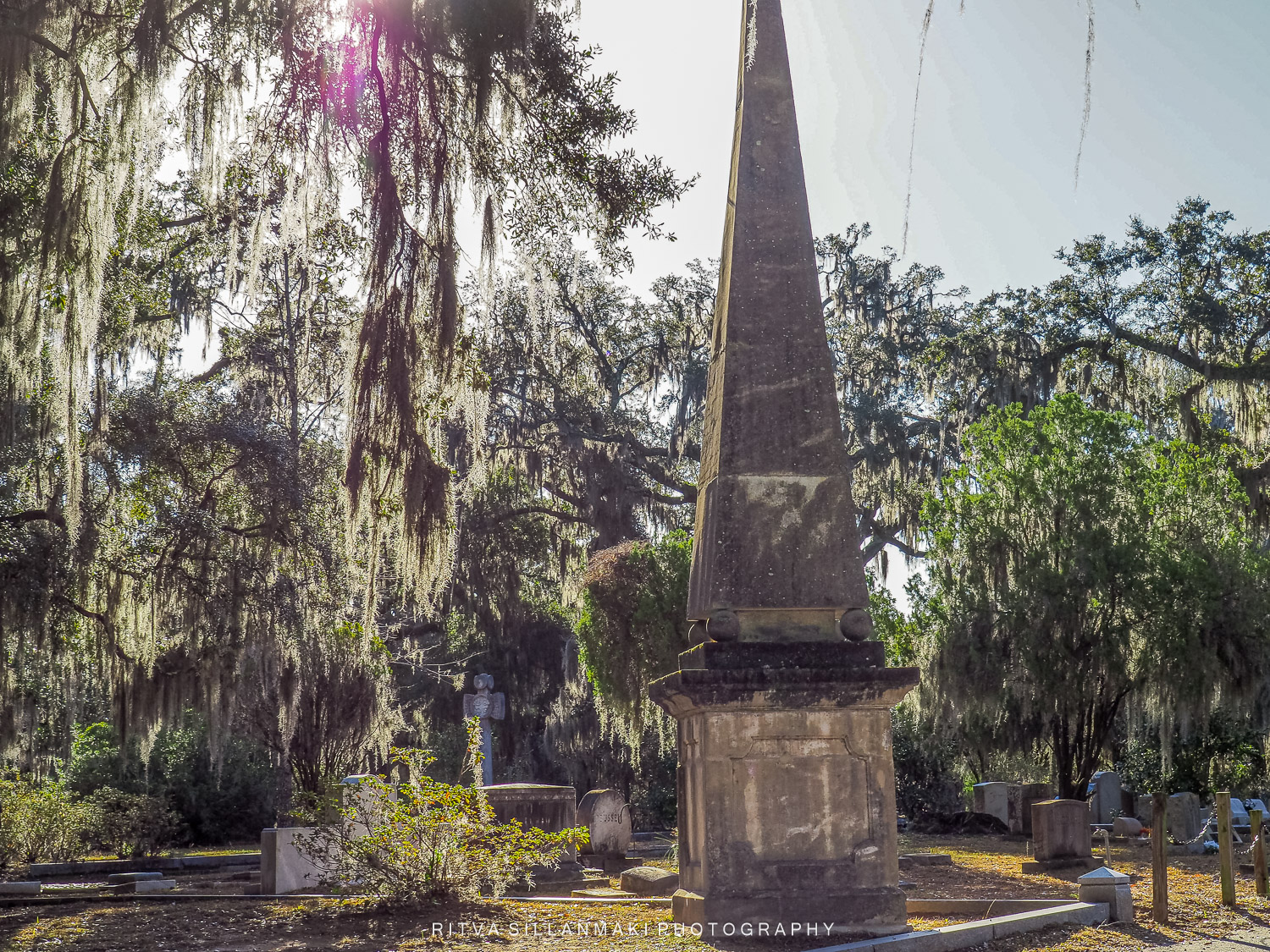
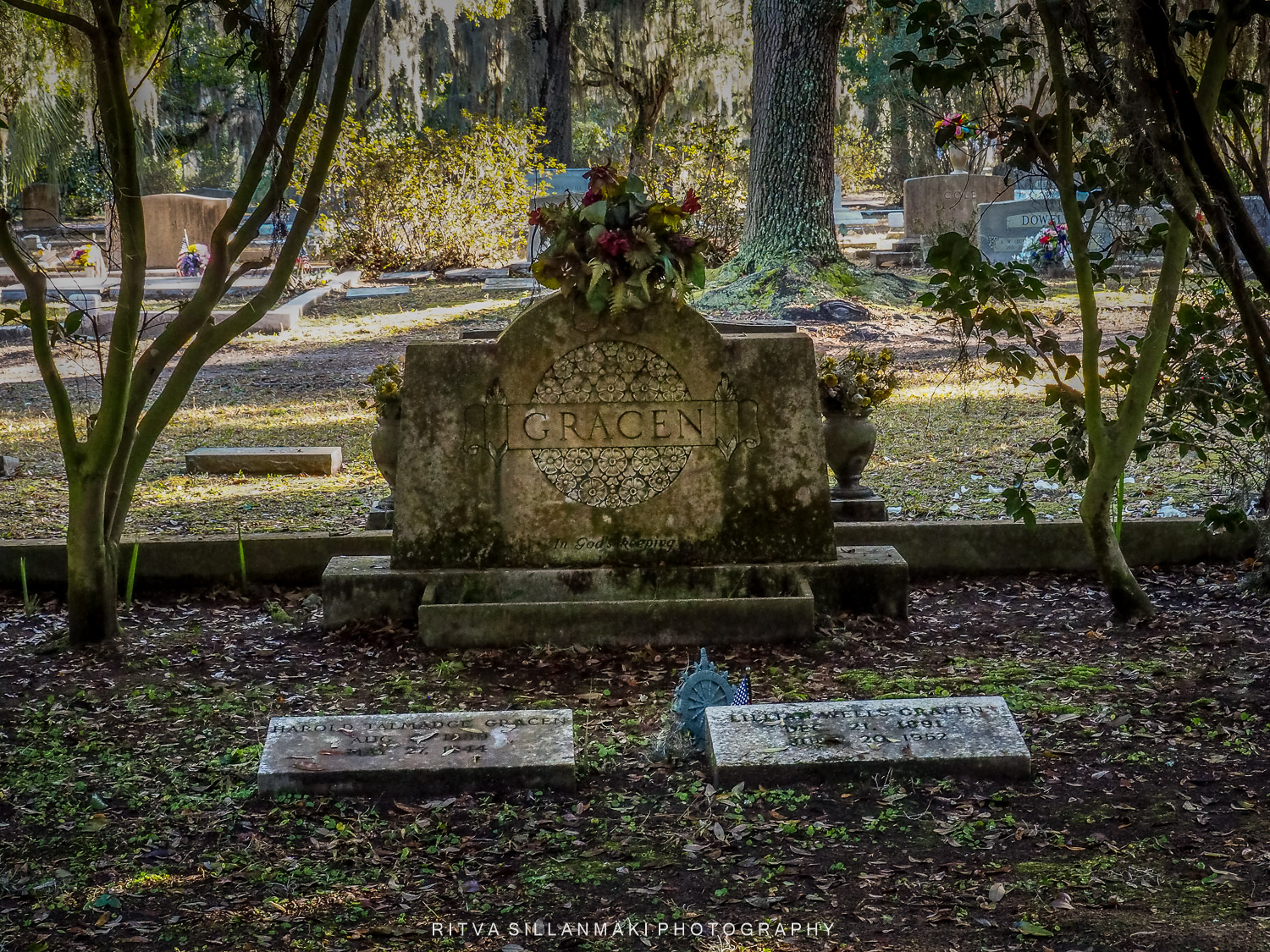
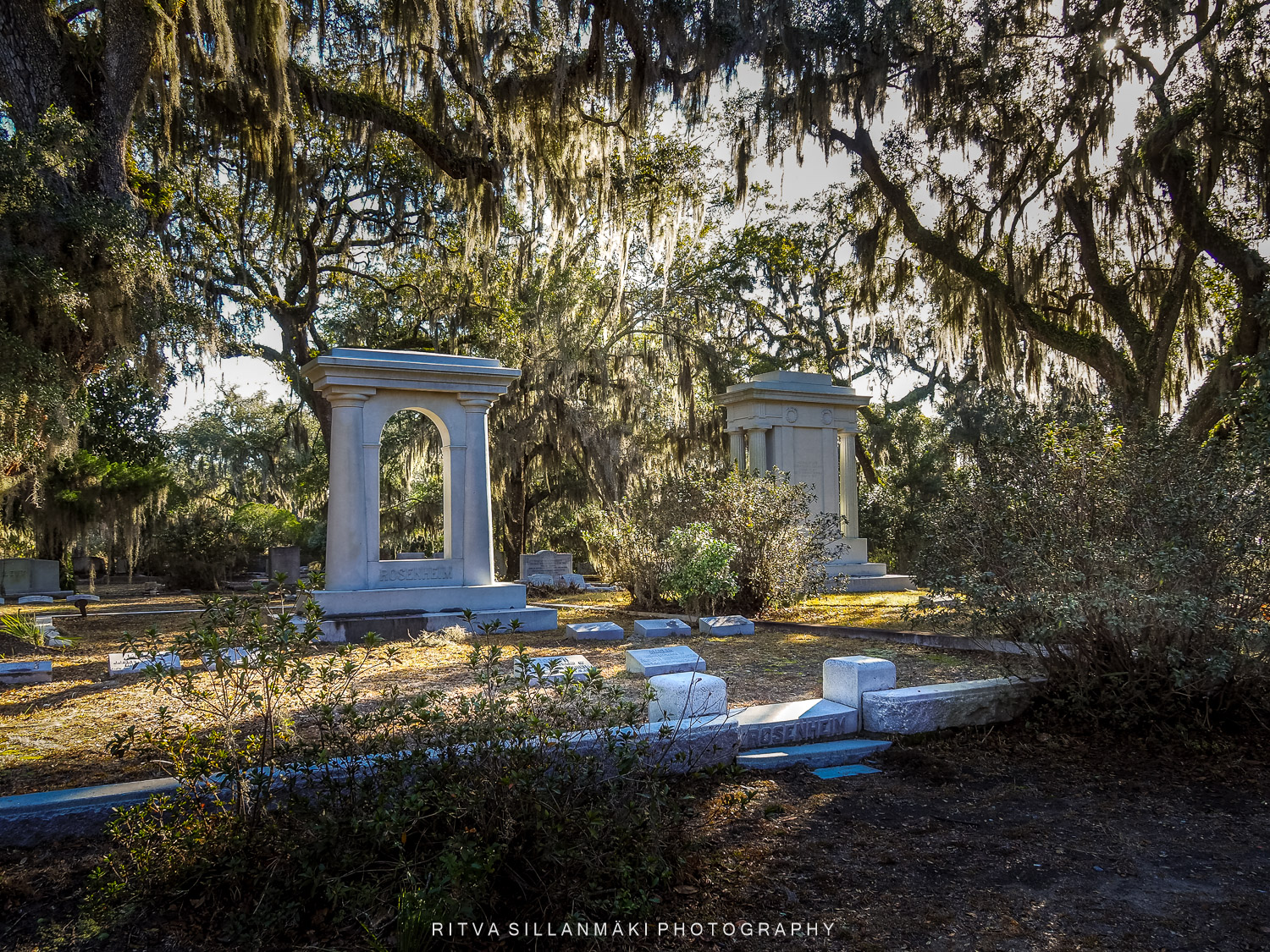
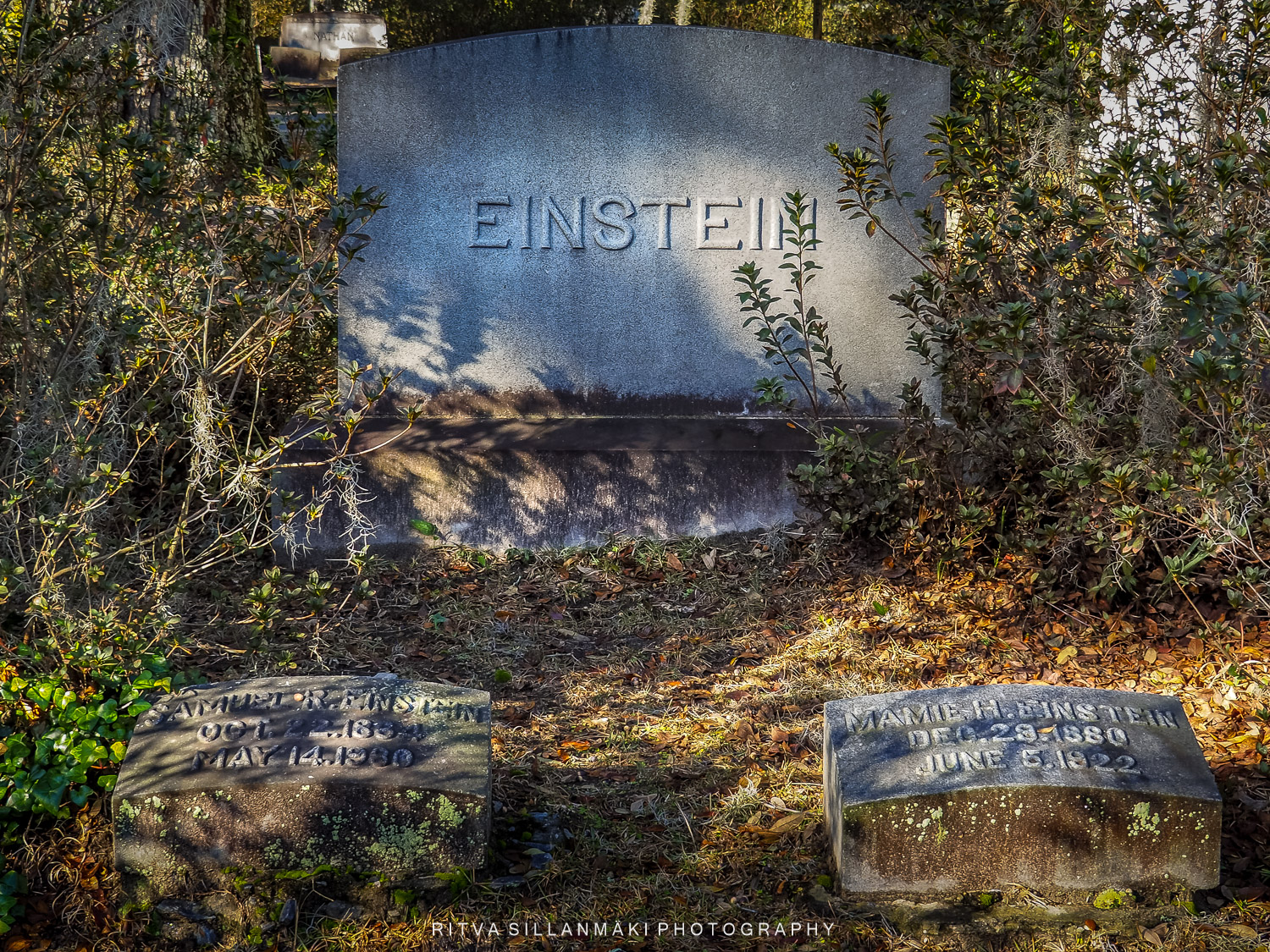
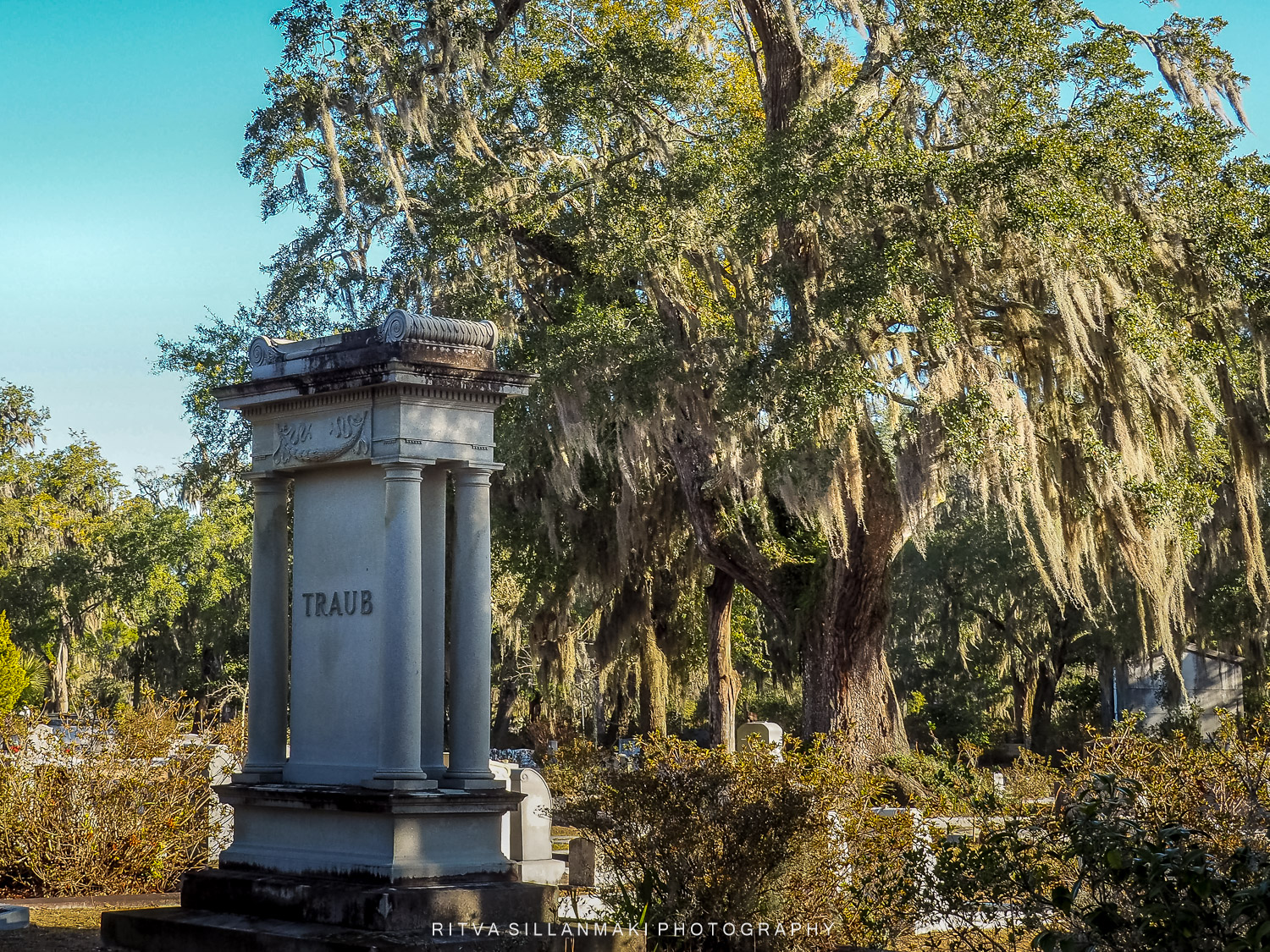
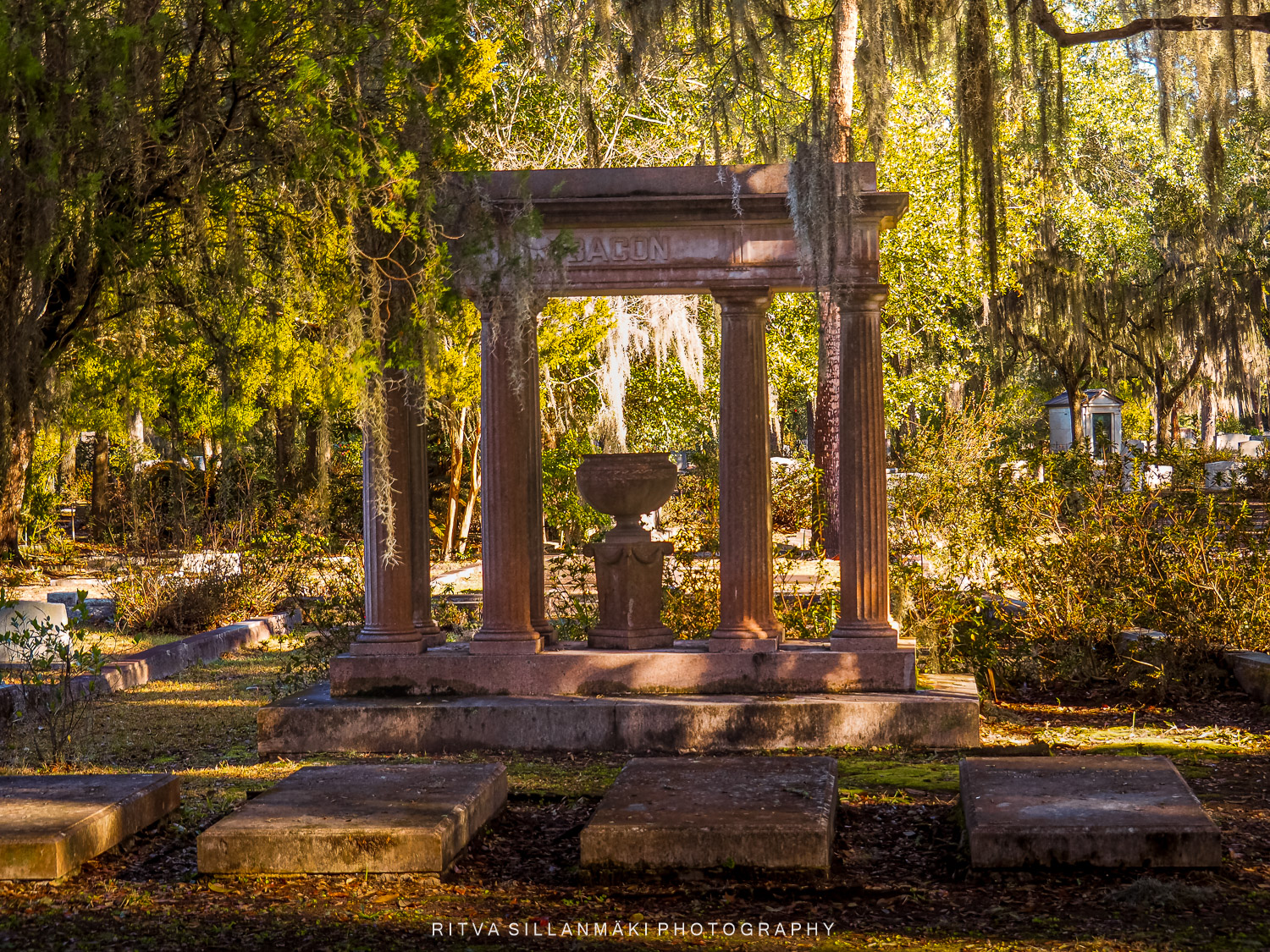
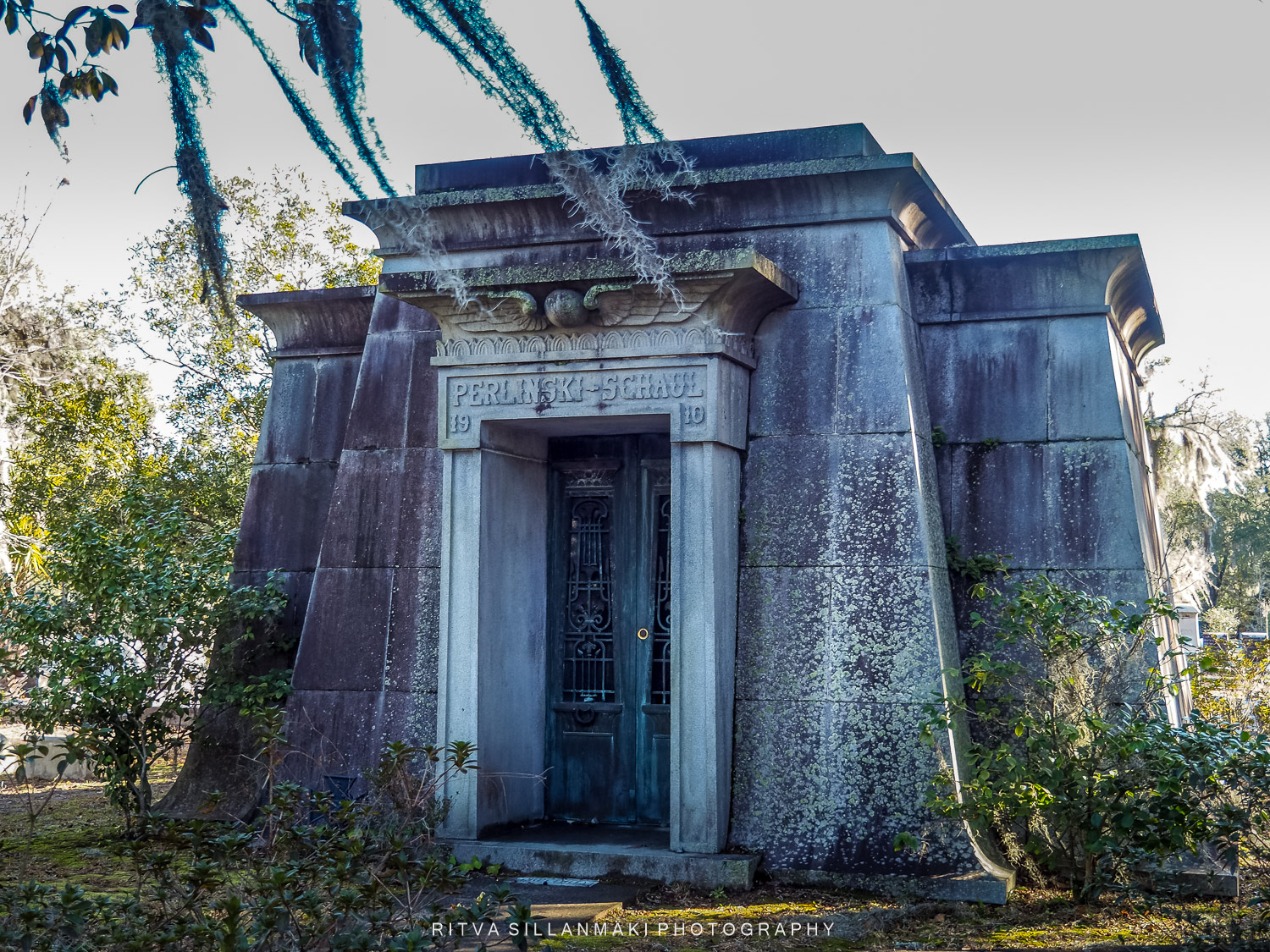
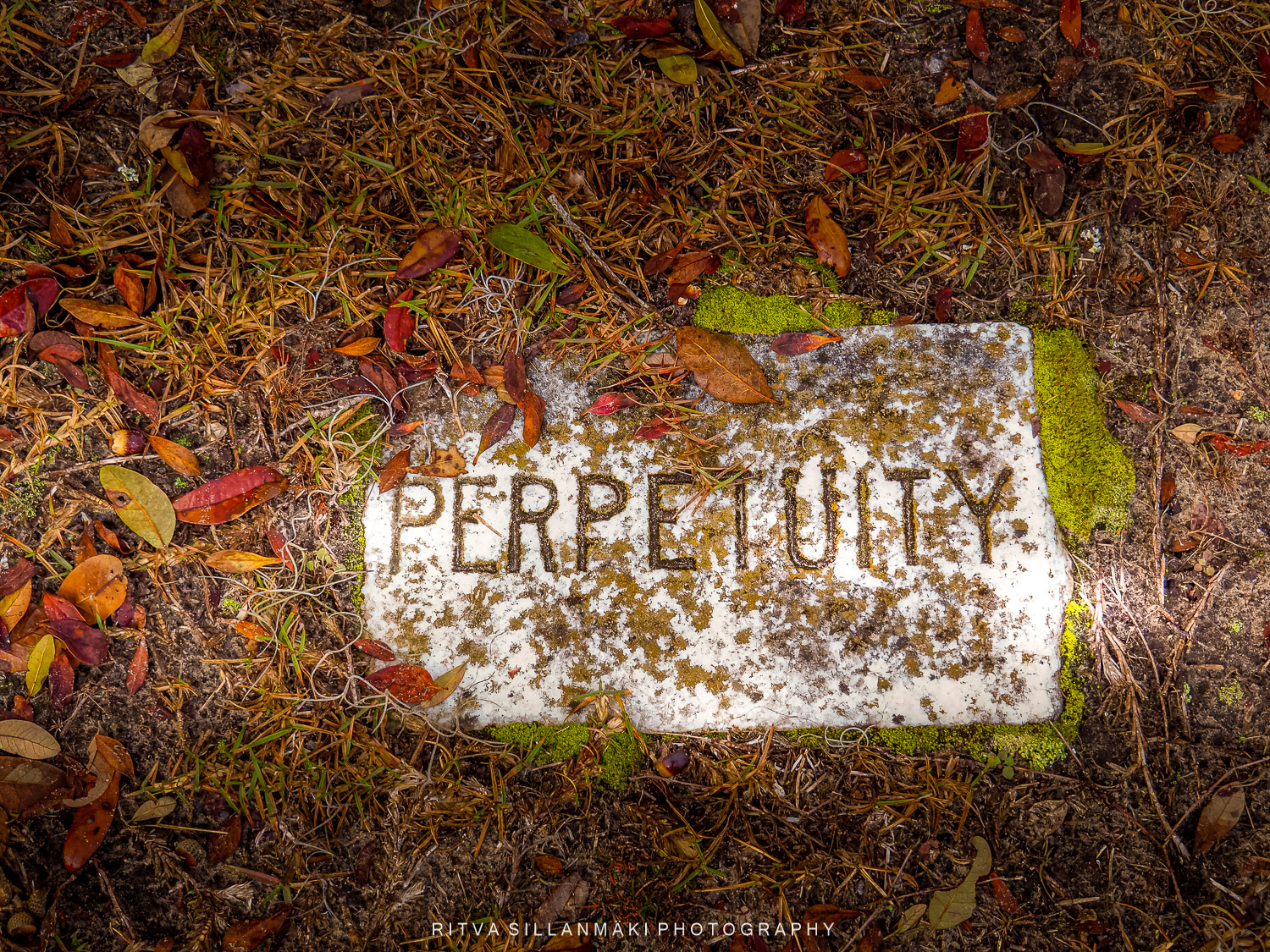
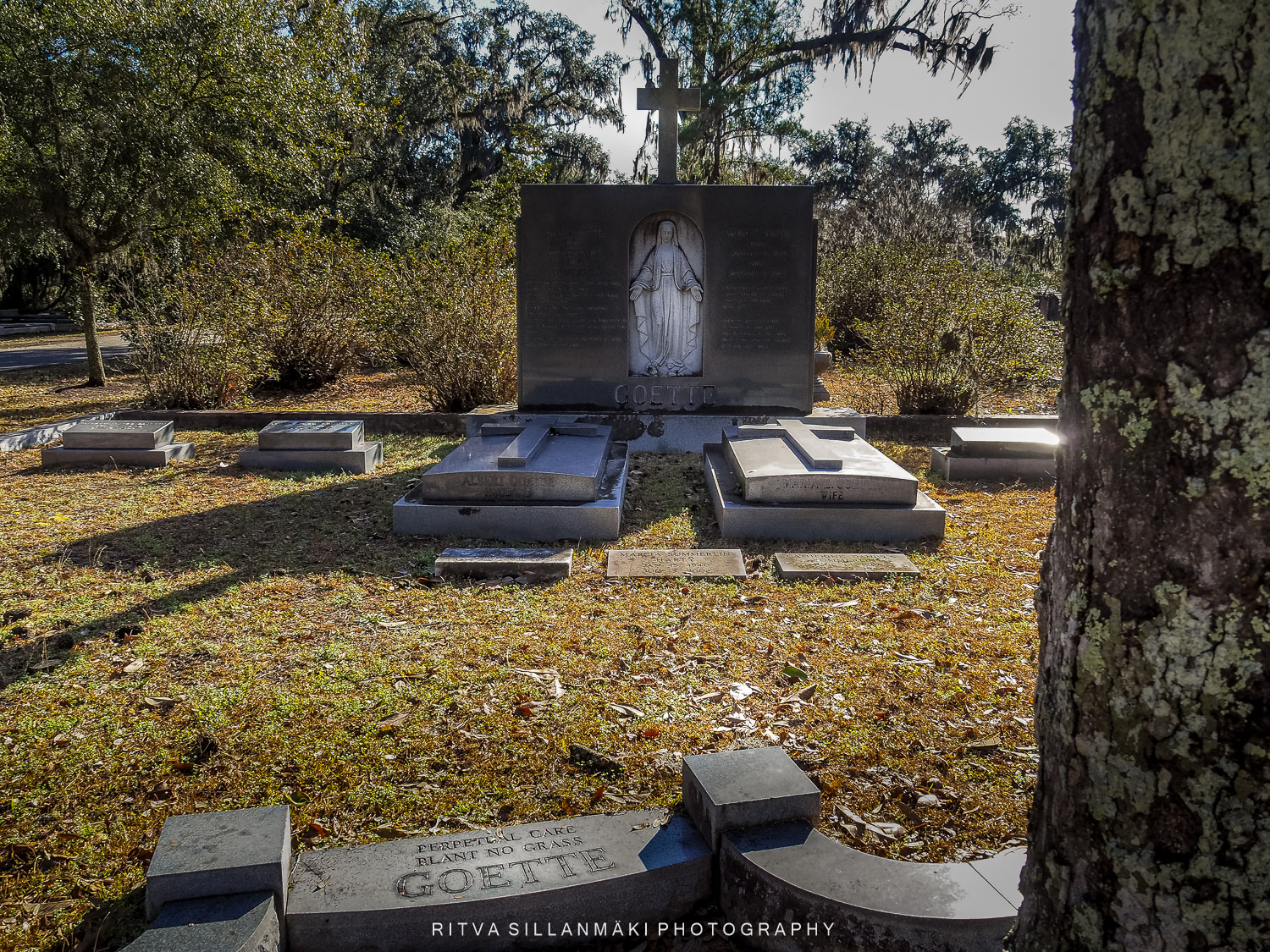
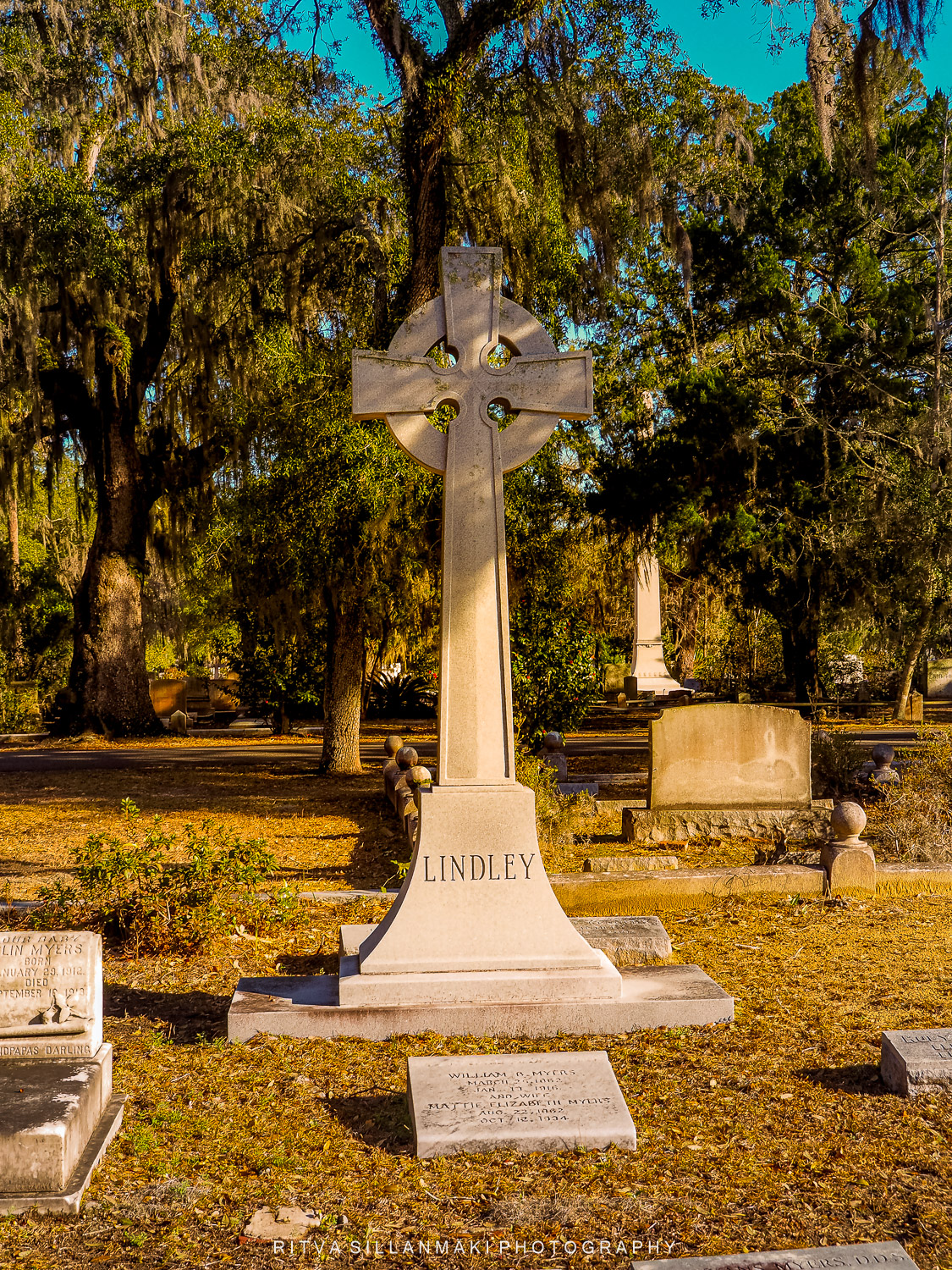
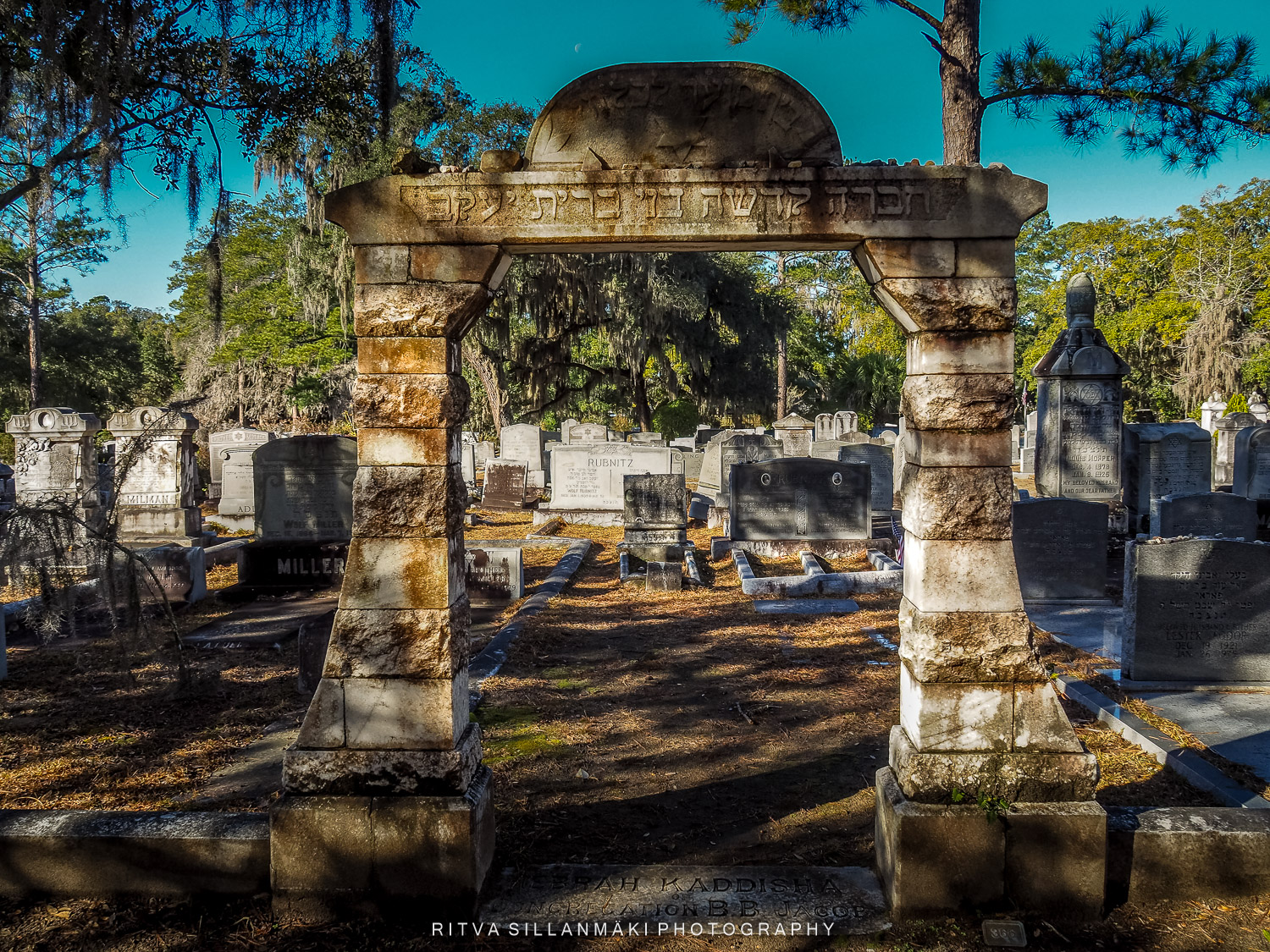
No rest for the wicked, so we are off to an early 9 am start to see the Bonaventure Cemetery. It was an interesting and beautiful place to visit, on a rather chilly morning. I loved how the light the sun filtered through the trees on the old gravestones. Bonaventure has massive live oak trees with arched limbs covered in Spanish moss overhanging her roadways. I read that the live oak trees in Bonaventure today are nearly 250 years old. The monuments and vistas are part of charm of Bonaventure, which continues to be a working cemetery. Perpetuity written on a stone at one of graves, it was present here.
Wikipedia says: Bonaventure Cemetery is a rural cemetery located on a scenic bluff of the Wilmington River, east of Savannah. The beautiful cemetery became famous when it was featured in the 1994 novel Midnight in the Garden of Good and Evil by John Berendt, and in the subsequent movie, directed by Clint Eastwood, based on the book. Military generals, poet Conrad Aiken, Academy Award-winning lyricist Johnny Mercer and Georgia’s first governor Edward Telfair are among those buried at Bonaventure.
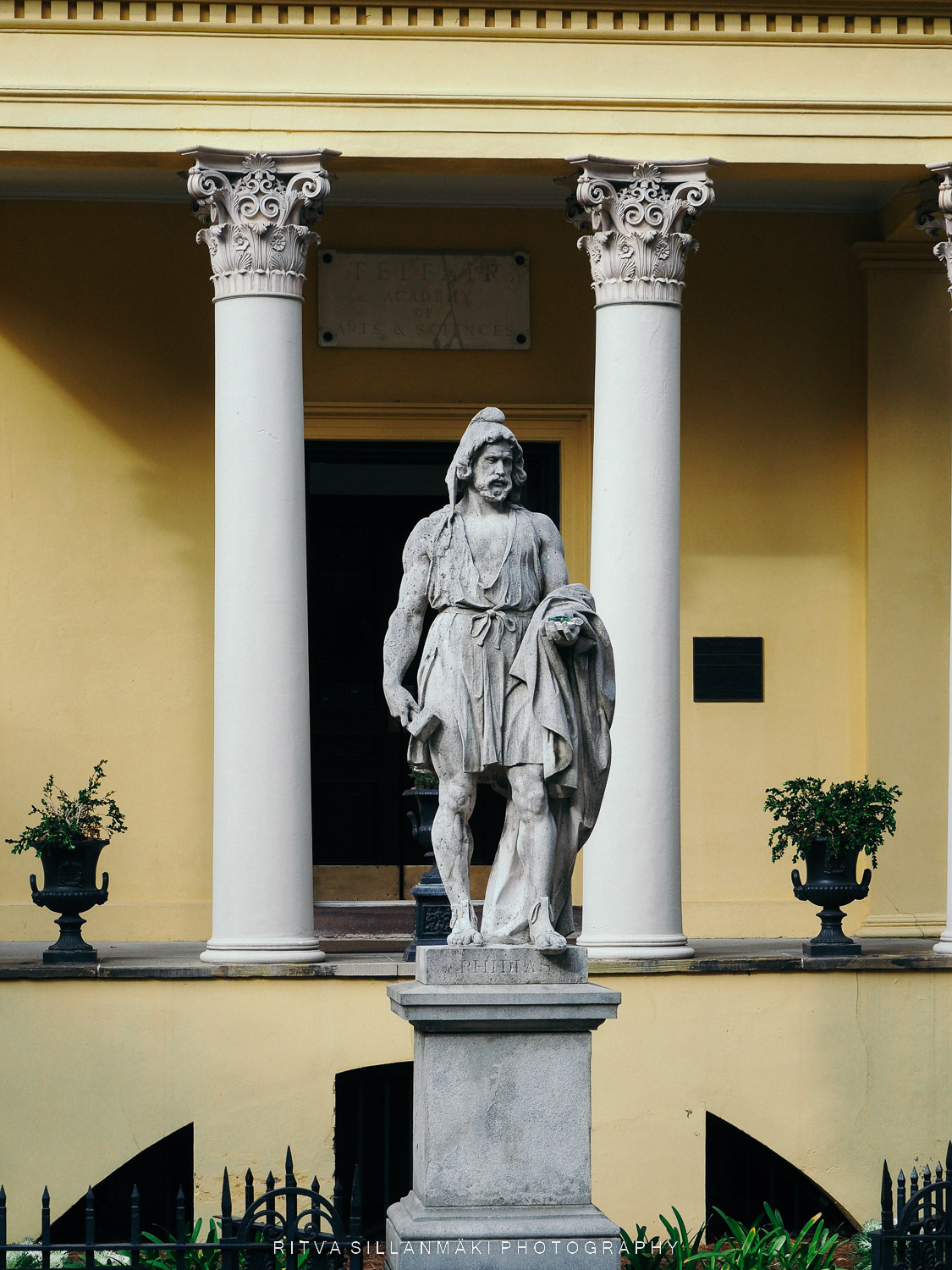
Especially famous after Midnight in the Garden of Good and Evil book’s success, The Bird Girl statue, that is on the cover of the book, became very popular. Bonaventure and the Trosdal lot, where the statue was located, were inundated with tourists, and Bird Girl was removed from the cemetery and placed in the Telfair Museum. So we didn’t see the Bird Girl but I can highly recommend visiting thecemetery.
I have to mention Johnny Mercer who was an American lyricist, songwriter, and singer, as well as a record label executive who co-founded Capitol Records with music industry businessmen Buddy DeSylva and Glenn E. Wallichs. You might know quite a few of Mercer’s songs, including “Moon River”, “Days of Wine and Roses”, “Autumn Leaves”, “Hooray for Hollywood”, “Jeepers Creepers”, and “One for My Baby (and One More for the Road).” He received nineteen Oscar nominations and won four Best Original Song Oscars.
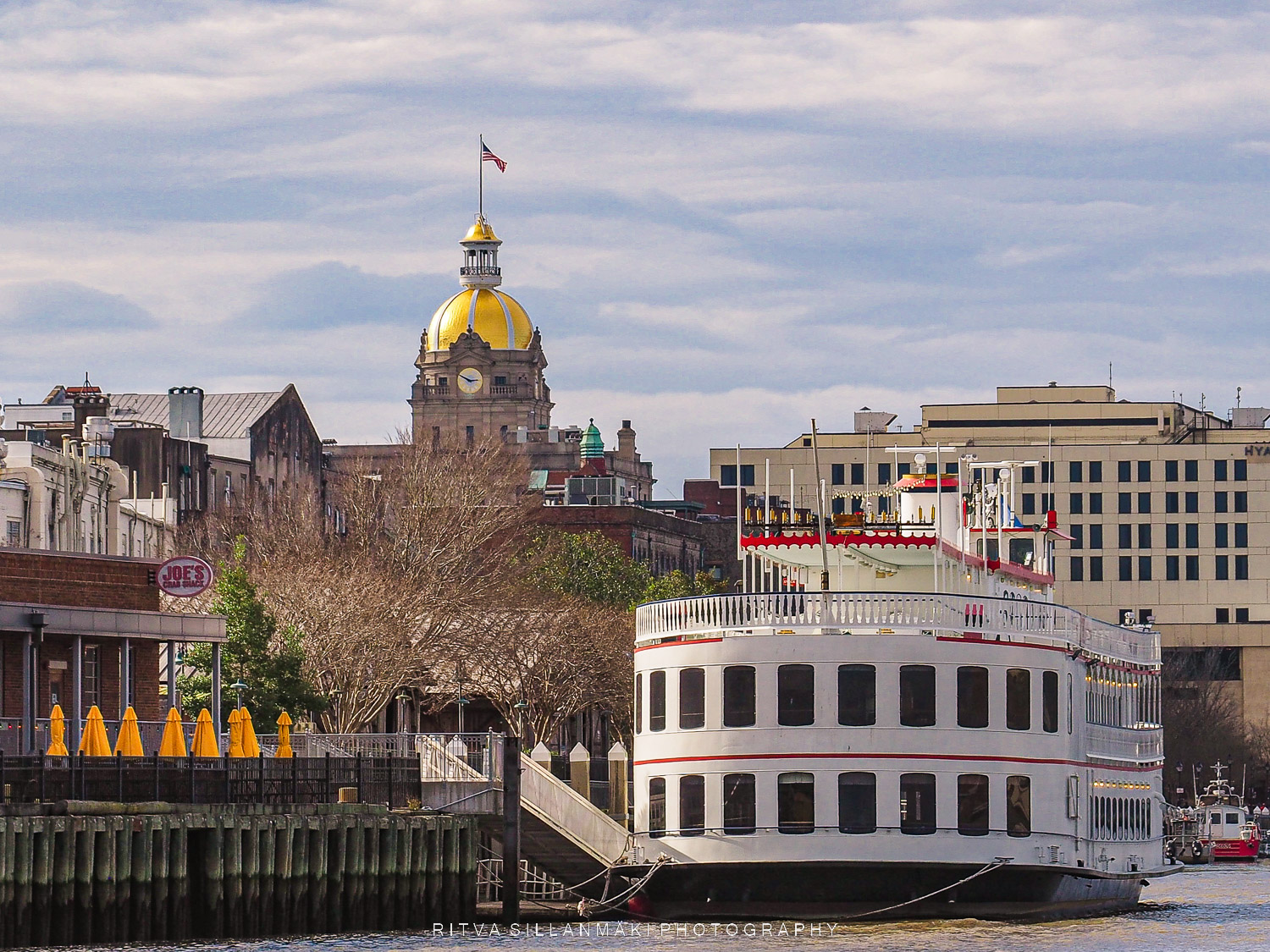
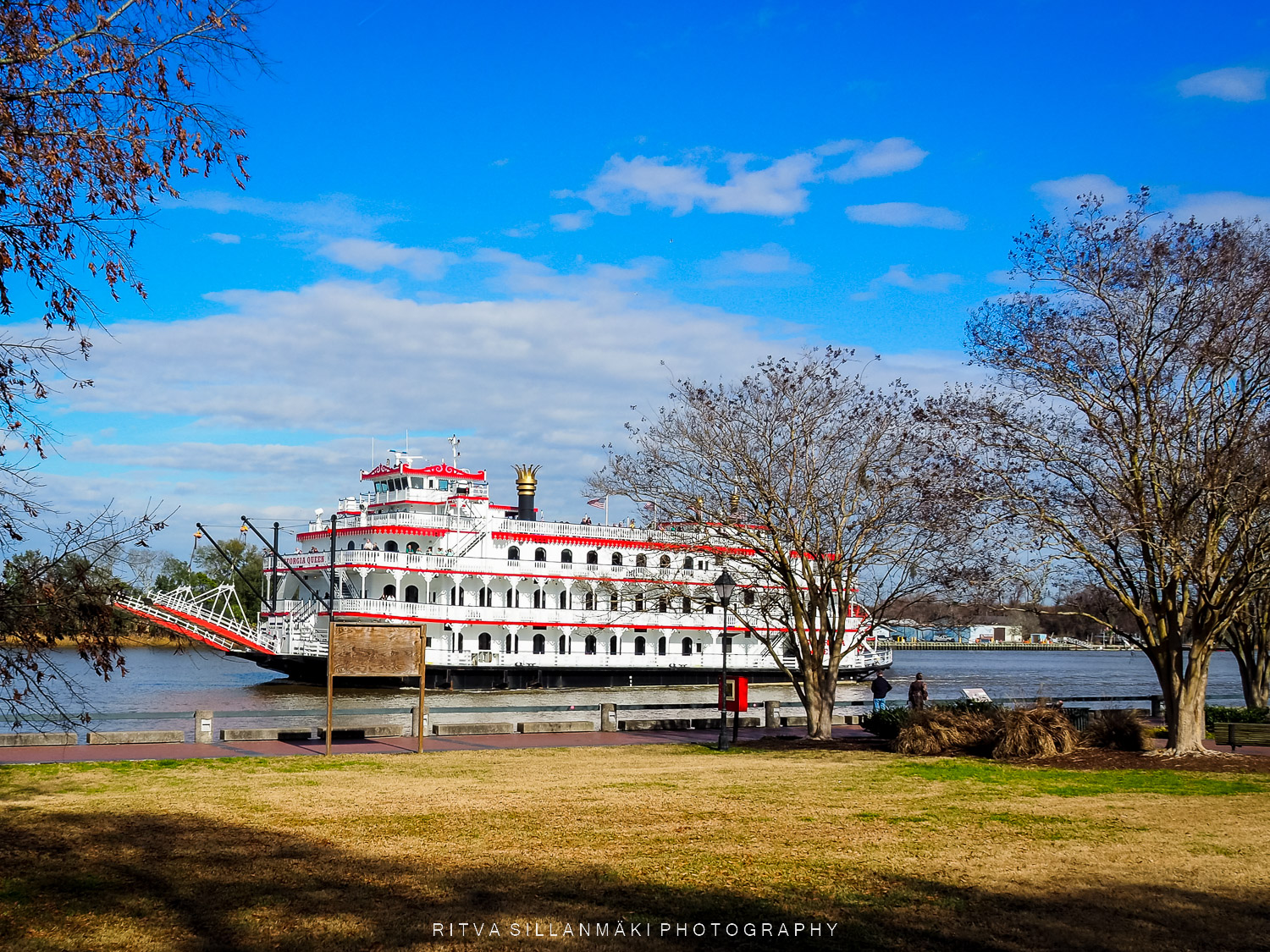
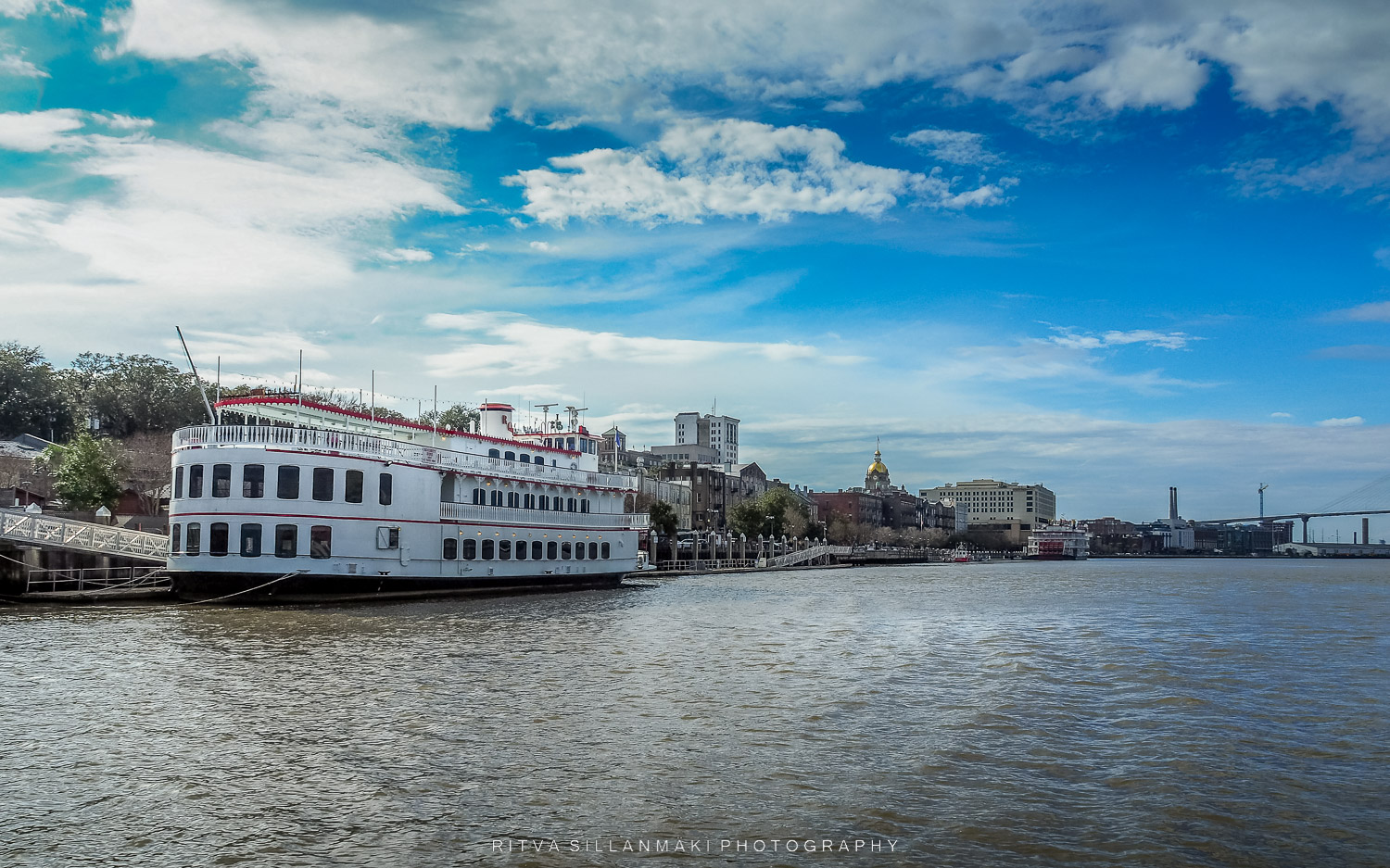
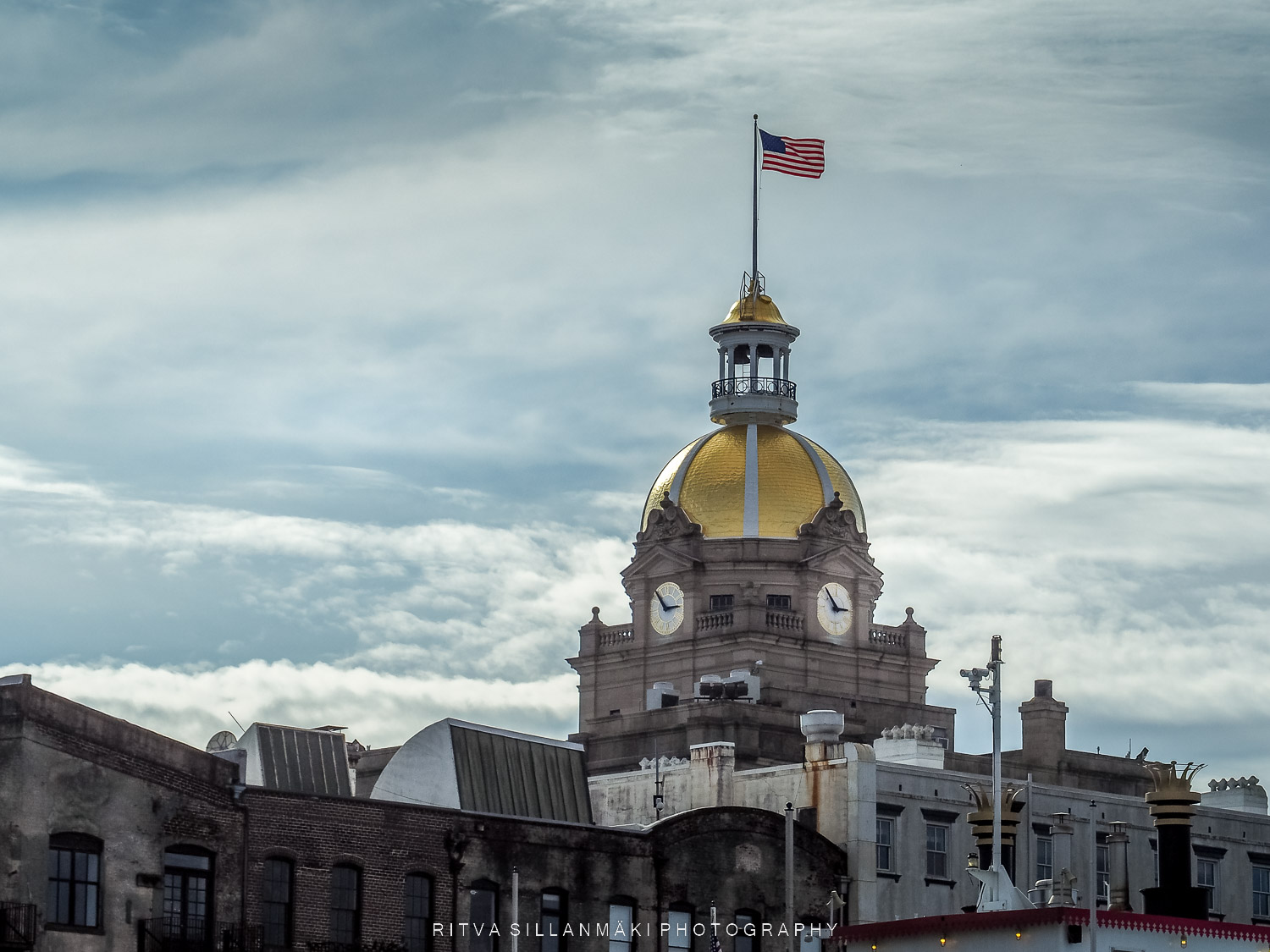
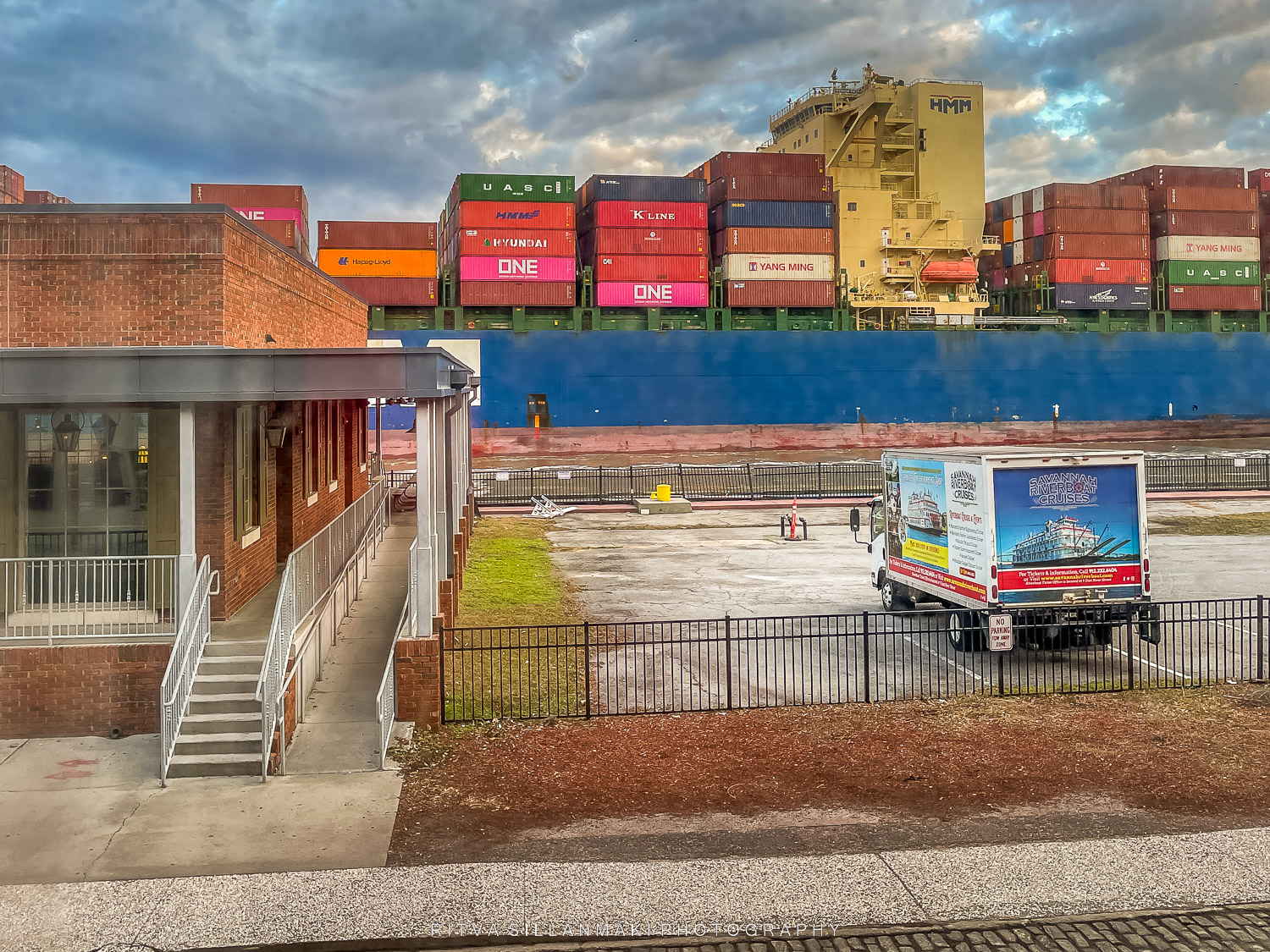
Talking about Belles, in the afternoon we rode the free Savannah Belles ferry on the Savannah River. The ferries sail a triangle between the Waving Girl Statue, the City Hall and Convention Center. The view wasn’t that great but at least we can say we were on the Savannah River. Also, we met a very nice Polish American couple from New Jersey on the ferry. I guessed their origins from his accent. However, it was the lady who did most of the talking and boy could she talk. After we parted, she walked back to us and gave us their email address in case we ever need a place to stay in New Jersey. Nice!
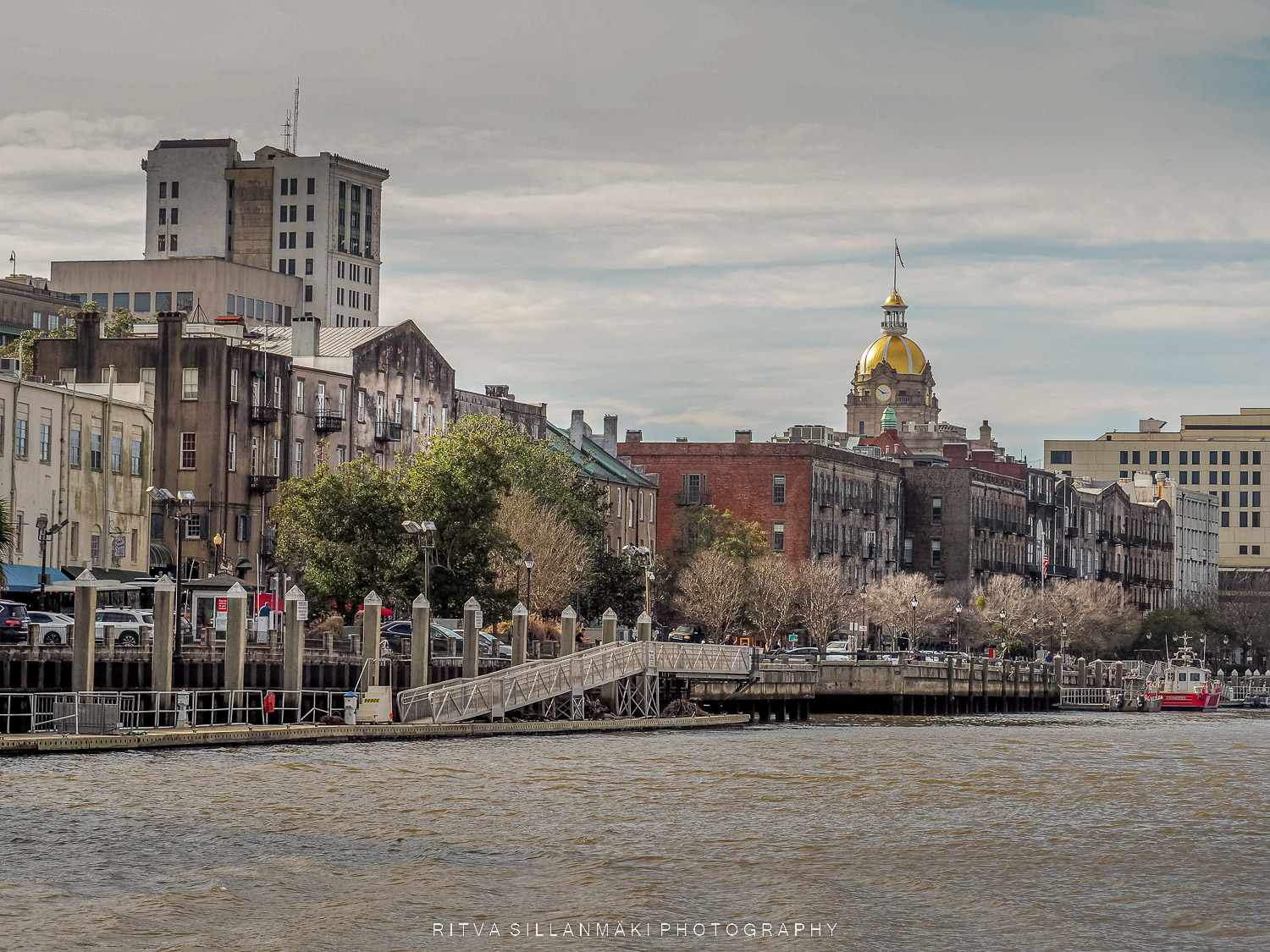
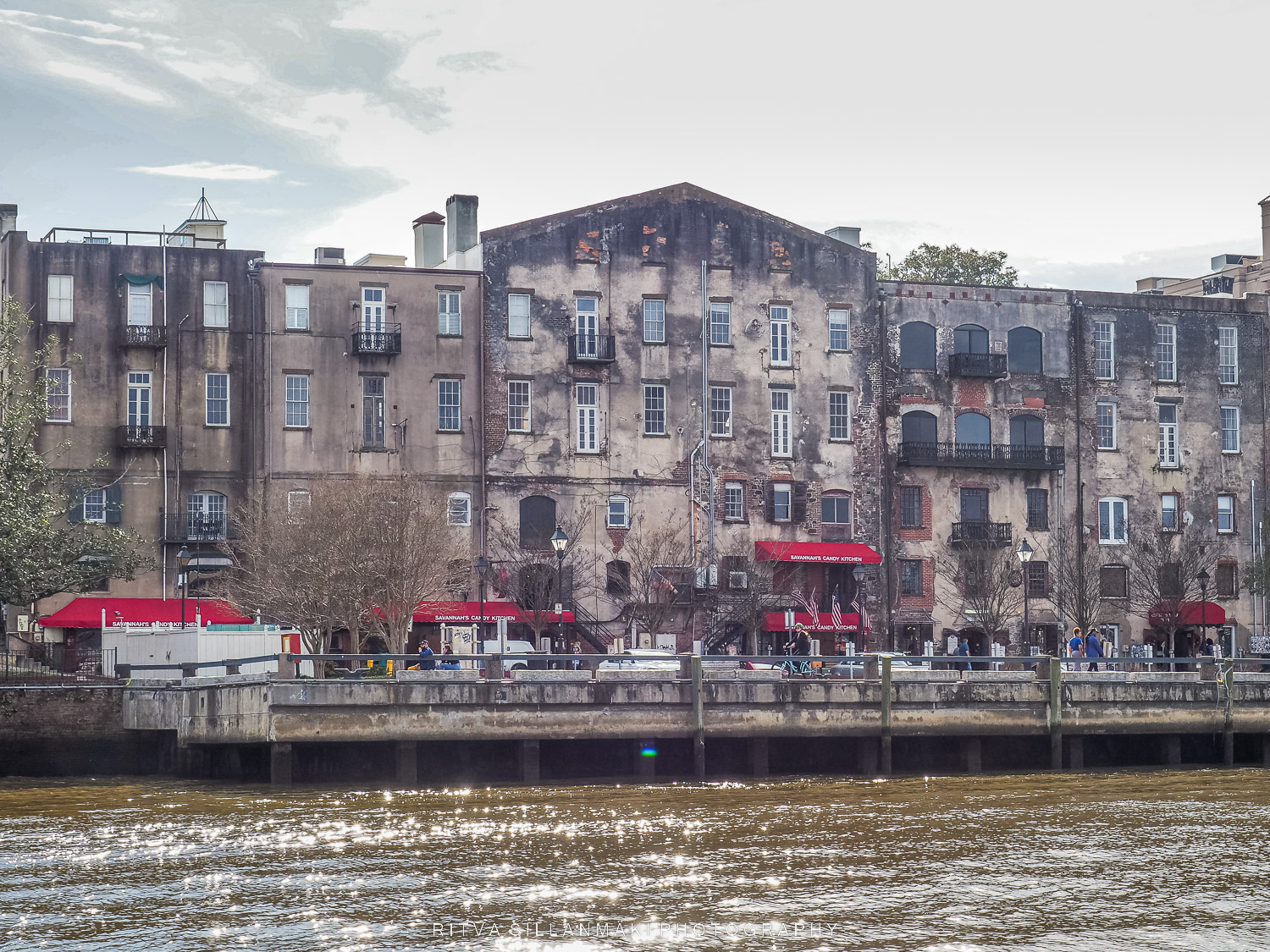
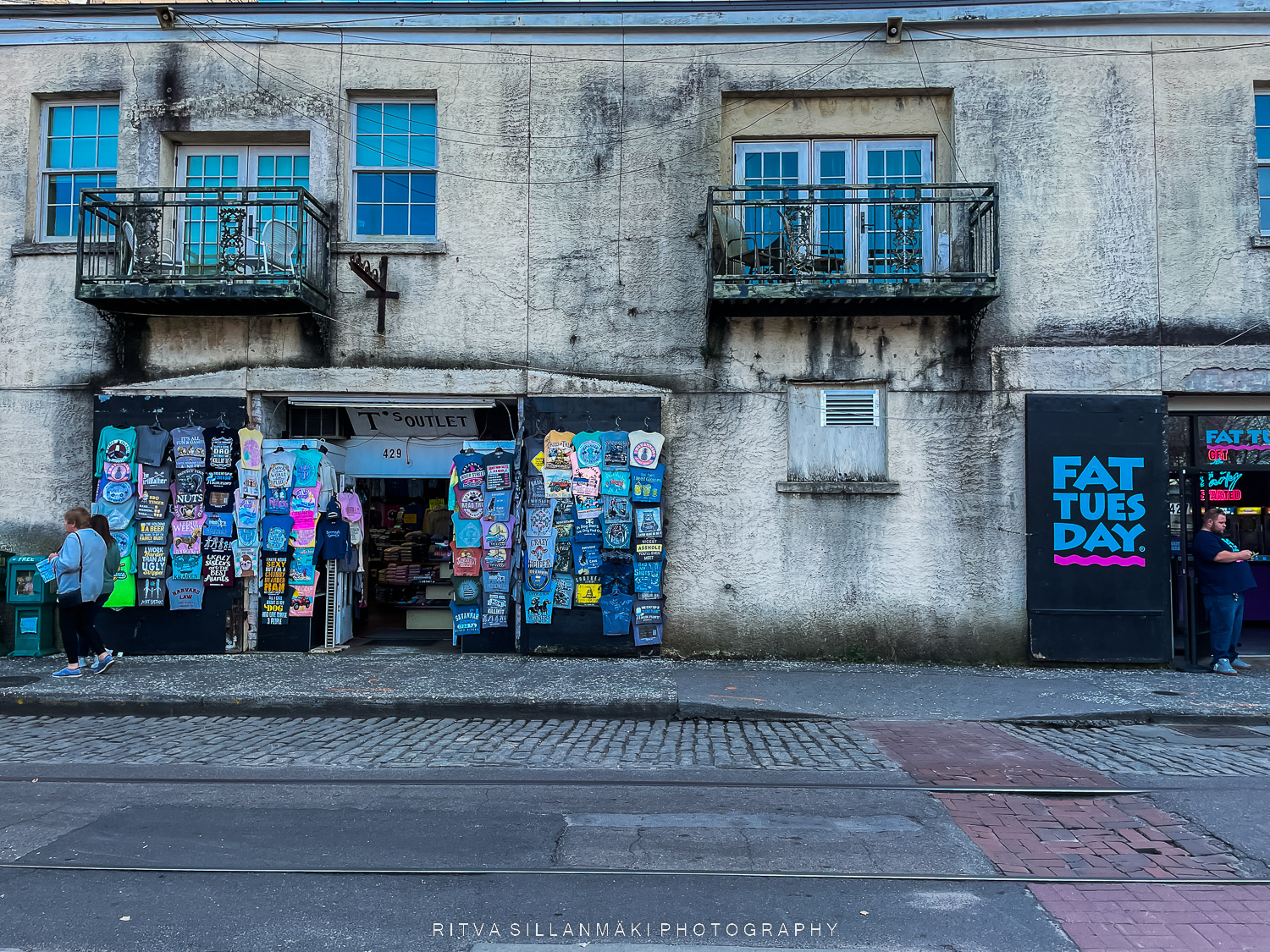
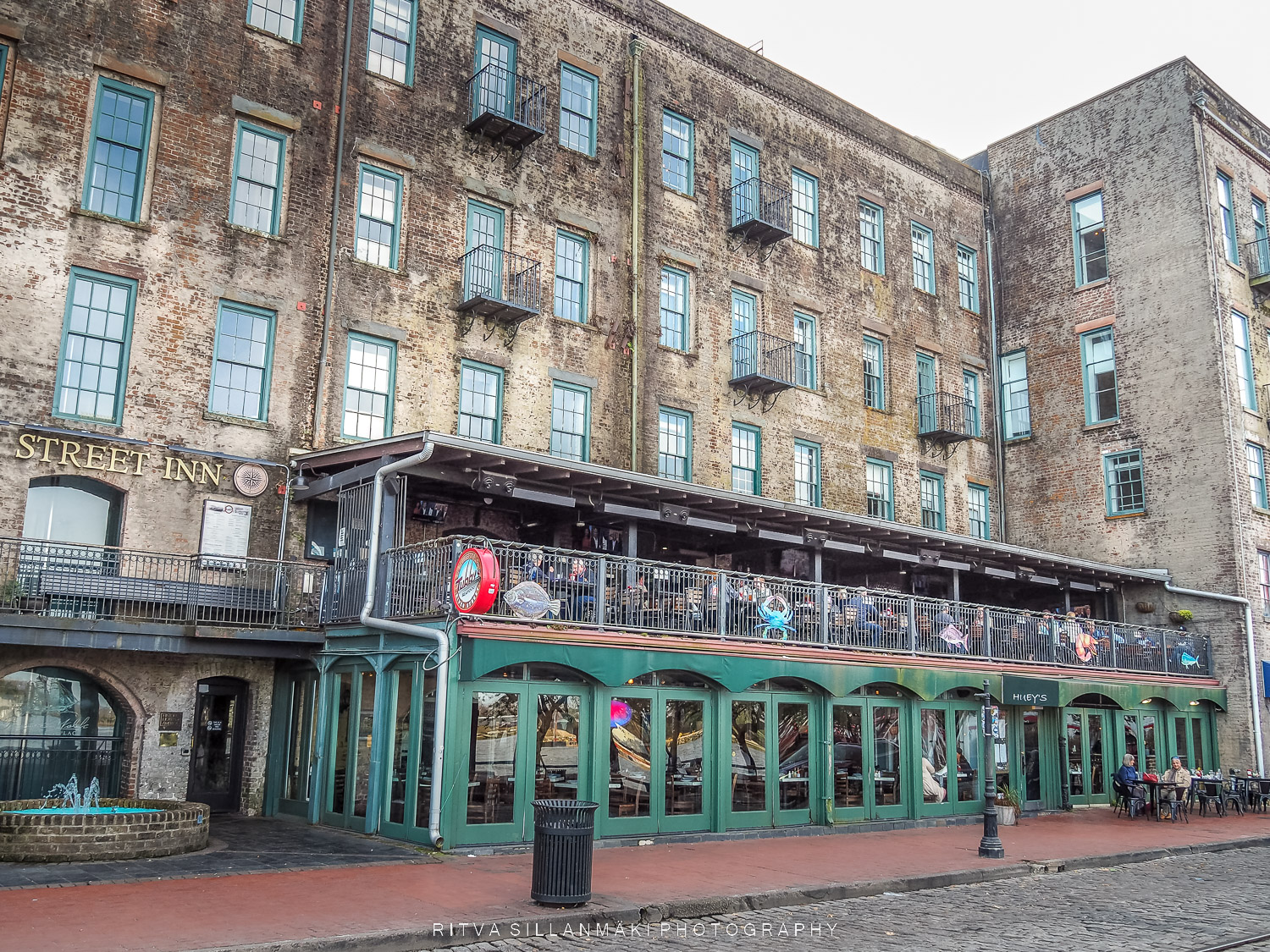
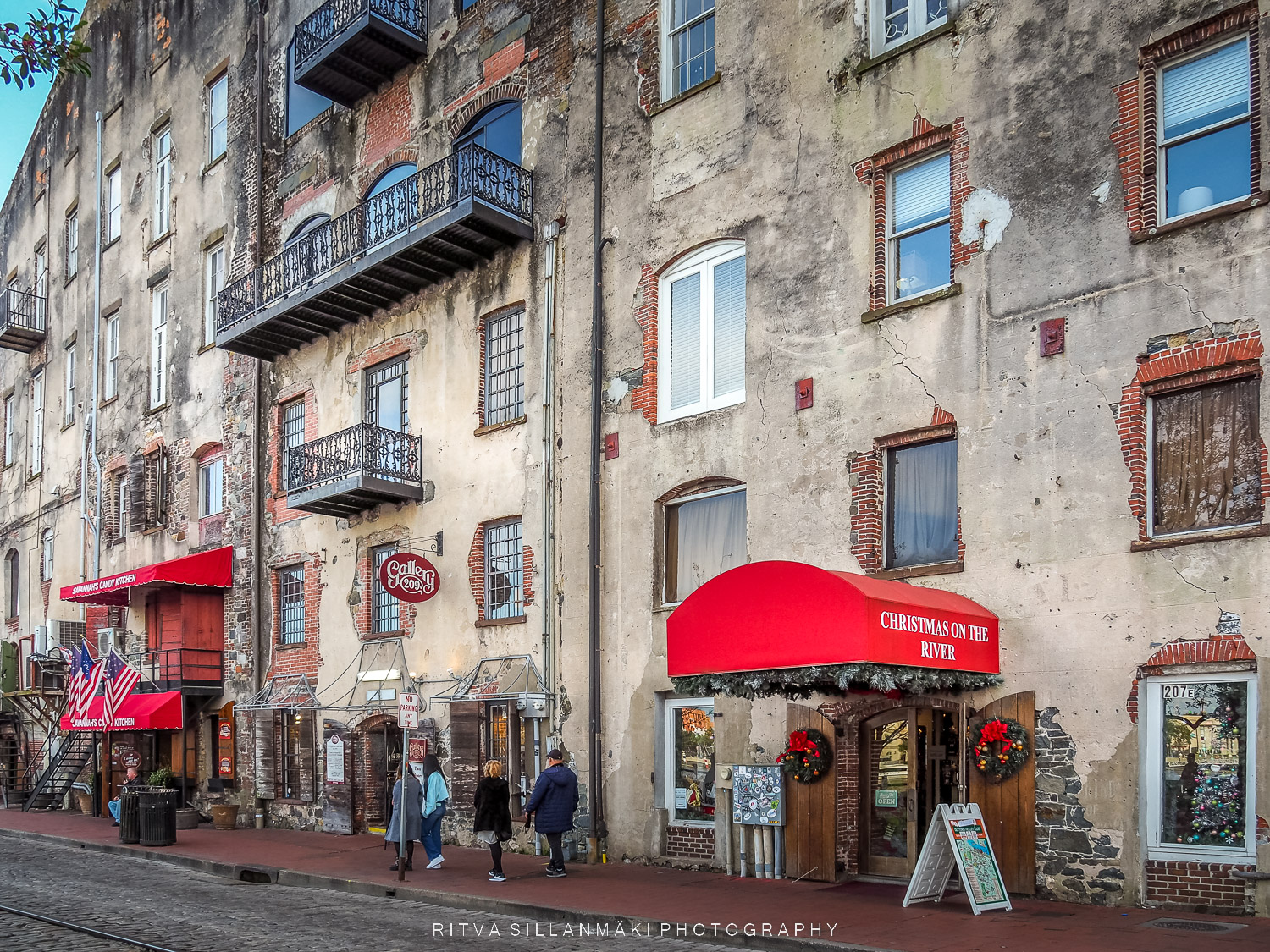
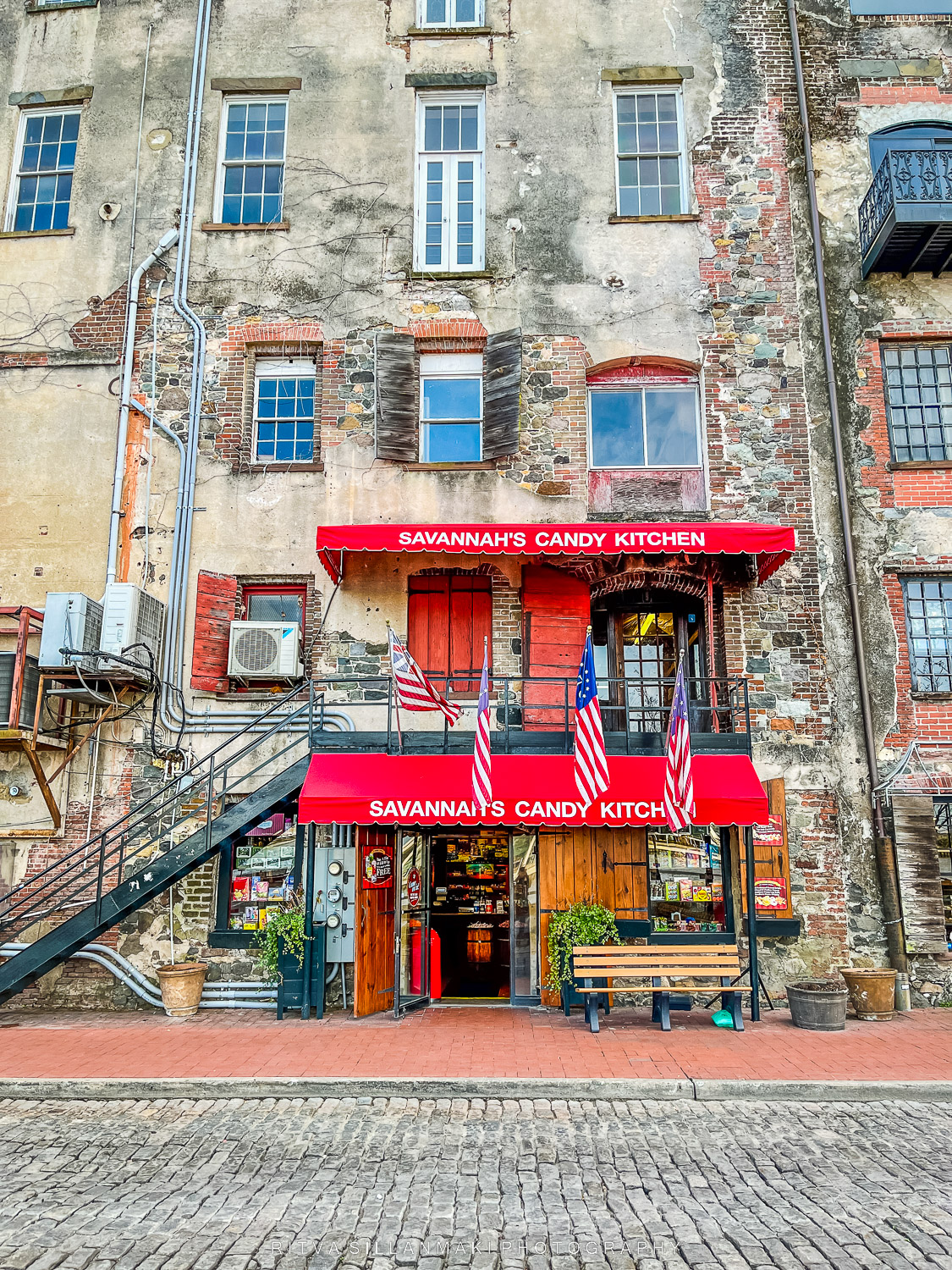
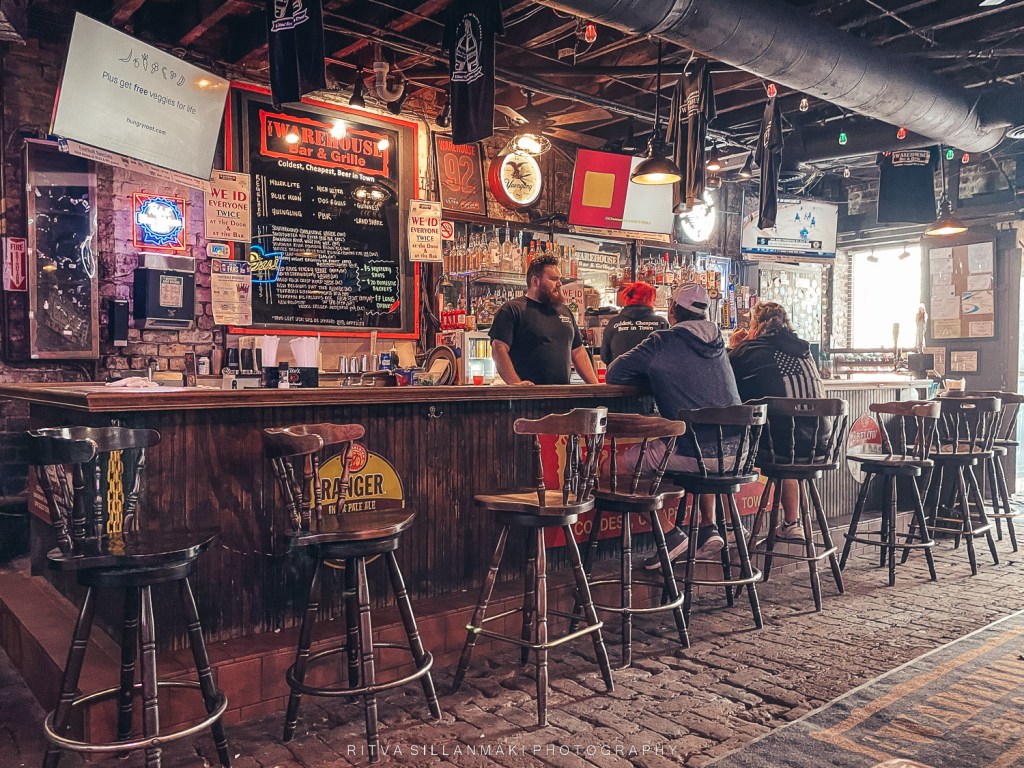
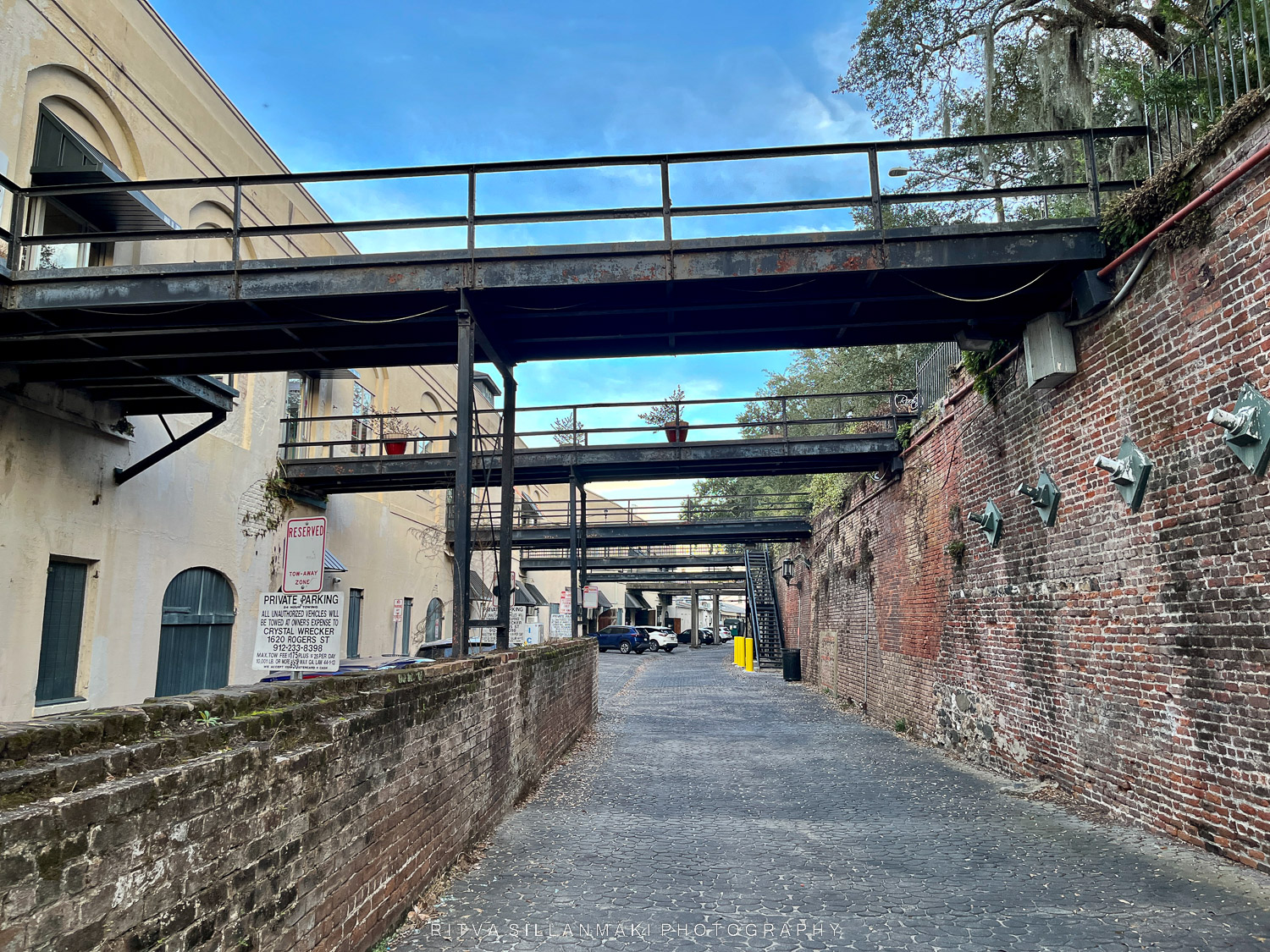
After the ferry we walked along the River Street enjoying its old warehouses with their shop, restaurants and bars. We had drinks at the Warehouse Bar & Grillissä and then we had to hurry back to the hotel for the complimentary cocktail hour. The evening was spent on the River Street again having dinner at the Vic’s By The River, where we had the pleasure of tasting Shrimp and Grits.
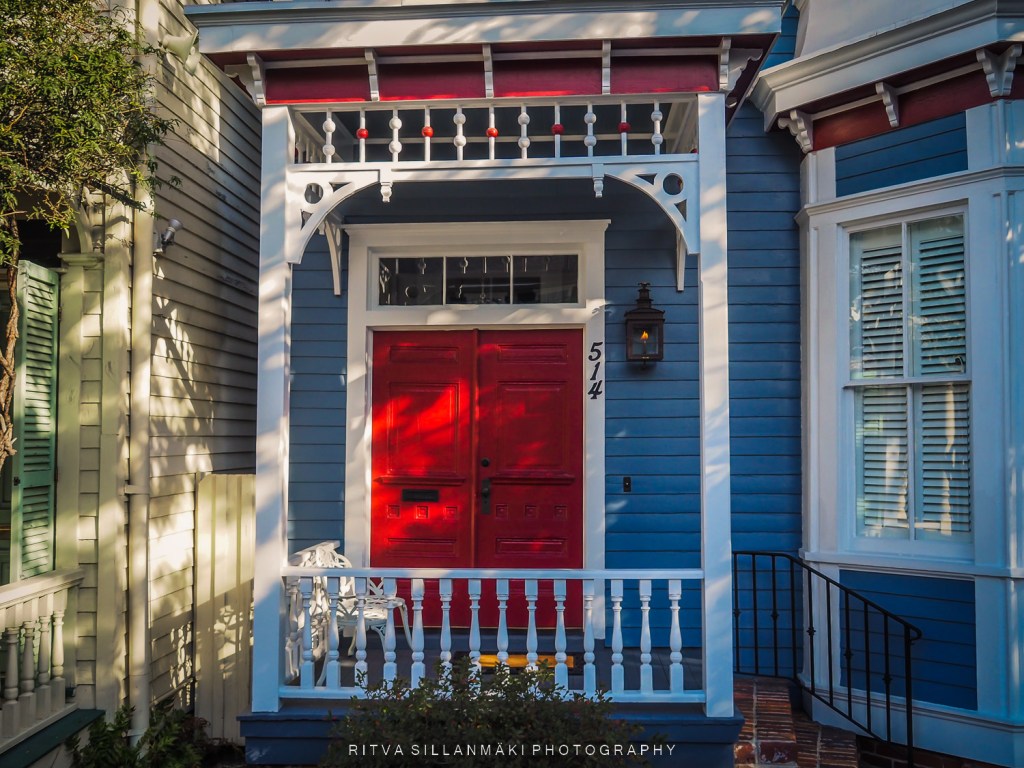
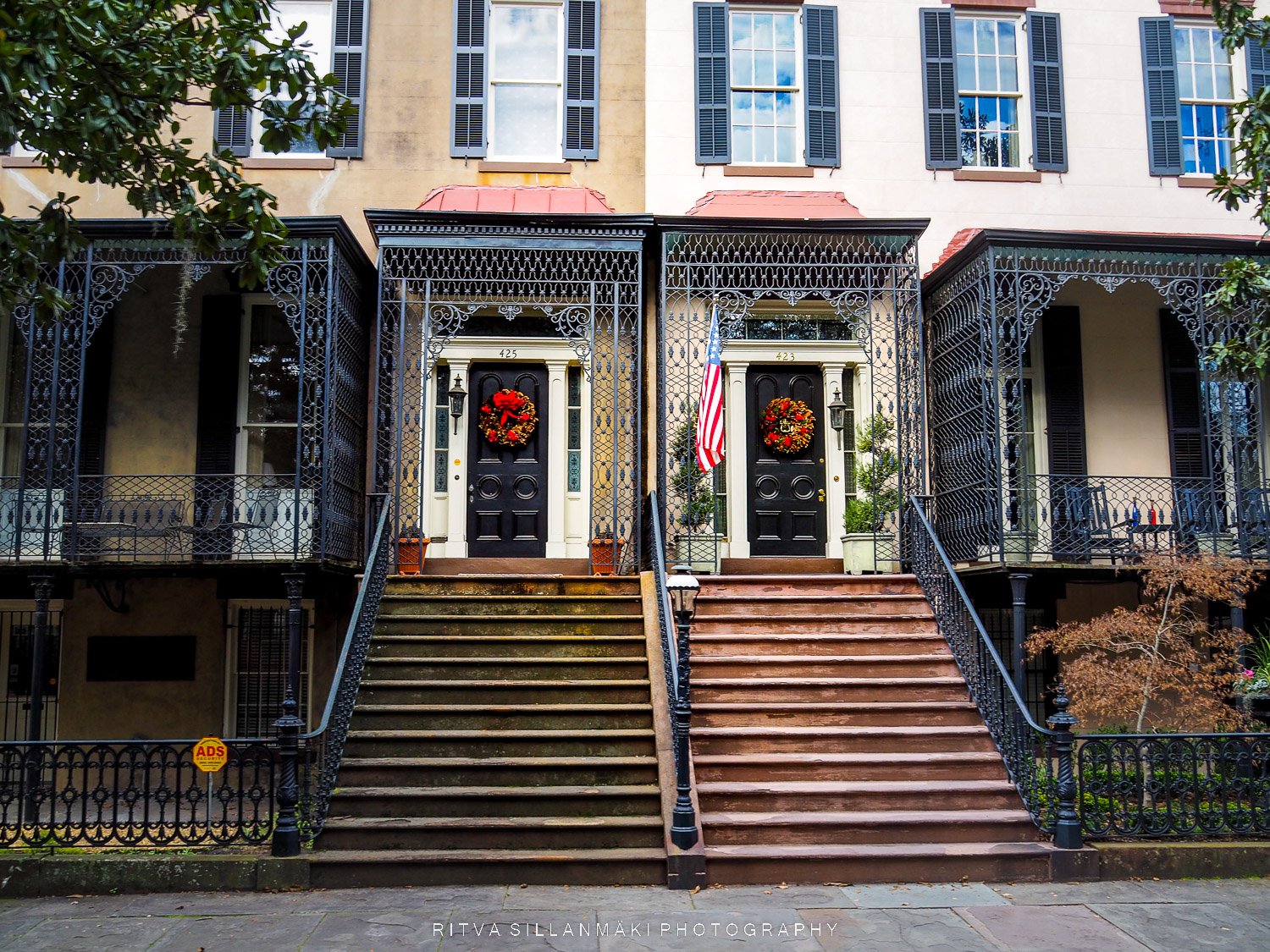
Couple extra facts: If you paint the front door of your home or business red in Savannah, Georgia, it means you have paid it off and are the 100% owner.
Comgrats, paid it off and are the 100% owner.
Savannah has the McDonalds with walk-through window. There is a restaurant where you can get deep-fired peanut butter and chocolate chicken wings,
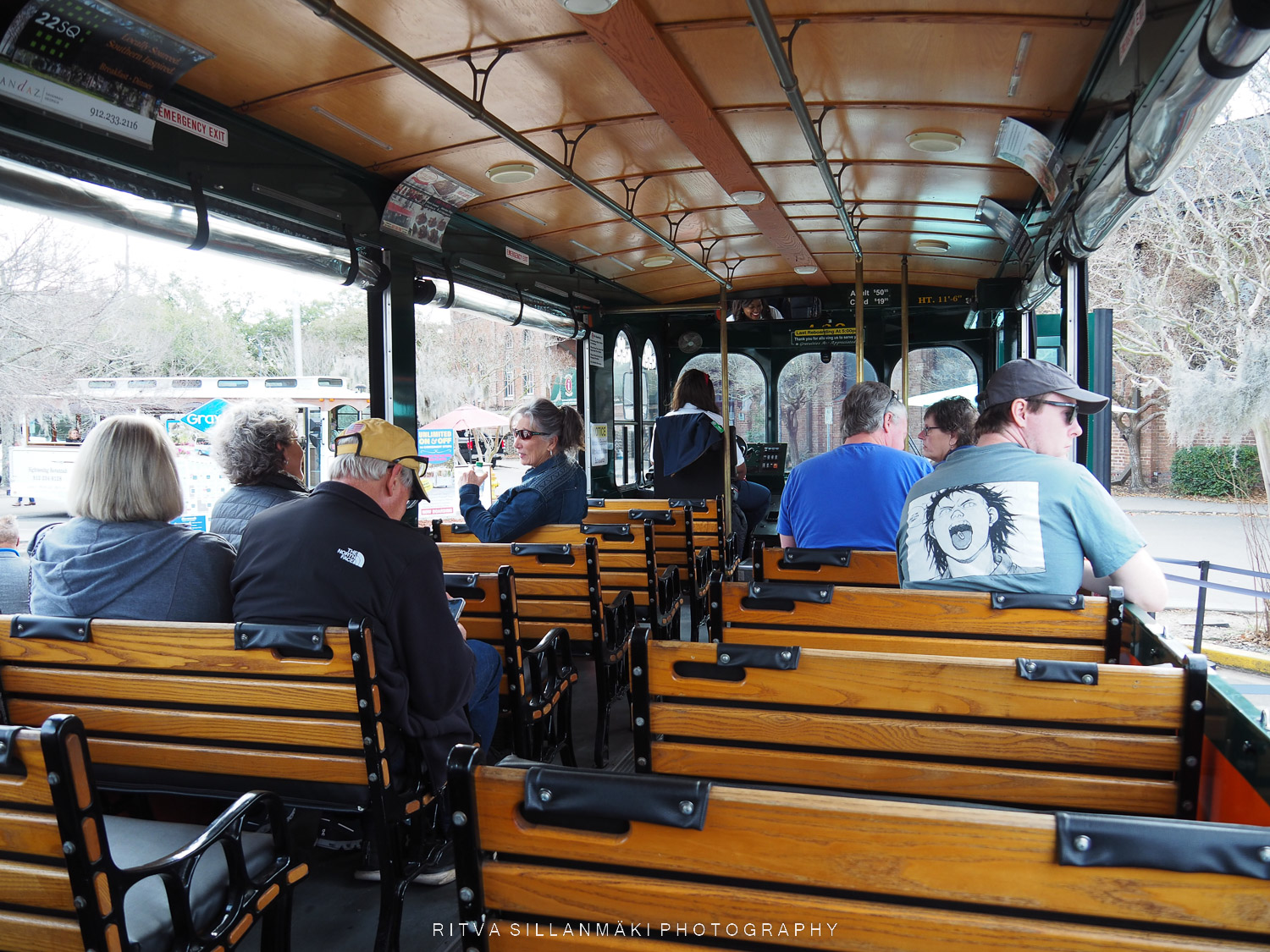
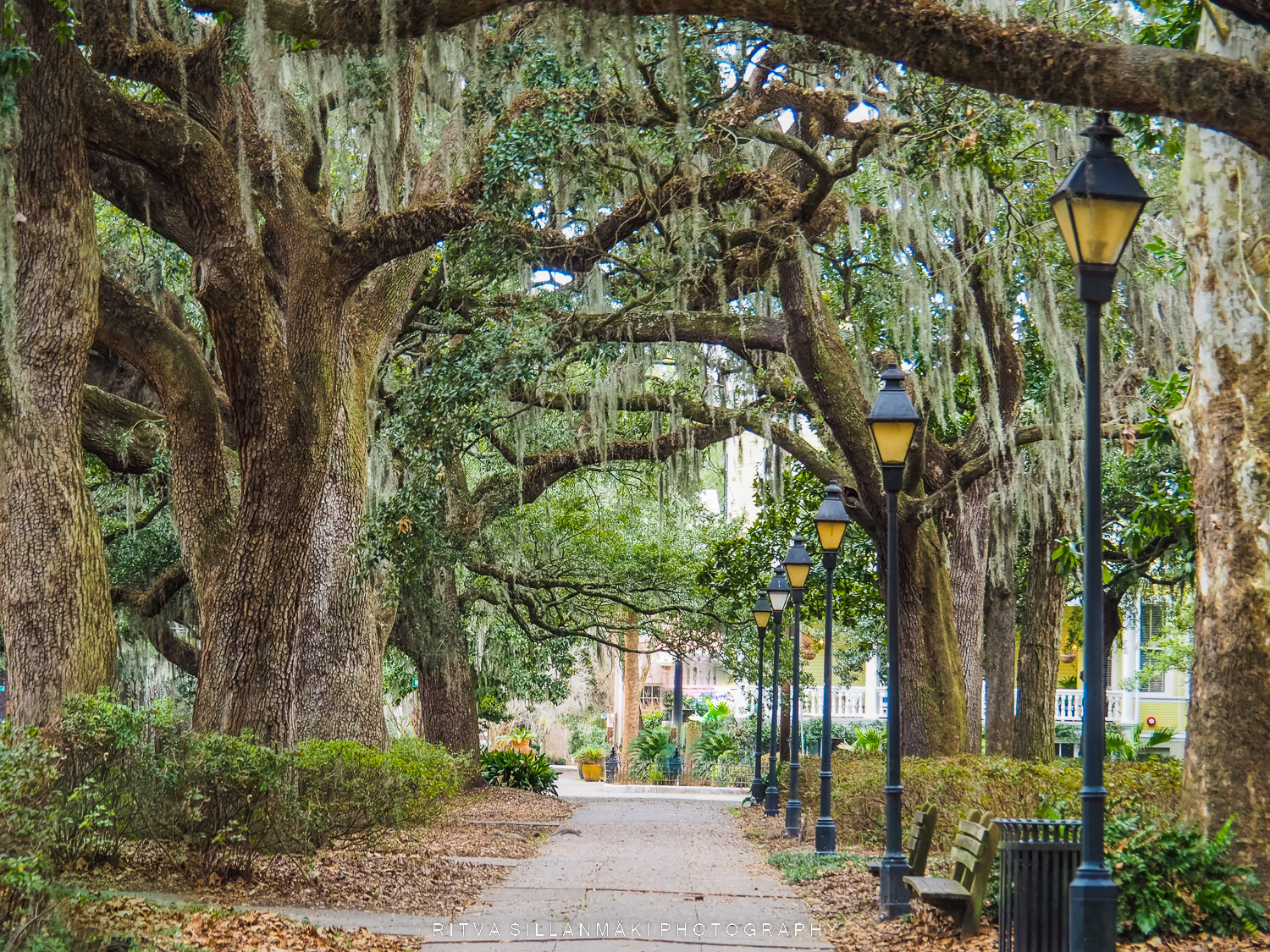
After breakfast we took the Old Time Trolley Tours Hop-on Hop-off busses. We were able to use our hard-earned vouchers from Hilton Head Island ��. The tickets were $51/person, so I felt like a winner. Unfortunately, we didn’t have time for the Ghosts & Graves Tour. There was so much to take it during the tour – old historic buildings, squares and parks and the bus drivers/tour guides were such a wealth on information. We rode with three different guides, and some parts of the tour were the same, but the stories were a little bit different according to the guide. The most entertaining driver was an African American woman named Red . She was a barrel of laughs. All her stories were in a told tongue-in-cheek style, but I have no doubt they were all true, all the same.
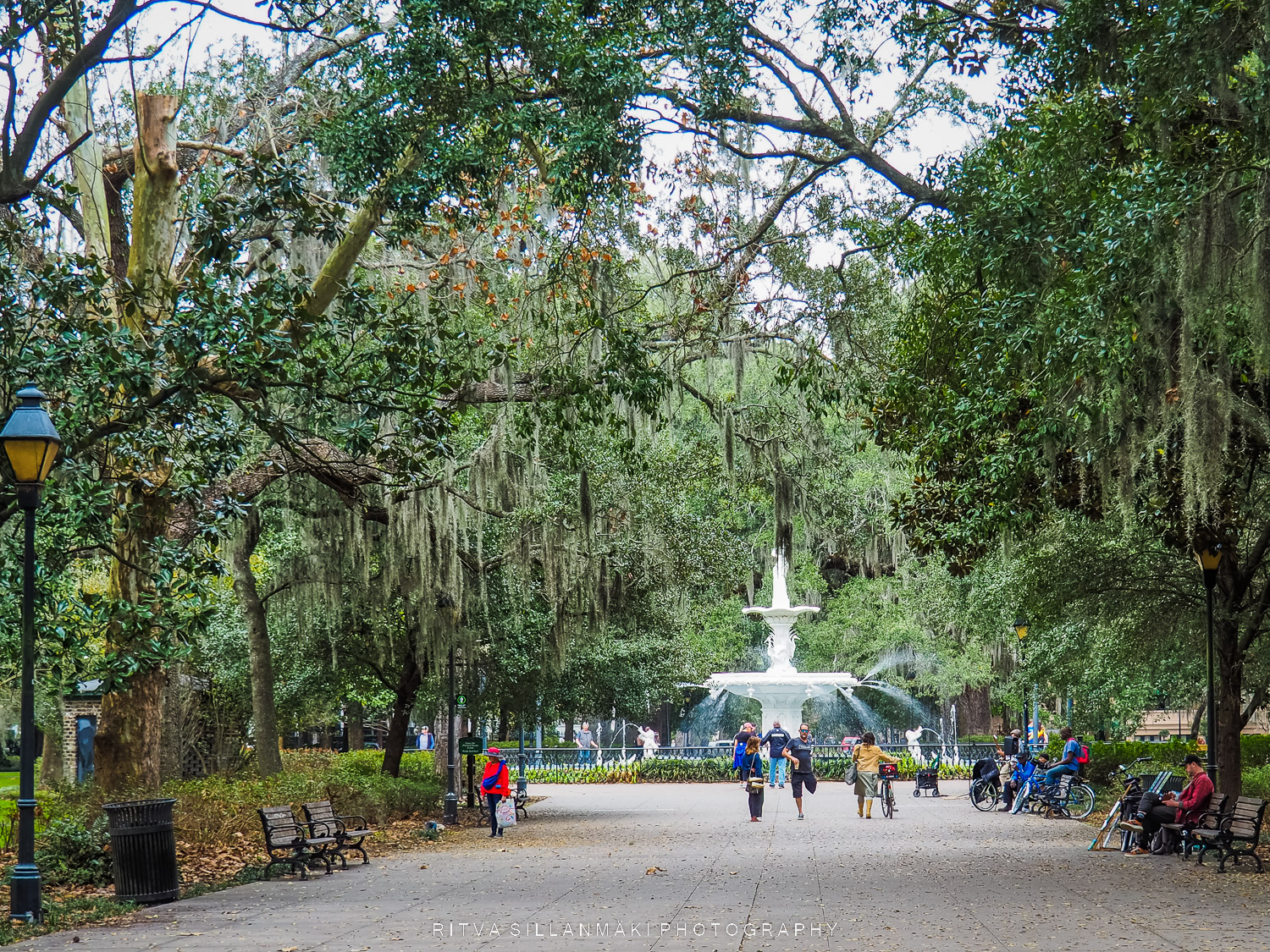
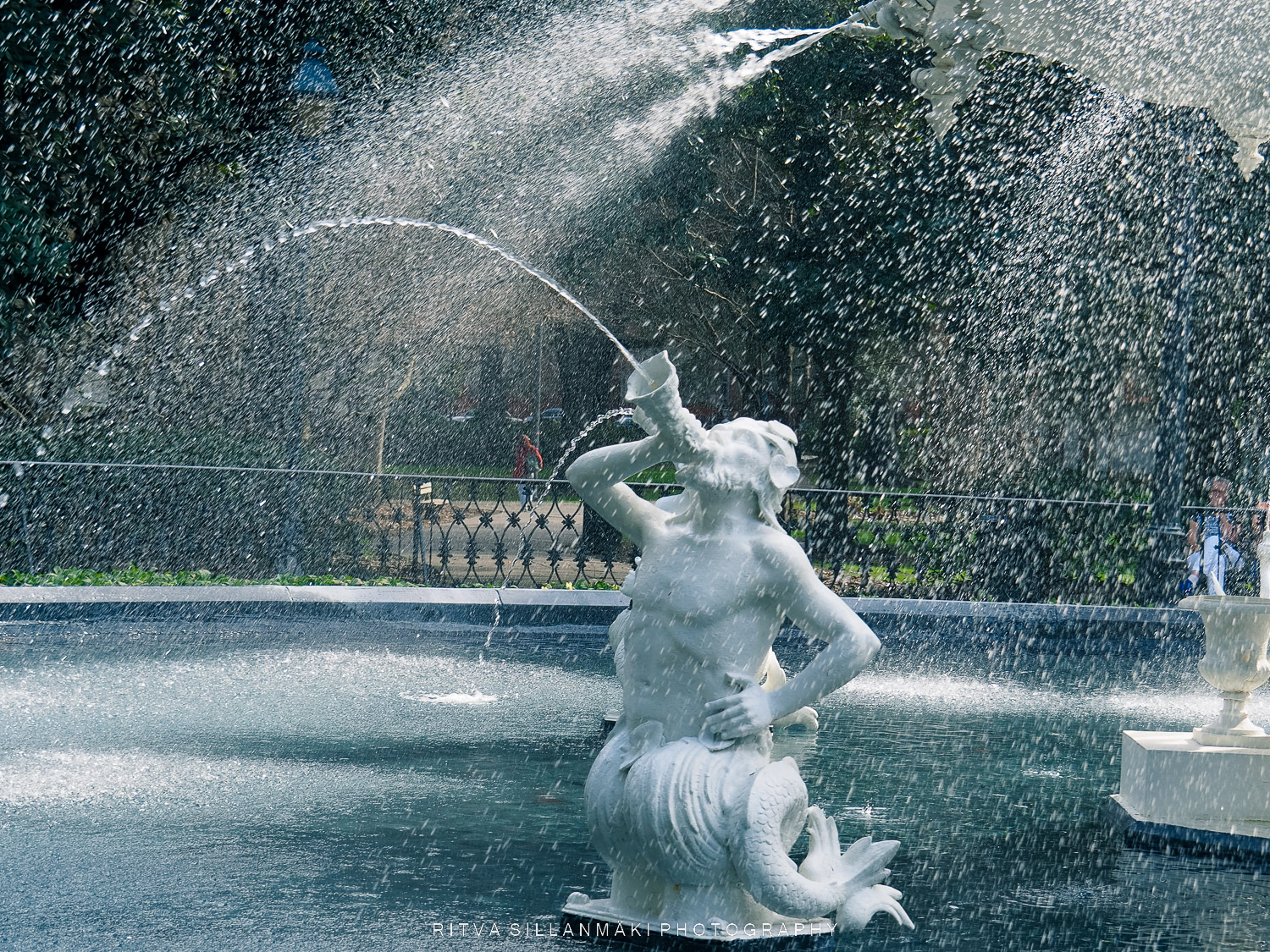
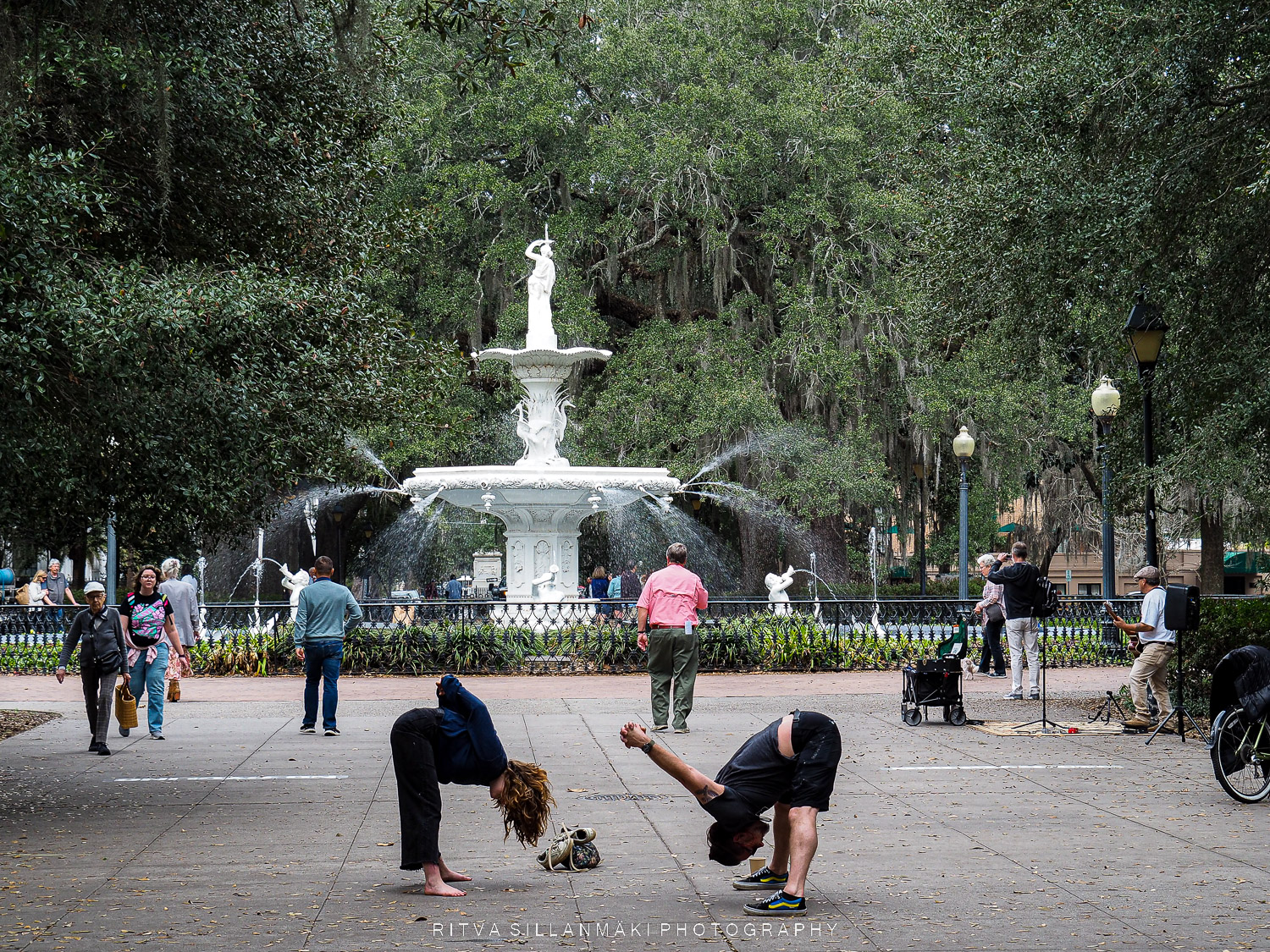
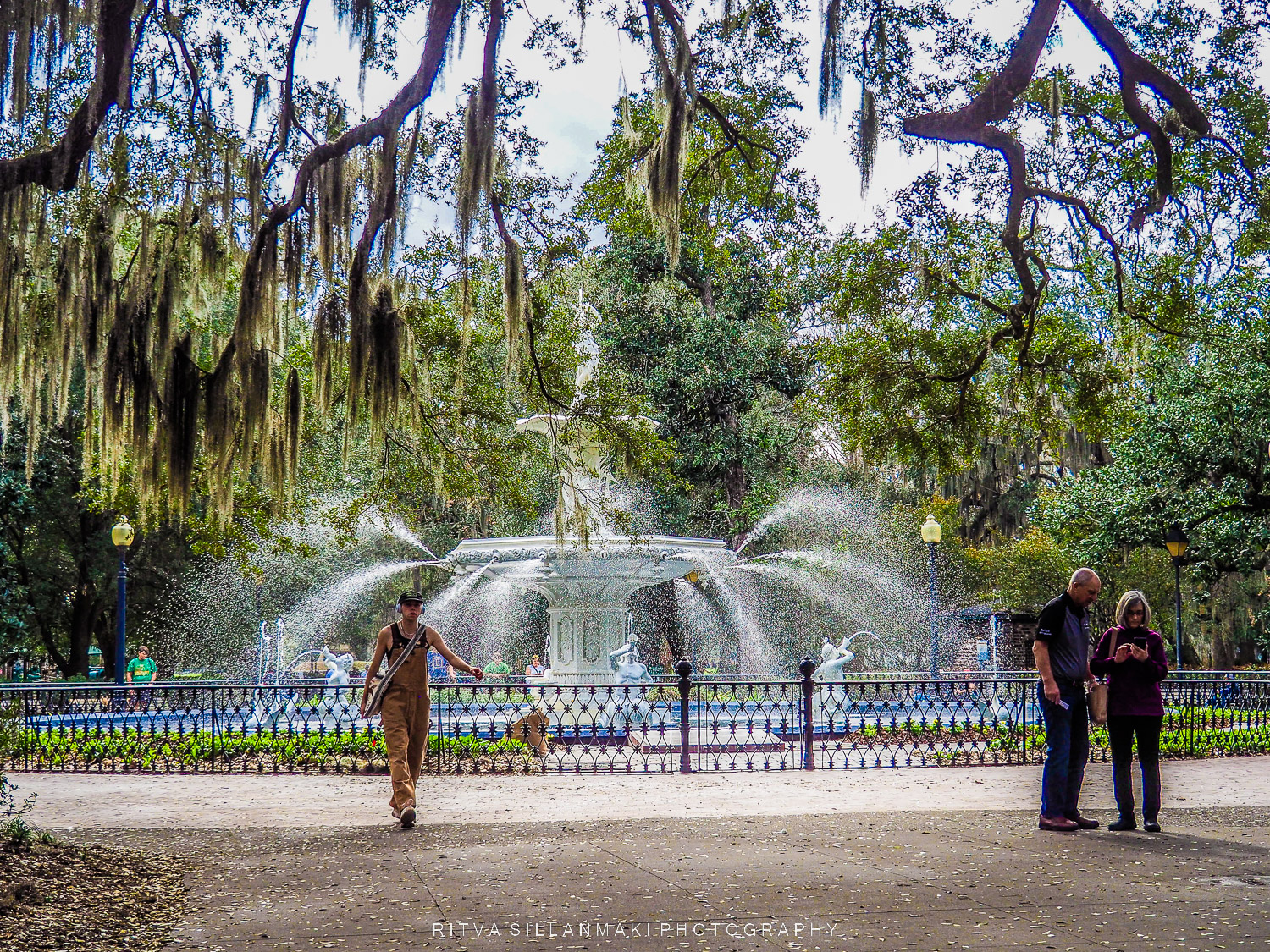
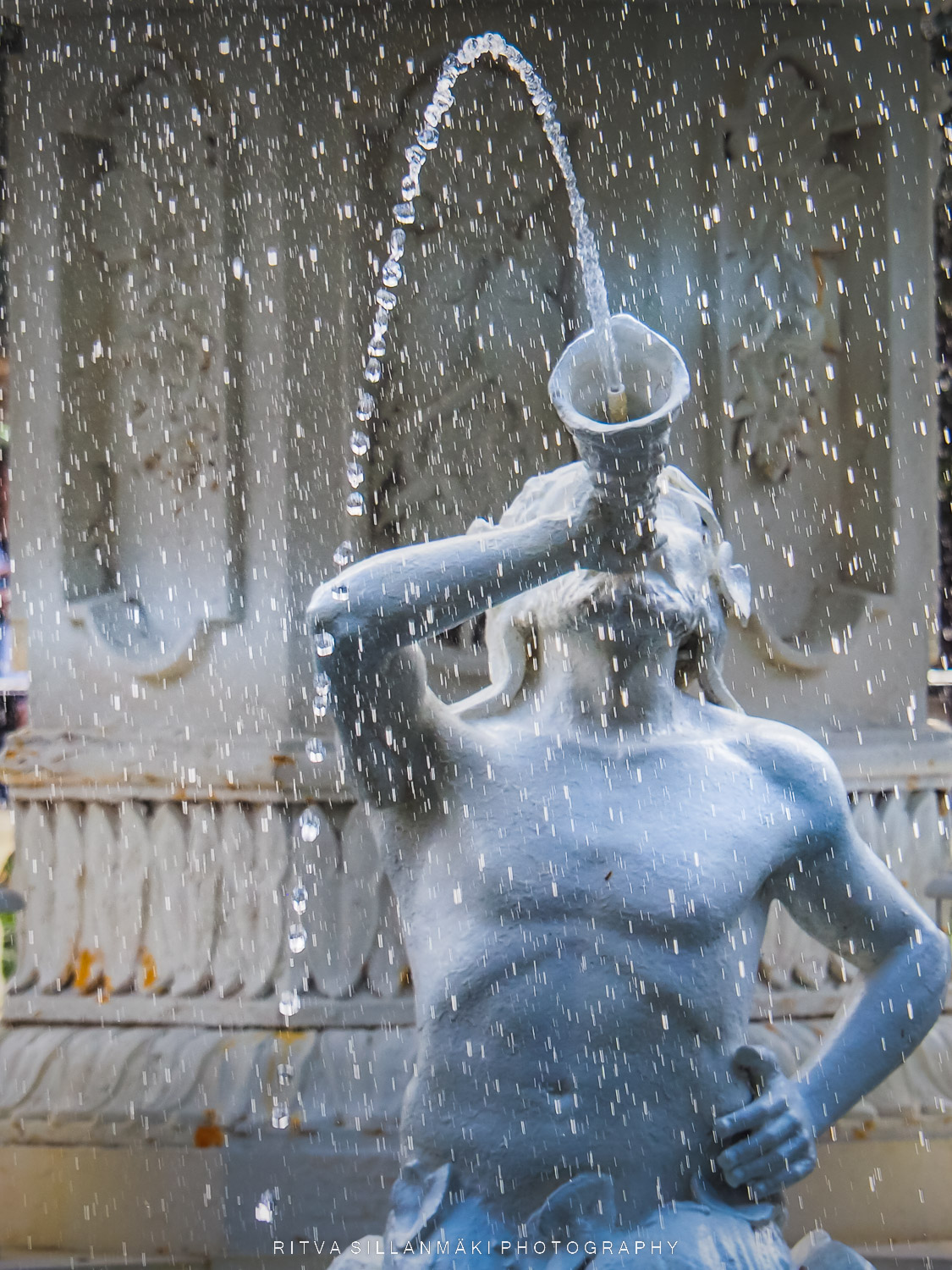
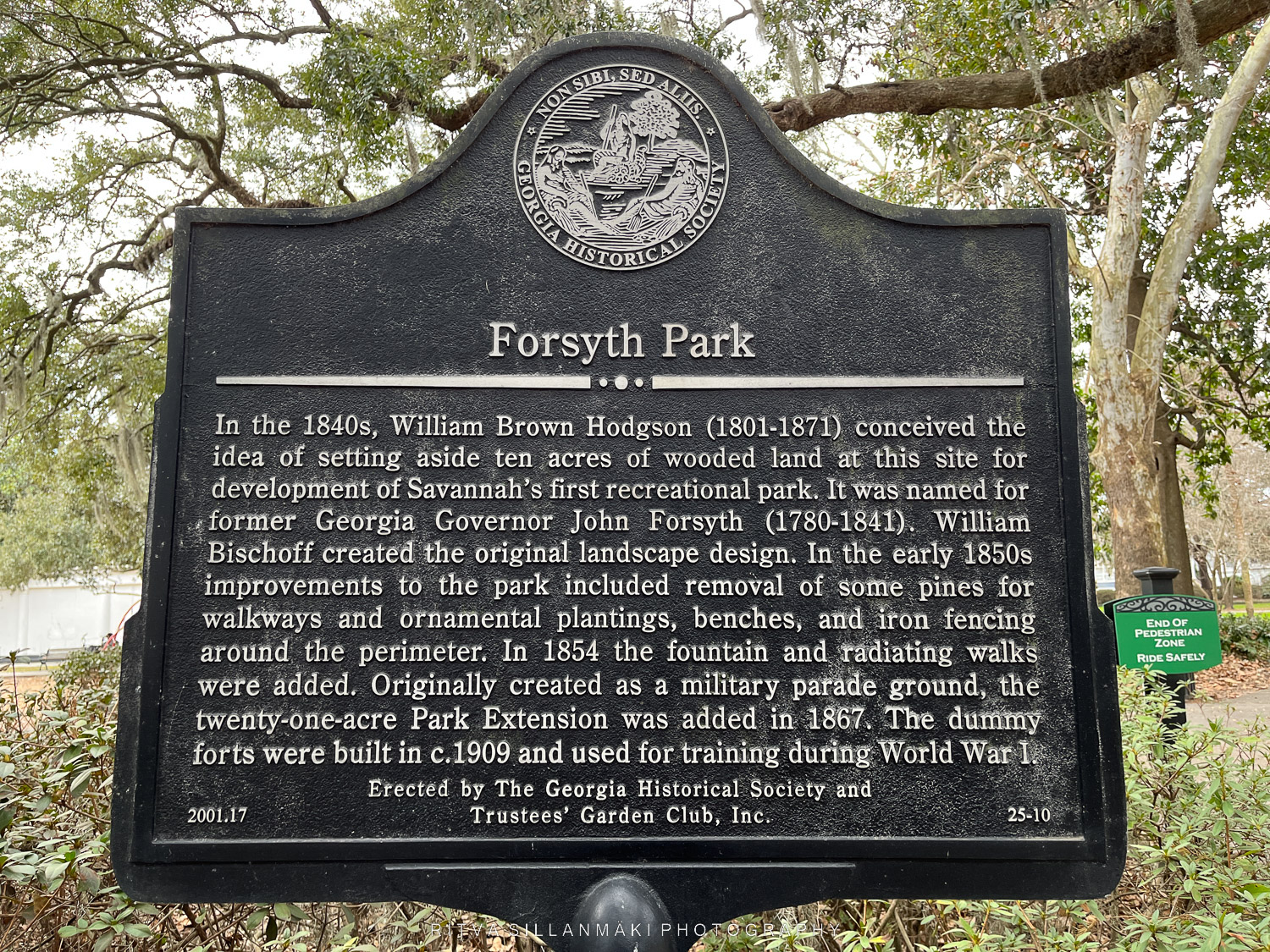
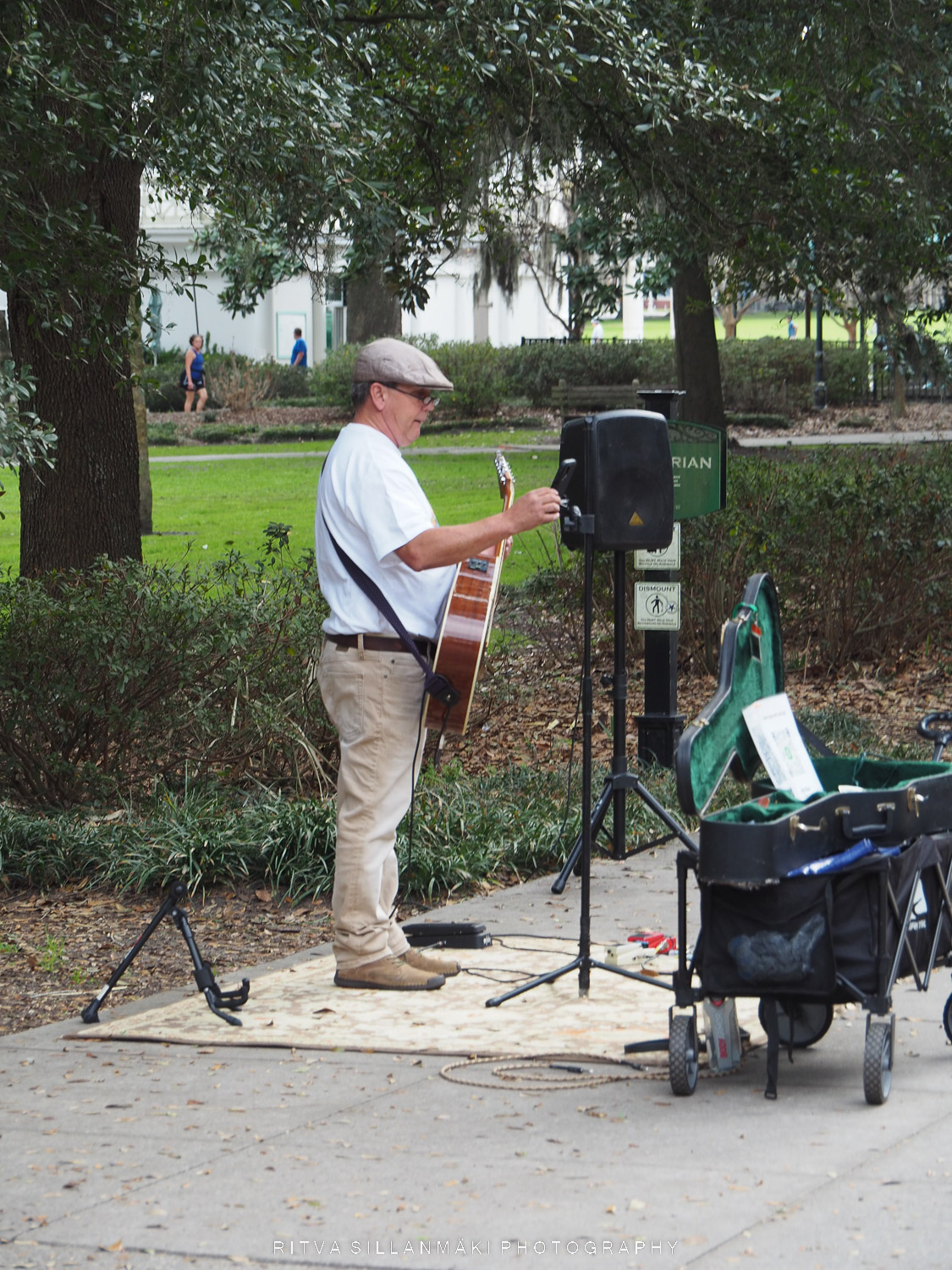
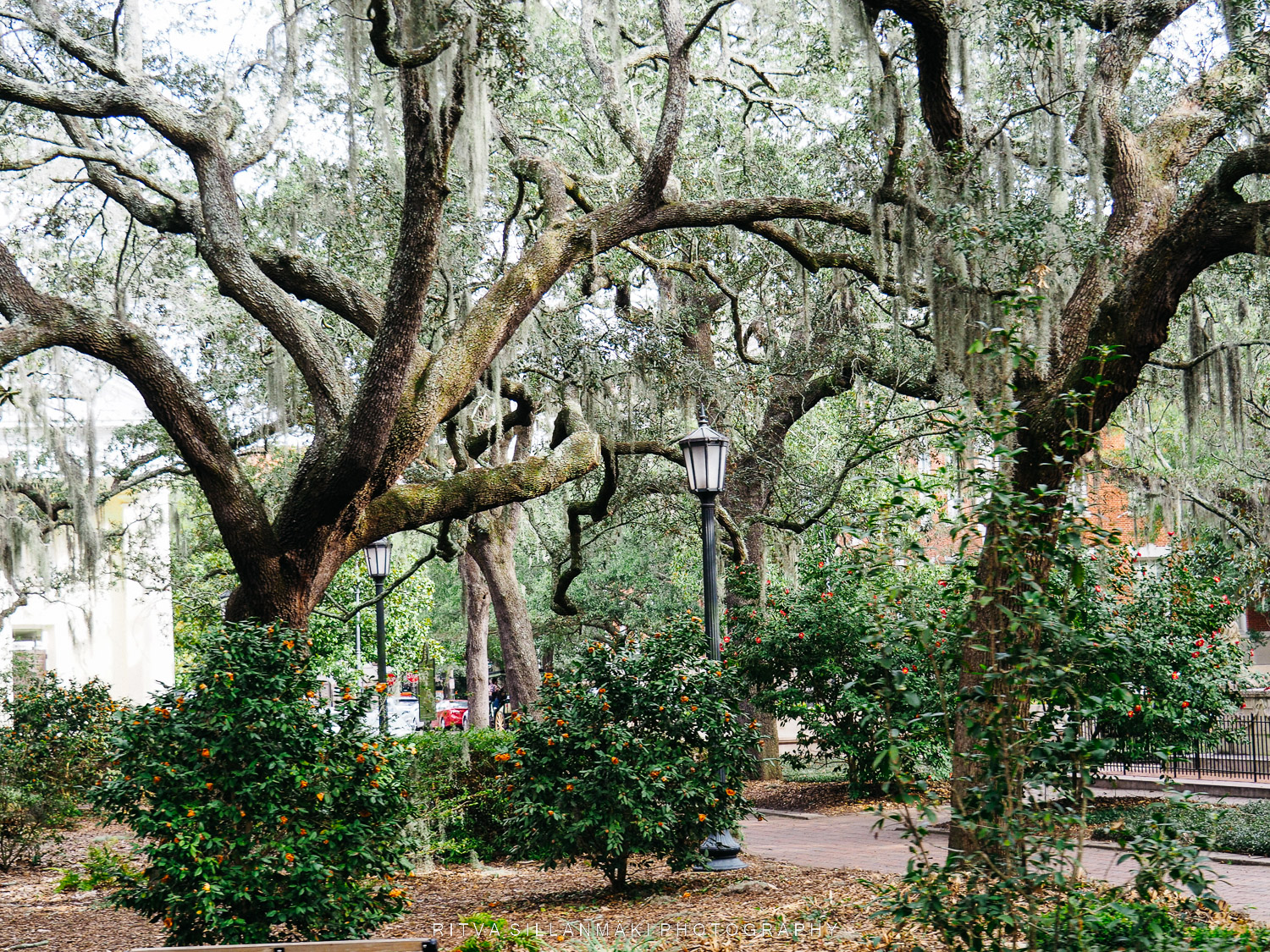
First hop-off at the Forsyth Park were we also had lunch in the café. The park had plenty of artists and Jehova’s Witnesses. Luckily the JW people don’t bother you anymore on the street. I guess they have different approach nowadays or they save the push tactics to home visits. There was a filming of another tv-program or movie on the way in one city block.
Didn’t see any famous actors. Quite a few movies have been made in Savannah and guides pointed out, for example, where the bus-stop for Forrest Gump was situated and renowned Six Pence Pub on Bull Street is where Julia Roberts’ character and her on-screen husband play out a significant film scene in Something to Talk About.
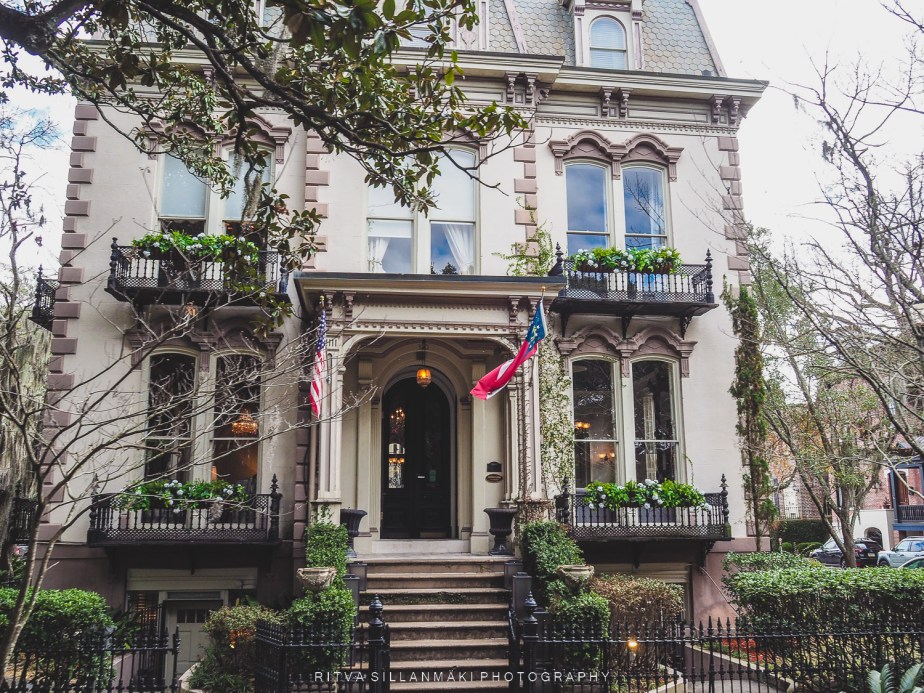
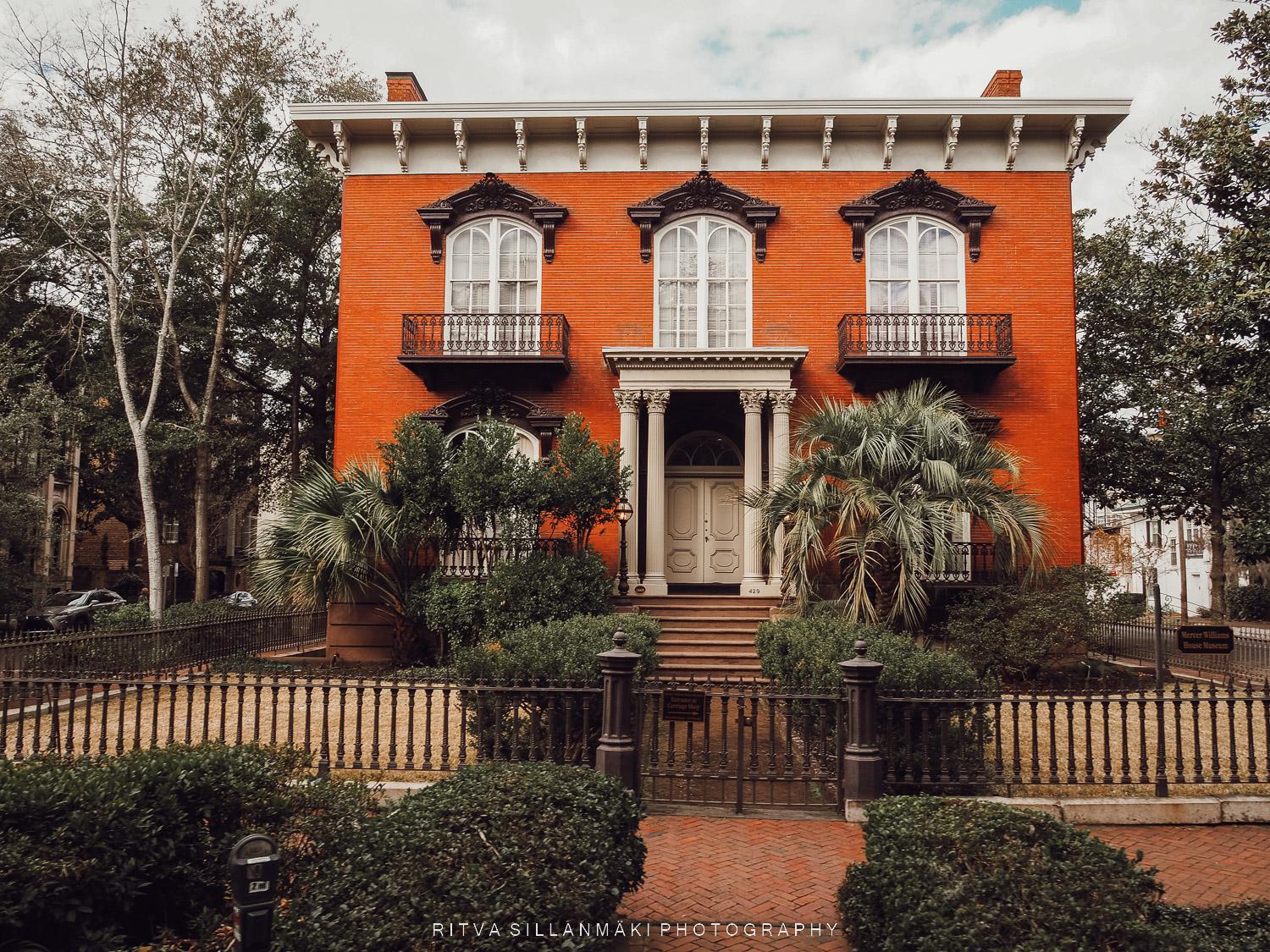
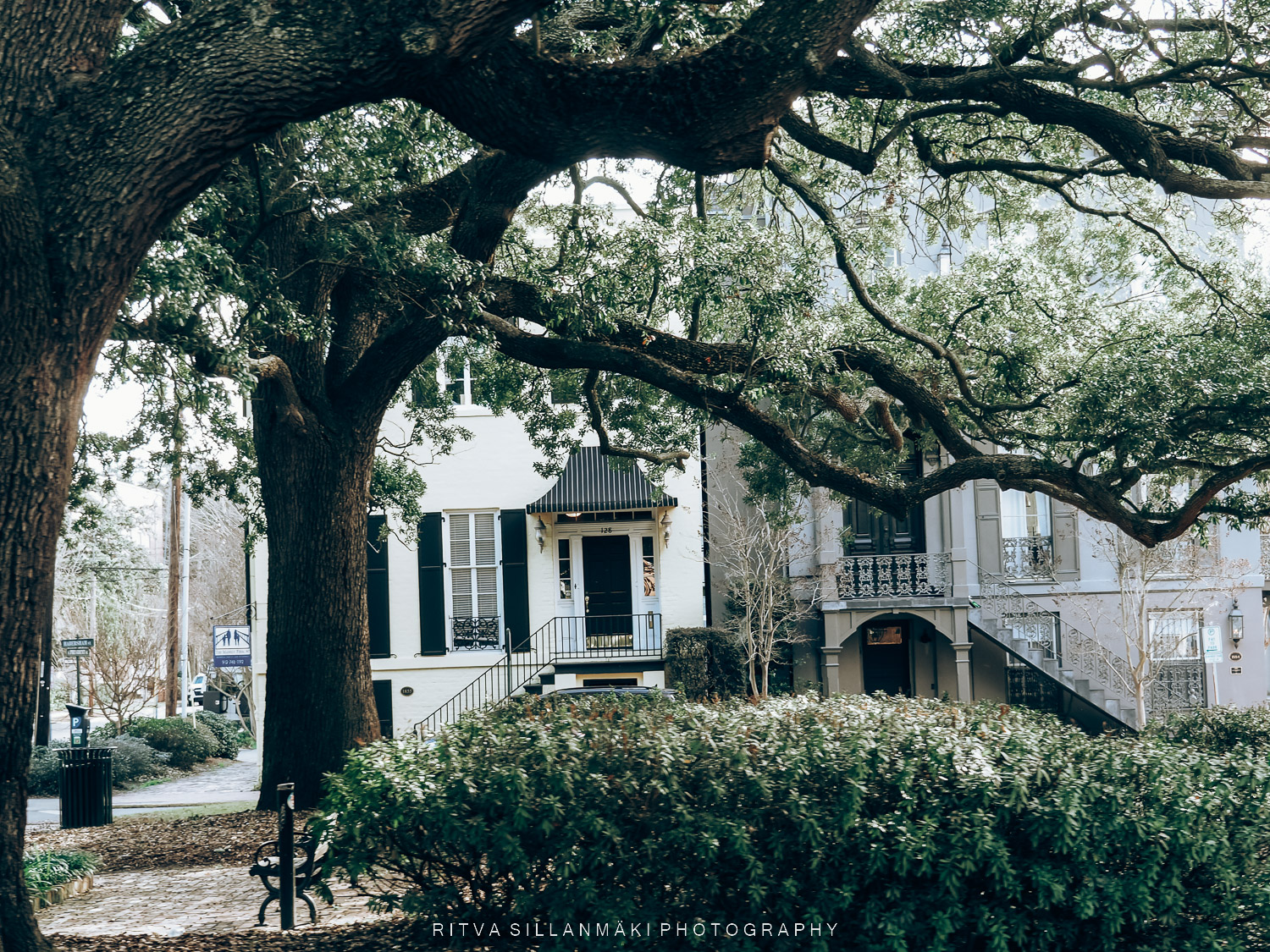
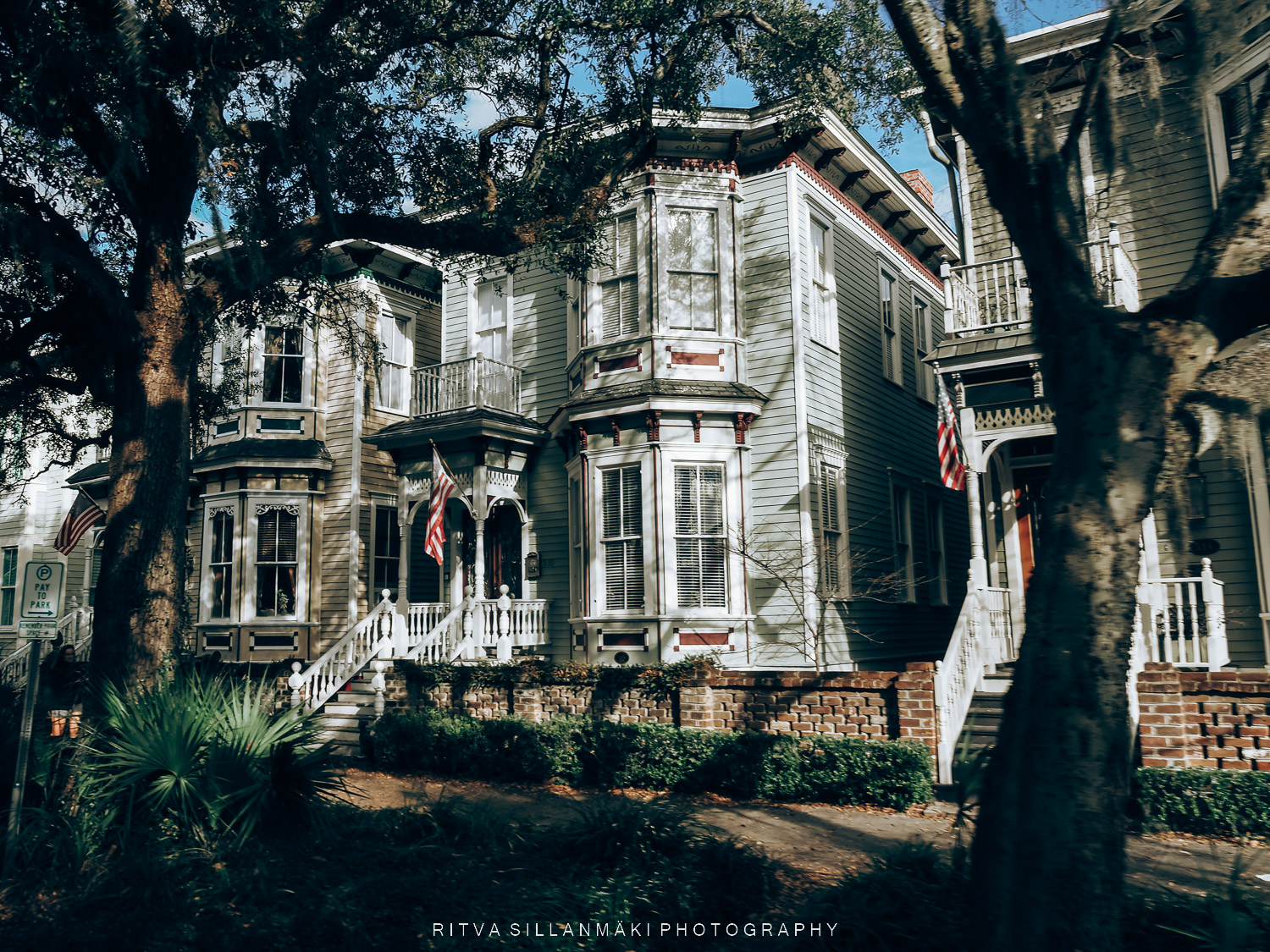
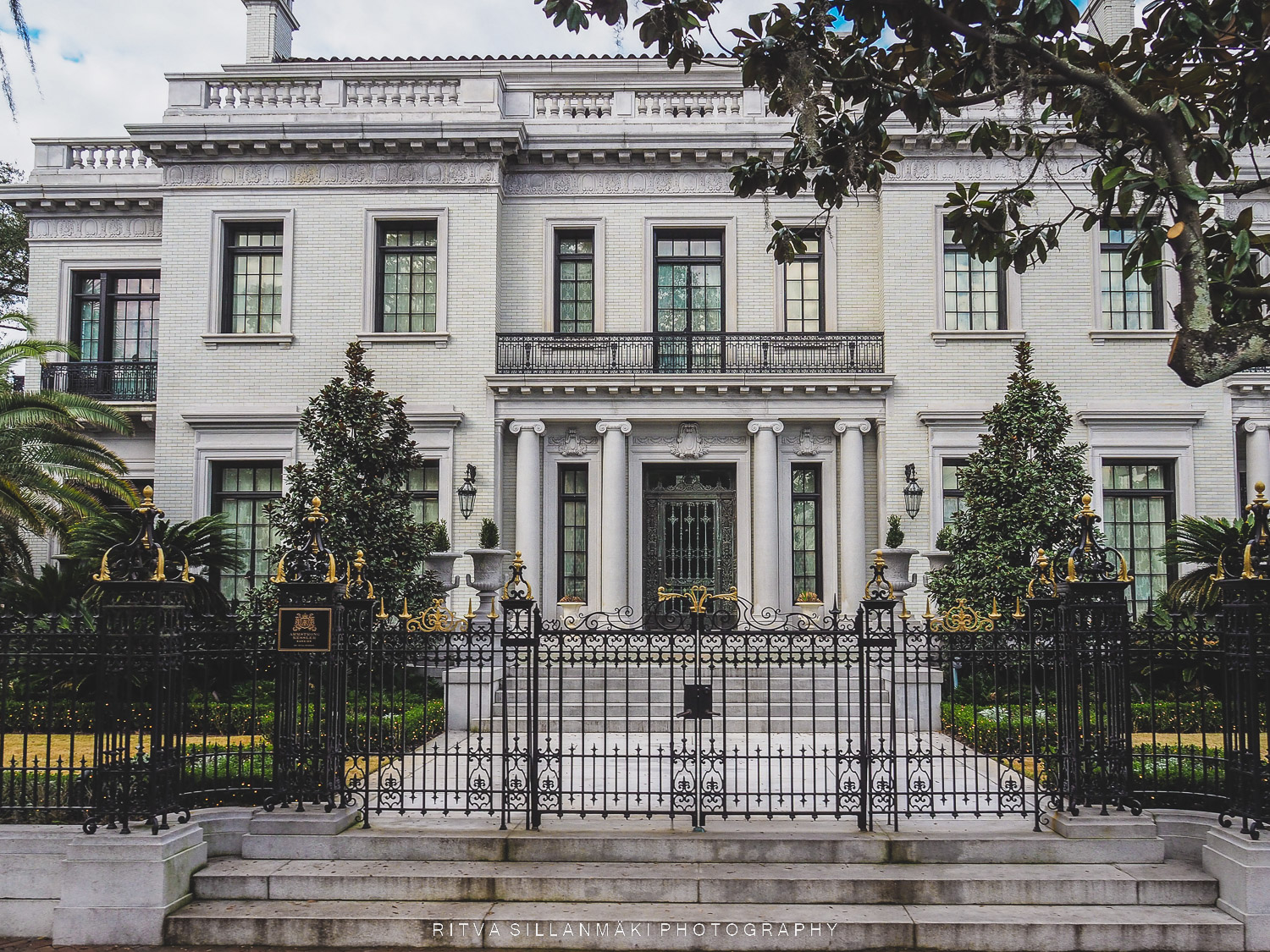
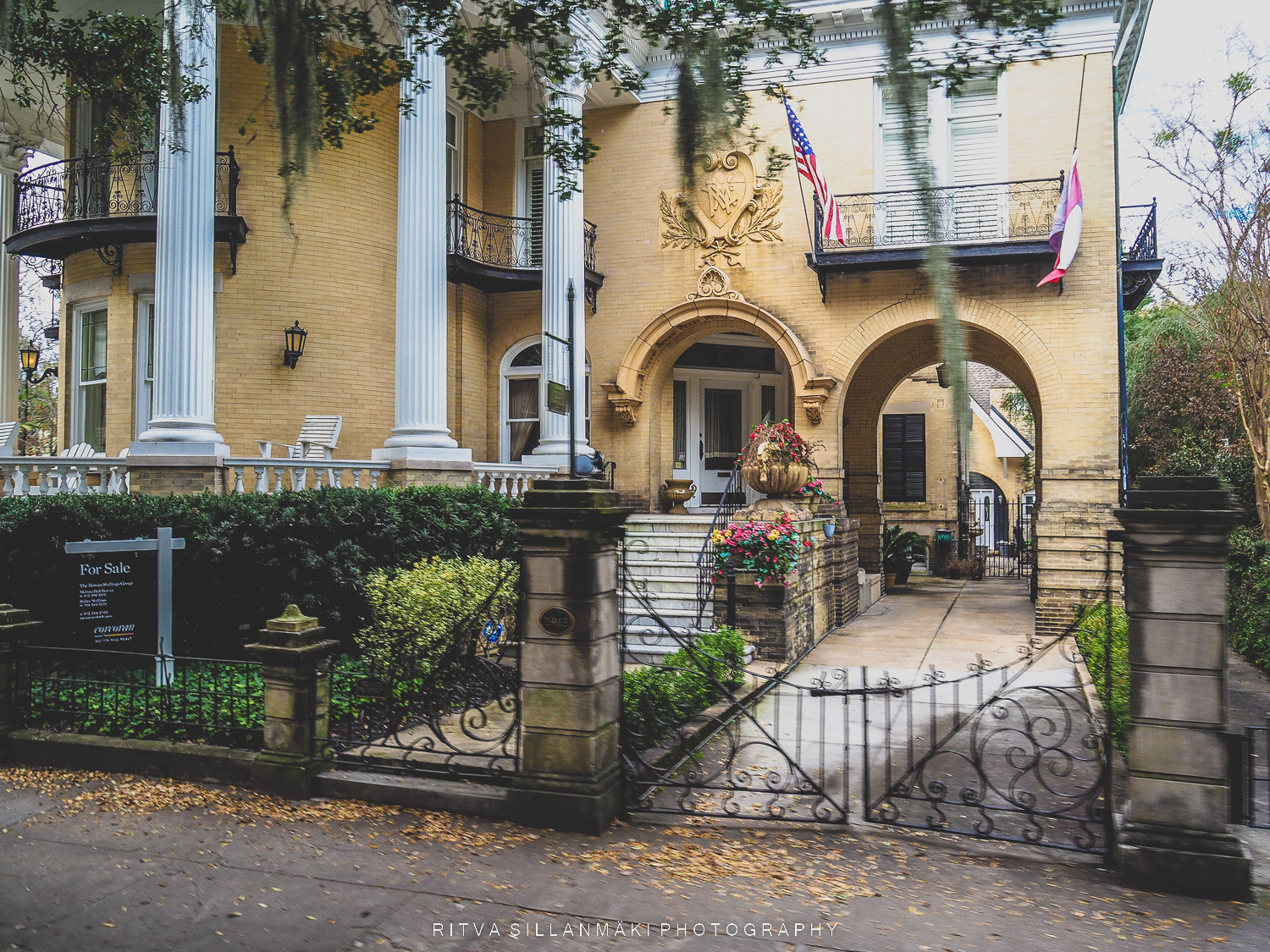
Can’t forget the Mercer House, the home of songwriter Johnny Mercer, where the events for the 1994 novel Midnight in the Garden of Good and Evil, by John Berendt and the movie by the same name by Clint Eastwood, happened. I’m not going to list all the historical buildings or places where we stopped but needless to say Savannah is a true Southern Belle.
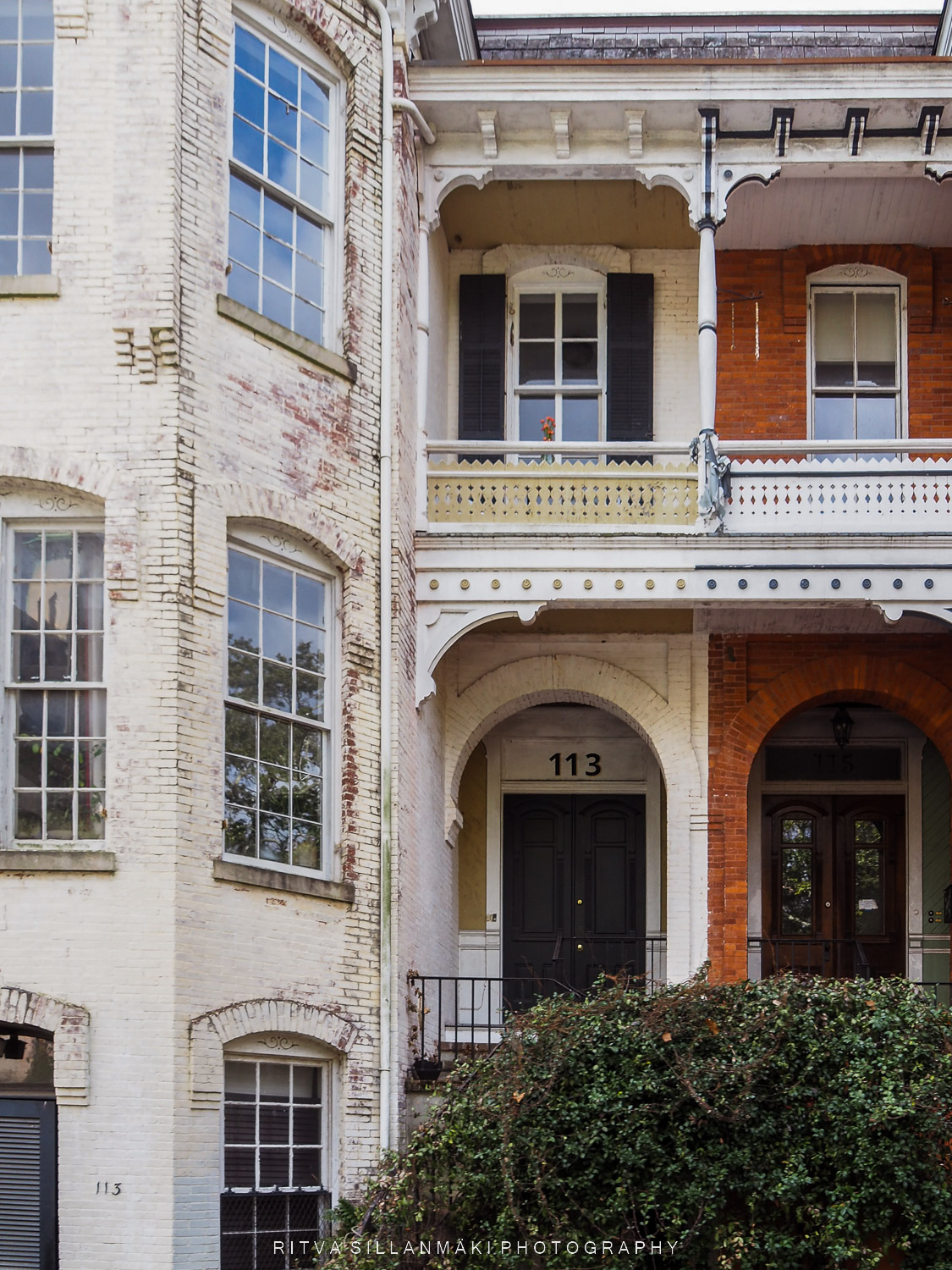
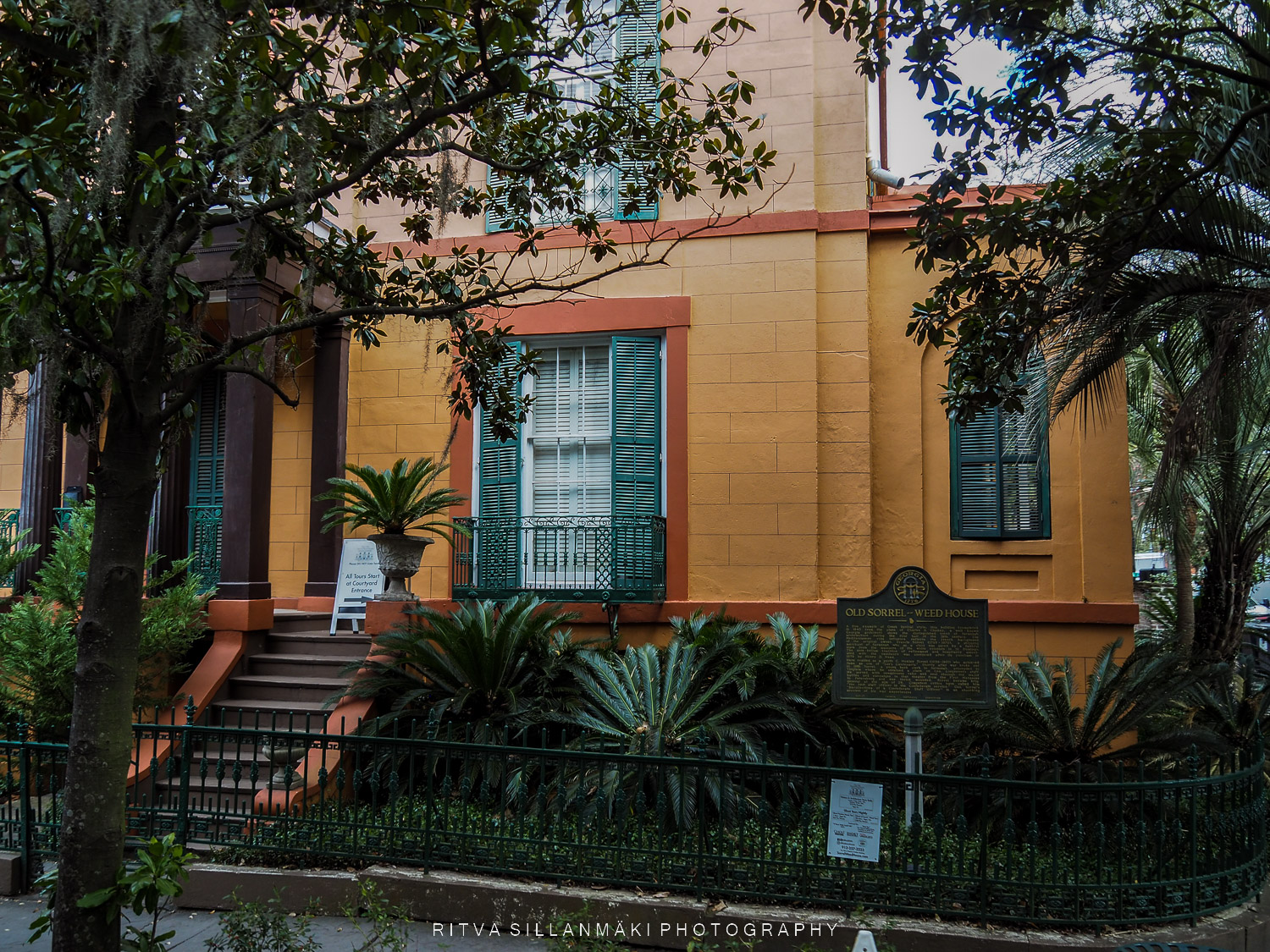
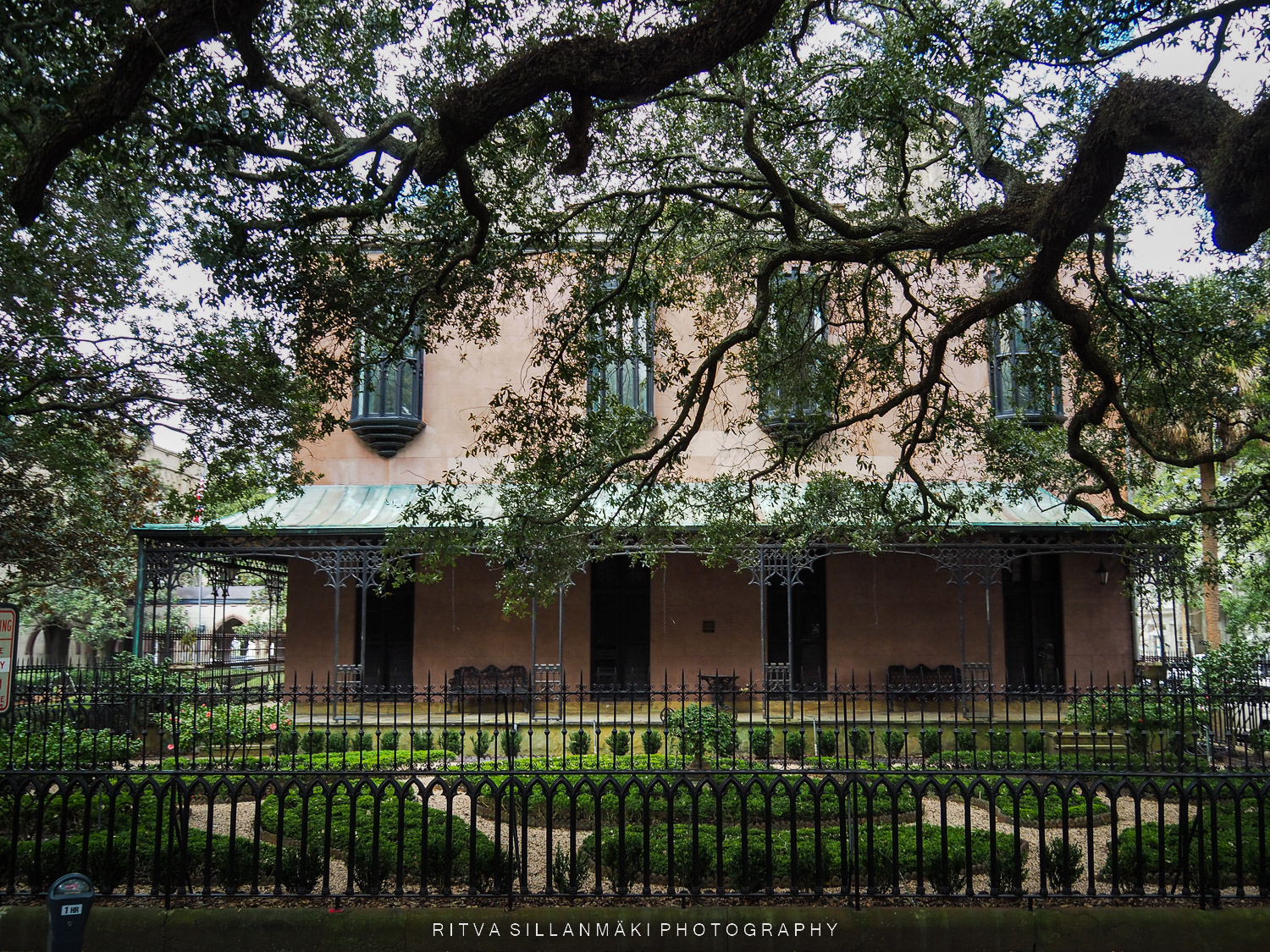
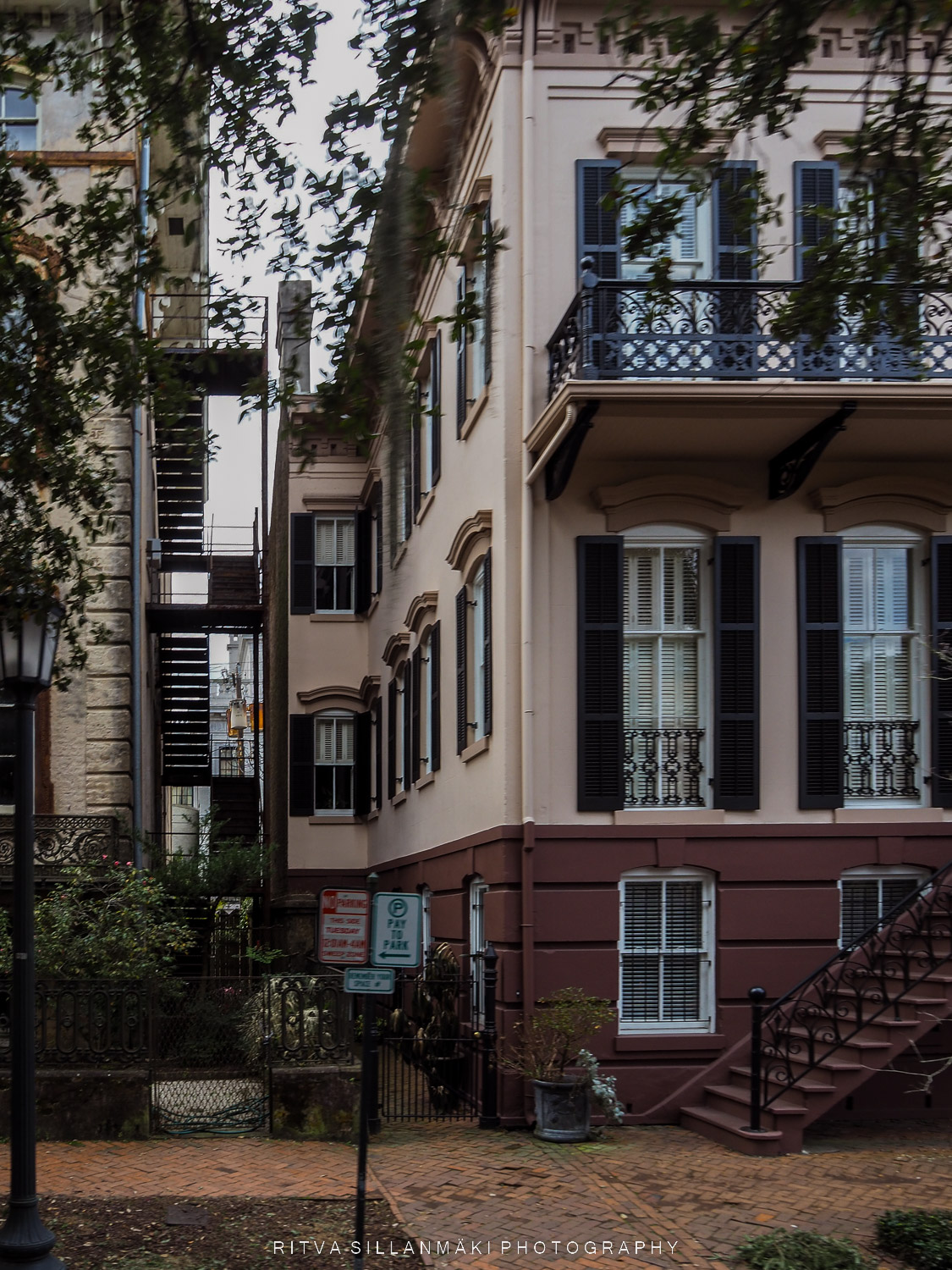
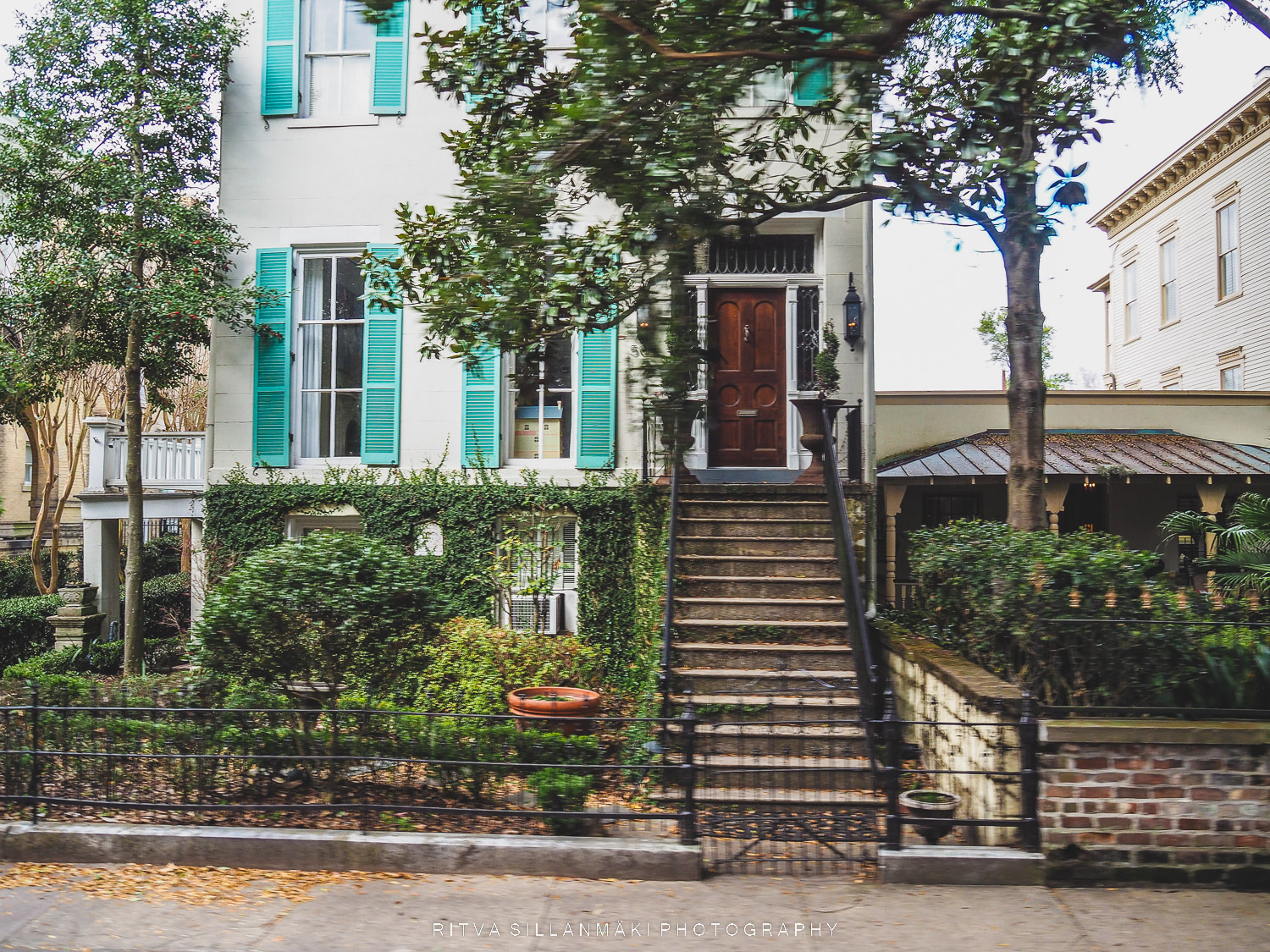
Needles to say these are just some of the beautiful old buildings in the city.
Lens-Artists Photography Challenge #237 – Bringing softness hosted my Bren at BRASHLEY PHOTOGRAPHY
for #Lens-Artists #The Lens-Artists Photo Challenge
For this weeks’ challenge, show us how you soften your images. You don’t have to stick to flowers, landscapes and architecture are also ideal subjects. By lowering the clarity and creating softness in those areas frames the subject in an image, be it a tree, path, bridge, even a door or house or just a dreamy looking image.
This is a fun one, softness is a great too to use a photo that is not too sharp in the first place to make it usable. 🙂 But seriously a great way to change a mood of a shot as well place the focus where you want. For this challenge I decided to edit some recent photos with this challenge in mind and not to use previously done.
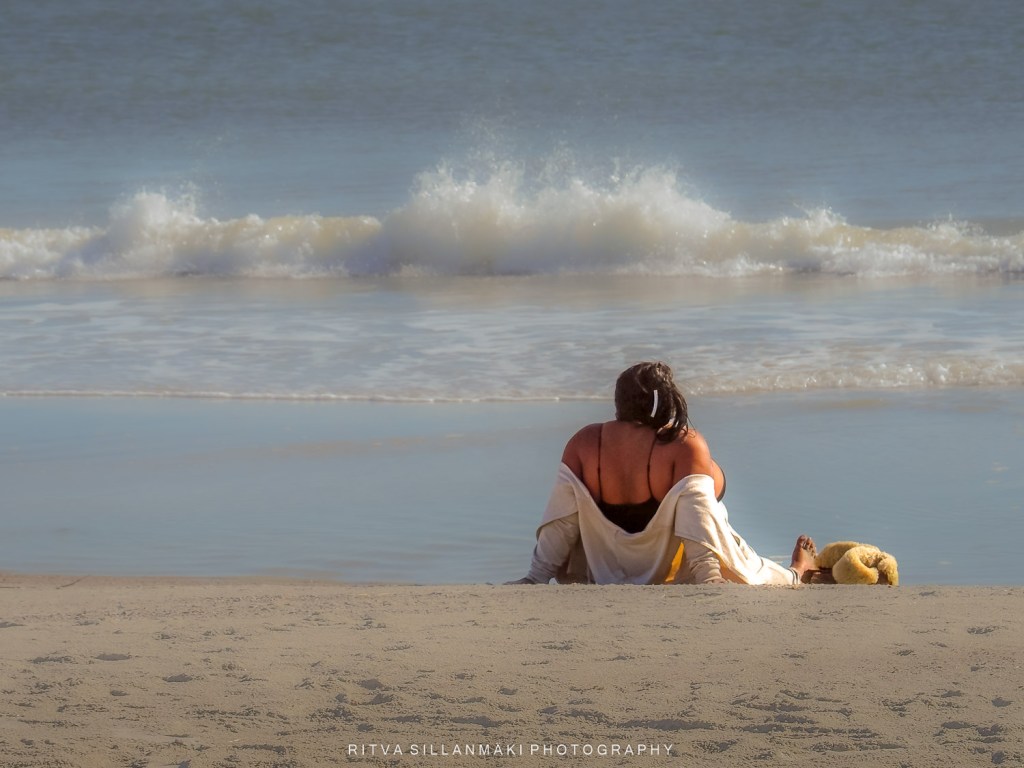
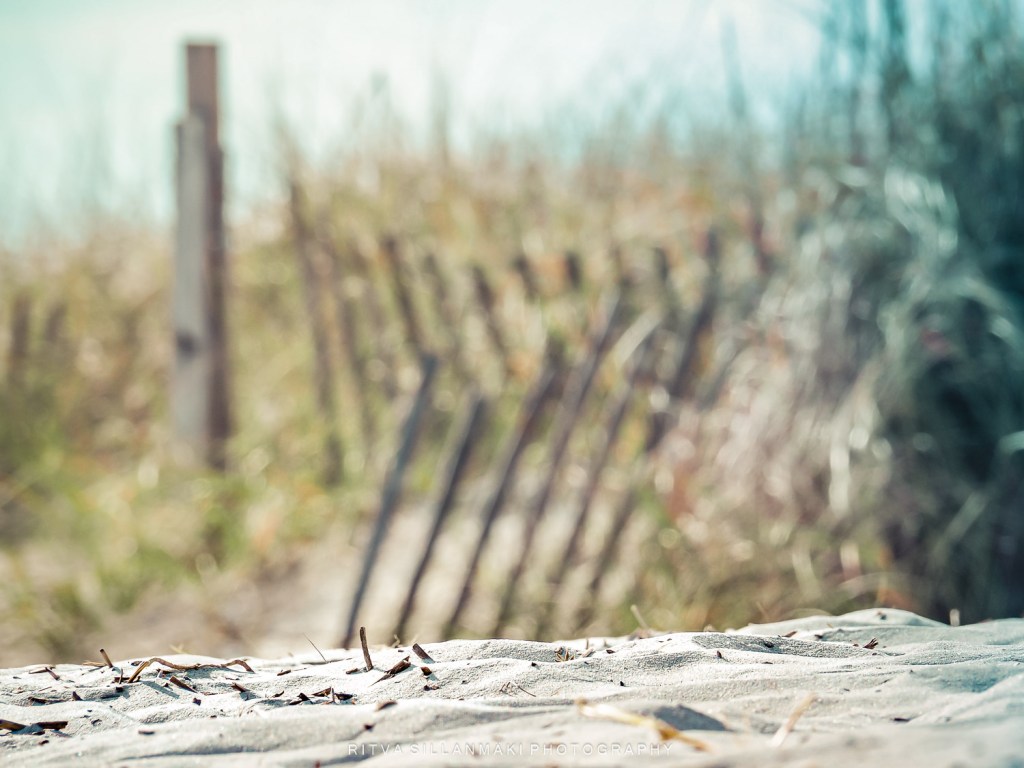
Enjoying a day at the beach
Just slipping into the soft relaxed mood with the photo above and below
Sand atthe Beach
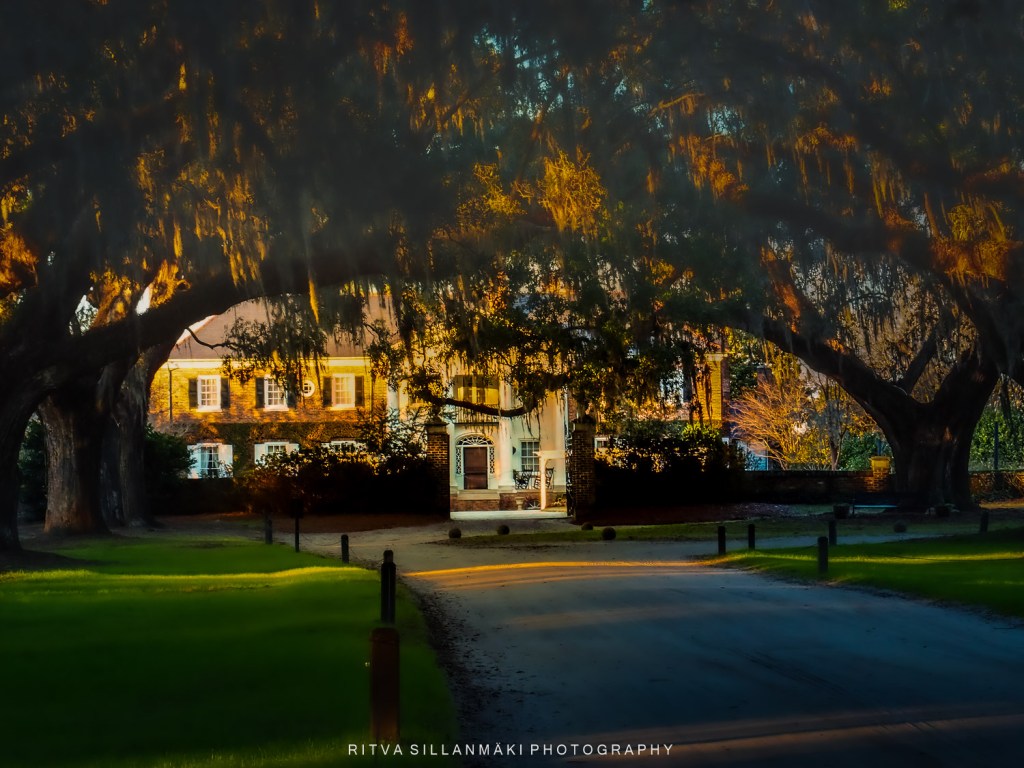
I find dusk to be a very lovely time to take photos as the light is already soft. The shot below is from Boone Hall in Charleston
Boone Hall
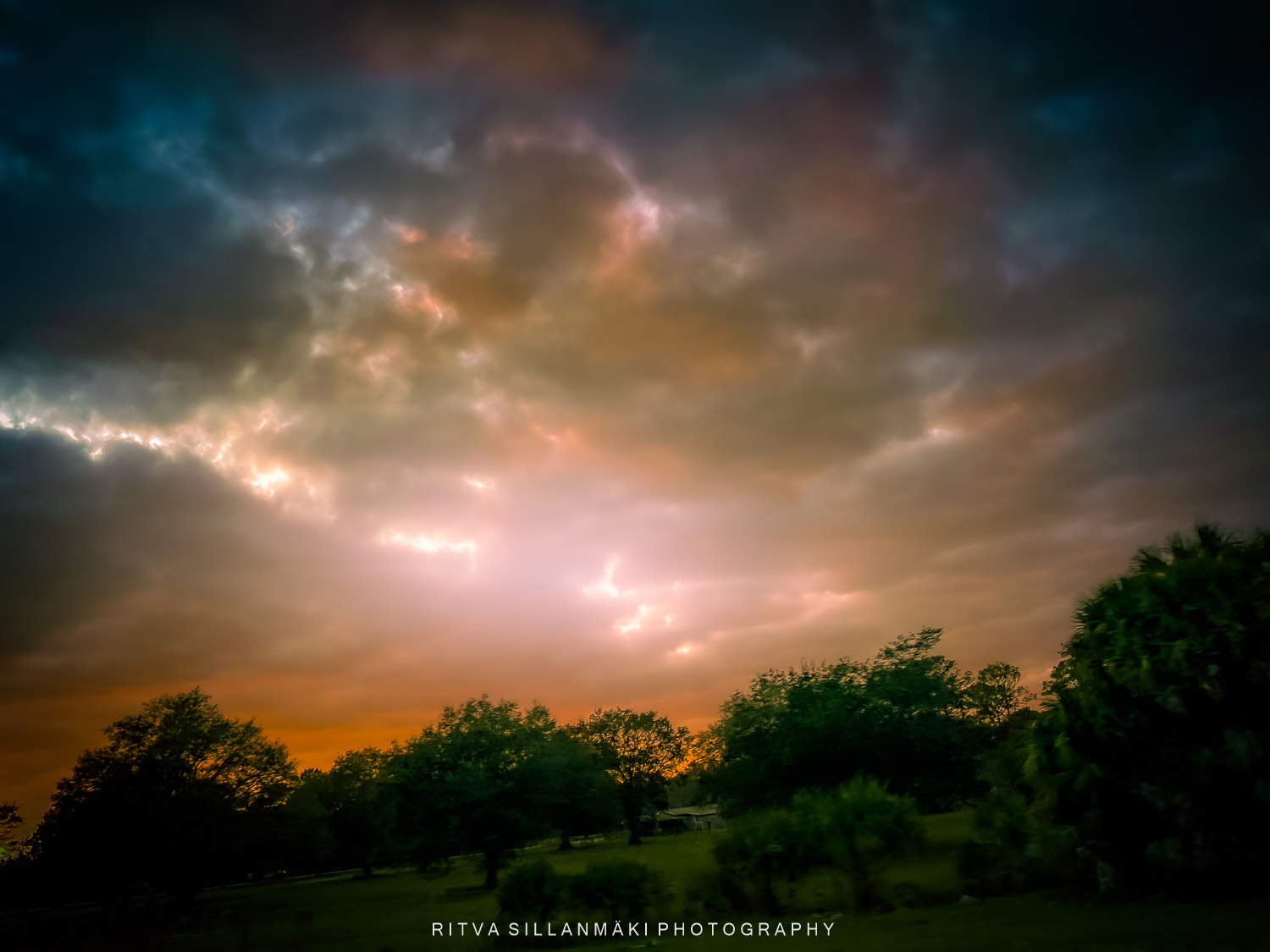
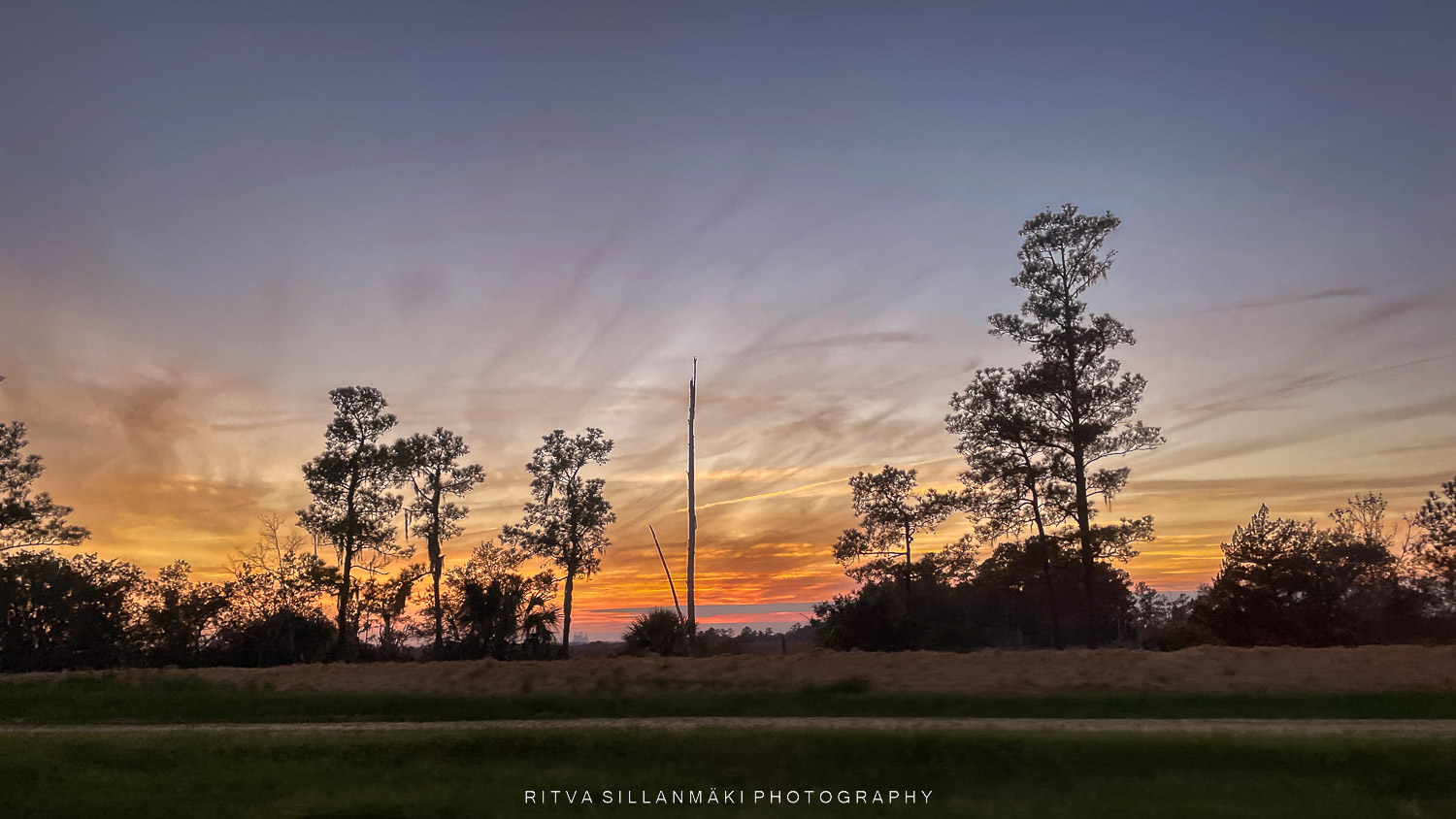
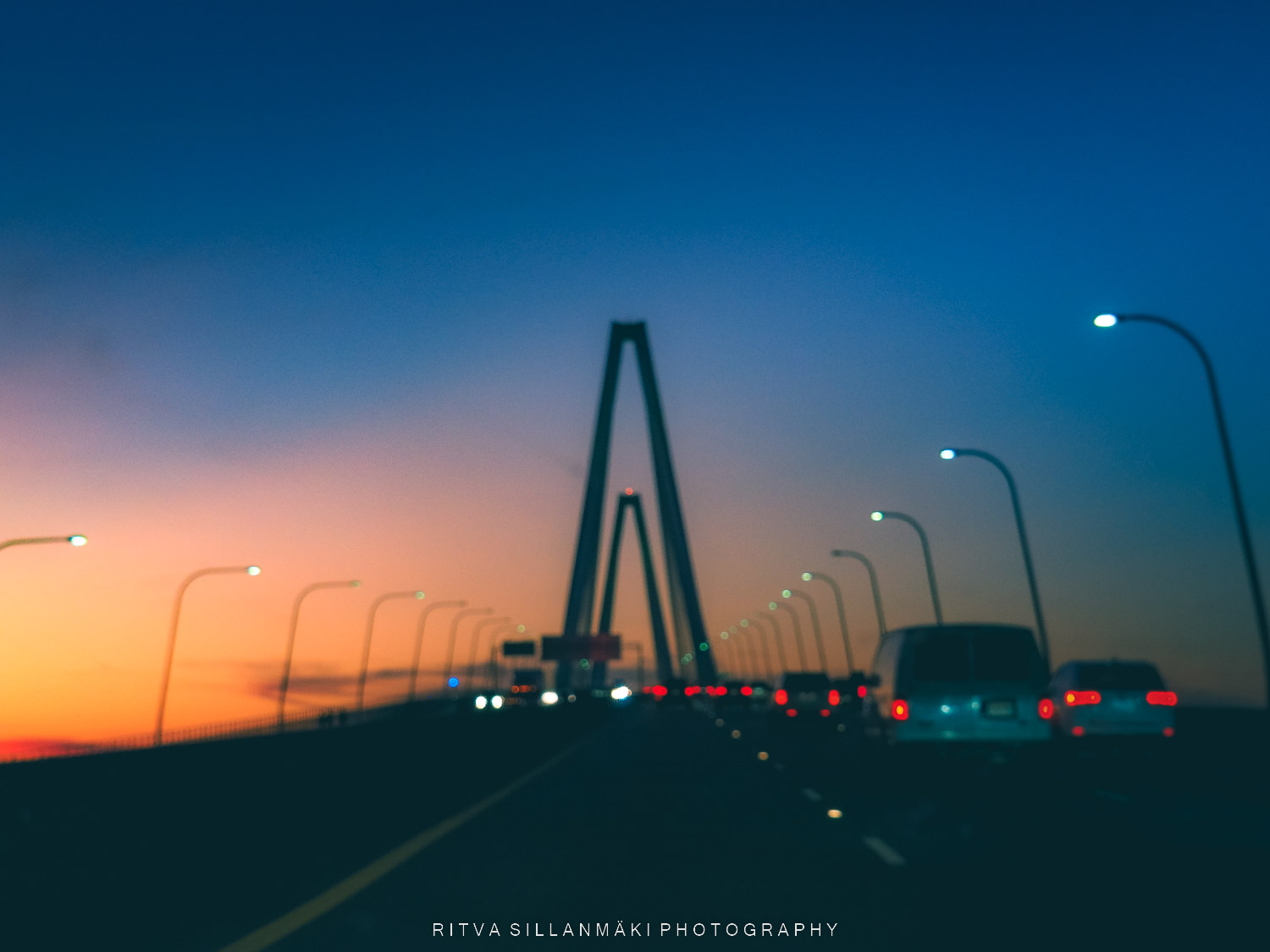
This sunset was lovely,(below) but the photo itself was not, it was grainy and out of focus as I shot it from a moving car from the side window in rather high speed. Adding soft focus made it presentable
This shot was full of distractions so the softness in the background helped to clarify the whole shot.
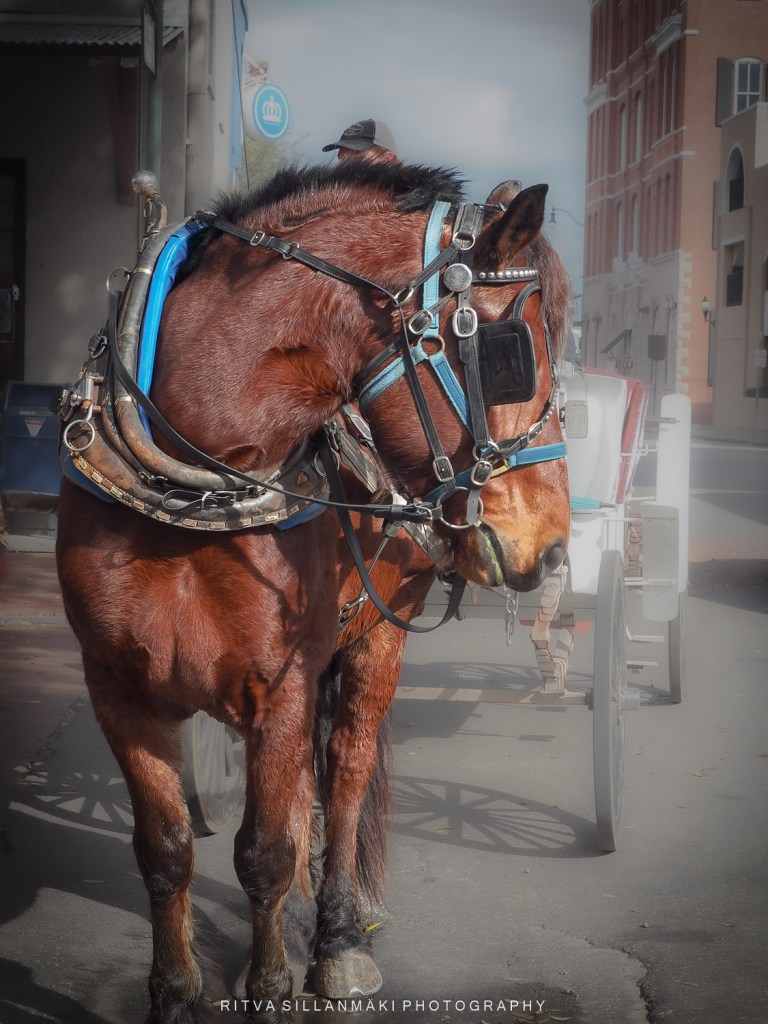
A horse that I have brought to be a very clear topic with soft background
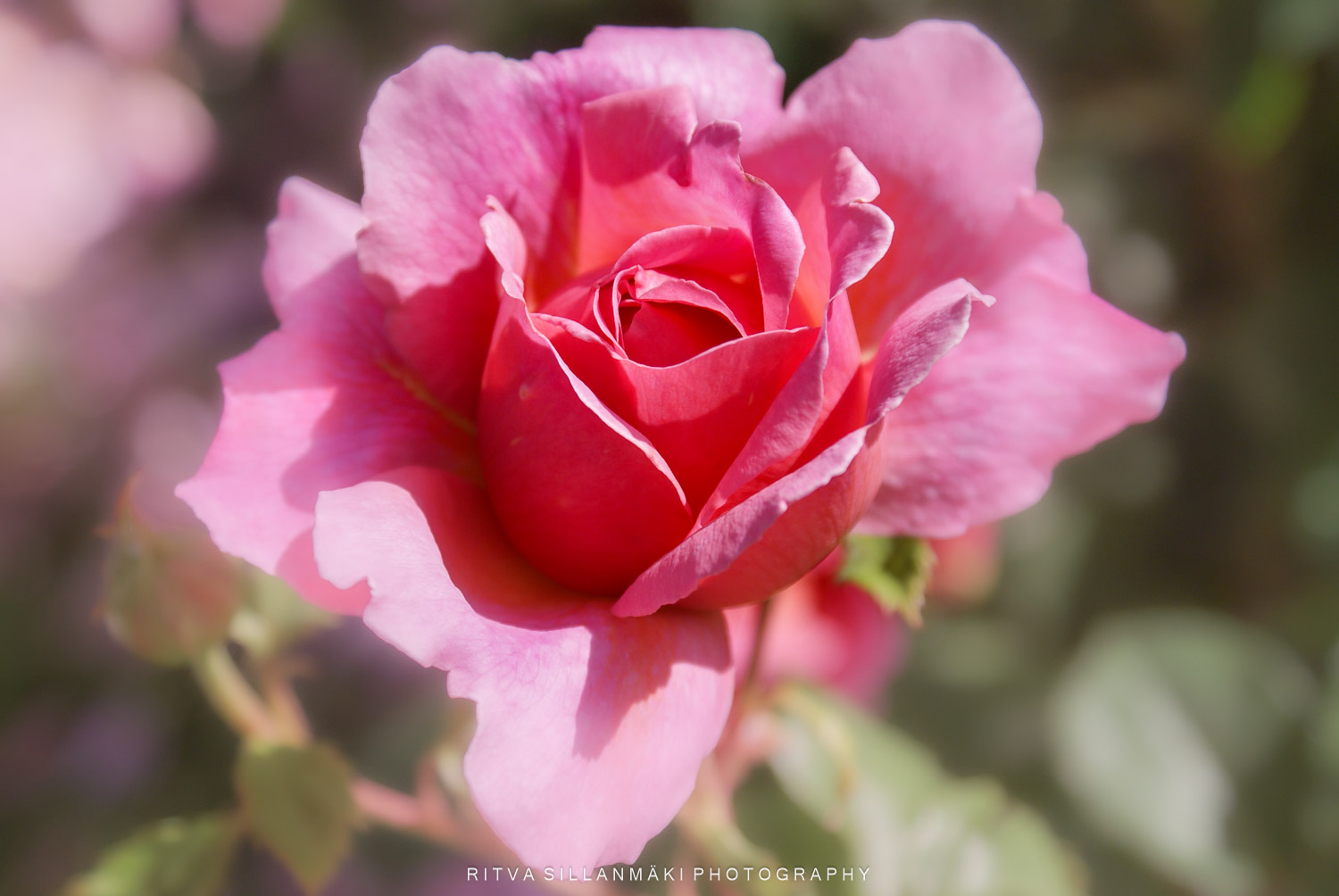
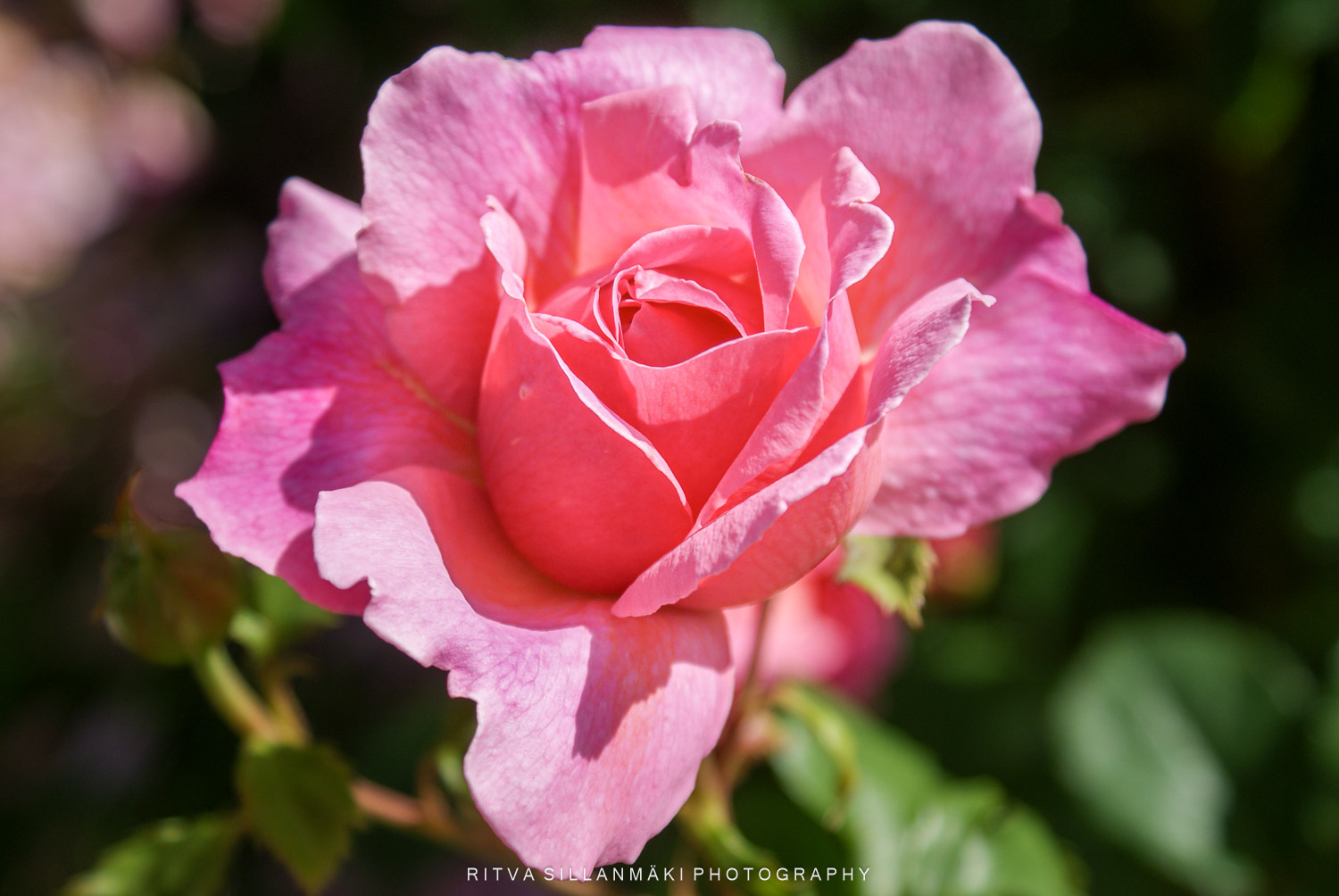
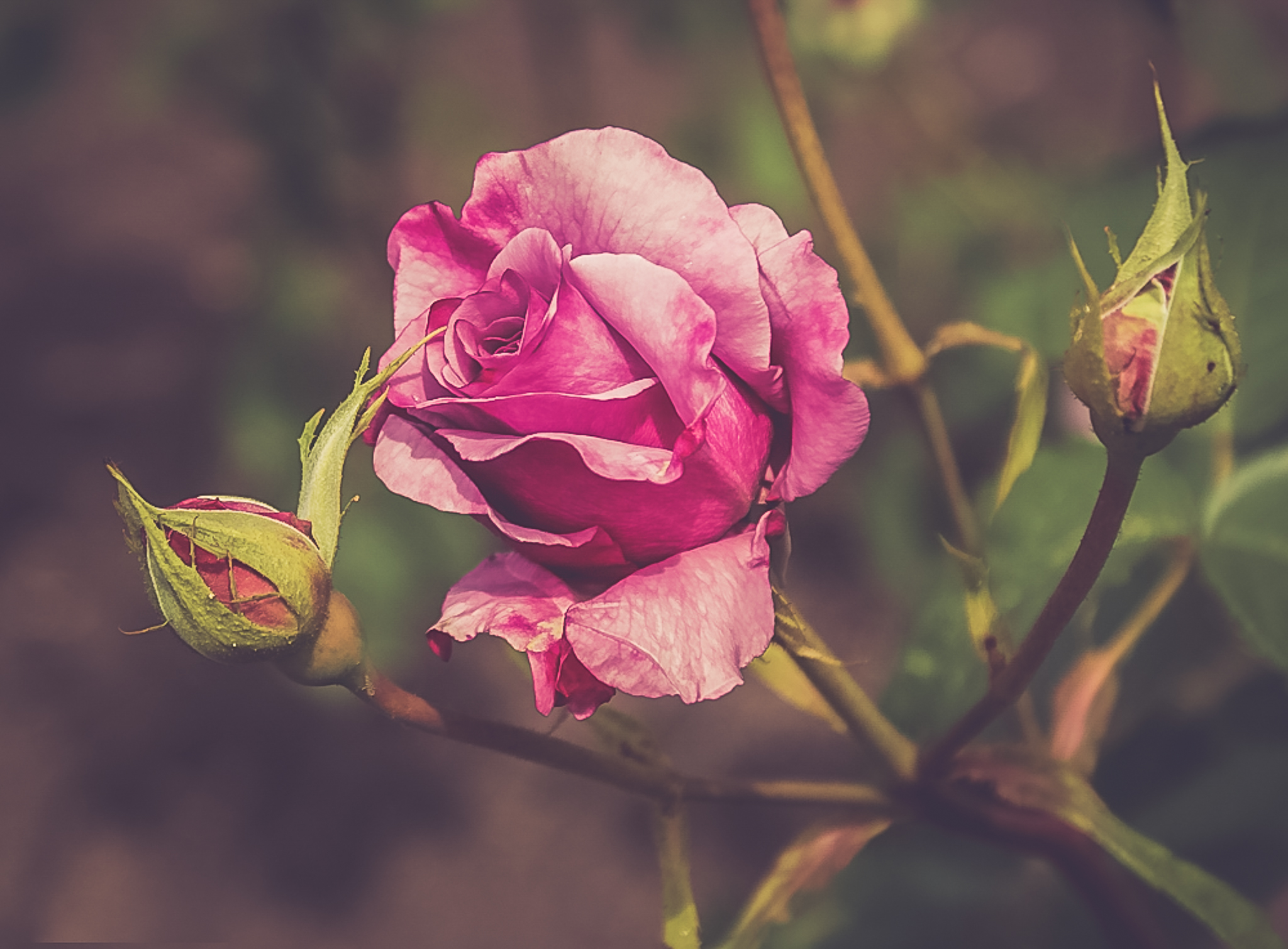
I have taken so many flower shots, mostly with a macro lens, here I picked two that were not but I edited them. First rose is a rose.
Below orange leaves on a tree
Then you can find a selection of random shots with softness as one element
As I’ve stated before I am not a very technical photographer, more into composition, mood. I do my magic on the edit table mostly, if you can call it magic, more like my interpretation of places and people. I am also not one to write all that much, let the photos speack for themselves.
I have two cameras an old reliable SONY SLT-A65V, and I have two lences I use with it one for Macro Sony Macro 2.8/50 and portraits. The other for nearly everything a Sony 18-200mm.
The Sony has been in less use since I bought a new lighter one to carry around, its a Olympus E-M10 Mark II with a 14-150mm lense and I have a OM-D M.ZUIKO DIGITAL 45mm 1:1.8 for street and portrait photography
Savannah, the first of these posts, I have way too many pictures of the city to try to get them all in one post. Just not possible. Let’s get started with the arrival.
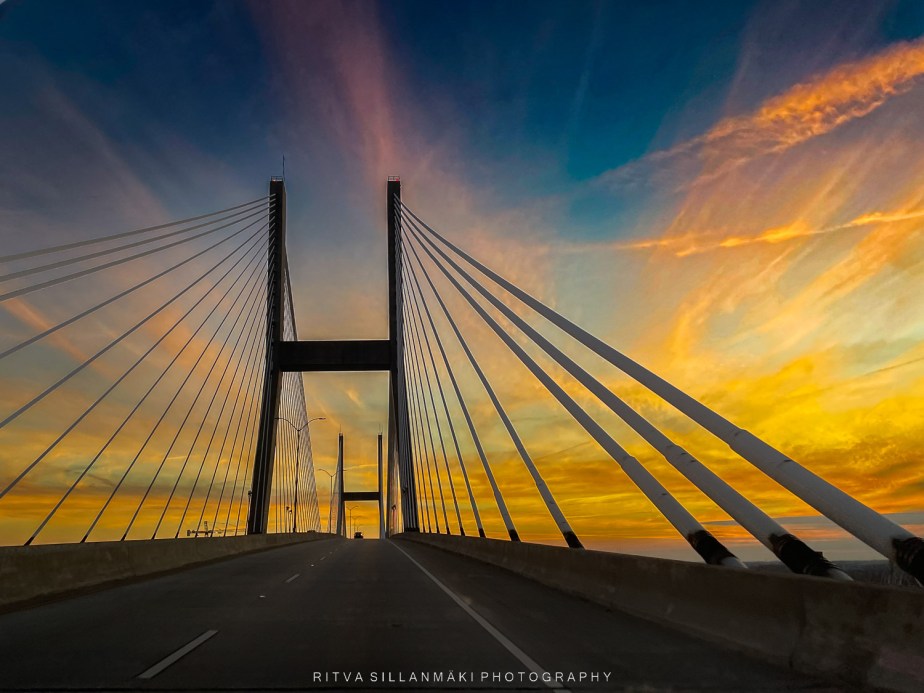
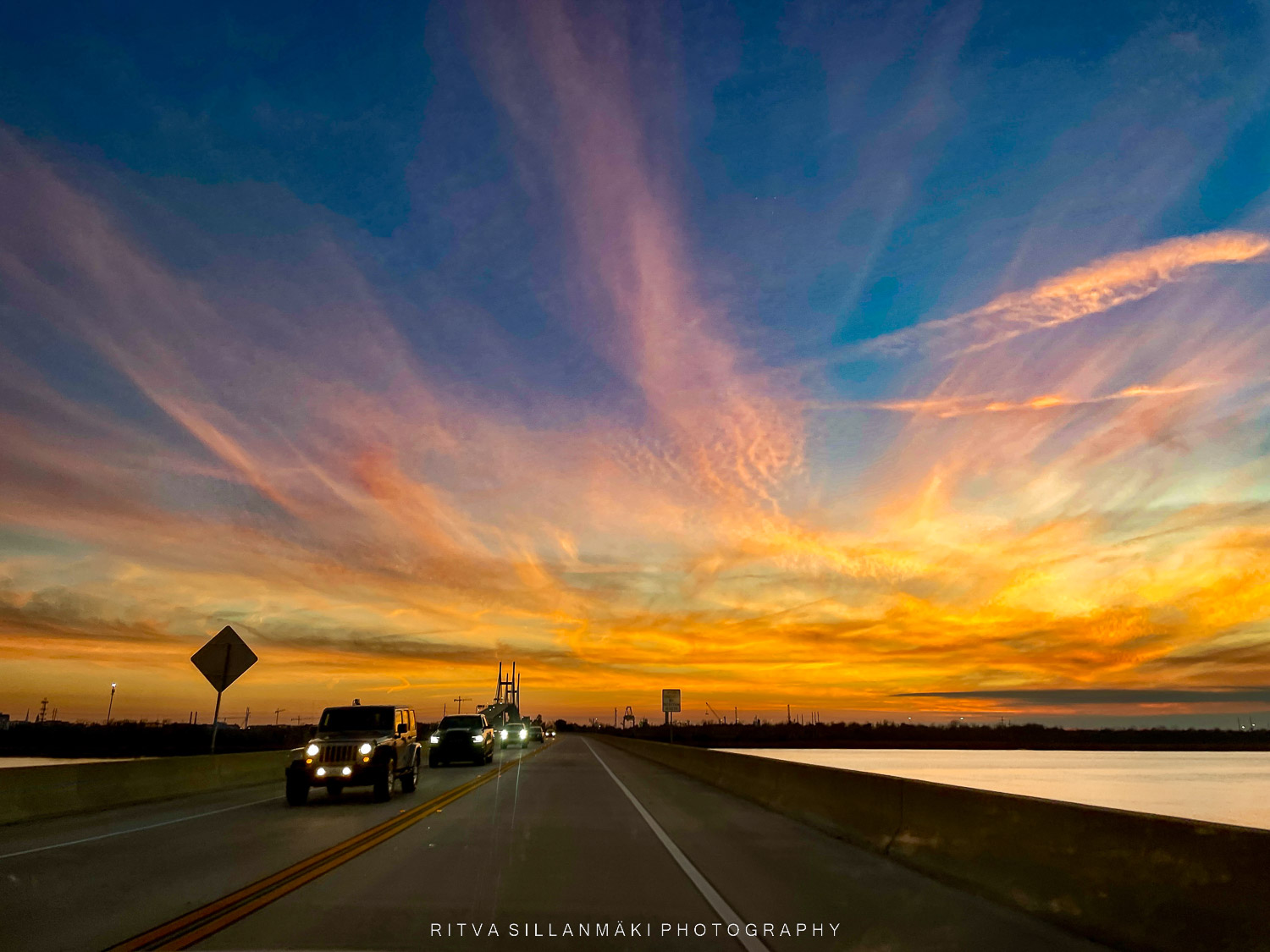
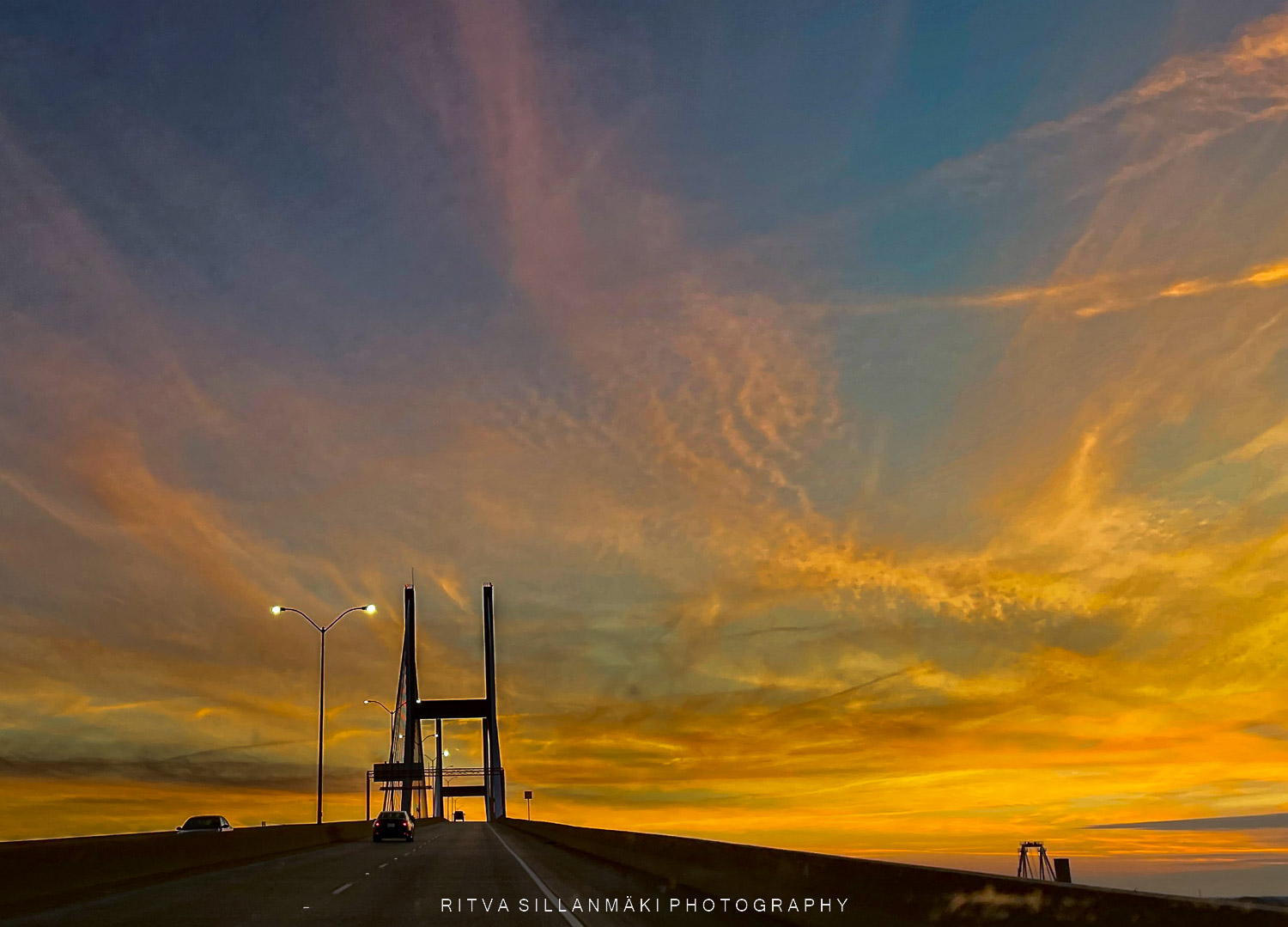
I have to add that for years I have wanted to go to South Carolina and Georgia, after reading books by Pat Conroy and Midnight in the Garden of Good and Evil by John Berendt. And finally we are here! It’s only an hour drive from Hilton Head, but it was already dark when we got to Savannah. Driving along Highway D, crossing the 486-foot-tall Sidney Lanier Bridge from Brunswick, Georgia, on US Route 17 at sunset.
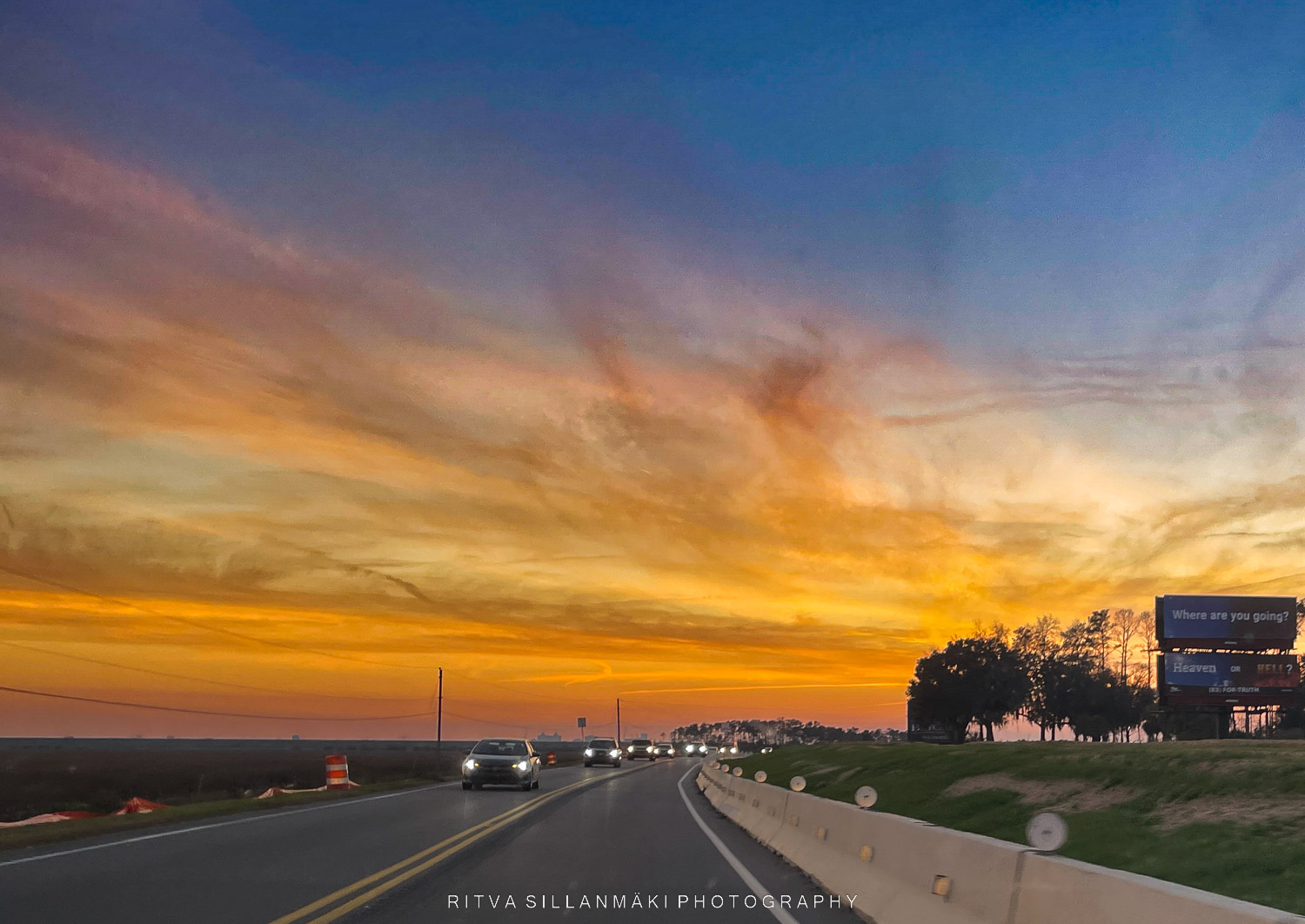
Once again we drove towards beautiful sunset, just have to show these beautiful colorful sky’s.
Finding the hotel parking was really hard because of some road work. The hotel had sent us an advance warning and instructions, but they were of no help. Finally, I was able to navigate to the River Street below the hotel and walked to the reception. Luckily the parking was right next to the hotel and we didn’t need the car for two days.
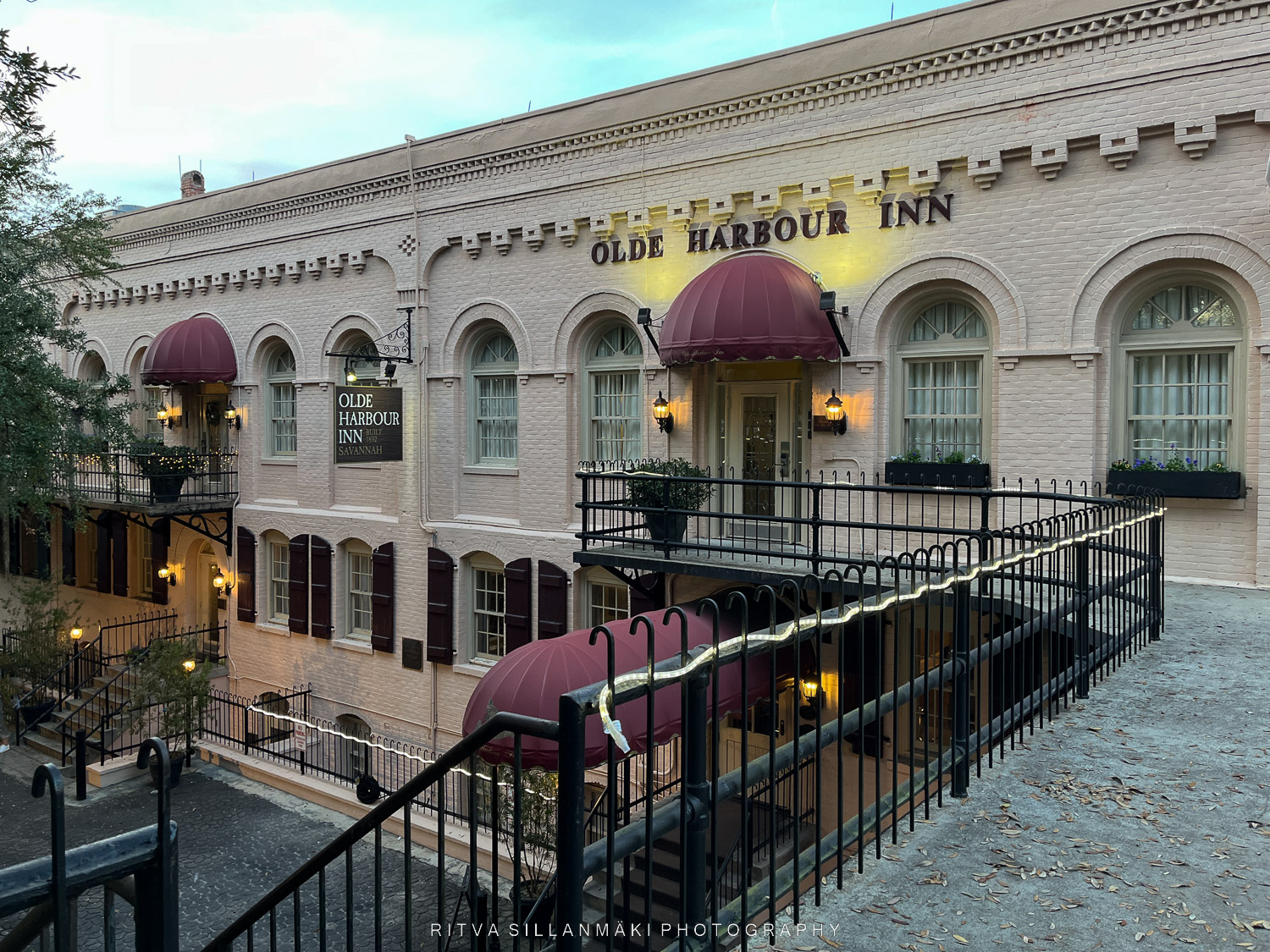
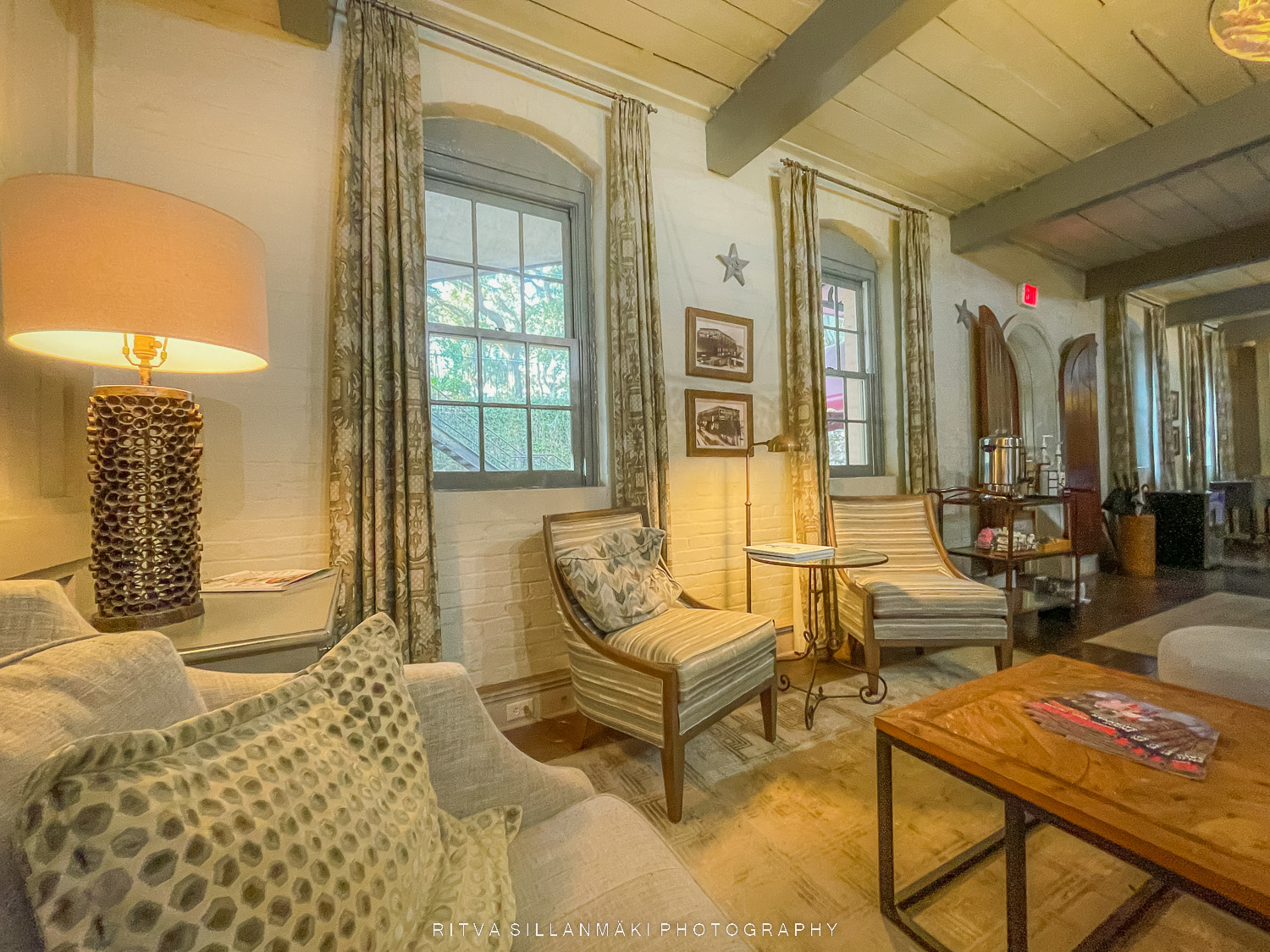
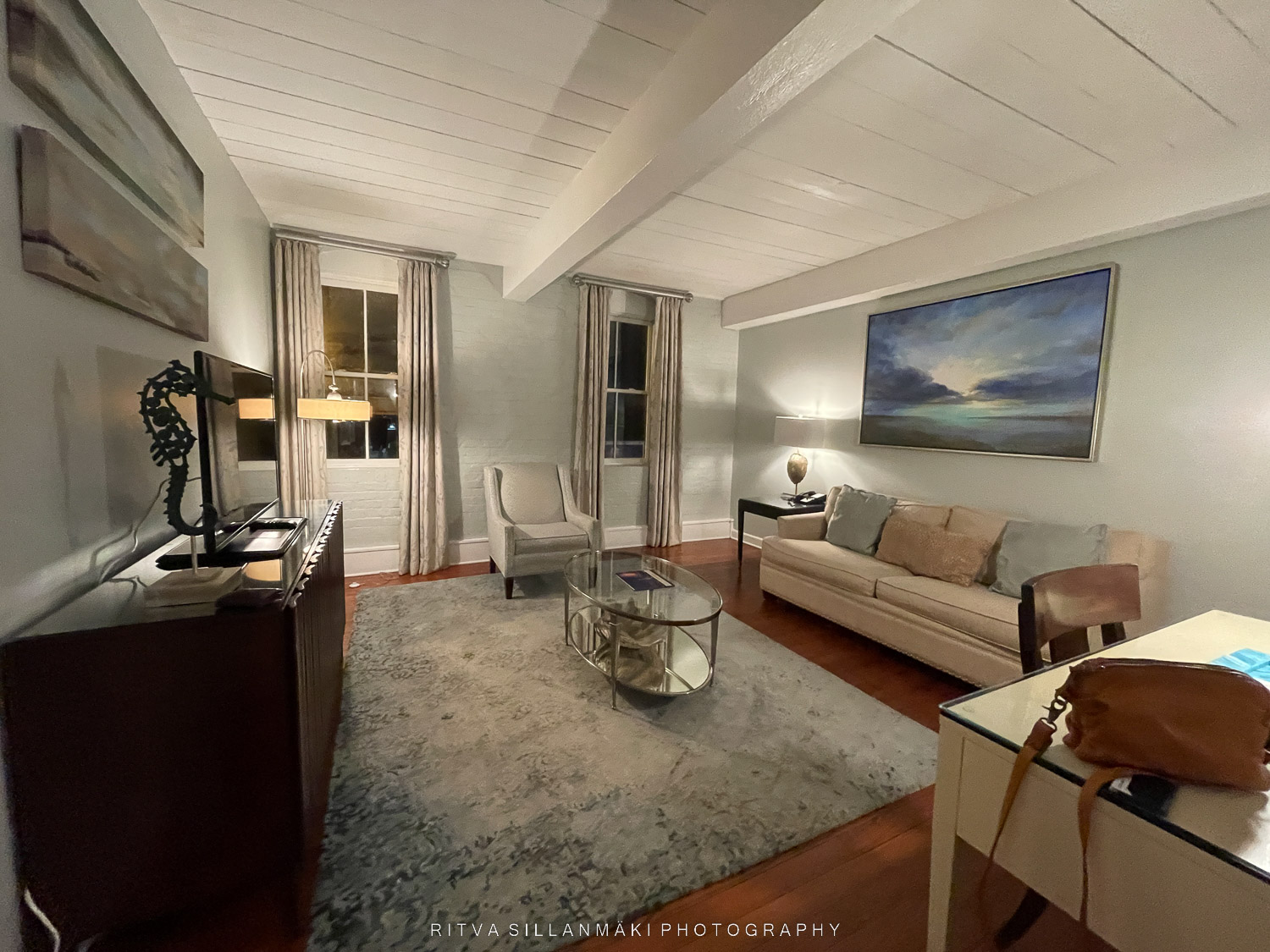
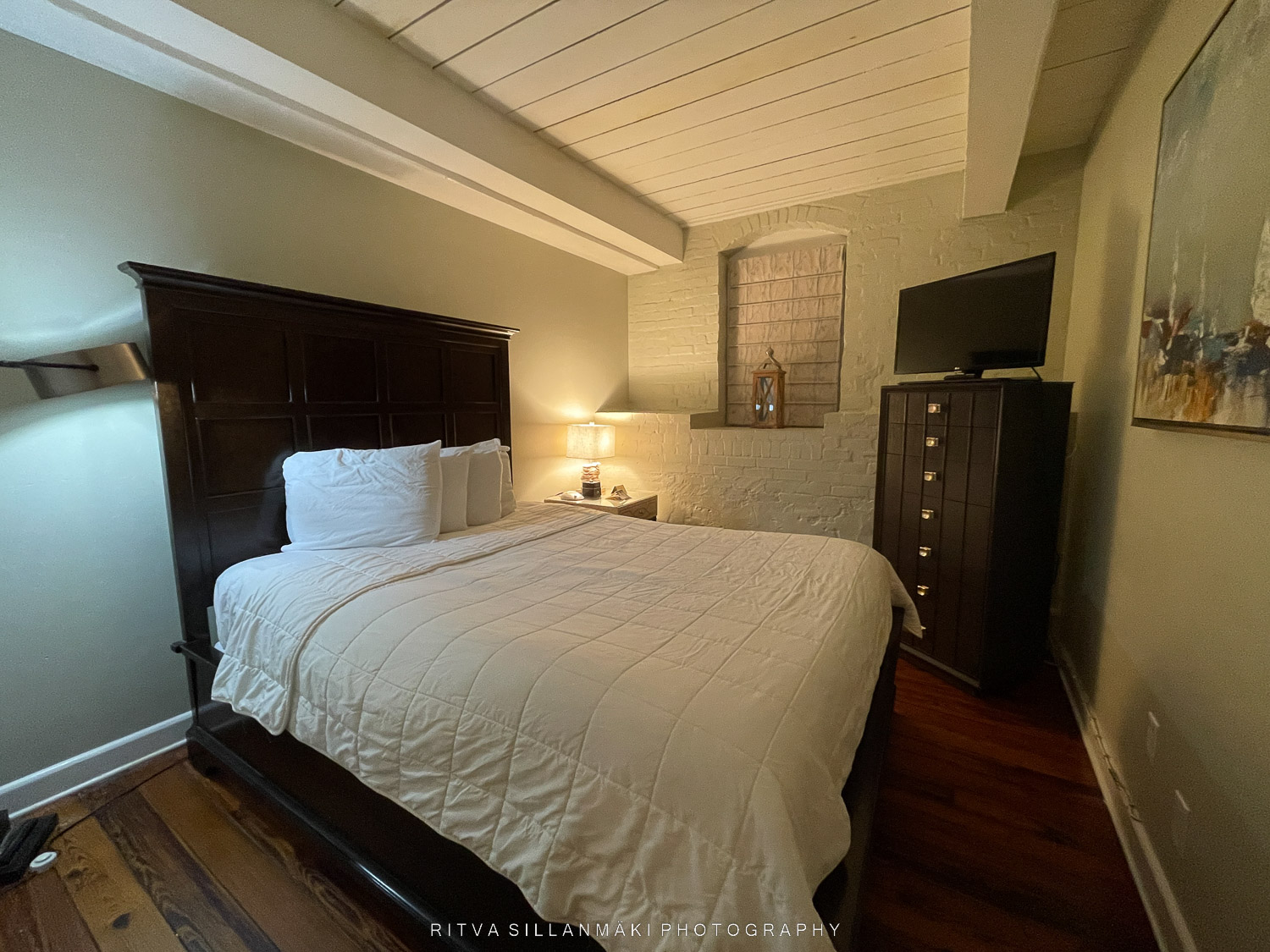
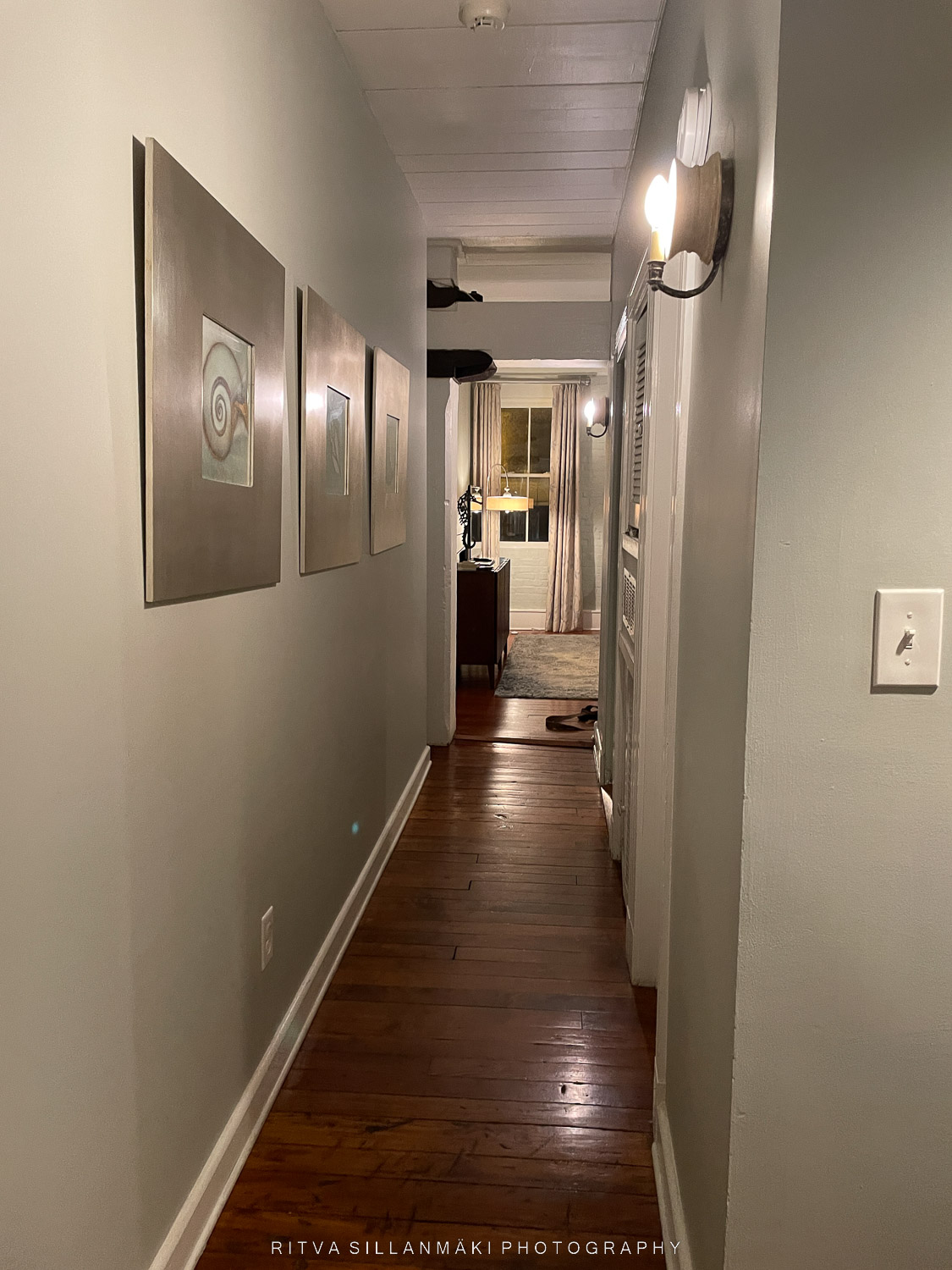
We were really pleasantly surprised by hotel, Olde Habour Inn. It was originally built for Tidewater Oil Company 1892. Set between River Street and Factors Walk, this storied hotel is housed on the shores of the Savannah River in a former (and allegedly haunted) warehouse. Our 1-bedroom suite had a nice sized living room, hardwood floors, old logs and iron works were partly visible. Turn-down service included ice cream. Included in the room price was nightly cocktail hour from 5.30 pm to 7 pm with wine and tasty snacks. Breakfast included coffee, orange juice and muffins in the lobby. I have to add that front dest clerk Martin and the bell man/waiter Kevin were really friendly and helpful with everything. We also inquired about possible extra night, but the hotel was fully booked for the upcoming MKL-day long weekend. Only one 2-bedroom suite was available for the price of $400. If you are visiting the city and need to book a room, I can recommend this one.
I am ending this post with two more sunset pictures taken also from a moving car.
Amy’s topic for this weeks Lens Artists Challenge #236: East Meets West, This week we are exploring the different cardinal points East – West or South – North
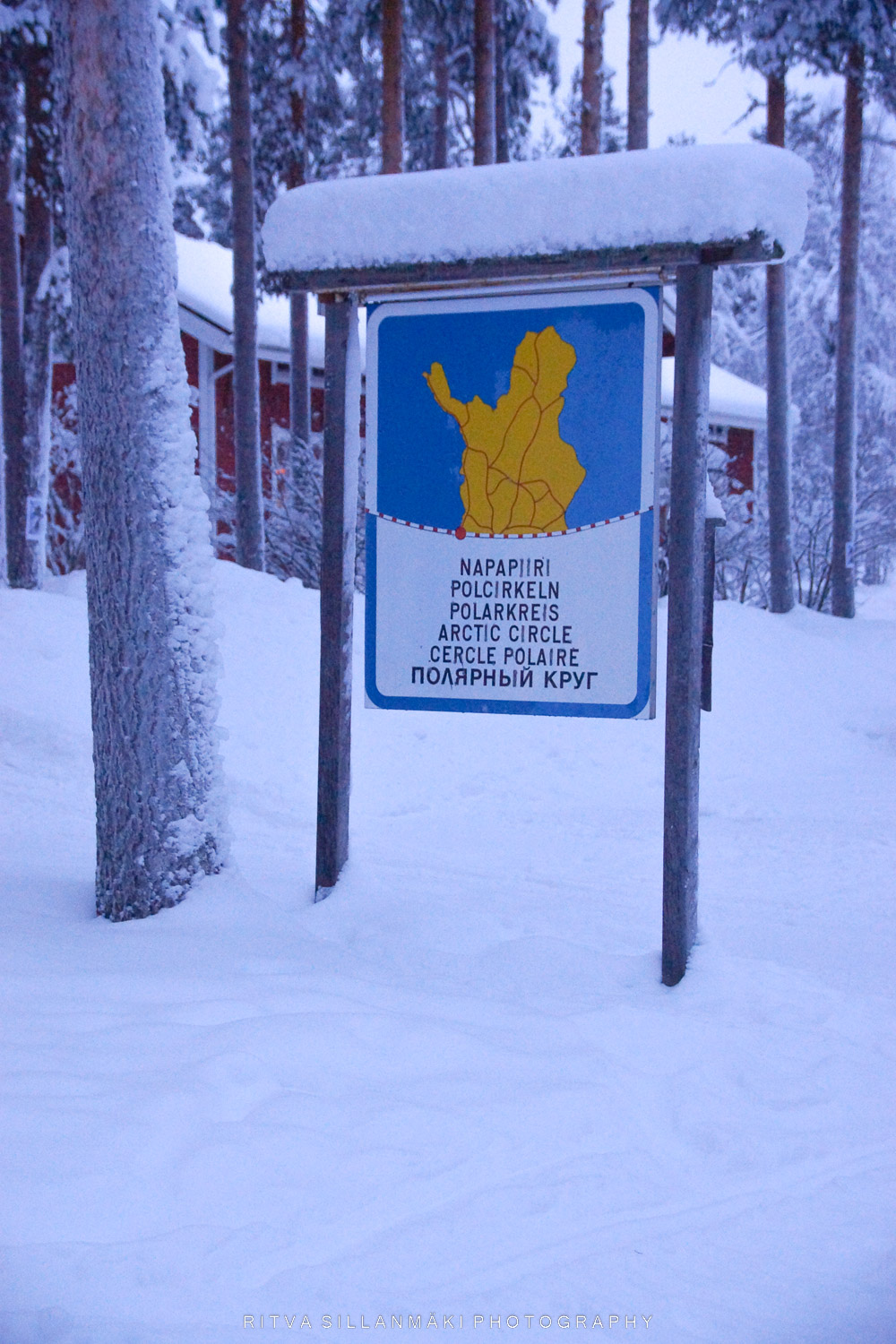
I thought about this, as I live in North, in Finland. Arctic Circle is about 850 km from my home – so I live in the south of Finland.That could be one way to look at this challenge, or even more extreme could be Finland versus Australia down under. Or I could think about it as just the directions seen from my summer house as I sit in the yard and watch the sun move around it. … still thinking about about this:-)
First is the difference between light in the north and south of Finland during winter and well also in the summer.
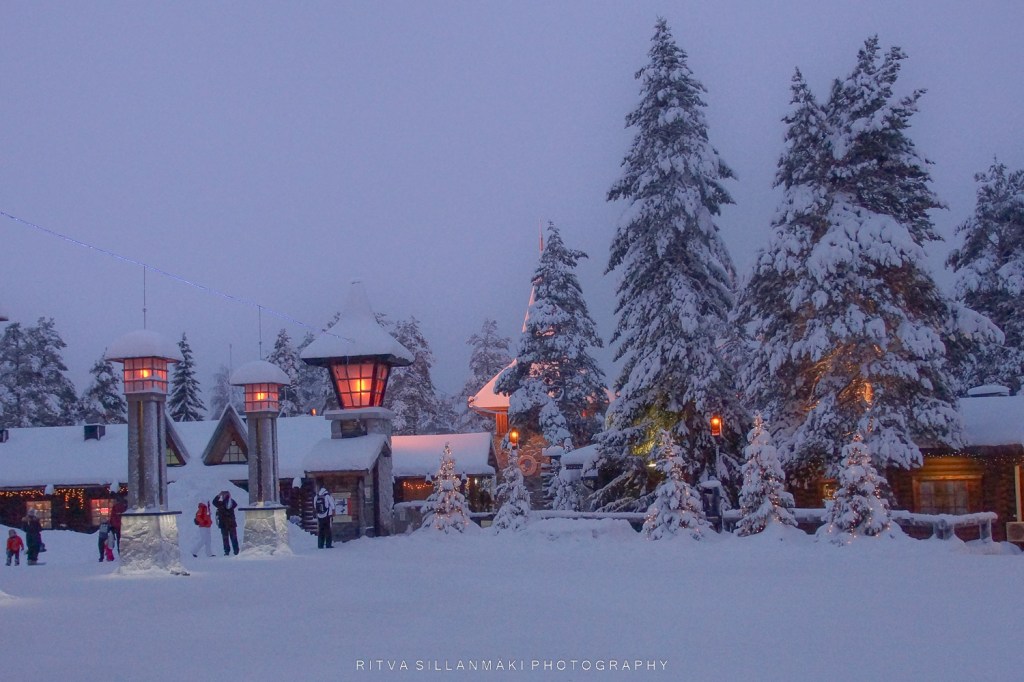
There are four distinctly different seasons as far up north . However, locals think the conditions are in a constant state of change and say there are up to eight seasons in the year: midwinter, snowy spring, spring, summer, harvest season, autumn leaf colour, first snowfall, and Christmas. The photo is from Santa’s village.
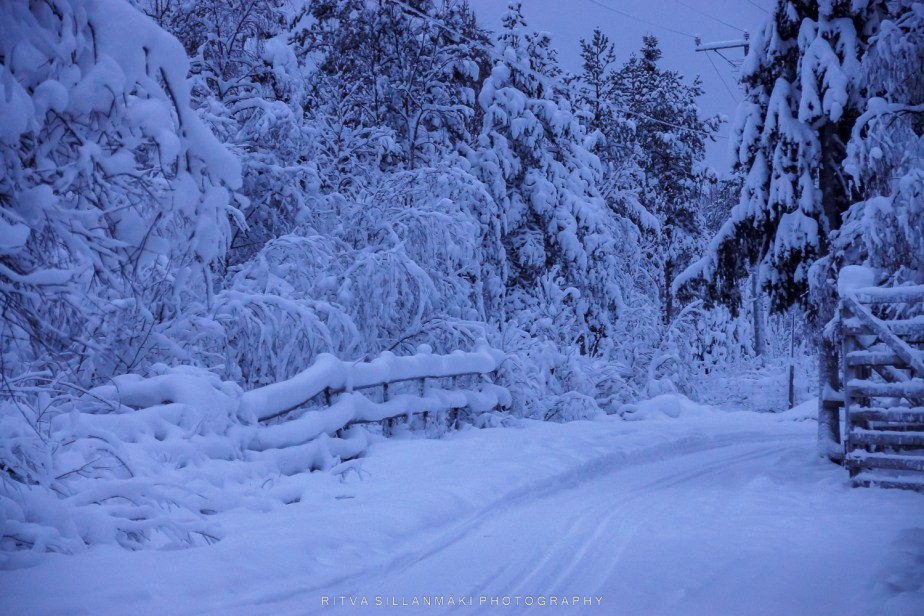
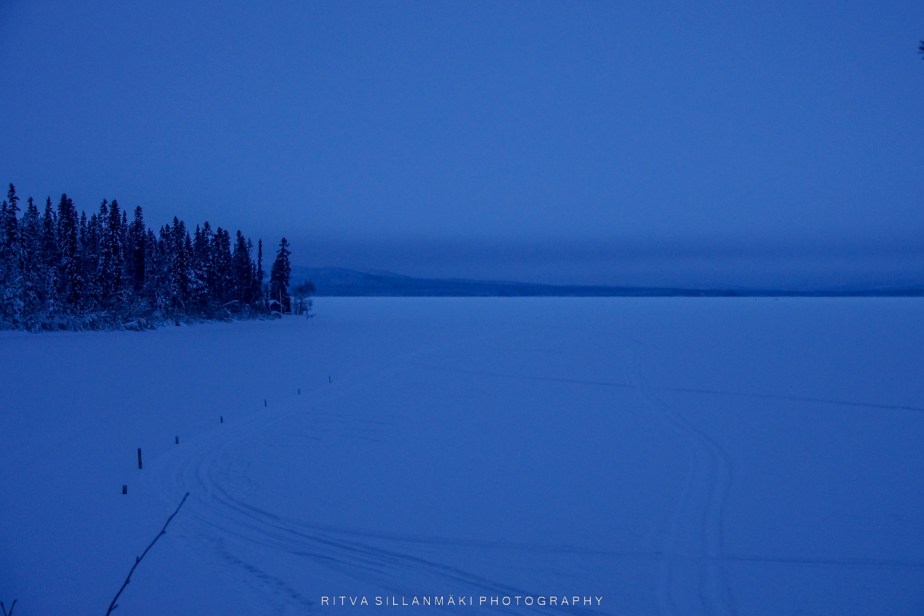
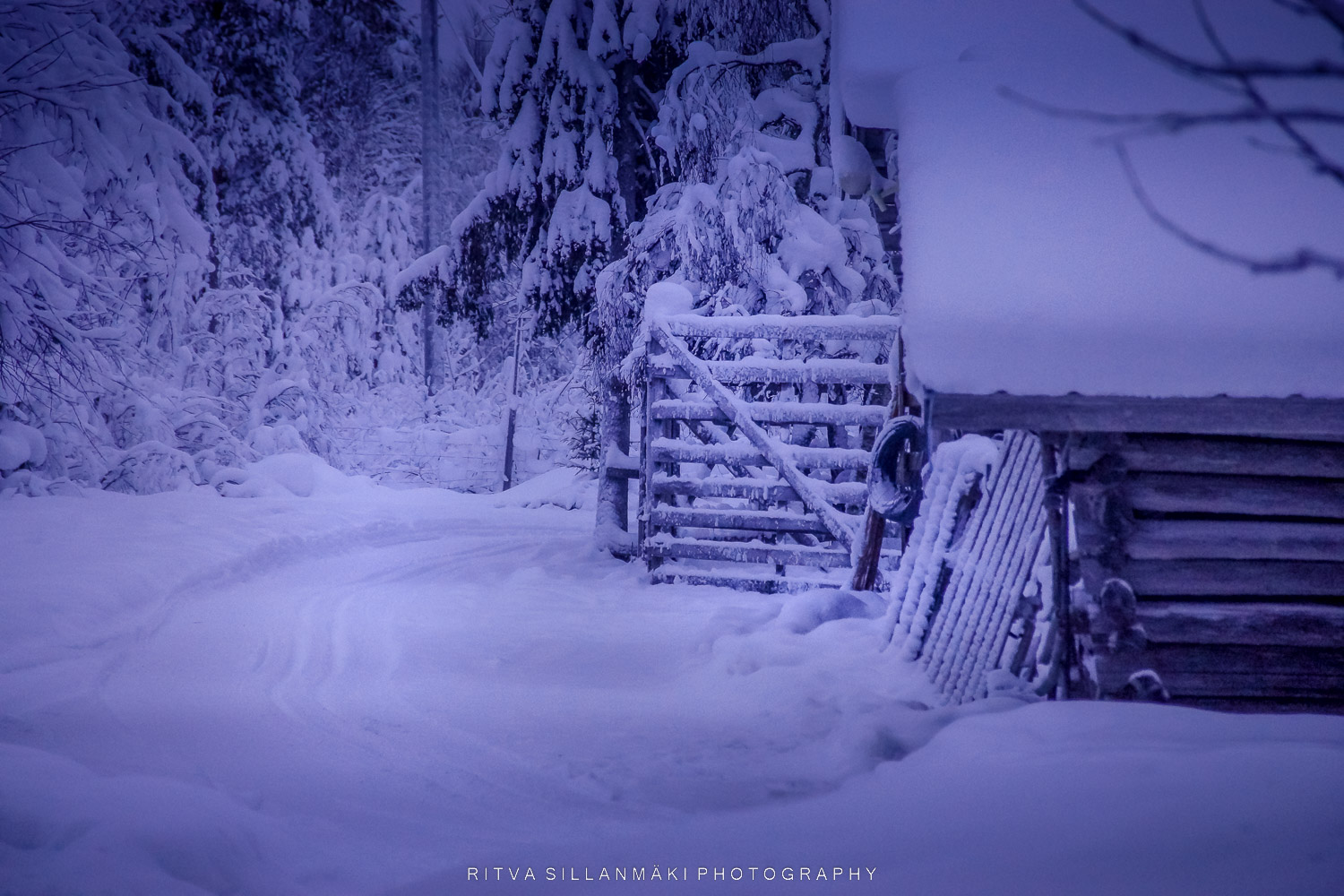
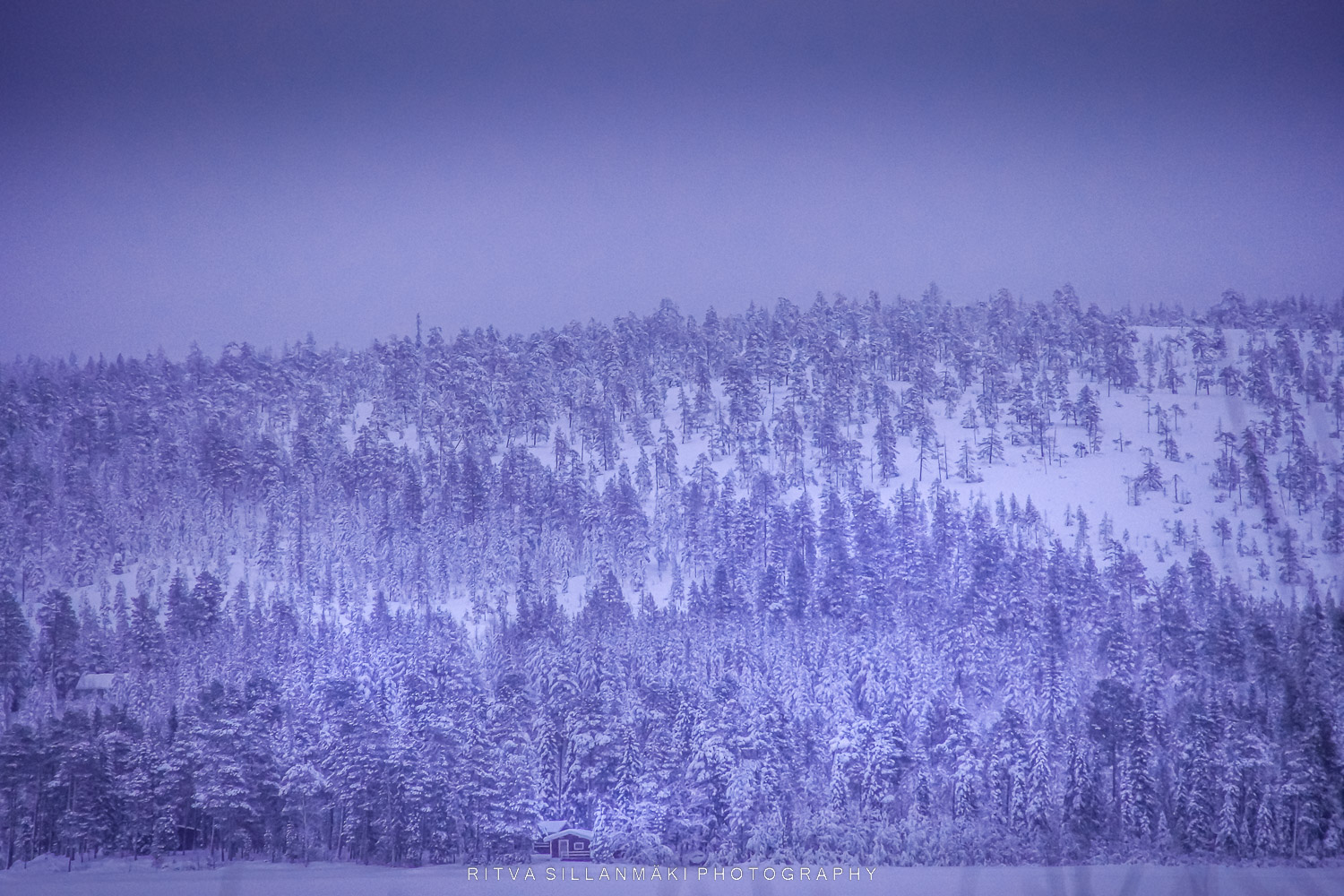
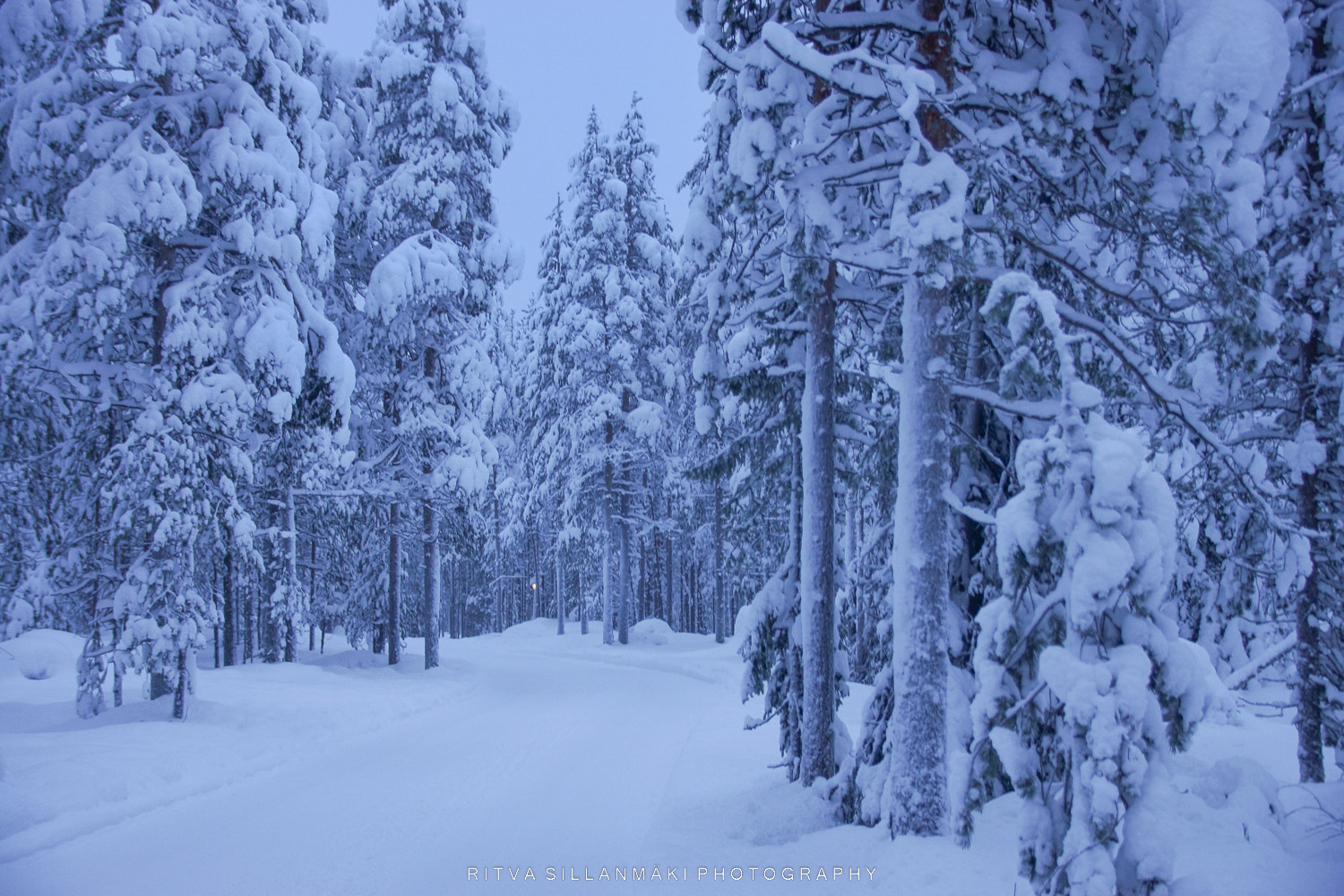
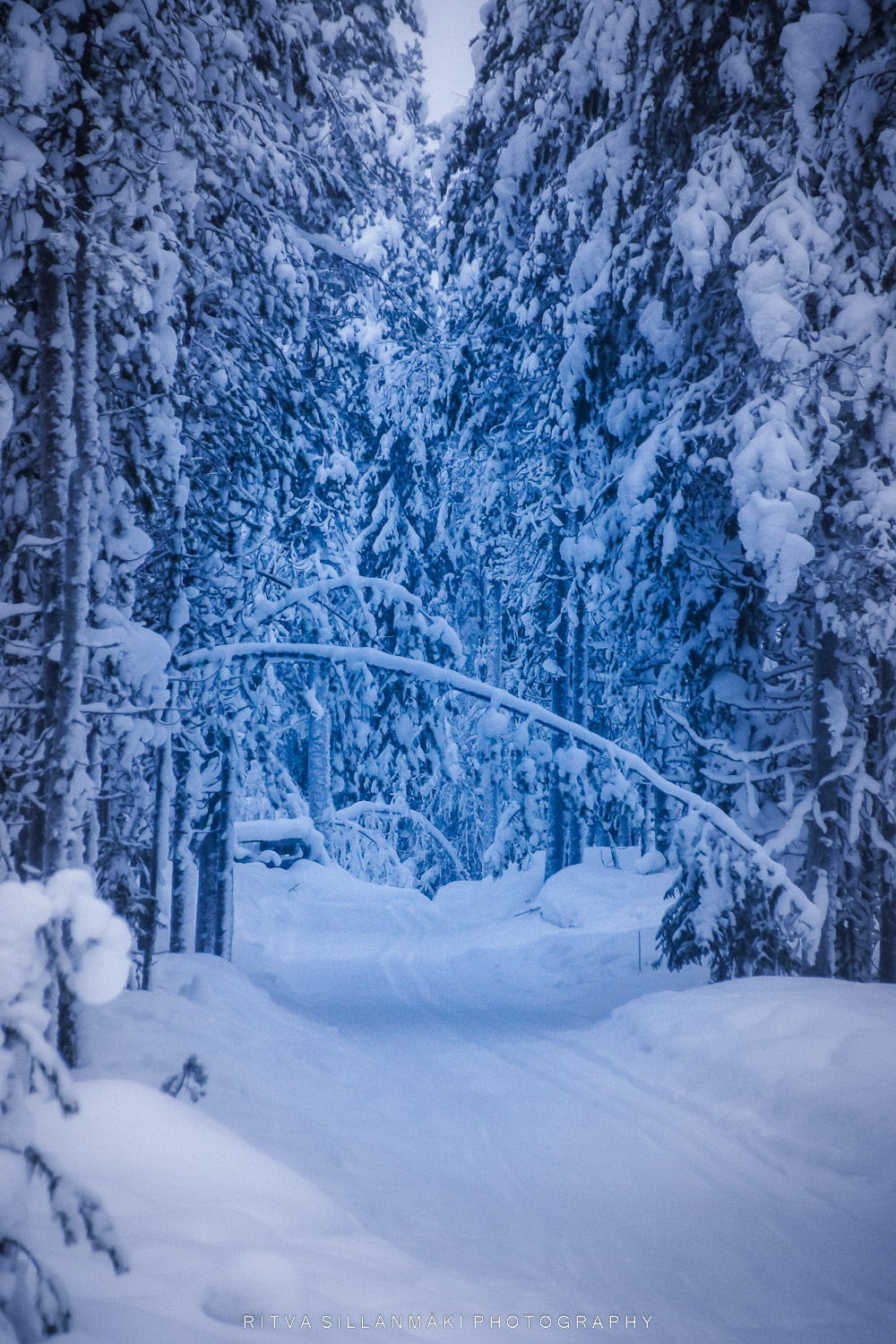
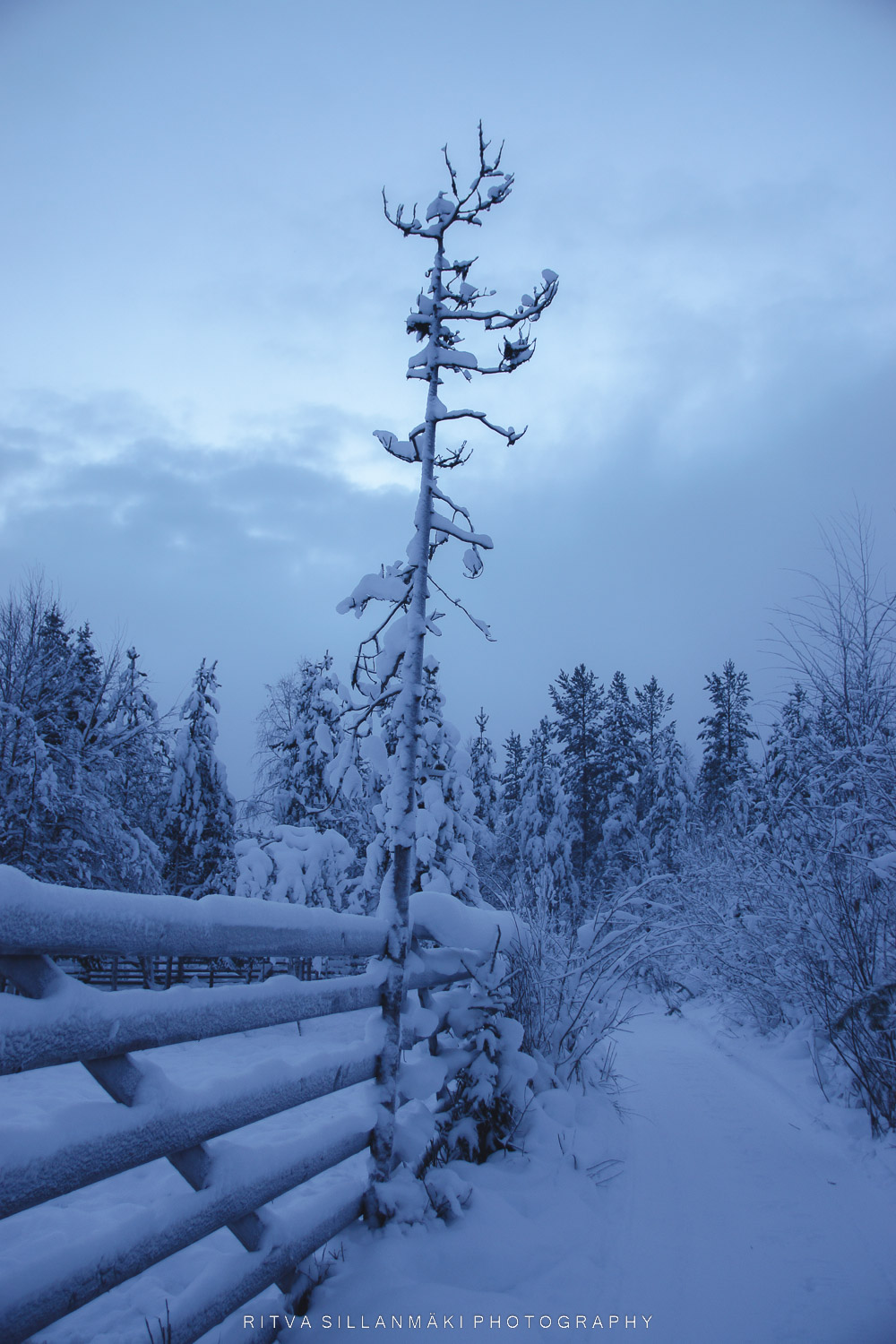
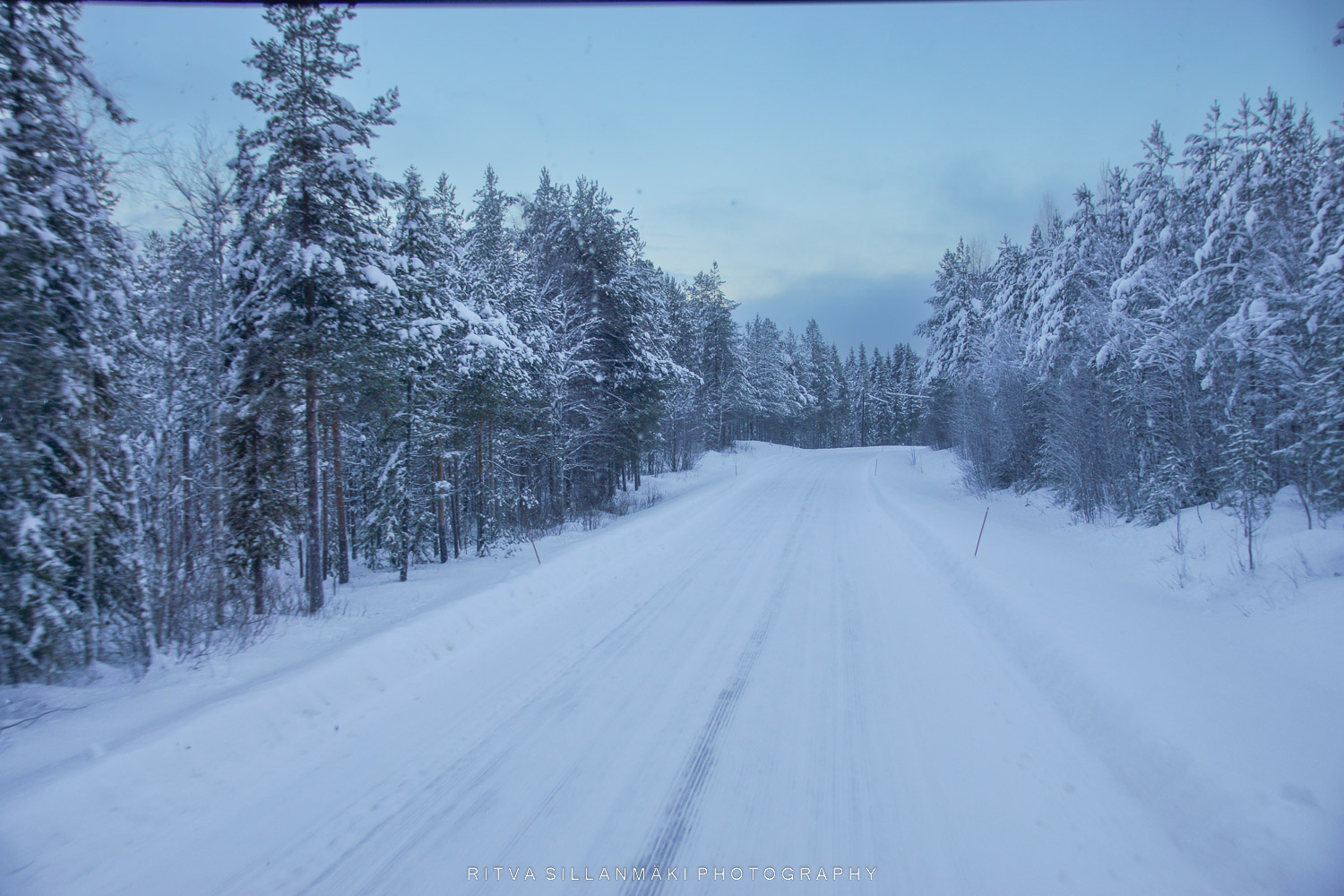
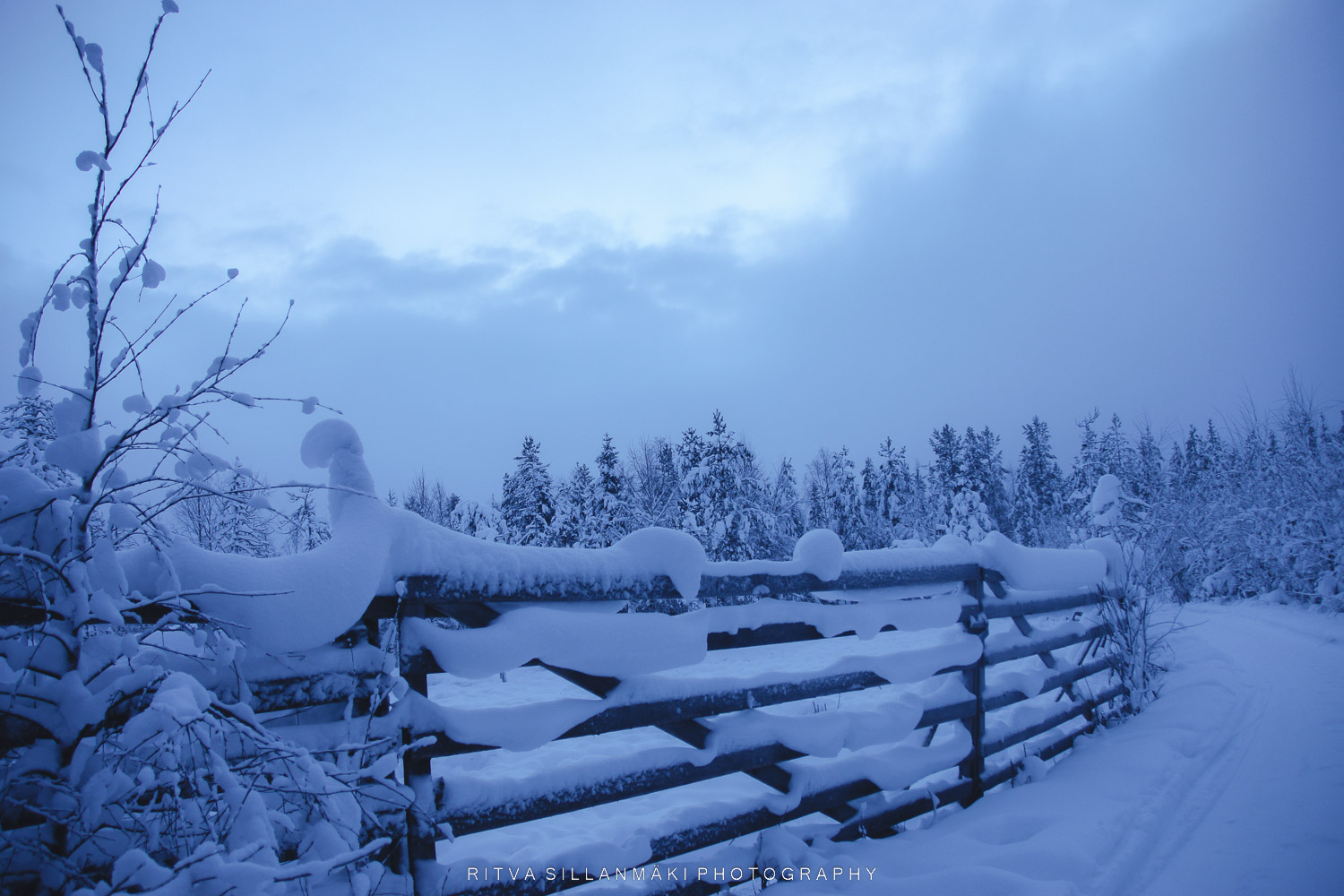
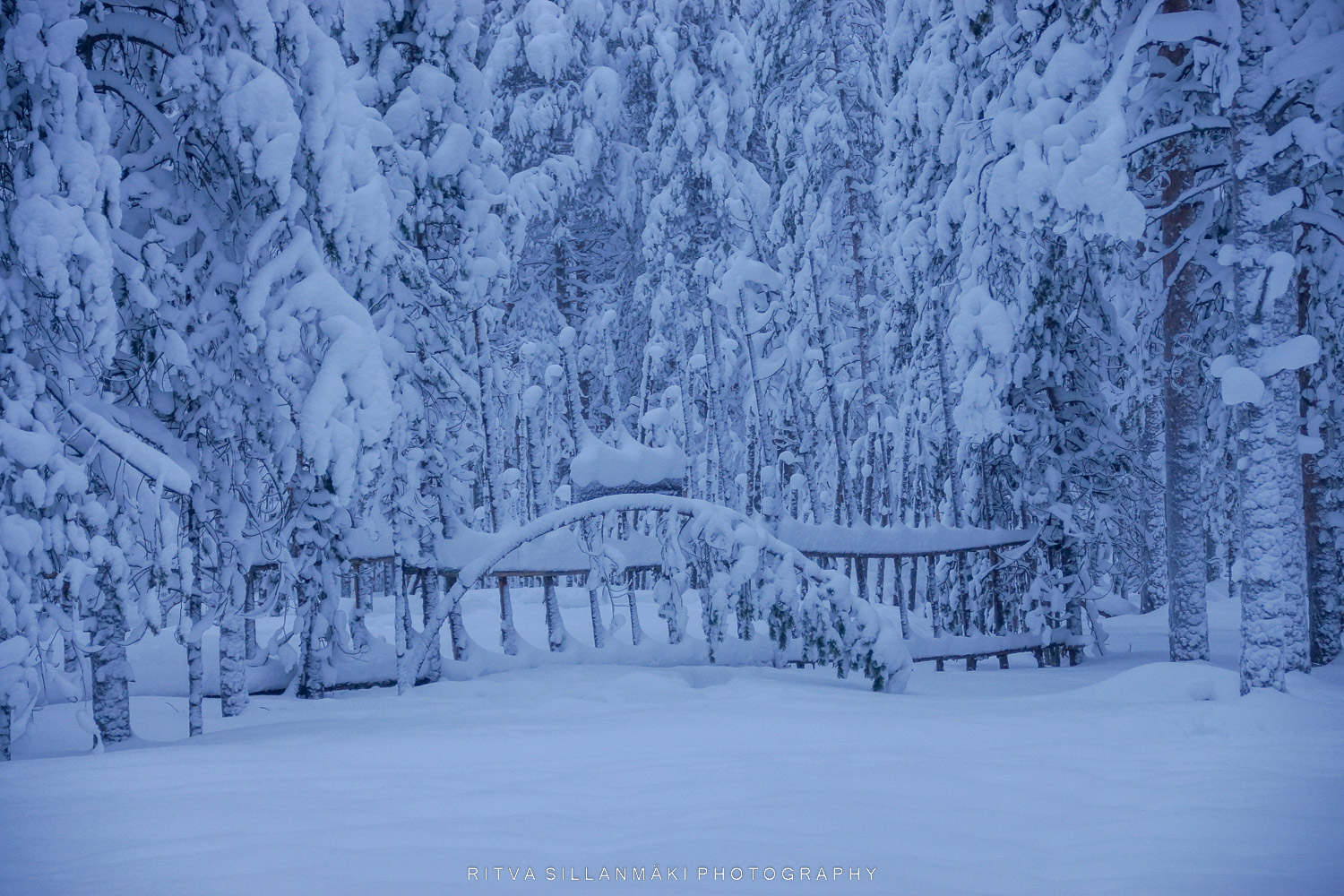
The blue twilight of the Polar Nights last from mid November to Mid January. the light is this blue hues. Not black. This is Midwinter. This period takes place in January-February and is also known as the heart of winter. With only a few hours of daylight, a rather mysterious air of silence and peacefulness shrouds the natural surroundings.
The Midnight Sun is a natural phenomenon that takes place on and above the Arctic Circle in the summer months. On the Arctic Circle, the sun officially stays above the horizon for a full 24 hours on summer solstice, 21st or 22nd June. However, the Midnight Sun period in Rovaniemi lasts for a month, from 6th June to 7th July; this is due to the Earth’s slightly tilted axis and refraction of sunlight. The nights are white throughout the summer from late May until early August
So below you can see the blues of the day on North of Finland during the day. Also the landscape of southern Lapland is quite flat. There are few lakes, but forests, swamps, rivers and streams form diverse ecosystems. In Western Lapland, the flat and same level coast changes as you go further north: there are more and moreforested hills, the highest or northernmost exceed the tree line, and are therefore already actic hills.
Water reflections – obviously easiest to do.
In terms of topography, Southern Finland is a low plain. On top of the bedrock there are fine-grained soils. The climate is favorable for cultivation, so agriculture is productive, especially in the areas of the clay fields in Eastern Uusimaa.
Considering the large population, nature can be close to people even in Southern Finland. The most difficult and rugged areas can have natural areas.
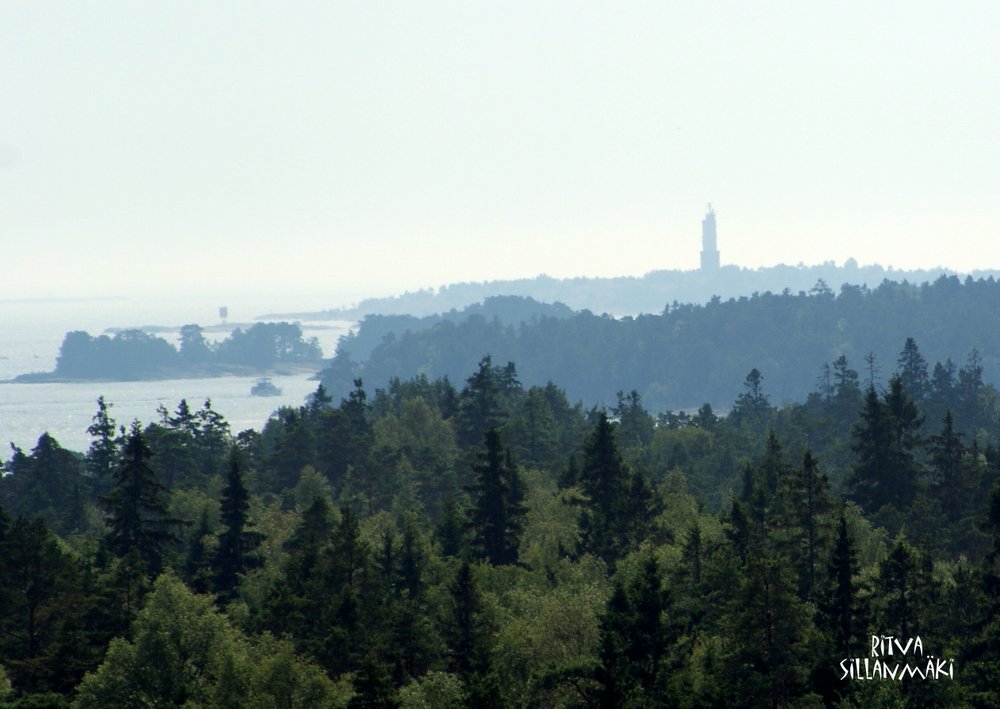
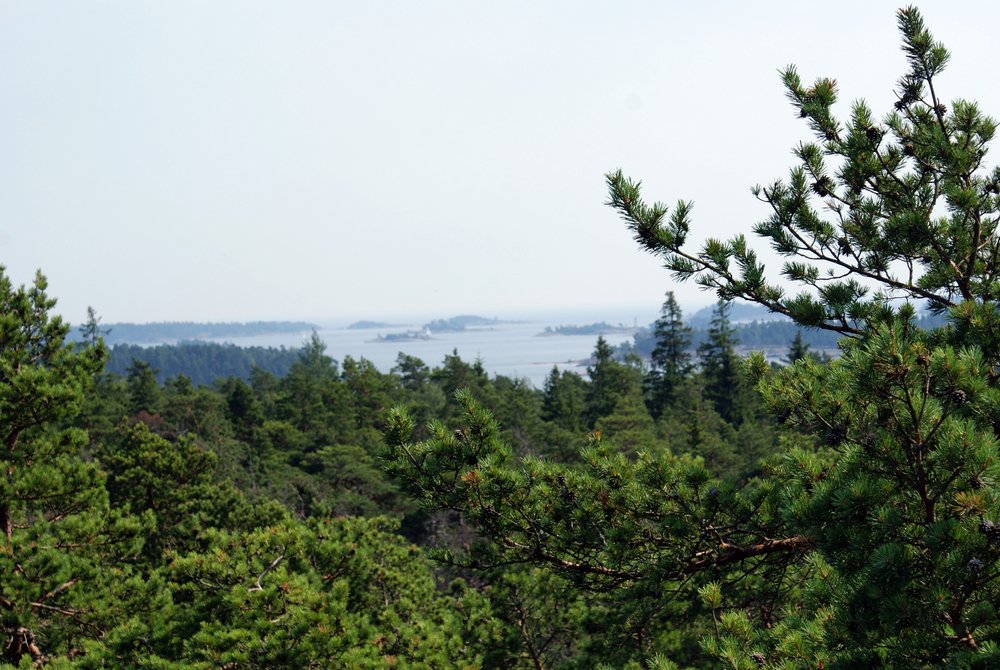
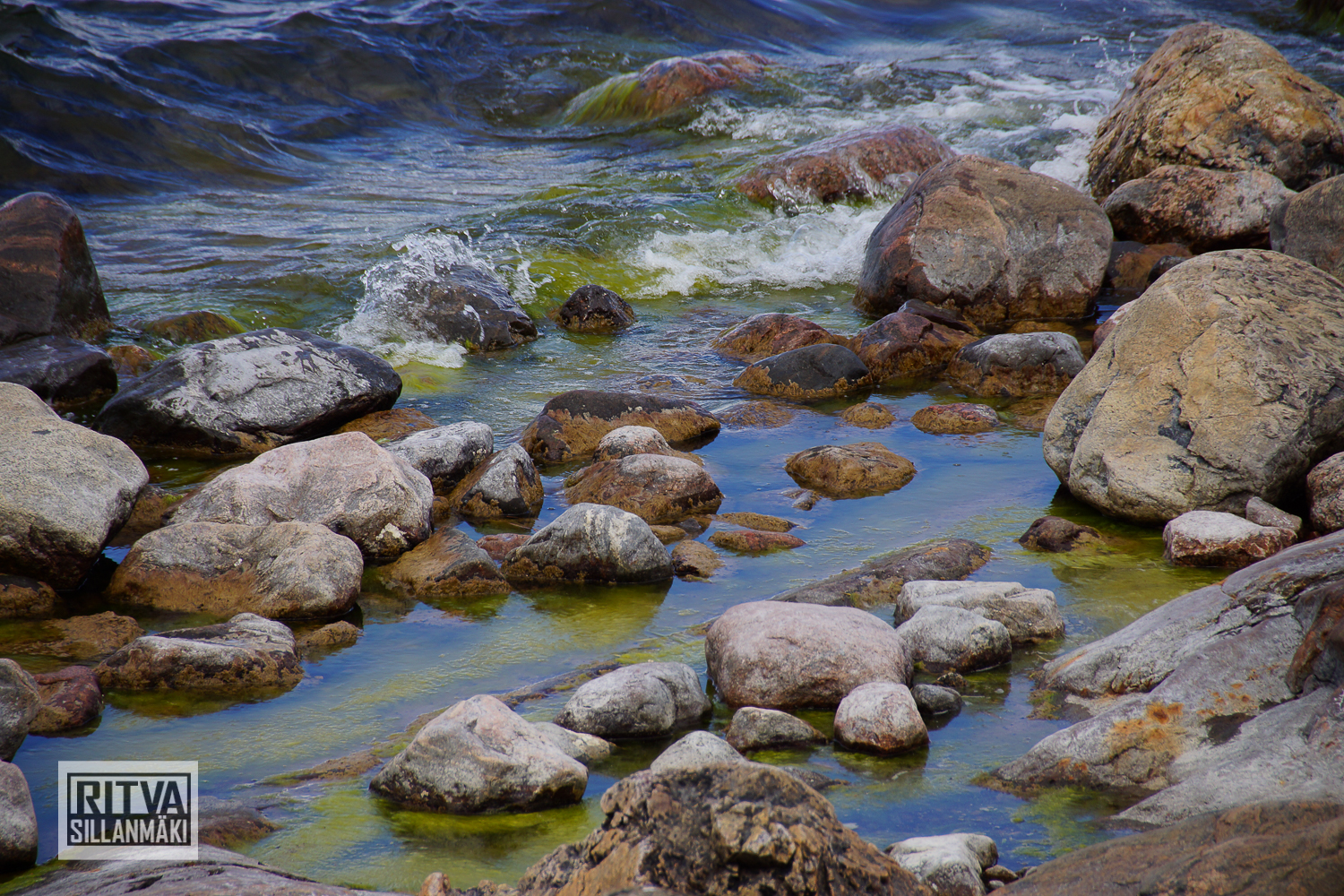
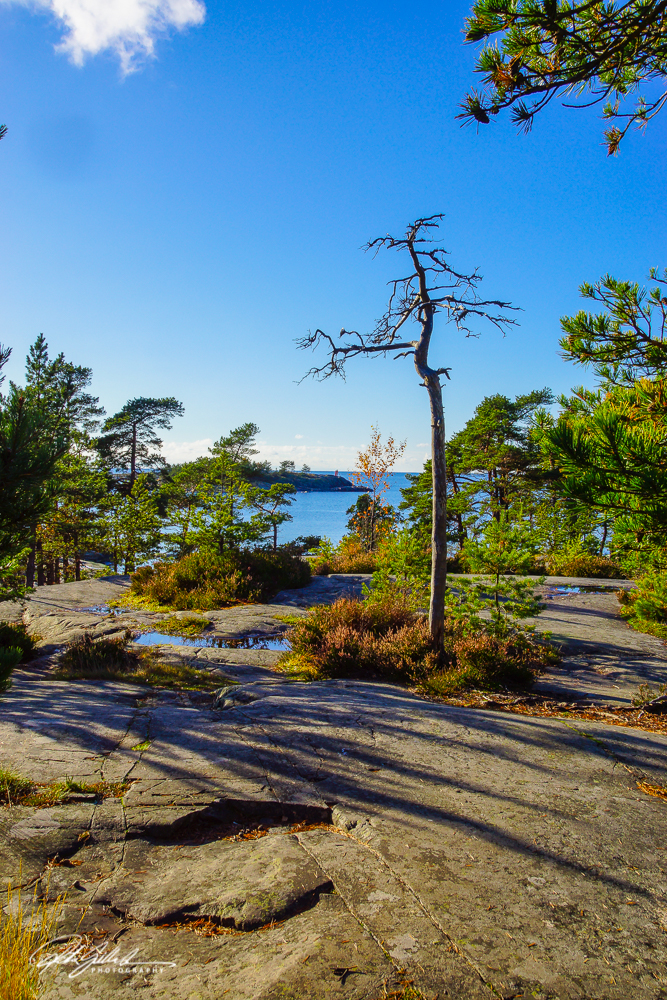
There are rocks and small lakes in the Nuuksio National Park. There is a forest area of several thousand hectares in Sipoonkorpi, with rocks, groves, natural streams and traditional meadows. The Repove National Park has steep rock cliffs and the Valkmusa National Park has an oasis nature. Porkkala, which I have written about before. Porkkalanniemi is in Kirkkonummi, that is where I live.. The area consists of rocky shores, pine forest, and beautiful outlooks onto the sea. The Porkkala cape stretches far out to the sea and is one of the best places to watch arctic birds migrating. Seabirds thrive in the area due to its rich and diverse habitat. Porkkala has a considerable population of common eiders and is also an important resting area for long-tailed ducks. Lucky visitors may even spot moose or white-tailed deer in Porkkala.
The light is different in south, the sunrises here in the winter even if for a short time. Less snow for sure. In the Summer, the sun sets even if for a short time, but it does not get really dark. More humidity as we are closer to the sea.
Porkkalanniemi – Kirkkonummi in Southern Finland
As I’ve stated before I am not a very technical photographer, more into composition, mood. I do my magic on the edit table mostly, if you can call it magic, more like my interpretation of places and people. I am also not one to write all that much, let the photos speack for themselves.
I have two cameras an old reliable SONY SLT-A65V, and I have two lences I use with it one for Macro Sony Macro 2.8/50 and portraits. The other for nearly everything a Sony 18-200mm.
The Sony has been in less use since I bought a new lighter one to carry around, its a Olympus E-M10 Mark II with a 14-150mm lense and I have a OM-D M.ZUIKO DIGITAL 45mm 1:1.8 for street and portrait photography
Driving from Charleston to Hilton Head Islandille took us couple of hours. We set the navigator to Coligny Beach. We barely got out the car when a trolley driver, Zanden, offered a ride to the beach, which happened to be only 200 meters from the parking lot. We hopped on and right away Zenden started asking if we would be interested in having a vacation costing only like 20 dollars per night. I smelled time-sharing and told him that we are not interested. Then he asked where were headed and hearing Savannah he offered free city tour and Ghosts & Graves tour for two, if we were willing to hear Palmeras Resorts sales pitch. So, we ended up going, knowing full well what was ahead of us.
So we went to see a condo close by with the sales person Taquian once she had done the surveys of us and told us the rates – $29,900 for 60 months. After the tour of the condo, she asked if we were interested, and we said – no. Then she had to ask for her boss to come and ask the same question. And the answer was still the same but only the boss could sign for our Savannah Tour vouchers. They claimed that about 20 percent of the people that listen the sales pitch sign up. I very much doubt it.
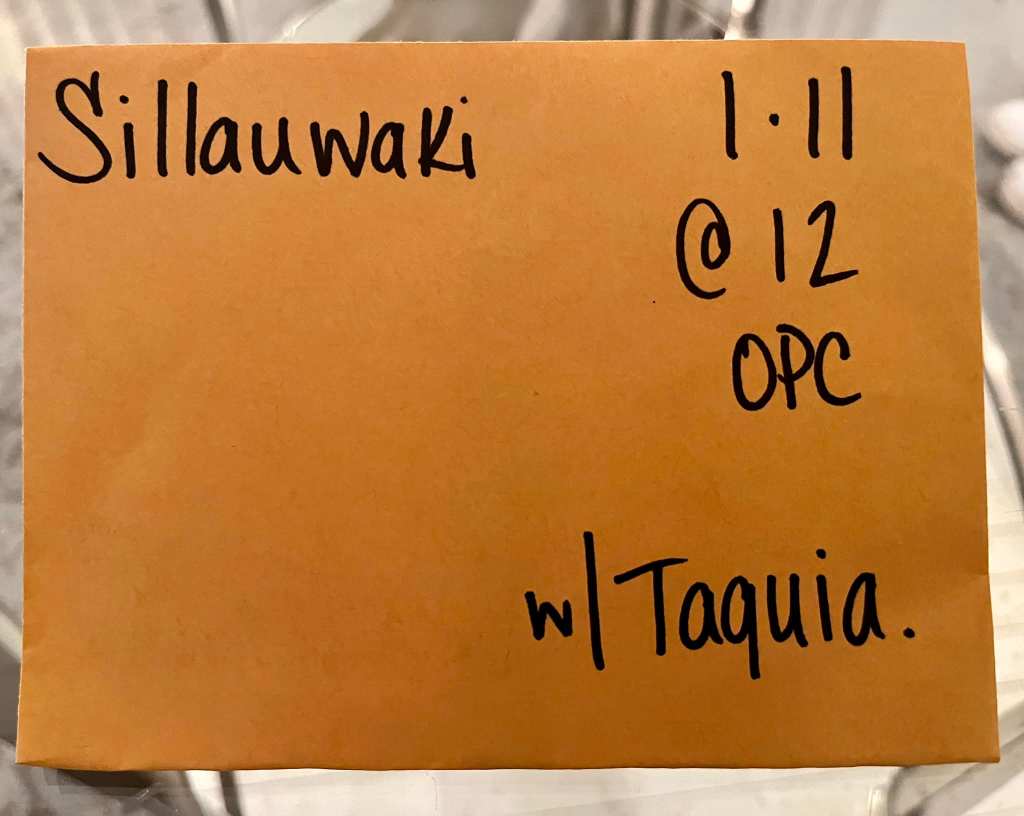
Anyway, after about waisting 90 minutes of our time we got the tour vouchers in a envelope that read Mr. Sillauwaki. I guess it’s understandable to turn letters n and m upside down if you have dyslexia or something?
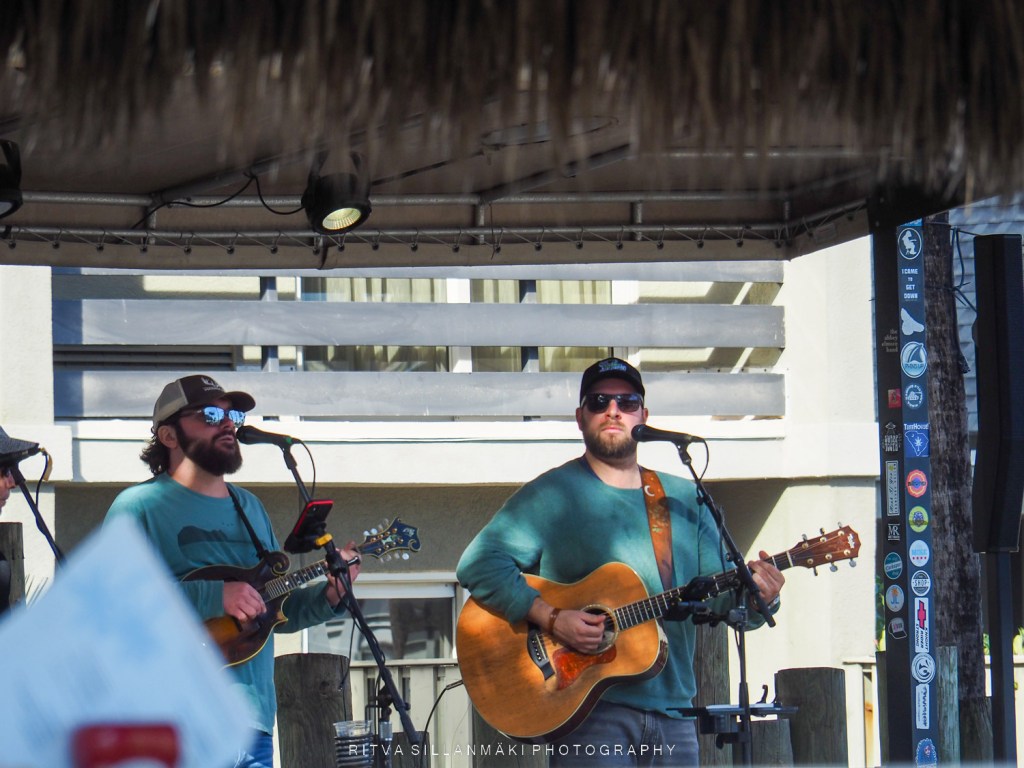
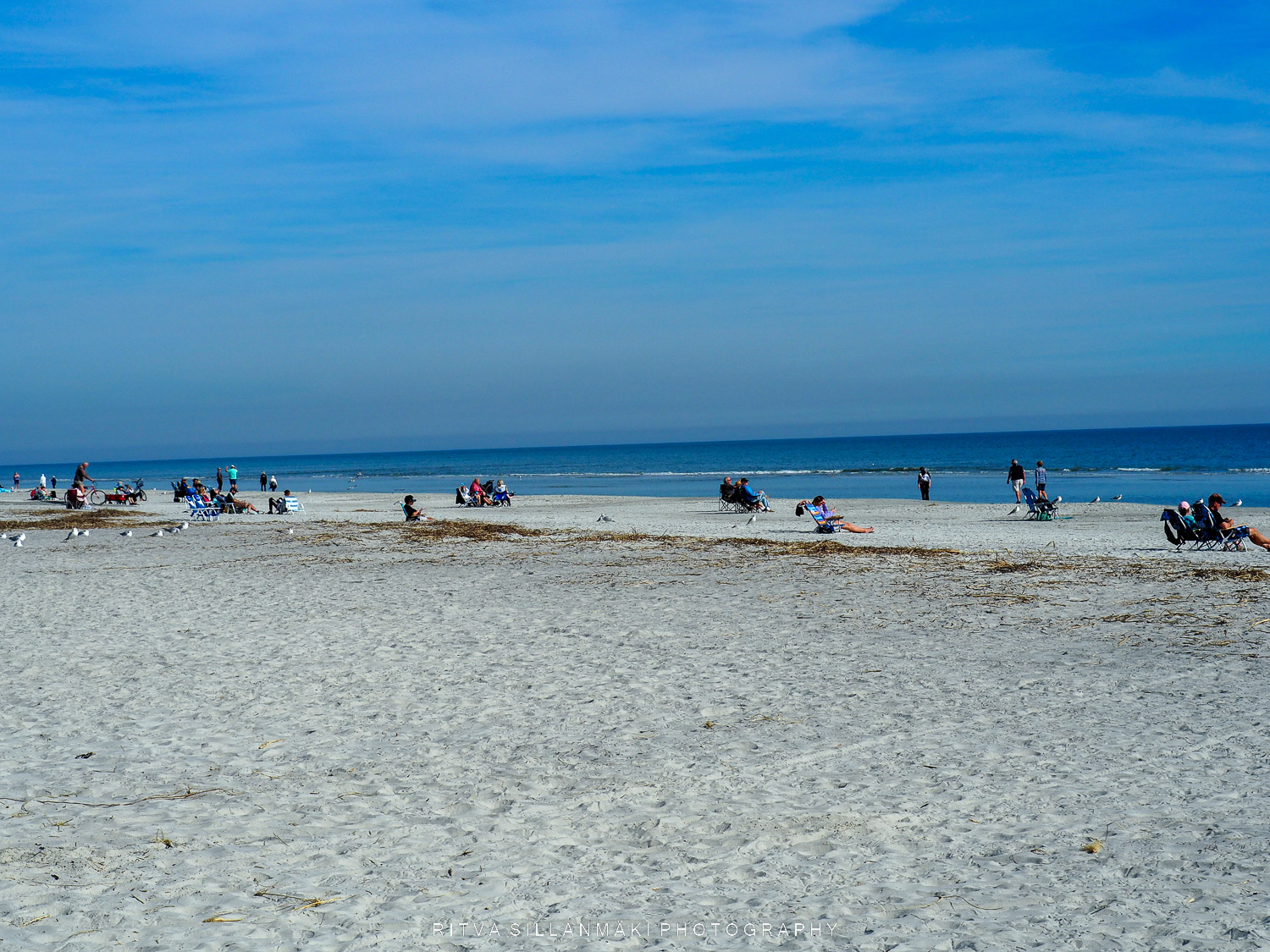
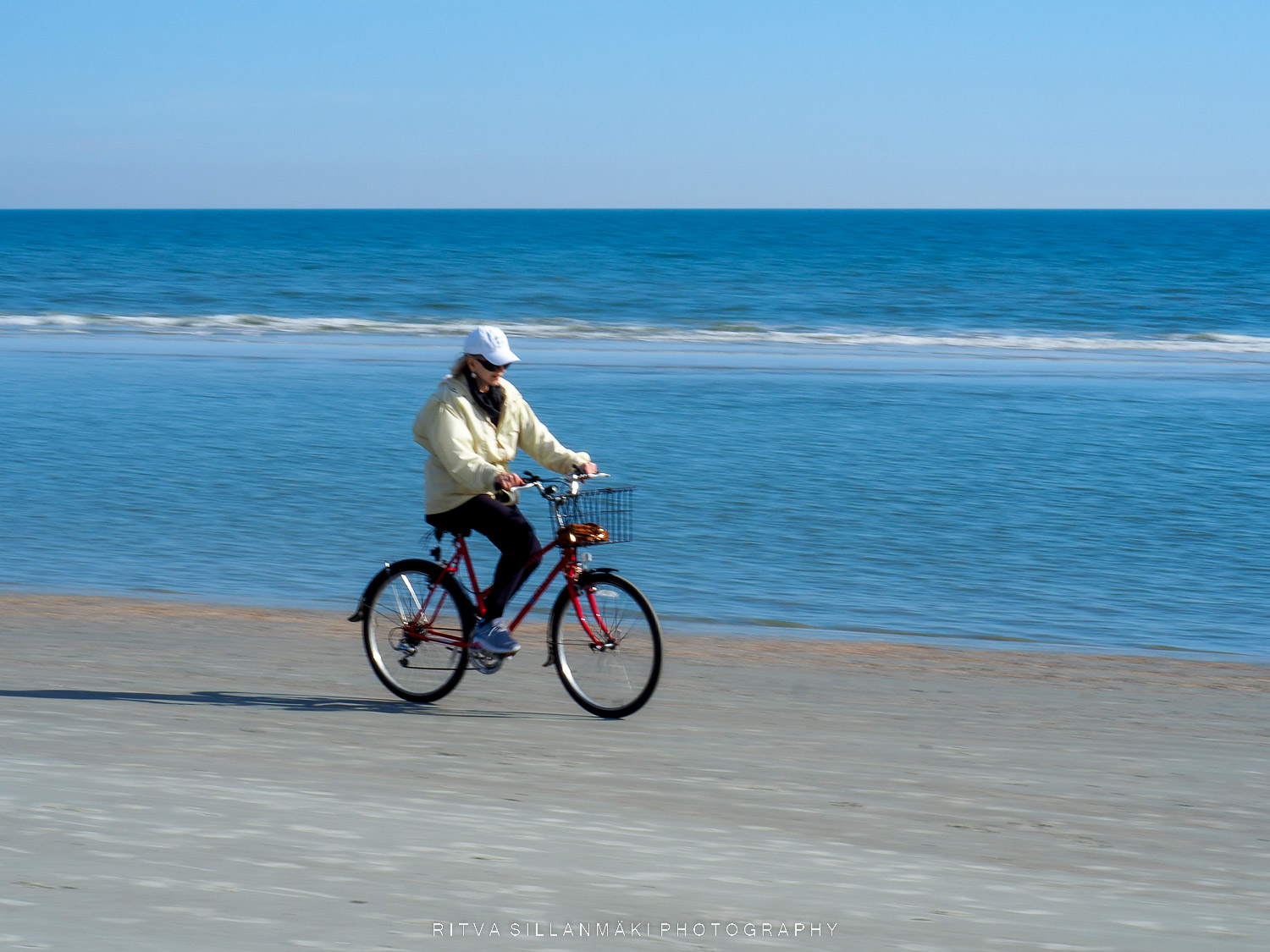
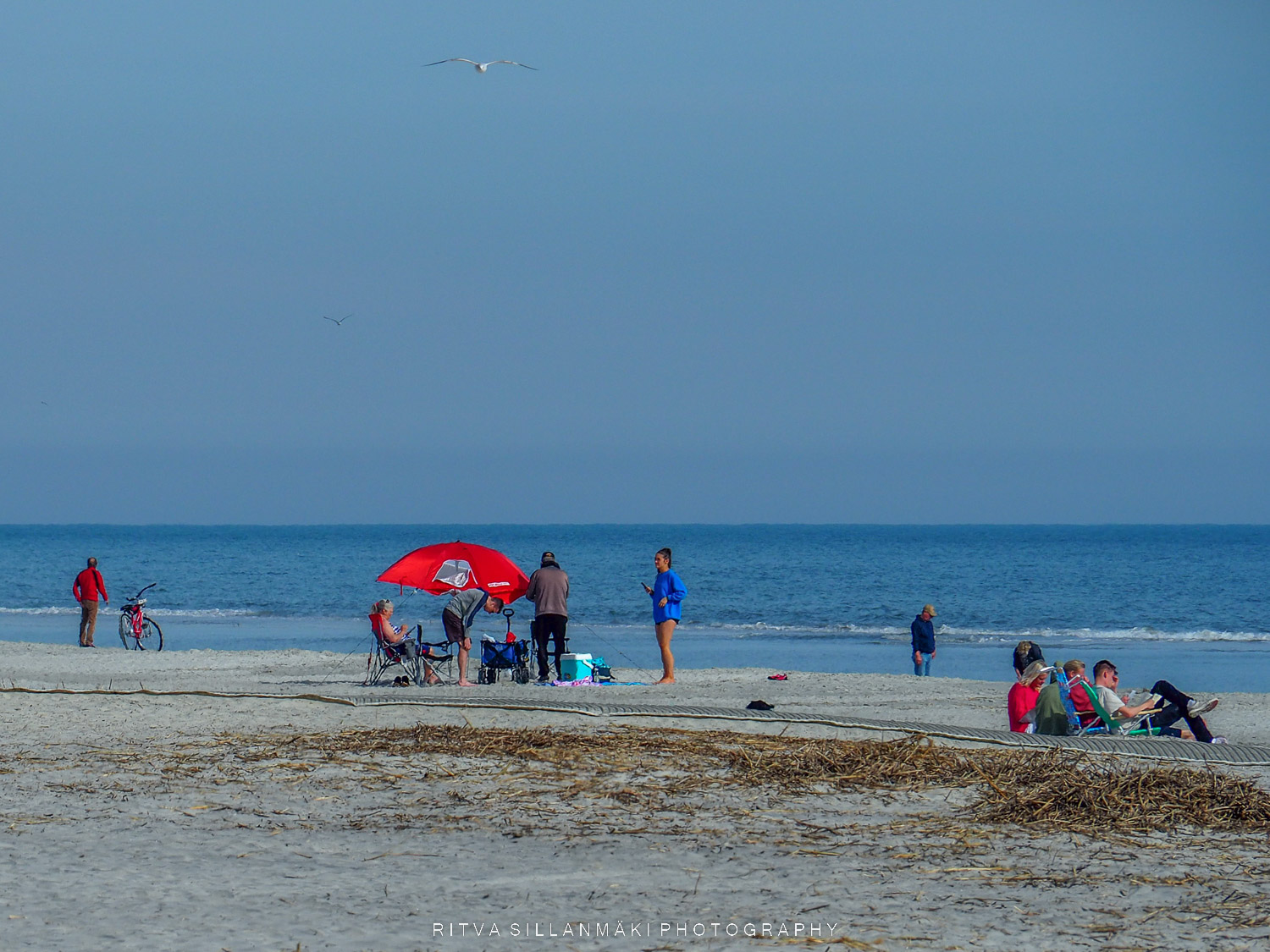
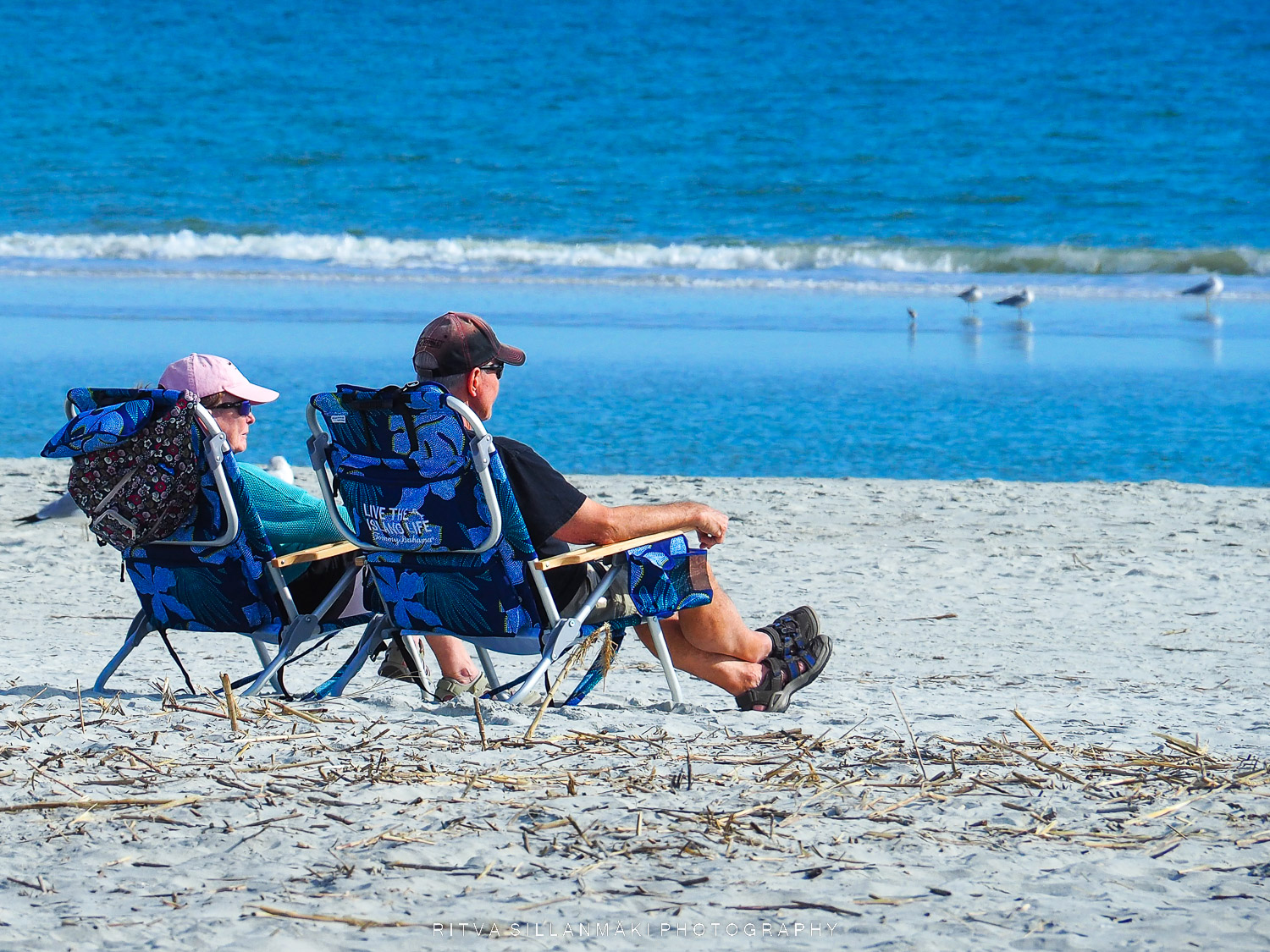
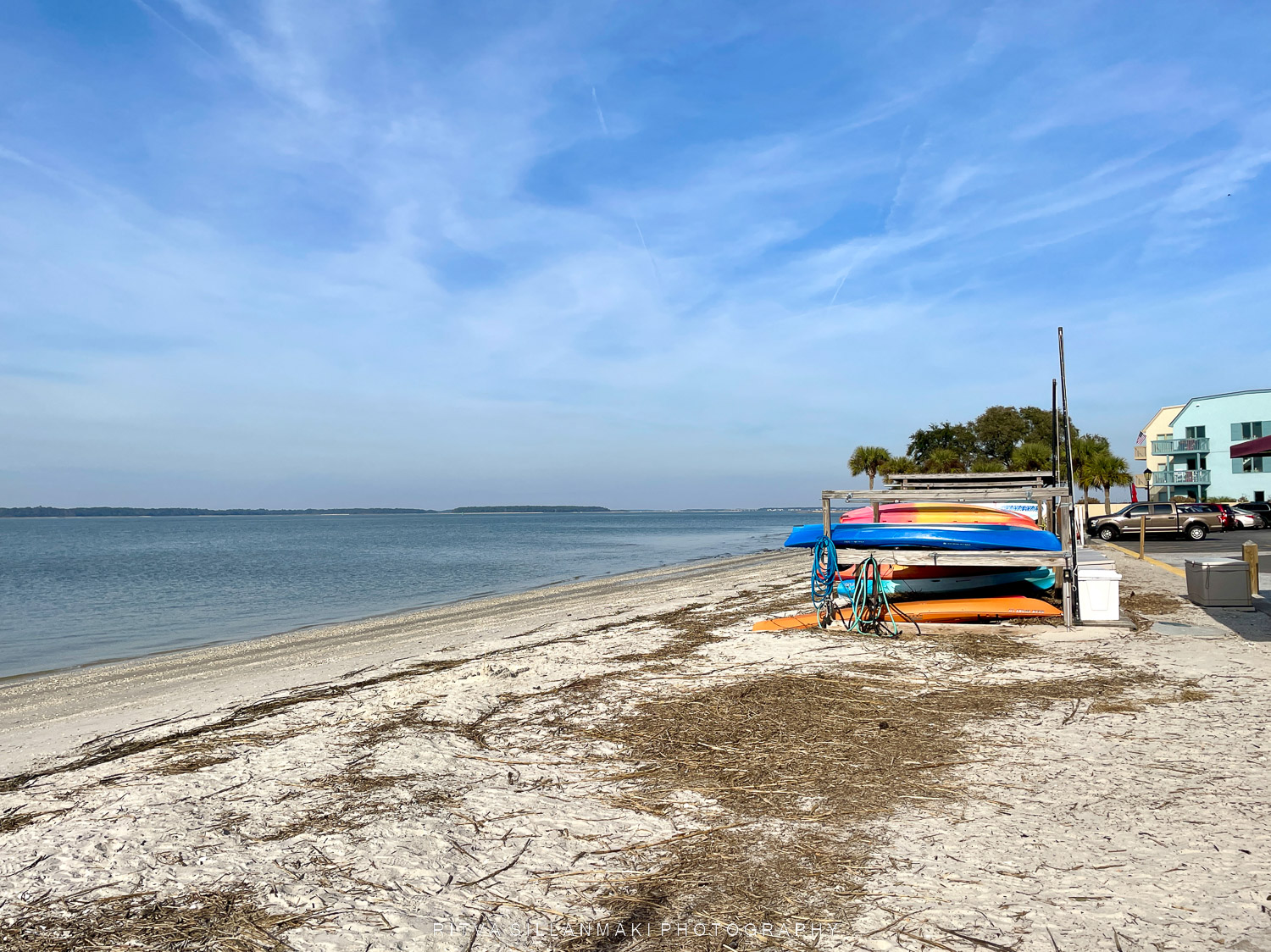
Eventually we made it to white sands of Coligny Beach. The beach was very easy to walk because close by the water the sand was quite hard. By the beach there was a bar that had an excellent three-piece band. At first, I thought they had a female singer because one of the voices was so high tuned.
Beach Band
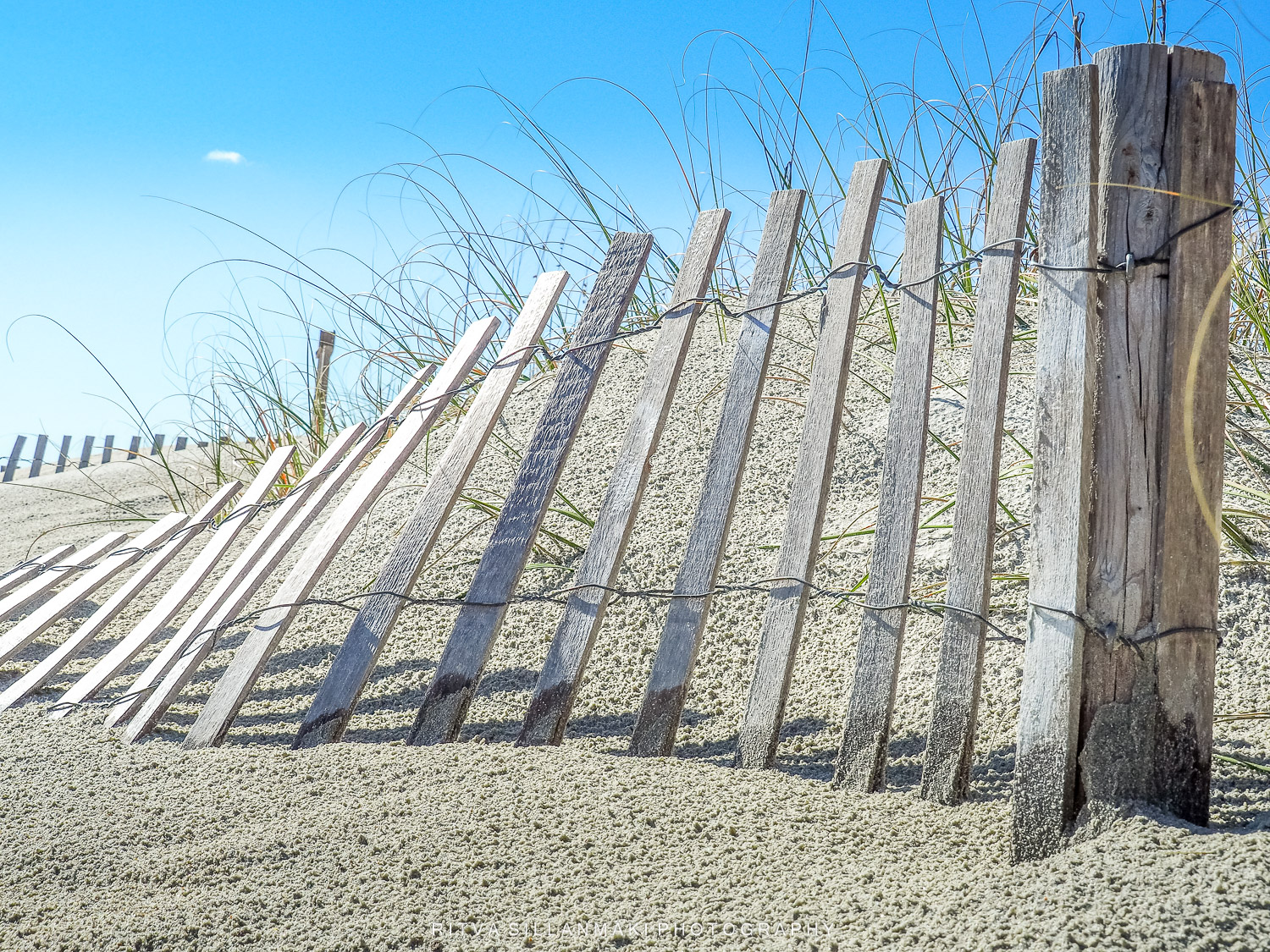
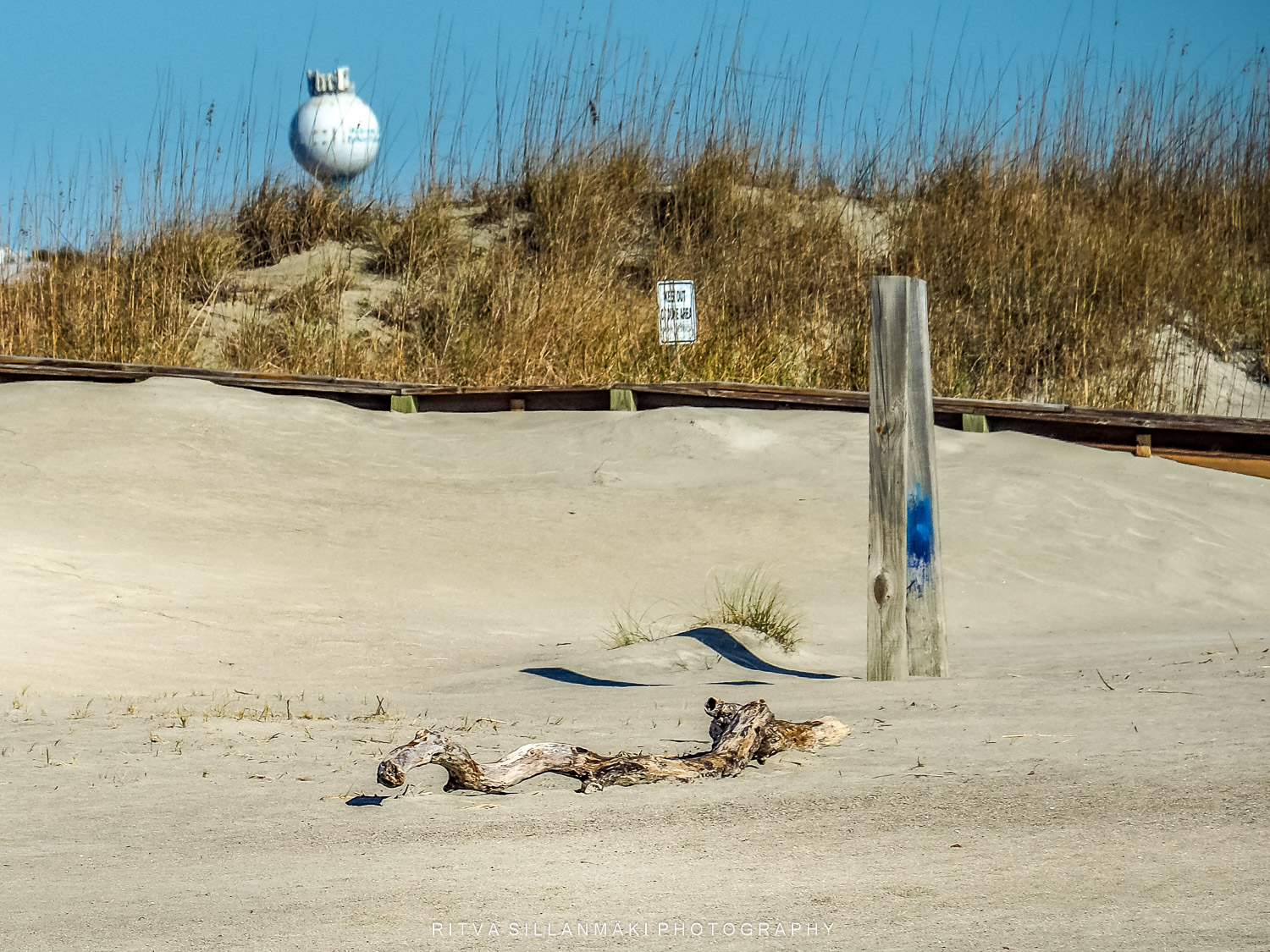
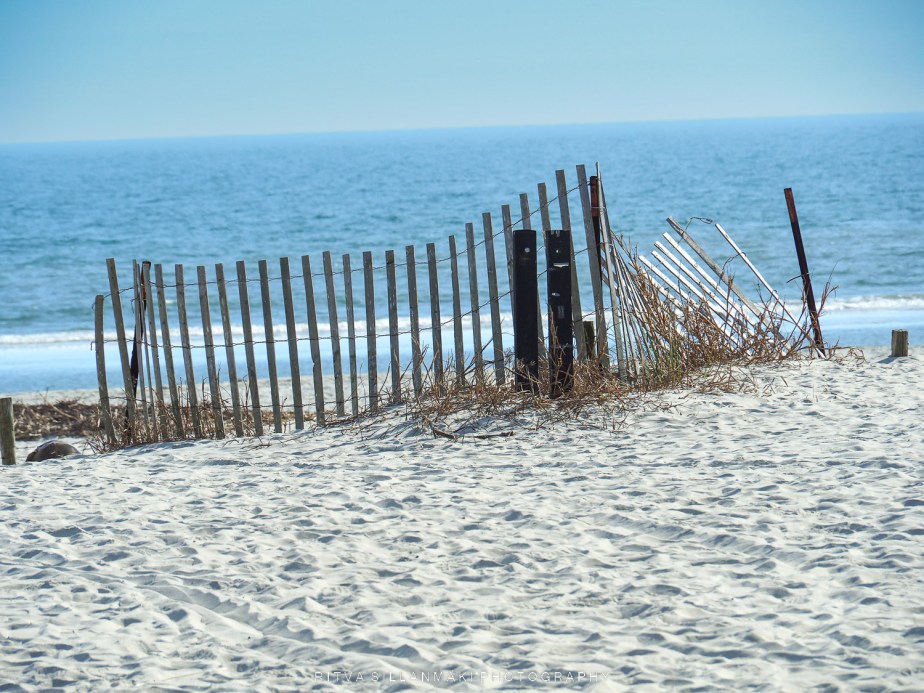
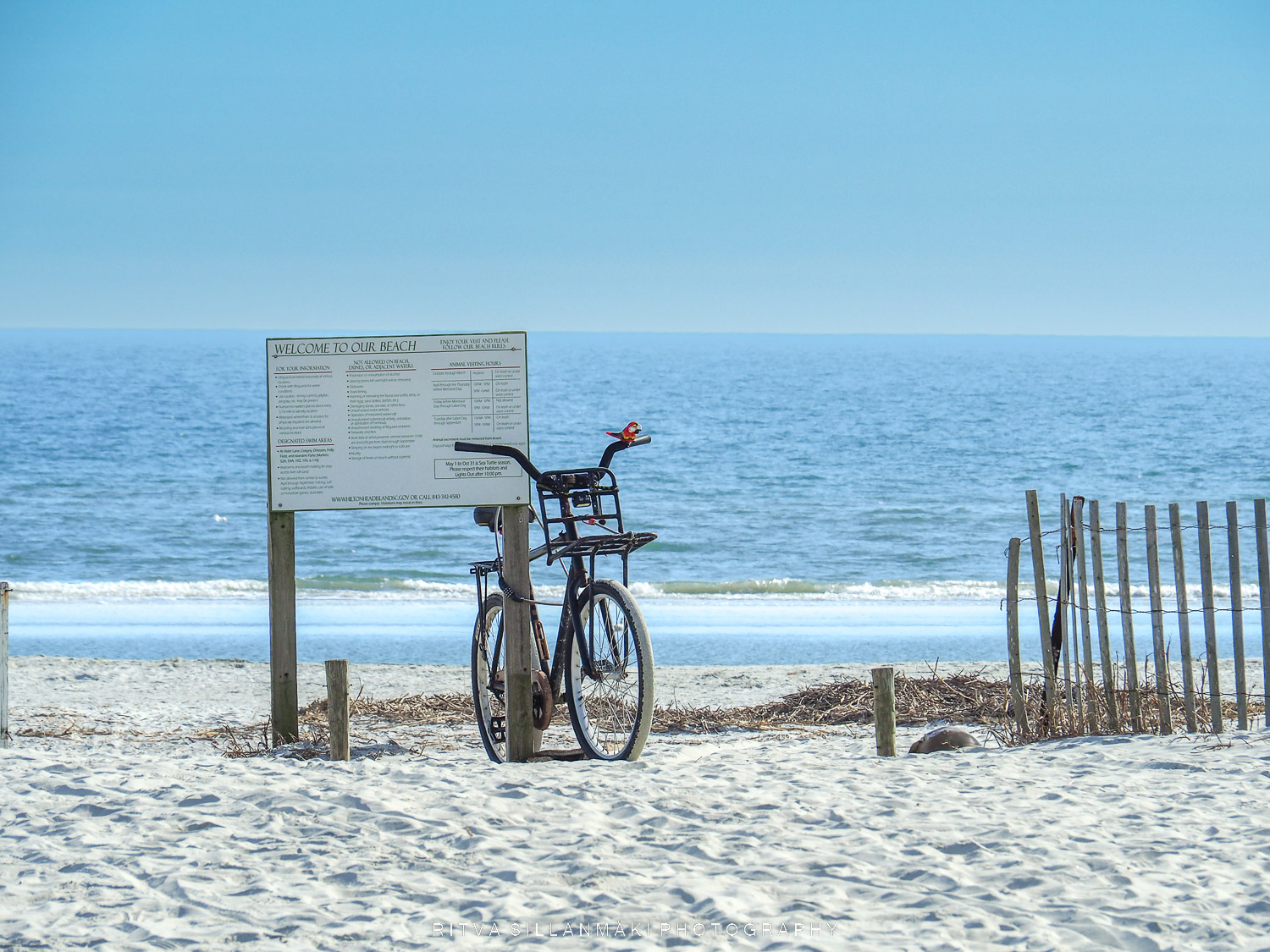
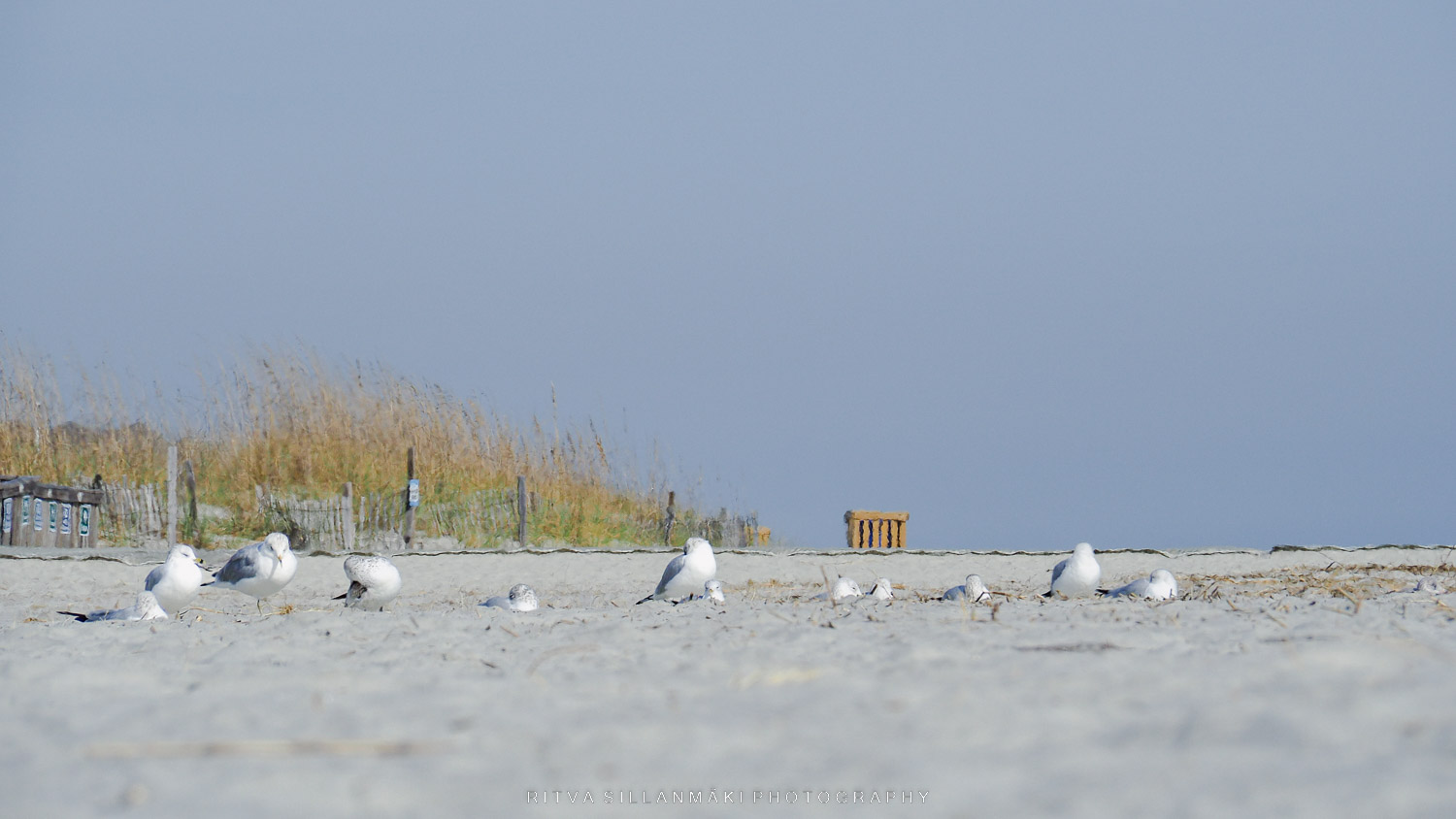
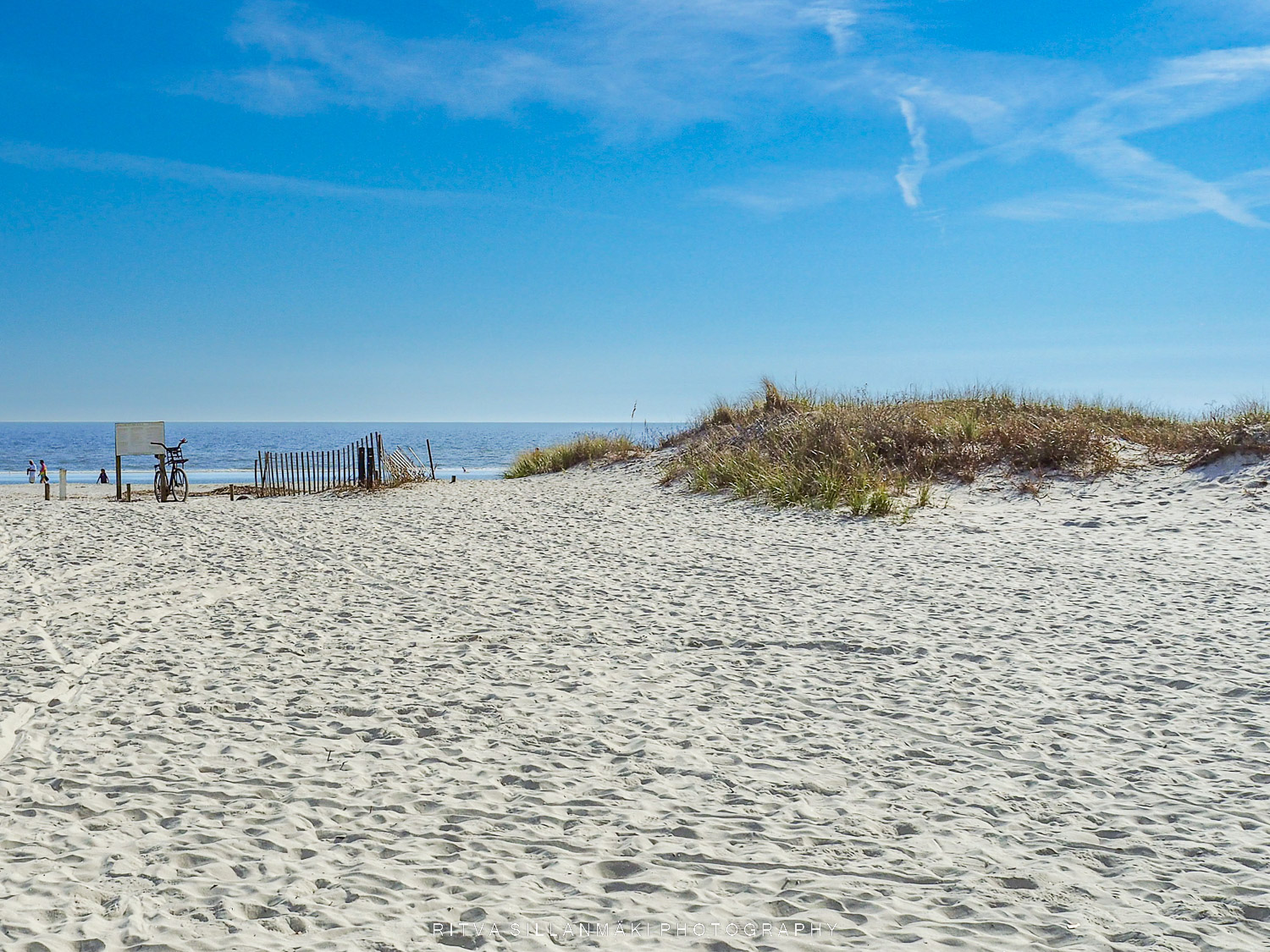
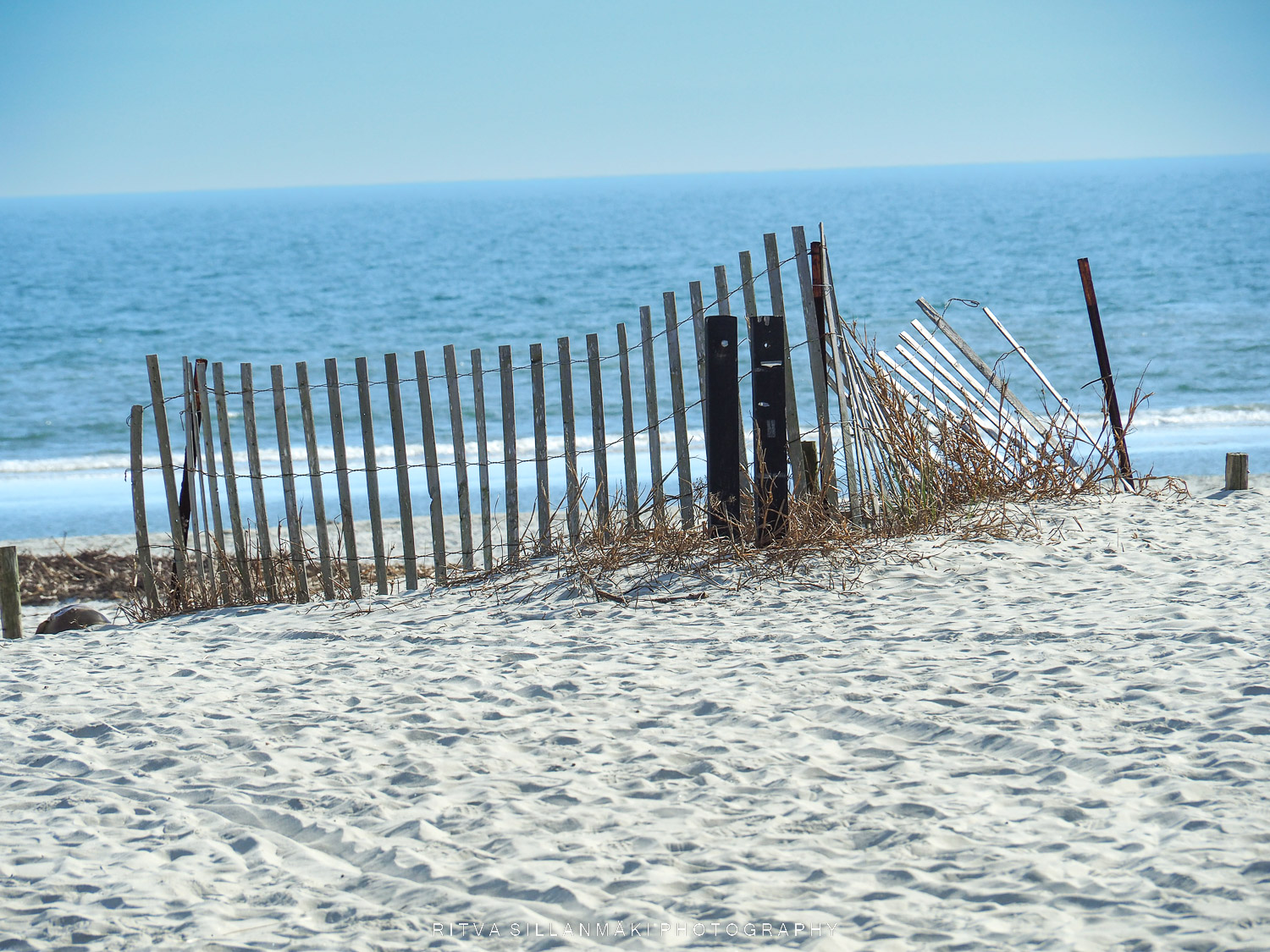
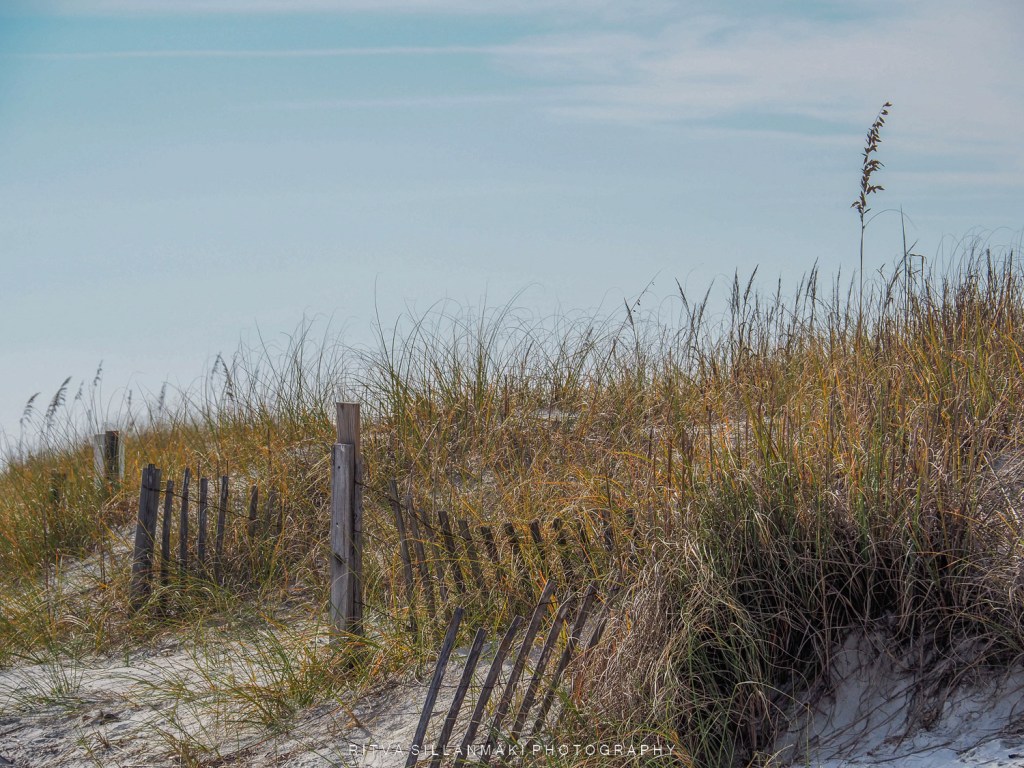
Please do not walk on the dunes
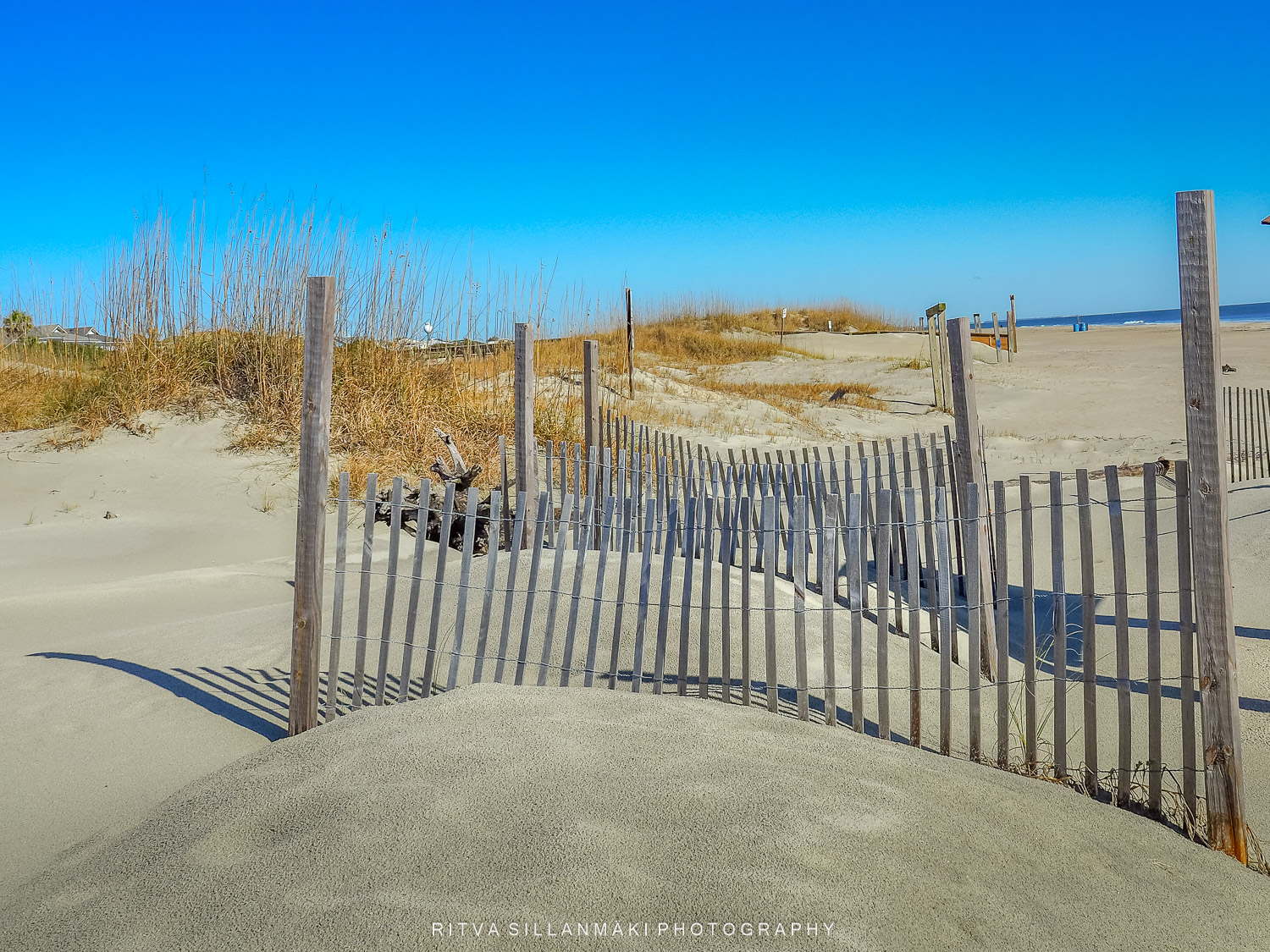
Sand fencing collects windblown sand to create new dunes and the beach plants help hold the new dune in place with their roots.Stay seaward of the fences and don’t store or leave anything in the sand fence area.
Dunes provide important storm barriers that protect upland property from the effects of wave energy, and can store storm water in the troughs between the dune peaks to minimize flooding. For these reasons, we need to protect our beach-dune system and encourage the formation of new dunes.
Many of our native species have habitat which is only found in dune fields including dwarf live oak, prickly pear cactus, sea oats, six-lined racerunner lizards and Spanish bayonet.
Our beach and dunes provide important wildlife corridors that can get animals from one end of the island to the other without crossing roadways.
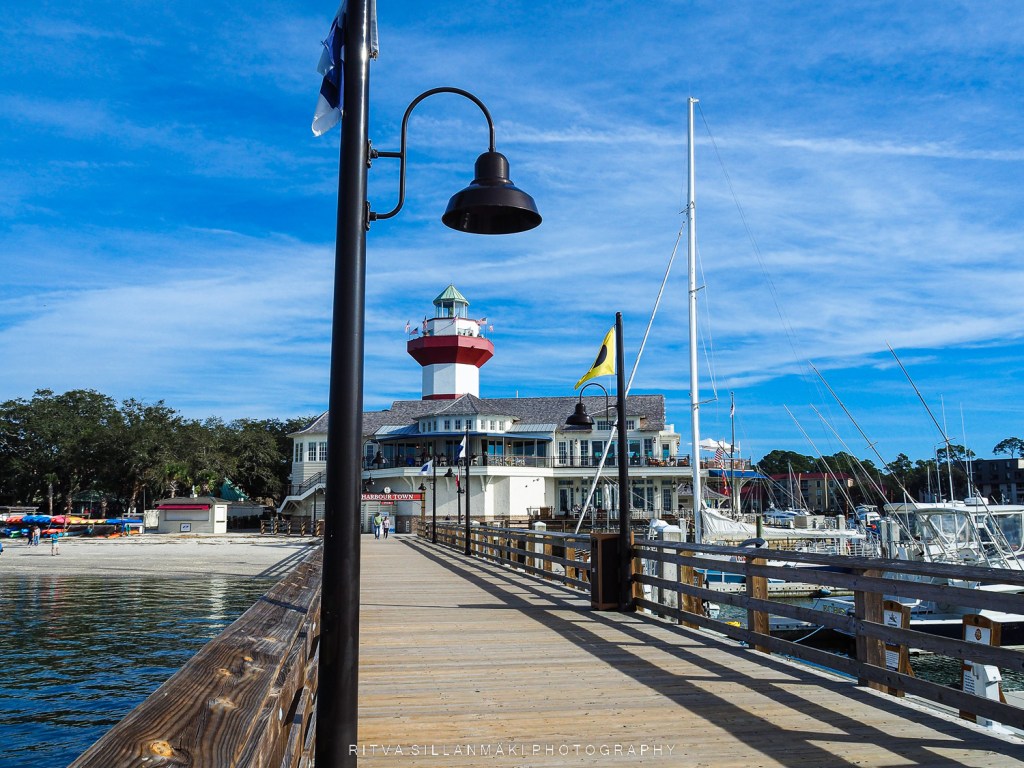
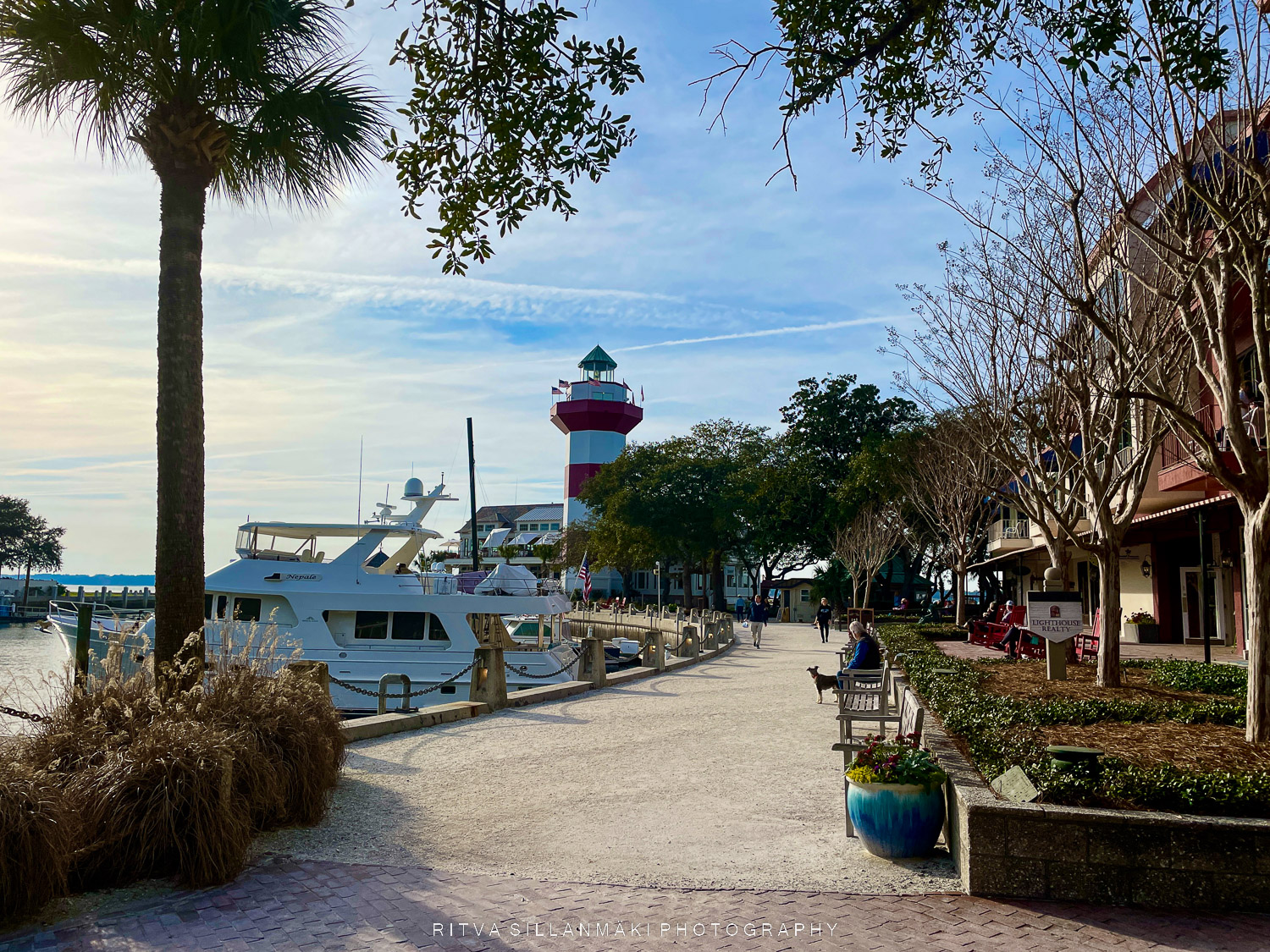
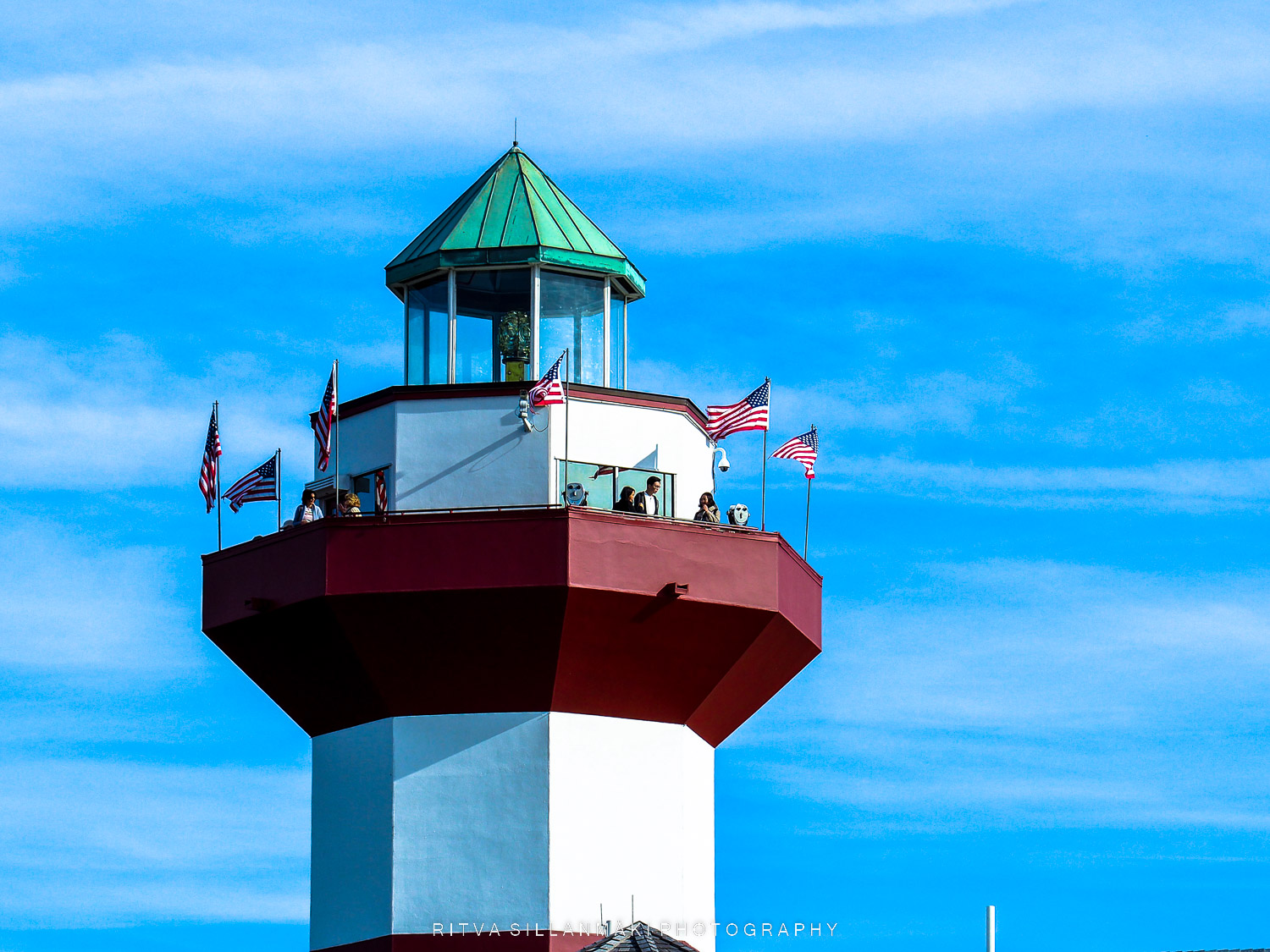
Harbour Town with its light house
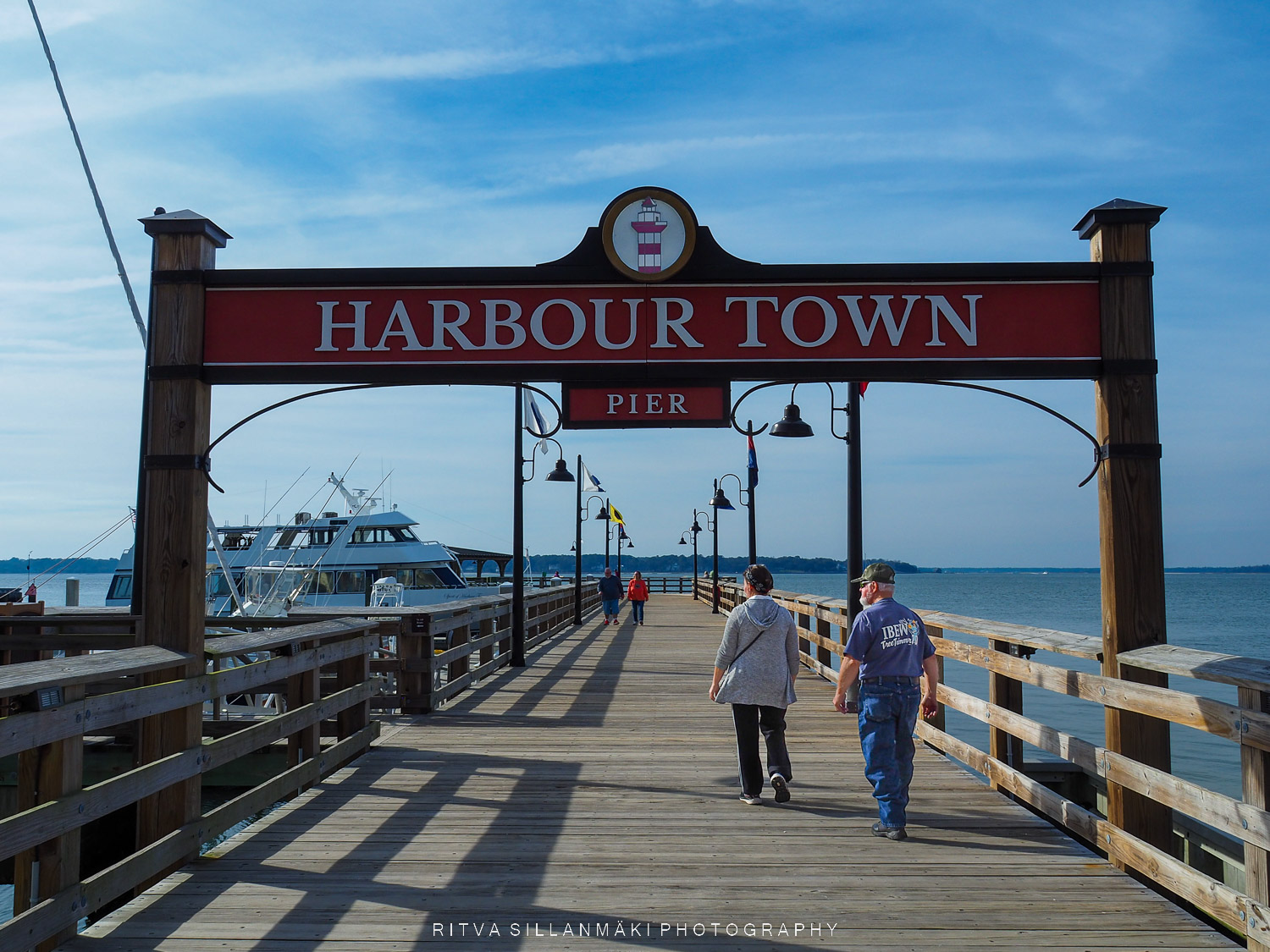
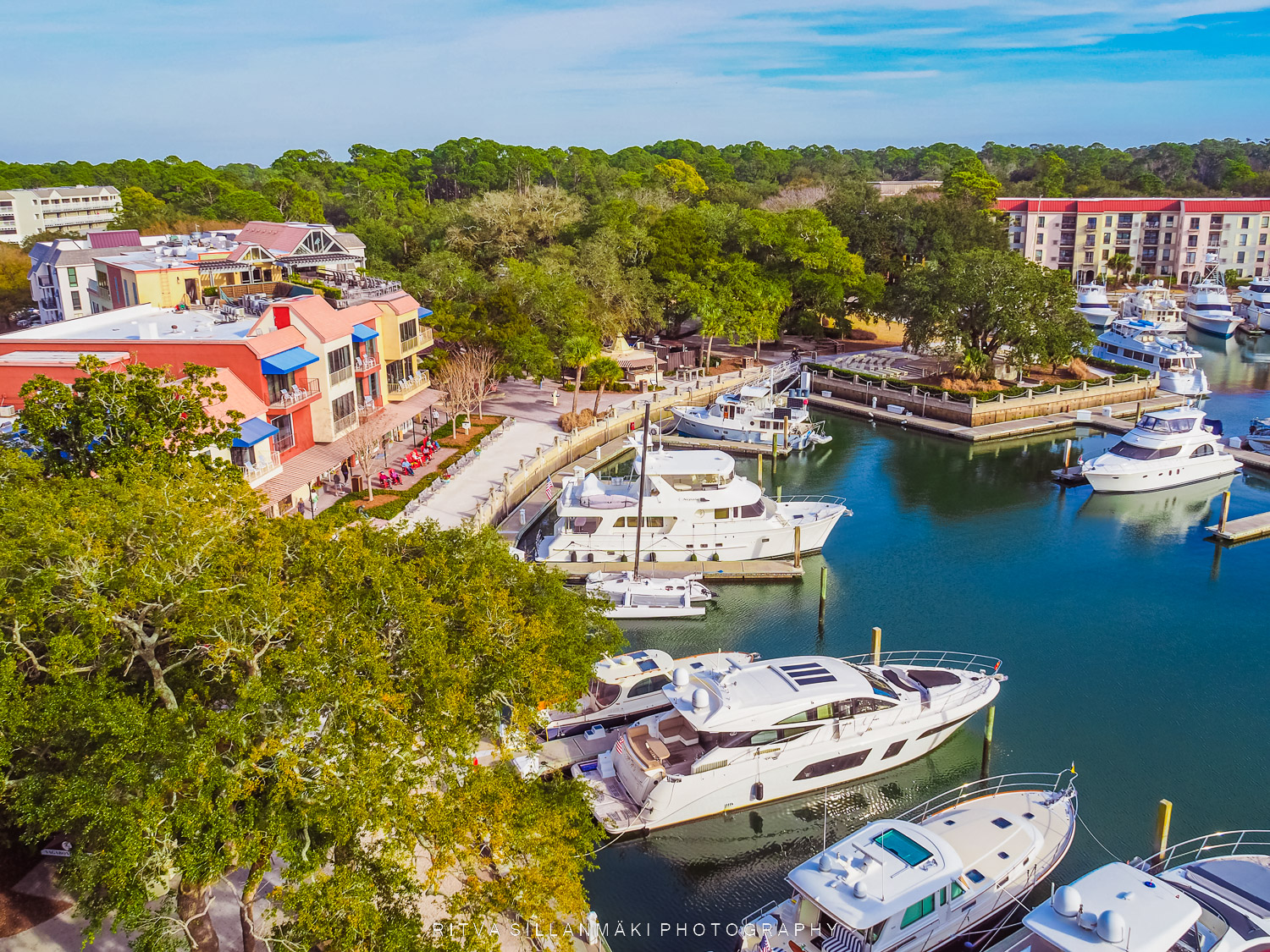
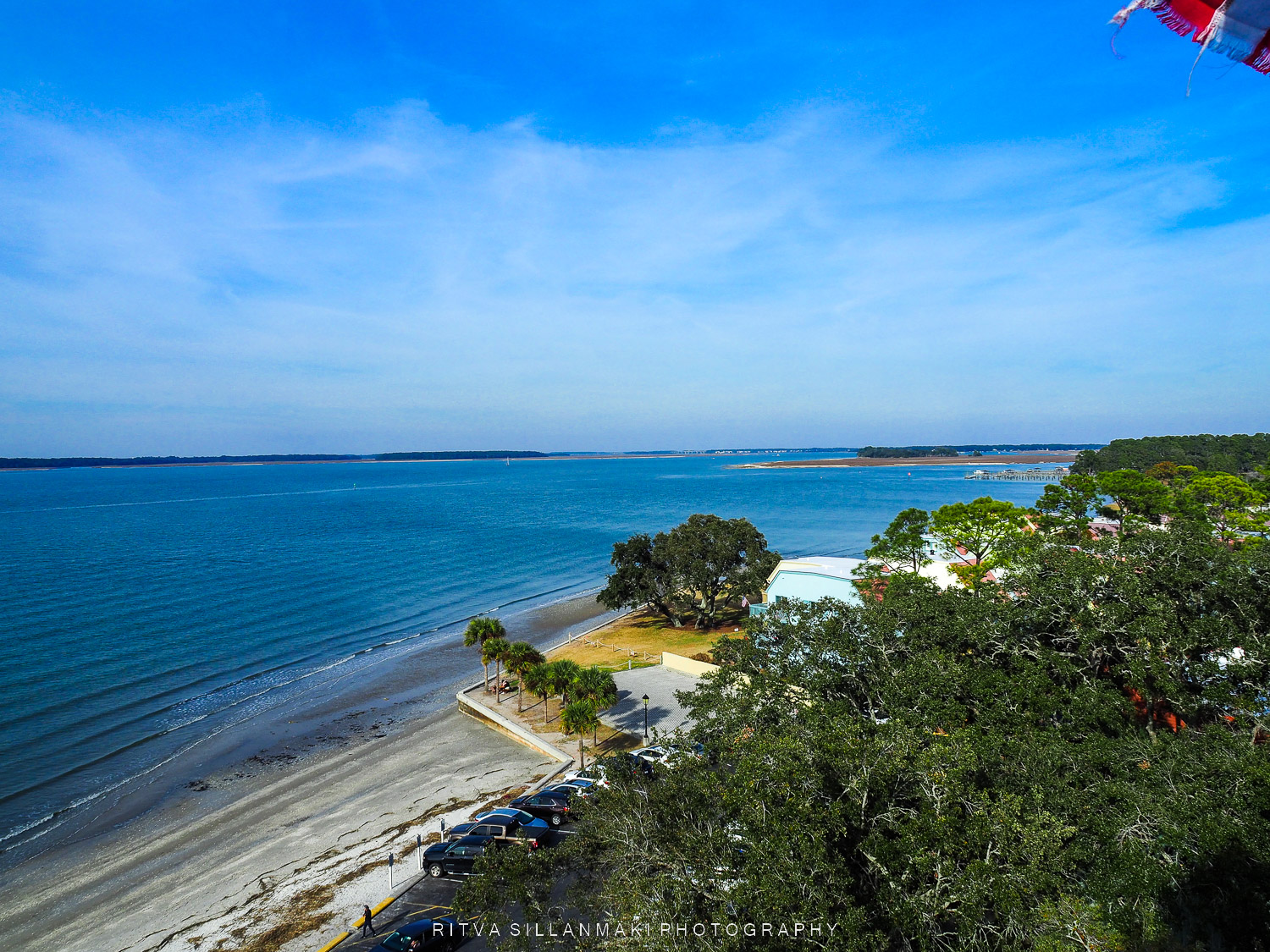
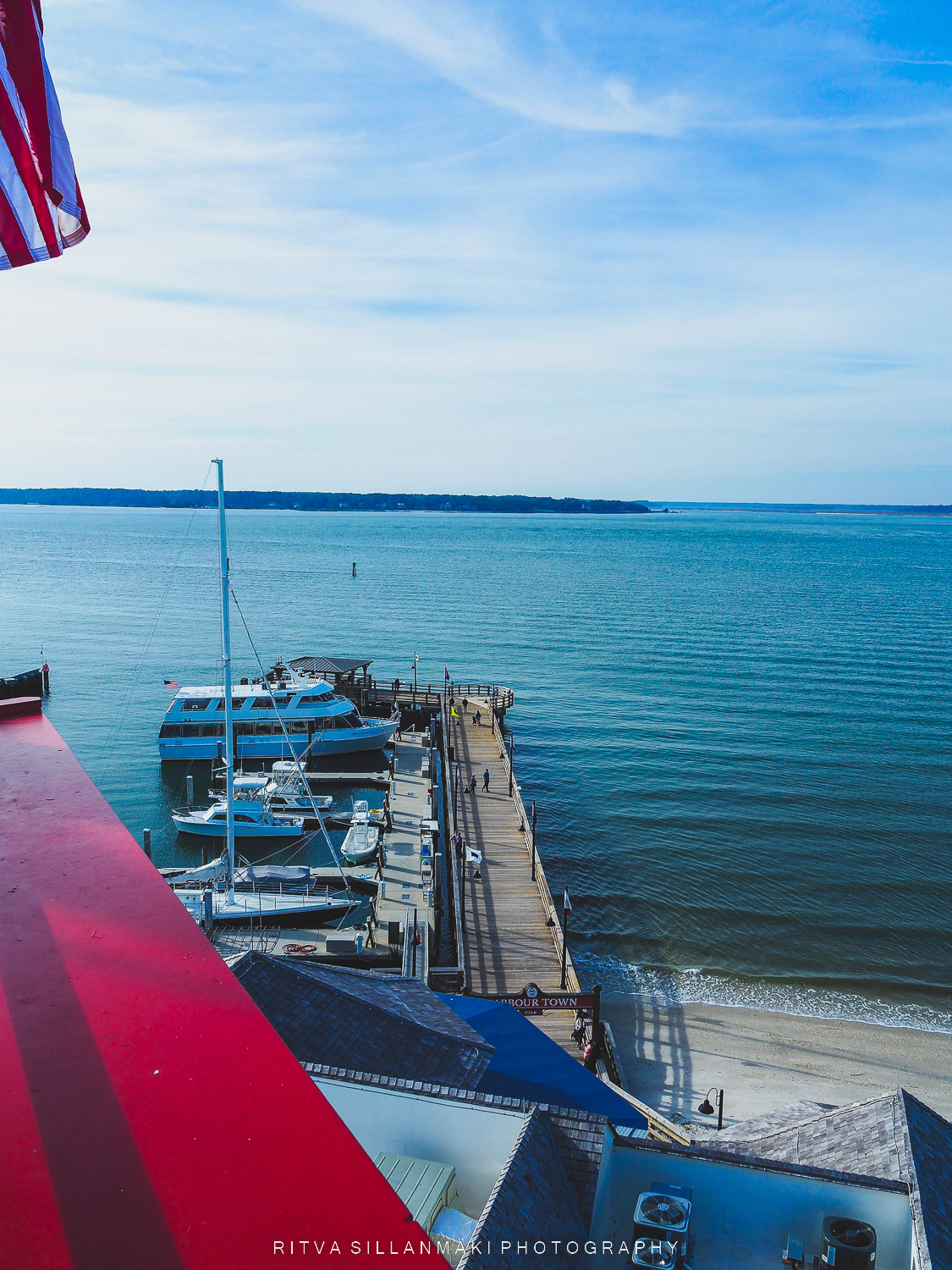
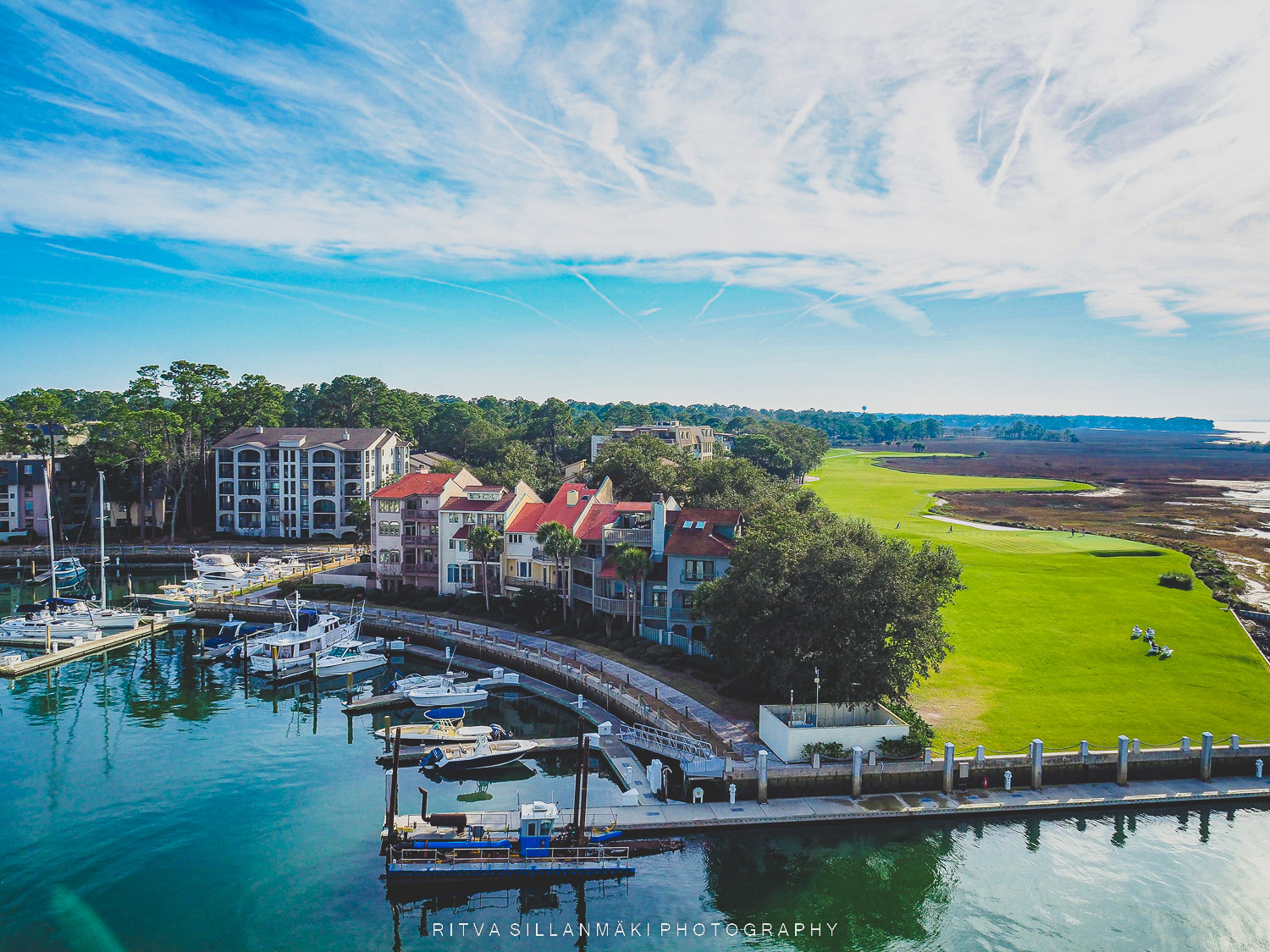
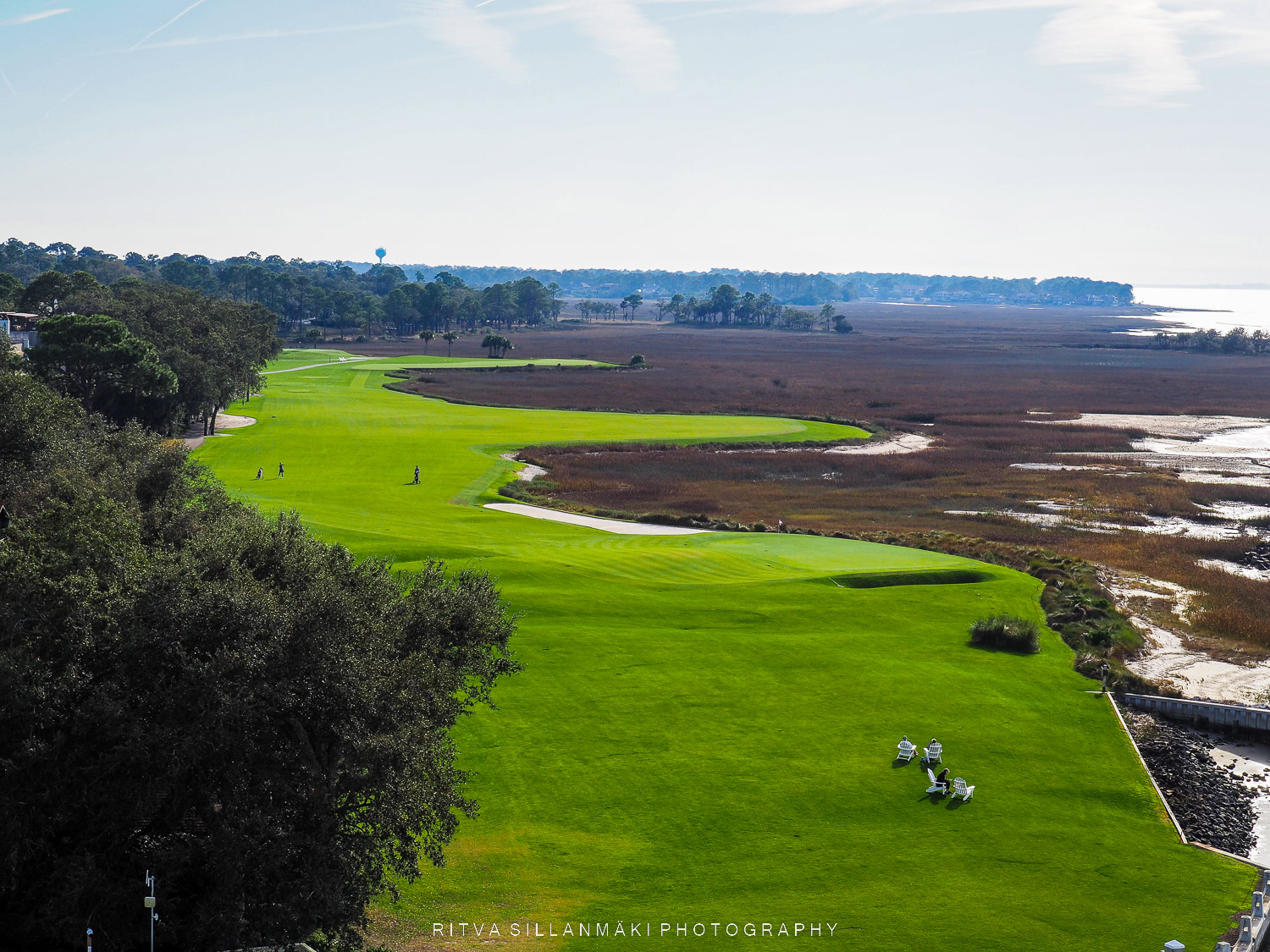
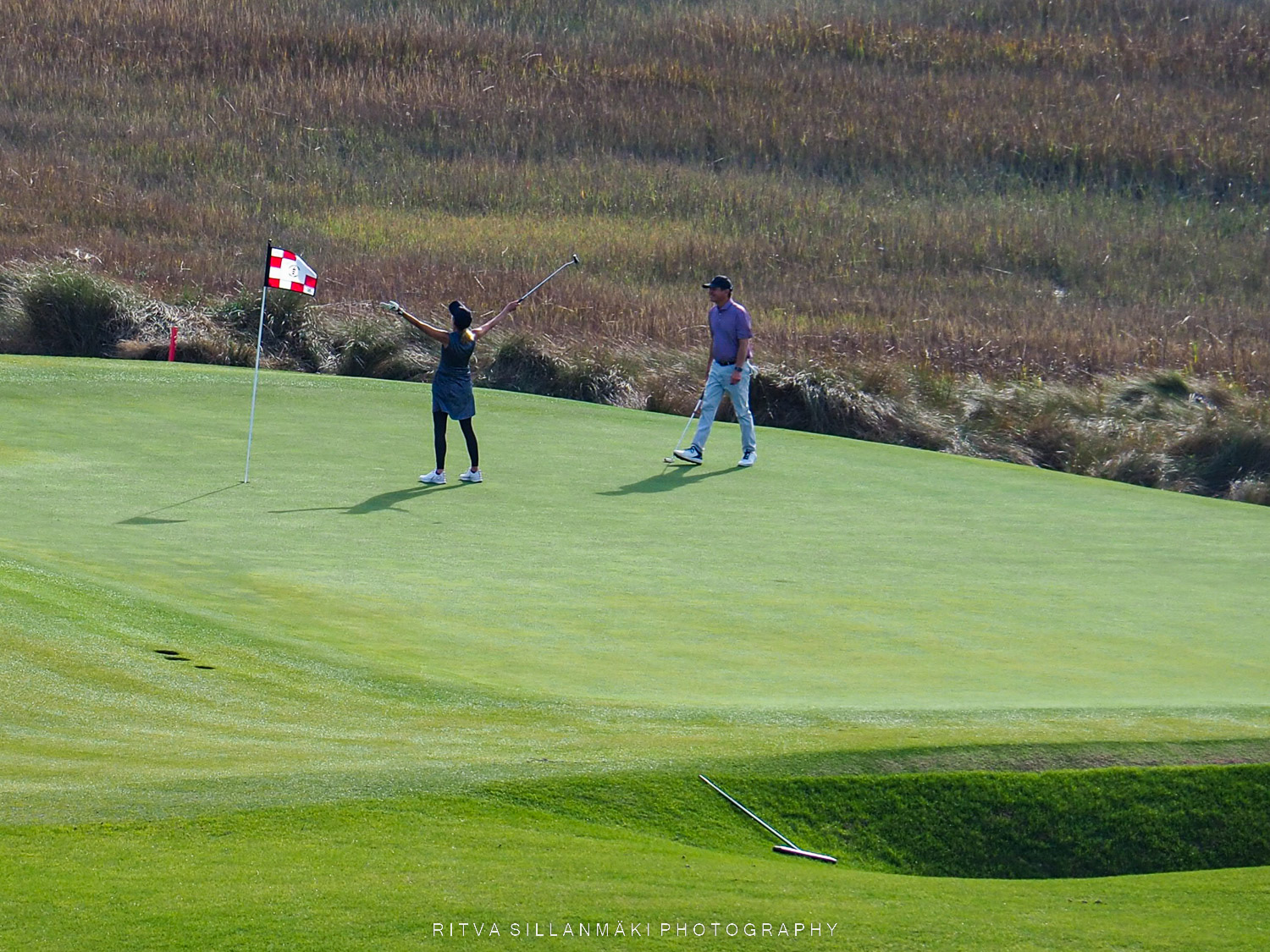
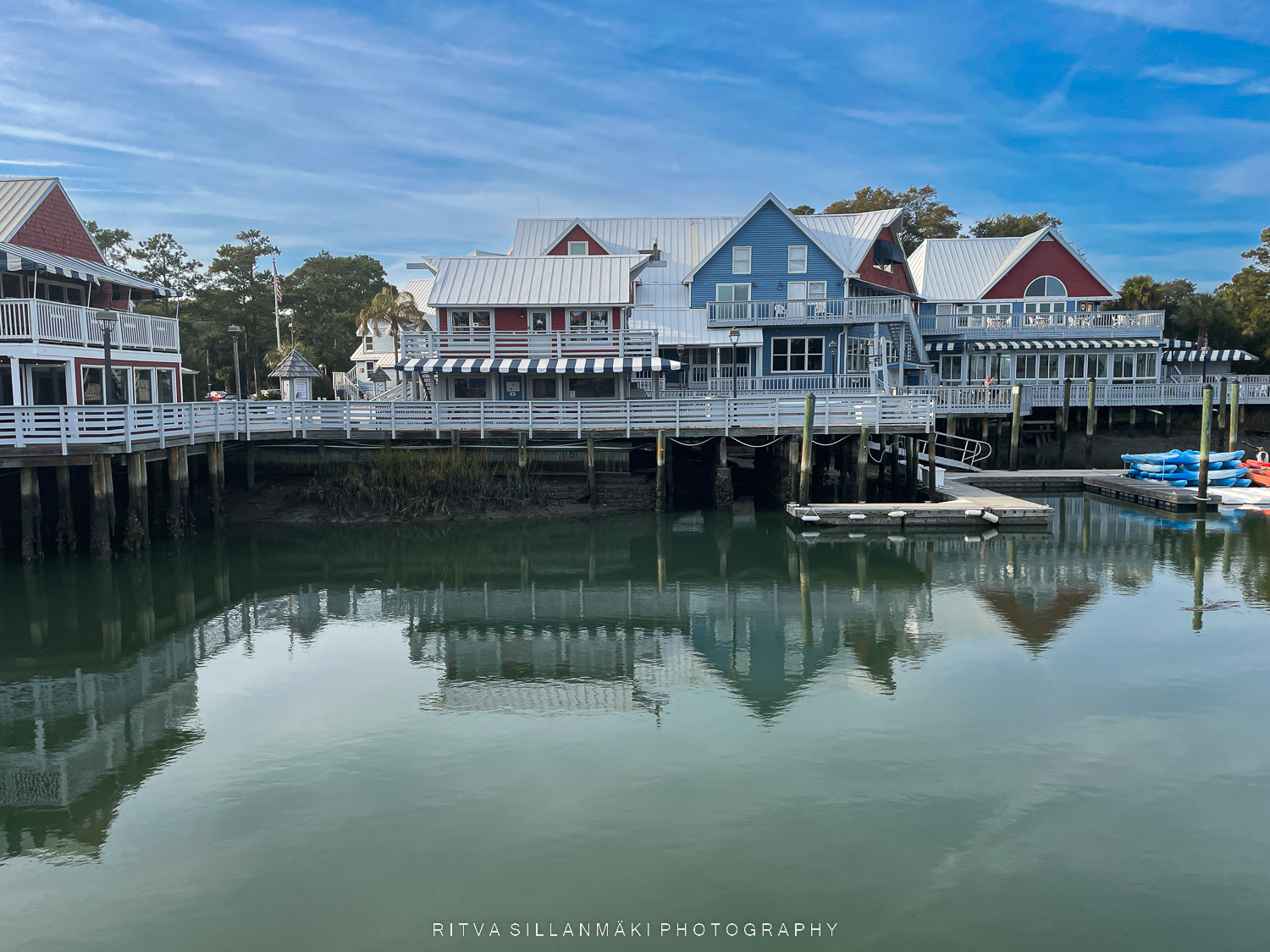
Next stop on the island was the Sea Pines area. It was sort of a gated community and you had to pay $9/car to get in. It was worth the visit because the area included Harbour Town with its light house and the Heritage Links Golf course. I not a golfer, so the world-famous 18th hole of the links meant nothing to me but the view from light house to the 18 th hole was nice.
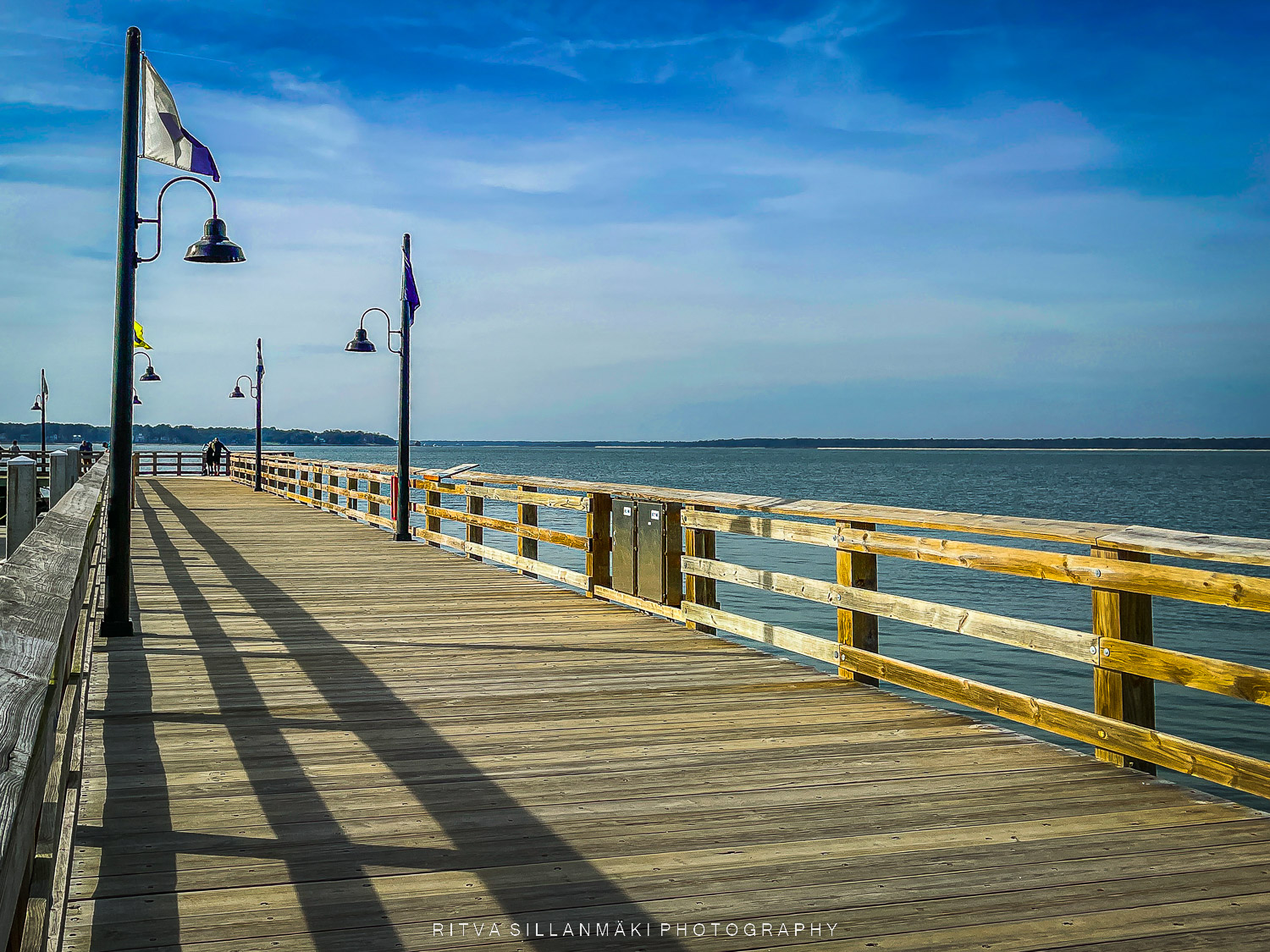
Last pit stop in the island was at Salty Dog Cafe in Sea Pines Beach.
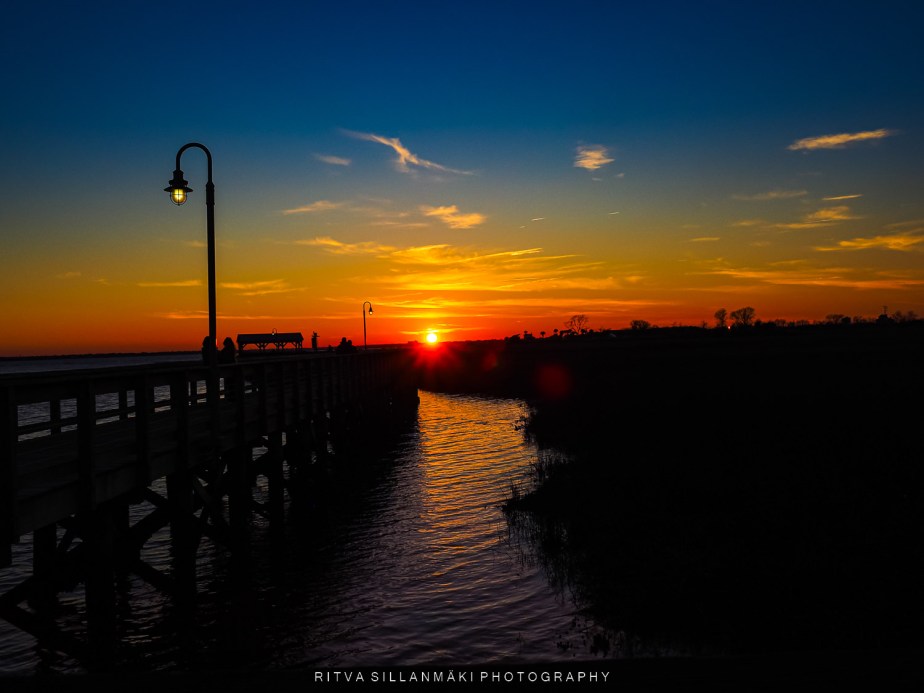
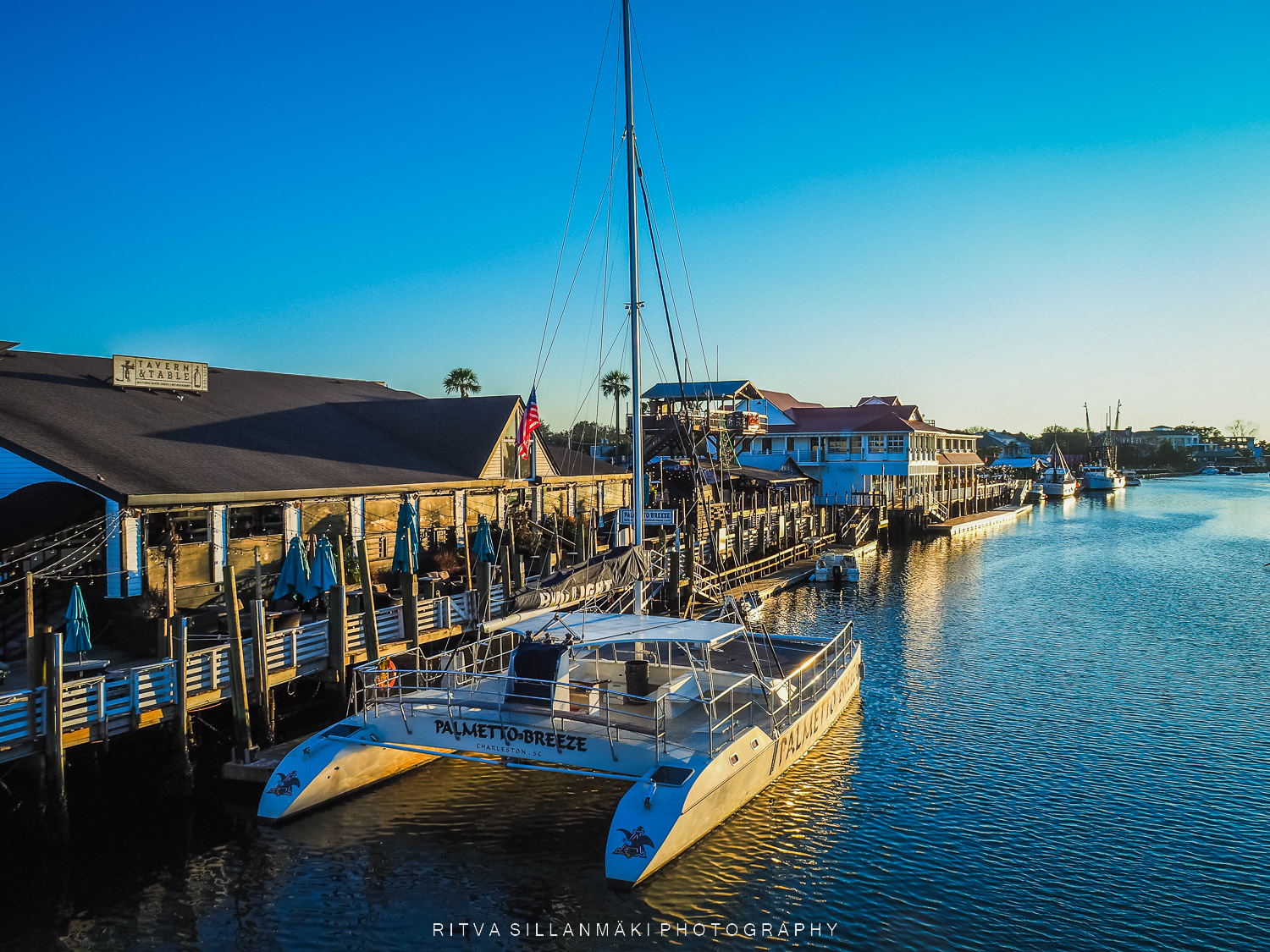
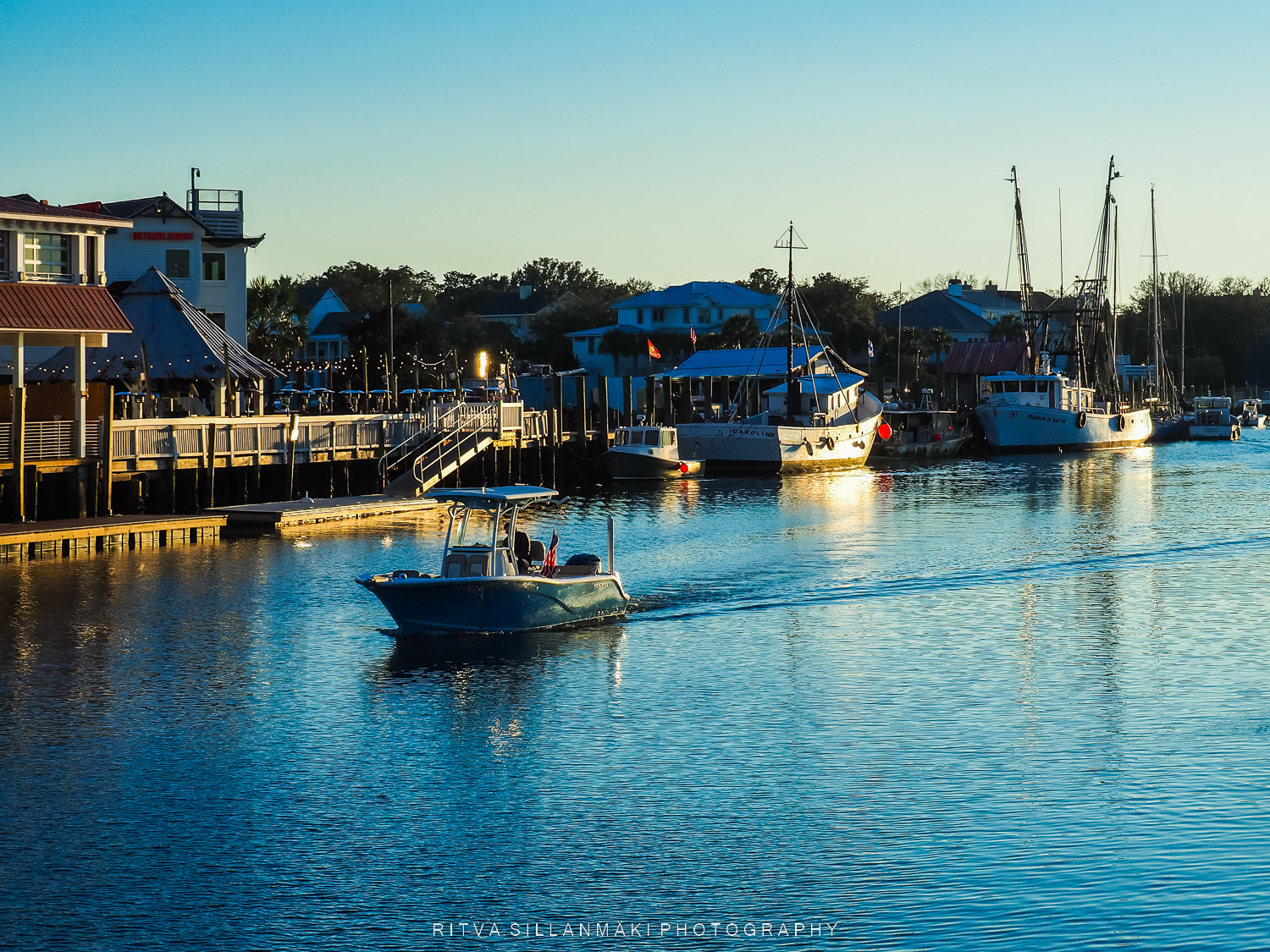
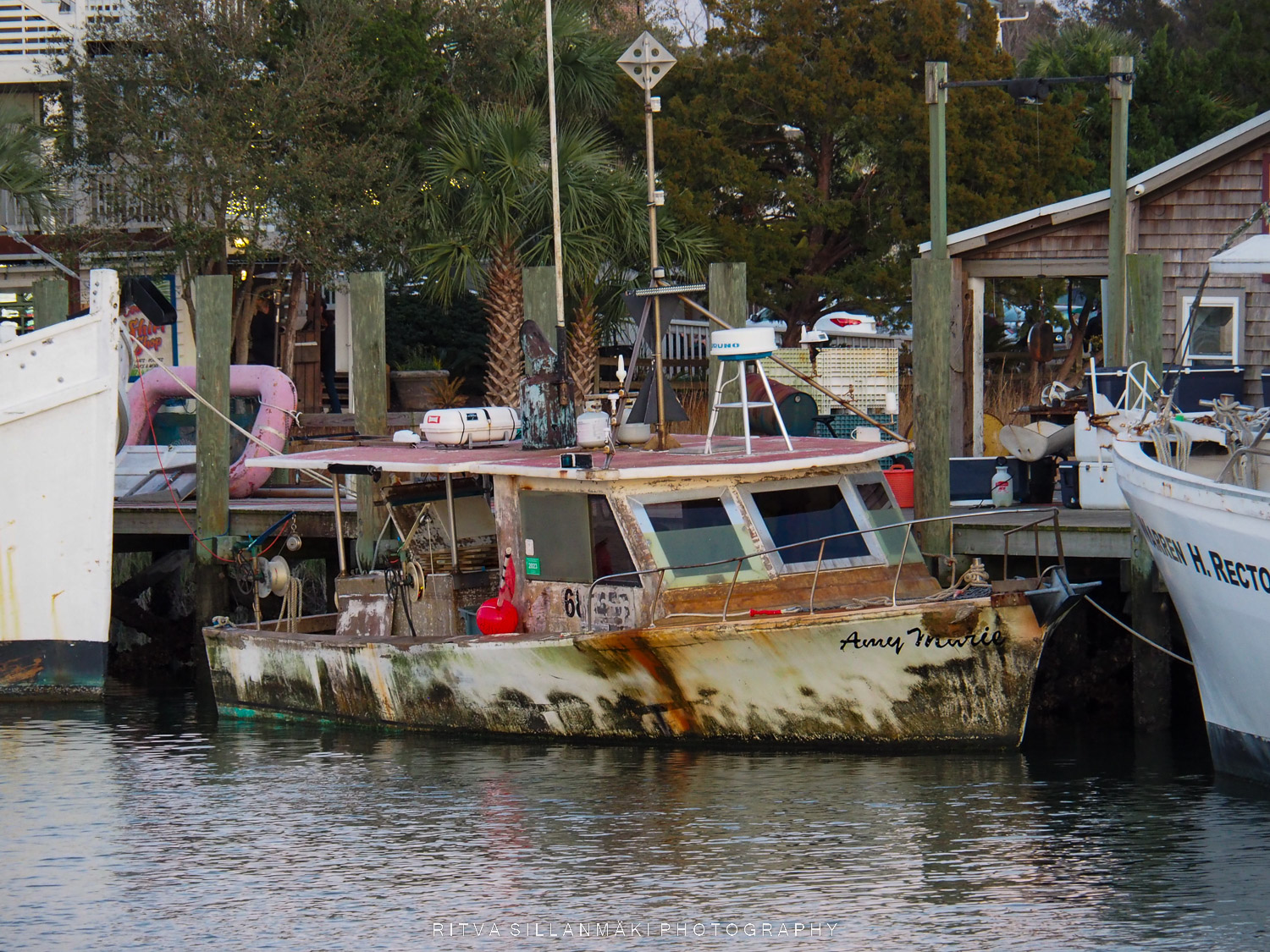
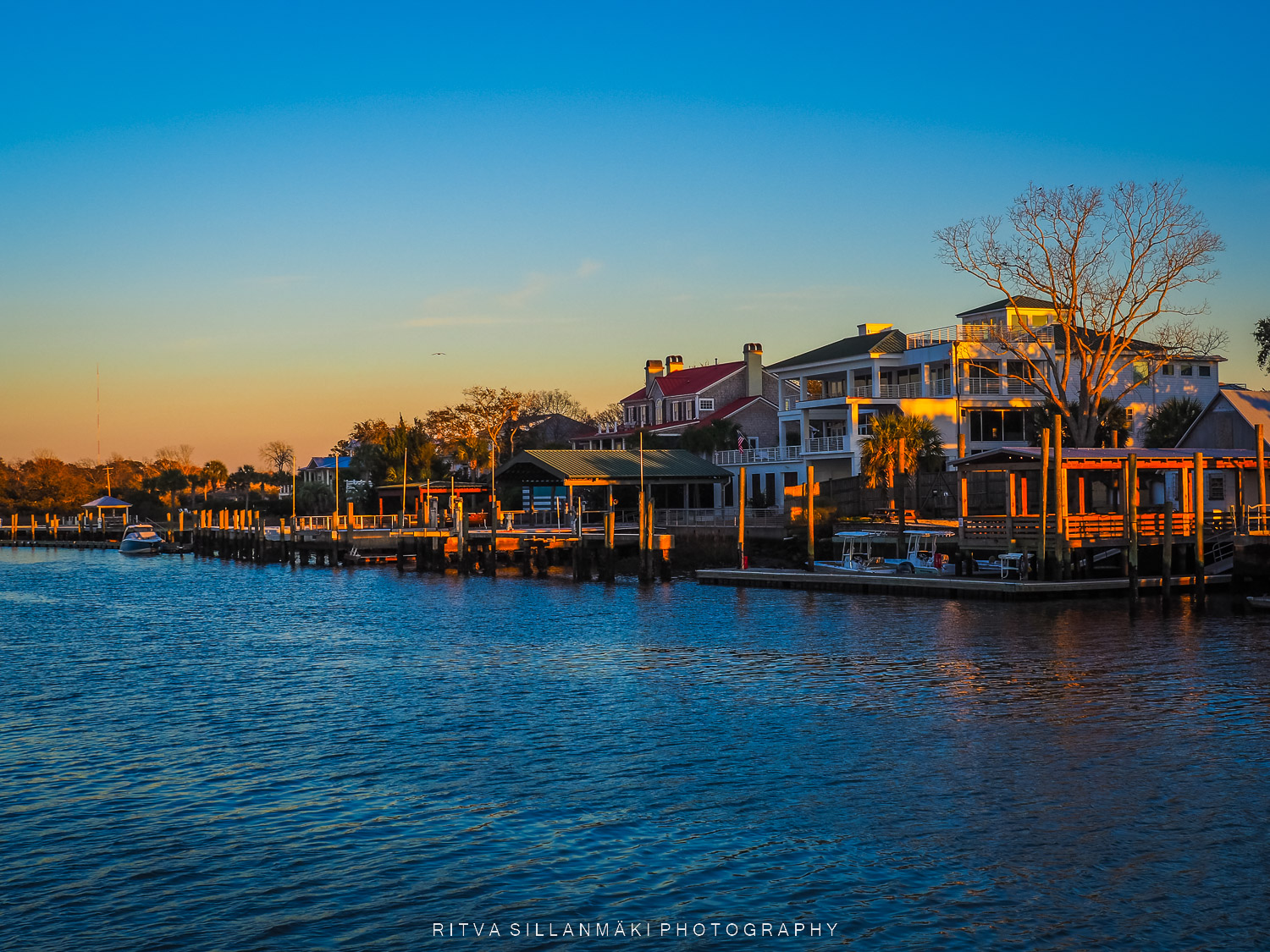
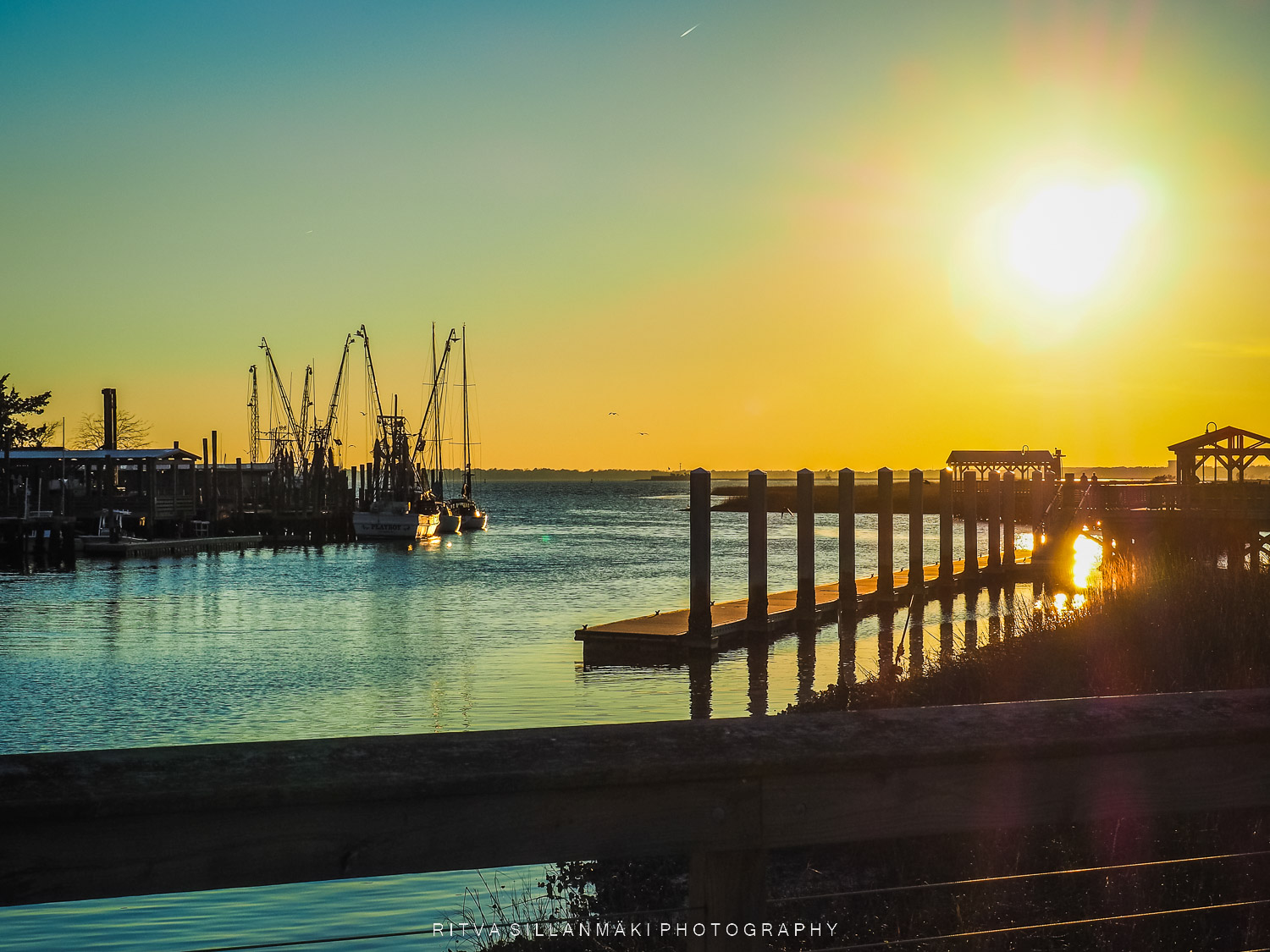
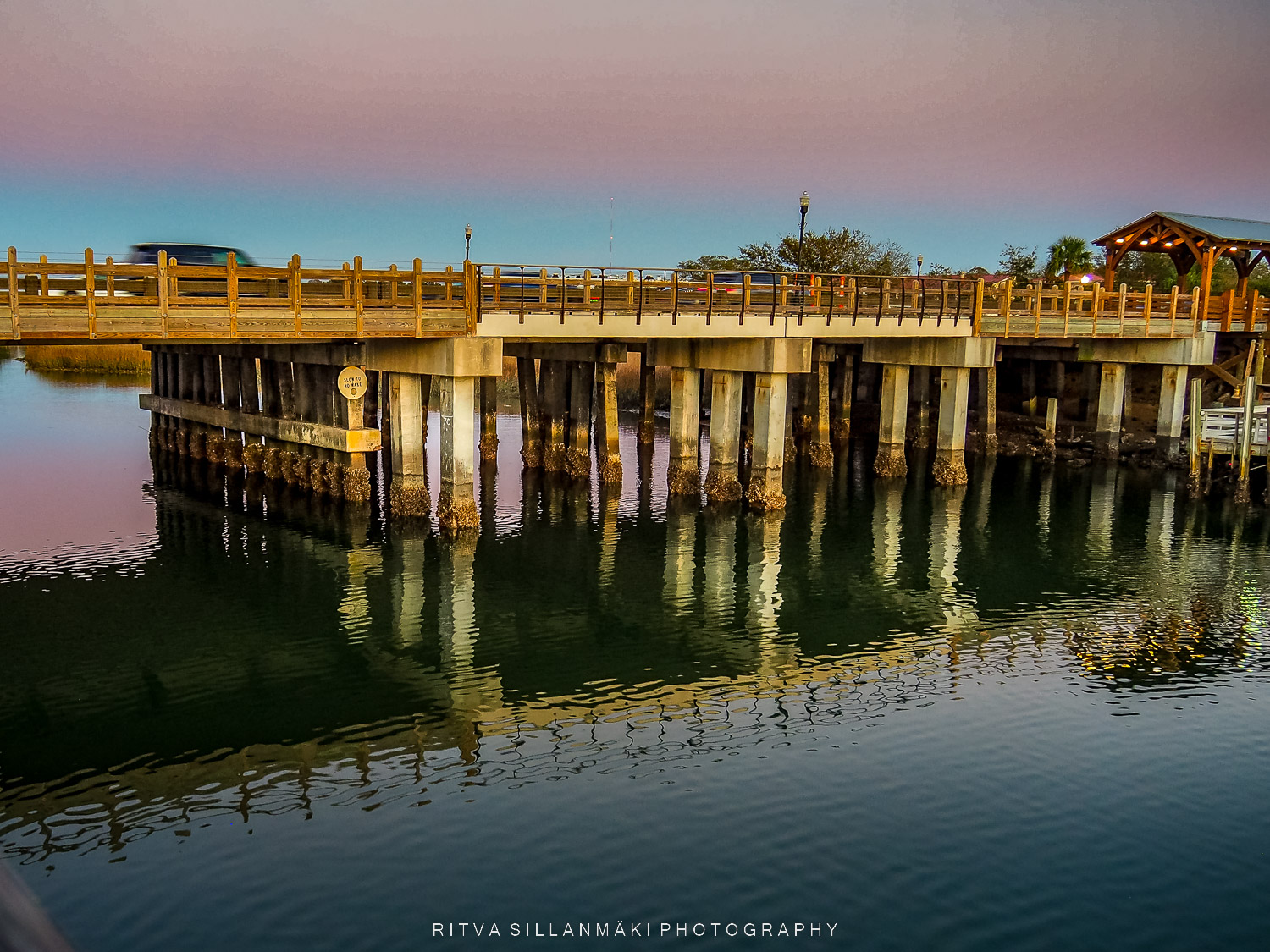
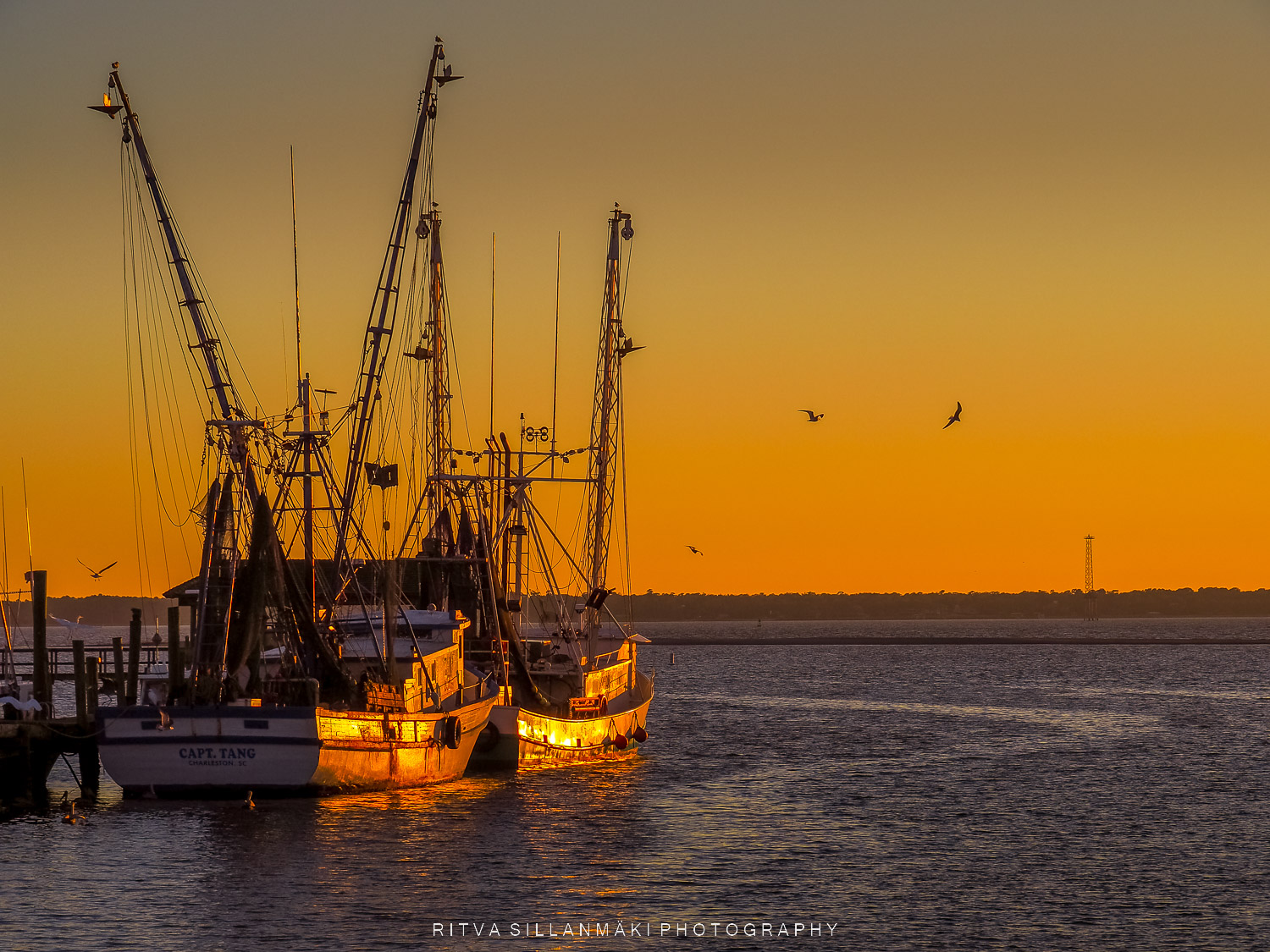
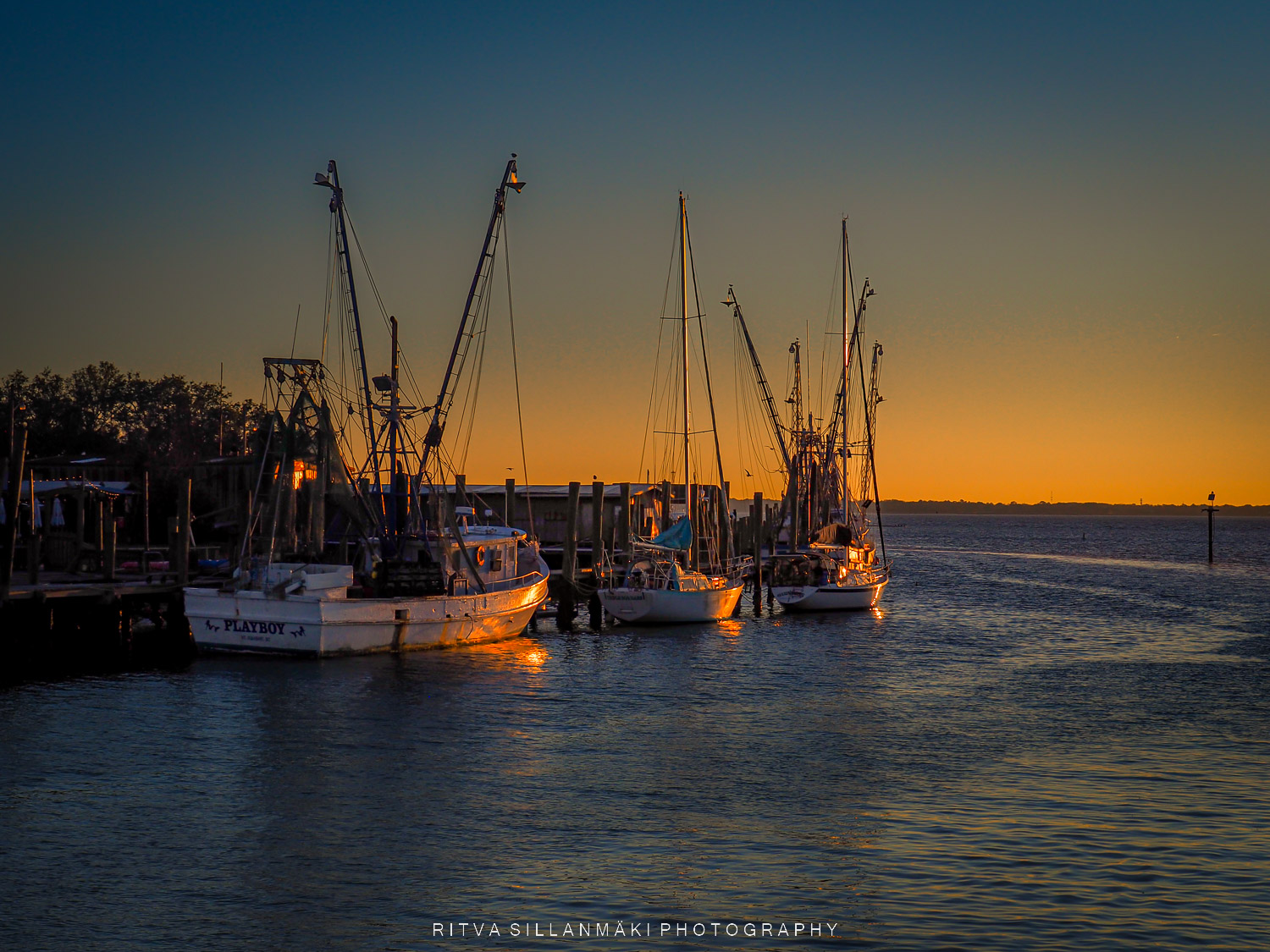
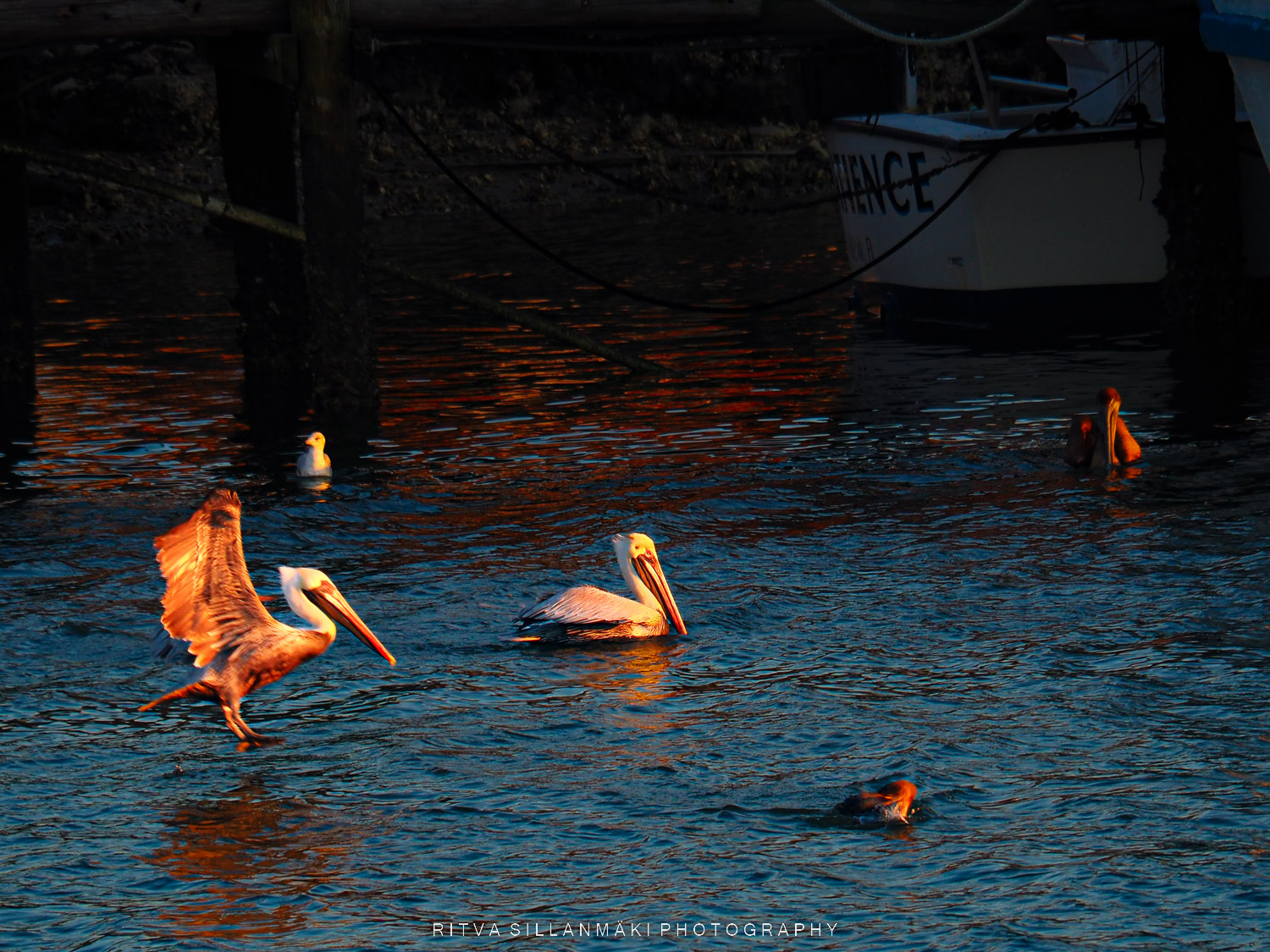
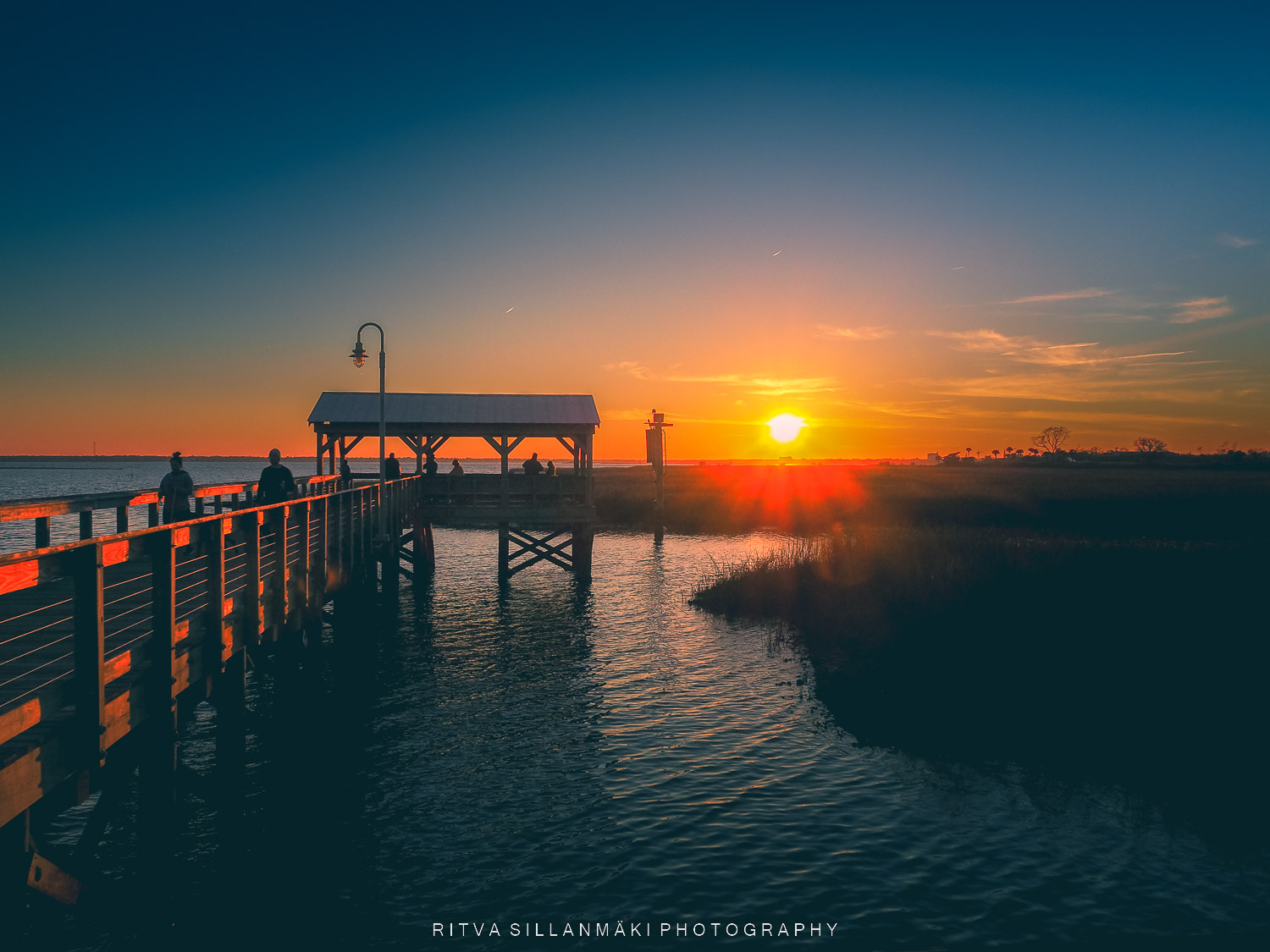
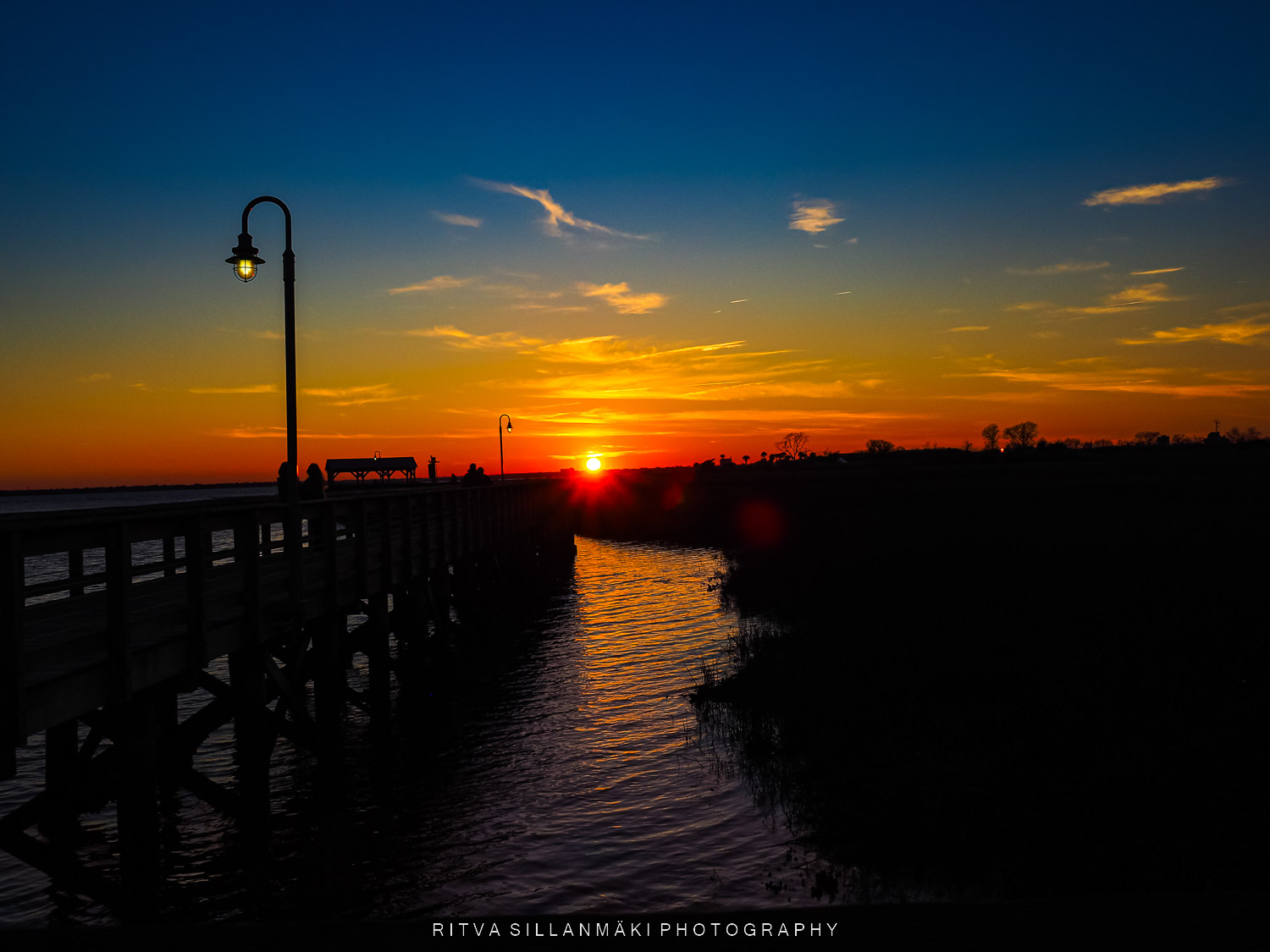
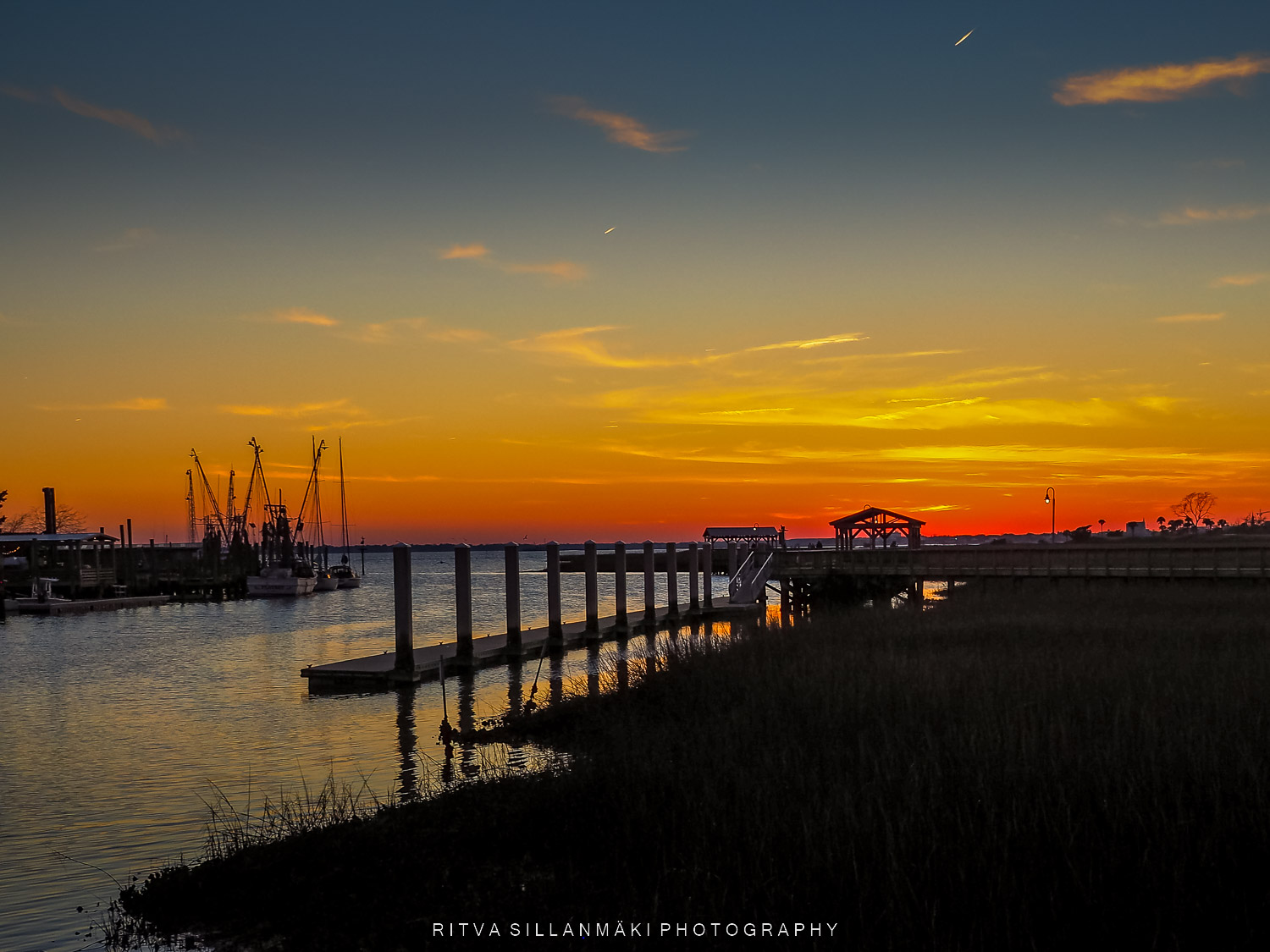
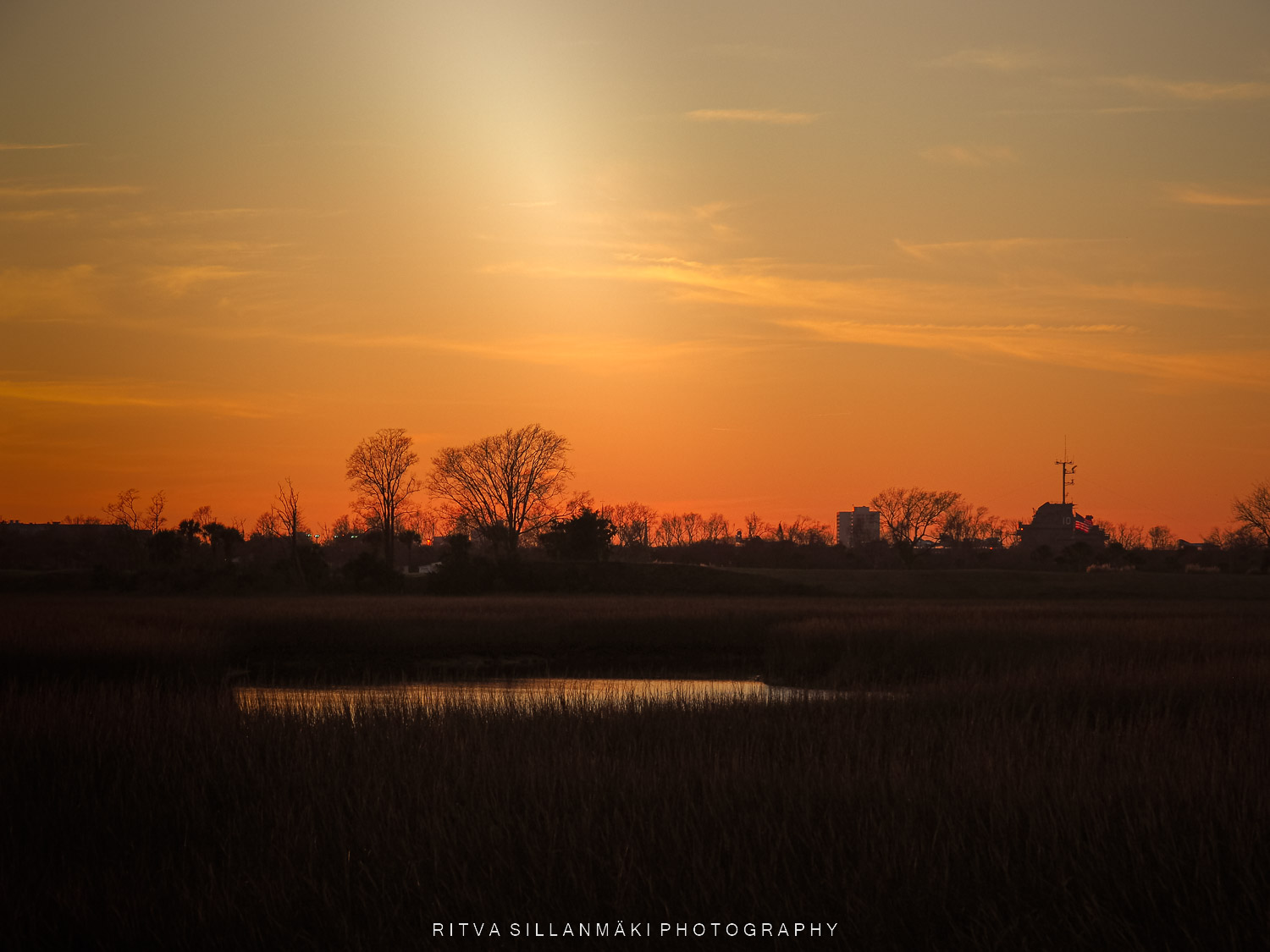
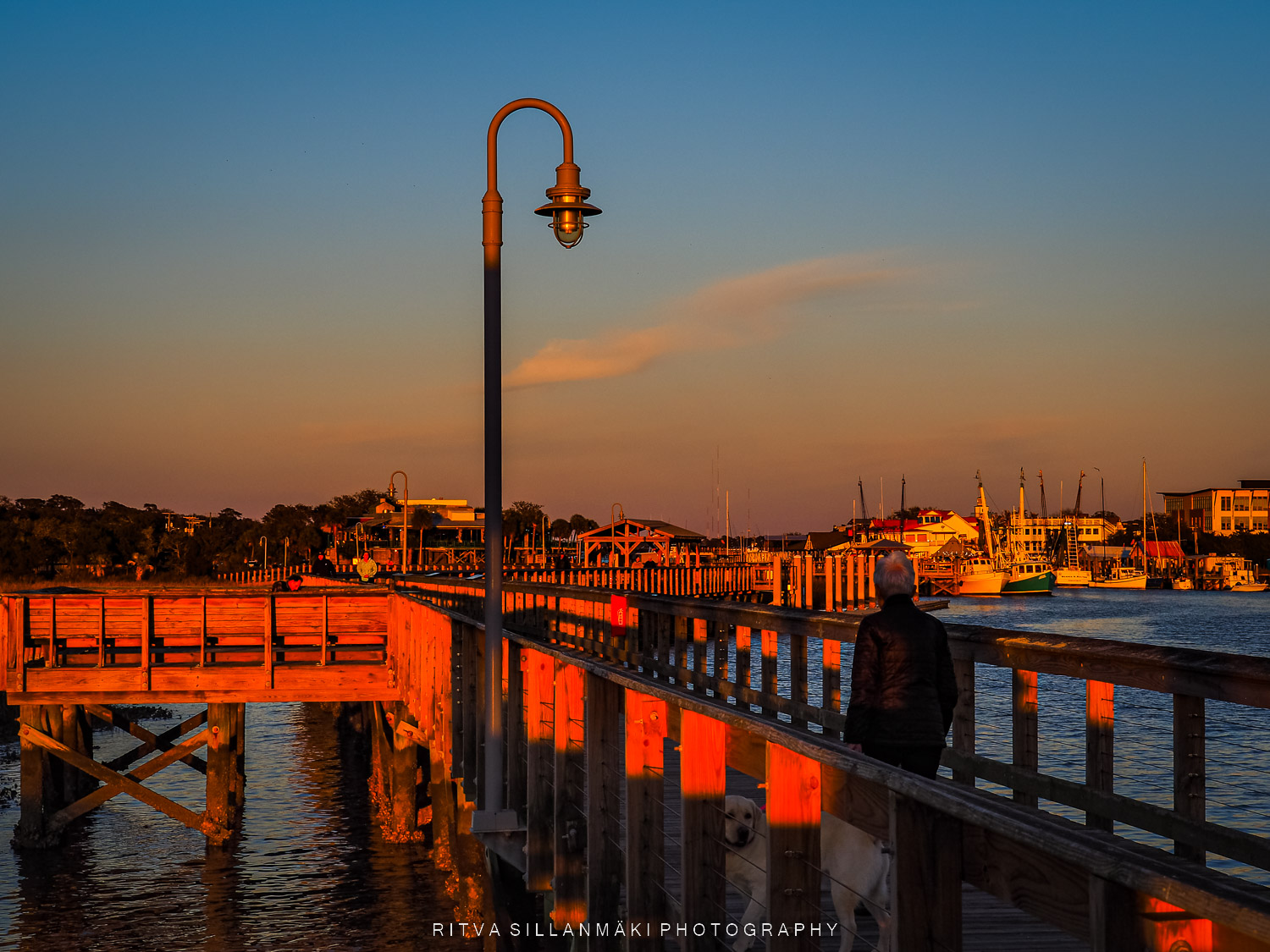
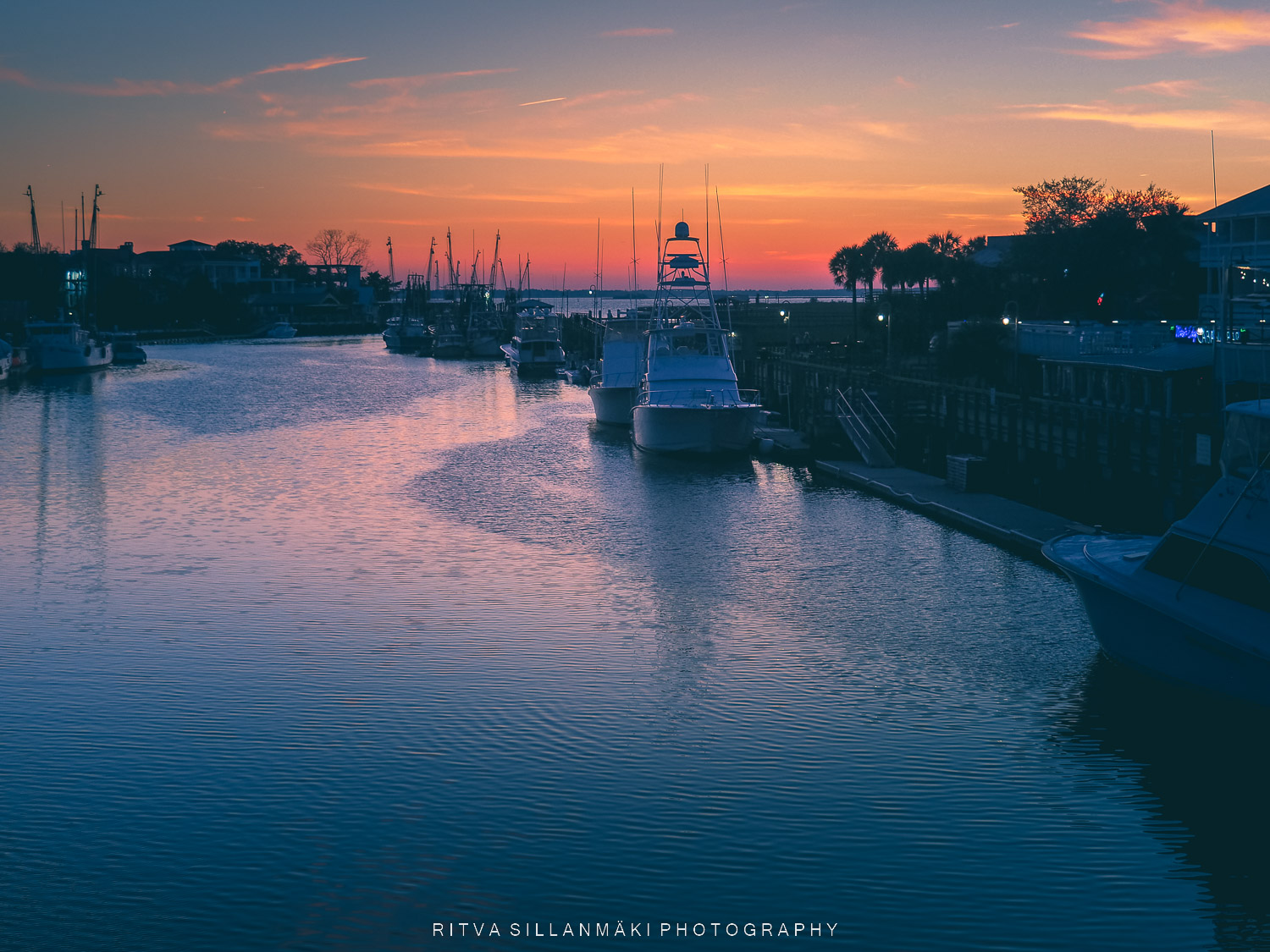
The lovely Shem Rock in town of Mt. Pleasant. Had a late lunch at Tavern & Table by the creek and prepared ourselves for the sunset. We walked along the Shem Creek Boardwalk, the boardwalk is a total of 2,200 feet long, it offers panoramic views of the marsh and Charleston Harbor to catch the glorious sunset.
The sunset was lovely changing colors depending were you looked, from warm tones to cooler ones the later it got from the sunset.
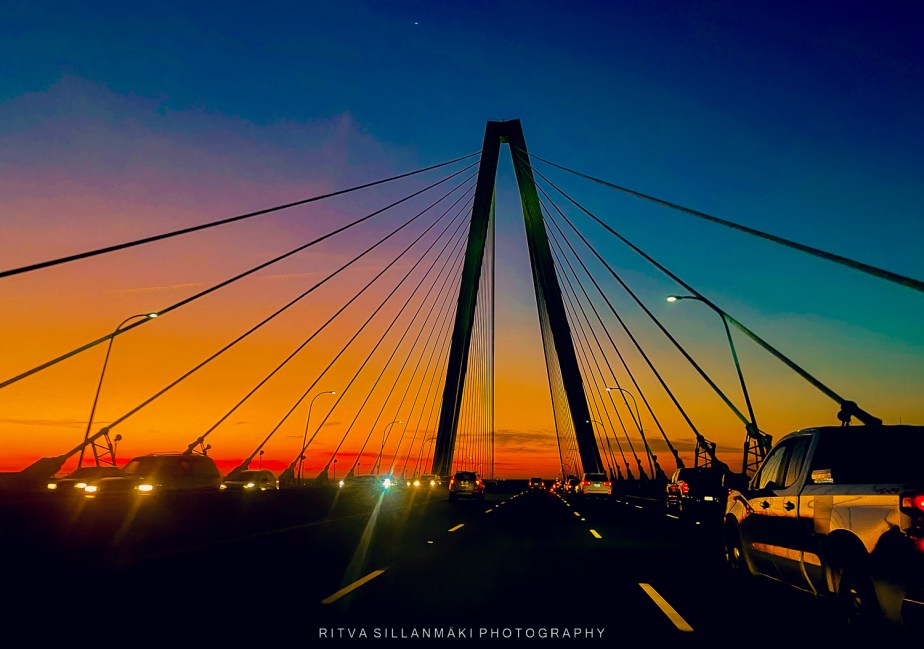
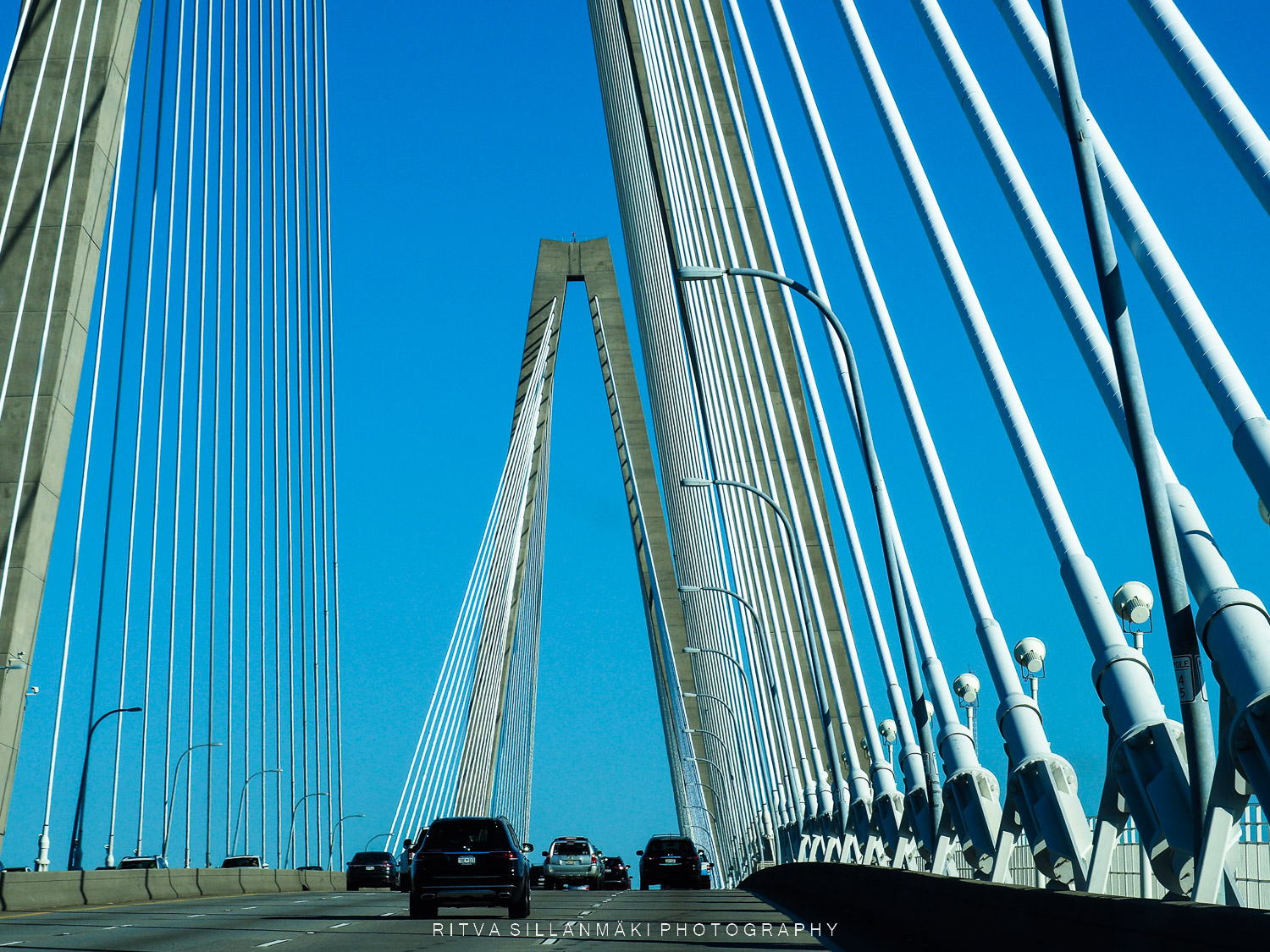
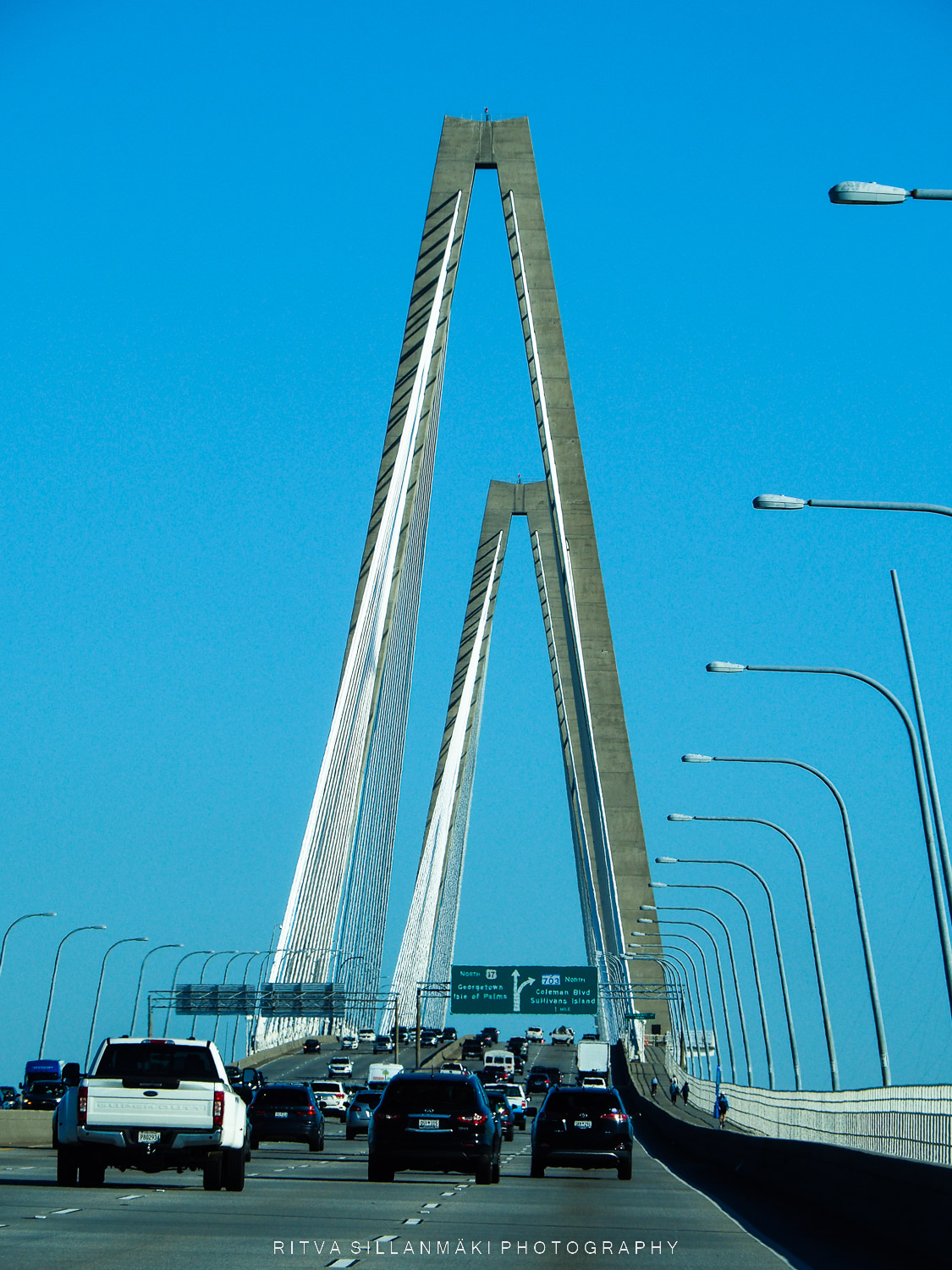
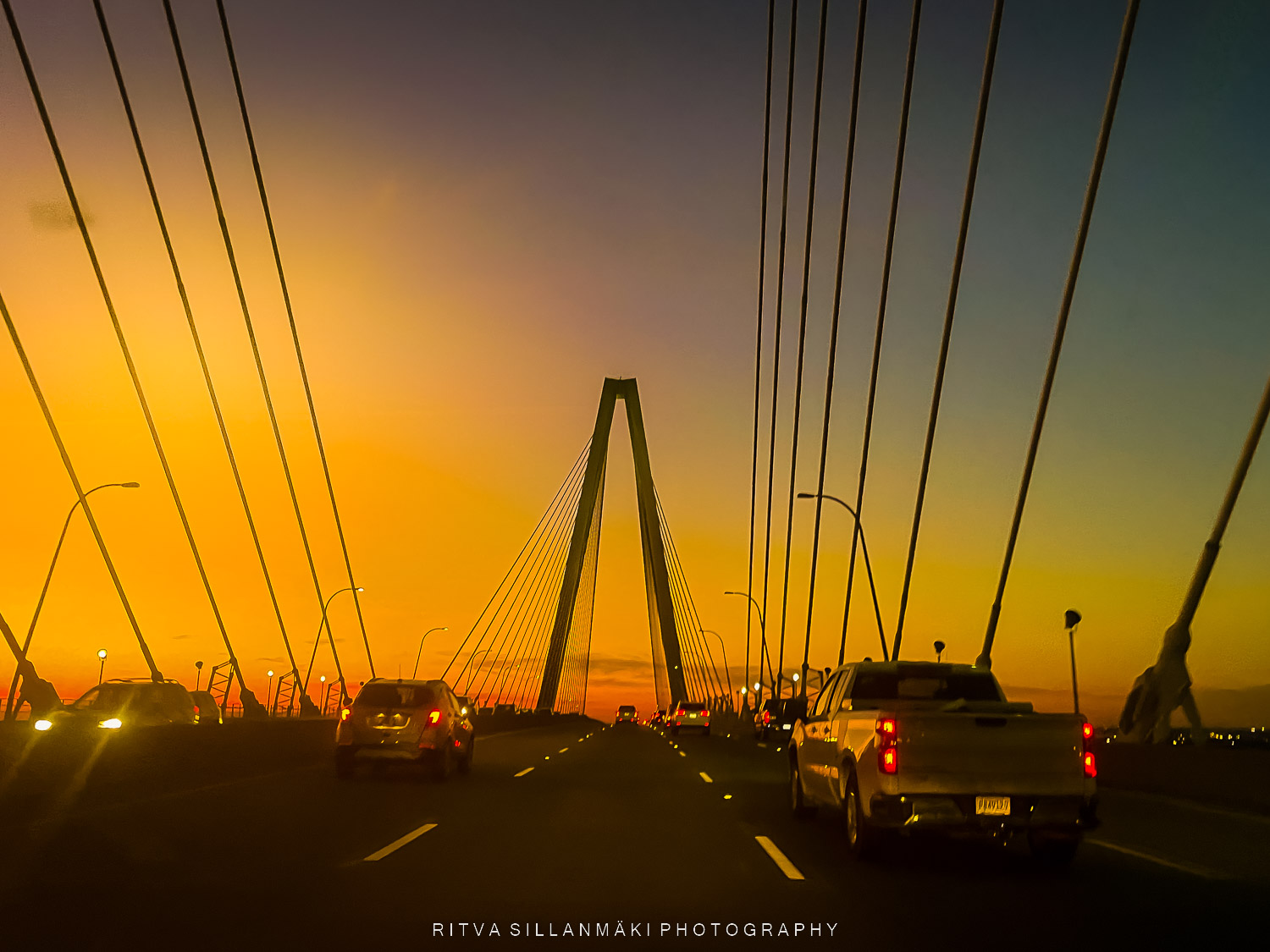
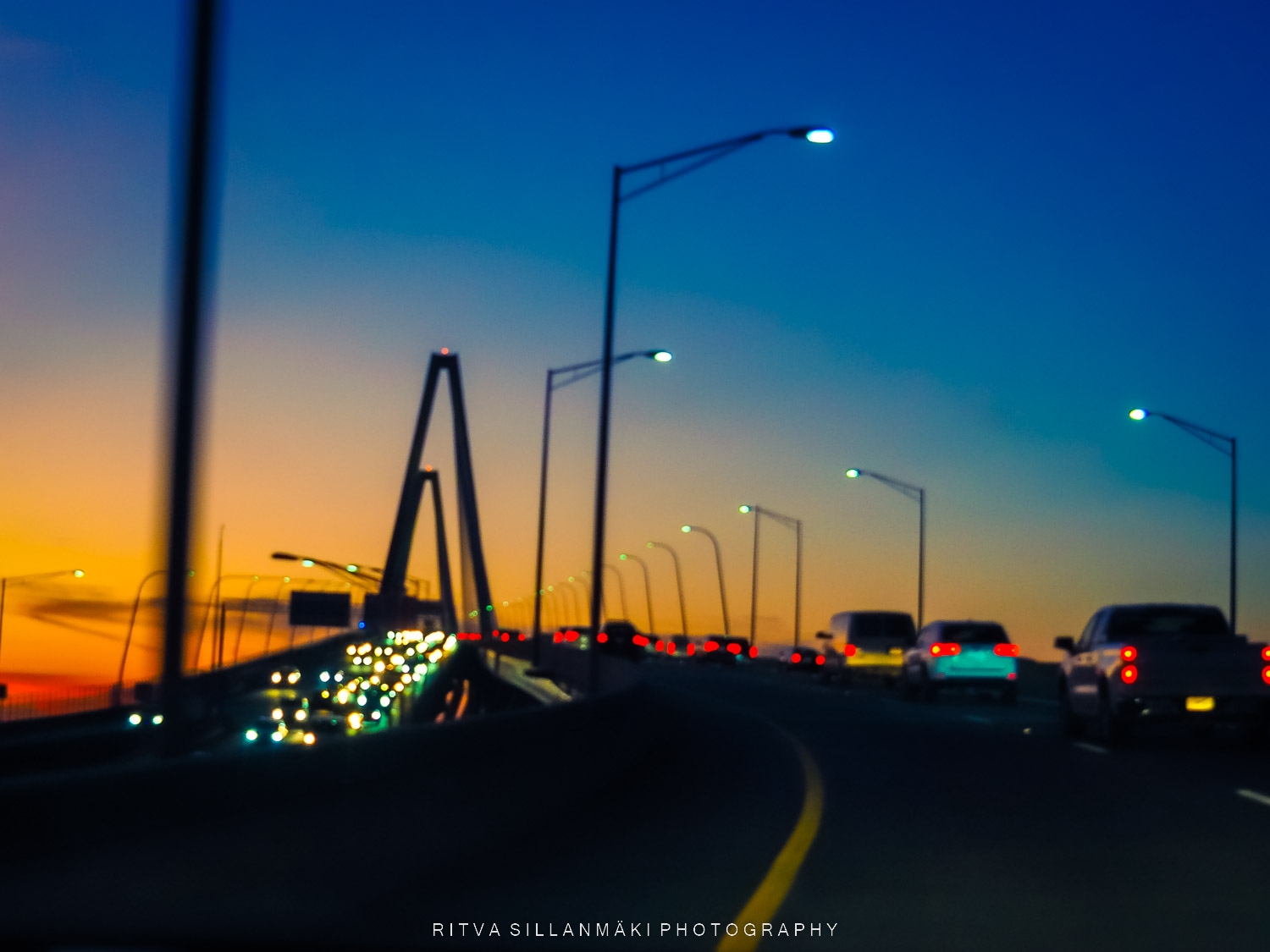
Later in the afternoon we drove over another spectacular bridge, Arthur Ravenel Jr. Bridge, to Shem Rock in town of Mt. Pleasant. Had a late lunch at Tavern & Table by the creek and prepared ourselves for the sunset. We walked along the Shem Creek Boardwalk to catch the glorious sunset. I will post these photos in the nexrt post as this is already an overload of images.
The Arthur Ravenel Jnr Bridge was opened in 2005. The bridge, which stretches gracefully across the Cooper River. The bridge is the tallest structure in South Carolina and the longest stayed bridge in the area. It, connects the Mount Pleasant Towns to Charleston and was designed to withstand natural disasters like earthquakes, and hurricane winds, as well as incorporating two diamond-like concrete towers. With the sunset as a background the bridge looked great as did the sunset.











































































































 Ritva Sillanmäki Photography