

Skyline

The Central Thermae were bath houses built around the first century AD. Bath houses were very common at that time, especially in Pompeii and Herculaneum. Per common practice, there were two different bath areas, one for men and the other for women. These houses were extremely popular, attracting many visitors daily. This cultural hub was also home to several works of art, which can be found in various areas of the Central Thermae site.
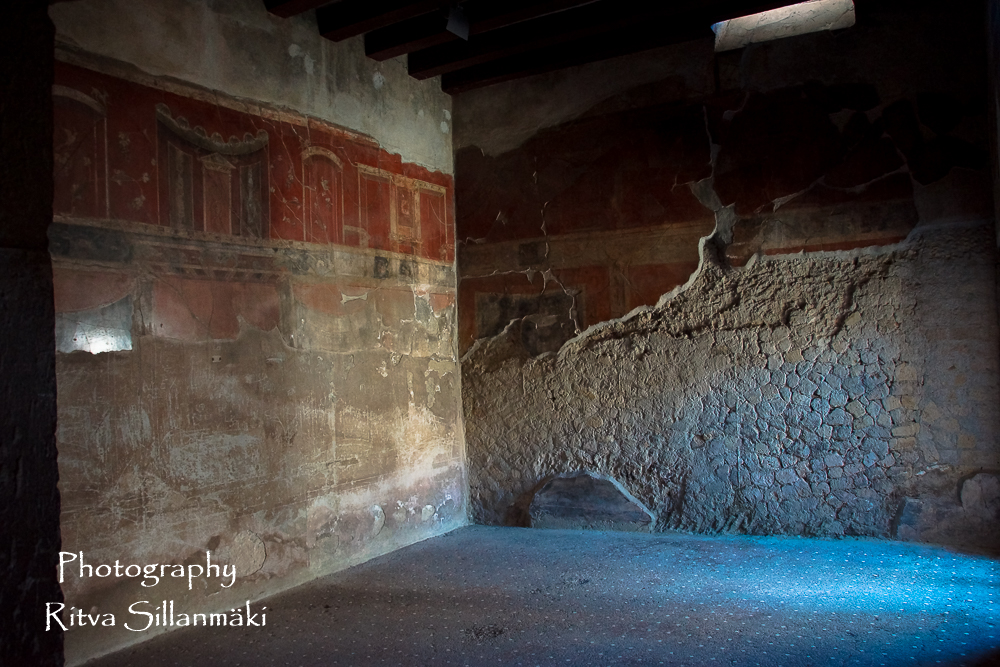
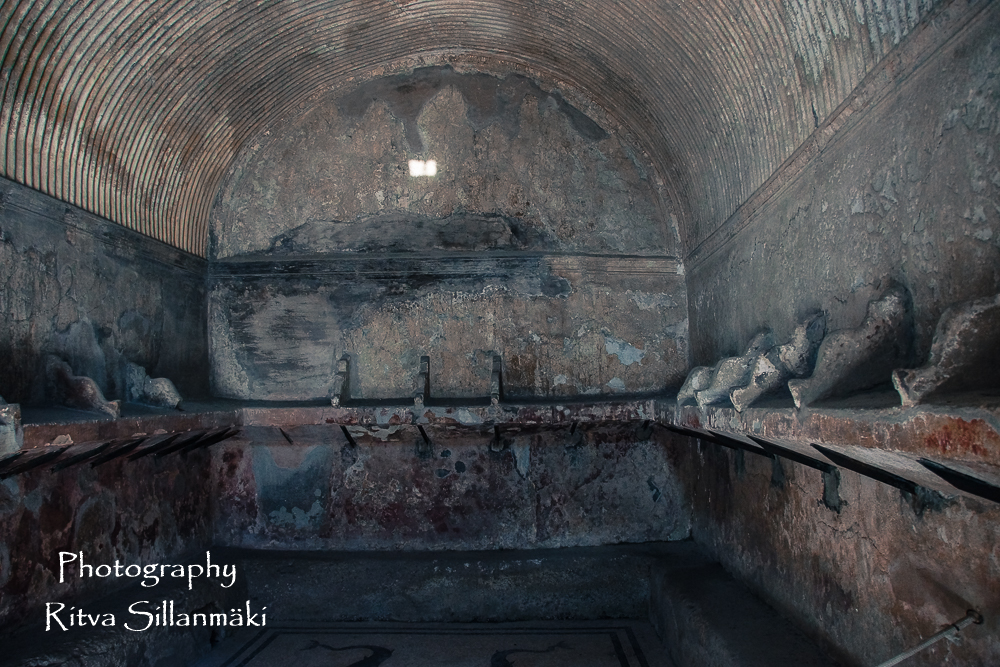
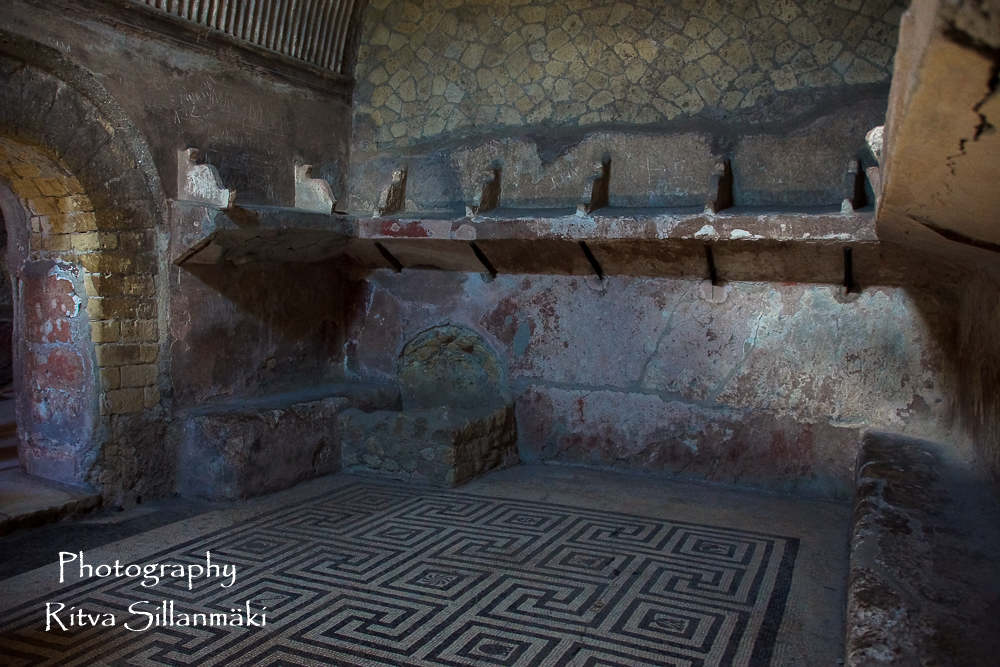
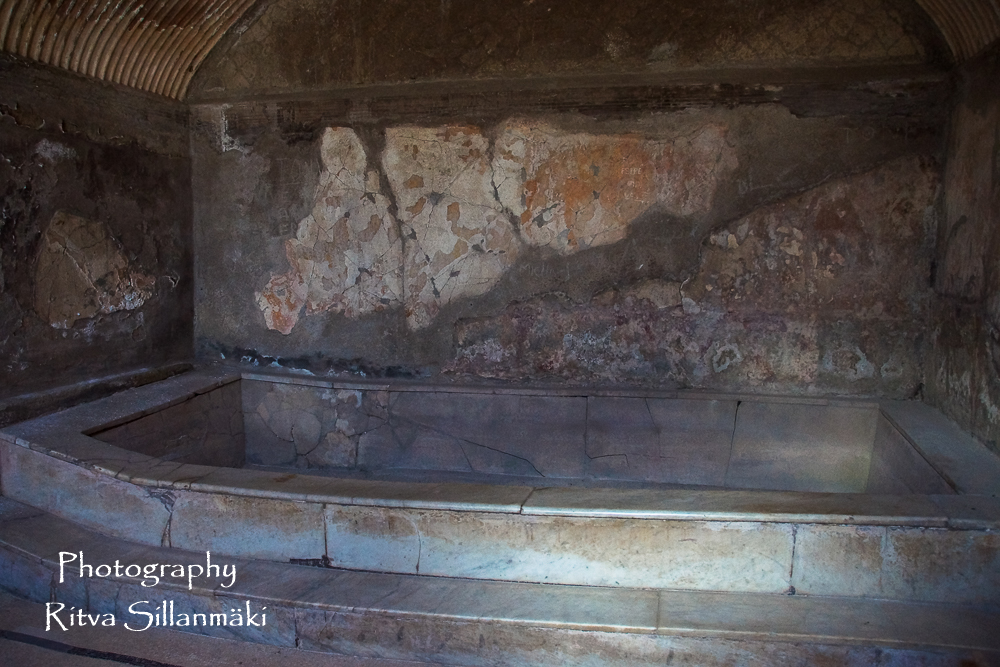
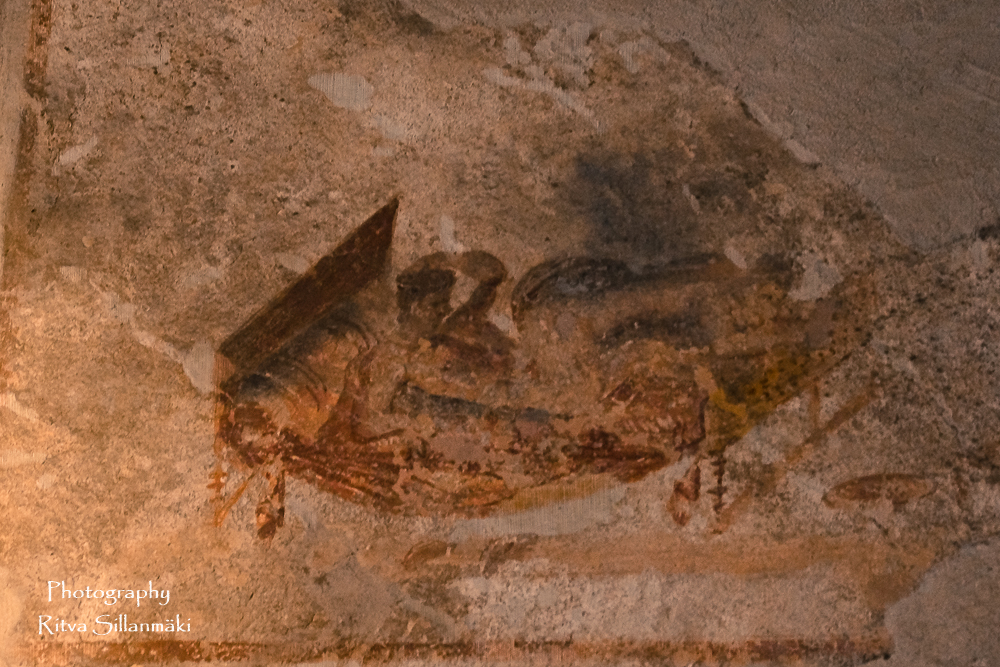
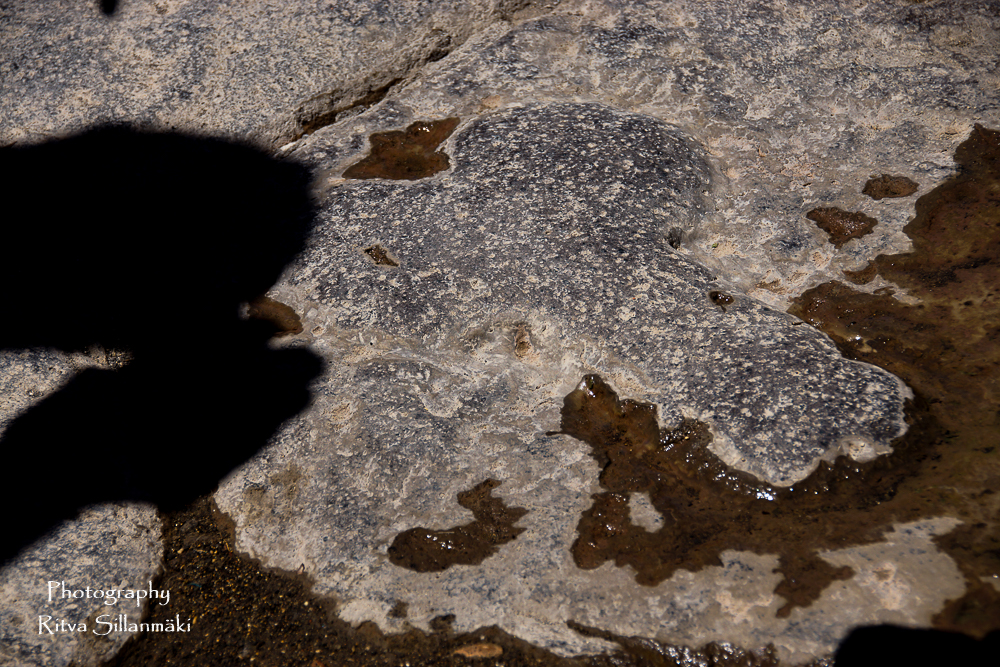
Details from the floor and walls…so amazing


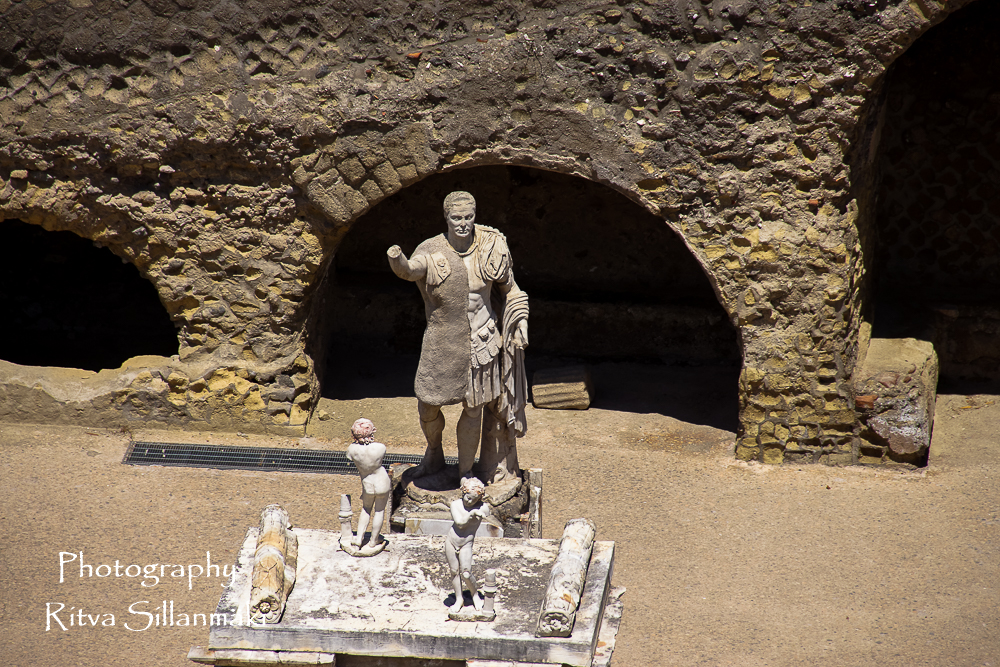
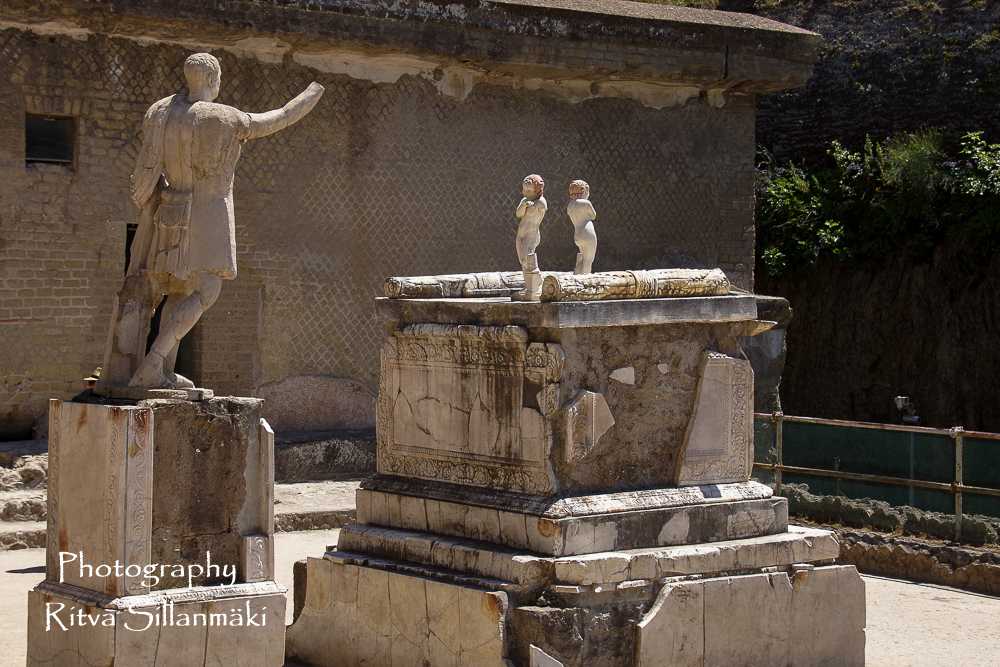
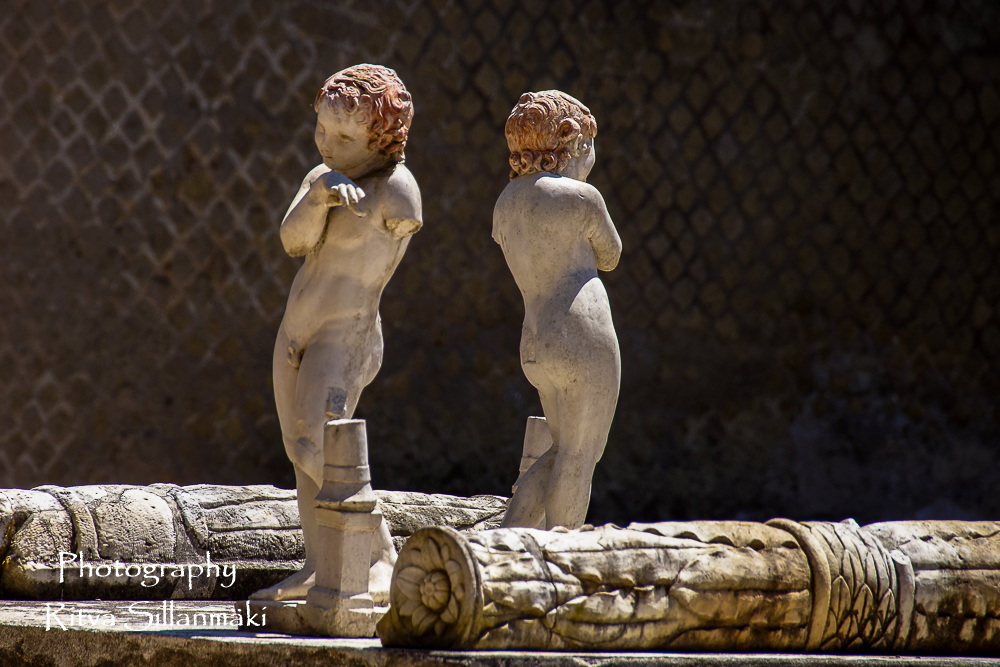
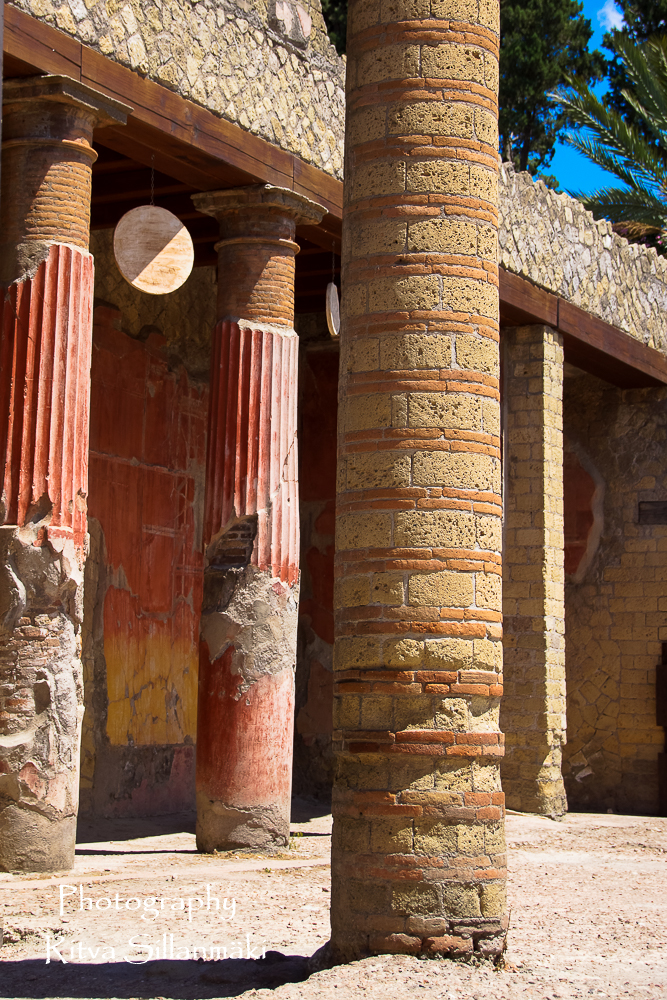
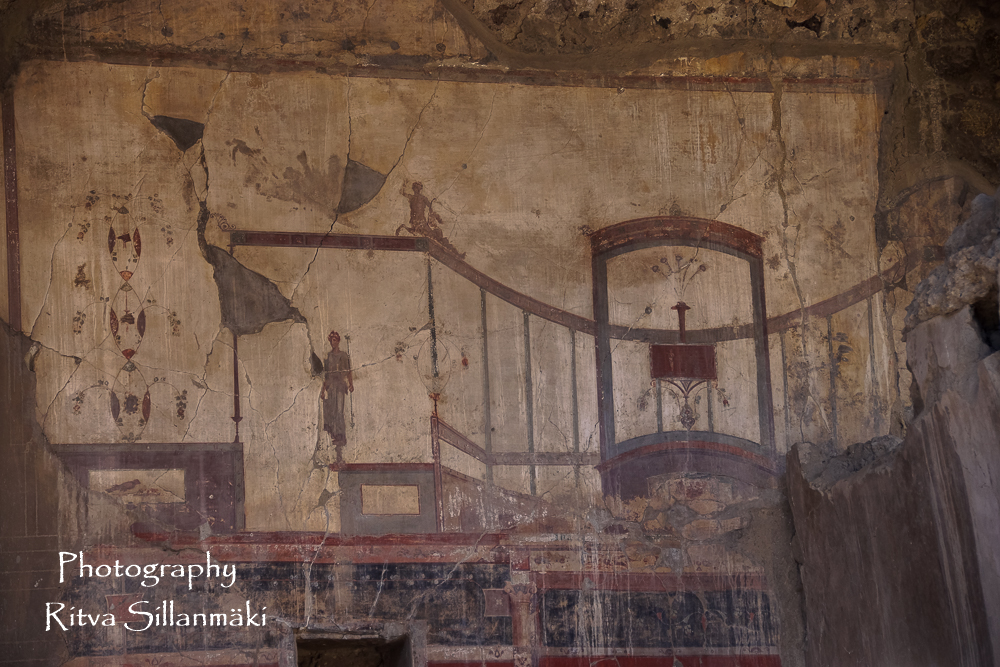
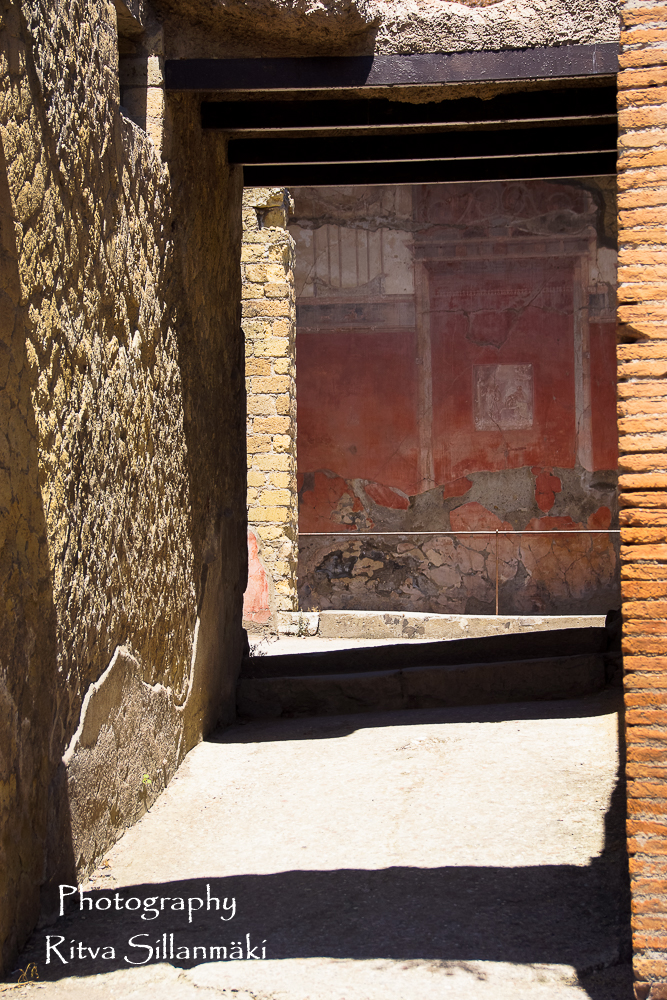
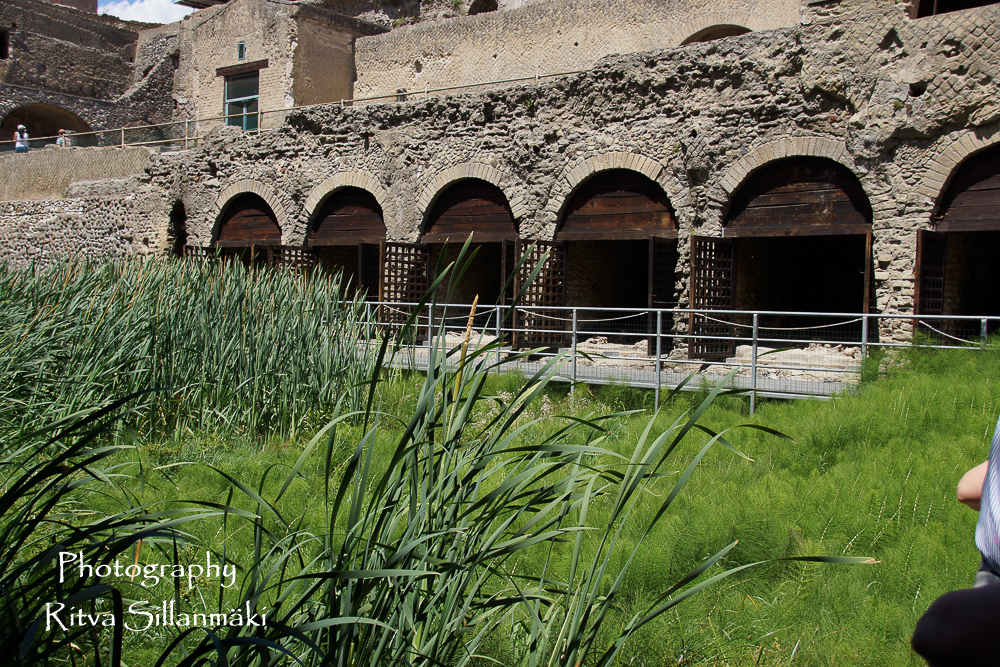
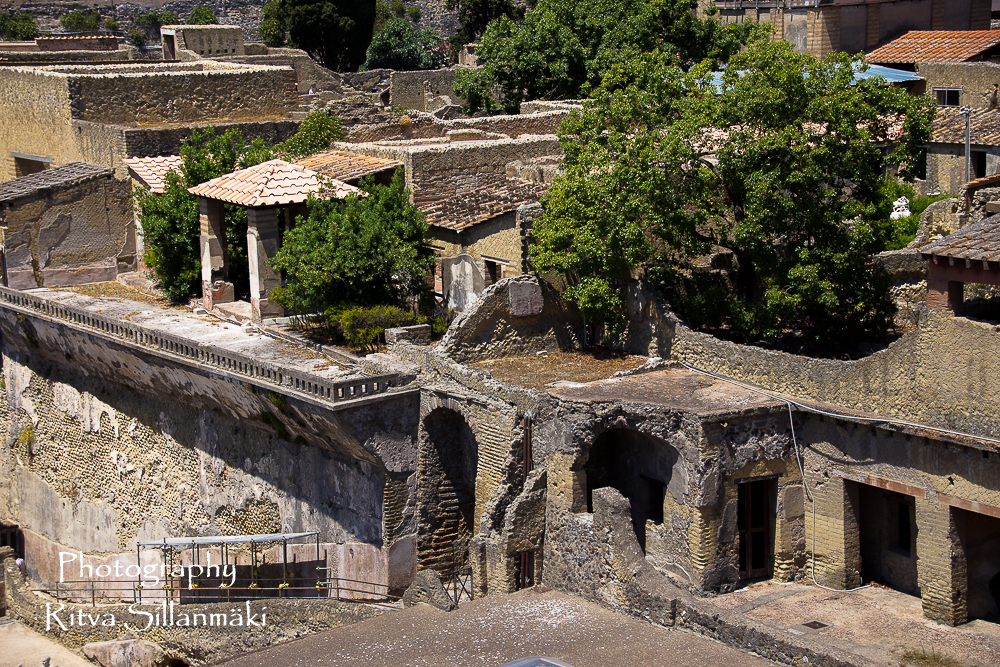
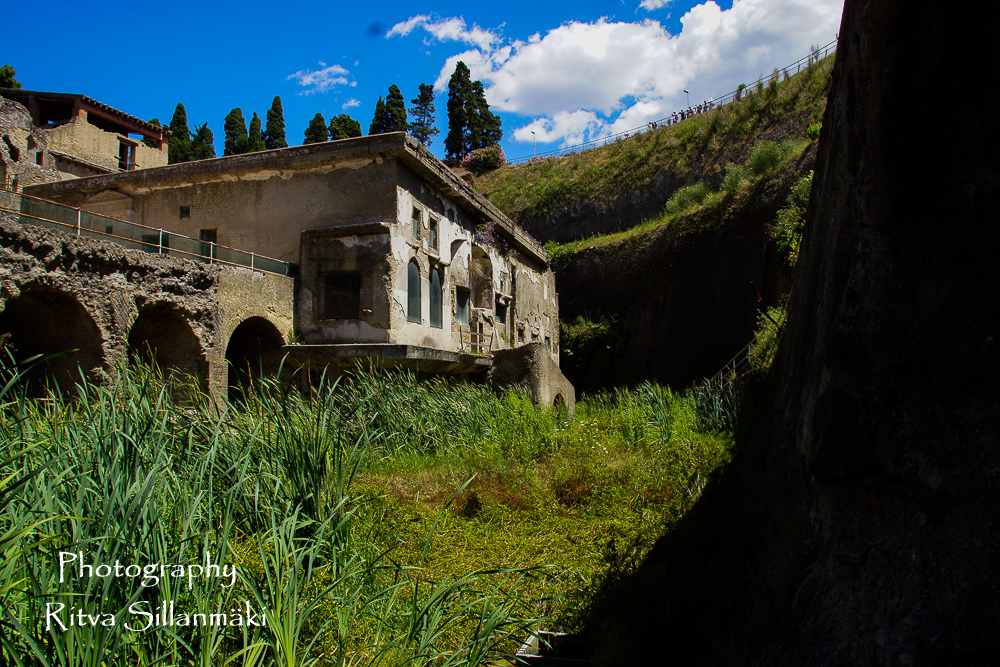
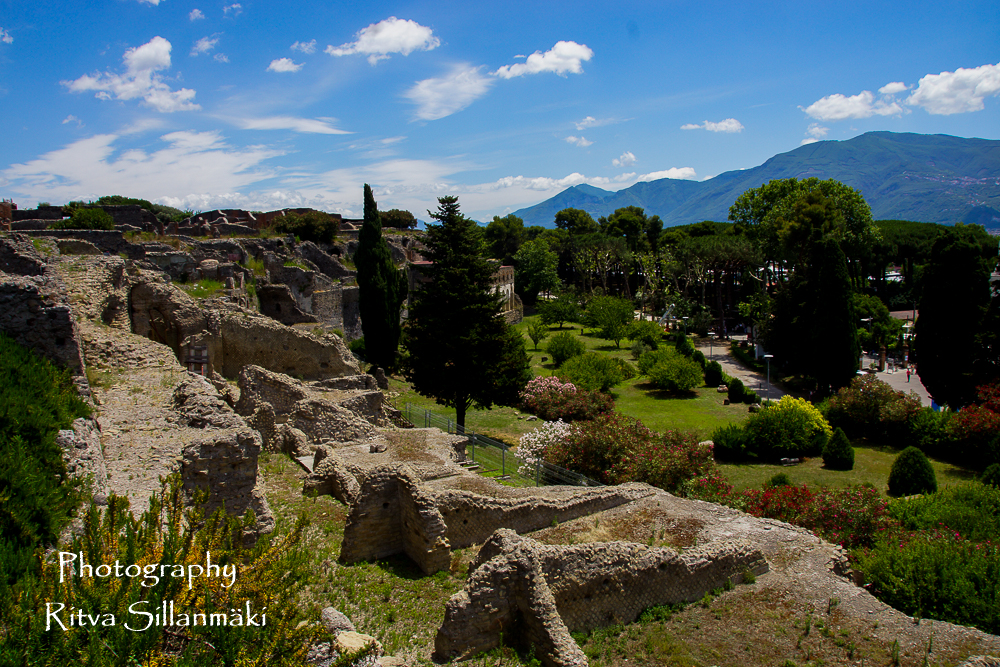
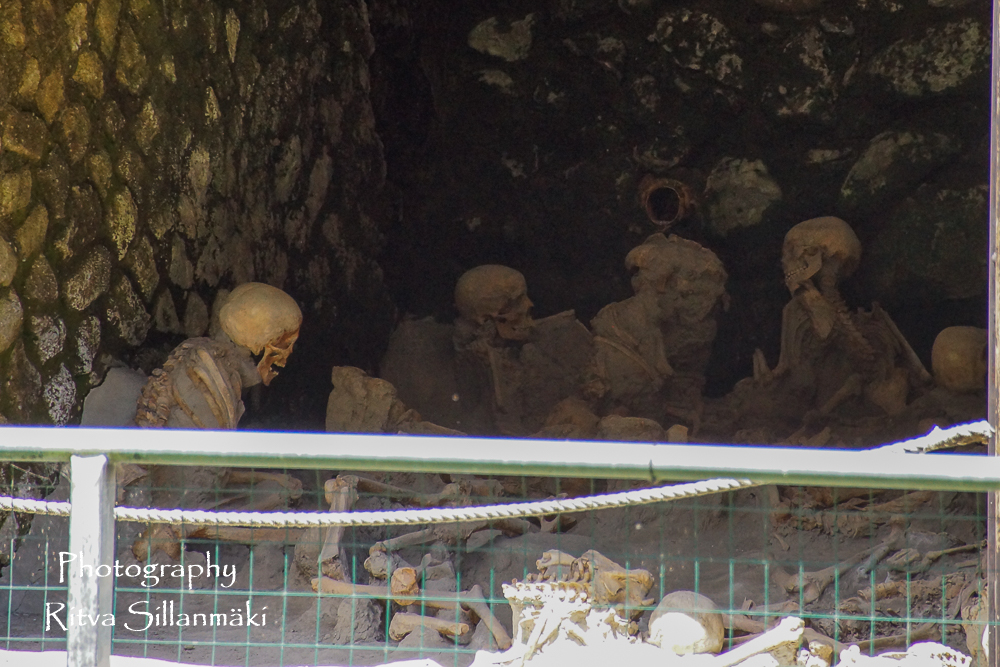
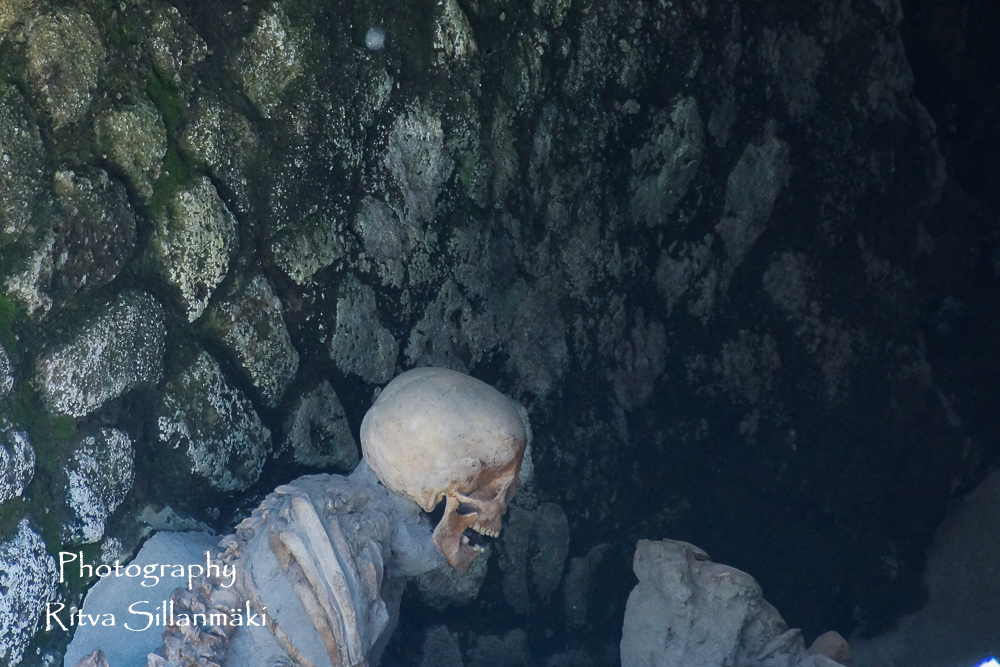
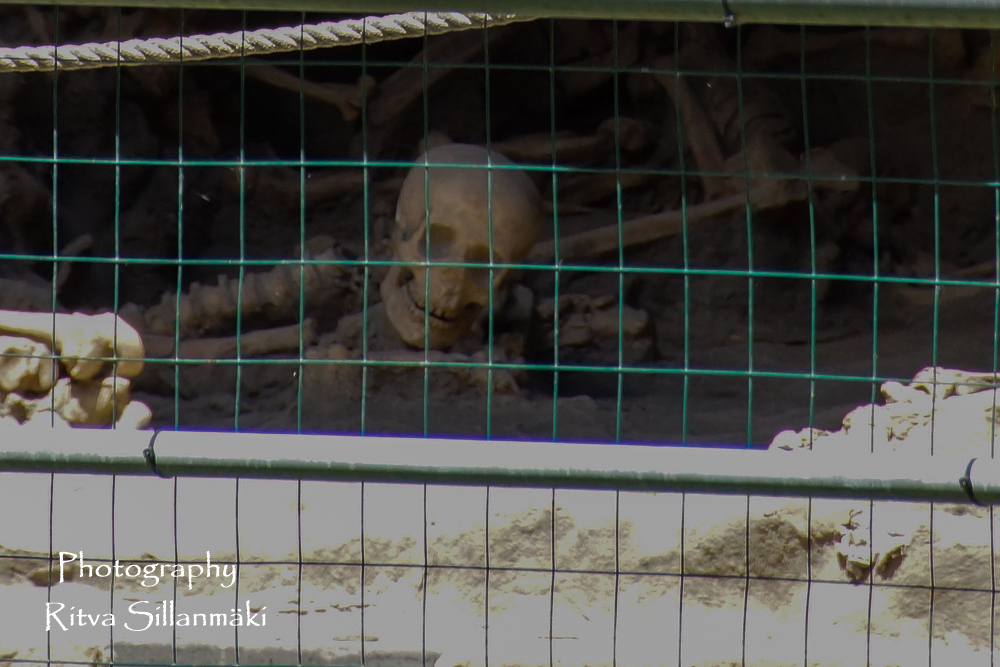
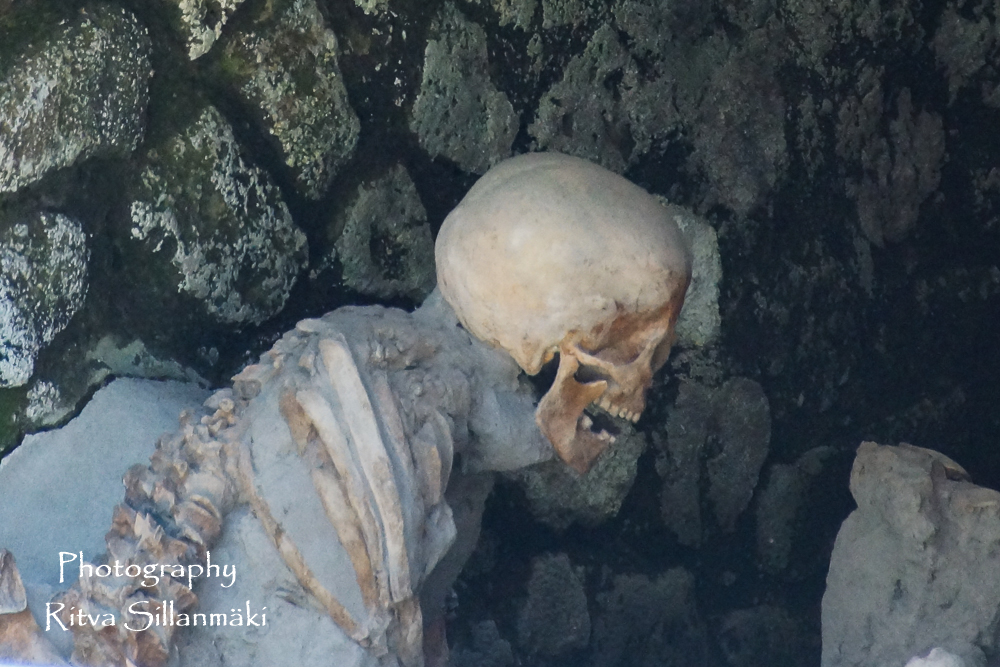
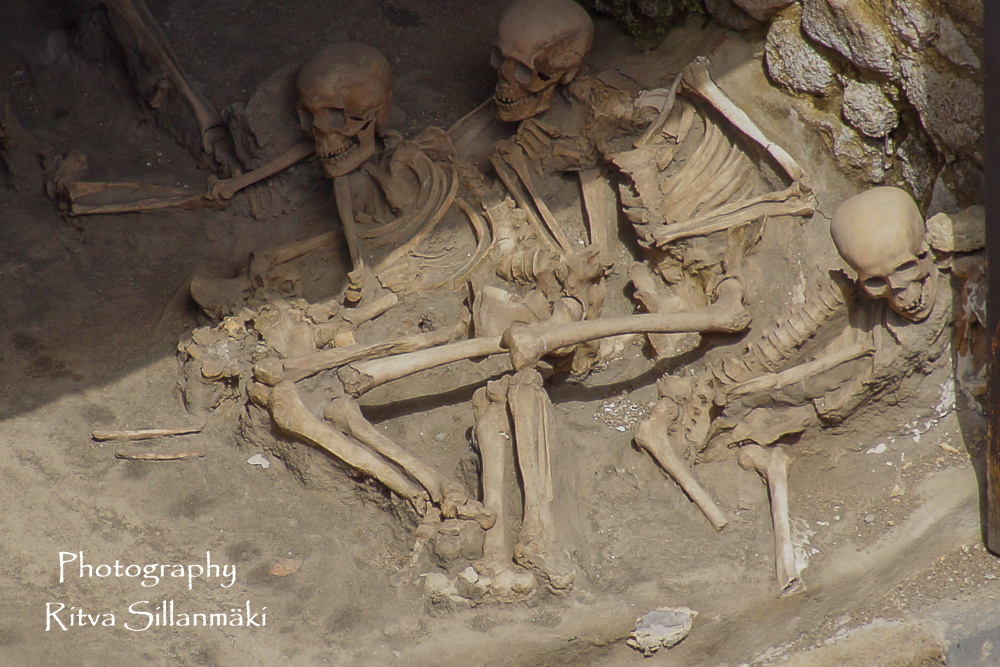
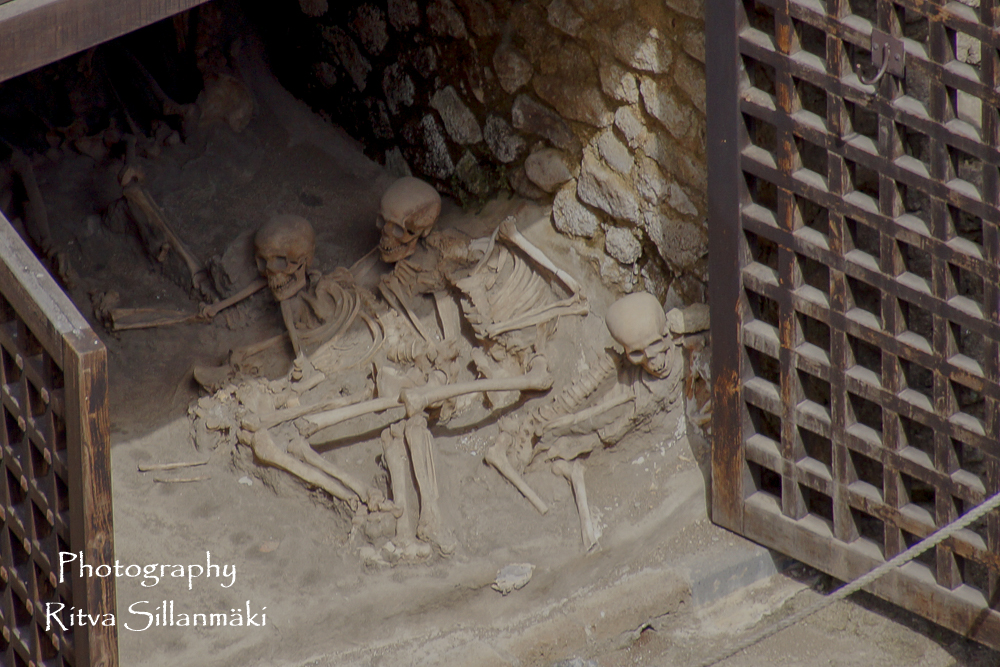
Herculaneum was an ancient Roman town destroyed by volcanic pyroclastic flows in 79 AD. Its ruins are located in the commune of Ercolano, Campania, Italy.s a UNESCO World Heritage Site, it is famous as one of the few ancient cities that can now be seen in much of its original splendour, as well as for having been lost, along with Pompeii, in the eruption of Mount Vesuvius in AD 79 that buried it. Unlike Pompeii, the deep pyroclastic material which covered it preserved wooden and other organic-based objects such as roofs, beds, doors, food and even some 300 skeletons which were surprisingly discovered in recent years along the seashore.
Here are few shots seen when entering the the site and The “Boat houses” where skeletons were found.
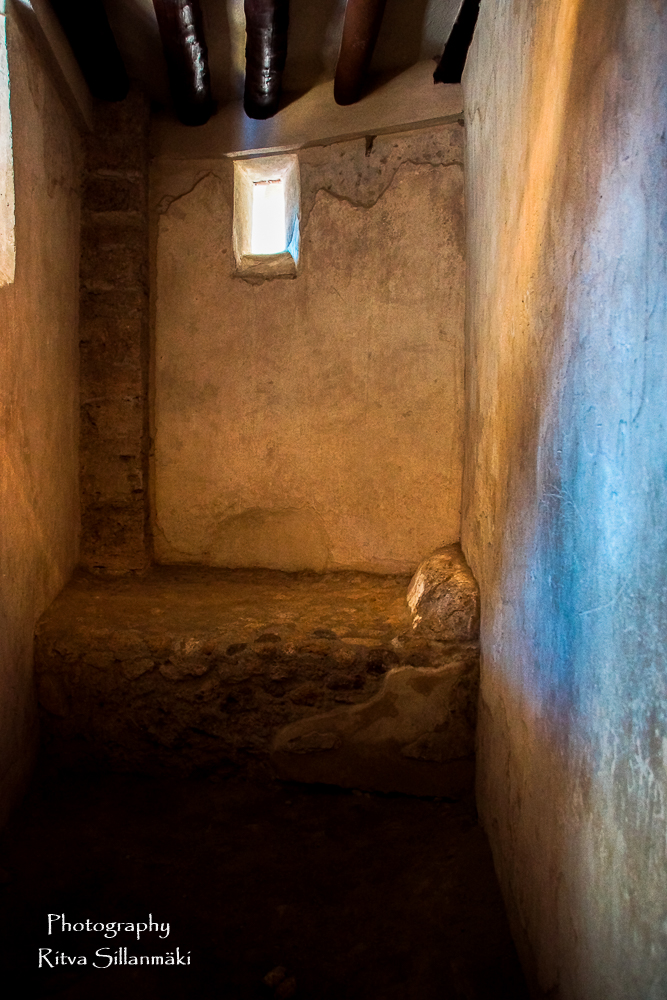
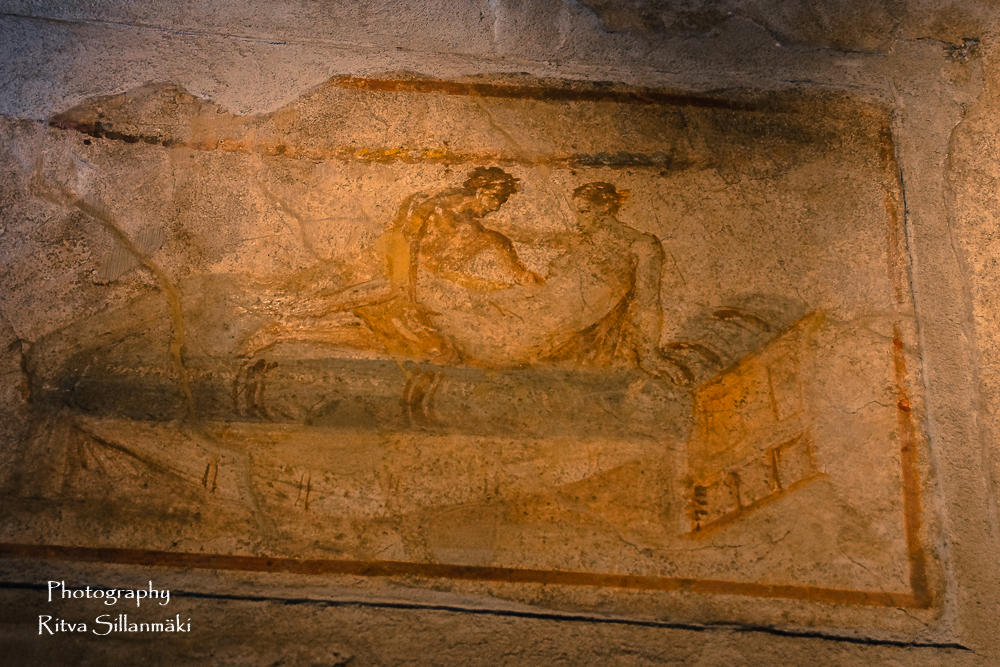
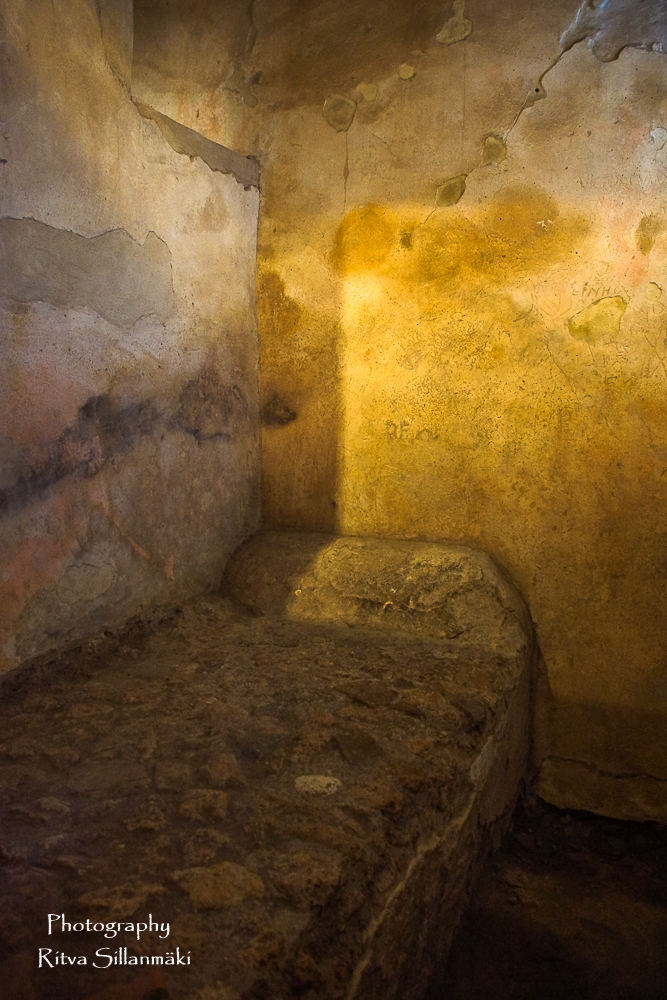
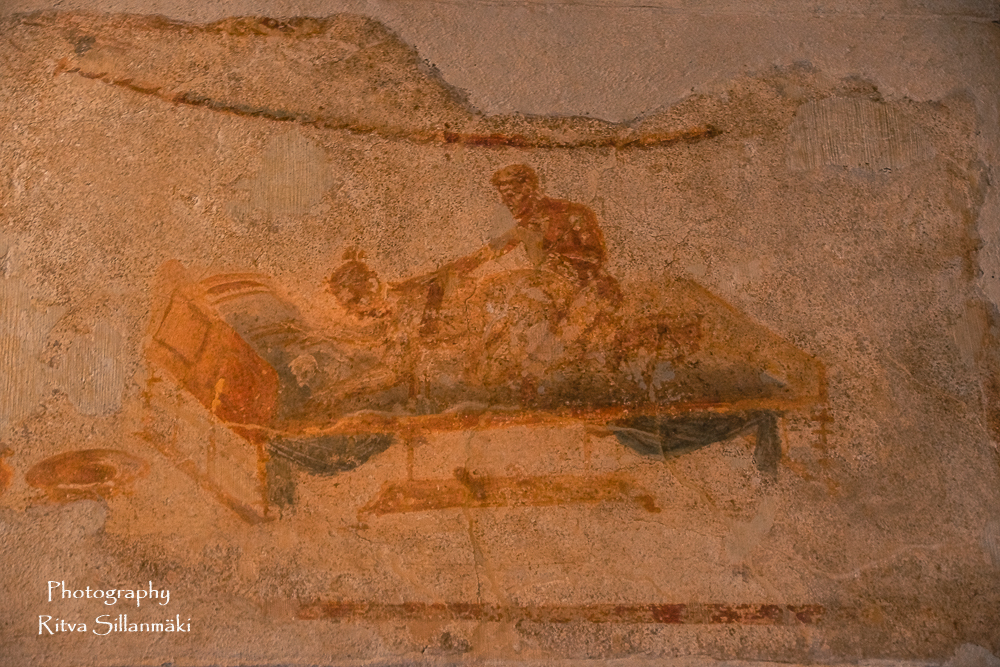
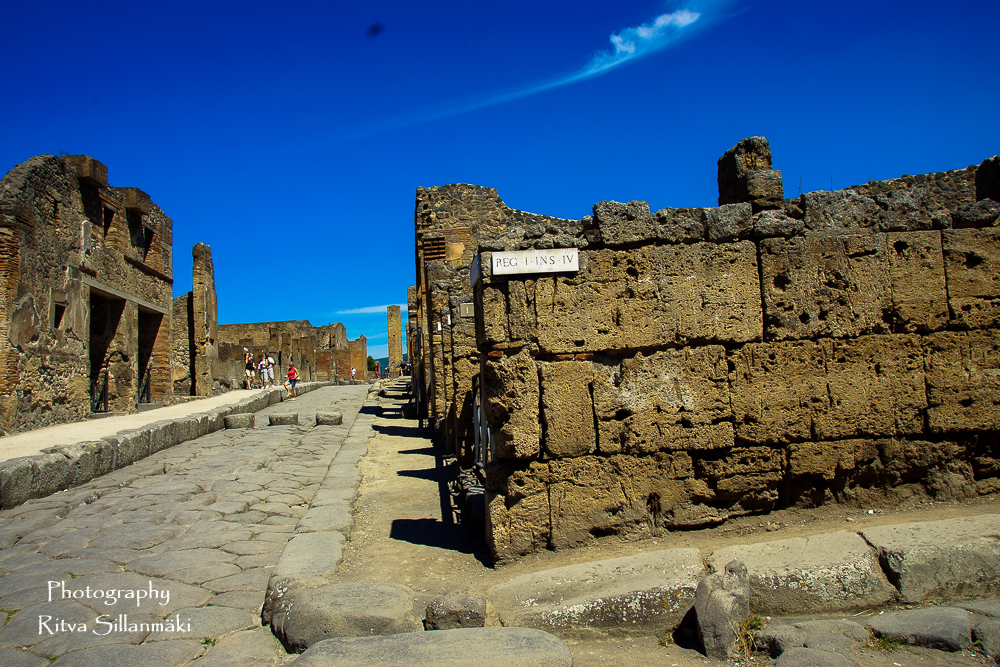
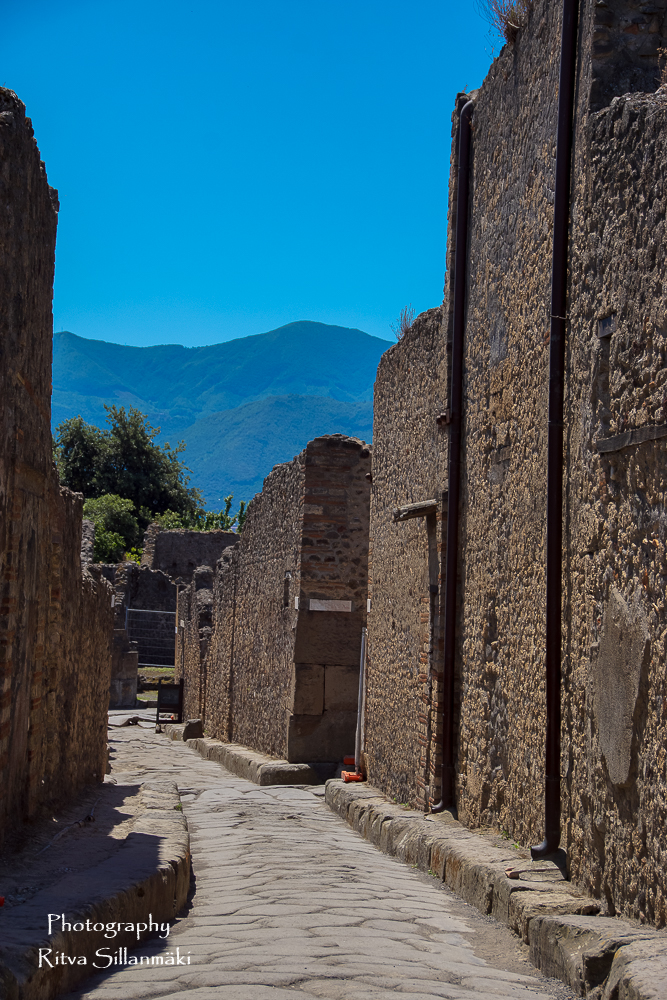
As we walked on the pebble roads, you could find signs carved in to the stoens showing the way to the gentlemans club…on the wall tou could see pictures of services provided. Conveniently next to the brothel was a doctor’s office
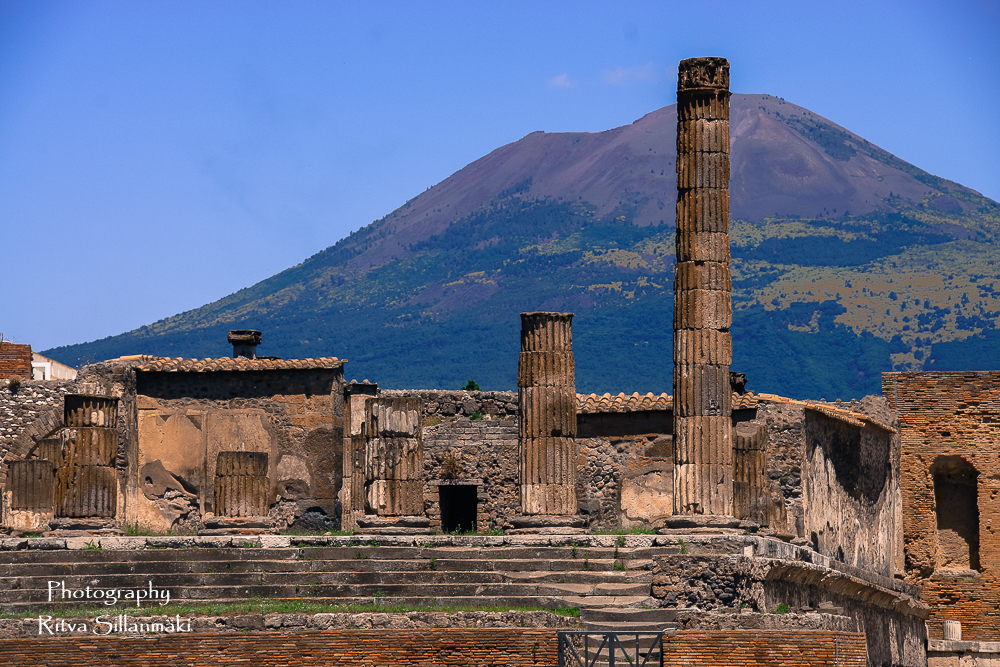
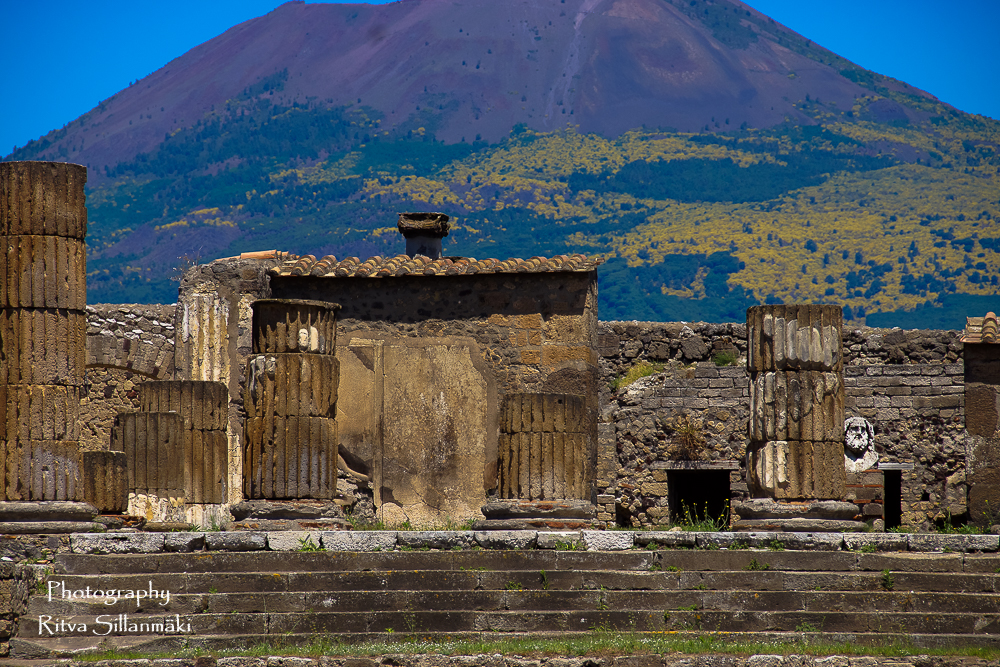
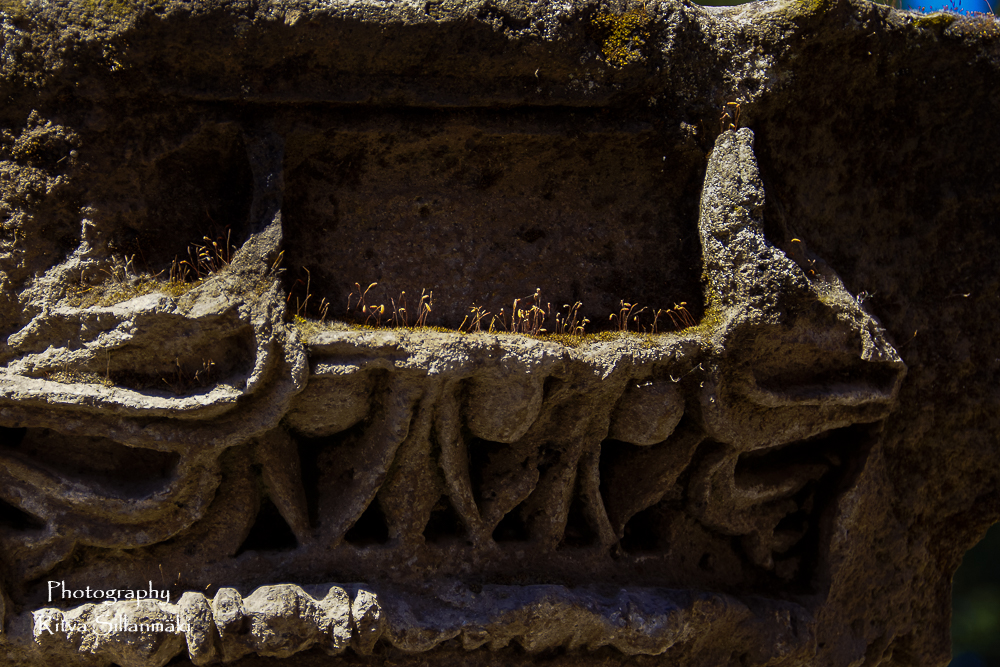
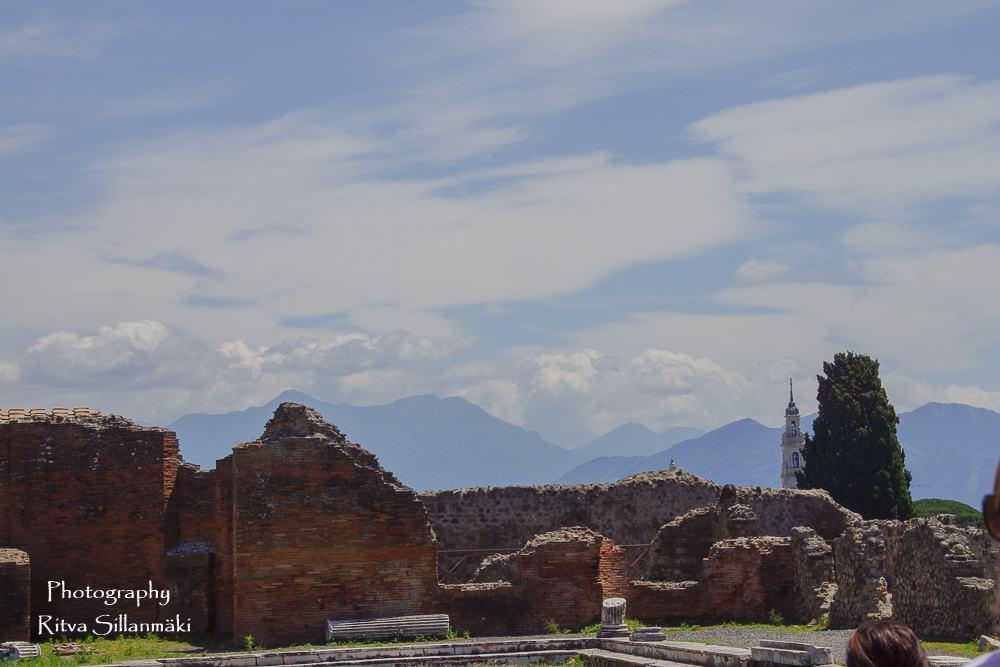
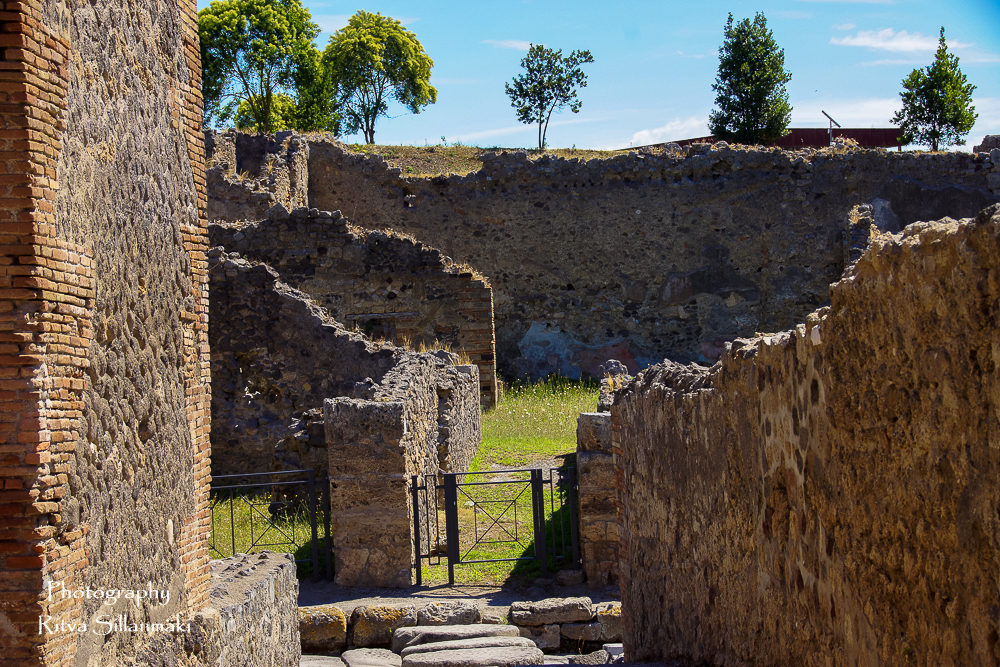
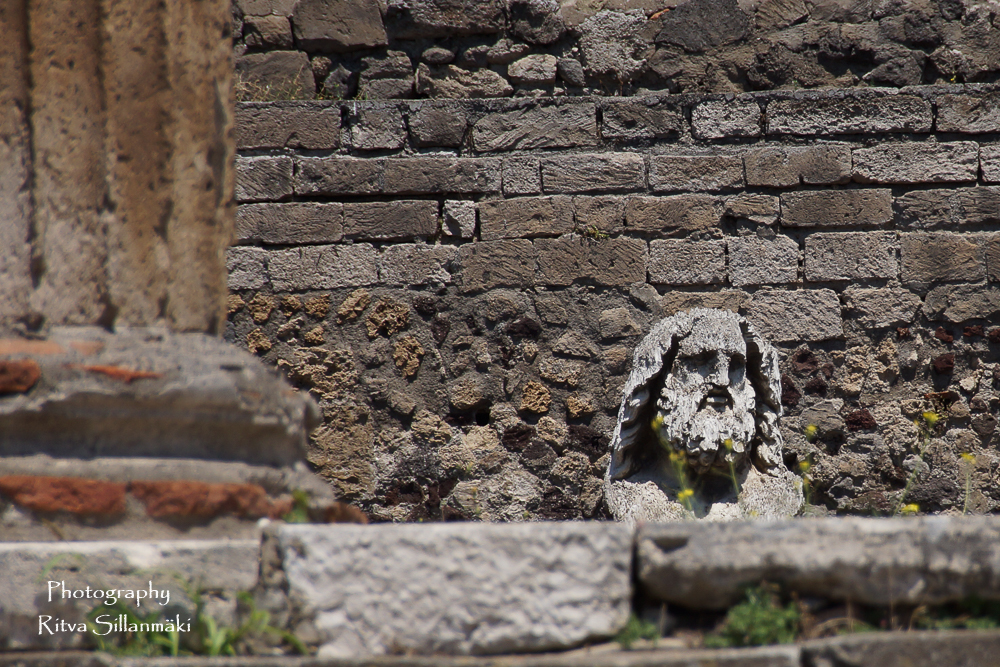
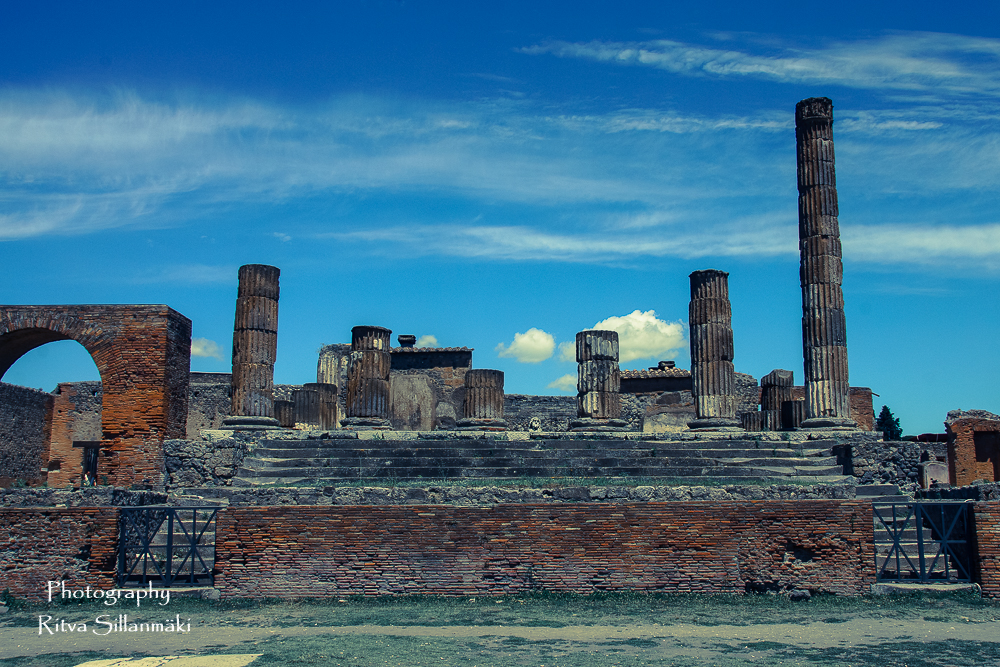
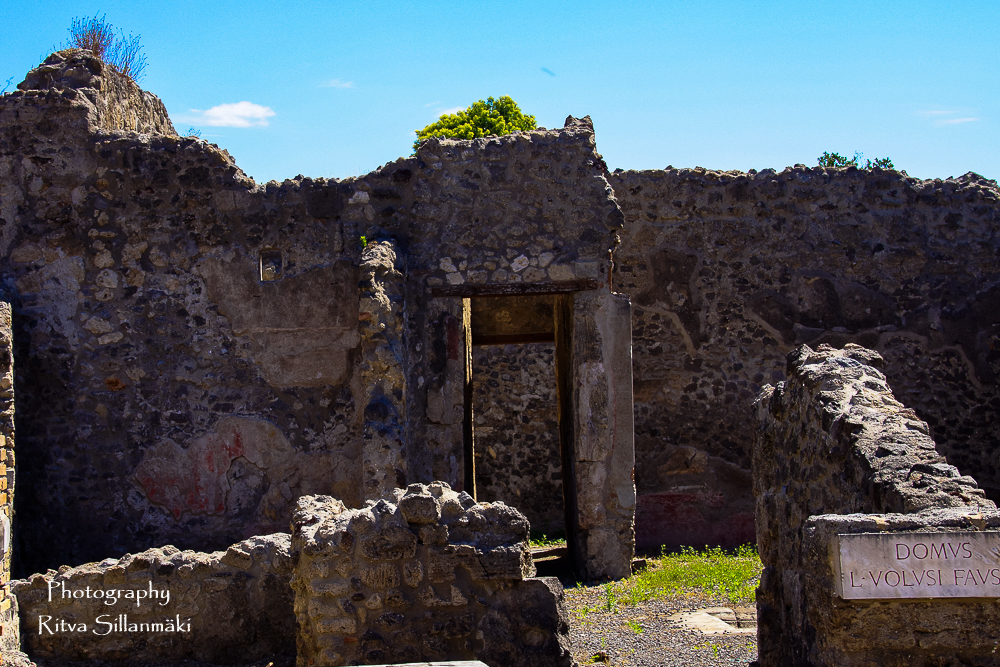
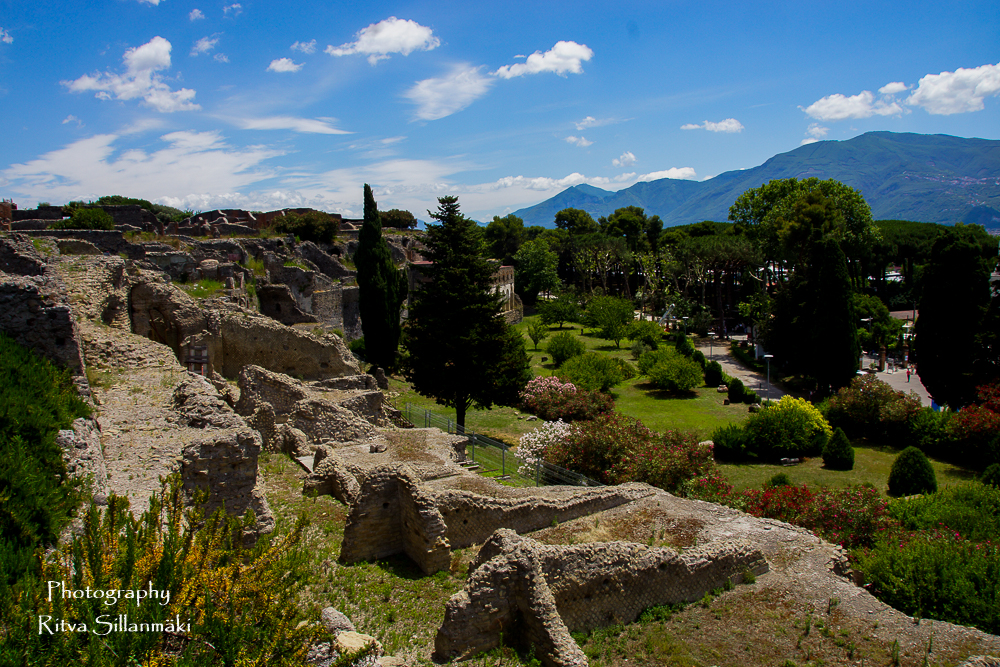
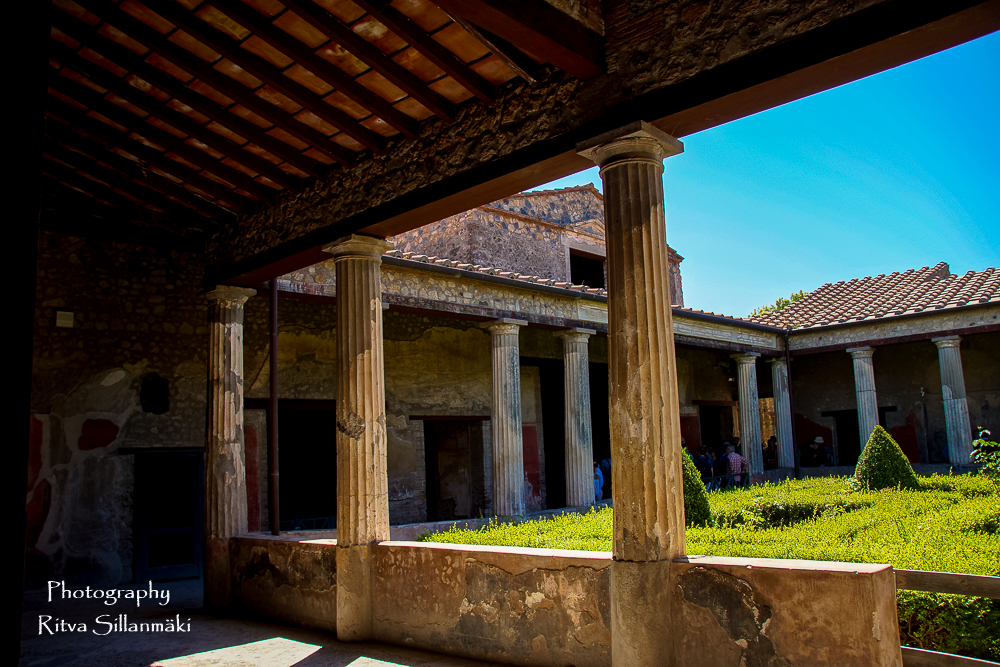
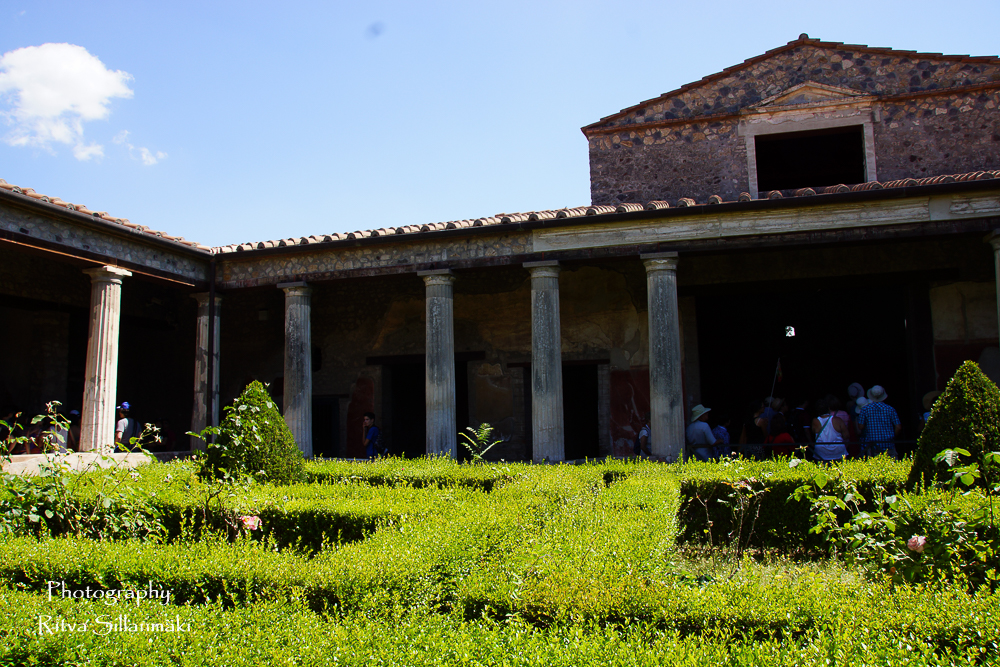
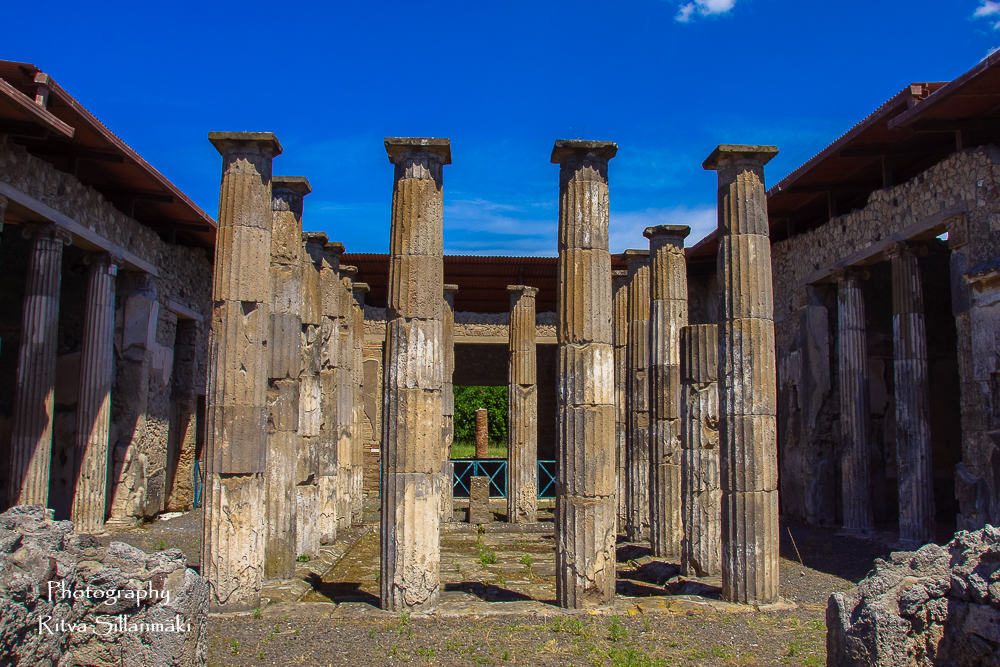
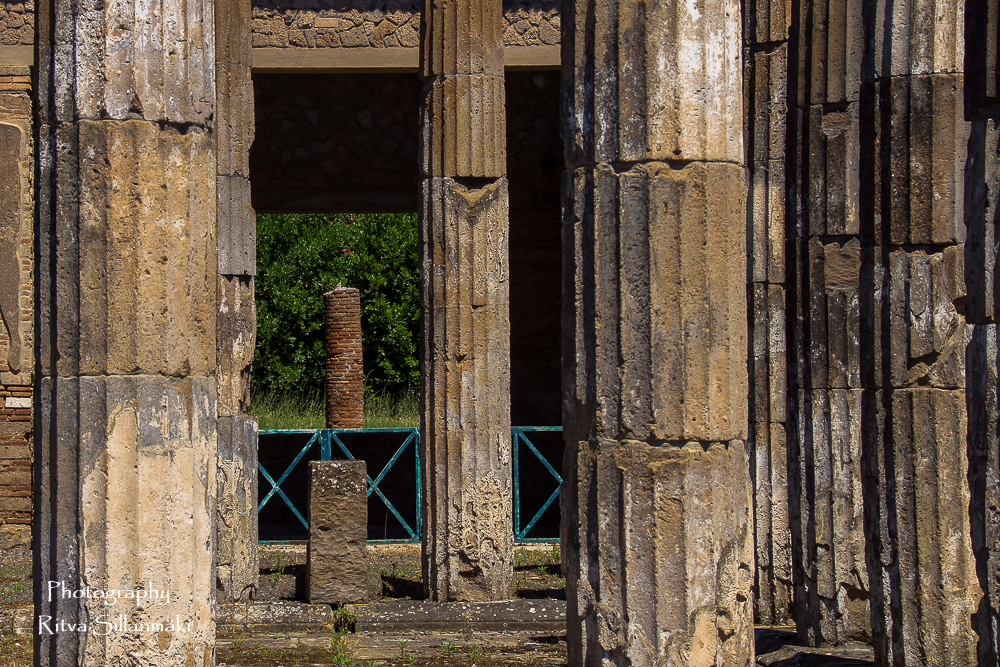
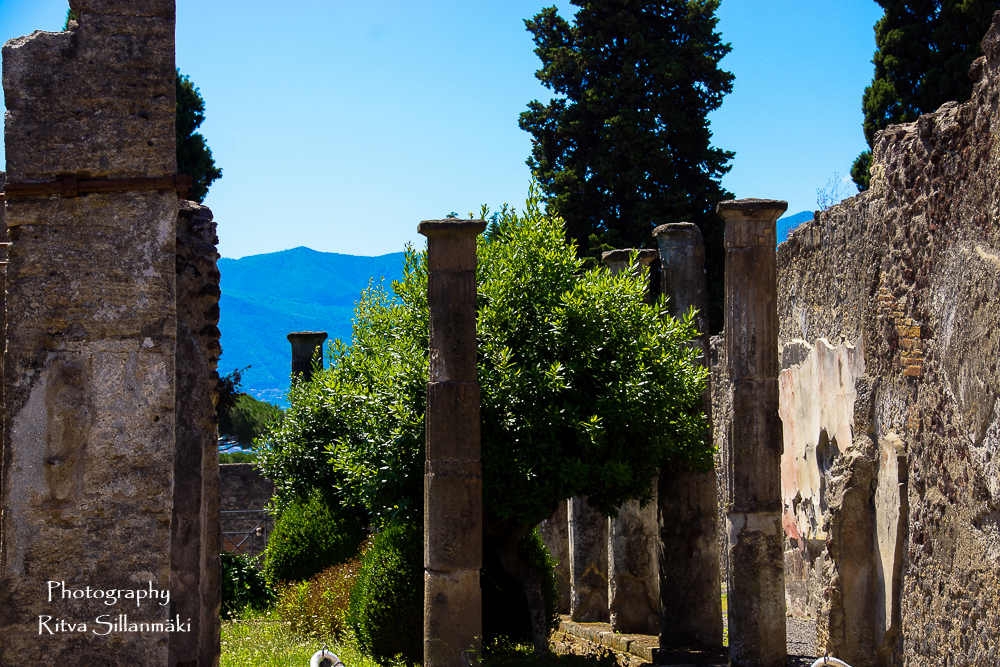
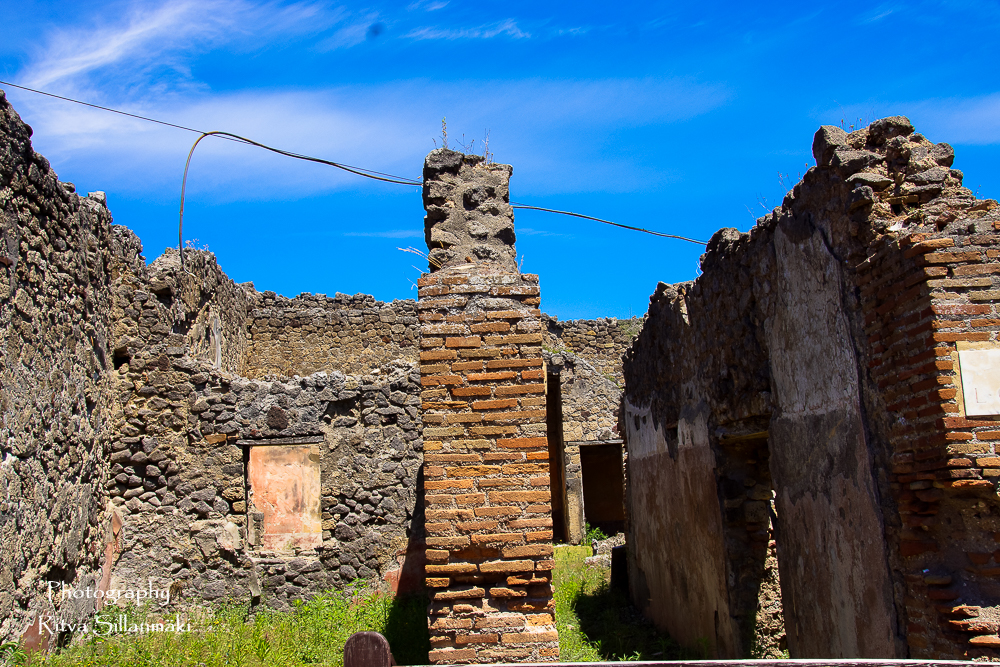
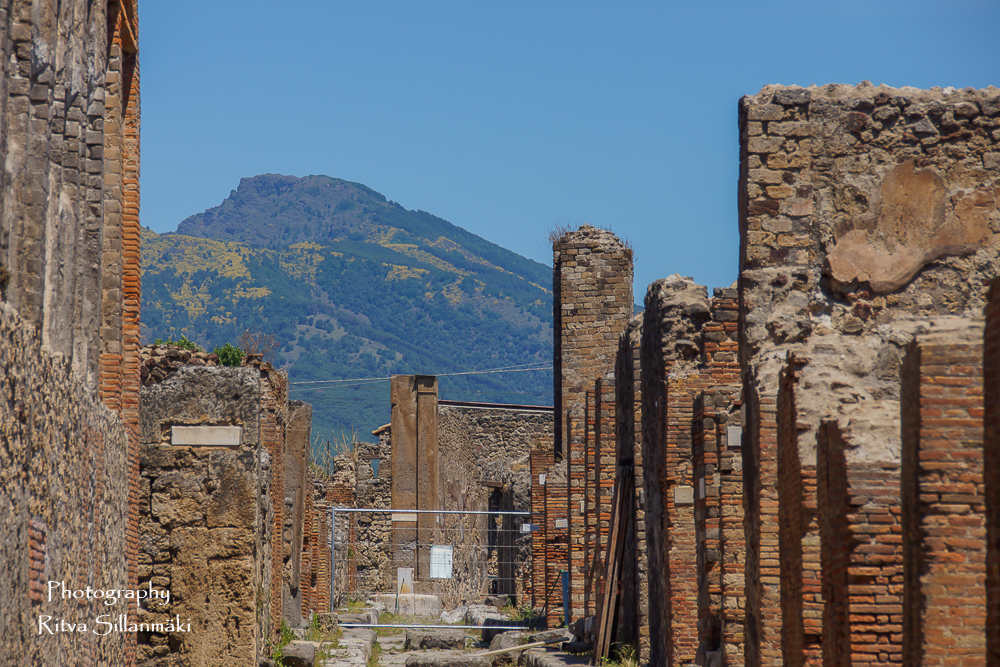
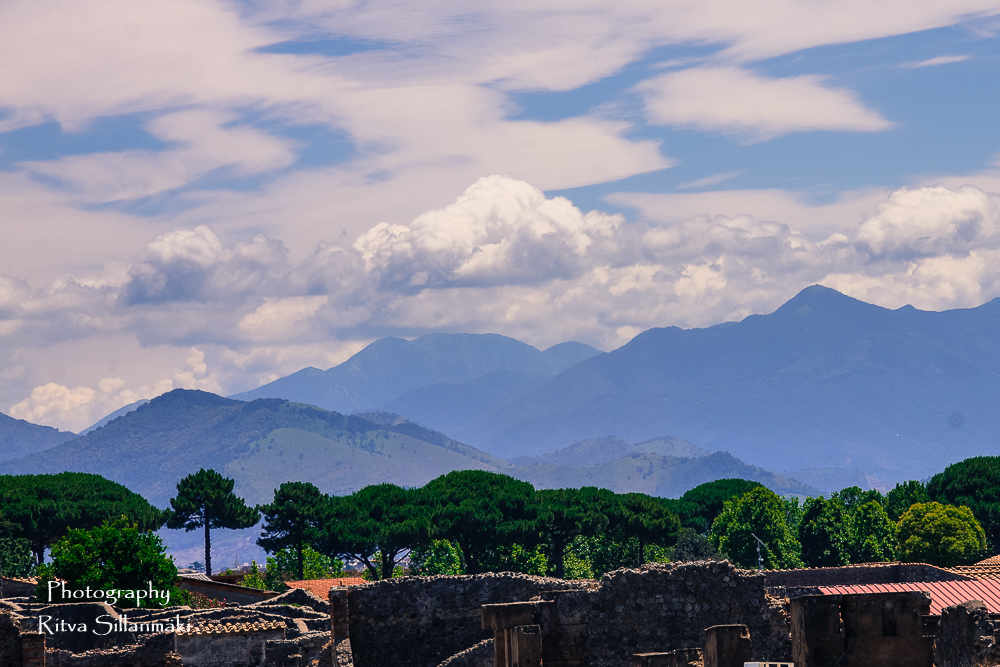
I visited Pompei last summer and I then posted few photos, but as I am on a roll with travel photos I will post few post of how I saw the place, what caught my attention. These are over all photos, the place is huge and it is quite amazing how it has persevered time.
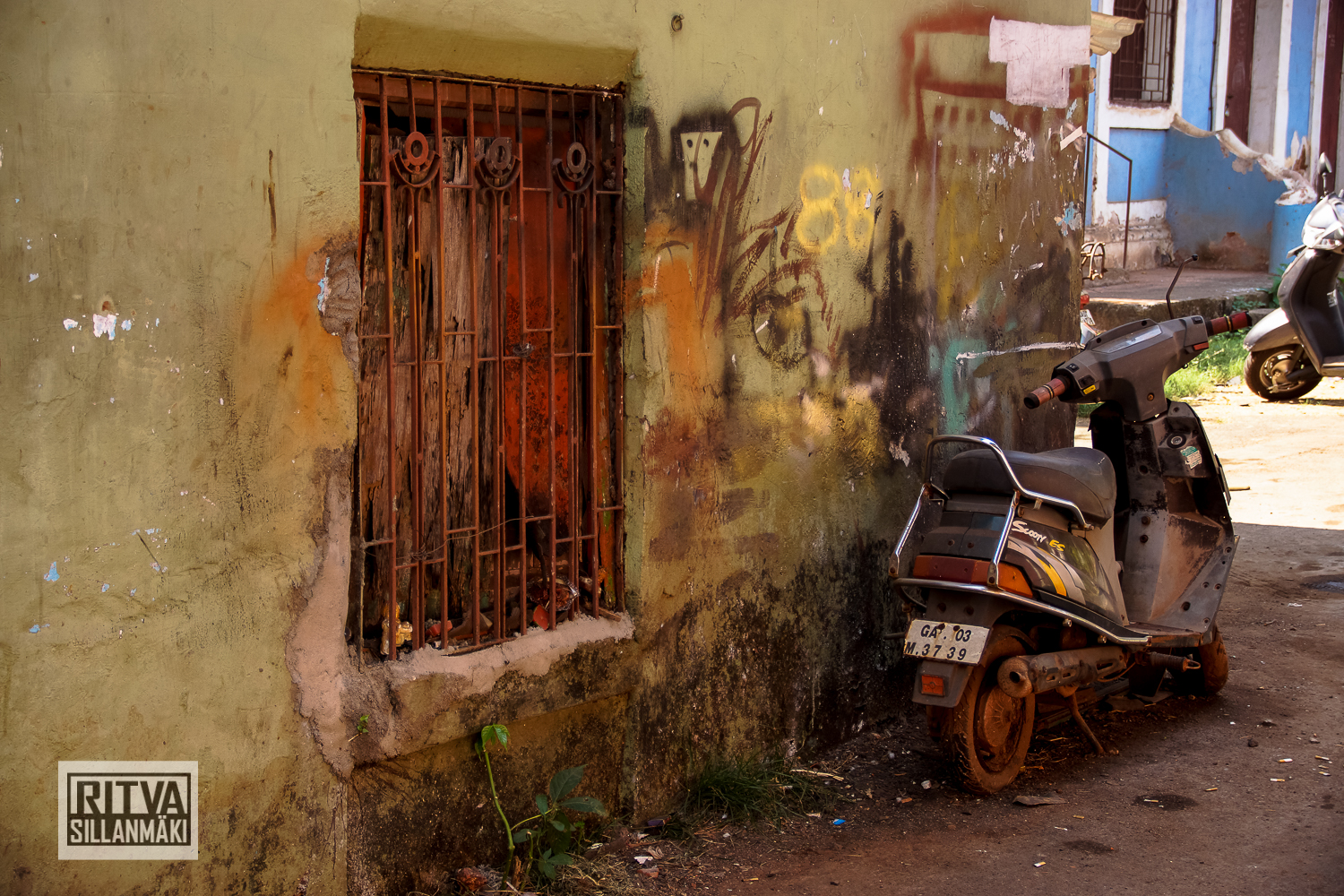
Most of my photos are about the locals, the way of life there. I found that there were not so many sights to see there. The difference is so vast that it left an impression. The colors, the strong sun, poverty and skooters and cars and that there was so many people everywhere.


This place is located close to Miramar beach in Panaji . Lanes leading to this place are narrow and under construction. Our driver took us through the locals way. This place has a nice promenade right into the sea and there are many shops on one side selling local handicrafts, clothes and snacks. the other tourists were mainly locals. We climbed up the stairs to the top and enjoy a great view of the vast Arabian sea in front.


Panjim is India’s smallest capital city and was occupied by the Portuguese for over 450 years.
This old district or latin quarter has a completely different atmosphere from the hustle and bustle of the main city, with its Mediterranean appearance, narrow streets and overhanging balconies of the ancient Portuguese style houses.


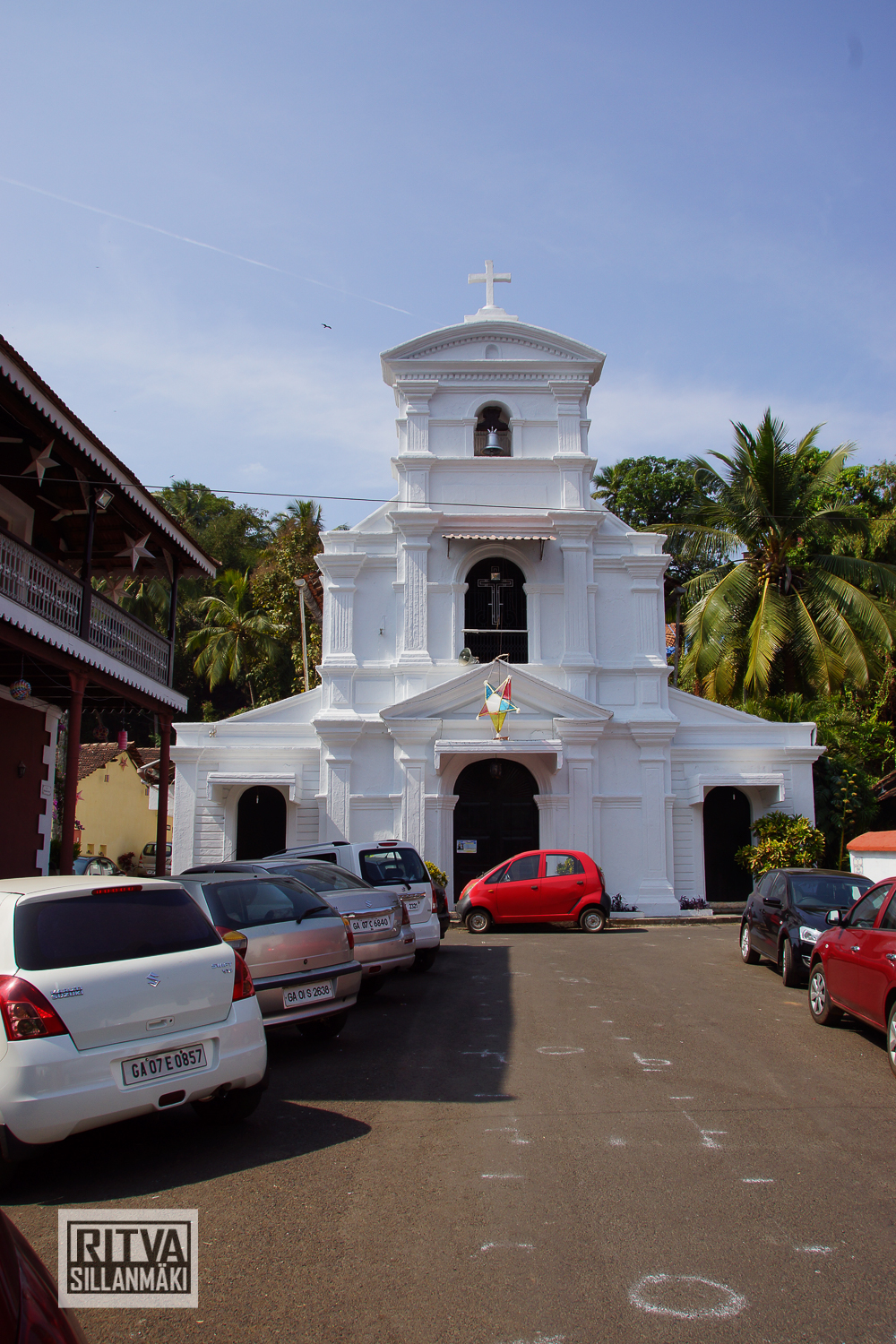
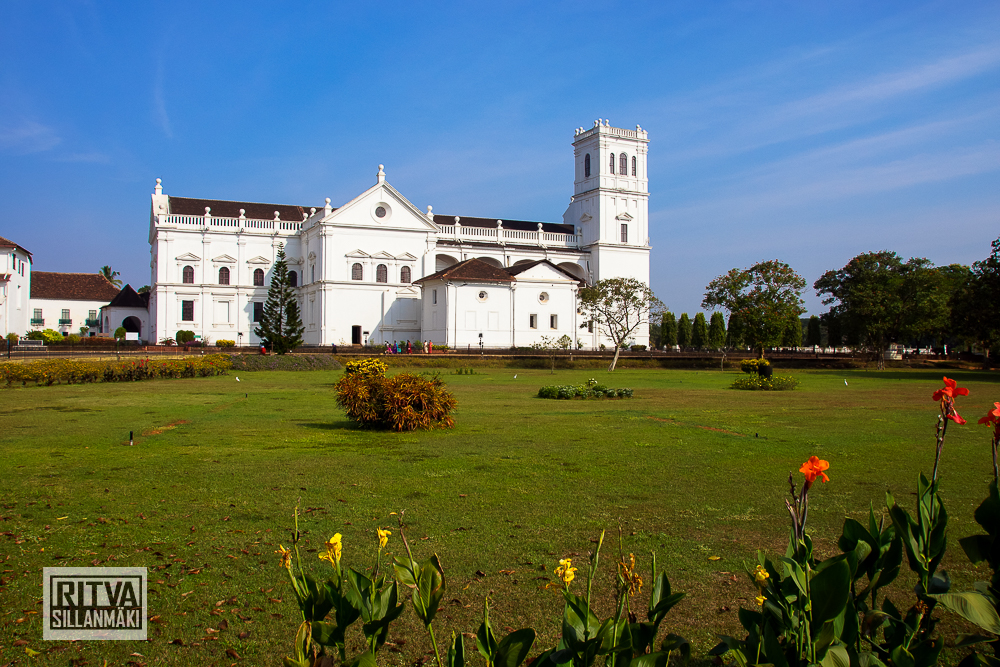
The Churches and Convents at Velha (Old) Goa owe their existence to the Portugueserule in thispart of the western coast of India.The most comprehensive group of
churches and cathedrals built during 16th to 17th century AD


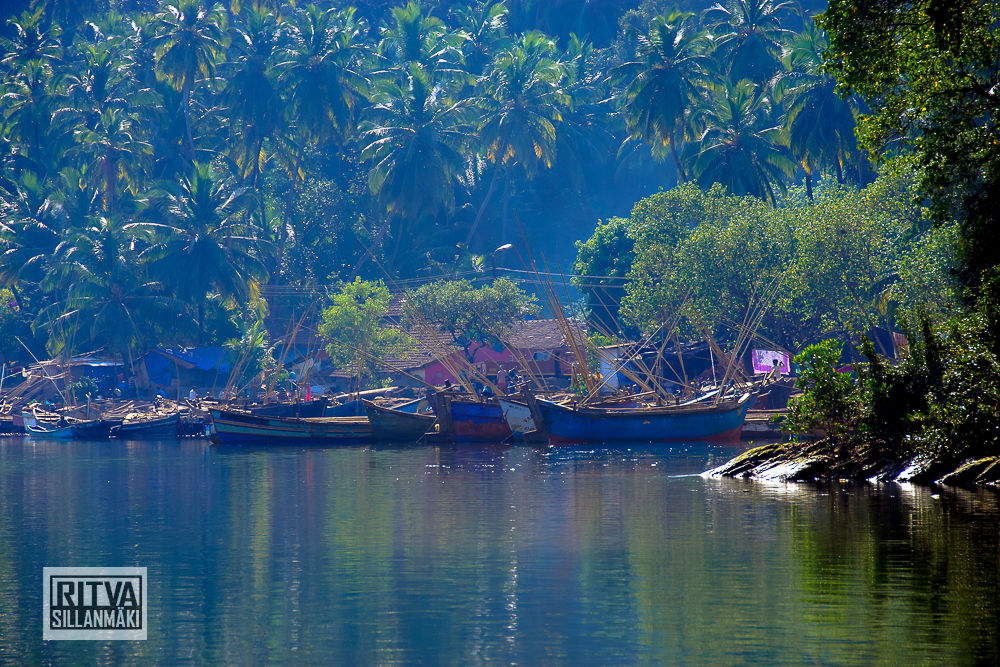
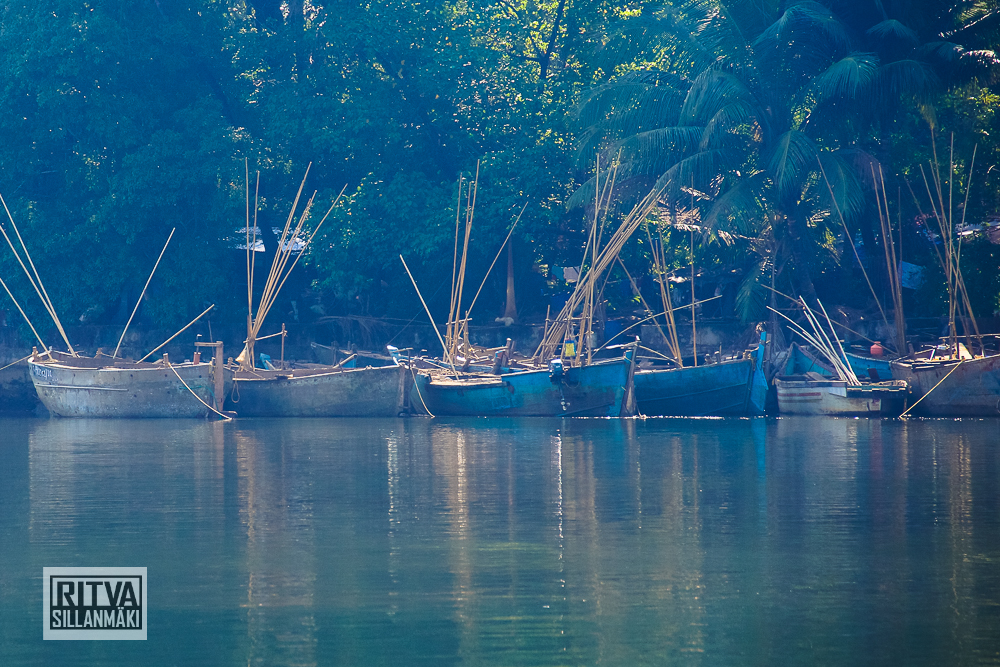
As you can see lots of small boat on the river, local fishermen. You could see some people on the banks too. on hour the light made the water look green and when heaging back to the dock it was blue. The light is quite amazing


I am still on the river, my posting and editing is so slow, but then again I am in no hurry and I hope you willing look at my impression of Goa. The river – obviously had lots of boats there. Fishermen doing there jobs, us tourists enjoying the beauty of the moment.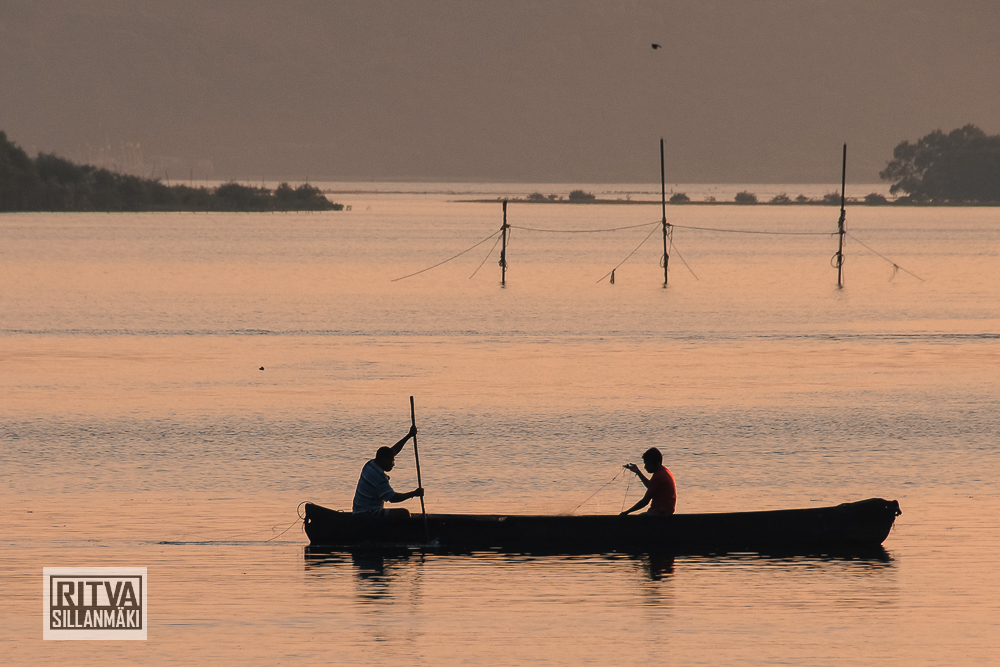
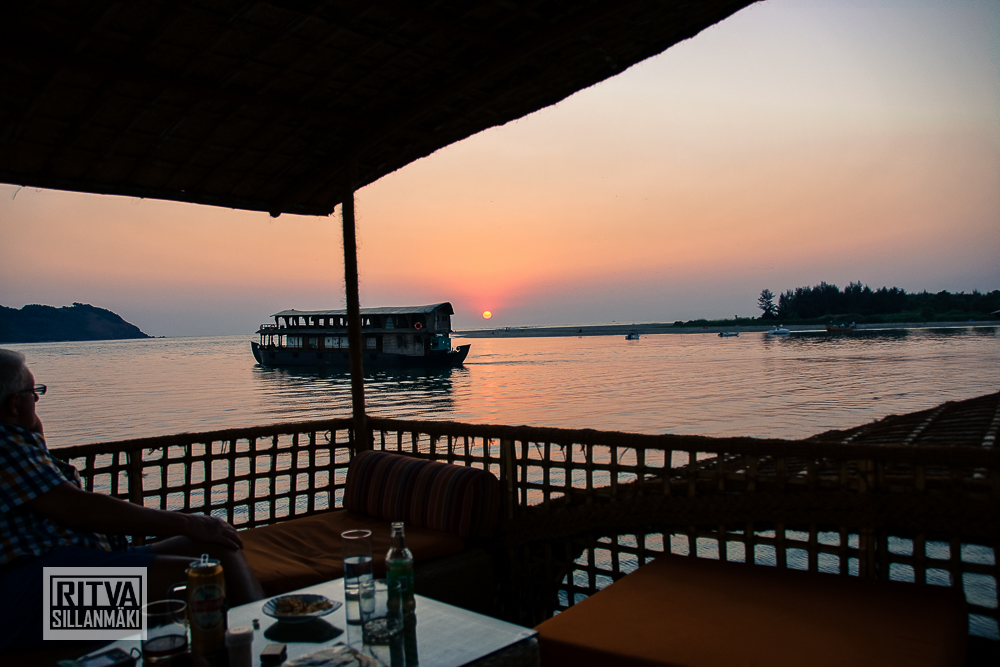
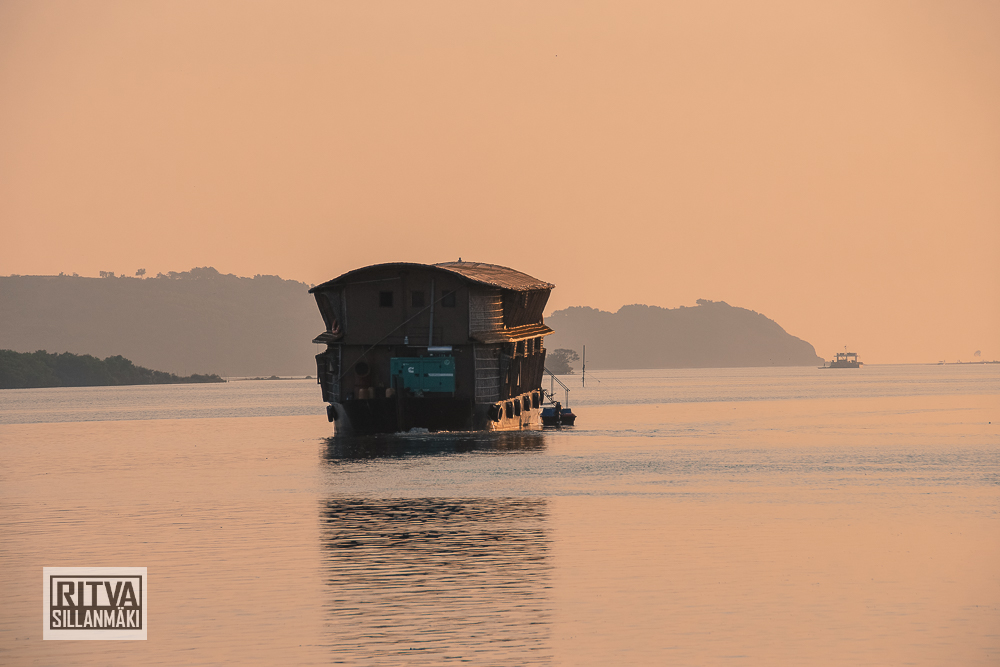
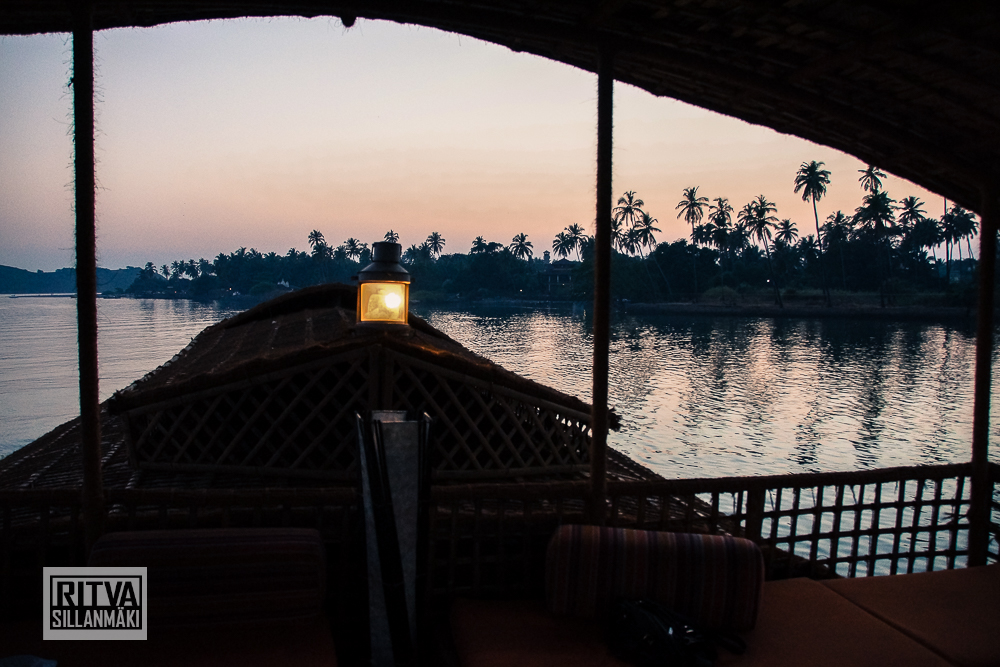
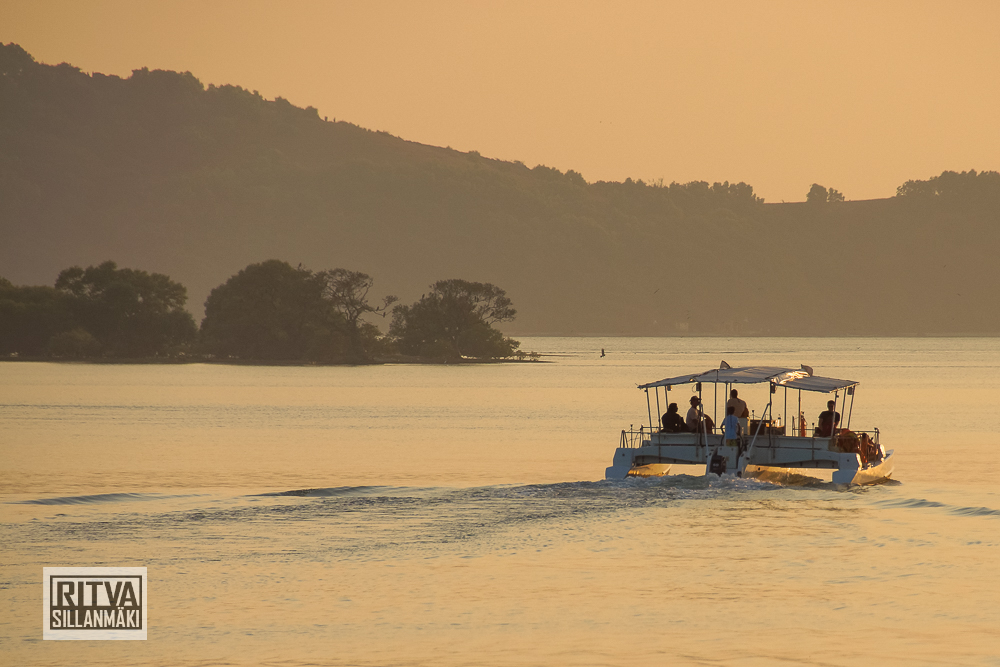
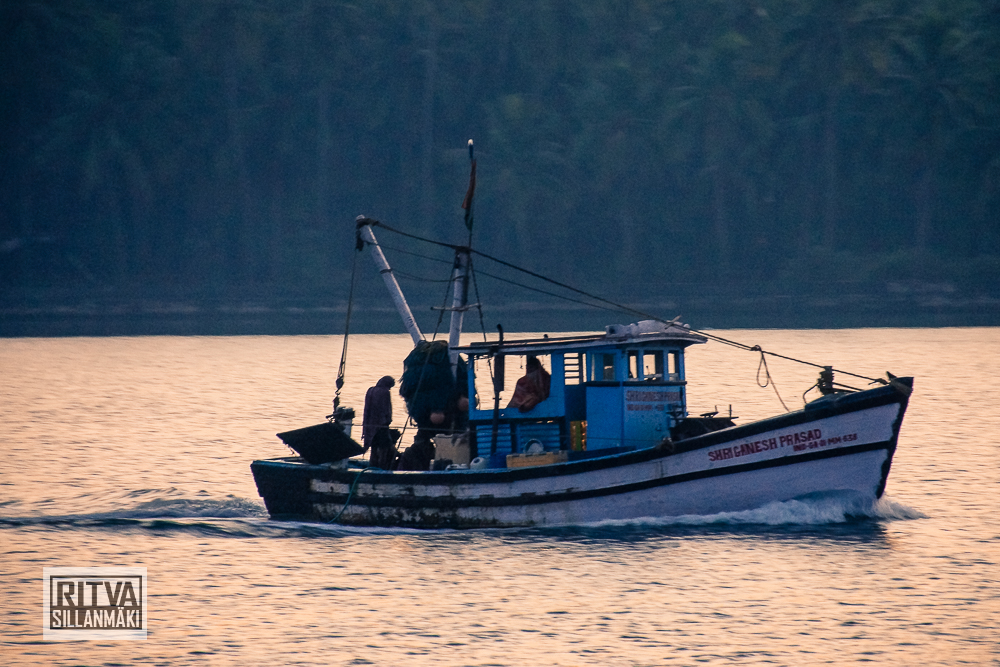
As you can assume as we are on the river, there is bound to be boats of all kinds there, and I took photos of them. I loved how the morning light showed beautiful color reflections on the water
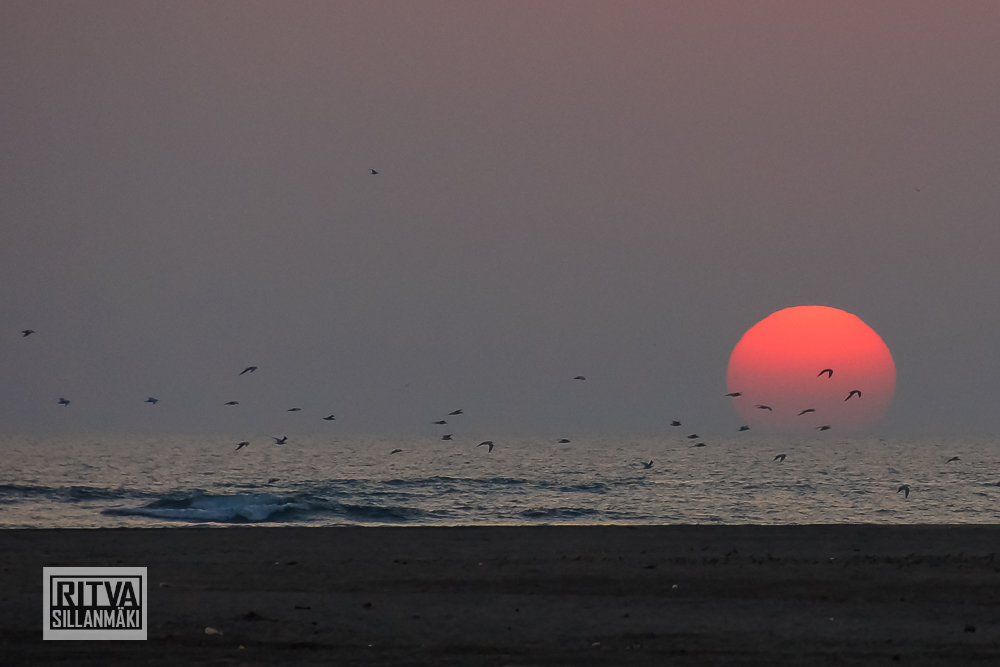
The birds looked lovely by flying in front of the sun…


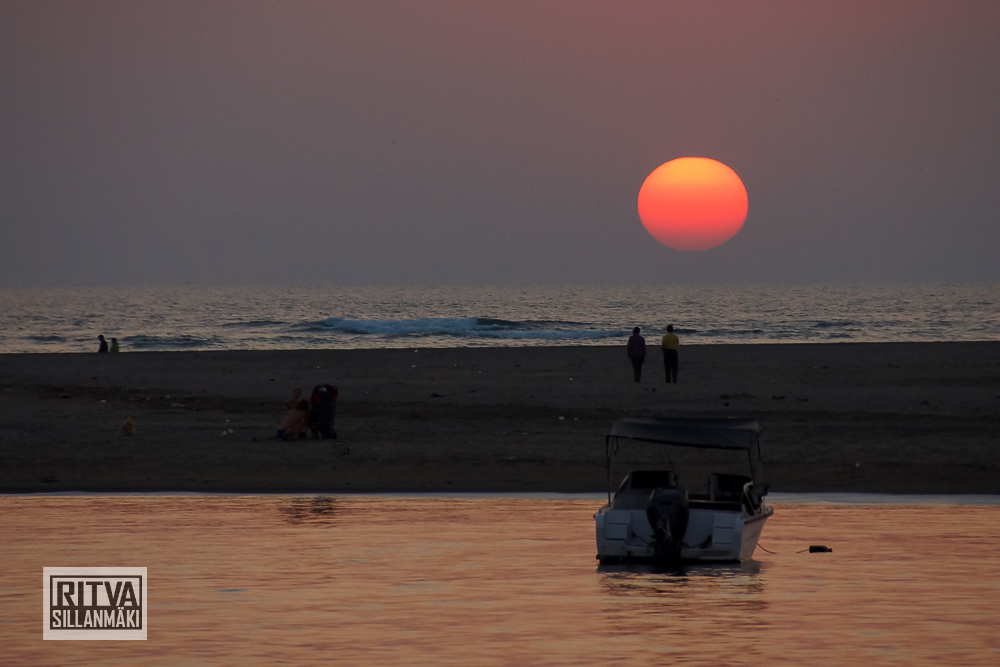


This weeks entry for The weekend in Black and White


This fishing boat on dry land looked photographable to me as the setting sun gave it a nice glow.
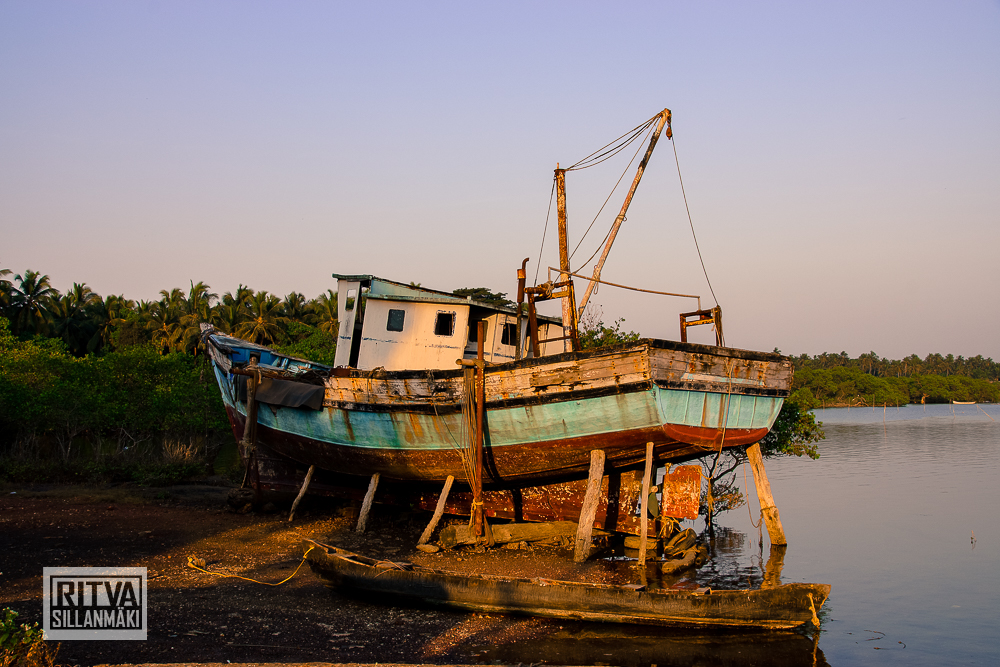
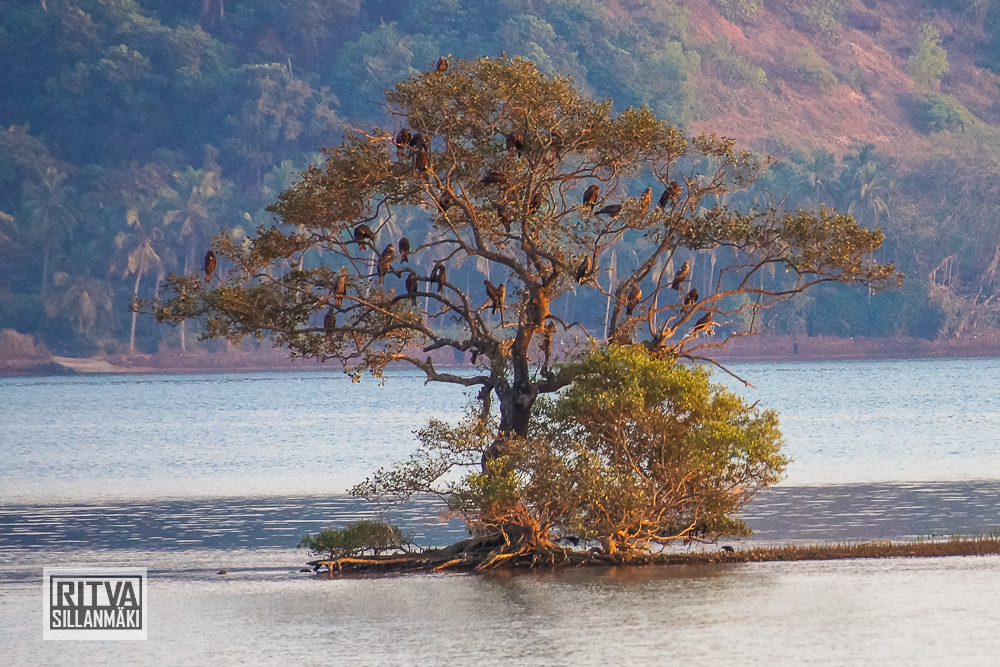
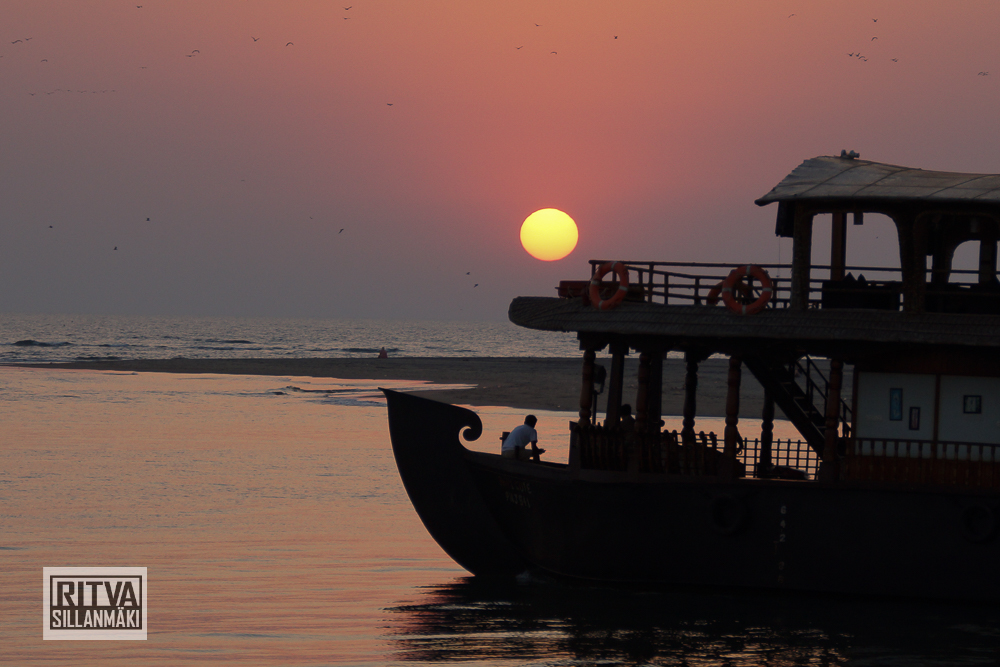
Chapora River is a river in northern Goa, India. It runs westward into the Arabian sea at Chapora and demarcates the border between the North Goa talukas of Pernem and Bardez. I took a cruise there and this one is from there taken at sunset. Several posts following this will be from there.
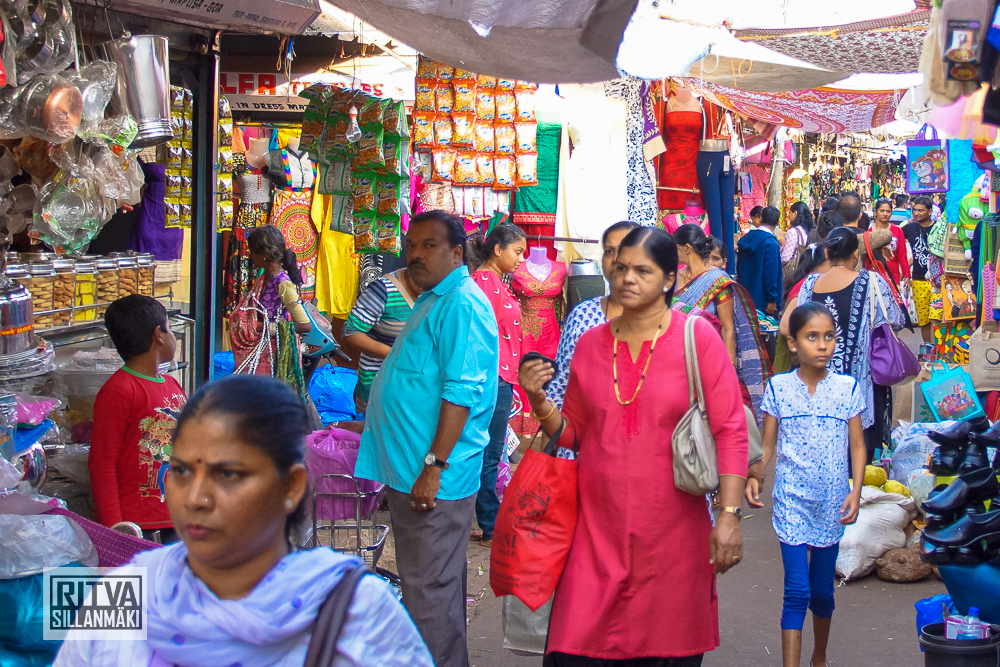
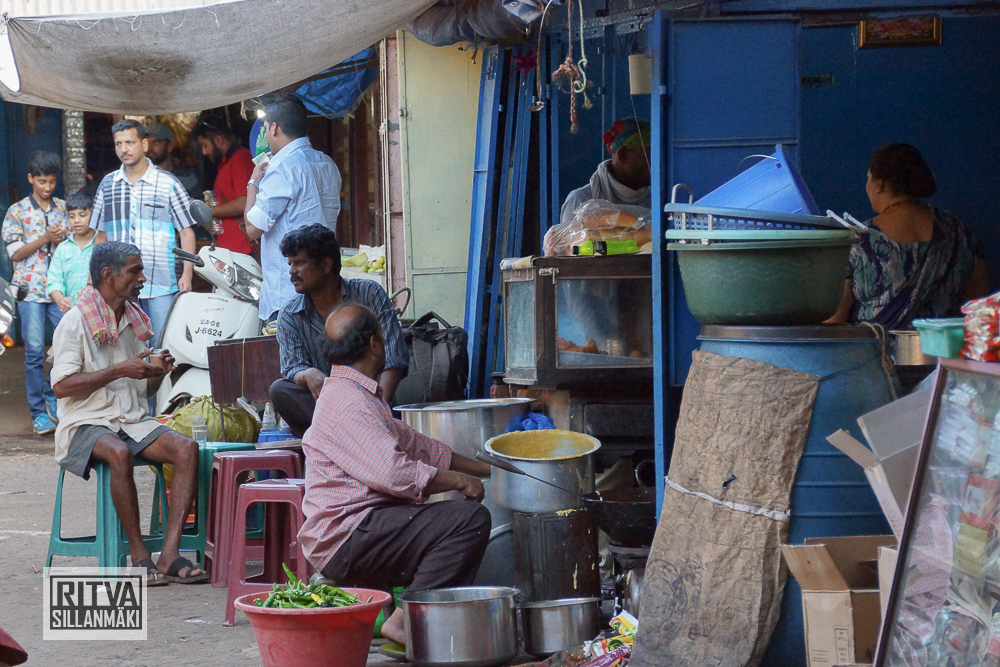
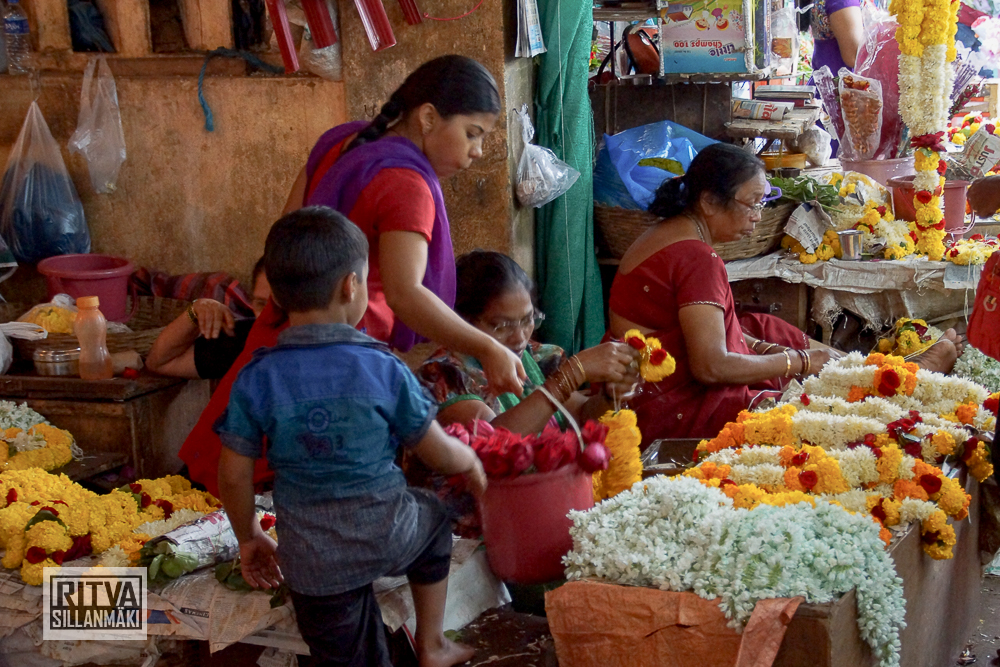
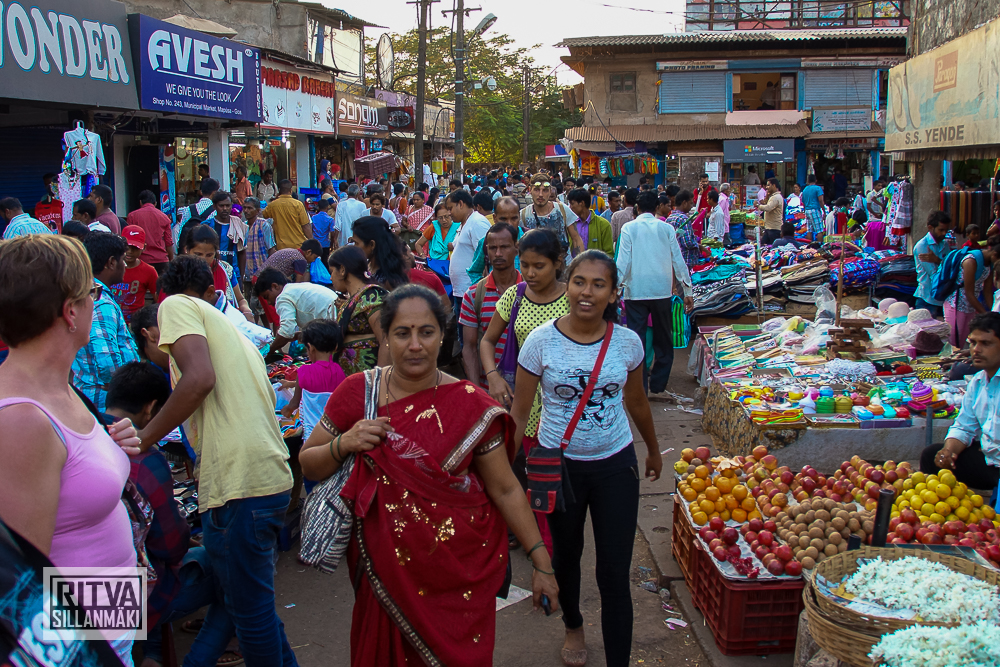
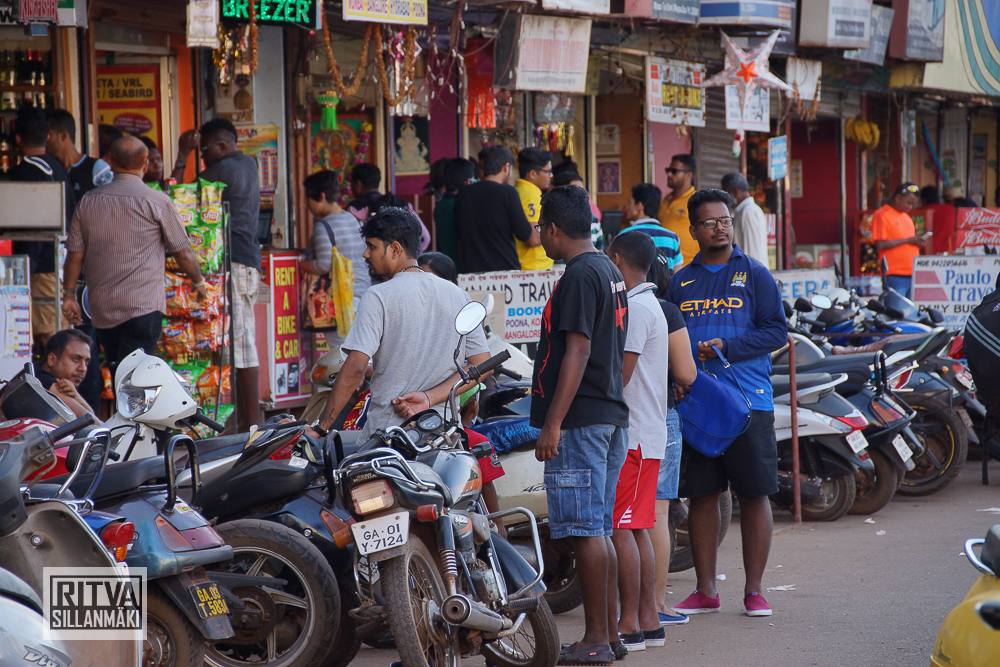
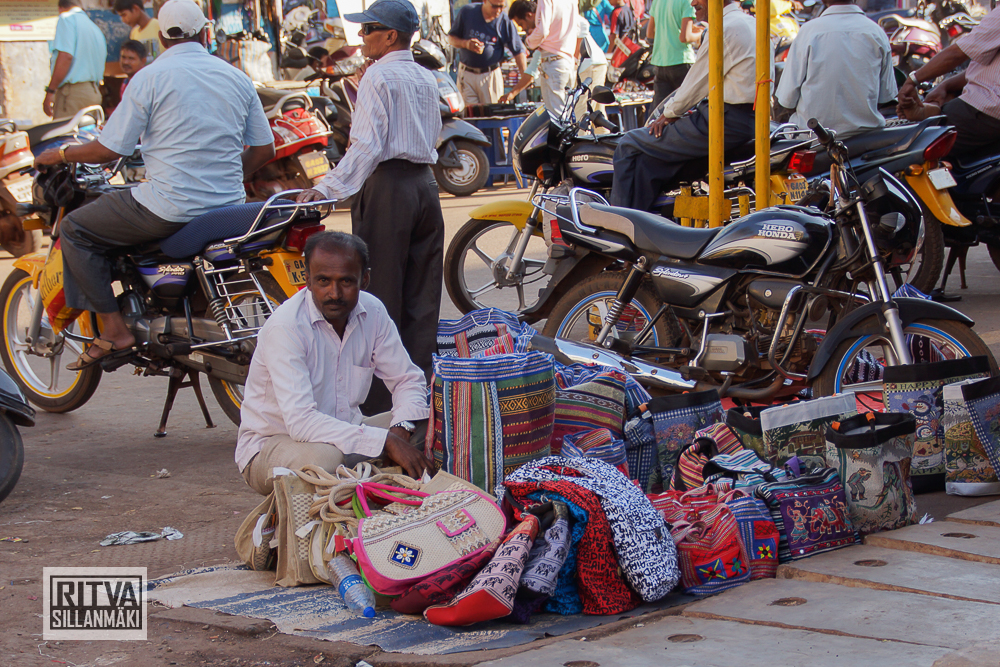
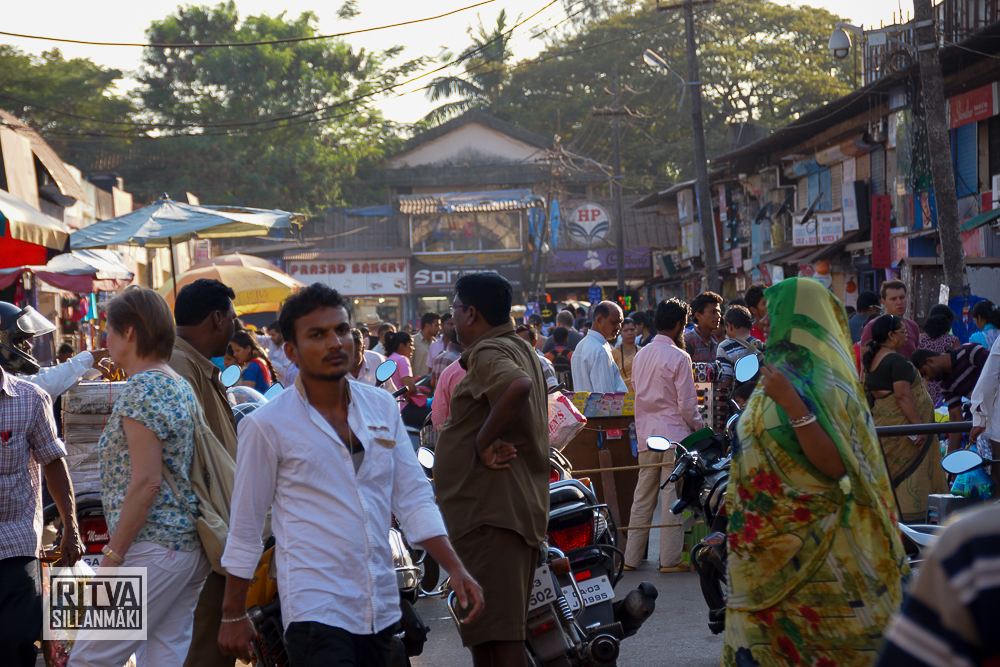
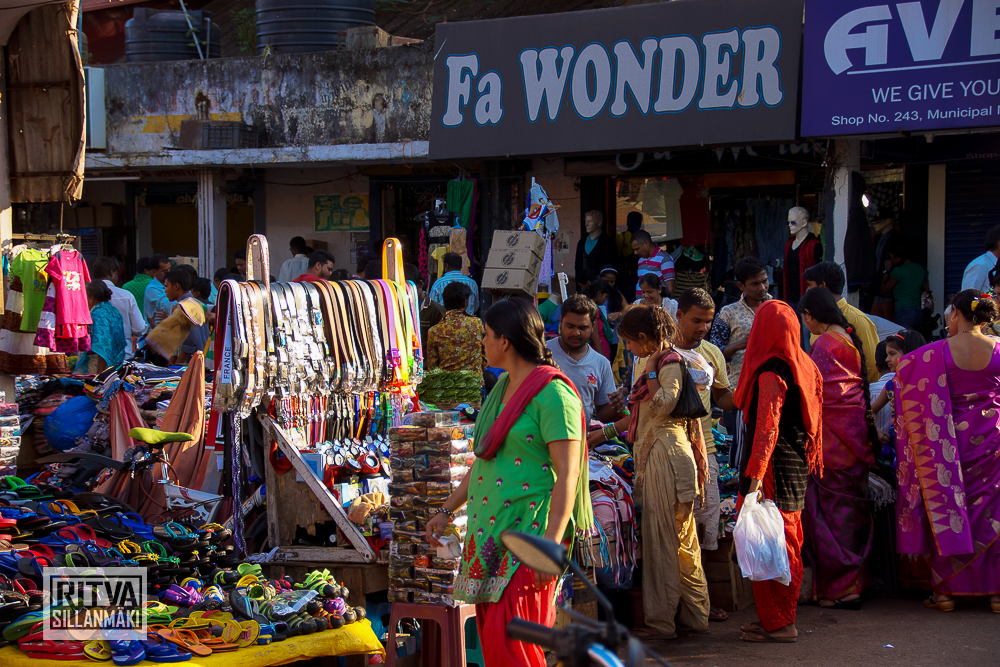
The Maposa Market was an experience,it is a market were the locals shop. Here are some photos of the people, it was packed with people, motorbikes, shoppers ans sellers.




 Ritva Sillanmäki Photography