


Stairway to light


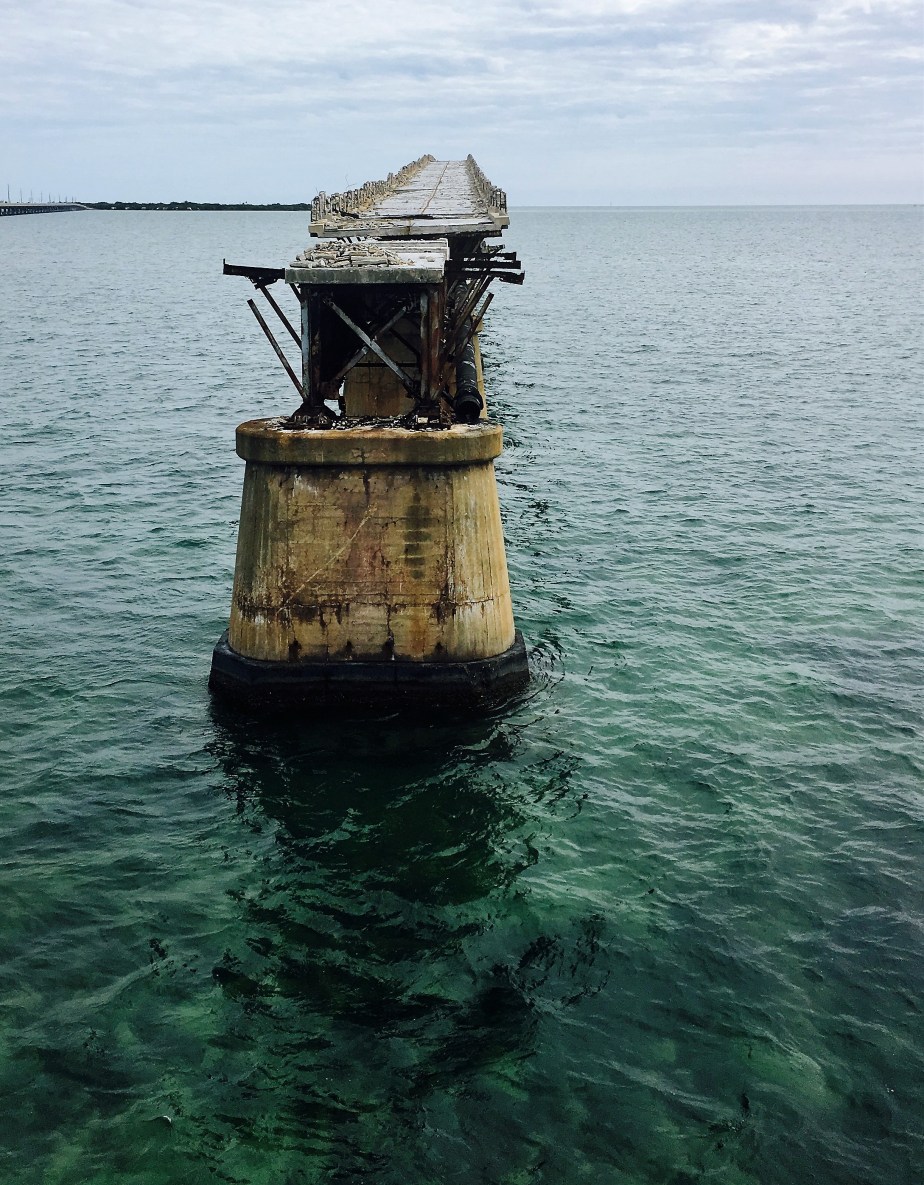
The old bridge was originally built between 1905 and 1912 by Henry Flagler as part of the Overseas Railroad. The bridge was damaged during the Labor Day Hurricane of 1935.
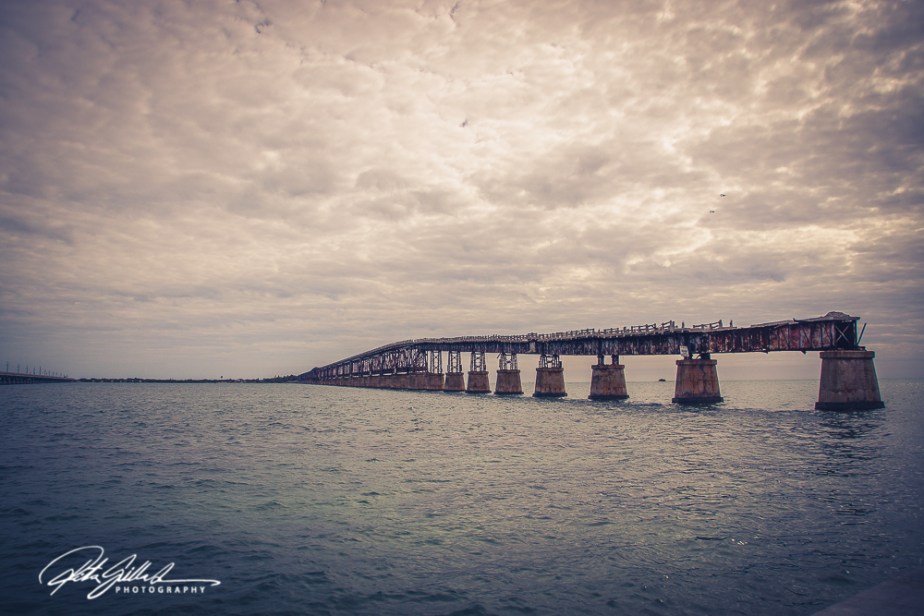
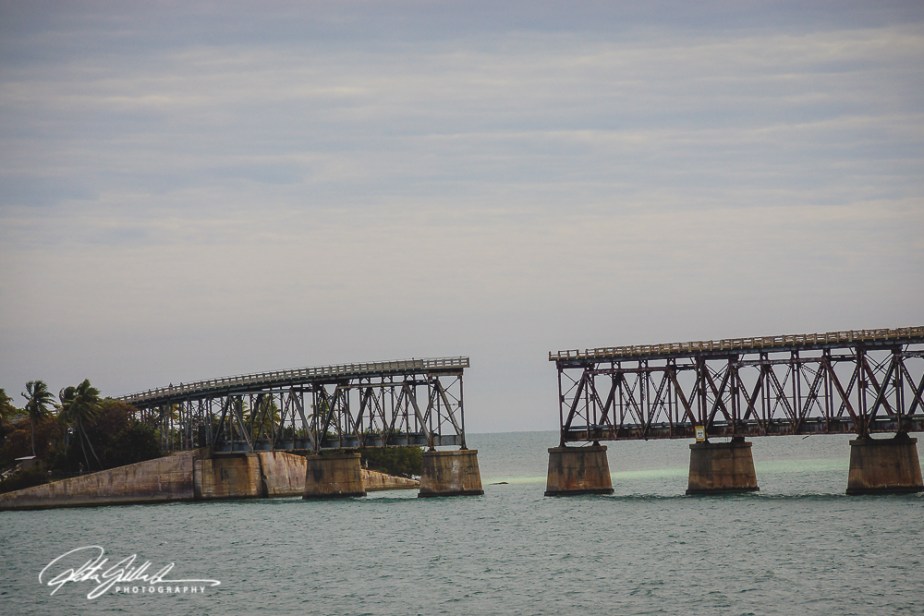
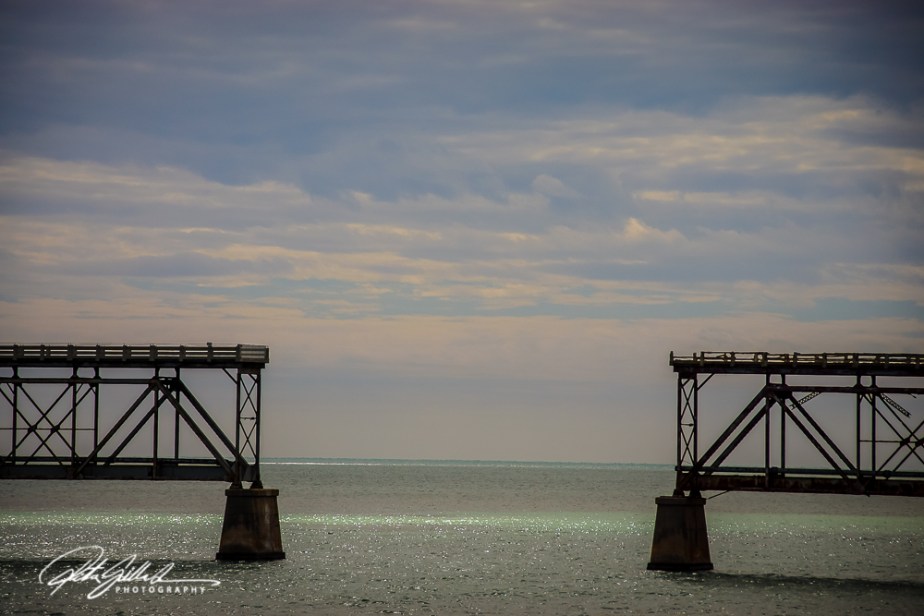
In 1980, a new four-lane bridge was constructed just a few hundred yards north of the old bridge, replacing the old route. Two of the truss spans of the old bridge were later removed to allow boat traffic.
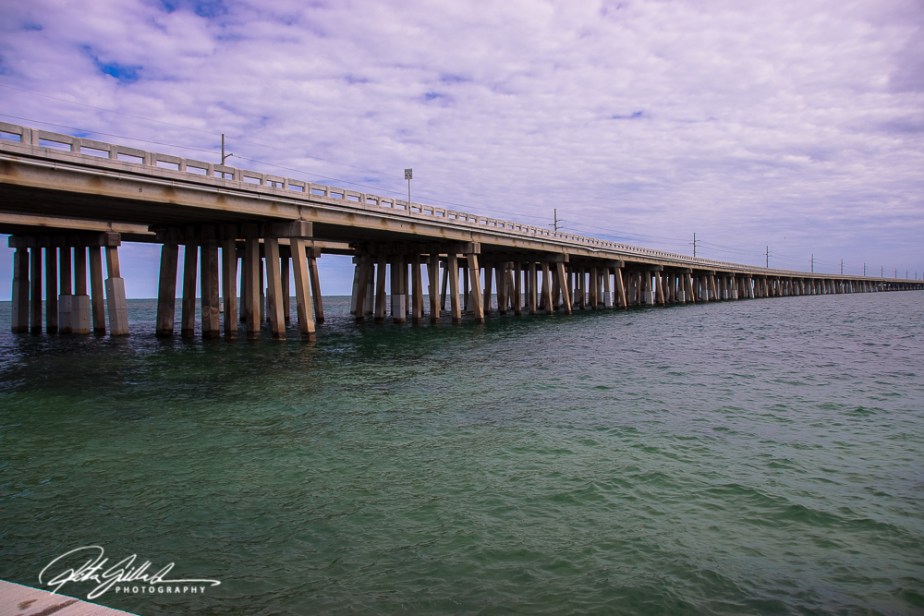
The original bridge still remains, though it has fallen into a state of disrepair and signs warning boats of falling debris.


,

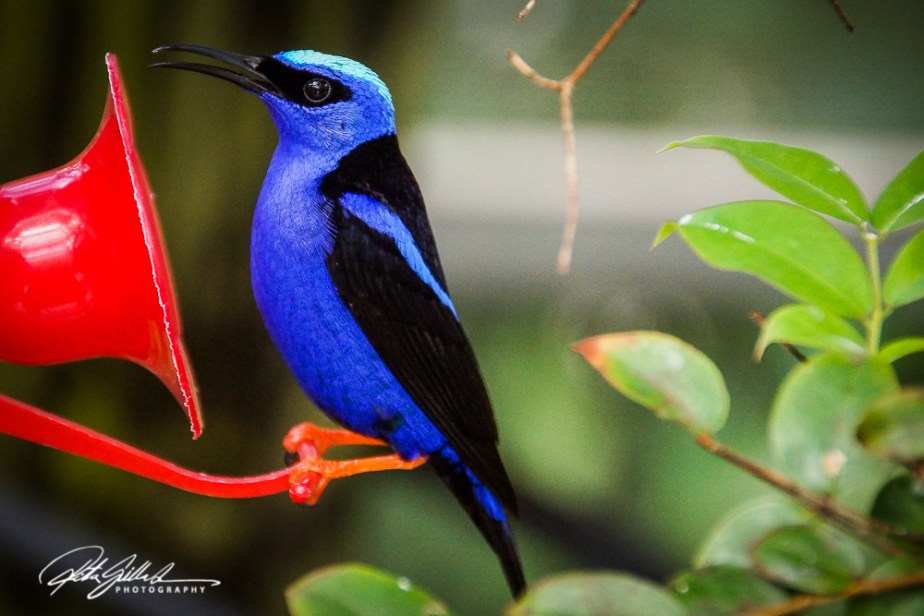
I saw this lovely bird and was also able to capture it at Butterfly world in Miami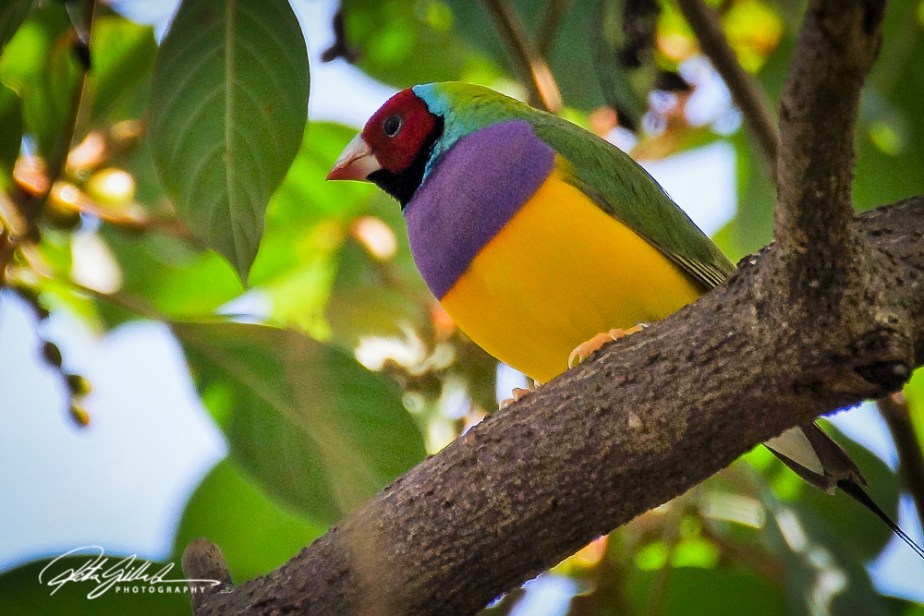
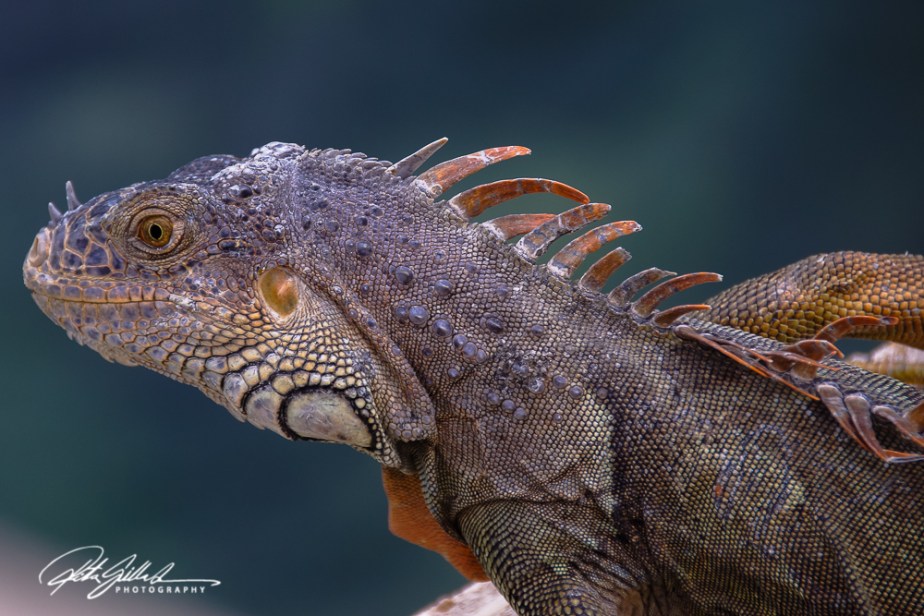
We stopped at Old Bahia Bridge, my husband saw this lizard on the edge and I was able to lean over and take pictures.




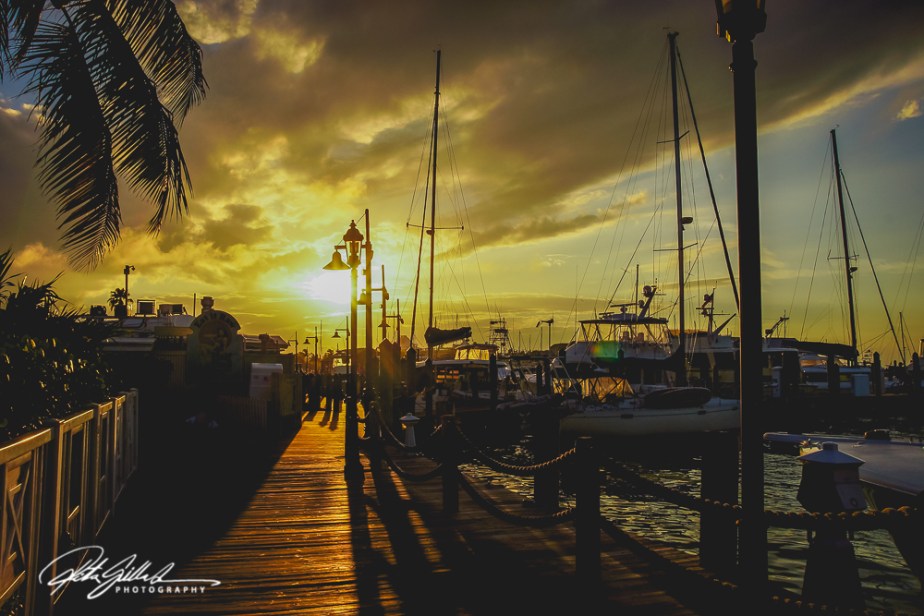
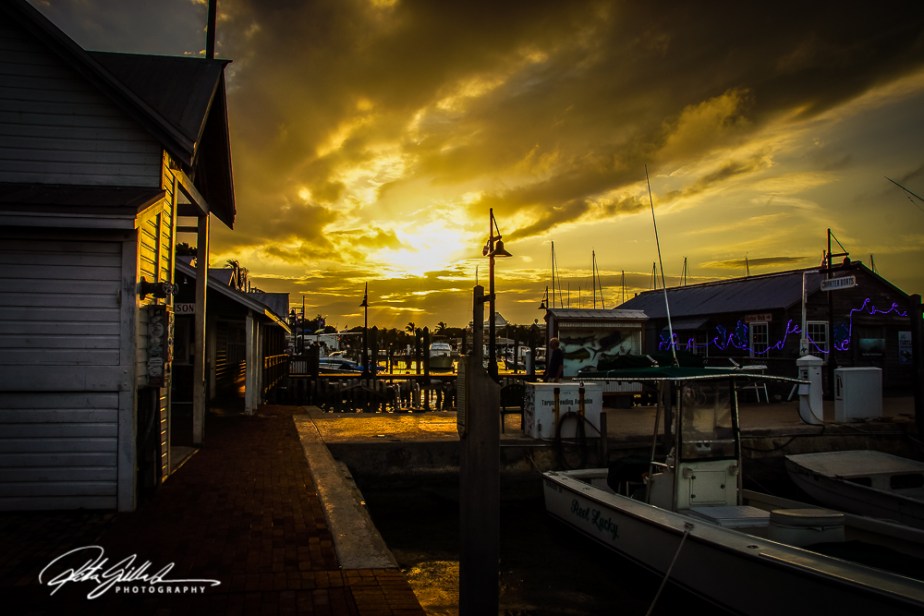
We spent time at sunset point in Key West prior the sunset enjoying the entertainment by various artist and acts.
I’m back from my holiday, totally enjoyed the beautiful weather in Florida. We saw lots and lots of wonderful things, met lovely people and enjoyed time spent with friends. Holiday…already waiting forward to the next one.
Nature, birds, animals, butterflies …I have tons of pictures to go through. I will start with this one of a sunset in Key West – more of this will be coming your way.


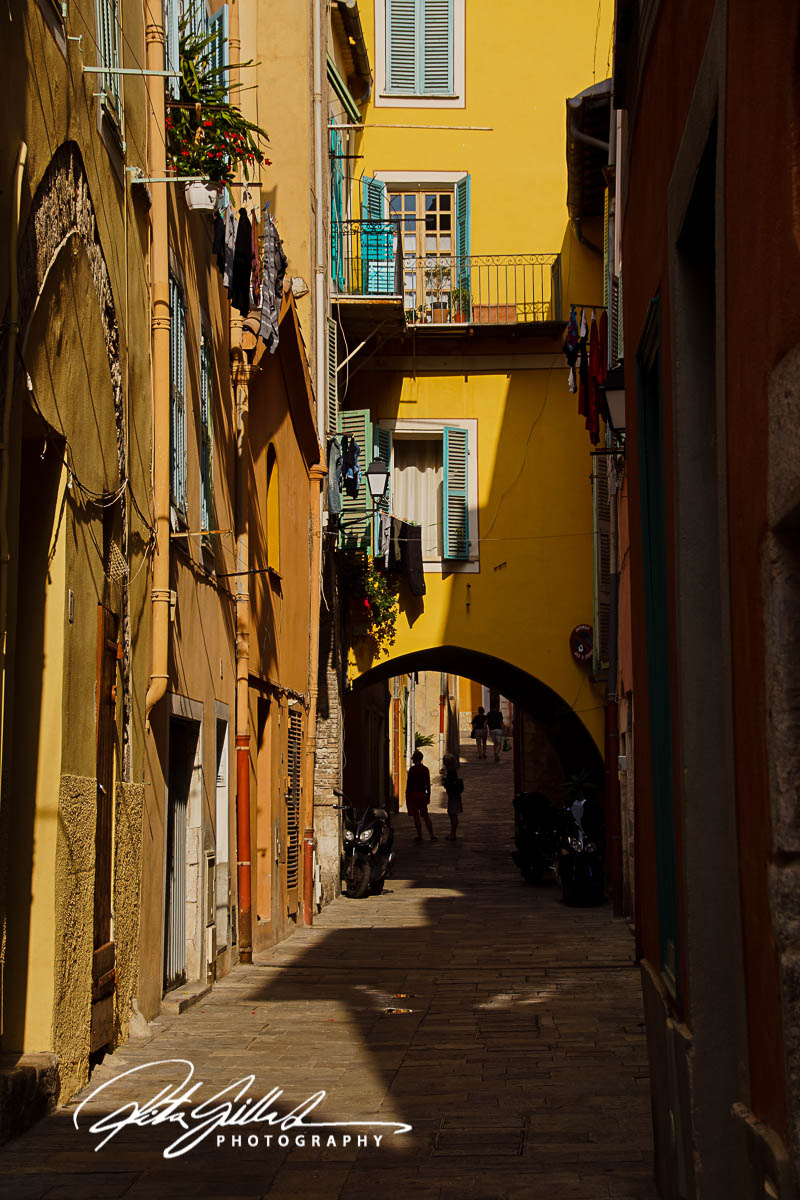
I have been very, very lazy in participating in Monochrome Madness and as the photos there are always so gorgeous, I am also very disappointed of my laziness. This week , well, here is my post for the challenge. I visited French Riviera early October and this is taken at there. This Original version can be found in color in by previous post Villefranche sur mer -rue Obscure
Wandering down the 13th century, 130 metre long rue Obscure (the dark street), which used to be part of the defensive walls of the town and is where the locals used to hide from invaders who were bombing the village from the sea.
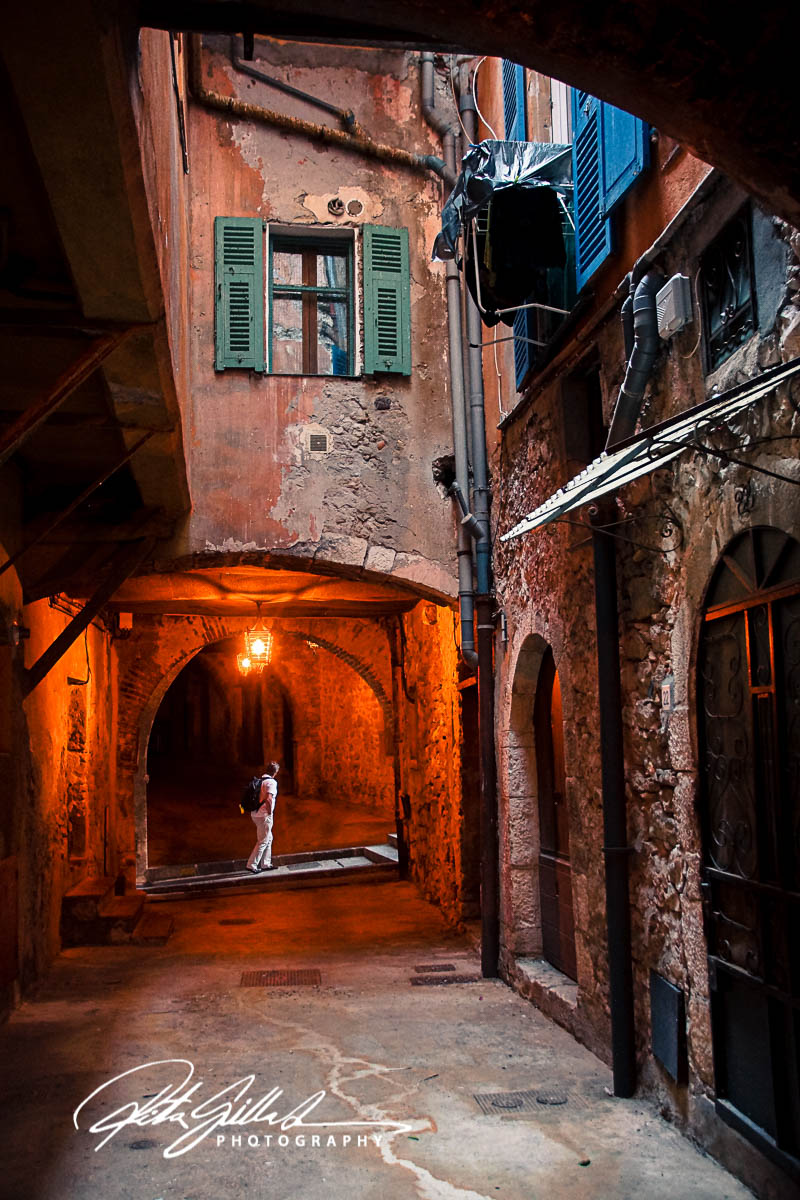
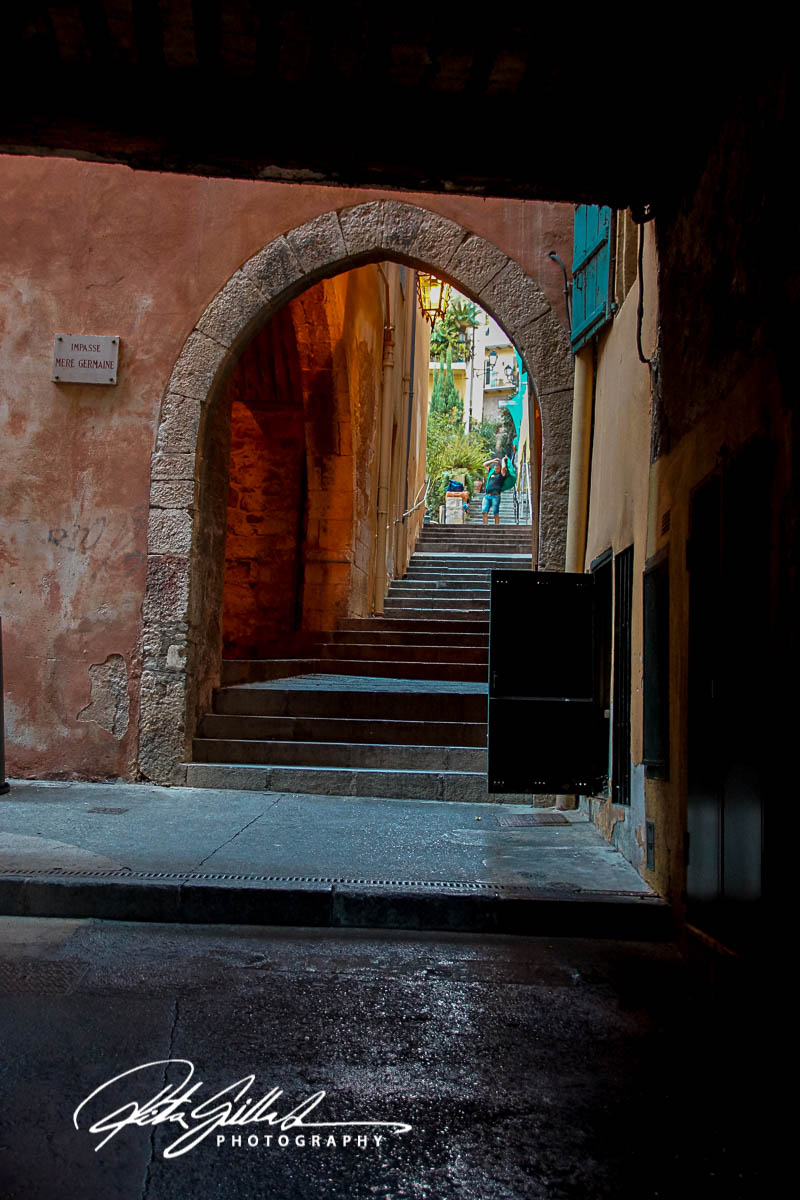
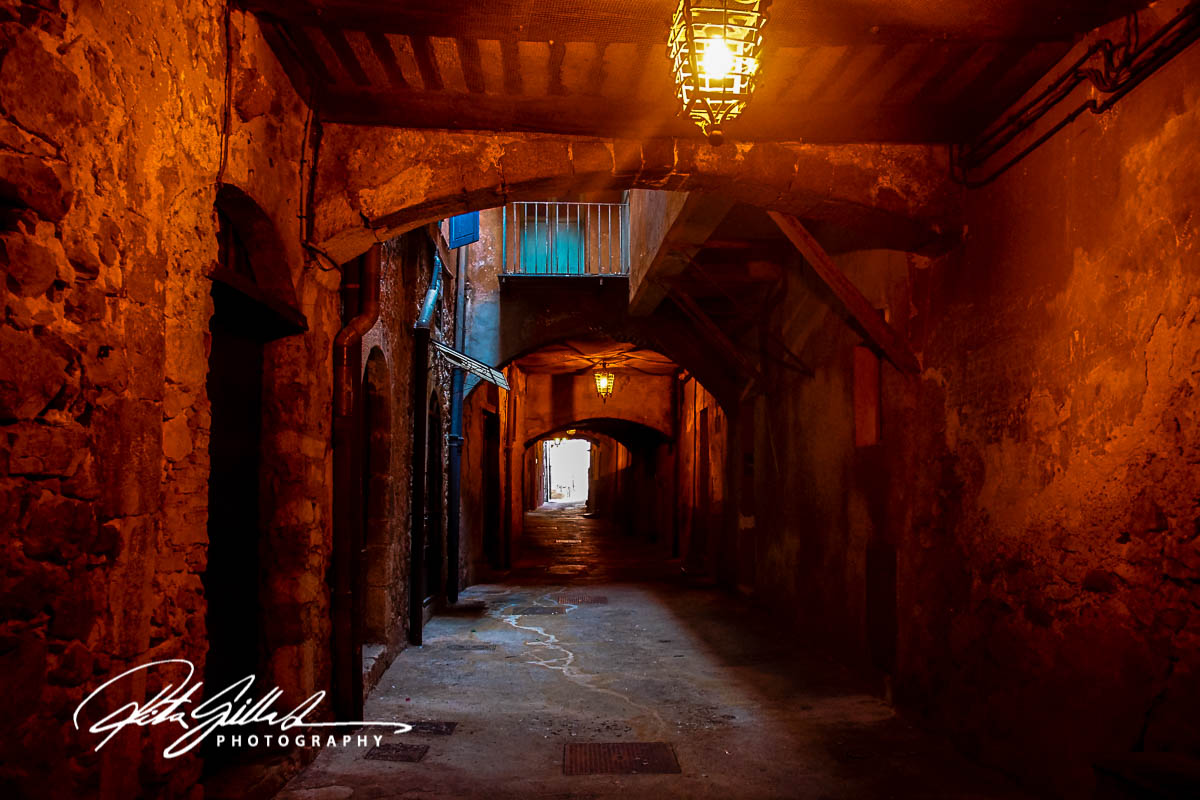
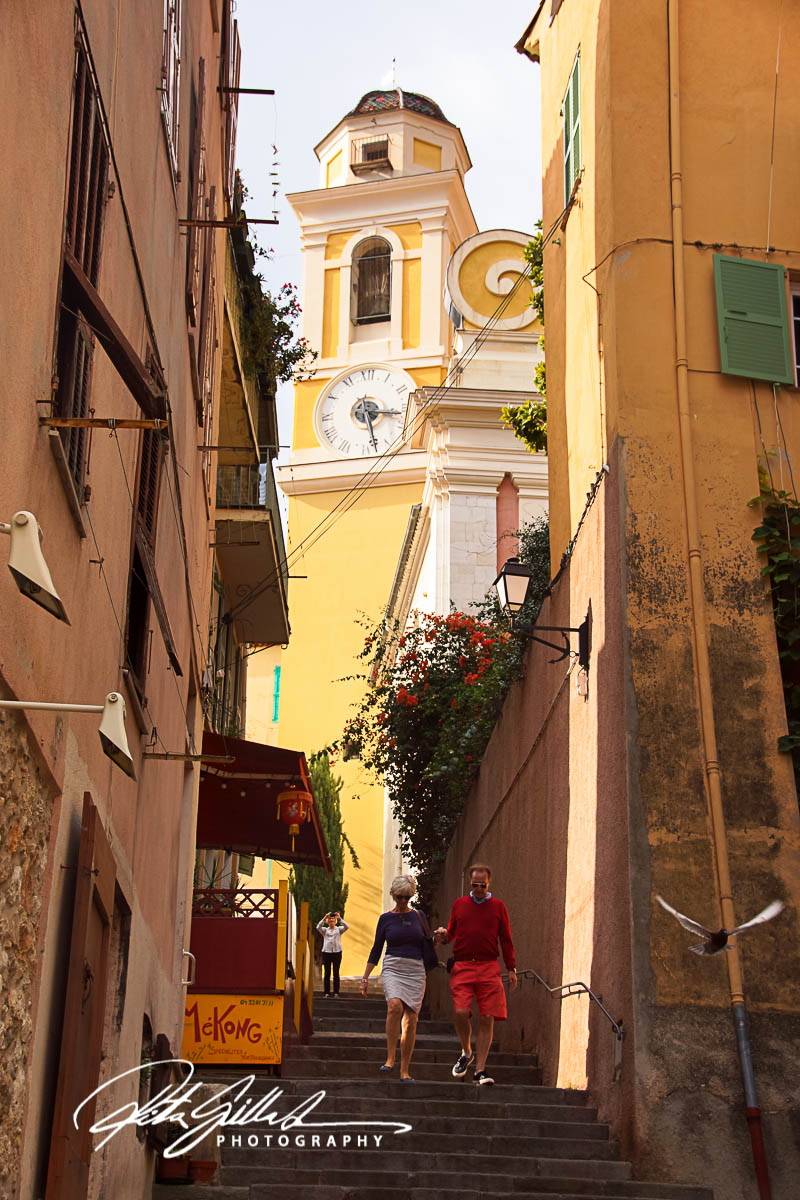
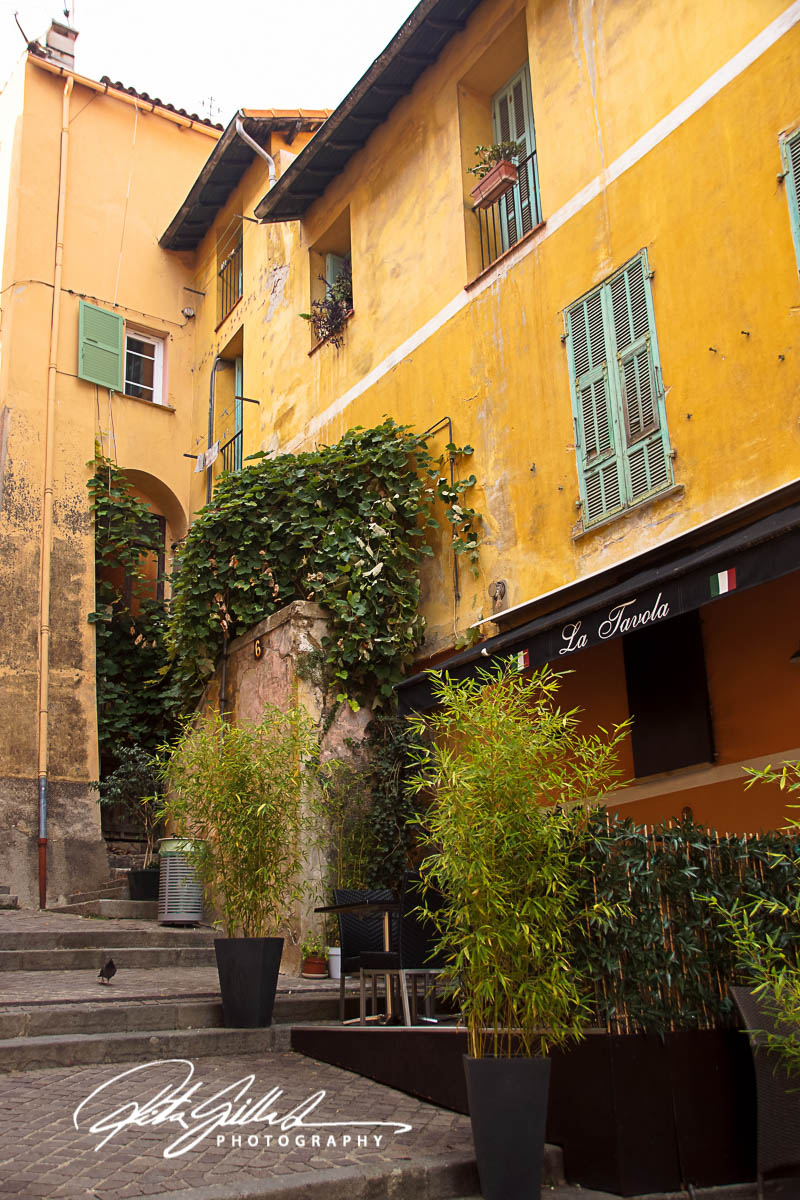
A couple strolls hand in hand up a scenic staircase in a coastal town of Villefranche sur mer, framed by an iconic clock tower. The town features charming alleyways with vibrant yellow walls, colorful buildings, lush greenery, and a tranquil atmosphere, reflecting the essence of Mediterranean life and inviting exploration.
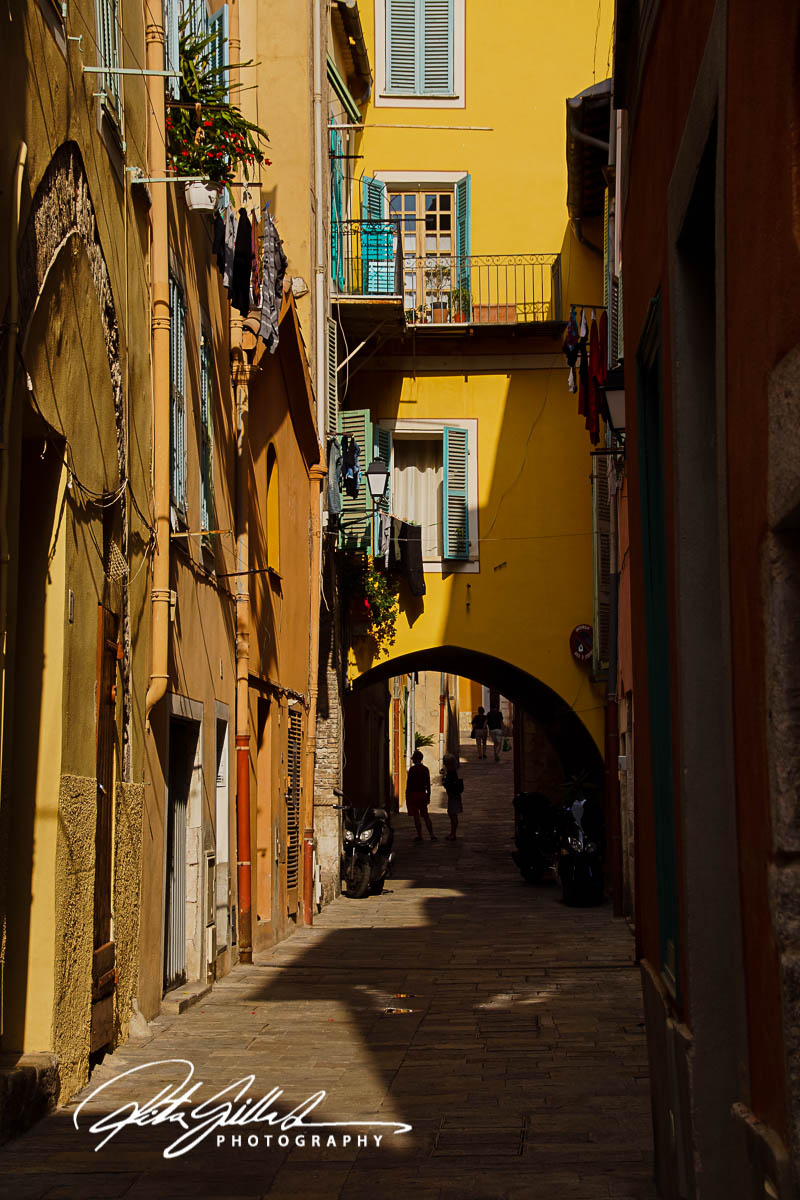
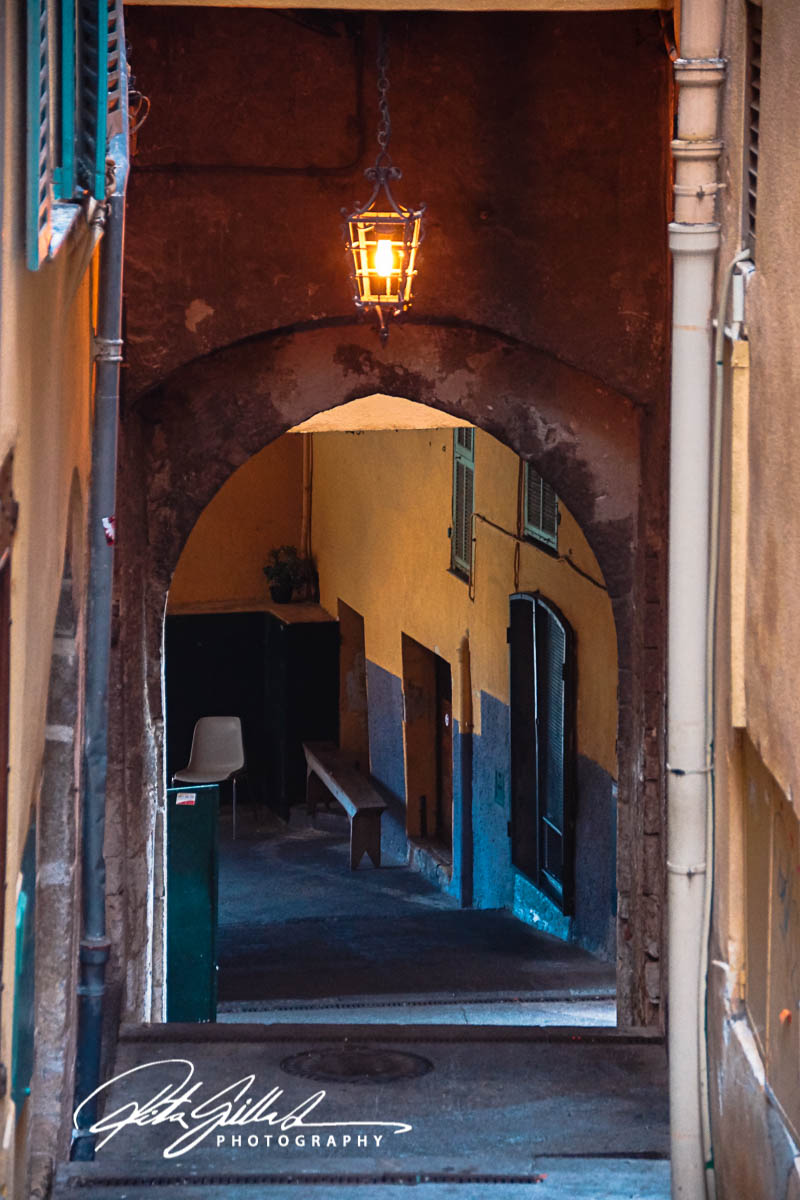
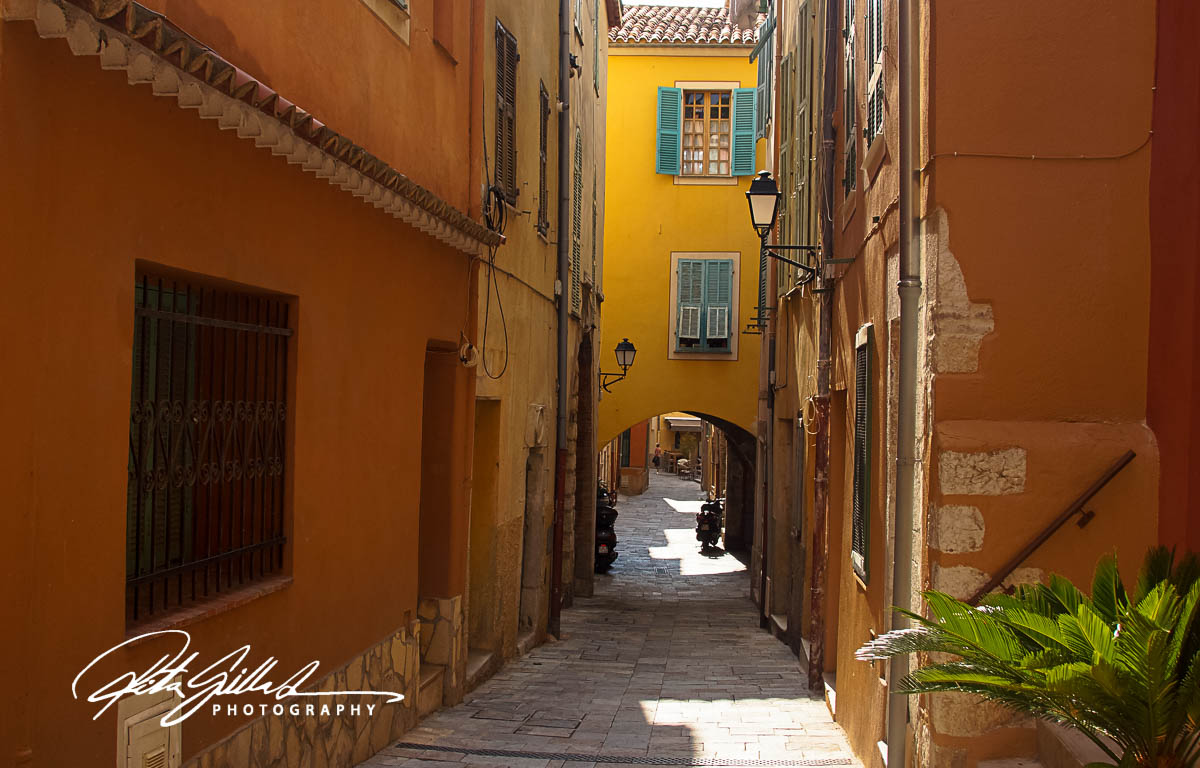


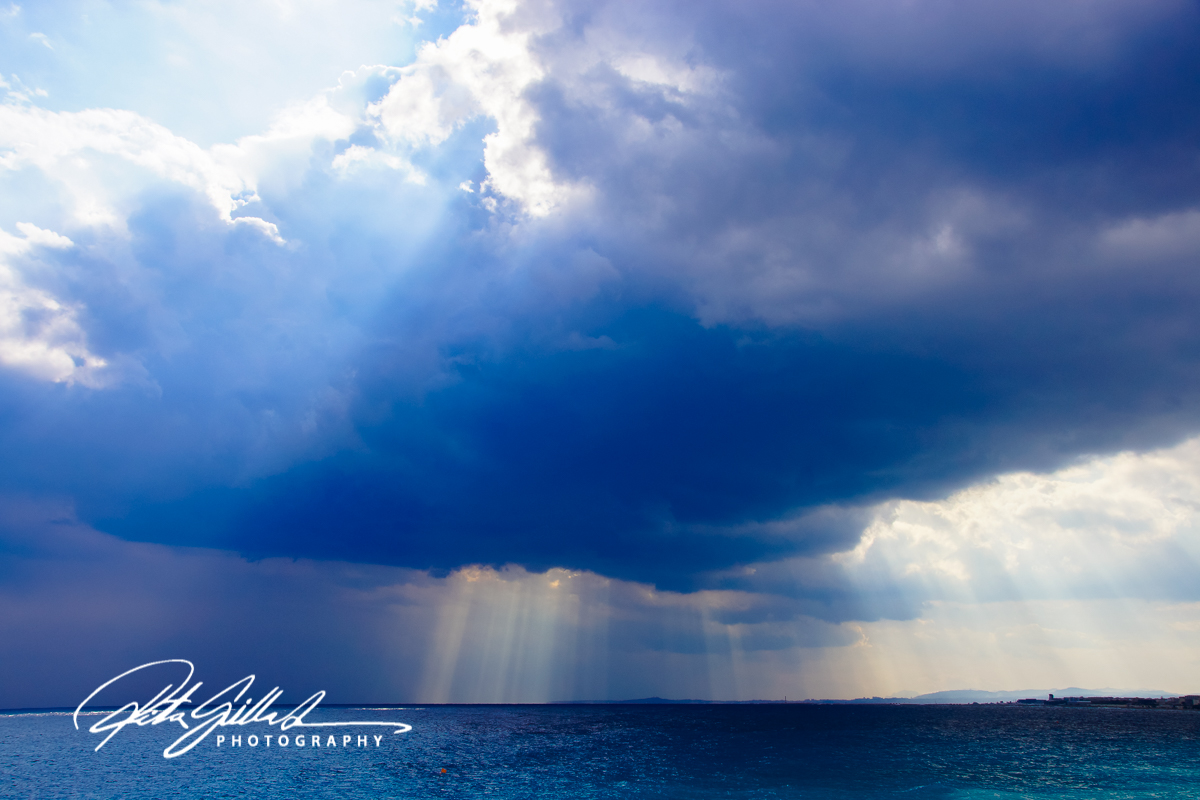
During our visit to French Riviera we saw this amazing sky, so deep colors and beautiful contrast between the colors of the sea and the intensity of the clouds – amazing sight!


After my walk, first taking in the beautiful fall colors on the ” big”road, to enter the small roads between spruce forest, I arrived to this lovely lake view. It was a glorious October morning, all quiet and still. This were my first shots as I came to my destination – a peaceful moment by the lake.


more to follow…
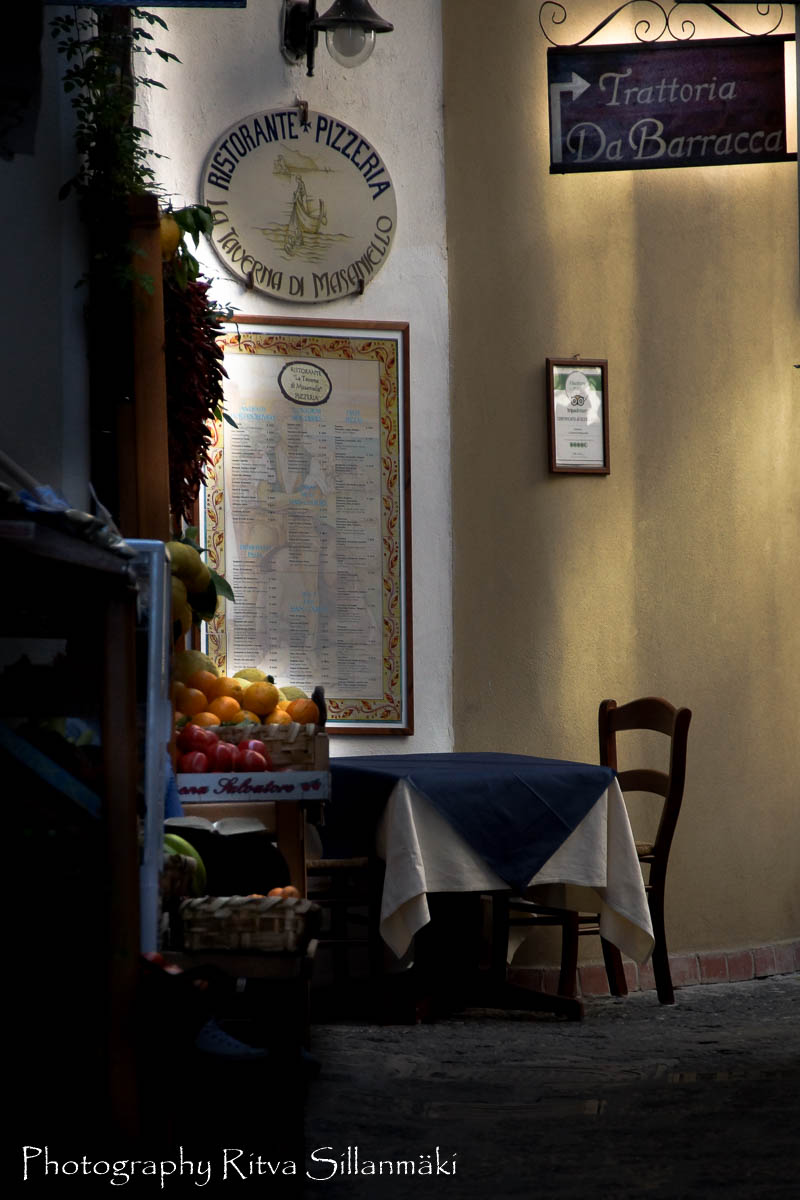
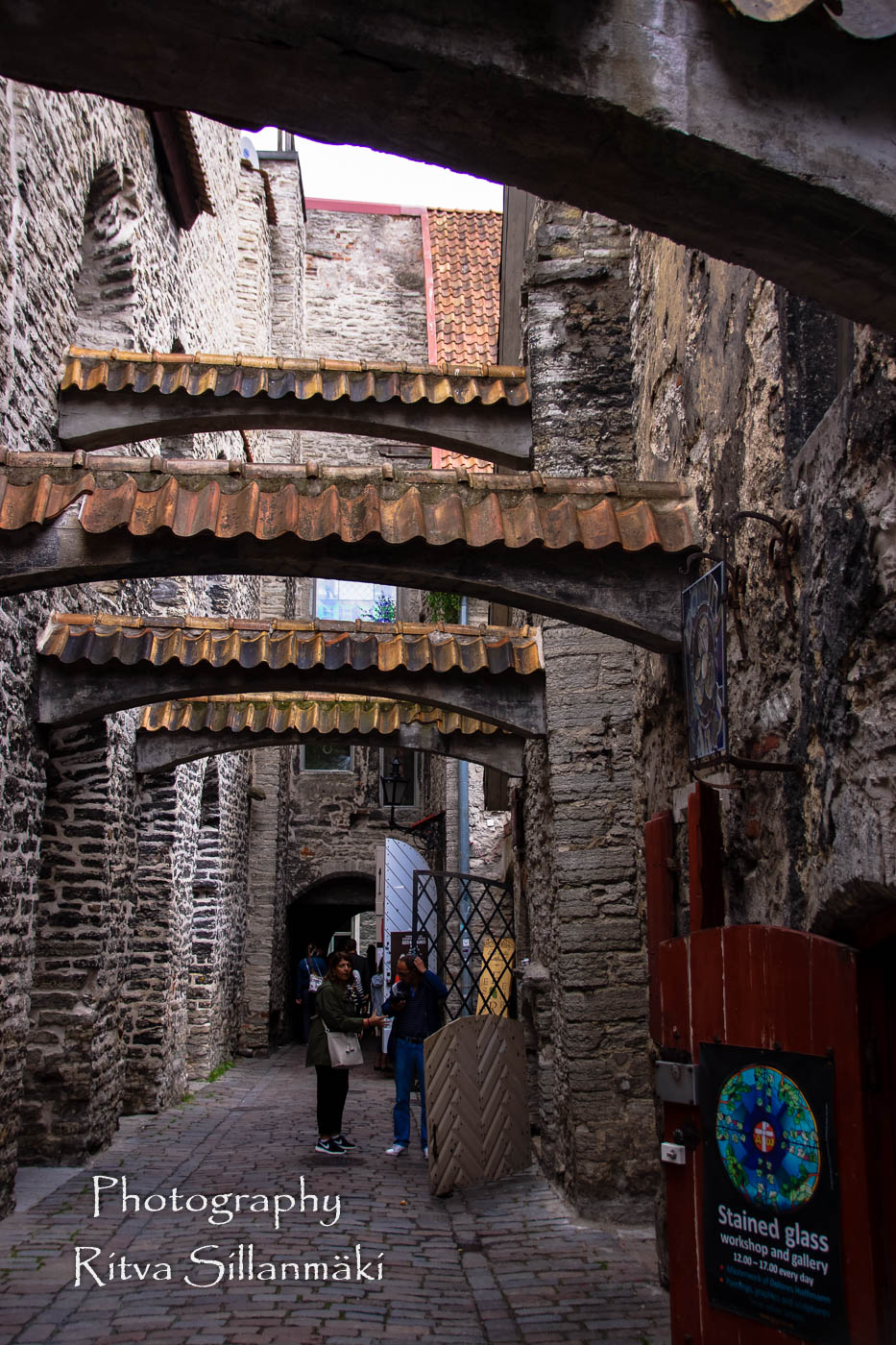


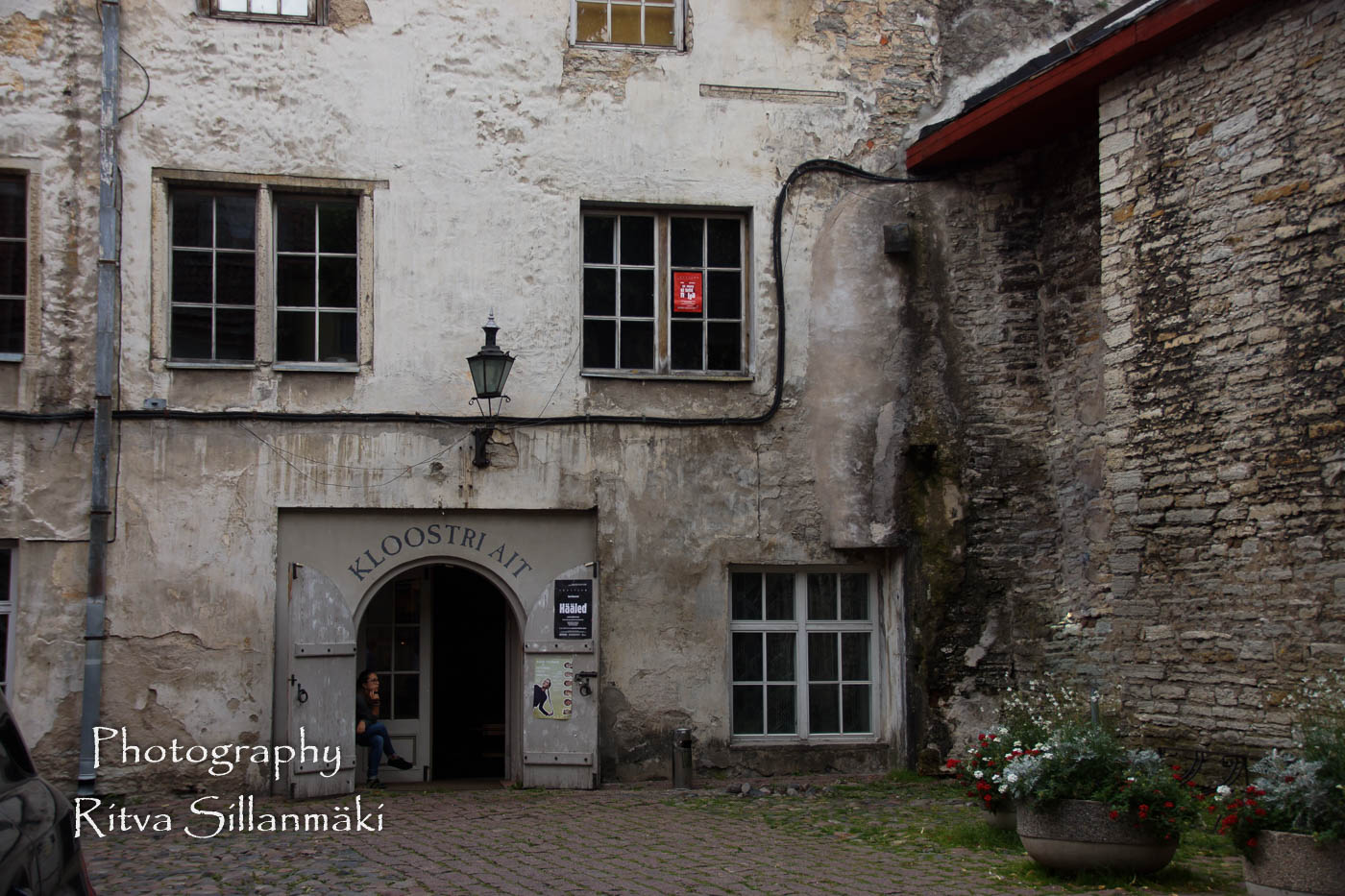


Still looking over the roof tops, these two towers near and far, with slightly different angles.


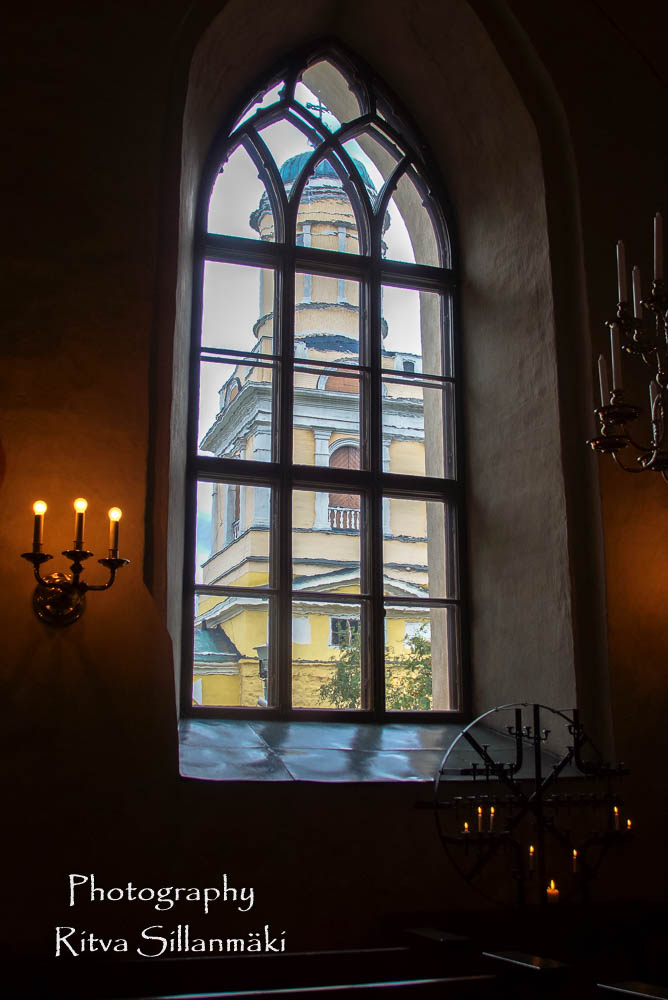
The Church of St. Mary in Hollola was built between the years 1495-1510: the vestry in ca. 1495, the main body in 1500, and armoury after 1505. The church of Hollola is the third largest medieval parish church in Finland and the oldest public building in Päijät- Häme region. The church, built in the mother parish of Greater Hollola, into the crossing of waterway Lake Päijänne – Lake Vesijärvi – Porvoonjoki river and the road Ylinen Viipurintie, was very centrally located. The massive stone church with high-pitched shingle roof, richly decorated gables, great cornerstones and strong granite walls, was a welcoming shelter for a traveller, kneeling down before the south side open-air altar or the altar in the armoury.


The church was built in Roman Catholic times and signs of the bygone era can still be seen: four pillars divide the church into two naves and the ribs of the two easternmost circular star vaults are decorated with paintings that indicate the area of the then main altar. The dedication crosses painted on the walls, eleven in total, witness of the dedication of the building and of the fact that Church is built upon the teaching of the Twelve Apostles. Above the door to the vestry, remains of painting depicting two angels carrying a monstrance, can be seen. This reminds the visitor of the reality of Christ in the Communion and in the Holy Place. On the base of the easternmost pillar there is the oldest piece in the church. The baptismal font, carved by master of Vehmaa in late 14th century reminds us of baptism, the sacrament of joining the Church.


During the Middle Ages, the church was lavishly decorated with wood sculptures. Twenty-four figures still exist, however their original screens have been lost. The patron saint of the church, St. Mary, has for instance been the main figure in the altar screen consisting of eight smaller figures. Today these are scattered in all parts of the church. The present antemensale, with the same motive as in the painting above the vestry, gives us a glimpse of the splendour of the medieval furnishing of the building. The doors of the church are beautiful examples of medieval wood carving and forging work, especially the door between armoury and nave. This one, with motives of lilies and the hunt of St. Hubert, is generally admired.


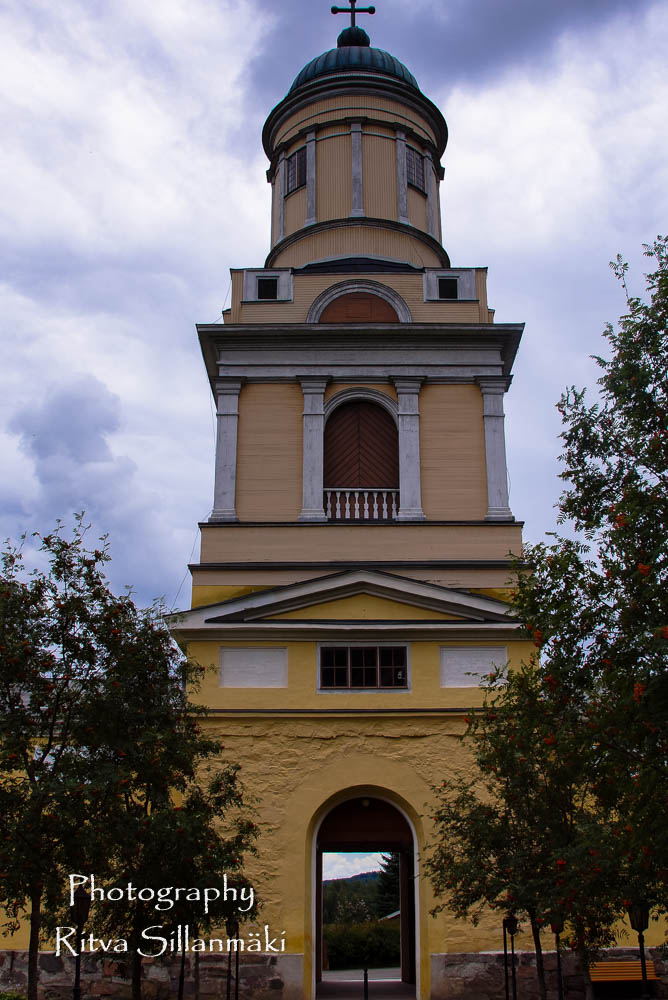
The belltower was built in 1829-1831 according to C. L. Engel drafts. The ground floor of the tower has a cold room for the deceased as well as a room for close relatives.
text from:https://www.geocaching.com

 Ritva Sillanmäki Photography